EP3982385B1 - Dielektrisches material und kondensator mit dem dielektrischen material - Google Patents
Dielektrisches material und kondensator mit dem dielektrischen material Download PDFInfo
- Publication number
- EP3982385B1 EP3982385B1 EP21207956.0A EP21207956A EP3982385B1 EP 3982385 B1 EP3982385 B1 EP 3982385B1 EP 21207956 A EP21207956 A EP 21207956A EP 3982385 B1 EP3982385 B1 EP 3982385B1
- Authority
- EP
- European Patent Office
- Prior art keywords
- capacitor
- dielectric material
- range
- weight
- oxide
- Prior art date
- Legal status (The legal status is an assumption and is not a legal conclusion. Google has not performed a legal analysis and makes no representation as to the accuracy of the status listed.)
- Active
Links
Images




Classifications
-
- H—ELECTRICITY
- H01—ELECTRIC ELEMENTS
- H01G—CAPACITORS; CAPACITORS, RECTIFIERS, DETECTORS, SWITCHING DEVICES, LIGHT-SENSITIVE OR TEMPERATURE-SENSITIVE DEVICES OF THE ELECTROLYTIC TYPE
- H01G4/00—Fixed capacitors; Processes of their manufacture
- H01G4/002—Details
- H01G4/018—Dielectrics
- H01G4/06—Solid dielectrics
- H01G4/08—Inorganic dielectrics
- H01G4/12—Ceramic dielectrics
- H01G4/1209—Ceramic dielectrics characterised by the ceramic dielectric material
- H01G4/1218—Ceramic dielectrics characterised by the ceramic dielectric material based on titanium oxides or titanates
-
- H—ELECTRICITY
- H01—ELECTRIC ELEMENTS
- H01G—CAPACITORS; CAPACITORS, RECTIFIERS, DETECTORS, SWITCHING DEVICES, LIGHT-SENSITIVE OR TEMPERATURE-SENSITIVE DEVICES OF THE ELECTROLYTIC TYPE
- H01G4/00—Fixed capacitors; Processes of their manufacture
- H01G4/30—Stacked capacitors
-
- B—PERFORMING OPERATIONS; TRANSPORTING
- B32—LAYERED PRODUCTS
- B32B—LAYERED PRODUCTS, i.e. PRODUCTS BUILT-UP OF STRATA OF FLAT OR NON-FLAT, e.g. CELLULAR OR HONEYCOMB, FORM
- B32B18/00—Layered products essentially comprising ceramics, e.g. refractory products
-
- C—CHEMISTRY; METALLURGY
- C04—CEMENTS; CONCRETE; ARTIFICIAL STONE; CERAMICS; REFRACTORIES
- C04B—LIME, MAGNESIA; SLAG; CEMENTS; COMPOSITIONS THEREOF, e.g. MORTARS, CONCRETE OR LIKE BUILDING MATERIALS; ARTIFICIAL STONE; CERAMICS; REFRACTORIES; TREATMENT OF NATURAL STONE
- C04B35/00—Shaped ceramic products characterised by their composition; Ceramics compositions; Processing powders of inorganic compounds preparatory to the manufacturing of ceramic products
- C04B35/01—Shaped ceramic products characterised by their composition; Ceramics compositions; Processing powders of inorganic compounds preparatory to the manufacturing of ceramic products based on oxide ceramics
- C04B35/46—Shaped ceramic products characterised by their composition; Ceramics compositions; Processing powders of inorganic compounds preparatory to the manufacturing of ceramic products based on oxide ceramics based on titanium oxides or titanates
- C04B35/462—Shaped ceramic products characterised by their composition; Ceramics compositions; Processing powders of inorganic compounds preparatory to the manufacturing of ceramic products based on oxide ceramics based on titanium oxides or titanates based on titanates
- C04B35/465—Shaped ceramic products characterised by their composition; Ceramics compositions; Processing powders of inorganic compounds preparatory to the manufacturing of ceramic products based on oxide ceramics based on titanium oxides or titanates based on titanates based on alkaline earth metal titanates
- C04B35/47—Shaped ceramic products characterised by their composition; Ceramics compositions; Processing powders of inorganic compounds preparatory to the manufacturing of ceramic products based on oxide ceramics based on titanium oxides or titanates based on titanates based on alkaline earth metal titanates based on strontium titanates
-
- C—CHEMISTRY; METALLURGY
- C04—CEMENTS; CONCRETE; ARTIFICIAL STONE; CERAMICS; REFRACTORIES
- C04B—LIME, MAGNESIA; SLAG; CEMENTS; COMPOSITIONS THEREOF, e.g. MORTARS, CONCRETE OR LIKE BUILDING MATERIALS; ARTIFICIAL STONE; CERAMICS; REFRACTORIES; TREATMENT OF NATURAL STONE
- C04B35/00—Shaped ceramic products characterised by their composition; Ceramics compositions; Processing powders of inorganic compounds preparatory to the manufacturing of ceramic products
- C04B35/622—Forming processes; Processing powders of inorganic compounds preparatory to the manufacturing of ceramic products
- C04B35/64—Burning or sintering processes
-
- H—ELECTRICITY
- H01—ELECTRIC ELEMENTS
- H01G—CAPACITORS; CAPACITORS, RECTIFIERS, DETECTORS, SWITCHING DEVICES, LIGHT-SENSITIVE OR TEMPERATURE-SENSITIVE DEVICES OF THE ELECTROLYTIC TYPE
- H01G4/00—Fixed capacitors; Processes of their manufacture
- H01G4/002—Details
- H01G4/005—Electrodes
-
- H—ELECTRICITY
- H01—ELECTRIC ELEMENTS
- H01G—CAPACITORS; CAPACITORS, RECTIFIERS, DETECTORS, SWITCHING DEVICES, LIGHT-SENSITIVE OR TEMPERATURE-SENSITIVE DEVICES OF THE ELECTROLYTIC TYPE
- H01G4/00—Fixed capacitors; Processes of their manufacture
- H01G4/002—Details
- H01G4/018—Dielectrics
- H01G4/06—Solid dielectrics
- H01G4/08—Inorganic dielectrics
- H01G4/12—Ceramic dielectrics
-
- H—ELECTRICITY
- H01—ELECTRIC ELEMENTS
- H01G—CAPACITORS; CAPACITORS, RECTIFIERS, DETECTORS, SWITCHING DEVICES, LIGHT-SENSITIVE OR TEMPERATURE-SENSITIVE DEVICES OF THE ELECTROLYTIC TYPE
- H01G4/00—Fixed capacitors; Processes of their manufacture
- H01G4/002—Details
- H01G4/018—Dielectrics
- H01G4/06—Solid dielectrics
- H01G4/08—Inorganic dielectrics
- H01G4/12—Ceramic dielectrics
- H01G4/1209—Ceramic dielectrics characterised by the ceramic dielectric material
- H01G4/1218—Ceramic dielectrics characterised by the ceramic dielectric material based on titanium oxides or titanates
- H01G4/1227—Ceramic dielectrics characterised by the ceramic dielectric material based on titanium oxides or titanates based on alkaline earth titanates
-
- H—ELECTRICITY
- H01—ELECTRIC ELEMENTS
- H01G—CAPACITORS; CAPACITORS, RECTIFIERS, DETECTORS, SWITCHING DEVICES, LIGHT-SENSITIVE OR TEMPERATURE-SENSITIVE DEVICES OF THE ELECTROLYTIC TYPE
- H01G4/00—Fixed capacitors; Processes of their manufacture
- H01G4/002—Details
- H01G4/228—Terminals
- H01G4/248—Terminals the terminals embracing or surrounding the capacitive element, e.g. caps
-
- C—CHEMISTRY; METALLURGY
- C04—CEMENTS; CONCRETE; ARTIFICIAL STONE; CERAMICS; REFRACTORIES
- C04B—LIME, MAGNESIA; SLAG; CEMENTS; COMPOSITIONS THEREOF, e.g. MORTARS, CONCRETE OR LIKE BUILDING MATERIALS; ARTIFICIAL STONE; CERAMICS; REFRACTORIES; TREATMENT OF NATURAL STONE
- C04B2235/00—Aspects relating to ceramic starting mixtures or sintered ceramic products
- C04B2235/02—Composition of constituents of the starting material or of secondary phases of the final product
- C04B2235/30—Constituents and secondary phases not being of a fibrous nature
- C04B2235/32—Metal oxides, mixed metal oxides, or oxide-forming salts thereof, e.g. carbonates, nitrates, (oxy)hydroxides, chlorides
- C04B2235/3205—Alkaline earth oxides or oxide forming salts thereof, e.g. beryllium oxide
- C04B2235/3208—Calcium oxide or oxide-forming salts thereof, e.g. lime
-
- C—CHEMISTRY; METALLURGY
- C04—CEMENTS; CONCRETE; ARTIFICIAL STONE; CERAMICS; REFRACTORIES
- C04B—LIME, MAGNESIA; SLAG; CEMENTS; COMPOSITIONS THEREOF, e.g. MORTARS, CONCRETE OR LIKE BUILDING MATERIALS; ARTIFICIAL STONE; CERAMICS; REFRACTORIES; TREATMENT OF NATURAL STONE
- C04B2235/00—Aspects relating to ceramic starting mixtures or sintered ceramic products
- C04B2235/02—Composition of constituents of the starting material or of secondary phases of the final product
- C04B2235/30—Constituents and secondary phases not being of a fibrous nature
- C04B2235/32—Metal oxides, mixed metal oxides, or oxide-forming salts thereof, e.g. carbonates, nitrates, (oxy)hydroxides, chlorides
- C04B2235/3205—Alkaline earth oxides or oxide forming salts thereof, e.g. beryllium oxide
- C04B2235/3213—Strontium oxides or oxide-forming salts thereof
-
- C—CHEMISTRY; METALLURGY
- C04—CEMENTS; CONCRETE; ARTIFICIAL STONE; CERAMICS; REFRACTORIES
- C04B—LIME, MAGNESIA; SLAG; CEMENTS; COMPOSITIONS THEREOF, e.g. MORTARS, CONCRETE OR LIKE BUILDING MATERIALS; ARTIFICIAL STONE; CERAMICS; REFRACTORIES; TREATMENT OF NATURAL STONE
- C04B2235/00—Aspects relating to ceramic starting mixtures or sintered ceramic products
- C04B2235/02—Composition of constituents of the starting material or of secondary phases of the final product
- C04B2235/30—Constituents and secondary phases not being of a fibrous nature
- C04B2235/32—Metal oxides, mixed metal oxides, or oxide-forming salts thereof, e.g. carbonates, nitrates, (oxy)hydroxides, chlorides
- C04B2235/3205—Alkaline earth oxides or oxide forming salts thereof, e.g. beryllium oxide
- C04B2235/3215—Barium oxides or oxide-forming salts thereof
-
- C—CHEMISTRY; METALLURGY
- C04—CEMENTS; CONCRETE; ARTIFICIAL STONE; CERAMICS; REFRACTORIES
- C04B—LIME, MAGNESIA; SLAG; CEMENTS; COMPOSITIONS THEREOF, e.g. MORTARS, CONCRETE OR LIKE BUILDING MATERIALS; ARTIFICIAL STONE; CERAMICS; REFRACTORIES; TREATMENT OF NATURAL STONE
- C04B2235/00—Aspects relating to ceramic starting mixtures or sintered ceramic products
- C04B2235/02—Composition of constituents of the starting material or of secondary phases of the final product
- C04B2235/30—Constituents and secondary phases not being of a fibrous nature
- C04B2235/32—Metal oxides, mixed metal oxides, or oxide-forming salts thereof, e.g. carbonates, nitrates, (oxy)hydroxides, chlorides
- C04B2235/3224—Rare earth oxide or oxide forming salts thereof, e.g. scandium oxide
-
- C—CHEMISTRY; METALLURGY
- C04—CEMENTS; CONCRETE; ARTIFICIAL STONE; CERAMICS; REFRACTORIES
- C04B—LIME, MAGNESIA; SLAG; CEMENTS; COMPOSITIONS THEREOF, e.g. MORTARS, CONCRETE OR LIKE BUILDING MATERIALS; ARTIFICIAL STONE; CERAMICS; REFRACTORIES; TREATMENT OF NATURAL STONE
- C04B2235/00—Aspects relating to ceramic starting mixtures or sintered ceramic products
- C04B2235/02—Composition of constituents of the starting material or of secondary phases of the final product
- C04B2235/30—Constituents and secondary phases not being of a fibrous nature
- C04B2235/32—Metal oxides, mixed metal oxides, or oxide-forming salts thereof, e.g. carbonates, nitrates, (oxy)hydroxides, chlorides
- C04B2235/3231—Refractory metal oxides, their mixed metal oxides, or oxide-forming salts thereof
- C04B2235/3232—Titanium oxides or titanates, e.g. rutile or anatase
- C04B2235/3234—Titanates, not containing zirconia
- C04B2235/3236—Alkaline earth titanates
-
- C—CHEMISTRY; METALLURGY
- C04—CEMENTS; CONCRETE; ARTIFICIAL STONE; CERAMICS; REFRACTORIES
- C04B—LIME, MAGNESIA; SLAG; CEMENTS; COMPOSITIONS THEREOF, e.g. MORTARS, CONCRETE OR LIKE BUILDING MATERIALS; ARTIFICIAL STONE; CERAMICS; REFRACTORIES; TREATMENT OF NATURAL STONE
- C04B2235/00—Aspects relating to ceramic starting mixtures or sintered ceramic products
- C04B2235/02—Composition of constituents of the starting material or of secondary phases of the final product
- C04B2235/30—Constituents and secondary phases not being of a fibrous nature
- C04B2235/32—Metal oxides, mixed metal oxides, or oxide-forming salts thereof, e.g. carbonates, nitrates, (oxy)hydroxides, chlorides
- C04B2235/3231—Refractory metal oxides, their mixed metal oxides, or oxide-forming salts thereof
- C04B2235/3251—Niobium oxides, niobates, tantalum oxides, tantalates, or oxide-forming salts thereof
-
- C—CHEMISTRY; METALLURGY
- C04—CEMENTS; CONCRETE; ARTIFICIAL STONE; CERAMICS; REFRACTORIES
- C04B—LIME, MAGNESIA; SLAG; CEMENTS; COMPOSITIONS THEREOF, e.g. MORTARS, CONCRETE OR LIKE BUILDING MATERIALS; ARTIFICIAL STONE; CERAMICS; REFRACTORIES; TREATMENT OF NATURAL STONE
- C04B2235/00—Aspects relating to ceramic starting mixtures or sintered ceramic products
- C04B2235/02—Composition of constituents of the starting material or of secondary phases of the final product
- C04B2235/30—Constituents and secondary phases not being of a fibrous nature
- C04B2235/32—Metal oxides, mixed metal oxides, or oxide-forming salts thereof, e.g. carbonates, nitrates, (oxy)hydroxides, chlorides
- C04B2235/3262—Manganese oxides, manganates, rhenium oxides or oxide-forming salts thereof, e.g. MnO
-
- C—CHEMISTRY; METALLURGY
- C04—CEMENTS; CONCRETE; ARTIFICIAL STONE; CERAMICS; REFRACTORIES
- C04B—LIME, MAGNESIA; SLAG; CEMENTS; COMPOSITIONS THEREOF, e.g. MORTARS, CONCRETE OR LIKE BUILDING MATERIALS; ARTIFICIAL STONE; CERAMICS; REFRACTORIES; TREATMENT OF NATURAL STONE
- C04B2235/00—Aspects relating to ceramic starting mixtures or sintered ceramic products
- C04B2235/02—Composition of constituents of the starting material or of secondary phases of the final product
- C04B2235/30—Constituents and secondary phases not being of a fibrous nature
- C04B2235/32—Metal oxides, mixed metal oxides, or oxide-forming salts thereof, e.g. carbonates, nitrates, (oxy)hydroxides, chlorides
- C04B2235/327—Iron group oxides, their mixed metal oxides, or oxide-forming salts thereof
- C04B2235/3272—Iron oxides or oxide forming salts thereof, e.g. hematite, magnetite
- C04B2235/3274—Ferrites
-
- C—CHEMISTRY; METALLURGY
- C04—CEMENTS; CONCRETE; ARTIFICIAL STONE; CERAMICS; REFRACTORIES
- C04B—LIME, MAGNESIA; SLAG; CEMENTS; COMPOSITIONS THEREOF, e.g. MORTARS, CONCRETE OR LIKE BUILDING MATERIALS; ARTIFICIAL STONE; CERAMICS; REFRACTORIES; TREATMENT OF NATURAL STONE
- C04B2235/00—Aspects relating to ceramic starting mixtures or sintered ceramic products
- C04B2235/02—Composition of constituents of the starting material or of secondary phases of the final product
- C04B2235/30—Constituents and secondary phases not being of a fibrous nature
- C04B2235/32—Metal oxides, mixed metal oxides, or oxide-forming salts thereof, e.g. carbonates, nitrates, (oxy)hydroxides, chlorides
- C04B2235/327—Iron group oxides, their mixed metal oxides, or oxide-forming salts thereof
- C04B2235/3275—Cobalt oxides, cobaltates or cobaltites or oxide forming salts thereof, e.g. bismuth cobaltate, zinc cobaltite
-
- C—CHEMISTRY; METALLURGY
- C04—CEMENTS; CONCRETE; ARTIFICIAL STONE; CERAMICS; REFRACTORIES
- C04B—LIME, MAGNESIA; SLAG; CEMENTS; COMPOSITIONS THEREOF, e.g. MORTARS, CONCRETE OR LIKE BUILDING MATERIALS; ARTIFICIAL STONE; CERAMICS; REFRACTORIES; TREATMENT OF NATURAL STONE
- C04B2235/00—Aspects relating to ceramic starting mixtures or sintered ceramic products
- C04B2235/02—Composition of constituents of the starting material or of secondary phases of the final product
- C04B2235/30—Constituents and secondary phases not being of a fibrous nature
- C04B2235/32—Metal oxides, mixed metal oxides, or oxide-forming salts thereof, e.g. carbonates, nitrates, (oxy)hydroxides, chlorides
- C04B2235/3284—Zinc oxides, zincates, cadmium oxides, cadmiates, mercury oxides, mercurates or oxide forming salts thereof
-
- C—CHEMISTRY; METALLURGY
- C04—CEMENTS; CONCRETE; ARTIFICIAL STONE; CERAMICS; REFRACTORIES
- C04B—LIME, MAGNESIA; SLAG; CEMENTS; COMPOSITIONS THEREOF, e.g. MORTARS, CONCRETE OR LIKE BUILDING MATERIALS; ARTIFICIAL STONE; CERAMICS; REFRACTORIES; TREATMENT OF NATURAL STONE
- C04B2235/00—Aspects relating to ceramic starting mixtures or sintered ceramic products
- C04B2235/02—Composition of constituents of the starting material or of secondary phases of the final product
- C04B2235/30—Constituents and secondary phases not being of a fibrous nature
- C04B2235/32—Metal oxides, mixed metal oxides, or oxide-forming salts thereof, e.g. carbonates, nitrates, (oxy)hydroxides, chlorides
- C04B2235/3296—Lead oxides, plumbates or oxide forming salts thereof, e.g. silver plumbate
-
- C—CHEMISTRY; METALLURGY
- C04—CEMENTS; CONCRETE; ARTIFICIAL STONE; CERAMICS; REFRACTORIES
- C04B—LIME, MAGNESIA; SLAG; CEMENTS; COMPOSITIONS THEREOF, e.g. MORTARS, CONCRETE OR LIKE BUILDING MATERIALS; ARTIFICIAL STONE; CERAMICS; REFRACTORIES; TREATMENT OF NATURAL STONE
- C04B2235/00—Aspects relating to ceramic starting mixtures or sintered ceramic products
- C04B2235/02—Composition of constituents of the starting material or of secondary phases of the final product
- C04B2235/30—Constituents and secondary phases not being of a fibrous nature
- C04B2235/32—Metal oxides, mixed metal oxides, or oxide-forming salts thereof, e.g. carbonates, nitrates, (oxy)hydroxides, chlorides
- C04B2235/3298—Bismuth oxides, bismuthates or oxide forming salts thereof, e.g. zinc bismuthate
-
- C—CHEMISTRY; METALLURGY
- C04—CEMENTS; CONCRETE; ARTIFICIAL STONE; CERAMICS; REFRACTORIES
- C04B—LIME, MAGNESIA; SLAG; CEMENTS; COMPOSITIONS THEREOF, e.g. MORTARS, CONCRETE OR LIKE BUILDING MATERIALS; ARTIFICIAL STONE; CERAMICS; REFRACTORIES; TREATMENT OF NATURAL STONE
- C04B2235/00—Aspects relating to ceramic starting mixtures or sintered ceramic products
- C04B2235/02—Composition of constituents of the starting material or of secondary phases of the final product
- C04B2235/30—Constituents and secondary phases not being of a fibrous nature
- C04B2235/34—Non-metal oxides, non-metal mixed oxides, or salts thereof that form the non-metal oxides upon heating, e.g. carbonates, nitrates, (oxy)hydroxides, chlorides
- C04B2235/3409—Boron oxide, borates, boric acids, or oxide forming salts thereof, e.g. borax
-
- C—CHEMISTRY; METALLURGY
- C04—CEMENTS; CONCRETE; ARTIFICIAL STONE; CERAMICS; REFRACTORIES
- C04B—LIME, MAGNESIA; SLAG; CEMENTS; COMPOSITIONS THEREOF, e.g. MORTARS, CONCRETE OR LIKE BUILDING MATERIALS; ARTIFICIAL STONE; CERAMICS; REFRACTORIES; TREATMENT OF NATURAL STONE
- C04B2235/00—Aspects relating to ceramic starting mixtures or sintered ceramic products
- C04B2235/02—Composition of constituents of the starting material or of secondary phases of the final product
- C04B2235/30—Constituents and secondary phases not being of a fibrous nature
- C04B2235/34—Non-metal oxides, non-metal mixed oxides, or salts thereof that form the non-metal oxides upon heating, e.g. carbonates, nitrates, (oxy)hydroxides, chlorides
- C04B2235/3418—Silicon oxide, silicic acids or oxide forming salts thereof, e.g. silica sol, fused silica, silica fume, cristobalite, quartz or flint
-
- C—CHEMISTRY; METALLURGY
- C04—CEMENTS; CONCRETE; ARTIFICIAL STONE; CERAMICS; REFRACTORIES
- C04B—LIME, MAGNESIA; SLAG; CEMENTS; COMPOSITIONS THEREOF, e.g. MORTARS, CONCRETE OR LIKE BUILDING MATERIALS; ARTIFICIAL STONE; CERAMICS; REFRACTORIES; TREATMENT OF NATURAL STONE
- C04B2235/00—Aspects relating to ceramic starting mixtures or sintered ceramic products
- C04B2235/60—Aspects relating to the preparation, properties or mechanical treatment of green bodies or pre-forms
- C04B2235/602—Making the green bodies or pre-forms by moulding
- C04B2235/6025—Tape casting, e.g. with a doctor blade
-
- C—CHEMISTRY; METALLURGY
- C04—CEMENTS; CONCRETE; ARTIFICIAL STONE; CERAMICS; REFRACTORIES
- C04B—LIME, MAGNESIA; SLAG; CEMENTS; COMPOSITIONS THEREOF, e.g. MORTARS, CONCRETE OR LIKE BUILDING MATERIALS; ARTIFICIAL STONE; CERAMICS; REFRACTORIES; TREATMENT OF NATURAL STONE
- C04B2235/00—Aspects relating to ceramic starting mixtures or sintered ceramic products
- C04B2235/65—Aspects relating to heat treatments of ceramic bodies such as green ceramics or pre-sintered ceramics, e.g. burning, sintering or melting processes
- C04B2235/656—Aspects relating to heat treatments of ceramic bodies such as green ceramics or pre-sintered ceramics, e.g. burning, sintering or melting processes characterised by specific heating conditions during heat treatment
-
- C—CHEMISTRY; METALLURGY
- C04—CEMENTS; CONCRETE; ARTIFICIAL STONE; CERAMICS; REFRACTORIES
- C04B—LIME, MAGNESIA; SLAG; CEMENTS; COMPOSITIONS THEREOF, e.g. MORTARS, CONCRETE OR LIKE BUILDING MATERIALS; ARTIFICIAL STONE; CERAMICS; REFRACTORIES; TREATMENT OF NATURAL STONE
- C04B2235/00—Aspects relating to ceramic starting mixtures or sintered ceramic products
- C04B2235/70—Aspects relating to sintered or melt-casted ceramic products
- C04B2235/80—Phases present in the sintered or melt-cast ceramic products other than the main phase
-
- C—CHEMISTRY; METALLURGY
- C04—CEMENTS; CONCRETE; ARTIFICIAL STONE; CERAMICS; REFRACTORIES
- C04B—LIME, MAGNESIA; SLAG; CEMENTS; COMPOSITIONS THEREOF, e.g. MORTARS, CONCRETE OR LIKE BUILDING MATERIALS; ARTIFICIAL STONE; CERAMICS; REFRACTORIES; TREATMENT OF NATURAL STONE
- C04B2235/00—Aspects relating to ceramic starting mixtures or sintered ceramic products
- C04B2235/70—Aspects relating to sintered or melt-casted ceramic products
- C04B2235/96—Properties of ceramic products, e.g. mechanical properties such as strength, toughness, wear resistance
-
- C—CHEMISTRY; METALLURGY
- C04—CEMENTS; CONCRETE; ARTIFICIAL STONE; CERAMICS; REFRACTORIES
- C04B—LIME, MAGNESIA; SLAG; CEMENTS; COMPOSITIONS THEREOF, e.g. MORTARS, CONCRETE OR LIKE BUILDING MATERIALS; ARTIFICIAL STONE; CERAMICS; REFRACTORIES; TREATMENT OF NATURAL STONE
- C04B2237/00—Aspects relating to ceramic laminates or to joining of ceramic articles with other articles by heating
- C04B2237/30—Composition of layers of ceramic laminates or of ceramic or metallic articles to be joined by heating, e.g. Si substrates
- C04B2237/32—Ceramic
- C04B2237/34—Oxidic
- C04B2237/345—Refractory metal oxides
- C04B2237/346—Titania or titanates
-
- C—CHEMISTRY; METALLURGY
- C04—CEMENTS; CONCRETE; ARTIFICIAL STONE; CERAMICS; REFRACTORIES
- C04B—LIME, MAGNESIA; SLAG; CEMENTS; COMPOSITIONS THEREOF, e.g. MORTARS, CONCRETE OR LIKE BUILDING MATERIALS; ARTIFICIAL STONE; CERAMICS; REFRACTORIES; TREATMENT OF NATURAL STONE
- C04B2237/00—Aspects relating to ceramic laminates or to joining of ceramic articles with other articles by heating
- C04B2237/50—Processing aspects relating to ceramic laminates or to the joining of ceramic articles with other articles by heating
- C04B2237/68—Forming laminates or joining articles wherein at least one substrate contains at least two different parts of macro-size, e.g. one ceramic substrate layer containing an embedded conductor or electrode
-
- C—CHEMISTRY; METALLURGY
- C04—CEMENTS; CONCRETE; ARTIFICIAL STONE; CERAMICS; REFRACTORIES
- C04B—LIME, MAGNESIA; SLAG; CEMENTS; COMPOSITIONS THEREOF, e.g. MORTARS, CONCRETE OR LIKE BUILDING MATERIALS; ARTIFICIAL STONE; CERAMICS; REFRACTORIES; TREATMENT OF NATURAL STONE
- C04B2237/00—Aspects relating to ceramic laminates or to joining of ceramic articles with other articles by heating
- C04B2237/50—Processing aspects relating to ceramic laminates or to the joining of ceramic articles with other articles by heating
- C04B2237/70—Forming laminates or joined articles comprising layers of a specific, unusual thickness
- C04B2237/704—Forming laminates or joined articles comprising layers of a specific, unusual thickness of one or more of the ceramic layers or articles
-
- Y—GENERAL TAGGING OF NEW TECHNOLOGICAL DEVELOPMENTS; GENERAL TAGGING OF CROSS-SECTIONAL TECHNOLOGIES SPANNING OVER SEVERAL SECTIONS OF THE IPC; TECHNICAL SUBJECTS COVERED BY FORMER USPC CROSS-REFERENCE ART COLLECTIONS [XRACs] AND DIGESTS
- Y02—TECHNOLOGIES OR APPLICATIONS FOR MITIGATION OR ADAPTATION AGAINST CLIMATE CHANGE
- Y02T—CLIMATE CHANGE MITIGATION TECHNOLOGIES RELATED TO TRANSPORTATION
- Y02T10/00—Road transport of goods or passengers
- Y02T10/60—Other road transportation technologies with climate change mitigation effect
- Y02T10/70—Energy storage systems for electromobility, e.g. batteries
Definitions
- the present invention provides a dielectric material and a capacitor comprising the dielectric material.
- Capacitors used in certain applications, particularly within the automotive, aerospace and oil and gas industries might routinely be exposed to temperatures of up to 200 °C.
- the capacitance of conventional capacitors varies considerably with temperature, rendering them unsuitable for use in high temperature environments. It is therefore desirable to provide a capacitor with improved high temperature performance.
- Capacitance may also vary with the applied voltage. For example, a conventional capacitor with a nominal capacitance of 100 nF may in fact operate at only 20 nF when a voltage is applied. It is desirable to provide a capacitor with reduced sensitivity to the effects of the applied voltage.
- Low dissipation factor is a useful characteristic for capacitors, particularly when used for AC applications. This property has however generally been restricted to low capacitance C0G type capacitors and has not been available in a higher capacitance X7R or X8R ranges.
- WO 2013/144637 A1 provides a high capacity capacitor which includes a spacer element formed of a high energy density dielectric material.
- the dielectric material comprises doped bismuth ferrite.
- the doping agent includes strontium and titanium. The doping agent has the effect of increasing the difference between the saturation polarisation and the remnant polarisation of bismuth ferrite as well as reducing charge leakage, making bismuth ferrite a suitable material for a high energy density capacitor.
- the doped bismuth ferrite exhibits good temperature stability.
- WO 2013/186172 A1 provides a capacitive structure comprising first and second components, at least one component comprising a plurality of capacitive layers of a dielectric, each layer arranged between electrodes of different polarity, wherein the first and second components are arranged in a stack separated by a stress reducing layer having a supporting structure with an open mesh in which air acts to reduce the transmissibility of cracks through the stress reducing layer.
- the present invention aims to provide a capacitor with improved efficiency, lower loss and a smaller sensitivity to temperature and the applied voltage.
- US 2011/241091 A1 discloses a method of controlling ferroelectric characteristics of integrated circuit device components.
- the method includes forming a ferroelectrically-controllable dielectric layer over a substrate; and forming a stress exerting structure proximate the ferroelectrically-controllable dielectric layer such that a substantially uniaxial strain is induced in the ferroelectrically-controllable dielectric layer by the stress exerting structure.
- the ferroelectrically-controllable dielectric layer comprises one or more of: a ferroelectric oxide layer and a normally non-ferroelectric material layer that does not exhibit ferroelectric properties in the absence of an applied stress.
- US 2011/007115 A1 discloses a perovskite oxide material containing: BiFeO 3 as a first component; a second component containing at least one perovskite oxide which is constituted by A-site atoms having an average ionic valence of two and has a tendency to form a tetragonal structure; and a third component containing at least one perovskite oxide which has a tendency to form one of monoclinic, triclinic, and orthorhombic structures; where each perovskite oxide in the first component, the second component, and the third component contains A-site atoms, B-site atoms, and oxygen atoms substantially in a molar ratio of 1:1:3, and the molar ratio can deviate from 1:1:3 within a range.
- US 2010/135937 A1 discloses nanocrystalline forms of metal oxides, including binary metal oxide, perovskite type metal oxides, and complex metal oxides, including doped metal oxides.
- US 4,119,554 discloses a ceramic dielectric composition including 35 to 93.5 % by weight of SrTiO 3 , 4 to 40 % by weight of Bi 2 O 3 , at least 2.5 % but less than 60 % by weight of TiO 2 , and 0.1 to 5.0 % by weight of an alkali metal oxide based on the total amount of SrTiO 3 , Bi 2 O 3 and TiO 2 .
- the present invention provides a dielectric material according to claim 1.
- the dielectric material is suitable for use in an electronic component.
- the dielectric material comprises bismuth ferrite, strontium titanate and an additive comprising barium titanate.
- the dielectric material further comprises manganese in the form of an oxide, carbonate, or the like.
- the strontium titanate is present in the material in an amount in the range 45 % to 75 % by weight.
- the present invention provides a capacitor according to claim 11.
- the capacitor comprises a first electrode, a second electrode, and a capacitive layer disposed between the first electrode and the second electrode.
- the capacitive layer comprises the dielectric material of the invention.
- dielectric material which is suitable for use in an electronic component.
- the described dielectric materials are particularly well adapted for use in the capacitive layer of a capacitor.
- capacitors with high energy density.
- the ability of a capacitor to store charge is largely governed by the properties of the dielectric material present in the capacitor.
- Relative permittivity K i.e. the permittivity of the material relative to the permittivity of a vacuum
- K is a dimensionless parameter which provides a measure of the ability of a material to become polarised.
- the terms "relative permittivity” and "dielectric constant” are interchangeable.
- Dielectric materials desirably have a high K.
- the relative permittivity of a material in a static electric field is termed static relative permittivity.
- the relative permittivity of a material in an AC electric field is a function of the frequency of the electric field. K values reported herein were measured using a capacitance meter operating at an alternating electric field frequency of 1 kHz and a root mean square voltage of 1 V. The voltage applied to the capacitor was 0 V.
- K values may vary with temperature. Unless otherwise specified, in the context of the present invention K values are measured at room temperature (about 20 to 25 °C).
- the ability of a capacitor to store charge varies depending on the applied voltage.
- the response of a capacitor to an applied voltage is quantified by its residual K.
- C v is the capacitance of the capacitor measured at an applied voltage of V volts per micron
- Co is the capacitance of the capacitor measured at 0 volts.
- a capacitor with a K of 3000 which loses 50 % of its capacitance at an applied voltage of V would have residual K of 1500.
- the dielectric material provided herein comprises bismuth ferrite, strontium titanate and additive.
- the additive comprises barium titanate.
- bismuth ferrite (BiFeO 3 ) has a high remanent polarisation.
- strontium titanate (SrTiO 3 ) dopant in the dielectric material reduces the remanent polarisation, and hence improves the energy storage capability of the material.
- barium titanate (BaTiO 3 ) further enhances the properties of the dielectric material.
- barium titanate reduces the temperature capacitance change of the material and allows for increased working voltages.
- barium titanate may bring the material into line with the requirements of the X7R or X8R specifications.
- X7R and X8R are as defined by the EIA.
- An X7R capacitor maintains its capacitance to within 15 % of its room temperature value up to 125 °C.
- An X8R capacitor maintains its capacitance to within 15 % of its room temperature value at 150 °C.
- the dielectric materials provided herein may be ceramic materials.
- the amounts of bismuth ferrite, strontium titanate and the additive present in the material may be selected depending on the desired use of the material. It is believed that varying the relative amount of the additive will influence the response of the dielectric material to changes in temperature. Temperature response can be investigated by constructing a capacitor comprising the dielectric material, and measuring the capacitance of the capacitor as a function of temperature.
- Strontium titanate is present in the material of the invention in an amount in the range 45 % to 75 % by weight, and preferably 55 % to 65 % by weight.
- Bismuth ferrite may be present in the material in an amount of at least 5 % by weight of the composition, preferably in an amount in the range 10 % to 50 % by weight, and most preferably 20 % to 30 % by weight.
- Barium titanate may be present in the material in an amount of up to 50 % by weight. Preferably, barium titanate is present in the material in an amount in the range 5 % to 25 % by weight, and more preferably 18 % to 22 % by weight.
- the dielectric materials of the invention further comprise manganese in the form of manganese carbonate, manganese oxide, or the like.
- Manganese has been found to enhance further the properties of the dielectric material.
- Manganese may be present in the material in an amount of at least 0.1 % by weight, and preferably in an amount in the range 0.25 % to 0.75 % by weight, more preferably 0.4 % to 0.6 % by weight. Most preferably, manganese is present in an amount of about 0.5 % by weight.
- the dielectric materials of the invention optionally comprise one or more further additives.
- the one or more further additives optionally comprise one or more additives selected from the additives used in the capacitive layer of X7R or X8R capacitors.
- X7R and X8R materials may comprise a rare earth metal.
- the term "rare earth metal” refers to a metal selected from scandium, yttrium, lanthanum, cerium, praseodymium, neodymium, promethium, samarium, europium, gadolinium, terbium, dysprosium, holmium, erbium, thulium, ytterbium and lutetium.
- the rare earth metal is preferably neodymium.
- X7R or X8R materials include cobalt, magnesium, zinc, boron, calcium, and niobium.
- the further additives may be supplied as oxides, carbonates, or the like.
- the amounts of the further additives may be adjusted to adapt the properties of the dielectric material.
- a rare earth metal may be present in the dielectric material in an amount of less than 5 % by weight of the composition.
- the rare earth metal is present in an amount of 0.2 to 1.5 % by weight.
- the dielectric materials of the invention do not comprise lead.
- further additives may be present in the dielectric materials of the invention.
- the further additives may be selected to adjust the properties of the dielectric material.
- the further additives comprise neodymium and magnesium.
- the neodymium is present in the dielectric material in an amount in the range 0.2 % to 1.5 % by weight.
- the magnesium is present in the dielectric material an amount in the range 0.2 to 1.5 % by weight.
- the further additives comprise neodymium, niobium, zinc, and silicon. In another embodiment, the further additives comprise niobium, bismuth, calcium, and silicon.
- the dielectric materials of the invention are hybrid materials.
- Hybrid materials are prepared by preparing powders of at least two dielectric materials, blending the powders, and sintering the resulting mixture.
- the first dielectric material may comprise bismuth ferrite and strontium titanate.
- the second dielectric material may be an X7R material or an X8R material.
- the X7R or X8R materials useful in the practice of the present invention comprise barium titanate.
- the sintering step may be carried out as a part of a method for manufacturing a capacitor comprising the dielectric material, such that the dielectric material is formed in situ.
- the sintering step may also be used to form the electrodes of the capacitor.
- the powders are blended with a carrier, to allow the powders to be deposited by, for example, screen printing.
- a carrier to allow the powders to be deposited by, for example, screen printing.
- the dielectric material comprises about 67 % strontium titanate, about 22.5 % bismuth ferrite, about 10 % barium titanate, and about 0.5 % manganese.
- the dielectric material comprises about 67 % strontium titanate, about 22.5 % bismuth ferrite, 0.5 % manganese, and 10 % of an X7R composition.
- the X7R composition may comprise 94 % barium titanate, 2 % niobium oxide, 1.5 % bismuth oxide, 1 % calcium carbonate, 1 % manganese carbonate, and 0.5 % silicon oxide.
- the X7R composition may comprise about 94 % barium titanate, about 2.5 % neodymium oxide, about 1.5 % zinc oxide, about 1 % niobium oxide and about 1 % silicon oxide.
- the dielectric material of this embodiment is a hybrid dielectric material.
- the dielectric material comprises about 63 % strontium titanate, about 26.6 % bismuth ferrite, about 0.4 % manganese, and about 10 % of an X7R composition.
- the X7R composition may comprise about 94 % barium titanate, about 2 % niobium oxide, about 1.5 % bismuth oxide, about 1 % calcium carbonate, about 1 % manganese carbonate, and about 0.5 % silicon oxide.
- the X7R composition may comprise about 94 % barium titanate, about 2.5 % neodymium oxide, about 1.5 % zinc oxide, about 1 % niobium oxide and about 1 % silicon oxide.
- the dielectric material of this embodiment is a hybrid dielectric material.
- the dielectric material comprises about 56 % strontium titanate, about 23.6 % bismuth ferrite, about 0.4 % manganese, and about 20 % of an X7R composition.
- the X7R composition may comprise about 94 % barium titanate, about 2 % niobium oxide, about 1.5 % bismuth oxide, about 1 % calcium carbonate, about 1 % manganese carbonate, and about 0.5 % silicon oxide.
- the X7R composition may comprise about 94 % barium titanate, about 2.5 % neodymium oxide, about 1.5 % zinc oxide, about 1 % niobium oxide and about 1 % silicon oxide.
- the dielectric material of this embodiment is a hybrid dielectric material.
- the dielectric material comprises about 65.6 % strontium titanate, about 24 % bismuth ferrite, about 0.4 % manganese and about 10 % of an X7R composition.
- the X7R composition may comprise about 94 % barium titanate, about 2 % niobium oxide, about 1.5 % bismuth oxide, about 1 % calcium carbonate, about 1 % manganese carbonate, and about 0.5 % silicon oxide.
- the X7R composition may comprise about 94 % barium titanate, about 2.5 % neodymium oxide, about 1.5 % zinc oxide, about 1 % niobium oxide and about 1 % silicon oxide.
- the dielectric material of this embodiment is a hybrid dielectric material.
- the method comprises the steps of preparing a powder mixture and sintering the mixture to form the dielectric material.
- the powder mixture comprises strontium titanate, bismuth ferrite and at least one additive.
- the at least one additive comprises barium titanate.
- the dielectric material is formed in situ during the manufacture of a capacitor.
- Sintering involves heating particulate materials to a temperature below the melting point of the material, thereby fusing the particles through atomic diffusion. Sintering techniques are known in the art. In the methods of the present disclosure, sintering is preferably performed at a temperature in the range 950 to 1150 °C.
- the particle size of the powder may be any particle size which is compatible with the sintering process.
- particle size refers to average particle diameter as measured by laser diffraction spectroscopy. Typically, the particle sizes will be in the range 10 nm to 5 ⁇ m, and preferably 200 nm to 2 ⁇ m.
- the powder mixture may comprise a powder of strontium titante, a powder of bismuth ferrite, and a powder of the at least one additive.
- the powder mixture may comprise a powder of a dielectric material comprising strontium titanate and bismuth ferrite, and a powder of the at least one additive
- barium titanate, strontium titanate, and bismuth ferrite may vary.
- Barium titanate is typically present in the powder composition in an amount of up to 50 % by weight, preferably 5 % to 25 % by weight, most preferably 18 % to 22 % by weight.
- Strontium titanate is present in the powder composition in an amount in the range 45 % to 75 % by weight, and preferably 55 % to 65 % by weight.
- the powder composition preferably comprises manganese.
- Manganese may be supplied in any form which is compatible with the sintering process.
- manganese may be supplied as metallic manganese, manganese oxide, manganese carbonate or the like.
- Manganese may be present in the powder mixture in an amount in the range 0.1 % to 0.75 % by weight, and preferably in an amount of about 0.5 % by weight.
- the powder composition optionally comprises one or more additives selected from the additives used in the capacitive layer of X7R or X8R capacitors, as described above.
- Additives may be supplied in any appropriate form, such as an oxide, carbonate, or the like.
- the dielectric material is prepared as a hybrid material.
- the powder composition comprises a first powder of a first ceramic material comprising strontium titanate and bismuth ferrite, and a second powder comprising an X7R or X8R material.
- the X7R or X8R materials useful in the practice of the present methods comprise barium titanate and one or more dopants. A person skilled in the art will be familiar with the formulation of X7R and X8R materials.
- a preferred X7R material comprises about 94 % barium titanate, about 2 % niobium oxide, about 1.5 % bismuth oxide, about 1 % calcium carbonate, about 1 % manganese carbonate, and about 0.5 % silicon oxide.
- An alternative X7R material comprises about 94 % barium titanate, about 2.5 % neodymium oxide, about 1.5 % zinc oxide, about 1 % niobium oxide and about 1 % silicon oxide.
- the present invention provides a capacitor (100) comprising a first electrode (12), a second electrode (14), and a capacitive layer (16) disposed between the first electrode (12) and the second electrode (14), wherein the capacitive layer (16) comprises the dielectric material of the invention.
- the capacitor may be in the form of a multilayer capacitor (200) as shown in Figure 2 .
- a multilayer capacitor is formed of a plurality of capacitive layers 20a, 20b etc., formed between respective pairs of electrodes.
- the layer 20a lies between electrodes 22a, 22b and the layer 20b lies between electrodes 22b, 22c, etc.
- alternate electrodes are secured to respective terminating caps 24a, 24b.
- the thickness of each capacitive layer is denoted d. Where the combined thicknesses of the capacitive layers do not make up the full depth of the capacitor, bulk layers (illustrated as 26a and 26b) can be provided.
- the overall depth of the capacitor may for example be determined by a required external package size.
- the capacitive layers are formed of the dielectric material of the invention as described above.
- the electrodes may be formed of a suitable precious or base metal.
- the terminating caps 24a, 24b comprise a termination material, which may be of electroplated silver, electroplated copper, Pd/Ag or any suitable material.
- the termination material comprises silver and an epoxy polymer.
- the multilayer capacitor is provided as a component of a capacitive structure (300) as shown in Figure 3 and described in WO2013/186172 A1 .
- the capacitive structure may comprise the multilayer capacitor and a second component, wherein the multilayer capacitor and the second component are arranged in a stack separated by a stress reducing layer (30) having a supporting structure with an open mesh in which air acts to reduce the transmissibility of cracks through the stress reducing layer.
- the second component may be a capacitor, a varistor or an inductive component.
- the structure of the capacitor may be varied depending on the required capacitance value and maximum working voltage.
- the thickness of the capacitive layer(s) may be in the range 10 ⁇ m to 200 ⁇ m, preferably 10 ⁇ m to 100 ⁇ m, more preferably 20 ⁇ m to 70 ⁇ m.
- the number of electrodes may be varied.
- the number of electrodes which is any suitable number but is typically between 20 and 100 and can extend up to 300.
- the thickness of the bulk layer, if present, may be between 65 and 200 ⁇ m, and more preferably between 70 and 150 ⁇ m.
- the overall dimensions of the capacitor may be varied in accordance with standard practices known in the art.
- the capacitor may have dimensions in the following ranges:
- One embodiment of a capacitor has a width of 5 mm, a length of 5.7 mm and thickness of 2.6 mm or 3.2 mm.
- the capacitors of the present invention may be operably linked to an electric motor.
- the electric motor is optionally part of the drive train of an electric vehicle or a hybrid vehicle.
- the capacitors of the present invention may be operably linked to an integrated circuit.
- the integrated circuit may be a component of a sensor system, a photovoltaic cell, or the like.
- the capacitors of the invention preferably comply with the X7R or X8R industry standards.
- the capacitors of the present invention typically have a dissipation factor less than or equal to 3%, or less than or equal to 1%, or less than or equal 0.4%, or most preferably less than or equal to 0.2%. Dissipation factors were measured using an alternating current at a frequency of 1 kHz and a root mean square voltage of 1 V.
- the present disclosure also provides a method of manufacturing a capacitor.
- the method comprises providing a first electrode, depositing a slurry comprising a powder composition for forming a capacitive layer, depositing a second electrode; and sintering the resulting structure to form the capacitor, wherein the powder composition comprises bismuth ferrite, strontium titanate and an additive, and wherein the additive comprises barium titanate.
- the capacitor is formed as a sequence of layers.
- a layer of the powder composition is put down onto a first electrode (which might involve a number of layering steps by screen printing, for example), allowed to dry, and an electrode layer is formed. If the capacitor is a static capacitor, subsequent layers of the powder composition and further electrode layers are deposited.
- the capacitor is a static capacitor comprising a stress relieving layer
- a blended layer is put down which comprises a blend of carbon and a base ceramic material.
- the upper component of the capacitive structure can then be formed in a similar manner to the lower component.
- the sintering step dries the layers and forms the dielectric material in situ.
- the sintering step burns off the carbon to form the porous stress-relieving layer.
- the method of manufacturing the capacitor preferably involves the hybridisation of two or more materials. It is believed that hybridisation produces dielectric materials with particularly useful properties, such as an improved dissipation factor and improved tolerance of higher voltages.
- Hybridisation involves preparing powders of two or more dielectric materials, optionally by milling, blending the powders, and sintering the resulting mixture. Preferably, the mixture is sintered in situ during the manufacture of the capacitor.
- Hybridisation may be achieved by selecting the components of the powder composition.
- the powder composition may comprise a first powder of a first ceramic material, the first ceramic material comprising bismuth ferrite and strontium titanate; and a second powder of a second ceramic material, the second ceramic material comprising barium titanate.
- the second ceramic material may consist essentially of barium titanate, but preferably comprises one or more dopants.
- the second ceramic material is an X7R or X8R material.
- a preferred X7R material comprises about 94 % barium titanate, about 2 % niobium oxide, about 1.5 % bismuth oxide, about 1 % calcium carbonate, about 1 % manganese carbonate, and about 0.5 % silicon oxide.
- An alternative X7R material comprises about 94 % barium titanate, about 2.5 % neodymium oxide, about 1.5 % zinc oxide, about 1 % niobium oxide and about 1 % silicon oxide.
- the powder composition further comprises a third powder of a third dielectric material, wherein the third ceramic material comprises bismuth ferrite and strontium titanate, and wherein the amounts of bismuth ferrite and strontium titanate present in the ceramic material are different to the amounts of bismuth ferrite and strontium titanate present in the second dielectric material.
- the third ceramic material comprises bismuth ferrite and strontium titanate, and wherein the amounts of bismuth ferrite and strontium titanate present in the ceramic material are different to the amounts of bismuth ferrite and strontium titanate present in the second dielectric material.
- the second ceramic material may be present in the powder composition in an amount in the range 5 % to 25 % by weight, and preferably 8 % to 12 % by weight or 18 % to 22 % by weight.
- the first ceramic material preferably comprises strontium titanate in an amount in the range 75 % to 85 % by weight and the third ceramic material preferably comprises strontium titanate in an amount in the range 55 % to 65 % by weight.
- Each of the first ceramic material and the third ceramic material preferably comprise manganese in an amount of at least 0.1 % by weight, and preferably in an amount in the range 0.25 % to 0.75 % by weight.
- an additive to improve the lifetime and/or to reduce the dissipation factor of a capacitor, wherein the additive is a component of a dielectric material provided in a capacitive layer of the capacitor, wherein the capacitive layer comprises strontium titanate and bismuth ferrite, and wherein the additive comprises barium titanate.
- Capacitors comprising the dielectric materials shown in Table 1 were prepared in accordance with a standard experimental protocol. Compositions for forming the electrodes and capacitive layers were deposited sequentially by screen printing on to an appropriate substrate. The resulting structure was then sintered to form the capacitor. To produce hybrid materials, constituent materials were milled and blended to produce the material for forming the capacitive layer.
- Table 1 materials used in capacitors Material Constituents Comparative Material A 80 % SrTiO 3 , 19.5 % BiFeO 3 , 0.5 % Mn Comparative Material B 60 % SrTiO 3 , 39.5 % BiFeO 3 , 0.5 % Mn Comparative Material C Hybrid of 75 % comparative material A and 25 % comparative material B Comparative Material D 94 % BaTiO3, 2.5 % Nd 2 O 3 , 1.5 % ZnO, 1 % Nb 2 O 3 , and 1 % SiO 2 .
- Comparative Material E 94 % BaTiO 3 , 2 % Nb 2 O 3 , 1.5 % Bi 2 O 3 , 1.0 % CaCO 3 , 1 % MnCO 3 , and 0.5 % SiO 2 .
- Comparative Material F 94.9 BaTiO 3 , 2 % Bi 2 O 3 , 1.5 % PbO, 0.3 % CoO, 0.8 %ZnO and 0.5 % B 2 O 3 .
- Comparative materials A, B and C are materials as described in International patent application publication no. 2013/144637 A1 .
- Comparative materials D, E and F are commercially-available high-K, mid-K and stable X7R materials, respectively.
- Materials 1 to 5 are materials in accordance with the present invention.
- Residual K K 0 X C V C 0
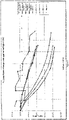
- the capacitance of capacitors produced in accordance with Example 1 was measured as a function of temperature. Capacitance was determined using an alternating current at a frequency of 1 kHz and at a root mean square voltage of 1 V. The results of these experiments are set out in Table 3 and are further illustrated in Figure 5 . To provide a measure of the overall performance of the capacitors over the full temperature range, an average percentage variation was calculated. No results were calculated for comparative capacitors E and F as no measurements could be taken at 200 °C due to component failure.
- the capacitors according to the invention were found to have an improved response to temperature than the comparative capacitors.
- capacitors comprising comparative materials E and F did not function at 200 °C, rendering these capacitors unsuitable for use at high temperatures.
- Capacitors comprising materials of the invention underwent a smaller average variation in capacitance over the temperature range investigated, indicating that they have an improved temperature response in comparison to capacitors of the prior art. Devices constructed using capacitors of the invention would therefore have improved reliability since the capacitors would perform consistently over a wide temperature range.
- Capacitance can vary with applied voltage.
- the response of the capacitors produced in accordance with Example 1 to varying applied voltages was therefore investigated at 25 °C and at 125 °C.
- the data obtained are presented in Figure 6 and Figure 7 , respectively.
- capacitors in accordance with the invention were subject to a smaller change in capacitance with applied voltage than comparative capacitors D to F, constructed using conventional materials. Capacitors according to the invention are therefore better suited to high voltage applications than the conventional materials.
- Figure 6 shows that the voltage capacitance change of capacitors of the invention was similar to that of comparative capacitors A and C.
- Dissipation factor is a measure of the rate of energy loss when an alternating current is applied to the capacitor.
- ⁇ is bulk conductivity of the dielectric
- ⁇ is the angular frequency of the alternating current
- ⁇ is the permittivity of the dielectric
- C is the capacitance of the capacitor.
- dissipation factors are measured at an alternating current frequency of 1kHz and a root mean square voltage of 1 V. Capacitance was recorded using an LCR meter.
- the dissipation factors of the capacitors of the invention were essentially constant over the range -15 °C to 150 °C, in contrast to the comparative capacitors which displayed considerable variations in efficiency with temperature. Capacitors of the invention are therefore well-suited for applications where variations in temperature are likely to be encountered. Capacitors of the invention may therefore allow the construction of circuits and devices with improved reliability.
Landscapes
- Engineering & Computer Science (AREA)
- Chemical & Material Sciences (AREA)
- Power Engineering (AREA)
- Ceramic Engineering (AREA)
- Manufacturing & Machinery (AREA)
- Microelectronics & Electronic Packaging (AREA)
- Inorganic Chemistry (AREA)
- Materials Engineering (AREA)
- Structural Engineering (AREA)
- Organic Chemistry (AREA)
- Ceramic Capacitors (AREA)
- Inorganic Insulating Materials (AREA)
- Fixed Capacitors And Capacitor Manufacturing Machines (AREA)
Claims (15)
- Dielektrisches Material, geeignet zur Verwendung in einer elektronischen Komponente, wobei das dielektrische Material aufweist:Bismutferrit;Strontiumtitanat; undein Bariumtitanat aufweisendes Additiv;wobei das dielektrische Material ferner Mangan in Form eines Oxids, Carbonats oder dergleichen aufweist;dadurch gekennzeichnet, dass das Strontiumtitanat im Material in einer Menge im Bereich von 45 bis 75 Gew.-% vorhanden ist
- Dielektrisches Material nach Anspruch 1, bei welchem das Mangan in Form eines Oxids, Carbonats oder dergleichen in einer Menge von mindestens 0,1 Gew.-% vorhanden ist.
- Dielektrisches Material nach Anspruch 2, bei welchem das Mangan in Form eines Oxids, Carbonats oder dergleichen in einer Menge im Bereich von 0,25 bis 0,75 Gew.-% vorhanden ist.
- Dielektrisches Material nach Anspruch 3, wobei das Mangan in Form eines Oxids, Carbonats oder dergleichen in einer Menge im Bereich von 0,4 bis 0,6 Gew.-% vorhanden ist.
- Dielektrisches Material nach einem der vorhergehenden Ansprüche, bei welchem das Bismutferrit in einer Menge im Bereich von 10 bis 50 Gew.-% vorhanden ist.
- Dielektrisches Material nach einem der vorhergehenden Ansprüche, bei welchem das Bariumtitanat in einer Menge im Bereich von 5 bis 25 Gew.-% vorhanden ist.
- Dielektrisches Material nach einem der vorhergehenden Ansprüche, ferner aufweisend ein oder mehr weitere Additive ausgewählt aus Cobalt, Magnesium, Zink, Bor, Calcium, Silicium und Niob als Oxide, Carbonate oder dergleichen.
- Dielektrisches Material nach Anspruch 7, bei welchem die ein oder mehr weiteren Additive Zink als Oxid, Carbonat oder dergleichen aufweisen.
- Dielektrisches Material nach Anspruch 7 oder Anspruch 8, bei welchem die ein oder mehr weiteren Additive Bor als Oxid, Carbonat oder dergleichen aufweisen.
- Dielektrisches Material nach einem der vorhergehenden Ansprüche, bei welchem das Strontiumtitanat in einer Menge im Bereich von 55 bis 65 Gew.-% vorhanden ist.
- Kondensator (100), aufweisend eine erste Elektrode (12), eine zweite Elektrode (14) und eine kapazitive Schicht (16), die zwischen der ersten Elektrode und der zweiten Elektrode angeordnet ist, wobei die kapazitive Schicht (16) das dielektrische Material nach einem der vorhergehenden Ansprüche aufweist.
- Kondensator nach Anspruch 11, wobei:a) der Kondensator ein mehrschichtiger Kondensator (200) ist, wobei optional der Kondensator 20 bis 300 Elektroden aufweist, wobei ferner optional der Kondensator 20 bis 100 Elektroden aufweist; und/oderb) der Kondensator ein Abschlussmaterial (24a, 24b) aufweist, das auf wenigstens einer der Elektroden angeordnet ist, wobei das Abschlussmaterial (24a, 24b) Silber und ein Epoxypolymer aufweist; und/oderc) die kapazitive Schicht (16) eine Dicke im Bereich von 10 µm bis 200 µm hat, wobei optional die kapazitive Schicht (16) eine Dicke im Bereich von 20 µm bis 70 µm hat; und/oderd) der Kondensator mit einem Elektromotor wirkverbunden ist; und/odere) der Kondensator mit einer integrierten Schaltung wirkverbunden ist.
- Kondensator nach Anspruch 11 oder Anspruch 12, bei welchem die Elektroden (12, 14) eine Basis oder ein Edelmetall aufweisen.
- Kondensator nach einem der Ansprüche 11 bis 13, wobei der Kondensator einen Temperaturkoeffizienten der Kapazität von 30% oder weniger über den Bereich von -55°C bis 200°C hat.
- Kondensator nach Anspruch 14, wobei der Kondensator einen Temperaturkoeffizienten der Kapazität von 25% oder weniger über den Bereich von -55°C bis 200°C hat.
Applications Claiming Priority (3)
| Application Number | Priority Date | Filing Date | Title |
|---|---|---|---|
| GB1403117.3A GB2524721B (en) | 2014-02-21 | 2014-02-21 | Dielectric material and capacitor comprising the dielectric material |
| PCT/EP2015/053549 WO2015124698A1 (en) | 2014-02-21 | 2015-02-19 | Dielectric material and capacitor comprising the dielectric material |
| EP15709858.3A EP3097573B1 (de) | 2014-02-21 | 2015-02-19 | Dielektrisches material und kondensator mit dem dielektrischen material |
Related Parent Applications (2)
| Application Number | Title | Priority Date | Filing Date |
|---|---|---|---|
| EP15709858.3A Division-Into EP3097573B1 (de) | 2014-02-21 | 2015-02-19 | Dielektrisches material und kondensator mit dem dielektrischen material |
| EP15709858.3A Division EP3097573B1 (de) | 2014-02-21 | 2015-02-19 | Dielektrisches material und kondensator mit dem dielektrischen material |
Publications (2)
| Publication Number | Publication Date |
|---|---|
| EP3982385A1 EP3982385A1 (de) | 2022-04-13 |
| EP3982385B1 true EP3982385B1 (de) | 2023-01-18 |
Family
ID=50482616
Family Applications (2)
| Application Number | Title | Priority Date | Filing Date |
|---|---|---|---|
| EP21207956.0A Active EP3982385B1 (de) | 2014-02-21 | 2015-02-19 | Dielektrisches material und kondensator mit dem dielektrischen material |
| EP15709858.3A Active EP3097573B1 (de) | 2014-02-21 | 2015-02-19 | Dielektrisches material und kondensator mit dem dielektrischen material |
Family Applications After (1)
| Application Number | Title | Priority Date | Filing Date |
|---|---|---|---|
| EP15709858.3A Active EP3097573B1 (de) | 2014-02-21 | 2015-02-19 | Dielektrisches material und kondensator mit dem dielektrischen material |
Country Status (5)
| Country | Link |
|---|---|
| US (1) | US9847176B2 (de) |
| EP (2) | EP3982385B1 (de) |
| CN (1) | CN106165038B (de) |
| GB (1) | GB2524721B (de) |
| WO (1) | WO2015124698A1 (de) |
Families Citing this family (7)
| Publication number | Priority date | Publication date | Assignee | Title |
|---|---|---|---|---|
| GB2502971B (en) | 2012-06-11 | 2017-10-04 | Knowles (Uk) Ltd | A capacitive structure |
| US11433648B2 (en) | 2016-07-27 | 2022-09-06 | The Penn State Research Foundation | Multilayered dielectric composites for high temperature applications |
| GB2574653B (en) | 2018-06-14 | 2020-09-09 | Knowles (Uk) Ltd | Capacitor having an electrical termination |
| DE102019111989B3 (de) * | 2019-05-08 | 2020-09-24 | Tdk Electronics Ag | Keramisches Bauelement und Verfahren zur Herstellung des keramischen Bauelements |
| CN111499374B (zh) * | 2020-04-17 | 2022-08-19 | 上海工程技术大学 | 一种电容器用陶瓷介电材料及其制备方法 |
| US11670453B2 (en) * | 2020-07-20 | 2023-06-06 | Knowles UK Limited | Electrical component having layered structure with improved breakdown performance |
| CN113773073A (zh) * | 2021-09-18 | 2021-12-10 | 深圳先进电子材料国际创新研究院 | 一种钛酸锶基陶瓷材料及其制备方法和应用 |
Family Cites Families (14)
| Publication number | Priority date | Publication date | Assignee | Title |
|---|---|---|---|---|
| US4119554A (en) * | 1976-05-06 | 1978-10-10 | Tdk Electronics Co., Ltd. | Ceramic dielectric composition containing alkali metal oxide |
| TW523920B (en) * | 2000-11-18 | 2003-03-11 | Lenghways Technology Co Ltd | Integrated multi-channel communication passive device manufactured by using micro-electromechanical technique |
| WO2005050776A2 (en) * | 2003-11-13 | 2005-06-02 | California Institute Of Technology | Monolithic silicon-based phased arrays for communications and radars |
| CN100412027C (zh) * | 2003-12-18 | 2008-08-20 | 株式会社村田制作所 | 介电陶瓷组合物和多层电子元件 |
| TWI255805B (en) * | 2004-03-24 | 2006-06-01 | Univ Tsinghua | A tunable device with lead barium zirconate |
| US20100135937A1 (en) * | 2007-03-26 | 2010-06-03 | The Trustees Of Columbia University In The City Of New York | Metal oxide nanocrystals: preparation and uses |
| JP4506802B2 (ja) * | 2007-09-28 | 2010-07-21 | Tdk株式会社 | 誘電体磁器組成物 |
| JP5681398B2 (ja) * | 2009-07-09 | 2015-03-04 | 富士フイルム株式会社 | ペロブスカイト型酸化物、強誘電体組成物、圧電体、圧電素子、及び液体吐出装置 |
| JP5616171B2 (ja) * | 2009-09-28 | 2014-10-29 | 富士フイルム株式会社 | 高分子複合圧電体及びそれを用いた圧電素子 |
| TW201119974A (en) * | 2009-10-16 | 2011-06-16 | Nippon Chemical Ind | Composition for forming dielectric ceramic and dielectric ceramic material |
| US8389300B2 (en) * | 2010-04-02 | 2013-03-05 | Centre National De La Recherche Scientifique | Controlling ferroelectricity in dielectric films by process induced uniaxial strain |
| KR101792268B1 (ko) * | 2012-03-13 | 2017-11-01 | 삼성전기주식회사 | 적층 세라믹 전자 부품 |
| GB201205727D0 (en) | 2012-03-30 | 2012-05-16 | Sec Dep For Business Innovation & Skills The | High energy density capacitor and dielectric material therefor |
| GB2502971B (en) | 2012-06-11 | 2017-10-04 | Knowles (Uk) Ltd | A capacitive structure |
-
2014
- 2014-02-21 GB GB1403117.3A patent/GB2524721B/en active Active
-
2015
- 2015-02-19 EP EP21207956.0A patent/EP3982385B1/de active Active
- 2015-02-19 CN CN201580015496.2A patent/CN106165038B/zh active Active
- 2015-02-19 US US15/120,478 patent/US9847176B2/en active Active
- 2015-02-19 EP EP15709858.3A patent/EP3097573B1/de active Active
- 2015-02-19 WO PCT/EP2015/053549 patent/WO2015124698A1/en not_active Ceased
Also Published As
| Publication number | Publication date |
|---|---|
| EP3097573A1 (de) | 2016-11-30 |
| US9847176B2 (en) | 2017-12-19 |
| US20170069427A1 (en) | 2017-03-09 |
| WO2015124698A1 (en) | 2015-08-27 |
| EP3097573B1 (de) | 2022-04-27 |
| CN106165038B (zh) | 2019-03-01 |
| GB2524721B (en) | 2016-02-24 |
| GB2524721A (en) | 2015-10-07 |
| CN106165038A (zh) | 2016-11-23 |
| EP3982385A1 (de) | 2022-04-13 |
| GB201403117D0 (en) | 2014-04-09 |
Similar Documents
| Publication | Publication Date | Title |
|---|---|---|
| EP3097573B1 (de) | Dielektrisches material und kondensator mit dem dielektrischen material | |
| CN112216510B (zh) | 陶瓷电子器件及其制造方法 | |
| KR101435398B1 (ko) | 적층 세라믹 콘덴서 | |
| US6900977B2 (en) | Dielectric ceramic, manufacturing method thereof, and multilayer ceramic capacitor | |
| US9111683B2 (en) | Dielectric ceramic and laminated ceramic capacitor | |
| JP5347961B2 (ja) | 半導体セラミック粉末、及び半導体セラミック、並びに積層型半導体セラミックコンデンサ | |
| JP5211262B1 (ja) | 積層セラミックコンデンサ | |
| US8445396B2 (en) | Dielectric ceramic and laminated ceramic capacitor | |
| JP5120255B2 (ja) | 誘電体セラミック及びその製造方法、並びに積層セラミックコンデンサ | |
| KR102396252B1 (ko) | 적층 세라믹 콘덴서 | |
| KR102666093B1 (ko) | 적층 세라믹 커패시터 | |
| CN116798771A (zh) | 介电陶瓷组合物和包括其的多层陶瓷电容器 | |
| KR102724899B1 (ko) | 유전체 자기 조성물 및 이를 포함하는 적층 세라믹 커패시터 | |
| EP1767507B1 (de) | Dielektrische keramikzusammensetzung und keramik-schichtkondensator | |
| KR102516760B1 (ko) | 유전체 조성물 및 이를 포함하는 적층 세라믹 커패시터 | |
| CN105359236B (zh) | 层叠陶瓷电容器 | |
| US9064638B2 (en) | Dielectric ceramic, stack ceramic electronic component, and method of manufacturing these | |
| KR100793050B1 (ko) | 적층 세라믹 콘덴서 | |
| KR20170078064A (ko) | 유전체 조성물 및 이를 포함하는 적층 세라믹 커패시터 | |
| KR101423990B1 (ko) | 적층 세라믹 콘덴서 | |
| US9129753B2 (en) | Dielectric ceramic composition and multi-layer ceramic capacitor comprising the same | |
| JP7262640B2 (ja) | セラミックコンデンサ | |
| JP2023184543A (ja) | 誘電体磁器組成物及びこれを含む積層セラミックキャパシタ | |
| JP2705221B2 (ja) | セラミックコンデンサ及びその製造方法 | |
| KR20160095383A (ko) | 유전체 조성물 및 이를 포함하는 적층 세라믹 커패시터 |
Legal Events
| Date | Code | Title | Description |
|---|---|---|---|
| PUAI | Public reference made under article 153(3) epc to a published international application that has entered the european phase |
Free format text: ORIGINAL CODE: 0009012 |
|
| STAA | Information on the status of an ep patent application or granted ep patent |
Free format text: STATUS: REQUEST FOR EXAMINATION WAS MADE |
|
| 17P | Request for examination filed |
Effective date: 20211112 |
|
| AC | Divisional application: reference to earlier application |
Ref document number: 3097573 Country of ref document: EP Kind code of ref document: P |
|
| AK | Designated contracting states |
Kind code of ref document: A1 Designated state(s): AL AT BE BG CH CY CZ DE DK EE ES FI FR GB GR HR HU IE IS IT LI LT LU LV MC MK MT NL NO PL PT RO RS SE SI SK SM TR |
|
| GRAP | Despatch of communication of intention to grant a patent |
Free format text: ORIGINAL CODE: EPIDOSNIGR1 |
|
| STAA | Information on the status of an ep patent application or granted ep patent |
Free format text: STATUS: GRANT OF PATENT IS INTENDED |
|
| INTG | Intention to grant announced |
Effective date: 20220818 |
|
| GRAS | Grant fee paid |
Free format text: ORIGINAL CODE: EPIDOSNIGR3 |
|
| GRAA | (expected) grant |
Free format text: ORIGINAL CODE: 0009210 |
|
| STAA | Information on the status of an ep patent application or granted ep patent |
Free format text: STATUS: THE PATENT HAS BEEN GRANTED |
|
| AC | Divisional application: reference to earlier application |
Ref document number: 3097573 Country of ref document: EP Kind code of ref document: P |
|
| AK | Designated contracting states |
Kind code of ref document: B1 Designated state(s): AL AT BE BG CH CY CZ DE DK EE ES FI FR GB GR HR HU IE IS IT LI LT LU LV MC MK MT NL NO PL PT RO RS SE SI SK SM TR |
|
| REG | Reference to a national code |
Ref country code: GB Ref legal event code: FG4D |
|
| REG | Reference to a national code |
Ref country code: DE Ref legal event code: R096 Ref document number: 602015082358 Country of ref document: DE |
|
| REG | Reference to a national code |
Ref country code: CH Ref legal event code: EP |
|
| REG | Reference to a national code |
Ref country code: AT Ref legal event code: REF Ref document number: 1545138 Country of ref document: AT Kind code of ref document: T Effective date: 20230215 Ref country code: IE Ref legal event code: FG4D |
|
| REG | Reference to a national code |
Ref country code: LT Ref legal event code: MG9D |
|
| REG | Reference to a national code |
Ref country code: NL Ref legal event code: MP Effective date: 20230118 |
|
| P01 | Opt-out of the competence of the unified patent court (upc) registered |
Effective date: 20230426 |
|
| REG | Reference to a national code |
Ref country code: AT Ref legal event code: MK05 Ref document number: 1545138 Country of ref document: AT Kind code of ref document: T Effective date: 20230118 |
|
| PG25 | Lapsed in a contracting state [announced via postgrant information from national office to epo] |
Ref country code: NL Free format text: LAPSE BECAUSE OF FAILURE TO SUBMIT A TRANSLATION OF THE DESCRIPTION OR TO PAY THE FEE WITHIN THE PRESCRIBED TIME-LIMIT Effective date: 20230118 |
|
| PG25 | Lapsed in a contracting state [announced via postgrant information from national office to epo] |
Ref country code: RS Free format text: LAPSE BECAUSE OF FAILURE TO SUBMIT A TRANSLATION OF THE DESCRIPTION OR TO PAY THE FEE WITHIN THE PRESCRIBED TIME-LIMIT Effective date: 20230118 Ref country code: PT Free format text: LAPSE BECAUSE OF FAILURE TO SUBMIT A TRANSLATION OF THE DESCRIPTION OR TO PAY THE FEE WITHIN THE PRESCRIBED TIME-LIMIT Effective date: 20230518 Ref country code: NO Free format text: LAPSE BECAUSE OF FAILURE TO SUBMIT A TRANSLATION OF THE DESCRIPTION OR TO PAY THE FEE WITHIN THE PRESCRIBED TIME-LIMIT Effective date: 20230418 Ref country code: LV Free format text: LAPSE BECAUSE OF FAILURE TO SUBMIT A TRANSLATION OF THE DESCRIPTION OR TO PAY THE FEE WITHIN THE PRESCRIBED TIME-LIMIT Effective date: 20230118 Ref country code: LT Free format text: LAPSE BECAUSE OF FAILURE TO SUBMIT A TRANSLATION OF THE DESCRIPTION OR TO PAY THE FEE WITHIN THE PRESCRIBED TIME-LIMIT Effective date: 20230118 Ref country code: HR Free format text: LAPSE BECAUSE OF FAILURE TO SUBMIT A TRANSLATION OF THE DESCRIPTION OR TO PAY THE FEE WITHIN THE PRESCRIBED TIME-LIMIT Effective date: 20230118 Ref country code: ES Free format text: LAPSE BECAUSE OF FAILURE TO SUBMIT A TRANSLATION OF THE DESCRIPTION OR TO PAY THE FEE WITHIN THE PRESCRIBED TIME-LIMIT Effective date: 20230118 Ref country code: AT Free format text: LAPSE BECAUSE OF FAILURE TO SUBMIT A TRANSLATION OF THE DESCRIPTION OR TO PAY THE FEE WITHIN THE PRESCRIBED TIME-LIMIT Effective date: 20230118 |
|
| PG25 | Lapsed in a contracting state [announced via postgrant information from national office to epo] |
Ref country code: SE Free format text: LAPSE BECAUSE OF FAILURE TO SUBMIT A TRANSLATION OF THE DESCRIPTION OR TO PAY THE FEE WITHIN THE PRESCRIBED TIME-LIMIT Effective date: 20230118 Ref country code: PL Free format text: LAPSE BECAUSE OF FAILURE TO SUBMIT A TRANSLATION OF THE DESCRIPTION OR TO PAY THE FEE WITHIN THE PRESCRIBED TIME-LIMIT Effective date: 20230118 Ref country code: IS Free format text: LAPSE BECAUSE OF FAILURE TO SUBMIT A TRANSLATION OF THE DESCRIPTION OR TO PAY THE FEE WITHIN THE PRESCRIBED TIME-LIMIT Effective date: 20230518 Ref country code: GR Free format text: LAPSE BECAUSE OF FAILURE TO SUBMIT A TRANSLATION OF THE DESCRIPTION OR TO PAY THE FEE WITHIN THE PRESCRIBED TIME-LIMIT Effective date: 20230419 Ref country code: FI Free format text: LAPSE BECAUSE OF FAILURE TO SUBMIT A TRANSLATION OF THE DESCRIPTION OR TO PAY THE FEE WITHIN THE PRESCRIBED TIME-LIMIT Effective date: 20230118 |
|
| REG | Reference to a national code |
Ref country code: CH Ref legal event code: PL |
|
| REG | Reference to a national code |
Ref country code: DE Ref legal event code: R097 Ref document number: 602015082358 Country of ref document: DE Ref country code: BE Ref legal event code: MM Effective date: 20230228 |
|
| PG25 | Lapsed in a contracting state [announced via postgrant information from national office to epo] |
Ref country code: SM Free format text: LAPSE BECAUSE OF FAILURE TO SUBMIT A TRANSLATION OF THE DESCRIPTION OR TO PAY THE FEE WITHIN THE PRESCRIBED TIME-LIMIT Effective date: 20230118 Ref country code: RO Free format text: LAPSE BECAUSE OF FAILURE TO SUBMIT A TRANSLATION OF THE DESCRIPTION OR TO PAY THE FEE WITHIN THE PRESCRIBED TIME-LIMIT Effective date: 20230118 Ref country code: MC Free format text: LAPSE BECAUSE OF FAILURE TO SUBMIT A TRANSLATION OF THE DESCRIPTION OR TO PAY THE FEE WITHIN THE PRESCRIBED TIME-LIMIT Effective date: 20230118 Ref country code: LU Free format text: LAPSE BECAUSE OF NON-PAYMENT OF DUE FEES Effective date: 20230219 Ref country code: LI Free format text: LAPSE BECAUSE OF NON-PAYMENT OF DUE FEES Effective date: 20230228 Ref country code: EE Free format text: LAPSE BECAUSE OF FAILURE TO SUBMIT A TRANSLATION OF THE DESCRIPTION OR TO PAY THE FEE WITHIN THE PRESCRIBED TIME-LIMIT Effective date: 20230118 Ref country code: DK Free format text: LAPSE BECAUSE OF FAILURE TO SUBMIT A TRANSLATION OF THE DESCRIPTION OR TO PAY THE FEE WITHIN THE PRESCRIBED TIME-LIMIT Effective date: 20230118 Ref country code: CZ Free format text: LAPSE BECAUSE OF FAILURE TO SUBMIT A TRANSLATION OF THE DESCRIPTION OR TO PAY THE FEE WITHIN THE PRESCRIBED TIME-LIMIT Effective date: 20230118 Ref country code: CH Free format text: LAPSE BECAUSE OF NON-PAYMENT OF DUE FEES Effective date: 20230228 |
|
| PLBE | No opposition filed within time limit |
Free format text: ORIGINAL CODE: 0009261 |
|
| STAA | Information on the status of an ep patent application or granted ep patent |
Free format text: STATUS: NO OPPOSITION FILED WITHIN TIME LIMIT |
|
| PG25 | Lapsed in a contracting state [announced via postgrant information from national office to epo] |
Ref country code: SK Free format text: LAPSE BECAUSE OF FAILURE TO SUBMIT A TRANSLATION OF THE DESCRIPTION OR TO PAY THE FEE WITHIN THE PRESCRIBED TIME-LIMIT Effective date: 20230118 |
|
| REG | Reference to a national code |
Ref country code: IE Ref legal event code: MM4A |
|
| 26N | No opposition filed |
Effective date: 20231019 |
|
| PG25 | Lapsed in a contracting state [announced via postgrant information from national office to epo] |
Ref country code: SI Free format text: LAPSE BECAUSE OF FAILURE TO SUBMIT A TRANSLATION OF THE DESCRIPTION OR TO PAY THE FEE WITHIN THE PRESCRIBED TIME-LIMIT Effective date: 20230118 Ref country code: IE Free format text: LAPSE BECAUSE OF NON-PAYMENT OF DUE FEES Effective date: 20230219 |
|
| PG25 | Lapsed in a contracting state [announced via postgrant information from national office to epo] |
Ref country code: BE Free format text: LAPSE BECAUSE OF NON-PAYMENT OF DUE FEES Effective date: 20230228 |
|
| PG25 | Lapsed in a contracting state [announced via postgrant information from national office to epo] |
Ref country code: IT Free format text: LAPSE BECAUSE OF FAILURE TO SUBMIT A TRANSLATION OF THE DESCRIPTION OR TO PAY THE FEE WITHIN THE PRESCRIBED TIME-LIMIT Effective date: 20230118 |
|
| PG25 | Lapsed in a contracting state [announced via postgrant information from national office to epo] |
Ref country code: BG Free format text: LAPSE BECAUSE OF FAILURE TO SUBMIT A TRANSLATION OF THE DESCRIPTION OR TO PAY THE FEE WITHIN THE PRESCRIBED TIME-LIMIT Effective date: 20230118 |
|
| PG25 | Lapsed in a contracting state [announced via postgrant information from national office to epo] |
Ref country code: BG Free format text: LAPSE BECAUSE OF FAILURE TO SUBMIT A TRANSLATION OF THE DESCRIPTION OR TO PAY THE FEE WITHIN THE PRESCRIBED TIME-LIMIT Effective date: 20230118 |
|
| PG25 | Lapsed in a contracting state [announced via postgrant information from national office to epo] |
Ref country code: CY Free format text: LAPSE BECAUSE OF FAILURE TO SUBMIT A TRANSLATION OF THE DESCRIPTION OR TO PAY THE FEE WITHIN THE PRESCRIBED TIME-LIMIT; INVALID AB INITIO Effective date: 20150219 |
|
| PG25 | Lapsed in a contracting state [announced via postgrant information from national office to epo] |
Ref country code: HU Free format text: LAPSE BECAUSE OF FAILURE TO SUBMIT A TRANSLATION OF THE DESCRIPTION OR TO PAY THE FEE WITHIN THE PRESCRIBED TIME-LIMIT; INVALID AB INITIO Effective date: 20150219 |
|
| PG25 | Lapsed in a contracting state [announced via postgrant information from national office to epo] |
Ref country code: TR Free format text: LAPSE BECAUSE OF FAILURE TO SUBMIT A TRANSLATION OF THE DESCRIPTION OR TO PAY THE FEE WITHIN THE PRESCRIBED TIME-LIMIT Effective date: 20230118 |
|
| REG | Reference to a national code |
Ref country code: DE Ref legal event code: R082 Ref document number: 602015082358 Country of ref document: DE Representative=s name: WESTPHAL, MUSSGNUG & PARTNER PATENTANWAELTE MI, DE |
|
| PGFP | Annual fee paid to national office [announced via postgrant information from national office to epo] |
Ref country code: GB Payment date: 20260223 Year of fee payment: 12 |
|
| PGFP | Annual fee paid to national office [announced via postgrant information from national office to epo] |
Ref country code: DE Payment date: 20260220 Year of fee payment: 12 |
|
| PGFP | Annual fee paid to national office [announced via postgrant information from national office to epo] |
Ref country code: FR Payment date: 20260224 Year of fee payment: 12 |