EP3981414B1 - High surface-area lyophilized compositions comprising arsenic for oral administration in patients - Google Patents
High surface-area lyophilized compositions comprising arsenic for oral administration in patients Download PDFInfo
- Publication number
- EP3981414B1 EP3981414B1 EP21192594.6A EP21192594A EP3981414B1 EP 3981414 B1 EP3981414 B1 EP 3981414B1 EP 21192594 A EP21192594 A EP 21192594A EP 3981414 B1 EP3981414 B1 EP 3981414B1
- Authority
- EP
- European Patent Office
- Prior art keywords
- pharmaceutical composition
- arsenic
- leukemia
- solution
- myeloma
- Prior art date
- Legal status (The legal status is an assumption and is not a legal conclusion. Google has not performed a legal analysis and makes no representation as to the accuracy of the status listed.)
- Active
Links
Images




Classifications
-
- A—HUMAN NECESSITIES
- A61—MEDICAL OR VETERINARY SCIENCE; HYGIENE
- A61K—PREPARATIONS FOR MEDICAL, DENTAL OR TOILETRY PURPOSES
- A61K9/00—Medicinal preparations characterised by special physical form
- A61K9/14—Particulate form, e.g. powders, Processes for size reducing of pure drugs or the resulting products, Pure drug nanoparticles
- A61K9/19—Particulate form, e.g. powders, Processes for size reducing of pure drugs or the resulting products, Pure drug nanoparticles lyophilised, i.e. freeze-dried, solutions or dispersions
-
- A—HUMAN NECESSITIES
- A61—MEDICAL OR VETERINARY SCIENCE; HYGIENE
- A61K—PREPARATIONS FOR MEDICAL, DENTAL OR TOILETRY PURPOSES
- A61K33/00—Medicinal preparations containing inorganic active ingredients
- A61K33/24—Heavy metals; Compounds thereof
- A61K33/36—Arsenic; Compounds thereof
-
- A—HUMAN NECESSITIES
- A61—MEDICAL OR VETERINARY SCIENCE; HYGIENE
- A61K—PREPARATIONS FOR MEDICAL, DENTAL OR TOILETRY PURPOSES
- A61K45/00—Medicinal preparations containing active ingredients not provided for in groups A61K31/00 - A61K41/00
- A61K45/06—Mixtures of active ingredients without chemical characterisation, e.g. antiphlogistics and cardiaca
-
- A—HUMAN NECESSITIES
- A61—MEDICAL OR VETERINARY SCIENCE; HYGIENE
- A61K—PREPARATIONS FOR MEDICAL, DENTAL OR TOILETRY PURPOSES
- A61K47/00—Medicinal preparations characterised by the non-active ingredients used, e.g. carriers or inert additives; Targeting or modifying agents chemically bound to the active ingredient
- A61K47/02—Inorganic compounds
-
- A—HUMAN NECESSITIES
- A61—MEDICAL OR VETERINARY SCIENCE; HYGIENE
- A61K—PREPARATIONS FOR MEDICAL, DENTAL OR TOILETRY PURPOSES
- A61K47/00—Medicinal preparations characterised by the non-active ingredients used, e.g. carriers or inert additives; Targeting or modifying agents chemically bound to the active ingredient
- A61K47/06—Organic compounds, e.g. natural or synthetic hydrocarbons, polyolefins, mineral oil, petrolatum or ozokerite
- A61K47/08—Organic compounds, e.g. natural or synthetic hydrocarbons, polyolefins, mineral oil, petrolatum or ozokerite containing oxygen, e.g. ethers, acetals, ketones, quinones, aldehydes, peroxides
- A61K47/10—Alcohols; Phenols; Salts thereof, e.g. glycerol; Polyethylene glycols [PEG]; Poloxamers; PEG/POE alkyl ethers
-
- A—HUMAN NECESSITIES
- A61—MEDICAL OR VETERINARY SCIENCE; HYGIENE
- A61K—PREPARATIONS FOR MEDICAL, DENTAL OR TOILETRY PURPOSES
- A61K47/00—Medicinal preparations characterised by the non-active ingredients used, e.g. carriers or inert additives; Targeting or modifying agents chemically bound to the active ingredient
- A61K47/06—Organic compounds, e.g. natural or synthetic hydrocarbons, polyolefins, mineral oil, petrolatum or ozokerite
- A61K47/08—Organic compounds, e.g. natural or synthetic hydrocarbons, polyolefins, mineral oil, petrolatum or ozokerite containing oxygen, e.g. ethers, acetals, ketones, quinones, aldehydes, peroxides
- A61K47/12—Carboxylic acids; Salts or anhydrides thereof
-
- A—HUMAN NECESSITIES
- A61—MEDICAL OR VETERINARY SCIENCE; HYGIENE
- A61K—PREPARATIONS FOR MEDICAL, DENTAL OR TOILETRY PURPOSES
- A61K47/00—Medicinal preparations characterised by the non-active ingredients used, e.g. carriers or inert additives; Targeting or modifying agents chemically bound to the active ingredient
- A61K47/06—Organic compounds, e.g. natural or synthetic hydrocarbons, polyolefins, mineral oil, petrolatum or ozokerite
- A61K47/20—Organic compounds, e.g. natural or synthetic hydrocarbons, polyolefins, mineral oil, petrolatum or ozokerite containing sulfur, e.g. dimethyl sulfoxide [DMSO], docusate, sodium lauryl sulfate or aminosulfonic acids
-
- A—HUMAN NECESSITIES
- A61—MEDICAL OR VETERINARY SCIENCE; HYGIENE
- A61K—PREPARATIONS FOR MEDICAL, DENTAL OR TOILETRY PURPOSES
- A61K47/00—Medicinal preparations characterised by the non-active ingredients used, e.g. carriers or inert additives; Targeting or modifying agents chemically bound to the active ingredient
- A61K47/06—Organic compounds, e.g. natural or synthetic hydrocarbons, polyolefins, mineral oil, petrolatum or ozokerite
- A61K47/26—Carbohydrates, e.g. sugar alcohols, amino sugars, nucleic acids, mono-, di- or oligo-saccharides; Derivatives thereof, e.g. polysorbates, sorbitan fatty acid esters or glycyrrhizin
-
- A—HUMAN NECESSITIES
- A61—MEDICAL OR VETERINARY SCIENCE; HYGIENE
- A61K—PREPARATIONS FOR MEDICAL, DENTAL OR TOILETRY PURPOSES
- A61K9/00—Medicinal preparations characterised by special physical form
- A61K9/0012—Galenical forms characterised by the site of application
- A61K9/0053—Mouth and digestive tract, i.e. intraoral and peroral administration
-
- A—HUMAN NECESSITIES
- A61—MEDICAL OR VETERINARY SCIENCE; HYGIENE
- A61K—PREPARATIONS FOR MEDICAL, DENTAL OR TOILETRY PURPOSES
- A61K9/00—Medicinal preparations characterised by special physical form
- A61K9/48—Preparations in capsules, e.g. of gelatin, of chocolate
-
- A—HUMAN NECESSITIES
- A61—MEDICAL OR VETERINARY SCIENCE; HYGIENE
- A61K—PREPARATIONS FOR MEDICAL, DENTAL OR TOILETRY PURPOSES
- A61K9/00—Medicinal preparations characterised by special physical form
- A61K9/48—Preparations in capsules, e.g. of gelatin, of chocolate
- A61K9/4841—Filling excipients; Inactive ingredients
- A61K9/4858—Organic compounds
-
- A—HUMAN NECESSITIES
- A61—MEDICAL OR VETERINARY SCIENCE; HYGIENE
- A61P—SPECIFIC THERAPEUTIC ACTIVITY OF CHEMICAL COMPOUNDS OR MEDICINAL PREPARATIONS
- A61P35/00—Antineoplastic agents
-
- A—HUMAN NECESSITIES
- A61—MEDICAL OR VETERINARY SCIENCE; HYGIENE
- A61P—SPECIFIC THERAPEUTIC ACTIVITY OF CHEMICAL COMPOUNDS OR MEDICINAL PREPARATIONS
- A61P35/00—Antineoplastic agents
- A61P35/02—Antineoplastic agents specific for leukemia
-
- A—HUMAN NECESSITIES
- A61—MEDICAL OR VETERINARY SCIENCE; HYGIENE
- A61P—SPECIFIC THERAPEUTIC ACTIVITY OF CHEMICAL COMPOUNDS OR MEDICINAL PREPARATIONS
- A61P7/00—Drugs for disorders of the blood or the extracellular fluid
-
- A—HUMAN NECESSITIES
- A61—MEDICAL OR VETERINARY SCIENCE; HYGIENE
- A61P—SPECIFIC THERAPEUTIC ACTIVITY OF CHEMICAL COMPOUNDS OR MEDICINAL PREPARATIONS
- A61P7/00—Drugs for disorders of the blood or the extracellular fluid
- A61P7/04—Antihaemorrhagics; Procoagulants; Haemostatic agents; Antifibrinolytic agents
Definitions
- New cases of hematological malignancies account for about 9 percent of cancer cases diagnosed in the United States, and about 59,200 persons are killed by the diseases each year. Many of these diseases occur in children.
- Hodgkin's disease The cause for Hodgkin's disease is unknown. Hodgkin's disease, like other cancers, is not infectious and cannot be passed onto other people. It is not inherited.
- the first symptom of Hodgkin's disease is usually a painless swelling in the neck, armpits or groin. Other symptoms may include night sweats or unexplained fever, weight loss and tiredness, cough or breathlessness, and persistent itch all over the body.
- Non-Hodgkin's lymphomas are categorized according to their appearance under the microscope and the cell type (B-cell or T-cell). Risk factors include old age, female, weakened immune system, human T-lymphotropic virus type 1 (HTLV-1) and Epstein-Barr virus infection, and exposure to chemicals such as pesticides, solvents, and fertilizers.
- B-cell or T-cell the cell type
- Risk factors include old age, female, weakened immune system, human T-lymphotropic virus type 1 (HTLV-1) and Epstein-Barr virus infection, and exposure to chemicals such as pesticides, solvents, and fertilizers.
- multiple myeloma such as, but not limited to, giant cell myeloma, indolent myeloma, localized myeloma, multiple myeloma, plasma cell myeloma, sclerosing myeloma, solitary myeloma, smoldering multiple myeloma, non-secretory myeloma, osteosclerotic myeloma, plasma cell leukemia, solitary plasmacytoma, and extramedullary plasmacytoma.
- Myelodysplastic syndromes are disorders in which the bone marrow produces ineffective and abnormal looking cells on one or more types (white blood cells, red blood cells or platelets). The majority of patients are men over sixty. Secondary myelodysplastic syndromes are seen following the use of chemotherapy and irradiation.
- Abnormal white cells make people more susceptible to infections; abnormal platelets make people more susceptible to bruising and spontaneous hemorrhages; and abnormal red blood cells causes anemia and fatigue.
- the present invention provides an alternative approach to hematological malignancies therapy and management of the disease by using an oral composition comprising arsenic trioxide.
- Arsenic has been used medicinally for over 2,000 years.
- a solution of arsenic trioxide empirical formula As 2 O 3
- 1% w/v potassium bicarbonate Fluorescence-Activated Cell-Coupled Devices
- Its efficacy in suppressing white cells was first described in 1878 ( Kwong Y. L. et al. Delicious poison: arsenic trioxide for the treatment of leukemia, Blood 1997;89:3487-8 ).
- Arsenic trioxide was therefore used to treat chronic myelogenous leukemia, until more potent cytotoxic drugs superseded it in the 1940s.
- a typical course of arsenic trioxide involves daily intravenous (IV) administration for 4 to 8 weeks and the attendant inconvenience, risks and expense of maintaining suitable vascular access and prolonged hospitalization.
- IV intravenous
- Fowler's solution is no longer detailed in modem pharmacopoeias or listed in formularies ( 1941, Arsenum. Martindale, The Extra Pharmacopoeia 22:209-15 ; British Pharmacopoeia. London: Her Majesty's Stationery Office, 1988; Appendix 1A, p A12 ).
- Formulation comprising arsenic that could be orally administered could therefore offer distinct advantages.
- the inventors of the present invention have arrived at a novel formulation that comprises a lyophilized composition comprising arsenic that can be orally administered.
- the inventors have developed a method for making such novel formulation comprising lyophilized composition comprising arsenic.
- the lyophilized powder comprising arsenic is amenable to oral administration in patients, for example, via capsules and tablets.
- the present invention addresses this issue of insolubility and the lack of bioavailability of As 2 O 3 and provides a pharmaceutical composition comprising a lyophilized composition comprising arsenic that makes it bioavailable.
- the arsenic is introduced as As 2 O 3 powder, which is then solubilized and lyophilized as described infra. More specifically, this invention relates to a pharmaceutical composition comprising a lyophilized composition comprising arsenic, in which the arsenic is present as As 2 O 3 .
- lyophilized composition comprising arsenic LCCA
- LCCA lyophilized composition comprising arsenic trioxide
- LAT lyophilized As 2 O 3
- This invention relates to a pharmaceutical composition in a solid dosage form suitable for oral administration, the composition comprising lyophilized composition comprising arsenic.
- this invention further relates to a pharmaceutical composition in a solid dosage form suitable for oral administration, the composition comprising the LCCA, at least one bulking agent, and at least one lubricant.
- this invention also relates to a kit comprising the pharmaceutical composition comprising the LCCA.
- this invention relates to a pharmaceutical composition comprising an LCCA for use in a method of therapy, e.g. for use in treating malignancies, such as hematological malignancies, in a patient in need thereof, comprising the step of administering to the patient a therapeutically effective amount of the pharmaceutical composition comprising the LCCA.
- compositions described so far in this section is prepared by a method comprising: (A) solubilizing As 2 O 3 powder in an aqueous medium to form an As 2 O 3 solution; (B) lyophilizing said As 2 O 3 solution to generate a lyopremix; (C) sifting said lyopremix to generate lyophilized As 2 O 3 powder; (D) optionally, adding at least one bulking agent to said lyophilized As 2 O 3 powder; (E) optionally, adding one or more lubricants to said lyophilized As 2 O 3 powder to generate said oral formulation of As 2 O 3 .
- said solubilizing As 2 O 3 powder in an aqueous medium comprises: (I) adding an alkalizing agent to the As 2 O 3 powder in a vessel, with or without stirring and with or without addition of water, to render a pH of about 12 or higher; (II) adding an acid to said vessel, with or without stirring and with or without addition of water, to adjust the pH to from about 7 to about 8; (III) optionally, adding a surfactant to said vessel, with or without stirring and with or without addition of water, and (IV) optionally, adding water to said vessel to generate an As 2 O 3 solution with or without stirring.
- said alkalizing agent comprises sodium hydroxide (NaOH), sodium carbonate (Na 2 CO 3 ), or a mixture thereof.
- the amount of said alkalizing agent added in the pharmaceutical compositions described above is about 10% to about 100% the amount of the As 2 O 3 powder.
- said acid comprises hydrochloric acid (HCl).
- said HCl is about 6M HCl.
- said acid is added to said vessel to adjust the pH to about 7.2.
- said surfactant comprises at least one of sodium lauryl sulfate; Tween 80 ® ; betacyclodextrin; poloxamer; tocopheryl polyethylene glycol succinate (TPGS).
- said surfactant is added to about 0.5% v/v to about 4.0% v/v, but does not exceed about 50% As 2 O 3 concentration.
- said step of lyophilizing comprises: (A) freezing said As 2 O 3 solution to generate a frozen As 2 O 3 product; and (B) drying said As 2 O 3 product to generate said lyophilized composition comprising arsenic.
- said freezing step comprises freezing said As 2 O 3 solution at a temperature in the range of from about -50°C to about 0°C.
- said As 2 O 3 solution is frozen at about -40°C for at least about 6 hours.
- said drying comprises at least one of the following three conditions: (I) drying said As 2 O 3 product at at least one temperature in the range of from about -40°C to about 50°C, for the time in the range of from about 5 minutes to about 500 min; (II) drying said frozen As 2 O 3 by progressively increasing temperature from at least one first temperature in the range of from about -40°C to about 50°C to at least one second temperature in the range of from about -40°C to about 50 °C, for the time in the range of from about 5 minutes to about 500 min, wherein said at least one second temperature is higher than said at least one first temperature; and (III) applying vacuum to said frozen As 2 O 3 product in the range of from about 300 millitorrs to about 1000 millitorrs, for the time in the range of from about 5 minutes to about 500 min.
- said drying step comprises heating said As 2 O 3 product at about -30°C and about 800 millitorrs for about 60 minutes; heating said As 2 O 3 product from the previous step at -20°C and 500 millitorrs for about 120 minutes; heating said As 2 O 3 product from the previous step at about -5°C and about 500 millitorrs for about 120 minutes; heating said As 2 O 3 product from the previous step at about 10°C and about 500 millitorrs for about 60 minutes; and heating said As 2 O 3 product from the previous step at about 25°C and about 500 millitorrs for the time in the range of from about 180 minutes to 300 minutes.
- said drying step comprises heating said As 2 O 3 product to about -30°C and about 800 millitorrs over about 60 minutes and holding at about -30°C and about 800 millitorrs for about 60 minutes; heating said As 2 O 3 product from the previous step to about -20°C and about 500 millitorrs over about 60 minutes and holding at about -20°C and about 500 millitorrs for about 120 minutes; heating said As 2 O 3 product from the previous step to about -5°C and about 500 millitorrs over about 300 minutes and holding at about -5°C and about 500 millitorrs for about 120 minutes; heating said As 2 O 3 product from the previous step to about 10°C and about 500 millitorrs over about 120 minutes and holding at about 10°C and about 500 millitorrs for about 60 minutes; and heating said As 2 O 3 product from the previous step to about 25°C and about 500 millitorrs over about 60 minutes and holding at about 25°C and about 500 millitorrs for the time in the range of from
- said bulking agent comprises mannitol; and/or wherein said one or more lubricants comprises talc and/or magnesium stearate.
- said pharmaceutical composition is a controlled-release, oral, solid, composition.
- the pharmaceutical compositions described previously in this section are encapsulated in a capsule.
- the present invention also relates to a capsule comprising about 1 mg, about 5 mg, 10 mg, or about 20 mg of the pharmaceutical composition previously described in this section.
- This invention further relates to a kit comprising the pharmaceutical composition described in this section, and instructions for use of the same.
- This invention relates to a pharmaceutical composition in a solid dosage form suitable for oral administration, the pharmaceutical composition comprising lyophilized composition comprising arsenic, for use in a method of therapy, wherein the method comprises the steps of providing said pharmaceutical composition, and orally administering said pharmaceutical composition to said subject, as defined by the appended claims.
- This invention further relates to a pharmaceutical composition in a solid dosage form suitable for oral administration, the composition comprising an LCCA, for use in method of treating malignancies such as a cancer or a tumor in a patient in need thereof, comprising the step of administering to the patient a therapeutically effective amount of the pharmaceutical composition comprising lyophilized composition comprising arsenic, as defined by the appended claims.
- this invention relates to the pharmaceutical composition for use in methods described previously in this section wherein said cancer is a hematological malignancy.
- said hematological malignancy is at least one of acute myeloid leukemia; acute nonlymphocytic leukemia; myeloblastic leukemia, promyelocytic leukemia; chronic myelomonocytic leukemia; monocytic leukemia; erythroleukemia; acute neutrophilic leukemia; myelodysplastic syndrome; acute promyelocytic leukemia; chronic lymphocytic leukemia; chronic myeloid leukemia; hairy cell leukemia; myeloproliferative neoplasms; Hodgkin's lymphoma; non-Hodgkin's lymphoma; myeloma; giant cell myeloma; indolent myeloma; localized myeloma; multiple myeloma;
- said hematological malignancy is acute promyelocytic leukemia (APL).
- APL is newly diagnosed APL.
- said APL is relapsed or refractory APL.
- said myeloproliferative neoplasm is one of myelofibrosis polycythemia vera and essential thrombocythemia.
- said pharmaceutical composition for the pharmaceutical composition for use in methods described in this section, is administered daily. In another embodiment, said wherein said pharmaceutical composition is administered in a single dosage range of about 1 mg to about 50 mg. In a further embodiment, said pharmaceutical composition is administered in a single dosage range of about 0.1 mg/kg body weight to about 0.3 mg/kg body weight.
- said patient was previously treated or is currently being treated with chemotherapy and/or radiation.
- said patient is further administered one or more chemotherapeutic agents, optionally wherein said chemotherapeutic agent is administered before, after, or simultaneously with said pharmaceutical composition.
- the oral dosage form may be in the form of a capsule which weighs 100 units and comprises: (I) lyophilized composition comprising arsenic, at an amount that provides 10 units of arsenic trioxide and 5 units sodium lauryl sulfate; (II) mannitol at an amount of 73 units; (III) talc at an amount of 1; and (IV) magnesium stearate at an amount of 1 mg; which brings the total weight of the composition to 100 units.
- said capsule weighs 10 mg, 50 mg, 100 mg, or 200 mg.
- the term “lymphoma” includes but is not limited to Hodgkin's disease and non-Hodgkin's lymphoma.
- myeloma includes but is not limited to giant cell myeloma, indolent myeloma, localized myeloma, multiple myeloma, plasma cell myeloma, sclerosing myeloma, solitary myeloma, smoldering multiple myeloma, non-secretory myeloma, osteosclerotic myeloma, plasma cell leukemia, solitary plasmacytoma, and extramedullary plasmacytoma.
- the arsenic trioxide composition can be used in combination with one or more chemotherapeutic or immunotherapeutic agents, such as amsacrine (AMSA), busulfan (Myleran(R)), chlorambucil (Leukeran(R)), cladribine (2-chlorodeoxyadenosine; "2-CDA”; Leustatin(R)), cyclophosphamide (Cytoxan(R)), cytarabine (ara-C;Cytosar-U(R)), daunorubicin (Cerubidine(R)), doxorubicin (Adriamycin(R)), etoposide (VePesid(R)), fludarabine phosphate (Fludara(R)), hydroxyurea (Hydrea(R)), idarubicin (Idamycin(R)), L-asparaginase (Elspar(R)), methotrexate
- the effective dose will vary with the subject treated and the route of administration.
- the effective dose for the subject will also vary with the condition to be treated and the severity of the condition to be treated.
- the dose, and perhaps the dose frequency, will also vary according to the age, body weight, and response of the individual subject.
- the total daily dose range of the lyophilized composition comprising arsenic for a subject inflicted with hematological malignancies in mg is as follows: 1, 2, 3, 4, 5, 6, 7, 8, 9,10, 11, 12, 13, 14, 15, 16, 17, 18, 19, 20, 21, 22, 23, 24, 25, 26, 27, 28, 29, 30, 31, 32, 33, 34, 35, 36, 37, 38, 39, 40, 41, 42, 43, 44, 45, 46, 47, 48, 49, and 50 mg per day.
- the lyophilized premix comprising arsenic composition is administered to the subject orally.
- this disclosure relates to a method for preparing lyophilized composition comprising arsenic, alternatively addressed herein as lyophilized arsenic trioxide (As 2 O 3 ), said method comprising:
- the alkalizing agent comprises sodium hydroxide (NaOH) or sodium carbonate (Na 2 CO 3 ).
- the amount of said alkalizing agent added is about 10% to about 100% the amount of the As 2 O 3 powder.
- the amount of said alkalizing agent added is about 10, 11, 12, 13, 14, 15, 16, 17, 18, 19, 20, 20, 21, 22, 23, 24, 25, 26, 27, 28, 29, 30, 31, 32, 33, 34, 35, 36, 37, 38, 39, 40, 41, 42, 43, 44, 45, 46, 47, 48, 49, 50, 51, 52, 53, 54, 55, 56, 57, 58, 59, 60, 61, 62, 63, 64, 65, 66, 67, 68, 69, 70, 71, 72, 73, 74, 75, 76, 77, 78, 79, 80, 81, 82, 83, 84, 85, 86, 87, 88, 89, 90, 91, 92, 93, 94, 95 96, 97, 98, 99, and 100% the amount of the As 2 O 3 powder.
- the amount of said alkalizing agent added is any number within a range defined by and inclusive of any two numbers stated above.
- the surfactant comprises sodium lauryl sulfate; Tween 80; betacyclodextrin; poloxamer; tocopheryl polyethylene glycol succinate (TPGS).
- TPGS tocopheryl polyethylene glycol succinate
- the surfactant is added to about 0.5% v/v to about 4.0% v/v, but does not exceed about 50% As 2 O 3 concentration.
- the step of lyophilizing comprises freezing said As 2 O 3 solution to generate a frozen As 2 O 3 product and drying said frozen As 2 O 3 product to generate said lyophilized As 2 O 3 or the lyophilized composition comprising arsenic.
- the freezing step comprises freezing said As 2 O 3 solution at about -40°C.
- the As 2 O 3 solution is frozen at about -40°C for at least about 6 hours.
- the drying step comprises applying heat and a vacuum to said As 2 O 3 solid.
- the drying step comprises heating said As 2 O 3 product at about -30°C and about 800 millitorrs for about 60 minutes; heating said As 2 O 3 product at -20°C and 500 millitorrs for about 120 minutes; heating said As 2 O 3 product at about -5°C and about 500 millitorrs for about 120 minutes; heating said As 2 O 3 product at about 10°C and about 500 millitorrs for about 60 minutes; heating said As 2 O 3 product at about 25°C and about 500 millitorrs for about 180 minutes.
- This invention also relates to a pharmaceutical composition in a solid dosage form suitable for oral administration, the composition comprising lyophilized arsenic trioxide also known as lyophilized composition comprising arsenic, at least one bulking agent, and at least one lubricant.
- the lyopremix or the LCCA has an average particle size distribution D(50) of from about 0.5 microns to 4 microns.
- the particle size distribution D(50) of the lyopremix as measured in microns is 0.5, 0.6, 0.7, 0.9, 1.0, 1.1, 1.3, 1.4, 1.5, 1.6, 1.7, 1.8, 1.9, 2.0, 2.1, 2.2, 2.3, 2.4, 2.5, 2.6, 2.7, 2.8, 2.9, 3.0, 3.1, 3.2, 3.3, 3.4, 3.5, 3.6, 3.7, 3.8, 3.9, and 4.0 microns or a number within a range by defined by any two number thereof.
- the lyopremix or the LCCA has a particle size D(90) that is from 10 times smaller than the API and up to 50 times smaller than the API.
- the D(90) of the lyopremix is 10, 11, 12, 13, 14, 15, 16, 17, 18, 19, 20, 21, 22, 23, 24, 25, 26, 27, 28, 29, 30, 31, 32, 33, 34, 35, 36, 37, 38, 39, 40, 41, 42, 43, 44, 45, 46, 47, 48, 49, and 50 times smaller than the D(90) of the API.
- the lyopremix's or the LCCA's surface area is from 2 times to 80 times more than the surface area of the API powder as measured by the BET method.
- the BET surface area of the lyopremix is 2, 3, 4, 5, 6, 7, 8, 10, 11, 12, 13, 14, 15, 16, 17, 18, 19, 20, 21, 22, 23, 24, 25, 26, 27, 28, 29, 30, 31, 32, 33, 34, 35, 36, 37, 38, 39, 40 ,41 42, 43, 44, 45, 46, 47, 48, 49, 50, 51, 52, 53, 54, 55, 56, 57, 58, 59, 60, 61, 62, 63, 64, 65, 66, 67, 68, 69, 70, 71, 72, 73, 74, 75, 76, 77, 78, 79, and 80 times the surface area of the API powder.
- the step of lyophilizing comprises freezing said As 2 O 3 solution to generate a frozen As 2 O 3 product and drying said frozen As 2 O 3 product to generate said lyophilized As 2 O 3 .
- the freezing step comprises freezing said As 2 O 3 solution at about -40°C.
- the As 2 O 3 solution is frozen at about -40°C for at least about 6 hours.
- the drying step comprises applying heat and a vacuum to said As 2 O 3 solid.
- the drying step further comprises, following said heating of said As 2 O 3 product at about 25°C and about 500 millitorrs for about 180 minutes, heating said As 2 O 3 product at about 25°C and about 500 millitorrs for about 120 minutes.
- This invention also relates to a kit comprising the pharmaceutical composition above and instructions for use of the same.
- this invention relates to a pharmaceutical composition for use in a method of treating a hematological malignancy in a patient in need thereof, comprising the step of administering to the patient a therapeutically effective amount of the pharmaceutical composition described above.
- said hematological malignancy is acute myeloid leukemia, acute nonlymphocytic leukemia, myeloblastic leukemia, promyelocytic leukemia, myelomonocytic leukemia, monocytic leukemia, erythroleukemia, myelodysplastic syndrome, acute promyelocytic leukemia, chronic lymphocytic leukemia, chronic myeloid leukemia, hairy cell leukemia, polycythemia vera, Hodgkin's lymphoma, non-Hodgkin's lymphoma, myeloma, giant cell myeloma, indolent myeloma, localized myeloma, multiple myeloma, plasma cell myeloma, sclerosing myeloma, solitary myeloma, smoldering multiple myeloma, non-secretory myelo
- the hematological malignancy is acute promyelocytic leukemia (APL).
- APL is newly diagnosed APL, or a relapsed APL or refractory APL.
- the pharmaceutical composition is administered daily. In another embodiment, the pharmaceutical composition is administered daily for 52 weeks/year. In yet another embodiment, the pharmaceutical composition is administered in a single dosage range of about 1 mg to about 50 mg. In another embodiment, the pharmaceutical composition is administered in a single dosage range of about 0.1 mg/kg body weight to about 0.3 mg/kg body weight.
- the patient was previously treated or is currently being treated with chemotherapy and/or radiation.
- the method of treatment further comprises administering one or more chemotherapeutic agents to said patient.
- the chemotherapeutic agent is administered before, after, or simultaneously with said pharmaceutical composition.
- This invention also relates to a composition comprising LCCA or lyophilized arsenic trioxide, at least one bulking agent, and at least one lubricant.
- the lyophilized arsenic trioxide is produced by a method comprising: m. solubilizing As 2 O 3 powder in water in a vessel, said solubilizing comprising, in the following order:
- the surfactant comprises sodium lauryl sulfate; Tween 80; betacyclodextrin; poloxamer; tocopheryl polyethylene glycol succinate (TPGS).
- the surfactant is added to about 0.5% v/v to about 4.0% v/v, but does not exceed about 50% As 2 O 3 concentration.
- the lyophilizing step comprises freezing said As 2 O 3 solution to generate a frozen As 2 O 3 product and drying said frozen As 2 O 3 product to generate lyophilized As 2 O 3 .
- the lyophilizing step comprises freezing said As 2 O 3 solution to at least one of the temperatures from -50, -49, -48, -47, -46, -45, -44, -43, -42, -41, - 40, -39, -38, -37, -36, -35, -34, -33, -32, -31, -30, 29, -28, -27, -26, -25, -24, -23, -22, -21, -20, - 19, -18, -17, -16, -15, -14, -13, -12, -11, -10, -09, -08, -07, -06, -05, -04, -03, -02, -01, and
- the freezing temperature is selected from a range defined by and inclusive of any two numbers above.
- the freezing step comprises freezing said As 2 O 3 solution at about -40°C, for at least 6 hours.
- the freezing step can have several freezing sub-steps, progressively decreasing the temperature.
- the freezing step and/or the freezing sub-steps can be from about 5 minutes to about 500 minutes each, that is, including every number in between the range, for example, 6, 7, 8, 9,...,497, 498, 499, and 500 minutes.
- the sublimation (primary drying) or the secondary drying takes place at a temperature in the range of -50°C to 35°C.
- the sublimation can be effected at the following temperatures: -50, -49, -48, -47, -46, -45, -44, -43, -42, -41, -40, -39, -38, -37, -36, -35, -34, -33, -32, -31, -30, -29, -28, -27, -26, -25, -24, -23, -22, -21, -20, -19, - 18, -17, -16, -15, -14, -13, -12, -11, -10, -9, -8, -7, -6, -5, -4, -3, -2, -1, 1, 2, 3, 4, 5, 6, 7, 8, 9, 10, 11, 12, 13, 14, 15, 16, 17, 18, 19, 20, 21, 22, 23, 24, 25, 26, 27,
- the secondary drying can be performed at higher temperatures, for example, temperatures between 35°C and 75 °C.
- the primary or the secondary drying at different temperatures is done for time in the range of 5 minutes to 500 minutes, that is, including every number in between the range, for example, 6, 7, 8, 9,..., 497, 498, 499, and 500 minutes. Secondary drying can for longer times, for example, up to 1000 minutes.
- Vacuum can be applied simultaneously with drying or independently. Vacuum can be applied as the drying continues from one temperature to a second (higher) temperature, or during holding at one temperature. Vacuum can be applied over multiple steps of drying or only some steps of drying. Vacuum application can be alternated with drying.
- the vacuum applied during the drying step can be in the range of from about 300 millitorrs to about 1000 millitorrs.
- the vacuum is 300, 310, 320, 330, 340, 350, 360, 370, 380, 390, 400, 410, 420, 430, 440, 450, 460, 470, 480, 490, 500, 510, 520, 50, 540, 550, 560, 570, 580, 590, 600, 610, 620, 630, 640, 650, 660, 670, 680, 690, 700, 710, 720, 730, 740, 750, 760, 770, 780, 790, 800, 810, 820, 830, 840, 850, 860, 870, 880, 890, 900, 910, 920, 930, 940, 950, 960, 970, 980, 990, and 1000 millitorrs or a vacuum defined by and inclusive of a number within a range defined by any two numbers herein.
- the drying step comprises applying heat and a vacuum to said As 2 O 3 product.
- the drying step comprises heating said As 2 O 3 product at about -30°C and about 800 millitorrs for about 60 minutes; heating said As 2 O 3 product at about -20°C and about 500 millitorrs for about 120 minutes; heating said As 2 O 3 product at about -5°C and about 500 millitorrs for about 120 minutes; heating said As 2 O 3 product at about 10°C and about 500 millitorrs for about 60 minutes; and heating said As 2 O 3 product at about 25°C and about 500 millitorrs for about 180 minutes.
- the drying step comprises heating said As 2 O 3 product to about -30°C and about 800 millitorrs over about 60 minutes and holding at about -30°C and about 800 millitorrs for about 60 minutes; heating said As 2 O 3 product to about - 20°C and about 500 millitorrs over about 60 minutes and holding at about -20°C and about 500 millitorrs for about 120 minutes; heating said As 2 O 3 product to about -5°C and about 500 millitorrs over about 300 minutes and holding at about -5°C and about 500 millitorrs for about 120 minutes; heating said As 2 O 3 product to about 10°C and about 500 millitorrs over about 120 minutes and holding at about 10°C and about 500 millitorrs for about 60 minutes; and heating said As 2 O 3 product to about 25°C and about 500 millitorrs over about 60 minutes and holding at about 25°C and about 500 millitorrs for about 180 minutes.
- the bulking agent comprises mannitol
- the one or more lubricants comprises talc and/or magnesium stearate.
- This invention also relates to a composition described above that comprises lyophilized arsenic trioxide, mannitol, talc, and magnesium stearate.
- the LCCA is used in a therapeutically effective amount.
- the reference product was an injectable As 2 O 3 available in injection form with the strength of 10 mg/10 mL.
- the development of test product was provided in solid form for oral use.
- the test product development was initiated as 1 mg, 5 mg, 10 mg, and 20 mg capsules.
- Lyophilization technique was chosen to modify the physical and/or chemical characteristics of arsenic trioxide including reducing particle size, increasing surface area, and generating other morphological features that may help its solubility, dissolution of the pharmaceutical formulation, and/or bioavailability.
- Suitable excipients were selected and concentrations were optimized to achieve smooth lyophilization process yielding improvement in the solubility of arsenic trioxide.
- the laboratory-scale stability data for 15 days at 40°C/75% RH were found satisfactory.
- arsenic trioxide causes morphological changes and DNA fragmentation characteristic of apoptosis in NB4 human promyelocytic leukemia cells in vitro.
- Arsenic trioxide also causes damage or degradation of the fusion protein PML/RAR-alpha.
- arsenical species [AsIII], [Asv], [MMAV], [DMAV]
- AUC systemic exposure
- Peak plasma concentrations of arsenious acid (AsIII) the primary active arsenical species were reached at the end of infusion (2 hours).
- Plasma concentration of AsIII declined in a biphasic manner with a mean elimination half-life of 10 to 14 hours and is characterized by an initial rapid distribution phase followed by a slower terminal elimination phase.
- the primary pentavalent metabolites, MMAV and DMAV, are slow to appear in plasma (approximately 10-24 hours after first administration of arsenic trioxide), but, due to their longer half-life, accumulate more upon multiple dosing than does AsIII.
- the mean estimated terminal elimination half-lives of the metabolites MMAV and DMAV are 32 hours and 72 hours, respectively. Approximate accumulation ranged from 1.4 - to 8-fold following multiple dosing as compared to single dose administration. Asv is present in plasma only at relatively low levels.
- As III Much of the As III is distributed to the tissues where it is methylated to the less cytotoxic metabolites, monomethylarsonic acid (MMA V ) and dimethylarsinic acid (DMA V ) by methyltransferases primarily in the liver.
- MMA V monomethylarsonic acid
- DMA V dimethylarsinic acid
- the metabolism of arsenic trioxide also involves oxidation of As III to As v , which may occur in numerous tissues via enzymatic or nonenzymatic processes.
- As v is present in plasma only at relatively low levels following administration of arsenic trioxide.
- the active pharmaceutical ingredient arsenic trioxide for these experiments was purchased from Sigma-Aldrich as white powder, molecular weight of 197.8 g/mole with the general chemical formula of As 2 O 3 .
- injectable form arsenic trioxide was purchased as Arsenox ® (Manufactured by Naprod Life sciences private limited for Intas pharma in India).
- Arsenic trioxide injection is indicated for induction of remission and consolidation in patients with acute promyelocytic leukemia (APL). It comes in an injection vial form with strength of 10 mg/10 mL (1 mg/mL) ampule.
- Arsenic trioxide, available in injection form, and development grade powder for oral administration were tested.
- the powder form of As 2 O 3 was lyophilized to modify the physical and/or chemical characteristics of arsenic trioxide including reducing particle size, increasing surface area, and generating other morphological features that may help in dissolution and/or bioavailability of the arsenic.
- Lyophilization also known as freeze drying involves removing purified water from a liquid, paste, or solid form, using freezing and vacuum evaporation cycles without melting the ice.
- Purified water vapor (or other solvent) leaves the capture by freezing with a condenser or cold trap. This technique retains the volume, appearance and properties of the treated product.
- lyophilization cycle comprises the following steps: 1. Freezing: The product is frozen. This provides a necessary condition for low temperature drying. 2. Vacuum: After freezing, the product is placed under vacuum or low pressure. This enables the frozen solvent in the product to vaporize without passing through the liquid phase, a process known as sublimation. 3. Heat: Heat is applied to the frozen product to accelerate sublimation. 4. Condensation: Low-temperature condensation removes the vaporized solvent from the vacuum chamber by converting it back to a solid. This completes the separation process.
- the first step in the lyophilization process is to freeze a product to solidify all of its purified water molecules. Once frozen, the product is placed in a vacuum and gradually heated without melting the product. This process, called sublimation, transforms the ice directly into purified water vapor, without first passing through the liquid state.
- the purified water vapor given off by the product in the sublimation phase condenses as ice on a collection trap, known as a condenser, within the lyophilizer's vacuum chamber.
- solubility enhancers like sodium lauryl sulfate, Tween 80 ® , Poloxamer and pH adjusting agents such as sodium hydroxide, sodium carbonate, sodium alginate, and hydrochloric acid to improve the solubility were selected for initial development.
- the dissolution medium used was 0.1N HCl, 900 ml, paddle (mixing) at 100 rpm for initial developmental activity.
- Reference product is available in single strength (10 mg/10 mL) and the test product was initiated for different strengths for oral administration with dose weight proportionality. As reference product was available in 10 mg strength, the formulation development was initiated with 10 mg strength.
- the objective of this experiment was to perform solubility study for arsenic trioxide, using sodium hydroxide as pH adjusting agent, surfactants namely sodium lauryl sulfate and Tween 80 ® , and different solvents such as isopropyl alcohol and ethanol.
- the objective of this experiment was to perform solubility study for arsenic trioxide with sodium lauryl sulfate.
- 50 g of purified water was taken in glass beaker, to which 0.5 g of sodium lauryl sulfate was added under stirring until a clear solution was formed.
- 5 g of As 2 O 3 was added under stirring to this solution.
- the As 2 O 3 did not dissolve in the solution even after a 30-minutes stirring.
- 30 g of purified water was added to determine if the As 2 O 3 would solubilize. No solubility was observed. Even after a further addition of 2 g sodium lauryl sulfate, no solubility was observed after 30 minutes of stirring.
- the objective of this experiment was to perform solubility enhancement for arsenic trioxide with cyclodextrin (kleptose).
- 50 g of purified water was taken in glass beaker, to which, 0.5 g of cyclodextrin was added with stirring until clear a solution was formed.
- 5 g of As 2 O 3 drug was added. Even after 30 minutes of stirring, As 2 O 3 did not dissolve in the solution.
- Another 30 g of purified water was added. The As 2 O 3 drug did not dissolve. The As 2 O 3 drug did not dissolve even after a further 2-g addition of cyclodextrin followed by a 30-minutes stirring.
- Table 3 summarizes the data for this experiment. Table 3 No.
- the objective of this experiment was to perform solubility enhancement for arsenic trioxide with Tween 80 ® .
- 50 g of purified water was taken in a glass beaker, to which 0.5 g of Tween 80 ® was added under stirring until clear solution was formed.
- 5 g of As 2 O 3 drug was added under stirring.
- the As 2 O 3 remained insoluble even after 30 minutes of stirring.
- another 30 g of purified water added, but the As 2 O 3 remained insoluble.
- the objective of this experiment was to evaluate the exact quantity of sodium hydroxide required to dissolve the arsenic trioxide and to evaluate the effect of pH on solubility of arsenic trioxide using different excipients.
- the objective of this experiment was to evaluate the pH dependent solubility of arsenic trioxide using L-arginine (pH approx. 4).
- L-arginine pH approx. 4
- 50 mg of the As 2 O 3 drug was dissolved in 100 mL of purified water (2 mg/mL solution) under continuous stirring. From this solution 50 mL was used to dissolve 50 mg of the As 2 O 3 drug. However, no dissolution was observed; the pH was noted to be 4.94.
- Table 6 Ingredients Quantity mg/unit Arsenic trioxide 50 mg 10 mg L-Arginine 100 mg 20 mg Purified water 50 mL Qs* *Qs - Quantity sufficient
- the objective of this experiment was to evaluate the pH dependent solubility of arsenic trioxide using sodium carbonate (pH approx. of 12).
- sodium carbonate pH approx. of 12
- 50 mg of sodium carbonate was added to 50 mL of purified water (1 mg/mL solution).
- 50 mg of As 2 O 3 drug was added to it under stirring at a pH of 11.25. No solubility of the drug was observed.
- the concentration of sodium carbonate was gradually increased up to 50 mg of sodium carbonate/mL, the arsenic trioxide was found to be soluble in the solution at a pH of 11.46.
- Table 8 Ingredients Quantity mg/unit Arsenic trioxide 50 mg 10 mg Sodium carbonate 2500 mg 500 mg Purified water 50 mL Qs* *Qs - Quantity sufficient
- the drug was insoluble in entire pH range from 4 to 12 when using arginine, arginine base, or sodium bicarbonate, but was found to be soluble using sodium carbonate with higher concentration (500 mg of sodium carbonate was required for dissolving 10 mg of arsenic trioxide).
- the objective of this experiment was to repeat the experiment of L040/1/002A but with bulking agents such as lactose monohydrate and mannitol for subsequent lyophilization.
- 10 g of arsenic trioxide drug was added to 300 mL purified water under stirring, and then, 125 mL of 1N NaOH added under stirring. The drug was found to be soluble. This solution was divided into two equal parts:
- L040/1/002G1 In the first part, lactose monohydrate was added (3.5 g) under stirring and the solution kept aside for physical observation and then for lyophilization (pH 12.34). After around 24 hours at room temperature, the clear solution turned brown and after 36 hours, the intensity of color increased and turned dark brown, and thus, lyophilization was not carried out.
- the objective of this experiment was to perform the solubility of arsenic trioxide using Poloxamer and sodium carbonate.
- the objective of this experiment was to take the trial using sodium hydroxide and bulking agent (mannitol) and to evaluate the effect of the sticky nature by adjusting the pH around 8 (using 6M hydrochloric acid) after lyophilization.
- Arsenic trioxide was dispersed in purified water and 12 mL of 3M NaOH was added under stirring, until clear solution formed.
- the pH was adjusted using 6M HCl to between 7 and 8.
- Purified water was added up to 500 ml to the above solution and it was divided into two lots: Lot 1: L040/1/004A1: 250 mL loaded for lyophilization for 24 hours.
- the objective of this experiment was to prepare the lyopremix for lyophilization.
- the trial was taken using sodium hydroxide in solid form with decreased purified water quantity and using mannitol as bulking agent.
- arsenic trioxide and NaOH were dispersed in purified water and stirring was continued until a clear solution was formed.
- 6M HCl was added and it was charged for lyophilization for 24 hours.
- white fluffy powder was observed.
- an off-white color, sticky material was observed, which was critical to remove from the petridish.
- For the L040/1/004B a white fluffy powder was observed. It was concluded based on these experiments that the sticky nature of the material (lyopremix) is due to the mannitol in the solution.
- the L040/1/004B batch was further processed using mannitol as bulking agent.
- Table 12.1-Composition for Final Blend Ingredients L040/1/004B mg/unit L040/1/004B Batch (500 Capsules)
- the trial taken was similar to L040/1/004B and based on precipitation of solution, solvent (purified water) quantity was optimized as 25 mg/ml of arsenic trioxide.
- solvent purified water
- the trial taken was with and without inclusion of different surfactants to evaluate the dissolution and Differential Scanning Calorimetry (DSC) study.
- DSC Differential Scanning Calorimetry
- the objective was to prepare drug solution (25 mg/mL of arsenic trioxide) with incorporation of different surfactants.
- the next experiment's objective was to use sodium lauryl sulfate in two different concentrations for lyophilization in a trial similar to the Experiment L040/1/007.
- Into a beaker 160 mL of purified water was taken and to this 10 g of arsenic trioxide and 10 g of NaOH were added and stirring was continued until clear solution was formed (pH 12.38).
- To this solution was added 40 mL of 6M HCl under stirring (pH of 8.04).
- 200 mL of purified water was added to above solution under stirring (pH 8.18). This solution was then divided into different parts (each part contained 80 mL):
- Table 17--Composition for L040/1/009B Ingredients L040/1/009B Actual (mg/unit)) Based on Assay fill wt. (mg/unit) Batch Size (g) Lyopremix (L040/1/008A) 20 24.060 2.165 Mannitol (Pearlitol SD 200) 78 73.940 6.655 Talc 1 1.000 0.090 Mg stearate 1 1.000 0.090 Total 100 100.000 9.000
- Table 18--Composition for L040/1/012B Ingredients L040/1/012B Actual (mg/unit) Based on Assay fill wt.
- Dog is a well-documented non-rodent species used routinely to estimate the pharmacokinetic properties of novel agents and formulations in humans.
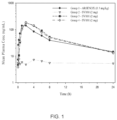
- a fourth group of dogs were administered SV101 at 2 mg/dog orally for confirmatory analysis at a later date. Blood samples were obtained pre-dose and at 0.083, 0.25, 0.5, 1, 2, 4, 6, 8 and 24 h post-dose from the animals in Group 1, and pre-dose and at 0.25, 0.5, 1, 2, 4, 6, 8 and 24 h post-dose from the animals in Groups 2, 3 and 4.
- Plasma samples were immediately placed on wet ice and processed to plasma within 30 minutes of collection. Plasma samples were analyzed at QPS Netherlands BV for arsenic levels using an ICP-MS method with a lower limit of quantification (LLOQ) of 2.50 ng/mL. Individual concentration-time data were used in the calculation of PK parameters of arsenic using WinNonlin TM version 5.2.1.
- the oral absorption of SV101 (group 3) is nearly identical to ARSENOX ® (I.V.) with Cmax of 182 ⁇ 34.5 ng/ml (vs 146 ⁇ 17.6 ng/ml for ARSENOX ® ) and AUC0-last (h.ng/mL) of 1416 ⁇ 345 (vs 1115 ⁇ 127 for ARSENOX ® ) indicating complete oral absorption.
- the objective of these experiments was to characterize the capsule formulation comprising arsenic and summarize their physicochemical properties.
- the capsule sizes prepared were 1 mg, 2 mg, 5 mg, 10 mg, and 20 mg of the lyopremix formulation comprising arsenic.
- Four thousand capsules were prepared.
- the manufacturing process comprised of (A) Lyophilization, and (B) Blending and Lubrication steps.
- Fig. 2 shows the process flow diagram for capsule making.
- Lyophilization was performed in three stages as follows.
- This stage is also called the "sublimation” stage. In this stage, drying was carried out in presence of vacuum and with increased temperature gradually up to the material converted into solid form. Process parameters followed for this stage are tabulated below. Table 33-Primary Drying Ramp Hold Temperature (°C) Time (min) Vacuum (millitorrs) Temperature (°C) Time (min) Vacuum (millitorrs) -30 60 800 -30 60 800 -20 60 500 -20 120 500 -5 300 500 -5 120 500 10 120 500 10 60 500 25 60 500 25 180 500
- the assay of the Lyopremix was estimated and the actual quantity of the Lyopremix required per capsule was calculated as given below.
- Drug product was characterized for its physicochemical properties and comparative evaluation with raw material was conducted.
- PSD of the final formulation also comprises about 75% of other additional excipients.
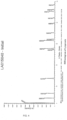
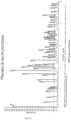
- the final formulation was analyzed for API polymorphic form after processing to evaluate any polymorphic form change from as such API. Even the intermediate stage (Lyopremix) was characterized by XRD diffractograms. From this study it was concluded that there was no form change of API in the formulation and it was found to be stable at intermediate stages of manufacturing. Diffractograms are given in Figs. 3-6 , which established that the same polymorphic form was found to be stable throughout the process and in the final formulations.
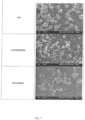
- the three samples that is plain API, Lyopremix, and the Final Blend, were characterized for particle size and morphology characterization by SEM.
- the images are given in Fig. 7 .
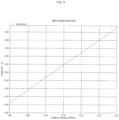
- the surface area of the API and the Lyopremix were measured using the BET method for surface area measurement.
- the specific surface area of the arsenic trioxide API was measured at 0.05 m 2 /g.
- the specific surface area of the lyophilized composition comprising arsenic trioxide, or the Lyopremix, was measured at 2.68 m 2 /g, which is more than a 50-fold increase in the surface area.
- Table 39 below provides the surface area data for the API.
- Fig. 8 provides the BET Surface Area Plot for the API, which shows how the 1/[Q(Po/P-1)] depends on Relative Pressure P/Po.
- Table 39-BET Surface Area API BET Surface Area (API As 2 O 3 ) 0.0479 +/- 0.0008 m 2 /g Slope 116.430262+/- 1.959314 g/cm 3 Conditions STP Y Intercept 1.352003 +/- 0.314575 g/cm 3 STP C 87.116895 Qm 0.0085 cm 3 /g STP Correlation Coefficient 0.9998584 Molecular Cross-Sectional Area 0.2100 nm 2 No.
- Table 40 below provides the surface area data for the Lyopremix.
- Fig. 9 provides the BET Surface Area Plot for the Lyopremix, which shows how the 1/[Q(Po/P-1)] depends on Relative Pressure P/Po.
- Table 40-BET Surface Area Lyopremix BET Surface Area (Lyopremix) 2.6838 0 +/- 0.0956 m 2 /g Slope 1.560306 +/- 10.056450 g/cm 3 Conditions STP Y Intercept 0.061695 +/- 0.012176 g/cm 3 STP C 26.290494 Qm 0.6165cm 3 /g STP Correlation Coefficient 0.9993462 Molecular Cross-Sectional Area 0.1620nm 2 No.
Landscapes
- Health & Medical Sciences (AREA)
- Chemical & Material Sciences (AREA)
- Life Sciences & Earth Sciences (AREA)
- Animal Behavior & Ethology (AREA)
- General Health & Medical Sciences (AREA)
- Public Health (AREA)
- Veterinary Medicine (AREA)
- Medicinal Chemistry (AREA)
- Pharmacology & Pharmacy (AREA)
- Epidemiology (AREA)
- General Chemical & Material Sciences (AREA)
- Chemical Kinetics & Catalysis (AREA)
- Engineering & Computer Science (AREA)
- Oil, Petroleum & Natural Gas (AREA)
- Inorganic Chemistry (AREA)
- Nuclear Medicine, Radiotherapy & Molecular Imaging (AREA)
- Organic Chemistry (AREA)
- Bioinformatics & Cheminformatics (AREA)
- Hematology (AREA)
- Molecular Biology (AREA)
- Biochemistry (AREA)
- Diabetes (AREA)
- Oncology (AREA)
- Nutrition Science (AREA)
- Physiology (AREA)
- Medicinal Preparation (AREA)
- Pharmaceuticals Containing Other Organic And Inorganic Compounds (AREA)
Priority Applications (5)
| Application Number | Priority Date | Filing Date | Title |
|---|---|---|---|
| SI201631917T SI3981414T1 (sl) | 2015-02-01 | 2016-02-01 | Velikopovršinski liofilizirani sestavki, ki obsegajo arzen, za peroralno dajanje bolnikom |
| EP25184422.1A EP4599823A1 (en) | 2015-02-01 | 2016-02-01 | High surface-area lyophilized compositions comprising arsenic for oral administration in patients |
| SM20250321T SMT202500321T1 (it) | 2015-02-01 | 2016-02-01 | Composizioni liofilizzate ad area superficiale elevata comprendenti arsenico per la somministrazione orale a pazienti |
| HRP20251032TT HRP20251032T1 (hr) | 2015-02-01 | 2016-02-01 | Liofilizirani pripravci s visokim površinskim područjem koji sadrže arsen za oralnu primjenu kod pacijenata |
| RS20250815A RS67133B1 (sr) | 2015-02-01 | 2016-02-01 | Liofilizovane kompozicije velike površine koje sadrže arsen za oralnu administraciju kod pacijenta |
Applications Claiming Priority (4)
| Application Number | Priority Date | Filing Date | Title |
|---|---|---|---|
| US201562110574P | 2015-02-01 | 2015-02-01 | |
| US201562142709P | 2015-04-03 | 2015-04-03 | |
| EP16744263.1A EP3250214B1 (en) | 2015-02-01 | 2016-02-01 | High surface-area lyophilized compositions comprising arsenic for oral administration in patients |
| PCT/US2016/015917 WO2016123603A2 (en) | 2015-02-01 | 2016-02-01 | High surface-area lyophilized compositions comprising arsenic for oral administration in patients |
Related Parent Applications (1)
| Application Number | Title | Priority Date | Filing Date |
|---|---|---|---|
| EP16744263.1A Division EP3250214B1 (en) | 2015-02-01 | 2016-02-01 | High surface-area lyophilized compositions comprising arsenic for oral administration in patients |
Related Child Applications (1)
| Application Number | Title | Priority Date | Filing Date |
|---|---|---|---|
| EP25184422.1A Division EP4599823A1 (en) | 2015-02-01 | 2016-02-01 | High surface-area lyophilized compositions comprising arsenic for oral administration in patients |
Publications (2)
| Publication Number | Publication Date |
|---|---|
| EP3981414A1 EP3981414A1 (en) | 2022-04-13 |
| EP3981414B1 true EP3981414B1 (en) | 2025-06-25 |
Family
ID=56544541
Family Applications (3)
| Application Number | Title | Priority Date | Filing Date |
|---|---|---|---|
| EP21192594.6A Active EP3981414B1 (en) | 2015-02-01 | 2016-02-01 | High surface-area lyophilized compositions comprising arsenic for oral administration in patients |
| EP25184422.1A Pending EP4599823A1 (en) | 2015-02-01 | 2016-02-01 | High surface-area lyophilized compositions comprising arsenic for oral administration in patients |
| EP16744263.1A Active EP3250214B1 (en) | 2015-02-01 | 2016-02-01 | High surface-area lyophilized compositions comprising arsenic for oral administration in patients |
Family Applications After (2)
| Application Number | Title | Priority Date | Filing Date |
|---|---|---|---|
| EP25184422.1A Pending EP4599823A1 (en) | 2015-02-01 | 2016-02-01 | High surface-area lyophilized compositions comprising arsenic for oral administration in patients |
| EP16744263.1A Active EP3250214B1 (en) | 2015-02-01 | 2016-02-01 | High surface-area lyophilized compositions comprising arsenic for oral administration in patients |
Country Status (20)
| Country | Link |
|---|---|
| US (6) | US10111836B2 (enExample) |
| EP (3) | EP3981414B1 (enExample) |
| JP (3) | JP6928768B2 (enExample) |
| CN (2) | CN107530373B (enExample) |
| AU (4) | AU2016211186A1 (enExample) |
| CA (2) | CA2975406C (enExample) |
| DK (1) | DK3981414T3 (enExample) |
| ES (2) | ES3034734T3 (enExample) |
| FI (1) | FI3981414T3 (enExample) |
| HR (1) | HRP20251032T1 (enExample) |
| HU (1) | HUE072537T2 (enExample) |
| LT (1) | LT3981414T (enExample) |
| MX (2) | MX390835B (enExample) |
| PL (1) | PL3981414T3 (enExample) |
| PT (1) | PT3981414T (enExample) |
| RS (1) | RS67133B1 (enExample) |
| SI (1) | SI3981414T1 (enExample) |
| SM (1) | SMT202500321T1 (enExample) |
| TW (3) | TWI790191B (enExample) |
| WO (1) | WO2016123603A2 (enExample) |
Families Citing this family (10)
| Publication number | Priority date | Publication date | Assignee | Title |
|---|---|---|---|---|
| CA2975406C (en) | 2015-02-01 | 2025-07-22 | Quetzal Therapeutics, Llc | LYOPHILIZED COMPOSITIONS WITH HIGH SPECIFIC SURFACE AREA CONTAINING ARSENIC INTENDED FOR ORAL ADMINISTRATION IN PATIENTS |
| US20260027056A1 (en) * | 2015-02-01 | 2026-01-29 | Quetzal Therapeutics, Llc | High surface-area lyophilized compositions comprising arsenic for oral administration in patients |
| AU2017368444B9 (en) | 2016-12-01 | 2020-07-02 | Eupharma Pty Ltd | Arsenic compositions |
| KR101844049B1 (ko) | 2016-12-05 | 2018-03-30 | 주식회사 케마스 | 육산화사비소의 결정다형을 포함하는 간암 예방 또는 치료용 약학 조성물 |
| KR101844050B1 (ko) * | 2016-12-09 | 2018-05-14 | 주식회사 케마스 | 육산화사비소의 결정다형을 포함하는 암 예방 또는 치료용 약학 조성물 |
| US20190374611A1 (en) * | 2017-01-18 | 2019-12-12 | INSERM (Institut National de la Santé et de la Recherche Médicale) | Methods and pharmaceutical compositions for the treatment patients suffering from myeloproliferative disorders |
| US12582984B1 (en) | 2020-07-02 | 2026-03-24 | Argonaut Manufacturing Services, Inc. | Method for lyophilization and device thereof |
| US11583552B2 (en) | 2021-02-17 | 2023-02-21 | Manoj Maniar | Pharmaceutical formulation of arsenic trioxide |
| JP7428842B1 (ja) | 2023-03-29 | 2024-02-06 | artience株式会社 | 活性エネルギー線硬化型インキ、その製造方法、および印刷物 |
| AU2025223378A1 (en) * | 2024-02-14 | 2026-07-30 | Assistance Publique - Hôpitaux De Paris | Oral composition of arsenic trioxide for cancer treatment |
Family Cites Families (26)
| Publication number | Priority date | Publication date | Assignee | Title |
|---|---|---|---|---|
| US5773419A (en) | 1995-03-03 | 1998-06-30 | Falcon; Juan | Method of treating cancer with tannic acid |
| CN1044559C (zh) | 1995-08-23 | 1999-08-11 | 哈尔滨医科大学附属第一医院 | 抗白血病、肝癌、淋巴瘤注射液 |
| IL136051A0 (en) | 1997-11-10 | 2001-05-20 | Sloan Kettering Inst Cancer | Process for producing arsenic trioxide formulations and methods for treating cancer using arsenic trioxide or melarsoprol |
| US7276359B1 (en) * | 1998-03-13 | 2007-10-02 | Wyeth | Polynucleotide composition, method of preparation, and use thereof |
| CN1131922C (zh) | 1998-10-19 | 2003-12-24 | 张在喆 | 一种通过弹性键搭架与收拢的帐篷 |
| US7374779B2 (en) | 1999-02-26 | 2008-05-20 | Lipocine, Inc. | Pharmaceutical formulations and systems for improved absorption and multistage release of active agents |
| CN102772413A (zh) * | 2000-02-29 | 2012-11-14 | 布里斯托尔-迈尔斯斯奎布公司 | 低剂量艾替开韦制剂及其应用 |
| AUPR874601A0 (en) * | 2001-11-08 | 2001-11-29 | Unisearch Limited | Selective targeting of apoptotic cells |
| US8906422B2 (en) | 2002-10-09 | 2014-12-09 | The University Of Hong Kong | Method for inhibiting cancer using arsenic trioxide |
| US7521071B2 (en) | 2002-10-09 | 2009-04-21 | Versitech Limited | Formulation of oral compositions comprising arsenic trioxide and methods of use thereof |
| GB0315632D0 (en) * | 2003-07-04 | 2003-08-13 | West Pharm Serv Drug Res Ltd | Pharmaceutical formulations |
| CN1251688C (zh) | 2003-12-09 | 2006-04-19 | 重庆维特瑞医药开发有限公司 | 三氧化二砷冻干粉针及其生产方法 |
| JP4292985B2 (ja) | 2003-12-25 | 2009-07-08 | Jsr株式会社 | 感放射線性組成物、マイクロレンズとその形成方法および液晶表示素子 |
| CN1698650A (zh) | 2004-05-21 | 2005-11-23 | 哈尔滨伊达药业有限公司 | 一种治疗原发性肝癌的亚砷酸注射液及其制备方法 |
| CN1326528C (zh) | 2004-07-13 | 2007-07-18 | 东南大学 | 砒霜磁性纳米明胶微球的制备工艺 |
| EA015781B1 (ru) | 2005-10-21 | 2011-12-30 | Панацея Биотек Лимитед | Композиции для лечения рака |
| US20080089951A1 (en) * | 2006-10-11 | 2008-04-17 | The University Of Hong Kong | Method for Inhibiting Cancer Using Arsenic Trioxide |
| CN101322719B (zh) | 2007-06-15 | 2012-03-07 | 杭州民生药业有限公司 | 一种三氧化二砷固体脂质纳米粒及其制剂 |
| US8168224B2 (en) * | 2007-12-19 | 2012-05-01 | Beijing Shengyiyao Science & Technology Development Co., Ltd. | Sodium alginate microsphere vascular embolus containing water-soluble drug and preparation and application thereof |
| US20110165259A1 (en) | 2008-09-19 | 2011-07-07 | Activus Pharma Co., Ltd. | Composite organic compound powder for medical use, method for producing same and suspension of same |
| EP2359812A1 (en) | 2010-01-18 | 2011-08-24 | Cephalon France | Oral lyophilised compositions |
| EP2525783A1 (en) | 2010-01-18 | 2012-11-28 | Cephalon France | Improved oral lysophilisates containing pvp/va |
| CN103142648B (zh) | 2011-12-07 | 2015-04-15 | 浙江中医药大学 | 一种砷化合物溶液及其制备的包载砷化合物的白蛋白纳米粒和冻干制剂 |
| CN103408477B (zh) | 2013-08-22 | 2015-06-10 | 陈鹏飞 | 一种含砷配位化合物及其制备方法 |
| PL3250213T3 (pl) | 2015-01-29 | 2023-10-30 | Eupharma Pty Ltd | Kompozycje zawierające arsen do stosowania w sposobach leczenia |
| CA2975406C (en) | 2015-02-01 | 2025-07-22 | Quetzal Therapeutics, Llc | LYOPHILIZED COMPOSITIONS WITH HIGH SPECIFIC SURFACE AREA CONTAINING ARSENIC INTENDED FOR ORAL ADMINISTRATION IN PATIENTS |
-
2016
- 2016-02-01 CA CA2975406A patent/CA2975406C/en active Active
- 2016-02-01 MX MX2017009913A patent/MX390835B/es unknown
- 2016-02-01 SM SM20250321T patent/SMT202500321T1/it unknown
- 2016-02-01 SI SI201631917T patent/SI3981414T1/sl unknown
- 2016-02-01 RS RS20250815A patent/RS67133B1/sr unknown
- 2016-02-01 TW TW105103175A patent/TWI790191B/zh active
- 2016-02-01 TW TW111149127A patent/TW202337477A/zh unknown
- 2016-02-01 CN CN201680020478.8A patent/CN107530373B/zh active Active
- 2016-02-01 PT PT211925946T patent/PT3981414T/pt unknown
- 2016-02-01 CN CN202311663020.2A patent/CN117899029A/zh active Pending
- 2016-02-01 EP EP21192594.6A patent/EP3981414B1/en active Active
- 2016-02-01 CA CA3225480A patent/CA3225480A1/en active Pending
- 2016-02-01 US US15/012,355 patent/US10111836B2/en active Active
- 2016-02-01 WO PCT/US2016/015917 patent/WO2016123603A2/en not_active Ceased
- 2016-02-01 EP EP25184422.1A patent/EP4599823A1/en active Pending
- 2016-02-01 DK DK21192594.6T patent/DK3981414T3/da active
- 2016-02-01 HR HRP20251032TT patent/HRP20251032T1/hr unknown
- 2016-02-01 ES ES21192594T patent/ES3034734T3/es active Active
- 2016-02-01 TW TW110142380A patent/TW202228734A/zh unknown
- 2016-02-01 JP JP2017559275A patent/JP6928768B2/ja active Active
- 2016-02-01 FI FIEP21192594.6T patent/FI3981414T3/fi active
- 2016-02-01 AU AU2016211186A patent/AU2016211186A1/en not_active Abandoned
- 2016-02-01 EP EP16744263.1A patent/EP3250214B1/en active Active
- 2016-02-01 ES ES16744263T patent/ES2899226T3/es active Active
- 2016-02-01 HU HUE21192594A patent/HUE072537T2/hu unknown
- 2016-02-01 PL PL21192594.6T patent/PL3981414T3/pl unknown
- 2016-02-01 LT LTEP21192594.6T patent/LT3981414T/lt unknown
-
2017
- 2017-07-31 MX MX2020012611A patent/MX2020012611A/es unknown
-
2018
- 2018-10-01 US US16/148,193 patent/US10272045B2/en active Active
-
2019
- 2019-03-12 US US16/299,214 patent/US10653628B2/en active Active
-
2020
- 2020-04-20 US US16/852,758 patent/US20210069115A1/en not_active Abandoned
-
2021
- 2021-06-07 AU AU2021203752A patent/AU2021203752B2/en active Active
- 2021-06-22 JP JP2021103196A patent/JP7539855B2/ja active Active
-
2023
- 2023-01-27 US US18/160,445 patent/US12364664B2/en active Active
- 2023-08-10 AU AU2023214307A patent/AU2023214307B2/en active Active
-
2024
- 2024-01-10 US US18/408,664 patent/US20240269076A1/en active Pending
- 2024-08-14 JP JP2024135193A patent/JP7885288B2/ja active Active
-
2025
- 2025-10-29 AU AU2025259861A patent/AU2025259861A1/en active Pending
Also Published As
Similar Documents
| Publication | Publication Date | Title |
|---|---|---|
| AU2021203752B2 (en) | High surface-area lyophilized compositions comprising arsenic for oral administration in patients | |
| EP3106169B1 (en) | Formulation of oral compositions comprising arsenic trioxide and methods of use thereof | |
| TW201006478A (en) | Oral formulations of cytidine analogs and methods of use thereof | |
| EP3938368B1 (en) | Compound form having enhanced bioavailability and formulations thereof | |
| US20260027056A1 (en) | High surface-area lyophilized compositions comprising arsenic for oral administration in patients | |
| HK40129981A (en) | High surface-area lyophilized compositions comprising arsenic for oral administration in patients | |
| HK40073108A (en) | High surface-area lyophilized compositions comprising arsenic for oral administration in patients | |
| CN104398501B (zh) | 用于治疗易复发性癌症的聚合物胶束组合物及其制备方法 | |
| HK1248113B (en) | High surface-area lyophilized compositions comprising arsenic for oral administration in patients |
Legal Events
| Date | Code | Title | Description |
|---|---|---|---|
| REG | Reference to a national code |
Ref country code: HR Ref legal event code: TUEP Ref document number: P20251032T Country of ref document: HR |
|
| PUAI | Public reference made under article 153(3) epc to a published international application that has entered the european phase |
Free format text: ORIGINAL CODE: 0009012 |
|
| STAA | Information on the status of an ep patent application or granted ep patent |
Free format text: STATUS: THE APPLICATION HAS BEEN PUBLISHED |
|
| AC | Divisional application: reference to earlier application |
Ref document number: 3250214 Country of ref document: EP Kind code of ref document: P |
|
| AK | Designated contracting states |
Kind code of ref document: A1 Designated state(s): AL AT BE BG CH CY CZ DE DK EE ES FI FR GB GR HR HU IE IS IT LI LT LU LV MC MK MT NL NO PL PT RO RS SE SI SK SM TR |
|
| STAA | Information on the status of an ep patent application or granted ep patent |
Free format text: STATUS: REQUEST FOR EXAMINATION WAS MADE |
|
| 17P | Request for examination filed |
Effective date: 20221013 |
|
| RBV | Designated contracting states (corrected) |
Designated state(s): AL AT BE BG CH CY CZ DE DK EE ES FI FR GB GR HR HU IE IS IT LI LT LU LV MC MK MT NL NO PL PT RO RS SE SI SK SM TR |
|
| REG | Reference to a national code |
Ref country code: HK Ref legal event code: DE Ref document number: 40073108 Country of ref document: HK |
|
| STAA | Information on the status of an ep patent application or granted ep patent |
Free format text: STATUS: EXAMINATION IS IN PROGRESS |
|
| 17Q | First examination report despatched |
Effective date: 20230424 |
|
| P01 | Opt-out of the competence of the unified patent court (upc) registered |
Effective date: 20230527 |
|
| GRAP | Despatch of communication of intention to grant a patent |
Free format text: ORIGINAL CODE: EPIDOSNIGR1 |
|
| STAA | Information on the status of an ep patent application or granted ep patent |
Free format text: STATUS: GRANT OF PATENT IS INTENDED |
|
| INTG | Intention to grant announced |
Effective date: 20240926 |
|
| RAP3 | Party data changed (applicant data changed or rights of an application transferred) |
Owner name: SYROS PHARMACEUTICALS, INC. |
|
| RAP1 | Party data changed (applicant data changed or rights of an application transferred) |
Owner name: QUETZAL THERAPEUTICS, LLC |
|
| GRAS | Grant fee paid |
Free format text: ORIGINAL CODE: EPIDOSNIGR3 |
|
| GRAA | (expected) grant |
Free format text: ORIGINAL CODE: 0009210 |
|
| STAA | Information on the status of an ep patent application or granted ep patent |
Free format text: STATUS: THE PATENT HAS BEEN GRANTED |
|
| AC | Divisional application: reference to earlier application |
Ref document number: 3250214 Country of ref document: EP Kind code of ref document: P |
|
| AK | Designated contracting states |
Kind code of ref document: B1 Designated state(s): AL AT BE BG CH CY CZ DE DK EE ES FI FR GB GR HR HU IE IS IT LI LT LU LV MC MK MT NL NO PL PT RO RS SE SI SK SM TR |
|
| REG | Reference to a national code |
Ref country code: GB Ref legal event code: FG4D |
|
| REG | Reference to a national code |
Ref country code: CH Ref legal event code: EP |
|
| REG | Reference to a national code |
Ref country code: DK Ref legal event code: T3 Effective date: 20250703 |
|
| REG | Reference to a national code |
Ref country code: CH Ref legal event code: EP |
|
| REG | Reference to a national code |
Ref country code: IE Ref legal event code: FG4D |
|
| REG | Reference to a national code |
Ref country code: DE Ref legal event code: R096 Ref document number: 602016092717 Country of ref document: DE |
|
| REG | Reference to a national code |
Ref country code: PT Ref legal event code: SC4A Ref document number: 3981414 Country of ref document: PT Date of ref document: 20250722 Kind code of ref document: T Free format text: AVAILABILITY OF NATIONAL TRANSLATION Effective date: 20250715 |
|
| REG | Reference to a national code |
Ref country code: NL Ref legal event code: FP |
|
| REG | Reference to a national code |
Ref country code: FI Ref legal event code: FGE |
|
| REG | Reference to a national code |
Ref country code: SE Ref legal event code: TRGR |
|
| REG | Reference to a national code |
Ref country code: ES Ref legal event code: FG2A Ref document number: 3034734 Country of ref document: ES Kind code of ref document: T3 Effective date: 20250822 |
|
| REG | Reference to a national code |
Ref country code: EE Ref legal event code: FG4A Ref document number: E025240 Country of ref document: EE Effective date: 20250825 Ref country code: SK Ref legal event code: T3 Ref document number: E 46900 Country of ref document: SK |
|
| REG | Reference to a national code |
Ref country code: HR Ref legal event code: T1PR Ref document number: P20251032 Country of ref document: HR |
|
| REG | Reference to a national code |
Ref country code: GR Ref legal event code: EP Ref document number: 20250401798 Country of ref document: GR Effective date: 20251009 |
|
| REG | Reference to a national code |
Ref country code: HU Ref legal event code: AG4A Ref document number: E072537 Country of ref document: HU |
|
| PGFP | Annual fee paid to national office [announced via postgrant information from national office to epo] |
Ref country code: LT Payment date: 20251222 Year of fee payment: 11 Ref country code: GB Payment date: 20251211 Year of fee payment: 11 |
|
| PGFP | Annual fee paid to national office [announced via postgrant information from national office to epo] |
Ref country code: MK Payment date: 20251216 Year of fee payment: 11 |
|
| PGFP | Annual fee paid to national office [announced via postgrant information from national office to epo] |
Ref country code: FI Payment date: 20251230 Year of fee payment: 11 |
|
| PGFP | Annual fee paid to national office [announced via postgrant information from national office to epo] |
Ref country code: FR Payment date: 20251128 Year of fee payment: 11 Ref country code: NL Payment date: 20251215 Year of fee payment: 11 |
|
| PGFP | Annual fee paid to national office [announced via postgrant information from national office to epo] |
Ref country code: SE Payment date: 20251210 Year of fee payment: 11 |
|
| PGFP | Annual fee paid to national office [announced via postgrant information from national office to epo] |
Ref country code: IE Payment date: 20251209 Year of fee payment: 11 |
|
| PGFP | Annual fee paid to national office [announced via postgrant information from national office to epo] |
Ref country code: LV Payment date: 20251219 Year of fee payment: 11 |
|
| PGFP | Annual fee paid to national office [announced via postgrant information from national office to epo] |
Ref country code: PL Payment date: 20251212 Year of fee payment: 11 |
|
| PGFP | Annual fee paid to national office [announced via postgrant information from national office to epo] |
Ref country code: EE Payment date: 20251229 Year of fee payment: 11 Ref country code: BG Payment date: 20251215 Year of fee payment: 11 |
|
| PGFP | Annual fee paid to national office [announced via postgrant information from national office to epo] |
Ref country code: RO Payment date: 20251224 Year of fee payment: 11 Ref country code: SK Payment date: 20251223 Year of fee payment: 11 |
|
| PGFP | Annual fee paid to national office [announced via postgrant information from national office to epo] |
Ref country code: SI Payment date: 20251226 Year of fee payment: 11 |
|
| REG | Reference to a national code |
Ref country code: HR Ref legal event code: ODRP Ref document number: P20251032 Country of ref document: HR Payment date: 20251223 Year of fee payment: 11 |
|
| PGFP | Annual fee paid to national office [announced via postgrant information from national office to epo] |
Ref country code: LU Payment date: 20260129 Year of fee payment: 11 |
|
| REG | Reference to a national code |
Ref country code: CH Ref legal event code: U11 Free format text: ST27 STATUS EVENT CODE: U-0-0-U10-U11 (AS PROVIDED BY THE NATIONAL OFFICE) Effective date: 20260301 |
|
| PGFP | Annual fee paid to national office [announced via postgrant information from national office to epo] |
Ref country code: HU Payment date: 20260112 Year of fee payment: 11 |
|
| REG | Reference to a national code |
Ref country code: DE Ref legal event code: R097 Ref document number: 602016092717 Country of ref document: DE |
|
| PGFP | Annual fee paid to national office [announced via postgrant information from national office to epo] |
Ref country code: SM Payment date: 20260129 Year of fee payment: 11 |
|
| PGFP | Annual fee paid to national office [announced via postgrant information from national office to epo] |
Ref country code: MC Payment date: 20260129 Year of fee payment: 11 Ref country code: ES Payment date: 20260305 Year of fee payment: 11 |
|
| PGFP | Annual fee paid to national office [announced via postgrant information from national office to epo] |
Ref country code: NO Payment date: 20260211 Year of fee payment: 11 Ref country code: DK Payment date: 20260213 Year of fee payment: 11 Ref country code: DE Payment date: 20251210 Year of fee payment: 11 |
|
| PGFP | Annual fee paid to national office [announced via postgrant information from national office to epo] |
Ref country code: HR Payment date: 20260120 Year of fee payment: 11 Ref country code: AT Payment date: 20260127 Year of fee payment: 11 |
|
| PGFP | Annual fee paid to national office [announced via postgrant information from national office to epo] |
Ref country code: BE Payment date: 20260106 Year of fee payment: 11 Ref country code: IT Payment date: 20260122 Year of fee payment: 11 |
|
| PGFP | Annual fee paid to national office [announced via postgrant information from national office to epo] |
Ref country code: RS Payment date: 20260114 Year of fee payment: 11 |
|
| PGFP | Annual fee paid to national office [announced via postgrant information from national office to epo] |
Ref country code: IS Payment date: 20260204 Year of fee payment: 11 |
|
| PGFP | Annual fee paid to national office [announced via postgrant information from national office to epo] |
Ref country code: TR Payment date: 20260130 Year of fee payment: 11 |
|
| PGFP | Annual fee paid to national office [announced via postgrant information from national office to epo] |
Ref country code: PT Payment date: 20260202 Year of fee payment: 11 Ref country code: CZ Payment date: 20260119 Year of fee payment: 11 Ref country code: CH Payment date: 20260301 Year of fee payment: 11 |
|
| PGFP | Annual fee paid to national office [announced via postgrant information from national office to epo] |
Ref country code: GR Payment date: 20260114 Year of fee payment: 11 Ref country code: CY Payment date: 20260107 Year of fee payment: 11 Ref country code: MT Payment date: 20260219 Year of fee payment: 11 |
|
| PLBE | No opposition filed within time limit |
Free format text: ORIGINAL CODE: 0009261 |
|
| STAA | Information on the status of an ep patent application or granted ep patent |
Free format text: STATUS: NO OPPOSITION FILED WITHIN TIME LIMIT |
|
| REG | Reference to a national code |
Ref country code: CH Ref legal event code: L10 Free format text: ST27 STATUS EVENT CODE: U-0-0-L10-L00 (AS PROVIDED BY THE NATIONAL OFFICE) Effective date: 20260507 |
|
| 26N | No opposition filed |
Effective date: 20260326 |
|
| PGFP | Annual fee paid to national office [announced via postgrant information from national office to epo] |
Ref country code: AL Payment date: 20260210 Year of fee payment: 11 |
|
| REG | Reference to a national code |
Ref country code: AT Ref legal event code: UEP Ref document number: 1805766 Country of ref document: AT Kind code of ref document: T Effective date: 20250625 |