EP3972609B1 - Oxathiazindioxid zur behandlung, vorbeugung, hemmung oder verminderung der cytokinfreisetzung - Google Patents
Oxathiazindioxid zur behandlung, vorbeugung, hemmung oder verminderung der cytokinfreisetzung Download PDFInfo
- Publication number
- EP3972609B1 EP3972609B1 EP20730737.2A EP20730737A EP3972609B1 EP 3972609 B1 EP3972609 B1 EP 3972609B1 EP 20730737 A EP20730737 A EP 20730737A EP 3972609 B1 EP3972609 B1 EP 3972609B1
- Authority
- EP
- European Patent Office
- Prior art keywords
- syndrome
- compound
- cell
- disease
- cytokine
- Prior art date
- Legal status (The legal status is an assumption and is not a legal conclusion. Google has not performed a legal analysis and makes no representation as to the accuracy of the status listed.)
- Active
Links
Images













Classifications
-
- A—HUMAN NECESSITIES
- A61—MEDICAL OR VETERINARY SCIENCE; HYGIENE
- A61K—PREPARATIONS FOR MEDICAL, DENTAL OR TOILETRY PURPOSES
- A61K31/00—Medicinal preparations containing organic active ingredients
- A61K31/33—Heterocyclic compounds
- A61K31/395—Heterocyclic compounds having nitrogen as a ring hetero atom, e.g. guanethidine or rifamycins
- A61K31/55—Heterocyclic compounds having nitrogen as a ring hetero atom, e.g. guanethidine or rifamycins having seven-membered rings, e.g. azelastine, pentylenetetrazole
- A61K31/553—Heterocyclic compounds having nitrogen as a ring hetero atom, e.g. guanethidine or rifamycins having seven-membered rings, e.g. azelastine, pentylenetetrazole having at least one nitrogen and one oxygen as ring hetero atoms, e.g. loxapine, staurosporine
-
- A—HUMAN NECESSITIES
- A61—MEDICAL OR VETERINARY SCIENCE; HYGIENE
- A61K—PREPARATIONS FOR MEDICAL, DENTAL OR TOILETRY PURPOSES
- A61K31/00—Medicinal preparations containing organic active ingredients
- A61K31/33—Heterocyclic compounds
- A61K31/395—Heterocyclic compounds having nitrogen as a ring hetero atom, e.g. guanethidine or rifamycins
- A61K31/435—Heterocyclic compounds having nitrogen as a ring hetero atom, e.g. guanethidine or rifamycins having six-membered rings with one nitrogen as the only ring hetero atom
- A61K31/4353—Heterocyclic compounds having nitrogen as a ring hetero atom, e.g. guanethidine or rifamycins having six-membered rings with one nitrogen as the only ring hetero atom ortho- or peri-condensed with heterocyclic ring systems
- A61K31/436—Heterocyclic compounds having nitrogen as a ring hetero atom, e.g. guanethidine or rifamycins having six-membered rings with one nitrogen as the only ring hetero atom ortho- or peri-condensed with heterocyclic ring systems the heterocyclic ring system containing a six-membered ring having oxygen as a ring hetero atom, e.g. rapamycin
-
- A—HUMAN NECESSITIES
- A61—MEDICAL OR VETERINARY SCIENCE; HYGIENE
- A61K—PREPARATIONS FOR MEDICAL, DENTAL OR TOILETRY PURPOSES
- A61K31/00—Medicinal preparations containing organic active ingredients
- A61K31/33—Heterocyclic compounds
- A61K31/395—Heterocyclic compounds having nitrogen as a ring hetero atom, e.g. guanethidine or rifamycins
- A61K31/435—Heterocyclic compounds having nitrogen as a ring hetero atom, e.g. guanethidine or rifamycins having six-membered rings with one nitrogen as the only ring hetero atom
- A61K31/4353—Heterocyclic compounds having nitrogen as a ring hetero atom, e.g. guanethidine or rifamycins having six-membered rings with one nitrogen as the only ring hetero atom ortho- or peri-condensed with heterocyclic ring systems
- A61K31/4365—Heterocyclic compounds having nitrogen as a ring hetero atom, e.g. guanethidine or rifamycins having six-membered rings with one nitrogen as the only ring hetero atom ortho- or peri-condensed with heterocyclic ring systems the heterocyclic ring system having sulfur as a ring hetero atom, e.g. ticlopidine
-
- A—HUMAN NECESSITIES
- A61—MEDICAL OR VETERINARY SCIENCE; HYGIENE
- A61K—PREPARATIONS FOR MEDICAL, DENTAL OR TOILETRY PURPOSES
- A61K45/00—Medicinal preparations containing active ingredients not provided for in groups A61K31/00 - A61K41/00
- A61K45/06—Mixtures of active ingredients without chemical characterisation, e.g. antiphlogistics and cardiaca
-
- A—HUMAN NECESSITIES
- A61—MEDICAL OR VETERINARY SCIENCE; HYGIENE
- A61P—SPECIFIC THERAPEUTIC ACTIVITY OF CHEMICAL COMPOUNDS OR MEDICINAL PREPARATIONS
- A61P29/00—Non-central analgesic, antipyretic or antiinflammatory agents, e.g. antirheumatic agents; Non-steroidal antiinflammatory drugs [NSAID]
-
- A—HUMAN NECESSITIES
- A61—MEDICAL OR VETERINARY SCIENCE; HYGIENE
- A61P—SPECIFIC THERAPEUTIC ACTIVITY OF CHEMICAL COMPOUNDS OR MEDICINAL PREPARATIONS
- A61P31/00—Antiinfectives, i.e. antibiotics, antiseptics, chemotherapeutics
-
- A—HUMAN NECESSITIES
- A61—MEDICAL OR VETERINARY SCIENCE; HYGIENE
- A61P—SPECIFIC THERAPEUTIC ACTIVITY OF CHEMICAL COMPOUNDS OR MEDICINAL PREPARATIONS
- A61P37/00—Drugs for immunological or allergic disorders
-
- Y—GENERAL TAGGING OF NEW TECHNOLOGICAL DEVELOPMENTS; GENERAL TAGGING OF CROSS-SECTIONAL TECHNOLOGIES SPANNING OVER SEVERAL SECTIONS OF THE IPC; TECHNICAL SUBJECTS COVERED BY FORMER USPC CROSS-REFERENCE ART COLLECTIONS [XRACs] AND DIGESTS
- Y02—TECHNOLOGIES OR APPLICATIONS FOR MITIGATION OR ADAPTATION AGAINST CLIMATE CHANGE
- Y02A—TECHNOLOGIES FOR ADAPTATION TO CLIMATE CHANGE
- Y02A50/00—TECHNOLOGIES FOR ADAPTATION TO CLIMATE CHANGE in human health protection, e.g. against extreme weather
- Y02A50/30—Against vector-borne diseases, e.g. mosquito-borne, fly-borne, tick-borne or waterborne diseases whose impact is exacerbated by climate change
Definitions
- compositions for use in methods for treating cytokine release syndrome (CRS) or a cytokine storm in a subject relates to compositions for use in methods for treating cytokine release syndrome (CRS) or a cytokine storm in a subject.
- CRS cytokine release syndrome
- Cytokines are small, secreted proteins necessary for immune cell signaling, activation, and recruitment of other inflammatory cells. Cytokines may be secreted by various types of cells in response to various conditions, diseases, disorders, treatments, and agents. Cytokines are small secreted proteins released by cells have a specific effect on the interactions and communications between cells. Cytokine is a general name; other names include lymphokine (cytokines made by lymphocytes), monokine (cytokines made by monocytes), chemokine (cytokines with chemotactic activities), and interleukin (cytokines made by one leukocyte and acting on other leukocytes).
- lymphokine cytokines made by lymphocytes
- monokine cytokines made by monocytes
- chemokine cytokines with chemotactic activities
- interleukin cytokines made by one leukocyte and acting on other leukocytes.
- Cytokines may act on the cells that secrete them (autocrine action), on nearby cells (paracrine action), or in some instances on distant cells (endocrine action). There are both pro-inflammatory cytokines and anti-inflammatory cytokines. Certain cytokines/chemokines are involved in various diseases, disorders and conditions.
- CRS was observed when the anti-T-cell antibody muromonab-CD3 (OKT3) was introduced into the clinic as an immunosuppressive treatment for solid organ transplantation. Subsequently, CRS has been described after infusion of several antibody-based therapies such as anti-thymocyte globulin (ATG), the CD28 superagonist TGN1412, rituximab, obinutuzumab, alemtuzumab, brentuximab, dacetuzumab, and nivolumab. CRS has also been observed following administration of non-protein-based cancer drugs such as oxaliplatin and lenalidomide. Furthermore, CRS was reported in the setting of haploidentical donor stem cell transplantation, and graft-versus-host disease.
- AGT anti-thymocyte globulin
- TGN1412 anti-thymocyte globulin
- rituximab obinutuzumab
- alemtuzumab alemtu
- ACT adoptive cell transfer
- CAR T-cells chimeric antigen receptor
- CAR T-cells chimeric antigen receptor
- T cell-engaging immunotherapies include bispecific antibody constructs and chimeric antigen receptor (CAR) T cell therapies. Both these immunotherapeutic strategies have recently been carried forward into clinical application and have shown impressive therapeutic activity in several hematologic malignancies, such as acute lymphoblastic B cell leukemia (B-ALL), chronic lymphocytic leukemia (CLL), and diffuse large B cell lymphoma (DLBCL).
- B-ALL acute lymphoblastic B cell leukemia
- CLL chronic lymphocytic leukemia
- DLBCL diffuse large B cell lymphoma
- CRS chronic myelomab
- CD19-targeted CAR T cells Studies of the first T cell-engaging therapies, i.e., blinatumomab and CD19-targeted CAR T cells, revealed that CRS is a serious adverse event of these therapies.
- CRS data is derived from CAR T cell and blinatumomab studies in hematologic malignancies where CRS has been reported in frequencies of up to 100% in CD19-targeted CAR T cell trials, sometimes with fatal outcome.
- activated T-cells produce a systemic inflammatory response in which there is a rapid and massive release of cytokines into the bloodstream, leading to dangerously low blood pressure, high fever and shivering.
- cytokine storm a.k.a. cytokine cascade or hypercytokinemia
- cytokine cascade or hypercytokinemia in which there is a positive feedback loop between cytokines and white blood cells with highly elevated levels of cytokines.
- This can lead to potentially life-threatening complications including cardiac dysfunction, adult respiratory distress syndrome, neurologic toxicity, renal and/or hepatic failure, pulmonary edema and disseminated intravascular coagulation.
- Cytokine storms are also a problem after other infectious and non-infectious stimuli.
- cytokine storms In CRS or a cytokine storm, numerous proinflammatory cytokines, such as interleukin-1 (IL-1), IL-6, gamma interferon (g-IFN, IFN-g or IFN-y), and tumor necrosis factor- ⁇ (TNF ⁇ ), are released, resulting in hypotension, hemorrhage, and, ultimately, multiorgan failure.
- IL-1 interleukin-1
- g-IFN gamma interferon
- IFN-g or IFN-y gamma interferon
- TNF ⁇ tumor necrosis factor- ⁇
- the symptoms caused by cytokine storms vary from a rash or fever to neurotoxicity. This syndrome has been also known to occur in advanced or terminal cases of severe acute respiratory syndrome (SARS), Epstein-Barr virus-associated hemophagocytic lymphohistiocytosis, gram-negative sepsis, influenza, malaria and numerous other infectious diseases, including Ebola infection.
- corticosteroids biological therapies such as anti-IL6 therapies and anti-inflammatory drugs are being evaluated to control cytokine release syndrome and cytokine storm in patients administered immunotherapy such as CAR T-cell therapy.
- CAR T-cell therapy such agents have typically been found to negatively affect response rates to T cell-engaging therapies and eventually lead to relapse.
- Steroids may effect CAR T-cells' activity and/or proliferation and put the patients in danger of sepsis and opportunistic infections.
- Anti-inflammatory drugs may not be effective in controlling cytokine release syndromes or cytokine storms, because the cytokine storm includes a very large number of cytokines while there is limited ability to infuse patients with anti-inflammatory drugs.
- tocilizumab (ACTEMRA ® ) from its original designation of rheumatoid arthritis (RA) treatment to include treating CRS in patients undergoing CAR T treatment.
- Tocilizumab works by blocking the interleukin-6 (IL-6) receptor, an inflammatory cytokine, but it does not inhibit release of cytokines. As such, tocilizumab provides relief from some symptoms in some subjects but there is much room for improvement.
- the approval of tocilizumab for the treatment of CAR T cell-induced severe or life-threatening CRS in adults and in pediatric patients 2 years of age and older was based on a retrospective data analysis in two cohorts, showing response rates of 53%-69%.
- tocilizumab is a monoclonal antibody against a single cytokine receptor, IL6, but CRS and cytokine storms involve multiple cytokines including, but not limited to, e.g., TNF- ⁇ , interferon gamma, interleukins, e.g., IL-1 ⁇ , IL-2, IL-8, and IL-10 in addition to IL-6.
- cytokines including, but not limited to, e.g., TNF- ⁇ , interferon gamma, interleukins, e.g., IL-1 ⁇ , IL-2, IL-8, and IL-10 in addition to IL-6.
- WO 2017/158570 discloses a method of treating a patient suffering from triple negative breast cancer comprising treating the patient with taurolidine, taurultam or one or more oxathiazin-like compounds, or treating the patient with a plurality of the following treatments: i) one or more checkpoint inhibitors; ii) hyperthermia treatment; iii) low dose chemotherapy; iv) IL-2 co-therapy with taurolidine, taurultam or one or more oxathiazin-like compounds.
- WO 2016/098054 discloses oxathiazin-like compounds, processes for making the same, and processes of treating patients by administering oxathiazin-like compounds. Buchholz et al.
- the present disclosure provides compound 2250, as defined in claim 1, or a pharmaceutically acceptable salt, hydrate, ester, or solvate thereof, for use in a method of treating a cytokine release syndrome (CRS) or a cytokine storm in a subject.
- CRS cytokine release syndrome
- the method may reduce neurotoxicity of a CAR T-cell therapy, antibody therapy, or a bispecific antibody therapy in the subject.
- the cause of the cytokine release syndrome or cytokine storm may include an infectious stimulus, condition, or syndrome. In some aspects, the cause of the cytokine release syndrome or cytokine storm may include a non-infectious stimulus, condition, or syndrome. In some aspects, the cause of the cytokine release syndrome or cytokine storm may include a combination of an infectious stimulus, condition, or syndrome and a non-infectious stimulus, condition, or syndrome.
- the cause of the cytokine release syndrome or cytokine storm may include at least one of viral, bacterial, fungal, helminthic, protozoan, or infectious agent.
- At least one of IL-1 ⁇ , IL-1RA, IL-2, IL-4, IL-6, IL-8, IL-10, IL-12, IP-10, IFN- ⁇ , IFN- ⁇ , G-CSF, and TNF- ⁇ may be reduced in the subject.
- Cytokines are small, secreted proteins necessary for immune cell signaling, activation, and recruitment of other inflammatory cells.
- Some examples of cytokines include IL-1 ⁇ , IL-1RA, IL-2R ⁇ , IL-2, IL-4, IL-6, IL-8, IL-10, IL-12, IL-17, IL-18, IP-10, IFN- ⁇ , IFN- ⁇ , MCP-3, MCP-1, M-CSF, G-CSF, MIP-1a, and TNF- ⁇ .
- Some examples of chemokines include CCL5, CXCL8, CXCL1, CXCL2, CXCL10, CCL2, CCL7, CXCL6, CXCL11, CCL2, CCL3, CCL4, CCL7, CCL8, and CCL20. Certain cytokines/chemokines are involved in various diseases, disorders and conditions.
- Cytokine release syndrome is a form of systemic inflammatory response syndrome that arises as a complication of some diseases or infections, and is also an adverse effect of some monoclonal antibody drugs, as well as immunotherapies, such as adoptive T-cell therapies. Cytokine release syndrome is a condition that may occur after treatment with some types of immunotherapy, such as monoclonal antibodies and CAR-T cells. Cytokine release syndrome is caused by a large, rapid release of cytokines into the blood from immune cells affected by the immunotherapy. Cytokines are immune substances that have many different actions in the body. Signs and symptoms of cytokine release syndrome include fever, nausea, headache, rash, rapid heartbeat, low blood pressure, and trouble breathing. Most patients have a mild reaction, but sometimes, the reaction may be severe or life threatening.
- Grade 1 Mild reaction, infusion interruption not indicated; intervention not indicated
- Grade 1 includes fever and constitutional symptoms
- Grade 2 includes hypotension responding to fluids/low dose vasopressors and Grade 2 organ toxicities
- Grade 3 includes shock requiring high dose/multiple vasopressors
- Grade 4 includes the need for mechanical ventilation and Grade 4 organ toxicities.
- cytokine storm refers to the dysregulation of pro-inflammatory cytokines leading to adverse events, toxicity and disease and has been referred to as a "cytokine storm,” “cytokine release syndrome” or "inflammatory cascade".
- cytokine storm or cascade is referred to as being part of a sequence because one cytokine typically leads to the production of multiple other cytokines that can reinforce and amplify the immune response.
- pro-inflammatory mediators have been divided into two subgroups: early mediators and late mediators.
- infectious diseases commonly associated with a "cytokine storm” include but at not limited to, malaria, avian influenza, smallpox, pandemic influenza, adult respiratory distress syndrome (ARDS), a severe acute respiratory syndrome (SARS).
- Certain specific infectious agents include but are not limited to: infectious diseases is selected from at least one of Ebola, Marburg, Crimean-Congo hemorrhagic fever (CCHF), South American hemorrhagic fever, dengue, yellow fever, Rift Valley fever, Omsk hemorrhagic fever virus, Kyasanur Forest, Junin, Machupo, Sabiá, Guanarito, Garissa, Ilesha, or Lassa fever viruses.
- cytokine storm Disease conditions commonly associated with a "cytokine storm” include but are not limited to: sepsis, systemic inflammatory response syndrome (SIRS), cachexia, septic shock syndrome, traumatic brain injury (e.g., cerebral cytokine storm), graft versus host disease (GVHD), or the result of treatment with immune therapy, e.g., activated immune cells, IL-2 activated T cells, T cells activated with anti-CD19 Chimeric Antigen Receptor (CAR) T cells.
- SIRS systemic inflammatory response syndrome
- cachexia e.g., cachexia
- septic shock syndrome e.g., traumatic brain injury (e.g., cerebral cytokine storm)
- GVHD graft versus host disease
- immune therapy e.g., activated immune cells, IL-2 activated T cells, T cells activated with anti-CD19 Chimeric Antigen Receptor (CAR) T cells.
- CAR Chimeric Antigen Receptor
- a cytokine storm is a healthy systemic expression of a vigorous immune system.
- the present invention can, inter alia , be used to treat, prevent, inhibit, reduce or eliminate some or most of an exaggerated immune response caused by, e.g., rapidly proliferating and highly activated T-cells or natural killer (NK) cells that results in the release of the "cytokine storm” that can include more than 150 inflammatory mediators (cytokines, oxygen free radicals, and coagulation factors).
- cytokine storm can include more than 150 inflammatory mediators (cytokines, oxygen free radicals, and coagulation factors).
- pro-inflammatory cytokines such as Tumor Necrosis Factor- ⁇ , Interleukin-1, and Interkeukin-6
- anti-inflammatory cytokines such as Interleukin-10, and Interleukin-1 receptor antagonist (IL-1RA)
- a cytokine storm can result in permanent lung damage and, in many cases, death.
- the end stage symptoms of the cytokine storm include but are not limited to: hypotension; tachycardia; dyspnea; fever; ischemia or insufficient tissue perfusion; uncontrollable hemorrhage; severe metabolism dysregulation; and multisystem organ failure.
- Deaths from infectious diseases such as Ebola virus infection are not caused by the virus itself, but rather, the cytokine storm that causes uncontrollable hemorrhaging; severe metabolism dysregulation; hypotension; tachycardia; dyspnea; fever; ischemia or insufficient tissue perfusion; and multisystem organ failure.
- the phrase "vulnerable to undesired cytokine release, cytokine release syndrome, or cytokine storm” refers to a subject that has come into contact with, is coming into contact with, or will come into contact with one or more environmental agents, pollutants, chemicals, drugs, foods, diseases, treatment regimens, disorders, and conditions that induce undesired cytokine release, cytokine release syndrome, or cytokine storm in the subject.
- the terms “substantially” and “substantial” refer to a considerable degree or extent.
- the terms can refer to instances in which the event, circumstance, characteristic, or property occurs precisely as well as instances in which the event, circumstance, characteristic, or property occurs to a close approximation, such as accounting for typical tolerance levels or variability of the examples described herein.
- the term "about” is used to provide flexibility to a numerical range endpoint by providing that a given value may be "a little above” or “a little below” the endpoint.
- the degree of flexibility of this term can be dictated by the particular variable and would be within the knowledge of those skilled in the art to determine based on experience and the associated description herein.
- the degree of flexibility can be within about ⁇ 10% of the numerical value.
- the degree of flexibility can be within about ⁇ 5% of the numerical value.
- the degree of flexibility can be within about ⁇ 2%, ⁇ 1%, or ⁇ 0.05%, of the numerical value.
- the compound of the invention may be useful in a free acid form, a free base form, in the form of pharmaceutically acceptable salts, pharmaceutically acceptable hydrates, pharmaceutically acceptable esters, and pharmaceutically acceptable solvates. These forms are all within the scope of the invention. In practice, the use of these forms amounts to use of the neutral compound.
- “Pharmaceutically acceptable salt”, “hydrate”, “ester” or “solvate” refers to a salt, hydrate, ester, or solvate of the inventive compounds which possesses the desired pharmacological activity and which is neither biologically nor otherwise undesirable.
- Organic acids can be used to produce salts, hydrates, esters, or solvates such as acetate, adipate, alginate, aspartate, benzoate, benzenesulfonate, p-toluenesulfonate, bisulfate, sulfamate, sulfate, naphthylate, butyrate, citrate, camphorate, camphorsulfonate, cyclopentanepropionate, digluconate, dodecylsulfate, ethanesulfonate, fumarate, glucoheptanoate, glycerophosphate, hemisulfate heptanoate, hexanoate, 2-hydroxye
- Inorganic acids can be used to produce salts, hydrates, esters, or solvates such as hydrochloride, hydrobromide, hydroiodide, and thiocyanate.
- Other pharmaceutically acceptable salts include, but are not limited to, hydrochloride, hydrobromide, sulphate, phosphate, tartrate, fumarate, maleate, oxalate, acetate, propionate, succinate, mandelate, mesylate, besylate and tosylate.
- Salts, hydrates, esters, or solvates may also be formed with organic bases.
- Pharmaceutically acceptable base addition salts of acidic compounds may be formed with organic and inorganic bases by conventional methods.
- alkali metal and alkaline earth metal hydroxides, carbonates and bicarbonates such as sodium hydroxide, potassium hydroxide, calcium hydroxide, potassium carbonate, sodium bicarbonate, magnesium carbonate and the like, ammonia, primary, secondary and tertiary amines and the like.
- aluminum salts of the instant compounds may be obtained by treating the corresponding sodium salt with an appropriate aluminum complex such as, for example, aluminum chloride hexahydrate, and the like.
- Non-toxic organic bases include, but are not limited to, triethylamine, butylamine, piperazine, and tri(hydroxymethyl)-methylamine.
- suitable base salts, hydrates, esters, or solvates include hydroxides, carbonates, and bicarbonates of ammonia, alkali metal salts such as sodium, lithium and potassium salts, alkaline earth metal salts such as calcium and magnesium salts, aluminum salts, and zinc salts.
- Organic bases suitable for the formation of pharmaceutically acceptable base addition salts, hydrates, esters, or solvates of the compounds of the present invention include those that are non-toxic and strong enough to form such salts, hydrates, esters, or solvates.
- the class of such organic bases may include mono-, di-, and trialkylamines, such as methylamine, dimethylamine, triethylamine and dicyclohexylamine; mono-, di- or trihydroxyalkylamines, such as mono-, di-, and triethanolamine; amino acids, such as arginine and lysine; guanidine; N-methyl-glucosamine; N-methyl-glucamine; L-glutamine; N-methyl-piperazine; morpholine; ethylenediamine; N-benzyl-phenethylamine; (trihydroxy-methyl)aminoethane; and the like. See, for example, " Pharmaceutical Salts," J. Pharm.
- basic nitrogen-containing groups can be quaternized with agents including: lower alkyl halides such as methyl, ethyl, propyl, and butyl chlorides, bromides and iodides; dialkyl sulfates such as dimethyl, diethyl, dibutyl and diamyl sulfates; long chain halides such as decyl, lauryl, myristyl and stearyl chlorides, bromides and iodides; and aralkyl halides such as benzyl and phenylethyl bromides.
- lower alkyl halides such as methyl, ethyl, propyl, and butyl chlorides, bromides and iodides
- dialkyl sulfates such as dimethyl, diethyl, dibutyl and diamyl sulfates
- long chain halides such as decyl, lauryl, myristyl and steary
- the salts, hydrates, esters, or solvates of the basic compounds may be prepared either by dissolving the free base of a oxathiazin-like compound in an aqueous or an, aqueous alcohol solution or other suitable solvent containing the appropriate acid or base, and isolating the salt by evaporating the solution.
- the free base of the oxathiazin-like compound may be reacted with an acid, as well as reacting the oxathiazin-like compound having an acid group thereon with a base, such that the reactions are in an organic solvent, in which case the salt separates directly or can be obtained by concentrating the solution.
- compositions, concentrations, dosage regimens, dosage amounts, syndromes or conditions, steps, or the like may be discussed in the context of one specific aspect. It is understood that this is merely for convenience, and such disclosure is equally applicable to other aspects found herein.
- a list of method steps, active agents, kits or compositions described with respect to a method of treating CRS or cytokine storm would find direct support for aspects related to method steps, active agents, kits or compositions of, e.g., the following: inhibiting or reducing neurotoxicity; decreasing or inhibiting cytokine production; treating one or more symptoms or adverse reactions triggered by an infectious disease or a disease condition that trigger a widespread release of cytokines; inhibiting, preventing or treating vascular leakage, activation of the complement and coagulation cascade inducing disseminated intravascular coagulation (DIC), cardiomyopathy, and/or myocardial dysfunction in a subject at risk thereof; and/or increasing the maximum tolerable dose of a T cell-engaging immunotherapeutic drug,
- treating means an approach for obtaining beneficial or desired results, including clinical results.
- beneficial or desired clinical results can include, but are not limited to, alleviation or amelioration of one or more symptoms or conditions, diminishment of extent of disease, stabilizing (i.e. not worsening) the state of disease, delaying or slowing of disease progression, amelioration or palliation of the disease state, diminishment of the reoccurrence of disease, and remission (whether partial or total), whether detectable or undetectable.
- Treating and “treatment” can also mean prolonging survival as compared to expected survival if not receiving treatment.
- the methods described herein may be useful for the prevention or prophylaxis of disease.
- the term “treating” refers to any administration of a compound of the present invention and includes: (i) preventing or inhibiting the disease in a mammal, e.g., a human, that is experiencing or displaying the pathology or symptomatology of the diseased (i.e., arresting further development of the pathology and/or symptomatology); or (ii) ameliorating the disease in a mammal, e.g., a human that is experiencing or displaying the pathology or symptomatology of the disease (i.e., reversing the pathology and/or symptomatology).
- controlling includes preventing, treating, eradicating, ameliorating or otherwise reducing the severity of the condition being controlled.
- the terms “including” or “comprising” and their derivatives, as used herein, are intended to be open ended terms that specify the presence of the stated features, elements, components, groups, integers, and/or steps, but do not exclude the presence of other unstated features, elements, components, groups, integers and/or steps.
- the foregoing also applies to words having similar meanings such as the terms “including”, “having” and their derivatives.
- the term “consisting” and its derivatives, as used herein, are intended to be closed terms that specify the presence of the stated features, elements, components, groups, integers, and/or steps, but exclude the presence of other unstated features, elements, components, groups, integers and/or steps.
- Compound 2250 (Tetrahydro1,4,5-oxathiazin-4-dioxide or 1,4,5-oxathiazan-4-dioxide) is disclosed for use in treating, CRS or cytokine storm in accordance with the disclosure herein.
- Compound 2250 may be used in compositions, e.g., pharmaceutical composition containing the compound described herein, including pharmaceutically acceptable solutions of said compound, as well as orally administrable compositions such as capsules and tablets containing said compositions.
- the terms "effective amount” or “therapeutically effective amount” described herein means the amount of the subject compound that will elicit the biological or medical response of a tissue, system, animal or human that is being sought by the researcher, veterinarian, medical doctor or other clinician.
- the therapeutically effective amount comprises about 0.0001 to about 10,000 mg/kg, about 0.001 mg/kg to about 5,000 mg/kg, about 0.01 mg/kg to about 1,000 mg/kg, about 0.05 mg/kg to about 750 mg/kg, about 0.1 mg/kg to about 600 mg/kg, about 1 mg/kg to about 500 mg/kg, about 10 mg/kg to about 400 mg/kg, about 20 mg/kg to about 300 mg/kg, about 200 mg/kg to about 500 mg/kg, about 300 mg/kg to about 400 mg/kg, about 250 mg/kg, 300 mg/kg, 400 mg/kg, 420 mg/kg, 450 mg/kg, about 500 mg/kg, or an dosage amount or range within any of the disclosed ranges of body weight of the subject.
- administering should be understood to mean providing a compound of the invention to the individual in need of treatment in a form that can be introduced into that individual's body, e.g., intravenously, subcutaneously, intramuscularly, topically, orally, intraperitoneally, intrathecally, intranasally, intrapulmonary, transdermally, intraocularly, by inhalation, transtracheally, intravitreally, or a combination thereof.
- a compound of the invention may be administered in a therapeutically useful form and therapeutically useful amount, including, but not limited to: oral dosage forms, such as tablets, capsules, syrups, suspensions, and the like; injectable dosage forms, such as intravenous (IV), intramuscular (IM), or intraperitoneal (IP), intranasal, and the like; enteral or parenteral, transdermal dosage forms, including creams, jellies, powders, or patches; buccal dosage forms; inhalation powders, sprays, suspensions, and the like; and rectal suppositories.
- oral dosage forms such as tablets, capsules, syrups, suspensions, and the like
- injectable dosage forms such as intravenous (IV), intramuscular (IM), or intraperitoneal (IP), intranasal, and the like
- enteral or parenteral, transdermal dosage forms including creams, jellies, powders, or patches
- buccal dosage forms inhalation powders, sprays, suspensions, and the like
- a variety of pharmaceutically acceptable carriers well known in the art may be used. These include solid or liquid fillers, diluents, hydrotropes, surface-active agents, and encapsulating substances. Optional pharmaceutically active materials may be included, which do not substantially interfere with the activity of the one or more oxathiazin-like compounds.
- intravenous administration includes injection, infusion, and other modes of intravenous administration.
- pharmaceutically acceptable as used herein to describe a carrier, diluent or excipient must be compatible with the other ingredients of the formulation and not deleterious to the recipient thereof.
- the present disclosure includes Compound 2250 for use in a method of preventing, inhibiting or reducing the incidence of cytokine release syndrome (CRS) or a cytokine storm in a subject.
- the subject may be at risk of undesired cytokine release.
- the subject may be in need of control or down-regulation of cytokine release.
- the subject may have undergone, may be undergoing, or may undergo therapy with an agent or regimen that is expected to result in cytokine release requiring control.
- the subject may have undergone, may be undergoing, or may undergo immunotherapy, T cell-engaging therapies, chimeric antigen receptor-expressing T-cell (CAR T-cell) therapy, and/or or bispecific antibody therapy..
- Conditions mediated by cytokine release may additionally include and are not limited to condition selected from the group consisting of appendicitis, peptic, gastric and duodenal ulcers, peritonitis, pancreatitis, ulcerative, pseudomembranous, acute and ischemic colitis, diverticulitis, epiglottitis, achalasia, cholangitis, cholecystitis, hepatitis, Crohn's disease, enteritis, Whipple's disease, asthma, allergy, anaphylactic shock, immune complex disease, organ ischemia, reperfusion injury, organ necrosis, hay fever, sepsis, septicemia, endotoxic shock, cachexia, hyperpyrexia, eosinophilic granuloma, granulomatosis, sarcoidosis, septic abortion, epididymitis, vaginitis, prostatitis, urethritis, bronchitis, emphysema
- Compound 2250 may be used in a method for treating a neuromyelitis optica spectrum disorder (NMSOD), which is a rare relapsing autoimmune disease of the central nervous system.
- NMSOD neuromyelitis optica spectrum disorder
- IL-6 signaling is implicated in playing a key role in the inflammation that occurs in NMSOD, in particular in triggering relapse.
- Compound 2250 may inhibit the production of inflammatory cytokines including IL-6 so as to treat patients suffering from or at risk of developing a NMSOD.
- the method for treating CRS or a cytokine storm in a subject may include monitoring the subject for fever as a clinical sign of impending CRS or cytokine storm in patients at risk of undesired cytokine release or in need of control or down-regulation of cytokine release and administering one or more oxathiazin-like compounds of the present disclosure within about 24 hours, e.g., within about 1, 2, 3, 4, 5, 6, 8, 10, or 12 hours of the onset of fever.
- the patient may be receiving immunotherapy or one or more T cell-engaging therapies.
- the method for treating CRS or a cytokine storm in a subject may include monitoring the subject for one or more biomarkers indicative of impending CRS or cytokine storm in patients receiving T cell-engaging therapies and administering a compound of the present disclosure within about 24 hours, e.g., within about 1, 2, 3, 4, 5, 6, 8, 10, or 12 hours of detection of the one or more biomarkers.
- Serum, blood or tissue levels of one or more of IL-1 ⁇ , IL-1RA, IL-2, IL-4, IL-6, IL-8, IL-10, IL-12, IP-10, IFN- ⁇ , IFN- ⁇ , G-CSF, and TNF- ⁇ of the subject receiving T cell-engaging therapies may be monitored and a compound of the present disclosure may be administered within about 6 hours, e.g., within about 0.5, 1, 2, 3, 4, 5, 6 hours of detection of an increase in the serum, blood or tissue levels of one or more of IL-1 ⁇ , IL-1RA, IL-2, IL-4, IL-6, IL-8, IL-10, IL-12, IP-10, IFN- ⁇ , IFN- ⁇ , G-CSF, and TNF- ⁇ above a threshold level or percentage above a baseline.
- CD4+ and CD8+ T cell levels and ratios of the subject may be monitored and a compound of the present disclosure may be administered within about 6 hours, e.g., within about 0.5, 1, 2, 3, 4, 5, 6 hours of detection of an increase in the serum, blood or tissue levels of one or more of CD4+ or CD4/CD8 ratio above a threshold level or percentage above a baseline.
- the method for treating CRS or a cytokine storm in a subject may include monitoring the subject using a PBMC assay.
- the method for treating CRS or a cytokine storm in a subject may include monitoring the subject using a whole blood (WB) assay.
- the method for treating CRS or a cytokine storm in a subject may include preventing, inhibiting or reducing cytokine release including, but not limited to release ofIL-1 ⁇ , IL-1RA, IL-2R ⁇ , IL-2, IL-4, IL-6, IL-8, IL-10, IL-12, IL-17, IL-18, IP-10, IFN- ⁇ , IFN- ⁇ , MCP-3, MCP-1, M-CSF, G-CSF, MIP-1a, TNF- ⁇ , CCL5, CXCL8, CXCL1, CXCL2, CXCL10, CCL2, CCL7, CXCL6, CXCL11, CCL2, CCL3, CCL4, CCL7, CCL8, and CCL20 in subjects before, during or after the onset of cytokine release, e.g., before, during or after treatment with, e.g., immunotherapeutics, e.g., T-cell engaging therapeutics.
- cytokine release including, but not limited to release
- the compound for use according to the present disclosure surprisingly does not reduce the killing of targeted cancer cells by such immunotherapeutics.
- known agents used to shut down cytokines did so at the expense of reducing the targeted cancer cell cytotoxicity.
- the compound for use according to the present disclosure was surprisingly found to not reduce the killing of targeted cancer cells by such immunotherapeutics.
- the method for treating CRS or a cytokine storm in a subject may include inhibiting, reducing or preventing release of IFN- ⁇ .
- Secreted IFN- ⁇ induces activation of other immune cells, most importantly macrophages.
- the activated macrophages produce excessive amounts of additional cytokines such as IL-6, TNF- ⁇ , and IL-10.
- TNF- ⁇ elicits flu-like symptoms similar to IFN- ⁇ with fever, general malaise, and fatigue but furthermore is responsible for watery diarrhea, vascular leakage, cardiomyopathy, lung injury, and the synthesis of acute phase proteins.
- Various therapeutic drugs including anti-cancer therapies and interferon drugs are known in the art to induce flu-like symptoms in patients.
- the method for treating CRS or a cytokine storm in a subject may include treating, inhibiting, reducing or preventing drug-induced flu-like symptoms in a subject at risk thereof by administering one or more oxathiazin-like compounds to a subject.
- IL-6 contributes to many of the key symptoms of CRS and cytokine storm. Via trans-signaling, IL-6 leads to characteristic symptoms of severe CRS and cytokine storm, i.e., vascular leakage, and activation of the complement and coagulation cascade inducing disseminated intravascular coagulation (DIC). In addition, IL-6 likely contributes to cardiomyopathy that is often observed in patients with CRS and cytokine storm by promoting myocardial dysfunction.
- DIC disseminated intravascular coagulation
- the present disclosure includes inhibiting, preventing, reducing or treating vascular leakage, activation of the complement and coagulation cascade inducing disseminated intravascular coagulation (DIC), cardiomyopathy, and/or myocardial dysfunction in a subject at risk thereof by administering one or more oxathiazin-like compounds to a subject in need thereof.
- Inflammatory signals such as LPS trigger the release of inflammatory cytokines by activating the transcription factor NFkB (NF kappa B).
- NFkB migrates from the cytoplasm to the nucleus and activates the expression of a broad set of genes including those for the production of chemokines and inflammatory cytokines such as IL-1, IL-6, TNF ⁇ , INF ⁇ .
- chemokines and inflammatory cytokines such as IL-1, IL-6, TNF ⁇ , INF ⁇ .
- the inhibition of the production and release of chemokines and inflammatory cytokines by oxathiazin-like compounds mayindicate that oxathiazin-like compounds of the present disclosure are inhibitors of the NFkB pathway.
- a compound for use according to the present disclosure may directly or indirectly inhibit NFkB.
- a patient may be treated with one or more oxathiazin-like compounds, or a combination thereof, administered intravenously, orally or a combination thereof.
- a patient may be treated with 2250 (also referred to as "compound 2250" or “C-2250") administered intravenously, orally or a combination thereof.
- the administration of the composition may occur prior to, concurrent with, or following therapy, e.g., immunotherapy, T cell engaging therapy, CAR T-cell therapy and antibody therapy, e.g., monoclonal antibody therapy) and/or bispecific antibody therapy.
- the patient may be administered one or more oxathiazin-like compounds or a combination thereof in combination therapy with one or more anti-neoplastic drugs such as nucleoside analogues, antifolates, antimetabolites, topoisomerase I inhibitors, anthracyclines, podophyllotoxins, taxanes, vinca alkaloids, alkylating agents, platinum compounds, antibodies, tyrosine kinase inhibitors, mTOR inhibitors, retinoids, immunomodulatory agents, histone deacetylase inhibitors, plant alkaloids, and antitumor antibiotics.
- anti-neoplastic drugs such as nucleoside analogues, antifolates, antimetabolites, topoisomerase I inhibitors, anthracyclines, podophyllotoxins, taxanes, vinca alkaloids, alkylating agents, platinum compounds, antibodies, tyrosine kinase inhibitors, mTOR inhibitors, retinoids, immunomodul
- the patient may be administered one or more oxathiazin-like compounds or a combination thereof in combination with non-protein-based cancer drugs such as oxaliplatin and lenalidomide.
- the patient may be administered one or more oxathiazin-like compounds or a combination thereof in combination with antibody-based therapies such as anti-thymocyte globulin (ATG), the CD28 superagonist TGN1412, rituximab, obinutuzumab, alemtuzumab, brentuximab, dacetuzumab, and nivolumab.
- ATG anti-thymocyte globulin
- rituximab obinutuzumab
- alemtuzumab alemtuzumab
- brentuximab dacetuzumab
- nivolumab nivolumab.
- the patient may be administered one or more oxathiazin-like compounds or a combination thereof
- the patient may be administered one or more oxathiazin-like compounds or a combination thereof in combination with donor stem cell transplantation.
- the patient may be administered one or more oxathiazin-like compounds or a combination thereof in combination with an interferon-containing drug product, e.g., interferon alpha, interferon beta, or interferon gamma, or an interleukin-containing drug product.
- an interferon-containing drug product e.g., interferon alpha, interferon beta, or interferon gamma, or an interleukin-containing drug product.
- the patient may be administered one or more oxathiazin-like compounds or a combination thereof in combination with an erythropoietin, a granulocyte colony-stimulating factor, or a bone morphogenetic protein.
- the method for treating CRS or a cytokine storm in a subject may include administering one or more oxathiazin-like compounds in combination with one or more of tocilizumab, antihistamines, antipyretics, anti-inflammatory compounds, corticosteroids, glucocorticoids, TNF-inhibitors (e.g., etanercept), siltuximab, T cell-depleting antibody therapies such as alemtuzumab and antithymocyte globulins (ATG), IL-1R-based inhibitors (anakinra), ibrutinib and cyclophosphamide.
- Compound 2250 has been found to be very soluble in water. In certain aspects, no polyvinylpyrrolidone (PVP) is necessary to increase the solubility. For example, a 3.2% solution 2250 is isotonic.
- PVP polyvinylpyrrolidone
- Solid dosage forms for oral administration include capsules, tablets, pills, powders, and granules.
- the provided composition is mixed with at least one inert, pharmaceutically acceptable excipient and/or fillers or extenders (e.g., starches, lactose, sucrose, glucose, mannitol, and silicic acid), binders (e.g., carboxymethylcellulose, alginates, gelatin, polyvinylpyrrolidinone, sucrose, and acacia), humectants (e.g., glycerol), disintegrating agents (e.g., agar, calcium carbonate, potato starch, tapioca starch, alginic acid, certain silicates, and sodium carbonate), solution retarding agents (e.g., paraffin), absorption accelerators (e.g., quaternary ammonium compounds), wetting agents (e.g., cetyl alcohol and glycerol), e.g., stearate, glycerol
- Solid compositions of a similar type may be employed as fillers in soft and/or hard-filled gelatin capsules using such excipients as lactose or milk sugar as well as high molecular weight polyethylene glycols and the like.
- the solid dosage forms of tablets, dragees, capsules, pills, and granules can be prepared with coatings and shells such as enteric coatings and other coatings well known in the pharmaceutical formulating art. They may optionally comprise opacifying agents and can be of a composition that they release the provided composition(s) only in, or targeting, a certain part of the intestinal tract, optionally, in a delayed manner. Examples of embedding compositions which can be used include polymeric substances and waxes.
- Solid compositions of a similar type may be employed as fillers in soft and hard-filled gelatin capsules using such excipients as lactose or milk sugar as well as high molecular weight polyethylene glycols and the like.
- Capsules may contain an excipient formulation containing one or more of hydroxypropyl methylcellulose (HPMC), gelatin, and fish gelatin.
- HPMC hydroxypropyl methylcellulose
- a capsule may contain compound 2250 in combination with taurolidine and/or taurultam.
- the capsule may optionally further contain one or more of lycopene, ellagic acid (polyphenol), curcumin, piperine, delphinidin, resveratrol, isothiocyanates such as sulforaphane, capsaicin, and piperlongumine.
- the compounds of the claimed invention may achieve higher blood levels.
- Microparticles and/or nanoparticles of the compounds of the present disclosure may be in tablet form or encapsulated in capsules.
- An oxathiazin-like compound may be administered orally to a patient.
- An oxathiazin-like compound may be formulated in capsules or tablets.
- Oral dosage forms may contain between about 50-1000 mg of an oxathiazin-like compound.
- Oral dosage forms may contain between about 100-500 mg of an oxathiazin-like compound.
- Oral dosage forms may contain between about 200-400 mg of an oxathiazin-like compound.
- Oral dosage forms may contain between about 250-350 mg of an oxathiazin-like compound.
- the oxathiazin-like compound is C-2250.
- the oxathiazin-like compound may be provided in a composition at a concentration of about 0.01 to about 500 ⁇ g/ml.
- the oxathiazin-like compound may be provided in a composition at a concentration of about 0.1 to about 100 ⁇ g/ml.
- the oxathiazin-like compound may be provided in a composition at a concentration of about 10 to about 50 ⁇ g/ml.
- the oxathiazin-like compound may be provided in a composition at a concentration of about 0.001 to about 5 wt. %, about 0.01 to about 3.5 wt.%, about 0.1 to about 3 wt.%, about 0.5 to about 2.5 wt.%, or about 1 to about 2 wt.%.
- the oxathiazin-like compound may be provided in a composition at a concentration of about 0.01 to about 1.5%.
- the oxathiazin-like compound may be provided in a composition at a concentration of about 0.1% to about 1%.
- the oxathiazin-like compound may be provided in a composition at a concentration of about 100 to about 5000 ⁇ M, about 250 to about 2500 ⁇ M, about 500 to about 2000 ⁇ M, about 750 to about 1500 ⁇ M, about 1000 to about 1250 ⁇ M, or any other concentration within the recited ranges.
- the oxathiazin-like compound may be provided in a composition in a unit dosage form.
- a "unit dosage form" is a composition containing an amount of oxathiazin-like compound that is suitable for administration to an animal, such as a mammal, e.g., a human subject, in a single dose, according to a good medical practice.
- These compositions may contain from about 0.1 mg (milligrams) to about 500 mg, for example from about 5 mg to about 350 mg of oxathiazin-like compound.
- the frequency of treatment may be changed to achieve and maintain the desired target plasma level.
- treatment schedules include daily, twice daily, three times daily, weekly, biweekly, monthly, and combinations thereof.
- the composition of the invention may also be administered as a continuous infusion.
- a compound of the present disclosure may be administered to a subject prior to administration of a therapeutic that is expected to lead to cytokine release in the subject.
- a compound of the present disclosure may be administered about 12 to 96, e.g., 24, 48 or 72, hours prior to administration of a therapeutic that is expected to lead to cytokine release in the subject.
- a compound of the present disclosure may be administered in one or multiple doses prior to administration of a therapeutic that is expected to lead to cytokine release in the subject.
- a compound of the present disclosure may be administered to a subject concurrently with a therapeutic that is expected to lead to cytokine release in the subject.
- a compound of the present disclosure may be administered to the subject within about 1 to about 24 hours, about 2 to about 18 hours, about 6 to about 15 hours, about 4 to about 12 hours, or any range of time in the disclosed ranges after administration to the subject of a therapeutic that is expected to lead to cytokine release in the subject.
- a compound of the present disclosure may be administered according to a regimen during a period when CRS or cytokine storm is expected to occur.
- a compound of the present disclosure may be administered daily, every other day, biweekly, or weekly for a 3 to 10 week period, a 4 to 8 week period, or a 4 to 6 week period, before, during, and/or after administration of a therapeutic that is expected to lead to cytokine release in the subject, e.g., a T-cell engaging therapy.
- oxathiazin-like compounds of the present disclosure may be advantageous to administer prophylactically prior to initiation of the therapy.
- CRS or cytokine storm from bispecific antibody therapy is often observed within minutes to hours of administration of the bispecific antibody and thus it is particularly advantageous to administer the cytokine release-inhibiting compounds of the present disclosure prior to administration of the bispecific antibody therapy.
- the oxathiazin-like compound may be provided in a composition and may be administered to a subject in need thereof at a total daily dosage of about 0.001 g to about 1000 g, e.g., about 0.01 g to about 500 g, 0.1 to 300 g, 0.5 to 200 g, 1 g to 100 g, or any amount within the recited range.
- the daily dosage may be administered in the form of an orally administrable composition.
- the daily dosage may be administered in the form of a capsule, a tablet, or a pharmaceutically acceptable solution.
- the daily dosage may be administered in a form that contains compounds of the present disclosure, e.g., 2250, at a concentration of about 0.01 to about 3% w/v.
- the daily dosage may be administered in a form that contains compound 2250 at a concentration of about 0.01 ⁇ g/ml to about 1000 ⁇ g/ml.
- the daily dosage may be administered in a form that contains one or more solubilizing agents, e.g., polyols.
- Effective dosage amounts of the oxathiazin-like compound may be provided in a composition may include dosage units containing about 0.01-500 mg/kg, about 1-100 mg/kg per day, or about 5-50 mg/kg per day of the oxathiazin-like compound. Dosage units may be administered every other day, biweekly, or weekly.
- the specific effective dose for any particular patient will depend on a variety of factors including the severity or likelihood of the cytokine release, cytokine release syndrome (CRS) or cytokine storm; activity of the specific compound employed; the age, body weight, general health, sex and diet of the patient; the preparation of the specific compound; the time and route of administration; the duration of administration; therapeutic agents used in combination or coinciding with the specific compound employed; and like factors known in the medical arts.
- the effective dose may also change over time as the cytokine release syndromes or storms worsen or improve. For chronic conditions, subjects may receive effective doses for a plurality of days, weeks, or months. The number of and frequency of administrations or co-administrations may vary depending upon the likelihood or severity of the cytokine release, CRS and cytokine storm, and the patient specific response to the particular compound administered and/or the second therapeutically active agent administered.
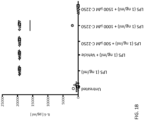
- C-2250 The ability of C-2250 to suppress in vitro cytokine release from primary human peripheral blood mononuclear cells (PBMCs) was assessed. Lipopolysaccharide (LPS) inhibition by C-2250 was determined. PBMCs from five individual, normal healthy human volunteers were incubated with C-2250, followed by LPS stimulation for 48 hours. Detection of three different cytokines was performed using an antibody capture bead-based kit and flow cytometric analysis.
- LPS Lipopolysaccharide
- PBMCs from five healthy human donors were thawed and cultured in RPMI 1640 medium (Gibco RPMI-1640 Medium (ATCC, Catalog #30-2001) supplemented with 10% FCS, 2 mM L-glutamine, 100 IU/mL penicillin, 100 ⁇ g/mL streptomycin, 1 mM sodium pyruvate (all from ThermoFisher) with viability >85% as determined automated cell counter (Countess II FL Automated Cell Counter; ThermoFisher; Catalog #AMQAF1000) prior to experiments.
- RPMI 1640 medium Gibco RPMI-1640 Medium (ATCC, Catalog #30-2001) supplemented with 10% FCS, 2 mM L-glutamine, 100 IU/mL penicillin, 100 ⁇ g/mL streptomycin, 1 mM sodium pyruvate (all from ThermoFisher) with viability >85% as determined automated cell counter (Countess II FL Automated Cell Counter
- a 73 mM stock was prepared in sterile Lactated Ringer's Solution less than two hours prior to the start of the assay by adding 100 mg C-2250 into 10 mL Lactated Ringer's Solution. Prior to use in the assay, the pH of the solution was adjusted to 7.3. 100 ⁇ l of PBMCs at 1.0 x 10 7 cells/mL were washed and re-suspended in tissue culture medium containing a fixed concentration (1 ng/ml) of LPS from E. coli, serotype 0111:B4. LPS stimulation was performed for 48 hours at 37°C, 5% CO 2 prior to harvesting tissue culture supernatant for cytokine analysis. C-2250 was used at 500, 1000, and 1500 ⁇ M concentrations.
- the donor demographics were as follows: PBMC Donor ID 0887 3661 3729 4143 4238 Age 47 45 45 38 29 Sex Male Male Male Female Male Ethnicity Caucasian Caucasian Caucasian Caucasian Caucasian Caucasian Weight 78kg 101kg 81kg 104kg 98kg Smoker No No No Yes No Presumptive Blood Type A+ O+ A+ O+ A- HIV/HBV/HCV Negative Negative Negative Negative Negative Negative Negative Negative Negative Negative Negative Negative Negative Negative Negative CD3 T cells 24.0 54.6 58.9 76.6 57.4 CD4+ T Cells (Gated on CD3+) 76.0 79.0 80.1 73.7 63.9 CD8+ T Cells (Gated on CD3+) 24.0 26.6 31.9 26.3 36.1 CD19+ B Cells 50.0 8.9 5.1 11.0 15.1 CD14+ Monocytes Cells 15.6 30.5 34.2 38.1 13.7 CD56 NK cells 6.9 7.6 3.6 9.1 28.2
- FIG. 1A shows LPS Simulated Human PBMC at 48 hours, IL-1 ⁇ (LLD 0.62 pg/ml; ULD 15,228 pg/ml).
- FIG. 1B shows LPS Simulated Human PBMC at 48 hours, IL-6 (LLD 1.0 pg/ml; ULD 19,360 pg/ml).
- FIG. 1C shows LPS Simulated Human PBMC at 48 hours, TNF- ⁇ (LLD 0.39 pg/ml; ULD 10,000 pg/ml).
- Each symbol represents the mean value of triplicate analysis of a single donor.
- Each bar per treatment group represents the mean value of all donors where the triplicate value of each donor is averaged.
- C-2250 provided dose-dependent inhibition of IL-1 ⁇ , IL-6, and TNF- ⁇ cytokines.
- Human CD19 specific CAR-T effector cells from a donor were co-cultured with Raji, a human CD19 expressing target B cell line at different effector to target cell ratios of 5:1, 10:1, and 20:1 in the presence of C-2250. Co-culture was performed for 6 hours or 24 hours at 37°C, 5% CO 2 prior to harvesting cells for CAR-T mediated target cell lysis or tissue culture supernatant for cytokine analysis.
- C-2250 was used at 500, 1000, and 1500 ⁇ M concentrations and was allowed to pre-incubate with CAR-T cells prior to addition of tumor target cells.
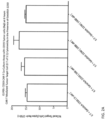
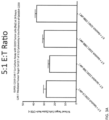
- FIGs. 2A-2C show the results of CD19 CAR-T co-culture assay with CD-19 tumor cells (Raji) at 6 hours, CAR-T mediated tumor target cell in the present of increasing concentrations of C-2250 are shown (E:T ratios of 5:1, 10:1, and 20:1 are shown in FIGs. 2A , 2B , and 2C , respectively).
- FIGs. 3A-3C show the results of CD19 CAR-T co-culture assay with CD-19 tumor cells (Raji) at 24 hours, CAR-T mediated tumor target cell in the present of increasing concentrations of C-2250 are shown (E:T ratios of 5:1, 10:1, and 20:1 are shown in FIGs. 3A , 3B , and 3C , respectively).
- FIG. 4 shows that C-2250 reduces CD19 CAR-T cell mediated IL-2 cytokine release across different effector to target ratios.
- FIG. 5 shows that C-2250 reduces CD19 CAR-T cell mediated TNF- ⁇ cytokine release across different effector to target ratios.
- FIG. 6 shows that C-2250 reduces CD19 CAR-T cell mediated IFN- ⁇ cytokine release across different effector to target ratios.
- C-2250 does not abrograte CD19 CAR-T mediated CD19 + tumor target cell cytotoxicity at different effector to target cell ratios at 6 hours or 24 hours.
- C-2250 shuts down cytokine release (including IL-1 ⁇ , IL-6, TNF- ⁇ , and IFN- ⁇ cytokines).
- cytokine release by C-2250 in the presence of a bispecific CD19 T cell engager was assessed.
- Human PBMCs from ten donors were co-cultured with Ramos cells (a human CD19 expressing B cell line) in the presence of blinatumomab (BLINCYTO ® ), a T cell bispecific therapeutic, and C-2250 was added.
- BLINCYTO ® was used at a fixed concentration of 100 ng/ml, which has been shown to be functionally active in this co-culture system to induce T cell mediated CD19 + target cell (Ramos) cytotoxicity and cytokine release responses.
- Co-culture was performed for 24 hours at 37°C, 5% CO 2 , prior to harvesting cells or tissue culture supernatant for analysis.
- C-2250 was used at 500, 1000, and 1500 ⁇ M concentrations and was allowed to pre-incubate with T cells prior to addition of BLINCYTO ® .
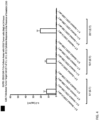
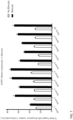
- FIG. 7 shows that BLINCYTO ® increased target cell cytotoxicity in Ramos cells of all tested donors.
- FIG. 8 shows that C-2250 did not reduce BLINCYTO ® mediated CD19 + tumor target cell cytotoxicity.
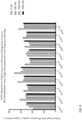
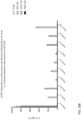
- FIG. 9A shows the effect of BLINCYTO ® on IL-1 ⁇ cytokine release in the tested donors.
- FIG. 9B shows that C-2250 reduced BLINCYTO ® T-cell mediated IL-1 ⁇ cytokine release in the tested donors.
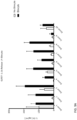
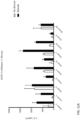
- FIG. 10A shows the effect of BLINCYTO ® on IL-2 cytokine release in the tested donors.
- FIG. 10B shows that C-2250 reduced BLINCYTO ® T-cell mediated IL-2 cytokine release in the tested donors.
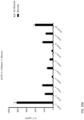
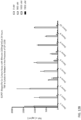
- FIG. 11A shows the effect of BLINCYTO ® on IL-6 cytokine release in the tested donors.
- FIG. 11B shows that C-2250 reduced BLINCYTO ® T-cell mediated IL-6 cytokine release in the tested donors.
- FIG. 12A shows the effect of BLINCYTO ® on TNF- ⁇ cytokine release in the tested donors.
- FIG. 12B shows that C-2250 reduced BLINCYTO ® T-cell mediated TNF- ⁇ cytokine release in the tested donors.
- FIG. 13A shows the effect of BLINCYTO ® on IFN- ⁇ cytokine release in the tested donors.
- FIG. 13B shows that C-2250 reduced BLINCYTO ® T-cell mediated IFN- ⁇ cytokine release in the tested donors.
- FIG. 14 shows that C-2250 increased tumor target cytotoxicity in the absence of BLINCYTO ® .
Landscapes
- Health & Medical Sciences (AREA)
- Pharmacology & Pharmacy (AREA)
- Veterinary Medicine (AREA)
- Public Health (AREA)
- General Health & Medical Sciences (AREA)
- Chemical & Material Sciences (AREA)
- Animal Behavior & Ethology (AREA)
- Medicinal Chemistry (AREA)
- Life Sciences & Earth Sciences (AREA)
- General Chemical & Material Sciences (AREA)
- Organic Chemistry (AREA)
- Nuclear Medicine, Radiotherapy & Molecular Imaging (AREA)
- Chemical Kinetics & Catalysis (AREA)
- Epidemiology (AREA)
- Communicable Diseases (AREA)
- Engineering & Computer Science (AREA)
- Bioinformatics & Cheminformatics (AREA)
- Oncology (AREA)
- Pain & Pain Management (AREA)
- Rheumatology (AREA)
- Immunology (AREA)
- Pharmaceuticals Containing Other Organic And Inorganic Compounds (AREA)
- Medicines That Contain Protein Lipid Enzymes And Other Medicines (AREA)
- Acyclic And Carbocyclic Compounds In Medicinal Compositions (AREA)
Claims (13)
- Verbindung 2250

- Verbindung zur Verwendung nach Anspruch 1, wobei sich das Subjekt einer T-Zellaktivierenden Therapie unterzogen hat, gerade unterzieht oder unterziehen wird.
- Verbindung zur Verwendung nach Anspruch 1, wobei sich das Subjekt einer Krebstherapie mit chimären Antigenrezeptor-exprimierenden T-Zellen (CAR-T-Zellen), einer Antikörpertherapie oder einer bispezifischen Antikörpertherapie unterzogen hat, gerade unterzieht oder unterziehen wird.
- Verbindung zur Verwendung nach Anspruch 1, wobei das Verfahren das Verabreichen der Verbindung vor, gleichzeitig mit oder nach CAR-T-Zell-Therapie, Antikörpertherapie oder der bispezifischen Antikörpertherapie umfasst.
- Verbindung zur Verwendung nach einem der Ansprüche 1-3, wobei die Zusammensetzung 12 bis 96 Stunden vor Einleitung einer CAR-T-Zell-Therapie oder bispezifischen Antikörpertherapie verabreicht wird
- Verbindung zur Verwendung nach einem der Ansprüche 1-4, wobei das Verfahren weiter das Überwachen des Subjekts auf Einsetzen von Fieber als klinisches Zeichen eines bevorstehenden CRS oder Zytokinsturms bei Patienten, die eine T-Zell-aktivierende Therapie erhalten, und das Verabreichen der Verbindung innerhalb von 24 Stunden nach dem Einsetzen von Fieber umfasst.
- Verbindung zur Verwendung nach einem der Ansprüche 1-5, wobei das Verfahren weiter das Überwachen des Subjekts auf einen oder mehrere Biomarker, die auf ein bevorstehendes CRS oder einen Zytokinsturm bei Patienten hinweisen, die T-Zell-aktivierende Therapien erhalten, und das Verabreichen der Verbindung innerhalb von 24 Stunden nach Nachweis des einen oder der mehreren Biomarker umfasst.
- Verbindung zur Verwendung nach Anspruch 7, wobei der eine oder die mehreren Biomarker, die auf ein bevorstehendes CRS hinweisen, ein erhöhter Serum-, Blut- oder Gewebespiegel eines oder mehrerer von IL-1β, IL-1RA, IL-2, IL-4, IL-6, IL-8, IL-10, IL-12, IP-10, IFN-α, IFN-γ, G-CSF und TNF-α sind.
- Verbindung zur Verwendung nach einem der Ansprüche 1-7, wobei die Zusammensetzung mindestens zweiwöchentlich über 4 bis 8 Wochen verabreicht wird.
- Verbindung zur Verwendung nach einem der Ansprüche 1-8, wobei das Verfahren die Wirksamkeit der CAR-T-Zell-Krebstherapie, Antikörpertherapie oder bispezifischen Antikörpertherapie nicht verringert.
- Verbindung zur Verwendung nach einem der Ansprüche 1-9, wobei die Neurotoxizität einer CAR-T-Zell-Therapie, Antikörpertherapie oder einer bispezifischen Antikörpertherapie verringert wird.
- Verbindung zur Verwendung nach einem der Ansprüche 1-10, wobei die Ursache des Zytokin-Freisetzungssyndroms oder Zytokinsturms ein(en) infektiösen Stimulus, Zustand oder Syndrom umfasst oder wobei die Ursache des Zytokin-Freisetzungssyndroms oder Zytokinsturms ein(en) nicht-infektiösen Stimulus, Zustand oder Syndrom oder eine Kombination davon umfasst.
- Verbindung zur Verwendung nach Anspruch 12, wobei der bzw. das infektiöse Stimulus, Zustand oder Syndrom Influenza, Vogelgrippe, ein schweres akutes respiratorisches Syndrom (SARS), Epstein-Barr-Virus-assoziierte hämophagozytische Lymphohistiozytose (HLH), Sepsis, gramnegative Sepsis, Malaria, ein Ebola-Virus, ein Variola-Virus, eine systemische gramnegative bakterielle Infektion, oder Jarisch-Herxheimer-Syndrom umfassen, oder wobei der bzw. das nicht-infektiöse Stimulus, Zustand oder Syndrom hämophagozytische Lymphohistiozytose (HLH), sporadische HLH, Makrophagenaktivierungssyndrom (MAS), chronische Arthritis, systemische juvenile idiopathische Arthritis (sJIA), Morbus Still, ein Cryopyrin-assoziiertes periodisches Syndrom (CAPS), familiäres autoinflammatorisches Kältesyndrom (FCAS), familiäre Kälteurtikaria (FCU), Muckle-Well-Syndrom (MWS), chronisch-infantiles-neurologischkutanes-artikuläres (CINCA) Syndrom, eine Cryopyrinopathie, die vererbte oder neu entstandene Funktionsgewinn-Mutationen im NLRP3-Gen umfasst, eine erbliche autoinflammatorische Erkrankung, akute Pankreatitis, eine schwere Verbrennung, ein Trauma, ein akutes Atemnotsyndrom, eine Immuntherapie, eine monoklonale Antikörpertherapie, sekundär nach Arzneimittelgebrauch, sekundär nach Inhalation von Toxinen, ein Lipopolysaccharid (LPS), grampositive Toxine, Pilztoxine, Glycosylphosphatidylinositol (GPI), Modulation der RIG-1-Genexpression, Appendizitis, Magengeschwüre, Magen- und Zwölffingerdarmgeschwüre, Peritonitis, Pankreatitis, ulzerative, pseudomembranöse, akute und ischämische Kolitis, Divertikulitis, Epiglottitis, Achalasie, Cholangitis, Cholezystitis, Hepatitis, Morbus Crohn, Enteritis, Morbus Whipple, Asthma, Allergie, anaphylaktischen Schock, Immunkomplexerkrankung, Organischämie, Reperfusionsschaden, Organnekrose, Heuschnupfen, Sepsis, Septikämie, endotoxischen Schock, Kachexie, Hyperpyrexie, eosinophiles Granulom, Granulomatose, Sarkoidose, septischen Abort, Epididymitis, Vaginitis, Prostatitis, Urethritis, Bronchitis, Emphysem, Rhinitis, Mukoviszidose, Pneumonitis, Alvealitis, Bronchiolitis, Pharyngitis, Pleuritis, Sinusitis, eine parasitische Infektion, eine bakterielle Infektion, eine Virusinfektion, eine Autoimmunerkrankung, Influenza, Infektion mit dem respiratorischen Synzytialvirus, Herpesinfektion, HIV-Infektion, Hepatitis-B-Virus-Infektion, Hepatitis-C-Virus-Infektion, disseminierte Bakteriämie, Denguefieber, Candidiasis, Malaria, Filariose, Amöbiasis, Hydatidenzysten, Verbrennungen, Dermatitis, Dermatomyositis, Sonnenbrand, Urtikaria, Warzen, Quaddeln, Vasulitis, Angiitis, Endokarditis, Arteriitis, Arteriosklerose, Thrombophlebitis, Perikarditis, Myokarditis, Myokardischämie, Periarteriitis nodosa, rheumatisches Fieber, Zöliakie, Herzinsuffizienz, adultes Atemnotsyndrom, ein Coronavirus, SARS-CoV-2, Middle East Respiratory Syndrome (MERS), ein Multisystem-Entzündungssyndrom, ein Coronavirus-induziertes Entzündungssyndrom, Morbus Kawasaki, Meningitis, Enzephalitis, Hirninfarkt, Hirnembolie, Guillan-Barré-Syndrom, Neuritis, Neuralgie, Rückenmarksverletzung, Paralyse, Uveitis, Arthritiden, Arthralgien, Osteomyelitis, eine Neuromyelitis-optica-Spektrum-Erkrankung (NMSOD), Fasziitis, Morbus Paget, Gicht, Parodontitis, rheumatoide Arthritis, Synovitis, Myasthenia gravis, Thyreoiditis, systemischen Lupus erythematodes, Goodpasture-Syndrom, Behçet-Syndrom, Transplantatabstoßung, Graft-versus-Host-Krankheit, ankylosierende Spondylitis, Morbus Berger, Retier-Syndrom oder Morbus Hodgkin umfasst.
Applications Claiming Priority (2)
| Application Number | Priority Date | Filing Date | Title |
|---|---|---|---|
| US201962851409P | 2019-05-22 | 2019-05-22 | |
| PCT/IB2020/054854 WO2020234830A1 (en) | 2019-05-22 | 2020-05-21 | Oxathiazin_dioxide for treating, preventing, inhibiting or reducing cytokine release |
Publications (3)
| Publication Number | Publication Date |
|---|---|
| EP3972609A1 EP3972609A1 (de) | 2022-03-30 |
| EP3972609C0 EP3972609C0 (de) | 2025-03-26 |
| EP3972609B1 true EP3972609B1 (de) | 2025-03-26 |
Family
ID=70978302
Family Applications (1)
| Application Number | Title | Priority Date | Filing Date |
|---|---|---|---|
| EP20730737.2A Active EP3972609B1 (de) | 2019-05-22 | 2020-05-21 | Oxathiazindioxid zur behandlung, vorbeugung, hemmung oder verminderung der cytokinfreisetzung |
Country Status (7)
| Country | Link |
|---|---|
| US (1) | US12514847B2 (de) |
| EP (1) | EP3972609B1 (de) |
| JP (1) | JP7588603B2 (de) |
| CN (2) | CN114096255B (de) |
| CA (1) | CA3141035C (de) |
| ES (1) | ES3018476T3 (de) |
| WO (1) | WO2020234830A1 (de) |
Families Citing this family (2)
| Publication number | Priority date | Publication date | Assignee | Title |
|---|---|---|---|---|
| CN113230275B (zh) * | 2021-04-13 | 2025-10-21 | 北京呈诺医学科技有限公司 | 药物组合制剂在制备治疗2019-nCoV感染重症患者药物中的应用 |
| CN117503777A (zh) * | 2023-03-17 | 2024-02-06 | 中国人民解放军军事科学院军事医学研究院 | 化合物在抗病毒中的应用 |
Family Cites Families (6)
| Publication number | Priority date | Publication date | Assignee | Title |
|---|---|---|---|---|
| US20020098164A1 (en) * | 2000-10-27 | 2002-07-25 | Redmond H. Paul | Treatment of tumor metastases and cancer |
| WO2011025524A1 (en) | 2009-08-26 | 2011-03-03 | The Feinstein Institute For Medical Research | Methods for treating conditions mediated by the inflammatory cytokine cascade using gapdh inhibitors |
| ES2644870T3 (es) * | 2012-06-18 | 2017-11-30 | Geistlich Pharma Ag | Derivados de oxatiazina como agentes antibacterianos y anticancerígenos |
| EP4011871A3 (de) * | 2014-12-19 | 2022-08-24 | Geistlich Pharma AG | Verfahren zur herstellung von oxathiazinartigen verbindungen |
| WO2017158570A1 (en) * | 2016-03-18 | 2017-09-21 | Geistlich Pharma Ag | Method of treating triple negative breast cancer |
| WO2019077062A1 (en) * | 2017-10-18 | 2019-04-25 | Vivia Biotech, S.L. | C-CELLS ACTIVATED BY BIT |
-
2020
- 2020-05-21 US US17/612,957 patent/US12514847B2/en active Active
- 2020-05-21 JP JP2021568994A patent/JP7588603B2/ja active Active
- 2020-05-21 CA CA3141035A patent/CA3141035C/en active Active
- 2020-05-21 WO PCT/IB2020/054854 patent/WO2020234830A1/en not_active Ceased
- 2020-05-21 ES ES20730737T patent/ES3018476T3/es active Active
- 2020-05-21 CN CN202080048121.7A patent/CN114096255B/zh active Active
- 2020-05-21 EP EP20730737.2A patent/EP3972609B1/de active Active
- 2020-05-21 CN CN202411161942.8A patent/CN118766935A/zh active Pending
Also Published As
| Publication number | Publication date |
|---|---|
| CN114096255B (zh) | 2024-09-10 |
| EP3972609C0 (de) | 2025-03-26 |
| ES3018476T3 (es) | 2025-05-16 |
| WO2020234830A1 (en) | 2020-11-26 |
| JP7588603B2 (ja) | 2024-11-22 |
| CA3141035C (en) | 2023-12-19 |
| CN114096255A (zh) | 2022-02-25 |
| CN118766935A (zh) | 2024-10-15 |
| US12514847B2 (en) | 2026-01-06 |
| CA3141035A1 (en) | 2020-11-26 |
| EP3972609A1 (de) | 2022-03-30 |
| US20220323423A1 (en) | 2022-10-13 |
| JP2022533698A (ja) | 2022-07-25 |
Similar Documents
| Publication | Publication Date | Title |
|---|---|---|
| EP4410375A2 (de) | Thiocarbamatderivate als a2a-inhibitoren, pharmazeutische zusammensetzung daraus und kombinationen mit antikrebsmitteln | |
| JP2018527366A (ja) | HIVを処置するためのtoll様レセプターのモジュレーター | |
| US11911348B2 (en) | Therapeutic agent for cancer | |
| US12083111B2 (en) | Use of hexokinase 2/mitochondria-detaching compounds for activating immune responses | |
| CN108883109A (zh) | 用于治疗急性髓性白血病的联合疗法 | |
| US12514847B2 (en) | Oxathiazin_dioxide for treating, preventing, inhibiting or reducing cytokine release | |
| JP6242071B2 (ja) | 免疫疲弊cd8+t細胞の機能改善薬、がん治療薬及びメタボリック症候群の予防または治療薬 | |
| WO2020234833A1 (en) | Method for treating, preventing, inhibiting or reducing cytokine release | |
| TW201545749A (zh) | 樟芝酸a、一種jak2/3酪胺酸激酶抑制劑及有潛力的肝炎治療劑 | |
| CN115135327A (zh) | 用于预防癌症复发的组合物和方法 | |
| WO2022240788A1 (en) | Venetoclax dosing regimens for use in treating myelodysplastic syndromes in combination with a cyp3a inhibitor and azacitidine | |
| AU2019311609A1 (en) | Agent for inhibiting recurrence of hematological malignancy in patients who have undergone hematopoietic stem cell transplantation | |
| CN114555053B (zh) | 治疗乳腺癌的方法 | |
| US20260021106A1 (en) | Combination therapy for treating cancers | |
| AU672288B2 (en) | Rejection inhibitor for transplants and IL-1 production inhibitor | |
| HK40066137A (zh) | 用於治疗、预防、抑制或减少细胞因子释放的恶噻嗪二氧化物 | |
| HK40066137B (zh) | 用於治疗、预防、抑制或减少细胞因子释放的恶噻嗪二氧化物 | |
| EP4523759A2 (de) | B-zell-depletion als diagnostischer marker | |
| AU2020366300B2 (en) | Methods for treating breast cancer | |
| WO2023150718A2 (en) | Olverembatinib inhibits cytokine upregulation associated with cytokine release syndrome | |
| WO2023210042A1 (ja) | Il-34を発現する腫瘍を治療および/または予防するための医薬 | |
| HK40078774A (en) | Compositions and methods for preventing recurrence of cancer | |
| CN113398262A (zh) | 用于治疗her2阳性胃癌的组合物及应用 | |
| HK40050286A (en) | Agent for inhibiting recurrence of hematological malignancy in patients who have undergone hematopoietic stem cell transplantation |
Legal Events
| Date | Code | Title | Description |
|---|---|---|---|
| STAA | Information on the status of an ep patent application or granted ep patent |
Free format text: STATUS: UNKNOWN |
|
| STAA | Information on the status of an ep patent application or granted ep patent |
Free format text: STATUS: THE INTERNATIONAL PUBLICATION HAS BEEN MADE |
|
| PUAI | Public reference made under article 153(3) epc to a published international application that has entered the european phase |
Free format text: ORIGINAL CODE: 0009012 |
|
| STAA | Information on the status of an ep patent application or granted ep patent |
Free format text: STATUS: REQUEST FOR EXAMINATION WAS MADE |
|
| 17P | Request for examination filed |
Effective date: 20211221 |
|
| AK | Designated contracting states |
Kind code of ref document: A1 Designated state(s): AL AT BE BG CH CY CZ DE DK EE ES FI FR GB GR HR HU IE IS IT LI LT LU LV MC MK MT NL NO PL PT RO RS SE SI SK SM TR |
|
| DAV | Request for validation of the european patent (deleted) | ||
| DAX | Request for extension of the european patent (deleted) | ||
| P01 | Opt-out of the competence of the unified patent court (upc) registered |
Effective date: 20230516 |
|
| STAA | Information on the status of an ep patent application or granted ep patent |
Free format text: STATUS: EXAMINATION IS IN PROGRESS |
|
| 17Q | First examination report despatched |
Effective date: 20240624 |
|
| GRAP | Despatch of communication of intention to grant a patent |
Free format text: ORIGINAL CODE: EPIDOSNIGR1 |
|
| STAA | Information on the status of an ep patent application or granted ep patent |
Free format text: STATUS: GRANT OF PATENT IS INTENDED |
|
| INTG | Intention to grant announced |
Effective date: 20241015 |
|
| GRAS | Grant fee paid |
Free format text: ORIGINAL CODE: EPIDOSNIGR3 |
|
| GRAA | (expected) grant |
Free format text: ORIGINAL CODE: 0009210 |
|
| STAA | Information on the status of an ep patent application or granted ep patent |
Free format text: STATUS: THE PATENT HAS BEEN GRANTED |
|
| AK | Designated contracting states |
Kind code of ref document: B1 Designated state(s): AL AT BE BG CH CY CZ DE DK EE ES FI FR GB GR HR HU IE IS IT LI LT LU LV MC MK MT NL NO PL PT RO RS SE SI SK SM TR |
|
| REG | Reference to a national code |
Ref country code: GB Ref legal event code: FG4D |
|
| REG | Reference to a national code |
Ref country code: CH Ref legal event code: EP |
|
| REG | Reference to a national code |
Ref country code: DE Ref legal event code: R096 Ref document number: 602020048302 Country of ref document: DE |
|
| REG | Reference to a national code |
Ref country code: IE Ref legal event code: FG4D |
|
| U01 | Request for unitary effect filed |
Effective date: 20250326 |
|
| U07 | Unitary effect registered |
Designated state(s): AT BE BG DE DK EE FI FR IT LT LU LV MT NL PT RO SE SI Effective date: 20250401 |
|
| P04 | Withdrawal of opt-out of the competence of the unified patent court (upc) registered |
Free format text: CASE NUMBER: APP_15216/2025 Effective date: 20250328 |
|
| REG | Reference to a national code |
Ref country code: ES Ref legal event code: FG2A Ref document number: 3018476 Country of ref document: ES Kind code of ref document: T3 Effective date: 20250516 |
|
| PG25 | Lapsed in a contracting state [announced via postgrant information from national office to epo] |
Ref country code: RS Free format text: LAPSE BECAUSE OF FAILURE TO SUBMIT A TRANSLATION OF THE DESCRIPTION OR TO PAY THE FEE WITHIN THE PRESCRIBED TIME-LIMIT Effective date: 20250626 |
|
| PGFP | Annual fee paid to national office [announced via postgrant information from national office to epo] |
Ref country code: GB Payment date: 20250527 Year of fee payment: 6 |
|
| PG25 | Lapsed in a contracting state [announced via postgrant information from national office to epo] |
Ref country code: NO Free format text: LAPSE BECAUSE OF FAILURE TO SUBMIT A TRANSLATION OF THE DESCRIPTION OR TO PAY THE FEE WITHIN THE PRESCRIBED TIME-LIMIT Effective date: 20250626 |
|
| PG25 | Lapsed in a contracting state [announced via postgrant information from national office to epo] |
Ref country code: HR Free format text: LAPSE BECAUSE OF FAILURE TO SUBMIT A TRANSLATION OF THE DESCRIPTION OR TO PAY THE FEE WITHIN THE PRESCRIBED TIME-LIMIT Effective date: 20250326 |
|
| PG25 | Lapsed in a contracting state [announced via postgrant information from national office to epo] |
Ref country code: GR Free format text: LAPSE BECAUSE OF FAILURE TO SUBMIT A TRANSLATION OF THE DESCRIPTION OR TO PAY THE FEE WITHIN THE PRESCRIBED TIME-LIMIT Effective date: 20250627 |
|
| PGFP | Annual fee paid to national office [announced via postgrant information from national office to epo] |
Ref country code: CH Payment date: 20250601 Year of fee payment: 6 |
|
| U20 | Renewal fee for the european patent with unitary effect paid |
Year of fee payment: 6 Effective date: 20250627 |
|
| PG25 | Lapsed in a contracting state [announced via postgrant information from national office to epo] |
Ref country code: SM Free format text: LAPSE BECAUSE OF FAILURE TO SUBMIT A TRANSLATION OF THE DESCRIPTION OR TO PAY THE FEE WITHIN THE PRESCRIBED TIME-LIMIT Effective date: 20250326 |
|
| PGFP | Annual fee paid to national office [announced via postgrant information from national office to epo] |
Ref country code: ES Payment date: 20250630 Year of fee payment: 6 |
|
| PG25 | Lapsed in a contracting state [announced via postgrant information from national office to epo] |
Ref country code: PL Free format text: LAPSE BECAUSE OF FAILURE TO SUBMIT A TRANSLATION OF THE DESCRIPTION OR TO PAY THE FEE WITHIN THE PRESCRIBED TIME-LIMIT Effective date: 20250326 |
|
| PG25 | Lapsed in a contracting state [announced via postgrant information from national office to epo] |
Ref country code: SK Free format text: LAPSE BECAUSE OF FAILURE TO SUBMIT A TRANSLATION OF THE DESCRIPTION OR TO PAY THE FEE WITHIN THE PRESCRIBED TIME-LIMIT Effective date: 20250326 |
|
| PG25 | Lapsed in a contracting state [announced via postgrant information from national office to epo] |
Ref country code: IS Free format text: LAPSE BECAUSE OF FAILURE TO SUBMIT A TRANSLATION OF THE DESCRIPTION OR TO PAY THE FEE WITHIN THE PRESCRIBED TIME-LIMIT Effective date: 20250726 |
|
| PG25 | Lapsed in a contracting state [announced via postgrant information from national office to epo] |
Ref country code: CZ Free format text: LAPSE BECAUSE OF FAILURE TO SUBMIT A TRANSLATION OF THE DESCRIPTION OR TO PAY THE FEE WITHIN THE PRESCRIBED TIME-LIMIT Effective date: 20250326 |
|
| PG25 | Lapsed in a contracting state [announced via postgrant information from national office to epo] |
Ref country code: MC Free format text: LAPSE BECAUSE OF FAILURE TO SUBMIT A TRANSLATION OF THE DESCRIPTION OR TO PAY THE FEE WITHIN THE PRESCRIBED TIME-LIMIT Effective date: 20250326 |
|
| PLBE | No opposition filed within time limit |
Free format text: ORIGINAL CODE: 0009261 |
|
| STAA | Information on the status of an ep patent application or granted ep patent |
Free format text: STATUS: NO OPPOSITION FILED WITHIN TIME LIMIT |
|
| REG | Reference to a national code |
Ref country code: CH Ref legal event code: L10 Free format text: ST27 STATUS EVENT CODE: U-0-0-L10-L00 (AS PROVIDED BY THE NATIONAL OFFICE) Effective date: 20260211 |
|
| 26N | No opposition filed |
Effective date: 20260105 |
|
| PG25 | Lapsed in a contracting state [announced via postgrant information from national office to epo] |
Ref country code: IE Free format text: LAPSE BECAUSE OF NON-PAYMENT OF DUE FEES Effective date: 20250521 |