EP4523759A2 - B-zell-depletion als diagnostischer marker - Google Patents
B-zell-depletion als diagnostischer marker Download PDFInfo
- Publication number
- EP4523759A2 EP4523759A2 EP24218475.2A EP24218475A EP4523759A2 EP 4523759 A2 EP4523759 A2 EP 4523759A2 EP 24218475 A EP24218475 A EP 24218475A EP 4523759 A2 EP4523759 A2 EP 4523759A2
- Authority
- EP
- European Patent Office
- Prior art keywords
- cell
- patients
- depleting agent
- treatment
- patient
- Prior art date
- Legal status (The legal status is an assumption and is not a legal conclusion. Google has not performed a legal analysis and makes no representation as to the accuracy of the status listed.)
- Withdrawn
Links
Images





Classifications
-
- C—CHEMISTRY; METALLURGY
- C07—ORGANIC CHEMISTRY
- C07K—PEPTIDES
- C07K16/00—Immunoglobulins [IG], e.g. monoclonal or polyclonal antibodies
- C07K16/18—Immunoglobulins [IG], e.g. monoclonal or polyclonal antibodies against material from animals or humans
- C07K16/28—Immunoglobulins [IG], e.g. monoclonal or polyclonal antibodies against material from animals or humans against receptors, cell surface antigens or cell surface determinants
- C07K16/2803—Immunoglobulins [IG], e.g. monoclonal or polyclonal antibodies against material from animals or humans against receptors, cell surface antigens or cell surface determinants against the immunoglobulin superfamily
-
- A—HUMAN NECESSITIES
- A61—MEDICAL OR VETERINARY SCIENCE; HYGIENE
- A61P—SPECIFIC THERAPEUTIC ACTIVITY OF CHEMICAL COMPOUNDS OR MEDICINAL PREPARATIONS
- A61P35/00—Antineoplastic agents
- A61P35/02—Antineoplastic agents specific for leukemia
-
- A—HUMAN NECESSITIES
- A61—MEDICAL OR VETERINARY SCIENCE; HYGIENE
- A61P—SPECIFIC THERAPEUTIC ACTIVITY OF CHEMICAL COMPOUNDS OR MEDICINAL PREPARATIONS
- A61P37/00—Drugs for immunological or allergic disorders
- A61P37/02—Immunomodulators
- A61P37/06—Immunosuppressants, e.g. drugs for graft rejection
-
- A—HUMAN NECESSITIES
- A61—MEDICAL OR VETERINARY SCIENCE; HYGIENE
- A61P—SPECIFIC THERAPEUTIC ACTIVITY OF CHEMICAL COMPOUNDS OR MEDICINAL PREPARATIONS
- A61P43/00—Drugs for specific purposes, not provided for in groups A61P1/00-A61P41/00
-
- C—CHEMISTRY; METALLURGY
- C07—ORGANIC CHEMISTRY
- C07K—PEPTIDES
- C07K16/00—Immunoglobulins [IG], e.g. monoclonal or polyclonal antibodies
- C07K16/18—Immunoglobulins [IG], e.g. monoclonal or polyclonal antibodies against material from animals or humans
- C07K16/28—Immunoglobulins [IG], e.g. monoclonal or polyclonal antibodies against material from animals or humans against receptors, cell surface antigens or cell surface determinants
- C07K16/2803—Immunoglobulins [IG], e.g. monoclonal or polyclonal antibodies against material from animals or humans against receptors, cell surface antigens or cell surface determinants against the immunoglobulin superfamily
- C07K16/2809—Immunoglobulins [IG], e.g. monoclonal or polyclonal antibodies against material from animals or humans against receptors, cell surface antigens or cell surface determinants against the immunoglobulin superfamily against the T-cell receptor (TcR)-CD3 complex
-
- C—CHEMISTRY; METALLURGY
- C07—ORGANIC CHEMISTRY
- C07K—PEPTIDES
- C07K16/00—Immunoglobulins [IG], e.g. monoclonal or polyclonal antibodies
- C07K16/18—Immunoglobulins [IG], e.g. monoclonal or polyclonal antibodies against material from animals or humans
- C07K16/28—Immunoglobulins [IG], e.g. monoclonal or polyclonal antibodies against material from animals or humans against receptors, cell surface antigens or cell surface determinants
- C07K16/30—Immunoglobulins [IG], e.g. monoclonal or polyclonal antibodies against material from animals or humans against receptors, cell surface antigens or cell surface determinants from tumour cells
- C07K16/3061—Blood cells
-
- A—HUMAN NECESSITIES
- A61—MEDICAL OR VETERINARY SCIENCE; HYGIENE
- A61K—PREPARATIONS FOR MEDICAL, DENTAL OR TOILETRY PURPOSES
- A61K39/00—Medicinal preparations containing antigens or antibodies
- A61K2039/505—Medicinal preparations containing antigens or antibodies comprising antibodies
-
- C—CHEMISTRY; METALLURGY
- C07—ORGANIC CHEMISTRY
- C07K—PEPTIDES
- C07K2317/00—Immunoglobulins specific features
- C07K2317/30—Immunoglobulins specific features characterized by aspects of specificity or valency
- C07K2317/31—Immunoglobulins specific features characterized by aspects of specificity or valency multispecific
-
- C—CHEMISTRY; METALLURGY
- C07—ORGANIC CHEMISTRY
- C07K—PEPTIDES
- C07K2317/00—Immunoglobulins specific features
- C07K2317/60—Immunoglobulins specific features characterized by non-natural combinations of immunoglobulin fragments
- C07K2317/62—Immunoglobulins specific features characterized by non-natural combinations of immunoglobulin fragments comprising only variable region components
- C07K2317/622—Single chain antibody (scFv)
-
- C—CHEMISTRY; METALLURGY
- C07—ORGANIC CHEMISTRY
- C07K—PEPTIDES
- C07K2317/00—Immunoglobulins specific features
- C07K2317/70—Immunoglobulins specific features characterized by effect upon binding to a cell or to an antigen
- C07K2317/73—Inducing cell death, e.g. apoptosis, necrosis or inhibition of cell proliferation
Definitions
- ALL Acute lymphoblastic leukemia
- lymphoblasts Acute lymphoblastic leukemia
- lymphoblasts a progressive, malignant neoplasm of the blood-forming organs, typically characterized by large numbers of immature hematopoietic cells (particularly lymphoblasts) in the bone marrow, circulating blood, lymph nodes, spleen, liver, and other organs.
- lymphoblasts accumulate in the bone marrow, ultimately replacing most of the normal hematopoietic cells, resulting in anemia and increased susceptibility to infection and hemorrhage.
- Other typical symptoms include fever, pain in the joints and bones, and swelling of the lymph nodes, spleen, and liver.
- the total incidence of ALL is 1.1/100,000 per year.
- ALL B-lineage acute lymphoblastic leukemia
- ALL acute lymphoblastic leukemia
- SCT Stem cell transplantation
- more intensive chemotherapy regimens have been used, which led to better responses to treatment.
- these regimens are also more likely to cause side effects, such as low white blood cell counts, which in turn require administration of other drugs that help to prevent or treat these side effects.
- An important part of treatment for ALL is central nervous system (CNS) prophylaxis - treatment that is meant to ensure the leukemia does not spread to the brain or spinal cord.
- CNS central nervous system
- ALL acute lymphoblastic leukemia
- the present invention relates to methods and uses for treatment of ALL which involve administration of a B-cell depleting agent. Uses and methods for conserving or increasing the number of long term survivors of ALL are also envisaged.
- the uses and methods provided herein involve the number of B-cells in the blood of a patient (or group of patients) remaining or falling below one B-cell/ml serum within a predefined period of time.
- the present invention relates to a method of conserving or increasing the number of long term survivors in a group of patients suffering from ALL.
- the method comprises the step of administering a (therapeutically effective amount of) B cell depleting agent to said patients and/or adjusting the treatment regimen or dosage of a B cell depleting agent such that the number of B-cells in the blood of (preferably all of) the patients of said group remains or falls below one B cell/ml serum within a predefined period of time after the initial treatment with said B cell depleting agent.
- a method of treating ALL in a patient or in a group of patients comprising administering a (therapeutically effective amount of) B cell depleting agent to said patients such that the number of B-cells in the blood of said patient or said group of patients remains or falls below one B cell/ml serum within a predefined period of time after the initial treatment with said B cell depleting agent.
- the present invention relates to a method of treating ALL in a patient or in a group of patients comprising the following steps:
- Said method can further comprise the step of (c) adjusting the B cell depleting agent such that the number of B-cells in the blood of said patient or said group of patients remains or falls below one B cell/ml serum within a predefined period of time after the initial treatment with said B cell depleting agent.
- a B cell depleting agent for use in a method of treating ALL is provided, said B cell depleting agent to be administered or adjusted such that the number of B-cells in the blood of the ALL patient remains or falls below one B cell/ml serum within a predefined period of time after the initial treatment with said B cell depleting agent.
- the present invention relates to a B cell depleting agent for use in a method of treating ALL, wherein said B cell depleting agent is to be administered or adjusted such that the number of B-cells in the blood of the ALL patient falls below one B cell/ml serum within a predefined period of time after the initial treatment with said B cell depleting agent.
- a B cell depleting agent for use in a method of treating ALL in a group of ALL patients, said method comprising the steps of
- the present invention relates to a B cell depleting agent for use in a method of conserving or increasing the number of long term survivors in a group of patients suffering from ALL.
- Said method comprises the step of administering a B cell depleting agent and/or adjusting the treatment regimen or dosage of a B cell depleting agent such that the number of B-cells in the blood of the patients of said group falls below one B cell/ml serum within a (first) predefined period of time after the initial treatment with said B cell depleting agent.
- the present invention relates to the use of the number of B cells in the blood of an ALL patient for adjusting the dosage or treatment regimen with a B cell depleting agent such that the number of B-cells in the blood of said patient remains or falls below one B cell/ml serum within a (first) predefined period of time after the initial treatment with said B cell depleting agent.
- the present invention relates to the use of a blood sample of an ALL patient for determining the number of B cells for adjusting the dosage or treatment regimen with a B cell depleting agent such that the number of B-cells in the blood of said patient remains or falls below one B cell/ml serum within a predefined period of time after the initial treatment with said B cell depleting agent.
- a method of adjusting the dosage or treatment regimen with a B cell depleting agent in a patient suffering from ALL is provided.
- Said method comprises the step of observing the number of B-cells in the blood of said ALL patient within a predefined first period of time after the initial treatment with said B cell depleting agent and adjusting the dosage or treatment regimen such that the number of B-cells in the blood of said patient remains or falls below one B cell/ml serum within a predefined period of time after the initial treatment with said B cell depleting agent.
- less than or greater than includes the concrete number. For example, less than 20 means less than or equal to. Similarly, more than or greater than means more than or equal to, or greater than or equal to, respectively.
- the present inventors have discovered a correlation between (peripheral) B-cell depletion within a defined period of time (8 days) and survival for ⁇ about 29 months in ALL patients treated with the B-cell depleting agent blinatumomab.
- the present inventors observed that in patients where B-cell depletion took 22 days and did not sustain, patients were likely to die in ⁇ about 29 months.
- the present inventors therefore concluded that when B-cell depletion can be successfully achieved in a patient (or group of patients) within a specific timeframe, the patient (or group of patients) is likely to be a long-term survivor of ALL and/or to respond favorably to subsequent ALL treatment.
- the observed correlation could be attributed to an expansion of the T- and/or TEM-cell population in patients exhibiting a clearance of (peripheral) B cells which may further enhance subsequent ALL treatment via T-cell mediated anti-cancer activity.
- the means and methods provided herein therefore allow the skilled medical practitioner to quickly evaluate the likelihood of a beneficial outcome of treatment with a given B-cell depleting agent, and hence reduce the administration of agents for treatment of ALL to unresponsive patients.
- the present invention provides means and methods for a tailor-made ALL therapy that reduces the risk of side-effects, saves valuable time for treatment with suitable agents, and prevents unnecessary medicinal exposure.
- stratification refers to sorting patients into those who may or may not benefit from subsequent ALL therapy, in particular ALL therapy involving administration of the B-cell depleting agent applied in the inventive methods and uses.
- the present invention provides a method of conserving or increasing the number of long term survivors in a group of patients suffering from ALL.
- a (therapeutically effective) amount of B cell depleting agent is administered to said group of patients and/or the treatment regimen or dosage of a B cell depleting agent is adjusted such that the number of B-cells in the blood of said patients remains or falls below one B cell/ml serum within a predefined period of time after the initial treatment with said B cell depleting agent.
- a B-cell depleting agent for use in the described method.
- the above-mentioned method is envisaged to be useful in conserving or increasing the number of long-term survivors in a group of ALL patients.
- numbers of long-term survivors in the group of patients treated according to the inventive method will be preferably at least equal to the number of long-term survivors in the group of patients not treated according to the inventive method ("untreated patients").
- the number of long-term survivors in the group of treated patients will even exceed the number of long-term survivors in the group of untreated patients.
- "untreated patients” may include patients having received another ALL treatment, such as an ALL treatment as described in the section "further ALL treatment".
- a method of treating ALL in a patient or a group of patients comprises administration of a (therapeutically effective) amount of B-cell depleting agent to said patients, such that the number of B-cells in the blood of said patient or said patients remains or falls below one B-cell/ml serum within a predefined period of time after the initial treatment with said B-cell depleting agent.
- a B-cell depleting agent for use in said method is also provided.
- ALL acute lymphoblastic leukemia
- ALL also known as acute lymphocytic leukemia or acute lymphoid leukemia
- ALL generally refers to an acute form of leukemia which is typically characterized by the overproduction and/or accumulation of cancerous, immature white blood cells (also referred to as lymphoblasts).
- ALL includes acute, refractory and relapsed ALL.
- refractory ALL as used herein means resistance of the ALL to conventional or standard ALL therapy, such as chemotherapy and/or hematopoietic stem cell transplantation (HSCT), i.e. the conventional or standard ALL therapy is not able to ultimately cure all ALL patients.
- HSCT hematopoietic stem cell transplantation
- relapsed ALL denotes the return of signs and symptoms of the ALL disease after a patient has enjoyed a remission.
- ALL denotes the return of signs and symptoms of the ALL disease after a patient has enjoyed a remission.
- ALL denotes the return of signs and symptoms of the ALL disease after a patient has enjoyed a remission.
- ALL denotes the return of signs and symptoms of the ALL disease after a patient has enjoyed a remission.
- ALL denotes the return of signs and symptoms of the ALL disease after a patient has enjoyed a remission.
- ALL includes minimal residual disease (MRD) in a patient with ALL, i.e. the presence of a small numbers of cancerous lymphoblasts remaining in the patient during treatment, or after treatment when the patient is in remission.
- MRD minimal residual disease
- ALL generally encompasses B-cell ALL and T-cell ALL.
- cancer is used herein interchangeably with the term “malignant” to designate cells that are not self-limited in their growth, are capable of invading into adjacent tissues, and may be capable of spreading to distant tissues (metastasizing).
- B-cell ALL including B-precursor ALL, such as pro-B ALL, pre-B ALL, or common ALL (cALL), and mature B-cell ALL (Burkitt leukemia).
- ALL includes both pediatric ALL and adult ALL.
- the means and methods of the present invention are in particular envisaged to be useful for treatment of relapsed and/or refractory adult B-precursor ALL.
- patient includes all mammals, but is not limited to mouse, rat, dog, horse, camel, primates, etc., primates being preferred and humans, including children and adults, being most preferred.
- subject is used interchangeably with the term “patient”. What is disclosed with reference to a “patient” herein also applies to a group of patients, mutatis mutandis.
- WO 2010/052013 provides means and methods for treating pediatric or childhood ALL, particularly refractory and/or relapsed pediatric ALL.
- adult ALL or "adult ALL patient” as referred to herein denotes adults aged more than 18 years, i.e. patients aged 19, 20, 21, 22, 23, 24, 25, 30, 35, 40, or 50 years or more. Even patients with 70, 75, 80, 85, 90, 100 years or older may be treated by the methods and means of the invention.
- the indicated age is to be understood as the age of the adult at diagnosis of the ALL disease.
- WO 2010/052014 provides means and methods for treating adult ALL.
- long term survivor is used herein to refer to patients living for 18 months or longer from initial treatment with the applied B-cell depleting agent, i.e. the time point of receiving the first dose of B-cell depleting agent, e.g. about 18 months, about 20 months, about 25 months, about 30 months, or more. It is particularly envisaged that the long term survivors live for about 30 months or more after receiving the first dose of b-dell depleting agent.
- the uses and methods of the present invention involve administration of a (therapeutically effective amount of) B cell depleting agent to a patient (or a group of patients).
- any route of administration is conceivable depending, e.g., on the formulation, bioavailability and mechanism of action of the B-cell depleting agent.
- the B-cell depleting agent can be administered orally, topically, transdermally, subcutaneously, intravenously, intraperitoneally, intramuscularly or intraocularly.
- any other route may readily be chosen by the person skilled in the art if desired.
- therapeutically effective amount is meant an amount of the B-cell depleting agent that elicits a desired therapeutic effect, e.g.
- alleviation or amelioration complete or partial of the symptoms or condition of the ALL patient (or group of patients), or any other desired improvement in the patient's (or group of patients') symptoms, disease or condition.
- the exact amount dose may depend on, e.g., age, body weight, general health, sex, diet, drug interaction and the severity of the condition, as will be ascertainable with routine experimentation by those skilled in the art.
- B cell depleting agent in general refers to an agent capable of reducing and/or controlling the number of B-cells in a patient.
- B-cell includes progenitor (or pre-pro) B cells, early pro (or pre-pre)-B cells, late pro (or pre-pre)-B cells, large pre-B cells, small pre-B cells, immature B cells and mature B cells.
- B cell depletion can be partial or complete, i.e. affect all B-cells or subpopulations of B-cells.
- Preferred B-cell depleting agents for use in the methods of the invention can reduce (or maintain) the level of B-cells in the blood of a patient (or group of patients) within a predefined period of time to one B-cell/ml serum or less as ascertainable by the skilled person using routine experimentation as described herein. It is in particular envisaged that B-cell depleting agents used in the methods of the invention are capable of depleting peripheral CD19+ B-cells.
- B-cell depleting agents include, without limitation, co-stimulation blockers (abatacept and 7-related protein-1), cytokines (tocilizumab and baminercept), B cell receptor-targeted agents (abetimus and edratide), agents targeting CD20, CD22, CD19, CD40-CD40L, B cell activating factor belonging to the TNF family (BAFF) or A proliferation-inducing ligand (APRIL).
- co-stimulation blockers abatacept and 7-related protein-1
- cytokines tocilizumab and baminercept
- B cell receptor-targeted agents abetimus and edratide
- agents targeting CD20, CD22, CD19, CD40-CD40L B cell activating factor belonging to the TNF family (BAFF) or A proliferation-inducing ligand (APRIL).
- BAFF B cell activating factor belonging to the TNF family
- APRIL A proliferation-inducing ligand
- exemplary B-cell depleting agents useful in the methods of the invention include anti-CD20 agents (e.g., anti-CD20 antibodies such as rituximab, ofatumumab, ocrelizumab, veltuzumab, tositumomab, ibritumomab), anti-CD25 agents (e.g., anti-CD25 antibodies such as alemtuzumab), BAFF inhibitors (e.g., belimumab, atacicept), anti-CD154 agents (e.g.
- anti-CD20 agents e.g., anti-CD20 antibodies such as rituximab, ofatumumab, ocrelizumab, veltuzumab, tositumomab, ibritumomab
- anti-CD25 agents e.g., anti-CD25 antibodies such as alemtuzumab
- BAFF inhibitors e.g., belimumab
- anti-CD154 antibodies such as ruplizumab, toralizumab), anti-CD19 agents (e.g., MDX-1342), anti-CD22 agents (e.g., epratuzumab) and anti-thymocyte globulin (ATG).
- anti-CD154 antibodies such as ruplizumab, toralizumab
- anti-CD19 agents e.g., MDX-1342
- anti-CD22 agents e.g., epratuzumab
- AGT anti-thymocyte globulin
- agents targeting CD19 and CD22 are envisaged, such as bispecific CD19xCD22 single chain antibodies, and particularly blinatumomab.
- blinatumomab transiently links CD19 + B cells to CD3 + T-cells, thereby inducing T-cell mediated serial lysis of B-cells and concomitant T-cell proliferation.
- Blinatumomab comprises the
- Blinatumomab comprises the
- Blinatumomab comprises an amino acid sequence selected from the group consisting of
- B-cell depleting agent is a CD3 x CD19 antibody, wherein the CD3 binding molecule thereof preferably comprises a VL region comprising CDR-L1, CDR-L2 and CDR-L3 selected from:
- the CD3 binding molecule of a CD3 x CD19 antibody may preferably comprise a VL region selected from the group consisting of a VL region as depicted in SEQ ID NO: 35, 39, 125, 129, 161 or 165 of WO 2008/119567 ; and/or comprise a VH region selected from the group consisting of a VH region as depicted in SEQ ID NO: 15, 19, 33, 37, 51, 55, 69, 73, 87, 91, 105, 109, 123, 127, 141, 145, 159, 163, 177 or 181 of WO 2008/119567 .
- the CD3 binding molecule of a CD3 x CD19 antibody may preferably comprise a VL region and a VH region selected from the group consisting of:
- the CD3 binding molecule of a CD3 x CD19 antibody may preferably comprise an amino acid sequence selected from the group consisting of SEQ ID NOs: 23, 25, 41, 43, 59, 61, 77, 79, 95, 97, 113, 115, 131, 133, 149, 151, 167, 169, 185 or 187 of WO 2008/119567 .
- the CD19 binding molecule of a CD19 x CD3 antibody is preferably characterized by the VH and/or VL regions or CDRs as described herein for Blinatumomab.
- a B-cell depleting agent is suitable for use in the inventive methods is readily ascertainable by the skilled person in the art using routine experimentation.
- the choice of a suitable B-cell depleting agent can depend on the type of ALL to be treated, and in particular the expression profile of the expanded B-cell population(s). For example, if the ALL to be treated is characterized by an expanding CD19 + B cell population, use of a B-cell depleting agent targeting CD19 is likely to be useful.
- the number of B-cells in the blood of the patient (or group of patients) remains or falls below one B cell/ml serum within the predefined period of time as defined herein.
- B-cell numbers can be evaluated through several techniques available in the art, e.g. using the white blood cell (WBC, or leukocytes) count and differential.
- WBC white blood cell
- White blood cells can be counted manually in hemocytometes (Neubauer chamber) or with automated counters.
- a drop of blood can be thinly spread over a glass slide, air dried, and stained with a Romanofsky stain, most commonly the Wright or May-Grunewald-Giemsa technique. Cells are then counted and classified using morphologic examination and/or histochemistry as described in Blumenreich MS. The White Blood Cell and Differential Count. In: Walker HK, Hall WD, Hurst JW, editors.
- leukocytes are isolated from a blood sample and stained with fluorescent-labeled antibodies against lymphocyte cell surface markers and subsequently analyzed by flow cytometry as described in the appended examples. Percentages of each type of lymphocyte are multiplied with absolute lymphocyte numbers to calculate absolute cell numbers for each lymphocyte subpopulation.
- the number of B-cells in the blood of the treated patient (or treated group of patients) remains or falls below one B-cell/ml serum within a predefined period of time after the initial treatment with said B-cell depleting agent.
- the initial treatment with the applied B-cell depleting agent preferably means the first treatment with said applied B-cell depleting agent, i.e. the patient (or group of patients) has not received the applied B-cell depleting agent before. Said patient (or group of patients) may, however, have received further ALL treatments as described elsewhere herein before. It is also conceivable that the patient (or group of patients) has received another B-cell depleting agent before the initial treatment with the applied B-cell depleting agent.
- a second B-cell depleting agent may be used.
- the initial treatment with the second B-cell depleting agent will then start on the first day of treating the patient (or group of patients) with the second B-cell depleting agent. That is, it is conceivable to apply the methods of the invention repeatedly (i.e., in several cycles) with different B-cell depleting agents, the "initial treatment" starting at the day of first treatment with the B-cell depleting agent of the respective cycle.
- B-cell depleting agent also includes the same B-cell depleting agent as used in a preceding cycle, but in a different formulation, concentrations, or the like. It is also conceivable to repeat several cycles of treatment with the same B-cell depleting agent until the desired level of B-cells in the blood of the patient (or group of patients) is achieved.
- the "predefined period of time" in which the number of B-cells remains or falls below one B-cell/ml serum is envisaged to be 15 days or less, i.e. 14, 13, 12, 11, 10, 9, 8, 7, 6, 5, 4, 3 days or less.
- the length of the predefined period of time is ascertainable by the skilled person in the art and may depend on the applied B-cell depleting agent, its concentration, treatment regimen, the type of ALL to be treated, and the like. Without wishing to be bound by theory, it is thought that when the number of B-cells can be adjusted to the desired number of one B-cell/ml serum or less within the predefined period of time, subsequent treatment is likely to be effective.
- Subsequent treatment may comprise further treatment with the B-cell depleting agent applied in the inventive method, with another B-cell depleting agent, further ALL treatment as described herein or combinations thereof after the B-cell numbers have been successfully reduced to (or maintained at) one B-cell per ml/serum or less within the predefined period of time. It is in general also conceivable that no subsequent treatment is necessary.
- the methods of the invention therefore allow stratification of patients (or groups of patients), i.e.
- patients sorting patients (or groups of patients) into those who may or may benefit from subsequent ALL therapy. Also, it is envisaged that patients (or groups of patients) in which the number of B-cells in the blood can be reduced to or maintained at one B-cell/ml serum or less within the predefined period of time are likely to benefit from subsequent ALL therapy, while patients in which the number of B-cells in the blood exceeds one B-cell/ml serum within the predefined period of time, are not likely to benefit from subsequent ALL therapy.
- the present invention also provides a method of treating ALL in a patient or in a group of patients comprising the following steps:
- Said method can further comprise the step of (c) adjusting the B cell depleting agent such that the number of B-cells in the blood of said patient or said group of patients remains or falls below one B cell/ml serum within a predefined period of time after the initial treatment with said B cell depleting agent.
- a B-cell depleting agent for use in the aforementioned methods is also provided.
- the number of B-cells in the blood of a patient (or group of patients) having received a B-cell depleting agent is monitored/determined after a first predefined period of time after the initial treatment with said B cell depleting agent.
- Means and methods for determining/monitoring the number of B-cells in the blood of a patient (or group of patients) have been defined elsewhere herein.
- the first period of time is shorter than the predefined period of time as defined elsewhere herein, and is preferably between 2 and 14 days, i.e. 2, 3, 4, 5, 6, 7, 8, 9, 10, 11, 12, 13, or 14 days.
- Step (b) of the inventive method is useful in determining whether or not the patient is responsive to the administration of said B-cell depleting agent, i.e. in stratifying patients in to those likely to benefit from subsequent ALL treatment after the first predefined period of time and those who are not. If the number of B-cells remains or falls below one B cell/ml serum within said first predefined period of time, then subsequent treatment is likely to be therapeutically effective.
- the B-cell depleting agent e.g. fails to reduce or maintain the number of B-cells at the desired level of one B-cell/ml serum or less within the first predefined period of time, then the B-cell depleting agent can be adjusted such that the number of B-cells in the blood of the patient (or group of patients) remains or falls below one B cell/ml serum within a predefined period of time of preferably 15 days or less after the initial treatment with said B cell depleting agent.
- the first predefined period of time and the predefined period of time can be of any length, as long as the first predefined period of time is shorter than the predefined period of time. Both periods of time start with the first day of initial treatment with the B-cell depleting agent applied in the inventive methods, i.e. on the same day.
- the skilled practitioner will readily be able to determine the desired length of the first predefined period of time, depending on, e.g., the B-cell depleting agent, its concentration, formulation, treatment regiment, the ALL type, the physical constitution and findings of the patient (or group of patients), and the predefined period of time.
- Methods of the invention may further involve "adjusting" the B-cell depleting agent.
- the term “adjusting” refers to an intentional modification of the B-cell depleting agent in order to achieve a number one B-cell/ml serum or less in the treated patient (or group of patients).
- the number of B-cells in the blood of an ALL patient is used to adjust the dosage or treatment regimen with the B-cell depleting agent such that the number of B-cells in the blood of said patient remains or falls below one B cell/ml serum within a (first) predefined period of time after the initial treatment with said B cell depleting agent.
- the adjustment (intentional modification) may involve modification of the dosage, treatment regimen, formulation, or the like.
- a higher dosage of B-cell depleting agent may be administered, or the B-cell depleting agent may be administered for a prolonged period of time.
- B-cell depleting will depend on the purpose of the treatment (e.g. remission maintenance vs. acute flare of disease), route of administration, age, body weight, general health, sex, diet, time of administration, drug interaction and the severity of the condition, and will be ascertainable by one skilled in the art using known techniques.
- any modification is conceivable as long as it preferably results in the number of B-cells in the blood of the treated patient (group of patients) being reduced to or maintained at a number of one B-cell/ml serum or less within the predefined period of time.
- the modification may also include additionally applying further ALL treatments as described herein, and/or administering another B-cell depleting agent.
- a method of adjusting the dosage or treatment regimen with a B cell depleting agent in a patient suffering from ALL comprises the step of observing the number of B-cells in the blood of said ALL patient within a predefined first period of time after the initial treatment with said B cell depleting agent and adjusting the dosage or treatment regimen such that the number of B-cells in the blood of said patient remains or falls below one B cell/ml serum within a predefined period of time after the initial treatment with said B cell depleting agent.
- ALL treatment in combination with the uses and methods of the invention.
- Further ALL treatment can in general be applied antecedently, simultaneously, and/or subsequently to the uses and methods of the invention.
- Hematopoietic stem cell transplantation is a common ALL treatment.
- the term generally refers to transplantation of hematopoietic stem cells, usually derived from bone marrow or blood, and comprises autologous (i.e., the stem cells are derived from the patient) and allogeneic (i.e., the stem cells are derived from a donor) HSCT.
- autologous i.e., the stem cells are derived from the patient
- allogeneic HSCT is generally preferred. It is also envisaged that the uses and methods of the present invention can be applied before or after HSCT, or both, or in between two HSCT treatments.
- chemotherapeutic treatment refers to a treatment with an antineoplastic agent or the combination of more than one of these agents into a standardized treatment regimen.
- chemotherapeutic treatment comprises any antineoplastic agent including small sized organic molecules, peptides, oligonucleotides and the like.
- Agents included in the definition of chemotherapy are, without limitation, alkylating agents, e.g.
- methotrexate pemetrexed, fluorouracil, capecitabine, cytarabine, gemcitabine, decitabine, Vidaza, fludarabine, nelarabine, cladribine, clofarabine, pentostatin, thioguanine, mercaptopurine; anti-microtubule agents e.g. vincristine, vinblastine, vinorelbine, vindesine, vinflunine, paclitaxel, docetaxel, podophyllotoxin; topoisomerase inhibitors, e.g.
- irinotecan topotecan, etoposide, doxorubicin, mitoxantrone, teniposide, novobiocin, merbarone, aclarubicin; cytotoxic antibiotics, e.g. actinomycin, bleomycin, plicamycin, mitomycin, doxorubicin, daunorubicin, epirubicin, idarubicin, pirarubicin, aclarubicin, and mitoxantrone.
- cytotoxic antibiotics e.g. actinomycin, bleomycin, plicamycin, mitomycin, doxorubicin, daunorubicin, epirubicin, idarubicin, pirarubicin, aclarubicin, and mitoxantrone.
- ALL treatment also includes radiation therapy.
- CNS treatment or prophylaxis is also envisaged in order to prevent malignant cells from spreading in the CNS, e.g. by intrathecal chemotherapy and/or radiation therapy of the brain and spinal cord.
- ALL treatment could be based (in part) of an expansion of the T cell populations resulting in enhanced T-cell anti-cancer activity, inducers and enhancers of T cell activation and/or proliferation, CAR T cells, donor T cells, anti-cytotoxic T-lymphocyte-associated antigen-4 (CTLA-4) antibodies and others are also envisaged.
- treatment in all its grammatical forms includes therapeutic or prophylactic treatment of ALL.
- a “therapeutic or prophylactic treatment” comprises prophylactic treatments aimed at the complete prevention of clinical and/or pathological manifestations or therapeutic treatment aimed at amelioration or remission of clinical and/or pathological manifestations.
- treatment thus also includes the amelioration or prevention of ALL.
- treatment as used herein means in the broadest sense medical procedures or applications that are intended to relieve illness. In the present case, the administration of a B-cell depleting agent (prepared for administration to an ALL patient) as described herein is for the treatment, amelioration or elimination of ALL in patients.
- a pharmaceutical composition particularly refers to a composition suitable for administering to a human or animal, i.e., a composition containing components which are pharmaceutically acceptable.
- a pharmaceutical composition comprises a B-cell depleting agent together with one or more pharmaceutical excipients.
- the composition may also comprise further ALL agents as described elsewhere herein.
- excipient includes fillers, binders, disintegrants, coatings, sorbents, antiadherents, glidants, preservatives, antioxidants, flavoring, coloring, sweeting agents, solvents, co-solvents, buffering agents, chelating agents, viscosity imparting agents, surface active agents, diluents, humectants, carriers, diluents, preservatives, emulsifiers, stabilizers or tonicity modifiers.
- Pharmaceutical compositions of the invention preferably comprise a therapeutically effective amount of B-cell depleting agent and can be formulated in various forms, e.g.
- the prognosis is poor for adult patients with relapsed/refractory (r/r) B-precursor ALL.
- Treatment with chemotherapy has been reported to result in median overall survival (OS) from 4.5 to 8.4 months, 1-5 and 5-year OS rates are only 7% to 10%.
- OS median overall survival
- 1,2 Median OS is 5.8 months among patients who relapse after allogeneic stem cell transplantation (SCT), and 10 months among patients who relapse after chemotherapy only (without prior allogeneic SCT). 5
- Blinatumomab a CD19/CD3 bispecific T-cell engager (BiTE ® ) antibody construct, leads to redirected lysis of CD19-positive (CD19 + ) target B cells by inducing a transient cytolytic synapse between the target cells and T cells.
- 6 In an exploratory dose-finding phase 2 study in adult patients with r/r B-precursor ALL (including patients in late first relapse >12 months), 69% of patients achieved a complete response (CR) or complete response with partial hematologic recovery (CRh), and 88% of responders achieved a minimal residual disease (MRD) response. 7 In addition, MRD response was seen in three patients with hypocellular bone marrow.
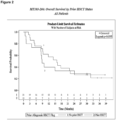
- the first analysis of the aforementioned phase 2 dose-finding study had analyzed OS with a median follow-up of 12.1 months. 7
- the long-term follow-up analysis presented here evaluated OS at a median follow-up of 32.6 months.
- Long-term survivors were defined as patients who were alive for ⁇ 30 months after starting blinatumomab treatment.
- Clinical characteristics including disease-related medical history of the long-term survivors before blinatumomab treatment, outcomes of blinatumomab treatment, including hematologic and MRD responses to blinatumomab, adverse events, consolidation with allogeneic SCT, relapses, and T-cell as well as B-cell kinetics during treatment.
- the first 2 cycles of blinatumomab were administered to induce remissions.
- Bone marrow aspirate or biopsy was obtained before the first blinatumomab cycle and on day 29 of each cycle; cytomorphology and MRD were assessed in central reference laboratories.
- Hematologic complete remission with full recovery of peripheral blood counts (CR) was defined by ⁇ 5% blasts in the bone marrow, no evidence of circulating blasts or extra medullary disease, platelets > 100,000/ ⁇ L, hemoglobin ⁇ 11 g/dL, and absolute neutrophil count (ANC) > 1,500/ ⁇ L.
- MRD ⁇ 10 -4 Hematologic complete remission with partial recovery of peripheral blood counts was defined by the same criteria but a lower minimum of peripheral blood counts (platelets > 50,000/ ⁇ L, hemoglobin ⁇ 7 g/dL, and ANC > 500/ ⁇ L).
- An MRD response was defined as MRD ⁇ 10 -4 by allele-specific real-time quantitative polymerase chain reaction for clonally rearranged immunoglobulin and/or T-cell receptor genes (sensitivity ⁇ 10 -4 ).
- Each treatment cycle was 6 weeks, including 4 weeks of continuous intravenous infusion and a 2-week treatment-free interval.
- 11 peripheral blood mononuclear cells were isolated at various time points before and throughout the first and second cycle of blinatumomab treatment and stained with fluorescent-labeled antibodies against the following cell surface markers: CD3 + /CD13 - /CD14 - or CD3 + /CD45 + (T cells); CD3 + /CD45RA - /CD197 - (effector memory T [T EM ] cells); and CD19 + /CD13 - /CD14 - or CD19 + /CD45 + (B cells).
- Flow cytometry data was collected on a FACSCanto II (Becton Dickinson, Heidelberg, Germany), or Navios 10/3 instrument (Beckman Coulter, Krefeld, Germany).
- Relapse-free survival was measured from the time of first CR or CRh to hematologic or extra-medullary relapse or death resulting from any cause. Patients still in remission at data lock were censored at the time of last remission status assessment. Overall survival was measured from the time of first blinatumomab dose to death resulting from any cause. Kaplan-Meier methods were used to estimate the probability of RFS and OS over time, providing median and 95% confidence interval (CI). A Mantel-Byar test was conducted to evaluate the OS benefit associated with achieving an MRD response versus not achieving an MRD response. A log-rank test was conducted to compare OS between patients with prior allogeneic SCT versus those without prior allogeneic SCT.
- Long-term survivors were defined as patients with OS ⁇ 30 months. Summary statistics were provided for long-term survivors, including clinical characteristics before blinatumomab treatment, use of allogeneic SCT before/after blinatumomab, treatment responses and relapses, and adverse events. Patients were grouped according to OS ⁇ 30 months, OS ⁇ 30 months with further treatment, and OS ⁇ 30 months without further treatment. The definition of long-term overall survival by duration of at least 30 months is based on published data, which show most events occurring with the first 24 months. 5
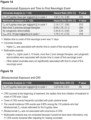
- Three of the long-term survivors relapsed after blinatumomab treatment including two with CD19-positive relapse and one with CD19-negative relapse.
- One of the patients who relapsed received retreatment with blinatumomab, and two received chemotherapy.
- the other two patients relapsed after blinatumomab treatment.
- One of these patients had two CD19-positive relapses more than 12 months after having received 5 cycles of blinatumomab but responded to blinatumomab after each relapse with an MRD-negative remission (3 cycles of retreatment each time).
- the second patient had a CD19-negative relapse during the third cycle of blinatumomab.
- This patient achieved another remission after FLAG-IDA chemotherapy and received allogeneic SCT as consolidation for the chemotherapy.
- the patient was still alive at a follow-up of 46 months. Relapses in the central nervous system were not reported.
- This patient resumed treatment, with antiseizure prophylaxis, at a dose of 5 ⁇ g/m 2 /day without further neurologic adverse events.
- the second patient had grade 3 encephalopathy at a dose of 30 ⁇ g/m 2 /day.
- This patient also resumed treatment at a dose of 5 ⁇ g/m 2 /day without further neurologic adverse events.
- the third patient had grade 4 CRS at a dose of 5 ⁇ g/m 2 /day.
- the patient had a marrow blast count of 90% before treatment and did not receive prephase treatment with dexamethasone or cyclophosphamide.
- dexamethasone When the dose was escalated to 15 ⁇ g/m 2 /day at the end of week 1, grade 2 CRS was recorded which was also mitigated by dexamethasone.
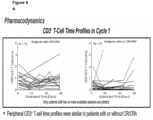
- CD3 + T-cell expansion correlated with increasing numbers of CD3 + T EM cells, which are known to be cytolytic and which play an important role in blinatumomab-mediated cytotoxicity against target B cells ( Figure 3B ).
- the patient with the grade 3 neurologic adverse event had the most prominent proliferation of CD3 + T EM cells ( Figure 3B ; OS ⁇ 30 months without further treatment).
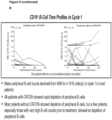
- depletion kinetics of CD19 + B cells differed between patients with OS ⁇ 30 months and those with OS ⁇ 30 months with further treatment ( Figure 3C ). Mean B-cell depletion was complete at day 8 and sustained throughout treatment cycles 1 and 2 in patients with OS ⁇ 30 months.
- Patient No. refers to patients listed in Supplemental Table 1. ⁇ Alive at last follow-up/completed study in remission *Up to 24 mg dexamethasone per day for up to 5 days and/or 200 mg/m 2 cyclophosphamide per day for up to 4 days before blinatumomab infusion Supplemental Table 1.
- Patient Characteristics of the 10 Long-term Survivors, Prephase Treatment and Response to Blinatumomab Patient Characteristics Before Blinatumomab Treatment Prephase Treatment Response to Blinatumomab Patient No.
- blinatumomab it is possible that the use of blinatumomab to prolong the interval between chemotherapy regimens enhanced sensitivity to the subsequent chemotherapy. Larger data sets are needed to confirm this observation. Patients with CD19-positive relapse after blinatumomab treatment may also be candidates for blinatumomab retreatment. One long-term survivor in this study who relapsed twice responded to retreatment with blinatumomab both times. Thus, blinatumomab treatment might be an alternative to chemotherapy for treatment of relapses after blinatumomab-induced CR followed by blinatumomab maintenance treatment. However, additional research is required to confirm the activity and tolerability of blinatumomab retreatment in this setting.
- T-cell expansion might be a key factor for the antileukemia activity of blinatumomab in the setting of r/r ALL.
- the onset of antileukemic effects following blinatumomab infusion has been observed to occur early during treatment, in most cases by the end of the first cycle at the latest.
- adding additional cycles of treatment or increasing the blinatumomab dose in the second cycle had little effect on improvement of antileukemic activity.
Landscapes
- Health & Medical Sciences (AREA)
- Immunology (AREA)
- Chemical & Material Sciences (AREA)
- Organic Chemistry (AREA)
- Life Sciences & Earth Sciences (AREA)
- General Health & Medical Sciences (AREA)
- Medicinal Chemistry (AREA)
- Veterinary Medicine (AREA)
- Molecular Biology (AREA)
- Pharmacology & Pharmacy (AREA)
- General Chemical & Material Sciences (AREA)
- Animal Behavior & Ethology (AREA)
- Chemical Kinetics & Catalysis (AREA)
- Public Health (AREA)
- Engineering & Computer Science (AREA)
- Bioinformatics & Cheminformatics (AREA)
- Proteomics, Peptides & Aminoacids (AREA)
- Nuclear Medicine, Radiotherapy & Molecular Imaging (AREA)
- Genetics & Genomics (AREA)
- Biophysics (AREA)
- Biochemistry (AREA)
- Cell Biology (AREA)
- Hematology (AREA)
- Oncology (AREA)
- Transplantation (AREA)
- Medicines That Contain Protein Lipid Enzymes And Other Medicines (AREA)
- Medicines Containing Material From Animals Or Micro-Organisms (AREA)
- Medicines Containing Antibodies Or Antigens For Use As Internal Diagnostic Agents (AREA)
- Measuring Or Testing Involving Enzymes Or Micro-Organisms (AREA)
- Investigating Or Analysing Biological Materials (AREA)
- Peptides Or Proteins (AREA)
Applications Claiming Priority (3)
| Application Number | Priority Date | Filing Date | Title |
|---|---|---|---|
| US201562164278P | 2015-05-20 | 2015-05-20 | |
| EP16728620.2A EP3298042B1 (de) | 2015-05-20 | 2016-05-19 | B-zell-abtötung als ein diagnostischer marker |
| PCT/EP2016/061179 WO2016184931A1 (en) | 2015-05-20 | 2016-05-19 | B-cell depletion as a diagnostic marker |
Related Parent Applications (1)
| Application Number | Title | Priority Date | Filing Date |
|---|---|---|---|
| EP16728620.2A Division EP3298042B1 (de) | 2015-05-20 | 2016-05-19 | B-zell-abtötung als ein diagnostischer marker |
Publications (2)
| Publication Number | Publication Date |
|---|---|
| EP4523759A2 true EP4523759A2 (de) | 2025-03-19 |
| EP4523759A3 EP4523759A3 (de) | 2025-06-11 |
Family
ID=56119449
Family Applications (2)
| Application Number | Title | Priority Date | Filing Date |
|---|---|---|---|
| EP16728620.2A Active EP3298042B1 (de) | 2015-05-20 | 2016-05-19 | B-zell-abtötung als ein diagnostischer marker |
| EP24218475.2A Withdrawn EP4523759A3 (de) | 2015-05-20 | 2016-05-19 | B-zell-depletion als diagnostischer marker |
Family Applications Before (1)
| Application Number | Title | Priority Date | Filing Date |
|---|---|---|---|
| EP16728620.2A Active EP3298042B1 (de) | 2015-05-20 | 2016-05-19 | B-zell-abtötung als ein diagnostischer marker |
Country Status (17)
| Country | Link |
|---|---|
| EP (2) | EP3298042B1 (de) |
| JP (1) | JP7156793B2 (de) |
| AU (1) | AU2016263464B2 (de) |
| CA (1) | CA2980827A1 (de) |
| DK (1) | DK3298042T3 (de) |
| ES (1) | ES3010637T3 (de) |
| FI (1) | FI3298042T3 (de) |
| HR (1) | HRP20250112T1 (de) |
| HU (1) | HUE070100T2 (de) |
| LT (1) | LT3298042T (de) |
| MX (1) | MX2017014731A (de) |
| PL (1) | PL3298042T3 (de) |
| PT (1) | PT3298042T (de) |
| RS (1) | RS66511B1 (de) |
| SI (1) | SI3298042T1 (de) |
| SM (1) | SMT202500091T1 (de) |
| WO (1) | WO2016184931A1 (de) |
Families Citing this family (2)
| Publication number | Priority date | Publication date | Assignee | Title |
|---|---|---|---|---|
| KR20200116081A (ko) * | 2017-12-01 | 2020-10-08 | 주노 쎄러퓨티크스 인코퍼레이티드 | 유전자 조작된 세포의 투약 및 조절 방법 |
| JP7410143B2 (ja) * | 2018-11-01 | 2024-01-09 | 山▲東▼新▲時▼代▲薬▼▲業▼有限公司 | 二重特異性抗体及びその用途 |
Citations (3)
| Publication number | Priority date | Publication date | Assignee | Title |
|---|---|---|---|---|
| WO2008119567A2 (en) | 2007-04-03 | 2008-10-09 | Micromet Ag | Cross-species-specific cd3-epsilon binding domain |
| WO2010052014A1 (en) | 2008-11-07 | 2010-05-14 | Micromet Ag | Treatment of acute lymphoblastic leukemia |
| WO2010052013A1 (en) | 2008-11-07 | 2010-05-14 | Micromet Ag | Treatment of pediatric acute lymphoblastic leukemia |
-
2016
- 2016-05-19 AU AU2016263464A patent/AU2016263464B2/en active Active
- 2016-05-19 JP JP2017557044A patent/JP7156793B2/ja active Active
- 2016-05-19 WO PCT/EP2016/061179 patent/WO2016184931A1/en not_active Ceased
- 2016-05-19 DK DK16728620.2T patent/DK3298042T3/da active
- 2016-05-19 LT LTEPPCT/EP2016/061179T patent/LT3298042T/lt unknown
- 2016-05-19 ES ES16728620T patent/ES3010637T3/es active Active
- 2016-05-19 RS RS20250155A patent/RS66511B1/sr unknown
- 2016-05-19 HU HUE16728620A patent/HUE070100T2/hu unknown
- 2016-05-19 HR HRP20250112TT patent/HRP20250112T1/hr unknown
- 2016-05-19 CA CA2980827A patent/CA2980827A1/en active Pending
- 2016-05-19 EP EP16728620.2A patent/EP3298042B1/de active Active
- 2016-05-19 PL PL16728620.2T patent/PL3298042T3/pl unknown
- 2016-05-19 MX MX2017014731A patent/MX2017014731A/es unknown
- 2016-05-19 SM SM20250091T patent/SMT202500091T1/it unknown
- 2016-05-19 PT PT167286202T patent/PT3298042T/pt unknown
- 2016-05-19 SI SI201631887T patent/SI3298042T1/sl unknown
- 2016-05-19 FI FIEP16728620.2T patent/FI3298042T3/fi active
- 2016-05-19 EP EP24218475.2A patent/EP4523759A3/de not_active Withdrawn
Patent Citations (3)
| Publication number | Priority date | Publication date | Assignee | Title |
|---|---|---|---|---|
| WO2008119567A2 (en) | 2007-04-03 | 2008-10-09 | Micromet Ag | Cross-species-specific cd3-epsilon binding domain |
| WO2010052014A1 (en) | 2008-11-07 | 2010-05-14 | Micromet Ag | Treatment of acute lymphoblastic leukemia |
| WO2010052013A1 (en) | 2008-11-07 | 2010-05-14 | Micromet Ag | Treatment of pediatric acute lymphoblastic leukemia |
Non-Patent Citations (19)
Also Published As
| Publication number | Publication date |
|---|---|
| MX2017014731A (es) | 2018-06-28 |
| PT3298042T (pt) | 2025-02-21 |
| AU2016263464A1 (en) | 2018-01-04 |
| EP4523759A3 (de) | 2025-06-11 |
| EP3298042A1 (de) | 2018-03-28 |
| SMT202500091T1 (it) | 2025-03-12 |
| DK3298042T3 (da) | 2025-02-24 |
| HUE070100T2 (hu) | 2025-05-28 |
| AU2016263464B2 (en) | 2021-12-23 |
| LT3298042T (lt) | 2025-02-10 |
| RS66511B1 (sr) | 2025-03-31 |
| JP2018517681A (ja) | 2018-07-05 |
| PL3298042T3 (pl) | 2025-04-28 |
| WO2016184931A1 (en) | 2016-11-24 |
| FI3298042T3 (fi) | 2025-02-26 |
| HRP20250112T1 (hr) | 2025-03-28 |
| ES3010637T3 (en) | 2025-04-04 |
| EP3298042B1 (de) | 2024-12-11 |
| SI3298042T1 (sl) | 2025-03-31 |
| JP7156793B2 (ja) | 2022-10-19 |
| CA2980827A1 (en) | 2016-11-24 |
Similar Documents
| Publication | Publication Date | Title |
|---|---|---|
| US20260125449A1 (en) | Articles of manufacture and methods for treatment using adoptive cell therapy | |
| US10696744B2 (en) | Means and methods for treating DLBCL | |
| AU2020267378B2 (en) | Methods of administering chimeric antigen receptor immunotherapy | |
| KR20220098184A (ko) | 키메라 항원 수용체 t세포 요법 | |
| EP3665196B1 (de) | Obinutuzumab behandlung von patienten einer dlbcl untergruppe | |
| KR20240099263A (ko) | Cd19 결합 t 세포 관여 항체의 피하 투여 | |
| EP3298042B1 (de) | B-zell-abtötung als ein diagnostischer marker | |
| CA3219960A1 (en) | Compositions and methods for treating lung cancer | |
| TW202120550A (zh) | 雙特異性蛋白質 | |
| WO2016102530A1 (en) | Cyclic phosphoric acid derivative for the treatment of chronic fatigue syndrome | |
| CA3103169A1 (en) | Materials and methods for treating stress-related disorders and cancer | |
| TW202128741A (zh) | 嵌合抗原受體t細胞療法 | |
| HK40101986A (en) | Methods of administering chimeric antigen receptor immunotherapy | |
| CN118076386A (zh) | 结合cd19的t细胞接合抗体的皮下施用 | |
| CA3234994A1 (en) | Methods of suppressing microglial activation | |
| HK40070586A (en) | Methods of administering chimeric antigen receptor immunotherapy | |
| HK1262611B (en) | Methods for treating dlbcl | |
| HK1262611A1 (en) | Methods for treating dlbcl | |
| HK1224678A1 (en) | Means and methods for treating dlbcl | |
| HK1224678B (en) | Means and methods for treating dlbcl | |
| HK1188229B (en) | Means and methods for treating dlbcl |
Legal Events
| Date | Code | Title | Description |
|---|---|---|---|
| PUAI | Public reference made under article 153(3) epc to a published international application that has entered the european phase |
Free format text: ORIGINAL CODE: 0009012 |
|
| STAA | Information on the status of an ep patent application or granted ep patent |
Free format text: STATUS: THE APPLICATION HAS BEEN PUBLISHED |
|
| AC | Divisional application: reference to earlier application |
Ref document number: 3298042 Country of ref document: EP Kind code of ref document: P |
|
| AK | Designated contracting states |
Kind code of ref document: A2 Designated state(s): AL AT BE BG CH CY CZ DE DK EE ES FI FR GB GR HR HU IE IS IT LI LT LU LV MC MK MT NL NO PL PT RO RS SE SI SK SM TR |
|
| REG | Reference to a national code |
Ref country code: DE Ref legal event code: R079 Free format text: PREVIOUS MAIN CLASS: A61P0043000000 Ipc: C07K0016280000 |
|
| PUAL | Search report despatched |
Free format text: ORIGINAL CODE: 0009013 |
|
| AK | Designated contracting states |
Kind code of ref document: A3 Designated state(s): AL AT BE BG CH CY CZ DE DK EE ES FI FR GB GR HR HU IE IS IT LI LT LU LV MC MK MT NL NO PL PT RO RS SE SI SK SM TR |
|
| RIC1 | Information provided on ipc code assigned before grant |
Ipc: A61P 43/00 20060101ALI20250506BHEP Ipc: A61P 37/06 20060101ALI20250506BHEP Ipc: A61K 39/00 20060101ALI20250506BHEP Ipc: A61P 35/02 20060101ALI20250506BHEP Ipc: C07K 16/46 20060101ALI20250506BHEP Ipc: C07K 16/30 20060101ALI20250506BHEP Ipc: C07K 16/28 20060101AFI20250506BHEP |
|
| STAA | Information on the status of an ep patent application or granted ep patent |
Free format text: STATUS: THE APPLICATION IS DEEMED TO BE WITHDRAWN |
|
| 18D | Application deemed to be withdrawn |
Effective date: 20251212 |