EP3967765A1 - Cell culture process for making a glycoprotein - Google Patents
Cell culture process for making a glycoprotein Download PDFInfo
- Publication number
- EP3967765A1 EP3967765A1 EP21196848.2A EP21196848A EP3967765A1 EP 3967765 A1 EP3967765 A1 EP 3967765A1 EP 21196848 A EP21196848 A EP 21196848A EP 3967765 A1 EP3967765 A1 EP 3967765A1
- Authority
- EP
- European Patent Office
- Prior art keywords
- ornithine
- protein
- mol
- antibody
- glycoprotein
- Prior art date
- Legal status (The legal status is an assumption and is not a legal conclusion. Google has not performed a legal analysis and makes no representation as to the accuracy of the status listed.)
- Withdrawn
Links
Images


Classifications
-
- C—CHEMISTRY; METALLURGY
- C07—ORGANIC CHEMISTRY
- C07K—PEPTIDES
- C07K14/00—Peptides having more than 20 amino acids; Gastrins; Somatostatins; Melanotropins; Derivatives thereof
- C07K14/415—Peptides having more than 20 amino acids; Gastrins; Somatostatins; Melanotropins; Derivatives thereof from plants
-
- C—CHEMISTRY; METALLURGY
- C07—ORGANIC CHEMISTRY
- C07K—PEPTIDES
- C07K14/00—Peptides having more than 20 amino acids; Gastrins; Somatostatins; Melanotropins; Derivatives thereof
- C07K14/435—Peptides having more than 20 amino acids; Gastrins; Somatostatins; Melanotropins; Derivatives thereof from animals; from humans
- C07K14/705—Receptors; Cell surface antigens; Cell surface determinants
- C07K14/71—Receptors; Cell surface antigens; Cell surface determinants for growth factors; for growth regulators
-
- C—CHEMISTRY; METALLURGY
- C07—ORGANIC CHEMISTRY
- C07K—PEPTIDES
- C07K14/00—Peptides having more than 20 amino acids; Gastrins; Somatostatins; Melanotropins; Derivatives thereof
- C07K14/435—Peptides having more than 20 amino acids; Gastrins; Somatostatins; Melanotropins; Derivatives thereof from animals; from humans
- C07K14/46—Peptides having more than 20 amino acids; Gastrins; Somatostatins; Melanotropins; Derivatives thereof from animals; from humans from vertebrates
- C07K14/47—Peptides having more than 20 amino acids; Gastrins; Somatostatins; Melanotropins; Derivatives thereof from animals; from humans from vertebrates from mammals
- C07K14/4701—Peptides having more than 20 amino acids; Gastrins; Somatostatins; Melanotropins; Derivatives thereof from animals; from humans from vertebrates from mammals not used
- C07K14/4702—Regulators; Modulating activity
- C07K14/4705—Regulators; Modulating activity stimulating, promoting or activating activity
-
- C—CHEMISTRY; METALLURGY
- C07—ORGANIC CHEMISTRY
- C07K—PEPTIDES
- C07K14/00—Peptides having more than 20 amino acids; Gastrins; Somatostatins; Melanotropins; Derivatives thereof
- C07K14/435—Peptides having more than 20 amino acids; Gastrins; Somatostatins; Melanotropins; Derivatives thereof from animals; from humans
- C07K14/705—Receptors; Cell surface antigens; Cell surface determinants
- C07K14/715—Receptors; Cell surface antigens; Cell surface determinants for cytokines; for lymphokines; for interferons
- C07K14/7155—Receptors; Cell surface antigens; Cell surface determinants for cytokines; for lymphokines; for interferons for interleukins [IL]
-
- C—CHEMISTRY; METALLURGY
- C07—ORGANIC CHEMISTRY
- C07K—PEPTIDES
- C07K16/00—Immunoglobulins [IG], e.g. monoclonal or polyclonal antibodies
- C07K16/18—Immunoglobulins [IG], e.g. monoclonal or polyclonal antibodies against material from animals or humans
- C07K16/22—Immunoglobulins [IG], e.g. monoclonal or polyclonal antibodies against material from animals or humans against growth factors ; against growth regulators
-
- C—CHEMISTRY; METALLURGY
- C07—ORGANIC CHEMISTRY
- C07K—PEPTIDES
- C07K16/00—Immunoglobulins [IG], e.g. monoclonal or polyclonal antibodies
- C07K16/18—Immunoglobulins [IG], e.g. monoclonal or polyclonal antibodies against material from animals or humans
- C07K16/28—Immunoglobulins [IG], e.g. monoclonal or polyclonal antibodies against material from animals or humans against receptors, cell surface antigens or cell surface determinants
- C07K16/2866—Immunoglobulins [IG], e.g. monoclonal or polyclonal antibodies against material from animals or humans against receptors, cell surface antigens or cell surface determinants against receptors for cytokines, lymphokines, interferons
-
- C—CHEMISTRY; METALLURGY
- C07—ORGANIC CHEMISTRY
- C07K—PEPTIDES
- C07K16/00—Immunoglobulins [IG], e.g. monoclonal or polyclonal antibodies
- C07K16/40—Immunoglobulins [IG], e.g. monoclonal or polyclonal antibodies against enzymes
-
- C—CHEMISTRY; METALLURGY
- C12—BIOCHEMISTRY; BEER; SPIRITS; WINE; VINEGAR; MICROBIOLOGY; ENZYMOLOGY; MUTATION OR GENETIC ENGINEERING
- C12N—MICROORGANISMS OR ENZYMES; COMPOSITIONS THEREOF; PROPAGATING, PRESERVING, OR MAINTAINING MICROORGANISMS; MUTATION OR GENETIC ENGINEERING; CULTURE MEDIA
- C12N15/00—Mutation or genetic engineering; DNA or RNA concerning genetic engineering, vectors, e.g. plasmids, or their isolation, preparation or purification; Use of hosts therefor
- C12N15/09—Recombinant DNA-technology
- C12N15/63—Introduction of foreign genetic material using vectors; Vectors; Use of hosts therefor; Regulation of expression
- C12N15/79—Vectors or expression systems specially adapted for eukaryotic hosts
- C12N15/85—Vectors or expression systems specially adapted for eukaryotic hosts for animal cells
-
- C—CHEMISTRY; METALLURGY
- C12—BIOCHEMISTRY; BEER; SPIRITS; WINE; VINEGAR; MICROBIOLOGY; ENZYMOLOGY; MUTATION OR GENETIC ENGINEERING
- C12N—MICROORGANISMS OR ENZYMES; COMPOSITIONS THEREOF; PROPAGATING, PRESERVING, OR MAINTAINING MICROORGANISMS; MUTATION OR GENETIC ENGINEERING; CULTURE MEDIA
- C12N5/00—Undifferentiated human, animal or plant cells, e.g. cell lines; Tissues; Cultivation or maintenance thereof; Culture media therefor
- C12N5/0018—Culture media for cell or tissue culture
-
- C—CHEMISTRY; METALLURGY
- C12—BIOCHEMISTRY; BEER; SPIRITS; WINE; VINEGAR; MICROBIOLOGY; ENZYMOLOGY; MUTATION OR GENETIC ENGINEERING
- C12N—MICROORGANISMS OR ENZYMES; COMPOSITIONS THEREOF; PROPAGATING, PRESERVING, OR MAINTAINING MICROORGANISMS; MUTATION OR GENETIC ENGINEERING; CULTURE MEDIA
- C12N5/00—Undifferentiated human, animal or plant cells, e.g. cell lines; Tissues; Cultivation or maintenance thereof; Culture media therefor
- C12N5/06—Animal cells or tissues; Human cells or tissues
- C12N5/0602—Vertebrate cells
- C12N5/0681—Cells of the genital tract; Non-germinal cells from gonads
- C12N5/0682—Cells of the female genital tract, e.g. endometrium; Non-germinal cells from ovaries, e.g. ovarian follicle cells
-
- C—CHEMISTRY; METALLURGY
- C12—BIOCHEMISTRY; BEER; SPIRITS; WINE; VINEGAR; MICROBIOLOGY; ENZYMOLOGY; MUTATION OR GENETIC ENGINEERING
- C12P—FERMENTATION OR ENZYME-USING PROCESSES TO SYNTHESISE A DESIRED CHEMICAL COMPOUND OR COMPOSITION OR TO SEPARATE OPTICAL ISOMERS FROM A RACEMIC MIXTURE
- C12P21/00—Preparation of peptides or proteins
- C12P21/005—Glycopeptides, glycoproteins
-
- C—CHEMISTRY; METALLURGY
- C12—BIOCHEMISTRY; BEER; SPIRITS; WINE; VINEGAR; MICROBIOLOGY; ENZYMOLOGY; MUTATION OR GENETIC ENGINEERING
- C12P—FERMENTATION OR ENZYME-USING PROCESSES TO SYNTHESISE A DESIRED CHEMICAL COMPOUND OR COMPOSITION OR TO SEPARATE OPTICAL ISOMERS FROM A RACEMIC MIXTURE
- C12P21/00—Preparation of peptides or proteins
- C12P21/06—Preparation of peptides or proteins produced by the hydrolysis of a peptide bond, e.g. hydrolysate products
-
- C—CHEMISTRY; METALLURGY
- C07—ORGANIC CHEMISTRY
- C07K—PEPTIDES
- C07K2317/00—Immunoglobulins specific features
- C07K2317/40—Immunoglobulins specific features characterized by post-translational modification
- C07K2317/41—Glycosylation, sialylation, or fucosylation
-
- C—CHEMISTRY; METALLURGY
- C07—ORGANIC CHEMISTRY
- C07K—PEPTIDES
- C07K2319/00—Fusion polypeptide
- C07K2319/30—Non-immunoglobulin-derived peptide or protein having an immunoglobulin constant or Fc region, or a fragment thereof, attached thereto
-
- C—CHEMISTRY; METALLURGY
- C07—ORGANIC CHEMISTRY
- C07K—PEPTIDES
- C07K2319/00—Fusion polypeptide
- C07K2319/32—Fusion polypeptide fusions with soluble part of a cell surface receptor, "decoy receptors"
-
- C—CHEMISTRY; METALLURGY
- C12—BIOCHEMISTRY; BEER; SPIRITS; WINE; VINEGAR; MICROBIOLOGY; ENZYMOLOGY; MUTATION OR GENETIC ENGINEERING
- C12N—MICROORGANISMS OR ENZYMES; COMPOSITIONS THEREOF; PROPAGATING, PRESERVING, OR MAINTAINING MICROORGANISMS; MUTATION OR GENETIC ENGINEERING; CULTURE MEDIA
- C12N2500/00—Specific components of cell culture medium
- C12N2500/30—Organic components
- C12N2500/32—Amino acids
-
- C—CHEMISTRY; METALLURGY
- C12—BIOCHEMISTRY; BEER; SPIRITS; WINE; VINEGAR; MICROBIOLOGY; ENZYMOLOGY; MUTATION OR GENETIC ENGINEERING
- C12N—MICROORGANISMS OR ENZYMES; COMPOSITIONS THEREOF; PROPAGATING, PRESERVING, OR MAINTAINING MICROORGANISMS; MUTATION OR GENETIC ENGINEERING; CULTURE MEDIA
- C12N2500/00—Specific components of cell culture medium
- C12N2500/30—Organic components
- C12N2500/36—Lipids
-
- C—CHEMISTRY; METALLURGY
- C12—BIOCHEMISTRY; BEER; SPIRITS; WINE; VINEGAR; MICROBIOLOGY; ENZYMOLOGY; MUTATION OR GENETIC ENGINEERING
- C12N—MICROORGANISMS OR ENZYMES; COMPOSITIONS THEREOF; PROPAGATING, PRESERVING, OR MAINTAINING MICROORGANISMS; MUTATION OR GENETIC ENGINEERING; CULTURE MEDIA
- C12N2500/00—Specific components of cell culture medium
- C12N2500/30—Organic components
- C12N2500/46—Amines, e.g. putrescine
-
- C—CHEMISTRY; METALLURGY
- C12—BIOCHEMISTRY; BEER; SPIRITS; WINE; VINEGAR; MICROBIOLOGY; ENZYMOLOGY; MUTATION OR GENETIC ENGINEERING
- C12N—MICROORGANISMS OR ENZYMES; COMPOSITIONS THEREOF; PROPAGATING, PRESERVING, OR MAINTAINING MICROORGANISMS; MUTATION OR GENETIC ENGINEERING; CULTURE MEDIA
- C12N2510/00—Genetically modified cells
- C12N2510/02—Cells for production
Definitions
- the invention relates to methods for the culturing of cells and for the production of recombinant proteins.
- the invention specifically relates to methods for the culturing of cells in soy hydrolysate-containing media to achieve consistent production of high quality recombinant protein.
- Protein hydrolysates are commonly used in the production of recombinant proteins from cultured cells.
- protein hydrolysates may contain compounds that negatively impact cell growth or recombinant protein production.
- protein hydrolysates have been widely used as supplements in cell culture.
- the present disclosure identifies certain components in plant protein hydrolysate (e.g., soy hydrolysate) that can vary from batch-to-batch and alter the composition and yield of high quality glycoproteins produced in culture using soy hydrolysate.
- plant protein hydrolysate e.g., soy hydrolysate
- the present disclosure addresses the need for improved cell culture methods by, among other things, screening batches of plant protein hydrolysate and selecting those batches that include a desirable concentration of a component of plant protein hydrolysate for use in the production of biopharmaceuticals.
- the present disclosure is predicated in part on the discovery that the concentration of ornithine or putrescine in a batch of soy hydrolysate affects the quality and composition of proteins produced in cell culture using soy hydrolysate.
- the present disclosure also provides that cells cultured in media including soy hydrolysate comprising certain concentrations of ornithine or putrescine produce greater amounts of high quality proteins exhibiting more consistent glycosylation patterns, amounts of glycan and sialic acid profiles from lot-to-lot.
- the invention relates to a method of culturing a population of cells expressing a recombinant heterologous glycoprotein in cell culture media comprising soy hydrolysate to produce the recombinant heterologous glycoprotein, and wherein the soy hydrolysate comprises ⁇ 0.067% (w/w) ornithine or putrescine.
- the method includes the steps of culturing a population of cells expressing a recombinant heterologous glycoprotein in cell culture media comprising soy hydrolysate containing ⁇ less than 0.67 milligram (mg) of ornithine per gram (g) of soy (w/w), or about 0.003% - 0.067% (w/w) ornithine.
- the culture media contains ⁇ 5mg/L ornithine, or about 0.6 ⁇ 3 mg/L ornithine.
- the population of cells is obtained by clonal expansion of a cell expressing a recombinant heterologous glycoprotein.
- the invention relates to a method for producing a glycoprotein.
- the method includes the steps of culturing a population of cells expressing a recombinant heterologous glycoprotein in culture media containing soy hydrolysate containing ⁇ less than 0.67 milligram (mg) of putrescine per gram (g) of soy (w/w), or about 0.003% - 0.067% (w/w) putrescine.
- the culture media contains ⁇ 5mg/L putrescine, or about 0.6 - 3 mg/L putrescine.
- the population of cells is obtained by clonal expansion of a cell expressing a recombinant heterologous glycoprotein.
- the glycoprotein is a trap molecule, such as rilonacept (IL1-trap, disclosed, e.g., in US Pat. No. 6,927,004 ), aflibercept (VEGF-trap, disclosed, e.g., in US Pat. No. 7,087,411 ), conbercept (VEGF-trap, disclosed, e.g., in US Pat. Nos. 7,750,138 and 8,216,575 ), and etanercept (TNF-trap, disclosed, e.g., in US Pat. No. 5,610,279 .)
- ⁇ 10% (w/w) of the total amount of all N-glycan species of the glycoprotein is an A1 N-glycan.
- the invention relates to a method of producing a glycoprotein. In another aspect, the invention relates to a method of using a soy hydrolysate in the producing of a glycoprotein. In another aspect, the invention relates to a method of selecting a soy hydrolysate for use in producing a glycoprotein by evaluating the quality of the produced glycoprotein.
- the method comprises culturing a cell expressing a glycosylated protein in a cell culture media to produce the glycoprotein, purifying the glycosylated protein, subjecting the purified glycosylated protein to oligosaccharide fingerprint analysis, determining the relative amount of an A1 N-glycan compared to total amount of N-glycan species of the glycoprotein; and selecting a soy hydrolysate that provides for at least 10% (w/w) A1 N-glycan compared to total amount of N-glycan species of the glycoprotein.
- the method includes the steps of preparing a cell culture media containing a soy hydrolysate, culturing a cell that expresses the glycoprotein in the cell culture media, purifying the glycosylated protein, subjecting the purified glycosylated protein to oligosaccharide fingerprint analysis, determining the relative amount of an A1 N-glycan compared to total amount of N-glycan species of the glycoprotein, and then selecting the soy hydrolysate that provides for the production of a glycoprotein with at least 10% (w/w) A1 N-glycan compared to total amount of N-glycan species of the glycoprotein.
- the selected soy hydrolysate contains ⁇ 0.67 mg ornithine per g soy (w/w), or about 0.003% - 0.067% (w/w) ornithine.
- the culture media contains ⁇ 5 mg/L ornithine, or about 0.6 ⁇ 3 mg/L ornithine.
- the selected soy hydrolysate contains ⁇ 0.67 mg putrescine per g soy (w/w), or about 0.003% - 0.067% (w/w) putrescine.
- the culture media contains ⁇ 5 mg/L putrescine, or about 0.6 - 3 mg/L putrescine.
- the invention relates to a method of selecting a soy hydrolysate for use in producing a glycoprotein by measuring the amount of ornithine or putrescine in the soy hydrolysate.
- the method includes the steps of measuring the amount of ornithine in a soy hydrolysate, selecting a soy hydrolysate with ⁇ 0.67 mg ornithine per g soy, or about 0.003% - 0.067% (w/w) ornithine, and combining the selected soy hydrolysate with an additional ingredient to form a cell culture media with ⁇ 5 mg/L ornithine, or about 0.6 - 3 mg/L ornithine.
- the method includes the steps of measuring the amount of putrescine in a potentially useful soy hydrolysate, selecting a soy hydrolysate with ⁇ 0.67 mg putrescine per g soy, or about 0.003% - 0.067% (w/w) putrescine, and combining the selected soy hydrolysate with an additional ingredient to form a cell culture media with ⁇ 5 mg/L putrescine, or about 0.6 - 3 mg/L putrescine.
- the invention relates to a glycoprotein comprising an A1 N-glycan and at least one other N-glycan species in which the relative amount of the A1 N-glycan is at least 10% (w/w) of the total amount of N-glycans of the glycoprotein is provided. In one embodiment, the relative amount of the A1 N-glycan is about 10% - 17% (w/w).
- the glycoprotein also has an A2 N-glycan, an A2F N-glycan, an A1F N-glycan, an NGA2F N-glycan, an NA2G1F N-glycan, an NA2 N-glycan, and an NA2F N-glycan.
- the glycoprotein contains 8 ⁇ 65 moles of sialic acid per mole of glycoprotein.
- any one of asparagine residues N37, N98, N418, and N511 of SEQ ID NO: 1 contains an A1 N-glycan.
- any one of asparagine residues N123 and N196 of SEQ ID NO: 2 contains an A1 N-glycan.
- the relative amount of the A1 N-glycan of the glycoprotein is determined by comparing the area under the peak of the A1 N-glycan to the total areas under the peak for all N-glycans obtained from an oligosaccharide fingerprint of the glycoprotein obtained by capillary electrophoresis.
- a method of manufacturing soy hydrolysate having a reduced amount of ornithine or putrescine comprises the steps of enzymatically digesting soy extract in a residue-free reaction vessel, measuring the amount of ornithine in the soy hydrolysate, and selecting those lots of soy hydrolysate containing ⁇ 0.067% (w/w) ornithine or putrescine for use in a cell culture media.
- the method comprises the steps of enzymatically digesting soy extract in a residue-free reaction vessel, measuring the amount of putrescine in the soy hydrolysate, and selecting soy hydrolysate with ⁇ 0.067% (w/w) ornithine or putrescine for use in a cell culture media.
- relative amount means the amount of a molecular species over the total amount of all molecular species of a general type.
- the relative amount of an A1 glycan i.e., (GlcNAc)2(Man)3(GlcNAc)2(Gal)2(SA)1 is calculated as amount of A1 / sum of the amount of all N glycans.
- the relative amount can be expresses as absolute mass-to-mass amounts (i.e. gram per gram) or a percentage i.e., % (w/w).
- Ornithine is a non-protein coding amino acid involved in the urea cycle, polyamine synthesis and arginine metabolism. Ornithine is also known to influence glycoform content of recombinant proteins. See PCT/US2014/069378 . Ornithine is acted on by several enzymes. For example, ornithine decarboxylase catalyzes the conversion of ornithine to putrescine in the polyamine biosynthetic pathway. See Pegg A, J. of Biol. Chem. (2006) 281:21 pp. 14532 . Additionally, ornithine conversion to citrulline is catalyzed by ornithine transcarbamylase as part of the urea cycle.
- Ornithine metabolism occurs in both cytosol and mitochondria of cells in culture.
- the presence of putrescine or presence of ornithine has been deemed critical for growth and productivity of cells cultured in chemically defined media, however the impact on critical quality attributes of a protein produced by such cells has not been described.
- Putrescine is a non-protein coding amino acid, a polyamine, involved in the urea cycle.
- Putrescine also known as 1,4-Diaminobutane, having a chemical formula of C 4 H 12 N 2
- ⁇ -aminobutyrate gamma-aminobutyrate
- peptide As used herein "peptide”, “polypeptide” and “protein” are used interchangeably throughout and refer to a molecule comprising two or more amino acid residues joined to each other by a peptide bond. Peptides, polypeptides and proteins may also include modifications such as glycosylation, lipid attachment, sulfation, gamma-carboxylation of glutamic acid residues, alkylation, hydroxylation and ADP-ribosylation. Peptides, polypeptides, and proteins can be of scientific or commercial interest, including protein-based drugs (biotherapeutics). Peptides, polypeptides, and proteins include, among other things, antibodies and chimeric or fusion proteins. Peptides, polypeptides, and proteins can be produced by recombinant animal cell lines such as mammalian cell lines using cell culture methods.
- polynucleotide sequence refers to nucleic acid polymers encoding proteins of interest, such as chimeric proteins (like trap molecules), antibodies or antibody portions (e.g., VH, VL, CDR3) that are produced as a biopharmaceutical drug substance.
- the polynucleotide sequence may be manufactured by genetic engineering techniques (e.g., a sequence encoding a chimeric protein, or a codon-optimized sequence, an intron-less sequence) and introduced into a cell, where it may reside as an episome or be integrated into the genome of the cell.
- the polynucleotide sequence may be a naturally occurring sequence that is introduced into an ectopic site within the host cell genome.
- the peptide sequence may be heterologous, such as a naturally occurring sequence from another organism, a recombinant sequence, a genetically modified sequence, or inter alia a sequence expressed under the control of a different-than-wild type promoter, for example a nucleotide sequence encoding a human ortholog, whereby the host (production) cell is a CHO cell.
- antigen-binding protein includes a protein that has at least one CDR and is capable of selectively recognizing an antigen, i.e., is capable of binding an antigen with a KD that is at least in the micromolar range.
- Therapeutic antigen-binding proteins e.g., therapeutic antibodies
- an antigen-binding protein includes two or more CDRs, e.g., 2, 3, 4, 5, or 6 CDRs.
- antigen binding proteins include antibodies, antigen-binding fragments of antibodies such as polypeptides containing the variable regions of heavy chains and light chains of an antibody (e.g., Fab fragment, F(ab')2 fragment), and proteins containing the variable regions of heavy chains and light chains of an antibody and containing additional amino acids from the constant regions of heavy and/or light chains (such as one or more constant domains, i.e., one or more of CL, CH1, hinge, CH2, and CH3 domains).
- antibodies antigen-binding fragments of antibodies such as polypeptides containing the variable regions of heavy chains and light chains of an antibody (e.g., Fab fragment, F(ab')2 fragment), and proteins containing the variable regions of heavy chains and light chains of an antibody and containing additional amino acids from the constant regions of heavy and/or light chains (such as one or more constant domains, i.e., one or more of CL, CH1, hinge, CH2, and CH3 domains).
- Antibody refers to an immunoglobulin molecule consisting of four polypeptide chains, two heavy (H) chains and two light (L) chains inter-connected by disulfide bonds.
- Each heavy chain has a heavy chain variable region (HCVR or VH) and a heavy chain constant region.
- the heavy chain constant region contains three domains, CH1, CH2 and CH3.
- Each light chain has a light chain variable region (VL) and a light chain constant region.
- the light chain constant region consists of one domain (CL).
- the VH and VL regions can be further subdivided into regions of hypervariability, termed complementarity determining regions (CDR), interspersed with regions that are more conserved, termed framework regions (FR).
- CDR complementarity determining regions
- Each VH and VL is composed of three CDRs and four FRs, arranged from the amino-terminus to the carboxy-terminus in the following order: FR1, CDR1, FR2, CDR2, FR3, CDR3, and FR4.
- the term “antibody” includes both glycosylated and non-glycosylated immunoglobulins of any isotype or subclass.
- the term “antibody” includes antibody molecules prepared, expressed, created or isolated by recombinant means, such as antibodies isolated from a host cell transfected with a nucleotide sequence in order to express the antibody.
- the term “antibody” also includes a bispecific antibody, which includes a heterotetrameric immunoglobulin that can bind to more than one epitope. Bispecific antibodies are generally described in U.S. Patent Application Publication No. 2010/0331527 , which is incorporated by reference herein.
- antigen-binding portion of an antibody (or antibody fragment) or a protein of interest refers to one or more fragments of an antibody or a protein of interest that retain the ability to specifically bind to an antigen.
- protein binding fragments encompassed within the term "antigen-binding portion" of an antibody include (i) a Fab fragment, a monovalent fragment consisting of the VL, VH, CL and CH1 domains; (ii) a F(ab')2 fragment, a bivalent fragment comprising two Fab fragments linked by a disulfide bridge at the hinge region; (iii) a Fd fragment consisting of the VH and CH1 domains; (iv) a Fv fragment consisting of the VL and VH domains of a single arm of an antibody, (v) a dAb fragment ( Ward et al., Nature (1989) 241:544-546 ), which consists of a VH domain, (vi) an isolated CDR, and (vii)
- antibody forms of single chain antibodies, such as diabodies are also encompassed under the term "antibody”. See, e.g., Holliger et al., PNAS USA (1993) 90:6444-6448 ; Poljak et al., Structure (1994) 2:1121-1123 .
- an antibody or antigen-binding portion thereof may be part of a larger immunoadhesion molecule, formed by covalent or noncovalent association of the antibody or antibody portion with one or more other proteins or peptides.
- immunoadhesion molecules include use of the streptavidin core region to make a tetrameric scFv molecule ( Kipriyanov et al., Human Antibodies and Hybridomas (1995) 6:93-101 ) and use of a cysteine residue, a marker peptide and a C-terminal polyhistidine tag to make bivalent and biotinylated scFv molecules ( Kipriyanov et al. Mol. Immunol.
- Antibody portions such as Fab and F(ab')2 fragments, can be prepared from whole antibodies using conventional techniques, such as via papain or pepsin digestion of whole antibodies. Moreover, antibodies, antibody portions and immunoadhesion molecules can be obtained using standard recombinant DNA techniques commonly known in the art (see Sambrook et al., 1989).
- human antibody is intended to include antibodies having variable and constant regions derived from human germline immunoglobulin sequences.
- Human antibodies of the present disclosure may include amino acid residues not encoded by human germline immunoglobulin sequences (e.g., mutations introduced by random or site-specific mutagenesis in vitro or by somatic mutation in vivo), for example in the CDRs and in particular CDR3.
- recombinant human antibody is intended to include all human antibodies that are prepared, expressed, created or isolated by recombinant means, such as antibodies expressed using a recombinant expression vector transfected into a host cell, antibodies isolated from a recombinant, combinatorial human antibody library, antibodies isolated from an animal (e.g., a mouse) that is transgenic for human immunoglobulin genes (see, e.g., Taylor et al. Nucl. Acids Res. (1992) 20:6287-6295 ) or antibodies prepared, expressed, created or isolated by any other means that involves splicing of human immunoglobulin gene sequences to other DNA sequences.
- Such recombinant human antibodies have variable and constant regions derived from human germline immunoglobulin sequences.
- such recombinant human antibodies are subjected to in vitro mutagenesis (or, when an animal transgenic for human Ig sequences is used, in vivo somatic mutagenesis), and thus the amino acid sequences of the VH and VL regions of the recombinant antibodies are sequences that, while derived from and related to human germline VH and VL sequences, may not naturally exist within the human antibody germline repertoire in vivo.
- Fc fusion proteins comprise part or all of two or more proteins, one of which is an Fc portion of an immunoglobulin molecule, which are not otherwise found together in nature.
- Preparation of fusion proteins comprising certain heterologous polypeptides fused to various portions of antibody-derived polypeptides (including the Fc domain) has been described, e.g., by Ashkenazi et al., PNAS USA (1991) 88:10535 ; Byrn et al., Nature (1990) 344:677 ; and Hollenbaugh et al., Current Protocols in Immunology (1992) Suppl. 4, pp. 10.19.1 - 10.19.11.
- Receptor Fc fusion proteins comprise one or more extracellular domain(s) of a receptor coupled to an Fc moiety, which in some embodiments comprises a hinge region followed by a CH2 and CH3 domain of an immunoglobulin. In some embodiments, the Fc-fusion protein contains two or more distinct receptor chains that bind to a one or more ligand(s).
- an "Fc-fusion protein” is a "trap” molecule, which is a decoy receptor molecule that includes two distinct receptor components that mimic the binding domains of a corresponding endogenous receptor and the Fc portion of an antibody.
- trap molecules include an IL-1 trap (e.g., rilonacept, which contains the IL-1RAcP ligand binding region fused to the IL-1R1 extracellular region which in turn is fused to the Fc of hIgG1) (e.g., SEQ ID NO:1) (see U.S. Patent No.
- VEGF trap e.g., aflibercept, which contains the Ig domain 2 of the VEGF receptor Flt1 fused to the Ig domain 3 of the VEGF receptor Flk1 which in turn is fused to Fc of hIgG1.
- aflibercept which contains the Ig domain 2 of the VEGF receptor Flt1 fused to the Ig domain 3 of the VEGF receptor Flk1 which in turn is fused to Fc of hIgG1.
- glycoproteins include the formation of glycoproteins where oligosaccharides are attached either to the side chain of an asparagine (Asn) residue (i.e., N-linked), or a serine (Ser) or threonine (Thr) residue (i.e., O-linked) of a protein.
- Asn asparagine
- Ser serine
- Thr threonine residue
- Glycoproteins include any protein that contains an O-linked glycan or an N-linked glycan. Glycans can be homo- or heteropolymers of monosaccharide residues, which can be linear or branched.
- N-linked glycosylation is known to initiate primarily in the endoplasmic reticulum, whereas O-linked glycosylation is shown to initiate in either the ER or Golgi apparatus.
- N-glycan is used interchangeably with “N-linked oligosaccharide.”
- O-glycan is used interchangeably with “O-linked oligosaccharide.”
- N-glycan protein includes proteins that contain or can accept N-linked oligosaccharides.
- N-glycans can be composed of N-acetyl galactosamine (GalNAc), mannose (Man), fucose (Fuc), galactose (Gal), neuraminic acid (NANA), and other monosaccharides, however N-glycans usually have a common core pentasaccharide structure including: three mannose and two N-acetylglucosamine (GlcNAc) sugars.
- Proteins with the consecutive amino acid sequence, Asn-X-Ser or Asn-X-Thr, where X is any amino acid except proline, can provide an attachment site for N-glycans.
- N-glycans include those N-linked oligosaccharides listed in Table 1.
- the shorthand designations of the listed oligosaccharides are used herein as simplified names to describe the oligosaccharide.
- an A1 N-glycan contains an arginine linked to a oligosaccharide consisting of (SA)(Gal)2(GlcNAc)2(Man)3(GlcNAc)3.
- Hydrolysates are complex materials derived from the hydrolysis of plant material, animal material, whey, yeast, and the like.
- hydrolysate is used interchangeably with “protein hydrolysate”.
- Plant hydrolysates plant protein hydrolysates
- Protein hydrolysates can be manufactured by three general methods: acid hydrolysis, alkaline hydrolysis, and enzymatic hydrolysis. For biological applications, including biotherapeutic manufacturing, protein hydrolysates are mostly made by enzymatic hydrolysis.
- soy hydrolysate made by pepsin digestion may be called “soy peptone”
- yeast hydrolysate made by trpsin digestion may be called “yeast tryptone.”
- Franek et al., Biotechnol. Prog. 16(5): 688-92 (2000 ) is incorporated herein for plant protein hydrolysates and methods of manufacturing them.
- the subject hydrolysate is a plant hydrolysate.
- the subject protein hydrolysate is a soy hydrolysate.
- Soy hydrolysate is an enzymatically digested soy product derived from soybean grit, that is largely, chemically undefined. Generally, soy hydrolysate is composed of a conglomerate of amino acids, proteins, carbohydrates, minerals and vitamins.
- Soy hydrolysate is a plant-derived protein hydrolysate that is commercially available, for example, in high concentration solution (e.g., HyClone TM HyQ Soy Hydrolysate solution) or powder (e.g., Sigma Aldrich ® S1674 (Amisoy TM ), soy protein hydrolysate) form.
- a "batch" or "lot” of soy hydrolysate, as used herein refers to a manufactured amount of soy hydrolysate resulting from hydrolysis of soybean grit. For example, each hydrolysis process can result in a unique "batch” or “lot” of soy hydrolysate with varying concentrations of components, such as vitamins, amino acids, peptides and sugars.
- Soy hydrolysate is commonly used with animal protein-free cell culture medium for the growth of mammalian cell lines during the production of commercial biotherapeutics, such as antibodies. More specifically, soy hydrolysate is added to a cell culture media prior to or during inoculation with cells. The cells are then cultured in the hydrolysate-containing medium, until they are harvested. Due to the undefined nature of soy hydrolysate, batches of soy hydrolysate will vary from batch-to-batch (or lot-to-lot), which can lead to inconsistencies in commercial manufacturing of biotherapeutics.
- the present disclosure has identified that concentrations of certain components in a batch of soy hydrolysate affect the quality and composition of proteins produced in cell culture using soy hydrolysate.
- the present disclosure provides methods for screening batches of soy hydrolysate in order to select certain batches of soy hydrolysate that contain a desirable amount of a component such as, for example, ornithine, putrescine, citrulline, arginine or a combination thereof.
- the screening method includes measuring the amount of ornithine or putrescine in at least a portion (i.e., a sample) of a batch of soy hydrolysate.
- a soy hydrolysate sample is weighed and a portion thereof is dissolved to a desired concentration.
- the soy hydrolysate solution is then diluted in a solvent to a second desired concentration (e.g., 1 g/L to 25 g/L) and the composition of the resulting soy hydrolysate solutions can then be determined.
- the measuring step employs a suitable method for determining the molecular composition of a soy hydrolysate sample including, for example, colorimetric detection performed following post-column ninhydrin reaction, or chromatography f eluted ninhydrin-positive compounds, such as HPLC or UPLC, and the units used to express the measured amount of each component (e.g., ornithine or putrescine) can be any suitable units (e.g., micromoles/L, mg/L or g/L).
- measuring the amount of ornithine or putrescine includes measuring the concentration of ornithine in a sample or measuring the total amount of ornithine in a soy hydrolysate sample. However, an amount of ornithine or putrescine is measured and whatever units are used to express the measured amount, the concentration of ornithine or putrescine in the selected batch of soy hydrolysate is less than or equal to 0.67 mg ornithine or putrescine per g soy.
- a sample of a batch of soy hydrolysate is obtained and the ornithine or putrescine contents of the sample are measured by chromatography of the amino acids on an ion exchange column with post column ninhydrin detection.
- screening methods include acid hydrolysis of a soy hydrolysate sample and reconstitution in a sample buffer. The hydrolyzed sample is then subject to high performance cation exchange separation on, for example, a column of a sulphonated polystyrene resin (Dowex 50) followed by a post-column derivatization that allows sensitive detection of individual amino acids within a sample. See, e.g., Moore and Stein. J. Biol. Chem.
- liquid chromatography-mass spectrometry is used to screen a soy hydrolysate sample.
- a sample of a batch of soy hydrolysate may be obtained as set forth herein and subjected to a chromatography run, or series of chromatography runs on a high-performance liquid chromatography (HPLC) system, such as Agilent 1100 or Agilent 1200SL.
- HPLC high-performance liquid chromatography
- Mass spectrometry analysis can be carried out to provide high-resolution quantitative data describing the composition of the soy hydrolysate sample being measured.
- the present disclosure provides a method that includes screening batches of soy hydrolysate for a desired amount of a component, such as ornithine, putrescine and/or citrulline, and selecting those batches of soy hydrolysate that have a desired amount of such component.
- a sample including a portion of a batch of soy hydrolysate powder can be screened as described above, and compared to an amino acid standard profile generated under the same conditions as the sample run.
- the resulting chromatogram(s) will provide the concentration of each amino acid component present in the soy hydrolysate sample (e.g., micromoles/L per amino acid, mg/L per amino acid, or g/L per amino acid). Analyzing the chromatogram, facilitates identification of batches of soy hydrolysate (i.e., samples) that contain a desired concentration of a component, such as ornithine, putrescine and/or citrulline. Each batch of soy hydrolysate that includes a desired amount of a specific component or components is then selected for further use, e.g., in cell culture, as describe herein.
- Figure 1 panel A depicts a rejected batch following amino acid identification.
- FIG. 1 panel B depicts an example of an acceptable soy hydrolysate batch run under identical conditions.
- the amino acid peak corresponding to ornithine is circled in both figures.
- the concentration of ornithine or putrescine can be determined generating a standard curve and interpolating the sample ornithine or putrescine concentration.
- the relative amount of ornithine or putrescine can be determined by determining the area under the curve for the ornithine or putrescine peak and dividing it by the total of the areas under the peak for all amino acids, or comparing the peak area to a standard.
- the desired concentration of the component of soy hydrolysate (e.g., ornithine or putrescine) to be selected is 5 mg/L or less. In one embodiment, the desired concentration of ornithine or putrescine in a batch of soy hydrolysate to be selected ranges from 0.5 mg/L to 5.0 mg/L or from 0.5 mg/L to 2.0 mg/L.
- the concentration of ornithine or putrescine in a selected batch of soy hydrolysate ranges from 0.5 mg/L to 4.5 mg/L, 0.5 mg/L to 4.0 mg/L, 0.5 mg/L to 3.5 mg/L, 0.5 mg/L to 3.0 mg/L, 0.5 mg/L to 2.5 mg/L, 0.5 mg/L to 2.0 mg/L, 0.5 mg/L to 1.5 mg/L or 0.5 mg/L to 1.0 mg/L.
- the concentration of ornithine or putrescine in a selected batch of soy hydrolysate ranges from 1.0 mg/L to 5.0 mg/L, 1.5 mg/L to 5.0 mg/L, 2.0 mg/L to 5.0 mg/L, 2.5 mg/L to 5.0 mg/L, 3.0 mg/L to 5.0 mg/L, 3.5 mg/L to 5.0 mg/L, 4.0 mg/L to 5.0 mg/L or 4.5 mg/L to 5.0 mg/L.
- the desired concentration of ornithine or putrescine in a batch of soy hydrolysate is at least 0.5 mg/L, 0.6 mg/L, 0.7 mg/L, 0.8 mg/L, 0.9 mg/L, 1.1 mg/L, 1.2 mg/L, 1.3 mg/L, 1.4 mg/L, 1.5 mg/L, 1.6 mg/L, 1.7 mg/L, 1.8 mg/L, 1.9 mg/L, 2.0 mg/L, 2.1 mg/L, 2.2 mg/L, 2.3 mg/L, 2.4 mg/L, 2.5 mg/L, 2.6 mg/L, 2.7 mg/L, 2.8 mg/L, 2.9 mg/L, 3.0 mg/L, 3.1 mg/L, 3.2 mg/L, 3.3 mg/L, 3.4 mg/L, 3.5 mg/L, 3.6 mg/L, 3.7 mg/L, 3.8 mg/L, 3.9 mg/L, 4.0 mg/L, 4.1 mg/L, 4.2 mg/L, 4.3 mg
- the desired concentration of ornithine or putrescine in a batch of soy hydrolysate is not more than 0.67 mg ornithine per g soy. In still other embodiments, the desired concentration of ornithine or putrescine in a batch of soy hydrolysate is not more than 0.27 mg ornithine per g soy. In another embodiment, the desired concentration of ornithine or putrescine in a batch of soy hydrolysate is not more than 0.24 mg ornithine or putrescine per g soy.
- the desired concentration of ornithine or putrescine in a batch of soy is from 0.067 mg to 0.67 mg ornithine or putrescine per g soy.
- the desired concentration of ornithine or putrescine in a batch of soy hydrolysate falls with the range of 0.067 mg to 0.27 mg ornithine per g soy.
- the desired concentration of ornithine or putrescine in a batch of soy hydrolysate falls with the range of 0.067 mg to 0.24 mg ornithine or putrescine per g soy.
- the plant protein hydrolysate is selected on the basis of producing a glycoprotein with a specific quality attribute.
- the quality of glycoprotein may be determined by assessing the level of one or more specific N-glycans on the glycoprotein, or by assessing the level of one or more specific sugars on the glycoprotein, or a combination of multiple attributes.
- a glycoprotein having a specific fucose level can be a quality attribute criterion; or a specific sialic acid level, e.g., 5-15 moles of sialic acid per mole of glycoprotein; or a specific ratio of A1 N-glycan per total of all N-glycans, e.g., 10-17% (w/w) can be considered to have the requisite quality attribute.
- a plant protein hydrolysate enabling the production of said glycoprotein would be considered selectable.
- the plant protein hydrolysate is selected by producing a glycoprotein in a cell cultured in a medium containing the potential selected (potentially selectable) plant protein hydrolysate (e.g., soy hydrolysate), purifying the glycoprotein, subjecting the glycoprotein to oligosaccharide fingerprinting, and determining the relative amount of A1 N-glycan by calculating the area under the peak associated with the A1 N-glycan and dividing that value by the total area under the peaks of all N-glycans, and selecting a plant protein hydrolysate that enabled the production of a glycoprotein with a relative amount of A1 N-glycan of ⁇ 10%, ⁇ 10.5%, 10-17%, 10%, 10.5%, 11%, 11.5%, 12%, 12.5%, 13%, 13.5%, 14%, 14.5%, 15%, 15.5%, 16%, 16.5%, 17%, 17.5%, or 18%.
- the potential selected (potentially selectable) plant protein hydrolysate e.g., soy
- the present disclosure provides a method for culturing cells expressing a protein of interest in a cell culture medium using a selected batch of soy hydrolysate as described above.
- the instant disclosure has found, for the first time, that the use of selected batches of soy hydrolysate comprising 5.0 mg/L ornithine or less in cell culture media reduces lot-to-lot variability and improves protein product quality.
- the instant disclosure has found, for the first time, that the use of selected batches of soy hydrolysate comprising 5.0 mg/L putrescine or less in cell culture media reduces lot-to-lot variability and improves protein product quality.
- Cell culture or “culture” means the growth and propagation of cells outside of a multicellular organism or tissue. Suitable culture conditions for mammalian cells are known in the art. See, e.g., Animal cell culture: A Practical Approach, D. Rickwood, ed., Oxford University Press, New York (1992 ). Mammalian cells may be cultured in suspension or while attached to a solid substrate. Fluidized bed bioreactors, hollow fiber bioreactors, roller bottles, shake flasks, or stirred tank bioreactors, with or without microcarriers, and operated in a batch, fed batch, continuous, semi-continuous, or perfusion mode are available for mammalian cell culture.
- Cell culture media or concentrated feed media may be added to the culture continuously or at intervals during the culture.
- a culture may be fed once per day, every other day, every three days, or may be fed when the concentration of a specific medium component, which is being monitored, falls outside a desired range.
- cell culture media refers to any nutrient solution used for growing cells, e.g., animal or mammalian cells, and which generally provides at least one or more components from the following: an energy source (usually in the form of a carbohydrate such as glucose); one or more of all essential amino acids, and generally the twenty basic amino acids, plus cysteine; vitamins and/or other organic compounds typically required at low concentrations; lipids or free fatty acids; and trace elements, e.g., inorganic compounds or naturally occurring elements that are typically required at very low concentrations, usually in the micromolar range.
- a cell culture media is formed by combining a soy or other plant protein hydrolysate with an additional ingredient.
- additional ingredient includes any one or more of cell culture media components including but not limited to water, an energy source, one or more of all essential amino acids, and generally the twenty basic amino acids, plus cysteine; vitamins and/or other organic compounds typically required at low concentrations, lipids or free fatty acids, and trace elements.
- the cell culture media is supplemented with an amount of a selected batch of soy hydrolysate. In certain embodiments, the cell culture medium is supplemented with about 0.5 g/L to about 25 g/L of a selected soy hydrolysate.
- the cell culture medium is supplemented with about 0.5 g/L, 1 g/L, 1.5 g/L, 2 g/L, 2.5 g/L, 2 g/L, 2.5 g/L, 3 g/L, 3.5 g/L, 4 g/L, 4.5 g/L, 5 g/L, 5.5 g/L, 6 g/L, 6.5 g/L, 7 g/L, 7.5 g/L, 8 g/L, 8.5 g/L, 9 g/L, 9.5 g/L, 10 g/L, 10.5 g/L, 11 g/L, 11.5 g/L, 12 g/L, 12.5 g/L, 13 g/L, 13.5 g/L, 14 g/L, 14.5 g/L, 15 g/L, 15.5 g/L, 16 g/L, 16.5 g/L, 17 g/L, 17.5 g/L, 18
- the concentration of ornithine or putrescine in the cell culture media after addition of the plant protein hydrolysate is ⁇ 5mg/L, 0.6 - 3 mg/L, 0.01 mg/L, 0.02 mg/L, 0.03 mg/L, 0.04 mg/L, 0.05 mg/L, 0.06 mg/L, 0.07 mg/L, 0.08 mg/L, 0.09 mg/L, 0.010 mg/L, 0.015 mg/L, 0.02 mg/L, 0.025 mg/L, 0.03 mg/L, 0.035 mg/L, 0.04 mg/L, 0.045 mg/L, 0.05 mg/L, 0.055 mg/L, 0.06 mg/L, 0.065 mg/L, 0.07 mg/L, 0.075 mg/L, 0.08 mg/L, 0.085 mg/L, 0.09 mg/L, 0.095 mg/L, 0.1 mg/L, 0.15 mg/L, 0.2 mg/L, 0.25 mg/L, 0.3 mg/L, 0.35 mg/L,
- the cells being cultured are cells of a cell line capable of producing a biotherapeutic protein.
- cell lines that are used to produce protein biotherapeutics include inter alia primary cells, BSC cells, HeLa cells, HepG2 cells, LLC-MK cells, CV-1 cells, COS cells, VERO cells, MDBK cells, MDCK cells, CRFK cells, RAF cells, RK cells, TCMK-1 cells, LLCPK cells, PK15 cells, LLC-RK cells, MDOK cells, BHK cells, BHK-21 cells, CHO cells, CHO-K1 cells, NS-1 cells, MRC-5 cells, WI-38 cells, BHK cells, 3T3 cells, 293 cells, RK cells, Per.C6 cells and chicken embryo cells.
- the cell line is a CHO cell line or one or more of several specific CHO cell variants optimized for large-scale protein production, e.g., CHO-K1, or the CHO-K1-derived EESYR ® (enhanced expression and stability regions) cells ( US Pat. No. 7,771,997 ).
- the cells that are cultured and express the heterologous glycoprotein are a population of cells obtained by clonal expansion of a cell (i.e., the progenitor cell) that harbors and expresses a polynucleotide encoding the glycoprotein or a subunit of the glycoprotein, where the glycoprotein is a complex multi-subunit protein like an antibody.
- a cell i.e., the progenitor cell
- the glycoprotein is a complex multi-subunit protein like an antibody.
- at least 50%, at least 60%, at least 70%, at least 80%, at least 90%, at least 95%, at least 98%, at least 99%, or about 100% of the constituent cells of the population of cells obtained or descended by clonal expansion from the progenitor cell contain the glycoprotein-encoding polynucleotide and express the glycoprotein.
- Mammalian cells such as CHO cells, may be cultured in small scale cell culture containers, such as in 125 ml containers having about 25 ml of media, 250 ml containers having about 50 to 100 ml of media, 500 ml containers having about 100 to 200 ml of media.
- the cultures can be large scale such as for example 1000 ml containers having about 300 to 1000 ml of media, 3000 ml containers having about 500 ml to 3000 ml of media, 8000 ml containers having about 2000 ml to 8000 ml of media, and 15000 ml containers having about 4000 ml to 15000 ml of media.
- Cultures for manufacturing i.e., production cell cultures
- production cell cultures such as for clinical manufacturing of protein therapeutics, are typically maintained for days, or even weeks, while the cells produce the desired protein(s). During this time the culture can be supplemented with a concentrated feed medium containing components, such as nutrients and amino acids, which are consumed during the course of the culture.
- a concentrated feed medium is used.
- Concentrated feed medium may be based on any cell culture media formulation.
- Such a concentrated feed medium can contain most of the components of a cell culture medium described herein at, for example, about 5X, 6X, 7X, 8X, 9X, 10X, 12X, 14X, 16X, 20X, 30X, 50X, 100X, 200X, 400X, 600X, 800X, or even about 1000X of their normal useful amount.
- Concentrated feed media are often used in fed batch culture processes.
- the cell culture media is supplemented with "point-of-use additions", also known as additions, point-of-use ingredients, or point-of-use chemicals, during the course of cell growth or protein production.
- Point-of-use additions include any one or more of a growth factor or other proteins, a buffer, an energy source, a salt, an amino acid, a metal, and a chelator. Other proteins include transferrin and albumin.
- Growth factors which include cytokines and chemokines, are generally known in the art and are known to stimulate cell growth, or in some cases, cellular differentiation.
- a growth factor is usually a protein (e.g., insulin), a small peptide, or a steroid hormone, such as estrogen, DHEA, testosterone, and the like.
- a growth factor may be a non-natural chemical that promotes cell proliferation or protein production, such as e.g., tetrahydrofolate (THF), methotrexate, and the like.
- Non-limiting examples of protein and peptide growth factors include angiopoietins, bone morphogenetic proteins (BMPs), brain-derived neurotrophic factor (BDNF), epidermal growth factor (EGF), erythropoietin (EPO), fibroblast growth factor (FGF), glial cell line-derived neurotrophic factor (GDNF), granulocyte colony-stimulating factor (G-CSF), granulocyte macrophage colony-stimulating factor (GM-CSF), growth differentiation factor-9 (GDF9), hepatocyte growth factor (HGF), hepatoma-derived growth factor (HDGF), insulin, insulin-like growth factor (IGF), migration-stimulating factor, myostatin (GDF-8), nerve growth factor (NGF) and other neurotrophins, platelet-derived growth factor (PDGF), thrombopoietin (TPO), transforming growth factor alpha(TGF- ⁇ ), transforming growth factor beta(TGF- ⁇ ), tumor necrosis factor-al
- the cell culture media is supplemented with the point-of-use addition growth factor insulin.
- the concentration of insulin in the media i.e., the amount of insulin in the cell culture media after addition is from about 0.1 ⁇ M to 10 ⁇ M.
- One or more the point-of-use additions can also be included in the media formulation of some embodiments.
- Buffers are generally known in the art. The invention is not restricted to any particular buffer or buffers, and any one of ordinary skill in the art can select an appropriate buffer or buffer system for use with a particular cell line producing a particular protein.
- a point-of-use addition buffer is NaHCO3/CO2 system. In one embodiment, the point-of-use addition buffer comprises NaHCO3. In another embodiment, the buffer is HEPES.
- the point-of-use addition energy source is glucose.
- the glucose can be added to a concentration of about 1 to 20 mM in the media.
- Chelators are likewise well known in the art of cell culture and protein production. Tetrasodium EDTA dehydrate and citrate are two common chelators used in the art, although other chelators may be employed in the practice of this invention.
- a point-of-use addition chelator is tetrasodium EDTA dihydrate.
- a point-of-use addition chelator is citrate, such as Na3C6H5O7.
- the cell culture may be supplemented with one or more point-of-use addition amino acids such as, glutamine.
- Other point-of-use additions include one or more of various metal salts, such as salts of iron, nickel, zinc and copper.
- the cell culture media is supplemented with any one or more of copper sulfate, zinc sulfate, ferric chloride; and nickel sulfate.
- the media is supplemented at intervals during cell culture according to a fed-batch process.
- Fed-batch culturing is generally known in the art and employed to optimized protein production. See, e.g., Y.M. Huang et al., Biotechnol Prog. (2010) 26(5) pp.1400-1410 .
- cells cultured in medium comprising soy hydrolysate containing ornithine or putrescine at a desired concentration i.e., less than or equal to 5.0 mg/L, e.g., from 0.5 mg/L to 5.0 mg/L or from 0.5 mg/L to 2.0 mg/L
- a desired concentration i.e., less than or equal to 5.0 mg/L, e.g., from 0.5 mg/L to 5.0 mg/L or from 0.5 mg/L to 2.0 mg/L
- improved protein quality is measured by: the presence or absence of glycosylation at one or more amino acids on the protein of interest, the amount of glycan on the protein of interest, the presence of sialic acid at one or more glycosylation sites on the protein of interest, or a combination thereof.
- improved quality can also refer to the more consistent quality, for example, post-translational modifications observed in a biotherapeutic protein production lot.
- Consistent quality includes having, for example, a repeatable desired glycosylation profile after replicate production lines. Consistency, with respect to quality, refers to a degree of uniformity and standardization, whereas replicate production batches are essentially free from variation.
- the protein product is an antibody, a human antibody, a humanized antibody, a chimeric antibody, a monoclonal antibody, a multispecific antibody, a bispecific antibody, an antigen binding antibody fragment, a single chain antibody, a diabody, triabody or tetrabody, a Fab fragment or a F(ab')2 fragment, an IgD antibody, an IgE antibody, an IgM antibody, an IgG antibody, an IgG1 antibody, an IgG2 antibody, an IgG3 antibody, or an IgG4 antibody.
- the antibody is an IgG1 antibody.
- the antibody is an IgG2 antibody.
- the antibody is an IgG4 antibody. In one embodiment, the antibody is a chimeric IgG2/IgG4 antibody. In one embodiment, the antibody is a chimeric IgG2/IgG1 antibody. In one embodiment, the antibody is a chimeric IgG2/IgG1/IgG4 antibody.
- the antibody is selected from the group consisting of an anti-Programmed Cell Death 1 antibody (e.g., an anti-PD1 antibody as described in U.S. Pat. Appln. Pub. No. US2015/0203579A1 ), an anti-Programmed Cell Death Ligand-1 (e.g., an anti-PD-L1 antibody as described in U.S. Pat. Appln. Pub. No. US2015/0203580A1 ), an anti-Dll4 antibody, an anti-Angiopoetin-2 antibody (e.g., an anti-ANG2 antibody as described in U.S. Pat. No.
- an anti-Programmed Cell Death 1 antibody e.g., an anti-PD1 antibody as described in U.S. Pat. Appln. Pub. No. US2015/0203579A1
- an anti-Programmed Cell Death Ligand-1 e.g., an anti-PD-L1 antibody as described in U.S. Pat. Appln. Pub. No. US2015/
- an anti- Angiopoetin-Like 3 antibody e.g., an anti-AngPtl3 antibody as described in U.S. Pat. No. 9,018,356
- an anti-platelet derived growth factor receptor antibody e.g., an anti-PDGFR antibody as described in U.S. Pat. No. 9,265,827
- an anti-Erb3 antibody e.g., an anti- Prolactin Receptor antibody as described in U.S. Pat. No. 9,302,015
- an anti-Complement 5 antibody e.g., an anti-C5 antibody as described in U.S. Pat. Appln. Pub.
- an anti-TNF antibody an anti-epidermal growth factor receptor antibody (e.g., an anti-EGFR antibody as described in U.S. Pat. No. 9,132,192 or an anti-EGFRvIII antibody as described in U.S. Pat. Appln. Pub. No. US2015/0259423A1 ), an anti-Proprotein Convertase Subtilisin Kexin-9 antibody (e.g. an anti-PCSK9 antibody as described in U.S. Pat. No. 8,062,640 or U.S. Pat. Appln. Pub. No.
- an anti-Growth And Differentiation Factor-8 antibody e.g., an anti-GDF8 antibody, also known as anti-myostatin antibody, as described in U.S. Pat Nos. 8,871,209 or 9,260,515
- an anti-Glucagon Receptor e.g., anti-GCGR antibody as described in U.S. Pat. Appln. Pub. Nos. US2015/0337045A1 or US2016/0075778A1
- an anti-VEGF antibody an anti-IL1R antibody, an interleukin 4 receptor antibody (e.g., an anti-IL4R antibody as described in U.S. Pat. Appln. Pub. No.
- an anti-interleukin 6 receptor antibody e.g., an anti-IL6R antibody, as described in U.S. Pat. Nos. 7,582,298 , 8,043,617 or 9,173,880
- an anti-IL1 antibody e.g., an anti-IL2 antibody, an anti-IL3 antibody, an anti-IL4 antibody, an anti-IL5 antibody, an anti-IL6 antibody, an anti-IL7 antibody
- an anti-interleukin 33 e.g., anti- IL33 antibody as described in U.S. Pat. Appln. Pub. Nos.
- an anti-Respiratory syncytial virus antibody e.g., anti-RSV antibody as described in U.S. Pat. Appln. Pub. No. US2014/0271653A1
- an anti-Cluster of differentiation 3 e.g., an anti-CD3 antibody, as described in U.S. Pat. Appln. Pub. Nos. US2014/0088295A1 and US20150266966A1 , and in U.S. Application No. 62/222,605
- an anti- Cluster of differentiation 20 e.g., an anti-CD20 antibody as described in U.S. Pat. Appln. Pub. Nos.
- US2015/0337029A1 an anti-Ebola virus antibody (e.g., as described in U.S. Pat. Appln. Pub. No. US2016/0215040 ), an anti-Zika virus antibody, an anti-Lymphocyte Activation Gene 3 antibody (e.g., an anti-LAG3 antibody, or an anti-CD223 antibody), an anti-Nerve Growth Factor antibody (e.g., an anti-NGF antibody, as described in U.S. Pat. Appln. Pub. No. US2016/0017029 and U.S. Pat. Nos. 8,309,088 and 9,353,176 ) and an anti-Activin A antibody.
- an anti-Ebola virus antibody e.g., as described in U.S. Pat. Appln. Pub. No. US2016/0215040
- an anti-Zika virus antibody e.g., an anti-Lymphocyte Activation Gene 3 antibody, or an anti-CD223 antibody
- the bispecific antibody is selected from the group consisting of an anti-CD3 x anti-CD20 bispecific antibody (as described in U.S. Pat. Appln. Pub. Nos. US2014/0088295A1 and US20150266966A1 ), an anti-CD3 x anti-Mucin 16 bispecific antibody (e.g., an anti-CD3 x anti-Muc16 bispecific antibody), and an anti-CD3 x anti- Prostate-specific membrane antigen bispecific antibody (e.g., an anti-CD3 x anti-PSMA bispecific antibody).
- an anti-CD3 x anti-CD20 bispecific antibody as described in U.S. Pat. Appln. Pub. Nos. US2014/0088295A1 and US20150266966A1
- an anti-CD3 x anti-Mucin 16 bispecific antibody e.g., an anti-CD3 x anti-Muc16 bispecific antibody
- the protein of interest is selected from the group consisting of alirocumab, sarilumab, fasinumab, nesvacumab, dupilumab, trevogrumab, evinacumab, and rinucumab. All publications mentioned throughout this disclosure are incorporated herein by reference in their entirety.
- the protein of interest is a recombinant protein that contains an Fc moiety and another domain, (e.g., an Fc-fusion protein).
- an Fc-fusion protein is a receptor Fc-fusion protein, which contains one or more extracellular domain(s) of a receptor coupled to an Fc moiety.
- the Fc moiety comprises a hinge region followed by a CH2 and CH3 domain of an IgG.
- the receptor Fc-fusion protein contains two or more distinct receptor chains that bind to either a single ligand or multiple ligands.
- an Fc-fusion protein is a trap protein, such as for example an IL-1 trap (e.g., rilonacept, which contains the IL-1RAcP ligand binding region fused to the Il-1R1 extracellular region fused to Fc of hIgG1; see U.S. Pat. No. 6,927,004 , which is herein incorporated by reference in its entirety), a VEGF trap (e.g., aflibercept or ziv-aflibercept, which contains the Ig domain 2 of the VEGF receptor Flt1 fused to the Ig domain 3 of the VEGF receptor Flk1 fused to Fc of hIgG1; see U.S. Pat. Nos.
- an IL-1 trap e.g., rilonacept, which contains the IL-1RAcP ligand binding region fused to the Il-1R1 extracellular region fused to Fc of hIgG1; see U.S. Pat. No. 6,927,
- an Fc-fusion protein is a ScFv-Fc-fusion protein, which contains one or more of one or more antigen-binding domain(s), such as a variable heavy chain fragment and a variable light chain fragment, of an antibody coupled to an Fc moiety.
- a protein of interest can be expressed by a host cell using methods known by those of ordinary skill in the art.
- any protein of interest suitable for expression in mammalian cells can be produced by the instant methods, however glycoproteins will especially benefit from the present methods.
- the protein of interest is an antibody or antigen-binding fragment thereof, a bispecific antibody or fragment thereof, a chimeric antibody or fragment thereof, an ScFv or fragment thereof, an Fc-tagged protein (e.g., Trap protein) or fragment thereof, a growth factor or a fragment thereof, a cytokine or a fragment thereof, or an extracellular domain of a cell surface receptor or fragment thereof.
- Glycoproteins with asparagine-linked (N-linked) glycans are ubiquitous in eukaryotic cells. Biosynthesis of these glycans and their transfer to polypeptides takes place in the endoplasmic reticulum (ER). N-glycan structures are further modified by a number of glycosidases and glycosyl-transferases in the ER and the Golgi complex. Protein production using the present methods is directed at improving consistency of desired N-glycan structure in order to eliminate immunogenic epitopes ("glycotopes"). Detailed structural analysis of glycan-linked proteins may be correlated to functional features of the protein.
- Such analysis characterizing protein glycosylation typically involves several steps: i) an enzymatic or chemical release of the attached glycans; ii) derivatization of the released glycans via reductive amination with aromatic or aliphatic amines or permethylation; iii) analysis of the glycans.
- Many variations of analyzing glycosylation patterns in known to the skilled person Glycoproteins may carry several types of glycoforms occupying various sites in specific quantities, and therefore their complexity may make it difficult to reproduce in certain production methods. Consistency of type and quantity of glycoform is measurable and represents a desirable outcome for therapeutic protein production.
- the present disclosure shows that producing numerous batches of a protein of interest in batch or fed-batch culture, by culturing cells expressing the protein of interest in media comprising soy hydrolysate with specific concentrations of ornithine or putrescine result in increased quality of the proteins being produced and improved consistency from batch-to-batch. Therefore, another aspect of the present disclosure provides a plurality of protein preparations that have each been produced by culturing cells in media comprising separate batches of soy hydrolysate containing a predetermined amount of ornithine or putrescine.
- each batch of soy hydrolysate selected for use in cell culture has a concentration of 0.67 mg ornithine or putrescine per g soy or less, particularly from 0.0067 mg to 0.67 mg ornithine or putrescine per g soy, or from 0.0067 to 0.27 mg ornithine or putrescine per g soy.
- the concentration of ornithine or putrescine in a soy hydrolysate-containing cell culture media ranges from 0.5 mg/L to 4.5 mg/L, 0.5 mg/L to 4.0 mg/L, 0.5 mg/L to 3.5 mg/L, 0.5 mg/L to 3.0 mg/L, 0.5 mg/L to 2.5 mg/L, 0.5 mg/L to 2.0 mg/L, 0.5 mg/L to 1.5 mg/L or 0.5 mg/L to 1.0 mg/L.
- the concentration of ornithine or putrescine in soy hydrolysate-containing cell culture media ranges from 1.0 mg/L to 5.0 mg/L, 1.5 mg/L to 5.0 mg/L, 2.0 mg/L to 5.0 mg/L, 2.5 mg/L to 5.0 mg/L, 3.0 mg/L to 5.0 mg/L, 3.5 mg/L to 5.0 mg/L, 4.0 mg/L to 5.0 mg/L or 4.5 mg/L to 5.0 mg/L.
- a cell culture media containing soy hydrolysate includes ornithine or putrescine at an amount of 0.5 mg/L, 0.6 mg/L, 0.7 mg/L, 0.8 mg/L, 0.9 mg/L, 1.1 mg/L, 1.2 mg/L, 1.3 mg/L, 1.4 mg/L, 1.5 mg/L, 1.6 mg/L, 1.7 mg/L, 1.8 mg/L, 1.9 mg/L, 2.0 mg/L, 2.1 mg/L, 2.2 mg/L, 2.3 mg/L, 2.4 mg/L, 2.5 mg/L, 2.6 mg/L, 2.7 mg/L, 2.8 mg/L, 2.9 mg/L, 3.0 mg/L, 3.1 mg/L, 3.2 mg/L, 3.3 mg/L, 3.4 mg/L, 3.5 mg/L, 3.6 mg/L, 3.7 mg/L, 3.8 mg/L, 3.9 mg/L, 4.0 mg/L, 4.1 mg/L, 4.2 mg/L, 4.3 mg
- the desired concentration of ornithine or putrescine in a batch of media containing soy hydrolysate is not more than 5.0 mg/L. In still other embodiments, the desired concentration of ornithine or putrescine in a batch of media containing soy hydrolysate is not more than 2.0 mg/L. In another embodiment, the desired concentration of ornithine or putrescine in a batch of media containing soy hydrolysate is not more than 1.8 mg/L. In some embodiments, the desired concentration of ornithine or putrescine in a batch of media containing soy is from 0.5 mg/L to 5.0 mg/L.
- the desired concentration of ornithine or putrescine in a batch of media containing soy hydrolysate falls with the range of 0.5 mg/L to 2.0 mg/L. In yet another embodiment, the desired concentration of ornithine or putrescine in a batch of media containing soy hydrolysate falls with the range of 0.5 mg/L to 1.8 mg/L.
- quality of the protein of interest or amount of certain glycans produced in each protein preparation of a plurality of protein preparations is improved when compared to a protein preparation produced by a method including culturing cells in media supplemented with soy hydrolysate containing ornithine or putrescine at a concentration of greater than 5 mg/L.
- improved protein quality exhibited by each protein preparation is measured by: the presence or absence of glycosylation at one or more amino acids of the protein of interest, the amount of glycan on the protein of interest, the presence of sialic acid at one or more glycosylation sites on the protein of interest, or a combination thereof.
- the protein quality corresponds to the glycosylation state of individual members of a population of proteins produced in culture.
- quality is improved by modulating the glycosylation substitutions present on individual glycoproteins of a population of proteins produced in culture by culturing the cells in media supplemented with soy hydrolysate having a concentration of 5.0 mg/L or less of ornithine or putrescine, from 0.5 mg/L to 5.0 mg/L of ornithine or putrescine, or from 0.5 mg/L to 2.0 mg/L of ornithine or putrescine.
- protein quality is determined by comparing the abundance of at least one glycan molecule in each batch of proteins from a plurality of protein preparations to the abundance of the same glycan molecule(s) in another batch of proteins.
- the term "abundance" as used herein refers to the percentage of proteins having a particular glycan molecule in a particular production lot, or the amount of proteins having a particular glycan molecule relative to the amount of all types of glycan molecules in a production lot.
- the glycan molecule is selected from the group consisting of A1, A1F, A2, A2F, Man5, NA2, NA2F, NA2G1, NA2G1F, NGA2, and NGA2FI.
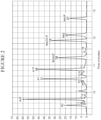
- the glycan molecule is A1 (e.g., Peak 11 of Figure 2 ).
- Proteins of interest produced by the cell culture methods of the instant disclosure display favorable quality characteristics.
- Protein quality can be measure, for example, by using methods well known to those skilled in the art, such as weak cation exchange chromatography, capillary isoelectric focusing, size-exclusion chromatography, High Performance Liquid Chromatography (HPLC), ELISA, and/or western blot analysis.
- protein quality is measured by mass spectrometry, such as capillary electrophoresis mass spectrometry (CE-MS).
- CE-MS capillary electrophoresis mass spectrometry
- protein quality is determined by comparing mass spectrometry read outs of each batch of proteins from a plurality of protein preparations.
- HPLC High Performance Liquid Chromatography
- proteins of interest glycoproteins
- soy hydrolysate with an ornithine or putrescine concentration from 0.5 mg/L to 5.0 mg/L have more consistent glycan expression and glycosylation patterns, as exemplified in Tables 2-4, herein.
- the extent and distribution of specific N-linked sugar chains on glycoproteins can be ascertained by oligosaccharide profiling.
- the glycoprotein is deglycosylated with peptide:N-glycosidase F (PNGase F) to cleave and remove the N-linked oligosaccharides from asparagine side chains.
- PNGase F peptide:N-glycosidase F
- the oligosaccharides are then derivatized with a fluorescent reagent, such as anthranilic acid.
- the sugar chains are then separated by normal phase anion-exchange HPLC and detected with a fluorescence detector, generating an HPLC chromatogram.
- individual glycopeptides are isolated following trypsin digestion of reduced and alkylated glycoprotein.
- Individual tryptic glycopeptides are separated by reverse phase HPLC, coupled with a subsequent C18 column for increased resolution as needed.
- the oligosaccharides are released from each of the separated glycopeptides by PNGase F digestion, derivatized with anthranilic acid, and analyzed by fluorescence HPLC to obtain a site-specific oligosaccharide profile of the glycoprotein.
- glycoprotein is rilonacept (SEQ ID NO: 1)
- asparagine residues at N37, N87, N91, N98, optionally N176, N189, N279, N418, N511, N551, N567, N581, N615, and N730 are glycosylated.
- any one or more of residues N37, N98, N418, and N511 of rilonacept (residue positions correlating to SEQ ID NO: 1) contain an A1 oligosaccharide.
- glycoprotein is aflibercept (SEQ ID NO: 2)
- asparagine residues at N36, N68, N123, N196, and N282 are glycosylated.
- any one or both of residues N123 and N196 of aflibercept contain an A1 oligosaccharide.
- oligosaccharide pools from the glycoprotein are generated by deglycosylation of the proteins with PNGase F, followed by anthranilic acid derivatization and subsequent solid phase extraction (SPE). The masses of oligosaccharides are then measured using MALDI-TOF in a negative linear mode with 2, 4, 6-trihydroxyacetophenone (THAP) as matrix.
- SPE solid phase extraction
- Each observed mass is assigned to a unique oligosaccharide structure based on the masses of commonly observed N-linked glycans in recombinant proteins.
- the expected mass assignments of all the peaks are summarized in Table 1.
- the expected masses are the average mass calculated based on the proposed N-linked sugar chain structures with addition of anthranilic acid residue mass.
- the monosaccharide compositions are listed based on the proposed N-linked sugar chain structures as well.
- a quantitative oligosaccharide fingerprint assay using capillary electrophoresis is used to characterize the N-glycan (oligosaccharide) structure of the subject glycoprotein.
- the glycoprotein is denatured and then deglycosylated by treatment with PNGase F.
- Released oligosaccharides are then isolated by precipitation following removal of the protein.
- Isolated oligosaccharide pools are labeled with the fluorophore 8-aminopyrene 1,3,6-trisulfonate (APTS). Labeled oligosaccharides are then separated by capillary electrophoresis and monitored with a laser induced fluorescence detector using an excitation wavelength of 488 nm and emission wavelength of 520 nm.
- An electropherogram is generated, as depicted in Figure 2 for the aflibercept glycoprotein, with all quantifiable peaks numbered (total of 21 peaks in this example).
- the complete integrated peak area (total peak area) for the oligosaccharide fingerprint is determined.
- the relative amount of each oligosaccharide can be determined by dividing the peak area for that particular oligosaccharide (e.g., A1 peak area) by the total peak area.
- the quality of the subject glycoprotein is assessed by determining the level of sialylation (the amount of sialic residues per glycoprotein) or fucosylation (the amount of fucose residues per glycoprotein).
- the total number of sialic acids on a glycoprotein are determined using a quantitative HPLC assay. In this assay, the sialic acids are released from the glycoprotein using mild acid hydrolysis, then derivatized with o-Phenylenediamine, separated by HPLC, and detected with either UV or fluorescence detectors. Quantitation of sialic acid can be assessed relative to a standard curve using e.g., sialyllactose. The sialic acid content is calculated from the moles of sialic acid released and the moles of the glycoprotein used in the reaction.
- the sialic acid content of the rilonacept glycoprotein is about 30 - 70 moles sialic acid per 1 mole of glycoprotein (mol/mol), about 35 - 65 mol/mol, 30 mol/mol, 31 mol/mol, 32 mol/mol, 33 mol/mol, 34 mol/mol, 35 mol/mol, 36 mol/mol, 37 mol/mol, 38 mol/mol,
- the sialic acid content of the aflibercept glycoprotein is about 5 - 15 moles sialic acid per 1 mole of glycoprotein (mol/mol), about 8 ⁇ 12 mol/mol, 4 mol/mol, 5 mol/mol, 6 mol/mol, 7 mol/mol, 8 mol/mol, 9 mol/mol, 10 mol/mol, 11 mol/mol, 12 mol/mol, 13 mol/mol, 14 mol/mol, 15 mol/mol, 16 mol/mol, 17 mol/mol, 18 mol/mol, 19 mol/mol, or 20 mol/mol.
- oligosaccharide profiling is employed to determine the extent and distribution of sialylation of N-linked sugar chains on the glycoprotein.
- the glycoprotein is deglycosylated with PNGase F, and then derivatized with the fluorescent reagent, anthranilic acid.
- the oligosaccharides are then separated by normal phase anion-exchange HPLC and detected with a fluorescence detector to generate an HPLC chromatogram of the oligosaccharide profile.
- the Z number (which measures the average degree of sialylation) for the glycoprotein is calculated from the following formula: OS A * O + ( ISA * 111 ⁇ 2 SA * 2 + 3 SA * 3 + ... nSA * n 1 / OSA + 15 A + 2 SA + 35 A + ... n 5 A
- the Z number is the area of each peak from the oligosaccharide profile.
- the total sialic acid is calculated as the sum of the areas of the 0 sialic acid/chain peaks multiplied by 0, the 1 sialic acid/chain peaks multiplied by 1, the 2 sialic acid/chain peaks multiplied by 2, and the 3 sialic acid/chain peaks multiplied by 3, etc..
- the total number of sugar chains is generated as the sum of the areas of all of the peaks.
- the Z number is the total sialic acid area divided by the total sugar chain area.
- the sialic acid Z number of the rilonacept glycoprotein is about 1.3 ⁇ 1.6, 1.4 ⁇ 1.5, 1.41 ⁇ 1.48, 1.3, 1.31, 1.32, 1.33, 1.34, 1.35, 1.36, 1.37, 1.38, 1.39, 1.4, 1.41, 1.42, 1.43, 1.44, 1.45, 1.46, 1.47, 1.48, 1.49, 1.5, 1.51, 1.52, 1.53, 1.54, 1.55, 1.56, 1.57, 1.58, 1.59, or 1.60.
- the sialic acid Z number of the aflibercept glycoprotein is about 0.5 ⁇ 2,1 ⁇ 1.5, 1 ⁇ 1.2, 0.5, 0.51, 0.52, 0.53, 0.54, 0.55, 0.56, 0.57, 0.58, 0.59, 0.6, 0.61, 0.62, 0.63, 0.64, 0.65, 0.66, 0.67, 0.68, 0.69, 0.7, 0.71, 0.72, 0.73, 0.74, 0.75, 0.76, 0.77, 0.78, 0.79, 0.8, 0.81, 0.82, 0.83, 0.84, 0.86, 0.87, 0.88, 0.89, 0.9, 0.91, 0.92, 0.93, 0.94, 0.95, 0.96, 0.97, 0.98, 0.99, 1, 1.01, 1.02, 1.03, 1.04, 1.05, 1.06, 1.07, 1.08, 1.09, 1.1, 1.11, 1.12, 1.13, 1.14, 1.15, 1.16, 1.17, 1.18, 1.19, 1.2, 1.21, 1.22, 1.23,
- Example 1 Screening soy hydrolysate to determine amino acid concentration.
- a soy hydrolysate sample was weighed and a 20 gram portion thereof was dissolved in 1 L water to a starting concentration of 20 g/L.
- the resulting soy hydrolysate solution was then further diluted in water to a desired concentration for use in cell culture and the molecular composition of the resulting soy hydrolysate solution was determined using by chromatography.
- the concentration of amino acids in the soy hydrolysate sample was measured by chromatography on an ion exchange column with post column ninhydrin detection. See, e.g., Moore and Stein. J. Biol. Chem. (1954) Vol. 211 pp. 907-913 . Soy hydrolysate samples were diluted to permit sensitive separation and resolution of individual peaks (amino acids) as eluted from the HPLC column and compared to a standard. Each peak area of the chromatogram, as shown in FIGS. 1A and 1B , was compared to a standard to determine concentration of each eluate.
- FIG. 1A shows a batch of soy hydrolysate with an eluate containing ornithine at retention time 89.02, which reveals a peak area equivalent to 1.57 mg ornithine per g soy of ornithine, as compared to the standard.
- FIG. 1B illustrates a batch of soy hydrolysate having an ornithine concentration of less than 0.67 mg ornithine per g soy.
- soy hydrolysate batches with between 0.067 and 0.67 mg ornithine per g soy were selected for use in cell culture methods to produce biotherapeutic proteins with more consistent protein glycosylation from lot-to lot.
- soy hydrolysate batches containing ornithine at a concentration greater than less than 0.67 mg ornithine per g soy were employed in further experiments, as described below, to determine the effects of soy hydrolysate ornithine concentration on protein production.
- Example 2 Expression and glycosylation profile of a protein of interest.
- CHO cells expressing a trap protein were cultured in proprietary medium including soy hydrolysate containing varying amounts of ornithine, putrescine and citrulline, or a combination thereof, in order to determine which amino acid components affect the quality of proteins produced.
- Table 2 shows that the levels of ornithine in the hydrolysate correlate negatively with the quality of protein production lots, as indicated by the increased area under the curve for a key N-glycan for protein lots produced as a result of culturing CHO cells in media supplemented with soy hydrolysate containing ornithine at a concentration less than 5.0 mg/L independent of citrulline concentration.
- VEGF-trap protein product lots produced by cells cultured in media including soy hydrolysate with an ornithine concentration of 2.0 mg/L or less produce higher quality protein product, when compared to cells cultured in media comprising more than 5.0 mg/L of ornithine, citrulline or putrescine.
- VEGF-trap protein product lots produced by cells cultured in medium including soy hydrolysate with an ornithine concentration of 0.67 mg ornithine per g soy or less exhibit increased product quality and more consistent quality from lot-to-lot.
- mg ornithine per g soy Lots with glycan amount greater than 10.5% (quality parameter) Suitable protein product lots Failed protein product lots ⁇ 0.67 21 19/21 2/21 > 0.67 4 4/7 3/7
- Each production lot was also compared (with respect to glycan profile) to a reference standard which represents a therapeutically acceptable batch of protein for the exemplary VEGF-trap protein.
- Representative glycan analysis is shown in Table 4 for protein lots produced from cells cultured in medium supplemented with soy hydrolysate resulting in final concentration of ornithine between 0.5 mg/L and 2.0 mg/L.
- each produced trap protein comprises a consistent glycan profile having peaks within an acceptable range (75% of lots analyzed).
- each lot produced by cells cultured in medium supplemented with soy hydrolysate comprising over 5.0 mg/L ornithine failed to meet FDA acceptance criteria.
- Protein product lots produced by cells cultured in media including soy hydrolysate with an ornithine concentration from 0.5 mg/L to 2.0 mg/L or less produce higher quality lots, as demonstrated by A1 N-glycan levels falling below product acceptance criteria, than cells cultured in media comprising more soy hydrolysate having an ornithine concentration greater than 5.0 mg/L.
- Figure 4 shows the strong negative correlation between the level of ornithine in soy hydrolysate and glycoprotein (aflibercept) quality as demonstrated by A1 N-glycan levels.
- Figures 6A and 6B depict CHO cell cultures under control media and feed conditions that received a spike of either ornithine or putrescine to demonstrate the effect of ornithine and putrescine, respectively, on cell growth and glycosylation.
- Table 6B highlights the effect at peak 11, which is particularly pronounced.
Landscapes
- Health & Medical Sciences (AREA)
- Chemical & Material Sciences (AREA)
- Life Sciences & Earth Sciences (AREA)
- Organic Chemistry (AREA)
- Genetics & Genomics (AREA)
- Zoology (AREA)
- Engineering & Computer Science (AREA)
- Biochemistry (AREA)
- General Health & Medical Sciences (AREA)
- Molecular Biology (AREA)
- Wood Science & Technology (AREA)
- Biophysics (AREA)
- Biotechnology (AREA)
- Proteomics, Peptides & Aminoacids (AREA)
- Medicinal Chemistry (AREA)
- Bioinformatics & Cheminformatics (AREA)
- Immunology (AREA)
- Biomedical Technology (AREA)
- Gastroenterology & Hepatology (AREA)
- Cell Biology (AREA)
- General Engineering & Computer Science (AREA)
- Toxicology (AREA)
- Microbiology (AREA)
- General Chemical & Material Sciences (AREA)
- Chemical Kinetics & Catalysis (AREA)
- Reproductive Health (AREA)
- Physics & Mathematics (AREA)
- Plant Pathology (AREA)
- Botany (AREA)
- Preparation Of Compounds By Using Micro-Organisms (AREA)
- Peptides Or Proteins (AREA)
- Micro-Organisms Or Cultivation Processes Thereof (AREA)
Applications Claiming Priority (4)
| Application Number | Priority Date | Filing Date | Title |
|---|---|---|---|
| US201762529471P | 2017-07-06 | 2017-07-06 | |
| US201862625744P | 2018-02-02 | 2018-02-02 | |
| EP18827553.1A EP3649144A4 (en) | 2017-07-06 | 2018-07-03 | CELL CULTURE METHOD FOR PRODUCING A GLYCOPROTEIN |
| PCT/US2018/040734 WO2019010191A1 (en) | 2017-07-06 | 2018-07-03 | CELL CULTURE METHOD FOR PRODUCING GLYCOPROTEIN |
Related Parent Applications (1)
| Application Number | Title | Priority Date | Filing Date |
|---|---|---|---|
| EP18827553.1A Division EP3649144A4 (en) | 2017-07-06 | 2018-07-03 | CELL CULTURE METHOD FOR PRODUCING A GLYCOPROTEIN |
Publications (1)
| Publication Number | Publication Date |
|---|---|
| EP3967765A1 true EP3967765A1 (en) | 2022-03-16 |
Family
ID=64904487
Family Applications (2)
| Application Number | Title | Priority Date | Filing Date |
|---|---|---|---|
| EP21196848.2A Withdrawn EP3967765A1 (en) | 2017-07-06 | 2018-07-03 | Cell culture process for making a glycoprotein |
| EP18827553.1A Pending EP3649144A4 (en) | 2017-07-06 | 2018-07-03 | CELL CULTURE METHOD FOR PRODUCING A GLYCOPROTEIN |
Family Applications After (1)
| Application Number | Title | Priority Date | Filing Date |
|---|---|---|---|
| EP18827553.1A Pending EP3649144A4 (en) | 2017-07-06 | 2018-07-03 | CELL CULTURE METHOD FOR PRODUCING A GLYCOPROTEIN |
Country Status (13)
| Country | Link |
|---|---|
| US (5) | US20190010531A1 (enExample) |
| EP (2) | EP3967765A1 (enExample) |
| JP (5) | JP7265494B2 (enExample) |
| KR (4) | KR20210084695A (enExample) |
| CN (3) | CN110914293B (enExample) |
| AU (4) | AU2018298039B2 (enExample) |
| BR (1) | BR112020000127A2 (enExample) |
| CA (1) | CA3067847A1 (enExample) |
| IL (2) | IL326217A (enExample) |
| MX (2) | MX2020000228A (enExample) |
| SG (1) | SG11201912548XA (enExample) |
| TW (2) | TWI910092B (enExample) |
| WO (1) | WO2019010191A1 (enExample) |
Families Citing this family (7)
| Publication number | Priority date | Publication date | Assignee | Title |
|---|---|---|---|---|
| AR095196A1 (es) | 2013-03-15 | 2015-09-30 | Regeneron Pharma | Medio de cultivo celular libre de suero |
| TW202440903A (zh) | 2015-08-04 | 2024-10-16 | 美商再生元醫藥公司 | 補充牛磺酸之細胞培養基及用法(一) |
| WO2018231827A1 (en) | 2017-06-12 | 2018-12-20 | Bluefin Biomedicine, Inc. | Anti-il1rap antibodies and antibody drug conjugates |
| US10961500B1 (en) * | 2019-04-23 | 2021-03-30 | Regeneron Pharmaceuticals, Inc. | Cell culture medium for eukaryotic cells |
| US12297451B1 (en) | 2019-10-25 | 2025-05-13 | Regeneron Pharmaceuticals, Inc. | Cell culture medium |
| CN113679744B (zh) * | 2020-05-18 | 2023-12-29 | 中国人民解放军军事科学院军事医学研究院 | 寨卡病毒或其与用于免疫检查点治疗的药物在治疗胶质母细胞瘤中的用途 |
| CN114058673A (zh) * | 2021-09-15 | 2022-02-18 | 江苏先思达生物科技有限公司 | 一种脂肪肝检测试剂及其在脂肪肝检测中的应用 |
Citations (40)
| Publication number | Priority date | Publication date | Assignee | Title |
|---|---|---|---|---|
| US5610279A (en) | 1989-09-12 | 1997-03-11 | Hoffman-La Roche Inc. | Human TNF receptor |
| WO2001023527A1 (en) * | 1999-09-28 | 2001-04-05 | Baxter Aktiengesellschaft | Medium for the protein-free and serum-free cultivation of cells |
| US6927004B2 (en) | 2002-03-08 | 2005-08-09 | Asml Netherlands B.V. | Mask for use in lithography, method of making a mask, lithographic apparatus, and device manufacturing method |
| WO2006045438A1 (en) * | 2004-10-29 | 2006-05-04 | Baxter International Inc. | Animal protein-free media for cultivation of cells |
| US7087411B2 (en) | 1999-06-08 | 2006-08-08 | Regeneron Pharmaceuticals, Inc. | Fusion protein capable of binding VEGF |
| US7582298B2 (en) | 2006-06-02 | 2009-09-01 | Regeneron Pharmaceuticals, Inc. | High affinity antibodies to human IL-6 receptor |
| US7750138B2 (en) | 2004-06-08 | 2010-07-06 | Chengdu Kanghong Biotechnologies Co. Ltd. | Angiogenesis-inhibiting chimeric protein and the use |
| US7771997B2 (en) | 2007-06-04 | 2010-08-10 | Regeneron Pharmaceuticals, Inc. | Enhanced expression and stability regions |
| US20100331527A1 (en) | 2009-06-26 | 2010-12-30 | Regeneron Pharmaceuticals, Inc. | Readily Isolated Bispecific Antibodies with Native Immunoglobulin Format |
| US7879984B2 (en) | 2007-07-31 | 2011-02-01 | Regeneron Pharmaceuticals, Inc. | Human antibodies to human CD20 and method of using thereof |
| US8062640B2 (en) | 2008-12-15 | 2011-11-22 | Regeneron Pharmaceuticals, Inc. | High affinity human antibodies to PCSK9 |
| US8216575B2 (en) | 2006-03-31 | 2012-07-10 | Chengdu Kanghong Biotechnologies Co., Ltd. | Inhibition of neovascularization with a soluble chimeric protein comprising VEGF FLT-1 and KDR domains |
| US8309088B2 (en) | 2007-08-10 | 2012-11-13 | Regeneron Pharmaceuticals, Inc. | Method of treating osteoarthritis with an antibody to NGF |
| US20140044730A1 (en) | 2012-08-13 | 2014-02-13 | Regeneron Pharmaceuticals, Inc. | ANTI-PCSK9 ANTIBODIES WITH pH-DEPENDENT BINDING CHARACTERISTICS |
| US20140088295A1 (en) | 2012-09-21 | 2014-03-27 | Regeneron Pharmaceuticals, Inc. | Anti-cd3 antibodies, bispecific antigen-binding molecules that bind cd3 and cd20, and uses thereof |
| US8735095B2 (en) | 2006-10-02 | 2014-05-27 | Regeneron Pharmaceuticals, Inc. | High affinity human antibodies to human IL-4 receptor |
| US20140271642A1 (en) | 2013-03-15 | 2014-09-18 | Regeneron Pharmaceuticals, Inc. | Il-33 antagonists and uses thereof |
| US20140271653A1 (en) | 2013-03-14 | 2014-09-18 | Regeneron Pharmaceuticals, Inc. | Human antibodies to respiratory syncytial virus f protein and methods of use thereof |
| US20140271658A1 (en) | 2013-03-13 | 2014-09-18 | Regeneron Pharmaceuticals, Inc. | Anti-il-33 antibodies and uses thereof |
| US8871209B2 (en) | 2011-11-14 | 2014-10-28 | Regeneron Pharmaceuticals, Inc. | Compositions and methods for increasing muscle mass and muscle strength by specifically antagonizing GDF8 and or Activin A |
| US8945559B2 (en) | 2010-10-06 | 2015-02-03 | Regeneron Pharmaceuticals, Inc. | Stabilized formulations containing anti-interleukin-4 receptor (IL-4R) antibodies |
| US9018356B2 (en) | 2011-06-17 | 2015-04-28 | Regeneron Pharmaceuticals, Inc. | Anti-ANGPTL3 antibodies and uses thereof |
| US9079948B2 (en) | 2012-05-03 | 2015-07-14 | Regeneron Pharmaceuticals, Inc. | Human antibodies to Fel d1 and methods of use thereof |
| US20150203580A1 (en) | 2014-01-23 | 2015-07-23 | Regeneron Pharmaceuticals, Inc. | Human Antibodies to PD-L1 |
| US20150203579A1 (en) | 2014-01-23 | 2015-07-23 | Regeneron Pharmaceuticals, Inc. | Human Antibodies to PD-1 |
| US9132192B2 (en) | 2012-06-25 | 2015-09-15 | Regeneron Pharmaceuticals, Inc. | Anti-EGFR antibodies and uses thereof |
| US20150259423A1 (en) | 2014-03-11 | 2015-09-17 | Regeneron Pharmaceuticals, Inc. | ANTI-EGFRvIII ANTIBODIES AND USES THEREOF |
| US20150266966A1 (en) | 2014-03-19 | 2015-09-24 | Regeneron Pharmaceuticals, Inc. | Methods and Antibody Compositions for Tumor Treatment |
| US9173880B2 (en) | 2010-01-08 | 2015-11-03 | Regeneron Pharmaceuticals, Inc. | Stabilized formulations containing anti-interleukin-6 receptor (IL-6R) antibodies |
| US20150313194A1 (en) | 2014-05-05 | 2015-11-05 | Regeneron Pharmaceuticals, Inc. | Humanized c5 and c3 animals |
| US20150337045A1 (en) | 2010-11-23 | 2015-11-26 | Regeneron Pharmaceuticals, Inc. | Human antibodies to the glucagon receptor |
| US20150337029A1 (en) | 2014-05-23 | 2015-11-26 | Regeneron Pharmaceuticals, Inc. | Human Antibodies to Middle East Respiratory Syndrome - Coronavirus Spike Protein |
| US9228014B2 (en) | 2010-09-27 | 2016-01-05 | Regeneron Pharmaceuticals, Inc. | Antibodies capable of blocking the interaction between CD48 and a CD48 receptor |
| US20160017029A1 (en) | 2010-07-14 | 2016-01-21 | Regeneron Pharmaceuticals, Inc. | Stabilized formulations containing anti-ngf antibodies |
| US9260515B2 (en) | 2010-05-26 | 2016-02-16 | Regeneron Pharmaceuticals, Inc. | Antibodies to human GDF8 |
| US9265827B2 (en) | 2013-01-09 | 2016-02-23 | Regeneron Pharmaceuticals, Inc. | Anti-PDGFR-beta antibodies and uses thereof |
| US20160075778A1 (en) | 2014-09-16 | 2016-03-17 | Regeneron Pharmaceuticals, Inc. | Anti-Glucagon Antibodies and Uses Thereof |
| US9302015B2 (en) | 2013-08-21 | 2016-04-05 | Regeneron Pharmaceuticals, Inc. | Anti-PRLR antibodies and methods for killing PRLR-expressing cells |
| US20160215040A1 (en) | 2015-01-26 | 2016-07-28 | Regeneron Pharmaceuticals, Inc. | Human Antibodies to Ebola Virus Glycoprotein |
| US9402898B2 (en) | 2012-01-23 | 2016-08-02 | Regeneron Pharmaceuticals, Inc. | Stabilized formulations containing anti-Ang2 antibodies |
Family Cites Families (21)
| Publication number | Priority date | Publication date | Assignee | Title |
|---|---|---|---|---|
| CN1240300C (zh) * | 2001-03-05 | 2006-02-08 | 科学与工业研究会 | 由大豆粉制备蛋白水解物的方法 |
| US20060115901A1 (en) * | 2004-10-22 | 2006-06-01 | Bahram Valamehr | Method and media for single cell serum-free culture of CHO cells |
| US7642078B2 (en) * | 2005-12-28 | 2010-01-05 | Crucell Holland B.V. | Methods to obtain recombinant proteins with increased sialylation from cells that express adenovirus E1A protein, and proteins obtained thereby |
| ES2474573T3 (es) * | 2006-01-04 | 2014-07-09 | Baxter International Inc | Medio de cultivo celular sin oligop�ptidos |
| US20100221823A1 (en) * | 2007-06-11 | 2010-09-02 | Amgen Inc. | Method for culturing mammalian cells to improve recombinant protein production |
| CN101603026B (zh) * | 2009-06-19 | 2011-01-19 | 华东理工大学 | 适于动物细胞产品生产的无动物来源低蛋白培养基 |
| NZ597727A (en) * | 2009-07-31 | 2013-08-30 | Baxter Int | Cell culture medium for adamts protein expression |
| CN102115728B (zh) * | 2009-12-31 | 2012-09-26 | 北京清大天一科技有限公司 | 无血清动物细胞培养基干粉、液体培养基及其制备方法 |
| KR20130101034A (ko) * | 2010-08-31 | 2013-09-12 | 프리슬랜드 브랜즈 비브이 | 진핵 세포를 위한 배양 배지 |
| KR20140097245A (ko) * | 2011-10-31 | 2014-08-06 | 머크 샤프 앤드 돔 코포레이션 | 개선된 특성을 갖는 항체의 제조 방법 |
| WO2013120497A1 (en) * | 2012-02-15 | 2013-08-22 | Curevac Gmbh | Nucleic acid comprising or coding for a histone stem-loop and a poly(a) sequence or a polyadenylation signal for increasing the expression of an encoded therapeutic protein |
| WO2013192009A1 (en) * | 2012-06-21 | 2013-12-27 | Baxter International Inc. | Virus filtration of cell culture media |
| HK1206628A1 (en) * | 2012-08-02 | 2016-01-15 | Sanofi | Article of manufacture comprising aflibercept or ziv-aflibercept |
| AR095196A1 (es) * | 2013-03-15 | 2015-09-30 | Regeneron Pharma | Medio de cultivo celular libre de suero |
| US20160237400A1 (en) * | 2013-03-15 | 2016-08-18 | The Jackson Laboratory | Isolation of non-embryonic stem cells and uses thereof |
| CA2908407C (en) * | 2013-05-29 | 2022-06-14 | F. Hoffmann-La Roche Ag | Quantitative control of sialylation |
| MX376230B (es) * | 2014-01-13 | 2025-03-07 | Amgen Inc | Regulación del metábolismo de ornitina para manipular el contenido de glicoformas ricas en manosa de proteínas recombinantes. |
| KR20170010003A (ko) * | 2014-05-27 | 2017-01-25 | 아카데미아 시니카 | 박테로이드 기원의 푸코시다제 및 이의 사용 방법 |
| MA40021A (fr) * | 2014-06-03 | 2015-12-10 | Lupin Ltd | Processus de culture cellulaire destiné à produire une protéine |
| TW202440903A (zh) | 2015-08-04 | 2024-10-16 | 美商再生元醫藥公司 | 補充牛磺酸之細胞培養基及用法(一) |
| TWI734775B (zh) * | 2016-04-26 | 2021-08-01 | 美商美國泰福生技股份有限公司 | 細胞培養基 |
-
2018
- 2018-07-03 KR KR1020217020548A patent/KR20210084695A/ko not_active Ceased
- 2018-07-03 TW TW107122944A patent/TWI910092B/zh active
- 2018-07-03 JP JP2019572719A patent/JP7265494B2/ja active Active
- 2018-07-03 KR KR1020247012715A patent/KR102782655B1/ko active Active
- 2018-07-03 KR KR1020257008109A patent/KR20250041082A/ko active Pending
- 2018-07-03 AU AU2018298039A patent/AU2018298039B2/en active Active
- 2018-07-03 CA CA3067847A patent/CA3067847A1/en active Pending
- 2018-07-03 EP EP21196848.2A patent/EP3967765A1/en not_active Withdrawn
- 2018-07-03 KR KR1020207000732A patent/KR102659791B1/ko active Active
- 2018-07-03 SG SG11201912548XA patent/SG11201912548XA/en unknown
- 2018-07-03 WO PCT/US2018/040734 patent/WO2019010191A1/en not_active Ceased
- 2018-07-03 CN CN201880045238.2A patent/CN110914293B/zh active Active
- 2018-07-03 US US16/026,539 patent/US20190010531A1/en not_active Abandoned
- 2018-07-03 EP EP18827553.1A patent/EP3649144A4/en active Pending
- 2018-07-03 IL IL326217A patent/IL326217A/en unknown
- 2018-07-03 TW TW114106933A patent/TW202526028A/zh unknown
- 2018-07-03 MX MX2020000228A patent/MX2020000228A/es unknown
- 2018-07-03 CN CN202111031466.4A patent/CN114075269A/zh active Pending
- 2018-07-03 CN CN202411053765.1A patent/CN118878651A/zh active Pending
- 2018-07-03 BR BR112020000127-9A patent/BR112020000127A2/pt unknown
-
2019
- 2019-12-18 IL IL271524A patent/IL271524A/en unknown
-
2020
- 2020-01-08 MX MX2024013233A patent/MX2024013233A/es unknown
- 2020-01-14 US US16/742,723 patent/US20200131554A1/en not_active Abandoned
- 2020-05-01 US US16/864,689 patent/US20200255880A1/en not_active Abandoned
-
2021
- 2021-07-05 JP JP2021111482A patent/JP2021166537A/ja active Pending
- 2021-08-23 US US17/409,193 patent/US20210388408A1/en not_active Abandoned
- 2021-08-23 US US17/409,158 patent/US20210388407A1/en active Pending
- 2021-09-06 AU AU2021229121A patent/AU2021229121A1/en not_active Abandoned
-
2023
- 2023-01-18 JP JP2023005801A patent/JP7525672B2/ja active Active
- 2023-05-01 AU AU2023202659A patent/AU2023202659B2/en active Active
-
2024
- 2024-07-18 JP JP2024114751A patent/JP7736872B2/ja active Active
-
2025
- 2025-04-30 AU AU2025203053A patent/AU2025203053A1/en active Pending
- 2025-08-28 JP JP2025142351A patent/JP2025172879A/ja active Pending
Patent Citations (44)
| Publication number | Priority date | Publication date | Assignee | Title |
|---|---|---|---|---|
| US5610279A (en) | 1989-09-12 | 1997-03-11 | Hoffman-La Roche Inc. | Human TNF receptor |
| US7087411B2 (en) | 1999-06-08 | 2006-08-08 | Regeneron Pharmaceuticals, Inc. | Fusion protein capable of binding VEGF |
| WO2001023527A1 (en) * | 1999-09-28 | 2001-04-05 | Baxter Aktiengesellschaft | Medium for the protein-free and serum-free cultivation of cells |
| US6927004B2 (en) | 2002-03-08 | 2005-08-09 | Asml Netherlands B.V. | Mask for use in lithography, method of making a mask, lithographic apparatus, and device manufacturing method |
| US7279159B2 (en) | 2003-06-30 | 2007-10-09 | Regeneron Pharmaceuticals, Inc. | VEGF inhibitor polypeptides |
| US7750138B2 (en) | 2004-06-08 | 2010-07-06 | Chengdu Kanghong Biotechnologies Co. Ltd. | Angiogenesis-inhibiting chimeric protein and the use |
| WO2006045438A1 (en) * | 2004-10-29 | 2006-05-04 | Baxter International Inc. | Animal protein-free media for cultivation of cells |
| US8216575B2 (en) | 2006-03-31 | 2012-07-10 | Chengdu Kanghong Biotechnologies Co., Ltd. | Inhibition of neovascularization with a soluble chimeric protein comprising VEGF FLT-1 and KDR domains |
| US7582298B2 (en) | 2006-06-02 | 2009-09-01 | Regeneron Pharmaceuticals, Inc. | High affinity antibodies to human IL-6 receptor |
| US8043617B2 (en) | 2006-06-02 | 2011-10-25 | Regeneron Pharmaceuticals, Inc. | Human antibodies to human IL-6 receptor |
| US20140271681A1 (en) | 2006-10-02 | 2014-09-18 | Regeneron Pharmaceuticals, Inc. | High Affinity Human Antibodies to Human IL-4 Receptor |
| US8735095B2 (en) | 2006-10-02 | 2014-05-27 | Regeneron Pharmaceuticals, Inc. | High affinity human antibodies to human IL-4 receptor |
| US7771997B2 (en) | 2007-06-04 | 2010-08-10 | Regeneron Pharmaceuticals, Inc. | Enhanced expression and stability regions |
| US7879984B2 (en) | 2007-07-31 | 2011-02-01 | Regeneron Pharmaceuticals, Inc. | Human antibodies to human CD20 and method of using thereof |
| US8309088B2 (en) | 2007-08-10 | 2012-11-13 | Regeneron Pharmaceuticals, Inc. | Method of treating osteoarthritis with an antibody to NGF |
| US9353176B2 (en) | 2007-08-10 | 2016-05-31 | Regeneron Pharmaceuticals, Inc. | Method of treating osteoarthritis with an antibody to NGF |
| US8062640B2 (en) | 2008-12-15 | 2011-11-22 | Regeneron Pharmaceuticals, Inc. | High affinity human antibodies to PCSK9 |
| US20100331527A1 (en) | 2009-06-26 | 2010-12-30 | Regeneron Pharmaceuticals, Inc. | Readily Isolated Bispecific Antibodies with Native Immunoglobulin Format |
| US9173880B2 (en) | 2010-01-08 | 2015-11-03 | Regeneron Pharmaceuticals, Inc. | Stabilized formulations containing anti-interleukin-6 receptor (IL-6R) antibodies |
| US9260515B2 (en) | 2010-05-26 | 2016-02-16 | Regeneron Pharmaceuticals, Inc. | Antibodies to human GDF8 |
| US20160017029A1 (en) | 2010-07-14 | 2016-01-21 | Regeneron Pharmaceuticals, Inc. | Stabilized formulations containing anti-ngf antibodies |
| US9228014B2 (en) | 2010-09-27 | 2016-01-05 | Regeneron Pharmaceuticals, Inc. | Antibodies capable of blocking the interaction between CD48 and a CD48 receptor |
| US8945559B2 (en) | 2010-10-06 | 2015-02-03 | Regeneron Pharmaceuticals, Inc. | Stabilized formulations containing anti-interleukin-4 receptor (IL-4R) antibodies |
| US20150337045A1 (en) | 2010-11-23 | 2015-11-26 | Regeneron Pharmaceuticals, Inc. | Human antibodies to the glucagon receptor |
| US9018356B2 (en) | 2011-06-17 | 2015-04-28 | Regeneron Pharmaceuticals, Inc. | Anti-ANGPTL3 antibodies and uses thereof |
| US8871209B2 (en) | 2011-11-14 | 2014-10-28 | Regeneron Pharmaceuticals, Inc. | Compositions and methods for increasing muscle mass and muscle strength by specifically antagonizing GDF8 and or Activin A |
| US9402898B2 (en) | 2012-01-23 | 2016-08-02 | Regeneron Pharmaceuticals, Inc. | Stabilized formulations containing anti-Ang2 antibodies |
| US9079948B2 (en) | 2012-05-03 | 2015-07-14 | Regeneron Pharmaceuticals, Inc. | Human antibodies to Fel d1 and methods of use thereof |
| US9132192B2 (en) | 2012-06-25 | 2015-09-15 | Regeneron Pharmaceuticals, Inc. | Anti-EGFR antibodies and uses thereof |
| US20140044730A1 (en) | 2012-08-13 | 2014-02-13 | Regeneron Pharmaceuticals, Inc. | ANTI-PCSK9 ANTIBODIES WITH pH-DEPENDENT BINDING CHARACTERISTICS |
| US20140088295A1 (en) | 2012-09-21 | 2014-03-27 | Regeneron Pharmaceuticals, Inc. | Anti-cd3 antibodies, bispecific antigen-binding molecules that bind cd3 and cd20, and uses thereof |
| US9265827B2 (en) | 2013-01-09 | 2016-02-23 | Regeneron Pharmaceuticals, Inc. | Anti-PDGFR-beta antibodies and uses thereof |
| US20140271658A1 (en) | 2013-03-13 | 2014-09-18 | Regeneron Pharmaceuticals, Inc. | Anti-il-33 antibodies and uses thereof |
| US20140271653A1 (en) | 2013-03-14 | 2014-09-18 | Regeneron Pharmaceuticals, Inc. | Human antibodies to respiratory syncytial virus f protein and methods of use thereof |
| US20140271642A1 (en) | 2013-03-15 | 2014-09-18 | Regeneron Pharmaceuticals, Inc. | Il-33 antagonists and uses thereof |
| US9302015B2 (en) | 2013-08-21 | 2016-04-05 | Regeneron Pharmaceuticals, Inc. | Anti-PRLR antibodies and methods for killing PRLR-expressing cells |
| US20150203579A1 (en) | 2014-01-23 | 2015-07-23 | Regeneron Pharmaceuticals, Inc. | Human Antibodies to PD-1 |
| US20150203580A1 (en) | 2014-01-23 | 2015-07-23 | Regeneron Pharmaceuticals, Inc. | Human Antibodies to PD-L1 |
| US20150259423A1 (en) | 2014-03-11 | 2015-09-17 | Regeneron Pharmaceuticals, Inc. | ANTI-EGFRvIII ANTIBODIES AND USES THEREOF |
| US20150266966A1 (en) | 2014-03-19 | 2015-09-24 | Regeneron Pharmaceuticals, Inc. | Methods and Antibody Compositions for Tumor Treatment |
| US20150313194A1 (en) | 2014-05-05 | 2015-11-05 | Regeneron Pharmaceuticals, Inc. | Humanized c5 and c3 animals |
| US20150337029A1 (en) | 2014-05-23 | 2015-11-26 | Regeneron Pharmaceuticals, Inc. | Human Antibodies to Middle East Respiratory Syndrome - Coronavirus Spike Protein |
| US20160075778A1 (en) | 2014-09-16 | 2016-03-17 | Regeneron Pharmaceuticals, Inc. | Anti-Glucagon Antibodies and Uses Thereof |
| US20160215040A1 (en) | 2015-01-26 | 2016-07-28 | Regeneron Pharmaceuticals, Inc. | Human Antibodies to Ebola Virus Glycoprotein |
Non-Patent Citations (19)
| Title |
|---|
| "Animal cell culture: A Practical Approach", 1992, OXFORD UNIVERSITY PRESS |
| ANUMULADHUME, GLYCOBIOLOGY, vol. 8, no. 7, 1998, pages 685 - 694 |
| ASHKENAZI ET AL., PNAS USA, vol. 88, 1991, pages 10535 |
| BYRN ET AL., NATURE, vol. 344, 1990, pages 677 |
| FRANEK ET AL., BIOTECHNOL. PROG., vol. 16, no. 5, 2000, pages 688 - 92 |
| HOLLENBAUGH ET AL., CURRENT PROTOCOLS IN IMMUNOLOGY, 1992, pages 1 - 11 |
| HOLLIGER ET AL., PNAS USA, vol. 90, 1993, pages 6444 - 6448 |
| KIPRIYANOV ET AL., HUMAN ANTIBODIES AND HYBRIDOMAS, vol. 6, 1995, pages 93 - 101 |
| KIPRIYANOV ET AL., MOL. IMMUNOL., vol. 31, 1994, pages 1047 - 1058 |
| MOORESTEIN, J. BIOL. CHEM., vol. 211, 1954, pages 907 - 913 |
| NEMKOV, AMINO ACIDS, vol. 47, no. 11, November 2015 (2015-11-01), pages 2345 - 2357 |
| PEGG A, J. OF BIOL. CHEM., vol. 281, no. 21, 2006, pages 14532 |
| POLJAK ET AL., STRUCTURE, vol. 2, 1994, pages 1121 - 1123 |
| SAMBROOK ET AL.: "Molecular Cloning: A Laboratory Manual", 2001, COLD SPRING HARBOR LABORATORY PRESS |
| TAYLOR ET AL., NUCL. ACIDS RES., vol. 20, 1992, pages 6287 - 6295 |
| TEBBEY, P.DECLERCK, P., GENERICS AND BIOSIMILARS INITIATIVE JOURNAL, vol. 5, no. 2, 2016, pages 70 - 73 |
| WAHLHOLZGRABE: "Amino acid analysis for pharmacopoeial purposes", TALANTA, vol. 154, 1 July 2016 (2016-07-01), pages 150 - 163 |
| WARD ET AL., NATURE, vol. 241, 1989, pages 544 - 546 |
| Y.M. HUANG ET AL., BIOTECHNOL PROG., vol. 26, no. 5, 2010, pages 1400 - 1410 |
Also Published As
Similar Documents
| Publication | Publication Date | Title |
|---|---|---|
| JP7736872B2 (ja) | 糖タンパク質を作製するための細胞培養方法 | |
| JP2024156901A (ja) | 調節されたグリカンプロファイルを有する抗体 | |
| KR20230109674A (ko) | Fab 고 만노스 당형 | |
| EA053249B1 (ru) | Процесс культивирования клеток для получения гликопротеина | |
| EA042958B1 (ru) | Процесс культивирования клеток для получения гликопротеина | |
| BR122024025107A2 (pt) | Métodos para produzir um anticorpo glicosilado em um meio de cultura celular, e para produzir um meio de cultura celular | |
| EA052700B1 (ru) | Способ получения антител высокого титра |
Legal Events
| Date | Code | Title | Description |
|---|---|---|---|
| PUAI | Public reference made under article 153(3) epc to a published international application that has entered the european phase |
Free format text: ORIGINAL CODE: 0009012 |
|
| STAA | Information on the status of an ep patent application or granted ep patent |
Free format text: STATUS: THE APPLICATION HAS BEEN PUBLISHED |
|
| AC | Divisional application: reference to earlier application |
Ref document number: 3649144 Country of ref document: EP Kind code of ref document: P |
|
| AK | Designated contracting states |
Kind code of ref document: A1 Designated state(s): AL AT BE BG CH CY CZ DE DK EE ES FI FR GB GR HR HU IE IS IT LI LT LU LV MC MK MT NL NO PL PT RO RS SE SI SK SM TR |
|
| RIN1 | Information on inventor provided before grant (corrected) |
Inventor name: MILLER, AARON WESLEY Inventor name: WOOD, KENNETH WAYNE Inventor name: HARRISON, KATHLEEN LINEHAN Inventor name: SCHILLING, BERNHARD Inventor name: CARVER, SCOTT Inventor name: HANG, TA-CHUN Inventor name: PANGULE, RAVINDRA Inventor name: LONEY, THEODORE Inventor name: JOHNSON, AMY Inventor name: LAWRENCE, SHAWN Inventor name: CHEN, JOHN |
|
| STAA | Information on the status of an ep patent application or granted ep patent |
Free format text: STATUS: REQUEST FOR EXAMINATION WAS MADE |
|
| 17P | Request for examination filed |
Effective date: 20220914 |
|
| RBV | Designated contracting states (corrected) |
Designated state(s): AL AT BE BG CH CY CZ DE DK EE ES FI FR GB GR HR HU IE IS IT LI LT LU LV MC MK MT NL NO PL PT RO RS SE SI SK SM TR |
|
| STAA | Information on the status of an ep patent application or granted ep patent |
Free format text: STATUS: THE APPLICATION IS DEEMED TO BE WITHDRAWN |
|
| 18D | Application deemed to be withdrawn |
Effective date: 20260203 |