EP3933899B1 - Verfahren und system zur verarbeitung von maschinendaten - Google Patents
Verfahren und system zur verarbeitung von maschinendaten Download PDFInfo
- Publication number
- EP3933899B1 EP3933899B1 EP21761907.1A EP21761907A EP3933899B1 EP 3933899 B1 EP3933899 B1 EP 3933899B1 EP 21761907 A EP21761907 A EP 21761907A EP 3933899 B1 EP3933899 B1 EP 3933899B1
- Authority
- EP
- European Patent Office
- Prior art keywords
- data
- transaction
- file
- server
- machine station
- Prior art date
- Legal status (The legal status is an assumption and is not a legal conclusion. Google has not performed a legal analysis and makes no representation as to the accuracy of the status listed.)
- Active
Links
Images



Classifications
-
- G—PHYSICS
- G06—COMPUTING OR CALCULATING; COUNTING
- G06F—ELECTRIC DIGITAL DATA PROCESSING
- G06F16/00—Information retrieval; Database structures therefor; File system structures therefor
- G06F16/10—File systems; File servers
- G06F16/17—Details of further file system functions
- G06F16/178—Techniques for file synchronisation in file systems
- G06F16/1794—Details of file format conversion
-
- G—PHYSICS
- G06—COMPUTING OR CALCULATING; COUNTING
- G06F—ELECTRIC DIGITAL DATA PROCESSING
- G06F16/00—Information retrieval; Database structures therefor; File system structures therefor
- G06F16/10—File systems; File servers
- G06F16/17—Details of further file system functions
- G06F16/1734—Details of monitoring file system events, e.g. by the use of hooks, filter drivers, logs
-
- G—PHYSICS
- G06—COMPUTING OR CALCULATING; COUNTING
- G06F—ELECTRIC DIGITAL DATA PROCESSING
- G06F11/00—Error detection; Error correction; Monitoring
- G06F11/07—Responding to the occurrence of a fault, e.g. fault tolerance
- G06F11/14—Error detection or correction of the data by redundancy in operation
- G06F11/1402—Saving, restoring, recovering or retrying
- G06F11/1446—Point-in-time backing up or restoration of persistent data
- G06F11/1448—Management of the data involved in backup or backup restore
-
- G—PHYSICS
- G06—COMPUTING OR CALCULATING; COUNTING
- G06F—ELECTRIC DIGITAL DATA PROCESSING
- G06F11/00—Error detection; Error correction; Monitoring
- G06F11/07—Responding to the occurrence of a fault, e.g. fault tolerance
- G06F11/14—Error detection or correction of the data by redundancy in operation
- G06F11/1402—Saving, restoring, recovering or retrying
- G06F11/1446—Point-in-time backing up or restoration of persistent data
- G06F11/1448—Management of the data involved in backup or backup restore
- G06F11/1451—Management of the data involved in backup or backup restore by selection of backup contents
-
- G—PHYSICS
- G06—COMPUTING OR CALCULATING; COUNTING
- G06F—ELECTRIC DIGITAL DATA PROCESSING
- G06F11/00—Error detection; Error correction; Monitoring
- G06F11/30—Monitoring
- G06F11/3003—Monitoring arrangements specially adapted to the computing system or computing system component being monitored
- G06F11/302—Monitoring arrangements specially adapted to the computing system or computing system component being monitored where the computing system component is a software system
-
- G—PHYSICS
- G06—COMPUTING OR CALCULATING; COUNTING
- G06F—ELECTRIC DIGITAL DATA PROCESSING
- G06F11/00—Error detection; Error correction; Monitoring
- G06F11/30—Monitoring
- G06F11/34—Recording or statistical evaluation of computer activity, e.g. of down time, of input/output operation ; Recording or statistical evaluation of user activity, e.g. usability assessment
- G06F11/3466—Performance evaluation by tracing or monitoring
- G06F11/3476—Data logging
-
- G—PHYSICS
- G06—COMPUTING OR CALCULATING; COUNTING
- G06F—ELECTRIC DIGITAL DATA PROCESSING
- G06F16/00—Information retrieval; Database structures therefor; File system structures therefor
- G06F16/10—File systems; File servers
- G06F16/17—Details of further file system functions
- G06F16/178—Techniques for file synchronisation in file systems
-
- G—PHYSICS
- G06—COMPUTING OR CALCULATING; COUNTING
- G06F—ELECTRIC DIGITAL DATA PROCESSING
- G06F16/00—Information retrieval; Database structures therefor; File system structures therefor
- G06F16/10—File systems; File servers
- G06F16/18—File system types
- G06F16/1865—Transactional file systems
-
- G—PHYSICS
- G06—COMPUTING OR CALCULATING; COUNTING
- G06F—ELECTRIC DIGITAL DATA PROCESSING
- G06F2201/00—Indexing scheme relating to error detection, to error correction, and to monitoring
- G06F2201/87—Monitoring of transactions
-
- H—ELECTRICITY
- H01—ELECTRIC ELEMENTS
- H01L—SEMICONDUCTOR DEVICES NOT COVERED BY CLASS H10
- H01L22/00—Testing or measuring during manufacture or treatment; Reliability measurements, i.e. testing of parts without further processing to modify the parts as such; Structural arrangements therefor
Definitions
- the present disclosure relates to a machine station file processing method and a machine station file processing system.
- test file processing method in the industry is to manually export the test files out of the machine station and then generate relevant analysis data of wafers by EXCEL macros.
- KR20190020491 A discloses a method for monitoring an integrated state of ground station systems, the method comprising: receiving a log file generated by a process of the ground station system; converting the filtered log file into a standardized data format; and transmitting the converted log file to a log file collection device.
- the present disclosure provides a machine station file processing method, applied to an edge computing server, comprising:
- the present disclosure further provides a machine station file processing method, applied to a machine station file processing system comprising a data warehouse server, the machine station file processing method comprises: controlling the data warehouse server to:
- the present disclosure further provides a machine station file processing system, comprising:
- Data can be generated by manual operation.
- the newly generated test files cannot be acquired in time, and the files are exported slowly; and on the other hand, when data is manually processed, different EXCEL macros may be needed for different machines station, and only one file can be processed at a time. Therefore, the present processing method cannot meet the industry's demand for the timeliness of machine station file processing.
- orientations or positional relationships indicated by terms such as “upper”, “lower”, “vertical”, “horizontal”, “inner”, “outer” are the orientations and the positional relationships illustrated on the basis of the drawings, and used just for convenience of describing the present disclosure and simplifying the description, rather than indicating or implying that the devices or elements must have a specific orientation and be constructed and operated in the specific orientation, and therefore shall not be considered as any limitations to the present disclosure.
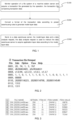
- FIG. 1 is a flowchart of a machine station file processing method in an embodiment.
- the machine station file processing method in this embodiment is applied to an edge computing server.
- the machine station file processing method in this embodiment comprises S100 to S300.
- S100 The operation of a file system of a machine server is monitored and a transaction file generated by the operation is acquired, the transaction file comprising transaction data.
- the machine station server comprises a WP machine station server, a TM machine station server, etc.
- Different machine stations are used to acquire test data at different stages of wafer process or in different characterization methods.
- the different characterization methods comprise optical tests, electrical tests, etc.
- the addition, modification, and deletion of files are all operations of the file system, but only the addition and modification operations will generate transaction files. Therefore, the machine station file processing method in this embodiment focuses on only the addition and modification operations.
- the transaction data is the data saved in the transaction files.
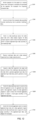
- FIG. 2 is a screenshot of transaction data in an embodiment.
- a transaction file usually comprises multiple lines of transaction data.
- lines of transaction data contain different data formats and data volumes. It is unable for the operator to know the test result of a wafer only by the transaction file. Therefore, it is necessary to process the data in the transaction file to obtain the intuitive test result.
- S200 The format of the transaction data is converted according to preset warehousing rules to generate model-layer data.
- the preset warehousing rules are rules that have been set in the edge computing server for different machine station servers, and the preset warehousing rules comprise conditions and methods for format conversion of the transaction data.
- the model-layer data is data that can be directly analyzed.
- FIG. 3 is a screenshot of model-layer data in an embodiment. As shown in FIG.
- the model-layer data is clear in structure, and transaction files generated by different machine stations can be converted into model-layer data with the same definition of the format, unit, naming, etc. Therefore, during data analysis, the test results of different wafer demand parameters may be obtained simply and quickly from the model-layer data according to the needs of data analysis.
- unstructured transaction data is converted into structured model-layer data by a format conversion operation, which reduces the complexity of data analysis, thereby improving the efficiency of data analysis.
- S300 The model-layer data and a data analysis request are sent to a data warehouse server.
- the data analysis request is used to instruct the data warehouse server to acquire application-layer data according to the model-layer data.
- the application-layer data is the data required by the business generated after handling and processing. That is, the application-layer data contains less data, and the data that does not need to be displayed and applied has been eliminated.
- the edge computing server synchronously sends the generated model-layer data and the data analysis request to the data warehouse server, and the data warehouse server further filters the model-layer data under the instruction of the data analysis request to retain, in the application-layer data, only the data to be displayed and applied.
- FIG. 4 is a screenshot of application-layer data in an embodiment. As shown in FIG. 4 , the field settings of the application-layer data are the same as the items that need to be displayed and applied. Compared with the model-layer data, the content of the application-layer data is more concise and clear. For example, the fields are PRODUCT_ID (product No.), X and Y, etc. The operator can obtain the test result of the required item by going through the application-layer data.
- the machine station file processing method realizes timely acquisition of the added and modified transaction files on the machine station server by monitoring the file system of the machine station server, avoiding low efficiency and easy file omissions when manually exporting data.
- the transaction files are sent to the edge computing server in an incremental synchronization manner, which improves the efficiency of file synchronization.
- the edge computing server and the machine station server in this embodiment are both located in the FAB network segment.
- data collection and initial processing are directly performed on the data side where the machine station server is located, and then the model-layer data initially processed by the edge computing server is sent to the data warehouse server in the OA network segment in real time, which solves the problems of low transmission speed and delay in processing that are easily caused by the excessive amount of machine station file data. Therefore, compared with the prior art, the machine station file processing method in this embodiment can automatically synchronize and warehouse transaction files and output structured model-layer data, thereby reducing the complexity of data analysis and improving the timeliness and accuracy of machine station file processing.
- the edge computing server comprises a file monitoring module, a file synchronization module, and a real-time warehousing module.
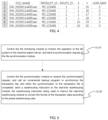
- FIG. 5 is a sub-flowchart of S100 in this embodiment. As shown in FIG. 5 , the step S100 of the machine station file processing method comprises S110 to S120.
- the file monitoring module is controlled to monitor the operation of a file system of a machine station server, and send a synchronization request to the file synchronization module.
- the file monitoring module is configured to monitor the addition and modification operations of the file system of the machine station server
- the file synchronization module is configured to synchronize the transaction files on the machine station server to the edge computing server.
- the file monitoring module when the file monitoring module discovers the addition and modification operations of the file system, the file monitoring module immediately sends a synchronization request to the file synchronization module.
- the synchronization request is used to instruct the file synchronization module to synchronize the transaction files to the edge computing server for timely synchronization of the transaction files.
- the addition and modification operations of the file system of the machine station server are monitored by Inotify in Linux kernel.
- Inotify can monitor the set files and can also monitor the set directories or subdirectories, and issue related event warnings to the set programs or modules in time through the kernel. Therefore, in this embodiment, by Inotify, file monitoring that is more flexible, occupies less resource, and is more responsive is realized.
- the file synchronization module is controlled to receive the synchronization request, and call an incremental backup program to synchronize the transaction file; and when the synchronization of the transaction file is completed, send a warehousing instruction to the real-time warehousing module, the warehousing instruction being used to instruct the real-time warehousing module to convert the format of the transaction data according to preset warehousing rules.
- the incremental backup program is used for incremental backup of the transaction files.
- Incremental backup is a backup method to obtain the differential data between this backup and the previous backup. That is, after the first full backup, when the second incremental backup is performed, only the differential data between the second backup and the first backup is backed up; when the third incremental backup is performed, only the differential data between the third backup and the second backup is backed up; and so on.
- the real-time warehousing module is configured to warehouse the transaction data synchronized to the edge computing server to generate model-layer data.
- the file synchronization module calls the incremental backup program to synchronize the transaction files.
- the incremental backup requires less data to be backed up during each time of synchronization and is less time-consuming, and data occupies less space in the edge computing server, which is more suitable for the machine station file processing method in this embodiment.
- the file control module can immediately send the warehousing instruction to the real-time warehousing module when the synchronization is completed. This can warehouse the transaction data in time, and effectively avoid the accumulation of transaction data caused by delay in processing.
- the transaction file comprises at least one line of transaction data.
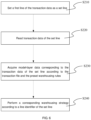
- FIG. 6 is a sub-flowchart of S200 in this embodiment. As shown in FIG. 6 , the step S200 of the machine station file processing method comprises S210 to S240.
- S210 The first line of the transaction data is set as a set line.
- each line of transaction data contain different data formats and data volumes, it is unable to warehouse each line of the data in exactly the same way. Therefore, in this embodiment, set lines are warehoused one by one, by reading in lines. Further, in order to avoid the omission of transaction data, after acquiring the transaction file from a designate directory of the edge computing server, the real-time warehousing module in this embodiment starts reading and conversion from the first line of the transaction data, that is, sets the first line of the transaction data as a set line. For example, the first line in FIG. 2 is the line "0001, 20, 74, 1, 3, 767".
- S220 The transaction data of the set line is read.
- Model-layer data corresponding to the transaction data of the set line is acquired according to the transaction file and the preset warehousing rules.
- the preset warehousing rules comprise the conditions and methods for format conversion of the transaction data. Therefore, the content, which meets the format conversion conditions, in the transaction data can be imported into the set output position according to the set format conversion method and in a set output format, so as to acquire the model-layer data corresponding to the transaction data of the set line.
- S240 A corresponding warehousing strategy is performed according to a line identifier of the set line.
- the transaction file usually comprises multiple lines of transaction data, and this embodiment supports warehousing by reading in lines. Therefore, it is necessary to traverse through each line of data in the transaction data by a set method.
- the warehousing strategy stipulates the logic and sequence of traversing through each line of transaction data. In this embodiment, by performing a corresponding warehousing strategy according to the line identifier, each line of transaction data can be acquired efficiently and completely.
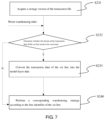
- the step S230 of the machine station file processing method comprises S231 to S233.
- S231 A storage version of the transaction file is acquired.
- transaction files of different types have different storage methods, and the storage versions of the transaction files are in one-to-one correspondence to the storage methods. Therefore, the storage methods of the transaction files may be acquired by acquiring their storage versions, so as to accurately warehouse the transaction data. This avoids format errors or content errors during the warehousing.
- S232 It is determined, according to the storage version and the preset warehousing rules, whether the format of the transaction data of the set line needs to be converted.
- the preset warehousing rules have been set in the real-time warehousing module.
- the preset warehousing rules comprise information such as format conversion conditions and methods. Therefore, whether the format of data of the set line needs to be converted may be determined according to the conditions in the preset warehousing rules.
- S233 The transaction data of the set line is converted into model-layer data, if the format of data of the set line needs to be converted.
- the data of the set line in the transaction data is only used to record the test time of the wafer on the machine station, without involving information such as the wafer No. and test results. It is stipulated in the preset warehousing rules that the test time parameter is not warehoused, so there is no need to convert the transaction data of the set line into model-layer data.
- the process directly returns to S240 where a corresponding warehousing strategy is performed according to the line identifier of the set line.
- the step S240 of the machine station file processing method comprises S241 to S242.
- the process jumps out of the loop of S220 to S230. Further, when the transaction file is successfully read and warehoused, by generating a read identifier for the transaction file, it is possible to prevent the repeated reading of files without any transaction by mistake, thereby improving the reliability of reading the files when they are warehoused in the machine station file processing method.
- FIG. 9 is a flowchart of a machine station file processing method in an embodiment.
- the machine station file processing method in this embodiment is applied to a machine station file processing system.
- the machine station file processing system comprises a data warehouse server.
- the machine station file processing method in this embodiment comprises S400 to S500.
- the data warehouse server receives structured model-layer data, and responds to the data analysis request to acquire application-layer data according to the model-layer data.
- S500 A data field required to be output is acquired and the format of the model-layer data is converted according to the data field to generate application-layer data, the application-layer data being used to generate a visual page.
- the data fields required to be output are the data fields that need to be displayed and applied, that is, the data fields such as PRODUCT_ID, ROUTE_ID, X, Y, and CHIP_MAP shown in FIG. 4 .
- the visual page is an intuitive graph or image that will be generated based on data. For example, scatter charts, pie charts, histograms, etc., are all visual pages.
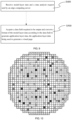
- FIG. 10 shows a visual page of a wafer map commonly used in the field of semiconductors. The wafer map is used to intuitively show the distribution of qualified and defective grains in the wafer. The different filling methods in the wafer map may indicate the process or cause for the generation of defective grains.
- the data field required to be output is acquired first, then the data required to be output is filtered from the model-layer data, and finally the application-layer data is acquired according to the filtered data.
- the data field "X” it is necessary to output the data in the data field "X"
- the test file generated by the machine station comprises the test data in both the field "A” and the field "B”.
- the data in the field "X” needs to be acquired by further analysis of the test data in the field "A” and the field "B".
- the test data in the field "A” and the field “B” needs to be filtered from the model-layer data first, then the set data analysis is performed to obtain the data in the field "X”, and finally the data in the field "X” is saved in the application-layer data.
- the application-layer data is automatically acquired according to the model-layer data and the data field required to be output. This can greatly reduce the complicated operation of acquiring the application-layer data manually, thereby improving the efficiency and reliability of acquiring the application-layer data.
- test data sheets in multiple different dimensions may be acquired based on the same actual test data, and the test data may be analyzed in multiple dimensions, thereby solving the problem that the analysis is not comprehensive enough since the data cannot be correlated for analysis.
- the machine station file processing system further comprises a front-end application server.
- FIG. 11 is a flowchart of a machine station file processing method in this embodiment. As shown in FIG. 11 , the machine station file processing method in this embodiment further comprises S600 to S700.
- the data warehouse server is controlled to send, to a front-end application server, the application-layer data and a data application request that is used to instruct the front-end application server to acquire a visual page according to the application-layer data.
- the front-end application server can be instructed to automatically acquire an appropriate visual page according to the application-layer data.
- the front-end application server is instructed to automatically acquire a visual page, thereby improving the efficiency of data display and application.
- the front-end application server is controlled to receive application-layer data and a data application request sent by the data warehouse server; acquire the visual page according to the application-layer data; and display the visual page.
- the front-end application server receives the application-level data, and responds to the data application request, thereby quickly acquiring and displaying a visual page according to the application-layer data, which improves the speed of data display and application of the machine station file processing method.
- the front-end application server may acquire the visual page by methods such as data analysis tools or front-end code development.
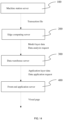
- FIG. 12 is a machine station file processing method in an embodiment.
- the machine station file processing method in this embodiment comprises S100 to S700.
- the machine station file processing method in this embodiment realizes timely acquisition of the added and modified files on the machine station server by monitoring the file system of the machine station server, avoiding low efficiency and easy file omissions when manually exporting data.
- the transaction files are sent to the edge computing server in an incremental synchronization manner, which improves the efficiency of file synchronization.
- the edge computing server and the machine station server in this embodiment are both located in the FAB network segment.
- data collection and initial processing are directly performed on the data side where the machine station server is located, and then the model-layer data initially processed by the edge computing server is sent to the data warehouse server in the OA network segment in real time, which solves the problems of low transmission speed and delay in processing that are easily caused by the excessive amount of machine station file data.
- the application-layer data is acquired automatically by the data warehouse server, and a visual page is automatically acquired and displayed by the front-end application server.
- this embodiment realizes a completely automatic data processing process, so the method in this embodiment is a machine station file processing method with both timeliness and reliability.
- FIG. 13 is a schematic structure diagram of a machine station file processing system in an embodiment.
- the machine station file processing system comprises a machine station server 100, an edge computing server 200, and a data warehouse server 300.
- the machine station server 100 is configured to perform file system operations and generate a transaction file.
- the edge computing server 200 is configured to: monitor the operation of the file system of the machine station server 100 and acquire a transaction file generated by the operation; the edge computing server convert the format of the transaction data according to preset warehousing rules to generate model-layer data; and send, to the data warehouse server 300, the model-layer data and a data analysis request that is used to instruct the data warehouse server 300 to acquire application-layer data according to the model-layer data.
- the data warehouse server 300 is configured to: receive model-layer data and a data analysis request sent by the edge computing server 200; and acquire a data field required to be output and convert the format of the model-layer data according to the data field to generate application-layer data, the application-layer data being used to generate a visual page.
- the machine station file processing system in this embodiment acquires the added and modified transaction files on the machine station server 100 in time by the edge computing server 200, and converts the transaction data into structured model-layer data on the data side, and then converts the model-layer data into application-layer data by the data warehouse server 300, thereby realizing fast acquisition and analysis of test files.
- FIG. 14 is a schematic structure diagram of a machine station file processing system in an embodiment.
- the data warehouse server 300 is further configured to send, to the front-end application server 400, the application-layer data and a data application request that is used to instruct the front-end application server 400 to acquire a visual page according to the application-layer data.
- the machine station file processing system further comprises a front-end application server 400 configured to: receive application-layer data and a data application request sent by the data warehouse server 300; acquire the visual page according to the application-layer data; and display the visual page.
- the machine station file processing system in this embodiment realizes automatic visualization of test data by the front-end application server 400, thereby improving the efficiency of data display and application.
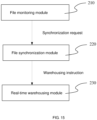
- FIG. 15 is a schematic structure diagram of an edge computing server 200 in an embodiment.
- the edge computing server 200 comprises: a file monitoring module 210, a file synchronization module 220 and a real-time warehousing module 230.
- the file monitoring module 210 is configured to monitor the operation of a file system of a machine station server 100, and send a synchronization request to the file synchronization module 220.
- the file synchronization module 220 is configured to: receive the synchronization request, and call an incremental backup program to synchronize the transaction file; and when the synchronization of the transaction file is completed, send a warehousing instruction to the real-time warehousing module 230, the warehousing instruction being used to instruct the real-time warehousing module 230 to convert the format of the transaction data according to preset warehousing rules.
- the real-time warehousing module 230 is configured to: convert the format of the transaction data according to preset warehousing rules to generate model-layer data; and send, to a data warehouse server 300, the model-layer data and a data analysis request that is used to instruct the data warehouse server 300 to acquire application-layer data according to the model-layer data.
- the edge computing server 200 in this embodiment realizes the automatic incremental synchronization of transaction files and the automatic warehousing of transaction data, thereby effectively avoiding the accumulation of transaction data caused by delay in processing, and thus improving the operational reliability of the machine station file processing system.
Landscapes
- Engineering & Computer Science (AREA)
- Theoretical Computer Science (AREA)
- Physics & Mathematics (AREA)
- General Engineering & Computer Science (AREA)
- General Physics & Mathematics (AREA)
- Data Mining & Analysis (AREA)
- Databases & Information Systems (AREA)
- Quality & Reliability (AREA)
- Computing Systems (AREA)
- Computer Hardware Design (AREA)
- Mathematical Physics (AREA)
- Information Retrieval, Db Structures And Fs Structures Therefor (AREA)
Claims (14)
- Maschinenstation-Dateiverarbeitungsverfahren, das auf einen Edge-Computing-Server (200) angewendet wird, dadurch gekennzeichnet, dass es Folgendes umfasst:Überwachen eines Betriebs eines Dateisystems eines Maschinenstation-Servers (100) und Erfassen einer durch den Betrieb erzeugten Transaktionsdatei, die Transaktionsdatei umfassend Transaktionsdaten (S100);Konvertieren eines Formats der Transaktionsdaten gemäß voreingestellter Lagerhaltungsregeln, um Modellschicht-Daten zu erzeugen (S200); undSenden der Modellschicht-Daten und einer Datenanalyseanforderung an einen Datenlager-Server (300), wobei die Datenanalyseanforderung verwendet wird, um den Datenlager-Server (300) anzuweisen, Anwendungsschicht-Daten gemäß den Modellschicht-Daten (S300) zu erfassen;wobei die voreingestellten Lagerungsregeln Regeln sind, die für den Maschinenstation-Server (100) festgelegt wurden, und Bedingungen und Verfahren zur Formatkonvertierung der Transaktionsdaten umfassen.
- Maschinenstation-Dateiverarbeitungsverfahren nach Anspruch 1, wobei der Edge-Computing-Server (200) ein Datei-Überwachungsmodul (210), ein Dateisynchronisationsmodul (220) und ein Echtzeit-Lagerungsmodul (230) umfasst; und der Überwachungsvorgang eines Dateisystems eines Maschinenstation-Servers (100) und ein Erfassen einer durch den Vorgang erzeugten Transaktionsdatei Folgendes umfasst:Steuern des Datei-Überwachungsmoduls (210), um den Betrieb des Dateisystems des Maschinenstation-Servers (100) zu überwachen, und Senden einer Synchronisationsanforderung an das Dateisynchronisationsmodul (220) (S110); undSteuern des Dateisynchronisationsmoduls (220), um die Synchronisationsanforderung zu empfangen, und Aufrufen eines inkrementellen Sicherungsprogramms, um die Transaktionsdatei zu synchronisieren; und wenn die Synchronisation der Transaktionsdatei abgeschlossen ist, Senden einer Lagerungsanweisung an das Echtzeit-Lagerungsmodul (230), wobei die Lagerungsanweisung verwendet wird, um das Echtzeit-Lagerungsmodul (230) anzuweisen, das Format der Transaktionsdaten gemäß den voreingestellten Lagerungsregeln (S120) zu konvertieren.
- Maschinenstation-Dateiverarbeitungsverfahren nach Anspruch 1, wobei die Transaktionsdatei mindestens eine Zeile von Transaktionsdaten umfasst; und die Umwandlung eines Formats der Transaktionsdaten gemäß voreingestellter Lagerungsregeln zum Erzeugen von Modellschicht-Daten umfasst:Festlegen einer ersten Zeile der Transaktionsdaten als festgelegte Zeile (S210);Lesen der Transaktionsdaten der festgelegten Zeile (S220);Erfassen von Modellschicht-Daten, die den Transaktionsdaten der festgelegten Zeile entsprechen, gemäß der Transaktionsdatei und den voreingestellten Lagerungsregeln (S230); undAusführen einer entsprechenden Lagerungsstrategie gemäß einer Zeilenkennung der festgelegten Zeile (S240).
- Maschinenstation-Dateiverarbeitungsverfahren nach Anspruch 3, wobei das Ausführen einer entsprechenden Lagerungsstrategie gemäß einem Zeilenidentifikator der festgelegten Zeile (S240) Folgendes umfasst:wenn die festgelegte Zeile eine letzte Zeile ist, Erzeugen einer Lesekennung für die Transaktionsdatei (S241); undwenn die festgelegte Zeile nicht die letzte Zeile ist, Festgelegen einer nächsten Zeile der festgelegten Zeile als eine neue festgelegten Zeile (S242) und Wiederholen der Schritte des Lesens der Transaktionsdaten der festgelegten Zeile (S220) und Erfassen von Modellschicht-Daten, die den Transaktionsdaten der festgelegten Zeile entsprechen, gemäß der Transaktionsdatei und den voreingestellten Lagerungsregeln (S230), bis die neue festgelegte Zeile die letzte Zeile wird.
- Maschinenstation-Dateiverarbeitungsverfahren nach Anspruch 3 oder 4, wobei das Erfassen von Modellschicht-Daten, die den Transaktionsdaten der festgelegten Zeile entsprechen, gemäß der Transaktionsdatei und den voreingestellten Lagerungsregeln (S230) Folgendes umfasst:Erfassen einer Speicherversion der Transaktionsdatei (S231);Bestimmen, gemäß der Speicherversion und den vorgegebenen Lagerungsregeln, ob das Format der Bewegungsdaten der festgelegten Zeile konvertiert werden muss (S232);Konvertieren der Transaktionsdaten der festgelegten Zeile in die Modellschicht-Daten (S233), wenn das Format der Transaktionsdaten der festgelegten Zeile konvertiert werden muss; unddirektes Zurückkehren zum Schritt eines Ausführens einer entsprechenden Lagerhaltungsstrategie gemäß der Zeilenkennung der festgelegten Zeile (S240), wenn das Format der Bewegungsdaten der festgelegten Zeile nicht umgewandelt werden muss.
- Maschinenstation-Dateiverarbeitungsverfahren nach Anspruch 1, wobei der Überwachungsvorgang eines Dateisystems eines Maschinenstation-Servers (100) Folgendes umfasst: Überwachen von Hinzufügungs- und Änderungsvorgängen des Dateisystems des Maschinenstation-Servers (100) durch Inotify in Linux-Kernel.
- Maschinenstation-Dateiverarbeitungsverfahren nach Anspruch 1, wobei das Senden, an den Datenlager-Server (300), der Modellschicht-Daten und der Datenanalyseanforderung und der Datenanalyseanforderung verwendet wird, um den Datenlager-Server (300) anzuweisen, Anwendungsschicht-Daten gemäß den Modellschicht-Daten (S300) zu erfassen, Folgendes umfasst:
synchrones Senden der erzeugten Modellschicht-Daten und der Datenanalyseanforderung durch den Edge-Computing-Server (200) an den Datenlager-Server (300) und weiteres Filtern der Modellschicht-Daten durch den Datenlager-Server (300) unter der Anweisung der Datenanalyseanforderung, um in den Anwendungsschichtdaten nur die anzuzeigenden und anzuwendenden Daten zu behalten. - Maschinenstation-Dateiverarbeitungsverfahren nach Anspruch 2, wobei das Echtzeit-Lagerungsmodul (230) nach Erfassen der Transaktionsdatei aus einem bestimmten Verzeichnis des Edge-Computing-Servers (200) mit dem Lesen und der Konvertierung von einer ersten Zeile der Transaktionsdaten beginnt, d. h. die erste Zeile der Transaktionsdaten als eine festgelegte Zeile festlegt.
- Maschinenstation-Dateiverarbeitungsverfahren, das auf ein Maschinenstation-Dateiverarbeitungssystem angewendet wird, dadurch gekennzeichnet, dass es einen Datenlager-Server (300) umfasst, wobei das Maschinenstation-Dateiverarbeitungsverfahren Folgendes umfasst: Steuern des Datenlager-Servers (300), zu Folgendem:Empfangen von Modellschicht-Daten und einer Datenanalyseanforderung, die von einem Edge-Computing-Server (200) gesendet wurde (S400); undErfassen eines Datenfeld, das ausgegeben werden soll und Konvertieren eines Formats der Modellschicht-Daten entsprechend dem Datenfeld, um Anwendungsschicht-Daten zu erzeugen, wobei die Anwendungsschicht-Daten zum Erzeugen einer visuellen Seite verwendet werden (S500);wobei die Modellschicht-Daten durch Konvertieren eines Formats von Transaktionsdaten gemäß voreingestellten Lagerungsregeln erzeugt werden, und die voreingestellten Lagerungsregeln Regeln sind, die für einen Maschinenstation-Server (100) festgelegt wurden und Bedingungen und Verfahren zur Formatkonvertierung der Transaktionsdaten umfassen.
- Maschinenstation-Dateiverarbeitungsverfahren nach Anspruch 9, wobei das Maschinenstation-Dateiverarbeitungssystem ferner einen Front-End-Anwendungsserver (400) umfasst; und das Maschinenstation-Dateiverarbeitungsverfahren ferner Folgendes umfasst:Steuern des Datenlager-Servers (300), um die Anwendungsschichtdaten und eine Datenanwendungsanforderung an den Front-End-Anwendungsserver (400) zu senden, wobei die Datenanwendungsanforderung verwendet wird, um den Front-End-Anwendungsserver (400) anzuweisen, eine visuelle Seite gemäß den Anwendungsschichtdaten (S600) zu erfassen; undSteuern des Front-End-Anwendungsservers (400) zum Empfangen von Anwendungsschichtdaten und einer vom Datenlager-Server (300) gesendeten Datenanwendungsanforderung; Erfassen der visuellen Seite entsprechend den Anwendungsschichtdaten; und Anzeigen der visuellen Seite (S700).
- Maschinenstation-Dateiverarbeitungsverfahren nach Anspruch 9, wobei das Datenfeld, das ausgegeben werden soll, zuerst erfasst wird, dann die auszugebenden Daten aus den Daten der Modellschicht gefiltert werden und schließlich die Anwendungsschicht-Daten entsprechend den gefilterten Daten erfasst werden.
- Maschinenstation-Dateiverarbeitungssystem, dadurch gekennzeichnet, dass es Folgendes umfasst:einen Edge-Computing-Server (200), der konfiguriert ist, um den Betrieb eines Dateisystems eines Maschinenstation-Servers (100) zu überwachen und eine von dem Vorgang (S100) erzeugte Transaktionsdatei zu erfassen; ein Format der Transaktionsdaten gemäß voreingestellten Lagerhaltungsregeln zu konvertieren, um Modellschicht-Daten (S200) zu erzeugen; Modellschicht-Daten und einer Datenanalyseanforderung an einen Datenlager-Server (300) zu senden, wobei die Datenanalyseanforderung verwendet wird, um den Datenlager-Server (300) anzuweisen, Anwendungsschicht-Daten gemäß den Modellschicht-Daten (S300) zu erfassen; undeinen Datenlager-Server (300), der konfiguriert ist, um die Modellschicht-Daten und die von einem Edge-Computing-Server (200) gesendete Datenanalyseanforderung zu empfangen(S400); und ein auszugebendes Datenfeld zu erfassen und das Format der Modellschicht-Daten entsprechend dem Datenfeld zu konvertieren, um die Anwendungsschicht-Daten zu erzeugen (S500);wobei die voreingestellten Lagerungsregeln Regeln sind, die für den Maschinenstation-Server (100) festgelegt wurden, und Bedingungen und Verfahren zur Formatkonvertierung der Transaktionsdaten umfassen.
- Maschinenstation-Dateiverarbeitungssystem nach Anspruch 12, wobei der Datenlager-Server (300) ferner konfiguriert ist, um die Anwendungsschichtdaten und eine Datenanwendungsanforderung an den Front-End-Anwendungsserver (400) zu senden, wobei die Datenanwendungsanforderung verwendet wird, um den Front-End-Anwendungsserver (400) anzuweisen, eine visuelle Seite gemäß den Anwendungsschichtdaten zu erfassen; und das Maschinenstation-Dateiverarbeitungssystem fernes Folgendes umfasst:
einen Front-End-Anwendungsserver (400), der konfiguriert ist, um die Anwendungsschicht-Daten und die von dem Datenlager-Server (300) gesendete Datenanforderung zu empfangen; eine visuelle Seite entsprechend den Anwendungsschicht-Daten zu erfassen; und die visuelle Seite anzuzeigen. - Maschinenstation-Dateiverarbeitungssystem nach Anspruch 12 oder 13, wobei der Edge-Computing-Server (200) Folgendes umfasst:ein Datei-Überwachungsmodul (210), das konfiguriert ist, um den Betrieb des Dateisystems des Maschinenstation-Servers (100) zu überwachen und eine Synchronisierungsanforderung an ein Dateisynchronisierungsmodul (220) zu senden;das Dateisynchronisationsmodul (220), das konfiguriert ist, um die Synchronisationsanforderung zu empfangen und ein inkrementelles Sicherungsprogramm auzurufen, um eine Transaktionsdatei zu synchronisieren; und wenn die Synchronisation der Transaktionsdatei abgeschlossen ist, einen Lagerungsbefehl an ein Echtzeit-Lagerungsmodul (230) zu senden, wobei der Lagerungsbefehl verwendet wird, um das Echtzeit-Lagerungsmodul (230) anzuweisen, ein Format der Transaktionsdaten gemäß voreingestellten Lagerungsregeln zu konvertieren; unddas Echtzeit-Warehousing-Modul (230), das konfiguriert ist, um das Format der Transaktionsdaten gemäß voreingestellten Lagerungsregeln zu konvertieren, um Modellschicht-Daten (S200) zu erzeugen; und die Modellschicht-Daten und eine Datenanalyseanforderung an einen Datenlager-Server (300) zu senden, wobei die Datenanalyseanforderung verwendet wird, um den Datenlager-Server (300) anzuweisen, Anwendungsschichtdaten gemäß den Modellschicht-Daten zu erfassen (S300).
Applications Claiming Priority (2)
| Application Number | Priority Date | Filing Date | Title |
|---|---|---|---|
| CN202010113609.5A CN113297157B (zh) | 2020-02-24 | 2020-02-24 | 机台文件处理方法及处理系统 |
| PCT/CN2021/076330 WO2021169808A1 (zh) | 2020-02-24 | 2021-02-09 | 机台文件处理方法及处理系统 |
Publications (3)
| Publication Number | Publication Date |
|---|---|
| EP3933899A1 EP3933899A1 (de) | 2022-01-05 |
| EP3933899A4 EP3933899A4 (de) | 2022-04-27 |
| EP3933899B1 true EP3933899B1 (de) | 2023-05-10 |
Family
ID=77318579
Family Applications (1)
| Application Number | Title | Priority Date | Filing Date |
|---|---|---|---|
| EP21761907.1A Active EP3933899B1 (de) | 2020-02-24 | 2021-02-09 | Verfahren und system zur verarbeitung von maschinendaten |
Country Status (4)
| Country | Link |
|---|---|
| US (1) | US20220318205A1 (de) |
| EP (1) | EP3933899B1 (de) |
| CN (1) | CN113297157B (de) |
| WO (1) | WO2021169808A1 (de) |
Families Citing this family (4)
| Publication number | Priority date | Publication date | Assignee | Title |
|---|---|---|---|---|
| EP4304157A1 (de) * | 2022-07-05 | 2024-01-10 | Yokogawa Electric Corporation | Kantensteuergerätevorrichtung und entsprechende systeme, verfahren und computerprogramm |
| CN115186020A (zh) * | 2022-07-15 | 2022-10-14 | 深圳安巽科技有限公司 | 一种数据接入存储处理方法、系统及存储介质 |
| CN115391438A (zh) * | 2022-08-24 | 2022-11-25 | 中国银行股份有限公司 | 数据仓库配置文档的生成方法、装置、设备和存储介质 |
| CN116737482A (zh) * | 2023-08-10 | 2023-09-12 | 上海孤波科技有限公司 | 一种芯片测试数据的实时收集方法、装置及电子设备 |
Family Cites Families (23)
| Publication number | Priority date | Publication date | Assignee | Title |
|---|---|---|---|---|
| US7003560B1 (en) * | 1999-11-03 | 2006-02-21 | Accenture Llp | Data warehouse computing system |
| US7111023B2 (en) * | 2001-05-24 | 2006-09-19 | Oracle International Corporation | Synchronous change data capture in a relational database |
| AU2003202271A1 (en) * | 2002-01-15 | 2003-07-30 | Auspex Systems, Inc. | Active file change notification |
| EP2018027A1 (de) * | 2005-11-03 | 2009-01-21 | KTFreetel Co., Ltd. | Logische Geschäftsvorrichtung und Verarbeitungsverfahren |
| EP1949281A4 (de) * | 2005-11-03 | 2011-02-02 | Kt Freetel Co Ltd | Offenes mobilunternehmensunterstützungssystem und verfahren |
| JP4857199B2 (ja) * | 2007-04-05 | 2012-01-18 | 株式会社日立製作所 | 情報資産管理システム、ログ分析装置、及びログ分析用プログラム |
| EP2079020B1 (de) * | 2008-01-03 | 2013-03-20 | Accenture Global Services Limited | Systeme und Verfahren zur Automatisierung von ETL-Anwendungen |
| CN102111428A (zh) * | 2009-12-29 | 2011-06-29 | 捷达世软件(深圳)有限公司 | 机台数据采集系统及方法 |
| KR101108534B1 (ko) * | 2011-01-24 | 2012-01-30 | (주)아이비즈소프트웨어 | 도메인 규칙에 기반한 웹 애플리케이션 입력 값 유효성 검증 및 변환, 데이터베이스 출력 값 변환 관리 자동화 시스템 및 그 제어방법 |
| CN103514223B (zh) * | 2012-06-28 | 2017-09-01 | 阿里巴巴集团控股有限公司 | 一种数据仓库数据同步方法和系统 |
| CN103793437A (zh) * | 2012-11-01 | 2014-05-14 | 无锡华润上华科技有限公司 | 晶圆测试数据处理方法及其系统 |
| TW201533456A (zh) * | 2014-02-19 | 2015-09-01 | Signality System Engineering Co Ltd | 晶圓測試數據分析方法 |
| CN104122871B (zh) * | 2014-07-29 | 2017-02-15 | 于兵 | 一种半导体测试数据实时监控方法 |
| CN105574039B (zh) * | 2014-10-16 | 2019-05-24 | 中芯国际集成电路制造(上海)有限公司 | 一种晶圆测试数据的处理方法及系统 |
| US10394661B2 (en) * | 2015-09-22 | 2019-08-27 | International Business Machines Corporation | Policy driven data updates |
| DE102016112049B3 (de) * | 2016-06-30 | 2017-08-24 | Infineon Technologies Ag | Verfahren zum herstellen von cz-siliziumwafern und verfahren zum herstellen einer halbleitervorrichtung |
| CN107391617A (zh) * | 2017-07-05 | 2017-11-24 | 国网福建省电力有限公司 | 基于监测系统的自动导模型方法 |
| KR20190020491A (ko) * | 2017-08-21 | 2019-03-04 | 한국전자통신연구원 | 지상국 시스템의 통합 상태 모니터링 방법 |
| CN110377648A (zh) * | 2018-04-11 | 2019-10-25 | 西安邮电大学 | 一种面向智能制造的多源异构数据分析平台 |
| CN108874585B (zh) * | 2018-05-25 | 2021-01-22 | 南京云信达科技有限公司 | 文件备份方法、装置及系统 |
| CN109298997A (zh) * | 2018-08-08 | 2019-02-01 | 平安科技(深圳)有限公司 | 接口测试方法、系统、计算机设备和存储介质 |
| CN109726234B (zh) * | 2018-09-14 | 2023-10-17 | 上海华岭集成电路技术股份有限公司 | 基于工业互联网的集成电路测试信息化管理系统 |
| US11294926B1 (en) * | 2019-05-31 | 2022-04-05 | Facteus, Inc. | Master extract, transform, and load (ETL) application for accommodating multiple data source types having disparate data formats |
-
2020
- 2020-02-24 CN CN202010113609.5A patent/CN113297157B/zh active Active
-
2021
- 2021-02-09 EP EP21761907.1A patent/EP3933899B1/de active Active
- 2021-02-09 US US17/310,355 patent/US20220318205A1/en not_active Abandoned
- 2021-02-09 WO PCT/CN2021/076330 patent/WO2021169808A1/zh not_active Ceased
Also Published As
| Publication number | Publication date |
|---|---|
| US20220318205A1 (en) | 2022-10-06 |
| CN113297157B (zh) | 2024-06-07 |
| CN113297157A (zh) | 2021-08-24 |
| EP3933899A4 (de) | 2022-04-27 |
| EP3933899A1 (de) | 2022-01-05 |
| WO2021169808A1 (zh) | 2021-09-02 |
Similar Documents
| Publication | Publication Date | Title |
|---|---|---|
| EP3933899B1 (de) | Verfahren und system zur verarbeitung von maschinendaten | |
| CN107040578B (zh) | 数据同步方法、装置和系统 | |
| CN111897740B (zh) | 用户界面的测试方法、装置、电子设备及计算机可读介质 | |
| CN111459944B (zh) | 一种mr数据存储方法、装置、服务器及存储介质 | |
| CN111914390A (zh) | 一种车辆装配的预判方法、装置及计算机存储介质 | |
| CN110955709B (zh) | 一种数据的处理方法、装置及电子设备 | |
| CN117215910A (zh) | 接口测试框架生成方法、测试方法、电子设备及存储介质 | |
| CN108667872B (zh) | 用于调度服务器的存档方法和装置 | |
| CN112269682A (zh) | 一种动画视频备份方法 | |
| CN119986222B (zh) | 基于大数据平台的车辆电磁兼容试验测试方法和装置 | |
| CN113127413B (zh) | 一种运营商数据处理方法、装置、服务器及存储介质 | |
| CN112671567B (zh) | 一种基于服务化接口的5g核心网拓扑发现方法及装置 | |
| CN112596488B (zh) | 数据采集方法、装置、电子设备、存储介质 | |
| CN115442209A (zh) | 一种故障检测方法、装置、电子设备及存储介质 | |
| CN113126993A (zh) | 应用于车辆检测软件的自动化测试方法及其系统 | |
| CN116382220A (zh) | 一种基于mes的车间设备数据采集方法及系统 | |
| US9569061B2 (en) | System and method for organizing field data obtained through a plurality of devices | |
| CN112448840A (zh) | 一种通信数据质量监控方法、装置、服务器及存储介质 | |
| CN117762968A (zh) | 一种数据聚合方法、系统、设备及存储介质 | |
| CN115577160A (zh) | 一种生产线数据采集方法、装置、设备及介质 | |
| CN116010388A (zh) | 数据校验方法、数据采集服务端及数据校验系统 | |
| CN115545452A (zh) | 运维方法、运维系统、设备及存储介质 | |
| CN112612766A (zh) | 一种日志管理方法、系统、设备及计算机可读存储介质 | |
| CN115941546B (zh) | 系统接口的监控方法、装置、电子设备及存储介质 | |
| CN115856331B (zh) | 一种检测方法、装置、电子设备及存储介质 |
Legal Events
| Date | Code | Title | Description |
|---|---|---|---|
| STAA | Information on the status of an ep patent application or granted ep patent |
Free format text: STATUS: THE INTERNATIONAL PUBLICATION HAS BEEN MADE |
|
| PUAI | Public reference made under article 153(3) epc to a published international application that has entered the european phase |
Free format text: ORIGINAL CODE: 0009012 |
|
| STAA | Information on the status of an ep patent application or granted ep patent |
Free format text: STATUS: REQUEST FOR EXAMINATION WAS MADE |
|
| 17P | Request for examination filed |
Effective date: 20210927 |
|
| AK | Designated contracting states |
Kind code of ref document: A1 Designated state(s): AL AT BE BG CH CY CZ DE DK EE ES FI FR GB GR HR HU IE IS IT LI LT LU LV MC MK MT NL NO PL PT RO RS SE SI SK SM TR |
|
| A4 | Supplementary search report drawn up and despatched |
Effective date: 20220329 |
|
| RIC1 | Information provided on ipc code assigned before grant |
Ipc: G06F 16/17 20190101ALI20220323BHEP Ipc: G06F 16/178 20190101ALI20220323BHEP Ipc: G06F 17/00 20190101ALI20220323BHEP Ipc: H01L 21/66 20060101AFI20220323BHEP |
|
| GRAP | Despatch of communication of intention to grant a patent |
Free format text: ORIGINAL CODE: EPIDOSNIGR1 |
|
| STAA | Information on the status of an ep patent application or granted ep patent |
Free format text: STATUS: GRANT OF PATENT IS INTENDED |
|
| INTG | Intention to grant announced |
Effective date: 20230116 |
|
| GRAS | Grant fee paid |
Free format text: ORIGINAL CODE: EPIDOSNIGR3 |
|
| GRAA | (expected) grant |
Free format text: ORIGINAL CODE: 0009210 |
|
| STAA | Information on the status of an ep patent application or granted ep patent |
Free format text: STATUS: THE PATENT HAS BEEN GRANTED |
|
| DAV | Request for validation of the european patent (deleted) | ||
| DAX | Request for extension of the european patent (deleted) | ||
| AK | Designated contracting states |
Kind code of ref document: B1 Designated state(s): AL AT BE BG CH CY CZ DE DK EE ES FI FR GB GR HR HU IE IS IT LI LT LU LV MC MK MT NL NO PL PT RO RS SE SI SK SM TR |
|
| REG | Reference to a national code |
Ref country code: GB Ref legal event code: FG4D |
|
| REG | Reference to a national code |
Ref country code: AT Ref legal event code: REF Ref document number: 1567561 Country of ref document: AT Kind code of ref document: T Effective date: 20230515 Ref country code: CH Ref legal event code: EP |
|
| REG | Reference to a national code |
Ref country code: DE Ref legal event code: R096 Ref document number: 602021002354 Country of ref document: DE |
|
| REG | Reference to a national code |
Ref country code: IE Ref legal event code: FG4D |
|
| P01 | Opt-out of the competence of the unified patent court (upc) registered |
Effective date: 20230531 |
|
| REG | Reference to a national code |
Ref country code: LT Ref legal event code: MG9D |
|
| REG | Reference to a national code |
Ref country code: NL Ref legal event code: MP Effective date: 20230510 |
|
| REG | Reference to a national code |
Ref country code: AT Ref legal event code: MK05 Ref document number: 1567561 Country of ref document: AT Kind code of ref document: T Effective date: 20230510 |
|
| PG25 | Lapsed in a contracting state [announced via postgrant information from national office to epo] |
Ref country code: SE Free format text: LAPSE BECAUSE OF FAILURE TO SUBMIT A TRANSLATION OF THE DESCRIPTION OR TO PAY THE FEE WITHIN THE PRESCRIBED TIME-LIMIT Effective date: 20230510 Ref country code: PT Free format text: LAPSE BECAUSE OF FAILURE TO SUBMIT A TRANSLATION OF THE DESCRIPTION OR TO PAY THE FEE WITHIN THE PRESCRIBED TIME-LIMIT Effective date: 20230911 Ref country code: NO Free format text: LAPSE BECAUSE OF FAILURE TO SUBMIT A TRANSLATION OF THE DESCRIPTION OR TO PAY THE FEE WITHIN THE PRESCRIBED TIME-LIMIT Effective date: 20230810 Ref country code: NL Free format text: LAPSE BECAUSE OF FAILURE TO SUBMIT A TRANSLATION OF THE DESCRIPTION OR TO PAY THE FEE WITHIN THE PRESCRIBED TIME-LIMIT Effective date: 20230510 Ref country code: ES Free format text: LAPSE BECAUSE OF FAILURE TO SUBMIT A TRANSLATION OF THE DESCRIPTION OR TO PAY THE FEE WITHIN THE PRESCRIBED TIME-LIMIT Effective date: 20230510 Ref country code: AT Free format text: LAPSE BECAUSE OF FAILURE TO SUBMIT A TRANSLATION OF THE DESCRIPTION OR TO PAY THE FEE WITHIN THE PRESCRIBED TIME-LIMIT Effective date: 20230510 |
|
| PG25 | Lapsed in a contracting state [announced via postgrant information from national office to epo] |
Ref country code: RS Free format text: LAPSE BECAUSE OF FAILURE TO SUBMIT A TRANSLATION OF THE DESCRIPTION OR TO PAY THE FEE WITHIN THE PRESCRIBED TIME-LIMIT Effective date: 20230510 Ref country code: PL Free format text: LAPSE BECAUSE OF FAILURE TO SUBMIT A TRANSLATION OF THE DESCRIPTION OR TO PAY THE FEE WITHIN THE PRESCRIBED TIME-LIMIT Effective date: 20230510 Ref country code: LV Free format text: LAPSE BECAUSE OF FAILURE TO SUBMIT A TRANSLATION OF THE DESCRIPTION OR TO PAY THE FEE WITHIN THE PRESCRIBED TIME-LIMIT Effective date: 20230510 Ref country code: LT Free format text: LAPSE BECAUSE OF FAILURE TO SUBMIT A TRANSLATION OF THE DESCRIPTION OR TO PAY THE FEE WITHIN THE PRESCRIBED TIME-LIMIT Effective date: 20230510 Ref country code: IS Free format text: LAPSE BECAUSE OF FAILURE TO SUBMIT A TRANSLATION OF THE DESCRIPTION OR TO PAY THE FEE WITHIN THE PRESCRIBED TIME-LIMIT Effective date: 20230910 Ref country code: HR Free format text: LAPSE BECAUSE OF FAILURE TO SUBMIT A TRANSLATION OF THE DESCRIPTION OR TO PAY THE FEE WITHIN THE PRESCRIBED TIME-LIMIT Effective date: 20230510 Ref country code: GR Free format text: LAPSE BECAUSE OF FAILURE TO SUBMIT A TRANSLATION OF THE DESCRIPTION OR TO PAY THE FEE WITHIN THE PRESCRIBED TIME-LIMIT Effective date: 20230811 |
|
| PG25 | Lapsed in a contracting state [announced via postgrant information from national office to epo] |
Ref country code: FI Free format text: LAPSE BECAUSE OF FAILURE TO SUBMIT A TRANSLATION OF THE DESCRIPTION OR TO PAY THE FEE WITHIN THE PRESCRIBED TIME-LIMIT Effective date: 20230510 |
|
| PG25 | Lapsed in a contracting state [announced via postgrant information from national office to epo] |
Ref country code: SK Free format text: LAPSE BECAUSE OF FAILURE TO SUBMIT A TRANSLATION OF THE DESCRIPTION OR TO PAY THE FEE WITHIN THE PRESCRIBED TIME-LIMIT Effective date: 20230510 |
|
| PG25 | Lapsed in a contracting state [announced via postgrant information from national office to epo] |
Ref country code: SM Free format text: LAPSE BECAUSE OF FAILURE TO SUBMIT A TRANSLATION OF THE DESCRIPTION OR TO PAY THE FEE WITHIN THE PRESCRIBED TIME-LIMIT Effective date: 20230510 Ref country code: SK Free format text: LAPSE BECAUSE OF FAILURE TO SUBMIT A TRANSLATION OF THE DESCRIPTION OR TO PAY THE FEE WITHIN THE PRESCRIBED TIME-LIMIT Effective date: 20230510 Ref country code: RO Free format text: LAPSE BECAUSE OF FAILURE TO SUBMIT A TRANSLATION OF THE DESCRIPTION OR TO PAY THE FEE WITHIN THE PRESCRIBED TIME-LIMIT Effective date: 20230510 Ref country code: EE Free format text: LAPSE BECAUSE OF FAILURE TO SUBMIT A TRANSLATION OF THE DESCRIPTION OR TO PAY THE FEE WITHIN THE PRESCRIBED TIME-LIMIT Effective date: 20230510 Ref country code: DK Free format text: LAPSE BECAUSE OF FAILURE TO SUBMIT A TRANSLATION OF THE DESCRIPTION OR TO PAY THE FEE WITHIN THE PRESCRIBED TIME-LIMIT Effective date: 20230510 Ref country code: CZ Free format text: LAPSE BECAUSE OF FAILURE TO SUBMIT A TRANSLATION OF THE DESCRIPTION OR TO PAY THE FEE WITHIN THE PRESCRIBED TIME-LIMIT Effective date: 20230510 |
|
| REG | Reference to a national code |
Ref country code: DE Ref legal event code: R097 Ref document number: 602021002354 Country of ref document: DE |
|
| PLBE | No opposition filed within time limit |
Free format text: ORIGINAL CODE: 0009261 |
|
| STAA | Information on the status of an ep patent application or granted ep patent |
Free format text: STATUS: NO OPPOSITION FILED WITHIN TIME LIMIT |
|
| 26N | No opposition filed |
Effective date: 20240213 |
|
| PG25 | Lapsed in a contracting state [announced via postgrant information from national office to epo] |
Ref country code: SI Free format text: LAPSE BECAUSE OF FAILURE TO SUBMIT A TRANSLATION OF THE DESCRIPTION OR TO PAY THE FEE WITHIN THE PRESCRIBED TIME-LIMIT Effective date: 20230510 |
|
| PG25 | Lapsed in a contracting state [announced via postgrant information from national office to epo] |
Ref country code: SI Free format text: LAPSE BECAUSE OF FAILURE TO SUBMIT A TRANSLATION OF THE DESCRIPTION OR TO PAY THE FEE WITHIN THE PRESCRIBED TIME-LIMIT Effective date: 20230510 Ref country code: IT Free format text: LAPSE BECAUSE OF FAILURE TO SUBMIT A TRANSLATION OF THE DESCRIPTION OR TO PAY THE FEE WITHIN THE PRESCRIBED TIME-LIMIT Effective date: 20230510 |
|
| PG25 | Lapsed in a contracting state [announced via postgrant information from national office to epo] |
Ref country code: MC Free format text: LAPSE BECAUSE OF FAILURE TO SUBMIT A TRANSLATION OF THE DESCRIPTION OR TO PAY THE FEE WITHIN THE PRESCRIBED TIME-LIMIT Effective date: 20230510 |
|
| REG | Reference to a national code |
Ref country code: CH Ref legal event code: PL |
|
| PG25 | Lapsed in a contracting state [announced via postgrant information from national office to epo] |
Ref country code: LU Free format text: LAPSE BECAUSE OF NON-PAYMENT OF DUE FEES Effective date: 20240209 |
|
| PG25 | Lapsed in a contracting state [announced via postgrant information from national office to epo] |
Ref country code: CH Free format text: LAPSE BECAUSE OF NON-PAYMENT OF DUE FEES Effective date: 20240229 |
|
| PG25 | Lapsed in a contracting state [announced via postgrant information from national office to epo] |
Ref country code: LU Free format text: LAPSE BECAUSE OF NON-PAYMENT OF DUE FEES Effective date: 20240209 Ref country code: CH Free format text: LAPSE BECAUSE OF NON-PAYMENT OF DUE FEES Effective date: 20240229 |
|
| PG25 | Lapsed in a contracting state [announced via postgrant information from national office to epo] |
Ref country code: BG Free format text: LAPSE BECAUSE OF FAILURE TO SUBMIT A TRANSLATION OF THE DESCRIPTION OR TO PAY THE FEE WITHIN THE PRESCRIBED TIME-LIMIT Effective date: 20230510 |
|
| PG25 | Lapsed in a contracting state [announced via postgrant information from national office to epo] |
Ref country code: BG Free format text: LAPSE BECAUSE OF FAILURE TO SUBMIT A TRANSLATION OF THE DESCRIPTION OR TO PAY THE FEE WITHIN THE PRESCRIBED TIME-LIMIT Effective date: 20230510 |
|
| REG | Reference to a national code |
Ref country code: BE Ref legal event code: MM Effective date: 20240229 |
|
| PG25 | Lapsed in a contracting state [announced via postgrant information from national office to epo] |
Ref country code: BE Free format text: LAPSE BECAUSE OF NON-PAYMENT OF DUE FEES Effective date: 20240229 |
|
| PG25 | Lapsed in a contracting state [announced via postgrant information from national office to epo] |
Ref country code: IE Free format text: LAPSE BECAUSE OF NON-PAYMENT OF DUE FEES Effective date: 20240209 |
|
| PG25 | Lapsed in a contracting state [announced via postgrant information from national office to epo] |
Ref country code: IE Free format text: LAPSE BECAUSE OF NON-PAYMENT OF DUE FEES Effective date: 20240209 Ref country code: BE Free format text: LAPSE BECAUSE OF NON-PAYMENT OF DUE FEES Effective date: 20240229 |
|
| PGFP | Annual fee paid to national office [announced via postgrant information from national office to epo] |
Ref country code: DE Payment date: 20250218 Year of fee payment: 5 |
|
| PGFP | Annual fee paid to national office [announced via postgrant information from national office to epo] |
Ref country code: FR Payment date: 20250224 Year of fee payment: 5 |
|
| PGFP | Annual fee paid to national office [announced via postgrant information from national office to epo] |
Ref country code: GB Payment date: 20250220 Year of fee payment: 5 |
|
| PG25 | Lapsed in a contracting state [announced via postgrant information from national office to epo] |
Ref country code: CY Free format text: LAPSE BECAUSE OF FAILURE TO SUBMIT A TRANSLATION OF THE DESCRIPTION OR TO PAY THE FEE WITHIN THE PRESCRIBED TIME-LIMIT; INVALID AB INITIO Effective date: 20210209 |
|
| PG25 | Lapsed in a contracting state [announced via postgrant information from national office to epo] |
Ref country code: HU Free format text: LAPSE BECAUSE OF FAILURE TO SUBMIT A TRANSLATION OF THE DESCRIPTION OR TO PAY THE FEE WITHIN THE PRESCRIBED TIME-LIMIT; INVALID AB INITIO Effective date: 20210209 |
|
| PG25 | Lapsed in a contracting state [announced via postgrant information from national office to epo] |
Ref country code: TR Free format text: LAPSE BECAUSE OF FAILURE TO SUBMIT A TRANSLATION OF THE DESCRIPTION OR TO PAY THE FEE WITHIN THE PRESCRIBED TIME-LIMIT Effective date: 20230510 |