EP3902987B1 - Procédé d'assemblage d'une pompe à eau à un véhicule automobile et/ou à un groupe motopropulseur - Google Patents
Procédé d'assemblage d'une pompe à eau à un véhicule automobile et/ou à un groupe motopropulseur Download PDFInfo
- Publication number
- EP3902987B1 EP3902987B1 EP19813364.7A EP19813364A EP3902987B1 EP 3902987 B1 EP3902987 B1 EP 3902987B1 EP 19813364 A EP19813364 A EP 19813364A EP 3902987 B1 EP3902987 B1 EP 3902987B1
- Authority
- EP
- European Patent Office
- Prior art keywords
- water pump
- collar
- opening
- shell
- holder
- Prior art date
- Legal status (The legal status is an assumption and is not a legal conclusion. Google has not performed a legal analysis and makes no representation as to the accuracy of the status listed.)
- Active
Links
Images


Classifications
-
- F—MECHANICAL ENGINEERING; LIGHTING; HEATING; WEAPONS; BLASTING
- F01—MACHINES OR ENGINES IN GENERAL; ENGINE PLANTS IN GENERAL; STEAM ENGINES
- F01P—COOLING OF MACHINES OR ENGINES IN GENERAL; COOLING OF INTERNAL-COMBUSTION ENGINES
- F01P5/00—Pumping cooling-air or liquid coolants
- F01P5/10—Pumping liquid coolant; Arrangements of coolant pumps
-
- F—MECHANICAL ENGINEERING; LIGHTING; HEATING; WEAPONS; BLASTING
- F04—POSITIVE - DISPLACEMENT MACHINES FOR LIQUIDS; PUMPS FOR LIQUIDS OR ELASTIC FLUIDS
- F04D—NON-POSITIVE-DISPLACEMENT PUMPS
- F04D13/00—Pumping installations or systems
- F04D13/02—Units comprising pumps and their driving means
- F04D13/06—Units comprising pumps and their driving means the pump being electrically driven
-
- F—MECHANICAL ENGINEERING; LIGHTING; HEATING; WEAPONS; BLASTING
- F04—POSITIVE - DISPLACEMENT MACHINES FOR LIQUIDS; PUMPS FOR LIQUIDS OR ELASTIC FLUIDS
- F04D—NON-POSITIVE-DISPLACEMENT PUMPS
- F04D29/00—Details, component parts, or accessories
- F04D29/60—Mounting; Assembling; Disassembling
- F04D29/605—Mounting; Assembling; Disassembling specially adapted for liquid pumps
-
- F—MECHANICAL ENGINEERING; LIGHTING; HEATING; WEAPONS; BLASTING
- F01—MACHINES OR ENGINES IN GENERAL; ENGINE PLANTS IN GENERAL; STEAM ENGINES
- F01P—COOLING OF MACHINES OR ENGINES IN GENERAL; COOLING OF INTERNAL-COMBUSTION ENGINES
- F01P5/00—Pumping cooling-air or liquid coolants
- F01P5/10—Pumping liquid coolant; Arrangements of coolant pumps
- F01P5/12—Pump-driving arrangements
- F01P2005/125—Driving auxiliary pumps electrically
-
- F—MECHANICAL ENGINEERING; LIGHTING; HEATING; WEAPONS; BLASTING
- F02—COMBUSTION ENGINES; HOT-GAS OR COMBUSTION-PRODUCT ENGINE PLANTS
- F02B—INTERNAL-COMBUSTION PISTON ENGINES; COMBUSTION ENGINES IN GENERAL
- F02B67/00—Engines characterised by the arrangement of auxiliary apparatus not being otherwise provided for, e.g. the apparatus having different functions; Driving auxiliary apparatus from engines, not otherwise provided for
- F02B67/04—Engines characterised by the arrangement of auxiliary apparatus not being otherwise provided for, e.g. the apparatus having different functions; Driving auxiliary apparatus from engines, not otherwise provided for of mechanically-driven auxiliary apparatus
Definitions
- the invention relates to a method for assembling a water pump to a motor vehicle and/or a powertrain by means of a bracket.
- the invention also relates to a bracket for attaching a water pump to a motor vehicle and/or a powertrain.
- the invention further relates to a motor vehicle and a powertrain comprising such a bracket or assembled with such an assembly method.
- the document FR2925117-A1 describes a piece of equipment of a powertrain whose casing forms the mounting support to the engine.
- Motor vehicles generally include a cooling system comprising a water or heat transfer fluid circuit and a pump capable of circulating the water or heat transfer fluid in the circuit.
- a pump is generally called a water pump even though the heat transfer fluid is not exactly water. It is generally driven in operation by a timing belt.
- Cooling circuits are therefore increasingly long and complex.
- a second water pump, or auxiliary water pump in addition to the main water pump is known.
- An auxiliary water pump is now standard equipment manufactured in large series.
- auxiliary water pump For the attachment of the auxiliary water pump, water pump manufacturers usually supply a bracket fixed to the water pump. The water pump with its bracket is then fixed against a vehicle frame such as an engine block or a body part.
- the bracket is designed specifically for the vehicle and/or the powertrain on which it is intended to be attached. It therefore includes a geometry specific to a given powertrain or vehicle.
- the diversity of existing vehicles or powertrains generates an equivalent diversity of water pumps equipped with their bracket. Consequently, assembly shops must deal with complex inventory management of water pumps equipped with their bracket.
- the aim of the invention is to provide a method of assembling a water pump and a support for implementing the assembly method which overcomes the above drawbacks and improves the assembly methods known from the prior art.
- a first object of the invention is a method of assembling a water pump which is simple to implement in an assembly workshop, in particular a method of assembling a water pump. water allowing simple management of water pump stocks and not requiring the use of a specific assembly table.
- a second object of the invention is a method of assembling a water pump reducing, or even eliminating, the risk of incorrect assembly of the water pump.
- the necklace can include two half-shells.
- the collar may include a rotating joint between the two half-shells and a single collar tightening screw.
- the first half-shell and the second half-shell may be in a spread position.
- the latter In the spaced position of the first and second half-shells, the latter can define an opening angle which is between 10° and 15°, in particular approximately equal to 12°.
- the first half-shell may include the first opening
- the second half-shell may include a second opening, the clamping screw being engaged through the first opening and through the second opening.
- the support may comprise a fixing flange, the support being fixed, in particular screwed, to a frame of the motor vehicle and/or the powertrain during the second step by means of the fixing flange.
- the bracket may include a keying means to prevent an operator from mounting the automotive equipment upside down.
- the automotive equipment may include an electrical connector, and the collar may include a boss covering the electrical connector upon completion of the fourth step.
- the invention also relates to a support intended to fix an electric water pump, to a motor vehicle and/or to a powertrain, the support comprising a fixing flange intended to be fixed to a motor vehicle and/or to a powertrain, a collar and a clamping screw of the collar, the collar comprising two half-shells and a rotational articulation between the two half-shells, the collar comprising a central, free opening, intended to receive the motor vehicle equipment, the first half-shell comprising a first opening, the second half-shell comprising a second opening, the clamping screw being engaged in the first opening and in the second opening, the first half-shell and the second half-shell forming an opening angle strictly greater than zero, in particular an opening angle of between 10° and 15°, the support being obtained by stamping a metal sheet, the rotational articulation (26) being obtained by the cooperation of a hook (29) with a hole (33).
- the collar may include a boss intended to cover an electrical connector of a water pump.
- the invention also relates to an assembly comprising a frame of a motor vehicle and/or a powertrain and a support as defined above, the support being fixed to the frame.
- the invention also relates to a motor vehicle and/or a powertrain comprising at least one item of automotive equipment, in particular an electric water pump, or a mechanical water pump and an electric water pump, the automotive equipment being assembled using an assembly method as defined above.
- the vehicle 1 may be of any type. In particular, it may be, for example, a private vehicle, a utility vehicle, a truck or a bus.
- the powertrain 2 comprises an engine, in particular a combustion engine provided with an engine block 3, or engine housing.
- the powertrain 2 also comprises a cooling system 4.
- the cooling system 4 comprises a circuit 5 of water or heat transfer fluid, a first water pump 6, or main water pump, and a second water pump 7, or auxiliary water pump.
- the cooling system could comprise a single water pump or three or even more water pumps.
- the cooling system may also comprise a heat exchanger capable of cooling the water or heat transfer fluid contained in the circuit 5.
- the circuit 5 is a closed network of pipes passing through different components of the powertrain that need to be cooled.
- the circuit 5 may comprise pipes formed in the engine block 3.
- the water pumps 6, 7 are equipment of the powertrain capable of circulating water or a heat transfer fluid in the cooling circuit 5. Such pumps may also be called a cooling pump.
- the water pumps 6, 7 may comprise in particular a rotating blade capable of driving the circulating water or heat transfer fluid. in circuit 5. Such a blade may have a generally cylindrical outer casing.
- a water pump may be a so-called mechanical water pump, i.e. a water pump whose blade rotation is ensured by a mechanical drive.
- a mechanical water pump may include in particular a pulley mounted on a bearing, the pulley being driven in rotation by a motor belt.
- a water pump may also be a so-called electric water pump, i.e. a water pump whose blade rotation is ensured by an electric motor integrated into the water pump.
- the water pump is mechanical or electric, it may have a generally cylindrical casing.
- the pulley or the electric motor may have a generally cylindrical shape whose axis of revolution coincides with the axis of revolution of the blade. This axis of revolution corresponds to the axis of rotation of the blade.
- the first water pump 6 is a mechanical water pump and the second water pump 7 is an electric water pump.
- the first water pump 6 could be an electric water pump and the second water pump could be a mechanical water pump.
- both water pumps could both be electric water pumps.
- the invention may advantageously be used for the assembly of an electric water pump since such pumps are standard components requiring little or no adaptation to be integrated into a cooling system.
- the electric water pump 7 is illustrated in the figure 2 . It therefore comprises an electric motor 8, an electrical connector 9 connected to the electric motor 8, a hydraulic inlet 12 and a hydraulic outlet 13.
- the hydraulic inlet 12 and the hydraulic outlet 13 each consist of a hydraulic connection capable of connecting the water pump 8 upstream and downstream to the circuit 5.
- the hydraulic connection of the hydraulic inlet 12 can extend along an axis substantially aligned with the axis of rotation of the blade or the electric motor.
- the hydraulic connection of the hydraulic outlet 13 can extend along an axis substantially perpendicular to the axis of rotation of the blade or the electric motor. That is to say, the hydraulic connection of the hydraulic outlet 13 extends radially relative to the blade.
- the configuration of the water pump 7 is compatible with operation by centrifugation of the water or the heat transfer fluid by the blade.
- the first water pump 6 and the second water pump 7 are respectively fixed to the engine block 3 and to a body element 11 of the vehicle.
- the water pumps are fixed to a frame or a fixed structure of the vehicle.
- the two water pumps 6, 7 could be indifferently fixed to the engine block or to a body element or to two separate body elements.
- the term frame will be used to designate the element or structure on which the water pump 7 is fixed.
- the second water pump 7 is fixed to a frame by means of a dedicated support 20.
- the first water pump 6 can also be fixed to a frame by means of a support 20'.
- the support 20' can be a support according to the invention, or even a support identical to the support 20, or it can be any support.
- the support 20 has the function of maintaining the water pump in a determined position throughout the life of the vehicle.
- the bracket 20 is presented in a state prior to the fixing of the water pump.
- the bracket is presented in a state as made available by a bracket manufacturer.
- the bracket 20 comprises a collar 21, a fixing flange 22 and a single tightening screw 23 of the collar 21.
- the collar 21 is a means of fixing the pump water pump to the support 20.
- the fixing flange 22, or fixing lug is a means of fixing the support 20 to the frame.
- the support is made of metal, more precisely obtained by stamping a metal sheet.
- the support 20 comprises sufficient rigidity to support the weight of the water pump under the operating conditions of the vehicle.
- the support is used to fix the water pump to the engine block 3, it will advantageously be designed to withstand vibrations of the order of 160 Hz minimum.
- the support is used to fix the water pump to a body element 11, it will advantageously be designed to withstand vibrations of the order of 30 Hz minimum.
- the thickness of the metal sheet used for the manufacture of the support can be chosen to achieve adequate robustness.
- the fixing flange 22 comprises a geometry specific to the configuration of the vehicle in which the water pump is installed. It may comprise different portions that are more or less flat and inclined relative to each other.
- the fixing flange further comprises two fixing holes 38, 39, one of which is oblong. These two holes 39, 39 make it possible to fix the support to the frame. These holes 38, 39 are intended to cooperate with fixing screws 40 (visible in the figure 4 ) engaged in the frame.
- the number of holes for fixing the support 20 can be any. Alternatively, the support 20 could be fixed to the frame by other fixing techniques such as, for example, riveting, crimping or welding.
- the collar 21 comprises a central opening of generally circular shape. It is formed by half-shells 24, 25 and a rotating articulation 26 between the two half-shells 24, 25.
- the two half-shells 24, 25 are therefore two elements distinct from each other.
- the first half-shell 24 forms with the fixing flange 22 a single-piece assembly, that is to say an assembly formed by a single part.
- the two half-shells 24, 25 are roughly in the form of a strip of substantially constant width extending along a semicircle.
- the two half-shells may have a roughly identical shape.
- the shape of the half-shells 24, 25 is defined to match the shape of a section of the water pump.
- the second half-shell 25 comprises a boss 37 in the shape of a "U".
- the boss 37 When the water pump is in place in the support 20, the boss 37 covers the electrical connector 9 of the water pump.
- the boss 37 makes it possible to bypass the electrical connector 9.
- the boss 37 makes it possible to index, in particular by rotation, the pump on the collar 21 so that the latter can be easily assembled, in particular blind.
- the boss protects the electrical connector 9 against impacts, in particular projections coming from the rolling of the vehicle.
- the shapes of the two half-shells could be completely different.
- the first half-shell 24 comprises two ends 27, 28.
- the first end 27 comprises a hook 29 and the second end 28 comprises a first opening 30 through which the clamping screw 23 passes.
- the second half-shell 25 comprises two ends 31, 32.
- the first end 31 comprises a hole 33 and the second end 32 comprises a second opening 34 through which the clamping screw 23 passes.
- the rotational articulation 26 is obtained by the cooperation of the hook 29 with the hole 33.
- the second half-shell can therefore pivot relative to the first half-shell about an axis passing through the first end 27 of the first half-shell, coinciding with the first end 31 of the second half-shell.
- This axis is oriented generally perpendicular to the surface formed by the central opening of the collar 21. Consequently, the two first ends 27, 31 are always in contact with each other and the two second ends can move away from each other thanks to the rotational articulation 26.
- the position of the hook and the hole could be reversed, i.e. the hook could be arranged on the second half-shell and the hole be arranged on the first half-shell.
- an opening angle A1 can be defined as the angle formed between a first straight line passing through the two ends 27, 28, and a second straight line passing through the two ends 31, 32.
- the clamping screw 23 blocks the rotational articulation 26 so that the two half-shells 24, 25 form a fixed opening angle A1.
- the angle A1 can be between 10° and 15°, in particular it can be approximately 12°. Consequently, the two ends 28 and 32, respectively of the first half-shell 24 and of the second half-shell 25 are not in contact with each other. These two ends are intended to come into contact with each other during the subsequent tightening of the clamping screw 23. Maintaining an opening angle A1 at a determined value can be obtained in different ways.
- the approach of the two ends 28 and 32 can be constrained by means of a specific configuration of the hook 29 and the hole 33 which tends to separate the two ends 28 and 32 from each other.
- the hook 29 and the hole 33 can be designed so as to produce a return force tending to open the angle A1.
- said means used to produce a force to separate the two ends 28 and 32 can be a spring (not shown) working in compression arranged around the clamping screw and interposed between the two ends 28 and 32 of the half-shells.
- the clamping screw 23 comprises on the one hand a screw head 35 resting on the end 32, and on the other hand it comprises threads cooperating with a nut or a threaded opening provided at the end 28.
- the end 28 may comprise a nut 36, for example welded to the end 28.
- the axis in which the clamping screw 23 extends is therefore defined by the orientation of the threads of the nut 36.
- the opening 34 comprises an oblong shape so as to allow the second half-shell to pivot relative to the first half-shell without the body of the screw interfering with the opening 34.
- the two half-shells move away from each other under the effect of the return force until the screw head 35 is in abutment against the end 32.
- the position of the two holes 30, 34 and of the screw could be reversed.
- the screw head could rest on end 28 while nut 36 could be fixed on end 32.
- the orientation of the tightening screw can be chosen so as to facilitate access to the screw head for tightening this screw.
- maintaining an opening angle A1 at a determined value can be achieved by arranging threads in each of the openings 30 and 34. The threads of the two openings 30 and 34 would then both be engaged with the clamping screw. The pivoting of the second half-shell relative to the first half-shell when tightening the clamping screw could then induce a slight deformation of the half-shells.
- the return force tending to open the opening angle A1 could be obtained in any other way.
- it could be obtained by the simple effect of gravity acting on the second half-shell 25.
- the collar could be constituted by a single C-shaped element without any means of articulation.
- the two ends of the C would then have a design close to or identical to the two ends 28, 32 described previously.
- the maintenance of an opening angle A1 at a predetermined value would be obtained by the shape intrinsic of the collar.
- the support 20 may comprise a foolproofing means to prevent an operator from mounting the water pump upside down.
- This foolproofing means may be obtained, for example, by a portion of the collar which would come into abutment against one of the hydraulic connectors forming the hydraulic inlet 12 or the hydraulic outlet 13 of the water pump.
- the assembly of the water pump is obtained according to an assembly method which will now be described.
- a first step E1 the support 20 is provided as described above.
- the clamping screw 23 is engaged in the nut 36 so that the opening angle A1 is set at a value between 10° and 15°, in particular so that the opening angle A1 is approximately equal to 12°.
- the support is free, that is to say that it is not pre-assembled to the water pump.
- the central opening of the collar 21 is therefore free, in other words clear.
- a second step E2 illustrated in figure 4 , the support 20 is fixed to the frame (not shown) of the vehicle and/or the powertrain.
- the fixing screws 40 are screwed through the two fixing holes 39, 39 of the fixing flange 22 in the frame.
- the mounting of the support 20 alone is easier than if it were preassembled to the water pump because it is lighter to handle and the screws for fixing it to the frame are more easily accessed and/or more easily visible.
- the clamping screw 23 is not handled and the opening angle A1 of the collar remains at the same value as during the first step E1.
- a frame is therefore available to which the support is fixed.
- the bracket collar includes a clear central opening ready to receive the water pump.
- a third step E3 illustrated in figure 5 , the water pump is brought and inserted or, in other words, passed through the central opening of the collar 21.
- the opening angle A1 of between 10° and 15, preferably 12°, makes it possible to obtain a central opening large enough to easily insert the water pump into the collar.
- a foolproofing means prevents the water pump from being inserted in an orientation that would not be correct.
- the boss 37 provides a visual cue that allows the water pump to be correctly oriented. The operator responsible for assembly can easily identify the electrical connector 9 on the water pump and pivot it so that its position coincides with that of the boss 37. Once in place, the electrical connector 9 is protected from impacts by the boss 37 which covers it. The boss 37 also makes it possible to visually or mechanically ensure that the water pump is inserted to the correct depth in the collar 21.
- a fourth step E4 illustrated on the Figures 6A and 6B , tighten the clamping screw 23 to lock the water pump in position.
- the clamping screw 23 is screwed through the nut 36.
- the movement of the screw head 35 resting on the end 32 of the second half-shell 25 causes the second half-shell 25 to pivot according to the rotational articulation 26.
- the end 32 of the second half-shell 25 approaches the end 28 of the first half-shell 24 until the two half-shells effectively clamp the body of the water pump.
- the opening angle A1 between 10° and 15°, preferably 12°, allows for a relatively short clamping stroke and therefore rapid clamping of the clamp. This opening angle A1 is therefore the best compromise between ease of insertion of the water pump into the central opening and rapid clamping of the clamp.
- the water pump is therefore fixed to the frame by means of the support 20. It can be seen that the ends 28 and 32 of the two half-shells are in contact with each other. This prevents the two half-shells from tightening the water pump too much.
- the tightening torque of the tightening screw 23 can therefore be high enough to prevent any risk of loosening of this screw when using the vehicle, without risking damaging the water pump by excessive tightening.
- the water pump can be connected to the circuit 5 via its hydraulic inlet 12 and its hydraulic outlet 13.
- the water pump can also be electrically connected to an electronic control unit via the electrical connector 9.
- the assembly method makes it possible to simply assemble the water pump to a vehicle frame.
- the water pumps do not need to be pre-assembled to a support, which simplifies the management of water pump stocks that can be shared for different vehicles.
- the assembly method also does not require an assembly table on which the water pump is pre-assembled to the support.
- the workstation for assembling the water pump is very simple since it only requires a stock of water pumps on the one hand and a stock of supports according to the invention on the other hand.
Landscapes
- Engineering & Computer Science (AREA)
- Mechanical Engineering (AREA)
- General Engineering & Computer Science (AREA)
- Chemical & Material Sciences (AREA)
- Combustion & Propulsion (AREA)
- Details Of Reciprocating Pumps (AREA)
- Structures Of Non-Positive Displacement Pumps (AREA)
- Hybrid Electric Vehicles (AREA)
Description
- L'invention concerne un procédé d'assemblage d'une pompe à eau à un véhicule automobile et/ou à un groupe motopropulseur au moyen d'un support. L'invention porte aussi sur un support destiné à fixer une pompe à eau à un véhicule automobile et/ou à un groupe motopropulseur. L'invention porte encore sur un véhicule automobile et un groupe motopropulseur comprenant un tel support ou assemblé avec un tel procédé d'assemblage.
- Le document
FR2925117-A1 - Les véhicules automobiles comprennent généralement un système de refroidissement comprenant un circuit d'eau ou de liquide caloporteur et une pompe apte à faire circuler l'eau ou le liquide caloporteur dans le circuit. Une telle pompe est généralement dénommée pompe à eau quand bien même le liquide caloporteur n'est pas exactement de l'eau. Elle est généralement entraînée en fonctionnement par une courroie de distribution.
- Les véhicules automobiles comprennent de plus en plus d'équipements ou de périphériques ayant besoin d'être refroidis. Les circuits de refroidissement sont donc de plus en plus longs et complexes. Pour faire circuler efficacement l'eau ou le liquide caloporteur au travers de tels circuits, on connaît l'utilisation d'une deuxième pompe à eau, ou pompe à eau auxiliaire, en complément de la pompe à eau principale. Une pompe à eau auxiliaire est aujourd'hui un équipement standard fabriqué en grande série.
- Pour la fixation de la pompe à eau auxiliaire, les fabricants de pompes à eau livrent généralement un support fixé à la pompe à eau. La pompe à eau avec son support est alors fixée contre un bâti du véhicule tel qu'un bloc moteur ou un élément de caisse. Le support est conçu spécifiquement pour le véhicule et/ou le groupe motopropulseur sur lequel il est destiné à être fixé. Il comprend donc une géométrie propre à un groupe motopropulseur ou à un véhicule donné. La diversité de véhicules ou de groupes motopropulseurs existant engendre une diversité équivalente de pompes à eau équipées de leur support. Par conséquent, les ateliers de montage doivent faire face à une gestion complexe des stocks de pompes à eau équipés de leur support.
- Afin de simplifier la gestion des stocks et l'organisation des ateliers de montage, on connaît des procédés de montage de pompe à eau dans lesquels le fabricant de véhicule ou de groupe motopropulseur commande d'une part des pompes à eau nues, c'est-à-dire sans support, et d'autre part des supports adaptés au véhicule ou au groupe motopropulseur à assembler. Le support est ensuite assemblé à la pompe à eau sur une table de montage spécifique puis l'ensemble est fixé au véhicule ou au groupe motopropulseur. La gestion du stock de pompe à eau est ainsi facilitée cependant les tables de montages utilisées en contrepartie sont encombrantes et complexes à fabriquer.
- Le but de l'invention est de fournir un procédé d'assemblage d'une pompe à eau et un support pour la mise en oeuvre du procédé de montage remédiant aux inconvénients ci-dessus et améliorant les procédés d'assemblage connus de l'art antérieur.
- Plus précisément, un premier objet de l'invention est un procédé d'assemblage d'une pompe à eau simple à mettre en oeuvre dans un atelier de montage, notamment un procédé d'assemblage d'une pompe à eau permettant une gestion simple des stocks de pompe à eau et ne nécessitant pas l'utilisation d'une table de montage spécifique.
- Un deuxième objet de l'invention est un procédé d'assemblage d'une pompe à eau réduisant, voire éliminant, le risque d'un mauvais montage de la pompe à eau.
- L'invention se rapporte à un procédé d'assemblage d'un équipement automobile, notamment une pompe à eau électrique, à un véhicule automobile et/ou à un groupe motopropulseur, le procédé d'assemblage comprenant:
- une première étape de fourniture d'un support selon la revendication 1, le support comprenant un collier et une vis de serrage du collier, le collier comprenant une première ouverture au travers de laquelle ladite vis de serrage est engagée ;
- une deuxième étape de fixation du support à un bâti du véhicule automobile et/ou du groupe motopropulseur ;
- une troisième étape d'insertion de l'équipement automobile à l'intérieur du collier;
- une quatrième étape de serrage de la vis de serrage pour bloquer en position l'équipement automobile.
- Le collier peut comprendre deux demi-coques.
- Le collier peut comprendre une articulation en rotation entre les deux demi-coques et une unique vis de serrage du collier.
- Lors de la première étape, de la deuxième étape et de la troisième étape, la première demi-coque et la deuxième demi-coque peuvent être dans une position d'écartement.
- En position d'écartement des première et deuxième demi-coques, ces dernières peuvent définir un angle d'ouverture qui est compris entre 10° et 15°, notamment environ égal à 12°.
- La première demi-coque peut comprendre la première ouverture, et la deuxième demi-coque peut comprendre une deuxième ouverture, la vis de serrage étant engagée au travers de la première ouverture et au travers de la deuxième ouverture.
- Le support peut comprendre une bride de fixation, le support étant fixé, notamment vissé, à un bâti du véhicule automobile et/ou du groupe motopropulseur au cours de la deuxième étape par l'intermédiaire de la bride de fixation.
- Le support peut comprendre un moyen de détrompage pour éviter qu'un opérateur monte l'équipement automobile à l'envers.
- L'équipement automobile peut comprendre un connecteur électrique, et le collier peut comprendre un bossage couvrant le connecteur électrique à l'issue de la quatrième étape.
- L'invention se rapporte également à un support destiné à fixer une pompe à eau électrique, à un véhicule automobile et/ou à un groupe motopropulseur, le support comprenant une bride de fixation destinée à être fixée à un véhicule automobile et/ou à un groupe motopropulseur, un collier et une vis de serrage du collier, le collier comprenant deux demi-coques et une articulation en rotation entre les deux demi-coques, le collier comprenant une ouverture centrale, libre, destinée à recevoir l'équipement automobile, la première demi-coque comprenant une première ouverture, la deuxième demi-coque comprenant une deuxième ouverture, la vis de serrage étant engagée dans la première ouverture et dans la deuxième ouverture, la première demi-coque et la deuxième demi-coque formant un angle d'ouverture strictement supérieur à zéro, notamment un angle d'ouverture compris entre 10° et 15°, le support étant obtenu par emboutissage d'une tôle métallique, l'articulation en rotation (26) étant obtenue par la coopération d'un crochet (29) avec un trou (33).
- Le collier peut comprendre un bossage destiné à couvrir un connecteur électrique d'une pompe à eau.
- L'invention se rapporte également à un ensemble comprenant un bâti d'un véhicule automobile et/ou d'un groupe motopropulseur et un support tel que défini précédemment, le support étant fixé au bâti.
- L'invention se rapporte également à un véhicule automobile et/ou un groupe motopropulseur comprenant au moins un équipement automobile, notamment une pompe à eau électrique, ou une pompe à eau mécanique et une pompe à eau électrique, l'équipement automobile étant assemblé grâce un procédé d'assemblage tel que défini précédemment.
- Ces objets, caractéristiques et avantages de la présente invention seront exposés en détail dans la description suivante d'un mode de réalisation particulier fait à titre non-limitatif en relation avec les figures jointes parmi lesquelles :
- la
figure 1 est une vue schématique d'un véhicule automobile selon un mode de réalisation de l'invention ; - la
figure 2 est une vue isométrique d'une pompe à eau assemblée à un support selon un mode de réalisation de l'invention ; - la
figure 3 est une vue isométrique du support sans la pompe à eau ; - la
figure 4 est une vue schématique illustrant une deuxième étape du procédé d'assemblage d'une pompe à eau selon un mode de réalisation de l'invention ; - la
figure 5 est une vue schématique illustrant une troisième étape du procédé d'assemblage ; - la
figure 6A est une première vue schématique illustrant une quatrième étape du procédé d'assemblage ; - la
figure 6B est une deuxième vue schématique illustrant une quatrième étape du procédé d'assemblage ; - la
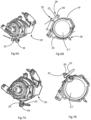
figure 7A est une première vue schématique illustrant une pompe à eau assemblée au support à l'issue du procédé d'assemblage ; - la
figure 7B est une deuxième vue schématique illustrant une pompe à eau assemblée au support à l'issue du procédé d'assemblage. - La
figure 1 illustre schématiquement un véhicule 1 automobile équipé d'un groupe motopropulseur 2 selon un mode de réalisation de l'invention. Le véhicule 1 peut être de toute nature. Notamment, il peut être par exemple un véhicule particulier, un véhicule utilitaire, un camion ou un bus. Le groupe motopropulseur 2 comprend un moteur, notamment un moteur à combustion pourvu d'un bloc moteur 3, ou carter moteur. Le groupe motopropulseur 2 comprend également un système de refroidissement 4. Le système de refroidissement 4 comprend un circuit 5 d'eau ou de liquide caloporteur, une première pompe à eau 6, ou pompe à eau principale, et une deuxième pompe à eau 7, ou pompe à eau auxiliaire. En variante, le système de refroidissement pourrait comprendre une unique pompe à eau ou bien trois ou encore davantage de pompes à eau. Avantageusement, le système de refroidissement peut également comprendre un échangeur thermique apte à refroidir l'eau ou le fluide caloporteur contenu dans le circuit 5. - Le circuit 5 est un réseau fermé de canalisations passant par différents organes du groupe motopropulseur ayant besoin d'être refroidis. Notamment, le circuit 5 peut comprendre des canalisations formées dans le bloc moteur 3. Les pompes à eau 6, 7 sont des équipements du groupe motopropulseur aptes à faire circuler de l'eau ou un fluide caloporteur dans le circuit 5 de refroidissement. De telles pompes peuvent également être dénommées pompe de refroidissement. Pour faire circuler l'eau ou le fluide caloporteur, les pompes à eau 6, 7 peuvent comprendre notamment une aube tournante apte entraîner l'eau ou le fluide caloporteur en circulation dans le circuit 5. Une telle aube peut avoir une enveloppe extérieure globalement cylindrique.
- Une pompe à eau peut être une pompe à eau dite mécanique, c'est-à-dire une pompe à eau dont la rotation de l'aube est assurée par un entraînement mécanique. Une pompe à eau mécanique peut comprendre notamment une poulie montée sur un roulement, la poulie étant entraînée en rotation par une courroie du moteur. Une pompe à eau peut également être une pompe à eau dite électrique, c'est-à-dire une pompe à eau dont la rotation de l'aube est assurée par un moteur électrique intégrée à la pompe à eau. Que la pompe à eau soit mécanique ou électrique, elle peut avoir une enveloppe globalement cylindrique. En effet, la poulie ou le moteur électrique peuvent avoir une forme globalement cylindrique dont l'axe de révolution est confondu avec l'axe de révolution de l'aube. Cet axe de révolution correspond à l'axe de rotation de l'aube.
- Selon le mode de réalisation illustré la première pompe à eau 6 est une pompe à eau mécanique et la deuxième pompe à eau 7 est une pompe à eau électrique. En variante, la première pompe à eau 6 pourrait être une pompe à eau électrique et la deuxième pompe à eau pourrait être une pompe à eau mécanique. Ou encore, les deux pompes à eau pourraient être toutes les deux des pompes à eau électriques.
- L'invention pourra avantageusement être utilisée pour l'assemblage d'une pompe à eau électrique puisque de telles pompes sont des composants standards ne requérant peu ou aucune adaptation pour être intégrés dans un système de refroidissement. La pompe à eau 7 électrique est illustrée sur la
figure 2 . Elle comprend donc un moteur électrique 8, un connecteur électrique 9 relié au moteur électrique 8, une entrée hydraulique 12 et une sortie hydraulique 13. L'entrée hydraulique 12 et la sortie hydraulique 13 sont constituées chacune par un raccord hydraulique apte à relier la pompe à eau 8 en amont et en aval au circuit 5. Le raccord hydraulique de l'entrée hydraulique 12 peut s'étendre selon un axe sensiblement aligné avec l'axe de rotation de l'aube ou du moteur électrique. Le raccord hydraulique de la sortie hydraulique 13 peut s'étendre selon un axe sensiblement perpendiculaire à l'axe de rotation de l'aube ou du moteur électrique. C'est-à-dire que le raccord hydraulique de la sortie hydraulique 13 s'étend radialement par rapport à l'aube. Ainsi, la configuration de la pompe à eau 7 est compatible avec un fonctionnement par centrifugation de l'eau ou du fluide caloporteur par l'aube. - La première pompe à eau 6 et la deuxième pompe à eau 7 sont fixées respectivement au bloc moteur 3 et à un élément de caisse 11 du véhicule. D'une manière générale, les pompes à eau sont fixées à un bâti ou une structure fixe du véhicule. En variante, les deux pompes à eau 6, 7 pourraient être indifféremment fixées au bloc moteur ou à un élément de caisse ou à deux éléments de caisse distincts. Dans la suite du document on utilisera le terme bâti pour désigner l'élément ou la structure sur lequel est fixée la pompe à eau 7. La deuxième pompe à eau 7 est fixée à un bâti par l'intermédiaire d'un support 20 dédié. La première pompe à eau 6 peut également être fixée à un bâti par l'intermédiaire d'un support 20'. Le support 20' peut être un support selon l'invention, voire un support identique au support 20, ou bien il peut être un support quelconque. Le support 20 a pour fonction de maintenir la pompe à eau dans une position déterminée tout au long de la vie du véhicule.
- Nous allons à présent décrire le support 20 permettant de fixer la deuxième pompe à eau 7, en référence aux
figures 2 et3 . Dans la suite de la description la deuxième pompe à eau sera plus simplement dénommée "pompe à eau". Sur lesfigures 2 et3 , le support 20 est présenté dans un état précédent la fixation de la pompe à eau. Le support est présenté dans un état tel que mis à disposition par un fabricant de support. Le support 20 comprend un collier 21, une bride de fixation 22 et une unique vis de serrage 23 du collier 21. Le collier 21 est un moyen de fixation de la pompe à eau au support 20. La bride de fixation 22, ou patte de fixation, est un moyen de fixation du support 20 au bâti. Selon l'invention, le support est réalisé en métal, plus exactement obtenu par emboutissage d'une tôle métallique. Le support 20 comprend une rigidité suffisante pour supporter le poids de la pompe à eau dans les conditions de fonctionnement du véhicule. Notamment, si le support est utilisé pour fixer la pompe à eau au bloc moteur 3, il sera avantageusement conçu pour supporter des vibrations de l'ordre de 160Hz minimum. Si le support est utilisé pour fixer la pompe à eau à un élément de caisse 11, il sera avantageusement conçu pour supporter des vibrations de l'ordre de 30Hz minimum. L'épaisseur de la tôle métallique utilisée pour la fabrication du support pourra être choisie pour atteindre la robustesse adéquate. - Le bride de fixation 22 comprend une géométrie propre à la configuration du véhicule dans lequel la pompe à eau est installée. Elle peut comprendre différentes portions plus ou moins planes et inclinées les unes par rapport aux autres. La bride de fixation comprend en outre deux trous de fixation 38, 39, dont l'un est oblong. Ces deux trous 39, 39 permettent de fixer le support au bâti. Ces trous 38, 39 sont destinés à coopérer avec des vis de fixation 40 (visibles sur la
figure 4 ) en prise dans le bâti. Le nombre de trous permettant de fixer le support 20 peut être quelconque. En variante, le support 20 pourrait être fixé au bâti par d'autres techniques de fixation tels que par exemple, le rivetage, le sertissage ou la soudure. - Le collier 21 comprend une ouverture centrale de forme globalement circulaire. Il est formé par demi-coques 24, 25 et une articulation en rotation 26 entre les deux demi-coques 24, 25. Les deux demi-coques 24, 25 sont donc deux éléments distincts l'un de l'autre. La première demi-coque 24 forme avec la bride de fixation 22 un ensemble monobloc, c'est-à-dire un ensemble formé par une unique pièce. Les deux demi-coques 24, 25 se présentent grossièrement sous la forme d'une bande de largeur sensiblement constante s'étendant le long d'un demi-cercle. Les deux demi coques peuvent avoir une forme grossièrement identique. La forme des demi coques 24, 25 est définies pour épouser la forme d'une section de la pompe à eau. En particulier, la deuxième demi-coque 25 comprend un bossage 37 en forme de "U". Lorsque la pompe à eau est en place dans le support 20, le bossage 37 couvre le connecteur électrique 9 de la pompe à eau. Le bossage 37 permet de contourner le connecteur électrique 9. Le bossage 37 permet d'indexer, notamment à rotation, la pompe sur le collier 21 de sorte que cette dernière peut être facilement assemblée, notamment en aveugle. En outre, une fois la pompe assemblée sur le collier, le bossage protège le connecteur électrique 9 contre des chocs, notamment des projections provenant du roulage du véhicule. En variante, les forme des deux demi-coques pourraient être tout autre.
- La première demi-coque 24 comprend deux extrémités 27, 28. La première extrémité 27 comprend un crochet 29 et la deuxième extrémité 28 comprend une première ouverture 30 au travers de laquelle passe la vis de serrage 23. De même, la deuxième demi-coque 25 comprend deux extrémités 31, 32. La première extrémité 31 comprend un trou 33 et la deuxième extrémité 32 comprend une deuxième ouverture 34 au travers de laquelle passe la vis de serrage 23.
- L'articulation en rotation 26 est obtenue par la coopération du crochet 29 avec le trou 33. La deuxième demi-coque peut donc pivoter par rapport à la première demi-coque autour d'un axe passant par la première extrémité 27 de la première demi-coque, coïncidant avec la première extrémité 31 de la deuxième demi-coque. Cet axe est orienté globalement perpendiculairement à la surface formée par l'ouverture centrale du collier 21. Par conséquent les deux premières extrémités 27, 31 sont toujours en contact l'une avec l'autre et les deux deuxièmes extrémités peuvent s'écarter l'une de l'autre grâce à l'articulation en rotation 26. (en remarque, la position du crochet et du trou pourrait être inversée, c'est-à-dire que le crochet pourrait être agencé sur la deuxième demi-coque et le trou être agencé sur la première demi-coque. On peut notamment définir un angle d'ouverture A1 comme l'angle formée entre une première droite passant par les deux extrémités 27, 28, et une deuxième droite passant par les deux extrémités 31, 32.
- En passant par les ouvertures 30 et 34, la vis de serrage 23 bloque l'articulation en rotation 26 de sorte que les deux demi-coques 24, 25 forment un angle d'ouverture A1 fixe. Avantageusement, dans la configuration représentée sur les
figures 2 à 5 , l'angle A1 peut être compris entre 10° et 15°, notamment il peut être d'environ 12°. Par conséquent les deux extrémités 28 et 32, respectivement de la première demi-coque 24 et de la deuxième demi-coque 25 ne sont pas en contact l'une avec l'autre. Ces deux extrémités sont destinées à venir en contact l'une de l'autre lors du serrage ultérieur de la vis de serrage 23. Le maintien d'un angle d'ouverture A1 à une valeur déterminée peut être obtenu de différentes manières. - Selon le mode de réalisation illustré, le rapprochement des deux extrémités 28 et 32 peut être contraint grâce à une configuration spécifique du crochet 29 et du trou 33 qui tend à écarter les deux extrémités 28 et 32 l'une de l'autre. Autrement dit, le crochet 29 et le trou 33 peuvent être conçus de sorte à produire un effort de rappel tendant à ouvrir l'angle A1. Lors du serrage ultérieur de la vis de serrage 23, cet effort pourra être facilement vaincu. Selon une variante de réalisation, ledit moyen utilisé pour produire un effort d'écartement des deux extrémités 28 et 32 peut être un ressort non représenté travaillant en compression disposé autour de la vis de serrage et intercalé entre les deux extrémités 28 et 32 des demi-coques. Du fait de l'appui du ressort contre chacune respectivement les parois des deux extrémités 28 et 32, un effort d'écartement des demi-coques est appliqué pour s'opposer au resserrement des deux demi-coques 24, 25. Par ailleurs, la vis de serrage 23 comprend d'une part une tête de vis 35 en appui sur l'extrémité 32, et d'autre part elle comprend des filets coopérant avec un écrou ou une ouverture filetée aménagée au niveau de l'extrémité 28. Notamment, comme cela apparait sur la
figure 3 , l'extrémité 28 peut comprendre un écrou 36, par exemple soudé à l'extrémité 28. L'axe dans lequel s'étend la vis de serrage 23 est donc défini par l'orientation des filets de l'écrou 36. Avantageusement l'ouverture 34 comprend une forme oblongue de manière à permettre à la deuxième demi-coque de pivoter par rapport à la première demi-coque sans que le corps de la vis n'interfère avec l'ouverture 34. Ainsi, en absence de toute sollicitation extérieure, les deux demi-coques s'écartent l'une de l'autre sous l'effet de l'effort de rappel jusqu'à ce que la tête de vis 35 soit en butée contre l'extrémité 32. En remarque, la position des deux trous 30, 34 et de la vis pourrait être inversée. La tête de vis pourrait être en appui sur l'extrémité 28 tandis que l'écrou 36 pourrait être fixé sur l'extrémité 32. On pourra choisir l'orientation de la vis de serrage de manière à faciliter l'accès à la tête de vis pour le serrage de cette vis. - En variante, le maintien d'un angle d'ouverture A1 à une valeur déterminée peut être obtenu en aménageant des filets dans chacune des ouvertures 30 et 34. Les filets des deux ouvertures 30 et 34 seraient alors tous deux en prise avec la vis de serrage. Le pivotement de la deuxième demi coque par rapport à la première demi-coque lors du serrage de la vis de serrage pourrait alors induire une légère déformation des demi-coques.
- Selon une autre variante de réalisation, l'effort de rappel tendant à ouvrir l'angle d'ouverture A1 pourrait être obtenu de toute autre manière. Notamment il pourrait être obtenu par le simple effet de la gravité s'exerçant sur la deuxième demi-coque 25.
- Selon une autre variante, le collier pourrait être constitué par un unique élément en forme de C sans aucun moyen d'articulation. Les deux extrémités du C auraient alors une conception proche ou identique des deux extrémités 28, 32 décrites précédemment. Le maintien d'un angle d'ouverture A1 à une valeur prédéterminée serait obtenu par la forme intrinsèque du collier. Lors du serrage ultérieur du collier, ses deux extrémités pourraient se rejoindre grâce à une déformation globale du collier.
- En complément, le support 20 peut comprendre un moyen de détrompage pour éviter qu'un opérateur monte la pompe à eau à l'envers. Ce moyen de détrompage peut être par exemple obtenu par une portion du collier qui viendrait buter contrer l'un des raccords hydraulique formant l'entrée hydraulique 12 ou la sortie hydraulique 13 de la pompe à eau.
- Selon l'invention, le montage de la pompe à eau est obtenu selon un procédé d'assemblage qui va maintenant être décrit.
- Dans une première étape E1, on fournit le support 20 tel que décrit précédemment. Notamment, la vis de serrage 23 est engagée dans l'écrou 36 de sorte que l'angle d'ouverture A1 soit fixé à une valeur comprise entre 10° et 15°, notamment de sorte que l'angle d'ouverture A1 soit environ égal à 12°. Le support est libre, c'est-à-dire qu'il n'est pas pré-assemblé à la pompe à eau. L'ouverture centrale du collier 21 est donc libre, autrement dit dégagée.
- Dans une deuxième étape E2, illustrée à la
figure 4 , on fixe le support 20 au bâti (non représenté) du véhicule et/ou du groupe motopropulseur. A cet effet, on visse les vis de fixation 40 au travers des deux trous de fixation 39, 39 de la bride de fixation 22 dans le bâti. Le montage du support 20 seul est plus aisé que s'il était préassemblé à la pompe à eau car il est plus léger à manipuler et on accède plus facilement et/ou on visualise plus facilement les vis permettant de le fixer au bâti. Lors de cette étape la vis de serrage 23 n'est pas manipulée et l'angle d'ouverture A1 du collier demeure à la même valeur que lors de la première étape E1. A l'issue de la deuxième étape E2, on dispose donc d'un bâti auquel est fixé le support. Le collier du support comprend une ouverture centrale dégagée et prête à recevoir la pompe à eau. - Dans une troisième étape E3, illustrée à la
figure 5 , on apporte la pompe à eau et on l'insert ou, autrement dit, on la fait passer dans l'ouverture centrale du collier 21. L'angle d'ouverture A1 compris entre 10° et 15, préférentiellement de 12°, permet d'obtenir une ouverture centrale suffisamment importante pour insérer aisément la pompe à eau dans le collier. Avantageusement, un moyen de détrompage empêche d'insérer la pompe à eau selon une orientation qui ne serait pas correcte. Avantageusement, le bossage 37 offre un repère visuel qui permet d'orienter correctement la pompe à eau. L'opérateur chargé du montage peut aisément identifier le connecteur électrique 9 sur la pompe à eau et la faire pivoter de sorte à ce que sa position coïncide avec celle du bossage 37. Une fois en place, le connecteur électrique 9 est protégé des chocs par le bossage 37 qui le recouvre. Le bossage 37 permet également de s'assurer visuellement ou mécaniquement que la pompe à eau est insérée à la bonne profondeur dans la collier 21. - Dans une quatrième étape E4, illustrée sur les
figures 6A et 6B , on serre la vis de serrage 23 pour bloquer en position la pompe à eau. La vis de serrage 23 est vissée au travers de l'écrou 36. Le déplacement de la tête de vis 35 en appui sur l'extrémité 32 de la deuxième demi-coque 25 provoque le pivotement de la deuxième demi-coque 25 selon l'articulation en rotation 26. L'extrémité 32 de la deuxième demi-coque 25 se rapproche de l'extrémité 28 de la première demi-coque 24 jusqu'à ce que les deux demi-coques serrent efficacement le corps de la pompe à eau. En remarque, on observe qu'il n'est pas nécessaire d'apporter la vis de serrage 23 dans une étape spécifique car celle-ci est solidaire des deux demi-coques. Comme la vis de serrage 23 est en prise dans l'écrou 36 elle ne bouge pas, et l'opérateur pourra facilement trouver la tête de vis 35 pour la visser. De plus, l'angle d'ouverture A1 compris entre 10° et 15°, préférentiellement de 12°, permet d'avoir une course de serrage du collier relativement faible et donc un serrage rapide du collier. Cet angle d'ouverture A1 est donc le meilleur compromis entre facilité d'insertion de la pompe à eau dans l'ouverture centrale et rapidité de serrage du collier. - A l'issue de la quatrième étape E4 la pompe à eau est donc fixée au bâti par l'intermédiaire du support 20. On observe que les extrémités 28 et 32 des deux demi-coques sont en contact l'une contre l'autre. Ainsi on évite que les deux demi-coquent serrent de manière trop importante la pompe à eau. Le couple de serrage de la vis de serrage 23 peut donc être suffisamment important pour prévenir tout risque de desserrage de cette vis lors de l'utilisation du véhicule, sans pour autant risquer d'endommager la pompe à eau par un serrage excessif. Pour finir la pompe à eau peut être raccordée au circuit 5 via son entrée hydraulique 12 et sa sortie hydraulique 13. La pompe à eau peut également être connectée électriquement à une unité de contrôle électronique via le connecteur électrique 9.
- Grâce au procédé de montage, on parvient à assembler simplement la pompe à eau à un bâti d'un véhicule. Les pompes à eau n'ont pas besoin d'être pré-assemblées à un support ce qui simplifie la gestion des stocks de pompe à eau qui peut être mutualisé pour différents véhicules. Le procédé de montage ne requiert pas non plus une table de montage sur laquelle la pompe à eau est pré-assemblée au support. Le poste de travail du montage de la pompe à eau est très simple puisqu'il ne requiert qu'un stock de pompe à eau d'une part et un stock de supports selon l'invention d'autre part.
Claims (11)
- Support (20) destiné à fixer une pompe à eau (7) électrique, à un véhicule (1) automobile et/ou à un groupe motopropulseur (2), comprenant une bride de fixation (22) destinée à être fixée à un véhicule (1) automobile et/ou à un groupe motopropulseur (2), un collier (21) et une vis de serrage (23) du collier (21), le collier (21) comprenant deux demi-coques (24, 25) et une articulation en rotation (26) entre les deux demi-coques (24, 25), le collier (21) comprenant une ouverture centrale, libre, destinée à recevoir la pompe à eau (7), la première demi-coque (24) comprenant une première ouverture (30), la deuxième demi-coque (25) comprenant une deuxième ouverture (34), la vis de serrage (23) étant engagée dans la première ouverture (30) et dans la deuxième ouverture (34), la première demi-coque (34) et la deuxième demi-coque (25) formant un angle d'ouverture (A1) strictement supérieur à zéro, notamment un angle d'ouverture compris entre 10° et 15°, caractérisé en ce que le support est obtenu par emboutissage d'une tôle métallique, l'articulation en rotation (26) étant obtenue par la coopération d'un crochet (29) avec un trou (33).
- Support (20) selon la revendication précédente, caractérisé en ce que le collier (21) comprend un bossage (37) destiné à couvrir un connecteur électrique (9) d'une pompe à eau (7).
- Ensemble comprenant un bâti (3, 11) d'un véhicule (1) automobile et/ou d'un groupe motopropulseur (2) et un support (20) selon la revendication 1 ou 2, le support (20) étant fixé au bâti (3, 11).
- Procédé d'assemblage d'un équipement automobile, notamment une pompe à eau électrique (7), à un véhicule (1) automobile et/ou à un groupe motopropulseur (2), caractérisé en ce qu'il comprend :- une première étape (E1) de fourniture d'un support (20) selon la revendication 1, le support (20) comprenant un collier (21) et une vis de serrage (23) du collier (21), le collier (21) comprenant deux demi-coques (24, 25), la première demi-coque (24) comprenant une première ouverture (30), la deuxième demi-coque (25) comprenant une deuxième ouverture (34), la vis de serrage (23) étant engagée au travers de la première ouverture (30) et au travers de la deuxième ouverture (34) ;- une deuxième étape (E2) de fixation du support (20) à un bâti (3, 11) du véhicule (1) automobile et/ou du groupe motopropulseur (2) ;- une troisième étape (E3) d'insertion de l'équipement automobile à l'intérieur du collier ;- une quatrième étape (E4) de serrage de la vis de serrage (23) pour bloquer en position l'équipement automobile.
- Procédé d'assemblage selon la revendication précédente, caractérisé en ce que le collier (21) comprend une articulation en rotation (26) entre les deux demi-coques (24, 25) et une unique vis de serrage (23) du collier (21).
- Procédé d'assemblage selon la revendication précédente, caractérisé en que, lors de la première étape (E1), de la deuxième étape (E2) et de la troisième étape (E3), la première demi-coque (24) et la deuxième demi-coque (25) sont dans une position d'écartement.
- Procédé d'assemblage selon la revendication précédente, caractérisé en qu'en position d'écartement des première et deuxième demi-coques (24, 25), ces dernières définissent un angle d'ouverture (A1) qui est compris entre 10° et 15°, notamment en ce qu'il est environ égal à 12°.
- Procédé d'assemblage selon l'une des revendications 4 à 7, caractérisé en ce que le support (20) comprend une bride de fixation (22), le support (20) étant fixé, notamment vissé, à un bâti (3, 11) du véhicule (1) automobile et/ou du groupe motopropulseur (2) au cours de la deuxième étape (E2) par l'intermédiaire de la bride de fixation (22).
- Procédé d'assemblage selon l'une des revendications 4 à 8, caractérisé en ce que le support (20) comprend un moyen de détrompage pour éviter qu'un opérateur monte l'équipement automobile à l'envers.
- Procédé d'assemblage selon l'une des revendications 4 à 9, caractérisé en ce que l'équipement automobile comprend un connecteur électrique (9), et en ce que le collier comprend un bossage (37) couvrant le connecteur électrique (9) à l'issue de la quatrième étape (E4).
- Véhicule (1) automobile et/ou groupe motopropulseur (2), caractérisé en ce qu'il comprend au moins un équipement automobile, notamment une pompe à eau (7) électrique, ou une pompe à eau (6) mécanique et une pompe à eau (7) électrique, et en ce qu'il est assemblé grâce à un procédé d'assemblage selon l'une des revendications 4 à 10.
Applications Claiming Priority (2)
| Application Number | Priority Date | Filing Date | Title |
|---|---|---|---|
| FR1874218A FR3091255B1 (fr) | 2018-12-27 | 2018-12-27 | Procédé d'assemblage d'une pompe à eau à un véhicule automobile et/ou à un groupe motopropulseur |
| PCT/EP2019/084223 WO2020136000A1 (fr) | 2018-12-27 | 2019-12-09 | Procédé d'assemblage d'une pompe à eau à un véhicule automobile et/ou à un groupe motopropulseur |
Publications (2)
| Publication Number | Publication Date |
|---|---|
| EP3902987A1 EP3902987A1 (fr) | 2021-11-03 |
| EP3902987B1 true EP3902987B1 (fr) | 2025-02-05 |
Family
ID=67107613
Family Applications (1)
| Application Number | Title | Priority Date | Filing Date |
|---|---|---|---|
| EP19813364.7A Active EP3902987B1 (fr) | 2018-12-27 | 2019-12-09 | Procédé d'assemblage d'une pompe à eau à un véhicule automobile et/ou à un groupe motopropulseur |
Country Status (4)
| Country | Link |
|---|---|
| EP (1) | EP3902987B1 (fr) |
| CN (1) | CN113227551B (fr) |
| FR (1) | FR3091255B1 (fr) |
| WO (1) | WO2020136000A1 (fr) |
Families Citing this family (4)
| Publication number | Priority date | Publication date | Assignee | Title |
|---|---|---|---|---|
| FR3139509B1 (fr) * | 2022-09-08 | 2024-07-26 | Psa Automobiles Sa | Groupe motopropulseur de vehicule automobile avec machine de traction equipee de pompes electriques |
| FR3144839B1 (fr) * | 2023-01-10 | 2025-11-28 | Psa Automobiles Sa | Ensemble pour fluide de refroidissement de vehicule automobile avec pompes fixees sur un support |
| WO2024199486A1 (fr) * | 2023-03-31 | 2024-10-03 | 芜湖美智空调设备有限公司 | Ensemble pompe à liquide destiné à un climatiseur de type fenêtre et climatiseur de type fenêtre |
| FR3149930B1 (fr) * | 2023-06-19 | 2025-05-02 | Psa Automobiles Sa | Ensemble forme d’un bloc-cylindres et d’une pompe a eau, muni de moyens de positionnement et de detrompage, dans un moteur thermique de vehicule |
Family Cites Families (17)
| Publication number | Priority date | Publication date | Assignee | Title |
|---|---|---|---|---|
| GB339065A (en) * | 1929-10-28 | 1930-12-04 | Jean Paul Marie Malleville | Improvements in or relating to band clips |
| GB521499A (en) * | 1937-11-16 | 1940-05-23 | Schmidt & Co Gmbh | Improved holder for dynamos for cycles and other light vehicles |
| DE69126136T2 (de) * | 1990-07-09 | 1997-12-11 | Deco-Grand, Inc., Royal Oak, Mich. | Wasserpumpe |
| FR2902706A3 (fr) * | 2006-06-26 | 2007-12-28 | Renault Sas | Support accessoire faisant office de palier relais |
| FR2925117A1 (fr) * | 2007-12-12 | 2009-06-19 | Renault Sas | Carter compresseur a palier relais integre. |
| CN201925606U (zh) * | 2011-01-26 | 2011-08-10 | 张家港迪克通信设备有限公司 | 一种抱箍 |
| JP2013015097A (ja) * | 2011-07-05 | 2013-01-24 | Saginomiya Seisakusho Inc | 空気調和機用排水ポンプ |
| CN204061341U (zh) * | 2014-09-04 | 2014-12-31 | 常州市东南电器电机股份有限公司 | 一种车用电动水泵的安装组件 |
| US11401950B2 (en) * | 2015-06-30 | 2022-08-02 | Pierburg Pump Technology Gmbh | Pump housing having a fastening structure |
| DE202015008551U1 (de) * | 2015-12-14 | 2017-03-16 | GM Global Technology Operations LLC (n. d. Gesetzen des Staates Delaware) | Flanschverbindung eines Turboladers und einer Nachbehandlungsvorrichtung |
| JP6272615B2 (ja) * | 2016-02-19 | 2018-01-31 | 本田技研工業株式会社 | パワーユニットの補機取り付け構造 |
| DE102016209204A1 (de) * | 2016-05-27 | 2017-11-30 | Robert Bosch Gmbh | Vorrichtung zur Regelung mindestens eines Fluidstroms in einem Fahrzeug |
| FR3052492B1 (fr) * | 2016-06-09 | 2018-07-13 | Peugeot Citroen Automobiles Sa | Palier de transmission servant de support pour une pompe a eau sur un groupe motopropulseur |
| JP6834300B2 (ja) * | 2016-09-27 | 2021-02-24 | アイシン精機株式会社 | 電動ポンプ |
| CN206530546U (zh) * | 2017-03-02 | 2017-09-29 | 中国第一汽车股份有限公司 | 车用电动水泵固定装置 |
| CN106903634A (zh) * | 2017-04-25 | 2017-06-30 | 江苏三能动力总成有限公司 | 一种环抱式水泵皮带轮止动装置及其使用方法 |
| CN207740077U (zh) * | 2017-11-22 | 2018-08-17 | 盾安环境技术有限公司 | 一种汽车电子水泵固定支架 |
-
2018
- 2018-12-27 FR FR1874218A patent/FR3091255B1/fr active Active
-
2019
- 2019-12-09 CN CN201980086324.2A patent/CN113227551B/zh active Active
- 2019-12-09 EP EP19813364.7A patent/EP3902987B1/fr active Active
- 2019-12-09 WO PCT/EP2019/084223 patent/WO2020136000A1/fr not_active Ceased
Also Published As
| Publication number | Publication date |
|---|---|
| WO2020136000A1 (fr) | 2020-07-02 |
| FR3091255A1 (fr) | 2020-07-03 |
| EP3902987A1 (fr) | 2021-11-03 |
| FR3091255B1 (fr) | 2022-05-27 |
| CN113227551B (zh) | 2025-03-21 |
| CN113227551A (zh) | 2021-08-06 |
Similar Documents
| Publication | Publication Date | Title |
|---|---|---|
| EP3902987B1 (fr) | Procédé d'assemblage d'une pompe à eau à un véhicule automobile et/ou à un groupe motopropulseur | |
| EP1241072A1 (fr) | Assemblage d'un étrier de colonne de direction avec un pignon de direction d'un véhicule automobile | |
| EP0521776B1 (fr) | Dispositif de raccordement de deux tuyaux à deux conduits, en particulier pour véhicule automobile | |
| EP3438595B1 (fr) | Jonction de portions de circuit de refroidissement pour un ensemble de deux boitiers | |
| FR2862915A1 (fr) | Moteur a combustion interne comportant un catalyseur fixe sur le carter | |
| EP2648939B1 (fr) | Goulotte de reception d'elements allonges, son procede de montage et ensemble comprenant un support et une telle goulotte | |
| WO2018011481A1 (fr) | Dispositif de mesure d un courant a serrage vertical sur une borne de batterie | |
| EP0320327B1 (fr) | Dispositif de fixation d'une première pièce telle qu'accessoire à une deuxième pièce telle que support à douille de rattrapage du jeu d'assemblage entre les deux pièces et douille utilisée pour la fixation de ces pièces | |
| CA2635034A1 (fr) | Systeme de raccordement comprenant des moyens de fixation de securite | |
| FR2923542A1 (fr) | Ferrure de carter, carter muni d'une telle ferrure, dispositif de fixation d'un boitier d'accessoires sur un tel carter et turbomachine comportant un tel carter | |
| FR3116039A1 (fr) | Carter d’un dispositif de système de direction assistée muni d’un couvercle | |
| FR2956886A1 (fr) | Dispositif de fixation d'embouts de gaine, en particulier de cables de commande de vitesses de vehicule | |
| FR3144430A1 (fr) | Dispositif de connexion électrique | |
| FR2913088A3 (fr) | Raccord banjo pourvu d'un joint imperdable | |
| FR3079280A1 (fr) | Dispositif de maintien pour cable ou conduite de fluide dans un vehicule | |
| FR2927132A1 (fr) | Dispositif de fixation ayant une piece de support et une ceinture | |
| EP3727916B1 (fr) | Support de moteur électrique comprenant un conduit intégré et groupe motopropulseur comprenant un tel support | |
| FR3111866A1 (fr) | Ensemble de deux pièces de direction formant une gorge destinée à recevoir un joint d’étanchéité, ladite gorge ayant un côté incliné. | |
| FR3023884A1 (fr) | Gamme de dispositif d'accouplement | |
| FR2849116A1 (fr) | Moteur a combustion interne muni d'une pompe et procede de remplacement de ladite pompe | |
| FR3094471A1 (fr) | Interface et ensemble de raccordement de tubulures de fluide réfrigérant dans un ensemble de refroidissement d’un dispositif de stockage électrique | |
| FR3163507A1 (fr) | Flasque pour machine électrique tournante d’un véhicule | |
| EP3645906A1 (fr) | Pompe hydraulique pour interface de connexion hydraulique d'un mecanisme d'embrayage | |
| WO2020148387A1 (fr) | Boîte électronique pour machine électrique tournante d'un véhicule comprenant des organes de maintien emboités | |
| FR2573149A1 (fr) | Ensemble de transmission, notamment pour vehicule automobile, organe d'accouplement hydraulique comportant un tel ensemble de transmission, et dispositif de prise de mouvement propre a la constitution de celui-ci |
Legal Events
| Date | Code | Title | Description |
|---|---|---|---|
| STAA | Information on the status of an ep patent application or granted ep patent |
Free format text: STATUS: UNKNOWN |
|
| STAA | Information on the status of an ep patent application or granted ep patent |
Free format text: STATUS: THE INTERNATIONAL PUBLICATION HAS BEEN MADE |
|
| PUAI | Public reference made under article 153(3) epc to a published international application that has entered the european phase |
Free format text: ORIGINAL CODE: 0009012 |
|
| STAA | Information on the status of an ep patent application or granted ep patent |
Free format text: STATUS: REQUEST FOR EXAMINATION WAS MADE |
|
| 17P | Request for examination filed |
Effective date: 20210603 |
|
| AK | Designated contracting states |
Kind code of ref document: A1 Designated state(s): AL AT BE BG CH CY CZ DE DK EE ES FI FR GB GR HR HU IE IS IT LI LT LU LV MC MK MT NL NO PL PT RO RS SE SI SK SM TR |
|
| RAP3 | Party data changed (applicant data changed or rights of an application transferred) |
Owner name: RENAULT S.A.S |
|
| DAV | Request for validation of the european patent (deleted) | ||
| DAX | Request for extension of the european patent (deleted) | ||
| RAP3 | Party data changed (applicant data changed or rights of an application transferred) |
Owner name: RENAULT S.A.S |
|
| STAA | Information on the status of an ep patent application or granted ep patent |
Free format text: STATUS: EXAMINATION IS IN PROGRESS |
|
| P01 | Opt-out of the competence of the unified patent court (upc) registered |
Effective date: 20230608 |
|
| 17Q | First examination report despatched |
Effective date: 20230710 |
|
| GRAP | Despatch of communication of intention to grant a patent |
Free format text: ORIGINAL CODE: EPIDOSNIGR1 |
|
| STAA | Information on the status of an ep patent application or granted ep patent |
Free format text: STATUS: GRANT OF PATENT IS INTENDED |
|
| INTG | Intention to grant announced |
Effective date: 20240730 |
|
| GRAS | Grant fee paid |
Free format text: ORIGINAL CODE: EPIDOSNIGR3 |
|
| GRAA | (expected) grant |
Free format text: ORIGINAL CODE: 0009210 |
|
| STAA | Information on the status of an ep patent application or granted ep patent |
Free format text: STATUS: THE PATENT HAS BEEN GRANTED |
|
| AK | Designated contracting states |
Kind code of ref document: B1 Designated state(s): AL AT BE BG CH CY CZ DE DK EE ES FI FR GB GR HR HU IE IS IT LI LT LU LV MC MK MT NL NO PL PT RO RS SE SI SK SM TR |
|
| REG | Reference to a national code |
Ref country code: GB Ref legal event code: FG4D Free format text: NOT ENGLISH |
|
| REG | Reference to a national code |
Ref country code: CH Ref legal event code: EP |
|
| REG | Reference to a national code |
Ref country code: IE Ref legal event code: FG4D Free format text: LANGUAGE OF EP DOCUMENT: FRENCH |
|
| REG | Reference to a national code |
Ref country code: DE Ref legal event code: R096 Ref document number: 602019065631 Country of ref document: DE |
|
| REG | Reference to a national code |
Ref country code: NL Ref legal event code: MP Effective date: 20250205 |
|
| PG25 | Lapsed in a contracting state [announced via postgrant information from national office to epo] |
Ref country code: RS Free format text: LAPSE BECAUSE OF FAILURE TO SUBMIT A TRANSLATION OF THE DESCRIPTION OR TO PAY THE FEE WITHIN THE PRESCRIBED TIME-LIMIT Effective date: 20250505 |
|
| PG25 | Lapsed in a contracting state [announced via postgrant information from national office to epo] |
Ref country code: FI Free format text: LAPSE BECAUSE OF FAILURE TO SUBMIT A TRANSLATION OF THE DESCRIPTION OR TO PAY THE FEE WITHIN THE PRESCRIBED TIME-LIMIT Effective date: 20250205 |
|
| PG25 | Lapsed in a contracting state [announced via postgrant information from national office to epo] |
Ref country code: PL Free format text: LAPSE BECAUSE OF FAILURE TO SUBMIT A TRANSLATION OF THE DESCRIPTION OR TO PAY THE FEE WITHIN THE PRESCRIBED TIME-LIMIT Effective date: 20250205 |
|
| PG25 | Lapsed in a contracting state [announced via postgrant information from national office to epo] |
Ref country code: ES Free format text: LAPSE BECAUSE OF FAILURE TO SUBMIT A TRANSLATION OF THE DESCRIPTION OR TO PAY THE FEE WITHIN THE PRESCRIBED TIME-LIMIT Effective date: 20250205 |
|
| REG | Reference to a national code |
Ref country code: LT Ref legal event code: MG9D |
|
| PG25 | Lapsed in a contracting state [announced via postgrant information from national office to epo] |
Ref country code: IS Free format text: LAPSE BECAUSE OF FAILURE TO SUBMIT A TRANSLATION OF THE DESCRIPTION OR TO PAY THE FEE WITHIN THE PRESCRIBED TIME-LIMIT Effective date: 20250605 Ref country code: NO Free format text: LAPSE BECAUSE OF FAILURE TO SUBMIT A TRANSLATION OF THE DESCRIPTION OR TO PAY THE FEE WITHIN THE PRESCRIBED TIME-LIMIT Effective date: 20250505 |
|
| PG25 | Lapsed in a contracting state [announced via postgrant information from national office to epo] |
Ref country code: NL Free format text: LAPSE BECAUSE OF FAILURE TO SUBMIT A TRANSLATION OF THE DESCRIPTION OR TO PAY THE FEE WITHIN THE PRESCRIBED TIME-LIMIT Effective date: 20250205 |
|
| PG25 | Lapsed in a contracting state [announced via postgrant information from national office to epo] |
Ref country code: HR Free format text: LAPSE BECAUSE OF FAILURE TO SUBMIT A TRANSLATION OF THE DESCRIPTION OR TO PAY THE FEE WITHIN THE PRESCRIBED TIME-LIMIT Effective date: 20250205 |
|
| PG25 | Lapsed in a contracting state [announced via postgrant information from national office to epo] |
Ref country code: LV Free format text: LAPSE BECAUSE OF FAILURE TO SUBMIT A TRANSLATION OF THE DESCRIPTION OR TO PAY THE FEE WITHIN THE PRESCRIBED TIME-LIMIT Effective date: 20250205 Ref country code: PT Free format text: LAPSE BECAUSE OF FAILURE TO SUBMIT A TRANSLATION OF THE DESCRIPTION OR TO PAY THE FEE WITHIN THE PRESCRIBED TIME-LIMIT Effective date: 20250605 |
|
| PG25 | Lapsed in a contracting state [announced via postgrant information from national office to epo] |
Ref country code: GR Free format text: LAPSE BECAUSE OF FAILURE TO SUBMIT A TRANSLATION OF THE DESCRIPTION OR TO PAY THE FEE WITHIN THE PRESCRIBED TIME-LIMIT Effective date: 20250506 Ref country code: BG Free format text: LAPSE BECAUSE OF FAILURE TO SUBMIT A TRANSLATION OF THE DESCRIPTION OR TO PAY THE FEE WITHIN THE PRESCRIBED TIME-LIMIT Effective date: 20250205 |
|
| REG | Reference to a national code |
Ref country code: AT Ref legal event code: MK05 Ref document number: 1764926 Country of ref document: AT Kind code of ref document: T Effective date: 20250205 |
|
| PG25 | Lapsed in a contracting state [announced via postgrant information from national office to epo] |
Ref country code: SE Free format text: LAPSE BECAUSE OF FAILURE TO SUBMIT A TRANSLATION OF THE DESCRIPTION OR TO PAY THE FEE WITHIN THE PRESCRIBED TIME-LIMIT Effective date: 20250205 |
|
| PG25 | Lapsed in a contracting state [announced via postgrant information from national office to epo] |
Ref country code: SM Free format text: LAPSE BECAUSE OF FAILURE TO SUBMIT A TRANSLATION OF THE DESCRIPTION OR TO PAY THE FEE WITHIN THE PRESCRIBED TIME-LIMIT Effective date: 20250205 |
|
| PG25 | Lapsed in a contracting state [announced via postgrant information from national office to epo] |
Ref country code: DK Free format text: LAPSE BECAUSE OF FAILURE TO SUBMIT A TRANSLATION OF THE DESCRIPTION OR TO PAY THE FEE WITHIN THE PRESCRIBED TIME-LIMIT Effective date: 20250205 |
|
| PG25 | Lapsed in a contracting state [announced via postgrant information from national office to epo] |
Ref country code: IT Free format text: LAPSE BECAUSE OF FAILURE TO SUBMIT A TRANSLATION OF THE DESCRIPTION OR TO PAY THE FEE WITHIN THE PRESCRIBED TIME-LIMIT Effective date: 20250205 |
|
| PG25 | Lapsed in a contracting state [announced via postgrant information from national office to epo] |
Ref country code: AT Free format text: LAPSE BECAUSE OF FAILURE TO SUBMIT A TRANSLATION OF THE DESCRIPTION OR TO PAY THE FEE WITHIN THE PRESCRIBED TIME-LIMIT Effective date: 20250205 |
|
| PG25 | Lapsed in a contracting state [announced via postgrant information from national office to epo] |
Ref country code: CZ Free format text: LAPSE BECAUSE OF FAILURE TO SUBMIT A TRANSLATION OF THE DESCRIPTION OR TO PAY THE FEE WITHIN THE PRESCRIBED TIME-LIMIT Effective date: 20250205 Ref country code: EE Free format text: LAPSE BECAUSE OF FAILURE TO SUBMIT A TRANSLATION OF THE DESCRIPTION OR TO PAY THE FEE WITHIN THE PRESCRIBED TIME-LIMIT Effective date: 20250205 |
|
| PG25 | Lapsed in a contracting state [announced via postgrant information from national office to epo] |
Ref country code: RO Free format text: LAPSE BECAUSE OF FAILURE TO SUBMIT A TRANSLATION OF THE DESCRIPTION OR TO PAY THE FEE WITHIN THE PRESCRIBED TIME-LIMIT Effective date: 20250205 |
|
| PG25 | Lapsed in a contracting state [announced via postgrant information from national office to epo] |
Ref country code: SK Free format text: LAPSE BECAUSE OF FAILURE TO SUBMIT A TRANSLATION OF THE DESCRIPTION OR TO PAY THE FEE WITHIN THE PRESCRIBED TIME-LIMIT Effective date: 20250205 |
|
| REG | Reference to a national code |
Ref country code: DE Ref legal event code: R097 Ref document number: 602019065631 Country of ref document: DE |
|
| PLBE | No opposition filed within time limit |
Free format text: ORIGINAL CODE: 0009261 |
|
| STAA | Information on the status of an ep patent application or granted ep patent |
Free format text: STATUS: NO OPPOSITION FILED WITHIN TIME LIMIT |
|
| PGFP | Annual fee paid to national office [announced via postgrant information from national office to epo] |
Ref country code: DE Payment date: 20251211 Year of fee payment: 7 |
|
| PGFP | Annual fee paid to national office [announced via postgrant information from national office to epo] |
Ref country code: GB Payment date: 20251219 Year of fee payment: 7 |
|
| 26N | No opposition filed |
Effective date: 20251106 |
|
| PGFP | Annual fee paid to national office [announced via postgrant information from national office to epo] |
Ref country code: FR Payment date: 20251229 Year of fee payment: 7 |