EP3880678B1 - Crystalline forms of p2x3 modulator methyl (s)-2-((2-(2,6-difluoro-4-(methylcarbamoyl )phenyl)-7-methylimidazo[1,2-a]pyridin-3-yl)methyl)morpholine-4-carboxylate - Google Patents
Crystalline forms of p2x3 modulator methyl (s)-2-((2-(2,6-difluoro-4-(methylcarbamoyl )phenyl)-7-methylimidazo[1,2-a]pyridin-3-yl)methyl)morpholine-4-carboxylate Download PDFInfo
- Publication number
- EP3880678B1 EP3880678B1 EP19884611.5A EP19884611A EP3880678B1 EP 3880678 B1 EP3880678 B1 EP 3880678B1 EP 19884611 A EP19884611 A EP 19884611A EP 3880678 B1 EP3880678 B1 EP 3880678B1
- Authority
- EP
- European Patent Office
- Prior art keywords
- type
- crystalline form
- methyl
- theta
- compound
- Prior art date
- Legal status (The legal status is an assumption and is not a legal conclusion. Google has not performed a legal analysis and makes no representation as to the accuracy of the status listed.)
- Active
Links
Images




Classifications
-
- A—HUMAN NECESSITIES
- A61—MEDICAL OR VETERINARY SCIENCE; HYGIENE
- A61P—SPECIFIC THERAPEUTIC ACTIVITY OF CHEMICAL COMPOUNDS OR MEDICINAL PREPARATIONS
- A61P29/00—Non-central analgesic, antipyretic or antiinflammatory agents, e.g. antirheumatic agents; Non-steroidal antiinflammatory drugs [NSAID]
-
- A—HUMAN NECESSITIES
- A61—MEDICAL OR VETERINARY SCIENCE; HYGIENE
- A61K—PREPARATIONS FOR MEDICAL, DENTAL OR TOILETRY PURPOSES
- A61K31/00—Medicinal preparations containing organic active ingredients
- A61K31/33—Heterocyclic compounds
- A61K31/395—Heterocyclic compounds having nitrogen as a ring hetero atom, e.g. guanethidine or rifamycins
- A61K31/535—Heterocyclic compounds having nitrogen as a ring hetero atom, e.g. guanethidine or rifamycins having six-membered rings with at least one nitrogen and one oxygen as the ring hetero atoms, e.g. 1,2-oxazines
- A61K31/5375—1,4-Oxazines, e.g. morpholine
- A61K31/5377—1,4-Oxazines, e.g. morpholine not condensed and containing further heterocyclic rings, e.g. timolol
-
- A—HUMAN NECESSITIES
- A61—MEDICAL OR VETERINARY SCIENCE; HYGIENE
- A61P—SPECIFIC THERAPEUTIC ACTIVITY OF CHEMICAL COMPOUNDS OR MEDICINAL PREPARATIONS
- A61P11/00—Drugs for disorders of the respiratory system
- A61P11/14—Antitussive agents
-
- A—HUMAN NECESSITIES
- A61—MEDICAL OR VETERINARY SCIENCE; HYGIENE
- A61P—SPECIFIC THERAPEUTIC ACTIVITY OF CHEMICAL COMPOUNDS OR MEDICINAL PREPARATIONS
- A61P13/00—Drugs for disorders of the urinary system
-
- A—HUMAN NECESSITIES
- A61—MEDICAL OR VETERINARY SCIENCE; HYGIENE
- A61P—SPECIFIC THERAPEUTIC ACTIVITY OF CHEMICAL COMPOUNDS OR MEDICINAL PREPARATIONS
- A61P15/00—Drugs for genital or sexual disorders; Contraceptives
-
- A—HUMAN NECESSITIES
- A61—MEDICAL OR VETERINARY SCIENCE; HYGIENE
- A61P—SPECIFIC THERAPEUTIC ACTIVITY OF CHEMICAL COMPOUNDS OR MEDICINAL PREPARATIONS
- A61P17/00—Drugs for dermatological disorders
- A61P17/04—Antipruritics
-
- C—CHEMISTRY; METALLURGY
- C07—ORGANIC CHEMISTRY
- C07D—HETEROCYCLIC COMPOUNDS
- C07D471/00—Heterocyclic compounds containing nitrogen atoms as the only ring hetero atoms in the condensed system, at least one ring being a six-membered ring with one nitrogen atom, not provided for by groups C07D451/00 - C07D463/00
- C07D471/02—Heterocyclic compounds containing nitrogen atoms as the only ring hetero atoms in the condensed system, at least one ring being a six-membered ring with one nitrogen atom, not provided for by groups C07D451/00 - C07D463/00 in which the condensed system contains two hetero rings
- C07D471/04—Ortho-condensed systems
-
- C—CHEMISTRY; METALLURGY
- C07—ORGANIC CHEMISTRY
- C07B—GENERAL METHODS OF ORGANIC CHEMISTRY; APPARATUS THEREFOR
- C07B2200/00—Indexing scheme relating to specific properties of organic compounds
- C07B2200/13—Crystalline forms, e.g. polymorphs
Definitions
- P2X purinoreceptors are a family of ion channels that are activated by extracellular adenosine triphosphate (ATP). Purinoreceptors have been implicated in a variety of biological functions, especially those related to pain sensitivity.
- the P2X3 receptor subunit is a member of this family.
- P2X3 is selectively expressed on nociceptive, small diameter sensory neurons (i.e., neurons that are stimulated by pain or injury), which is consistent with a role in pain sensitivity.
- Blocking P2X3 receptors has been reported to be analgesic in animal models of chronic inflammatory and neuropathic pain. Jarvis, et al., PNAS, 99, 17179-17184 (2002 ). It is, therefore, believed that reducing the P2X3 level or activity would be useful for modulating pain sensation in a subject suffering from pain and other disorders associated with P2X3 activity.
- US10111883B1 describes certain imidazopyridine compounds as P2X3 modulators and methods for avoiding loss of taste response while treating chronic cough patients.
- Pharm Res, 12(7), 945-954 (1995 ) describes the characterization of pharmaceutical solids.
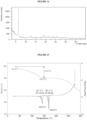
- crystalline form of methyl ( S )-2-((2-(2,6-difluoro-4-(methylcarbamoyl)phenyl)-7-methylimidazo[1,2-a]pyridin-3-yl)methyl)morpholine-4-carboxylate wherein the crystalline form has an X-ray powder diffraction (XRPD) pattern as shown in Figure 1 .
- XRPD X-ray powder diffraction
- crystalline form of methyl ( S )-2-((2-(2,6-difluoro-4-(methylcarbamoyl)phenyl)-7-methylimidazo[1,2-a]pyridin-3-yl)methyl)morpholine-4-carboxylate wherein the crystalline form has an X-ray powder diffraction (XRPD) pattern with characteristic peaks at about 6.9° 2-Theta, 11.3° 2-Theta, 11.5° 2-Theta, 12.8° 2-Theta, 17.8° 2-Theta, 20.7° 2-Theta, 21.6° 2-Theta, and 22.6° 2-Theta.
- XRPD X-ray powder diffraction
- thermo-gravimetric analysis TGA
- crystalline form of methyl ( S )-2-((2-(2,6-difluoro-4-(methylcarbamoyl)phenyl)-7-methylimidazo[1,2-a]pyridin-3-yl)methyl)morpholine-4-carboxylate wherein the crystalline form has a DSC thermogram with an endotherm having an onset at about 167°C.
- crystalline form of methyl ( S )-2-((2-(2,6-difluoro-4-(methylcarbamoyl)phenyl)-7-methylimidazo[1,2-a]pyridin-3-yl)methyl)morpholine-4-carboxylate wherein the crystalline form is characterized as having properties: (a) an X-ray powder diffraction (XRPD) pattern as shown in Figure 1 ; (b) an X-ray powder diffraction (XRPD) pattern with characteristic peaks at about 6.9° 2-Theta, 11.3° 2-Theta, 11.5° 2-Theta, 12.8° 2-Theta, 17.8° 2-Theta, 20.7° 2-Theta, 21.6° 2-Theta, and 22.6° 2-Theta; (c) a thermo-gravimetric analysis (TGA) as set forth in Figure 2 ; (d) a DSC thermogram as set forth in Figure 2 ; and (e) a DSC thermo
- a crystalline form of methyl ( S )-2-((2-(2,6-difluoro-4-(methylcarbamoyl)phenyl)-7-methylimidazo[1,2-a]pyridin-3-yl)methyl)morpholine-4-carboxylate wherein the crystalline form is obtained from acetonitrile, acetone, tert -butyl methyl ether, water, methanol, ethanol, isopropanol, propanol, butanol, diethyleneglycol, ethyl acetate, isopropyl acetate, tetrahydrofuran, 2-methyltetrahydrofuran, dimethylsulfoxide, dimethylformamide, methyl ethyl ketone, methyl isobutyl ketone, butyl acetate, hexane, heptane, dichloromethane, chloroform, 1,2-dichloroethane, dimeth
- a pharmaceutical composition comprising a crystalline form of methyl ( S )-2-((2-(2,6-difluoro-4-(methylcarbamoyl)phenyl)-7-methylimidazo[1,2-a]pyridin-3-yl)methyl)morpholine-4-carboxylate described herein and at least one inactive ingredient selected from pharmaceutically acceptable carriers, diluents, and excipients.
- the methyl ( S )-2-((2-(2,6-difluoro-4-(methylcarbamoyl)phenyl)-7-methylimidazo[1,2- a ]pyridin-3-yl)methyl)morpholine-4-carboxylate pharmaceutical composition is formulated for administration to a mammal by intravenous administration, subcutaneous administration, oral administration, inhalation, nasal administration, topical administration, or ophthalmic administration.
- the methyl ( S )-2-((2-(2,6-difluoro-4-(methylcarbamoyl)phenyl)-7-methylimidazo[1,2- a ]pyridin-3-yl)methyl)morpholine-4-carboxylate pharmaceutical composition is in the form of a tablet, a pill, a capsule, a liquid, a suspension, a gel, a dispersion, a solution, an emulsion, an ointment, or a lotion.
- described herein is a crystalline form of methyl ( S )-2-((2-(2,6-difluoro-4-(methylcarbamoyl)phenyl)-7-methylimidazo[1,2- a ]pyridin-3-yl)methyl)morpholine-4-carboxylate as described herein for use in the reduction or prevention of uncontrolled loss of urine in a mammal in need thereof.
- described herein is a crystalline form of methyl ( S )-2-((2-(2,6-difluoro-4-(methylcarbamoyl)phenyl)-7-methylimidazo[1,2- a ]pyridin-3-yl)methyl)morpholine-4-carboxylate as described herein for use in the treatment of cough in a mammal in need thereof.
- ACE an
- described herein is a crystalline form of methyl ( S )-2-((2-(2,6-difluoro-4-(methylcarbamoyl)phenyl)-7-methylimidazo[1,2- a ]pyridin-3-yl)methyl)morpholine-4-carboxylate as described herein for use in the treatment of pruritus in a mammal in need thereof.
- an inflammatory skin disease selected from the group consisting of atopic dermatitis, allergic, irritant contact dermatitis, exsiccation dermatitis, nu
- PEP polymorphic eruption of pregnancy
- pemphigoid gestationis pemphigoid gestationis
- neoplasias cutaneous T-cell lymphoma
- described herein is a crystalline form of methyl ( S )-2-((2-(2,6-difluoro-4-(methylcarbamoyl)phenyl)-7-methylimidazo[1,2- a ]pyridin-3-yl)methyl)morpholine-4-carboxylate as described herein for use in the treatment of endometriosis, endometriosis-associated pain, and endometriosis-associated symptoms in a mammal in need thereof.
- the mammal is a human.
- crystalline forms of P2X3 modulator methyl ( S )-2-((2-(2,6-difluoro-4-(methylcarbamoyl)phenyl)-7-methylimidazo[1,2-a]pyridin-3-yl)methyl)morpholine-4-carboxylate are also described herein.
- pharmaceutical compositions that include the crystalline forms of methyl ( S )-2-((2-(2,6-difluoro-4-(methylcarbamoyl)phenyl)-7-methylimidazo[1,2-a]pyridin-3-yl)methyl)morpholine-4-carboxylate and methods of using the compound in the treatment of diseases or conditions.
- Compound 1 is methyl ( S )-2-((2-(2,6-difluoro-4-(methylcarbamoyl)phenyl)-7-methylimidazo[1,2-a]pyridin-3-yl)methyl)morpholine-4-carboxylate.
- “Compound 1” or "methyl ( S )-2-((2-(2,6-difluoro-4-(methylcarbamoyl)phenyl)-7-methylimidazo[1,2-a]pyridin-3-yl)methyl)morpholine-4-carboxylate” refers to the compound with the following structure:
- Compound 1 includes the solvent addition forms (solvates).
- Solvates contain either stoichiometric or non-stoichiometric amounts of a solvent, and are formed during the process of product formation or isolation with pharmaceutically acceptable solvents such as water, ethanol, methanol, tert-butyl methyl ether (MTBE), diisopropyl ether (DIPE), ethyl acetate, isopropyl acetate, isopropyl alcohol, methyl isobutyl ketone (MIBK), methyl ethyl ketone (MEK), acetone, nitromethane, tetrahydrofuran (THF), dichloromethane (DCM), dioxane, heptanes, toluene, anisole, and acetonitrile.
- solvents such as water, ethanol, methanol, tert-butyl methyl ether (MTBE), diisopropyl ether (DIPE),
- solvates are formed using, but not limited to, Class 3 solvent(s). In some embodiments, solvates are formed using, but not limited to, Class 2 solvent(s). Categories of solvents are defined in, for example, the International Conference on Harmonization of Technical Requirements for Registration of Pharmaceuticals for Human Use (ICH), "Impurities: Guidelines for Residual Solvents Q3C(R6),” (October 2016 ). Hydrates are formed when the solvent is water, or alcoholates are formed when the solvent is alcohol.
- Compound 1 is prepared in various forms, including but not limited to, an amorphous phase, crystalline forms, milled forms, and nano-particulate forms.
- certain solid forms are characterized by physical properties, e.g ., stability, solubility, and dissolution rate, appropriate for pharmaceutical and therapeutic dosage forms.
- certain solid forms are characterized by physical properties (e.g ., density, compressibility, hardness, morphology, cleavage, stickiness, solubility, water uptake, electrical properties, thermal behavior, solid-state reactivity, physical stability, and chemical stability) affecting particular processes (e.g ., yield, filtration, washing, drying, milling, mixing, tableting, flowability, dissolution, formulation, and lyophilization) which make certain solid forms suitable for the manufacture of a solid dosage form.
- Such properties can be determined using particular analytical chemical techniques, including solid-state analytical techniques (e.g ., X-ray diffraction, microscopy, spectroscopy and thermal analysis), as described herein.
- a solid form of a pharmaceutical compound are complex, given that a change in solid form may affect a variety of physical and chemical properties, which may provide benefits or drawbacks in processing, formulation, stability, bioavailability, storage, and handling ( e.g ., shipping), among other important pharmaceutical characteristics.
- Useful pharmaceutical solids include crystalline solids and amorphous solids, depending on the product and its mode of administration. Amorphous solids are characterized by a lack of long-range structural order, whereas crystalline solids are characterized by structural periodicity.
- the desired class of pharmaceutical solid depends upon the specific application; amorphous solids are sometimes selected on the basis of, e.g., an enhanced dissolution profile, while crystalline solids may be desirable for properties such as, e.g ., physical or chemical stability.
- crystalline or amorphous, solid forms of a pharmaceutical compound include single-component and multiple-component solids.
- Single-component solids consist essentially of the pharmaceutical compound or active ingredient in the absence of other compounds. Variety among single-component crystalline materials may potentially arise from the phenomenon of polymorphism, wherein multiple three-dimensional arrangements exist for a particular pharmaceutical compound.
- Crystalline Compound 1, Type A* Family (Type A, Type A0, Type A1, Type A2, and Type A3)
- the crystal five forms (Type A, Type A0, Type A1, Type A2, and Type A3) are attributed to the same crystal family (Type A* family).
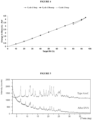
- the interconversion among Type A* family crystal forms is caused by different amounts of water residing in the crystal lattice resulting in slight peak shifts in the XRPD patterns.
- Compound 1 is crystalline. In some embodiments, Compound 1 is crystalline and a hydrate. In some embodiments, Compound 1 is crystalline and a channel hydrate. In one aspect, crystalline Compound 1 comprises the Type A* family of crystalline forms selected from the group consisting of Type A0, Type A, Type A1, Type A2, and Type A3. In one aspect, crystalline Compound 1 comprises the Type A* family of crystalline forms selected from the group consisting of Type A0, Type A, Type A1, Type A2, and Type A3 and is characterized as having at least one of the following properties:
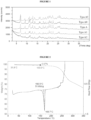
- crystalline Compound 1, Type A* Family has an X-ray powder diffraction (XRPD) pattern as shown in Figure 1 .
- crystalline Compound 1, Type A* Family has an X-ray powder diffraction (XRPD) pattern with characteristic peaks at about 6.9° 2-Theta, 11.3° 2-Theta, 11.5° 2-Theta, 12.8° 2-Theta, 17.8° 2-Theta, 20.7° 2-Theta, 21.6° 2-Theta, and 22.6° 2-Theta.
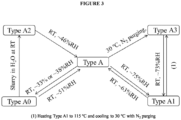
- crystalline Compound 1, Type A* Family has a thermo-gravimetric analysis (TGA) thermogram as set forth in Figure 2 .
- TGA thermo-gravimetric analysis
- crystalline Compound 1, Type A* Family has a DSC thermogram as set forth in Figure 2 . In some embodiments, crystalline Compound 1, Type A* Family, has a DSC thermogram with an endotherm having an onset at about 167°C.
- crystalline Compound 1 comprises the Type A* family of crystalline forms selected from the group consisting of Type A0, Type A, and Type A1.
- the Compound 1 crystalline form is Type A0.
- the Compound 1 crystalline form is Type A.
- the Compound 1 crystalline form is Type A1.
- the Compound 1 crystalline form is Type A2.
- the Compound 1 crystalline form is Type A3.
- Crystalline Type K of Compound 1 is characterized as having at least one of the following properties:
- crystalline Compound 1, Type K is characterized as having at least two of the properties selected from (a) to (e). Also described herein, crystalline Compound 1, Type K, is characterized as having at least three of the properties selected from (a) to (e). Also described herein, crystalline Compound 1, Type K, is characterized as having at least four of the properties selected from (a) to (e). Also described herein, crystalline Compound 1, Type K, is characterized as having properties (a) to (e).
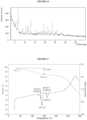
- crystalline Compound 1, Type K has an X-ray powder diffraction (XRPD) pattern as shown in Figure 12 . Also described herein, crystalline Compound 1, Type K, has an X-ray powder diffraction (XRPD) pattern with characteristic peaks at about 11.4° 2-Theta, 11.8° 2-Theta, 12.3° 2-Theta, 20.0° 2-Theta, and 20.7° 2-Theta. Also described herein, crystalline Compound 1, Type K, has a thermo-gravimetric analysis (TGA) thermogram as set forth in Figure 13 . Also described herein, crystalline Compound 1, Type K, has a DSC thermogram as set forth in Figure 13 .
- TGA thermo-gravimetric analysis
- crystalline Compound 1, Type K has a DSC thermogram with multiple endotherms at about 131°C, 152°C, 168°C, and 172°C. Also described herein, crystalline Compound 1, Type K, is a hydrate. Also described herein, crystalline Compound 1, Type K, is a solvate. Also described herein, crystalline Compound 1, Type K, is solvated with isopropyl acetate. Also described herein, Type K, is unsolvated. Also described herein, crystalline Compound 1, Type K, is anhydrous.
- Crystalline Type N of Compound 1 is characterized as having at least one of the following properties:
- crystalline Compound 1, Type N is characterized as having at least two of the properties selected from (a) to (e). Also described herein, crystalline Compound 1, Type N, is characterized as having at least three of the properties selected from (a) to (e). Also described herein, crystalline Compound 1, Type N, is characterized as having at least four of the properties selected from (a) to (e). Also described herein, crystalline Compound 1, Type N, is characterized as having properties (a) to (e).
- crystalline Compound 1, Type N has an X-ray powder diffraction (XRPD) pattern as shown in Figure 14 . Also described herein, crystalline Compound 1, Type N, has an X-ray powder diffraction (XRPD) pattern with characteristic peaks at about 6.4° 2-Theta, 19.0° 2-Theta, and 19.6° 2-Theta. Also described herein, crystalline Compound 1, Type N, has a thermo-gravimetric analysis (TGA) thermogram as set forth in Figure 15 . Also described herein, crystalline Compound 1, Type N, has a DSC thermogram as set forth in Figure 15 .
- TGA thermo-gravimetric analysis
- crystalline Compound 1, Type N has a DSC thermogram with two endotherms at about 144°C and 170°C. Also described herein, crystalline Compound 1, Type N, is a hydrate. Also described herein, crystalline Compound 1, Type N, is a solvate. Also described herein, crystalline Compound 1, Type N, is solvated with butyl acetate. Also described herein, crystalline Compound 1, Type N, is unsolvated. Also described herein, crystalline Compound 1, Type N, is anhydrous.
- Crystalline Type O of Compound 1 is characterized as having at least one of the following properties:
- crystalline Compound 1, Type O is characterized as having at least two of the properties selected from (a) to (e). Also described herein, crystalline Compound 1, Type O, is characterized as having at least three of the properties selected from (a) to (e). Also described herein, crystalline Compound 1, Type O, is characterized as having at least four of the properties selected from ( €to (e). Also described herein, crystalline Compound 1, Type O, is characterized as having properties (a) to (e).
- crystalline Compound 1, Type O has an X-ray powder diffraction (XRPD) pattern as shown in Figure 16 . Also described herein, crystalline Compound 1, Type O, has an X-ray powder diffraction (XRPD) pattern with characteristic peaks at about 6.6° 2-Theta, 12.9° 2-Theta, 19.3° 2-Theta, 21.4° 2-Theta, and 23.5° 2-Theta. Also described herein, crystalline Compound 1, Type O, has a thermo-gravimetric analysis (TGA) thermogram as set forth in Figure 17 . Also described herein, crystalline Compound 1, Type O, has a DSC thermogram as set forth in Figure 17 .
- TGA thermo-gravimetric analysis
- crystalline Compound 1, Type O has a DSC thermogram with two endotherms at about 141°C and 163°C. Also described herein, crystalline Compound 1, Type O, is a hydrate. Also described herein, crystalline Compound 1, Type O, is a solvate. Also described herein, crystalline Compound 1, Type O, is solvated with dimethylsulfoxide. Also described herein, crystalline Compound 1, Type O, is unsolvated. Also described herein, crystalline Compound 1, Type O, is anhydrous.
- Crystalline Type B of Compound 1 is an ethyl acetate solvate characterized as having at least one of the following properties:
- crystalline Compound 1, Type B is characterized as having at least two of the properties selected from (a) to (e). Also described herein, crystalline Compound 1, Type B, is characterized as having at least three of the properties selected from (a) to (e). Also described herein, crystalline Compound 1, Type B, is characterized as having at least four of the properties selected from (a) to (e). Also described herein, crystalline Compound 1, Type B, is characterized as having properties (a) to (e).
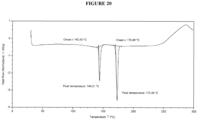
- crystalline Compound 1, Type B has an X-ray powder diffraction (XRPD) pattern as shown in Figure 18 . Also described herein, crystalline Compound 1, Type B, has an X-ray powder diffraction (XRPD) pattern with characteristic peaks at about 6.6° 2-Theta, 12.9° 2-Theta, 19.3° 2-Theta, 21.4° 2-Theta, and 23.5° 2-Theta. Also described herein, crystalline Compound 1, Type B, has a thermo-gravimetric analysis (TGA) thermogram as set forth in Figure 19 . Also described herein, crystalline Compound 1, Type B, has a DSC thermogram as set forth in Figure 20 . Also described herein, crystalline Compound 1, Type B, has a DSC thermogram with two endotherms at about 142°C and 170°C.
- TGA thermo-gravimetric analysis
- the crystalline form of Compound 1 is crystalline Type B. Also described herein, the crystalline form of Compound 1 is crystalline Type C. Also described herein, the crystalline form of Compound 1 is crystalline Type D. Also described herein, the crystalline form of Compound 1 is crystalline Type E. Also described herein, the crystalline form of Compound 1 is crystalline Type F. Also described herein, the crystalline form of Compound 1 is crystalline Type G. Also described herein, the crystalline form of Compound 1 is crystalline Type I. Also described herein, the crystalline form of Compound 1 is crystalline Type J. Also described herein, the crystalline form of Compound 1 is crystalline Type L. Also described herein, the crystalline form of Compound 1 is crystalline Type M.
- solvents disclosed herein are those that are suitable for use in GMP facilities and consistent with industrial safety concerns. Categories of solvents are defined in, for example, the International Conference on Harmonization of Technical Requirements for Registration of Pharmaceuticals for Human Use (ICH), "Impurities: Guidelines for Residual Solvents Q3C(R6)," (October 2016 ).
- Solvents are categorized into three classes. Class 1 solvents are toxic and are to be avoided. Class 2 solvents are solvents to be limited in use during the manufacture of the therapeutic agent. Class 3 solvents are solvents with low toxic potential and of lower risk to human health. Data for Class 3 solvents indicate that they are less toxic in acute or short-term studies and negative in genotoxicity studies.
- Class 1 solvents which are to be avoided, include: benzene; carbon tetrachloride; 1,2-dichloroethane; 1,1-dichloroethene; and 1,1,1-trichloroethane.
- Class 2 solvents are: acetonitrile, chlorobenzene, chloroform, cumene, cyclohexane, 1,2-dichloroethene, dichloromethane, 1,2-dimethoxyethane, N,N-dimethylacetamide, N,N-dimethylformamide, 1,4-dioxane, 2-ethoxyethanol, ethylene glycol, formamide, hexane, methanol, 2-methoxyethanol, methylbutyl ketone, methylcyclohexane, methylisobutylketone, N-methylpyrrolidone, nitromethane, pyridine, sulfolane, tetrahydrofuran, tetralin, toluene, 1,1,2-trichloroethene and xylene.
- Class 3 solvents which possess low toxicity, include: acetic acid, acetone, anisole, 1-butanol, 2-butanol, butyl acetate, tert -butyl methyl ether (MTBE), dimethyl sulfoxide, ethanol, ethyl acetate, ethyl ether, ethyl formate, formic acid, heptane, isobutyl acetate, isopropyl acetate, methyl acetate, 3-methyl-1-butanol, methylethyl ketone, 2-methyl-1-propanol, pentane, 1-pentanol, 1-propanol, 2-propanol, propyl acetate, and triethylamine.
- acetic acid acetone, anisole, 1-butanol, 2-butanol, butyl acetate, tert -butyl methyl ether (MTBE), dimethyl sulfoxide, ethanol
- Residual solvents in active pharmaceutical ingredients originate from the manufacture of APIs. In some cases, the solvents are not completely removed by practical manufacturing techniques. Appropriate selection of the solvent for the synthesis of APIs may enhance the yield, or determine characteristics such as crystal form, purity, and solubility. Therefore, the solvent is a critical parameter in the synthetic process.
- compositions comprising Compound 1 comprise an organic solvent(s). In some embodiments, compositions comprising Compound 1 comprise a residual amount of an organic solvent(s). In some embodiments, compositions comprising Compound 1 comprise a residual amount of a Class 3 solvent. In some embodiments, the organic solvent is a Class 3 solvent.
- the Class 3 solvent is selected from the group consisting of acetic acid, acetone, anisole, 1-butanol, 2-butanol, butyl acetate, tert -butyl methyl ether (MTBE), dimethyl sulfoxide, ethanol, ethyl acetate, ethyl ether, ethyl formate, formic acid, heptane, isobutyl acetate, isopropyl acetate, methyl acetate, 3-methyl-1-butanol, methylethyl ketone, 2-methyl-1-propanol, pentane, 1-pentanol, 1-propanol, 2-propanol, propyl acetate, and triethylamine.
- MTBE tert -butyl methyl ether
- the Class 3 solvent is selected from the group consisting of acetone, ethyl acetate, isopropyl acetate, tert -butyl methyl ether, heptane, isopropanol, and ethanol.
- compositions comprising Compound 1 comprise a residual amount of a Class 2 solvent.
- the organic solvent is a Class 2 solvent.
- the Class 2 solvent is selected from the group consisting of acetonitrile, chlorobenzene, chloroform, cumene, cyclohexane, 1,2-dichloroethene, dichloromethane, 1,2-dimethoxyethane, N,N-dimethylacetamide, N,N-dimethylformamide, 1,4-dioxane, 2-ethoxyethanol, ethylene glycol, formamide, hexane, methanol, 2-methoxyethanol, methylbutyl ketone, methylcyclohexane, methylisobutylketone, N-methylpyrrolidone, nitromethane, pyridine, sulfolane, tetrahydrofuran, tetralin, toluene, 1, 1,2-trichloro
- compositions comprising Compound 1 comprise a residual amount of a solvent for which no adequate toxicological data were found.
- the organic solvent is a solvent for which no adequate toxicological data were found.
- the solvent is selected from the group consisting of 2-butanone and 2-methyltetrahydrofuran.
- acceptable or “pharmaceutically acceptable”, with respect to a formulation, composition or ingredient, as used herein, means having no persistent detrimental effect on the general health of the subject being treated or does not abrogate the biological activity or properties of the compound, and is relatively nontoxic.
- amelioration of the symptoms of a particular disease, disorder, or condition by administration of a particular compound or pharmaceutical composition refers to any lessening of severity, delay in onset, slowing of progression, or shortening of duration, whether permanent or temporary, lasting or transient that can be attributed to or associated with administration of the compound or composition.
- Bioavailability refers to the percentage of Compound 1 dosed that is delivered into the general circulation of the animal or human being studied. The total exposure (AUC (0- ⁇ ) ) of a drug when administered intravenously is usually defined as 100% bioavailable (F%). “Oral bioavailability” refers to the extent to which Compound 1 is absorbed into the general circulation when the pharmaceutical composition is taken orally as compared to intravenous injection.
- Blood plasma concentration refers to the concentration of Compound 1 in the plasma component of blood of a subject. It is understood that the plasma concentration of Compound 1 may vary significantly between subjects, due to variability with respect to metabolism and/or possible interactions with other therapeutic agents. In accordance with one embodiment disclosed herein, the blood plasma concentration of Compound 1 may vary from subject to subject. Likewise, values such as maximum plasma concentration (C max ) or time to reach maximum plasma concentration (T max ), or total area under the plasma concentration time curve (AUC (0- ⁇ ) ) may vary from subject to subject. Due to this variability, the amount necessary to constitute "a therapeutically effective amount" of Compound 1 may vary from subject to subject.
- co-administration are meant to encompass administration of the selected therapeutic agents to a single patient, and are intended to include treatment regimens in which the agents are administered by the same or different route of administration or at the same or different time.
- an “effective amount” or “therapeutically effective amount,” as used herein, refer to a sufficient amount of an agent or a compound being administered which will relieve to some extent one or more of the symptoms of the disease or condition being treated. The result can be reduction and/or alleviation of the signs, symptoms, or causes of a disease, or any other desired alteration of a biological system.
- an “effective amount” for therapeutic uses is the amount of the composition including a compound as disclosed herein required to provide a clinically significant decrease in disease symptoms without undue adverse side effects.
- An appropriate “effective amount” in any individual case may be determined using techniques, such as a dose escalation study.
- the term "therapeutically effective amount” includes, for example, a prophylactically effective amount.
- an “effective amount” of a compound disclosed herein is an amount effective to achieve a desired pharmacologic effect or therapeutic improvement without undue adverse side effects. It is understood that “an effect amount” or “a therapeutically effective amount” can vary from subject to subject, due to variation in metabolism of Compound 1, age, weight, general condition of the subject, the condition being treated, the severity of the condition being treated, and the judgment of the prescribing physician. By way of example only, therapeutically effective amounts may be determined by a dose escalation clinical trial.
- enhancing means to increase or prolong either in potency or duration a desired effect.
- enhancing the effect of therapeutic agents refers to the ability to increase or prolong, either in potency or duration, the effect of therapeutic agents on during treatment of a disease, disorder, or condition.
- An “enhancing-effective amount,” as used herein, refers to an amount adequate to enhance the effect of a therapeutic agent in the treatment of a disease, disorder, or condition. When used in a patient, amounts effective for this use will depend on the severity and course of the disease, disorder, or condition, previous therapy, the patient's health status and response to the drugs, and the judgment of the treating physician.
- prophylactically effective amount refers that amount of a composition applied to a patient which will relieve to some extent one or more of the symptoms of a disease, condition or disorder being treated. In such prophylactic applications, such amounts may depend on the patient's state of health and weight. As an example, one can determine such prophylactically effective amounts by a dose escalation clinical trial.
- subject refers to an animal which is the object of treatment, observation or experiment.
- a subject may be, but is not limited to, a mammal including, but not limited to, a human.
- target activity refers to a biological activity capable of being modulated by a selective modulator.
- Certain exemplary target activities include, but are not limited to, binding affinity, signal transduction, enzymatic activity, tumor growth, inflammation or inflammation-related processes, and amelioration of one or more symptoms associated with a disease or condition.
- treat include alleviating, abating or ameliorating a disease or condition symptoms, preventing additional symptoms, ameliorating or preventing the underlying metabolic causes of symptoms, inhibiting the disease or condition, e.g., arresting the development of the disease or condition, relieving the disease or condition, causing regression of the disease or condition, relieving a condition caused by the disease or condition, or stopping the symptoms of the disease or condition.
- the terms “treat,” “treating” or “treatment”, include, but are not limited to, prophylactic and/or therapeutic treatments.
- EC 50 refers to a dosage, concentration or amount of a particular test compound that elicits a dose-dependent response at 50% of maximal expression of a particular response that is induced, provoked or potentiated by the particular test compound.
- a pharmaceutical composition comprising a crystalline form of Compound 1 and at least one inactive ingredient selected from pharmaceutically acceptable carriers, diluents, and excipients.
- a pharmaceutical composition comprising a crystalline form of Compound 1 and at least one inactive ingredient selected from pharmaceutically acceptable carriers, diluents, and excipients, wherein the crystalline form of Compound 1 comprises the Type A* family of crystalline forms selected from the group consisting of Type A0, Type A, Type A1, Type A2, and Type A3.
- a pharmaceutical composition comprising a crystalline form of Compound 1 and at least one inactive ingredient selected from pharmaceutically acceptable carriers, diluents, and excipients, wherein the crystalline form of Compound 1 comprises the Type A* family of crystalline forms selected from the group consisting of Type A0, Type A, and Type A1.
- a pharmaceutical composition comprising a crystalline form of Compound 1 and at least one inactive ingredient selected from pharmaceutically acceptable carriers, diluents, and excipients, wherein the crystalline form of Compound 1 is Type A0, Type A, Type A1, Type A2, and Type A3.
- a pharmaceutical composition comprising a crystalline form of Compound 1 and at least one inactive ingredient selected from pharmaceutically acceptable carriers, diluents, and excipients, wherein the crystalline form of Compound 1 is Type A0.
- a pharmaceutical composition comprising a crystalline form of Compound 1 and at least one inactive ingredient selected from pharmaceutically acceptable carriers, diluents, and excipients, wherein the crystalline form of Compound 1 is Type A.
- a pharmaceutical composition comprising a crystalline form of Compound 1 and at least one inactive ingredient selected from pharmaceutically acceptable carriers, diluents, and excipients, wherein the crystalline form of Compound 1 is Type A1.
- a pharmaceutical composition comprising a crystalline form of Compound 1 and at least one inactive ingredient selected from pharmaceutically acceptable carriers, diluents, and excipients, wherein the crystalline form of Compound 1 is Type A2.
- a pharmaceutical composition comprising a crystalline form of Compound 1 and at least one inactive ingredient selected from pharmaceutically acceptable carriers, diluents, and excipients, wherein the crystalline form of Compound 1 is Type A3.
- a pharmaceutical composition comprising a crystalline form of Compound 1 and at least one inactive ingredient selected from pharmaceutically acceptable carriers, diluents, and excipients, wherein the crystalline form of Compound 1 is Type K. Also described herein is a pharmaceutical composition comprising a crystalline form of Compound 1 and at least one inactive ingredient selected from pharmaceutically acceptable carriers, diluents, and excipients, wherein the crystalline form of Compound 1 is Type N. Also described herein is a pharmaceutical composition comprising a crystalline form of Compound 1 and at least one inactive ingredient selected from pharmaceutically acceptable carriers, diluents, and excipients, wherein the crystalline form of Compound 1 is Type O.
- a pharmaceutical composition comprising a crystalline form of Compound 1 and at least one inactive ingredient selected from pharmaceutically acceptable carriers, diluents, and excipients, wherein the crystalline form of Compound 1 is Type B. Also described herein is a pharmaceutical composition comprising a crystalline form of Compound 1 and at least one inactive ingredient selected from pharmaceutically acceptable carriers, diluents, and excipients, wherein the crystalline form of Compound 1 is Type C. Also described herein is a pharmaceutical composition comprising a crystalline form of Compound 1 and at least one inactive ingredient selected from pharmaceutically acceptable carriers, diluents, and excipients, wherein the crystalline form of Compound 1 is Type D.
- a pharmaceutical composition comprising a crystalline form of Compound 1 and at least one inactive ingredient selected from pharmaceutically acceptable carriers, diluents, and excipients, wherein the crystalline form of Compound 1 is Type E. Also described herein is a pharmaceutical composition comprising a crystalline form of Compound 1 and at least one inactive ingredient selected from pharmaceutically acceptable carriers, diluents, and excipients, wherein the crystalline form of Compound 1 is Type F. Also described herein is a pharmaceutical composition comprising a crystalline form of Compound 1 and at least one inactive ingredient selected from pharmaceutically acceptable carriers, diluents, and excipients, wherein the crystalline form of Compound 1 is Type G.
- a pharmaceutical composition comprising a crystalline form of Compound 1 and at least one inactive ingredient selected from pharmaceutically acceptable carriers, diluents, and excipients, wherein the crystalline form of Compound 1 is Type I. Also described herein is a pharmaceutical composition comprising a crystalline form of Compound 1 and at least one inactive ingredient selected from pharmaceutically acceptable carriers, diluents, and excipients, wherein the crystalline form of Compound 1 is Type J. Also described herein is a pharmaceutical composition comprising a crystalline form of Compound 1 and at least one inactive ingredient selected from pharmaceutically acceptable carriers, diluents, and excipients, wherein the crystalline form of Compound 1 is Type L. Also described herein is a pharmaceutical composition comprising a crystalline form of Compound 1 and at least one inactive ingredient selected from pharmaceutically acceptable carriers, diluents, and excipients, wherein the crystalline form of Compound 1 is Type M.
- compositions may be formulated in a conventional manner using one or more physiologically acceptable carriers including excipients and auxiliaries which facilitate processing of the active compounds into preparations which can be used pharmaceutically. Proper formulation is dependent upon the route of administration chosen.
- a summary of pharmaceutical compositions described herein may be found, for example, in Remington: The Science and Practice of Pharmacy, Nineteenth Ed (Easton, Pa.: Mack Publishing Company, 1995 ); Hoover, John E., Remington's Pharmaceutical Sciences, Mack Publishing Co., Easton, Pennsylvania 1975 ; Liberman, H.A. and Lachman, L., Eds., Pharmaceutical Dosage Forms, Marcel Decker, New York, N.Y., 1980 ; and Pharmaceutical Dosage Forms and Drug Delivery Systems, Seventh Ed. (Lippincott Williams & Wilkins1999 ).
- a pharmaceutical composition refers to a mixture of Compound 1 with other chemical components, such as carriers, stabilizers, diluents, dispersing agents, suspending agents, thickening agents, and/or excipients.
- the pharmaceutical composition facilitates administration of the compound to a mammal.
- therapeutically effective amounts of Compound 1 are administered in a pharmaceutical composition to a mammal having a disease, disorder, or condition to be treated.
- the mammal is a human.
- a therapeutically effective amount can vary widely depending on the severity of the disease, the age and relative health of the subject, the potency of the compound used and other factors.
- the compounds can be used singly or in combination with one or more therapeutic agents as components of mixtures.
- pharmaceutical combination means a product that results from the mixing or combining of more than one active ingredient and includes both fixed and non-fixed combinations of the active ingredients.
- fixed combination means that the active ingredients, e.g. Compound 1, and a co-agent, are both administered to a patient simultaneously in the form of a single entity or dosage.
- non-fixed combination means that the active ingredients, e.g. Compound 1, and a co-agent, are administered to a patient as separate entities either simultaneously, concurrently or sequentially with no specific intervening time limits, wherein such administration provides effective levels of the two compounds in the body of the patient.
- cocktail therapy e.g. the administration of three or more active ingredients.
- crystalline Compound 1 is incorporated into pharmaceutical compositions to provide solid oral dosage forms. In other embodiments, crystalline Compound 1 is used to prepare pharmaceutical compositions other than oral solid dosage forms.
- the pharmaceutical formulations described herein can be administered to a subject by multiple administration routes, including but not limited to, oral, parenteral (e.g., intravenous, subcutaneous, intramuscular), intranasal, buccal, topical, rectal, or transdermal administration routes.
- the pharmaceutical formulations described herein include, but are not limited to, aqueous liquid dispersions, self-emulsifying dispersions, solid solutions, liposomal dispersions, aerosols, solid dosage forms, powders, immediate release formulations, controlled release formulations, fast melt formulations, tablets, capsules, pills, delayed release formulations, extended release formulations, pulsatile release formulations, multiparticulate formulations, and mixed immediate and controlled release formulations.
- compositions including a compound described herein may be manufactured in a conventional manner, such as, by way of example only, by means of conventional mixing, dissolving, granulating, dragee-making, levigating, emulsifying, encapsulating, entrapping or compression processes.
- compositions described herein can be formulated for administration to a mammal via any conventional means including, but not limited to, oral, parenteral (e.g., intravenous, subcutaneous, or intramuscular), buccal, intranasal, rectal, or transdermal administration routes.
- parenteral e.g., intravenous, subcutaneous, or intramuscular
- buccal e.g., intranasal, rectal, or transdermal administration routes.
- intranasal e.g., transdermal administration routes.
- rectal e.g., transdermal administration routes.
- transdermal administration routes e.g., transdermal administration routes.
- subject is used to mean an animal, preferably a mammal, including a human or non-human.
- patient and subject may be used interchangeably.
- compositions described herein, which include Compound 1 can be formulated into any suitable dosage form, including but not limited to, solid oral dosage forms, controlled release formulations, fast melt formulations, effervescent formulations, tablets, powders, pills, capsules, delayed release formulations, extended release formulations, pulsatile release formulations, multiparticulate formulations, and mixed immediate release and controlled release formulations.
- compositions for oral use can be obtained by mixing one or more solid excipients with one or more of the compounds described herein, optionally grinding the resulting mixture, and processing the mixture of granules, after adding suitable auxiliaries, if desired, to obtain tablets or dragee cores.
- Suitable excipients include, for example, fillers such as sugars, including lactose, sucrose, mannitol, or sorbitol; cellulose preparations such as, for example, maize starch, wheat starch, rice starch, potato starch, gelatin, gum tragacanth, methylcellulose, microcrystalline cellulose, hydroxypropylmethylcellulose, sodium carboxymethylcellulose; or others such as: polyvinylpyrrolidone (PVP or povidone) or calcium phosphate.
- disintegrating agents may be added, such as the cross-linked croscarmellose sodium, polyvinylpyrrolidone, agar, or alginic acid or a salt thereof such as sodium alginate.
- the solid dosage forms disclosed herein may be in the form of a tablet, (including a suspension tablet, a fast-melt tablet, a bite-disintegration tablet, a rapid-disintegration tablet, an effervescent tablet, or a caplet), a pill, a powder (including a sterile packaged powder, a dispensable powder, or an effervescent powder) a capsule (including both soft or hard capsules, e.g., capsules made from animal-derived gelatin or plant-derived HPMC, or "sprinkle capsules"), solid dispersion, solid solution, bioerodible dosage form, controlled release formulations, pulsatile release dosage forms, multiparticulate dosage forms, pellets, granules, or an aerosol.
- a tablet including a suspension tablet, a fast-melt tablet, a bite-disintegration tablet, a rapid-disintegration tablet, an effervescent tablet, or a caplet
- a pill including a sterile
- the pharmaceutical formulation is in the form of a powder. In still other embodiments, the pharmaceutical formulation is in the form of a tablet, including but not limited to, a fast-melt tablet. Additionally, pharmaceutical formulations described herein may be administered as a single capsule or in multiple capsule dosage form. In some embodiments, the pharmaceutical formulation is administered in two, or three, or four, capsules or tablets.
- the pharmaceutical solid dosage forms described herein can include Compound 1, and one or more pharmaceutically acceptable additives such as a compatible carrier, binder, filling agent, suspending agent, flavoring agent, sweetening agent, disintegrating agent, dispersing agent, surfactant, lubricant, colorant, diluent, solubilizer, moistening agent, plasticizer, stabilizer, penetration enhancer, wetting agent, anti-foaming agent, antioxidant, preservative, or one or more combination thereof.
- a film coating is provided around the formulation of Compound 1.
- some or all of the particles of the Compound 1 are coated.
- some or all of the particles of the Compound 1 are microencapsulated.
- the particles of the Compound 1 are not microencapsulated and are uncoated.
- Suitable carriers for use in the solid dosage forms described herein include, but are not limited to, acacia, gelatin, colloidal silicon dioxide, calcium glycerophosphate, calcium lactate, maltodextrin, glycerine, magnesium silicate, sodium caseinate, soy lecithin, sodium chloride, tricalcium phosphate, dipotassium phosphate, sodium stearoyl lactylate, carrageenan, monoglyceride, diglyceride, pregelatinized starch, hydroxypropylmethylcellulose, hydroxypropylmethylcellulose acetate stearate, sucrose, microcrystalline cellulose, lactose, and mannitol.
- Suitable filling agents for use in the solid dosage forms described herein include, but are not limited to, lactose, calcium carbonate, calcium phosphate, dibasic calcium phosphate, calcium sulfate, microcrystalline cellulose, cellulose powder, dextrose, dextrates, dextran, starches, pregelatinized starch, hydroxypropylmethycellulose (HPMC), hydroxypropylmethycellulose phthalate, hydroxypropylmethylcellulose acetate stearate (HPMCAS), sucrose, xylitol, lactitol, mannitol, sorbitol, sodium chloride, and polyethylene glycol.
- disintegrants are often used in the formulation, especially when the dosage forms are compressed with binder. Disintegrants help rupturing the dosage form matrix by swelling or capillary action when moisture is absorbed into the dosage form.
- Suitable disintegrants for use in the solid dosage forms described herein include, but are not limited to, natural starch such as corn starch or potato starch, a pregelatinized starch such as National 1551 or Amijel ® , or sodium starch glycolate such as Promogel ® or Explotab ® , a cellulose such as a wood product, methylcrystalline cellulose, e.g., Avicel ® , Avicel ® PH101, Avicel ® PH102, Avicel ® PH105, Elcema ® P100, Emcocel ® , Vivacel ® , Ming Tia ® , and Solka-Floc ® , methylcellulose, croscarmellose, or a cross-linked cellulose, such as cross-linked sodium carboxymethylcellulose (Ac-Di-Sol ® ), cross-linked carboxymethylcellulose, or cross-linked croscarmellose, a cross-linked starch such as sodium starch glycolate, a cross-linked
- the disintegrating agent is selected from the group consisting of natural starch, a pregelatinized starch, a sodium starch, methyl crystalline cellulose, methylcellulose, croscarmellose, croscarmellose sodium, cross-linked sodium carboxymethylcellulose, cross-linked carboxymethylcellulose, cross-linked croscarmellose, cross-linked starch such as sodium starch glycolate, cross-linked polymer such as crospovidone, cross-linked polyvinylpyrrolidone, sodium alginate, a clay, or a gum.
- the disintegrating agent is croscarmellose sodium.
- Binders impart cohesiveness to solid oral dosage form formulations: for powder filled capsule formulation, they aid in plug formation that can be filled into soft or hard shell capsules and for tablet formulation, they ensure the tablet remaining intact after compression and help assure blend uniformity prior to a compression or fill step.
- Materials suitable for use as binders in the solid dosage forms described herein include, but are not limited to, carboxymethylcellulose, methylcellulose (e.g., Methocel ® ), hydroxypropylmethylcellulose (e.g.
- binder levels of 20-70% are used in powder-filled gelatin capsule formulations.
- Binder usage level in tablet formulations varies whether direct compression, wet granulation, roller compaction, or usage of other excipients such as fillers which itself can act as moderate binder.
- Formulators skilled in art can determine the binder level for the formulations, but binder usage level of up to 70% in tablet formulations is common.
- Suitable lubricants or glidants for use in the solid dosage forms described herein include, but are not limited to, stearic acid, calcium hydroxide, talc, corn starch, sodium stearyl fumarate, alkali-metal and alkaline earth metal salts, such as calcium, magnesium, stearic acid, sodium stearates, magnesium stearate, zinc stearate, waxes, Stearowet ® , boric acid, sodium benzoate, sodium acetate, sodium chloride, leucine, a polyethylene glycol or a methoxypolyethylene glycol such as Carbowax TM , PEG 4000, PEG 5000, PEG 6000, propylene glycol, sodium oleate, glyceryl behenate, glyceryl palmitostearate, glyceryl benzoate, magnesium or sodium lauryl sulfate.
- stearic acid calcium hydroxide, talc, corn starch, sodium
- the lubricant is selected from the group consisting of stearic acid, calcium hydroxide, talc, corn starch, sodium stearyl fumarate, stearic acid, sodium stearates, magnesium stearate, zinc stearate, and waxes. In some embodiments provided herein, the lubricant is magnesium stearate.
- Suitable diluents for use in the solid dosage forms described herein include, but are not limited to, sugars (including lactose, sucrose, and dextrose), polysaccharides (including dextrates and maltodextrin), polyols (including mannitol, xylitol, and sorbitol), and cyclodextrins.
- the diluent is selected from the group consisting of lactose, sucrose, dextrose, dextrates, maltodextrin, mannitol, xylitol, sorbitol, cyclodextrins, calcium phosphate, calcium sulfate, starches, modified starches, microcrystalline cellulose, microcellulose, and talc. In some embodiments provided herein, the diluent is microcrystalline cellulose.
- non water-soluble diluent represents compounds typically used in the formulation of pharmaceuticals, such as calcium phosphate, calcium sulfate, starches, modified starches, microcrystalline cellulose, microcellulose (e.g., having a density of about 0.45 g/cm 3 , e.g. Avicel, powdered cellulose), and talc.
- Suitable wetting agents for use in the solid dosage forms described herein include, for example, oleic acid, glyceryl monostearate, sorbitan monooleate, sorbitan monolaurate, triethanolamine oleate, polyoxyethylene sorbitan monooleate, polyoxyethylene sorbitan monolaurate, quaternary ammonium compounds (e.g., Polyquat 10 ® ), sodium oleate, sodium lauryl sulfate, magnesium stearate, sodium docusate, triacetin, and vitamin E TPGS.
- quaternary ammonium compounds e.g., Polyquat 10 ®
- Suitable surfactants for use in the solid dosage forms described herein include, for example, sodium lauryl sulfate, sorbitan monooleate, polyoxyethylene sorbitan monooleate, polysorbates, polaxomers, bile salts, glyceryl monostearate, copolymers of ethylene oxide and propylene oxide, e.g., Pluronic ® (BASF).
- Pluronic ® BASF
- the surfactant is selected from the group consisting of sodium lauryl sulfate, sorbitan monooleate, polyoxyethylene sorbitan monooleate, polysorbates, polaxomers, bile salts, glyceryl monostearate, copolymers of ethylene oxide and propylene oxide.
- the surfactant is sodium lauryl sulfate.
- Suitable suspending agents for use in the solid dosage forms described here include, but are not limited to, polyvinylpyrrolidone, e.g., polyvinylpyrrolidone K12, polyvinylpyrrolidone K17, polyvinylpyrrolidone K25, or polyvinylpyrrolidone K30, polyethylene glycol, e.g., the polyethylene glycol can have a molecular weight of about 300 to about 6000, or about 3350 to about 4000, or about 7000 to about 5400, vinyl pyrrolidone/vinyl acetate copolymer (S630), sodium carboxymethylcellulose, methylcellulose, hydroxy-propylmethylcellulose, polysorbate-80, hydroxyethylcellulose, sodium alginate, gums, such as, e.g., gum tragacanth and gum acacia, guar gum, xanthans, including xanthan gum, sugars, cellulosics, such as,
- Suitable antioxidants for use in the solid dosage forms described herein include, for example, e.g., butylated hydroxytoluene (BHT), sodium ascorbate, and tocopherol.
- BHT butylated hydroxytoluene
- sodium ascorbate sodium ascorbate
- tocopherol sodium ascorbate
- additives used in the solid dosage forms described herein there is considerable overlap between additives used in the solid dosage forms described herein.
- the above-listed additives should be taken as merely exemplary, and not limiting, of the types of additives that can be included in solid dosage forms described herein.
- the amounts of such additives can be readily determined by one skilled in the art, according to the particular properties desired.
- one or more layers of the pharmaceutical formulation are plasticized.
- a plasticizer is generally a high boiling point solid or liquid. Suitable plasticizers can be added from about 0.01% to about 50% by weight (w/w) of the coating composition.
- Plasticizers include, but are not limited to, diethyl phthalate, citrate esters, polyethylene glycol, glycerol, acetylated glycerides, triacetin, polypropylene glycol, polyethylene glycol, triethyl citrate, dibutyl sebacate, stearic acid, stearol, stearate, and castor oil.
- a capsule may be prepared, for example, by placing the bulk blend of the formulation of Compound 1 inside of a capsule.
- the formulations non-aqueous suspensions and solutions
- the formulations are placed in a soft gelatin capsule.
- the formulations are placed in a hard shell gelatin capsule.
- the formulations are placed in standard gelatin capsules or non-gelatin capsules such as capsules comprising HPMC.
- the formulation is placed in a sprinkle capsule, wherein the capsule may be swallowed whole or the capsule may be opened and the contents sprinkled on food prior to eating.
- the therapeutic dose is split into multiple (e.g., two, three, or four) capsules.
- the entire dose of the formulation is delivered in a capsule form.
- the particles of Compound 1 and one or more excipients are dry blended and compressed into a mass, such as a tablet, having a hardness sufficient to provide a pharmaceutical composition that substantially disintegrates within less than about 30 minutes, less than about 35 minutes, less than about 40 minutes, less than about 45 minutes, less than about 50 minutes, less than about 55 minutes, or less than about 60 minutes, after oral administration, thereby releasing the formulation into the gastrointestinal fluid.
- plasticizers such as polyethylene glycols, e.g., PEG 300, PEG 400, PEG 600, PEG 1450, PEG 3350, and PEG 800, stearic acid, propylene glycol, oleic acid, and triacetin are incorporated into the microencapsulation material.
- the microencapsulating material useful for delaying the release of the pharmaceutical compositions is from the USP or the National Formulary (NF).
- the microencapsulation material is Klucel.
- the microencapsulation material is methocel.
- a powder including the formulations with Compound 1 may be formulated to include one or more pharmaceutical excipients and flavors. Such a powder may be prepared, for example, by mixing the formulation and optional pharmaceutical excipients to form a bulk blend composition. Additional embodiments also include a suspending agent and/or a wetting agent. This bulk blend is uniformly subdivided into unit dosage packaging or multi-dosage packaging units.
- Effervescent powders are also prepared in accordance with the present disclosure.
- Effervescent salts have been used to disperse medicines in water for oral administration.
- Effervescent salts are granules or coarse powders containing a medicinal agent in a dry mixture, usually composed of sodium bicarbonate, citric acid and/or tartaric acid.
- a medicinal agent in a dry mixture, usually composed of sodium bicarbonate, citric acid and/or tartaric acid.
- the acids and the base react to liberate carbon dioxide gas, thereby causing "effervescence.”
- effervescent salts include, e.g., the following ingredients: sodium bicarbonate or a mixture of sodium bicarbonate and sodium carbonate, citric acid and/or tartaric acid. Any acid-base combination that results in the liberation of carbon dioxide can be used in place of the combination of sodium bicarbonate and citric and tartaric acids, as long as the ingredients were suitable for pharmaceutical use and result in a pH of about 6.0 or higher.
- the solid dosage forms described herein can be formulated as enteric coated delayed release oral dosage forms, i.e., as an oral dosage form of a pharmaceutical composition as described herein which utilizes an enteric coating to affect release in the small intestine of the gastrointestinal tract.
- the enteric coated dosage form may be a compressed or molded or extruded tablet/mold (coated or uncoated) containing granules, powder, pellets, beads or particles of the active ingredient and/or other composition components, which are themselves coated or uncoated.
- the enteric coated oral dosage form may also be a capsule (coated or uncoated) containing pellets, beads or granules of the solid carrier or the composition, which are themselves coated or uncoated.
- pharmaceutical formulations include particles of Compound 1 and at least one dispersing agent or suspending agent for oral administration to a subject.
- the formulations may be a powder and/or granules for suspension and, upon admixture with water, a substantially uniform suspension is obtained.
- described herein is a crystalline form of methyl (S)-2-((2-(2,6-difluoro-4-(methylcarbamoyl)phenyl)-7-methylimidazo[1,2-a]pyridin-3-yl)methyl)morpholine-4-carboxylate as described herein for use in the treatment of a disorder associated with P2X3 activity in a mammal in need thereof.
- described herein is a crystalline form of methyl (S)-2-((2-(2,6-difluoro-4-(methylcarbamoyl)phenyl)-7-methylimidazo[1,2- a ]pyridin-3-yl)methyl)morpholine-4-carboxylate as described herein for use in the treatment of pain in a mammal in need thereof.
- described herein is a crystalline form of methyl ( S )-2-((2-(2,6-difluoro-4-(methylcarbamoyl)phenyl)-7-methylimidazo[1 , 2-a]pyridin-3-yl)methyl)morpholine-4-carboxylate as described herein for use in the treatment of a urinary tract disorder in a mammal in need thereof, comprising administering to the mammal in need thereof.
- described herein is a crystalline form of methyl ( S )-2-((2-(2,6-difluoro-4-(methylcarbamoyl)phenyl)-7-methylimidazo[1,2- a ]pyridin-3-yl)methyl)morpholine-4-carboxylate as described herein for use in the treatment of cough in a mammal in need thereof.
- ACE an
- an inflammatory skin disease selected from the group consisting of atopic dermatitis, allergic, irritant contact dermatitis, exsiccation dermatitis, nummular
- PEP polymorphic eruption of pregnancy
- pemphigoid gestationis pemphigoid gestationis
- neoplasias cutaneous T-cell lymphoma
- compositions described herein can be administered for prophylactic and/or therapeutic treatments.
- the compositions are administered to a patient already suffering from a disease or condition, in an amount sufficient to cure or at least partially arrest the symptoms of the disease or condition. Amounts effective for this use will depend on the severity and course of the disease or condition, previous therapy, the patient's health status, weight, and response to the drugs, and the judgment of the treating physician.
- compositions containing the compounds described herein are administered to a patient susceptible to or otherwise at risk of a particular disease, disorder, or condition.
- a patient susceptible to or otherwise at risk of a particular disease, disorder, or condition is defined to be a "prophylactically effective amount or dose.”
- dose a pharmaceutically effective amount or dose.
- the precise amounts also depend on the patient's state of health and weight.
- effective amounts for this use will depend on the severity and course of the disease, disorder, or condition, previous therapy, the patient's health status and response to the drugs, and the judgment of the treating physician.
- the administration of the compounds may be administered chronically, that is, for an extended period of time, including throughout the duration of the patient's life in order to ameliorate or otherwise control or limit the symptoms of the patient's disease or condition.
- a maintenance dose is administered, if necessary. Subsequently, the dosage or the frequency of administration, or both, can be reduced, as a function of the symptoms, to a level at which the improved disease, disorder, or condition is retained. Patients can, however, require intermittent treatment on a long-term basis upon any recurrence of symptoms.
- the amount of a given agent that will correspond to such an amount will vary depending upon factors such as the particular compound, disease or condition and its severity, the identity (e.g., weight) of the subject or host in need of treatment, but can nevertheless be determined in a manner recognized in the field according to the particular circumstances surrounding the case, including, e.g., the specific agent being administered, the route of administration, the condition being treated, and the subject or host being treated.
- doses employed for adult human treatment will typically be in the range of about 0.02 - about 5000 mg per day, in some embodiments, about 1 - about 1500 mg per day.
- the desired dose may conveniently be presented in a single dose or as divided doses administered simultaneously (or over a short period of time) or at appropriate intervals, for example as two, three, four or more sub-doses per day.
- the pharmaceutical composition described herein may be in unit dosage forms suitable for single administration of precise dosages.
- the formulation is divided into unit doses containing appropriate quantities of one or more compound.
- the unit dosage may be in the form of a package containing discrete quantities of the formulation.
- Non-limiting examples are packaged tablets or capsules, and powders in vials or ampoules.
- Aqueous suspension compositions can be packaged in single-dose non-reclosable containers.
- multiple-dose reclosable containers can be used, in which case it is typical to include a preservative in the composition.
- formulations for parenteral injection may be presented in unit dosage form, which include, but are not limited to ampoules, or in multi-dose containers, with an added preservative.
- the daily dosages appropriate for the compounds described herein are from about 0.01 mg/kg to about 20 mg/kg. In one embodiment, the daily dosages are from about 0.1 mg/kg to about 10 mg/kg.
- An indicated daily dosage in the larger mammal, including, but not limited to, humans, is in the range from about 0.5 mg to about 1000 mg, conveniently administered in a single dose or in divided doses, including, but not limited to, up to four times a day or in extended release form.
- Suitable unit dosage forms for oral administration include from about 1 to about 500 mg active ingredient. In one embodiment, the unit dosage is about 1 mg, about 5 mg, about, 10 mg, about 20 mg, about 50 mg, about 100 mg, about 200 mg, about 250 mg, about 400 mg, or about 500 mg.
- Toxicity and therapeutic efficacy of such therapeutic regimens can be determined by standard pharmaceutical procedures in cell cultures or experimental animals, including, but not limited to, the determination of the LD 50 (the dose lethal to 50% of the population) and the ED 50 (the dose therapeutically effective in 50% of the population).
- the dose ratio between the toxic and therapeutic effects is the therapeutic index and it can be expressed as the ratio between LD 50 and ED 50 .
- the data obtained from cell culture assays and animal studies can be used in formulating a range of dosage for use in human.
- the dosage of such compounds lies preferably within a range of circulating concentrations that include the ED 50 with minimal toxicity.
- the dosage may vary within this range depending upon the dosage form employed and the route of administration utilized.
- Crystalline forms of Compound 1 described herein, and compositions thereof may also be used in combination with other therapeutic agents that are selected for their therapeutic value for the condition to be treated.
- the compositions described herein and, in embodiments where combinational therapy is employed other agents do not have to be administered in the same pharmaceutical composition, and may, because of different physical and chemical characteristics, have to be administered by different routes.
- the determination of the mode of administration and the advisability of administration, where possible, in the same pharmaceutical composition is well within the knowledge of the clinician.
- the initial administration can be made according to established protocols recognized in the field, and then, based upon the observed effects, the dosage, modes of administration and times of administration can be modified by the clinician.
- the one or more additional pharmaceutical agents are selected from the group consisting of antihistamines, including but not limited to antihistamines that inhibit action at the histamine H 1 receptor (e.g., acrivastine, antazoline, azelastine, bilastine, brompheniramine, buclizine, bromodiphenhydramine, carbinoxamine, cetirizine, chlorpromazine, cyclizine, chlorpheniramine, chlorodiphenhydramine, clemastine, cyproheptadine, desloratadine, dexbrompheniramine, dexchlorpheniramine, dimenhydrinate, dimetindene, diphenhydramine, doxepin, doxylamine, ebastine, embramine, fexofenadine, hydroxyzine, levocetirizine, loratadine, meclozine, mepyramine, mirtazapine, olopatadine, orphen
- the one or more additional pharmaceutical agents is an NK-1 antagonist wherein the NK-1 antagonist is selected from the group consisting of, but not limited to serlopitant, aprepitant, casopitant, dapitant, ezlopitant, fosaprepitant, lanepitant, maropitant, netupitant, nolpitant, orvepitant, rolapitant, vestipitant, vofopitant, AV-818, BIIF 1149CL, CP122,721, DNK-333, GSK-424887, L-733060, L-759274, LY-686017, M516102, and TA-5538, and analogs and derivatives thereof.
- the NK-1 antagonist is selected from the group consisting of, but not limited to serlopitant, aprepitant, casopitant, dapitant, ezlopitant, fosaprepitant, lanepitant, maropitant, netupitant, nolpitant, orvepitant, rolapitant, vestipit
- the NK-1 antagonist is selected from the group consisting of serlopitant, orvepitant, rolapitant, aprepitant, and fosaprepitant, or a pharmaceutically acceptable salt thereof.
- the NK-1 antagonist is serlopitant, or a pharmaceutically acceptable salt thereof.
- the NK-1 antagonist is orvepitant, or a pharmaceutically acceptable salt thereof.
- the NK-1 antagonist is rolapitant, or a pharmaceutically acceptable salt thereof.
- the NK-1 antagonist is aprepitant, or a pharmaceutically acceptable salt thereof.
- the NK-1 antagonist is fosaprepitant, or a pharmaceutically acceptable salt thereof.
- Combination therapy also embraces the administration of the therapeutic agents as described above in further combination with other biologically active ingredients and non-drug therapies.
- the combination therapy further comprises a non-drug treatment
- the non-drug treatment is conducted at any suitable time so long as a beneficial effect from the co-action of the combination of the therapeutic agents and non-drug treatment is achieved.
- the beneficial effect is still achieved when the non-drug treatment is temporally removed from the administration of the therapeutic agents, perhaps by days or even weeks.
- the components of the combination are administered to a patient simultaneously or sequentially. It will be appreciated that the components are present in the same pharmaceutically acceptable carrier and, therefore, are administered simultaneously. Alternatively, the active ingredients are present in separate pharmaceutical carriers, such as conventional oral dosage forms, that are administered either simultaneously or sequentially.
- Example 2A Polymorph Screen - Slurry at Room Temperature
- Example 2B Polymorph Screen - Slurry at 50 °C
- Example 2C Polymorph Screen - Solid Vapor Diffusion
- Example 2D Polymorph Screen - Liquid Vapor Diffusion
- Example 2E Polymorph Screen - Slow Evaporation
- Example 2F Polymorph Screen - Polymer Induced Crystallization
- polymer mixture A polyvinyl pyrrolidone (PVP), polyvinyl alcohol (PVA), polyvinylchloride (PVC), polyvinyl acetate (PVAC), hypromellose (HPMC), methyl cellulose (MC); mass ratio of 1:1:1:1:1:1) or polymer mixture B (polycaprolactone (PCL), polyethylene glycol (PEG), poly (methyl methacrylate) (PMMA) sodium alginate (SA), and hydroxyethyl cellulose (HEC); mass ratio of 1:1:1:1:1) was added into the clear solution. The solutions were then covered by Parafilm ® with 6 pinholes and subjected to evaporation at RT.
- PVP polyvinyl pyrrolidone
- PVA polyvinyl alcohol
- PVC polyvinylchloride
- PVC polyvinyl acetate
- HPMC hypromellose
- MC hypromellose
- MC hypromellose
- Type A XRPD analysis of Compound 1, Type A, ( Figure 1 ) showed Type A to be crystalline with characteristic peaks at about 6.9° 2-Theta, 11.3° 2-Theta, 11.5° 2-Theta, 12.8° 2-Theta, 17.8° 2-Theta, 20.7° 2-Theta, 21.6° 2-Theta, and 22.6° 2-Theta.
- Compound 1 crystalline form Type A was found to be a channel hydrate, which can accommodate different amounts of water in the crystal lattice depending on the ambient humidity, resulting in slight peak shifts in the XRPD patterns.
- Type A related forms (Type A0, Type A1, Type A02, and Type A3) were found and also shown to be crystalline ( Figure 1 ).
- Tables 11-15 show the XRPD peak information for the Type A* family (Type A, Type A0, Type A1, Type A02, and Type A3).
- Table 11 - XRPD Peak List of Compound 1 Type A Pos. [°2Th.] Height [cts] FWHM Left [°2Th.] d-spacing [ ⁇ ] Rel. Int.
- TGA data were collected using a Q500/5000 and Discovery 5500 TGA from TA Instruments with the following instrument parameters: Method Ramp Sample pan Aluminum, open Temperature RT - 350 °C Heating rate 10 °C/min Purge gas N 2
- TGA of Compound 1, Type A0, ( Figure 2 ) showed a weight loss of 1% up to 150°C.
- DSC was performed using a Q200/2000 and Discovery 2500 DSC from TA Instruments with the following instrument parameters: Method Ramp Sample pan Aluminum, crimped Temperature 25 °C - 300 °C Heating rate 10 °C/min Purge gas N 2
- DVS test was performed using an SMS (Surface Measurement Systems) DVS Intrinsic instrument.
- the relative humidity were calibrated against deliquescence point of LiCl, Mg(NO 3 ) 2 and KCl.
- the following instrument parameters were used at 25 °C and 40 °C: Temperature 25°C 40 °C Sample size 10 ⁇ 20 mg 10 ⁇ 20 mg Gas and flow rate N 2 , 200 mL/min N 2 , 200 mL/min dm/dt 0.002%/min 0.002%/min Min. dm/dt stability duration 10 min 10 min Max.
- DVS test was performed for Type A* family to investigate its form stability as a function of relative humidity.
- the DVS test was first conducted in a couple of cycles with different ends (30% and 95%RH) at 25 °C. The samples were equilibrated at each RH point until wt% change was lower than 0.002% or the total time reached 3 hrs.
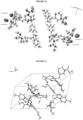
- the water uptake of Type A* family at 25 °C exhibited almost linear increase/decrease without history sense, which behaved similarly to a hydrate with structural voids (e.g., water channels).
- the crystal forms after DVS test were detected by XRPD.
- the crystal form after DVS test was determined to be Type A ( Figure 5 ), corresponding to the ambient humidity (61.5%RH) when performing XRPD analysis.
- Type A1 was observed after DVS test ( Figure 7 ), corresponding to the ambient humidity (66.3%RH) when performing XRPD analysis. Based on these results, the crystal forms detected after DVS test were dependent on the ambient humidity when XRPD test was performed, which may be caused by the fast inter-conversion among Type A* family under different humidity.
- Cell parameters and an orientation matrix for data collection were retrieved and refined (least-squares refinement) by SAINT (Bruker, V8.37A, 2015) software using the setting angles of 9952 reflections in the range 2.458° ⁇ ⁇ ⁇ 23.390°.
- the data were collected to a maximum diffraction angle ( ⁇ ) of 27.587 ° at 296.15.
- the data set was 99 % complete out to 67.587° in ⁇ , having a Mean I/ ⁇ of 11.0 and D min (Mo) of 0.77 ⁇ .
- the asymmetric unit of Type A* family single crystal structure is composed of four API molecules (crystallographic-independent conformers) and theoretically four water molecules, which indicates that the single crystal is a hydrate ( Figure 10 ).
- the unit cell of the single crystal is shown in Figure 11 .
Landscapes
- Health & Medical Sciences (AREA)
- Chemical & Material Sciences (AREA)
- Organic Chemistry (AREA)
- General Health & Medical Sciences (AREA)
- Veterinary Medicine (AREA)
- Public Health (AREA)
- Medicinal Chemistry (AREA)
- Animal Behavior & Ethology (AREA)
- Life Sciences & Earth Sciences (AREA)
- Pharmacology & Pharmacy (AREA)
- Nuclear Medicine, Radiotherapy & Molecular Imaging (AREA)
- General Chemical & Material Sciences (AREA)
- Chemical Kinetics & Catalysis (AREA)
- Engineering & Computer Science (AREA)
- Bioinformatics & Cheminformatics (AREA)
- Endocrinology (AREA)
- Pain & Pain Management (AREA)
- Dermatology (AREA)
- Rheumatology (AREA)
- Reproductive Health (AREA)
- Urology & Nephrology (AREA)
- Pulmonology (AREA)
- Epidemiology (AREA)
- Pharmaceuticals Containing Other Organic And Inorganic Compounds (AREA)
- Nitrogen Condensed Heterocyclic Rings (AREA)
- Medicinal Preparation (AREA)
Priority Applications (4)
| Application Number | Priority Date | Filing Date | Title |
|---|---|---|---|
| RS20250594A RS66922B1 (sr) | 2018-11-13 | 2019-11-12 | Kristalni oblici metil (s)‑2‑((2‑(2,6-difluoro‑4‑(metilkarbamoil)fenil)‑7-metilimidazo[1,2-a]piridin‑3-il)metil)morfolin‑4-karboksilata modulatora p2x3 |
| HRP20250864TT HRP20250864T1 (hr) | 2018-11-13 | 2019-11-12 | Kristalni oblici p2x3 modulatora metil (s)‑2‑((2‑(2,6‑difluoro‑4‑(metilkarbamoil)fenil)‑7‑metilimidazo[1,2‑a] piridin‑3‑il)metil)morfolin‑4‑karboksilata |
| SI201930943T SI3880678T1 (sl) | 2018-11-13 | 2019-11-12 | Kristalne oblike p2x3 modulatorja metil (s)-2-((2-(2,6-difluoro-4-(metilkarbamoil)fenil)-7-metilimidazo[1,2-a]piridin-3-il)metil)morfolin-4-karboksilata |
| SM20250237T SMT202500237T1 (it) | 2018-11-13 | 2019-11-12 | Forme cristalline di modulatore di p2x3 metil (s)-2-((2-(2,6-difluoro-4-(metilcarbamoil)fenil)-7-metilimidazo[1,2-a]piridin-3-il)metil)morfolina-4-carbossilato |
Applications Claiming Priority (2)
| Application Number | Priority Date | Filing Date | Title |
|---|---|---|---|
| US201862760307P | 2018-11-13 | 2018-11-13 | |
| PCT/IB2019/001199 WO2020099923A1 (en) | 2018-11-13 | 2019-11-12 | Crystalline forms of a substituted imidazopyridine compound and use thereof as p2x3 modulator |
Publications (3)
| Publication Number | Publication Date |
|---|---|
| EP3880678A1 EP3880678A1 (en) | 2021-09-22 |
| EP3880678A4 EP3880678A4 (en) | 2022-08-31 |
| EP3880678B1 true EP3880678B1 (en) | 2025-05-07 |
Family
ID=70732059
Family Applications (1)
| Application Number | Title | Priority Date | Filing Date |
|---|---|---|---|
| EP19884611.5A Active EP3880678B1 (en) | 2018-11-13 | 2019-11-12 | Crystalline forms of p2x3 modulator methyl (s)-2-((2-(2,6-difluoro-4-(methylcarbamoyl )phenyl)-7-methylimidazo[1,2-a]pyridin-3-yl)methyl)morpholine-4-carboxylate |
Country Status (20)
| Country | Link |
|---|---|
| US (1) | US20220002292A1 (https=) |
| EP (1) | EP3880678B1 (https=) |
| JP (2) | JP2022507251A (https=) |
| CN (1) | CN113302191A (https=) |
| AU (1) | AU2019378161B2 (https=) |
| CA (1) | CA3119711A1 (https=) |
| DK (1) | DK3880678T3 (https=) |
| ES (1) | ES3033466T3 (https=) |
| FI (1) | FI3880678T3 (https=) |
| HR (1) | HRP20250864T1 (https=) |
| HU (1) | HUE071480T2 (https=) |
| IL (1) | IL282996A (https=) |
| LT (1) | LT3880678T (https=) |
| MX (1) | MX2021005424A (https=) |
| PL (1) | PL3880678T3 (https=) |
| PT (1) | PT3880678T (https=) |
| RS (1) | RS66922B1 (https=) |
| SI (1) | SI3880678T1 (https=) |
| SM (1) | SMT202500237T1 (https=) |
| WO (1) | WO2020099923A1 (https=) |
Families Citing this family (10)
| Publication number | Priority date | Publication date | Assignee | Title |
|---|---|---|---|---|
| IL282087B2 (en) * | 2018-10-10 | 2025-11-01 | Bellus Health Cough Inc | 4-(imidazo[1,2-a]pyridin-3-yl)-benzamide derivatives for treating pruritus |
| JP7578602B2 (ja) * | 2019-02-25 | 2024-11-06 | グラクソスミスクライン、インテレクチュアル、プロパティー、(ナンバー3)、リミテッド | P2x3修飾薬での治療 |
| CN114085220B (zh) * | 2020-06-22 | 2023-06-16 | 上海海雁医药科技有限公司 | 取代的吗啉-4-羧酸酯衍生物、其组合物及医药上的用途 |
| EP4169921A4 (en) * | 2020-06-29 | 2024-06-19 | Wuhan LL Science and Technology Development Co., Ltd. | Crystalline form of heterocyclic compound, preparation method therefor and application thereof |
| WO2022161462A1 (zh) * | 2021-01-29 | 2022-08-04 | 上海海雁医药科技有限公司 | 吗啉衍生物及其药物组合物和用途 |
| WO2025140586A1 (zh) * | 2023-12-29 | 2025-07-03 | 人福医药集团股份公司 | 一种p2x3受体拮抗剂的固体分散体及其制备工艺 |
| WO2025191081A1 (en) | 2024-03-15 | 2025-09-18 | Glaxosmithkline Intellectual Property (No.3) Limited | Crystalline form of camlipixant |
| WO2025210540A1 (en) | 2024-04-02 | 2025-10-09 | Assia Chemical Industries Ltd. | Solid state forms of camlipixant and process for preparation thereof |
| WO2026022326A1 (en) * | 2024-07-25 | 2026-01-29 | Glaxosmithkline Intellectual Property (No.3) Limited | P2x3 antagonist formulation |
| JP2026049185A (ja) | 2024-09-06 | 2026-03-18 | キヤノン株式会社 | 撮像装置、撮像方法、及びコンピュータプログラム |
Family Cites Families (2)
| Publication number | Priority date | Publication date | Assignee | Title |
|---|---|---|---|---|
| DK3381917T3 (da) * | 2013-01-31 | 2021-10-18 | Bellus Health Cough Inc | Imidazopyridinforbindelser og anvendelser deraf |
| US10111883B1 (en) | 2017-09-18 | 2018-10-30 | Bellus Health Cough Inc. | Selective P2X3 modulators |
-
2019
- 2019-11-12 HR HRP20250864TT patent/HRP20250864T1/hr unknown
- 2019-11-12 FI FIEP19884611.5T patent/FI3880678T3/fi active
- 2019-11-12 EP EP19884611.5A patent/EP3880678B1/en active Active
- 2019-11-12 CN CN201980088914.9A patent/CN113302191A/zh active Pending
- 2019-11-12 US US17/292,663 patent/US20220002292A1/en active Pending
- 2019-11-12 ES ES19884611T patent/ES3033466T3/es active Active
- 2019-11-12 LT LTEPPCT/IB2019/001199T patent/LT3880678T/lt unknown
- 2019-11-12 PT PT198846115T patent/PT3880678T/pt unknown
- 2019-11-12 JP JP2021525726A patent/JP2022507251A/ja active Pending
- 2019-11-12 SI SI201930943T patent/SI3880678T1/sl unknown
- 2019-11-12 SM SM20250237T patent/SMT202500237T1/it unknown
- 2019-11-12 HU HUE19884611A patent/HUE071480T2/hu unknown
- 2019-11-12 WO PCT/IB2019/001199 patent/WO2020099923A1/en not_active Ceased
- 2019-11-12 CA CA3119711A patent/CA3119711A1/en active Pending
- 2019-11-12 MX MX2021005424A patent/MX2021005424A/es unknown
- 2019-11-12 AU AU2019378161A patent/AU2019378161B2/en active Active
- 2019-11-12 DK DK19884611.5T patent/DK3880678T3/da active
- 2019-11-12 PL PL19884611.5T patent/PL3880678T3/pl unknown
- 2019-11-12 RS RS20250594A patent/RS66922B1/sr unknown
-
2021
- 2021-05-06 IL IL282996A patent/IL282996A/en unknown
-
2024
- 2024-07-05 JP JP2024109053A patent/JP2024153665A/ja active Pending
Also Published As
| Publication number | Publication date |
|---|---|
| PT3880678T (pt) | 2025-05-22 |
| MX2021005424A (es) | 2021-06-15 |
| EP3880678A1 (en) | 2021-09-22 |
| CN113302191A (zh) | 2021-08-24 |
| JP2022507251A (ja) | 2022-01-18 |
| AU2019378161A1 (en) | 2021-06-03 |
| SI3880678T1 (sl) | 2025-08-29 |
| EP3880678A4 (en) | 2022-08-31 |
| AU2019378161B2 (en) | 2025-01-30 |
| LT3880678T (lt) | 2025-06-25 |
| HRP20250864T1 (hr) | 2025-09-26 |
| HUE071480T2 (hu) | 2025-08-28 |
| RS66922B1 (sr) | 2025-07-31 |
| WO2020099923A1 (en) | 2020-05-22 |
| FI3880678T3 (fi) | 2025-08-01 |
| IL282996A (en) | 2021-06-30 |
| US20220002292A1 (en) | 2022-01-06 |
| PL3880678T3 (pl) | 2025-08-04 |
| DK3880678T3 (da) | 2025-06-10 |
| JP2024153665A (ja) | 2024-10-29 |
| SMT202500237T1 (it) | 2025-07-22 |
| CA3119711A1 (en) | 2020-05-22 |
| ES3033466T3 (en) | 2025-08-04 |
Similar Documents
| Publication | Publication Date | Title |
|---|---|---|
| EP3880678B1 (en) | Crystalline forms of p2x3 modulator methyl (s)-2-((2-(2,6-difluoro-4-(methylcarbamoyl )phenyl)-7-methylimidazo[1,2-a]pyridin-3-yl)methyl)morpholine-4-carboxylate | |
| JP7187488B2 (ja) | 固定用量製剤 | |
| KR102562571B1 (ko) | 페놀성 trpv1 작용제의 프로드러그 | |
| CN101686976B (zh) | 含有4,5-环氧基吗啡喃衍生物的稳定的固体制剂 | |
| JP2022511800A (ja) | 痛風または高尿酸血症を処置または予防するための化合物の結晶形態 | |
| WO2004054574A1 (ja) | 経口固形医薬 | |
| KR20150123248A (ko) | 유기 화합물의 제제 | |
| CA3121624A1 (en) | Methods for treating or preventing gout or hyperuricemia | |
| US20120141586A1 (en) | Thrombin receptor antagonist and clopidogrel fixed dose tablet | |
| JP2008044960A (ja) | 経口固形医薬 | |
| EP4268816B1 (en) | Oral solid preparation | |
| CN114867469A (zh) | 包含氨基甲酸酯化合物的口服药物组合物及其制备方法 | |
| JP2021532183A (ja) | フェノール性trpv1アゴニストのpeg化プロドラッグ | |
| EP3205343B1 (en) | Pharmaceutical composition of fused aminodihydrothiazine derivative | |
| EP3675865B1 (en) | Crystalline forms of compounds for preventing or treating sensory hair cell death | |
| EP3570820A1 (en) | A pharmaceutical composition comprising an oxazine derivative and its use in the treatment or prevention of alzheimer's disease | |
| JP7271869B2 (ja) | レボセチリジン含有錠剤 | |
| EP4074313A1 (en) | Solid pharmaceutical preparation | |
| EP4413987A1 (en) | Antifibrotic composition | |
| HK40099642A (en) | Oral solid preparation | |
| WO2026085383A1 (en) | Crystalline forms of an nlrp3 modulator | |
| WO2024011136A1 (en) | Crystalline forms of a tyk2 inhibitor |
Legal Events
| Date | Code | Title | Description |
|---|---|---|---|
| REG | Reference to a national code |
Ref country code: HR Ref legal event code: TUEP Ref document number: P20250864T Country of ref document: HR |
|
| STAA | Information on the status of an ep patent application or granted ep patent |
Free format text: STATUS: THE INTERNATIONAL PUBLICATION HAS BEEN MADE |
|
| PUAI | Public reference made under article 153(3) epc to a published international application that has entered the european phase |
Free format text: ORIGINAL CODE: 0009012 |
|
| STAA | Information on the status of an ep patent application or granted ep patent |
Free format text: STATUS: REQUEST FOR EXAMINATION WAS MADE |
|
| 17P | Request for examination filed |
Effective date: 20210506 |
|
| AK | Designated contracting states |
Kind code of ref document: A1 Designated state(s): AL AT BE BG CH CY CZ DE DK EE ES FI FR GB GR HR HU IE IS IT LI LT LU LV MC MK MT NL NO PL PT RO RS SE SI SK SM TR |
|
| DAV | Request for validation of the european patent (deleted) | ||
| DAX | Request for extension of the european patent (deleted) | ||
| A4 | Supplementary search report drawn up and despatched |
Effective date: 20220802 |
|
| RIC1 | Information provided on ipc code assigned before grant |
Ipc: A61P 29/00 20060101ALI20220727BHEP Ipc: A61P 17/04 20060101ALI20220727BHEP Ipc: A61P 15/00 20060101ALI20220727BHEP Ipc: A61P 13/00 20060101ALI20220727BHEP Ipc: A61P 11/14 20060101ALI20220727BHEP Ipc: A61K 31/5377 20060101ALI20220727BHEP Ipc: C07D 471/04 20060101AFI20220727BHEP |
|
| P01 | Opt-out of the competence of the unified patent court (upc) registered |
Effective date: 20230429 |
|
| STAA | Information on the status of an ep patent application or granted ep patent |
Free format text: STATUS: EXAMINATION IS IN PROGRESS |
|
| 17Q | First examination report despatched |
Effective date: 20230710 |
|
| RAP1 | Party data changed (applicant data changed or rights of an application transferred) |
Owner name: GLAXOSMITHKLINE INTELLECTUAL PROPERTY (NO.3) LIMITED |
|
| GRAP | Despatch of communication of intention to grant a patent |
Free format text: ORIGINAL CODE: EPIDOSNIGR1 |
|
| STAA | Information on the status of an ep patent application or granted ep patent |
Free format text: STATUS: GRANT OF PATENT IS INTENDED |
|
| INTG | Intention to grant announced |
Effective date: 20241203 |
|
| RIN1 | Information on inventor provided before grant (corrected) |
Inventor name: CHAURET, NATHALIE Inventor name: PAYZA, KEMAL Inventor name: WENSLOW, ROBERT M. Inventor name: GARCEAU, DENIS |
|
| GRAS | Grant fee paid |
Free format text: ORIGINAL CODE: EPIDOSNIGR3 |
|
| GRAA | (expected) grant |
Free format text: ORIGINAL CODE: 0009210 |
|
| STAA | Information on the status of an ep patent application or granted ep patent |
Free format text: STATUS: THE PATENT HAS BEEN GRANTED |
|
| AK | Designated contracting states |
Kind code of ref document: B1 Designated state(s): AL AT BE BG CH CY CZ DE DK EE ES FI FR GB GR HR HU IE IS IT LI LT LU LV MC MK MT NL NO PL PT RO RS SE SI SK SM TR |
|
| REG | Reference to a national code |
Ref country code: GB Ref legal event code: FG4D |
|
| REG | Reference to a national code |
Ref country code: CH Ref legal event code: EP |
|
| REG | Reference to a national code |
Ref country code: PT Ref legal event code: SC4A Ref document number: 3880678 Country of ref document: PT Date of ref document: 20250522 Kind code of ref document: T Free format text: AVAILABILITY OF NATIONAL TRANSLATION Effective date: 20250519 |
|
| REG | Reference to a national code |
Ref country code: DE Ref legal event code: R096 Ref document number: 602019069785 Country of ref document: DE |
|
| REG | Reference to a national code |
Ref country code: IE Ref legal event code: FG4D |
|
| REG | Reference to a national code |
Ref country code: DK Ref legal event code: T3 Effective date: 20250603 |
|
| REG | Reference to a national code |
Ref country code: SE Ref legal event code: TRGR |
|
| RAP4 | Party data changed (patent owner data changed or rights of a patent transferred) |
Owner name: GLAXOSMITHKLINE INTELLECTUAL PROPERTY (NO.3)LIMITED |
|
| REG | Reference to a national code |
Ref country code: NL Ref legal event code: FP |
|
| REG | Reference to a national code |
Ref country code: SE Ref legal event code: RPOT |
|
| REG | Reference to a national code |
Ref country code: FI Ref legal event code: FGE |
|
| REG | Reference to a national code |
Ref country code: ES Ref legal event code: FG2A Ref document number: 3033466 Country of ref document: ES Kind code of ref document: T3 Effective date: 20250804 |
|
| REG | Reference to a national code |
Ref country code: SK Ref legal event code: T3 Ref document number: E 46578 Country of ref document: SK |
|
| REG | Reference to a national code |
Ref country code: GR Ref legal event code: EP Ref document number: 20250401255 Country of ref document: GR Effective date: 20250707 |
|
| REG | Reference to a national code |
Ref country code: HU Ref legal event code: AG4A Ref document number: E071480 Country of ref document: HU |
|
| REG | Reference to a national code |
Ref country code: EE Ref legal event code: FG4A Ref document number: E025149 Country of ref document: EE Effective date: 20250613 |
|
| REG | Reference to a national code |
Ref country code: HR Ref legal event code: T1PR Ref document number: P20250864 Country of ref document: HR |
|
| PGFP | Annual fee paid to national office [announced via postgrant information from national office to epo] |
Ref country code: NL Payment date: 20251022 Year of fee payment: 7 Ref country code: LU Payment date: 20251022 Year of fee payment: 7 |
|
| REG | Reference to a national code |
Ref country code: HR Ref legal event code: ODRP Ref document number: P20250864 Country of ref document: HR Payment date: 20251027 Year of fee payment: 7 |
|
| REG | Reference to a national code |
Ref country code: CH Ref legal event code: U11 Free format text: ST27 STATUS EVENT CODE: U-0-0-U10-U11 (AS PROVIDED BY THE NATIONAL OFFICE) Effective date: 20251201 |
|
| PGFP | Annual fee paid to national office [announced via postgrant information from national office to epo] |
Ref country code: PT Payment date: 20251024 Year of fee payment: 7 |
|
| PGFP | Annual fee paid to national office [announced via postgrant information from national office to epo] |
Ref country code: HU Payment date: 20251117 Year of fee payment: 7 |
|
| PGFP | Annual fee paid to national office [announced via postgrant information from national office to epo] |
Ref country code: IS Payment date: 20251111 Year of fee payment: 7 Ref country code: DE Payment date: 20251022 Year of fee payment: 7 |
|
| PGFP | Annual fee paid to national office [announced via postgrant information from national office to epo] |
Ref country code: LT Payment date: 20251022 Year of fee payment: 7 Ref country code: GB Payment date: 20251023 Year of fee payment: 7 |
|
| PGFP | Annual fee paid to national office [announced via postgrant information from national office to epo] |
Ref country code: MC Payment date: 20251028 Year of fee payment: 7 Ref country code: NO Payment date: 20251024 Year of fee payment: 7 |
|
| PGFP | Annual fee paid to national office [announced via postgrant information from national office to epo] |
Ref country code: SM Payment date: 20251023 Year of fee payment: 7 Ref country code: MK Payment date: 20251028 Year of fee payment: 7 Ref country code: AT Payment date: 20251024 Year of fee payment: 7 |
|
| PGFP | Annual fee paid to national office [announced via postgrant information from national office to epo] |
Ref country code: FI Payment date: 20251022 Year of fee payment: 7 Ref country code: DK Payment date: 20251022 Year of fee payment: 7 Ref country code: IT Payment date: 20251022 Year of fee payment: 7 |
|
| PGFP | Annual fee paid to national office [announced via postgrant information from national office to epo] |
Ref country code: HR Payment date: 20251027 Year of fee payment: 7 Ref country code: FR Payment date: 20251022 Year of fee payment: 7 |
|
| PGFP | Annual fee paid to national office [announced via postgrant information from national office to epo] |
Ref country code: TR Payment date: 20251027 Year of fee payment: 7 Ref country code: AL Payment date: 20251121 Year of fee payment: 7 Ref country code: GR Payment date: 20251024 Year of fee payment: 7 Ref country code: BE Payment date: 20251022 Year of fee payment: 7 |
|
| PGFP | Annual fee paid to national office [announced via postgrant information from national office to epo] |
Ref country code: CH Payment date: 20251201 Year of fee payment: 7 Ref country code: SE Payment date: 20251022 Year of fee payment: 7 |
|
| PGFP | Annual fee paid to national office [announced via postgrant information from national office to epo] |
Ref country code: IE Payment date: 20251024 Year of fee payment: 7 Ref country code: CY Payment date: 20251023 Year of fee payment: 7 Ref country code: CZ Payment date: 20251030 Year of fee payment: 7 |
|
| PGFP | Annual fee paid to national office [announced via postgrant information from national office to epo] |
Ref country code: MT Payment date: 20251029 Year of fee payment: 7 Ref country code: LV Payment date: 20251022 Year of fee payment: 7 |
|
| PGFP | Annual fee paid to national office [announced via postgrant information from national office to epo] |
Ref country code: PL Payment date: 20251024 Year of fee payment: 7 Ref country code: BG Payment date: 20251028 Year of fee payment: 7 |
|
| PGFP | Annual fee paid to national office [announced via postgrant information from national office to epo] |
Ref country code: EE Payment date: 20251028 Year of fee payment: 7 |
|
| PGFP | Annual fee paid to national office [announced via postgrant information from national office to epo] |
Ref country code: RO Payment date: 20251110 Year of fee payment: 7 Ref country code: SK Payment date: 20251029 Year of fee payment: 7 |
|
| PGFP | Annual fee paid to national office [announced via postgrant information from national office to epo] |
Ref country code: RS Payment date: 20251029 Year of fee payment: 7 |
|
| PGFP | Annual fee paid to national office [announced via postgrant information from national office to epo] |
Ref country code: SI Payment date: 20251029 Year of fee payment: 7 Ref country code: ES Payment date: 20251201 Year of fee payment: 7 |
|
| REG | Reference to a national code |
Ref country code: DE Ref legal event code: R097 Ref document number: 602019069785 Country of ref document: DE |
|
| PLBE | No opposition filed within time limit |
Free format text: ORIGINAL CODE: 0009261 |
|
| STAA | Information on the status of an ep patent application or granted ep patent |
Free format text: STATUS: NO OPPOSITION FILED WITHIN TIME LIMIT |
|
| REG | Reference to a national code |
Ref country code: CH Ref legal event code: L10 Free format text: ST27 STATUS EVENT CODE: U-0-0-L10-L00 (AS PROVIDED BY THE NATIONAL OFFICE) Effective date: 20260318 |
|
| 26N | No opposition filed |
Effective date: 20260210 |