EP3840997B1 - Autonomes fahrzeugsystem zur bestimmung einer anhaltestelle in reaktion auf einen erkannten lokalen ausfall - Google Patents
Autonomes fahrzeugsystem zur bestimmung einer anhaltestelle in reaktion auf einen erkannten lokalen ausfall Download PDFInfo
- Publication number
- EP3840997B1 EP3840997B1 EP19866420.3A EP19866420A EP3840997B1 EP 3840997 B1 EP3840997 B1 EP 3840997B1 EP 19866420 A EP19866420 A EP 19866420A EP 3840997 B1 EP3840997 B1 EP 3840997B1
- Authority
- EP
- European Patent Office
- Prior art keywords
- vehicle
- area
- determining
- computing devices
- passenger
- Prior art date
- Legal status (The legal status is an assumption and is not a legal conclusion. Google has not performed a legal analysis and makes no representation as to the accuracy of the status listed.)
- Active
Links
Images



Classifications
-
- G—PHYSICS
- G08—SIGNALLING
- G08G—TRAFFIC CONTROL SYSTEMS
- G08G1/00—Traffic control systems for road vehicles
- G08G1/20—Monitoring the location of vehicles belonging to a group, e.g. fleet of vehicles, countable or determined number of vehicles
- G08G1/205—Indicating the location of the monitored vehicles as destination, e.g. accidents, stolen, rental
-
- B—PERFORMING OPERATIONS; TRANSPORTING
- B60—VEHICLES IN GENERAL
- B60W—CONJOINT CONTROL OF VEHICLE SUB-UNITS OF DIFFERENT TYPE OR DIFFERENT FUNCTION; CONTROL SYSTEMS SPECIALLY ADAPTED FOR HYBRID VEHICLES; ROAD VEHICLE DRIVE CONTROL SYSTEMS FOR PURPOSES NOT RELATED TO THE CONTROL OF A PARTICULAR SUB-UNIT
- B60W60/00—Drive control systems specially adapted for autonomous road vehicles
- B60W60/001—Planning or execution of driving tasks
- B60W60/0024—Planning or execution of driving tasks with mediation between passenger and vehicle requirements, e.g. decision between dropping off a passenger or urgent vehicle service
-
- B—PERFORMING OPERATIONS; TRANSPORTING
- B60—VEHICLES IN GENERAL
- B60W—CONJOINT CONTROL OF VEHICLE SUB-UNITS OF DIFFERENT TYPE OR DIFFERENT FUNCTION; CONTROL SYSTEMS SPECIALLY ADAPTED FOR HYBRID VEHICLES; ROAD VEHICLE DRIVE CONTROL SYSTEMS FOR PURPOSES NOT RELATED TO THE CONTROL OF A PARTICULAR SUB-UNIT
- B60W60/00—Drive control systems specially adapted for autonomous road vehicles
- B60W60/001—Planning or execution of driving tasks
- B60W60/0025—Planning or execution of driving tasks specially adapted for specific operations
- B60W60/00253—Taxi operations
-
- B—PERFORMING OPERATIONS; TRANSPORTING
- B60—VEHICLES IN GENERAL
- B60W—CONJOINT CONTROL OF VEHICLE SUB-UNITS OF DIFFERENT TYPE OR DIFFERENT FUNCTION; CONTROL SYSTEMS SPECIALLY ADAPTED FOR HYBRID VEHICLES; ROAD VEHICLE DRIVE CONTROL SYSTEMS FOR PURPOSES NOT RELATED TO THE CONTROL OF A PARTICULAR SUB-UNIT
- B60W60/00—Drive control systems specially adapted for autonomous road vehicles
- B60W60/001—Planning or execution of driving tasks
- B60W60/0025—Planning or execution of driving tasks specially adapted for specific operations
- B60W60/00256—Delivery operations
-
- G—PHYSICS
- G05—CONTROLLING; REGULATING
- G05D—SYSTEMS FOR CONTROLLING OR REGULATING NON-ELECTRIC VARIABLES
- G05D1/00—Control of position, course, altitude or attitude of land, water, air or space vehicles, e.g. using automatic pilots
- G05D1/0055—Control of position, course, altitude or attitude of land, water, air or space vehicles, e.g. using automatic pilots with safety arrangements
- G05D1/0072—Control of position, course, altitude or attitude of land, water, air or space vehicles, e.g. using automatic pilots with safety arrangements to counteract a motor failure
-
- G—PHYSICS
- G05—CONTROLLING; REGULATING
- G05D—SYSTEMS FOR CONTROLLING OR REGULATING NON-ELECTRIC VARIABLES
- G05D1/00—Control of position, course, altitude or attitude of land, water, air or space vehicles, e.g. using automatic pilots
- G05D1/0088—Control of position, course, altitude or attitude of land, water, air or space vehicles, e.g. using automatic pilots characterized by the autonomous decision making process, e.g. artificial intelligence, predefined behaviours
-
- G—PHYSICS
- G05—CONTROLLING; REGULATING
- G05D—SYSTEMS FOR CONTROLLING OR REGULATING NON-ELECTRIC VARIABLES
- G05D1/00—Control of position, course, altitude or attitude of land, water, air or space vehicles, e.g. using automatic pilots
- G05D1/20—Control system inputs
- G05D1/22—Command input arrangements
- G05D1/228—Command input arrangements located on-board unmanned vehicles
-
- G—PHYSICS
- G05—CONTROLLING; REGULATING
- G05D—SYSTEMS FOR CONTROLLING OR REGULATING NON-ELECTRIC VARIABLES
- G05D1/00—Control of position, course, altitude or attitude of land, water, air or space vehicles, e.g. using automatic pilots
- G05D1/60—Intended control result
- G05D1/617—Safety or protection, e.g. defining protection zones around obstacles or avoiding hazards
-
- G—PHYSICS
- G08—SIGNALLING
- G08G—TRAFFIC CONTROL SYSTEMS
- G08G1/00—Traffic control systems for road vehicles
- G08G1/20—Monitoring the location of vehicles belonging to a group, e.g. fleet of vehicles, countable or determined number of vehicles
- G08G1/202—Dispatching vehicles on the basis of a location, e.g. taxi dispatching
-
- B—PERFORMING OPERATIONS; TRANSPORTING
- B60—VEHICLES IN GENERAL
- B60W—CONJOINT CONTROL OF VEHICLE SUB-UNITS OF DIFFERENT TYPE OR DIFFERENT FUNCTION; CONTROL SYSTEMS SPECIALLY ADAPTED FOR HYBRID VEHICLES; ROAD VEHICLE DRIVE CONTROL SYSTEMS FOR PURPOSES NOT RELATED TO THE CONTROL OF A PARTICULAR SUB-UNIT
- B60W50/00—Details of control systems for road vehicle drive control not related to the control of a particular sub-unit, e.g. process diagnostic or vehicle driver interfaces
- B60W50/02—Ensuring safety in case of control system failures, e.g. by diagnosing, circumventing or fixing failures
- B60W50/029—Adapting to failures or work around with other constraints, e.g. circumvention by avoiding use of failed parts
- B60W2050/0292—Fail-safe or redundant systems, e.g. limp-home or backup systems
-
- B—PERFORMING OPERATIONS; TRANSPORTING
- B60—VEHICLES IN GENERAL
- B60W—CONJOINT CONTROL OF VEHICLE SUB-UNITS OF DIFFERENT TYPE OR DIFFERENT FUNCTION; CONTROL SYSTEMS SPECIALLY ADAPTED FOR HYBRID VEHICLES; ROAD VEHICLE DRIVE CONTROL SYSTEMS FOR PURPOSES NOT RELATED TO THE CONTROL OF A PARTICULAR SUB-UNIT
- B60W50/00—Details of control systems for road vehicle drive control not related to the control of a particular sub-unit, e.g. process diagnostic or vehicle driver interfaces
- B60W50/02—Ensuring safety in case of control system failures, e.g. by diagnosing, circumventing or fixing failures
- B60W50/029—Adapting to failures or work around with other constraints, e.g. circumvention by avoiding use of failed parts
Definitions
- Autonomous vehicles such as vehicles that do not require a human driver, can be used to aid in the transport of passengers or items from one location to another. Such vehicles may operate in a fully autonomous mode where passengers may provide some initial input, such as a pick up or destination location, and a vehicle maneuvers itself to that location.
- US 2018/0299884 A1 discloses a server device that performs communication with a plurality of vehicles having an automatic driving function through a network.
- the server device comprises a processor configured to assign an area on a road to be traveled by automatic driving to each vehicle as an occupied area.
- the processor is further configured to: determine whether the vehicle is a traffic-obstructing vehicle that becomes an obstacle to traveling according to the assignment of the occupied area, based on information notified from the vehicle and/or another vehicle traveling around the vehicle, and perform a process corresponding to the obstacle in response to determining that the vehicle is the traffic obstructing vehicle.
- a method includes obtaining, by one or more computing devices on-board an autonomous vehicle, data indicative of one or more parameters associated with the autonomous vehicle.
- the autonomous vehicle is configured to provide a vehicle service to one or more users of the vehicle service.
- the method includes determining, by the computing devices, an existence of a fault associated with the autonomous vehicle based at least in part on the one or more parameters associated with the autonomous vehicle.
- the method includes determining, by the computing devices, one or more actions to be performed by the autonomous vehicle based at least in part on the existence of the fault.
- the method includes performing, by the computing devices, one or more of the actions to take the autonomous vehicle out-of-service based at least in part on the fault.
- aspects of the disclosure provide for a method for determining a pullover spot for a vehicle, a fleet management system, and a vehicle, according to independent claims 1, 11 and 15, respectively. Further embodiments are defined by the dependent claims.
- the technology relates to systems and methods for addressing faults in autonomous or semi-autonomous vehicles. This is an important function for such vehicles, especially when the vehicles are transporting passengers or cargo when the fault occurs.
- computing devices of a vehicle may detect a local failure of the vehicle while transporting a passenger or good.
- the vehicle's computing devices may determine that the vehicle should stop before completing the trip and may determine a pullover spot.
- the pullover spot may be determined based on at least an area for a passenger to disembark and/or a good to be unloaded from the vehicle and an area for a second vehicle to pick up the disembarked passenger or an unloaded good.
- the vehicle's computing devices may park the vehicle in the pullover spot and may also request a pickup of the passenger or good by another vehicle.
- Detecting a local failure at a vehicle may include receiving information from one or more detection systems. For some information, the vehicle's computing devices may compare the received information with one or more set thresholds. When the one or more set thresholds are not met, the vehicle's computing devices may determine that a local failure has occurred. For other information, the vehicle's computing devices may determine that a local failure has occurred due to the receipt of the information itself rather than other criteria. Furthermore, a lack of information may also be an indication of a local failure.
- the vehicle's computing devices may determine that the vehicle should stop before completing a current trip related to transporting a passenger or good by comparing needed vehicle functions, or vehicle requirements, for the trip with the detected local failure.
- a mid-trip stop may be required when the detected local failure corresponds with one of the vehicle requirements for the trip.
- Some local failures may trigger a more immediate pullover action or other action, in which case the more immediate action may be taken automatically without further processing.
- a pullover spot may be determined based on at least a first area for the vehicle to park and a second area for a second vehicle to pick up a disembarked passenger or unloaded good. For example, a location may be determined to be the pullover spot when it has a first area for the vehicle to park adjacent to or within an accessible distance from a second area where the second vehicle may park. In addition, the identified areas may be determined to satisfy certain requirements, such as distance requirements or size requirements.
- the vehicle's computing devices may operate the vehicle to park in the pullover spot and may also request pick up of the passenger or good.
- the fleet management system may select the second vehicle from a plurality of vehicles based on a location of the second vehicle and an availability of the second vehicle.
- the vehicle's computing devices may then determine whether a passenger or good has been transferred to the second vehicle. After the transfer is determined, the vehicle's computing devices may then operate the original vehicle to a fallback location based on the local failure.
- the features described herein may provide for a vehicle that reacts quickly and efficiently to a local failure by finding a pullover spot that is both safe for a passenger to disembark and accessible by a second vehicle. Determining a pullover spot and requesting a second vehicle may also allow for a trip to be quickly continued after it is interrupted by the local failure. In addition, the feature described also allows for the vehicle to continue the trip may when the local failure does not affect the operation of the vehicle for the trip, thereby preventing unnecessary interruption of trips.
- a vehicle 100 in accordance with one aspect of the disclosure includes various components. While certain aspects of the disclosure are particularly useful in connection with specific types of vehicles, the vehicle 100 may be any type of vehicle including, but not limited to, cars, trucks, motorcycles, busses, boats, airplanes, helicopters, lawnmowers, recreational vehicles, amusement park vehicles, farm equipment, construction equipment, trams, golf carts, trains, and trolleys.
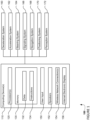
- the vehicle 100 may have one or more computing devices 110 that include one or more processors 120, memory 130 and other components typically present in general purpose computing devices.
- the memory 130 stores information accessible by the one or more processors 120, including data 132 and instructions 134 that may be executed or otherwise used by the processor(s) 120.
- the memory 130 may be of any type capable of storing information accessible by the processor(s), including a computing device-readable medium, or other medium that stores data that may be read with the aid of an electronic device, such as a hard-drive, memory card, ROM, RAM, DVD or other optical disks, as well as other write-capable and read-only memories.
- Systems and methods may include different combinations of the foregoing, whereby different portions of the instructions and data are stored on different types of media.
- the data 132 may be retrieved, stored or modified by processor(s) 120 in accordance with the instructions 134.
- the data may be stored in computing device registers, in a relational database as a table having a plurality of different fields and records, XML documents or flat files.
- the data may also be formatted in any computing device-readable format.
- the instructions 134 may be any set of instructions to be executed directly (such as machine code) or indirectly (such as scripts) by the processor.
- the instructions may be stored as computing device code on the computing device-readable medium.
- the terms "instructions” and “programs” may be used interchangeably herein.
- the instructions may be stored in object code format for direct processing by the processor, or in any other computing device language including scripts or collections of independent source code modules that are interpreted on demand or compiled in advance. Functions, methods and routines of the instructions are explained in more detail below.
- the one or more processors 120 may be any conventional processors, such as commercially available CPUs. Alternatively, the one or more processors may be a dedicated device such as an ASIC or other hardware-based processor, such as a field programmable gate array (FPGA).
- FIGURE 1 functionally illustrates the processor(s), memory, and other elements of the vehicle's computing devices 110 as being within the same block, it will be understood by those of ordinary skill in the art that the processor, computing device, or memory may actually include multiple processors, computing devices, or memories that may or may not be stored within the same physical housing.
- memory may be a hard drive or other storage media located in a housing different from that of the vehicle's computing devices 110. Accordingly, references to a processor or computing device will be understood to include references to a collection of processors or computing devices or memories that may or may not operate in parallel.
- the vehicle's computing devices 110 may have all of the components normally used in connection with a computing device such as the processor and memory described above, as well as a user input 150 (e.g., a mouse, keyboard, touch screen and/or microphone), various electronic displays (e.g., a monitor having a screen, a small LCD touch-screen or any other electrical device that is operable to display information), audio output (such as speakers 152), and a wireless network connection 154.
- the vehicle 100 includes an internal electronic display 156.
- internal electronic display 156 may be located within a cabin of vehicle 100 and may be used by the vehicle's computing devices 110 to provide information to passengers within the vehicle 100.
- the vehicle's computing devices 110 may be part of an autonomous driving computing system incorporated into vehicle 100.
- the autonomous driving computing system may capable of communicating with various components of the vehicle 100 as needed in order to control the vehicle 100 in fully autonomous (without input from a driver) as well as semi-autonomous (some input from a driver) driving modes.
- the vehicle's computing devices 110 may control some or all of these functions of vehicle 100 and thus be fully or partially autonomous. It will be understood that although various systems and the vehicle's computing devices 110 are shown within vehicle 100, these elements may be external to vehicle 100 or physically separated by large distances. In this regard, the vehicle's computing devices 110 may be in communication various systems of vehicle 100, such as deceleration system 160, acceleration system 162, steering system 164, signaling system 166, navigation system 168, positioning system 170, and perception system 172, such that one or more systems working together may control the movement, speed, direction, etc. of vehicle 100 in accordance with the instructions 134 stored in memory 130. Although these systems are shown as external to the vehicle's computing devices 110, in actuality, these systems may also be incorporated into the vehicle's computing devices 110, again as an autonomous driving computing system for controlling vehicle 100.
- the vehicle's computing devices 110 may interact with deceleration system 160 and acceleration system 162 in order to control the speed of the vehicle 100.
- steering system 164 may be used by the vehicle's computing devices 110 in order to control the direction of vehicle 100.
- the steering system may include components to control the angle of wheels to turn the vehicle 100.
- Signaling system 166 may be used by the vehicle's computing devices 110 in order to signal the vehicle's intent to other drivers or vehicles, for example, by lighting turn signals or brake lights when needed.
- Navigation system 168 may be used by the vehicle's computing devices 110 in order to determine and follow a route to a location.
- the navigation system 168 and/or data 132 may store map information, e.g., highly detailed maps identifying the shape and elevation of roads, lane lines, intersections, crosswalks, speed limits, traffic signals, buildings, signs, real time traffic information, vegetation, or other such objects and information.
- Map information may also include information that describes the location of speed limit signs as well as speed limits for sections of road or zones.
- Positioning system 170 may be used by the vehicle's computing devices 110 in order to determine the vehicle's relative or absolute position on a map or on the earth.
- the positioning system 170 may include one or more sensors, such as a GPS receiver to determine the vehicle's latitude, longitude and/or altitude position.
- Other location detection systems utilizing other sensors, such as laser-based localization systems, inertial-aided GPS, or camera-based localization, may also be used to identify the location of the vehicle 100.
- the location of the vehicle may include an absolute geographical location, such as latitude, longitude, and altitude as well as relative location information, such as location relative to other cars immediately around it which can often be determined with less noise that absolute geographical location.
- the positioning system 170 may also include other detection systems or sensors in communication with the vehicle's computing devices 110, such as an orientation or pose detection system configured to determine the vehicle's pitch, yaw or roll (or changes thereto) relative to the direction of gravity or a plane perpendicular thereto. Other detection systems may track increases or decreases in speed of the vehicle 100 and the direction of such changes. The provision of location and orientation data as set forth herein may be provided automatically by the detection systems to the vehicle's computing devices 110, other computing devices and combinations of the foregoing.
- an orientation or pose detection system configured to determine the vehicle's pitch, yaw or roll (or changes thereto) relative to the direction of gravity or a plane perpendicular thereto.
- Other detection systems may track increases or decreases in speed of the vehicle 100 and the direction of such changes.
- the provision of location and orientation data as set forth herein may be provided automatically by the detection systems to the vehicle's computing devices 110, other computing devices and combinations of the foregoing.
- the perception system 172 may include one or more detection systems in communication with the vehicle's computing devices 110 that are configured for detecting and performing analysis on objects external to the vehicle 100 such as other vehicles, obstacles in the road, traffic signals, signs, trees, etc. Sensors of these detection systems may include lasers, sonar units, radar units, cameras, or any other detection devices which record data that may be processed by the vehicle's computing devices 110. This data may describe the shape and geographic location coordinates of objects detected in the vehicle's environment. Other sensor data collected by the detection systems may include, for example, reflectivity, speed, trajectory data, etc. of detected objects.
- the vehicle's computing devices 110 may control the direction and speed of the vehicle by controlling various components.
- the vehicle's computing devices 110 may navigate the vehicle to a destination location completely autonomously using data from the detailed map information and navigation system 168.
- the vehicle's computing devices 110 may use the positioning system 170 to determine the vehicle's location and perception system 172 to detect and respond to objects when needed to reach the location safely.
- the vehicle's computing devices 110 may cause the vehicle to accelerate (e.g., by increasing fuel or other energy provided to the engine by acceleration system 162), decelerate (e.g., by decreasing the fuel supplied to the engine, changing gears, and/or by applying brakes by deceleration system 160), change direction (e.g., by turning the front or rear wheels of vehicle 100 by steering system 164), and signal such changes (e.g., by lighting turn signals of signaling system 166).
- the acceleration system 162 and deceleration system 160 may be a part of a drivetrain that includes various components between an engine of the vehicle and the wheels of the vehicle. Again, by controlling these systems, the vehicle's computing devices 110 may also control the drivetrain of the vehicle in order to maneuver the vehicle autonomously.
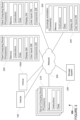
- FIGURES 2 and 3 are pictorial and functional diagrams, respectively, of an example system 200 that includes a plurality of computing devices 210, 220, 230, 240 and a storage system 250 connected via a network 260.
- System 200 also includes vehicle 100, and vehicle 100A which may be configured similarly to vehicle 100. Although only a few vehicles and computing devices are depicted for simplicity, a typical system may include significantly more.
- each of computing devices 210, 220, 230, 240 may include one or more processors, memory, data and instructions. Such processors, memories, data and instructions may be configured similarly to one or more processors 120, memory 130, data 132, and instructions 134 of computing device 110.
- the network 260 may include various configurations and protocols including short range communication protocols such as Bluetooth, Bluetooth LE, the Internet, World Wide Web, intranets, virtual private networks, wide area networks, local networks, private networks using communication protocols proprietary to one or more companies, Ethernet, WiFi and HTTP, and various combinations of the foregoing.
- short range communication protocols such as Bluetooth, Bluetooth LE, the Internet, World Wide Web, intranets, virtual private networks, wide area networks, local networks, private networks using communication protocols proprietary to one or more companies, Ethernet, WiFi and HTTP, and various combinations of the foregoing.
- Such communication may be facilitated by any device capable of transmitting data to and from other computing devices, such as modems and wireless interfaces.
- one or more computing devices 110 may include a server having a plurality of computing devices, e.g., a load balanced server farm, that exchange information with different nodes of a network for the purpose of receiving, processing and transmitting the data to and from other computing devices.
- one or more computing devices 210 may include one or more dispatching server computing devices, or fleet management system, that are capable of communicating with computing device 110 of vehicle 100 or a similar computing device of vehicle 100A as well as computing devices 220, 230, 240 via the network 260.
- vehicles 100 and 100A may be a part of a fleet of vehicles that can be dispatched by one or more server computing devices to various locations.
- the vehicles of the fleet may periodically send the one or more server computing devices location information provided by the vehicle's respective positioning systems and the one or more server computing devices may track the locations of the vehicles.
- the fleet management system 210 may use network 260 to transmit and present information to a user, such as user 222, 232, 242 on a display, such as displays 224, 234, 244 of computing devices 220, 230, 240.
- computing devices 220, 230, 240 may be considered client computing devices.
- each client computing device 220, 230, 240 may be a personal computing device intended for use by a user 222, 232, 242, and have all of the components normally used in connection with a personal computing device including a one or more processors (e.g., a central processing unit (CPU)), memory (e.g., RAM and internal hard drives) storing data and instructions, a display such as displays 224, 234, 244 (e.g., a monitor having a screen, a touch-screen, a projector, a television, or other device that is operable to display information), and user input devices 226, 236, 246 (e.g., a mouse, keyboard, touch screen or microphone).
- the client computing devices may also include a camera for recording video streams, speakers, a network interface device, and all of the components used for connecting these elements to one another.
- client computing devices 220 and 230 may also include components 228 and 238 for determining the position and orientation of client computing devices.
- these components may include a GPS receiver to determine the device's latitude, longitude and/or altitude as well as an accelerometer, gyroscope or another direction/speed detection device as described above with regard to positioning system 170 of vehicle 100.
- client computing devices 220, 230, and 240 may each comprise a full-sized personal computing device, they may alternatively comprise mobile computing devices capable of wirelessly exchanging data with a server over a network such as the Internet.
- client computing device 220 may be a mobile phone or a device such as a wireless-enabled PDA, a tablet PC, a wearable computing device or system, or a netbook that is capable of obtaining information via the Internet or other networks.
- client computing device 230 may be a wearable computing system, shown as a wristwatch in FIGURE 2 .
- the user may input information using a small keyboard, a keypad, microphone, using visual signals with a camera, or a touch screen.
- client computing device 240 may be a concierge workstation used by an administrator to provide concierge services to users such as users 222 and 232.
- a concierge 242 may use the concierge workstation 240 to communicate via a telephone call or audio connection with users through their respective client computing devices or vehicles 100 or 100A in order to facilitate the safe operation of vehicles 100 and 100A and the safety of the users as described in further detail below.
- FIGURES 2 and 3 Only a single concierge workstation 240 is shown in FIGURES 2 and 3 , any number of such work stations may be included in a typical system.
- Storage system 250 may store various types of information as described in more detail below. This information may be retrieved or otherwise accessed by one or more server computing devices, such as the fleet management system 210, in order to perform some or all of the features described herein.
- the information may include routing data for generating and evaluating routes between locations. The routing information may be used to estimate how long it would take a vehicle at a first location to reach a second location.
- the routing information may include map information, not necessarily as particular as the detailed map information described above, but including roads, as well as information about those road such as direction (one way, two way, etc.), orientation (North, South, etc.), speed limits, as well as traffic information identifying expected traffic conditions, etc.
- the information may also include a task queue, various tasks, and information associated with the tasks. Tasks may be passenger-related tasks, non-passenger tasks, fallback tasks, and the like.
- storage system 250 can be of any type of computerized storage capable of storing information accessible by the fleet management system 210, such as a hard-drive, memory card, ROM, RAM, DVD, CD-ROM, write-capable, and read-only memories.
- storage system 250 may include a distributed storage system where data is stored on a plurality of different storage devices which may be physically located at the same or different geographic locations.
- Storage system 250 may be connected to the computing devices via the network 260 as shown in FIGURE 2 and/or may be directly connected to or incorporated into any of the computing devices 110, 210, 220, 230, 240, etc.
- FIGURE 4 is an example flow diagram 400 including a method for determining a pullover spot for a vehicle in accordance with some of the aspects described above. The method may be performed by the one or more computing devices 110 of the vehicle. While FIGURE 4 shows blocks in a particular order, the order may be varied and that multiple operations may be performed simultaneously. Also, operations may be added or omitted.
- the vehicle's computing devices 110 may detect a local failure of the vehicle 100. Detecting a local failure at the vehicle 100 may include receiving information from one or more detection systems of the positioning system 170 or the perception system 172. For some information, the vehicle's computing devices 110 may compare the received information with one or more set thresholds. Additionally or alternatively, for other information, the vehicle's computing devices 110 may determine that a local failure has occurred due to the receipt of the information.
- the vehicle's computing devices 110 may receive measurements, such as an amount of diminished field of view of a sensor of a detection system (e.g. , 30% reduction in field of view), an air pressure of a tire ( e.g ., 25 psi), or an engine temperature (e.g ., 250°F), and may compare the received measurements with thresholds, such as a threshold maximum amount of diminished field of view ( e.g. , 33% reduction in field of view), a threshold minimum air pressure value ( e.g. 30 psi), and a threshold maximum engine temperature value (e.g. , 250°F). When the one or more set thresholds are not met, the vehicle's computing devices 110 may determine that a local failure has occurred.
- a threshold maximum amount of diminished field of view e.g. , 33% reduction in field of view
- a threshold minimum air pressure value e.g. 30 psi
- a threshold maximum engine temperature value e.g. , 250°F
- the vehicle's computing devices 110 may determine that there is a local failure. In other implementations, the vehicle's computing devices 110 may determine that there is a local failure when only one of the threshold maximum amount of diminished field of view, the threshold minimum air pressure value, or the threshold maximum engine temperature value is not met. Additionally or alternatively, the vehicle's computing devices 110 may determine that a local failure has occurred due to the receipt of the information that a loss of connection with one or more detection systems, an unreadable instruction stored in the memory, or other types of system or computing errors.
- the vehicle's computing devices 110 may determine that the vehicle should stop before completing a current trip related to transporting a passenger or good by comparing a plurality of vehicle requirements for the trip with the detected local failure, i.e ., determine that a mid-trip stop is required.
- the plurality of vehicle requirements for the trip may be based on roadways for the trip and planned maneuvers for the vehicle 100 and may be stored at the memory 130 of the vehicle's computing devices 110 prior to the trip.
- a mid-trip stop may be required when the detected local failure corresponds with one of the vehicle requirements for the trip.
- a first sensor of the one or more detection systems may be needed for detecting at least road features in the vehicle's environment and is therefore needed for any trip.
- the vehicle's computing devices may determine that the vehicle should stop before completing the trip. Inflated tires may be required for any trip, therefore when any tire pressure dips below the minimum threshold, as in the example given in relation to block 402 above, a mid-trip stop may be required.
- a proper engine temperature may be required for any trip, therefore when the engine temperature goes above the maximum threshold, as in the example given in relation to block 402 above, a mid-trip stop may be required.
- Some urgent local failures may trigger a more immediate pullover action or other action, in which case the more immediate action may be taken automatically without further processing.
- the urgent local failures may include, for example, a flat tire such that the rim of the wheel comes in contact with the ground, engine failure, or the loss of connection with the first sensor.
- the vehicle's computing devices 110 may determine a pullover spot based on at least a first area for the vehicle to park and a second area for a second vehicle to pick up a disembarked passenger or unloaded good. For example, a location may be determined to be the pullover spot when it has a first area for the vehicle to park adjacent to or within an accessible distance from a second area where the second vehicle may park. As shown in FIGURE 5 , the location 502 may be determined to be the pullover spot for the vehicle 100 experiencing the local failure described above with respect to block 402 because there is a first area 504 for the vehicle 100 to park that is adjacent to a second area 506 where a second vehicle may park.
- the identified areas may be determined to satisfy certain requirements.
- the first area 504 may be required to be within a maximum distance from a current location of the vehicle 100 based on the detected local failure, reachable or accessible within a maximum amount of time based on the detected local failure, and/or at least a minimum size based on a size of the vehicle 100.
- the minimum size may be at least the same area as an area of the vehicle 100, or the footprint of the vehicle 100.
- the maximum distance from the current location or the maximum amount of time for travelling from the current location may be determined based on the detected local failure. For example, when the local failure is due to the a reduction in a field of view of the first sensor, the maximum distance or the maximum amount of time may be determined based on what roadways the vehicle may travel on using the first sensor with the diminished field of view or may be a pre-set distance or amount of time. For another example, when the local failure is due to the reduction of tire pressure, the maximum distance or the maximum amount of time may be determined as the distance or amount of time for which the vehicle 100 may travel safely on the tire on the reduced tire pressure. There may also be a pre-set distance or amount of time that is the cap amount, such as 5 miles or 5 minutes.
- the maximum amount of time may be determined based on an estimated amount of time for the tire to become flat when the tire pressure is detected to be continually decreasing.
- a maximum distance or amount of time for when the local failure is an overly hot engine temperature may be determined in a same or similar manner as described for the reduced tire pressure.
- the maximum amount of time for when the local failure is an overly hot engine temperature may alternatively be determined to decrease when the engine temperature is detected to continue to increase.
- a maximum distance based on the reduced tire pressure and the overly hot engine temperature may be 5 miles.
- the first area 504 is approximately 100 feet from the current location of the vehicle 100 and therefore satisfies the maximum distance requirement.
- the first area 504 also is greater than the footprint of the vehicle 100 and therefore satisfies the minimum size requirement.
- the first area 504 may be within a maximum distance from one or more facilities, such as a restroom facility or a dining facility for a trip that includes a human passenger.
- the maximum distance from one or more facilities may be, for example, 0.5 miles, or other distance that a human passenger may be able to reach by walking. This facility requirement may not be taken into account for trips that do not include a human passenger.
- the first area 504 may further be required to be next to an additional area for a passenger to disembark from the vehicle or a good to be unloaded from the vehicle, such as the third area 508 shown in FIGURE 5 .
- This additional area may further be required to be a minimum size, a type of surface, such as a flat, or planar, surface, a minimum distance from a sidewalk or road shoulder, and/or a minimum or maximum distance from a road or from the second area for pickup.
- the additional area may be required to be within 5 feet from a sidewalk or road shoulder and within 50 feet from the second area for pickup.
- the third area 508 satisfies both of these requirements, as the third area 508 is on the sidewalk 510 and is partially adjacent to the second area 506.
- the requirements may be based on a characteristic of the good and needs for transferring the good from the vehicle to the second vehicle.
- the minimum size for the additional area may be at least 1 square yard more than the base area of the good to allow for a human mover to access and move the good.
- the second area 506 may be required to be a minimum size based on a size of the second vehicle and/or within a maximum distance from the first area 504.
- the size of the second vehicle may be set by default as, or determined to be, a same or similar size as the vehicle 100, or may be a different size, and the maximum distance may be, for example, 50 feet from the first area 504 or other distance that is reachable or accessible from the first area 504.
- the second area 506 is greater than the footprint of the vehicle 100 and within a foot from the first area 504, therefore the second area 506 satisfies the minimum size requirement and the maximum distance requirement.
- the vehicle may receive information about the second vehicle, such as the size of the vehicle, from the one or more server computing devices and may determine the second area based on the received information about the second vehicle.
- the information about the second vehicle may include that there is more than one second vehicle and the sizes of each of the second vehicles.
- Both the first and second areas may be required to satisfy pre-existing constraints on the vehicle.
- pre-existing constraints may include, for instance among other things, traffic laws, American with Disabilities Act requirements when applicable to a passenger, or weight constraints on the vehicle, goods, or roadways along a route.
- the vehicle's computing devices 110 may operate the vehicle 100 in order to park in the pullover spot 502 and may also request pick up of the passenger or good in the vehicle 100.
- Operating the vehicle may include diverting from a first path 512 of the trip and navigating along a second path 514 to the pullover spot 502.
- Operating the vehicle may include determining the second path 514 based on the current location of the vehicle and the location of the determined pullover spot 502.
- the request may be transmitted to a fleet management system 210 remote from the vehicle via the network 260 or directly to the second vehicle.
- the request may be transmitted after the pullover spot 502 is determined and may include the location of the pullover spot 502.
- the request may also include the trip to be completed by the second vehicle and the second area for the second vehicle to park.
- the fleet management system 210 may select the second vehicle, such as vehicle 100A, from a plurality of vehicles based on a location of the second vehicle and an availability of the second vehicle.
- the second vehicle may further be selected based on whether the second vehicle has the vehicle requirements for the trip. For example, a vehicle may be selected as the second vehicle when the vehicle is available for the trip, has the vehicle requirements for the trip, and is relatively close to the pullover spot 502 in comparison to other available vehicles.
- the fleet management system may then transmit instructions to the second vehicle based on the pullover area, the second area, and the trip. The instructions may cause the second vehicle to navigate to the second area, pick up a passenger and/or good from the original vehicle, and complete the trip.
- the vehicle's computing devices 110 may then determine whether a passenger and/or good has been transferred to the second vehicle. To do so, the vehicle's computing devices 110 may receive an indication of the completed transfer from one or more computing devices of the second vehicle, the fleet management system 210, or a client device associated with the passenger or human escorting the good. In other implementations, the vehicle's computing device 110 may detect that the passenger or good is located in the second vehicle using one or more detection systems of the vehicle 100.
- the vehicle's computing devices 110 may then operate the vehicle 100 to a fallback location based on the local failure.
- the fallback location may be a maintenance depot capable of addressing the local failure, a base location, or a location within the maximum distance or reachable within the maximum amount of time where the vehicle 100 may safely park until it may be retrieved.
- the vehicle 100 may be operated to a maintenance depot that is equipped to address at least the reduced tire pressure and/or the hot engine temperature.
- a mobile service unit such as a third vehicle carrying personnel, machinery, and/or supplies, may also be requested to arrive at the pullover spot.
- one or more computing devices remote from the vehicle may be used for one or more steps described above.
- the vehicle's computing devices 110 may transmit the received information from the one or more detection systems or the detected local failure to the one or more remote computing devices for further processing.
- the vehicle may be a non-autonomous vehicle.
- the features described herein may provide for a vehicle that reacts quickly and efficiently to a local failure by finding a pullover spot that is both safe for a passenger to disembark and accessible by a second vehicle. Determining a pullover spot and requesting a second vehicle may also allow for a trip to be quickly continued after it is interrupted by the local failure. In addition, the feature described also allows for the vehicle to continue the trip may when the local failure does not affect the operation of the vehicle for the trip, thereby preventing unnecessary interruption of trips.
Landscapes
- Engineering & Computer Science (AREA)
- Automation & Control Theory (AREA)
- General Physics & Mathematics (AREA)
- Physics & Mathematics (AREA)
- Human Computer Interaction (AREA)
- Transportation (AREA)
- Mechanical Engineering (AREA)
- Aviation & Aerospace Engineering (AREA)
- Remote Sensing (AREA)
- Radar, Positioning & Navigation (AREA)
- Health & Medical Sciences (AREA)
- Game Theory and Decision Science (AREA)
- Medical Informatics (AREA)
- Evolutionary Computation (AREA)
- Artificial Intelligence (AREA)
- Business, Economics & Management (AREA)
- Traffic Control Systems (AREA)
- Control Of Driving Devices And Active Controlling Of Vehicle (AREA)
Claims (15)
- Verfahren, das von einer oder mehreren Computervorrichtungen (110, 210, 220, 230, 240) ausgeführt wird, umfassend:Detektieren, durch eine oder mehrere Computervorrichtungen eines ersten Fahrzeugs (110), von Informationen im Zusammenhang mit einem oder mehreren Systemen des ersten Fahrzeugs oder einer Umgebung des ersten Fahrzeugs unter Verwendung von einem oder mehreren Sensoren des ersten Fahrzeugs;Bestimmen (402) eines lokalen Fehlers an dem ersten Fahrzeug basierend auf den Informationen von dem einen oder den mehreren Sensoren;Bestimmen (404), dass das erste Fahrzeug anhalten sollte, bevor es eine aktuelle Fahrt im Zusammenhang mit dem Befördern von einem oder beiden von einem Fahrgast oder einem Gut beendet, durch Vergleichen von Fahrzeuganforderungen für die Fahrt mit dem lokalen Fehler;Bestimmen (406) einer Anhaltestelle durch Identifizieren eines ersten Bereichs (504) für das erste Fahrzeug zum Parken teilweise basierend auf einem zweiten Bereich (506), der für ein zweites Fahrzeug zum Abholen von dem einen oder den beiden von dem Passagier oder dem Gut verfügbar ist, wobei der zweite Bereich an den ersten Bereich angrenzt, und/oder wobei sich der zweite Bereich in einer maximalen Entfernung von dem ersten Bereich befindet, und/oder wobei sich der zweite Bereich und der erste Bereich in einem Geofencing-Bereich befinden, in dem das erste Fahrzeug arbeitet;Bewirken (408), dass das erste Fahrzeug an der Anhaltestelle parkt; undSenden einer Anforderung für ein zweites Fahrzeug basierend auf der Anhaltestelle.
- Verfahren nach Anspruch 1, ferner umfassend:Bestimmen (410), dass das eine oder die beiden von einem Passagier oder einem Gut von dem ersten Fahrzeug in das zweite Fahrzeug umgestiegen ist bzw. transferiert wurde; undals Reaktion auf das Bestimmen, dass das das eine oder die beiden von einem Passagier oder einem Gut von dem ersten Fahrzeug in das zweite Fahrzeug umgestiegen ist bzw. transferiert wurde, Senden von Anweisungen an das zweite Fahrzeug, um zu bewirken, dass das zweite Fahrzeug die Fahrt abschließt, und/oder Senden von Anweisungen an das erste Fahrzeug, um zu bewirken (412), dass das erste Fahrzeug basierend auf dem lokalen Fehler zu einem Alternativstandort fährt.
- Verfahren nach Anspruch 1, wobei das Verfahren ferner das Identifizieren des zweiten Bereichs für das zweite Fahrzeug zum Parken umfasst, und/oder wobei der erste Bereich eine erste Mindestgröße basierend auf einer Größe des ersten Fahrzeugs aufweist, der erste Bereich an einen dritten Bereich (508) angrenzt, der eine zweite Mindestgröße für das aus dem ersten Fahrzeug zu entladende Gut aufweist und die zweite Mindestgröße auf einer Größe des Gutes basiert.
- Verfahren nach Anspruch 1, wobei das Bestimmen des lokalen Fehlers das Vergleichen der Informationen mit einem oder mehreren festgelegten Schwellenwerten umfasst.
- Verfahren nach Anspruch 1, ferner umfassend das Bestimmen der Fahrzeuganforderungen basierend auf Fahrbahneigenschaften für die Fahrt und geplanten Manövern für das erste Fahrzeug während der Fahrt.
- Verfahren nach Anspruch 1, wobei das Bestimmen der Anhaltestelle das Bestimmen basierend auf dem lokalen Fehler umfasst, dass der erste Bereich eine Mindestgröße basierend auf einer Größe des ersten Fahrzeugs ist, und dass sich der erste Bereich innerhalb einer maximalen Entfernung von einem aktuellen Standort befindet, oder dass der erste Bereich innerhalb einer maximalen Zeitdauer ab dem Detektieren des lokalen Fehlers erreichbar ist.
- Verfahren nach Anspruch 1, wobei das Bestimmen der Anhaltestelle das Bestimmen umfasst, dass sich der erste Bereich bei einem Passagierausstiegsbereich befindet, der sich innerhalb einer maximalen Entfernung von einer Straße oder dem zweiten Bereich befindet.
- Verfahren nach Anspruch 1, wobei das Bestimmen der Anhaltestelle das Bestimmen umfasst, dass der zweite Bereich eine Mindestgröße basierend auf einer Größe des zweiten Fahrzeugs ist, und/oder wobei das Senden der Anforderung für das zweite Fahrzeug das Senden von Informationen im Zusammenhang mit dem zweiten Bereich umfasst.
- Verfahren nach Anspruch 1, wobei das Bestimmen der Anhaltestelle umfasst:Bestimmen, dass eine Wartezeit für das zweite Fahrzeug einen Maximalwartezeitschwellenwert überschreitet; undBestimmen, dass sich der zweite Bereich innerhalb einer maximalen Entfernung von einer oder mehreren Einrichtungen für das eine oder die beiden von dem Passagier oder dem Gut befindet.
- Verfahren nach Anspruch 1, ferner umfassend:Empfangen, durch ein oder mehrere Computervorrichtungen eines Autonomes-Fahren-Computersystems des ersten Fahrzeugs, von Informationen von einer oder mehreren Computervorrichtungen des zweiten Fahrzeugs, wobei die Informationen angeben, dass das eine oder die beiden von einem Passagier oder einem Gut von dem ersten Fahrzeug in das zweite Fahrzeug umgestiegen ist bzw. transferiert wurde; undals Reaktion darauf, dass das eine oder die mehreren Computervorrichtungen des Autonomes-Fahren-Computersystems des ersten Fahrzeugs die Informationen von der einen oder den mehreren Computervorrichtungen des zweiten Fahrzeugs empfangen hat, autonom Betreiben des ersten Fahrzeugs durch die eine oder die mehreren Computervorrichtungen des Autonomes-Fahren-Computersystems des ersten Fahrzeugs, um basierend auf dem lokalen Fehler zu einem Alternativstandort zu fahren.
- Flottenmanagementsystem, umfassend einen oder mehrere Prozessoren, die konfiguriert sind zum:Empfangen von Aktualisierungen bezüglich eines Status von mehreren Fahrzeugen, die in der Lage sind, autonom zu fahren;Empfangen einer ersten Aktualisierung im Zusammenhang mit einem lokalen Fehler eines ersten Fahrzeugs (100) der mehreren Fahrzeuge;Bestimmen, dass das erste Fahrzeug vor dem Abschließen einer aktuellen Fahrt in Zusammenhang mit dem Befördern eines Passagiers oder eines Gutes anhalten sollte, durch Vergleichen von erforderlichen Fahrzeugfunktionen für die Fahrt mit dem lokal en Fehler;Bestimmen einer Anhaltestelle durch Identifizieren eines ersten Bereichs (504) für das erste Fahrzeug zum Parken teilweise basierend auf einem zweiten Bereich (506), der für ein zweites Fahrzeug zum Abholen des Passagiers oder des Gutes verfügbar ist, wobei der zweite Bereich an den ersten Bereich angrenzt, und/oder wobei sich der zweite Bereich in einer maximalen Entfernung von dem ersten Bereich befindet, und/oder wobei sich der zweite Bereich und der erste Bereich in einem Geofencing-Bereich befinden, in dem das erste Fahrzeug arbeitet;Senden von Anweisungen an das erste Fahrzeug, an der Anhaltestelle zu parken; undSenden von Anweisungen an ein zweites Fahrzeug der mehreren Fahrzeuge basierend auf der Anhaltestelle und einem Status des zweiten Fahrzeugs.
- System nach Anspruch 11, wobei der eine oder die mehreren Prozessoren konfiguriert sind, die Anhaltestelle zu bestimmen basierend auf einem oder mehreren von:Bestimmen basierend auf dem lokalen Fehler, dass sich der erste Bereich innerhalb einer maximalen Entfernung von einem aktuellen Standort befindet, und dass der erste Bereich basierend auf einer Größe des ersten Fahrzeugs eine Mindestgröße ist;Bestimmen basierend auf dem lokalen Fehler, dass der erste Bereich innerhalb einer maximalen Zeitdauer ab dem Detektieren des lokalen Fehlers erreichbar ist, und dass der erste Bereich eine Mindestgröße basierend auf einer Größe des ersten Fahrzeugs ist;Bestimmen, dass sich der erste Bereich bei einem Passagierausstiegsbereich befindet, der sich innerhalb einer maximalen Entfernung von einer Straße befindet;Bestimmen, dass sich der erste Bereich bei einem Passagierausstiegsbereich befindet, der sich innerhalb einer maximalen Entfernung von dem zweiten Bereich befindet; undBestimmen basierend auf einer Größe des zweiten Fahrzeugs, dass der zweite Bereich eine Mindestgröße ist.
- System nach Anspruch 11, wobei der eine oder die mehreren Prozessoren konfiguriert sind, die Anhaltestelle zu bestimmen durch:Bestimmen, dass eine Wartezeit für das zweite Fahrzeug einen maximalen Wartezeitschwellenwert überschreitet; undBestimmen, dass sich der zweite Bereich innerhalb einer maximalen Entfernung von einer oder mehreren Einrichtungen für das eine oder die beiden von dem Passagier oder dem Gut befindet.
- System nach Anspruch 11, wobei der eine oder die mehreren Prozessoren konfiguriert sind, die Anweisungen an das zweite Fahrzeug zu senden, indem sie Informationen im Zusammenhang mit dem zweiten Bereich senden, und/oder konfiguriert sind, das zweite Fahrzeug basierend auf einem Standort des zweiten Fahrzeugs und einer Verfügbarkeit des zweiten Fahrzeugs auszuwählen.
- Fahrzeug (100), das in der Lage ist, autonom zu arbeiten, wobei das Fahrzeug umfasst:einen oder mehrere Sensoren, die konfiguriert sind, einen Status von einem oder mehreren Systemen des Fahrzeugs oder eine Umgebung des Fahrzeugs zu detektieren; undeine oder mehrere Computervorrichtungen (110), die konfiguriert sind zum:Empfangen von Informationen von dem einen oder den mehreren Sensoren;Bestimmen eines lokalen Fehlers an dem Fahrzeug basierend auf den Informationen von dem einen oder den mehreren Sensoren;Bestimmen, dass das Fahrzeug anhalten sollte, bevor es eine aktuelle Fahrt im Zusammenhang mit dem Befördern von einem oder beiden von einem Fahrgast oder einem Gut beendet, durch Vergleichen der Fahrzeuganforderungen für die Fahrt mit dem lokalen Fehler;Bestimmen einer Anhaltestelle durch Identifizieren eines ersten Bereichs (504) für das Fahrzeug zum Parken teilweise basierend auf einem zweiten Bereich (506), der für ein zweites Fahrzeug zum Abholen von dem einen oder den beiden von dem Passagier oder dem Gut verfügbar ist, wobei der zweite Bereich an den ersten Bereich angrenzt, und/oder wobei sich der zweite Bereich in einer maximalen Entfernung von dem ersten Bereich befindet, und/oder wobei sich der zweite Bereich und der erste Bereich in einem Geofencing-Bereich befinden, in dem das Fahrzeug arbeitet; undBetreiben des Fahrzeugs, sodass es an der Anhaltestelle parkt.
Applications Claiming Priority (2)
| Application Number | Priority Date | Filing Date | Title |
|---|---|---|---|
| US16/139,538 US11214272B2 (en) | 2018-09-24 | 2018-09-24 | Autonomous vehicle system for determining a pullover spot in response to detected local failure |
| PCT/US2019/051659 WO2020068505A1 (en) | 2018-09-24 | 2019-09-18 | Autonomous vehicle system for determining a pullover spot in response to detected local failure |
Publications (3)
| Publication Number | Publication Date |
|---|---|
| EP3840997A1 EP3840997A1 (de) | 2021-06-30 |
| EP3840997A4 EP3840997A4 (de) | 2022-05-04 |
| EP3840997B1 true EP3840997B1 (de) | 2024-12-04 |
Family
ID=69885244
Family Applications (1)
| Application Number | Title | Priority Date | Filing Date |
|---|---|---|---|
| EP19866420.3A Active EP3840997B1 (de) | 2018-09-24 | 2019-09-18 | Autonomes fahrzeugsystem zur bestimmung einer anhaltestelle in reaktion auf einen erkannten lokalen ausfall |
Country Status (4)
| Country | Link |
|---|---|
| US (3) | US11214272B2 (de) |
| EP (1) | EP3840997B1 (de) |
| CN (1) | CN112770953B (de) |
| WO (1) | WO2020068505A1 (de) |
Families Citing this family (19)
| Publication number | Priority date | Publication date | Assignee | Title |
|---|---|---|---|---|
| US10564641B2 (en) | 2018-07-20 | 2020-02-18 | May Mobility, Inc. | Multi-perspective system and method for behavioral policy selection by an autonomous agent |
| US10614709B2 (en) | 2018-07-24 | 2020-04-07 | May Mobility, Inc. | Systems and methods for implementing multimodal safety operations with an autonomous agent |
| US10969470B2 (en) | 2019-02-15 | 2021-04-06 | May Mobility, Inc. | Systems and methods for intelligently calibrating infrastructure devices using onboard sensors of an autonomous agent |
| JP2021105795A (ja) * | 2019-12-26 | 2021-07-26 | パナソニックIpマネジメント株式会社 | 退避制御装置、車両、および退避制御方法 |
| US11334081B2 (en) * | 2020-03-20 | 2022-05-17 | Ford Global Technologies, Llc | Vehicle anomalous-condition response during autonomous driving |
| US11651308B1 (en) * | 2020-04-10 | 2023-05-16 | Nuro, Inc. | Methods and apparatus for providing teleoperations functionality in a distributed manner |
| WO2022006418A1 (en) | 2020-07-01 | 2022-01-06 | May Mobility, Inc. | Method and system for dynamically curating autonomous vehicle policies |
| US11807266B2 (en) * | 2020-12-04 | 2023-11-07 | Mitsubishi Electric Corporation | Driving system for distribution of planning and control functionality between vehicle device and cloud computing device, vehicle computing device, and cloud computing device |
| EP4260009A4 (de) | 2020-12-14 | 2024-11-20 | May Mobility, Inc. | Autonomes fahrzeugsicherheitsplattformsystem und verfahren |
| EP4264181A4 (de) | 2020-12-17 | 2024-10-30 | May Mobility, Inc. | Verfahren und system zur dynamischen aktualisierung einer umgebungsdarstellung eines autonomen agenten |
| EP4314708A4 (de) | 2021-04-02 | 2024-12-25 | May Mobility, Inc. | Verfahren und system zum betrieb eines autonomen agenten mit unvollständigen umgebungsinformationen |
| WO2022256249A1 (en) | 2021-06-02 | 2022-12-08 | May Mobility, Inc. | Method and system for remote assistance of an autonomous agent |
| WO2023102098A1 (en) | 2021-12-01 | 2023-06-08 | May Mobility, Inc. | Method and system for impact-based operation of an autonomous agent |
| US12296849B2 (en) | 2021-12-02 | 2025-05-13 | May Mobility, Inc. | Method and system for feasibility-based operation of an autonomous agent |
| JP7851524B2 (ja) | 2022-02-14 | 2026-04-27 | メイ モビリティー,インコーポレイテッド | 自律エージェントの条件付き動作のための方法及びシステム |
| US12296852B1 (en) * | 2022-05-09 | 2025-05-13 | Waymo Llc | Pullovers involving bicycle lanes for autonomous vehicles |
| JP7683568B2 (ja) * | 2022-08-31 | 2025-05-27 | トヨタ自動車株式会社 | 車両案内システム |
| JP2026500243A (ja) | 2022-12-13 | 2026-01-06 | メイ モビリティー,インコーポレイテッド | 自律車両が遭遇し得るリスクを評価し軽減するための方法およびシステム |
| US20250346259A1 (en) * | 2024-05-13 | 2025-11-13 | Waymo Llc | Pullover location changes for autonomous vehicles |
Family Cites Families (45)
| Publication number | Priority date | Publication date | Assignee | Title |
|---|---|---|---|---|
| US20020099574A1 (en) * | 2001-01-22 | 2002-07-25 | Cahill John J. | Method of electronically reserving a space for parking a vehicle |
| AU2006306523B2 (en) * | 2005-10-21 | 2011-05-19 | Deere & Company | Systems and methods for switching between autonomous and manual operation of a vehicle |
| US8618922B2 (en) | 2010-03-30 | 2013-12-31 | GM Global Technology Operations LLC | Method and system for ensuring operation of limited-ability autonomous driving vehicles |
| US20120078509A1 (en) | 2010-09-27 | 2012-03-29 | Honda Motor Co., Ltd | Intelligent Navigation For A Motor Vehicle |
| KR101470190B1 (ko) | 2013-07-09 | 2014-12-05 | 현대자동차주식회사 | 자율주행 시스템의 고장 처리 장치 및 그 방법 |
| US9523984B1 (en) | 2013-07-12 | 2016-12-20 | Google Inc. | Methods and systems for determining instructions for pulling over an autonomous vehicle |
| GB201314824D0 (en) * | 2013-08-19 | 2013-10-02 | Tomtom Dev Germany Gmbh | Multi-modal routing |
| US9293048B2 (en) | 2014-01-23 | 2016-03-22 | Eric Alan Fowler | Method for efficient dynamic allocation of vehicles to independent passengers |
| US20150269521A1 (en) * | 2014-03-21 | 2015-09-24 | Amazon Technologies, Inc. | Route scheduling of multi-class transport vehicles |
| US9631933B1 (en) | 2014-05-23 | 2017-04-25 | Google Inc. | Specifying unavailable locations for autonomous vehicles |
| DE102014218002A1 (de) * | 2014-09-09 | 2016-03-10 | Robert Bosch Gmbh | Verfahren zum Reservieren einer reservierbaren Parkmöglichkeit |
| US9494935B2 (en) | 2014-11-13 | 2016-11-15 | Toyota Motor Engineering & Manufacturing North America, Inc. | Remote operation of autonomous vehicle in unexpected environment |
| DE102015212689A1 (de) * | 2015-07-07 | 2017-01-12 | Robert Bosch Gmbh | Fahrerunabhängige Überführung eines Kraftfahrzeugs |
| US20150379468A1 (en) * | 2015-09-12 | 2015-12-31 | Thomas Danaher Harvey | Methods for delivery to multiple locations using autonomous vehicles |
| JPWO2017111139A1 (ja) * | 2015-12-23 | 2018-11-22 | 京セラ株式会社 | サーバ装置、車両制御装置、および歩行補助装置 |
| US9551992B1 (en) * | 2016-01-08 | 2017-01-24 | Google Inc. | Fall back trajectory systems for autonomous vehicles |
| US9981657B2 (en) * | 2016-04-14 | 2018-05-29 | Ford Global Technologies, Llc | Autonomous vehicle parking and transition to manual control |
| US10166976B2 (en) * | 2016-07-22 | 2019-01-01 | International Business Machines Corporation | Connection of an autonomous vehicle with a second vehicle to receive goods |
| US10571908B2 (en) * | 2016-08-15 | 2020-02-25 | Ford Global Technologies, Llc | Autonomous vehicle failure mode management |
| US10054947B2 (en) | 2016-08-17 | 2018-08-21 | Omnitracs, Llc | Emergency stopping for autonomous commercial vehicles |
| US10303171B1 (en) * | 2016-09-29 | 2019-05-28 | Amazon Technologies, Inc. | Autonomous ground vehicles providing ordered items in pickup areas |
| US10514690B1 (en) * | 2016-11-15 | 2019-12-24 | Amazon Technologies, Inc. | Cooperative autonomous aerial and ground vehicles for item delivery |
| US10488863B2 (en) * | 2016-12-13 | 2019-11-26 | Ford Global Technologies, Llc | Autonomous vehicle post-fault operation |
| US9811086B1 (en) | 2016-12-14 | 2017-11-07 | Uber Technologies, Inc. | Vehicle management system |
| US10384690B2 (en) * | 2017-04-03 | 2019-08-20 | nuTonomy Inc. | Processing a request signal regarding operation of an autonomous vehicle |
| US10126138B1 (en) * | 2017-05-10 | 2018-11-13 | Lyft, Inc. | Dynamic geolocation optimization of pickup paths using curb segment data |
| US10089872B1 (en) * | 2017-05-11 | 2018-10-02 | Here Global B.V. | Vehicle communication system for vehicle boarding area |
| JP2018205829A (ja) * | 2017-05-30 | 2018-12-27 | 本田技研工業株式会社 | ライドシェア管理装置、ライドシェア管理方法、およびプログラム |
| US11118930B2 (en) * | 2017-07-14 | 2021-09-14 | Lyft, Inc. | Providing information to users of a transportation system using augmented reality elements |
| WO2019023324A1 (en) * | 2017-07-26 | 2019-01-31 | Via Transportation, Inc. | SYSTEMS AND METHODS FOR MANAGING AND ROUTING COOPERATING VEHICLES |
| US20190124165A1 (en) * | 2017-10-23 | 2019-04-25 | Southwest Airlines Co. | System and method for digital wayfinding |
| JP6904211B2 (ja) * | 2017-10-25 | 2021-07-14 | トヨタ自動車株式会社 | 配車システムおよびそれに用いられる配車装置ならびに配車方法 |
| US20190197497A1 (en) * | 2017-12-22 | 2019-06-27 | Lyft, Inc. | Responses to detected impairments |
| JP6904246B2 (ja) * | 2017-12-27 | 2021-07-14 | トヨタ自動車株式会社 | 移動体システム、及び、移動体システムの制御方法 |
| US10670411B2 (en) * | 2017-12-29 | 2020-06-02 | Lyft Inc. | Efficient matching of service providers and service requests across a fleet of autonomous vehicles |
| US10788329B2 (en) * | 2018-01-09 | 2020-09-29 | Uber Technologies, Inc. | Network system for multi-leg transport |
| US10962973B2 (en) * | 2018-01-30 | 2021-03-30 | Uatc, Llc | Autonomous vehicle safe stop |
| US11187543B2 (en) * | 2018-02-14 | 2021-11-30 | Uatc, Llc | State-based autonomous-vehicle operations |
| US10946868B2 (en) * | 2018-03-28 | 2021-03-16 | Nio Usa, Inc. | Methods and devices for autonomous vehicle operation |
| JPWO2019220206A1 (ja) * | 2018-05-15 | 2021-07-29 | 日産自動車株式会社 | 乗車位置算出方法、乗車位置算出装置、ならびに、乗車位置算出システム |
| US20190383622A1 (en) * | 2018-06-14 | 2019-12-19 | Ford Motor Company | Dynamic connection management |
| EP3827388A1 (de) * | 2018-07-23 | 2021-06-02 | Uber Technologies, Inc. | Autonome aufgabenauswahl im fahrzeugleerlauf zur verbesserten rechenbetriebsmittelverwendung |
| JP7001017B2 (ja) * | 2018-08-09 | 2022-01-19 | トヨタ自動車株式会社 | 情報処理装置及び情報処理方法、プログラム |
| US20200073405A1 (en) * | 2018-09-05 | 2020-03-05 | Ford Global Technologies, Llc | Vehicle navigation and control |
| US20200081433A1 (en) * | 2018-09-12 | 2020-03-12 | International Business Machines Corporation | Self-Driving Security Checking and Boarding Vehicle System |
-
2018
- 2018-09-24 US US16/139,538 patent/US11214272B2/en active Active
-
2019
- 2019-09-18 WO PCT/US2019/051659 patent/WO2020068505A1/en not_active Ceased
- 2019-09-18 CN CN201980062747.0A patent/CN112770953B/zh active Active
- 2019-09-18 EP EP19866420.3A patent/EP3840997B1/de active Active
-
2021
- 2021-11-22 US US17/532,547 patent/US11878703B2/en active Active
-
2023
- 2023-12-11 US US18/535,532 patent/US20240166220A1/en active Pending
Also Published As
| Publication number | Publication date |
|---|---|
| US20240166220A1 (en) | 2024-05-23 |
| US11878703B2 (en) | 2024-01-23 |
| CN112770953B (zh) | 2024-06-04 |
| EP3840997A4 (de) | 2022-05-04 |
| US20220153286A1 (en) | 2022-05-19 |
| US20200094850A1 (en) | 2020-03-26 |
| WO2020068505A1 (en) | 2020-04-02 |
| CN112770953A (zh) | 2021-05-07 |
| US11214272B2 (en) | 2022-01-04 |
| EP3840997A1 (de) | 2021-06-30 |
Similar Documents
| Publication | Publication Date | Title |
|---|---|---|
| US11878703B2 (en) | Autonomous vehicle system for determining a pullover spot in response to detected local failure | |
| US12002367B2 (en) | Fallback requests for autonomous vehicles | |
| AU2021202720B2 (en) | Detecting and responding to propulsion and steering system errors for autonomous vehicles | |
| US11157018B2 (en) | Fleet management for autonomous vehicles | |
| US12339659B1 (en) | Non-passenger requests for autonomous vehicles | |
| US12437650B1 (en) | Managing and tracking scouting tasks using autonomous vehicles | |
| US10477159B1 (en) | Augmented reality display for identifying vehicles to preserve user privacy | |
| US20220107650A1 (en) | Providing deliveries of goods using autonomous vehicles |
Legal Events
| Date | Code | Title | Description |
|---|---|---|---|
| STAA | Information on the status of an ep patent application or granted ep patent |
Free format text: STATUS: THE INTERNATIONAL PUBLICATION HAS BEEN MADE |
|
| PUAI | Public reference made under article 153(3) epc to a published international application that has entered the european phase |
Free format text: ORIGINAL CODE: 0009012 |
|
| STAA | Information on the status of an ep patent application or granted ep patent |
Free format text: STATUS: REQUEST FOR EXAMINATION WAS MADE |
|
| 17P | Request for examination filed |
Effective date: 20210323 |
|
| AK | Designated contracting states |
Kind code of ref document: A1 Designated state(s): AL AT BE BG CH CY CZ DE DK EE ES FI FR GB GR HR HU IE IS IT LI LT LU LV MC MK MT NL NO PL PT RO RS SE SI SK SM TR |
|
| DAV | Request for validation of the european patent (deleted) | ||
| DAX | Request for extension of the european patent (deleted) | ||
| REG | Reference to a national code |
Ref country code: DE Ref legal event code: R079 Free format text: PREVIOUS MAIN CLASS: B60W0050020000 Ipc: B60W0050029000 Ref country code: DE Ref legal event code: R079 Ref document number: 602019063131 Country of ref document: DE Free format text: PREVIOUS MAIN CLASS: B60W0050020000 Ipc: B60W0050029000 |
|
| A4 | Supplementary search report drawn up and despatched |
Effective date: 20220404 |
|
| RIC1 | Information provided on ipc code assigned before grant |
Ipc: G08G 1/00 20060101ALI20220329BHEP Ipc: B60W 30/165 20200101ALI20220329BHEP Ipc: B60W 40/02 20060101ALI20220329BHEP Ipc: B60W 50/029 20120101AFI20220329BHEP |
|
| GRAP | Despatch of communication of intention to grant a patent |
Free format text: ORIGINAL CODE: EPIDOSNIGR1 |
|
| STAA | Information on the status of an ep patent application or granted ep patent |
Free format text: STATUS: GRANT OF PATENT IS INTENDED |
|
| INTG | Intention to grant announced |
Effective date: 20240429 |
|
| GRAJ | Information related to disapproval of communication of intention to grant by the applicant or resumption of examination proceedings by the epo deleted |
Free format text: ORIGINAL CODE: EPIDOSDIGR1 |
|
| STAA | Information on the status of an ep patent application or granted ep patent |
Free format text: STATUS: REQUEST FOR EXAMINATION WAS MADE |
|
| GRAP | Despatch of communication of intention to grant a patent |
Free format text: ORIGINAL CODE: EPIDOSNIGR1 |
|
| STAA | Information on the status of an ep patent application or granted ep patent |
Free format text: STATUS: GRANT OF PATENT IS INTENDED |
|
| INTC | Intention to grant announced (deleted) | ||
| INTG | Intention to grant announced |
Effective date: 20240701 |
|
| GRAS | Grant fee paid |
Free format text: ORIGINAL CODE: EPIDOSNIGR3 |
|
| GRAA | (expected) grant |
Free format text: ORIGINAL CODE: 0009210 |
|
| STAA | Information on the status of an ep patent application or granted ep patent |
Free format text: STATUS: THE PATENT HAS BEEN GRANTED |
|
| P01 | Opt-out of the competence of the unified patent court (upc) registered |
Free format text: CASE NUMBER: APP_57872/2024 Effective date: 20241023 |
|
| AK | Designated contracting states |
Kind code of ref document: B1 Designated state(s): AL AT BE BG CH CY CZ DE DK EE ES FI FR GB GR HR HU IE IS IT LI LT LU LV MC MK MT NL NO PL PT RO RS SE SI SK SM TR |
|
| REG | Reference to a national code |
Ref country code: CH Ref legal event code: EP |
|
| REG | Reference to a national code |
Ref country code: DE Ref legal event code: R096 Ref document number: 602019063131 Country of ref document: DE |
|
| REG | Reference to a national code |
Ref country code: IE Ref legal event code: FG4D |
|
| REG | Reference to a national code |
Ref country code: LT Ref legal event code: MG9D |
|
| REG | Reference to a national code |
Ref country code: NL Ref legal event code: MP Effective date: 20241204 |
|
| PG25 | Lapsed in a contracting state [announced via postgrant information from national office to epo] |
Ref country code: HR Free format text: LAPSE BECAUSE OF FAILURE TO SUBMIT A TRANSLATION OF THE DESCRIPTION OR TO PAY THE FEE WITHIN THE PRESCRIBED TIME-LIMIT Effective date: 20241204 |
|
| PG25 | Lapsed in a contracting state [announced via postgrant information from national office to epo] |
Ref country code: FI Free format text: LAPSE BECAUSE OF FAILURE TO SUBMIT A TRANSLATION OF THE DESCRIPTION OR TO PAY THE FEE WITHIN THE PRESCRIBED TIME-LIMIT Effective date: 20241204 |
|
| PG25 | Lapsed in a contracting state [announced via postgrant information from national office to epo] |
Ref country code: BG Free format text: LAPSE BECAUSE OF FAILURE TO SUBMIT A TRANSLATION OF THE DESCRIPTION OR TO PAY THE FEE WITHIN THE PRESCRIBED TIME-LIMIT Effective date: 20241204 |
|
| PG25 | Lapsed in a contracting state [announced via postgrant information from national office to epo] |
Ref country code: ES Free format text: LAPSE BECAUSE OF FAILURE TO SUBMIT A TRANSLATION OF THE DESCRIPTION OR TO PAY THE FEE WITHIN THE PRESCRIBED TIME-LIMIT Effective date: 20241204 |
|
| PG25 | Lapsed in a contracting state [announced via postgrant information from national office to epo] |
Ref country code: NO Free format text: LAPSE BECAUSE OF FAILURE TO SUBMIT A TRANSLATION OF THE DESCRIPTION OR TO PAY THE FEE WITHIN THE PRESCRIBED TIME-LIMIT Effective date: 20250304 |
|
| PG25 | Lapsed in a contracting state [announced via postgrant information from national office to epo] |
Ref country code: LV Free format text: LAPSE BECAUSE OF FAILURE TO SUBMIT A TRANSLATION OF THE DESCRIPTION OR TO PAY THE FEE WITHIN THE PRESCRIBED TIME-LIMIT Effective date: 20241204 Ref country code: GR Free format text: LAPSE BECAUSE OF FAILURE TO SUBMIT A TRANSLATION OF THE DESCRIPTION OR TO PAY THE FEE WITHIN THE PRESCRIBED TIME-LIMIT Effective date: 20250305 |
|
| PG25 | Lapsed in a contracting state [announced via postgrant information from national office to epo] |
Ref country code: RS Free format text: LAPSE BECAUSE OF FAILURE TO SUBMIT A TRANSLATION OF THE DESCRIPTION OR TO PAY THE FEE WITHIN THE PRESCRIBED TIME-LIMIT Effective date: 20250304 |
|
| PG25 | Lapsed in a contracting state [announced via postgrant information from national office to epo] |
Ref country code: NL Free format text: LAPSE BECAUSE OF FAILURE TO SUBMIT A TRANSLATION OF THE DESCRIPTION OR TO PAY THE FEE WITHIN THE PRESCRIBED TIME-LIMIT Effective date: 20241204 |
|
| REG | Reference to a national code |
Ref country code: AT Ref legal event code: MK05 Ref document number: 1747883 Country of ref document: AT Kind code of ref document: T Effective date: 20241204 |
|
| PG25 | Lapsed in a contracting state [announced via postgrant information from national office to epo] |
Ref country code: SM Free format text: LAPSE BECAUSE OF FAILURE TO SUBMIT A TRANSLATION OF THE DESCRIPTION OR TO PAY THE FEE WITHIN THE PRESCRIBED TIME-LIMIT Effective date: 20241204 |
|
| PG25 | Lapsed in a contracting state [announced via postgrant information from national office to epo] |
Ref country code: PL Free format text: LAPSE BECAUSE OF FAILURE TO SUBMIT A TRANSLATION OF THE DESCRIPTION OR TO PAY THE FEE WITHIN THE PRESCRIBED TIME-LIMIT Effective date: 20241204 |
|
| PG25 | Lapsed in a contracting state [announced via postgrant information from national office to epo] |
Ref country code: IS Free format text: LAPSE BECAUSE OF FAILURE TO SUBMIT A TRANSLATION OF THE DESCRIPTION OR TO PAY THE FEE WITHIN THE PRESCRIBED TIME-LIMIT Effective date: 20250404 |
|
| PG25 | Lapsed in a contracting state [announced via postgrant information from national office to epo] |
Ref country code: PT Free format text: LAPSE BECAUSE OF FAILURE TO SUBMIT A TRANSLATION OF THE DESCRIPTION OR TO PAY THE FEE WITHIN THE PRESCRIBED TIME-LIMIT Effective date: 20250404 |
|
| PG25 | Lapsed in a contracting state [announced via postgrant information from national office to epo] |
Ref country code: EE Free format text: LAPSE BECAUSE OF FAILURE TO SUBMIT A TRANSLATION OF THE DESCRIPTION OR TO PAY THE FEE WITHIN THE PRESCRIBED TIME-LIMIT Effective date: 20241204 |
|
| PG25 | Lapsed in a contracting state [announced via postgrant information from national office to epo] |
Ref country code: AT Free format text: LAPSE BECAUSE OF FAILURE TO SUBMIT A TRANSLATION OF THE DESCRIPTION OR TO PAY THE FEE WITHIN THE PRESCRIBED TIME-LIMIT Effective date: 20241204 Ref country code: RO Free format text: LAPSE BECAUSE OF FAILURE TO SUBMIT A TRANSLATION OF THE DESCRIPTION OR TO PAY THE FEE WITHIN THE PRESCRIBED TIME-LIMIT Effective date: 20241204 |
|
| PG25 | Lapsed in a contracting state [announced via postgrant information from national office to epo] |
Ref country code: SK Free format text: LAPSE BECAUSE OF FAILURE TO SUBMIT A TRANSLATION OF THE DESCRIPTION OR TO PAY THE FEE WITHIN THE PRESCRIBED TIME-LIMIT Effective date: 20241204 |
|
| PG25 | Lapsed in a contracting state [announced via postgrant information from national office to epo] |
Ref country code: CZ Free format text: LAPSE BECAUSE OF FAILURE TO SUBMIT A TRANSLATION OF THE DESCRIPTION OR TO PAY THE FEE WITHIN THE PRESCRIBED TIME-LIMIT Effective date: 20241204 |
|
| PG25 | Lapsed in a contracting state [announced via postgrant information from national office to epo] |
Ref country code: IT Free format text: LAPSE BECAUSE OF FAILURE TO SUBMIT A TRANSLATION OF THE DESCRIPTION OR TO PAY THE FEE WITHIN THE PRESCRIBED TIME-LIMIT Effective date: 20241204 |
|
| REG | Reference to a national code |
Ref country code: DE Ref legal event code: R097 Ref document number: 602019063131 Country of ref document: DE |
|
| PG25 | Lapsed in a contracting state [announced via postgrant information from national office to epo] |
Ref country code: SE Free format text: LAPSE BECAUSE OF FAILURE TO SUBMIT A TRANSLATION OF THE DESCRIPTION OR TO PAY THE FEE WITHIN THE PRESCRIBED TIME-LIMIT Effective date: 20241204 |
|
| PG25 | Lapsed in a contracting state [announced via postgrant information from national office to epo] |
Ref country code: DK Free format text: LAPSE BECAUSE OF FAILURE TO SUBMIT A TRANSLATION OF THE DESCRIPTION OR TO PAY THE FEE WITHIN THE PRESCRIBED TIME-LIMIT Effective date: 20241204 |
|
| PGFP | Annual fee paid to national office [announced via postgrant information from national office to epo] |
Ref country code: DE Payment date: 20250926 Year of fee payment: 7 |
|
| PLBE | No opposition filed within time limit |
Free format text: ORIGINAL CODE: 0009261 |
|
| STAA | Information on the status of an ep patent application or granted ep patent |
Free format text: STATUS: NO OPPOSITION FILED WITHIN TIME LIMIT |
|
| PGFP | Annual fee paid to national office [announced via postgrant information from national office to epo] |
Ref country code: GB Payment date: 20250923 Year of fee payment: 7 |
|
| PGFP | Annual fee paid to national office [announced via postgrant information from national office to epo] |
Ref country code: FR Payment date: 20250925 Year of fee payment: 7 |
|
| 26N | No opposition filed |
Effective date: 20250905 |