EP3838961A1 - Hydroxy-terminiertes polyurethanprepolymer mit niedrigem allophanatgehalt - Google Patents
Hydroxy-terminiertes polyurethanprepolymer mit niedrigem allophanatgehalt Download PDFInfo
- Publication number
- EP3838961A1 EP3838961A1 EP19216788.0A EP19216788A EP3838961A1 EP 3838961 A1 EP3838961 A1 EP 3838961A1 EP 19216788 A EP19216788 A EP 19216788A EP 3838961 A1 EP3838961 A1 EP 3838961A1
- Authority
- EP
- European Patent Office
- Prior art keywords
- hydroxy
- polyurethane prepolymer
- terminated polyurethane
- range
- mol
- Prior art date
- Legal status (The legal status is an assumption and is not a legal conclusion. Google has not performed a legal analysis and makes no representation as to the accuracy of the status listed.)
- Ceased
Links
Images

Classifications
-
- C—CHEMISTRY; METALLURGY
- C08—ORGANIC MACROMOLECULAR COMPOUNDS; THEIR PREPARATION OR CHEMICAL WORKING-UP; COMPOSITIONS BASED THEREON
- C08G—MACROMOLECULAR COMPOUNDS OBTAINED OTHERWISE THAN BY REACTIONS ONLY INVOLVING UNSATURATED CARBON-TO-CARBON BONDS
- C08G18/00—Polymeric products of isocyanates or isothiocyanates
- C08G18/06—Polymeric products of isocyanates or isothiocyanates with compounds having active hydrogen
- C08G18/08—Processes
- C08G18/0895—Manufacture of polymers by continuous processes
-
- C—CHEMISTRY; METALLURGY
- C08—ORGANIC MACROMOLECULAR COMPOUNDS; THEIR PREPARATION OR CHEMICAL WORKING-UP; COMPOSITIONS BASED THEREON
- C08G—MACROMOLECULAR COMPOUNDS OBTAINED OTHERWISE THAN BY REACTIONS ONLY INVOLVING UNSATURATED CARBON-TO-CARBON BONDS
- C08G18/00—Polymeric products of isocyanates or isothiocyanates
- C08G18/06—Polymeric products of isocyanates or isothiocyanates with compounds having active hydrogen
- C08G18/08—Processes
- C08G18/10—Prepolymer processes involving reaction of isocyanates or isothiocyanates with compounds having active hydrogen in a first reaction step
-
- C—CHEMISTRY; METALLURGY
- C08—ORGANIC MACROMOLECULAR COMPOUNDS; THEIR PREPARATION OR CHEMICAL WORKING-UP; COMPOSITIONS BASED THEREON
- C08G—MACROMOLECULAR COMPOUNDS OBTAINED OTHERWISE THAN BY REACTIONS ONLY INVOLVING UNSATURATED CARBON-TO-CARBON BONDS
- C08G18/00—Polymeric products of isocyanates or isothiocyanates
- C08G18/06—Polymeric products of isocyanates or isothiocyanates with compounds having active hydrogen
- C08G18/28—Polymeric products of isocyanates or isothiocyanates with compounds having active hydrogen characterised by the compounds used containing active hydrogen
- C08G18/30—Low-molecular-weight compounds
- C08G18/32—Polyhydroxy compounds; Polyamines; Hydroxyamines
- C08G18/3203—Polyhydroxy compounds
- C08G18/3206—Polyhydroxy compounds aliphatic
-
- C—CHEMISTRY; METALLURGY
- C08—ORGANIC MACROMOLECULAR COMPOUNDS; THEIR PREPARATION OR CHEMICAL WORKING-UP; COMPOSITIONS BASED THEREON
- C08G—MACROMOLECULAR COMPOUNDS OBTAINED OTHERWISE THAN BY REACTIONS ONLY INVOLVING UNSATURATED CARBON-TO-CARBON BONDS
- C08G18/00—Polymeric products of isocyanates or isothiocyanates
- C08G18/06—Polymeric products of isocyanates or isothiocyanates with compounds having active hydrogen
- C08G18/70—Polymeric products of isocyanates or isothiocyanates with compounds having active hydrogen characterised by the isocyanates or isothiocyanates used
- C08G18/72—Polyisocyanates or polyisothiocyanates
- C08G18/73—Polyisocyanates or polyisothiocyanates acyclic
Definitions
- the present invention relates to hydroxy-terminated polyurethane prepolymers which consist of at least 90% by weight of the reaction product of the reaction of 1,6-hexamethylene diisocyanate with 1,4-butanediol and have an allophanate content of 1.00 mol% Process for its production, compositions containing such polyurethane prepolymers and the use of these polyurethane prepolymers.
- Polyurethane prepolymers are important components in polyurethane chemistry. As hydroxy-terminated prepolymers, they are used as OH components combined with polyisocyanates, for example in two-component paint or adhesive systems. Typical areas of application are adhesives for the packaging industry or systems for coating leather or textiles ( Kunststoff Handbuch Volume 7, Polyurethane, G. Oertel, Hanser Verlag, p. 99ff ).
- Thermoplastic aliphatic polyurethane prepolymers which are built up from short-chain aliphatic diols and aliphatic polyisocyanates, have valuable properties. As hard segment building blocks, they are ideal for modifying various products and materials. Thermoplastic polyurethane prepolymers which have a low content of allophanate groups compared to comparable thermoplastic polyurethane prepolymers with a higher allophanate content are particularly sought after, since allophanates reduce the crystallinity of the hard segments. Furthermore, the allophanates lead to branching which reduces the flowability of the polyurethane prepolymers.
- JP4209619A and JP4309516A disclose thermoplastic polyurethane resin compositions having a low allophanate content.
- the polyurethanes have both hard and soft segments. Pure hard segment polyurethanes or polyurethane prepolymers, in particular those which are composed only of aliphatic reactants, are not described.
- JP2010001332A discloses aqueous polyurethane resin dispersions with low to low allophanate content.
- the polyurethanes have both hard and soft segments. Pure hard segment polyurethanes or polyurethane prepolymers, in particular those which are composed only of aliphatic reactants, are not described.
- the problem with the production of aliphatic polyurethane prepolymers is that, due to the high density of reactive groups, the polyaddition of short-chain aliphatic diols with aliphatic polyisocyanates has a high degree of heat or reaction enthalpy, which is the case with Insufficient heat dissipation leads to damage, for example by discoloration, to the regression of monomers and to the destruction (incineration) of the polyurethane prepolymer. An increased reaction temperature also catalyzes the undesired formation of allophanate. This leads to branched as well as crosslinked polymers.
- DE 10 2011 085 944 A1 describes a process for the production of thermoplastic polyurethane with a low melting point in a loop reactor.
- the high reaction temperatures required for the process promote the formation of allophanates and make it more difficult to dissipate the heat of reaction from reactions with a high degree of exotherm or make dissipation of heat impossible.
- a method for producing polyurethane is, for example, from WO01 / 14441 known.
- Disclosed is a process for the production of NCO-, NH- or OH-terminated polyurethanes in a static mixer. It is essential for this process that the temperature during the reaction of the components is kept adiabatically and / or the static mixer is heated and is therefore only suitable for processes that are endothermic or have only a slight exotherm. The process is not suitable for converting components which have a high reaction enthalpy, ie whose reaction with one another is highly exothermic.
- the disadvantage of the above-described processes is that they are more suitable for reactions that either proceed endothermically or have only a low degree of heat and therefore require a constant input of heat or have to be carried out adiabatically.
- the adiabatic temperature rise is problematic. Starting from monomers at a temperature sufficient for an uncatalyzed start of the reaction (> 50 ° C.), the temperature of the reaction products would rise to well above 300 ° C. in the adiabatic mode of operation.
- the production and processing of polyurethanes at temperatures of> 200 ° C. over a longer period of time is problematic due to the large number of thermal side reactions.
- a temperature of In addition, 300 ° C is above the ceiling temperature of the polyurethane bond.
- the ceiling temperature is defined as the temperature at which the depolymerization is in equilibrium with the polymerization.
- a hydroxy-terminated polyurethane prepolymer characterized in that the hydroxy-terminated polyurethane prepolymer consists of at least 90% by weight of the reaction product of the reaction of 1,6-hexamethylene diisocyanate with 1,4-butanediol, based on the total mass of the hydroxy-terminated polyurethane prepolymer and the allophanate content of the hydroxy-terminated polyurethane prepolymer is 1.00 mol%, based on the total of all urethane and allophanate groups of the hydroxy-terminated polyurethane prepolymer, each determined by NMR spectroscopy.
- the hydroxy-terminated prepolymers according to the invention have a significantly lower allophanate content than comparable hydroxy-terminated prepolymers which were produced using a conventional batch process. Due to the low content of allophanates, the crystallinity of the hard segments is less reduced. Furthermore, the low allophanate content results in fewer branches, which reduce the flowability of the polyurethane prepolymers.
- the terms “comprising” or “containing” preferably mean “essentially consisting of” and particularly preferably “consisting of”.
- the allophanate concentration was determined by means of 1 H NMR spectroscopy (device: Bruker AV III HD 600, at a measuring frequency of 600.36 MHz, with the pulse program zg30, with 64 scans, a relaxation delay (D1) of 6 s and TE of 354 K) .
- a sample of the polyurethane prepolymer was dissolved in deuterated dimethyl sulfoxide (DMSO d 6 ) at 80 ° C. and then measured.
- DMSO d 6 deuterated dimethyl sulfoxide
- the centrifuge means are molar mass M. z , the weight average of the molecular weight M. w and the number average molecular weight M. n determined by gel permeation chromatography (GPC) using polymethyl methacrylate as the standard.
- the sample to be measured is dissolved in a solution of 3 g of potassium trifluoroacetate in 400 cubic centimeters of hexafluoroisopropanol (sample concentration approx.
- RI detector refractive index detector
- the melting points were determined by means of DSC (differential scanning calorimetry) with a DSC 8500 (PerkinElmer, USA) based on DIN-EN-ISO 11357-1. Calibration was carried out using the temperature of the melting onset of octane, indium, lead and zinc. Approximately 10 mg of the substance in aluminum crucibles were weighed out. The measurement was carried out by two heatings from -20 ° C to +210 ° C at a heating rate of 20 K / min with subsequent cooling at a cooling rate of 20 K / min. A compressor cooler was used for cooling. Nitrogen was used as the purge gas. The values given are based on the evaluation of the 2nd heating curve.
- Preferred aliphatic polyisocyanate monomers are 1,4-diisocyanatobutane (BDI), 1,5-diisocyanatopentane (PDI), 1,6-diisocyanatohexane (HDI) or a mixture of at least two thereof, with 1,6-diisocyanatohexane (HDI) being particularly preferred ) used.
- BDI 1,4-diisocyanatobutane
- PDI 1,5-diisocyanatopentane
- HDI 1,6-diisocyanatohexane
- HDI 1,6-diisocyanatohexane
- the aliphatic polyol monomers used are preferably 1,3-propanediol, 1,4-butanediol, 1,6-hexanediol and / or mixtures of at least two thereof, 1,4-butanediol is particularly preferably used. It is preferred not to use branched polyol monomers.
- the hydroxy-terminated polyurethane prepolymer according to the invention consists of at least 96% by weight, preferably at least 97% by weight, particularly preferably at least 98% by weight, even more preferably at least 99% by weight, even more more preferably at least 99.5% by weight and most preferably at least 99.9% by weight from the reaction product of the reaction of 1,6-hexamethylene diisocyanate with 1,4-butanediol, based on the total mass of the hydroxy-terminated polyurethane prepolymer.
- the allophanate content of the hydroxy-terminated polyurethane prepolymer according to the invention is in a range from 0.25 mol% to 1.00 mol%, preferably in a range from 0.25 mol% to 0.80 mol% %, particularly preferably in a range from 0.30 mol% to 0.80 mol%, even more preferably in a range from 0.30 mol% to 0.75 mol%, even more preferably in a range of 0 , 34 mol% to 0.70 mol%, based on the total sum of all urethane and allophanate groups of the hydroxy-terminated polyurethane prepolymer, determined by NMR spectroscopy.
- thermoplastic aliphatic polyurethane prepolymer according to the invention has an average OH functionality, calculated from the functionalities of the monomers, of 1.8 to 2.1, preferably 1.95 to 2.05, particularly preferably 1.97 to 2.0, entirely particularly preferably 1.975 to 2.0.
- the ratio is M. w / M. n of the hydroxy-terminated polyurethane prepolymer according to the invention in a range from 2 to 20, preferably in a range from 2.5 to 15, particularly preferably in a range from 4 to 10, where M. n is the number average of the molar mass and M. w is the weight average of the molar mass, determined in each case by gel permeation chromatography, the sample being dissolved in a solution of potassium trifluoroacetate in hexafluoroisopropanol at a concentration of 2 mg / cm 3 and a polymethyl methacrylate standard being used.
- the ratio is M. z / M. w of the hydroxy-terminated polyurethane prepolymer according to the invention in a range from 2.3 to 5, preferably in a range from 2.3 to 4, where M. z is the centrifuge agent of molar mass and M. w is the weight average of the molar mass, determined in each case by gel permeation chromatography, the sample being dissolved in a solution of potassium trifluoroacetate in hexafluoroisopropanol at a concentration of 2 mg / cm 3 and a polymethyl methacrylate standard being used.
- the hydroxy-terminated polyurethane prepolymer according to the invention has a melting point of> 150 ° C., preferably a melting point of> 160 ° C., particularly preferably a melting point in the range from 165 ° C. to 190 ° C., determined by differential scanning calorimetry in accordance with DIN EN 61006 (November 2004).
- the invention also relates to a process for producing a hydroxy-terminated polyurethane prepolymer according to the invention, characterized in that at least 1,6-hexamethylene diisocyanate is reacted with 1,4-butanediol, optionally in the presence of a catalyst and / or auxiliaries and additives , the molar NCO / OH ratio being in the range from 0.6: 1.0 to 0.95: 1.0.
- 1,6-hexamethylene diisocyanate 1,6-hexamethylene diisocyanate
- one or more other polyisocyanates can also be used, such as, for example, aromatic polyisocyanates, cycloaliphatic polyisocyanates and / or araliphatic polyisocyanates.
- 1,6-hexamethylene diisocyanate one or more aliphatic polyisocyanates are used which are different from 1,6-hexamethylene diisocyanate.
- Suitable aliphatic polyisocyanates are all aliphatic polyisocyanates known to the person skilled in the art, in particular monomeric aliphatic diisocyanates. Suitable compounds are preferably those of the molecular weight range from 140 g / mol to 400 g / mol, it being irrelevant whether these were obtained by means of phosgenation or by a phosgene-free process.
- the polyisocyanates and / or their precursor compounds can have been obtained from fossil or biological sources.
- 1,6-diisocyanatohexane is produced from 1,6-hexamethylenediamine and 1,5-diisocyanatopentane from 1,5-pentamethylenediamine, 1,6-hexamethylenediamine and 1,5-pentamethylenediamine from biological sources, preferably by bacterial fermentation , be won.
- Suitable aliphatic diisocyanates are 1,4-diisocyanatobutane (BDI), 1,5-diisocyanatopentane (PDI), 1,6-diisocyanatohexane (HDI), 2-methyl-1,5-diisocyanatopentane, 1,5-diisocyanato-2 , 2-dimethylpentane, 2,2,4- or 2,4,4-trimethyl-1,6-diisocyanatohexane, 1,8-diisocyanatooctane and 1,10-diisocyanatodecane.
- BDI 1,4-diisocyanatobutane
- PDI 1,5-diisocyanatopentane
- HDI 1,6-diisocyanatohexane
- 2-methyl-1,5-diisocyanatopentane 1,5-diisocyanato-2
- 2-dimethylpentane 2,2,4- or
- the term “monomeric diisocyanate” is understood to mean a diisocyanate which has no dimeric, trimeric etc. structures, is part of dimeric, trimeric etc. structures and / or is a reaction product of an NCO group with an NCO group.
- reactive group such as urethane, urea, carbodiimide, acylurea, amide, isocyanurate, allophanate, biuret, oxadiazinetrione, uretdione and / or iminooxadiazinedione structures.
- one or more aliphatic polyisocyanates selected from the group consisting of 1,4-diisocyanatobutane, 1,5-diisocyanatopentane, 2-methyl-1,5-diisocyanatopentane and / or used in addition to 1,6-diisocyanatohexane Mixtures of at least two of these.
- 1,5-diisocyanatopentane and / or 1,6-diisocyanatohexane are used as aliphatic polyisocyanates.
- only 1,6-diisocyanatohexane is used.
- one or more other polyols can also be used.
- one or more aliphatic polyols are used which are different from 1,4-butanediol and have a molecular weight in the range from 62 g / mol to 210 g / mol, preferably in the range from 62 g / mol to 120 have g / mol.
- the diols and / or their precursor compounds can have been obtained from fossil or biological sources.
- the aliphatic diols for building up the thermoplastic polyurethane polymer according to the invention are preferably selected from the group consisting of 1,2-ethanediol, 1,2-propanediol, 1,3-propanediol, 1,2-butanediol, 1,3-butanediol, 1,2 -Pentanediol, 1,3-pentanediol, 1,4-pentanediol, 1,5-pentanediol, 1,2-hexanediol, 1,3-hexanediol, 1,4-hexanediol, 1,5-hexanediol and 1,6-hexanediol or a mixture of at least two of these. It is preferred not to use branched aliphatic diols
- the further aliphatic diols are selected from the group consisting of 1,2-ethanediol, 1,2-propanediol, 1,3-propanediol, 1,2-butanediol, 1,3-butanediol, 1,5-pentanediol , 1,6-hexanediol and / or mixtures of at least two of these.
- 1,3-propanediol, 1,6-hexanediol and / or mixtures thereof are used as further aliphatic diols.
- only 1,4-butanediol is used as the aliphatic diol.
- thermoplastic aliphatic polyurethane prepolymer according to the invention can take place in the presence of one or more catalysts.
- Suitable catalysts according to the invention are the conventional tertiary amines known from the prior art, such as. B. triethylamine, dimethylcyclohexylamine, N-methylmorpholine, N, N'-dimethylpiperazine, 2- (dimethylaminoethoxy) ethanol, diazabicyclo (2,2,2) octane and similar, and in particular organic metal compounds such as titanic acid esters, iron compounds, Tin compounds, for example tin diacetate, tin dioctoate, tin dilaurate or the Tin dialkyl salts of aliphatic carboxylic acids such as dibutyl tin diacetate, dibutyl tin dilaurate or the like.
- Preferred catalysts are organic metal compounds, in particular titanic acid esters, iron and / or tin compounds.
- the catalyst is used in amounts from 0.001% by weight to 2.0% by weight, preferably from 0.005% by weight to 1.0% by weight, particularly preferably from 0.01% by weight to 0.1% by weight .-% based on the diisocyanate component used.
- the catalyst can be used in bulk or dissolved in the diol component.
- One advantage here is that the thermoplastic polyurethanes then obtained do not contain any impurities from any solvents used for the catalyst.
- the catalyst can be added in one or more portions or continuously, e.g. B. with the help of a suitable metering pump over the entire duration of the implementation.
- catalyst (s) it is also possible to use mixtures of the catalyst (s) with a catalyst solvent, preferably with an organic catalyst solvent.
- a catalyst solvent preferably with an organic catalyst solvent.
- the degree of dilution of the catalyst solutions can be chosen freely within a very broad range. Solutions with a concentration of 0.001% or more are catalytically effective.
- Suitable solvents for the catalyst are, for example, solvents which are inert towards isocyanate groups, such as, for example, hexane, toluene, xylene, chlorobenzene, ethyl acetate, butyl acetate, diethylene glycol dimethyl ether, dipropylene glycol dimethyl ether, ethylene glycol monomethyl or methyl ether acetate, ether acetate, 1-propylene glycol acetate, 1-propylene glycol acetate, 2-propylene glycol acetate, 1-propyl-butyl-butyl-acetate acetate, 3-methoxy-n-butyl acetate, propylene glycol diacetate, acetone, methyl ethyl ketone, methyl isobutyl ketone, cyclohexanone, lactones such as ⁇ -propiolactone, ⁇ -butyrolactone, ⁇ -caprolactone and ⁇ -methylcaprol
- solvents for the catalyst which carry groups which are reactive toward isocyanates and which can be incorporated into the diisocyanate are mono- or polyhydric simple alcohols, such as. B. methanol, ethanol, n-propanol, isopropanol, n-butanol, n-hexanol, 2-ethyl-1-hexanol, ethylene glycol, propylene glycol, the isomeric butanediols, 2-ethyl-1,3-hexanediol or glycerol; Ether alcohols, such as. B.
- unsaturated alcohols such as. B. allyl alcohol, 1,1-dimethyl-allyl alcohol or oleic alcohol
- araliphatic alcohols such as. B. benzyl alcohol
- N-monosubstituted amides e.g. B. N-methylformamide, N-methylacetamide
- auxiliaries and additives for example in the field of thermoplastic technology, auxiliaries and additives commonly used, such as dyes, fillers, processing aids, plasticizers, nucleating agents, stabilizers, flame retardants, mold release agents or reinforcing auxiliaries and additives can be used. More detailed information on the auxiliaries and additives mentioned can be found in the specialist literature, for example the monograph by JH Saunders and KC Frisch “High Polymers", Volume XVI, Polyurethane, Parts 1 and 2, Interscience Publishers 1962 and 1964, respectively , the Paperback book for plastic additives by R. Gumbleter and H. Müller (Hanser Verlag Kunststoff 1990 ) or the DE-A 29 01 774 refer to. Of course, it can also be advantageous to use several auxiliaries and additives of several types.
- the process according to the invention can be carried out in a loop reactor or in a mixer, for example in a static mixer.
- the process according to the invention can preferably be carried out in a loop reactor.
- the process of the invention is preferably a continuous process.
- thermoplastic aliphatic polyurethane prepolymer according to the invention which was obtained or is obtainable from the process according to the invention, can furthermore contain unreacted monomers or be present in addition to these in the process product. This occurs, for example, when a monomer, for example the diol component, is used in excess.
- the amount of unreacted monomers is preferably in a range from 0.05% by weight to 12% by weight, particularly preferably in the range from 0.35% by weight to 9% by weight, even more preferably in the range from 0.75% by weight to 6% by weight in each case based on the total mass of the composition.
- the reaction is carried out in a tubular reactor, preferably in a loop reactor or a static mixer, the tubular reactor having at least one heat exchanger which continuously dissipates heat, the heat dissipated preferably from 10% to 90%, particularly preferably from 20% to 70%, even more preferably from 25% to 60% of the total enthalpy of reaction released in the tubular reactor.
- the method is solvent-free.
- the invention also relates to a composition containing at least one hydroxy-terminated polyurethane prepolymer according to the invention and at least one polyol, preferably a diol, particularly preferably butanediol, even more preferably 1,4-butanediol.
- a preferred embodiment of the invention relates to a composition containing at least one hydroxy-terminated polyurethane prepolymer according to the invention and 1,4-butanediol, the amount of 1,4-butanediol in the composition preferably being in the range from 0.05% by weight to 12% by weight. %, particularly preferably in the range from 0.35% by weight to 9% by weight, even more preferably in the range from 0.75% by weight to 6% by weight, based on the total mass of the composition.
- Another preferred embodiment of the invention relates to a composition containing at least one hydroxy-terminated polyurethane prepolymer according to the invention and at least one additive. All of the above-mentioned additives and auxiliaries are suitable as additives.
- the invention also relates to the use of a hydroxy-terminated polyurethane prepolymer according to the invention or a composition according to the invention for the production of thermoplastic polyurethane and / or thermoplastic polyurethane dispersions, in particular for the production of thermoplastic polyurethane.
- the invention also relates to a polymer obtainable by reacting at least one hydroxy-terminated polyurethane prepolymer according to the invention or a composition according to the invention with at least one chain extender, the chain extender preferably being a polyisocyanate.
- the hydroxy-terminated polyurethane prepolymer according to the invention or a composition according to the invention are preferably reacted with at least one chain extender to form a polyurethane polymer.
- a polyisocyanate is used as the chain extender, then all polyisocyanates known to the person skilled in the art, preferably aliphatic polyisocyanates, aromatic polyisocyanates, cycloaliphatic polyisocyanates and araliphatic ones, are suitable Polyisocyanates.
- the reaction of the prepolymer with the chain extender to form the polymer can take place, for example, in an extruder.
- Another object of the invention relates to an article comprising or containing a polymer according to the invention, a hydroxy-terminated polyurethane prepolymer according to the invention or a composition according to the invention.
- the invention also relates to the use of a polymer according to the invention for the production of moldings, films and / or fibers.
- the color values in the CIE-Lab color space were determined with a Konica Minolta CM 2600d spectrophotometer, with the light type D 65, with a 10 ° observer in accordance with DIN EN ISO 11664-1 (July 2011).
- the allophanate concentration was determined by means of 1 H NMR spectroscopy (device: Bruker AV III HD 600, at a measuring frequency of 600.36 MHz, with the pulse program zg30, with 64 scans, a relaxation delay (D1) of 6 s and TE of 354 K) .
- a sample of the polyurethane prepolymer was dissolved in deuterated dimethyl sulfoxide (DMSO d 6 ) at 80 ° C. and then measured.
- DMSO d 6 deuterated dimethyl sulfoxide
- the molar masses of the polymers were determined with the aid of gel permeation chromatography (GPC).
- GPC gel permeation chromatography
- the sample to be measured was dissolved in a solution of 3 g of potassium trifluoroacetate in 400 cubic centimeters of hexafluoroisopropanol (sample concentration approx. 2 mg / cubic centimeter).
- Melting points were determined by means of DSC (differential scanning calorimetry) with a DSC 8500 (PerkinElmer, USA) based on DIN-EN-ISO 11357-1. Calibration was carried out using the temperature of the melting onset of octane, indium, lead and zinc. Approximately 10 mg of the substance in aluminum crucibles were weighed out. The measurement was carried out by two heatings from -20 ° C to +210 ° C at a heating rate of 20 K / min with subsequent cooling at a cooling rate of 20 K / min. A compressor cooler was used for cooling. Nitrogen was used as the purge gas. The values given are based on the evaluation of the 2nd heating curve.
- 1,6-hexamethylene diisocyanate (HDI, purity ⁇ 99% by weight) was obtained from Covestro Deutschland AG.
- 1,4-Butanediol (BDO, purity 99% by weight) was obtained from Ashland.
- HDI 1,6-hexamethylene diisocyanate
- BDO 1,4-butanediol
- the throughput of HDI stream A and BDO stream B was followed by means of a mass flow meter.
- the HDI stream A and the BDO stream B were mixed / dispersed to form the HDI / BDO dispersion (stream C).
- the HDI / BDO stream C is combined in circulation with a prepolymer stream D at 182 ° C. in a mixer and mixed (stream E).
- the temperature of the prepolymer stream D results in a reaction between HDI and BDO, which is continued by further mixing in a temperature-controlled mixer with formation of prepolymers and with dissipation of the heat of reaction.
- the temperature-controllable mixer is heated / cooled with heat transfer oil and has a heat exchange area of at least 0.4 m 2 .
- the heating medium temperature at the inlet is approx. 180 ° C.
- An output stream is obtained from the temperature-controllable mixer as a largely fully reacted HDI / BDO prepolymer stream at a temperature of 183 ° C.
- the temperature-controlled static mixer was constructed similarly to a Sulzer SMR reactor with internal, crossed tubes. It had an internal volume of 2.2 liters and a heat exchange area of 0.31 square meters. Its heat exchange capacity, based on the product side, was 78 watts per Kelvin under the operating conditions. Based on the total volume of the circulation reactor of 4 liters, the heat transfer coefficient was 19 kilowatts per cubic meter and Kelvin. The amount of heat dissipated in the heat exchanger was around 890 watts. The ratio of the heat transfer area to the total area was 0.655. The mean OH functionality was exactly 2.
- Stream E is split into two substreams F and G by means of a branch, substream F being returned as prepolymer stream D by means of a pump in pipes heated to approx. 182 ° C to the mixer mentioned above.
- the mass flow of flow G corresponds to the mass flow of flow C.
- the mass flow of flow G was approx. 115 L / h.
- Partial flow G is collected in a 60 L barrel and cooled.
- the resulting product is crystalline and white.
- the total amount of prepolymer produced is 50 kg.
- a color number measurement gave an L value of 92.2, an a value of 0.7 and a b value of 1.7.
- the viscosity of the product at 190 ° C. was 0.7 Pa s.
- the allophanate content was found to be 0.34%.
- the mean functionality of the monomers was 2.
- M. w was determined to be 10810 g / mol, M. n to 1404 g / mol and thus their ratio 7.7.
- the melting point was 175.5 ° C.
- the heat dissipated in the tubular reactor was about 57% of the total enthalpy of reaction released there.
- the residence time in reactor 2 was 6.5 minutes.
- the pipelines from reactor 1 to reactor 2 and mixer 2 were heated to approx. 180 ° C.
- the temperature increase in the second heat exchanger was 37.93 ° C.
- the mean caloric temperature in the inlet of the first reactor was 25 ° C.
- the complex viscosity of the product at 10 Hz and 190 ° C was 0.15 Pa ⁇ s.
- the mean OH functionality is 2.
- the allophanate content was 0.35%.
- M. w was determined to be 4389 g / mol, M. n to 1677 g / mol and thus its ratio to 2.62.
- the melting point was 173 ° C
- the heat dissipated in the tubular reactor was approx. 55% of the heat used.
Landscapes
- Chemical & Material Sciences (AREA)
- Health & Medical Sciences (AREA)
- Chemical Kinetics & Catalysis (AREA)
- Medicinal Chemistry (AREA)
- Polymers & Plastics (AREA)
- Organic Chemistry (AREA)
- Engineering & Computer Science (AREA)
- Manufacturing & Machinery (AREA)
- Polyurethanes Or Polyureas (AREA)
Abstract
Die vorliegende Erfindung betrifft Hydroxy-terminierte Polyurethanprepolymere die zu mindestens 90 Gew.-% aus dem Reaktionsprodukt der Umsetzung von 1,6-Hexamethylendiisocyanat mit 1,4-Butandiol bestehen und einen Allophanat-Gehalt von ≤ 1,00 Mol-% aufweisen, ein Verfahren zu dessen Herstellung, Zusammensetzungen enthaltend solche Polyurethanprepolymere und die Verwendung dieser Polyurethanprepolymere.
Description
- Die vorliegende Erfindung betrifft Hydroxy-terminierte Polyurethanprepolymere die zu mindestens 90 Gew.-% aus dem Reaktionsprodukt der Umsetzung von 1,6-Hexamethylendiisocyanat mit 1,4-Butandiol bestehen und einen Allophanat-Gehalt von ≤ 1,00 Mol-% aufweisen, ein Verfahren zu dessen Herstellung, Zusammensetzungen enthaltend solche Polyurethanprepolymere und die Verwendung dieser Polyurethanprepolymere.
- Polyurethanprepolymere sind wichtige Komponenten in der Polyurethanchemie. Als Hydroxy-terminierte Prepolymere werden sie als OH-Komponente kombiniert mit Polyisocyanaten beispielsweise in Zwei-Komponenten Lack- oder Klebstoffsystemen verwendet. Typische Anwendungsgebiete sind Klebstoffe für die Verpackungsindustrie oder auch Systeme zur Beschichtung von Leder oder Textilien (Kunststoff Handbuch Band 7, Polyurethane, G. Oertel, Hanser Verlag, S. 99ff).
- Thermoplastische aliphatische Polyurethanprepolymere, die aus kurzkettigen aliphatischen Diolen und aliphatischen Polyisocyanaten aufgebaut sind, weisen wertvolle Eigenschaften auf. Als Hartsegment-Bausteine eignen sie sich hervorragend zur Modifikation diverser Produkte und Werkstoffe. Thermoplastische Polyurethanprepolymere, die einen geringen Gehalt an Allophanatgruppen aufweisen im Vergleich zu vergleichbaren thermoplastischen Polyurethanprepolymeren mit höherem Allophanatgehalt, sind besonders begehrt, da Allophanate die Kristallinität der Hartsegmente herabsetzen. Desweitern kommt durch die Allophanate zu Verzweigungen, die die Fließfähigkeit der Polyurethanprepolymere herabsetzen.
-
JP4209619A JP4309516A -
JP2010001332A - Problematisch bei der Herstellung von aliphatischen Polyurethanprepolymeren ist, dass aufgrund der hohe Dichte an reaktiven Gruppen, die Polyaddition von kurzkettigen aliphatischen Diolen mit aliphatischen Polyisocyanaten eine hohe Wärmetönung bzw. Reaktionsenthalpie aufweist, was bei unzureichender Wärmeabfuhr zur Beschädigung, bspw. durch eine Verfärbung, bis hin zur Rückbildung von Monomeren und zur Zerstörung (Veraschung) des Polyurethanprepolymers führt. Eine erhöhte Reaktionstemperatur katalysiert außerdem die ungewünschte Allophanatbildung. Diese führt zu verzweigten sowie vernetzten Polymeren.
- In der industriellen Praxis werden kontinuierliche Herstellungsverfahren bevorzugt, da sich hier Maßstabsvergrößerungen einfacher durchführen lassen und größere Mengen mit konstanter Qualität produziert werden können. Die Verwendung von Lösungsmitteln ist ebenfalls nachteilig, da im Produkt verbleibende Restlösungsmittel in die Umwelt freigesetzt werden können und unerwünschte Eigenschaften wie beispielsweise Geruch, Toxizität und/oder eine Verschlechterung der mechanischen Eigenschaften verursachen können. Die vollständige Entfernung von Restlösungsmitteln aus einem Polymer ist grundsätzlich mit einem erhöhten technischen Aufwand und Energieverbrauch verbunden.
-
DE 10 2011 085 944 A1 beschreibt ein Verfahren zur Herstellung von thermoplastischem Polyurethan mit niedrigem Schmelzpunkt in einem Kreislaufreaktor. Die für das Verfahren benötigten hohen Reaktionstemperaturen fördern die Bildung von Allophanaten und erschweren die Abfuhr der Reaktionswärme von Umsetzungen mit hoher Wärmetönung bzw. machen eine Wärmeabfuhr unmöglich. - Ein Verfahren zur Herstellung von Polyurethan ist beispielsweise aus der
WO01/14441 - Nachteilig bei den oben beschriebenen Verfahren ist, dass diese sich eher für Reaktionen eignen, die entweder endotherm verlaufen oder nur eine geringe Wärmetönung aufweisen und daher einen konstanten Wärmeeintrag erfordern oder adiabat gefahren werden müssen. Bei Systemen, die eine hohe Exothermie der Reaktion aufweisen (≤ -350 kJ/kg), ist der adiabatische Temperaturanstieg problematisch. Ausgehend von Monomeren bei einer Temperatur ausreichend für ein unkatalysiertes Anspringen der Reaktion (> 50 °C), würde bei adiabatischer Fahrweise die Temperatur der Reaktionsprodukte auf deutlich über 300 °C ansteigen. Die Herstellung und Verarbeitung von Polyurethanen bei Temperaturen von > 200 °C über einen längeren Zeitraum ist aufgrund der Vielzahl von thermischen Nebenreaktionen problematisch. Eine Temperatur von 300 °C liegt darüber hinaus oberhalb der Ceiling Temperatur der Polyurethanbindung. Die Ceiling Temperatur ist als die Temperatur definiert, bei der die Depolymerisation im Gleichgewicht mit der Polymerisation steht.
- Es ist Aufgabe der vorliegenden Erfindung ein Hydroxy-terminiertes Polyurethanprepolymer bereitzustellen, das zu mindestens 90 Gew.-% aus aliphatischen Bausteinen aufgebaut ist und einen niedrigen Allophanat-Gehalt aufweist, als ein vergleichbares aliphatisches Polyurethanprepolymer sowie ein Verfahren zu dessen Herstellung.
- Diese Aufgabe wurde gelöst durch ein Hydroxy-terminiertes Polyurethanprepolymer, dadurch gekennzeichnet, dass das Hydroxy-terminierte Polyurethanprepolymer zu mindestens 90 Gew.-% aus dem Reaktionsprodukt der Umsetzung von 1,6-Hexamethylendiisocyanat mit 1,4-Butandiol besteht, bezogen auf die Gesamtmasse des Hydroxy-terminierten Polyurethanprepolymers und der Allophanat-Gehalt des Hydroxy-terminierten Polyurethanprepolymers, ≤ 1,00 Mol-% beträgt, bezogen auf die Gesamtsumme aller Urethan- und Allophanatgruppen des Hydroxy-terminierten Polyurethanprepolymers, jeweils bestimmt durch NMR-Spektroskopie.
- Es wurde überraschend gefunden, dass die erfindungsgemäßen Hydroxy-terminierten Prepolymere einen deutlich geringeren Allophanatgehalt aufweisen, als vergleichbare Hydroxy-terminierten Prepolymere, welche mit einem herkömmlichen Batch-Verfahren hergestellt wurden. Durch den geringen Gehalt an Allophanaten wird die Kristallinität der Hartsegmente weniger stark herabgesetzt. Desweitern kommt durch den geringen Allophanatgehalt zu weniger Verzweigungen, die die Fließfähigkeit der Polyurethanprepolymere herabsetzen.
- Das Wort "ein" im Zusammenhang mit zählbaren Größen ist im Rahmen der vorliegenden Erfindung nur dann als Zahlwort zu verstehen, wenn dies ausdrücklich gesagt wird (z. B. durch den Ausdruck "genau ein"). Wenn im Folgenden beispielsweise von "einem Polyol" gesprochen wird, ist das Wort "ein" lediglich als unbestimmter Artikel und nicht als Zahlwort aufzufassen, es ist also damit auch eine Ausführungsform umfasst, die ein Gemisch aus mindestens zwei Polyolen enthält.
- Bevorzugt bedeuten erfindungsgemäß die Ausdrücke "umfassend" oder "enthaltend", "im Wesentlichen bestehend aus" und besonders bevorzugt "bestehend aus".
- Der Allophanatkonzentration wurde mittels 1H NMR Spektroskopie (Gerät: Bruker AV III HD 600, bei einer Messfrequenz von 600,36 MHz, mit dem Pulsprogramm zg30, bei 64 Scans, einem Relaxationsdelay (D1) von 6 s und TE von 354 K) bestimmt. Hierzu wurde eine Probe des Polyurethanprepolymers in deuteriertem Dimethylsulfoxid (DMSO d6) bei 80°C gelöst und anschließend vermessen. Zur Auswertung des Spektrums wurde die Software MestReNova verwendet. Zunächst wurde eine Basislinienkorrektur (Whittaker Smoother) vorgenommen und anschließend die allophanatspezifischen Protonen der CH2-Gruppe zwischen 3.56 ppm und 3.66 ppm sowie die urethanspezifischen Protonen der O-CH2-Gruppe zwischen 3.84 ppm und 4.04 ppm integriert. Anschließend wurde die Summe der beiden Integrale gebildet und daraus der prozentuale Anteile des Allophanatsignals ermittelt, der dem molaren Anteil der Allophanatgruppen entspricht.
- Falls nicht explizit anders angegeben, werden in der vorliegende Erfindung das Zentrifugenmittel der Molmasse
M z , das Massenmittel der MolmasseM w und das Zahlenmittel der MolmasseM n mittels Gelpermeationschromatographie (GPC) unter Verwendung von Polymethylmethacrylat als Standard bestimmt. Die zu vermessende Probe wird in einer Lösung von 3 g Kaliumtrifluoracetat in 400 Kubikzentimeter Hexafluorisopropanol aufgelöst (Probenkonzentration ca. 2 mg/Kubikzentimeter), dann mit einer Flussrate von 1 Kubikzentimeter/Minute über eine Vorsäule gegeben und anschließend über drei in Reihe geschaltete Chromatographiesäulen getrennt, zuerst über eine 1000 Å PSS PFG 7 µm Chromatographiesäule, dann über eine 300 Å PSS PFG 7 µm Chromatographiesäule und zuletzt über eine 100 Å PSS PFG 7 µm Chromatographiesäule. Als Detektor wurde ein Brechungsindex-Detektor (RI-Detektor) verwendet. - Das Zentrifugenmittel der Molmasse (
M z ) wurde aus den durch die Messung der Gelpermeationschromatographie erhaltenen Daten mit Hilfe der folgenden Gleichung errechnet:
- Mi die molare Masse der Polymere der Fraktion i ist, so dass Mi < M i+1 für alle i, in g/mol ist,
- ni die Stoffmenge des Polymers der Fraktion i, in mol ist.
- Das Massenmittel der Molmasse (
M w ) wurde ebenfalls aus den durch die Messung der Gelpermeationschromatographie erhaltenen Daten mit Hilfe der folgenden Gleichung errechnet:
- Mi die molare Masse der Polymere der Fraktion i ist, so dass Mi < M i+1 für alle i, in g/mol ist,
- ni die Stoffmenge des Polymers der Fraktion i, in mol ist.
- Das Zahlenmittel der Molmasse
M n wurde ebenfalls aus den durch die Messung der Gelpermeationschromatographie erhaltenen Daten mit Hilfe der folgenden Gleichung errechnet:
- Mi die molare Masse der Polymere der Fraktion i ist, so dass Mi < M i+1 für alle i, in g/mol ist,
- ni die Stoffmenge des Polymers der Fraktion i, in mol ist.
- Falls nicht explizit anders angegeben, wurden die Schmelzpunkte mittels DSC (Differential Scanning Calorimetry) mit einer DSC 8500 (PerkinElmer, USA) in Anlehnung an DIN-EN-ISO 11357-1 bestimmt. Eine Kalibrierung erfolgte durch die Temperatur des Schmelz-Onsets von Oktan, Indium, Blei und Zink. Es wurden circa 10 mg Substanz Aluminiumtiegel eingewogen. Die Messung erfolgte durch zwei Aufheizungen von -20 °C bis +210 °C bei einer Heizrate von 20 K/min mit anschließender Abkühlung mit einer Kühlrate von 20 K/min. Die Kühlung erfolgte durch einen Kompressorkühler. Als Spülgas wurde Stickstoff verwendet. Die angegebenen Werte basieren jeweils auf der Auswertung der 2. Aufheizkurve.
- In einer bevorzugten Ausführungsform liegt der durchschnittliche Polymerisationsgrad n des erfindungsgemäßen Hydroxy-terminierten Polyurethanprepolymers in einem Bereich von 1,5 bis 19, bevorzugt im Bereich von 2 bis 9 und besonders bevorzugt im Bereich von 3,2 bis 6, wobei der durchschnittliche Polymerisationsgrad

- Vorzugsweise werden als aliphatische Polyisocyanatmonomere aus 1,4-Diisocyanatobutan (BDI), 1,5-Diisocyanatopentan (PDI), 1,6-Diisocyanatohexan (HDI) oder eine Mischung von mindestens zwei hieraus, besonders bevorzugt wird 1,6-Diisocyanatohexan (HDI) eingesetzt.
- Vorzugsweise werden als aliphatische Polyolmonomere 1,3-Propandiol, 1,4-Butandiol, 1,6-Hexandiol und / oder Mischungen aus mindestens zwei hieraus, besonders bevorzugt wird 1,4-Butandiol eingesetzt. Bevorzugt werden keine verzweigten Polyolmononere eingesetzt.
- In einer bevorzugten Ausführungsform besteht das erfindungsgemäße Hydroxy-terminierte Polyurethanprepolymer zu mindestens 96 Gew.-%, vorzugsweise zu mindestens 97 Gew.-%, besonders bevorzugt zu mindestens 98 Gew.-%, noch bevorzugter zu mindestens 99 Gew.-%, noch mehr bevorzugter zu mindestens 99,5 Gew.-% und am bevorzugtesten zu mindestens 99,9 Gew.-% aus dem Reaktionsprodukt der Umsetzung von 1,6-Hexamethylendiisocyanat mit 1,4-Butandiol, bezogen auf die Gesamtmasse des Hydroxy-terminierten Polyurethanprepolymers. Bei der Ermittlung des Anteils des Reaktionsprodukts der Umsetzung von 1,6-Hexamethylendiisocyanat mit 1,4-Butandiol werden nur die polymeren Bestandteile betrachtet, bezogen auf die Gesamtmasse des polymeren thermoplastischen aliphatischen Polyurethanprepolymers.
- In einer bevorzugten Ausführungsform liegt der Allophanat-Gehalt des erfindungsgemäßen Hydroxy-terminierten Polyurethanprepolymers in einem Bereich von 0,25 Mol-% bis 1,00 Mol-%, vorzugsweise in einem Bereich von 0,25 Mol-% bis 0,80 Mol-%, besonders bevorzugt in einem Bereich von 0,30 Mol-% bis 0,80 Mol-%, noch bevorzugter in einem Bereich von 0,30 Mol-% bis 0,75 Mol-%, noch mehr bevorzugter in einem Bereich von 0,34 Mol-% bis 0,70 Mol-%, bezogen auf die Gesamtsumme aller Urethan- und Allophanatgruppen des Hydroxy-terminierten Polyurethanprepolymers, bestimmt durch NMR-Spektroskopie.
- In einer bevorzugten Ausführungsform weist das erfindungsgemäße thermoplastische aliphatische Polyurethanprepolymer eine aus den Funktionalitäten der Monomere berechnete mittlere OH-Funktionalität von 1,8 bis 2,1, bevorzugt 1,95 bis 2,05, besonders bevorzugt 1,97 bis 2,0, ganz besonders bevorzugt 1,975 bis 2,0 auf.
- In einer bevorzugten Ausführungsform liegt das Verhältnis
M w /M n des erfindungsgemäßen Hydroxy-terminiertes Polyurethanprepolymers in einem Bereich von 2 bis 20, vorzugsweise in einem Bereich von 2,5 bis 15, besonders bevorzugt in einem Bereich von 4 bis 10, wobeiM n das Zahlenmittel der Molmasse undM w das Massenmittel der Molmasse ist, jeweils ermittelt mit Gelpermeationschromatographie, wobei die Probe in einer Lösung aus Kaliumtrifluoracetat in Hexafluorisopropanol mit einer Konzentration von 2 mg/cm3 aufgelöst wurde und ein Polymethylmethacrylatstandard verwendet wurde. - In einer weiteren bevorzugten Ausführungsform liegt das Verhältnis
M z /M w des erfindungsgemäßen Hydroxy-terminiertes Polyurethanprepolymers in einem Bereich von 2,3 bis 5 vorzugsweise in einem Bereich von 2,3 bis 4, wobeiM z das Zentrifugenmittel der Molmasse undM w das Massenmittel der Molmasse ist, jeweils ermittelt mit Gelpermeationschromatographie, wobei die Probe in einer Lösung aus Kaliumtrifluoracetat in Hexafluorisopropanol mit einer Konzentration von 2 mg/cm3 aufgelöst wurde und ein Polymethylmethacrylatstandard verwendet wurde. - In einer bevorzugten Ausführungsform weist das erfindungsgemäße Hydroxy-terminierte Polyurethanprepolymer einen Schmelzpunkt von > 150 °C, vorzugsweise einen Schmelzpunkt von > 160 °C, besonders bevorzugt Schmelzpunkt in Bereich von 165 °C bis 190 °C auf, bestimmt mit Differential Scanning Calorimetry gemäß DIN EN 61006 (November 2004).
- Ein weiterer Gegenstand der Erfindung betrifft ein Verfahren zur Herstellung eines erfindungsgemäßen Hydroxy-terminierten Polyurethanprepolymers, dadurch gekennzeichnet, dass zumindest 1,6-Hexamethylendiisocyanat mit 1,4-Butandiol zur Reaktion gebracht wird, gegebenenfalls in Gegenwart eines Katalysators und/ oder Hilfs- und Zusatzstoffen, wobei das molare NCO/OH-Verhältnis im Bereich von 0,6 : 1,0 bis 0,95 : 1,0 liegt.
- Zusätzlich zu 1,6-Hexamethylendiisocyanat können auch ein oder mehrere andere Polyisocyanate eingesetzt werden, wie beispielsweise aromatische Polyisocyanate, cycloaliphatische Polyisocyanate und / oder araliphatische Polyisocyanate. Insbesondere werden zusätzlich zu 1,6-Hexamethylendiisocyanat ein oder mehrere aliphatische Polyisocyanate eingesetzt die unterschiedlich zu 1,6-Hexamethylendiisocyanat sind.
- Geeignete aliphatischen Polyisocyanate sind alle dem Fachmann bekannten aliphatischen Polyisocyanate, insbesondere monomere aliphatische Diisocyanate. Geeignete Verbindungen sind vorzugsweise solche des Molekulargewichtsbereiches von ≥ 140 g/mol bis ≤ 400 g/mol, wobei es unerheblich ist, ob diese mittels Phosgenierung oder nach phosgenfreien Verfahren erhalten wurden. Die Polyisocyanate und / oder deren Vorläuferverbindungen können aus fossilen oder biologischen Quellen gewonnen worden sein. Vorzugsweise wird 1,6-Diisocyanatohexan (HDI) aus 1,6-Hexamethylendiamin und 1,5-Diisocyanatopentan aus 1,5-Pentamethylendiamin hergestellt, wobei 1,6-Hexamethylendiamin und 1,5-Pentamethylendiamin aus biologischen Quellen, vorzugsweise durch bakterielle Fermentation, gewonnen werden.
- Beispiele für geeignete aliphatische Diisocyanate sind 1,4-Diisocyanatobutan (BDI), 1,5-Diisocyanatopentan (PDI), 1,6-Diisocyanatohexan (HDI), 2-Methyl-1,5-diisocyanatopentan, 1,5-Diisocyanato-2,2-dimethylpentan, 2,2,4- bzw. 2,4,4-Trimethyl-1,6-diisocyanatohexan, 1,8-Diisocyanatooctan und 1,10-Diisocyanatodecan.
- Im Rahmen der vorliegenden Erfindung wird unter dem Begriff "monomeres Diisocyanat" ein Diisocyanat verstanden, welches keine dimeren, trimeren etc. Strukturen aufweist, Teil von dimeren, trimeren etc. Strukturen ist und/oder ein Reaktionsprodukt von einer NCO-Gruppe mit einer NCO-reaktiven Gruppe, wie beispielsweise Urethan-, Harnstoff-, Carbodiimid-, Acylharnstoff-, Amid-, Isocyanurat-, Allophanat-, Biuret-, Oxadiazintrion-, Uretdion- und/oder Iminooxadiazindionstrukturen.
- In einer bevorzugten Ausführungsform zusätzlich zu 1,6-Diisocyanatohexan ein oder mehrere aliphatische Polyisocyanate eingesetzt ausgewählt aus der Gruppe bestehend aus 1,4-Diisocyanatobutan, 1,5-Diisocyanatopentan, 2-Methyl-1,5-diisocyanatopentan und / oder Mischungen aus mindestens zwei hieraus. In einer anderen bevorzugten Aufführungsform werden 1,5-Diisocyanatopentan und / oder 1,6-Diisocyanatohexan als aliphatische Polyisocyanate eingesetzt. In einer weiteren bevorzugten Aufführungsform wird nur 1,6-Diisocyanatohexan eingesetzt.
- Zusätzlich zu 1,4-Butandiol können auch ein oder mehrere weitere Polyole eingesetzt werden. Insbesondere werden zusätzlich zu 1,4-Butandiol ein oder mehrere aliphatische Polyole eingesetzt die unterschiedlich zu 1,4-Butandiol sind und ein Molekulargewicht im Bereich von 62 g/mol bis 210 g/mol, vorzugsweise im Bereich von 62 g/mol bis 120 g/mol aufweisen.
- Als weitere aliphatische Polyole eignen sich alle dem Fachmann bekannten organische Diole, die ein Molekulargewicht von 62 g/mol bis 210 g/mol, vorzugsweise Diole, die ein Molekulargewicht im Bereich von 62 g/mol bis 120 g/mol aufweisen. Die Diole und / oder deren Vorläuferverbindungen können aus fossilen oder biologischen Quellen gewonnen worden sein. Bevorzugt sind die aliphatischen Diole zum Aufbau des erfindungsgemäßen thermoplastischen Polyurethanpolymers ausgewählt aus der Gruppe bestehend aus 1,2-Ethandiol, 1,2-Propandiol, 1,3-Propandiol, 1,2-Butandiol, 1,3-Butandiol, 1,2-Pentandiol, 1,3-Pentandiol, 1,4-Pentandiol, 1,5-Pentandiol, 1,2-Hexandiol, 1,3-Hexandiol, 1,4-Hexandiol, 1,5-Hexandiol und 1,6-Hexandiol oder einer Mischung aus mindestens zwei hieraus. Vorzugsweise werden keinen verzweigten aliphatischen Diole eingesetzt
- In einer bevorzugten Ausführungsform sind die weiteren aliphatischen Diole ausgewählt aus der Gruppe bestehend aus 1,2-Ethandiol, 1,2-Propandiol, 1,3-Propandiol, 1,2-Butandiol, 1,3-Butandiol, 1,5-Pentandiol, 1,6-Hexandiol und / oder Mischungen aus mindestens zwei hieraus. In einer weiteren bevorzugten Aufführungsform werden 1,3-Propandiol, 1,6-Hexandiol und / oder Mischungen hieraus als weitere aliphatische Diole eingesetzt. In einer anderen bevorzugten Aufführungsform wird nur 1,4-Butandiol als aliphatisches Diol eingesetzt.
- Die Umsetzung der Reaktionspartner zur Erzeugung des erfindungsgemäßen thermoplastischen aliphatischen Polyurethanprepolymers kann in Gegenwart von einem oder mehreren Katalysatoren stattfinden.
- Geeignete erfindungsgemäße Katalysatoren sind die nach dem Stand der Technik bekannten und üblichen tertiären Amine, wie z. B. Triethylamin, Dimethylcyclohexylamin, N-Methylmorpholin, N,N'-Dimethyl-piperazin, 2-(Dimethylaminoethoxy)-ethanol, Diazabicyclo-(2,2,2)-octan und ähnliche, sowie insbesondere organische Metallverbindungen wie Titansäureester, Eisenverbindungen, Zinnverbindungen, z.B. Zinndiacetat, Zinndioctoat, Zinndilaurat oder die Zinndialkylsalze aliphatischer Carbonsäuren wie Dibutylzinndiacetat, Dibutylzinndilaurat oder ähnliche. Bevorzugte Katalysatoren sind organische Metallverbindungen, insbesondere Titansäureester, Eisen- und / oder Zinnverbindungen.
- Der Katalysator wird in Mengen von 0,001 Gew.-% bis 2,0 Gew.-%, bevorzugt von 0,005 Gew.-% bis 1,0 Gew.-% besonders bevorzugt von 0,01 Gew.-% bis 0,1 Gew.-% bezogen auf die Diisocyanatkomponente eingesetzt. Der Katalysator kann in Substanz eingesetzt werden oder gelöst in der Diol-Komponente. Ein Vorteil ist hierbei, dass die dann erhaltenen thermoplastischen Polyurethane keine Verunreinigungen durch gegebenenfalls mitverwendete Lösungsmittel für den Katalysator enthalten. Die Zugabe des Katalysators kann dabei in einer oder mehreren Portionen oder auch kontinuierlich, z. B. mit Hilfe einer geeigneten Dosierpumpe, über die gesamte Dauer der Umsetzung erfolgen.
- Alternativ können aber auch Mischungen des bzw. der Katalysatoren mit einem Katalysatorlösungsmittel, bevorzugt mit einem organischen Katalysatorlösungsmittel, eingesetzt werden. Der Verdünnungsgrad der Katalysatorlösungen kann dabei innerhalb eines sehr breiten Bereichs frei gewählt werden. Katalytisch wirksam sind Lösungen ab einer Konzentration von 0,001 Gew.-%.
- Geeignete Lösungsmittel für den Katalysator sind beispielsweise gegenüber Isocyanatgruppen inerte Lösungsmittel wie z.B. Hexan, Toluol, Xylol, Chlorbenzol, Essigsäureethylester, Essigsäurebutylester, Diethylenglykoldimethylether, Dipropylenglykoldimethylether, Ethylenglykolmonomethyl- oder -ethyletheracetat, Diethylenglykolethyl- und -butyletheracetat, Propylenglykolmonomethyl-etheracetat, 1-Methoxypropyl-2-acetat, 3- Methoxy-n-butylacetat, Propylenglykoldiacetat, Aceton, Methylethylketon, Methylisobutylketon, Cyclohexanon, Lactone, wie β-Propiolacton, γ-Butyrolacton, ε-Caprolacton und ε-Methylcaprolacton, aber auch Lösungsmittel wie N-Methylpyrrolidon und N-Methylcaprolactam, 1,2-Propylencarbonat, Methylenchlorid, Dimethylsulfoxid, Triethylphosphat oder beliebige Gemische derartiger Lösungsmittel.
- Es können aber auch Lösungsmittel für den Katalysator zum Einsatz kommen, die gegenüber Isocyanaten reaktive Gruppen tragen und in das Diisocyanat eingebaut werden können. Beispiele für solche Lösungsmittel sind ein- oder mehrwertige einfache Alkohole, wie z. B. Methanol, Ethanol, n-Propanol, Isopropanol, n-Butanol, n-Hexanol, 2-Ethyl-1-hexanol, Ethylenglykol, Propylenglykol, die isomeren Butandiole, 2-Ethyl-1,3-hexandiol oder Glycerin; Etheralkohole, wie z. B. 1-Methoxy-2-propanol, 3-Ethyl-3-hydroxymethyloxetan, Tetrahydrofurfurylalkohol, Ethylengylkol-monomethylether, Ethylenglykolmonoethylether, Ethylenglykolmonobutylether, Diethylenglykolmonomethylether, Diethylenglykolmonoethylether, Diethylenglykolmonobutylether, Diethylenglykol, Dipropylenglykol oder auch flüssige höhermolekulare Polyethylenglykole, Polypropylenglykole, gemischte Polyethylen/polypropylenglykole sowie deren Monoalkylether; Esteralkohole, wie z. B. Ethylenglykolmonoacetat, Propylenglykolmonolaurat, Glycerinmono- und diacetat, Glycerinmonobutyrat oder 2,2,4-Trimethyl-1,3-pentandiol-monoisobutyrat; ungesättigte Alkohole wie z. B. Allylalkohol, 1,1-Dimethyl-allylalkohol oder Oleinalkohol; araliphatische Alkohole wie z. B. Benzylalkohol; N-monosubstituierte Amide, wie z. B. N-Methylformamid, N-Methylacetamid, Cyanacetamid oder 2-Pyrrolidinon oder beliebige Gemische derartiger Lösungsmittel.
- Als Hilfs- und Zusatzstoffen können beispielsweise im Bereich der Thermoplasttechnologie gängige Hilfs- und Zusatzstoffe wie Farbstoffe, Füllstoffe, Verarbeitungshilfsmittel, Weichmacher, Nucleierungsmittel, Stabilisatoren, Flammschutzmittel, Entformungsmittel oder verstärkende Hilfs- und Zusatzstoffe eingesetzt. Nähere Angaben über die genannten Hilfs- und Zusatzstoffe sind der Fachliteratur, beispielsweise der Monographie von J.H. Saunders und K.C. Frisch "High Polymers", Band XVI, Polyurethane, Teil 1 und 2, Verlag Interscience Publishers 1962 bzw. 1964, dem Taschenbuch für Kunststoff-Additive von R. Gächter u. H. Müller (Hanser Verlag München 1990) oder der
DE-A 29 01 774 zu entnehmen. Selbstverständlich kann es ebenfalls von Vorteil sein, mehrere Hilfs- und Zusatzstoffe mehrerer Typen zu verwenden. - Das erfindungsgemäße Verfahren kann in einen Schlaufenreaktor (Loop-Reactor) oder in einen Mischer beispielsweise in einem Statikmischer durchgeführt werden. Vorzugsweise wird das erfindungsgemäße Verfahren kann in einen Schlaufenreaktor (Loop-Reactor) durchgeführt. Das erfindungsgemäße Verfahren ist vorzugsweise ein kontinuierliches Verfahren.
- Das erfindungsgemäße thermoplastische aliphatische Polyurethanprepolymer, welches aus dem erfindungsgemäßen Verfahren erhalten wurde oder erhältlich ist, kann weiterhin noch nichtreagierte Monomere enthalten bzw. neben diesen im Verfahrensprodukt vorliegen. Dies kommt beispielsweise dann vor, wenn ein Monomer, beispielsweise die Diolkomponente, im Überschuss eingesetzt wird. Die Menge an nicht-reagierten Monomeren liegen vorzugsweise in einem Bereich von 0,05 Gew.-% bis 12 Gew.-%, besonders bevorzugt im Bereich von 0,35 Gew.-% bis 9 Gew.-%, noch bevorzugter im Bereich von 0,75 Gew.-% bis 6 Gew.-% jeweils bezogen auf die Gesamtmasse der Zusammensetzung.
- In einer bevorzugten Ausführungsform des erfindungsgemäßen Verfahrens wird die Umsetzung in einem Rohrreaktor durchgeführt, vorzugsweise in einem Kreislaufreaktor oder einem Statikmischer, wobei der Rohrreaktor mindestens einen Wärmeübertrager aufweist der kontinuierlich Wärme abführt, wobei die abgeführte Wärme vorzugsweise von 10 % bis 90 %, besonders bevorzugt von 20 % bis 70 %, noch bevorzugter von 25 % bis 60 % der im Rohrreaktor freigesetzten gesamten Reaktionsenthalpie beträgt.
- In einer bevorzugten Ausführungsform des erfindungsgemäßen Verfahrens ist das Verfahren lösungsmittelfrei.
- Eine weiterer Gegenstand der Erfindung betrifft eine Zusammensetzung enthaltend mindestens ein erfindungsgemäßes Hydroxy-terminiertes Polyurethanprepolymer und mindestens ein Polyol, vorzugsweise ein Diol, besonders bevorzugt Butandiol, noch bevorzugter 1,4-Butandiol.
- Eine bevorzugte Ausführungsform der Erfindung betrifft eine Zusammensetzung enthaltend mindestens ein erfindungsgemäßes Hydroxy-terminiertes Polyurethanprepolymer und 1,4-Butandiol, wobei Menge an 1,4-Butandiol in der Zusammensetzung vorzugsweise im Bereich von 0,05 Gew.-% bis 12 Gew.-%, besonders bevorzugt im Bereich von 0,35 Gew.-% bis 9 Gew.-%, noch bevorzugter im Bereich von 0,75 Gew.-% bis 6 Gew.-% liegt, bezogen auf die Gesamtmasse der Zusammensetzung.
- Eine weitere bevorzugte Ausführungsform der Erfindung betrifft eine Zusammensetzung enthaltend mindestens ein erfindungsgemäßes Hydroxy-terminiertes Polyurethanprepolymer und mindestens ein Additiv. Als Additive eigenen sich alle oben genannten Zusatzstoffe und Hilfsstoffe.
- Eine weiterer Gegenstand der Erfindung betrifft die Verwendung eines erfindungsgemäßen Hydroxy-terminierten Polyurethanprepolymers oder einer erfindungsgemäßen Zusammensetzung zur Herstellung von thermoplastischem Polyurethan und / oder thermoplastischen Polyurethan-Dispersionen, insbesondere zur Herstellung von thermoplastischem Polyurethan.
- Eine weiterer Gegenstand der Erfindung betrifft ein Polymer erhältlich durch die Umsetzung von mindestens einem erfindungsgemäßen Hydroxy-terminierten Polyurethanprepolymers oder einer erfindungsgemäßen Zusammensetzung mit mindestens einem Kettenverlängerer, wobei der Kettenverlängerer vorzugsweise ein Polyisocyanat ist.
- Vorzugsweise werden das erfindungsgemäße Hydroxy-terminierte Polyurethanprepolymer oder eine erfindungsgemäße Zusammensetzung mit mindestens einem Kettenverlängerer zu einem Polyurethanpolymer umgesetzt. Wenn als Kettenverlängerer ein Polyisocyanate verwendet wird, dann eigen sich alle dem Fachmann bekannten Polyisocyanate, vorzugsweise aliphatische Polyisocyanate, aromatische Polyisocyanate, cycloaliphatische Polyisocyanate und araliphatische Polyisocyanate. Die Umsetzung des Prepolymers mit dem Ketternverlängerer zum Polymer kann beispielsweise in einem Extruder erfolgen.
- Ein weiterer Gegenstand der Erfindung betrifft einen Artikel umfassend oder enthaltend ein erfindungsgemäßes Polymer, ein erfindungsgemäßes Hydroxy-terminiertes Polyurethanprepolymer oder eine erfindungsgemäße Zusammensetzung.
- Ein weiterer Gegenstand der Erfindung betrifft die Verwendung eines erfindungsgemäßen Polymers zur Herstellung von Formkörpern, Folien und / oder Fasern.
- Die vorliegende Erfindung wird im Folgenden anhand der
Figuren 1 und 4 näher erörtert. Darin zeigt -
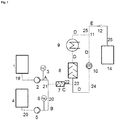
Fig. 1 eine bevorzugte Vorrichtung zur Durchführung des erfindungsgemäßen Verfahrens, -
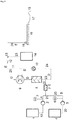
Fig. 2 eine weitere bevorzugte Vorrichtung zur Durchführung des erfindungsgemäßen Verfahrens, -
Fig. 3 eine weitere bevorzugte Vorrichtung zur Durchführung des erfindungsgemäßen Verfahrens, - Die vorliegende Erfindung wird anhand der nachfolgenden Beispiele weiter erläutert, ohne jedoch darauf beschränkt zu sein.
- Die Farbwerte im CIE-Lab Farbraum wurden mit einem Konica Minolta CM 2600d Spektralphotometer, mit der Lichtart D 65, bei 10° Beobachter gemäß DIN EN ISO 11664-1 (Juli 2011) bestimmt.
- Der Allophanatkonzentration wurde mittels 1H NMR Spektroskopie (Gerät: Bruker AV III HD 600, bei einer Messfrequenz von 600,36 MHz, mit dem Pulsprogramm zg30, bei 64 Scans, einem Relaxationsdelay (D1) von 6 s und TE von 354 K) bestimmt. Hierzu wurde eine Probe des Polyurethanprepolymers in deuteriertem Dimethylsulfoxid (DMSO d6) bei 80°C gelöst und anschließend vermessen. Zur Auswertung des Spektrums wurde die Software MestReNova verwendet. Zunächst wurde eine Basislinienkorrektur (Whittaker Smoother) vorgenommen und anschließend die allophanatspezifischen Protonen der CH2-Gruppe zwischen 3.56 ppm und 3.66 ppm sowie die urethanspezifischen Protonen der O-CH2-Gruppe zwischen 3.84 ppm und 4.04 ppm integriert. Anschließend wurde die Summe der beiden Integrale gebildet und daraus der prozentuale Anteile des Allophanatsignals ermittelt, der dem molaren Anteil der Allophanatgruppen entspricht.
- Die Molmassen der Polymere wurden mit Hilfe einer Gelpermeationschromatographie (GPC) bestimmt. Dazu wurde die zu vermessende Probe in einer Lösung von 3 g Kaliumtrifluoracetat in 400 Kubikzentimeter Hexafluorisopropanol aufgelöst (Probenkonzentration ca. 2 mg/Kubikzentimeter). Die jeweiligen GPCs wurden mit folgenden Komponenten bei einer Flussrate von 1 Kubikzentimeter/Minute gemessen:
Pumpe: HPLC-Pumpe 515 (Waters GmbH) Detektor: Smartline RI-Detektor 2300 (Knauer Wissenschaftliche Geräte GmbH) Säulen: 1 Vorsäule, 1000 Å PSS PFG 7 µm, 300 Å PSS PFG 7 µm, 100 Å PSS PFG 7 µm in der angegebenen Reihenfolge Entgasung: Degaser PSS (Polymer Standards Service GmbH) Injektionsvolumen: 100 Mikroliter Temperatur: 23 - 25 °C Molmassen-Standard: Polymethylmethacrylat-Standard-Kit (PSS Polymer Standards Service GmbH) - Das Zentrifugenmittel der Molmasse (
M z ) wurde aus den durch die Messung der Gelpermeationschromatographie erhaltenen Daten mit Hilfe der folgenden Gleichung errechnet:
- Mi die molare Masse der Polymere der Fraktion i ist, so dass Mi < M i+1 für alle i, in g/mol ist,
- ni die Stoffmenge des Polymers der Fraktion i, in mol ist
- Das Massenmittel der Molmasse (
M w ) wurde ebenfalls aus den durch die Messung der Gelpermeationschromatographie erhaltenen Daten mit Hilfe der folgenden Gleichung errechnet:
- Mi die molare Masse der Polymere der Fraktion i ist, so dass Mi < M i+1 für alle i, in g/mol ist,
- ni die Stoffmenge des Polymers der Fraktion i, in mol ist
- Das Zahlenmittel der Molmasse (
M n ) wurde ebenfalls aus den durch die Messung der Gelpermeationschromatographie erhaltenen Daten mit Hilfe der folgenden Gleichung errechnet:
- Mi die molare Masse der Polymere der Fraktion i ist, so dass Mi < M i+1 für alle i, in g/mol ist,
- ni die Stoffmenge des Polymers der Fraktion i, in mol ist.
- Schmelzpunkte wurde mittels DSC (Differential Scanning Calorimetry) mit einer DSC 8500 (PerkinElmer, USA) in Anlehnung an DIN-EN-ISO 11357-1 bestimmt. Eine Kalibrierung erfolgte durch die Temperatur des Schmelz-Onsets von Oktan, Indium, Blei und Zink. Es wurden circa 10 mg Substanz Aluminiumtiegel eingewogen. Die Messung erfolgte durch zwei Aufheizungen von - 20 °C bis +210 °C bei einer Heizrate von 20 K/min mit anschließender Abkühlung mit einer Kühlrate von 20 K/min. Die Kühlung erfolgte durch einen Kompressorkühler. Als Spülgas wurde Stickstoff verwendet. Die angegebenen Werte basieren jeweils auf der Auswertung der 2. Aufheizkurve.
- 1,6-Hexamethylendiisocyanat (HDI, Reinheit ≥ 99 Gew.-%) wurde von der Covestro Deutschland AG bezogen.
- 1,4-Butandiol (BDO, Reinheit ≥ 99 Gew.-%) wurde von der Firma Ashland bezogen.
- Aus einer Vorlage wurde 1,6-Hexamethylendiisocyanat (HDI) mittels einer Pumpe bei Raumtemperatur zu einem Statikmischer gefördert (Strom A). Aus einer weiteren Vorlage wurde auf ca. 40 °C temperiertes 1,4-Butandiol (BDO) mittels einer Pumpe ebenfalls zum Durchlaufmischer gefördert (Strom B). Der Durchsatz des HDI-Stroms A und des BDO-Stroms B wurde mittels Massedurchflussmesser verfolgt. Im Mischer 7 wurden der HDI-Strom A und der BDO-Strom B zur Dispersion HDI/BDO vermischt/dispergiert (Strom C).
- Der HDI/BDO-Strom C wird im Umlauf mit einem 182 °C heißen Prepolymerstrom D in einem Mischer zusammengeführt und gemischt (Strom E). Durch die Temperatur des Prepolymerstroms D kommt es zu einer Reaktion zwischen HDI und BDO, welche durch weiteres Vermischen in einem temperierbaren Mischer unter Bildung von Prepolymeren und unter Abfuhr der Reaktionswärme fortgeführt wird. Der temperierbare Mischer wird mit Wärmeträgeröl beheizt/gekühlt und weist eine Wärmeaustauschfläche von mindestens 0,4 m2 auf. Die Heizmitteltemperatur am Eintritt beträgt ca. 180 °C. Aus dem temperierbaren Mischer wird ein Ausgangsstrom als weitgehend ausreagierter HDI/BDO-Prepolymerstrom mit einer Temperatur von 183 °C erhalten (Strom E). Der temperierbare statische Mischer war ähnlich aufgebaut wie ein Sulzer SMR-Reaktor mit innenliegenden, gekreuzten Rohren. Er hatte ein Innenvolumen von 2,2 Litern und eine Wärmeaustauschfläche von 0,31 Quadratmeter. Sein Wärmeaustauschvermögen, bezogen auf die Produktseite, betrug unter den Betriebsbedingungen 78 Watt pro Kelvin. Bezogen auf das gesamte Volumen des Kreislaufreaktors von 4 Liter, betrug der Wärmeübergangskoeffizient 19 Kilowatt pro Kubikmeter und Kelvin. Die im Wärmeübertrager abgeführte Wärmemenge betrug ca.890 Watt. Das Verhältnis der Wärmeübertragungsfläche zur Gesamtfläche betrug 0,655. Die mittlere OH-Funktionalität betrug genau 2.Der Strom E wird mittels einer Verzweigung in zwei Teilströme F und G aufgespalten, wobei der Teilstrom F als Prepolymerstrom D mittels einer Pumpe in auf ca. 182 °C beheizten Rohrleitungen zum oben erwähnten Mischer zurückgeführt wird. Der Massenstrom des Stroms G entspricht dem Massestrom des Stroms C. Der Massenstrom des Stroms G betrug ca. 115 L/h. Der Teilstrom G wird in einem 60 L - Fass aufgefangen und abgekühlt. Das entstehende Produkt ist kristallin und weiß. Die Gesamtmenge des hergestellten Prepolymers beträgt 50 kg. Eine Farbzahlmessung ergab einen L-Wert von 92,2, einen a-Wert von 0,7 und einen b-Wert von 1,7. Die Viskosität des Produktes bei 190°C betrug 0,7 Pa s.
- Im erfindungsgemäßen Beispiel wurden folgende Edukt-Ströme eingesetzt:
kg/h Mol/h Strom A HDI 4,367 25,965 Strom B BDO 3,000 33,289 - Das Verhältnis der NCO-Gruppen der Polyisocyanatmonomere zu den Hydroxy-Gruppen der Poylolmonomere betrug x = 0,78. Der Polymerisationsgrad betrug n = 3,55.
- Der Allophanat-Gehalt wurde zu 0,34% bestimmt.
- Die mittlere Funkionalität der Monomere betrug 2.
-
M w wurde zu 10810 g/mol bestimmt,M n zu 1404 g/mol und damit ihr Verhältnis 7,7.M z betrug 28940 g/mol und das Verhältnis
- Der Schmelzpunkt betrug 175.5 °C.
- Die abgeführte Wärme im Rohrreaktor betrug ca. 57% der dort insgesamt freigesetzten Reaktionsenthalpie.
- Aus Vorlage 1 wurden 1,49 kg/h HDI mit einer Pumpe 1 (Zahnringpumpe der Firma HNP, MZR 7255) in den Mischer 1 gefördert. Zeitgleich wurden aus Vorlage 2 2,00 kg/h BDO mit einer Pumpe 2 (Firma HNP, MZR 7205) in denselben Mischer gefördert. Bei Raumtemperatur wurden beide Stoffströme im Mischer gemischt. Als Mischer wurde ein Sulzer SMX, Durchmesser 6 mm, Verhältnis von Länge zu Durchmesser L/D = 10 verwendet. Die Mischung wurde anschließend in den auf 150 °C temperierten Reaktor 1 (Typ CSE-X/8G, Form G, Innendurchmesser = 21,0 mm, Länge = 1000 mm der Firma Fluitec) geleitet. Das gewonnene Prepolymer mit dem Verhältnis HDI : BDO von 0,4 : 1,0 wurde anschließend 1,6-Hexamethylendiisocyanat aus der Vorlage 3 (1,49 kg/h; Pumpe 3: Zahnringpumpe der Firma HNP, MZR 7255) im Mischer 2 (Sulzer SMX, Durchmesser 6 mm, Verhältnis von Länge zu Durchmesser L/D = 10) bei 121,44 °C vermischt. Die Mischung wurde anschließend in den bei 182 °C temperierten Reaktor 2 (Typ CSE-X/8G, Form G, Innendurchmesser = 21,0 mm, Länge = 1500 mm der Firma Fluitec) geleitet. Die Verweilzeit im Reaktor 2 betrug 6,5 Minuten. Die Rohrleitungen vom Reaktor 1 zum Reaktor 2 sowie der Mischer 2 wurden auf ca. 180 °C begleitbeheizt. Die Temperaturerhöhung im zweiten Wärmeübertrager betrug 37,93 °C. Die mittlere kalorische Temperatur im Eintritt des ersten Reaktors betrug 25 °C. Die kalorische Temperatur bei der zweiten Zugabe von HDI betrug 121,44 °C, dabei war cp(HDI 2) = 1750,27 J/(kg·K) und cp(Oligomer) = 2000,00 J/(kg·K). Die komplexe Viskosität des Produktes bei 10 Hz und 190 °C betrug 0,15 Pa·s. Die mittlere OH-Funktionalität beträgt 2.
- Das Verhältnis der NCO-Gruppen der Polyisocyanatmonomere zu den Hydroxy-Gruppen der Polyolmonomere ist x = 0.8. Der durchschnittliche Polymerisationsgrad ist n=4.
- Der Allophanat-Gehalt betrug 0,35%.
-
M w wurde zu 4389 g/mol bestimmt,M n zu 1677 g/mol und damit ihr Verhältnis zu 2,62 .M z wurde zu 8095 g/mol bestimmt und damit das Verhältnis
- Der Schmelzpunkt betrug 173 °C
- Die im Rohrreaktor abgeführte Wärme war ca. 55% der eingesetzten Wärme.
- In einem Teflonbecher mit Rührer wurden 35,11 g 1,4-Butandiol vorgelegt, mit Stickstoff überschleiert und auf ca 180 °C erhitzt. Unter Rühren wurden nun 55,02 g HDI zugetropft, so dass die Temperatur der Reaktionsmischung 200 °C nicht überschritt (ca. 45 min). Die Viskosität der Mischung stieg dabei stark an. Anschließend wurden die restlichen 9,71 g HDI zugegeben und die Reaktionsmischung zur vollständigen Umsetzung des HDI noch 30 min gerührt. Die Temperatur stieg dabei langsam auf 211 °C an, und die Viskosität erhöhte sich ebenfalls weiter. Das Produkt wurde danach auf Raumtemperatur abgekühlt und vermessen. Der Allophanatgehalt betrug 1.2 %. Einige in DMSO-d6 unlösliche Gelpartikel (Vernetzung) der Probe deuten jedoch auf einen noch höheren Allophanatgehalt hin. Eine GPC wurde auf Grund der Gelpartikel nicht durchgeführt.
-
- (A)
- Polyisocyanatstrom
- (B)
- Polyolstrom
- (C)
- Mischungsstrom
- (D)
- Kreislaufstrom
- (E)
- Prepolymerstrom
- (1)
- Polyisocyanat-Vorratsbehälter
- (2)
- erste Fördereinrichtung
- (3)
- erster Massendurchflussmesser
- (4)
- Polyol-Vorratsbehälter
- (5)
- zweite Fördereinrichtung
- (6)
- zweiter Massendurchflussmesser
- (7)
- erste Mischungseinrichtung
- (8)
- zweite Mischungseinrichtung
- (9)
- temperierbare Mischungseinrichtung
- (10)
- temperierbare Fördereinrichtung
- (11)
- dritte Einmündung
- (12)
- Druckregelventil
- (13)
- Dreiwegeventil
- (14)
- Auffangbehälter
- (15)
- Entlüftungseinrichtung
- (16)
- Extruder
- (17)
- Kühlungseinrichtung
- (18)
- Zerkleinerungseinrichtung
- (19)
- Polyisocyanatleitung
- (20)
- Polyolleitung
- (21)
- zweite Einmündung
- (22)
- Kreislaufzuführungsleitung
- (23)
- dritte Einmündung
- (24)
- Kreislaufleitung
- (25)
- Prepolymerzuführungsleitung
Claims (16)
- Hydroxy-terminiertes Polyurethanprepolymer, dadurch gekennzeichnet, dass das Hydroxy-terminierte Polyurethanprepolymer zu mindestens 90 Gew.-% aus dem Reaktionsprodukt der Umsetzung von 1,6-Hexamethylendiisocyanat mit 1,4-Butandiol besteht, bezogen auf die Gesamtmasse des Hydroxy-terminierten Polyurethanprepolymers und der Allophanat-Gehalt des Hydroxy-terminierten Polyurethanprepolymers, ≤ 1,00 Mol-% beträgt, bezogen auf die Gesamtsumme aller Urethan- und Allophanatgruppen des Hydroxy-terminierten Polyurethanprepolymers, jeweils bestimmt durch NMR-Spektroskopie
- Hydroxy-terminiertes Polyurethanprepolymer nach Anspruch 1, dadurch gekennzeichnet, dass der durchschnittliche Polymerisationsgrad n des Hydroxy-terminierten Polyurethanprepolymers in einem Bereich von 1,5 bis 19, bevorzugt im Bereich von 2 bis 9 und besonders bevorzugt im Bereich von 3,2 bis 6 liegt, wobei der durchschnittliche Polymerisationsgrad

- Hydroxy-terminiertes Polyurethanprepolymer nach Anspruch 1 oder 2, dadurch gekennzeichnet, dass das Hydroxy-terminierte Polyurethanprepolymer zu mindestens 96 Gew.-%, vorzugsweise zu mindestens 97 Gew.-%, besonders bevorzugt zu mindestens 98 Gew.-%, noch bevorzugter zu mindestens 99 Gew.-%, noch mehr bevorzugter zu mindestens 99,5 Gew.-% und am bevorzugtesten zu mindestens 99,9 Gew.-% aus dem Reaktionsprodukt der Umsetzung von 1,6-Hexamethylendiisocyanat mit 1,4-Butandiol besteht, bezogen auf die Gesamtmasse des Hydroxy-terminierten Polyurethanprepolymers.
- Hydroxy-terminiertes Polyurethanprepolymer nach einem der Ansprüche 1 bis 3, dadurch gekennzeichnet, dass der Allophanat-Gehalt des Hydroxy-terminierten Polyurethanprepolymers in einem Bereich von 0,25 Mol-% bis 1,00 Mol-% liegt, vorzugsweise in einem Bereich von 0,25 Mol-% bis 0,80 Mol-% liegt, besonders bevorzugt in einem Bereich von 0,30 Mol-% bis 0,80 Mol-% liegt, noch bevorzugter in einem Bereich von 0,30 Mol-% bis 0,75 Mol-% liegt, noch mehr bevorzugter in einem Bereich von 0,34 Mol-% bis 0,70 Mol-% liegt, bezogen auf die Gesamtsumme aller Urethan- und Allophanatgruppen des Hydroxy-terminierten Polyurethanprepolymers, bestimmt durch NMR-Spektroskopie.
- Hydroxy-terminiertes Polyurethanprepolymer nach einem der Ansprüche 1 bis 4, dadurch gekennzeichnet, dass das Hydroxy-terminierte Polyurethanprepolymer eine aus den Funktionalitäten der Monomere berechnete mittlere OH-Funktionalität von 1,8 bis 2,1, bevorzugt 1,95 bis 2,05, besonders bevorzugt 1,97 bis 2,0, ganz besonders bevorzugt 1,975 bis 2,0 aufweist.
- Hydroxy-terminiertes Polyurethanprepolymer nach einem der Ansprüche 1 bis 5, dadurch gekennzeichnet, dass das Verhältnis
M w /M n des Hydroxy-terminiertes Polyurethanprepolymers in einem Bereich von 2 bis 20 liegt, vorzugsweise in einem Bereich von 2,5 bis 15 liegt, besonders bevorzugt in einem Bereich von 4 bis 10 liegt, wobeiM n das Zahlenmittel der Molmasse undM w das Massenmittel der Molmasse ist, jeweils ermittelt mit Gelpermeationschromatographie, wobei die Probe in einer Lösung aus Kaliumtrifluoracetat in Hexafluorisopropanol mit einer Konzentration von 2 mg/cm3 aufgelöst wurde und ein Polymethylmethacrylatstandard verwendet wurde. - Hydroxy-terminiertes Polyurethanprepolymer nach einem der Ansprüche 1 bis 6, dadurch gekennzeichnet, dass das Hydroxy-terminierte Polyurethanprepolymer einen Schmelzpunkt von > 150 °C aufweist, vorzugsweise einen Schmelzpunkt von > 160 °C aufweist, besonders bevorzugt Schmelzpunkt in Bereich von 165 °C bis 190 °C aufweist, bestimmt mit Differential Scanning Calorimetry gemäß DIN EN 61006 (November 2004).
- Verfahren zur Herstellung eines Hydroxy-terminierten Polyurethanprepolymers nach einem der Ansprüche 1 bis 8, dadurch gekennzeichnet, dass zumindest 1,6-Hexamethylendiisocyanat mit 1,4-Butandiol zur Reaktion gebracht wird, gegebenenfalls in Gegenwart eines Katalysators und/ oder Hilfs- und Zusatzstoffen, wobei das molare NCO/OH-Verhältnis im Bereich von 0,6 : 1,0 bis 0,95 : 1,0 liegt.
- Verfahren nach Anspruch 8, dadurch gekennzeichnet, dass die Umsetzung in einem Rohrreaktor durchgeführt wird, vorzugsweise in einem Kreislaufreaktor oder einem Statikmischer, wobei der Rohrreaktor mindestens einen Wärmeübertrager aufweist der kontinuierlich Wärme abführt, wobei die abgeführte Wärme vorzugsweise von 10 % bis 90 %, besonders bevorzugt von 20 % bis 70 %, noch bevorzugter von 25 % bis 60 % der im Rohrreaktor freigesetzten gesamten Reaktionsenthalpie beträgt.
- Verfahren nach Anspruch 8 oder 9, dadurch gekennzeichnet, dass das Verfahren lösungsmittelfrei ist.
- Zusammensetzung enthaltend mindestens ein Hydroxy-terminiertes Polyurethanprepolymer nach einem der Ansprüche 1 bis 7 und 1,4-Butandiol, wobei Menge an 1,4-Butandiol in der Zusammensetzung vorzugsweise im Bereich von 0,05 Gew.-% bis 12 Gew.-%, besonders bevorzugt im Bereich von 0,35 Gew.-% bis 9 Gew.-%, noch bevorzugter im Bereich von 0,75 Gew.-% bis 6 Gew.-% liegt, bezogen auf die Gesamtmasse der Zusammensetzung.
- Zusammensetzung enthaltend mindestens ein Hydroxy-terminiertes Polyurethanprepolymer nach einem der Ansprüche 1 bis 7 und mindestens ein Additiv.
- Verwendung eines Hydroxy-terminierten Polyurethanprepolymer nach einem der Ansprüche 1 bis 7 oder einer Zusammensetzung nach Anspruch 11 oder 12 zur Herstellung von thermoplastischem Polyurethan und / oder thermoplastischen Polyurethan-Dispersionen.
- Polymer erhältlich durch die Umsetzung von mindestens einem Hydroxy-terminierten Polyurethanprepolymer einem der Ansprüche 1 bis 7 oder einer Zusammensetzung nach Anspruch 11 oder 12 mit mindestens einem Kettenverlängerer, wobei der Kettenverlängerer vorzugsweise ein Polyisocyanat ist.
- Artikel umfassend oder enthaltend ein Polymer nach Anspruch 14, ein Prepolymer nach einem der Ansprüche 1 bis 7 oder eine Zusammensetzung nach Anspruch 11 oder 12.
- Verwendung von einem Polymer nach Anspruch 14 zur Herstellung von Formkörpern, Folien und / oder Fasern.
Priority Applications (6)
| Application Number | Priority Date | Filing Date | Title |
|---|---|---|---|
| EP19216788.0A EP3838961A1 (de) | 2019-12-17 | 2019-12-17 | Hydroxy-terminiertes polyurethanprepolymer mit niedrigem allophanatgehalt |
| PCT/EP2020/085520 WO2021122304A1 (de) | 2019-12-17 | 2020-12-10 | Hydroxy-terminiertes polyurethanprepolymer mit niedrigem allophanatgehalt |
| EP20820202.8A EP4077450A1 (de) | 2019-12-17 | 2020-12-10 | Hydroxy-terminiertes polyurethanprepolymer mit niedrigem allophanatgehalt |
| CN202080087695.5A CN114761456A (zh) | 2019-12-17 | 2020-12-10 | 具有低脲基甲酸酯含量的羟基封端的聚氨酯预聚物 |
| US17/781,132 US20220403088A1 (en) | 2019-12-17 | 2020-12-10 | Hydroxy-terminated polyurethane prepolymer having low allophanate content |
| TW109144206A TW202136349A (zh) | 2019-12-17 | 2020-12-15 | 具有低脲甲酸酯含量之羥基封端的聚胺基甲酸酯預聚物 |
Applications Claiming Priority (1)
| Application Number | Priority Date | Filing Date | Title |
|---|---|---|---|
| EP19216788.0A EP3838961A1 (de) | 2019-12-17 | 2019-12-17 | Hydroxy-terminiertes polyurethanprepolymer mit niedrigem allophanatgehalt |
Publications (1)
| Publication Number | Publication Date |
|---|---|
| EP3838961A1 true EP3838961A1 (de) | 2021-06-23 |
Family
ID=69147392
Family Applications (2)
| Application Number | Title | Priority Date | Filing Date |
|---|---|---|---|
| EP19216788.0A Ceased EP3838961A1 (de) | 2019-12-17 | 2019-12-17 | Hydroxy-terminiertes polyurethanprepolymer mit niedrigem allophanatgehalt |
| EP20820202.8A Withdrawn EP4077450A1 (de) | 2019-12-17 | 2020-12-10 | Hydroxy-terminiertes polyurethanprepolymer mit niedrigem allophanatgehalt |
Family Applications After (1)
| Application Number | Title | Priority Date | Filing Date |
|---|---|---|---|
| EP20820202.8A Withdrawn EP4077450A1 (de) | 2019-12-17 | 2020-12-10 | Hydroxy-terminiertes polyurethanprepolymer mit niedrigem allophanatgehalt |
Country Status (5)
| Country | Link |
|---|---|
| US (1) | US20220403088A1 (de) |
| EP (2) | EP3838961A1 (de) |
| CN (1) | CN114761456A (de) |
| TW (1) | TW202136349A (de) |
| WO (1) | WO2021122304A1 (de) |
Cited By (2)
| Publication number | Priority date | Publication date | Assignee | Title |
|---|---|---|---|---|
| WO2023099349A1 (de) | 2021-11-30 | 2023-06-08 | Covestro Deutschland Ag | Besondere kunststofffolie für die herstellung von sicherheitsdokumenten |
| WO2024245912A1 (de) | 2023-05-30 | 2024-12-05 | Covestro Deutschland Ag | Bedruckbare kunststofffolie für die herstellung von sicherheitsdokumenten |
Families Citing this family (3)
| Publication number | Priority date | Publication date | Assignee | Title |
|---|---|---|---|---|
| CN115418159B (zh) * | 2022-09-21 | 2023-06-16 | 成都普利美特科技有限公司 | 一种聚酰亚胺水性聚氨酯涂料及其制备方法和应用 |
| EP4458876A1 (de) * | 2023-05-04 | 2024-11-06 | Covestro Deutschland AG | Verfahren zur herstellung eines thermoplastischen polyurethan-pulvers mittels fällungspolymerisation |
| EP4458875A1 (de) * | 2023-05-04 | 2024-11-06 | Covestro Deutschland AG | Verfahren zur herstellung eines thermoplastischen polyurethans mit hoher molmasse und geringem allophanatgehalt |
Citations (7)
| Publication number | Priority date | Publication date | Assignee | Title |
|---|---|---|---|---|
| DE2901774A1 (de) | 1979-01-18 | 1980-07-24 | Elastogran Gmbh | Rieselfaehiges, mikrobenbestaendiges farbstoff- und/oder hilfsmittelkonzentrat auf basis eines polyurethan-elastomeren und verfahren zu seiner herstellung |
| EP1068250A1 (de) * | 1997-12-13 | 2001-01-17 | Bayer Ag | Verfahren zur herstellung von thermoplastischen polyurethanelastomeren |
| WO2001014441A1 (en) | 1999-08-26 | 2001-03-01 | Henkel Corporation | Process for preparing polyurethane polymers |
| JP4209619B2 (ja) | 2002-02-28 | 2009-01-14 | 株式会社半導体エネルギー研究所 | 半導体装置の作製方法 |
| JP4309516B2 (ja) | 1999-07-14 | 2009-08-05 | 学校法人東海大学 | 耐酸化性炭素繊維強化炭素複合材料及びその製造方法 |
| JP2010001332A (ja) | 2008-06-18 | 2010-01-07 | Sanyo Chem Ind Ltd | ポリウレタン樹脂水性分散体 |
| DE102011085944A1 (de) | 2010-11-10 | 2012-05-10 | Bayer Materialscience Aktiengesellschaft | Verfahren zur kontinuierlichen Herstellung von thermoplastisch verarbeitbaren Polyurethanen |
Family Cites Families (6)
| Publication number | Priority date | Publication date | Assignee | Title |
|---|---|---|---|---|
| JP2660770B2 (ja) | 1990-12-05 | 1997-10-08 | 三洋化成工業株式会社 | 熱可塑性ポリウレタン樹脂組成物およびその製造法 |
| JPH0745558B2 (ja) | 1991-04-05 | 1995-05-17 | 三洋化成工業株式会社 | 熱可塑性ポリウレタン樹脂の製法 |
| FI97726C (fi) * | 1994-07-07 | 1997-02-10 | Alko Yhtioet Oy | Sulatyöstettävä polyesteriuretaani ja menetelmä sen valmistamiseksi |
| EP2471885A4 (de) * | 2009-08-27 | 2014-05-14 | Asahi Glass Co Ltd | Schmelzhaftkleberzusammensetzung |
| JP6660717B2 (ja) * | 2015-11-16 | 2020-03-11 | 旭化成株式会社 | 繊維強化複合材、自動車、航空機及び風車ブレード用材料部材 |
| US12195577B2 (en) * | 2019-12-17 | 2025-01-14 | Stratasys, Inc. | Additive manufacturing process using a building material having a high hard segment content |
-
2019
- 2019-12-17 EP EP19216788.0A patent/EP3838961A1/de not_active Ceased
-
2020
- 2020-12-10 US US17/781,132 patent/US20220403088A1/en not_active Abandoned
- 2020-12-10 EP EP20820202.8A patent/EP4077450A1/de not_active Withdrawn
- 2020-12-10 CN CN202080087695.5A patent/CN114761456A/zh active Pending
- 2020-12-10 WO PCT/EP2020/085520 patent/WO2021122304A1/de not_active Ceased
- 2020-12-15 TW TW109144206A patent/TW202136349A/zh unknown
Patent Citations (7)
| Publication number | Priority date | Publication date | Assignee | Title |
|---|---|---|---|---|
| DE2901774A1 (de) | 1979-01-18 | 1980-07-24 | Elastogran Gmbh | Rieselfaehiges, mikrobenbestaendiges farbstoff- und/oder hilfsmittelkonzentrat auf basis eines polyurethan-elastomeren und verfahren zu seiner herstellung |
| EP1068250A1 (de) * | 1997-12-13 | 2001-01-17 | Bayer Ag | Verfahren zur herstellung von thermoplastischen polyurethanelastomeren |
| JP4309516B2 (ja) | 1999-07-14 | 2009-08-05 | 学校法人東海大学 | 耐酸化性炭素繊維強化炭素複合材料及びその製造方法 |
| WO2001014441A1 (en) | 1999-08-26 | 2001-03-01 | Henkel Corporation | Process for preparing polyurethane polymers |
| JP4209619B2 (ja) | 2002-02-28 | 2009-01-14 | 株式会社半導体エネルギー研究所 | 半導体装置の作製方法 |
| JP2010001332A (ja) | 2008-06-18 | 2010-01-07 | Sanyo Chem Ind Ltd | ポリウレタン樹脂水性分散体 |
| DE102011085944A1 (de) | 2010-11-10 | 2012-05-10 | Bayer Materialscience Aktiengesellschaft | Verfahren zur kontinuierlichen Herstellung von thermoplastisch verarbeitbaren Polyurethanen |
Non-Patent Citations (2)
| Title |
|---|
| J.H. SAUNDERSK.C. FRISCH: "Kunststoff Handbuch Band 7, Polyurethane", vol. XVI, 1962, VERLAG INTERSCIENCE PUBLISHERS, article "High Polymers", pages: 99ff |
| R. GÄCHTERH. MÜLLER: "Kunststoff-Additive", 1990, HANSER VERLAG |
Cited By (2)
| Publication number | Priority date | Publication date | Assignee | Title |
|---|---|---|---|---|
| WO2023099349A1 (de) | 2021-11-30 | 2023-06-08 | Covestro Deutschland Ag | Besondere kunststofffolie für die herstellung von sicherheitsdokumenten |
| WO2024245912A1 (de) | 2023-05-30 | 2024-12-05 | Covestro Deutschland Ag | Bedruckbare kunststofffolie für die herstellung von sicherheitsdokumenten |
Also Published As
| Publication number | Publication date |
|---|---|
| CN114761456A (zh) | 2022-07-15 |
| TW202136349A (zh) | 2021-10-01 |
| US20220403088A1 (en) | 2022-12-22 |
| EP4077450A1 (de) | 2022-10-26 |
| WO2021122304A1 (de) | 2021-06-24 |
Similar Documents
| Publication | Publication Date | Title |
|---|---|---|
| EP4077450A1 (de) | Hydroxy-terminiertes polyurethanprepolymer mit niedrigem allophanatgehalt | |
| WO2021122429A1 (de) | Additives fertigungsverfahren mit einem aufbaumaterial mit hohem hartsegmentanteil | |
| EP3838942A1 (de) | Verfahren zur herstellung von polyurethanen mit hoher reaktionsenthalpie | |
| WO2021122280A1 (de) | Thermoplastisches polyurethan mit hohem biegemodul | |
| EP3887421B1 (de) | Kontinuierliche herstellung eines ppg basierten tpus | |
| WO2022128172A1 (de) | Thermoplastische formmasse mit guten mechanischen eigenschaften | |
| WO2021122307A1 (de) | Verfahren zur kontinuierlichen herstellung eines thermoplastischen polyurethans | |
| EP4077444B1 (de) | Verfahren zur kontinuierlichen herstellung von thermoplastischem polyurethan | |
| EP3838947A1 (de) | Verfahren zur herstellung von hydroxy-terminierten prepolymeren | |
| EP3838950A1 (de) | Thermoplastisches aliphatisches polyurethanprepolymer mit niedriger schmelzenthalpie | |
| EP4077443A1 (de) | Thermoplastisches aliphatisches polyurethanpolymer mit niedriger kristallisationsenthalpie | |
| EP3838948A1 (de) | Thermoplastisches aliphatisches polyurethanprepolymer mit niedriger kristallisationsenthalpie | |
| EP4015549A1 (de) | Thermoplastische formmasse mit guten mechanischen eigenschaften | |
| EP4015550A1 (de) | Thermoplastische formmasse mit guten mechanischen eigenschaften | |
| EP4077441B1 (de) | Thermoplastisches polyurethan mit hoher biegespannung | |
| WO2021122287A1 (de) | Verfahren zur herstellung von semikristallinen polyurethanen mit hoher reaktionsenthalpie | |
| EP3838941A1 (de) | Verfahren zur kontinuierlichen herstellung von hydroxy-terminierten prepolymeren | |
| EP3838945A1 (de) | Thermoplastisches aliphatisches polyurethanpolymer mit verbessertem schmelzverhalten | |
| EP3838952A1 (de) | Thermoplastisches polyurethan mit hohem hartsegmentanteil | |
| EP4105255A1 (de) | Thermoplastische formmasse mit gutem kristallisationsverhalten | |
| EP4105256A1 (de) | Thermoplastische formmasse mit guter bewitterungsstabilität | |
| WO2022037819A1 (de) | Thermoplastische formmasse mit guten thermischen und mechanischen eigenschaften | |
| WO2021122309A1 (de) | Verfahren zur herstellung eines thermoplastischen polyurethans mit niedriger farbzahl |
Legal Events
| Date | Code | Title | Description |
|---|---|---|---|
| PUAI | Public reference made under article 153(3) epc to a published international application that has entered the european phase |
Free format text: ORIGINAL CODE: 0009012 |
|
| STAA | Information on the status of an ep patent application or granted ep patent |
Free format text: STATUS: THE APPLICATION HAS BEEN PUBLISHED |
|
| AK | Designated contracting states |
Kind code of ref document: A1 Designated state(s): AL AT BE BG CH CY CZ DE DK EE ES FI FR GB GR HR HU IE IS IT LI LT LU LV MC MK MT NL NO PL PT RO RS SE SI SK SM TR |
|
| STAA | Information on the status of an ep patent application or granted ep patent |
Free format text: STATUS: THE APPLICATION HAS BEEN REFUSED |
|
| 18R | Application refused |
Effective date: 20210710 |