EP3829571B1 - Adjuvant effect of the tlr1/2 agonist diprovocim synergizes with checkpoint-inhibiting antibodies to eliminate cancerous or infectious diseases - Google Patents
Adjuvant effect of the tlr1/2 agonist diprovocim synergizes with checkpoint-inhibiting antibodies to eliminate cancerous or infectious diseases Download PDFInfo
- Publication number
- EP3829571B1 EP3829571B1 EP19844778.1A EP19844778A EP3829571B1 EP 3829571 B1 EP3829571 B1 EP 3829571B1 EP 19844778 A EP19844778 A EP 19844778A EP 3829571 B1 EP3829571 B1 EP 3829571B1
- Authority
- EP
- European Patent Office
- Prior art keywords
- cells
- diprovocim
- immunizing
- pharmaceutical composition
- group
- Prior art date
- Legal status (The legal status is an assumption and is not a legal conclusion. Google has not performed a legal analysis and makes no representation as to the accuracy of the status listed.)
- Active
Links
Images



















Classifications
-
- A—HUMAN NECESSITIES
- A61—MEDICAL OR VETERINARY SCIENCE; HYGIENE
- A61K—PREPARATIONS FOR MEDICAL, DENTAL OR TOILETRY PURPOSES
- A61K31/00—Medicinal preparations containing organic active ingredients
- A61K31/33—Heterocyclic compounds
- A61K31/395—Heterocyclic compounds having nitrogen as a ring hetero atom, e.g. guanethidine or rifamycins
- A61K31/40—Heterocyclic compounds having nitrogen as a ring hetero atom, e.g. guanethidine or rifamycins having five-membered rings with one nitrogen as the only ring hetero atom, e.g. sulpiride, succinimide, tolmetin, buflomedil
-
- A—HUMAN NECESSITIES
- A61—MEDICAL OR VETERINARY SCIENCE; HYGIENE
- A61K—PREPARATIONS FOR MEDICAL, DENTAL OR TOILETRY PURPOSES
- A61K31/00—Medicinal preparations containing organic active ingredients
- A61K31/33—Heterocyclic compounds
- A61K31/395—Heterocyclic compounds having nitrogen as a ring hetero atom, e.g. guanethidine or rifamycins
-
- A—HUMAN NECESSITIES
- A61—MEDICAL OR VETERINARY SCIENCE; HYGIENE
- A61K—PREPARATIONS FOR MEDICAL, DENTAL OR TOILETRY PURPOSES
- A61K31/00—Medicinal preparations containing organic active ingredients
- A61K31/33—Heterocyclic compounds
- A61K31/395—Heterocyclic compounds having nitrogen as a ring hetero atom, e.g. guanethidine or rifamycins
- A61K31/40—Heterocyclic compounds having nitrogen as a ring hetero atom, e.g. guanethidine or rifamycins having five-membered rings with one nitrogen as the only ring hetero atom, e.g. sulpiride, succinimide, tolmetin, buflomedil
- A61K31/4025—Heterocyclic compounds having nitrogen as a ring hetero atom, e.g. guanethidine or rifamycins having five-membered rings with one nitrogen as the only ring hetero atom, e.g. sulpiride, succinimide, tolmetin, buflomedil not condensed and containing further heterocyclic rings, e.g. cromakalim
-
- A—HUMAN NECESSITIES
- A61—MEDICAL OR VETERINARY SCIENCE; HYGIENE
- A61K—PREPARATIONS FOR MEDICAL, DENTAL OR TOILETRY PURPOSES
- A61K39/00—Medicinal preparations containing antigens or antibodies
- A61K39/0005—Vertebrate antigens
- A61K39/0011—Cancer antigens
- A61K39/001102—Receptors, cell surface antigens or cell surface determinants
- A61K39/001103—Receptors for growth factors
- A61K39/001106—Her-2/neu/ErbB2, Her-3/ErbB3 or Her 4/ErbB4
-
- A—HUMAN NECESSITIES
- A61—MEDICAL OR VETERINARY SCIENCE; HYGIENE
- A61K—PREPARATIONS FOR MEDICAL, DENTAL OR TOILETRY PURPOSES
- A61K39/00—Medicinal preparations containing antigens or antibodies
- A61K39/0005—Vertebrate antigens
- A61K39/0011—Cancer antigens
- A61K39/001102—Receptors, cell surface antigens or cell surface determinants
- A61K39/001116—Receptors for cytokines
- A61K39/001118—Receptors for colony stimulating factors [CSF]
-
- A—HUMAN NECESSITIES
- A61—MEDICAL OR VETERINARY SCIENCE; HYGIENE
- A61K—PREPARATIONS FOR MEDICAL, DENTAL OR TOILETRY PURPOSES
- A61K39/00—Medicinal preparations containing antigens or antibodies
- A61K39/0005—Vertebrate antigens
- A61K39/0011—Cancer antigens
- A61K39/001102—Receptors, cell surface antigens or cell surface determinants
- A61K39/001116—Receptors for cytokines
- A61K39/001121—Receptors for chemokines
-
- A—HUMAN NECESSITIES
- A61—MEDICAL OR VETERINARY SCIENCE; HYGIENE
- A61K—PREPARATIONS FOR MEDICAL, DENTAL OR TOILETRY PURPOSES
- A61K39/00—Medicinal preparations containing antigens or antibodies
- A61K39/0005—Vertebrate antigens
- A61K39/0011—Cancer antigens
- A61K39/001102—Receptors, cell surface antigens or cell surface determinants
- A61K39/001124—CD20
-
- A—HUMAN NECESSITIES
- A61—MEDICAL OR VETERINARY SCIENCE; HYGIENE
- A61K—PREPARATIONS FOR MEDICAL, DENTAL OR TOILETRY PURPOSES
- A61K39/00—Medicinal preparations containing antigens or antibodies
- A61K39/0005—Vertebrate antigens
- A61K39/0011—Cancer antigens
- A61K39/001102—Receptors, cell surface antigens or cell surface determinants
- A61K39/001128—CD44 not IgG
-
- A—HUMAN NECESSITIES
- A61—MEDICAL OR VETERINARY SCIENCE; HYGIENE
- A61K—PREPARATIONS FOR MEDICAL, DENTAL OR TOILETRY PURPOSES
- A61K39/00—Medicinal preparations containing antigens or antibodies
- A61K39/0005—Vertebrate antigens
- A61K39/0011—Cancer antigens
- A61K39/001102—Receptors, cell surface antigens or cell surface determinants
- A61K39/001129—Molecules with a "CD" designation not provided for elsewhere
-
- A—HUMAN NECESSITIES
- A61—MEDICAL OR VETERINARY SCIENCE; HYGIENE
- A61K—PREPARATIONS FOR MEDICAL, DENTAL OR TOILETRY PURPOSES
- A61K39/00—Medicinal preparations containing antigens or antibodies
- A61K39/0005—Vertebrate antigens
- A61K39/0011—Cancer antigens
- A61K39/00113—Growth factors
- A61K39/001131—Epidermal growth factor [EGF]
-
- A—HUMAN NECESSITIES
- A61—MEDICAL OR VETERINARY SCIENCE; HYGIENE
- A61K—PREPARATIONS FOR MEDICAL, DENTAL OR TOILETRY PURPOSES
- A61K39/00—Medicinal preparations containing antigens or antibodies
- A61K39/0005—Vertebrate antigens
- A61K39/0011—Cancer antigens
- A61K39/001154—Enzymes
- A61K39/001158—Proteinases
-
- A—HUMAN NECESSITIES
- A61—MEDICAL OR VETERINARY SCIENCE; HYGIENE
- A61K—PREPARATIONS FOR MEDICAL, DENTAL OR TOILETRY PURPOSES
- A61K39/00—Medicinal preparations containing antigens or antibodies
- A61K39/0005—Vertebrate antigens
- A61K39/0011—Cancer antigens
- A61K39/001154—Enzymes
- A61K39/001158—Proteinases
- A61K39/001159—Matrix metalloproteinases [MMP]
-
- A—HUMAN NECESSITIES
- A61—MEDICAL OR VETERINARY SCIENCE; HYGIENE
- A61K—PREPARATIONS FOR MEDICAL, DENTAL OR TOILETRY PURPOSES
- A61K39/00—Medicinal preparations containing antigens or antibodies
- A61K39/0005—Vertebrate antigens
- A61K39/0011—Cancer antigens
- A61K39/001166—Adhesion molecules, e.g. NRCAM, EpCAM or cadherins
-
- A—HUMAN NECESSITIES
- A61—MEDICAL OR VETERINARY SCIENCE; HYGIENE
- A61K—PREPARATIONS FOR MEDICAL, DENTAL OR TOILETRY PURPOSES
- A61K39/00—Medicinal preparations containing antigens or antibodies
- A61K39/0005—Vertebrate antigens
- A61K39/0011—Cancer antigens
- A61K39/001174—Proteoglycans, e.g. glypican, brevican or CSPG4
-
- A—HUMAN NECESSITIES
- A61—MEDICAL OR VETERINARY SCIENCE; HYGIENE
- A61K—PREPARATIONS FOR MEDICAL, DENTAL OR TOILETRY PURPOSES
- A61K39/00—Medicinal preparations containing antigens or antibodies
- A61K39/0005—Vertebrate antigens
- A61K39/0011—Cancer antigens
- A61K39/00118—Cancer antigens from embryonic or fetal origin
-
- A—HUMAN NECESSITIES
- A61—MEDICAL OR VETERINARY SCIENCE; HYGIENE
- A61K—PREPARATIONS FOR MEDICAL, DENTAL OR TOILETRY PURPOSES
- A61K39/00—Medicinal preparations containing antigens or antibodies
- A61K39/002—Protozoa antigens
- A61K39/015—Hemosporidia antigens, e.g. Plasmodium antigens
-
- A—HUMAN NECESSITIES
- A61—MEDICAL OR VETERINARY SCIENCE; HYGIENE
- A61K—PREPARATIONS FOR MEDICAL, DENTAL OR TOILETRY PURPOSES
- A61K39/00—Medicinal preparations containing antigens or antibodies
- A61K39/39—Medicinal preparations containing antigens or antibodies characterised by the immunostimulating additives, e.g. chemical adjuvants
-
- A—HUMAN NECESSITIES
- A61—MEDICAL OR VETERINARY SCIENCE; HYGIENE
- A61K—PREPARATIONS FOR MEDICAL, DENTAL OR TOILETRY PURPOSES
- A61K45/00—Medicinal preparations containing active ingredients not provided for in groups A61K31/00 - A61K41/00
- A61K45/06—Mixtures of active ingredients without chemical characterisation, e.g. antiphlogistics and cardiaca
-
- A—HUMAN NECESSITIES
- A61—MEDICAL OR VETERINARY SCIENCE; HYGIENE
- A61K—PREPARATIONS FOR MEDICAL, DENTAL OR TOILETRY PURPOSES
- A61K47/00—Medicinal preparations characterised by the non-active ingredients used, e.g. carriers or inert additives; Targeting or modifying agents chemically bound to the active ingredient
- A61K47/02—Inorganic compounds
-
- A—HUMAN NECESSITIES
- A61—MEDICAL OR VETERINARY SCIENCE; HYGIENE
- A61K—PREPARATIONS FOR MEDICAL, DENTAL OR TOILETRY PURPOSES
- A61K9/00—Medicinal preparations characterised by special physical form
- A61K9/0012—Galenical forms characterised by the site of application
- A61K9/0019—Injectable compositions; Intramuscular, intravenous, arterial, subcutaneous administration; Compositions to be administered through the skin in an invasive manner
-
- A—HUMAN NECESSITIES
- A61—MEDICAL OR VETERINARY SCIENCE; HYGIENE
- A61K—PREPARATIONS FOR MEDICAL, DENTAL OR TOILETRY PURPOSES
- A61K9/00—Medicinal preparations characterised by special physical form
- A61K9/08—Solutions
-
- A—HUMAN NECESSITIES
- A61—MEDICAL OR VETERINARY SCIENCE; HYGIENE
- A61P—SPECIFIC THERAPEUTIC ACTIVITY OF CHEMICAL COMPOUNDS OR MEDICINAL PREPARATIONS
- A61P31/00—Antiinfectives, i.e. antibiotics, antiseptics, chemotherapeutics
- A61P31/04—Antibacterial agents
-
- A—HUMAN NECESSITIES
- A61—MEDICAL OR VETERINARY SCIENCE; HYGIENE
- A61P—SPECIFIC THERAPEUTIC ACTIVITY OF CHEMICAL COMPOUNDS OR MEDICINAL PREPARATIONS
- A61P35/00—Antineoplastic agents
-
- A—HUMAN NECESSITIES
- A61—MEDICAL OR VETERINARY SCIENCE; HYGIENE
- A61K—PREPARATIONS FOR MEDICAL, DENTAL OR TOILETRY PURPOSES
- A61K39/00—Medicinal preparations containing antigens or antibodies
- A61K2039/555—Medicinal preparations containing antigens or antibodies characterised by a specific combination antigen/adjuvant
- A61K2039/55511—Organic adjuvants
-
- A—HUMAN NECESSITIES
- A61—MEDICAL OR VETERINARY SCIENCE; HYGIENE
- A61K—PREPARATIONS FOR MEDICAL, DENTAL OR TOILETRY PURPOSES
- A61K39/00—Medicinal preparations containing antigens or antibodies
- A61K39/12—Viral antigens
- A61K39/145—Orthomyxoviridae, e.g. influenza virus
Definitions
- APCs antigen-presenting cells
- DCs dendritic cells
- macrophages By activating antigen-presenting cells (APCs) including dendritic cells (DCs) and macrophages, adjuvants hold the potential to unleash the natural functions of cytotoxic T lymphocytes (CTLs) to kill pathogens or cancer.
- CTLs cytotoxic T lymphocytes
- CD8 T cells proliferate and differentiate into CTLs capable of killing infected or tumor cells expressing their target antigen.
- such signals activate CD4 T cells, inducing their expansion and differentiation into Th1 or Th2 T helper cells (3).
- cancer immunotherapy where the adaptive immune system is exploited to kill cancer cells based on their expression of cancer associated antigens or neo-antigens (4, 5).
- the effectiveness of cancer immunotherapy depends on the generation and activation of tumor-specific CTLs (5, 6) and on their maintenance of activity in vivo, leading to killing of tumor cells and a long lasting anti-tumor memory response (5).
- immune checkpoint inhibitors such as anti-PD-1, anti-PD-L1 and anti-CTLA-4 have achieved remarkable clinical success in the treatment of melanoma and other cancers through their action in blocking pathways that inhibit CTL activation (7, 8).
- T cell support is thought to be at least in part responsible for the lack of vigor exhibited by many synthetic vaccines against various pathogens as well as cancer-related cell surface antigens.
- TLR ligands have long been known to act as adjuvants in adaptive immune responses (10, 11) signaling via adapter proteins (MyD88, TRIF, TRAM, MAL), kinases, and ubiquitin ligases to activate NF- ⁇ B and IRFs (12-14). These and other transcription factors induce the expression of thousands of genes that carry out the innate immune response (15).
- Several nucleotide-based adjuvants such as TLR3 agonist poly I:C (9), TLR9 agonist CpG (16), and STING agonist cGAMP (6) have been reported to improve the efficacy of immune checkpoint inhibitors in pre-clinical models for cancer treatment.
- US2018/169224 discloses the use of TLR1/2 agonist to increase an immune response to an antigen in combination with a T cell activating agent.
- Diprovocim a potent human- and mouse-active TLR1/2 agonist, Diprovocim, was identified that has no structural similarity to any microbial TLR agonist. As described below, Diprovocim illustratively elicits strong adjuvant activity in mice, successfully inhibiting tumor growth and prolonging survival when combined with a cancer antigen and immune checkpoint blockade in the B16-OVA melanoma model.
- Adjuvants enhance adaptive immune responses, sometimes through unknown mechanisms, and can be used to augment both humoral and cellular responses to cancer antigens.
- the invention described herein illustrates synergistic immunological effects of the synthetic chemical adjuvant Diprovocim, which targets the innate immune receptor TLR2/TLR1 in mice and humans, that when used in conjunction with a diseased cell marker immunogen molecule and a checkpoint inhibitor provides a synergistic effect in inhibiting the growth of a diseased cell as compared to the use of the individual components or any two of those components.
- the present invention an immunizing pharmacological composition for use in inhibiting the growth of cancerous or pathogen-infected cells in a mammal.
- Those diseased cells express a marker molecule that is absent from cells of the same type that are free of the disease or is present in the disease-free cells in significantly reduced numbers compared to said diseased cells.
- the invention provides: an immunizing pharmacological composition for use in inhibiting the growth of cancerous or pathogen-infected cells in a mammal, which diseased cells exhibit a marker molecule that is absent on cells of the same type that are free of said disease or is present on the disease-free cells in significantly reduced numbers compared to said diseased cells, the pharmaceutical composition comprising: (i) an adjuvant-sufficient amount of a Diprovocim compound, (ii) a T cell-stimulating amount of an immune checkpoint inhibitor, and (iii) an immunizing amount of said marker molecule or portion thereof; and wherein said Diprovocim compound corresponds in structure to structural Formula V, wherein
- Diprovocim-1 ( WO 2018/005812 ; Compound 3) displayed strong adjuvant activity in mice, particularly abetting cellular immune responses.
- Diprovocim family As disclosed in WO 2018/005812 and Morin et al., J Am Chem Soc, In Press (2018 ), several members of the Diprovocim family have been prepared, their activity assayed, and have been given numbers such as Diprovocim-1 through Diprovocim-6. Several other compounds of the Diprovocim family having similar activity profiles, similar to somewhat lesser activity values in the assays used, have also been prepared and assayed.
- Diprovocim-1 has been used herein as an exemplary member of the whole family, and is to be understood hereinafter to mean a Diprovocim family member is used when the word Diprovocim is used without an added hyphenated numeral.
- Diprovocim when used in connection with the words "family" or “a” as in “Diprovocim family” or “a Diprovocim”, the word “Diprovocim” is used to mean a member of the Diprovocim family as defined by Formula V.
- the word “Diprovocim” used with the word “preferred” refers to a compound of Formula I, and the phrase “more preferred” or “more preferably” refers to a Diprovocim family compound of Formula Ia.
- a “most preferred” Diprovocim is one of the compounds lettered A-I noted below.
- a preferred member of the Diprovocim family of compounds is a compound that corresponds in structure to structural Formula I, below, in which -A -C(O)NH-R 4 .
- the depicted R 1-4 , W and Z moieties are as described above.
- a still more preferred member of the Diprovocim family of compounds is a compound that corresponds in structure to structural Formula Ia, below,
- a Diprovocim is utilized in an adjuvant-sufficient amount to contact host mammal cells that express an antigenic disease-related marker molecule.
- the host mammal cells that express an antigenic disease-related marker compound such as a peptide sequence are also contacted with an immune response-stimulating amount of a checkpoint inhibitor, preferably an antibody or paratope-containing antibody portion.
- a checkpoint inhibitor preferably an antibody or paratope-containing antibody portion.
- Antibody a polypeptide that immunologically binds to a ligand group.
- Antibodies are immunoglobulin molecules and immunologically active fragments of immunoglobulin molecules. Such portions known in the art as Fab, Fab'; F(ab') 2 and F V are included.
- antibodies bind ligands that range in size from about 6 through about 34 ⁇ ngstroms ( ⁇ ) with association constants in the range of about 10 4 to about 10 10 M -1 , and as high as 10 13 M -1 .
- Antibodies can bind a wide range of ligands, including small molecules such as steroids and prostaglandins, biopolymers such as nucleic acids, proteins and polysaccharides, and synthetic polymers such as polypropylene.
- an “antibody combining site” or “paratope” is that structural portion of an antibody molecule comprised of a heavy and light chain variable and hypervariable regions that specifically binds to (immunoreacts with) an "antigen” or “epitope".
- antibody is meant to particularly encompass monoclonal antibodies that are suitable for injection (pharmaceutically acceptable) into a diseased mammal in need of treatment without undo adverse effects due to contaminants.
- monoclonal antibodies can be obtained from the animal species that is immunized as discussed herein, such as a human. Or, the antibodies can be induced in one animal and the antibody-producing cells modified to produce antibody protein sequences of the mammal to be immunized. Although other species of mammal are contemplated for immunization, a human is a particularly preferred recipient of the immunization.
- a contemplated monoclonal antibody that was originally induced in a mouse can be more useful to a human recipient as a so-called “humanized” antibody, or as a “chimeric” antibody.
- humanized antibody or as a “chimeric” antibody.
- antigen has been used historically to designate an entity that is bound by an antibody or receptor, and also to designate the entity that induces the production of the antibody. More current usage limits the meaning of antigen to that entity bound by an antibody or receptor, whereas the word “immunogen” is used for the entity that induces antibody production or binds to the receptor. Where an entity discussed herein is both immunogenic and antigenic, reference to it as either an immunogen or antigen is typically made according to its intended utility.
- an “antigenic determinant” is the structural portion of the antigen that is immunologically bound by an antibody combining site or T cell receptor.
- the term is also used interchangeably with “epitope”.
- Antibodies can bind a single epitope of an antigen (monoclonal) or multiple epitopes (polyclonal). In a proteinaceous material, the length of a linear epitope is usually recited as being about 5 to about 7 amino acid residues.
- an element means one element or more than one element.
- hydrocarbyl substituent group i.e., methyl, ethyl, butyl, tert-butyl, hexyl, hexenyl, 2-ethylhexyl, dodecyl (C 12 ), octadecyl (C 18 ).
- a particularly preferred hydrocarbyl group is an alkyl group.
- alkyl radicals include ethyl, n-propyl, isopropyl, n-butyl, isobutyl, sec-butyl, tert-butyl and cyclopropyl.
- suitable alkenyl radicals include ethenyl (vinyl), 2-propenyl, 3-propenyl, 1,4-butadienyl, 1-butenyl, 2-butenyl, and 3-butenyl.
- alkynyl radicals examples include ethynyl, 2-propynyl, 1-propynyl, 1-butynyl, 2-butynyl, 3-butynyl, and 1-methyl-2-propynyl.
- hydrocarbyl ether is referred to as a "hydrocarbyloxy” group rather than a "hydrocarboxy” group as may possibly be more proper when following the usual rules of chemical nomenclature.
- Illustrative hydrocarbyloxy groups include methoxy, ethoxy, n-propoxy, isopropoxy, allyloxy, n-butoxy, iso-butoxy, sec-butoxy, and tert-butoxy groups.
- Ligand a molecule having a structural region that binds specifically to a particular receptor molecule, usually via electrostatic forces and/or hydrogen bonds.
- An exemplary ligand is the epidermal growth factor molecule.
- the "marker molecule” (antigen or immunogen) can be but need not be expressed on the cell surface, and rather can be expressed anywhere in the diseased cell. The reason for that is that substantially all of the native cellular proteins of mammals are processed into shorter peptides by the cell and bound extracellularly by class I MHC molecules. Such native proteins are typically so processed during the organism's immaturity, and T cells or other immune cells that may be induced by those native protein portions are eliminated by the organism prior to maturity, resulting in "self protein” tolerance.
- the marker molecule can also be a "tumor antigen;” that is, a protein that can be expressed by other cells during embryonic development, for example, but is characteristically expressed much more by tumors than by normal cells.
- the marker molecule can be an oncogene product, for example, an abnormal fusion protein created by a recombination event within tumor cells.
- the marker molecule can also be the product of an infectious agent such as a virus or bacterium as well.
- Protein a single polypeptide or set of cross-linked polypeptides comprising more than about 100 amino acid residues. Proteins can have chemical crosslinking, e.g., via disulfide bridges, within the same polypeptide chain or between adjacent polypeptides. When a protein is glycosylated it can be called a glycoprotein. When a protein comprises one or more discrete polypeptide/protein subunits linked together, as by a peptide linkage, amino acid residue sequence, disulfide bridge, and the like, the protein is frequently termed a fusion protein, fusion polypeptide, chimeric fusion, and the like.
- Receptor a biologically active proteinaceous molecule having a structural region that specifically binds to (or with) another molecule (ligand).
- An exemplary receptor molecule is an antibody combining site or a transmembrane cellular protein molecule involved in intra- or intercellular signaling such as the endothelial growth hormone receptor referred to as EGFR, ERBB and also as HER2, and the like.
- the present invention has several benefits and advantages.
- a salient benefit of the invention is that the combination immunization provides synergistic results in inhibiting diseased cell growth.
- An advantage of the invention is that the combination immunization provides T cell help that virus- and bacteria-free vaccines have often lacked.
- Another benefit that the invention provides is that those skilled in the art have been finding, studying and publishing formulas of disease-related immunogens that have been ultimately unsuccessful since the early 1980's but can now be successfully put to use.
- the present invention provides an immunizing pharmacological composition for use in inhibiting the growth of cancerous or pathogen-infected cells as defined in the claims.
- Those diseased cells express one or more marker molecules that are absent on cells of the same type that are free of the disease or are present in the disease-free cells in significantly reduced numbers compared to the diseased cells.
- Workers skilled in the art have published numerous articles and reviews discussing marker molecules that are present in diseased cells in amounts significantly greater than the amount present in disease-free cells and methods for determining those differences. See, for example, Kim et al., BMB Rep 50(6):285-298 (2017 ) and the citations therein.
- techniques such as quantitative western blots performed with optical density scans or radioactivity detection means and other means are well known in the art.
- Cells "of the same type" are disease-free cells from the same organ and tissue as the diseased cells.
- At least one member of substituent pair R 1 and R 3 (either R 1 or R 3 ) or pair R 1 and R 2 (either R 1 or R 2 ) is a trans-2-phenylcyclopropyl or trans-2-(4-fluorophenyl)cyclopropyl group. It is also preferred that at least one member of substituent pair R 1 and R 3 or pair R 1 and R 2 has the ( 1S,2R ) configuration of a trans-2-phenylcyclopropyl or trans-2-(4-fluorophenyl)cyclopropyl group.
- R 1 , R 2 , R 3 and R 4 have the (1S,2R) configuration of a trans-2-phenylcyclopropyl or trans-2-(4-fluorophenyl)cyclopropyl group. More preferably still, each of R 1 , R 2 , R 3 and R 4 has the (1 S, 2 R ) configuration of a trans-2-phenylcyclopropyl or a trans-2-(4-fluorophenyl)cyclopropyl group.
- each depicted pyrrolidinyldicarboxamido group has the ( S , S ) configuration and each depicted R 1-4 substituent is a trans-2-phenylcyclopropyl, a trans-2-(4-fluorophenyl)cyclopropyl group or a mixture thereof, and bonds to the cyclopropyl moiety have a (1S,2R) configuration.
- up to two of R 1-4 in a compound of Formula I or one of its sub-generic formulas can be a c 2 -c 18 hydrocarbyl group.
- the hydrocarbyl group be an alkyl group and have a length of 4 to about 16 carbon atoms, and more preferably still, about 6 to about 10 carbon atoms.
- Straight chained hydrocarbyl groups are also preferred, although up to two methyl and ethyl group substituents or both can be present as can an carbocyclic ring, and also one or two double or triple bonds.
- Specific c 2 -c 18 hydrocarbyl groups are discussed previously in the discussion of the use of the word hydrocarbyl.
- each molecule contains at least one, and preferably two, 3,4-pyrrolidinyldicarboxyl groups.
- the carboxyl groups are bonded to amine-terminated R 1 , R 2 , R 3 and R 4 substituents, forming four (or three) amido linkages.
- the two pyrrolidinyldicarboxyl groups can also therefore also be referred to as two pyrrolidinyldicarboxamido groups.
- the two chiral configurations are referred to as ( S , S ) and ( R,R ), and are shown below. It is preferred that at least one, and more preferably both 3,4-pyrrolidinyldicarboxyl groups have the ( S , S ) configuration.
- the number of carbon atoms of a R 3 group here is preferably 2 to 18, and more preferably 10 to 16 carbon atoms.
- This hydrocarbyl group is also more preferably an alkyl group that is a straight chained substituent although methyl and ethyl branches can be tolerated as can double and/or triple bonds in the chain. Cyclic hydrocarbyl substituent compounds and carbocyclic ring-containing substituents can also be utilized.
- a contemplated immune checkpoint inhibitor is typically an intact antibody or the paratope-containing portion of an antibody.
- Such a contemplated antibody or antibody paratope-containing portion is preferably a monoclonal humanized, chimeric or human antibody.
- Illustrative checkpoint US FDA approved checkpoint inhibitors include Keytruda ® (anti-PD-1), Yervoy ® (anti-CTLA-4), Tecentriq ® (anti-PD-L1), Opdivo ® (anti-PD-1)], and Imfinzi ® (anti-PD-L1)].
- CTLA-4 itself binds to proteins B7-1 and B7-2 to inhibit T cell activity.
- Anti-B7-1 and anti-B7-2 paratope-containing molecules can also be used to block the CTLA-4/B7-1+B7-2 interaction, thereby providing checkpoint inhibitor activity much as do antibodies to either of the binding pair PD-1 and PD-L1.
- Marker molecules are discussed in detail hereinafter. These materials are typically proteinaceous and can be the whole protein or an immunogenic portion of the protein.
- an adjuvant-sufficient amount of a Diprovocim compound, a T cell-stimulating amount of an immune checkpoint inhibitor, and an immunizing amount of an antigenic (immunogenic) disease-related marker molecule are administered to contact host mammal cells.
- the checkpoint inhibitor be administered separately from the Diprovocim and the antigen (immunogen) that can usually be administered together.
- the checkpoint inhibitor is administered intravenously (IV), whereas the Diprovocim and antigen are administered together in an immunizing pharmaceutical composition intramuscularly (IM) or subcutaneously (SC).
- checkpoint inhibitors are antibodies or paratope-containing antibody portions that typically have an in vivo terminal half-life on the order of about 2 to about 4 weeks. [See, product label, Section 12.3 for Keytruda ® (anti-PD-1), Yervoy ® (anti-CTLA-4), Tecentriq ® (anti-PD-L1), Opdivo ® (anti-PD-1)], and Imfinzi ® (anti-PD-L1)].
- a checkpoint inhibitor can be administered prior to, coincidently with or a few days after administration of the Diprovocim and immunogen.
- Each of the components can be administered a plurality of times during a course of treatment.
- the use of multiple administrations is illustrated herein.
- Diprovocim-1 used illustratively herein acted as a robust in vivo adjuvant or TLR1/TLR2 agonist that evoked a potent TLR2-dependent adjuvant activity in vivo in mice at about 0.25 to about 5 mg/kg (i.m.) when co-injected with an immunogen in an immunizing pharmaceutical composition by an intramuscular route.
- An adjuvant-sufficient amount can be readily determined for mammals of greater weight by techniques well known in the art.
- Diprovocim-1 did not display the overt toxicity that is characteristic of LPS administration when used as an adjuvant.
- a checkpoint inhibitor is typically utilized in an amount discussed in the product label.
- Illustrative dosage and administrations include the following using melanoma as exemplary diseased cell for use in the recited amounts: Keytruda ® -melanoma: 2 mg/kg every 3 weeks; Yervoy ® -- adjuvant melanoma: 10 mg/kg administered intravenously over 90 minutes every 3 weeks for 4 doses, followed by 10 mg/kg every 12 weeks for up to 3 years or until documented disease recurrence or unacceptable toxicity; Tecentriq ® --administer 1200 mg as an intravenous infusion over 60 minutes every 3 weeks; and Opdivo ® --unresectable or metastatic melanoma 240 mg every 2 weeks.
- an immunizing amount of an antigenic (immunogenic) disease-related marker molecule depends upon the immunogenicity of the marker used.
- the selection of peptides immunogenic for B cells and T cells is well known in the art and will not be gone into here. Many such useful peptides have been reported in the art but were not as successful formulated as vaccines as desired, presumably because of a lack of T cell help. It is believed that the three-part immunizing pharmaceutical composition overcomes that deficiency.
- peptides having a length of about 5 to about 20 residues are themselves poorly immunogenic, and are often best utilized as haptens chemically linked to a carrier molecule.
- Illustrative proteinaceous carrier molecules include keyhole limpet hemocyanin (KLH), hepatitis B surface molecule (HBsAg), the hepatitis B core (capsid; HBcAg), ovalbumin, bovine serum albumin, bovine gammaglobulin and human gammaglobulin have been used as a hapten carrier, as have many other molecules have been used in the literature.
- a contemplated disease-related marker molecule is present in and/or on diseased cells.
- Diseased cells are typically cancerous or pathogen-infected.
- Exemplary CSC markers that are largely absent in normal (disease-free) cells and present in diseased cells include CD96, CD20, DLL4, CD55, TIM-3, CXCR1, CD54, CD114, LGR5, CD105, CD56, CD13, CD271, CD34, CXCR4, CD26, CD117, CD10, CD146, Notch2, CD49f, CD24, ABCG2, PODXL-2, Cripto-1, CD326, CD90, CD133, SSEA1, TRA-1-81, TRA-1-60, SSEA4, SSEA3, CD151, CD340 and CD44.
- Exemplary disease-related marker molecules are typically present in and/or on solid tumor cells.
- Illustrative solid tumors include osteosarcoma cells, Kaposi's sarcoma cells, melanoma cells, prostate cancer cells, glioblastoma cells, small cell lung carcinoma cells, breast cancer cells, liver cancer cells, colon cancer cells, ovarian cancer cells, renal cancer cells, gastric cancer cells, neuroblastoma cells, pancreatic cancer cells, and Hodgkin's lymphoma cells.
- a contemplated disease-related marker molecule or portion thereof can also be present in and/or on pathogen-infected cells.
- Illustrative infecting pathogens include one or more of a virus, bacterium, fungus and unicellular parasite.
- Illustrative viruses include influenza, hepatitis viruses A, B, C and D, herpes viruses such as Varicella zoster (chickenpox), Herpes simplex 1 and 2 (HSV1 and HSV2), human papilloma virus (HPV), and the like.
- Illustrative bacterial pathogens include E. coli, E. faecalis, S. aureus, and the like.
- An illustrative unicellular parasite is the malaria sporozoite of P. falciparum, P. vivax, P. bergeii or P. yoelli.
- Illustrative proteinaceous immunogens include the following disease-related marker molecule peptides that are listed below with a citation to their publication source.
- NANP falciparum
- SEQ ID NO: 1 NANPNVDP(NANP) 3 NVDP SEQ ID NO: 2
- NANPNVDP(NANP) 3 SEQ ID NO: 3
- NANP NANPNVDP(NANP) 3
- NANPNP NANPNVDP(NANP) 3
- NANPNP NANPNVDP(NANP) 3
- NANPNP NANPNVDP(NANP) 3
- NANPNP NANPNVDP(NANP) 3 NVDPNANP
- SEQ ID NO: 7 NPNVDP(NANP) 3 NVDPNA SEQ ID NO: 8
- NVDP(NANP) 3 NVDPNA SEQ ID NO: 11 DP(NANP) 3 NV SEQ ID NO: 12
- the M2 protein is expressed in cells infected by the influenza A strains.
- the N-terminal residues 1-24 of the M2 protein extends through the infected cell's membrane. That extracellular portion of the protein is referred to as M2e.
- M2e that extracellular portion of the protein.
- use of the influenza A extracellular M2e portion of that protein as the immunogenic marker can provide protection from all of the influenza strains.
- the yearly changes in influenza vaccine selection can be avoided.
- hepatitis B virus surface antigen provides both B cell and T cell polypeptide epitopes.
- a number of each epitope type as disclosed in US Patent No. 4,599,231 are set out below in the table along with their peptide denominations, and parenthesized sequence position from the N-terminus, as recited in that patent based on DNA from an ayw donor (P49) and an adw donor (P72 and P73).
- Papillomaviruses induce benign, dysplastic and malignant hyperproliferations of skin or mucosal epithelium. More than 50 types (strains) of human papillomavirus (HPV) have been identified. In humans, different papillomavirus types are known to cause distinct diseases. For example, HPV types 1 and 2 cause common warts, and types 6 and 11 cause condylomas and genital flat warts. In contrast, HPV types 16, 18 and 33 are carried in a majority of cervical cancers and do not cause the usual condyloma, but rather persist diffusely in the cervical endothelium exhibiting only minimal pathologic changes. It is thought that the HPV types associated with cervical cancer are maintained in a latent state in cervical endothelium tissues for years after initial infection and then progress in some cases to cause cervical cancer.
- U.S. Patent No. 5,180,806 discloses several peptide sequences that induce the production of antibodies. Illustrative peptide markers of type 16-related HPV sequences disclosed in US Patent No. 5,180,806 are set out below as illustrative. That patent also discloses peptide sequences from type 18 and type 33, as well as sequences encoded by the E2 ORF of HPV types 6, 11, 18 and 33.
- a contemplated immunizing composition also typically contains pharmaceutically acceptable salts, buffers and the like excipients that collectively are referred to as pharmaceutically (or physiologically) acceptable diluents or carriers as compared to those that can be present in a composition that is not intended for pharmaceutical use, as in an in vitro assay. These compositions are discussed in further detail hereinafter.
- a Diprovocim compound useful herein can be provided for use by itself, or as a pharmaceutically acceptable salt.
- Exemplary salts useful for a contemplated compound include but are not limited to the following: sulfate, hydrochloride, hydro bromides, acetate, adipate, alginate, citrate, aspartate, benzoate, benzenesulfonate, bisulfate, butyrate, camphorate, camphorsulfonate, digluconate, cyclopentanepropionate, dodecylsulfate, ethanesulfonate, glucoheptanoate, glycerophosphate, hemisulfate, heptanoate, hexanoate, fumarate, hydrochloride, hydrobromide, hydroiodide, 2-hydroxyethanesulfonate, lactate, maleate, methanesulfonate, nicotinate, 2-naphthalenesulf
- the salts can also be used as an aid in the isolation, purification or resolution of the compounds of this invention.
- the acid or base used and the salt prepared need not be pharmaceutically acceptable.
- a contemplated immunizing pharmaceutical composition contains an adjuvant-effective amount of a Compound of Formula V or a pharmaceutically acceptable salt thereof dissolved or dispersed in a physiologically (pharmaceutically) acceptable carrier along with the immunogenic marker.
- a composition can be administered to mammalian cells in vitro as in a cell culture to contact those cells, or the cells can be contacted in vivo as in a living, host mammal in need.
- a contemplated Diprovocim compound present at femtomolar to nanomolar amounts provides an adjuvant effect in in vivo and in in vitro assay studies.
- a Compound of Formula V is preferably administered together with the selected marker immunogen. Both components are preferably present together in a single immunizing pharmaceutical composition as noted above. However, the two ingredients can be present in separately administered immunizing pharmaceutical compositions, and those separate compositions can be administered up to about one to about two hours apart. It is preferred when two separate compositions are administered, that they be administered as close together in time as possible.
- the Diprovocim compound utilized can be chemically bonded to the immunizing marker compound. That chemical bond can be formed using the Z substituent shown in Formula V as where a Z substituent that includes a carboxyl group can be bonded to an amino group of an immunogenic peptide marker compound.
- the Diprovocim compound can also be chemically bonded to the same carrier molecule.
- a contemplated immunizing pharmaceutical composition is typically administered in vivo to a subject in need thereof a plurality of times within one month, such as daily or weekly, and can be administered over a period of several months to several years. More usually, a contemplated composition is administered a plurality of times over a course of treatment.
- a contemplated immunizing pharmaceutical composition is preferably adapted for parenteral administration.
- an immunizing pharmaceutical composition is preferably in liquid form when administered, and most preferably, the liquid is an aqueous liquid, although other liquids are contemplated as discussed below, and a presently most preferred composition is an injectable preparation.
- injectable preparations for example, sterile injectable aqueous or oleaginous solutions or suspensions can be formulated according to the known art using suitable dispersing or wetting agents and suspending agents.
- the sterile injectable preparation can also be a sterile injectable solution or suspension in a nontoxic parenterally acceptable diluent or solvent, for example, as a solution in 1,3-butanediol.
- acceptable vehicles and solvents that can be employed are water, Ringer's solution, and isotonic sodium chloride solution, phosphate-buffered saline.
- liquid pharmaceutical compositions include, for example, solutions suitable for parenteral administration.
- Sterile water solutions of a Compound of Formula V or sterile solution of a Compound of Formula V in solvents comprising water, ethanol, or propylene glycol are examples of liquid compositions suitable for parenteral administration.
- a contemplated Compound of Formula V is provided as a dry powder that is to be dissolved in an appropriate liquid medium such as sodium chloride for injection prior to use.
- sterile, fixed oils are conventionally employed as a solvent or suspending medium.
- any bland fixed oil can be employed including synthetic mono- or diglycerides.
- fatty acids such as oleic acid find use in the preparation of an injectable composition.
- Dimethyl acetamide, surfactants including ionic and non-ionic detergents, polyethylene glycols can be used. Mixtures of solvents and wetting agents such as those discussed above are also useful.
- Sterile solutions can be prepared by dissolving the active component in the desired solvent system, and then passing the resulting solution through a membrane filter to sterilize it or, alternatively, by dissolving the sterile compound in a previously sterilized solvent under sterile conditions.
- a mammal in having diseased cells in need of treatment (a subject) and to which a pharmaceutical composition containing at least a Compound of Formula V and a immunogenic marker compound is administered can be a primate such as a human, an ape such as a chimpanzee or gorilla, a monkey such as a cynomolgus monkey or a macaque, a laboratory animal such as a rat, mouse or rabbit, a companion animal such as a dog, cat, horse, or a food animal such as a cow or steer, sheep, lamb, pig, goat, llama or the like.
- the pharmaceutical composition is in unit dosage form.
- the composition is divided into unit doses containing appropriate quantities of the Diprovocim and immunogen.
- the unit dosage form can be a packaged preparation, the package containing discrete quantities of the preparation, for example, in vials or ampules.
- Diprovocim induces cytokine production in both human and mouse cells
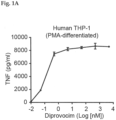
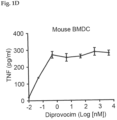
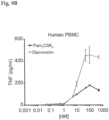
- Diprovocim-1 was developed from this class after extensive structure-activity relationship (SAR) studies. It induced dose-dependent TNF production by THP-1 cells (EC 50 110 pM) and human PBMC (EC 50 875 pM) (Fig. 0A and Fig. 1B ), and by mouse peritoneal macrophages (EC 50 1.3 nM) and bone marrow-derived dendritic cells (BMDC) (EC 50 6.7 nM) (Fig. 0C and Fig. 1D ). In addition to TNF, Diprovocim-1 induced IL-6 production by mouse BMDC (Fig. 0E). However, Diprovocim-1 failed to stimulate type I IFN production by mouse peritoneal macrophages ( Fig. 7 ). The other numbered Diprovocims studied and those defined by structural Formula I also share these activities.
- SAR structure-activity relationship
- Diprovocim targets TLR1/TLR2 and activates downstream MAPK and NF-xB signaling pathway
- Diprovocims effects were analyzed on peritoneal macrophages from wild type C57BL/6J mice and C57BL/6J mice deficient in various TLR signaling components. Induction of TNF by Diprovocim was completely absent in TLR1- or TLR2-deficient macrophages, but not in TLR-6 deficient macrophages ( Fig. 1A ). Diprovocim activity was also dramatically reduced in macrophages from MyD88-, TIRAP-, and IRAK4-deficient cells ( Fig. 1A ). These data suggested that Diprovocim targets the mouse TLR1/TLR2 heterodimer.
- TLR1 or TLR2 antibody significantly reduced the effect of Diprovocim on THP-1 cells, indicating that human TLR1/TLR2 is also a target of Diprovocim molecules ( Fig. 1B ).
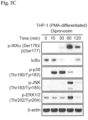
- Diprovocim induced phosphorylation of IKK ⁇ , IKK ⁇ , p38, JNK, and ERK, as well as degradation of I ⁇ B ⁇ in THP-1 cells and mouse peritoneal macrophages indicating that Diprovocims activate conventional TLR1/TLR2 signaling, including MAPK and canonical NF- ⁇ B signaling ( Fig. 1C and Fig. 2D ).
- Intramuscular immunization of wild type mice with ovalbumin (OVA) plus either alum or Diprovocim induced similar levels of serum OVA-specific IgG, which were highly elevated compared to levels induced by immunization with OVA plus vehicle ( Fig. 2A-Fig. 3C ).
- OVA+alum induced primarily the Th2-related Ig subclass IgG1
- OVA+Diprovocim induced both IgG1 and the Th1-related IgG2b ( Fig. 2B and Fig. 3C ).
- DCs Dendritic cells purified from draining lymph nodes and spleens 24 hours after immunization of mice with OVA+Diprovocim activated OT-I CD8 T cells co-cultured with them, as evidenced by CD69 upregulation on the OT-I cells ( Fig. 2D ).
- DCs from mice immunized with OVA+vehicle failed to induce CD69 expression on OT-I CD8 T cells ( Fig. 2D ). This finding suggests that Diprovocims activate antigen cross-presentation by DCs and cross-priming of CD8 T cells in vivo.
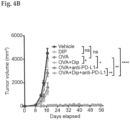
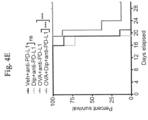
- mice were injected i.m. distal to the tumor cell injection site with OVA with or without Diprovocim on the same day but prior to inoculation with B16-OVA cells. Tumor growth rates and survival times were similar for mice immunized with vehicle alone, Diprovocim alone, or OVA alone ( Fig. 3B and Fig. 4C ).
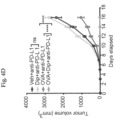
- mice with already established B16-OVA tumors C57BL/6J mice were immunized with OVA with or without a Diprovocim on the day of or three days after tumor inoculation and received a booster immunization seven days later ( Fig. 3A ).
- alum was substituted for Diprovocim to permit direct comparison between these two adjuvants.
- anti-PD-L1 treatment was initiated on day 3 after tumor inoculation and repeated every three days thereafter for 12 days.
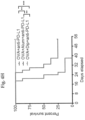
- mice immunized with OVA alone on the day of tumor inoculation survived an average of 24 days, and 100% of mice (8/8) died by 38 days after tumor inoculation.
- Diprovocim+OVA administered on the day of tumor inoculation completely inhibited tumor growth, permitting 100% of mice (8/8) to survive through 54 days of observation ( Fig. 3G and Fig. 4H ).
- alum was used instead of a Diprovocim in the same study, tumor growth was partially inhibited, and the average survival time was 37 days, with 25% of mice (2/8) surviving past 54 days ( Fig. 3G and Fig. 4H ).
- TILs Tumor-infiltrating leukocytes
- Fig. 4A Tumors were collected 14 days after inoculation, and single-cell suspensions were antibody stained and analyzed by flow cytometry to detect total leukocytes, CD4 and CD8 T cells, NK cells, DCs, and macrophages.
- the leukocytes were also stained with antibody to the H-2K b MHC-class I tetramer bound to the OVA peptide (residues 257-264), as well as antibody against CD8 to identify tumor-specific CD8 T cells.
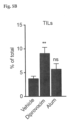
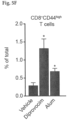
- OVA immunizations containing a Diprovocim significantly increased the frequency of leukocytes in tumors compared to vehicle+OVA ( Fig. 4B ). Further analysis of these TILs revealed that a Diprovocim increased the frequencies of CD4 and CD8 T cells including activated CD4 and CD8 T cells (CD44 high ) and OVA-specific CD8 T cells, as well as the frequency of NK cells ( Fig. 4C - Fig. 5H ).
- Alum+OVA immunization showed a trend towards increasing TILs ( Fig. 4B ), which reached statistical significance for total and CD44 hign CD8 T cells ( Fig. 4E and Fig. 5F ). However, the magnitude of the increase was reduced compared to that induced by Diprovocim+OVA.
- OVA-specific CD8 T cells were not increased by alum+OVA immunization ( Fig. 4G ) on day 14 after tumor inoculation; neither were total and CD44 high CD4 T cells ( Fig. 4C and Fig. 5D ), nor NK cells compared to vehicle+OVA ( Fig. 4H ).
- mice were depleted of CD8 T cells, CD4 T cells, NK cells, or all three cell populations using cell type-specific antibodies.
- the depletion antibodies were administered i.p. on the day of B16-OVA tumor inoculation (day 0) and every three days thereafter for 15 days (Fig. 4K).
- the effect of Diprovocim+OVA on both tumor growth and mouse survival was abrogated when mice were depleted of CD8 T cells or all three cell types together (CD4 T, CD8 T, NK cells) (Fig. 4L and Fig. 5M ).
- depletion of CD4 T cells or NK cells had little effect on the anti-tumor activity of Diprorocim+OVA (Fig. 4L and Fig. 5M ).
- cancer vaccines targeted to tumor neoantigens can boost the success of immune checkpoint inhibition for cancer treatment by increasing the number and activation of tumor-specific CTLs capable of responding to checkpoint inhibitors.
- type and magnitude of the T cell response to immunization depends critically on the vaccine adjuvant; currently only few adjuvants are approved for use in humans.
- Diprovocim a novel and potent adjuvant that engages and activates human and mouse TLR1/TLR2 heterodimers.
- a Diprovocim bears no structural similarity to other reported synthetic chemical ligands, nor to the natural ligands that activate TLR1/TLR2 (22-26).
- a Diprovocim is more potent and efficacious in activating human TLR1/TLR2 than Pam 3 CSK 4 ( Fig. 9A and Fig. 9B ), a well-known ligand.
- a Diprovocim induces strong TLR1- and TLR2-dependent humoral and CTL responses to a co-administered antigen.
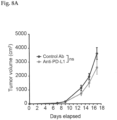
- a Diprovocim-adjuvanted immunization causes antigen-specific eradication of a rapidly fatal tumor, and induces memory responses capable of preventing tumor regrowth. Cure of the tumor is observed despite the fact that checkpoint inhibition alone is insufficient to prevent a fatal outcome ( Fig. 8A and Fig. 8B ), supporting the premise of this combination immunotherapy.
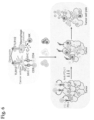
- Diprovocim binds to TLR1/TLR2 on APCs, activating them to produce pro-inflammatory cytokines and take up the administered tumor-specific antigens for processing and presentation via MHC I and MHC II.
- Antigen presentation, costimulatory molecule expression, and cytokine secretion by APCs induce proliferation and activation of antigen-specific CD4 T cells and CD8 T cells, which develop cytolytic activity toward tumor cells.
- NK cells are also activated by pro-inflammatory cytokines and infiltrate the tumor site.
- anti-PD-L1 inhibits the major immunosuppressive mechanism active in the tumor microenvironment, permitting uninhibited T cell activation and proliferation in response to TCR/CD28 ligation (27-29), further promoting tumor cell lysis mediated by CD8 T cells.
- TLR2 signaling supports tumor growth through induction of immune suppressive cytokines such as IL-10, and activation of myeloid derived suppressor cells and tumor associated macrophages (30-32).
- TLR2 signaling also promotes tumor regression by stimulating DC activation and cross-presentation (33), and downregulating Treg function (34-36).
- the overall outcome of systemic TLR2 activation was tumor cell lysis and tumor growth inhibition mediated by tumor-infiltrating antigen-specific CD8 T cells.
- the therapeutic index of an adjuvant presumably depends upon the efficiency of conjoint targeting of antigen to an APC, and activation of that APC.
- the mode of interaction between a Diprovocim and TLR2 has been studied by X-ray crystallography, and its contacts with this subunit of the receptor will be reported elsewhere.
- the structure of a Diprovocim-TLR1/2 complex points to opportunities for a Diprovocim modification to incorporate immunogenic peptides, which might permit optimization of the therapeutic index by assuring that all active Diprovocim molecules are accompanied by antigen.
- Diprovocim is easy to synthesize and can be rapidly adapted to incorporate tumor-associated antigens and neoantigens. These features make it an attractive candidate for clinical development.
- mice C57BL/6J, Tlr2 - / - , Myd88 - / - and OT-I mice were purchased from The Jackson Laboratory. Ly96 - / - ( MD-2 - / - ) mice were from RIKEN BRC.
- Tlr4 lps3 / lps3 , Tlr6 int / int , Tlr7 rsq1 / resq1 , Tirap tor / tor , Ticam1 Lprs2 / Lps2 , Ticam1 Lps2 / Lps2 / Trak4 otiose / otiose mice were generated on a pure C57BL/6J background by ENU mutagenesis and are described at http://mutagenetix.utspati.edu.
- Tlr1 - / - mice were created by CRISPR/Cas 9 gene targeting.
- Female C57BL/6J mice were superovulated by injection of 6.5 U pregnant mare serum gonadotropin (PMSG; Millipore), followed by injection of 6.5 U human chorionic gonadotropin (hCG; Sigma-Aldrich) 48 hours later. The superovulated mice were subsequently mated overnight with C57BL/6J male mice.
- PMSG pregnant mare serum gonadotropin
- hCG human chorionic gonadotropin
- mice All experimental procedures using mice were approved by the Institutional Animal Care and Use Committee (IACUC) of the University of Texas Southwestern Medical Center, and were conducted in accordance with institutionally approved protocols and guidelines for animal care and use. All the mice were maintained at the University of Texas Southwestern Medical Center in accordance with institutionally approved protocols.
- IACUC Institutional Animal Care and Use Committee
- Thioglycollate-elicited macrophages were recovered 4 days after i.p. injection of 2 ml BBL thioglycollate medium, brewer modified (4% wt/vol; BD Biosciences) by peritoneal lavage with 5 ml phosphate buffered saline (PBS).
- the peritoneal macrophages were cultured in DMEM cell culture medium [DMEM containing 10% vol/vol FBS (Gemini Bio Products), 1% vol/vol penicillin and streptomycin (Life Technologies)] at 37°C and 95% air/5% CO 2 .
- BMDCs bone morrow cells were cultured in Petri dishes in 10 ml DMEM cell culture medium containing 10 ng/ml of murine GM-CSF (R&D Systems). On day 3 of culture, this was replaced with fresh GM-CSF medium. Loosely adherent cells were transferred to a fresh Petri dish and cultured for an additional 4 d.
- Human PBMC were purchased from Stemcell Technologies.
- THP-1 (ATCC) cells were differentiated by treatment with 100 nM PMA (Sigma) in RPMI cell culture medium [RPMI containing 10% vol/vol FBS (Gemini Bio Products), 1% penicillin and streptomycin (Life Technologies)] for 24 hours. After that, cells were washed with PBS and cultured in fresh RPMI cell culture medium for 24 hours before use in studies.
- mice were seeded onto 96-well plates at 1x10 5 cells per well and stimulated with a Diprovocim (dissolved in DMSO, and final DMSO concentrations ( ⁇ 0.2%) were kept constant in all experiments) for 4 h.
- Mouse TNF, IL-6, or IFN- ⁇ , or human TNF in the supernatants were measured by ELISA kits according to the manufacturer's instructions (eBioscience and PBL Assay Science). Pretreatment with 20 ⁇ g/ml anti-TLR1, anti-TLR2 or isotype control antibody (eBioscience) was for 1 hour. Unless otherwise indicated, mouse cells were from wild type C57BL/6J mice.
- Mouse peritoneal macrophages or human THP-1 cells (1x10 6 per well) were stimulated in 12-well plates with a Diprovocim at 500 nM for mouse cells or 5 nM for human cells for the indicated times and lysed directly in sample buffer (Sigma).
- Cell lysates were separated by SDS-PAGE and transferred to nitrocellulose membranes.
- Membranes were probed with the following antibodies: phospho-IKK ⁇ (Ser176)/IKK ⁇ (Ser177), I ⁇ B ⁇ , phospho-p38 (Thr180/Tyr182), phospho-JNK (Thr183/Tyr185), phospho-ERK1/2 (Thr202/Tyr204) (Cell Signaling Technology) and ⁇ -Actin (Sigma).
- OVA ovalbumin
- SDS-PAGE endoFit ovalbumin
- endotoxin levels ⁇ 1 EU/mg was purchased from Invivogen.
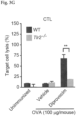
- naive C57BL/6J mice were killed, and splenocytes were collected.
- One-half of the splenocytes were left unpulsed, and half were pulsed with OVA257-263 peptides for 2 hours in complete medium [RPMI containing 10% vol/vol FBS, 1% penicillin and streptomycin] at 37 °C.
- the unpulsed and peptide-pulsed cells were labeled, respectively, with 0.5 ⁇ M ("low”) or 5 ⁇ M ("high”) CellTrace Violet (Invitrogen) in serum-free medium for 20 minutes.
- mice For post-treatment, 10 mg/kg Diprovocim-1 or 2 mg/kg Alum with OVA (100 ⁇ g) was injected i.m. into mice on day 3 after tumor inoculation. Mice received a booster shot seven days after the first immunization. On day 3, 6, 9, 12 and 15 after tumor inoculation, mice were also injected i.p. with 200 ⁇ g anti-mPD-L1 in 100 ⁇ l saline.
- mice For depletion of CD4 T cells, CD8 T cells, and/or NK cells, 300 ⁇ g anti-mCD4 (BioXcell), 300 ⁇ g anti-mCD8 (BioXcell), 300 ⁇ g anti-mNK1.1 (BioXcell), or the three antibodies together in 200 ⁇ l saline were injected i.p. into mice on day 0, 3, 6, 9, 12, and 15 after tumor inoculation. 10 mg/kg Diprovocim with OVA (100 ⁇ g) or vehicle was injected i.m. into mice on day 3 after tumor inoculation. Mice received a booster shot seven days after the first immunization. On day 3, 6, 9, 12 and 15 after tumor inoculation, mice were also injected i.p. with 200 ⁇ g anti-mPD-L1 in 100 ⁇ l saline.
- tumors were harvested, minced and filtered through a 40- ⁇ m strainer to obtain single-cell suspensions.
- Red blood cells were lysed with RBC lysis buffer (Sigma). After pelleting, cells were stained with a mixture of antibodies for 45 minutes, including anti-mouse CD45.2-PE or CD45.2-APC (BioLegend), anti-mouse CD3-FITC (BD Biosciences), anti-mouse CD4-BV786 (BD Biosciences), anti-mouse CD8-BV510 (BioLegend), anti-mouse CD44-PE-CF594 (BioLegend), APC-conjugated H-2Kb/OVA (SIINFEKL; SEQ ID NO: 77) tetramer (Baylor College of Medicine), anti-mouse F4/80-PE (Tonbo Bioscience), anti-mouse CD11b-BV605 (BioLegend), anti-CD11c-BV711 (BD
- (3 S ,4 S )-Ethyl 1-benzyl-4-((S)-4-benzyl-2-oxooxazolidine-3-carbonyl)pyrrolidine-3-carboxylate 1 (1, 3.43 g, 7.86 mmol) and Boc 2 O (1.80 g, 8.25 mmol, 1.05 equiv) were dissolved in ethanol (EtOH, 50 mL) at room temperature. Pd(OH) 2 /C (500 mg) was added and the reaction mixture was sparged with nitrogen (N 2 ) for 15 minutes.
- a 3-way flushing adapter equipped with a hydrogen (H 2 ) filled balloon and vacuum source, was attached.
- the headspace above the reaction mixture was evacuated until the solvent began to boil, then backfilled with H 2 . This vacuum/fill process was repeated 10-15 times to maximize H 2 in the headspace.
- the reaction mixture was filtered through a 6 cm Celite plug, rinsing with EtOH aliquots (3 ⁇ 15 mL) thoroughly, and concentrated. Flash column chromatography (SiO 2 , 25% EtOAc/hexanes) provided 2.93 g (84%) of 2 as a clear, viscous oil.
- the aqueous THF reaction mixture was stirred 3 hours, warming to room temperature. Saturated aqueous Na 2 SO 3 (10 mL) was added, and the THF was removed under a N 2 stream. The resulting mixture was poured into H 2 O (200 mL) and extracted with methylene chloride (CH 2 Cl 2 , 2 ⁇ 100 mL) to remove the oxazolidinone.
- the aqueous phase was acidified with the addition of aqueous 1 N HCl to pH 2 (ca. 75 mL).
- the aqueous phase was extracted with ethyl acetate (EtOAc, 3 ⁇ 125 mL), and the organic extracts were dried over Na 2 SO 4 , filtered and concentrated to provide 1.13 g (94%) of ( S , S )- 3 as a white solid.
- 1 H NMR 500 MHz, DMSO- d 6 ) ⁇ 3.59 - 3.48 (m, 2H), 3.41 - 3.31 (m, 2H), 3.30 - 3.18 (m, 2H), 1.39 (s, 9H).
- aqueous phase was extracted with EtOAc (2 ⁇ 75 mL), and the combined organic phases were washed with aqueous 1 N HCl (75 mL), saturated aqueous NaHCO 3 (75 mL), and saturated aqueous NaCl (50 mL) sequentially.
- the organic phase was dried over Na 2 SO 4 , filtered and concentrated. Flash column chromatography (SiO 2 , 50% EtOAc/hexanes) provided 1.02 g (70%) of 5 .
- Diprovocim-1 Diprovocim-1 could be further purified by trituration with cold (0 °C) 1:1 Et 2 O/EtOAc (3 ⁇ 5 mL), decanting off the liquid phase to provide 421 mg (86%) of pure diprovocim. ⁇ D 26 + 57 ( c 0.33, EtOH).
Landscapes
- Health & Medical Sciences (AREA)
- Life Sciences & Earth Sciences (AREA)
- Chemical & Material Sciences (AREA)
- Medicinal Chemistry (AREA)
- Pharmacology & Pharmacy (AREA)
- Animal Behavior & Ethology (AREA)
- General Health & Medical Sciences (AREA)
- Public Health (AREA)
- Veterinary Medicine (AREA)
- Epidemiology (AREA)
- Oncology (AREA)
- Microbiology (AREA)
- Immunology (AREA)
- Mycology (AREA)
- Cell Biology (AREA)
- Chemical Kinetics & Catalysis (AREA)
- General Chemical & Material Sciences (AREA)
- Organic Chemistry (AREA)
- Nuclear Medicine, Radiotherapy & Molecular Imaging (AREA)
- Dermatology (AREA)
- Gynecology & Obstetrics (AREA)
- Reproductive Health (AREA)
- Developmental Biology & Embryology (AREA)
- Communicable Diseases (AREA)
- Pregnancy & Childbirth (AREA)
- Tropical Medicine & Parasitology (AREA)
- Inorganic Chemistry (AREA)
- Medicines That Contain Protein Lipid Enzymes And Other Medicines (AREA)
- Pharmaceuticals Containing Other Organic And Inorganic Compounds (AREA)
- Medicines Containing Antibodies Or Antigens For Use As Internal Diagnostic Agents (AREA)
- Virology (AREA)
- Pulmonology (AREA)
Applications Claiming Priority (2)
| Application Number | Priority Date | Filing Date | Title |
|---|---|---|---|
| US201862713823P | 2018-08-02 | 2018-08-02 | |
| PCT/US2019/044421 WO2020028532A1 (en) | 2018-08-02 | 2019-07-31 | Adjuvant effect of the tlr1/2 agonist diprovocim synergizes with checkpoint-inhibiting antibodies to eliminate disease |
Publications (4)
| Publication Number | Publication Date |
|---|---|
| EP3829571A1 EP3829571A1 (en) | 2021-06-09 |
| EP3829571A4 EP3829571A4 (en) | 2022-04-27 |
| EP3829571C0 EP3829571C0 (en) | 2025-04-09 |
| EP3829571B1 true EP3829571B1 (en) | 2025-04-09 |
Family
ID=69232110
Family Applications (1)
| Application Number | Title | Priority Date | Filing Date |
|---|---|---|---|
| EP19844778.1A Active EP3829571B1 (en) | 2018-08-02 | 2019-07-31 | Adjuvant effect of the tlr1/2 agonist diprovocim synergizes with checkpoint-inhibiting antibodies to eliminate cancerous or infectious diseases |
Country Status (10)
| Country | Link |
|---|---|
| US (1) | US20210315992A1 (https=) |
| EP (1) | EP3829571B1 (https=) |
| JP (1) | JP2021533134A (https=) |
| KR (1) | KR20210029280A (https=) |
| CN (1) | CN113164445A (https=) |
| AU (2) | AU2019315952A1 (https=) |
| BR (1) | BR112021001992A2 (https=) |
| CA (1) | CA3108515A1 (https=) |
| IL (1) | IL280584B2 (https=) |
| WO (1) | WO2020028532A1 (https=) |
Families Citing this family (5)
| Publication number | Priority date | Publication date | Assignee | Title |
|---|---|---|---|---|
| US11938182B2 (en) | 2020-03-26 | 2024-03-26 | Provectus Pharmatech, Inc. | Halogenated xanthenes as vaccine adjuvants |
| MX2022011765A (es) | 2020-03-26 | 2022-11-09 | Provectus Pharmatech Inc | Usos novedosos de xantenos halogenados en oncologia y virologia. |
| JP2023527792A (ja) | 2020-05-27 | 2023-06-30 | アキシャル セラピューティクス,インク. | Tlr2調節剤化合物、医薬組成物、及びそれらの使用 |
| CN115697363A (zh) * | 2020-07-14 | 2023-02-03 | Dic株式会社 | 细胞杀伤性t细胞(ctl)活化用组合物 |
| US20250367166A1 (en) * | 2022-04-29 | 2025-12-04 | The Scripps Research Institute | Next generation diprovocims that activate the innate and adaptive immune response |
Family Cites Families (15)
| Publication number | Priority date | Publication date | Assignee | Title |
|---|---|---|---|---|
| US4599231A (en) | 1984-03-09 | 1986-07-08 | Scripps Clinic And Research Foundation | Synthetic hepatitis B virus vaccine including both T cell and B cell determinants |
| US5180806A (en) | 1988-05-16 | 1993-01-19 | The Scripps Research Institute | Polypeptides and compositions of human papillomavirus latent proteins, diagnostic systems and methods |
| US6489354B1 (en) | 1999-03-02 | 2002-12-03 | Merck & Co., Inc. | 3-alkyl substituted pyrrolidine modulators of chemokine receptor activity |
| US6942866B2 (en) | 2000-08-16 | 2005-09-13 | Apovia, Inc. | Malaria immunogen and vaccine |
| DK1418905T3 (da) * | 2001-08-08 | 2007-09-10 | Pentraxin Therapeutics Ltd | Terapeutisk middel til depletering af en uönsket proteinpopulation fra plasma |
| US7361352B2 (en) | 2001-08-15 | 2008-04-22 | Acambis, Inc. | Influenza immunogen and vaccine |
| CA2636424A1 (en) * | 2006-01-09 | 2007-10-25 | The Regents Of The University Of California | Immunostimulatory combinations of tnfrsf, tlr, nlr, rhr, purinergic receptor, and cytokine receptor agonists for vaccines and tumor immunotherapy |
| EP2981281B1 (en) * | 2013-04-03 | 2020-07-15 | IBC Pharmaceuticals, Inc. | Combination therapy for inducing immune response to disease |
| US9918959B2 (en) * | 2014-08-06 | 2018-03-20 | The Board Of Regents Of The University Of Texas System | TLR-independent small molecule adjuvants |
| CA2974956A1 (en) * | 2015-01-29 | 2016-08-04 | The Trustees Of The University Of Pennsylvania | Checkpoint inhibitor and vaccine combinations and use of same for immunotherapy |
| MX2017012939A (es) * | 2015-04-08 | 2018-05-22 | Novartis Ag | Terapias cd20, terapias cd22 y terapias de combinacion con una celula que expresa un receptor quimerico de antigeno (car) de cd19. |
| FI3436048T3 (fi) * | 2016-03-31 | 2025-09-15 | Biontech Us Inc | Neoantigeeneja ja niiden käyttömenetelmiä |
| KR102522730B1 (ko) | 2016-06-29 | 2023-04-19 | 더 보드 오브 리젠츠 오브 더 유니버시티 오브 텍사스 시스템 | 디프로보심: 새로운 강력한 부류의 tlr 작용제 |
| US20180088749A1 (en) | 2016-09-26 | 2018-03-29 | Uber Technologies, Inc. | Customized content generation for a user interface for a network service |
| US20180169224A1 (en) | 2016-12-12 | 2018-06-21 | Wisconsin Alumni Research Foundation | Tlr agonists for reducing activation-induced pd-1 expression on t cells and methods of use |
-
2019
- 2019-07-31 CN CN201980065609.8A patent/CN113164445A/zh active Pending
- 2019-07-31 AU AU2019315952A patent/AU2019315952A1/en not_active Abandoned
- 2019-07-31 EP EP19844778.1A patent/EP3829571B1/en active Active
- 2019-07-31 BR BR112021001992-8A patent/BR112021001992A2/pt unknown
- 2019-07-31 US US17/265,333 patent/US20210315992A1/en active Pending
- 2019-07-31 IL IL280584A patent/IL280584B2/en unknown
- 2019-07-31 KR KR1020217006180A patent/KR20210029280A/ko not_active Ceased
- 2019-07-31 JP JP2021505847A patent/JP2021533134A/ja active Pending
- 2019-07-31 WO PCT/US2019/044421 patent/WO2020028532A1/en not_active Ceased
- 2019-07-31 CA CA3108515A patent/CA3108515A1/en active Pending
-
2025
- 2025-06-03 AU AU2025204146A patent/AU2025204146A1/en active Pending
Also Published As
| Publication number | Publication date |
|---|---|
| JP2021533134A (ja) | 2021-12-02 |
| WO2020028532A1 (en) | 2020-02-06 |
| US20210315992A1 (en) | 2021-10-14 |
| AU2019315952A1 (en) | 2021-03-04 |
| IL280584B1 (en) | 2025-02-01 |
| AU2025204146A1 (en) | 2025-07-17 |
| KR20210029280A (ko) | 2021-03-15 |
| AU2025204146A9 (en) | 2026-03-19 |
| EP3829571C0 (en) | 2025-04-09 |
| BR112021001992A2 (pt) | 2021-05-04 |
| EP3829571A1 (en) | 2021-06-09 |
| CA3108515A1 (en) | 2020-02-06 |
| IL280584B2 (en) | 2025-06-01 |
| CN113164445A (zh) | 2021-07-23 |
| IL280584A (en) | 2021-03-25 |
| EP3829571A4 (en) | 2022-04-27 |
Similar Documents
| Publication | Publication Date | Title |
|---|---|---|
| EP3829571B1 (en) | Adjuvant effect of the tlr1/2 agonist diprovocim synergizes with checkpoint-inhibiting antibodies to eliminate cancerous or infectious diseases | |
| KR100717901B1 (ko) | 4-1bb 및/또는 cd40의 생체내 격발을 통한 항종양ctl 면역성 유발 | |
| EP1434596B1 (en) | Enhancement of immune responses by agonist 4-1bb-antibodies | |
| JP2022000454A (ja) | Wt1抗原ペプチドおよび免疫調節剤の併用 | |
| US20090285814A1 (en) | CD 40 Binding Molecules and CTL Pepetides for Treating Tumors | |
| CA3049842A1 (en) | Construct-peptide compositions and methods of use thereof | |
| JP6698541B2 (ja) | 細胞性の細胞傷害性免疫応答を誘導または延長する方法における使用のための医薬 | |
| JP2015529676A (ja) | 作用物質および方法 | |
| EP2800762A1 (en) | Native and agonist ctl epitopes of the muc1 tumor antigen | |
| Masuko et al. | Artificially synthesized helper/killer-hybrid epitope long peptide (H/K-HELP): preparation and immunological analysis of vaccine efficacy | |
| US11479604B2 (en) | Immunomodulatory peptides and methods for modulating the immune system in a subject | |
| US20240415828A1 (en) | Tlr7 agonist and combinations for cancer treatment | |
| US20050255106A1 (en) | Induction of anti-tumor ctl immunity through in vivo triggering of 4-1bb and/or cd40 | |
| Mintern et al. | FcRn regulates antigen presentation downstream of dendritic cell receptor-targeted vaccination. | |
| KR20160127711A (ko) | 유비퀴티닐화 단백질 | |
| AU2022327884A1 (en) | Pharmaceutical composition and method for treatment or prevention of cancer | |
| HK40108327A (en) | Pharmaceutical composition and method for treatment or prevention of cancer | |
| Sultana | Studies on CD40mAb-adjuvanted conjugate vaccines. | |
| Zeng et al. | Soluble Proteins Induce Strong CD8+ T Cell |
Legal Events
| Date | Code | Title | Description |
|---|---|---|---|
| STAA | Information on the status of an ep patent application or granted ep patent |
Free format text: STATUS: THE INTERNATIONAL PUBLICATION HAS BEEN MADE |
|
| PUAI | Public reference made under article 153(3) epc to a published international application that has entered the european phase |
Free format text: ORIGINAL CODE: 0009012 |
|
| STAA | Information on the status of an ep patent application or granted ep patent |
Free format text: STATUS: REQUEST FOR EXAMINATION WAS MADE |
|
| 17P | Request for examination filed |
Effective date: 20210219 |
|
| AK | Designated contracting states |
Kind code of ref document: A1 Designated state(s): AL AT BE BG CH CY CZ DE DK EE ES FI FR GB GR HR HU IE IS IT LI LT LU LV MC MK MT NL NO PL PT RO RS SE SI SK SM TR |
|
| DAV | Request for validation of the european patent (deleted) | ||
| DAX | Request for extension of the european patent (deleted) | ||
| A4 | Supplementary search report drawn up and despatched |
Effective date: 20220325 |
|
| RIC1 | Information provided on ipc code assigned before grant |
Ipc: A61K 47/02 20060101ALI20220321BHEP Ipc: A61K 9/00 20060101ALI20220321BHEP Ipc: A61P 31/04 20060101ALI20220321BHEP Ipc: A61P 35/00 20060101ALI20220321BHEP Ipc: A61K 9/08 20060101ALI20220321BHEP Ipc: A61K 45/06 20060101ALI20220321BHEP Ipc: A61K 31/4025 20060101AFI20220321BHEP |
|
| GRAP | Despatch of communication of intention to grant a patent |
Free format text: ORIGINAL CODE: EPIDOSNIGR1 |
|
| STAA | Information on the status of an ep patent application or granted ep patent |
Free format text: STATUS: GRANT OF PATENT IS INTENDED |
|
| INTG | Intention to grant announced |
Effective date: 20240621 |
|
| GRAJ | Information related to disapproval of communication of intention to grant by the applicant or resumption of examination proceedings by the epo deleted |
Free format text: ORIGINAL CODE: EPIDOSDIGR1 |
|
| STAA | Information on the status of an ep patent application or granted ep patent |
Free format text: STATUS: REQUEST FOR EXAMINATION WAS MADE |
|
| GRAP | Despatch of communication of intention to grant a patent |
Free format text: ORIGINAL CODE: EPIDOSNIGR1 |
|
| STAA | Information on the status of an ep patent application or granted ep patent |
Free format text: STATUS: GRANT OF PATENT IS INTENDED |
|
| INTC | Intention to grant announced (deleted) | ||
| INTG | Intention to grant announced |
Effective date: 20241106 |
|
| GRAS | Grant fee paid |
Free format text: ORIGINAL CODE: EPIDOSNIGR3 |
|
| GRAA | (expected) grant |
Free format text: ORIGINAL CODE: 0009210 |
|
| STAA | Information on the status of an ep patent application or granted ep patent |
Free format text: STATUS: THE PATENT HAS BEEN GRANTED |
|
| AK | Designated contracting states |
Kind code of ref document: B1 Designated state(s): AL AT BE BG CH CY CZ DE DK EE ES FI FR GB GR HR HU IE IS IT LI LT LU LV MC MK MT NL NO PL PT RO RS SE SI SK SM TR |
|
| REG | Reference to a national code |
Ref country code: GB Ref legal event code: FG4D |
|
| REG | Reference to a national code |
Ref country code: CH Ref legal event code: EP |
|
| REG | Reference to a national code |
Ref country code: DE Ref legal event code: R096 Ref document number: 602019068515 Country of ref document: DE |
|
| REG | Reference to a national code |
Ref country code: IE Ref legal event code: FG4D |
|
| U01 | Request for unitary effect filed |
Effective date: 20250417 |
|
| U07 | Unitary effect registered |
Designated state(s): AT BE BG DE DK EE FI FR IT LT LU LV MT NL PT RO SE SI Effective date: 20250425 |
|
| U1N | Appointed representative for the unitary patent procedure changed after the registration of the unitary effect |
Representative=s name: KALHOR-WITZEL, RONAK; DE |
|
| U20 | Renewal fee for the european patent with unitary effect paid |
Year of fee payment: 7 Effective date: 20250729 |
|
| PG25 | Lapsed in a contracting state [announced via postgrant information from national office to epo] |
Ref country code: ES Free format text: LAPSE BECAUSE OF FAILURE TO SUBMIT A TRANSLATION OF THE DESCRIPTION OR TO PAY THE FEE WITHIN THE PRESCRIBED TIME-LIMIT Effective date: 20250409 |
|
| PG25 | Lapsed in a contracting state [announced via postgrant information from national office to epo] |
Ref country code: GR Free format text: LAPSE BECAUSE OF FAILURE TO SUBMIT A TRANSLATION OF THE DESCRIPTION OR TO PAY THE FEE WITHIN THE PRESCRIBED TIME-LIMIT Effective date: 20250710 Ref country code: NO Free format text: LAPSE BECAUSE OF FAILURE TO SUBMIT A TRANSLATION OF THE DESCRIPTION OR TO PAY THE FEE WITHIN THE PRESCRIBED TIME-LIMIT Effective date: 20250709 |
|
| PG25 | Lapsed in a contracting state [announced via postgrant information from national office to epo] |
Ref country code: PL Free format text: LAPSE BECAUSE OF FAILURE TO SUBMIT A TRANSLATION OF THE DESCRIPTION OR TO PAY THE FEE WITHIN THE PRESCRIBED TIME-LIMIT Effective date: 20250409 |
|
| PGFP | Annual fee paid to national office [announced via postgrant information from national office to epo] |
Ref country code: GB Payment date: 20250729 Year of fee payment: 7 |
|
| PG25 | Lapsed in a contracting state [announced via postgrant information from national office to epo] |
Ref country code: HR Free format text: LAPSE BECAUSE OF FAILURE TO SUBMIT A TRANSLATION OF THE DESCRIPTION OR TO PAY THE FEE WITHIN THE PRESCRIBED TIME-LIMIT Effective date: 20250409 |
|
| PG25 | Lapsed in a contracting state [announced via postgrant information from national office to epo] |
Ref country code: RS Free format text: LAPSE BECAUSE OF FAILURE TO SUBMIT A TRANSLATION OF THE DESCRIPTION OR TO PAY THE FEE WITHIN THE PRESCRIBED TIME-LIMIT Effective date: 20250709 |
|
| PG25 | Lapsed in a contracting state [announced via postgrant information from national office to epo] |
Ref country code: IS Free format text: LAPSE BECAUSE OF FAILURE TO SUBMIT A TRANSLATION OF THE DESCRIPTION OR TO PAY THE FEE WITHIN THE PRESCRIBED TIME-LIMIT Effective date: 20250809 |
|
| PG25 | Lapsed in a contracting state [announced via postgrant information from national office to epo] |
Ref country code: SM Free format text: LAPSE BECAUSE OF FAILURE TO SUBMIT A TRANSLATION OF THE DESCRIPTION OR TO PAY THE FEE WITHIN THE PRESCRIBED TIME-LIMIT Effective date: 20250409 |
|
| PG25 | Lapsed in a contracting state [announced via postgrant information from national office to epo] |
Ref country code: CZ Free format text: LAPSE BECAUSE OF FAILURE TO SUBMIT A TRANSLATION OF THE DESCRIPTION OR TO PAY THE FEE WITHIN THE PRESCRIBED TIME-LIMIT Effective date: 20250409 |
|
| PG25 | Lapsed in a contracting state [announced via postgrant information from national office to epo] |
Ref country code: SK Free format text: LAPSE BECAUSE OF FAILURE TO SUBMIT A TRANSLATION OF THE DESCRIPTION OR TO PAY THE FEE WITHIN THE PRESCRIBED TIME-LIMIT Effective date: 20250409 |
|
| PLBE | No opposition filed within time limit |
Free format text: ORIGINAL CODE: 0009261 |
|
| STAA | Information on the status of an ep patent application or granted ep patent |
Free format text: STATUS: NO OPPOSITION FILED WITHIN TIME LIMIT |
|
| REG | Reference to a national code |
Ref country code: CH Ref legal event code: L10 Free format text: ST27 STATUS EVENT CODE: U-0-0-L10-L00 (AS PROVIDED BY THE NATIONAL OFFICE) Effective date: 20260218 |
|
| REG | Reference to a national code |
Ref country code: CH Ref legal event code: H13 Free format text: ST27 STATUS EVENT CODE: U-0-0-H10-H13 (AS PROVIDED BY THE NATIONAL OFFICE) Effective date: 20260224 |
|
| 26N | No opposition filed |
Effective date: 20260112 |