EP3819323A1 - Druckverformungsrest - Google Patents
Druckverformungsrest Download PDFInfo
- Publication number
- EP3819323A1 EP3819323A1 EP19207810.3A EP19207810A EP3819323A1 EP 3819323 A1 EP3819323 A1 EP 3819323A1 EP 19207810 A EP19207810 A EP 19207810A EP 3819323 A1 EP3819323 A1 EP 3819323A1
- Authority
- EP
- European Patent Office
- Prior art keywords
- particularly preferably
- foam
- scfm
- formula
- hot flexible
- Prior art date
- Legal status (The legal status is an assumption and is not a legal conclusion. Google has not performed a legal analysis and makes no representation as to the accuracy of the status listed.)
- Granted
Links
Images

Classifications
-
- C—CHEMISTRY; METALLURGY
- C08—ORGANIC MACROMOLECULAR COMPOUNDS; THEIR PREPARATION OR CHEMICAL WORKING-UP; COMPOSITIONS BASED THEREON
- C08G—MACROMOLECULAR COMPOUNDS OBTAINED OTHERWISE THAN BY REACTIONS ONLY INVOLVING UNSATURATED CARBON-TO-CARBON BONDS
- C08G77/00—Macromolecular compounds obtained by reactions forming a linkage containing silicon with or without sulfur, nitrogen, oxygen or carbon in the main chain of the macromolecule
- C08G77/42—Block-or graft-polymers containing polysiloxane sequences
- C08G77/46—Block-or graft-polymers containing polysiloxane sequences containing polyether sequences
-
- A—HUMAN NECESSITIES
- A47—FURNITURE; DOMESTIC ARTICLES OR APPLIANCES; COFFEE MILLS; SPICE MILLS; SUCTION CLEANERS IN GENERAL
- A47C—CHAIRS; SOFAS; BEDS
- A47C27/00—Spring, stuffed or fluid mattresses or cushions specially adapted for chairs, beds or sofas
- A47C27/08—Fluid mattresses
- A47C27/088—Fluid mattresses incorporating elastic bodies, e.g. foam
-
- C—CHEMISTRY; METALLURGY
- C08—ORGANIC MACROMOLECULAR COMPOUNDS; THEIR PREPARATION OR CHEMICAL WORKING-UP; COMPOSITIONS BASED THEREON
- C08J—WORKING-UP; GENERAL PROCESSES OF COMPOUNDING; AFTER-TREATMENT NOT COVERED BY SUBCLASSES C08B, C08C, C08F, C08G or C08H
- C08J9/00—Working-up of macromolecular substances to porous or cellular articles or materials; After-treatment thereof
- C08J9/0014—Use of organic additives
- C08J9/0042—Use of organic additives containing silicon
-
- A—HUMAN NECESSITIES
- A47—FURNITURE; DOMESTIC ARTICLES OR APPLIANCES; COFFEE MILLS; SPICE MILLS; SUCTION CLEANERS IN GENERAL
- A47C—CHAIRS; SOFAS; BEDS
- A47C27/00—Spring, stuffed or fluid mattresses or cushions specially adapted for chairs, beds or sofas
-
- A—HUMAN NECESSITIES
- A47—FURNITURE; DOMESTIC ARTICLES OR APPLIANCES; COFFEE MILLS; SPICE MILLS; SUCTION CLEANERS IN GENERAL
- A47C—CHAIRS; SOFAS; BEDS
- A47C27/00—Spring, stuffed or fluid mattresses or cushions specially adapted for chairs, beds or sofas
- A47C27/14—Spring, stuffed or fluid mattresses or cushions specially adapted for chairs, beds or sofas with foamed material inlays
-
- C—CHEMISTRY; METALLURGY
- C08—ORGANIC MACROMOLECULAR COMPOUNDS; THEIR PREPARATION OR CHEMICAL WORKING-UP; COMPOSITIONS BASED THEREON
- C08G—MACROMOLECULAR COMPOUNDS OBTAINED OTHERWISE THAN BY REACTIONS ONLY INVOLVING UNSATURATED CARBON-TO-CARBON BONDS
- C08G18/00—Polymeric products of isocyanates or isothiocyanates
- C08G18/06—Polymeric products of isocyanates or isothiocyanates with compounds having active hydrogen
- C08G18/28—Polymeric products of isocyanates or isothiocyanates with compounds having active hydrogen characterised by the compounds used containing active hydrogen
- C08G18/40—High-molecular-weight compounds
- C08G18/48—Polyethers
-
- C—CHEMISTRY; METALLURGY
- C08—ORGANIC MACROMOLECULAR COMPOUNDS; THEIR PREPARATION OR CHEMICAL WORKING-UP; COMPOSITIONS BASED THEREON
- C08G—MACROMOLECULAR COMPOUNDS OBTAINED OTHERWISE THAN BY REACTIONS ONLY INVOLVING UNSATURATED CARBON-TO-CARBON BONDS
- C08G18/00—Polymeric products of isocyanates or isothiocyanates
- C08G18/06—Polymeric products of isocyanates or isothiocyanates with compounds having active hydrogen
- C08G18/28—Polymeric products of isocyanates or isothiocyanates with compounds having active hydrogen characterised by the compounds used containing active hydrogen
- C08G18/40—High-molecular-weight compounds
- C08G18/48—Polyethers
- C08G18/4829—Polyethers containing at least three hydroxy groups
-
- C—CHEMISTRY; METALLURGY
- C08—ORGANIC MACROMOLECULAR COMPOUNDS; THEIR PREPARATION OR CHEMICAL WORKING-UP; COMPOSITIONS BASED THEREON
- C08G—MACROMOLECULAR COMPOUNDS OBTAINED OTHERWISE THAN BY REACTIONS ONLY INVOLVING UNSATURATED CARBON-TO-CARBON BONDS
- C08G18/00—Polymeric products of isocyanates or isothiocyanates
- C08G18/06—Polymeric products of isocyanates or isothiocyanates with compounds having active hydrogen
- C08G18/28—Polymeric products of isocyanates or isothiocyanates with compounds having active hydrogen characterised by the compounds used containing active hydrogen
- C08G18/40—High-molecular-weight compounds
- C08G18/48—Polyethers
- C08G18/50—Polyethers having heteroatoms other than oxygen
- C08G18/5021—Polyethers having heteroatoms other than oxygen having nitrogen
- C08G18/5036—Polyethers having heteroatoms other than oxygen having nitrogen containing -N-C=O groups
- C08G18/5045—Polyethers having heteroatoms other than oxygen having nitrogen containing -N-C=O groups containing urethane groups
-
- C—CHEMISTRY; METALLURGY
- C08—ORGANIC MACROMOLECULAR COMPOUNDS; THEIR PREPARATION OR CHEMICAL WORKING-UP; COMPOSITIONS BASED THEREON
- C08G—MACROMOLECULAR COMPOUNDS OBTAINED OTHERWISE THAN BY REACTIONS ONLY INVOLVING UNSATURATED CARBON-TO-CARBON BONDS
- C08G18/00—Polymeric products of isocyanates or isothiocyanates
- C08G18/06—Polymeric products of isocyanates or isothiocyanates with compounds having active hydrogen
- C08G18/70—Polymeric products of isocyanates or isothiocyanates with compounds having active hydrogen characterised by the isocyanates or isothiocyanates used
- C08G18/72—Polyisocyanates or polyisothiocyanates
- C08G18/74—Polyisocyanates or polyisothiocyanates cyclic
- C08G18/76—Polyisocyanates or polyisothiocyanates cyclic aromatic
- C08G18/7614—Polyisocyanates or polyisothiocyanates cyclic aromatic containing only one aromatic ring
-
- C—CHEMISTRY; METALLURGY
- C08—ORGANIC MACROMOLECULAR COMPOUNDS; THEIR PREPARATION OR CHEMICAL WORKING-UP; COMPOSITIONS BASED THEREON
- C08G—MACROMOLECULAR COMPOUNDS OBTAINED OTHERWISE THAN BY REACTIONS ONLY INVOLVING UNSATURATED CARBON-TO-CARBON BONDS
- C08G18/00—Polymeric products of isocyanates or isothiocyanates
- C08G18/06—Polymeric products of isocyanates or isothiocyanates with compounds having active hydrogen
- C08G18/70—Polymeric products of isocyanates or isothiocyanates with compounds having active hydrogen characterised by the isocyanates or isothiocyanates used
- C08G18/72—Polyisocyanates or polyisothiocyanates
- C08G18/74—Polyisocyanates or polyisothiocyanates cyclic
- C08G18/76—Polyisocyanates or polyisothiocyanates cyclic aromatic
- C08G18/7614—Polyisocyanates or polyisothiocyanates cyclic aromatic containing only one aromatic ring
- C08G18/7621—Polyisocyanates or polyisothiocyanates cyclic aromatic containing only one aromatic ring being toluene diisocyanate including isomer mixtures
-
- C—CHEMISTRY; METALLURGY
- C08—ORGANIC MACROMOLECULAR COMPOUNDS; THEIR PREPARATION OR CHEMICAL WORKING-UP; COMPOSITIONS BASED THEREON
- C08J—WORKING-UP; GENERAL PROCESSES OF COMPOUNDING; AFTER-TREATMENT NOT COVERED BY SUBCLASSES C08B, C08C, C08F, C08G or C08H
- C08J9/00—Working-up of macromolecular substances to porous or cellular articles or materials; After-treatment thereof
- C08J9/0061—Working-up of macromolecular substances to porous or cellular articles or materials; After-treatment thereof characterized by the use of several polymeric components
-
- C—CHEMISTRY; METALLURGY
- C08—ORGANIC MACROMOLECULAR COMPOUNDS; THEIR PREPARATION OR CHEMICAL WORKING-UP; COMPOSITIONS BASED THEREON
- C08J—WORKING-UP; GENERAL PROCESSES OF COMPOUNDING; AFTER-TREATMENT NOT COVERED BY SUBCLASSES C08B, C08C, C08F, C08G or C08H
- C08J9/00—Working-up of macromolecular substances to porous or cellular articles or materials; After-treatment thereof
- C08J9/04—Working-up of macromolecular substances to porous or cellular articles or materials; After-treatment thereof using blowing gases generated by a previously added blowing agent
-
- C—CHEMISTRY; METALLURGY
- C08—ORGANIC MACROMOLECULAR COMPOUNDS; THEIR PREPARATION OR CHEMICAL WORKING-UP; COMPOSITIONS BASED THEREON
- C08G—MACROMOLECULAR COMPOUNDS OBTAINED OTHERWISE THAN BY REACTIONS ONLY INVOLVING UNSATURATED CARBON-TO-CARBON BONDS
- C08G18/00—Polymeric products of isocyanates or isothiocyanates
- C08G18/06—Polymeric products of isocyanates or isothiocyanates with compounds having active hydrogen
- C08G18/28—Polymeric products of isocyanates or isothiocyanates with compounds having active hydrogen characterised by the compounds used containing active hydrogen
- C08G18/40—High-molecular-weight compounds
- C08G18/42—Polycondensates having carboxylic or carbonic ester groups in the main chain
- C08G18/46—Polycondensates having carboxylic or carbonic ester groups in the main chain having heteroatoms other than oxygen
-
- C—CHEMISTRY; METALLURGY
- C08—ORGANIC MACROMOLECULAR COMPOUNDS; THEIR PREPARATION OR CHEMICAL WORKING-UP; COMPOSITIONS BASED THEREON
- C08G—MACROMOLECULAR COMPOUNDS OBTAINED OTHERWISE THAN BY REACTIONS ONLY INVOLVING UNSATURATED CARBON-TO-CARBON BONDS
- C08G18/00—Polymeric products of isocyanates or isothiocyanates
- C08G18/06—Polymeric products of isocyanates or isothiocyanates with compounds having active hydrogen
- C08G18/28—Polymeric products of isocyanates or isothiocyanates with compounds having active hydrogen characterised by the compounds used containing active hydrogen
- C08G18/40—High-molecular-weight compounds
- C08G18/48—Polyethers
- C08G18/50—Polyethers having heteroatoms other than oxygen
- C08G18/5021—Polyethers having heteroatoms other than oxygen having nitrogen
- C08G18/5036—Polyethers having heteroatoms other than oxygen having nitrogen containing -N-C=O groups
- C08G18/5048—Products of hydrolysis of polyether-urethane prepolymers containing isocyanate groups
-
- C—CHEMISTRY; METALLURGY
- C08—ORGANIC MACROMOLECULAR COMPOUNDS; THEIR PREPARATION OR CHEMICAL WORKING-UP; COMPOSITIONS BASED THEREON
- C08G—MACROMOLECULAR COMPOUNDS OBTAINED OTHERWISE THAN BY REACTIONS ONLY INVOLVING UNSATURATED CARBON-TO-CARBON BONDS
- C08G2110/00—Foam properties
- C08G2110/0008—Foam properties flexible
-
- C—CHEMISTRY; METALLURGY
- C08—ORGANIC MACROMOLECULAR COMPOUNDS; THEIR PREPARATION OR CHEMICAL WORKING-UP; COMPOSITIONS BASED THEREON
- C08G—MACROMOLECULAR COMPOUNDS OBTAINED OTHERWISE THAN BY REACTIONS ONLY INVOLVING UNSATURATED CARBON-TO-CARBON BONDS
- C08G2110/00—Foam properties
- C08G2110/0041—Foam properties having specified density
-
- C—CHEMISTRY; METALLURGY
- C08—ORGANIC MACROMOLECULAR COMPOUNDS; THEIR PREPARATION OR CHEMICAL WORKING-UP; COMPOSITIONS BASED THEREON
- C08G—MACROMOLECULAR COMPOUNDS OBTAINED OTHERWISE THAN BY REACTIONS ONLY INVOLVING UNSATURATED CARBON-TO-CARBON BONDS
- C08G2110/00—Foam properties
- C08G2110/0083—Foam properties prepared using water as the sole blowing agent
-
- C—CHEMISTRY; METALLURGY
- C08—ORGANIC MACROMOLECULAR COMPOUNDS; THEIR PREPARATION OR CHEMICAL WORKING-UP; COMPOSITIONS BASED THEREON
- C08J—WORKING-UP; GENERAL PROCESSES OF COMPOUNDING; AFTER-TREATMENT NOT COVERED BY SUBCLASSES C08B, C08C, C08F, C08G or C08H
- C08J2201/00—Foams characterised by the foaming process
- C08J2201/02—Foams characterised by the foaming process characterised by mechanical pre- or post-treatments
- C08J2201/026—Crosslinking before of after foaming
-
- C—CHEMISTRY; METALLURGY
- C08—ORGANIC MACROMOLECULAR COMPOUNDS; THEIR PREPARATION OR CHEMICAL WORKING-UP; COMPOSITIONS BASED THEREON
- C08J—WORKING-UP; GENERAL PROCESSES OF COMPOUNDING; AFTER-TREATMENT NOT COVERED BY SUBCLASSES C08B, C08C, C08F, C08G or C08H
- C08J2205/00—Foams characterised by their properties
- C08J2205/06—Flexible foams
-
- C—CHEMISTRY; METALLURGY
- C08—ORGANIC MACROMOLECULAR COMPOUNDS; THEIR PREPARATION OR CHEMICAL WORKING-UP; COMPOSITIONS BASED THEREON
- C08J—WORKING-UP; GENERAL PROCESSES OF COMPOUNDING; AFTER-TREATMENT NOT COVERED BY SUBCLASSES C08B, C08C, C08F, C08G or C08H
- C08J2375/00—Characterised by the use of polyureas or polyurethanes; Derivatives of such polymers
- C08J2375/04—Polyurethanes
- C08J2375/08—Polyurethanes from polyethers
-
- C—CHEMISTRY; METALLURGY
- C08—ORGANIC MACROMOLECULAR COMPOUNDS; THEIR PREPARATION OR CHEMICAL WORKING-UP; COMPOSITIONS BASED THEREON
- C08J—WORKING-UP; GENERAL PROCESSES OF COMPOUNDING; AFTER-TREATMENT NOT COVERED BY SUBCLASSES C08B, C08C, C08F, C08G or C08H
- C08J2483/00—Characterised by the use of macromolecular compounds obtained by reactions forming in the main chain of the macromolecule a linkage containing silicon with or without sulfur, nitrogen, oxygen, or carbon only; Derivatives of such polymers
- C08J2483/10—Block- or graft-copolymers containing polysiloxane sequences
- C08J2483/12—Block- or graft-copolymers containing polysiloxane sequences containing polyether sequences
Definitions
- the present invention is in the field of polyurethane (PU) foams. It relates in particular to the provision of PU hot flexible foam moldings, such as mattresses and / or pillows.
- PU polyurethane
- PU hot flexible foam moldings such as mattresses and / or pillows containing PU hot flexible foam, have long been known from the prior art and are used worldwide. There has been no shortage of attempts to keep improving such objects. The need for optimization has not disappeared to this day.
- PU hot flexible foam moldings such as mattresses
- PU hot flexible foam moldings are very bulky and are therefore often compressed, especially compressed and vacuumed, for storage and transport purposes for reasons of space.
- Large distributors are increasingly delivering certain mattresses in compressed and rolled form.
- Such packaging is particularly widespread for mattresses.
- vacuum packaging the mattress is placed in a plastic bag, for example. Then the pre-packed mattress is placed in a press and pressed with the end of the bag open. The air escapes. Then the open end of the bag is sealed airtight. The resulting vacuum pack is then rolled up and pushed into an outer bag. The mattress cannot expand again because the outer bag keeps it in the roll shape.
- the specific object of the present invention was to provide PU hot flexible foam moldings, such as in particular PU hot flexible foam-containing mattresses and / or pillows, which are well suited to regain their original shape after compression over a period of at least 20 hours to get.
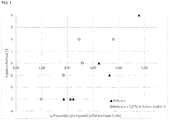
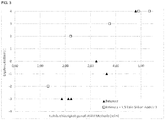
- FIGS. 1 to 3 show the results of roll deformation tests as a function of air permeability.
- the roll test is explained in detail below. It allows the assessment of the dimensional recovery of the PU foam molding after compression.
- the air permeability is a measure of the porosity of the PU foam in question.
- the result of the roll deformation test is plotted on the ordinate.
- the air permeability is plotted on the abscissa.
- FIGS. 1 to 3 make it clear that the use according to the invention of at least one compound of formula (1a) and at least one compound of formula (1b) in the production of PU hot flexible foam enables improved dimensional recovery of the PU foam molding after compression with comparable porosity.
- mattresses are very particularly preferred for the purposes of this invention. This also applies advantageously to all of the following preferred embodiments.
- the PU hot flexible foam molded body provided in this way using the compounds of the formulas (1a) and (1b) is well suited to even after a long period of time Compression to regain its original shape over a period of at least 20 hours.
- Low emission with regard to low molecular weight siloxanes in the context of the present invention includes in particular that the PU hot flexible foam resulting according to the invention has a siloxane emission of ⁇ 0 ⁇ g / m 3 and ⁇ 500 ⁇ g / m 3 , preferably ⁇ 200 ⁇ g / m 3 , particularly preferably ⁇ 100 ⁇ g / m 3 , determined according to the test chamber method based on the DIN standard DIN EN ISO 16000-9: 2008-04, 24 hours after test chamber loading. This method is in the EP 3205680A1 , described there in paragraph [0070], which is hereby incorporated by reference.
- the PU hot flexible foam moldings in question can also meet emission specifications such as CertiPur.
- Low emissions according to CertiPur means that the total emissions of volatile organic substances (TVOC) are less than 500 ⁇ g / m 3 .
- Further technical information on the requirements for the CertiPUR standard (version July 1, 2017) can be found at: https://www.europur.org/images/CertiPUR_Technical_Paper_-_Futt_Version_-_2017.pdf. This latter document (version 1 July 2017) can also be requested directly from EUROPUR, Avenue de Cortenbergh 71, B-1000 Brussels, Belgium.
- PU foams polyurethane foams
- Shaped bodies in the context of the invention are shaped bodies of different shapes.
- Preferred shapes in the context of the invention are, for example, geometries such as spheres, cuboids, cylinders, etc.
- PU foam molded bodies in the context of the invention are accordingly molded bodies made of polyurethane foam.
- Particularly preferred PU hot flexible foam moldings for the purposes of this invention are mattresses and / or pillows and foam blocks in general.
- Mattresses per se and their production are known. They usually consist of a mattress core, for example comprising foam, latex, natural products and / or spring core, as well as a cover surrounding the mattress. The same applies to pillows.
- Mattress and / or pillow in the context of this application means that at least one section of PU hot flexible foam is contained in the mattress and / or the pillow. It preferably means that at least part of the mattress and / or the cushion consists of PU hot flexible foam. Based on the total weight of the mattress and / or the pillow, this part can make up at least 1% by weight or 5% by weight or 25% by weight, preferably at least 50% by weight, in particular at least 75% by weight. It is also possible for the mattress and / or the pillow, apart from the cover, to consist entirely of PU hot flexible foam.
- polyurethane foam The production of polyurethane foam is generally known per se. It arises from the well-tested reaction of at least one polyol component and at least one isocyanate component in the presence of at least one blowing agent (e.g. water) in the sense of a polyaddition reaction.
- at least one blowing agent e.g. water
- the polyurethane foam according to the invention is a hot flexible polyurethane foam, or a combination of these flexible PU foams is used, for example two of these flexible PU foams.
- PU hot flexible foam is known per se to the person skilled in the art; it is a fixed technical term that is appropriately established in the specialist field, but will nevertheless be briefly explained here.
- PU flexible foams are elastic and malleable and mostly open-celled. This allows the air to escape easily when it is compressed.
- rigid PU foams that are inelastic and mostly closed-cell, are used for insulation purposes and are not the focus of the present invention.
- a wide variety of flexible PU foams exist. For example, ester foams (made from polyester polyols), PU hot flexible foams and PU cold foams are known to those skilled in the art.
- Viscoelastic flexible PU foams are a relatively new type that is counted among the flexible PU hot foams. For the purposes of the present invention, therefore, viscoelastic flexible PU foams are also included in the term “flexible PU hot foams”.
- the decisive difference between a PU hot flexible foam and a PU cold flexible foam is the different mechanical properties.
- the differentiation between PU hot flexible foams and PU cold flexible foams can in particular be made by the rebound resilience, also called “ball rebound” (BR) or "resilience".
- BR rebound resilience
- a method for determining the rebound resilience is described, for example, in DIN EN ISO 8307: 2008-03.
- a steel ball with a fixed mass is dropped onto the specimen from a certain height and the height of the rebound is then measured as a percentage of the drop height.
- the relevant values for a PU cold flexible foam are preferably in the range of> 50%.
- PU cold flexible foams are therefore often referred to as HR foams (HR: High Resilience).
- PU hot flexible foams have rebound values of preferably 1% to a maximum of 50%.
- the flexible PU hot foams according to the invention therefore have rebound values of preferably 1% to a maximum of 50%, which can be determined in accordance with DIN EN ISO 8307: 2008-03.
- Another mechanical criterion is the SAG or comfort factor.
- a foam sample is compressed in accordance with DIN EN ISO 2439 and the ratio of compressive stress at 65% and 25% compression is measured.
- PU cold flexible foams have a SAG or comfort factor of preferably> 2.5.
- PU hot flexible foams have a value of preferably ⁇ 2.5.
- the flexible PU foams according to the invention therefore, in the context of a preferred embodiment of the invention, have a SAG or comfort factor of preferably ⁇ 2.5, determinable as stated above.
- the two names PU hot flexible foam and PU cold flexible foam are explained by the historical development of PU technology and do not necessarily mean that other temperatures occur during the foaming process.
- PU hot flexible foams and PU cold flexible foams result from differences in the formulation used to produce the foams.
- Highly reactive polyols with primary OH groups and average molar masses> 4000 g / mol are usually used in PU cold flexible foam.
- low molecular weight crosslinkers are also used, it being possible for the function of the crosslinker to be taken over by higher functional isocyanates.
- polyols with secondary OH groups and an average molar mass ⁇ 4000 g / mol are usually predominantly used in the case of flexible PU foams.
- PU cold flexible foams With PU cold flexible foams, the isocyanate groups react with the hydroxyl groups as early as the expansion phase (CO 2 formation from -NCO and H 2 O) of the foam. This rapid polyurethane reaction usually leads, via an increase in viscosity, to a relatively high inherent stability of the foam during the blowing process. As a result, other foam stabilizers with different siloxane structures compared to PU hot flexible foams are required, which is why the present invention does not extend to PU cold flexible foams.
- PU cold flexible foams are usually highly elastic foams. Due to the high inherent stability, the cells are usually not sufficiently opened at the end of the foaming process and the cell structure still has to be mechanically pressed open.
- Open-cell flexible PU foams preferably have a gas permeability (also called “porosity”) in a range from 1 to 6.5 scfm. This is measured by applying a pressure difference and measuring the volume of air flowing through according to ASTM D 3574 (2011-00). The method is explained in detail in the example section (see there: Porosity determined by the flow method). Scfm (standard cubic feet per minute) stands for standard cubic feet per minute measured under standard conditions (23 ° C, 100 kPa).
- PU hot flexible foams preferably have a density between 8 and 80 kg / m 3 , depending on the application. A distinction is made here, in particular when using such PU hot flexible foams as mattresses, mattress components and / or pillows, according to regional needs, requirements and consumer preferences.
- the preferred PU hot flexible foam for mattress applications has a density of preferably 25-30 kg / m 3 .
- a special class of PU hot flexible foams are the viscoelastic PU foams. These are also known under the name of memory foam (in English, for example, "foam with memory”) and are characterized by both a low rebound resilience (preferably ⁇ 10%) and a slow, gradual recovery after compression has taken place (recovery time preferably 2 - 10 s). Such materials are well known in the prior art and are particularly valued for their energy- and sound-absorbing properties. Typical viscoelastic flexible foams usually have a lower porosity and a high density (or a high density (RG)) compared to other PU hot flexible foams.
- RG high density
- Cushions with a density of preferably 30-50 kg / m 3 are at the lower end of the density scale typical for viscoelastic foams, whereas viscoelastic PU foams for mattresses preferably have a density in the range of 50-130 kg / m 3 .
- the hard (high glass transition temperature) and soft (low glass transition temperature) segments align with one another during the reaction and then spontaneously separate in order to form morphologically different phases within the "bulk polymer".
- Such materials are also referred to as "phase-separated” materials.
- the glass transition temperature is preferably between -20 and +15 ° C.
- the glass transition temperature of other PU hot flexible foams and PU cold flexible foams is usually below -35 ° C.
- a pneumatic effect must be distinguished from such "structural viscoelasticity" in open-cell viscoelastic flexible PU foams, which is essentially based on the glass transition temperature of the polymer. In the latter case, the cell structure is relatively closed (low porosity). Due to the low air permeability, the air flows in again only slowly after compression, which results in slower recovery.
- compounds of the formula (1a) are used for viscoelastic PU foams in the context of the invention.
- the compound of the formula (1b) By adding the compound of the formula (1b), there is in particular an improvement in the rolling compression properties, the is according to the invention. If PU hot flexible foams are described in the following, viscoelastic PU flexible foams are included, even if not mentioned separately.
- Various PU hot flexible foams are, in addition to their density, often classified according to their compressive strength, also called load-bearing capacity, for certain applications.
- the compressive strength CLD Compression Load Deflection
- 40% according to DIN EN ISO 3386-1: 2015-10 for flexible PU foams is preferably in the range of 2.0-8.0 kPa
- viscoelastic polyurethane foams preferably have values of 0.1 - 5.0 kPa, in particular 0.5-2.5 kPa.
- the flexible PU foams to be used according to the invention have the following preferred properties with regard to rebound resilience, density and / or porosity, namely a rebound resilience of 1 to 50%, measured in accordance with DIN EN ISO 8307: 2008-03, and / or a Volume weight of 5 to 150 kg / m 3 and / or a porosity of 1 to 6 scfm, in particular 1.5 to 4.5 scfm, particularly preferably 1.75 to 4.25 scfm. All three criteria with regard to rebound resilience, volume weight and / or porosity, as just numbered, are particularly preferably met.
- the flexible PU foam used according to the invention has a compressive strength CLD, 40% according to DIN EN ISO 3386-1: 2015-10 of 0.1 to 8.0 kPa.
- PU hot flexible foams and their production are known per se.
- PU hot flexible foam is characterized in the context of this invention in the context of a preferred embodiment in particular that it has a compressive strength CLD, 40% according to DIN EN ISO 3386-1: 2015-10 of 2.0-8.0 kPa, and / or a rebound resilience of 1 - 50%, measured according to DIN EN ISO 8307: 2008-03, and / or a density of 8 to 80 kg / m 3 and / or a porosity of 1 to 6 scfm, in particular 1.5 to 4, 5 scfm, particularly preferably 1.75 to 4.25 scfm.
- One possibility of production is, for example, in EP 2 481 770 A2 or EP 2 182 020 A1 described.
- viscoelastic PU flexible foam is characterized in particular by the fact that it has a glass transition temperature between -20 and +15 ° C and / or a compression hardness CLD, 40% according to DIN EN ISO 3386-1: 2015- 10 of 0.1-5.0 kPa, in particular 0.5-2.5 kPa, and / or a rebound resilience of ⁇ 10%, measured according to DIN EN ISO 8307: 2008-03, and / or a density of 30 to 130 kg / m 3 and / or a porosity (after the foam has been pressed on) of 1 to 6 scfm, in particular 1.5 to 4.5 scfm, particularly preferably 1.75 to 4.25 scfm.
- the glass transition temperature can be measured using dynamic mechanical analysis (DMA) (DIN 53513: 1990-03) or using differential calorimetry (DSC) (ISO 11357-2: 2013). Strictly speaking, this is a glass transition area that extends over a temperature range. The values given therefore represent mean values.
- DMA dynamic mechanical analysis
- DSC differential calorimetry
- the PU hot flexible foam molding according to the invention in particular the mattress according to the invention, has a height of at least 1 cm to a maximum of 50 cm, and a width of at least 20 cm to a maximum of 300 cm, and a length of at least 20 cm to a maximum of 300 cm.
- Preferred dimensions are, for example, heights in the range from 5 cm to 40 cm, widths in the range from 70 cm to 200 cm, lengths in the range from 150 cm to 220 cm.
- the PU foam molding according to the invention in particular the cushion according to the invention, can also have a height of at least 1 cm to a maximum of 40 cm, and a width of at least 15 cm to a maximum of 200 cm, and a length of at least 15 cm to a maximum of 200 cm, preferred dimensions being, for example, heights in the range from 2 cm to 30 cm, widths in the range from 15 cm to 50 cm, lengths in the range from 15 cm to 50 cm.
- the molded PU hot flexible foam body is a mattress and is preferably designed as a multi-zone mattress.
- the different zones differ in particular in terms of their hardness.
- Such multi-zone mattresses and their production are known per se. They are widely sold commercially.
- the mattress has up to seven zones of different hardness, which extend over the longitudinal direction of the mattress and are designed in the corresponding width. If the mattress has different hardness zones distributed over its surface, which are in particular formed by incisions and / or cavities in the mattress, then there is a further preferred embodiment of the invention.
- the PU hot flexible foam molding can also be a PU cold foam mattress, a viscoelastic PU soft foam mattress, a PU hot flexible foam mattress, a PU gel foam mattress, a latex mattress or a box spring Acting mattresses, each containing at least one part of a flexible PU foam according to the invention.
- These types of mattresses are known per se to the person skilled in the art and are also marketed worldwide under these names.
- Mattresses made only from PU hot flexible foam are usually referred to simply as foam mattresses on the market.
- the term mattress according to the invention also includes corresponding mattress pads and pads.
- the PU hot flexible foam molded body preferably the mattress
- the PU hot flexible foam molded body is characterized in that the PU hot flexible foam molded body was compressed by at least 20%, preferably at least 30%, in particular at least 40%, based on its initial volume and is kept in compressed form by an auxiliary means, in particular packaging means, for at least 20 hours.
- Suitable aids are bags and / or foils, such as those known from the field of roll-up mattresses, for example.
- the bags and / or foils can be closed by any means, such as by a clip, or by an adhesive tape or by welding.
- the function of the aids is to be able to maintain the compressed form until the purchaser of the PU hot flexible foam molding wants to use it normally again.
- the compressed shaped body expands again and in the optimal case regains its original shape and size.
- the present invention enables improved dimensional recovery after compression to be achieved over a period of at least 20 hours.
- the PU hot flexible foam molding is compressed and vacuum-sealed, and in particular it is a roll-up mattress which is vacuum-sealed and compressed.
- compression of the foam in the context of this invention means that the foam is preferably compressed by at least 20%, based on its initial volume, in particular over a period of at least 20 hours.
- Polyurethanes are understood here to mean all reaction products based on isocyanates, in particular polyisocyanates, and corresponding isocyanate-reactive molecules. This also includes, inter alia, polyisocyanurates, polyureas and allophanate, biuret, uretdione, uretimine or carbodiimide-containing isocyanate or polyisocyanate reaction products. It goes without saying that the person skilled in the art for the production of the various flexible polyurethane foams, for example PU hot flexible foams, selects the substances required for this, such as isocyanates, polyols, stabilizers, surfactants, etc., accordingly, in order to produce the particular type of polyurethane desired, in particular Polyurethane foam type.
- the isocyanate components used are preferably one or more organic polyisocyanates with two or more isocyanate functions.
- One or more polyols with two or more isocyanate-reactive groups are preferably used as polyol components.
- Isocyanates suitable as isocyanate components for the purposes of this invention are all isocyanates which contain at least two isocyanate groups.
- all aliphatic, cycloaliphatic, arylaliphatic and preferably aromatic polyfunctional isocyanates known per se can be used.
- Isocyanates are preferably used in a range from 60 to 350 mol%, particularly preferably in a range from 60 to 140 mol%, relative to the sum of the isocyanate-consuming components.
- alkylene diisocyanates with 4 to 12 carbon atoms in the alkylene radical such as 1,12-dodecane diisocyanate, 2-ethyltetramethylene diisocyanate-1,4, 2-methylpentamethylene diisocyanate-1,5, tetramethylene diisocyanate-1,4, and preferably hexamethylene diisocyanate-1,6 (HMDI), cycloaliphatic diisocyanates such as cyclohexane-1,3- and 1-4-diisocyanate and any mixtures of these isomers, 1-isocyanato-3,3,5-trimethyl-5-isocyanatomethylcyclohexane (isophorone diisocyanate or IPDI for short), 2, 4- and 2,6-hexahydrotolylene diisocyanate and the corresponding isomer mixtures, and preferably aromatic di- and polyisocyanates, such as 2,4- and 2,6-toluene diiso
- modified isocyanates which have been modified by the incorporation of urethane, uretdione, isocyanurate, allophanate and other groups.
- Particularly suitable organic polyisocyanates and therefore particularly preferably used are various isomers of toluene diisocyanate (2,4- and 2,6-toluene diisocyanate (TDI), in pure form or as isomer mixtures of different compositions), 4,4'-diphenylmethane diisocyanate (MDI), the so-called “crude MDI” or “polymeric MDI” (contains both the 4,4'- and the 2,4'- and 2,2'-isomers of MDI and higher-core products) as well as the two-core product referred to as "pure MDI" from predominantly 2,4'- and 4,4'-isomer mixtures or their prepolymers.
- TDI 2,4- and 2,6-toluene diisocyanate
- MDI 4,4'-diphenylmethane diisocyanate
- the so-called “crude MDI” or “polymeric MDI” contains both the 4,4'- and the 2,
- isocyanates are, for example, in EP 1712578 , EP 1161474 , WO 00/58383 , US 2007/0072951 , EP 1678232 and the WO 2005/085310 which are hereby incorporated by reference in their entirety.
- Polyols suitable as polyol components for the purposes of the present invention are all organic substances with several isocyanate-reactive groups, preferably OH groups, and their preparations.
- Preferred polyols are all for the production of polyurethane systems, in particular polyurethane foams;
- polyether polyols and / or hydroxyl-containing aliphatic polycarbonates in particular polyether polycarbonate polyols and / or filler polyols (polymer polyols) such as SAN, PHD and PIPA polyols, which are characterized by the fact that they contain solid organic fillers up to a solids content of 40% or contain more in disperse distribution, and / or autocatalytic polyols which contain catalytically active functional groups, in particular amino groups, and / or polyols of natural origin, so-called "natural oil based polyols" (NOPs).
- NOPs natural oil based polyols
- the polyols for flexible PU foam preferably have a functionality of 1.8 to 8 and number-average molecular weights in the range from 500 to 4000 g / mol.
- the polyols with OH numbers in the range from 25 to 400 mg KOH / g are usually used.
- the number-average molecular weights are usually determined by gel permeation chromatography (GPC), in particular with polypropylene glycol as the reference substance and tetrahydrofuran (THF) as the eluent.
- GPC gel permeation chromatography
- the OH numbers can in particular be determined according to DIN standard DIN 53240: 1971-12.
- polystyrene foams can be used, as described, for example, in: US 2007/0072951 A1 , WO 2007/111828 , US 2007/0238800 , US 6359022 or WO 96/12759 .
- Further polyols are known to the person skilled in the art and can, for example, from EP-A-0380993 or US-A-3346557 can be removed.
- polyether alcohols which have secondary hydroxyl groups, preferably more than 50%, particularly preferably more than 90%, in particular those with a propylene oxide block or random propylene and ethylene oxide block at the chain end or those which are based only on propylene oxide blocks.
- Such polyether alcohols preferably have a functionality of 2 to 8, particularly preferably 2 to 4, number-average molecular weights in the range from 500 to 4000 g / mol, preferably 800 to 4000 g / mol, particularly preferably 2500 to 4000 g / mol and usually OH numbers in the range from 20 to 100 mg KOH / g, preferably 40 to 60 mg KOH / g.
- two- and / or three-functional polyether alcohols are also used which have primary hydroxyl groups, preferably more than 50%, particularly preferably more than 80%, in particular those with an ethylene oxide block at the chain end.
- Polyols for PU cold flexible foams (“HR polyols") belong to this category if the molar mass is> 4000 g / mol at the same time.
- polyether alcohols which carry primary hydroxyl groups and are predominantly based on ethylene oxide, in particular with a proportion of ethylene oxide blocks of> 70 %, preferably> 90% ("Hypersoft-Polyol").
- All polyether alcohols described in terms of this preferred embodiment preferably have a functionality of 2 to 8, particularly preferably 2 to 5, number-average molecular weights in the range of 500 to 8000 g / mol, preferably 500 to 7000 g / mol and usually OH numbers in the range of 10 to 100 mg KOH / g, preferably 20 to 60 mg KOH / g.
- polyols with primary OH functions are not used alone in the PU hot flexible foams according to the invention, but in combination with polyols with secondary OH groups. Only ⁇ 50% of polyols with primary OH functions are used in the combination according to the preferred embodiment.
- autocatalytic polyols are used.
- mixtures of different, preferably two or three, polyether alcohols are preferably used.
- the polyol combinations used here usually consist of a low molecular weight "crosslinker" polyol with high functionality, preferably with an OH number of 100 to 400 mg KOH / g, and / or a conventional high molecular weight block flexible foam or HR polyol and / or a "hypersoft" polyether polyol, preferably with an OH number of 20 to 40 mg KOH / g, with a high proportion of ethylene oxide and with cell-opening properties.
- HR polyols are also used in the viscoelastic foam formulation, their proportion by mass in the polyol mixture is ⁇ 50%.
- recycling polyols are used.
- Recycled polyols are polyols obtained from PU foam waste. This can be production waste from PU hot flexible foam production or PU hot flexible foam waste after use by the consumer (e.g. old mattresses). In both cases, the PU foam is liquefied by chemical processes. Various processes such as glycolysis, hydrolysis or acidolysis come into consideration here. The liquid recycling polyol obtained can then be used again for the production of PU hot flexible foam.
- Such flexible PU foams are often characterized by clearly disadvantageous mechanical properties, such as resistance to roll compression.
- a preferred ratio of isocyanate and polyol, expressed as the index of the formulation, ie as the stoichiometric ratio of isocyanate groups to isocyanate-reactive groups (eg OH groups, NH groups) multiplied by 100, is in the range from 50 to 140, preferably 70 to 130, particularly preferably 85 to 125.
- An index of 100 stands for a molar ratio of the reactive groups of 1 to 1.
- Catalysts can also be used to produce the flexible PU foams according to the invention.
- the term catalysts includes all compounds according to the prior art which are capable of catalyzing isocyanate reactions and / or used as catalysts, cocatalysts or activators in the production of polyisocyanate reaction products, in particular polyurethane foams become.
- Suitable catalysts are known; they are, in particular, substances which catalyze the gel reaction (isocyanate-polyol), the blowing reaction (isocyanate-water) and / or the dimerization or trimerization of the isocyanate.
- Such catalysts are preferably nitrogen-containing compounds, in particular amines and ammonium salts, and / or metal-containing compounds.
- nitrogen-containing compounds as catalysts in the context of the present invention are the amines triethylamine, triethanolamine, diethanolamine, N, N-dimethylcyclohexylamine, N, N-dicyclohexylmethylamine, N, N-dimethylaminoethylamine, N, N, N ', N'-tetramethylethane -1,2-diamine, N, N, N ', N'-tetramethylpropane-1,3-diamine, N, N, N', N'-tetramethylbutane-1,4-diamine, N, N, N ', N'-Tetramethylhexane-1,6-diamine, N- [2- (dimethylamino) ethyl] -N, N ', N'-trimethyl-1,2-ethanediamine, 2 - [(2- (dimethylamino) ethyl) methylamino ] ethanol,
- Such catalysts and / or mixtures are sold, for example, under the names Jeffcat® ZF-10, Lupouses® DMEA, LupAGEN® API, Toyocat® RX 20 and Toyocat® RX 21, DABCO® RP 202, DABCO® RP 204, DABCO® NE 300, DABCO® NE 310, DABCO® NE 400, DABCO® NE 500, DABCO® NE 600, DABCO® NE 650, DABCO® NE 660, DABCO® NE 740, DABCO® NE 750, DABCO® NE 1060, DABCO® NE 1080, DABCO® NE 1082 and DABCO® NE 2039, Niax® EF 860, Niax® EF 890, Niax® EF 700, Niax® EF 705, Niax® EF 708, Niax® EF 600, Niax® EF 602, Kosmos® 54, Kos
- Suitable metal-containing compounds as catalysts can be selected, for example, from the group of organometallic or organometallic compounds, organometallic or organometallic salts, organic metal salts, inorganic metal salts and from the group of charged or uncharged metal-containing coordination compounds, in particular metal chelate complexes.
- organometallic or organometallic compounds in the context of this invention includes in particular the use of metal-containing compounds that have a direct carbon-metal bond, here also as organometallic compounds (e.g. organotin compounds) or organometallic or organometallic compounds (e.g. organotin compounds ) designated.
- organometallic or organometallic salts in the context of this invention includes in particular the use of organometallic or organometallic compounds with salt character, i.e. ionic compounds in which either the anion or cation is of an organometallic nature (e.g. organotin oxides, organotin chlorides or organotin -Carboxylates).
- organometallic or organometallic salts includes in particular the use of metal-containing compounds that have no direct carbon-metal bond and are at the same time metal salts in which either the anion or the cation is an organic compound (e.g. tin (II ) Carboxylates).
- organic metal salts in the context of this invention includes in particular the use of metal-containing compounds or metal salts in which neither anion nor cation is an organic compound, e.g. metal chlorides (e.g. tin (II) chloride), pure or mixed, that is, metal oxides (eg tin oxides) and / or metal silicates or aluminosilicates containing several metals.
- metal chlorides e.g. tin (II) chloride
- pure or mixed that is, metal oxides (eg tin oxides) and / or metal silicates or aluminosilicates containing several metals.
- coordination compound includes in particular the use of metal-containing compounds which are built up from one or more central particles and one or more ligands, the central particles being charged or uncharged metals (for example metal or tin-amine complexes ).
- metal-chelate complexes in the context of this invention includes in particular the use of metal-containing coordination compounds which have ligands with at least two coordination or binding sites to the metal center (e.g. metal or tin-polyamine or metal or tin Polyether complexes).
- Suitable metal-containing compounds in particular as defined above, as catalysts in the context of the present invention can be selected, for example, from all metal-containing compounds containing lithium, sodium, potassium, magnesium, calcium, scandium, yttrium, titanium, zirconium, vanadium, niobium, chromium, Molybdenum, tungsten, manganese, cobalt, nickel, copper, zinc, mercury, aluminum, gallium, indium, germanium, tin, lead and / or bismuth, especially sodium, potassium, magnesium, calcium, titanium, zirconium, molybdenum, tungsten, Zinc, aluminum, tin and / or bismuth, particularly preferably tin, bismuth, zinc and / or potassium.
- Suitable metal-containing coordination compounds are, for example, all metal acetylacetonates such as nickel (II) acetylacetonate, zinc (II) acetylacetonate, copper (II) acetylacetonate, molybdenum dioxoacetylacetonate, all iron acetylacetonates, all cobalt acetylacetonates, all zirconium acetylacetonates, all titanium acetylacetonates acetylacetonate, all bismuth acetylacetonate and all tin acetylacetonate.
- all metal acetylacetonates such as nickel (II) acetylacetonate, zinc (II) acetylacetonate, copper (II) acetylacetonate, molybdenum dioxoacetylacetonate, all iron acetylacetonates, all cobalt
- organometallic salts and organic metal salts are, for example, organotin, tin, zinc, bismuth and potassium salts, in particular corresponding metal carboxylates, alcoholates, thiolates and mercaptoacetates such as dibutyltin diacetate, dimethyltin dilaurate, dibutyltin dilaurate (DBTDL), dioctyltin dilaurate (DOTDL), dimethyltin, Dibutylzinndineodecanoat, Dioctylzinndineodecanoat, dibutyltin dioleate, dibutyltin-bis-n-laurylmercaptid, dimethyltin-bis-n-laurylmercaptid, monomethyltin tris-2-ethylhexyl, Dimethyltin bis-2-ethylhexyl mercapto a
- ammonium salts can also be used as catalysts.
- Suitable catalysts are, for example, in DE 102007046860 , EP 1985642 , EP 1985644 , EP 1977825 , US 2008/0234402 , EP 0656382 B1 and US 2007/0282026 A1 and the patents cited therein.
- blowing agents preferably water to form CO 2 and, if necessary, other physical ones
- Propellants preferably water to form CO 2 and, if necessary, other physical ones
- Propellants preferably water to form CO 2 and, if necessary, other physical ones
- Propellants preferably water to form CO 2 and, if necessary, other physical ones
- Propellants preferably crosslinkers and chain extenders, stabilizers against oxidative degradation (so-called antioxidants)
- Flame retardants surfactants, biocides, cell-refining additives, cell openers, solid fillers, antistatic additives, nucleating agents, thickeners, dyes, pigments, color pastes, fragrances, emulsifiers, buffer substances and / or catalytically active substances, in particular as defined above.
- water is usually used as a blowing agent.
- Suitable physical blowing agents can also be used. These are, for example, liquefied CO 2 and volatile liquids, for example hydrocarbons with 3, 4 or 5 carbon atoms, preferably cyclo-, iso- and n-pentane, oxygen-containing compounds such as methyl formate, acetone and dimethoxymethane, or chlorinated hydrocarbons, preferably dichloromethane and 1,2-dichloroethane.
- optional crosslinkers Low molecular weight, isocyanate-reactive, multifunctional compounds are referred to as optional crosslinkers and optional chain extenders.
- hydroxyl- or amine-terminated substances such as glycerol, neopentyl glycol, 2-methyl-1,3-propanediol, triethanolamine (TEOA), diethanolamine (DEOA) and trimethylolpropane are suitable.
- TEOA triethanolamine
- DEOA diethanolamine
- trimethylolpropane trimethylolpropane
- concentration used is usually between 0.1 and 5 parts, based on 100 parts of polyol, but can vary depending on the formulation.
- Suitable optional stabilizers against oxidative degradation are preferably all common free radical scavengers, peroxide scavengers, UV absorbers, light stabilizers, complexing agents for metal ion impurities (metal deactivators).
- Suitable optional flame retardants for the purposes of this invention are all substances which, according to the prior art, are considered suitable for this purpose.
- Preferred flame retardants are, for example, liquid organic phosphorus compounds, such as halogen-free organic phosphates, for example triethyl phosphate (TEP), halogenated phosphates, for example tris (1-chloro-2-propyl) phosphate (TCPP) and tris (2-chloroethyl) phosphate (TCEP) and organic phosphonates, e.g. dimethyl methane phosphonate (DMMP), dimethyl propane phosphonate (DMPP), or solids such as ammonium polyphosphate (APP) and red phosphorus.
- halogenated compounds for example halogenated polyols, and solids such as expandable graphite and melamine are suitable as flame retardants.
- organically modified siloxanes are usually used in the production of PU hot flexible foams.
- Suitable (organically modified) siloxanes are described, for example, in the following documents: EP 0839852 , EP 1544235 , DE 102004001408 , EP 0839852 , WO 2005/118668 , US 20070072951 , DE 2533074 , EP 1537159 EP 533202 , US 3933695 , EP 0780414 , DE 4239054 , DE 4229402 , EP 867465 . These compounds can be prepared as described in the prior art. Suitable examples are e.g. B.
- Foam stabilizers for PU hot flexible foams are characterized by large siloxane structures with more than 50 Si units and attached polyethers. These foam stabilizers are also referred to as polydialkylsiloxane-polyoxyalkylene copolymers. These compounds are preferably structured in such a way that, for example, a long-chain copolymer of ethylene and propylene oxide is bonded to a polydimethylsiloxane radical. The link between the polydialkylsiloxane and the polyether part can take place via an SiC linkage or an Si-OC linkage.
- the different polyether or polyethers can be bound terminally or laterally to the polydialkylsiloxane.
- the alkyl radical of the siloxane can be aliphatic, cycloaliphatic or aromatic. Methyl groups are particularly advantageous.
- the organo-modified polydialkylsiloxane can be linear or contain branches.
- Suitable stabilizers, in particular foam stabilizers are, inter alia, in US 2834748 , US2917480 as in US3629308 described. The task of the foam stabilizer is to ensure the stability of the foaming reaction mixture. The contribution to foam stabilization correlates with the length of the siloxane chain. Without a foam stabilizer, a collapse is observed and thus no homogeneous foam is obtained.
- low molecular weight polyether siloxanes can also be used. These then have siloxane chain lengths significantly shorter than 50.
- unmodified or modified short-chain siloxanes are used in PU cold flexible foams or ester foams.
- long-chain and thus more potent siloxane stabilizers on the other hand, over-stabilization and thus shrinkage after foam production are observed with such types of foam.
- foam stabilizers can in principle be selected as desired, as long as combinations of compounds of the formulas (1a) and (1b) are used according to the invention in the flexible PU foam. These serve as already explains, in particular the improvement in the dimensional stability of the foam body after compression, in particular after roll compression.
- the compounds of the formulas (1a) and (1b) can be used, for example, with suitable solvents and / or other additives. All substances suitable according to the prior art are suitable as optional solvents. Depending on the application, aprotic non-polar, aprotic-polar and protic solvents can be used. Suitable aprotic non-polar solvents can be selected, for example, from the following substance classes or substance classes containing the following functional groups: aromatic hydrocarbons, aliphatic hydrocarbons (alkanes (paraffins) and olefins), carboxylic acid esters (e.g.
- Suitable aprotic polar solvents can be selected, for example, from the following substance classes or substance classes containing the following functional groups: ketones, lactones, lactams, nitriles, carboxamides, sulfoxides and / or sulfones.
- Suitable protic solvents can be selected, for example, from the following substance classes or substance classes containing the following functional groups: alcohols, polyols, (poly) alkylene glycols, amines, carboxylic acids, in particular fatty acids and / or primary and secondary amides. Solvents which can be processed in the foaming process without any problems and which do not adversely affect the properties of the foam are particularly preferred. For example, isocyanate-reactive compounds are suitable because they react with the polymer matrix and do not generate any emissions in the foam.
- Examples are OH-functional compounds such as (poly) alkylene glycols, preferably monoethylene glycol (MEG or EG), diethylene glycol (DEG), triethylene glycol (TEG), 1-2-propylene glycol (PG), dipropylene glycol (DPG), trimethylene glycol (1,3-propanediol PDO), tetra-methylene glycol (butanediol BDO), butyl diglycol (BDG), neopentyl glycol, 2-methyl-1,3-propanediol (Ortegol CXT) and higher homologues thereof such as polyethylene glycol (PEG) with average molecular weights between 200 g / mol and 3000 g / mol.
- PEG polyethylene glycol
- PEG polyethylene glycol
- OH-functional compounds are polyethers with average molecular weights of 200 g / mol to 4500 g / mol, in particular 400 g / mol to 2000 g / mol, preferably water-, allyl-, butyl- or nonyl-started polyethers, especially those based on propylene oxide (PO) and / or ethylene oxide blocks (EO).
- PO propylene oxide
- EO ethylene oxide blocks
- the mass ratio is the sum of all Silicone components for the solvent preferably from 0.1 to 1 to 9 to 1, more preferably from 0.25 to 1 to 5 to 1 and particularly preferably from 0.5 to 1 to 4 to 1.
- the two siloxane components - namely compounds of the formulas (1a) and (1b) - can, according to preferred embodiments of the invention, each be added separately to the foam mixture in pure form or mixed with solvents, or they can also be mixed with one another prior to addition.
- Preferably enough compounds with the formulas (1a) can be added to a composition for the production of PU hot flexible foams that their mass fraction in the finished polyurethane foam is from 0.1 to 5% by weight, preferably from 0.25 to 3.0% by weight .-%, particularly preferably 0.5 to 2.0% by weight.
- the compound of the formula (1b) is preferably used in a mass fraction of the finished polyurethane foam of 0.1 to 5% by weight, preferably 0.1 to 2.0% by weight, particularly preferably 0.1 to 1.5% by weight .-% used.
- compositions are produced and / or used in the production of the PU hot flexible foam which contains at least the compounds according to the invention according to formulas (1a) and (1b), at least one polyol component, optionally at least one isocyanate component and optionally one or has more propellants, and this composition is reacted.
- the compounds according to formulas (1a) and (1b) in total in a mass fraction of 0.1 to 5.0 parts (pphp), preferably 0.1 to 3.0 parts and particularly preferably 0, 3 to 2.0 parts based on 100 parts (pphp) of the polyol component can be used.
- the PU hot flexible foams according to the invention can be produced by any of the processes familiar to the person skilled in the art, for example by hand mixing or preferably with the aid of foaming machines, in particular low-pressure or high-pressure foaming machines. Batch processes or continuous processes can be used here.
- compositions used according to the invention can also be used for CO 2 technology. It can be used in low-pressure and high-pressure machines, with the compositions to be processed either being metered directly into the mixing chamber or being mixed in with one of the components subsequently entering the mixing chamber before the mixing chamber. The admixture can also take place in the raw material tank.
- a very particularly preferred PU hot flexible foam for the purposes of this invention has in particular the following composition: Table 1: component Parts by weight (pphp) Polyol 100 water 0 to ⁇ 10, preferably 0.5 to 6 (Amine) catalyst 0.05 to 5 Tin catalyst 0 to 5, preferably 0.01 to 2 Compounds of the formulas (1a) 0.1 to 5, preferably 0.1 to 3 Compounds of the formulas (1b) 0.1 to 5, preferably 0.1 to 3 Physical blowing agent 0 to 130 Flame retardants 0 to 70 Fillers 0 to 150 other additives 0 to 20 Isocyanate index: greater than 75 and less than 130
- Another object of the present invention is the use of a combination of at least one compound of the formula (1a) and at least one compound of the formula (1b), (1a) and (1b), as defined above, in the production of PU -Hot flexible foam moldings, wherein the PU hot flexible foam molding was obtained by reacting at least one polyol component and at least one isocyanate component in the presence of at least one blowing agent, to provide PU hot flexible foam moldings with improved dimensional recovery after compression over a period of at least 20 hours.
- Another object of the present invention is the use of a combination of at least one compound of the formula (1a) and at least one compound of the formula (1b), (1a) and (1b) as already defined above, to improve the dimensional recovery of PU hot flexible foam molded bodies after their compression over a period of at least 20 hours, the PU hot flexible foam molded body by reacting at least one polyol component and at least one isocyanate component in the presence of at least one blowing agent in the presence of at least one compound of the formula (1a) and at least one Compound of formula (1b) is available.
- Another object of the present invention is the use of PU hot flexible foam in mattresses and / or pillows, in particular mattresses, the PU hot flexible foam by reacting at least one polyol component and at least one isocyanate component in the presence of at least one compound of the formula (1a) and at least a compound of the formula (1b), (1a) and (1b) as defined above in each case.
- the use according to the invention enables the provision of mattresses and / or pillows with improved dimensional recovery after compression over a period of at least 20 hours.
- the use according to the invention enables an improved dimensional recovery of mattresses and / or pillows after their compression over a period of at least 20 hours.
- Another object of the invention is a process for the production of hot flexible polyurethane foam with a porosity of 1 to 6 scfm, preferably 1.5 to 4.5 scfm, in particular 1.75 to 4.25 scfm, by reacting at least one polyol component and at least one isocyanate component in the presence of at least one compound of the formula (1a) and at least one compound of the formula (1b) and at least one blowing agent and at least one catalyst, Formulas (1a) and (1b) as defined above, especially with the use of recycled polyols.
- the invention also provides a mixture comprising at least one compound of the formula (1a) and at least one compound of the formula (1b), (1a) and (1b) as defined above, and / or glycols, polyethers, organic esters and / or other solvents suitable for the purposes of producing PU hot flexible foam.
- the materials are characterized in terms of the type and amount of organic substances that can be emitted from them.
- the analytical method is used to determine emissions from Materials used in furniture and mattresses. Test chambers are used to measure emissions.
- Test specimen sample preparation, sampling and test specimen dimensions
- the reaction mixture is placed in an open-top PE plastic bag. After the foam has risen and blown off, the PE bag is closed 3 minutes after blowing off. The foam is stored for 12 hours at room temperature in order to enable a complete reaction, but at the same time to prevent VOC substances from escaping prematurely.
- the PE bag is then opened and a 7 cm x 7 cm x 7 cm cube is removed from the center of the foam block and immediately wrapped in aluminum foil and enclosed in an airtight PE bag. Now it was transported to the analytical laboratory and the foam cube was placed in a cleaned 30L glass test chamber. Controlled climatic conditions prevail in the test chamber (temperature 21 ° C, humidity 50%). Half the test chamber volume flows through the test chamber per hour. After 24 hours, samples are taken from the test chamber air.
- Tenax adsorption tubes are used to absorb the VOC substances.
- the Tenax tube is then heated and the volatile substances released in the process are cryofocused with the aid of a stream of inert gas in a cold trap of a temperature-programmable evaporator. After the end of the heating phase, the cold trap is quickly heated to 280 ° C.
- the focused substances evaporate in the process. They are then separated in the gas chromatographic separation column and detected by mass spectrometry. A semi-quantitative estimate of the emission, expressed in " ⁇ g / m 3 ", is possible through calibration with reference substances. Toluene is used as a quantitative reference substance for the VOC analysis (VOC value).
- Signal peaks can be assigned to substances on the basis of their mass spectra and retention indices.
- the following device is used for the analysis: Gerstel, D-45473 Mühlheim an der Ruhr, Eberhard-Gerstel-Platz 1, TDS-3 / KAS-4, Tenax® desorption tubes, Agilent Technologies 7890A (GC) / 5975C (MS), column: HP Ultra2 (50m, 0.32mm, 0.52 ⁇ m), carrier gas: helium. More precise implementation regulations can be found in DIN EN ISO 16000-9: 2008-04.
- test The purpose of the test is to simulate the conditions of rolled mattresses in the laboratory. Since there is no meaningful industry standard for this, a new test was developed that simulates the rolling of mattress foams on a small scale.
- test specimens measuring 12 cm (width), 16 cm (length) and 2.5 cm (thickness) are cut out of the flexible PU foam blocks, such as those obtained from manual foaming. A middle position in foam blocks from hand foaming is selected. The specimen is cut out in such a way that the direction of rise of the foam during production is at right angles to the length and width of the specimen. Test specimens are marked with a felt pen.
- the test specimen is pressed together on a 12 cm edge with a thin metal rod with a diameter of 5 - 8 mm (e.g. metal ballpoint pen). Then the foam specimen is started to roll up this metal rod by hand. The foam is strongly compressed and a roll with a diameter of about 3 - 4 cm is created. This roll is fixed by hand in this compressed state and pushed completely into a cardboard tube.
- the cardboard tube has an inside diameter of 4 cm and is at least 13 cm long.
- the roll is then stored for 7 days under controlled and constant conditions (temperature: 21 ° C., air humidity: 60%). After 168 hours, pull the foam out of the tube with your fingers, place it on a flat surface and watch the foam roll out. The expansion of the foam must not be disturbed or influenced.
- Example 1 Production of PU hot flexible foams (soft block foam)
- the PU hot flexible foam formulation given in Table 2 was used for the performance testing of the compounds of the formulas (1a) and (1b) according to the invention.
- Table 2 Formulation 1 for PU hot flexible foam production.
- Formulation 1 Parts by mass (pphp)
- Polyol 1 1) 100 parts water 4.00 parts Tin catalyst 2) 0.20-0.28 parts TEGOAMIN® DMEA 3) 0.15 parts FOAM STABILIZER 1 4) 0.40 or 0.45 parts possibly silicone additives 5) 1.0 parts Desmodur® T 80 6) 50.0 parts
- Polyol 1: Voranol® CP 3322 available from Dow Chemical, this is a glycerine-based polyether polyol with an OH number of 48 mg KOH / g and predominantly secondary OH groups, mean molar mass 3500 g / mol.
- Foam stabilizer 1 (corresponds to compound of formula 1a):
- short-chain siloxane components were added to a PU hot flexible foam formulation containing a high molecular weight silicone component (according to formula 1a) as a foam stabilizer.
- the 3 selected silicone additives are characterized below:
- the foaming was carried out using the so-called hand mixing process.
- Formulation 1 as indicated in Table 2 was used. These were in a paper cup Polyol, the respective amine catalyst mixture, the tin catalyst tin (II) -2-ethylhexanoate, water, foam stabilizer and optionally also an additional low molecular weight silicone additive (compounds of the formulas (1b)) and a disk stirrer for 60 s 1000 rpm mixed. After the initial stirring, the isocyanate (TDI) was added to the reaction mixture and stirred for 7 s at 2500 rpm and immediately transferred to a box (30 cm ⁇ 30 cm base and 30 cm high) lined with paper. The foam rose after pouring into the foaming box.
- TDI isocyanate
- foam bodies were cut out of the resulting PU hot flexible foam blocks, which were then analyzed further.
- the following physical properties were determined on the basis of the test specimens: cell count, porosity using the flow method, volume weight (RG) and roll deformation at room temperature.
- the result of the roll test depends heavily on the porosity of the foam. Foams with a more closed cell structure are generally worse than those with an open cell structure. Since the porosity of foaming varies to a certain extent due to various influencing factors (temperatures, air pressure, etc.), the result of the roll test must be evaluated coupled with the porosity for a meaningful analysis.
- the inventive combination of a compound of the formula (1a) with a compound of the formula (1b) shows significant advantages in the roll deformation tests of flexible PU foams compared to the sole use of a single high molecular weight silicone component as a foam stabilizer.
- the restoration of the original shape of the specimens after rolling deformation has been significantly improved.
- the use of only low molecular weight silicone additives (compounds of the formulas (1b)) leads to collapse in PU hot flexible foam formulations.
- Combinations of a high molecular weight foam stabilizer (compounds of the formulas (1a)) and low molecular weight silicone components (compounds of the formulas (1b)) still shows adequate stabilization (relapses of less than 2.0 cm), unchanged cell counts (14 to 15 cells per cm) and clear advantages in the roll test.
- the flexible PU foams according to the invention have proven to be low in emissions when emission-optimized additives are used. This is visible in the VOC tests according to DIN EN ISO 16000-9: 2008-04.
- a low-emission formulation shows that the addition of silicone additive 1 increases the total emissions slightly (from 40 ⁇ g / m 3 , see Table 8, to 130 ⁇ g / m 3 , see Table 9), but nonetheless are still well below the usual limit values for the TVOC of 500 ⁇ g / m 3 .
- the silicone additive 1 is therefore also ideally suited for use in low-emission formulations.
Landscapes
- Chemical & Material Sciences (AREA)
- Health & Medical Sciences (AREA)
- Chemical Kinetics & Catalysis (AREA)
- Medicinal Chemistry (AREA)
- Polymers & Plastics (AREA)
- Organic Chemistry (AREA)
- Engineering & Computer Science (AREA)
- Materials Engineering (AREA)
- Polyurethanes Or Polyureas (AREA)
- Mattresses And Other Support Structures For Chairs And Beds (AREA)
Abstract
Description
- Die vorliegende Erfindung liegt auf dem Gebiet der Polyurethan(PU)-Schaumstoffe. Sie betrifft insbesondere die Bereitstellung von PU-Heißweichschaumstoff-Formkörpern, wie z.B. Matratzen und/oder Kissen.
- PU-Heißweichschaumstoff-Formkörper, wie z.B. PU-Heißweichschaum-haltige Matratzen und/oder Kissen sind aus dem Stand der Technik lange bekannt und finden weltweite Verbreitung. Es hat nicht an Versuchen gemangelt, solche Gegenstände immer weiter zu verbessern. Der Optimierungsbedarf ist bis heute nicht erloschen.
- Ein Problem im Zusammenhang mit PU-Heißweichschaumstoff-Formkörpern ist deren Transport und Lagerung. PU-Heißweichschaumstoff-Formkörper, wie z.B. Matratzen, sind sehr sperrig und werden daher für Lagerungs- und Transportzwecke aus Platzgründen oft komprimiert, insbesondere komprimiert und vakuumiert. Große Distributoren liefern bestimmte Matratzen zunehmend komprimiert und in gerollter Form aus.
- Solche Verpackungen sind insbesondere für Matratzen weit verbreitet. Bei der Vakuumverpackung wird die Matratze z.B. in einen Beutel aus Plastikfolie gesteckt. Dann wird die so vorverpackte Matratze in eine Presse gelegt und bei offenem Beutelende gepresst. Die Luft entweicht. Danach wird das offene Beutelende luftdicht zugeschweißt. Die so entstandene Vakuumpackung wird dann gerollt und in einen Außenbeutel eingeschoben. Die Matratze kann sich nicht wieder ausdehnen, da der Außenbeutel sie in der Rollenform hält.
- Um eine Matratze z.B. so flach zu drücken, wie eine Maschine es beim Rollen schafft, braucht man je nach Matratze zwischen 40.000 und 250.000 Newton. Das entspricht der Gewichtskraft einer Masse von 4 bis 25 Tonnen.
- Wie unmittelbar ersichtlich ist, kann eine solche Krafteinwirkung im Zusammenhang mit der Kompression von PU-Heißweichschaumstoff-Formkörpern zu einer Materialermüdung führen. Es ist ein sehr relevantes Problem, PU-Heißweichschaumstoff-Formkörper bereitzustellen, die auch nach längerer Kompression befähigt sind, ihre ursprüngliche Dimension wiederzuerlangen.
- Konkrete Aufgabe der vorliegenden Erfindung war vor diesem Hintergrund die Bereitstellung von PU-Heißweichschaumstoff-Formkörpern, wie insbesondere PU-Heißweichschaum-haltigen Matratzen und/oder Kissen, die gut geeignet sind, nach einer Kompression über einen Zeitraum von mindestens 20 Stunden ihre ursprüngliche Form wieder zu erlangen.
- Es wurde im Rahmen dieser Erfindung überraschend gefunden, dass die Lösung dieser Aufgabe vom Gegenstand der Erfindung ermöglicht wird.
- Gegenstand dieser Erfindung ist ein PU-Heißweichschaumstoff-Formkörper, vorzugsweise Matratze und/oder Kissen, wobei der PU-Heißweichschaumstoff durch Umsetzung mindestens einer Polyolkomponente und mindestens einer Isocyanatkomponente in Gegenwart zumindest einer Verbindung der Formel (1a) sowie zumindest einer Verbindung der Formel (1b) und mindestens eines Treibmittels sowie mindestens eines Katalysators erhalten wurde, wobei
Formel (1a) : [R1Me2SiO1/2]a [Me2SiO2/2]b [R2MeSiO2/2]c [MeSiO3/2]d [SiO4/2]e
mit - a= 2 bis 10, bevorzugt 2 bis 8, besonders bevorzugt 2 bis 5
- b= 25 bis 200, bevorzugt 40 bis 150, besonders bevorzugt 45 bis 120
- c= 2 bis 40, bevorzugt 2 bis 30, besonders bevorzugt 3 bis 20
- d= 0 bis 10, bevorzugt 0 bis 8, besonders bevorzugt 0 bis 5
- e= 0 bis 5, bevorzugt 0 bis 3, besonders bevorzugt 0 bis 2
- R1 = Me oder R2
- R2 = gleiche oder verschiedene Polyether, erhältlich aus der Polymerisation von Ethylenoxid, Propylenoxid und/oder anderen Alkylenoxiden wie Butylenoxid oder Styroloxid, bevorzugt Polyether der allgemeinen Formel (c),

- f = 0 - 6, bevorzugt 0 - 4, besonders bevorzugt 0 oder 3
- g= 0 bis 150, bevorzugt 3 bis 100, besonders bevorzugt 3 bis 70
- h=0 bis 150, bevorzugt 0 bis 100, besonders bevorzugt 0 bis 80

- i= 2 bis 10, bevorzugt 2 bis 8, besonders bevorzugt 2 bis 5
- j= 0 bis 20, bevorzugt 0 bis 18, besonders bevorzugt 0 bis 15
- k= 0 bis 20, bevorzugt 0 bis 15, besonders bevorzugt 0 bis 10
- l= 0 bis 10, bevorzugt 0 bis 8, besonders bevorzugt 0 bis 5
- m= 0 bis 5, bevorzugt 0 bis 3, besonders bevorzugt 0 bis 2
- R4 = Me oder R5
- R5 = gleiche oder verschiedene Polyether, erhältlich aus der Polymerisation von Ethylenoxid, Propylenoxid und/oder anderen Alkylenoxiden wie Butylenoxid oder Styroloxid, bevorzugt Polyether der allgemeinen Formel (d), oder Alkyl C3 bis C15,

- n = 0 - 6, bevorzugt 0 - 4, besonders bevorzugt 0 oder 3
- o= 0 bis 100, bevorzugt 0 bis 50, besonders bevorzugt 0 bis 25
- p=0 bis 100, bevorzugt 0 bis 50, besonders bevorzugt 0 bis 25

- Die Abbildungen
Fig. 1 bis 3 zeigen die Ergebnisse von Rollverformungstests als Funktion der Luftdurchlässigkeit. Der Rollverformungstest wird weiter unten genau erläutert. Er gestattet die Beurteilung der Dimensionswiedererlangung des PU-Schaumformkörpers nach Kompression. Die Luftdurchlässigkeit ist ein Maß für die Porosität des betreffenden PU-Schaums. Auf der Ordinate ist jeweils das Ergebnis des Rollverformungstestes aufgetragen. Auf der Abszisse ist jeweils die Luftdurchlässigkeit aufgetragen. Die AbbildungenFig. 1 bis Fig. 3 verdeutlichen, dass der erfindungsgemäße Einsatz zumindest einer Verbindung der Formel (1a) sowie zumindest einer Verbindung der Formel (1b) bei der Herstellung von PU-Heißweichschaumstoff eine verbesserte Dimensionswiedererlangung des PU-Schaumformkörpers nach Kompression bei vergleichbarer Porosität ermöglicht. - Optional können vorteilhafterweise auch weitere übliche Additive, Aktivstoffe und Hilfsstoffe zusätzlich eingesetzt werden. Matratzen sind im Sinne dieser Erfindung ganz besonders bevorzugt. Das gilt vorteilhafterweise auch für alle folgenden bevorzugten Ausführungsformen.
- Vorteilhafterweise ist der derart unter Einsatz der Verbindungen der Formel (1a) und (1b) bereitgestellte PU-Heißweichschaumstoff-Formkörper gut geeignet, um auch nach einer längeren Kompression über einen Zeitraum von mindestens 20 Stunden seine ursprüngliche Form wiedererlangen zu können.
- Ein weiterer Vorteil ist, dass die betreffenden PU-Heißweichschaumstoff-Formkörper besonders emissionsarm sind mit Blick auf Emissionen von niedermolekularen linearen und zyklischen Siloxanen.
"Emissionsarm" hinsichtlich von niedermolekularen Siloxanen umfasst im Sinne der vorliegenden Erfindung insbesondere, dass der erfindungsgemäß resultierende PU-Heißweichschaumstoff eine Siloxan-Emission von ≥ 0 µg/m3 und ≤ 500 µg/m3, vorzugsweise ≤ 200 µg/m3, besonders bevorzugt ≤ 100 µg/m3, aufweist, entsprechend ermittelt nach dem Prüfkammerverfahren in Anlehnung an die DIN-Norm DIN EN ISO 16000-9:2008-04, 24 Stunden nach Prüfkammerbeladung. Diese Methode ist in derEP 3205680A1 , dort in Absatz [0070], genau beschrieben, worauf hiermit Bezug genommen wird. - Ein weiterer Vorteil ist, dass die betreffenden PU-Heißweichschaumstoff-Formkörper auch Emissions-Spezifikationen wie CertiPur erfüllen können. Emissionsarm nach CertiPur heißt hierbei, dass die Gesamt- Emissionen flüchtiger organischer Substanzen (TVOC) kleiner 500 µg/m3 ist. Nähere technische Angaben zu den Anforderungen für den CertiPUR Standard (Version 1. July 2017) finden sich unter: https://www.europur.org/images/CertiPUR_Technical_Paper_-_Futt_Version_-_2017.pdf. Dieses letztgenannte Dokument (Version 1. July 2017) kann auch direkt bei der EUROPUR, Avenue de Cortenbergh 71, B-1000 Brussels, Belgium abgefordert werden.
- PU-Schaumstoffe (Polyurethanschaumstoffe) und deren Herstellung sind dem Fachmann wohlbekannt und bedürfen an sich keiner weiteren Erläuterung. Formkörper im Sinne der Erfindung sind geformte Körper unterschiedlicher Gestalt. Bevorzugte Gestalten im Sinne der Erfindung sind z.B. Geometrien wie Kugeln, Quader, Zylinder usw. PU-Schaumstoff-Formkörper im Sinne der Erfindung sind demnach geformte Körper aus Polyurethanschaumstoff. Besonders bevorzugte PU-Heißweichschaumstoff-Formkörper im Sinne dieser Erfindung sind Matratzen und/oder Kissen sowie Schaumstoffblöcke im Allgemeinen.
- Matratzen an sich und deren Herstellung sind bekannt. Gewöhnlich bestehen sie aus einem Matratzenkern, z.B. umfassend Schaumstoff, Latex, Naturprodukte und/oder Federkern, sowie einem die Matratze umgebenden Bezug. Für Kissen gilt entsprechendes. Matratze und/oder Kissen im Sinne dieser Anmeldung bedeutet, dass mindestens ein Abschnitt aus PU-Heißweichschaumstoff in der Matratze und/oder dem Kissen enthalten ist. Vorzugsweise bedeutet es, dass zumindest ein Teil der Matratze und/oder des Kissens aus PU-Heißweichschaumstoff besteht. Bezogen auf das Gesamtgewicht der Matratze und/oder des Kissens kann dieser Teil zumindest 1 Gew.-% oder 5 Gew.-% oder 25 Gew.-%, vorzugsweise mindestens 50 Gew.-%, insbesondere mindestens 75 Gew.-% ausmachen. Es ist auch möglich, dass die Matratze und/oder das Kissen, abgesehen vom Bezug, ganz und gar aus PU-Heißweichschaumstoff besteht.
- Die Herstellung von Polyurethanschaum generell ist an sich bekannt. Er entsteht durch die bestens erprobte Umsetzung von mindestens einer Polyolkomponente und mindestens einer Isocyanatkomponente in Gegenwart von mindestens einem Treibmittel (z.B. Wasser) im Sinne einer Polyadditionsreaktion. Für die vorliegende Erfindung ist dabei wesentlich, dass es sich um einen PU-Heißweichschaumstoff handelt und diese Umsetzung in Gegenwart zumindest einer Verbindung der Formel (1a) sowie zumindest einer Verbindung der Formel (1b), wie jeweils zuvor definiert, erfolgt.
- Der erfindungsgemäße Polyurethan-Schaumstoff ist ein Polyurethan-Heißweichschaumstoff, oder es wird eine Kombination dieser PU-Weichschaumstoffe verwendet, z.B. zwei dieser PU-Weichschaumstoffe. Der Begriff des PU-Heißweichschaumstoffes ist dem Fachmann an sich bekannt, es handelt sich um einen feststehenden technischen Begriff, die in der Fachwelt entsprechend etabliert ist, sei aber hier dennoch kurz erläutert.
- PU-Weichschaumstoffe sind elastisch und verformbar und meistens offenzellig. Dadurch kann die Luft bei Kompression leicht entweichen. Daneben gibt es auch noch PU-Hartschaumstoffe, die unelastisch und meist geschlossenzellig sind, für Isolationszwecke eingesetzt werden und nicht im Fokus der vorliegenden Erfindung sind. Verschiedenste PU-Weichschaumstoffe existieren. So sind dem Fachmann unter anderem Esterschaumstoffe (aus Polyesterpolyolen), PU-Heißweichschaumstoffe und PU-Kaltschaumstoffe bekannt. Viskoelastische PU-Weichschaumstoffe stellen einen relativ neuen Typ dar, der zu den PU-Heißweichschaumstoffen gerechnet wird. Im Sinne der vorliegenden Erfindung sind daher viskoelastische PU-Weichschaumstoffe vom Begriff der PU-Heißweichschaumstoffe mitumfasst. Der entscheidende Unterschied zwischen einem PU-Heißweichschaum und einem PU-Kaltweichschaum besteht in den unterschiedlichen mechanischen Eigenschaften. Die Differenzierung zwischen PU-Heißweichschaumstoffen und PU-Kaltweichschaumstoffen kann insbesondere durch die Rückprallelastizität, auch "ball rebound" (BR) oder "resilience" genannt, erfolgen. Ein Verfahren zur Bestimmung der Rückprallelastizität ist beispielsweise in der DIN EN ISO 8307:2008-03 beschrieben. Hierbei wird eine Stahlkugel mit festgelegter Masse aus einer bestimmten Höhe auf den Probenkörper fallen gelassen und dann die Höhe des Rückpralls in % der Abwurfhöhe gemessen. Die betreffenden Werte für einen PU-Kaltweichschaum liegen dabei vorzugsweise im Bereich von > 50 %. PU-Kaltweichschaumstoffe werden daher auch oft als HR-Schäume bezeichnet (engl. HR: High Resilience). Demgegenüber weisen PU-Heißweichschaumstoffe Rückprall-Werte von vorzugsweise 1 % bis maximal 50 % auf. Die erfindungsgemäßen PU-Heißweichschaumstoffe weisen daher im Rahmen einer bevorzugten Ausführungsform der Erfindung Rückprall-Werte von vorzugsweise 1 % bis maximal 50 % auf, bestimmbar nach DIN EN ISO 8307:2008-03. Ein weiteres mechanisches Kriterium stellt der SAG- oder Komfortfaktor dar. Hierbei wird eine Schaumprobe gemäß DIN EN ISO 2439 komprimiert und das Verhältnis der Druckspannung bei 65% und 25% Kompression gemessen. PU-Kaltweichschäume haben dabei einen SAG- oder Komfort-Faktor von vorzugsweise > 2,5. PU-Heißweichschäume haben einen von vorzugsweise < 2,5. Die erfindungsgemäßen PU-Heißweichschaumstoffe weisen daher im Rahmen einer bevorzugten Ausführungsform der Erfindung einen SAG- oder Komfort-Faktor von vorzugsweise < 2,5 auf, bestimmbar wir zuvor angegeben.
- Eine genaue Definition der Eigenschaften kann z.B. auch dem Datenblatt "PUR-Kaltschaum" des Fachverbandes Schaumkunststoffe und Polyurethane e.V., Kennzeichen KAL20160323, Stand 23.03.2016, entnommen werden. (https://www.fsk-vsv.de/wp-content/uploads/2017/03/Produktbeschreibunq-PUR-Kaltschaum.pdf). Dieses Datenblatt kann auch direkt beim Fachverband Schaumkunststoffe und Polyurethane e.V. (FSK), Postanschrift: Stammheimerstr. 35, D-70435 Stuttgart abgefordert werden.
- Die beiden Namen PU-Heißweichschaumstoff und PU-Kaltweichschaumstoff erklären sich dabei aus der historischen Entwicklung der PU-Technologie und bedeuten nicht zwangsläufig, dass andere Temperaturen bei dem Verschäumungsprozeß auftreten.
- Die unterschiedlichen mechanischen Eigenschaften von PU-Heißweichschaumstoffen und PU-Kaltweichschaumstoffen resultieren aus Unterschieden in der Formulierung zur Herstellung der Schaumstoffe. Bei einem PU-Kaltweichschaum werden gewöhnlich überwiegend hochreaktive Polyole mit primären OH-Gruppen und mittleren Molmassen > 4000 g/mol verwendet. Optional werden auch niedermolekulare Vernetzer eingesetzt, wobei die Funktion des Vernetzers auch durch höherfunktionelle Isocyanate übernommen werden kann. Dagegen werden bei PU-Heißweichschaumstoffen gewöhnlich überwiegend reaktionsträgere Polyole mit sekundären OH-Gruppen und einer mittleren Molmasse < 4000 g/mol verwendet. Bei PU-Kaltweichschaumstoffen kommt es bereits in der Expansionsphase (CO2-Bildung aus -NCO und H2O) des Schaums zu der Reaktion der Isocyanatgruppen mit den Hydroxylgruppen. Diese schnelle Polyurethanreaktion führt über Viskositätsanstieg gewöhnlich zu einer relativ hohen Eigenstabilität des Schaums während des Treibvorgangs. Dadurch bedingt werden andere Schaumstabilisatoren mit im Vergleich zu PU-Heißweichschaumstoffen unterschiedlichen Siloxanstrukturen benötigt, weshalb die vorliegende Erfindung sich nicht auf PU-Kaltweichschaumstoffe erstreckt. Bei PU-Kaltweichschaumstoffen handelt es sich gewöhnlich um hochelastische Schaumstoffe. Aufgrund der hohen Eigenstabilität sind die Zellen am Ende des Schäumvorgangs in der Regel nicht genügend geöffnet und die Zellstruktur muss noch mechanisch aufgedrückt werden. Bei PU-Heißweichschaumstoffen ist dies dagegen im Normalfall nicht nötig. Eine wesentlich stärkere Stabilisierung durch hochmolekulare Polyethersiloxan-Strukturen ist hier wichtig. Entsprechend hochaktive Stabilisatoren sind durch Formel (1a) definiert. Bei erfindungsgemäßen PU-Heißweichschaumstoffen wird neben einem Stabilisator gemäß Formel (1a) bei der Herstellung zusätzlich noch eine Silikonverbindung der Formel (1b) verwendet.
- Offenzellige PU-Heißweichschaumstoffe weisen vorzugsweise eine Gasdurchlässigkeit (auch "Porosität" genannt) in einem Bereich von 1 bis 6,5 scfm auf. Gemessen wird diese durch Anlegen einer Druckdifferenz und Messung des durchströmenden Luftvolumens gemäß ASTM D 3574 (2011-00). Die Methode wird im Beispielteil (siehe dort: Porosität bestimmt durch die Durchflussmethode) genau erläutert. Scfm (standard cubic feet per minute) steht für Standard Kubikfuß pro Minute gemessen unter Standardbedingungen (23°C, 100 kPa).
- PU-Heißweichschaumstoffe besitzen je nach Anwendung vorzugsweise ein Raumgewicht zwischen 8 und 80 kg/m3. Hierbei wird insbesondere bei der Verwendung solcher PU-Heißweichschaumstoffe als Matratzen, Matratzenbestandteile und/oder Kissen nach regionalen Bedürfnissen, Anforderungen und Vorlieben der Verbraucher unterschieden. Der bevorzugte PU-Heißweichschaumstoff für Matratzenanwendungen hat dabei ein Raumgewicht von vorzugsweise 25 - 30 kg/m3.
- Eine spezielle Klasse der PU-Heißweichschaumstoffe sind die viskoelastischen PU-Schaumstoffe. Diese sind auch unter dem Namen Memory Foam (zu Deutsch etwa "Schaum mit Erinnerungsvermögen") bekannt und zeichnen sich sowohl durch eine geringe Rückprallelastizität (vorzugsweise < 10%) als auch durch eine langsame, graduelle Rückverformung nach einer erfolgten Kompression aus (Rückverformungszeit vorzugsweise 2 - 10 s). Solche Materialien sind im Stand der Technik wohlbekannt und werden insbesondere auch wegen ihrer energie- und schallabsorbierenden Eigenschaften sehr geschätzt. Typische viskoelastische Weichschaumstoffe haben gewöhnlich eine geringere Porosität und eine hohe Dichte (bzw. ein hohes Raumgewicht (RG)) verglichen mit anderen PU-Heißweichschaumstoffen. Kissen liegen mit einem Raumgewicht von vorzugsweise 30 - 50 kg/m3 am unteren Ende der für viskoelastische Schaumstoffe typischen Dichteskala, wohingegen viskoelastische PU-Schaumstoffe für Matratzen vorzugsweise eine Dichte im Bereich von 50 - 130 kg/m3 aufweisen.
- In PU-Heißweichschaumstoffen orientieren sich die harten (hohe Glasübergangstemperatur) und weichen (geringe Glasübergangstemperatur) Segmente während der Reaktion zueinander und trennen sich anschließend spontan, um voneinander morphologisch verschiedene Phasen innerhalb des "Bulkpolymers" auszubilden. Bei solchen Materialien spricht man auch von "phasenseparierten" Materialien. Die Glastemperatur liegt bei viskoelastischen Schaumstoffen vorzugsweise zwischen - 20 und +15 °C. Die Glasübergangstemperatur von anderen PU-Heißweichschaumstoffen und PU-Kaltweichschaumstoffen dagegen gewöhnlich bei unter -35°C. Von solcher "Struktur-Viskoelastizität" bei offenzelligen viskoelastischen PU-Heißweichschaumstoffen, die im Wesentlichen auf der Glastemperatur des Polymers beruht, ist ein pneumatischer Effekt zu unterscheiden. In letzterem Falle handelt es sich um eine relativ geschlossene Zellstruktur (geringe Porosität). Durch die geringe Luftdurchlässigkeit strömt die Luft nach einer Kompression nur langsam wieder ein, was eine verlangsamte Rückverformung zur Folge hat.
- Hinsichtlich der eingesetzten Schaumstabilisatoren werden für viskoelastische PU-Schaumstoffe im Rahmen der Erfindung Verbindungen der Formel (1a) eingesetzt. Durch Zugabe der Verbindung mit der Formel (1b) erfolgt insbesondere eine Verbesserung der Rollkompressionseigenschaften, die erfindungsgemäß ist. Wenn im folgenden PU-Heißweichschaumstoffe beschrieben sind, sind - auch falls nicht separat erwähnt- viskoelastische PU-Weichschaumstoffe inbegriffen.
- Verschiedene PU-Heißweichschaumstoffe werden neben dem Raumgewicht oft nach ihrer Stauchhärte, auch Tragfähigkeit genannt, für bestimmte Anwendungen eingestuft. So liegt die Stauchhärte CLD (Compression Load Deflection), 40 % nach DIN EN ISO 3386-1:2015-10 für PU-Heißweichschaumstoffe vorzugsweise im Bereich von 2,0 - 8,0 kPa, viskoelastische Polyurethanschaumstoffe haben vorzugsweise Werte von 0,1 - 5,0 kPa, insbesondere 0,5 - 2,5 kPa.
- Gemäß einer bevorzugten Ausführungsform der Erfindung weisen die erfindungsgemäß einzusetzenden PU-Heißweichschaumstoffe folgende bevorzugte Eigenschaften hinsichtlich Rückprallelastizität, Raumgewicht und/oder Porosität auf, nämlich eine Rückprallelastizität von 1 bis 50 %, gemessen nach DIN EN ISO 8307:2008-03, und/oder ein Raumgewicht von 5 bis 150 kg/m3 und/oder eine Porosität von 1 bis 6 scfm, insbesondere 1,5 bis 4,5 scfm, besonders bevorzugt 1,75 bis 4,25 scfm. Besonders bevorzugt sind alle 3 Kriterien bezüglich Rückprallelastizität, Raumgewicht und/oder Porosität, wie eben beziffert, erfüllt. Insbesondere weist der erfindungsgemäß eingesetzte PU-Heißweichschaumstoff eine Stauchhärte CLD, 40 % nach DIN EN ISO 3386-1:2015-10 von 0,1 bis 8,0 kPa auf.
- PU-Heißweichschaumstoffe sowie deren Herstellung sind an sich bekannt. PU-Heißweichschaumstoff zeichnet sich im Sinne dieser Erfindung im Rahmen einer bevorzugten Ausführungsform insbesondere dadurch aus, dass er eine Stauchhärte CLD, 40 % nach DIN EN ISO 3386-1:2015-10 von 2,0 - 8,0 kPa, und/oder eine Rückprallelastizität von 1 - 50 %, gemessen nach DIN EN ISO 8307:2008-03, und/oder ein Raumgewicht von 8 bis 80 kg/m3 und/oder eine Porosität von 1 bis 6 scfm, insbesondere 1,5 bis 4,5 scfm, besonders bevorzugt 1,75 bis 4,25 scfm hat. Eine Möglichkeit der Herstellung wird z.B. in
EP 2 481 770 A2 oderEP 2 182 020 A1 beschrieben. Viskoelastischer PU-Weichschaumstoff zeichnet sich im Sinne dieser Erfindung im Rahmen einer bevorzugten Ausführungsform insbesondere dadurch aus, dass er eine Glasübergangstemperatur zwischen -20 und +15 °C und/oder eine Stauchhärte CLD, 40 % nach DIN EN ISO 3386-1:2015-10 von 0,1 - 5,0 kPa, insbesondere 0,5 - 2,5 kPa, und/oder eine Rückprallelastizität von < 10 %, gemessen nach DIN EN ISO 8307:2008-03, und/oder ein Raumgewicht von 30 bis 130 kg/m3 und/oder eine Porosität (nach Aufdrücken des Schaumes) von 1 bis 6 scfm, insbesondere 1,5 bis 4,5 scfm, besonders bevorzugt 1,75 bis 4,25 scfm hat. Eine Möglichkeit der Herstellung wird z.B. inWO 2013/131710 A2 beschrieben. Gemessen werden kann die Glasübergangstemperatur dabei mittels Dynamisch Mechanischer Analyse (DMA) (DIN 53513:1990-03) oder mittels Differentieller Kalorimetrie (DSC) (ISO 11357-2:2013). Dabei handelt es sich genau genommen um einen Glasübergangsbereich, der sich über einen Temperaturbereich erstreckt. Angegebene Werte stellen daher Mittelwerte dar. - Der erfindungsgemäße PU-Heißweichschaumstoff-Formkörper, insbesondere die erfindungsgemäße Matratze, weist im Rahmen einer bevorzugten Ausführungsform der Erfindung eine Höhe von mindestens 1 cm bis maximal 50 cm, sowie eine Breite von mindestens 20 cm bis maximal 300 cm auf, sowie eine Länge von mindestens 20 cm bis maximal 300 cm. Bevorzugte Maße sind z.B. Höhen im Bereich von 5 cm bis 40 cm, Breiten im Bereich von 70 cm bis 200 cm, Längen im Bereich von 150 cm bis 220 cm. Der erfindungsgemäße PU-Schaumstoff-Formkörper, insbesondere das erfindungsgemäße Kissen, kann im Rahmen einer bevorzugten Ausführungsform der Erfindung auch eine Höhe von mindestens 1 cm bis maximal 40 cm, sowie eine Breite von mindestens 15 cm bis maximal 200 cm auf, sowie eine Länge von mindestens 15 cm bis maximal 200 cm aufweisen, wobei bevorzugte Maße z.B. Höhen im Bereich von 2 cm bis 30 cm, Breiten im Bereich von 15 cm bis 50 cm, Längen im Bereich von 15 cm bis 50 cm sind.
- Gemäß einer weiteren bevorzugten Ausführungsform der Erfindung ist der PU-Heißweichschaumstoff-Formkörper eine Matratze und ist vorzugsweise als Mehrzonen-Matratze ausgebildet. Die unterschiedlichen Zonen unterscheiden sich dabei insbesondere durch die jeweilige Härte. Solche Mehrzonen-Matratzen und deren Herstellung sind an sich bekannt. Sie werden breit kommerziell vertrieben. Insbesondere weist die Matratze bis zu sieben Zonen unterschiedlicher Härte auf, die sich über die Matratzenlängsrichtung erstrecken und in der entsprechenden Breite ausgeführt sind. Wenn die Matratze über ihre Fläche verteilt verschiedene Härtezonen aufweist, die insbesondere durch Einschnitte und/oder Hohlräume in der Matratze gebildet sind, so liegt eine weitere bevorzugte Ausführungsform der Erfindung vor.
- Nach einer weiteren bevorzugten Ausführungsform der Erfindung kann es sich bei dem PU-Heißweichschaumstoff-Formkörper auch um eine PU-Kaltschaummatratze, eine viskoelastische PU-Weichschaum-Matratze, eine PU-Heißweichschaummatratze, eine PU-Gelschaum-Matratze, eine Latexmatratze oder eine Boxspring-Matratze, jeweils enthaltend mindestens ein Teil aus einem erfindungsgemäßen PU-Heißweichschaumstoff, handeln. Diese Matratzentypen sind an sich dem Fachmann bekannt und werden unter diesen Bezeichnungen auch weltweit vermarktet. Matratzen nur aus PU-Heißweichschaumstoff werden am Markt gewöhnlich vereinfacht als Schaumstoffmatratzen bezeichnet. Der erfindungsgemäße Begriff der Matratze umfasst im Sinne dieser Erfindung auch entsprechende Matratzenauflagen und -unterlagen.
- Gemäß einer bevorzugten Ausführungsform der Erfindung zeichnet sich der PU-Heißweichschaumstoff-Formkörper, vorzugsweise die Matratze, dadurch aus, dass der PU-Heißweichschaumstoff-Formkörper, bezogen auf sein Ausgangsvolumen um mindestens 20%, vorzugsweise mindestens 30%, insbesondere mindestens 40% komprimiert wurde und von einem Hilfsmittel, insbesondere Verpackungsmittel, für mindestens 20 Stunden in komprimierter Form gehalten wird.
- Geeignete Hilfsmittel, insbesondere Verpackungsmittel sind Beutel und/oder Folien, wie sie z.B. aus dem Bereich der Rollmatratzen bekannt sind. Die Beutel und/oder Folien können durch beliebige Mittel, wie durch einen Clip, oder durch ein Klebeband oder durch Verschweißen verschlossen werden. Die Funktion der Hilfsmittel liegt darin, die komprimierte Form solange erhalten zu können, bis der Abnehmer des PU-Heißweichschaumstoff-Formkörpers diesen wieder normal nutzen möchte. Nach Entfernen des Hilfsmittel, insbesondere Verpackungsmittels, dehnt sich der komprimierte Formkörper wieder aus und erlangt im optimalen Fall die ursprüngliche Form und Größe zurück. Die vorliegende Erfindung ermöglicht es, dass eine verbesserte Dimensionswiedererlangung nach Kompression über einen Zeitraum von mindestens 20 Stunden ermöglicht wird.
- Gemäß einer weiteren bevorzugten Ausführungsform liegt der PU-Heißweichschaumstoff-Formkörper komprimiert und vakuumiert vor, und insbesondere handelt es sich um eine Rollmatratze, die vakuumiert und komprimiert vorliegt.
- Die Bereitstellung der diversen im Rahmen dieser Erfindung einsetzbaren PU-Heißweichschaumstoffe ist an sich bekannt und es kann auf alle bewährten Verfahren zurückgegriffen werden, mit der Besonderheit, dass die PU-Heißweichschaumstoff-Herstellung in Gegenwart zumindest einer Verbindung der Formel (1a) sowie zumindest einer Verbindung der Formel (1b) erfolgt.
- Die Herstellung entsprechender PU-Heißweichschaumstoffe bedarf an sich keiner weiteren Erläuterung mehr, dennoch werden im Folgenden einige bevorzugte Details zur Herstellung des erfindungsgemäß eingesetzten PU-Schaums genannt. Die erfindungsgemäßen Gegenstände werden nachfolgend beispielhaft beschrieben, ohne dass die Erfindung auf diese beispielhaften Ausführungsformen beschränkt sein soll. Sind nachfolgend Bereiche, allgemeine Formeln oder Verbindungsklassen angegeben, so sollen diese nicht nur die entsprechenden Bereiche oder Gruppen von Verbindungen umfassen, die explizit erwähnt sind, sondern auch alle Teilbereiche und Teilgruppen von Verbindungen, die durch Herausnahme von einzelnen Werten (Bereichen) oder Verbindungen erhalten werden können. Werden im Rahmen der vorliegenden Beschreibung Dokumente zitiert, so soll deren Inhalt, insbesondere in Bezug auf den Sachverhalt, in dessen Zusammenhang das Dokument zitiert wurde, vollständig zum Offenbarungsgehalt der vorliegenden Erfindung gehören. Bei Prozentangaben handelt es sich, wenn nicht anders angegeben, um Angaben in Gewichtsprozent. Werden nachfolgend Mittelwerte angegeben, so handelt es sich, wenn nicht anderes angegeben, um Gewichtsmittel. Werden nachfolgend Parameter angegeben, die durch Messung bestimmt wurden, so wurden die Messungen, wenn nicht anders angegeben, bei einer Temperatur von 23 °C und einem Druck von 100 kPa durchgeführt. Wenn nicht anders angegeben, bedeutet Kompression des Schaumstoffs im Sinne dieser Erfindung, dass der Schaumstoff vorzugsweise um mindestens 20%, bezogen auf sein Ausgangsvolumen, komprimiert wird, insbesondere über einen Zeitraum von mindestens 20 Stunden.
- Als Polyurethane werden hier alle Reaktionsprodukte ausgehend von Isocyanaten, insbesondere von Polyisocyanaten, und entsprechend isocyanat-reaktiven Molekülen verstanden. Dies umfasst unter anderem auch Polyisocyanurate, Polyharnstoffe sowie Allophanat-, Biuret-, Uretdion-, Uretimin- oder Carbodiimid-enthaltende Isocyanat- oder Polyisocyanat-Reaktionsprodukte. Es versteht sich von selbst, dass der Fachmann zur Herstellung der unterschiedlichen Polyurethanweichschaumstoffe, beispielsweise von PU-Heißweichschaumstoffen, die hierfür jeweils notwendigen Substanzen, wie Isocyanate, Polyole, Stabilisatoren, Tenside, etc. entsprechend auswählt, um den jeweils gewünschten Polyurethan-Typ, insbesondere Polyurethanschaum-Typ, zu erhalten. Weitere Angaben zu den einsetzbaren Ausgangsstoffen, Katalysatoren sowie Hilfs- und Zusatzstoffen finden sich beispielsweise im Kunststoffhandbuch, Band 7, Polyurethane, Carl-Hanser-Verlag München, 1. Auflage 1966, 2. Auflage, 1983 und 3. Auflage, 1993. Die nachstehenden Verbindungen, Komponenten und Zusatzstoffe sind lediglich beispielhaft genannt und können durch andere dem Fachmann bekannte Stoffe ersetzt und/oder ergänzt werden.
- Als Isocyanatkomponenten werden vorzugsweise ein oder mehrere organische Polyisocyanate mit zwei oder mehr Isocyanat-Funktionen eingesetzt. Als Polyolkomponenten werden vorzugsweise ein oder mehrere Polyole mit zwei oder mehr gegenüber Isocyanat reaktiven Gruppen, eingesetzt.
- Als Isocyanatkomponenten geeignete Isocyanate im Sinne dieser Erfindung sind alle Isocyanate, die mindestens zwei Isocyanat-Gruppen enthalten. Generell können alle an sich bekannten aliphatischen, cycloaliphatischen, arylaliphatischen und vorzugsweise aromatischen mehrfunktionalen Isocyanate verwendet werden. Bevorzugt werden Isocyanate in einem Bereich von 60 bis 350 mol%, besonders bevorzugt in einem Bereich von 60 bis 140 mol%, relativ zu der Summe der isocyanatverbrauchenden Komponenten eingesetzt.
- Beispielhaft genannt werden können hier Alkylendiisocyanate mit 4 bis 12 Kohlenstoffatomen im Alkylenrest, wie 1,12-Dodecandiisocyanat, 2-Ethyltetramethylendiisocyanat-1,4, 2-Methylpentamethylendiisocyanat-1,5, Tetramethylendiisocyanat-1,4, und vorzugsweise Hexamethylendiisocyanat-1,6 (HMDI), cycloaliphatische Diisocyanate, wie Cyclohexan-1,3- und 1-4-diisocyanat sowie beliebige Gemische dieser Isomeren, 1-lsocyanato-3,3,5-trimethyl-5-isocyanatomethylcyclohexan (Isophorondiisocyanat oder kurz IPDI), 2,4- und 2,6-Hexa-hydrotoluylendiisocyanat sowie die entsprechenden Isomerengemische, und vorzugsweise aromatische Di- und Polyisocyanate, wie beispielsweise 2,4- und 2,6-Toluoldiisocyanat (TDI) und die entsprechenden Isomerengemische, Mischungen aus 2,4'- und 2,2'-Diphenylmethandiisocyanaten (MDI) und Polyphenylpolymethylenpolyisocyanate (Roh-MDI) und Mischungen aus Roh-MDI und Toluoldiisocyanaten (TDI). Die organischen Di- und Polyisocyanate können einzeln oder in Form ihrer Mischungen eingesetzt werden.
- Es ist auch möglich, Isocyanate einzusetzen, die durch den Einbau von Urethan-, Uretdion-, Isocyanurat-, Allophanat- und anderen Gruppen modifiziert wurden, sogenannte modifizierte Isocyanate.
- Besonders geeignete organische Polyisocyanate und daher besonders bevorzugt angewendet werden verschiedene Isomere des Toluoldiisocyanat (2,4- und 2,6-Toluoldiisocyanat (TDI), in reiner Form oder als Isomerengemische unterschiedlicher Zusammensetzung), 4,4'-Diphenylmethandiisocyanat (MDI), das so genannte "crude MDI" oder "polymere MDI" (enthält neben dem 4,4'- auch die 2,4'- und 2,2'-Isomeren des MDI und höherkernige Produkte) sowie das als "pure MDI" bezeichnete zweikernige Produkt aus überwiegend 2,4'- und 4,4'-Isomerengemischen bzw. deren Prepolymeren. Beispiele für besonders geeignete Isocyanate sind beispielsweise in
EP 1712578 ,EP 1161474 ,WO 00/58383 US 2007/0072951 ,EP 1678232 und derWO 2005/085310 aufgeführt, auf die hier in vollem Umfang Bezug genommen wird. - Als Polyolkomponente geeignete Polyole im Sinne der vorliegenden Erfindung sind alle organischen Substanzen mit mehreren gegenüber Isocyanaten reaktiven Gruppen, vorzugsweise OH-Gruppen, sowie deren Zubereitungen. Bevorzugte Polyole sind alle zur Herstellung von Polyurethan-Systemen, insbesondere Polyurethan-Schaumstoffen; üblicherweise verwendeten Polyetherpolyole und/oder hydroxyl-gruppenhaltigen aliphatischen Polycarbonate, insbesondere Polyetherpolycarbonatpolyole und/oder Füllkörperpolyole (Polymerpolyole) wie SAN-, PHD- und PIPA-Polyole, die sich dadurch auszeichnen, dass sie feste organische Füllstoffe bis zu einem Feststoffgehalt von 40 % oder mehr in disperser Verteilung enthalten, und/oder autokatalytische Polyole, die katalytisch aktive funktionelle Gruppen, insbesondere Amino-Gruppen, enthalten, und/oder Polyole natürlicher Herkunft, sogenannte "natural oil based polyols" (NOPs). Vorzugsweise besitzen die Polyole für PU-Heißweichschaumstoff eine Funktionalität von 1,8 bis 8 und zahlengemittelte Molekulargewichte im Bereich von 500 bis 4000 g/mol. Üblicherweise kommen die Polyole mit OH-Zahlen im Bereich von 25 bis 400 mg KOH/g zum Einsatz. Die zahlengemittelten Molekulargewichte werden üblicherweise durch Gelpermeationschromatographie (GPC), insbesondere mit Polypropylenglycol als Referenzsubstanz und Tetrahydrofuran (THF) als Elutionsmittel, bestimmt. Die OH-Zahlen können insbesondere nach der DIN-Norm DIN 53240:1971-12 bestimmt werden. Je nach den geforderten Eigenschaften der resultierenden Schäume können entsprechende Polyole verwendet werden, wie sie beispielsweise beschrieben werden in:
US 2007/0072951 A1 ,WO 2007/111828 ,US 2007/0238800 ,US 6359022 oderWO 96/12759 EP-A-0380993 oderUS-A-3346557 entnommen werden. - Gemäß einer bevorzugten Ausführungsform der Erfindung, insbesondere zur Herstellung von Blockweichschaumstoffen, werden Polyetheralkohole eingesetzt, die sekundäre Hydroxylgruppen, bevorzugt über 50 %, besonders bevorzugt über 90 %, aufweisen, insbesondere solche mit einem Propylenoxidblock oder statistischen Propylen- und Ethylenoxidblock am Kettenende oder solche, die nur auf Propylenoxidblöcken basieren. Solche Polyetheralkohole besitzen vorzugsweise eine Funktionalität von 2 bis 8, besonders bevorzugt 2 bis 4, zahlengemittelte Molekulargewichte im Bereich von 500 bis 4000 g/mol, vorzugsweise 800 bis 4000 g/mol, besonders bevorzugt 2500 bis 4000 g/mol und üblicherweise OH-Zahlen im Bereich von 20 bis 100 mg KOH/g, vorzugsweise 40 bis 60 mg KOH/g.
- Gemäß einer weiteren bevorzugten Ausführungsform der Erfindung, werden zusätzlich auch zwei- und/oder dreifunktionelle Polyetheralkohole eingesetzt, die primäre Hydroxylgruppen, bevorzugt über 50 %, besonders bevorzugt über 80 %, aufweisen, insbesondere solche mit einem Ethylenoxidblock am Kettenende. Polyole für PU-Kaltweichschaumstoffe ("HR-Polyole") gehören in diese Kategorie, falls gleichzeitig die Molmasse > 4000 g/mol ist. Je nach den geforderten Eigenschaften dieser erfindungsgemäß bevorzugten Ausführungsform, insbesondere zur Herstellung der oben genannten PU-Heißweichschaumstoffe, werden neben den hier beschriebenen Polyetheralkoholen vorzugsweise weitere Polyetheralkohole eingesetzt, die primäre Hydroxylgruppen tragen und überwiegend auf Ethylenoxid basieren, insbesondere mit einem Anteil an Ethylenoxidblöcken von > 70 %, bevorzugt > 90 % ("Hypersoft-Polyol"). Alle im Sinne dieser bevorzugten Ausführungsform beschriebenen Polyetheralkohole besitzen vorzugsweise eine Funktionalität von 2 bis 8, besonders bevorzugt 2 bis 5, zahlengemittelte Molekulargewichte im Bereich von 500 bis 8000 g/mol, bevorzugt 500 bis 7000 g/mol und üblicherweise OH-Zahlen im Bereich von 10 bis 100 mg KOH/g, vorzugsweise 20 bis 60 mg KOH/g. Dabei werden Polyole mit primären OH-Funktionen bei den erfindungsgemäßen PU-Heißweichschaumstoffen gemäß bevorzugter Ausführungsform nicht allein, sondern in Kombination mit Polyolen mit sekundären OH-Gruppen eingesetzt. Dabei werden Polyole mit primären OH-Funktionen in der Kombination gemäß bevorzugter Ausführungsform nur zu < 50 % verwendet.
- Gemäß einer weiteren bevorzugten Ausführungsform der Erfindung, werden autokatalytische Polyole eingesetzt.
- Gemäß einer weiteren bevorzugten Ausführungsform der Erfindung, insbesondere zur Herstellung von viskoelastischen PU-Weichschaumstoffen, werden vorzugsweise Gemische verschiedener, bevorzugt zweier oder dreier, mehrfunktioneller Polyetheralkohole eingesetzt. Üblicherweise bestehen hier die eingesetzten Polyol-Kombinationen aus einem niedermolekularen "Crosslinker"-Polyol mit hoher Funktionalität, vorzugsweise mit einer OH-Zahl von 100 bis 400 mg KOH/g, und/oder einem konventionellen hochmolekularen Blockweichschaum- oder HR-Polyol und/oder einem "Hypersoft"-Polyetherpolyol, vorzugsweise mit einer OH-Zahl von 20 bis 40 mg KOH/g, mit hohem Anteil an Ethylenoxid und mit zellöffnenden Eigenschaften. Falls in der viskoelastischen Schaumformulierung auch HR-Polyole eingesetzt werden, so ist ihr Massenanteil an der Polyolmischung < 50%.
- Gemäß einer weiteren bevorzugten Ausführungsform der Erfindung, werden Recycling-Polyole eingesetzt.
- Ein PU-Heißweichschaumstoff-Formkörper, der unter Mitverwendung von Recycling-Polyolen erhalten wurde, entspricht demgemäß einer bevorzugten Ausführungsform der Erfindung. Der Einsatz von Recycling-Polyolen führt normalerweise zu Problemen mit dem Wiedererlangen der Form nach Rollkompression. Im Rahmen der vorliegenden Erfindung konnte überraschenderweise gefunden werden, dass der kombinierte Einsatz zumindest einer Verbindung der Formel (1a) sowie zumindest einer Verbindung der Formel (1b), wie zuvor detailliert erläutert, die Behebung dieses Problems ermöglicht.
- Bei Recycling-Polyolen handelt es sich um Polyole, die aus PU-Schaum-Abfall gewonnen werden. Dabei kann es sich um Produktionsabfall aus der PU-Heißweichschaum-Produktion oder aus PU-Heißweichschaumabfall nach der Nutzung durch den Konsumenten (z.B. alte Matratzen) handeln. In beiden Fällen wird der PU-Schaumstoff durch chemische Prozesse verflüssigt. Hierbei kommen verschiedene Prozesse wie zum Beispiel Glykolyse, Hydrolyse oder Acidolyse in Betracht. Das erhaltene flüssige Recyclingpolyol kann dann erneut zur Herstellung von PU-Heißweichschaum eingesetzt werden. Allerdings zeichnen sich solche PU-Heißweichschaumstoffe oft durch deutlich nachteilige mechanische Eigenschaften, wie der Beständigkeit gegen Rollkompression, aus. Nähere Informationen zu der Verwendung von Recyclingpolyolen in PU-Heißweichschaumstoffen können unter anderem dem nachfolgenden Forschungsbericht des BMBF entnommen werden: https://www.cleaner-production.de/fileadmin/assets/bilder/BMBF-Projekte/01RI05070-075 - Abschlussbericht.pdf.
- Die Mitverwendung von Recycling-Polyolen im Rahmen der Erfindung entspricht für alle beanspruchten Gegenstände jeweils einer bevorzugten Ausführungsform der Erfindung.
- Ein bevorzugtes Verhältnis von Isocyanat und Polyol, ausgedrückt als Index der Formulierung, d.h. als stöchiometrisches Verhältnis von Isocyanat-Gruppen zu gegenüber Isocyanat reaktiven Gruppen (z.B. OH-Gruppen, NH-Gruppen) multipliziert mit 100, liegt im Bereich von 50 bis 140, bevorzugt 70 bis 130, besonders bevorzugt 85 bis 125. Ein Index von 100 steht für ein molares Verhältnis der reaktiven Gruppen von 1 zu 1.
- Zur Herstellung der erfindungsgemäßen PU-Heißweichschaumstoffe können auch Katalysatoren eingesetzt werden. Der Ausdruck Katalysatoren umfasst im Sinne dieser Erfindung alle Verbindungen nach dem Stand der Technik, die in der Lage sind Isocyanat-Reaktionen zu katalysieren und/oder bei der Herstellung von Polyisocyanat-Reaktionsprodukten, insbesondere von Polyurethanschaumstoffen, als Katalysatoren, Co-Katalysatoren oder Aktivatoren eingesetzt werden.
- Geeignete Katalysatoren sind bekannt, es handelt sich insbesondere um Substanzen, die die Gelreaktion (Isocyanat-Polyol), die Treibreaktion (Isocyanat-Wasser) und/oder die Di- bzw. Trimerisierung des Isocyanats katalysieren. Solche Katalysatoren sind vorzugsweise stickstoffhaltige Verbindungen, insbesondere Amine und Ammonium-Salze, und/oder metallhaltige Verbindungen.
Beispiele für geeignete stickstoffhaltige Verbindungen als Katalysatoren im Sinne der vorliegenden Erfindung sind die Amine Triethylamin, Triethanolamin, Diethanolamin, N,N-Dimethylcyclohexylamin, N,N-Dicyclohexylmethylamin, N,N-Dimethylaminoethylamin, N,N,N',N'-Tetramethylethan-1,2-diamin, N,N,N',N'-Tetramethylpropan-1,3-diamin, N,N,N',N'-Tetramethylbutan-1,4-diamin, N,N,N',N'-Tetramethylhexan-1,6-diamin, N-[2-(Dimethylamino)ethyl]-N,N',N'-trimethyl-1,2-ethandiamin, 2-[(2-(Dimethylamino)ethyl)methylamino]ethanol, N',N'-Dimethylpropan-1,3-diamin, N',N'-Diethyl-propan-1,3-diamin, 1-(2-Aminoethyl)pyrrolidin, 1-(3-Aminopropyl)pyrrolidin, 1-[3-(Dimethylamino)-propyl-(2-hydroxypropyl)amino]propan-2-ol, 2-[[3-(Dimethylamino)propyl]methylamino]ethanol, 3-(2-Dimethylamino)ethoxy)propylamin, N-[3-(Dimethylamino)propyl]-N',N'-dimethylpropan-1,3-diamin, N'-[3-(Dimethylamino)propyl]-N,N,N'-trimethylpropan-1,3-diamin, 1-[Bis[3-(dimethylamino)propyl]amino]-2-propanol, N,N-Bis[3-(dimethylamino)propyl]-N',N'-dimethylpropan-1,3-diamin, 1,4-Diazabicyclo[2.2.2]octan, 1,4-Diazabicyclo[2.2.2]octan-2-methanol, 1,2-Dimethylimidazol, N-(2-Hydroxypropyl)imidazol, 2-Methyl-1-(2-methylpropyl)imidazol, N-(3-Aminopropyl)imidazol, N-Methylimidazol, 1-(3-Aminopropyl)-2-methyl-1H-imidazol, N-Ethylmorpholin, N-Methylmorpholin, 2,2,4-Trimethyl-2-silamorpholin, N-Ethyl-2,2-dimethyl-2-silamorpholin, N-(2-Aminoethyl)morpholin, N-(2-Hydroxyethyl)morpholin, 2,2'-Dimorpholinodiethylether, N,N'-Dimethylpiperazin, N-(2-Hydroxyethyl)piperazin, N-(2-Aminoethyl)piperazin, N,N-Dimethylbenzylamin, N,N-(Dimethylamino)ethanol, N,N-(Diethyl-amino)ethanol, 1-(2-Hydroxyethyl)pyrrolidin, 3-Dimethylamino-1-propanol, 1-(3-Hydroxypropyl)-pyrrolidin, 2-[2-(Dimethylamino)ethoxy]ethanol, 2-[2-(Diethylamino)ethoxy]ethanol, Bis(2-Dimethyl-aminoethyl)ether, 2-[[2-(2-(Dimethylamino)ethoxy)ethyl]methylamino]ethanol, N-[2-[2-(Dimethylamino)ethoxy]ethyl]-N-methyl-1,3-propandiamin, 1,3,5-Tris[3-(dimethylamino)propyl]hexahydro-1,3,5-triazin, 1,8-Diazabicyclo[5.4.0]undec-7-en, 1,5-Diazabicyclo[4.3.0]non-5-en, 1,5,7-Triazabicyclo[4.4.0]dec-5-en, N-Methyl-1,5,7-triazabicyclo[4.4.0]dec-5-en, 1,4,6-Triazabicyclo[3.3.0]oct-4-en, 1,1,3,3-Tetramethylguanidin, 2-tert-Butyl-1,1,3,3-tetramethylguanidin, Guanidin, 1,1 '-[(3-{bis[3-(dimethylamino)-propyl]amino}propyl)imino]dipropan-2-ol, (3-Aminopropyl)bis[3-(dimethylamino)propyl]amin, 3-(Dimethylamino)propylharnstoff, 1,3-Bis[3-(dimethylamino)propyl]harnstoff, 3-Dimethylamino-N,N-dimethylpropanamid, 6-(Dimethylamino)hexan-1-ol und 2,4,6-Tris[(dimethylamino)methyl]phenol. Derartige Katalysatoren und/oder Mischungen werden beispielsweise unter dem Namen Jeffcat® ZF-10, Lupragen® DMEA, Lupragen® API, Toyocat® RX 20 und Toyocat® RX 21 , DABCO® RP 202, DABCO® RP 204, DABCO® NE 300, DABCO® NE 310, DABCO® NE 400, DABCO® NE 500, DABCO® NE 600, DABCO® NE 650, DABCO® NE 660, DABCO® NE 740, DABCO® NE 750, DABCO® NE 1060, DABCO® NE 1080, DABCO® NE 1082 und DABCO® NE 2039, Niax® EF 860, Niax® EF 890, Niax® EF 700, Niax® EF 705, Niax® EF 708, Niax® EF 600, Niax® EF 602, Kosmos® 54, Kosmos® EF, und Tegoamin® ZE 1 im Handel angeboten. - Geeignete metallhaltige Verbindungen als Katalysatoren können zum Beispiel ausgewählt werden aus der Gruppe der metallorganischen oder organometallischen Verbindungen, metallorganischen oder organometallischen Salze, organischen Metallsalze, anorganischen Metallsalze sowie aus der Gruppe der geladenen oder ungeladenen metallhaltigen Koordinationsverbindungen, insbesondere der Metall-Chelat-Komplexe. Der Ausdruck "metallorganische oder organometallische Verbindungen" umfasst im Sinne dieser Erfindung insbesondere den Einsatz metallhaltiger Verbindungen, die über eine direkte Kohlenstoff-Metall-Bindung verfügen, hier auch als Metallorganyle (z.B. Zinnorganyle) oder organometallische bzw. Organometall-Verbindungen (z.B. Organozinn-Verbindungen) bezeichnet. Der Ausdruck "organometallische oder metallorganische Salze" umfasst im Sinne dieser Erfindung insbesondere den Einsatz von metallorganischen oder organometallischen Verbindungen mit Salzcharakter, das heißt Ionenverbindungen, bei denen entweder das Anion oder Kation von metallorganischer Natur ist (z.B. Organozinn-Oxide, Organozinn-Chloride oder Organozinn-Carboxylate). Der Ausdruck "organische Metallsalze" umfasst im Sinne dieser Erfindung insbesondere den Einsatz von metallhaltigen Verbindungen, die über keine direkte Kohlenstoff-Metall-Bindung verfügen und gleichzeitig Metallsalze sind, bei denen entweder das Anion oder das Kation eine organische Verbindung ist (z.B. Zinn(II)-Carboxylate). Der Ausdruck "anorganische Metallsalze" umfasst im Sinne dieser Erfindung insbesondere den Einsatz von metallhaltigen Verbindungen oder von Metallsalzen, bei denen weder Anion noch Kation eine organische Verbindung ist, z.B. Metall-Chloride (z.B. Zinn(II)-Chlorid), reine oder gemischte, also mehrere Metalle enthaltende, Metall-Oxide (z.B. Zinn-Oxide) und/oder Metall-Silicate oder - Alumosilicate. Der Ausdruck "Koordinationsverbindung" umfasst im Sinne dieser Erfindung insbesondere den Einsatz von metallhaltigen Verbindungen, die aus einem oder mehreren Zentralteilchen und einem oder mehreren Liganden aufgebaut sind, wobei die Zentralteilchen geladene oder ungeladene Metalle sind (z.B. Metall- bzw. Zinn-Amin-Komplexe). Der Ausdruck "Metall-Chelat-Komplexe" umfasst im Sinne dieser Erfindung insbesondere den Einsatz von metallhaltigen Koordinationsverbindungen, die Liganden mit mindestens zwei Koordinations- oder Bindungsstellen zum Metallzentrum aufweisen (z.B. Metall- bzw. Zinn-Polyamin- oder Metall- bzw. Zinn-Polyether-Komplexe). Geeignete metallhaltige Verbindungen, insbesondere wie oben definiert, als Katalysatoren im Sinne der vorliegenden Erfindung können zum Beispiel ausgewählt werden aus allen metallhaltigen Verbindungen enthaltend Lithium, Natrium, Kalium, Magnesium, Calcium, Scandium, Yttrium, Titan, Zirconium, Vanadium, Niob, Chrom, Molybdän, Wolfram, Mangan, Cobalt, Nickel, Kupfer, Zink, Quecksilber, Aluminium, Gallium, Indium, Germanium, Zinn, Blei, und/oder Bismuth, insbesondere Natrium, Kalium, Magnesium, Calcium, Titan, Zirconium, Molybdän, Wolfram, Zink, Aluminium, Zinn und/oder Bismuth, besonders bevorzugt Zinn, Bismuth, Zink und/oder Kalium.
- Geeignete metallhaltige Koordinationsverbindungen sind zum Beispiel alle Metall-Acetylacetonate wie Nickel(II)-acetylacetonat, Zink(II)-acetylacetonat, Kupfer(II)-acetylacetonat, Molybdändioxoacetylacetonat, alle Eisen-acetylacetonate, alle Cobalt-acetylacetonate, alle Zirconiumacetylacetonate, alle Titan-acetylacetonate, alle Bismuth-acetylacetonate und alle Zinnacetylacetonate. Besonders geeignete metallorganische Salze und organische Metallsalze, insbesondere wie oben definiert, als Katalysatoren im Sinne der vorliegenden Erfindung sind zum Beispiel Organozinn-, Zinn-, Zink-, Bismuth und Kalium-Salze, insbesondere entsprechende MetallCarboxylate, -Alkoholate, -Thiolate und -Mercaptoacetate, wie zum Beispiel Dibutylzinndiacetat, Dimethylzinndilaurat, Dibutylzinndilaurat (DBTDL), Dioctylzinndilaurat (DOTDL), Dimethylzinndineodecanoat, Dibutylzinndineodecanoat, Dioctylzinndineodecanoat, Dibutylzinndioleat, Dibutylzinn-bis-n-laurylmercaptid, Dimethylzinn-bis-n-laurylmercaptid, Monomethylzinn-tris-2-ethylhexylmercaptoacetat, Dimethylzinn-bis-2-ethylhexylmercapto-acetat, Dibutylzinn-bis-2-ethylhexylmercaptoacetat, Dioctylzinn-bis-isooctylmercaptoacetat, Zinn(II)-acetat, Zinn(II)-2-ethylhexanoat (Zinn(II)-octoat), Zinn(II)-isononanoat (Zinn(II)-3,5,5-trimethylhexanoat), Zinn(II)-neodecanoat, Zinn(II)-ricinoleat, Zink(II)-acetat, Zink(II)-2-ethyl-hexanoat (Zink(II)-octoat), Zink(II)-isononanoat (Zink(II)-3,5,5-trimethylhexanoat), Zink(II)-neodecanoat, Zink(II)-ricinoleat, Bismuthacetat, Bismuth-2-ethylhexanoat, Bismuthoctoat, Bismuthisononanoat, Bismuthneodecanoat, Kaliumformiat, Kaliumacetat, Kalium-2-ethylhexanoat (Kaliumoctoat), Kaliumisononanoat, Kalium-neodecanoat und/oder Kalium-ricinoleat. Geeignete metallhaltige Katalysatoren werden in der Regel vorzugsweise so ausgewählt, dass sie keinen störenden Eigengeruch aufweisen, toxikologisch im Wesentlichen unbedenklich sind und dass die resultierenden Polyurethansysteme, insbesondere Polyurethanschäume möglichst geringe Katalysator-bedingte Emissionen aufweisen.
- Neben Aminen und metallhaltigen Verbindungen können auch Ammoniumsalze als Katalysatoren eingesetzt werden. Geeignet sind zum Beispiel Ammoniumformiat und/oder Ammoniumacetat.
- Geeignete Katalysatoren sind beispielsweise in
DE 102007046860 ,EP 1985642 ,EP 1985644 ,EP 1977825 ,US 2008/0234402 ,EP 0656382 B1 undUS 2007/0282026 A1 und den darin zitierten Patentschriften genannt. - Geeignete Einsatzmengen an Katalysatoren richten sich nach dem Typ des Katalysators und liegen vorzugsweise im Bereich von 0,01 bis 10,0 pphp, besonders bevorzugt im Bereich von 0,02 bis 5,00 pphp (= Gewichtsteile bezogen auf 100 Gewichtsteile Polyol).
- Als optionale Zusatzstoffe können alle nach dem Stand der Technik bekannten Substanzen verwendet werden, die bei der Herstellung von Polyurethanen, insbesondere von PU-Heißweichschaumstoffen, Verwendung finden, wie zum Beispiel Treibmittel, vorzugsweise Wasser zur Bildung von CO2 und, falls nötig, weitere physikalische Treibmittel, Vernetzer und Kettenverlängerer, Stabilisatoren gegen oxidativen Abbau (so genannte Antioxidantien), Flammschutzmittel, Tenside, Biozide, zellverfeinernde Additive, Zellöffner, feste Füllstoffe, Antistatik-Additive, Nukleierungsmittel, Verdicker, Farbstoffe, Pigmente, Farbpasten, Duftstoffe, Emulgatoren, Puffersubstanzen und/oder katalytisch aktive Substanzen, insbesondere wie oben definiert.
- Bei der Herstellung von PU-Heißweichschaumstoffen wird in der Regel Wasser als Treibmittel eingesetzt. Vorzugsweise wird so viel Wasser eingesetzt, dass die Wassermenge 0,10 bis 10,0 pphp beträgt (pphp = Gewichtsteile bezogen auf 100 Gewichtsteile Polyol).
- Es können auch geeignete physikalische Treibmittel eingesetzt werden. Dies sind beispielsweise verflüssigtes CO2, und leichtflüchtige Flüssigkeiten, beispielsweise Kohlenwasserstoffe mit 3, 4 oder 5 Kohlenstoff-Atomen, bevorzugt cyclo-, iso- und n-Pentan, Sauerstoff-haltige Verbindungen wie Methylformiat, Aceton und Dimethoxymethan, oder Chlorkohlenwasserstoffe, bevorzugt Dichlormethan und 1,2-Dichlorethan.
- Neben Wasser und den physikalischen Treibmitteln, können auch andere chemische Treibmittel eingesetzt werden, die mit Isocyanaten unter Gasentwicklung reagieren, wie beispielsweise Ameisensäure.
- Als optionale Vernetzer und optionale Kettenverlängerer werden niedermolekulare, gegenüber Isocyanaten reaktive, mehrfunktionelle Verbindungen bezeichnet. Geeignet sind zum Beispiel Hydroxyl- oder Amin-terminierte Substanzen wie Glycerin, Neopentylglycol, 2-Methyl-1,3-propandiol, Triethanolamin (TEOA), Diethanolamin (DEOA) und Trimethylolpropan. Die Einsatzkonzentration liegt üblicherweise zwischen 0,1 und 5 Teilen, bezogen auf 100 Teile Polyol, kann aber je nach Formulierung auch davon abweichen.
- Geeignete optionale Stabilisatoren gegen oxidativen Abbau, so genannte Antioxidantien, sind vorzugs-weise alle gängigen Radikalfänger, Peroxidfänger, UV-Absorber, Lichtstabilisatoren, Komplexbildner für Metallionenverunreinigungen (Metalldeaktivatoren). Bevorzugt einsetzbar sind Verbindungen folgender Substanzklassen, bzw. Substanzklassen enthaltend folgende funktionelle Gruppen, wobei als Substituenten an den jeweiligen Grundkörpern insbesondere diejenigen bevorzugt sind, die gegenüber Isocyanat reaktive Gruppen besitzen: 2-(2'-Hydroxyphenyl)benzotriazole, 2-Hydroxybenzophenone, Benzoesäuren und Benzoate, Phenole, insbesondere enthaltend tert-Butyl- und oder Methylsubstituenten am Aromaten, Benzofuranone, Diarylamine, Triazine, 2,2,6,6-Tetramethylpiperidine, Hydroxylamine, Alkyl- und Arylphosphite, Sulfide, Zinkcarboxylate, Diketone.
- Geeignete optionale Flammschutzmittel im Sinne dieser Erfindung sind alle Substanzen, die nach dem Stand der Technik als dafür geeignet betrachten werden. Bevorzugte Flammschutzmittel sind beispielsweise flüssige organische Phosphor-Verbindungen, wie halogenfreie organische Phosphate, z.B. Triethylphosphat (TEP), halogenierte Phosphate, z.B. Tris(1-chlor-2-propyl)phosphat (TCPP) und Tris(2-chlorethyl)phosphat (TCEP) und organische Phosphonate, z.B. Dimethylmethanphosphonat (DMMP), Dimethylpropanphosphonat (DMPP), oder Feststoffe wie Ammoniumpolyphosphat (APP) und roter Phosphor. Des Weiteren sind als Flammschutzmittel halogenierte Verbindungen, beispielsweise halogenierte Polyole, sowie Feststoffe wie Blähgraphit und Melamin geeignet.
- Zur Stabilisierung der aufsteigenden Schaummischung und zur Beeinflussung der Schaumeigenschaften von Polyurethanschäumen werden bei der Herstellung von PU-Heißweichschaumstoffen gewöhnlich organomodifizierte Siloxane eingesetzt. Dazu geeignete (organomodifizierte) Siloxane sind beispielsweise in den folgenden Schriften beschrieben:
EP 0839852 ,EP 1544235 ,DE 102004001408 ,EP 0839852 ,WO 2005/118668 ,US 20070072951 ,DE 2533074 ,EP 1537159 EP 533202 US 3933695 ,EP 0780414 ,DE 4239054 ,DE 4229402 ,EP 867465 US 4147847 ,EP 0493836 undUS 4855379 beschrieben. Schaumstabilisatoren für PU-Heißweichschaumstoffe sind charakterisiert durch große Siloxanstrukturen mit mehr als 50 Si-Einheiten und angehängten Polyethern. Diese Schaumstabilisatoren werden auch als Polydialkylsiloxan-Polyoxyalkylen-copolymeren bezeichnet. Diese Verbindungen sind vorzugsweise so aufgebaut, dass z.B. ein langkettiges Copolymerisat aus Ethylen- und Propylenoxid mit einem Polydimethylsiloxanrest verbunden ist. Die Verknüpfung zwischen dem Polydialkylsiloxan und dem Polyetherteil kann dabei über eine SiC-Verknüpfung oder eine Si-O-C-Bindung erfolgen. Strukturell kann der oder können die unterschiedlichen Polyether terminal oder seitenständig an das Polydialkylsiloxan gebunden sein. Der Alkylrest des Siloxans kann dabei aliphatisch, cycloaliphatisch oder aromatisch sein. Ganz besonders vorteilhaft sind dabei Methylgruppen. Das organo-modifizierte Polydialkylsiloxan kann dabei linear sein oder auch Verzweigungen enthalten. Geeignete Stabilisatoren, insbesondere Schaumstabilisatoren sind unter anderem inUS 2834748 ,US2917480 sowie inUS3629308 beschrieben. Aufgabe des Schaumstabilisators ist es dabei, die Stabilität der aufschäumenden Reaktionsmischung zu gewährleisten. Der Beitrag zur Schaumstabilisierung korreliert dabei mit der Siloxankettenlänge. Ohne Schaumstabilisator wird ein Kollaps beobachtet und damit kein homogener Schaumstoff erhalten. Bei einigen nicht erfindungsgemäßen PU-Weichschaumtypen mit höherer Stabilität und damit geringerer Neigung zum Kollaps können auch niedermolekulare Polyether-Siloxane eingesetzt werden. Diese haben dann Siloxankettenlängen deutlich kürzer als 50. So werden bei PU-Kaltweichschaumstoffen oder Esterschaumstoffen unmodifizierte oder modifizierte kurzkettige Siloxane verwendet. Beim Einsatz von langkettigen und damit potenteren Siloxanstabilisatoren werden dagegen bei solchen Schaumtypen eine Überstabilisierung und damit ein Schrumpfen nach der Schaumherstellung beobachtet. - Schaumstabilisatoren können im Rahmen der vorliegenden Erfindung grundsätzlich beliebig ausgewählt werden, solange Kombinationen aus Verbindungen der Formeln (1a) und (1b) erfindungsgemäß zum Einsatz im PU-Heißweichschaumstoff gelangen. Diese dienen, wie bereits erläutert, insbesondere der Verbesserung der Formstabilität der Schaumkörper nach einer Komprimierung, insbesondere nach einer Rollkomprimierung.
- Die Verbindungen der Formeln (1a) und (1b) können zum Beispiel mit geeigneten Lösungsmitteln und/oder weiteren Zusatzstoffen eingesetzt werden. Als optionale Lösungsmittel kommen alle nach dem Stand der Technik geeigneten Substanzen in Frage. Je nach Anwendung können aprotischunpolare, aprotisch-polare und protische Lösungsmittel eingesetzt werden. Geeignete aprotischunpolare Lösungsmittel können beispielsweise ausgewählt werden aus folgenden Substanzklassen, bzw. Substanzklassen enthaltend folgende funktionelle Gruppen: aromatische Kohlenwasserstoffe, aliphatische Kohlenwasserstoffe (Alkane (Paraffine) und Olefine), Carbonsäurester (z.B. Isopropylmyristat, Propylenglycoldioleat, Decylcocoat oder andere Ester von Fettsäuren) und Polyester, (Poly)Ether und/oder halogenierte Kohlenwasserstoffe niedriger Polarität. Geeignete aprotisch-polare Lösungsmittel können beispielsweise ausgewählt werden aus folgenden Substanzklassen, bzw. Substanzklassen enthaltend folgende funktionelle Gruppen: Ketone, Lactone, Lactame, Nitrile, Carbonsäureamide, Sulfoxide und/oder Sulfone. Geeignete protische Lösungsmittel können beispielsweise ausgewählt werden aus folgenden Substanz-klassen, bzw. Substanzklassen enthaltend folgende funktionelle Gruppen: Alkohole, Polyole, (Poly-)Alkylenglykole, Amine, Carbonsäuren, insbesondere Fettsäuren und/oder primäre und sekundäre Amide. Besonders bevorzugt sind Lösungsmittel, die in der Verschäumung problemlos verarbeitet werden können und die Eigenschaften des Schaums nicht negativ beeinflussen. So sind zum Beispiel Isocyanat-reaktive Verbindungen geeignet, da diese mit in die Polymermatrix einreagieren und keine Emissionen im Schaum generieren. Beispiele sind OH-funktionelle Verbindungen wie (Poly-)Alkylenglykole, vorzugsweise Monoethylen-glycol (MEG oder EG), Diethylenglycol (DEG), Triethylenglycol (TEG), 1-2-Propylen-glycol (PG), Dipropylenglycol (DPG), Trimethylenglycol (1,3-Propandiol PDO), Tetra-methylenglycol (Butandiol BDO), Butyldiglycol (BDG), Neopentylglycol, 2-Methyl-1,3-propan-diol (Ortegol CXT) und höhere Homologe davon wie zum Beispiel Polyethylenglykol (PEG) mit mittleren Molekülmassen zwischen 200 g/mol und 3000 g/mol. Weitere besonders bevorzugte OH-funktionelle Verbindungen sind Polyether mit mittleren Molekülmassen von 200 g/mol bis 4500 g/mol, insbesondere 400 g/mol bis 2000 g/mol, hierin bevorzugt Wasser-, Allyl-, Butyl- oder Nonyl-gestartete Polyether, insbesondere solche, die auf Propylenoxid- (PO) und/oder Ethylenoxid-blöcken (EO) basieren.
- Werden die Verbindungen nach den Formeln (1a) und (1b) erfindungsgemäß eingesetzt, oder vorgemischte Silikonkombinationen der Verbindungen mit den Formeln (1a) und (1b) mit zusätzlichen Trägern, gelöst oder in Kombination mit einem Lösungsmittel eingesetzt, beträgt das Massenverhältnis der Summe aller Silikonkomponenten zum Lösungsmittel vorzugsweise von 0,1 zu 1 bis 9 zu 1, bevorzugt von 0,25 zu 1 bis 5 zu 1 und besonders bevorzugt von 0,5 zu 1 bis 4 zu 1.
- Die beiden Siloxankomponenten - nämlich Verbindungen der Formeln (1a) und (1b) - können gemäß bevorzugten Ausführungsformen der Erfindung jeweils pur oder abgemischt mit Lösungsmitteln separat der Schäummischung zugesetzt werden oder vor Zusatz auch miteinander gemischt werden.
- Bevorzugt kann einer Zusammensetzung zur Herstellung von PU-Heißweichschaumstoffen so viel an Verbindungen mit den Formeln (1a) zugegeben werden, dass deren Massenanteil am fertigen Polyurethanschaum von 0,1 bis 5 Gew.-%, bevorzugt von 0,25 bis 3,0 Gew.-%, besonders bevorzugt 0,5 bis 2,0 Gew.-% beträgt. Die Verbindung der Formel (1b) wird bevorzugt in einem Massenanteil am fertigen Polyurethanschaum von 0,1 bis 5 Gew.-%, bevorzugt von 0,1 bis 2,0 Gew.-%, besonders bevorzugt 0,1 bis 1,5 Gew.-% eingesetzt.
- Es kann vorteilhaft sein, wenn bei der Herstellung des PU-Heißweichschaumstoffs eine Zusammensetzung hergestellt und/oder eingesetzt wird, die zumindest die erfindungsgemäßen Verbindungen nach den Formeln (1a) und (1b), zumindest eine Polyolkomponente, ggf. zumindest eine Isocyanatkomponente sowie optional ein oder mehrere Treibmittel aufweist, und diese Zusammensetzung reagiert wird.
- Es ist bevorzugt, dass die Verbindungen nach den Formeln (1a) und (1b) jeweils in Gesamtmenge in einem Massenanteil von 0,1 bis 5,0 Teilen (pphp), bevorzugt 0,1 bis 3,0 Teilen und besonders bevorzugt 0,3 bis 2,0 Teilen bezogen auf 100 Teile (pphp) Polyolkomponente eingesetzt werden.
- Die Produktion der erfindungsgemäßen PU-Heißweichschaumstoffe kann nach allen dem Fachmann geläufigen Verfahren erfolgen, beispielsweise im Handmischverfahren oder bevorzugt mit Hilfe von Verschäumungsmaschinen, insbesondere Niederdruck- oder Hochdruck-Verschäumungsmaschinen. Dabei können diskontinuierliche Verfahren oder kontinuierliche Verfahren zum Einsatz kommen.
- Es können alle dem Fachmann bekannten Verfahren zur Herstellung von PU-Heißweichschaumstoffen verwendet werden. So kann zum Beispiel der Schäumungsprozess sowohl in horizontaler als auch in vertikaler Richtung, in diskontinuierlichen oder kontinuierlichen Anlagen erfolgen. Ebenso können die erfindungsgemäß eingesetzten Zusammensetzungen für die CO2-Technologie benutzt werden. Die Verwendung in Niederdruck- und Hochdruckmaschinen ist möglich, wobei die zu verarbeitenden Zusammensetzungen sowohl direkt in die Mischkammer dosiert werden können oder auch schon vor der Mischkammer einer der danach in die Mischkammer gelangenden Komponenten zugemischt werden. Die Zumischung kann auch im Rohstofftank erfolgen.
- Ein ganz besonders bevorzugter PU-Heißweichschaumstoff im Sinne dieser Erfindung weist insbesondere die folgende Zusammensetzung auf:
Tabelle 1: Komponente Gewichtsanteile (pphp) Polyol 100 Wasser 0 bis < 10, vorzugsweise 0,5 bis 6 (Amin-)Katalysator 0,05 bis 5 Zinn-Katalysator 0 bis 5, vorzugsweise 0,01 bis 2 Verbindungen der Formeln (1a) 0,1 bis 5, vorzugsweise 0,1 bis 3 Verbindungen der Formeln (1b) 0,1 bis 5, vorzugsweise 0,1 bis 3 Physikalisches Treibmittel 0 bis 130 Flammschutzmittel 0 bis 70 Füllstoffe 0 bis 150 weitere Additive 0 bis 20 Isocyanat-Index: größer 75 und kleiner 130 - Ein weiterer Gegenstand der vorliegenden Erfindung liegt in der Verwendung einer Kombination von zumindest einer Verbindung der Formel (1a) und zumindest einer Verbindung der Formel (1b), (1a) und (1b) wie jeweils weiter oben bereits definiert, bei der Herstellung von PU-Heißweichschaumstoff-Formkörpern, wobei der PU-Heißweichschaumstoff-Formkörper durch Umsetzung mindestens einer Polyolkomponente und mindestens einer Isocyanatkomponente in Gegenwart mindestens eines Treibmittels erhalten wurde, zur Bereitstellung von PU-Heißweichschaumstoff-Formkörpern mit verbesserter Dimensionswiedererlangung nach Kompression über einen Zeitraum von mindestens 20 Stunden.
- Ein weiterer Gegenstand der vorliegenden Erfindung liegt in der Verwendung einer Kombination von zumindest einer Verbindung der Formel (1a) und zumindest einer Verbindung der Formel (1b), (1a) und (1b) wie jeweils weiter oben bereits definiert, zur Verbesserung der Dimensionswiedererlangung von PU-Heißweichschaumstoff-Formkörpern nach deren Kompression über einen Zeitraum von mindestens 20 Stunden, wobei der PU-Heißweichschaumstoff-Formkörper durch Umsetzung mindestens einer Polyolkomponente und mindestens einer Isocyanatkomponente in Gegenwart mindestens eines Treibmittels in Gegenwart zumindest einer Verbindung der Formel (1a) sowie zumindest einer Verbindung der Formel (1b) erhältlich ist.
- Ein weiterer Gegenstand der vorliegenden Erfindung liegt in der Verwendung von PU-Heißweichschaumstoff in Matratzen und/oder Kissen, insbesondere Matratzen, wobei der PU-Heißweichschaumstoff durch Umsetzung mindestens einer Polyolkomponente und mindestens einer Isocyanatkomponente in Gegenwart zumindest einer Verbindung der Formel (1a) sowie zumindest einer Verbindung der Formel (1b), (1a) und (1b) wie jeweils weiter oben definiert, erhalten wurde.
- Hierzu sei insbesondere auf die vorangegangenen Ausführungen verwiesen, die auch für diesen Gegenstand Gültigkeit haben.
- Die erfindungsgemäße Verwendung ermöglicht die Bereitstellung von Matratzen und/oder Kissen mit verbesserter Dimensionswiedererlangung nach Kompression über einen Zeitraum von mindestens 20 Stunden. Die erfindungsgemäße Verwendung ermöglicht eine verbesserte Dimensionswiedererlangung von Matratzen und/oder Kissen nach deren Kompression über einen Zeitraum von mindestens 20 Stunden.
- Ein weiterer Gegenstand der Erfindung ist ein Verfahren zur Lagerung und/oder zum Transport von PU-Schaumstoff-Formkörpern, vorzugsweise Matratzen und/oder Kissen,
wobei - (a) in einem ersten Schritt ein PU-Heißweichschaumstoff-Formkörper durch Umsetzung mindestens einer Polyolkomponente und mindestens einer Isocyanatkomponente in Gegenwart zumindest einer Verbindung der Formel (1a) sowie zumindest einer Verbindung der Formel (1b), (1a) und (1b) wie jeweils weiter oben definiert, und mindestens eines Treibmittels sowie mindestens eines Katalysators bereitgestellt wird,
- (b) in optionalen Folgeschritten der erhaltene PU-Heißweichschaumstoff ggf. weiter aufbereitet wird, so dass er für den Anwendungszweck bereit gemacht ist,
- (c) und wobei der (ggf. für den Anwendungszweck bereit gemachte) PU-Heißweichschaumstoff-Formkörper in einem finalen Schritt um mindestens 20%, vorzugsweise mindestens 30%, insbesondere mindestens 40%, bezogen auf sein Ausgangsvolumen, komprimiert und ggf. vakuumiert, und von einem Hilfsmittel, insbesondere Verpackungsmittel, in komprimierter Form gehalten wird, und der Lagerung und/oder dem Transport zugeführt wird.
- Ein weiterer Gegenstand der Erfindung ist ein Verfahren zur Herstellung von Polyurethan-Heißweichschaum mit einer Porosität von 1 bis 6 scfm, vorzugsweise 1,5 bis 4,5 scfm, insbesondere 1,75 bis 4,25 scfm,
durch Umsetzung mindestens einer Polyolkomponente und mindestens einer Isocyanatkomponente in Gegenwart zumindest einer Verbindung der Formel (1a) sowie zumindest einer Verbindung der Formel (1b) und mindestens eines Treibmittels sowie mindestens eines Katalysators,
Formeln (1a) und (1b) wie jeweils weiter oben definert,
insbesondere unter Mitverwendung von Recycling-Polyolen. - Ein weiterer Gegenstand der Erfindung ist eine Mischung, umfassend zumindest eine Verbindung der Formel (1a) sowie zumindest eine Verbindung der Formel (1b), (1a) und (1b) wie jeweils weiter oben definiert, und/oder Glykole, Polyether, organische Ester und/oder andere für die Zwecke der PU-Heißweichschaumstoffherstellung geeignete Lösemittel.
- Physikalische Eigenschaften der PU-Weichschaumstoffe:
Die hergestellten PU-Weichschaumstoffe wurden anhand folgender physikalischer Eigenschaften a) bis g) beurteilt: - a) Steigzeit: Die Zeitspanne zwischen dem Ende des Mischens der Reaktionskomponenten und dem Abblasen des Polyurethanschaums.
- b) Steighöhe oder Schaumhöhe: ist die Höhe des gebildeten, frei gestiegenen Schaums nach 3 Minuten. Die Schaumhöhe wird in Zentimeter (cm) angegeben.
- c) Rücksacken des Schaumstoffes nach dem Ende der Steigphase (=Rückfall): Der Rückfall ergibt sich aus der Differenz der Schaumhöhe nach direktem Abblasen und 3 Minuten nach Abblasen des Schaums. Die Schaumhöhe wird dabei durch eine an einem Zentimetermaß befestigte Nadel auf dem Maximum in der Mitte der Schaumkuppe gemessen. Ein negativer Wert beschreibt hierbei das Rücksacken des Schaumes nach dem Abblasen, ein positiver Wert beschreibt entsprechend das Nachsteigen des Schaumes.
- d) Zahl der Zellen pro cm (Zellzahl): Diese wird auf einer Schnittfläche optisch bestimmt (gemessen gemäß DIN EN 15702).
- e) Raumgewicht (RG): Die Bestimmung erfolgt, wie in ASTM D 3574 - 11 unter Test A beschrieben, durch Messung der Kerndichte. Das Raumgewicht wird in kg/m3 angegeben.
- f) Porosität bestimmt durch die Durchflussmethode: Bei der Luftdurchflußmethode (engl. aif flow method) in Anlehnung an ASTM D 3574 (2011-00) wird das Luftvolumen bestimmt, das in einer bestimmten Zeit durch einen definierten Schaumprobekörper bei Anlegen einer Druckdifferent fließt. Aus den fertigen Schäumen wurden dafür jeweils 12 Probekörper der Größe 5 cm x 5 cm x 2,5 cm quer zur Steigrichtung des Schaumstoffs ausgeschnitten und der Reihe nach in einem für diese Methode konstruierten Messgerät eingespannt. Der Aufbau dieses Gerätes ist unter ASTM D 3574 (2011-00) beschrieben. Das Messgerät erzeugt zwischen dem Inneren des Geräts und der umgebenden Atmosphäre ein Luftdruckdifferenzial von 125 Pa, indem durch den Probenkörper genau so viel Luft angesaugt wird, dass das Differenzial konstant eingestellt werden kann. Dadurch ist der Luftdurchfluss durch den Probenkörper ein Maß für die Porosität des Schaums. Gemessen wurden Werte im Bereich von 0 - 6,5 scfm (Standardkubikfuß pro Minute), wobei in dem Intervall niedrigere Werte einen geschlosseneren Schaum charakterisieren, höhere einen offeneren.
- g) Ergebnis des Rolltests. Dieser spezielle Test ist weiter unten im Detail beschrieben.
- Der Vollständigkeit halber wird im Folgenden auch das Messprinzip der DIN EN ISO 16000-9:2008-04 erläutert.
- Die Werkstoffe werden dabei hinsichtlich Art und Menge der aus ihnen ausgasbaren organischen Substanzen charakterisiert. Das Analysenverfahren dient zur Ermittlung von Emissionen aus Materialien, die in Möbeln und Matratzen eingesetzt werden. Hierbei werden Prüfkammern zur Messung der Emissionen eingesetzt.
- Die Reaktionsmischung wird in einen oben offenen PE-Plastikbeutel gegeben. Nach dem Aufsteigen und Abblasen des Schaumstoffs wird 3 min nach dem Abblasen der PE-Beutel geschlossen. So wird der Schaumstoff für 12 Stunden bei Raumtemperatur gelagert, um eine vollständige Reaktion zu ermöglichen, aber gleichzeitig ein vorzeitiges Entweichen von VOC Stoffen zu vermeiden. Anschließend wird der PE-Beutel geöffnet und aus dem Zentrum des Schaumstoffblocks ein 7 cm x 7 cm x 7 cm großer Würfel entnommen und sofort in Aluminiumfolie gewickelt und in einem PE-Beutel luftdicht eingeschlossen. Nun wurde er in das analytische Labor transportiert und der Schaumstoffwürfel in eine gereinigte 30L Glasprüfkammer gegeben. In der Prüfkammer herrschen kontrollierte klimatische Bedingungen (Temperatur 21 °C, Luftfeuchte 50%). Die Prüfkammer wird pro Stunde von dem halben Prüfkammervolumen durchströmt. Nach 24 Stunden wird aus der Prüfkammerluft Proben entnommen. Tenax-Adsorptionsröhrchen dienen dabei der Absorption der VOC Stoffe. Das Tenax Röhrchen wird anschließend erhitzt und die dabei freigesetzten flüchtigen Substanzen mit Hilfe eines Inertgas-Stromes in einer Kühlfalle eines Temperatur-programmierbaren Verdampfers kryofokusiert. Nach Beendigung der Ausheizphase wird die Kühlfalle rasch auf 280°C erhitzt. Dabei verdampfen die fokussierten Substanzen. Sie werden anschließend in der gaschromatographischen Trennsäule aufgetrennt und massenspektrometrisch detektiert. Durch Kalibration mit Bezugssubstanzen ist eine halbquantitative Abschätzung der Emission, ausgedrückt in "µg/m3", möglich. Als quantitative Bezugssubstanzen werden Toluol für die VOC-Analyse (VOC-Wert) verwendet. Anhand ihrer Massenspektren und Retentionsindizes können Signalpeaks Substanzen zugeordnet werden. Es wird das folgendes Gerät für die Analyse verwendet: Fa. Gerstel, D-45473 Mühlheim an der Ruhr, Eberhard-Gerstel-Platz 1, TDS-3 / KAS-4, Tenax®-Desorptionsröhrchen, Agilent Technologies 7890A (GC) / 5975C (MS), Säule: HP Ultra2 (50m, 0,32mm, 0,52µm), Trägergas: Helium. Genauere Durchführungsbestimmungen können dabei der DIN EN ISO 16000-9:2008-04 entnommen werden.
- Im Folgenden wird der Rollverformungstest beschrieben, mit dem im Sinne dieser Erfindung die Dimensionswiedererlangung nach Kompression überprüfbar ist.
- Aufgabe des Tests ist es, die Bedingungen von gerollten Matratzen im Labor zu simulieren. Da es hierfür keinen aussagekräftigen Industriestandard gibt, wurde ein neuer Test entwickelt, der das Aufrollen von Matratzenschaumstoffen im kleinen Maßstab nachbildet.
- Aus den PU-Weichschaumstoffblöcken, wie sie zum Beispiel aus Handverschäumungen erhalten werden, werden Probenkörper mit den Maßen 12 cm (Breite), 16 cm (Länge) und 2,5 cm (Dicke) mit einer Messerbandsäge herausgeschnitten. Dabei wird eine mittlere Position in Schaumblöcken aus Handverschäumungen gewählt. Der Probenkörper wird so herausgeschnitten, dass die Steigrichtung des Schaumes bei der Herstellung rechtwinklig zur Länge und Breite des Probenkörpers steht. Probenkörper werden mit einem Filzschreiber gekennzeichnet.
- Der Probenkörper wird an einer 12 cm-Kante mit einem dünnen Metallstab mit 5 - 8 mm Durchmesser (z.B. Metall-Kugelschreiber) zusammengedrückt. Dann beginnt man den Schaumprobenkörper um diesen Metallstab von Hand aufzurollen. Dabei wird der Schaum stark komprimiert und es entsteht eine Rolle mit einem Durchmesser von etwa 3 - 4 cm. Diese Rolle wird mit der Hand in diesem komprimierten Zustand fixiert und vollständig in eine Pappröhre geschoben. Die Pappröhre hat einen Innendurchmesser von 4 cm und ist mindestens 13 cm lang. Sobald sich der gerollte Schaum vollständig in der Röhre befindet, wird der Metallstift herausgezogen. Zur Verringerung der Reibung beim Herausziehen kann der Metallstift vor dem Rollen des Schaums leicht angefettet werden. Der Schaum füllt dann das Volumen der Röhre. Dabei ist die Kompression des Schaums im Zentrum sehr viel stärker, als am Rand zur Röhre. Anschließend wird die Rolle unter kontrollierten und konstanten Bedingungen (Temperatur: 21 °C, Luftfeuchte: 60%) 7 Tage gelagert. Nach 168 Stunden wird der Schaum mit den Fingern aus der Röhre gezogen, auf eine gerade Fläche gelegt und das Ausrollen des Schaums beobachtet. Dabei darf die Expansion des Schaums nicht gestört oder beeinflusst werden.
- Dem PU-Weichschaumstoffkörper wird 10 Minuten Zeit zur Expansion gelassen. Anschließend werden die Probenkörper bewertet. Hierbei ist das wichtigste Kriterium, ob der Schaum vollständig wieder seine ursprüngliche Dicke wiedergewonnen hat, oder - speziell an dem stärker komprimierten Rand - noch Verdichtungszonen aufweist. Manchmal ist auch an der Oberfläche des Probenkörpers noch eine Rille von der Kompression erkennbar. Sehr schlechte Probenkörper verbleiben an einem Ende aufgerollt. Eine leichte Biegung des Probenkörpers nach Expansion ist normal und wird nicht in die Bewertung einbezogen. Folgende Abstufungen wurden für die Evaluierung verwendet:
- +++ : Probenkörper hat sich vollständig entrollt, überhaupt keine Kompressionslinien oder Verdichtungen erkennbar, Expansion erfolgt schnell und ist schon nach 5 min vollständig.
- ++ : Der Probenkörper hat an allen Stellen wieder die Dicke von 2,5 cm erreicht. An der Oberfläche (besonders an dem stärker komprimierten Ende) sind nach 10 Minuten keine Einkerbungen und Rillen mehr sichtbar.
- + : Der Probenkörper hat an allen Stellen wieder die Dicke von 2,5 cm erreicht. Allerdings sind an der Oberfläche (besonders an dem stärker komprimierten Ende) nach wie vor leichte Einkerbungen und Rillen sichtbar.
- 0 : Der Probenkörper weist an dem stärker komprimierten Ende eine leichte Verdichtung auf. Die Dicke beträgt dort mehr als 2,0 cm, aber weniger als 2,5 cm. Eine Einkerbung ist an diesem Ende deutlich sichtbar.
- - : Probenkörper weist an dem stärker komprimierten Ende eine leichte Verdichtung auf. Die Dicke der Probe ist dort mehr als 1 cm aber noch deutlich weniger als 2,0 cm.
- - - : Probenkörper weist an dem stärker komprimierten Ende eine starke Verdichtung auf. Die Dicke der Probe ist dort weniger als 1 cm. Die Probe ist an diesem Ende noch ansatzweise eingerollt.
- - - - : Probenkörper ist an dem stärker komprimierten Ende nach wie vor eingerollt und komprimiert.
- Störungen und Randbedingungen des Tests: Bei dem Test ist auf korrekte Dimensionen des Probenkörpers und gleichmäßiger Durchführung des Einrollens zu achten. Der Schaumstoff-Probenkörper muss konstante Zellstrukturparameter aufweisen, d.h. im Besonderen eine konstante Zellgröße und eine konstante Luftdurchlässigkeit. Der Metallstift darf nicht zu stark gefettet werden, damit kein Fett in die Probe eindringt. Konstante Lagerbedingungen sind einzuhalten. Probenkörper mit den verschiedenen Evaluierungsstufen sind zum Vergleich bereit zu halten.
- Die Durchführung des Tests mit mehreren Personen zur Evaluierung führt regelmäßig zu übereinstimmenden Bewertungen. Auch bei Wiederholungsmessungen wurde regelmäßig das gleiche Ergebnis bestätigt. Damit erweist sich der Test als zuverlässig.
- Für die anwendungstechnische Ausprüfung der erfindungsgemäßen Verbindungen der Formeln (1a) und (1b) wurde die in Tabelle 2 angegebene PU-Heißweichschaumformulierung verwendet.
Tabelle 2: Formulierung 1 für PU-Heißweichschaumstoff-Herstellung. Formulierung 1 Massenteile (pphp) Polyol 11) 100 Teile Wasser 4,00 Teile Zinn-Katalysator2) 0,20 - 0,28 Teile TEGOAMIN® DMEA3) 0,15 Teile SCHAUMSTABILISATOR 14) 0,40 oder 0,45 Teile gegebenenfalls Silikon-Additive5) 1,0 Teile Desmodur® T 806) 50,0 Teile 1) Polyol 1: Voranol® CP 3322 erhältlich bei der Firma Dow Chemical, hierbei handelt es sich um ein glycerin-basiertes Polyetherpolyol mit einer OH-Zahl von 48 mg KOH/g und vorwiegend sekundären OH-Gruppen, mittlere Molmasse = 3500 g/mol.
2) KOSMOS® 29, erhältlich bei der Firma Evonik Industries: Zinn(II)-Salz der 2-Ethylhexansäure.
3) TEGOAMIN® DMEA: Dimethylethanolamin, erhältlich bei der Firma Evonik Industries. AminKatalysator zur Herstellung von Polyurethanschäumen.
4) Polyethermodifiziertes Polysiloxan gemäß nachfolgender Struktur: -
[R1Me2SiO1/2]a [Me2SiO2/2]b [R2MeSiO2/2]c [MeSiO3/2]d [SiO4/2]e
wobei - a= 2
- b= 70
- c= 4
- d= 0
- e= 0
- R1 = Me
- R2 = gleiche oder verschiedene Polyether der allgemeinen Formel (e), erhältlich aus der Polymerisation von Ethylenoxid und Propylenoxid,

- 37,5 mol% Polyether 1, worin
- f = 3
- g= 37
- h= 38
- g + h = 75, statistisch aufgebaut
- R3= Methyl
- 62,5 mol% Polyether 2, worin
- f = 3
- g= 14
- h= 0
- g + h = 14, statistisch aufgebaut
- R3= Methyl.
- In den erfindungsgemäßen Versuchen wurden kurzkettige Siloxankomponenten zu einer PU-Heißweichschaumformulierung enthaltend eine hochmolekulare Silikonkomponente (gemäß Formel 1a) als Schaumstabilisator zugesetzt. Die 3 ausgewählten Silikon-Additive (entsprechen jeweils Verbindungen der Formel 1b) sind nachfolgend charakterisiert:
- Unmodifiziertes Silikonöl folgender Zusammensetzung
[R4Me2SiO1/2]i [Me2SiO2/2]j [R5MeSiO2/2]k [MeSiO3/2]l [SiO4/2]m
wobei - i= 2
- j= Verteilung 2 bis 15, Maximum bei 9
- k= 0
- l= 0
- m= 0
- i+j+k+l+m = Verteilung 4 bis 17, Maximum bei 11
- R4 = Me
- Polyether-modifiziertes Siloxan mit folgenden Strukturparametern:
[R4Me2SiO1/2]i [Me2SiO2/2]j [R5MeSiO2/2]k [MeSiO3/2]l [SiO4/2]m
wobei - i= 2
- j= 4,0
- k= 2,0
- l= 0
- m= 0
- R4 = Me
- R5 = Polyether 1 gemäß

- n = 3
- o= 3,5
- p= 2,0
- o + p = 5,5
- R6= OH
- Heptamethyltrisiloxan modifiziert mit n-Octen. Strukturparameter wie folgt:
[R4Me2SiO1/2]i [Me2SiO2/2]j [R5MeSiO2/2]k [MeSiO3/2]l [SiO4/2]m
wobei - i= 2
- j= 0
- k= 1
- l= 0
- m= 0
- R4 = Me
- R5 = n-Octyl
- 6) Toluylendiisocyanat T 80 (80 % 2,4-Isomer, 20 % 2,6-Isomer) der Firma Covestro, 3 mPa·s, 48 % NCO, Funktionalität 2.
- Bei der Verschäumung wurden jeweils 400 g Polyol eingesetzt; die anderen Formulierungsbestandteile wurden entsprechend umgerechnet. Dabei bedeutete beispielsweise 1,00 Teil einer Komponente 1,00 g dieser Substanz je 100 g Polyol.
- Die Durchführung der Verschäumungen erfolgte im sogenannten Handmischverfahren. Es wurde die Formulierung 1, wie in Tabelle 2 angegeben, verwendet. Dazu wurden in einem Pappbecher Polyol, die jeweilige Amin-Katalysatorenmischung, der Zinn-Katalysator Zinn(II)-2-ethylhexanoat, Wasser, Schaumstabilisator und gegebenenfalls auch ein zusätzliches niedermolekulares Silikon-Additiv (Verbindungen der Formeln (1b)) vorgelegt und mit einem Scheibenrührer für 60 s bei 1000 U/min vermischt. Nach dem ersten Rühren wurde das Isocyanat (TDI) zu der Reaktionsmischung gegeben und 7 s bei 2500 U/min verrührt und sofort in eine mit Papier ausgekleidete Kiste (30 cm x 30 cm Grundfläche und 30 cm Höhe) überführt. Der Schaum stieg nach dem Eingießen in der Verschäumungsbox auf. Im Idealfall blies der Schaum bei Erreichen der maximalen Steighöhe ab und sackte dann leicht zurück. Dabei öffneten sich die Zellmembranen der Schaumbläschen und eine offenporige Zellstruktur des Schaumstoffs wurde erhalten. Zur Beurteilung der Eigenschaften wurden die folgenden charakteristischen Parameter bestimmt: Steigzeit, Steighöhe und Rücksacken des Schaumstoffes nach dem Ende der Steigphase (= Rückfall).
- Aus den resultierenden PU-Heißweichschaumstoffblöcken wurden definierte Schaumkörper ausgeschnitten, welche weiter analysiert wurden. Folgende physikalischen Eigenschaften wurden an Hand der Probenkörper bestimmt: Zellzahl, Porosität mittels Durchflussmethode, Raumgewicht (RG) und Rollverformung bei Raumtemperatur.
- Die Ergebnisse des Einflusses der erfindungsgemäßen Verbindungen hinsichtlich Verschäumung sowie der physikalischen Eigenschaften der resultierenden PU-Heißweichschaumstoffe sind in den nachfolgenden Tabellen zusammengestellt. Als Vergleich wurden zum einen PU-Heißweichschaumstoffe nur mit einem Standard-Weichschaumstabilisator (Schaumstabilisator 1) und nur mit den Silikon-Additiven Silikon-Additiv 1, Silikon-Additiv 2 und Silikon-Additiv 3 hergestellt. Die Schäume ohne Schaumstabilisator sind dabei durchwegs kollabiert und es wurde kein sinnvoll auswertbarer Schaumstoff erhalten. Erfindungsgemäß wurden dann Kombinationen aus Schaumstabilisator 1 und den Silikon-Additiven 1, 2 und 3 eingesetzt.
Tabelle 3: Referenz (nur Schaumstabilisator 1) (Nicht erfindungsgemäß) Referenz (nur Schaumstabilisator 1) (Nicht erfindungsgemäß) Referenz (nur Schaumstabilisator 1) (Nicht erfindungsgemäß) Referenz (nur Schaumstabilisator 1) (Nicht erfindungsgemäß) Referenz (nur Schaumstabilisator 1) (Nicht erfindungsgemäß) Referenz (nur Schaumstabilisator 1) (Nicht erfindungsgemäß) Sn-Katalysator-Menge 0,22 0,22 0,22 0,22 0,22 0,20 Stabilisator 0,45 Teile Schaumstabilisator 1 0,40 Teile Schaumstabilisator 1 0,45 Teile Schaumstabilisator 1 0,40 Teile Schaumstabilisator 1 0,45 Teile Schaumstabilisator 1 0,45 Teile Schaumstabilisator 1 Additiv - - - - - - a) Steigzeit (s) 94 94 99 99 98 105 b) Steighöhe (cm) 31,8 31,3 29,5 30,1 29,4 26,6 c) Rückfall (cm) -0,3 -0,5 -0,1 -0,1 -0,1 -0,1 d) Zellzahl (pro cm) 14 14 13 14 14 13 e) Dichte (kg/m3) 24,4 24,4 25,1 24,8 24,8 27,1 f) Porosität (SCFM) 2,12 1,86 2,23 3,64 3,23 4,79 g) Rollverformung (7 d, 21 °C) - - - - - - - - - - - - 0 ++++ Tabelle 4: Nur Additiv (Nicht erfindungsgemäß) Nur Additiv (Nicht erfindungsgemäß) Schaumstabilisator 1 + Silikon-Additiv 1 (Erfindungsgemäß) Schaumstabilisator 1 + Silikon-Additiv 1 (Erfindungsgemäß) Schaumstabilisator 1 + Silikon-Additiv 1 (Erfindungsgemäß) Schaumstabilisator 1 + Silikon-Additiv 1 (Erfindungsgemäß) Sn-KatalysatorMenge 0,20 0,22 0,22 0,22 0,24 0,26 Stabilisator - - 0,45 Teile Schaumstabilisator 1 0,45 Teile Schaumstabilisator 1 0,45 Teile Schaumstabilisator 1 0,45 Teile Schaumstabilisator 1 Additiv 1,0 Teile Silikon-Additiv 1 1,0 Teile Silikon-Additiv 1 1,0 Teile Silikon-Additiv 1 1,0 Teile Silikon-Additiv 1 1,0 Teile Silikon-Additiv 1 1,0 Teile Silikon-Additiv 1 Steigzeit (s) Kollaps Kollaps 96 87 91 89 Steighöhe (cm) Kollaps Kollaps 27,9 27,1 28,1 28,1 Rückfall (cm) Kollaps Kollaps -2,0 -1,4 -1,7 -1,6 Zellen (pro cm) Kollaps Kollaps 14 14 14 14-15 Dichte (kg/m3) Kollaps Kollaps 26,8 25,2 26,3 25,8 Porosität (SCFM) Kollaps Kollaps 3,79 2,46 2,58 1,85 Rollverformung (7 d, 21 °C) Kollaps Kollaps + + + + 0 - Tabelle 5: Schaumstabilisator 1 + Silikon-Additiv 1 (Erfindungsgemäß) Nur Additiv (Nicht erfindungsgemäß) Nur Additiv (Nicht erfindungsgemäß) Schaumstabilisator 1 +Silikon-Additiv 2 (Erfindungsgemäß) Schaumstabilisator 1 +Silikon-Additiv 2 (Erfindungsgemäß) Schaumstabilisator 1 +Silikon-Additiv 2 (Erfindungsgemäß) Sn-KatalysatorMenge 0,28 0,20 0,22 0,20 0,22 0,24 Stabilisator 0,45 Teile Schaumstabilisator 1 - - 0,45 Teile Schaumstabilisator 1 0,45 Teile Schaumstabilisator 1 0,45 Teile Schaumstabilisator 1 Additiv [Teile] 1,0 Teile Silikon-Additiv 1 1,0 Teile Silikon-Additiv 2 1,0 Teile Silikon-Additiv 2 1,0 Teile Silikon-Additiv 2 1,0 Teile Silikon-Additiv 2 1,0 Teile Silikon-Additiv 2 Steigzeit (s) 85 Kollaps Kollaps 107 102 98 Steighöhe (cm) 29,1 Kollaps Kollaps 26,5 26,8 27,4 Rückfall (cm) -1,4 Kollaps Kollaps -0,1 0,0 -0,1 Zellen (pro cm) 14-15 Kollaps Kollaps 13 13 13 Dichte (kg/m3) 25,4 Kollaps Kollaps 27,5 27,4 24,1 Porosität (SCFM) 0,99 Kollaps Kollaps 4,99 4,42 3,77 Rollverformun g(7 d, 21 °C) - Kollaps Kollaps + + + + + + + + + + + Tabelle 6: Schaumstabilisator 1 +Silikon-Additiv 2 (Erfindungsgemäß) Schaumstabilisator 1 +Silikon-Additiv 2 (Erfindungsgemäß) Schaumstabilisator 1 +Silikon-Additiv 2 (Erfindungsgemäß) Nur Additiv (Nicht erfindungsgemäß) Nur Additiv (Nicht erfindungsgemäß) Schaumstabilisator 1 + Silikon-Additiv 3 (erfindungsgemäß) Schaumstabilisator 1 + Silikon-Additiv 3 (erfindungsgemäß) Schaumstabilisator 1 + Silikon-Additiv 3 (erfindungsgemäß) Sn-KatalysatorMenge 0,26 0,22 0,28 0,20 0,22 0,20 0,22 0,24 Stabilisator 0,45 Teile Schaumstabilisator 1 0,45 Teile Schaumstabilisator 1 0,45 Teile Schaumstabilisator 1 - - 0,45 Teile Schaumstabilisator 1 0,45 Teile Schaumstabilisator 1 0,45 Teile Schaumstabilisator 1 Additiv 1,0 Teile Silikon-Additiv 2 1,0 Teile Silikon-Additiv 2 1,0 Teile Silikon-Additiv 2 1,0 Teile Silikon-Additiv 3 1,0 Teile Silikon-Additiv 3 1,0 Teile Silikon-Additiv 3 1,0 Teile Silikon-Additiv 3 1,0 Teile Silikon-Additiv 3 Steigzeit (s) 93 90 89 Kollaps Kollaps 109 103 97 Steighöhe (cm) 27,2 28,6 27,7 Kollaps Kollaps 27,1 27,6 27,8 Rückfall (cm) 0,0 -0,1 -0,2 Kollaps Kollaps -0,1 -0,1 0,0 Zellen (pro cm) 13 14 13 Kollaps Kollaps 13 13 13 Dichte (kg/m3) 27,0 24,3 26,3 Kollaps Kollaps 28,1 27,6 26,7 Porosität (SCFM) 3,12 3,03 1,32 Kollaps Kollaps 5,34 4,91 3,76 Rollverformung (7 d, 21 °C) + + + + + - - - Kollaps Kollaps + + + + + + + + + + + Tabelle 7: Schaumstabilisator 1 + Silikon-Additiv 3 (erfindungsgemäß) Schaumstabilisator 1 + Silikon-Additiv 3 (erfindungsgemäß) Sn-KatalysatorMenge 0,26 0,28 Stabilisator 0,45 Teile Schaumstabilisator 1 0,45 Teile Schaumstabilisator 1 Additiv 1,0 Teile Silikon-Additiv 3 1,0 Teile Silikon-Additiv 3 Steigzeit (s) 92 88 Steighöhe (cm) 27,4 28,6 Rückfall (cm) 0,0 -0,1 Zellen (pro cm) 13 13 Dichte (kg/m3) 26,6 25,6 Porosität (SCFM) 2,21 1,32 Rollverformung (7 d, 21 °C) + + -- - Bei der Auswertung der Ergebnisse muss berücksichtigt werden, dass das Ergebnis des Rolltests stark von der Porosität des Schaumstoffs abhängt. Schaumstoffe mit einer geschlosseneren Zellstruktur sind dabei generell schlechter als solche mit einer offenen Zellstruktur. Da die Porosität bei Verschäumungen bedingt durch verschiedenste Einflussfaktoren (Temperaturen, Luftdruck, etc.) in gewissem Umfang variiert, muss für eine aussagekräftige Analyse das Ergebnis des Rolltests jeweils mit der Porosität gekoppelt ausgewertet werden.
- Hierzu ist in den Abbildungen
FIG. 1 bis FIG. 3 das Ergebnis des Rolltests gegen die Porosität aufgetragen. Jeweils sind die Werte der Referenz (PU-Heißweichschaumstoff nur mit Schaumstabilisator 1) und Referenz + 1 Teil Silikon-Additiv aufgetragen. Um PU-Heißweichschaumstoffe mit unterschiedlicher Porosität zu erhalten, wurden gleiche Verschäumungen an verschiedenen Tagen wiederholt, die Stabilisatormenge variiert und die Menge an Zinnkatalysator (Kosmos 29) verändert. Besonders die Variation des Zinnkatalysators liefert dabei das gewünscht breite Spektrum an Porositätswerten. - Es zeigt sich, dass für die Referenzschaumstoffe eine starke Abhängigkeit des Ergebnisses des Rolltests von der Porosität beobachtet wird. Nicht erfindungsgemäße Schaumstoffe mit Porositäten bis 2,3 scfm sind generell sehr schlecht im Rolltest. Umgekehrt sind nicht erfindungsgemäße PU-Heißweichschaumstoffe sehr gut im Rolltest, wenn sie sehr offen sind (scfm > 4,5). Die Mehrzahl der industriellen PU-Heißweichschaumstoffe liegen allerdings zwischen 1,5 und 4,5 scfm. In diesem Bereich sind für alle erfindungsgemäßen Schaumstoffe überraschenderweise stark verbesserte Ergebnisse im Rolltest gefunden worden. Dabei kommt es bei den Werten generell zu einer gewissen Streuung, da sowohl die Messung der Porosität, aber auch die Messung der Ergebnisse des Rolltests mit Abweichungen behaftet ist. Dennoch lässt sich eine signifikante Verbesserung erkennen.
- Wie entnommen werden kann, zeigen die erfindungsgemäße Kombination einer Verbindung nach Formel (1a) mit einer Verbindung der Formel (1b) signifikante Vorteile beim Rollverformungstests von PU-Heißweichschaumstoffen gegenüber dem alleinigen Einsatz einer einzigen hochmolekularen Silikon-Komponente als Schaumstabilisator. Die Wiederherstellung der ursprünglichen Form der Probenkörper nach Rollverformung konnte ganz entscheidend verbessert werden. Der Einsatz ausschließlich niedermolekularer Silikon-Additive (Verbindungen der Formeln (1b)) führt in PU-Heißweichschaumstoffformulierungen zu Kollaps. Kombinationen von einem hochmolekularen Schaumstabilisator (Verbindungen der Formeln (1a)) und niedermolekularen Silikon-Komponenten (Verbindungen der Formeln (1b)) zeigt dabei eine nach wie vor ausreichende Stabilisierung (Rückfälle von weniger als 2,0 cm), unveränderte Zellzahlen (14 bis 15 Zellen pro cm) und deutliche Vorteile beim Rolltest.
- Außerdem erwiesen sich die erfindungsgemäßen PU-Heißweichschaumstoffe als emissionsarm, wenn emissionsoptimierte Additive eingesetzt werden. Dies ist sichtbar in den VOC-Versuchen gemäß DIN EN ISO 16000-9:2008-04. Hierbei zeigt sich in einer emmissionsarmen Formulierung, dass bei Zusatz von Silikon-Additiv 1 die Gesamtemissionen zwar leicht erhöht werden (von 40 µg/m3 , vgl. Tabelle 8, auf 130 µg/m3, vgl. Tabelle 9), aber dennoch immer noch überaus deutlich unter den üblichen Grenzwerten für den TVOC von 500 µg/m3 liegen. Das Silikon-Additiv 1 ist somit auch zum Einsatz in emissionsarmen Formulierungen bestens geeignet.
- Die gesamte Vorteilhaftigkeit der Erfindung wurde auch bei viskoelastischen Weichschaumstoffen bestätigt.
Tabelle 8: VOC-Tests gemäß DIN EN ISO 16000-9:2008-04: (Referenz-PU-Heißweichschaumstoff) Probenname: Referenz Instrument: 7890/5975C Probenvolumen: 2,000 l Masse Standard: 0,396 µg Fläche Standard: 129693683 Retentionszeit [min] Fläche Konzentration äquivalent zu Toluol 4,6 510950 <1 µg/m3 5,1 593475 <1 µg/m3 5,9 534225 <1 µg/m3 6,4 957326 1 µg/m3 Dimethylsilanediol 22,1 3381605 5 µg/m3 Ethylhexansäure 23,5 2598228 4 µg/m3 Zyklisches Siloxan D5 25,4 940103 1 µg/m3 29,0 8728324 13 µg/m3 verzweigte Alkane 29,4 4122469 6 µg/m3 verzweigte Alkane 29,6 3680639 6 µg/m3 verzweigte Alkane 29,7 2462516 4 µg/m3 verzweigte Alkane 41,3 542066 <1 µg/m3 Summe (TVOC) 40 µg/m3 Siloxanemissionen (gesamt) 5 µg/m3 Tabelle 9: VOC-Tests gemäß DIN EN ISO 16000-9:2008-04: (Referenz-PU-Heißweichschaumstoff + 1,0 Teile Silikon-Additiv 1) Probenname: Referenz + Silikon-Additiv 1 Instrument: 7890/5975C Probenvolumen: 2,000 l Masse Standard: 0,396 µg Fläche Standard: 117796486 Retentionszeit [min]T Fläche Konzentration äquivalent zu Toluol 4,3 1241210 2 µg/m3 4,4 904874 2 µg/m3 4,6 813896 1 µg/m3 5,1 803280 1 µg/m3 6,0 1775599 3 µg/m3 Benzol 6,5 1756844 3 µg/m3 Dimethylsilanediol 8,8 2026275 3 µg/m3 17,3 1528105 3 µg/m3 Zyklisches Siloxan D4 20,3 1676694 3 µg/m3 Lineares Siloxan N4 22,1 3887341 7 µg/m3 Ethylhexansäure 23,5 6367115 11 µg/m3 Zyklisches Siloxan D5 26,5 8835334 15 µg/m3 Lineares Siloxan N5 29,0 11993451 20 µg/m3 verzweigte Alkane 29,4 5008151 8 µg/m3 verzweigte Alkane 29,6 4203748 7 µg/m3 verzweigte Alkane 29,7 2903703 5 µg/m3 verzweigte Alkane 31,2 3916492 7 µg/m3 Lineares Siloxan N6 34,3 2291055 4 µg/m3 Lineares Siloxan N7 36,5 7455648 13 µg/m3 Lineares Siloxan N8 38,4 4932388 8 µg/m3 Lineares Siloxan N9 42,1 1213236 2 µg/m3 Summe (TVOC) 130 µg/m3 Siloxanemissionen (gesamt) 67 µg/m3

Formel (1b): [R4Me2SiO1/2]i [Me2SiO2/2]j [R5MeSiO2/2]k [MeSiO3/2]l [SiO4/2]m
mit


Claims (16)
- PU-Heißweichschaumstoff-Formkörper, vorzugsweise Matratze und/oder Kissen, wobei der PU-Heißweichschaumstoff durch Umsetzung mindestens einer Polyolkomponente und mindestens einer Isocyanatkomponente in Gegenwart zumindest einer Verbindung der Formel (1a) sowie zumindest einer Verbindung der Formel (1b) und mindestens eines Treibmittels sowie mindestens eines Katalysators erhalten wurde,
wobei
[R1Me2SiO1/2]a [Me2SiO2/2]b [R2MeSiO2/2]c [MeSiO3/2]d [SiO4/2]e Formel (1a)
mita= 2 bis 10, bevorzugt 2 bis 8, besonders bevorzugt 2 bis 5b= 25 bis 200, bevorzugt 40 bis 150, besonders bevorzugt 45 bis 120c= 2 bis 40, bevorzugt 2 bis 30, besonders bevorzugt 3 bis 20d= 0 bis 10, bevorzugt 0 bis 8, besonders bevorzugt 0 bis 5e= 0 bis 5, bevorzugt 0 bis 3, besonders bevorzugt 0 bis 2wobei gilt: R1 = Me oder R2R2 = gleiche oder verschiedene Polyether, erhältlich aus der Polymerisation von Ethylenoxid, Propylenoxid und/oder anderen Alkylenoxiden wie Butylenoxid oder Styroloxid, bevorzugt Polyether der allgemeinen Formel (c),und wobei
 f = 0 - 6, bevorzugt 0 - 4, besonders bevorzugt 0 oder 3g= 0 bis 150, bevorzugt 3 bis 100, besonders bevorzugt 3 bis 70h=0 bis 150, bevorzugt 0 bis 100, besonders bevorzugt 0 bis 80wobei gilt
[R4Me2SiO1/2]i [Me2SiO2/2]j [R5MeSiO2/2]k [MeSiO3/2]l [SiO4/2]m Formel (1b)
miti= 2 bis 10, bevorzugt 2 bis 8, besonders bevorzugt 2 bis 5j= 0 bis 20, bevorzugt 0 bis 18, besonders bevorzugt 0 bis 15k= 0 bis 20, bevorzugt 0 bis 15, besonders bevorzugt 0 bis 10l= 0 bis 10, bevorzugt 0 bis 8, besonders bevorzugt 0 bis 5m= 0 bis 5, bevorzugt 0 bis 3, besonders bevorzugt 0 bis 2wobei gilt: R4 = Me oder R5R5 = gleiche oder verschiedene Polyether, erhältlich aus der Polymerisation von Ethylenoxid, Propylenoxid und/oder anderen Alkylenoxiden wie Butylenoxid oder Styroloxid, bevorzugt Polyether der allgemeinen Formel (d), oder Alkyl C3 bis C15,
 n = 0 - 6, bevorzugt 0-4, besonders bevorzugt 0 oder 3o= 0 bis 100, bevorzugt 0 bis 50, besonders bevorzugt 0 bis 25p=0 bis 100, bevorzugt 0 bis 50, besonders bevorzugt 0 bis 25wobei gilt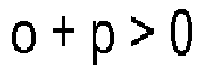
- PU-Heißweichschaumstoff-Formkörper, vorzugsweise Matratze und/oder Kissen, nach Anspruch 1, dadurch gekennzeichnet, dass der Polyurethan-Heißweichschaumstoff eine Porosität von 1 bis 6 scfm, vorzugsweise 1,5 bis 4,5 scfm, insbesondere 1,75 bis 4,25 scfm hat.
- PU-Heißweichschaumstoff-Formkörper, vorzugsweise Matratze und/oder Kissen, nach Anspruch 1 oder 2, dadurch gekennzeichnet, dass der Polyurethan-Heißweichschaumstoff eine Rückprallelastizität von 1 bis 50 % aufweist, gemessen nach DIN EN ISO 8307:2008-03, und/oder ein Raumgewicht von 5 bis 150 kg/m3 und/oder eine Porosität von 1 bis 6 scfm, vorzugsweise 1,5 bis 4,5 scfm, insbesondere 1,75 bis 4,25 scfm hat.
- PU-Heißweichschaumstoff-Formkörper, vorzugsweise Matratze und/oder Kissen, nach einem der Ansprüche 1 bis 3, dadurch gekennzeichnet, dass der Polyurethan-Heißweichschaumstoff eine Stauchhärte CLD, 40 % nach DIN EN ISO 3386-1:2015-10 von 0,1 bis 8,0 kPa aufweist.
- PU-Heißweichschaumstoff-Formkörper, vorzugsweise Matratze und/oder Kissen, nach einem der Ansprüche 1 bis 4, dadurch gekennzeichnet, dass der Polyurethan-Heißweichschaumstoff eine Stauchhärte CLD, 40 % nach DIN EN ISO 3386-1:2015-10 von 2,0 - 8,0 kPa, und/oder eine Rückprallelastizität von 15 bis 50 %, gemessen nach DIN EN ISO 8307:2008-03, und/oder ein Raumgewicht von 8 bis 80 kg/m3 und/oder eine Porosität von 1 bis 6 scfm, vorzugsweise 1,5 bis 4,5 scfm, insbesondere 1,75 bis 4,25 scfm hat.
- PU-Heißweichschaumstoff-Formkörper, vorzugsweise Matratze und/oder Kissen nach einem der Ansprüche 1 bis 4, dadurch gekennzeichnet, dass der Polyurethan-Heißweichschaumstoff ein viskoelastischer Polyurethanweichschaum ist, und vorzugsweise eine Glasübergangstemperatur zwischen -20 und +15 °C und/oder eine Stauchhärte CLD, 40 % nach DIN EN ISO 3386-1:2015-10 von 0,1 - 5,0 kPa, insbesondere 0,5 - 2,5 kPa, und/oder eine Rückprallelastizität von < 10 %, gemessen nach DIN EN ISO 8307:2008-03, und/oder ein Raumgewicht von 30 bis 130 kg/m3 und/oder eine Porosität von 1 bis 6 scfm, vorzugsweise 1,5 bis 4,5 scfm, insbesondere 1,75 bis 4,25 scfm hat.
- PU-Heißweichschaumstoff-Formkörper, vorzugsweise Matratze, nach einem der Ansprüche 1 bis 6, dadurch gekennzeichnet, dass der Formkörper eine Höhe von mindestens 1 cm bis maximal 50 cm aufweist, sowie eine Breite von mindestens 20 cm bis maximal 300 cm, vorzugsweise mindestens 70 cm bis maximal 200 cm, sowie eine Länge von mindestens 20 cm bis maximal 300 cm, vorzugsweise von mindestens 150 cm bis maximal 220 cm.
- PU-Heißweichschaumstoff-Formkörper, vorzugsweise Matratze, nach einem der Ansprüche 1 bis 7, dadurch gekennzeichnet, dass der PU-Schaumstoff-Formkörper, bezogen auf sein Ausgangsvolumen um mindestens 20%, vorzugsweise 30%, insbesondere 40% komprimiert wurde und von einem Hilfsmittel, insbesondere Verpackungsmittel, für mindestens 20 Stunden in komprimierter Form gehalten wird.
- PU-Heißweichschaumstoff-Formkörper, vorzugsweise Matratze, nach Anspruch 8, dadurch gekennzeichnet, dass der PU-Heißweichschaumstoff-Formkörper komprimiert und vorzugsweise vakuumiert vorliegt, insbesondere eine Rollmatratze ist.
- PU-Heißweichschaumstoff-Formkörper, nach einem der Ansprüche 1 bis 9, dadurch gekennzeichnet, dass er unter Mitverwendung von Recycling-Polyolen erhalten wurde.
- Verwendung einer Kombination von zumindest einer Verbindung der Formel (1a) und zumindest einer Verbindung der Formel (1b), (1a) und (1b) wie jeweils in Anspruch 1 definiert, zur Verbesserung der Dimensionswiedererlangung von PU-Heißweichschaumstoff-Formkörpern nach deren Kompression über einen Zeitraum von mindestens 20 Stunden, wobei der PU-Heißweichschaumstoff-Formkörper durch Umsetzung mindestens einer Polyolkomponente und mindestens einer Isocyanatkomponente in Gegenwart mindestens eines Treibmittels sowie mindestens eines Katalysators in Gegenwart zumindest einer Verbindung der Formel (1a) sowie zumindest einer Verbindung der Formel (1b) erhältlich ist,
wobei der Polyurethan-Heißweichschaum eine Porosität von 1 bis 6 scfm, vorzugsweise 1,5 bis 4,5 scfm, insbesondere 1,75 bis 4,25 scfm hat. - Verfahren zur Lagerung und/oder zum Transport von PU-Heißweichschaumstoff-Formkörper, vorzugsweise Matratzen und/oder Kissen,
wobei(a) in einem ersten Schritt ein PU-Heißweichschaumstoff-Formkörper durch Umsetzung mindestens einer Polyolkomponente und mindestens einer Isocyanatkomponente in Gegenwart zumindest einer Verbindung der Formel (1a) sowie zumindest einer Verbindung der Formel (1b), (1a) und (1b) wie jeweils in Anspruch 1 definiert, und mindestens eines Treibmittels sowie mindestens eines Katalysators bereitgestellt wird,(b) in optionalen Folgeschritten der erhaltene PU-Heißweichschaumstoff-Formkörper ggf. weiter aufbereitet wird, so dass er für den Anwendunsgzweck bereit gemacht ist,(c) und wobei der (ggf. für den Anwendunsgzweck bereit gemachte) PU-Heißweichschaumstoff-Formkörper in einem finalen Schritt um mindestens 20%, vorzugsweise 30%, insbesondere 40%, bezogen auf sein Ausgangsvolumen, komprimiert und ggf. vakuumiert, und von einem Hilfsmittel, insbesondere Verpackungsmittel, in komprimierter Form gehalten wird, und der Lagerung und/oder dem Transport zugeführt wird,wobei der Polyurethan-Heißweichschaum vorteilhafterweise eine Porosität von 1 bis 6 scfm, vorzugsweise 1,5 bis 4,5 scfm, insbesondere 1,75 bis 4,25 scfm hat. - Verfahren nach Anspruch 12, dadurch gekennzeichnet, dass in Schritt (a) so viel an Verbindungen mit der Formel (1a) zugegeben wird, dass deren Massenanteil am fertigen Polyurethanschaum von 0,1 bis 5 Gew.-%, bevorzugt von 0,25 bis 3,0 Gew.-%, besonders bevorzugt 0,5 bis 2,0 Gew.-% beträgt, und in Schritt (a) so viel an Verbindungen der Formel (1b) zugegeben wird, dass deren Massenanteil am fertigen Polyurethanschaum von 0,1 bis 5 Gew.-%, bevorzugt von 0,1 bis 2,0 Gew.-%, besonders bevorzugt 0,1 bis 1,5 Gew.-% beträgt.
- Verfahren zur Herstellung von Polyurethan-Heißweichschaum mit einer Porosität von 1 bis 6 scfm, vorzugsweise 1,5 bis 4,5 scfm, insbesondere 1,75 bis 4,25 scfm,
durch Umsetzung mindestens einer Polyolkomponente und mindestens einer Isocyanatkomponente in Gegenwart zumindest einer Verbindung der Formel (1a) sowie zumindest einer Verbindung der Formel (1b) und mindestens eines Treibmittels sowie mindestens eines Katalysators,
wobei Formeln (1a) und (1b) wie nachfolgend definert sind:
[R1Me2SiO1/2]a [Me2SiO2/2]b [R2MeSiO2/2]c [MeSiO3/2]d [SiO4/2]e Formel (1a)
mita= 2 bis 10, bevorzugt 2 bis 8, besonders bevorzugt 2 bis 5b= 25 bis 200, bevorzugt 40 bis 150, besonders bevorzugt 45 bis 120c= 2 bis 40, bevorzugt 2 bis 30, besonders bevorzugt 3 bis 20d= 0 bis 10, bevorzugt 0 bis 8, besonders bevorzugt 0 bis 5e= 0 bis 5, bevorzugt 0 bis 3, besonders bevorzugt 0 bis 2wobei gilt: R1 = Me oder R2R2 = gleiche oder verschiedene Polyether, erhältlich aus der Polymerisation von Ethylenoxid, Propylenoxid und/oder anderen Alkylenoxiden wie Butylenoxid oder Styroloxid, bevorzugt Polyether der allgemeinen Formel (c),und wobei
 f = 0 - 6, bevorzugt 0 - 4, besonders bevorzugt 0 oder 3g= 0 bis 150, bevorzugt 3 bis 100, besonders bevorzugt 3 bis 70h=0 bis 150, bevorzugt 0 bis 100, besonders bevorzugt 0 bis 80wobei gilt
[R4Me2SiO1/2]i [Me2SiO2/2]j [R5MeSiO2/2]k [MeSiO3/2]l [SiO4/2]m Formel (1b)
miti= 2 bis 10, bevorzugt 2 bis 8, besonders bevorzugt 2 bis 5j= 0 bis 20, bevorzugt 0 bis 18, besonders bevorzugt 0 bis 15k= 0 bis 20, bevorzugt 0 bis 15, besonders bevorzugt 0 bis 10l= 0 bis 10, bevorzugt 0 bis 8, besonders bevorzugt 0 bis 5m= 0 bis 5, bevorzugt 0 bis 3, besonders bevorzugt 0 bis 2wobei gilt: R4 = Me oder R5R5 = gleiche oder verschiedene Polyether, erhältlich aus der Polymerisation von Ethylenoxid, Propylenoxid und/oder anderen Alkylenoxiden wie Butylenoxid oder Styroloxid, bevorzugt Polyether der allgemeinen Formel (d), oder Alkyl C3 bis C15,insbesondere unter Mitverwendung von Recycling-Polyolen.
 n = 0 - 6, bevorzugt 0-4, besonders bevorzugt 0 oder 3o= 0 bis 100, bevorzugt 0 bis 50, besonders bevorzugt 0 bis 25p=0 bis 100, bevorzugt 0 bis 50, besonders bevorzugt 0 bis 25wobei gilt
- Verwendung von Polyurethan-Heißweichschaumstoff in Matratzen und/oder Kissen, insbesondere Matratzen, wobei der Polyurethan-Heißweichschaumstoff durch Umsetzung mindestens einer Polyolkomponente und mindestens einer Isocyanatkomponente in Gegenwart zumindest einer Verbindung der Formel (1a) sowie zumindest einer Verbindung der Formel (1b), (1a) und (1b) wie jeweils in Anspruch 1 definiert, und mindestens eines Treibmittels sowie mindestens eines Katalysators erhalten wurde,
vorzugsweise zur Bereitstellung von (vorzugsweise komprimierten) Matratzen und/oder Kissen mit verbesserter Dimensionswiedererlangung nach Kompression über einen Zeitraum von mindestens 20 Stunden,
insbesondere mit verbessertem Emissionsverhalten,
wobei der Polyurethan-Heißweichschaumstoff vorteilhafterweise eine Porosität von 1 bis 6 scfm, vorzugsweise 1,5 bis 4,5 scfm, insbesondere 1,75 bis 4,25 scfm hat. - Mischung, umfassend zumindest eine Verbindung der Formel (1b) sowie zumindest eine Verbindung der Formel (1a), (1a) und (1b) wie jeweils in Anspruch 1 definiert, und/oder Glykole, Polyether, organische Ester und/oder andere für die Zwecke der PU-Weichschaumstoffherstellung geeignete Lösemittel.
Priority Applications (17)
| Application Number | Priority Date | Filing Date | Title |
|---|---|---|---|
| SI201930989T SI3819323T1 (sl) | 2019-11-07 | 2019-11-07 | Kompresijski komplet |
| RS20251176A RS67445B1 (sr) | 2019-11-07 | 2019-11-07 | Trajna deformacija sabijanjem |
| PT192078103T PT3819323T (pt) | 2019-11-07 | 2019-11-07 | Conjunto de compressão |
| DK19207810.3T DK3819323T3 (da) | 2019-11-07 | 2019-11-07 | Deformationsrest |
| EP19207810.3A EP3819323B1 (de) | 2019-11-07 | 2019-11-07 | Druckverformungsrest |
| HRP20251443TT HRP20251443T1 (hr) | 2019-11-07 | 2019-11-07 | Trajna tlačna deformacija |
| PL19207810.3T PL3819323T3 (pl) | 2019-11-07 | 2019-11-07 | Odporność na odkształcenia wywołane ciśnieniem |
| ES19207810T ES3053954T3 (en) | 2019-11-07 | 2019-11-07 | Compression set |
| LTEP19207810.3T LT3819323T (lt) | 2019-11-07 | 2019-11-07 | Suspaudimo rinkinys |
| US17/070,254 US12082704B2 (en) | 2019-11-07 | 2020-10-14 | Compression set |
| BR102020022228-7A BR102020022228A2 (pt) | 2019-11-07 | 2020-10-30 | artigo de espuma de pu flexível de cura a quente modelado, processo para armazenar, transportar e produzir os ditos artigos, uso de espuma de poliuretano flexível de cura a quente e mistura que compreende pelo menos um composto da fórmula (1b) e pelo menos um composto da fórmula (1a) |
| RU2020135844A RU2020135844A (ru) | 2019-11-07 | 2020-10-30 | Остаточная деформация при сжатии |
| CA3097461A CA3097461A1 (en) | 2019-11-07 | 2020-10-30 | Compression set |
| CN202011222515.8A CN112778751B (zh) | 2019-11-07 | 2020-11-05 | 压缩形变 |
| JP2020185731A JP7813097B2 (ja) | 2019-11-07 | 2020-11-06 | 圧縮永久歪み |
| MX2020011936A MX2020011936A (es) | 2019-11-07 | 2020-11-06 | Conjunto de compresion. |
| JP2025172215A JP2026009139A (ja) | 2019-11-07 | 2025-10-10 | 圧縮永久歪み |
Applications Claiming Priority (1)
| Application Number | Priority Date | Filing Date | Title |
|---|---|---|---|
| EP19207810.3A EP3819323B1 (de) | 2019-11-07 | 2019-11-07 | Druckverformungsrest |
Publications (2)
| Publication Number | Publication Date |
|---|---|
| EP3819323A1 true EP3819323A1 (de) | 2021-05-12 |
| EP3819323B1 EP3819323B1 (de) | 2025-09-10 |
Family
ID=68502974
Family Applications (1)
| Application Number | Title | Priority Date | Filing Date |
|---|---|---|---|
| EP19207810.3A Active EP3819323B1 (de) | 2019-11-07 | 2019-11-07 | Druckverformungsrest |
Country Status (16)
| Country | Link |
|---|---|
| US (1) | US12082704B2 (de) |
| EP (1) | EP3819323B1 (de) |
| JP (2) | JP7813097B2 (de) |
| CN (1) | CN112778751B (de) |
| BR (1) | BR102020022228A2 (de) |
| CA (1) | CA3097461A1 (de) |
| DK (1) | DK3819323T3 (de) |
| ES (1) | ES3053954T3 (de) |
| HR (1) | HRP20251443T1 (de) |
| LT (1) | LT3819323T (de) |
| MX (1) | MX2020011936A (de) |
| PL (1) | PL3819323T3 (de) |
| PT (1) | PT3819323T (de) |
| RS (1) | RS67445B1 (de) |
| RU (1) | RU2020135844A (de) |
| SI (1) | SI3819323T1 (de) |
Cited By (5)
| Publication number | Priority date | Publication date | Assignee | Title |
|---|---|---|---|---|
| WO2023275029A1 (de) * | 2021-07-02 | 2023-01-05 | Evonik Operations Gmbh | Herstellung von pu-schaumstoffen unter einsatz von recycling-polyolen |
| WO2023275037A1 (en) * | 2021-07-02 | 2023-01-05 | Evonik Operations Gmbh | Production of pu foams |
| WO2023275036A1 (de) * | 2021-07-02 | 2023-01-05 | Evonik Operations Gmbh | Gewinnung von di- und/oder polyisocyanaten aus pu-depolymerisationsprozessen |
| WO2024170430A1 (de) * | 2023-02-17 | 2024-08-22 | Evonik Operations Gmbh | Stabilisatoren für polyurethanschaumstoffe enthaltend feststoff |
| US12612503B2 (en) | 2020-08-24 | 2026-04-28 | Evonik Operations Gmbh | Depolymerization method for polyurethanes |
Families Citing this family (12)
| Publication number | Priority date | Publication date | Assignee | Title |
|---|---|---|---|---|
| EP3536735B1 (de) | 2018-03-05 | 2020-10-14 | Evonik Operations GmbH | Vernetzte polyether-siloxan block-copolymere sowie deren verwendung zur herstellung von polyurethanschaumstoffen |
| EP3611214A1 (de) | 2018-08-15 | 2020-02-19 | Evonik Operations GmbH | Sioc-verknüpfte, lineare polydimethylsiloxan-polyoxyalkylen-blockcopolymere |
| EP3744745A1 (de) | 2019-05-28 | 2020-12-02 | Evonik Operations GmbH | Herstellung von pu-schaumstoffen |
| US12458150B2 (en) | 2019-07-19 | 2025-11-04 | Evonik Operations Gmbh | Shaped PU foam articles |
| EP3865527A1 (de) | 2020-02-14 | 2021-08-18 | Evonik Operations GmbH | Herstellung von pu-schaumstoffen |
| CN115702179B (zh) * | 2020-06-11 | 2025-07-25 | 陶氏环球技术有限责任公司 | 使用液体硅氧烷成核添加剂制备聚氨酯和聚异氰脲酸酯泡沫 |
| EP3940012A1 (de) | 2020-07-16 | 2022-01-19 | Evonik Operations GmbH | Stickstofffreie und stickstoffarme vernetzende additive für kaltblockweichschaum mit verbesserten kompressions- und alterungseigenschaften |
| US12122890B2 (en) | 2020-08-20 | 2024-10-22 | Evonik Operations Gmbh | Production of polyurethane foam |
| US12252588B2 (en) | 2020-12-10 | 2025-03-18 | Evonik Operations Gmbh | Polyether-siloxane block copolymers for the production of polyurethane foams |
| PL4015604T3 (pl) | 2020-12-18 | 2023-05-08 | Evonik Operations Gmbh | Kopolimery akrylanowo-olefinowe jako płyny bazowe o wysokiej lepkości |
| US20230165383A1 (en) * | 2021-11-30 | 2023-06-01 | Dreamwell, Ltd. | Compressible mattress package including humidifying agent |
| CN114960785B (zh) * | 2022-07-11 | 2023-05-12 | 重庆科技学院 | 一种用于地基载荷试验的柔性承压板 |
Citations (42)
| Publication number | Priority date | Publication date | Assignee | Title |
|---|---|---|---|---|
| US2834748A (en) | 1954-03-22 | 1958-05-13 | Union Carbide Corp | Siloxane-oxyalkylene block copolymers |
| US2917480A (en) | 1954-06-10 | 1959-12-15 | Union Carbide Corp | Siloxane oxyalkylene block copolymers |
| US3346557A (en) | 1965-06-04 | 1967-10-10 | Wyandotte Chemicals Corp | Process for oxyalkylating solid polyols |
| US3629308A (en) | 1966-07-25 | 1971-12-21 | Union Carbide Corp | Siloxane-oxyalkylene block copolymers |
| US3933695A (en) | 1972-12-29 | 1976-01-20 | Union Carbide Corporation | Hydroxyalkenylsiloxane rigid poly urethane foam stabilizers |
| DE2533074A1 (de) | 1974-08-30 | 1976-03-11 | Goldschmidt Ag Th | Verfahren zur herstellung von hochelastischen polyurethanweichschaeumen |
| US4147847A (en) | 1973-11-14 | 1979-04-03 | Dow Corning Corporation | Method of preparing flexible flame retardant polyether based one-shot polyurethane foams and compositions therefore |
| US4855379A (en) | 1988-03-08 | 1989-08-08 | Union Carbide Corporation | Silicone surfactants containing cyclic siloxane pendants |
| EP0380993A2 (de) | 1989-02-02 | 1990-08-08 | Bayer Ag | Verfahren zur Herstellung von elastischen und offenzelligen Polyurethan-Weichformschaumstoffen |
| EP0493836A1 (de) | 1990-12-31 | 1992-07-08 | OSi Specialties, Inc. | Tenside zur Polyurethanschaumstoffherstellung |
| EP0533202A1 (de) | 1991-09-20 | 1993-03-24 | Union Carbide Chemicals & Plastics Technology Corporation | Verwendung von blockierten oberflächenaktiven Mitteln zur Herstellung von Polyurethan-Hartschaumstoffen gebläht mittels Fluorchlorkohlenwasserstoffen |
| DE4229402A1 (de) | 1992-09-03 | 1994-03-10 | Goldschmidt Ag Th | Polysiloxan-Polyoxyalkylen-Blockmischpolymerisat mit unterschiedlichen Polyoxyalkylenblöcken im durchschnittlichen Molekül |
| DE4239054A1 (de) | 1992-11-20 | 1994-05-26 | Goldschmidt Ag Th | Polysiloxan-Polyoxyalkylen-Blockmischpolymerisat mit unterschiedlichen Polyoxyalkylenblöcken im durchschnittlichen Molekül |
| WO1996012759A2 (en) | 1994-10-20 | 1996-05-02 | The Dow Chemical Company | A process for preparing polyurethane foam in the presence of a hydrocarbon blowing agent |
| EP0780414A2 (de) | 1995-12-22 | 1997-06-25 | Air Products And Chemicals, Inc. | Ein Verfahren zur Herstellung von weichen Polyurethanschäumen |
| EP0839852A2 (de) | 1996-10-31 | 1998-05-06 | OSi Specialties, Inc. | Hydrosilierung in Gegenwart eines hochsiedenden naturellen pflanzlichen Öls |
| EP0656382B1 (de) | 1993-12-03 | 1998-08-26 | Nisshinbo Industries, Inc. | Verfahren zur Herstellung modifizierter Polyisocyanuratschaumstoffen |
| EP0867465A1 (de) | 1997-03-29 | 1998-09-30 | Th. Goldschmidt AG | Verwendung von Blockcopolymeren mit verknüpften Siloxanblöcken bei der Herstellung von Polyrethanschaumstoffen |
| WO2000058383A1 (en) | 1999-03-31 | 2000-10-05 | Oxid L.P. | Aromatic polyester polyols made from a natural oil |
| EP1161474A1 (de) | 1999-02-13 | 2001-12-12 | Bayer Ag | Feinzellige, wassergetriebene polyurethanhartschaumstoffe |
| US6359022B1 (en) | 1997-10-10 | 2002-03-19 | Stepan Company | Pentane compatible polyester polyols |
| EP1537159A1 (de) | 2002-08-28 | 2005-06-08 | Basf Aktiengesellschaft | Verfahren zur herstellung von emissionsarmen polyurethan-weichschaumstoffen |
| EP1544235A1 (de) | 2003-12-15 | 2005-06-22 | Air Products And Chemicals, Inc. | Silikon-Schaumstabilisatoren für Polyurethan-Hartschäume hergestellt mit Kohlenwasserstoff-Treibmitteln |
| DE102004001408A1 (de) | 2004-01-09 | 2005-07-28 | Goldschmidt Ag | Verwendung blockweise aufgebauter Polyethersiloxane als Stabilisatoren in Polyurethanschäumen |
| WO2005085310A2 (de) | 2004-03-08 | 2005-09-15 | Rathor Ag | Phasenstabile polyurethanprepolymere |
| WO2005118668A1 (en) | 2004-05-25 | 2005-12-15 | General Electric Company | Process for preparing polyurethane foams having reduced voc emissions |
| EP1678232A2 (de) | 2003-09-30 | 2006-07-12 | Cargill, Incorporated | Mit polyolen auf basis von modifiziertem pflanzenöl hergestellte polyurethan-weichschaumstoffe |
| EP1712578A1 (de) | 2005-04-13 | 2006-10-18 | Bayer MaterialScience LLC | Aus Pflanzenölhydroxylaten, Polymerpolyolen und aliphatischen Polyhydroxyalkoholen hergestellte Polyurethanschäume |
| US20070072951A1 (en) | 2005-09-27 | 2007-03-29 | Bender Jared D | Silanol-functionalized compounds for the preparation of polyurethane foams |
| WO2007111828A2 (en) | 2006-03-23 | 2007-10-04 | Dow Global Technologies Inc. | Low density, natural oil based polyurethane foam without silicone based cell stabilizing additive |
| US20070238800A1 (en) | 2006-04-11 | 2007-10-11 | Bayer Materialscience Llc | Storage stable isocyanate-reactive component containing vegetable oil-based polyol |
| US20070282026A1 (en) | 2003-07-24 | 2007-12-06 | Huntsman Petrochemical Corporation | Low-Odor Catalyst for Isocyanate-Derived Foams and Elastomers |
| DE102006038661A1 (de) * | 2006-08-18 | 2008-02-21 | Evonik Goldschmidt Gmbh | Verwendung niedrigviskoser wässriger Polyurethanheißweichschaumstabilisatorlösungen enthaltend Polyethersiloxane bei der Herstellung von Polyurethanheißweichschäumen |
| US20080234402A1 (en) | 2005-09-01 | 2008-09-25 | Basf Se | Polyisocyanurate Rigid Foam and Method for the Production Thereof |
| EP1977825A1 (de) | 2006-07-13 | 2008-10-08 | Air Products and Chemicals, Inc. | N,N,N'-Trimethyl-Bi-(Aminoethyl-)Ether und seine Derivate als Katalysatoren für Polyurethane |
| EP1985642A1 (de) | 2007-04-25 | 2008-10-29 | Air Products and Chemicals, Inc. | Zusatzstoffe zur verbesserten Flächenhärtung und dimensionale Stabilität von Polyurethan-Schäumen |
| EP1985644A1 (de) | 2007-04-26 | 2008-10-29 | Air Products and Chemicals, Inc. | Polyaminzusammensetzung |
| DE102007046860A1 (de) | 2007-09-28 | 2009-04-09 | Evonik Goldschmidt Gmbh | Aminkatalysatoren geeignet zur Herstellung emissionsarmer, rekatalysestabiler Polyurethanweichschaumstoffe |
| EP2182020A1 (de) | 2008-10-31 | 2010-05-05 | Evonik Goldschmidt GmbH | Silikonpolyetherblock-Copolymere mit definierter Polydispersität im Polyoxyalkylenteil und deren Verwendung als Stabilisatoren zur Herstellung von Polyurethanschäumen |
| EP2481770A2 (de) | 2011-01-26 | 2012-08-01 | Evonik Goldschmidt GmbH | Verwendung von Silikonpolyetherblock-Copolymeren mit hochmolekularen nicht endverkappten Polyetherresten als Stabilisatoren zur Herstellung von Polyurethanschäumen niedriger Dichte |
| WO2013131710A2 (de) | 2012-03-08 | 2013-09-12 | Evonik Industries Ag | Additiv zur einstellung der glasübergangstemperatur von viskoelastischen polyurethanweichschaumstoffen |
| EP3205680A1 (de) | 2016-02-10 | 2017-08-16 | Evonik Degussa GmbH | Alterungsbeständige und emissionsarme matratzen und/oder kissen |
Family Cites Families (23)
| Publication number | Priority date | Publication date | Assignee | Title |
|---|---|---|---|---|
| US4309508A (en) * | 1980-06-30 | 1982-01-05 | Union Carbide Corporation | Siloxane copolymer mixtures useful as foam stabilizers in high resilience polyurethane foam |
| US4347330A (en) * | 1981-09-08 | 1982-08-31 | Basf Wyandotte Corporation | Low-cost surfactant compositions for high resiliency flexible foams |
| JPS60219213A (ja) * | 1984-04-14 | 1985-11-01 | Achilles Corp | 軟質ポリウレタン発泡体の製造方法 |
| EP0478871B1 (de) | 1990-10-01 | 2004-04-28 | SGS-THOMSON MICROELECTRONICS S.r.l. | Herstellung von Kontaktanschlüssen bei der alles überdeckenden CVD-Abscheidung und Rückätzen |
| JPH07224141A (ja) * | 1994-02-10 | 1995-08-22 | Toyo Tire & Rubber Co Ltd | 軟質ポリウレタンフォーム屑からの再生ポリエーテルポリオールの製造方法 |
| US7671104B2 (en) | 1999-02-13 | 2010-03-02 | Bayer Materialscience Ag | Fine cell, water-blown rigid polyurethane foams |
| CA2342931A1 (en) * | 1999-03-24 | 2000-09-28 | Ck Witco Corporation | Polyurethane foam stabilizers |
| US6245824B1 (en) | 1999-09-01 | 2001-06-12 | Air Products And Chemicals, Inc. | Silicone surfactants for making polyurethane flexible molded foams |
| US6239186B1 (en) * | 1999-10-28 | 2001-05-29 | Air Products And Chemicals, Inc. | Silicone surfactants for the production of open cell polyurethane flexible foams |
| CN101061155B (zh) * | 2004-11-24 | 2010-07-21 | 旭硝子株式会社 | 软质聚氨酯泡沫塑料、其制造方法以及汽车用座垫 |
| KR20090102731A (ko) * | 2006-12-19 | 2009-09-30 | 아사히 가라스 가부시키가이샤 | 연질 폴리우레탄 폼의 제조 방법 |
| CA2630726A1 (en) * | 2007-05-08 | 2008-11-08 | The Hartz Mountain Corporation | Pet bed |
| CN101531753B (zh) * | 2009-04-13 | 2011-07-06 | 北京科聚化工新材料有限公司 | Mdi基异氰酸酯组合物、软模塑泡沫塑料 |
| DE102009003274A1 (de) * | 2009-05-20 | 2010-11-25 | Evonik Goldschmidt Gmbh | Zusammensetzungen enthaltend Polyether-Polysiloxan-Copolymere |
| DE102014218635A1 (de) * | 2014-09-17 | 2016-03-17 | Evonik Degussa Gmbh | Herstellung von viskoelastischen Polyurethansystemen unter Einsatz von Blockpolymeren mit verknüpften Siloxanblöcken als Zellöffner |
| EP3307801B1 (de) * | 2015-06-11 | 2021-05-26 | Momentive Performance Materials Inc. | Silikontensid zur verwendung in mit polyethercarbonatpolyolen hergestellten polyurethanschäumen |
| CN105315448B (zh) * | 2015-11-25 | 2018-05-01 | 山东一诺威新材料有限公司 | 高回弹聚氨酯泡沫用开孔剂的制备方法 |
| CN110072943B (zh) * | 2016-10-18 | 2022-04-12 | 陶氏东丽株式会社 | 聚醚改性的硅酮组合物,以及用于制造所述组合物的方法 |
| DE112018004605A5 (de) | 2017-10-17 | 2020-05-28 | Evonik Operations Gmbh | Zinkketoiminatkomplexe als Katalysatoren zur Herstellung von Polyurethanen |
| EP3536735B1 (de) | 2018-03-05 | 2020-10-14 | Evonik Operations GmbH | Vernetzte polyether-siloxan block-copolymere sowie deren verwendung zur herstellung von polyurethanschaumstoffen |
| EP3744745A1 (de) | 2019-05-28 | 2020-12-02 | Evonik Operations GmbH | Herstellung von pu-schaumstoffen |
| US12458150B2 (en) | 2019-07-19 | 2025-11-04 | Evonik Operations Gmbh | Shaped PU foam articles |
| EP3865527A1 (de) | 2020-02-14 | 2021-08-18 | Evonik Operations GmbH | Herstellung von pu-schaumstoffen |
-
2019
- 2019-11-07 LT LTEP19207810.3T patent/LT3819323T/lt unknown
- 2019-11-07 EP EP19207810.3A patent/EP3819323B1/de active Active
- 2019-11-07 SI SI201930989T patent/SI3819323T1/sl unknown
- 2019-11-07 RS RS20251176A patent/RS67445B1/sr unknown
- 2019-11-07 DK DK19207810.3T patent/DK3819323T3/da active
- 2019-11-07 HR HRP20251443TT patent/HRP20251443T1/hr unknown
- 2019-11-07 PL PL19207810.3T patent/PL3819323T3/pl unknown
- 2019-11-07 ES ES19207810T patent/ES3053954T3/es active Active
- 2019-11-07 PT PT192078103T patent/PT3819323T/pt unknown
-
2020
- 2020-10-14 US US17/070,254 patent/US12082704B2/en active Active
- 2020-10-30 RU RU2020135844A patent/RU2020135844A/ru unknown
- 2020-10-30 BR BR102020022228-7A patent/BR102020022228A2/pt not_active Application Discontinuation
- 2020-10-30 CA CA3097461A patent/CA3097461A1/en active Pending
- 2020-11-05 CN CN202011222515.8A patent/CN112778751B/zh active Active
- 2020-11-06 JP JP2020185731A patent/JP7813097B2/ja active Active
- 2020-11-06 MX MX2020011936A patent/MX2020011936A/es unknown
-
2025
- 2025-10-10 JP JP2025172215A patent/JP2026009139A/ja active Pending
Patent Citations (42)
| Publication number | Priority date | Publication date | Assignee | Title |
|---|---|---|---|---|
| US2834748A (en) | 1954-03-22 | 1958-05-13 | Union Carbide Corp | Siloxane-oxyalkylene block copolymers |
| US2917480A (en) | 1954-06-10 | 1959-12-15 | Union Carbide Corp | Siloxane oxyalkylene block copolymers |
| US3346557A (en) | 1965-06-04 | 1967-10-10 | Wyandotte Chemicals Corp | Process for oxyalkylating solid polyols |
| US3629308A (en) | 1966-07-25 | 1971-12-21 | Union Carbide Corp | Siloxane-oxyalkylene block copolymers |
| US3933695A (en) | 1972-12-29 | 1976-01-20 | Union Carbide Corporation | Hydroxyalkenylsiloxane rigid poly urethane foam stabilizers |
| US4147847A (en) | 1973-11-14 | 1979-04-03 | Dow Corning Corporation | Method of preparing flexible flame retardant polyether based one-shot polyurethane foams and compositions therefore |
| DE2533074A1 (de) | 1974-08-30 | 1976-03-11 | Goldschmidt Ag Th | Verfahren zur herstellung von hochelastischen polyurethanweichschaeumen |
| US4855379A (en) | 1988-03-08 | 1989-08-08 | Union Carbide Corporation | Silicone surfactants containing cyclic siloxane pendants |
| EP0380993A2 (de) | 1989-02-02 | 1990-08-08 | Bayer Ag | Verfahren zur Herstellung von elastischen und offenzelligen Polyurethan-Weichformschaumstoffen |
| EP0493836A1 (de) | 1990-12-31 | 1992-07-08 | OSi Specialties, Inc. | Tenside zur Polyurethanschaumstoffherstellung |
| EP0533202A1 (de) | 1991-09-20 | 1993-03-24 | Union Carbide Chemicals & Plastics Technology Corporation | Verwendung von blockierten oberflächenaktiven Mitteln zur Herstellung von Polyurethan-Hartschaumstoffen gebläht mittels Fluorchlorkohlenwasserstoffen |
| DE4229402A1 (de) | 1992-09-03 | 1994-03-10 | Goldschmidt Ag Th | Polysiloxan-Polyoxyalkylen-Blockmischpolymerisat mit unterschiedlichen Polyoxyalkylenblöcken im durchschnittlichen Molekül |
| DE4239054A1 (de) | 1992-11-20 | 1994-05-26 | Goldschmidt Ag Th | Polysiloxan-Polyoxyalkylen-Blockmischpolymerisat mit unterschiedlichen Polyoxyalkylenblöcken im durchschnittlichen Molekül |
| EP0656382B1 (de) | 1993-12-03 | 1998-08-26 | Nisshinbo Industries, Inc. | Verfahren zur Herstellung modifizierter Polyisocyanuratschaumstoffen |
| WO1996012759A2 (en) | 1994-10-20 | 1996-05-02 | The Dow Chemical Company | A process for preparing polyurethane foam in the presence of a hydrocarbon blowing agent |
| EP0780414A2 (de) | 1995-12-22 | 1997-06-25 | Air Products And Chemicals, Inc. | Ein Verfahren zur Herstellung von weichen Polyurethanschäumen |
| EP0839852A2 (de) | 1996-10-31 | 1998-05-06 | OSi Specialties, Inc. | Hydrosilierung in Gegenwart eines hochsiedenden naturellen pflanzlichen Öls |
| EP0867465A1 (de) | 1997-03-29 | 1998-09-30 | Th. Goldschmidt AG | Verwendung von Blockcopolymeren mit verknüpften Siloxanblöcken bei der Herstellung von Polyrethanschaumstoffen |
| US6359022B1 (en) | 1997-10-10 | 2002-03-19 | Stepan Company | Pentane compatible polyester polyols |
| EP1161474A1 (de) | 1999-02-13 | 2001-12-12 | Bayer Ag | Feinzellige, wassergetriebene polyurethanhartschaumstoffe |
| WO2000058383A1 (en) | 1999-03-31 | 2000-10-05 | Oxid L.P. | Aromatic polyester polyols made from a natural oil |
| EP1537159A1 (de) | 2002-08-28 | 2005-06-08 | Basf Aktiengesellschaft | Verfahren zur herstellung von emissionsarmen polyurethan-weichschaumstoffen |
| US20070282026A1 (en) | 2003-07-24 | 2007-12-06 | Huntsman Petrochemical Corporation | Low-Odor Catalyst for Isocyanate-Derived Foams and Elastomers |
| EP1678232A2 (de) | 2003-09-30 | 2006-07-12 | Cargill, Incorporated | Mit polyolen auf basis von modifiziertem pflanzenöl hergestellte polyurethan-weichschaumstoffe |
| EP1544235A1 (de) | 2003-12-15 | 2005-06-22 | Air Products And Chemicals, Inc. | Silikon-Schaumstabilisatoren für Polyurethan-Hartschäume hergestellt mit Kohlenwasserstoff-Treibmitteln |
| DE102004001408A1 (de) | 2004-01-09 | 2005-07-28 | Goldschmidt Ag | Verwendung blockweise aufgebauter Polyethersiloxane als Stabilisatoren in Polyurethanschäumen |
| WO2005085310A2 (de) | 2004-03-08 | 2005-09-15 | Rathor Ag | Phasenstabile polyurethanprepolymere |
| WO2005118668A1 (en) | 2004-05-25 | 2005-12-15 | General Electric Company | Process for preparing polyurethane foams having reduced voc emissions |
| EP1712578A1 (de) | 2005-04-13 | 2006-10-18 | Bayer MaterialScience LLC | Aus Pflanzenölhydroxylaten, Polymerpolyolen und aliphatischen Polyhydroxyalkoholen hergestellte Polyurethanschäume |
| US20080234402A1 (en) | 2005-09-01 | 2008-09-25 | Basf Se | Polyisocyanurate Rigid Foam and Method for the Production Thereof |
| US20070072951A1 (en) | 2005-09-27 | 2007-03-29 | Bender Jared D | Silanol-functionalized compounds for the preparation of polyurethane foams |
| WO2007111828A2 (en) | 2006-03-23 | 2007-10-04 | Dow Global Technologies Inc. | Low density, natural oil based polyurethane foam without silicone based cell stabilizing additive |
| US20070238800A1 (en) | 2006-04-11 | 2007-10-11 | Bayer Materialscience Llc | Storage stable isocyanate-reactive component containing vegetable oil-based polyol |
| EP1977825A1 (de) | 2006-07-13 | 2008-10-08 | Air Products and Chemicals, Inc. | N,N,N'-Trimethyl-Bi-(Aminoethyl-)Ether und seine Derivate als Katalysatoren für Polyurethane |
| DE102006038661A1 (de) * | 2006-08-18 | 2008-02-21 | Evonik Goldschmidt Gmbh | Verwendung niedrigviskoser wässriger Polyurethanheißweichschaumstabilisatorlösungen enthaltend Polyethersiloxane bei der Herstellung von Polyurethanheißweichschäumen |
| EP1985642A1 (de) | 2007-04-25 | 2008-10-29 | Air Products and Chemicals, Inc. | Zusatzstoffe zur verbesserten Flächenhärtung und dimensionale Stabilität von Polyurethan-Schäumen |
| EP1985644A1 (de) | 2007-04-26 | 2008-10-29 | Air Products and Chemicals, Inc. | Polyaminzusammensetzung |
| DE102007046860A1 (de) | 2007-09-28 | 2009-04-09 | Evonik Goldschmidt Gmbh | Aminkatalysatoren geeignet zur Herstellung emissionsarmer, rekatalysestabiler Polyurethanweichschaumstoffe |
| EP2182020A1 (de) | 2008-10-31 | 2010-05-05 | Evonik Goldschmidt GmbH | Silikonpolyetherblock-Copolymere mit definierter Polydispersität im Polyoxyalkylenteil und deren Verwendung als Stabilisatoren zur Herstellung von Polyurethanschäumen |
| EP2481770A2 (de) | 2011-01-26 | 2012-08-01 | Evonik Goldschmidt GmbH | Verwendung von Silikonpolyetherblock-Copolymeren mit hochmolekularen nicht endverkappten Polyetherresten als Stabilisatoren zur Herstellung von Polyurethanschäumen niedriger Dichte |
| WO2013131710A2 (de) | 2012-03-08 | 2013-09-12 | Evonik Industries Ag | Additiv zur einstellung der glasübergangstemperatur von viskoelastischen polyurethanweichschaumstoffen |
| EP3205680A1 (de) | 2016-02-10 | 2017-08-16 | Evonik Degussa GmbH | Alterungsbeständige und emissionsarme matratzen und/oder kissen |
Non-Patent Citations (1)
| Title |
|---|
| "Kunststoffhandbuch, Band 7, Polyurethane", vol. 7, 1966, CARL-HANSER-VERLAG |
Cited By (5)
| Publication number | Priority date | Publication date | Assignee | Title |
|---|---|---|---|---|
| US12612503B2 (en) | 2020-08-24 | 2026-04-28 | Evonik Operations Gmbh | Depolymerization method for polyurethanes |
| WO2023275029A1 (de) * | 2021-07-02 | 2023-01-05 | Evonik Operations Gmbh | Herstellung von pu-schaumstoffen unter einsatz von recycling-polyolen |
| WO2023275037A1 (en) * | 2021-07-02 | 2023-01-05 | Evonik Operations Gmbh | Production of pu foams |
| WO2023275036A1 (de) * | 2021-07-02 | 2023-01-05 | Evonik Operations Gmbh | Gewinnung von di- und/oder polyisocyanaten aus pu-depolymerisationsprozessen |
| WO2024170430A1 (de) * | 2023-02-17 | 2024-08-22 | Evonik Operations Gmbh | Stabilisatoren für polyurethanschaumstoffe enthaltend feststoff |
Also Published As
| Publication number | Publication date |
|---|---|
| JP2026009139A (ja) | 2026-01-19 |
| RU2020135844A (ru) | 2022-05-04 |
| RS67445B1 (sr) | 2025-12-31 |
| EP3819323B1 (de) | 2025-09-10 |
| DK3819323T3 (da) | 2025-12-01 |
| US12082704B2 (en) | 2024-09-10 |
| JP2021075719A (ja) | 2021-05-20 |
| MX2020011936A (es) | 2021-05-10 |
| JP7813097B2 (ja) | 2026-02-12 |
| CN112778751B (zh) | 2024-10-22 |
| CN112778751A (zh) | 2021-05-11 |
| PT3819323T (pt) | 2025-11-07 |
| PL3819323T3 (pl) | 2026-01-26 |
| CA3097461A1 (en) | 2021-05-07 |
| ES3053954T3 (en) | 2026-01-28 |
| BR102020022228A2 (pt) | 2021-05-18 |
| SI3819323T1 (sl) | 2026-01-30 |
| US20210137276A1 (en) | 2021-05-13 |
| HRP20251443T1 (hr) | 2026-01-02 |
| LT3819323T (lt) | 2025-12-10 |
Similar Documents
| Publication | Publication Date | Title |
|---|---|---|
| EP3819323B1 (de) | Druckverformungsrest | |
| EP3205680B1 (de) | Alterungsbeständige und emissionsarme matratzen und/oder kissen | |
| EP3766909A1 (de) | Pu-schaumstoff-formkörper | |
| EP2998333B1 (de) | Herstellung von viskoelastischen polyurethansystemen unter einsatz von blockpolymeren mit verknüpften siloxanblöcken als zellöffner | |
| EP3744745A1 (de) | Herstellung von pu-schaumstoffen | |
| EP3177658B1 (de) | Stickstoffhaltige verbindungen, geeignet zur verwendung bei der herstellung von polyurethanen | |
| EP3177660B1 (de) | Stickstoffhaltige verbindungen, geeignet zur verwendung bei der herstellung von polyurethanen | |
| EP3865527A1 (de) | Herstellung von pu-schaumstoffen | |
| EP3337838B1 (de) | Herstellung von polyurethanweichschäumen mit verbesserter härte | |
| EP3219738B1 (de) | Herstellung von viskoelastischen polyurethansystemen unter einsatz von blockpolymeren mit verknüpften siloxanblöcken als zellöffner | |
| DE102007046860A1 (de) | Aminkatalysatoren geeignet zur Herstellung emissionsarmer, rekatalysestabiler Polyurethanweichschaumstoffe | |
| EP3067343B1 (de) | Antioxidantien zur Herstellung emissionsarmer PUR-Systeme | |
| EP2822982A2 (de) | Additiv zur einstellung der glasübergangstemperatur von viskoelastischen polyurethanweichschaumstoffen | |
| EP4004079B1 (de) | Herstellung von polyurethanschäumen | |
| EP3940012A1 (de) | Stickstofffreie und stickstoffarme vernetzende additive für kaltblockweichschaum mit verbesserten kompressions- und alterungseigenschaften | |
| DE102014215387B4 (de) | Stickstoffhaltige Verbindungen, geeignet zur Verwendung bei der Herstellung von Polyurethanen | |
| DE102014215380A1 (de) | Stickstoffhaltige Verbindungen, geeignet zur Verwendung bei der Herstellung von Polyurethanen | |
| WO2023275031A1 (de) | Herstellung von pu-schaumstoffen unter einsatz von recycling-polyolen | |
| EP4363472A1 (de) | Herstellung von pu-schaumstoffen unter einsatz von recycling-polyolen | |
| EP4363477A1 (de) | Herstellung von pu-schaumstoffen unter einsatz von recycling-polyolen | |
| WO2014009086A9 (de) | Verfahren zur herstellung emissionsarmer polyurethanweichschaumstoffe |
Legal Events
| Date | Code | Title | Description |
|---|---|---|---|
| REG | Reference to a national code |
Ref country code: HR Ref legal event code: TUEP Ref document number: P20251443T Country of ref document: HR |
|
| PUAI | Public reference made under article 153(3) epc to a published international application that has entered the european phase |
Free format text: ORIGINAL CODE: 0009012 |
|
| STAA | Information on the status of an ep patent application or granted ep patent |
Free format text: STATUS: THE APPLICATION HAS BEEN PUBLISHED |
|
| AK | Designated contracting states |
Kind code of ref document: A1 Designated state(s): AL AT BE BG CH CY CZ DE DK EE ES FI FR GB GR HR HU IE IS IT LI LT LU LV MC MK MT NL NO PL PT RO RS SE SI SK SM TR |
|
| STAA | Information on the status of an ep patent application or granted ep patent |
Free format text: STATUS: REQUEST FOR EXAMINATION WAS MADE |
|
| 17P | Request for examination filed |
Effective date: 20211026 |
|
| RBV | Designated contracting states (corrected) |
Designated state(s): AL AT BE BG CH CY CZ DE DK EE ES FI FR GB GR HR HU IE IS IT LI LT LU LV MC MK MT NL NO PL PT RO RS SE SI SK SM TR |
|
| STAA | Information on the status of an ep patent application or granted ep patent |
Free format text: STATUS: EXAMINATION IS IN PROGRESS |
|
| 17Q | First examination report despatched |
Effective date: 20240829 |
|
| GRAP | Despatch of communication of intention to grant a patent |
Free format text: ORIGINAL CODE: EPIDOSNIGR1 |
|
| STAA | Information on the status of an ep patent application or granted ep patent |
Free format text: STATUS: GRANT OF PATENT IS INTENDED |
|
| GRAJ | Information related to disapproval of communication of intention to grant by the applicant or resumption of examination proceedings by the epo deleted |
Free format text: ORIGINAL CODE: EPIDOSDIGR1 |
|
| STAA | Information on the status of an ep patent application or granted ep patent |
Free format text: STATUS: EXAMINATION IS IN PROGRESS |
|
| INTG | Intention to grant announced |
Effective date: 20250122 |
|
| INTC | Intention to grant announced (deleted) | ||
| GRAP | Despatch of communication of intention to grant a patent |
Free format text: ORIGINAL CODE: EPIDOSNIGR1 |
|
| STAA | Information on the status of an ep patent application or granted ep patent |
Free format text: STATUS: GRANT OF PATENT IS INTENDED |
|
| INTG | Intention to grant announced |
Effective date: 20250509 |
|
| GRAS | Grant fee paid |
Free format text: ORIGINAL CODE: EPIDOSNIGR3 |
|
| GRAA | (expected) grant |
Free format text: ORIGINAL CODE: 0009210 |
|
| STAA | Information on the status of an ep patent application or granted ep patent |
Free format text: STATUS: THE PATENT HAS BEEN GRANTED |
|
| AK | Designated contracting states |
Kind code of ref document: B1 Designated state(s): AL AT BE BG CH CY CZ DE DK EE ES FI FR GB GR HR HU IE IS IT LI LT LU LV MC MK MT NL NO PL PT RO RS SE SI SK SM TR |
|
| REG | Reference to a national code |
Ref country code: GB Ref legal event code: FG4D Free format text: NOT ENGLISH |
|
| REG | Reference to a national code |
Ref country code: CH Ref legal event code: EP |
|
| P01 | Opt-out of the competence of the unified patent court (upc) registered |
Free format text: CASE NUMBER: UPC_APP_2826_3819323/2025 Effective date: 20250808 |
|
| REG | Reference to a national code |
Ref country code: DE Ref legal event code: R096 Ref document number: 502019013870 Country of ref document: DE |
|
| REG | Reference to a national code |
Ref country code: IE Ref legal event code: FG4D Free format text: LANGUAGE OF EP DOCUMENT: GERMAN |
|
| REG | Reference to a national code |
Ref country code: PT Ref legal event code: SC4A Ref document number: 3819323 Country of ref document: PT Date of ref document: 20251107 Kind code of ref document: T Free format text: AVAILABILITY OF NATIONAL TRANSLATION Effective date: 20251103 |
|
| REG | Reference to a national code |
Ref country code: DK Ref legal event code: T3 Effective date: 20251126 Ref country code: CH Ref legal event code: U11 Free format text: ST27 STATUS EVENT CODE: U-0-0-U10-U11 (AS PROVIDED BY THE NATIONAL OFFICE) Effective date: 20251201 |
|
| PGFP | Annual fee paid to national office [announced via postgrant information from national office to epo] |
Ref country code: PT Payment date: 20251120 Year of fee payment: 7 |
|
| REG | Reference to a national code |
Ref country code: NL Ref legal event code: FP |
|
| PGFP | Annual fee paid to national office [announced via postgrant information from national office to epo] |
Ref country code: NL Payment date: 20251119 Year of fee payment: 7 |
|
| REG | Reference to a national code |
Ref country code: HR Ref legal event code: ODRP Ref document number: P20251443T Country of ref document: HR Payment date: 20251120 Year of fee payment: 7 |
|
| REG | Reference to a national code |
Ref country code: HR Ref legal event code: T1PR Ref document number: P20251443 Country of ref document: HR |
|
| PGFP | Annual fee paid to national office [announced via postgrant information from national office to epo] |
Ref country code: DE Payment date: 20251119 Year of fee payment: 7 |
|
| PGFP | Annual fee paid to national office [announced via postgrant information from national office to epo] |
Ref country code: LT Payment date: 20251027 Year of fee payment: 7 Ref country code: GB Payment date: 20251121 Year of fee payment: 7 |
|
| PG25 | Lapsed in a contracting state [announced via postgrant information from national office to epo] |
Ref country code: NO Free format text: LAPSE BECAUSE OF FAILURE TO SUBMIT A TRANSLATION OF THE DESCRIPTION OR TO PAY THE FEE WITHIN THE PRESCRIBED TIME-LIMIT Effective date: 20251210 |
|
| PGFP | Annual fee paid to national office [announced via postgrant information from national office to epo] |
Ref country code: AT Payment date: 20251120 Year of fee payment: 7 |
|
| PG25 | Lapsed in a contracting state [announced via postgrant information from national office to epo] |
Ref country code: FI Free format text: LAPSE BECAUSE OF FAILURE TO SUBMIT A TRANSLATION OF THE DESCRIPTION OR TO PAY THE FEE WITHIN THE PRESCRIBED TIME-LIMIT Effective date: 20250910 |
|
| PGFP | Annual fee paid to national office [announced via postgrant information from national office to epo] |
Ref country code: IT Payment date: 20251230 Year of fee payment: 7 Ref country code: DK Payment date: 20251125 Year of fee payment: 7 |
|
| REG | Reference to a national code |
Ref country code: SK Ref legal event code: T3 Ref document number: E 47512 Country of ref document: SK |
|
| PGFP | Annual fee paid to national office [announced via postgrant information from national office to epo] |
Ref country code: HR Payment date: 20251120 Year of fee payment: 7 Ref country code: FR Payment date: 20251126 Year of fee payment: 7 |
|
| PG25 | Lapsed in a contracting state [announced via postgrant information from national office to epo] |
Ref country code: GR Free format text: LAPSE BECAUSE OF FAILURE TO SUBMIT A TRANSLATION OF THE DESCRIPTION OR TO PAY THE FEE WITHIN THE PRESCRIBED TIME-LIMIT Effective date: 20251211 |
|
| PGFP | Annual fee paid to national office [announced via postgrant information from national office to epo] |
Ref country code: TR Payment date: 20251201 Year of fee payment: 7 Ref country code: BE Payment date: 20251119 Year of fee payment: 7 |
|
| PGFP | Annual fee paid to national office [announced via postgrant information from national office to epo] |
Ref country code: CH Payment date: 20251201 Year of fee payment: 7 |
|
| PG25 | Lapsed in a contracting state [announced via postgrant information from national office to epo] |
Ref country code: SE Free format text: LAPSE BECAUSE OF FAILURE TO SUBMIT A TRANSLATION OF THE DESCRIPTION OR TO PAY THE FEE WITHIN THE PRESCRIBED TIME-LIMIT Effective date: 20250910 |
|
| PGFP | Annual fee paid to national office [announced via postgrant information from national office to epo] |
Ref country code: CZ Payment date: 20251105 Year of fee payment: 7 |
|
| PG25 | Lapsed in a contracting state [announced via postgrant information from national office to epo] |
Ref country code: LV Free format text: LAPSE BECAUSE OF FAILURE TO SUBMIT A TRANSLATION OF THE DESCRIPTION OR TO PAY THE FEE WITHIN THE PRESCRIBED TIME-LIMIT Effective date: 20250910 |
|
| PG25 | Lapsed in a contracting state [announced via postgrant information from national office to epo] |
Ref country code: BG Free format text: LAPSE BECAUSE OF FAILURE TO SUBMIT A TRANSLATION OF THE DESCRIPTION OR TO PAY THE FEE WITHIN THE PRESCRIBED TIME-LIMIT Effective date: 20250910 |
|
| PGFP | Annual fee paid to national office [announced via postgrant information from national office to epo] |
Ref country code: SK Payment date: 20251104 Year of fee payment: 7 Ref country code: RO Payment date: 20251128 Year of fee payment: 7 |
|
| PGFP | Annual fee paid to national office [announced via postgrant information from national office to epo] |
Ref country code: RS Payment date: 20251031 Year of fee payment: 7 |
|
| REG | Reference to a national code |
Ref country code: ES Ref legal event code: FG2A Ref document number: 3053954 Country of ref document: ES Kind code of ref document: T3 Effective date: 20260128 |
|
| PGFP | Annual fee paid to national office [announced via postgrant information from national office to epo] |
Ref country code: SI Payment date: 20251030 Year of fee payment: 7 Ref country code: ES Payment date: 20251229 Year of fee payment: 7 |
|
| PGFP | Annual fee paid to national office [announced via postgrant information from national office to epo] |
Ref country code: HU Payment date: 20251218 Year of fee payment: 7 |
|
| PG25 | Lapsed in a contracting state [announced via postgrant information from national office to epo] |
Ref country code: SM Free format text: LAPSE BECAUSE OF FAILURE TO SUBMIT A TRANSLATION OF THE DESCRIPTION OR TO PAY THE FEE WITHIN THE PRESCRIBED TIME-LIMIT Effective date: 20250910 |
|
| PG25 | Lapsed in a contracting state [announced via postgrant information from national office to epo] |
Ref country code: IS Free format text: LAPSE BECAUSE OF FAILURE TO SUBMIT A TRANSLATION OF THE DESCRIPTION OR TO PAY THE FEE WITHIN THE PRESCRIBED TIME-LIMIT Effective date: 20260110 |
|
| PGFP | Annual fee paid to national office [announced via postgrant information from national office to epo] |
Ref country code: PL Payment date: 20251103 Year of fee payment: 7 |
|
| PG25 | Lapsed in a contracting state [announced via postgrant information from national office to epo] |
Ref country code: EE Free format text: LAPSE BECAUSE OF FAILURE TO SUBMIT A TRANSLATION OF THE DESCRIPTION OR TO PAY THE FEE WITHIN THE PRESCRIBED TIME-LIMIT Effective date: 20250910 |