EP3758799B1 - Composition for the prevention and treatment of skin damages caused by photo-exposure - Google Patents
Composition for the prevention and treatment of skin damages caused by photo-exposure Download PDFInfo
- Publication number
- EP3758799B1 EP3758799B1 EP19714245.8A EP19714245A EP3758799B1 EP 3758799 B1 EP3758799 B1 EP 3758799B1 EP 19714245 A EP19714245 A EP 19714245A EP 3758799 B1 EP3758799 B1 EP 3758799B1
- Authority
- EP
- European Patent Office
- Prior art keywords
- composition
- extract
- skin
- lycium barbarum
- use according
- Prior art date
- Legal status (The legal status is an assumption and is not a legal conclusion. Google has not performed a legal analysis and makes no representation as to the accuracy of the status listed.)
- Active
Links
Images

Classifications
-
- A—HUMAN NECESSITIES
- A61—MEDICAL OR VETERINARY SCIENCE; HYGIENE
- A61K—PREPARATIONS FOR MEDICAL, DENTAL OR TOILETRY PURPOSES
- A61K8/00—Cosmetics or similar toiletry preparations
- A61K8/18—Cosmetics or similar toiletry preparations characterised by the composition
- A61K8/96—Cosmetics or similar toiletry preparations characterised by the composition containing materials, or derivatives thereof of undetermined constitution
- A61K8/97—Cosmetics or similar toiletry preparations characterised by the composition containing materials, or derivatives thereof of undetermined constitution from algae, fungi, lichens or plants; from derivatives thereof
- A61K8/9783—Angiosperms [Magnoliophyta]
- A61K8/9789—Magnoliopsida [dicotyledons]
-
- A—HUMAN NECESSITIES
- A61—MEDICAL OR VETERINARY SCIENCE; HYGIENE
- A61P—SPECIFIC THERAPEUTIC ACTIVITY OF CHEMICAL COMPOUNDS OR MEDICINAL PREPARATIONS
- A61P17/00—Drugs for dermatological disorders
- A61P17/18—Antioxidants, e.g. antiradicals
-
- A—HUMAN NECESSITIES
- A61—MEDICAL OR VETERINARY SCIENCE; HYGIENE
- A61K—PREPARATIONS FOR MEDICAL, DENTAL OR TOILETRY PURPOSES
- A61K36/00—Medicinal preparations of undetermined constitution containing material from algae, lichens, fungi or plants, or derivatives thereof, e.g. traditional herbal medicines
- A61K36/18—Magnoliophyta (angiosperms)
- A61K36/185—Magnoliopsida (dicotyledons)
- A61K36/74—Rubiaceae (Madder family)
- A61K36/746—Morinda
-
- A—HUMAN NECESSITIES
- A61—MEDICAL OR VETERINARY SCIENCE; HYGIENE
- A61K—PREPARATIONS FOR MEDICAL, DENTAL OR TOILETRY PURPOSES
- A61K36/00—Medicinal preparations of undetermined constitution containing material from algae, lichens, fungi or plants, or derivatives thereof, e.g. traditional herbal medicines
- A61K36/18—Magnoliophyta (angiosperms)
- A61K36/185—Magnoliopsida (dicotyledons)
- A61K36/81—Solanaceae (Potato family), e.g. tobacco, nightshade, tomato, belladonna, capsicum or jimsonweed
- A61K36/815—Lycium (desert-thorn)
-
- A—HUMAN NECESSITIES
- A61—MEDICAL OR VETERINARY SCIENCE; HYGIENE
- A61Q—SPECIFIC USE OF COSMETICS OR SIMILAR TOILETRY PREPARATIONS
- A61Q17/00—Barrier preparations; Preparations brought into direct contact with the skin for affording protection against external influences, e.g. sunlight, X-rays or other harmful rays, corrosive materials, bacteria or insect stings
- A61Q17/04—Topical preparations for affording protection against sunlight or other radiation; Topical sun tanning preparations
-
- A—HUMAN NECESSITIES
- A61—MEDICAL OR VETERINARY SCIENCE; HYGIENE
- A61Q—SPECIFIC USE OF COSMETICS OR SIMILAR TOILETRY PREPARATIONS
- A61Q19/00—Preparations for care of the skin
- A61Q19/08—Anti-ageing preparations
-
- A—HUMAN NECESSITIES
- A61—MEDICAL OR VETERINARY SCIENCE; HYGIENE
- A61K—PREPARATIONS FOR MEDICAL, DENTAL OR TOILETRY PURPOSES
- A61K2800/00—Properties of cosmetic compositions or active ingredients thereof or formulation aids used therein and process related aspects
- A61K2800/40—Chemical, physico-chemical or functional or structural properties of particular ingredients
- A61K2800/59—Mixtures
- A61K2800/592—Mixtures of compounds complementing their respective functions
- A61K2800/5922—At least two compounds being classified in the same subclass of A61K8/18
Definitions
- the present invention relates to a composition for the prevention and treatment of skin damages caused by ultraviolet radiation exposure
- the present invention originates in the pharmaceutical, nutraceutical, dermatological, and cosmetic fields.
- the present invention relates to a composition for preventing or treating aging from exposure to sunlight or certain skin affections caused by exposure to ultraviolet radiation, in particular the sun's rays.
- UVB rays As regards exposure to the sun's rays, it was found that exposure to UVB rays mainly causes damage to the most superficial layers of the skin. A typical example of this damage, also associated with burning, occurs in cases of sunburn. On the other hand, UVA rays have a greater ability to penetrate the skin layers and exposure to them can lead to premature aging of the skin and appearance of actinic or precancerous lesions.
- UV rays are, in fact, able to generate reactive oxygen species (ROSs), and thus alter cellular homeostasis.
- ROSs reactive oxygen species
- ECM extracellular matrix
- UV radiation is the main cause of oxidative stress in the skin, and one of the main causes of aging due to sun exposure.
- oxidative stress is a consequence of an imbalance between ROSs production and their neutralization by cellular antioxidant systems.
- Non-neutralized ROSs promote different types of cell damage: lipoperoxidation to the detriment of cell membranes, alteration of structure and functionality of many enzymes, and promote carbohydrate oxidation.
- the skin In response to ROSs attacks, the skin has a protective system consisting of endogenous enzymatic and non-enzymatic antioxidants.
- the skin antioxidant system becomes less efficient during aging, and in any case is not able to buffer the continuous or excessive attacks from external agents, first of all the exposure to sun rays, to which it is subjected.
- epigallocatechin-gallate and curcumin in the formulation of preparations to prevent or treat UV-induced skin damage is well known.
- recent studies have shown that the use of these substances of vegetal origin is not free from presenting side effects, such as the appearance of contact allergy to curcumin ( Chaudhari et al, J Clin Aesthet Dermatol, 2015 ) or abdominal pain and nausea found with use of epigallocatechin-gallate ( Chow et al.; Clin Cancer Res. 2003 ).
- One of the objects of the invention is, therefore, to provide a composition based on active substances of vegetal origin suitable for preventing or treating skin damage caused by excessive or prolonged exposure to ultraviolet rays, whose use is almost devoid of side effects.
- Another object of the invention is to provide a composition for the treatment and reduction of risks of developing actinic damage, precancerous lesions, or non-melanoma skin cancer resulting from prolonged or excessive exposure to sun rays.
- the Applicant has found that by combining one or more components of a Lycium barbarum extract with components from a Moringa oleifera extract in the ratio defined in claim 1, a synergistic cellular antioxidant effect which reduces cellular oxidative stress is obtained.
- the inventors have observed that the combination of the biologically active components present or extracted from Lycium barbarum and Moringa oleifera exert a protective and recovery action from the oxidative stress induced on human keratinocyte cell lines.
- the present invention provides, in accordance with a first aspect, a composition comprising a Lycium barbarum extract or Lycium barbarum polysaccharide in combination with a Moringa oleifera extract, for use in the prevention or treatment of skin lesions caused by exposure to ultraviolet radiation, such as actinic damage and/or lesions, precancerous skin damage and/or lesions, or non-melanoma skin cancer (NMSC).
- ultraviolet radiation such as actinic damage and/or lesions, precancerous skin damage and/or lesions, or non-melanoma skin cancer (NMSC).
- the aforementioned skin lesions and/or NMSC forms originate or are formed following exposure of the skin to ultraviolet rays, particularly to the sun's rays.
- composition of the invention is particularly indicated in the treatment of actinic damage, precancerous lesions or non-melanoma cancer, i.e . cancer other than melanoma, of the skin following prolonged or excessive exposure to the sun's rays.
- the invention provides the non-therapeutic use of a Lycium barbarum extract or polysaccharide LBP in combination with a Moringa oleifera extract to prevent or treat a skin aesthetic damage, or skin aging and/or the inherent signs caused by exposure to ultraviolet radiation, in particular the sun's rays.
- the composition of the invention finds a cosmetic application in preventing or treating skin damage caused by prolonged exposure to the sun's rays which cause premature skin aging.
- composition of the invention is indicated in the non-therapeutic/cosmetic field in preventing and/or treating premature skin aging, photoaging, in particular due to oxidative stress resulting from exposure to ultraviolet rays.
- the present invention originates from the finding that by combining a phytoextract of Lycium barbarum or LBP with a phytoextract of Moringa oleifera, a synergistic action of protection and recovery from oxidative stress in epidermal keratinocyte lines is obtained. This action allows both to prevent/treat skin cosmetic damage and prevent/treat skin lesions or damage of an actinic nature resulting from exposure to ultraviolet radiation.
- a composition is thus provided for use in the medical field in the treatment of skin diseases caused by exposure to ultraviolet radiation in accordance with the appended claim 1.
- the invention relates to the use of the composition containing a synergistic combination of Lycium barbarum and Moringa oleifera for the treatment of subclinical conditions or diseases of the skin caused by exposure to ultraviolet radiation, typically exposure to the sun's rays.
- the composition based on phytoextracts has a therapeutic indication in preventing or treating skin affections caused, that originate, or that are triggered by exposure to ultraviolet radiation, in particular dermatological affections selected from actinic lesions, precancerous skin lesions, or non-melanoma skin cancer.
- the composition of the invention according to any one of the embodiments described herein is provided to reduce the risk of developing actinic keratosis lesions or precancerous lesions of the skin. According to these aspects of the invention, it is possible to treat a subpopulation of subjects/patients that already had these lesions in the past, with the aim of preventing their recurrence or reducing the number of relapses.
- the invention provides a composition containing phytocomplexes as described herein to reduce the risks and/or prevent the development of non-melanoma skin cancer, a condition defined in the literature as NMSC.
- the invention also relates to the non-therapeutic/cosmetic use of a composition containing the combination of phytoextracts described herein in the treatment of aesthetic skin damage or skin aging caused by exposure to ultraviolet radiation.
- composition described herein exerts a high protective and/or preventive effect on aesthetic skin damage and/or skin aging caused by photo-exposure to UVA, UVB and UVC radiations. Consequently, in one aspect the cosmetic use of a composition is provided comprising a Lycium barbarum extract or Lycium barbarum polysaccharide in combination with a Moringa oleifera extract and a cosmetically/physiologically acceptable carrier in the prevention or treatment of photoaging.
- composition provides that Moringa oleifera and Lycium barbarum are present in a quantitative ratio of 2:1.
- composition of the invention finds application in the cosmetic treatment of skin aging signs resulting from exposure to ultraviolet radiation, typically to the sun's rays.
- composition of the invention is used in the prevention or non-therapeutic treatment of skin aging due to exposure to the sun's rays.
- composition of the invention may be used in preventing or treating those signs of skin aging which are attributable to repeated exposure to ultraviolet radiation over time, such as skin corrugations, skin roughness, skin thickening, dehydration, and skin wrinkling in the body and in particular in the face.
- composition of the invention may be used, both for medical and non-therapeutic applications, in the treatment of damaged skin due to exposure to UVA, UVB or UVC rays.
- UV-A radiation refers to radiations with a wavelength of 315 to 400 nm
- UV-B radiation refers to radiations with a wavelength of 280 to 314 nm
- UV-C radiation refers to radiations with a wavelength of 100 to 279 nm.
- the biologically active components present in the composition are the same for both medical and non-therapeutic use. These components, and other aspects of the composition of the invention are described in detail below.
- an extract from Lycium barbarum or polysaccharide of Lycium barbarum may be used.
- This polysaccharide which is referred to in the literature by the acronym LBP or as Goji, represents the most active compound present in the plant, typically in its fruits or berries (Wolfberry), typically Goji berries.
- Lycium barbarum is a plant species in the form of a deciduous shrub belonging to the Solanaceae family. This plant produces red and/or purple fruits commonly known as Goji berries.
- a suitable vegetal extract for the uses of the invention may be derived from roots, leaves, fruits, or flowers of Lycium barbarum, or from two or more of these parts of the plant.
- the extract derives or is obtained from Lycium barbarum fruits or berries.
- the vegetal extract of the invention is obtained by extraction from plant parts, in particular the fruits, using a physiologically acceptable or edible solvent as an extraction means.
- a physiologically acceptable or edible solvent as an extraction means.
- the term "edible” means a physiologically acceptable solvent that is fit to be eaten by a human being.
- a solvent suitable for obtaining the vegetal extract is a physiologically acceptable and/or edible liquid, wherein the biologically active components are soluble, and wherein they do not undergo a significant alteration and such as to compromise the biological activity.
- the solvent is of the hydrophilic type, and is selected from water, ethanol, ethyl acetate, or mixtures thereof.
- the extraction of one or more biologically active components takes place by maceration of a vegetable portion or matrix in a suitable solvent, for example a hydroalcoholic mixture.
- a suitable extraction provides that Lycium barbarum fruits are immersed in a suitable solvent, such as a water-ethanol mixture, for a time suitable to enrich the solvent in one or more biologically active components.
- a suitable solvent such as a water-ethanol mixture
- the maceration time may vary between 1 and 48 hours.
- the extraction of the biologically active components present in the vegetal tissues of the plant by the solvent may thus take place by diffusion and osmosis.
- Lycium barbarum polysaccharide commonly referred to in the literature as LBP and also identified with the abbreviation G below.
- composition of the invention it is possible to use a Lycium barbarum extract and/or the LBP polysaccharide.
- the LBP polysaccharide may contain one or more of the monosaccharides arabinose, rhamnose, xylose, mannose, galactose, and glucose, and typically contains all of them.
- Galacturonic acid and amino acids may be present in the LBP polysaccharide composition.
- the LBP polysaccharide is of natural or vegetable origin, however it can also be of synthetic origin, i.e. obtained through a chemical synthesis process.
- the extract obtained from Lycium barbarum can be fluid, soft, or dry.
- the fluid extract 1 mL of extract contains biologically active components soluble in 1 g of vegetable drug
- the soft extract the solvent is partially evaporated, specifically until the extract wets a filter paper, in the dry extract the solvent is evaporated almost completely to obtain a powder.
- the extraction is performed using a weight ratio between solvent and vegetal matrix of between 1:10 and 10:1.
- Lycium barbarum is also identified herein as Goji, and the extract originates or may be obtained from Goji berries.
- the Lycium barbarum extract obtained according to any one of the embodiments described herein, is a fermented extract.
- a further component of the composition of the invention is a Moringa oleifera extract, a plant belonging to the Moringaceae family.
- a suitable vegetal extract for the uses of the invention may be derived from the roots, leaves, fruits, or flowers of Moringa oleifera, or from two or more of these parts of the plant.
- Moringa oleifera is also referred to as Moringa and identified with the abbreviation M.
- the vegetal extract of the invention is obtained by extraction from Moringa oleifera leaves, using a physiologically acceptable or edible solvent as an extraction means.
- a solvent suitable for obtaining the vegetal extract is a physiologically acceptable and/or edible liquid, wherein the biologically active components are soluble, and wherein they do not undergo a significant alteration and such as to compromise the biological activity.
- the solvent is of the hydrophilic type and is selected from water, ethanol, ethyl acetate, or mixtures thereof.
- a preferred solvent is of the hydroalcoholic type.
- a vegetal extract from Moringa oleifera may be obtained using conventional extraction techniques, for example using solid-liquid techniques suitable for separating/extracting one or more biologically active components from the vegetal tissues of the plant, or even with supercritical CO 2 .
- the extraction of one or more biologically active components takes place by maceration of a vegetable portion or matrix in a suitable solvent, for example a hydroalcoholic mixture.
- Moringa oleifera leaves are immersed in a suitable solvent, typically a water-ethanol mixture, for a time suitable to enrich the solvent in one or more biologically active components present in the treated leaves.
- a suitable solvent typically a water-ethanol mixture
- the extraction of the biologically active components present in the vegetable tissues of the plant by the solvent takes place by diffusion and osmosis.
- the extraction may also be performed by macerating Moringa oleifera leaves and keeping them in contact with the solvent for a time suitable for obtaining the extraction of an effective amount of one or more of the biologically active components.
- the maceration time may vary between 1 and 48 hours.
- the biologically active components obtainable by extraction with hydroalcoholic solvent (50:50) comprise one or more of epigallocatechin gallate, quercetin, genistein, caffeic acid esters, baicalein, morin, myricetin, rutin, biochanin a A, chrysin, taxifolin, fisetin, octyl/dodecyl gallates, anthraquinone, kaempferol, emodin.
- the Moringa oleifera extract obtained according to any one of the embodiments described herein is a fermented extract.
- the term phytoextract designates an extract obtained by extraction from one of said plants or it refers to the LBP polysaccharide.
- the composition of the invention comprises an active amount of one or more biologically active components extracted from Lycium barbarum and Moringa oleifera.
- both Lycium barbarum and Moringa oleifera extracts are fermented.
- composition of the invention may be authorized for trade as a drug, a medical device, or a dietary or nutritional supplement.
- the composition of the invention comprises a physiologically and/or pharmaceutically acceptable carrier, diluent or excipient.
- the physiologically acceptable carrier of the composition of the invention is an excipient, carrier, or diluent suitable for topical application and/or oral administration.
- carrier refers to an excipient, carrier, diluent, or adjuvant that may be present in the composition of the invention. Any carrier and/or excipient suitable for the desired form of preparation for administration is contemplated in the uses of the vegetal extract or active principles therein present described herein.
- composition of the invention contains components of a vegetable origin that are biologically active and substantially free of side effects, when administered orally or locally.
- the pharmaceutically and/or physiologically acceptable carrier, diluent or excipient may be selected based on the route of administration for which the resulting pharmaceutical composition is intended.
- the composition is for topical use and is applied to the skin.
- the route of administration of the composition of the invention is the topical one.
- composition of the invention may be in the form of an emulsion, cream, salve, ointment, lotion.
- composition of the invention in cosmetic applications, for example in preventing or treating photoaging from exposure to the sun's rays, it is possible to apply a cosmetically active amount of composition of the invention to the affected skin area, one or more times a day, conveniently for a period of at least 2-3 months.
- a cosmetic treatment method comprises the application to the scalp of an effective amount of a composition of the type described above.
- composition for topical application may be in solid, semi-solid, or fluid form.
- suitable formulations in solid form include creams, gels, salves, pastes, ointments.
- the formulation for local administration is in fluid form, for example in the form of lotions, gels, shampoos, suspensions, emulsions.
- compositions of the invention may comprise excipients commonly used in the formulation of cosmetic or pharmaceutical preparations for local use, such as preservatives, bactericidal agents, stabilizers, emulsifiers, buffers, wetting agents, colouring agents, and other excipients commonly used in the cosmetic/pharmaceutical preparation techniques.
- excipients commonly used in the formulation of cosmetic or pharmaceutical preparations for local use such as preservatives, bactericidal agents, stabilizers, emulsifiers, buffers, wetting agents, colouring agents, and other excipients commonly used in the cosmetic/pharmaceutical preparation techniques.
- the formulation for local application is in the form of an emulsion containing the extract carried by a suitable excipient.
- the composition for topical application comprises an excipient of the hydroxymethylcellulose type and/or gelling agents with HLB suitable for the formulation and substances.
- composition may be in a form for oral administration.
- compositions for oral administration may be in the solid or liquid form.
- Typical solid form compositions comprise tablets, capsules, powders, granules, pills, jellies.
- Typical liquid form compositions comprise solutions, emulsions, suspensions, syrups. All the compositions also comprise controlled-release forms thereof.
- the tablets generally comprise a suitable carrier or excipient wherein the vegetal extract is dispersed, typically in the dry form.
- suitable excipients contained in the formulation are cellulose derivatives, such as hydroxymethylcellulose, hydroxypropylmethylcellulose, methylcellulose, hydroxypropylcellulose, hydroxyethylcellulose, carboxyethylcellulose, ethylhydroxyethylcellulose, cellulose acetate butyrate, cellulose acetate phthalate, and mixtures thereof.
- suitable excipients comprise polymers belonging to the family of lactams, such as pyrrolidone and derivatives thereof, such as polyvinylpyrrolidone, polyvinylpolypyrrolidone, and mixtures thereof, inorganic salts such as calcium or dicalcium phosphate, lubricants, such as magnesium stearate, triacylglycerols, and mixtures thereof.
- the biologically active components or extracts contained in the composition of the invention may be present in variable amounts, for example ranging from 0.0001% by weight to 50% by weight, from 0.1% by weight to 20% by weight, typically from 0.5 to 5% by weight.
- the composition of the invention further comprises one or more active substances, such as vitamins, minerals, micronutrients, and other active substances.
- the composition for oral administration is a functional food, a nutraceutical composition, a dietary product, a supplement or nutritional product, or a medical device.
- Functional food means any modified food or food ingredient that can provide a benefit or protection against a drawback or a physiological condition, besides the traditional nutrients it contains.
- Nutraceutical product means a product isolated or purified from edible substances.
- a nutraceutical is such when it is shown to have a physiological benefit or to provide protection against a drawback or physiological disorder.
- Dietary or nutritional supplement means a product that contains a vitamin, mineral, vegetal extract, amino acid, metabolite, extract, concentrate, or mixtures of these ingredients.
- the amount administered and the frequency of administration of the composition will depend on the nature and severity of the condition to be treated.
- Component Amount (mg) Fermented N-acetyl-L-cysteine 75 - 225 N-Acetyl-D-glucosamine 75 - 225 Moringa oleifera Seeds Dry Extract 50 - 150 Lycium barbarum L.
- Component Amount (mg) Moringa oleifera Seeds Dry Extract 85.7 - 114.3 Goji Fruits Dry Extract 42.9 - 57.1 Mannitol 90-120 Microcrystalline Cellulose 45 - 60 Pregelatinized Starch 14.1 - 18.8 Sodium Starch Glycolate Type A 13.5 - 18.0 Magnesium Stearate 1.5 - 2.0 Hydroxypropylmethylcellulose 6.3 - 8.4 Titanium Dioxide 1.1 -1.4
- the object of the present in vitro study is to study the effects of two vegetal extracts, Moringa Extract and Goji Extract, respectively, tested alone and in combination, on proliferation, protection, and recovery from oxidative stress induced in cell lines.
- the 1:3 split is performed every 2 days, upon reaching the monolayer, by washing with 1X PBS (Ca 2+ and Mg 2+ free phosphate buffer) and detaching the cells with a trypsin-EDTA solution at 37°C for 2 minutes.
- the cells were maintained in 25 cm 3 sterile culture flasks and incubated at 37°C in a 5% CO 2 humidified atmosphere.
- ICLC CATALOG CODE HL97002 DEPOSITOR Prof. M. Ferro, DIMES, General Pathology, University of Genoa, Italy BIBLIOGRAPHICAL REFERENCES Arch Dermatol Res 1976; 256 (3): 255-260- PMID: 990102 Arch Dermatol Res 1976; 261 (1): 27-31
- POSITIVE CONTROL Non-treated cells in RPMI added with 10% fetal bovine serum (FBS), 2mM glutamine, in the presence of 1% penicillin and streptomycin and 0.1% gentamicin and maintained in 25 cm 2 (96 well) culture plates at 37°C and 5% CO 2 .
- NEGATIVE CONTROL Non-treated cells in RPMI added with 10% fetal bovine serum (FBS), 2mM glutamine, in the presence of 1% penicillin and streptomycin and 0.1% gentamicin and maintained in 25 cm 2 (96 well) culture plates at 37°C and 5% CO 2 (in the dark).
- FBS fetal bovine serum
- 2mM glutamine in the presence of 1% penicillin and streptomycin and 0.1% gentamicin
- POSITIVE CONTROL Cells treated for 2hrs with 1 mM hydrogen peroxide in RPMI added with 10% fetal bovine serum (FBS), 2mM glutamine, in the presence of 1% penicillin and streptomycin and 0.1% gentamicin and maintained in 25 cm 2 (96 well) culture plates at 37°C and 5% CO 2 (in the dark).
- FBS fetal bovine serum
- penicillin and streptomycin 0.1% gentamicin
- the MTT assay (3-(4,5-dimethylthiazol-2-yl)-2,5-diphenyltetrazolium bromide) is a colorimetric assay used to assess cell proliferation in vitro, since it allows to measure cell proliferation and viability by assessment of the mitochondrial activity [162]. This method is very useful to measure cell growth following treatment with mitogenic agents, antigenic stimuli, growth factors, and for cytotoxicity studies.
- the assay involves the use of a chromogenic oxidizing agent, MTT, consisting of a polycyclic system (C 18 H 16 BrN 5 S) including a tetrazole ring that can be easily reduced by mitochondrial dehydrogenases or other electron transport systems, forming, by opening the tetrazole ring, a nitrogen chromogen compound called formazan.
- MTT chromogenic oxidizing agent
- a polycyclic system C 18 H 16 BrN 5 S
- tetrazole ring that can be easily reduced by mitochondrial dehydrogenases or other electron transport systems
- formazan a nitrogen chromogen compound called formazan.
- Formazan forms insoluble crystals in the intracellular environment, to which membranes are substantially impermeable: the molecule entry into the cell is therefore allowed, but the exit of the product is not allowed, provided it has been properly metabolized, i.e . if the transport chains electronic are still metabolically active.
- Formazan crystals are then solubilized in dimethylsulfoxide (DMSO), thus causing the solution to shift from yellow to dark blue-violet.
- DMSO dimethylsulfoxide
- the assay was conducted according to Mosmann's method (1983), with some minor modifications.
- the human keratinocytes NCTC2544 were seeded in a 96-well plate at the density of 5*10 4 cells/well and incubated at 37°C, with 5% of CO 2 , until about 80% confluence was reached.
- the cells were incubated for 24-48-72 hours with the active compounds to be tested at the following concentrations: 10-25-50-100 and 200 ⁇ g/mL for Moringa and Goji extract, respectively.
- the two active ingredients were also tested in combination in a 2:1 ratio at the following concentrations: 25 ⁇ g/mL Moringa and 12.5 ⁇ g/mL Goji; 50 ⁇ g/mL Moringa and 25 ⁇ g/mL Goji; 100 ⁇ g/mL Moringa and 50 ⁇ g/mL Goji, and 200 ⁇ g/mL Moringa and 100 ⁇ g/mL Goji.
- the dilutions were prepared starting from sterile filtered 1000X stocks in complete medium and using RPMI medium added with 10% fetal bovine serum (FBS), 2mM glutamine, in the presence of 1% penicillin and streptomycin and 0.1% gentamicin. Untreated cells were used as a positive control.
- the medium was drawn and replaced with 100 ⁇ L of an MTT solution (Sigma-Aldrich, St. Louis, MO, USA) 0.5 mg/mL in complete culture medium.
- MTT solution Sigma-Aldrich, St. Louis, MO, USA
- the absorbance of the coloured solution was measured using a spectrophotometric microplate reader (BioTek Instruments Inc., BadFriedrichshall, Germany) at a wavelength of 570 nm (reference wavelength at 630 nm).
- the assay was conducted according to the method described by Coda and collaborators (Coda et al., 2012), with some modifications.
- Human keratinocytes NCTC2544 were seeded in a 96-well plate at a density of 5*10 4 cells/well and incubated at 37°C, with 5% CO 2 , until about 80% confluence was reached.
- the cells were incubated for 16 hours with the active compounds to be tested, and the respective controls, at the following concentrations: 100 ⁇ g/mL for Moringa extract and 50 ⁇ g/mL for Goji extract.
- the two active ingredients were also tested in combination in a 2:1 ratio at the following concentrations: 100 ⁇ g/mL Moringa and 50 ⁇ g/mL Goji.
- the dilutions were prepared starting from sterile filtered 1000X stock in DMSO and using RPMI medium added with 2.5% fetal bovine serum (FBS), 2mM glutamine, in the presence of 1% penicillin and streptomycin and 0.1% gentamicin.
- FBS fetal bovine serum
- 2mM glutamine 2mM glutamine
- the cells were washed with 1X PBS and incubated for 90 minutes with a 1mM solution of H 2 O 2 (Sigma-Aldrich, St. Louis, MO, USA) in serum free medium, in the dark, at 37°C, with 5% CO 2 .
- H 2 O 2 Sigma-Aldrich, St. Louis, MO, USA
- the assay was conducted according to the method described by Coda and collaborators (Coda et al., 2012), with some modifications.
- Human keratinocytes NCTC2544 were seeded in a 96-well plate at the density of 5*10 4 cells/well and incubated at 37°C, with 5% CO 2 , until about 80% confluence was reached.
- the cells were incubated for 90 minutes with a 1mM H 2 O 2 solution (Sigma-Aldrich, St.Louis, MO, USA) in serum free medium, in the dark, at 37°C and 5% CO 2 .
- a 1mM H 2 O 2 solution Sigma-Aldrich, St.Louis, MO, USA
- the cells were washed with 1X PBS and incubated for 16 hours with the active compounds to be tested, and the respective controls, at the following concentrations: 50-100 ⁇ g/mL for Moringa extract and 25-50 ⁇ g/mL for Goji extract.
- the two active ingredients were also tested in combination in a 2:1 ratio at the following concentrations: 50 ⁇ g/mL Moringa and 25 ⁇ g/mL Goji; 100 ⁇ g/mL Moringa and 50 ⁇ g/mL Goji.
- the dilutions were prepared starting from sterile filtered 1000X stock in DMSO and using RPMI medium added with 2.5% fetal bovine serum (FBS), 2mM glutamine, in the presence of 1% penicillin and streptomycin and 0.1% gentamicin.
- FBS fetal bovine serum
- 2mM glutamine 2mM glutamine
- Alpha tocopherol was tested as a reference antioxidant at a concentration of 250 and 500 ⁇ g/mL, respectively.
- Moringa extract tested at the lowest concentrations shows proliferative activity on human keratinocytes after 48 hours of treatment.
- a cytotoxic effect (% viability lower than 80%) occurs when the cells are treated with the highest concentrations (200 and 100 ⁇ g/mL) of the two extracts. In particular, for Goji extract this effect persists up to a concentration of 25 ⁇ g/mL.
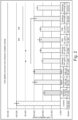
- the Moringa extract was significantly more effective than the Goji extract ( Figure 1 ) and this effect is comparable to that of alpha tocopherol tested at 250 and 500 ⁇ M, respectively.
- Figure 1 illustrate the cell viability percentage in human keratinocytes NCTC2544 following induction of oxidative stress induced with 1mM H 2 O 2 .
- the cells were previously incubated for 16hrs with 100 and 50 ⁇ g/mL of Moringa and Goji extract, and in combination in a 2:1 ratio: 100 ⁇ g/mL Moringa and 50 ⁇ g/mL of Goji.
- both extracts were able to significantly induce (p ⁇ 0.005) cell viability of human keratinocytes following induced oxidative stress ( Figure 2 ), and this effect is comparable to that of alpha tocopherol tested at 250 and 500 ⁇ M, respectively.
- Figure 2 illustrates cell viability recovery following induced oxidative stress by highlighting the percentage of cell viability on human keratinocytes NCTC2544 following induction of oxidative stress induced with 1mM H 2 O 2 .
- the cells were incubated for 16hrs with 100 and 50 ⁇ g/mL of Moringa and Goji extract, and in combination in a 2:1 ratio: 50 ⁇ g/mL Moringa and 25 ⁇ g/mL Goji; 100 ⁇ g/mL Moringa and 50 ⁇ g/mL Goji.
- Vs H 2 O 2 M/G Extract % Viability Synergy 1:3 Moringa 50 ⁇ g/mL + Goji 150 ⁇ g/mL 108.55 +11.28% 3:1 Moringa 150 ⁇ g/mL + Goji 50 ⁇ g/mL 110.417 +12.705% 5:1 Moringa 250 ⁇ g/mL + Goji 50 ⁇ g/mL 122.51 +16.475%
- the 1:3 split is performed every 2 days, upon reaching the monolayer, by washing with 1X PBS (Ca 2+ and Mg 2+ free phosphate buffer) and detaching the cells with a trypsin-EDTA solution at 37°C for 2 minutes.
- the cells were maintained in 25 cm 3 sterile culture flasks and incubated at 37°C in a 5% CO 2 humidified atmosphere.
- ICLC CATALOG CODE HL97002 DEPOSITOR Prof. M. Ferro, DIMES, General Pathology, University of Genoa, Italy
- Negative control Non-treated cells in RPMI added with 2.5% fetal bovine serum (FBS), 2mM glutamine, in the presence of 1% penicillin and streptomycin and 0.1% gentamicin and maintained in 25 cm 2 culture plates (96 well) at 37°C and 5% CO 2 .
- Positive control Stressed cells (UVA 10J/cm 2 ) in RPMI added with 2.5% fetal bovine serum (FBS), 2mM glutamine, in the presence of 1% penicillin and streptomycin and 0.1% gentamicin and maintained in 25 cm 2 (96 well) culture plates at 37°C and 5% CO 2 .
- the assay was conducted according to the method described by Fiori and collaborators (Fiori et al., 2017), with some modifications.
- Human keratinocytes NCTC2544 were seeded in a 96-well plate at a density of 5*10 4 cells/well and incubated at 37°C, with 5% CO 2 , until about 80% confluence was reached.
- the cells were incubated for 16 hours with the active compounds to be tested, and the respective controls, at the following concentrations: 150 and 250 ⁇ g/mL for Moringa extract and 50 ⁇ g/mL for Goji extract.
- the two active ingredients were also tested in combination in the following ratios: 3:1 and 5:1.
- the dilutions were prepared starting from sterile filtered 1000X stock in DMSO and using RPMI medium added with 2.5% fetal bovine serum (FBS), 2mM glutamine, in the presence of 1% penicillin and streptomycin and 0.1% gentamicin.
- FBS fetal bovine serum
- 2mM glutamine 2mM glutamine
- Non-stressed cells (no UVs) were used as negative control; while cells maintained in the culture medium alone (RPMI 2.5% FBS) and stressed respectively with UVA rays (10J/cm 2 ) were used as positive control.
- the cells were washed with 1X PBS and respectively subjected to UVA radiation using a UVA irradiation chamber (Opsytech, Germany), until the desired irradiation dose was reached.
- UVA irradiation chamber Opsytech, Germany
- PBS was eliminated and the cells were incubated for a further 24hrs in RPMI with 2.5% FBS at 37°C and 5% CO 2 .
Landscapes
- Health & Medical Sciences (AREA)
- Life Sciences & Earth Sciences (AREA)
- Public Health (AREA)
- Animal Behavior & Ethology (AREA)
- General Health & Medical Sciences (AREA)
- Veterinary Medicine (AREA)
- Natural Medicines & Medicinal Plants (AREA)
- Engineering & Computer Science (AREA)
- Dermatology (AREA)
- Epidemiology (AREA)
- Mycology (AREA)
- Microbiology (AREA)
- Botany (AREA)
- Biotechnology (AREA)
- Chemical & Material Sciences (AREA)
- Pharmacology & Pharmacy (AREA)
- Medicinal Chemistry (AREA)
- Birds (AREA)
- Medical Informatics (AREA)
- Alternative & Traditional Medicine (AREA)
- Bioinformatics & Cheminformatics (AREA)
- Chemical Kinetics & Catalysis (AREA)
- General Chemical & Material Sciences (AREA)
- Nuclear Medicine, Radiotherapy & Molecular Imaging (AREA)
- Biochemistry (AREA)
- Gerontology & Geriatric Medicine (AREA)
- Organic Chemistry (AREA)
- Medicines Containing Plant Substances (AREA)
- Pharmaceuticals Containing Other Organic And Inorganic Compounds (AREA)
- Cosmetics (AREA)
- Materials For Medical Uses (AREA)
- Medicinal Preparation (AREA)
Priority Applications (4)
| Application Number | Priority Date | Filing Date | Title |
|---|---|---|---|
| HRP20240377TT HRP20240377T1 (hr) | 2018-03-02 | 2019-03-01 | Pripravak za prevenciju i liječenje oštećenja kože uzrokovanih izlaganjem svijetlu |
| SI201930721T SI3758799T1 (sl) | 2018-03-02 | 2019-03-01 | Sestava za preprečevanje in zdravljenje poškodb kože, ki jih povzroča izpostavljenost svetlobnemu sevanju |
| RS20240311A RS65292B1 (sr) | 2018-03-02 | 2019-03-01 | Kompozicija za prevenciju i lečenje oštećenja kože izazvanih izlaganjem sunčevom zračenju |
| SM20240167T SMT202400167T1 (it) | 2018-03-02 | 2019-03-01 | Composizione per la prevenzione e il trattamento dei danni alla pelle causati da fotoesposizione |
Applications Claiming Priority (2)
| Application Number | Priority Date | Filing Date | Title |
|---|---|---|---|
| IT102018000003232A IT201800003232A1 (it) | 2018-03-02 | 2018-03-02 | Composizione per la prevenzione e il trattamento dei danni alla pelle causati da fotoesposizione |
| PCT/IB2019/051659 WO2019167010A1 (en) | 2018-03-02 | 2019-03-01 | Composition for the prevention and treatment of skin damages caused by photo-exposure |
Publications (2)
| Publication Number | Publication Date |
|---|---|
| EP3758799A1 EP3758799A1 (en) | 2021-01-06 |
| EP3758799B1 true EP3758799B1 (en) | 2024-01-24 |
Family
ID=62816897
Family Applications (1)
| Application Number | Title | Priority Date | Filing Date |
|---|---|---|---|
| EP19714245.8A Active EP3758799B1 (en) | 2018-03-02 | 2019-03-01 | Composition for the prevention and treatment of skin damages caused by photo-exposure |
Country Status (16)
| Country | Link |
|---|---|
| US (1) | US11376211B2 (pl) |
| EP (1) | EP3758799B1 (pl) |
| CA (1) | CA3092281A1 (pl) |
| DK (1) | DK3758799T3 (pl) |
| ES (1) | ES2974578T3 (pl) |
| FI (1) | FI3758799T3 (pl) |
| HR (1) | HRP20240377T1 (pl) |
| HU (1) | HUE066213T2 (pl) |
| IT (1) | IT201800003232A1 (pl) |
| LT (1) | LT3758799T (pl) |
| PL (1) | PL3758799T3 (pl) |
| PT (1) | PT3758799T (pl) |
| RS (1) | RS65292B1 (pl) |
| SI (1) | SI3758799T1 (pl) |
| SM (1) | SMT202400167T1 (pl) |
| WO (1) | WO2019167010A1 (pl) |
Families Citing this family (2)
| Publication number | Priority date | Publication date | Assignee | Title |
|---|---|---|---|---|
| CN114557936A (zh) * | 2022-03-24 | 2022-05-31 | 宁夏医科大学 | 枸杞唇膏及枸杞唇膏的制备方法 |
| CN118662572A (zh) * | 2024-05-31 | 2024-09-20 | 北京工商大学 | 一种具有延缓皮肤光老化和抑制炎症功效的中华枸杞水提物制备与应用 |
Family Cites Families (4)
| Publication number | Priority date | Publication date | Assignee | Title |
|---|---|---|---|---|
| US20140113031A1 (en) * | 2012-10-24 | 2014-04-24 | Taylor D. Lee | Nutritional Shake |
| US10946075B1 (en) * | 2014-03-15 | 2021-03-16 | Suzanne J Paxton-Pierson | Radioprotection, radiomitigation and radiorecovery |
| CN106361599A (zh) * | 2016-08-31 | 2017-02-01 | 福建省梦娇兰日用化学品有限公司 | 一种含有多种植物油的婴幼儿湿疹修护膏 |
| DE202017002770U1 (de) * | 2017-05-24 | 2017-06-21 | Jerg Wohnhas | Kosmetisches oder naturkosmetisches Mittel mit Superfood |
-
2018
- 2018-03-02 IT IT102018000003232A patent/IT201800003232A1/it unknown
-
2019
- 2019-03-01 ES ES19714245T patent/ES2974578T3/es active Active
- 2019-03-01 PL PL19714245.8T patent/PL3758799T3/pl unknown
- 2019-03-01 DK DK19714245.8T patent/DK3758799T3/da active
- 2019-03-01 CA CA3092281A patent/CA3092281A1/en active Pending
- 2019-03-01 HR HRP20240377TT patent/HRP20240377T1/hr unknown
- 2019-03-01 PT PT197142458T patent/PT3758799T/pt unknown
- 2019-03-01 FI FIEP19714245.8T patent/FI3758799T3/fi active
- 2019-03-01 SM SM20240167T patent/SMT202400167T1/it unknown
- 2019-03-01 RS RS20240311A patent/RS65292B1/sr unknown
- 2019-03-01 HU HUE19714245A patent/HUE066213T2/hu unknown
- 2019-03-01 EP EP19714245.8A patent/EP3758799B1/en active Active
- 2019-03-01 US US16/977,557 patent/US11376211B2/en active Active
- 2019-03-01 WO PCT/IB2019/051659 patent/WO2019167010A1/en not_active Ceased
- 2019-03-01 LT LTEPPCT/IB2019/051659T patent/LT3758799T/lt unknown
- 2019-03-01 SI SI201930721T patent/SI3758799T1/sl unknown
Also Published As
| Publication number | Publication date |
|---|---|
| US11376211B2 (en) | 2022-07-05 |
| DK3758799T3 (da) | 2024-03-11 |
| RS65292B1 (sr) | 2024-04-30 |
| EP3758799A1 (en) | 2021-01-06 |
| HUE066213T2 (hu) | 2024-07-28 |
| IT201800003232A1 (it) | 2019-09-02 |
| LT3758799T (lt) | 2024-04-10 |
| CA3092281A1 (en) | 2019-09-06 |
| FI3758799T3 (fi) | 2024-03-18 |
| SI3758799T1 (sl) | 2024-05-31 |
| PT3758799T (pt) | 2024-03-13 |
| US20210000735A1 (en) | 2021-01-07 |
| WO2019167010A1 (en) | 2019-09-06 |
| HRP20240377T1 (hr) | 2024-06-07 |
| PL3758799T3 (pl) | 2024-05-13 |
| ES2974578T3 (es) | 2024-06-27 |
| SMT202400167T1 (it) | 2024-07-09 |
Similar Documents
| Publication | Publication Date | Title |
|---|---|---|
| KR102870743B1 (ko) | 식물 추출물을 함유하는 조성물 | |
| US9089576B2 (en) | Medicament comprising a peptide extract of avocado, which is intended for the treatment and prevention of illnesses that are linked to an immune system deficiency or oxidative stress or skin ageing or dry skin | |
| WO2020060060A1 (ko) | 병풀 부정근 추출물을 유효성분으로 함유하는 피부 미백 및 주름개선용 화장료 조성물 | |
| KR101460569B1 (ko) | 진세노사이드 f2를 유효 성분으로 포함하는 주름개선, 피부미백 및 여드름 개선용 화장료 조성물 | |
| WO2005041996A1 (en) | Lotus and methyl donors | |
| EP3758799B1 (en) | Composition for the prevention and treatment of skin damages caused by photo-exposure | |
| EP3305370A1 (en) | Algae autophagy activator | |
| KR20190137328A (ko) | 병아리꽃나무 추출물을 포함하는 항노화용 피부외용제 조성물 | |
| JPH0987188A (ja) | 皮膚外用剤及び浴用剤 | |
| KR20110130184A (ko) | 항 여드름 효능을 갖는 꾸지뽕나무 추출물과 이를 함유하는 화장료 조성물 | |
| JP4768097B2 (ja) | 活性酸素消去剤、血小板凝集抑制剤、皮膚化粧料および浴用剤 | |
| JP2003012532A (ja) | ヒアルロニダーゼ阻害剤、ヘキソサミニダーゼ遊離阻害剤、サイクリックampホスホジエステラーゼ阻害剤及び肌荒れ改善化粧料 | |
| US20170196797A1 (en) | Composition containing glycine gracilis oil | |
| KR101347910B1 (ko) | 생강 초임계 추출물 및 발효 미나리 박 추출물을 함유하는 식품 조성물, 화장료 조성물 및 약학 조성물 | |
| KR20120051216A (ko) | 화장품용 천연 방부제 및 그 제조방법 | |
| JP2001039854A (ja) | 皮膚外用剤 | |
| JP2001048768A (ja) | 化粧料、医薬部外品、医薬品、食品 | |
| KR20080001031A (ko) | 하고초 추출물을 함유하는 주름개선용 화장료 조성물 | |
| JP2002053477A (ja) | 皮膚外用剤 | |
| KR102947166B1 (ko) | 탈모방지 및 모발성장 촉진용 조성물 | |
| KR102690709B1 (ko) | 동백나무꽃, 달맞이꽃, 푸른연꽃, 매화꽃 및 엘더꽃 혼합발효추출물을 유효성분으로 함유하는 임산부용 화장료 조성물 | |
| KR20110130115A (ko) | 항염 및 항산화 효능을 갖는 강활 추출물 및 이를 함유하는 화장료 조성물 | |
| WO2008035572A1 (fr) | Agent hydratant, agent anti-vieillissement, agent blanchissant la peau et agent anti-oxydant | |
| KR20240099698A (ko) | 프로폴리스와 감초를 유효성분으로 포함하는 알레르기성 질환 개선 또는 치료용 조성물 및 이의 제조방법 | |
| CN121772907A (zh) | 石榴Cybele品种的提取物及其在美容中的用途 |
Legal Events
| Date | Code | Title | Description |
|---|---|---|---|
| REG | Reference to a national code |
Ref country code: HR Ref legal event code: TUEP Ref document number: P20240377T Country of ref document: HR |
|
| STAA | Information on the status of an ep patent application or granted ep patent |
Free format text: STATUS: UNKNOWN |
|
| STAA | Information on the status of an ep patent application or granted ep patent |
Free format text: STATUS: THE INTERNATIONAL PUBLICATION HAS BEEN MADE |
|
| PUAI | Public reference made under article 153(3) epc to a published international application that has entered the european phase |
Free format text: ORIGINAL CODE: 0009012 |
|
| STAA | Information on the status of an ep patent application or granted ep patent |
Free format text: STATUS: REQUEST FOR EXAMINATION WAS MADE |
|
| 17P | Request for examination filed |
Effective date: 20200930 |
|
| AK | Designated contracting states |
Kind code of ref document: A1 Designated state(s): AL AT BE BG CH CY CZ DE DK EE ES FI FR GB GR HR HU IE IS IT LI LT LU LV MC MK MT NL NO PL PT RO RS SE SI SK SM TR |
|
| AX | Request for extension of the european patent |
Extension state: BA ME |
|
| DAV | Request for validation of the european patent (deleted) | ||
| DAX | Request for extension of the european patent (deleted) | ||
| REG | Reference to a national code |
Ref country code: HK Ref legal event code: DE Ref document number: 40040537 Country of ref document: HK |
|
| REG | Reference to a national code |
Ref country code: DE Free format text: PREVIOUS MAIN CLASS: A61P0017180000 Ref legal event code: R079 Ref document number: 602019045554 Country of ref document: DE Ipc: A61K0036815000 |
|
| P01 | Opt-out of the competence of the unified patent court (upc) registered |
Effective date: 20230525 |
|
| RIC1 | Information provided on ipc code assigned before grant |
Ipc: A61K 8/9789 20170101ALI20230623BHEP Ipc: A61Q 17/04 20060101ALI20230623BHEP Ipc: A61Q 19/08 20060101ALI20230623BHEP Ipc: A61P 17/18 20060101ALI20230623BHEP Ipc: A61K 36/746 20060101ALI20230623BHEP Ipc: A61K 36/815 20060101AFI20230623BHEP |
|
| GRAP | Despatch of communication of intention to grant a patent |
Free format text: ORIGINAL CODE: EPIDOSNIGR1 |
|
| STAA | Information on the status of an ep patent application or granted ep patent |
Free format text: STATUS: GRANT OF PATENT IS INTENDED |
|
| INTG | Intention to grant announced |
Effective date: 20230817 |
|
| GRAS | Grant fee paid |
Free format text: ORIGINAL CODE: EPIDOSNIGR3 |
|
| GRAA | (expected) grant |
Free format text: ORIGINAL CODE: 0009210 |
|
| STAA | Information on the status of an ep patent application or granted ep patent |
Free format text: STATUS: THE PATENT HAS BEEN GRANTED |
|
| AK | Designated contracting states |
Kind code of ref document: B1 Designated state(s): AL AT BE BG CH CY CZ DE DK EE ES FI FR GB GR HR HU IE IS IT LI LT LU LV MC MK MT NL NO PL PT RO RS SE SI SK SM TR |
|
| REG | Reference to a national code |
Ref country code: GB Ref legal event code: FG4D |
|
| REG | Reference to a national code |
Ref country code: CH Ref legal event code: EP |
|
| REG | Reference to a national code |
Ref country code: DE Ref legal event code: R096 Ref document number: 602019045554 Country of ref document: DE |
|
| REG | Reference to a national code |
Ref country code: IE Ref legal event code: FG4D |
|
| REG | Reference to a national code |
Ref country code: DK Ref legal event code: T3 Effective date: 20240306 |
|
| REG | Reference to a national code |
Ref country code: PT Ref legal event code: SC4A Ref document number: 3758799 Country of ref document: PT Date of ref document: 20240313 Kind code of ref document: T Free format text: AVAILABILITY OF NATIONAL TRANSLATION Effective date: 20240307 |
|
| REG | Reference to a national code |
Ref country code: FI Ref legal event code: FGE |
|
| REG | Reference to a national code |
Ref country code: NL Ref legal event code: FP |
|
| REG | Reference to a national code |
Ref country code: SE Ref legal event code: TRGR |
|
| REG | Reference to a national code |
Ref country code: GR Ref legal event code: EP Ref document number: 20240400699 Country of ref document: GR Effective date: 20240410 |
|
| REG | Reference to a national code |
Ref country code: SK Ref legal event code: T3 Ref document number: E 43724 Country of ref document: SK |
|
| REG | Reference to a national code |
Ref country code: EE Ref legal event code: FG4A Ref document number: E024082 Country of ref document: EE Effective date: 20240307 |
|
| REG | Reference to a national code |
Ref country code: HR Ref legal event code: ODRP Ref document number: P20240377T Country of ref document: HR Payment date: 20240402 Year of fee payment: 6 |
|
| REG | Reference to a national code |
Ref country code: HR Ref legal event code: T1PR Ref document number: P20240377 Country of ref document: HR |
|
| REG | Reference to a national code |
Ref country code: ES Ref legal event code: FG2A Ref document number: 2974578 Country of ref document: ES Kind code of ref document: T3 Effective date: 20240627 |
|
| REG | Reference to a national code |
Ref country code: HU Ref legal event code: AG4A Ref document number: E066213 Country of ref document: HU |
|
| REG | Reference to a national code |
Ref country code: DE Ref legal event code: R097 Ref document number: 602019045554 Country of ref document: DE |
|
| PLBE | No opposition filed within time limit |
Free format text: ORIGINAL CODE: 0009261 |
|
| STAA | Information on the status of an ep patent application or granted ep patent |
Free format text: STATUS: NO OPPOSITION FILED WITHIN TIME LIMIT |
|
| 26N | No opposition filed |
Effective date: 20241025 |
|
| REG | Reference to a national code |
Ref country code: HR Ref legal event code: ODRP Ref document number: P20240377 Country of ref document: HR Payment date: 20250220 Year of fee payment: 7 |
|
| PGFP | Annual fee paid to national office [announced via postgrant information from national office to epo] |
Ref country code: DE Payment date: 20250319 Year of fee payment: 7 |
|
| PGFP | Annual fee paid to national office [announced via postgrant information from national office to epo] |
Ref country code: BG Payment date: 20250321 Year of fee payment: 7 |
|
| PGFP | Annual fee paid to national office [announced via postgrant information from national office to epo] |
Ref country code: SI Payment date: 20250220 Year of fee payment: 7 |
|
| PGFP | Annual fee paid to national office [announced via postgrant information from national office to epo] |
Ref country code: AL Payment date: 20250327 Year of fee payment: 7 |
|
| PGFP | Annual fee paid to national office [announced via postgrant information from national office to epo] |
Ref country code: ES Payment date: 20250429 Year of fee payment: 7 |
|
| PGFP | Annual fee paid to national office [announced via postgrant information from national office to epo] |
Ref country code: IT Payment date: 20250331 Year of fee payment: 7 |
|
| PGFP | Annual fee paid to national office [announced via postgrant information from national office to epo] |
Ref country code: CH Payment date: 20250401 Year of fee payment: 7 |
|
| PGFP | Annual fee paid to national office [announced via postgrant information from national office to epo] |
Ref country code: MK Payment date: 20250220 Year of fee payment: 7 |
|
| PGFP | Annual fee paid to national office [announced via postgrant information from national office to epo] |
Ref country code: LU Payment date: 20260226 Year of fee payment: 8 |
|
| REG | Reference to a national code |
Ref country code: HR Ref legal event code: ODRP Ref document number: P20240377 Country of ref document: HR Payment date: 20260224 Year of fee payment: 8 |
|
| PGFP | Annual fee paid to national office [announced via postgrant information from national office to epo] |
Ref country code: SM Payment date: 20260330 Year of fee payment: 8 |
|
| PGFP | Annual fee paid to national office [announced via postgrant information from national office to epo] |
Ref country code: SE Payment date: 20260327 Year of fee payment: 8 |
|
| PGFP | Annual fee paid to national office [announced via postgrant information from national office to epo] |
Ref country code: LT Payment date: 20260225 Year of fee payment: 8 Ref country code: GB Payment date: 20260330 Year of fee payment: 8 |
|
| PGFP | Annual fee paid to national office [announced via postgrant information from national office to epo] |
Ref country code: MC Payment date: 20260330 Year of fee payment: 8 |
|
| PGFP | Annual fee paid to national office [announced via postgrant information from national office to epo] |
Ref country code: NO Payment date: 20260327 Year of fee payment: 8 Ref country code: DK Payment date: 20260325 Year of fee payment: 8 Ref country code: IE Payment date: 20260327 Year of fee payment: 8 |
|
| PGFP | Annual fee paid to national office [announced via postgrant information from national office to epo] |
Ref country code: HR Payment date: 20260224 Year of fee payment: 8 Ref country code: AT Payment date: 20260324 Year of fee payment: 8 |
|
| PGFP | Annual fee paid to national office [announced via postgrant information from national office to epo] |
Ref country code: RO Payment date: 20260226 Year of fee payment: 8 Ref country code: FI Payment date: 20260324 Year of fee payment: 8 Ref country code: BE Payment date: 20260330 Year of fee payment: 8 |
|
| PGFP | Annual fee paid to national office [announced via postgrant information from national office to epo] |
Ref country code: HU Payment date: 20260226 Year of fee payment: 8 Ref country code: NL Payment date: 20260330 Year of fee payment: 8 |
|
| PGFP | Annual fee paid to national office [announced via postgrant information from national office to epo] |
Ref country code: RS Payment date: 20260227 Year of fee payment: 8 |
|
| PGFP | Annual fee paid to national office [announced via postgrant information from national office to epo] |
Ref country code: IS Payment date: 20260324 Year of fee payment: 8 Ref country code: FR Payment date: 20260330 Year of fee payment: 8 |
|
| PGFP | Annual fee paid to national office [announced via postgrant information from national office to epo] |
Ref country code: TR Payment date: 20260227 Year of fee payment: 8 |
|
| PGFP | Annual fee paid to national office [announced via postgrant information from national office to epo] |
Ref country code: PT Payment date: 20260225 Year of fee payment: 8 Ref country code: CZ Payment date: 20260226 Year of fee payment: 8 |
|
| PGFP | Annual fee paid to national office [announced via postgrant information from national office to epo] |
Ref country code: GR Payment date: 20260324 Year of fee payment: 8 Ref country code: PL Payment date: 20260219 Year of fee payment: 8 Ref country code: MT Payment date: 20260224 Year of fee payment: 8 Ref country code: CY Payment date: 20260210 Year of fee payment: 8 |
|
| PGFP | Annual fee paid to national office [announced via postgrant information from national office to epo] |
Ref country code: EE Payment date: 20260325 Year of fee payment: 8 Ref country code: SK Payment date: 20260225 Year of fee payment: 8 Ref country code: LV Payment date: 20260331 Year of fee payment: 8 |