EP3751283A2 - Blutbasiertes sieb zum nachweis neurologischer erkrankungen in ärztlichen grundversorgungsumgebungen - Google Patents
Blutbasiertes sieb zum nachweis neurologischer erkrankungen in ärztlichen grundversorgungsumgebungen Download PDFInfo
- Publication number
- EP3751283A2 EP3751283A2 EP20187559.8A EP20187559A EP3751283A2 EP 3751283 A2 EP3751283 A2 EP 3751283A2 EP 20187559 A EP20187559 A EP 20187559A EP 3751283 A2 EP3751283 A2 EP 3751283A2
- Authority
- EP
- European Patent Office
- Prior art keywords
- disease
- biomarkers
- neurological disease
- neurological
- sample
- Prior art date
- Legal status (The legal status is an assumption and is not a legal conclusion. Google has not performed a legal analysis and makes no representation as to the accuracy of the status listed.)
- Pending
Links
Images


Classifications
-
- G—PHYSICS
- G01—MEASURING; TESTING
- G01N—INVESTIGATING OR ANALYSING MATERIALS BY DETERMINING THEIR CHEMICAL OR PHYSICAL PROPERTIES
- G01N33/00—Investigating or analysing materials by specific methods not covered by groups G01N1/00 - G01N31/00
- G01N33/48—Biological material, e.g. blood, urine; Haemocytometers
- G01N33/50—Chemical analysis of biological material, e.g. blood, urine; Testing involving biospecific ligand binding methods; Immunological testing
- G01N33/68—Chemical analysis of biological material, e.g. blood, urine; Testing involving biospecific ligand binding methods; Immunological testing involving proteins, peptides or amino acids
- G01N33/6893—Chemical analysis of biological material, e.g. blood, urine; Testing involving biospecific ligand binding methods; Immunological testing involving proteins, peptides or amino acids related to diseases not provided for elsewhere
- G01N33/6896—Neurological disorders, e.g. Alzheimer's disease
-
- A—HUMAN NECESSITIES
- A61—MEDICAL OR VETERINARY SCIENCE; HYGIENE
- A61B—DIAGNOSIS; SURGERY; IDENTIFICATION
- A61B5/00—Measuring for diagnostic purposes; Identification of persons
- A61B5/40—Detecting, measuring or recording for evaluating the nervous system
- A61B5/4076—Diagnosing or monitoring particular conditions of the nervous system
- A61B5/4088—Diagnosing of monitoring cognitive diseases, e.g. Alzheimer, prion diseases or dementia
-
- G—PHYSICS
- G16—INFORMATION AND COMMUNICATION TECHNOLOGY [ICT] SPECIALLY ADAPTED FOR SPECIFIC APPLICATION FIELDS
- G16B—BIOINFORMATICS, i.e. INFORMATION AND COMMUNICATION TECHNOLOGY [ICT] SPECIALLY ADAPTED FOR GENETIC OR PROTEIN-RELATED DATA PROCESSING IN COMPUTATIONAL MOLECULAR BIOLOGY
- G16B20/00—ICT specially adapted for functional genomics or proteomics, e.g. genotype-phenotype associations
-
- G—PHYSICS
- G16—INFORMATION AND COMMUNICATION TECHNOLOGY [ICT] SPECIALLY ADAPTED FOR SPECIFIC APPLICATION FIELDS
- G16B—BIOINFORMATICS, i.e. INFORMATION AND COMMUNICATION TECHNOLOGY [ICT] SPECIALLY ADAPTED FOR GENETIC OR PROTEIN-RELATED DATA PROCESSING IN COMPUTATIONAL MOLECULAR BIOLOGY
- G16B20/00—ICT specially adapted for functional genomics or proteomics, e.g. genotype-phenotype associations
- G16B20/20—Allele or variant detection, e.g. single nucleotide polymorphism [SNP] detection
-
- G—PHYSICS
- G16—INFORMATION AND COMMUNICATION TECHNOLOGY [ICT] SPECIALLY ADAPTED FOR SPECIFIC APPLICATION FIELDS
- G16B—BIOINFORMATICS, i.e. INFORMATION AND COMMUNICATION TECHNOLOGY [ICT] SPECIALLY ADAPTED FOR GENETIC OR PROTEIN-RELATED DATA PROCESSING IN COMPUTATIONAL MOLECULAR BIOLOGY
- G16B20/00—ICT specially adapted for functional genomics or proteomics, e.g. genotype-phenotype associations
- G16B20/40—Population genetics; Linkage disequilibrium
-
- G—PHYSICS
- G16—INFORMATION AND COMMUNICATION TECHNOLOGY [ICT] SPECIALLY ADAPTED FOR SPECIFIC APPLICATION FIELDS
- G16B—BIOINFORMATICS, i.e. INFORMATION AND COMMUNICATION TECHNOLOGY [ICT] SPECIALLY ADAPTED FOR GENETIC OR PROTEIN-RELATED DATA PROCESSING IN COMPUTATIONAL MOLECULAR BIOLOGY
- G16B25/00—ICT specially adapted for hybridisation; ICT specially adapted for gene or protein expression
-
- G—PHYSICS
- G16—INFORMATION AND COMMUNICATION TECHNOLOGY [ICT] SPECIALLY ADAPTED FOR SPECIFIC APPLICATION FIELDS
- G16B—BIOINFORMATICS, i.e. INFORMATION AND COMMUNICATION TECHNOLOGY [ICT] SPECIALLY ADAPTED FOR GENETIC OR PROTEIN-RELATED DATA PROCESSING IN COMPUTATIONAL MOLECULAR BIOLOGY
- G16B25/00—ICT specially adapted for hybridisation; ICT specially adapted for gene or protein expression
- G16B25/10—Gene or protein expression profiling; Expression-ratio estimation or normalisation
-
- G—PHYSICS
- G01—MEASURING; TESTING
- G01N—INVESTIGATING OR ANALYSING MATERIALS BY DETERMINING THEIR CHEMICAL OR PHYSICAL PROPERTIES
- G01N2570/00—Omics, e.g. proteomics, glycomics or lipidomics; Methods of analysis focusing on the entire complement of classes of biological molecules or subsets thereof, i.e. focusing on proteomes, glycomes or lipidomes
-
- G—PHYSICS
- G01—MEASURING; TESTING
- G01N—INVESTIGATING OR ANALYSING MATERIALS BY DETERMINING THEIR CHEMICAL OR PHYSICAL PROPERTIES
- G01N2800/00—Detection or diagnosis of diseases
- G01N2800/28—Neurological disorders
-
- G—PHYSICS
- G01—MEASURING; TESTING
- G01N—INVESTIGATING OR ANALYSING MATERIALS BY DETERMINING THEIR CHEMICAL OR PHYSICAL PROPERTIES
- G01N2800/00—Detection or diagnosis of diseases
- G01N2800/28—Neurological disorders
- G01N2800/2814—Dementia; Cognitive disorders
-
- G—PHYSICS
- G01—MEASURING; TESTING
- G01N—INVESTIGATING OR ANALYSING MATERIALS BY DETERMINING THEIR CHEMICAL OR PHYSICAL PROPERTIES
- G01N2800/00—Detection or diagnosis of diseases
- G01N2800/28—Neurological disorders
- G01N2800/2814—Dementia; Cognitive disorders
- G01N2800/2821—Alzheimer
-
- G—PHYSICS
- G01—MEASURING; TESTING
- G01N—INVESTIGATING OR ANALYSING MATERIALS BY DETERMINING THEIR CHEMICAL OR PHYSICAL PROPERTIES
- G01N2800/00—Detection or diagnosis of diseases
- G01N2800/28—Neurological disorders
- G01N2800/2835—Movement disorders, e.g. Parkinson, Huntington, Tourette
-
- G—PHYSICS
- G01—MEASURING; TESTING
- G01N—INVESTIGATING OR ANALYSING MATERIALS BY DETERMINING THEIR CHEMICAL OR PHYSICAL PROPERTIES
- G01N2800/00—Detection or diagnosis of diseases
- G01N2800/38—Pediatrics
- G01N2800/385—Congenital anomalies
- G01N2800/387—Down syndrome; Trisomy 18; Trisomy 13
Definitions
- the present invention relates in general to the field of screening, detecting and discriminating between neurological diseases within primary care settings, and more particularly, to biomarkers for the detection, screening, and discriminating patients with neurological diseases.
- a data processing technique that includes a computer-implemented method for accessing reference deviation maps for a plurality of disease types.
- the reference deviation maps may include subsets of maps associated with severity levels of respective disease types and a disease severity score may be associated with each severity level.
- the method is said to also include selecting patient severity levels for multiple disease types based on the subsets of reference deviation maps.
- the method may include automatically calculating a combined patient disease severity score based at least in part on the disease severity scores associated with the selected patient severity levels, and may include outputting a report based at least in part on the combined patient disease severity score.
- Another such invention is taught in United States Patent No. 8,008,025, issued to Zhang and directed to biomarkers for neurodegenerative disorders. Briefly, this inventor teaches methods for diagnosing neurodegenerative disease, such as Alzheimer's Disease, Parkinson's Disease, and dementia with Lewy body disease by detecting a pattern of gene product expression in a cerebrospinal fluid sample and comparing the pattern of gene product expression from the sample to a library of gene product expression pattern known to be indicative of the presence or absence of a neurodegenerative disease. The methods are also said to provide for monitoring neurodegenerative disease progression and assessing the effects of therapeutic treatment. Also provided are kits, systems and devices for practicing the subject methods.
- United States Patent Application Publication No. 2013/0012403, filed by Hu is directed to Compositions and Methods for Identifying Autism Spectrum Disorders.
- This application is directed to microRNA chips having a plurality of different oligonucleotides with specificity for genes associated with autism spectrum disorders.
- the invention is said to provide methods of identifying microRNA profiles for neurological and psychiatric conditions including autism spectrum disorders, methods of treating such conditions, and methods of identifying therapeutics for the treatment of such neurological and psychiatric conditions.
- the method is said to include quantitating the amount of alpha-synuclein and total protein in a cerebrospinal fluid (CSF) sample obtained from the subject and calculating a ratio of alpha-synuclein to total protein content; comparing the ratio of alpha-synuclein to total protein content in the CSF sample with the alpha-synuclein to total protein content ratio in CSF samples obtained from healthy neurodegenerative disease-free subjects; and determining from the comparison whether the subject has a likelihood to develop neurodegenerative disease or making a diagnosis of neurodegenerative disease in a subject. It is said that a difference in the ratio of alpha-synuclein to total protein content indicates that the subject has a likelihood of developing a neurodegenerative disease or has developed a neurodegenerative disease.
- CSF cerebrospinal fluid
- the present invention includes a method and/or apparatus for screening for neurological disease within a primary care setting comprising: obtaining a blood test sample from a subject in the primary care setting; measuring two or more biomarkers in the blood sample selected from IL7, TNF ⁇ , IL5, IL6, CRP, IL10, TNC, ICAM1, FVII, 1309, TNFR1, A2M, TARC, eotaxin3, VCAM1, TPO, FABP, IL18, B2M, SAA, PPY, DJ1, and/or ⁇ -synuclein; comparing the level of the one or a combination of biomarkers with the level of a corresponding one or combination of biomarkers in a normal blood sample; measuring an increase in the level of the two or more biomarkers in the blood test sample in relation to that of the normal blood sample, which indicates that the subject is likely to have a neurological disease; identifying the neurological disease based on the two biomarkers measured; and selecting a course of treatment for the subject
- At least one of the biomarker measurements is obtained by a method selected from the group consisting of immunoassay and enzymatic activity assay.
- the method further comprises advising the individual or a primary health care practitioner of the change in calculated risk.
- the method further comprises advising the individual or a primary health care practitioner of the change in calculated risk.
- the method uses 3, 4, 5, 6, 7, 8, 9, 10, 11, 12, or 13 biomarkers to distinguish between neurological diseases.
- the isolated biological sample is serum or plasma.
- the sample is a serum sample and upon the initial determination of a neurological disease within the primary care clinic, providing that primary care provider with information regarding the specific type of specialist referral appropriate for that particular blood screen finding and directing the individual to a specialist for that neurological disease and treatment in accordance therewith.
- the neurological diseases are selected from Alzheimer's Disease, Parkinson's Disease, Down's syndrome, Frontotemporal dementia, Dementia with Lewy Bodies, and neurodegenerative disease.
- the method further comprises the step of refining the analysis by including the following parameters: patient age, and a neurocognitive screening tests, wherein the combination of two or more of our serum-based markers, age and the neurocognitive screening tests are at least 90% accurate in a primary care setting for the determination of Alzheimer's disease when compared to a control subject that does not have a neurological disease or disorder.
- the method further comprises the step of determining one or more of the following parameters: sleep disturbance (yes/no), visual hallucinations (yes/no), psychiatric/personality changes (yes/no), age, neurocognitive screening, and two or more of our serum-based markers for the accurate detection and discrimination between neurodegenerative diseases.
- the level of expression of the various proteins is measured by at least one of fluorescence detection, chemiluminescence detection, electrochemiluminescence detection and patterned arrays, reverse transcriptase-polymerase chain reaction, antibody binding, fluorescence activated sorting, detectable bead sorting, antibody arrays, microarrays, enzymatic arrays, receptor binding arrays, allele specific primer extension, target specific primer extension, solid-phase binding arrays, liquid phase binding arrays, fluorescent resonance transfer, or radioactive labeling.
- the method is used to screen in the primary setting used a higher specificity than sensitivity, wherein the specificity is in the range of 0.97 to 1.0, and the sensitivity is in the range of 0.80 to 1.0.
- Another embodiment of the present invention includes a method and apparatus for distinguishing between one or more neurological disease states; the method comprising: obtaining from at least one biological sample isolated from an individual suspected of having a neurological disease measurements of biomarkers comprising the biomarkers IL-7 and TNF ⁇ ; adding the age of the subject and the results from one or more neurocognitive screening tests from the subject (clock drawing, verbal fluency, list learning, sleep disturbances, visual hallucinations, behavioral disturbances, motor disturbances); calculating the individual's risk for developing the neurological disease from the output of a model, wherein the inputs to the model comprise the measurements of the two biomarkers, the subject's age and the results from one or more cognitive tests, and further wherein the model was developed by fitting data from a longitudinal study of a selected population of individuals and the fitted data comprises levels of the biomarkers, the subject's age and the results from one or more cognitive tests and neurological disease in the selected population of individuals; and comparing the calculated risk for the individual to a previously calculated risk obtained from at least one earlier sample from the
- At least one of the biomarker measurements is obtained by a method selected from at least one of fluorescence detection, chemiluminescence detection, electrochemiluminescence detection and patterned arrays, reverse transcriptase-polymerase chain reaction, antibody binding, fluorescence activated sorting, detectable bead sorting, antibody arrays, microarrays, enzymatic arrays, receptor binding arrays, allele specific primer extension, target specific primer extension, solid-phase binding arrays, liquid phase binding arrays, fluorescent resonance transfer, or radioactive labeling.
- two or more of the methods for biomarker measurement are used to cross-validate the neurological disease.
- the method further comprises advising the individual or a health care practitioner of the change in calculated risk.
- the method further comprises advising the individual or a health care practitioner of the change in calculated risk.
- the biomarkers further comprise one or more biomarkers selected from IL7, TNF ⁇ , IL5, IL6, CRP, IL10, TNC, ICAM1, FVII, 1309, TNFR1, A2M, TARC, eotaxin3, VCAM1, TPO, FABP, IL18, B2M, SAA, PPY, DJ1, and/or ⁇ -synuclein.
- the method uses 3, 4, 5, 6, 7, 8, 9, 10, 11, 12, or 13 biomarkers to distinguish the neurological disease.
- the isolated biological sample is serum or plasma.
- the sample is a serum sample and upon the initial determination of a neurological disease, directing the individual to a specialist for that neurological disease.
- the neurological diseases are selected from Alzheimer's Disease, Down's syndrome, Frontotemporal dementia, Dementia with Lewy Bodies, Parkinson's Disease, and dementia.
- the method is used to exclude one or more neurological diseases selected from Alzheimer's Disease, Down's syndrome, Frontotemporal dementia, Dementia with Lewy Bodies, Parkinson's Disease, and dementia.
- the method is used to screen in the primary setting used a higher specificity than sensitivity, wherein the specificity is in the range of 0.97 to 1.0, and the sensitivity is in the range of 0.80 to 1.0.
- the present invention also includes a method of performing a clinical trial to evaluate a candidate drug believed to be useful in treating neurological diseases, the method comprising: (a) measuring an two or more biomarkers selected from IL7, TNF ⁇ , IL5, IL6, CRP, IL10, TNC, ICAM1, FVII, 1309, TNFR1, A2M, TARC, eotaxin3, VCAM1, TPO, FABP, IL18, B2M, SAA, PPY, DJ1, and/or ⁇ -synuclein from one or more blood samples obtained from patients suspected of having a neurological disease, the patient's age, and results from one or more neurocognitive screening tests of the patient; (b) administering a candidate drug to a first subset of the patients, and a placebo to a second subset of the patients; (c) repeating step (a) after the administration of the candidate drug or the placebo; and (d) determining if the candidate drug reduces the expression of the one or more biomarkers
- the method further comprises the steps of obtaining one or more additional blood samples from the patient after a predetermined amount of time and comparing the levels of the biomarkers from the one or more additional samples to determine disease progression.
- the method further comprises the steps of treating the patient for a pre-determined period of time, obtaining one or more additional blood samples from the patient after the predetermined amount of time and comparing the levels of the biomarkers from the one or more additional samples to determine disease progression.
- the present invention also includes a method of selecting subjects for a clinical trial to evaluate a candidate drug believed to be useful in treating neurological diseases, the method comprising: (a) measuring an two or more biomarker selected from IL7, TNF ⁇ , IL5, IL6, CRP, IL10, TNC, ICAM1, FVII, 1309, TNFR1, A2M, TARC, eotaxin3, VCAM1, TPO, FABP, IL18, B2M, SAA, PPY, DJ1, and/or ⁇ -synuclein in a blood samples obtained from the subject, the patient's age and the results from one or more neurocognitive screening tests to determine a neurodegenerative disease profile; and (b) determining if the subject should participate in the clinical trial based on the results of the identification of the neurodegenerative disease profile of the subject obtained from the step (a), wherein the subject is only selected if the neurodegenerative disease profile if the candidate drug is likely to be useful in treating the neurological disease.
- the present invention also includes a method of evaluating the effect of a treatment for a neurological disease, the method comprising: treating a patient for a neurological disease; measuring two or more biomarkers from a blood samples obtained from patients suspected of having a neurological disease, the patient's age, and results from one or more cognitive tests of the patient; and determining if the treatment reduces the expression of the one or more biomarkers that is statistically significant as compared to any reduction occurring in the second subset of patients that have not been treated or from a prior sample obtained from the patient, wherein a statistically significant reduction indicates that the treatment is useful in treating the neurological disease.
- the present invention also includes a method of aiding diagnosis of neurological diseases, comprising: obtaining a blood sample from a human individual; comparing normalized measured levels of IL-7 and TNF ⁇ biomarkers from the individual's blood sample to a reference level of each neurological disease diagnosis biomarker; wherein the group of neurological disease diagnosis biomarkers comprises IL-7 and TNF ⁇ ; and obtaining the patient's age and results from one or more cognitive tests of the patient; wherein the reference level of each neurological disease diagnosis biomarker comprises a normalized measured level of the neurological disease diagnosis biomarker from one or more blood samples of human individuals without neurological disease ; and wherein levels of neurological disease diagnosis biomarkers greater than the reference level of each neurological disease diagnosis biomarker, the patient's age and the patient's results from one or more cognitive tests indicate a greater likelihood that the individual suffers from neurological disease.
- the present invention also includes a method of level of expression of IL-7 and TNF alpha in the blood are elevated when compared to the reference level indicates a greater likelihood that the individual suffers from the neurological disease.
- the method further comprises the step of determining the blood levels of one or more biomarkers selected from IL7, TNF ⁇ , IL5, IL6, CRP, IL10, TNC, ICAM1, FVII, 1309, TNFR1, A2M, TARC, eotaxin3, VCAM1, TPO, FABP, IL18, B2M, SAA, PPY, DJ1, and/or ⁇ -synuclein.
- the method uses 3, 4, 5, 6, 7, 8, 9, 10, 11, 12, or 13 biomarkers to distinguish the neurological disease.
- the levels of CRP and IL10 are lower when compared to the reference level indicates a greater likelihood that the individual suffers from the neurological disease.
- the method further comprises the steps of obtaining one or more additional blood samples from the patient after a predetermined amount of time and comparing the levels of the biomarkers from the one or more additional samples to determine disease progression.
- the isolated blood sample is serum sample.
- the blood sample is a serum sample and upon the initial determination of a neurological disease, directing the individual to a specialist for that neurological disease.
- the neurological diseases are selected from Alzheimer's Disease, Parkinson's Disease, and dementia.
- the method is used to screen in the primary setting used a higher specificity than sensitivity, wherein the specificity is in the range of 0.97 to 1.0, and the sensitivity is in the range of 0.80 to 1.0.
- the present invention also includes a rapid-screening kit for aiding diagnosis of a neurological disease in a primary care setting, comprising: one or more reagents for detecting the level of expression of IL-7 and TNF ⁇ in a blood sample obtained from a human individual, and one or more neurological screening test sheets; and instructions for comparing normalized measured levels of the IL-7 and TNF ⁇ biomarkers from the individual's blood sample to a reference level, the patient's age and the patient's results from the neurological screening tests; wherein the reference level of each neurological disease diagnosis biomarker comprises a normalized measured level of the neurological disease diagnosis biomarker from one or more blood samples of human individuals without neurological disease; and wherein levels of neurological disease diagnosis biomarkers less than the reference level of each neurological disease diagnosis biomarker indicate a greater likelihood that the individual suffers from neurological disease, wherein the test is at least 90% accurate.
- the level of expression of IL-7 and TNF alpha in the blood are elevated when compared to the reference level indicates a greater likelihood that the individual suffers from the neurological disease.
- the kit further comprises one or more reagents for detecting the level of expression markers selected from IL7, TNF ⁇ , IL5, IL6, CRP, IL10, TNC, ICAM1, FVII, 1309, TNFR1, A2M, TARC, eotaxin3, VCAM1, TPO, FABP, IL18, B2M, SAA, PPY, DJ1, and/or ⁇ -synuclein.
- the levels of CRP and IL10 are lower when compared to the reference level indicates a greater likelihood that the individual suffers from the neurological disease.
- the sample is a serum sample and upon the initial determination of a neurological disease, directing the individual to a specialist for that neurological disease.
- the neurological diseases are selected from Alzheimer's Disease, Down's syndrome, Frontotemporal dementia, Dementia with Lewy Bodies, Parkinson's Disease, and dementia.
- the level of expression of the various proteins is measured at least one of the nucleic acid, the protein level, or functionally at the protein level.
- the level of expression of the various proteins is measured by at least one of fluorescence detection, chemiluminescence detection, electrochemiluminescence detection and patterned arrays, reverse transcriptase-polymerase chain reaction, antibody binding, fluorescence activated sorting, detectable bead sorting, antibody arrays, microarrays, enzymatic arrays, receptor binding arrays, allele specific primer extension, target specific primer extension, solid-phase binding arrays, liquid phase binding arrays, fluorescent resonance transfer, or radioactive labeling.
- the present invention also includes a method of determining one or more neurological disease profiles that best matches a patient profile, comprising: (a) comparing, on a suitably programmed computer, the level of expression of IL-7 and TNF ⁇ in a blood sample from a patient suspected of having one or more neurological diseases with reference profiles in a reference database to determine a measure of similarity between the patient profile and each the reference profiles; (b) identifying, on a suitably programmed computer, a reference profile in a reference database that best matches the patient profile based on a maximum similarity among the measures of similarity determined in step (a); and (c) outputting to a user interface device, a computer readable storage medium, or a local or remote computer system; or displaying, the maximum similarity or the disease of the disease cell sample of the reference profile in the reference database that best matches the patient profile.
- the method further comprises the step of determining the level of expression of one or more markers from a blood sample selected from IL7, TNF ⁇ , IL5, IL6, CRP, IL10, TNC, ICAM1, FVII, 1309, TNFR1, A2M, TARC, eotaxin3, VCAM1, TPO, FABP, IL18, B2M, SAA, PPY, DJ1, and/or ⁇ -synuclein.
- the method uses 3, 4, 5, 6, 7, 8, 9, 10, 11, 12, or 13 biomarkers to distinguish the neurological disease.
- the method is used to screen in the primary setting used a higher specificity than sensitivity, wherein the specificity is in the range of 0.97 to 1.0, and the sensitivity is in the range of 0.80 to 1.0.
- primary care clinic As used herein, the phrase "primary care clinic”, “primary care setting”, “primary care provider” are used interchangeably to refer to the principal point of contact/consultation for patients within a health care system and coordinates with specialists that the patient may need.
- specialty refers to a medical practice or practitioner that specializes in a particular disease, such as neurology, psychiatry or even more specifically movement disorders or memory disorders.
- the genes are human genes: IL7 - interleukin-7, TNF ⁇ - tumor necrosis factor alpha, IL5 - interleukin-5, IL6- interleukin-6, CRP- C-reactive protein, IL10 - interleukin-10, TNC- Tenascin C, ICAM1 -intracellular adhesion molecule 1, FVII - factor VII, 1309 - chemokine (C-C motif) ligand 1, TNFR1 - tumor necrosis factor receptor 1, A2M - alpha-2-microglobulin, TARC - Chemokine (C-C Motif) Ligand 17, eotaxin3, VCAM1 - Vascular Cell Adhesion Molecule 1, TPO - thyroid peroxidase, FABP3 - fatty acid binding protein 3, IL18-interleukin-18, B2M -
- neurodegenerative disorders such as AD, Parkinson's disease, mild cognitive impairment (MCI) and dementia and neurological diseases include multiple sclerosis, neuropathies.
- MCI mild cognitive impairment
- the present invention will find particular use in detecting AD and for distinguishing the same, as an initial or complete screen, from other neurodegenerative disorders such as Parkinson's Disease, Frontotemporal dementia, Dementia with Lewy Bodies, and Down's syndrome.
- AD patient Alzheimer's Disease
- Parkinson's disease patient and “individual diagnosed with Parkinson's disease” all refer to an individual who has been diagnosed with PD or has been given a diagnosis of Parkinson's disease.
- Frontotemporal dementia and “individual diagnosed with frontotemporal dementia” all refer to an individual who has been diagnosed with FTD or has been given a diagnosis of FTD.
- DLB Dermata with Lewy bodies
- Down's syndrome As used herein, the term “Down's syndrome” (DS), and “individual diagnosed with Down's syndrome” all refer to an individual who has been diagnosed with DS or has been given a diagnosis of DS.
- neurological disease biomarker refers to a biomarker that is a neurological disease diagnosis biomarker.
- neurological disease biomarker protein refers to any of: a protein biomarkers or substances that are functionally at the level of a protein biomarker.
- methods for "aiding diagnosis” refer to methods that assist in making a clinical determination regarding the presence, or nature, of the neurological disease (e.g., AD, PD, DLB, FTD, DS or MCI), and may or may not be conclusive with respect to the definitive diagnosis. Accordingly, for example, a method of aiding diagnosis of neurological disease can comprise measuring the amount of one or more neurological disease biomarkers in a blood sample from an individual.
- stratifying refers to sorting individuals into different classes or strata based on the features of a neurological disease. For example, stratifying a population of individuals with Alzheimer's disease involves assigning the individuals on the basis of the severity of the disease (e.g., mild, moderate, advanced, etc.).
- predicting refers to making a finding that an individual has a significantly enhanced probability of developing a certain neurological disease.
- biological fluid sample refers to a wide variety of fluid sample types obtained from an individual and can be used in a diagnostic or monitoring assay.
- Biological fluid sample include, e.g., blood, cerebral spinal fluid (CSF), urine and other liquid samples of biological origin.
- CSF cerebral spinal fluid
- the samples are treatment with stabilizing reagents, solubilization, or enrichment for certain components, such as proteins or polynucleotides, so long as they do not interfere with the analysis of the markers in the sample.
- a "blood sample” refers to a biological sample derived from blood, preferably peripheral (or circulating) blood.
- a blood sample may be, e.g., whole blood, serum or plasma.
- serum is preferred as the source for the biomarkers as the samples are readily available and often obtained for other sampling, is stable, and requires less processing, thus making it ideal for locations with little to refrigeration or electricity, is easily transportable, and is commonly handled by medical support staff.
- a "normal" individual or a sample from a “normal” individual refers to quantitative data, qualitative data, or both from an individual who has or would be assessed by a physician as not having a disease, e.g., a neurological disease. Often, a "normal” individual is also age-matched within a range of 1, 2, 3, 4, 5, 6, 7, 8, 9 or 10 years with the sample of the individual to be assessed.
- treatment refers to the alleviation, amelioration, and/or stabilization of symptoms, as well as delay in progression of symptoms of a particular disorder.
- treatment of AD includes any one or more of: (1) elimination of one or more symptoms of AD, (2) reduction of one or more symptoms of AD, (3) stabilization of the symptoms of AD (e.g., failure to progress to more advanced stages of AD), and (4) delay in onset of one or more symptoms of AD delay in progression (i.e., worsening) of one or more symptoms of AD; and (5) delay in progression (i.e., worsening) of one or more symptoms of AD
- fold difference refers to a numerical representation of the magnitude difference between a measured value and a reference value, e.g., an AD biomarker, a Parkinson's biomarker, a dementia biomarker, or values that allow for the differentiation of one or more of the neurological diseases.
- a "reference value" can be an absolute value, a relative value, a value that has an upper and/or lower limit, a range of values; an average value, a median value, a mean value, or a value as compared to a particular control or baseline value.
- a reference value is based on an individual sample value, such as for example, a value obtained from a sample from the individual with e.g., a neurological disease such as AD, Parkinson's Disease, or dementia, preferably at an earlier point in time, or a value obtained from a sample from an neurological disease patient other than the individual being tested, or a "normal" individual, that is an individual not diagnosed with AD, Parkinson's Disease, or dementia.
- the reference value can be based on a large number of samples, such as from AD patients, Parkinson's Disease patients, dementia patients, or normal individuals or based on a pool of samples including or excluding the sample to be tested.
- a predetermined amount of time is used to describe the length of time between measurements that would yield a statistically significant result, which in the case of disease progression for neurological disease can be 7 days, 2 weeks, one month, 3 months, 6 months, 9 months, 1 year, 1 year 3 months, 1 year 6 months, 1 year 9 months, 2 years, 2 years 3 months, 2 years 6 months, 2 years 9 months, 3, 4, 5, 6, 7, 8, 9 or even 10 years and combinations thereof.
- cognitive screening tests are used to describe one or more tests known to the skilled artisan for measuring cognitive status or impairment and can include but is not limited to: a 4-point clock drawing test, an verbal fluency test, trail making test, list learning test, and the like. The skilled artisan will recognize and know how these tests can be modified, how new tests that measure similar cognitive function can be developed and implemented for use with the present invention.
- PET A ⁇ imaging were made available at even $1,000 per exam (less than a third to one tenth of the actual cost) and only 1 million elders were screened annually within primary care settings (there are 40 million Americans age 65+), the cost would be $1 billion (U.S. dollars) annually for neurodegenerative screening. If a blood-based screener were made available at $100/person, the cost would be $100 million annually. If 15% tested positive and went on to PET A ⁇ imaging ($150 million), the cost savings of this screen - follow-up procedure would be $750 million dollars annually screening less than one fortieth of those who actually need annual screening.
- a blood-based tool can easily fit the role as the first step in the multi-stage diagnostic process for neurodegenerative diseases with screen positives being referred to specialist for confirmatory diagnosis and treatment initiation. In fact, this is the process already utilized for the medical fields of cancer, cardiology, infectious disease and many others.
- the procedure can also be utilized for screening patients prior to entry into a clinical trial.
- a major impediment to therapeutic trials aimed at preventing, slowing progression, and/or treating AD is the lack of biomarkers available for detecting the disease 14,15 .
- the validation of a blood-based screening tool for AD could significantly reduce the costs of such trials by refining the study entry process. If imaging diagnostics (e.g., A ⁇ neuroimaging) are required for study entry, only positive screens on the blood test would be referred for the second phase of screening (i.e., PET scan), which would drastically reduce the cost for identification and screening of patients.
- imaging diagnostics e.g., A ⁇ neuroimaging
- the new methods for screening of the present invention facilitate recruitment, screening, and/or selection of patients from a broader range of populations and/or clinic settings, thereby offering underserved patient populations the opportunity to engage in clinical trials, which has been a major limitation to the majority of previously conducted trials 16 .
- the present inventors provide for the first time, data that demonstrates the following: a novel procedure can detect and discriminate between neurodegenerative diseases with high accuracy.
- the current novel procedure which can be utilized for implementation as the first line screen within primary care settings that leads to specific referrals to specialist providers for disease confirmation and initiation of treatment.
- Non-AD Patients Down's Samples. Serum samples were obtained from 11 male patients diagnosed with Down's syndrome (DS) from the Alzheimer's Disease Cooperative Studies core at the University of California San Diego (UCSD). Parkinson's disease Samples. Serum samples from 49 patients (28 males and 21 females) diagnosed with Parkinson's disease (PD) came from the University of Texas Soiled Medical Center (UTSW) Movement Disorders Clinic. Dementia with Lewy Bodies (DLB) and Frontotemporal dementia (FTD) Samples. Serum samples from 11 DLB and 19 FTD samples were obtained from the UTSW Alzheimer's Disease Coordinating Center (ADCC).
- ADCC UTSW Alzheimer's Disease Coordinating Center
- Serum sample collection Serum sample collection .
- TARCC and UTSW ADC serum samples were collected as follows: (1) non-fasting serum samples was collected in 10 ml tiger-top tubes, (2) allowed to clot for 30 minutes at room temperature in a vertical position, (3) centrifuged for 10 minutes at 1300 x g within one hour of collection, (4) 1.0 ml aliquots of serum were transferred into cryovial tubes, (5) FreezerworksTM barcode labels were firmly affixed to each aliquot, and (6) samples placed into -80° C freezer for storage until use in an assay. Down's syndrome serum samples were centrifuged at 3000rpm for 10 minutes prior to aliquoting and storage in a-80° C freezer.
- Plasma (1) non-fasting blood was collected into 10 ml lavender-top tubes and gently invert 10-12 times, (2) centrifuge tubes at 1300 x g for 10 minutes within one hour of collection, (3) transfer 1 ml aliquots to cryovial tubes, (4) affix FreezerworksTM barcode labels, and (5) placed in - 80° C freezer for storage.
- ECL electrochemiluminescence
- MSD Meso Scale Discovery
- the markers assayed were from a previously generated and cross-validated AD algorithm 17,19,29 and included: fatty acid binding protein (FABP3), beta 2 microglobulin, pancreatic polypeptide (PPY), sTNFR1, CRP, VCAM1, thrombopoeitin (THPO), ⁇ 2 macroglobulin (A2M), exotaxin 3, tumor necrosis factor ⁇ , tenascin C, IL-5, IL6, IL7, IL10, IL18, 1309, Factor VII, TARC, SAA, and ICAM1.
- Figure 1 illustrates the reliability of the MSD assay of the present invention.
- Analyses were performed using R (V 2.10) statistical software 30 and IBM SPSS19. Chi square and t-tests were used to compare case versus controls for categorical variables (APOE ⁇ 4 allele frequency, gender, race, ethnicity, presence of cardiovascular risk factors) and continuous variables (age, education, Mini Mental State Exam [MMSE] and clinical dementia rating sum of boxes scores [CDR-SB]), respectively.
- the biomarker data was transformed using the Box-Cox transformation.
- the random forest (RF) prediction model was performed using R package randomForest (V 4.5) 31 , with all software default settings.
- the ROC (receiver operation characteristic) curves were analyzed using R package AUC (area under the curve) was calculated using R package DiagnosisMed (V 0.2.2.2).
- the sample was randomly divided into training and test samples separately for serum and plasma markers.
- the RF model was generated in the training set and then applied to the test sample.
- Logistic regression was used to combine demographic data (i.e. age, gender, education, and APOE4 presence [yes/no]) with the RF risk score as was done in the present inventors' prior work 17,19,29,32 .
- Clinical variables were added to create a more robust diagnostic algorithm given the prior work documenting a link between such variables and cognitive dysfunction in AD 33-36 .
- the biomarker risk score was limited to the smallest set of markers that retained optimal diagnostic accuracy as a follow-up analysis.
- support vector machines (SVM) analysis was utilized for multi-classification of all diagnostic groups.
- NC normal controls
- SVM is based on the concept of decision planes that define decision boundaries and is primarily a method that performs classification tasks by constructing hyperplanes in a multidimensional space that separates cases of different class labels.
- An SVM-based method was used with five-fold cross-validation to develop the classifier for the combined samples, and then applied the classifier to predict the combined samples.
- AD patients were significantly older (p ⁇ 0.001), achieved fewer years of education (p ⁇ 0.001), scored lower on the MMSE (p ⁇ 0.001) and higher on the CDR-SB (p ⁇ 0.001) (see Table 1). There was no significant difference between groups in terms of gender or presence of dyslipidemia, diabetes, or hypertension.
- Figure 3 shows a ROC plot for a serum biomarker profile using 21 serum biomarkers.
- the plasma-based algorithm yielded much lower accuracy estimates of SN, SP, and AUC of 0.65, 0.79, and 0.76, respectively. Therefore, the remaining analyses focused solely on serum. Inclusion of age, gender, education and APOE4 into the algorithm with the RF biomarker profile increased SN, SP, and AUC to 0.95, 0.90, and 0.98, respectively (Table 2). Next the RF was re-run to determine the optimized algorithm with the smallest number of serum biomarkers.
- Figure 4 shows a Gini Plot from Random Forest Biomarker Model demonstrating variable importance and differential expression.
- Figure 5 shows a ROC plot using only the top 8 biomarkers for the AD algorithm.
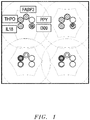
- Figure 6 highlights the importance of the relative profiles in distinguishing between neurodegenerative diseases.
- the relative profiles across disease states varied. For example, A2M and FVII are disproportionately elevated in DLB and FTD whereas TNF ⁇ is disproportionately elevated in AD and lowest in PD and DLB whereas PPY is lowest in PD and highest in DLB.
- PPV/NPV are dependent on base rates of disease presence 44 . With regards to AD, it is estimated that the base rate of disease presence in the community is 11% of those age 65 and above 13 as compared to 50% or more in specialty clinic settings.
- PPV positive predictive value
- SN sensitivity
- BR base rate
- RC remaining cases
- NPV negative predictive value
- SP specificity.
- the screen and/or algorithm of the present invention is very accurate and can be used within a community-based setting, that is, at the primary point-of-care. This is in comparison to the minimal requirements to be acceptable based on the 1998 Consensus Report where PPV was less than 35% (see Table 4).
- the current approach (1) is highly accurate at detecting Alzheimer's disease; (2) is highly accurate at detecting and discriminating between neurodegenerative diseases; (3) can be implemented within primary care settings as the first step in a multi-stage diagnostic process; and (4) the combination of specific serum biomarkers and select neurocognitive screening assessments can refine the screening process with excellent accuracy.
- Table 6 shows the selection of the specialist for referral, and hence the course of treatment, based on the results of the screen of the two or more biomarkers measured at the primary care center or point of care.
- Screen Result Specialist Referral Serum Screen in Primary Care Setting Alzheimer's Disease Memory Disorders Specialist Parkinson's Disease Movement Disorders Specialist Dementia with Lewy Bodies Specialty Clinic for DLB patients Frontotemporal Dementia Specialty Clinic for FTD patients and inclusion of psychiatry Down's syndrome Neurodevelopmental disease specialist and genetic testing/counseling
- the invention is defined by the following numbered embodiments:
- compositions of the invention can be used to achieve methods of the invention.
- the words “comprising” (and any form of comprising, such as “comprise” and “comprises”), “having” (and any form of having, such as “have” and “has”), "including” (and any form of including, such as “includes” and “include”) or “containing” (and any form of containing, such as “contains” and “contain”) are inclusive or open-ended and do not exclude additional, unrecited elements or method steps.
- A, B, C, or combinations thereof' refers to all permutations and combinations of the listed items preceding the term.
- A, B, C, or combinations thereof' is intended to include at least one of: A, B, C, AB, AC, BC, or ABC, and if order is important in a particular context, also BA, CA, CB, CBA, BCA, ACB, BAC, or CAB.
- expressly included are combinations that contain repeats of one or more item or term, such as BB, AAA, AB, BBC, AAABCCCC, CBBAAA, CABABB, and so forth.
- the present invention may also include methods and compositions in which the transition phrase "consisting essentially of' or "consisting of' may also be used.
- words of approximation such as, without limitation, "about”, “substantial” or “substantially” refer to a condition that when so modified is understood to not necessarily be absolute or perfect but would be considered close enough to those of ordinary skill in the art to warrant designating the condition as being present.
- the extent to which the description may vary will depend on how great a change can be instituted and still have one of ordinary skilled in the art recognize the modified feature as still having the required characteristics and capabilities of the unmodified feature.
- a numerical value herein that is modified by a word of approximation such as "about” may vary from the stated value by at least ⁇ 1, 2, 3, 4, 5, 6, 7, 8, 9, 10, 11, 12 or 15%.
- compositions and/or methods disclosed and claimed herein can be made and executed without undue experimentation in light of the present disclosure. While the compositions and methods of this invention have been described in terms of preferred embodiments, it will be apparent to those of skill in the art that variations may be applied to the compositions and/or methods and in the steps or in the sequence of steps of the method described herein without departing from the concept, spirit and scope of the invention. All such similar substitutes and modifications apparent to those skilled in the art are deemed to be within the spirit, scope and concept of the invention as defined by the appended claims.
Landscapes
- Health & Medical Sciences (AREA)
- Life Sciences & Earth Sciences (AREA)
- Engineering & Computer Science (AREA)
- Physics & Mathematics (AREA)
- Bioinformatics & Cheminformatics (AREA)
- Molecular Biology (AREA)
- Genetics & Genomics (AREA)
- General Health & Medical Sciences (AREA)
- Biotechnology (AREA)
- Medical Informatics (AREA)
- Biophysics (AREA)
- Chemical & Material Sciences (AREA)
- Evolutionary Biology (AREA)
- Spectroscopy & Molecular Physics (AREA)
- Theoretical Computer Science (AREA)
- Bioinformatics & Computational Biology (AREA)
- Analytical Chemistry (AREA)
- Proteomics, Peptides & Aminoacids (AREA)
- Biomedical Technology (AREA)
- Neurology (AREA)
- Urology & Nephrology (AREA)
- Immunology (AREA)
- Hematology (AREA)
- Neurosurgery (AREA)
- Pathology (AREA)
- Physiology (AREA)
- Cell Biology (AREA)
- Microbiology (AREA)
- Food Science & Technology (AREA)
- Medicinal Chemistry (AREA)
- Biochemistry (AREA)
- General Physics & Mathematics (AREA)
- Ecology (AREA)
- Developmental Disabilities (AREA)
- Child & Adolescent Psychology (AREA)
- Hospice & Palliative Care (AREA)
- Psychiatry (AREA)
- Psychology (AREA)
- Heart & Thoracic Surgery (AREA)
- Surgery (AREA)
Applications Claiming Priority (3)
| Application Number | Priority Date | Filing Date | Title |
|---|---|---|---|
| US201361845121P | 2013-07-11 | 2013-07-11 | |
| EP14822061.9A EP3022560B1 (de) | 2013-07-11 | 2014-07-09 | Blutbasiertes sieb zum nachweis neurologischer erkrankungen in ärztlichen grundversorgungsumgebungen |
| PCT/US2014/046015 WO2015006489A1 (en) | 2013-07-11 | 2014-07-09 | Blood-based screen for detecting neurological disease in primary care settings |
Related Parent Applications (2)
| Application Number | Title | Priority Date | Filing Date |
|---|---|---|---|
| EP14822061.9A Division EP3022560B1 (de) | 2013-07-11 | 2014-07-09 | Blutbasiertes sieb zum nachweis neurologischer erkrankungen in ärztlichen grundversorgungsumgebungen |
| EP14822061.9A Division-Into EP3022560B1 (de) | 2013-07-11 | 2014-07-09 | Blutbasiertes sieb zum nachweis neurologischer erkrankungen in ärztlichen grundversorgungsumgebungen |
Publications (2)
| Publication Number | Publication Date |
|---|---|
| EP3751283A2 true EP3751283A2 (de) | 2020-12-16 |
| EP3751283A3 EP3751283A3 (de) | 2021-03-24 |
Family
ID=52280578
Family Applications (2)
| Application Number | Title | Priority Date | Filing Date |
|---|---|---|---|
| EP14822061.9A Active EP3022560B1 (de) | 2013-07-11 | 2014-07-09 | Blutbasiertes sieb zum nachweis neurologischer erkrankungen in ärztlichen grundversorgungsumgebungen |
| EP20187559.8A Pending EP3751283A3 (de) | 2013-07-11 | 2014-07-09 | Blutbasiertes sieb zum nachweis neurologischer erkrankungen in ärztlichen grundversorgungsumgebungen |
Family Applications Before (1)
| Application Number | Title | Priority Date | Filing Date |
|---|---|---|---|
| EP14822061.9A Active EP3022560B1 (de) | 2013-07-11 | 2014-07-09 | Blutbasiertes sieb zum nachweis neurologischer erkrankungen in ärztlichen grundversorgungsumgebungen |
Country Status (6)
| Country | Link |
|---|---|
| US (2) | US11525834B2 (de) |
| EP (2) | EP3022560B1 (de) |
| JP (4) | JP6228302B2 (de) |
| AU (4) | AU2014287206A1 (de) |
| CA (2) | CA3112130A1 (de) |
| WO (1) | WO2015006489A1 (de) |
Families Citing this family (22)
| Publication number | Priority date | Publication date | Assignee | Title |
|---|---|---|---|---|
| JP2898724B2 (ja) | 1990-08-31 | 1999-06-02 | 東京瓦斯株式会社 | 暖房装置 |
| US20190219599A1 (en) * | 2013-07-11 | 2019-07-18 | University Of North Texas Health Science Center At Fort Worth | Blood-based screen for detecting neurological diseases in primary care settings |
| CA3112130A1 (en) | 2013-07-11 | 2015-01-15 | University Of North Texas Health Science Center At Fort Worth | Blood-based screen for detecting neurological diseases in primary care settings |
| AU2014354808A1 (en) | 2013-11-26 | 2016-06-02 | University Of North Texas Health Science Center At Fort Worth | Personalized medicine approach for treating cognitive loss |
| EP3067699A1 (de) | 2015-03-11 | 2016-09-14 | Neuron Bio, S.A. | Verfahren zur diagnose von morbus alzheimer |
| EP3156923A1 (de) * | 2015-10-12 | 2017-04-19 | OncoDNA SA | Molekularer profilabgleich von tumoren |
| WO2017079161A2 (en) | 2015-11-02 | 2017-05-11 | Neuraltus Pharmaceuticals, Inc. | Treatment of neurodegenerative disease with sodium chlorite |
| WO2017194995A1 (en) * | 2016-05-11 | 2017-11-16 | Institut National De La Sante Et De La Recherche Medicale (Inserm) | A method for determining the temporal progression of a biological phenomenon and associated methods and devices |
| AU2017281229B2 (en) * | 2016-06-22 | 2021-10-14 | University Of North Texas Health Science Center At Fort Worth | Blood test for screening out amyloid and Alzheimer's Disease presence |
| US10937548B2 (en) * | 2016-10-25 | 2021-03-02 | Wisconsin Alumni Research Foundation | Computerized system for efficient augmentation of data sets |
| US10473672B2 (en) * | 2017-02-09 | 2019-11-12 | Kaohsiung Chang Gung Memorial Hospital | Methods for diagnosing and treating Alzheimers disease using G72 protein and SLC7A11 mRNA as biomarkers |
| EP3376230A1 (de) | 2017-03-13 | 2018-09-19 | Biocross, S.L. | Identifizierung von signaturen für neurodegenerationserkrankungsdiagnosen |
| TWI639830B (zh) * | 2017-03-17 | 2018-11-01 | 長庚大學 | Method for identifying neurological diseases using magnetic resonance imaging images |
| WO2019022064A1 (ja) * | 2017-07-25 | 2019-01-31 | 長谷川 亨 | 神経変性疾患を判定するための診断補助方法 |
| WO2019143562A1 (en) * | 2018-01-18 | 2019-07-25 | University Of North Texas Health Science Center At Fort Worth | Companion diagnostic for nsaids and donepezil for treating specific subpopulations of patients suffering from alzheimer's disease |
| GB201807178D0 (en) * | 2018-05-01 | 2018-06-13 | Univ Ulster | A method of diagnosing or prognosing a neurological disorder |
| WO2020124013A1 (en) * | 2018-12-13 | 2020-06-18 | Gryphon Bio, Inc. | Combinatorial temporal biomarkers and precision medicines with detection and treatment methods for use in neuro injury, neuro disease, and neuro repair |
| CA3129836A1 (en) * | 2019-02-14 | 2020-08-20 | University Of North Texas Health Science Center At Fort Worth | Blood-based screen for detecting neurological diseases in primary care settings |
| US11464443B2 (en) * | 2019-11-26 | 2022-10-11 | The Chinese University Of Hong Kong | Methods based on an analysis of drawing behavior changes for cognitive dysfunction screening |
| KR20230010687A (ko) * | 2020-05-14 | 2023-01-19 | 더 홍콩 유니버시티 오브 사이언스 앤드 테크놀러지 | 알츠하이머 병 평가용 단백질 마커 |
| JP7756945B2 (ja) * | 2021-05-07 | 2025-10-21 | ユニバーシティー オブ ノース テキサス ヘルス サイエンス センター アット フォートワース | パーキンソン病をスクリーニングアウトするための血液検査 |
| EP4412624A4 (de) | 2021-10-04 | 2025-08-20 | Neuvivo Inc | Behandlungsverfahren für als-patienten |
Citations (4)
| Publication number | Priority date | Publication date | Assignee | Title |
|---|---|---|---|---|
| US20110159527A1 (en) | 2008-06-16 | 2011-06-30 | Michael Gebhard Schlossmacher | Methods and kits for diagnosing neurodegenerative disease |
| US8008025B2 (en) | 2005-10-27 | 2011-08-30 | University Of Washington | Biomarkers for neurodegenerative disorders |
| US20130012403A1 (en) | 2009-12-23 | 2013-01-10 | George Washington University | Compositions and Methods for Identifying Autism Spectrum Disorders |
| US8430816B2 (en) | 2008-05-20 | 2013-04-30 | General Electric Company | System and method for analysis of multiple diseases and severities |
Family Cites Families (27)
| Publication number | Priority date | Publication date | Assignee | Title |
|---|---|---|---|---|
| US3008025A (en) | 1958-08-09 | 1961-11-07 | Deutsche Edelstahlwerke Ag | Method of progressively induction heating metal strip and an apparatus for performing the same |
| US5192753A (en) | 1991-04-23 | 1993-03-09 | Mcgeer Patrick L | Anti-rheumatoid arthritic drugs in the treatment of dementia |
| US5819956A (en) | 1997-02-25 | 1998-10-13 | Sigma-Aldrich Company | Rack for electrical equipment |
| WO1998040061A1 (en) | 1997-03-10 | 1998-09-17 | Loma Linda University Medical Center | Use of r-nsaid's for the prevention of alzheimer's disease |
| US6366813B1 (en) * | 1998-08-05 | 2002-04-02 | Dilorenzo Daniel J. | Apparatus and method for closed-loop intracranical stimulation for optimal control of neurological disease |
| US7598049B2 (en) * | 2003-11-19 | 2009-10-06 | Satoris, Inc. | Methods for diagnosis of Alzheimer's Disease in blood samples |
| US20060094064A1 (en) | 2003-11-19 | 2006-05-04 | Sandip Ray | Methods and compositions for diagnosis, stratification, and monitoring of alzheimer's disease and other neurological disorders in body fluids |
| WO2006020269A2 (en) | 2004-07-19 | 2006-02-23 | University Of Rochester | Biomarkers of neurodegenerative disease |
| WO2006110621A2 (en) | 2005-04-11 | 2006-10-19 | Cornell Research Foundation, Inc. | Multiplexed biomarkers for monitoring the alzheimer's disease state of a subject |
| WO2007094472A1 (ja) | 2006-02-17 | 2007-08-23 | Atsuo Sekiyama | 生体負荷の指標剤および生体負荷の測定方法 |
| DE102006027818A1 (de) | 2006-06-16 | 2007-12-20 | B.R.A.H.M.S. Aktiengesellschaft | In vitro Multiparameter-Bestimmungsverfahren zur Diagnose und Frühdiagnose von neurodegenerativen Erkrankungen |
| CN102460153A (zh) | 2009-04-06 | 2012-05-16 | 里奇诊断学股份有限公司 | 监控神经精神疾病治疗的生物标记 |
| AU2010202926B2 (en) | 2009-09-11 | 2016-07-14 | Electrophoretics Limited | Markers and methods relating to the assessment of Alzheimer's disease |
| CN102844027A (zh) * | 2009-11-23 | 2012-12-26 | 培力(香港)健康产品有限公司 | 治疗炎症和免疫系统障碍的新治疗方法 |
| EP2569451A4 (de) | 2010-05-14 | 2013-09-11 | Rules Based Medicine Inc | Verfahren und vorrichtungen zur diagnostizierung von morbus alzheimer |
| US20120238837A1 (en) | 2011-03-16 | 2012-09-20 | Searete Llc, A Limited Liability Corporation Of The State Of Delaware | System, devices, and methods for real-time monitoring of cerebrospinal fluid for markers of progressive conditions |
| US20120295281A1 (en) | 2011-05-18 | 2012-11-22 | Bamburgh Marrsh Llc | Specific salivary biomarkers for risk detection, early diagnosis, prognosis and monitoring of alzheimer's and parkinson's diseases |
| GB201110888D0 (en) | 2011-06-28 | 2011-08-10 | Vib Vzw | Means and methods for the determination of prediction models associated with a phenotype |
| WO2013010003A1 (en) | 2011-07-12 | 2013-01-17 | University Of Medicine And Dentistry Of New Jersey | Diagnostic biomarker profiles for the detection and diagnosis of alzheimer's disease |
| US10634687B2 (en) | 2012-07-16 | 2020-04-28 | The Board Of Regents Of The University Of Texas System | Serum biomarker screen for the diagnosis of clinical and preclinical alzheimer's disease |
| EP3563849A3 (de) | 2012-10-25 | 2020-02-12 | The General Hospital Corporation | Kombinationstherapien zur behandlung von morbus alzheimer und verwandten erkrankungen |
| CA3112130A1 (en) | 2013-07-11 | 2015-01-15 | University Of North Texas Health Science Center At Fort Worth | Blood-based screen for detecting neurological diseases in primary care settings |
| US20190219599A1 (en) | 2013-07-11 | 2019-07-18 | University Of North Texas Health Science Center At Fort Worth | Blood-based screen for detecting neurological diseases in primary care settings |
| AU2014354808A1 (en) | 2013-11-26 | 2016-06-02 | University Of North Texas Health Science Center At Fort Worth | Personalized medicine approach for treating cognitive loss |
| WO2016081941A1 (en) | 2014-11-21 | 2016-05-26 | Caris Science, Inc. | Oligonucleotide probes and uses thereof |
| AU2017281229B2 (en) | 2016-06-22 | 2021-10-14 | University Of North Texas Health Science Center At Fort Worth | Blood test for screening out amyloid and Alzheimer's Disease presence |
| WO2019143562A1 (en) | 2018-01-18 | 2019-07-25 | University Of North Texas Health Science Center At Fort Worth | Companion diagnostic for nsaids and donepezil for treating specific subpopulations of patients suffering from alzheimer's disease |
-
2014
- 2014-07-09 CA CA3112130A patent/CA3112130A1/en active Pending
- 2014-07-09 JP JP2016525462A patent/JP6228302B2/ja active Active
- 2014-07-09 EP EP14822061.9A patent/EP3022560B1/de active Active
- 2014-07-09 WO PCT/US2014/046015 patent/WO2015006489A1/en not_active Ceased
- 2014-07-09 AU AU2014287206A patent/AU2014287206A1/en not_active Abandoned
- 2014-07-09 US US14/904,244 patent/US11525834B2/en active Active
- 2014-07-09 EP EP20187559.8A patent/EP3751283A3/de active Pending
- 2014-07-09 CA CA2920474A patent/CA2920474C/en active Active
-
2017
- 2017-10-12 JP JP2017198118A patent/JP6793104B2/ja active Active
- 2017-11-29 AU AU2017268567A patent/AU2017268567B2/en active Active
-
2020
- 2020-05-13 AU AU2020203144A patent/AU2020203144B2/en active Active
- 2020-11-09 JP JP2020186254A patent/JP7102487B2/ja active Active
-
2022
- 2022-07-05 JP JP2022108270A patent/JP2022141736A/ja active Pending
- 2022-07-19 AU AU2022206730A patent/AU2022206730A1/en not_active Abandoned
- 2022-11-03 US US17/980,435 patent/US20230314451A1/en active Pending
Patent Citations (4)
| Publication number | Priority date | Publication date | Assignee | Title |
|---|---|---|---|---|
| US8008025B2 (en) | 2005-10-27 | 2011-08-30 | University Of Washington | Biomarkers for neurodegenerative disorders |
| US8430816B2 (en) | 2008-05-20 | 2013-04-30 | General Electric Company | System and method for analysis of multiple diseases and severities |
| US20110159527A1 (en) | 2008-06-16 | 2011-06-30 | Michael Gebhard Schlossmacher | Methods and kits for diagnosing neurodegenerative disease |
| US20130012403A1 (en) | 2009-12-23 | 2013-01-10 | George Washington University | Compositions and Methods for Identifying Autism Spectrum Disorders |
Non-Patent Citations (48)
| Title |
|---|
| ALVES GBRONNICK KAARSLAND D ET AL.: "CSF amyloid-P and tau proteins, and cognitive performance, in early and untreated Parkinson's Disease: The Norwegian ParkWest study", JOURNAL OF NEUROLOGY, NEUROSURGERY AND PSYCHIATRY, vol. 81, no. 10, 2010, pages 1080 - 1086 |
| ANONYMOUS: "Consensus report of the Working Group on: ''Molecular and Biochemical Markers of Alzheimer's Disease", vol. 19, May 1998, THE RONALD AND NANCY REAGAN RESEARCH INSTITUTE OF THE ALZHEIMER, pages: 285 |
| BAUER LO'BRYANT SELYNCH JKMCCAFFREY RJFISHER JM.: "Examining the test of memory malingering trial 1 and word memory test immediate recognition as screening tools for insufficient effort", ASSESSMENT, vol. 14, no. 3, 2007, pages 215 - 222 |
| BELMIN JMIN LROTH CREUBEN DWENGER N.: "Assessment and management of patients with cognitive impairment and dementia in primary care", JOURNAL OF NUTRITION, HEALTH AND AGING, vol. 16, no. 5, 2012, pages 462 - 467 |
| BENADIBA MLUURTSEMA GWICHERT-ANA LBUCHPIGEL CAFILHO GB: "New molecular targets for PET and SPECT imaging in neurodegenerative diseases", REVISTA BRASILEIRA DE PSIQUIATRIA, vol. 34, no. 2, 2012, pages S125 - S148 |
| BJERKE MPORTELIUS EMINTHON L ET AL.: "Confounding factors influencing amyloid beta concentration in cerebrospinal fluid", INTERNATIONAL JOURNAL OF ALZHEIMER'S DISEASE, 2010 |
| BOND JGRAHAM NPADOVANI AMACKELL JKNOX SATKINSON J.: "Screening for cognitive impairment, Alzheimer's disease and other dementias: Opinions of European caregivers, payors, physicians and the general public", JOURNAL OF NUTRITION, HEALTH AND AGING, vol. 14, no. 7, 2010, pages 558 - 562 |
| BREIMAN L., RANDOM FORESTS. MACHINE LEARNING, vol. 45, no. 1, 2001, pages 5 - 32 |
| CLARK JHHOBSON VLO'BRYANT SE: "Diagnostic accuracy of% retention scores on RBANS verbal memory subtests for the diagnosis of Alzheimer's disease and mild cognitive impairment", ARCHIVES OF CLINICAL NEUROPSYCHOLOGY, vol. 25, no. 4, 2010, pages 318 - 326 |
| DICKSTEIN DLWALSH JBRAUTIGAM HSTOCKTON JR SDGANDY SHOF PR.: "Role of vascular risk factors and vascular dysfunction in Alzheimer's disease", MOUNT SINAI JOURNAL OF MEDICINE, vol. 77, no. 1, 2010, pages 82 - 102 |
| DOECKE JLAWS, SMFAUX, NGWILSON, WBURNHAM, SCLAM, CPMONDAL, ABEDO, JBUSY, AIBROWN, B: "Blood-based protein biomarkers for the diagnosis of Alzheimer's disease", ARCH NEUROL., 2012 |
| DUFF KHOBSON VLBEGLINGER LJO'BRYANT SE: "Diagnostic accuracy of the RBANS in mild cognitive impairment: Limitations on assessing milder impairments", ARCHIVES OF CLINICAL NEUROPSYCHOLOGY, vol. 25, no. 5, 2010, pages 429 - 441 |
| DUFF KHUMPHREYS CLARK JDO'BRYANT SEMOLD JWSCHIFFER RBSUTKER PB.: "Utility of the RBANS in detecting cognitive impairment associated with Alzheimer's disease: Sensitivity, specificity, and positive and negative predictive powers", ARCHIVES OF CLINICAL NEUROPSYCHOLOGY, vol. 23, no. 5, 2008, pages 603 - 612, XP025347941, DOI: 10.1016/j.acn.2008.06.004 |
| FISS TTHYRIAN JRFENDRICH KVAN DEN BERG NHOFFMANN W.: "Cognitive impairment in primary ambulatory health care: Pharmacotherapy and the use of potentially inappropriate medicine", INTERNATIONAL JOURNAL OF GERIATRIC PSYCHIATRY, vol. 28, no. 2, 2013, pages 173 - 181 |
| KOUNNAS MZDANKS AMCHENG S ET AL.: "Modulation of y-Secretase Reduces β-Amyloid Deposition in a Transgenic Mouse Model of Alzheimer's Disease", NEURON., vol. 67, no. 5, 2010, pages 769 - 780, XP055093240, DOI: 10.1016/j.neuron.2010.08.018 |
| KUHLE JREGENITER ALEPPERT D ET AL.: "A highly sensitive electrochemiluminescence immunoassay for the neurofilament heavy chain protein", JOURNAL OF NEUROIMMUNOLOGY, vol. 220, no. 1-2, 2010, pages 114 - 119, XP026939090, DOI: 10.1016/j.jneuroim.2010.01.004 |
| LASKE C LTSTRANSKY EHOFFMANN NFALLGATTER AJDIETZSCH J.: "Identification of a blood-based biomarker panel for classification of Alzheimer's disease", INTERNATIONAL JOURNAL OF NEUROPSYCHOPHARMACOLOGY, vol. 14, no. 9, 2011, pages 1147 - 1155 |
| LO ARYDER KSHORR RI.: "Relationship between patient age and duration of physician visit in ambulatory setting: Does one size fit all?", JOURNAL OF THE AMERICAN GERIATRICS SOCIETY, vol. 53, no. 7, 2005, pages 1162 - 1167 |
| LOPPONEN MRAIHA IISOAHO RVAHLBERG TKIVELA S-L.: "Diagnosing cognitive impairment and dementia in primary health care - a more active approach is needed", AGE AND AGEING, vol. 32, no. 6, 1 November 2003 (2003-11-01), pages 606 - 612 |
| MAECK LHAAK SKNOBLAUCH ASTOPPE G.: "Dementia diagnostics in primary care: a representative 8-year follow-up study in lower saxony, Germany", DEMENTIA & GERIATRIC COGNITIVE DISORDERS, vol. 25, no. 2, 2008, pages 127 - 134 |
| MARTIN MASWIDER SMOLINGER T ET AL.: "Recruitment of Mexican American adults for an intensive diabetes intervention trial", ETHNICITY AND DISEASE, vol. 21, no. 1, 2011, pages 7 - 12 |
| MCKEITH IGFAIRBAIRN AFBOTHWELL RA ET AL.: "An evaluation of the predictive validity and inter-rater reliability of clinical diagnostic criteria for senile dementia of Lewy body type", NEUROLOGY, vol. 44, no. 5, 1994, pages 872 - 877 |
| MCKHANN DDROCKMAN, D.FOLSTEIN, M. ET AL.: "Clinical diagnosis of Alzheimer's disease: Report of the NINCDS-ADRDA Work Group", NEUROLOGY, vol. 34, 1984, pages 939 - 944 |
| NEUROBIOLOGY OF AGING., vol. 19, no. 2, 1998, pages 109 - 116 |
| O'BRYANT SE GXBARBER RCCULLUM CMWEINER MHALL JEDWARDS MGRAMMAS PWILHELMSEN KDOODY RDIAZ-ARRASTIA R.: "Molecular neuropsychology: creation of test-specific blood biomarker algorithms", DEMENTIA AND GERIATRIC COGNITIVE DISORDERS, 2013 |
| O'BRYANT SE XGEDWARDS MDEVOUS MDGUPTA VMARTINS RZHANG FBARBER RC: "the Texas Alzheimer's Research Consortium. Biomarkers of Alzheimer's Disease Among Mexican Americans", JOURNAL OF ALZHEIMER'S DISEASE, 2013 |
| O'BRYANT SEHOBSON VHALL JR ET AL.: "Brain-derived neurotrophic factor levels in alzheimer's disease", JOURNAL OF ALZHEIMER'S DISEASE, vol. 17, no. 2, 2009, pages 337 - 341 |
| O'BRYANT SEHUMPHREYS JDSMITH GE ET AL.: "Detecting dementia with the mini-mental state examination in highly educated individuals", ARCHIVES OF NEUROLOGY, vol. 65, no. 7, 2008, pages 963 - 967 |
| O'BRYANT SELUCAS JA.: "Estimating the predictive value of the Test of Memory Malingering: An illustrative example for clinicians", CLINICAL NEUROPSYCHOLOGIST., vol. 20, no. 3, 2006, pages 533 - 540 |
| O'BRYANT SELUCAS JAWILLIS FBSMITH GEGRAFF-RADFORD NRIVNIK RJ.: "Discrepancies between self-reported years of education and estimated reading level among elderly community-dwelling African-Americans: Analysis of the MOAANS data", ARCHIVES OF CLINICAL NEUROPSYCHOLOGY, vol. 22, no. 3, 2007, pages 327 - 332, XP022033530, DOI: 10.1016/j.acn.2007.01.007 |
| O'BRYANT SEXIAO GBARBER R ET AL.: "A blood-based algorithm for the detection of Alzheimer's disease", DEMENTIA AND GERIATRIC COGNITIVE DISORDERS, vol. 32, no. 1, 2011, pages 55 - 62, XP055209773, DOI: 10.1159/000330750 |
| O'BRYANT SEXIAO GBARBER R ET AL.: "A Blood-Based Screening Tool for Alzheimer's Disease That Spans Serum and Plasma: Findings from TARC and ADNI", PLOS ONE, vol. 6, no. 12, 2011, pages e28092, XP055321768, DOI: 10.1371/journal.pone.0028092 |
| O'BRYANT SEXIAO GBARBER R ET AL.: "A serum protein-based algorithm for the detection of Alzheimer disease", ARCHIVES OF NEUROLOGY, vol. 67, no. 9, 2010, pages 1077 - 1081, XP008181985, DOI: 10.1001/archneurol.2010.215 |
| O'BRYANT SEXIAO GEDWARDS M ET AL.: "Biomarkers of Alzheimer's disease among Mexican Americans", JOURNAL OF ALZHEIMER'S DISEASE, vol. 34, no. 4, 2013, pages 841 - 849, XP008181987, DOI: 10.3233/JAD-122074 |
| O'BRYANT SXIAO, GBARBER, RREISCH, JHALL, JCULLUM, CMDOODY, RFAIRCHILD, TADAMS, PWILHELMSEN, K: "A blood based algorithm for the detection of Alzheimer's disease", DEMENTIA AND GERIATRIC COGNITIVE DISORDERS, vol. 32, 2011, pages 55 - 62, XP055209773, DOI: 10.1159/000330750 |
| OH ESMIELKE MMROSENBERG PB ET AL.: "Comparison of conventional ELISA with electrochemiluminescence technology for detection of amyloid-P in plasma", JOURNAL OF ALZHEIMER'S DISEASE, vol. 21, no. 3, 2010, pages 769 - 773 |
| OKEREKE OISELKOE DJPOLLAK MN ET AL.: "A profile of impaired insulin degradation in relation to late-life cognitive decline: A preliminary investigation", INTERNATIONAL JOURNAL OF GERIATRIC PSYCHIATRY, vol. 24, no. 2, 2009, pages 177 - 182 |
| PIAZZA FGALIMBERTI GCONTI E ET AL.: "Increased tissue factor pathway inhibitor and homocysteine in Alzheimer's disease", NEUROBIOLOGY OF AGING, 2010 |
| PYYKKO OTHELISALMI SKOIVISTO AM ET AL.: "APOE4 predicts amyloid-P in cortical brain biopsy but not idiopathic normal pressure hydrocephalus", JOURNAL OF NEUROLOGY, NEUROSURGERY AND PSYCHIATRY, vol. 83, no. 11, 2012, pages 1119 - 1124 |
| R_DEVELOPMENT_CORE_TEAM. R: A LANGUAGE AND ENVIRONMENT FOR STATISTICAL COMPUTING, 2009, Retrieved from the Internet <URL:www.R-project.org> |
| REDDY MMWILSON RWILSON J ET AL.: "Identification of candidate IgG biomarkers for alzheimer's disease via combinatorial library screening", CELL, vol. 144, no. 1, 2011, pages 132 - 142, XP028151095, DOI: 10.1016/j.cell.2010.11.054 |
| SCHNEIDER PHAMPEL HBUERGER K.: "Biological marker candidates of alzheimer's disease in blood, plasma, and serum", CNS NEUROSCIENCE AND THERAPEUTICS, vol. 15, no. 4, 2009, pages 358 - 374, XP055109854, DOI: 10.1111/j.1755-5949.2009.00104.x |
| SHAW LMKORECKA MCLARK CMLEE VMTROJANOWSKI JQ.: "Biomarkers of neurodegeneration for diagnosis and monitoring therapeutics", NATURE REVIEWS. DRUG DISCOVERY, vol. 6, no. 4, 2007, pages 295 - 303 |
| THAI LJKANTARCI KREIMAN EM ET AL.: "The role of biomarkers in clinical trials for Alzheimer disease", ALZHEIMER DISEASE & ASSOCIATED DISORDERS, vol. 20, no. 1, 2006, pages 6 - 15 |
| VAN DEN DUNGEN PVAN MARWIJK HWMVAN DER HORST HE ET AL.: "The accuracy of family physicians' dementia diagnoses at different stages of dementia: A systematic review", INTERNATIONAL JOURNAL OF GERIATRIC PSYCHIATRY, vol. 27, no. 4, 2012, pages 342 - 354 |
| VAN OIJEN MHOFMAN ASOARES HDKOUDSTAAL PJBRETELER MM.: "Plasma Abeta(l-40) and Abeta(1-42) and the risk of dementia: a prospective case-cohort study.[see comment", LANCET NEUROLOGY, vol. 5, no. 8, 2006, pages 655 - 660 |
| VILLEMAGNE VLROWE CC.: "Long night's journey into the day: Amyloid-P imaging in Alzheimer's disease", JOURNAL OF ALZHEIMER'S DISEASE, vol. 33, no. 1, 2013, pages S349 - S359 |
| WARING SO'BRYANT, SEREISCH, JSDIAZ-ARRASTIA, RKNEBL, JDOODY, R: "Texas Alzheimer's Research Consortium. The Texas Alzheimer's Research Consortium longitudinal research cohort: Study design and baseline characteristics", TEXAS PUBLIC HEALTH JOURNAL, vol. 60, no. 3, 2008, pages 9 - 13 |
Also Published As
| Publication number | Publication date |
|---|---|
| AU2017268567B2 (en) | 2020-02-13 |
| JP6228302B2 (ja) | 2017-11-08 |
| JP7102487B2 (ja) | 2022-07-19 |
| JP2022141736A (ja) | 2022-09-29 |
| WO2015006489A8 (en) | 2015-02-19 |
| JP2016524168A (ja) | 2016-08-12 |
| EP3022560A1 (de) | 2016-05-25 |
| AU2014287206A1 (en) | 2016-02-25 |
| US20230314451A1 (en) | 2023-10-05 |
| EP3751283A3 (de) | 2021-03-24 |
| EP3022560A4 (de) | 2016-12-28 |
| JP2021039115A (ja) | 2021-03-11 |
| CA2920474A1 (en) | 2015-01-15 |
| JP2018049021A (ja) | 2018-03-29 |
| AU2020203144B2 (en) | 2022-08-11 |
| CA3112130A1 (en) | 2015-01-15 |
| US20160154010A1 (en) | 2016-06-02 |
| AU2017268567A1 (en) | 2017-12-21 |
| AU2022206730A1 (en) | 2022-08-18 |
| CA2920474C (en) | 2021-05-04 |
| JP6793104B2 (ja) | 2020-12-02 |
| US11525834B2 (en) | 2022-12-13 |
| EP3022560B1 (de) | 2020-09-02 |
| AU2020203144A1 (en) | 2020-06-04 |
| WO2015006489A1 (en) | 2015-01-15 |
Similar Documents
| Publication | Publication Date | Title |
|---|---|---|
| US20230314451A1 (en) | Blood-based screen for detecting neurological diseases in primary care settings | |
| US20210255204A1 (en) | Blood-based screen for detecting neurological diseases in primary care settings | |
| Chen‐Plotkin et al. | Plasma epidermal growth factor levels predict cognitive decline in Parkinson disease | |
| Callahan et al. | Predicting Alzheimer's disease development: a comparison of cognitive criteria and associated neuroimaging biomarkers | |
| O'Bryant et al. | Potential two-step proteomic signature for Parkinson's disease: Pilot analysis in the Harvard Biomarkers Study | |
| AU2025263898A1 (en) | Blood-based screen for detecting neurological diseases in primary care settings | |
| Rousset et al. | Performance of plasma p‐tau217 and NfL in an unselected memory clinic setting | |
| Sewell et al. | Blood biomarkers differentiate AD‐related versus non‐AD‐related cognitive deficits | |
| Fries et al. | Preliminary investigation of the association between epigenetic aging acceleration and amyloid biomarkers in bipolar disorder | |
| Pyo et al. | Potential inflammatory markers related to the conversion to Alzheimer’s disease in female patients with late-life depression | |
| US20220162701A1 (en) | Blood-based screen for detecting neurological diseases in primary care settings | |
| AU2022270155B2 (en) | Blood test to screen out parkinson's disease | |
| Bayart et al. | Robustness of plasma p-Tau217 diagnostic thresholds for Alzheimer’s disease across various clinical populations and laboratory environments | |
| Delaby et al. | Beyond amyloid and tau: synaptic and neurodegenerative biomarkers shape MCI progression | |
| Kanoria et al. | Clinical impact of the Alzheimer's Disease Neuroimaging Initiative: A review of studies using ADNI data (2023 to June 2025) | |
| Boer et al. | Differentiating sporadic frontotemporal dementia from late-onset primary psychiatric disorders Open Access. |
Legal Events
| Date | Code | Title | Description |
|---|---|---|---|
| PUAI | Public reference made under article 153(3) epc to a published international application that has entered the european phase |
Free format text: ORIGINAL CODE: 0009012 |
|
| STAA | Information on the status of an ep patent application or granted ep patent |
Free format text: STATUS: THE APPLICATION HAS BEEN PUBLISHED |
|
| AC | Divisional application: reference to earlier application |
Ref document number: 3022560 Country of ref document: EP Kind code of ref document: P |
|
| AK | Designated contracting states |
Kind code of ref document: A2 Designated state(s): AL AT BE BG CH CY CZ DE DK EE ES FI FR GB GR HR HU IE IS IT LI LT LU LV MC MK MT NL NO PL PT RO RS SE SI SK SM TR |
|
| PUAL | Search report despatched |
Free format text: ORIGINAL CODE: 0009013 |
|
| AK | Designated contracting states |
Kind code of ref document: A3 Designated state(s): AL AT BE BG CH CY CZ DE DK EE ES FI FR GB GR HR HU IE IS IT LI LT LU LV MC MK MT NL NO PL PT RO RS SE SI SK SM TR |
|
| RIC1 | Information provided on ipc code assigned before grant |
Ipc: G01N 33/68 20060101AFI20210212BHEP |
|
| STAA | Information on the status of an ep patent application or granted ep patent |
Free format text: STATUS: REQUEST FOR EXAMINATION WAS MADE |
|
| 17P | Request for examination filed |
Effective date: 20210924 |
|
| RBV | Designated contracting states (corrected) |
Designated state(s): AL AT BE BG CH CY CZ DE DK EE ES FI FR GB GR HR HU IE IS IT LI LT LU LV MC MK MT NL NO PL PT RO RS SE SI SK SM TR |
|
| P01 | Opt-out of the competence of the unified patent court (upc) registered |
Effective date: 20230522 |
|
| STAA | Information on the status of an ep patent application or granted ep patent |
Free format text: STATUS: EXAMINATION IS IN PROGRESS |
|
| 17Q | First examination report despatched |
Effective date: 20230901 |