EP3750878B1 - Heteroaromatische inhibitoren von astacinproteinasen - Google Patents
Heteroaromatische inhibitoren von astacinproteinasen Download PDFInfo
- Publication number
- EP3750878B1 EP3750878B1 EP19180240.4A EP19180240A EP3750878B1 EP 3750878 B1 EP3750878 B1 EP 3750878B1 EP 19180240 A EP19180240 A EP 19180240A EP 3750878 B1 EP3750878 B1 EP 3750878B1
- Authority
- EP
- European Patent Office
- Prior art keywords
- fibrosis
- independently selected
- compound according
- compound
- ring
- Prior art date
- Legal status (The legal status is an assumption and is not a legal conclusion. Google has not performed a legal analysis and makes no representation as to the accuracy of the status listed.)
- Active
Links
Images


Classifications
-
- A—HUMAN NECESSITIES
- A61—MEDICAL OR VETERINARY SCIENCE; HYGIENE
- A61K—PREPARATIONS FOR MEDICAL, DENTAL OR TOILETRY PURPOSES
- A61K31/00—Medicinal preparations containing organic active ingredients
- A61K31/33—Heterocyclic compounds
- A61K31/395—Heterocyclic compounds having nitrogen as a ring hetero atom, e.g. guanethidine or rifamycins
- A61K31/41—Heterocyclic compounds having nitrogen as a ring hetero atom, e.g. guanethidine or rifamycins having five-membered rings with two or more ring hetero atoms, at least one of which being nitrogen, e.g. tetrazole
- A61K31/415—1,2-Diazoles
-
- A—HUMAN NECESSITIES
- A61—MEDICAL OR VETERINARY SCIENCE; HYGIENE
- A61K—PREPARATIONS FOR MEDICAL, DENTAL OR TOILETRY PURPOSES
- A61K31/00—Medicinal preparations containing organic active ingredients
- A61K31/33—Heterocyclic compounds
- A61K31/395—Heterocyclic compounds having nitrogen as a ring hetero atom, e.g. guanethidine or rifamycins
- A61K31/41—Heterocyclic compounds having nitrogen as a ring hetero atom, e.g. guanethidine or rifamycins having five-membered rings with two or more ring hetero atoms, at least one of which being nitrogen, e.g. tetrazole
- A61K31/4164—1,3-Diazoles
- A61K31/4184—1,3-Diazoles condensed with carbocyclic rings, e.g. benzimidazoles
-
- A—HUMAN NECESSITIES
- A61—MEDICAL OR VETERINARY SCIENCE; HYGIENE
- A61P—SPECIFIC THERAPEUTIC ACTIVITY OF CHEMICAL COMPOUNDS OR MEDICINAL PREPARATIONS
- A61P1/00—Drugs for disorders of the alimentary tract or the digestive system
-
- A—HUMAN NECESSITIES
- A61—MEDICAL OR VETERINARY SCIENCE; HYGIENE
- A61P—SPECIFIC THERAPEUTIC ACTIVITY OF CHEMICAL COMPOUNDS OR MEDICINAL PREPARATIONS
- A61P1/00—Drugs for disorders of the alimentary tract or the digestive system
- A61P1/04—Drugs for disorders of the alimentary tract or the digestive system for ulcers, gastritis or reflux esophagitis, e.g. antacids, inhibitors of acid secretion, mucosal protectants
-
- A—HUMAN NECESSITIES
- A61—MEDICAL OR VETERINARY SCIENCE; HYGIENE
- A61P—SPECIFIC THERAPEUTIC ACTIVITY OF CHEMICAL COMPOUNDS OR MEDICINAL PREPARATIONS
- A61P1/00—Drugs for disorders of the alimentary tract or the digestive system
- A61P1/06—Anti-spasmodics, e.g. drugs for colics, esophagic dyskinesia
-
- A—HUMAN NECESSITIES
- A61—MEDICAL OR VETERINARY SCIENCE; HYGIENE
- A61P—SPECIFIC THERAPEUTIC ACTIVITY OF CHEMICAL COMPOUNDS OR MEDICINAL PREPARATIONS
- A61P1/00—Drugs for disorders of the alimentary tract or the digestive system
- A61P1/16—Drugs for disorders of the alimentary tract or the digestive system for liver or gallbladder disorders, e.g. hepatoprotective agents, cholagogues, litholytics
-
- A—HUMAN NECESSITIES
- A61—MEDICAL OR VETERINARY SCIENCE; HYGIENE
- A61P—SPECIFIC THERAPEUTIC ACTIVITY OF CHEMICAL COMPOUNDS OR MEDICINAL PREPARATIONS
- A61P11/00—Drugs for disorders of the respiratory system
-
- A—HUMAN NECESSITIES
- A61—MEDICAL OR VETERINARY SCIENCE; HYGIENE
- A61P—SPECIFIC THERAPEUTIC ACTIVITY OF CHEMICAL COMPOUNDS OR MEDICINAL PREPARATIONS
- A61P11/00—Drugs for disorders of the respiratory system
- A61P11/06—Antiasthmatics
-
- A—HUMAN NECESSITIES
- A61—MEDICAL OR VETERINARY SCIENCE; HYGIENE
- A61P—SPECIFIC THERAPEUTIC ACTIVITY OF CHEMICAL COMPOUNDS OR MEDICINAL PREPARATIONS
- A61P13/00—Drugs for disorders of the urinary system
- A61P13/10—Drugs for disorders of the urinary system of the bladder
-
- A—HUMAN NECESSITIES
- A61—MEDICAL OR VETERINARY SCIENCE; HYGIENE
- A61P—SPECIFIC THERAPEUTIC ACTIVITY OF CHEMICAL COMPOUNDS OR MEDICINAL PREPARATIONS
- A61P13/00—Drugs for disorders of the urinary system
- A61P13/12—Drugs for disorders of the urinary system of the kidneys
-
- A—HUMAN NECESSITIES
- A61—MEDICAL OR VETERINARY SCIENCE; HYGIENE
- A61P—SPECIFIC THERAPEUTIC ACTIVITY OF CHEMICAL COMPOUNDS OR MEDICINAL PREPARATIONS
- A61P15/00—Drugs for genital or sexual disorders; Contraceptives
-
- A—HUMAN NECESSITIES
- A61—MEDICAL OR VETERINARY SCIENCE; HYGIENE
- A61P—SPECIFIC THERAPEUTIC ACTIVITY OF CHEMICAL COMPOUNDS OR MEDICINAL PREPARATIONS
- A61P17/00—Drugs for dermatological disorders
-
- A—HUMAN NECESSITIES
- A61—MEDICAL OR VETERINARY SCIENCE; HYGIENE
- A61P—SPECIFIC THERAPEUTIC ACTIVITY OF CHEMICAL COMPOUNDS OR MEDICINAL PREPARATIONS
- A61P17/00—Drugs for dermatological disorders
- A61P17/02—Drugs for dermatological disorders for treating wounds, ulcers, burns, scars, keloids, or the like
-
- A—HUMAN NECESSITIES
- A61—MEDICAL OR VETERINARY SCIENCE; HYGIENE
- A61P—SPECIFIC THERAPEUTIC ACTIVITY OF CHEMICAL COMPOUNDS OR MEDICINAL PREPARATIONS
- A61P19/00—Drugs for skeletal disorders
- A61P19/02—Drugs for skeletal disorders for joint disorders, e.g. arthritis, arthrosis
-
- A—HUMAN NECESSITIES
- A61—MEDICAL OR VETERINARY SCIENCE; HYGIENE
- A61P—SPECIFIC THERAPEUTIC ACTIVITY OF CHEMICAL COMPOUNDS OR MEDICINAL PREPARATIONS
- A61P25/00—Drugs for disorders of the nervous system
-
- A—HUMAN NECESSITIES
- A61—MEDICAL OR VETERINARY SCIENCE; HYGIENE
- A61P—SPECIFIC THERAPEUTIC ACTIVITY OF CHEMICAL COMPOUNDS OR MEDICINAL PREPARATIONS
- A61P25/00—Drugs for disorders of the nervous system
- A61P25/28—Drugs for disorders of the nervous system for treating neurodegenerative disorders of the central nervous system, e.g. nootropic agents, cognition enhancers, drugs for treating Alzheimer's disease or other forms of dementia
-
- A—HUMAN NECESSITIES
- A61—MEDICAL OR VETERINARY SCIENCE; HYGIENE
- A61P—SPECIFIC THERAPEUTIC ACTIVITY OF CHEMICAL COMPOUNDS OR MEDICINAL PREPARATIONS
- A61P27/00—Drugs for disorders of the senses
- A61P27/02—Ophthalmic agents
-
- A—HUMAN NECESSITIES
- A61—MEDICAL OR VETERINARY SCIENCE; HYGIENE
- A61P—SPECIFIC THERAPEUTIC ACTIVITY OF CHEMICAL COMPOUNDS OR MEDICINAL PREPARATIONS
- A61P29/00—Non-central analgesic, antipyretic or antiinflammatory agents, e.g. antirheumatic agents; Non-steroidal antiinflammatory drugs [NSAID]
-
- A—HUMAN NECESSITIES
- A61—MEDICAL OR VETERINARY SCIENCE; HYGIENE
- A61P—SPECIFIC THERAPEUTIC ACTIVITY OF CHEMICAL COMPOUNDS OR MEDICINAL PREPARATIONS
- A61P3/00—Drugs for disorders of the metabolism
- A61P3/08—Drugs for disorders of the metabolism for glucose homeostasis
- A61P3/10—Drugs for disorders of the metabolism for glucose homeostasis for hyperglycaemia, e.g. antidiabetics
-
- A—HUMAN NECESSITIES
- A61—MEDICAL OR VETERINARY SCIENCE; HYGIENE
- A61P—SPECIFIC THERAPEUTIC ACTIVITY OF CHEMICAL COMPOUNDS OR MEDICINAL PREPARATIONS
- A61P33/00—Antiparasitic agents
-
- A—HUMAN NECESSITIES
- A61—MEDICAL OR VETERINARY SCIENCE; HYGIENE
- A61P—SPECIFIC THERAPEUTIC ACTIVITY OF CHEMICAL COMPOUNDS OR MEDICINAL PREPARATIONS
- A61P35/00—Antineoplastic agents
-
- A—HUMAN NECESSITIES
- A61—MEDICAL OR VETERINARY SCIENCE; HYGIENE
- A61P—SPECIFIC THERAPEUTIC ACTIVITY OF CHEMICAL COMPOUNDS OR MEDICINAL PREPARATIONS
- A61P35/00—Antineoplastic agents
- A61P35/04—Antineoplastic agents specific for metastasis
-
- A—HUMAN NECESSITIES
- A61—MEDICAL OR VETERINARY SCIENCE; HYGIENE
- A61P—SPECIFIC THERAPEUTIC ACTIVITY OF CHEMICAL COMPOUNDS OR MEDICINAL PREPARATIONS
- A61P9/00—Drugs for disorders of the cardiovascular system
- A61P9/10—Drugs for disorders of the cardiovascular system for treating ischaemic or atherosclerotic diseases, e.g. antianginal drugs, coronary vasodilators, drugs for myocardial infarction, retinopathy, cerebrovascula insufficiency, renal arteriosclerosis
-
- A—HUMAN NECESSITIES
- A61—MEDICAL OR VETERINARY SCIENCE; HYGIENE
- A61P—SPECIFIC THERAPEUTIC ACTIVITY OF CHEMICAL COMPOUNDS OR MEDICINAL PREPARATIONS
- A61P9/00—Drugs for disorders of the cardiovascular system
- A61P9/12—Antihypertensives
-
- C—CHEMISTRY; METALLURGY
- C07—ORGANIC CHEMISTRY
- C07D—HETEROCYCLIC COMPOUNDS
- C07D207/00—Heterocyclic compounds containing five-membered rings not condensed with other rings, with one nitrogen atom as the only ring hetero atom
- C07D207/02—Heterocyclic compounds containing five-membered rings not condensed with other rings, with one nitrogen atom as the only ring hetero atom with only hydrogen or carbon atoms directly attached to the ring nitrogen atom
- C07D207/30—Heterocyclic compounds containing five-membered rings not condensed with other rings, with one nitrogen atom as the only ring hetero atom with only hydrogen or carbon atoms directly attached to the ring nitrogen atom having two double bonds between ring members or between ring members and non-ring members
- C07D207/32—Heterocyclic compounds containing five-membered rings not condensed with other rings, with one nitrogen atom as the only ring hetero atom with only hydrogen or carbon atoms directly attached to the ring nitrogen atom having two double bonds between ring members or between ring members and non-ring members with only hydrogen atoms, hydrocarbon or substituted hydrocarbon radicals, directly attached to ring carbon atoms
- C07D207/325—Heterocyclic compounds containing five-membered rings not condensed with other rings, with one nitrogen atom as the only ring hetero atom with only hydrogen or carbon atoms directly attached to the ring nitrogen atom having two double bonds between ring members or between ring members and non-ring members with only hydrogen atoms, hydrocarbon or substituted hydrocarbon radicals, directly attached to ring carbon atoms with substituted hydrocarbon radicals directly attached to the ring nitrogen atom
- C07D207/327—Radicals substituted by carbon atoms having three bonds to hetero atoms with at the most one bond to halogen, e.g. ester or nitrile radicals
-
- C—CHEMISTRY; METALLURGY
- C07—ORGANIC CHEMISTRY
- C07D—HETEROCYCLIC COMPOUNDS
- C07D207/00—Heterocyclic compounds containing five-membered rings not condensed with other rings, with one nitrogen atom as the only ring hetero atom
- C07D207/02—Heterocyclic compounds containing five-membered rings not condensed with other rings, with one nitrogen atom as the only ring hetero atom with only hydrogen or carbon atoms directly attached to the ring nitrogen atom
- C07D207/30—Heterocyclic compounds containing five-membered rings not condensed with other rings, with one nitrogen atom as the only ring hetero atom with only hydrogen or carbon atoms directly attached to the ring nitrogen atom having two double bonds between ring members or between ring members and non-ring members
- C07D207/32—Heterocyclic compounds containing five-membered rings not condensed with other rings, with one nitrogen atom as the only ring hetero atom with only hydrogen or carbon atoms directly attached to the ring nitrogen atom having two double bonds between ring members or between ring members and non-ring members with only hydrogen atoms, hydrocarbon or substituted hydrocarbon radicals, directly attached to ring carbon atoms
- C07D207/33—Heterocyclic compounds containing five-membered rings not condensed with other rings, with one nitrogen atom as the only ring hetero atom with only hydrogen or carbon atoms directly attached to the ring nitrogen atom having two double bonds between ring members or between ring members and non-ring members with only hydrogen atoms, hydrocarbon or substituted hydrocarbon radicals, directly attached to ring carbon atoms with substituted hydrocarbon radicals, directly attached to ring carbon atoms
- C07D207/337—Radicals substituted by carbon atoms having three bonds to hetero atoms with at the most one bond to halogen, e.g. ester or nitrile radicals
-
- C—CHEMISTRY; METALLURGY
- C07—ORGANIC CHEMISTRY
- C07D—HETEROCYCLIC COMPOUNDS
- C07D209/00—Heterocyclic compounds containing five-membered rings, condensed with other rings, with one nitrogen atom as the only ring hetero atom
- C07D209/02—Heterocyclic compounds containing five-membered rings, condensed with other rings, with one nitrogen atom as the only ring hetero atom condensed with one carbocyclic ring
- C07D209/04—Indoles; Hydrogenated indoles
- C07D209/08—Indoles; Hydrogenated indoles with only hydrogen atoms or radicals containing only hydrogen and carbon atoms, directly attached to carbon atoms of the hetero ring
-
- C—CHEMISTRY; METALLURGY
- C07—ORGANIC CHEMISTRY
- C07D—HETEROCYCLIC COMPOUNDS
- C07D209/00—Heterocyclic compounds containing five-membered rings, condensed with other rings, with one nitrogen atom as the only ring hetero atom
- C07D209/02—Heterocyclic compounds containing five-membered rings, condensed with other rings, with one nitrogen atom as the only ring hetero atom condensed with one carbocyclic ring
- C07D209/04—Indoles; Hydrogenated indoles
- C07D209/10—Indoles; Hydrogenated indoles with substituted hydrocarbon radicals attached to carbon atoms of the hetero ring
- C07D209/18—Radicals substituted by carbon atoms having three bonds to hetero atoms with at the most one bond to halogen, e.g. ester or nitrile radicals
-
- C—CHEMISTRY; METALLURGY
- C07—ORGANIC CHEMISTRY
- C07D—HETEROCYCLIC COMPOUNDS
- C07D231/00—Heterocyclic compounds containing 1,2-diazole or hydrogenated 1,2-diazole rings
- C07D231/02—Heterocyclic compounds containing 1,2-diazole or hydrogenated 1,2-diazole rings not condensed with other rings
- C07D231/10—Heterocyclic compounds containing 1,2-diazole or hydrogenated 1,2-diazole rings not condensed with other rings having two or three double bonds between ring members or between ring members and non-ring members
- C07D231/12—Heterocyclic compounds containing 1,2-diazole or hydrogenated 1,2-diazole rings not condensed with other rings having two or three double bonds between ring members or between ring members and non-ring members with only hydrogen atoms, hydrocarbon or substituted hydrocarbon radicals, directly attached to ring carbon atoms
-
- C—CHEMISTRY; METALLURGY
- C07—ORGANIC CHEMISTRY
- C07D—HETEROCYCLIC COMPOUNDS
- C07D231/00—Heterocyclic compounds containing 1,2-diazole or hydrogenated 1,2-diazole rings
- C07D231/54—Heterocyclic compounds containing 1,2-diazole or hydrogenated 1,2-diazole rings condensed with carbocyclic rings or ring systems
-
- C—CHEMISTRY; METALLURGY
- C07—ORGANIC CHEMISTRY
- C07D—HETEROCYCLIC COMPOUNDS
- C07D231/00—Heterocyclic compounds containing 1,2-diazole or hydrogenated 1,2-diazole rings
- C07D231/54—Heterocyclic compounds containing 1,2-diazole or hydrogenated 1,2-diazole rings condensed with carbocyclic rings or ring systems
- C07D231/56—Benzopyrazoles; Hydrogenated benzopyrazoles
-
- C—CHEMISTRY; METALLURGY
- C07—ORGANIC CHEMISTRY
- C07D—HETEROCYCLIC COMPOUNDS
- C07D233/00—Heterocyclic compounds containing 1,3-diazole or hydrogenated 1,3-diazole rings, not condensed with other rings
- C07D233/54—Heterocyclic compounds containing 1,3-diazole or hydrogenated 1,3-diazole rings, not condensed with other rings having two double bonds between ring members or between ring members and non-ring members
- C07D233/56—Heterocyclic compounds containing 1,3-diazole or hydrogenated 1,3-diazole rings, not condensed with other rings having two double bonds between ring members or between ring members and non-ring members with only hydrogen atoms or radicals containing only hydrogen and carbon atoms, attached to ring carbon atoms
- C07D233/58—Heterocyclic compounds containing 1,3-diazole or hydrogenated 1,3-diazole rings, not condensed with other rings having two double bonds between ring members or between ring members and non-ring members with only hydrogen atoms or radicals containing only hydrogen and carbon atoms, attached to ring carbon atoms with only hydrogen atoms or radicals containing only hydrogen and carbon atoms, attached to ring nitrogen atoms
-
- C—CHEMISTRY; METALLURGY
- C07—ORGANIC CHEMISTRY
- C07D—HETEROCYCLIC COMPOUNDS
- C07D233/00—Heterocyclic compounds containing 1,3-diazole or hydrogenated 1,3-diazole rings, not condensed with other rings
- C07D233/54—Heterocyclic compounds containing 1,3-diazole or hydrogenated 1,3-diazole rings, not condensed with other rings having two double bonds between ring members or between ring members and non-ring members
- C07D233/64—Heterocyclic compounds containing 1,3-diazole or hydrogenated 1,3-diazole rings, not condensed with other rings having two double bonds between ring members or between ring members and non-ring members with substituted hydrocarbon radicals attached to ring carbon atoms, e.g. histidine
-
- C—CHEMISTRY; METALLURGY
- C07—ORGANIC CHEMISTRY
- C07D—HETEROCYCLIC COMPOUNDS
- C07D235/00—Heterocyclic compounds containing 1,3-diazole or hydrogenated 1,3-diazole rings, condensed with other rings
- C07D235/02—Heterocyclic compounds containing 1,3-diazole or hydrogenated 1,3-diazole rings, condensed with other rings condensed with carbocyclic rings or ring systems
- C07D235/04—Benzimidazoles; Hydrogenated benzimidazoles
- C07D235/18—Benzimidazoles; Hydrogenated benzimidazoles with aryl radicals directly attached in position 2
-
- C—CHEMISTRY; METALLURGY
- C07—ORGANIC CHEMISTRY
- C07D—HETEROCYCLIC COMPOUNDS
- C07D249/00—Heterocyclic compounds containing five-membered rings having three nitrogen atoms as the only ring hetero atoms
- C07D249/02—Heterocyclic compounds containing five-membered rings having three nitrogen atoms as the only ring hetero atoms not condensed with other rings
- C07D249/04—1,2,3-Triazoles; Hydrogenated 1,2,3-triazoles
-
- C—CHEMISTRY; METALLURGY
- C07—ORGANIC CHEMISTRY
- C07D—HETEROCYCLIC COMPOUNDS
- C07D249/00—Heterocyclic compounds containing five-membered rings having three nitrogen atoms as the only ring hetero atoms
- C07D249/02—Heterocyclic compounds containing five-membered rings having three nitrogen atoms as the only ring hetero atoms not condensed with other rings
- C07D249/04—1,2,3-Triazoles; Hydrogenated 1,2,3-triazoles
- C07D249/06—1,2,3-Triazoles; Hydrogenated 1,2,3-triazoles with aryl radicals directly attached to ring atoms
-
- C—CHEMISTRY; METALLURGY
- C07—ORGANIC CHEMISTRY
- C07D—HETEROCYCLIC COMPOUNDS
- C07D249/00—Heterocyclic compounds containing five-membered rings having three nitrogen atoms as the only ring hetero atoms
- C07D249/02—Heterocyclic compounds containing five-membered rings having three nitrogen atoms as the only ring hetero atoms not condensed with other rings
- C07D249/08—1,2,4-Triazoles; Hydrogenated 1,2,4-triazoles
-
- C—CHEMISTRY; METALLURGY
- C07—ORGANIC CHEMISTRY
- C07D—HETEROCYCLIC COMPOUNDS
- C07D261/00—Heterocyclic compounds containing 1,2-oxazole or hydrogenated 1,2-oxazole rings
- C07D261/02—Heterocyclic compounds containing 1,2-oxazole or hydrogenated 1,2-oxazole rings not condensed with other rings
- C07D261/06—Heterocyclic compounds containing 1,2-oxazole or hydrogenated 1,2-oxazole rings not condensed with other rings having two or more double bonds between ring members or between ring members and non-ring members
- C07D261/08—Heterocyclic compounds containing 1,2-oxazole or hydrogenated 1,2-oxazole rings not condensed with other rings having two or more double bonds between ring members or between ring members and non-ring members with only hydrogen atoms, hydrocarbon or substituted hydrocarbon radicals, directly attached to ring carbon atoms
-
- C—CHEMISTRY; METALLURGY
- C07—ORGANIC CHEMISTRY
- C07D—HETEROCYCLIC COMPOUNDS
- C07D403/00—Heterocyclic compounds containing two or more hetero rings, having nitrogen atoms as the only ring hetero atoms, not provided for by group C07D401/00
- C07D403/02—Heterocyclic compounds containing two or more hetero rings, having nitrogen atoms as the only ring hetero atoms, not provided for by group C07D401/00 containing two hetero rings
- C07D403/04—Heterocyclic compounds containing two or more hetero rings, having nitrogen atoms as the only ring hetero atoms, not provided for by group C07D401/00 containing two hetero rings directly linked by a ring-member-to-ring-member bond
-
- C—CHEMISTRY; METALLURGY
- C07—ORGANIC CHEMISTRY
- C07D—HETEROCYCLIC COMPOUNDS
- C07D403/00—Heterocyclic compounds containing two or more hetero rings, having nitrogen atoms as the only ring hetero atoms, not provided for by group C07D401/00
- C07D403/02—Heterocyclic compounds containing two or more hetero rings, having nitrogen atoms as the only ring hetero atoms, not provided for by group C07D401/00 containing two hetero rings
- C07D403/10—Heterocyclic compounds containing two or more hetero rings, having nitrogen atoms as the only ring hetero atoms, not provided for by group C07D401/00 containing two hetero rings linked by a carbon chain containing aromatic rings
-
- C—CHEMISTRY; METALLURGY
- C07—ORGANIC CHEMISTRY
- C07D—HETEROCYCLIC COMPOUNDS
- C07D405/00—Heterocyclic compounds containing both one or more hetero rings having oxygen atoms as the only ring hetero atoms, and one or more rings having nitrogen as the only ring hetero atom
- C07D405/02—Heterocyclic compounds containing both one or more hetero rings having oxygen atoms as the only ring hetero atoms, and one or more rings having nitrogen as the only ring hetero atom containing two hetero rings
- C07D405/04—Heterocyclic compounds containing both one or more hetero rings having oxygen atoms as the only ring hetero atoms, and one or more rings having nitrogen as the only ring hetero atom containing two hetero rings directly linked by a ring-member-to-ring-member bond
-
- C—CHEMISTRY; METALLURGY
- C07—ORGANIC CHEMISTRY
- C07D—HETEROCYCLIC COMPOUNDS
- C07D405/00—Heterocyclic compounds containing both one or more hetero rings having oxygen atoms as the only ring hetero atoms, and one or more rings having nitrogen as the only ring hetero atom
- C07D405/02—Heterocyclic compounds containing both one or more hetero rings having oxygen atoms as the only ring hetero atoms, and one or more rings having nitrogen as the only ring hetero atom containing two hetero rings
- C07D405/06—Heterocyclic compounds containing both one or more hetero rings having oxygen atoms as the only ring hetero atoms, and one or more rings having nitrogen as the only ring hetero atom containing two hetero rings linked by a carbon chain containing only aliphatic carbon atoms
-
- C—CHEMISTRY; METALLURGY
- C07—ORGANIC CHEMISTRY
- C07D—HETEROCYCLIC COMPOUNDS
- C07D405/00—Heterocyclic compounds containing both one or more hetero rings having oxygen atoms as the only ring hetero atoms, and one or more rings having nitrogen as the only ring hetero atom
- C07D405/14—Heterocyclic compounds containing both one or more hetero rings having oxygen atoms as the only ring hetero atoms, and one or more rings having nitrogen as the only ring hetero atom containing three or more hetero rings
-
- C—CHEMISTRY; METALLURGY
- C07—ORGANIC CHEMISTRY
- C07D—HETEROCYCLIC COMPOUNDS
- C07D413/00—Heterocyclic compounds containing two or more hetero rings, at least one ring having nitrogen and oxygen atoms as the only ring hetero atoms
- C07D413/02—Heterocyclic compounds containing two or more hetero rings, at least one ring having nitrogen and oxygen atoms as the only ring hetero atoms containing two hetero rings
- C07D413/04—Heterocyclic compounds containing two or more hetero rings, at least one ring having nitrogen and oxygen atoms as the only ring hetero atoms containing two hetero rings directly linked by a ring-member-to-ring-member bond
-
- C—CHEMISTRY; METALLURGY
- C07—ORGANIC CHEMISTRY
- C07D—HETEROCYCLIC COMPOUNDS
- C07D413/00—Heterocyclic compounds containing two or more hetero rings, at least one ring having nitrogen and oxygen atoms as the only ring hetero atoms
- C07D413/02—Heterocyclic compounds containing two or more hetero rings, at least one ring having nitrogen and oxygen atoms as the only ring hetero atoms containing two hetero rings
- C07D413/10—Heterocyclic compounds containing two or more hetero rings, at least one ring having nitrogen and oxygen atoms as the only ring hetero atoms containing two hetero rings linked by a carbon chain containing aromatic rings
-
- C—CHEMISTRY; METALLURGY
- C07—ORGANIC CHEMISTRY
- C07D—HETEROCYCLIC COMPOUNDS
- C07D471/00—Heterocyclic compounds containing nitrogen atoms as the only ring hetero atoms in the condensed system, at least one ring being a six-membered ring with one nitrogen atom, not provided for by groups C07D451/00 - C07D463/00
- C07D471/02—Heterocyclic compounds containing nitrogen atoms as the only ring hetero atoms in the condensed system, at least one ring being a six-membered ring with one nitrogen atom, not provided for by groups C07D451/00 - C07D463/00 in which the condensed system contains two hetero rings
- C07D471/04—Ortho-condensed systems
Definitions
- the present invention relates to novel hydroxamic acid derivatives useful as inhibitors of astacin metalloproteinases, in particular procollagen C-proteinase (PCP) enzymes, meprins, ovastacin and/or nematode astacins; more particularly human or mammalian meprin ⁇ , meprin ⁇ , BMP-1, ovastacin and/or DPY-31 from nematodes; pharmaceutical compositions comprising such compounds; methods for treatment or prophylaxis of diseases or conditions, especially such that are related to said metalloproteinases; and compounds and pharmaceutical compositions for use in such methods.
- PCP procollagen C-proteinase
- astacins Proteinases from the astacin family represent a widespread group of metalloproteinases occurring in lower as well as in higher organisms.
- the astacins are a subfamily of the metzincin superfamily of proteinases, all of which share the conserved zinc binding sequence in their active site, a conserved methionine-containing turn (Met-turn) backing the zinc site and strikingly similar three-dimensional structures of their catalytic domains ( Sterchi et al., Mol Aspects Med. (2008), 29(5): 309-328 ).
- the astacin family there are at least four enzymes of the astacin family: the bone morphogenetic protein 1 (BMP-1), the two meprins (meprin ⁇ and meprin ⁇ ), as well as ovastacin.
- nematode parasites such as trichina and hookworms secrete a variety of astacins which are found throughout the entire taxon Nemathelminthes .
- BMP-1 and the meprins participate in collagen formation and thus play a role in various diseases associated with pathological formation of connective tissue, such as fibrotic conditions including pulmonary fibrosis and keloids.
- meprins have been described as being associated with various types of cancer, Morbus Alzheimer, acute renal failure and chronic inflammatory bowel diseases. Meprin inhibitors, therefore, represent novel candidates for the treatment of such diseases.
- ovastacin plays a role in reproduction.
- hardening of the zona pellucida (ZPH) takes place which is induced by the ovastacin activity and provides mechanical protection to the fertilized egg by establishing a block against polyspermy and ensuring normal development of the embryo.
- ZPH zona pellucida
- Inhibition of ovastacin can therefore represent a novel approach for addressing an unfulfilled desire to have a child and/or in the context of in vitro fertilization and reproductive medicine.
- nematodes have been identified in nematodes. These play an important role in the formation of the collagen-containing cuticula.
- Nematode infections represent a major issue, in particular in livestock farming.
- nematode parasites are responsible for multiple tropical diseases. Inhibition of these enzymes interferes with the formation of an external protective layer and leads to mitigated growth or death of the worms. Inhibitors of such nematode astacins, therefore, represent novel anthelmintic agents for the treatment of parasite infections.
- the astacins are a family of multi-domain metallopeptidases with manifold functions in the metabolism. They are either secreted or membrane-anchored and are regulated by being synthesized as inactive zymogens and by co-localizing protein inhibitors.
- the distinct family members consist of N-terminal signal peptides and pro-segments, zinc-dependent catalytic domains, further downstream extracellular domains, transmembrane anchors, and cytosolic domains.
- the catalytic domains of four astacins and the zymogen of one of these have been structurally characterized and shown to comprise compact ⁇ 200-residue zinc-dependent moieties divided into an N-terminal and a C-terminal sub-domain by an active-site cleft.
- Astacins include an extended zinc-binding motif (HEXXHXXGXXH) which includes three metal ligands and groups them into the metzincin clan of metallopeptidases.
- HEXXHXXGXXH extended zinc-binding motif
- a conserved tyrosine acts as an additional zinc ligand, which is swung out upon substrate or inhibitor binding in a 'tyrosine switch' motion.
- N-terminal pro-segments are variable in length and rather unstructured. They inhibit the catalytic zinc following an 'aspartate-switch' mechanism mediated by an aspartate embedded in a conserved motif (FXGD). Removal of the pro-segment uncovers a deep and extended active-site cleft, which in general shows preference for aspartate residues in the specificity pocket (S 1 ') ( Gomis-Rüth et al., Biol. Chem. (2012), 393: 1027-1041 ).
- ADAMs A Disintegrin And Metalloproteinase
- ADAM17 ADAM metallopeptidase domain 17
- TACE tumor necrosis factor- ⁇ -converting enzyme
- ADAM10 i.e. ⁇ secretase
- MMPs Matrix Metalloproteinases
- MMP1 collagenase MMP2 gelatinase
- MMP9 MMP13
- TACE (ADAM17) inhibitors are known.
- many of these compounds display non-selectivity, being potent inhibitors of matrix metalloproteases, and in particular MMP-1, inhibition of which has been postulated to cause joint pain in clinical trials of metalloproteases inhibitors, as described in WO 2008/142376 A1 .
- bicyclosulfonyl acid (BCSA) compounds are disclosed, all of which share as a common structural motif 2-(1,1-dioxo-2-phenyl-2,3-dihvdro-1H-benzo[d]isothiazol-3-yl)acetic acid, (1,1-dioxo-2-phenyl-2,3-dihydro-1H-isothiazolo[4,5-b]pyridin-3-yl)acetic acid, 2-(1,1-Dioxo-2-phenyl-2,3-dihydro-1H-benzo[b]thiophen-3-yl)acetic acid or substituted derivatives thereof.
- BCSA bicyclosulfonyl acid
- all the compounds therein have a SO 2 group at the 1-position within the 5-membered ring of the bicyclic system. Furthermore, all of the 5-membered rings forming part of the bicyclic systems described therein a partially saturated, i.e. puckered. Finally, the compounds disclosed therein are inhibitors of TACE (an ADAM metalloprotease) rather than astacin metalloproteinases.
- TACE an ADAM metalloprotease
- genes encoding astacin proteases include BMP-1, tll1, tll2, mep1a, mep1b, and astl.
- the first three code for the so-called tolloid subgroup which includes the protein BMP-1 and its major splice variant, mammalian tolloid. These two are also known as procollagen C-proteases and are important for extracellular matrix assembly.
- Genes mep1a and mep1b encode the multi-domain proteins meprin ⁇ and meprin ⁇ , respectively.
- a further subgroup of astacins in vertebrates comprises the so-called hatching enzymes, represented by just one member in mammals termed ovastacin which plays a role in sperm-egg interaction.
- the genomes of lower invertebrates, and in particular nematodes contain more astacin genes than mammalian genomes (up to about 40 in nematodes such as Caenorhabditis elegans ( Gomis-Rüth et al., Biol. Chem. (2012), 393: 1027-1041 ).
- meprin ⁇ and ⁇ both represent zinc-dependent metalloproteases of the astacin family and the metzincin superfamily. They show a similar domain structure and the human enzymes are of 45% sequence homology to each other.
- Meprin ⁇ is a type 1 transmembrane protein with extracellular protease activity whereas meprin a is shed during the secretory pathway and secreted into extracellular space. Both enzymes are expressed as zymogens with high expression rates in epithelial cells of the kidney and intestine, and they have been demonstrated in intestinal leukocytes, skin and certain cancer cells.
- the meprins show distinct substrate specificity with a preference of acidic amino acids in the P1'-position ( Becker-Pauly et al. Mol.Cell Proteomics (2011), doi: 10.1074/mcp.M111.009233 ).
- Several in vitro substrates have been identified, including extracellular matrix proteins, peptide hormones and cytokines.
- meprin ⁇ Known in vitro substrates of meprin ⁇ comprise orcokinin, gastrin 17, Peptide YY, kinetensin, osteopontin, interleukin 1 ⁇ , APP, MUC 2 mucin, and cystic fibrosis transmembrane conductance regulator E-cadherin
- known in vitro substrates of meprin ⁇ comprise bombesin, neurotensin, Substance P, angiotensin I, luteinizing hormone releasing hormone, valosin, vasoactive intestinal peptide, bradykinin, ⁇ -melanocyte stimulating hormone, MCP-1, and occludin.
- meprins ⁇ and ⁇ are, e.g., the Gastrin-releasing peptide, and Cholecystokinin. Although the function of meprins in vivo still remains to be elucidated, there is increasing evidence for their role in collagen assembly, inflammation, intestinal immune response and neurodegeneration.
- meprin ⁇ and ⁇ appear to be involved in the pathogenesis and/or disease progression of, e.g., nephritis, renal injury, renal ischemic injury, ischemic acute tubular necrosis, acute renal failure, and bladder inflammation.
- Meprin ⁇ has been shown to act as ⁇ -secretase of amyloid precursor protein to form amyloid ⁇ (A ⁇ ) peptides in vitro ( Bien et al., The Journal of biological chemistry (2012), 287(40): 33304-33313 ).
- the A ⁇ peptide which is abundantly found in the brains of patients suffering from Alzheimer's disease, is central in the pathogenesis of this disease.
- Said study showed that, in contrast to BACE I, meprin ⁇ is capable of formation of N- terminally truncated A ⁇ and therefore might be involved in the generation of potentially more toxic species of A ⁇ . Accordingly, meprin ⁇ appears to be involved in the pathogenesis and/or disease progression of, e.g., Alzheimer's disease.
- Meprin ⁇ has been shown to be a susceptibility gene for IBD (Crohn's disease, ulcerative colitis) and that its absence increases chronic inflammation, while meprin ⁇ has pro-inflammatory activity and its lack results in some protection from injury ( Banerjee et al., Am. J. Physiol. Gastrointest. Liver Physiol. (2011), 300(2): G273-82 ). Accordingly, meprin ⁇ and ⁇ appear to be involved in the pathogenesis and/or disease progression of, e.g., chronic inflammation, Crohn's disease, ulcerative colitis, and inflammatory bowel disease (IBD).
- IBD inflammatory bowel disease
- meprin ⁇ Pro-angiogenetic activity and non-polarized secretion have been described for meprin ⁇ , thereby increasing invasiveness of colorectal cancer ( Lottaz et al., PloS one (2011), 6(11): e26450 ). Accordingly, meprin ⁇ is relevant to the pathogenesis and/or disease progression of cancer, especially colorectal cancer.
- PMI phosphinic inhibitor of meprin ⁇
- WO 2017/182433 A1 describes hydroxamic acid derivatives as inhibitors of meprin ⁇ and/or a, pharmaceutical compositions comprising such compounds, methods for treatment or prophylaxis of diseases or conditions, especially such that are related to meprin ⁇ and/or ⁇ , and compounds and pharmaceutical compositions for use in such methods.
- compounds that are secondary or tertiary amine derivatives of w-aminoalkylhydroxamic acids such as secondary or tertiary amine derivatives of 2-aminoethanehydroxamic acid or 3-aminopropanehydroxamic acid.
- Ramsbeck, D. et al., Bioorganic & Medicinal Chemistry Letters 2017, 27(11), 2428-2431 describe inhibitors of meprin ⁇ .
- the compounds described therein are based on a sulfonamide scaffold.
- the bone morphogenetic protein BMP-1 belongs to the procollagen C-proteinase (PCP) enzymes, which are a small group of closely-related zinc metalloproteinases with the ability to specifically cleave the carboxyl pro-domains of fibrillar collagens ( Turtle et al., Expert Opin., Ther. Patents (2004), 14(8): 1185-1197 ).
- PCPs procollagen C-proteinase
- the PCPs are part of the astacin family of zinc metalloproteinases. Astacin, a digestive enzyme from crayfish, is one of the smallest members in this family of diverse proteases.
- BMP-1 has a 39% sequence homology with astacin, and, like all members of this family contains a conserved zinc-binding motif, HEXXHXXGXXH.
- the astacin active-site domain is contained within a cleft between large N- and C-terminal domains.
- the active-site zinc is coordinated by the three histidine residues of the consensus sequence, a tyrosine sequence and a water molecule.
- the glutamic acid of the consensus sequence acts as a general base on the zinc bound water molecule, the nucleophile attacking the scissile amide bond of the substrate.
- BMP-1 is the smallest of the PCP isoforms.
- four closely related mammalian PCPs have been discovered: mTLD, TLL-1 and -2 and BMP-1/His enzymes. All five enzymes share a high sequence homology in the catalytic astacin-like domain, and also appear to have redundancy in some functions.
- the PCPs have been primarily noted for their procollagen possessing ability, a process required for fibrosis and wound healing, and their relation to conditions that promote collagen remodeling.
- the concept of PCP inhibition as an antifibrotic approach is based on the presumption that blockade of PCP activity does not in itself reduce formation of procollagen but prevents the formation of highly structured collagen fibrils.
- PCP matrix metalloproteinases
- Scar formation is part of the natural healing response to tissue or organ damage.
- the wound healing process consists of blood coagulation, inflammatory response, tissue formation, and tissue remodeling, with the remodeled tissue becoming the scar or fibrotic tissue.
- the fibrotic response produces minimal scar tissue, leaving most of the functional tissue intact, thereby preserving organ function.
- Fibrotic diseases are characterized by fibroblast over-proliferation and excessive deposition of collagen, which presents itself as dense fibers running through the tissue. The resulting fibrotic tissue blocks arteries, immobilizes joints and stiffens internal organs, obstructing the body's ability to maintain normal functions.
- Fibrotic diseases remain the number one killer in the world, accounting for more than 45% of the entire mortality in the United States, but there are currently no adequate therapies for most fibrotic conditions ( Turtle et al., Expert Opin. Ther. Patents (2004), 14(8): 1185-1197 ).
- fibrosis is usually not a primary pathological event but follows trauma, infection, inflammation or surgical procedures, it may occur for unknown reasons, and may also have genetic and autoimmune components. Therefore, fibrosis can occur in any organ and accompanies many disease states, such as hepatitis (liver cirrhosis), hypertension and myocardial infarction (heart failure), asthma and pulmonary hypertension (pulmonary fibrosis), scleroderma (fibrotic skin and internal organs), diabetes (nephropathy), atherosclerosis (fibrotic blood vessels).
- hepatitis liver cirrhosis
- hypertension and myocardial infarction heart failure
- asthma and pulmonary hypertension pulmonary fibrosis
- scleroderma fibrotic skin and internal organs
- diabetes nephropathy
- atherosclerosis fibrotic blood vessels
- hypertrophic dermal scarring and keloids can result in disability and disfigurement, and acute CNS scarring following traumatic injuries, such as strokes and spinal cord injuries, presents a major barrier for neuronal regeneration.
- Development of obliterative fibrosis of the hollow structures within grafts is the common denominator of the chronic allograft rejection.
- the process of fibrosis and wound healing, regardless of its etiology, actually recapitulates the major event commonly associated with embryogenesis.
- the underlying mechanisms are quite different; in adults, healing of wounds is often accompanied by scar formation, whilst fetal wounds heal with minimal or no scar formation.
- fibrosis resulting from gynecological procedures can cause infertility; fibrosis after eye surgery can result in blindness; fibrosis following angioplasty can result in restenosis; and fibrosis following surgery on joints can severely limit range of motion.
- PCP inhibitors have also been postulated to be useful in preventing local invasion, recurrence and metastasis of squamous cell carcinoma (SCCs), malignant keratinocytes, which are a common form of cancer, particularly in skin cancers.
- SCCs squamous cell carcinoma
- BMP-1 squamous cell carcinoma
- ovastacin Inhibition of ovastacin has been reported to be directly related to mammalian gamete fusion and is thus of high relevance to reproductive biology and fertility control ( Stöcker et al., Biol. Chem. (2014), 395(10): 1195-1199 ).
- the zona pellucida a glycoprotein matrix surrounding the mammalian oocyte, hardens after intrusion of the first spermatozoon, thus protecting the embryo until implantation and preventing multiple fertilizations (polyspermy).
- Definitive zona hardening is mediated by the metalloprotease ovastacin, which is released from cortical granules of the oocyte upon sperm penetration.
- ovastacin seep from unfertilized eggs to cause zona hardening even in the absence of sperm. These small amounts of protease are inactivated by the plasma protein fetuin-B, thus keeping eggs fertilizable. Once a sperm has penetrated the egg, ovastacin from cortical vesicles overrides fetuin-B and initiates zona hardening. The molecular mechanism of fertilization control was discovered in the highly specific interaction of fetuin-B and the cortical granule protease ovastacin.
- a proposed mechanism for the interaction of ovastacin and fetuin-B at the egg cell surface is based on an observation that in wild-type mouse oocytes, small amounts of ovastacin seeping from unfertilized eggs are inhibited by fetuin-B. Invading sperm will trigger the cortical degranulation reaction. Massive ovastacin release from cortical granules will override fetuin-B inhibition in the zona pellucida. Ovastacin will cleave ZP2 and the zona pellucida will harden. Thus, a mechanic protection of the fertilized egg and a block against polyspermy will be established.
- Nematode astacins are crucial for the development of nematodes (roundworms) and have specific roles in hatching, moulting and cuticle synthesis, as described by Stepek et al. (International Journal for Parasitology (2015), 45: 345-355 ).
- gastrointestinal (GI) nematodes cause chronic debilitating infections in livestock and humans worldwide, having a major economic impact on sheep farming resulting in a loss of appetite, weight loss, decreased wool, meat and milk production, as well as death.
- Current treatment is by use of anthelmintic drugs; however, multiple resistance to anthelmintics of the three major classes has now developed in veterinary parasites. Only a limited number of new drugs with novel modes of action have become available in recent years, thereby limiting prospects for effective control.
- the cuticle functions as an exoskeleton and provides protection from the external environment during development, hence its importance for nematode survival. Synthesis of this structure is a complex, multi-step process, involving numerous enzymes.
- the cuticle is largely composed of collagens, which are homologous between the free-living nematode, C. elegans, and parasitic nematodes such as the major GI nematodes of sheep, Teladorsagia circumcincta and Haemonchus contortus .
- the process of cuticle biosynthesis has been studied in detail in C .
- Protease enzymes are essential for the continued development and survival of nematodes in the host and fall into the following main classes: aspartic, cysteine, metallo-, threonine and serine proteases.
- the astacin metalloprotease enzymes play an essential role in cuticle biosynthesis in C . elegans.
- These enzymes are zinc metallo-endopeptidases that are characterised by two conserved motifs in the N-terminal astacin domain: the zinc-binding active site and the methionine-turn (SxMHY). Binding of the zinc in the active site is essential for the catalytic activity of the enzyme; this zinc is pentacoordinated in a trigonal-bipyramidal geometry between the three histidine residues in the binding motif, the tyrosine in the methionine-turn and a water molecule.
- Functional roles for astacin proteases in parasitic nematodes include host tissue penetration by infective L3s ( Williamson et al., Infect. Immun.
- NAS nematode astacin
- BMP-1 vertebrate procollagen C-proteinase bone morphogenetic protein 1
- DPY-31 is expressed throughout the life-cycle, particularly in the embryonic and larval stages, in most hypodermal cells, as well as rectal and vulvar epithelial cells ( Novelli et al., Genetics (2004) 168, 1259-1273 ).
- the procollagens in DPY-31(e2770) mutants remain partially processed and cannot form mature collagens ( Novelli et al., Genetics (2006), 172, 2253-2267 .)
- DPY-31 plays a crucial role in cuticle formation and moulting process in C . elegans.
- PCP procollagen C-proteinases
- the zinc-dependent metzincin metalloproteases of the astacin family can be considered highly relevant therapeutic targets, and there is a high demand for the development of new treatments of diseases and conditions associated therewith.
- PCP procollagen C-proteinase
- US 4,146,721 discloses pyrazol-4-acetic acid compounds, such as substituted pyrazol-4-acetic acid, its esters, amides, nitriles and their pharmaceutically acceptable salts and a method for the preparation of these compounds. These compounds are useful analgesics, anti-inflammatory, and antipyretics.
- WO 2006114263 discloses imidazo [1, 2-a] pyridine derivatives useful as peptide deformylase (pdf) inhibitors.
- the present invention aims at the object of providing compounds and/or pharmaceutical compositions capable of inhibiting metalloproteinases of the astacin family; in particular procollagen C-proteinase (PCP) enzymes, meprins, ovastacin and/or nematode astacins; more particularly human or mammalian meprin ⁇ (such as human meprin ⁇ , hMeprin ⁇ ), meprin ⁇ (such as human meprin ⁇ , hMeprin ⁇ ), BMP-1 (such as human BMP-1, hBMP-1), ovastacin (such as human ovastacin, hOvastacin) and/or DPY-31 from nematodes (such as DPY-31 from T. circumcincta (tcDPY-31), H. contortus (hcDPY-31) and B. malayi (bmDPY-31).
- PCP procollagen C-proteinase
- the inhibitors and/or pharmaceutical compositions should be selective over further members of the metzincin superfamily including ADAMs (such as ADAM10 and ADAM17 (TACE)) and MMPs (such as MMP2, MMP9 and MMP13).
- ADAMs such as ADAM10 and ADAM17 (TACE)
- MMPs such as MMP2, MMP9 and MMP13.
- the inhibitors should selectively inhibit one or more of the enzymes selected from hMeprin ⁇ , hMeprin ⁇ , hBMP-1, hOvastacin, tcDPY-31, hcDPY-31 and bmDPY-31.
- the inhibitors should have acceptable drug-like properties.
- a further object is to provide a pharmaceutical composition comprising an inhibitor according to any of the aforementioned objects that is suitable for administration to a subject in need thereof.
- a further object is to provide a compound or a pharmaceutical composition for use in a method for treatment or prophylaxis of the human or animal body.
- a further object is to provide a compound or a pharmaceutical composition for use in a method for treatment or prophylaxis of a subject suffering from or having risk of developing a disease or condition related to one or more of the above-mentioned metalloproteinases of the astacin family.
- the disease or condition is associated with one or more of the enzymes selected from hMeprin ⁇ , hMeprin ⁇ , hBMP-1, hOvastacin, tcDPY-31, hcDPY-31 and bmDPY-31.
- a further object is to provide a compound or a pharmaceutical composition for use in a method for treatment or prophylaxis of a subject suffering from or having risk of developing a disease or condition selected from Alzheimer's disease; nephritis; renal injury; renal ischemic injury; ischemic acute tubular necrosis; acute renal failure; bladder inflammation; inflammatory bowel disease (IBD); Crohn's disease; ulcerative colitis; chronic inflammation; colitis; fibrosis; fibrotic conditions; keloids; pulmonary hypertension; interstitial lung disease (ILD); cancer; and colorectal cancer.
- a disease or condition selected from Alzheimer's disease; nephritis; renal injury; renal ischemic injury; ischemic acute tubular necrosis; acute renal failure; bladder inflammation; inflammatory bowel disease (IBD); Crohn's disease; ulcerative colitis; chronic inflammation; colitis; fibrosis; fibrotic conditions; keloids; pulmonary hypertension; interstitial lung disease (ILD); cancer; and color
- a further object is to provide a compound or a pharmaceutical composition for use in a method for treatment or prophylaxis of a subject suffering from or having risk of developing a disease or condition selected from fibrosis; acute fibrotic disorders and conditions; chronical fibrotic disorders and conditions; fibrosis occurring in organs and/or accompanying diseases and conditions selected from hepatitis, liver cirrhosis, hypertension, myocardial infarction, heart failure, asthma, pulmonary hypertension, scleroderma, fibrotic skin and internal organs, diabetes, diabetes nephropathy, atherosclerosis and fibrotic blood vessels; hypertrophic dermal scarring; keloids; pulmonary fibrosis; acute CNS scarring following traumatic injury; neuronal regeneration following stroke or spinal cord injury; obliterative fibrosis of the hollow structures within grafts; chronic allograft rejection; wound healing disorders; post-surgical scarring; dermal scarring; fibrosis resulting from gynecological procedures;
- a further object is to provide a compound or a pharmaceutical composition for use in a method for treatment or prophylaxis of mammalian infertility and for therapeutic use for in vitro fertilization (IVF) treatment of a mammal.
- IVF in vitro fertilization
- a further object is to provide a compound or a pharmaceutical composition for use in a method for treatment or prophylaxis of a subject suffering from or having risk of developing a disease or condition selected from nematode infections; infections caused by Teladorsagia circumcincta ; infections caused by Haemonchus contortus ; and infections caused by Brugia malayi.
- the present invention provides a compound according to claim 1.
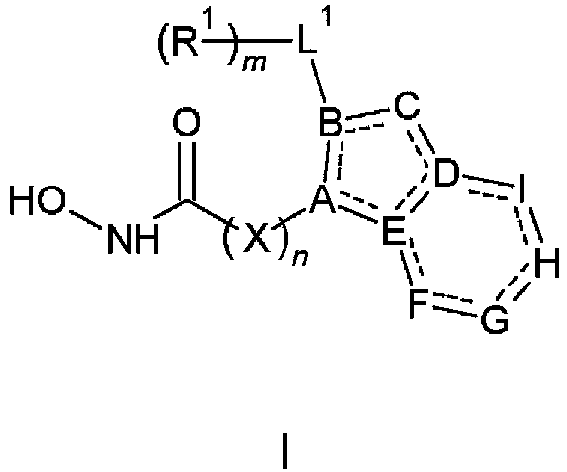
- the present invention provides a compound of the following Formula I, its individual enantiomers, its individual diastereoisomers, its hydrates, its solvates, its crystal forms, its individual tautomers or a pharmaceutically acceptable salt thereof, wherein:
- the present invention further provides a pharmaceutical composition comprising the compound as defined above and a pharmaceutically acceptable excipient.
- the present invention further provides a compound or a pharmaceutical composition as defined above for use in a method for treatment or prophylaxis of the human or animal body by surgery or therapy, as well as methods for treatment or prophylaxis of the human or animal body by surgery or therapy comprising administering a therapeutically effective amount of the above compound or pharmaceutical composition to a subject in need thereof.
- the present invention further provides a compound or a pharmaceutical as defined above for use in a method for therapy or prevention of diseases and conditions selected from:
- the present inventors have found that the compounds according to Formula I exhibit high inhibitory activity against various astacin metalloproteinases, in particular against hMeprin ⁇ and hMeprin ⁇ as evidenced by the experimental results shown herein (see Table 2). Additionally, as evidenced by the results shown in Table 3, the compounds also exhibit selectivity for astacin metalloproteinases while at the same time being significantly less active on further members of the metzincin superfamily including ADAMs (such as ADAM10 and ADAM17 (TACE)) and MMPs (such as MMP2, MMP9 and MMP13), thereby reducing the risk for potential side effects.
- ADAMs such as ADAM10 and ADAM17 (TACE)
- MMPs such as MMP2, MMP9 and MMP13
- hOvastacin tcDPY-31 and hcDPY-31
- S 1 ' an identical specificity pocket
- Metal-turn, SxMHY a highly conserved methionine-containing turn backing the zinc site
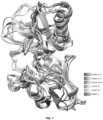
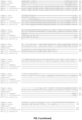
- hMeprin ⁇ , hMeprin ⁇ , as hOvastacin, tcDPY-31 and hcDPY-31 strikingly similar overall three-dimensional structures (as shown in Fig. 1 ) and in particular of their active sites also responsible for inhibitor binding (as shown in Fig. 2-4 ).
- all of the present compounds are useful as inhibitors of metalloproteinases of the astacin family; in particular procollagen C-proteinase (PCP) enzymes, meprins, ovastacin and/or nematode astacins; more particularly human or mammalian meprin ⁇ (such as human meprin ⁇ , hMeprin ⁇ ), meprin ⁇ (such as human meprin ⁇ , hMeprin ⁇ ), BMP-1 (such as human BMP-1, hBMP-1), ovastacin (such as human ovastacin, hOvastacin) and/or DPY-31 from nematodes (such as DPY-31 from T. circumcincta (tcDPY-31), H. contortus (hcDPY-31) and B. malayi (bmDPY-31).
- PCP procollagen C-proteinase
- the present invention provides a new class of inhibitors different in its physical chemical properties from compounds known from the prior art, such as secondary/tertiary amine or sulfonamide-based inhibitors. Also, the pharmacokinetic and pharmacodynamic properties of the new molecules are influenced thereby, which leads, e.g., to an improved activity against the target enzymes. Additionally, the present compounds are characterized by the presence of a flat aromatic or heteroaromatic moiety at the w-position of the respective alkylhydroxamic acids. The structural features and properties of the presently described compounds are clearly distinct from any previously described inhibitors of astacin metalloproteases or related enzymes.
- the present disclosure provides compounds to any one of the following aspects .
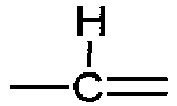
- the symbol represents an sp 2 carbon atom capable of being connected with three further atoms, and should be understood to denote any orientation within the respective molecular structure, e.g., also with the proviso that the double bond must be part of the respective planar ring system (ABCDE or ABCDEFGHI).
- the symbol represents an sp 2 carbon atom capable of being connected with three further atoms, and should be understood to denote any orientation within the respective molecular structure, e.g., also with the proviso that the double bond must be part of the respective planar ring system (ABCDE or ABCDEFGHI).
- the symbol represents an sp 3 nitrogen atom capable of being connected with three further atoms, and should be understood to comprise any orientation within the respective molecular structure. This applies analogously to the symbol the only difference in this cases being that the sp 3 nitrogen atom is capable of being connected with two further atoms of the respective planar ring system, whereas the group R 3 is a substituent of the respective planar ring system.
- alkyl also comprises cycloalkyl groups.
- cycloalkyl denotes a C 3-10 cycloalkyl group (i.e. 3 to 10 ring carbon atoms), more suitably a C 3-8 cycloalkyl group, e.g. a C 3-6 cycloalkyl group.
- Exemplary cycloalkyl groups include cyclopropyl, cyclobutyl, cyclopentyl, cyclohexyl, cycloheptyl and cyclooctyl.
- a most suitable number of ring carbon atoms is three to six.
- heteroalkyl refers to an alkyl group wherein one or more carbon atoms, preferably 1, 2 or 3, are replaced by heteroatoms selected from N, S and O.
- aryl denotes a C 6-12 aryl group, suitably a C 6-10 aryl group, more suitably a C 6-8 aryl group.
- Aryl groups will contain at least one aromatic ring (e.g. one, two or three rings).
- An example of a typical aryl group with one aromatic ring is phenyl.
- An example of a typical aryl group with two aromatic rings is naphthyl.
- heterocyclyl and “heterocyclyc”, unless specifically limited, refer to a carbocyclyl group wherein one or more (e.g. 1, 2 or 3) ring atoms are replaced by heteroatoms selected from N, S and O.
- a specific example of a heterocyclyl group is a cycloalkyl group (e.g. cyclopentyl or more particularly cyclohexyl) wherein one or more (e.g. 1, 2 or 3, particularly 1 or 2, especially 1) ring atoms are replaced by heteroatoms selected from N, S or O.
- heterocyclyl groups containing one hetero atom include pyrrolidine, tetrahydrofuran and piperidine, and exemplary heterocyclyl groups containing two hetero atoms include morpholine and piperazine.
- a further specific example of a heterocyclyl group is a cycloalkenyl group (e.g. a cyclohexenyl group) wherein one or more (e.g. 1, 2 or 3, particularly 1 or 2, especially 1) ring atoms are replaced by heteroatoms selected from N, S and O.
- An example of such a group is dihydropyranyl (e.g. 3,4-dihydro-2H-pyran-2-yl-).
- heteroaryl denotes an aryl residue, wherein one or more (e.g. 1, 2, 3, or 4, suitably 1 , 2 or 3) ring atoms are replaced by heteroatoms selected from N, S and O, or else a 5-membered aromatic ring containing one or more (e.g. 1 , 2, 3, or 4, suitably 1 , 2 or 3) ring atoms selected from N, S and O.
- Heteroaryl groups represent a particular subtype within the general class of "heterocyclyl” or "heterocyclyc” groups.
- Exemplary monocyclic heteroaryl groups having one heteroatom include: five membered rings (e.g.
- pyrrole furan, thiophene
- six membered rings e.g. pyridine, such as pyridin-2-yl, pyridin-3-yl and pyridin-4-yl
- exemplary monocyclic heteroaryl groups having two heteroatoms include: five membered rings (e.g. pyrazole, oxazole, isoxazole, thiazole, isothiazole, imidazole, such as imidazol-1-yl, imidazol-2-yl imidazol-4-yl); six membered rings (e.g. pyridazine, pyrimidine, pyrazine).
- Exemplary monocyclic heteroaryl groups having three heteroatoms include: 1,2,3-triazole and 1,2,4-triazole.
- Exemplary monocyclic heteroaryl groups having four heteroatoms include tetrazole.
- Exemplary bicyclic heteroaryl groups include: indole (e.g. indol-6-yl), benzofuran, benzthiophene, quinoline, isoquinoline, indazole, benzimidazole, benzothiazole, quinazoline and purine.
- alkoxyaryl denotes an aryl residue which is substituted by at least one alkoxy, carboxy, cyano, halo, hydroxy and heteroaryl group, respectively.
- alkoxyheteroaryl denotes a heteroaryl residue which is substituted by at least one alkoxy, carboxy, cyano, halo, and hydroxy group, respectively.
- alk for example in the expressions “alkoxy”, “haloalkyl” should be interpreted in accordance with the definition of "alkyl”.
- alkoxy groups include methoxy, ethoxy, propoxy (e.g. n-propoxy), butoxy (e.g. n-butoxy), pentoxy (e.g. n-pentoxy), hexoxy (e.g. n-hexoxy), heptoxy (e.g. n-heptoxy) and octoxy (e.g. n-octoxy).
- exemplary haloalkyl groups include fluoroalkyl e.g. CF 3 ; exemplary haloalkoxy groups include fluoroalkyl e.g. OCF 3 .
- halogen or "halo” comprises fluorine (F), chlorine (CI), bromine (Br) and iodine (I).
- hydrogen or “H” as used herein encompass all isotopes of hydrogen, in particular protium ( 1 H) and deuterium ( 2 H, also denoted as D).
- optionally substituted refers to optional substitution by one or more groups independently selected from amino, halogen, cyano, hydroxy, carboxy, -C(O)O(alkyl), -C(O)NH 2 , -C(O)NH(alkyl), alkylsulfono, a functional group having an acidic hydrogen, alkoxy, alkyl, alkenyl, alkynyl, cycloalkyl, cycloalkenyl, aryl, arylalkyl, heterocyclyl, heteroaryl and heteroarylalkyl, each of which can be further substituted by one or more groups independently selected from halogen, carboxy, cyano, alkyl, alkoxy and hydroxy; wherein preferably , at each occurrence, said aryl is a C 6 aryl group; said heterocyclyl is a heterocyclic group comprising 1 to 4 ring heteroatoms selected from N, S and O; said heteroaryl is a C 3-5 aromatic
- the compounds may, for example, be resolved into their components enantiomers by standard techniques, such as the formation of diastereomeric pairs by salt formation with an optically active acid, such as (-)-di-p-toluoyl-d-tartaric acid and/or (+)-di-p-toluoyl-l-tartaric acid followed by fractional crystallization and regeneration of the free base, or by salt formation with an optically active base, such as quinine, quinidine, quinotoxine, cinkotoxine, ( S )-phenylethylamine, (1 R ,2 S )-ephedrine, ( R )-phenylglycinol, ( S )-2-aminobutanol, followed by fractional crystallization and regeneration of the free acid.
- the compounds may also be resolved by formation of diastereomeric esters or amides, followed by chromatographic separation and removal of the chiral auxiliary. Alternatively, the compounds may be
- some of the individual crystalline forms of the compounds may exist as polymorphs and as such are intended to be included in the present invention.
- some of the compounds may form solvates with water (i.e. hydrates) or common organic solvents, and such solvates are also intended to be encompassed within the scope of this invention.
- the compounds, including their salts can also be obtained in the form of their hydrates, or include other solvents used for their crystallization.
- a corresponding salt, solvate or polymorph is also intended, provided such is possible or appropriate under the circumstances.
- tautomer refers to the migration of protons between adjacent single and double bonds. The tautomerization process is reversible. Compounds described herein can undergo any possible tautomerization that is within the physical characteristics of the compound.
- the term “pharmaceutically acceptable” embraces both human and veterinary use.
- pharmaceutically acceptable embraces a veterinarily acceptable compound or a compound acceptable in human medicine and health care.
- Salts, hydrates and solvates of the compounds of Formula I and physiologically functional derivatives thereof which are suitable for use in medicine are those wherein the counter-ion or associated solvent is pharmaceutically acceptable.
- salts, hydrates and solvates having non-pharmaceutically acceptable counter-ions or associated solvents are within the scope of the present invention, for example, for use as intermediates in the preparation of other compounds and their pharmaceutically acceptable salts, hydrates and solvates.
- Suitable salts according to the invention include those formed with either organic and inorganic acids or bases.
- Pharmaceutically acceptable acid addition salts include those formed from hydrochloric, hydrobromic, sulfuric, nitric, citric, tartaric, phosphoric, lactic, pyruvic, acetic, trifluoroacetic, triphenylacetic, sulfamic, sulfanilic, succinic, oxalic, fumaric, maleic, malic, mandelic, glutamic, aspartic, oxaloacetic, methanesulfonic, ethanesulfonic, arylsulfonic (for example p-toluenesulfonic, benzenesulfonic, naphthalenesulfonic or naphthalenedisulfonic), salicylic, glutaric, gluconic, tricarballylic, cinnamic, substituted cinnamic (for example, phenyl
- Pharmaceutically acceptable base salts include ammonium salts, alkali metal salts such as those of sodium and potassium, alkaline earth metal salts such as those of calcium and magnesium and salts with organic bases such as dicyclohexylamine and N -methyl- D -glucamine.
- the pharmaceutical composition according to the present invention comprises a compound as described above and a pharmaceutically acceptable excipient.
- the term "pharmaceutical composition” is intended to encompass a product comprising the claimed compounds in the therapeutically effective amounts, as well as any product that results, directly or indirectly, from combinations of the claimed compounds.
- the term “excipient” refers to a carrier, a binder, a disintegrator and/or a further suitable additive for galenic formulations, for instance, for liquid oral preparations, such as suspensions, elixirs and solutions; and/or for solid oral preparations, such as, for example, powders, capsules, gelcaps and tablets.
- Carriers which can be added to the mixture, include necessary and inert pharmaceutical excipients, including, but not limited to, suitable suspending agents, lubricants, flavorants, sweeteners, preservatives, coatings, granulating agents, dyes, and coloring agents.
- the present disclosure provides a compound, e.g., a compound of any one of the above aspects ⁇ 1>- ⁇ 24>, and/or a pharmaceutical composition as described above for use in a method for treatment of the human or animal body.
- the present disclosure also provides a method for treatment of the human or animal body wherein the method comprises administration of a therapeutically effective amount of said compound or composition to a subject in need thereof.
- the present disclosure further provides a compound and/or a pharmaceutical composition as described herein, e.g., a compound of any one of the above aspects ⁇ 1>- ⁇ 24>, for use in a method for therapy or prophylaxis of diseases and conditions associated with Meprin ⁇ and/or Meprin ⁇ ; as well as a method for therapy or prophylaxis of such diseases and conditions wherein the method comprises administration of a therapeutically effective amount of said compound or composition to a subject in need thereof.
- a pharmaceutical composition as described herein, e.g., a compound of any one of the above aspects ⁇ 1>- ⁇ 24>, for use in a method for therapy or prophylaxis of diseases and conditions associated with Meprin ⁇ and/or Meprin ⁇ ; as well as a method for therapy or prophylaxis of such diseases and conditions wherein the method comprises administration of a therapeutically effective amount of said compound or composition to a subject in need thereof.
- Meprin ⁇ and/or Meprin ⁇ include Alzheimer's disease; nephritis; renal injury; renal ischemic injury; ischemic acute tubular necrosis; acute renal failure; bladder inflammation; inflammatory bowel disease (IBD); Crohn's disease; ulcerative colitis; chronic inflammation; colitis; fibrosis; fibrotic conditions; keloids; pulmonary hypertension; interstitial lung disease (ILD); cancer; and colorectal cancer.
- IBD inflammatory bowel disease
- Crohn's disease Crohn's disease
- ulcerative colitis chronic inflammation
- colitis colitis
- fibrosis fibrotic conditions
- keloids pulmonary hypertension
- cancer and colorectal cancer.
- the present disclosure further provides a compound and/or a pharmaceutical composition as described herein, e.g., a compound of any one of the above aspects ⁇ 1>- ⁇ 24>, for use in a method for therapy or prophylaxis of diseases and conditions associated with BMP-1; as well as a method for therapy or prophylaxis of such diseases and conditions wherein the method comprises administration of a therapeutically effective amount of said compound or composition to a subject in need thereof.
- diseases and conditions associated with associated with BMP-1 include fibrosis; acute fibrotic disorders and conditions; chronical fibrotic disorders and conditions; fibrosis occurring in organs and/or accompanying diseases and conditions selected from hepatitis, liver cirrhosis, hypertension, myocardial infarction, heart failure, asthma, pulmonary hypertension, scleroderma, fibrotic skin and internal organs, diabetes, diabetes nephropathy, atherosclerosis and fibrotic blood vessels; hypertrophic dermal scarring; keloids; pulmonary fibrosis; acute CNS scarring following traumatic injury; neuronal regeneration following stroke or spinal cord injury; obliterative fibrosis of the hollow structures within grafts; chronic allograft rejection; wound healing disorders; post-surgical scarring; dermal scarring; fibrosis resulting from gynaecological procedures; fibrosis after eye surgery; fibrosis following angioplasty; fibrosis following surgery on joints;
- the present disclosure further provides a compound and/or a pharmaceutical composition as described herein, e.g., a compound of any one of the above aspects ⁇ 1>- ⁇ 24>, for use in a method for therapy or prophylaxis of diseases and conditions associated with ovastacin; as well as a method for therapy or prophylaxis of such diseases and conditions wherein the method comprises administration of a therapeutically effective amount of said compound or composition to a subject in need thereof.
- diseases and conditions associated with ovastacin include mammalian infertility; and therapeutic use for in vitro fertilization (IVF) treatment of a mammal.
- Typical candidates for such treatment can be subjects (mammals) suffering from or suspected of suffering from infertility.
- the subject is a female.
- the subject is a female human.
- infertility in the case of humans can be defined as "a disease of the reproductive system defined by the failure to achieve a clinical pregnancy after 12 months or more of regular unprotected sexual intercourse.”
- the present compounds can be administered to females undergoing assisted reproductive treatments such as in vitro fertilization, e.g., for stimulating fertilization.
- the present compounds can be used as a method for improving the fertilization rate for a subject undergoing assisted reproduction treatment or procedure, e.g., by administering a therapeutically effective amount of said compound or composition to a subject undergoing such treatment, and/or by contacting an oocyte in vitro with a composition comprising a compound as described herein.
- in vitro fertilization may refer to a method comprising collecting an ovum, fertilizing the ovum in vitro with a spermatozoon and, when cleavage has progressed to a certain degree, inserting the ovum into the uterine cavity, i.e. it may include the processes of ovulation induction, ovum collection, in vitro fertilization and culture, and embryo transfer.
- subject refers to an animal, preferably a mammal, most preferably a human.
- terapéuticaally effective amount means that amount of active compound or pharmaceutical agent that elicits the biological or medicinal response in a tissue system, animal or human being sought by a researcher, veterinarian, medical doctor or other clinician, which includes alleviation of the symptoms of the disease or disorder being treated.
- the respective aldehyde (1 eq), 30% hydrogen peroxide (4 eq) and ceric ammonium nitrate (0.1 eq) were added and the mixture was heated to 50°C for 12 minutes under microwave irradiation.
- the volatiles were evaporated, the remains were taken up with water and extracted with EtOAc (3x25 ml).
- the combined organic layers were dried over Na 2 SO 4 and evaporated.
- the residue was purified by flash chromatography (silica, CHCl 3 /MeOH gradient).
- the purified product was treated with TFA/DCM (1:1 v/v, 10 ml) and triisopropylsilane (180 ⁇ l) and stirred at room temperature for 1-2 hours. The volatiles were evaporated, and the remains were purified by semi-preparative HPLC.
- the compounds were analysed using a gradient at a flow rate of 1 mL/min; whereby eluent (A) was acetonitrile, eluent (B) was water, both containing 0.04 % (v/v) trifluoroacetic acid applying one of the following gradients:
- the determination of enzymatic activity was based on the cleavage of internally quenched peptide substrates.
- a typical assay of 250 ⁇ l total volume measured in black 96 well plates consisted of 100 ⁇ l buffer, 50 ⁇ l enzyme at a final concentration of 5e-8 M to 5e-9 M, 50 ⁇ l substrate (0.15 to 80 ⁇ M, in buffer, 0.5% DMSO) and 50 ⁇ l inhibitor solution (in buffer, 1% DMSO). In case of 125 ⁇ l assay volume (black 96 half area well plates) all volumes were cut in half.
- Enzymatic activity of ADAMs was measured in 384 well plates with 60 ⁇ l total assay volume consisting of 20 ⁇ l inhibitor, 20 ⁇ l buffer, 10 ⁇ l enzyme and 10 ⁇ l substrate.
- IC 50 values the influence of 12 inhibitor concentrations ranging from 0 to 5e-5 M on the enzymatic activity was investigated in the presence of one standard substrate concentration (10 ⁇ M).
- Initial velocities were determined and converted into concentration units applying a standard curve obtained after complete conversion of different substrate concentrations under assay conditions. All measurements were performed using a fluorescence plate reader (FLUOstar OPTIMA, BMG Labtech) at 30°C.
- the kinetic parameters were determined at least in duplicates on separate days.
- the excitation/emission wavelength was 340/420 nm.
- the kinetic data was evaluated using GraFit software (version 7.0.3, Erithacus Software).
- MMPs were activated prior to measurement by APMA (p-aminophenylmercuric acetate) treatment according to manufacturer's instructions (R&D systems).
- APMA p-aminophenylmercuric acetate
- IC 50 values for the inhibition of hMeprin ⁇ and ⁇ measured using the above enzyme assays are shown in the following table.
- IC 50 refers to the average IC 50 values (geometric mean of independent experiments; geometric SD factor is given in parentheses) measured as described above. Table 2.
Landscapes
- Chemical & Material Sciences (AREA)
- Organic Chemistry (AREA)
- Health & Medical Sciences (AREA)
- Veterinary Medicine (AREA)
- Public Health (AREA)
- Medicinal Chemistry (AREA)
- Pharmacology & Pharmacy (AREA)
- Life Sciences & Earth Sciences (AREA)
- Animal Behavior & Ethology (AREA)
- General Health & Medical Sciences (AREA)
- Chemical Kinetics & Catalysis (AREA)
- Nuclear Medicine, Radiotherapy & Molecular Imaging (AREA)
- General Chemical & Material Sciences (AREA)
- Engineering & Computer Science (AREA)
- Bioinformatics & Cheminformatics (AREA)
- Biomedical Technology (AREA)
- Neurology (AREA)
- Neurosurgery (AREA)
- Urology & Nephrology (AREA)
- Pulmonology (AREA)
- Diabetes (AREA)
- Epidemiology (AREA)
- Hospice & Palliative Care (AREA)
- Psychiatry (AREA)
- Rheumatology (AREA)
- Tropical Medicine & Parasitology (AREA)
- Cardiology (AREA)
- Heart & Thoracic Surgery (AREA)
- Endocrinology (AREA)
- Dermatology (AREA)
- Pain & Pain Management (AREA)
- Emergency Medicine (AREA)
- Hematology (AREA)
- Orthopedic Medicine & Surgery (AREA)
- Ophthalmology & Optometry (AREA)
- Vascular Medicine (AREA)
- Immunology (AREA)
- Gastroenterology & Hepatology (AREA)
- Reproductive Health (AREA)
- Obesity (AREA)
Claims (9)
- Verbindung gemäß der folgenden Formel I,
 A unabhängig ausgewählt ist aus
 B unabhängig ausgewählt ist aus
 C unabhängig ausgewählt ist aus ,
 F, falls vorhanden, unabhängig ausgewählt ist aus
 G, falls vorhanden, unabhängig ausgewählt ist aus
 H, falls vorhanden, unabhängig ausgewählt ist aus
 I, falls vorhanden, unabhängig ausgewählt ist aus
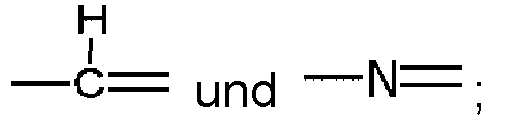 wobei, falls F, G, H und I vorhanden sind, dann:ist D
 ist E unabhängig gewählt aus
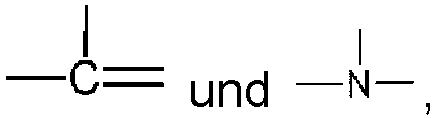 ist der Ring, der durch D, E, F, G, H und I ausgebildet ist, durch p Substituenten substituiert, dargestellt durch R2, andernfalls, falls F, G, H und I fehlen, dann:ist D unabhängig ausgewählt aus
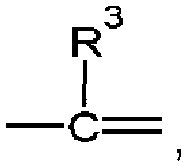 ist E unabhängig ausgewählt aus
 wobei jedes X unabhängig aus C(Ra)Rb ausgewählt ist, wobei einer der C(Ra)Rb-Gruppen durch eine NRa-Gruppe ersetzt werden können;n 1 oder 2 ist;m 0, 1, 2 oder 3 ist;p 0, 1, 2 oder 3 ist;L1 Phenyl ist;L2 Phenyl ist;R1 unabhängig ausgewählt ist aus Cl, F, OH, OCH3 und COOH und/oder zwei R1-Gruppen zusammen einen Teil eines 1,3-Benzodioxolrings oder eines 2,3-Dihydro-1,4-benzodioxinrings ausbilden;R2 COOH ist;jedes R3 unabhängig ausgewählt ist aus Wasserstoff, Methyl, Ethyl, Propargyl, -CH2COOH, Benzyl, unsubstituiertes Phenyl und substituiertes Phenyl, ausgewählt aus 3-Carboxyphenyl und 4-Carboxyphenyl; undRa and Rb Wasserstoff sind;mit der Maßgabe, dasswenn das Ringfragment
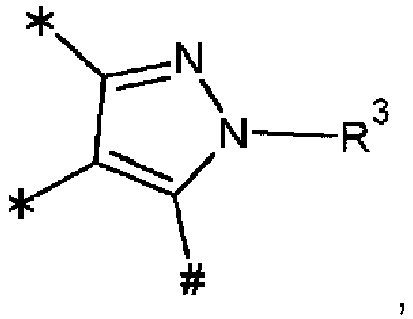 ist R3 ausgewählt aus Wasserstoff, Methyl, Benzyl und substituiertem Phenyl, ausgewählt aus 3-Carboxyphenyl und 4-Carboxyphenyl;wenn das Ringfragment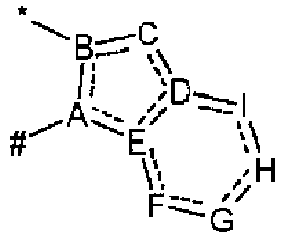
 wenn das Ringfragment

- Verbindung nach Anspruch 1, die durch eine der folgenden Formeln la und Ib dargestellt wird:

- Verbindung nach einem der Ansprüche 1 oder 2, wobei, falls F, G, H und I fehlen, das Ringfragment

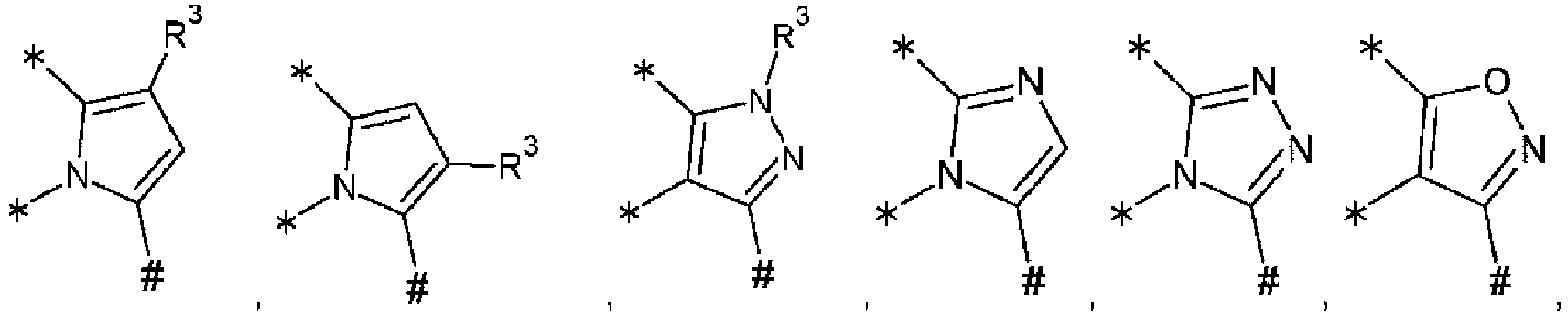


- Verbindung nach einem der Ansprüche 1 bis 3, wobei, falls F, G, H und I vorhanden sind, das Ringfragment


- Verbindung nach einem der Ansprüche 1 bis 4, wobeiX C(Ra)Rb ist;n 1 ist; undmindestens eines von m und p größer als 0 ist.
- Verbindung nach einem der Ansprüche 1 bis 5, ausgewählt aus der Gruppe bestehend aus:


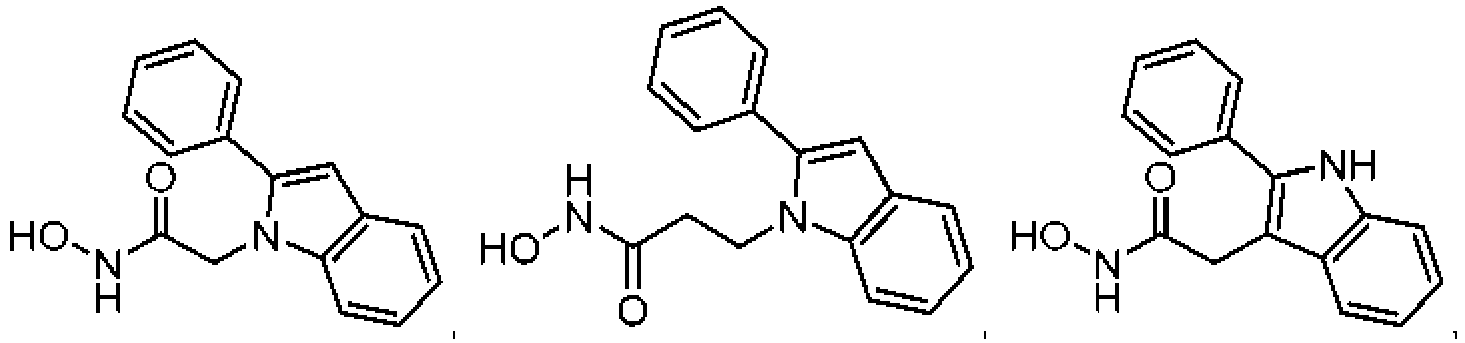


- Pharmazeutische Zusammensetzung, umfassend die Verbindung nach einem der Ansprüche 1 bis 6 und einen pharmazeutisch verträglichen Träger umfasst.
- Verbindung nach einem der Ansprüche 1 bis 7 oder eine pharmazeutische Zusammensetzung gemäß Anspruch 9 für eine Verwendung in einem Verfahren für eine Behandlung des menschlichen oder tierischen Körpers.
- Verbindung nach einem der Ansprüche 1 bis 7 oder eine pharmazeutische Zusammensetzung, entsprechend umfassend die Verbindung und einen pharmazeutisch verträglichen Träger, für die Verwendung in einem Verfahren für eine Therapie oder Prävention von Krankheiten und Erkrankungen, ausgewählt aus:(a) Alzheimer-Krankheit; Nephritis; Nierenschädigung; ischämische Nierenschädigung; ischämische akute Tubulusnekrose; akutes Nierenversagen; Blasenentzündung; entzündliche Darmerkrankung (IBD); Morbus Crohn; Colitis ulcerosa; chronische Entzündung; Kolitis; Fibrose; fibrotische Zustände; Keloide; pulmonale Hypertonie; interstitielle Lungenerkrankung (ILD); Krebs; Dickdarmkrebs;(b) Fibrose; akute fibrotische Störungen und Erkrankungen; chronische fibrotische Störungen und Erkrankungen; in Organen auftretende Fibrose und/oder begleitende Krankheiten und Erkrankungen, ausgewählt aus Hepatitis, Leberzirrhose, Bluthochdruck, Herzinfarkt, Herzversagen, Asthma, pulmonaler Hypertonie, Sklerodermie, fibrotischer Haut und inneren Organen, Diabetes, diabetischer Nephropathie, Arteriosklerose und fibrotischen Blutgefäßen; hypertrophe dermale Narbenbildung; Keloide; Lungenfibrose; akute ZNS-Narbenbildung nach traumatischen Verletzungen; neuronale Regeneration nach Schlaganfall oder Rückenmarksverletzung; obliterative Fibrose der Hohlstrukturen innerhalb von Transplantaten; chronische Allotransplantatabstoßung; Wundheilungsstörungen; postoperative Narbenbildung; dermale Narbenbildung; Fibrose infolge gynäkologischer Eingriffe; Fibrose nach Augenoperation; Fibrose nach Angioplastie; Fibrose nach Gelenkoperationen; Verhinderung der lokalen Invasion, des Wiederauftretens und der Metastasierung maligner Keratinozyten oder Plattenepithelkarzinome (SCCs);(c) Unfruchtbarkeit bei Säugetieren; therapeutische Verwendung für in vitro Befruchtungsbehandlung (IVF) eines Säugetiers;(d) Nematodeninfektionen; Infektionen verursacht durch Teladorsagia circumcincta; Infektionen verursacht durch Haemonchus contortus; und Infektionen durch Brugia malayi.
Priority Applications (20)
| Application Number | Priority Date | Filing Date | Title |
|---|---|---|---|
| EP19180240.4A EP3750878B1 (de) | 2019-06-14 | 2019-06-14 | Heteroaromatische inhibitoren von astacinproteinasen |
| SG11202112905UA SG11202112905UA (en) | 2019-06-14 | 2020-06-12 | Heteroaromatic inhibitors of astacin proteinases |
| BR112021024327A BR112021024327A2 (pt) | 2019-06-14 | 2020-06-12 | Inibidores heteroaromáticos de astacina proteinases |
| EP20733712.2A EP3986868A1 (de) | 2019-06-14 | 2020-06-12 | Heteroaromatische inhibitoren von astacinproteinasen |
| CN202080057197.6A CN114585608B (zh) | 2019-06-14 | 2020-06-12 | 虾红素蛋白酶的杂芳族抑制剂 |
| JP2021574193A JP7773377B2 (ja) | 2019-06-14 | 2020-06-12 | アスタシンプロテイナーゼのヘテロ芳香族インヒビター |
| AU2020291114A AU2020291114B2 (en) | 2019-06-14 | 2020-06-12 | Heteroaromatic inhibitors of astacin proteinases |
| KR1020267005267A KR20260036022A (ko) | 2019-06-14 | 2020-06-12 | 아스타신 프로테이나제의 헤테로방향족 억제제 |
| MX2021015324A MX2021015324A (es) | 2019-06-14 | 2020-06-12 | Inhibidores heteroaromaticos de las proteinasas de astacina. |
| CA3142992A CA3142992A1 (en) | 2019-06-14 | 2020-06-12 | Heteroaromatic inhibitors of astacin proteinases |
| PCT/EP2020/066352 WO2020249760A1 (en) | 2019-06-14 | 2020-06-12 | Heteroaromatic inhibitors of astacin proteinases |
| US17/618,964 US20230122243A1 (en) | 2019-06-14 | 2020-06-12 | Heteroaromatic inhibitors of astacin proteinases |
| NZ782669A NZ782669B2 (en) | 2020-06-12 | Heteroaromatic inhibitors of astacin proteinases | |
| KR1020217043341A KR102930913B1 (ko) | 2019-06-14 | 2020-06-12 | 아스타신 프로테이나제의 헤테로방향족 억제제 |
| ZA2021/09419A ZA202109419B (en) | 2019-06-14 | 2021-11-23 | Heteroaromatic inhibitors of astacin proteinases |
| IL288851A IL288851B2 (en) | 2019-06-14 | 2021-12-09 | Heteroaromatic inhibitors of astacin proteinases |
| MX2025005324A MX2025005324A (es) | 2019-06-14 | 2021-12-10 | Inhibidores heteroaromaticos de las proteinasas de astacina |
| JP2025119759A JP2025165966A (ja) | 2019-06-14 | 2025-07-16 | アスタシンプロテイナーゼのヘテロ芳香族インヒビター |
| US19/316,605 US20250388544A1 (en) | 2019-06-14 | 2025-09-02 | Heteroaromatic inhibitors of astacin proteinases |
| IL323353A IL323353A (en) | 2019-06-14 | 2025-09-14 | Heteroaromatic inhibitors of astacin proteinases |
Applications Claiming Priority (1)
| Application Number | Priority Date | Filing Date | Title |
|---|---|---|---|
| EP19180240.4A EP3750878B1 (de) | 2019-06-14 | 2019-06-14 | Heteroaromatische inhibitoren von astacinproteinasen |
Publications (3)
| Publication Number | Publication Date |
|---|---|
| EP3750878A1 EP3750878A1 (de) | 2020-12-16 |
| EP3750878B1 true EP3750878B1 (de) | 2025-05-14 |
| EP3750878C0 EP3750878C0 (de) | 2025-05-14 |
Family
ID=67105691
Family Applications (2)
| Application Number | Title | Priority Date | Filing Date |
|---|---|---|---|
| EP19180240.4A Active EP3750878B1 (de) | 2019-06-14 | 2019-06-14 | Heteroaromatische inhibitoren von astacinproteinasen |
| EP20733712.2A Pending EP3986868A1 (de) | 2019-06-14 | 2020-06-12 | Heteroaromatische inhibitoren von astacinproteinasen |
Family Applications After (1)
| Application Number | Title | Priority Date | Filing Date |
|---|---|---|---|
| EP20733712.2A Pending EP3986868A1 (de) | 2019-06-14 | 2020-06-12 | Heteroaromatische inhibitoren von astacinproteinasen |
Country Status (13)
| Country | Link |
|---|---|
| US (2) | US20230122243A1 (de) |
| EP (2) | EP3750878B1 (de) |
| JP (2) | JP7773377B2 (de) |
| KR (2) | KR20260036022A (de) |
| CN (1) | CN114585608B (de) |
| AU (1) | AU2020291114B2 (de) |
| BR (1) | BR112021024327A2 (de) |
| CA (1) | CA3142992A1 (de) |
| IL (2) | IL288851B2 (de) |
| MX (2) | MX2021015324A (de) |
| SG (1) | SG11202112905UA (de) |
| WO (1) | WO2020249760A1 (de) |
| ZA (1) | ZA202109419B (de) |
Families Citing this family (6)
| Publication number | Priority date | Publication date | Assignee | Title |
|---|---|---|---|---|
| EP3980414A1 (de) | 2019-06-07 | 2022-04-13 | Elanco Tiergesundheit AG | Bicyclische derivate zur behandlung von endoparasiten |
| EP4244281B1 (de) | 2021-02-26 | 2024-04-03 | Sun Chemical B.V. | Photoinitiatorharze mit dibenzoylmethanunterstruktur |
| CN113698349B (zh) * | 2021-09-02 | 2023-08-01 | 河南师范大学 | 一种2-(2-苯基-2h-吲唑-3-基)乙酸酯类化合物的水相光催化制备方法 |
| CN114262296B (zh) * | 2021-12-21 | 2023-07-18 | 南京工业大学 | 一种利用微通道反应装置合成咪唑类化合物的方法 |
| WO2023118482A1 (en) | 2021-12-24 | 2023-06-29 | Sun Chemical Corporation | Amine synergists with uv-a absorption |
| CN119101046A (zh) * | 2024-08-30 | 2024-12-10 | 沈阳药科大学 | 3-萘基噻吩类衍生物及其制备方法和应用 |
Family Cites Families (8)
| Publication number | Priority date | Publication date | Assignee | Title |
|---|---|---|---|---|
| IT1036004B (it) * | 1968-05-21 | 1979-10-30 | Abc Ist Biolog Chem Spa | Acidt 3 indolil adetoidrossamici |
| US4146721A (en) * | 1969-09-12 | 1979-03-27 | Byk Gulden Lomberg Chemische Fabrik Gmbh | Pyrazol-4-acetic acid compounds |
| US4021448A (en) * | 1975-10-21 | 1977-05-03 | Sterling Drug Inc. | 2-Substituted-indole-1-lower-alkanecarboxamides |
| KR100432928B1 (ko) * | 2001-04-26 | 2004-05-28 | 주식회사 코오롱 | 신규한 하이드록스아믹산 유도체, 신규한 그의 중간체화합물 및 그들의 제조방법 |
| US20090005344A1 (en) * | 2004-11-01 | 2009-01-01 | Nkuada, Llc | Compounds and Methods of Use Thereof |
| DE102005019181A1 (de) * | 2005-04-25 | 2006-10-26 | Novartis Ag | Peptid-Deformylase (PDF) Inhibitoren 1 |
| JP2010527344A (ja) | 2007-05-18 | 2010-08-12 | インヒブオーエックス リミテッド | ビシクロスルホニル酸(bcsa)化合物及び治療薬としてのその使用 |
| PL3445744T3 (pl) | 2016-04-18 | 2022-02-07 | Vivoryon Therapeutics Ag | Nowe inhibitory mepryny alfa i beta |
-
2019
- 2019-06-14 EP EP19180240.4A patent/EP3750878B1/de active Active
-
2020
- 2020-06-12 KR KR1020267005267A patent/KR20260036022A/ko active Pending
- 2020-06-12 KR KR1020217043341A patent/KR102930913B1/ko active Active
- 2020-06-12 EP EP20733712.2A patent/EP3986868A1/de active Pending
- 2020-06-12 WO PCT/EP2020/066352 patent/WO2020249760A1/en not_active Ceased
- 2020-06-12 AU AU2020291114A patent/AU2020291114B2/en active Active
- 2020-06-12 CA CA3142992A patent/CA3142992A1/en active Pending
- 2020-06-12 JP JP2021574193A patent/JP7773377B2/ja active Active
- 2020-06-12 CN CN202080057197.6A patent/CN114585608B/zh active Active
- 2020-06-12 SG SG11202112905UA patent/SG11202112905UA/en unknown
- 2020-06-12 US US17/618,964 patent/US20230122243A1/en not_active Abandoned
- 2020-06-12 BR BR112021024327A patent/BR112021024327A2/pt unknown
- 2020-06-12 MX MX2021015324A patent/MX2021015324A/es unknown
-
2021
- 2021-11-23 ZA ZA2021/09419A patent/ZA202109419B/en unknown
- 2021-12-09 IL IL288851A patent/IL288851B2/en unknown
- 2021-12-10 MX MX2025005324A patent/MX2025005324A/es unknown
-
2025
- 2025-07-16 JP JP2025119759A patent/JP2025165966A/ja active Pending
- 2025-09-02 US US19/316,605 patent/US20250388544A1/en active Pending
- 2025-09-14 IL IL323353A patent/IL323353A/en unknown
Also Published As
| Publication number | Publication date |
|---|---|
| IL288851A (en) | 2022-02-01 |
| SG11202112905UA (en) | 2021-12-30 |
| US20250388544A1 (en) | 2025-12-25 |
| IL323353A (en) | 2025-11-01 |
| NZ782669A (en) | 2025-06-27 |
| KR20220024216A (ko) | 2022-03-03 |
| MX2021015324A (es) | 2022-04-06 |
| IL288851B2 (en) | 2026-02-01 |
| EP3750878A1 (de) | 2020-12-16 |
| KR102930913B1 (ko) | 2026-02-27 |
| CA3142992A1 (en) | 2020-12-17 |
| MX2025005324A (es) | 2025-06-02 |
| BR112021024327A2 (pt) | 2022-01-11 |
| IL288851B1 (en) | 2025-10-01 |
| AU2020291114A1 (en) | 2021-12-23 |
| EP3986868A1 (de) | 2022-04-27 |
| JP7773377B2 (ja) | 2025-11-19 |
| CN114585608B (zh) | 2026-03-17 |
| JP2025165966A (ja) | 2025-11-05 |
| AU2020291114B2 (en) | 2025-12-18 |
| WO2020249760A1 (en) | 2020-12-17 |
| KR20260036022A (ko) | 2026-03-13 |
| EP3750878C0 (de) | 2025-05-14 |
| US20230122243A1 (en) | 2023-04-20 |
| ZA202109419B (en) | 2022-08-31 |
| CN114585608A (zh) | 2022-06-03 |
| JP2022536183A (ja) | 2022-08-12 |
Similar Documents
| Publication | Publication Date | Title |
|---|---|---|
| EP3750878B1 (de) | Heteroaromatische inhibitoren von astacinproteinasen | |
| EP1569902B1 (de) | Substituierte indoloxoacetylaminoessigsäurederivate als inhibitoren des plasminogenaktivatorinhibitors-1 (pai-1) | |
| ES2290318T3 (es) | Derivados sustituidos de acido indolico como inhibidores del inhibidor del activador del plasminogeno-1 (pai-1). | |
| CA2471049A1 (en) | Amide derivatives as gk activators | |
| KR20040007744A (ko) | 플라스미노겐 활성화제 억제제 유형-1(pai-1)의억제제로서의 치환된 나프틸 인돌 유도체 | |
| JP2004528385A (ja) | スルホンアミド誘導体 | |
| JP6927042B2 (ja) | グアニジン誘導体及びその医薬用途 | |
| JP2021102645A (ja) | メプリンアルファ及びベータの新規な阻害剤 | |
| JP2002501502A (ja) | プロテアーゼ阻害物質 | |
| EA051144B1 (ru) | Гетероароматические ингибиторы астациновых протеиназ | |
| HK40073289A (en) | Heteroaromatic inhibitors of astacin proteinases | |
| US20240336568A1 (en) | Selective phd1 inhibitor compounds, compositions, and methods of use | |
| JP2002145778A (ja) | Grk阻害剤 | |
| HK40072612B (zh) | 安眠蛋白α和β的新型抑制剂 | |
| CN115785071A (zh) | 3-乙炔基-5-(1h-1,2,3-三唑-4-基)-1h-吲唑类化合物及其应用 |
Legal Events
| Date | Code | Title | Description |
|---|---|---|---|
| PUAI | Public reference made under article 153(3) epc to a published international application that has entered the european phase |
Free format text: ORIGINAL CODE: 0009012 |
|
| STAA | Information on the status of an ep patent application or granted ep patent |
Free format text: STATUS: THE APPLICATION HAS BEEN PUBLISHED |
|
| AK | Designated contracting states |
Kind code of ref document: A1 Designated state(s): AL AT BE BG CH CY CZ DE DK EE ES FI FR GB GR HR HU IE IS IT LI LT LU LV MC MK MT NL NO PL PT RO RS SE SI SK SM TR |
|
| AX | Request for extension of the european patent |
Extension state: BA ME |
|
| STAA | Information on the status of an ep patent application or granted ep patent |
Free format text: STATUS: REQUEST FOR EXAMINATION WAS MADE |
|
| 17P | Request for examination filed |
Effective date: 20210616 |
|
| RBV | Designated contracting states (corrected) |
Designated state(s): AL AT BE BG CH CY CZ DE DK EE ES FI FR GB GR HR HU IE IS IT LI LT LU LV MC MK MT NL NO PL PT RO RS SE SI SK SM TR |
|
| STAA | Information on the status of an ep patent application or granted ep patent |
Free format text: STATUS: EXAMINATION IS IN PROGRESS |
|
| 17Q | First examination report despatched |
Effective date: 20210824 |
|
| RAP3 | Party data changed (applicant data changed or rights of an application transferred) |
Owner name: VIVORYON THERAPEUTICS N.V. |
|
| P01 | Opt-out of the competence of the unified patent court (upc) registered |
Effective date: 20230517 |
|
| GRAP | Despatch of communication of intention to grant a patent |
Free format text: ORIGINAL CODE: EPIDOSNIGR1 |
|
| STAA | Information on the status of an ep patent application or granted ep patent |
Free format text: STATUS: GRANT OF PATENT IS INTENDED |
|
| INTG | Intention to grant announced |
Effective date: 20241218 |
|
| GRAS | Grant fee paid |
Free format text: ORIGINAL CODE: EPIDOSNIGR3 |
|
| GRAA | (expected) grant |
Free format text: ORIGINAL CODE: 0009210 |
|
| STAA | Information on the status of an ep patent application or granted ep patent |
Free format text: STATUS: THE PATENT HAS BEEN GRANTED |
|
| AK | Designated contracting states |
Kind code of ref document: B1 Designated state(s): AL AT BE BG CH CY CZ DE DK EE ES FI FR GB GR HR HU IE IS IT LI LT LU LV MC MK MT NL NO PL PT RO RS SE SI SK SM TR |
|
| REG | Reference to a national code |
Ref country code: GB Ref legal event code: FG4D |
|
| REG | Reference to a national code |
Ref country code: CH Ref legal event code: EP |
|
| REG | Reference to a national code |
Ref country code: DE Ref legal event code: R096 Ref document number: 602019069874 Country of ref document: DE |
|
| REG | Reference to a national code |
Ref country code: IE Ref legal event code: FG4D |
|
| U01 | Request for unitary effect filed |
Effective date: 20250613 |
|
| U07 | Unitary effect registered |
Designated state(s): AT BE BG DE DK EE FI FR IT LT LU LV MT NL PT RO SE SI Effective date: 20250624 |
|
| P04 | Withdrawal of opt-out of the competence of the unified patent court (upc) registered |
Free format text: CASE NUMBER: APP_29373/2025 Effective date: 20250620 |
|
| U20 | Renewal fee for the european patent with unitary effect paid |
Year of fee payment: 7 Effective date: 20250624 |
|
| PG25 | Lapsed in a contracting state [announced via postgrant information from national office to epo] |
Ref country code: ES Free format text: LAPSE BECAUSE OF FAILURE TO SUBMIT A TRANSLATION OF THE DESCRIPTION OR TO PAY THE FEE WITHIN THE PRESCRIBED TIME-LIMIT Effective date: 20250514 |
|
| PG25 | Lapsed in a contracting state [announced via postgrant information from national office to epo] |
Ref country code: GR Free format text: LAPSE BECAUSE OF FAILURE TO SUBMIT A TRANSLATION OF THE DESCRIPTION OR TO PAY THE FEE WITHIN THE PRESCRIBED TIME-LIMIT Effective date: 20250815 Ref country code: NO Free format text: LAPSE BECAUSE OF FAILURE TO SUBMIT A TRANSLATION OF THE DESCRIPTION OR TO PAY THE FEE WITHIN THE PRESCRIBED TIME-LIMIT Effective date: 20250814 |
|
| PG25 | Lapsed in a contracting state [announced via postgrant information from national office to epo] |
Ref country code: PL Free format text: LAPSE BECAUSE OF FAILURE TO SUBMIT A TRANSLATION OF THE DESCRIPTION OR TO PAY THE FEE WITHIN THE PRESCRIBED TIME-LIMIT Effective date: 20250514 |
|
| PGFP | Annual fee paid to national office [announced via postgrant information from national office to epo] |
Ref country code: GB Payment date: 20250702 Year of fee payment: 7 |
|
| PG25 | Lapsed in a contracting state [announced via postgrant information from national office to epo] |
Ref country code: HR Free format text: LAPSE BECAUSE OF FAILURE TO SUBMIT A TRANSLATION OF THE DESCRIPTION OR TO PAY THE FEE WITHIN THE PRESCRIBED TIME-LIMIT Effective date: 20250514 |
|
| PGFP | Annual fee paid to national office [announced via postgrant information from national office to epo] |
Ref country code: CH Payment date: 20250805 Year of fee payment: 7 |
|
| PG25 | Lapsed in a contracting state [announced via postgrant information from national office to epo] |
Ref country code: RS Free format text: LAPSE BECAUSE OF FAILURE TO SUBMIT A TRANSLATION OF THE DESCRIPTION OR TO PAY THE FEE WITHIN THE PRESCRIBED TIME-LIMIT Effective date: 20250814 |
|
| PG25 | Lapsed in a contracting state [announced via postgrant information from national office to epo] |
Ref country code: IS Free format text: LAPSE BECAUSE OF FAILURE TO SUBMIT A TRANSLATION OF THE DESCRIPTION OR TO PAY THE FEE WITHIN THE PRESCRIBED TIME-LIMIT Effective date: 20250914 |
|
| PG25 | Lapsed in a contracting state [announced via postgrant information from national office to epo] |
Ref country code: SM Free format text: LAPSE BECAUSE OF FAILURE TO SUBMIT A TRANSLATION OF THE DESCRIPTION OR TO PAY THE FEE WITHIN THE PRESCRIBED TIME-LIMIT Effective date: 20250514 |
|
| PG25 | Lapsed in a contracting state [announced via postgrant information from national office to epo] |
Ref country code: CZ Free format text: LAPSE BECAUSE OF FAILURE TO SUBMIT A TRANSLATION OF THE DESCRIPTION OR TO PAY THE FEE WITHIN THE PRESCRIBED TIME-LIMIT Effective date: 20250514 |
|
| PG25 | Lapsed in a contracting state [announced via postgrant information from national office to epo] |
Ref country code: SK Free format text: LAPSE BECAUSE OF FAILURE TO SUBMIT A TRANSLATION OF THE DESCRIPTION OR TO PAY THE FEE WITHIN THE PRESCRIBED TIME-LIMIT Effective date: 20250514 |
|
| PG25 | Lapsed in a contracting state [announced via postgrant information from national office to epo] |
Ref country code: MC Free format text: LAPSE BECAUSE OF FAILURE TO SUBMIT A TRANSLATION OF THE DESCRIPTION OR TO PAY THE FEE WITHIN THE PRESCRIBED TIME-LIMIT Effective date: 20250514 |
|
| PLBE | No opposition filed within time limit |
Free format text: ORIGINAL CODE: 0009261 |
|
| STAA | Information on the status of an ep patent application or granted ep patent |
Free format text: STATUS: NO OPPOSITION FILED WITHIN TIME LIMIT |
|
| REG | Reference to a national code |
Ref country code: CH Ref legal event code: L10 Free format text: ST27 STATUS EVENT CODE: U-0-0-L10-L00 (AS PROVIDED BY THE NATIONAL OFFICE) Effective date: 20260325 |