EP3746088B1 - Zusammensetzungen und verfahren zur induktion der signalisierung des proteins 16 mit dreiteiligem motiv (trim16) - Google Patents
Zusammensetzungen und verfahren zur induktion der signalisierung des proteins 16 mit dreiteiligem motiv (trim16) Download PDFInfo
- Publication number
- EP3746088B1 EP3746088B1 EP19748292.0A EP19748292A EP3746088B1 EP 3746088 B1 EP3746088 B1 EP 3746088B1 EP 19748292 A EP19748292 A EP 19748292A EP 3746088 B1 EP3746088 B1 EP 3746088B1
- Authority
- EP
- European Patent Office
- Prior art keywords
- cancer
- pamp
- nucleic acid
- trim16
- rig
- Prior art date
- Legal status (The legal status is an assumption and is not a legal conclusion. Google has not performed a legal analysis and makes no representation as to the accuracy of the status listed.)
- Active
Links
Images









Classifications
-
- A—HUMAN NECESSITIES
- A61—MEDICAL OR VETERINARY SCIENCE; HYGIENE
- A61K—PREPARATIONS FOR MEDICAL, DENTAL OR TOILETRY PURPOSES
- A61K48/00—Medicinal preparations containing genetic material which is inserted into cells of the living body to treat genetic diseases; Gene therapy
-
- C—CHEMISTRY; METALLURGY
- C12—BIOCHEMISTRY; BEER; SPIRITS; WINE; VINEGAR; MICROBIOLOGY; ENZYMOLOGY; MUTATION OR GENETIC ENGINEERING
- C12N—MICROORGANISMS OR ENZYMES; COMPOSITIONS THEREOF; PROPAGATING, PRESERVING, OR MAINTAINING MICROORGANISMS; MUTATION OR GENETIC ENGINEERING; CULTURE MEDIA
- C12N15/00—Mutation or genetic engineering; DNA or RNA concerning genetic engineering, vectors, e.g. plasmids, or their isolation, preparation or purification; Use of hosts therefor
- C12N15/09—Recombinant DNA-technology
- C12N15/11—DNA or RNA fragments; Modified forms thereof; Non-coding nucleic acids having a biological activity
- C12N15/117—Nucleic acids having immunomodulatory properties, e.g. containing CpG-motifs
-
- A—HUMAN NECESSITIES
- A61—MEDICAL OR VETERINARY SCIENCE; HYGIENE
- A61K—PREPARATIONS FOR MEDICAL, DENTAL OR TOILETRY PURPOSES
- A61K31/00—Medicinal preparations containing organic active ingredients
- A61K31/70—Carbohydrates; Sugars; Derivatives thereof
- A61K31/7088—Compounds having three or more nucleosides or nucleotides
-
- A—HUMAN NECESSITIES
- A61—MEDICAL OR VETERINARY SCIENCE; HYGIENE
- A61K—PREPARATIONS FOR MEDICAL, DENTAL OR TOILETRY PURPOSES
- A61K38/00—Medicinal preparations containing peptides
- A61K38/16—Peptides having more than 20 amino acids; Gastrins; Somatostatins; Melanotropins; Derivatives thereof
- A61K38/17—Peptides having more than 20 amino acids; Gastrins; Somatostatins; Melanotropins; Derivatives thereof from animals; from humans
- A61K38/19—Cytokines; Lymphokines; Interferons
- A61K38/21—Interferons [IFN]
-
- A—HUMAN NECESSITIES
- A61—MEDICAL OR VETERINARY SCIENCE; HYGIENE
- A61K—PREPARATIONS FOR MEDICAL, DENTAL OR TOILETRY PURPOSES
- A61K39/00—Medicinal preparations containing antigens or antibodies
-
- A—HUMAN NECESSITIES
- A61—MEDICAL OR VETERINARY SCIENCE; HYGIENE
- A61K—PREPARATIONS FOR MEDICAL, DENTAL OR TOILETRY PURPOSES
- A61K45/00—Medicinal preparations containing active ingredients not provided for in groups A61K31/00 - A61K41/00
- A61K45/06—Mixtures of active ingredients without chemical characterisation, e.g. antiphlogistics and cardiaca
-
- A—HUMAN NECESSITIES
- A61—MEDICAL OR VETERINARY SCIENCE; HYGIENE
- A61K—PREPARATIONS FOR MEDICAL, DENTAL OR TOILETRY PURPOSES
- A61K9/00—Medicinal preparations characterised by special physical form
- A61K9/10—Dispersions; Emulsions
- A61K9/127—Synthetic bilayered vehicles, e.g. liposomes or liposomes with cholesterol as the only non-phosphatidyl surfactant
-
- A—HUMAN NECESSITIES
- A61—MEDICAL OR VETERINARY SCIENCE; HYGIENE
- A61P—SPECIFIC THERAPEUTIC ACTIVITY OF CHEMICAL COMPOUNDS OR MEDICINAL PREPARATIONS
- A61P35/00—Antineoplastic agents
-
- A—HUMAN NECESSITIES
- A61—MEDICAL OR VETERINARY SCIENCE; HYGIENE
- A61P—SPECIFIC THERAPEUTIC ACTIVITY OF CHEMICAL COMPOUNDS OR MEDICINAL PREPARATIONS
- A61P35/00—Antineoplastic agents
- A61P35/02—Antineoplastic agents specific for leukemia
-
- C—CHEMISTRY; METALLURGY
- C12—BIOCHEMISTRY; BEER; SPIRITS; WINE; VINEGAR; MICROBIOLOGY; ENZYMOLOGY; MUTATION OR GENETIC ENGINEERING
- C12N—MICROORGANISMS OR ENZYMES; COMPOSITIONS THEREOF; PROPAGATING, PRESERVING, OR MAINTAINING MICROORGANISMS; MUTATION OR GENETIC ENGINEERING; CULTURE MEDIA
- C12N5/00—Undifferentiated human, animal or plant cells, e.g. cell lines; Tissues; Cultivation or maintenance thereof; Culture media therefor
- C12N5/06—Animal cells or tissues; Human cells or tissues
- C12N5/0602—Vertebrate cells
- C12N5/0693—Tumour cells; Cancer cells
-
- C—CHEMISTRY; METALLURGY
- C12—BIOCHEMISTRY; BEER; SPIRITS; WINE; VINEGAR; MICROBIOLOGY; ENZYMOLOGY; MUTATION OR GENETIC ENGINEERING
- C12N—MICROORGANISMS OR ENZYMES; COMPOSITIONS THEREOF; PROPAGATING, PRESERVING, OR MAINTAINING MICROORGANISMS; MUTATION OR GENETIC ENGINEERING; CULTURE MEDIA
- C12N15/00—Mutation or genetic engineering; DNA or RNA concerning genetic engineering, vectors, e.g. plasmids, or their isolation, preparation or purification; Use of hosts therefor
- C12N15/09—Recombinant DNA-technology
- C12N15/11—DNA or RNA fragments; Modified forms thereof; Non-coding nucleic acids having a biological activity
- C12N15/113—Non-coding nucleic acids modulating the expression of genes, e.g. antisense oligonucleotides; Antisense DNA or RNA; Triplex- forming oligonucleotides; Catalytic nucleic acids, e.g. ribozymes; Nucleic acids used in co-suppression or gene silencing
-
- C—CHEMISTRY; METALLURGY
- C12—BIOCHEMISTRY; BEER; SPIRITS; WINE; VINEGAR; MICROBIOLOGY; ENZYMOLOGY; MUTATION OR GENETIC ENGINEERING
- C12N—MICROORGANISMS OR ENZYMES; COMPOSITIONS THEREOF; PROPAGATING, PRESERVING, OR MAINTAINING MICROORGANISMS; MUTATION OR GENETIC ENGINEERING; CULTURE MEDIA
- C12N2310/00—Structure or type of the nucleic acid
- C12N2310/10—Type of nucleic acid
- C12N2310/17—Immunomodulatory nucleic acids
-
- C—CHEMISTRY; METALLURGY
- C12—BIOCHEMISTRY; BEER; SPIRITS; WINE; VINEGAR; MICROBIOLOGY; ENZYMOLOGY; MUTATION OR GENETIC ENGINEERING
- C12N—MICROORGANISMS OR ENZYMES; COMPOSITIONS THEREOF; PROPAGATING, PRESERVING, OR MAINTAINING MICROORGANISMS; MUTATION OR GENETIC ENGINEERING; CULTURE MEDIA
- C12N2310/00—Structure or type of the nucleic acid
- C12N2310/10—Type of nucleic acid
- C12N2310/20—Type of nucleic acid involving clustered regularly interspaced short palindromic repeats [CRISPR]
Definitions
- Cancers are characterized by a cell's loss of the ability to control the cell cycle, resulting in abnormal and uncontrolled cell growth.
- the transformed cells often lose the ability to regulate their division and growth, as well as to respond to typical signals that induce programmed cell death (PCD) in healthy cells.
- PCD programmed cell death
- Traditional strategies to treat cancers include surgery to remove cancerous tissues (e.g., tumors) and administration of toxic compositions that predominantly affect the cancer cells in the body.
- Great strides have been made in the development of immunotherapeutics that leverage compositions and/or signaling pathways of the subject's immune system to attack cancer cells.
- the PAMP containing nucleic acid molecule induces retinoic acid-inducible gene I (RIG-I) like receptor (RLR) interaction with TRIM16 in the cell.
- RLR retinoic acid-inducible gene I
- the RLR interaction with TRIM16 induces cell death signaling in the cell.
- the RLR is RIG-I.
- TRIM16 activity comprises induction of programmed cell death.
- the cancer is a solid tumor cancer selected from pancreatic cancer, bladder cancer, colorectal cancer, breast cancer, prostate cancer, renal cancer, hepatocellular cancer, lung cancer, ovarian cancer, cervical cancer, gastric cancer, esophageal cancer, head and neck cancer, melanoma, neuroendocrine cancers, CNS cancers, brain tumors, bone cancer, and soft tissue sarcoma.
- the cancer is a hematological cancer.
- IRF3 interferon regulatory factor 3
- IFN type 1 interferon
- IRF3 induces the expression of antiviral genes and also induces IFN.
- the antiviral genes can suppress virus replication in the infected cell while IFN directs the suppression of virus replication both in the infected cell and neighboring bystander cells through the expression of hundreds of interferon stimulated genes (ISGs) that have antiviral and immune-modulatory activities.
- RIG-I Upon recognition and binding of PAMP-RNA, RIG-I undergoes a conformation change that facilitates its interaction with signaling cofactors that confer RIG-I binding to the mitochondria antiviral signaling (MAVS) protein for downstream activation of latent transcription factors, including IRF3, IRF7, and NF- ⁇ B transcription factors, causing their translocation to the nucleus and induction of transcriptional programs.
- MAVS mitochondria antiviral signaling
- the RLR interaction with TRIM16 induces cell death signaling in the cancer cell, optionally wherein the RLR is RIG-I.
- the composition of the invention is for use in the treatment of a solid tumor cancer selected from pancreatic cancer, bladder cancer, colorectal cancer, breast cancer, prostate cancer, renal cancer, hepatocellular cancer, lung cancer, ovarian cancer, cervical cancer, gastric cancer, esophageal cancer, head and neck cancer, melanoma, neuroendocrine cancers, CNS cancers, brain tumors, bone cancer, and soft tissue sarcoma, or is a hematological cancer.
- a solid tumor cancer selected from pancreatic cancer, bladder cancer, colorectal cancer, breast cancer, prostate cancer, renal cancer, hepatocellular cancer, lung cancer, ovarian cancer, cervical cancer, gastric cancer, esophageal cancer, head and neck cancer, melanoma, neuroendocrine cancers, CNS cancers, brain tumors, bone cancer, and soft tissue sarcoma, or is a hematological cancer.
- composition of the invention is formulated to be administered in connection with an immunotherapy for the cancer, optionally wherein the immunotherapy comprises cancer- specific antibodies or functional fragments thereof, immune checkpoint inhibitors, and adoptive cell therapies, including CART-cell therapy.
- composition of the invention is for use in the treatment of cancer in a human subject.
- composition of the invention may also be for use in the treatment of a hematological cancer.
- the PAMP-containing nucleic acid molecule of the composition of the invention comprises a sequence of SEQ ID NO: 2.
- the present description describes a method of inducing tripartite motif-containing protein 16 (TRIM16) activity in a cell.
- the TRIM16 activity is induced by contacting the cell with an effective amount of a retinoic acid-inducible gene I (RIG-I)-like receptor activator.
- the RLR activator is a nucleic acid molecule containing a pathogen-associated molecular pattern (PAMP).
- PAMP pathogen-associated molecular pattern
- the method comprises contacting the cell with an effective amount of PAMP-containing nucleic acid molecule.
- the PAMP-containing nucleic acid molecule can also generally be referred to herein as a nucleic acid PAMP.
- nucleic acid refers to a polymer of monomer units or "residues".
- the monomer subunits, or residues, of the nucleic acids each contain a nitrogenous base (i.e., nucleobase) a five-carbon sugar, and a phosphate group.
- the identity of each residue is typically indicated herein with reference to the identity of the nucleobase (or nitrogenous base) structure of each residue.
- Canonical nucleobases include adenine (A), guanine (G), thymine (T), uracil (U) (in RNA instead of thymine (T) residues) and cytosine (C).
- nucleic acids of the present disclosure can include any modified nucleobase, nucleobase analogs, and/or non-canonical nucleobase, as are well-known in the art.
- Modifications to the nucleic acid monomers, or residues encompass any chemical change in the structure of the nucleic acid monomer, or residue, that results in a noncanonical subunit structure. Such chemical changes can result from, for example, epigenetic modifications (such as to genomic DNA or RNA), or damage resulting from radiation, chemical, or other means.
- ribocytosine as occasionally used herein is equivalent to a cytidine residue because it indicates the presence of a ribose sugar in the RNA molecule at that residue.
- the nucleic acid polymer can be or comprise a deoxyribonucleotide (DNA) polymer, a ribonucleotide (RNA) polymer, including mRNA.
- the nucleic acids can also be or comprise a PNA polymer, or a combination of any of the polymer types described herein (e.g., contain residues with different sugars).
- the PAMP-containing nucleic acid is synthetic.
- synthetic refers to non-natural character of the nucleic acid.
- nucleic acids can be synthesized de novo using standard synthesis techniques.
- the nucleic acid PAMPs can be generated or derived from naturally occurring pathogen sequences using recombinant technologies, which are well-known in the art.
- sequence of the synthetic nucleic acid PAMP construct is not naturally occurring.
- the PAMP-containing nucleic acid is an RNA construct.
- the PAMP-containing nucleic acid is derived from, or reflects the sequence of, the HCV poly-U/UC region and, in this context, may be generally referred to as the poly-U/UC PAMP RNA construct.
- the poly-U/UC PAMP RNA construct is synthetic.
- the PAMP-containing nucleic acid of this disclosure generally comprises (a) a 5'-arm region comprising a terminal triphosphate; (b) a poly-uracil core (also referred to as a poly-U core); and (c) a 3'-arm region.
- the three regions (a, b, and c) are covalently linked in a single nucleic acid polymer macromolecule.
- the covalent linkage can be direct (without interspersed linker sequence(s)) or indirect (with interspersed linker sequences(s)).
- the 5'-arm region is covalently linked to the 5'-end of the poly-U core.
- the 3'-arm region is covalently linked to the 3'-arm region of the poly-U core.
- the polymer can be single or double stranded, or can appear with a combination of single and double stranded portions.
- the poly-U core comprises at least 8 contiguous uracil residues. In further embodiments, the comprises between 8 and 30 contiguous uracil residues, such as 8, 9, 10, 11, 12, 13, 14, 15, 16, 17, 18, 19, 20, 21, 22, 23, 24, 25, 26, 27, 28, 29, or 30 contiguous uracil residues. In one embodiment, the poly-U core comprises more than 8 contiguous uracil residues. In one embodiment, the poly-U core comprises 12 or more contiguous uracil residues. In some embodiments, the poly-U core consists of a plurality of contiguous uracil residues, such as 8, 9, 10, 11, 12, 13, 14, 15, 16, 17, 18, 19, 20, 21, 22, 23, 24, 25, 26, 27, 28, 29, or 30 contiguous uracil residues.
- the 3'-arm region comprises a 5'-most nucleic acid residue that is not a uracil residue.
- the 5'-most nucleic acid residue of the 3'-arm region can be an adenine, guanine, or cytosine residue, or any non-canonical residue.
- the 5'-most nucleic acid residue of the 3'-arm region is a cytosine residue or a guanine residue.
- the nucleotide composition of the 3'-arm region is at least about 40% uracil residues. In some embodiments, the 3'-arm region is at least about 45%, is at least about 50%, is at least about 60%, is at least about 70%, is at least about 80%, or is at least about 90% uracil residues. In one embodiment, the 3'-arm region comprises a plurality of short stretches (for example, between about 2 and about 15 nucleotides in length) of contiguous uracil residues with one or more cytosine residues interspersed therebetween.
- the 3'-arm region comprises a stretch of consecutive uracil residues that does not exceed the length of the poly-U core of the synthetic PAMP-containing nucleic acid molecule. In one embodiment, the 3'-arm region does not comprise a stretch of consecutive uracil residues that exceeds the length of the poly-U core of the synthetic PAMP-containing nucleic acid molecule. In some embodiments, the 3'-arm region comprises at least 7 consecutive uracil residues, such as 7, 8, 9, 10, 11, 12, 13, 14, 15, 16, 17, 18, 19, 20, 21, 22, 23, 24, 25, 26, 27, 28, or 29, contiguous uracil residues.
- the 5'-arm region consists of a terminal tri-phosphate (ppp) moiety.
- the triphosphate is at the 5'-terminus of the synthetic PAMP-containing nucleic acid molecule and can be represented as "5'-ppp".
- the terminal triphosphate is linked directly to the 5'-end of the poly-U core sequence.
- the 5'-arm region comprises the 5'-end terminal triphosphate and one or more additional nucleic acid residues, the sequence of which terminates with a 3'-end.
- the one or more additional nucleic acid residues in the 5'-arm region of this embodiment are disposed between the terminal triphosphate and the 5'-most uracil residue of the poly-U core.
- the one or more additional nucleic acid residues in the 5'-arm region can be any number of nucleic acid residues and can present any sequence without limitation.
- the sequence of the one or more additional nucleic acid residues in the 5'-arm region does not affect the functionality of the PAMP-containing nucleic acid molecule.
- the addition of a poly-U core region to a non-stimulatory nucleic acid that contains a 5'-triphosphate confers stimulatory properties for innate immune system signaling.
- the sequence of the one or more additional nucleic acid residues in the 5'-arm region does not consist of the entire 5'-end portion of a naturally occurring HCV genome sequence that naturally occurs "upstream" or 5' to the poly-U core of the poly-U/UC region for that HCV strain.
- the entire synthetic PAMP-containing nucleic acid molecule is not a naturally occurring HCV genome, complete with the 5' triphosphate, the entire coding region, and the untranslated 3' poly-U/UC region. Accordingly, in this embodiment, the 5'-arm region, the one or more nucleic acid residues of the 5'-arm region, and the poly-uracil core do not naturally occur together in an HCV genome.
- the one or more nucleic acid residues of the 5'-arm region can comprise or consist of a subfragment of the entire naturally occurring sequence that exists between the 5'-arm region and the poly-uracil core.
- the one or more nucleic acid residues of the 5'-arm region can comprise sequence in addition to a portion or the entire naturally occurring HCV genome sequence that exists between the 5'-end and the poly-uracil core.
- the PAMP-containing nucleic acid molecule further comprises and additional nucleic acid domain that encodes a functional gene product, such as a polypeptide or interfering RNA construct.
- the additional nucleic acid domain can be part of the 3'-arm domain, as the whole or part of the one or more additional nucleic acid residues therein.
- the additional nucleic acid domain can be disposed between any of the 5'-arm region comprising a terminal triphosphate, the poly-uracil core, and the 3'-arm region.
- TRIM16 which is also known as EBBP
- RLR e.g., RIG-I
- TMM16 TGF-binding protein
- the method comprises inducing programmed cell death in the cell.
- the PAMP-containing nucleic acid molecule is contacted to the cell at a concentration of about 80ng/mL or greater to results in induction of programmed cell death in the cell.
- the method described here can be performed in vivo, such as in a human or non-human mammalian subject (such as another primate, horse, dog, cat, mouse, rat, guinea pig, rabbit, and the like) with a disease or condition that would benefit from induction of TRIM16 activity.
- a human or non-human mammalian subject such as another primate, horse, dog, cat, mouse, rat, guinea pig, rabbit, and the like
- the method is advantageously performed with the disease or condition in the subject being a cancer, such as solid tumor cancer or hematological cancer.
- Exemplary cancers encompassed by the disclosure include those described above including pancreatic cancer, bladder cancer, colorectal cancer, breast cancer, prostate cancer, renal (kidney) cancer, hepatocellular cancer, lung cancer, ovarian cancer, cervical cancer, gastric cancer, esophageal cancer, head and neck cancer, melanoma, neuroendocrine cancers, CNS cancers, brain tumors, bone cancer, soft tissue sarcoma, and myelomas.
- the effective amount of the PAMP-containing nucleic acid is administered to the subject in a manner appropriate for the particular disease (e.g., cancer).
- the method is an aspect of a combination therapy and thus further comprises administering to the subject an immunotherapy, such as cancer-specific antibodies or functional fragments thereof, immune checkpoint inhibitors, and adoptive cell therapies, including CAR T-cell therapy.
- the PAMP-containing nucleic acid molecule comprises a 5'-arm region comprising a terminal triphosphate, a poly-uracil core comprising at least 8 contiguous uracil residues, and a 3'-arm region comprising at least 8 nucleic acid residues, wherein the 5'-most nucleic acid residue of the 3'-arm region is not a uracil and wherein the 3'-arm region is at least 30% uracil residues.
- a detailed description of the PAMP-containing nucleic acid molecule is provided above is not repeated here for brevity.
- PAMP-containing molecule is functional to induce induces retinoic acid-inducible gene I (RIG-I) like receptor (RLR) interaction with TRIM 16 in a cancer cell in the subject.
- RLR retinoic acid-inducible gene I
- RLR receptor for TRIM 16
- the RLR is RIG-I.
- the RLR interaction with TRIM16 results in induction of cell death signaling in a cancer cell in the subject.
- IFN can be dosed at any therapeutically effective amount as determined by persons of ordinary skill in the art.
- Exemplary doses ranges include about 5 to about 1500 units IFN per ml, such as about 100 to about 1000 units IFN per ml, such as about 100 to about 500 units IFN per ml, such as about 200 to about 1000 units IFN per ml, such as about 300 to about 700 units IFN per ml, and such as about 500 to about 1000 units IFN per ml.
- Exemplary doses of IFN include about 100 units IFN per ml, about 150 units IFN per ml, about 200 units IFN per ml, about 250 units IFN per ml, about 300 units IFN per ml, about 350 units IFN per ml, about 400 units IFN per ml, about 450 units IFN per ml, about 500 units IFN per ml, about 550 units IFN per ml, about 600 units IFN per ml, about 650 units IFN per ml, about 700 units IFN per ml, about 750 units IFN per ml, about 800 units IFN per ml, about 850 units IFN per ml, about 900 units IFN per ml, about 950 units IFN per ml, about 1000 units IFN per ml, about 1200 units IFN per ml, and about 1500 units IFN per ml.
- Units refers to International units.
- the method further comprises administering to the subject a nucleic acid comprising a sequence encoding TRIM16 operatively linked to a promoter sequence.
- the nucleic acid can encode a TRIM16 protein comprising an amino acid sequence as set forth in SEQ ID NO:1, or a functional variant with at least about 80%, about 85%, about 90%, about 95%, about 98%, or about 99% sequence identity thereto.
- the promoter can be selected such that it is operative to induce expression of the TRIM in the cancer cell.
- Such promoter can be configured for inducible or constitutive expression in the intended target cancer cell type according to conventional knowledge in the art.
- the method can be useful to treat any form of cancer (e.g., solid tumor or hematological cancer) as long as the cancerous cells have maintained the requisite TRIM16 signaling pathway.
- cancers encompassed by this aspect include but are not limited to pancreatic cancer, bladder cancer, colorectal cancer, breast cancer, prostate cancer, renal (kidney) cancer, hepatocellular cancer, lung cancer, ovarian cancer, cervical cancer, gastric cancer, esophageal cancer, head and neck cancer, melanoma, neuroendocrine cancers, CNS cancers, brain tumors, bone cancer, soft tissue sarcoma, and myelomas.
- the disclosed PAMP-containing nucleic acid and additional therapeutic agent can be formulated in any appropriate therapeutically delivery system or form.
- exemplary, non-limiting delivery systems can include particle formulations, such as emulsions, microparticles, and nanoparticles, which can be, for example, particles and/or matrices, and liposomes, and the like, which are advantageous for the delivery of antigens.
- the disclosed PAMP-containing nucleic acid and additional therapeutic agent are formulated into a liposomal delivery format. Exemplary applications of liposomal formulations are described in Yallapu, U., et al., Liposomal Formulations in Clinical Use: An Updated Review, Pharmaceutics 9(2):12 (2017 ).
- Retinoic acid-inducible gene I functions as a cytosolic pathogen recognition receptor by binding the pathogen associated molecular patterns (PAMPs) in viral RNA.
- PAMPs pathogen associated molecular patterns
- the molecular signature for RIG-I recognition of viral RNA has been identified as specific motifs containing 5'-triphosphate (5'ppp), including poly-uridine (poly-U)-rich RNA motifs and short double stranded (ds) RNA motifs that are found within viral RNA products that accumulate in the cytoplasm of infected cells during RNA virus replication.
- the inventor previously developed a synthetic 5'ppp RNA RIG-I ligand based on the poly-U motif of the hepatitis C virus (HCV) RNA (PAMP-RNA) that is specifically recognized and bound by RIG-I.
- PAMP-RNA activation of RIG-I triggers intracellular signaling cascades that mediate RIG-I effector functions to induce innate immunity and provide antiviral therapeutic and immune adjuvant actions.
- TRIM16 is a RIG-I binding partner that directs cell death in response to PAMP-RNA treatment.
- PAMP-RNA signaling and the TRIM16/RIG-VIFN axis is, thus, demonstrated as a novel tumor suppressor program of cell death for applications in cancer therapy.
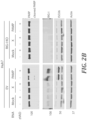
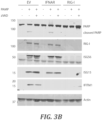
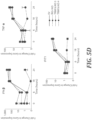
- FIGURE 2B Immunoblot analysis of innate immune signaling protein expression showed that zVAD treatment did not impact PAMP-RNA induction of ISG56, indicating that inhibition of caspases did not inhibit innate immune responses triggered by PAMP-RNA in these cells ( FIGURE 2B ). Furthermore, loss of RIG-I in the cells decreased the expression of p53-dependent pro-apoptotic genes NOXA and PUMA ( FIGURE 3C ), which are known to be induced during RIG-I dependent apoptosis. Thus, PAMP-RNA can drive cell death through RIG-I and caspase-dependent processes.
- TRIM16 but not TRIM25, is involved in RIG-I-mediated apoptosis
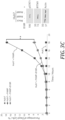
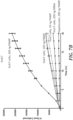
- FIGURES 7A and 7B illustrate that PAMP RNA treatment incudes oncolytic destruction of HepG2 ( FIGURE 7A ) and Huh7 ( FIGURE 7B ) hepatocellular carcinoma cells but has no effect on primary hepatocytes ( FIGURE 7B ).
Landscapes
- Health & Medical Sciences (AREA)
- Life Sciences & Earth Sciences (AREA)
- Chemical & Material Sciences (AREA)
- Engineering & Computer Science (AREA)
- General Health & Medical Sciences (AREA)
- Genetics & Genomics (AREA)
- Veterinary Medicine (AREA)
- Public Health (AREA)
- Medicinal Chemistry (AREA)
- Animal Behavior & Ethology (AREA)
- Pharmacology & Pharmacy (AREA)
- Biomedical Technology (AREA)
- Organic Chemistry (AREA)
- Epidemiology (AREA)
- Zoology (AREA)
- Bioinformatics & Cheminformatics (AREA)
- Biotechnology (AREA)
- Molecular Biology (AREA)
- Wood Science & Technology (AREA)
- Immunology (AREA)
- General Engineering & Computer Science (AREA)
- Microbiology (AREA)
- Chemical Kinetics & Catalysis (AREA)
- Biochemistry (AREA)
- Nuclear Medicine, Radiotherapy & Molecular Imaging (AREA)
- General Chemical & Material Sciences (AREA)
- Oncology (AREA)
- Plant Pathology (AREA)
- Physics & Mathematics (AREA)
- Biophysics (AREA)
- Mycology (AREA)
- Hematology (AREA)
- Proteomics, Peptides & Aminoacids (AREA)
- Gastroenterology & Hepatology (AREA)
- Cell Biology (AREA)
- Dispersion Chemistry (AREA)
- Pharmaceuticals Containing Other Organic And Inorganic Compounds (AREA)
- Medicines That Contain Protein Lipid Enzymes And Other Medicines (AREA)
- Micro-Organisms Or Cultivation Processes Thereof (AREA)
- Medicines Containing Antibodies Or Antigens For Use As Internal Diagnostic Agents (AREA)
Claims (11)
- Zusammensetzung zur Verwendung in der Behandlung von Krebs bei einer Person, wobei die Zusammensetzung ein Nukleinsäuremolekül umfasst, das ein pathogenassoziiertes molekulares Muster (PAMP) enthält, wobei das PAMP-haltige Nukleinsäuremolekül umfasst:eine 5'-Armregion, die ein terminales Triphosphat umfasst,einen Polyuracil-Kern, der mindestens 8 zusammenhängende Uracilreste umfasst, undeine 3'-Armregion, die mindestens 8 Nukleinsäurereste umfasst, wobei der 5' am weitesten entfernte Nukleinsäurerest der 3'-Armregion kein Uracil ist und wobei die 3'-Armregion zu mindestens 30 % Uracilresten entspricht.
- Zusammensetzung nach Anspruch 1 zur Verwendung nach Anspruch 1, wobei:a) der Polyuracil-Kern aus zwischen 8 und 30 Uracilresten besteht,b) der 5' am weitesten entfernte Nukleinsäurerest der 3'-Armregion ein Cytosinrest oder ein Guaninrest ist,c) die 3'-Armregion zu mindestens 40 %, 50 %, 60 %, 70 %, 80 %, oder 90 % Uracilresten entspricht,d) die 3'-Armregion mindestens 7 zusammenhängende Uracilreste umfasst, und/odere) die 5'-Armregion weiter einen oder mehrere Nukleinsäurereste umfasst, die zwischen dem terminalen Triphosphat und dem Polyuracil-Kern angeordnet sind, oder die 5'-Armregion aus dem terminalen Triphosphat besteht, und wobei das terminale Triphosphat direkt mit dem 5'-Ende des Polyuracil-Kerns verknüpft ist,in beliebiger Kombination.
- Zusammensetzung nach Anspruch 1 zur Verwendung nach Anspruch 1, wobei das PAMP-haltige Nukleinsäuremolekül Interaktion des Retinsäure-induzierbaren Gen I- (RIG-I-) ähnlichen Rezeptors (RLR) mitTRIM16 in einer Krebszelle in der Person induziert, wobei die RLR-Interaktion mit TRIM16 optional Zelltodsignalisierung in der Krebszelle induziert, wobei der RLR optional RIG-I ist.
- Zusammensetzung nach Anspruch 1 zur Verwendung nach Anspruch 1, weiter umfassend:a) Interferon (IFN), und/oderb) eine Nukleinsäure, die eine TRIM16 codierende Sequenz umfasst, die operativ mit einer Promotorsequenz verknüpft ist, wobei die Promotorsequenz in der Lage ist, Expression des codierten TRIM16 in einer Krebszelle innerhalb der Person zu induzieren, wobei das codierte TRIM16 optional eine Aminosäuresequenz mit mindestens 90 % Identität mit der in SEQ. ID-Nr. 1 dargelegten Aminosäuresequenz aufweist.
- Zusammensetzung nach Anspruch 1 zur Verwendung nach Anspruch 1, wobei der Krebs ein solider Tumor ist, ausgewählt aus Bauchspeicheldrüsenkrebs, Blasenkrebs, Kolorektalkrebs, Brustkrebs, Prostatakrebs, Nierenkrebs, Leberzellkrebs, Lungenkrebs, Eierstockkrebs, Gebärmutterhalskrebs, Magenkrebs, Speiseröhrenkrebs, Kopf- und Halskrebs, Melanom, neuroendokrinen Krebsen, ZNS-Krebsen, Gehirntumoren, Knochenkrebs und Weichteilsarkom, oder ein Blutkrebs ist.
- Zusammensetzung nach Anspruch 1 zur Verwendung nach Anspruch 1, die formuliert ist, um in Verbindung mit einer Immuntherapie gegen den Krebs verabreicht zu werden, wobei die Immuntherapie optional krebsspezifische Antikörper oder funktionelle Fragmente davon, Immun-Checkpoint-Inhibitoren und adoptive Zelltherapien, die CAR-T-Zelltherapie beinhalten, umfasst.
- Zusammensetzung nach Anspruch 1 zur Verwendung nach Anspruch 1, wobei die Zusammensetzung zur Verwendung bei der Behandlung von Krebs bei einem Menschen bestimmt ist.
- Zusammensetzung nach Anspruch 1 zur Verwendung nach Anspruch 1, wobei der Krebs ein Blutkrebs ist.
- Zusammensetzung nach Anspruch 1 zur Verwendung nach Anspruch 1, die eine Immuntherapie gegen den Krebs umfasst.
- Zusammensetzung nach Anspruch 1 zur Verwendung nach Anspruch 1, wobei das PAMP-haltige Nukleinsäuremolekül eine Sequenz von SEQ. ID-Nr. 2 umfasst.
- Zusammensetzung nach Anspruch 1 zur Verwendung nach Anspruch 1, wobei das PAMP-haltige Nukleinsäuremolekül aus einer Sequenz von SEQ. ID-Nr. 2 besteht.
Applications Claiming Priority (2)
| Application Number | Priority Date | Filing Date | Title |
|---|---|---|---|
| US201862625623P | 2018-02-02 | 2018-02-02 | |
| PCT/US2019/016413 WO2019152884A1 (en) | 2018-02-02 | 2019-02-01 | Compositions and methods for inducing tripartite motif-containing protein 16 (trim16) signaling |
Publications (4)
| Publication Number | Publication Date |
|---|---|
| EP3746088A1 EP3746088A1 (de) | 2020-12-09 |
| EP3746088A4 EP3746088A4 (de) | 2023-02-22 |
| EP3746088C0 EP3746088C0 (de) | 2024-07-10 |
| EP3746088B1 true EP3746088B1 (de) | 2024-07-10 |
Family
ID=67479930
Family Applications (1)
| Application Number | Title | Priority Date | Filing Date |
|---|---|---|---|
| EP19748292.0A Active EP3746088B1 (de) | 2018-02-02 | 2019-02-01 | Zusammensetzungen und verfahren zur induktion der signalisierung des proteins 16 mit dreiteiligem motiv (trim16) |
Country Status (9)
| Country | Link |
|---|---|
| US (1) | US20210046168A1 (de) |
| EP (1) | EP3746088B1 (de) |
| JP (1) | JP7409612B2 (de) |
| KR (1) | KR102828978B1 (de) |
| CN (1) | CN111836623A (de) |
| AU (1) | AU2019215191B2 (de) |
| BR (1) | BR112020015821A2 (de) |
| RU (1) | RU2020128838A (de) |
| WO (1) | WO2019152884A1 (de) |
Families Citing this family (13)
| Publication number | Priority date | Publication date | Assignee | Title |
|---|---|---|---|---|
| US11679163B2 (en) | 2019-09-20 | 2023-06-20 | Hdt Bio Corp. | Compositions and methods for delivery of RNA |
| WO2021067480A1 (en) * | 2019-10-02 | 2021-04-08 | University Of Washington | Compositions and methods for treatment of hepatitis b virus infection |
| EP4058581A1 (de) * | 2019-11-15 | 2022-09-21 | Infectious Disease Research Institute | Rig-i-agonist und adjuvans-formulierung zur tumorbehandlung |
| CA3172489A1 (en) | 2020-03-23 | 2021-09-30 | Amit KHANDHAR | Nanoemulsion compositions and methods for delivery of nra |
| EP4112665A4 (de) * | 2020-03-27 | 2024-04-10 | Mitsui Chemicals, Inc. | Lichthärtbare zusammensetzung, gehärtetes produkt und zahnprodukt |
| JP2024527322A (ja) | 2021-07-02 | 2024-07-24 | イエール ユニバーシティ | がんを治療するための組成物および方法 |
| WO2023034864A1 (en) | 2021-08-31 | 2023-03-09 | Yale University | Compositions and methods for treating cancers |
| JP2024535354A (ja) | 2021-09-22 | 2024-09-30 | エイチディーティー バイオ コーポレーション | がん治療組成物およびその使用 |
| EP4404919A4 (de) | 2021-09-22 | 2025-08-20 | Hdt Bio Corp | Getrocknete nanopartikelzusammensetzungen |
| EP4405372A4 (de) | 2021-09-22 | 2026-01-14 | Hdt Bio Corp | Sars-cov-2-rna-impfstoffzusammensetzungen und verfahren zur verwendung |
| KR20240096468A (ko) | 2021-09-22 | 2024-06-26 | 에이치디티 바이오 코포레이션 | 감염병에 대한 rna 백신 |
| WO2023168352A1 (en) | 2022-03-03 | 2023-09-07 | Yale University | Humanized 3e10 antibodies, variants, and antigen binding fragments thereof |
| WO2026039779A1 (en) | 2024-08-15 | 2026-02-19 | Yale University | Humanized 3e10 antibodies and antigen binding fragments optimized for rad51 binding |
Citations (1)
| Publication number | Priority date | Publication date | Assignee | Title |
|---|---|---|---|---|
| WO2016179034A2 (en) * | 2015-05-01 | 2016-11-10 | The Trustees Of The University Of Pennsylvania | Methods and compositions for stimulating immune response using potent immunostimulatory rna motifs |
Family Cites Families (5)
| Publication number | Priority date | Publication date | Assignee | Title |
|---|---|---|---|---|
| JP2005526778A (ja) | 2002-03-15 | 2005-09-08 | アストラル,インコーポレイテッド | 免疫調節性非コードrnaモチーフを用いて抗体及び主要組織適合性クラスi拘束性又はクラスii拘束性t細胞の応答を開始或いは増強させるための組成物及び方法 |
| EP3342415B1 (de) | 2006-08-08 | 2022-01-26 | Rheinische Friedrich-Wilhelms-Universität Bonn | Struktur und verwendung von 5´-phosphat-oligonukleotiden |
| BRPI1100857A2 (pt) * | 2011-03-18 | 2013-05-21 | Alexandre Eduardo Nowill | agente imunomodulador e suas combinaÇÕes, seu uso e mÉtodo imunoterÁpico para a recontextualizaÇço, reprogramaÇço e reconduÇço do sistema imune em tempo real |
| US9775894B2 (en) * | 2013-07-09 | 2017-10-03 | University Of Washington Through Its Center For Commercialization | Methods and compositions for activation of innate immune responses through RIG-I like receptor signaling |
| US10813988B2 (en) * | 2016-02-16 | 2020-10-27 | President And Fellows Of Harvard College | Pathogen vaccines and methods of producing and using the same |
-
2019
- 2019-02-01 US US16/966,851 patent/US20210046168A1/en active Pending
- 2019-02-01 JP JP2020541958A patent/JP7409612B2/ja active Active
- 2019-02-01 CN CN201980018082.3A patent/CN111836623A/zh active Pending
- 2019-02-01 KR KR1020207025399A patent/KR102828978B1/ko active Active
- 2019-02-01 AU AU2019215191A patent/AU2019215191B2/en active Active
- 2019-02-01 WO PCT/US2019/016413 patent/WO2019152884A1/en not_active Ceased
- 2019-02-01 RU RU2020128838A patent/RU2020128838A/ru unknown
- 2019-02-01 BR BR112020015821-6A patent/BR112020015821A2/pt unknown
- 2019-02-01 EP EP19748292.0A patent/EP3746088B1/de active Active
Patent Citations (1)
| Publication number | Priority date | Publication date | Assignee | Title |
|---|---|---|---|---|
| WO2016179034A2 (en) * | 2015-05-01 | 2016-11-10 | The Trustees Of The University Of Pennsylvania | Methods and compositions for stimulating immune response using potent immunostimulatory rna motifs |
Also Published As
| Publication number | Publication date |
|---|---|
| KR102828978B1 (ko) | 2025-07-02 |
| EP3746088A4 (de) | 2023-02-22 |
| EP3746088A1 (de) | 2020-12-09 |
| BR112020015821A2 (pt) | 2021-03-09 |
| RU2020128838A (ru) | 2022-03-03 |
| EP3746088C0 (de) | 2024-07-10 |
| WO2019152884A1 (en) | 2019-08-08 |
| CN111836623A (zh) | 2020-10-27 |
| KR20200116976A (ko) | 2020-10-13 |
| JP7409612B2 (ja) | 2024-01-09 |
| US20210046168A1 (en) | 2021-02-18 |
| AU2019215191A1 (en) | 2020-09-17 |
| JP2021512123A (ja) | 2021-05-13 |
| AU2019215191B2 (en) | 2025-08-14 |
Similar Documents
| Publication | Publication Date | Title |
|---|---|---|
| EP3746088B1 (de) | Zusammensetzungen und verfahren zur induktion der signalisierung des proteins 16 mit dreiteiligem motiv (trim16) | |
| US11708396B2 (en) | Signal-sensor polynucleotides for the alteration of cellular phenotypes | |
| US11000573B2 (en) | Polynucleotides encoding interleukin-12 (IL12) and uses thereof | |
| AU2017266948B2 (en) | Polynucleotides encoding porphobilinogen deaminase for the treatment of acute intermittent porphyria | |
| JP6396415B2 (ja) | コレステロールレベルを変更する組成物および方法 | |
| WO2018231990A2 (en) | Polynucleotides encoding methylmalonyl-coa mutase | |
| CA3024917A1 (en) | Combinations of mrnas encoding immune modulating polypeptides and uses thereof | |
| WO2020242330A2 (en) | Treatment of alt cancers | |
| CN112996802B (zh) | 用于制备抗肿瘤沙粒病毒的方法以及沙粒病毒突变体 | |
| CN110420331A (zh) | Alkbh5抑制物在治疗病毒感染性疾病中的应用 | |
| CN109609644B (zh) | Pax3-fkhr和acta1基因在预防、治疗横纹肌肉瘤中的用途 | |
| US20060052322A1 (en) | Combination treatment of cancer with elicitor of gene product expression and gene-product targeting agent | |
| JP2004180540A (ja) | 哺乳動物のToll様受容体3に結合する新規アダプタータンパク質およびその遺伝子 | |
| JP2015515485A (ja) | Rnaリガーゼ複合体メンバーとしてのアーキアーゼ | |
| JP2022529562A (ja) | オリゴヌクレオチド分子及び腫瘍治療におけるその応用 | |
| WO2023096996A2 (en) | Chimeric hsv expressing hil21 to boost anti-tumor immune activity | |
| HK40054624B (zh) | 用於制备抗肿瘤沙粒病毒的方法以及沙粒病毒突变体 | |
| CN111407891A (zh) | 新型自噬受体ccdc50作为靶点在制备治疗病原体感染或癌症的药物中的应用 |
Legal Events
| Date | Code | Title | Description |
|---|---|---|---|
| STAA | Information on the status of an ep patent application or granted ep patent |
Free format text: STATUS: THE INTERNATIONAL PUBLICATION HAS BEEN MADE |
|
| PUAI | Public reference made under article 153(3) epc to a published international application that has entered the european phase |
Free format text: ORIGINAL CODE: 0009012 |
|
| STAA | Information on the status of an ep patent application or granted ep patent |
Free format text: STATUS: REQUEST FOR EXAMINATION WAS MADE |
|
| 17P | Request for examination filed |
Effective date: 20200817 |
|
| AK | Designated contracting states |
Kind code of ref document: A1 Designated state(s): AL AT BE BG CH CY CZ DE DK EE ES FI FR GB GR HR HU IE IS IT LI LT LU LV MC MK MT NL NO PL PT RO RS SE SI SK SM TR |
|
| AX | Request for extension of the european patent |
Extension state: BA ME |
|
| DAV | Request for validation of the european patent (deleted) | ||
| DAX | Request for extension of the european patent (deleted) | ||
| A4 | Supplementary search report drawn up and despatched |
Effective date: 20230120 |
|
| RIC1 | Information provided on ipc code assigned before grant |
Ipc: C12N 15/117 20100101ALI20230116BHEP Ipc: A61P 35/00 20060101ALI20230116BHEP Ipc: A61K 48/00 20060101ALI20230116BHEP Ipc: A61K 45/00 20060101ALI20230116BHEP Ipc: A61K 31/7088 20060101AFI20230116BHEP |
|
| STAA | Information on the status of an ep patent application or granted ep patent |
Free format text: STATUS: EXAMINATION IS IN PROGRESS |
|
| 17Q | First examination report despatched |
Effective date: 20230913 |
|
| GRAP | Despatch of communication of intention to grant a patent |
Free format text: ORIGINAL CODE: EPIDOSNIGR1 |
|
| STAA | Information on the status of an ep patent application or granted ep patent |
Free format text: STATUS: GRANT OF PATENT IS INTENDED |
|
| INTG | Intention to grant announced |
Effective date: 20240212 |
|
| GRAS | Grant fee paid |
Free format text: ORIGINAL CODE: EPIDOSNIGR3 |
|
| GRAA | (expected) grant |
Free format text: ORIGINAL CODE: 0009210 |
|
| STAA | Information on the status of an ep patent application or granted ep patent |
Free format text: STATUS: THE PATENT HAS BEEN GRANTED |
|
| AK | Designated contracting states |
Kind code of ref document: B1 Designated state(s): AL AT BE BG CH CY CZ DE DK EE ES FI FR GB GR HR HU IE IS IT LI LT LU LV MC MK MT NL NO PL PT RO RS SE SI SK SM TR |
|
| REG | Reference to a national code |
Ref country code: CH Ref legal event code: EP |
|
| REG | Reference to a national code |
Ref country code: DE Ref legal event code: R096 Ref document number: 602019054987 Country of ref document: DE |
|
| U01 | Request for unitary effect filed |
Effective date: 20240722 |
|
| U07 | Unitary effect registered |
Designated state(s): AT BE BG DE DK EE FI FR IT LT LU LV MT NL PT SE SI Effective date: 20240806 |
|
| PG25 | Lapsed in a contracting state [announced via postgrant information from national office to epo] |
Ref country code: NO Free format text: LAPSE BECAUSE OF FAILURE TO SUBMIT A TRANSLATION OF THE DESCRIPTION OR TO PAY THE FEE WITHIN THE PRESCRIBED TIME-LIMIT Effective date: 20241010 |
|
| PG25 | Lapsed in a contracting state [announced via postgrant information from national office to epo] |
Ref country code: GR Free format text: LAPSE BECAUSE OF FAILURE TO SUBMIT A TRANSLATION OF THE DESCRIPTION OR TO PAY THE FEE WITHIN THE PRESCRIBED TIME-LIMIT Effective date: 20241011 Ref country code: PL Free format text: LAPSE BECAUSE OF FAILURE TO SUBMIT A TRANSLATION OF THE DESCRIPTION OR TO PAY THE FEE WITHIN THE PRESCRIBED TIME-LIMIT Effective date: 20240710 |
|
| PG25 | Lapsed in a contracting state [announced via postgrant information from national office to epo] |
Ref country code: IS Free format text: LAPSE BECAUSE OF FAILURE TO SUBMIT A TRANSLATION OF THE DESCRIPTION OR TO PAY THE FEE WITHIN THE PRESCRIBED TIME-LIMIT Effective date: 20241110 |
|
| PG25 | Lapsed in a contracting state [announced via postgrant information from national office to epo] |
Ref country code: HR Free format text: LAPSE BECAUSE OF FAILURE TO SUBMIT A TRANSLATION OF THE DESCRIPTION OR TO PAY THE FEE WITHIN THE PRESCRIBED TIME-LIMIT Effective date: 20240710 |
|
| PG25 | Lapsed in a contracting state [announced via postgrant information from national office to epo] |
Ref country code: RS Free format text: LAPSE BECAUSE OF FAILURE TO SUBMIT A TRANSLATION OF THE DESCRIPTION OR TO PAY THE FEE WITHIN THE PRESCRIBED TIME-LIMIT Effective date: 20241010 Ref country code: ES Free format text: LAPSE BECAUSE OF FAILURE TO SUBMIT A TRANSLATION OF THE DESCRIPTION OR TO PAY THE FEE WITHIN THE PRESCRIBED TIME-LIMIT Effective date: 20240710 |
|
| PG25 | Lapsed in a contracting state [announced via postgrant information from national office to epo] |
Ref country code: RS Free format text: LAPSE BECAUSE OF FAILURE TO SUBMIT A TRANSLATION OF THE DESCRIPTION OR TO PAY THE FEE WITHIN THE PRESCRIBED TIME-LIMIT Effective date: 20241010 Ref country code: PL Free format text: LAPSE BECAUSE OF FAILURE TO SUBMIT A TRANSLATION OF THE DESCRIPTION OR TO PAY THE FEE WITHIN THE PRESCRIBED TIME-LIMIT Effective date: 20240710 Ref country code: NO Free format text: LAPSE BECAUSE OF FAILURE TO SUBMIT A TRANSLATION OF THE DESCRIPTION OR TO PAY THE FEE WITHIN THE PRESCRIBED TIME-LIMIT Effective date: 20241010 Ref country code: IS Free format text: LAPSE BECAUSE OF FAILURE TO SUBMIT A TRANSLATION OF THE DESCRIPTION OR TO PAY THE FEE WITHIN THE PRESCRIBED TIME-LIMIT Effective date: 20241110 Ref country code: HR Free format text: LAPSE BECAUSE OF FAILURE TO SUBMIT A TRANSLATION OF THE DESCRIPTION OR TO PAY THE FEE WITHIN THE PRESCRIBED TIME-LIMIT Effective date: 20240710 Ref country code: GR Free format text: LAPSE BECAUSE OF FAILURE TO SUBMIT A TRANSLATION OF THE DESCRIPTION OR TO PAY THE FEE WITHIN THE PRESCRIBED TIME-LIMIT Effective date: 20241011 Ref country code: ES Free format text: LAPSE BECAUSE OF FAILURE TO SUBMIT A TRANSLATION OF THE DESCRIPTION OR TO PAY THE FEE WITHIN THE PRESCRIBED TIME-LIMIT Effective date: 20240710 |
|
| U20 | Renewal fee for the european patent with unitary effect paid |
Year of fee payment: 7 Effective date: 20250107 |
|
| PG25 | Lapsed in a contracting state [announced via postgrant information from national office to epo] |
Ref country code: RO Free format text: LAPSE BECAUSE OF FAILURE TO SUBMIT A TRANSLATION OF THE DESCRIPTION OR TO PAY THE FEE WITHIN THE PRESCRIBED TIME-LIMIT Effective date: 20240710 Ref country code: SM Free format text: LAPSE BECAUSE OF FAILURE TO SUBMIT A TRANSLATION OF THE DESCRIPTION OR TO PAY THE FEE WITHIN THE PRESCRIBED TIME-LIMIT Effective date: 20240710 |
|
| PGFP | Annual fee paid to national office [announced via postgrant information from national office to epo] |
Ref country code: CH Payment date: 20250301 Year of fee payment: 7 |
|
| PG25 | Lapsed in a contracting state [announced via postgrant information from national office to epo] |
Ref country code: CZ Free format text: LAPSE BECAUSE OF FAILURE TO SUBMIT A TRANSLATION OF THE DESCRIPTION OR TO PAY THE FEE WITHIN THE PRESCRIBED TIME-LIMIT Effective date: 20240710 |
|
| PG25 | Lapsed in a contracting state [announced via postgrant information from national office to epo] |
Ref country code: SK Free format text: LAPSE BECAUSE OF FAILURE TO SUBMIT A TRANSLATION OF THE DESCRIPTION OR TO PAY THE FEE WITHIN THE PRESCRIBED TIME-LIMIT Effective date: 20240710 |
|
| PLBE | No opposition filed within time limit |
Free format text: ORIGINAL CODE: 0009261 |
|
| STAA | Information on the status of an ep patent application or granted ep patent |
Free format text: STATUS: NO OPPOSITION FILED WITHIN TIME LIMIT |
|
| 26N | No opposition filed |
Effective date: 20250411 |
|
| PG25 | Lapsed in a contracting state [announced via postgrant information from national office to epo] |
Ref country code: MC Free format text: LAPSE BECAUSE OF FAILURE TO SUBMIT A TRANSLATION OF THE DESCRIPTION OR TO PAY THE FEE WITHIN THE PRESCRIBED TIME-LIMIT Effective date: 20240710 |
|
| PG25 | Lapsed in a contracting state [announced via postgrant information from national office to epo] |
Ref country code: IE Free format text: LAPSE BECAUSE OF NON-PAYMENT OF DUE FEES Effective date: 20250201 |
|
| U20 | Renewal fee for the european patent with unitary effect paid |
Year of fee payment: 8 Effective date: 20260106 |
|
| REG | Reference to a national code |
Ref country code: CH Ref legal event code: U11 Free format text: ST27 STATUS EVENT CODE: U-0-0-U10-U11 (AS PROVIDED BY THE NATIONAL OFFICE) Effective date: 20260301 |
|
| PGFP | Annual fee paid to national office [announced via postgrant information from national office to epo] |
Ref country code: GB Payment date: 20260106 Year of fee payment: 8 |