EP3740499B1 - Anti-tumor-therapeutika auf basis von b7h-rezeptorliganden - Google Patents
Anti-tumor-therapeutika auf basis von b7h-rezeptorliganden Download PDFInfo
- Publication number
- EP3740499B1 EP3740499B1 EP19704678.2A EP19704678A EP3740499B1 EP 3740499 B1 EP3740499 B1 EP 3740499B1 EP 19704678 A EP19704678 A EP 19704678A EP 3740499 B1 EP3740499 B1 EP 3740499B1
- Authority
- EP
- European Patent Office
- Prior art keywords
- receptor
- icos
- ligand
- nano
- micro
- Prior art date
- Legal status (The legal status is an assumption and is not a legal conclusion. Google has not performed a legal analysis and makes no representation as to the accuracy of the status listed.)
- Active
Links
Images



Classifications
-
- C—CHEMISTRY; METALLURGY
- C07—ORGANIC CHEMISTRY
- C07K—PEPTIDES
- C07K14/00—Peptides having more than 20 amino acids; Gastrins; Somatostatins; Melanotropins; Derivatives thereof
- C07K14/435—Peptides having more than 20 amino acids; Gastrins; Somatostatins; Melanotropins; Derivatives thereof from animals; from humans
- C07K14/705—Receptors; Cell surface antigens; Cell surface determinants
- C07K14/70503—Immunoglobulin superfamily
- C07K14/70521—CD28, CD152
-
- A—HUMAN NECESSITIES
- A61—MEDICAL OR VETERINARY SCIENCE; HYGIENE
- A61K—PREPARATIONS FOR MEDICAL, DENTAL OR TOILETRY PURPOSES
- A61K38/00—Medicinal preparations containing peptides
- A61K38/16—Peptides having more than 20 amino acids; Gastrins; Somatostatins; Melanotropins; Derivatives thereof
- A61K38/17—Peptides having more than 20 amino acids; Gastrins; Somatostatins; Melanotropins; Derivatives thereof from animals; from humans
- A61K38/177—Receptors; Cell surface antigens; Cell surface determinants
- A61K38/1774—Immunoglobulin superfamily (e.g. CD2, CD4, CD8, ICAM molecules, B7 molecules, Fc-receptors, MHC-molecules)
-
- A—HUMAN NECESSITIES
- A61—MEDICAL OR VETERINARY SCIENCE; HYGIENE
- A61K—PREPARATIONS FOR MEDICAL, DENTAL OR TOILETRY PURPOSES
- A61K47/00—Medicinal preparations characterised by the non-active ingredients used, e.g. carriers or inert additives; Targeting or modifying agents chemically bound to the active ingredient
- A61K47/50—Medicinal preparations characterised by the non-active ingredients used, e.g. carriers or inert additives; Targeting or modifying agents chemically bound to the active ingredient the non-active ingredient being chemically bound to the active ingredient, e.g. polymer-drug conjugates
- A61K47/69—Medicinal preparations characterised by the non-active ingredients used, e.g. carriers or inert additives; Targeting or modifying agents chemically bound to the active ingredient the non-active ingredient being chemically bound to the active ingredient, e.g. polymer-drug conjugates the conjugate being characterised by physical or galenical forms, e.g. emulsion, particle, inclusion complex, stent or kit
- A61K47/6921—Medicinal preparations characterised by the non-active ingredients used, e.g. carriers or inert additives; Targeting or modifying agents chemically bound to the active ingredient the non-active ingredient being chemically bound to the active ingredient, e.g. polymer-drug conjugates the conjugate being characterised by physical or galenical forms, e.g. emulsion, particle, inclusion complex, stent or kit the form being a particulate, a powder, an adsorbate, a bead or a sphere
- A61K47/6927—Medicinal preparations characterised by the non-active ingredients used, e.g. carriers or inert additives; Targeting or modifying agents chemically bound to the active ingredient the non-active ingredient being chemically bound to the active ingredient, e.g. polymer-drug conjugates the conjugate being characterised by physical or galenical forms, e.g. emulsion, particle, inclusion complex, stent or kit the form being a particulate, a powder, an adsorbate, a bead or a sphere the form being a solid microparticle having no hollow or gas-filled cores
- A61K47/6929—Medicinal preparations characterised by the non-active ingredients used, e.g. carriers or inert additives; Targeting or modifying agents chemically bound to the active ingredient the non-active ingredient being chemically bound to the active ingredient, e.g. polymer-drug conjugates the conjugate being characterised by physical or galenical forms, e.g. emulsion, particle, inclusion complex, stent or kit the form being a particulate, a powder, an adsorbate, a bead or a sphere the form being a solid microparticle having no hollow or gas-filled cores the form being a nanoparticle, e.g. an immuno-nanoparticle
- A61K47/6931—Medicinal preparations characterised by the non-active ingredients used, e.g. carriers or inert additives; Targeting or modifying agents chemically bound to the active ingredient the non-active ingredient being chemically bound to the active ingredient, e.g. polymer-drug conjugates the conjugate being characterised by physical or galenical forms, e.g. emulsion, particle, inclusion complex, stent or kit the form being a particulate, a powder, an adsorbate, a bead or a sphere the form being a solid microparticle having no hollow or gas-filled cores the form being a nanoparticle, e.g. an immuno-nanoparticle the material constituting the nanoparticle being a polymer
- A61K47/6939—Medicinal preparations characterised by the non-active ingredients used, e.g. carriers or inert additives; Targeting or modifying agents chemically bound to the active ingredient the non-active ingredient being chemically bound to the active ingredient, e.g. polymer-drug conjugates the conjugate being characterised by physical or galenical forms, e.g. emulsion, particle, inclusion complex, stent or kit the form being a particulate, a powder, an adsorbate, a bead or a sphere the form being a solid microparticle having no hollow or gas-filled cores the form being a nanoparticle, e.g. an immuno-nanoparticle the material constituting the nanoparticle being a polymer the polymer being a polysaccharide, e.g. starch, chitosan, chitin, cellulose or pectin
-
- A—HUMAN NECESSITIES
- A61—MEDICAL OR VETERINARY SCIENCE; HYGIENE
- A61K—PREPARATIONS FOR MEDICAL, DENTAL OR TOILETRY PURPOSES
- A61K47/00—Medicinal preparations characterised by the non-active ingredients used, e.g. carriers or inert additives; Targeting or modifying agents chemically bound to the active ingredient
- A61K47/50—Medicinal preparations characterised by the non-active ingredients used, e.g. carriers or inert additives; Targeting or modifying agents chemically bound to the active ingredient the non-active ingredient being chemically bound to the active ingredient, e.g. polymer-drug conjugates
- A61K47/69—Medicinal preparations characterised by the non-active ingredients used, e.g. carriers or inert additives; Targeting or modifying agents chemically bound to the active ingredient the non-active ingredient being chemically bound to the active ingredient, e.g. polymer-drug conjugates the conjugate being characterised by physical or galenical forms, e.g. emulsion, particle, inclusion complex, stent or kit
- A61K47/6949—Medicinal preparations characterised by the non-active ingredients used, e.g. carriers or inert additives; Targeting or modifying agents chemically bound to the active ingredient the non-active ingredient being chemically bound to the active ingredient, e.g. polymer-drug conjugates the conjugate being characterised by physical or galenical forms, e.g. emulsion, particle, inclusion complex, stent or kit inclusion complexes, e.g. clathrates, cavitates or fullerenes
- A61K47/6951—Medicinal preparations characterised by the non-active ingredients used, e.g. carriers or inert additives; Targeting or modifying agents chemically bound to the active ingredient the non-active ingredient being chemically bound to the active ingredient, e.g. polymer-drug conjugates the conjugate being characterised by physical or galenical forms, e.g. emulsion, particle, inclusion complex, stent or kit inclusion complexes, e.g. clathrates, cavitates or fullerenes using cyclodextrin
-
- A—HUMAN NECESSITIES
- A61—MEDICAL OR VETERINARY SCIENCE; HYGIENE
- A61K—PREPARATIONS FOR MEDICAL, DENTAL OR TOILETRY PURPOSES
- A61K9/00—Medicinal preparations characterised by special physical form
- A61K9/0012—Galenical forms characterised by the site of application
- A61K9/0019—Injectable compositions; Intramuscular, intravenous, arterial, subcutaneous administration; Compositions to be administered through the skin in an invasive manner
-
- A—HUMAN NECESSITIES
- A61—MEDICAL OR VETERINARY SCIENCE; HYGIENE
- A61K—PREPARATIONS FOR MEDICAL, DENTAL OR TOILETRY PURPOSES
- A61K9/00—Medicinal preparations characterised by special physical form
- A61K9/48—Preparations in capsules, e.g. of gelatin, of chocolate
- A61K9/50—Microcapsules having a gas, liquid or semi-solid filling; Solid microparticles or pellets surrounded by a distinct coating layer, e.g. coated microspheres, coated drug crystals
- A61K9/51—Nanocapsules; Nanoparticles
- A61K9/5107—Excipients; Inactive ingredients
- A61K9/513—Organic macromolecular compounds; Dendrimers
- A61K9/5146—Organic macromolecular compounds; Dendrimers obtained otherwise than by reactions only involving carbon-to-carbon unsaturated bonds, e.g. polyethylene glycol, polyamines, polyanhydrides
- A61K9/5153—Polyesters, e.g. poly(lactide-co-glycolide)
-
- A—HUMAN NECESSITIES
- A61—MEDICAL OR VETERINARY SCIENCE; HYGIENE
- A61K—PREPARATIONS FOR MEDICAL, DENTAL OR TOILETRY PURPOSES
- A61K9/00—Medicinal preparations characterised by special physical form
- A61K9/48—Preparations in capsules, e.g. of gelatin, of chocolate
- A61K9/50—Microcapsules having a gas, liquid or semi-solid filling; Solid microparticles or pellets surrounded by a distinct coating layer, e.g. coated microspheres, coated drug crystals
- A61K9/51—Nanocapsules; Nanoparticles
- A61K9/5107—Excipients; Inactive ingredients
- A61K9/513—Organic macromolecular compounds; Dendrimers
- A61K9/5161—Polysaccharides, e.g. alginate, chitosan, cellulose derivatives; Cyclodextrin
-
- C—CHEMISTRY; METALLURGY
- C07—ORGANIC CHEMISTRY
- C07K—PEPTIDES
- C07K14/00—Peptides having more than 20 amino acids; Gastrins; Somatostatins; Melanotropins; Derivatives thereof
- C07K14/435—Peptides having more than 20 amino acids; Gastrins; Somatostatins; Melanotropins; Derivatives thereof from animals; from humans
- C07K14/705—Receptors; Cell surface antigens; Cell surface determinants
- C07K14/70503—Immunoglobulin superfamily
- C07K14/70532—B7 molecules, e.g. CD80, CD86
-
- C—CHEMISTRY; METALLURGY
- C07—ORGANIC CHEMISTRY
- C07K—PEPTIDES
- C07K2319/00—Fusion polypeptide
- C07K2319/30—Non-immunoglobulin-derived peptide or protein having an immunoglobulin constant or Fc region, or a fragment thereof, attached thereto
-
- G—PHYSICS
- G01—MEASURING; TESTING
- G01N—INVESTIGATING OR ANALYSING MATERIALS BY DETERMINING THEIR CHEMICAL OR PHYSICAL PROPERTIES
- G01N2500/00—Screening for compounds of potential therapeutic value
- G01N2500/04—Screening involving studying the effect of compounds C directly on molecule A (e.g. C are potential ligands for a receptor A, or potential substrates for an enzyme A)
Definitions
- the disclosure concerns novel anti-tumor therapeutic agents comprising at least one ligand of the receptor B7h.
- ICOS is a T cell costimulatory molecule described by the present inventors as H4 1,2 . Later on, Hutloff cloned ICOS as a molecule belonging to the CD28 family and it was shown that ICOS and H4 are the same molecule 3,4 .
- a distinctive feature of ICOS is its selective expression in activated T cells, but it has been recently detected also in dendritic cells (DC) 5 .
- the ICOS receptor is ICOSL (or B7h), expressed by several cell types, such as DC, macrophages, B cells, endothelial cells (EC), epithelial cells, and fibroblasts 6 .
- the ICOS/B7h interaction regulates T cell activation in lymphoid organs and controls T cell function at inflammation sites. It supports differentiation of Treg, TH17, and follicular T helper cells and development of germinal centers and its deficiency causes common variable immunodeficiency 7-11 .
- B7h Inducible T-Cell Costimulator Ligand (ICOSL or ICOS-L), B7-Related Protein 1 (B7RP-1 or B7RP1) B7 Homolog 2 (B7-H2), B7-Like Protein Gl50, GL50, KIAA0653, LICOS, CD275.
- B7h:ICOS interaction triggers bidirectional signals modulating the response of the B7h-expressing cells. In mouse DC, this B7h-mediated "reverse signalling" increases IL-6 secretion 12 .
- ICOS-Fc bivalent soluble form of ICOS composed by the Fc portion of IgG1 and two molecules of the extracellular portions of ICOS. Since ICOS-Fc is bivalent, it crosslinks B7h and exerts an agonist effect triggering B7h signaling in the B7h-expressing cells. In human cells, the following effects of B7h triggering by ICOS-Fc were shown. i) In EC and tumor cell lines, it inhibits adhesiveness and migration in vitro 13,14 . ii) In tumor cell lines, it inhibits development of experimental lung metastases in vivo 14 .
- iii) In DC, it modulates cytokine secretion by increasing secretion of IL-23 (supporting TH17 differentiation involved in the anti-tumor response), promotes antigen cross-presentation, and inhibits adhesiveness and migration in vitro 15 .
- B7h triggering induces dephosphorylation of ERK and p38 in EC, dephosphorylation of FAK in tumor cells, and down-modulation of ⁇ -Pix in DC and tumor cells 13-
- WO 2016/189428 discloses the use of ICOS in the treatment of osteopenia and osteoporosis.
- the object of this disclosure is to provide novel anti-tumor therapeutic agents comprising at least one ligand of the receptor B7h, wherein the ligand of receptor B7h is able to bind specifically to receptor B7h and to trigger the receptor B7h activity.
- the instant disclosure concerns novel anti-tumor therapeutic agents comprising at least one ligand of receptor B7h having the ability of triggering the receptor B7h activity.
- the present invention provides for a ligand of receptor B7h for use in the treatment of a subject suffering from a tumor, wherein the ligand of receptor B7h is loaded into or onto a biocompatible micro- or nano-carrier, and the ligand of B7h receptor is able of binding the receptor B7h and triggering the receptor B7h activity, and optionally inhibiting osteopontin activity, wherein the ligand of receptor B7h is selected from:
- the ligand of B7h receptor comprises an amino acid sequence as set forth in SEQ ID No.: 3.
- the ligand of receptor B7h loaded into or onto a biocompatible micro- or nano-carrier is to be administered by injection, infusion.
- the expression "ligand of receptor B7h” comprises the human wild type ligand ICOS having an amino acid sequence as set forth in SEQ ID No.: 1, as well as portions of the same (for example having an amino acid sequence as set forth in SEQ ID No.: 2) provided that such portions have the ability of binding receptor B7h, triggering its activity and optionally inhibiting osteopontin activity.
- ligands of receptor B7h useful within the present invention comprise monoclonal antibodies able to bind specifically receptor B7h (i.e. with high affinity), provided that such monoclonal antibodies have agonistic activity towards B7h receptor, i.e. they are able to trigger the receptor B7h activity, and optionally have antagonistic activity towards osteopontin, i.e. they are able to inhibit the osteopontin activity.
- homologue of human ICOS or portions thereof means proteins having at least 80%, preferably at least 90%, more preferably at least 95%, still more preferably 98%, identity with any one of the SEQ ID NO.: 1 and 2 or portions thereof, provided that such homologues have the ability of binding receptor B7h and triggering its activity, and optionally inhibiting the osteopontin activity.
- bivalent o multivalent ICOS-Fc constructs by bivalent o multivalent ICOS-Fc constructs, anti-B7h receptor antibodies, organic/inorganic, natural/synthetic scaffolds comprising at least two ICOS molecules attached thereto and ICOS multimers obtained by chemical or genetic crosslinking of multiple ICOS molecules.
- Multimerization may be achieved by metal ion- or small molecule-based assembly, protein (peptide) interaction-based assembly, covalent protein assembly, genetic fusion of functional proteins to protein building blocks. Multimerization may be achieved by use of dendrimers, dendrons, dendronized polymers, hyperbranched polymers, and polymer brushes.
- the scaffolds may include organic polymers (such as those derived from sucrose, squalene or solanesol), and organic or inorganic solid nano/microparticles exposing multiple ICOS molecules on their surface.
- the present invention provides for the ligand of receptor B7h being fused or conjugated to a stabilizing molecule.
- stabilizing molecules that can be conjugated with the receptor B7h ligand, such molecules are widely known in the art and do not necessitate a detailed description herein.
- stabilizing molecules one can cite human Fc antibody domain, polyethylene glycols (PEGs) or derivatives thereof, poly-L-lysine citramide (via a lysine or an ethylcarbamate spacer), styrenemaleic acid anhydride and poly-hydroxypropylmetacrylamide.
- PEG derivatives able to link amino groups present on the receptor B7h ligands are i.a. epoxide PEG, aldehyde PEG, nitrophenyl carbonate PEG and succinimidyl ester PEG; PEG derivatives able to link thiol groups present on the B7h receptor ligands are i.a. orthopyridyl disulfide PEGs; PEG derivatives able to link hydroxyl groups present on the B7h receptor ligands are i.a. PEG-COOH activated with N-hydroxysuccinimide or hydroxybenzotriazole.
- Other PEG derivatives are represented by PEG-polyacetal with pH-dependent hydrolysis, and PEG-dextrin (polymer-masking-unmasking-protein therapy, PUMPT).
- the receptor B7h ligand may also be hyperglycosylated or conjugated to mannose residues.
- Hyperglycosylation may be performed by either in situ chemical reactions or site-directed mutagenesis resulting in either N-linked or O-linked protein glycosylation.
- N-linked glycosylation the saccharide chain is attached to asparagine of tripeptide sequence Asn-X-Ser/Thr, where X represents an amino acid other than proline.
- Polysialic acid (PSA) is often used for hyperglycosylation.
- PSA Polysialic acid
- Large-molecular-weight PSAs are suitable for the delivery of low-molecular-weight drugs and peptides, while lower molecular weight PSAs could be used for large proteins as well as particulate drug-delivery systems.
- Mannose residues exploits binding of the conjugate to mannose receptors, which are reported to be expressed on Kupffer cells, macrophages, alveolar, monocyte-derived dendritic cells and subsets of vascular and lymphatic endothelial cells.
- Mannosylated proteins can be recognized by mannose-specific lectins, namely, mannose receptors and MBPs.
- the carrier is selected from particles, capsules, vesicles, bubbles, each of them having dimensions in the order of micron or nanometers.
- Other suitable carriers are represented by nanoemulsions, nanosuspensions, nanohydrogels, micelles, dendrimers, quantum dots, liposomes or carbon derivatives (e.g. carbon nanotubes).
- the micro-, nano-particles can be made of polymers, metals (e.g. gold), silica or a synthetic polymer core with a lipoid shell.
- the metal particles may also be magnetic. All these carriers are widely known in the pharmaceutical field for the delivery of drugs and do not necessitate a detailed description herein.
- the antitumor activity of the receptor B7h ligand/carrier system is not related to a specific type of carrier, but the association of receptor B7h ligand to a nano/microcarrier create a micro-, nano-platform formulation wherein the two components work together.
- the loading of the B7h receptor ligand into or onto a micro/nanocarrier is crucial for its therapeutic effectiveness and for clinical translation.
- the carrier and the ligand of receptor B7h equally contribute to the antitumor activity and their synergistic effect is mandatory for an effective anticancer therapy. Additionally, the B7h receptor ligand/carrier system is important to magnify the antitumor activity as described below.
- the incorporation of the receptor B7h ligand within a carrier create a reservoir of the active molecule and minimize its systemic exposure, allowing accumulation and release to tumor tissues and avoiding non specific delivery. Indeed, the incorporation of the receptor B7h ligand in micro/nanocarrier allows the development of site-specific targeted systems for delivering to cancer cells, exploiting passive and active targeting strategies.
- the carrier is represented by micro- or nano-particles made of cyclodextrin polymer, poly(lactide-co-glycolic acid) (PLGA), polycaprolactone, (PCL), polylactic acid (PLA), poly (glycolide), chitosan, alginate, starch, alginate, collagen, albumin, silica, metal.
- the carrier is represented by micro- or nano-particles made of cyclodextrin polymer or poly(lactide-co-glycolic acid).
- the present invention concerns a pharmaceutical composition
- a pharmaceutical composition comprising at least one ligand of receptor B7h loaded into or onto a biocompatible micro- or nano-carrier and a pharmaceutical acceptable vehicle for use in the treatment of a tumor, wherein the at least one ligand of receptor B7h contained in the pharmaceutical composition is selected from:
- the at least one ligand of receptor B7h contained in the pharmaceutical composition comprises an amino acid sequence as set forth in SEQ ID No.: 3.
- the at least one ligand of receptor B7h contained in the pharmaceutical composition is fused or conjugated to a stabilizing molecule.
- the present disclosure also concerns use of receptor B7h as target for the screening of pharmaceutical active agents useful in the treatment of a tumor, wherein the pharmaceutically active agents bind to receptor B7h, trigger receptor B7h activity and inhibit osteopontin activity.
- the tumor growth actually involves several distinct processes, such as neoplastic cell proliferation and apoptosis, tissue invasion, adhesion and migration, angiogenesis, intra- and extra-vasation. Therefore, anti-metastatic drugs acting on neoplastic cell adhesion, migration, intra- and extra-vasation (so called "migrastatic” agents) are not effective on the tumor growth, and the potential clinical relevance of "migrastatic” agents is now heavily questioned 17,18 . In fact, the previous experiments of the inventors did not detect any effect of ICOS-Fc on the growth of established primary tumors either in vivo 13,14 or in vitro.
- the present inventors then tested the anti-tumor activity of ICOS-Fc encapsuled in biocompatible nanoparticles.
- ICOS-Fc encapsulated in cyclodextrin polymer nanosponges display a potent anti-tumor activity decreasing the growth of established tumor masses and decreasing its vascularization.
- the effect was not dependent on the nanoparticle type and the tumor type since a similar anti-tumor effect was detected using human ICOS-Fc loaded in poly(lactide-co-glycolic acid) (PLGA) nanoparticles and in a xenogeneic model of glioblastoma.
- PLGA poly(lactide-co-glycolic acid)
- B7h binds also osteopontin (OPN), that can act either as a protein of the extracellular matrix and a soluble cytokine.
- OPN osteopontin
- OPN is secreted by several cell types including macrophages, DC, osteoblasts, and T cells. It mediates several functions such as bone remodeling, macrophage response, cell migration and adhesion, inflammation, and support of TH1 and TH17 cell differentiation.
- OPN produced by tumor cells and the tumor microenvironment plays a key role in promoting tumor growth, migration, metastatic dissemination, and neoangiogenesis.
- OPN interacts with several receptors, such as integrins and CD44, and it is cleaved by thrombin in a N-terminal (OPN-N) and a C-terminal (OPN-C) portion, which bind to different receptors and exert different functions.
- a RGD domain binding to several integrins is located in OPN-N nearby to two other binding sites for the ⁇ 4 ⁇ 1 integrin, which are exposed upon thrombin cleavage; a CD44 binding site is located in OPN-C 19 .
- the present inventors found unexpectedly that B7h expression is required for the OPN-induced migratory response of tumor cell lines and EC and this effect is inhibited by ICOS-Fc.
- the present inventors verified that the nature of the carrier has not any effect on the ability of the B7h receptor ligand of exerting its anti-tumor activity.
- the micro-, nano-particles can be made of cyclodextrin (CD) polymer nanosponges (CDNS), poly(lactide-co-glycolic acid) (PLGA), polycaprolactones (PCL), polylactic acid (PLA), poly(glycolide), chitosan, alginate, starch, dextran, collagen, albumin, silica, metal (e.g. gold).
- CDNS cyclodextrin
- CDNS cyclodextrin
- CDNS cyclodextrin
- PLGA poly(lactide-co-glycolic acid)
- PCL polycaprolactones
- PVA polylactic acid
- PAG poly(glycolide)
- chitosan alginate, starch, dextran, collagen, albumin, silica, metal (e.g. gold).
- Liposomes may also be surface modified with PEG in order to interfere with recognition and uptake by reticulo endo
- CD are cyclic ⁇ -1,4-glucans comprising from six to >100 glucose units. They are natural products resulting from intramolecular transglycosylation reactions of starch degraded by CD glucanotransferase.
- the enzymatic product is generally a mixture of ⁇ , ⁇ , ⁇ -CD comprising six, seven, and eight glucose units respectively. They play an important role in supramolecular chemistry due to their ability for molecular encapsulation with a wide range of guest molecules and are of high interest in the pharmaceutical field, biomedical science and biotechnology. They present a torus-shaped ring structure with an interior hydrophobic cavity and a hydrophilic exterior site.
- NS can form nanoporous insoluble nanoparticles (NP) due to the presence of CD cavities and the nanochannels of the cross-linked network with a crystalline or amorphous structure, spherical shaped, and with swelling properties 20-24 .
- Cyclodextrin-nanosponges can form inclusion complexes able to host a wide range of hydrophobic molecules.
- the hydrophobic CD cavity is occupied by water molecules bounded by "weak forces" (energetically unfavoured).
- one or two hydrophobic guest molecule(s) may be entrapped by one, two, or even three CD.
- CDNS can form porous insoluble NP, either crystalline or amorphous, with a spherical shape.
- the polarity and dimension of the polymer mesh can be easily tuned by varying the type and degree of crosslinking.
- CDNS can incorporate different types of lipophilic or hydrophilic molecules, and they can be functionalized for site-specific targeting by conjugating various ligands on their surface. They are safe and biodegradable, display negligible toxicity on cell cultures, and are well-tolerated upon injection in mice. Release of the entrapped molecules can be modulated by adjusting the NS structure to achieve to improve the aqueous solubility of poorly water-soluble molecules, protect degradable substances, and obtain sustained release.
- Poly(lactic-co-glycolic acid) (PLGA) NPs are the best characterized NPs that increase potency and bioavailability of several drugs and their use has been approved by the Food and Drug Administration (FDA) for several therapeutic applications.
- FDA Food and Drug Administration
- the modulation of the polymer lactide-glycolide ratio, molecular weight and crystal profile allows to protract the degradation rate and subsequent release of the entrapped molecules from several days up to one year.
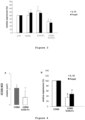
- ICOS-Fc significantly inhibits the growth of established primary tumors only when it is encapsulated in biocompatible nanoparticles, whereas the free ICOS-Fc has no effect ( Fig.1 ).
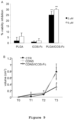
- This has been detected in both a strongly immunogenic peripheral tumor (melanoma) and a weakly immunogenic CNS tumor (glioblastoma), using either CDNS or PLGA nanoparticles as the drug carriers, and using either a mouse tumor model (melanoma) ( Fig.1 ) or a human/mouse tumor xenograft model (glioblastoma) ( Fig. 9 ).
- ICOS-Fc was effective not only in immunocompetent mice (melanoma) ( Fig.1 ), but also in athymic mice (glioblastoma) ( Fig. 9 ) and ICOS-KO mice (melanoma) ( Fig.4 ). These data show that the ICOS-Fc effect was not ascribable to blocking the interaction between B7h and the endogenous ICOS expressed on T cells (or other cell types). This blocking, using an anti-ICOS mAb, has been shown to inhibit the development of Treg cells suppressing the anti-tumor immune response.
- the present inventors have reasons to believe that the loading of ICOS-Fc in the carrier (nanoparticles) for exerting its anti-tumor activity may be ascribed to the carrier ability to carry ICOS-Fc into the tumor mass possibly through the Enhanced Permeability and Retention (EPR) effect.
- EPR Enhanced Permeability and Retention
- the same effect may be exerted by various types of carriers acting either through EPR or other mechanisms to increase drug delivery into the tumor, such as carriers conjugated to biomolecules increasing targeting into the tumor.
- the same effect of ICOS-Fc may be exerted by other molecules capable to trigger B7h, such as monoclonal antibodies.
- the antitumor activity of B7h triggering may be partly ascribed to the ICOS-Fc effect on tumor angiogenesis, as suggested by the antiangiogenic activity of ICOS-Fc in vitro ( Fig.8 ) and in vivo ( Fig.2 ).
- This finding is novel since previous data did not detect any antiangiogenic effect exerted by ICOS-Fc 14 .
- the effect of the human ICOS-Fc in the glioblastoma xenograft model shows that ICOS-Fc exerts also a direct effect on the tumor cells, since the human ICOS-Fc does not interact with the mouse B7h expressed by the host cells.
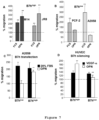
- a key point is that it has been shown for the first time that B7h also binds to OPN ( Fig.6 ), which is a key molecule involved in the tumor growth, migration and metastatization, and the B7h/OPN interaction is involved in these OPN activities ( Fig. 7 ).
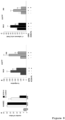
- the B7h/OPN interaction involves a different binding site than the ICOS/B7h interaction ( Fig.6 ), and ICOS-Fc displays a strong dominant negative effect on several tumor-promoting activities mediated by OPN ( Fig.8 ).
- ICOS-Fc is an antineoplastic drug that can be used either in monotherapy or in combination therapies with other anti-neoplastic therapies.
- ICOS-Fc acts by triggering B7h and inhibiting the OPN activity, which are substantial additional effects to the effect of inhibiting the endogenous ICOS/B7h interaction.
- mice carrying palpable subcutaneous B16-F10 tumors were i.v. treated with either the mouse ICOS-Fc, or ICOS-Fc/CDNS or the empty CDNS (100 ⁇ g each) or the same volume of PBS as control every 4 days and the tumor growth was monitored every 4 days.
- Results showed that ICOS-Fc loaded in CDNS (CDNS/ICOS-Fc) substantially inhibited the growth of melanoma cells in the mice, whereas free ICOS-Fc has no effect ( Fig. 1 ).
- infiltrating lymphocytes were obtained from the tumors and the mRNA levels of IL-17A and ROR ⁇ t (marking TH17 cells), IL-10 and Foxp3 (marking Treg cells) were evaluated by Real Time PCR, since ICOS has a key role in Th17 and Treg cell differentiation. Results showed that treatment with CDNS/ICOS-Fc significantly decreased expression of Foxp3 and IL-10 compared with the levels detected in control mice, whereas free ICOS-Fc and empty CDNS had no effect. In contrast, no significant differences were detected in the expression of RoR ⁇ t and IL17A ( Fig. 3 ).
- the inventors used two approaches to test the hypothesis that OPN binds to B7h using recombinant B7h-Fc and histidine-tagged OPN or B7h (B7h-his) ( Fig.6 ).
- OPN (or B7h-his) was adsorbed on ELISA plates and then incubated with titrated amounts of B7h-Fc (or OPN) for 1 h. After washing, binding was evaluated with anti-IgG1 mAb (or polyclonal anti-OPN Ab). Results showed a concentration dependent binding of B7h to OPN.
- B7h-Fc was used as a bait protein captured on Sepharose-protein A, and was incubated with OPN for 1 h. After washing, proteins were eluted from the resin and analyzed by Western blot using anti-OPN polyclonal antibodies. Results showed an association between OPN and B7h.
- OPN induces migration of tumor cell lines expressing high levels of B7h (B7h high ) but not of those expressing low levels (B7h low ), whereas no difference is found when migration is induced by fetal bovine serum (FBS) ( Fig.7A-B ).
- FBS fetal bovine serum
- Fig.7A-B fetal bovine serum
- B7h low tumor cells the migratory response to OPN is restored by B7h transfection reinforcing B7h expression whereas, in B7h high HUVEC, it is inhibited by shRNA-mediated silencing of B7h (Fig. 6C-D).
- the effect is specific since modulation of B7h expression does not affect migration induced by FBS in tumor cells and by VEGF in HUVEC.
- ICOS-Fc exerts dominant inhibition of OPN-induced migration and tubulogenesis
- mice carrying palpable subcutaneous B16-F10 tumors were i.p. treated with either PLGA/ICOS-Fc or the empty PLGA (100 ⁇ g each) or the same volume of PBS as control every 4 days and the tumor growth was monitored every 4 days. Results showed that treatment with PLGA/ICOS-Fc effectively inhibited the growth of B16-F10 tumors compared to both control treatments ( Fig.9B ).
- Athymic mice bearing human glioblastoma in the brain were treated with PLGA-loaded with human ICOS-Fc or empty PLGA one week after implantation of human neuroblastoma cells (MD13) into the brain.
- Treatment with PLGA/ICOS-Fc significantly prolonged the median survival of tumor-bearing mice ( Fig. 10 ).
- the treatment with PLGA/ICOS-Fc reduced the tumor formation compared to empty PLGA treated-mice.
- the effect of PLGA/ICOS-Fc in the tumor growth in vivo does not depend on the presence of the endogenous ICOS + CD4 + T cells, because we evaluated the effect of PLGA/ICOS-Fc in T cell-deficient mice.
- the extracellular portion of the human or mouse ICOS was cloned into a modified eukaryotic expression vector derived from pCDNA3.1/Hygro(+) plasmid (cod. V870-20, Invitrogen) and reported as p-Minibody (pMB-SV5) by Di Niro R. et al. 25 , PubMed ID: 17678525.
- This vector differs from the original one by: the Kozak sequence (5'CCACCATGG 3' - SEQ ID No.: 11) which is required for the initiation of the translation in eukaryotic cells; the secretory leader sequence (5' GCTGGAGCCTGATCCTCCTGTTCCTCGTCGCTGTGGCTACA 3' - SEQ ID No.: 12) which was introduced to allow the release of the protein in the culture supernatants; the mini intron sequence(5'GGTAAGGGGCTCACAGTAGCAGGCTTGAGGTCTGGACATATATA TGGGTGACAATGACATCCTTTGCCTTTCTCTCCACAGGTG 3' - SEQ ID No.: 13) to increase the level of the protein expression.
- a tag sequence to target the produced-protein was introduced and it is derived from Simian Virus-5 (SV5 tag) (5' GGCAAACCAATCCCAAACCCACTGCTGGGCCTGGATAGTACT 3'- SEQ ID No.: 14) and it is useful for monoclonal antibody recognition of the protein.
- This vector allowed to clone the fragments of interest in frame with the coding sequence of the human or mouse constant fragment of the immunoglobulin IgG1 (Fc) domain, having nucleotide sequences set forth in SEQ ID No.: 5 and 9, respectively.
- the nucleotide sequence encoding the extracellular portion of the human ICOS was amplified with specific primers: ICOS forward BsshII primer (5' TTGGCGCGCATGCCGAAATCAATGGTTCTGCC 3' - SEQ ID No.: 15, Sigma-Genosys, The Woodlands, TX, USA) and ICOS reverse NheI primer (5' CTAGCTAGCAAGTTGTGATTCATAAATATGC 3' - SEQ ID No.: 16, Sigma-Genosys).
- the amplified fragments were digested with BssHII (cod.
- the nucleotide sequence encoding the extracellular portion of the mouse ICOS was amplified with specific primers: ICOS mouse forward BsshII primer (5' TTGGCGCGCATGCCGAAATCAATGGCTCG 3' - SEQ ID No.: 17, Sigma-Genosys) and ICOS mouse reverse NheI primer (5' CTAGCTAGCTAGCCAGAGCTTCAGCTGGC 3' - SEQ ID No.: 18, Sigma-Genosys).
- the amplified fragments were digested with BssHII (cod.
- the vector used in this cloning was the pMB-SV5 with the coding sequence of the mouse Fc domain (the mouse Fc domain has the sequence set forth in SEQ ID No.: 9).
- the double digested fragments were cloned into the previously described pMB-SV5 plasmid.
- the nucleotide sequence was determined by sequencing.
- the nucleotide sequence of the expression vector coding for msICOS-msFc is set forth in SEQ ID No.: 10.
- the plasmid DNA was transformed into One Shot ® TOP10 Chemically Competent Escherichia Coli bacterial cells ( E. coli; cod.C4040-03, Life Technologies, Carlsbad, CA, USA). The resulting colonies were screened using specific primers: P-Hygro sense (5' CTGCTTACTGGCTTATCG 3' - SEQ ID No.: 19, Sigma-Genosys) and P-Hygro antisense (5' CAGATGGCTGGCAACTAG 3' - SEQ ID No.: 20, Sigma-Genosys) and the construct was confirmed by sequencing. Finally, the plasmid DNA was transfected using FreeStyle TM MAX Reagent (cod.
- CDNS ⁇ -cyclodextrins
- DMF dimethylformamide
- carbonyldiimidazole code 115533, Sigma-Aldrich, St. Luis, MO, USA
- ⁇ -CDNS is crosslinked with pyromelliticdianhydride (code 412287, Sigma-Aldrich, St. Luis, MO, USA) to form a carboxylic acid terminated nanoporous material ( ⁇ NS-Pyro) that form solid particles with a rather spherical morphology and a very high solubilizing power over poorly soluble substances.
- pyromelliticdianhydride code 412287, Sigma-Aldrich, St. Luis, MO, USA
- DMSO dimethyl sulfoxide
- the molar ⁇ NS-Pyro were prepared by crosslinking -CDNS and pyromelliticdianhydride (code 412287, Sigma-Aldrich, St. Luis, MO, USA) in a 1:8 molar ratio in the presence of ammonia.
- the dried preparations were dispersed in a 0.9% NaCl (code S7653, Sigma-Aldrich, St. Luis, MO, USA) solution at a concentration of 10 mg/ml using an Ultraturrax instrument (IKA, Germany) for 3 min. All reagents were of analytical grade.
- NP neuropeptide derived neuropeptide
- the structures of NP were investigated by Raman spectroscopy and imaging methods. Our data by transmission electron microscopy showed that the formed NP have almost spherical morphology with size ranging from 50 to 100 nm with an average of 81 ⁇ 9 nm. The instant results demonstrated that the NS-Pyro NP had not inflammatory effects and did not have any adverse effect on melanoma cells line. The inventors then encapsulated into these ⁇ NS-Pyro NP ICOS-Fc. A weighed amount of freeze-dried ⁇ NS-Pyro has been dispersed by stirring in an aqueous solution at pH 6.0 containing NaCl(code S7653, Sigma-Aldrich, St.
- PLGA nanoparticles were prepared by a modified double solvent evaporation method 26 . Briefly 60 mg of PLGA 65:35 crystals (cod. P2066; Sigma-Aldrich, Saint Luis, MO, USA) were dissolved in 1ml of dichloromethane (DCM) (cod. 270997; Sigma-Aldrich, St. Luis, MO, USA) at room temperature. 50 ⁇ l of PBS were added to PLGA and the solution was sonicated for 1 min. 5 volumes of 1% PVA (cod. P8136; Sigma-Aldrich, St. Luis, MO, USA) acqueous solution were carefully added to the resulting emulsion in order to maintain phase separation.
- DCM dichloromethane
- Nanoparticles containing ICOS-Fc were produced as above by adding ICOS-Fc (1mg was lyophilized and then resuspended in 50 ⁇ l of PBS - phosphate buffer saline), to the PLGA solution dissolved in DCM during the first step of the preparation. The release of ICOS-Fc was evaluated by leaving the nanoparticles in PBS at 37°C, and the proteins released were quantified by the BCA assay (ThermoScientific).
- mice Female 5-7-wk-old C57BL/6 mice (either wild type cod. 000664-C57BL/6J or ICOS -/- cod. 004859-B6.129P2-Icos tm1Mak /J; Charles River Laboratories, Wilmington, MA, USA) were injected subcutaneously (s.c.) with B16-F10 cells (10 5 cells/mouse; cod. CRL-6475; ATTC, Manassas, VA, USA).
- mice were treated every 4 days with an intravenous (i.v.) injection of either the mouse ICOS-Fc, ICOS-Fc loaded in CDNS (ICOS-Fc/CDNS) or the empty CDNS (100 ⁇ g each) or the same volume of PBS as control.
- the tumor size was measured every 4 days with caliper and mice were sacrificed after 3 weeks.
- the same treatment protocol was applied by treating mice with either ICOS-Fc loaded in PLGA (ICOS-Fc/PLGA) or the empty PLGA NP(100 ⁇ g each) or the same volume of PBS as control.
- DMEM/F12 cod. 31331-028, Thermo Fisher, Waltham, USA
- B27 MACS ® NeuroBrew ® -21 previously MACS Supplement B27 PLUS cod. 130-093-566 Miltenyi Biotec, Bergisch Gladbach, Germany
- heparin 2.5 ⁇ g/ml, cod. H3149, Sigma-Aldrich, St. Loius, MO, USA
- bFGF basic fibroblast growth factor
- mice 100-18B, Peprotech, London, UK) and epidermal growth factor (EGF; 20 ng/ml, cod. AF-100-15 Peprotech, London. UK) were added to the sphere cultures twice a week 27 .
- the mice were bred under pathogen-free conditions in the animal facility of the Department of Health Sciences and were treated in accordance with the University Ethical Committee. The study was approved by the Bioethics Committee for Animal Experimentation of the University of Piemonte Orientale and Ministero della Salute (Prot. No. 477/2016-PR).
- the infiltrating cells were obtained from the tumors, and the mRNA levels of IL-17A and ROR ⁇ t (marking TH17 cells), IL-10 and Foxp3 (marking Treg cells) were evaluated via Real Time PCR.
- the total RNA was then isolated using TRIzol reagent (cod. 15596026, Thermo Fisher, Waltham, USA).
- RNA was retrotranscribed using the QuantiTect Reverse Transcription Kit (cod. 205311, Qiagen, Hilden, Germany). Their expressions were evaluated with a gene expression assay (cod. 4453320, Assay-on Demand, Applied Biosystems, Forest City, CA, USA).
- the GUSB gene was used to normalize the cDNA amounts.
- Real Time PCR was performed using the CFX96 System (Bio-Rad Laboratories) in duplicate for each sample in a 10 ⁇ l final volume containing 1 ⁇ l diluted cDNA, 5 ⁇ l TaqMan universal PCR master mix (cod. 4369016 Applied Biosystem, Foster City, CA), and 0.5 ⁇ l TaqMan Gene Expression Assays (Applied Biosystem).
- the following assays were used: GUSB, Mm01197698_m1; IL-17A, Mm00439618_m1; ROR ⁇ t, Mm01261022_m1; IL-10, Mm01288386_m1; Foxp3, Mm00475162_m1.
- the thermocycler parameters were 95°C for 10 min, followed by 40 cycles of 95°C for 15 sec and 60°C for 1 min. The results were analyzed with a Delta-Delta CT method.
- tumor samples were embedded in OCT compound (cod. 05-9801 Killik, Bioptica Milano SpA), snap-frozen, and stored at -80 °C until use.
- Tumor tissues were cut with a cryostat (thickness 5-6 ⁇ m) and treated with 4% paraformaldehyde (cod. P6148, Sigma-Aldrich) diluted in PBS for 5 minutes at room temperature to fix the sample on the glass slides. The samples were then blocked with 5% Normal Goat Serum (NGS cod.DY005 R&D System, Minneapolis, USA) in PBS for one hour, in order to block aspecific sites to which could bind the primary antibody.
- NGS cod.DY005 R&D System R&D System, Minneapolis, USA
- slides were incubated with the primary antibody rabbit anti-CD31 (cod. ab28364 dilution 1:50 Abcam, Cambridge, UK) room temperature for 2 hours.
- the secondary antibody used was an anti-rabbit Ig Alexa fluor 488-conjugated (cod. A-11008, Thermo Fisher), diluited 1:400.
- the sections were stained with 0.5 mg/ml of the fluorescent dye 4,6-diamidino-2-phenylindole-dihydrochloride (DAPI, cod. D8417, Sigma-Aldrich) for 5 minutes, to color the cell nuclei, and then mounted using Prolong anti-fade mounting medium (Slow Fade AntiFADE Kit, cod.
- DAPI 4,6-diamidino-2-phenylindole-dihydrochloride
- melanoma cells (A2058, cod. CRL-11147, ATCC, Manassas, VA, USA; M14, RRID:CVCL_1395; JR8, RRID:CVCL_5780; PCF-2) were plated onto the apical side of 50 ⁇ g/ml matrigel-coated filters (cod. 8.2 mm diameter and 0.3 ⁇ m or 0.5 ⁇ m pore size; Neuro Probe, Inc.; BIOMAP snc, Milan, Italy; Matrigel Matrix Basement Membrane Cod. L003975 Rif.
- the cells on the bottom of the filter were stained with crystal violet (cod. 61135, Sigma-Aldrich, St. Louis, MO, USA) and all were counted (fourfold filter) with an inverted microscope (magnification 40X). Data are shown as percentages of the treated cells migration vs the control migration measured for untreated cells.
- HUVECs were grown to confluence in 24-well plates (cod. ET3024, Euroclone, Milan, Italy) in complete medium M200 (cod. M200500, Gibco, Gaithersburg, MD, USA) and then treated or not with OPN (10 ⁇ g/ml, cod. 1433-OP-050, R&D System, Minneapolis, USA), or ICOS-Fc (5 ⁇ g/ml), for 30 min, washed with fresh medium twice, and incubated for 1 h with melanoma cells (5x10 4 cell/well; A2058, cod.
- HUVECs 2.5x10 4 /well were cultured in M200 (cod. M200500, Gibco, Gaithersburg, MD, USA ) serum-free medium and seeded onto 48-well plates (cod. ET3048, Euroclone, Milan, Italy) previously coated with 150 ⁇ l of growth factor-reduced matrigel (Matrigel Matrix Basement Membrane Cod. L003975 Rif. Cat 354230, SACCO s.r.l. , COMO) in the presence of OPN (10 ⁇ g/ml, cod. 1433-OP-050, R&D System, Minneapolis, USA), or control medium with VEGF- ⁇ (10 ng/ml, cod.
- M200 cod. M200500, Gibco, Gaithersburg, MD, USA
- serum-free medium seeded onto 48-well plates (cod. ET3048, Euroclone, Milan, Italy) previously coated with 150 ⁇ l of growth factor-reduced matrigel (Matrigel Matrix Basement
- rhB7h2-Fc (cod. 165-B7-100, R&D system, Minneapolis, MN, USA) and rhOPN (cod. 1433-OP-050/CF, R&D system, Minneapolis, MN, USA) were join together in PBS at RT on the wheel for 1h, then B7h was precipitated using Sepharose-protein G (cod. 17-0618-01, GE Healthcare, Piscataway, NJ, USA), sample buffer with 20% of ⁇ -mercaptoethanol (cod. M-3148, Sigma-Aldrich, Saint Louis, MO, USA) was used to dissociate the proteins and Western blot was performed.
- Anti-OPN polyclonal antibodies (cod. MAB14331-SP, R&D system, Minneapolis, MN, USA) was used to detect OPN on the membrane.
- HUVEC cells 1.5*10 ⁇ 5 cells were seeded on 6 wells plate (cod. ET3006, Euroclone, Milan, Italy) in complete medium IMDM (cod. cod. BE12-915F01, Lonza, Basel, Switzerland) for 24h.
- IMDM cod. cod. BE12-915F01, Lonza, Basel, Switzerland
- lipofectamine tm RNAiMAX transfection reagent cod.
- oligo1 ICOSLGHSS177318 (5'-CAGCAGCCUUCGAGCUGAUACUCAG-3' - SEQ ID No.: 21 and 5'-CUGAGUAUCAGCUCGAAGGCUGCUG-3'- SEQ ID No.: 22) and oligo2: ICOSLGHSS118565 (5'-GGCCCAACGUGUACUGGAUCAAUAA-3' - SEQ ID No.: 23, and 5'-UUAUUGAUCCAGUACACGUUGGGCC-3'- SEQ ID No.: 24) Life technologies, Carlsbad, CA, USA) mapping in two different exons.
- A2058 cells (10 ⁇ 6 cells; cod. CRL-11147, ATCC, Manassas, VA, USA)were seeded in 10 cm 2 dishes (cod. ET2100, Euroclone, Milan, Italy)in complete medium RPMI-1640 (cod.BE12-702F/12, Lonza, Basel, Switzerland.
- 10 ⁇ g of DNA and 10 ⁇ l of lipofectamine 3000 (cod.L3000001, Life technologies, Carlsbad, California, USA) were used. After 24 or 48 hours, the cells silenced or transfected were used for the migration experiments.
- rhOPN 80nM of rhOPN (#1433-OP-050/CF, R&D system, Minneapolis, MN, USA) was adsorbed on Nunc MaxiSorp TM flat-bottom ELISA plate (cod. M9410-1CS, Sigma-Aldrich, St. Louis, MO, USA) and then incubated with titrated amounts of B7h-Fc (cod. 165-B7-100, R&D system, Minneapolis, MN, USA) for 1 h with or without 80nM of rhICOS-Fc. After washing with PBS + 0,025% Tryton (cod. T8787, Sigma-Aldrich, St.
- anti-human-IgG1 mAb HRP conjugated (cod. P0214, Dako, Santa Clara, CA, USA) was added for 1h then TMB substrate (cod. T4444, Sigma-Aldrich, St. Louis, MO, USA) was used and the reaction was stopped after 2 min with H 2 SO 4 2N (cod. 339741, Sigma-Aldrich, St. Louis, MO, USA) reading the absorbance at 450nm using Victor-X1 plate reader (Perkin Elmer, Waltham, MA, USA).
- B16-F10 cells were seeded in 96 well plates at 1x10 3 cells/well in RPMI-1640 complete medium. After 24 h the medium was removed and the cells were incubated for 48 h in the medium containing titrated amounts (0.5-5 ⁇ g/ml) of CDNS or PLGA NP. After 72 h of incubation, viable cells were evaluated by adding 2,3-bis[2-methoxy-4-nitro-5sulfophenyl]-2H-tetrazolium-5carboxanilide (MTT, Sigma-Aldrich) inner salt reagent (0.5 mg/ml) for 4 h at 37 °C.
- MTT 2,3-bis[2-methoxy-4-nitro-5sulfophenyl]-2H-tetrazolium-5carboxanilide
Landscapes
- Health & Medical Sciences (AREA)
- Life Sciences & Earth Sciences (AREA)
- Chemical & Material Sciences (AREA)
- Engineering & Computer Science (AREA)
- Medicinal Chemistry (AREA)
- General Health & Medical Sciences (AREA)
- Immunology (AREA)
- Bioinformatics & Cheminformatics (AREA)
- Pharmacology & Pharmacy (AREA)
- Epidemiology (AREA)
- Animal Behavior & Ethology (AREA)
- Public Health (AREA)
- Veterinary Medicine (AREA)
- Nanotechnology (AREA)
- Zoology (AREA)
- Proteomics, Peptides & Aminoacids (AREA)
- Cell Biology (AREA)
- Gastroenterology & Hepatology (AREA)
- Organic Chemistry (AREA)
- Biophysics (AREA)
- Genetics & Genomics (AREA)
- Molecular Biology (AREA)
- Toxicology (AREA)
- Biochemistry (AREA)
- Physics & Mathematics (AREA)
- Biomedical Technology (AREA)
- Optics & Photonics (AREA)
- Dermatology (AREA)
- Medicines That Contain Protein Lipid Enzymes And Other Medicines (AREA)
- Medicinal Preparation (AREA)
- Peptides Or Proteins (AREA)
- Pharmaceuticals Containing Other Organic And Inorganic Compounds (AREA)
Claims (13)
- Ligand des B7h-Rezeptors zur Verwendung bei der Behandlung eines an einem Tumor leidenden Subjekts, wobei der Ligand des B7h-Rezeptors in oder auf einen biokompatiblen Mikro- oder Nanoträger geladen ist und der Ligand des B7h-Rezeptors in der Lage ist, den B7h-Rezeptor zu binden und die B7h-Rezeptoraktivität auszulösen, wobei der Ligand ausgewählt ist aus:a) ein menschliches ICOS-Protein mit einer Aminosäuresequenz wie in SEQ ID Nr.: 1 oder Teilen davon;b) eine menschliche extrazelluläre ICOS-Domäne mit einer Aminosäuresequenz wie in SEQ ID Nr.: 2 oder Teilen davon; undc) ein Homologes eines der Proteine a) und b) mit mindestens 80%, vorzugsweise mindestens 90%, noch bevorzugter mindestens 95%, noch bevorzugter mindestens 98% Sequenzidentität mit den Aminosäuresequenzen, wie sie in SEQ ID Nr.: 1, 2 oder Teilen davon angegeben sind.
- Ligand des Rezeptors B7h zur Verwendung nach Anspruch 1, wobei der Ligand hyperglycosyliert oder mit Mannoseresten konjugiert ist.
- Ligand des Rezeptors B7h zur Verwendung nach einem der Ansprüche 1 bis 2, wobei der in oder auf einen biokompatiblen Mikro- oder Nanoträger geladene Ligand durch Injektion, Infusion zu verabreichen ist.
- Ligand des Rezeptors B7h zur Verwendung nach einem der Ansprüche 1 bis 3, wobei der Ligand an ein stabilisierendes Molekül fusioniert oder konjugiert ist.
- Ligand des Rezeptors B7h zur Verwendung gemäß Anspruch 4, wobei das stabilisierende Molekül ausgewählt ist aus: einer menschlichen Fc-Antikörperdomäne, Polyethylenglykolen und Derivaten davon, Poly-L-Lysin-Citramid, Styrol-Maleinsäure-Anhydrid und Polyhydroxypropylmetacrylamid.
- Ligand des Rezeptors B7h zur Verwendung nach einem der Ansprüche 1 bis 5, wobei der Ligand eine Aminosäuresequenz wie in SEQ ID Nr.: 3 dargelegt umfasst
- Ligand des Rezeptors B7h zur Verwendung nach einem der Ansprüche 1 bis 8, wobei der biokompatible Mikro- oder Nanoträger ausgewählt ist aus Mikro- oder Nanopartikeln, Mikro- oder Nanokapseln, Mikro- oder Nanovesikeln, Mikro- oder Nanoblasen, Nanoemulsionen, Nanosuspensionen, Nanohydrogelen, Mizellen, Dendrimeren, Quantenpunkten, Liposomen und Kohlenstoff-Nanoröhren.
- Ligand des Rezeptors B7h zur Verwendung nach Anspruch 7, wobei die Mikro- oder Nanopartikel aus Cyclodextrinpolymer, Poly(lactid-co-glycolsäure), Polycaprolacton (PCL), Polymilchsäure (PLA), Poly(glycolid), Chitosan, Alginat, Stärke, Kollagen, Albumin, Siliciumdioxid, Metall hergestellt sind.
- Pharmazeutische Zusammensetzung, umfassend mindestens einen Liganden des Rezeptors B7h, der in oder auf einen biokompatiblen Mikro- oder Nanoträger geladen ist, und einen pharmazeutisch akzeptablen Träger zur Verwendung bei der Behandlung eines Tumors, wobei der mindestens eine Ligand des Rezeptors B7h ausgewählt ist aus:a) einem menschlichen ICOS-Protein mit einer Aminosäuresequenz wie in SEQ ID Nr.: 1 oder Teilen davon;b) einer menschlichen extrazellulären ICOS-Domäne mit einer Aminosäuresequenz wie in SEQ ID Nr.: 2 oder Teilen davon; undc) einem Homologen eines der Proteine a) und b) mit mindestens 80%, vorzugsweise mindestens 90%, noch bevorzugter mindestens 95%, noch bevorzugter mindestens 98% Sequenzidentität mit den Aminosäuresequenzen, wie sie in SEQ ID Nr.: 1, 2 oder Teilen davon angegeben sind.
- Pharmazeutische Zusammensetzung nach Anspruch 9, wobei der Ligand an ein stabilisierendes Molekül fusioniert oder konjugiert ist.
- Pharmazeutische Zusammensetzung nach einem der Ansprüche 9 bis 10, wobei der Ligand eine Aminosäuresequenz wie in SEQ ID Nr.: 3 dargelegt umfasst.
- Pharmazeutische Zusammensetzung nach einem der Ansprüche 9 bis 11, wobei der biokompatible Mikro- oder Nanoträger ausgewählt ist aus Mikro- oder Nanopartikeln, Mikro- oder Nanokapseln, Mikro- oder Nanovesikeln, Mikro- oder Nanoblasen, Nanoemulsionen, Nanosuspensionen, Nanohydrogelen, Mizellen, Dendrimeren, Quantenpunkten, Liposomen und Kohlenstoffderivaten.
- Verwendung von Rezeptor B7h als Target für das Screening von pharmazeutischen Wirkstoffen, die für die Behandlung eines Tumors nützlich sind, wobei der pharmazeutische Wirkstoff an Rezeptor B7h bindet, die Aktivität von Rezeptor B7h auslöst und die Osteopontin-Aktivität hemmt.
Applications Claiming Priority (2)
| Application Number | Priority Date | Filing Date | Title |
|---|---|---|---|
| IT201800001315A IT201800001315A1 (it) | 2018-01-18 | 2018-01-18 | Nuovi agenti terapeutici antitumorali |
| PCT/IB2019/050154 WO2019142070A1 (en) | 2018-01-18 | 2019-01-09 | Anti-tumor therapeutic agents based on b7h receptor ligands |
Publications (3)
| Publication Number | Publication Date |
|---|---|
| EP3740499A1 EP3740499A1 (de) | 2020-11-25 |
| EP3740499B1 true EP3740499B1 (de) | 2025-05-14 |
| EP3740499C0 EP3740499C0 (de) | 2025-05-14 |
Family
ID=61873847
Family Applications (1)
| Application Number | Title | Priority Date | Filing Date |
|---|---|---|---|
| EP19704678.2A Active EP3740499B1 (de) | 2018-01-18 | 2019-01-09 | Anti-tumor-therapeutika auf basis von b7h-rezeptorliganden |
Country Status (8)
| Country | Link |
|---|---|
| US (1) | US12263204B2 (de) |
| EP (1) | EP3740499B1 (de) |
| JP (1) | JP2021513505A (de) |
| CN (1) | CN111902423A (de) |
| CA (1) | CA3088835A1 (de) |
| ES (1) | ES3032109T3 (de) |
| IT (1) | IT201800001315A1 (de) |
| WO (1) | WO2019142070A1 (de) |
Families Citing this family (2)
| Publication number | Priority date | Publication date | Assignee | Title |
|---|---|---|---|---|
| CN120795059A (zh) | 2018-08-27 | 2025-10-17 | 瑞泽恩制药公司 | 拉曼光谱在下游纯化中的应用 |
| CN113230415B (zh) * | 2021-05-18 | 2022-04-12 | 南华大学 | 岩藻糖与环糊精修饰多肽靶向动脉粥样硬化相关巨噬细胞纳米载体系统及其制备方法和应用 |
Family Cites Families (6)
| Publication number | Priority date | Publication date | Assignee | Title |
|---|---|---|---|---|
| US7235631B2 (en) * | 2002-02-07 | 2007-06-26 | Mayo Foundation For Medical Education And Research | ICOS mutants |
| WO2006003999A1 (ja) * | 2004-07-05 | 2006-01-12 | Juridical Foundation The Chemo-Sero-Therapeutic Research Institute | ヒト抗ヒトb7rp-1抗体およびその抗体フラグメント |
| WO2011007747A1 (ja) * | 2009-07-16 | 2011-01-20 | 大塚化学株式会社 | 糖鎖付加ailim細胞外ドメイン及びその製造方法 |
| EP2925350B1 (de) * | 2012-12-03 | 2019-01-30 | Bristol-Myers Squibb Company | Verbesserung der antikrebswirkung von immunmodulatorischen fc-fusionsproteinen |
| ITUB20151014A1 (it) * | 2015-05-27 | 2016-11-27 | Univ Degli Studi Del Piemonte Orientale Amedeo Avogadro | Ligandi del recettore b7h nel trattamento di osteopenia e osteoporosi |
| CA2998208A1 (en) * | 2015-10-22 | 2017-04-27 | Jounce Therapeutics, Inc. | Gene signatures for determining icos expression |
-
2018
- 2018-01-18 IT IT201800001315A patent/IT201800001315A1/it unknown
-
2019
- 2019-01-09 EP EP19704678.2A patent/EP3740499B1/de active Active
- 2019-01-09 JP JP2020537603A patent/JP2021513505A/ja active Pending
- 2019-01-09 CN CN201980009152.9A patent/CN111902423A/zh active Pending
- 2019-01-09 US US16/963,185 patent/US12263204B2/en active Active
- 2019-01-09 ES ES19704678T patent/ES3032109T3/es active Active
- 2019-01-09 CA CA3088835A patent/CA3088835A1/en active Pending
- 2019-01-09 WO PCT/IB2019/050154 patent/WO2019142070A1/en not_active Ceased
Also Published As
| Publication number | Publication date |
|---|---|
| US12263204B2 (en) | 2025-04-01 |
| IT201800001315A1 (it) | 2019-07-18 |
| CN111902423A (zh) | 2020-11-06 |
| US20210128684A1 (en) | 2021-05-06 |
| WO2019142070A1 (en) | 2019-07-25 |
| EP3740499C0 (de) | 2025-05-14 |
| JP2021513505A (ja) | 2021-05-27 |
| ES3032109T3 (en) | 2025-07-15 |
| EP3740499A1 (de) | 2020-11-25 |
| CA3088835A1 (en) | 2019-07-25 |
Similar Documents
| Publication | Publication Date | Title |
|---|---|---|
| Zhou et al. | Octa-functional PLGA nanoparticles for targeted and efficient siRNA delivery to tumors | |
| KR100883471B1 (ko) | siRNA의 세포내 전달을 위한 siRNA와 친수성 고분자 간의접합체 및 그의 제조방법 | |
| Sun et al. | Simultaneous delivery of siRNA and paclitaxel via a “two-in-one” micelleplex promotes synergistic tumor suppression | |
| US9567430B2 (en) | Enzymatic synthesis of poly(amine-co-esters) and methods of use thereof for gene delivery | |
| KR101255338B1 (ko) | 표적 세포에 대한 폴리뉴클레오티드 전달체 | |
| AU2019216781B2 (en) | Nanoparticle-hydrogel composite for nucleic acid molecule delivery | |
| Liu et al. | Engineered magnetic polymer nanoparticles can ameliorate breast cancer treatment inducing pyroptosis–starvation along with chemotherapy | |
| TWI632922B (zh) | Polymer microcell medicinal composition | |
| Kozlu et al. | An aquaporin 4 antisense oligonucleotide loaded, brain targeted nanoparticulate system design | |
| Cheng et al. | Delivery of a granzyme B inhibitor gene using carbamate-mannose modified PEI protects against cytotoxic lymphocyte killing | |
| Neri et al. | Tuning the Loading and Release Properties of MicroRNA-Silencing Porous Silicon Nanoparticles by Using Chemically Diverse Peptide Nucleic Acid Payloads | |
| US12263204B2 (en) | Anti-tumor therapeutic agents based on B7h receptor ligands | |
| CN116964192A (zh) | 工程化迁移体及其制备方法和用途 | |
| Laomeephol et al. | Potential roles of hyaluronic acid in in vivo CAR T cell reprogramming for cancer immunotherapy | |
| JP2019531330A (ja) | 疎水性ペンダント鎖を有するポリ(l−リジンイソフタルアミド)(plp)ポリマー | |
| EP2175841A1 (de) | Osteopontin-nanoteilchen-system zur arzneiabgabe | |
| Golan et al. | Inhibition of gene expression and cancer cell migration by CD44v3/6-targeted polyion complexes | |
| Ju et al. | Injectable in situ forming hydrogel gene depot to improve the therapeutic effect of STAT3 shRNA | |
| KR102464966B1 (ko) | 주사 가능한 폴리감마글루탐산 기반의 수화겔 및 이의 제조 방법 | |
| KR20190108918A (ko) | Rna 간섭을 통한 줄기세포의 연골분화 유도를 위한 나노입자 전달체 및 이를 이용한 연골세포로의 분화방법 | |
| Li | Designing polyprodrug and protein nanocarriers with stealth effect for drug delivery | |
| JP2019038787A (ja) | 温度応答性ミセルおよびその用途 | |
| Sawdon | Design and synthesis of multifunctional polymeric micelles for gene-directed enzyme prodrug therapy | |
| Ненчева | Cationic polymers and their therapeutic potential | |
| Law | Peptide Mediated siRNA Delivery: Physicochemical and in vitro Characterizations |
Legal Events
| Date | Code | Title | Description |
|---|---|---|---|
| STAA | Information on the status of an ep patent application or granted ep patent |
Free format text: STATUS: UNKNOWN |
|
| STAA | Information on the status of an ep patent application or granted ep patent |
Free format text: STATUS: THE INTERNATIONAL PUBLICATION HAS BEEN MADE |
|
| PUAI | Public reference made under article 153(3) epc to a published international application that has entered the european phase |
Free format text: ORIGINAL CODE: 0009012 |
|
| STAA | Information on the status of an ep patent application or granted ep patent |
Free format text: STATUS: REQUEST FOR EXAMINATION WAS MADE |
|
| 17P | Request for examination filed |
Effective date: 20200806 |
|
| AK | Designated contracting states |
Kind code of ref document: A1 Designated state(s): AL AT BE BG CH CY CZ DE DK EE ES FI FR GB GR HR HU IE IS IT LI LT LU LV MC MK MT NL NO PL PT RO RS SE SI SK SM TR |
|
| AX | Request for extension of the european patent |
Extension state: BA ME |
|
| DAV | Request for validation of the european patent (deleted) | ||
| DAX | Request for extension of the european patent (deleted) | ||
| STAA | Information on the status of an ep patent application or granted ep patent |
Free format text: STATUS: EXAMINATION IS IN PROGRESS |
|
| RAP3 | Party data changed (applicant data changed or rights of an application transferred) |
Owner name: NOVAICOS IMMUNOTHERAPEUTICS S.R.L. Owner name: UNIVERSITA DEGLI STUDI DEL PIEMONTE ORIENTALE"AMEDEO AVOGADRO" |
|
| RAP3 | Party data changed (applicant data changed or rights of an application transferred) |
Owner name: NOVAICOS IMMUNOTHERAPEUTICS S.R.L. Owner name: UNIVERSITA DEGLI STUDI DEL PIEMONTE ORIENTALE"AMEDEO AVOGADRO" |
|
| GRAP | Despatch of communication of intention to grant a patent |
Free format text: ORIGINAL CODE: EPIDOSNIGR1 |
|
| STAA | Information on the status of an ep patent application or granted ep patent |
Free format text: STATUS: GRANT OF PATENT IS INTENDED |
|
| RIC1 | Information provided on ipc code assigned before grant |
Ipc: A61K 47/69 20170101ALI20250211BHEP Ipc: A61K 9/51 20060101ALI20250211BHEP Ipc: A61K 9/00 20060101ALI20250211BHEP Ipc: A61K 38/17 20060101ALI20250211BHEP Ipc: C07K 14/705 20060101AFI20250211BHEP |
|
| RAP1 | Party data changed (applicant data changed or rights of an application transferred) |
Owner name: NOVAICOS IMMUNOTHERAPEUTICS S.R.L. |
|
| GRAS | Grant fee paid |
Free format text: ORIGINAL CODE: EPIDOSNIGR3 |
|
| GRAA | (expected) grant |
Free format text: ORIGINAL CODE: 0009210 |
|
| STAA | Information on the status of an ep patent application or granted ep patent |
Free format text: STATUS: THE PATENT HAS BEEN GRANTED |
|
| INTG | Intention to grant announced |
Effective date: 20250317 |
|
| AK | Designated contracting states |
Kind code of ref document: B1 Designated state(s): AL AT BE BG CH CY CZ DE DK EE ES FI FR GB GR HR HU IE IS IT LI LT LU LV MC MK MT NL NO PL PT RO RS SE SI SK SM TR |
|
| REG | Reference to a national code |
Ref country code: GB Ref legal event code: FG4D |
|
| REG | Reference to a national code |
Ref country code: CH Ref legal event code: EP |
|
| REG | Reference to a national code |
Ref country code: IE Ref legal event code: FG4D |
|
| REG | Reference to a national code |
Ref country code: DE Ref legal event code: R096 Ref document number: 602019069927 Country of ref document: DE |
|
| U01 | Request for unitary effect filed |
Effective date: 20250527 |
|
| U07 | Unitary effect registered |
Designated state(s): AT BE BG DE DK EE FI FR IT LT LU LV MT NL PT RO SE SI Effective date: 20250605 |
|
| REG | Reference to a national code |
Ref country code: ES Ref legal event code: FG2A Ref document number: 3032109 Country of ref document: ES Kind code of ref document: T3 Effective date: 20250715 |
|
| PG25 | Lapsed in a contracting state [announced via postgrant information from national office to epo] |
Ref country code: NO Free format text: LAPSE BECAUSE OF FAILURE TO SUBMIT A TRANSLATION OF THE DESCRIPTION OR TO PAY THE FEE WITHIN THE PRESCRIBED TIME-LIMIT Effective date: 20250814 Ref country code: GR Free format text: LAPSE BECAUSE OF FAILURE TO SUBMIT A TRANSLATION OF THE DESCRIPTION OR TO PAY THE FEE WITHIN THE PRESCRIBED TIME-LIMIT Effective date: 20250815 |
|
| PG25 | Lapsed in a contracting state [announced via postgrant information from national office to epo] |
Ref country code: PL Free format text: LAPSE BECAUSE OF FAILURE TO SUBMIT A TRANSLATION OF THE DESCRIPTION OR TO PAY THE FEE WITHIN THE PRESCRIBED TIME-LIMIT Effective date: 20250514 |
|
| PG25 | Lapsed in a contracting state [announced via postgrant information from national office to epo] |
Ref country code: HR Free format text: LAPSE BECAUSE OF FAILURE TO SUBMIT A TRANSLATION OF THE DESCRIPTION OR TO PAY THE FEE WITHIN THE PRESCRIBED TIME-LIMIT Effective date: 20250514 |
|
| PG25 | Lapsed in a contracting state [announced via postgrant information from national office to epo] |
Ref country code: RS Free format text: LAPSE BECAUSE OF FAILURE TO SUBMIT A TRANSLATION OF THE DESCRIPTION OR TO PAY THE FEE WITHIN THE PRESCRIBED TIME-LIMIT Effective date: 20250814 |
|
| PG25 | Lapsed in a contracting state [announced via postgrant information from national office to epo] |
Ref country code: IS Free format text: LAPSE BECAUSE OF FAILURE TO SUBMIT A TRANSLATION OF THE DESCRIPTION OR TO PAY THE FEE WITHIN THE PRESCRIBED TIME-LIMIT Effective date: 20250914 |
|
| PG25 | Lapsed in a contracting state [announced via postgrant information from national office to epo] |
Ref country code: SM Free format text: LAPSE BECAUSE OF FAILURE TO SUBMIT A TRANSLATION OF THE DESCRIPTION OR TO PAY THE FEE WITHIN THE PRESCRIBED TIME-LIMIT Effective date: 20250514 |
|
| PG25 | Lapsed in a contracting state [announced via postgrant information from national office to epo] |
Ref country code: CZ Free format text: LAPSE BECAUSE OF FAILURE TO SUBMIT A TRANSLATION OF THE DESCRIPTION OR TO PAY THE FEE WITHIN THE PRESCRIBED TIME-LIMIT Effective date: 20250514 |
|
| PG25 | Lapsed in a contracting state [announced via postgrant information from national office to epo] |
Ref country code: SK Free format text: LAPSE BECAUSE OF FAILURE TO SUBMIT A TRANSLATION OF THE DESCRIPTION OR TO PAY THE FEE WITHIN THE PRESCRIBED TIME-LIMIT Effective date: 20250514 |
|
| U20 | Renewal fee for the european patent with unitary effect paid |
Year of fee payment: 8 Effective date: 20260102 |
|
| PLBE | No opposition filed within time limit |
Free format text: ORIGINAL CODE: 0009261 |
|
| STAA | Information on the status of an ep patent application or granted ep patent |
Free format text: STATUS: NO OPPOSITION FILED WITHIN TIME LIMIT |
|
| REG | Reference to a national code |
Ref country code: CH Ref legal event code: L10 Free format text: ST27 STATUS EVENT CODE: U-0-0-L10-L00 (AS PROVIDED BY THE NATIONAL OFFICE) Effective date: 20260325 |
|
| PGFP | Annual fee paid to national office [announced via postgrant information from national office to epo] |
Ref country code: GB Payment date: 20260327 Year of fee payment: 8 |
|
| PGFP | Annual fee paid to national office [announced via postgrant information from national office to epo] |
Ref country code: ES Payment date: 20260210 Year of fee payment: 8 |
|
| 26N | No opposition filed |
Effective date: 20260217 |