EP3732293B1 - Optimiertes wirts-/vektorsystem zur erzeugung protektiver mono- und multivalenter subunit-vakzine auf basis der hefe kluyveromyces lactis - Google Patents
Optimiertes wirts-/vektorsystem zur erzeugung protektiver mono- und multivalenter subunit-vakzine auf basis der hefe kluyveromyces lactis Download PDFInfo
- Publication number
- EP3732293B1 EP3732293B1 EP18857443.8A EP18857443A EP3732293B1 EP 3732293 B1 EP3732293 B1 EP 3732293B1 EP 18857443 A EP18857443 A EP 18857443A EP 3732293 B1 EP3732293 B1 EP 3732293B1
- Authority
- EP
- European Patent Office
- Prior art keywords
- lactis
- lac4
- strain
- lactis strain
- promoter
- Prior art date
- Legal status (The legal status is an assumption and is not a legal conclusion. Google has not performed a legal analysis and makes no representation as to the accuracy of the status listed.)
- Active
Links
Images




Classifications
-
- A—HUMAN NECESSITIES
- A61—MEDICAL OR VETERINARY SCIENCE; HYGIENE
- A61K—PREPARATIONS FOR MEDICAL, DENTAL OR TOILETRY PURPOSES
- A61K36/00—Medicinal preparations of undetermined constitution containing material from algae, lichens, fungi or plants, or derivatives thereof, e.g. traditional herbal medicines
- A61K36/06—Fungi, e.g. yeasts
-
- A—HUMAN NECESSITIES
- A61—MEDICAL OR VETERINARY SCIENCE; HYGIENE
- A61K—PREPARATIONS FOR MEDICAL, DENTAL OR TOILETRY PURPOSES
- A61K39/00—Medicinal preparations containing antigens or antibodies
- A61K39/12—Viral antigens
-
- A—HUMAN NECESSITIES
- A61—MEDICAL OR VETERINARY SCIENCE; HYGIENE
- A61K—PREPARATIONS FOR MEDICAL, DENTAL OR TOILETRY PURPOSES
- A61K39/00—Medicinal preparations containing antigens or antibodies
- A61K39/12—Viral antigens
- A61K39/145—Orthomyxoviridae, e.g. influenza virus
-
- A—HUMAN NECESSITIES
- A61—MEDICAL OR VETERINARY SCIENCE; HYGIENE
- A61K—PREPARATIONS FOR MEDICAL, DENTAL OR TOILETRY PURPOSES
- A61K9/00—Medicinal preparations characterised by special physical form
- A61K9/0012—Galenical forms characterised by the site of application
- A61K9/0019—Injectable compositions; Intramuscular, intravenous, arterial, subcutaneous administration; Compositions to be administered through the skin in an invasive manner
-
- A—HUMAN NECESSITIES
- A61—MEDICAL OR VETERINARY SCIENCE; HYGIENE
- A61K—PREPARATIONS FOR MEDICAL, DENTAL OR TOILETRY PURPOSES
- A61K9/00—Medicinal preparations characterised by special physical form
- A61K9/0012—Galenical forms characterised by the site of application
- A61K9/0053—Mouth and digestive tract, i.e. intraoral and peroral administration
- A61K9/006—Oral mucosa, e.g. mucoadhesive forms, sublingual droplets; Buccal patches or films; Buccal sprays
-
- A—HUMAN NECESSITIES
- A61—MEDICAL OR VETERINARY SCIENCE; HYGIENE
- A61P—SPECIFIC THERAPEUTIC ACTIVITY OF CHEMICAL COMPOUNDS OR MEDICINAL PREPARATIONS
- A61P31/00—Antiinfectives, i.e. antibiotics, antiseptics, chemotherapeutics
- A61P31/12—Antivirals
- A61P31/14—Antivirals for RNA viruses
-
- A—HUMAN NECESSITIES
- A61—MEDICAL OR VETERINARY SCIENCE; HYGIENE
- A61P—SPECIFIC THERAPEUTIC ACTIVITY OF CHEMICAL COMPOUNDS OR MEDICINAL PREPARATIONS
- A61P31/00—Antiinfectives, i.e. antibiotics, antiseptics, chemotherapeutics
- A61P31/12—Antivirals
- A61P31/14—Antivirals for RNA viruses
- A61P31/16—Antivirals for RNA viruses for influenza or rhinoviruses
-
- C—CHEMISTRY; METALLURGY
- C12—BIOCHEMISTRY; BEER; SPIRITS; WINE; VINEGAR; MICROBIOLOGY; ENZYMOLOGY; MUTATION OR GENETIC ENGINEERING
- C12N—MICROORGANISMS OR ENZYMES; COMPOSITIONS THEREOF; PROPAGATING, PRESERVING, OR MAINTAINING MICROORGANISMS; MUTATION OR GENETIC ENGINEERING; CULTURE MEDIA
- C12N1/00—Microorganisms, e.g. protozoa; Compositions thereof; Processes of propagating, maintaining or preserving microorganisms or compositions thereof; Processes of preparing or isolating a composition containing a microorganism; Culture media therefor
- C12N1/14—Fungi; Culture media therefor
- C12N1/16—Yeasts; Culture media therefor
-
- C—CHEMISTRY; METALLURGY
- C12—BIOCHEMISTRY; BEER; SPIRITS; WINE; VINEGAR; MICROBIOLOGY; ENZYMOLOGY; MUTATION OR GENETIC ENGINEERING
- C12N—MICROORGANISMS OR ENZYMES; COMPOSITIONS THEREOF; PROPAGATING, PRESERVING, OR MAINTAINING MICROORGANISMS; MUTATION OR GENETIC ENGINEERING; CULTURE MEDIA
- C12N15/00—Mutation or genetic engineering; DNA or RNA concerning genetic engineering, vectors, e.g. plasmids, or their isolation, preparation or purification; Use of hosts therefor
- C12N15/09—Recombinant DNA-technology
- C12N15/63—Introduction of foreign genetic material using vectors; Vectors; Use of hosts therefor; Regulation of expression
- C12N15/79—Vectors or expression systems specially adapted for eukaryotic hosts
- C12N15/80—Vectors or expression systems specially adapted for eukaryotic hosts for fungi
- C12N15/81—Vectors or expression systems specially adapted for eukaryotic hosts for fungi for yeasts
- C12N15/815—Vectors or expression systems specially adapted for eukaryotic hosts for fungi for yeasts for yeasts other than Saccharomyces
-
- C—CHEMISTRY; METALLURGY
- C12—BIOCHEMISTRY; BEER; SPIRITS; WINE; VINEGAR; MICROBIOLOGY; ENZYMOLOGY; MUTATION OR GENETIC ENGINEERING
- C12N—MICROORGANISMS OR ENZYMES; COMPOSITIONS THEREOF; PROPAGATING, PRESERVING, OR MAINTAINING MICROORGANISMS; MUTATION OR GENETIC ENGINEERING; CULTURE MEDIA
- C12N7/00—Viruses; Bacteriophages; Compositions thereof; Preparation or purification thereof
-
- A—HUMAN NECESSITIES
- A61—MEDICAL OR VETERINARY SCIENCE; HYGIENE
- A61K—PREPARATIONS FOR MEDICAL, DENTAL OR TOILETRY PURPOSES
- A61K39/00—Medicinal preparations containing antigens or antibodies
- A61K2039/51—Medicinal preparations containing antigens or antibodies comprising whole cells, viruses or DNA/RNA
- A61K2039/52—Bacterial cells; Fungal cells; Protozoal cells
- A61K2039/523—Bacterial cells; Fungal cells; Protozoal cells expressing foreign proteins
-
- A—HUMAN NECESSITIES
- A61—MEDICAL OR VETERINARY SCIENCE; HYGIENE
- A61K—PREPARATIONS FOR MEDICAL, DENTAL OR TOILETRY PURPOSES
- A61K39/00—Medicinal preparations containing antigens or antibodies
- A61K2039/54—Medicinal preparations containing antigens or antibodies characterised by the route of administration
-
- A—HUMAN NECESSITIES
- A61—MEDICAL OR VETERINARY SCIENCE; HYGIENE
- A61K—PREPARATIONS FOR MEDICAL, DENTAL OR TOILETRY PURPOSES
- A61K39/00—Medicinal preparations containing antigens or antibodies
- A61K2039/54—Medicinal preparations containing antigens or antibodies characterised by the route of administration
- A61K2039/541—Mucosal route
- A61K2039/542—Mucosal route oral/gastrointestinal
-
- A—HUMAN NECESSITIES
- A61—MEDICAL OR VETERINARY SCIENCE; HYGIENE
- A61K—PREPARATIONS FOR MEDICAL, DENTAL OR TOILETRY PURPOSES
- A61K39/00—Medicinal preparations containing antigens or antibodies
- A61K2039/55—Medicinal preparations containing antigens or antibodies characterised by the host/recipient, e.g. newborn with maternal antibodies
- A61K2039/552—Veterinary vaccine
-
- A—HUMAN NECESSITIES
- A61—MEDICAL OR VETERINARY SCIENCE; HYGIENE
- A61K—PREPARATIONS FOR MEDICAL, DENTAL OR TOILETRY PURPOSES
- A61K39/00—Medicinal preparations containing antigens or antibodies
- A61K2039/555—Medicinal preparations containing antigens or antibodies characterised by a specific combination antigen/adjuvant
- A61K2039/55511—Organic adjuvants
- A61K2039/55566—Emulsions, e.g. Freund's adjuvant, MF59
-
- A—HUMAN NECESSITIES
- A61—MEDICAL OR VETERINARY SCIENCE; HYGIENE
- A61K—PREPARATIONS FOR MEDICAL, DENTAL OR TOILETRY PURPOSES
- A61K39/00—Medicinal preparations containing antigens or antibodies
- A61K2039/70—Multivalent vaccine
-
- C—CHEMISTRY; METALLURGY
- C12—BIOCHEMISTRY; BEER; SPIRITS; WINE; VINEGAR; MICROBIOLOGY; ENZYMOLOGY; MUTATION OR GENETIC ENGINEERING
- C12N—MICROORGANISMS OR ENZYMES; COMPOSITIONS THEREOF; PROPAGATING, PRESERVING, OR MAINTAINING MICROORGANISMS; MUTATION OR GENETIC ENGINEERING; CULTURE MEDIA
- C12N2720/00—MICROORGANISMS OR ENZYMES; COMPOSITIONS THEREOF; PROPAGATING, PRESERVING, OR MAINTAINING MICROORGANISMS; MUTATION OR GENETIC ENGINEERING; CULTURE MEDIA dsRNA viruses
- C12N2720/00011—Details
- C12N2720/10011—Birnaviridae
- C12N2720/10034—Use of virus or viral component as vaccine, e.g. live-attenuated or inactivated virus, VLP, viral protein
-
- C—CHEMISTRY; METALLURGY
- C12—BIOCHEMISTRY; BEER; SPIRITS; WINE; VINEGAR; MICROBIOLOGY; ENZYMOLOGY; MUTATION OR GENETIC ENGINEERING
- C12N—MICROORGANISMS OR ENZYMES; COMPOSITIONS THEREOF; PROPAGATING, PRESERVING, OR MAINTAINING MICROORGANISMS; MUTATION OR GENETIC ENGINEERING; CULTURE MEDIA
- C12N2760/00—MICROORGANISMS OR ENZYMES; COMPOSITIONS THEREOF; PROPAGATING, PRESERVING, OR MAINTAINING MICROORGANISMS; MUTATION OR GENETIC ENGINEERING; CULTURE MEDIA ssRNA viruses negative-sense
- C12N2760/00011—Details
- C12N2760/16011—Orthomyxoviridae
- C12N2760/16111—Influenzavirus A, i.e. influenza A virus
- C12N2760/16134—Use of virus or viral component as vaccine, e.g. live-attenuated or inactivated virus, VLP, viral protein
-
- C—CHEMISTRY; METALLURGY
- C12—BIOCHEMISTRY; BEER; SPIRITS; WINE; VINEGAR; MICROBIOLOGY; ENZYMOLOGY; MUTATION OR GENETIC ENGINEERING
- C12N—MICROORGANISMS OR ENZYMES; COMPOSITIONS THEREOF; PROPAGATING, PRESERVING, OR MAINTAINING MICROORGANISMS; MUTATION OR GENETIC ENGINEERING; CULTURE MEDIA
- C12N2770/00—MICROORGANISMS OR ENZYMES; COMPOSITIONS THEREOF; PROPAGATING, PRESERVING, OR MAINTAINING MICROORGANISMS; MUTATION OR GENETIC ENGINEERING; CULTURE MEDIA ssRNA viruses positive-sense
- C12N2770/00011—Details
- C12N2770/24011—Flaviviridae
- C12N2770/24311—Pestivirus, e.g. bovine viral diarrhea virus
- C12N2770/24334—Use of virus or viral component as vaccine, e.g. live-attenuated or inactivated virus, VLP, viral protein
Definitions
- subunit vaccine Since other components of the pathogen are missing in " subunit vaccination", a differential diagnosis can be used to differentiate vaccinated from naturally infected individuals ( Differentiating Infected from Vaccinated Animals (DIVA)); accordingly, it is also referred to as a " subunit marker vaccine".
- DIVA Differentiating Infected from Vaccinated Animals
- the disadvantages of many subunit vaccines are that they are often complex to produce and that they are often insufficiently immunogenic: While the pathogens themselves can be cultivated efficiently (with the restrictions outlined above), their main antigens must be genetically engineered and laboriously purified using costly and usually inefficient processes. Subunit vaccines obtained in this way are therefore biological material that has a short shelf life and often has to be stored and transported in a cool place. For these reasons, the majority of mass vaccines in farm animals are still based on the classic principle of using complete pathogens.
- Influenza A viruses are among the world's most important viral pathogens (Short et al. (2015); Silva et al. (2012)). Influenza viruses belong to the Orthomyxoviridae family; they are enveloped viruses with single-stranded, segmented RNA as their genome. Like most RNA viruses, influenza viruses are subject to a high mutation rate. In particular, the reassortment of viral RNA segments creates virus descendants with new genetic and biological properties (Short et al. (2015)). Due to rapid evolution, vaccinations against influenza viruses pose the particular problem that existing vaccines do not "work" against newly developed virus variants.
- subunits are protein components of pathogens; these can be produced genetically in various host cells.
- subunits are protein components of pathogens; these can be produced genetically in various host cells.
- intestinal bacterium Escherichia coli mammalian cells or insect cells, which can be propagated in cell cultures, plant cells and various fungi are established as host systems for heterologous protein expression.
- Microbial systems such as bacteria and fungi can be cultivated on a large scale particularly cost-effectively.
- yeast-based vaccines are yeast particles that contain immunologically active components of pathogens (antigens) and that, after application (e.g. subcutaneously, intramuscularly or orally/mucosally), can trigger a specific immune response in the host organism against these antigens and thus also against the pathogen from which these antigens originate.
- an immunological " memory” is induced in the vaccinated organisms, which, in the event of a subsequent infection (" challenge "), prevents the proliferation and/or spread of the corresponding pathogens and/or mitigates the pathological effects of the infection.
- WO 2006044923 revealed yeast ( S. cerevisiae) that recombinantly expresses various proteins of the hepatitis C virus (HCV) and that can induce an immune response, especially a T-cell response, against these HCV proteins and is intended to be used as a vaccine against chronic hepatitis C.
- HCV hepatitis C virus
- WO 2007092792 describes the possible use of recombinant S. cerevisiae yeasts against influenza virus infections, using a combination of different yeast strains whose application leads to T cell induction, i.e. to a cellular immune response.
- WO 20101054649 and WO 2013107436 describe the use of strains of the species Kluyveromyces lactis containing defined antigens to generate a protective humoral immune response after oral/mucosal or subcutaneous administration of whole killed yeast cells.
- the latter patents contain application examples in which recombinant K. lactis strains derived from the parent strain VAK367-D4 were successfully used for vaccination.
- a technical variant to increase the antigen concentration is to create an additional copy of the transcription activator gene KlGAL4-1 (alias LAC9-1 ) by integrating the pLl-1 plasmid (Krijger et al. (2012) and WO 2013107436 ) into the IBDV-VP2-expressing strain (deposited strains DSM 25406 and DSM 25407).
- K . lactis vaccine strains has thus far been based on two genetic interventions: firstly, on the integration of the antigen-encoding foreign gene, and secondly on the integration of the KlGAL4-1 gene.
- the strains discussed above are usually auxotrophic strains that often grow worse in rich medium than prototrophic strains. Accordingly, a rapid conversion of auxotrophic yeast strains into a prototrophic form can lead to improved growth characteristics.
- the object of the invention was to provide new K. lactis vaccine strains that can overcome the disadvantages of the prior art.
- recombinant K. lactis strains should be provided that contain a limited number of copies of the KlGAL4-1 gene, integrated at a defined location in the genome.
- strains should be provided that allow no or only a low level of foreign protein expression under non-induced conditions, allow the expression of multiple copies of an antigen or the expression of multiple antigens in a yeast cell, are better suited for cultivation and can be used effectively for protective vaccination against pathogens.
- Heterologous genes that encode immunomodulatory proteins (antigens) should be integrated at defined locations in the K. lactis genome.
- no resistance genes should be used as selection markers.
- prototrophic strains should be generated from auxotrophic strains using a process that is as simple as possible. This should also enable simplified fermentation of the yeast vaccine strains produced in non-supplemented, synthetic medium.
- the optimization of the K. lactis yeasts according to the invention further consisted in: iv. to establish multiple new integration sites for foreign gene-encoding cassettes in the yeast genome in order to be able to express multiple antigens simultaneously.
- the foreign antigen was often expressed in such a high concentration that this led to cytotoxic effects. Cytotoxic effects can be reduced or avoided with high effectiveness in the K. lactis strains of this embodiment of the invention.
- Other gene loci that will be developed in the future for the same purpose (insertion of a LAC4- controlled expression cassette) can also be targeted in this way. It has proven to be advantageous if the ectopic copy of the KlGAL4 gene, which is flanked by the KlGAL4 promoter and KlGAL4 terminator, is integrated in the K. lactis strain at the gene locus KLLA0E13795g ( Klavt3::KIGAL4-1, SEQ ID No.: 1). Particularly preferred, but not part of the invention, according to this embodiment of the invention is the strain VAK1111 (DSM 32696), which has these properties.
- K. lactis strains in which the coding nucleic acid sequence of the foreign antigen influenza A HA (A/Puerto Rico/8/1934(H1 N1)) is present at the KlLAC4 locus.
- lactis strains in which the coding nucleic acid sequences of the foreign antigens BVDV E2 ectodomain (type 1, CP7 ), BVDV E2 ectodomain (type 2, New York 93) and BVDV Npro -NS3 (type 1, CP7) are inserted at the loci KlLAC4, KlURA3-20 and KlMet5-1 of the K . lactis strain.
- Particularly preferred according to this embodiment of the invention is the strain VAK1400 (DSM 32698). This strain is prototrophic.
- an integrative expression vector is provided which is selected from KI pMET5-P LAC4-12 -Et, KI pMET5-P LAC4-12-LR2- Et, KI pMET5-P LAC4 -Et, KI pMET5 -PLAC4-LR2, as well as from KI pURA3-P LAC4-12 -Et, KI pURA3-P LAC4-12-LR2 -Et, KI pURA3-P LAC4 -Et and KI pURA3-P LAC4-LR2 (SEQ ID NO: 3 or SEQ ID NO: 4 in combination with SEQ ID NO: 5, 6, 7 or 8).
- the vectors KI pURA3-P LAC4-12 -Et, KI pURA3-P LAC4-12-LR2 -Et, KI pURA3-P LAC4 -Et and KI pURA3-P LAC4-LR2 have differences in the promoter compared to the vector KI pURA3-Et.
- the invention provides pharmaceutical or veterinary compositions for parenteral, enteral, intramuscular, mucosal or oral administration, which contain a K. lactis strain according to the invention, optionally in combination with conventional carriers and/or excipients.
- the invention relates to pharmaceutical or veterinary compositions suitable for vaccination.
- the cultivation and multiplication of the recombinant yeasts according to the invention can be carried out using any conventionally available method. Particularly preferred are methods that lead to high cell yields at low cost. These include fermentation methods, in particular high cell density fermentation methods. Carrying out the fermentation using a fed-batch fermentation protocol has proven to be particularly advantageous.
- the invention also relates to a method of vaccination comprising administering a K . lactis strain according to the invention to a subject, for example an animal or a human, preferably an animal, in an amount sufficient to induce an immune response in the subject, preferably a protective immune response against one or more foreign antigens.
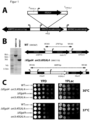
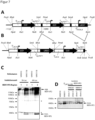
- Figure 1 shows the characterization of a newly generated K. lactis background strain with two KlGAL4 copies. The presence of the second ectopic KlGAL4 copy at the identified integration site was verified and the effect of integration on yeast growth analyzed.
- B Agarose gel of fragments of the KlAVT3 locus of a yeast strain with (VAK1110) and without (VAK367) additionally integrated, ectopic KlGAL4 gene, PCR-amplified with the primers VK183 (5'-GAGCCCACCACCTGCTCCTG-3') (SEQ ID No.: 9) and VK184 (5'-CTGATGTATTGCGCTCCTTACTAAC-3 ⁇ ) (SEQ ID No.: 10). The fragment sizes expected for each case are given in the scheme on the right.
- C Drop test with serial tenfold dilutions (starting OD 1) on glucose (YPD) or lactose (YPLac). Incubation was carried out at 30°C and 37°C.
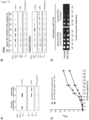
- Figure 2 shows the Western blot analysis with proteins of an IBDV-VP2-producing K. lactis strain with an additional, ectopic KlGAL4 copy.
- the effect of an additional KlGAL4 copy on the LAC4-12 promoter-dependent recombinant protein production was analyzed by Western blot.
- a yeast strain with an IBDV-VP2 expression cassette was used as a test strain and was compared with other IBDV-VP2 yeast strains.
- the presence (+) or absence (-) of an ectopic KlGAL4 copy and a tandem IBDV-VP2 expression cassette are indicated above.
- strain VAK911 the ectopic copy was introduced by linearization of the plasmid pLl-1 using Bst EII (Krijger et al. 2012 and WO 2013107436 ), in strain VAK1130 the ectopic KIGAL4 copy was at the KlAVT3 locus (see Fig.1 ).
- Yeast strain VAK367 was included as a wild-type control without foreign gene. The yeast strains were grown after pre-culture in YPD, then for 15 hours in YPLac. 20 ⁇ g of the protein extract per yeast strain were analyzed using SDS-PAGE. Immunoblotting was performed with anti-IBDV rabbit serum (1:8000) and HRP-conjugated goat anti-rabbit antibody (1:10,000).
- Multimeric (agg.) and monomeric (mon.) IBDV-VP2 are indicated with arrows on the right, non-specific bands with asterisks. It is shown that the ectopic expression of an additional KlGAL4 gene, as well as the presence of a tandem expression cassette (see also below), leads to a massive increase in the foreign antigen concentration.
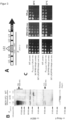
- Figure 3 illustrates the effect of the LR2 deletion in the LAC4-12 promoter on non-induced recombinant protein production and yeast growth on glucose.
- the unmodified LAC4-12 promoter shows a basal expression of the GOI ( gene of interest ) even under non-inducing conditions. This is particularly problematic with cytotoxic foreign antigens.
- a deletion in the BC region (LR2 deletion) of the LAC4-12 promoter can reduce or even completely suppress recombinant protein production under non-inducing conditions.
- BCR Basal control region
- LR2 deletion The basal control region (BCR), the LR2 deletion and the four KIGal4 binding sites ( upstream activating sequence : U1, U2, U4, U5) and the coding nucleic acid sequence of the foreign gene (GOI) are shown.
- the loading control KI Nop1 was detected with mouse anti-Nop1 antibody (1:5000) and HRP-conjugated goat anti-mouse antibody (1:10,000).
- C Drop test with serial tenfold dilutions (starting OD 1) on YPD, YPD with 0.5% glucose and YPLac. Incubation was carried out at 30°C and 37°C. The growth of the yeast strains carrying an influenza A HA foreign gene at the LAC4 locus, with (VAK1243) and without (VAK952) LR2 deletion, was compared. The yeast strain VAK367 served as wild-type control without foreign gene. It is shown that the LR2 deletion prevents the unwanted, basal foreign protein expression.
- LR2 deletion improves the growth of a yeast strain expressing a cytotoxic protein (influenza hemagglutinin, HA) under both non-inducing and inducing conditions. This is particularly evident at 37°C.
- a cytotoxic protein influenza hemagglutinin, HA
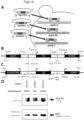
- Figure 4 shows the Kl p vectors that can be used to integrate protein expression cassettes into different loci of the K. lactis genome. While the use of the LAC4 locus ( KI p3 vector system) has already been described ( WO 20101054649 and WO 2013107436 ), the use of the KlURA3 and KlMETS loci is new.
- A Scheme of the different Kl p vectors with their respective integration site in the genome.
- B & C Expression cassettes and flanking ends in the newly described KI pURA3 (B) and KI pMET5 (C) vectors. The different DNA sequence sections and relevant restriction sites are labeled.
- GOI foreign gene ( gene of interest ) .
- yeast strains constructed using the Klp vectors (A, B & C).
- the foreign gene is Etx.B-HA.
- the yeast housekeeping KINop1 protein (KLLA0C04389g) was detected as a loading control.
- YPD (+U) After pre-culture in YPD (+U), the yeast strains were grown for 4 hours in YPLac (+U). 30 ⁇ g of protein extract per yeast strain was loaded onto a 12% SDS-PAGE.
- FIG. 5 shows the production of different recombinant proteins in the same yeast strain.
- This yeast strain (VAK1234) was constructed with the KIpURA3 and KIp3-MCS vectors. Western blot analysis with proteins of a tandem IBDV VP2-expressing yeast strain (see below), into which an additional expression cassette with Etx.B-HA as a foreign gene was introduced using the KIpURA3 vector (VAK1234).
- yeast strains were grown in YPLac for 6 hours. For each yeast strain, 30 ⁇ g of protein extract were loaded onto a 12% SDS-PAGE. The proteins were detected in the immunoblot for Etx.B-HA with mouse anti-HA antibody (1:5000; Santa Cruz, TX, USA) and HRP-conjugated goat anti-mouse antibody (1:10,000) and for IBDV-VP2 with rabbit anti-IBDV antiserum (1:5000; Granzow et al. (1997)) and HRP-conjugated goat anti-rabbit antibody (1:10,000; Jackson ImmunoResearch, PA, USA). It is shown that both foreign proteins are expressed in the same yeast cell. Surprisingly, the expression level of one antigen is not restricted when another antigen is co-expressed. This becomes clear when comparing the expression levels in mono- and bivalent strains (see also Fig. 12 ).
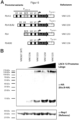
- Figure 6 shows the different strengths of the induced LAC4-12 promoter variants for expression cassettes in KIp vectors.
- the expression cassettes of the KIp vectors were provided with different variants of the LAC4-12 promoter.
- the effect of the promoter variants on the strength of the induction of protein synthesis was tested by analyzing yeast strains that contain the corresponding expression cassettes with Etx.B-HA as a foreign gene.
- BCR Binding region of the transcription activators KICat8 and KISip4, transcription activators under non-inducing conditions; U1, U2, U4, U5: binding regions for the transcription activator KIGal4 ( upstream activating sequence ).
- B Western blot analysis to characterize the LAC4-12 promoter variants in the yeast strains created with the KIpURA3 vector (A). The yeast strains were pre-cultured in YPD and grown for 4h in YPLac. 30 ⁇ g of protein extract per yeast strain were loaded onto a 12% SDS-PAGE.
- Figure 8 shows the gene fragments for restoring the gene function of the alleles Klura3-20 and Klmet5-1 (A).
- the gene loci and the gene fragments for KlURA3 (A) and KlMET5 (B) amplified with the indicated primers are shown schematically.
- the mutations of the alleles Klura3-20 (A) and KImet5-1 (B) reconstituted by homologous recombination with these gene fragments are shown as asterisks below the genes.
- the restriction sites used to cut out the subcloned fragments are shown.
- This diagram illustrates the generation strategy of prototrophic foreign gene-expressing yeast strains at the URA3 or MET5 locus.
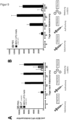
- Figure 9 illustrates in combination with Table 1 and Table 2 the protective immunization of chickens against vvIBDV in a classic prime-boost vaccination scheme.
- a and B groups of at least 16 SPF chickens were vaccinated subcutaneously using a prime-boost procedure with lyophilized and heat-inactivated yeast cells of the genetically optimized tandem IBDV-VP2 K. lactis yeast strain VAK1127.
- the first vaccination was carried out two weeks after hatching ( prime ), the second ( boost ) two weeks later.
- a virus challenge was carried out with a highly virulent (vv) IBDV strain ( very virulent 89163/7.3).
- wild-type yeast VAK367 was also administered as a control.
- Sera were obtained shortly before the first application, before and after the challenge, otherwise at ten-day intervals.
- the strength of the seroconversion was determined using ELISA (ProFLOK IBD Plus, Synbiotics).
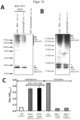
- Figure 10 shows the effect of genetic modifications to restore prototrophy on the recombinant protein production level and immunogenicity of a tandem IBDV-VP2 yeast strain.
- the auxotrophic tandem IBDV-VP2 yeast strain VAK1127 and the prototrophic yeast strain VAK1171 derived from it were compared with regard to the efficiency of recombinant protein production and immunogenicity.
- the immunoblot was performed with anti-IBDV rabbit antiserum (1:10,000) and HRP-conjugated anti-rabbit antibodies from goat (1:10,000). Aggregated (agg.) and monomeric (mon.) IBDV-VP2 are marked with arrows on the right, non-specific bands with asterisks.
- B Western blot analysis to determine the IBDV-VP2 content in lyophilized, heat-inactivated yeast material, which was then used in an immunization study in BALB/c mice (C). After pre-culture in YPD, the yeast strains were grown in YPLac for 15h.
- mice were euthanized and bled.
- the sera were analyzed using an IBDV-VP2 ELISA (IDEXX).
- a monoclonal anti-IBDV-VP2 antibody (pos. mab64) served as a positive control for the ELISA, and either sample buffer (neg. 1) or a nonspecific antibody (neg. 2) was used as a negative control. It is shown that both strains have similar foreign protein expression and immunogenic potential.
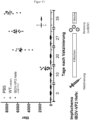
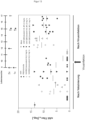
- Figure 11 shows in combination with Tab. 3 the protective immunization of SPF chickens against vvIBDV by single subcutaneous application with genetically optimized IBDV-VP2 vaccine yeast.
- Groups of at least 18 SPF chickens were vaccinated subcutaneously two weeks after hatching with 10 mg of heat-inactivated cells of the genetically optimized tandem IBDV-VP2 K. lactis yeast strain VAK1171. Animals vaccinated with PBS or 10 mg VAK367 served as controls. These were vaccinated twice, two or four weeks after hatching. All animals were challenged with vvIBDV six weeks after hatching.
- the sera were analyzed by ELISA (ProFLOK IBD Plus, Synbiotics) as described above. The antibody titers determined are shown.
- the individual points represent individual antibody titers of the twelve chickens analyzed per group, the bar the mean with standard deviation. For the controls, only the antibody titer of the surviving chickens was determined after the challenge. It is shown that already a one shot vaccination with the yeast subunit vaccine VAK 1171, a complete protection against a subsequent challenge with vvIBDV is achieved.
- Figure 12 shows the characterization of the strains VAK952 and VAK1283.
- the yeast strains VAK952 (monovalent HA) and VAK1283 (bivalent HA, M1) were pre-incubated in YPD in a shake flask and then induced in YPL for 6 h. The optical density was measured at 600 nm and 30 OD units of the culture were harvested, the pellet was disrupted with glass beads and the soluble (LF) and insoluble (P, pellet) protein fractions were examined in an immunoblot.
- ⁇ -HA1 or ⁇ -M1 were used as primary antibodies and ⁇ -mouse-IR-Dye800CW as secondary antibody.
- the signal was generated using an infrared imaging system (LI-COR Biosciences).
- B, C The yeast strains were pre-incubated in YPD in a shake flask and then induced in YPL for 24 h. At the indicated times, the optical density of the yeast culture was determined and 30 OD units were harvested.
- B The pellets of VAK1283 were disrupted with glass beads and analyzed in an immunoblot.
- C The measured values for the optical density of VAK952 and VAK1283 were summarized as a growth curve as a function of time and averaged from at least two independent experiments.
- D For the spot test, the yeast strains were grown on YPD-containing nutrient agar plates for 48 hours at 30°C.
- VAK952 monovalent HA
- VAK1283 bivalent (HA, M1) express the HA protein in comparable quantities.
- VAK1283 and VAK952 have comparable growth characteristics, with slight advantages for VAK1283.
- Figure 13 illustrates the antibody titer in the serum of BALB/c mice after immunization with VAK952 (monovalent HA) and VAK1283 (bivalent HA, M1) before and after challenge infection.
- VAK952 monovalent HA
- VAK1283 bivalent HA, M1
- Both yeast strains were pre-incubated with YPD in a shake flask and then induced in YPL for 12 h (VAK952) or 6 h (VAK1283). The cultures were then harvested, freeze-dried and the yeast material inactivated for 2 h at 90°C.
- mice 9-week-old female BALB/c mice were immunized subcutaneously twice ( prime-boost ) or once ( oneshot ) at intervals of three weeks with 2 mg yeast (VAK952, VAK1283) or with 1 mg VAK1283 or twice with PBS (without adjuvant). AddaVax was used as adjuvant.
- the animals were infected intranasally with the 5x MLD 50 of the influenza A/PR/8/34 (H1N1) virus. Sham-infected animals (mock), to which only PBS without virus was administered intranasally, served as infection controls.
- mAb test system control ( ⁇ -H1 (H37-66)). It is shown that both immunization schemes lead to a significant induction of neutralizing Ab. Furthermore, it is clear that the neutralizing anti-HA antibody titers obtained in the prime-boost as well as in the one-shot vaccination experiments performed with VAK952 and VAK1283 do not differ significantly.
- Figure 14 shows the challenge infection with influenza A/PR/8/34 (H1N1) after immunization with VAK952 (monovalent HA) and VAK1283 (bivalent HA, M1).
- H1N1 monovalent HA
- VAK1283 bivalent HA, M1
- the survival (A), weight (B) and clinical symptoms (C) of the animals were then examined several times a day over a period of 14 days.
- a score of 0-4 was set for the clinical symptoms, which was averaged for each group (0: no abnormalities; 1: slightly shaggy fur; 2: shaggy fur, reduced activity 3: shaggy fur, body weight loss of 15%; 4: shaggy fur, body weight loss of >20%). It is shown that the prime-boost immunization procedure with VAK952 does not provide optimal protection against viral load, while this is the case with VAK1283.
- the one-shot regimen produces optimal protection with both vaccines with 2 mg of administered vaccine. When administered 1 mg of VAK1283, a similar protection rate is achieved as with 2 mg of VAK952 in the prime-boost procedure.
- Example 1 Generation of a host strain with two KIGAL4 gene copies, stably integrated, at non-linked gene loci
- a second KlGAL4 gene copy without selection marker was inserted at a different gene locus (ectopically).
- the insertion was localized by sequencing in the KIAVT3 gene (KLLA0E13795g) (Klavt3::KIGAL4-1, SEQ ID No.: 1) ( Fig.1 ).
- the resulting strain is called VAK1111.
- a crossing experiment confirmed the independent meiotic segregation of the two KlGAL4 copies located on chromosome E (ectopic copy) and D (genomic copy). In the same experiment, the number of exactly two KlGAL4-1 gene copies in the genome was also determined.
- VAK1111 for the targeted integration of an expression cassette at the LAC4 locus analogous to VAK367-D4, the lac4::ScURA3 disruption was inserted, which allows the desired foreign gene to be integrated marker-free between the LAC4 promoter and the LAC4 reading frame using Klp vector technology in one step, while selecting for lactose growth (Krijger et al. (2012)).
- the resulting strain VAK1123 differs from VAK367-D4 only in the second, ectopic KlGAL4 gene copy.
- Example 1.1 Improved productivity of a yeast vaccine strain with additionally integrated KIGAL4 gene.
- the IBDV-oVP2 T2S (Arnold et al. (2012)) gene was inserted into the LAC4 locus of the strain VAK1123 (resulting strain VAK1130).
- An increased IBDV-VP2 production was found compared to the otherwise isogenic strain with only one KlGAL4 copy (VAK910).
- strain VAK1118 is also shown, which carries only one KlGAL4 gene but two CDS VP2 IBDV copies (see below) ( Fig.2 ).
- Heterologous protein production in microorganisms is problematic when it leads to a cytopathic effect (CPE).
- CPE cytopathic effect
- Example 3 Versatile vector system for the directed integration of multiple expression cassettes into the K. lactis genome
- the yeast strain VAK367 forms, as previously for VAK367-D4 (Krijger et al. (2012), WO 20101054649 ), the genetic background of all K. lactis strains described here.
- This strain background shows a uracil and methionine requirement (auxotrophy) due to mutations in two genes, KlURA3 ( KLLA0E22771g ) and KIMET5 (KLLA0803938g), which are referred to as alleles Klura3-20 (missing base pair at position +345) and Klmet5-1 (G2555A; and A3682T); the alleles are thus non-functional gene variants.
- loci can be identified as integration sites.
- Example 4 LAC4 promoter variants for modulating recombinant protein synthesis under similar induction conditions.
- Example 5.1 Successful application of the multicopy strategy.
- the VAK1127 strain contains a tandem IBDV-VP2 expression cassette (SEQ ID No.: 21), two KIGAL4 copies and the LR2 deletion in the LAC4 promoter.
- immunization experiments were carried out in the target organism chicken. In challenge experiments, complete protection of SPF chickens against the highly virulent (vv) IBDV strain 89163/7.3 (AFSSA, Ploufragan, France), which was well characterized by Eterradossi and colleagues (1997) (Tab. 1 and 2), was achieved. In the two independently conducted experiments, this was done twice ( Fig.
- a one-shot vaccination was carried out with the prototrophic yeast strain VAK1171 ( Fig. 11 ; Tab. 3). The yeast was administered only once, but in an increased dose (10mg), and a challenge was then carried out at intervals of 4 weeks.
Landscapes
- Health & Medical Sciences (AREA)
- Life Sciences & Earth Sciences (AREA)
- Chemical & Material Sciences (AREA)
- Virology (AREA)
- General Health & Medical Sciences (AREA)
- Genetics & Genomics (AREA)
- Organic Chemistry (AREA)
- Medicinal Chemistry (AREA)
- Engineering & Computer Science (AREA)
- Mycology (AREA)
- Public Health (AREA)
- Veterinary Medicine (AREA)
- Pharmacology & Pharmacy (AREA)
- Animal Behavior & Ethology (AREA)
- Wood Science & Technology (AREA)
- Biotechnology (AREA)
- Microbiology (AREA)
- Zoology (AREA)
- Bioinformatics & Cheminformatics (AREA)
- Molecular Biology (AREA)
- Biomedical Technology (AREA)
- General Engineering & Computer Science (AREA)
- Epidemiology (AREA)
- Communicable Diseases (AREA)
- Oncology (AREA)
- Chemical Kinetics & Catalysis (AREA)
- General Chemical & Material Sciences (AREA)
- Nuclear Medicine, Radiotherapy & Molecular Imaging (AREA)
- Immunology (AREA)
- Biochemistry (AREA)
- Pulmonology (AREA)
- Plant Pathology (AREA)
- Biophysics (AREA)
- Physics & Mathematics (AREA)
- Botany (AREA)
- Natural Medicines & Medicinal Plants (AREA)
- Dermatology (AREA)
- Physiology (AREA)
- Tropical Medicine & Parasitology (AREA)
- Nutrition Science (AREA)
Priority Applications (1)
| Application Number | Priority Date | Filing Date | Title |
|---|---|---|---|
| HRP20241297TT HRP20241297T1 (hr) | 2017-12-27 | 2018-12-19 | Optimizirani sistem domaćina / vektora za stvaranje zaštitnih mono- i viševalentnih podjedinica cjepiva na bazi kvasca kluyveromyces lactis |
Applications Claiming Priority (2)
| Application Number | Priority Date | Filing Date | Title |
|---|---|---|---|
| DE102017012109.5A DE102017012109A1 (de) | 2017-12-27 | 2017-12-27 | Optimiertes Wirts-/Vektorsystem zur Erzeugung protektiver mono- und multivalenter subunit-Vakzine auf Basis der Hefe Kluyveromyces lactis |
| PCT/DE2018/000379 WO2019129321A2 (de) | 2017-12-27 | 2018-12-19 | Optimiertes wirts-/vektorsystem zur erzeugung protektiver mono- und multivalenter subunit-vakzine auf basis der hefe kluyveromyces lactis |
Publications (2)
| Publication Number | Publication Date |
|---|---|
| EP3732293A2 EP3732293A2 (de) | 2020-11-04 |
| EP3732293B1 true EP3732293B1 (de) | 2024-07-03 |
Family
ID=65817691
Family Applications (1)
| Application Number | Title | Priority Date | Filing Date |
|---|---|---|---|
| EP18857443.8A Active EP3732293B1 (de) | 2017-12-27 | 2018-12-19 | Optimiertes wirts-/vektorsystem zur erzeugung protektiver mono- und multivalenter subunit-vakzine auf basis der hefe kluyveromyces lactis |
Country Status (18)
| Country | Link |
|---|---|
| US (2) | US11905517B2 (enExample) |
| EP (1) | EP3732293B1 (enExample) |
| JP (2) | JP7782951B2 (enExample) |
| KR (1) | KR102704217B1 (enExample) |
| CN (1) | CN111801422B (enExample) |
| BR (1) | BR112020013245A2 (enExample) |
| CA (1) | CA3086598A1 (enExample) |
| DE (2) | DE102017012109A1 (enExample) |
| DK (1) | DK3732293T3 (enExample) |
| EA (1) | EA202091435A1 (enExample) |
| ES (1) | ES2990197T3 (enExample) |
| HR (1) | HRP20241297T1 (enExample) |
| HU (1) | HUE068358T2 (enExample) |
| MX (1) | MX2020006846A (enExample) |
| PL (1) | PL3732293T3 (enExample) |
| PT (1) | PT3732293T (enExample) |
| WO (1) | WO2019129321A2 (enExample) |
| ZA (1) | ZA202003553B (enExample) |
Families Citing this family (2)
| Publication number | Priority date | Publication date | Assignee | Title |
|---|---|---|---|---|
| EP4001417A1 (en) * | 2020-11-13 | 2022-05-25 | serYmun Yeast GmbH | Yeast platform for the production of vaccines |
| CN119391747B (zh) * | 2024-12-12 | 2025-11-18 | 华中农业大学 | 一种利用马克斯克鲁维酵母制备禽传染性法氏囊病vp2纳米颗粒口服疫苗的方法及应用 |
Family Cites Families (8)
| Publication number | Priority date | Publication date | Assignee | Title |
|---|---|---|---|---|
| US5830463A (en) | 1993-07-07 | 1998-11-03 | University Technology Corporation | Yeast-based delivery vehicles |
| US7083787B2 (en) | 2000-11-15 | 2006-08-01 | Globeimmune, Inc. | Yeast-dendritic cell vaccines and uses thereof |
| WO2004058157A2 (en) * | 2002-12-16 | 2004-07-15 | Globeimmune, Inc. | Yeast-based vaccines as immunotherapy |
| CN102614510A (zh) | 2004-10-18 | 2012-08-01 | 全球免疫股份有限公司 | 基于酵母的对慢性丙型肝炎感染的治疗 |
| EP1988919A4 (en) * | 2006-02-02 | 2009-06-10 | Globeimmune Inc | VAKZINE ON YEAST BASE FOR TRIGGERING AN IMMUNE RESPONSE |
| DE102008057451A1 (de) | 2008-11-14 | 2010-05-20 | Martin-Luther-Universität Halle-Wittenberg | Verfahren zur oralen Vakzinierung mittels rekombinanter Hefen |
| EP2419126B1 (en) * | 2009-04-17 | 2018-01-10 | Globeimmune, Inc. | Combination immunotherapy compositions against cancer and methods |
| DE102011121069A1 (de) * | 2011-12-13 | 2013-06-13 | Martin-Luther-Universität Halle-Wittenberg | Vakzinierung mittels rekombinanter Hefe durch Erzeugung einer protektiven humoralen Immunantwort gegen definierte Antigene |
-
2017
- 2017-12-27 DE DE102017012109.5A patent/DE102017012109A1/de not_active Ceased
-
2018
- 2018-12-19 DE DE112018006647.9T patent/DE112018006647A5/de not_active Withdrawn
- 2018-12-19 CA CA3086598A patent/CA3086598A1/en active Pending
- 2018-12-19 EA EA202091435A patent/EA202091435A1/ru unknown
- 2018-12-19 PL PL18857443.8T patent/PL3732293T3/pl unknown
- 2018-12-19 JP JP2020555291A patent/JP7782951B2/ja active Active
- 2018-12-19 EP EP18857443.8A patent/EP3732293B1/de active Active
- 2018-12-19 HU HUE18857443A patent/HUE068358T2/hu unknown
- 2018-12-19 HR HRP20241297TT patent/HRP20241297T1/hr unknown
- 2018-12-19 KR KR1020207021778A patent/KR102704217B1/ko active Active
- 2018-12-19 US US16/958,170 patent/US11905517B2/en active Active
- 2018-12-19 DK DK18857443.8T patent/DK3732293T3/da active
- 2018-12-19 ES ES18857443T patent/ES2990197T3/es active Active
- 2018-12-19 PT PT188574438T patent/PT3732293T/pt unknown
- 2018-12-19 BR BR112020013245-4A patent/BR112020013245A2/pt unknown
- 2018-12-19 CN CN201880083894.1A patent/CN111801422B/zh active Active
- 2018-12-19 MX MX2020006846A patent/MX2020006846A/es unknown
- 2018-12-19 WO PCT/DE2018/000379 patent/WO2019129321A2/de not_active Ceased
-
2020
- 2020-06-12 ZA ZA2020/03553A patent/ZA202003553B/en unknown
-
2023
- 2023-08-16 JP JP2023132434A patent/JP2023166412A/ja active Pending
- 2023-10-05 US US18/481,345 patent/US12473562B2/en active Active
Also Published As
| Publication number | Publication date |
|---|---|
| PL3732293T3 (pl) | 2024-11-18 |
| WO2019129321A2 (de) | 2019-07-04 |
| US12473562B2 (en) | 2025-11-18 |
| US20240102031A1 (en) | 2024-03-28 |
| DK3732293T3 (da) | 2024-09-23 |
| ES2990197T3 (es) | 2024-11-29 |
| DE112018006647A5 (de) | 2020-10-01 |
| WO2019129321A3 (de) | 2019-09-12 |
| US11905517B2 (en) | 2024-02-20 |
| JP2023166412A (ja) | 2023-11-21 |
| HRP20241297T1 (hr) | 2024-12-20 |
| EA202091435A1 (ru) | 2020-08-28 |
| JP2021508496A (ja) | 2021-03-11 |
| HUE068358T2 (hu) | 2024-12-28 |
| US20210230612A1 (en) | 2021-07-29 |
| CA3086598A1 (en) | 2019-07-04 |
| PT3732293T (pt) | 2024-10-09 |
| ZA202003553B (en) | 2021-06-30 |
| CN111801422A (zh) | 2020-10-20 |
| KR20200104367A (ko) | 2020-09-03 |
| BR112020013245A2 (pt) | 2020-12-01 |
| DE102017012109A1 (de) | 2019-06-27 |
| CN111801422B (zh) | 2024-06-14 |
| MX2020006846A (es) | 2020-11-06 |
| JP7782951B2 (ja) | 2025-12-09 |
| EP3732293A2 (de) | 2020-11-04 |
| KR102704217B1 (ko) | 2024-09-09 |
Similar Documents
| Publication | Publication Date | Title |
|---|---|---|
| DE60314823T3 (de) | Modifizierte variante des vaccinia ankara virus als impfstoff für neugeborene | |
| US10704028B2 (en) | Duck enteritis virus and the uses thereof | |
| JP6990814B2 (ja) | アヒル腸炎ウイルス及びその使用 | |
| US12473562B2 (en) | Optimized host/vector system for producing protective mono-and multivalent subunit vaccines on the basis of the yeast Kluyveromyces lactis | |
| EP2844759B1 (de) | Vakzinierung mittels rekombinanter hefe durch erzeugung einer protektiven humoralen immunantwort gegen definierte antigene | |
| CN107771216B (zh) | 重组mdv1及其用途 | |
| CN109562157A (zh) | 多价重组spv | |
| JP5946453B2 (ja) | 変異狂犬病ウイルス及びワクチン | |
| US10190099B2 (en) | IBV strains and uses thereof | |
| DE102008057451A1 (de) | Verfahren zur oralen Vakzinierung mittels rekombinanter Hefen | |
| DE60028365T2 (de) | Chimäre nukleinsäuren und polypeptide aus lyssavirus | |
| US20250073331A1 (en) | Use of codon deoptimisation and optimisation to produce a laryngotracheitis virus-attenuated vaccine | |
| JP2013106608A (ja) | 変異狂犬病ウイルス合成・増殖方法、並びに狂犬病ワクチン製剤 | |
| EA045050B1 (ru) | Оптимизированная система вектор-хозяин для получения защитной моно- и поливалентной субъединичной вакцины на основе дрожжей kluyveromyces lactis | |
| EP2712927A1 (en) | Recombinant vaccine against prrs in a viral vector | |
| OA17137A (en) | Modified marek's disease virus, and vaccines made therefrom |
Legal Events
| Date | Code | Title | Description |
|---|---|---|---|
| REG | Reference to a national code |
Ref country code: HR Ref legal event code: TUEP Ref document number: P20241297T Country of ref document: HR |
|
| STAA | Information on the status of an ep patent application or granted ep patent |
Free format text: STATUS: UNKNOWN |
|
| STAA | Information on the status of an ep patent application or granted ep patent |
Free format text: STATUS: THE INTERNATIONAL PUBLICATION HAS BEEN MADE |
|
| PUAI | Public reference made under article 153(3) epc to a published international application that has entered the european phase |
Free format text: ORIGINAL CODE: 0009012 |
|
| STAA | Information on the status of an ep patent application or granted ep patent |
Free format text: STATUS: REQUEST FOR EXAMINATION WAS MADE |
|
| 17P | Request for examination filed |
Effective date: 20200707 |
|
| AK | Designated contracting states |
Kind code of ref document: A2 Designated state(s): AL AT BE BG CH CY CZ DE DK EE ES FI FR GB GR HR HU IE IS IT LI LT LU LV MC MK MT NL NO PL PT RO RS SE SI SK SM TR |
|
| AX | Request for extension of the european patent |
Extension state: BA ME |
|
| DAV | Request for validation of the european patent (deleted) | ||
| DAX | Request for extension of the european patent (deleted) | ||
| P01 | Opt-out of the competence of the unified patent court (upc) registered |
Effective date: 20230517 |
|
| REG | Reference to a national code |
Ref legal event code: R079 Free format text: PREVIOUS MAIN CLASS: C12N0015810000 Ipc: A61K0039000000 Ref country code: DE Ref legal event code: R079 Ref document number: 502018014828 Country of ref document: DE Free format text: PREVIOUS MAIN CLASS: C12N0015810000 Ipc: A61K0039000000 |
|
| GRAP | Despatch of communication of intention to grant a patent |
Free format text: ORIGINAL CODE: EPIDOSNIGR1 |
|
| STAA | Information on the status of an ep patent application or granted ep patent |
Free format text: STATUS: GRANT OF PATENT IS INTENDED |
|
| RIC1 | Information provided on ipc code assigned before grant |
Ipc: A61K 39/12 20060101ALI20230707BHEP Ipc: C12N 15/81 20060101ALI20230707BHEP Ipc: A61P 31/16 20060101ALI20230707BHEP Ipc: A61P 31/14 20060101ALI20230707BHEP Ipc: A61K 39/00 20060101AFI20230707BHEP |
|
| INTG | Intention to grant announced |
Effective date: 20230727 |
|
| GRAJ | Information related to disapproval of communication of intention to grant by the applicant or resumption of examination proceedings by the epo deleted |
Free format text: ORIGINAL CODE: EPIDOSDIGR1 |
|
| STAA | Information on the status of an ep patent application or granted ep patent |
Free format text: STATUS: REQUEST FOR EXAMINATION WAS MADE |
|
| GRAP | Despatch of communication of intention to grant a patent |
Free format text: ORIGINAL CODE: EPIDOSNIGR1 |
|
| STAA | Information on the status of an ep patent application or granted ep patent |
Free format text: STATUS: GRANT OF PATENT IS INTENDED |
|
| INTG | Intention to grant announced |
Effective date: 20240208 |
|
| GRAS | Grant fee paid |
Free format text: ORIGINAL CODE: EPIDOSNIGR3 |
|
| GRAA | (expected) grant |
Free format text: ORIGINAL CODE: 0009210 |
|
| STAA | Information on the status of an ep patent application or granted ep patent |
Free format text: STATUS: THE PATENT HAS BEEN GRANTED |
|
| AK | Designated contracting states |
Kind code of ref document: B1 Designated state(s): AL AT BE BG CH CY CZ DE DK EE ES FI FR GB GR HR HU IE IS IT LI LT LU LV MC MK MT NL NO PL PT RO RS SE SI SK SM TR |
|
| REG | Reference to a national code |
Ref country code: CH Ref legal event code: EP |
|
| REG | Reference to a national code |
Ref country code: DE Ref legal event code: R096 Ref document number: 502018014828 Country of ref document: DE |
|
| REG | Reference to a national code |
Ref country code: DK Ref legal event code: T3 Effective date: 20240917 |
|
| REG | Reference to a national code |
Ref country code: NL Ref legal event code: FP |
|
| REG | Reference to a national code |
Ref country code: SE Ref legal event code: TRGR |
|
| REG | Reference to a national code |
Ref country code: PT Ref legal event code: SC4A Ref document number: 3732293 Country of ref document: PT Date of ref document: 20241009 Kind code of ref document: T Free format text: AVAILABILITY OF NATIONAL TRANSLATION Effective date: 20241002 |
|
| REG | Reference to a national code |
Ref country code: LT Ref legal event code: MG9D |
|
| REG | Reference to a national code |
Ref country code: HR Ref legal event code: NPPZ Ref document number: P20241297T Country of ref document: HR |
|
| REG | Reference to a national code |
Ref country code: GR Ref legal event code: EP Ref document number: 20240402280 Country of ref document: GR Effective date: 20241111 |
|
| REG | Reference to a national code |
Ref country code: HR Ref legal event code: NPPU Ref document number: P20241297T Country of ref document: HR |
|
| REG | Reference to a national code |
Ref country code: ES Ref legal event code: FG2A Ref document number: 2990197 Country of ref document: ES Kind code of ref document: T3 Effective date: 20241129 |
|
| REG | Reference to a national code |
Ref country code: HR Ref legal event code: T1PR Ref document number: P20241297 Country of ref document: HR |
|
| REG | Reference to a national code |
Ref country code: HU Ref legal event code: AG4A Ref document number: E068358 Country of ref document: HU |
|
| REG | Reference to a national code |
Ref country code: HR Ref legal event code: ODRP Ref document number: P20241297 Country of ref document: HR Payment date: 20241211 Year of fee payment: 7 |
|
| PGFP | Annual fee paid to national office [announced via postgrant information from national office to epo] |
Ref country code: DE Payment date: 20241212 Year of fee payment: 7 |
|
| PGFP | Annual fee paid to national office [announced via postgrant information from national office to epo] |
Ref country code: NO Payment date: 20241216 Year of fee payment: 7 |
|
| PGFP | Annual fee paid to national office [announced via postgrant information from national office to epo] |
Ref country code: DK Payment date: 20241217 Year of fee payment: 7 |
|
| PG25 | Lapsed in a contracting state [announced via postgrant information from national office to epo] |
Ref country code: FI Free format text: LAPSE BECAUSE OF FAILURE TO SUBMIT A TRANSLATION OF THE DESCRIPTION OR TO PAY THE FEE WITHIN THE PRESCRIBED TIME-LIMIT Effective date: 20240703 |
|
| PGFP | Annual fee paid to national office [announced via postgrant information from national office to epo] |
Ref country code: BE Payment date: 20241216 Year of fee payment: 7 Ref country code: NL Payment date: 20241217 Year of fee payment: 7 Ref country code: PL Payment date: 20241216 Year of fee payment: 7 Ref country code: PT Payment date: 20241218 Year of fee payment: 7 Ref country code: GR Payment date: 20241213 Year of fee payment: 7 |
|
| PGFP | Annual fee paid to national office [announced via postgrant information from national office to epo] |
Ref country code: GB Payment date: 20241218 Year of fee payment: 7 |
|
| PGFP | Annual fee paid to national office [announced via postgrant information from national office to epo] |
Ref country code: FR Payment date: 20241218 Year of fee payment: 7 Ref country code: BG Payment date: 20241212 Year of fee payment: 7 |
|
| PG25 | Lapsed in a contracting state [announced via postgrant information from national office to epo] |
Ref country code: LV Free format text: LAPSE BECAUSE OF FAILURE TO SUBMIT A TRANSLATION OF THE DESCRIPTION OR TO PAY THE FEE WITHIN THE PRESCRIBED TIME-LIMIT Effective date: 20240703 |
|
| PG25 | Lapsed in a contracting state [announced via postgrant information from national office to epo] |
Ref country code: IS Free format text: LAPSE BECAUSE OF FAILURE TO SUBMIT A TRANSLATION OF THE DESCRIPTION OR TO PAY THE FEE WITHIN THE PRESCRIBED TIME-LIMIT Effective date: 20241103 |
|
| PGFP | Annual fee paid to national office [announced via postgrant information from national office to epo] |
Ref country code: HU Payment date: 20241214 Year of fee payment: 7 Ref country code: AT Payment date: 20241213 Year of fee payment: 7 |
|
| PGFP | Annual fee paid to national office [announced via postgrant information from national office to epo] |
Ref country code: CZ Payment date: 20241206 Year of fee payment: 7 Ref country code: HR Payment date: 20241211 Year of fee payment: 7 Ref country code: IE Payment date: 20241212 Year of fee payment: 7 |
|
| PGFP | Annual fee paid to national office [announced via postgrant information from national office to epo] |
Ref country code: RO Payment date: 20241209 Year of fee payment: 7 |
|
| PG25 | Lapsed in a contracting state [announced via postgrant information from national office to epo] |
Ref country code: RS Free format text: LAPSE BECAUSE OF FAILURE TO SUBMIT A TRANSLATION OF THE DESCRIPTION OR TO PAY THE FEE WITHIN THE PRESCRIBED TIME-LIMIT Effective date: 20241003 |
|
| PGFP | Annual fee paid to national office [announced via postgrant information from national office to epo] |
Ref country code: IT Payment date: 20241216 Year of fee payment: 7 |
|
| PGFP | Annual fee paid to national office [announced via postgrant information from national office to epo] |
Ref country code: SE Payment date: 20241217 Year of fee payment: 7 |
|
| PG25 | Lapsed in a contracting state [announced via postgrant information from national office to epo] |
Ref country code: RS Free format text: LAPSE BECAUSE OF FAILURE TO SUBMIT A TRANSLATION OF THE DESCRIPTION OR TO PAY THE FEE WITHIN THE PRESCRIBED TIME-LIMIT Effective date: 20241003 Ref country code: LV Free format text: LAPSE BECAUSE OF FAILURE TO SUBMIT A TRANSLATION OF THE DESCRIPTION OR TO PAY THE FEE WITHIN THE PRESCRIBED TIME-LIMIT Effective date: 20240703 Ref country code: IS Free format text: LAPSE BECAUSE OF FAILURE TO SUBMIT A TRANSLATION OF THE DESCRIPTION OR TO PAY THE FEE WITHIN THE PRESCRIBED TIME-LIMIT Effective date: 20241103 Ref country code: FI Free format text: LAPSE BECAUSE OF FAILURE TO SUBMIT A TRANSLATION OF THE DESCRIPTION OR TO PAY THE FEE WITHIN THE PRESCRIBED TIME-LIMIT Effective date: 20240703 |
|
| REG | Reference to a national code |
Ref country code: DE Ref legal event code: R097 Ref document number: 502018014828 Country of ref document: DE |
|
| PG25 | Lapsed in a contracting state [announced via postgrant information from national office to epo] |
Ref country code: SM Free format text: LAPSE BECAUSE OF FAILURE TO SUBMIT A TRANSLATION OF THE DESCRIPTION OR TO PAY THE FEE WITHIN THE PRESCRIBED TIME-LIMIT Effective date: 20240703 |
|
| PGFP | Annual fee paid to national office [announced via postgrant information from national office to epo] |
Ref country code: ES Payment date: 20250117 Year of fee payment: 7 |
|
| PG25 | Lapsed in a contracting state [announced via postgrant information from national office to epo] |
Ref country code: EE Free format text: LAPSE BECAUSE OF FAILURE TO SUBMIT A TRANSLATION OF THE DESCRIPTION OR TO PAY THE FEE WITHIN THE PRESCRIBED TIME-LIMIT Effective date: 20240703 |
|
| PGFP | Annual fee paid to national office [announced via postgrant information from national office to epo] |
Ref country code: CH Payment date: 20250101 Year of fee payment: 7 |
|
| PG25 | Lapsed in a contracting state [announced via postgrant information from national office to epo] |
Ref country code: SK Free format text: LAPSE BECAUSE OF FAILURE TO SUBMIT A TRANSLATION OF THE DESCRIPTION OR TO PAY THE FEE WITHIN THE PRESCRIBED TIME-LIMIT Effective date: 20240703 |
|
| PLBE | No opposition filed within time limit |
Free format text: ORIGINAL CODE: 0009261 |
|
| STAA | Information on the status of an ep patent application or granted ep patent |
Free format text: STATUS: NO OPPOSITION FILED WITHIN TIME LIMIT |
|
| PGFP | Annual fee paid to national office [announced via postgrant information from national office to epo] |
Ref country code: TR Payment date: 20241211 Year of fee payment: 7 |
|
| 26N | No opposition filed |
Effective date: 20250404 |
|
| PG25 | Lapsed in a contracting state [announced via postgrant information from national office to epo] |
Ref country code: MC Free format text: LAPSE BECAUSE OF FAILURE TO SUBMIT A TRANSLATION OF THE DESCRIPTION OR TO PAY THE FEE WITHIN THE PRESCRIBED TIME-LIMIT Effective date: 20240703 |
|
| PG25 | Lapsed in a contracting state [announced via postgrant information from national office to epo] |
Ref country code: LU Free format text: LAPSE BECAUSE OF NON-PAYMENT OF DUE FEES Effective date: 20241219 |