EP3706744B1 - Kleinmolekülige inhibitoren von geteilten epitop-calreticulin-wechselwirkungen und verwendungsverfahren - Google Patents
Kleinmolekülige inhibitoren von geteilten epitop-calreticulin-wechselwirkungen und verwendungsverfahren Download PDFInfo
- Publication number
- EP3706744B1 EP3706744B1 EP18875370.1A EP18875370A EP3706744B1 EP 3706744 B1 EP3706744 B1 EP 3706744B1 EP 18875370 A EP18875370 A EP 18875370A EP 3706744 B1 EP3706744 B1 EP 3706744B1
- Authority
- EP
- European Patent Office
- Prior art keywords
- disease
- bone
- pharmaceutical composition
- diseases
- compound
- Prior art date
- Legal status (The legal status is an assumption and is not a legal conclusion. Google has not performed a legal analysis and makes no representation as to the accuracy of the status listed.)
- Active
Links
Images


Classifications
-
- C—CHEMISTRY; METALLURGY
- C07—ORGANIC CHEMISTRY
- C07D—HETEROCYCLIC COMPOUNDS
- C07D401/00—Heterocyclic compounds containing two or more hetero rings, having nitrogen atoms as the only ring hetero atoms, at least one ring being a six-membered ring with only one nitrogen atom
- C07D401/14—Heterocyclic compounds containing two or more hetero rings, having nitrogen atoms as the only ring hetero atoms, at least one ring being a six-membered ring with only one nitrogen atom containing three or more hetero rings
-
- A—HUMAN NECESSITIES
- A61—MEDICAL OR VETERINARY SCIENCE; HYGIENE
- A61K—PREPARATIONS FOR MEDICAL, DENTAL OR TOILETRY PURPOSES
- A61K45/00—Medicinal preparations containing active ingredients not provided for in groups A61K31/00 - A61K41/00
- A61K45/06—Mixtures of active ingredients without chemical characterisation, e.g. antiphlogistics and cardiaca
-
- A—HUMAN NECESSITIES
- A61—MEDICAL OR VETERINARY SCIENCE; HYGIENE
- A61P—SPECIFIC THERAPEUTIC ACTIVITY OF CHEMICAL COMPOUNDS OR MEDICINAL PREPARATIONS
- A61P19/00—Drugs for skeletal disorders
-
- A—HUMAN NECESSITIES
- A61—MEDICAL OR VETERINARY SCIENCE; HYGIENE
- A61P—SPECIFIC THERAPEUTIC ACTIVITY OF CHEMICAL COMPOUNDS OR MEDICINAL PREPARATIONS
- A61P19/00—Drugs for skeletal disorders
- A61P19/02—Drugs for skeletal disorders for joint disorders, e.g. arthritis, arthrosis
-
- A—HUMAN NECESSITIES
- A61—MEDICAL OR VETERINARY SCIENCE; HYGIENE
- A61P—SPECIFIC THERAPEUTIC ACTIVITY OF CHEMICAL COMPOUNDS OR MEDICINAL PREPARATIONS
- A61P19/00—Drugs for skeletal disorders
- A61P19/08—Drugs for skeletal disorders for bone diseases, e.g. rachitism, Paget's disease
-
- A—HUMAN NECESSITIES
- A61—MEDICAL OR VETERINARY SCIENCE; HYGIENE
- A61P—SPECIFIC THERAPEUTIC ACTIVITY OF CHEMICAL COMPOUNDS OR MEDICINAL PREPARATIONS
- A61P29/00—Non-central analgesic, antipyretic or antiinflammatory agents, e.g. antirheumatic agents; Non-steroidal antiinflammatory drugs [NSAID]
-
- A—HUMAN NECESSITIES
- A61—MEDICAL OR VETERINARY SCIENCE; HYGIENE
- A61P—SPECIFIC THERAPEUTIC ACTIVITY OF CHEMICAL COMPOUNDS OR MEDICINAL PREPARATIONS
- A61P37/00—Drugs for immunological or allergic disorders
- A61P37/02—Immunomodulators
- A61P37/06—Immunosuppressants, e.g. drugs for graft rejection
-
- C—CHEMISTRY; METALLURGY
- C07—ORGANIC CHEMISTRY
- C07D—HETEROCYCLIC COMPOUNDS
- C07D405/00—Heterocyclic compounds containing both one or more hetero rings having oxygen atoms as the only ring hetero atoms, and one or more rings having nitrogen as the only ring hetero atom
- C07D405/14—Heterocyclic compounds containing both one or more hetero rings having oxygen atoms as the only ring hetero atoms, and one or more rings having nitrogen as the only ring hetero atom containing three or more hetero rings
-
- C—CHEMISTRY; METALLURGY
- C07—ORGANIC CHEMISTRY
- C07D—HETEROCYCLIC COMPOUNDS
- C07D413/00—Heterocyclic compounds containing two or more hetero rings, at least one ring having nitrogen and oxygen atoms as the only ring hetero atoms
- C07D413/14—Heterocyclic compounds containing two or more hetero rings, at least one ring having nitrogen and oxygen atoms as the only ring hetero atoms containing three or more hetero rings
-
- A—HUMAN NECESSITIES
- A61—MEDICAL OR VETERINARY SCIENCE; HYGIENE
- A61K—PREPARATIONS FOR MEDICAL, DENTAL OR TOILETRY PURPOSES
- A61K31/00—Medicinal preparations containing organic active ingredients
- A61K31/33—Heterocyclic compounds
- A61K31/395—Heterocyclic compounds having nitrogen as a ring hetero atom, e.g. guanethidine or rifamycins
- A61K31/435—Heterocyclic compounds having nitrogen as a ring hetero atom, e.g. guanethidine or rifamycins having six-membered rings with one nitrogen as the only ring hetero atom
- A61K31/44—Non condensed pyridines; Hydrogenated derivatives thereof
- A61K31/445—Non condensed piperidines, e.g. piperocaine
- A61K31/4523—Non condensed piperidines, e.g. piperocaine containing further heterocyclic ring systems
- A61K31/454—Non condensed piperidines, e.g. piperocaine containing further heterocyclic ring systems containing a five-membered ring with nitrogen as a ring hetero atom, e.g. pimozide, domperidone
Definitions
- This invention is in the field of medicinal chemistry.
- the invention relates to a new class of small-molecules having a triazole-methyl-piperidinyl-pyrolyl-propenone structure which function as modulators of shared epitope (SE) - calreticulin (CRT) binding and/or interaction, and their use as therapeutics for the treatment of immunoregulatory abnormalities (e.g., autoimmune diseases, inflammatory diseases (e.g., chronic inflammatory disease), and bone erosive diseases) by selectively inhibiting SE-CRT interactions and/or signal transduction pathways commonly overactive or dysregulated in arthritic and/or other diseases or conditions.
- immunoregulatory abnormalities e.g., autoimmune diseases, inflammatory diseases (e.g., chronic inflammatory disease), and bone erosive diseases
- Rheumatoid arthritis (RA) and periodontal disease are both characterized by chronic inflammation and bone erosions (See, e.g., Bromley and Woolley, Arthritis Rheum. Aug 1984;27:857-863 , Fujikawa et al., Br J Rheumatol. Mar 1996;35:213-217 , Gravallese et al., Arthritis Rheum. Feb 2000;43:250-258 , Marotte et al., Ann Rheum Dis. 2006 65:905-909 ).
- HLA-DRB1 alleles coding a five amino acid sequence motif called the 'shared epitope' (SE) in the region 70-74 of the DR ⁇ chain (See, e.g., Gregersen et al., Arthritis Rheum. 1987;30:1205-1213 ).
- SE 'shared epitope'
- the SE not only confers a higher risk, but also increases the likelihood of developing a more severe disease.
- SE is associated with more severe bone destruction (See, e.g., Marotte et al., Ann Rheum Dis. 2006 65:905-909 ).
- RA is a chronic, systemic inflammatory disorder that may affect many tissues and organs, but principally attacks flexible (synovial) joints. It can be a disabling and painful condition which can lead to substantial loss of functioning and mobility if not adequately treated.
- the process involves an inflammatory response of the capsule around the joints (synovium) secondary to swelling (hyperplasia) of synovial cells, excess synovial fluid, and the development of fibrous tissue (pannus) in the synovium.
- the pathology of the disease process often leads to the destruction of articular bone and cartilage, and ankylosis (fusion) of the joints.
- Rheumatoid arthritis can also produce diffuse inflammation in the lungs, membrane around the heart (pericardium), the membranes of the lung (pleura), and white of the eye (sclera), and also nodular lesions, most common in subcutaneous tissue.
- RA autoimmunity plays a pivotal role in both its chronicity and progression and RA is considered a systemic autoimmune disease. It is a clinical diagnosis made on the basis of symptoms, physical exam, radiographs (X-rays) and labs.
- RA periodontal disease
- erosive bone diseases Most current and emerging drugs are targeted at generic, "downstream" immune pathways or inflammatory cytokines. As a result, drug failure and/or side effects are common.
- peptidomimetics may have disadvantages due to their relatively large molecular mass ( ⁇ 1000 Da) thereby compromising bioavailability and complicating chemical optimization and large-scale synthesis.
- Document US 2005/00 13820 relates to methods and compositions for counteracting and reversing disease-causing signaling defects in disorders with underlying signal transduction aberrations, including but not limited to rheumatoid arthritis.
- PUBCHEM discloses a certain compound of SID 277470199 (assessed on 12 January 2016).
- the present invention addresses this need.
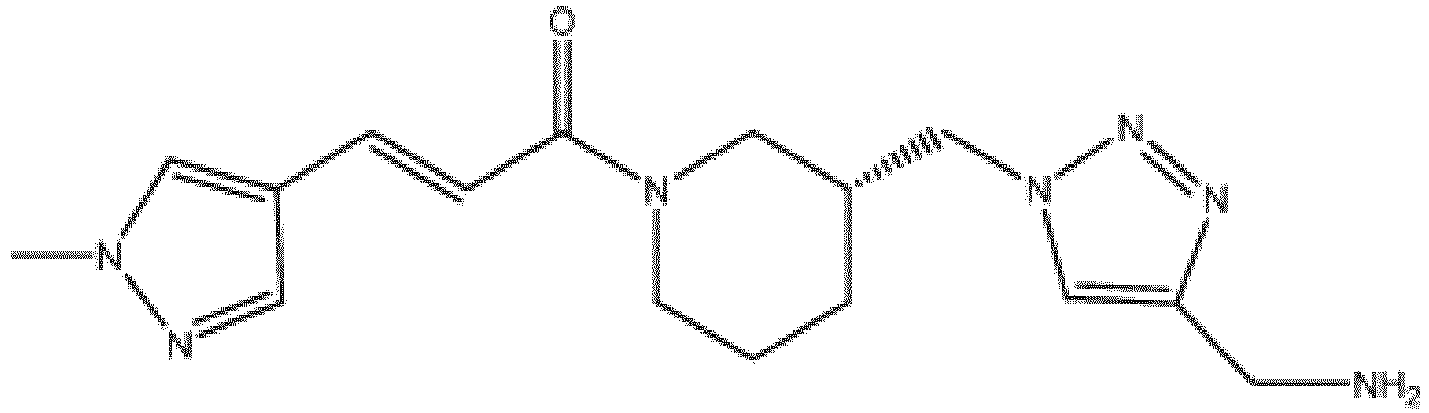
- HL840 ((R,E)-(1-((1-(3-(1-methyl-1H-pyrazol-4-yl)acryloyl)piperidin-3-yl)methyl)-1H-1,2,3-triazol-4-yl)methanaminium) as a moderately orally available, potent anti-OC small molecule that displays strong anti-arthritis and anti-bone erosion effects in vivo when administered orally to mice with pre-clinical models of RA (See, e.g., Examples 1-3).
- the present invention provides a new class of small-molecules having a triazole-methyl-piperidinyl-pyrolyl-propenone structure which function as modulators of shared epitope (SE) - calreticulin (CRT) binding and/or interaction, and as therapeutics for the treatment of immunoregulatory abnormalities (e.g., autoimmune diseases, inflammatory diseases (e.g., chronic inflammatory disease), and bone erosive diseases) by selectively inhibiting SE-CRT interactions and/or signal transduction pathways commonly overactive or dysregulated in arthritic and/or other diseases or conditions.
- SE shared epitope
- CRT calreticulin
- the present invention contemplates that exposure of animals (e.g., humans) suffering from immunoregulatory abnormalities (e.g., autoimmune diseases, inflammatory diseases (e.g., chronic inflammatory disease), and bone erosive diseases) to therapeutically effective amounts of drug(s) (e.g., small molecules) having a triazole-methyl-piperidinyl-pyrolyl-propenone structure that selectively inhibit SE-CRT interactions will prevent and/or ameliorate the effects of such immunoregulatory abnormalities.
- immunoregulatory abnormalities e.g., autoimmune diseases, inflammatory diseases (e.g., chronic inflammatory disease), and bone erosive diseases
- drug(s) e.g., small molecules having a triazole-methyl-piperidinyl-pyrolyl-propenone structure that selectively inhibit SE-CRT interactions
- the present invention contemplates that inhibitors of SE-CRT satisfy an unmet need for the treatment of immunoregulatory abnormalities (e.g., autoimmune diseases, inflammatory diseases (e.g., chronic inflammatory disease), and bone erosive diseases), either when administered as monotherapy, or when administered in a temporal relationship with additional agent(s), such as other pharmaceutical agents known to be effective in treating such conditions or symptoms related to such conditions (combination therapies).
- immunoregulatory abnormalities e.g., autoimmune diseases, inflammatory diseases (e.g., chronic inflammatory disease), and bone erosive diseases
- additional agent(s) such as other pharmaceutical agents known to be effective in treating such conditions or symptoms related to such conditions (combination therapies).
- triazole-methyl-piperidinyl-pyrolyl-propenone compounds function as modulators of SE-CRT binding and/or interaction, and serve as therapeutics for the treatment of immunoregulatory abnormalities (e.g., autoimmune diseases, inflammatory diseases (e.g., chronic inflammatory disease), and bone erosive diseases) and other diseases.
- immunoregulatory abnormalities e.g., autoimmune diseases, inflammatory diseases (e.g., chronic inflammatory disease), and bone erosive diseases
- the present invention relates to triazole-methyl-piperidinyl-pyrolyl-propenone compounds useful for inhibiting SE-CRT binding and/or interaction.
- Certain triazole-methyl-piperidinyl-pyrolyl-propenone compounds of the present invention may exist as stereoisomers including optical isomers.
- the invention includes all stereoisomers, both as pure individual stereoisomer preparations and enriched preparations of each, and both the racemic mixtures of such stereoisomers as well as the individual diastereomers and enantiomers that may be separated according to methods that are well known to those of skill in the art.
- a formulation scheme shown in FIG. 4 is used to prepare the compound.
- the invention is not so limited. Indeed, one of ordinary skill in the art recognizes variations in the scheme of FIG. 4 which are appropriate for the preparation of the compound of the present invention.
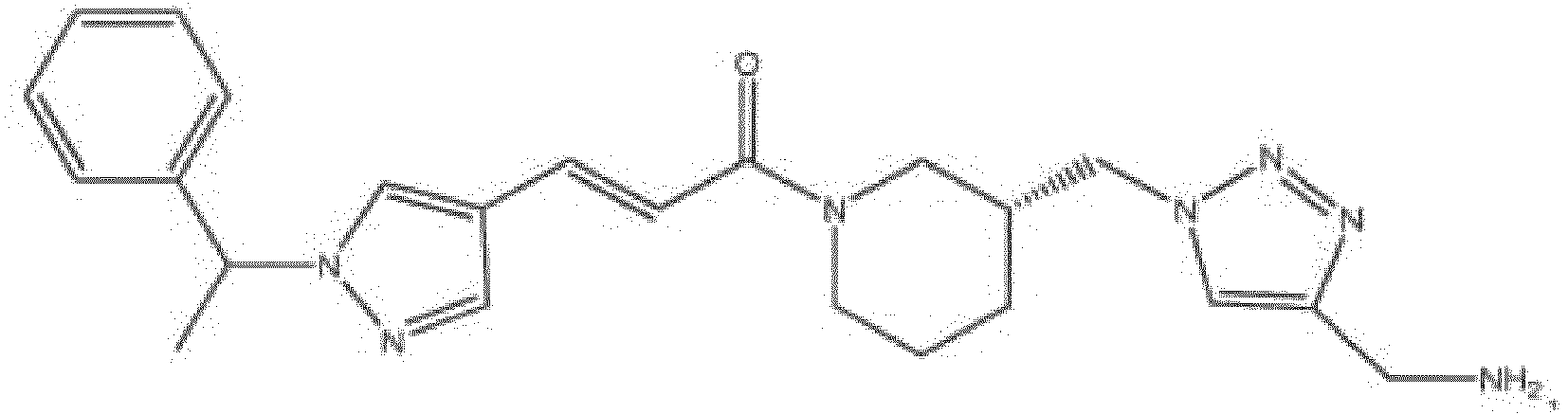
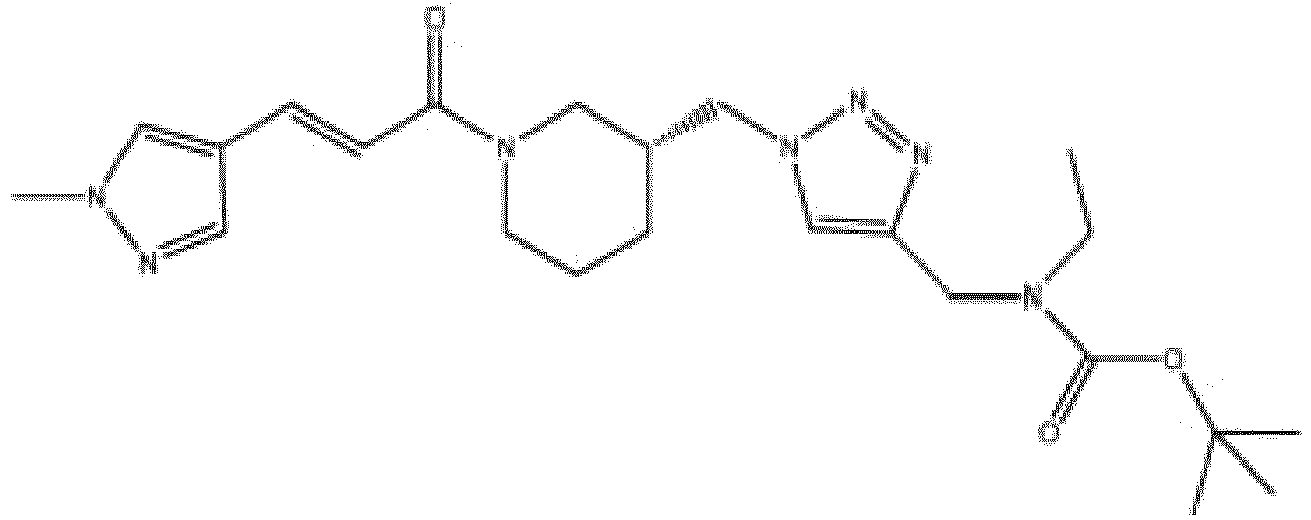
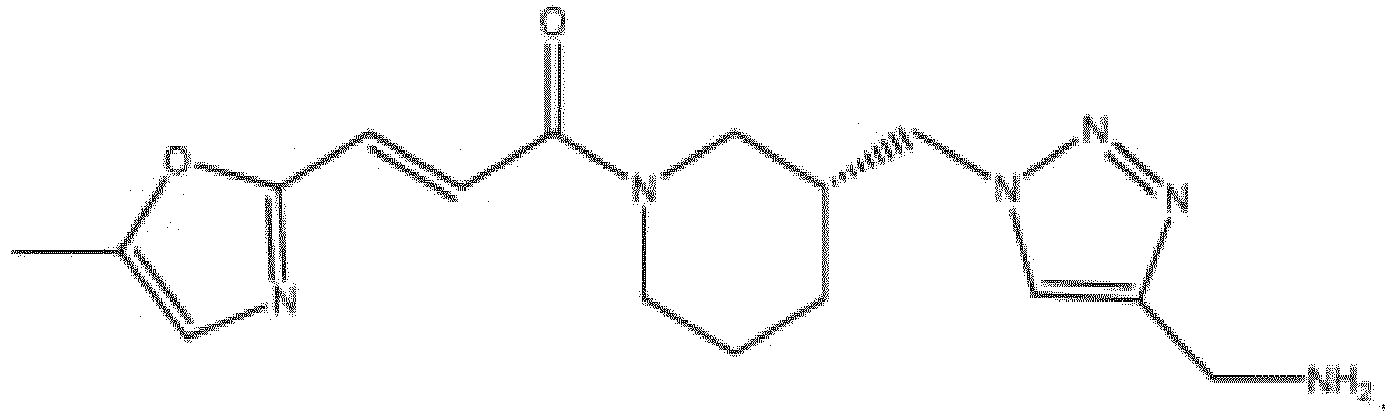
- triazole-methyl-piperidinyl-pyrolyl-propenone compounds and structurally similar compounds encompassed within Formulas I, II, and III are provided: including pharmaceutically acceptable salts, and/or solvates thereof.
- R1 is R2 is CH 3 , and
- R3 is hydrogen or fluorine.
- the following compounds are contemplated for Formulas I, II, and III: and or a pharmaceutically acceptable salt, or solvate thereof.
- the present invention provides processes for preparing any of the compounds of the present invention through following at least a portion of the techniques recited the Examples.
- the present invention provides a process for preparing a compound having the formula: comprising (a) starting with piperidin-3-ylmethanol, N-benzyl protecting and converting the alcohol to the mesylate to prepare a compound having the structure: (b) displacing the mesylate with azide to prepare the intermediate: (c) cyclization with substituted alkyne to prepare: (d) debenzylation to prepare: (e) coupling of carboxylic acid analogs to prepare: and (f) removing the Boc protecting group to prepare and
- the invention provides the compounds for use in treating an immunoregulatory abnormality in a subject (e.g., a mammalian patient) in need of such treatment.
- a subject e.g., a mammalian patient
- the invention is not limited to any particular immunoregulatory abnormality.
- the immunoregulatory abnormality is an autoimmune disease.
- the immunoregulatory abnormality is a chronic inflammatory disease.
- the autoimmune disease or chronic inflammatory disease is rheumatoid arthritis.
- the treatment inhibits and/or reduces bone erosion in the subject.
- Other immunoregulatory abnormalities may be treated including, but not limited to transplantation of organs or tissue, graft-versus-host diseases brought about by transplantation, autoimmune syndromes including rheumatoid arthritis, systemic lupus erythematosus, Hashimoto's thyroiditis, multiple sclerosis, myasthenia gravis, type I diabetes, uveitis, posterior uveitis, allergic encephalomyelitis, glomerulonephritis, post-infectious autoimmune diseases including rheumatic fever and post-infectious glomerulonephritis, inflammatory and hyperproliferative skin diseases, psoriasis, atopic dermatitis, contact dermatitis, eczematous dermatitis, seborrhoeic dermatitis, lichen planus, pemphigus, bullous pemphigoid, epidermolysis bull
- the invention provides the compounds for use in suppressing the immune system in a subject (e.g., mammalian patient) in need of immunosuppression.
- a compound of the invention is combined with a pharmaceutically acceptable carrier (e.g., to generate a pharmaceutical composition).
- a pharmaceutically acceptable carrier e.g., to generate a pharmaceutical composition.
- Compounds of the invention, and pharmaceutical compositions comprising same find use in treating a disease or condition characterized with bone erosion and/or bone loss in a subject (e.g., a mammalian patient).
- the invention is not limited by the type of bone loss disease or condition treated.
- bone loss diseases or conditions may be treated including, but not limited to, rheumatoid arthritis, a bone destroying arthritic condition, periodontal disease, osteoporosis, osteomyelitis, bone metastasis, bone fracture healing, or other disease or condition in which bone loss and/or bone erosion is present.
- compositions of the invention can be used in treatment of a subject (e.g., a mammalian patient) to enhance and/or maintain bone density, bone mass, and/or bone structure.
- the invention provides a therapeutically effective amount of a compound of the present invention, and the physiologically acceptable salts, derivatives, prodrugs, and solvates thereof, including mixtures thereof in all ratios, for use in treating or delaying the progression of an immunoregulatory abnormality in a subject (e.g., mammalian patient) in need of such treatment.
- the compound displays desirable permeability characteristics (e.g., for oral delivery).
- the composition for use in treating or delaying the progression of an immunoregulatory abnormality further comprises one or more anti-inflammatory and/or anti-rheumatic compositions. The invention is not limited by the type of anti-inflammatory and/or anti-rheumatic composition.
- the immunoregulatory abnormality is a bone destroying disease or condition (e.g., rheumatoid arthritis).
- the treating reduces or eliminates bone erosion and/or bone loss.
- the treating enhances and/or maintains bone density, bone mass, and/or bone structure.
- disease and “pathologic condition” are used interchangeably, unless indicated otherwise herein, to describe a deviation from the condition regarded as normal or average for members of a species or group (e.g., humans), and which is detrimental to an affected individual under conditions that are not inimical to the majority of individuals of that species or group.
- a deviation can manifest as a state, signs, and/or symptoms that are associated with any impairment of the normal state of a subject or of any of its organs or tissues that interrupts or modifies the performance of normal functions.
- a disease or pathological condition may be caused by or result from contact with a microorganism (e.g., a pathogen or other infective agent (e.g., a virus or bacteria)), may be responsive to environmental factors (e.g., malnutrition, industrial hazards, and/or climate), may be responsive to an inherent or latent defect in the organism (e.g., genetic anomalies) or to combinations of these and other factors.
- a microorganism e.g., a pathogen or other infective agent (e.g., a virus or bacteria)
- environmental factors e.g., malnutrition, industrial hazards, and/or climate
- an inherent or latent defect in the organism e.g., genetic anomalies
- compositions of the present invention include, but are not limited to, mammals (e.g., murines, simians, equines, bovines, porcines, canines, felines, and the like), and most preferably includes humans.
- subject generally refers to an individual who will be administered or who has been administered one or more compositions of the present invention.
- buffer or “buffering agents” refer to materials that when added to a solution cause the solution to resist changes in pH.
- reducing agent and "electron donor” refer to a material that donates electrons to a second material to reduce the oxidation state of one or more of the second material's atoms.
- monovalent salt refers to any salt in which the metal (e.g., Na, K, or Li) has a net 1+ charge in solution (i.e., one more proton than electron).
- divalent salt refers to any salt in which a metal (e.g., Mg, Ca, or Sr) has a net 2+ charge in solution (i.e., two more protons than electrons).
- a metal e.g., Mg, Ca, or Sr
- chelator or "chelating agent” refer to any materials having more than one atom with a lone pair of electrons that are available to bond to a metal ion.
- solution refers to an aqueous or non-aqueous mixture.
- a “disorder” is any condition or disease that would benefit from treatment with a composition of the invention. This includes chronic and acute disorders including those pathological conditions which predispose the mammal to the disorder in question.
- disorders to be treated herein include conditions such as an immunoregulatory disorder (e.g., rheumatoid arthritis) and/or a bone erosion disease.
- bone erosion disease As used herein, the terms “bone erosion disease,” “bone erosion condition,” bone remodeling disorder,” “bone loss disease,” and “bone loss condition” refer to any disease, disorder and/or condition that has as a symptom or sign, a disorder or deregulation of bone remodeling.
- Bone remodeling (or bone metabolism) is a lifelong process where mature bone tissue is removed from the skeleton (a process called bone resorption) and new bone tissue is formed (a process called ossification or new bone formation).
- An imbalance in the regulation of bone remodeling's two sub-processes, bone resorption and bone formation results in or is the result of a variety of disorders of inflammatory, metabolic, pharmacologic endocrinologic, infectious, neopleastic, mecahnical and idiopathic nature.
- disease related to bone remodeling include, but are not limited to, arthritis (e.g., rheumatoid arthritis), periodontal disease, psoriatic arthritis, reactive arthritis, gout, ankylosing spondylitic, osteoarthritis, osteoporosis, anorexia nervosa, vitamin D deficiency, Cushing's syndrome, hyperparathyroidism, corticosteroids, other drug-induced osteoporosis, osteomyelitis, bone metastasis, primary bone tumors, multiple myeloma, bone fracture healing, post-surgical, prosthesis-associated bone damage, disuse, paralysis, bedridden conditions, low gravity, Paget's disease of bone, and osteonecrosis.
- arthritis e.g., rheumatoid arthritis
- periodontal disease e.g., rheumatoid arthritis
- psoriatic arthritis reactive arthritis
- gout ankylosing spondylitic
- RA rheumatoid arthritis
- RA rheumatoid arthritis
- Other symptoms of RA include fatigue and occasional fever or malaise. Pain and stiffness lasting more than 30 minutes in the morning or after a long rest are also common symptoms of RA.
- improved means a reduction in the severity of the signs or symptoms of a disease (e.g., RA) and a return towards normal function.
- a disease e.g., RA
- treatment refers to any and all uses of compositions of the invention that remedy a disease state or symptoms, or otherwise prevent, hinder, retard, or reverse the progression of disease or other undesirable symptoms in any way whatsoever.
- Symptoms are "reduced” when the magnitude (e.g. intensity) or frequency of symptoms is reduced.
- RA symptoms are reduced, for example, when the subject experiences less pain, a shorter duration of morning joint stiffness, and less swelling in the affected joints.
- a disease or disorder characterized by bone erosion and/or bone loss symptoms are reduced, for example, when bone loss or bone erosion is reduced (e.g., when bone mass, bone density and/or bone structure is maintained and/or enhanced). It is not intended that the present disclosure be limited only to cases where the symptoms are eliminated.
- the present disclosure specifically contemplates treatment such that symptoms are reduced (and the condition of the subject is thereby "improved"), albeit not completely eliminated.
- protecting groups are those groups that prevent undesirable reactions (such as degradation) involving unprotected functional groups.
- Protecting groups can be added to the N-terminus, C-terminus or both of a small molecule and/or compound.
- the present disclosure contemplates that the protecting group is an acyl or an amide.
- the acyl is acetate.
- the protecting group is a benzyl group.
- the protecting group is a benzoyl group.
- the present disclosure also contemplates combinations of such protecting groups.
- biological activity of a small molecule and/or compound refers to the ability of the small molecule and/or compound to modulate signal transduction pathways or inhibit shared-epitope - calreticulin binding, interaction and/or activity.
- Activity can be assayed by a number of techniques. For example, biological activity can be assayed in an in vitro cAMP-mediated assay for DNA repair following induction of DNA damage.
- Biological activity can also be determined by measuring intracellular cAMP levels or protein kinase A activation following application of the small molecule / compound to cells.
- Biological activity may be assessed by measuring osteoclast differentiation and/or activity.
- Biological activity may be assessed by measuring nitric oxide signaling.
- Biological activity may also be assessed by measuring the activity and/or activation of T helper 17 (Th17) cells.
- single dosage refers to a pharmaceutical composition of a formulation that is capable of achieving its intended effect in a single application or administration (e.g., once a day, once a week, or other interval).
- administering refers to the act of giving a composition of the present disclosure to a subject.
- routes of administration to the human body include, but are not limited to, through the eyes (ophthalmic), mouth (oral), skin (transdermal), nose (nasal), lungs (inhalant), oral mucosa (buccal), ear, rectal, by injection (e.g., intravenously, subcutaneously, intraperitoneally, intratumorally, etc.), topically, and the like.
- oral administration refers to the introduction of a compound and/or pharmaceutical composition containing same into a subject by way of the oral cavity (e.g. , in aqueous liquid or solid form).
- sublingual administration refers to the introduction of a compound and/or pharmaceutical composition containing same into a subject by application to the mucosal surface under the tongue (within the oral cavity) such that the composition is absorbed into the subject.
- uccal administration refers to the introduction of a compound and/or pharmaceutical composition containing same into a subject by application to the mucosal surface lining the cheek (within the oral cavity) such that the composition is absorbed into the subject.
- intranasal administration or “intranasally” refers to the introduction of a compound and/or pharmaceutical composition containing same within the nasal cavity.
- respiratory inhalation refers to the introduction of a compound and/or pharmaceutical composition containing same within the respiratory tract.
- Intrapulmonary delivery refers comprises administration to the lung. Intrapulmonary delivery of pharmacologic agents to patients can be accomplished via aerosolization. Alternatively, the agent may be administered to the lung through a bronchoscope.
- transdermal administration or “transdermally” or “cutaneously” refers to the introduction of a compound and/or pharmaceutical composition containing same into a subject by application to the surface of the skin such that the composition is absorbed into the subject.
- injection or “standard injection” refers to the placement of a compound and/or pharmaceutical composition containing same into a subject (e.g., with a hypodermic needle).
- a subject e.g., with a hypodermic needle
- injection can be made subcutaneously, intravenously, intramuscularly, intracavernosally, etc.
- intra-articular injection refers to direct injection of a compound and/or pharmaceutical composition containing same into a joint (for example, in a method of treatment of RA).
- test compound refers to any chemical entity, pharmaceutical, drug, and the like that can be used to treat or prevent a disease, illness, sickness, or disorder of bodily function, or otherwise alter the physiological or cellular status of a sample.
- Test compounds comprise both known and potential therapeutic compounds.
- a test compound can be determined to be therapeutic by screening using the screening methods of the present disclosure.
- a "known therapeutic compound” refers to a therapeutic compound that has been shown ( e . g ., through animal trials or prior experience with administration to humans) to be effective in such treatment or prevention.
- the term "effective amount” refers to the amount of a compound and/or pharmaceutical composition containing same (e.g. , a compound of the present disclosure) sufficient to effect beneficial or desired results.
- An effective amount can be administered in one or more administrations, applications or dosages and is not intended to be limited to a particular formulation or administration route.
- a therapeutically effective amount refers to that amount of the therapeutic agent sufficient to result in amelioration of one or more symptoms of a disorder, or prevent advancement of a disorder, or cause regression of the disorder.
- an immunoregulatory abnormality e.g., autoimmune disease or chronic inflammatory disease (e.g., rheumatoid arthritis)
- a therapeutically effective amount will refer to the amount of a therapeutic agent that inhibits, reduces, decreases and/or reverses bone erosion, bone mass loss, bone density loss, and/or bone structure loss in the subject by at least 5%, at least 10%, at least 15%, at least 20%, at least 25%, at least 30%, at least 35%, at least 40%, at least 45%, at least 50%, at least 55%, at least 60%, at least 65%, at least 70%, at least 75%, at least 80%, at least 85%, at least 90%, at least 95%, or at least 100%.
- co-administration refers to the administration of at least two agent(s) (e.g. , a compound of the present disclosure and another active agent) or therapies to a subject. In some embodiments, the co-administration of two or more agents/therapies is concurrent. In other embodiments, a first agent/therapy is administered prior to a second agent/therapy.
- a first agent/therapy is administered prior to a second agent/therapy.
- the appropriate dosage for co-administration can be readily determined by one skilled in the art. In some embodiments, when agents/therapies are co-administered, the respective agents/therapies are administered at lower dosages than appropriate for their administration alone. Thus, co-administration is especially desirable in embodiments where the co-administration of the agents/therapies lowers the requisite dosage of a known potentially harmful ( e . g ., toxic) agent(s).
- sensitize and “sensitizing,” as used herein, refer to making, through the administration of a first agent, an animal or a cell within an animal more susceptible, or more responsive, to the biological effects (e.g., promotion or retardation of an aspect of cellular function) of a second agent.
- the sensitizing effect of a first agent on a target cell can be measured as the difference in the intended biological effect (e.g., inhibition of bone erosion) observed upon the administration of a second agent with and without administration of the first agent.
- the response of the sensitized cell can be increased by at least about 10%, at least about 20%, at least about 30%, at least about 40%, at least about 50%, at least about 60%, at least about 70%, at least about 80%, at least about 90%, at least about 100%, at least about 150%, at least about 200%, at least about 250%, at least 300%, at least about 350%, at least about 400%, at least about 450%, or at least about 500% over the response in the absence of the first agent.
- the term "toxic” refers to any detrimental or harmful effects on a cell or tissue as compared to the same cell or tissue prior to the administration of the toxicant.
- composition refers to the combination of an active agent with a carrier, inert or active, making the composition especially suitable for diagnostic or therapeutic use in vivo , in vivo or ex vivo.
- the term "pharmaceutically acceptable carrier” refers to any of the standard pharmaceutical carriers, such as a phosphate buffered saline solution, water, emulsions ( e.g. , such as an oil/water or water/oil emulsions), and various types of wetting agents.
- the compositions also can include stabilizers and preservatives.
- stabilizers and adjuvants See e.g. , Martin, Remington's Pharmaceutical Sciences, 15th Ed., Mack Publ. Co., Easton, PA [1975 ]).
- the terms “purified” or “to purify” refer to the removal of contaminants or undesired compounds from a sample or composition.
- the term “substantially purified” refers to the removal of from about 70 to 90%, up to 100%, of the contaminants or undesired compounds from a sample or composition.
- the term “pharmaceutically acceptable salt” refers to any salt (e.g., obtained by reaction with an acid or a base) of a composition of the present disclosurethat is physiologically tolerated in the target subject. “Salts” of the compositions of the present disclosuremay be derived from inorganic or organic acids and bases.
- acids include, but are not limited to, hydrochloric, hydrobromic, sulfuric, nitric, perchloric, fumaric, maleic, phosphoric, glycolic, lactic, salicylic, succinic, toluene-p-sulfonic, tartaric, acetic, citric, methanesulfonic, ethanesulfonic, formic, benzoic, malonic, sulfonic, naphthalene-2-sulfonic, benzenesulfonic acid, and the like.
- acids such as oxalic
- bases include, but are not limited to, alkali metal (e.g., sodium) hydroxides, alkaline earth metal (e.g., magnesium) hydroxides, ammonia, and compounds of formula NW4+, wherein W is C1-4 alkyl, and the like.
- salts include, but are not limited to: acetate, adipate, alginate, aspartate, benzoate, benzenesulfonate, bisulfate, butyrate, citrate, camphorate, camphorsulfonate, cyclopentanepropionate, digluconate, dodecylsulfate, ethanesulfonate, fumarate, flucoheptanoate, glycerophosphate, hemisulfate, heptanoate, hexanoate, chloride, bromide, iodide, 2-hydroxyethanesulfonate, lactate, maleate, methanesulfonate, 2-naphthalenesulfonate, nicotinate, oxalate, palmoate, pectinate, persulfate, phenylpropionate, picrate, pivalate, propionate, succinate, tartrate, thiocyanate, tosy
- salts include anions of the compounds of the present disclosurecompounded with a suitable cation such as Na+, NH4+, and NW4+ (wherein W is a C1-4 alkyl group), and the like.
- a suitable cation such as Na+, NH4+, and NW4+ (wherein W is a C1-4 alkyl group), and the like.
- salts of the compounds of the present disclosure are contemplated as being pharmaceutically acceptable.
- salts of acids and bases that are non-pharmaceutically acceptable may also find use, for example, in the preparation or purification of a pharmaceutically acceptable compound.
- salts of the compositions of the present disclosure are contemplated as being pharmaceutically acceptable.
- salts of acids and bases that are non-pharmaceutically acceptable may also find use, for example, in the preparation or purification of a pharmaceutically acceptable composition.
- Osteoclast (OC)-mediated bone damage is a common, devastating outcome in rheumatoid arthritis (RA) ( Bromley et al., 1984 Arthritis Rheum. 27: 857-863 ; Gravallese et al., 2000. Arthritis Rheum. 43: 250-258 ).
- RA rheumatoid arthritis
- Most current and emerging drugs are targeted at generic immune-modulating pathways or inflammatory cytokines. As a result, drug failure and/or side effects are common.
- HLA-DRB1 alleles coding a five amino acid sequence motif called the 'shared epitope' (SE) in the region 70-74 of the DR ⁇ chain ( Gregersen et al., 1987. Arthritis Rheum. 30: 1205-1213 ).
- SE 'shared epitope'
- the SE not only confers a higher risk for RA, but also increases the likelihood of developing a more severe disease.
- SE-coding HLA-DRB1 alleles are associated with earlier disease onset and more severe bone erosions ( Gonzalez-Gay et al., 2002. Semin. Arthritis Rheum.
- SE functions as a signal transduction ligand that binds to cell surface calreticulin (CRT) in a strictly allele-specific manner and activates nitric oxide (NO)-mediated pro-oxidative signaling ( Ling et al., 2006. Arthritis Rheum. 54: 3423-3432 ; Ling et al., 2007. Arthritis Res Ther 9: R5 ; Ling et al., 2007. The Journal of Immunology 179: 6359-6367 ; Ling et al., 2012 Arthritis Rheum. ; De Almeida et al., 2010. The Journal of Immunology 185: 1927-1934 ; Holoshitz et al., 2010 Ann. N.
- Th17 cells are central players in arthritis pathogenesis ( Shahrara et al., 2008 Arthritis Res Ther 10: R93 ). These cells have been previously shown to express high levels of the receptor activator for nuclear factor- ⁇ B (RANK) ligand (RANKL) and activate osteoclastogenesis ( Sato et al., 2006 J. Exp. Med. 203: 2673-2682 ; Kotake et al., 1999 J. Clin. Invest. 103: 1345-1352 ). In previous studies, it was demonstrated that the SE ligand facilitates osteoclast (OC) differentiation in mouse and human cells in vitro and enhanced the differentiation of RANKL-expressing Th17 cells. When administered in vivo to mice with collagen-induced arthritis (CIA), the SE ligand increased joint swelling, synovial tissue OC abundance and erosive bone damage ( Holoshitz et al., 2012, J. Immunol ).
- CIA collagen-induced arthritis
- SE-CRT pathway Targeting the SE-CRT pathway provides an additional advantage over the prevailing therapeutic paradigms due to the unique role played by this pathway at an upstream phase in RA pathogenesis.
- the SE is the single most significant risk factor for RA. It determines susceptibility, severity and even disease penetrance in monozygotic twins ( Jawaheer et al., 1994 Arthritis Rheum. 37: 681-686 ). Thus, different from effector cytokines or enzymes involved in lymphocyte activation, this pathway is intimately involved in disease etiology and early genesis.
- HL840 ((R,E)-(1-((1-(3-(1-methyl-1H-pyrazol-4-yl)acryloyl)piperidin-3-yl)methyl)-1H-1,2,3-triazol-4-yl)methanaminium) as a moderately orally available, potent anti-OC small molecule that displays strong anti-arthritis and anti-bone erosion effects in vivo when administered orally to mice with pre-clinical models of RA (See, e.g., Examples 1-3).
- the invention relates to a new class of small-molecules having a triazole-methyl-piperidinyl-pyrolyl-propenone structure which function as modulators of shared epitope (SE) - calreticulin (CRT) binding and/or interaction, and their use as therapeutics for the treatment of immunoregulatory abnormalities (e.g., autoimmune diseases, inflammatory diseases (e.g., chronic inflammatory disease), and bone erosive diseases) by selectively inhibiting SE-CRT interactions and/or signal transduction pathways commonly overactive or dysregulated in arthritic and/or other diseases or conditions.
- immunoregulatory abnormalities e.g., autoimmune diseases, inflammatory diseases (e.g., chronic inflammatory disease), and bone erosive diseases
- triazole-methyl-piperidinyl-pyrolyl-propenone compounds and structurally similar compounds encompassed within Formulas I, II, and III are provided: including pharmaceutically acceptable salts and/or solvates thereof.
- R1 is R2 is CH 3 , and
- R3 is hydrogen or fluorine.
- the following compounds are contemplated for Formulas I, II, and III: and or a pharmaceutically acceptable salt, or solvate thereof.
- the disclosure therefore provides a compound ((R)-HL840, shown in FIGS. 1 and 4 ) and additional compounds (Example 4 and FIG. 6 ) that are highly potent inhibitors of SE-CRT interactions and osteoclast activation.
- the invention provides such compounds and compositions (e.g., pharmaceutical compositions) comprising same, for use in treating or delaying the progression of an immunoregulatory abnormality (e.g., caused by SE-CRT signaling and/or osteoclast activation (e.g., rheumatoid arthritis and/or other bone-destroying diseases)).
- an immunoregulatory abnormality e.g., caused by SE-CRT signaling and/or osteoclast activation (e.g., rheumatoid arthritis and/or other bone-destroying diseases).
- Such compounds displayed acceptable permeability characteristics and was orally available in vivo (See Examples 1 and 4).
- the invention provides, in one embodiment, pharmaceutically acceptable salts of (R)-HL840 (and structurally similar compounds (see, Example 4 and FIG. 6 )) generally derived by dissolving the free acid or the lactone; preferably the lactone, in aqueous or aqueous alcohol solvent or other suitable solvents with an appropriate base and isolating the salt by evaporating the solution or by reacting the free acid or lactone; preferably the lactone and base in an organic solvent in which the salt separates directly or can be obtained by concentration of the solution.
- use of the salt form amounts to use of the acid or lactone form.
- Appropriate pharmaceutically acceptable salts within the scope of the invention are those derived from bases such as sodium hydroxide, potassium hydroxide, lithium hydroxide, calcium hydroxide, 1-deoxy-2-(methylamino)-D-glucitol, magnesium hydroxide, zinc hydroxide, aluminum hydroxide, ferrous or ferric hydroxide, ammonium hydroxide or organic amines such as N-methylglucamine, choline, arginine and the like.
- bases such as sodium hydroxide, potassium hydroxide, lithium hydroxide, calcium hydroxide, 1-deoxy-2-(methylamino)-D-glucitol, magnesium hydroxide, zinc hydroxide, aluminum hydroxide, ferrous or ferric hydroxide, ammonium hydroxide or organic amines such as N-methylglucamine, choline, arginine and the like.
- the lithium, calcium, magnesium, aluminum and ferrous or ferric salts are prepared from the sodium or potassium salt by adding the appropriate reagent to a solution of the sodium or potassium salt, i.e., addition of calcium chloride to a solution of the sodium or potassium salt of (R)-HL840 will give the calcium salt thereof.
- (R)-HL840 and related analogs of the present disclosure can be prepared by a synthesis scheme as shown in FIG. 4 .
- One of ordinary skill in the art would recognize variations in the scheme which are appropriate for the preparation of the compounds of the present invention. Accordingly, in one embodiment, the present disclosure provides a pharmaceutical composition prepared from (R)-HL840 or related analog, (e.g., as shown in FIG. 4 or FIG. 5 , respectively), or pharmaceutically acceptable salts thereof.
- an important aspect of the present invention is that compounds of the invention satisfy an unmet need for the treatment of immunoregulatory abnormalities (e.g., autoimmune diseases, inflammatory diseases (e.g., chronic inflammatory disease), and bone erosive diseases), either when administered as monotherapy, or when administered in a temporal relationship with additional agent(s), such as other pharmaceutical agents known to be effective in treating such conditions or symptoms related to such conditions (combination therapies) through inhibiting SE-CRT binding and/or interaction.
- immunoregulatory abnormalities e.g., autoimmune diseases, inflammatory diseases (e.g., chronic inflammatory disease), and bone erosive diseases
- additional agent(s) such as other pharmaceutical agents known to be effective in treating such conditions or symptoms related to such conditions (combination therapies) through inhibiting SE-CRT binding and/or interaction.
- the compositions of the present invention are used to treat diseased cells, tissues, organs, or pathological conditions and/or disease states in an animal (e.g., a mammalian patient including, but not limited to, humans and veterinary animals).
- an animal e.g., a mammalian patient including, but not limited to, humans and veterinary animals.
- various diseases and pathologies are amenable to treatment or prophylaxis using the present compositions.
- the invention provides the compounds for treating an immunoregulatory abnormality in a subject (e.g., a mammalian patient) in need of such treatment.
- the invention is not limited to any particular immunoregulatory abnormality.
- the immunoregulatory abnormality is an autoimmune disease.
- the immunoregulatory abnormality is a chronic inflammatory disease.
- the autoimmune disease or chronic inflammatory disease is rheumatoid arthritis.
- the treatment inhibits and/or reduces bone erosion in the subject.
- Other immunoregulatory abnormalities may be treated including, but not limited to transplantation of organs or tissue, graft-versus-host diseases brought about by transplantation, autoimmune syndromes including rheumatoid arthritis, systemic lupus erythematosus, Hashimoto's thyroiditis, multiple sclerosis, myasthenia gravis, type I diabetes, uveitis, posterior uveitis, allergic encephalomyelitis, glomerulonephritis, post-infectious autoimmune diseases including rheumatic fever and post-infectious glomerulonephritis, inflammatory and hyperproliferative skin diseases, psoriasis, atopic dermatitis, contact dermatitis, eczematous dermatitis, seborrhoeic dermatitis, lichen
- the invention provides the compounds for use in suppressing the immune system in a subject (e.g., mammalian patient) in need of immunosuppression.
- a compound of the invention is combined with a pharmaceutically acceptable carrier (e.g., to generate a pharmaceutical composition).
- a pharmaceutically acceptable carrier e.g., to generate a pharmaceutical composition.
- Compounds of the invention, and pharmaceutical compositions comprising same find use in treating a disease or condition characterized with bone erosion and/or bone loss in a subject (e.g., a mammalian patient).
- the invention is not limited by the type of bone loss disease or condition treated.
- bone loss diseases or conditions may be treated including, but not limited to, rheumatoid arthritis, a bone destroying arthritic condition, periodontal disease, osteoporosis, osteomyelitis, bone metastasis, bone fracture healing, or other disease or condition in which bone loss and/or bone erosion is present.
- compositions of the invention can be used in treatment of a subject (e.g., a mammalian patient) to enhance and/or maintain bone density, bone mass, and/or bone structure.
- Some embodiments of the present invention provide the compound of the invention for administering with at least one additional therapeutic agent (including, but not limited to, anti-inflammatory agents and/or anti-rheumatic agents).
- additional therapeutic agent including, but not limited to, anti-inflammatory agents and/or anti-rheumatic agents.
- anti-inflammatory agents and/or anti-rheumatic agents include methotrexate, dexamethasone, dexamethasone alcohol, dexamethasone sodium phosphate, fluromethalone acetate, fluromethalone alcohol, lotoprendol etabonate, medrysone, prednisolone acetate, prednisolone sodium phosphate, difluprednate, rimexolone, hydrocortisone, hydrocortisone acetate, lodoxamide tromethamine, aspirin, ibuprofen, suprofen, piroxicam, meloxicam, flubiprofen, naproxan, ketoprofen,
- an active compound or its salt or composition as described herein is combined with one or more non-steroidal anti-inflammatory drugs (NSAIDs) selected from naproxen sodium (Anaprox), celecoxib (Celebrex), sulindac (Clinoril), oxaprozin (Daypro), salsalate (Disalcid), diflunisal (Dolobid), piroxicam (Feldene), indomethacin (Indocin), etodolac (Lodine), meloxicam (Mobic), naproxen (Naprosyn), nabumetone (Relafen), ketorolac tromethamine (Toradol), naproxen/esomeprazole (Vimovo), and diclofenac (Voltaren), and combinations thereof.
- NSAIDs non-steroidal anti-inflammatory drugs
- a compound of the invention and one or more therapeutic agents are administered to an animal under one or more of the following conditions: at different periodicities, at different durations, at different concentrations, by different administration routes, etc.
- the compound is administered prior to the therapeutic agent, e.g. , 0.5, 1, 2, 3, 4, 5, 10, 12, or 18 hours, 1, 2, 3, 4, 5, or 6 days, or 1, 2, 3, or 4 weeks prior to the administration of the therapeutic agent.
- the compound is administered after the therapeutic agent, e.g.
- the compound and the therapeutic agent are administered concurrently but on different schedules, e.g. , the compound is administered daily while the therapeutic agent is administered once a week, once every two weeks, once every three weeks, or once every four weeks. In other embodiments, the compound is administered once a week while the therapeutic agent is administered daily, once a week, once every two weeks, once every three weeks, or once every four weeks.
- the compounds of the present disclosure can be administered to a patient at dosage levels of from 70 ⁇ g to 500 mg per day which for a normal human adult of approximately 70 kg is a dosage of from 1 ⁇ g/kg to 7.1 mg/kg of body weight per day.
- the dosages may be preferably from 0.1 to 1.0 mg/kg per day.
- Any patient that would benefit from inhibition of SE-CRT interaction and/or inhibition of osteoclast activation may benefit from administration of the compounds and compositions described herein. Indeed, any immunoregulatory abnormality (e.g., caused by SE-CRT interaction and/or signaling or by aberrant osteoclast activation) can be treated with such compounds and compositions.
- the dosage is preferably administered as a unit dosage form.
- the unit dosage form for oral or parenteral use may be varied or adjusted (e.g., from 10 to 500 mg, preferably from 20 to 100 mg) according to the particular application and the potency of the active ingredient(s).
- Compositions of the invention may contain other active therapeutic agents (e.g., anti-inflammatory and/or anti-rheumatic agent(s)). Determinations of optimum dosages (e.g., therapeutically effective amounts) for a particular situation is within the skill of one of ordinary skill in the art.
- the present disclosure is not limited by the method of introduction of the compounds and compositions (e.g., therapeutic compound and composition) to the body.
- the present disclosure contemplates administering orally, cutaneously, or by standard injection ( e . g . intravenous).
- the present disclosure also contemplates administering the compounds described herein to a patient intranasally or through respiratory inhalation.
- Formulations suitable for intranasal administration include ointments, creams, lotions, pastes, gels, sprays, aerosols, oils and other pharmaceutical carriers which accomplish direct contact between the compounds of the disclosure or a pharmaceutical composition comprising compounds of the disclosure and the nasal cavity. Examples of pharmaceutical compositions administered intranasally are described in U.S. Patents 5,393,773 and 5,554,639 to Craig et al . ; and 5,801,161 to Merkus .
- Formulations suitable for respiratory inhalation include ointments, creams, lotions, pastes, gels, sprays, aerosols, oils and other pharmaceutical carriers which accomplish direct contact between compounds of the disclosure or a pharmaceutical composition comprising compounds of the disclosure and the respiratory tract.
- Examples of pharmaceutical compositions administered through respiratory inhalation are described in U.S. Patent 4,552,891 to Hu et al. ; 5,869,479 to Kreutner et al. , and 5,864,037 to Chasis et al. , .
- intranasal administration and respiratory inhalation are used due to the ease of administration and faster onset of therapeutic activity. It is contemplated that intranasal administration and respiratory inhalation may be advantageous as they may allow a smaller effective dosage to be administered than would be possible with the oral route of administration.
- Another mode of administration comprises administration to the lung. Intrapulmonary delivery of pharmacologic agents to patients can be accomplished via aerosolization. Alternatively, the agent may be administered to the lung through a bronchoscope.
- the disclosure is not limited by the form of oral administration of aqueous and / or organic solutions of the compounds described herein.
- compounds of the disclosure can be associated with a solid pharmaceutical carrier for solid oral administration (e.g ., in pill form).
- a solid pharmaceutical carrier for solid oral administration e.g ., in pill form.
- the inactive ingredients include croscarmellose sodium, hydroxypropyl methylcellulose, lactose, magnesium stearate, methocel E5, microcrystalline cellulose, povidine, propylene glycol and/or titanium dioxide.
- the compounds described herein may also be administered cutaneously in a carrier adapted for topical administration.
- a carrier include creams, ointments, lotions, pastes, jellies, sprays, aerosols, bath oils, or other pharmaceutical carriers that accomplish direct contact between the compounds of the disclosure and the pore of the skin.
- pharmaceutical preparations may comprise from about 0.001% to about 10%, and preferably from about 0.01 to 5% by w/w of the active compound. In some cases it may be useful to dissolve the active compound in an appropriate solvent such as ethanol or DMSO (dimethylsulfoxide), and the like, to facilitate incorporation into a pharmaceutical preparation.
- injection of the compounds of the disclosure can be carried out by any conventional injection means (e . g ., employing an hypodermic syringe and needle or a similar device such as the NovolinPen sold by Squibb-Novo, Inc., Princeton, N.J., USA). Injection may be by the subject injecting him or herself or by another person injecting the patient.
- any conventional injection means e . g ., employing an hypodermic syringe and needle or a similar device such as the NovolinPen sold by Squibb-Novo, Inc., Princeton, N.J., USA.
- Injection may be by the subject injecting him or herself or by another person injecting the patient.
- compositions are aqueous solutions that are physiologically acceptable for administration by injection.
- the physiologically acceptable carrier is selected such that it is not painful or irritating upon injection.
- the physiologically acceptable compositions will preferably be sterile at the time of administration by injection.
- physiologically acceptable compositions for use of the invention is physiological saline or phosphate buffered saline, in which compounds of embodiments of the present disclosure are dissolved or suspended, such that the resulting composition is suitable for injection.
- a physiologically acceptable composition can also include a non-irritant preservative, such as, e . g ., benzalkonium chloride at 0.05% (w/v) to 0./2% (w/v).
- the present disclosure is not limited to the method of injecting compounds, in some embodiments, it is injected with a standard syringe.
- One skilled in the art is capable of injecting compounds of the present disclosure with a carrier as described above.
- compositions of the disclosure reach the affected joints. In some embodiments, this may be accomplished by cutaneous or transdermal application of pharmaceutical compositions comprising the compounds described herein directly to the skin over the affected joint. In other embodiments, delivery of the compounds to the affected joints may be by direct injection into the joint.
- the present disclosure specifically contemplates intra-articular injections (e.g., into a specific joint to be treated (e.g., knee, shoulder, acromioclavicular joint, sternoclavicular joint, ankle joint, subtalar ankle joint, wrist, first carpometacarpal joint, metacarpophalalangeal joints, finger interphalangral joints, metatarsophalangeal joints and toe interphalangeal joints, elbow, hip, temporomandibular joint, and/or other joint that would benefit from treatment)).
- a specific joint to be treated e.g., knee, shoulder, acromioclavicular joint, sternoclavicular joint, ankle joint, subtalar ankle joint, wrist, first carpometacarpal joint, metacarpophalalangeal joints, finger interphalangral joints, metatarsophalangeal joints and toe interphalangeal joints, elbow, hip, temporomandibular joint, and/or other joint that would benefit from treatment
- compositions for treating a variety of autoimmune disease including but not limited to, rheumatoid arthritis (RA).
- compounds e.g., compounds and/or pharmaceutical compositions comprising same described herein
- the administration reduces or eliminates one or more symptoms of RA.
- administration prevents or reverses bone damage caused by RA
- compounds are administered once to a subject in need thereof.
- compositions are administered on an ongoing, recurrent, or repeat basis (e.g., multiple times a day, once a day, once every 2, 3, 4, 5, or 6 days, once a week, etc.) for a period of time (e.g., multiple days, weeks, months, or years).
- Suitable dosages and dosing schedules are determined by one of skill in the art using suitable methods (e.g., those described in the experimental section below or known to one of skill in the art).
- the present disclosure provides the compounds for treating a disease and/or disorder characterized as involving bone erosion, bone loss, and/or deregulated bone remodeling.
- inflammatory disease or disorder e.g., arthritis (e.g., rheumatoid arthritis), periodontal disease, psoriatic arthritis, reactive arthritis, gout, SLE, ankylosing spondylitic, osteoarthritis), metabolic disease or disorder (e.g., osteoporosis, anorexia nervosa), pharmacologic disease or disorder (e.g., corticosteroids, other drug-induced osteoporosis), endocrine disease or disorder (e.g., vitamin D deficiency, Cushing's syndrome, hyperparathyroidism), infectious disease (e.g., osteomyelitis), neoplastic disease or disorder (e.g., bone metastasis, primary bone tumors, multiple myeloma), mechanical disorder (e.g.
- arthritis e.g., r
- HL840 inhibits SE-CRT interactions and signaling
- shared epitope (SE) ligand binds to calreticulin (CRT) and activates aberrant immune system signaling / regulation.
- CRT calreticulin
- HL840 See FIG. 1
- HL840 was identified and displayed potent, competitive inhibition of SE-CRT interactions.
- FIG. 2 HL840 was tested in vitro for its anti-osteoclast (OC) activity using an in vitro OC differentiation assay.
- OC anti-osteoclast
- mice with CIA collagen induced arthritis
- HL840 strongly inhibited disease development, decreased arthritis severity and prevented bone destruction (See FIG. 2 ).
- Significant therapeutic effects were also observed in another pre-clinical model of RA in SKG mice.
- HL840 is commercially available as a racemate. Experiments were performed in order to determine if the enantiomers of HL840 displayed different pharmacological properties including potency and metabolic stability. Accordingly, the racemate and both enantiomers were synthesized via novel synthetic routes (See Example 3, below, and FIG. 4 ). As shown in FIG. 3 , the (R)-enantiomer was responsible for all activity (e.g., inhibition of SE-CRT interaction and signaling) of the racemic HL840.
- the azide 5 can then be subjected to a 3 + 2 cyclization with a commercially available Boc protected substituted alkyne to afford the 1,2,3 triazole 6. Removal of the Boc under standard conditions affords analogs 7. Subsequent sequential reductive amination with aldehydes affords analogs 8 and 9 respectively.
- Additional analogues may be synthesized utilizing the same or similar schemes.
- additional R1 groups and left hand side heterocyclic isosteres e.g., as many are commercially available
- may be used to generate related analogues See, e.g., analogues shown in FIG. 5 ).
- OC osteoclast
- FIG. 6 shows various graphs depicting the biologic activities of HL840 and structurally similar compounds. Specifically, FIG. 6 shows RAW 264.7 cells cultured in osteoclast (OC)-differentiating conditions in the presence or absence of various, and IC 50 values.
- OC osteoclast
Landscapes
- Health & Medical Sciences (AREA)
- Chemical & Material Sciences (AREA)
- Organic Chemistry (AREA)
- Public Health (AREA)
- Veterinary Medicine (AREA)
- Medicinal Chemistry (AREA)
- General Health & Medical Sciences (AREA)
- Pharmacology & Pharmacy (AREA)
- Life Sciences & Earth Sciences (AREA)
- Animal Behavior & Ethology (AREA)
- Bioinformatics & Cheminformatics (AREA)
- Engineering & Computer Science (AREA)
- Immunology (AREA)
- Chemical Kinetics & Catalysis (AREA)
- Nuclear Medicine, Radiotherapy & Molecular Imaging (AREA)
- General Chemical & Material Sciences (AREA)
- Physical Education & Sports Medicine (AREA)
- Epidemiology (AREA)
- Rheumatology (AREA)
- Transplantation (AREA)
- Orthopedic Medicine & Surgery (AREA)
- Pain & Pain Management (AREA)
- Pharmaceuticals Containing Other Organic And Inorganic Compounds (AREA)
- Medicines That Contain Protein Lipid Enzymes And Other Medicines (AREA)
- Plural Heterocyclic Compounds (AREA)
Claims (15)
- Verbindung, die von Formeln I, II und III umfasst ist:


wobei R1 ausgewählt ist aus der Gruppe bestehend aus


- Verbindung nach Anspruch 1, wobei die Verbindung ausgewählt ist aus der Gruppe bestehend aus:





- Arzneimittel umfassend eine Verbindung nach Anspruch 1.
- Arzneimittel nach Anspruch 3 zur Verwendung als Medikament.
- Arzneimittel nach Anspruch 3 zur Verwendung bei der Behandlung, Linderung oder Vorbeugung einer immunregulatorischen Anomalie bei einem Patienten.
- Arzneimittel zur Verwendung nach Anspruch 5, wobei die immunregulatorische Anomalie eine Autoimmunkrankheit oder eine chronisch entzündliche Erkrankung ist.
- Arzneimittel zur Verwendung nach Anspruch 6, wobei die Autoimmunkrankheit oder chronisch entzündliche Erkrankung rheumatoide Arthritis ist.
- Arzneimittel zur Verwendung nach Anspruch 5, wobei die immunregulatorische Anomalie ausgewählt ist aus der Gruppe bestehend aus systemischem Lupus erythematodes, chronischer rheumatoider Arthritis, Diabetes mellitus Typ I, entzündlicher Darmerkrankung, Gallenzirrhose, Uveitis, Multipler Sklerose, Morbus Crohn, Colitis ulcerosa, bullösem Pemphigoid, Sarkoidose, Psoriasis, autoimmuner Myositis, Wegener-Granulomatose, Ichthyose, endokriner Orbitopathie, Asthma, Transplantation von Organen oder Gewebe, Graft-versus-Host-Erkrankungen verursacht durch Transplantation, Autoimmunsyndromen einschließlich rheumatoider Arthritis, Hashimoto-Thyreoiditis, Myasthenia gravis, Diabetes mellitus Typ I, posteriorer Uveitis, allergischer Enzephalomyelitis, Glomerulonephritis, postinfektiösen Autoimmunerkrankungen einschließlich rheumatischem Fieber und postinfektiöser Glomerulonephritis, entzündlichen und hyperproliferativen Hauterkrankungen, atopischer Dermatitis, Kontaktdermatitis, ekzematöser Dermatitis, seborrhoischer Dermatitis, Lichen planus, Pemphigus, Epidermolysis bullosa, Urtikaria, Angioödemen, Vaskulitis, Erythem, kutaner Eosinophilie, Lupus erythematodes, Akne, Alopecia areata, Keratokonjunktivitis, Keratokonjunktivitis vernalis, Uveitis im Zusammenhang mit Morbus Behçet, Keratitis, herpetischer Keratitis, konischer Hornhaut, Dystrophia epithelialis corneae, Hornhautleukom, Augenpemphigus, Mooren-Ulkus, Skleritis, endokriner Orbitopathie, Vogt-Koyanagi-Harada-Syndrom, Pollenallergie, reversibler obstruktiver Atemwegserkrankung, Bronchialasthma, allergischem Asthma, intrinsischem Asthma, extrinsischem Asthma, Staubasthma, chronischem oder inveteriertem Asthma, spätem Asthma und Hyperreagibilität der Atemwege, Bronchitis, Magengeschwüre, Gefäßschäden hervorgerufen durch ischämische Erkrankungen und Thrombosen, ischämischen Darmerkrankungen, entzündlichen Darmerkrankungen, nekrotisierender Enterokolitis, Darmläsionen im Zusammenhang mit thermischen Verbrennungen, Zöliakie-Erkrankungen, Proktitis, eosinophiler Gastroenteritis, Mastozytose, Migräne, Rhinitis, Ekzem, interstitieller Nephritis, Goodpasture-Syndrom, hämolytisch-urämischem Syndrom, diabetischer Nephropathie, multipler Myositis, Guillain-Barré-Syndrom, Morbus Meniere, Polyneuritis, multipler Neuritis, Mononeuritis, Radikulopathie, Schilddrüsenüberfunktion, Morbus Basedow, Erythroblastopenie, aplastischer Anämie, hypoplastischer Anämie, idiopathischer thrombozytopenischer Purpura, autoimmunhämolytischer Anämie, Agranulozytose, perniziöser Anämie, megaloblastischer Anämie, Anerythroplasie, Lungenfibrose, idiopathischer interstitieller Pneumonie, Dermatomyositis, Leukoderma vulgaris, Ichthyosis vulgaris, photoallergischer Empfindlichkeit, kutanem T-Zell-Lymphom, Arteriosklerose, Atherosklerose, Aortitis-Syndrom, Polyarteriitis nodosa, Myokardose, Sklerodermie, Wegener-Granulom, Sjögren-Syndrom, Adipositas, eosinophiler Fascitis, Läsionen des Zahnfleisches, des Parodontiums, des Alveolarknochens, der Substantia ossea dentis, androgenetischer Alopezie (vom männlichen Typ) oder Alopecia senilis durch Verhinderung der Epilation oder Bereitstellung von Haarkeimung und/oder Förderung der Haarbildung und des Haarwachstums, Muskeldystrophie, Pyodermie und Sézary-Syndrom, Morbus Addison, Ischämie-Reperfusionsverletzung von Organen, die bei Konservierung, Transplantation oder Ischämie auftritt, Endotoxin-Schock, pseudomembranöser Colitis, durch Arzneimittel oder Bestrahlung verursachter Colitis, akuter ischämischer Niereninsuffizienz, chronischer Niereninsuffizienz, durch Lungensauerstoff oder Medikamente verursachter Toxinose, Lungenkrebs, Lungenemphysem, Katarakt, Siderose, Retinitis pigmentosa, altersbedingter Makuladegeneration, Glaskörpervernarbung, Alkaliverätzung der Hornhaut, Erythema multiforme, linearer IgA-Dermatose und Zementdermatitis, Gingivitis, Parodontitis, Sepsis, Pankreatitis, durch Umweltverschmutzung verursachte Erkrankungen, Alterung, Karzinogenese, Metastasierung von Karzinomen und Hypobaropathie, Erkrankung durch Histamin- oder Leukotrien-C4-Freisetzung, Morbus Behçet, Autoimmunhepatitis, primär biliärer Zirrhose, sklerosierender Cholangitis, partieller Leberresektion, akuter Lebernekrose, durch Toxin verursachter Nekrose, viraler Hepatitis, Schock oder Anoxie, Virus-Hepatitis B, Non-A/Non-B-Hepatitis, Zirrhose, alkoholischer Leberzirrhose, Leberversagen, fulminantem Leberversagen, spät einsetzendem Leberversagen, akutem Leberversagen nach vorbestehender eingeschränkter Leberfunktion (akut-auf-chronischem Leberversagen), Verstärkung der chemotherapeutischen Wirkung, Cytomegalovirus-Infektion, HCMV-Infektion, AIDS, Krebs, Altersdemenz, Trauma und chronischer bakterieller Infektion.
- Arzneimittel zur Verwendung nach Anspruch 5, wobei die immunregulatorische Anomalie ausgewählt ist aus der Gruppe bestehend aus: 1) rheumatoider Arthritits, 2) Multipler Sklerose, 3) systemischem Lupus erythematodes, 4) Psoriasis, 5) Abstoßung von Gewebe- oder Organtransplantat, 6) entzündlicher Darmerkrankung und 7) insulinabhängigem und insulinunabhängigem Diabetes mellitus.
- Arzneimittel nach Anspruch 3 zur Verwendung bei der Unterdrückung des Immunsystems bei einem Säugerpatienten, der der Immunsuppression bedarf.
- Arzneimittel nach Anspruch 3 zur Verwendung bei der Behandlung, Linderung oder Vorbeugung einer Erkrankung oder eines Zustands, die/das durch Knochenerosion und/oder Knochenverlust gekennzeichnet ist, bei einem Patienten.
- Arzneimittel zur Verwendung nach Anspruch 11, wobei die Erkrankung oder der Zustand eine oder mehrere von rheumatoider Arthritis, einer knochenzerstörenden arthritischen Erkrankung, Paradontitis, Osteoporose, Osteomyelitis, Knochenmetastasierung, Knochenbruchheilung ist.
- Arzneimittel zur Verwendung nach Anspruch 11, wobei die Behandlung, Linderung oder Vorbeugung die Knochendichte, Knochenmasse und/oder Knochenstruktur bei dem Patienten verbessert und/oder erhält.
- Arzneimittel zur Verwendung nach Anspruch 5 oder 11, wobei dem Patienten des Weiteren ein oder mehr entzündungshemmende und/oder antirheumatische Verbindungen verabreicht wird.
- Verfahren zur Herstellung einer Verbindung mit der Formel:
 (a) ausgehend von Piperidin-3-ylmethanol, N-Benzyl-Schutz und Umsetzen des Alkohols in Mesylat, um eine Verbindung herzustellen, die die Struktur
 (b) Ersetzen des Mesylats mit Azid, um das Zwischenprodukt herzustellen:
 (c) Cyklisierung mit substituiertem Alkin, um
 (d) Debenzylierung, um
 (e) Koppeln von Carbonsäureanalogen, um
 (f) Entfernen der Boc-Schutzgruppe, um

Applications Claiming Priority (2)
| Application Number | Priority Date | Filing Date | Title |
|---|---|---|---|
| US201762582584P | 2017-11-07 | 2017-11-07 | |
| PCT/US2018/059623 WO2019094469A1 (en) | 2017-11-07 | 2018-11-07 | Small molecule inhibitors of shared epitope-calreticulin interactions and methods of use |
Publications (3)
| Publication Number | Publication Date |
|---|---|
| EP3706744A1 EP3706744A1 (de) | 2020-09-16 |
| EP3706744A4 EP3706744A4 (de) | 2020-12-09 |
| EP3706744B1 true EP3706744B1 (de) | 2022-08-17 |
Family
ID=66326814
Family Applications (1)
| Application Number | Title | Priority Date | Filing Date |
|---|---|---|---|
| EP18875370.1A Active EP3706744B1 (de) | 2017-11-07 | 2018-11-07 | Kleinmolekülige inhibitoren von geteilten epitop-calreticulin-wechselwirkungen und verwendungsverfahren |
Country Status (9)
| Country | Link |
|---|---|
| US (3) | US10723718B2 (de) |
| EP (1) | EP3706744B1 (de) |
| JP (1) | JP7737125B2 (de) |
| KR (3) | KR20200085278A (de) |
| CN (2) | CN111315383B (de) |
| AU (2) | AU2018366022B2 (de) |
| CA (1) | CA3079848A1 (de) |
| MX (2) | MX2020004566A (de) |
| WO (1) | WO2019094469A1 (de) |
Families Citing this family (3)
| Publication number | Priority date | Publication date | Assignee | Title |
|---|---|---|---|---|
| CN111315383B (zh) * | 2017-11-07 | 2023-09-29 | 密执安大学评议会 | 共享表位-钙网蛋白相互作用的小分子抑制剂和使用方法 |
| CN112194719A (zh) * | 2020-09-01 | 2021-01-08 | 中日友好医院(中日友好临床医学研究所) | Crt抗原和mage-a1抗原的制备及其应用 |
| CN112125561B (zh) * | 2020-09-18 | 2021-11-02 | 河海大学 | 一种基于植物花粉提取液的水泥基材料调热缓凝剂、制备方法及应用 |
Family Cites Families (16)
| Publication number | Priority date | Publication date | Assignee | Title |
|---|---|---|---|---|
| US4552891A (en) | 1983-09-13 | 1985-11-12 | Eli Lilly And Company | Benzothiophene derivatives |
| GB9026998D0 (en) | 1990-12-12 | 1991-01-30 | Glaxo Group Ltd | Medicaments |
| GB9102579D0 (en) | 1991-01-24 | 1991-03-27 | Glaxo Group Ltd | Compositions |
| BE1007839A6 (nl) | 1993-12-20 | 1995-10-31 | Merkus Franciscus W H M Prof | Farmaceutische compositie voor de nasale toediening van hydroxocobalamine. |
| US5864037A (en) | 1996-06-06 | 1999-01-26 | Euro-Celtique, S.A. | Methods for the synthesis of chemical compounds having PDE-IV inhibitory activity |
| US6124319A (en) | 1997-01-21 | 2000-09-26 | Merck & Co., Inc. | 3,3-disubstituted piperidines as modulators of chemokine receptor activity |
| US5869479A (en) | 1997-08-14 | 1999-02-09 | Schering Corporation | Treatment of upper airway allergic responses |
| US6878700B1 (en) * | 1998-12-29 | 2005-04-12 | Abbott Laboratories | Cell adhesion-inhibiting antiinflammatory and immune-suppressive compounds |
| UA74781C2 (en) | 1999-04-02 | 2006-02-15 | Abbott Lab | Antiinflammatory and immumosuppressive compounds inhibiting cell adhesion |
| US7208154B2 (en) | 2002-06-03 | 2007-04-24 | Regents Of The University Of Michigan | Methods and compositions for the treatment of MHC-associated conditions |
| US7074893B2 (en) | 2002-06-03 | 2006-07-11 | Regents Of The University Of Michigan | Methods and compositions for the treatment of diseases associated with signal transduction aberrations |
| CN100376580C (zh) * | 2002-09-04 | 2008-03-26 | 先灵公司 | 作为细胞周期蛋白依赖性激酶抑制剂的吡唑并嘧啶 |
| US7196078B2 (en) * | 2002-09-04 | 2007-03-27 | Schering Corpoartion | Trisubstituted and tetrasubstituted pyrazolopyrimidines as cyclin dependent kinase inhibitors |
| US20050138290A1 (en) | 2003-12-23 | 2005-06-23 | Intel Corporation | System and method for instruction rescheduling |
| ES2654051T3 (es) | 2013-12-05 | 2018-02-12 | Pfizer Inc. | Pirrolo[2,3-d]pirimidinilo, pirrolo[2,3-b]pirazinilo y pirrolo[2,3-d]piridinil acrilamidas |
| CN111315383B (zh) * | 2017-11-07 | 2023-09-29 | 密执安大学评议会 | 共享表位-钙网蛋白相互作用的小分子抑制剂和使用方法 |
-
2018
- 2018-11-07 CN CN201880071416.9A patent/CN111315383B/zh active Active
- 2018-11-07 EP EP18875370.1A patent/EP3706744B1/de active Active
- 2018-11-07 AU AU2018366022A patent/AU2018366022B2/en active Active
- 2018-11-07 CA CA3079848A patent/CA3079848A1/en active Pending
- 2018-11-07 KR KR1020207012957A patent/KR20200085278A/ko not_active Ceased
- 2018-11-07 WO PCT/US2018/059623 patent/WO2019094469A1/en not_active Ceased
- 2018-11-07 CN CN202311174646.7A patent/CN117304172A/zh active Pending
- 2018-11-07 KR KR1020257007184A patent/KR102925234B1/ko active Active
- 2018-11-07 US US16/183,309 patent/US10723718B2/en active Active
- 2018-11-07 KR KR1020257007174A patent/KR20250036962A/ko not_active Ceased
- 2018-11-07 JP JP2020524852A patent/JP7737125B2/ja active Active
- 2018-11-07 MX MX2020004566A patent/MX2020004566A/es unknown
-
2020
- 2020-06-09 US US16/896,546 patent/US11168071B2/en active Active
- 2020-07-13 MX MX2022016067A patent/MX2022016067A/es unknown
-
2021
- 2021-10-14 US US17/501,572 patent/US11613528B2/en active Active
-
2024
- 2024-08-15 AU AU2024205783A patent/AU2024205783A1/en active Pending
Also Published As
| Publication number | Publication date |
|---|---|
| US11613528B2 (en) | 2023-03-28 |
| CA3079848A1 (en) | 2019-05-16 |
| MX2020004566A (es) | 2020-08-13 |
| KR20250036962A (ko) | 2025-03-14 |
| AU2018366022B2 (en) | 2024-05-16 |
| US20200299268A1 (en) | 2020-09-24 |
| CN117304172A (zh) | 2023-12-29 |
| WO2019094469A1 (en) | 2019-05-16 |
| CN111315383A (zh) | 2020-06-19 |
| US20220106292A1 (en) | 2022-04-07 |
| KR20200085278A (ko) | 2020-07-14 |
| JP7737125B2 (ja) | 2025-09-10 |
| AU2018366022A1 (en) | 2020-04-30 |
| KR20250035619A (ko) | 2025-03-12 |
| JP2021502361A (ja) | 2021-01-28 |
| AU2024205783A1 (en) | 2024-09-19 |
| EP3706744A4 (de) | 2020-12-09 |
| MX2022016067A (es) | 2023-02-02 |
| EP3706744A1 (de) | 2020-09-16 |
| US11168071B2 (en) | 2021-11-09 |
| US20190135783A1 (en) | 2019-05-09 |
| US10723718B2 (en) | 2020-07-28 |
| KR102925234B1 (ko) | 2026-02-09 |
| CN111315383B (zh) | 2023-09-29 |
Similar Documents
| Publication | Publication Date | Title |
|---|---|---|
| AU2024205783A1 (en) | Small molecule inhibitors of shared epitope-calreticulin interactions and methods of use | |
| ES2892954T3 (es) | Derivados fluorados del ácido 3-(2-oxo-3-(3-(5,6,7,8-tetrahidro-1,8-naftiridin-2-il)propil)imidazolidin-1-il)propanoico y usos de los mismos | |
| JP6938705B2 (ja) | 多発性嚢胞腎の予防及び/又は治療薬 | |
| JP2022513392A (ja) | 活性分子送達のための胆汁酸及びそれらの誘導体の抱合体 | |
| ES3055488T3 (en) | Tegavivint for use in the treatment of pulmonary fibrosis | |
| JP6437119B2 (ja) | 選択的s1p1レセプターアゴニストを含む薬学的合剤 | |
| CN101820848B (zh) | 抑制n-酰基乙醇胺水解性酸酰胺酶的组合物和方法 | |
| EP3388062A1 (de) | Zusammensetzungen zur behandlung von morbus parkinson | |
| CN112638866A (zh) | 索拉非尼衍生物的共晶体及其制备方法 | |
| EP3213751A1 (de) | Phakosklerose-inhibitor | |
| EP3833354B1 (de) | Gewebetransglutaminasemodulatoren zur medizinischen verwendung | |
| HK40104040A (zh) | 化合物、药物组合物、其制备方法以及治疗疾病的方法 | |
| WO2021066136A1 (ja) | 筋ジストロフィー治療薬 | |
| US20110152268A1 (en) | Novel pharmaceutical composition for treating nociceptive pain | |
| HK40050156B (en) | Co-crystal of sorafenib derivatives and process for preparation thereof | |
| JP2005060311A (ja) | N−(ベンゾイル)アミノ酸誘導体を有効成分とするニューロパシー性疼痛治療剤 | |
| TW202602459A (zh) | Gpx4抑制劑與抗衰老化合物及其用途 | |
| HK40050156A (en) | Co-crystal of sorafenib derivatives and process for preparation thereof |
Legal Events
| Date | Code | Title | Description |
|---|---|---|---|
| STAA | Information on the status of an ep patent application or granted ep patent |
Free format text: STATUS: THE INTERNATIONAL PUBLICATION HAS BEEN MADE |
|
| PUAI | Public reference made under article 153(3) epc to a published international application that has entered the european phase |
Free format text: ORIGINAL CODE: 0009012 |
|
| STAA | Information on the status of an ep patent application or granted ep patent |
Free format text: STATUS: REQUEST FOR EXAMINATION WAS MADE |
|
| 17P | Request for examination filed |
Effective date: 20200507 |
|
| AK | Designated contracting states |
Kind code of ref document: A1 Designated state(s): AL AT BE BG CH CY CZ DE DK EE ES FI FR GB GR HR HU IE IS IT LI LT LU LV MC MK MT NL NO PL PT RO RS SE SI SK SM TR |
|
| AX | Request for extension of the european patent |
Extension state: BA ME |
|
| REG | Reference to a national code |
Ref country code: DE Ref legal event code: R079 Ref document number: 602018039535 Country of ref document: DE Free format text: PREVIOUS MAIN CLASS: A61K0031445000 Ipc: C07D0401140000 |
|
| A4 | Supplementary search report drawn up and despatched |
Effective date: 20201105 |
|
| RIC1 | Information provided on ipc code assigned before grant |
Ipc: A61K 31/454 20060101ALI20201030BHEP Ipc: A61P 19/00 20060101ALI20201030BHEP Ipc: A61P 19/02 20060101ALI20201030BHEP Ipc: A61K 31/445 20060101ALI20201030BHEP Ipc: C07D 405/14 20060101ALI20201030BHEP Ipc: A61K 31/4523 20060101ALI20201030BHEP Ipc: C07D 401/14 20060101AFI20201030BHEP |
|
| DAV | Request for validation of the european patent (deleted) | ||
| DAX | Request for extension of the european patent (deleted) | ||
| STAA | Information on the status of an ep patent application or granted ep patent |
Free format text: STATUS: EXAMINATION IS IN PROGRESS |
|
| 17Q | First examination report despatched |
Effective date: 20210812 |
|
| GRAP | Despatch of communication of intention to grant a patent |
Free format text: ORIGINAL CODE: EPIDOSNIGR1 |
|
| STAA | Information on the status of an ep patent application or granted ep patent |
Free format text: STATUS: GRANT OF PATENT IS INTENDED |
|
| INTG | Intention to grant announced |
Effective date: 20220302 |
|
| GRAS | Grant fee paid |
Free format text: ORIGINAL CODE: EPIDOSNIGR3 |
|
| GRAA | (expected) grant |
Free format text: ORIGINAL CODE: 0009210 |
|
| STAA | Information on the status of an ep patent application or granted ep patent |
Free format text: STATUS: THE PATENT HAS BEEN GRANTED |
|
| AK | Designated contracting states |
Kind code of ref document: B1 Designated state(s): AL AT BE BG CH CY CZ DE DK EE ES FI FR GB GR HR HU IE IS IT LI LT LU LV MC MK MT NL NO PL PT RO RS SE SI SK SM TR |
|
| REG | Reference to a national code |
Ref country code: CH Ref legal event code: EP |
|
| REG | Reference to a national code |
Ref country code: DE Ref legal event code: R096 Ref document number: 602018039535 Country of ref document: DE |
|
| REG | Reference to a national code |
Ref country code: IE Ref legal event code: FG4D |
|
| REG | Reference to a national code |
Ref country code: AT Ref legal event code: REF Ref document number: 1512099 Country of ref document: AT Kind code of ref document: T Effective date: 20220915 |
|
| REG | Reference to a national code |
Ref country code: NL Ref legal event code: MP Effective date: 20220817 |
|
| REG | Reference to a national code |
Ref country code: LT Ref legal event code: MG9D |
|
| PG25 | Lapsed in a contracting state [announced via postgrant information from national office to epo] |
Ref country code: SE Free format text: LAPSE BECAUSE OF FAILURE TO SUBMIT A TRANSLATION OF THE DESCRIPTION OR TO PAY THE FEE WITHIN THE PRESCRIBED TIME-LIMIT Effective date: 20220817 Ref country code: RS Free format text: LAPSE BECAUSE OF FAILURE TO SUBMIT A TRANSLATION OF THE DESCRIPTION OR TO PAY THE FEE WITHIN THE PRESCRIBED TIME-LIMIT Effective date: 20220817 Ref country code: PT Free format text: LAPSE BECAUSE OF FAILURE TO SUBMIT A TRANSLATION OF THE DESCRIPTION OR TO PAY THE FEE WITHIN THE PRESCRIBED TIME-LIMIT Effective date: 20221219 Ref country code: NO Free format text: LAPSE BECAUSE OF FAILURE TO SUBMIT A TRANSLATION OF THE DESCRIPTION OR TO PAY THE FEE WITHIN THE PRESCRIBED TIME-LIMIT Effective date: 20221117 Ref country code: NL Free format text: LAPSE BECAUSE OF FAILURE TO SUBMIT A TRANSLATION OF THE DESCRIPTION OR TO PAY THE FEE WITHIN THE PRESCRIBED TIME-LIMIT Effective date: 20220817 Ref country code: LV Free format text: LAPSE BECAUSE OF FAILURE TO SUBMIT A TRANSLATION OF THE DESCRIPTION OR TO PAY THE FEE WITHIN THE PRESCRIBED TIME-LIMIT Effective date: 20220817 Ref country code: LT Free format text: LAPSE BECAUSE OF FAILURE TO SUBMIT A TRANSLATION OF THE DESCRIPTION OR TO PAY THE FEE WITHIN THE PRESCRIBED TIME-LIMIT Effective date: 20220817 Ref country code: FI Free format text: LAPSE BECAUSE OF FAILURE TO SUBMIT A TRANSLATION OF THE DESCRIPTION OR TO PAY THE FEE WITHIN THE PRESCRIBED TIME-LIMIT Effective date: 20220817 |
|
| REG | Reference to a national code |
Ref country code: AT Ref legal event code: MK05 Ref document number: 1512099 Country of ref document: AT Kind code of ref document: T Effective date: 20220817 |
|
| PG25 | Lapsed in a contracting state [announced via postgrant information from national office to epo] |
Ref country code: PL Free format text: LAPSE BECAUSE OF FAILURE TO SUBMIT A TRANSLATION OF THE DESCRIPTION OR TO PAY THE FEE WITHIN THE PRESCRIBED TIME-LIMIT Effective date: 20220817 Ref country code: IS Free format text: LAPSE BECAUSE OF FAILURE TO SUBMIT A TRANSLATION OF THE DESCRIPTION OR TO PAY THE FEE WITHIN THE PRESCRIBED TIME-LIMIT Effective date: 20221217 Ref country code: HR Free format text: LAPSE BECAUSE OF FAILURE TO SUBMIT A TRANSLATION OF THE DESCRIPTION OR TO PAY THE FEE WITHIN THE PRESCRIBED TIME-LIMIT Effective date: 20220817 Ref country code: GR Free format text: LAPSE BECAUSE OF FAILURE TO SUBMIT A TRANSLATION OF THE DESCRIPTION OR TO PAY THE FEE WITHIN THE PRESCRIBED TIME-LIMIT Effective date: 20221118 |
|
| PG25 | Lapsed in a contracting state [announced via postgrant information from national office to epo] |
Ref country code: SM Free format text: LAPSE BECAUSE OF FAILURE TO SUBMIT A TRANSLATION OF THE DESCRIPTION OR TO PAY THE FEE WITHIN THE PRESCRIBED TIME-LIMIT Effective date: 20220817 Ref country code: RO Free format text: LAPSE BECAUSE OF FAILURE TO SUBMIT A TRANSLATION OF THE DESCRIPTION OR TO PAY THE FEE WITHIN THE PRESCRIBED TIME-LIMIT Effective date: 20220817 Ref country code: ES Free format text: LAPSE BECAUSE OF FAILURE TO SUBMIT A TRANSLATION OF THE DESCRIPTION OR TO PAY THE FEE WITHIN THE PRESCRIBED TIME-LIMIT Effective date: 20220817 Ref country code: DK Free format text: LAPSE BECAUSE OF FAILURE TO SUBMIT A TRANSLATION OF THE DESCRIPTION OR TO PAY THE FEE WITHIN THE PRESCRIBED TIME-LIMIT Effective date: 20220817 Ref country code: CZ Free format text: LAPSE BECAUSE OF FAILURE TO SUBMIT A TRANSLATION OF THE DESCRIPTION OR TO PAY THE FEE WITHIN THE PRESCRIBED TIME-LIMIT Effective date: 20220817 Ref country code: AT Free format text: LAPSE BECAUSE OF FAILURE TO SUBMIT A TRANSLATION OF THE DESCRIPTION OR TO PAY THE FEE WITHIN THE PRESCRIBED TIME-LIMIT Effective date: 20220817 |
|
| REG | Reference to a national code |
Ref country code: DE Ref legal event code: R097 Ref document number: 602018039535 Country of ref document: DE |
|
| PG25 | Lapsed in a contracting state [announced via postgrant information from national office to epo] |
Ref country code: SK Free format text: LAPSE BECAUSE OF FAILURE TO SUBMIT A TRANSLATION OF THE DESCRIPTION OR TO PAY THE FEE WITHIN THE PRESCRIBED TIME-LIMIT Effective date: 20220817 Ref country code: EE Free format text: LAPSE BECAUSE OF FAILURE TO SUBMIT A TRANSLATION OF THE DESCRIPTION OR TO PAY THE FEE WITHIN THE PRESCRIBED TIME-LIMIT Effective date: 20220817 |
|
| P01 | Opt-out of the competence of the unified patent court (upc) registered |
Effective date: 20230509 |
|
| PLBE | No opposition filed within time limit |
Free format text: ORIGINAL CODE: 0009261 |
|
| STAA | Information on the status of an ep patent application or granted ep patent |
Free format text: STATUS: NO OPPOSITION FILED WITHIN TIME LIMIT |
|
| PG25 | Lapsed in a contracting state [announced via postgrant information from national office to epo] |
Ref country code: MC Free format text: LAPSE BECAUSE OF FAILURE TO SUBMIT A TRANSLATION OF THE DESCRIPTION OR TO PAY THE FEE WITHIN THE PRESCRIBED TIME-LIMIT Effective date: 20220817 Ref country code: AL Free format text: LAPSE BECAUSE OF FAILURE TO SUBMIT A TRANSLATION OF THE DESCRIPTION OR TO PAY THE FEE WITHIN THE PRESCRIBED TIME-LIMIT Effective date: 20220817 |
|
| REG | Reference to a national code |
Ref country code: CH Ref legal event code: PL |
|
| 26N | No opposition filed |
Effective date: 20230519 |
|
| REG | Reference to a national code |
Ref country code: BE Ref legal event code: MM Effective date: 20221130 |
|
| PG25 | Lapsed in a contracting state [announced via postgrant information from national office to epo] |
Ref country code: LI Free format text: LAPSE BECAUSE OF NON-PAYMENT OF DUE FEES Effective date: 20221130 Ref country code: CH Free format text: LAPSE BECAUSE OF NON-PAYMENT OF DUE FEES Effective date: 20221130 |
|
| PG25 | Lapsed in a contracting state [announced via postgrant information from national office to epo] |
Ref country code: SI Free format text: LAPSE BECAUSE OF FAILURE TO SUBMIT A TRANSLATION OF THE DESCRIPTION OR TO PAY THE FEE WITHIN THE PRESCRIBED TIME-LIMIT Effective date: 20220817 Ref country code: LU Free format text: LAPSE BECAUSE OF NON-PAYMENT OF DUE FEES Effective date: 20221107 |
|
| PG25 | Lapsed in a contracting state [announced via postgrant information from national office to epo] |
Ref country code: IE Free format text: LAPSE BECAUSE OF NON-PAYMENT OF DUE FEES Effective date: 20221107 |
|
| PG25 | Lapsed in a contracting state [announced via postgrant information from national office to epo] |
Ref country code: BE Free format text: LAPSE BECAUSE OF NON-PAYMENT OF DUE FEES Effective date: 20221130 |
|
| PG25 | Lapsed in a contracting state [announced via postgrant information from national office to epo] |
Ref country code: CY Free format text: LAPSE BECAUSE OF FAILURE TO SUBMIT A TRANSLATION OF THE DESCRIPTION OR TO PAY THE FEE WITHIN THE PRESCRIBED TIME-LIMIT Effective date: 20220817 |
|
| PG25 | Lapsed in a contracting state [announced via postgrant information from national office to epo] |
Ref country code: MK Free format text: LAPSE BECAUSE OF FAILURE TO SUBMIT A TRANSLATION OF THE DESCRIPTION OR TO PAY THE FEE WITHIN THE PRESCRIBED TIME-LIMIT Effective date: 20220817 Ref country code: IT Free format text: LAPSE BECAUSE OF FAILURE TO SUBMIT A TRANSLATION OF THE DESCRIPTION OR TO PAY THE FEE WITHIN THE PRESCRIBED TIME-LIMIT Effective date: 20220817 Ref country code: HU Free format text: LAPSE BECAUSE OF FAILURE TO SUBMIT A TRANSLATION OF THE DESCRIPTION OR TO PAY THE FEE WITHIN THE PRESCRIBED TIME-LIMIT; INVALID AB INITIO Effective date: 20181107 |
|
| PG25 | Lapsed in a contracting state [announced via postgrant information from national office to epo] |
Ref country code: TR Free format text: LAPSE BECAUSE OF FAILURE TO SUBMIT A TRANSLATION OF THE DESCRIPTION OR TO PAY THE FEE WITHIN THE PRESCRIBED TIME-LIMIT Effective date: 20220817 |
|
| PG25 | Lapsed in a contracting state [announced via postgrant information from national office to epo] |
Ref country code: BG Free format text: LAPSE BECAUSE OF FAILURE TO SUBMIT A TRANSLATION OF THE DESCRIPTION OR TO PAY THE FEE WITHIN THE PRESCRIBED TIME-LIMIT Effective date: 20220817 |
|
| PG25 | Lapsed in a contracting state [announced via postgrant information from national office to epo] |
Ref country code: MT Free format text: LAPSE BECAUSE OF FAILURE TO SUBMIT A TRANSLATION OF THE DESCRIPTION OR TO PAY THE FEE WITHIN THE PRESCRIBED TIME-LIMIT Effective date: 20220817 |
|
| PGFP | Annual fee paid to national office [announced via postgrant information from national office to epo] |
Ref country code: DE Payment date: 20251118 Year of fee payment: 8 |
|
| PGFP | Annual fee paid to national office [announced via postgrant information from national office to epo] |
Ref country code: GB Payment date: 20251111 Year of fee payment: 8 |
|
| PGFP | Annual fee paid to national office [announced via postgrant information from national office to epo] |
Ref country code: FR Payment date: 20251125 Year of fee payment: 8 |