EP3700513B1 - Nichtsteroidale selektive glucocorticoid-rezeptor-agonistische modulatoren (segrams) und verwendungen davon - Google Patents
Nichtsteroidale selektive glucocorticoid-rezeptor-agonistische modulatoren (segrams) und verwendungen davon Download PDFInfo
- Publication number
- EP3700513B1 EP3700513B1 EP18786823.7A EP18786823A EP3700513B1 EP 3700513 B1 EP3700513 B1 EP 3700513B1 EP 18786823 A EP18786823 A EP 18786823A EP 3700513 B1 EP3700513 B1 EP 3700513B1
- Authority
- EP
- European Patent Office
- Prior art keywords
- cpdx
- formula
- segram
- composition
- dex
- Prior art date
- Legal status (The legal status is an assumption and is not a legal conclusion. Google has not performed a legal analysis and makes no representation as to the accuracy of the status listed.)
- Active
Links
Images


















Classifications
-
- A—HUMAN NECESSITIES
- A61—MEDICAL OR VETERINARY SCIENCE; HYGIENE
- A61K—PREPARATIONS FOR MEDICAL, DENTAL OR TOILETRY PURPOSES
- A61K31/00—Medicinal preparations containing organic active ingredients
- A61K31/33—Heterocyclic compounds
- A61K31/335—Heterocyclic compounds having oxygen as the only ring hetero atom, e.g. fungichromin
- A61K31/34—Heterocyclic compounds having oxygen as the only ring hetero atom, e.g. fungichromin having five-membered rings with one oxygen as the only ring hetero atom, e.g. isosorbide
- A61K31/343—Heterocyclic compounds having oxygen as the only ring hetero atom, e.g. fungichromin having five-membered rings with one oxygen as the only ring hetero atom, e.g. isosorbide condensed with a carbocyclic ring, e.g. coumaran, bufuralol, befunolol, clobenfurol, amiodarone
-
- A—HUMAN NECESSITIES
- A61—MEDICAL OR VETERINARY SCIENCE; HYGIENE
- A61K—PREPARATIONS FOR MEDICAL, DENTAL OR TOILETRY PURPOSES
- A61K31/00—Medicinal preparations containing organic active ingredients
- A61K31/13—Amines
- A61K31/135—Amines having aromatic rings, e.g. ketamine, nortriptyline
- A61K31/137—Arylalkylamines, e.g. amphetamine, epinephrine, salbutamol, ephedrine or methadone
-
- A—HUMAN NECESSITIES
- A61—MEDICAL OR VETERINARY SCIENCE; HYGIENE
- A61K—PREPARATIONS FOR MEDICAL, DENTAL OR TOILETRY PURPOSES
- A61K31/00—Medicinal preparations containing organic active ingredients
- A61K31/33—Heterocyclic compounds
- A61K31/335—Heterocyclic compounds having oxygen as the only ring hetero atom, e.g. fungichromin
- A61K31/365—Lactones
-
- A—HUMAN NECESSITIES
- A61—MEDICAL OR VETERINARY SCIENCE; HYGIENE
- A61K—PREPARATIONS FOR MEDICAL, DENTAL OR TOILETRY PURPOSES
- A61K31/00—Medicinal preparations containing organic active ingredients
- A61K31/33—Heterocyclic compounds
- A61K31/38—Heterocyclic compounds having sulfur as a ring hetero atom
- A61K31/381—Heterocyclic compounds having sulfur as a ring hetero atom having five-membered rings
-
- A—HUMAN NECESSITIES
- A61—MEDICAL OR VETERINARY SCIENCE; HYGIENE
- A61P—SPECIFIC THERAPEUTIC ACTIVITY OF CHEMICAL COMPOUNDS OR MEDICINAL PREPARATIONS
- A61P1/00—Drugs for disorders of the alimentary tract or the digestive system
-
- A—HUMAN NECESSITIES
- A61—MEDICAL OR VETERINARY SCIENCE; HYGIENE
- A61P—SPECIFIC THERAPEUTIC ACTIVITY OF CHEMICAL COMPOUNDS OR MEDICINAL PREPARATIONS
- A61P1/00—Drugs for disorders of the alimentary tract or the digestive system
- A61P1/04—Drugs for disorders of the alimentary tract or the digestive system for ulcers, gastritis or reflux esophagitis, e.g. antacids, inhibitors of acid secretion, mucosal protectants
-
- A—HUMAN NECESSITIES
- A61—MEDICAL OR VETERINARY SCIENCE; HYGIENE
- A61P—SPECIFIC THERAPEUTIC ACTIVITY OF CHEMICAL COMPOUNDS OR MEDICINAL PREPARATIONS
- A61P11/00—Drugs for disorders of the respiratory system
- A61P11/06—Antiasthmatics
-
- A—HUMAN NECESSITIES
- A61—MEDICAL OR VETERINARY SCIENCE; HYGIENE
- A61P—SPECIFIC THERAPEUTIC ACTIVITY OF CHEMICAL COMPOUNDS OR MEDICINAL PREPARATIONS
- A61P17/00—Drugs for dermatological disorders
-
- A—HUMAN NECESSITIES
- A61—MEDICAL OR VETERINARY SCIENCE; HYGIENE
- A61P—SPECIFIC THERAPEUTIC ACTIVITY OF CHEMICAL COMPOUNDS OR MEDICINAL PREPARATIONS
- A61P17/00—Drugs for dermatological disorders
- A61P17/06—Antipsoriatics
-
- A—HUMAN NECESSITIES
- A61—MEDICAL OR VETERINARY SCIENCE; HYGIENE
- A61P—SPECIFIC THERAPEUTIC ACTIVITY OF CHEMICAL COMPOUNDS OR MEDICINAL PREPARATIONS
- A61P19/00—Drugs for skeletal disorders
- A61P19/02—Drugs for skeletal disorders for joint disorders, e.g. arthritis, arthrosis
-
- A—HUMAN NECESSITIES
- A61—MEDICAL OR VETERINARY SCIENCE; HYGIENE
- A61P—SPECIFIC THERAPEUTIC ACTIVITY OF CHEMICAL COMPOUNDS OR MEDICINAL PREPARATIONS
- A61P27/00—Drugs for disorders of the senses
- A61P27/02—Ophthalmic agents
- A61P27/14—Decongestants or antiallergics
-
- A—HUMAN NECESSITIES
- A61—MEDICAL OR VETERINARY SCIENCE; HYGIENE
- A61P—SPECIFIC THERAPEUTIC ACTIVITY OF CHEMICAL COMPOUNDS OR MEDICINAL PREPARATIONS
- A61P29/00—Non-central analgesic, antipyretic or antiinflammatory agents, e.g. antirheumatic agents; Non-steroidal antiinflammatory drugs [NSAID]
-
- C—CHEMISTRY; METALLURGY
- C07—ORGANIC CHEMISTRY
- C07D—HETEROCYCLIC COMPOUNDS
- C07D307/00—Heterocyclic compounds containing five-membered rings having one oxygen atom as the only ring hetero atom
- C07D307/77—Heterocyclic compounds containing five-membered rings having one oxygen atom as the only ring hetero atom ortho- or peri-condensed with carbocyclic rings or ring systems
- C07D307/87—Benzo [c] furans; Hydrogenated benzo [c] furans
- C07D307/88—Benzo [c] furans; Hydrogenated benzo [c] furans with one oxygen atom directly attached in position 1 or 3
Definitions
- the present invention relates to SE lective G lucocorticoid R eceptor A gonistic M odulators (SEGRAMs) for use in the prevention or treatment of an inflammatory disorder in a subject in need thereof.
- SEGRAMs of the present invention do not induce neither the direct transactivation nor the direct transrepression functions of the glucocorticoid receptor, and do not exert the debilitating effects of synthetic glucocorticoids (GC).
- GC synthetic glucocorticoids
- Glucocorticoids are primary stress hormones necessary for life that regulate numerous physiological processes in an effort to maintain homeostasis. They belong to the class of corticosteroids, which bind to their cognate receptor, the glucocorticoid receptor (GR).
- GR glucocorticoid receptor
- GR also known as NR3C1 (nuclear receptor subfamily 3, group C, member 1)
- NR3C1 nuclear receptor subfamily 3, group C, member 1
- GR is a modular protein composed of several domains:
- the GR Upon binding of a GC to the GR LBD, the GR undergoes a conformational change resulting in the exposition of two nuclear localization signals located at the DBD/hinge region junction and within the LBD, respectively. GR is then rapidly translocated into the nucleus through nuclear pores, where it can exert one of the three transcriptional regulatory functions detailed hereafter and on Figure 1 .
- the first one is a consequence of binding of GC-associated GR directly to cis -acting positive GREs ((+)GREs), thereby activating the expression of target genes.
- the consensus (+)GRE sequence, GGAACANNNTGTTCT (with N being any of A, T, C or G) (SEQ ID NO: 1), is an imperfect palindrome comprising two 6-base pair half sites separated by 3 base pairs, hence termed "IR3" (for "inverted repeat 3").
- the second function is "indirect tethered transrepression", which arises from the physical interaction of GC-bound GRs with the proinflammatory transcription factors AP-1 and NF- ⁇ B.
- GR antagonizes their activity and interferes with the transcriptional activation function of these two proteins ( Nissen and Yamamoto, 2000. Genes Dev. 14(18):2314-29 ; Yang-Yen et al., 1990. Cell. 62(6): 1205-15 ).
- nGRE negative GRE
- CTCC(N) 0-2 GGAGA with N being any of A, T, C or G
- SEQ ID NO: 2 is also palindromic, but differs from the classic (+)GRE in sequence and spacer length (and is therefore named IR0, IR1 or IR2, as the case may be).
- 15(4):457-65 such as type 2 diabetes, dyslipidemia, weight gain, cognitive impairment, gastritis, hepatic steatosis, osteoporosis, hypertension, ischemic heart disease, dermatoporosis, skin atrophy, cataract, glaucoma, mydriasis or suppression of cell-mediated immunity.
- Different side effects may occur in up to 90% of patients who take GCs for more than 60 days, regardless of the dose and route of administration. Some of these side effects may even occur in patients taking low ( ⁇ 7.5 mg/day) dosages ( Curtis et al., 2006. Arthritis Rheum. 55(3):420-6 ; Pereira et al., 2010. Clinics (Sao Paulo). 65(11): 1197-1205 ).
- Mapracorat also named ZK245186 or BOL-303242-X
- Mapracorat also named ZK245186 or BOL-303242-X
- Mapracorat has been shown in vitro to act as an anti-inflammatory agent in corneal epithelial cells challenged with osmotic stress ( Cavet et al., 2010. Mol Vis. 16:1791-1800 ), and in vivo in experimental models of dry eye and postoperative inflammation ( Shafiee et al., 2011. Invest Ophthalmol Vis Sci. 52(3):1422-30 ), with an activity comparable to that of the synthetic "traditional" steroid dexamethasone, but reduced side effects in intraocular pressure and body weight.
- Mapracorat also named ZK245186 or BOL-303242-X
- Mapracorat has also been the study product of several clinical trials between June 2009 and July 2013: a dose finding phase II clinical trial as an ointment for atopic dermatitis (Clinical trial numbers NCT00944632, NCT01228513, NCT01359787, NCT01407510, NCT01408511 and NCT01736462); and phase I, II and III clinical trials as an ophthalmic suspension for allergic conjunctivitis (Clinical trial number NCT01289431) and inflammation and pain following cataract surgery (Clinical trial numbers NCT00905450, NCT01230125, NCT01298752, NCT01591161, NCT01591655 and NCT01736462).
- NCT00905450 NCT01230125, NCT01298752, NCT01591161, NCT01591655 and NCT01736462.
- CpdX 5-[4-(5-fluoro-2-methoxyphenyl)-2-hydroxy-4-methyl-2-(trifluoromethyl)pentylamino]isobenzofuran-1(3H)-one, hereafter named "CpdX”
- CpdX 5-[4-(5-fluoro-2-methoxyphenyl)-2-hydroxy-4-methyl-2-(trifluoromethyl)pentylamino]isobenzofuran-1(3H)-one
- the Inventors show that, contrary to the putative SEGRAMs previously described in the art (such as Mapracorat), CpdX selectively induces the GR "indirect tethered transrepression activity", being thus a bona fide SEGRAM selectively exhibiting the GR indirect transrepression function, whereas Mapracorat exhibits all three GR functions. Most importantly, the Inventors demonstrate that, upon long-term administration to mice, CpdX and novel derivatives thereof are therapeutically as effective as the synthetic glucocorticoid Dexamethasone (Dex), while being devoid of the well-established debilitating side-effects of synthetic glucocorticoids.
- Dex synthetic glucocorticoid Dexamethasone
- the present invention relates to a composition
- a composition comprising one enantiomer of a SE lective G lucocorticoid R eceptor A gonistic M odulator (SEGRAM) of Formula 1 (CpdX): or a pharmaceutically acceptable salt and/or solvate thereof,
- SEGRAM SE lective G lucocorticoid R eceptor A gonistic M odulator
- the inflammatory disorder is selected from the group comprising atopic dermatitis, contact dermatitis, psoriasis, allergic conjunctivitis and ulcerative colitis.
- composition comprising one enantiomer of a SElective G lucocorticoid R eceptor A gonistic M odulator (SEGRAM) of Formula 1: or a pharmaceutically acceptable salt and/or solvate thereof,
- SEGRAM SElective G lucocorticoid R eceptor A gonistic M odulator
- the inflammatory disorder is selected from the group comprising atopic dermatitis, contact dermatitis, allergic asthma, psoriasis, allergic conjunctivitis, rheumatoid arthritis and ulcerative colitis.
- said enantiomer of the SEGRAM of Formula 1 does not induce or does not substantially induce neither a direct transactivation function nor a direct transrepression function of the glucocorticoid receptor, but selectively induces the indirect tethered transrepression function of the glucocorticoid receptor.
- said enantiomer of the SEGRAM of Formula 1 does not induce or does not substantially induce steroidal anti-inflammatory drugs (SAIDs)-associated side effects upon administration to a subject in need thereof.
- SAIDs steroidal anti-inflammatory drugs
- SAIDs-associated side effects are selected from the group comprising skin atrophy; osteoporosis; growth suppression; body weight loss; fat mass gain; lean mass loss; thymus, spleen, kidney and/or adrenal gland apoptosis; corticosterone synthesis inhibition; adrenal suppression; hyperglycemia; insulin resistance; hyperinsulinemia; metabolic syndrome, type 2 diabetes; and fatty liver.
- Adrenal suppression refers to a condition in which the adrenal glands do not produce adequate amounts of cortisol.
- Use of high-dose steroids for more than a week begins to produce suppression of the subject's adrenal glands because the exogenous glucocorticoids suppress hypothalamic corticotropin-releasing hormone (CRH) and pituitary adrenocorticotropic hormone (ACTH), as well as inhibit the syntheses of adrenal corticosterone synthesizing enzymes.
- CCH hypothalamic corticotropin-releasing hormone
- ACTH pituitary adrenocorticotropic hormone
- the adrenal glands atrophy and may take up to 9 months to recover full function after discontinuation of the exogenous glucocorticoid.
- the subject is vulnerable to adrenal insufficiency during times of stress, such as illness, due to both adrenal atrophy and suppression of CRH and ACTH release.
- CpdX refers to the SE lective G lucocorticoid R eceptor A gonistic M odulator (SEGRAM) of Formula 1: or a pharmaceutically acceptable enantiomer, deuterated form, salt and/or solvate thereof.
- SEGRAM SE lective G lucocorticoid R eceptor A gonistic M odulator
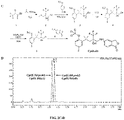
- “CpdX” corresponds to 5-[4-(5-fluoro-2-methoxyphenyl)-2-hydroxy-4-methyl-2-(trifluoromethyl)pentylamino]-isobenzofuran-1(3H)-one (see Example 1, Figure 2A ).
- CpdX(eA) refers to one of the two enantiomers of the SEGRAM of Formula 1 or a pharmaceutically acceptable salt or solvate thereof.
- CpdX(eA) corresponds to the first elution peak of 5-[4-(5-fluoro-2-methoxyphenyl)-2-hydroxy-4-methyl-2-(trifluoromethyl)pentylamino]-isobenzofuran-1(3H)-one separated by preparative supercritical fluid chromatography (see Example 1, Figure 2B ).
- CpdX(eB) refers to one of the two enantiomers of the SEGRAM of Formula 1 or a pharmaceutically acceptable salt or solvate thereof.
- CpdX(eB) corresponds to the second elution peak of 5-[4-(5-fluoro-2-methoxyphenyl)-2-hydroxy-4-methyl-2-(trifluoromethyl)pentylamino]-isobenzofuran-1(3H)-one separated by preparative supercritical fluid chromatography (see Example 1, Figure 2B ).
- CpdX-D3 refers to a deuterated racemic form of the SEGRAM of Formula 1 or a pharmaceutically acceptable salt or solvate thereof.
- CpdX-D3 corresponds to 5- ⁇ 4-[2-(methoxy-D3)-5-fluorophenyl]-2-hydroxy-4-methyl-2-(trifluoromethyl)pentylamino ⁇ isobenzofuran-1(3H)-one of Formula 2 (see Example 1, Figure 2C ):
- CpdX-D3(eA) refers to one of the two enantiomers of the SEGRAM of Formula 2 or a pharmaceutically acceptable salt or solvate thereof.
- CpdX-D3(eA) corresponds to the first elution peak of 5- ⁇ 4-[2-(methoxy-D3)-5-fluorophenyl]-2-hydroxy-4-methyl-2-(trifluoromethyl)pentylamino ⁇ isobenzofuran-1(3H)-one separated by preparative supercritical fluid chromatography (see Example 1, Figure 2D ).
- CpdX-D3(eB) refers to one of the two enantiomers of the SEGRAM of Formula 2 or a pharmaceutically acceptable salt or solvate thereof.
- CpdX-D3(eB) corresponds to the second elution peak of 5- ⁇ 4-[2-(methoxy-D3)-5-fluorophenyl]-2-hydroxy-4-methyl-2-(trifluoromethyl)pentylamino ⁇ isobenzofuran-1(3H)-one separated by preparative supercritical fluid chromatography (see Example 1, Figure 2D ).
- glucocorticoid receptor refers to the transcriptional activation of genes comprising a positive glucocorticoid response element ((+)GRE) (with SEQ ID NO: 1) bound by a glucocorticoid (GC)-associated GR in their promoter region.
- a positive glucocorticoid response element ((+)GRE) (with SEQ ID NO: 1) bound by a glucocorticoid (GC)-associated GR in their promoter region.
- GR glucocorticoid receptor
- nGRE negative glucocorticoid response element
- GC glucocorticoid
- hepatic steatosis refers to a condition wherein large vacuoles of triglyceride fat accumulate in liver cells via the process of steatosis (i.e., abnormal retention of lipids within a cell). This accumulation of fat may also be accompanied by a progressive inflammation of the liver (hepatitis), called steatohepatitis.
- “Growth suppression” is an important and well-recognized adverse effect of steroidal anti-inflammatory drugs (SAID) therapy, in particular in children.
- the mechanism of growth suppression includes the effect of SAIDs on the essential components of anabolism and growth including bone metabolism, nitrogen retention, and the effect on collagen formation.
- SAID therapies also result in inhibition of growth hormone release and insulin-like growth factor-1 (IGF-1) bioavailability.
- IGF-1 insulin-like growth factor-1
- growth suppression upon SAID therapy affects the whole body, with a stunted physical growth.
- growth suppression upon SAID therapy affects internal organs, and includes thymus, spleen, kidney, liver and adrenal gland.
- “Hyperglycemia” is a condition in which an excessive amount of glucose circulates in the blood plasma, such as, e.g., higher than 11.1 mmol of glucose per L of blood (200 mg of glucose per dL of blood).
- the American Diabetes Association guidelines classifies subjects in several subgroups, from slightly hyperglycemic (with a glucose level ranging from about 5.6 to about 7 mmol/L of blood, i.e., from about 100 to about 126 mg/dL of blood), to diabetic (with a glucose level above 7 mmol/L of blood, i.e., above 126 mg/dL of blood).
- SAIDs The effect of SAIDs on glucose metabolism is dose-dependent and causes a mild increase in fasting blood glucose levels and a larger increase in postprandial blood glucose in patients without preexisting diabetes mellitus.
- SAID-induced hyperglycemia is multifactorial in origin and can be explained by the augmentation of hepatic gluconeogenesis, inhibition of glucose uptake in adipose tissue and/or alteration of receptor and post-receptor functions induced by SAIDs.
- Hyperinsulinemia refers to a condition in which an excessive amount of insulin circulates in the blood plasma. Hyperinsulinemia is associated with hypertension, obesity, dyslipidemia and glucose intolerance (all collectively known as “metabolic syndrome”).
- GR glucocorticoid receptor
- genes comprising an AP-1 binding site (with a nucleic acid sequence ATGAGTCAT) and/or a NF- ⁇ B-binding site (with a nucleic acid sequence SEQ ID NO: 3 - GGGRNNYYCC, with R being any one of G or A, Y being any one of T or C, and N being any one of A, T, C or G) in their promoter region, bound by the Jun subunit of AP-1 and/or the p65 subunit of NF- ⁇ B respectively, themselves bound by a glucocorticoid (GC)-associated GR.
- ATGAGTCAT nucleic acid sequence ATGAGTCAT
- NF- ⁇ B-binding site with a nucleic acid sequence SEQ ID NO: 3 - GGGRNNYYCC, with R being any one of G or A, Y being any one of T or C, and N being any one of A, T, C or G
- Inflammatory disorder refers to a pathological state resulting in inflammation, e.g., caused by influx of leukocytes and/or neutrophil chemotaxis. Inflammation may result from infection with pathogenic organisms and viruses, or from noninfectious means such as, e.g., immune response to foreign antigen, autoimmune responses, trauma or reperfusion following myocardial infarction or stroke.
- T h 1, T h 2 and T h 17 cells are three subsets of T helper cells known to be involved in several inflammatory disorders.
- T h 17 cells their production is driven by TGF- ⁇ , IL-6, IL-21, IL-23 and IL-33.
- Ostoporosis is a progressive disease characterized by low bone mass, microarchitecture deterioration of bone tissue, bone fragility, and a consequent increase in fracture risk. Secondary osteoporosis, as the consequence of systemic drug use such as SAIDs, is one of the most debilitating complications of glucocorticoid therapy, which has been recognized since 1940. The cumulative dose as well as the duration of SAID's exposure are the key determinants in the development of osteoporosis. Inhibition of osteoblast function is the main effect of SAIDs on bone metabolism leading to a decrease in bone formation. Bone loss starts promptly after the initiation of SAID therapy and is mainly taking place in the first six months of treatment.
- SAID therapy can also result in changes in the architectural integrity of the bone.
- Techniques to assess the development of osteoporosis upon SAID therapy or upon administration of the SEGRAM of the present invention to a subject in need thereof are well-known from the skilled artisan, and include measuring the bone mineral density at baseline and comparing the baseline result to subsequent measurements during and after treatment.
- Techniques to prevent osteoporosis are also well-known from the skilled artisan and include administering to a patient in need thereof a supplementation in calcium and/or vitamin D, and appropriate physical activity.
- Skin atrophy also referred as to “steroid atrophy” or “corticosteroid-induced dermal atrophy” consists of a reduction in epidermal and/or dermal thickness, regression of the sebaceous glands, subcutaneous fat loss and/or muscle-layer atrophy. It results from the SAID-driven inhibition of mitotic activity of fibroblasts and/or of collagenase, leading to a decrease in collagen and glycosaminoglycan synthesis and a reduction in the diameter of the fibrils.
- Solvate refers to a molecular complex comprising the SEGRAMs of Formula 1 and one or more pharmaceutically acceptable solvent molecules, e.g., ethanol.
- solvent molecules e.g., ethanol.
- hydrate is employed when said solvent is water.
- SAIDs Steoidal anti-inflammatory drugs
- SAIDs steroidal anti-inflammatory drugs
- T h 2-related inflammatory disorder refers to any disease, disorder or condition, in which T h 2 cells support, cause or mediate the disease, disorder or condition process or in which T h 2 cells are involved in curing or alleviating the symptoms of the disease, disorder or condition, which may be represented by an enhanced or reduced T h 2 activity.
- T h 17-related inflammatory disorder refers to any disease, disorder or condition, in which T h 17 cells support, cause or mediate the disease, disorder or condition process or in which T h 17 cells are involved in curing or alleviating the symptoms of the disease, disorder or condition, which may be represented by an enhanced or reduced T h 17 activity.
- T h 1-related inflammatory disorder refers to any disease, disorder or condition, in which T h 1 cells support, cause or mediate the disease, disorder or condition process or in which T h 1 cells are involved in curing or alleviating the symptoms of the disease, disorder or condition, which may be represented by an enhanced or reduced T h 1 activity.
- the present invention relates to a composition
- a composition comprising one enantiomer of a SE lective GR A gonistic M odulator (SEGRAM) of Formula 1 or a pharmaceutically acceptable deuterated form, salt and/or solvate thereof, for use in preventing and/or treating certain inflammatory disorders, as defined in the claims.
- SEGRAM SE lective GR A gonistic M odulator
- Inflammatory disorders comprise T helper 2 cells (T h 2)-related inflammatory disorders, T helper 17 cells (T h 17)-related inflammatory disorders, T helper 1 cells (T h 1)-related inflammatory disorders, T h 2- and T h 17-related inflammatory disorders (also referred to as “mixed T h 2/T h 17 inflammatory disorders"), T h 1- and T h 17-related inflammatory disorders (also referred to as “mixed T h 1/T h 17 inflammatory disorders”), T h 1- and T h 2-related inflammatory disorders (also referred to as “mixed T h 1/T h 2 inflammatory disorders”), and T h 1-, T h 2- and T h 17-related inflammatory disorders (also referred to as “mixed T h 1/T h 2/T h 17 inflammatory disorders").
- inflammatory disorders include atopic dermatitis, contact dermatitis, asthma including allergic asthma, psoriasis, allergic conjunctivitis, rheumatoid arthritis, giant-cell arteritis (Horton disease), inflammatory bowel disease (IBD) (including Crohn's disease, ulcerative colitis and colitis), postmenopausal-induced metabolic syndrome and steatosis, periodontitis, Pagets disease, osteoporosis, multiple myeloma, uveitis, acute myelogenous leukemia, chronic myelogenous leukemia, pancreatic ⁇ cell destruction, rheumatoid spondylitis, osteoarthritis, gouty arthritis and other arthritis conditions, gout, adult respiratory distress syndrome (ARDS), chronic pulmonary inflammatory diseases, silicosis, pulmonary sarcoidosis, rhinitis, anaphylaxis, pancreatitis, muscle degeneration, cachexia including cachexia
- T h 2-related inflammatory disorders can be represented by an enhanced T h 2 activity or a reduced T h 2 activity.
- T h 2-related inflammatory disorders include allergic diseases and infectious diseases (particularly extracellular infections).
- T h 2-related allergic diseases include atopic dermatitis, allergic asthma, allergic sinusitis, allergic conjunctivitis, allergic rhinitis, rhinoconjunctivitis, hay fever, solar dermatitis, eczema, urticaria, angioedema, erythema nodosum, erythema multiforme, cutaneous necrotizing venulitis, insect bite skin inflammation and anaphylaxis.
- the inflammatory disorder is atopic dermatitis (see Example 5).
- the inflammatory disorder is allergic asthma (see Example 6).
- the inflammatory disorder is allergic conjunctivitis (see
- T h 17-related inflammatory disorders can be represented by an enhanced T h 17 activity or a reduced T h 17 activity.
- T h 17-related inflammatory disorders include autoimmune diseases and proliferative disorders (e.g. , cancer).
- T h 17-related autoimmune diseases include contact dermatitis, psoriasis, rheumatoid arthritis, inflammatory bowel disease (IBD) (including Crohn's disease, ulcerative colitis and colitis), periodontitis, chronic inflammatory diseases, lupus erythematosus, dermatomyositis, vasculitis, Sjogren's syndrome, scleroderma, multiple sclerosis, vitiligo, lichen planus, type 2 diabetes, coronary heart disease, hyperlipidemia, postmenopausal-induced metabolic syndrome and steatosis, and graft-versus-host disease.
- IBD inflammatory bowel disease
- IBD inflammatory bowel disease
- periodontitis chronic inflammatory diseases
- chronic inflammatory diseases include lupus erythematosus, dermatomyositis, vasculitis, Sjogren's syndrome, scleroderma, multiple sclerosis, vitiligo, lichen
- the inflammatory disorder is contact dermatitis (see Example 3).
- the inflammatory disorder is psoriasis (see Example 7).
- the inflammatory disorder is rheumatoid arthritis (see Example 8).
- the inflammatory disorder is colitis (see Example 9).
- T h 1-related inflammatory disorders can be represented by an enhanced T h 1 activity or a reduced T h 1 activity.
- T h 1-related inflammatory disorders include infectious diseases (particularly intracellular infections such as, e.g., viral infections) and proliferative disorders (e.g., cancer).
- the SEGRAM of Formula 1 does not induce or does not substantially induce the direct transactivation function of the glucocorticoid receptor (GR).
- GR glucocorticoid receptor
- glucocorticoid receptor GR
- does not induce the direct transactivation function of the glucocorticoid receptor GR
- the transcription level of genes comprising a positive glucocorticoid response element ((+)GRE) is not higher than their transcription level before binding of the SEGRAM of Formula 1 to GR.
- the transcription of genes comprising a positive glucocorticoid response element ((+)GRE) is not increased as compared to before binding of the SEGRAM of Formula 1 to GR.
- glucocorticoid receptor GR
- does not substantially induce the direct transactivation function of the glucocorticoid receptor GR
- the transcription level of genes comprising a positive glucocorticoid response element ((+)GRE) is not higher than three times, twice, 1.8 times, 1.6 times, 1.5 times, 1.4 times, 1.3 times, 1.2 times, 1.1 times or less their transcription level before binding of the SEGRAM of Formula 1 to GR.
- the transcription of genes comprising a positive glucocorticoid response element is not increased by more than three-fold, two-fold, 1.8-fold, 1.6-fold, 1.5-fold, 1.4-fold, 1.3-fold, 1.2-fold, 1.1-fold or less as compared to before binding of the SEGRAM of Formula 1 to GR.
- the SEGRAM of Formula 1does not induce or does not substantially induce the direct transrepression function of the GR.
- nGRE negative glucocorticoid response element
- nGRE negative glucocorticoid response element
- the transcription of genes comprising a negative glucocorticoid response element is not decreased by more than three-fold, two-fold, 1.8-fold, 1.6-fold, 1.5-fold, 1.4-fold, 1.3-fold, 1.2-fold, 1.1-fold or less as compared to before binding of the SEGRAM of Formula 1 to GR.
- nGRE negative glucocorticoid response element
- the SEGRAM of Formula 1does not induce or does not substantially induce neither direct transactivation, nor direct transrepression functions of the GR.
- the SEGRAM of Formula 1 selectiveively induces the indirect tethered transrepression function of the GR.
- the SEGRAM of Formula 1 inhibits or substantially inhibits T h 2 cells differentiation from T h 0 cells.
- T h 2 cells differentiation from T h 0 cells is meant that upon binding of the SEGRAM of Formula 1 to GR, the number of T h 2 cells is not higher than their number before binding of the SEGRAM of Formula 1 to GR. In one embodiment, the number of T h 2 cells is lower than their number before binding of the SEGRAM of Formula 1 to GR. In one embodiment, the number of T h 2 cells is 1.1 times, 1.2 times, 1.5 times, twice, 3 times, 5 times, 10 times, 25 times, 50 times, 100 times or more lower than their number before binding of the SEGRAM of Formula 1 to GR.
- substantially inhibits T h 2 cells differentiation from T h 0 cells is meant that upon binding of the SEGRAM of Formula 1 to GR, the number of T h 2 cells is not higher than twice, 1.8 times, 1.6 times, 1.5 times, 1.4 times, 1.3 times, 1.2 times, 1.1 times or less their number before binding of the SEGRAM of Formula 1 to GR.
- the SEGRAM of Formula 1 inhibits or substantially inhibits the production of any one or more of the cytokines selected from the group comprising or consisting of IL-4, IL-5, IL-10, IL-13 and TSLP. In one embodiment, the SEGRAM of Formula 1 inhibits or substantially inhibits the production of any one or more of the immunoglobulins selected from the group comprising or consisting of IgE and IgG1.
- the expression level of said cytokines or immunoglobulins is not higher than their expression level before binding of the SEGRAM of Formula 1 to GR. In one embodiment, the expression level of said cytokines or immunoglobulins is lower than their expression level before binding of the SEGRAM of Formula 1 to GR.
- the expression level of said cytokines or immunoglobulins is 1.1 times, 1.2 times, 1.5 times, twice, 3 times, 5 times, 10 times, 25 times, 50 times, 100 times or more lower than their expression level before binding of the SEGRAM of Formula 1 to GR.
- substantially inhibits the production of any one or more of the cytokines and “substantially inhibits the production of any one or more of the immunoglobulins” is meant that upon binding of the SEGRAM of Formula 1 to GR, the expression level of said cytokines or immunoglobulins is not higher than twice, 1.8 times, 1.6 times, 1.5 times, 1.4 times, 1.3 times, 1.2 times, 1.1 times or less their expression level to before binding of the SEGRAM of Formula 1 to GR.
- the SEGRAM of Formula 1 inhibits or substantially inhibits T h 17 cells differentiation from T h 0 cells.
- T h 17 cells differentiation from T h 0 cells is meant that upon binding of the SEGRAM of Formula 1 to GR, the number of T h 17 cells is not higher than their number before binding of the SEGRAM of Formula 1 to GR. In one embodiment, the number of T h 17 cells is lower than their number before binding of the SEGRAM of Formula 1 to GR. In one embodiment, the number of T h 17 cells is 1.1 times, 1.2 times, 1.5 times, twice, 3 times, 5 times, 10 times, 25 times, 50 times, 100 times or more lower than their number before binding of the SEGRAM of Formula 1 to GR.
- substantially inhibits T h 17 cells differentiation from T h 0 cells is meant that upon binding of the SEGRAM of Formula 1 to GR, the number of T h 17 cells is not higher than twice, 1.8 times, 1.6 times, 1.5 times, 1.4 times, 1.3 times, 1.2 times, 1.1 times or less their number before binding of the SEGRAM of Formula 1 to GR.
- the SEGRAM of Formula 1 inhibits or substantially inhibits the production of any one or more of the cytokines selected from the group comprising or consisting of IL-17a, IL-17c, IL-17f, IL-21, IL-22, IL-23 and TGF ⁇ .
- the expression level of said cytokines is not higher than their expression level before binding of the SEGRAM of Formula 1 to GR. In one embodiment, the expression level of said cytokines is lower than their expression level before binding of the SEGRAM of Formula 1 to GR. In one embodiment, the expression level of said cytokines is 1.1 times, 1.2 times, 1.5 times, twice, 3 times, 5 times, 10 times, 25 times, 50 times, 100 times or more lower than their expression level before binding of the SEGRAM of Formula 1 to GR.
- substantially inhibits the production of any one or more of the cytokines is meant that upon binding of the SEGRAM of Formula 1 to GR, the expression level of said cytokines is not higher than twice, 1.8 times, 1.6 times, 1.5 times, 1.4 times, 1.3 times, 1.2 times, 1.1 times or less their expression level to before binding of the SEGRAM of Formula 1 to GR.
- the SEGRAM of Formula 1 inhibits or substantially inhibits T h 1 cells differentiation from T h 0 cells.
- T h 1 cells differentiation from T h 0 cells is meant that upon binding of the SEGRAM of Formula 1 to GR, the number of T h 1 cells is not higher than their number before binding of the SEGRAM of Formula 1 to GR. In one embodiment, the number of T h 1 cells is lower than their number before binding of the SEGRAM of Formula 1 to GR. In one embodiment, the number of T h 1 cells is 1.1 times, 1.2 times, 1.5 times, twice, 3 times, 5 times, 10 times, 25 times, 50 times, 100 times or more lower than their number before binding of the SEGRAM of Formula 1 to GR.
- substantially inhibits T h 1 cells differentiation from T h 0 cells is meant that upon binding of the SEGRAM of Formula 1 to GR, the number of T h 1 cells is not higher than twice, 1.8 times, 1.6 times, 1.5 times, 1.4 times, 1.3 times, 1.2 times, 1.1 times or less their number before binding of the SEGRAM of Formula 1 to GR.
- the SEGRAM of Formula 1 inhibits or substantially inhibits the production of any one or more of the cytokines selected from the group comprising or consisting of IL-2, IL-12, IL-18, IFN- ⁇ and TNF ⁇ . In one embodiment, the SEGRAM of Formula 1 inhibits or substantially inhibits the production of any one or more of the immunoglobulins selected from the group comprising or consisting of IgG2a.
- the expression level of said cytokines or immunoglobulins is not higher than their expression level before binding of the SEGRAM of Formula 1 to GR. In one embodiment, the expression level of said cytokines or immunoglobulins is lower than their expression level before binding of the SEGRAM of Formula 1 to GR.
- the expression level of said cytokines or immunoglobulins is 1.1 times, 1.2 times, 1.5 times, twice, 3 times, 5 times, 10 times, 25 times, 50 times, 100 times or more lower than their expression level before binding of the SEGRAM of Formula 1 to GR.
- substantially inhibits the production of any one or more of the cytokines and “substantially inhibits the production of any one or more of the immunoglobulins” is meant that upon binding of the SEGRAM of Formula 1 to GR, the expression level of said cytokines or immunoglobulins is not higher than twice, 1.8 times, 1.6 times, 1.5 times, 1.4 times, 1.3 times, 1.2 times, 1.1 times or less their expression level to before binding of the SEGRAM of Formula 1 to GR.
- Methods for measuring an increase or decrease in the level of secreted cytokines and antibodies are well-known from the skilled artisan, and include histologic analysis and analysis of cytokine and/or immunoglobulin profiles.
- Cytokines and/or immunoglobulin profiles may be measured by conventional methods using anti-cytokine (such as, e.g., anti-IL-1 ⁇ , anti-IL-2, anti-IL-3, anti-IL-4, anti-IL-5, anti-IL-6, anti-IL-10, anti-IL-12, anti-IL-13, anti-IL-17a, anti-IL-17c, anti-IL-17f, anti-IL-18, anti-IL-21, anti-IL-22, anti-IL-23, anti-IL-33, anti-IFN-y, anti-TNFa, anti-TGF ⁇ or anti-TSLP) and/or anti-isotype antibodies (such as, e.g., anti-IgA, anti-IgE, anti-IgGl, anti-IgG2a, anti-IgG2b, anti-IgG3 or anti-IgM antibodies) in a flow cytometry assay, ELISA assay, sandwich ELISA assay, ELISPOT assay or the like.
- the SEGRAM of Formula 1does not induce or does not substantially induce side effects upon administration to a subject in need thereof.
- the SEGRAM of Formula 1does not induce or does not substantially induce steroidal anti-inflammatory drugs (SAIDs)-associated side effects upon administration to a subject in need thereof.
- SAIDs steroidal anti-inflammatory drugs
- SAIDs include natural glucocorticoids and synthetic glucocorticoids.
- natural glucocorticoids include cortisone, cortodoxone, desoxycortone, hydrocortisone, prebediolone acetate and pregnenolone.
- Synthetic glucocorticoids include alclometasone, amcinonide, beclomethasone, betamethasone, budesonide, chloroprednisone, chloroprednisone, ciclesonide, clobetasol, clobetasone, clocortolone, cloprednol, cortivazol, deflazacort, desonide, desoximetasone, dexamethasone, diflorasone, diflucortolone, difluprednate, fluclorolone, fluclorolone, fludrocortisone, fludroxycortide, flugestoneacetate, flumetasone, flunisolide, fluocinolone, fluocinonide, fluocortin, fluocortolone, fluorometholone, fluperolone, fluprednidene, fluprednisolone, fluticasone, formocortal, halcinonide
- SAIDs-associated side effects include musculoskeletal side effects, endocrine and metabolic side effects, gastrointestinal side effects, cardiovascular side effects, dermatologic side effects, neuropsychiatric side effects, ophthalmologic side effects and immunologic side effects.
- SAIDs-associated musculoskeletal side effects include osteoporosis, avascular necrosis of bone and myopathy.
- SAIDs-associated endocrine and metabolic side effects include metabolic syndrome; growth suppression; body weight loss; fat mass gain; lean mass loss; thymus, spleen, kidney and/or adrenal gland apoptosis; corticosterone synthesis inhibition; adrenal suppression; hyperglycemia; insulin resistance; hyperinsulinemia; type 2 diabetes; dyslipidemia; fatty liver; and cushingoid features.
- SAIDs-associated gastrointestinal side effects include gastritis, peptic ulcer, gastrointestinal bleeding, visceral perforation and pancreatitis.
- SAIDs-associated cardiovascular side effects include hypertension, coronary heart disease, ischemic heart disease and heart failure.
- SAIDs-associated dermatologic side effects include skin atrophy, dermatoporosis, ecchymoses, purpura, erosions, striae, delayed wound healing, easy bruising, acne, hirsutism and hair loss.
- SAIDs-associated neuropsychiatric side effects include mood changes, depression, euphoria, mood lability, irritability, akathisia, anxiety, cognitive impairment, psychosis, dementia and delirium.
- SAIDs-associated ophthalmologic side effects include cataract, glaucoma, ptosis, mydriasis, opportunistic ocular infections and central serous chorioretinopathy.
- SAIDs-associated immunologic side effects include suppression of cell-mediated immunity, predisposition to infections and reactivation of latent infections.
- the SEGRAM of Formula 1does not induce or does not substantially induce any one or more of a SAIDs-associated side effect selected from the group comprising or consisting of osteoporosis; avascular necrosis of bone; myopathy; metabolic syndrome; growth suppression; body weight loss; fat mass gain; lean mass loss; thymus, spleen, kidney and/or adrenal gland apoptosis; corticosterone synthesis inhibition; adrenal suppression; hyperglycemia; insulin resistance; hyperinsulinemia; type 2 diabetes; dyslipidemia; fatty liver; gastritis; peptic ulcer; gastrointestinal bleeding; visceral perforation; hepatic steatosis; pancreatitis; hypertension; coronary heart disease; ischemic heart disease; heart failure; skin atrophy; dermatoporosis; ecchymoses; purpura; erosions; striae; delayed wound healing; easy bruising; acne; hirsutism; hair loss; mood changes; depression
- the SEGRAM of Formula 1does not induce or does not substantially induce any one or more of a SAIDs-associated side effect selected from the group comprising or consisting of skin atrophy; osteoporosis; growth suppression; body weight loss; fat mass gain; lean mass loss; thymus, spleen, kidney and/or adrenal gland apoptosis; corticosterone synthesis inhibition; adrenal suppression; hyperglycemia; insulin resistance; hyperinsulinemia; and fatty liver.
- a SAIDs-associated side effect selected from the group comprising or consisting of skin atrophy; osteoporosis; growth suppression; body weight loss; fat mass gain; lean mass loss; thymus, spleen, kidney and/or adrenal gland apoptosis; corticosterone synthesis inhibition; adrenal suppression; hyperglycemia; insulin resistance; hyperinsulinemia; and fatty liver.
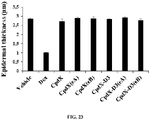
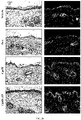
- the SEGRAM of Formula 1does not induce skin atrophy upon administration to a subject in need thereof (see Example 11).
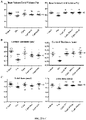
- the SEGRAM of Formula 1does not induce osteoporosis upon administration to a subject in need thereof (see Example 12).
- the SEGRAM of Formula 1does not induce growth suppression upon administration to a subject in need thereof (see Example 13).
- the SEGRAM of Formula 1does not induce body weight loss upon administration to a subject in need thereof (see Example 13).
- the SEGRAM of Formula 1does not induce fat mass gain and/or lean mass loss upon administration to a subject in need thereof (see Example 13).
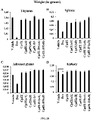
- the SEGRAM of Formula 1does not induce thymus, spleen, kidney and/or adrenal gland apoptosis upon administration to a subject in need thereof (see Example 14).
- the SEGRAM of Formula 1does not induce corticosterone synthesis inhibition upon administration to a subject in need thereof (see Example 15).
- the SEGRAM of Formula 1does not induce adrenal suppression upon administration to a subject in need thereof (see Example 15).
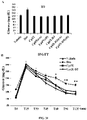
- the SEGRAM of Formula 1does not induce hyperglycemia upon administration to a subject in need thereof (see Example 16).
- the SEGRAM of Formula 1does not induce insulin resistance upon administration to a subject in need thereof (see Example 17).
- the SEGRAM of Formula 1does not induce hyperinsulinemia, upon administration to a subject in need thereof (see Example 17).
- the SEGRAM of Formula 1does not induce fatty liver upon administration to a subject in need thereof (see Example 18).
- the SEGRAM is one enantiomer of a compound of Formula 1: or a pharmaceutically acceptable deuterated form, salt and/or solvate thereof.
- the compound of Formula 1 is a 5-[4-(5-fluoro-2-methoxyphenyl)-2-hydroxy-4-methyl-2-(trifluoromethyl)pentylamino]-isobenzofuran-1(3H)-one and is referred to as "CpdX".
- each of the two enantiomers of the compound of Formula 1 are obtained by separation of a racemic mixture of the compound of Formula 1 by supercritical fluid chromatography (SFC), said two enantiomers corresponding to the first elution peak [CpdX(eA)] and to the second elution peak [CpdX(eB)], respectively.
- SFC is a technique well-known from the one skilled in the art.
- each enantiomer of the compound of Formula 1 can be efficiently purified by SFC using an amylose tris-(3,5-dimethylphenylcarbamate) column.
- the compound of Formula 1 is deuterated.
- the deuterated form of Formula 1 is a compound of Formula 2 or a pharmaceutically acceptable enantiomer, salt and/or solvate thereof, and is referred to as "CpdX-D3":
- the two enantiomers of the compound of Formula 2 are obtained by separation of a racemic mixture of the compound of Formula 2 by supercritical fluid chromatography (SFC), said two enantiomers corresponding to the first elution peak [CpdX-D3(eA)] and to the second elution peak [CpdX-D3(eB)], respectively.
- SFC supercritical fluid chromatography
- each enantiomer of the compound of Formula 2 can be efficiently purified by SFC using an amylose tris-(3,5-dimethylphenylcarbamate) column.
- any reference to a compound of Formula 1 also includes compounds of Formula 2 as defined hereinabove, unless explicitly mentioned otherwise.
- Pharmaceutically acceptable salts of the SEGRAM of Formula 1 include the acid addition and base salts thereof.
- Suitable acid addition salts are formed from acids which form non-toxic salts. Examples include acetate, adipate, aspartate, benzoate, besylate, bicarbonate/carbonate, bisulphate/sulphate, borate, camsylate, citrate, cyclamate, edisylate, esylate, formate, fumarate, gluceptate, gluconate, glucuronate, hexafluorophosphate, hibenzate, hydrochloride/chloride, hydrobromide/bromide, hydroiodide/iodide, isethionate, lactate, malate, maleate, malonate, mesylate, methylsulphate, naphthylate, 2-napsylate, nicotinate, nitrate, orotate, oxalate, palmitate, pamoate, phosphate/hydrogen phosphate/dihydrogen phosphate, pyroglutamate, saccharate, stea
- Suitable base salts are formed from bases which form non-toxic salts. Examples include aluminium, arginine, benzathine, calcium, choline, diethylamine, diolamine, glycine, lysine, magnesium, meglumine, olamine, potassium, sodium, tromethamine, 2-(diethylamino)ethanol, ethanolamine, morpholine, 4-(2-hydroxyethyl)morpholine and zinc salts.
- Hemisalts of acids and bases may also be formed, for example, hemisulphate and hemicalcium salts.
- pharmaceutically acceptable salts include hydrochloride/chloride, hydrobromide/bromide, bisulphate/sulphate, nitrate, citrate and acetate.
- compositions may be prepared by one or more of these methods:
- the salt may precipitate from solution and be collected by filtration or may be recovered by evaporation of the solvent.
- the degree of ionization in the salt may vary from completely ionized to almost nonionized.
- references to the SEGRAM of Formula 1 include references to enantiomers, deuterated forms, salts, solvates, multicomponent complexes and liquid crystals thereof, as well as combinations of these.
- the SEGRAM of Formula 1 includes all polymorphs and crystal habits thereof, and isomers thereof (including optical, geometric and tautomeric isomers) and isotopically-labeled compounds.
- salts pharmaceutically acceptable salts are preferred
- non-pharmaceutically acceptable salts which may for example be used in the isolation and/or purification of the SEGRAM of Formula 1.
- salts formed with optically active acids or bases may be used to form diastereoisomeric salts that can facilitate the separation of optically active isomers of the SEGRAM of Formula 1.
- a derivative of the compound of Formula 1 comprises compounds disclosed in US patent 6,245,804 .
- the compound of Formula 1 is comprised in the possible compounds derived from Formula 3.
- a derivative of a compound of Formula 1 is a compound of Formula 3: wherein:
- the compound of Formula 3 is deuterated. In one embodiment, at least one hydrogen atom in the compound of Formula 3 is deuterated. In one embodiment, at least 2, 3, 4, 5, 6, 7, 8, 9, 10, 11, 12, 13, 14, 15, 16, 17, 18, 19, 20 or more hydrogen atoms in the compound of Formula 3 are deuterated.
- Z 2 is OCD 3 .
- Also described herein are either one or the two enantiomers of a compound of Formula 1 or a derivative thereof: or a pharmaceutically acceptable deuterated form, salt and/or solvate thereof.
- the enantiomers of a compound of Formula 1 or a derivative thereof are de novo synthetized (Example 1, Figure 2A ).
- the enantiomers of a compound of Formula 1 or a derivative thereof are obtained by separation the two racemic components present in the compound of Formula 1 or a derivative thereof (Example 1, Figure 2B ).
- the separation of the two racemic components is carried out by supercritical fluid chromatography (SFC).
- SFC is a technique well-known from the one skilled in the art.
- each enantiomer of the compound of Formula 1 or a derivative thereof can be efficiently separated by SFC using an amylose tris-(3,5-dimethylphenylcarbamate) column.
- the first elution peak is referred as to "CpdX(eA)"
- the second elution peak is referred as to "CpdX(eB)”.
- Also described herein is a deuterated form of a compound of Formula 1 or a derivative thereof: or a pharmaceutically acceptable enantiomer, salt and/or solvate thereof.
- the deuterated form of a compound of Formula 1 comprises at least one deuterated hydrogen atom. In one embodiment, the deuterated form of a compound of Formula 1 comprises at least 2, 3, 4, 5, 6, 7, 8, 9, 10, 11, 12, 13, 14, 15, 16, 17, 18, 19, 20 or 21 deuterated hydrogen atoms.
- the deuterated form of a compound of Formula 1 comprises three deuterated hydrogen atoms. Accordingly, in one embodiment, the deuterated form of a compound of Formula 1 is a compound of Formula 2 or a pharmaceutically acceptable enantiomer, salt and/or solvate thereof, and is referred to as "CpdX-D3":
- Also described herein are either one or the two enantiomers of a compound of Formula 2 or a derivative thereof: or a pharmaceutically acceptable salt and/or solvate thereof.
- the enantiomers of a compound of Formula 2 or a derivative thereof are de novo synthetized (Example 1, Figure 2C ).
- the enantiomers of a compound of Formula 2 or a derivative thereof are obtained by separation the two racemic components present in the compound of Formula 2 or a derivative thereof (Example 1, Figure 2D ).
- the separation of the two racemic components is carried out by supercritical fluid chromatography (SFC).
- SFC is a technique well-known from the one skilled in the art.
- each enantiomer of the compound of Formula 2 or a derivative thereof can be efficiently separated by SFC using an amylose tris-(3,5-dimethylphenylcarbamate) column.
- the first elution peak is referred as to "CpdX-D3(eA)"
- the second elution peak is referred as to "CpdX-D3(eB)”.
- composition comprising or consisting of or consisting essentially of the SEGRAM of the invention, preferably a compound of Formula 1 or a derivative thereof.
- the composition is for use in preventing or treating an inflammatory disorder in a subject in need thereof, said composition comprising or consisting of or consisting essentially of one enantiomer of the SEGRAM of Formula 1, as defined in the claims.
- the composition is a pharmaceutical composition comprising at least one pharmaceutically acceptable excipient.
- compositions include water, saline, Ringer's solution, dextrose solution, and solutions of ethanol, glucose, sucrose, dextran, mannose, mannitol, sorbitol, polyethylene glycol (PEG), phosphate, acetate, gelatin, collagen, Carbopol ® , vegetable oils, and the like.
- PEG polyethylene glycol
- phosphate acetate
- gelatin collagen
- Carbopol ® vegetable oils
- buffering agents such as, e.g., BHA, BHT, citric acid, ascorbic acid, tetracycline, and the like.
- compositions include ion exchangers, alumina, aluminum stearate, lecithin, serum proteins, such as human serum albumin, buffer substances such as phosphates, glycine, sorbic acid, potassium sorbate, partial glyceride mixtures of saturated vegetable fatty acids, water, salts or electrolytes, such as protamine sulfate, disodium hydrogen phosphate, potassium hydrogen phosphate, sodium chloride, zinc salts, colloidal silica, magnesium trisilicate, polyvinyl pyrrolidone, cellulose-based substances, polyethylene glycol, sodium carboxymethylcellulose, polyacrylates, waxes, polyethylene-polyoxypropylene-block polymers, polyethylene glycol and wool fat.
- ion exchangers alumina, aluminum stearate, lecithin
- serum proteins such as human serum albumin
- buffer substances such as phosphates, glycine, sorbic acid, potassium sorbate, partial glyceride mixtures of saturated
- some pharmaceutically acceptable excipients may include, surfactants (e.g., hydroxypropylcellulose); suitable carriers, such as, e.g., solvents and dispersion media containing, e.g., water, ethanol, polyol ( e.g., glycerol, propylene glycol, and liquid polyethylene glycol, and the like), suitable mixtures thereof, and vegetable oils, such as, e.g., peanut oil and sesame oil; isotonic agents, such as, e.g., sugars or sodium chloride; coating agents, such as, e.g., lecithin; agents delaying absorption, such as, e.g., aluminum monostearate and gelatin; preservatives, such as, e.g., benzalkonium chloride, benzethonium chloride, chlorobutanol, thimerosal and the like; buffers, such as, e.g., boric acid, sodium and potassium bicarbonate
- the composition is a medicament.
- the composition is a cosmeceutical composition.
- composition, pharmaceutical composition, medicament or cosmeceutical composition is to be administered systemically or locally.
- the composition, pharmaceutical composition, medicament or cosmeceutical composition is to be administered orally, by injection, topically, transdermally, subcutaneously, transmucosally, percutaneously, nasally (such as, e.g., by intranasal spray or drops), buccally, sublingually, ocularly, intraaurally, intratracheally, endoscopically, intraarticularly, intraarterially, intramedullarly, intrathecally, intraventricularly, intraperitoneally, enterally, rectally or vaginaly.
- the composition, pharmaceutical composition, medicament or cosmeceutical composition is injected, preferably systemically injected.
- formulations adapted to systemic injections include liquid solutions or suspensions, solid forms suitable for solution in, or suspension in, liquid prior to injection.
- systemic injections include intravenous, subcutaneous, intramuscular, intradermal and intraperitoneal injection, and perfusion.
- the composition, the pharmaceutical composition or the medicament is sterile. Methods for obtaining a sterile pharmaceutical composition include GMP synthesis (GMP stands for "Good manufacturing practice").
- composition, pharmaceutical composition, medicament or cosmeceutical composition is orally administered.
- formulations adapted to oral administration include solid forms, liquid forms and gels.
- solid forms adapted to oral administration include pill, tablet, capsule, soft gelatine capsule, hard gelatine capsule, caplet, compressed tablet, cachet, wafer, sugar-coated pill, sugar coated tablet, or dispersing/or disintegrating tablet, powder, solid forms suitable for solution in, or suspension in, liquid prior to oral administration and effervescent tablet.
- liquid form adapted to oral administration examples include solutions, suspensions, drinkable solutions, elixirs, sealed phial, potion, drench, syrup and liquor.
- composition, pharmaceutical composition, medicament or cosmeceutical composition is topically administered.
- Topical administration characterizes the delivery, administration or application of the composition, pharmaceutical composition, medicament or cosmeceutical composition directly to the site of interest for a localized effect (generally onto one or more exposed or outer surfaces thereof, such as the outermost layer of the epidermis, which is exposed and visually observable), e.g., using hands, fingers or a wide variety of applicators (roll-up, roll-on or other stick container, tube container, cotton ball, powder puff, Q-tip, pump, brush, mat, cloth and/or the like).
- the application may be made, e.g., by laying, placing, rubbing, sweeping, pouring, spreading and/or massaging into, or onto, the skin, or by any other convenient or suitable method.
- topical administration is effected without any significant absorption of components of the composition into the subject's blood stream (to avoid a systemic effect).
- formulations adapted to topical administration include sticks, lipsticks, waxes, creams, lotions, ointments, balms, gels, glosses, sunscreen preparations, cosmetics, masks, leave-on washes or cleansers, depilatory preparations and/or the like.
- compositions, pharmaceutical composition, medicament or cosmeceutical composition can be mixed to form white, smooth, homogeneous, opaque cream or lotion with, e.g., benzyl alcohol 1% or 2% (w/w) as a preservative, emulsifying wax, glycerin, isopropyl palmitate, lactic acid, purified water and sorbitol solution.
- the compositions can contain polyethylene glycol 400 (PEG 400).
- ointments can be mixed to form ointments with, e.g., benzyl alcohol 2% (w/w) as preservative, white petrolatum, emulsifying wax and tenox II (butylated hydroxyanisole, propyl gallate, citric acid, propylene glycol).
- Woven pads or rolls of bandaging material e.g., gauze, can be impregnated with the compositions in solution, lotion, cream, ointment or other such form can also be used for topical application.
- formulations adapted to topical administration comprise about 0.001% w/w, preferably about 0.005% w/w, 0.01% w/w, 0.02% w/w, 0.03% w/w, 0.04% w/w, 0.05% w/w, 0.06% w/w, 0.07% w/w, 0.08% w/w, 0.09% w/w, 0.1% w/w, 0.2% w/w, 0.3% w/w, 0.4% w/w, 0.5% w/w, 0.6% w/w, 0.7% w/w, 0.8% w/w, 0.9% w/w, 1.0% w/w or more of the compound of Formula 1 or a derivative thereof.
- compositions, pharmaceutical composition, medicament or cosmeceutical composition can also be applied topically using a transdermal system, such as one of an acrylic-based polymer adhesive with a resinous crosslinking agent impregnated with the composition and laminated to an impermeable backing.
- a transdermal system such as one of an acrylic-based polymer adhesive with a resinous crosslinking agent impregnated with the composition and laminated to an impermeable backing.
- the composition, pharmaceutical composition, medicament or cosmeceutical composition can be administered as a transdermal patch, more particularly as a sustained-release transdermal patch.
- the transdermal patches can include any conventional form such as, e.g., adhesive matrix, polymeric matrix, reservoir patch, matrix or monolithic-type laminated structure, and are generally comprised of one or more backing layers, adhesives, penetration enhancers, an optional rate controlling membrane and a release liner which is removed to expose the adhesives prior to application.
- Polymeric matrix patches also comprise a polymeric-matrix forming material. Suitable transdermal patches are described in more detail in, e.g., US patents 5,262,165 , 5,948,433 , 6,010,715 and 6,071,531 .
- formulations adapted to transdermal administration include ointment, paste, cream, film, balm, patch, such as, e.g., transdermal patch, gel, liposomal forms and the like.
- the composition, pharmaceutical composition, medicament or cosmeceutical composition is an ointment, paste, cream; film, balm, patch, such as, e.g., transdermal patch, gel, liposomal forms or the like.
- the ointment is an oleaginous ointment; an emulsified ointment such as, e.g., oil-in-water or a water-in-oil ointment; or a water-soluble ointment, preferably is an oleaginous ointment.
- the oleaginous ointment uses bases such as, e.g., plant and animal oils; plant and animal fats; waxes; vaseline, such as, e.g., white vaseline or vaseline oil; and paraffin such as, e.g., liquid paraffin or paraffin oil.
- bases such as, e.g., plant and animal oils; plant and animal fats; waxes; vaseline, such as, e.g., white vaseline or vaseline oil; and paraffin such as, e.g., liquid paraffin or paraffin oil.
- the transdermal composition further comprises one or more excipients.
- Suitable pharmaceutically acceptable excipients are well known from the skilled person. Examples of suitable excipients include carriers, emulsifying agents, stiffening agents, rheology modifiers or thickeners, surfactants, emollients, preservatives, humectants, buffering agents, solvents, moisturizing agents and stabilizers.
- compositions, pharmaceutical composition, medicament or cosmeceutical composition can also be applied intraocularly.
- administration of the composition, pharmaceutical composition, medicament or cosmeceutical composition may be a topical ocular administration, such as, e.g., the administration of eye drops or by bathing the eye in an ophthalmic solution comprising the inhibitor.
- An ophthalmic solution refers to sterile liquid, semi-solid or solid preparations intended for administration upon the eyeball and/or to the conjunctiva, or for insertion in the conjunctival sac or for administration into the posterior segment of the eye.
- the term "posterior segment of the eye” refers to the back two third of the eye, comprising the anterior hyaloids membrane and the structures behind it (vitreous humor, retina, choroid, optic nerve).
- an ophthalmic composition may be administered into the vitreous, e.g., by intravitreous injection.
- ophthalmic compositions include eye drops, eye lotions, powders for eye drops and powders for eye lotions, and compositions to be injected into the conjunctival sac or into the vitreous.
- carriers examples include water; buffered saline; petroleum jelly (Vaseline, also known as white soft paraffin); petrolatum; oils, such as, e.g., mineral oil, vegetable oil, animal oil, paraffin oil, castor oil or vaseline oil; organic and inorganic waxes, such as, e.g., microcrystalline, paraffin, bees wax and ozocerite wax; natural polymers, such as, e.g., xanthanes, gelatin, cellulose, collagen, starch, or gum arabic; synthetic polymers; alcohols; polyols; and the like.
- the carrier is a base cream, comprising an emulsifying agent, an oil-phase ingredient and a water phase ingredient.
- ointment- or lotion-base excipients examples include Vaseline, Plastibase TM (which is a base prepared with polyethylene (average molecular weight of about 21000 Da) and liquid paraffin) and ESMA-P TM (made of microcrystalline wax).
- emulsifying agents include cetyl alcohol, cetostearyl alcohol, stearyl alcohol, carboxypolymethylene, polycarbophil, polyethylene glycol and derivatives thereof, polyoxyethylene and derivatives thereof, such as, e.g., polysorbate 20 or polysorbate 80, alone or in combination with fatty alcohols such as, e.g., cetyl alcohol, stearyl alcohol and cetostearyl alcohol, and sorbitan esters, such as, e.g., sorbitan fatty acid ester.
- fatty alcohols such as, e.g., cetyl alcohol, stearyl alcohol and cetostearyl alcohol
- sorbitan esters such as, e.g., sorbitan fatty acid ester.
- oil-phase ingredient examples include Vaseline, such as, e.g., white Vaseline, yellow Vaseline or Vaseline oil, paraffin such as, e.g., liquid paraffin or paraffin oil, dimethicone and mixtures thereof.
- Vaseline such as, e.g., white Vaseline, yellow Vaseline or Vaseline oil
- paraffin such as, e.g., liquid paraffin or paraffin oil, dimethicone and mixtures thereof.
- water-phase ingredients examples include water, glycerol and propyleneglycol.
- stiffening agents examples include stearyl alcohol, cetostearyl alcohol, and cetyl alcohol.
- rheology modifiers or thickeners examples include carbomers such as, e.g., Carbopol ® , and polyoxyethylene tallow amines such as, e.g., Ethomeen ® .
- surfactants include anionic, cationic, amphoteric, and nonionic surfactants, such as, e.g., sodium lauryl sulfate, cetostearyl alcohol, cetyl alcohol, magnesium lauryl sulfate, a wax, or a combination thereof.
- emollients examples include white or yellow petrolatum (white or yellow vaseline), liquid petrolatum (liquid vaseline), paraffin, or aquaphor.
- preservatives include antimicrobial preservatives such as, e.g., nipagin (methyl hydroxybenzoate), nipasol (hydroxybenzoate), butylparaben, ethylparaben, methylparaben, propyl paraben potassium, propyl paraben sodium, parahydroxybenzoate esters, sorbic acid, potassium sorbate, benzoic acid, parabens, chlorobutanol, phenol, thimerosal, sodium benzoate and benzyl alcohol.
- antimicrobial preservatives such as, e.g., nipagin (methyl hydroxybenzoate), nipasol (hydroxybenzoate), butylparaben, ethylparaben, methylparaben, propyl paraben potassium, propyl paraben sodium, parahydroxybenzoate esters, sorbic acid, potassium sorbate, benzoic acid, parabens, chlorobutanol
- humectants examples include propylene glycol and propylene glycol alginate.
- buffering agents examples include sodium hydroxide, citric acid and potassium hydroxide.
- solvents examples include water, isopropanol, benzyl alcohol, and propylene glycol.
- moisturizing agents include glycerin, mineral oil, polyoxyethylene hardened castor oil and Vaseline, propylene glycol, paraffins, waxes, such as, e.g., bees wax, polyethylene glycols or mixtures thereof, such as, e.g., macrogol (macrogol is a mixture of polyethylene glycols of different molecular weights), stearyl alcohol, benzyl alcohol, parahydrobenzoate esters (parabens), gelled hydrocarbon, citric acid, squalene, lanolins, glycerin, polyoxyethylene hardened castor oil, sorbitan fatty ester, glycerin fatty ester, animal and vegetable fats, oils, starch, tragacanth, cellulose derivatives, silicones, bentonites, silicic acid, talc, zinc oxide and mixtures thereof.
- moisturizing agents include glycerin, mineral oil, polyoxyethylene hardened castor oil and Vaseline, prop
- stabilizers include carbohydrates such as, e.g., sucrose, lactose and trehalose, sugar alcohols such as, e.g., mannitol and sorbitol, amino acids such as, e.g., histidine, glycine, phenylalanine and arginine.
- composition, pharmaceutical composition, medicament or cosmeceutical composition is to be administered by respiratory administration, including nasally (such as, e.g., by spray) and buccally.
- the composition, pharmaceutical composition, medicament or cosmeceutical composition may be delivered by any of a variety of inhalation devices known in the art for administration of a therapeutic agent by inhalation. These devices include metered dose inhalers, nebulizers, dry powder inhalers, sprayers, and the like.
- Some specific examples of commercially available inhalation devices suitable for the practice of this invention are Cyclohaler, Turbohaler TM (Astra), Rotahaler ® (Glaxo), Diskus ® (Glaxo), Spiros TM inhaler (Dura), devices marketed by Inhale Therapeutics, AERx TM (Aradigm), the Ultravent ® nebulizer (Mallinckrodt), the Acorn II ® nebulizer (Marquest Medical Products), the Ventolin ® metered dose inhaler (Glaxo), the Spinhaler ® powder inhaler (Fisons), the Respimat ® soft mist inhaler (Boehringer Ingelheim) or the like.
- the formulation of the composition, pharmaceutical composition, medicament or cosmeceutical composition depend on the type of inhalation device employed.
- the frequency of administration and length of time for which the system is activated will depend mainly on the concentration of the composition, pharmaceutical composition, medicament or cosmeceutical composition in the aerosol. For example, shorter periods of administration can be used at higher concentrations of the composition, pharmaceutical composition, medicament or cosmeceutical composition in the nebulizer solution.
- Devices such as metered dose inhalers can produce higher aerosol concentrations, and can be operated for shorter periods to deliver the desired amount of the composition, pharmaceutical composition, medicament or cosmeceutical composition.
- Devices such as powder inhalers deliver active agent until a given charge of agent is expelled from the device.
- the amount of the composition, pharmaceutical composition, medicament or cosmeceutical composition in a given quantity of the powder determines the dose delivered in a single administration.
- particles of the composition, pharmaceutical composition, medicament or cosmeceutical composition delivered by inhalation have a particle size preferably less than about 10 ⁇ m, more preferably in the range of about 1 ⁇ m to about 5 ⁇ m.
- the composition, pharmaceutical composition, medicament or cosmeceutical composition is prepared in a particulate form with a particle size of less than about 10 ⁇ m, preferably about 1 to about 5 ⁇ m.
- Such formulations may be achieved by spray drying, milling, micronisation or critical point condensation of the composition, pharmaceutical composition, medicament or cosmeceutical composition.
- Formulations of the composition, pharmaceutical composition, medicament or cosmeceutical composition for administration from a dry powder inhaler typically include a finely divided dry powder containing the composition, pharmaceutical composition, medicament or cosmeceutical composition, but the powder can also include a bulking agent, carrier, excipient, another additive, or the like.
- additives include mono-, di-, and polysaccharides; sugar alcohols and other polyols, such as, e.g., lactose, glucose, raffinose, melezitose, lactitol, maltitol, trehalose, sucrose, mannitol, starch, inulin, or combinations thereof; surfactants, such as sorbitols, dipalmitoylphosphatidyl choline, or lecithin; or the like.
- sugar alcohols and other polyols such as, e.g., lactose, glucose, raffinose, melezitose, lactitol, maltitol, trehalose, sucrose, mannitol, starch, inulin, or combinations thereof
- surfactants such as sorbitols, dipalmitoylphosphatidyl choline, or lecithin; or the like.
- a spray including the composition, pharmaceutical composition, medicament or cosmeceutical composition can be produced by forcing the composition, pharmaceutical composition, medicament or cosmeceutical composition through a nozzle under pressure.
- the nozzle size and configuration, the applied pressure, and the liquid feed rate can be chosen to achieve the desired output and particle size.
- An electrospray can be produced, e.g., by an electric field in connection with a capillary or nozzle feed.
- Formulations of the composition, pharmaceutical composition, medicament or cosmeceutical composition suitable for use with a sprayer will typically include the composition, pharmaceutical composition, medicament or cosmeceutical composition in an aqueous solution.
- composition, pharmaceutical composition, medicament or cosmeceutical composition is to be administered intraarticularly.
- the composition, pharmaceutical composition, medicament or cosmeceutical composition may be delivered within the joint of a subject in need thereof.
- the composition, pharmaceutical composition, medicament or cosmeceutical composition can be administered by intra-disc or peri-disc administration to a subject having an inflammatory disorder with back pain.
- the composition, pharmaceutical composition, medicament or cosmeceutical composition can be administered by inter-knee or peri-knee injection to a subject having an inflammatory disorder with knee pain.
- composition, pharmaceutical composition, medicament or cosmeceutical composition is to be administered in a sustained-release form.
- the composition, the pharmaceutical composition or the medicament comprises a delivery system that controls the release of the modulator.
- the subject is an animal. In one embodiment, the subject is a mammal.
- mammals include primates (including human and non-human), cattle (including cows), horses, pigs, sheep, goats, dogs and cats.
- the subject is a human.
- the subject is an adult (e.g., a subject above the age of 18 in human years or a subject after reproductive capacity has been attained). In another embodiment, the subject is a child (for example, a subject below the age of 18 in human years or a subject before reproductive capacity has been attained).
- the subject is a male. In one embodiment, the subject is a female.
- the subject is/was diagnosed with an inflammatory disorder, preferably with a T h 1-, T h 2- and/or T h 17-related inflammatory disorder.
- the subject is/was diagnosed with any one of the T h 1-, T h 2- and/or T h 17-related inflammatory disorders selected from the group comprising or consisting of atopic dermatitis, contact dermatitis, allergic asthma, allergic sinusitis, allergic conjunctivitis, allergic rhinitis, rhinoconjunctivitis, giant-cell arteritis (Horton disease), hay fever, solar dermatitis, eczema, urticaria, angioedema, erythema nodosum, erythema multiforme, cutaneous necrotizing venulitis, insect bite skin inflammation, anaphylaxis, psoriasis, rheumatoid arthritis, inflammatory bowel disease (IBD) (including Crohn's disease, ulcerative colitis and
- the subject is/was diagnosed with any one of the T h 1-, T h 2- and/or T h 17-related inflammatory disorders selected from the group comprising or consisting of atopic dermatitis, contact dermatitis, allergic asthma, psoriasis, rheumatoid arthritis and inflammatory bowel disease (IBD) (including Crohn's disease, ulcerative colitis and colitis.
- T h 1-, T h 2- and/or T h 17-related inflammatory disorders selected from the group comprising or consisting of atopic dermatitis, contact dermatitis, allergic asthma, psoriasis, rheumatoid arthritis and inflammatory bowel disease (IBD) (including Crohn's disease, ulcerative colitis and colitis.
- IBD inflammatory bowel disease
- the subject is at risk of developing an inflammatory disorder, preferably with a T h 1-, T h 2- and/or T h 17-related inflammatory disorder.
- the subject is at risk of developing any one of the T h 1-, T h 2- and/or T h 17-related inflammatory disorders selected from the group comprising or consisting of atopic dermatitis, contact dermatitis, allergic asthma, allergic sinusitis, allergic conjunctivitis, allergic rhinitis, rhinoconjunctivitis, giant-cell arteritis (Horton disease), hay fever, solar dermatitis, eczema, urticaria, angioedema, erythema nodosum, erythema multiforme, cutaneous necrotizing venulitis, insect bite skin inflammation, anaphylaxis, psoriasis, rheumatoid arthritis, inflammatory bowel disease (IBD) (including Crohn's disease, ulcerative colitis and
- the subject is at risk of developing any one of the T h 1-, T h 2- and/or T h 17-related inflammatory disorders selected from the group comprising or consisting of atopic dermatitis, contact dermatitis, allergic asthma, psoriasis, allergic conjunctivitis, rheumatoid arthritis and inflammatory bowel disease (IBD) (including Crohn's disease, ulcerative colitis and colitis).
- T h 1-, T h 2- and/or T h 17-related inflammatory disorders selected from the group comprising or consisting of atopic dermatitis, contact dermatitis, allergic asthma, psoriasis, allergic conjunctivitis, rheumatoid arthritis and inflammatory bowel disease (IBD) (including Crohn's disease, ulcerative colitis and colitis).
- IBD inflammatory bowel disease
- the composition, pharmaceutical composition, medicament or cosmeceutical composition is to be administered at a dose determined by the skilled artisan and personally adapted to each subject.
- the total daily usage of the composition, pharmaceutical composition, medicament or cosmeceutical composition will be decided by the attending physician within the scope of sound medical judgment.
- the specific therapeutically effective amount for any particular subject will depend upon a variety of factors including the disease being treated and the severity of the disease; the specific composition employed, the age, body weight, general health, sex and diet of the subject; the time of administration, route of administration, the duration of the treatment; drugs used in combination or coincidental with the composition, pharmaceutical composition, medicament or cosmeceutical composition; and like factors well known in the medical arts.
- a therapeutically effective amount of the composition, pharmaceutical composition, medicament or cosmeceutical composition is to be administered at least once a day, at least twice a day, at least three times a day.
- a therapeutically effective amount of the composition, pharmaceutical composition, medicament or cosmeceutical composition is to be administered every two, three, four, five, six days.
- a therapeutically effective amount of the composition, pharmaceutical composition, medicament or cosmeceutical composition is to be administered twice a week, every week, every two weeks, once a month.
- a therapeutically effective amount of the composition, pharmaceutical composition, medicament or cosmeceutical composition is to be administered every month, every two months, every three months, every four months, every five months, every six months, once a year.
- a therapeutically effective amount of the composition, pharmaceutical composition, medicament or cosmeceutical composition is to be administered for a period of time of about one day, two days, three days, four days, five days, six days, a week, two weeks, three weeks, a month, two months, three months, six months, a year, or over longer periods such as, e.g., for several years or for the rest of the life of the subject.
- a therapeutically effective amount of the composition, pharmaceutical composition, medicament or cosmeceutical composition is to be administered until treatment or alleviation of the inflammatory disorder, preferably of the T h 1-, T h 2- and/or T h 17-related inflammatory disorder.
- a therapeutically effective amount of the composition, pharmaceutical composition, medicament or cosmeceutical composition is to be administered for a chronic treatment. In another embodiment, a therapeutically effective amount of the composition, pharmaceutical composition, medicament or cosmeceutical composition is to be administered for an acute treatment.
- the daily amount of the compound of Formula 1 or a derivative thereof to be administered to a subject in need thereof ranges from about 0.5 ⁇ g/kg to about 50 mg/kg, preferably from about 5 ⁇ g/kg to about 25 mg/kg, preferably from about 50 ⁇ g/kg to about 5 mg/kg, preferably from about 250 ⁇ g/kg to about 2.5 mg/kg, preferably from about 300 ⁇ g/kg to about 1 mg/kg, preferably from about 350 ⁇ g/kg to about 800 ⁇ g/kg, preferably from about 400 ⁇ g/kg to about 600 ⁇ g/kg. In one embodiment, the daily amount of the compound of Formula 1 or a derivative thereof to be administered to a subject in need thereof is about 500 ⁇ g/kg.
- the daily amount of the compound of Formula 1 or a derivative thereof to be administered to a subject in need thereof ranges from about 1 ⁇ g/kg to about 100 mg/kg, preferably from about 10 ⁇ g/kg to about 50 mg/kg, preferably from about 100 ⁇ g/kg to about 10 mg/kg, preferably from about 500 ⁇ g/kg to about 5 mg/kg, preferably from about 750 ⁇ g/kg to about 2.5 mg/kg, preferably from about 800 ⁇ g/kg to about 2 mg/kg, preferably from about 900 ⁇ g/kg to about 1.5 mg/kg. In one embodiment, the daily amount of the compound of Formula 1 or a derivative thereof to be administered to a subject in need thereof is about 1 mg/kg.
- the daily amount of the compound of Formula 1 or a derivative thereof to be administered to a subject in need thereof ranges from about 5 ⁇ g/kg to about 500 mg/kg, preferably from about 50 ⁇ g/kg to about 250 mg/kg, preferably from about 500 ⁇ g/kg to about 50 mg/kg, preferably from about 1 mg/kg to about 25 mg/kg, preferably from about 1.5 mg/kg to about 12.5 mg/kg, preferably from about 2 mg/kg to about 10 mg/kg, preferably from about 2.5 mg/kg to about 7.5 mg/kg. In one embodiment, the daily amount of the compound of Formula 1 or a derivative thereof to be administered to a subject in need thereof is about 5 mg/kg.
- the daily human-equivalent amount of the compound of Formula 1 or a derivative thereof to be administered to a subject in need thereof ranges from about 0.5 ⁇ g/kg to about 250 ⁇ g/kg, preferably from about 1 ⁇ g/kg to about 200 ⁇ g/kg, preferably from about 5 ⁇ g/kg to about 150 ⁇ g/kg, preferably from about 10 ⁇ g/kg to about 100 ⁇ g/kg, preferably from about 25 ⁇ g/kg to about 75 ⁇ g/kg, preferably from about 30 ⁇ g/kg to about 50 ⁇ g/kg. In one embodiment, the daily human-equivalent amount of the compound of Formula 1 or a derivative thereof to be administered to a subject in need thereof is about 40 ⁇ g/kg.
- the daily human-equivalent amount of the compound of Formula 1 or a derivative thereof to be administered to a subject in need thereof ranges from about 0.1 ⁇ g/kg to about 10 mg/kg, preferably from about 1 ⁇ g/kg to about 1 mg/kg, preferably from about 10 ⁇ g/kg to about 500 ⁇ g/kg, preferably from about 20 ⁇ g/kg to about 450 ⁇ g/kg, preferably from about 30 ⁇ g/kg to about 400 ⁇ g/kg, preferably from about 40 ⁇ g/kg to about 350 ⁇ g/kg, preferably from about 45 ⁇ g/kg to about 300 ⁇ g/kg, preferably from about 50 ⁇ g/kg to about 250 ⁇ g/kg, preferably from about 55 ⁇ g/kg to about 200 ⁇ g/kg, preferably from about 60 ⁇ g/kg to about 150 ⁇ g/kg, preferably from about 65 ⁇ g/kg to about 100 ⁇ g/kg, preferably from about 70 ⁇ g/kg to about 90 ⁇
- the daily human-equivalent amount of the compound of Formula 1 or a derivative thereof to be administered to a subject in need thereof ranges from about 1 ⁇ g/kg to about 5 mg/kg, preferably from about 10 ⁇ g/kg to about 2.5 mg/kg, preferably from about 25 ⁇ g/kg to about 2 mg/kg, preferably from about 50 ⁇ g/kg to about 1 mg/kg, preferably from about 100 ⁇ g/kg to about 750 ⁇ g/kg, preferably from about 150 ⁇ g/kg to about 600 ⁇ g/kg, preferably from about 200 ⁇ g/kg to about 600 ⁇ g/kg, preferably from about 250 ⁇ g/kg to about 550 ⁇ g/kg, preferably from about 300 ⁇ g/kg to about 500 ⁇ g/kg, preferably from about 350 ⁇ g/kg to about 450 ⁇ g/kg, preferably from about 380 ⁇ g/kg to about 420 ⁇ g/kg.
- the daily amount of the compound of Formula 1 or a derivative thereof to be administered to a subject in need thereof ranges from about 0.05 ⁇ g to about 250 ⁇ g, from about 0.1 ⁇ g to about 150 ⁇ g, from about 0.2 ⁇ g to about 100 ⁇ g, from about 0.3 ⁇ g to about 50 ⁇ g, from about 0.4 ⁇ g to about 35 ⁇ g, from about 0.5 ⁇ g to about 25 ⁇ g, from about 2.5 ⁇ g to about 20 ⁇ g, preferably from about 5 ⁇ g to about 15 ⁇ g. In one embodiment, the daily amount of the compound of Formula 1 or a derivative thereof to be administered to a subject in need thereof is about 10 ⁇ g.
- the daily amount of the compound of Formula 1 or a derivative thereof to be administered to a subject in need thereof ranges from about 0.1 ⁇ g to about 500 ⁇ g, from about 0.2 ⁇ g to about 300 ⁇ g, from about 0.4 ⁇ g to about 200 ⁇ g, from about 0.6 ⁇ g to about 100 ⁇ g, from about 0.8 ⁇ g to about 75 ⁇ g, from about 1 ⁇ g to about 50 ⁇ g, from about 5 ⁇ g to about 40 ⁇ g, preferably from about 10 ⁇ g to about 30 ⁇ g. In one embodiment, the daily amount of the compound of Formula 1 or a derivative thereof to be administered to a subject in need thereof is about 20 ⁇ g.
- the daily amount of the compound of Formula 1 or a derivative thereof to be administered to a subject in need thereof ranges from about 0.5 ⁇ g to about 500 ⁇ g, preferably from about 1 ⁇ g to about 250 ⁇ g, preferably from about 10 ⁇ g to about 200 ⁇ g, preferably from about 25 ⁇ g to about 180 ⁇ g, preferably from about 50 ⁇ g to about 160 ⁇ g, preferably from about 60 ⁇ g to about 140 ⁇ g, preferably from about 80 ⁇ g to about 120 ⁇ g. In one embodiment, the daily amount of the compound of Formula 1 or a derivative thereof to be administered to a subject in need thereof is about 100 ⁇ g.
- the daily human-equivalent amount of the compound of Formula 1 or a derivative thereof to be administered to a subject in need thereof ranges from about 50 ⁇ g to about 25 mg, preferably from about 50 ⁇ g to about 15 mg, preferably from about 100 ⁇ g to about 12.5 mg, preferably from about 200 ⁇ g to about 10 mg, preferably from about 300 ⁇ g to about 7.5 mg, preferably from about 400 ⁇ g to about 5 mg, preferably from about 500 ⁇ g to about 4.5 mg, preferably from about 1 mg to about 4 mg, preferably from about 1.5 mg to about 3.5 mg, preferably from about 2 mg to about 3 mg.
- the daily human-equivalent amount of the compound of Formula 1 or a derivative thereof to be administered to a subject in need thereof is about 2.5 mg.
- the daily human-equivalent amount of the compound of Formula 1 or a derivative thereof to be administered to a subject in need thereof ranges from about 0.1 mg to about 50 mg, preferably from about 0.1 mg to about 30 mg, preferably from about 0.2 mg to about 25 mg, preferably from about 0.4 mg to about 20 mg, preferably from about 0.6 mg to about 15 mg, preferably from about 0.8 mg to about 10 mg, preferably from about 1 mg to about 9 mg, preferably from about 2 mg to about 8 mg, preferably from about 3 mg to about 7 mg, preferably from about 4 mg to about 6 mg.
- the daily human-equivalent amount of the compound of Formula 1 or a derivative thereof to be administered to a subject in need thereof is about 5 mg.
- the daily human-equivalent amount of the compound of Formula 1 to be administered to a subject in need thereof ranges from about 0.5 mg to about 100 mg, preferably from about 0.6 mg to about 75 mg, preferably from about 0.8 mg to about 60 mg, preferably from about 1 mg to about 55 mg, preferably from about 2.5 mg to about 50 mg, preferably from about 5 mg to about 45 mg, preferably from about 10 mg to about 40 mg, preferably from about 15 mg to about 35 mg, preferably from about 20 mg to about 30 mg, preferably from about 23 mg to about 27 mg.
- the daily human-equivalent amount of the compound of Formula 1 or a derivative thereof to be administered to a subject in need thereof is about 25 mg.
- compositions, pharmaceutical composition, medicament or cosmeceutical composition may be administered as part of a combination therapy.
- compositions and medicaments which comprise, in addition to the SEGRAM of Formula 1, additional therapeutic agents and/or active ingredients.
- Such multiple drug regimens may be used for preventing or treating an inflammatory disorder, preferably for preventing or treating a T h 1-, T h 2- and/or T h 17-related inflammatory disorder.
- Suitable supplementary therapeutic agents used for the purpose of auxiliary treatment include drugs which, instead of directly preventing or treating an inflammatory disorder, preferably preventing or treating a T h 1-, T h 2- and/or T h 17-related inflammatory disorder, treat diseases or conditions which directly result from or indirectly accompany the basic or underlying inflammatory disorder, preferably T h 1-, T h 2- and/or T h 17-related inflammatory disorder.
- compositions, pharmaceutical composition, medicament or cosmeceutical composition may be administered in the form of monotherapy, but may also be used in the form of multiple therapy in which the SEGRAM of Formula 1 is co-administered in combination with one or more other therapeutic agents.
- compositions, pharmaceutical composition, medicament or cosmeceutical composition examples include:
- compositions, pharmaceutical composition, medicament or cosmeceutical composition not only with one other active agent but also with two or more active agents.
- compositions, pharmaceutical composition, medicament or cosmeceutical composition and the other therapeutic active agents may be administered:
- compositions, pharmaceutical composition, medicament or cosmeceutical composition may be prior to, concurrent with, or subsequent to the administration of the other active agents.
- Se lective GR A gonistic M odulator for use in preventing and/or treating an inflammatory disorder in a subject in need thereof.
- Described herein is also the composition, pharmaceutical composition, medicament or cosmeceutical composition for use in preventing and/or treating an inflammatory disorder in a subject in need thereof.
- Described herein is also a SEGRAM for use in preventing and/or treating an enhanced T h 1, T h 2 and/or T h 17 activity in a subject in need thereof.
- Described herein is also the composition, pharmaceutical composition, medicament or cosmeceutical composition for use in preventing and/or treating an enhanced T h 1, T h 2 and/or T h 17 activity in a subject in need thereof.
- Described herein is also a SEGRAM for use in preventing and/or treating an increased level of secreted cytokines and antibodies in a subject in need thereof.
- Described herein is also the composition, pharmaceutical composition, medicament or cosmeceutical composition for use in preventing and/or treating an increased level of secreted cytokines and antibodies in a subject in need thereof.
- the SEGRAM is a compound of Formula 1 or a derivative thereof, or a pharmaceutically acceptable enantiomer, deuterated form, salt and/or solvate thereof.
- the SEGRAM does not induce or does not substantially induce neither direct transactivation, nor direct transrepression functions of the glucocorticoid receptor (GR). In one embodiment, the SEGRAM induces the indirect tethered transrepression functions of the glucocorticoid receptor (GR).
- the SEGRAM does not induce or does not substantially induce steroidal anti-inflammatory drugs (SAIDs)-associated side effects upon administration to a subject in need thereof.
- a therapeutically effective amount of the composition, pharmaceutical composition, medicament or cosmeceutical composition does not induce or does not substantially induce steroidal anti-inflammatory drugs (SAIDs)-associated side effects upon administration to a subject in need thereof.
- the SEGRAM, composition, pharmaceutical composition, medicament or cosmeceutical composition are for use in preventing and/or treating a T h 1- , T h 2- and/or T h 17-related inflammatory disorder.
- the SEGRAM, composition, pharmaceutical composition, medicament or cosmeceutical composition are for use in preventing and/or treating an inflammatory disorder selected from the group comprising or consisting of atopic dermatitis, contact dermatitis, allergic asthma, allergic sinusitis, allergic conjunctivitis, allergic rhinitis, rhinoconjunctivitis, giant-cell arteritis (Horton disease), hay fever, solar dermatitis, eczema, urticaria, angioedema, erythema nodosum, erythema multiforme, cutaneous necrotizing venulitis, insect bite skin inflammation, anaphylaxis, psoriasis, rheumatoid arthritis, inflammatory bowel disease (
- the SEGRAM, composition, pharmaceutical composition, medicament or cosmeceutical composition are for use in preventing and/or treating an inflammatory disorder selected from the group comprising or consisting of atopic dermatitis, contact dermatitis, allergic asthma, psoriasis, allergic conjunctivitis, rheumatoid arthritis and inflammatory bowel disease (IBD) (including Crohn's disease, ulcerative colitis and colitis).
- IBD inflammatory bowel disease
- the SEGRAM, composition, pharmaceutical composition, medicament or cosmeceutical composition are for use in preventing and/or treating atopic dermatitis.
- the SEGRAM, composition, pharmaceutical composition, medicament or cosmeceutical composition are for use in preventing and/or treating contact dermatitis. In one embodiment, the SEGRAM, composition, pharmaceutical composition, medicament or cosmeceutical composition are for use in preventing and/or treating allergic asthma. In one embodiment, the SEGRAM, composition, pharmaceutical composition, medicament or cosmeceutical composition are for use in preventing and/or treating psoriasis. In one embodiment, the SEGRAM, composition, pharmaceutical composition, medicament or cosmeceutical composition are for use in preventing and/or treating rheumatoid arthritis.
- the SEGRAM, composition, pharmaceutical composition, medicament or cosmeceutical composition are for use in preventing and/or treating ulcerative colitis. In one embodiment, the uses of the present invention are for preventing and/or treating allergic conjunctivitis. In one embodiment, the SEGRAM, composition, pharmaceutical composition, medicament or cosmeceutical composition are for use in preventing and/or treating postmenopausal-induced metabolic syndrome and steatosis.
- the secreted cytokines and antibodies are selected from the group comprising or consisting of IL-1 ⁇ , IL-2, IL-3, IL-4, IL-5, IL-6, IL-10, IL-12, IL-13, IL-17a, IL-17c, IL-17f, IL-18, IL-21, IL-22, IL-23, IL-33, TSLP, TGF ⁇ , CCL4, TNF ⁇ , COX2, MMP13, IgE, IgG1 and IgG2a.
- Example 2 Unlike Mapracorat/ZK245186, CpdX, CpdX(eA). CpdX(eB). CpdX-D3, CpdX-D3(eA) and CpdX-D3(eB) are bona fide non-steroidal SElective GR Agonistic Modulators (SEGRAMs) (see Figure 3)
- RNA transcripts were then extracted from mouse ears and the transcripts of 4 genes were analyzed by q-RT-PCR:
- Mapracorat just as Dex, induces all three GR functions (direct transactivation, direct transrepression and indirect tethered transrepression, summarized in Figure 1 ), with a similar transactivation of the REDD1 gene ( Figure 3A ), a similar direct transrepression of the K5 gene ( Figure 3B ), and a similar indirect transrepression of the IL-I ⁇ ( Figure 3C ) and IL-6 ( Figure 3D ) genes.
- GR selectively exhibits an indirect tethered transrepression activity upon in vivo administration of CpdX, with unchanged relative RNA expression levels for the REDD1 and K5 genes, as compared to control (Vehicle). Similar results were also obtained upon administration of either CpdX(eA) or CpdX(eB), or of their deuterated counterparts CpdX-D3, CpdX-D3(eA) and CpdX-D3(eB).
- Mapracorat is not a non-steroidal SE lective GR A gonistic M odulator (SEGRAM), indicating that Mapracorat can exhibit - even if it could be to a lesser extent - similar side effects as those currently encountered upon a Dex treatment.
- SEGRAM SE lective GR A gonistic M odulator
- CpdX in marked contrast, CpdX, as well as its two enantiomers CpdX(eA) and CpdX(eB), selectively exhibit the indirect tethered transrepression activity of GR, as expected for bona fide SEGRAMs.
- CpdX-D3 the deuterated CpdX
- CpdX-D3(eA) and CpdX-D3(eB)] exhibit the same selectivity and anti-inflammatory properties as their CpdX counterparts.
- Example 3 CpdX and CpdX-D3 are as efficient as Dexamethasone (Dex) at decreasing a TPA-induced irritant contact dermatitis-like T h 1/T h 2/T h 17 inflammation (see Figure 4)
- Balb/C mouse ears were topically treated with TPA to induce an "irritant contact dermatitis-like inflammation".
- mice were treated for 4 days with TPA, then for 5 extra days (until D9) with either vehicle, TPA alone, TPA and Dex, TPA and CpdX or TPA and CpdX-D3.
- RNA transcripts were extracted from mouse ear skin samples and the transcripts of CCL4, COX2, MMP13, IL-1 ⁇ , IL-6, TNF- ⁇ , TSLP, IL-22 and IL-23 were analyzed by q-RT-PCR. Ear skin was harvested, and histological (with H&E staining) and immunohistochemical (with anti-TSLP antibodies) analyses were carried out.
- the TPA-induced skin inflammation was significantly decreased by treatment with either Dex, CpdX or CpdX-D3.
- Example 4 The topical administration of either Dex, CpdX or CpdX-D3, in a cream formulation or in ethanol (EtOH), results in a similar anti-inflammatory activity (see Figures 5 and 6)
- Balb/C mouse ears were first topically treated with TPA for 3 days, which were followed by a three-day co-treatment without or with either Dex, CpdX or CpdX-D3 in ethanol (1 nmole/cm 2 ) or in a cream (0,05% w/w) composed of vaseline, liquid paraffin, Emulgade ® 1000 NI (BASF), propyl gallate, sodium edetate, sorbic acid and purified water.
- RNA transcripts were extracted from mouse ear skin samples and the transcripts of IL-1 ⁇ , IL-6, COX2 and TNF- ⁇ were analyzed by q-RT-PCR. Ear skin was harvested and histological (with H&E staining) analyses were carried out.
- CpdX as well as CpdX-D3, administered either in ethanol or in a cream formulation, have the same anti-inflammatory efficiency in the treatment of a skin inflammation.
- Example 5 CpdX, CpdX(eA), CpdX(eB), CpdX-D3, CpdX-D3(eA) and CpdX-D3(eB) are as efficient as Dexamethasone (Dex) at decreasing a calcipotriol (MC 903)-induced atopic dermatitis-like T h 2 inflammation (see Figures 7 and 8)
- Balb/C mouse ears were topically treated with calcipotriol (MC 903, a vitamin D 3 analogue), in order to induce an atopic dermatitis (AD)-like inflammation ( Li et al., 2006. Proc Natl Acad Sci USA. 103(31):11736-41 ).
- MC 903 a vitamin D 3 analogue
- mice were treated for 14 days with MC 903, and then for 8 extra days (until D22) with either MC 903 alone (control), MC 903 and Dex, MC 903 and CpdX, MC 903 and CpdX(eA), MC 903 and CpdX(eB), MC 903 and CpdX-D3, MC 903 and CpdX-D3(eA) and MC 903 and CpdX-D3(eB).
- RNA transcripts were extracted from mouse ear skin samples and the transcripts of 7 cytokines (MMP13, COX2, IL-1 ⁇ , IL-6, IL-10, IL-13 and TSLP) were analyzed by q-RT-PCR. Ear skin was harvested and histological (with H&E staining) and immunohistochemical (with anti-TSLP antibodies) analyses were carried out.
- 7 cytokines MMP13, COX2, IL-1 ⁇ , IL-6, IL-10, IL-13 and TSLP
- the MC 903-induced skin inflammation was significantly decreased by treatment with either Dex, CpdX or CpdX-D3.
- RNA transcript analyses of ear extracts from these mice indicated that CpdX and CpdX-D3 repressed, as efficiently as Dex, the MC 903-induced transcription of a variety of pro-inflammatory genes (MMP13, COX2, IL-1 ⁇ , IL-6, IL-10, IL-13 and TSLP), including those of a T h 2 inflammation (IL-10, IL-13 and TSLP) ( Figure 7 ).
- MMP13, COX2, IL-1 ⁇ , IL-6, IL-10, IL-13 and TSLP pro-inflammatory genes
- T h 2 inflammation IL-10, IL-13 and TSLP
- Example 6 CpdX, CpdX(eA), CpdX-D3 and CpdX-D3(eA), but not CpdX(eB) nor CpdX-D3(eB), are as efficient as Dexamethasone (Dex) at decreasing an asthma-like lung allergic T h 2 inflammation (see Figures 9 to 13)
- Glucocorticoids have been ( Pearlman et al., 1997. Ann Allergy Asthma Immunol. 78(4):356-62 ), and are still, widely used in asthma therapy.
- OVA ovalbumin
- HDM house dust mite
- mice were intraperitoneally sensitized with either 50 ⁇ g OVA together with alum or with alum alone on D0, D7 and D14. Mice were then subdivided into three groups, and on D19, D20 and D21, they were intranasally (i.n.) challenged with 10 ⁇ g OVA. The first and the second group received intranasally 0.5 mg/kg of body weight of Dex or CpdX respectively, while the third group served as a control.
- RNA transcripts were extracted from lung samples and RNA transcripts of IL-1 ⁇ , IL-6, IL-4, IL-5, IL-10, IL-13, Eotaxin, CCL4 and TNF ⁇ were analyzed by q-RT-PCR. Histological (with H&E staining) and immunohistochemical (with eosinophil-specific and neutrophil-specific antibodies) analyses of lung tissues were also carried out.
- HDM House dust mite
- mice were intranasally sensitized with 1 ⁇ g HDM from D0 to D4, and further intranasally sensitized with 10 ⁇ g HDM on D14 and D21. Mice were then subdivided into eight groups, and on D29, D30 and D31, each mouse was again intranasally challenged with 1 ⁇ g HDM.
- the first seven groups received respectively 0.5 mg/kg of body weight of Dex, CpdX, CpdX(eA), CpdX(eB), CpdX-D3, CpdX-D3(eA) or CpdX-D3(eB), while the eighth group served as a control.
- the airway responsiveness was invasively determined using a computer-controlled small animal ventilator (FlexVent ® system, SCIREQ Technologies). Mice were anesthetized with xylazine (15 mg/kg, i.p.), followed 15 minutes later by an i.p. injection of pentobarbital sodium (54 mg/kg). An 18-gauge metal needle was then inserted into the trachea, each mouse was connected to the FlexVent ® ventilator and quasi-sinusoidally ventilated with a tidal volume of 10 mL/kg at a frequency of 150 breaths/minute and a positive end-expiratory pressure of 2 cm H 2 O, in order to achieve a mean lung volume close to spontaneous breathing.
- FlexVent ® system computer-controlled small animal ventilator
- mice were challenged for 10 seconds with a saline aerosol and, at 4.5-minute intervals, with 50 mg/mL methacholine. Airway resistance and elastance were expressed as cmH 2 O.s/mL and cmH 2 O/mL respectively.
- the lung allergic inflammation was assessed by examination of the bronchoalveolar lavage (BAL) fluid from each of these HDM-challenged mice.
- BAL bronchoalveolar lavage
- the total BAL cells, eosinophils, neutrophils, macrophages and lymphocytes were counted.
- RNA transcripts were extracted from lung samples. RNA transcripts of IL-1 ⁇ , IL-6, IL-4, IL-5, IL-13, Eotaxin, CCL4, IL-10 and TNF ⁇ were analyzed by q-RT-PCR. Lung tissues were harvested and histological (with H&E staining) and immunohistochemical analyses were also carried out (with eosinophil-specific and neutrophil-specific antibodies).
- HDM House dust mite
- RNA transcriptional analyses of lung samples showed that the expressions of IL-1 ⁇ , IL-6 and of T h 2 pro-inflammatory genes (IL-4, IL-5, IL-13), as well as those of the eosinophil chemotactic chemokine Eotaxin and CCL4, were significantly and similarly decreased by Dex, CpdX or CpdX-D3 ( Figure 11C and D ), whereas those of IL-10 and TNF ⁇ were not affected (data not shown).
- Pulmonary functional tests demonstrated that Dex, CpdX or CpdX-D3 administration similarly reduced HDM-induced airway hyperresponsiveness (AHR) ( Figure 13 ).
- Example 7 An Aldara-induced psoriasis-like T h 17 inflammation is reduced by a topical treatment with either Dexamethasone (Dex), CpdX or CpdX-D3 (see Figures 14 and 15)
- Balb/C mouse ears were topically treated with Aldara ® to induce a psoriasis-like skin inflammation ( Vinter et al., 2015. Br J Dermatol. 172(2):345-53 ).
- Mice were treated for 9 days with Aldara ® , including a co-topical treatment for the last 5 days with either ethanol (Vehicle), Dex, CpdX or CpdX-D3.
- RNA transcripts were extracted from mouse ears and IL-17a, IL-17c, IL-17f and IL-22 transcripts were analyzed by q-RT-PCR. Ear skin samples were also harvested for histological analyses (with H&E staining).
- RNA transcript analyses of ear extracts indicated that the induced expression of the T h 17 cytokines IL-17a, IL-17c, IL-17f and IL-22; but not of IL-23, were similarly reduced by a Dex, a CpdX or a CpdX-D3 treatment ( Figure 14 and data not shown).
- Example 8 CpdX, CpdX(eA), CpdX-D3 and CpdX-D3(eA), but not CpdX(eB), nor CpdX-D3(eB), are as efficient as Dexamethasone (Dex) at decreasing a collagen-induced arthritis (CIA) T h 17 inflammation (see Figures 16 to 18)
- mice were treated with collagen to induce a T h 17 rheumatoid arthritis-like inflammation as described by Inglis et al. (2007. Arthritis Res Ther. 9(5):R113 ) and Geboes et al. (2009. Arthritis Rheum. 60(2):390-5 ).
- mice Male mice (DBA-1 strain) were subcutaneously-injected with 100 ⁇ g collagen per mouse on D0. The hind paw thickness at the ankle level was regularly measured with a caliper. When the ankle thickness had reached around 4 mm (T0, i.e., 30 to 50 days after the collagen injection on D0), mice were daily intraperitoneally-injected for 10 days (T0 to T10) with either vehicle (NaCl 0,9%), Dex, CpdX, CpdX(eA), CpdX(eB), CpdX-D3, CpdX-D3(eA) or CpdX-D3(eB) (1 mg/kg body weight diluted in NaCl 0,9%), and the hind paw thickness at the ankle level was daily measured with a caliper.
- vehicle NaCl 0,9%
- Dex CpdX, CpdX(eA), CpdX(eB), CpdX-D3, CpdX-D3(eA) or CpdX
- RNA transcripts were extracted from whole hind paws of collagen-untreated and collagen-treated mice at T0 and T10. IL-1 ⁇ , IL-6, IL-17a, IL-17f and TNF ⁇ transcripts were analyzed by q-RT-PCR.
- the hind paw thickness showed an increase upon collagen injection, whereas Dex, CpdX and CpdX-D3 treatments resulted within 10 days into a rapid decrease of this thickness ( Figures 16 and 17A ).
- a similar decrease of the hind paw thickness was observed in mice treated with CpdX(eA) or CpdX-D3(eA), while in marked contrast no such decrease was observed upon a CpdX(eB) or a CpdX-D3(eB) treatment ( Figure 17B and data not shown).
- RNA transcripts of the pro-inflammatory genes which are expressed in the hind paws of mice which developed a CIA were similarly repressed by either a dexamethasone, a CpdX, a CpdX(eA), a CpdX-D3 or a CpdX-D3(eA) treatment, but not by a CpdX(eB), nor a CpdX-D3(eB) treatment ( Figure 18 ).
- Example 9 CpdX, CpdX(eA), CpdX(eB), CpdX-D3, CpdX-D3(eA) and CpdX-D3(eB) are as efficient as Dexamethasone (Dex) at curing a Dextran Sodium Sulfate (DSS)-induced T h 17 ulcerative colitis (see Figures 19 and 20)
- mice were treated with 3% DSS in drinking water for 13 days, with or without an intraperitoneal administration of either Dex, CpdX, CpdX(eA), CpdX(eB), CpdX-D3, CpdX-D3(eA) or CpdX-D3(eB) (1 mg/kg of body weight) on D11, D12 and D13.
- RNA transcripts were extracted from mouse colons. IL-1 ⁇ , IL-6, IL-17a, IL-17f, TSLP and MMP13 transcripts were analyzed by q-RT-PCR. Colon samples were also harvested for histological analyses (with H&E staining).
- mice treated for 3 days with either Dex, CpdX, CpdX-D3 or their two enantiomers CpdX(eA), CpdX(eB), CpdX-D3(eA) and CpdX-D3(eB) the colonic villus/crypt structure was almost reestablished and both the mucosal and the submucosal cell infiltration were significantly decreased.
- Example 10 CpdX, CpdX(eA). CpdX(eB). CpdX-D3, CpdX-D3(eA) or CpdX-D3(eB) alleviate as efficiently as Dexamethasone (Dex) an ovalbumin (OVA)-induced allergic conjunctivitis (see Figure 21)
- mice were intraperitoneally sensitized with 50 ⁇ g OVA with alum on both days D1 and D8, and then challenged from D15 to D21 with 250 ⁇ g OVA in 5 ⁇ L of sterilized vehicle (0.9% NaCl), which were directly instilled onto the conjunctival sac.
- mice were divided into several groups, and received instillations with either OVA alone, OVA together with 0.1% of either Dex, CpdX, CpdX(eA), CpdX(eB), CpdX-D3, CpdX-D3(eA) or CpdX-D3(eB).
- Example 11 In marked contrast to Dexamethasone (Dex), a topical treatment with either CpdX, CpdX(eA). CpdX(eB). CpdX-D3 . CpdX-D3(eA) or CpdX-D3(eB) does not induce a skin epidermis atrophy (see Figures 22 to 24)
- RNA transcripts were extracted from dorsal skin samples and the transcripts of Kindlin-1 and REDD1 genes were analyzed by q-RT-PCR. Histological and morphometric analyses of the dorsal skin were also performed.
- the transcription of the REDD1 gene (which contains a +GRE) is significantly increased by a Dex, but not by a CpdX, a CpdX(eA), a CpdX(eB), a CpdX-D3, a CpdX-D3(eA) nor a CpdX-D3(eB) treatment ( Figure 22B ).
- Example 12 A three-month treatment with either CpdX, CpdX(eA), CpdX(eB), CpdX-D3, CpdX-D3(eA) or CpdX-D3(eB) does not affect the cortical nor the trabecular bone formation, in contrast to a Dexamethasone (Dex) treatment (see Figures 25 and 26)
- mice 8-week-old mice were daily subjected for three months to either a subcutaneous injection of vehicle (NaCl 0,9%), Dex, CpdX, CpdX(eA), CpdX(eB), CpdX-D3, CpdX-D3(eA) or CpdX-D3(eB) (1 mg/kg body weight, diluted in NaCl 0,9%).
- vehicle NaCl 0,9%
- Dex CpdX, CpdX(eA), CpdX(eB), CpdX-D3, CpdX-D3(eA) or CpdX-D3(eB)
- Cortical bone parameters which were measured in the tibia midshaft, included measures of the bone volume fraction as compared to the total volume, cortical thickness, total area, bone area and marrow area.
- the region of interest was selected from below the distal tibial crest and continued for 20 slices toward the proximal end of the tibia.
- Trabecular bone parameters were measured in the distal metaphysis of the femurs and included bone volume fraction, trabecular thickness, trabecular number and trabecular spacing.
- the region of interest was selected from below the distal growth plate where the epiphyseal cap structure completely disappeared and continued for 100 slices toward the proximal end of the femur.
- the statistical significance as compared to vehicle treatment was calculated through one-way ANOVA test followed by Dunn's multiple comparison test, ⁇ p ⁇ 0,05; ⁇ p ⁇ 0,01; ⁇ p ⁇ 0,001; ⁇ p ⁇ 0,0001.
- Osteoporosis is a common undesirable side effect of a long-term glucocorticoid clinical treatment ( Canalis, 2003. Curr Opin Rheumatol. 15(4):454-7 ).
- the bone volume was significantly decreased as compared to the total volume ( Figure 25A )
- the cortical thickness was drastically decreased ( Figure 25B )
- the bone area, but not the marrow area was also reduced ( Figures 25D and E ).
- a Dex-treatment increased the mouse trabecular bone volume due to an increase in the number of trabecula and a decrease of the trabecular spacing, with no change in the trabecular thickness (data not shown).
- the expression of the WNT16 gene has been reported to affect the bone mineral density, the cortical bone thickness, the bone strength, and the risk of osteoporotic fracture ( Zheng et al., 2012. PLoS Genet. Jul; 8(7): e1002745 ).
- Transcriptional analyses from mouse tibia samples demonstrated that the transcription of the WNT16 gene was decreased by 50% with a Dex treatment, but not with either a CpdX, CpdX(eA), CpdX(eB), CpdX-D3, CpdX-D3(eA) or CpdX-D3(eB) treatment ( Figure 26 ).
- CpdX, CpdX-D3 and any of their enantiomers [CpdX(eA), CpdX(eB), CpdX-D3(eA) or CpdX-D3(eB)] could be safely used for clinical treatments of inflammatory diseases, unlike Dex, they do not affect bone formation.
- Example 13 In contrast to Dexamethasone (Dex), a long-term treatment with either CpdX or CpdX-D3 does not induce a loss of body weight, nor a change in body composition (see Figure 27)
- mice 8-week-old mice were daily subjected for three months to a subcutaneous injection of either vehicle (NaCl 0,9%), Dex, CpdX or CpdX-D3 (1 mg/kg body weight, diluted in vehicle.
- a pDEXA machine was used to determine the lean mass and fat mass. The statistical significance was calculated through Krustal-Walis test followed by a Dunn's multiple comparison test, ⁇ p ⁇ 0,05; ⁇ p ⁇ 0,01; ⁇ p ⁇ 0,001.
- mice which, when treated for 3 months with either vehicle, CpdX or CpdX-D3 exhibited a similar increase of body weight ( Figure 27A ), as well as a commensurate increase in fat mass ( Figure 27B ) and lean percentage ( Figure 27C ).
- mice treated with Dex exhibited a net loss in total body weight ( Figure 27A ), together with a disproportional increase in fat ( Figure 27B ) and a decrease of lean mass ( Figure 27C ).
- mice 8-week-old mice (8-week-old) were daily subjected for three months to a subcutaneous injection of either vehicle (NaCl 0,9%), Dex, CpdX, CpdX(eA), CpdX(eB), CpdX-D3, CpdX-D3(eA) or CpdX-D3(eB) (1 mg/kg body weight, diluted in vehicle). Following these treatments, four organs (thymus, spleen, adrenal gland and kidney) were harvested and weighted.
- vehicle NaCl 0,9%
- Dex CpdX, CpdX(eA), CpdX(eB), CpdX-D3, CpdX-D3(eA) or CpdX-D3(eB)
- Glucocorticoids are well known to induce a drastic thymus apoptosis ( Cohen, 1992. Semin Immunol. 4(6):363-9 ). Accordingly, after a three-month treatment, no thymus was found in sixteen out of nineteen mice treated with Dex. In marked contrast, a treatment with either CpdX, its deuterated form CpdX-D3, or their enantiomers CpdX(eA), CpdX(eB), CpdX-D3(eA) or CpdX-D3(eB) did not result in any significant thymus apoptosis ( Figure 28A ).
- the spleen weight was decreased by more than 50 % in Dex-treated mice, whereas it was not decreased in CpdX-, CpdX(eA)-, CpdX(eB)-, CpdX-D3-, CpdX-D3(eA)- or CpdX-D3(eB)-treated mice ( Figure 28B ).
- a weak, but significant loss of the kidney weight was also selectively observed in mice treated with Dex ( Figure 28D ).
- CpdX or its deuterated form CpdX-D3, or any of their enantiomers [CpdX(eA), CpdX(eB), CpdX-D3(eA) and CpdX-D3(eB)], is not toxic, most notably for the thymus, the spleen and the adrenal gland.
- Example 15 A long-term daily subcutaneous injection of Dexamethasone (Dex) inhibits corticosterone synthesis which, in marked contrast, is increased by a similar treatment with either CpdX, CpdX(eA), CpdX(eB), CpdX-D3, CpdX-D3(eA) or CpdX-D3(eB) (see Figures 29 and 30)
- mice 8-week-old mice were daily subjected for three months to either a subcutaneous injection of vehicle (NaCl 0,9%), Dex, CpdX, CpdX(eA), CpdX(eB), CpdX-D3, CpdX-D3(eA) or CpdX-D3(eB) (1 mg/kg body weight, diluted in vehicle).
- vehicle NaCl 0,9%
- Dex CpdX, CpdX(eA), CpdX(eB), CpdX-D3, CpdX-D3(eA) or CpdX-D3(eB)
- RNA transcripts were extracted and transcripts of the Cyp11a, Cyp11b1, Cyp11b2 and HSD3 ⁇ genes were analyzed by q-RT-PCR. Histological analyses of the adrenal glands were also carried out.
- Corticosterone is synthesized in the fasciculata zone of the cortex layer of the adrenal gland.
- the cortex layers (see double-headed arrow in left panels), most notably the fasciculata zone (see bold double-headed arrow in right panels) of the adrenal glands were drastically decreased ( Figure 29 ), whereas they were markedly increased by administration of CpdX or its deuterated form CpdX-D3, or either of their enantiomers CpdX(eA), CpdX(eB), CpdX-D3(eA) or CpdX-D3(eB) ( Figure 29 and data not shown).
- Example 16 In marked contrast with a three-month administration of Dexamethasone (Dex), a three-month in vivo administration of either CpdX, CpdX(eA), CpdX(eB), CpdX-D3, CpdX-D3(eA) or CpdX-D3(eB) does not induce hyperglycemia (see Figure 31)
- hyperglycemia Upon a long-term glucocorticoid administration, hyperglycemia is a common undesirable side effect ( Clore & Thurby-Hay, 2009. Endocr Pract. 15(5):469-74 ).
- mice 8-week-old mice (8-week-old) were daily subjected for three months to a subcutaneous injection of either vehicle (NaCl 0,9%), Dex, CpdX, CpdX(eA), CpdX(eB), CpdX-D3, CpdX-D3(eA) or CpdX-D3(eB) (1 mg/kg body weight, diluted in vehicle). Mice were over-night-fasted. Mouse blood glucose concentration was measured before (T 0 ) and during two hours (T 120 ) after glucose i.p. injection (2 mg/kg body weight).
- IPGTT intraperitoneal glucose tolerance test
- Example 17 A three-month in vivo administration of either CpdX, CpdX(eA), CpdX(eB), CpdX-D3, CpdX-D3(eA) or CpdX-D3(eB), unlike that of Dexamethasone (Dex), does not induce an insulin-resistance (see Figures 31 and 32)
- GC glucocorticoids
- mice 8-week-old mice were subjected daily for three months to a subcutaneous injection of either vehicle (NaCl 0,9%), Dex, CpdX, CpdX(eA), CpdX(eB), CpdX-D3, CpdX-D3(eA) or CpdX-D3(eB) (1 mg/kg body weight, diluted in vehicle).
- vehicle NaCl 0,9%
- Dex CpdX, CpdX(eA), CpdX(eB), CpdX-D3, CpdX-D3(eA) or CpdX-D3(eB)
- the blood was collected at 10 a.m. by retro-orbital puncture in lithium-heparin coated vials, and the plasmatic level of insulin was determined.
- IPITT intraperitoneal insulin tolerance test
- liver samples were harvested and lysed in the RIPA buffer (20 mM Tris pH 8, 150 mM NaCl, 10% glycerol, 1% NP-40 and 2 mM EDTA).
- Antibodies from Cell Signaling were used to assess by Western-Blotting the relative level of p-IRS1 (S318), IRS-1, p-AKT (S473) and AKT.
- the blood insulin level revealed a hyperinsulinemia in Dex-treated mice, but not in mice treated with either saline (vehicle), CpdX, CpdX(eA), CpdX(eB), CpdX-D3, CpdX-D3(eA) or CpdX-D3(eB) ( Figure 32A ).
- saline vehicle
- CpdX, CpdX(eA), CpdX(eB), CpdX-D3, CpdX-D3(eA) or CpdX-D3(eB) ( Figure 32A ).
- an IPITT test disclosed a significant impaired response to insulin in these mice ( Figure 32B ), they may reveal an insulin resistance.
- Example 18 In marked contrast to Dexamethasone (Dex), a three-month in vivo administration of either CpdX, CpdX(eA), CpdX(eB), CpdX-D3, CpdX-D3(eA) or CpdX-D3(eB) does not induce a fatty liver (see Figures 33 to 35)
- mice 8-week-old mice were daily subjected for three months to a subcutaneous injection of either vehicle (NaCl 0,9%), Dex, CpdX, CpdX(eA), CpdX(eB), CpdX-D3, CpdX-D3(eA) or CpdX-D3(eB) (1 mg/kg body weight, diluted in vehicle).
- vehicle NaCl 0,9%
- Dex CpdX, CpdX(eA), CpdX(eB), CpdX-D3, CpdX-D3(eA) or CpdX-D3(eB)
- blood was collected at 10 a.m. by retro-orbital puncture in lithium-heparin coated vials.
- the plasmatic levels of total cholesterol and bile acids were determined.
- RNA transcripts were extracted from liver samples and the transcripts of fatty acid synthase (FASN) and Stearoyl-CoA desaturase 1 (SCD1) genes were analyzed by q-RT-PCR.
- FASN fatty acid synthase
- SCD1 Stearoyl-CoA desaturase 1
- Hypercholesterolemia is a main cause of non-alcoholic fatty liver diseases (NAFLDs) ( Kim et al., 2014. PLoS One. 9(6):e97841 ). Cholesterol is converted in liver into bile acids. Accordingly, a high level of bile acids was also observed in patients exhibiting fatty liver diseases ( Aranha et al., 2008. Eur J Gastroenterol Hepatol. 20(6):519-25 ).
- a three-month in vivo treatment with CpdX or its deuterated form CpdX-D3, or either of their enantiomers [CpdX(eA), CpdX(eB), CpdX-D3(eA) or CpdX-D3(eB)], does not induce a fatty liver disease, in marked contrast with a similar treatment with Dex.
Landscapes
- Health & Medical Sciences (AREA)
- Chemical & Material Sciences (AREA)
- Medicinal Chemistry (AREA)
- Pharmacology & Pharmacy (AREA)
- Organic Chemistry (AREA)
- Life Sciences & Earth Sciences (AREA)
- Animal Behavior & Ethology (AREA)
- General Health & Medical Sciences (AREA)
- Public Health (AREA)
- Veterinary Medicine (AREA)
- General Chemical & Material Sciences (AREA)
- Chemical Kinetics & Catalysis (AREA)
- Nuclear Medicine, Radiotherapy & Molecular Imaging (AREA)
- Bioinformatics & Cheminformatics (AREA)
- Engineering & Computer Science (AREA)
- Dermatology (AREA)
- Pulmonology (AREA)
- Epidemiology (AREA)
- Rheumatology (AREA)
- Pain & Pain Management (AREA)
- Ophthalmology & Optometry (AREA)
- Immunology (AREA)
- Orthopedic Medicine & Surgery (AREA)
- Physical Education & Sports Medicine (AREA)
- Emergency Medicine (AREA)
- Pharmaceuticals Containing Other Organic And Inorganic Compounds (AREA)
- Furan Compounds (AREA)
- Acyclic And Carbocyclic Compounds In Medicinal Compositions (AREA)
Claims (7)
- Zusammensetzung, die ein Enantiomer eines SElektiven Glucocorticoid-Rezeptor-Agonistischen Modulators (SEGRAM) der Formel 1 umfasst:
 oder ein pharmazeutisch akzeptables Salz und/oder Solvat davon,zur Verwendung in der Vorbeugung oder Behandlung einer entzündlichen Störung bei einem Subjekt, das dessen bedarf,wobei die entzündliche Störung ausgewählt ist aus der Gruppe bestehend aus atopischer Dermatitis, Kontaktdermatitis, Psoriasis, Sonnendermatitis, Ekzem, Urtikaria, Vitiligo, Erythema nodosum, Erythema multiforme, Dermatomyositis, Sklerodermie, Angioödem, Lichen planus, kutaner nekrotisierender Venulitis, Hautentzündung durch Insektenstich, Rhinokonjunktivitis, entzündlicher Darmerkrankungen ("IBD"), Morbus Crohn, Colitis, allergischer Konjunktivitis, und Colitis ulcerosa; undwobei das Enantiomer des SEGRAMs der zweiten Elutionsspitze einer superkritischen Fluidchromatographie (SFC) eines racemischen Gemisches des SEGRAMs der Formel 1 [CpdX(eB)] oder eines racemischen Gemisches des SEGRAMs der Formel 1 in seiner deuterierten Form mit Formel 2 [CpdX-D3(eB)] entspricht:
- Zusammensetzung, die ein Enantiomer eines SElektiven Glucocorticoid-Rezeptor-Agonistischen Modulators (SEGRAM) der Formel 1 umfasst:
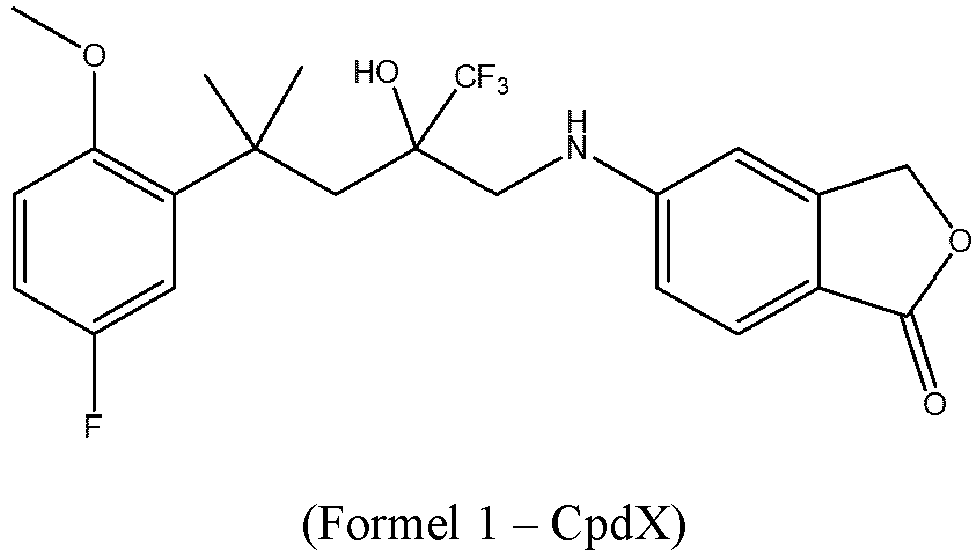 oder ein pharmazeutisch akzeptables Salz und/oder Solvat davon,zur Verwendung in der Vorbeugung oder Behandlung einer entzündlichen Störung bei einem Subjekt, das dessen bedarf,wobei die entzündliche Störung ausgewählt ist aus der Gruppe bestehend aus atopischer Dermatitis, Kontaktdermatitis, allergischem Asthma, Psoriasis, allergischer Konjunktivitis, rheumatoider Arthritis, Sonnendermatitis, Ekzem, Urtikaria, Vitiligo, Erythema nodosum, Erythema multiforme, Dermatomyositis, Sklerodermie, Angioödem, Lichen planus, kutaner nekrotisierender Venulitis, Hautentzündung durch Insektenstich, allergischer Sinusitis, allergischer Rhinitis, Heuschnupfen, Rhinokonjunktivitis, entzündlicher Darmerkrankungen ("IBD"), Morbus Crohn, Colitis, und Colitis ulcerosa; undwobei das Enantiomer des SEGRAMs der ersten Elutionsspitze einer superkritischen Fluidchromatographie (SFC) eines racemischen Gemisches des SEGRAMs der Formel 1 in seiner deuterierten Form mit Formel 2 [CpdX-D3(eA)] entspricht:
- Zusammensetzung zur Verwendung nach Anspruch 1 oder 2, wobei das Enantiomer des SEGRAMs weder eine direkte Transaktivierungsfunktion noch eine direkte Transrepressionsfunktion des Glucocorticoid-Rezeptors induziert bzw. im Wesentlichen keine solche induziert, sondern selektiv die indirekte gebundene ("tethered") Transrepressionsfunktion des Glucocorticoid-Rezeptors induziert.
- Zusammensetzung zur Verwendung nach einem der Ansprüche 1 bis 3, wobei das Enantiomer des SEGRAMs bei Verabreichung an ein Subjekt, das dessen bedarf, keine mit steroidalen entzündungshemmenden Medikamenten ("SAIDs") assoziierten Nebenwirkungen induziert bzw. im Wesentlichen keine solchen induziert.
- Zusammensetzung zur Verwendung nach Anspruch 4, wobei mit SAIDs assoziierte Nebenwirkungen ausgewählt sind aus der Gruppe umfassend Hautatrophie; Osteoporose; Wachstumsunterdrückung; Verlust an Körpergewicht; Zunahme an Fettmasse; Verlust an magerer Masse; Apoptose der Thymusdrüse, Milz, Nieren und/oder Nebennieren; Hemmung der Corticosteron-Synthese; Nebennierenunterdrückung; Hyperglykämie; Insulinresistenz; Hyperinsulinämie; metabolischem Syndrom; Diabetes Typ 2; und Fettleber.
- Zusammensetzung zur Verwendung nach Anspruch 1, wobei die entzündliche Störung ausgewählt ist aus der Gruppe bestehend aus atopischer Dermatitis, Kontaktdermatitis, Psoriasis, allergischer Konjunktivitis, und Colitis ulcerosa.
- Zusammensetzung zur Verwendung nach Anspruch 2, wobei die entzündliche Störung ausgewählt ist aus der Gruppe bestehend aus atopischer Dermatitis, Kontaktdermatitis, allergischem Asthma, Psoriasis, allergischer Konjunktivitis, rheumatoider Arthritis, und Colitis ulcerosa.
Applications Claiming Priority (3)
| Application Number | Priority Date | Filing Date | Title |
|---|---|---|---|
| US201762578036P | 2017-10-27 | 2017-10-27 | |
| EP18305612.6A EP3569228A1 (de) | 2018-05-17 | 2018-05-17 | Nichtsteroidale selektive glucocorticoid-rezeptor-agonistische modulatoren (segramme) und verwendungen davon |
| PCT/EP2018/079049 WO2019081517A2 (en) | 2017-10-27 | 2018-10-23 | NON-STEROIDIC GLUCOCORTICOIC RECEPTOR (SEGRAM) RECEPTOR AGONIST MODULATORS AND USES THEREOF |
Publications (2)
| Publication Number | Publication Date |
|---|---|
| EP3700513A2 EP3700513A2 (de) | 2020-09-02 |
| EP3700513B1 true EP3700513B1 (de) | 2022-08-24 |
Family
ID=62386318
Family Applications (2)
| Application Number | Title | Priority Date | Filing Date |
|---|---|---|---|
| EP18305612.6A Withdrawn EP3569228A1 (de) | 2017-10-27 | 2018-05-17 | Nichtsteroidale selektive glucocorticoid-rezeptor-agonistische modulatoren (segramme) und verwendungen davon |
| EP18786823.7A Active EP3700513B1 (de) | 2017-10-27 | 2018-10-23 | Nichtsteroidale selektive glucocorticoid-rezeptor-agonistische modulatoren (segrams) und verwendungen davon |
Family Applications Before (1)
| Application Number | Title | Priority Date | Filing Date |
|---|---|---|---|
| EP18305612.6A Withdrawn EP3569228A1 (de) | 2017-10-27 | 2018-05-17 | Nichtsteroidale selektive glucocorticoid-rezeptor-agonistische modulatoren (segramme) und verwendungen davon |
Country Status (9)
| Country | Link |
|---|---|
| US (1) | US11179363B2 (de) |
| EP (2) | EP3569228A1 (de) |
| JP (1) | JP2021509411A (de) |
| KR (1) | KR20200085782A (de) |
| CN (1) | CN111511359A (de) |
| AU (1) | AU2018355698A1 (de) |
| BR (1) | BR112020008350A2 (de) |
| MA (1) | MA50443A (de) |
| PT (1) | PT3700513T (de) |
Families Citing this family (1)
| Publication number | Priority date | Publication date | Assignee | Title |
|---|---|---|---|---|
| US12150922B1 (en) | 2023-12-08 | 2024-11-26 | King Faisal University | Methods of inhibiting cyclooxygenase (COX) using tolterodine |
Family Cites Families (9)
| Publication number | Priority date | Publication date | Assignee | Title |
|---|---|---|---|---|
| US5262165A (en) | 1992-02-04 | 1993-11-16 | Schering Corporation | Transdermal nitroglycerin patch with penetration enhancers |
| US6010715A (en) | 1992-04-01 | 2000-01-04 | Bertek, Inc. | Transdermal patch incorporating a polymer film incorporated with an active agent |
| DK0836506T4 (da) | 1995-06-07 | 2012-01-30 | Ortho Mcneil Pharm Inc | Transdermalt plaster til indgivelse af 17-deacetyl norgestimat alene eller i kombination med et østrogen |
| DE19723722A1 (de) * | 1997-05-30 | 1998-12-10 | Schering Ag | Nichtsteroidale Gestagene |
| US6245804B1 (en) | 1997-05-30 | 2001-06-12 | Schering Aktiengesellschaft | Nonsteroidal gestagens |
| US5948433A (en) | 1997-08-21 | 1999-09-07 | Bertek, Inc. | Transdermal patch |
| DE19856475A1 (de) | 1998-11-27 | 2000-05-31 | Schering Ag | Nichtsteroidale Entzündungshemmer |
| DE10038639A1 (de) * | 2000-07-28 | 2002-02-21 | Schering Ag | Nichtsteroidale Entzündungshemmer |
| DK3700513T3 (da) * | 2017-10-27 | 2022-11-28 | Association Pour La Rech A Ligbmc Ari | Ikke-steroide selektive glucocorticoidreceptor-agonistiske modulatorer (segram) og anvendelser deraf |
-
2018
- 2018-05-17 EP EP18305612.6A patent/EP3569228A1/de not_active Withdrawn
- 2018-10-23 EP EP18786823.7A patent/EP3700513B1/de active Active
- 2018-10-23 CN CN201880082668.1A patent/CN111511359A/zh active Pending
- 2018-10-23 US US16/759,014 patent/US11179363B2/en active Active
- 2018-10-23 MA MA050443A patent/MA50443A/fr unknown
- 2018-10-23 BR BR112020008350-0A patent/BR112020008350A2/pt not_active Application Discontinuation
- 2018-10-23 JP JP2020543706A patent/JP2021509411A/ja active Pending
- 2018-10-23 AU AU2018355698A patent/AU2018355698A1/en not_active Abandoned
- 2018-10-23 KR KR1020207014598A patent/KR20200085782A/ko not_active Ceased
- 2018-10-23 PT PT187868237T patent/PT3700513T/pt unknown
Non-Patent Citations (1)
| Title |
|---|
| GUOQIANG HUA ET AL: "Glucocorticoid receptor modulators CpdX and CpdX-D3 exhibit the same in vivo antiinflammatory activities as synthetic glucocorticoids", PROCEEDINGS OF THE NATIONAL ACADEMY OF SCIENCES, vol. 116, no. 28, 21 June 2019 (2019-06-21), pages 14191 - 14199, ISSN: 0027-8424, DOI: 10.1073/pnas.1908258116 * |
Also Published As
| Publication number | Publication date |
|---|---|
| JP2021509411A (ja) | 2021-03-25 |
| EP3700513A2 (de) | 2020-09-02 |
| EP3569228A1 (de) | 2019-11-20 |
| PT3700513T (pt) | 2022-11-30 |
| US20210177798A1 (en) | 2021-06-17 |
| AU2018355698A1 (en) | 2020-05-14 |
| KR20200085782A (ko) | 2020-07-15 |
| BR112020008350A2 (pt) | 2020-11-03 |
| US11179363B2 (en) | 2021-11-23 |
| CN111511359A (zh) | 2020-08-07 |
| MA50443A (fr) | 2020-09-02 |
Similar Documents
| Publication | Publication Date | Title |
|---|---|---|
| RU2502519C2 (ru) | Терапевтическое средство для лечения ринита | |
| JP6837486B2 (ja) | 加齢に関連する認知障害及び神経炎症を予防及び/又は治療する方法 | |
| JP2017512757A (ja) | 経口投与するためのペントサンポリ硫酸塩の組成物および使用の方法 | |
| AU2019257632A1 (en) | Use of neutrophil elastase inhibitors in liver disease | |
| EP2968475A2 (de) | Acth zur behandlung des akuten atemstresssyndroms | |
| CN116265017A (zh) | 一种包含本维莫德和皮质类固醇的药物组合物 | |
| US20240398764A1 (en) | Methods of treating diseases associated with senescent cell accumulation | |
| JP2021510159A (ja) | セルドゥラチニブ含有局所皮膚医薬組成物およびその使用 | |
| EP3700513B1 (de) | Nichtsteroidale selektive glucocorticoid-rezeptor-agonistische modulatoren (segrams) und verwendungen davon | |
| US20190151283A1 (en) | NON-STEROIDAL SELECTIVE GLUCOCORTICOID RECEPTOR AGONISTIC MODULATORS (SEGRAMs) AND USES THEREOF | |
| JP2024542045A (ja) | 汎bet阻害剤の使用 | |
| KR101656324B1 (ko) | 키닌 b2 수용체 길항제 및 코르티코스테로이드에 기반한 약학적 조성물 및 그의 용도 | |
| EP3675814A1 (de) | Zusammensetzung zur topischen behandlung von nicht-mikroorganismus-verursachten entzündlichen haut- und schleimhauterkrankungen | |
| CN116019762B (zh) | 一种用于治疗银屑病的药物组合物、制备方法和用途 | |
| CN117018202A (zh) | 趋化因子受体ccr6抑制剂在预防银屑病复发中的新应用 | |
| US20210121431A1 (en) | Novel compositions and methods for treating cutaneous ulcers and non-healing cutaneous wounds using nitric oxide-donating prostaglandin f-2 -alpha analogs | |
| Zein | “CpdX”, a non-steroidal Selective Glucocorticoid Receptor Agonistic Modulator (SEGRAM) selectively triggers the beneficial anti-inflammatory activity of glucocorticoids, but not their long-term debilitating effects | |
| JP2022067848A (ja) | 経鼻投与用医薬組成物 | |
| CN117157080A (zh) | 用于治疗皮肤病的含维生素d类似物的jak抑制剂 | |
| CN119925316A (zh) | 苯酚衍生物的溶液型药物组合物及其制剂和用途 | |
| WO2021007330A1 (en) | Cerdulatinib-containing topical skin pharmaceutical compositions and uses thereof | |
| US20130123365A1 (en) | Use of fts and analogs to treat non-autoimmune-allergic and non-allergic inflammatory conditions | |
| KR20170050540A (ko) | 메트포민을 유효성분으로 포함하는 피부질환 예방 또는 치료용 약학적 조성물 |
Legal Events
| Date | Code | Title | Description |
|---|---|---|---|
| STAA | Information on the status of an ep patent application or granted ep patent |
Free format text: STATUS: UNKNOWN |
|
| STAA | Information on the status of an ep patent application or granted ep patent |
Free format text: STATUS: THE INTERNATIONAL PUBLICATION HAS BEEN MADE |
|
| PUAI | Public reference made under article 153(3) epc to a published international application that has entered the european phase |
Free format text: ORIGINAL CODE: 0009012 |
|
| STAA | Information on the status of an ep patent application or granted ep patent |
Free format text: STATUS: REQUEST FOR EXAMINATION WAS MADE |
|
| 17P | Request for examination filed |
Effective date: 20200527 |
|
| AK | Designated contracting states |
Kind code of ref document: A2 Designated state(s): AL AT BE BG CH CY CZ DE DK EE ES FI FR GB GR HR HU IE IS IT LI LT LU LV MC MK MT NL NO PL PT RO RS SE SI SK SM TR |
|
| AX | Request for extension of the european patent |
Extension state: BA ME |
|
| STAA | Information on the status of an ep patent application or granted ep patent |
Free format text: STATUS: EXAMINATION IS IN PROGRESS |
|
| 17Q | First examination report despatched |
Effective date: 20201210 |
|
| REG | Reference to a national code |
Ref country code: HK Ref legal event code: DE Ref document number: 40034699 Country of ref document: HK |
|
| GRAP | Despatch of communication of intention to grant a patent |
Free format text: ORIGINAL CODE: EPIDOSNIGR1 |
|
| STAA | Information on the status of an ep patent application or granted ep patent |
Free format text: STATUS: GRANT OF PATENT IS INTENDED |
|
| RIC1 | Information provided on ipc code assigned before grant |
Ipc: C07D 201/00 20060101ALI20220302BHEP Ipc: C07D 307/88 20060101ALI20220302BHEP Ipc: A61P 1/00 20060101ALI20220302BHEP Ipc: A61P 17/06 20060101ALI20220302BHEP Ipc: A61P 29/00 20060101ALI20220302BHEP Ipc: A61P 17/00 20060101ALI20220302BHEP Ipc: A61P 11/06 20060101ALI20220302BHEP Ipc: A61K 31/343 20060101ALI20220302BHEP Ipc: A61K 31/381 20060101ALI20220302BHEP Ipc: A61K 31/365 20060101ALI20220302BHEP Ipc: A61K 31/137 20060101AFI20220302BHEP |
|
| INTG | Intention to grant announced |
Effective date: 20220325 |
|
| RAP3 | Party data changed (applicant data changed or rights of an application transferred) |
Owner name: ASSOCIATION POUR LA RECHERCHE A L'IGBMC (ARI) |
|
| GRAS | Grant fee paid |
Free format text: ORIGINAL CODE: EPIDOSNIGR3 |
|
| GRAA | (expected) grant |
Free format text: ORIGINAL CODE: 0009210 |
|
| STAA | Information on the status of an ep patent application or granted ep patent |
Free format text: STATUS: THE PATENT HAS BEEN GRANTED |
|
| AK | Designated contracting states |
Kind code of ref document: B1 Designated state(s): AL AT BE BG CH CY CZ DE DK EE ES FI FR GB GR HR HU IE IS IT LI LT LU LV MC MK MT NL NO PL PT RO RS SE SI SK SM TR |
|
| REG | Reference to a national code |
Ref country code: CH Ref legal event code: EP |
|
| REG | Reference to a national code |
Ref country code: DE Ref legal event code: R096 Ref document number: 602018039770 Country of ref document: DE |
|
| REG | Reference to a national code |
Ref country code: IE Ref legal event code: FG4D |
|
| REG | Reference to a national code |
Ref country code: AT Ref legal event code: REF Ref document number: 1513183 Country of ref document: AT Kind code of ref document: T Effective date: 20220915 |
|
| REG | Reference to a national code |
Ref country code: DK Ref legal event code: T3 Effective date: 20221125 |
|
| REG | Reference to a national code |
Ref country code: PT Ref legal event code: SC4A Ref document number: 3700513 Country of ref document: PT Date of ref document: 20221130 Kind code of ref document: T Free format text: AVAILABILITY OF NATIONAL TRANSLATION Effective date: 20221124 |
|
| REG | Reference to a national code |
Ref country code: NL Ref legal event code: FP |
|
| REG | Reference to a national code |
Ref country code: LT Ref legal event code: MG9D |
|
| REG | Reference to a national code |
Ref country code: SE Ref legal event code: TRGR |
|
| REG | Reference to a national code |
Ref country code: NO Ref legal event code: T2 Effective date: 20220824 |
|
| REG | Reference to a national code |
Ref country code: ES Ref legal event code: FG2A Ref document number: 2932076 Country of ref document: ES Kind code of ref document: T3 Effective date: 20230111 |
|
| PG25 | Lapsed in a contracting state [announced via postgrant information from national office to epo] |
Ref country code: RS Free format text: LAPSE BECAUSE OF FAILURE TO SUBMIT A TRANSLATION OF THE DESCRIPTION OR TO PAY THE FEE WITHIN THE PRESCRIBED TIME-LIMIT Effective date: 20220824 Ref country code: LV Free format text: LAPSE BECAUSE OF FAILURE TO SUBMIT A TRANSLATION OF THE DESCRIPTION OR TO PAY THE FEE WITHIN THE PRESCRIBED TIME-LIMIT Effective date: 20220824 Ref country code: LT Free format text: LAPSE BECAUSE OF FAILURE TO SUBMIT A TRANSLATION OF THE DESCRIPTION OR TO PAY THE FEE WITHIN THE PRESCRIBED TIME-LIMIT Effective date: 20220824 |
|
| PG25 | Lapsed in a contracting state [announced via postgrant information from national office to epo] |
Ref country code: IS Free format text: LAPSE BECAUSE OF FAILURE TO SUBMIT A TRANSLATION OF THE DESCRIPTION OR TO PAY THE FEE WITHIN THE PRESCRIBED TIME-LIMIT Effective date: 20221224 Ref country code: HR Free format text: LAPSE BECAUSE OF FAILURE TO SUBMIT A TRANSLATION OF THE DESCRIPTION OR TO PAY THE FEE WITHIN THE PRESCRIBED TIME-LIMIT Effective date: 20220824 Ref country code: GR Free format text: LAPSE BECAUSE OF FAILURE TO SUBMIT A TRANSLATION OF THE DESCRIPTION OR TO PAY THE FEE WITHIN THE PRESCRIBED TIME-LIMIT Effective date: 20221125 |
|
| PG25 | Lapsed in a contracting state [announced via postgrant information from national office to epo] |
Ref country code: SM Free format text: LAPSE BECAUSE OF FAILURE TO SUBMIT A TRANSLATION OF THE DESCRIPTION OR TO PAY THE FEE WITHIN THE PRESCRIBED TIME-LIMIT Effective date: 20220824 Ref country code: RO Free format text: LAPSE BECAUSE OF FAILURE TO SUBMIT A TRANSLATION OF THE DESCRIPTION OR TO PAY THE FEE WITHIN THE PRESCRIBED TIME-LIMIT Effective date: 20220824 Ref country code: CZ Free format text: LAPSE BECAUSE OF FAILURE TO SUBMIT A TRANSLATION OF THE DESCRIPTION OR TO PAY THE FEE WITHIN THE PRESCRIBED TIME-LIMIT Effective date: 20220824 |
|
| VS25 | Lapsed in a validation state [announced via postgrant information from nat. office to epo] |
Ref country code: MD Free format text: LAPSE BECAUSE OF FAILURE TO SUBMIT A TRANSLATION OF THE DESCRIPTION OR TO PAY THE FEE WITHIN THE PRESCRIBED TIME-LIMIT Effective date: 20220824 |
|
| REG | Reference to a national code |
Ref country code: DE Ref legal event code: R097 Ref document number: 602018039770 Country of ref document: DE |
|
| PG25 | Lapsed in a contracting state [announced via postgrant information from national office to epo] |
Ref country code: SK Free format text: LAPSE BECAUSE OF FAILURE TO SUBMIT A TRANSLATION OF THE DESCRIPTION OR TO PAY THE FEE WITHIN THE PRESCRIBED TIME-LIMIT Effective date: 20220824 Ref country code: MC Free format text: LAPSE BECAUSE OF FAILURE TO SUBMIT A TRANSLATION OF THE DESCRIPTION OR TO PAY THE FEE WITHIN THE PRESCRIBED TIME-LIMIT Effective date: 20220824 Ref country code: EE Free format text: LAPSE BECAUSE OF FAILURE TO SUBMIT A TRANSLATION OF THE DESCRIPTION OR TO PAY THE FEE WITHIN THE PRESCRIBED TIME-LIMIT Effective date: 20220824 |
|
| P01 | Opt-out of the competence of the unified patent court (upc) registered |
Effective date: 20230523 |
|
| PG25 | Lapsed in a contracting state [announced via postgrant information from national office to epo] |
Ref country code: AL Free format text: LAPSE BECAUSE OF FAILURE TO SUBMIT A TRANSLATION OF THE DESCRIPTION OR TO PAY THE FEE WITHIN THE PRESCRIBED TIME-LIMIT Effective date: 20220824 |
|
| PLBE | No opposition filed within time limit |
Free format text: ORIGINAL CODE: 0009261 |
|
| STAA | Information on the status of an ep patent application or granted ep patent |
Free format text: STATUS: NO OPPOSITION FILED WITHIN TIME LIMIT |
|
| 26N | No opposition filed |
Effective date: 20230525 |
|
| PG25 | Lapsed in a contracting state [announced via postgrant information from national office to epo] |
Ref country code: SI Free format text: LAPSE BECAUSE OF FAILURE TO SUBMIT A TRANSLATION OF THE DESCRIPTION OR TO PAY THE FEE WITHIN THE PRESCRIBED TIME-LIMIT Effective date: 20220824 |
|
| PGFP | Annual fee paid to national office [announced via postgrant information from national office to epo] |
Ref country code: PL Payment date: 20230920 Year of fee payment: 6 |
|
| PGFP | Annual fee paid to national office [announced via postgrant information from national office to epo] |
Ref country code: LU Payment date: 20231019 Year of fee payment: 6 |
|
| PGFP | Annual fee paid to national office [announced via postgrant information from national office to epo] |
Ref country code: PT Payment date: 20231012 Year of fee payment: 6 Ref country code: NO Payment date: 20231025 Year of fee payment: 6 Ref country code: IE Payment date: 20231023 Year of fee payment: 6 Ref country code: FI Payment date: 20231020 Year of fee payment: 6 Ref country code: DK Payment date: 20231024 Year of fee payment: 6 Ref country code: AT Payment date: 20231020 Year of fee payment: 6 |
|
| PGFP | Annual fee paid to national office [announced via postgrant information from national office to epo] |
Ref country code: BE Payment date: 20231019 Year of fee payment: 6 |
|
| PG25 | Lapsed in a contracting state [announced via postgrant information from national office to epo] |
Ref country code: CY Free format text: LAPSE BECAUSE OF FAILURE TO SUBMIT A TRANSLATION OF THE DESCRIPTION OR TO PAY THE FEE WITHIN THE PRESCRIBED TIME-LIMIT Effective date: 20220824 |
|
| PG25 | Lapsed in a contracting state [announced via postgrant information from national office to epo] |
Ref country code: MK Free format text: LAPSE BECAUSE OF FAILURE TO SUBMIT A TRANSLATION OF THE DESCRIPTION OR TO PAY THE FEE WITHIN THE PRESCRIBED TIME-LIMIT Effective date: 20220824 Ref country code: HU Free format text: LAPSE BECAUSE OF FAILURE TO SUBMIT A TRANSLATION OF THE DESCRIPTION OR TO PAY THE FEE WITHIN THE PRESCRIBED TIME-LIMIT; INVALID AB INITIO Effective date: 20181023 |
|
| PG25 | Lapsed in a contracting state [announced via postgrant information from national office to epo] |
Ref country code: BG Free format text: LAPSE BECAUSE OF FAILURE TO SUBMIT A TRANSLATION OF THE DESCRIPTION OR TO PAY THE FEE WITHIN THE PRESCRIBED TIME-LIMIT Effective date: 20220824 |
|
| PG25 | Lapsed in a contracting state [announced via postgrant information from national office to epo] |
Ref country code: MT Free format text: LAPSE BECAUSE OF FAILURE TO SUBMIT A TRANSLATION OF THE DESCRIPTION OR TO PAY THE FEE WITHIN THE PRESCRIBED TIME-LIMIT Effective date: 20220824 |
|
| PGFP | Annual fee paid to national office [announced via postgrant information from national office to epo] |
Ref country code: DE Payment date: 20241021 Year of fee payment: 7 |
|
| PGFP | Annual fee paid to national office [announced via postgrant information from national office to epo] |
Ref country code: GB Payment date: 20241025 Year of fee payment: 7 |
|
| PGFP | Annual fee paid to national office [announced via postgrant information from national office to epo] |
Ref country code: FR Payment date: 20241030 Year of fee payment: 7 |
|
| PGFP | Annual fee paid to national office [announced via postgrant information from national office to epo] |
Ref country code: IT Payment date: 20241025 Year of fee payment: 7 Ref country code: ES Payment date: 20241127 Year of fee payment: 7 |
|
| PGFP | Annual fee paid to national office [announced via postgrant information from national office to epo] |
Ref country code: SE Payment date: 20241021 Year of fee payment: 7 |
|
| PGFP | Annual fee paid to national office [announced via postgrant information from national office to epo] |
Ref country code: CH Payment date: 20241101 Year of fee payment: 7 |
|
| REG | Reference to a national code |
Ref country code: DK Ref legal event code: EBP Effective date: 20241031 |
|
| REG | Reference to a national code |
Ref country code: AT Ref legal event code: MM01 Ref document number: 1513183 Country of ref document: AT Kind code of ref document: T Effective date: 20241023 |
|
| PG25 | Lapsed in a contracting state [announced via postgrant information from national office to epo] |
Ref country code: FI Free format text: LAPSE BECAUSE OF NON-PAYMENT OF DUE FEES Effective date: 20241023 |
|
| PG25 | Lapsed in a contracting state [announced via postgrant information from national office to epo] |
Ref country code: NO Free format text: LAPSE BECAUSE OF NON-PAYMENT OF DUE FEES Effective date: 20241031 |
|
| PG25 | Lapsed in a contracting state [announced via postgrant information from national office to epo] |
Ref country code: LU Free format text: LAPSE BECAUSE OF NON-PAYMENT OF DUE FEES Effective date: 20241023 Ref country code: BE Free format text: LAPSE BECAUSE OF NON-PAYMENT OF DUE FEES Effective date: 20241031 |
|
| PG25 | Lapsed in a contracting state [announced via postgrant information from national office to epo] |
Ref country code: PT Free format text: LAPSE BECAUSE OF NON-PAYMENT OF DUE FEES Effective date: 20250423 |
|
| PG25 | Lapsed in a contracting state [announced via postgrant information from national office to epo] |
Ref country code: AT Free format text: LAPSE BECAUSE OF NON-PAYMENT OF DUE FEES Effective date: 20241023 |
|
| REG | Reference to a national code |
Ref country code: BE Ref legal event code: MM Effective date: 20241031 |
|
| REG | Reference to a national code |
Ref country code: AT Ref legal event code: UEP Ref document number: 1513183 Country of ref document: AT Kind code of ref document: T Effective date: 20220824 |
|
| PG25 | Lapsed in a contracting state [announced via postgrant information from national office to epo] |
Ref country code: DK Free format text: LAPSE BECAUSE OF NON-PAYMENT OF DUE FEES Effective date: 20241031 |
|
| PG25 | Lapsed in a contracting state [announced via postgrant information from national office to epo] |
Ref country code: IE Free format text: LAPSE BECAUSE OF NON-PAYMENT OF DUE FEES Effective date: 20241023 |
|
| VS25 | Lapsed in a validation state [announced via postgrant information from nat. office to epo] |
Ref country code: MA Free format text: FAILURE TO ELECT DOMICILE IN THE NATIONAL COUNTRY Effective date: 20221125 |
|
| REG | Reference to a national code |
Ref country code: CH Ref legal event code: U11 Free format text: ST27 STATUS EVENT CODE: U-0-0-U10-U11 (AS PROVIDED BY THE NATIONAL OFFICE) Effective date: 20251101 |
|
| PGFP | Annual fee paid to national office [announced via postgrant information from national office to epo] |
Ref country code: NL Payment date: 20251021 Year of fee payment: 8 |
|
| PG25 | Lapsed in a contracting state [announced via postgrant information from national office to epo] |
Ref country code: TR Free format text: LAPSE BECAUSE OF FAILURE TO SUBMIT A TRANSLATION OF THE DESCRIPTION OR TO PAY THE FEE WITHIN THE PRESCRIBED TIME-LIMIT Effective date: 20220824 |