EP3639818B1 - Glukoseverbrauchspromotor und glykolysepromotor - Google Patents
Glukoseverbrauchspromotor und glykolysepromotor Download PDFInfo
- Publication number
- EP3639818B1 EP3639818B1 EP19801189.2A EP19801189A EP3639818B1 EP 3639818 B1 EP3639818 B1 EP 3639818B1 EP 19801189 A EP19801189 A EP 19801189A EP 3639818 B1 EP3639818 B1 EP 3639818B1
- Authority
- EP
- European Patent Office
- Prior art keywords
- glucose consumption
- glucose
- amino
- drug
- concentration
- Prior art date
- Legal status (The legal status is an assumption and is not a legal conclusion. Google has not performed a legal analysis and makes no representation as to the accuracy of the status listed.)
- Active
Links
Images


Classifications
-
- A—HUMAN NECESSITIES
- A61—MEDICAL OR VETERINARY SCIENCE; HYGIENE
- A61P—SPECIFIC THERAPEUTIC ACTIVITY OF CHEMICAL COMPOUNDS OR MEDICINAL PREPARATIONS
- A61P3/00—Drugs for disorders of the metabolism
- A61P3/08—Drugs for disorders of the metabolism for glucose homeostasis
-
- A—HUMAN NECESSITIES
- A61—MEDICAL OR VETERINARY SCIENCE; HYGIENE
- A61K—PREPARATIONS FOR MEDICAL, DENTAL OR TOILETRY PURPOSES
- A61K31/00—Medicinal preparations containing organic active ingredients
- A61K31/13—Amines
- A61K31/133—Amines having hydroxy groups, e.g. sphingosine
-
- A—HUMAN NECESSITIES
- A61—MEDICAL OR VETERINARY SCIENCE; HYGIENE
- A61K—PREPARATIONS FOR MEDICAL, DENTAL OR TOILETRY PURPOSES
- A61K31/00—Medicinal preparations containing organic active ingredients
- A61K31/13—Amines
-
- A—HUMAN NECESSITIES
- A61—MEDICAL OR VETERINARY SCIENCE; HYGIENE
- A61K—PREPARATIONS FOR MEDICAL, DENTAL OR TOILETRY PURPOSES
- A61K31/00—Medicinal preparations containing organic active ingredients
- A61K31/13—Amines
- A61K31/131—Amines acyclic
-
- A—HUMAN NECESSITIES
- A61—MEDICAL OR VETERINARY SCIENCE; HYGIENE
- A61K—PREPARATIONS FOR MEDICAL, DENTAL OR TOILETRY PURPOSES
- A61K31/00—Medicinal preparations containing organic active ingredients
- A61K31/13—Amines
- A61K31/135—Amines having aromatic rings, e.g. ketamine, nortriptyline
- A61K31/136—Amines having aromatic rings, e.g. ketamine, nortriptyline having the amino group directly attached to the aromatic ring, e.g. benzeneamine
-
- A—HUMAN NECESSITIES
- A61—MEDICAL OR VETERINARY SCIENCE; HYGIENE
- A61K—PREPARATIONS FOR MEDICAL, DENTAL OR TOILETRY PURPOSES
- A61K31/00—Medicinal preparations containing organic active ingredients
- A61K31/13—Amines
- A61K31/135—Amines having aromatic rings, e.g. ketamine, nortriptyline
- A61K31/137—Arylalkylamines, e.g. amphetamine, epinephrine, salbutamol, ephedrine or methadone
-
- A—HUMAN NECESSITIES
- A61—MEDICAL OR VETERINARY SCIENCE; HYGIENE
- A61K—PREPARATIONS FOR MEDICAL, DENTAL OR TOILETRY PURPOSES
- A61K31/00—Medicinal preparations containing organic active ingredients
- A61K31/33—Heterocyclic compounds
- A61K31/395—Heterocyclic compounds having nitrogen as a ring hetero atom, e.g. guanethidine or rifamycins
- A61K31/535—Heterocyclic compounds having nitrogen as a ring hetero atom, e.g. guanethidine or rifamycins having six-membered rings with at least one nitrogen and one oxygen as the ring hetero atoms, e.g. 1,2-oxazines
-
- A—HUMAN NECESSITIES
- A61—MEDICAL OR VETERINARY SCIENCE; HYGIENE
- A61K—PREPARATIONS FOR MEDICAL, DENTAL OR TOILETRY PURPOSES
- A61K31/00—Medicinal preparations containing organic active ingredients
- A61K31/33—Heterocyclic compounds
- A61K31/395—Heterocyclic compounds having nitrogen as a ring hetero atom, e.g. guanethidine or rifamycins
- A61K31/535—Heterocyclic compounds having nitrogen as a ring hetero atom, e.g. guanethidine or rifamycins having six-membered rings with at least one nitrogen and one oxygen as the ring hetero atoms, e.g. 1,2-oxazines
- A61K31/5375—1,4-Oxazines, e.g. morpholine
-
- A—HUMAN NECESSITIES
- A61—MEDICAL OR VETERINARY SCIENCE; HYGIENE
- A61K—PREPARATIONS FOR MEDICAL, DENTAL OR TOILETRY PURPOSES
- A61K9/00—Medicinal preparations characterised by special physical form
- A61K9/0012—Galenical forms characterised by the site of application
- A61K9/0053—Mouth and digestive tract, i.e. intraoral and peroral administration
-
- A—HUMAN NECESSITIES
- A61—MEDICAL OR VETERINARY SCIENCE; HYGIENE
- A61P—SPECIFIC THERAPEUTIC ACTIVITY OF CHEMICAL COMPOUNDS OR MEDICINAL PREPARATIONS
- A61P3/00—Drugs for disorders of the metabolism
- A61P3/08—Drugs for disorders of the metabolism for glucose homeostasis
- A61P3/10—Drugs for disorders of the metabolism for glucose homeostasis for hyperglycaemia, e.g. antidiabetics
Definitions
- the present invention relates to a glucose consumption accelerator for use in the treatment or prevention of a disease caused by glucose concentration in vivo, specifically diabetes.
- Diabetes is a disease in which insulin does not work adequately, so that the glucose concentration (blood glucose level) in the blood continues to be high. It is known that long-term diabetes causes vascular damage due to high concentration of glucose, resulting in complications such as heart disease, blindness, renal failure, and amputation of the foot.
- Patent Literature 2 describes salts of Aramchol, including ethanolamine and diethanolamine salts.
- the salts are said to have improved physicochemical properties compared to Aramchol free acid and to be useful in the treatment of a disease or disorder associated with altered glucose metabolism.
- the present invention provides:
- the present invention also provides a pharmaceutical composition for use in treatment of diabetes, including: the glucose consumption accelerator as defined herein.
- a new drug that can accelerate the glucose consumption can be provided.
- the glucose consumption accelerator includes, for example, at least one selected from the group consisting of 2-amino-1-cyclohexylethanol, 1-amino-2-propanol, 1,3-bis[tris(hydroxymethyl)methylamino]propane, N-cyclohexylethanolamine, dipropylamine, morpholine, propylamine, triethanolamine, triethylamine, and trishydroxymethylaminomethane as a main component.
- the glucose consumption accelerator of the present disclosure further include, for example, an oral additive.
- the glucose consumption accelerator is characterized in that it contains at least one selected from the group consisting of 2-amino-1-cyclohexylethanol, 1-amino-2-propanol, 1,3-bis[tris(hydroxymethyl)methylamino]propane, N-cyclohexylethanolamine, dipropylamine, morpholine, propylamine, triethanolamine, triethylamine, and trishydroxymethylaminomethane (hereinafter also referred to as "drugs of the present disclosure").
- other constitution and conditions are not particularly limited.
- diethanolamine and diethylamine are also drugs of the present disclosure; the present invention further includes a compound selected from the group consisting of diethanolamine and diethylamine, for use in the treatment or prevention of diabetes.
- the inventors of the present invention have found that these drugs accelerate glucose consumption and glycolysis, although the mechanism is unknown, thereby made the present invention.
- the "glucose consumption” may be, for example, acceleration of a decrease in the glucose concentration or suppression of an increase in the glucose concentration.
- the “glucose consumption” may be measured, for example, by the method described in the examples below.
- the “glucose consumption” may be, for example, consumption of glucose by cells.
- the “glucose consumption” can also be referred to as, for example, "uptake of glucose into cells”.
- the glucose consumption accelerator of the present disclosure can also be referred to as, for example, an uptake accelerator of glucose into cells. It is known that glucose is taken up, for example, via a glucose transporter present in a cell membrane.
- the glucose consumption accelerator of the present disclosure can also be referred to as, for example, an activator of a signaling cascade via a glucose transporter.
- the present invention is not limited thereto.
- the "glycolysis" is, for example, a metabolic system starting from glucose.
- a metabolite of the glycolysis can be, for example, a lactate. Therefore, for example, as described below, by measuring the concentration of the lactate, the acceleration of the glycolysis can be examined.
- the glycolysis is also referred to as an anaerobic glycolysis, for example.
- the glucose consumption accelerator of the present disclosure can be used as pharmaceutical compositions for use in the treatment of a disease caused by glucose concentration in vivo.
- the disease in the present invention is diabetes.
- treatment includes, for example, the meaning of prevention of the disease, the amelioration of the disease, and the amelioration of the prognosis of the disease, and may be any of them.
- glucose consumption accelerator of the present disclosure for example, it is possible to accelerate the consumption of glucose and accelerate the glycolysis without suppressing the metabolism of lactate produced by the consumption of glucose.
- the glucose consumption accelerator of the present disclosure may contain, for example, only one type of the drugs of the present disclosure or two or more types of them in combination as an active ingredient(s), and the number of types of the drugs to be contained is not particularly limited.
- the glucose consumption accelerator of the present disclosure includes the drug of the present disclosure, for example, as a main ingredient.
- the glucose consumption accelerator of the present disclosure may be used, for example, in vivo or in vitro.
- the glucose consumption accelerator of the present disclosure can be used, for example, as a research reagent or, as described above and claimed, can be for use as a pharmaceutical.
- the subject to be administered is not particularly limited.
- the subject to be administered is not particularly limited, and is, for example, a human or a non-human animal excluding a human.
- the non-human mammals include non-human animals such as mice, rats, rabbits, dogs, sheep, horses, cats, goats, monkeys, and guinea pigs.
- examples of the subject to be administered include cells, tissues, and organs.
- the cell may be, for example, cells collected from a living body or cultured cells.
- the cell is not particularly limited and examples thereof include fibroblasts, hepatocytes, and adipocytes.
- the conditions of use of the glucose consumption accelerator of the present disclosure are not particularly limited, and for example, the administration form, administration timing, and dosage can be appropriately determined according to the type or the like of the subject to be administered.
- administration form include oral administration, intraperitoneal administration, and subcutaneous administration.
- the dosage form of the glucose consumption accelerator of the present disclosure is not particularly limited, and can be appropriately determined according to the administration form, for example.
- examples of the dosage form include capsules, extracts, elixirs, granules, pills, suspensions, fine granules, powders, spirits, tablets, syrups, dips and decoctions, tinctures, aromatics, lemonades, and stream extracts.
- the glucose consumption accelerator of the present disclosure may contain, for example, an additive as required.
- the additive is preferably a pharmaceutically acceptable additive.
- the additive include excipients, stabilizers, preservatives, buffers, corrigents, suspending agents, emulsifying agents, flavoring agents, dissolution assists, coloring agents, and viscosifiers.
- the additive may be, for example, an oral additive.
- the oral additive include caries preventive agents, intestinal regulators, and corrigents.
- the blending amount of the additive is not particularly limited, and it is only required not to hinder the function of the glucose consumption accelerator.
- the conditions for administrating the glucose consumption accelerator of the present disclosure are not particularly limited, and, for example, the administration timing, administration period, and dosage can be appropriately determined according to the type, sex, age, site of the subject to be administered, for instance.
- the total dosage per day is, for example, 100 to 5000 mg or 500 to 2500 mg.
- the number of times of administration per day is, for example, 1 to 5 times or 2 to 3 times.
- the pharmaceutical composition for use in the treatment of diabetes according to the present invention is characterized in that it includes the glucose consumption accelerator, as described above.
- the pharmaceutical composition is characterized in that it includes the glucose consumption accelerator, and other constitution and conditions are not particularly limited.
- diabetes can be treated.
- a glucose consumption accelerating method is characterized in that it includes a step of administering the glucose consumption accelerator to a subject to be administered. Such a method is characterized by including the step of administering the glucose consumption accelerator, and other steps and conditions are not particularly limited.
- the glucose consumption accelerator is as described above.
- the conditions for administrating the glucose consumption accelerator are not particularly limited, and, for example, are the same as those described in the description as to the glucose consumption accelerator.
- the drug of the present disclosure is useful for accelerating glucose consumption and glycolysis, and for the treatment of diabetes.
- the present example examined whether the drug has a glucose consumption accelerating effect on fibroblasts.
- 2-amino-1-cyclohexylethanol (Matrix Biochemicals), 2-aminoethanol (Tokyo Chemical Industry Co., Ltd.), 1-amino-2-propanol (Wako Pure Chemical Industries, Ltd.), 2-amino-1-phenylethanol (Tokyo Chemical Industry Co., Ltd.), 1,3-bis[tris(hydroxymethyl)-methylamino]propane (Tokyo Chemical Industry Co., Ltd.), N-cyclohexylethanolamine (Tokyo Chemical Industry Co., Ltd.), diethanolamine (Wako Pure Chemical Industries, Ltd.), diethylamine (Wako Pure Chemical Industries, Ltd.), dipropylamine (Tokyo Chemical Industry Co., Ltd.), HEPES sodium salt (MP Biomedicals), metoprolol tartrate (Tokyo Chemical Industry Co., Ltd.), morpholine (Wako Pure Chemical Co., Ltd.), octopamine (MP Biomedicals), propylamine (Tokyo Chemical Industry
- Rat-derived fibroblasts (Py-3Y1-S2, subculture strain) were then seeded in a 24-well microplate to achieve a density of 2 ⁇ 10 5 cells/ml/well and cultured up to be monolayers.
- DMEM Nesui Pharmaceutical Co., Ltd.
- the samples were added so that each drug had a final concentration of 0.5 mg/ml, and further cultured for 12 to 24 hours.
- the culture was performed in the same manner except that distilled water to which the drug was not added was added to the culture solution instead of the sample.
- the glucose concentration of each of the culture solutions was measured immediately after the start of the culture and after the completion of the culture.
- the glucose concentration was measured using a glucose assay kit (Waco). Then, the glucose concentration after the completion of the culture was divided by the glucose concentration immediately after the start of the culture (5.6 mmol per liter) to calculate the glucose consumption. Further, the glucose consumption in the control was set as a reference value of 100, and the relative value of the glucose consumption in each sample was calculated.
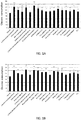
- FIG. 1A is a graph showing the relative values of the glucose consumption of fibroblasts to which the above-described drugs each having a concentration of 0.5 mg/ml were added.
- the vertical axis represents the relative value of glucose consumption
- the horizontal axis represents the drug.
- the addition of each drug resulted in a relative glucose consumption value of 100 or more, and an increase in the glucose consumption.
- glucose consumption accelerating effect was examined under the same conditions as described above except that 2-amino-1-cyclohexylethanol, 2-aminoethanol, 1-amino-2-propanol, 2-amino-1-phenylethanol, 1,3-bis[tris(hydroxymethyl)-methylamino]propane, N-cyclohexylethanolamine, diethanolamine, diethylamine, dipropylamine, HEPES sodium salt, metoprolol tartrate, morpholine, propylamine, triethanolamine (Tokyo Chemical Industry Co., Ltd.), triethylamine, timolol maleate, and tris(hydroxymethyl)aminomethane were used as drugs and each drug had a final concentration of 1 mg/ml.
- FIG. 1B is a graph showing the relative values of the glucose consumption of fibroblasts to which the above-described drugs each having a concentration of 1 mg/ml were added.
- the vertical axis represents the relative value of glucose consumption
- the horizontal axis represents the drug.
- the addition of each drug resulted in a relative glucose consumption value of 100 or more, and an increase in the glucose consumption.
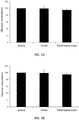
- FIGs. 2A and 2B are graphs each showing the relative values of the glucose consumption of fibroblasts to which the above-described drugs of the comparative example were added.
- FIG. 2A shows the result of the case in which each drug of the comparative example had a concentration of 0.5 mg/ml
- FIG. 1B shows the result of the case in which each drug of the comparative example had a concentration of 1 mg/ml.
- the vertical axis represents the relative value of the glucose consumption
- the horizontal axis represents the drug.
- the addition of each drug of the comparative example having a concentration of 0.5 mg/ml or 1 mg/ml resulted in a relative glucose consumption value of less than 100 and no increase in glucose consumption in any of the samples.
- the present example examined that the drug of the present disclosure has a glucose consumption accelerating effect on fibroblasts in a dose dependent manner.
- Example 1 Samples of 2-amino-1-cyclohexylethanol and 2-amino-1-phenylethanol, each of which exhibited a strong glucose consumption accelerating effect in Example 1, were prepared.
- the fibroblasts were cultured under the same conditions as in Example 1.
- the samples were added so that each drug had final concentrations of 0.1, 0.25, and 0.5 mg/ml.
- the relative value of the glucose consumption in each sample was calculated in the same manner as in Example 1.
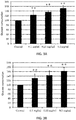
- FIGs. 3A and 3B are graphs each showing the relative values of the glucose consumption of fibroblasts to which the above-described drugs were added.
- FIG. 3A shows the result of the case of adding 2-amino-1-cyclohexylethanol
- FIG. 3B shows the result of the case of adding 2-amino-1-phenylethanol.
- the vertical axis represents the relative value of the glucose consumption
- the horizontal axis represents the concentration of each drug.
- the addition of 0.1, 0.25, and 0.5 mg/ml 2-amino-1-cyclohexylethanol to fibroblasts increased glucose consumption in a dose-dependent manner up to about 120, about 130, and about 150, respectively.
- the glucose concentration was significantly increased compared to the control (t-test: p ⁇ 0.05, indicated by "**" in FIGs. 3A and 3B ) at any concentration, which showed a strong glucose consumption accelerating effect.
- the addition of 0.1, 0.25, and 0.5 mg/ml 2-amino-1-phenylethanol increased glucose consumption in a dose-dependent manner up to about 130, about 140, and about 160, respectively.
- the glucose concentration was significantly increased compared to the control, which showed a strong glucose consumption accelerating effect.
- the present example examined that the drug of the present disclosure has a glucose consumption accelerating effect on fibroblasts in which glucose consumption was suppressed.
- mice streptozotocin (STZ), alloxan, and nicotinamide were prepared in the same manner as in Example 1.
- the fibroblasts were cultured.
- the samples were added so that each drug had a final concentration 1 mg/ml.
- Streptozotocin, alloxan, and nicotinamide are drugs all known to produce symptoms of diabetes when administered to the body.
- the relative value of the glucose consumption was calculated in the same manner as in Example 1.
- samples of streptozotocin, alloxan, and nicotinamide plus 2-amino-1-phenylethanol (2-A-1-P) were prepared in the same manner.
- the concentration of 2-A-1-P was 1 mg/ml.
- the relative value of the glucose consumption was calculated in the same manner.
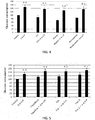
- FIG. 4 is a graph showing the relative values of the glucose consumption of fibroblasts to which the above-described drugs were added.
- the vertical axis represents the relative value of the glucose consumption
- the horizontal axis represents the drug.
- the addition of 1 mg/ml streptozotocin, alloxan, and nicotinamide resulted in glucose consumption relative values of about 90, about 70, and about 85, respectively, and a decrease in glucose consumption.
- 2-A-1-P in addition to streptozotocin, alloxan, and nicotinamide resulted in a glucose consumption relative value of 100 or more, and recovery of the glucose consumption. This showed that 2-amino-1-phenylethanol exhibited the glucose consumption accelerating effect also on fibroblasts in which glucose consumption was suppressed.
- the present example examined that the drug of the present disclosure has further glucose consumption accelerating effect on fibroblasts in which glucose consumption was accelerated.
- Example 1 samples of vanadium, V 2 O 5 , and concanavalin A (ConA) were prepared in the same manner as in Example 1.
- the fibroblasts were cultured.
- the samples were added so that vanadium had a final concentration of 1.0 mg/ml and ConA had a final concentration of 100 ⁇ g/ml.
- Vanadium, V 2 O 5 , and concanavalin A are drugs all known to exhibit insulin-like effects upon administration to fibroblasts.
- the relative value of the glucose consumption in each sample was calculated in the same manner as in Example 1.
- samples of vanadium, V 2 O 5 , and concanavalin A plus 2-amino-1-phenylethanol (2-A-1-P) were prepared in the same manner.
- concentration of 2-A-1-P was 0.5 mg/ml.
- the relative value of the glucose consumption was calculated in the same manner.
- FIG. 5 is a graph showing the relative values of the glucose consumption of fibroblasts to which the above-described drugs were added.
- the vertical axis represents the relative value of the glucose consumption
- the horizontal axis represents the drug.
- the addition of vanadium, V 2 O 5 , and concanavalin A resulted in glucose consumption relative values of about 110, about 115, and about 120, respectively, and an increase in glucose consumption.
- the addition of 2-A-1-P in addition to vanadium, V 2 O 5 and concanavalin A resulted in glucose consumption relative values of about 145, about 140, and about 150, respectively, and a further increase in the glucose consumption.
- 2-amino-1-phenylethanol exhibited the glucose consumption accelerating effect also on fibroblasts in which glucose consumption was accelerated by vanadium, V 2 O 5 and concanavalin A.
- the present example examined that the drug of the present disclosure has a glucose consumption accelerating effect on liver cancer cells.
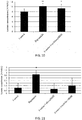
- FIG. 6 is a graph showing the relative values of the glucose consumption of liver cancer cells to which the above-described drugs were added.
- the vertical axis represents the relative value of the glucose consumption
- the horizontal axis represents the drug.
- the present example examined that the glucose consumption accelerating effect by the drug of the present disclosure accelerates the glycolysis by cells.
- samples of 2-amino-1-cyclohexylethanol and 2-amino-1-phenylethanol were prepared in the same manner as in Example 1.
- the fibroblasts and the liver cancer cells were cultured under the same conditions as in Examples 1 and 5.
- the samples were added so that each drug had a final concentration of 1 mg/ml.
- the culture was performed in the same manner except that distilled water to which the drug was not added was added to the culture solution instead of the sample.
- the culture solution was diluted so that the weight ratio of the culture solution to distilled water was 1:19, and the lactate concentration of the diluted culture solution was measured.
- the lactate concentration was measured using a lactate assay kit (product name: Lactate Assay Kit-WST, product of Dojindo Laboratories).
- the lactate concentration in the control was set as a reference value of 100, and the relative value of the lactate concentration in each sample was calculated.
- FIGs. 7A and 7B are graphs each showing the relative values of the lactate concentration of the cells to which the drugs were added.
- FIG. 7A shows the results of fibroblasts
- FIG. 7B shows the results of liver cancer cells.
- the vertical axis represents the relative value of the lactate concentration
- the horizontal axis represents the drug.
- the present example examined that the drug of the present disclosure lowers the blood glucose level of mice.
- glucose KANTO CHEMICAL CO., INC.
- glucose was dissolved in water for injection so as to achieve a concentration of 200 mg/ml, thereby preparing a glucose solution.
- the drug was dissolved in the water for injection, and then the glucose solution was added thereto so that the drug and glucose had final concentrations of 2.5 mg/ml and 100 mg/ml, respectively, thereby preparing a sample.
- the culture was performed in the same manner except that 100 mg/ml glucose solution to which the drug was not added was used instead of the sample.
- mice of 6-week-old ICR strain were purchased from Japan SLC, Inc., and preliminary rearing was carried out for about 1 week to check there was no abnormality in performance status.
- the conditions for the preliminary rearing were as follows: 4 mice each were housed in a polycarbonate cage, room temperature was 23°C ⁇ 3°C, and illumination time was 12 hours/day. Diets (mice and rat chow, product of Nosan Corporation.) and drinking water (tap water) were freely ingested.
- mice were fasted for about 21 hours, and then body weight and blood glucose levels were measured.
- the mice were divided into the total of two groups, namely, a test group and a control group to ensure that there was no variation in blood glucose levels between the groups.
- the number of animals in each group was eight.
- the table 2 shows the body weight (g) of the mice at the time of grouping.
- Group Test animal Body weight (g) Control group No. 1 30.9 No. 2 29.6 No. 3 29.9 No. 4 31.0 No. 5 27.7 No. 6 31.4 No. 7 31.5 No. 8 29.6 Test group No. 1 29. 2 Mo. 2 32.3 No. 3 30.8 No. 4 30.2 No. 5 28.4 No. 6 28.0 No. 7 29.4 No. 8 30.4
- mice of the test group and the control group were orally administered a single dose of the sample and the control, respectively, using a gastric sonde to a dose volume of 20 ml/kg. That is, the test group mice were administered the drug and glucose at doses of 50 mg/kg and 2000 mg/kg, respectively, and the control group mice were administered glucose at a dose of 2000 mg/kg. With the time of the administration being regarded as 0 minutes, the blood glucose level was measured at 30 minutes, 60 minutes, 90 minutes, and 120 minutes. The blood glucose level was measured by using an ACCU-CHEK Aviva (Roche Diagnostics K.K.), blood was collected by inserting an injection needle into the tip of the tail, and the blood glucose level was measured for the collected blood.
- ACCU-CHEK Aviva Roche Diagnostics K.K.
- the test group and the control group were compared by t-test.
- the significance levels were 5% and 1%.
- FIGs. 8A and 8B are graphs each showing the mean values of the blood glucose levels in the test group and the control group at the predetermined time after the administration.
- the vertical axis represents the blood glucose level (mg/dL)
- the horizontal axis represents the post-administration time (minutes).
- the mean value was calculated based on the blood glucose levels obtained for all the individuals (No. 1 to No. 8) in the control group and the test group.
- the test group tended to have lower blood glucose levels at 30, 60, 90 and 120 minutes after administration compared to the control group.
- the test group had significantly lower blood glucose levels (P ⁇ 0.05, and P ⁇ 0.01) compared to the control group.
- the area under the curves were calculated for the measured blood glucose levels.
- the AUC was calculated by calculating the area surrounded by the measurement curve and a straight line parallel to the time axis and passing through the measured value at the time of administration in the graph with the measured value on the vertical axis and the time on the horizontal axis. Then, the test group and the control group were compared by t-test for AUC in the same manner as the comparison for the blood glucose level.
- FIGs. 9A and 9B are graphs each showing the mean values of AUC in the test group and the control group.
- the vertical axis represents AUC (mg/dL ⁇ h)
- the horizontal axis represents the control group and the test group.
- the mean value was calculated based on the calculated values of AUC obtained for all the individuals (No. 1 to No. 8) in the control group and the test group.
- the calculated value (258) of AUC of one individual No.
- test group tended to have lower AUC values compared to the control group.
- test group had significantly lower AUC value (P ⁇ 0.05) compared to the control group.
- the present example examined that the drug of the present disclosure exhibits a lactate synthesis accelerating effect even after long-term culture.
- Example 2 2-amino-1-cyclohexylethanol (2-amino-1-cyclohexyl EOH) was prepared in the same manner as in Example 1.
- rat-derived fibroblasts Pan-3Y1-S2, subculture line
- human-derived esophageal cancer cells TE-13, subculture line
- African green monkey-derived kidney epithelial cells VERO, subculture line
- human-derived hepatocellular cancer cells HepG2, subculture line
- the culture time after the addition of the sample was set to the same condition for each cell.
- the culture was performed in the same manner except that distilled water to which the drug was not added was added to the culture solution instead of the sample.
- a sample of biguanide was prepared in the same manner as in Example 1, and the culture was performed in the same manner as in Example 1 except that the sample of biguanide was added instead of the sample.
- the lactate concentration in each sample was measured in the same manner as in Example 6.
- the total of five experiments (one for Py-3Y1-S2, TE-13 and HepG2 and two for VERO) were performed using the four types of cells.
- FIG. 10 is a graph showing the lactate concentration in the culture solution of each cell to which the drugs were added. The value shown in the graph represents the mean value of the results of the five experiments.
- the vertical axis represents the lactate concentration (mmol/L) in the culture solution
- the horizontal axis represents the drug.
- FIG. 10 when 24 to 48 hours culture was performed after adding 0.5 mg/ml 2-amino-1-cyclohexylethanol, the lactate concentration was 9.35 mmol/L and the lactate concentration was increased compared to control 1 (Control) (P ⁇ 0.05). Also in control 2 (Biguanide), the addition of biguanide increased the lactate concentration (P ⁇ 0.01). This showed that 2-amino-1-cyclohexylethanol increased the lactate concentration even after long-term culture, and exhibited the glycolysis accelerating effect.
- the lactate concentration in the culture solution becomes 11.2 mmol/L.
- the lactate concentration in the culture solution was about 8 to 10 mmol/L. This shows that, for example, about 70 to 90% of glucose was consumed and changed to lactate by culturing for 24 to 48 hours after addition of each sample.
- 2-amino-1-cyclohexylethanol exhibits a glucose consumption accelerating effect even in the presence of, for example, a low concentration of glucose.
- the present invention is not limited thereto.
- the present example examined that the drug of the present disclosure does not suppress lactate metabolism.
- samples of 2-amino-1-cyclohexylethanol (2-amino-1-cyclohexyl EOH) and 2-amino-1-phenylethanol (2-amino-1-phenyl EOH) were prepared in the same manner as in Example 1.
- Four types of cells were used as in Example 8, and each of the cells was cultured under the same conditions as in Example 1.
- the samples were added so that the drug had a final concentration of 0.5 mg/ml.
- the culture time was lengthened to 2 to 3 days (48 to 72 hours) compared to Example 8.
- the culture was performed in the same manner except that distilled water to which the drug was not added was added to the culture solution instead of the sample.
- Example 2 As a control 2, the culture was performed in the same manner as the control 2 except that a sample of biguanide prepared in the same manner as in Example 1 was added to the culture solution instead of the sample. Then, the lactate concentration in each sample was measured in the same manner as in Example 6. Each of the four cells was used for a total of four experiments.
- FIG. 11 is a graph showing the lactate concentration of each cell to which the drug was added. The value shown in the graph represents the mean value of the results of the four experiments.
- the vertical axis represents the lactate concentration (mmol/L) in the culture solution, and the horizontal axis represents the drug.
- the lactate concentrations were equivalent to that of control 1 (Control).
- glucose consumption can be accelerated by including at least one selected from the group consisting of 2-amino-1-cyclohexylethanol, 1-amino-2-propanol, 1,3-bis[tris(hydroxymethyl)methylamino]propane, N-cyclohexylethanolamine, diethanolamine, diethylamine, dipropylamine, morpholine, propylamine, triethanolamine, triethylamine, and trishydroxymethylaminomethane. Since the drug can accelerate the glucose consumption in this manner, for example, the drug can be used as a therapeutic agent for diabetes. Therefore, the present invention is extremely useful in the field of medicine.
Landscapes
- Health & Medical Sciences (AREA)
- Chemical & Material Sciences (AREA)
- Medicinal Chemistry (AREA)
- Pharmacology & Pharmacy (AREA)
- Life Sciences & Earth Sciences (AREA)
- Animal Behavior & Ethology (AREA)
- General Health & Medical Sciences (AREA)
- Public Health (AREA)
- Veterinary Medicine (AREA)
- Epidemiology (AREA)
- Diabetes (AREA)
- Emergency Medicine (AREA)
- Endocrinology (AREA)
- Engineering & Computer Science (AREA)
- Bioinformatics & Cheminformatics (AREA)
- Hematology (AREA)
- Obesity (AREA)
- Chemical Kinetics & Catalysis (AREA)
- General Chemical & Material Sciences (AREA)
- Nuclear Medicine, Radiotherapy & Molecular Imaging (AREA)
- Organic Chemistry (AREA)
- Nutrition Science (AREA)
- Physiology (AREA)
- Acyclic And Carbocyclic Compounds In Medicinal Compositions (AREA)
- Pharmaceuticals Containing Other Organic And Inorganic Compounds (AREA)
Claims (4)
- Glukoseverbrauchsbeschleuniger, umfassend:
mindestens eines, ausgewählt aus der Gruppe bestehend aus 2-Amino-1-cyclohexylethanol, l-Amino-2-propanol, 1,3-bis[tris(Hydroxymethyl)methylamino]propan, N-Cyclohexylethanolamin, Dipropylamin, Morpholin, Propylamin, Triethanolamin, Triethylamin und Trishydroxymethylaminomethan; zur Verwendung bei der Behandlung oder Prävention von Diabetes. - Glukoseverbrauchsbeschleuniger zur Verwendung nach Anspruch 1, umfassend:
mindestens eines, ausgewählt aus der Gruppe bestehend aus 2-Amino-1-cyclohexylethanol, l-Amino-2-propanol, 1,3-bis[tris(Hydroxymethyl)methylamino]propan, N-Cyclohexylethanolamin, Dipropylamin, Morpholin, Propylamin, Triethanolamin, Triethylamin und Trishydroxymethylaminomethan als eine Hauptkomponente. - Glukoseverbrauchsbeschleuniger zur Verwendung nach Anspruch 1 oder 2, ferner umfassend:
ein orales Additiv. - Verbindung, ausgewählt aus der Gruppe bestehend aus Diethanolamin und Diethylamin, zur Verwendung bei der Behandlung oder Prävention von Diabetes.
Applications Claiming Priority (4)
| Application Number | Priority Date | Filing Date | Title |
|---|---|---|---|
| JP2018143056 | 2018-07-31 | ||
| JP2018181302 | 2018-09-27 | ||
| PCT/JP2019/003915 WO2020026471A1 (ja) | 2018-07-31 | 2019-02-04 | グルコース消費促進剤および解糖系促進剤 |
| PCT/JP2019/020826 WO2020026570A1 (ja) | 2018-07-31 | 2019-05-27 | グルコース消費促進剤および解糖系促進剤 |
Publications (3)
| Publication Number | Publication Date |
|---|---|
| EP3639818A1 EP3639818A1 (de) | 2020-04-22 |
| EP3639818A4 EP3639818A4 (de) | 2020-07-29 |
| EP3639818B1 true EP3639818B1 (de) | 2021-07-07 |
Family
ID=69232455
Family Applications (1)
| Application Number | Title | Priority Date | Filing Date |
|---|---|---|---|
| EP19801189.2A Active EP3639818B1 (de) | 2018-07-31 | 2019-05-27 | Glukoseverbrauchspromotor und glykolysepromotor |
Country Status (4)
| Country | Link |
|---|---|
| US (1) | US20210330606A1 (de) |
| EP (1) | EP3639818B1 (de) |
| CN (1) | CN111093644A (de) |
| WO (1) | WO2020026471A1 (de) |
Family Cites Families (14)
| Publication number | Priority date | Publication date | Assignee | Title |
|---|---|---|---|---|
| WO1987005505A1 (en) * | 1986-03-21 | 1987-09-24 | Eurasiam Laboratories, Inc. | Pharmaceutical compositions |
| US5716959A (en) * | 1996-02-13 | 1998-02-10 | T. Ronald Theodore | Method of treating disease with piperazine zwitterion compounds |
| JPH10152488A (ja) * | 1996-11-21 | 1998-06-09 | Tokyo Tanabe Co Ltd | テトラヒドロベンゾチオフェン誘導体 |
| JP5518282B2 (ja) * | 2003-09-01 | 2014-06-11 | ノヴォ ノルディスク アー/エス | 安定なペプチドの製剤 |
| US8003617B2 (en) * | 2004-11-10 | 2011-08-23 | Genzyme Corporation | Methods of treating diabetes mellitus |
| GB0624090D0 (en) * | 2006-12-01 | 2007-01-10 | Selamine Ltd | Ramipril amine salts |
| CA2680843C (en) * | 2007-01-29 | 2016-05-31 | Vlife Sciences Technologies Pvt. Ltd. | Pharmaceutical composition for treatment of diabetic complications |
| EA019711B1 (ru) * | 2008-03-07 | 2014-05-30 | Ацьенде Кимике Рьюните Анджелини Франческо A.K.P.A.Ф. С.П.А. | ПРОИЗВОДНЫЕ 1-БЕНЗИЛ-3-ГИДРОКСИМЕТИЛИНДАЗОЛА, СОДЕРЖАЩАЯ ИХ ФАРМАЦЕВТИЧЕСКАЯ КОМПОЗИЦИЯ И ИХ ПРИМЕНЕНИЕ ПРИ ЛЕЧЕНИИ ЗАБОЛЕВАНИЙ, ОБУСЛОВЛЕННЫХ ЭКСПРЕССИЕЙ МСР-1, СХ3CR1 ИЛИ р40 |
| KR20130093012A (ko) * | 2010-06-24 | 2013-08-21 | 베링거 인겔하임 인터내셔날 게엠베하 | 당뇨병 요법 |
| US20140107204A1 (en) * | 2012-08-08 | 2014-04-17 | Qol Medical Llc | Method of administering ethanolamine 9-octadecanoic acid via injection to the stomach of a human |
| WO2014080383A1 (en) * | 2012-11-26 | 2014-05-30 | Ranbaxy Laboratories Limited | Pharmaceutical composition of dipeptidyl peptidase-iv (dpp-iv) inhibitors in combination with other antidiabetics |
| SI3077047T1 (sl) * | 2013-12-04 | 2019-09-30 | Galmed Research & Development Ltd. | Soli aramchola |
| PT3206678T (pt) * | 2014-10-14 | 2020-03-23 | Sculpt B V | Escultura corporal |
| PE20180187A1 (es) * | 2015-03-03 | 2018-01-23 | Saniona As | Formulacion de combinacion de tesofensina y betabloqueante |
-
2019
- 2019-02-04 WO PCT/JP2019/003915 patent/WO2020026471A1/ja not_active Ceased
- 2019-05-27 EP EP19801189.2A patent/EP3639818B1/de active Active
- 2019-05-27 US US16/610,360 patent/US20210330606A1/en not_active Abandoned
- 2019-05-27 CN CN201980002860.XA patent/CN111093644A/zh active Pending
Non-Patent Citations (1)
| Title |
|---|
| None * |
Also Published As
| Publication number | Publication date |
|---|---|
| US20210330606A1 (en) | 2021-10-28 |
| EP3639818A4 (de) | 2020-07-29 |
| WO2020026471A1 (ja) | 2020-02-06 |
| EP3639818A1 (de) | 2020-04-22 |
| CN111093644A (zh) | 2020-05-01 |
Similar Documents
| Publication | Publication Date | Title |
|---|---|---|
| KR20140027594A (ko) | 항당뇨 및 항비만 활성을 갖는 약학 조성물 | |
| EP3639818B1 (de) | Glukoseverbrauchspromotor und glykolysepromotor | |
| CN112316150A (zh) | 一种用于预防或治疗代谢或损伤相关疾病的药物组合物 | |
| WO2022242711A1 (en) | Methods for ameliorating and preventing age‐related muscle degeneration | |
| KR20080111021A (ko) | 철 대사 장애의 치료를 위한 스트로빌루린의 용도 | |
| JP3251673B2 (ja) | 酸化窒素生成の抑制方法 | |
| CN105816446B (zh) | 两种卤酚化合物在制备抗ⅱ型糖尿病肾病药物中的应用 | |
| JP2025015727A (ja) | p-ボロノフェニルアラニンを含有する注射液剤 | |
| CN106038522A (zh) | 大黄酸在制备抗抑郁症药物中的用途 | |
| US20240197817A1 (en) | Compositions for treating autoimmune, alloimmune, inflammatory, and mitochondrial conditions, and uses thereof | |
| EP2915531A1 (de) | Verwendung von erdostein als gegenmittel in paracetamol-intoxikationen | |
| JP6612004B1 (ja) | グルコース消費促進剤および解糖系促進剤 | |
| Donne et al. | Anaemia management and cardiomyopathy in renal failure | |
| CN102161619B (zh) | 一种阿魏酸降糖复盐及其制备方法和用途 | |
| WO2022061962A1 (zh) | 一种l型氨基酸转运蛋白抑制剂或拮抗剂有效干预糖尿病的方法 | |
| US10688086B2 (en) | Method for treating cancer with dihydropyridine calcium antagonist | |
| US10292949B2 (en) | Pharmaceutical composition comprising rimeporide for treating diseases associated with insulin resistance and β-cell dysfunction | |
| CN119524004B (zh) | 尿苷在促进精原干细胞损伤再生或增殖中的应用 | |
| CN119606954B (zh) | 一种替韦立马组合物及其制备方法和应用 | |
| US20240216412A1 (en) | Oxidized nicotinamide adenine dinucleotide (nad+) precursor treatment for heart failure alleviation independent of mitochondrial protein deacetylation | |
| HK40123764A (zh) | 包括sglt抑制剂的组合物及其用途 | |
| WO2020026570A1 (ja) | グルコース消費促進剤および解糖系促進剤 | |
| WO2023041927A1 (en) | Azd1656 for use in the treatment of pneumonitis or myocarditis | |
| US7846974B2 (en) | Method of lowering blood glucose and method of treating diabetes and obesity | |
| CN113521051A (zh) | 一种甜菜碱的应用 |
Legal Events
| Date | Code | Title | Description |
|---|---|---|---|
| STAA | Information on the status of an ep patent application or granted ep patent |
Free format text: STATUS: UNKNOWN |
|
| STAA | Information on the status of an ep patent application or granted ep patent |
Free format text: STATUS: THE INTERNATIONAL PUBLICATION HAS BEEN MADE |
|
| PUAI | Public reference made under article 153(3) epc to a published international application that has entered the european phase |
Free format text: ORIGINAL CODE: 0009012 |
|
| STAA | Information on the status of an ep patent application or granted ep patent |
Free format text: STATUS: REQUEST FOR EXAMINATION WAS MADE |
|
| 17P | Request for examination filed |
Effective date: 20191119 |
|
| AK | Designated contracting states |
Kind code of ref document: A1 Designated state(s): AL AT BE BG CH CY CZ DE DK EE ES FI FR GB GR HR HU IE IS IT LI LT LU LV MC MK MT NL NO PL PT RO RS SE SI SK SM TR |
|
| AX | Request for extension of the european patent |
Extension state: BA ME |
|
| A4 | Supplementary search report drawn up and despatched |
Effective date: 20200626 |
|
| RIC1 | Information provided on ipc code assigned before grant |
Ipc: A61K 31/5375 20060101ALI20200622BHEP Ipc: A61K 31/13 20060101ALI20200622BHEP Ipc: A61P 3/08 20060101ALI20200622BHEP Ipc: A61P 3/10 20060101ALI20200622BHEP Ipc: A61K 31/133 20060101ALI20200622BHEP Ipc: A61K 31/137 20060101ALI20200622BHEP Ipc: A61K 31/131 20060101AFI20200622BHEP |
|
| STAA | Information on the status of an ep patent application or granted ep patent |
Free format text: STATUS: EXAMINATION IS IN PROGRESS |
|
| 17Q | First examination report despatched |
Effective date: 20201001 |
|
| GRAP | Despatch of communication of intention to grant a patent |
Free format text: ORIGINAL CODE: EPIDOSNIGR1 |
|
| STAA | Information on the status of an ep patent application or granted ep patent |
Free format text: STATUS: GRANT OF PATENT IS INTENDED |
|
| INTG | Intention to grant announced |
Effective date: 20210204 |
|
| GRAS | Grant fee paid |
Free format text: ORIGINAL CODE: EPIDOSNIGR3 |
|
| GRAA | (expected) grant |
Free format text: ORIGINAL CODE: 0009210 |
|
| STAA | Information on the status of an ep patent application or granted ep patent |
Free format text: STATUS: THE PATENT HAS BEEN GRANTED |
|
| AK | Designated contracting states |
Kind code of ref document: B1 Designated state(s): AL AT BE BG CH CY CZ DE DK EE ES FI FR GB GR HR HU IE IS IT LI LT LU LV MC MK MT NL NO PL PT RO RS SE SI SK SM TR |
|
| DAV | Request for validation of the european patent (deleted) | ||
| DAX | Request for extension of the european patent (deleted) | ||
| REG | Reference to a national code |
Ref country code: GB Ref legal event code: FG4D |
|
| REG | Reference to a national code |
Ref country code: AT Ref legal event code: REF Ref document number: 1407888 Country of ref document: AT Kind code of ref document: T Effective date: 20210715 |
|
| REG | Reference to a national code |
Ref country code: DE Ref legal event code: R096 Ref document number: 602019005983 Country of ref document: DE |
|
| REG | Reference to a national code |
Ref country code: IE Ref legal event code: FG4D |
|
| REG | Reference to a national code |
Ref country code: LT Ref legal event code: MG9D |
|
| REG | Reference to a national code |
Ref country code: NL Ref legal event code: MP Effective date: 20210707 |
|
| REG | Reference to a national code |
Ref country code: AT Ref legal event code: MK05 Ref document number: 1407888 Country of ref document: AT Kind code of ref document: T Effective date: 20210707 |
|
| PG25 | Lapsed in a contracting state [announced via postgrant information from national office to epo] |
Ref country code: ES Free format text: LAPSE BECAUSE OF FAILURE TO SUBMIT A TRANSLATION OF THE DESCRIPTION OR TO PAY THE FEE WITHIN THE PRESCRIBED TIME-LIMIT Effective date: 20210707 Ref country code: RS Free format text: LAPSE BECAUSE OF FAILURE TO SUBMIT A TRANSLATION OF THE DESCRIPTION OR TO PAY THE FEE WITHIN THE PRESCRIBED TIME-LIMIT Effective date: 20210707 Ref country code: SE Free format text: LAPSE BECAUSE OF FAILURE TO SUBMIT A TRANSLATION OF THE DESCRIPTION OR TO PAY THE FEE WITHIN THE PRESCRIBED TIME-LIMIT Effective date: 20210707 Ref country code: FI Free format text: LAPSE BECAUSE OF FAILURE TO SUBMIT A TRANSLATION OF THE DESCRIPTION OR TO PAY THE FEE WITHIN THE PRESCRIBED TIME-LIMIT Effective date: 20210707 Ref country code: HR Free format text: LAPSE BECAUSE OF FAILURE TO SUBMIT A TRANSLATION OF THE DESCRIPTION OR TO PAY THE FEE WITHIN THE PRESCRIBED TIME-LIMIT Effective date: 20210707 Ref country code: NL Free format text: LAPSE BECAUSE OF FAILURE TO SUBMIT A TRANSLATION OF THE DESCRIPTION OR TO PAY THE FEE WITHIN THE PRESCRIBED TIME-LIMIT Effective date: 20210707 Ref country code: PT Free format text: LAPSE BECAUSE OF FAILURE TO SUBMIT A TRANSLATION OF THE DESCRIPTION OR TO PAY THE FEE WITHIN THE PRESCRIBED TIME-LIMIT Effective date: 20211108 Ref country code: NO Free format text: LAPSE BECAUSE OF FAILURE TO SUBMIT A TRANSLATION OF THE DESCRIPTION OR TO PAY THE FEE WITHIN THE PRESCRIBED TIME-LIMIT Effective date: 20211007 Ref country code: AT Free format text: LAPSE BECAUSE OF FAILURE TO SUBMIT A TRANSLATION OF THE DESCRIPTION OR TO PAY THE FEE WITHIN THE PRESCRIBED TIME-LIMIT Effective date: 20210707 Ref country code: BG Free format text: LAPSE BECAUSE OF FAILURE TO SUBMIT A TRANSLATION OF THE DESCRIPTION OR TO PAY THE FEE WITHIN THE PRESCRIBED TIME-LIMIT Effective date: 20211007 Ref country code: LT Free format text: LAPSE BECAUSE OF FAILURE TO SUBMIT A TRANSLATION OF THE DESCRIPTION OR TO PAY THE FEE WITHIN THE PRESCRIBED TIME-LIMIT Effective date: 20210707 |
|
| PG25 | Lapsed in a contracting state [announced via postgrant information from national office to epo] |
Ref country code: PL Free format text: LAPSE BECAUSE OF FAILURE TO SUBMIT A TRANSLATION OF THE DESCRIPTION OR TO PAY THE FEE WITHIN THE PRESCRIBED TIME-LIMIT Effective date: 20210707 Ref country code: LV Free format text: LAPSE BECAUSE OF FAILURE TO SUBMIT A TRANSLATION OF THE DESCRIPTION OR TO PAY THE FEE WITHIN THE PRESCRIBED TIME-LIMIT Effective date: 20210707 Ref country code: GR Free format text: LAPSE BECAUSE OF FAILURE TO SUBMIT A TRANSLATION OF THE DESCRIPTION OR TO PAY THE FEE WITHIN THE PRESCRIBED TIME-LIMIT Effective date: 20211008 |
|
| REG | Reference to a national code |
Ref country code: DE Ref legal event code: R097 Ref document number: 602019005983 Country of ref document: DE |
|
| PG25 | Lapsed in a contracting state [announced via postgrant information from national office to epo] |
Ref country code: DK Free format text: LAPSE BECAUSE OF FAILURE TO SUBMIT A TRANSLATION OF THE DESCRIPTION OR TO PAY THE FEE WITHIN THE PRESCRIBED TIME-LIMIT Effective date: 20210707 |
|
| PLBE | No opposition filed within time limit |
Free format text: ORIGINAL CODE: 0009261 |
|
| STAA | Information on the status of an ep patent application or granted ep patent |
Free format text: STATUS: NO OPPOSITION FILED WITHIN TIME LIMIT |
|
| PG25 | Lapsed in a contracting state [announced via postgrant information from national office to epo] |
Ref country code: SM Free format text: LAPSE BECAUSE OF FAILURE TO SUBMIT A TRANSLATION OF THE DESCRIPTION OR TO PAY THE FEE WITHIN THE PRESCRIBED TIME-LIMIT Effective date: 20210707 Ref country code: SK Free format text: LAPSE BECAUSE OF FAILURE TO SUBMIT A TRANSLATION OF THE DESCRIPTION OR TO PAY THE FEE WITHIN THE PRESCRIBED TIME-LIMIT Effective date: 20210707 Ref country code: RO Free format text: LAPSE BECAUSE OF FAILURE TO SUBMIT A TRANSLATION OF THE DESCRIPTION OR TO PAY THE FEE WITHIN THE PRESCRIBED TIME-LIMIT Effective date: 20210707 Ref country code: EE Free format text: LAPSE BECAUSE OF FAILURE TO SUBMIT A TRANSLATION OF THE DESCRIPTION OR TO PAY THE FEE WITHIN THE PRESCRIBED TIME-LIMIT Effective date: 20210707 Ref country code: CZ Free format text: LAPSE BECAUSE OF FAILURE TO SUBMIT A TRANSLATION OF THE DESCRIPTION OR TO PAY THE FEE WITHIN THE PRESCRIBED TIME-LIMIT Effective date: 20210707 Ref country code: AL Free format text: LAPSE BECAUSE OF FAILURE TO SUBMIT A TRANSLATION OF THE DESCRIPTION OR TO PAY THE FEE WITHIN THE PRESCRIBED TIME-LIMIT Effective date: 20210707 |
|
| 26N | No opposition filed |
Effective date: 20220408 |
|
| PG25 | Lapsed in a contracting state [announced via postgrant information from national office to epo] |
Ref country code: IT Free format text: LAPSE BECAUSE OF FAILURE TO SUBMIT A TRANSLATION OF THE DESCRIPTION OR TO PAY THE FEE WITHIN THE PRESCRIBED TIME-LIMIT Effective date: 20210707 |
|
| REG | Reference to a national code |
Ref country code: CH Ref legal event code: PL |
|
| REG | Reference to a national code |
Ref country code: BE Ref legal event code: MM Effective date: 20220531 |
|
| PG25 | Lapsed in a contracting state [announced via postgrant information from national office to epo] |
Ref country code: MC Free format text: LAPSE BECAUSE OF FAILURE TO SUBMIT A TRANSLATION OF THE DESCRIPTION OR TO PAY THE FEE WITHIN THE PRESCRIBED TIME-LIMIT Effective date: 20210707 Ref country code: LU Free format text: LAPSE BECAUSE OF NON-PAYMENT OF DUE FEES Effective date: 20220527 Ref country code: LI Free format text: LAPSE BECAUSE OF NON-PAYMENT OF DUE FEES Effective date: 20220531 Ref country code: CH Free format text: LAPSE BECAUSE OF NON-PAYMENT OF DUE FEES Effective date: 20220531 |
|
| PG25 | Lapsed in a contracting state [announced via postgrant information from national office to epo] |
Ref country code: IE Free format text: LAPSE BECAUSE OF NON-PAYMENT OF DUE FEES Effective date: 20220527 |
|
| PG25 | Lapsed in a contracting state [announced via postgrant information from national office to epo] |
Ref country code: BE Free format text: LAPSE BECAUSE OF NON-PAYMENT OF DUE FEES Effective date: 20220531 |
|
| P01 | Opt-out of the competence of the unified patent court (upc) registered |
Effective date: 20230526 |
|
| PG25 | Lapsed in a contracting state [announced via postgrant information from national office to epo] |
Ref country code: MK Free format text: LAPSE BECAUSE OF FAILURE TO SUBMIT A TRANSLATION OF THE DESCRIPTION OR TO PAY THE FEE WITHIN THE PRESCRIBED TIME-LIMIT Effective date: 20210707 Ref country code: CY Free format text: LAPSE BECAUSE OF FAILURE TO SUBMIT A TRANSLATION OF THE DESCRIPTION OR TO PAY THE FEE WITHIN THE PRESCRIBED TIME-LIMIT Effective date: 20210707 |
|
| PG25 | Lapsed in a contracting state [announced via postgrant information from national office to epo] |
Ref country code: HU Free format text: LAPSE BECAUSE OF FAILURE TO SUBMIT A TRANSLATION OF THE DESCRIPTION OR TO PAY THE FEE WITHIN THE PRESCRIBED TIME-LIMIT; INVALID AB INITIO Effective date: 20190527 |
|
| PGFP | Annual fee paid to national office [announced via postgrant information from national office to epo] |
Ref country code: GB Payment date: 20240521 Year of fee payment: 6 |
|
| PGFP | Annual fee paid to national office [announced via postgrant information from national office to epo] |
Ref country code: DE Payment date: 20240521 Year of fee payment: 6 |
|
| PGFP | Annual fee paid to national office [announced via postgrant information from national office to epo] |
Ref country code: FR Payment date: 20240527 Year of fee payment: 6 |
|
| PG25 | Lapsed in a contracting state [announced via postgrant information from national office to epo] |
Ref country code: MT Free format text: LAPSE BECAUSE OF FAILURE TO SUBMIT A TRANSLATION OF THE DESCRIPTION OR TO PAY THE FEE WITHIN THE PRESCRIBED TIME-LIMIT Effective date: 20210707 |
|
| REG | Reference to a national code |
Ref country code: DE Ref legal event code: R119 Ref document number: 602019005983 Country of ref document: DE |
|
| PG25 | Lapsed in a contracting state [announced via postgrant information from national office to epo] |
Ref country code: TR Free format text: LAPSE BECAUSE OF FAILURE TO SUBMIT A TRANSLATION OF THE DESCRIPTION OR TO PAY THE FEE WITHIN THE PRESCRIBED TIME-LIMIT Effective date: 20210707 |
|
| GBPC | Gb: european patent ceased through non-payment of renewal fee |
Effective date: 20250527 |
|
| PG25 | Lapsed in a contracting state [announced via postgrant information from national office to epo] |
Ref country code: GB Free format text: LAPSE BECAUSE OF NON-PAYMENT OF DUE FEES Effective date: 20250527 |
|
| PG25 | Lapsed in a contracting state [announced via postgrant information from national office to epo] |
Ref country code: DE Free format text: LAPSE BECAUSE OF NON-PAYMENT OF DUE FEES Effective date: 20251202 |
|
| PG25 | Lapsed in a contracting state [announced via postgrant information from national office to epo] |
Ref country code: FR Free format text: LAPSE BECAUSE OF NON-PAYMENT OF DUE FEES Effective date: 20250531 |