EP3632769B1 - Fahrzeugkommunikationssystem - Google Patents
Fahrzeugkommunikationssystem Download PDFInfo
- Publication number
- EP3632769B1 EP3632769B1 EP18806203.8A EP18806203A EP3632769B1 EP 3632769 B1 EP3632769 B1 EP 3632769B1 EP 18806203 A EP18806203 A EP 18806203A EP 3632769 B1 EP3632769 B1 EP 3632769B1
- Authority
- EP
- European Patent Office
- Prior art keywords
- information
- vehicle
- vehicles
- priority
- terrestrial
- Prior art date
- Legal status (The legal status is an assumption and is not a legal conclusion. Google has not performed a legal analysis and makes no representation as to the accuracy of the status listed.)
- Active
Links
Images



Classifications
-
- B—PERFORMING OPERATIONS; TRANSPORTING
- B61—RAILWAYS
- B61L—GUIDING RAILWAY TRAFFIC; ENSURING THE SAFETY OF RAILWAY TRAFFIC
- B61L15/00—Indicators provided on the vehicle or train for signalling purposes
- B61L15/0018—Communication with or on the vehicle or train
- B61L15/0027—Radio-based, e.g. using GSM-R
-
- B—PERFORMING OPERATIONS; TRANSPORTING
- B60—VEHICLES IN GENERAL
- B60L—PROPULSION OF ELECTRICALLY-PROPELLED VEHICLES; SUPPLYING ELECTRIC POWER FOR AUXILIARY EQUIPMENT OF ELECTRICALLY-PROPELLED VEHICLES; ELECTRODYNAMIC BRAKE SYSTEMS FOR VEHICLES IN GENERAL; MAGNETIC SUSPENSION OR LEVITATION FOR VEHICLES; MONITORING OPERATING VARIABLES OF ELECTRICALLY-PROPELLED VEHICLES; ELECTRIC SAFETY DEVICES FOR ELECTRICALLY-PROPELLED VEHICLES
- B60L15/00—Methods, circuits, or devices for controlling the traction-motor speed of electrically-propelled vehicles
- B60L15/40—Adaptation of control equipment on vehicle for remote actuation from a stationary place
-
- B—PERFORMING OPERATIONS; TRANSPORTING
- B61—RAILWAYS
- B61L—GUIDING RAILWAY TRAFFIC; ENSURING THE SAFETY OF RAILWAY TRAFFIC
- B61L15/00—Indicators provided on the vehicle or train for signalling purposes
- B61L15/0054—Train integrity supervision, e.g. end-of-train [EOT] devices
-
- B—PERFORMING OPERATIONS; TRANSPORTING
- B61—RAILWAYS
- B61L—GUIDING RAILWAY TRAFFIC; ENSURING THE SAFETY OF RAILWAY TRAFFIC
- B61L21/00—Station blocking between signal boxes in one yard
- B61L21/10—Arrangements for trains which are closely following one another
-
- B—PERFORMING OPERATIONS; TRANSPORTING
- B61—RAILWAYS
- B61L—GUIDING RAILWAY TRAFFIC; ENSURING THE SAFETY OF RAILWAY TRAFFIC
- B61L27/00—Central railway traffic control systems; Trackside control; Communication systems specially adapted therefor
- B61L27/70—Details of trackside communication
-
- G—PHYSICS
- G07—CHECKING-DEVICES
- G07C—TIME OR ATTENDANCE REGISTERS; REGISTERING OR INDICATING THE WORKING OF MACHINES; GENERATING RANDOM NUMBERS; VOTING OR LOTTERY APPARATUS; ARRANGEMENTS, SYSTEMS OR APPARATUS FOR CHECKING NOT PROVIDED FOR ELSEWHERE
- G07C5/00—Registering or indicating the working of vehicles
- G07C5/008—Registering or indicating the working of vehicles communicating information to a remotely located station
-
- H—ELECTRICITY
- H04—ELECTRIC COMMUNICATION TECHNIQUE
- H04W—WIRELESS COMMUNICATION NETWORKS
- H04W4/00—Services specially adapted for wireless communication networks; Facilities therefor
- H04W4/30—Services specially adapted for particular environments, situations or purposes
- H04W4/40—Services specially adapted for particular environments, situations or purposes for vehicles, e.g. vehicle-to-pedestrians [V2P]
-
- H—ELECTRICITY
- H04—ELECTRIC COMMUNICATION TECHNIQUE
- H04W—WIRELESS COMMUNICATION NETWORKS
- H04W40/00—Communication routing or communication path finding
- H04W40/02—Communication route or path selection, e.g. power-based or shortest path routing
- H04W40/18—Communication route or path selection, e.g. power-based or shortest path routing based on predicted events
-
- H—ELECTRICITY
- H04—ELECTRIC COMMUNICATION TECHNIQUE
- H04W—WIRELESS COMMUNICATION NETWORKS
- H04W40/00—Communication routing or communication path finding
- H04W40/02—Communication route or path selection, e.g. power-based or shortest path routing
- H04W40/20—Communication route or path selection, e.g. power-based or shortest path routing based on geographic position or location
-
- H—ELECTRICITY
- H04—ELECTRIC COMMUNICATION TECHNIQUE
- H04W—WIRELESS COMMUNICATION NETWORKS
- H04W40/00—Communication routing or communication path finding
- H04W40/02—Communication route or path selection, e.g. power-based or shortest path routing
- H04W40/22—Communication route or path selection, e.g. power-based or shortest path routing using selective relaying for reaching a BTS [Base Transceiver Station] or an access point
-
- H—ELECTRICITY
- H04—ELECTRIC COMMUNICATION TECHNIQUE
- H04W—WIRELESS COMMUNICATION NETWORKS
- H04W84/00—Network topologies
- H04W84/005—Moving wireless networks
-
- B—PERFORMING OPERATIONS; TRANSPORTING
- B61—RAILWAYS
- B61L—GUIDING RAILWAY TRAFFIC; ENSURING THE SAFETY OF RAILWAY TRAFFIC
- B61L27/00—Central railway traffic control systems; Trackside control; Communication systems specially adapted therefor
- B61L27/20—Trackside control of safe travel of vehicle or train, e.g. braking curve calculation
-
- B—PERFORMING OPERATIONS; TRANSPORTING
- B61—RAILWAYS
- B61L—GUIDING RAILWAY TRAFFIC; ENSURING THE SAFETY OF RAILWAY TRAFFIC
- B61L3/00—Devices along the route for controlling devices on the vehicle or train, e.g. to release brake or to operate a warning signal
- B61L3/02—Devices along the route for controlling devices on the vehicle or train, e.g. to release brake or to operate a warning signal at selected places along the route, e.g. intermittent control simultaneous mechanical and electrical control
- B61L3/08—Devices along the route for controlling devices on the vehicle or train, e.g. to release brake or to operate a warning signal at selected places along the route, e.g. intermittent control simultaneous mechanical and electrical control controlling electrically
- B61L3/12—Devices along the route for controlling devices on the vehicle or train, e.g. to release brake or to operate a warning signal at selected places along the route, e.g. intermittent control simultaneous mechanical and electrical control controlling electrically using magnetic or electrostatic induction; using radio waves
-
- H—ELECTRICITY
- H04—ELECTRIC COMMUNICATION TECHNIQUE
- H04W—WIRELESS COMMUNICATION NETWORKS
- H04W40/00—Communication routing or communication path finding
- H04W40/02—Communication route or path selection, e.g. power-based or shortest path routing
- H04W40/026—Route selection considering the moving speed of individual devices
Definitions
- Embodiments of the present invention described herein relate generally to a vehicle communication system.
- a central device may be provided as a ground-side device, and the entire system including the on-vehicle devices and the central device may share (transmit and receive) the predetermined information on the trains.
- the improvement of communication environment between the on-vehicle devices and the central device is required.
- failure information on a train which is one example of the predetermined information to be transmitted from the on-vehicle device to the central device, is important information. Consequently, it is required to quickly notify an operator of the central device of the failure information.
- US 2011/0222426 A1 discloses a vehicle communication system in which the transmissions are routed between trains and wayside access points via different paths determined based on measured values of information throughput.
- FIG. 1 is an exemplary diagram of a schematic configuration of a train communication system according to an embodiment.
- the train communication system according to the embodiment includes a central device 100 and on-vehicle devices 200.
- the central device 100 is connected to a terrestrial communication device 100a in terrestrial equipment 150 such as rail yards and stations.
- the on-vehicle devices 200 are provided to respective trains 200a that run on routes R1 and R2 connected to the terrestrial equipment 150.
- the terrestrial communication device 100a includes an antenna 100b and is configured to be capable of performing wireless communications with an object present in a predetermined first communication available range A via the antenna 100b.
- the on-vehicle device 200 is configured to be capable of performing wireless communications with an object present in a predetermined second communication available range B via an antenna 200b provided to the train 200a.
- While the number of routes connected to the terrestrial equipment 150 is two (routes R1 and R2) in FIG. 1 , the number of routes according to the embodiment may be one or three or more. While FIG. 1 illustrates two different trains of the train 200a that runs in an X1 direction on the route R1 and the train 200a that runs (oppositely runs) in an X2 direction opposite to the X1 direction on the route R2, the two different trains according to the embodiment may run in the same direction.
- the improvement of communication environment between the trains 200a (on-vehicle devices 200) and the central device 100 is required in order to share information in the entire system including the on-vehicle devices 200 and the central device 100.
- train control information such as failure information on the train 200a
- the embodiment consolidates the pieces of predetermined information in the train 200a assumed to perform wireless communications with the terrestrial communication device 100a earliest by causing the trains 200a running on the routes R1 and R2 to perform inter-vehicle communications. Consequently, the embodiment quickly transmits the predetermined information to the central device 100 via the train 200a in which the pieces of predetermined information are consolidated.
- FIG. 2 is an exemplary block diagram of a schematic internal configuration of the central device 100 and the on-vehicle device 200 according to the embodiment.
- the central device 100 and the on-vehicle device 200 can perform interactive communications (wireless communications) (refer to the dotted arrow).
- the central device 100 performs wireless communications via the antenna 100b of the terrestrial communication device 100a
- the on-vehicle device 200 performs wireless communications via the antenna 200b of the train 200a.
- FIG. 2 does not illustrate these hardware components for performing wireless communications.
- the central device 100 includes a central communicator 101, a path determiner 102, a priority determiner 103, an adjuster 104, and a central storage 105.
- the on-vehicle device 200 includes an on-vehicle communicator 201, a content controller 202, a sensor information acquirer 203, a predictive controller 204, and an on-vehicle storage 205. These components may be provided by cooperation of hardware (e.g., a processor, a memory, and the like) and software (a control program) like typical computers, or by only hardware such as a dedicated circuitry.
- the central communicator 101 controls wireless communications via the antenna 100b of the terrestrial communication device 100a.
- the on-vehicle communicator 201 controls wireless communications via the antenna 200b of the train 200a.
- data to be transmitted and received can be encoded by an encoding technique, and communication partners can be limited by an access control technique.
- the central storage 105 is a storage that stores therein the predetermined information transmitted and received by the central communicator 101.
- the on-vehicle storage 205 is a storage that stores therein the predetermined information transmitted and received by the on-vehicle communicator 201.
- the predetermined information transmitted and received by wireless communications between the central communicator 101 and the on-vehicle communicator 201 and by wireless communications between the on-vehicle communicators 201 of the respective trains 200a includes: operating information (e.g., an operating schedule, a timetable, and the like) on the train 200a; train control information including failure information on the train 200a; sensor information; video information; and other information.
- the sensor information is data indicating the results of sensing performed by various kinds of sensors (not illustrated) provided to the train 200a.
- the video information is moving image data, such as a content (including an advertisement or the like) provided in the train 200a and video (surveillance video) taken by a surveillance camera provided to the train 200a.
- the path determiner 102 determines an information transmission path between the trains 200a that runs on the route R1 and R2.
- the information transmission path enables consolidation of pieces of information in the train 200a that performs wireless communications with the terrestrial communication device 100a earliest. Determining the information transmission path requires at least operating information, such as the time at which the trains 200a arrive at the terrestrial equipment 150 provided with the terrestrial communication device 100a. Consequently, the path determiner 102 determines the information transmission path based on at least the operating information on the trains 200a.
- the path determiner 102 acquires the time at which the trains 200a each perform wireless communications with a second train 200a and the terrestrial communication device 100a based on the operating information. Based on the acquired time, the path determiner 102 determines the information transmission path.
- the on-vehicle communicator 201 acquires the information transmission path directly from the central device 100 via the terrestrial communication device 100a or indirectly from the central device 100 via the terrestrial communication device 100a and the second train 200a. Based on the acquired information transmission path, the on-vehicle communicator 201 transmits and receives the predetermined information to and from the terrestrial communication device 100a or the second train 200a.
- the embodiment can quickly transmit the predetermined information from the on-vehicle devices 200 to the central device 100 with no conventional relay devices described above that relay the communications between the on-vehicle devices 200 and the central device 100.
- the embodiment preferably has higher efficiency and reliability in transmitting and receiving the predetermined information. Consequently, the embodiment determines the priority in transmitting and receiving the predetermined information, and transmits and receives the priority in a manner included in the predetermined information.
- the on-vehicle communicator 201 acquires the priority directly from the central device 100 via the terrestrial communication device 100a or indirectly from the central device 100 via the terrestrial communication device 100a and the second train 200a. Based on the acquired priority, the on-vehicle communicator 201 transmits and receives the predetermined information. With this configuration, the embodiment has higher efficiency and reliability in transmitting and receiving the predetermined information.
- the embodiment uses the number of times of transmitting and receiving the same information in an overlapping (redundant) manner in one wireless communication as an example of the priority as described below.
- the priority determiner 103 estimates, based on the operating information on the trains 200a, the number of second trains 200a that can be a communication partner until the on-vehicle communicator 201 of the on-vehicle device 200 of each of the trains 200a performs wireless communications with the terrestrial communication device 100a.
- the priority determiner 103 determines the propriety (number of times of transmission and reception) individually for each of the trains 200a such that a train 200a having a smaller number of second trains 200a that can be a communication partner has a larger number of times of transmission and reception.
- the predetermined information according to the embodiment includes various kinds of information. These various kinds of information have different properties such as the communication quality suitable for transmission and reception and the data amount. Therefore, if all the pieces of information are transmitted and received by the same information transmission path and priority, the efficiency and the reliability in transmission and reception may possibly be reduced.
- the path determiner 102 and the priority determiner 103 according to the embodiment determine the information transmission path and the priority (number of times of transmission and reception), respectively, based on the properties of the predetermined information.
- FIG. 3 is an exemplary diagram of a specific example of the properties of the predetermined information that can be considered in the embodiment.
- the priorities of the predetermined information according to the embodiment are stored in a table form as illustrated in FIG. 3 . More specifically, a table 300 illustrated in FIG. 3 registers therein the communication quality suitable for transmitting and receiving the predetermined information and the data amount of the predetermined information for each type of the predetermined information as the properties of the predetermined information.
- the failure information serving as the train control information needs to be transmitted and received with high communication quality because it is information indicating a significantly great possibility of an accident.
- the train control information has a small data amount. Consequently, the table 300 in FIG. 3 registers therein the communication quality and the data amount corresponding to the train control information as "high” and "small", respectively.
- the sensor information includes the positional information on the train 200a acquired by the GPS, the reception intensity of mobile phone radio waves, the state of overhead lines, the temperature of rails, and the like, for example. Similarly to the train control information, the sensor information has a small data amount. The sensor information, however, need not be transmitted and received with communication quality as high as that of the train control information because the sensor information does not have the relationship to safety as high as that of the train control information. Consequently, the table 300 in FIG. 3 registers therein the communication quality and the data amount corresponding to the sensor information as "medium” and "small", respectively.
- Surveillance video (video taken by a surveillance camera in the train 200a) serving as the video information described above has a significantly large data amount but is not very important. If the surveillance video is transmitted and received with low communication quality, no major problem occurs. Consequently, the table 300 in FIG. 3 registers therein the communication quality and the data amount corresponding to the surveillance video as "low” and "large", respectively.
- a content (including an advertisement or the like) serving as the video information described above has a smaller data amount than that of the surveillance video but is preferably transmitted and received with communication quality higher than that of the surveillance video. Consequently, the table 300 in FIG. 3 registers therein the communication quality and the data amount corresponding to the content as "medium” and “medium”, respectively.
- the pieces of predetermined information that can be transmitted and received in the embodiment have different properties, such as the communication quality, the data amount, and the like suitable for transmission and reception, corresponding to their types.
- the embodiment determines the information transmission path and the priority (number of times of transmission and reception) for each type of the predetermined information considering the information indicating the properties of the predetermined information indicated in the table 300.
- the embodiment can acquire (calculate) the time length of wireless communications performed between each of the trains 200a and the second train 200a or the terrestrial communication device 100a from the operating information on the trains 200a included in the predetermined information.
- the embodiment may use the time length of wireless communications calculated from the operating information as one of the grounds for determining the information transmission path and the priority (number of times of transmission and reception) as described below.
- the time length of wireless communications is short, the amount of data capable of being transmitted and received is limited. Consequently, it is preferable that the predetermined information having high importance and a small data amount be transmitted preferentially.
- the time length of wireless communications is long, a sufficient amount of data can be transmitted and received. Consequently, not only the predetermined information having high importance and a small data amount but also the predetermined information having low importance and a large data amount can be transmitted and received.
- the path determiner 102 and the priority determiner 103 may acquire the time length of wireless communications performed between each of the trains 200a and the second train 200a or the terrestrial communication device 100a based on the operating information. Then, the path determiner 102 and the priority determiner 103 may determine the information transmission path and the priority (number of times of transmission and reception), respectively, based on the acquired time length. The embodiment, for example, may switch a plurality of patterns of the information transmission path and the priority (number of times of transmission and reception) based on whether the time length acquired from the operating information exceeds a threshold.
- the embodiment may possibly fail to deal with a change in the situation and have lower efficiency and reliability in transmitting and receiving the predetermined information.
- the embodiment preferably secures the efficiency and the reliability in transmitting and receiving the predetermined information by changing the information transmission path and by making the priority (number of times of transmission and reception) larger. Similarly, if the buffer size (storage capacity) that can be used to transmit and receive the predetermined information is small, the probability of success in transmitting and receiving the predetermined information is reduced. Also in this case, the embodiment preferably changes the information transmission path and makes the priority (number of times of transmission and reception) larger.
- the central communicator 101 and the on-vehicle communicator 201 transmit and receive parameters, such as the communication band and the buffer size, relating to transmission and reception of the predetermined information in a manner included in the predetermined information.
- the adjuster 104 analyzes the latest predetermined information acquired via the terrestrial communication device 100a and dynamically adjusts the information transmission path and the priority (number of times of transmission and reception) based on the analysis results. With this configuration, the embodiment can maintain the efficiency and the reliability in transmitting and receiving the predetermined information even if the situation changes.
- the success rate of transmitting and receiving the predetermined information can be acquired by directly counting the number of times of success with respect to the number of times of transmission and reception. Consequently, the embodiment may include the success rate of transmitting and receiving the predetermined information in the object to be analyzed by the adjuster 104 by transmitting and receiving the success rate of transmitting and receiving the predetermined information in a manner included in the predetermined information.
- the content that can be transmitted and received as the predetermined information according to the embodiment is preferably always the latest one. Consequently, the central communicator 101 and the on-vehicle communicator 201 according to the embodiment include a time stamp of the content in the predetermined information to be transmitted and received.
- the on-vehicle communicator 201 transmits and receives the content to and from the terrestrial communication device 100a or the second train 200a based on the time stamp such that the content provided in the train 200a provided with the on-vehicle communicator 201 becomes a later one. With this configuration, the latest content provided from the central device 100 is distributed to all the trains 200a via the terrestrial communication device 100a.
- the content controller 202 has a function of providing the content acquired (received) by the on-vehicle communicator 201 to the inside of the vehicle.
- the content controller 202 controls a display device and a speech output device (neither of which is illustrated) provided to the train 200a, thereby providing the content to the inside of the vehicle.
- the sensor information acquirer 203 acquires the sensor information indicating the results of sensing performed by various kinds of sensors (not illustrated) provided to the train 200a.
- the sensor information includes various kinds of information, such as the positional information on the train 200a acquired by the GPS, the reception intensity of mobile phone radio waves, the state of overhead lines, the temperature of rails, and the like.
- the sensor information such as the positional information, the reception intensity of mobile phone radio waves, the state of overhead lines, the temperature of rails, and the like, indicates the surroundings of the train 200a. Consequently, the surroundings (e.g., weather) of the place where the sensor information is acquired can be assumed from the sensor information. If the temperature and the humidity of the overhead lines and the rails are acquired as the sensor information, for example, it can be assumed whether it is raining or snowing.
- the embodiment transmits and receives the sensor information on the trains 200a between the trains 200a as part of the predetermined information. Accordingly, by making the assumption based on the sensor information as described above, the trains 200a can assume in advance the surroundings at the place where they are going to run and then run in a manner suitable for the surroundings.
- the predictive controller 204 assumes the surroundings at the place where the train 200a provided with the predictive controller 204 is going to run based on the sensor information acquired via wireless communications by the on-vehicle communicator 201. Then the predictive controller 204 predictively performs running control in response to the assumption results.
- the sensor information according to the embodiment can include the results of sensing performed by a maintenance sensor for various kinds of devices provided in the train 200a, which is not described above.
- a sign of an abnormality (failure) of the corresponding device can be detected from the sensor information on the maintenance sensor. Consequently, the embodiment may employ the technique of determining whether a sign of a failure is detected based on the sensor information and transmitting and receiving, if a sign of a failure is determined to be detected by an event-driven system or the like, only the video information relating to the device having the sign of the failure as the predetermined information.
- FIG. 4 is an exemplary flowchart of a schematic procedure of the processing performed by the central device 100 according to the embodiment.
- the path determiner 102 determines the information transmission path for efficiently and reliably transmitting and receiving the predetermined information between the central device 100 (terrestrial communication device 100a) and the on-vehicle device 200 (train 200a) and between the trains 200a.
- the priority determiner 103 determines the priority in transmitting and receiving the predetermined information. The matters to be considered in determining the information transmission path and the priority are not explained herein because they have been described above.
- the central communicator 101 includes the information transmission path and the priority determined at S41 and S42 in the predetermined information and transmits and receives the predetermined information to and from the train 200a (on-vehicle device 200) present in the communication available range A of the terrestrial communication device 100a.
- the adjuster 104 analyzes the latest predetermined information acquired at S43.
- the adjuster 104 then adjusts the information transmission path and the priority determined at S41 and S42 based on the analysis results acquired at S44. Subsequently, the processing is ended.
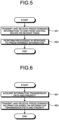
- FIG. 5 is an exemplary flowchart of a schematic procedure of the processing performed by the on-vehicle device 200 according to the embodiment.
- the central communicator 101 transmits and receives the predetermined information to and from the central device 100 (terrestrial communication device 100a) or the second train 200a (on-vehicle device 200).
- the information transmission path and the priority received most recently are used.
- the on-vehicle device 200 then performs processing in response to the predetermined information acquired by transmission and reception at S51.
- the processing described below is an example of the processing performed at S52.
- FIG. 6 is an exemplary flowchart of the processing in response to the predetermined information performed by the on-vehicle communicator 201 of the on-vehicle device 200 according to the embodiment.
- the on-vehicle communicator 201 acquires the information transmission path and the priority from the predetermined information transmitted and received at S51 in FIG. 5 , for example.
- the on-vehicle communicator 201 then transmits and receives the predetermined information possessed by itself based on the information transmission path and the priority acquired at S61. Subsequently, the processing is ended.
- the processing described below is another example of the processing performed at S52 in FIG. 5 , which is different from the processing illustrated in FIG. 6 .
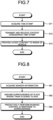
- FIG. 7 is an exemplary flowchart of the processing in response to the predetermined information performed by the on-vehicle communicator 201 and the content controller 202 of the on-vehicle device 200 according to the embodiment.
- the on-vehicle communicator 201 acquires the time stamp of the content from the predetermined information transmitted and received at S51 in FIG. 5 , for example.
- the on-vehicle communicator 201 transmits and receives the content serving as one of the predetermined information considering the time stamp acquired at S71 such that the content possessed by itself and the communication partner is the latest one. If the content possessed by the on-vehicle communicator 201 is older than that possessed by the communication partner, for example, the on-vehicle communicator 201 receives the content from the communication partner, thereby updating the content possessed by itself. If the content possessed by the on-vehicle communicator 201 is newer than that possessed by the communication partner, the on-vehicle communicator 201 transmits the content to the communication partner, thereby causing the communication partner to update the content.
- the content controller 202 then provides the latest content acquired as the result of S72 to the inside of the vehicle. Subsequently, the processing is ended.
- the processing described below is still another example of the processing performed at S52 in FIG. 5 , which is different from the processing illustrated in FIGS. 6 and 7 .
- FIG. 8 is an exemplary flowchart of the processing in response to the predetermined information performed by the on-vehicle communicator 201 and the predictive controller 204 of the on-vehicle device 200 according to the embodiment.
- the on-vehicle communicator 201 acquires the sensor information from the predetermined information transmitted and received at S51 in FIG. 5 , for example.
- the predictive controller 204 then assumes the surroundings of the place where the train 200a provided with the predictive controller 204 is going to run based on the sensor information acquired at S81.
- the predictive controller 204 then predictively performs running control in response to the surroundings assumed at S82. Subsequently, the processing is ended.
- the central device 100 includes the path determiner 102.
- the path determiner 102 determines the information transmission path between a plurality of trains 200a for consolidating information in a train 200a that performs wireless communications with the terrestrial communication device 100a out of the trains 200a based on at least the operating information on the trains 200a.
- the on-vehicle communicator 201 of the on-vehicle device 200 acquires the information transmission path directly from the central device 100 via the terrestrial communication device 100a or indirectly from the central device 100 via the terrestrial communication device 100a and the second train 200a. Based on the acquired information transmission path, the on-vehicle communicator 201 transmits and receives the predetermined information to and from the terrestrial communication device 100a or the second train 200a.
- the embodiment can quickly transmit the predetermined information on the trains 200a to the central device 100 without providing any relay devices that relay the communications between the on-vehicle devices 200 and the central device 100 on the routes R1 and R2.
- the embodiment described above can quickly transmit information from the on-vehicle devices 200 to the central device 100 using a mobile communication network, such as a mobile phone network. If the on-vehicle devices 200 of all the trains 200a have the function of performing communications using the mobile communication network, however, the configuration is complicated, resulting in an increased cost. To use the mobile communication network, it is efficient that only the on-vehicle devices 200 of some specific trains 200a have the function of performing communications using the mobile communication network.
- a modification that uses the mobile communication network preferably determines the information transmission path and the priority considering the quality of the communication environment (radio wave environment).
- the radio wave environment can be acquired as one of the sensor information, for example.
- the radio wave environment in an on-rail area of a specific train 200a having the function of performing communications using the mobile communication network is stored in a table form as described below.
- FIG. 9 is an exemplary diagram of a specific example of the radio wave environment that can be considered in the modification of the embodiment.
- a table 900 illustrated in FIG. 9 registers therein identification information (ID) on the specific train 200a having the function of performing communications using the mobile communication network (mobile phone communication network) and the radio wave environment in the on-rail area of the specific train 200a in a manner associated with each other.
- ID identification information
- three kinds of parameters, that is, the average value, the minimum value, and the maximum value of the reception intensity of mobile phone radio waves from a mobile phone base station are stored as the parameters indicating the radio wave environment.
- the table 900 illustrated in FIG. 9 is updated as needed based on the latest predetermined information (sensor information).
- the central device 100 uses the table 900 illustrated in FIG. 9 , thereby determining the information transmission path and the priority considering the latest communication environment (radio wave environment) of the mobile communication network (mobile phone communication network).
- the on-rail area of the train 200a having the train ID "1" has a maximum value of the reception intensity of mobile phone radio waves of "-30 dBm" and an average value of "-50 dBm". Consequently, the on-rail area of the train 200a having the train ID "1" is suitable to transmit and receive a large amount of data, such as the video information.
- the on-rail area of the train 200a having the train ID "1" is not suitable to transmit and receive data that requires continuous communications, such as the sensor information, because it has a minimum value of "-90 dBm".
- the on-rail area of the train 200a having the train ID "3" has a maximum value of the reception intensity of mobile phone radio waves of "-45 dBm" and an average value of "-70 dBm". Consequently, the on-rail area of the train 200a having the train ID "3" is not as suitable as that of the train 200a having the train ID "1” to transmit and receive a large amount of data.
- the on-rail area of the train 200a having the train ID "3" is more suitable than that of the train 200a having the train ID "1" to transmit and receive data that requires continuous communications because it has a minimum value of "-80 dBm".
- the modification determines the information transmission path and the priority indicating which predetermined information is to be preferentially consolidated in which train 200a by considering the communication environment (radio wave environment) of the mobile communication network (mobile phone communication network) using the table 900 illustrated in FIG. 9 , for example. Therefore, similarly to the embodiment described above, the modification using the mobile communication network can efficiently and reliably transfer the predetermined information on the trains 200a to the central device 100.
- the embodiment described above may use a nondirectional antenna or a directional antenna as the antenna of the train. With the latter antenna having directivity, the embodiment can improve the reliability in transmitting and receiving data by appropriately adjusting the directivity of the antennas of two trains when they are passing each other, for example. Therefore, the on-vehicle device according to the embodiment described above may include an antenna controller that controls (as software) the directivity of the antenna of the train provided with the on-vehicle device. To adjust the directivity, the embodiment considers information, such as the time at which the trains pass each other, the speed (acceleration) of the trains when they are passing each other, the period of time while the trains are passing each other, the distance between the trains passing each other (distance between the rails), and the like.
- the embodiment described above can calculate the time to perform wireless communications with the second train (time to come sufficiently close to the second train to perform wireless communications) from these pieces of information. Consequently, the embodiment may include the wind pressure information, the electrical signals, and the vibration information in the sensor information. With this configuration, the embodiment may calculate the time to perform wireless communications with the second train 200a using the sensor information as a supplementary of the operating information.
- the technique according to the embodiment is applied to the trains.
- the technique according to the embodiment is also applicable to buses and other means of transportation (vehicles) having an operating schedule determined in advance.
- the technique according to the embodiment is also applicable to an information sharing system between different means of transportation, such as between trains and busses.
- the embodiment described above may be applied to trains provided with a storage battery and include information on energy consumption in the predetermined information.
- the information on energy consumption include, but are not limited to, the residual quantity of the storage battery, the used quantity of the storage battery, the state of charge (SOC), the capacity (e.g., rated capacity and discharge capacity) of the storage battery, the type (properties) of the storage battery, the state of health (SOH) indicating a degraded state of the storage battery, information on an abnormality of the storage battery, information on the temperature (humidity) of the storage battery, the number of times of charge and discharge of the storage battery, the discharged quantity of the storage battery, the number of cycles of the storage battery, the depth of discharge (DOD) indicating the depth of discharge of the storage battery, the life (remaining available time, longevity, and durability) of the storage battery, vibration information on the storage battery, the size of the storage battery, the energy density of the storage battery, the energy efficiency of the storage battery, the state of function (SOF) indicating the
- the embodiment can use the electric power efficiently in the entire railway system including the electric power system, leading to reduced load on the environment (energy saving). Let us assume a case where the storage battery is charged by contactless power supply while the train is stopped at a station, for example. In this case, by using the information described above, the embodiment can save energy in the entire railway system considering various parameters, such as a stoppage time (charge available time), a time until the train is stopped at the next station (time until the next charge available time), a discharge time, a regeneration time, and the like. Furthermore, the embodiment can preferentially charge a storage battery of a train having a less residual amount of charge considering a charge available capacity of a charging stand and availability of the charging stand including the residual amount of charge, for example.
Landscapes
- Engineering & Computer Science (AREA)
- Mechanical Engineering (AREA)
- Computer Networks & Wireless Communication (AREA)
- Signal Processing (AREA)
- Physics & Mathematics (AREA)
- General Physics & Mathematics (AREA)
- Power Engineering (AREA)
- Transportation (AREA)
- Train Traffic Observation, Control, And Security (AREA)
- Mobile Radio Communication Systems (AREA)
- Electric Propulsion And Braking For Vehicles (AREA)
- Traffic Control Systems (AREA)
Claims (8)
- Fahrzeugkommunikationssystem, umfassend:eine terrestrische Kommunikationsvorrichtung (100a), die in terrestrischer Ausrüstung (150) bereitgestellt ist, mit der eine Route (R1, R2) verbunden ist, wobei die terrestrische Kommunikationsvorrichtung (100a) dazu ausgestaltet ist, eine drahtlose Kommunikation mit einem Objekt durchzuführen, das innerhalb eines vorbestimmten ersten verfügbaren Kommunikationsbereichs (A) vorhanden ist;eine zentrale Vorrichtung (100), die mit der terrestrischen Kommunikationsvorrichtung (100a) verbunden ist; undeine fahrzeugseitige Vorrichtung (200), die für jedes von mehreren Fahrzeugen (200a) bereitgestellt ist, die auf der Route (R1, R2) fahren, wobei die fahrzeugseitige Vorrichtung (200) eine fahrzeugseitige Kommunikationseinrichtung (201) umfasst, die dazu ausgestaltet ist, eine drahtlose Kommunikation mit den fahrzeugseitigen Kommunikationseinrichtungen (201) durchzuführen, die in jedem von einem oder mehreren zweiten Fahrzeugen von den mehreren Fahrzeugen (200a) bereitgestellt sind, wobei das eine oder die mehreren zweiten Fahrzeuge (200a) in einem vorbestimmten zweiten verfügbaren Kommunikationsbereich (B) vorhanden sind, wobeidie zentrale Vorrichtung (100) umfasst:eine Wegbestimmungseinrichtung (102), die dazu ausgestaltet ist, einen Informationssendungsweg zwischen den Fahrzeugen (200a) basierend auf Betriebsinformationen über die Fahrzeuge (200a) derart zu bestimmen, dass Informationen in einem Fahrzeug (200a) konsolidiert werden, das am frühesten unter den mehreren Fahrzeugen (200a) eine drahtlose Kommunikation mit der terrestrischen Kommunikationsvorrichtung (100a) durchführt, wobei die Betriebsinformationen über die Fahrzeuge (200a) einen Betriebsplan umfassen, der Zeiten angibt, an denen geplant ist, dass die Fahrzeuge (200a) an der terrestrischen Ausrüstung (150) eintreffen; undeine zentrale Kommunikationseinrichtung (101), die dazu ausgestaltet ist, vorbestimmte Informationen, die den Informationssendungsweg zu und von einem Fahrzeug (200a) umfassen, das in dem ersten verfügbaren Kommunikationsbereich (A) der terrestrischen Kommunikationsvorrichtung (100a) vorhanden ist, über die terrestrische Kommunikationsvorrichtung (100a) zu senden und zu empfangen, unddie fahrzeugseitige Kommunikationseinrichtung (201) von jeder der fahrzeugseitigen Vorrichtungen (200) ausgestaltet ist:zum Erfassen des Informationssendungswegs direkt von der zentralen Vorrichtung (100) über die terrestrische Kommunikationsvorrichtung (100a) oder indirekt von der zentralen Vorrichtung (100) über die terrestrische Kommunikationsvorrichtung (100a) und eines oder mehrere von den zweiten Fahrzeugen (200a); undzum Senden und Empfangen der vorbestimmten Informationen an die und von der terrestrischen Kommunikationsvorrichtung (100a) oder das eine oder die mehreren bzw. dem einen oder mehreren zweite/n Fahrzeuge/n (200a), die in dem zweiten verfügbaren Kommunikationsbereich (B) vorhanden sind, basierend auf dem erfassten Informationssendungsweg.
- Fahrzeugkommunikationssystem nach Anspruch 1, wobeidie zentrale Vorrichtung (100) ferner umfasst:
eine Prioritätsbestimmungseinrichtung (103), die dazu ausgestaltet ist, Priorität beim Senden und Empfangen der vorbestimmten Informationen zu bestimmen,wobei die vorbestimmten Informationen die Priorität umfassen, unddie fahrzeugseitige Kommunikationseinrichtung (201) von jeder der fahrzeugseitigen Vorrichtungen (200) ausgestaltet ist:zum Erfassen der Priorität direkt von der zentralen Vorrichtung (100) über die terrestrische Kommunikationsvorrichtung (100a) oder indirekt von der zentralen Vorrichtung (100) über die terrestrische Kommunikationsvorrichtung (100a) und ein oder mehrere von den zweiten Fahrzeugen (200a); undzum Senden und Empfangen der vorbestimmten Informationen basierend auf der erfassten Priorität. - Fahrzeugkommunikationssystem nach Anspruch 2, wobeidie Priorität die Anzahl von Malen des Sendens und Empfangens derselben Informationen auf eine sich überlappende Weise in einer drahtlosen Kommunikation umfasst, unddie Prioritätsbestimmungseinrichtung (103) ausgestaltet ist:zum Schätzen, für jedes von den mehreren Fahrzeugen (200a),einer Anzahl des einen oder der mehreren zweiten Fahrzeuge (200a), deren fahrzeugseitige Kommunikationseinrichtungen (201) in der Lage sind, ein Kommunikationspartner der fahrzeugseitigen Kommunikationseinrichtung (201) zu sein, die in einem entsprechenden der Fahrzeuge (200a) bereitgestellt ist, bis die fahrzeugseitige Kommunikationseinrichtung (201) des entsprechenden von den Fahrzeugen (200a) die drahtlose Kommunikation mit der terrestrischen Kommunikationsvorrichtung (100a) durchführt, wobei die Anzahl der zweiten Fahrzeuge (200a) basierend auf den Betriebsinformationen geschätzt wird; undzum Bestimmen der Anzahl von Malen der Sendung und des Empfangs für jedes der Fahrzeuge (200a), derart dass die Anzahl von Malen von Sendung und Empfang größer ist, wenn die Anzahl der zweiten Fahrzeuge (200a) kleiner ist.
- Fahrzeugkommunikationssystem nach Anspruch 2 oder 3, wobeidie Wegbestimmungseinrichtung (102) dazu ausgestaltet ist, den Informationssendungsweg basierend auf einer Eigenschaft der vorbestimmten Informationen zu bestimmen, unddie Prioritätsbestimmungseinrichtung (103) dazu ausgestaltet ist, die Priorität basierend auf einer Eigenschaft der vorbestimmten Informationen zu bestimmen.
- Fahrzeugkommunikationssystem nach einem der Ansprüche 2 bis 4, wobeidie Wegbestimmungseinrichtung (102) ausgestaltet ist:zum Erfassen einer Zeitdauer drahtloser Kommunikation, die von jedem der Fahrzeuge (200a) mit dem einen oder den mehreren zweiten Fahrzeugen (200a) und der terrestrischen Kommunikationsvorrichtung (100a) durchgeführt wird, basierend auf den Betriebsinformationen, undzum Bestimmen des Informationsübertragungswegs basierend auf der erfassten Zeitdauer, unddie Prioritätsbestimmungseinrichtung (103) ausgestaltet ist:zum Erfassen der Zeitdauer drahtloser Kommunikation, die von jedem der Fahrzeuge (200a) mit dem einen oder den mehreren zweiten Fahrzeugen (200a) und der terrestrischen Kommunikationsvorrichtung (100a) durchgeführt wird, basierend auf den Betriebsinformationen, undzum Bestimmen der Priorität basierend auf der erfassten Zeitdauer.
- Fahrzeugkommunikationssystem nach einem der Ansprüche 2 bis 4, wobei
die zentrale Vorrichtung (100) ferner umfasst:
eine Anpassungseinrichtung (104), die dazu ausgestaltet ist, die neuesten vorbestimmten Informationen, die über die terrestrische Kommunikationsvorrichtung (100a) erfasst werden, zu analysieren und den Informationssendungsweg und die Priorität basierend auf einem Analyseergebnis dynamisch anzupassen. - Fahrzeugkommunikationssystem nach einem der Ansprüche 1 bis 6, wobeidie vorbestimmten Informationen einen Informationsinhalt, der in den Fahrzeugen (200a) bereitgestellt wird, und einen Zeitstempel des Informationsinhalts umfassen, unddie fahrzeugseitige Kommunikationseinrichtung (201) von jeder der fahrzeugseitigen Vorrichtungen (200) dazu ausgestaltet ist, basierend auf dem Zeitstempel den Informationsinhalt, der von einem entsprechenden von den Fahrzeugen (200a) besessen wird, durch Senden und Empfangen des Informationsinhalts an die und von der terrestrischen Kommunikationsvorrichtung (100a) oder eines bzw. einem oder mehrere bzw. mehreren von den zweiten Fahrzeugen (200a) zu aktualisieren.
- Fahrzeugkommunikationssystem nach einem der Ansprüche 1 bis 7,wobeidie vorbestimmten Informationen Sensorinformationen umfassen, die ein Ergebnis des Abtastens von Umgebungen der Fahrzeuge (200a) angeben, unddie fahrzeugseitige Vorrichtung (200) von jedem der mehreren Fahrzeuge (200a) ferner umfasst:
eine prädiktive Steuereinrichtung, die dazu ausgestaltet ist, die Umgebungen an einer Stelle, wo das Fahrzeug (200a), das mit der prädiktiven Steuerung versehen ist, fahren wird, basierend auf Sensorinformationen, die über die drahtlose Kommunikation durch die fahrzeugseitige Kommunikationseinrichtung (201) erfasst werden, anzunehmen und prädiktiv Fahrsteuerung durchzuführen, die einem Annahmeergebnis entspricht.
Applications Claiming Priority (2)
| Application Number | Priority Date | Filing Date | Title |
|---|---|---|---|
| JP2017101990A JP6946053B2 (ja) | 2017-05-23 | 2017-05-23 | 車両通信システム |
| PCT/JP2018/018418 WO2018216515A1 (ja) | 2017-05-23 | 2018-05-11 | 車両通信システム |
Publications (3)
| Publication Number | Publication Date |
|---|---|
| EP3632769A1 EP3632769A1 (de) | 2020-04-08 |
| EP3632769A4 EP3632769A4 (de) | 2021-03-03 |
| EP3632769B1 true EP3632769B1 (de) | 2024-08-28 |
Family
ID=64395667
Family Applications (1)
| Application Number | Title | Priority Date | Filing Date |
|---|---|---|---|
| EP18806203.8A Active EP3632769B1 (de) | 2017-05-23 | 2018-05-11 | Fahrzeugkommunikationssystem |
Country Status (6)
| Country | Link |
|---|---|
| US (1) | US11498597B2 (de) |
| EP (1) | EP3632769B1 (de) |
| JP (1) | JP6946053B2 (de) |
| CN (1) | CN110087968B (de) |
| SG (1) | SG11201909181VA (de) |
| WO (1) | WO2018216515A1 (de) |
Families Citing this family (2)
| Publication number | Priority date | Publication date | Assignee | Title |
|---|---|---|---|---|
| EP3895957A4 (de) * | 2019-01-18 | 2021-12-29 | Mitsubishi Electric Corporation | Drahtlose relaisvorrichtung |
| CN112660201A (zh) * | 2020-12-31 | 2021-04-16 | 哈尔滨市科佳通用机电股份有限公司 | 一种无线机车信号发码系统及其通讯方法 |
Family Cites Families (17)
| Publication number | Priority date | Publication date | Assignee | Title |
|---|---|---|---|---|
| JP4680645B2 (ja) | 2005-03-22 | 2011-05-11 | 株式会社日立製作所 | 列車内の運転席内処理装置及び列車間通信の処理方法 |
| JP4879535B2 (ja) | 2005-09-12 | 2012-02-22 | 三菱電機株式会社 | 移動体データ転送システムおよび移動機 |
| JP4755521B2 (ja) * | 2006-03-31 | 2011-08-24 | 公益財団法人鉄道総合技術研究所 | 鉄道沿線情報伝送システム |
| JP2010012932A (ja) * | 2008-07-03 | 2010-01-21 | Toshiba Corp | 列車監視システム |
| EP2342114B1 (de) * | 2008-10-27 | 2012-12-26 | Siemens SAS | Verfahren zum routing von daten zwischen mindestens einem spurgebundenen fahrzeug und einem streckenseitigem netzwerk |
| WO2011133016A2 (en) * | 2010-04-20 | 2011-10-27 | Dr Ir Tee Clarence Augustine Teck Huo | Junction adaptive reactive routing (jarr) protocol for vehicular ad-hoc networks in a city environment [1-3]. |
| JP5134670B2 (ja) | 2010-09-30 | 2013-01-30 | 株式会社東芝 | 列車位置情報収集システム |
| JP2012199778A (ja) * | 2011-03-22 | 2012-10-18 | Hitachi Kokusai Electric Inc | 通信システム |
| JP5360139B2 (ja) * | 2011-06-17 | 2013-12-04 | 株式会社デンソー | 車両用通信装置および車両用通信システム |
| KR101320667B1 (ko) * | 2012-02-27 | 2013-10-18 | 한국철도기술연구원 | 열차간 통신기반 atcp 시스템 및 atcp 수행방법 |
| JP6071550B2 (ja) | 2012-12-28 | 2017-02-01 | 三菱重工メカトロシステムズ株式会社 | 車両通信システム、車載器、プログラム、及び、通信方法 |
| JP6239469B2 (ja) * | 2014-09-01 | 2017-11-29 | 株式会社日立製作所 | 車上装置、列車、及び信号保安システム |
| KR101615970B1 (ko) * | 2014-11-07 | 2016-04-28 | 한국건설기술연구원 | 도로교통 전용통신-기반 노변장치 및 차량단말기를 이용한 도로공사구간 교통정보 제공 시스템 및 그 방법 |
| PT3028920T (pt) * | 2014-12-05 | 2020-03-02 | Siemens Rail Automation S A U | Método e sistema de comunicação para troca de informações entre veículos guiados |
| CN104539738B (zh) * | 2015-01-22 | 2018-04-27 | 重庆邮电大学 | 一种led通信的车辆自组织网络 |
| CN106453660A (zh) * | 2016-12-09 | 2017-02-22 | 思建科技有限公司 | 车际通信系统 |
| CN106683472A (zh) * | 2017-03-18 | 2017-05-17 | 福州台江区超人电子有限公司 | 基于wi‑fi的公交站信息显示牌 |
-
2017
- 2017-05-23 JP JP2017101990A patent/JP6946053B2/ja active Active
-
2018
- 2018-05-11 US US16/499,915 patent/US11498597B2/en active Active
- 2018-05-11 CN CN201880005044.XA patent/CN110087968B/zh active Active
- 2018-05-11 SG SG11201909181V patent/SG11201909181VA/en unknown
- 2018-05-11 WO PCT/JP2018/018418 patent/WO2018216515A1/ja not_active Ceased
- 2018-05-11 EP EP18806203.8A patent/EP3632769B1/de active Active
Also Published As
| Publication number | Publication date |
|---|---|
| US20200114941A1 (en) | 2020-04-16 |
| JP2018197051A (ja) | 2018-12-13 |
| SG11201909181VA (en) | 2019-11-28 |
| JP6946053B2 (ja) | 2021-10-06 |
| CN110087968B (zh) | 2021-10-29 |
| EP3632769A1 (de) | 2020-04-08 |
| CN110087968A (zh) | 2019-08-02 |
| WO2018216515A1 (ja) | 2018-11-29 |
| EP3632769A4 (de) | 2021-03-03 |
| US11498597B2 (en) | 2022-11-15 |
Similar Documents
| Publication | Publication Date | Title |
|---|---|---|
| US9949092B2 (en) | Communication device, transmission interval control device, method for transmitting location information, method for controlling transmission interval of location information, and recording medium | |
| US20260057767A1 (en) | System and method for detecting speed anomalies in a connected vehicle infrastructure environment | |
| US12012132B2 (en) | Data transmitting device, and data transmitting method | |
| US11640728B2 (en) | In-vehicle information device, vehicular server, server system, and information transmission method for in-vehicle information device | |
| CN109417686B (zh) | 位置信息的报告 | |
| CN112770289A (zh) | 电子设备、无线通信方法和计算机可读存储介质 | |
| EP3632769B1 (de) | Fahrzeugkommunikationssystem | |
| US11627446B2 (en) | Inter-vehicle communication system and vehicle communication device | |
| EP4221321B1 (de) | Datenübertragungsvorrichtung, datenübertragungsverfahren und datenübertragungsprogramm | |
| CN110901706A (zh) | 一种区间应答器报文触发方法及系统 | |
| US11627588B2 (en) | Base station, communication system, communication method, and non-transitory storing medium | |
| US12230070B2 (en) | Information processing apparatus, vehicle system, information processing method and storage medium | |
| EP3504698B1 (de) | Verfahren zur bereitstellung von informationen an informationsdarstellungseinheiten | |
| CN109756553A (zh) | 通信方法、车载通信设备和系统、以及计算机可读介质 | |
| EP3641406B1 (de) | Mobilkommunikationsendgerät und kommunikationssteuerverfahren | |
| US12621701B2 (en) | Wireless communication data transmission device, data transmission method, and storage medium storing data transmission program | |
| JPWO2020017086A1 (ja) | 通信環境測定装置および車両の通信環境測定方法 | |
| Conti | High speeds at high speed | |
| CN109649452B (zh) | 获得交通工具所属车站调度路段的方法及服务器 | |
| US20250201115A1 (en) | Communication system, communication method, and storage medium | |
| JP2024062934A (ja) | 処理装置および処理プログラム | |
| KR20170046022A (ko) | 차량 서비스 관리 시스템, 장치 및 그 방법 |
Legal Events
| Date | Code | Title | Description |
|---|---|---|---|
| STAA | Information on the status of an ep patent application or granted ep patent |
Free format text: STATUS: THE INTERNATIONAL PUBLICATION HAS BEEN MADE |
|
| PUAI | Public reference made under article 153(3) epc to a published international application that has entered the european phase |
Free format text: ORIGINAL CODE: 0009012 |
|
| STAA | Information on the status of an ep patent application or granted ep patent |
Free format text: STATUS: REQUEST FOR EXAMINATION WAS MADE |
|
| 17P | Request for examination filed |
Effective date: 20191016 |
|
| AK | Designated contracting states |
Kind code of ref document: A1 Designated state(s): AL AT BE BG CH CY CZ DE DK EE ES FI FR GB GR HR HU IE IS IT LI LT LU LV MC MK MT NL NO PL PT RO RS SE SI SK SM TR |
|
| AX | Request for extension of the european patent |
Extension state: BA ME |
|
| DAV | Request for validation of the european patent (deleted) | ||
| DAX | Request for extension of the european patent (deleted) | ||
| A4 | Supplementary search report drawn up and despatched |
Effective date: 20210201 |
|
| RIC1 | Information provided on ipc code assigned before grant |
Ipc: B61L 15/00 20060101ALI20210126BHEP Ipc: B61L 3/12 20060101AFI20210126BHEP Ipc: B60L 15/40 20060101ALI20210126BHEP Ipc: B61L 27/00 20060101ALI20210126BHEP Ipc: H04L 12/947 20130101ALI20210126BHEP |
|
| REG | Reference to a national code |
Ref legal event code: R079 Ipc: B61L0015000000 Ref country code: DE Ref document number: 602018073699 Country of ref document: DE Free format text: PREVIOUS MAIN CLASS: B61L0003120000 |
|
| GRAP | Despatch of communication of intention to grant a patent |
Free format text: ORIGINAL CODE: EPIDOSNIGR1 |
|
| STAA | Information on the status of an ep patent application or granted ep patent |
Free format text: STATUS: GRANT OF PATENT IS INTENDED |
|
| RIC1 | Information provided on ipc code assigned before grant |
Ipc: H04W 40/22 20090101ALI20240312BHEP Ipc: H04W 40/20 20090101ALI20240312BHEP Ipc: H04W 40/18 20090101ALI20240312BHEP Ipc: H04W 40/02 20090101ALI20240312BHEP Ipc: B61L 27/20 20220101ALI20240312BHEP Ipc: B61L 27/70 20220101ALI20240312BHEP Ipc: B61L 3/12 20060101ALI20240312BHEP Ipc: B61L 15/00 20060101AFI20240312BHEP |
|
| INTG | Intention to grant announced |
Effective date: 20240409 |
|
| GRAS | Grant fee paid |
Free format text: ORIGINAL CODE: EPIDOSNIGR3 |
|
| GRAA | (expected) grant |
Free format text: ORIGINAL CODE: 0009210 |
|
| STAA | Information on the status of an ep patent application or granted ep patent |
Free format text: STATUS: THE PATENT HAS BEEN GRANTED |
|
| AK | Designated contracting states |
Kind code of ref document: B1 Designated state(s): AL AT BE BG CH CY CZ DE DK EE ES FI FR GB GR HR HU IE IS IT LI LT LU LV MC MK MT NL NO PL PT RO RS SE SI SK SM TR |
|
| REG | Reference to a national code |
Ref country code: GB Ref legal event code: FG4D |
|
| REG | Reference to a national code |
Ref country code: CH Ref legal event code: EP |
|
| REG | Reference to a national code |
Ref country code: DE Ref legal event code: R096 Ref document number: 602018073699 Country of ref document: DE |
|
| REG | Reference to a national code |
Ref country code: IE Ref legal event code: FG4D |
|
| REG | Reference to a national code |
Ref country code: LT Ref legal event code: MG9D |
|
| PG25 | Lapsed in a contracting state [announced via postgrant information from national office to epo] |
Ref country code: NO Free format text: LAPSE BECAUSE OF FAILURE TO SUBMIT A TRANSLATION OF THE DESCRIPTION OR TO PAY THE FEE WITHIN THE PRESCRIBED TIME-LIMIT Effective date: 20241128 |
|
| REG | Reference to a national code |
Ref country code: AT Ref legal event code: MK05 Ref document number: 1717661 Country of ref document: AT Kind code of ref document: T Effective date: 20240828 |
|
| PG25 | Lapsed in a contracting state [announced via postgrant information from national office to epo] |
Ref country code: PL Free format text: LAPSE BECAUSE OF FAILURE TO SUBMIT A TRANSLATION OF THE DESCRIPTION OR TO PAY THE FEE WITHIN THE PRESCRIBED TIME-LIMIT Effective date: 20240828 Ref country code: NL Free format text: LAPSE BECAUSE OF FAILURE TO SUBMIT A TRANSLATION OF THE DESCRIPTION OR TO PAY THE FEE WITHIN THE PRESCRIBED TIME-LIMIT Effective date: 20240828 Ref country code: PT Free format text: LAPSE BECAUSE OF FAILURE TO SUBMIT A TRANSLATION OF THE DESCRIPTION OR TO PAY THE FEE WITHIN THE PRESCRIBED TIME-LIMIT Effective date: 20241230 Ref country code: GR Free format text: LAPSE BECAUSE OF FAILURE TO SUBMIT A TRANSLATION OF THE DESCRIPTION OR TO PAY THE FEE WITHIN THE PRESCRIBED TIME-LIMIT Effective date: 20241129 Ref country code: FI Free format text: LAPSE BECAUSE OF FAILURE TO SUBMIT A TRANSLATION OF THE DESCRIPTION OR TO PAY THE FEE WITHIN THE PRESCRIBED TIME-LIMIT Effective date: 20240828 |
|
| PG25 | Lapsed in a contracting state [announced via postgrant information from national office to epo] |
Ref country code: BG Free format text: LAPSE BECAUSE OF FAILURE TO SUBMIT A TRANSLATION OF THE DESCRIPTION OR TO PAY THE FEE WITHIN THE PRESCRIBED TIME-LIMIT Effective date: 20240828 |
|
| PG25 | Lapsed in a contracting state [announced via postgrant information from national office to epo] |
Ref country code: LV Free format text: LAPSE BECAUSE OF FAILURE TO SUBMIT A TRANSLATION OF THE DESCRIPTION OR TO PAY THE FEE WITHIN THE PRESCRIBED TIME-LIMIT Effective date: 20240828 |
|
| REG | Reference to a national code |
Ref country code: NL Ref legal event code: MP Effective date: 20240828 |
|
| PG25 | Lapsed in a contracting state [announced via postgrant information from national office to epo] |
Ref country code: IS Free format text: LAPSE BECAUSE OF FAILURE TO SUBMIT A TRANSLATION OF THE DESCRIPTION OR TO PAY THE FEE WITHIN THE PRESCRIBED TIME-LIMIT Effective date: 20241228 Ref country code: AT Free format text: LAPSE BECAUSE OF FAILURE TO SUBMIT A TRANSLATION OF THE DESCRIPTION OR TO PAY THE FEE WITHIN THE PRESCRIBED TIME-LIMIT Effective date: 20240828 |
|
| PG25 | Lapsed in a contracting state [announced via postgrant information from national office to epo] |
Ref country code: HR Free format text: LAPSE BECAUSE OF FAILURE TO SUBMIT A TRANSLATION OF THE DESCRIPTION OR TO PAY THE FEE WITHIN THE PRESCRIBED TIME-LIMIT Effective date: 20240828 |
|
| PG25 | Lapsed in a contracting state [announced via postgrant information from national office to epo] |
Ref country code: ES Free format text: LAPSE BECAUSE OF FAILURE TO SUBMIT A TRANSLATION OF THE DESCRIPTION OR TO PAY THE FEE WITHIN THE PRESCRIBED TIME-LIMIT Effective date: 20240828 Ref country code: RS Free format text: LAPSE BECAUSE OF FAILURE TO SUBMIT A TRANSLATION OF THE DESCRIPTION OR TO PAY THE FEE WITHIN THE PRESCRIBED TIME-LIMIT Effective date: 20241128 |
|
| PG25 | Lapsed in a contracting state [announced via postgrant information from national office to epo] |
Ref country code: RS Free format text: LAPSE BECAUSE OF FAILURE TO SUBMIT A TRANSLATION OF THE DESCRIPTION OR TO PAY THE FEE WITHIN THE PRESCRIBED TIME-LIMIT Effective date: 20241128 Ref country code: PT Free format text: LAPSE BECAUSE OF FAILURE TO SUBMIT A TRANSLATION OF THE DESCRIPTION OR TO PAY THE FEE WITHIN THE PRESCRIBED TIME-LIMIT Effective date: 20241230 Ref country code: PL Free format text: LAPSE BECAUSE OF FAILURE TO SUBMIT A TRANSLATION OF THE DESCRIPTION OR TO PAY THE FEE WITHIN THE PRESCRIBED TIME-LIMIT Effective date: 20240828 Ref country code: NO Free format text: LAPSE BECAUSE OF FAILURE TO SUBMIT A TRANSLATION OF THE DESCRIPTION OR TO PAY THE FEE WITHIN THE PRESCRIBED TIME-LIMIT Effective date: 20241128 Ref country code: NL Free format text: LAPSE BECAUSE OF FAILURE TO SUBMIT A TRANSLATION OF THE DESCRIPTION OR TO PAY THE FEE WITHIN THE PRESCRIBED TIME-LIMIT Effective date: 20240828 Ref country code: LV Free format text: LAPSE BECAUSE OF FAILURE TO SUBMIT A TRANSLATION OF THE DESCRIPTION OR TO PAY THE FEE WITHIN THE PRESCRIBED TIME-LIMIT Effective date: 20240828 Ref country code: IS Free format text: LAPSE BECAUSE OF FAILURE TO SUBMIT A TRANSLATION OF THE DESCRIPTION OR TO PAY THE FEE WITHIN THE PRESCRIBED TIME-LIMIT Effective date: 20241228 Ref country code: HR Free format text: LAPSE BECAUSE OF FAILURE TO SUBMIT A TRANSLATION OF THE DESCRIPTION OR TO PAY THE FEE WITHIN THE PRESCRIBED TIME-LIMIT Effective date: 20240828 Ref country code: GR Free format text: LAPSE BECAUSE OF FAILURE TO SUBMIT A TRANSLATION OF THE DESCRIPTION OR TO PAY THE FEE WITHIN THE PRESCRIBED TIME-LIMIT Effective date: 20241129 Ref country code: FI Free format text: LAPSE BECAUSE OF FAILURE TO SUBMIT A TRANSLATION OF THE DESCRIPTION OR TO PAY THE FEE WITHIN THE PRESCRIBED TIME-LIMIT Effective date: 20240828 Ref country code: ES Free format text: LAPSE BECAUSE OF FAILURE TO SUBMIT A TRANSLATION OF THE DESCRIPTION OR TO PAY THE FEE WITHIN THE PRESCRIBED TIME-LIMIT Effective date: 20240828 Ref country code: BG Free format text: LAPSE BECAUSE OF FAILURE TO SUBMIT A TRANSLATION OF THE DESCRIPTION OR TO PAY THE FEE WITHIN THE PRESCRIBED TIME-LIMIT Effective date: 20240828 Ref country code: AT Free format text: LAPSE BECAUSE OF FAILURE TO SUBMIT A TRANSLATION OF THE DESCRIPTION OR TO PAY THE FEE WITHIN THE PRESCRIBED TIME-LIMIT Effective date: 20240828 |
|
| PG25 | Lapsed in a contracting state [announced via postgrant information from national office to epo] |
Ref country code: RO Free format text: LAPSE BECAUSE OF FAILURE TO SUBMIT A TRANSLATION OF THE DESCRIPTION OR TO PAY THE FEE WITHIN THE PRESCRIBED TIME-LIMIT Effective date: 20240828 Ref country code: SM Free format text: LAPSE BECAUSE OF FAILURE TO SUBMIT A TRANSLATION OF THE DESCRIPTION OR TO PAY THE FEE WITHIN THE PRESCRIBED TIME-LIMIT Effective date: 20240828 Ref country code: DK Free format text: LAPSE BECAUSE OF FAILURE TO SUBMIT A TRANSLATION OF THE DESCRIPTION OR TO PAY THE FEE WITHIN THE PRESCRIBED TIME-LIMIT Effective date: 20240828 |
|
| PG25 | Lapsed in a contracting state [announced via postgrant information from national office to epo] |
Ref country code: EE Free format text: LAPSE BECAUSE OF FAILURE TO SUBMIT A TRANSLATION OF THE DESCRIPTION OR TO PAY THE FEE WITHIN THE PRESCRIBED TIME-LIMIT Effective date: 20240828 |
|
| PG25 | Lapsed in a contracting state [announced via postgrant information from national office to epo] |
Ref country code: CZ Free format text: LAPSE BECAUSE OF FAILURE TO SUBMIT A TRANSLATION OF THE DESCRIPTION OR TO PAY THE FEE WITHIN THE PRESCRIBED TIME-LIMIT Effective date: 20240828 |
|
| PG25 | Lapsed in a contracting state [announced via postgrant information from national office to epo] |
Ref country code: IT Free format text: LAPSE BECAUSE OF FAILURE TO SUBMIT A TRANSLATION OF THE DESCRIPTION OR TO PAY THE FEE WITHIN THE PRESCRIBED TIME-LIMIT Effective date: 20240828 Ref country code: SK Free format text: LAPSE BECAUSE OF FAILURE TO SUBMIT A TRANSLATION OF THE DESCRIPTION OR TO PAY THE FEE WITHIN THE PRESCRIBED TIME-LIMIT Effective date: 20240828 |
|
| REG | Reference to a national code |
Ref country code: DE Ref legal event code: R097 Ref document number: 602018073699 Country of ref document: DE |
|
| PLBE | No opposition filed within time limit |
Free format text: ORIGINAL CODE: 0009261 |
|
| STAA | Information on the status of an ep patent application or granted ep patent |
Free format text: STATUS: NO OPPOSITION FILED WITHIN TIME LIMIT |
|
| PGFP | Annual fee paid to national office [announced via postgrant information from national office to epo] |
Ref country code: DE Payment date: 20250319 Year of fee payment: 8 |
|
| REG | Reference to a national code |
Ref country code: DE Ref legal event code: R081 Ref document number: 602018073699 Country of ref document: DE Owner name: KABUSHIKI KAISHA TOSHIBA, JP Free format text: FORMER OWNERS: KABUSHIKI KAISHA TOSHIBA, TOKYO, JP; TOSHIBA INFRASTRUCTURE SYSTEMS & SOLUTIONS CORPORATION, KAWASAKI-SHI, KANAGAWA, JP |
|
| 26N | No opposition filed |
Effective date: 20250530 |
|
| PG25 | Lapsed in a contracting state [announced via postgrant information from national office to epo] |
Ref country code: SE Free format text: LAPSE BECAUSE OF FAILURE TO SUBMIT A TRANSLATION OF THE DESCRIPTION OR TO PAY THE FEE WITHIN THE PRESCRIBED TIME-LIMIT Effective date: 20240828 |
|
| REG | Reference to a national code |
Ref country code: CH Ref legal event code: H13 Free format text: ST27 STATUS EVENT CODE: U-0-0-H10-H13 (AS PROVIDED BY THE NATIONAL OFFICE) Effective date: 20251223 |
|
| PG25 | Lapsed in a contracting state [announced via postgrant information from national office to epo] |
Ref country code: LU Free format text: LAPSE BECAUSE OF NON-PAYMENT OF DUE FEES Effective date: 20250511 |
|
| PG25 | Lapsed in a contracting state [announced via postgrant information from national office to epo] |
Ref country code: CH Free format text: LAPSE BECAUSE OF NON-PAYMENT OF DUE FEES Effective date: 20250531 |
|
| GBPC | Gb: european patent ceased through non-payment of renewal fee |
Effective date: 20250511 |
|
| REG | Reference to a national code |
Ref country code: BE Ref legal event code: MM Effective date: 20250531 |
|
| PG25 | Lapsed in a contracting state [announced via postgrant information from national office to epo] |
Ref country code: MC Free format text: LAPSE BECAUSE OF FAILURE TO SUBMIT A TRANSLATION OF THE DESCRIPTION OR TO PAY THE FEE WITHIN THE PRESCRIBED TIME-LIMIT Effective date: 20240828 |
|
| PG25 | Lapsed in a contracting state [announced via postgrant information from national office to epo] |
Ref country code: GB Free format text: LAPSE BECAUSE OF NON-PAYMENT OF DUE FEES Effective date: 20250511 |
|
| PG25 | Lapsed in a contracting state [announced via postgrant information from national office to epo] |
Ref country code: IE Free format text: LAPSE BECAUSE OF NON-PAYMENT OF DUE FEES Effective date: 20250511 |
|
| PG25 | Lapsed in a contracting state [announced via postgrant information from national office to epo] |
Ref country code: BE Free format text: LAPSE BECAUSE OF NON-PAYMENT OF DUE FEES Effective date: 20250531 |
|
| PGFP | Annual fee paid to national office [announced via postgrant information from national office to epo] |
Ref country code: FR Payment date: 20260309 Year of fee payment: 9 |