EP3630742B1 - Chemiluminescent probes for imaging/detection of proteases - Google Patents
Chemiluminescent probes for imaging/detection of proteases Download PDFInfo
- Publication number
- EP3630742B1 EP3630742B1 EP18804980.3A EP18804980A EP3630742B1 EP 3630742 B1 EP3630742 B1 EP 3630742B1 EP 18804980 A EP18804980 A EP 18804980A EP 3630742 B1 EP3630742 B1 EP 3630742B1
- Authority
- EP
- European Patent Office
- Prior art keywords
- group
- pep
- compound
- gly
- lys
- Prior art date
- Legal status (The legal status is an assumption and is not a legal conclusion. Google has not performed a legal analysis and makes no representation as to the accuracy of the status listed.)
- Active
Links
Images
Classifications
-
- C—CHEMISTRY; METALLURGY
- C12—BIOCHEMISTRY; BEER; SPIRITS; WINE; VINEGAR; MICROBIOLOGY; ENZYMOLOGY; MUTATION OR GENETIC ENGINEERING
- C12Q—MEASURING OR TESTING PROCESSES INVOLVING ENZYMES, NUCLEIC ACIDS OR MICROORGANISMS; COMPOSITIONS OR TEST PAPERS THEREFOR; PROCESSES OF PREPARING SUCH COMPOSITIONS; CONDITION-RESPONSIVE CONTROL IN MICROBIOLOGICAL OR ENZYMOLOGICAL PROCESSES
- C12Q1/00—Measuring or testing processes involving enzymes, nucleic acids or microorganisms; Compositions therefor; Processes of preparing such compositions
- C12Q1/34—Measuring or testing processes involving enzymes, nucleic acids or microorganisms; Compositions therefor; Processes of preparing such compositions involving hydrolase
- C12Q1/37—Measuring or testing processes involving enzymes, nucleic acids or microorganisms; Compositions therefor; Processes of preparing such compositions involving hydrolase involving peptidase or proteinase
-
- C—CHEMISTRY; METALLURGY
- C09—DYES; PAINTS; POLISHES; NATURAL RESINS; ADHESIVES; COMPOSITIONS NOT OTHERWISE PROVIDED FOR; APPLICATIONS OF MATERIALS NOT OTHERWISE PROVIDED FOR
- C09K—MATERIALS FOR MISCELLANEOUS APPLICATIONS, NOT PROVIDED FOR ELSEWHERE
- C09K11/00—Luminescent, e.g. electroluminescent, chemiluminescent materials
- C09K11/06—Luminescent, e.g. electroluminescent, chemiluminescent materials containing organic luminescent materials
-
- C—CHEMISTRY; METALLURGY
- C07—ORGANIC CHEMISTRY
- C07D—HETEROCYCLIC COMPOUNDS
- C07D321/00—Heterocyclic compounds containing rings having two oxygen atoms as the only ring hetero atoms, not provided for by groups C07D317/00 - C07D319/00
-
- C—CHEMISTRY; METALLURGY
- C07—ORGANIC CHEMISTRY
- C07D—HETEROCYCLIC COMPOUNDS
- C07D405/00—Heterocyclic compounds containing both one or more hetero rings having oxygen atoms as the only ring hetero atoms, and one or more rings having nitrogen as the only ring hetero atom
- C07D405/02—Heterocyclic compounds containing both one or more hetero rings having oxygen atoms as the only ring hetero atoms, and one or more rings having nitrogen as the only ring hetero atom containing two hetero rings
- C07D405/12—Heterocyclic compounds containing both one or more hetero rings having oxygen atoms as the only ring hetero atoms, and one or more rings having nitrogen as the only ring hetero atom containing two hetero rings linked by a chain containing hetero atoms as chain links
-
- C—CHEMISTRY; METALLURGY
- C07—ORGANIC CHEMISTRY
- C07K—PEPTIDES
- C07K7/00—Peptides having 5 to 20 amino acids in a fully defined sequence; Derivatives thereof
- C07K7/04—Linear peptides containing only normal peptide links
- C07K7/06—Linear peptides containing only normal peptide links having 5 to 11 amino acids
-
- C—CHEMISTRY; METALLURGY
- C09—DYES; PAINTS; POLISHES; NATURAL RESINS; ADHESIVES; COMPOSITIONS NOT OTHERWISE PROVIDED FOR; APPLICATIONS OF MATERIALS NOT OTHERWISE PROVIDED FOR
- C09K—MATERIALS FOR MISCELLANEOUS APPLICATIONS, NOT PROVIDED FOR ELSEWHERE
- C09K11/00—Luminescent, e.g. electroluminescent, chemiluminescent materials
- C09K11/06—Luminescent, e.g. electroluminescent, chemiluminescent materials containing organic luminescent materials
- C09K11/07—Luminescent, e.g. electroluminescent, chemiluminescent materials containing organic luminescent materials having chemically interreactive components, e.g. reactive chemiluminescent compositions
-
- G—PHYSICS
- G01—MEASURING; TESTING
- G01N—INVESTIGATING OR ANALYSING MATERIALS BY DETERMINING THEIR CHEMICAL OR PHYSICAL PROPERTIES
- G01N21/00—Investigating or analysing materials by the use of optical means, i.e. using sub-millimetre waves, infrared, visible or ultraviolet light
- G01N21/75—Systems in which material is subjected to a chemical reaction, the progress or the result of the reaction being investigated
- G01N21/76—Chemiluminescence; Bioluminescence
-
- G—PHYSICS
- G01—MEASURING; TESTING
- G01N—INVESTIGATING OR ANALYSING MATERIALS BY DETERMINING THEIR CHEMICAL OR PHYSICAL PROPERTIES
- G01N33/00—Investigating or analysing materials by specific methods not covered by groups G01N1/00 - G01N31/00
- G01N33/48—Biological material, e.g. blood, urine; Haemocytometers
- G01N33/50—Chemical analysis of biological material, e.g. blood, urine; Testing involving biospecific ligand binding methods; Immunological testing
- G01N33/53—Immunoassay; Biospecific binding assay; Materials therefor
- G01N33/573—Immunoassay; Biospecific binding assay; Materials therefor for enzymes or isoenzymes
-
- C—CHEMISTRY; METALLURGY
- C07—ORGANIC CHEMISTRY
- C07K—PEPTIDES
- C07K2319/00—Fusion polypeptide
- C07K2319/01—Fusion polypeptide containing a localisation/targetting motif
- C07K2319/10—Fusion polypeptide containing a localisation/targetting motif containing a tag for extracellular membrane crossing, e.g. TAT or VP22
-
- C—CHEMISTRY; METALLURGY
- C07—ORGANIC CHEMISTRY
- C07K—PEPTIDES
- C07K2319/00—Fusion polypeptide
- C07K2319/50—Fusion polypeptide containing protease site
-
- C—CHEMISTRY; METALLURGY
- C07—ORGANIC CHEMISTRY
- C07K—PEPTIDES
- C07K5/00—Peptides containing up to four amino acids in a fully defined sequence; Derivatives thereof
- C07K5/04—Peptides containing up to four amino acids in a fully defined sequence; Derivatives thereof containing only normal peptide links
- C07K5/06—Dipeptides
- C07K5/06008—Dipeptides with the first amino acid being neutral
- C07K5/06017—Dipeptides with the first amino acid being neutral and aliphatic
- C07K5/06034—Dipeptides with the first amino acid being neutral and aliphatic the side chain containing 2 to 4 carbon atoms
- C07K5/06052—Val-amino acid
-
- C—CHEMISTRY; METALLURGY
- C09—DYES; PAINTS; POLISHES; NATURAL RESINS; ADHESIVES; COMPOSITIONS NOT OTHERWISE PROVIDED FOR; APPLICATIONS OF MATERIALS NOT OTHERWISE PROVIDED FOR
- C09K—MATERIALS FOR MISCELLANEOUS APPLICATIONS, NOT PROVIDED FOR ELSEWHERE
- C09K2211/00—Chemical nature of organic luminescent or tenebrescent compounds
- C09K2211/10—Non-macromolecular compounds
- C09K2211/1003—Carbocyclic compounds
- C09K2211/1007—Non-condensed systems
-
- C—CHEMISTRY; METALLURGY
- C09—DYES; PAINTS; POLISHES; NATURAL RESINS; ADHESIVES; COMPOSITIONS NOT OTHERWISE PROVIDED FOR; APPLICATIONS OF MATERIALS NOT OTHERWISE PROVIDED FOR
- C09K—MATERIALS FOR MISCELLANEOUS APPLICATIONS, NOT PROVIDED FOR ELSEWHERE
- C09K2211/00—Chemical nature of organic luminescent or tenebrescent compounds
- C09K2211/10—Non-macromolecular compounds
- C09K2211/1003—Carbocyclic compounds
- C09K2211/1011—Condensed systems
-
- C—CHEMISTRY; METALLURGY
- C09—DYES; PAINTS; POLISHES; NATURAL RESINS; ADHESIVES; COMPOSITIONS NOT OTHERWISE PROVIDED FOR; APPLICATIONS OF MATERIALS NOT OTHERWISE PROVIDED FOR
- C09K—MATERIALS FOR MISCELLANEOUS APPLICATIONS, NOT PROVIDED FOR ELSEWHERE
- C09K2211/00—Chemical nature of organic luminescent or tenebrescent compounds
- C09K2211/10—Non-macromolecular compounds
- C09K2211/1018—Heterocyclic compounds
-
- G—PHYSICS
- G01—MEASURING; TESTING
- G01N—INVESTIGATING OR ANALYSING MATERIALS BY DETERMINING THEIR CHEMICAL OR PHYSICAL PROPERTIES
- G01N2333/00—Assays involving biological materials from specific organisms or of a specific nature
- G01N2333/90—Enzymes; Proenzymes
- G01N2333/914—Hydrolases (3)
- G01N2333/948—Hydrolases (3) acting on peptide bonds (3.4)
- G01N2333/95—Proteinases, i.e. endopeptidases (3.4.21-3.4.99)
- G01N2333/964—Proteinases, i.e. endopeptidases (3.4.21-3.4.99) derived from animal tissue
- G01N2333/96425—Proteinases, i.e. endopeptidases (3.4.21-3.4.99) derived from animal tissue from mammals
- G01N2333/96427—Proteinases, i.e. endopeptidases (3.4.21-3.4.99) derived from animal tissue from mammals in general
- G01N2333/9643—Proteinases, i.e. endopeptidases (3.4.21-3.4.99) derived from animal tissue from mammals in general with EC number
- G01N2333/96466—Cysteine endopeptidases (3.4.22)
Definitions
- the present invention provides dioxetane-based chemiluminescence probes capable of detecting proteases, as well as compositions and uses thereof.
- ACN acetonitrile
- DCM dichloromethane
- DIPEA diisopropylethylamine
- DMF N,N'-dimethylformamide
- EEDQ N-ethoxycarbonyl-2-ethoxy-1,2-dihydroquinoline
- Et 2 O diethylether
- Et 3 N triethylamine
- EtOAc ethylacetate
- HBTU 2-(1 H -benzotriazol-1-yl)-1,1,3,3-tetramethyluronium hexafluorophosphate
- HPLC high pressure liquid chromatography
- K 2 CO 3 potassium carbonate
- MeOH methyl alcohol
- Na 2 S 2 O 3 sodium thiosulfate
- Na 2 SO 4 sodium sulfate
- NH 4 Cl ammonium chloride
- PABA p -aminobenzoic acid
- PEG p -aminobenzoic acid
- PEG p -amino
- Proteases are a class of enzymes, which perform protein catabolism by hydrolysis of peptide bonds. Proteases have fundamental roles in numerous biological processes and are associated with a wide variety of pathological conditions, including cancer, arthritis, neurodegenerative and cardiovascular disorders. With strong evidence of protease involvement in diseases, proteases serve an important role in imaging and drug development. Cathepsin B, a lysosomal cysteine-protease is of significant importance as it is overexpressed in extracellular and pericellular matrix under pathological conditions, in many different cancer types including, e.g., breast, cervix, colon, colorectal, gastric, head and neck, liver, lung, melanoma, ovarian, pancreatic, prostate, and thyroid cancers. As such, a lot of effort has been put into developing molecular and medical imaging technologies, centering on protease activity in general, and cathepsin B activity in particular. Most of the development has revolved around optical imaging, directed at fluorescence imaging.
- fluorescence imaging allows for sensitive monitoring, it has disadvantages, mostly due to auto-fluorescence leading to a low signal-to-noise ratio.
- US 2013/078188 A1 provides compositions useful as molecular probes, and particularly provides activatable cell penetrating peptides comprising a fluorescence donor and a fluorescence acceptor.
- Exemplary fluorescence donors and fluorescence acceptors include compounds derived from cyanine.
- WO 2012/123916 A2 describes fluorogenic compounds designed such that upon a chemical event, compounds capable of emitting NIR light are generated.
- the compounds comprise two or more acceptor-containing moieties and a cleavable donor-containing moiety, being in complete pi-electrons conjugation and being such that no delocalization of pi-electrons is enabled.
- fluorescent compounds generated upon subjecting the fluorogenic compounds to a chemical event (e.g., deprotonation).
- uses of the fluorogenic compounds as NIR probed with a Turn-ON mechanism in monitoring presence and/or level of various analytes.
- chemiluminescence assays require no light excitation, resulting in added sensitivity and increased signal-to-noise ratio.
- Green et al. (2017) describes a new molecular methodology to design and foresee light-emission properties of turn-ON chemiluminescence dioxetane probes suitable for use under physiological conditions.
- Schaap's adamantylidene-dioxetane probes ( Scheme 1, structure I) are with highest applicability, as they bear a stable dioxetane moiety, making them suitable for many chemical and biological conditions.
- Schaap's adamantylidene-dioxetane based chemiluminescence probe (structure I) is equipped with an analyte-responsive protecting group used to mask the phenol moiety of the probe.
- Removal of the protecting group by the analyte of interest generates an unstable phenolate-dioxetane species II, which decomposes through a chemiexcitation process to produce the excited intermediate benzoate ester III and adamantanone.
- the excited intermediate decays to its ground-state (benzoate ester IV) through emission of a blue light photon.
- chemiluminescence probes based on the Schapp's adamantylidene-dioxetane probe, wherein chemiluminescence emission is amplified through a direct mode of action, more particularly wherein the Schapp's adamantylidene-dioxetane probe is substituted at the ortho position of the phenolic ring with a ⁇ ⁇ acceptor group such as an acrylate and acrylonitrile electron-withdrawing group so as to increase the emissive nature of the benzoate species ( Scheme 2 ).
- chemiluminescence probes as disclosed allow for the enzymatic hydrolysis and the chemiexcitation process to occur concurrently under physiological conditions, with remarkable chemiluminescence intensities.
- Eilon-Shaffer et al. (2018) describes a methodology that has enabled an improvement in the emissive nature of the excited species, formed during the chemiexcitation of dioxetanes under physiological conditions.
- This approach has resulted in the discovery of distinct phenoxy-dioxetane luminophores that produce a chemiluminescence signal via a direct-mode of emission.
- a significant pKa effect of phenoxy-dioxetanes on their chemiexcitation and on their ability to serve as chemiluminescent turn-ON probes for biological applications have been shown.
- imaging of ⁇ -galactosidase activity, in cancer cells and in tumor-bearing mice has been enabled.
- Tsuchikama et al. (2018) reviews molecular aspects of each component of antibody-drug conjugates (the antibody, payload, and linker), and discusses traditional and new technologies of the conjugation and linker chemistries for successful construction of clinically effective ADCs.
- the development of site-specific conjugation methodologies for constructing homogeneous ADCs is described as an especially promising path to improving ADC design.
- Harris et al. (2003) reviews how PEGylation can result in drugs that are often more effective and safer, and which show improved patient convenience and compliance, in particular as regards protein and peptide drugs.
- WO 2012/092373 A2 describes compositions for delivery of RNA interference (RNAi) polynucleotides to cells in vivo.
- the compositions comprise amphipathic membrane active polyamines reversibly modified with enzyme cleavable dipeptide-amidobenzyl-carbonate masking agents. Modification masks membrane activity of the polymer while reversibility provides physiological responsiveness.
- the reversibly modified polyamines (dynamic polyconjugate or DPC) are further covalently linked to an RNAi polynucleotide or co-administered with a targeted RNAi polynucleotide-targeting molecule conjugate.
- the present invention provides turn-ON dioxetane-based chemiluminescence probes based on those disclosed in the International Publication No. WO 2017/130191 and constructed with a protease cleavable substrate, which upon enzymatic degradation reveal dioxetane luminophores capable of emitting a chemiluminescent signal.
- the probes disclosed include a dioxetane luminophore that can be adapted with different halogens, changing the pKa of the luminophore, and an electron withdrawing group, yielding a donor-acceptor pair which gives a strong chemiluminescent signal, allowing for the probes to be used under aqueous conditions.
- the present invention provides a compound of the formula Ia or Ib: wherein
- the present invention provides a compound of the formula Ia or Ib: wherein
- the present invention provides a composition, e.g., a pharmaceutical composition, comprising a dioxetane-based chemiluminescence probe as disclosed herein, i.e., a compound of the formula Ia/Ib as defined above, and a carrier, e.g., a pharmaceutically acceptable carrier.
- a carrier e.g., a pharmaceutically acceptable carrier.
- the compounds and compositions of the invention may be used for imaging/detection of a protease such as a cathepsin, legumain, prostate specific antigen (PSA), and a metalloprotease, both in vitro and in vivo.
- the present invention thus relates to a dioxetane-based chemiluminescence probe as disclosed herein, i.e., a compound of the formula Ia/Ib as defined above, or a pharmaceutical composition comprising said compound, for use in vivo in diagnostics or imaging, more specifically, for determining the presence, or measuring the level, of a protease in vivo.
- the present invention relates to a method for determining the presence, or measuring the level, of a protease in a sample, e.g., a biological sample such as a bodily fluid, a bodily fluid-based solution or a tissue biopsy sample, said method comprising (i) contacting said sample with a dioxetane-based chemiluminescence probe of the formula Ia/Ib as defined above wherein Pep 1 is a group cleavable by said protease, or a composition comprising said compound, to thereby hydrolyze said compound to an emissive species by said protease, when present in said sample; and (ii) detecting the chemiluminescence emission of said emissive species.
- a sample e.g., a biological sample such as a bodily fluid, a bodily fluid-based solution or a tissue biopsy sample
- a dioxetane-based chemiluminescence probe of the formula Ia/Ib as defined
- the present invention provides a turn-ON dioxetane-based chemiluminescence probe, more specifically a compound of the formula Ia or Ib, as defined above.
- alkyl typically means a linear or branched hydrocarbon radical having, e.g., 1-18 carbon atoms and includes methyl, ethyl, n -propyl, isopropyl, n -butyl, sec-butyl, isobutyl, tert -butyl, n -pentyl, isoamyl, 2,2-dimethylpropyl, n -hexyl, n -heptyl, n -octyl, n- nonyl, n -decyl, n -undecyl, n -dodecyl, n -tridecyl, n -tetradecyl, n -pentadecyl, n -hexadecyl, and the like.
- Preferred are (C 1 -C 8 )alkyl groups, more preferably (C 1 -C 4 )alky
- alkylene refers to a linear or branched divalent hydrocarbon radical derived after removal of hydrogen atom from an alkyl.
- alkylenes include, without being limited to, methylene, ethylene, propylene, butylene, 2-methylpropylene, pentylene, 2-methylbutylene, hexylene, 2-methylpentylene, 3-methylpentylene, 2,3-dimethylbutylene, heptylene, octylene, n -tridecanylene, n -tetradecanylene, n- pentadecanylene, n -hexadecanylene, n -heptadecanylene, n -octadecanylene, n- nonadecanylene, icosanylene, henicosanylene, docosanylene, tricosanylene, tetracosanylene, pentacosanylene, and the like.
- alkylene refers to
- cycloalkyl means a mono- or bicyclic saturated hydrocarbyl group having, e.g., 3-7 carbon atoms such as cyclopropyl, cyclobutyl, cyclopentyl, cyclohexyl, cycloheptyl, and the like, that may be substituted, e.g., by one or more alkyl groups.
- halogen refers to a halogen and includes fluoro, chloro, bromo, and iodo, but it is preferably fluoro or chloro.
- amino acid refers to an organic compound comprising both amine and carboxylic acid functional groups, which may be either a natural or non-natural amino acid.
- the twenty-two amino acids naturally occurring in proteins are aspartic acid (Asp), tyrosine (Tyr), leucine (Leu), tryptophan (Trp), arginine (Arg), valine (Val), glutamic acid (Glu), methionine (Met), phenylalanine (Phe), serine (Ser), alanine (Ala), glutamine (Gln), glycine (Gly), proline (Pro), threonine (Thr), asparagine (Asn), lysine (Lys), histidine (His), isoleucine (Ile), cysteine (Cys), selenocysteine (Sec), and pyrrolysine (Pyl).
- Non-limiting examples of other amino acids include citrulline (Cit), diaminopropionic acid (Dap), diaminobutyric acid (Dab), ornithine (Orn), aminoadipic acid, ⁇ -alanine, 1-naphthylalanine, 3-(1-naphthyl)alanine, 3-(2-naphthyl)alanine, ⁇ -aminobutiric acid (GABA), 3-(aminomethyl) benzoic acid, p -ethynyl-phenylalanine, p- propargly-oxy-phenylalanine, m -ethynyl-phenylalanine, p -bromophenylalanine, p- iodophenylalanine, p -azidophenylalanine, p -acetylphenylalanine, norleucine (Nle), azidonorleucine, 6-eth
- amino acid residue refers to a residue of an amino acid after removal of hydrogen atom from an amino group thereof, e.g., its ⁇ -amino group or side chain amino group if present, and -OH group from a carboxyl group thereof, e.g., its ⁇ -carboxyl group or side chain carboxyl group if present.
- peptide refers to a short chain of amino acid monomers (residues), e.g., a chain consisting of 2, 3, 4, 5, 6, 7, 8, 9, 10, 11, 12 or more amino acid residues, linked by peptide bonds, i.e., the covalent bond formed when a carboxyl group of one amino acid reacts with an amino group of another.
- peptide moiety refers to a moiety of a peptide as defined herein after removal of the hydrogen atom from a carboxylic group, i.e., either the terminal or a side chain carboxylic group, thereof, and/or a hydrogen atom from an amino group, i.e., either the terminal or a side chain amino group, thereof.
- peptide bond or "amide bond” as used herein refers to the covalent bond -C(O)NH- formed between two molecules, e.g., two amino acids, when a carboxyl group of one of the molecules reacts with an amino group of the other molecule, causing the release of a molecule of water.
- amino protecting group refers to any amino protecting group known in the art. An artisan skilled in the art can readily determine which protecting group(s) may be useful for the protection of the amino group(s), and standard methods are known in the art and are described in the literature. For example, suitable protecting groups are described in Green and Wuts, "Protective Groups in Organic Synthesis", John Wiley and Sons, Chapter 7, 1991 .
- Preferred amino protecting groups include carbobenzyloxy (carboxybenzyl, Cbz), N-morpholinecarbonyl, p -methoxybenzyl carbonyl, tert- butyloxycarbonyl (Boc), 9-fluorenylmethyloxycarbonyl (Fmoc), acetyl, benzyl, a carbamate group, p -methoxybenzyl (PMB), 3,4-dimethoxybenzyl (DMPM), p- methoxyphenyl (PMP), and a tosyl group.
- the invention provides a compound of the formula Ia or Ib, wherein R 1 is a linear or branched (C 1 -C 8 )alkyl, preferably (C 1 -C 4 )alkyl, more preferably methyl, ethyl, or isopropyl.
- the invention provides a compound of the formula Ia or Ib, wherein R 2 and R 3 each independently is a branched (C 3 -C 18 )alkyl or (C 3 -C 7 )cycloalkyl.
- R 2 and R 3 together with the carbon atom to which they are attached form a fused, spiro or bridged polycyclic ring.
- R 2 and R 3 together with the carbon atom to which they are attached form adamantyl.
- the invention provides a compound of the formula Ia or Ib, wherein R 5 is halogen, e.g., Cl or F, attached ortho to the -O-R 4 group.
- E is -CN, -COOH, -COOCH 3 , -COOC 2 H 5 , -COOC 3 H 7 , -COOCH(CH 3 ) 2 , or -COOC(CH 3 ) 3 .
- R 1 is a linear or branched (C 1 -C 8
- R 1 is methyl; R 2 and R 3 together with the carbon atom to which they are attached form adamantyl; R 5 is halogen attached ortho to the -O-R 4 group; and E is -CN, -COOH, or -COO(C 1 -C 4 )alkyl such as -COOCH 3 , -COOC 2 H 5 , -COOC 3 H 7 , -COOCH(CH 3 ) 2 , or - COOC(CH 3 ) 3 .
- E is -CN, -COOH, - COOCH 3 , or -COOC(CH 3 ) 3 .
- A is acrylonitrile, acrylic acid, methylacrylate or tert- butyl acrylate substituent, respectively, attached ortho to the -O-R 4 group.
- the chemiluminescence probes of the present invention have a protease (also termed “peptidase” or “proteinase”) cleavable peptide moiety (identified herein as Pep 1 that is part of the group R 4 ), i.e., a moiety of an amino acid sequence, optionally modified, that is cleavable by a protease, i.e., an enzyme capable of performing proteolysis (protein catabolism) by hydrolysis of peptide bonds, wherein removal of said cleavable group by the particular protease of interest generates an unstable phenolate-dioxetane species that decomposes through a chemiexcitation process to produce the excited intermediate, which then decays to its ground-state through emission of light.
- a protease also termed "peptidase” or “proteinase”
- Pep 1 that is part of the group R 4
- a protease i.e., an
- protease referred to throughout this specification may be any protease such as a serine protease, a cysteine protease, a threonine protease, an aspartic protease, a glutamic protease, or a metalloprotease, i.e., a protease enzyme whose catalytic mechanism involves a metal (usually zinc).
- the protease referred to herein is a cathepsin such as cathepsin A or G (serine proteases); cathepsin B, C, F, H, K, L1, L2, 0, S, W or Z (cysteine proteases); and cathepsin D or E (aspartyl protease).
- cathepsin A or G serine proteases
- cathepsin B, C, F, H, K, L1, L2, 0, S, W or Z cyste proteases
- cathepsin D or E aspartyl protease
- the chemiluminescence probe of the formula IalIb is aimed at detecting the presence, more particularly over expression, of cathepsin B, a lysosomal cysteine protease involved in intracellular proteolysis, which is overexpressed in premalignant lesions and various pathological conditions, as well as in cancers, e.g., in tumor endothelial cells and many other tumor cells in the lysosome (Miller et al., 2009).
- Cathepsin B-cleavable peptides include, without limiting, peptides comprising, or consisting of, the amino acid sequence Val-Cit, Phe-Lys, or Gly-Phe-Leu-Gly (such peptides will be linked via the carboxylic group of the citrulline, lysine or glycine, respectively, to the aniline group of R 4 ).
- the chemiluminescence probe of the formula IalIb is aimed at detecting the presence, more particularly over expression, of cathepsin K, a lysosomal cysteine protease involved in bone remodeling and resorption, which is expressed predominantly in osteoclasts and overexpressed extracellularly in bone neoplasms (Segal et al., 2009).
- Cathepsin K-cleavable peptides include, without being limited to, peptides comprising the amino acid sequence Gly-Gly-Pro-Nle (such peptides will be linked via the carboxylic group of the norleucine to the aniline group of R 4 ).
- the protease referred to herein is legumain, a lysosomal enzyme that is overexpressed in tumor cells (Stern et al., 2009), and the chemiluminescence probe of the formula IalIb is aimed at detecting the presence, more particularly over expression, of said protease.
- Legumain-cleavable peptides include, without limiting, peptides comprising the amino acid sequence Ala-Ala-Asn (such peptides will be linked via the carboxylic group of the asparagine to the aniline group of R 4 ).
- the protease referred to herein is PSA (also known as kallikrein-3), a member of the kallikrein-related protease family that is secreted by the epithelial cells of the prostate gland and used as a marker for prostate cancer or other prostate disorders, and the chemiluminescence probe of the formula IalIb is aimed at detecting the presence, more particularly over expression, of said protease.
- PSA-cleavable peptides include, without being limited to, peptides comprising the amino acid sequence His-Ser-Ser-Lys-Leu-Gln (such peptides will be linked via the carboxylic group of the glutamine to the aniline group of R 4 ).
- the protease referred to herein is a matrix metalloprotease (MMP), i.e., a family member of Zn-dependent endopeptidases that are collectively capable of hydrolyzing all proteins of the extracellular matrix, and thus play important roles in physiological processes such as tissue morphogenesis and repair.
- MMPs are also important contributors to cancer progression by promoting tumor cell invasion of the basement membrane and stroma, blood vessel penetration, and metastasis. Numerous studies have shown, e.g., that MMP9 is critical for the formation of the pre-metastatic niche and has a distinct role in tumor angiogenesis by regulating the bioavailability of vascular endothelial growth factor. Clinically, elevated levels of MMP9 correlate to tumor aggressiveness, stage and poor prognosis in a broad range of cancer types. Data have also been published with respect to MMP2.
- the invention provides a compound of the formula Ia or Ib as defined in any one of the embodiments above, wherein Pep 1 is a protease cleavable peptide moiety comprising, or consisting of, the amino acid sequence Val-Cit, Phe-Lys, Gly-Phe-Leu-Gly, Gly-Gly-Pro-Nle, Ala-Ala-Asn or His-Ser-Ser-Lys-Leu-Gln, wherein said amino acid sequence is linked via the carboxylic group of the citrulline, lysine, glycine, norleucine, asparagine or glutamine, respectively, to the aniline group of R 4 ; and protected at an amino group thereof, or linked via an amide bond and through said amino group to a PEG-containing group, e.g., a PEG-containing group of the formula: , wherein n is an integer of 1 to 227.
- Pep 1 is a protease clea
- Pep 1 is a protease cleavable peptide moiety of the sequence Val-Cit, Phe-Lys, Gly-Phe-Leu-Gly, Gly-Gly-Pro-Nle, Ala-Ala-Asn or His-Ser-Ser-Lys-Leu-Gln, linked via the carboxylic group of the citrulline, lysine, glycine, norleucine, asparagine or glutamine, respectively, to the aniline group, and protected at the ⁇ -amino group of the valine, phenylalanine, glycine, glycine, alanine or histidine, respectively, with an amino protecting group, e.g., carboxybenzyl or N-morpholinecarbonyl.
- an amino protecting group e.g., carboxybenzyl or N-morpholinecarbonyl.
- Pep 1 is a protease cleavable peptide moiety of the sequence Val-Cit, Phe-Lys, Gly-Phe-Leu-Gly, Gly-Gly-Pro-Nle, Ala-Ala-Asn or His-Ser-Ser-Lys-Leu-Gln, linked via the carboxylic group of the citrulline, lysine, glycine, norleucine, asparagine or glutamine, respectively, to the aniline group, and linked via the ⁇ -amino group of the valine, phenylalanine, glycine, glycine, alanine or histidine, respectively, to a PEG-containing group of the formula: , wherein n is an integer of 1 to 227.
- the invention provides a compound of the formula Ia or Ib as defined in any one of the embodiments above, wherein Pep 1 is a protease cleavable peptide moiety comprising, or consisting of, the amino acid sequence Val-Cit, Phe-Lys, Gly-Phe-Leu-Gly, Gly-Gly-Pro-Nle, Ala-Ala-Asn or His-Ser-Ser-Lys-Leu-Gln, linked via the carboxylic group of the citrulline, lysine, glycine, norleucine, asparagine or glutamine, respectively, to the aniline group;
- L is a linker linked to Pep 1 via an amide bond through either a carboxyl or amino group of Pep 1 ; and
- Pep 2 is a cell-penetrating and solubilizing peptide moiety linked to L through a thiol group thereof.
- L is a linker of the formula: linked to Pep 1 via an amide bond through an amino group of Pep 1 , wherein m is an integer of 1-20, and the alkylene chain of L is optionally interrupted with one or more -0- groups; and Pep 2 is a cell-penetrating and solubilizing peptide moiety, e.g., a peptide moiety of the sequence Cys-Gly-Lys-Arg-Lys, linked to L through the thiol group of the cysteine residue.
- the present invention provides a composition comprising a dioxetane-based chemiluminescence probe as disclosed herein, i.e., a compound of the formula la/Ib as defined in any one of the embodiments above, and a carrier.
- a composition comprising a dioxetane-based chemiluminescence probe as disclosed herein, i.e., a compound of the formula la/Ib as defined in any one of the embodiments above, and a carrier.
- Particular such compositions are pharmaceutical compositions comprising said chemiluminescence probe and a pharmaceutically acceptable carrier.
- composition of the present invention comprises a chemiluminescence probe of the formula IalIb selected from those listed in Table 2.
- the chemiluminescence probe of the formula Ia/Ib may be used for diagnostics and/or in vivo imaging, more specifically, for determining the presence, or measuring the level, of a protease such as a serine protease, a cysteine protease, a threonine protease, an aspartic protease, a glutamic protease, or a metalloprotease.
- proteases include, without limiting, cathepsins such as cathepsin A, B, C, D, E, F, G, H, K, L1, L2, 0, S, W and Z, legumain, and PSA.
- the present invention thus relates to (i) a dioxetane-based chemiluminescence probe of the formula Ia/Ib as defined in any one of the embodiments above; or (ii) a pharmaceutical composition comprising said chemiluminescence probe, for use in vivo in diagnostics or imaging, i.e., for determining the presence, or measuring the level, of a protease as defined above in vivo.
- the present disclosure relates to a method for determining the presence, or measuring the level, of a protease as defined above in an individual in need, said method comprising (i) administering to said individual a compound of the formula Ia/Ib as defined in any one of the embodiments above, or a composition comprising said compound, to thereby hydrolyze said compound to an emissive species by said protease, when present in said individual; and (ii) detecting the chemiluminescence emission of said emissive species.
- the chemiluminescence probe can be administered systemically or locally, e.g., to a particular organ of said individual, so as to determine the presence, or measure the level, of said protease in the whole body of said individual, or in said particular organ.
- the present invention relates to a method for determining the presence, or measuring the level, of a protease in a sample, i.e., in vitro, said method comprising (i) contacting said sample with a compound of the formula Ia/Ib as defined in any one of the embodiments above wherein Pep 1 is a group cleavable by said protease, or a composition comprising said compound, to thereby hydrolyze said compound to an emissive species by said protease, when present in said sample; and (ii) detecting the chemiluminescence emission of said emissive species.
- the sample analyzed according to this method may be any sample, e.g., a biological sample.
- biological sample refers to a tissue biopsy sample; a bodily fluid such as an amniotic fluid, aqueous humour, vitreous humour, bile, blood serum, breast milk, cerebrospinal fluid, cerumen (earwax), endolymph, perilymph, female ejaculate, gastric juice, mucus, peritoneal fluid, saliva, sebum (skin oil), semen, sweat, tears, vaginal secretion, vomit and urine; or a bodily fluid-based solution, i.e., an aqueous solution in which a bodily fluid is dissolved.
- compositions according to the present invention may be prepared by conventional techniques, e.g., as described in Remington: The Science and Practice of Pharmacy, 19th Ed., 1995 .
- the compositions can be prepared, e.g., by uniformly and intimately bringing the active agent, i.e., the dioxetane-based chemiluminescence probe disclosed herein, into association with a liquid carrier, a finely divided solid carrier, or both, and then, if necessary, shaping the product into the desired formulation.
- the compositions may be in liquid, solid or semisolid form and may further include pharmaceutically acceptable fillers, carriers, diluents or adjuvants, and other inert ingredients and excipients.
- the pharmaceutical composition of the present invention is formulated as nanoparticles.
- a pharmaceutical composition according to the present invention can be formulated for any suitable route of administration, e.g., for parenteral administration such as intravenous, intraarterial, intrathecal, intrapleural, intratracheal, intraperitoneal, intramuscular or subcutaneous administration, topical administration, oral or enteral administration, or for inhalation.
- parenteral administration such as intravenous, intraarterial, intrathecal, intrapleural, intratracheal, intraperitoneal, intramuscular or subcutaneous administration, topical administration, oral or enteral administration, or for inhalation.
- such a composition is formulated for intravenous or intraperitoneal administration, or for subcutaneous administration.
- the pharmaceutical composition of the invention may be in the form of a sterile injectable aqueous or oleaginous suspension, which may be formulated according to the known art using suitable dispersing, wetting or suspending agents.
- the sterile injectable preparation may also be a sterile injectable solution or suspension in a non-toxic parenterally acceptable diluent or solvent.
- Acceptable vehicles and solvents include, e.g., water, Ringer's solution and isotonic sodium chloride solution.
- the chemiluminescence emission of the probes of the present invention can be detected utilizing any technique or procedure known in the art.
- Optical molecular imaging is a promising technique that provides a high degree of sensitivity and specificity in tumor margin detection. Furthermore, existing clinical applications have proven that optical molecular imaging is a powerful intraoperative tool for guiding surgeons performing precision procedures, thus enabling radical resection and improved survival rates.
- An example of a clinically approved instrument for minimally invasive surgical procedures under fluorescence guidance is the da Vinci Surgical System (Haber et al., 2010). This instrument is featured with a 3D HD vision system for a clear and magnified view inside a patient's body and allows surgeons to perform complex and routine procedures through a few small openings, similar to traditional laparoscopy.
- Probe 2 As depicted in Scheme 6 , compound 2b (20 mg, 0.02 mmol) was dissolved in 5 mL DCM and a few drops of DMF (to enhance solubility). A few milligrams of methylene blue were added and oxygen was bubbled through the solution, while irradiating with yellow light. The reaction was monitored by RP-HPLC (50-100% ACN in water, 20 min). Upon completion, the reaction mixture was concentrated by evaporation under reduced pressure and the crude product was purified by preparative RP-HPLC (50-100% ACN in water, 20 min) to afford probe 2 (8 mg, 40% yield) as a white solid. MS (ES-): m / z calc.
- CGKRK Cys-Gly-Lys-Arg-Lys
- Fmoc-Lys(Boc)-Wang resin was swirled in DMF for 30 min.
- Fmoc deprotection was done with 20% piperidine (15 minutes) followed by coupling of the next amino acid (4 eq) with HBTU (4 eq) in a mixture of DIPEA (6 eq) and DMF (30 minutes). These two steps were repeated until the sequence is completed.
- Probe 4 As depicted in Scheme 14 , compound 4b (7 mg, 0.007 mmol, 1 eq) and CGKRK peptide (7.5 mg, 0.008 mmol, 1.1 eq) were dissolved in DMF and a few drops of Et 3 N were added. The reaction was monitored by RP-HPLC (30-100% ACN in water, 20 min). Upon completion, the reaction mixture was concentrated by evaporation under reduced pressure. The crude product was purified by preparative RP-HPLC (30-100% ACN in water, 20 min) to afford probe 4 (8 mg, 68% yield) as a white solid.
- Chemiluminescence images were acquired using Olympus LV200 inverted microscope fitted with an EMCCD camera (Hamamatsu C9100-13).
- RAW 264.7 Abelson murine leukemia virus-induced tumor cells, CT26CL25 colon carcinoma cells and NIH 3T3 mouse fibroblast (control) cells were grown on 35mm glass bottom petri dishes at 37°C for 24 h.
- Cell culture medium was changed to Molecular Probes ® Live Cell Imaging Solution containing 5 ⁇ M of probes MR 3-128 or MR 3-131. Cells were incubated for another 20 minutes at 37°C. For visualization of chemiluminescence emission, images were recorded with 20 minutes exposure times.
- probes 1, 2, 3 and 4 were synthesized as described in the Experimental.
- Probe 1 was based on the conventional Schaap adamantylidene-dioxetane, with cathepsin B labile protecting group, while probe 2 was constructed with the addition of an elongated pi-system and an electron-withdrawing group.
- This donor-acceptor pair design increases the emission of the luminophore under physiological conditions, allowing it to serve as a good luminophore for one-step assays with enzymatic activation, and live-cell imaging.
- probes 3 and 4 To improve the solubility in water and the odds of the probes entering cells, we also synthesized probes 3 and 4.
- CGKRK Cys-Gly-Lys-Arg-Lys
- the CGKRK peptide contains multiple basic residues. A high content of basic residues is a shared characteristic among internalizing peptides, making the CGKRK an effective cell-penetrating and solubilizing peptide.
- the penta-peptide was first identified in a screening with transgenic mouse epidermal cancers. When a small molecule is coupled to the CGKRK peptide, it internalizes the conjugate into most target tumor cells but does not uptake in normal tissues.
- chemiluminescence emission of the probes was measured, with or without the addition of cathepsin B.
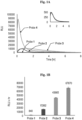
- the kinetic profiles of the chemiluminescence signals and their relative total-photon emissions are shown in Figs. 1A and 1B , respectively.
- the probes exhibit a characteristic chemiluminescence kinetic profile upon the addition of cathepsin B, with an initial signal rise to a maximum followed by a slower decrease until termination. There is a distinct increase in the chemiluminescent signal from probe 1 onto probes 2, 3 and 4.
- Probe 1 produced extremely weak emission ( Fig. 1A , inset), as expected due to its lack of the added donor-acceptor pair.
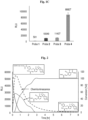
- HPLC was used to follow the enzymatic degradation of probe 4.
- HPLC analysis reveals the rapid enzymatic disassembly of probe 4 and the ultra-fast 1,6-elimination of the aniline linker.
- Comparisons of the HPLC and chemiluminescence data show strong correlation between the chemiluminescence maximal signal, and the termination of the enzymatic cleavage.
- a relationship between the chemiluminescence decay and the chemiexcitation process is apparent (as seen by the kinetic degradation of the unmasked phenolate to the benzoate).
- this demonstrates the efficiency and swiftness of the decay of the benzoate ester to its ground state (which is accompanied by the emission of light).
- probes 3 and 4 were chosen for cell imaging evaluation. These probes were selected as they showed the highest light emission upon incubation with cathepsin B.
- the imaging was done with a microscope suitable for localizing and quantifying chemiluminescent signals (LV200).
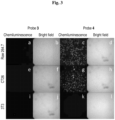
- Raw 264.7, CT26 tumor cells, and 3T3 normal cells were incubated with either probe 3 or probe 4 and imaged using the LV200.
- incubating with probe 4 led to both Raw 246.7 and CT26 cancer cells being imaged via the chemiluminescence signal, while no chemiluminescence signal was observed for the 3T3 cells.
- probe 4 is able to differentiate cancerous cells from normal tissue.
- incubation with probe 3 showed no chemiluminescence signal for either type of cell. This may be due to the lower solubility of probe 3 when compared to probe 4 (which can be concluded from the in vitro experiments), or the lack of tumor homing peptide which may add to probe 4's ability to encapsulate inside the cells.
- probe 4 The sensitivity of probe 4 to detect cathepsin B was measured and compared to that of a classic fluorescent probe (Z-Val-Cit-PABA-7HC) based on 7-hydroxy-coumarin.
- Z-Val-Cit-PABA-7HC a classic fluorescent probe
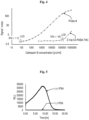
- signal/noise ratio using different cathepsin B concentrations was plotted against enzyme concentration using logarithmic scales ( Fig . 4 ).
- probe 4 exhibited a limit of detection (LOD) value of 76.29 ⁇ U/mL, while Z-Val-Cit-PABA-7HC detected cathepsin B with an LOD value of 1.25 U/mL.
- LOD limit of detection
- Mu-HSSKL Peptide Mu-HSSKL (morpholino-His-Ser-Ser-Lys-Leu) was synthesized via Fmoc-Solid Phase Peptide Synthesis. Fmoc-Leu-Wang resin was swirled in DMF for 30 min. Fmoc deprotection was done with 20% piperidine (15 minutes) followed by coupling of the next amino acid (4 eq) with HBTU (4 eq) in a mixture of DIPEA (6 eq) and DMF (30 minutes). These two steps were repeated until the sequence is completed. Finally, Fmoc deprotection of the His was completed and the HSSKL sequence was coupled with 4-Morpholinecarbonyl chloride.
- a different chemiluminescence probe herein identified as probe 5, with a PSA cleavable peptide (HSSKLQ, histidine-serine-serine-lysin-leucin-glutamin) as a protecting group, and a 4-morpholinecarbonyl cap that is stable and supposed to increase solubility, was synthesized.
- the probe is based on a conventional Schaap adamantylidene-dioxetane with the addition of an elongated pi-system and an electron-withdrawing group. This donor-acceptor pair design increases the emission of the luminophore under physiological conditions, allowing it to serve as a good luminophore for one-step assays with enzymatic activation, and live-cell imaging.
- Fig. 5 shows the chemiluminescence kinetic profiles of probe 5 [10 ⁇ M] in Tris buffer (pH 7.8, 10% DMSO) in the presence of 10 mg/mL PSA at room temperature.
Landscapes
- Chemical & Material Sciences (AREA)
- Organic Chemistry (AREA)
- Life Sciences & Earth Sciences (AREA)
- Health & Medical Sciences (AREA)
- Engineering & Computer Science (AREA)
- General Health & Medical Sciences (AREA)
- Biochemistry (AREA)
- Molecular Biology (AREA)
- Proteomics, Peptides & Aminoacids (AREA)
- Immunology (AREA)
- Biophysics (AREA)
- Genetics & Genomics (AREA)
- Physics & Mathematics (AREA)
- Medicinal Chemistry (AREA)
- Analytical Chemistry (AREA)
- Materials Engineering (AREA)
- Wood Science & Technology (AREA)
- Zoology (AREA)
- General Physics & Mathematics (AREA)
- Biotechnology (AREA)
- Chemical Kinetics & Catalysis (AREA)
- Microbiology (AREA)
- Pathology (AREA)
- Hematology (AREA)
- Urology & Nephrology (AREA)
- Biomedical Technology (AREA)
- Bioinformatics & Cheminformatics (AREA)
- General Engineering & Computer Science (AREA)
- Plasma & Fusion (AREA)
- Cell Biology (AREA)
- General Chemical & Material Sciences (AREA)
- Food Science & Technology (AREA)
- Peptides Or Proteins (AREA)
- Measuring Or Testing Involving Enzymes Or Micro-Organisms (AREA)
- Investigating Or Analysing Biological Materials (AREA)
- Medicines Containing Antibodies Or Antigens For Use As Internal Diagnostic Agents (AREA)
- Investigating Or Analysing Materials By The Use Of Chemical Reactions (AREA)
Applications Claiming Priority (3)
| Application Number | Priority Date | Filing Date | Title |
|---|---|---|---|
| US201762510370P | 2017-05-24 | 2017-05-24 | |
| US201762557881P | 2017-09-13 | 2017-09-13 | |
| PCT/IL2018/050557 WO2018216012A1 (en) | 2017-05-24 | 2018-05-23 | Chemiluminescent probes for imaging/detection of proteases |
Publications (4)
| Publication Number | Publication Date |
|---|---|
| EP3630742A1 EP3630742A1 (en) | 2020-04-08 |
| EP3630742A4 EP3630742A4 (en) | 2021-03-03 |
| EP3630742B1 true EP3630742B1 (en) | 2023-08-16 |
| EP3630742C0 EP3630742C0 (en) | 2023-08-16 |
Family
ID=64396284
Family Applications (1)
| Application Number | Title | Priority Date | Filing Date |
|---|---|---|---|
| EP18804980.3A Active EP3630742B1 (en) | 2017-05-24 | 2018-05-23 | Chemiluminescent probes for imaging/detection of proteases |
Country Status (7)
| Country | Link |
|---|---|
| US (1) | US12173350B2 (enExample) |
| EP (1) | EP3630742B1 (enExample) |
| JP (2) | JP2020520981A (enExample) |
| CN (1) | CN110944985B (enExample) |
| ES (1) | ES2963606T3 (enExample) |
| PL (1) | PL3630742T3 (enExample) |
| WO (1) | WO2018216012A1 (enExample) |
Families Citing this family (8)
| Publication number | Priority date | Publication date | Assignee | Title |
|---|---|---|---|---|
| CN112204020B (zh) * | 2018-05-25 | 2023-11-14 | 尼米斯技术公司 | 二氧杂环丁烷化合物及其用于检测微生物的用途 |
| WO2021165959A1 (en) * | 2020-02-19 | 2021-08-26 | Ramot At Tel-Aviv University Ltd. | Chemiluminescence probes for tuberculosis |
| EP4384515A4 (en) * | 2021-08-11 | 2025-09-03 | Univ Nanyang Tech | ULTRA-HIGH BRIGHTNESS CHEMILUMINESCENT PROBES FOR DETECTION AND IMAGING |
| CN114315791B (zh) * | 2021-12-22 | 2023-12-08 | 东南大学 | 用于实现手术导航和微小转移瘤成像的小分子化学发光探针及其制备方法和用途 |
| CN114380786B (zh) * | 2021-12-23 | 2023-03-24 | 苏州大学 | 基于氨基肽酶激活型化学发光探针及其在恶性肿瘤的活体检测与手术导航方面的应用 |
| CN114716407A (zh) * | 2022-03-16 | 2022-07-08 | 大连理工大学 | 一种检测泛酰巯基乙胺酶活性的化学发光探针、制备方法及其生物应用 |
| CN115819416B (zh) * | 2022-11-29 | 2024-06-25 | 遵义医科大学 | 一种用于检测和区分的多模态化学发光分子及其应用 |
| WO2024147125A1 (en) * | 2023-01-04 | 2024-07-11 | Ramot At Tel-Aviv University Ltd. | Cyclobutyl-substituted phenoxy-dioxetanes and uses thereof |
Family Cites Families (12)
| Publication number | Priority date | Publication date | Assignee | Title |
|---|---|---|---|---|
| US6083486A (en) | 1998-05-14 | 2000-07-04 | The General Hospital Corporation | Intramolecularly-quenched near infrared fluorescent probes |
| KR100858640B1 (ko) * | 2000-03-29 | 2008-09-17 | 버텍스 파마슈티칼스 인코포레이티드 | 카스파제 억제용 카바메이트 화합물 |
| UA75093C2 (en) * | 2000-10-06 | 2006-03-15 | Dimensional Pharm Inc | Aminopyridinyl-,aminoguanidinyl-, and alkoxyguanidinesubstituted phenylsubstituted phenylacetamides as protease inhibitors |
| US9695251B2 (en) * | 2003-10-31 | 2017-07-04 | The Regents Of The University Of California | Activatable cell penetrating peptides with quenched fluorophores |
| US20100278745A1 (en) * | 2006-12-21 | 2010-11-04 | Norbert Lange | Compounds for fluorescence imaging |
| CN101772577A (zh) * | 2007-08-03 | 2010-07-07 | 塞诺菲-安万特股份有限公司 | 半胱天冬蛋白酶成像探针 |
| ES2658852T3 (es) * | 2008-01-18 | 2018-03-12 | Visen Medical, Inc. | Agentes de imaginología fluorescentes |
| CA2816041C (en) * | 2010-12-29 | 2019-01-08 | Arrowhead Research Corporation | In vivo polynucleotide delivery conjugates having enzyme sensitive linkages |
| EP2686385B1 (en) | 2011-03-15 | 2019-01-16 | Ramot at Tel Aviv University, Ltd. | Activatable fluorogenic compounds and uses thereof as near infrared probes |
| FR3022784B1 (fr) * | 2014-06-26 | 2017-09-08 | Ecole Normale Superieure Lyon | Sondes moleculaires activables hydrosolubles, intermediaires pour leur synthese et procedes de detection associes |
| CN108884386B (zh) * | 2016-01-26 | 2022-03-15 | 特拉维夫大学拉玛特有限公司 | 用于诊断和体内成像的化学发光探针 |
| CN112204020B (zh) * | 2018-05-25 | 2023-11-14 | 尼米斯技术公司 | 二氧杂环丁烷化合物及其用于检测微生物的用途 |
-
2018
- 2018-05-23 ES ES18804980T patent/ES2963606T3/es active Active
- 2018-05-23 PL PL18804980.3T patent/PL3630742T3/pl unknown
- 2018-05-23 US US16/616,356 patent/US12173350B2/en active Active
- 2018-05-23 EP EP18804980.3A patent/EP3630742B1/en active Active
- 2018-05-23 JP JP2019565169A patent/JP2020520981A/ja active Pending
- 2018-05-23 WO PCT/IL2018/050557 patent/WO2018216012A1/en not_active Ceased
- 2018-05-23 CN CN201880047726.7A patent/CN110944985B/zh active Active
-
2023
- 2023-01-06 JP JP2023000803A patent/JP7553615B2/ja active Active
Also Published As
| Publication number | Publication date |
|---|---|
| US20200277647A1 (en) | 2020-09-03 |
| ES2963606T3 (es) | 2024-04-01 |
| EP3630742A4 (en) | 2021-03-03 |
| US12173350B2 (en) | 2024-12-24 |
| PL3630742T3 (pl) | 2024-04-08 |
| EP3630742A1 (en) | 2020-04-08 |
| JP7553615B2 (ja) | 2024-09-18 |
| EP3630742C0 (en) | 2023-08-16 |
| CN110944985B (zh) | 2022-12-13 |
| JP2023038235A (ja) | 2023-03-16 |
| WO2018216012A1 (en) | 2018-11-29 |
| CN110944985A (zh) | 2020-03-31 |
| JP2020520981A (ja) | 2020-07-16 |
Similar Documents
| Publication | Publication Date | Title |
|---|---|---|
| EP3630742B1 (en) | Chemiluminescent probes for imaging/detection of proteases | |
| US11241507B2 (en) | Near-infrared chemiluminescent probes for in-vivo imaging | |
| US8841085B2 (en) | Nanoparticle sensor for measuring protease activity and method for manufacturing the same | |
| US9095618B2 (en) | Conjugates of a polymer, a bisphosphonate and an anti-angiogenesis agent and uses thereof in the treatment and monitoring of bone related diseases | |
| JP2004501875A (ja) | トリペプチドプロドラッグ化合物 | |
| US9180209B2 (en) | Non-peptidic quenched fluorescent imaging probes | |
| US12187708B2 (en) | Near-infrared cyanine dyes and conjugates thereof | |
| JP2013241423A (ja) | カルボキシルエステラーゼにより加水分解可能なアルファアミノ酸エステル−薬剤複合体 | |
| CN120132004A (zh) | 基于活性的探针化合物、组合物及其使用方法 | |
| US7439319B2 (en) | Selective substrates for matrix metalloproteinases | |
| CA2835217A1 (en) | Activity-based probes for the urokinase plasminogen activator | |
| JP7149614B2 (ja) | in vivo画像化のためのプロテアーゼ活性化コントラスト剤 | |
| Gorzeń et al. | Engineering unnatural amino acids in peptide linkers enables cathepsin-selective antibody-drug conjugates for HER2-positive breast cancer | |
| US9605296B2 (en) | Fluorogenic peptidase substrate | |
| EP4107150A1 (en) | Chemiluminescence probes for tuberculosis | |
| US10213515B2 (en) | Glycopeptide for contrast agent targeting cancer cells and contrast agent kit containing the same | |
| US12221649B2 (en) | Fluorescent probe for detecting carboxypeptidase activity | |
| KR102316571B1 (ko) | 간세포성 암종 특이적 항암 치료진단제 | |
| CN120208872A (zh) | 一种成纤维细胞活化蛋白抑制剂、其制备方法和应用 | |
| JP2025527494A (ja) | 前立腺特異抗原(psa)によって選択的に切断されるプロドラッグを形成するためのプロ部分 | |
| Nhat et al. | Long–Term Kinetic Profiling of Legumain–Activated Fluorescent Probes and Identification of a Legumain Substrate for Cleavable Linker Design |
Legal Events
| Date | Code | Title | Description |
|---|---|---|---|
| STAA | Information on the status of an ep patent application or granted ep patent |
Free format text: STATUS: THE INTERNATIONAL PUBLICATION HAS BEEN MADE |
|
| PUAI | Public reference made under article 153(3) epc to a published international application that has entered the european phase |
Free format text: ORIGINAL CODE: 0009012 |
|
| STAA | Information on the status of an ep patent application or granted ep patent |
Free format text: STATUS: REQUEST FOR EXAMINATION WAS MADE |
|
| 17P | Request for examination filed |
Effective date: 20191218 |
|
| AK | Designated contracting states |
Kind code of ref document: A1 Designated state(s): AL AT BE BG CH CY CZ DE DK EE ES FI FR GB GR HR HU IE IS IT LI LT LU LV MC MK MT NL NO PL PT RO RS SE SI SK SM TR |
|
| AX | Request for extension of the european patent |
Extension state: BA ME |
|
| DAV | Request for validation of the european patent (deleted) | ||
| DAX | Request for extension of the european patent (deleted) | ||
| A4 | Supplementary search report drawn up and despatched |
Effective date: 20210202 |
|
| RIC1 | Information provided on ipc code assigned before grant |
Ipc: C09K 11/06 20060101ALI20210127BHEP Ipc: C07D 405/14 20060101ALI20210127BHEP Ipc: C07D 321/00 20060101ALI20210127BHEP Ipc: C09K 11/07 20060101AFI20210127BHEP Ipc: C07K 5/062 20060101ALI20210127BHEP Ipc: A61K 38/05 20060101ALI20210127BHEP Ipc: A61K 38/04 20060101ALI20210127BHEP Ipc: C07D 413/14 20060101ALI20210127BHEP Ipc: C07D 405/12 20060101ALI20210127BHEP Ipc: C07K 7/06 20060101ALI20210127BHEP Ipc: C07C 271/22 20060101ALI20210127BHEP |
|
| STAA | Information on the status of an ep patent application or granted ep patent |
Free format text: STATUS: EXAMINATION IS IN PROGRESS |
|
| 17Q | First examination report despatched |
Effective date: 20211020 |
|
| REG | Reference to a national code |
Ref country code: DE Ref legal event code: R079 Free format text: PREVIOUS MAIN CLASS: C07D0321000000 Ref document number: 602018055558 Country of ref document: DE Ipc: C09K0011070000 |
|
| GRAP | Despatch of communication of intention to grant a patent |
Free format text: ORIGINAL CODE: EPIDOSNIGR1 |
|
| STAA | Information on the status of an ep patent application or granted ep patent |
Free format text: STATUS: GRANT OF PATENT IS INTENDED |
|
| RIC1 | Information provided on ipc code assigned before grant |
Ipc: C07K 5/062 20060101ALN20230316BHEP Ipc: C07K 7/06 20060101ALI20230316BHEP Ipc: C07C 271/22 20060101ALI20230316BHEP Ipc: C07D 321/00 20060101ALI20230316BHEP Ipc: C07D 405/12 20060101ALI20230316BHEP Ipc: C07D 405/14 20060101ALI20230316BHEP Ipc: C07D 413/14 20060101ALI20230316BHEP Ipc: C09K 11/06 20060101ALI20230316BHEP Ipc: A61K 38/04 20060101ALI20230316BHEP Ipc: G01N 33/573 20060101ALI20230316BHEP Ipc: A61K 38/05 20060101ALI20230316BHEP Ipc: C09K 11/07 20060101AFI20230316BHEP |
|
| INTG | Intention to grant announced |
Effective date: 20230412 |
|
| GRAS | Grant fee paid |
Free format text: ORIGINAL CODE: EPIDOSNIGR3 |
|
| GRAA | (expected) grant |
Free format text: ORIGINAL CODE: 0009210 |
|
| STAA | Information on the status of an ep patent application or granted ep patent |
Free format text: STATUS: THE PATENT HAS BEEN GRANTED |
|
| AK | Designated contracting states |
Kind code of ref document: B1 Designated state(s): AL AT BE BG CH CY CZ DE DK EE ES FI FR GB GR HR HU IE IS IT LI LT LU LV MC MK MT NL NO PL PT RO RS SE SI SK SM TR |
|
| REG | Reference to a national code |
Ref country code: CH Ref legal event code: EP |
|
| REG | Reference to a national code |
Ref country code: DE Ref legal event code: R096 Ref document number: 602018055558 Country of ref document: DE |
|
| REG | Reference to a national code |
Ref country code: IE Ref legal event code: FG4D |
|
| U01 | Request for unitary effect filed |
Effective date: 20230915 |
|
| U07 | Unitary effect registered |
Designated state(s): AT BE BG DE DK EE FI FR IT LT LU LV MT NL PT SE SI Effective date: 20231005 |
|
| PG25 | Lapsed in a contracting state [announced via postgrant information from national office to epo] |
Ref country code: GR Free format text: LAPSE BECAUSE OF FAILURE TO SUBMIT A TRANSLATION OF THE DESCRIPTION OR TO PAY THE FEE WITHIN THE PRESCRIBED TIME-LIMIT Effective date: 20231117 |
|
| PG25 | Lapsed in a contracting state [announced via postgrant information from national office to epo] |
Ref country code: IS Free format text: LAPSE BECAUSE OF FAILURE TO SUBMIT A TRANSLATION OF THE DESCRIPTION OR TO PAY THE FEE WITHIN THE PRESCRIBED TIME-LIMIT Effective date: 20231216 |
|
| PG25 | Lapsed in a contracting state [announced via postgrant information from national office to epo] |
Ref country code: RS Free format text: LAPSE BECAUSE OF FAILURE TO SUBMIT A TRANSLATION OF THE DESCRIPTION OR TO PAY THE FEE WITHIN THE PRESCRIBED TIME-LIMIT Effective date: 20230816 Ref country code: NO Free format text: LAPSE BECAUSE OF FAILURE TO SUBMIT A TRANSLATION OF THE DESCRIPTION OR TO PAY THE FEE WITHIN THE PRESCRIBED TIME-LIMIT Effective date: 20231116 Ref country code: IS Free format text: LAPSE BECAUSE OF FAILURE TO SUBMIT A TRANSLATION OF THE DESCRIPTION OR TO PAY THE FEE WITHIN THE PRESCRIBED TIME-LIMIT Effective date: 20231216 Ref country code: HR Free format text: LAPSE BECAUSE OF FAILURE TO SUBMIT A TRANSLATION OF THE DESCRIPTION OR TO PAY THE FEE WITHIN THE PRESCRIBED TIME-LIMIT Effective date: 20230816 Ref country code: GR Free format text: LAPSE BECAUSE OF FAILURE TO SUBMIT A TRANSLATION OF THE DESCRIPTION OR TO PAY THE FEE WITHIN THE PRESCRIBED TIME-LIMIT Effective date: 20231117 |
|
| REG | Reference to a national code |
Ref country code: ES Ref legal event code: FG2A Ref document number: 2963606 Country of ref document: ES Kind code of ref document: T3 Effective date: 20240401 |
|
| PG25 | Lapsed in a contracting state [announced via postgrant information from national office to epo] |
Ref country code: SM Free format text: LAPSE BECAUSE OF FAILURE TO SUBMIT A TRANSLATION OF THE DESCRIPTION OR TO PAY THE FEE WITHIN THE PRESCRIBED TIME-LIMIT Effective date: 20230816 Ref country code: RO Free format text: LAPSE BECAUSE OF FAILURE TO SUBMIT A TRANSLATION OF THE DESCRIPTION OR TO PAY THE FEE WITHIN THE PRESCRIBED TIME-LIMIT Effective date: 20230816 Ref country code: CZ Free format text: LAPSE BECAUSE OF FAILURE TO SUBMIT A TRANSLATION OF THE DESCRIPTION OR TO PAY THE FEE WITHIN THE PRESCRIBED TIME-LIMIT Effective date: 20230816 Ref country code: SK Free format text: LAPSE BECAUSE OF FAILURE TO SUBMIT A TRANSLATION OF THE DESCRIPTION OR TO PAY THE FEE WITHIN THE PRESCRIBED TIME-LIMIT Effective date: 20230816 |
|
| REG | Reference to a national code |
Ref country code: DE Ref legal event code: R097 Ref document number: 602018055558 Country of ref document: DE |
|
| PLBE | No opposition filed within time limit |
Free format text: ORIGINAL CODE: 0009261 |
|
| STAA | Information on the status of an ep patent application or granted ep patent |
Free format text: STATUS: NO OPPOSITION FILED WITHIN TIME LIMIT |
|
| U20 | Renewal fee for the european patent with unitary effect paid |
Year of fee payment: 7 Effective date: 20240527 |
|
| 26N | No opposition filed |
Effective date: 20240517 |
|
| PG25 | Lapsed in a contracting state [announced via postgrant information from national office to epo] |
Ref country code: MC Free format text: LAPSE BECAUSE OF FAILURE TO SUBMIT A TRANSLATION OF THE DESCRIPTION OR TO PAY THE FEE WITHIN THE PRESCRIBED TIME-LIMIT Effective date: 20230816 |
|
| PG25 | Lapsed in a contracting state [announced via postgrant information from national office to epo] |
Ref country code: MC Free format text: LAPSE BECAUSE OF FAILURE TO SUBMIT A TRANSLATION OF THE DESCRIPTION OR TO PAY THE FEE WITHIN THE PRESCRIBED TIME-LIMIT Effective date: 20230816 |
|
| PG25 | Lapsed in a contracting state [announced via postgrant information from national office to epo] |
Ref country code: IE Free format text: LAPSE BECAUSE OF NON-PAYMENT OF DUE FEES Effective date: 20240523 |
|
| U20 | Renewal fee for the european patent with unitary effect paid |
Year of fee payment: 8 Effective date: 20250528 |
|
| PGFP | Annual fee paid to national office [announced via postgrant information from national office to epo] |
Ref country code: PL Payment date: 20250516 Year of fee payment: 8 |
|
| PGFP | Annual fee paid to national office [announced via postgrant information from national office to epo] |
Ref country code: GB Payment date: 20250527 Year of fee payment: 8 |
|
| PGFP | Annual fee paid to national office [announced via postgrant information from national office to epo] |
Ref country code: CH Payment date: 20250601 Year of fee payment: 8 |
|
| PG25 | Lapsed in a contracting state [announced via postgrant information from national office to epo] |
Ref country code: CY Free format text: LAPSE BECAUSE OF FAILURE TO SUBMIT A TRANSLATION OF THE DESCRIPTION OR TO PAY THE FEE WITHIN THE PRESCRIBED TIME-LIMIT; INVALID AB INITIO Effective date: 20180523 |
|
| PG25 | Lapsed in a contracting state [announced via postgrant information from national office to epo] |
Ref country code: HU Free format text: LAPSE BECAUSE OF FAILURE TO SUBMIT A TRANSLATION OF THE DESCRIPTION OR TO PAY THE FEE WITHIN THE PRESCRIBED TIME-LIMIT; INVALID AB INITIO Effective date: 20180523 |
|
| PGFP | Annual fee paid to national office [announced via postgrant information from national office to epo] |
Ref country code: ES Payment date: 20250630 Year of fee payment: 8 |