EP3604193B1 - Erzeugung eines steuersignals an einen förderer - Google Patents
Erzeugung eines steuersignals an einen förderer Download PDFInfo
- Publication number
- EP3604193B1 EP3604193B1 EP18187275.5A EP18187275A EP3604193B1 EP 3604193 B1 EP3604193 B1 EP 3604193B1 EP 18187275 A EP18187275 A EP 18187275A EP 3604193 B1 EP3604193 B1 EP 3604193B1
- Authority
- EP
- European Patent Office
- Prior art keywords
- robot
- priority
- conveyor system
- service call
- control entity
- Prior art date
- Legal status (The legal status is an assumption and is not a legal conclusion. Google has not performed a legal analysis and makes no representation as to the accuracy of the status listed.)
- Active
Links
Images
Classifications
-
- B—PERFORMING OPERATIONS; TRANSPORTING
- B66—HOISTING; LIFTING; HAULING
- B66B—ELEVATORS; ESCALATORS OR MOVING WALKWAYS
- B66B1/00—Control systems of elevators in general
- B66B1/34—Details, e.g. call counting devices, data transmission from car to control system, devices giving information to the control system
- B66B1/3415—Control system configuration and the data transmission or communication within the control system
- B66B1/3423—Control system configuration, i.e. lay-out
-
- B—PERFORMING OPERATIONS; TRANSPORTING
- B66—HOISTING; LIFTING; HAULING
- B66B—ELEVATORS; ESCALATORS OR MOVING WALKWAYS
- B66B1/00—Control systems of elevators in general
- B66B1/24—Control systems with regulation, i.e. with retroactive action, for influencing travelling speed, acceleration, or deceleration
- B66B1/2408—Control systems with regulation, i.e. with retroactive action, for influencing travelling speed, acceleration, or deceleration where the allocation of a call to an elevator car is of importance, i.e. by means of a supervisory or group controller
-
- B—PERFORMING OPERATIONS; TRANSPORTING
- B66—HOISTING; LIFTING; HAULING
- B66B—ELEVATORS; ESCALATORS OR MOVING WALKWAYS
- B66B1/00—Control systems of elevators in general
- B66B1/34—Details, e.g. call counting devices, data transmission from car to control system, devices giving information to the control system
- B66B1/46—Adaptations of switches or switchgear
- B66B1/468—Call registering systems
-
- B—PERFORMING OPERATIONS; TRANSPORTING
- B25—HAND TOOLS; PORTABLE POWER-DRIVEN TOOLS; MANIPULATORS
- B25J—MANIPULATORS; CHAMBERS PROVIDED WITH MANIPULATION DEVICES
- B25J9/00—Programme-controlled manipulators
- B25J9/0093—Programme-controlled manipulators co-operating with conveyor means
-
- B—PERFORMING OPERATIONS; TRANSPORTING
- B25—HAND TOOLS; PORTABLE POWER-DRIVEN TOOLS; MANIPULATORS
- B25J—MANIPULATORS; CHAMBERS PROVIDED WITH MANIPULATION DEVICES
- B25J9/00—Programme-controlled manipulators
- B25J9/16—Programme controls
- B25J9/1679—Programme controls characterised by the tasks executed
-
- B—PERFORMING OPERATIONS; TRANSPORTING
- B66—HOISTING; LIFTING; HAULING
- B66B—ELEVATORS; ESCALATORS OR MOVING WALKWAYS
- B66B1/00—Control systems of elevators in general
- B66B1/34—Details, e.g. call counting devices, data transmission from car to control system, devices giving information to the control system
- B66B1/3415—Control system configuration and the data transmission or communication within the control system
- B66B1/3446—Data transmission or communication within the control system
-
- G—PHYSICS
- G05—CONTROLLING; REGULATING
- G05B—CONTROL OR REGULATING SYSTEMS IN GENERAL; FUNCTIONAL ELEMENTS OF SUCH SYSTEMS; MONITORING OR TESTING ARRANGEMENTS FOR SUCH SYSTEMS OR ELEMENTS
- G05B19/00—Programme-control systems
- G05B19/02—Programme-control systems electric
- G05B19/418—Total factory control, i.e. centrally controlling a plurality of machines, e.g. direct or distributed numerical control [DNC], flexible manufacturing systems [FMS], integrated manufacturing systems [IMS] or computer integrated manufacturing [CIM]
- G05B19/41815—Total factory control, i.e. centrally controlling a plurality of machines, e.g. direct or distributed numerical control [DNC], flexible manufacturing systems [FMS], integrated manufacturing systems [IMS] or computer integrated manufacturing [CIM] characterised by the cooperation between machine tools, manipulators and conveyor or other workpiece supply system, workcell
- G05B19/4182—Total factory control, i.e. centrally controlling a plurality of machines, e.g. direct or distributed numerical control [DNC], flexible manufacturing systems [FMS], integrated manufacturing systems [IMS] or computer integrated manufacturing [CIM] characterised by the cooperation between machine tools, manipulators and conveyor or other workpiece supply system, workcell manipulators and conveyor only
-
- G—PHYSICS
- G05—CONTROLLING; REGULATING
- G05B—CONTROL OR REGULATING SYSTEMS IN GENERAL; FUNCTIONAL ELEMENTS OF SUCH SYSTEMS; MONITORING OR TESTING ARRANGEMENTS FOR SUCH SYSTEMS OR ELEMENTS
- G05B19/00—Programme-control systems
- G05B19/02—Programme-control systems electric
- G05B19/418—Total factory control, i.e. centrally controlling a plurality of machines, e.g. direct or distributed numerical control [DNC], flexible manufacturing systems [FMS], integrated manufacturing systems [IMS] or computer integrated manufacturing [CIM]
- G05B19/41865—Total factory control, i.e. centrally controlling a plurality of machines, e.g. direct or distributed numerical control [DNC], flexible manufacturing systems [FMS], integrated manufacturing systems [IMS] or computer integrated manufacturing [CIM] characterised by job scheduling, process planning, material flow
-
- B—PERFORMING OPERATIONS; TRANSPORTING
- B65—CONVEYING; PACKING; STORING; HANDLING THIN OR FILAMENTARY MATERIAL
- B65G—TRANSPORT OR STORAGE DEVICES, e.g. CONVEYORS FOR LOADING OR TIPPING, SHOP CONVEYOR SYSTEMS OR PNEUMATIC TUBE CONVEYORS
- B65G43/00—Control devices, e.g. for safety, warning or fault-correcting
- B65G43/10—Sequence control of conveyors operating in combination
-
- B—PERFORMING OPERATIONS; TRANSPORTING
- B66—HOISTING; LIFTING; HAULING
- B66B—ELEVATORS; ESCALATORS OR MOVING WALKWAYS
- B66B2201/00—Aspects of control systems of elevators
- B66B2201/10—Details with respect to the type of call input
- B66B2201/104—Call input for a preferential elevator car or indicating a special request
-
- B—PERFORMING OPERATIONS; TRANSPORTING
- B66—HOISTING; LIFTING; HAULING
- B66B—ELEVATORS; ESCALATORS OR MOVING WALKWAYS
- B66B2201/00—Aspects of control systems of elevators
- B66B2201/20—Details of the evaluation method for the allocation of a call to an elevator car
- B66B2201/21—Primary evaluation criteria
-
- B—PERFORMING OPERATIONS; TRANSPORTING
- B66—HOISTING; LIFTING; HAULING
- B66B—ELEVATORS; ESCALATORS OR MOVING WALKWAYS
- B66B2201/00—Aspects of control systems of elevators
- B66B2201/40—Details of the change of control mode
- B66B2201/46—Switches or switchgear
- B66B2201/4607—Call registering systems
- B66B2201/4638—Wherein the call is registered without making physical contact with the elevator system
-
- B—PERFORMING OPERATIONS; TRANSPORTING
- B66—HOISTING; LIFTING; HAULING
- B66B—ELEVATORS; ESCALATORS OR MOVING WALKWAYS
- B66B2201/00—Aspects of control systems of elevators
- B66B2201/40—Details of the change of control mode
- B66B2201/46—Switches or switchgear
- B66B2201/4607—Call registering systems
- B66B2201/4661—Call registering systems for priority users
Definitions
- the invention concerns in general the technical field of conveyor systems. More particularly, the invention concerns a control of a conveyor system.
- Conveyor systems like elevators, are configured to serve users by conveying the users from one position to another, such as from one floor to another floor in a building.
- the conveyor system is typically configured to carry human passengers and the conveyor systems are mainly developed for that purpose. Due to human character many parameters of the conveyor system, and thus functionalities, to serve the human passengers need to be considered from the user experience point of view. This kind of parameters may e.g. relate to waiting/service time of the human passengers with the conveyor system.
- the at least partially autonomous device may refer to robots, such as mobile robots, which may travel e.g. in a controlled manner within the area or the space.
- the robots may be configured to cooperate with other devices and/or systems, such as with the conveyor systems as described. The cooperation may e.g. refer to a communication in one way or another between the mentioned entities.
- one entity may utilize services of the other entity.
- the robot may travel with the conveyor system from one position to another.
- the robot may be configured to enter an elevator car and communicate with the conveyor system in such a manner that the conveyor system carries the robot from one floor to a destination floor.
- An objective of the invention is to present a method and a system for generating a control signal to a conveyor system.
- a method for generating a control signal to a conveyor system is provided, the conveyor system is configured to serve at least a plurality of robots, the method comprising: generating, by a data center, a service call for a first robot to a control entity of the conveyor system and providing information relating to the service call to the first robot by providing a task to the first robot, receiving, in a control entity of the conveyor system, the service call for the first robot from the data center, the service call is associated with a priority of the first robot, the priority of the first robot being dependent on the task defined for the first robot; determining, by the control entity of the conveyor system, the priority of the first robot, the priority of the first robot is associated with the service call; and generating, by the control entity of the conveyor system, a control signal to serve the received service call for the first robot in accordance with the determined priority of the first robot.
- a generation of the control signal may comprise: determining a priority of at least one other passenger indicated in at least one other service call pending in the conveyor system; comparing the determined priority of the at least one other passenger to the priority of the first robot; setting the generated control signal to cause the conveyor system to serve the received service call carrying the indication of the priority of the first robot in accordance with a priority order of the compared priorities of the first robot and the at least one other passenger.
- a system comprising: a conveyor system comprising a control entity, a plurality of robots, and data center configured to cooperate with the conveyor system and the plurality of robots, wherein the data center is configured to: generate a service call for a first robot to a control entity of the conveyor system and providing information relating to the service call to the first robot by providing a task to the first robot, and wherein the control entity of the conveyor system is configured to: receive the service call for the first robot from the data center, the service call is associated with a priority of the first robot, the priority of the first robot being dependent on the task defined for the first robot, determine the priority of the first robot, the priority of the first robot is associated with the service call, and generate a control signal to serve the received service call for the first robot in accordance with the determined priority of the first robot.
- a number of refers herein to any positive integer starting from one, e.g. to one, two, or three.
- a plurality of refers herein to any positive integer starting from two, e.g. to two, three, or four.
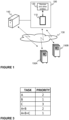
- FIG. 1 illustrates schematically an example of a system in which the present invention may be applied to.
- the system comprises a conveyor system 100 and a plurality of robots 150A, 150B communicatively coupled to each other e.g. over a wireless communication network 130.
- the conveyer system 100 may comprise a control entity 110 and devices and other entities 120 controlled at least in part by the control entity 110.
- the control entity 110 may e.g. be an elevator controller and the devices and other entities 120 may comprise, as non-limiting examples, drive circuit and devices, safety circuit and devices, sensors, elevator call devices, elevator door, elevator cars and similar depending on a type of the elevator system.
- the conveyor system may comprise a communication interface e.g.
- the control entity 110 for communicating at least with the robots 150A, 150B e.g. in a wireless manner.
- the communication interface may e.g. implement a short-range wireless communication, wide-range wireless communication or communication implemented through a physical connection, such as in a wired manner.
- the conveyor system 100 and/or at least one of the robots 150A, 150B may be communicatively coupled to a data center 140, which may be configured to cooperate with at least one of the mentioned entities. For example, it may monitor and control an overall operation of the system, or any entities therein, and be involved in functionalities of the system at least in some embodiments of the invention.
- the data center may be implemented with one or more computing devices, such as servers, operating in centralized or distributed manner e.g.
- the data center 140 may be communicatively coupled either directly or indirectly to the other entities, such as to the conveyor system 100 or to the robots 150A, 150B in a wireless or a wired manner, e.g. by utilizing a wireless communication network 130.
- control entity 110 shall be understood as any implementation with one or more control devices, such as computers or servers, by means of which a control function may be implemented.
- control entity may refer to an elevator controller as a non-limiting example. It may also be implemented in a distributed manner e.g. as a cloud computing environment.
- control function i.e. the task of the control entity 110, may be established in the data center 140.
- the robot 150A, 150B may in this context be understood as a machine capable of carrying out actions automatically, at least in part, or in response to an input provided to the robot 150A, 150B in any manner.
- the robot 150A, 150B may comprise means for enabling it to be mobile within the area it operates, such as in the location of the conveyor system 100.
- the means for enabling the mobility may refer to power generating means, such as an electric motor receiving its power from a battery located in the robot 150A, 150B.
- the robot 150A, 150B may comprise means of transport, such as a drive shaft and a number of tyres, or similar, into which the power is brought from the electric motor.
- the means for enabling the mobility as described above is a non-limiting example and any other means enabling the robot 150A, 150B being mobile may be applied to.
- the robot 150A, 150B may comprise computing resources for controlling an operation of the robot 150A, 150B.
- the robot 150A, 150B may comprise a communication interface through which the robot 150A, 150B may be communicatively coupled to one or more external entities to the robot 150A, 150B.
- the robot 150A, 150B may be configured to communicate, either directly or indirectly, with the control entity 110 of the conveyor system 100.
- the communication interface may be configured to implement a communication technique enabling the communication with control entity 110 through the communication interface implemented in the conveyor system 100.
- the robot 150A, 150B may also be equipped with a number of sensors.
- the sensors may e.g. obtain information on the environment.
- An example of the sensors may e.g. be sensors obtaining position information broadcast e.g. from an applicable positioning system, such as from an indoor positioning system.
- the positioning of the robot 150A, 150B may also be based on a transmitter arranged in the robot 150A, 150B, which transmitter is configured to transmit a signal detected by one or more receivers arranged in the area and on the basis of the detected signal the position of the robot 150A, 150B may be derived.
- the robot 150A, 150B may comprise a user interface e.g.
- I/O devices such as buttons, keyboard, touch screen, microphone, loudspeaker, display and so on, for receiving input and outputting information.
- the I/O devices may also refer to sensors mentioned earlier or the communication interface through which the user interface may be arranged.
- the input given to a robot 150A, 150B may e.g. be an indication on a need to use the elevator, i.e. giving an elevator call through the robot 150A, 150B, which indication may be signaled from the robot 150 to the elevator controller 110.
- the input given to a robot may indicate an operational instruction, such as a control request, for performing a task by the robot 150A, 150B.
- the robots 150A, 150B may access the conveyor system 100 at least in a manner that they may request service from the conveyor system 100, but also enter the conveyor device configured to operate as a platform for transporting the passengers, such as the robots 150A, 150B.
- the robots 150A, 150B may enter elevator cars belonging to the conveyor system 100 for being served by the elevator system.
- the service call at least for the robots 150A, 150B may be generated by some other entity, such as a data center 140 or the control entity 110 on its own motion, or from a user terminal, such as from a mobile phone or similar, or even from another robot 150A, 150B.
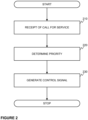
- the method may start when the control entity 110 of the conveyor system 100 receives a service call indicating a request for a service provided by the conveyor system 100.
- the service call advantageously indicates the party needing the service which in the present case may be a first robot 150A.
- the service call may originate from any entity capable of providing the service call either on its own behalf or on behalf of another entity.
- the service call may originate from the robot 150A, 150B, i.e. the first robot 150A itself, through a communication between the first robot 150A and the control entity 110.
- the service call may be initiated by the data center 140 so that it generates the service call either directly to the control entity 110 or through the first robot 150A to the control entity 110.
- the data center 140 may also be configured to communicate with the first robot 150A for providing information relating to the service call, such as providing a task to the first robot 150A or instructing the first robot 150A to a predetermined position and so on.
- the service call received by the control entity 110 requesting a service for the first robot 150A is associated with a priority of the first robot 150A.
- the association of the priority may e.g. be implemented so that the service call itself comprises, and thus carries, an indication of the priority of the first robot.
- the priority information may be delivered to the control entity 110, or obtained by the control entity 110 through a communication with another entity, such as with the data center 140 as a non-limiting example.
- the priority information is delivered separately to the service call the association between these two may be implemented e.g. with a predefined identifier included in the both pieces of communication i.e. the service call and the priority data.
- the priority of the first robot 150A may e.g. be expressed with data included in the corresponding communication, the data representing the assigned priority to the first robot 150A.
- the system is implemented so that there are defined at least two priorities for representing a priority order for indicating mutual priorities between the plurality of robots 150A, 150B when the priority is assigned individually to the robots, or to a plurality of robots as a group.
- the priority assigned to the robots 150A, 150B is dependent on a task defined for the robots 150A, 150B.
- the entity defining the priority to the robots may store and maintain a data structure defining the tasks and the priorities of the task.
- a non-limiting example of such a data structure is illustrated in Figure 3 . As may be seen from Figure 3 the system may assign the following tasks to the robots 150A, 150B: A, B, C, A+B and A+B+C.
- the data in the data structure may be static or it may be updated dynamically e.g. in response to a status of service load.
- the task may be defined in response to an interaction over a user interface of the robot in question or through any interaction generating an operational instruction for the robot in question.
- a human being may interact with the robot 150A, 150B through a user interface and indicate a task to the robot 150A, 150B, for instance.
- the interaction may be implemented through the communication interface implemented in the robot 150A, 150B wherein the operational instruction is communicated to the robot 150A, 150B. This may e.g. be initiated by the data center 140 or by a human being who may e.g.
- the robot 150A, 150B interact with the robot 150A, 150B with a user equipment, such as a mobile terminal, or it may be provided by any other entity, such as the control entity as a non-limiting example.
- the data center 140 who provides the operational instruction at least to the robot 150A, 150B it may also indicate the priority in the same signaling.
- the robots 150A, 150B maintain the data structure as indicated and they determine the priority in response to the receipt of the task for including it to the service call, as discussed above.
- the task may be received by the robots 150A, 150B from an external entity or person to the robot 150A, 150B or derived internally by the robot 150A, 150B by utilizing predetermined rules and data in the derivation.
- the control entity receives a service request associated with a priority information assigned to the robot 150A, 150B which is to be served.
- the service call and the associated priority information may originate from different sources and/or being accessible at different instants of time.
- a service call may be delivered at a first instant of time comprising e.g. an instant of time when the service from the conveyor system is needed.
- the priority information may be published, e.g. in the described manner through delivery of information or obtaining the information e.g. from data storage, at a second instant of time e.g. being close to the instant of time the service is needed.
- the control entity 220 is configured to determine the priority associated to the received service call for serving the first robot 150A with the conveyor system 100.
- the determination refers at least to an operation in which the priority data is derived either directly or indirectly from the service call in question.
- This may refer to an implementation in which the party transmitting the service call may define the priority and include it to the service call as such or associate it to the service call e.g. by storing data on the priority and delivering it separately to the service call or providing it accessible to the control entity.
- the service call and the priority data associated to the service call which may be analyzed by the control entity 110 and in response to the analysis the control entity 110 may define the priority to the robot in question.
- control entity 110 may be configured to derive further information from the service call, such as an identifier of the robot 150A, 150B.
- the priority may be directly expressed in the priority data or the priority data may comprise any other type of data, such as some raw data, from which the priority may be derived by processing the raw data in a predetermined manner by any entity.
- control entity 110 In response to the determination of the priority of the first robot 150A the control entity 110 is configured to generate a control signal 230 to the conveyor system 100 to serve the call received for serving the first robot 150A in accordance with the determined priority of the first robot 150A.
- the generation of the control signal 230 may comprise a step in which it is determined at least one other service call pending in the conveyor system 100 and specifically in the control entity 110 managing the service calls.
- the control entity 110 may be configured to determine a priority of at least one second robot 150B indicated in the at least one other service call pending in the conveyor system 100 and compare the determined priority of the at least one second robot 150B to the priority of the first robot 150A.
- control entity 110 of the conveyor system 100 may be configured to set the generated control signal to cause the conveyor system 100 to serve the received service call carrying the indication of the priority of the first robot 150A in accordance with a priority order of the compared priorities of the first robot 150A and the at least one second robot 150B or a priority of any other user of the conveyor system 100 whose service call is pending in the conveyor system 100.
- some of the pending service calls may relate to a transport of a human passenger to whom the conveyor system 100 may be configured to generate a priority overruling any service calls of the robots 150A, 150B.
- control entity 110 may generate an instruction to the conveyor system 100 to serve the first robot 150A either before one or more other passengers, such as the second robot 150B, or after the one or more other passengers, such as the second robot 150B, in accordance with the priority order.
- the both robots 150A, 150B may also be served concurrently even with human passengers by the conveyor system 100 if the priorities equal to each other, and some other parameters are fulfilled.
- the robots 150A, 150B may have received a task which may be performed at the same position or at the same floor which allows the conveyor system 100 to transport the robots 150A, 150B concurrently.
- an existing plan for serving the service call may be updated or even replaced at any instant of time e.g. based on some predetermined rules.
- the service plan may e.g. be updated or replaced as a whole or in part.
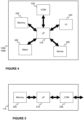
- FIG. 4 schematically illustrates an example of a robot 150A, 150B belonging to a system according to an example useful for understanding the present invention.
- the robot 150A, 150B may comprise at least the following entities: processing unit 410, memory unit 420, communication interface 430, user interface (Ul) 440, sensor unit 450 and motor unit 460.
- the mentioned entities may comprise one or more operating units, e.g. one or more microprocessors or similar, one or more memories, one or more communication devices, such as modems, one or more user interface devices, one or more sensors and one or more motors.
- the robot 150A, 150B may comprise further devices and entities, such as batteries for storing energy to be used by the other entities.
- the entities belonging to the robot 150A, 150B may be communicatively coupled to each other with e.g. a communication bus.
- the processing unit 410 may be configured to control the operation of the robot 150A, 150B as well as communication with any external entity, such as with a data center 140, a control entity 110, other robots, or other entities.
- the communication may be performed e.g. in a wireless manner.
- the users of the conveyor system 100 may provide input through the user interface unit 440 with the robot 150A, 150B and the robot may, under control of the processing unit 410, output information, such as prompting, to the user.
- the sensors may comprise any sensors by means of which the robot 150A, 150B may obtain information on an environment, but also the sensor unit 450 may comprise sensors enabling positioning and/or navigation within the location.
- the processing unit 410 may also be configured to generate control signals to the motor unit 460 in order to make the robot 150A, 150B to move.
- the robot 150A, 150B may comprise means enabling the robot to be mobile, such as the transport means as described earlier.
- the operation of the processing unit 410 may be achieved by executing portions of computer program code stored e.g. in the memory unit 420 for generating the control signals and, thus, causing the robot 150A, 150B to operate in the manner as described.
- the memory unit 420 may also be used for storing obtained and received information together with any other data either permanently or temporarily.
- the robot 150A, 150B may be configured so that the user interface is disabled in response to a receipt of an input from a user in order to enable the robot to perform the task requested by the user. In this manner no other user may input other request when the first request is served by robot 150A, 150B in question.
- Figure 5 schematically illustrates a control entity 110 of the conveyor system 110 as an example useful for understanding the invention which is configured to communicate with at least a plurality of mobile robots 150A, 150B and other entities of the conveyor system 100 either directly or indirectly.
- the control entity 110 may be configured to communicate also with a data center 140 and other devices e.g. controlling the robots 150A, 150B.
- the control entity 110 when implemented as a single controller or control unit, may comprise a processing unit 510 comprising one or more processors, a memory unit 520 comprising one or more memories and a communication interface 530 comprising one or more communication devices, such as modems or other devices.
- the memory unit 520 may store portions of computer program code and any other data, and the processing unit 510 may cause the control entity 110 to operate as described by executing at least some portions of the computer program code stored in the memory unit 520.
- the control entity 110 may also comprise a plurality of devices, such as the one schematically illustrated in Figure 5 , configured to operate together for establishing the control function as described.
- the conveyor system 100 may comprise a register implemented e.g. in a memory unit in which it is maintained all pending i.e. active service calls.
- pending service calls may be mentioned all service calls which the conveyor system 100 has not fully served.
- a service call is maintained in the register until the service is completed.
- the pending service call only refers to those service calls which are not assigned to the conveyor system 100.
- An example of this kind of situation may be that an elevator system, as the conveyor system 100, has not assigned an elevator car to serve a certain service call.
- the human passengers may be taken into account in a specific manner. For example, due to human characters it may be arranged that they have a specific priority class which is only allowed to be assigned to human passengers and, thus, included in the service call whose aim is to get service from the conveyor system 100 for human passengers.
- the control entity 110 may be configured to allocate conveyor system 100 to serve those prior to any other service call generated for serving the robots 150A, 150B by the conveyor system 100.
- the system comprises the data center 140 being involved in the solution according to at least some embodiments of the invention.
- the data center shall be in this context be understood as a standalone device, such as a server, or a distributed computing resource (cloud computing) implemented with a plurality of devices.
- the data center and at least part of the devices belonging to it may reside distant to the space into which the system is implemented or locally in the space.
- the system according to the invention may comprise further computing device configured to implement a predetermined task. For example, there may be a device residing locally in the space which is configured to control an operation of the robots 150A, 150B at least in part.
- the communication path may be arranged accordingly between the conveyor system 100 and the robots 150A, 150B through the device.
- the priority assigned to the robot 150A, 150B, and possibly to other passengers is dependent on a task assigned to the robot 150A, 150B in question.
- the concept of "task” shall in the context of the present invention be understood in a broad manner at least to cover an actual task the robot is instructed to perform but also it may represent an impact to a service load caused to the conveyor system. In this manner the priority may be provided, and which may then be used to setting an optimal timing to serve the robot in question by the conveyor system.
- the robot 150A, 150B may be configured to obtain information on a status of allocation of service calls e.g.
- the robot 150A, 150B may be configured to determine the priority e.g. in view of the caused service load to the conveyor system 100 it may optimize an instant of time when the service call is generated to the control entity 110 by the robot.
- the robot 150A, 150B may be configured to analyze an optimal situation for generating the service call to the conveyor system 100.
- the users in addition to the robots are human passengers.
- the term passenger in the context of the present invention shall be understood to cover at least people, pets, cargo and any similar.
Landscapes
- Engineering & Computer Science (AREA)
- Automation & Control Theory (AREA)
- Computer Networks & Wireless Communication (AREA)
- General Engineering & Computer Science (AREA)
- Manufacturing & Machinery (AREA)
- Quality & Reliability (AREA)
- Physics & Mathematics (AREA)
- General Physics & Mathematics (AREA)
- Robotics (AREA)
- Mechanical Engineering (AREA)
- Control Of Position, Course, Altitude, Or Attitude Of Moving Bodies (AREA)
Claims (3)
- Verfahren zum Erzeugen eines Steuersignals an ein Fördersystem (100), wobei das Fördersystem (100) ausgelegt ist zum Bedienen von mindestens einer Vielzahl von Robotern (150A, 150B), dadurch gekennzeichnet, dass das Verfahren umfasst:Erzeugen, durch ein Datenzentrum (140), eines Dienstaufrufs für einen ersten Roboter (150A), an eine Steuerentität (110) des Fördersystems (100) und Liefern von Informationen, die sich auf den Dienstaufruf an den ersten Roboter (150A) beziehen, indem dem ersten Roboter (150A) eine Aufgabe zugewiesen wird,Empfangen (210), in einer Steuerentität (110) des Fördersystems (100), des Dienstaufrufs für den ersten Roboter (150A) von dem Datenzentrum (140), wobei der Dienstaufruf mit einer Priorität des ersten Roboters (150A) verknüpft ist, wobei die Priorität des ersten Roboters (150A) von der für den ersten Roboter (150A) definierten Aufgabe abhängt,Bestimmen (220), durch die Steuerentität (110) des Fördersystems (100), der Priorität des ersten Roboters (150A), wobei die Priorität des ersten Roboters (150A) mit dem Dienstaufruf verknüpft ist, undErzeugen (230), durch die Steuerentität (110) des Fördersystems (100), eines Steuersignals zum Bedienen des empfangenen Dienstaufrufs für den ersten Roboter (150A) gemäß der bestimmten Priorität des ersten Roboters (150A) .
- Verfahren nach Anspruch 1, wobei eine Erzeugung (230) des Steuersignals umfasst:Bestimmen einer Priorität von mindestens einem anderen Passagier, die in mindestens einem anderen Dienstaufruf angegeben ist, der in dem Fördersystem (100) unerledigt ist,Vergleichen der bestimmten Priorität des mindestens einen anderen Passagiers mit der Priorität des ersten Roboters (150A),Einstellen des erzeugten Steuersignals, um das Fördersystem zu veranlassen, den empfangenen Dienstaufruf, der die Angabe der Priorität des ersten Roboters (150A) führt, zu bedienen, gemäß einer Prioritätsreihenfolge der verglichenen Prioritäten des ersten Roboters (150A) und des mindestens einen anderen Passagiers.
- System, das Folgendes umfasst:
ein Fördersystem (100), umfassend eine Steuerentität (110),eine Vielzahl von Robotern (150A, 150B) undein Datenzentrum (140), ausgelegt zum Zusammenwirken mit dem Fördersystem (100) und der Vielzahl von Robotern (150A, 150B),wobei das Datenzentrum (140) ausgelegt ist zum:Erzeugen eines Dienstaufrufs für einen ersten Roboter (150A) an eine Steuerentität (110) des Fördersystems (100) und Liefern von Informationen, die sich auf den Dienstaufruf an den ersten Roboter (150A) beziehen, indem dem ersten Roboter (150A) eine Aufgabe zugewiesen wird,und wobei die Steuerentität (110) des Fördersystems (100) ausgelegt ist zum:Empfangen (210) des Dienstaufrufs für den ersten Roboter (150A) von dem Datenzentrum (140), wobei der Dienstaufruf mit einer Priorität des ersten Roboters (150A) verknüpft ist, wobei die Priorität des ersten Roboters (150A) von der für den ersten Roboter (150A) definierten Aufgabe abhängt,Bestimmen (220) der Priorität des ersten Roboters (150A), wobei die Priorität des ersten Roboters (150A) mit dem Dienstaufruf verknüpft ist, undErzeugen (230) eines Steuersignals zum Bedienen des empfangenen Dienstaufrufs für den ersten Roboter (150A) gemäß der bestimmten Priorität des ersten Roboters (150A) .
Priority Applications (3)
| Application Number | Priority Date | Filing Date | Title |
|---|---|---|---|
| EP18187275.5A EP3604193B1 (de) | 2018-08-03 | 2018-08-03 | Erzeugung eines steuersignals an einen förderer |
| US16/506,626 US11261053B2 (en) | 2018-08-03 | 2019-07-09 | Generation of a control signal to a conveyor system |
| CN201910706097.0A CN110790097B (zh) | 2018-08-03 | 2019-08-01 | 向输送机系统生成控制信号 |
Applications Claiming Priority (1)
| Application Number | Priority Date | Filing Date | Title |
|---|---|---|---|
| EP18187275.5A EP3604193B1 (de) | 2018-08-03 | 2018-08-03 | Erzeugung eines steuersignals an einen förderer |
Publications (2)
| Publication Number | Publication Date |
|---|---|
| EP3604193A1 EP3604193A1 (de) | 2020-02-05 |
| EP3604193B1 true EP3604193B1 (de) | 2024-03-13 |
Family
ID=63407022
Family Applications (1)
| Application Number | Title | Priority Date | Filing Date |
|---|---|---|---|
| EP18187275.5A Active EP3604193B1 (de) | 2018-08-03 | 2018-08-03 | Erzeugung eines steuersignals an einen förderer |
Country Status (3)
| Country | Link |
|---|---|
| US (1) | US11261053B2 (de) |
| EP (1) | EP3604193B1 (de) |
| CN (1) | CN110790097B (de) |
Families Citing this family (11)
| Publication number | Priority date | Publication date | Assignee | Title |
|---|---|---|---|---|
| KR102791073B1 (ko) * | 2019-06-28 | 2025-04-08 | 엘지전자 주식회사 | 모바일 로봇을 무빙워크에 진입시키는 방법 및 그 모바일 로봇 |
| JP7414494B2 (ja) * | 2019-12-04 | 2024-01-16 | ファナック株式会社 | ロボット作業システム |
| AU2021235130B2 (en) * | 2020-03-13 | 2024-07-18 | Inventio Ag | Elevator system with queueing function for robot traffic |
| US12358756B2 (en) * | 2020-03-16 | 2025-07-15 | Otis Elevator Company | Elevator inspection system with robot configured to inspect operational conditions of elevator car |
| CN112093345A (zh) * | 2020-08-05 | 2020-12-18 | 首钢京唐钢铁联合有限责任公司 | 热轧钢卷分配下线入库的控制系统及控制方法 |
| CN113651220B (zh) * | 2021-07-13 | 2023-09-12 | 日立楼宇技术(广州)有限公司 | 一种辅助机器人搭乘扶梯系统、方法、装置及存储介质 |
| CN113651221B (zh) * | 2021-07-13 | 2023-05-02 | 日立楼宇技术(广州)有限公司 | 一种机器人搭乘扶梯的方法、装置及存储介质 |
| CN114852807B (zh) * | 2022-04-25 | 2024-03-01 | 北京云迹科技股份有限公司 | 机器人叫梯方法及相关设备 |
| JP7501721B2 (ja) * | 2022-05-25 | 2024-06-18 | 三菱電機株式会社 | 自律移動体の管理装置 |
| JP7201122B1 (ja) * | 2022-06-14 | 2023-01-10 | 三菱電機株式会社 | ビルシステム |
| US20230416048A1 (en) * | 2022-06-28 | 2023-12-28 | Otis Elevator Company | Elevator systems and robot operations associated therewith |
Citations (4)
| Publication number | Priority date | Publication date | Assignee | Title |
|---|---|---|---|---|
| US20120041593A1 (en) | 2010-07-08 | 2012-02-16 | Ryoko Ichinose | Elevator system that autonomous mobile robot takes together with person |
| JP2012196731A (ja) | 2011-03-22 | 2012-10-18 | Toyota Motor Corp | ロボットの移動管理システム及び移動管理方法 |
| CN106348110A (zh) | 2016-09-21 | 2017-01-25 | 上海三菱电梯有限公司 | 用于群控制器的电梯控制装置 |
| US9701012B1 (en) | 2014-10-30 | 2017-07-11 | Daniel Theobald | Controlled interaction between a mobile robot and another entity |
Family Cites Families (8)
| Publication number | Priority date | Publication date | Assignee | Title |
|---|---|---|---|---|
| JP2001171918A (ja) * | 1999-12-21 | 2001-06-26 | Hitachi Building Systems Co Ltd | エレベータの制御装置 |
| JP4460411B2 (ja) * | 2004-10-01 | 2010-05-12 | 本田技研工業株式会社 | ロボット制御装置 |
| JP4621073B2 (ja) * | 2005-05-23 | 2011-01-26 | 本田技研工業株式会社 | ロボット制御装置 |
| US9817395B2 (en) * | 2016-03-31 | 2017-11-14 | Toyota Jidosha Kabushiki Kaisha | Autonomous navigation of people using a robot network |
| JP6350767B1 (ja) * | 2016-10-04 | 2018-07-04 | 三菱電機株式会社 | エレベーター制御装置および自律移動体制御装置 |
| CN107199570B (zh) * | 2017-07-07 | 2021-05-11 | 成都普诺思博科技有限公司 | 机器人进出电梯控制方法 |
| EP3450371B1 (de) * | 2017-08-30 | 2021-04-14 | KONE Corporation | Aufzugssystem mit einem mobilen roboter |
| US20190345000A1 (en) * | 2018-05-08 | 2019-11-14 | Thyssenkrupp Elevator Corporation | Robotic destination dispatch system for elevators and methods for making and using same |
-
2018
- 2018-08-03 EP EP18187275.5A patent/EP3604193B1/de active Active
-
2019
- 2019-07-09 US US16/506,626 patent/US11261053B2/en active Active
- 2019-08-01 CN CN201910706097.0A patent/CN110790097B/zh active Active
Patent Citations (4)
| Publication number | Priority date | Publication date | Assignee | Title |
|---|---|---|---|---|
| US20120041593A1 (en) | 2010-07-08 | 2012-02-16 | Ryoko Ichinose | Elevator system that autonomous mobile robot takes together with person |
| JP2012196731A (ja) | 2011-03-22 | 2012-10-18 | Toyota Motor Corp | ロボットの移動管理システム及び移動管理方法 |
| US9701012B1 (en) | 2014-10-30 | 2017-07-11 | Daniel Theobald | Controlled interaction between a mobile robot and another entity |
| CN106348110A (zh) | 2016-09-21 | 2017-01-25 | 上海三菱电梯有限公司 | 用于群控制器的电梯控制装置 |
Non-Patent Citations (2)
| Title |
|---|
| D3a-English machine translation of CN 106348110 A |
| D4a-English machine translation of JP 2012-196731 A |
Also Published As
| Publication number | Publication date |
|---|---|
| CN110790097B (zh) | 2024-03-15 |
| EP3604193A1 (de) | 2020-02-05 |
| US11261053B2 (en) | 2022-03-01 |
| US20200039754A1 (en) | 2020-02-06 |
| CN110790097A (zh) | 2020-02-14 |
Similar Documents
| Publication | Publication Date | Title |
|---|---|---|
| EP3604193B1 (de) | Erzeugung eines steuersignals an einen förderer | |
| US12441582B2 (en) | Elevator system, mobile robot, and method for generating elevator control signal using the mobile robot | |
| US11340631B2 (en) | Self-driving car scheduling method, car scheduling server, and self-driving car | |
| KR102548844B1 (ko) | 모바일 디바이스 사용자를 위한 엘리베이터의 재할당 | |
| EP3011521B1 (de) | Auf mobiler anwendung basierender versand | |
| EP3080025B1 (de) | Verkehrsflussdaten für fördersystem | |
| KR102650080B1 (ko) | 사용자 식별 디바이스와 연관된 이동 디바이스 상에서의 승강기 통지 | |
| CN106335822A (zh) | 用于乘客运送工具寻路的信标系统 | |
| CN111417589B (zh) | 用以基于目标呼叫来控制具有多个电梯的电梯组的方法和电梯控制器 | |
| US20170166416A1 (en) | Smart watch for elevator use | |
| EP3083465A1 (de) | Aufzugsteuerung mit mobilen vorrichtungen | |
| CN111039105A (zh) | 一种控制agv乘坐电梯的方法、装置、系统及存储介质 | |
| CN106744089B (zh) | 电梯控制方法及装置 | |
| US10371531B2 (en) | Structure including a passageway | |
| CN111204626A (zh) | 无接触式乘电梯的方法及装置 | |
| CN110386519A (zh) | 用于电梯的电子呼叫注册 | |
| CN101878173A (zh) | 电梯系统 | |
| HK40023203A (en) | Generation of a control signal to a conveyor system | |
| CN112020471A (zh) | 电梯系统的通信解决方案 | |
| CN112497212A (zh) | 机器人乘梯方法、装置、电子设备及存储介质 | |
| HK40023203B (zh) | 向输送机系统生成控制信号 | |
| CN215364345U (zh) | 电梯系统 | |
| EP4303162A1 (de) | Aufzugssteuerungssystem, aufzugssystem und verfahren zur steuerung eines aufzugs | |
| EP3939921B1 (de) | Systeme und verfahren zum entsenden eines aufzugs | |
| JP7063405B1 (ja) | 移動体の管理システムおよびエレベーター |
Legal Events
| Date | Code | Title | Description |
|---|---|---|---|
| PUAI | Public reference made under article 153(3) epc to a published international application that has entered the european phase |
Free format text: ORIGINAL CODE: 0009012 |
|
| STAA | Information on the status of an ep patent application or granted ep patent |
Free format text: STATUS: THE APPLICATION HAS BEEN PUBLISHED |
|
| AK | Designated contracting states |
Kind code of ref document: A1 Designated state(s): AL AT BE BG CH CY CZ DE DK EE ES FI FR GB GR HR HU IE IS IT LI LT LU LV MC MK MT NL NO PL PT RO RS SE SI SK SM TR |
|
| AX | Request for extension of the european patent |
Extension state: BA ME |
|
| STAA | Information on the status of an ep patent application or granted ep patent |
Free format text: STATUS: REQUEST FOR EXAMINATION WAS MADE |
|
| 17P | Request for examination filed |
Effective date: 20200602 |
|
| RBV | Designated contracting states (corrected) |
Designated state(s): AL AT BE BG CH CY CZ DE DK EE ES FI FR GB GR HR HU IE IS IT LI LT LU LV MC MK MT NL NO PL PT RO RS SE SI SK SM TR |
|
| STAA | Information on the status of an ep patent application or granted ep patent |
Free format text: STATUS: EXAMINATION IS IN PROGRESS |
|
| 17Q | First examination report despatched |
Effective date: 20201110 |
|
| P01 | Opt-out of the competence of the unified patent court (upc) registered |
Effective date: 20230525 |
|
| GRAP | Despatch of communication of intention to grant a patent |
Free format text: ORIGINAL CODE: EPIDOSNIGR1 |
|
| STAA | Information on the status of an ep patent application or granted ep patent |
Free format text: STATUS: GRANT OF PATENT IS INTENDED |
|
| INTG | Intention to grant announced |
Effective date: 20231113 |
|
| GRAS | Grant fee paid |
Free format text: ORIGINAL CODE: EPIDOSNIGR3 |
|
| GRAA | (expected) grant |
Free format text: ORIGINAL CODE: 0009210 |
|
| STAA | Information on the status of an ep patent application or granted ep patent |
Free format text: STATUS: THE PATENT HAS BEEN GRANTED |
|
| AK | Designated contracting states |
Kind code of ref document: B1 Designated state(s): AL AT BE BG CH CY CZ DE DK EE ES FI FR GB GR HR HU IE IS IT LI LT LU LV MC MK MT NL NO PL PT RO RS SE SI SK SM TR |
|
| REG | Reference to a national code |
Ref country code: GB Ref legal event code: FG4D |
|
| REG | Reference to a national code |
Ref country code: CH Ref legal event code: EP |
|
| REG | Reference to a national code |
Ref country code: DE Ref legal event code: R096 Ref document number: 602018066495 Country of ref document: DE |
|
| REG | Reference to a national code |
Ref country code: IE Ref legal event code: FG4D |
|
| PG25 | Lapsed in a contracting state [announced via postgrant information from national office to epo] |
Ref country code: LT Free format text: LAPSE BECAUSE OF FAILURE TO SUBMIT A TRANSLATION OF THE DESCRIPTION OR TO PAY THE FEE WITHIN THE PRESCRIBED TIME-LIMIT Effective date: 20240313 |
|
| REG | Reference to a national code |
Ref country code: LT Ref legal event code: MG9D |
|
| PG25 | Lapsed in a contracting state [announced via postgrant information from national office to epo] |
Ref country code: GR Free format text: LAPSE BECAUSE OF FAILURE TO SUBMIT A TRANSLATION OF THE DESCRIPTION OR TO PAY THE FEE WITHIN THE PRESCRIBED TIME-LIMIT Effective date: 20240614 |
|
| REG | Reference to a national code |
Ref country code: NL Ref legal event code: MP Effective date: 20240313 |
|
| PG25 | Lapsed in a contracting state [announced via postgrant information from national office to epo] |
Ref country code: HR Free format text: LAPSE BECAUSE OF FAILURE TO SUBMIT A TRANSLATION OF THE DESCRIPTION OR TO PAY THE FEE WITHIN THE PRESCRIBED TIME-LIMIT Effective date: 20240313 Ref country code: RS Free format text: LAPSE BECAUSE OF FAILURE TO SUBMIT A TRANSLATION OF THE DESCRIPTION OR TO PAY THE FEE WITHIN THE PRESCRIBED TIME-LIMIT Effective date: 20240613 |
|
| PG25 | Lapsed in a contracting state [announced via postgrant information from national office to epo] |
Ref country code: ES Free format text: LAPSE BECAUSE OF FAILURE TO SUBMIT A TRANSLATION OF THE DESCRIPTION OR TO PAY THE FEE WITHIN THE PRESCRIBED TIME-LIMIT Effective date: 20240313 |
|
| PG25 | Lapsed in a contracting state [announced via postgrant information from national office to epo] |
Ref country code: RS Free format text: LAPSE BECAUSE OF FAILURE TO SUBMIT A TRANSLATION OF THE DESCRIPTION OR TO PAY THE FEE WITHIN THE PRESCRIBED TIME-LIMIT Effective date: 20240613 Ref country code: NO Free format text: LAPSE BECAUSE OF FAILURE TO SUBMIT A TRANSLATION OF THE DESCRIPTION OR TO PAY THE FEE WITHIN THE PRESCRIBED TIME-LIMIT Effective date: 20240613 Ref country code: LT Free format text: LAPSE BECAUSE OF FAILURE TO SUBMIT A TRANSLATION OF THE DESCRIPTION OR TO PAY THE FEE WITHIN THE PRESCRIBED TIME-LIMIT Effective date: 20240313 Ref country code: HR Free format text: LAPSE BECAUSE OF FAILURE TO SUBMIT A TRANSLATION OF THE DESCRIPTION OR TO PAY THE FEE WITHIN THE PRESCRIBED TIME-LIMIT Effective date: 20240313 Ref country code: GR Free format text: LAPSE BECAUSE OF FAILURE TO SUBMIT A TRANSLATION OF THE DESCRIPTION OR TO PAY THE FEE WITHIN THE PRESCRIBED TIME-LIMIT Effective date: 20240614 Ref country code: FI Free format text: LAPSE BECAUSE OF FAILURE TO SUBMIT A TRANSLATION OF THE DESCRIPTION OR TO PAY THE FEE WITHIN THE PRESCRIBED TIME-LIMIT Effective date: 20240313 Ref country code: ES Free format text: LAPSE BECAUSE OF FAILURE TO SUBMIT A TRANSLATION OF THE DESCRIPTION OR TO PAY THE FEE WITHIN THE PRESCRIBED TIME-LIMIT Effective date: 20240313 Ref country code: BG Free format text: LAPSE BECAUSE OF FAILURE TO SUBMIT A TRANSLATION OF THE DESCRIPTION OR TO PAY THE FEE WITHIN THE PRESCRIBED TIME-LIMIT Effective date: 20240313 |
|
| REG | Reference to a national code |
Ref country code: AT Ref legal event code: MK05 Ref document number: 1665606 Country of ref document: AT Kind code of ref document: T Effective date: 20240313 |
|
| PG25 | Lapsed in a contracting state [announced via postgrant information from national office to epo] |
Ref country code: SE Free format text: LAPSE BECAUSE OF FAILURE TO SUBMIT A TRANSLATION OF THE DESCRIPTION OR TO PAY THE FEE WITHIN THE PRESCRIBED TIME-LIMIT Effective date: 20240313 Ref country code: LV Free format text: LAPSE BECAUSE OF FAILURE TO SUBMIT A TRANSLATION OF THE DESCRIPTION OR TO PAY THE FEE WITHIN THE PRESCRIBED TIME-LIMIT Effective date: 20240313 |
|
| PG25 | Lapsed in a contracting state [announced via postgrant information from national office to epo] |
Ref country code: NL Free format text: LAPSE BECAUSE OF FAILURE TO SUBMIT A TRANSLATION OF THE DESCRIPTION OR TO PAY THE FEE WITHIN THE PRESCRIBED TIME-LIMIT Effective date: 20240313 |
|
| PG25 | Lapsed in a contracting state [announced via postgrant information from national office to epo] |
Ref country code: NL Free format text: LAPSE BECAUSE OF FAILURE TO SUBMIT A TRANSLATION OF THE DESCRIPTION OR TO PAY THE FEE WITHIN THE PRESCRIBED TIME-LIMIT Effective date: 20240313 |
|
| PG25 | Lapsed in a contracting state [announced via postgrant information from national office to epo] |
Ref country code: IS Free format text: LAPSE BECAUSE OF FAILURE TO SUBMIT A TRANSLATION OF THE DESCRIPTION OR TO PAY THE FEE WITHIN THE PRESCRIBED TIME-LIMIT Effective date: 20240713 |
|
| PG25 | Lapsed in a contracting state [announced via postgrant information from national office to epo] |
Ref country code: SM Free format text: LAPSE BECAUSE OF FAILURE TO SUBMIT A TRANSLATION OF THE DESCRIPTION OR TO PAY THE FEE WITHIN THE PRESCRIBED TIME-LIMIT Effective date: 20240313 Ref country code: PT Free format text: LAPSE BECAUSE OF FAILURE TO SUBMIT A TRANSLATION OF THE DESCRIPTION OR TO PAY THE FEE WITHIN THE PRESCRIBED TIME-LIMIT Effective date: 20240715 |
|
| PG25 | Lapsed in a contracting state [announced via postgrant information from national office to epo] |
Ref country code: EE Free format text: LAPSE BECAUSE OF FAILURE TO SUBMIT A TRANSLATION OF THE DESCRIPTION OR TO PAY THE FEE WITHIN THE PRESCRIBED TIME-LIMIT Effective date: 20240313 Ref country code: CZ Free format text: LAPSE BECAUSE OF FAILURE TO SUBMIT A TRANSLATION OF THE DESCRIPTION OR TO PAY THE FEE WITHIN THE PRESCRIBED TIME-LIMIT Effective date: 20240313 |
|
| PG25 | Lapsed in a contracting state [announced via postgrant information from national office to epo] |
Ref country code: AT Free format text: LAPSE BECAUSE OF FAILURE TO SUBMIT A TRANSLATION OF THE DESCRIPTION OR TO PAY THE FEE WITHIN THE PRESCRIBED TIME-LIMIT Effective date: 20240313 |
|
| PG25 | Lapsed in a contracting state [announced via postgrant information from national office to epo] |
Ref country code: PL Free format text: LAPSE BECAUSE OF FAILURE TO SUBMIT A TRANSLATION OF THE DESCRIPTION OR TO PAY THE FEE WITHIN THE PRESCRIBED TIME-LIMIT Effective date: 20240313 |
|
| PG25 | Lapsed in a contracting state [announced via postgrant information from national office to epo] |
Ref country code: SK Free format text: LAPSE BECAUSE OF FAILURE TO SUBMIT A TRANSLATION OF THE DESCRIPTION OR TO PAY THE FEE WITHIN THE PRESCRIBED TIME-LIMIT Effective date: 20240313 |
|
| PG25 | Lapsed in a contracting state [announced via postgrant information from national office to epo] |
Ref country code: SM Free format text: LAPSE BECAUSE OF FAILURE TO SUBMIT A TRANSLATION OF THE DESCRIPTION OR TO PAY THE FEE WITHIN THE PRESCRIBED TIME-LIMIT Effective date: 20240313 Ref country code: SK Free format text: LAPSE BECAUSE OF FAILURE TO SUBMIT A TRANSLATION OF THE DESCRIPTION OR TO PAY THE FEE WITHIN THE PRESCRIBED TIME-LIMIT Effective date: 20240313 Ref country code: RO Free format text: LAPSE BECAUSE OF FAILURE TO SUBMIT A TRANSLATION OF THE DESCRIPTION OR TO PAY THE FEE WITHIN THE PRESCRIBED TIME-LIMIT Effective date: 20240313 Ref country code: PT Free format text: LAPSE BECAUSE OF FAILURE TO SUBMIT A TRANSLATION OF THE DESCRIPTION OR TO PAY THE FEE WITHIN THE PRESCRIBED TIME-LIMIT Effective date: 20240715 Ref country code: PL Free format text: LAPSE BECAUSE OF FAILURE TO SUBMIT A TRANSLATION OF THE DESCRIPTION OR TO PAY THE FEE WITHIN THE PRESCRIBED TIME-LIMIT Effective date: 20240313 Ref country code: IS Free format text: LAPSE BECAUSE OF FAILURE TO SUBMIT A TRANSLATION OF THE DESCRIPTION OR TO PAY THE FEE WITHIN THE PRESCRIBED TIME-LIMIT Effective date: 20240713 Ref country code: EE Free format text: LAPSE BECAUSE OF FAILURE TO SUBMIT A TRANSLATION OF THE DESCRIPTION OR TO PAY THE FEE WITHIN THE PRESCRIBED TIME-LIMIT Effective date: 20240313 Ref country code: CZ Free format text: LAPSE BECAUSE OF FAILURE TO SUBMIT A TRANSLATION OF THE DESCRIPTION OR TO PAY THE FEE WITHIN THE PRESCRIBED TIME-LIMIT Effective date: 20240313 Ref country code: AT Free format text: LAPSE BECAUSE OF FAILURE TO SUBMIT A TRANSLATION OF THE DESCRIPTION OR TO PAY THE FEE WITHIN THE PRESCRIBED TIME-LIMIT Effective date: 20240313 |
|
| PG25 | Lapsed in a contracting state [announced via postgrant information from national office to epo] |
Ref country code: IT Free format text: LAPSE BECAUSE OF FAILURE TO SUBMIT A TRANSLATION OF THE DESCRIPTION OR TO PAY THE FEE WITHIN THE PRESCRIBED TIME-LIMIT Effective date: 20240313 |
|
| REG | Reference to a national code |
Ref country code: DE Ref legal event code: R026 Ref document number: 602018066495 Country of ref document: DE |
|
| PLBI | Opposition filed |
Free format text: ORIGINAL CODE: 0009260 |
|
| PG25 | Lapsed in a contracting state [announced via postgrant information from national office to epo] |
Ref country code: IT Free format text: LAPSE BECAUSE OF FAILURE TO SUBMIT A TRANSLATION OF THE DESCRIPTION OR TO PAY THE FEE WITHIN THE PRESCRIBED TIME-LIMIT Effective date: 20240313 |
|
| PLAX | Notice of opposition and request to file observation + time limit sent |
Free format text: ORIGINAL CODE: EPIDOSNOBS2 |
|
| PG25 | Lapsed in a contracting state [announced via postgrant information from national office to epo] |
Ref country code: DK Free format text: LAPSE BECAUSE OF FAILURE TO SUBMIT A TRANSLATION OF THE DESCRIPTION OR TO PAY THE FEE WITHIN THE PRESCRIBED TIME-LIMIT Effective date: 20240313 |
|
| 26 | Opposition filed |
Opponent name: OTIS ELEVATOR COMPANY Effective date: 20241213 |
|
| PG25 | Lapsed in a contracting state [announced via postgrant information from national office to epo] |
Ref country code: DK Free format text: LAPSE BECAUSE OF FAILURE TO SUBMIT A TRANSLATION OF THE DESCRIPTION OR TO PAY THE FEE WITHIN THE PRESCRIBED TIME-LIMIT Effective date: 20240313 |
|
| REG | Reference to a national code |
Ref country code: CH Ref legal event code: PL |
|
| PG25 | Lapsed in a contracting state [announced via postgrant information from national office to epo] |
Ref country code: LU Free format text: LAPSE BECAUSE OF NON-PAYMENT OF DUE FEES Effective date: 20240803 |
|
| PG25 | Lapsed in a contracting state [announced via postgrant information from national office to epo] |
Ref country code: SI Free format text: LAPSE BECAUSE OF FAILURE TO SUBMIT A TRANSLATION OF THE DESCRIPTION OR TO PAY THE FEE WITHIN THE PRESCRIBED TIME-LIMIT Effective date: 20240313 Ref country code: CH Free format text: LAPSE BECAUSE OF NON-PAYMENT OF DUE FEES Effective date: 20240831 Ref country code: MC Free format text: LAPSE BECAUSE OF FAILURE TO SUBMIT A TRANSLATION OF THE DESCRIPTION OR TO PAY THE FEE WITHIN THE PRESCRIBED TIME-LIMIT Effective date: 20240313 |
|
| PLBB | Reply of patent proprietor to notice(s) of opposition received |
Free format text: ORIGINAL CODE: EPIDOSNOBS3 |
|
| REG | Reference to a national code |
Ref country code: BE Ref legal event code: MM Effective date: 20240831 |
|
| PG25 | Lapsed in a contracting state [announced via postgrant information from national office to epo] |
Ref country code: BE Free format text: LAPSE BECAUSE OF NON-PAYMENT OF DUE FEES Effective date: 20240831 |
|
| PG25 | Lapsed in a contracting state [announced via postgrant information from national office to epo] |
Ref country code: IE Free format text: LAPSE BECAUSE OF NON-PAYMENT OF DUE FEES Effective date: 20240803 |
|
| PGFP | Annual fee paid to national office [announced via postgrant information from national office to epo] |
Ref country code: DE Payment date: 20250820 Year of fee payment: 8 |
|
| PGFP | Annual fee paid to national office [announced via postgrant information from national office to epo] |
Ref country code: GB Payment date: 20250820 Year of fee payment: 8 |
|
| PGFP | Annual fee paid to national office [announced via postgrant information from national office to epo] |
Ref country code: FR Payment date: 20250828 Year of fee payment: 8 |
|
| PG25 | Lapsed in a contracting state [announced via postgrant information from national office to epo] |
Ref country code: CY Free format text: LAPSE BECAUSE OF FAILURE TO SUBMIT A TRANSLATION OF THE DESCRIPTION OR TO PAY THE FEE WITHIN THE PRESCRIBED TIME-LIMIT; INVALID AB INITIO Effective date: 20180803 |