EP3592360B1 - Acefapc pour le traitement des maladies acétylcholine dépendantes - Google Patents
Acefapc pour le traitement des maladies acétylcholine dépendantes Download PDFInfo
- Publication number
- EP3592360B1 EP3592360B1 EP18709010.5A EP18709010A EP3592360B1 EP 3592360 B1 EP3592360 B1 EP 3592360B1 EP 18709010 A EP18709010 A EP 18709010A EP 3592360 B1 EP3592360 B1 EP 3592360B1
- Authority
- EP
- European Patent Office
- Prior art keywords
- acefapc
- formula
- acetylcholine
- fatty acid
- acyl radical
- Prior art date
- Legal status (The legal status is an assumption and is not a legal conclusion. Google has not performed a legal analysis and makes no representation as to the accuracy of the status listed.)
- Active
Links
Images
Classifications
-
- A—HUMAN NECESSITIES
- A61—MEDICAL OR VETERINARY SCIENCE; HYGIENE
- A61K—PREPARATIONS FOR MEDICAL, DENTAL OR TOILETRY PURPOSES
- A61K31/00—Medicinal preparations containing organic active ingredients
- A61K31/66—Phosphorus compounds
- A61K31/683—Diesters of a phosphorus acid with two hydroxy compounds, e.g. phosphatidylinositols
- A61K31/685—Diesters of a phosphorus acid with two hydroxy compounds, e.g. phosphatidylinositols one of the hydroxy compounds having nitrogen atoms, e.g. phosphatidylserine, lecithin
-
- A—HUMAN NECESSITIES
- A61—MEDICAL OR VETERINARY SCIENCE; HYGIENE
- A61K—PREPARATIONS FOR MEDICAL, DENTAL OR TOILETRY PURPOSES
- A61K31/00—Medicinal preparations containing organic active ingredients
- A61K31/66—Phosphorus compounds
- A61K31/661—Phosphorus acids or esters thereof not having P—C bonds, e.g. fosfosal, dichlorvos, malathion or mevinphos
-
- A—HUMAN NECESSITIES
- A61—MEDICAL OR VETERINARY SCIENCE; HYGIENE
- A61K—PREPARATIONS FOR MEDICAL, DENTAL OR TOILETRY PURPOSES
- A61K9/00—Medicinal preparations characterised by special physical form
- A61K9/0012—Galenical forms characterised by the site of application
- A61K9/0019—Injectable compositions; Intramuscular, intravenous, arterial, subcutaneous administration; Compositions to be administered through the skin in an invasive manner
-
- A—HUMAN NECESSITIES
- A61—MEDICAL OR VETERINARY SCIENCE; HYGIENE
- A61K—PREPARATIONS FOR MEDICAL, DENTAL OR TOILETRY PURPOSES
- A61K9/00—Medicinal preparations characterised by special physical form
- A61K9/0012—Galenical forms characterised by the site of application
- A61K9/007—Pulmonary tract; Aromatherapy
- A61K9/0073—Sprays or powders for inhalation; Aerolised or nebulised preparations generated by other means than thermal energy
-
- A—HUMAN NECESSITIES
- A61—MEDICAL OR VETERINARY SCIENCE; HYGIENE
- A61P—SPECIFIC THERAPEUTIC ACTIVITY OF CHEMICAL COMPOUNDS OR MEDICINAL PREPARATIONS
- A61P21/00—Drugs for disorders of the muscular or neuromuscular system
-
- A—HUMAN NECESSITIES
- A61—MEDICAL OR VETERINARY SCIENCE; HYGIENE
- A61P—SPECIFIC THERAPEUTIC ACTIVITY OF CHEMICAL COMPOUNDS OR MEDICINAL PREPARATIONS
- A61P25/00—Drugs for disorders of the nervous system
-
- A—HUMAN NECESSITIES
- A61—MEDICAL OR VETERINARY SCIENCE; HYGIENE
- A61P—SPECIFIC THERAPEUTIC ACTIVITY OF CHEMICAL COMPOUNDS OR MEDICINAL PREPARATIONS
- A61P25/00—Drugs for disorders of the nervous system
- A61P25/28—Drugs for disorders of the nervous system for treating neurodegenerative disorders of the central nervous system, e.g. nootropic agents, cognition enhancers, drugs for treating Alzheimer's disease or other forms of dementia
Definitions
- the present invention relates to AceFaPC (1-Acetyl-2-Fattyacyl-glyceroPhosphoCholine) for its use in the prevention and treatment of diseases associated with acetylcholine deficiency.
- the present description also relates to the AceFaPC molecule, for which Fa represents an unsaturated acyl comprising at least 14 carbon atoms, and the pharmaceutical compositions comprising it.
- AceDoPC or 1-acetyl, 2-docosahexaenoyl-phosphatidylcholine is a docosahexaenoic acid (DHA) transporter well known to those skilled in the art, the enzymatic synthesis of which is described in the application WO 2008/068413 . It is particularly known as a modulator of platelet activation by PAF ( WO2013037862A1 ). It has also been shown that the passage of a reconstituted blood-brain barrier is favored with AceDoPC, compared to non-esterified DHA or PC-DHA ( Hashem M. & al., Mol. Neurobiol. 2016 ; Bernoud-Hubac N. & al., OCL, 2017 ).
- DHA docosahexaenoic acid
- AceDoPC used as a transporter of DHA in the brain prevented the extension of brain damage when injected into rats having suffered an ischemic stroke ( Chauveau et al. Curr Neurovasc Res. 2011; 8: 95-102 & Lagarde M. & al., OCL 2016, 23(1) D102 ). While only the treatment of ischemia has been the subject of an in vivo study in a rat model, the use of AceDoPC as a supplier of DHA to the brain is envisaged in relation to neurological diseases associated with DHA deficiency ( Hachem M. & al., Mol Neurobiol., 2016, 53(5), 3205-15 ).
- DHA transporter such as AceDoPC could be envisaged to promote the prevention of Alzheimer's disease but not to treat it.
- This hypothesis made in relation to the transport of DHA cannot be extended generally to an AceFaPc molecule when the fatty acid is not DHA.
- AceDoPC and generally AceFaPC, for which Fa is an acyl radical of unsaturated fatty acid d at least 14 carbon atoms, can quickly transfer its acetyl group to a substrate comprising an alcohol, in particular a primary one.
- AceDoPC no longer as a carrier of DHA, but as supplier of acetyl.
- AceDoPC also comprises a choline group
- the inventors then considered the possibility of producing acetylcholine from AceDoPC, in media which are poor in sources of choline and/or acetyl.
- AceDoPC can also acetylate the thiol of coenzyme A (HSCoA) to give acetyl-CoA, precursor of acetylcholine in the physiological reaction Acetyl-CoA + choline ⁇ acetylcholine + HSCoA.
- HCSCoA coenzyme A
- the present invention therefore relates to AceFaPC of general formula (I) in which R represents the acyl radical of an unsaturated fatty acid comprising at least 14 carbon atoms, for its use as a supplier of acetylcholine in the prevention and treatment of diseases associated with acetylcholine deficiency.
- This description also relates to an AceFaPC of formula (I') in which R' represents the acyl radical of an unsaturated fatty acid comprising at least 14 carbon atoms with the exception of the acyl radical of DHA, hydrates, pharmaceutically acceptable salts or pharmaceutically acceptable solvates.
- the invention also relates to a mixture of AceFaPC of formula (I') and AceDoPC, as well as a pharmaceutical composition comprising an AceFaPC of formula (I') alone or in a mixture with AceDoPC and an appropriate excipient for its administration.
- the present invention therefore relates to AceFaPC of general formula (I) in which R represents the acyl radical of an unsaturated fatty acid comprising at least 14 carbon atoms, hydrates, pharmaceutically acceptable salts or pharmaceutically acceptable solvates.
- AceFaPCs of formula (I) for their use as a supplier of acetylcholine in the prevention and treatment, more particularly the treatment of diseases associated with a deficiency in acetylcholine.
- AceFaPCs of formula (I) for their use as a supplier of acetylcholine in a method for treating or preventing a disease associated with an acetylcholine deficiency in a patient which comprises the administration to said patient of a appropriate dose of AceFaPC of formula (I) or of a mixture of AceFaPC of formula (I).
- the invention is particularly suitable for the prevention and treatment, more particularly the treatment, of these diseases in humans.
- the treatment will be used when the patient has been identified as having an acetylcholine deficiency or even likely to develop such a deficiency.
- acetylcholine deficiency or even acetylcholine deficiency, it is meant that the quantity of acetylcholine measured in an organ of an individual is much lower than the normal expected in an individual who does not have this deficiency (or healthy individual). This substantial decrease compared to a healthy individual, leads to an imbalance or metabolic dysfunction of the organ.
- the invention therefore relates to AceFaPC of formula (I) or of formula (I'), or a mixture of AceFaPC of formula (I), for their use in therapy, more particularly for the treatment of diseases associated with a deficiency in acetylcholine in a patient for whom the presence of such a deficiency in acetylcholine has previously been identified.
- the AceFaPC must be administered in such a way that it is substantially “intact” when it reaches the target organ in which the acetylcholine must be produced to prevent or counterbalance its deficiency.
- substantially “intact” is meant that a sufficient quantity of AceFaPC reaches said organ without having been modified, in particular by hydrolysis of acetyl.
- the unsaturated fatty acid comprising at least 14 carbon atoms is advantageously a fatty acid of more than 18 carbon atoms which can go up to more than 22 carbon atoms, in particular 16 18, 20, 22 and 24 carbon atoms.
- These unsaturated fatty acids are preferably polyunsaturated. These unsaturated fatty acids are well known to those skilled in the art.
- oleic linoleic
- LA alpha- or gamma-linolenic
- ALA or GLA arachidonic
- ARA arachidonic
- AdA adrenic
- DPA docosapentaenoic
- DHA docosahexaenoic
- nervonic palmitoleic, oleic, linoleic (LA), alpha- or gamma-linolenic (ALA or GLA), arachidonic (ARA), adrenic (AdA) eicosapentaenoic (EPA), dihomo-gamma-linolenic, docosapentaenoic ( DPA) docosahexaenoic (DHA), erucic and nervonic.
- the radical R of the AceFaPC of formula (I) is the acyl radical of a polyunsaturated fatty acid chosen from oleic (OL), linoleic (LA), alpha- or gamma-linolenic (ALA or GLA ), arachidonic (ARA), eicosapentaenoic (EPA) and docosahexaenoic (DHA).
- the R of the AceFaPc of formula (I) is the acyl radical of a polyunsaturated fatty acid chosen from arachidonic acid (ARA) and docosahexaenoic acid (DHA). These preferred products are called AceArPC and AceDoPC, respectively.
- R′ is advantageously chosen from the acyls of the fatty acids defined above with the exception of DHA.
- hydrates is meant a compound in hydrated form. Mention may be made, by way of example, of the hemihydrates, monohydrates and polyhydrates.
- Salts of compounds of formula (I) or formula (I') according to the present invention include those with acids or bases, depending on the substituents present. Mention may be made of pharmaceutically acceptable salts, such as sodium, potassium and calcium salts.
- solvates is meant a form of the compound associated with one or more molecules of solvent, in particular used during its synthesis or during its purification, without however being in solution in the latter.
- the solvent in question will be pharmaceutically acceptable.
- appropriate dose or appropriate quantity, is meant according to the invention any quantity which makes it possible to increase the quantity of acetylcholine and preferably to restore a quantity of acetylcholine close to the normal expected in a healthy individual.
- This appropriate dose can be taken in one or several times, with repeated doses over time. Insofar as the disease being treated is a chronic condition, the treatment may be taken for the entire life of the patient, the appropriate doses being adapted according to the progression of the disease.
- AceFaPC alone or a mixture of AceFaPC. He may also combine AceFaPC or the mixture of AceFaPC with the usual treatments for diseases associated with a deficiency in acetylcholine.
- the invention also relates to a mixture of AceFaPC of formula (I) defined above comprising at least two AceFaPC for which the radicals R are different, in all proportions.
- at least one of the AceFaPCs of the mixture is AceDoPC, a molecule of formula I for which R is the acyl radical of DHA.
- a preferred mixture according to the invention is therefore a mixture comprising AceDoPC and at least one AceFaPC of formula (I') in which R is the acyl radical of a polyunsaturated fatty acid chosen from oleic (OL), linoleic (LA), alpha- or gamma-linolenic (ALA or GLA), arachidonic (ARA) and, eicosapentaenoic (EPA), preferably ARA, in all proportions.
- OL oleic
- LA linoleic
- ALA or GLA alpha- or gamma-linolenic
- ARA arachidonic
- EPA eicosapentaenoic
- AceFaPC The preparation of AceFaPC is known to those skilled in the art, in particular according to the method described in the applications WO 2008/068413 Where WO 2017/006047 .
- the AceFaPC mixtures according to the invention can be prepared by mixing two purified AceFaPCs, or else by preparing the AceFaPCs from a source of unsaturated phosphatidylcholines comprising a mixture of unsaturated fatty acids, for example a mixture of DHA and 'ARA in predetermined proportions.
- the mixture of AceFaPC according to the invention may comprise more than two different AceFaPC, in particular when the source of unsaturated phosphatidylcholines comprises a a mixture of more than two unsaturated fatty acids.
- the sources of unsaturated fatty acids that are useful for the preparation of the AceFaPCs according to the invention, and in particular the mixtures of AceFaPCs, are well known to those skilled in the art.
- the weight ratio of the first AceFaPC to the second AcFaPC ranges from 1/99 to 99/1.
- the content of AceDoPC in the mixture can range from 1 to 10% by weight, or even more, the content of AceDoPC in the mixture being able to depend both on the source of unsaturated phosphatidylcholines and on its DHA content, and possible stages of purification and concentration of the mixture.
- the relative content of docosaheaxanoyl in this mixture can range from 1 to 10%.
- the invention also relates to a combination product, or “kit of parts”, for simultaneous or staggered use, which comprises on the one hand AceDoPC and on the other hand at least one AceFaPC of formula (I ) which is not AceDoPC, as previously defined.
- the invention also relates to a pharmaceutical composition
- a pharmaceutical composition comprising at least one mixture of AceDoPC and at least one AceFaPC of formula (I') (AceFaPC of formula (I) which is not AceDoPC) and at least one excipient pharmaceutically acceptable.
- compositions are preferably in a form suitable for administration intravenously, intramuscularly, subcutaneously, transdermally or by inhalation.
- AceFaPC DHA and oleic acid
- Example 1 Synthesis of acetylcholine from AceFaPC with a rat brain homogenate
- a rat brain homogenate was incubated with AceFaPC, labeled with 14 C on acetyl, in a Tris-HCl pH 8 buffer in the presence of a cocktail of anti-proteases and an inhibitor of acetylcholine esterase. Incubation takes place at 37° C. for one hour. After extraction with an ethanol/chloroform mixture, the organic phase and the aqueous phase are separated and analyzed. After separation by thin layer chromatography, the products are visualized with a radioactivity reader. A radioactive spot corresponding to the migration of acetylcholine is detected.
- AceFaPC Cell-free incubation of AceFaPC was carried out in the presence of a phospholipase D of microbial origin (from Streptomyces chromofuscus) in a Tris-HCl buffer pH 8 (cerebral pH) for one hour at 37°C. Following incubation, phospholipase D was destroyed by adding ethanol. After centrifugation, the aqueous ethanol mixture was separated and evaporated to dryness. The residue was redissolved in the 95% acetonitrile/5% ammonium formate mixture and then filtered by centrifugation. The demonstration of acetylcholine in the solution was made by mass spectrometry. Acetylcholine was detected both on the basis of its molecular mass (146) and that of its main fragmentation product (87: majority ion corresponding to the radical CH 3 -COO-CH 2 -CH 2 -) ( Figure 2 ).
- a phospholipase D of microbial origin (
- AceFaPC Cell-free incubation of AceFaPC was also carried out in the presence of an equimolecular quantity of choline chloride dissolved in a Tris-HCl pH 8 buffer for one hour at 37° C. with stirring. After evaporation to dryness under nitrogen, the residue was dissolved in the 95% acetonitrile/5% ammonium formate mixture. As previously described, after filtration by centrifugation, the measurement of acetylcholine was made by mass spectrometry.
- the proximity of the two constituent groups (acetyl and choline) of acetylcholine on the same molecule, approximately one nm apart, is likely to facilitate their conjugation into the final product compared to the distance within the same cell ( distance of the order of a ⁇ m) as is accepted in all biochemical processes concerned with this proximity of reactants.
- AceDoPC labeled with 14 C on the docosahexaenoyl residue was injected into the bloodstream of various rats. After 1h, 24h and 48h, the brains of the rats were analyzed to locate the radioactivity in different lipid compartments. With regard to AceDoPC, its radioactivity dropped from 80% of the total injected after 1 hour, then 30% after 24 hours and 10% after 48 hours ( Figure 3 ). These results confirm that the AceDoPC injected into the bloodstream is substantially "intact" when it reaches the brain where it is metabolized, in particular by the loss of its acetyl residue with the formation of acetylcholine.
Landscapes
- Health & Medical Sciences (AREA)
- Pharmacology & Pharmacy (AREA)
- Veterinary Medicine (AREA)
- Public Health (AREA)
- General Health & Medical Sciences (AREA)
- Chemical & Material Sciences (AREA)
- Animal Behavior & Ethology (AREA)
- Life Sciences & Earth Sciences (AREA)
- Medicinal Chemistry (AREA)
- Epidemiology (AREA)
- Engineering & Computer Science (AREA)
- Bioinformatics & Cheminformatics (AREA)
- Neurology (AREA)
- Organic Chemistry (AREA)
- Nuclear Medicine, Radiotherapy & Molecular Imaging (AREA)
- General Chemical & Material Sciences (AREA)
- Chemical Kinetics & Catalysis (AREA)
- Neurosurgery (AREA)
- Biomedical Technology (AREA)
- Otolaryngology (AREA)
- Dermatology (AREA)
- Pulmonology (AREA)
- Psychiatry (AREA)
- Physical Education & Sports Medicine (AREA)
- Orthopedic Medicine & Surgery (AREA)
- Hospice & Palliative Care (AREA)
- Acyclic And Carbocyclic Compounds In Medicinal Compositions (AREA)
- Medicinal Preparation (AREA)
- Pharmaceuticals Containing Other Organic And Inorganic Compounds (AREA)
Description
- La présente invention concerne l'AceFaPC (1-Acetyl-2-Fattyacyl-glyceroPhosphoCholine) pour son utilisation dans la prévention et le traitement de maladies associées à une carence en acétylcholine. La présente description concerne également la molécule d'AceFaPC, pour laquelle Fa représente un acyle insaturé comprenant au moins 14 atomes de carbone, et les compositions pharmaceutiques la comprenant.
- L'AceDoPC ou 1-acétyl,2-docosahexaénoyl-phosphatidylcholine est un transporteur d'acide docosahexaénoïque (DHA) bien connu de l'homme du métier dont la synthèse enzymatique est décrite dans la demande
WO 2008/068413 . Il est notamment connu comme modulateur d'activation plaquettaire par le PAF (WO2013037862A1 ). Il a été aussi montré que le passage d'une barrière hémato-encéphalique reconstituée est favorisé avec l'AceDoPC, par comparaison avec le DHA non-estérifié ou le PC-DHA (Hachem M. & al., Mol. Neurobiol. 2016 ; Bernoud-Hubac N. & al., OCL, 2017). Une autre étude a permis de montrer que l'AceDoPC utilisé comme transporteur de DHA dans le cerveau permettait de prévenir l'extension des lésions cérébrales lorsqu'injecté à des rats ayant subi un accident vasculaire cérébral ischémique (Chauveau et al. Curr Neurovasc Res. 2011; 8: 95-102 & Lagarde M. & al., OCL 2016, 23(1) D102). Alors que seul le traitement de l'ischémie a fait l'objet d'une étude in vivo chez un modèle de rat, l'usage de l'AceDoPC comme fournisseur de DHA au cerveau est envisagé en relation avec des maladies neurologiques associées à une carence en DHA (Hachem M. & al., Mol Neurobiol., 2016, 53(5), 3205-15). Le lien entre DHA et prévention de la maladie d'Alzheimer a été évoqué, notamment du fait que les patients atteints de la maladie d'Alzheimer présentent une carence en DHA. Ainsi un transporteur de DHA comme l'AceDoPC a pu être envisagé pour favoriser la prévention de la maladie d'Alzheimer mais pas de la traiter. Cette hypothèse faite en rapport au transport du DHA ne saurait s'étendre de manière générale à une molécule d'AceFaPc lorsque l'acide gras n'est pas le DHA. - Alors que les études se sont focalisées sur le transport et l'apport de DHA, les inventeurs ont aujourd'hui mis en évidence que l'AceDoPC et de manière générale les AceFaPC, pour lesquels Fa est un radical acyle d'acide gras insaturé d'au moins 14 atomes de carbone, peuvent rapidement transférer son groupement acétyle à un substrat comprenant un alcool, en particulier primaire.
- Forts de ce constat, les inventeurs ont envisagé l'AceDoPC, non plus comme un transporteur de DHA, mais comme fournisseur d'acétyle. Puis, dans la mesure où l'AceDoPC comprend également un groupement choline, les inventeurs ont alors considéré la possibilité de produire de l'acétylcholine à partir de l'AceDoPC, dans des milieux qui sont pauvres en sources de choline et/ou d'acétyle. L'AceDoPC peut par ailleurs acétyler le thiol du coenzyme A (HSCoA) pour donner l'acétyl-CoA, précurseur de l'acétylcholine dans la réaction physiologique Acétyl-CoA + choline → acétylcholine + HSCoA.
- C'est ce qui a été confirmé par diverses expérimentations qui permettent d'envisager d'utiliser l'AceDoPC et de manière plus générale les AceFaPC pour traiter les maladies associées à une carence en acétylcholine, indépendamment d'un quelconque apport en DHA.
- La présente invention concerne donc l'AceFaPC de formule générale (I)

- La présente description concerne également une AceFaPC de formule (I')

- L'invention concerne également un mélange d'AceFaPC de formule (I') et d'AceDoPC, ainsi qu'une composition pharmaceutique comprenant un AceFaPC de formule (I') seul ou en mélange avec de l'AceDoPC et un excipient approprié pour son administration.
- La présente invention concerne donc l'AceFaPC de formule générale (I)

- Elle concerne ces AceFaPC de formule (I) pour leur utilisation comme fournisseur d'acétylcholine dans la prévention et le traitement, plus particulièrement le traitement de maladies associées à une carence en acétylcholine.
- Elle concerne également ces AceFaPC de formule (I) pour leur utilisation comme fournisseur d'acétylcholine dans une méthode de traitement ou de prévention d'une maladie associée à une carence en acétylcholine chez un patient qui comprend l'administration au dit patient d'une dose appropriée d'AceFaPC de formule (I) ou d'un mélange d'AceFaPC de formule (I).
- L'invention est particulièrement adaptée pour la prévention et le traitement, plus particulièrement le traitement, de ces maladies chez l'humain. En particulier, le traitement sera employé dès lors que le patient a été identifié comme présentant une carence en acétylcholine ou encore susceptible de développer une telle carence.
- Parmi les maladies associées à une carence en acétylcholine, on citera notamment
- la maladie d'Alzheimer associée à une carence en acétylcholine dans le cerveau,
- les maladies de la transmission neuromusculaire dans lesquelles une carence en acétylcholine est reconnue, notamment les maladies neuromusculaires, en particulier les myopathies avec une déficience en acétylcholine.
- Par carence en acétylcholine, ou encore déficience en acétylcholine, on entend que la quantité d'acétylcholine mesurée dans un organe d'un individu est très inférieure à la normale attendue chez un individu qui n'a pas cette carence (ou individu sain). Cette baisse substantielle par rapport à un individu sain, entraine un déséquilibre ou dysfonctionnement métabolique de l'organe.
- L'invention concerne donc l'AceFaPC de formule (I) ou de formule (I'), ou un mélange d'AceFaPC de formule (I), pour leur utilisation en thérapie, plus particulièrement pour le traitement de maladies associées à une carence en acétylcholine chez un patient pour lequel on a au préalable identifié la présence d'une telle carence en acétylcholine.
- La présente description concerne aussi l'AceFaPC de formule (I) ou un mélange d'AceFAPC de formule (I) pour son utilisation, comme fournisseur d'acétylcholine, dans une méthode de traitement d'une maladie associée à une carence en acétylcholine chez un patient qui comprend
- a) la sélection de patients chez lesquels on a identifié une carence en acétylcholine, et
- b) l'administration au dit patient d'une dose appropriée d'AceFaPC de formule (I) ou (I') ou d'un mélange d'AceFaPC de formule (I).
- Selon un mode préféré de réalisation de l'invention, l'AceFaPC doit être administrée de manière qu'elle soit substantiellement « intacte » lorsqu'elle atteint l'organe cible dans lequel l'acétylcholine doit être produite pour prévenir ou contrebalancer sa carence. Par substantiellement « intacte » on entend qu'une quantité suffisante d'AceFaPC atteint le dit organe sans avoir été modifiée, en particulier par hydrolyse de l'acétyle.
- Il a été observé que la perte de l'acétyle était favorisée dans le tractus gastro-intestinal des mammifères (
WO 2017/006047 ). Dès lors, les modes d'administration préférés seront ceux qui sont appropriés pour éviter le tractus gastro-intestinal. On citera en particulier les administrations par voie intraveineuse, intramusculaire, sous-cutanée, transdermique ou par inhalation. - Pour l'AceFaPC de formule (I), où R représente le radical acyle d'un acide gras insaturé comprenant au moins 14 atomes de carbone, l'acide gras insaturé comprenant au moins 14 atomes de carbone est avantageusement un acide gras de plus de 18 atomes de carbone pouvant aller jusqu'à plus de 22 atomes de carbone, en particulier 16 18, 20, 22 et 24 atomes de carbone. Ces acides gras insaturés sont préférentiellement polyinsaturés. Ces acides gras insaturés sont bien connus de l'homme du métier.
- Ils sont particulièrement choisis parmi les acides palmitoléique, oléique, linoléique (LA), alpha- ou gamma-linolénique (ALA ou GLA), arachidonique (ARA), adrénique (AdA) eicosapentaénoique (EPA), dihomo-gamma-linolénique, docosapentaénoïque (DPA) docosahexaénoïque (DHA), érucique et nervonique.
- De manière préférée, le radical R de l'AceFaPC de formule (I) est le radical acyle d'un acide gras polyinsaturé choisi parmi les acides oléique (OL), linoléique (LA), alpha- ou gamma-linolénique (ALA ou GLA), arachidonique (ARA), eicosapentaénoique (EPA) et docosahexaénoïque (DHA). De préférence, le R de l'AceFaPc de formule (I) est le radical acyle d'un acide gras polyinsaturé choisi parmi l'acide arachidonique (ARA), et l'acide docosahexaénoïque (DHA). Ces produits préférés sont appelés AceArPC et AceDoPC, respectivement.
- Pour l'AceFaPC de formule I', R' est avantageusement choisi parmi les acyles des acides gras définis ci-dessus à l'exception du DHA.
- Par « hydrates », on entend un composé sous forme hydratée. On peut citer, à titre d'exemple, les semi-hydrates, monohydrates et polyhydrates.
- Les sels des composés de formule (I) ou de formule (I') selon la présente invention comprennent ceux avec des acides ou des bases, en fonction des substituants présents. On peut citer les sels pharmaceutlquement acceptables, tels que des sels de sodium, de potassium, de calcium.
- Par « solvats », on entend une forme du composé associé à un ou plusieurs molécules de solvant, notamment utilisé lors de sa synthèse ou lors de sa purification, sans pour autant être en solution dans ce dernier. Le solvant en question sera pharmaceutiquement acceptable.
- Par dose appropriée, ou quantité appropriée, on entend selon l'invention toute quantité qui permet d'augmenter la quantité d'acétylcholine et de préférence de rétablir une quantité d'acétylcholine proche de la normale attendue chez un individu sain. Cette dose appropriée peut être prise en une ou plusieurs fois, avec des prises répétées dans le temps. Dans la mesure où la maladie traitée est une affection chronique, le traitement pourra être pris toute la vie du patient, les doses appropriées étant adaptées en fonction de l'évolution de la maladie.
- Pour la prévention et le traitement de maladies associées à une carence en acétylcholine, l'homme du métier pourra choisir d'employer un AceFaPC seul ou un mélange d'AceFaPC. Il pourra également combiner l'AceFaPC ou le mélange d'AceFaPC avec les traitements usuels des maladies associées à une carence en acétylcholine.
- L'invention concerne également un mélange d'AceFaPC de formule (I) définie précédemment comprenant au moins deux AceFaPC pour lesquelles les radicaux R sont différents, en toutes proportions. Selon un mode préféré de réalisation de l'invention, au moins l'une des AceFaPC du mélange est l'AceDoPC, molécule de formule I pour laquelle R est le radical acyle du DHA. Un mélange préféré selon l'invention est donc un mélange comprenant de l'AceDoPC et au moins un AceFaPC de formule (I') dans laquelle R est le radical acyle d'un acide gras polyinsaturé choisi parmi les acides oléique (OL), linoléique (LA), alpha- ou gamma-linolénique (ALA ou GLA), arachidonique (ARA) et, eicosapentaénoique (EPA), de préférence ARA, en toutes proportions.
- La préparation des AceFaPC est connue de l'homme du métier, notamment suivant la méthode décrite dans les demandes
WO 2008/068413 ouWO 2017/006047 . Les mélanges d'AceFaPC selon l'invention peuvent être préparés en mélangeant deux AceFaPC purifiées, ou bien en préparant les AceFaPC à partir d'une source de phosphatidylcholines insaturées comprenant un mélange d'acides gras insaturés, par exemple un mélange de DHA et d'ARA dans des proportions prédéterminées. - Le mélange d'AceFaPC selon l'invention peut comprendre plus de deux AceFaPC différentes, notamment lorsque la source de phosphatidylcholines insaturés comprend un un mélange de plus de deux acides gras insaturés.
- Les sources d'acides gras insaturés utiles pour la préparation des AceFaPC selon l'invention, et en particulier les mélanges d'AceFaPC, sont bien connues de l'homme du métier. On peut donner l'exemple des phosphatidylcholines de jaune d'œuf comprenant en position sn-2 60% d'oléoyle (18 :1), 30% de linoléoyle (18 :2), 8% d'arachidonoyle (20 :4) et 2% de docosahexaénoyle (22 :6) (https://kewpie.co.jp).
- Avantageusement, le rapport pondéral de la première AceFaPC à la deuxième AcFaPC va de 1/99 à 99/1. Notamment lorsque la première AceFaPC est l'AceDoPC, la teneur en AceDoPC dans le mélange peut aller de 1 à 10% en poids, voire plus, la teneur en AceDoPC dans le mélange pouvant dépendre à la fois de la source de phosphatidylcholines insaturées et de sa teneur en DHA, et d'éventuelles étapes de purifications et de concentration du mélange.
- On aura avantageusement, dans un mélange d'AceFaPC selon l'invention, les proportions relatives en acyles d'acides gras suivantes
Acyle % relatif Oléyle 10-80 Linoléoyle 5-50 Linolénoyle 0-5 Arachidonoyle 0-10 Eicosapentaénoyle 0-10 Docosahexaénoyle 0-10 - Selon un mode particulier de réalisation de l'invention, la teneur relative en docosaheaxanoyle dans ce mélange peut aller de 1 à 10%.
- L'invention concerne aussi un produit de combinaison, ou « kit of parts », pour une utilisation simultanée ou décalée dans le temps, qui comprend d'une part de l'AceDoPC et d'autre part au moins une AceFaPC de formule (I) qui n'est pas de l'AceDoPC, telle que définie précédemment.
- L'invention concerne également une composition pharmaceutique comprenant au moins un mélange d'AceDoPC et d'au moins une AceFaPC de formule (I') (AceFaPC de formule (I) qui n'est pas l'AceDoPC) et au moins un excipient pharmaceutiquement acceptable.
- L'homme du métier connaît bien les excipients pharmaceutiquement acceptables susceptibles d'être employés pour la préparation d'une composition pharmaceutique, notamment décrits dans les ouvrages de référence de la pharmacopée. Il choisira de préférence les excipients qui vont préserver la structure des AceFaPC pour leur conservation, en particulier pour prévenir l'hydrolyse de la position sn-1 entrainant la perte de l'acétyle.
- Les compositions pharmaceutiques sont de préférence sous une forme appropriée pour une administration par voie intraveineuse, intramusculaire, sous-cutanée, transdermale ou par inhalation.
-
- La
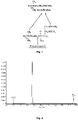
Figure 1 décrit la synthèse d'acétylcholine à partir d'AceFaPC sous l'action d'une phospholipase D. - La
Figure 2 montre la détection de l'acétylcholine et de son produit de fragmentation principal par spectrométrie de masse. - La
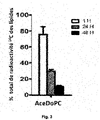
Figure 3 montre les pourcentages de passage du sang au cerveau (rat) sur la base du DHA radioactif, en fonction du temps. ( Hachem et al. Mol. Neurobiol. 2016 ) - Plusieurs expériences ont été conduites à partir d'AceFaPC (DHA et acide oléique) comme précurseur possible d'acétylcholine et mesure finale de cette dernière par radiochromatographie ou spectrométrie de masse.
- Un homogénat de cerveau de rat a été incubé avec de l'AceFaPC, marqué au 14C sur l'acétyle, dans un tampon Tris-HCI pH 8 en présence d'un cocktail d'anti-protéases et d'un inhibiteur d'acétylcholine estérase. L'incubation se fait à 37°C pendant une heure. Après extraction par un mélange éthanol/chloroforme, la phase organique et la phase aqueuse sont séparées et analysées. Après séparation par chromatographie sur couche mince, les produits sont visualisés avec un lecteur de radioactivité. Une tache radioactive correspondant à la migration de l'acétylcholine est détectée. L'incubation d'un homogénat de cerveau de rat avec de l'AceFaPC marqué permet donc la synthèse d'acétylcholine radioactive, après libération de choline par la phospholipase D cérébrale et couplage chimique de cette choline avec un groupement acétyle marqué en position sn-1 de l'AceFaPC et/ou couplage de l'acétyle radioactif apporté par AceFaPC et la choline endogène.
- L'incubation acellulaire d'AceFaPC a été faite en présence d'une phospholipase D d'origine microbienne (de Streptomyces chromofuscus) dans un tampon Tris-HCI pH 8 (pH cérébral) pendant une heure à 37°C. A la suite de l'incubation, la phospholipase D a été détruite par ajout d'éthanol. Après centrifugation, le mélange aqueux éthanolique a été séparé et évaporé à sec. Le résidu a été remis en solution dans le mélange 95% d'acétonitrile / 5 % de formiate d'ammonium puis filtré par centrifugation. La mise en évidence d'acétylcholine dans la solution a été faite par spectrométrie de masse. L'acétylcholine a été détectée à la fois sur la base de sa masse moléculaire (146) et de celle de son produit de fragmentation principal (87 : ion majoritaire correspondant au radical CH3-COO-CH2-CH2-) (
Figure 2 ). - Dans ces expériences acellulaires, deux substrats ont été utilisés en considérant la plus faible insaturation pour l'acyle en position sn-2, soit le radical oléoyle (R2-COO-,
Fig 1 ) : AceOIPC et la plus forte avec le radical docosahexaénoyle : AceDoPC®. Pour AceOIPC, environ 5% de la choline libérée a été convertie en acétylcholine. Pour AceDoPC®, cette conversion a atteint 36%. Les raisons de cette différence sont inconnues à ce stade de l'expérimentation. On peut toutefois émettre l'hypothèse que la conjugaison de la choline avec le radical acétyle est meilleure si la position sn-2 est moins encombrée, ce qui est le cas pour le radical docosahexaénoyle (avec 6 double liaisons) comparativement au radical oléoyle (avec une seule double-liaison) car le repliement de la chaîne acyle avec 6 double liaisons est beaucoup plus important que pour une seule double liaison. Ce résultat est particulièrement encourageant pour AceFaPC contenant des acyles polyinsaturés, comme docosahexaénoyle et arachidonoyle (non encore testé), les deux acyles les plus importants du cerveau. - L'incubation acellulaire d'AceFaPC a également été faite en présence d'une quantité équimoléculaire de chlorure de choline dissout dans un tampon Tris-HCI pH 8 pendant une heure à 37°C sous agitation. Après évaporation à sec sous azote, le résidu a été mis en solution dans le mélange 95% d'acétonitrile / 5 % de formiate d'ammonium. Comme précédemment décrit, après filtration par centrifugation, la mesure d'acétylcholine a été faite par spectrométrie de masse.
- Ces expériences montrent que les incubations d'AceFaPC en présence de phospholipase D (qui libère la choline de l'AceFaPC) ou en présence de choline exogène permettent la synthèse d'acétylcholine.
- La proximité des deux groupements constitutifs (acétyle et choline) de l'acétylcholine sur la même molécule, distants d'un nm environ, est de nature à faciliter leur conjugaison en produit final par rapport à la distance au sein d'une même cellule (distance de l'ordre du µm) comme il est admis dans tous les processus biochimiques concernés par cette proximité des réactants.
- Cette proximité est résumée par la réaction figurant dans la
Figure 1 . - Les résultats confirment l'hypothèse du mécanisme d'action de transformation de l'AceFaPC en acétylcholine dans le cerveau sous l'action de la phospholipase D cérébrale.
- De l'AceDoPC marqué au 14C sur le résidu docosahexaénoyle a été injecté dans la circulation sanguine de différents rats. Après 1h, 24h et 48h, les cerveaux des rats ont été analysés pour localiser la radioactivité dans différents compartiments lipidiques. Pour ce qui concerne l'AceDoPC, sa radioactivité passait de 80% de la totalité injectée après 1h, puis 30% après 24h et 10% après 48h (
Figure 3 ). Ces résultats confirment que l'AceDoPC injecté dans la circulation sanguine est substantiellement « intacte » lorsqu'elle atteint le cerveau où il est métabolisé, notamment par la perte de son résidu acétyle avec la formation d'acétylcholine. -
-
WO2013037862 -
WO 2008/068413 - Bernoud-Hubac N. & al., OCL 2017, 24(2) D205
- Hachem M. & al., Mol Neurobiol., 2016, 53(5), 3205-15
- Lagarde M. & al., OCL 2016, 23(1) D102
Claims (13)
- AceFaPC de formule générale (I)
 dans laquelle R représente le radical acyle d'un acide gras insaturé comprenant au moins 14 atomes de carbone, hydrates, sels pharmaceutiquement acceptables ou solvats pharmaceutiquement acceptables,pour son utilisation comme fournisseur d'acétylcholine dans la prévention et le traitement de maladies associées à une carence en acétylcholine, lesdites maladies étant choisies parmi la maladie d'Alzheimer et les maladies neuro-musculaires.
 - AceFaPC pour son utilisation selon la revendication 1, caractérisée en ce qu'elle est administrée par une voie appropriée pour éviter le tractus gastro-intestinal.
- AceFaPC pour son utilisation selon la revendication 2, caractérisé en ce qu'elle est administrée par voie intraveineuse, intramusculaire, sous-cutanée, transdermique ou par inhalation.
- AceFaPC pour son utilisation selon l'une des revendications 1 à 3, caractérisé en ce que R représente le radical acyle d'un acide gras insaturé choisi parmi les acides oléique (OA), linoléique (LA), alpha- ou gamma-linolénique (ALA ou GLA), eicosapentaénoique (EPA), et arachidonique (ARA).
- Mélange d'AceFaPC de formule (I) telle que définie à la revendication 1, caractérisé en ce qu'il comprend une première AceFaPC de formule (I) dans laquelle R est un premier radical acyle d'un acide gras insaturé comprenant au moins 14 atomes de carbone et au moins une deuxième AceFaPC de formule (I) dans laquelle R représente un radical acyle d'un acide gras insaturé comprenant au moins 14 atomes différent du radical acyle de la première AceFaPC.
- Mélange d'AceFaPC selon la revendication 5, caractérisé en ce qu'il comprend une première AceFaPC de formule (I) dans laquelle R est le radical acyle du DHA (AceDoPC) et au moins une AceFaPC de formule (I) dans laquelle R représente un radical acyle d'un acide gras insaturé comprenant au moins 14 atomes de carbone et n'est pas le radical acyle du DHA.
- Mélange selon la revendication 5, caractérisée en ce que l'acide gras insaturé de la deuxième AceFaPC de formule (I) est choisi parmi les acides oléique (OA), linoléique (LA), alpha- ou gamma-linolénique (ALA ou GLA), eicosapentaénoique (EPA), et arachidonique (ARA).
- Mélange d'AceFaPC selon la revendication 7, caractérisé en ce que l'acide gras insaturé de la deuxième AceFaPC est l'acide arachidonique (ARA).
- Mélange d'AceFaPC selon la revendication 5, caractérisé en ce que les proportions relatives en acyles d'acides gras dans les différentes AceFaPC de formule (I) sont les suivantes
Acyle % relatif Oléyle 10-80 Linoléoyle 5-50 Linolénoyle 0-5 Arachidonoyle 0-10 Eicosapentaénoyle 0-10 Docosahexaénoyle 0-10 - Mélange d'AceFaPC selon l'une des revendications 5 à 9 pour son utilisation comme fournisseur d'acétylcholine dans la prévention et le traitement de maladies associées à une carence en acétylcholine, lesdites maladies étant choisies parmi la maladie d'Alzheimer et les maladies neuro-musculaires.
- Produit de combinaison, pour une utilisation simultanée ou décalée dans le temps, caractérisé en ce qu'il comprend d'une part de l'AceDoPC et d'autre part au moins une AceFaPC de formule (I) telle que définie à la revendication 1 dans laquelle R représente un radical acyle d'un acide gras insaturé comprenant au moins 14 atomes de carbone et R n'est pas le radical acyle du DHA.
- Composition pharmaceutique, caractérisée en ce qu'elle comprend un mélange d'AceFaPC selon l'une des revendications 5 à 9 et au moins un excipient pharmaceutiquement acceptable.
- Composition selon la revendication 12, caractérisée en ce qu'elle est sous une forme appropriée pour une administration par voie intraveineuse, intramusculaire, sous-cutanée, transdermique ou par inhalation.
Applications Claiming Priority (2)
| Application Number | Priority Date | Filing Date | Title |
|---|---|---|---|
| FR1751880A FR3063645B1 (fr) | 2017-03-08 | 2017-03-08 | Acefapc pour le traitement des maladies acetylcholine dependantes |
| PCT/EP2018/055706 WO2018162617A1 (fr) | 2017-03-08 | 2018-03-08 | AceFaPC POUR LE TRAITEMENT DES MALADIES ACÉTYLCHOLINE DÉPENDANTES |
Publications (2)
| Publication Number | Publication Date |
|---|---|
| EP3592360A1 EP3592360A1 (fr) | 2020-01-15 |
| EP3592360B1 true EP3592360B1 (fr) | 2022-04-20 |
Family
ID=58739168
Family Applications (1)
| Application Number | Title | Priority Date | Filing Date |
|---|---|---|---|
| EP18709010.5A Active EP3592360B1 (fr) | 2017-03-08 | 2018-03-08 | Acefapc pour le traitement des maladies acétylcholine dépendantes |
Country Status (7)
| Country | Link |
|---|---|
| US (2) | US20200054653A1 (fr) |
| EP (1) | EP3592360B1 (fr) |
| CN (1) | CN110678184A (fr) |
| CA (1) | CA3055464A1 (fr) |
| ES (1) | ES2923149T3 (fr) |
| FR (1) | FR3063645B1 (fr) |
| WO (1) | WO2018162617A1 (fr) |
Families Citing this family (7)
| Publication number | Priority date | Publication date | Assignee | Title |
|---|---|---|---|---|
| EP3927348A1 (fr) | 2019-02-21 | 2021-12-29 | Universite Claude Bernard - Lyon 1 | Vecteurs moléculaires structurés pour des composés anti-inflammatoires et leurs utilisations |
| CN114286680A (zh) * | 2019-06-20 | 2022-04-05 | 阿克海洋生物南极股份公司 | 肠胃外溶血磷脂酰胆碱制剂诸如lpc-dha、lpc-epa及其在治疗中的用途 |
| NL2023407B1 (en) | 2019-06-28 | 2021-02-01 | Aker Biomarine Antarctic As | Parenteral lysophosphatidylcholine formulations |
| JP7599077B2 (ja) | 2020-03-31 | 2024-12-13 | アーケル バイオマリーン ヒューマン イングリーディエンツ エーエス | Lpc-dhaおよびlpc-epaが豊富なクリルオイル組成物 |
| WO2022101678A2 (fr) | 2020-11-15 | 2022-05-19 | Aker Biomarine Antarctic As | Formulations de lysophospholipides |
| EP4436957A1 (fr) | 2021-11-24 | 2024-10-02 | Genentech, Inc. | Composés d'indazole thérapeutiques et méthodes d'utilisation dans le traitement du cancer |
| EP4436969A2 (fr) | 2021-11-24 | 2024-10-02 | Genentech, Inc. | Composés thérapeutiques et méthodes d'utilisation |
Family Cites Families (3)
| Publication number | Priority date | Publication date | Assignee | Title |
|---|---|---|---|---|
| WO2008068413A2 (fr) | 2006-11-14 | 2008-06-12 | INSTITUT NATIONAL DES SCIENCES APPLIQUEES DE LYON (INSA de Lyon) | Procede de preparation d'acetyl, docosahexaenoyl-glycérophosphocholine, et son utilisation pour l'apport d'acides gras polyinsatures |
| FR2979825B1 (fr) | 2011-09-13 | 2013-11-29 | Inst Nat Sciences Appliq | Phosphatidylcholines specifiques en tant que modulateurs de l'activite du facteur d'activation plaquettaire |
| FR3038606B1 (fr) * | 2015-07-06 | 2018-10-05 | Institut National Des Sciences Appliquees De Lyon | Glycerophosphocholines, pour leur utilisation dans le traitement d'une inflammation intestinale ou d'un cancer intestinal |
-
2017
- 2017-03-08 FR FR1751880A patent/FR3063645B1/fr active Active
-
2018
- 2018-03-08 CA CA3055464A patent/CA3055464A1/fr active Pending
- 2018-03-08 ES ES18709010T patent/ES2923149T3/es active Active
- 2018-03-08 EP EP18709010.5A patent/EP3592360B1/fr active Active
- 2018-03-08 WO PCT/EP2018/055706 patent/WO2018162617A1/fr not_active Ceased
- 2018-03-08 CN CN201880016533.5A patent/CN110678184A/zh active Pending
- 2018-03-08 US US16/491,492 patent/US20200054653A1/en not_active Abandoned
-
2022
- 2022-02-14 US US17/670,760 patent/US20220273682A1/en not_active Abandoned
Also Published As
| Publication number | Publication date |
|---|---|
| WO2018162617A1 (fr) | 2018-09-13 |
| FR3063645A1 (fr) | 2018-09-14 |
| US20220273682A1 (en) | 2022-09-01 |
| US20200054653A1 (en) | 2020-02-20 |
| ES2923149T3 (es) | 2022-09-23 |
| CN110678184A (zh) | 2020-01-10 |
| EP3592360A1 (fr) | 2020-01-15 |
| FR3063645B1 (fr) | 2021-06-11 |
| CA3055464A1 (fr) | 2018-09-13 |
Similar Documents
| Publication | Publication Date | Title |
|---|---|---|
| WO2018162617A1 (fr) | AceFaPC POUR LE TRAITEMENT DES MALADIES ACÉTYLCHOLINE DÉPENDANTES | |
| EP1673338B1 (fr) | Composes derives d'acides gras preparation et utilisations | |
| US9334235B2 (en) | Plasmalogen compounds, pharmaceutical compositions containing the same and methods for treating diseases of the aging | |
| FR2466248A1 (fr) | Derives d'agents anti-inflammatoires non steroides, procede de preparation et compositions pharmaceutiques les contenant | |
| FR2914188A1 (fr) | Nouvelle composition a base d'oxime de cholest-4-en-3-one | |
| FR2753098A1 (fr) | Composition pharmaceutique comprenant au moins un inhibiteur de no synthase et au moins un piegeur des formes reactives de l'oxygene | |
| JP2009535309A (ja) | 化学式a−r−xの化合物、または薬学的に条件を満たす該化合物の塩を医療製剤の生産に使用する用法 | |
| CN1774252A (zh) | 丙戊酸的磷脂衍生物及其混合物 | |
| CN107028926A (zh) | 糖尿病性心血管并发症的预防/治疗剂 | |
| CA2428707A1 (fr) | Composition pharmaceutique ou cosmetique et utilisation d'un inhibiteur de pkc avec un inhibiteur de mmp pour inhiber la migration des cellules de langerhans | |
| WO2019213335A1 (fr) | Promédicaments à biodisponibilité orale d'edaravone présentant des propriétés pharmacocinétiques modifiées et leurs procédés d'utilisation | |
| JP6026723B2 (ja) | Gip上昇抑制剤 | |
| WO2019213333A1 (fr) | Polythérapies avec édaravone et promédicaments d'édaravone qui sont biodisponibles par voie orale et ont des propriétés pharmacocinétiques modifiées | |
| FR2487195A1 (fr) | Procede et composition permettant d'abaisser le taux de cholesterol contenu dans le sang | |
| EP0627916B1 (fr) | Composition pharmaceutique utilisable comme analgesique contenant l'acide (benzoyl-3 phenyl)-2 propionique-(r) | |
| EP2379484A1 (fr) | Ester de diol et d'acide gras polyinsature comme agent anti-acne | |
| EP1737445A2 (fr) | Methode permettant de traiter le syndrome de down | |
| US4959357A (en) | Phospholipase A2 inhibitor | |
| US20100028417A1 (en) | Use of substituted glycerin derivatives for producing a pharmaceutical preparation | |
| WO2004074239A1 (fr) | Aminopropanediols acyles et analogues et leurs utilisations therapeutiques | |
| FR3050455A1 (fr) | Derives amides des acides polycafeoylquiniques, procede de preparation et utilisations | |
| WO2004091603A1 (fr) | Utilisation d’un ester de dha pour le traitement des malades cardiovasculaires | |
| WO2013026989A2 (fr) | Liposome comprenant au moins un derive de cholesterol | |
| CA2792993A1 (fr) | Composition particuliere pour son application comme medicament | |
| EP1446161A2 (fr) | Association medicamenteuse d'une biguanine (metformine) et d'arginine |
Legal Events
| Date | Code | Title | Description |
|---|---|---|---|
| STAA | Information on the status of an ep patent application or granted ep patent |
Free format text: STATUS: UNKNOWN |
|
| STAA | Information on the status of an ep patent application or granted ep patent |
Free format text: STATUS: THE INTERNATIONAL PUBLICATION HAS BEEN MADE |
|
| PUAI | Public reference made under article 153(3) epc to a published international application that has entered the european phase |
Free format text: ORIGINAL CODE: 0009012 |
|
| STAA | Information on the status of an ep patent application or granted ep patent |
Free format text: STATUS: REQUEST FOR EXAMINATION WAS MADE |
|
| 17P | Request for examination filed |
Effective date: 20190923 |
|
| AK | Designated contracting states |
Kind code of ref document: A1 Designated state(s): AL AT BE BG CH CY CZ DE DK EE ES FI FR GB GR HR HU IE IS IT LI LT LU LV MC MK MT NL NO PL PT RO RS SE SI SK SM TR |
|
| AX | Request for extension of the european patent |
Extension state: BA ME |
|
| DAV | Request for validation of the european patent (deleted) | ||
| DAX | Request for extension of the european patent (deleted) | ||
| RAP1 | Party data changed (applicant data changed or rights of an application transferred) |
Owner name: INSTITUT NATIONAL DE RECHERCHE POUR L'AGRICULTURE, L'ALIMENTATION ET L'ENVIRONNEMENT Owner name: INSTITUT NATIONAL DES SCIENCES APPLIQUEES DE LYON Owner name: INSTITUT NATIONAL DE LA SANTE ET DE LA RECHERCHE MEDICALE (INSERM) Owner name: LIPTHER Owner name: UNIVERSITE CLAUDE BERNARD LYON 1 |
|
| STAA | Information on the status of an ep patent application or granted ep patent |
Free format text: STATUS: EXAMINATION IS IN PROGRESS |
|
| 17Q | First examination report despatched |
Effective date: 20210122 |
|
| GRAP | Despatch of communication of intention to grant a patent |
Free format text: ORIGINAL CODE: EPIDOSNIGR1 |
|
| STAA | Information on the status of an ep patent application or granted ep patent |
Free format text: STATUS: GRANT OF PATENT IS INTENDED |
|
| INTG | Intention to grant announced |
Effective date: 20211013 |
|
| GRAJ | Information related to disapproval of communication of intention to grant by the applicant or resumption of examination proceedings by the epo deleted |
Free format text: ORIGINAL CODE: EPIDOSDIGR1 |
|
| STAA | Information on the status of an ep patent application or granted ep patent |
Free format text: STATUS: EXAMINATION IS IN PROGRESS |
|
| GRAS | Grant fee paid |
Free format text: ORIGINAL CODE: EPIDOSNIGR3 |
|
| STAA | Information on the status of an ep patent application or granted ep patent |
Free format text: STATUS: GRANT OF PATENT IS INTENDED |
|
| GRAP | Despatch of communication of intention to grant a patent |
Free format text: ORIGINAL CODE: EPIDOSNIGR1 |
|
| INTC | Intention to grant announced (deleted) | ||
| GRAA | (expected) grant |
Free format text: ORIGINAL CODE: 0009210 |
|
| STAA | Information on the status of an ep patent application or granted ep patent |
Free format text: STATUS: THE PATENT HAS BEEN GRANTED |
|
| INTG | Intention to grant announced |
Effective date: 20220225 |
|
| AK | Designated contracting states |
Kind code of ref document: B1 Designated state(s): AL AT BE BG CH CY CZ DE DK EE ES FI FR GB GR HR HU IE IS IT LI LT LU LV MC MK MT NL NO PL PT RO RS SE SI SK SM TR |
|
| REG | Reference to a national code |
Ref country code: GB Ref legal event code: FG4D Free format text: NOT ENGLISH |
|
| REG | Reference to a national code |
Ref country code: CH Ref legal event code: EP |
|
| REG | Reference to a national code |
Ref country code: DE Ref legal event code: R096 Ref document number: 602018034114 Country of ref document: DE |
|
| REG | Reference to a national code |
Ref country code: IE Ref legal event code: FG4D Free format text: LANGUAGE OF EP DOCUMENT: FRENCH |
|
| REG | Reference to a national code |
Ref country code: AT Ref legal event code: REF Ref document number: 1484647 Country of ref document: AT Kind code of ref document: T Effective date: 20220515 |
|
| REG | Reference to a national code |
Ref country code: DE Ref legal event code: R081 Ref document number: 602018034114 Country of ref document: DE Owner name: UNIVERSITE CLAUDE BERNARD LYON 1, FR Free format text: FORMER OWNERS: INSTITUT NATIONAL DE LA SANTE ET DE LA RECHERCHE MEDICALE (INSERM), PARIS, FR; INSTITUT NATIONAL DE RECHERCHE POUR L'AGRICULTURE, L'ALIMENTATION ET L'ENVIRONNEMENT, PARIS, FR; INSTITUT NATIONAL DES SCIENCES APPLIQUEES DE LYON, VILLEURBANNE, FR; LIPTHER, VILLEURBANNE, FR; UNIVERSITE CLAUDE BERNARD LYON 1, VILLEURBANNE, FR Ref country code: DE Ref legal event code: R081 Ref document number: 602018034114 Country of ref document: DE Owner name: LIPTHER, FR Free format text: FORMER OWNERS: INSTITUT NATIONAL DE LA SANTE ET DE LA RECHERCHE MEDICALE (INSERM), PARIS, FR; INSTITUT NATIONAL DE RECHERCHE POUR L'AGRICULTURE, L'ALIMENTATION ET L'ENVIRONNEMENT, PARIS, FR; INSTITUT NATIONAL DES SCIENCES APPLIQUEES DE LYON, VILLEURBANNE, FR; LIPTHER, VILLEURBANNE, FR; UNIVERSITE CLAUDE BERNARD LYON 1, VILLEURBANNE, FR Ref country code: DE Ref legal event code: R081 Ref document number: 602018034114 Country of ref document: DE Owner name: INSTITUT NATIONAL DES SCIENCES APPLIQUEES DE L, FR Free format text: FORMER OWNERS: INSTITUT NATIONAL DE LA SANTE ET DE LA RECHERCHE MEDICALE (INSERM), PARIS, FR; INSTITUT NATIONAL DE RECHERCHE POUR L'AGRICULTURE, L'ALIMENTATION ET L'ENVIRONNEMENT, PARIS, FR; INSTITUT NATIONAL DES SCIENCES APPLIQUEES DE LYON, VILLEURBANNE, FR; LIPTHER, VILLEURBANNE, FR; UNIVERSITE CLAUDE BERNARD LYON 1, VILLEURBANNE, FR Ref country code: DE Ref legal event code: R081 Ref document number: 602018034114 Country of ref document: DE Owner name: INSTITUT NATIONAL DE RECHERCHE POUR L'AGRICULT, FR Free format text: FORMER OWNERS: INSTITUT NATIONAL DE LA SANTE ET DE LA RECHERCHE MEDICALE (INSERM), PARIS, FR; INSTITUT NATIONAL DE RECHERCHE POUR L'AGRICULTURE, L'ALIMENTATION ET L'ENVIRONNEMENT, PARIS, FR; INSTITUT NATIONAL DES SCIENCES APPLIQUEES DE LYON, VILLEURBANNE, FR; LIPTHER, VILLEURBANNE, FR; UNIVERSITE CLAUDE BERNARD LYON 1, VILLEURBANNE, FR Ref country code: DE Ref legal event code: R081 Ref document number: 602018034114 Country of ref document: DE Owner name: INSTITUT NATIONAL DE LA SANTE ET DE LA RECHERC, FR Free format text: FORMER OWNERS: INSTITUT NATIONAL DE LA SANTE ET DE LA RECHERCHE MEDICALE (INSERM), PARIS, FR; INSTITUT NATIONAL DE RECHERCHE POUR L'AGRICULTURE, L'ALIMENTATION ET L'ENVIRONNEMENT, PARIS, FR; INSTITUT NATIONAL DES SCIENCES APPLIQUEES DE LYON, VILLEURBANNE, FR; LIPTHER, VILLEURBANNE, FR; UNIVERSITE CLAUDE BERNARD LYON 1, VILLEURBANNE, FR |
|
| REG | Reference to a national code |
Ref country code: NL Ref legal event code: FP |
|
| REG | Reference to a national code |
Ref country code: LT Ref legal event code: MG9D |
|
| REG | Reference to a national code |
Ref country code: ES Ref legal event code: FG2A Ref document number: 2923149 Country of ref document: ES Kind code of ref document: T3 Effective date: 20220923 |
|
| PG25 | Lapsed in a contracting state [announced via postgrant information from national office to epo] |
Ref country code: SE Free format text: LAPSE BECAUSE OF FAILURE TO SUBMIT A TRANSLATION OF THE DESCRIPTION OR TO PAY THE FEE WITHIN THE PRESCRIBED TIME-LIMIT Effective date: 20220420 Ref country code: PT Free format text: LAPSE BECAUSE OF FAILURE TO SUBMIT A TRANSLATION OF THE DESCRIPTION OR TO PAY THE FEE WITHIN THE PRESCRIBED TIME-LIMIT Effective date: 20220822 Ref country code: NO Free format text: LAPSE BECAUSE OF FAILURE TO SUBMIT A TRANSLATION OF THE DESCRIPTION OR TO PAY THE FEE WITHIN THE PRESCRIBED TIME-LIMIT Effective date: 20220720 Ref country code: LT Free format text: LAPSE BECAUSE OF FAILURE TO SUBMIT A TRANSLATION OF THE DESCRIPTION OR TO PAY THE FEE WITHIN THE PRESCRIBED TIME-LIMIT Effective date: 20220420 Ref country code: HR Free format text: LAPSE BECAUSE OF FAILURE TO SUBMIT A TRANSLATION OF THE DESCRIPTION OR TO PAY THE FEE WITHIN THE PRESCRIBED TIME-LIMIT Effective date: 20220420 Ref country code: GR Free format text: LAPSE BECAUSE OF FAILURE TO SUBMIT A TRANSLATION OF THE DESCRIPTION OR TO PAY THE FEE WITHIN THE PRESCRIBED TIME-LIMIT Effective date: 20220721 Ref country code: FI Free format text: LAPSE BECAUSE OF FAILURE TO SUBMIT A TRANSLATION OF THE DESCRIPTION OR TO PAY THE FEE WITHIN THE PRESCRIBED TIME-LIMIT Effective date: 20220420 Ref country code: BG Free format text: LAPSE BECAUSE OF FAILURE TO SUBMIT A TRANSLATION OF THE DESCRIPTION OR TO PAY THE FEE WITHIN THE PRESCRIBED TIME-LIMIT Effective date: 20220720 |
|
| PG25 | Lapsed in a contracting state [announced via postgrant information from national office to epo] |
Ref country code: RS Free format text: LAPSE BECAUSE OF FAILURE TO SUBMIT A TRANSLATION OF THE DESCRIPTION OR TO PAY THE FEE WITHIN THE PRESCRIBED TIME-LIMIT Effective date: 20220420 Ref country code: PL Free format text: LAPSE BECAUSE OF FAILURE TO SUBMIT A TRANSLATION OF THE DESCRIPTION OR TO PAY THE FEE WITHIN THE PRESCRIBED TIME-LIMIT Effective date: 20220420 Ref country code: LV Free format text: LAPSE BECAUSE OF FAILURE TO SUBMIT A TRANSLATION OF THE DESCRIPTION OR TO PAY THE FEE WITHIN THE PRESCRIBED TIME-LIMIT Effective date: 20220420 Ref country code: IS Free format text: LAPSE BECAUSE OF FAILURE TO SUBMIT A TRANSLATION OF THE DESCRIPTION OR TO PAY THE FEE WITHIN THE PRESCRIBED TIME-LIMIT Effective date: 20220820 |
|
| REG | Reference to a national code |
Ref country code: DE Ref legal event code: R097 Ref document number: 602018034114 Country of ref document: DE |
|
| PG25 | Lapsed in a contracting state [announced via postgrant information from national office to epo] |
Ref country code: SM Free format text: LAPSE BECAUSE OF FAILURE TO SUBMIT A TRANSLATION OF THE DESCRIPTION OR TO PAY THE FEE WITHIN THE PRESCRIBED TIME-LIMIT Effective date: 20220420 Ref country code: SK Free format text: LAPSE BECAUSE OF FAILURE TO SUBMIT A TRANSLATION OF THE DESCRIPTION OR TO PAY THE FEE WITHIN THE PRESCRIBED TIME-LIMIT Effective date: 20220420 Ref country code: RO Free format text: LAPSE BECAUSE OF FAILURE TO SUBMIT A TRANSLATION OF THE DESCRIPTION OR TO PAY THE FEE WITHIN THE PRESCRIBED TIME-LIMIT Effective date: 20220420 Ref country code: EE Free format text: LAPSE BECAUSE OF FAILURE TO SUBMIT A TRANSLATION OF THE DESCRIPTION OR TO PAY THE FEE WITHIN THE PRESCRIBED TIME-LIMIT Effective date: 20220420 Ref country code: DK Free format text: LAPSE BECAUSE OF FAILURE TO SUBMIT A TRANSLATION OF THE DESCRIPTION OR TO PAY THE FEE WITHIN THE PRESCRIBED TIME-LIMIT Effective date: 20220420 Ref country code: CZ Free format text: LAPSE BECAUSE OF FAILURE TO SUBMIT A TRANSLATION OF THE DESCRIPTION OR TO PAY THE FEE WITHIN THE PRESCRIBED TIME-LIMIT Effective date: 20220420 |
|
| PLBE | No opposition filed within time limit |
Free format text: ORIGINAL CODE: 0009261 |
|
| STAA | Information on the status of an ep patent application or granted ep patent |
Free format text: STATUS: NO OPPOSITION FILED WITHIN TIME LIMIT |
|
| 26N | No opposition filed |
Effective date: 20230123 |
|
| PG25 | Lapsed in a contracting state [announced via postgrant information from national office to epo] |
Ref country code: AL Free format text: LAPSE BECAUSE OF FAILURE TO SUBMIT A TRANSLATION OF THE DESCRIPTION OR TO PAY THE FEE WITHIN THE PRESCRIBED TIME-LIMIT Effective date: 20220420 |
|
| PG25 | Lapsed in a contracting state [announced via postgrant information from national office to epo] |
Ref country code: SI Free format text: LAPSE BECAUSE OF FAILURE TO SUBMIT A TRANSLATION OF THE DESCRIPTION OR TO PAY THE FEE WITHIN THE PRESCRIBED TIME-LIMIT Effective date: 20220420 |
|
| REG | Reference to a national code |
Ref country code: AT Ref legal event code: UEP Ref document number: 1484647 Country of ref document: AT Kind code of ref document: T Effective date: 20220420 |
|
| PG25 | Lapsed in a contracting state [announced via postgrant information from national office to epo] |
Ref country code: MC Free format text: LAPSE BECAUSE OF FAILURE TO SUBMIT A TRANSLATION OF THE DESCRIPTION OR TO PAY THE FEE WITHIN THE PRESCRIBED TIME-LIMIT Effective date: 20220420 |
|
| PG25 | Lapsed in a contracting state [announced via postgrant information from national office to epo] |
Ref country code: LU Free format text: LAPSE BECAUSE OF NON-PAYMENT OF DUE FEES Effective date: 20230308 |
|
| REG | Reference to a national code |
Ref country code: IE Ref legal event code: MM4A |
|
| PG25 | Lapsed in a contracting state [announced via postgrant information from national office to epo] |
Ref country code: IE Free format text: LAPSE BECAUSE OF NON-PAYMENT OF DUE FEES Effective date: 20230308 |
|
| PG25 | Lapsed in a contracting state [announced via postgrant information from national office to epo] |
Ref country code: BG Free format text: LAPSE BECAUSE OF FAILURE TO SUBMIT A TRANSLATION OF THE DESCRIPTION OR TO PAY THE FEE WITHIN THE PRESCRIBED TIME-LIMIT Effective date: 20220420 |
|
| PG25 | Lapsed in a contracting state [announced via postgrant information from national office to epo] |
Ref country code: BG Free format text: LAPSE BECAUSE OF FAILURE TO SUBMIT A TRANSLATION OF THE DESCRIPTION OR TO PAY THE FEE WITHIN THE PRESCRIBED TIME-LIMIT Effective date: 20220420 |
|
| PGFP | Annual fee paid to national office [announced via postgrant information from national office to epo] |
Ref country code: ES Payment date: 20250429 Year of fee payment: 8 |
|
| PGFP | Annual fee paid to national office [announced via postgrant information from national office to epo] |
Ref country code: CH Payment date: 20250401 Year of fee payment: 8 |
|
| PG25 | Lapsed in a contracting state [announced via postgrant information from national office to epo] |
Ref country code: CY Free format text: LAPSE BECAUSE OF FAILURE TO SUBMIT A TRANSLATION OF THE DESCRIPTION OR TO PAY THE FEE WITHIN THE PRESCRIBED TIME-LIMIT; INVALID AB INITIO Effective date: 20180308 |
|
| PG25 | Lapsed in a contracting state [announced via postgrant information from national office to epo] |
Ref country code: HU Free format text: LAPSE BECAUSE OF FAILURE TO SUBMIT A TRANSLATION OF THE DESCRIPTION OR TO PAY THE FEE WITHIN THE PRESCRIBED TIME-LIMIT; INVALID AB INITIO Effective date: 20180308 |
|
| PG25 | Lapsed in a contracting state [announced via postgrant information from national office to epo] |
Ref country code: TR Free format text: LAPSE BECAUSE OF FAILURE TO SUBMIT A TRANSLATION OF THE DESCRIPTION OR TO PAY THE FEE WITHIN THE PRESCRIBED TIME-LIMIT Effective date: 20220420 |
|
| REG | Reference to a national code |
Ref country code: CH Ref legal event code: U11 Free format text: ST27 STATUS EVENT CODE: U-0-0-U10-U11 (AS PROVIDED BY THE NATIONAL OFFICE) Effective date: 20260401 |
|
| PGFP | Annual fee paid to national office [announced via postgrant information from national office to epo] |
Ref country code: GB Payment date: 20260324 Year of fee payment: 9 |
|
| PGFP | Annual fee paid to national office [announced via postgrant information from national office to epo] |
Ref country code: DE Payment date: 20260319 Year of fee payment: 9 |
|
| PGFP | Annual fee paid to national office [announced via postgrant information from national office to epo] |
Ref country code: AT Payment date: 20260320 Year of fee payment: 9 |
|
| PGFP | Annual fee paid to national office [announced via postgrant information from national office to epo] |
Ref country code: BE Payment date: 20260319 Year of fee payment: 9 Ref country code: IT Payment date: 20260324 Year of fee payment: 9 |
|
| PGFP | Annual fee paid to national office [announced via postgrant information from national office to epo] |
Ref country code: NL Payment date: 20260319 Year of fee payment: 9 |
|
| PGFP | Annual fee paid to national office [announced via postgrant information from national office to epo] |
Ref country code: FR Payment date: 20260320 Year of fee payment: 9 |