EP3583209B1 - High-fidelity-cas9-varianten und anwendungen davon - Google Patents
High-fidelity-cas9-varianten und anwendungen davon Download PDFInfo
- Publication number
- EP3583209B1 EP3583209B1 EP18708920.6A EP18708920A EP3583209B1 EP 3583209 B1 EP3583209 B1 EP 3583209B1 EP 18708920 A EP18708920 A EP 18708920A EP 3583209 B1 EP3583209 B1 EP 3583209B1
- Authority
- EP
- European Patent Office
- Prior art keywords
- mutations
- cas9
- target
- spcas9
- modified cas9
- Prior art date
- Legal status (The legal status is an assumption and is not a legal conclusion. Google has not performed a legal analysis and makes no representation as to the accuracy of the status listed.)
- Active
Links
Images



Classifications
-
- C—CHEMISTRY; METALLURGY
- C12—BIOCHEMISTRY; BEER; SPIRITS; WINE; VINEGAR; MICROBIOLOGY; ENZYMOLOGY; MUTATION OR GENETIC ENGINEERING
- C12N—MICROORGANISMS OR ENZYMES; COMPOSITIONS THEREOF; PROPAGATING, PRESERVING, OR MAINTAINING MICROORGANISMS; MUTATION OR GENETIC ENGINEERING; CULTURE MEDIA
- C12N9/00—Enzymes; Proenzymes; Compositions thereof; Processes for preparing, activating, inhibiting, separating or purifying enzymes
- C12N9/14—Hydrolases (3)
- C12N9/16—Hydrolases (3) acting on ester bonds (3.1)
- C12N9/22—Ribonucleases [RNase]; Deoxyribonucleases [DNase]
-
- A—HUMAN NECESSITIES
- A61—MEDICAL OR VETERINARY SCIENCE; HYGIENE
- A61K—PREPARATIONS FOR MEDICAL, DENTAL OR TOILETRY PURPOSES
- A61K38/00—Medicinal preparations containing peptides
-
- C—CHEMISTRY; METALLURGY
- C07—ORGANIC CHEMISTRY
- C07K—PEPTIDES
- C07K2319/00—Fusion polypeptide
- C07K2319/70—Fusion polypeptide containing domain for protein-protein interaction
- C07K2319/71—Fusion polypeptide containing domain for protein-protein interaction containing domain for transcriptional activaation, e.g. VP16
-
- C—CHEMISTRY; METALLURGY
- C07—ORGANIC CHEMISTRY
- C07K—PEPTIDES
- C07K2319/00—Fusion polypeptide
- C07K2319/80—Fusion polypeptide containing a DNA binding domain, e.g. Lacl or Tet-repressor
-
- C—CHEMISTRY; METALLURGY
- C12—BIOCHEMISTRY; BEER; SPIRITS; WINE; VINEGAR; MICROBIOLOGY; ENZYMOLOGY; MUTATION OR GENETIC ENGINEERING
- C12N—MICROORGANISMS OR ENZYMES; COMPOSITIONS THEREOF; PROPAGATING, PRESERVING, OR MAINTAINING MICROORGANISMS; MUTATION OR GENETIC ENGINEERING; CULTURE MEDIA
- C12N2800/00—Nucleic acids vectors
- C12N2800/80—Vectors containing sites for inducing double-stranded breaks, e.g. meganuclease restriction sites
-
- C—CHEMISTRY; METALLURGY
- C12—BIOCHEMISTRY; BEER; SPIRITS; WINE; VINEGAR; MICROBIOLOGY; ENZYMOLOGY; MUTATION OR GENETIC ENGINEERING
- C12Y—ENZYMES
- C12Y301/00—Hydrolases acting on ester bonds (3.1)
Definitions
- the present invention pertains to the fields of enzymes and nucleic acid binding proteins, in particular Cas9 variants.
- Target sites are usually recognized by Cas9 through a so-called "guide RNA” (gRNA) sequence complementary to a target nucleic acid including a protospacer sequence.
- gRNA guide RNA
- PAM protospacer adjacent motives
- the target nucleic acid is usually DNA, but in some circumstances can be also RNA.
- Guide RNAs can be formed by one or more small RNAs.
- Genome editing by the CRISPR-Cas9 approach has been applied with success on a variety of cell types and species, clearly demonstrating the effectiveness and robustness that have to characterize a game-changer technology.
- both basic research and therapeutic-oriented applications aside from efficacy, require high targeting specificity for editing.
- Cas9 cleavages into the genome are not always directed to the intended sites and unwanted lesions can be introduced in DNA regions sharing different levels of similarity with the selected target.
- the prediction of such unwanted activity is difficult and often unreliable, due to the absence of simple rules governing the phenomenon.
- the assessment of the off-target effects is not always simple, and the results obtained applying different methods are often not in accordance.
- enhancement of the specificity of the CRISPR-Cas9 toolkit is a highly desirable improvement of this key technology, allowing its safe use in all the application fields, especially in human therapeutic applications.
- CRISPR-Cas9 CRISPR-Cas9
- SpCas9 Streptococcus pyogenes Cas9
- SpCas9 K855A
- SpCas9 K810A/K1003A/R1060A
- SpCas9 K848A/K1003A/R1060A
- Aim of the present invention is to provide novel, at least alternative, high-fidelity Cas9 variants.
- Subject-matter of the present invention is an isolated modified Cas9 molecule comprising at least one mutation located at the amino acid residue position K526, optionally further comprising mutations at positions positions selected in the group consisting of: K377, E387, D397, R400, D406, A421, L423, R424, Q426, Y430, K442, P449, V452, A456, R457, W464, M465, K468, E470, T474, P475, W476, F478, K484, S487, A488, T496, F498, L502, N504, K506, P509, F518, N522, E523, L540, S541, I548, D550, F553, V561, K562, E573, A589, L598, D605, L607, N609, N612, E617, D618, D628, R629, R635, K637, L651, K652, R654, T657, G658, L666, K673, S67
- SpCas9 variants according to the invention were initially obtained by random mutagenesis of its REC1-II domain and were screened for the identification of hits with increased on/off ratios by way of a yeast-based assay which allows to simultaneously evaluate the on- and off-target activity towards two engineered genomic targets.
- Cas9 variants according to the invention were generated.
- a modified SpCas9 according to the invention showed a significantly reduced off-target activity when compared to wild-type SpCas9 and side by side analyses with previously reported rationally designed variants demonstrated a significant improvement in fidelity of a SpCas9 variant of the invention.
- a modified SpCas9 according to the invention and having the additional D10A and H840A mutations fused with a transcriptional activation domain (VP64) showed a significantly reduced off-target activity when compared with wild-type Cas9 variant containing the D10A and H840A mutations.
- the present invention describes isolated Cas9 molecules with increased specificity obtained through random mutagenesis of the REC1-II domain of Cas9 and screening using a yeast based assay to evaluate simultaneously the on- and off-target activity of each generated variant. Selected hits were further refined by screening in a mammalian system.
- the Cas9 variants comprise at least one mutation located at the amino acid residue position K526 and optionally at further positions selected in the group consisting of K377, E387, D397, R400, D406, A421, L423, R424, Q426, Y430, K442, P449, V452, A456, R457, W464, M465, K468, E470, T474, P475, W476, F478, K484, S487, A488, T496, F498, L502, N504, K506, P509, F518, N522, E523, L540, S541, I548, D550, F553, V561, K562, E573, A589, L598, D605, L607, N609, N612, E617, D618, D628, R629, R635, K637, L651, K652, R654, T657, G658, L666, K673, S675, I679, L680,
- the modified Cas9 having K526 mutated comprises one or more further mutations located at amino acid residue positions selected in the group consisting of: K377, E387, D397, R400, Q402, R403, F405, D406, N407, A421, L423, R424, Q426, Y430, K442, P449, Y450, V452, A456, R457, W464, M465, K468, E470, T472, 1473, T474, P475, W476, F478, K484, S487, A488, M495, T496, N497, F498, L502, N504, K506, P509, Y515, F518, N522, E523, L540, S541, I548, D550, F553, V561, K562, E573, A589, L598, D605, L607, N609, N612, E617, D618, D628, R629, R635, K637,
- the one or more further mutations are a number comprised between 1 and 8.
- the one or more further mutation is selected in the group consisting of: K377E, E387V, D397E, R400H, Q402R, R403H, F405L, D406Y, D406V, N407P, N407H, A421V, L423P, R424G, Q426R, Y430C, K442N, P449S, Y450A,Y450S, Y450H, Y450N, V452I, A456T, R457P, R457Q, W464L, M465R, K468N, E470D, T472A, I473F, I473V, T474A, P475H, W476R, F478Y, F478V, K484M, S487Y, A488V, M495V, M495T, T496A, N497
- the total number of the above said mutations is comprised between 1 and 9; preferably between 1 and 5; most preferably between 1 and 4.
- SEQ ID NO: 1 is the sequence having accession number NP_269215 (NCBI ) referred to SpCas9.
- the modified polypeptide, excluded the mutations preferably has an identity of at least 50%, 60%, 70%, 80%, 90%, 95%, 99% or 100% with SEQ ID NO : 1.
- Percent identity between two polypeptides or nucleic acid sequences can be determined by those skilled in the art by use of alignment softwares (i.e. the BLAST program).
- the modified Cas9 is a S. pyogenes Cas9.
- Cas9 is a SpCas9 orthologous (i.e. S. thermophilus, S. aureus, N meningitides).
- the Cas9 orthologue has at least 10% or 25% amino acid identity to the Rec1-II domain of SpCas9 and complete amino acid identity of any percentage between 10% or 25% and 100% to SpCas9.
- Those skilled in the art can determine the appropriate homologous residues to be modified by sequence and/or structural alignments.
- Identified amino acids can be modified conservatively with substitutions within the following groups: glycine, alanine; valine, isoleucine, leucine; aspartic acid, glutamic acid, asparagine, glutamine; serine, threonine; lysine, arginine; phenylalanine, tyrosine.
- the modified polypeptide retains the ability to interact with gRNAs and/or with a target DNA or RNA.
- a mutation X1nnnX2 means that at position nnn the amino acid X2 is present in place of the amino acid X1 which is present in the wild-type polypeptide; so, for example, K526E means that the amino acid at position 526 corresponds to a glutamic acid (Glu or E), in place of the amino acid lysine (Lys or K) which is present in the wild-type polypeptide.
- the modified Cas9 polypeptide comprises a mutation at position K526 and one or more further mutations at a position selected in the group consisting of Y450, M495, Y515, R661, N690, R691, Q695, H698; preferably M495, Y515, R661, H698.
- the at least one further mutation is selected in the group consisting of Y450S, M495V, Y515N, R661X, N690I, R691Q, Q695H, H698Q; preferably selected in the group consisting of M495V, Y515N, K526E, R661X, H698Q; wherein X is an amino acid selected in the group consisting of L, Q and S; preferably X is Q or S.
- the modified Cas9 polypeptide comprises a double mutation selected in the group consisting of K526E+Y450S, K526E+M495V, K526E+Y515N, K526E+R661X, K526E+N690I, K526E+R691Q, K526E+Q695H and K526E+H698Q; wherein X is an amino acid selected in the group consisting of L, Q and S; preferably X is Q or S.
- the modified Cas9 polypeptide as above described comprises a triple mutation selected in the group consisting of M495V+K526E+R661X, Y515N+K526E+R661X, K526E+R661X+H698Q and M495V+Y515N+K526E; wherein X is an amino acid selected in the group consisting of L, Q and S; preferably X is Q or S.
- the modified Cas9 polypeptide as above described comprises a quadruple mutation selected in the group consisting of M495V+Y515N+K526E+R661X and M495V+K526E+R661X+H698Q; wherein X is an amino acid selected in the group consisting of L, Q and S; preferably X is Q or S.
- a modified Cas9 polypeptide as above described comprising a quadruple mutation M495V+Y515N+K526E+R661Q (herein after also named evoCas9) or M495V+Y515N+K526E+R661S (herein after also named evoCas9-II).
- the subject-matter of the present invention is an isolated modified Cas9 polypeptide comprising a mutation at position K526 and at least one mutation selected in the group consisting of K377E, E387V, D397E, R400H, Q402R, R403H, F405L, D406Y, D406V, N407P, N407H, A421V, L423P, R424G, Q426R, Y430C, K442N, P449S, Y450S, Y450H, Y450N, V452I, A456T, R457P, R457Q, W464L, M465R, K468N, E470D, T472A, I473F, I473V, T474A, P475H, W476R, F478Y, F478V, K484M, S487Y, A488V, M495V, M495T, T496
- the invention relates to a modified Cas9 polypeptide comprising:
- the modified Cas9 polypeptide comprises at least one mutation selected in the group consisting of Y450S, M495V, Y515N, K526E, R661X, N690I, R691Q, Q695H, H698Q; wherein X is selected in the group consisting of L, Q and S; preferably X is Q or S.
- the said mutations identified for Cas9 are suitable to improve the specificity of other Cas9 nuclease variants so far reported (SpCas9-HF1-4, eSpCas9(1.0) -(1.1.)). Therefore, optionally the above described Cas9 variant may further comprise one or more additional mutations at residues L169A, K810A, K848A, Q926A, R1003A, R1060A, D1135E.
- the said mutations identified for Cas9 are suitable to improve the specificity of other Cas9 nickase, dCas9-Fokl or dCas9. Therefore, optionally the above described Cas9 variant may further comprise at least one additional mutation at a residue selected in the group consisting of D10, E762, D839, H840, N863, H983 and D986 to decrease nuclease activity.
- additional mutations are D10A, or D10N and H840A, H840N or H840Y.
- said mutations result in a Cas9 nickase or in a catalitically inactive Cas9 ( Ran F et al. Cell. 2013, 154(6):1380-1389 ; Maeder M et al. Nature Methods. 2013, 10(10):977-979 ).
- the said mutations identified for Cas9 are suitable to improve the specificity of Cas9 nuclease variants recognizing alternative PAM sequences.
- the above described Cas9 variant may further comprise one or more additional mutations at residues D1135V/R1335Q/T1337R (QVR variant), D1135E/R1335Q/T1337R (EVR variant), D1135V/G1218R/R1335Q/T1337R (VRQR variant), D1135V/G1218R/R1335E/T1337R (VRER variant) according to US Patent US20160319260 .
- Further subject-matter of the present invention is also a variant SpCas9 protein as above described fused to other polypeptide sequences.
- the Cas9 variant is fused to amino acid sequences that encode protein tags (i.e. V5-tag, FLAG-tag, myc-tag, HA-tag, GST-tag, polyHis-tag, MBP-tag), proteins, protein domains, transcription modulators, enzymes acting on small molecule substrates, DNA, RNA and protein modification enzymes (i.e.
- adenosine deaminase cytidine deaminase, guanosyl transferase, DNA methyltransferase, RNA methyltransferases, DNA demethylases, RNA demethylases, dioxygenases, polyadenylate polymerases, pseudouridine synthases, acetyltransferases, deacetylase, ubiquitin-ligases, deubiquitinases, kinases, phosphatases, NEDD8-ligases, de-NEDDylases, SUMO-ligases, deSUMOylases, histone deacetylases, histone acetyltransferases histone methyltransferases, histone demethylases), protein DNA binding domains, RNA binding proteins, polypeptide sequences with specific biological functions (i.e. nuclear localization signals, mitochondrial localization signals, plastid localization signals, subcellular localization signals, destabilizing signals, Geminin
- Further subject-matter of the present invention is a method for producing a Cas9 variant as above described, said method comprising reconstituting the Cas9 variant from one or more fragment thereof; preferably whereby an intein or a protein intron or a dimerizing domain is included within the Cas9 polypeptide.
- the reconstituting step can be performed in vitro in some other embodiment it can be performed in vivo (see below).
- fragments can be induced to reconstitute Cas9 protein by dimerization of a split-Cas9 ( Wright AV et al. PNAS 2015 12(10):2984-9 ; Liu KI et al. Nat Chem Biol. 2016, 12(11):980-987 ).
- fragments can be induced to reconstitute a catalytically active Cas9 protein by intein dimerization of a split-Cas9 ( Truong DJ et al. Nucleic Acids Res 43(13):6450-8 ).
- a vector is a system suitable for the delivery or expression of a nucleotide or protein sequence.
- Further subject-matter of the present invention is also protein or ribonucleoprotein complexes or mixed protein, ribonucleoprotein and lipid complexes containing the modified Cas9 polypeptide (Cas9-sgRNA complexes, and their conjugation with additional protein, nucleic acid or lipid components such as but not limited to cell penetrating peptides, nucleic acid aptamers and lipidic vesicles).
- Cas9-sgRNA complexes modified Cas9 polypeptide
- nucleic acid or lipid components such as but not limited to cell penetrating peptides, nucleic acid aptamers and lipidic vesicles.
- a protein or protein ribonucleotide vector containing the modified Cas9 polypeptide is a protein or protein ribonucleotide vector containing the modified Cas9 polypeptide.
- such vector is a natural or an artificial complex or vesicle (see above).
- such vector is derived from a packaging or releasing cell.
- such vector is extracellular vesicle-based structures (i.e. but not limited to exosomes and exosomes like structures), or viral particles or viral-like particles containing the Cas9 modified polypeptide according to the invention.
- Further subject-matter of the present invention is a sequence of nucleotides encoding for a modified Cas9 polypeptide as above described and fragments thereof.
- the sequence of nucleotides encoding a modified Cas9 as above described, or fragments thereof is based on SEQ ID NO: 2, which is the sequence having accession number NC_002737, or SEQ ID NO: 3, which has been obtained through codon-optimization for the expression in human cells, and presents base substitutions corresponding to the above described mutations.
- the sequence of nucleotides of the invention, encoding a modified Cas9 polypeptide preferably has, excluded the mutations, an identity of at least 50%, 60%, 70%, 80%, 90%, 95%, 99% or 100% with SEQ ID NO 2 or SEQ ID NO: 3.
- nucleic acid comprising the sequence of nucleotides as above described.
- a vector comprising the nucleic acid as above described; wherein said vector is suitable for gene expression in prokaryotic cells or eukaryotic cells (e.g. yeast, mammalian cells, insect cells, plant cells).
- eukaryotic cells e.g. yeast, mammalian cells, insect cells, plant cells.
- the vector can be, but not limited to, a plasmid, a phagemid, a bacterial or yeast artificial chromosome, a DNA or an RNA fragment, or an Agrobacterium-based vector, or a viral vector.
- the nucleic acid of the invention preferably is delivered through lentiSLiCES allowing further specificity through a self-limiting circuit as described in the Italian patent application IT 102016000102542 .
- the nucleic acid of the invention preferably is delivered through a retroviral vector, an EIAV vector, a SIV vector, an adenoviral vector, an AAV vector, a herpes vector, a Baculovirus vector, a Vaccinia virus vector, a Sendai virus vector or a bacteriophage.
- the bacteriophage vector is based on the ⁇ phage, the M13 phage, of the P1 phage.
- nucleic acid comprising fragments of the sequence of nucleotides as above described.
- the translated polypeptides encoded by the two or more different nucleic acids comprising fragments of the sequence of nucleotides as above described can be used in vitro or in vivo to reconstitute a catalytically active Cas9 variant as above described.
- fragments of Cas9 can be used to reconstitute Cas9 protein expression at the DNA level by exploiting recombination between different viral vectors (i.e. Wu Z et al. Mol Ther. 2010, 18(1)80-86 ).
- fragments of Cas9 can be used to reconstitute a Cas9 protein at the transcription level by exploiting trans-splicing ( Fine EJ et al. Sci Rep. 2015, 5:10777 ).
- Further subject-matter of the present invention is also a cell engineered to encode a nucleic acid or a vector as above described or a cell permanently modified by way of Cas9 variant of the invention.
- the engineered cell is a prokaryotic cell, more preferably a bacterium.
- the engineered cell is a eukaryotic cell.
- Preferably is an animal cell.
- the engineered cell is a mammalian cell. More preferably is a non-embryonic non-germline human cell.
- the engineered cell is a somatic cell, more preferably is a tumor cell, most preferably is a stem cell or an induced pluripotent stem cell.
- Further subject-matter of the present invention is also a non-human animal engineered to encode a nucleic acid or a vector as above described or an animal permanently modified by way of Cas9 variant of the invention.
- the animal is a model organism (i.e. Drosophila melanogaster, mouse, mosquito, rat), or the animal is a farm animal or a farmed fish or a pet.
- the animal is a vector for at least a disease. More preferably the organism is a vector for human diseases (i.e. mosquitos, tick, birds).
- Further subject-matter of the present invention is a plant engineered using a nucleic acid or a vector as above described or a plant permanently modified by way of Cas9 variant of the invention.
- the plant is a crop (i.e. rice, soybean, wheat, tobacco, cotton, alfalfa, canola, corn, sugar beet).
- Further subject-matter of the present invention is also a method for permanently modifying a cell, an animal or a plant, said method comprising using a Cas9 molecule of the invention for editing the DNA of the cell, animal or plant.
- Further subject-matter of the present invention is also a sequence of nucleotides or a nucleic acid or a vector, as above described, for use as a medicament for gene therapy.
- Further subject-matter of the present invention is also a pharmaceutical composition comprising a sequence nucleotides or a nucleic acid or a vector, as above described, and at least one pharmaceutically acceptable excipient.
- composition comprising a recombinant Cas9 polypeptide, containing the above described mutations, and at least one pharmaceutically acceptable excipient.
- kits of parts for simultaneous, separate or sequential use, comprising a sequence of nucleotides or a nucleic acid or a vector or a recombinant Cas9 polypeptide as above described.
- An in vitro or in vivo method for altering the genome of a cell comprising the expression in the cell of the modified Cas9 as above described together with a guide RNA targeting a specific genomic sequence.
- An in vitro or in vivo method for altering the transcriptome of a cell comprising the expression in the cell of the modified dCas9-based transcriptional regulator as above described together with a guide RNA targeting a specific genomic sequence.
- An in vitro or in vivo method for altering the epigenome of a cell comprising the expression in the cell of the modified dCas9-based epigenome editor as above described together with a guide RNA targeting a specific genomic sequence.
- the above in vitro and in vivo methods exclude modifying the germ line genetic identity of human beings, and modifying the genetic identity of animals which are likely to cause them suffering without any substantial medical benefit to man or animal, and animals resulting from such processes.
- Saccaromyces cerevisiae was used as an experimental model to develop a directed evolution screen to isolate high-specificity SpCas9 variants.
- the advantage of using a yeast-based assay platform resides on one side in the similarities that yeast shares with bacteria, such as a fast doubling rate, the possibility to isolate single clones with ease and the availability of fast and reliable transformation protocols; on the other hand, yeast DNA organization and metabolism is similar to the one of higher eukaryotic cells. Therefore, the yeast model offers a flexible platform for high throughput screening combined with similarities with a mammalian system that increases the robustness of the screening outcome. Initially a strategy to generate an auxotrophic reporter yeast strains for the simultaneous measurement of Cas9 on- versus off-target activity was designed.
- This approach consisted in testing the modification of two yeast genomic loci: the TRP1 (chromosome IV) and ADE2 (chromosome XV).
- TRP1 chromosome IV
- ADE2 chromosome XV
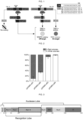
- the wild-type coding sequences of the two loci were split in two halves separated by the specific target sequence matching the on-target sgRNA in the case of TRP1 locus or by different off-target sequences in the case of the ADE2 locus (schematized in Fig. 1 ) .
- Each off-target (ADE2off1-off4, Appendix Table 4) contained a single mismatch positioned at increasing distances from the PAM sequence.
- TRP1 or ADE2 A 100 bp duplication was added on both sides of the target sequence (TRP1 or ADE2) and a stop codon was positioned immediately upstream, in between the two homology regions, to ensure premature interruption of translation ( Fig. 1 ).
- the knockout of the TRP1 and ADE2 genes by reporter cassette insertion produces defects in the tryptophan and adenine metabolic pathways, suppressing growth in the absence of tryptophan and leading to the accumulation in the cell vacuole of an intermediate product of adenine biosynthesis when cells are grown at low concentrations of adenine, thus conferring a characteristic red pigmentation to the colonies on agar plates.
- each locus can be efficiently repaired by yeast cells using the single strand annealing repair pathway thanks to the presence of the two flanking homology regions, obtaining a reversion to prototrophy for the two nutrients.
- the successful editing event at each of the two loci can in turn be visualized using appropriate reporter plates, which are depleted of tryptophan and contain only low concentrations of adenine (SDluta 5 , Fig. 1 ).
- the assay's complete readout consists in a two-step process.
- the first step consists in the evaluation of the on-target cleavage efficiency by comparing the number of colonies obtained on SDlutas reporter plates with those obtained when selecting only for the total number of transformants (SDlu plates).
- the second step consists in counting the number of red colonies (TRP1 + /ADE2 - ), corresponding to on-target cleavages, and white colonies (TRP1 + /ADE2 + ) in which also the off-target locus has been edited, on the reporter plates for the evaluation of the on- versus off-target activity.
- yeast strains were generated containing four potential off-target sites (ADE2off1-off4) and were named yACMO-off1/off4.
- the rate of spontaneous reversion for the ADE2 and TRP1 loci of the different yACMO strains was evaluated to avoid the introduction of any confounding variable in the readout of the assay.
- Reversion of the TRP1 locus can in fact lead to the isolation of false positive clones, while spontaneous recombination of the ADE2 gene can generate false negative colonies.
- each of the four strains separately was transformed with a plasmid encoding for SpCas9; after 24 hours incubation in selective medium, cells were spread on selective plates to measure the total number of transformants and a 1000-fold more cells were plated on selective plates depleted of tryptophan or adenine, to count the number of revertants for each locus.
- a mean reversion frequency of approximately 1-1,5 ⁇ 10 -5 for both the TRP1 and ADE2 loci thus indicating negligible spontaneous reversion.
- each of the strains was stably transformed with a plasmid expressing the sgRNA-on, perfectly matching the on-target sequence in the TRP1 locus.
- the four strains were then transformed with a plasmid for the expression of wild-type SpCas9 controlled by a galactose-inducible promoter and, after a 4 hour recovery incubation, induced overnight in galactose-containing media prior to plating on SDlu and reporter SDluta 5 plates.
- SpCas9 variants were screened using the yACMO-off4 strain, containing the strongest off-target sequence, in order to select mutants with a marked increase in fidelity.
- the recognition lobe containing the Rec1, Rec2 and the bridge helix domains, has been reported to make several contacts with the gRNA:DNA duplex.
- the recognition lobe as a whole is one of the least conserved regions across all the three Cas9 families belonging to type II CRISPR systems, indicating a high degree of sequence plasticity.
- the bridge helix is one of the most conserved regions among different Cas9 orthologues, suggesting that its sequence is particularly important for nuclease function.
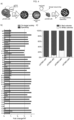
- the Rec1-Rec2 region spans more than 600 amino acids, a dimension not suitable for random mutagenesis, but the majority of interacting residues are located in the last portion of the Rec1-II domain, approximately between residue 400 and 700 ( Fig.
- the overall screening workflow is schematized in Fig. 4a .
- a pool of substitutions belonging to best performing variants isolated from the yeast screening according both to on-target cleavage efficiency and reduction of unspecific activity was selected.
- To obtain a significant increase in fidelity with respect to the identified mutants a hierarchical combination of these mutations was attempted, since it was expected that some of the substitutions in each randomly generated variant may have been neutral or detrimental.
- the relative position of each substitution and the sgRNA:DNA duplex, according to available structural data, was employed as a first filtering criterion, identifying a first subset of mutations.
- the attention was drawn to a conformational cluster of substitutions located at the end of the REC1-II domain which is in contact with the more PAM-distal part of the target DNA sequence (nt. 17-20).
- mutations belonging to this cluster were selected even though no interaction with the sgRNA:DNA duplex has been previously reported.
- the K526E mutation is included in the aforementioned Rec1-II domain ( Fig. 3 ).
- the on-target activity (sgGFPon) of double mutants was tested by measuring the loss of fluorescence induced by frameshift mutations into the EGFP coding sequence.
- their ability to avoid the cleavage of the same site after the introduction into the sgRNAs of one or two mismatched bases in positions distal from the PAM trinucleotide was evaluated.
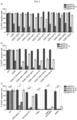
- Wild-type SpCas9 was not able to discriminate these surrogate off-target sequences, as confirmed by the observation that it cleaved the target sequence with equal efficiency when guided by both matched and mismatched sgRNAs, producing the same reduction in the percentage of EGFP + cells ( Figs. 5a ).
- the top performing substitutions were combined into triple mutants that were used to repeat the challenging of the EGFP reporter cell line ( Fig. 5b ).
- a last round of selection was then performed after generating a quadruple mutant by combining the best substitutions of the previous round (VNEL variant).
- sgRNA containing two mismatches in a more PAM-proximal region was tested to verify that the observed increase in fidelity of the VNEL variant was conserved for mutations spanning the whole spacer sequence.
- the VNEL variant induced little or no loss of EGFP fluorescence for all mismatched guide RNAs, a result that was particularly striking for the sgRNA containing a single substitution in position 18 from the PAM (sgGFP18).
- this strong increase in specificity produced a small albeit measurable decrease in on-target activity (-20% loss, Fig. 5c ).
- VNEQ and VNES variants were generated by rational design and tested using the same EGFP knockout assay. As expected, a complete restoration of on-target cleavage efficiency was observed, paralleled with a small increase in off-target activity. Overall the VNEQ variant mutant showed the best on/off target ratio ( Fig. 5c ).
- VNEQ variant was further characterized, since among the mutants here analyzed it retained near wild-type levels of activity and reduced drastically the cleavage of non-matching sequences in the EGFP-disruption cellular model.
- the VNEQ mutant was named evoCas9 (evolved Cas9).
- evoCas9 specificity was measured by verifying the editing rate at two previously validated off-target sites associated with the editing at two loci: FANCF site 2 and CCR5 sp11. Cas9 editing of these loci generates interests since the FANCF site 2-associated off-target was one of the few non-repetitive sites that SpCas9-HF1 was unable to discriminate from the specific on-target site, while the CCR5sp11 locus, which has a value for its therapeutic application in AIDS treatment, correlates with off-target cleavage of the highly homologous CCR2 gene.
- the concerted cleavage of the CCR5sp11 locus and its off-target in the CCR2 gene generates a chromosomal deletion of approximately 16 kilobases (schematized in Fig. 8c ).
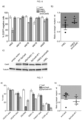
- the frequency of this chromosomal rearrangement was measured by semi-quantitative PCR in cells transfected with wild-type SpCas9, evoCas9 or SpCas9-HF1 together with the sgRNA targeting the CCR5 locus.
- VEGFA3-OT1 The first VEGFA site 3 off-target site (VEGFA3-OT1) was the only locus where the evoCas9 editing activity appeared above the background ( Fig. 9b ). However, it must be considered that the same locus is edited almost as the on-target site by wild-type SpCas9 and that the previously reported SpCas9-HF1 variant was unable to completely suppress the unspecific cleavage of this sequence ( Kleinstiver BP et al. Nature., 2016, 529(7587):490-5 ). It has been speculated that this results can be explained by the highly repetitive nature of this particular locus.
- VEGFA3-OT1, -OT4, -OT5, -OT7 significantly higher background editing rates were revealed ( Fig. 9b ) probably due to peculiar characteristics of the local chromatin that is more fragile and thus prone to accumulate mutations.
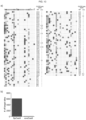
- GUIDE-seq analysis was performed to analyze the off-target sites associated with the editing of VEGFA site 2 locus, which is highly repetitive, and has been shown to generate numerous unwanted cleavages into the cellular genome. Additionally, past reports ( Kleinstiver BP et al., Nature. 2016, 529(7587):490-5 ) indicated that some of the detected off-targets were still cleaved by the high-fidelity SpCas9-HF1 variant. GUIDE-seq libraries were thus generated from genomic DNA of 293T cells transfected either with wild-type SpCas9 or evoCas9, together with the VEGFA site 2 sgRNA and the bait double stranded oligonucleotide.
- GUIDE-seq analysis demonstrated that evoCas9 retains very high-specificity at the genome-wide level even when tested using a repetitive target sequence characterized by multiple off-targets into the cellular genome.
- RNA-guided transcriptional activators by fusing a catalytically inactive version of Cas9 (dCas9) to various protein domains able to stimulate transcription.
- a VP64-based transcriptional activator was engineered using a catalytically inactive mutant of evoCas9 (evo-dCas9) and tested side-by-side with a wild-type dCas9-VP64 activator.
- the transcriptional activation was tested by using a reporter system based on an inducible EGFP-expression vector regulated by a TetR-based trans-activator through Tet operators elements integrated within a minimal CMV promoter.
- the Tet trans-activator was substituted with the Cas9-based transcriptional activator guided by a sgRNA targeting the repeated Tet operator sequences ( Fig. 11a ).
- Two different on-target sgRNAs differing only for the presence or the absence of an extra 5'-G nucleotide were desgined towards the Tet operator locus of the reporter plasmid, plus three additional mismatched guides based on the same on-target sequence, bearing either one or two mutations in different positions along the spacer sequence.
- the reporter cell line was transduced with equal amounts of the different lentiviral vectors and the cultures were selected throughout the entire period of the experiments to isolate the transduced population and avoid the possible dilution of editing events in time produced by the loss of edited cells or the reduced fitness of transduced cells.
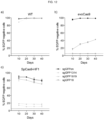
- the decrease of EGFP fluorescence at different time points revealed that wild-type SpCas9 cuts the target sequence with similar efficacy either with the perfectly matching sgRNA or the mismatched ones (see Fig. 12a and Fig. 5c ).
- the high-specificity Cas9 variant of the invention evoCas9, allows long-term expression of the nuclease with limited or no unwanted cleavages in the cellular genome.
- Plasmids and constructs The plasmid p415-GalL-Cas9-CYC1t was used to express Cas9 in yeast (obtained from Addgene, #43804) ( Di Carlo JE, et al., Nucleic Acids Res. 2013, 41(7):4336-43 ).
- yeast obtained from Addgene, #43804
- Di Carlo JE, et al., Nucleic Acids Res. 2013, 41(7):4336-43 Di Carlo JE, et al., Nucleic Acids Res. 2013, 41(7):4336-43 .
- synonymous mutations were generated through PCR in order to introduce two restriction sites, Ncol and Nhel, upstream and downstream of the Rec1-II domain, respectively (for primers, see Appendix Table 2).
- the expression cassette for the sgRNA was obtained from the p426-SNR52p-gRNA.CAN1.Y-SUP4t plasmid (obtained from Addgene, #43803) ( Di Carlo JE, et al., Nucleic Acids Res. 2013, 41(7):4336-43 ). In order to swap the original spacer sequence with the desired target, an assembly-PCR based strategy was adopted. The 5' portion of the sgRNA expression cassette was PCR-amplified using the T3 forward primer (annealing before the SNR52 promoter) and a reverse primer annealing immediately upstream of the spacer sequence and containing a 5' overhang corresponding to the desired on-target sequence (see Appendix Table 2).
- the assembly reaction to obtain the gRNA cassette was prepared by mixing both PCR amplicons and performing a single step of denaturation, annealing and extension, followed by an exponential amplification using only the T3 and T7 external primers.
- pRS316 ATCC
- URA3 yeast selectable marker a low copy number centromeric plasmid carrying a URA3 yeast selectable marker, predigested with Sacll/Xhol and blunted, generating the pRS316-SNR52p-gRNA.ON-SUP4t plasmid.
- SpCas9 For the expression of SpCas9 in mammalian cells we employed a pX330-U6-Chimeric_BB-CBh-hSpCas9 (obtained from Addgene, #42230) ( Cong L et al., Science. 2013, 339(6121):819-23 ) derived plasmid, were the sgRNA coding cassette has been removed, pX-Cas9.
- the SpCas9 coding sequence has been human codon optimized and is regulated by a CBh promoter.
- the lentiCRISPRv1 transfer vector contains an expression cassette for a codon-humanized version of a N-terminally FLAG-tagged SpCas9 fused through a 2A-peptide to the puromycin coding sequence to allow selection of transduced cells.
- a U6-driven expression cassette transcribes the sgRNA.
- Annealed oligos corresponding to the desired spacers were cloned into the guide RNA using a double BsmBl site.
- the lentiCRISPRv1-based vectors coding for enhanced SpCas9 variants were generated by swapping part of the SpCas9 coding sequence with a PCR fragment corresponding to the region of the CDS containing the mutations (for primers, see Appendix Table 2).
- the pTRE-GFP plasmid was obtained by subcloning the EGFP coding sequence from the pEGFP-N1 (Clontech) plasmid into the pTRE-Tight cloning vector (Clontech).
- All oligonucleotides were purchased from Eurofins Genomics.
- the yLFM-ICORE yeast strain (generated by one of the Inventors' laboratory from the parental ylG397 strain, a kind gift from Richard Iggo) ( Jegga AG et al., Proc Natl Acad Sci USA. 2008, 105(3):944-9 ; Tomso DJ et al., Proc Natl Acad Sci USA. 2005, 102(18):6431-6 ) was used to generate the reporter yeast strains used in this study.
- Synthetic minimal media were employed in all yeast experiments (yeast nitrogen base without amino acids 6.7 g/L, L-isoleucine 600 mg/L, L-valine 150 mg/L, L-adenine 200 mg/L, L-arginine 20 mg/L, L-histidine 10 mg/L, L-leucine 100 mg/L, L-lysine 90 mg/L, L-methionine 20 mg/L, L-phenylalanine 50 mg/L, L-threonine 200 g/L, L-tryptophan 20 mg/L, L-uracil 20 mg/L, L-glutamic acid 100 mg/L, L-aspartic acid 200 g/L, L-serine 400 mg/L, D-(+)-glucose 20 g/L).
- SD Synthetic minimal media
- Single amino acids were omitted according to the experimental setup when selective medium was required.
- 20 g/L D-(+)-galactose and 10 g/L D-(+)-raffinose were used instead of dextrose.
- Specific medium for ADE2 mutants colour screening was prepared using low adenine concentrations (5 mg/L).
- YPDA rich medium was employed (yeast extract 10 g/L, peptone 20 g/L, D-(+)-Glucose 20 g/L, L-adenine 200 mg/L).
- Yeast transformation The day prior to transformation, approximately 1 mm 3 of the desired yeast strain was inoculated in 5 mL of rich medium or selective synthetic medium and grew overnight at 30°C while shaking at 200 rpm. The next day 3-5 mL of the culture were inoculated in a total of 30 mL of the same medium and grew at 30°C at 200 rpm for further 2-4 hours.
- LiAc/TE 1X lithium acetate 0,1 M and Tris 10 mM EDTA 1 mM, pH 7.5.
- the solution was centrifuged again at 2000xg for 2' and resuspended in a proper volume of LiAc/TE 1X (100 mg of yeast pellet in 500 ⁇ L).
- the transformation mix contained 500 ng of plasmid DNA, 5 ⁇ l of carrier salmon sperm DNA (approx.
- Yeast colony PCR Colony PCRs were performed by resuspending approximately 1 mm 3 of yeast colony in 49 ⁇ L of ddH 2 O. 1 ⁇ L of lyticase (10000 U/mL, Sigma-Aldrich) was added to digest the cell wall and the suspension was then incubated at 30°C for 30'. The cells were pelleted, the supernatant was removed and the dry pellet was boiled for 10' at 100°C. The pellet was then resuspended in 50 ⁇ L of ddH 2 O and 5 ⁇ L were used as a template in the PCR reaction, using the Phusion High-Fidelity DNA Polymerase (Thermo Scientific).
- Plasmid DNA was then recovered from the supernatant using standard miniprep silica columns, following the manufacturer's instructions. DNA was eluted in 30 ⁇ L of 10 mM TrisHCl pH 8.5. The eluted DNA was digested with the Ncol and Nhel enzymes (New England BioLabs) to eliminate the sgRNA vector in order to avoid contaminations from the latter plasmids, which are also selectable through ampicillin resistance. After digestion, 10 ⁇ L were transformed in chemically competent E. coli. The plasmids recovered were then digested to verify their identity and then Sanger sequenced to identify the mutations introduced in the Rec1-II domain.
- TRP1 and ADE2 genomic cassettes Assembly of modified TRP1 and ADE2 genomic cassettes.
- the DNA cassettes used to engineer the ADE2 (ADE2-Off1, ADE2-Off2, ADE2-Off3 and ADE2-Off4) and TRP1 (TRP1-On) genomic loci were built using a similar strategy.
- Two different colony PCR were performed to amplify the two halves of each wild-type locus separately. The first one employed a forward primer upstream of the gene CDS and a reverse overhang primer containing the on- or off1-4-target sequence followed by the Kpnl or BamHl restriction sites, respectively (see Appendix Table 3). All reverse primers contained a stop codon before the on/off-target sequence to ensure truncation of the protein.
- the second half of the cassette was assembled using a reverse primer which anneals downstream the ADE2 and TRP1 coding sequences and a forward primer which anneals 100 bp before the reverse primer used to build the first half of the cassette.
- the final construct contained a 100 bp long homology region upstream and downstream of the on-/off-target sequences.
- these forward primers contained the same restriction site present in the reverse primer of the corresponding first half of the cassette.
- the TRP1 and ADE2 fragments were assembled by ligating the two halves digested with Kpnl or BamHl (New England BioLabs), accordingly. The products were separated on an agarose gel to remove homoligation-derived fragments.
- the final cassette was enriched by PCR using the most external primers and directly transformed in yeast.
- the delitto perfetto approach enables the genetic targeting of specific loci with the practicality of a general selection system through the exploitation of the homology directed repair mechanism that is particularly efficient in yeast ( Stuckey S and Storici F, Methods Enzymol. 2013, 533:103-31 ).
- the first step consists in the insertion of a COunter selectable REporter I-Scel cassette (CORE-I-Scel) in the specific locus of interest.
- the cassette contains a recognition site for I-Scel, as well as the coding sequence for the endonuclease itself under the control of the galactose-inducible GAL1 promoter, the resistance gene kanMX4 (G418) and the counterselectable marker URA3 gene from Kluyveromyces lactis (KIURA3).
- the CORE-I-Scel cassette was amplified with primers containing specific overhangs for the ADE2 and TRP1 loci (see Appendix Table 3). Each locus was edited sequentially, following the same procedure, starting from the ADE2 locus.
- locus-specific CORE-I-Scel cassette 500 ng were transformed in yeast and cells were plated on YPDA plates and incubated at 30°C overnight. The next day the colonies were replica-plated on YPDA media containing 200 ⁇ g/mL of G418 (Invivogen). Resistant colonies were screened for successful cassette insertion into the desired locus by colony PCR using primers annealing to the genomic sequences flanking the integration site and to the cassette.
- the CORE-I-Scel cassette integrated within the targeted locus was then swapped with the final edited sequence (TRP1-On, ADE2-Off1, ADE2-Off2, ADE2-Off3 and ADE2-Off4), generating a total of four different yeast strains characterized by the same on-target sequence and four different off-targets.
- the appropriate intermediate yeast strain containing the target CORE-I-Scel cassette was inoculated overnight in 5mL of YPDA. The next day, before transformation, the inoculum was resuspended in 30mL of synthetic medium containing galactose and raffinose instead of dextrose (SRG).
- This step is essential to induce the transcription of the I-Scel endonuclease which cuts its target site located within the CORE cassette.
- This DSB increases the normal frequency of HR-driven repair events, favouring cassette-swap with the desired new sequence.
- yeast was transformed with 500ng of the HR template containing the desired sequence following the standard transformation protocol. Transformants were then plated on SD containing 60 mg/L of uracil and 1 g/l of 5-fluoroorotic acid (5-FOA) (Toronto Research Chemicals).
- 5-FOA in the presence of orotidine 5'-phosphate decarboxylase (encoded by KIURA3) is converted in fluorouracil which is a potent thymidylate synthase inhibitor.
- 5-FOA-resistan colonies were then replica-plated on YPDA and YPDA supplemented with G418, to further select for the loss of the CORE cassette. By comparing the two replica plates it is possible to select G418-sensitive FOA-resistant colonies that correspond to positive clones. Colony PCRs, performed using genomic primers that anneal upstream and downstream of the entire genomic locus, were analysed by Sanger sequencing to confirm the sequence of the edited locus.
- the newly generated yeast strains containing the modified TRP1 and ADE2 loci were called yACMO-off1, yACMO-off2, yACMO-off3 and yACMO-off4, characterized by a selected on-target sequence in the TRP1 locus and four different off-target sequences in the ADE2 locus, each containing a single mismatch with respect to the on-target sequence in a position that is more PAM-proximal for off1 and more PAM-distal for off4 (see Appendix Table 4).
- Yeast assay readout The ADE2 and TRP1 genes are key enzymes in the metabolic pathways leading to the production of adenine and tryptophan and for this reason their knockout destroys yeast ability to grow on medium depleted of the two related nutrients.
- the yACMO yeast strains generated in this study are deficient for the TRP1 and ADE2 gene activity unless Cas9 cuts the target sequence interrupting each coding sequence: single strand annealing-mediated recombination between the two 100 bp homology regions on both sides of the target sites ensure reconstitution of the wild-type locus.
- a screening based on auxotrophies selection can then be used to evaluate Cas9 cleavage activity at the two genomic loci, measuring both on-targeting and off-targeting events.
- the absence of growth indicates lack of editing of the TRP1 locus (TRP1 - /ADE2 +/- ); the growth of a red colony (TRP1 + /ADE2 - ) indicates editing only at the TRP1 locus, with no off-target activity detected; the growth of a white colony (TRP1 + /ADE2 + ) indicates editing at both the TRP1 and the ADE2 loci, detecting off-target cleavages.
- the typical red pigmentation of the colony is determined by the accumulation into the cellular vacuole of an intermediate of the adenine biosynthetic pathway generated by the block at the level of the ADE2 gene product.
- the mutants' library was generated by error prone PCR (epPCR) using the GeneMorph II kit (Agilent). Following the manufacturer's instructions, the initial amount of template DNA (p415-GaIL-Cas9-CYC1t) and the number of cycles were set to obtain an average of 5 mutations per kilobase. 50 bp-long primers were selected to anneal 150 bp upstream and downstream of the REC1-II coding sequence (see Appendix Table 5).
- the PCR library was directly assembled in vivo by co-transformation of the mutagenized amplicon pool with the p415-GalL-Cas9-CYC1t plasmid, previously digested with Ncol and Nhel (New England BioLabs) to remove the REC1-II domain, with an insert/plasmid ratio of 3:1.
- the two 150 bp homology regions at both ends of the amplicons were used by yeast to repair the digested plasmid by homologous recombination, thus incorporating the mutagenized portion. Clones containing mutations in these 150bp flanking regions were probably negatively selected during this in vivo assembly step due to loss of complete homology.
- the mutagenic library was screened concomitantly to its assembly by co-transformation of the fragments in the yACMO-off4 yeast strain stably expressing a sgRNA matching the on-target sequence contained in the TRP1 locus. After transformation, the culture was grown overnight in SD medium lacking uracil and leucine (SDIu, for selecting cells carrying both the sgRNA- and Cas9-expressing plasmids) to allow recovery and correct recombination.
- SDIu uracil and leucine
- Cas9 expression was induced by growing the culture in galactose-containing medium (SRGIu) for 5 hours prior to plating on several selective plates lacking tryptophan and containing low concentration of adenine (SDluta 5 ), to discriminate colonies according to the editing status of the TRP1 and ADE2 loci.
- TRP1 + /ADE2 - (red) colonies were streaked on selective plate with low adenine and no tryptophan containing galactose and raffinose (SRGluta 5 ) to keep Cas9 expression constitutively induced and force the generation of off-target cleavages.
- Cas9-expressing plasmids were extracted from the red-most streaks, corresponding to colonies in which Cas9 cleaved only the on-target site, and the mutations were characterized by Sanger sequencing.
- 293T/17 cells were obtained from the American Type Culture Collection (obtained from the ATCC) and were cultured in Dulbecco's modified Eagle's medium (DMEM; Life Technologies) supplemented with 10% fetal calf serum (FCS; Life Technologies) and antibiotics (PenStrep, Life Technologies).
- DMEM Dulbecco's modified Eagle's medium
- FCS fetal calf serum
- 293multiGFP cells were generated by stable transfection with pEGFP-IRES-Puromycin and selected with 1 ⁇ g/ml of puromycin.
- 293blastEGFP were obtained by low MOI infection of HEK293T cells with the EGFP-expressing lentiviral vector pAIB-GFP followed by clonal selection with 5 ⁇ g/ml of blasticidin.
- Lentiviral vector production and transductions Lentiviral particles were produced by seeding 4 ⁇ 10 6 293T cells into a 10 cm dish. The day after, plates were transfected with 10 ⁇ g of each lentiCRISPR-based ( Cong L et al., Science. 2013, 339(6121):819-23 ) transfer vector together with 6.5 ⁇ g pCMV-deltaR8.91 packaging vector and 3.5 ⁇ g pMD2.G using the polyethylenimine (PEI) method. After an overnight incubation, the medium was replaced with fresh complete DMEM and 48 hours later the supernatant containing the viral particles was collected, spun down at 500xg for 5 minutes and filtered through a 0.45 ⁇ m PES filter. Quantification of the vector titers was performed using the SG-PERT method ( Pizzato M et al., J Virol Methods. 2009, 156(1-2):1-7 ). Vectors stocks were conserved at -80°C for future use.
- 293blastGFP cells were seeded in a 24-well plate and the next day were transduced with 0,4 Reverse Transcriptase Units (RTU)/well of each vector by centrifuging at 1600xg 16°C for 2 hours. After an overnight incubation, the viral supernatant was removed and the cells were kept in culture for a total of 48 hours before adding 0,5 ⁇ g/ml puromycin selection that was maintained throughout the experiment.
- RTU Reverse Transcriptase Units
- Genomic DNA was obtained at 7 days post-transfection, using the QuickExtract DNA extraction solution (Epicentre). PCR reactions to amplify genomic loci were performed using the Phusion High-Fidelity DNA polymerase (Thermo Fisher). Samples were amplified using the oligos listed in Appendix Table 8. Purified PCR products were analyzed by sequencing and applying the TIDE tool ( Brinkman EK et al., Nucleic Acids Res. 2014, 42(22):e168 ).
- the membranes were incubated with mouse anti-FLAG (Sigma) for detecting SpCas9 and the different high-fidelity variants, with mouse anti- ⁇ -tubulin (Sigma) for a loading control and with the appropriate HRP conjugated goat anti-mouse (KPL) secondary antibodies for ECL detection. Images were acquired using the UVltec Alliance detection system.
- a reference genome was built using Picard (http://broadinstitute.github.io/picard) and samtools ( Li H at al., Bioinformatics. 2009, 25(16):2078-9 ) from DNA sequences of the considered on-/off-target regions.
- Raw sequencing data FASTQ files
- BWA-MEM Li H and Durbin R, Bioinformatics. 2010, 26(5):589-95
- resulting alignment files were sorted using samtools. Only reads with mapping quality above or equal to 30 were retained.
- GUIDE-seq experiments and data analysis were performed as previously described ( Bolukbasi MF et al., Nat Methods. 2015,12(12):1150-6 ) with few modifications. Briefly, 2 ⁇ 10 5 293T cells were transfected with 750 ng of a Cas9 expressing plasmid, together with 250 ng of sgRNA-coding plasmid or an empty pUC19 plasmid and 10 pmol of the bait dsODN containing phosphorothioate bonds at both ends (designed according to the original GUIDE-seq protocol) using Lipofectamine 3000 transfection reagent (Invitrogen).
- Raw sequencing data (FASTQ files) were analyzed using the GUIDE-seq computational pipeline ( Tsai SQ et al., Nat Biotechnol. 2015, 33(2):187-97 ). After demultiplexing, putative PCR duplicates were consolidated into single reads. Consolidated reads were mapped to the human reference genome GrCh37 using BWA-MEM ( Li H and Durbin R, Bioinformatics. 2010, 26(5):589-95 ); reads with mapping quality lower than 50 were filtered out.
- dsODNs double-stranded oligodeoxynucleotide
- ADE2-genomic-F TGCCTAGTTTCATGAAATTTTAAAGC SEQ ID N. 20
- ADE2Pt1-OFF1-Bam-R ADE2Pt1-OFF2-Bam-R ADE2Pt1-OFF3-Bam-R ADE2Pt1-OFF4-Bam-R ADE2Pt2-Bam-F ATTAGGATCCTGGTGTGGAAATGTTCTATTTAG SEQ ID N. 25
- ADE2-genomic-R GTAATCATAACAAAGCCTAAAAAATAG SEQ ID N. 26
- Target name Sequence (5'- ... -3', with lowercase PAM), mismatch in bold TRP1-on CTCGTGACCACCCTGACCTAcgg (SEQ ID N. 31) ADE2-off1 CTCGTGACCACCCTGACCTCcgg (SEQ ID N. 32) ADE2-off2 CTCGTGACCACCCTTACCTAcgg (SEQ ID N. 33) ADE2-off3 CTCGTGACCGCCCTGACCTAcgg (SEQ ID N. 34) ADE2-off4 CTCGTTACCACCCTGACCTAcgg (SEQ ID N. 35) Table 5 . Error-prone PCR primers Primer name Sequence (5'- ...
- GFP site 16 GCTGAAGCACTGCACGCCGT (SEQ ID N. 44) GFP site 18 GACCAGGATGGGCACCACCC (SEQ ID N. 45) GFP site 20 GAAGTTCGAGGGCGACACCC (SEQ ID N. 46) GFPon-19nt GGCACGGGCAGCTTGCCGG (SEQ ID N. 47) GFPB-18nt GGCAAGCTGCCCGTGCCC (SEQ ID N. 48) GFPW-17nt GTGACCACCCTGACCTA (SEQ ID N. 49) TetO-on GTGATAGAGAACGTATGTCG (SEQ ID N. 50) TetO-on+G gGTGATAGAGAACGTATGTCG (SEQ ID N.
Landscapes
- Life Sciences & Earth Sciences (AREA)
- Health & Medical Sciences (AREA)
- Chemical & Material Sciences (AREA)
- Organic Chemistry (AREA)
- Wood Science & Technology (AREA)
- Engineering & Computer Science (AREA)
- Bioinformatics & Cheminformatics (AREA)
- Zoology (AREA)
- Genetics & Genomics (AREA)
- Molecular Biology (AREA)
- General Engineering & Computer Science (AREA)
- General Health & Medical Sciences (AREA)
- Biochemistry (AREA)
- Medicinal Chemistry (AREA)
- Biomedical Technology (AREA)
- Biotechnology (AREA)
- Microbiology (AREA)
- Enzymes And Modification Thereof (AREA)
- Micro-Organisms Or Cultivation Processes Thereof (AREA)
- Peptides Or Proteins (AREA)
- Medicines That Contain Protein Lipid Enzymes And Other Medicines (AREA)
- Pharmaceuticals Containing Other Organic And Inorganic Compounds (AREA)
- Medicines Containing Material From Animals Or Micro-Organisms (AREA)
- Breeding Of Plants And Reproduction By Means Of Culturing (AREA)
- Preparation Of Compounds By Using Micro-Organisms (AREA)
- Measuring Or Testing Involving Enzymes Or Micro-Organisms (AREA)
Claims (16)
- Modifiziertes Cas9-Protein, das eine Substitution von Rest K526 umfasst und eine verringerte Off-Target-Aktivität und eine erhöhte Wiedergabetreue im Vergleich zu dem ansonsten identischen Cas9 mit einer K526-Mutation aufweist, wobei die Position der K526-Mutation durch Bezug auf die Aminosäurenummerierung in einem nicht modifizierten reifen Streptococcus-pyogenes-Cas9 (SpCas9) identifiziert wird, wie in SEQ ID NO: 1.
- Modifiziertes Cas9 nach Anspruch 1, das eine K526E-Mutation umfasst.
- Modifiziertes Cas9 nach Anspruch 1 oder Anspruch 2, das ferner eine oder mehrere weitere Mutationen umfasst, die sich an einer oder mehreren Aminosäurerestpositionen befinden, ausgewählt aus K377, E387, D397, R400, Q402, R403, F405, D406, N407, A421, L423, R424, Q426, Y430, K442, P449, Y450, V452, A456, R457, W464, M465, K468, E470, T472, I473, T474, P475, W476, F478, K484, S487, A488, M495, T496, N497, F498, L502, N504, K506, P509, Y515, F518, N522, E523, L540, S541, I548, D550, F553, V561, K562, E573, A589, L598, D605, L607, N609, N612, E617, D618, D628, R629, R635, K637, L651, K652, R654, T657, G658, W659, R661, L666, K673, S675, I679, L680, L683, N690, R691, N692, F693, Q695, H698, S701, F704, Q712, G715, Q716, H721, H723, I724, L727, A728, I733, L738 und Q739, wobei die Positionen der einen oder mehreren weiteren Mutationen durch Bezug auf die Aminosäurenummerierung in SEQ ID NO: 1 identifiziert werden.
- Modifiziertes Cas9 nach Anspruch 3, wobei die eine oder mehreren weiteren Mutationen ausgewählt sind aus K377E, E387V, D397E, R400H, Q402R, R403H, F405L, D406Y, D406V, N407P, N407H, A421V, L423P, R424G, Q426R, Y430C, K442N, P449S, Y450A,Y450S, Y450H, Y450N, V452I, A456T, R457P, R457Q, W464L, M465R, K468N, E470D, T472A, I473F, I473V, T474A, P475H, W476R, F478Y, F478V, K484M, S487Y, A488V, M495V, M495T, T496A, N497A, F498I, F498Y, L502P, N504S, K506N, P509L, Y515N, F518L, F518I, N522K, N522I, E523K, E523D, L540Q, S541P, I548V, D550N, F553L, V561M, V561A, K562E, E573D, A589T, L598P, D605V, L607P, N609D, N609S, N612Y, N612K, E617K, D618N, D628G, R629G, R635G, K637N, L651P, L651H, K652E, R654H, T657A, G658E, W659R, R661A, R661W, R661L, R661Q, R661S, L666P, K673M, S675C, I679V, L680P, L683P, N690I, R691Q, R691L, N692I, F693Y, Q695A, Q695H, Q695L, H698Q, H698P, S701F, F704S, Q712R, G715S, Q716H, H721R, H723L, I724V, L727H, A728G, A728T, 1733V, L738P, Q739E, Q739P und Q739K.
- Modifiziertes Cas9 nach Anspruch 3, wobei sich die eine oder mehreren weiteren Mutationen an einer oder mehreren Positionen befindet/befinden, ausgewählt aus Y450, M495, Y515, R661, N690, R691, Q695 und H698, wobei die eine oder mehreren weiteren Mutationen optional ausgewählt ist/sind aus Y450S, M495V, Y515N, R661X, N690I, R691Q, Q695H und H698Q, wobei X L, Q oder S ist.
- Modifiziertes Cas9 nach Anspruch 5, das umfasst:(a) die Mutationen K526E+Y450S;(b) die Mutationen K526E+M495V;(c) die Mutationen K526E+Y515N;(d) die Mutationen K526E+R661L;(e) die Mutationen K526E+N690I;(f) die Mutationen K526E+R691Q;(g) die Mutationen K526E+Q695H;(h) die Mutationen K526E+H698Q;(i) die Mutationen K526E+Y515N+R661X;(j) die Mutationen K526E+R661L+H698Q;(k) die Mutationen K526E+M495V+Y515N;(l) die Mutationen K526E+M495V+R661L;(m) die Mutationen K526E+M495V+R661X+H698Q;(n) die Mutationen K526E+M495V+Y515N+R661X; oder(o) die Mutationen K526E+R403H+N612Y+L651 P+K652E+G715S;wobei X L, Q oder S ist.
- Modifiziertes Cas9 nach Anspruch 6, das umfasst:(a) die Mutationen K526E+Y515N+R661L;(b) die Mutationen K526E+Y515N+R661Q;(c) die Mutationen K526E+Y515N+R661S;(d) die Mutationen K526E+M495V+R661 L+H698Q;(e) die Mutationen K526E+M495V+R661Q+H698Q;(f) die Mutationen K526E+M495V+R661S+H698Q;(g) die Mutationen K526E+M495V+Y515N+R661L;(h) die Mutationen K526E+M495V+Y515N+R661Q; oder(i) die Mutationen K526E+M495V+Y515N+R661S.
- Modifiziertes Cas9 nach einem der Ansprüche 1-7, ferner umfassend (a) eine oder mehrere zusätzliche Mutationen, die die Nukleaseaktivität an einem oder mehreren Resten, ausgewählt aus D10, E762, D839, H840, N863, H983 und D986, verringert/verringern; und/oder (b) eine zusätzliche Mutationen, die die PAM-Erkennungsspezifität an einem oder mehreren Resten, ausgewählt aus D1135, G1218, R1335 und T1337, verändert.
- Modifiziertes Cas9 nach einem der Ansprüche 1-8, das ein S.-pyogenes-Cas9 oder ein orthologes S.-pyogenes-Cas9 ist.
- Ribonukleoprotein (RNP)-Komplex, der das modifizierte Cas9 nach einem der Ansprüche 1-9 umfasst.
- Fusionsprotein, das das modifizierte Cas9 nach einem der Ansprüche 1-9 umfasst.
- Nukleinsäure, die für das modifizierte Cas9 nach einem der Ansprüche 1-9 kodiert, die optional in Form eines Vektors vorliegt.
- Modifiziertes Cas9 nach einem der Ansprüche 1 bis 9, der RNP-Komplex nach Anspruch 10 oder die Nukleinsäure nach Anspruch 12 zur Verwendung als Medikament in der Gentherapie.
- Pharmazeutische Zusammensetzung, umfassend das modifizierte Cas9 nach einem der Ansprüche 1 bis 9, das RNP nach Anspruch 10 oder die Nukleinsäure nach Anspruch 12 und mindestens einen pharmazeutisch verträglichen Hilfsstoff.
- In-vitro-Verwendung eines modifizierten Cas9 nach einem der Ansprüche 1-9 zusammen mit einer gRNA, dem RNP nach Anspruch 10 oder der Nukleinsäure nach Anspruch 12 für das Genom-Engineering, Zell-Engineering, die Proteinexpression oder andere biotechnologische Anwendungen.
- In-vitro-Verfahren zum Verändern des Genoms einer Zelle, wobei das Verfahren die Expression des modifizierten Cas9 nach einem der Ansprüche 1-9 in der Zelle zusammen mit einer Leit-RNA, die auf eine spezifische Genomsequenz abzielt, umfasst.
Applications Claiming Priority (2)
| Application Number | Priority Date | Filing Date | Title |
|---|---|---|---|
| IT102017000016321A IT201700016321A1 (it) | 2017-02-14 | 2017-02-14 | Mutanti di cas9 ad alta specificita' e loro applicazioni. |
| PCT/EP2018/053717 WO2018149888A1 (en) | 2017-02-14 | 2018-02-14 | High-fidelity cas9 variants and applications thereof |
Publications (4)
| Publication Number | Publication Date |
|---|---|
| EP3583209A1 EP3583209A1 (de) | 2019-12-25 |
| EP3583209B1 true EP3583209B1 (de) | 2024-12-04 |
| EP3583209C0 EP3583209C0 (de) | 2024-12-04 |
| EP3583209B8 EP3583209B8 (de) | 2025-02-26 |
Family
ID=59067822
Family Applications (1)
| Application Number | Title | Priority Date | Filing Date |
|---|---|---|---|
| EP18708920.6A Active EP3583209B8 (de) | 2017-02-14 | 2018-02-14 | High-fidelity-cas9-varianten und anwendungen davon |
Country Status (12)
| Country | Link |
|---|---|
| US (1) | US11525127B2 (de) |
| EP (1) | EP3583209B8 (de) |
| JP (1) | JP7232531B2 (de) |
| KR (1) | KR20190116407A (de) |
| CN (1) | CN110520528B (de) |
| AU (1) | AU2018221644A1 (de) |
| BR (1) | BR112019016765A2 (de) |
| CA (1) | CA3053218A1 (de) |
| EA (1) | EA037825B1 (de) |
| IT (1) | IT201700016321A1 (de) |
| MX (1) | MX2019009651A (de) |
| WO (1) | WO2018149888A1 (de) |
Families Citing this family (65)
| Publication number | Priority date | Publication date | Assignee | Title |
|---|---|---|---|---|
| EP2734621B1 (de) | 2011-07-22 | 2019-09-04 | President and Fellows of Harvard College | Beurteilung und verbesserung einer nukleasespaltungsspezifität |
| US20150044192A1 (en) | 2013-08-09 | 2015-02-12 | President And Fellows Of Harvard College | Methods for identifying a target site of a cas9 nuclease |
| US9359599B2 (en) | 2013-08-22 | 2016-06-07 | President And Fellows Of Harvard College | Engineered transcription activator-like effector (TALE) domains and uses thereof |
| US9340800B2 (en) | 2013-09-06 | 2016-05-17 | President And Fellows Of Harvard College | Extended DNA-sensing GRNAS |
| US9388430B2 (en) | 2013-09-06 | 2016-07-12 | President And Fellows Of Harvard College | Cas9-recombinase fusion proteins and uses thereof |
| US9526784B2 (en) | 2013-09-06 | 2016-12-27 | President And Fellows Of Harvard College | Delivery system for functional nucleases |
| US9840699B2 (en) | 2013-12-12 | 2017-12-12 | President And Fellows Of Harvard College | Methods for nucleic acid editing |
| WO2016022363A2 (en) | 2014-07-30 | 2016-02-11 | President And Fellows Of Harvard College | Cas9 proteins including ligand-dependent inteins |
| AU2015330699B2 (en) | 2014-10-10 | 2021-12-02 | Editas Medicine, Inc. | Compositions and methods for promoting homology directed repair |
| EP4464338A3 (de) | 2014-11-07 | 2025-02-12 | Editas Medicine, Inc. | Systeme zur verbesserung von crispr/cas-vermittelter genomeditierung |
| JP7030522B2 (ja) | 2015-05-11 | 2022-03-07 | エディタス・メディシン、インコーポレイテッド | 幹細胞における遺伝子編集のための最適化crispr/cas9システムおよび方法 |
| CN108026526B (zh) | 2015-06-09 | 2023-05-12 | 爱迪塔斯医药公司 | 用于改善移植的crispr/cas相关方法和组合物 |
| AU2016326711B2 (en) | 2015-09-24 | 2022-11-03 | Editas Medicine, Inc. | Use of exonucleases to improve CRISPR/Cas-mediated genome editing |
| IL258821B (en) | 2015-10-23 | 2022-07-01 | Harvard College | Nucleobase editors and their uses |
| WO2017165826A1 (en) | 2016-03-25 | 2017-09-28 | Editas Medicine, Inc. | Genome editing systems comprising repair-modulating enzyme molecules and methods of their use |
| EP4047092B1 (de) | 2016-04-13 | 2025-07-30 | Editas Medicine, Inc. | Cas9-fusionsmoleküle, geneditierungssysteme und verfahren zur verwendung davon |
| KR20250103795A (ko) | 2016-08-03 | 2025-07-07 | 프레지던트 앤드 펠로우즈 오브 하바드 칼리지 | 아데노신 핵염기 편집제 및 그의 용도 |
| CA3033327A1 (en) | 2016-08-09 | 2018-02-15 | President And Fellows Of Harvard College | Programmable cas9-recombinase fusion proteins and uses thereof |
| WO2018039438A1 (en) | 2016-08-24 | 2018-03-01 | President And Fellows Of Harvard College | Incorporation of unnatural amino acids into proteins using base editing |
| US11242542B2 (en) * | 2016-10-07 | 2022-02-08 | Integrated Dna Technologies, Inc. | S. pyogenes Cas9 mutant genes and polypeptides encoded by same |
| KR20230164759A (ko) | 2016-10-07 | 2023-12-04 | 인티그레이티드 디엔에이 테크놀로지스 아이엔씨. | S. 피오게네스 cas9 돌연변이 유전자 및 이에 의해 암호화되는 폴리펩티드 |
| JP7588390B2 (ja) | 2016-10-14 | 2024-11-22 | プレジデント アンド フェローズ オブ ハーバード カレッジ | 核酸塩基エディターのaav送達 |
| WO2018112451A1 (en) | 2016-12-16 | 2018-06-21 | The Rockefeller University | Compositions and methods using cas9 with enhanced spacer acquisition function |
| WO2018119010A1 (en) | 2016-12-19 | 2018-06-28 | Editas Medicine, Inc. | Assessing nuclease cleavage |
| WO2018119359A1 (en) | 2016-12-23 | 2018-06-28 | President And Fellows Of Harvard College | Editing of ccr5 receptor gene to protect against hiv infection |
| US12110545B2 (en) | 2017-01-06 | 2024-10-08 | Editas Medicine, Inc. | Methods of assessing nuclease cleavage |
| IT201700016321A1 (it) | 2017-02-14 | 2018-08-14 | Univ Degli Studi Di Trento | Mutanti di cas9 ad alta specificita' e loro applicazioni. |
| CN110662556A (zh) | 2017-03-09 | 2020-01-07 | 哈佛大学的校长及成员们 | 癌症疫苗 |
| WO2018165504A1 (en) | 2017-03-09 | 2018-09-13 | President And Fellows Of Harvard College | Suppression of pain by gene editing |
| JP2020510439A (ja) | 2017-03-10 | 2020-04-09 | プレジデント アンド フェローズ オブ ハーバード カレッジ | シトシンからグアニンへの塩基編集因子 |
| BR112019019655A2 (pt) | 2017-03-23 | 2020-04-22 | Harvard College | editores de nucleobase que compreendem proteínas de ligação a dna programáveis por ácido nucleico |
| EP3615672A1 (de) | 2017-04-28 | 2020-03-04 | Editas Medicine, Inc. | Verfahren und systeme zur analyse von guide-rna-molekülen |
| WO2018209320A1 (en) | 2017-05-12 | 2018-11-15 | President And Fellows Of Harvard College | Aptazyme-embedded guide rnas for use with crispr-cas9 in genome editing and transcriptional activation |
| KR102746733B1 (ko) | 2017-06-09 | 2024-12-24 | 에디타스 메디신, 인코포레이티드 | 조작된 cas9 뉴클레아제 |
| EP3652312A1 (de) | 2017-07-14 | 2020-05-20 | Editas Medicine, Inc. | Systeme und verfahren zur gezielten integration und genomeditierung und deren detektion unter verwendung von integrierten bindungsstellen |
| JP2020534795A (ja) | 2017-07-28 | 2020-12-03 | プレジデント アンド フェローズ オブ ハーバード カレッジ | ファージによって支援される連続的進化(pace)を用いて塩基編集因子を進化させるための方法および組成物 |
| US11319532B2 (en) | 2017-08-30 | 2022-05-03 | President And Fellows Of Harvard College | High efficiency base editors comprising Gam |
| KR20250107288A (ko) | 2017-10-16 | 2025-07-11 | 더 브로드 인스티튜트, 인코퍼레이티드 | 아데노신 염기 편집제의 용도 |
| WO2019118949A1 (en) | 2017-12-15 | 2019-06-20 | The Broad Institute, Inc. | Systems and methods for predicting repair outcomes in genetic engineering |
| WO2019226953A1 (en) | 2018-05-23 | 2019-11-28 | The Broad Institute, Inc. | Base editors and uses thereof |
| AU2019291918B2 (en) | 2018-06-29 | 2025-06-12 | Editas Medicine, Inc. | Synthetic guide molecules, compositions and methods relating thereto |
| CN112955549B (zh) * | 2018-09-19 | 2024-12-20 | 香港大学 | 改进的高通量组合基因修饰系统和优化的Cas9酶变体 |
| WO2020092453A1 (en) | 2018-10-29 | 2020-05-07 | The Broad Institute, Inc. | Nucleobase editors comprising geocas9 and uses thereof |
| US12351837B2 (en) | 2019-01-23 | 2025-07-08 | The Broad Institute, Inc. | Supernegatively charged proteins and uses thereof |
| WO2020160125A1 (en) * | 2019-01-29 | 2020-08-06 | Flagship Pioneering Innovations V, Inc. | Compositions comprising an endonuclease and methods for purifying an endonuclease |
| EP3942042A1 (de) | 2019-03-19 | 2022-01-26 | The Broad Institute, Inc. | Verfahren und zusammensetzungen zur editierung von nukleotidsequenzen |
| EP3956349A1 (de) | 2019-04-17 | 2022-02-23 | The Broad Institute, Inc. | Adeninbaseneditoren mit reduzierten off-target-effekten |
| CA3142521A1 (en) * | 2019-06-17 | 2020-12-24 | Vertex Pharmaceuticals Incorporated | Compositions and methods for editing beta-globin for treatment of hemaglobinopathies |
| US12435330B2 (en) | 2019-10-10 | 2025-10-07 | The Broad Institute, Inc. | Methods and compositions for prime editing RNA |
| US20230174972A1 (en) * | 2019-10-15 | 2023-06-08 | Agency For Science, Technology And Research | Assays For Measuring Nucleic Acid Modifying Enzyme Activity |
| US20230054569A1 (en) | 2019-12-18 | 2023-02-23 | Alia Therapeutics Srl | Compositions and methods for treating retinitis pigmentosa |
| KR20220128644A (ko) * | 2020-03-11 | 2022-09-21 | 시그마-알드리치 컴퍼니., 엘엘씨 | 게놈 변형을 위한 높은 충실도 SpCas9 뉴클라제 |
| WO2021226558A1 (en) | 2020-05-08 | 2021-11-11 | The Broad Institute, Inc. | Methods and compositions for simultaneous editing of both strands of a target double-stranded nucleotide sequence |
| WO2022018638A1 (en) | 2020-07-21 | 2022-01-27 | Crispr Therapeutics Ag | Genome-editing compositions and methods to modulate faah for treatment of neurological disorders |
| WO2022133246A1 (en) | 2020-12-17 | 2022-06-23 | Vertex Pharmaceuticals Incorporated | Compositions and methods for editing beta-globin for treatment of hemaglobinopathies |
| CN112680430B (zh) * | 2020-12-28 | 2023-06-06 | 南方医科大学 | 一种CRISPR SpCas9突变体及其应用 |
| CN113005141A (zh) * | 2021-01-05 | 2021-06-22 | 温州医科大学 | 高活性突变体构成的基因编辑工具及制备方法和修复先天性视网膜劈裂症致病基因的方法 |
| CN112626070A (zh) * | 2021-01-13 | 2021-04-09 | 海南微氪生物科技股份有限公司 | 一种基于切离酶基因编辑技术的定向修复系统 |
| WO2022152746A1 (en) | 2021-01-13 | 2022-07-21 | Alia Therapeutics Srl | K526d cas9 variants and applications thereof |
| WO2022238958A1 (en) | 2021-05-12 | 2022-11-17 | Crispr Therapeutics Ag | Multiplex gene editing |
| WO2023285431A1 (en) | 2021-07-12 | 2023-01-19 | Alia Therapeutics Srl | Compositions and methods for allele specific treatment of retinitis pigmentosa |
| US20240382528A1 (en) * | 2021-10-05 | 2024-11-21 | The Board Of Trustees Of The Leland Stanford Junior University | Treatment of polycythemia vera via crispr/aav6 genome editing |
| CN120265763A (zh) * | 2023-10-25 | 2025-07-04 | 上海津曼特生物科技有限公司 | 靶向ttr的基因编辑组合物 |
| CN117887760A (zh) * | 2024-01-22 | 2024-04-16 | 中国医学科学院北京协和医院 | SQSTM1/p62基因新致病突变c.1143delC的敲入小鼠模型及其构建方法 |
| CN118497204B (zh) * | 2024-07-16 | 2024-12-03 | 西北农林科技大学深圳研究院 | 一种质粒CRISPR-pCas9n及基因编辑的方法与应用 |
Family Cites Families (7)
| Publication number | Priority date | Publication date | Assignee | Title |
|---|---|---|---|---|
| JP6670743B2 (ja) * | 2013-05-29 | 2020-03-25 | セレクティスCellectis | Ii型crisprシステムにおける新規のコンパクトなcas9足場 |
| US11180792B2 (en) * | 2015-01-28 | 2021-11-23 | The Regents Of The University Of California | Methods and compositions for labeling a single-stranded target nucleic acid |
| WO2016141224A1 (en) | 2015-03-03 | 2016-09-09 | The General Hospital Corporation | Engineered crispr-cas9 nucleases with altered pam specificity |
| US11214779B2 (en) * | 2015-04-08 | 2022-01-04 | University of Pittsburgh—of the Commonwealth System of Higher Education | Activatable CRISPR/CAS9 for spatial and temporal control of genome editing |
| TWI813532B (zh) * | 2015-06-18 | 2023-09-01 | 美商博得學院股份有限公司 | 降低脱靶效應的crispr酶突變 |
| US9512446B1 (en) * | 2015-08-28 | 2016-12-06 | The General Hospital Corporation | Engineered CRISPR-Cas9 nucleases |
| IT201700016321A1 (it) | 2017-02-14 | 2018-08-14 | Univ Degli Studi Di Trento | Mutanti di cas9 ad alta specificita' e loro applicazioni. |
-
2017
- 2017-02-14 IT IT102017000016321A patent/IT201700016321A1/it unknown
-
2018
- 2018-02-14 AU AU2018221644A patent/AU2018221644A1/en not_active Abandoned
- 2018-02-14 MX MX2019009651A patent/MX2019009651A/es unknown
- 2018-02-14 CN CN201880011895.5A patent/CN110520528B/zh active Active
- 2018-02-14 EP EP18708920.6A patent/EP3583209B8/de active Active
- 2018-02-14 US US16/485,253 patent/US11525127B2/en active Active
- 2018-02-14 EA EA201991913A patent/EA037825B1/ru unknown
- 2018-02-14 JP JP2019565062A patent/JP7232531B2/ja active Active
- 2018-02-14 BR BR112019016765-0A patent/BR112019016765A2/pt not_active IP Right Cessation
- 2018-02-14 WO PCT/EP2018/053717 patent/WO2018149888A1/en not_active Ceased
- 2018-02-14 KR KR1020197026441A patent/KR20190116407A/ko not_active Abandoned
- 2018-02-14 CA CA3053218A patent/CA3053218A1/en active Pending
Also Published As
| Publication number | Publication date |
|---|---|
| JP7232531B2 (ja) | 2023-03-03 |
| WO2018149888A1 (en) | 2018-08-23 |
| AU2018221644A1 (en) | 2019-08-29 |
| US20200149020A1 (en) | 2020-05-14 |
| CN110520528B (zh) | 2024-08-13 |
| US11525127B2 (en) | 2022-12-13 |
| KR20190116407A (ko) | 2019-10-14 |
| EP3583209C0 (de) | 2024-12-04 |
| EA201991913A1 (ru) | 2020-01-22 |
| CN110520528A (zh) | 2019-11-29 |
| CA3053218A1 (en) | 2018-08-23 |
| MX2019009651A (es) | 2019-12-18 |
| EA037825B1 (ru) | 2021-05-25 |
| JP2020507347A (ja) | 2020-03-12 |
| EP3583209A1 (de) | 2019-12-25 |
| EP3583209B8 (de) | 2025-02-26 |
| BR112019016765A2 (pt) | 2020-05-26 |
| IT201700016321A1 (it) | 2018-08-14 |
Similar Documents
| Publication | Publication Date | Title |
|---|---|---|
| EP3583209B1 (de) | High-fidelity-cas9-varianten und anwendungen davon | |
| US20240409908A1 (en) | Novel crispr-associated transposon systems and components | |
| US20250101400A1 (en) | Novel crispr enzymes and systems | |
| US20240141341A1 (en) | Systems and methods for genome-wide annotation of gene regulatory elements linked to cell fitness | |
| CN112654702B (zh) | 改进的核酸酶的组合物和方法 | |
| WO2016108926A1 (en) | Crispr mediated in vivo modeling and genetic screening of tumor growth and metastasis | |
| AU2022291127A1 (en) | Crispr-transposon systems for dna modification | |
| US20250122490A1 (en) | Nucleic Acid-Guided Nucleases | |
| EP4114845A1 (de) | Rna-geführte genomische rekombination im kilobasischen massstab | |
| CN106589134A (zh) | 嵌合蛋白pAgoE及构建方法、应用以及使用向导的嵌合蛋白pAgoE及构建方法、应用 | |
| JP2023182637A (ja) | 制御性t細胞を改変するための組成物および方法 | |
| WO2022221467A1 (en) | Non-viral homology mediated end joining | |
| Casini | Better safe than sorry: new CRISPR/Cas9 tools for improved genome engineering | |
| Penewit et al. | Recombineering in Staphylococcus aureus | |
| Glibauskaitė | Directed evolution studies of a methylation-sensitive cas9 for human genome editing | |
| CN117795085A (zh) | 用于dna修饰的crispr-转座子系统 | |
| WO2025096916A1 (en) | Multi-site editing in living cells |
Legal Events
| Date | Code | Title | Description |
|---|---|---|---|
| STAA | Information on the status of an ep patent application or granted ep patent |
Free format text: STATUS: UNKNOWN |
|
| STAA | Information on the status of an ep patent application or granted ep patent |
Free format text: STATUS: THE INTERNATIONAL PUBLICATION HAS BEEN MADE |
|
| PUAI | Public reference made under article 153(3) epc to a published international application that has entered the european phase |
Free format text: ORIGINAL CODE: 0009012 |
|
| STAA | Information on the status of an ep patent application or granted ep patent |
Free format text: STATUS: REQUEST FOR EXAMINATION WAS MADE |
|
| 17P | Request for examination filed |
Effective date: 20190913 |
|
| AK | Designated contracting states |
Kind code of ref document: A1 Designated state(s): AL AT BE BG CH CY CZ DE DK EE ES FI FR GB GR HR HU IE IS IT LI LT LU LV MC MK MT NL NO PL PT RO RS SE SI SK SM TR |
|
| AX | Request for extension of the european patent |
Extension state: BA ME |
|
| DAV | Request for validation of the european patent (deleted) | ||
| DAX | Request for extension of the european patent (deleted) | ||
| STAA | Information on the status of an ep patent application or granted ep patent |
Free format text: STATUS: EXAMINATION IS IN PROGRESS |
|
| 17Q | First examination report despatched |
Effective date: 20210521 |
|
| GRAP | Despatch of communication of intention to grant a patent |
Free format text: ORIGINAL CODE: EPIDOSNIGR1 |
|
| STAA | Information on the status of an ep patent application or granted ep patent |
Free format text: STATUS: GRANT OF PATENT IS INTENDED |
|
| INTG | Intention to grant announced |
Effective date: 20240213 |
|
| GRAJ | Information related to disapproval of communication of intention to grant by the applicant or resumption of examination proceedings by the epo deleted |
Free format text: ORIGINAL CODE: EPIDOSDIGR1 |
|
| STAA | Information on the status of an ep patent application or granted ep patent |
Free format text: STATUS: EXAMINATION IS IN PROGRESS |
|
| INTC | Intention to grant announced (deleted) | ||
| GRAP | Despatch of communication of intention to grant a patent |
Free format text: ORIGINAL CODE: EPIDOSNIGR1 |
|
| STAA | Information on the status of an ep patent application or granted ep patent |
Free format text: STATUS: GRANT OF PATENT IS INTENDED |
|
| INTG | Intention to grant announced |
Effective date: 20240722 |
|
| GRAS | Grant fee paid |
Free format text: ORIGINAL CODE: EPIDOSNIGR3 |
|
| GRAA | (expected) grant |
Free format text: ORIGINAL CODE: 0009210 |
|
| STAA | Information on the status of an ep patent application or granted ep patent |
Free format text: STATUS: THE PATENT HAS BEEN GRANTED |
|
| AK | Designated contracting states |
Kind code of ref document: B1 Designated state(s): AL AT BE BG CH CY CZ DE DK EE ES FI FR GB GR HR HU IE IS IT LI LT LU LV MC MK MT NL NO PL PT RO RS SE SI SK SM TR |
|
| REG | Reference to a national code |
Ref country code: GB Ref legal event code: FG4D |
|
| REG | Reference to a national code |
Ref country code: CH Ref legal event code: EP |
|
| REG | Reference to a national code |
Ref country code: DE Ref legal event code: R096 Ref document number: 602018077197 Country of ref document: DE |
|
| REG | Reference to a national code |
Ref country code: IE Ref legal event code: FG4D |
|
| GRAT | Correction requested after decision to grant or after decision to maintain patent in amended form |
Free format text: ORIGINAL CODE: EPIDOSNCDEC |
|
| REG | Reference to a national code |
Ref country code: CH Ref legal event code: PK Free format text: BERICHTIGUNGEN Ref country code: CH Ref legal event code: PK Free format text: BERICHTIGUNG B8 |
|
| U01 | Request for unitary effect filed |
Effective date: 20241231 |
|
| RIN2 | Information on inventor provided after grant (corrected) |
Inventor name: OLIVIERI, MICHELE Inventor name: INGA, ALBERTO Inventor name: PETRIS, GIANLUCA Inventor name: CASINI, ANTONIO Inventor name: CERESETO, ANNA |
|
| XX | Miscellaneous (additional remarks) |
Free format text: THE COMPLETE DOCUMENT INCLUDING REFERENCE TABLE(S) AND THE SEQUENCE LISTING(S) CAN BE DOWNLOADED FROM THE EPO WEBSITE |
|
| U07 | Unitary effect registered |
Designated state(s): AT BE BG DE DK EE FI FR IT LT LU LV MT NL PT RO SE SI Effective date: 20250211 |
|
| U20 | Renewal fee for the european patent with unitary effect paid |
Year of fee payment: 8 Effective date: 20250227 |
|
| PG25 | Lapsed in a contracting state [announced via postgrant information from national office to epo] |
Ref country code: HR Free format text: LAPSE BECAUSE OF FAILURE TO SUBMIT A TRANSLATION OF THE DESCRIPTION OR TO PAY THE FEE WITHIN THE PRESCRIBED TIME-LIMIT Effective date: 20241204 |
|
| PG25 | Lapsed in a contracting state [announced via postgrant information from national office to epo] |
Ref country code: ES Free format text: LAPSE BECAUSE OF FAILURE TO SUBMIT A TRANSLATION OF THE DESCRIPTION OR TO PAY THE FEE WITHIN THE PRESCRIBED TIME-LIMIT Effective date: 20241204 |
|
| PG25 | Lapsed in a contracting state [announced via postgrant information from national office to epo] |
Ref country code: NO Free format text: LAPSE BECAUSE OF FAILURE TO SUBMIT A TRANSLATION OF THE DESCRIPTION OR TO PAY THE FEE WITHIN THE PRESCRIBED TIME-LIMIT Effective date: 20250304 |
|
| PG25 | Lapsed in a contracting state [announced via postgrant information from national office to epo] |
Ref country code: GR Free format text: LAPSE BECAUSE OF FAILURE TO SUBMIT A TRANSLATION OF THE DESCRIPTION OR TO PAY THE FEE WITHIN THE PRESCRIBED TIME-LIMIT Effective date: 20250305 |
|
| PG25 | Lapsed in a contracting state [announced via postgrant information from national office to epo] |
Ref country code: RS Free format text: LAPSE BECAUSE OF FAILURE TO SUBMIT A TRANSLATION OF THE DESCRIPTION OR TO PAY THE FEE WITHIN THE PRESCRIBED TIME-LIMIT Effective date: 20250304 |
|
| PG25 | Lapsed in a contracting state [announced via postgrant information from national office to epo] |
Ref country code: SM Free format text: LAPSE BECAUSE OF FAILURE TO SUBMIT A TRANSLATION OF THE DESCRIPTION OR TO PAY THE FEE WITHIN THE PRESCRIBED TIME-LIMIT Effective date: 20241204 |
|
| PG25 | Lapsed in a contracting state [announced via postgrant information from national office to epo] |
Ref country code: PL Free format text: LAPSE BECAUSE OF FAILURE TO SUBMIT A TRANSLATION OF THE DESCRIPTION OR TO PAY THE FEE WITHIN THE PRESCRIBED TIME-LIMIT Effective date: 20241204 |
|
| PG25 | Lapsed in a contracting state [announced via postgrant information from national office to epo] |
Ref country code: IS Free format text: LAPSE BECAUSE OF FAILURE TO SUBMIT A TRANSLATION OF THE DESCRIPTION OR TO PAY THE FEE WITHIN THE PRESCRIBED TIME-LIMIT Effective date: 20250404 |
|
| PG25 | Lapsed in a contracting state [announced via postgrant information from national office to epo] |
Ref country code: SK Free format text: LAPSE BECAUSE OF FAILURE TO SUBMIT A TRANSLATION OF THE DESCRIPTION OR TO PAY THE FEE WITHIN THE PRESCRIBED TIME-LIMIT Effective date: 20241204 |
|
| PG25 | Lapsed in a contracting state [announced via postgrant information from national office to epo] |
Ref country code: CZ Free format text: LAPSE BECAUSE OF FAILURE TO SUBMIT A TRANSLATION OF THE DESCRIPTION OR TO PAY THE FEE WITHIN THE PRESCRIBED TIME-LIMIT Effective date: 20241204 |
|
| PG25 | Lapsed in a contracting state [announced via postgrant information from national office to epo] |
Ref country code: MC Free format text: LAPSE BECAUSE OF FAILURE TO SUBMIT A TRANSLATION OF THE DESCRIPTION OR TO PAY THE FEE WITHIN THE PRESCRIBED TIME-LIMIT Effective date: 20241204 |
|
| REG | Reference to a national code |
Ref country code: CH Ref legal event code: PL |
|
| PLBE | No opposition filed within time limit |
Free format text: ORIGINAL CODE: 0009261 |
|
| STAA | Information on the status of an ep patent application or granted ep patent |
Free format text: STATUS: NO OPPOSITION FILED WITHIN TIME LIMIT |
|
| PG25 | Lapsed in a contracting state [announced via postgrant information from national office to epo] |
Ref country code: CH Free format text: LAPSE BECAUSE OF NON-PAYMENT OF DUE FEES Effective date: 20250228 |
|
| 26N | No opposition filed |
Effective date: 20250905 |
|
| GBPC | Gb: european patent ceased through non-payment of renewal fee |
Effective date: 20250304 |