EP3576852B1 - Équipement de détection de coups - Google Patents
Équipement de détection de coups Download PDFInfo
- Publication number
- EP3576852B1 EP3576852B1 EP18702244.7A EP18702244A EP3576852B1 EP 3576852 B1 EP3576852 B1 EP 3576852B1 EP 18702244 A EP18702244 A EP 18702244A EP 3576852 B1 EP3576852 B1 EP 3576852B1
- Authority
- EP
- European Patent Office
- Prior art keywords
- opponent
- conductive
- fighter
- previous
- contact
- Prior art date
- Legal status (The legal status is an assumption and is not a legal conclusion. Google has not performed a legal analysis and makes no representation as to the accuracy of the status listed.)
- Active
Links
Images
Classifications
-
- A—HUMAN NECESSITIES
- A63—SPORTS; GAMES; AMUSEMENTS
- A63B—APPARATUS FOR PHYSICAL TRAINING, GYMNASTICS, SWIMMING, CLIMBING, OR FENCING; BALL GAMES; TRAINING EQUIPMENT
- A63B71/00—Games or sports accessories not covered in groups A63B1/00 - A63B69/00
- A63B71/06—Indicating or scoring devices for games or players, or for other sports activities
-
- A—HUMAN NECESSITIES
- A63—SPORTS; GAMES; AMUSEMENTS
- A63B—APPARATUS FOR PHYSICAL TRAINING, GYMNASTICS, SWIMMING, CLIMBING, OR FENCING; BALL GAMES; TRAINING EQUIPMENT
- A63B71/00—Games or sports accessories not covered in groups A63B1/00 - A63B69/00
- A63B71/06—Indicating or scoring devices for games or players, or for other sports activities
- A63B71/0619—Displays, user interfaces and indicating devices, specially adapted for sport equipment, e.g. display mounted on treadmills
-
- A—HUMAN NECESSITIES
- A63—SPORTS; GAMES; AMUSEMENTS
- A63B—APPARATUS FOR PHYSICAL TRAINING, GYMNASTICS, SWIMMING, CLIMBING, OR FENCING; BALL GAMES; TRAINING EQUIPMENT
- A63B24/00—Electric or electronic controls for exercising apparatus of preceding groups; Controlling or monitoring of exercises, sportive games, training or athletic performances
- A63B24/0062—Monitoring athletic performances, e.g. for determining the work of a user on an exercise apparatus, the completed jogging or cycling distance
-
- A—HUMAN NECESSITIES
- A63—SPORTS; GAMES; AMUSEMENTS
- A63B—APPARATUS FOR PHYSICAL TRAINING, GYMNASTICS, SWIMMING, CLIMBING, OR FENCING; BALL GAMES; TRAINING EQUIPMENT
- A63B71/00—Games or sports accessories not covered in groups A63B1/00 - A63B69/00
- A63B71/06—Indicating or scoring devices for games or players, or for other sports activities
- A63B71/0619—Displays, user interfaces and indicating devices, specially adapted for sport equipment, e.g. display mounted on treadmills
- A63B71/0622—Visual, audio or audio-visual systems for entertaining, instructing or motivating the user
-
- A—HUMAN NECESSITIES
- A63—SPORTS; GAMES; AMUSEMENTS
- A63B—APPARATUS FOR PHYSICAL TRAINING, GYMNASTICS, SWIMMING, CLIMBING, OR FENCING; BALL GAMES; TRAINING EQUIPMENT
- A63B71/00—Games or sports accessories not covered in groups A63B1/00 - A63B69/00
- A63B71/08—Body-protectors for players or sportsmen, i.e. body-protecting accessories affording protection of body parts against blows or collisions
- A63B71/10—Body-protectors for players or sportsmen, i.e. body-protecting accessories affording protection of body parts against blows or collisions for the head
-
- A—HUMAN NECESSITIES
- A63—SPORTS; GAMES; AMUSEMENTS
- A63B—APPARATUS FOR PHYSICAL TRAINING, GYMNASTICS, SWIMMING, CLIMBING, OR FENCING; BALL GAMES; TRAINING EQUIPMENT
- A63B71/00—Games or sports accessories not covered in groups A63B1/00 - A63B69/00
- A63B71/08—Body-protectors for players or sportsmen, i.e. body-protecting accessories affording protection of body parts against blows or collisions
- A63B71/12—Body-protectors for players or sportsmen, i.e. body-protecting accessories affording protection of body parts against blows or collisions for the body or the legs, e.g. for the shoulders
-
- A—HUMAN NECESSITIES
- A63—SPORTS; GAMES; AMUSEMENTS
- A63B—APPARATUS FOR PHYSICAL TRAINING, GYMNASTICS, SWIMMING, CLIMBING, OR FENCING; BALL GAMES; TRAINING EQUIPMENT
- A63B71/00—Games or sports accessories not covered in groups A63B1/00 - A63B69/00
- A63B71/08—Body-protectors for players or sportsmen, i.e. body-protecting accessories affording protection of body parts against blows or collisions
- A63B71/12—Body-protectors for players or sportsmen, i.e. body-protecting accessories affording protection of body parts against blows or collisions for the body or the legs, e.g. for the shoulders
- A63B71/1225—Body-protectors for players or sportsmen, i.e. body-protecting accessories affording protection of body parts against blows or collisions for the body or the legs, e.g. for the shoulders for the legs, e.g. thighs, knees, ankles, feet
-
- A—HUMAN NECESSITIES
- A63—SPORTS; GAMES; AMUSEMENTS
- A63B—APPARATUS FOR PHYSICAL TRAINING, GYMNASTICS, SWIMMING, CLIMBING, OR FENCING; BALL GAMES; TRAINING EQUIPMENT
- A63B71/00—Games or sports accessories not covered in groups A63B1/00 - A63B69/00
- A63B71/08—Body-protectors for players or sportsmen, i.e. body-protecting accessories affording protection of body parts against blows or collisions
- A63B71/14—Body-protectors for players or sportsmen, i.e. body-protecting accessories affording protection of body parts against blows or collisions for the hands, e.g. baseball, boxing or golfing gloves
- A63B71/141—Body-protectors for players or sportsmen, i.e. body-protecting accessories affording protection of body parts against blows or collisions for the hands, e.g. baseball, boxing or golfing gloves in the form of gloves
- A63B71/145—Boxing gloves
-
- A—HUMAN NECESSITIES
- A63—SPORTS; GAMES; AMUSEMENTS
- A63B—APPARATUS FOR PHYSICAL TRAINING, GYMNASTICS, SWIMMING, CLIMBING, OR FENCING; BALL GAMES; TRAINING EQUIPMENT
- A63B71/00—Games or sports accessories not covered in groups A63B1/00 - A63B69/00
- A63B71/08—Body-protectors for players or sportsmen, i.e. body-protecting accessories affording protection of body parts against blows or collisions
- A63B71/14—Body-protectors for players or sportsmen, i.e. body-protecting accessories affording protection of body parts against blows or collisions for the hands, e.g. baseball, boxing or golfing gloves
- A63B71/141—Body-protectors for players or sportsmen, i.e. body-protecting accessories affording protection of body parts against blows or collisions for the hands, e.g. baseball, boxing or golfing gloves in the form of gloves
- A63B71/146—Golf gloves
-
- A—HUMAN NECESSITIES
- A63—SPORTS; GAMES; AMUSEMENTS
- A63B—APPARATUS FOR PHYSICAL TRAINING, GYMNASTICS, SWIMMING, CLIMBING, OR FENCING; BALL GAMES; TRAINING EQUIPMENT
- A63B71/00—Games or sports accessories not covered in groups A63B1/00 - A63B69/00
- A63B71/06—Indicating or scoring devices for games or players, or for other sports activities
- A63B2071/0694—Visual indication, e.g. Indicia
-
- A—HUMAN NECESSITIES
- A63—SPORTS; GAMES; AMUSEMENTS
- A63B—APPARATUS FOR PHYSICAL TRAINING, GYMNASTICS, SWIMMING, CLIMBING, OR FENCING; BALL GAMES; TRAINING EQUIPMENT
- A63B71/00—Games or sports accessories not covered in groups A63B1/00 - A63B69/00
- A63B71/08—Body-protectors for players or sportsmen, i.e. body-protecting accessories affording protection of body parts against blows or collisions
- A63B71/12—Body-protectors for players or sportsmen, i.e. body-protecting accessories affording protection of body parts against blows or collisions for the body or the legs, e.g. for the shoulders
- A63B2071/1208—Body-protectors for players or sportsmen, i.e. body-protecting accessories affording protection of body parts against blows or collisions for the body or the legs, e.g. for the shoulders for the breast and the abdomen, e.g. breast plates
-
- A—HUMAN NECESSITIES
- A63—SPORTS; GAMES; AMUSEMENTS
- A63B—APPARATUS FOR PHYSICAL TRAINING, GYMNASTICS, SWIMMING, CLIMBING, OR FENCING; BALL GAMES; TRAINING EQUIPMENT
- A63B71/00—Games or sports accessories not covered in groups A63B1/00 - A63B69/00
- A63B71/08—Body-protectors for players or sportsmen, i.e. body-protecting accessories affording protection of body parts against blows or collisions
- A63B71/12—Body-protectors for players or sportsmen, i.e. body-protecting accessories affording protection of body parts against blows or collisions for the body or the legs, e.g. for the shoulders
- A63B71/1225—Body-protectors for players or sportsmen, i.e. body-protecting accessories affording protection of body parts against blows or collisions for the body or the legs, e.g. for the shoulders for the legs, e.g. thighs, knees, ankles, feet
- A63B2071/1283—Body-protectors for players or sportsmen, i.e. body-protecting accessories affording protection of body parts against blows or collisions for the body or the legs, e.g. for the shoulders for the legs, e.g. thighs, knees, ankles, feet for the foot
-
- A—HUMAN NECESSITIES
- A63—SPORTS; GAMES; AMUSEMENTS
- A63B—APPARATUS FOR PHYSICAL TRAINING, GYMNASTICS, SWIMMING, CLIMBING, OR FENCING; BALL GAMES; TRAINING EQUIPMENT
- A63B2209/00—Characteristics of used materials
- A63B2209/10—Characteristics of used materials with adhesive type surfaces, i.e. hook and loop-type fastener
-
- A—HUMAN NECESSITIES
- A63—SPORTS; GAMES; AMUSEMENTS
- A63B—APPARATUS FOR PHYSICAL TRAINING, GYMNASTICS, SWIMMING, CLIMBING, OR FENCING; BALL GAMES; TRAINING EQUIPMENT
- A63B2220/00—Measuring of physical parameters relating to sporting activity
- A63B2220/40—Acceleration
-
- A—HUMAN NECESSITIES
- A63—SPORTS; GAMES; AMUSEMENTS
- A63B—APPARATUS FOR PHYSICAL TRAINING, GYMNASTICS, SWIMMING, CLIMBING, OR FENCING; BALL GAMES; TRAINING EQUIPMENT
- A63B2220/00—Measuring of physical parameters relating to sporting activity
- A63B2220/50—Force related parameters
- A63B2220/51—Force
- A63B2220/53—Force of an impact, e.g. blow or punch
-
- A—HUMAN NECESSITIES
- A63—SPORTS; GAMES; AMUSEMENTS
- A63B—APPARATUS FOR PHYSICAL TRAINING, GYMNASTICS, SWIMMING, CLIMBING, OR FENCING; BALL GAMES; TRAINING EQUIPMENT
- A63B2220/00—Measuring of physical parameters relating to sporting activity
- A63B2220/80—Special sensors, transducers or devices therefor
- A63B2220/83—Special sensors, transducers or devices therefor characterised by the position of the sensor
- A63B2220/836—Sensors arranged on the body of the user
-
- A—HUMAN NECESSITIES
- A63—SPORTS; GAMES; AMUSEMENTS
- A63B—APPARATUS FOR PHYSICAL TRAINING, GYMNASTICS, SWIMMING, CLIMBING, OR FENCING; BALL GAMES; TRAINING EQUIPMENT
- A63B2225/00—Miscellaneous features of sport apparatus, devices or equipment
- A63B2225/50—Wireless data transmission, e.g. by radio transmitters or telemetry
-
- A—HUMAN NECESSITIES
- A63—SPORTS; GAMES; AMUSEMENTS
- A63B—APPARATUS FOR PHYSICAL TRAINING, GYMNASTICS, SWIMMING, CLIMBING, OR FENCING; BALL GAMES; TRAINING EQUIPMENT
- A63B2225/00—Miscellaneous features of sport apparatus, devices or equipment
- A63B2225/74—Miscellaneous features of sport apparatus, devices or equipment with powered illuminating means, e.g. lights
-
- A—HUMAN NECESSITIES
- A63—SPORTS; GAMES; AMUSEMENTS
- A63B—APPARATUS FOR PHYSICAL TRAINING, GYMNASTICS, SWIMMING, CLIMBING, OR FENCING; BALL GAMES; TRAINING EQUIPMENT
- A63B2244/00—Sports without balls
- A63B2244/10—Combat sports
- A63B2244/102—Boxing
-
- A—HUMAN NECESSITIES
- A63—SPORTS; GAMES; AMUSEMENTS
- A63B—APPARATUS FOR PHYSICAL TRAINING, GYMNASTICS, SWIMMING, CLIMBING, OR FENCING; BALL GAMES; TRAINING EQUIPMENT
- A63B2244/00—Sports without balls
- A63B2244/10—Combat sports
- A63B2244/106—Karate
Definitions
- the present invention is in the field of combat sports such as taekwondo, karate or boxing. It relates more particularly to blow detection equipment.
- the present invention relates to sports such as taekwondo, karate, boxing, but is not limited to these examples and applies to any combat sport which can benefit from blow detection equipment.
- determining the number of valid hits to the opponent may be a criterion of judgment in determining the winner of a bout.
- several rules may apply depending on the sport concerned.
- the blow may have to be landed on a so-called valid surface of the opponent's body.
- the valid areas can be delimited by accessories or clearly defined areas, for example a chest protector or a colored taekwondo helmet.
- Only certain clearly delimited surfaces can be authorized to strike a valid blow. This could be, for example, the end of the gloves, the fists or the feet.
- the first condition is the contact between a surface qualified to strike a blow and a surface known as valid of the adversary.
- the second condition is sufficient intensity of the blow. So a simple contact may not be enough to award a point.
- a hit detection system must therefore take these two factors into account and be able to detect contact, as well as the intensity of the hit.
- blows detected must then be signaled, either directly on the combatants, or on a display.
- Detection systems exist, in particular for taekwondo. In order to detect contact, some systems use a breastplate lined with Hall effect sensors capable of detecting the proximity of magnets placed in the opponent's shoes and gloves. Other systems use RFID sensors. A Rigid plastron whose interior is lined with piezoelectric sensors is used to measure the intensity of the blows.
- the information concerning the hits detected is sent by radio waves in order to be displayed on a screen located near the combat area.
- These waves usually sent over standardized public frequency bands, for example 430 MHz, 860 MHz, 2.4 GHz or 5.6 GHz in Europe, are easily interfered with, further reducing the efficiency of the detection system.
- the document JP2000042162 offers a blow detection equipment comprising a plastron or a helmet provided with two electrodes, and a glove or a sock provided with a conductive surface.
- a plastron or a helmet provided with two electrodes
- the conductive surface comes into contact with the electrodes and causes a short circuit which is detected.
- the two electrodes are arranged in the form of overlapping combs, so that the blow can be detected over the entire surface of the breastplate or helmet.
- Deformable protruding elements can be arranged between the two electrodes. A blow must then be struck hard enough to deform the protruding parts and cause the short-circuit, and too low intensity strokes are not detected. Detection information is transmitted by radio for display on a screen.
- the document WO2010041304 provides similar hit detection equipment with a pair of electrodes on the hit surface as well as on the hit surface. Such electrodes do not constitute a surface, but rather wires, laid in series and / or in parallel. It may happen during a hit that each electrode on the hit surface comes in contact with one of the hit surface electrodes, and so the hit will not be detected.
- the object of the present invention is to alleviate at least in part these drawbacks.
- a blow detection equipment usable by a fighter and an opponent for martial arts such as taekwondo, karate or boxing, comprising the characteristics of claim 1.
- the equipment comprises a central device, a surface valid, for example a jersey and / or a helmet, and at least one qualified surface, for example a glove and / or a liner.
- This hit detection equipment is particular in that said valid surface comprises at least one conductive surface and in that said empowered surface comprises two conductive structures isolated from one another, nested one inside the other on the surface. 'whole of said empowered surface, and each connected to an electrical terminal, and configured so that a contact of said empowered surface on a conductive surface creates a short circuit between the two conductive structures.
- said central apparatus comprises a transmitter of signals capable of being transmitted between a fighter and his opponent by means of the contact. between said empowered surface of said fighter and said conductive surface of said opponent.
- reliable hit detection can be obtained by means of simple, inexpensive and lightweight detection equipment, which makes it more comfortable and more practical for practicing sports.
- the signaling of hits provided by visual means can allow reliable counting of points without having to rely on a transmission of information between the detection equipment and a point counting system located outside the combat area.
- the blow detection equipment according to the invention is intended to be worn by a fighter practicing a martial art such as for example taekwondo, karate or boxing.
- the detection equipment comprises valid surfaces, for example a jersey 1 and / or a helmet 2 provided with a conductive surface 3 as a valid surface, a glove 4 and / or a liner 5 provided with two conductive structures 6, and a central unit 7.
- the conductive structures 6 are nested one inside the other on the whole of the qualified surface 8 of the glove 4 and / or of the liner 5.
- the qualified surface 8 is the set of surfaces authorized to strike blows according to the rules. of the sport practiced.
- the authorized surface 8 is not necessarily limited to gloves 4 and slippers 5. If, for example, the knee or the elbow were authorized to carry blows, then the knee, respectively the elbow, would also be equipped with two conductive structures 6.
- the structures conductors 6 can for example be arranged in the form of interlocking combs, as illustrated in fig. 3 , or in the form of nested spirals, as illustrated in fig. 4 .
- the conductive structures 6 may consist of conductive wires, made for example of silver or stainless steel. These conductive threads can be embroidered on the surface of the glove 4, the liner 5 or any other qualified surface 8.
- the conductive surface 3 can extend over all the surfaces on which a hit is valid according to the rules of the sport practiced, for example the helmet 2 and / or the jersey 1.
- the distribution of the conductive surfaces 3 on the fighter n ' is not necessarily limited to the helmet 2 and to the jersey 1.
- the conductive surface 3 can be produced by conductive textiles, for example a woven with lines at regular intervals in chain and / or weft, made of polyamide coated with silver , or stainless steel wire. It is also possible to produce the conductive surface 3 by a knitting made with conductive threads.
- the conductive surfaces 3 can also be covered with a conductive material or molded from conductive rubber. Such an embodiment may in particular be suitable for a helmet 2 made of a rigid material. In particular, provision can be made to produce a helmet 2 molded from polyurethane, then to overmold it with a thin layer of conductive rubber.
- the conductive surface 3 designates a set of points defining a geometric shape which extends significantly in two dimensions.
- the conductive surface 3 cannot therefore be constituted by a set of two mainly one-dimensional elements separated by an insulator, such as that of the state of the art described in the introduction, and one of the dimensions of which is much smaller than 1. 'other, so that we cannot be sure to detect the hits. It suffices, for example, for one of the electrodes of the empowered surface 8 to touch an insulating part between the two electrodes, so that the blow is not detected.
- the hit detection is much more reliable with a conductive surface 3 in the sense of the present invention.
- the conductive surface 3 is a conductive surface in the sense that it is conductive over its entire surface. It is therefore at the same electric potential over its entire surface, we can say that it is a single potential conductive surface. This is what allows the reliability of the detection; when an empowered surface 8 comes into contact with such a conductive surface, the two electrodes of said empowered surface are necessarily connected electrically, regardless of the places on the surface where each electrode has touched, and the blow is detected.
- the conductive surface 3 can be connected by wire to the central device 7, for example by a simple electric wire terminated by a crocodile-type plug, in order to transmit to it information received for example on the occasion of a blow. .
- each conductive structure 6 of a nested pair of conductive structures 6 of an empowered surface 8 is connected to an electrical terminal 9.
- the electrical terminals 9 are therefore in contact. short circuit.
- the distance between the conductive structures 6 must be small enough so that a blow of an empowered surface 8 on a valid surface inevitably causes a short circuit, while ensuring that the two conductive structures 6 are well insulated from each other. .
- the two electrical terminals 9 form part of an end sensor 10, for example a foot end sensor or a glove end sensor.
- the end sensor 10 can be connected by wire to the central apparatus 7 in order to be supplied with electrical energy, and to exchange information with said central apparatus 7.
- the end sensor 10 continuously monitors the short-circuit state between the two electrical terminals 9. Upon detection of a short-circuit at an enabled surface 8, the end sensor 10 sends a signal, preferably a low frequency signal, directly from said empowered surface 8 to the opponent's touched valid surface.
- a signal preferably a low frequency signal
- said signal has a frequency of between 50 and 300 kHz, typically of the order of 100 kHz.
- the signal is then transmitted using the wire connecting the conductive surface 3 to the central apparatus 7, to finally be detected by the central apparatus 7.
- the impact detection equipment comprises a shock sensor 14, which may be placed at the level of the forearm and / or the heel, and capable of determining the intensity of a shock. stroke.
- the shock sensor can be an accelerometer, and can be connected to the end sensor 10. When detecting a contact by short circuit between the electrical terminals 9, the shock sensor makes it possible to determine whether the intensity of the blow is sufficient for the blow to be valid. The transmitted signal can then have a different frequency depending on whether the blow is valid or not.
- the central apparatus 7 determines the frequency of the signal to be transmitted. This signal is transmitted during the contact of the blow, directly to the valid area of the opponent, from where it is transmitted to the central apparatus 7 of the opponent.
- the impact detection equipment can also include a gyroscope, capable of detecting a rotation of for example 180 ° or 360 °. Such an arrangement can be used in some sports, for example in taekwondo extra points are awarded for a rotating kick.
- the information transmitted by the signal, in particular the choice of its frequency, to the opponent's central apparatus 7 can then include these additional details required for the calculation of the points.
- the signal sent by the conductive structures 6 to the central apparatus 7 of the adversary can then carry different information, distinguished for example by the use of different frequencies.
- the opponent's central apparatus 7 can be informed of a valid move, of a stroke of insufficient intensity, of a special move yielding more points according to the data of the gyroscope.
- the opponent's central apparatus 7 can also be informed whether the hit is a kick or a punch. He can himself determine on which area of the body it has been worn, for example on the head or on the chest, depending on the authorized surface from which the information reaches him.
- the shot detection equipment can also include a visual transmitter 11, consisting for example of one or more LEDs.
- the visual transmitter 11 can for example be placed on the helmet 2 and / or the fighter's outfit, and connected by wire to the central apparatus 7.
- the central apparatus 7 can command to the visual transmitter 11 associated with the valid surface having received the blow, a certain display.
- the central device 7 commands the visual transmitter 11 to a different display, for example by activating LEDs of different colors, when a contact of insufficient intensity is detected.
- the display can also differentiate between kicks and punches, and special hits like a spinning kick.
- the conductive surfaces 3 can be subdivided in order to detect the location of the shots with more or less precision. This can be used for counting points if a regulation so stipulates, but also for training aid, indicating to the fighter that he is more vulnerable in certain areas, and thus encouraging him to train more his defense in this area.
- the information relating to the hits received can also be sent by the central apparatus 7 to a screen 12 outside the combat era, for example by sending a radio wave.
- the screen 12 can be visible to the referees and the public and allow them to follow the evolution of the score.
- the presence of the visual transmitter 11 makes it possible to ensure that the shots will be correctly counted by the referees.
- the shot detection equipment can also include a display 13 making it possible to display on each fighter the points he has acquired. This allows an additional check of the score at the end of the fight.
- the central unit can store the recorded data for use in targeted training. We can for example learn from these data that the fighter is more efficient with the right foot, or with the left fist, or more vulnerable in certain areas, and therefore provide targeted training to reduce weaknesses and / or accentuate strengths.
- the power supply necessary for the operation of the strike detection equipment can be included in the central apparatus 7.
- a rechargeable lithium-ion battery can be placed there.
- the invention allows the discrimination of keys in real time. Indeed, the central apparatus 7 can centralize at any time the information of hits received and landed, and order not to detect hits within a specific time interval after having received a hit. It suffices to neutralize the creation of signals within a time interval of predetermined duration after the reception of a signal from the adversary, indicating a received blow of sufficient intensity.
- the sending of signals by contact allows a reliable transmission of information and a precise application of the rules of discrimination of touches present in certain martial arts.
- the invention makes it possible for combatants to avoid having to wear a breastplate lined with sensors.
- a breastplate is heavy, rigid and expensive.
- Traditional outfits can be used as long as they are made at least partly in conductive materials, with the possible addition of protections under the outfit.
Landscapes
- Health & Medical Sciences (AREA)
- General Health & Medical Sciences (AREA)
- Physical Education & Sports Medicine (AREA)
- Engineering & Computer Science (AREA)
- Human Computer Interaction (AREA)
- Multimedia (AREA)
- Professional, Industrial, Or Sporting Protective Garments (AREA)
- Force Measurement Appropriate To Specific Purposes (AREA)
- Helmets And Other Head Coverings (AREA)
Description
- La présente invention se situe dans le domaine des sports de combat comme le taekwondo, le karaté ou la boxe. Elle concerne plus particulièrement un équipement de détection de coups.
- La présente invention concerne les sports tels que le taekwondo, le karaté, la boxe, mais ne se limite pas à ces exemples et s'applique à tout sport de combat pouvant bénéficier d'un équipement de détection de coups. Dans de tels sports, déterminer le nombre de coups valables portés à l'adversaire peut être un critère de jugement afin de déterminer le vainqueur d'un combat. Afin qu'un coup soit valable, plusieurs règles peuvent s'appliquer selon le sport concerné.
- Le coup peut devoir être porté sur une surface dite valable du corps de l'adversaire. Les surfaces valables peuvent être délimitées par des accessoires ou des zones bien délimitées, par exemple un plastron ou un casque de couleur au taekwondo.
- Seules certaines surfaces bien délimitées peuvent être habilitées à porter un coup valable. Il peut s'agir par exemple de l'extrémité des gants, des poings ou des pieds.
- Deux conditions doivent alors être vérifiées pour qu'un coup soit déclaré valable. La première condition est le contact entre une surface habilitée à porter un coup et une surface dite valable de l'adversaire. La deuxième condition est une intensité suffisante du coup. Ainsi un simple contact peut ne pas suffire pour attribuer un point.
- Un système de détection de coups doit donc prendre en compte ces deux facteurs et être capable de détecter un contact, ainsi que l'intensité du coup porté.
- Enfin les coups détectés doivent ensuite être signalisés, soit directement sur les combattants, soit sur un afficheur.
- Des systèmes de détection existent, en particulier pour le taekwondo. Afin de détecter le contact, certains systèmes utilisent un plastron tapissé de capteurs à effet Hall capables de détecter la proximité d'aimants placés dans les chaussons et les gants de l'adversaire. D'autres systèmes utilisent des capteurs RFID. Un plastron rigide dont l'intérieur est tapissé de capteurs piézoélectriques est utilisé afin de mesurer l'intensité des coups.
- Mais ces systèmes n'apportent pas une détection suffisamment fiable. En effet Le contact par effet Hall n'est pas toujours bien détecté, tandis que l'utilisation de puces RFID est très aléatoire. Les capteurs piézoélectriques du plastron sont quant à eux peu fiables après des coups répétés sur la même surface, et des zones inactives apparaissent rapidement. D'après les statistiques des Jeux Olympiques, la combinaison de ces technologies conduit à des appareils de détection qui ne détectent pas jusqu'à 30% des coups portés.
- En outre un tel plastron rigide entrave les mouvements du combattant par sa lourdeur et sa rigidité.
- Ces systèmes sont aussi très coûteux, ce qui empêche une diffusion importante parmi les pratiquants des sports concernés. Finalement les informations concernant les coups détectés sont envoyés par ondes radio afin d'être affichées sur un écran situé à proximité de l'aire de combat. Ces ondes, envoyées habituellement sur des bandes de fréquences publiques normalisées, par exemple 430 MHz, 860 MHz, 2,4 GHz ou 5,6 GHz en Europe, sont facilement brouillées, diminuant encore l'efficacité du système de détection.
- De plus, certains arts martiaux ont des règles relatives à une discrimination des touches. En karaté par exemple, un coup valable entraîne l'impossibilité d'un coup adverse valable pendant un intervalle de temps précis. Le manque de stabilité des ondes radio rend difficile une bonne application de ce type de règle par les systèmes de détection existants.
- Le document
JP2000042162 - Toutefois avec une telle solution, l'équipement détecte indifféremment les coups portés par l'adversaire et les coups portés par le combattant lui-même. Par ailleurs le plastron est toujours rigide et entrave les mouvements du combattant. Le document
WO2010041304 propose un équipement de détection de coups similaire comportant une paire d'électrodes sur la surface qui porte le coup, ainsi que sur la surface qui le reçoit. De telles électrodes ne constituent pas une surface, mais plutôt des fils, posés en série et/ou en parallèle. Il peut arriver lors d'un coup porté que chaque électrode de la surface qui porte le coup entre en contact avec l'une des électrodes de la surface qui reçoit le coup, et ainsi le coup ne sera pas détecté. - La présente invention a pour objet de pallier au moins en partie à ces inconvénients. A cet effet, elle propose un équipement de détection de coups, utilisable par un combattant et un adversaire pour des arts martiaux tels que taekwondo, karaté ou boxe, comprenant les caractéristiques de la revendication 1. L'équipement comporte un appareil central, une surface valable, par exemple un maillot et/ou un casque, et au moins une surface habilitée, par exemple un gant et/ou un chausson. Cet équipement de détection de coups est particulier en ce que ladite surface valable comprend au moins une surface conductrice et en ce que ladite surface habilitée comprend deux structures conductrices isolées l'une de l'autre, imbriquées l'une dans l'autre sur l'ensemble de ladite surface habilitée, et reliées chacune à une borne électrique, et configurées pour qu'un contact de ladite surface habilitée sur une surface conductrice crée un court-circuit entre les deux structures conductrices.
- Grâce à ces dispositions, une détection de coups fiable peut être obtenue au moyen d'un équipement de détection simple, peu coûteux et léger, ce qui le rend plus confortable et plus pratique pour la pratique de sport. De par son étendue surfacique, la présence d'une surface conductrice permet une fiabilité de détection bien supérieure à la présence de fils, même imbriqués, mais séparés par un isolant, de l'état de la technique.
- Selon l'invention, ledit appareil central comporte un émetteur de signaux aptes à être transmis entre un combattant et son adversaire par le moyen du contact entre ladite surface habilitée dudit combattant et ladite surface conductrice dudit adversaire. Ainsi les informations de détection de coups peuvent être échangés d'une façon simple et fiable entre les équipements de détection de coups du combattant et de son adversaire, sans vulnérabilité au brouillage.
- Selon d'autres caractéristiques:
- lesdits signaux peuvent être des signaux basse fréquence, typiquement de l'ordre de 100 kHz, ce qui permet le transfert par contact,
- lesdites structures conductrices peuvent être disposées sous la forme de deux peignes ou deux spirales, imbriqués l'un dans l'autre, ces modes de réalisation simples rendant possible la détection d'un coup sur l'ensemble des surfaces habilitées par court-circuit entre les structures conductrices,
- ladite surface conductrice peut comporter des fils conducteurs tissés ou tricotés, en particulier des fils conducteurs en polyamide enduit d'argent, ou en inox, ce qui permet d'obtenir des surfaces conductrices efficaces, à l'aspect et au confort équivalant aux textiles habituellement utilisés pour la pratique du sport,
- l'équipement de détection de coups peut comprendre en outre au moins un capteur de choc, de préférence un accéléromètre, permettant de mesurer l'impact des coups et de dissocier par exemple les coups d'intensité insuffisante des coups valables,
- l'équipement de détection de coups peut comprendre en outre un gyroscope, apte à détecter une rotation de 180°, ceci permettant dans certains sports de détecter des coups spéciaux, par exemple les coups de pied en rotation au taekwondo,
- l'équipement de détection de coups peut comprendre en outre au moins un émetteur visuel, tel qu'une led, apte à recevoir un ordre d'allumage venant dudit appareil central, ceci permettant d'afficher en temps réel sur les combattants les informations de coups donnés et/ou reçus, une pluralité d'émetteurs pouvant permettre de distinguer différents types de coups ; ces dispositions permettent aux arbitres de comptabiliser les coups de façon fiable sans avoir à compter sur une transmission d'information entre les équipements de détection et un système de comptage de points situé hors de l'aire de combat.
- La présente invention concerne également un procédé de détection d'un coup porté par un combattant sur un adversaire, pour des arts martiaux tels que taekwondo, karaté ou boxe, équipés chacun d'un équipement selon l'une des revendications précédentes, comportant les étapes suivantes :
- établissement d'un contact entre une surface habilitée dudit combattant et une surface valable dudit adversaire,
- détection d'un court circuit entre les deux structures conductrices de ladite surface habilitée,
- création au niveau de l'équipement dudit combattant d'un signal basse fréquence caractéristique du coup porté,
- envoi, pendant ledit contact, dudit signal basse fréquence vers l'appareil central de l'adversaire, par le moyen du contact entre la surface habilitée dudit combattant et la surface valable dudit adversaire,
- envoi le cas échéant d'un ordre d'allumage vers des émetteurs visuels tels que des leds de l'équipement de l'adversaire.
- Grâce à ces dispositions, une détection de coups fiable peut être obtenue au moyen d'un équipement de détection simple, peu coûteux et léger, ce qui le rend plus confortable et plus pratique pour la pratique de sport. De plus, la signalisation des coups assurée par les moyens visuels peut permettre une comptabilisation fiable des points sans avoir à compter sur une transmission d'information entre les équipements de détection et un système de comptage de points situé hors de l'aire de combat.
- Selon d'autres caractéristiques :
- ledit procédé peut comprendre en plus au niveau de l'équipement de l'adversaire au moment de la réception d'un signal, et en fonction de la nature du signal reçu, la neutralisation de la création de signaux pendant une durée prédéterminée, ceci permettant d'appliquer une discrimination des coups dans les sports concernés par de telles règles, c'est-à-dire de ne pas comptabiliser les coups donnés dans un certain intervalle de temps après un coup reçu.
- La présente invention sera mieux comprise à la lecture de la description détaillée qui fait suite, en référence aux figures annexées dans lesquelles :
- La
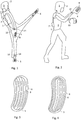
figure 1 est une vue schématique d'un combattant pratiquant le taekwondo, doté d'un équipement de détection de coups selon l'invention. - La
figure 2 est une vue schématique d'un combattant pratiquant la boxe, doté d'un équipement de détection de coups selon l'invention. - La
figure 3 est une vue d'un détail du chausson de lafig. 1 , selon un premier mode de réalisation de l'invention. - La
figure 4 est une vue d'un détail du chausson de lafig. 1 , selon un deuxième mode de réalisation de l'invention. - La
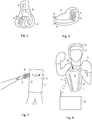
figure 5 est une vue du dessus du gant de lafig. 2 , selon un premier mode de réalisation de l'invention. - La
figure 6 est une vue de profil du gant de lafig. 5 . - La
figure 7 est une vue schématique d'un coup détecté avec l'équipement de détection de coups selon l'invention. - La
figure 8 est une vue schématique de la communication entre un appareil central et un récepteur selon l'invention. - L'équipement de détection de coups selon l'invention, tel qu'illustré aux
fig. 1 à 8 , est destiné à être porté par un combattant pratiquant un art martial tel que par exemple le taekwondo, le karaté ou la boxe. L'équipement de détection comporte des surfaces valables, par exemple un maillot 1 et/ou un casque 2 muni d'une surface conductrice 3 en tant que surface valable, un gant 4 et/ou un chausson 5 muni de deux structures conductrices 6, et un appareil central 7. - Les structures conductrices 6 sont imbriquées l'une dans l'autre sur l'ensemble de la surface habilitée 8 du gant 4 et/ou du chausson 5. La surface habilitée 8 est l'ensemble des surfaces autorisées à porter des coups selon les règles du sport pratiqué. La surface habilitée 8 ne se limite pas forcément aux gants 4 et chaussons 5. Si par exemple le genou ou le coude était habilité à porter des coups, alors le genou, respectivement le coude, serait équipé également de deux structures conductrices 6. Les structures conductrices 6 peuvent par exemple être disposées sous forme de peignes imbriqués, comme illustré en
fig. 3 , ou sous forme de spirales imbriquées, comme illustré enfig. 4 . D'autres dispositions permettant l'imbrication des deux structures conductrices 6 sur l'ensemble des surfaces habilitées 8 sont possibles sans sortir du cadre de la présente invention. Les deux structures conductrices 6 sont isolées l'une de l'autre, de sorte qu'un contact direct entre elles soit impossible. En revanche si les deux structures conductrices 6 touchent un même corps conducteur, cela établit un court-circuit entre elles, qui peut être détecté par l'appareil central 7. - Les structures conductrices 6 peuvent être constituées de fils conducteurs, réalisés par exemple en argent ou en inox. Ces fils conducteurs peuvent être brodés à la surface du gant 4, du chausson 5 ou de toute autre surface habilitée 8.
- La surface conductrice 3 peut s'étendre sur l'ensemble des surfaces sur lesquelles un coup porté est valable selon les règles du sport pratiqué, par exemple le casque 2 et/ou le maillot 1. La répartition des surfaces conductrices 3 sur le combattant n'est pas forcément limitée au casque 2 et au maillot 1. La surface conductrice 3 peut être réalisée par des textiles conducteurs, par exemple un tissé avec des lignes à intervalles réguliers en chaîné et/ou en trame, constituées de polyamide enduit d'argent, ou de fils d'inox. Il est aussi possible de réaliser la surface conductrice 3 par un tricot réalisé avec des fils conducteurs. Les surfaces conductrices 3 peuvent aussi être recouvertes d'une matière conductrice ou moulées en caoutchouc conducteur. Un tel mode de réalisation peut notamment convenir pour un casque 2 réalisé dans un matériau rigide. On peut en particulier prévoir de réaliser un casque 2 moulé en polyuréthane, puis de le surmouler avec une mince couche de caoutchouc conducteur.
- Dans la présente demande, la surface conductrice 3 désigne un ensemble de points définissant une forme géométrique qui s'étend significativement dans deux dimensions. La surface conductrice 3 ne peut donc pas être constituée par un ensemble de deux éléments principalement unidimensionnels séparés par un isolant, tel que celle de l'état de la technique décrit en introduction, et dont l'une des dimensions est beaucoup plus petite que l'autre, ce qui fait qu'on ne peut pas être certain de détecter les coups. Il suffit par exemple que l'une des électrodes de la surface habilitée 8 touche une partie isolante entre les deux électrodes, pour que le coup ne soit pas détecté.
- La détection du coup est bien plus fiable avec une surface conductrice 3 dans le sens de la présente invention.
- En outre la surface conductrice 3 est une surface conductrice dans le sens qu'elle est conductrice sur toute sa surface. Elle est donc au même potentiel électrique sur toute sa surface, on peut dire que c'est une surface conductrice mono potentiel. C'est ce qui permet la fiabilité de la détection ; lorsqu'une surface habilitée 8 entre en contact avec une telle surface conductrice, les deux électrodes de ladite surface habilitée sont forcément mis en liaison électrique, quels que soient les endroits de la surface où chaque électrode a touché, et le coup est détecté.
- La surface conductrice 3 peut être reliée par fil à l'appareil central 7, par exemple par un simple fil électrique terminé par une prise de type crocodile, en vue de lui transmettre des informations reçues par exemple à l'occasion d'un coup porté.
- Tel qu'illustré aux
fig. 5 et 6 , chaque structure conductrice 6 d'une paire imbriquée de structures conductrices 6 d'une surface habilitée 8 est reliée à une borne électrique 9. Lors du contact entre deux structures conductrices 6 imbriquées et une surface conductrice 3, les bornes électriques 9 sont donc en court-circuit. Pour ce faire, la distance entre les structures conductrices 6 doit être suffisamment petite pour qu'un coup d'une surface habilitée 8 sur une surface valable provoque immanquablement un court circuit, tout en garantissant que les deux structures conductrices 6 soient bien isolées entre elles. - Les deux bornes électriques 9 font partie d'un capteur d'extrémité 10, par exemple un capteur d'extrémité de pied ou un capteur d'extrémité de gant. Le capteur d'extrémité 10 peut être relié par fil à l'appareil central 7 afin d'être alimenté en énergie électrique, et échanger des informations avec ledit appareil central 7.
- L'appareil central 7 peut être fixé au dos du maillot 1. Le capteur d'extrémité 10 peut comprendre une interface filaire en vue de sa connexion à l'appareil central 7. Le capteur d'extrémité peut également comporter une fixation mécanique et électrique facilement démontable à la surface habilitée 8. Cette fixation peut par exemple être une fixation de type Velcro (marque déposée) conducteur. Il peut ainsi s'agir de deux fixations de ce type, matérialisant les bornes électriques 9. Cette disposition permet de facilement retirer les gants 4 et/ou chaussons 5 à l'issue d'un combat, sans que ceux-ci soient toujours reliés au capteur d'extrémité 10. Dans ce mode de réalisation, préalablement à un combat, la préparation des combattants est simplifiée et peut comprendre les étapes suivantes :
- enfilage des gants 4 et/ou chaussons 5 et/ou autres équipements comportant des surfaces habilitées,
- fixation de l'appareil central 7 et des différents circuits électriques sur les combattants,
- connexion des surfaces habilitées 8 aux circuits électriques correspondants au niveau des capteurs d'extrémité 10.
- Le capteur d'extrémité 10 surveille en permanence l'état de court-circuit entre les deux bornes électriques 9. Lors de la détection d'un court-circuit au niveau d'une surface habilitée 8, le capteur d'extrémité 10 envoie un signal, de préférence un signal basse fréquence, directement depuis ladite surface habilitée 8 vers la surface valable touchée de l'adversaire. Dans un mode préféré de l'invention, ledit signal présente une fréquence comprise entre 50 et 300 kHz, typiquement de l'ordre de 100 kHz. Le signal se transmet ensuite à l'aide du fil reliant la surface conductrice 3 à l'appareil central 7, pour finalement être détecté par l'appareil central 7.
- Dans un mode préféré de l'invention, l'équipement de détection de coups comprend un capteur de choc 14, qui peut être disposé au niveau de l'avant bras et/ou du talon, et apte à déterminer l'intensité d'un coup. Le capteur de choc peut être un accéléromètre, et peut être relié au capteur d'extrémité 10. Lors de la détection d'un contact par court-circuit entre les bornes électriques 9, le capteur de choc permet de déterminer si l'intensité du coup est suffisante pour que le coup soit valable. Le signal émis peut alors présenter une fréquence différente selon que le coup est valable ou non.
- On peut également prévoir que la détection du contact par court-circuit d'une surface habilitée, ainsi que l'information de l'intensité du coup, sont transmises à l'appareil central 7. Celui-ci détermine alors le type de coup porté : par exemple un coup de pied, si l'information de détection du contact par court-circuit vient d'une surface habilitée d'un chausson 5, d'intensité suffisante ou insuffisante selon la valeur mesurée par le capteur de choc. Selon le type de coup porté, l'appareil central 7 détermine la fréquence du signal à transmettre. Ce signal est transmis pendant le contact du coup porté, directement à la surface valable de l'adversaire, d'où il est transmis à l'appareil central 7 de l'adversaire.
- L'équipement de détection de coups peut aussi comporter un gyroscope, apte à détecter une rotation de par exemple 180° ou 360°. Une telle disposition peut être utilisée dans certains sports, par exemple au taekwondo des points supplémentaires sont attribués pour un coup de pied en rotation. Les informations transmises par le signal, en particulier le choix de sa fréquence, à l'appareil central 7 de l'adversaire peuvent alors comporter ces précisions supplémentaires requises pour le calcul des points.
- Le signal envoyé par les structures conductrices 6 à l'appareil central 7 de l'adversaire peut alors transporter différentes informations, distinguées par exemple par l'utilisation de fréquences différentes. L'appareil central 7 de l'adversaire peut être informé d'un coup valable, d'un coup d'intensité insuffisante, d'un coup spécial rapportant plus de points selon les données du gyroscope. L'appareil central 7 de l'adversaire peut aussi être informé si le coup est un coup de pied ou de poing. Il peut lui-même déterminer sur quelle zone du corps il a été porté, par exemple sur la tête ou sur la poitrine, selon la surface habilitée d'où l'information lui parvient.
- Comme illustré à la
fig. 8 , l'équipement de détection de coups peut également comporter un émetteur visuel 11, constitué par exemple d'une ou plusieurs leds. L'émetteur visuel 11 peut par exemple être disposé sur le casque 2 et/ou la tenue du combattant, et relié par fil à l'appareil central 7. Lorsque l'appareil central 7 est informé d'un coup reçu, il peut commander à l'émetteur visuel 11 associé à la surface valable ayant reçu le coup, un certain affichage. On peut imaginer que l'appareil central 7 commande à l'émetteur visuel 11 un affichage différent, par exemple par l'activation de leds de couleurs différentes, lors de la détection d'un contact d'intensité insuffisante. L'affichage peut également différencier les coups de pieds et coups de poings, et les coups spéciaux comme un coup de pied en rotation. On peut prévoir que si le coup à été reçu au niveau du casque 2, c'est le led du casque 2 qui s'allume, alors que si le coup a été porté au niveau de la poitrine, c'est un led au niveau de la poitrine qui s'allume ; selon l'importance de la localisation du coup, et de sa précision, on peut subdiviser les surfaces conductrices 3 pour détecter la localisation des coups avec plus ou moins de précision. Cela peut servir au comptage des points si un règlement le stipule, mais également à l'aide à l'entrainement, en indiquant au combattant qu'il est plus vulnérable dans certaines zones, et en l'incitant ainsi à entrainer d'avantage sa défense dans cette zone. - Comme illustré en
fig. 8 , les informations relatives aux coups reçus peuvent également être envoyées par l'appareil central 7 vers un écran 12 extérieur à l'ère de combat, par exemple par l'envoi d'une onde radio. L'écran 12 peut être visible par les arbitres et le public et permettre à ceux-ci de suivre l'évolution du score. En cas de problème radio, la présence de l'émetteur visuel 11 permet de s'assurer que les coups seront correctement comptés par les arbitres. - L'équipement de détection de coups permet de mettre en œuvre un procédé de détection comportant les étapes suivantes :
- coup porté par un combattant à son adversaire, par contact d'une surface habilitée dudit combattant et d'une surface valable dudit adversaire
- court-circuit entre les deux structures conductrices 6 de ladite surface habilitée dudit combattant, par exemple d'un gant 4 ou d'un chausson 5, par contact avec la surface conductrice 3 d'une surface valable de l'équipement de l'adversaire,
- création au niveau dudit combattant, par exemple dans son appareil central 7, d'un signal basse fréquence caractéristique du coup porté,
- envoi dudit signal basse fréquence vers l'appareil central 7 de l'adversaire, par l'intermédiaire de la surface habilitée du combattant vers la surface valable de l'adversaire pendant le contact,
- envoi le cas échéant d'un ordre d'allumage vers un émetteur visuel 11 tels que des leds disposé sur ledit combattant.
- Comme illustré en
fig. 8 , l'équipement de détection de coups peut encore comporter un afficheur 13 permettant d'afficher sur chaque combattant, les points qu'il a acquis. Ceci permet une vérification supplémentaire du score en fin de combat. - L'appareil central peut conserver les données enregistrées, en vue d'une exploitation en vue d'un entrainement ciblé. On peut par exemple apprendre de ces données que le combattant est plus efficace du pied droit, ou du poing gauche, ou plus vulnérable dans certaines zones, et donc prévoir des entrainements ciblés pour réduire les faiblesses et/ou accentuer les points forts.
- L'alimentation électrique nécessaire au fonctionnement de l'équipement de détection de coups peut être comprise dans l'appareil central 7. On peut par exemple y placer un accumulateur lithium-ion rechargeable.
- L'invention permet la discrimination des touches en temps réel. En effet, l'appareil central 7 peut centraliser à tout moment les informations de coups reçus et portés, et commander de ne pas détecter les coups portés dans un intervalle de temps précis après avoir reçu un coup. Il suffit de neutraliser la création de signaux dans un intervalle de temps de durée prédéterminée après la réception d'un signal de la part de l'adversaire, indiquant un coup reçu d'intensité suffisante.
- L'envoi de signaux par contact, permet une transmission fiable des informations et une application précises des règles de discrimination de touches présentes dans certains arts martiaux.
- Les surfaces de détection de coups et notamment la surface conductrice 3 u maillot 1 pouvant être réalisées dans des matériaux textiles, l'invention permet d'éviter aux combattants d'avoir à porter un plastron tapissé de capteurs. Un tel plastron est lourd, rigide et coûteux. Les tenues traditionnelles peuvent être utilisées pour peu qu'elles soient faites au moins en partie en matériaux conducteurs, avec le rajout éventuel de protections sous la tenue.
- Bien que la description ci-dessus se base sur des modes de réalisation particuliers, elle n'est nullement limitative de la portée de l'invention, et des modifications peuvent être apportées. L'étendue de la protection est définie par les revendications.
Claims (9)
- Equipement de détection de coups, utilisable par un combattant et un adversaire pour des arts martiaux tels que taekwondo, karaté ou boxe, comportant un appareil central, une surface valable, par exemple un maillot et/ou un casque, et au moins une surface habilitée, par exemple un gant et/ou un chausson, caractérisé en ce que :- ladite surface valable comprend au moins une surface conductrice,- ladite surface habilitée comprend deux structures conductrices isolées l'une de l'autre, imbriquées l'une dans l'autre sur l'ensemble de ladite surface habilitée, et reliées chacune à une borne électrique, et configurées pour qu'un contact de ladite surface habilitée sur une surface conductrice crée un court-circuit entre les deux structures conductrices,- et ledit appareil central comporte un émetteur de signaux aptes à être transmis entre un combattant et son adversaire par le moyen du contact entre ladite surface habilitée dudit combattant et ladite surface conductrice dudit adversaire.
- Equipement selon la revendication précédente, dans lequel lesdits signaux sont des signaux basse fréquence, typiquement de l'ordre de 100 kHz.
- Equipement selon l'une des revendications précédentes, dans lequel lesdites structures conductrices sont disposées sous la forme de deux peignes ou deux spirales, imbriqués l'un dans l'autre.
- Equipement selon l'une des revendications précédentes, dans lequel ladite surface conductrice comporte des fils conducteurs tissés ou tricotés, en particulier des fils conducteurs en polyamide enduit d'argent, ou en inox.
- Equipement selon l'une des revendications précédentes, comprenant en outre au moins un capteur de choc, de préférence un accéléromètre.
- Equipement selon l'une des revendications précédentes, comprenant en outre un gyroscope, apte à détecter une rotation de 180°.
- Equipement selon l'une des revendications précédentes, comportant en outre au moins un émetteur visuel, tel qu'une led, apte à recevoir un ordre d'allumage venant dudit appareil central.
- Procédé de détection d'un coup porté par un combattant sur un adversaire, pour des arts martiaux tels que taekwondo, karaté ou boxe, équipés chacun d'un équipement selon l'une des revendications précédentes, comportant les étapes suivantes :- établissement d'un contact entre une surface habilitée dudit combattant et une surface valable dudit adversaire,- détection d'un court circuit entre les deux structures conductrices de ladite surface habilitée,- création au niveau de l'équipement dudit combattant d'un signal basse fréquence caractéristique du coup porté,- envoi, pendant ledit contact, dudit signal basse fréquence vers l'appareil central de l'adversaire, par le moyen du contact entre la surface habilitée dudit combattant et la surface valable dudit adversaire,- envoi le cas échéant d'un ordre d'allumage vers des émetteurs visuels tels que des leds de l'équipement de l'adversaire.
- Procédé selon la revendication précédente, comprenant en plus au niveau de l'équipement de l'adversaire au moment de la réception d'un signal, et en fonction de la nature du signal reçu, la neutralisation de la création de signaux pendant une durée prédéterminée.
Applications Claiming Priority (2)
| Application Number | Priority Date | Filing Date | Title |
|---|---|---|---|
| FR1770091A FR3062315B1 (fr) | 2017-01-31 | 2017-01-31 | Equipement de detection de coups |
| PCT/EP2018/052002 WO2018141650A1 (fr) | 2017-01-31 | 2018-01-26 | Equipement de detection de coups |
Publications (2)
| Publication Number | Publication Date |
|---|---|
| EP3576852A1 EP3576852A1 (fr) | 2019-12-11 |
| EP3576852B1 true EP3576852B1 (fr) | 2021-03-17 |
Family
ID=58547746
Family Applications (1)
| Application Number | Title | Priority Date | Filing Date |
|---|---|---|---|
| EP18702244.7A Active EP3576852B1 (fr) | 2017-01-31 | 2018-01-26 | Équipement de détection de coups |
Country Status (5)
| Country | Link |
|---|---|
| US (1) | US11344780B2 (fr) |
| EP (1) | EP3576852B1 (fr) |
| KR (1) | KR20190111046A (fr) |
| FR (1) | FR3062315B1 (fr) |
| WO (1) | WO2018141650A1 (fr) |
Families Citing this family (7)
| Publication number | Priority date | Publication date | Assignee | Title |
|---|---|---|---|---|
| US11198050B1 (en) | 2016-09-16 | 2021-12-14 | Robert Moran | Speed tracker |
| WO2018053310A1 (fr) * | 2016-09-16 | 2018-03-22 | Robert Moran | Traqueur de vitesse |
| CN109506682A (zh) * | 2019-01-02 | 2019-03-22 | 成都高阳信息技术有限公司 | 用于实战训练护具的接触检测系统 |
| DE102020007582B4 (de) * | 2019-12-19 | 2021-12-23 | Timo Martocchia | Messvorrichtungs-/Sensorsystem zur Messung,Übertragung und Verarbeitung von relevanten Leistungsdaten des Trainings und des Wettkampfs von Kontaktsportarten, insbesondere des physischen Kontakts und dessen Krafteinwirkung |
| KR102224751B1 (ko) * | 2020-06-15 | 2021-03-08 | (주)케이피앤피 | 다중 채널 무선 통신을 수행하는 전자 호구 및 이를 포함하는 전자 채점 시스템 |
| CN111973971B (zh) * | 2020-09-02 | 2021-05-28 | 湖南第一师范学院 | 一种跆拳道计分护具辅助穿戴装置及其使用方法 |
| CN113304458B (zh) * | 2021-06-04 | 2022-03-22 | 中国人民解放军陆军工程大学 | 一种用于分析人员战术动作展示的数据表示系统及方法 |
Family Cites Families (41)
| Publication number | Priority date | Publication date | Assignee | Title |
|---|---|---|---|---|
| US3866909A (en) * | 1973-04-09 | 1975-02-18 | Militana Salvatore G | Protective garment for karate with force indicating members thereon |
| US5184831A (en) * | 1991-10-17 | 1993-02-09 | Lee Garner | Karate scoring apparatus |
| US8280682B2 (en) * | 2000-12-15 | 2012-10-02 | Tvipr, Llc | Device for monitoring movement of shipped goods |
| JP2000042162A (ja) * | 1998-07-30 | 2000-02-15 | Toho Electrical Construction Co Ltd | 有効打判定装置 |
| US6700051B2 (en) * | 2000-09-26 | 2004-03-02 | Raymond Daniel Wilson Aldridge | Contact detection system and method |
| GB2400917B (en) * | 2002-01-24 | 2005-09-21 | Sensorpad Systems Inc | Method and system for detecting and displaying the impact of a blow |
| US20040009851A1 (en) * | 2002-07-10 | 2004-01-15 | Douglas Lovison | Scoring device for fighting sports |
| FR2842744B1 (fr) * | 2002-07-24 | 2006-06-30 | Michel Desroses | Dispositif de detection de la nature d'un coup et de mesure de sa force, procede pour ca mise en oeuvre et son application a l'arbitrage d'un sport |
| US20040171412A1 (en) * | 2003-02-28 | 2004-09-02 | Vollmar Lewis C. | Method and apparatus for recording hits while sparring |
| DE102004045188A1 (de) * | 2004-09-17 | 2006-03-30 | Engelbert Mages | Schlagkraftmesseinrichtung |
| AT504851B1 (de) * | 2006-11-07 | 2009-03-15 | Arc Seibersdorf Res Gmbh | Schlagpolster |
| FR2913181B1 (fr) * | 2007-03-01 | 2010-06-04 | Blue Europ | Tenue pour l'escrime |
| PL2129991T3 (pl) * | 2007-03-22 | 2013-11-29 | Protective Products Entpr Inc | Czujniki uderzenia oraz systemy zawierające czujniki uderzenia |
| FR2925961B1 (fr) * | 2007-12-31 | 2010-02-26 | Promiles | Dispositif de detection d'impact |
| US7891231B2 (en) * | 2008-03-21 | 2011-02-22 | Song Jin Y | Apparatus for monitoring and registering the location and intensity of impacts in sports |
| GB2474624B (en) * | 2008-07-26 | 2013-05-22 | Michael J Pelletter | System for sensing human movement and methods of using the same |
| WO2010041304A1 (fr) * | 2008-10-06 | 2010-04-15 | Sudo Tadashi | Système pour détecter une collision entre objets |
| EP2236177B1 (fr) * | 2008-11-06 | 2020-01-22 | Jin Y. Song | Appareil de surveillance et d'enregistrement de l'emplacement et intensité des impacts dans les activités sportives |
| US8622795B2 (en) * | 2008-12-04 | 2014-01-07 | Home Box Office, Inc. | System and method for gathering and analyzing objective motion data |
| TWI388813B (zh) * | 2009-08-31 | 2013-03-11 | Universal Cement Corp | 壓力感測器以及具有壓力感測器之拳擊機 |
| AU2009101201B4 (en) * | 2009-10-23 | 2010-03-25 | Chiron Ip Holdco Pty Ltd | Electronic scoring system, method and armour for use in martial arts |
| EP2493584A4 (fr) * | 2009-10-28 | 2015-10-28 | Commw Scient Ind Res Org | Procédé et appareil de détection d'impact |
| US20110159939A1 (en) * | 2009-12-24 | 2011-06-30 | Jason McCarthy | Fight analysis system |
| US20120053016A1 (en) * | 2010-08-31 | 2012-03-01 | Michael Williamson | Heavy bag workout monitor systems |
| US9227128B1 (en) * | 2011-01-26 | 2016-01-05 | Richard Carfagna, Jr. | Systems and methods for visualizing and analyzing impact forces |
| US20120214647A1 (en) * | 2011-02-23 | 2012-08-23 | Major Martial Arts Supply Inc. | Martial arts training device |
| US9782652B2 (en) * | 2011-08-25 | 2017-10-10 | Michael Williamson | Heavy bag workout monitor systems |
| US20130130870A1 (en) * | 2011-11-23 | 2013-05-23 | Ian McCranor | Martial arts training and scoring gear |
| US9403076B2 (en) * | 2011-11-23 | 2016-08-02 | Ian McCranor | Martial arts training and scoring game system |
| US20130324370A1 (en) * | 2012-06-01 | 2013-12-05 | Daniel Connolly Harrigan | Midi tongue drum wing chun dummy |
| US8696422B1 (en) * | 2012-07-20 | 2014-04-15 | Rafael Santiago | Electronic boxing game, gear, method and systems |
| AU2013200783A1 (en) * | 2013-02-14 | 2014-08-28 | Wood, Nathan Richard Mr | Punchbox.co is a wall mounted punching bag that has a system that records every strike and has a programmable electronic recording module. |
| US11351437B2 (en) * | 2014-05-16 | 2022-06-07 | Jin Song | Impedance-based impact determination and scoring |
| WO2015173776A1 (fr) * | 2014-05-15 | 2015-11-19 | Italian Fight Wear Srl | Dispositif portable comprenant un ou plusieurs capteurs d'impact |
| WO2015186132A2 (fr) * | 2014-06-05 | 2015-12-10 | Ludus Materials Ltd. | Système d'entraînement physique et procédés utiles en lien avec celui-ci |
| US10124210B2 (en) * | 2015-03-13 | 2018-11-13 | KO Luxembourg SARL | Systems and methods for qualitative assessment of sports performance |
| US9999819B2 (en) * | 2015-09-11 | 2018-06-19 | Dan DeLaRosa | Kicking and punching apparatus with electronic scoring system |
| JP6975981B2 (ja) * | 2016-01-11 | 2021-12-01 | 2020 アーマー インク.2020 Armor Inc. | 格闘技スポーツの勝者を争い、かつ勝者を判定する方法およびシステム |
| BR112017025805A2 (pt) * | 2016-02-05 | 2018-08-07 | Wook Park Lee Chuen | equipamento de proteção para a transmissão de uma pontuação esportiva |
| US20170225032A1 (en) * | 2016-02-09 | 2017-08-10 | Darnell Jones | Exercise training system |
| KR20180068597A (ko) * | 2016-12-14 | 2018-06-22 | 정갑석 | 격투기용 호구의 유효타 감지 센서 및 이를 포함하는 유효타 감지 시스템 |
-
2017
- 2017-01-31 FR FR1770091A patent/FR3062315B1/fr not_active Expired - Fee Related
-
2018
- 2018-01-26 US US16/481,732 patent/US11344780B2/en active Active
- 2018-01-26 EP EP18702244.7A patent/EP3576852B1/fr active Active
- 2018-01-26 WO PCT/EP2018/052002 patent/WO2018141650A1/fr not_active Ceased
- 2018-01-26 KR KR1020197022369A patent/KR20190111046A/ko not_active Ceased
Non-Patent Citations (1)
| Title |
|---|
| None * |
Also Published As
| Publication number | Publication date |
|---|---|
| WO2018141650A1 (fr) | 2018-08-09 |
| US20190388756A1 (en) | 2019-12-26 |
| US11344780B2 (en) | 2022-05-31 |
| FR3062315A1 (fr) | 2018-08-03 |
| FR3062315B1 (fr) | 2019-03-15 |
| KR20190111046A (ko) | 2019-10-01 |
| EP3576852A1 (fr) | 2019-12-11 |
Similar Documents
| Publication | Publication Date | Title |
|---|---|---|
| WO2018141650A1 (fr) | Equipement de detection de coups | |
| EP1134006B1 (fr) | Dispositif de détection et de signalisation de touches en escrime | |
| EP2291115B1 (fr) | Dispositif portatif inaltérable et système destinés à la stimulation électrique d'un corps | |
| KR102017967B1 (ko) | 제거가능한 모듈을 갖는 운동 밴드 | |
| CN105288963B (zh) | 团体运动环境中的运动表现监测系统和方法 | |
| KR102333493B1 (ko) | 팀 스포츠 환경에서의 운동 수행 모니터링 시스템들 및 방법들 | |
| ES2781331T3 (es) | Aparato para monitorizar y registrar la ubicación y la intensidad de impactos en los deportes | |
| US9358443B2 (en) | Contact sensing device and system | |
| EP3074099A1 (fr) | Arme d'escrime comprenant un indicateur intégré dans la garde | |
| US20160158623A1 (en) | Wearable device and method for indicating scoring and scoring athority | |
| FR3119780A1 (fr) | Dispositif connecte pour equiper un sac de frappe | |
| KR20180068597A (ko) | 격투기용 호구의 유효타 감지 센서 및 이를 포함하는 유효타 감지 시스템 | |
| US20080197574A1 (en) | Target Game | |
| WO2001020368A1 (fr) | Dispositif d'avertissement de la presence d'objets dangereux | |
| US20040171412A1 (en) | Method and apparatus for recording hits while sparring | |
| US11110334B2 (en) | Golf training aid apparatus and method | |
| GB2321003A (en) | Monitoring apparatus for combat sport | |
| JP2000042162A (ja) | 有効打判定装置 | |
| US11047653B1 (en) | Automatic hit detection in a shooting target having multiple conductive inks | |
| KR101751933B1 (ko) | 유연성을 가지는 2종 감지센서 모듈 및 이를 이용한 증강현실 체험훈련 및 엔터테인먼트용 전자슈트 시스템 | |
| CN206131891U (zh) | 射箭记环装置、箭靶和射箭记环系统 | |
| HU225829B1 (en) | System and method of assistance for sport umpire | |
| US20190134486A1 (en) | Electronic scoring system with impact zone locator | |
| WO2012041163A1 (fr) | Dispositif de test d'allure spécifique à une nouvelle façon de marcher en course et produits spécifiques associés | |
| FR3122974A1 (fr) | Vêtement pour la pratique d’un sport à touches électriques |
Legal Events
| Date | Code | Title | Description |
|---|---|---|---|
| STAA | Information on the status of an ep patent application or granted ep patent |
Free format text: STATUS: UNKNOWN |
|
| STAA | Information on the status of an ep patent application or granted ep patent |
Free format text: STATUS: THE INTERNATIONAL PUBLICATION HAS BEEN MADE |
|
| PUAI | Public reference made under article 153(3) epc to a published international application that has entered the european phase |
Free format text: ORIGINAL CODE: 0009012 |
|
| STAA | Information on the status of an ep patent application or granted ep patent |
Free format text: STATUS: REQUEST FOR EXAMINATION WAS MADE |
|
| 17P | Request for examination filed |
Effective date: 20190723 |
|
| AK | Designated contracting states |
Kind code of ref document: A1 Designated state(s): AL AT BE BG CH CY CZ DE DK EE ES FI FR GB GR HR HU IE IS IT LI LT LU LV MC MK MT NL NO PL PT RO RS SE SI SK SM TR |
|
| AX | Request for extension of the european patent |
Extension state: BA ME |
|
| DAV | Request for validation of the european patent (deleted) | ||
| DAX | Request for extension of the european patent (deleted) | ||
| GRAP | Despatch of communication of intention to grant a patent |
Free format text: ORIGINAL CODE: EPIDOSNIGR1 |
|
| STAA | Information on the status of an ep patent application or granted ep patent |
Free format text: STATUS: GRANT OF PATENT IS INTENDED |
|
| INTG | Intention to grant announced |
Effective date: 20201112 |
|
| GRAS | Grant fee paid |
Free format text: ORIGINAL CODE: EPIDOSNIGR3 |
|
| GRAA | (expected) grant |
Free format text: ORIGINAL CODE: 0009210 |
|
| STAA | Information on the status of an ep patent application or granted ep patent |
Free format text: STATUS: THE PATENT HAS BEEN GRANTED |
|
| AK | Designated contracting states |
Kind code of ref document: B1 Designated state(s): AL AT BE BG CH CY CZ DE DK EE ES FI FR GB GR HR HU IE IS IT LI LT LU LV MC MK MT NL NO PL PT RO RS SE SI SK SM TR |
|
| REG | Reference to a national code |
Ref country code: GB Ref legal event code: FG4D Free format text: NOT ENGLISH |
|
| REG | Reference to a national code |
Ref country code: CH Ref legal event code: EP |
|
| REG | Reference to a national code |
Ref country code: DE Ref legal event code: R096 Ref document number: 602018014040 Country of ref document: DE |
|
| REG | Reference to a national code |
Ref country code: IE Ref legal event code: FG4D Free format text: LANGUAGE OF EP DOCUMENT: FRENCH |
|
| REG | Reference to a national code |
Ref country code: AT Ref legal event code: REF Ref document number: 1371701 Country of ref document: AT Kind code of ref document: T Effective date: 20210415 |
|
| REG | Reference to a national code |
Ref country code: LT Ref legal event code: MG9D |
|
| PG25 | Lapsed in a contracting state [announced via postgrant information from national office to epo] |
Ref country code: BG Free format text: LAPSE BECAUSE OF FAILURE TO SUBMIT A TRANSLATION OF THE DESCRIPTION OR TO PAY THE FEE WITHIN THE PRESCRIBED TIME-LIMIT Effective date: 20210617 Ref country code: FI Free format text: LAPSE BECAUSE OF FAILURE TO SUBMIT A TRANSLATION OF THE DESCRIPTION OR TO PAY THE FEE WITHIN THE PRESCRIBED TIME-LIMIT Effective date: 20210317 Ref country code: HR Free format text: LAPSE BECAUSE OF FAILURE TO SUBMIT A TRANSLATION OF THE DESCRIPTION OR TO PAY THE FEE WITHIN THE PRESCRIBED TIME-LIMIT Effective date: 20210317 Ref country code: GR Free format text: LAPSE BECAUSE OF FAILURE TO SUBMIT A TRANSLATION OF THE DESCRIPTION OR TO PAY THE FEE WITHIN THE PRESCRIBED TIME-LIMIT Effective date: 20210618 Ref country code: NO Free format text: LAPSE BECAUSE OF FAILURE TO SUBMIT A TRANSLATION OF THE DESCRIPTION OR TO PAY THE FEE WITHIN THE PRESCRIBED TIME-LIMIT Effective date: 20210617 |
|
| REG | Reference to a national code |
Ref country code: AT Ref legal event code: MK05 Ref document number: 1371701 Country of ref document: AT Kind code of ref document: T Effective date: 20210317 |
|
| REG | Reference to a national code |
Ref country code: NL Ref legal event code: MP Effective date: 20210317 |
|
| PG25 | Lapsed in a contracting state [announced via postgrant information from national office to epo] |
Ref country code: LV Free format text: LAPSE BECAUSE OF FAILURE TO SUBMIT A TRANSLATION OF THE DESCRIPTION OR TO PAY THE FEE WITHIN THE PRESCRIBED TIME-LIMIT Effective date: 20210317 Ref country code: RS Free format text: LAPSE BECAUSE OF FAILURE TO SUBMIT A TRANSLATION OF THE DESCRIPTION OR TO PAY THE FEE WITHIN THE PRESCRIBED TIME-LIMIT Effective date: 20210317 Ref country code: SE Free format text: LAPSE BECAUSE OF FAILURE TO SUBMIT A TRANSLATION OF THE DESCRIPTION OR TO PAY THE FEE WITHIN THE PRESCRIBED TIME-LIMIT Effective date: 20210317 |
|
| PG25 | Lapsed in a contracting state [announced via postgrant information from national office to epo] |
Ref country code: NL Free format text: LAPSE BECAUSE OF FAILURE TO SUBMIT A TRANSLATION OF THE DESCRIPTION OR TO PAY THE FEE WITHIN THE PRESCRIBED TIME-LIMIT Effective date: 20210317 |
|
| PG25 | Lapsed in a contracting state [announced via postgrant information from national office to epo] |
Ref country code: AT Free format text: LAPSE BECAUSE OF FAILURE TO SUBMIT A TRANSLATION OF THE DESCRIPTION OR TO PAY THE FEE WITHIN THE PRESCRIBED TIME-LIMIT Effective date: 20210317 Ref country code: SM Free format text: LAPSE BECAUSE OF FAILURE TO SUBMIT A TRANSLATION OF THE DESCRIPTION OR TO PAY THE FEE WITHIN THE PRESCRIBED TIME-LIMIT Effective date: 20210317 Ref country code: LT Free format text: LAPSE BECAUSE OF FAILURE TO SUBMIT A TRANSLATION OF THE DESCRIPTION OR TO PAY THE FEE WITHIN THE PRESCRIBED TIME-LIMIT Effective date: 20210317 Ref country code: CZ Free format text: LAPSE BECAUSE OF FAILURE TO SUBMIT A TRANSLATION OF THE DESCRIPTION OR TO PAY THE FEE WITHIN THE PRESCRIBED TIME-LIMIT Effective date: 20210317 Ref country code: EE Free format text: LAPSE BECAUSE OF FAILURE TO SUBMIT A TRANSLATION OF THE DESCRIPTION OR TO PAY THE FEE WITHIN THE PRESCRIBED TIME-LIMIT Effective date: 20210317 |
|
| PG25 | Lapsed in a contracting state [announced via postgrant information from national office to epo] |
Ref country code: IS Free format text: LAPSE BECAUSE OF FAILURE TO SUBMIT A TRANSLATION OF THE DESCRIPTION OR TO PAY THE FEE WITHIN THE PRESCRIBED TIME-LIMIT Effective date: 20210717 Ref country code: SK Free format text: LAPSE BECAUSE OF FAILURE TO SUBMIT A TRANSLATION OF THE DESCRIPTION OR TO PAY THE FEE WITHIN THE PRESCRIBED TIME-LIMIT Effective date: 20210317 Ref country code: RO Free format text: LAPSE BECAUSE OF FAILURE TO SUBMIT A TRANSLATION OF THE DESCRIPTION OR TO PAY THE FEE WITHIN THE PRESCRIBED TIME-LIMIT Effective date: 20210317 Ref country code: PT Free format text: LAPSE BECAUSE OF FAILURE TO SUBMIT A TRANSLATION OF THE DESCRIPTION OR TO PAY THE FEE WITHIN THE PRESCRIBED TIME-LIMIT Effective date: 20210719 Ref country code: PL Free format text: LAPSE BECAUSE OF FAILURE TO SUBMIT A TRANSLATION OF THE DESCRIPTION OR TO PAY THE FEE WITHIN THE PRESCRIBED TIME-LIMIT Effective date: 20210317 |
|
| REG | Reference to a national code |
Ref country code: DE Ref legal event code: R097 Ref document number: 602018014040 Country of ref document: DE |
|
| PLBE | No opposition filed within time limit |
Free format text: ORIGINAL CODE: 0009261 |
|
| STAA | Information on the status of an ep patent application or granted ep patent |
Free format text: STATUS: NO OPPOSITION FILED WITHIN TIME LIMIT |
|
| PG25 | Lapsed in a contracting state [announced via postgrant information from national office to epo] |
Ref country code: DK Free format text: LAPSE BECAUSE OF FAILURE TO SUBMIT A TRANSLATION OF THE DESCRIPTION OR TO PAY THE FEE WITHIN THE PRESCRIBED TIME-LIMIT Effective date: 20210317 Ref country code: AL Free format text: LAPSE BECAUSE OF FAILURE TO SUBMIT A TRANSLATION OF THE DESCRIPTION OR TO PAY THE FEE WITHIN THE PRESCRIBED TIME-LIMIT Effective date: 20210317 Ref country code: ES Free format text: LAPSE BECAUSE OF FAILURE TO SUBMIT A TRANSLATION OF THE DESCRIPTION OR TO PAY THE FEE WITHIN THE PRESCRIBED TIME-LIMIT Effective date: 20210317 |
|
| 26N | No opposition filed |
Effective date: 20211220 |
|
| PG25 | Lapsed in a contracting state [announced via postgrant information from national office to epo] |
Ref country code: SI Free format text: LAPSE BECAUSE OF FAILURE TO SUBMIT A TRANSLATION OF THE DESCRIPTION OR TO PAY THE FEE WITHIN THE PRESCRIBED TIME-LIMIT Effective date: 20210317 |
|
| PG25 | Lapsed in a contracting state [announced via postgrant information from national office to epo] |
Ref country code: IT Free format text: LAPSE BECAUSE OF FAILURE TO SUBMIT A TRANSLATION OF THE DESCRIPTION OR TO PAY THE FEE WITHIN THE PRESCRIBED TIME-LIMIT Effective date: 20210317 |
|
| PG25 | Lapsed in a contracting state [announced via postgrant information from national office to epo] |
Ref country code: IS Free format text: LAPSE BECAUSE OF FAILURE TO SUBMIT A TRANSLATION OF THE DESCRIPTION OR TO PAY THE FEE WITHIN THE PRESCRIBED TIME-LIMIT Effective date: 20210717 |
|
| PG25 | Lapsed in a contracting state [announced via postgrant information from national office to epo] |
Ref country code: MC Free format text: LAPSE BECAUSE OF FAILURE TO SUBMIT A TRANSLATION OF THE DESCRIPTION OR TO PAY THE FEE WITHIN THE PRESCRIBED TIME-LIMIT Effective date: 20210317 |
|
| REG | Reference to a national code |
Ref country code: CH Ref legal event code: PL |
|
| REG | Reference to a national code |
Ref country code: BE Ref legal event code: MM Effective date: 20220131 |
|
| PG25 | Lapsed in a contracting state [announced via postgrant information from national office to epo] |
Ref country code: LU Free format text: LAPSE BECAUSE OF NON-PAYMENT OF DUE FEES Effective date: 20220126 |
|
| PG25 | Lapsed in a contracting state [announced via postgrant information from national office to epo] |
Ref country code: BE Free format text: LAPSE BECAUSE OF NON-PAYMENT OF DUE FEES Effective date: 20220131 |
|
| PG25 | Lapsed in a contracting state [announced via postgrant information from national office to epo] |
Ref country code: LI Free format text: LAPSE BECAUSE OF NON-PAYMENT OF DUE FEES Effective date: 20220131 Ref country code: CH Free format text: LAPSE BECAUSE OF NON-PAYMENT OF DUE FEES Effective date: 20220131 |
|
| PG25 | Lapsed in a contracting state [announced via postgrant information from national office to epo] |
Ref country code: IE Free format text: LAPSE BECAUSE OF NON-PAYMENT OF DUE FEES Effective date: 20220126 |
|
| P01 | Opt-out of the competence of the unified patent court (upc) registered |
Effective date: 20230524 |
|
| PG25 | Lapsed in a contracting state [announced via postgrant information from national office to epo] |
Ref country code: MK Free format text: LAPSE BECAUSE OF FAILURE TO SUBMIT A TRANSLATION OF THE DESCRIPTION OR TO PAY THE FEE WITHIN THE PRESCRIBED TIME-LIMIT Effective date: 20210317 Ref country code: CY Free format text: LAPSE BECAUSE OF FAILURE TO SUBMIT A TRANSLATION OF THE DESCRIPTION OR TO PAY THE FEE WITHIN THE PRESCRIBED TIME-LIMIT Effective date: 20210317 |
|
| PG25 | Lapsed in a contracting state [announced via postgrant information from national office to epo] |
Ref country code: HU Free format text: LAPSE BECAUSE OF FAILURE TO SUBMIT A TRANSLATION OF THE DESCRIPTION OR TO PAY THE FEE WITHIN THE PRESCRIBED TIME-LIMIT; INVALID AB INITIO Effective date: 20180126 |
|
| PG25 | Lapsed in a contracting state [announced via postgrant information from national office to epo] |
Ref country code: TR Free format text: LAPSE BECAUSE OF FAILURE TO SUBMIT A TRANSLATION OF THE DESCRIPTION OR TO PAY THE FEE WITHIN THE PRESCRIBED TIME-LIMIT Effective date: 20210317 |
|
| PG25 | Lapsed in a contracting state [announced via postgrant information from national office to epo] |
Ref country code: MT Free format text: LAPSE BECAUSE OF FAILURE TO SUBMIT A TRANSLATION OF THE DESCRIPTION OR TO PAY THE FEE WITHIN THE PRESCRIBED TIME-LIMIT Effective date: 20210317 |
|
| PGFP | Annual fee paid to national office [announced via postgrant information from national office to epo] |
Ref country code: FR Payment date: 20251229 Year of fee payment: 9 |
|
| PGFP | Annual fee paid to national office [announced via postgrant information from national office to epo] |
Ref country code: GB Payment date: 20260126 Year of fee payment: 9 |
|
| PGFP | Annual fee paid to national office [announced via postgrant information from national office to epo] |
Ref country code: DE Payment date: 20260127 Year of fee payment: 9 |