EP3565807B1 - Oxadiazolhemmer von hipk2 zur behandlung von nierenfibrose - Google Patents
Oxadiazolhemmer von hipk2 zur behandlung von nierenfibrose Download PDFInfo
- Publication number
- EP3565807B1 EP3565807B1 EP18736110.0A EP18736110A EP3565807B1 EP 3565807 B1 EP3565807 B1 EP 3565807B1 EP 18736110 A EP18736110 A EP 18736110A EP 3565807 B1 EP3565807 B1 EP 3565807B1
- Authority
- EP
- European Patent Office
- Prior art keywords
- hipk2
- smad3
- hydrocarbyl
- compound
- chosen
- Prior art date
- Legal status (The legal status is an assumption and is not a legal conclusion. Google has not performed a legal analysis and makes no representation as to the accuracy of the status listed.)
- Active
Links
- OVNJBBDSWUPRPN-UHFFFAOYSA-K COc(ccc1c2)cc1ncc2-c1nc(-c2ccc([Be](F)(F)F)cc2)n[o]1 Chemical compound COc(ccc1c2)cc1ncc2-c1nc(-c2ccc([Be](F)(F)F)cc2)n[o]1 OVNJBBDSWUPRPN-UHFFFAOYSA-K 0.000 description 1
Classifications
-
- C—CHEMISTRY; METALLURGY
- C07—ORGANIC CHEMISTRY
- C07D—HETEROCYCLIC COMPOUNDS
- C07D413/00—Heterocyclic compounds containing two or more hetero rings, at least one ring having nitrogen and oxygen atoms as the only ring hetero atoms
- C07D413/02—Heterocyclic compounds containing two or more hetero rings, at least one ring having nitrogen and oxygen atoms as the only ring hetero atoms containing two hetero rings
- C07D413/04—Heterocyclic compounds containing two or more hetero rings, at least one ring having nitrogen and oxygen atoms as the only ring hetero atoms containing two hetero rings directly linked by a ring-member-to-ring-member bond
-
- A—HUMAN NECESSITIES
- A61—MEDICAL OR VETERINARY SCIENCE; HYGIENE
- A61P—SPECIFIC THERAPEUTIC ACTIVITY OF CHEMICAL COMPOUNDS OR MEDICINAL PREPARATIONS
- A61P13/00—Drugs for disorders of the urinary system
- A61P13/12—Drugs for disorders of the urinary system of the kidneys
-
- C—CHEMISTRY; METALLURGY
- C07—ORGANIC CHEMISTRY
- C07D—HETEROCYCLIC COMPOUNDS
- C07D271/00—Heterocyclic compounds containing five-membered rings having two nitrogen atoms and one oxygen atom as the only ring hetero atoms
- C07D271/02—Heterocyclic compounds containing five-membered rings having two nitrogen atoms and one oxygen atom as the only ring hetero atoms not condensed with other rings
- C07D271/04—1,2,3-Oxadiazoles; Hydrogenated 1,2,3-oxadiazoles
-
- C—CHEMISTRY; METALLURGY
- C07—ORGANIC CHEMISTRY
- C07D—HETEROCYCLIC COMPOUNDS
- C07D271/00—Heterocyclic compounds containing five-membered rings having two nitrogen atoms and one oxygen atom as the only ring hetero atoms
- C07D271/02—Heterocyclic compounds containing five-membered rings having two nitrogen atoms and one oxygen atom as the only ring hetero atoms not condensed with other rings
- C07D271/06—1,2,4-Oxadiazoles; Hydrogenated 1,2,4-oxadiazoles
-
- C—CHEMISTRY; METALLURGY
- C07—ORGANIC CHEMISTRY
- C07D—HETEROCYCLIC COMPOUNDS
- C07D271/00—Heterocyclic compounds containing five-membered rings having two nitrogen atoms and one oxygen atom as the only ring hetero atoms
- C07D271/02—Heterocyclic compounds containing five-membered rings having two nitrogen atoms and one oxygen atom as the only ring hetero atoms not condensed with other rings
- C07D271/08—1,2,5-Oxadiazoles; Hydrogenated 1,2,5-oxadiazoles
-
- C—CHEMISTRY; METALLURGY
- C07—ORGANIC CHEMISTRY
- C07D—HETEROCYCLIC COMPOUNDS
- C07D271/00—Heterocyclic compounds containing five-membered rings having two nitrogen atoms and one oxygen atom as the only ring hetero atoms
- C07D271/02—Heterocyclic compounds containing five-membered rings having two nitrogen atoms and one oxygen atom as the only ring hetero atoms not condensed with other rings
- C07D271/10—1,3,4-Oxadiazoles; Hydrogenated 1,3,4-oxadiazoles
- C07D271/107—1,3,4-Oxadiazoles; Hydrogenated 1,3,4-oxadiazoles with two aryl or substituted aryl radicals attached in positions 2 and 5
-
- C—CHEMISTRY; METALLURGY
- C07—ORGANIC CHEMISTRY
- C07D—HETEROCYCLIC COMPOUNDS
- C07D413/00—Heterocyclic compounds containing two or more hetero rings, at least one ring having nitrogen and oxygen atoms as the only ring hetero atoms
- C07D413/14—Heterocyclic compounds containing two or more hetero rings, at least one ring having nitrogen and oxygen atoms as the only ring hetero atoms containing three or more hetero rings
-
- C—CHEMISTRY; METALLURGY
- C07—ORGANIC CHEMISTRY
- C07F—ACYCLIC, CARBOCYCLIC OR HETEROCYCLIC COMPOUNDS CONTAINING ELEMENTS OTHER THAN CARBON, HYDROGEN, HALOGEN, OXYGEN, NITROGEN, SULFUR, SELENIUM OR TELLURIUM
- C07F5/00—Compounds containing elements of Groups 3 or 13 of the Periodic Table
- C07F5/02—Boron compounds
-
- C—CHEMISTRY; METALLURGY
- C07—ORGANIC CHEMISTRY
- C07F—ACYCLIC, CARBOCYCLIC OR HETEROCYCLIC COMPOUNDS CONTAINING ELEMENTS OTHER THAN CARBON, HYDROGEN, HALOGEN, OXYGEN, NITROGEN, SULFUR, SELENIUM OR TELLURIUM
- C07F5/00—Compounds containing elements of Groups 3 or 13 of the Periodic Table
- C07F5/02—Boron compounds
- C07F5/025—Boronic and borinic acid compounds
-
- C—CHEMISTRY; METALLURGY
- C07—ORGANIC CHEMISTRY
- C07F—ACYCLIC, CARBOCYCLIC OR HETEROCYCLIC COMPOUNDS CONTAINING ELEMENTS OTHER THAN CARBON, HYDROGEN, HALOGEN, OXYGEN, NITROGEN, SULFUR, SELENIUM OR TELLURIUM
- C07F5/00—Compounds containing elements of Groups 3 or 13 of the Periodic Table
- C07F5/02—Boron compounds
- C07F5/04—Esters of boric acids
-
- C—CHEMISTRY; METALLURGY
- C12—BIOCHEMISTRY; BEER; SPIRITS; WINE; VINEGAR; MICROBIOLOGY; ENZYMOLOGY; MUTATION OR GENETIC ENGINEERING
- C12N—MICROORGANISMS OR ENZYMES; COMPOSITIONS THEREOF; PROPAGATING, PRESERVING, OR MAINTAINING MICROORGANISMS; MUTATION OR GENETIC ENGINEERING; CULTURE MEDIA
- C12N9/00—Enzymes; Proenzymes; Compositions thereof; Processes for preparing, activating, inhibiting, separating or purifying enzymes
- C12N9/99—Enzyme inactivation by chemical treatment
Definitions
- This invention relates to oxadiazole-based chemical inhibitors of homeodomain interacting protein kinase 2 (HIPK2).
- HIPK2 homeodomain interacting protein kinase 2
- Fibrosis is characterized by excessive production and accumulation of extracellular matrix proteins, which leads to progressive loss of tissue function and eventual organ failure.
- Chronic kidney diseases irrespective of primary insults, are usually accompanied by kidney interstitial fibrosis.
- Therapeutic strategy for chronic kidney disease, in order to halt decline of kidney function requires not only removal of the causal factors, such as hyperglycemia, hypertension, and HIV infection, but also anti-fibrosis therapy to restore the normal kidney structure and function.
- TGF- ⁇ 1 Transforming growth factor- ⁇ 1
- TGF- ⁇ 1 binds to type II TGF- ⁇ receptor, allowing its dimerization with type I TGF- ⁇ receptor and leading to phosphorylation of Smad2 and Smad3.
- Phosphorylated Smad3 relocates into nuclei, thereby binds to Smad binding element in promoter and activating the transcription of the target genes including pro-fibrotic genes such as collagen I, fibronectin, and alpha-smooth muscle actin ( ⁇ -SMA).
- pro-fibrotic genes such as collagen I, fibronectin, and alpha-smooth muscle actin ( ⁇ -SMA).
- ⁇ -SMA alpha-smooth muscle actin
- Cozza et al ((2014) Synthesis and Properties of a Selective Inhibitor of Homeodomain-Interacting Protein Kinase 2 (HIPK2).
- HIPK2 Homeodomain-Interacting Protein Kinase 2
- PLoS ONE 9(2): e89176 . disclose certain compounds that are active as inhibitors against HIPK2, which are derivatives of 2-aryl-4,5,6,7-tetrabromoisoindoline-1,3-dione, in particular the 2-(1 H -imidazol-2-yl) derivative (termed TBID).
- HIPK2 is a new drug target for anti-fibrosis therapy in kidney disease. Frontiers in Physiology, 6, XP05715570) disclose that HIPK2 is a drug target for anti-fibrosis therapy in kidney disease.
- the invention relates to compounds of general formula I, as defined in the claims wherein
- the invention relates to pharmaceutical compositions comprising a pharmaceutically acceptable carrier and a compound of formula I.
- the invention in vitro methods for inhibiting the interaction of homeodomain interacting protein kinase 2 (HIPK2) with Smad3.
- the method comprises bringing HIPK2 into contact with a compound of formula I.
- the invention relates to a compound of formula I for use in treating a fibrotic disease.
- the invention relates to compounds having general formula I as described above and defined in the claims:
- Z is a 3,5-disubstituted [1,2,4]oxadiazole.
- R 2 is chosen from halogen, (C 1 -C 3 )haloalkyl, -O(C 1 -C 3 )alkyl, -B(OR 3 ) 2 , and -BF 3 K.
- R 2 may be bromine, OCH 3 , or -CF 3 .
- X is nitrogen
- alkyl (or alkylene) is intended to include linear or branched saturated hydrocarbon structures and combinations thereof.
- Alkyl refers to alkyl groups of from 1 to 20 carbon atoms, preferably 1 to 10 carbon atoms, more preferably 1 to 6 carbon atoms. Examples of alkyl groups include methyl, ethyl, propyl, isopropyl, n-butyl, s-butyl, t-butyl and the like.
- Cycloalkyl is a subset of hydrocarbon and includes cyclic hydrocarbon groups of from 3 to 8 carbon atoms. Examples of cycloalkyl groups include c-propyl, c-butyl, c-pentyl, norbornyl and the like.
- C 1 to C 20 hydrocarbon includes alkyl, cycloalkyl, polycycloalkyl, alkenyl, alkynyl, aryl and combinations thereof. Examples include benzyl, phenethyl, cyclohexylmethyl, adamantyl, camphoryl and naphthylethyl.
- Hydrocarbon or hydrocarbyl refer to any substituent comprised of hydrogen and carbon as the only elemental constituents.
- Aliphatic hydrocarbons or hydrocarbyls are hydrocarbons or hydrocarbyls that are not aromatic; they may be saturated or unsaturated, cyclic, linear or branched.
- aliphatic hydrocarbons or hydrocarbyls examples include isopropyl, 2-butenyl, 2-butynyl, cyclopentyl, norbornyl, etc.
- Aromatic hydrocarbons or hydrocarbyls include benzene (phenyl), naphthalene (naphthyl), anthracene, etc.
- Hydrocarbyloxy refers to groups of from 1 to 20 carbon atoms, preferably 1 to 10 carbon atoms, more preferably 1 to 6 carbon atoms attached to the parent structure through an oxygen.
- Alkoxy is a subset of hydrocarbyloxy and includes groups of a straight or branched configuration. Examples include methoxy, ethoxy, propoxy, isopropoxy and the like.
- Lower-alkoxy refers to groups containing one to four carbons.
- 1, 2 or 3 hydrogen atoms are replaced with a specified radical.
- more than three hydrogen atoms can be replaced by fluorine; indeed, all available hydrogen atoms could be replaced by fluorine.
- Such compounds e.g.perfluoroalkyl fall within the class of "halohydrocarbon” and "haloalkyl”.
- halogen means fluorine, chlorine, bromine or iodine atoms.
- acyl refers to formyl and to groups of 1, 2, 3, 4, 5, 6, 7 and 8 carbon atoms of a straight, branched, cyclic configuration, saturated, unsaturated and aromatic and combinations thereof, attached to the parent structure through a carbonyl functionality. Examples include acetyl, benzoyl, propionyl, isobutyryl and the like. Lower-acyl refers to groups containing one to four carbons.
- the double bonded oxygen, when referred to as a substituent itself is called "oxo".
- compounds which incorporate a substituent COOH would include salts in which the substituent is COO- M+, wherein M is any counterion, and compounds carrying an amino substituent, NH 2 , would also include salts in which the substituent is NH 3 + X-, wherein X is any counterion.
- the term "compound of formula I" refers to the compound or a pharmaceutically acceptable salt thereof.
- Suitable pharmaceutically acceptable acids for salts of the compounds of the present invention include, for example, acetic, adipic, alginic, ascorbic, aspartic, benzenesulfonic (besylate), benzoic, boric, butyric, camphoric, camphorsulfonic, carbonic, citric, ethanedisulfonic, ethanesulfonic, ethylenediaminetetraacetic, formic, fumaric, glucoheptonic, gluconic, glutamic, hydrobromic, hydrochloric, hydroiodic, hydroxynaphthoic, isethionic, lactic, lactobionic, laurylsulfonic, maleic, malic, mandelic, methanesulfonic, mucic, naphthylenesulfonic, nitric, o
- Suitable pharmaceutically acceptable base addition salts for the compounds of the present invention include, but are not limited to, metallic salts made from aluminum, calcium, lithium, magnesium, potassium, sodium and zinc or organic salts made from lysine, arginine, N,N'-dibenzylethylenediamine, chloroprocaine, choline, diethanolamine, ethylenediamine, meglumine (N-methylglucamine) and procaine.
- Further pharmaceutically acceptable salts include, when appropriate, nontoxic ammonium cations and carboxylate, sulfonate and phosphonate anions attached to alkyl having from 1 to 20 carbon atoms.
- a “therapeutically effective amount” means the amount that, when administered to a subject for treating a disorder or condition, is sufficient to effect such treatment.
- the compounds of this invention can exist in radiolabeled form, i.e., the compounds may contain one or more atoms containing an atomic mass or mass number different from the atomic mass or mass number usually found in nature. Alternatively, a plurality of molecules of a single structure may include at least one atom that occurs in an isotopic ratio that is different from the isotopic ratio found in nature.
- Radioisotopes of hydrogen, carbon, phosphorous, fluorine, chlorine and iodine include 2 H, 3 H, 11 C, 13 C, 14 C, 15 N, 35 S, 18 F, 36 Cl 125 I, 124 I and 131 I respectively.
- Radiolabeled compounds of formula I of this invention and prodrugs thereof can generally be prepared by methods well known to those skilled in the art. Conveniently, such radiolabeled compounds can be prepared by carrying out the procedures disclosed in the Examples and Schemes by substituting a readily available radiolabeled reagent for a non-radiolabeled reagent.
- HIPK2 when appropriately labeled as described above, can be employed in a method of identifying (i.e. labeling) HIPK2.
- HIPK2 can be localized in tissues, cells and organelles.
- the present invention provides a pharmaceutical composition comprising a compound of formula I, together with one or more pharmaceutically acceptable carriers thereof and optionally one or more other therapeutic ingredients.
- the carrier(s) must be "acceptable” in the sense of being compatible with the other ingredients of the formulation and not deleterious to the recipient thereof.
- Formulations include those suitable for oral, parenteral (including subcutaneous, intradermal, intramuscular, intravenous and intraarticular), rectal and topical (including dermal, buccal, sublingual and intraocular) administration.
- the compounds are preferably administered orally or by injection (intravenous or subcutaneous).
- the precise amount of compound administered to a patient will be the responsibility of the attendant physician. However, the dose employed will depend on a number of factors, including the age and sex of the patient, the precise disorder being treated, and its severity. Also, the route of administration may vary depending on the condition and its severity.
- the formulations may conveniently be presented in unit dosage form and may be prepared by any of the methods well known in the art of pharmacy. In general, the formulations are prepared by uniformly and intimately bringing into association the active ingredient with liquid carriers or finely divided solid carriers or both and then, if necessary, shaping the product into the desired formulation.
- Formulations of the present invention suitable for oral administration may be presented as discrete units such as capsules, cachets or tablets each containing a predetermined amount of the active ingredient; as a powder or granules; as a solution or a suspension in an aqueous liquid or a non-aqueous liquid; or as an oil-in-water liquid emulsion or a water-in-oil liquid emulsion.
- the active ingredient may also be presented as a bolus, electuary or paste.
- formulations of this invention may include other agents conventional in the art having regard to the type of formulation in question, for example those suitable for oral administration may include flavoring agents.
- treatment or “treating,” or “palliating” or “ameliorating” are used interchangeably herein. These terms refers to an approach for obtaining a therapeutic benefit in the form of eradication or amelioration of the underlying disorder being treated. Also, a therapeutic benefit is achieved with the eradication or amelioration of one or more of the physiological symptoms associated with the underlying disorder such that an improvement is observed in the patient, notwithstanding that the patient may still be afflicted with the underlying disorder.
- the compositions may be administered to a patient at risk of developing a particular disease, or to a patient reporting one or more of the physiological symptoms of a disease, even though a diagnosis of this disease may not have been made.
- a protecting group refers to a group which is used to mask a functionality during a process step in which it would otherwise react, but in which reaction is undesirable.
- the protecting group prevents reaction at that step, but may be subsequently removed to expose the original functionality. The removal or "deprotection” occurs after the completion of the reaction or reactions in which the functionality would interfere.
- the compounds of the present invention may be prepared by the methods illustrated in the general reaction scheme as, for example, described below, or by modifications thereof, using readily available starting materials, reagents and conventional synthesis procedures. In these reactions, it is also possible to make use of variants that are in themselves known, but are not mentioned here.
- the starting materials are either commercially available, synthesized as described in the examples or may be obtained by the methods well known to persons of skill in the art.
- amidoximes which are the building blocks for another portion of the molecule, may be synthesized from the corresponding nitriles by the method of Scheme 2:
- Oxadiazoles of formula I in which X is CH may be made in analogous fashion from the corresponding naphthalenecarboxylic acids.
- 1,3,4-oxadiazoles Several methods are well known for the synthesis of 1,3,4-oxadiazoles.
- the commonly used synthetic route for 1,3,4-oxadiazoles includes reactions of acid hydrazides (or hydrazine) with acid chlorides/carboxylic acids and direct cyclization of diacylhydrazines using a variety of dehydrating agents such as phosphorous oxychloride, thionyl chloride, phosphorous pentaoxide, triflic anhydride, or polyphosphoric acid.
- Example 1 The compound of Example 1 (0.52 mmol, 0.2 g) together with B 2 Pin 2 (1.15 mmol, 0.292 g), AcOK (2.6 mmol, 0.254 g), Pd(PPh 3 ) 2 Cl 2 (0.052 mmol, 0.0365 g) and 1,4- dioxane (10 mL) was added into a 25 mL RBF under N 2 . The resulting mixture was stirred for 10 min at r.t. and then the resulting mixture was stirred at 80 °C for 2 days. The mixture was diluted with water (30 mL), extracted by ethyl acetate (3 x30 mL) . The organic layer was dried over Na 2 SO 4 and concentrated in vacuo.
- Tin (II) chloride dihydrate (9.026 g, 40.0 mmol) was added to a solution of 4-bromo-2-nitrobenzaldehyde (2.3 g, 10.0 mmol) and EtOH (40 ml) followed by 3,3-diethoxypropionic acid ethyl ester (4.75 g, 25.0 mmol).
- the reaction was heated to 90 °C for 4 hr upon the cooling, the reaction mixture was concentrated and the residue was dissolved in EtOAc and quenched with sat. NaHCO 3 .
- the resulting emulsion was filtered through a pad of celite and rinsed well with EtOAc.
- HIPK2 homeodomain interacting protein kinase 2
- TGF- ⁇ 1/Smad3 pathway a critical regulator of multiple pro-fibrosis pathways including TGF- ⁇ 1/Smad3 pathway.
- HIPK2 regulates the pathway by physical association with Smad3, which thereby modulates its activity.
- Knockdown of HIPK2 in human primary tubular cells suppresses activation of the TGF- ⁇ 1/Smad3 pathway induced by TGF- ⁇ 1.
- HIPK2 knockout inhibits TGF- ⁇ 1/Smad3 activity and kidney fibrosis in both HIV1-transgenic mice (Tg26) and mice with unilateral ureteral obstruction (UUO). Suppression of TGF- ⁇ 1/Smad3 pathway through inhibition of HIPK2, therefore provides an approach to anti-fibrosis therapy for kidney disease.
- HIPK2 inhibitors have not been well developed and are not commercially available. Recently Cozza et al [PLoS One, 9: e89176, 2014 ] described a selective HIPK2 inhibitor that competes for the ATP binding in the kinase domain. However, since HIPK2 regulates multiple signaling pathways, including regulation of p53, there is a concern that broad inhibition of HIPK2 may not be beneficial in all cellular contexts.
- Smad3 reporter assay that are able to inhibit TGF- ⁇ 1/Smad3 pathway through the interruption of HIPK2-Smad3 protein-protein interaction without significant inhibition of HIPK2 kinase activity nor inhibition of p53 activation. In the tests shown below, Example 1 inhibited the pro-fibrosis pathway in vitro in cultured human renal tubular epithelial cells (RTEC) and in vivo in murine models of kidney fibrosis (Tg26 and UUO mice).
- RTEC human renal tubular epithelial cells
- HEK 293T (293T) cells ATCC were cultured in Dulbecco's Modified Eagle's medium (Invitrogen) containing 10% fetal bovine serum (FBS), 0.5% penicillin and streptomycin at 37°C and 5% CO 2 humidified environment.
- Human primary tubular cells PromoCell GmbH, Heidelberg, Germany
- Renal Epithelial Cell Growth Medium-2 Promocell GmbH
- human primary renal tubular epithelial cells with ⁇ 5 passages were used for all studies.
- pNL4-3: ⁇ G/P-EGFP a gag / pol -deleted HIV-1 construct that contains EGFP in the gag open reading frame
- pHR -IRES- EGFP a control EGFP construct
- SBE4-Luc Smad binding element-driven firefly luciferase
- pRL Renilla luciferase reporter plasmid
- Active domain deleted HIPK2 was previously described by Jin et al. [Nat Med, 18: 580-588 ].
- the His 6 -HIPK2 construct was generated by PCR amplification of coding region using plasmid containing human HIPK2 gene (GeneCopoeiaTM) as the template.
- 293T cells seeded in 12-well plate were co-transfected with SBE4-Luc (0.5 ⁇ g) and pRL plasmids (0.2 ⁇ g) using the PolyJet transfection kit according to manufacturer's instructions (SignaGen Laboratories, MD). Forty-eight hours post-transfection cells were treated with assigned concentrations of test compound together with or without 10ng/ml TGF- ⁇ 1 for 16 hours. Luciferase activities were measured using the Dual-Luciferase Reporter Assay kit (Promega, #E1910). Data are expressed as the ratio of firefly luciferase activity over renilla luciferase activity.
- pcDNA 3.1 empty vector 0.5 ⁇ g
- HIPK2 KD plasmid 0.5 ⁇ g
- HIPK2 kinase assay was performed by ProQinase GmbH (Freiburg, Germany).
- 293T cells were lysed in equilibration/wash buffer (50mM sodium phosphate, 300mM sodium chloride, 10mM imidazole; pH 7.4) 48 hours after transfection of His 6 -tagged HIPK2 expression plasmid. Cleared cell lysate was incubated with HisPur Cobalt resin (Thermo Fisher Scientific, NY) on end-over-end rotator at 4°C for 2 hours. After centrifugation (700xg, 2min, 4°C), the resin was washed 3 times in a wash buffer. The bound protein complexes were finally eluted with elution buffer (50mM sodium phosphate, 500mM sodium chloride, 150mM imidazole; pH 7.4) and subjected to western blot analysis.
- equilibration/wash buffer 50mM sodium phosphate, 300mM sodium chloride, 10mM imidazole; pH 7.4
- M-PER mammalian protein extraction reagent (#78501, Thermo Fisher Scientific, NY) containing protease inhibitor cocktail (#11836153001, Roche) and phosphatase inhibitors (50 mM NaF, 10 mM ⁇ -glycerophosphate, 5 mM sodium pyrophosphate, 2 mM Na 3 VO 4 ).
- protease inhibitor cocktail (#11836153001, Roche)
- phosphatase inhibitors 50 mM NaF, 10 mM ⁇ -glycerophosphate, 5 mM sodium pyrophosphate, 2 mM Na 3 VO 4 .
- Total protein concentration was measured using the Bradford reagent (#500-0006, Bio-Rad). Proteins were separated on SDA-PAGE and transferred to nitrocellulose membrane.
- Immunoblotting was performed using specific antibodies: phospho-Smad3 (#9520, Cell Signaling), total Smad3 (#9523, Cell Signaling), 6xHis (#ab137839, Abcam), HIPK2, (#5091, Cell Signaling), GAPDH (#2118, Cell Signaling), and ⁇ -SMA (#ab5694, Abcam).
- DARTS Drug affinity responsive target stability
- Tg26 mice of FVB/N genetic background bearing a defective HIV-1 provirus lacking gag-pol have been described by Feng et al. [JAm Soc Nephrol 2009; 20: 2138-2146 ].
- Six-week old heterozygous Tg26 mice were used in this study. Wildtype littermates were used as controls.
- Mice in the treatment group received test compound dissolved in DMSO and diluted in saline (5% DMSO) by oral gavage at a dose of 200 ⁇ g/kg body weight per day.
- Mice in the control group received the same volume of 5% DMSO/saline vehicle. The mice were treated for a total of 4 weeks and sacrificed at age of 10 weeks.
- the UUO model was established in male C57BL/6 mice (The Jackson Laboratory) by ligation of the left ureter as described by Jin et al. [Lab Invest, 93: 801-811, 2013 ]. After the operation, UUO mice were randomly divided into control group (vehicle) and treatment group. Mice were fed with test compound by oral gavage at a dose of 200 ⁇ g/kg body weight per day for 7 days.
- Immunofluorescence staining was conducted on paraffin-embedded kidney sections using standard procedures. Briefly, deparaffinized sections were incubated with primary antibody against collagen I (1:50, #NB6-00-4-8, Novus) at 4°C overnight. After being washed, sections were incubated with Alexa Fluor488-labelled second antibody (1:200, #A11034, Invitrogen) at room temperature for 1 hour in darkness. After nuclei were stained with 4', 6-diamidino-2-phenyllindole (DAPI) slides were mounted using Aqua PolyMount (Polysciences, Inc) and images were acquired using AxioVision IIe microscope with a digital camera.
- DAPI 6-diamidino-2-phenyllindole
- Renal fibrosis was evaluated histologically by Sirius red staining on paraffin slides of mice kidney tissues according to the manufacturer's instructions (#ab150681, Abcam). Masson's trichrome staining on paraffin slices of mice kidney tissue was performed according to manufacturer's instructions (#87019, Thermo Scientific).
- Smad3 is a major downstream transcription factor activated by HIPK2 and an important mediator of renal fibrosis
- SBE4-Luc Smad3-responsive luciferase reporter
- Table 1 Luciferase Activity (Relative to DMSO control)
- Example 1 In the absence of TGF- ⁇ 1 stimulation, Example 1 at increasing doses (3.3 ⁇ m and 10 ⁇ m) induced a progressive and significant suppression of Smad3 reporter activity ( ⁇ 40% and 70% inhibition compared to DMSO control, respectively). In the presence of TGF- ⁇ 1, the SBE4-luciferase activity enhanced remarkably but it was significantly inhibited by Example 1 at all three tested doses ( ⁇ 40%, 60% and 75%, inhibition compared to TGF ⁇ 1-treated only control, respectively).
- LDH lactate dehydrogenase
- KD-HIPK2 kinase-dead HIPK2
- WT-HIPK2 wildtype HIPK2
- Example 1 did not affect kinase activity of HIPK2, we sought to determine whether it physically binds to HIPK2 to alter its effects on Smad3 activity, since it is known that steric or allosteric binding of compounds to target proteins can change their activity, functioning as either activators or inhibitors.
- Drug affinity responsive target stability has recently been developed to identify potential protein targets of small molecules. It is based on the principle that the binding of small molecule compound to the target protein changes the protein structure such that it can increase its stability and confer protection against proteolysis.
- DARTS Drug affinity responsive target stability
- Example 1 Upon digestion with a serial dilution of pronase to cell lysate concentration ratio, we found that HIPK2 was protected from degradation at 1:10,000 pronase/cell lysate ratio in presence of Example 1, but not in the presence of DMSO control. To further confirm this result, we examined dose effects of Example 1 on protection of HIPK2 from pronase digestion. At the same 1:10,000 pronase/cell lysate ratio, we found that a partial protection was observed at 30 ⁇ m of Example 1 and a complete protection at 100 ⁇ m, confirming that Example 1 physically bound to HIPK2.
- Example 1 Since it is known that HIPK2 interacts with Smad3, and this study showed that the physical binding of Example 1 to HIPK2 represses Smad3 activation, it appears that the binding of compounds of the invention to HIPK2 alters the protein-protein interaction between HIPK2 and Smad3. Because HIPK2 abundance is quite low in many known cell types, we overexpressed His 6 -tagged HIPK2 in 293T cells for testing its interaction with the endogenous Smad3. The expression of His 6 -HIPK2 and Smad3 in 293T cells was confirmed by western blot. We pulled down His 6 -HIPK2 using cobalt beads and checked for the presence of Smad3 in cells treated with two different doses of Example 1. Example 1 indeed reduced the interaction between Smad3 and HIPK2 in a dose-dependent manner, suggesting that binding of the compounds of the invention to HIPK2 interferes with its interaction with Smad3.
- TGF- ⁇ /Smad3 pathway The effects of compounds of the invention on Smad3 phosphorylation and the expression of the downstream target genes of TGF- ⁇ /Smad3 pathway was also examined. Stimulation of primary human renal tubular epithelial cells (hRTECs) with TGF- ⁇ 1 (5ng/ml) for 20 minutes resulted in robust phosphorylation of Smad3. However, Smad3 phosphorylation induced by TGF- ⁇ 1 was gradually inhibited by pretreatment of cells with Example 1 in a dose dependent manner. The expression levels of TGF- ⁇ 1/Smad3 downstream target genes, such as Col I, CTGF, FN1, MMP2, PAI1 and ⁇ -SMA, was examined by real-time PCR.
- Example 1 In the absence of TGF- ⁇ 1 stimulation, pretreatment of Example 1 did not affect expression of these genes. Treatment of cells with TGF- ⁇ 1 remarkably increased the expression of these genes, which was progressively inhibited by pretreatment with increasing concentrations of Example 1. Taken together, these data further support an inhibitory effect of compounds of the invention on TGF- ⁇ 1/Smad3 pathway.
- TGF- ⁇ 1/Smad3 pathways are key regulators of pro-fibrosis pathway in kidney disease, and the in vitro data above indicate that compounds of the invention inhibit the expression of pro-fibrosis genes.
- the unilateral ureteral obstruction (UUO) mouse model a commonly used model for renal fibrosis, was used to determine whether compounds of the invention can ameliorate fibrosis in vivo.
- UUO unilateral ureteral obstruction
- mice were treated both UUO and sham-operated mice with either Example 1 at 200 ⁇ g/kg body weight/day or DMSO as vehicle control by daily oral gavage from the day of the surgery to 7 days post-surgery.
- the fibrosis was observed by picrosirius red staining, Masson's trichrome staining, and immunofluorescence staining of Collagen I.
- Western blot of the kidney cortex lysates showed that the treatment with Example 1 significantly decreased Smad3 phosphorylation and ⁇ -SMA expression in the UUO kidneys, further supporting that the attenuation of the fibrotic response is mediated by the inhibition of HIPK2/Smad3 pathway.
- Example I administration of Example I starting at day 7 post-surgery (day 7 to 14) that allowed for onset of fibrosis to commence in UUO mice prior to treatment also showed efficacy in amelioration of fibrosis progression. Similar to early treatment, despite starting 7 days post-surgery BT173 administration led to a significant attenuation of fibrosis at 14 days post-surgery, as observed by picosirius red staining, Masson's trichrome staining, and immunofluorescence staining of Collagen I. Western blot of kidney cortex showed a marked reduction in p-Smad3 and ⁇ -SMA in Example 1-treated UUO kidneys in comparison to vehicle-treated UUO kidneys.
- Example 1 had no effects on p53 activation, consistent with the above in vitro findings.
- real-time PCR analysis revealed a significant upregulation of genes in the Wnt/ ⁇ -catenin pathway (Axin2, c-myc, and Twist) in UUO kidneys in comparison to sham-operated .
- Example 1-treatment also significantly diminished their expressions, further corroborating the above in vitro demonstration of Example 1's effect on HIPK2 to suppress the activation of the Wnt pathway induced in the injured kidney.
- Tg26 mice are known to develop proteinuria starting from 4 weeks of age and the proteinuria peaks usually around 8-10 weeks of age. Tg26 mice also develop significant glomerulosclerosis and renal failure by 8-10 weeks of age.
- To determine whether compounds of the invention could reverse kidney injury that has been already developed we started to treat Tg26 mice with either vehicle or Example 1 from age of 6 weeks for a total of 4 weeks, and the mice were sacrificed at age of 10 weeks.
- Example 1 significantly reduced proteinuria and improved renal function in Tg26 mice compared to mice treated with vehicle, as shown in Table 2 and Table 3. Table 2.
- Urinary Albumin:Creatinine Ratio ( ⁇ g/ ⁇ g) Wildtype + vehicle Wildtype + Example 1 Tg26 + Vehicle Tg26 + Example 1 Pre-treatment (week 0) 0.038 0.033 28.427 23.321 ⁇ 0.006 ⁇ 0.007 ⁇ 7.931 ⁇ 12.339 Post-treatment (week 4) 0.044 0.036 46.910 19.917 ⁇ 0.026 ⁇ 0.008 ⁇ 15.853 ⁇ 5.838 Table 3.
- Example 1 also attenuated kidney injury and renal fibrosis in Tg26 mice as shown by picrosirius red staining, Masson's trichrome staining, and immunofluorescence of Collagen I. In addition, Example 1 significantly reduced Smad3 phosphorylation and ⁇ -SMA expression in Tg26 mice.
Landscapes
- Chemical & Material Sciences (AREA)
- Organic Chemistry (AREA)
- Health & Medical Sciences (AREA)
- Life Sciences & Earth Sciences (AREA)
- Engineering & Computer Science (AREA)
- Bioinformatics & Cheminformatics (AREA)
- General Chemical & Material Sciences (AREA)
- Medicinal Chemistry (AREA)
- General Health & Medical Sciences (AREA)
- Zoology (AREA)
- Wood Science & Technology (AREA)
- Genetics & Genomics (AREA)
- Animal Behavior & Ethology (AREA)
- Urology & Nephrology (AREA)
- Public Health (AREA)
- Veterinary Medicine (AREA)
- Pharmacology & Pharmacy (AREA)
- Chemical Kinetics & Catalysis (AREA)
- Nuclear Medicine, Radiotherapy & Molecular Imaging (AREA)
- Biotechnology (AREA)
- Microbiology (AREA)
- Biomedical Technology (AREA)
- Molecular Biology (AREA)
- Biochemistry (AREA)
- General Engineering & Computer Science (AREA)
- Pharmaceuticals Containing Other Organic And Inorganic Compounds (AREA)
- Plural Heterocyclic Compounds (AREA)
Claims (13)
- Verbindung der Formel I
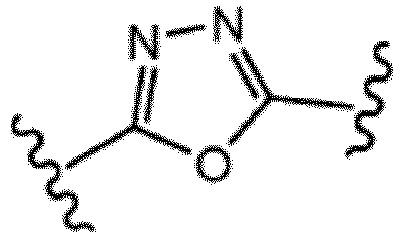
 Z für ein Oxadiazol steht,X für N steht,R1 und R2 unabhängig aus -(C1-C8)-Hydrocarbyl, OH, -O(C1-C8)-Hydrocarbyl, Halogen, Nitro, (C1-C3)-Alkylamino, (C1-C3)-Dialkylamino, (C1-C3)-Acylamino, (C1-C3)-Alkylsulfonyl, (C1-C3)-Alkylthio, (C1-C3)-Halogenalkyl, (C1-C3)-Halogenalkoxy, (C1-C3)-Halogenalkylthio, -COOH, -C(=O)O-(C1-C3)-Alkyl, -B(OR3)2 und -BF3K ausgewählt sind undR3 aus H oder (C1-C8)-Hydrocarbyl ausgewählt ist oder (OR3)2 zusammen mit dem Bor, an das sie gebunden sind, einen gegebenenfalls durch ein bis vier (C1-C8)-Hydrocarbyl-substituierten Dioxaborolan- oder Dioxaborinanring bilden.
 - Verbindung nach Anspruch 1, wobei Z für steht.

- Verbindung nach Anspruch 1, wobei Z für
- Verbindung der Formel
 X aus N und CH ausgewählt ist,R1 aus n-Butyl, s-Butyl, t-Butyl, Cyclobutyl, Cyclopentyl, Norbornyl, OH, -O-(C1-C8)-Hydrocarbyl, Halogen, Nitro, (C1-C3)-Alkylamino, (C1-C3)-Dialkylamino, (C1-C3)-Acylamino, (C1-C3)-Alkylsulfonyl, (C1-C3)-Alkylthio, (C1-C3)-Halogenalkyl, (C1-C3)-Halogenalkoxy, (C1-C3)-Halogenalkylthio, -COOH, -C(=O)O-(C1-C3)-Alkyl, -B(OR3)2 und -BF3K ausgewählt ist,R2 aus -(C1-C8)-Hydrocarbyl, OH, -O-(C1-C8)-Hydrocarbyl, Halogen, Nitro, (C1-C3)-Alkylamino, (C1-C3)-Dialkylamino, (C1-C3)-Acylamino, (C1-C3)-Alkylsulfonyl, (C1-C3)-Alkylthio, (C1-C3)-Halogenalkyl, (C1-C3)-Halogenalkoxy, (C1-C3)-Halogenalkylthio, -COOH, -C(=O)O-(C1-C3)-Alkyl, -B(OR3)2 und -BF3K ausgewählt ist, undR3 aus H oder (C1-C8)-Hydrocarbyl ausgewählt ist oder (OR3)2 zusammen mit dem Bor, an das sie gebunden sind, einen gegebenenfalls durch ein bis vier (C1-C8)-Hydrocarbyl-substituierten Dioxaborolan- oder Dioxaborinanring bilden.
 - Verbindung nach Anspruch 1 oder 4, wobei R1 aus Halogen, -COOH, -C(=O)O-(C1-C3)-Alkyl, -B(OR3)2 und -BF3K ausgewählt ist.
- Verbindung nach Anspruch 1 oder 4, wobei R2 aus Halogen, (C1-C3)-Halogenalkyl, -O-(C1-C3)-Alkyl, -B(OR3)2 und BF3K ausgewählt ist.
- Verbindung nach Anspruch 1 oder 4, wobei R1 aus Brom, COOEt und -BF3K ausgewählt ist.
- Verbindung nach Anspruch 1 oder 4, wobei R2 aus Brom, CF3 und -OCH3 ausgewählt ist.
- Pharmazeutische Zusammensetzung, umfassend einen pharmazeutisch unbedenklichen Träger und eine Verbindung nach einem der Ansprüche 1-8.
- In-vitro-Verfahren zum Inhibieren der Wechselwirkung von Homeodomain Interacting Protein Kinase 2 (HIPK2) mit Smad3, wobei das Verfahren das Inkontaktbringen von HIPK2 mit einer Verbindung nach einem der Ansprüche 1-8 umfasst.
- In-vitro-Verfahren zum Inhibieren der Smad3-Aktivierung, wobei das Verfahren das Inkontaktbringen von Smad3 mit einer Verbindung nach einem der Ansprüche 1-8 umfasst.
- Verbindung nach einem der Ansprüche 1-8 zur Verwendung bei der Behandlung einer fibrotischen Krankheit.
- Verbindung nach Anspruch 12, wobei es sich bei der Krankheit um Nierenfibrose handelt.
Applications Claiming Priority (3)
| Application Number | Priority Date | Filing Date | Title |
|---|---|---|---|
| US201762443370P | 2017-01-06 | 2017-01-06 | |
| US201762445461P | 2017-01-12 | 2017-01-12 | |
| PCT/US2018/012512 WO2018129274A1 (en) | 2017-01-06 | 2018-01-05 | Oxadiazole inhibitors of hipk2 for treating kidney fibrosis |
Publications (3)
| Publication Number | Publication Date |
|---|---|
| EP3565807A1 EP3565807A1 (de) | 2019-11-13 |
| EP3565807A4 EP3565807A4 (de) | 2020-08-26 |
| EP3565807B1 true EP3565807B1 (de) | 2021-09-22 |
Family
ID=62791214
Family Applications (1)
| Application Number | Title | Priority Date | Filing Date |
|---|---|---|---|
| EP18736110.0A Active EP3565807B1 (de) | 2017-01-06 | 2018-01-05 | Oxadiazolhemmer von hipk2 zur behandlung von nierenfibrose |
Country Status (4)
| Country | Link |
|---|---|
| US (1) | US10669266B2 (de) |
| EP (1) | EP3565807B1 (de) |
| ES (1) | ES2907624T3 (de) |
| WO (1) | WO2018129274A1 (de) |
Families Citing this family (3)
| Publication number | Priority date | Publication date | Assignee | Title |
|---|---|---|---|---|
| WO2021252650A1 (en) * | 2020-06-10 | 2021-12-16 | Icahn School Of Medicine At Mount Sinai | Hck inhibitors for the treatment of fibrosis and cancer |
| KR20230154194A (ko) * | 2021-02-10 | 2023-11-07 | 이칸 스쿨 오브 메디슨 엣 마운트 시나이 | 신장 섬유증의 치료를 위한 HIPK2의 옥사디아졸릴 디하이드로피라노[2,3-b]피리딘 억제제 |
| CA3264196A1 (en) * | 2022-08-05 | 2024-02-08 | The United States Government As Represented By The Department Of Veterans Affairs | HETEROCYCLIC COMPOUND CONTAINING OXYGEN AND ITS USE |
Family Cites Families (5)
| Publication number | Priority date | Publication date | Assignee | Title |
|---|---|---|---|---|
| WO2004064770A2 (en) | 2003-01-17 | 2004-08-05 | Government Of The United States Of America As Represented By The Secretary, Department Of Health Andhuman Services | Use of smad3 inhibitor in the treatment of fibrosis dependent on epithelial to mesenchymal transition as in the eye and kidney |
| JP2007045806A (ja) | 2005-07-15 | 2007-02-22 | Fujifilm Corp | 液晶化合物、液晶組成物、薄膜および液晶表示装置 |
| EP2539356A4 (de) | 2010-02-26 | 2014-03-05 | Isis Pharmaceuticals Inc | Modulation der smad3-expression |
| US9572787B2 (en) | 2011-05-19 | 2017-02-21 | Rhode Island Hospital | Inhibition of renal fibrosis |
| US10144929B2 (en) | 2016-02-16 | 2018-12-04 | Mayo Foundation For Medical Education And Research | Polypeptide inhibitors of Smad3 polypeptide activities |
-
2018
- 2018-01-05 EP EP18736110.0A patent/EP3565807B1/de active Active
- 2018-01-05 WO PCT/US2018/012512 patent/WO2018129274A1/en not_active Ceased
- 2018-01-05 ES ES18736110T patent/ES2907624T3/es active Active
- 2018-01-05 US US16/473,878 patent/US10669266B2/en active Active
Also Published As
| Publication number | Publication date |
|---|---|
| WO2018129274A1 (en) | 2018-07-12 |
| US10669266B2 (en) | 2020-06-02 |
| EP3565807A1 (de) | 2019-11-13 |
| US20190352292A1 (en) | 2019-11-21 |
| ES2907624T3 (es) | 2022-04-25 |
| EP3565807A4 (de) | 2020-08-26 |
Similar Documents
| Publication | Publication Date | Title |
|---|---|---|
| JP6952097B2 (ja) | ラミノパシー、老化及び癌を治療又は予防するためのnat10モジュレーター | |
| EP3983384B1 (de) | N-(phenyl)-indol-3-sulfonamid-derivate und ähnliche verbindungen als gpr17 modulatoren zur behandlung von störungen des zns wie multiple sklerose | |
| JP6680679B2 (ja) | 1,2ナフトキノン誘導体及びその製造方法 | |
| KR20230035692A (ko) | 티에노피리미딘디온 acc 억제제의 고체 형태 및 그의 제조 방법 | |
| TW201720802A (zh) | B型肝炎核心蛋白質調節劑 | |
| JP2009526034A (ja) | デュシェンヌ型筋ジストロフィーの治療 | |
| JP2009526035A (ja) | デュシェンヌ型筋ジストロフィーの治療 | |
| KR20120046099A (ko) | 섬유화를 억제하고 섬유화 질병을 치료하는 방법 | |
| EP3148543A2 (de) | Modulatoren der transkription kleiner moleküle von bromodomänen | |
| CA2906194A1 (en) | Benzimidazole derivatives and uses thereof | |
| JP2021533186A (ja) | ブロモドメインタンパク質阻害薬としてのイミノスルホン化合物、医薬組成物及びその医薬用途 | |
| KR102342250B1 (ko) | 1,2 나프토퀴논 유도체 및 이의 제조방법 | |
| TW201722919A (zh) | 過氧化物酶體增生劑活化之受體(ppar)促效劑其化合物其醫藥組合物及其使用方法 | |
| CN107709291B (zh) | 抑制剂及其应用 | |
| US10669266B2 (en) | Oxadiazole inhibitors of HIPK2 for treating kidney fibrosis | |
| CN113825752A (zh) | 蛋白水解靶向嵌合体 | |
| US6255298B1 (en) | Macrophage scavenger receptor antagonists for use in the treatment of cardiovascular diseases | |
| CN107141287B (zh) | 2-亚胺-5-酮基-2,5-二氢-1-h-二吡啶并嘧啶类化合物 | |
| WO2018101329A1 (ja) | 新規エステル体化合物並びにそれを用いたPin1阻害剤、炎症性疾患治療剤及び大腸癌治療剤 | |
| EP4291183B1 (de) | Oxadiazolyldihydropyrano[2,3-b pyridine als inhibitoren von hipk2 zur behandlung von nierenfibrose | |
| US20240368106A1 (en) | Hydroxy and alkoxy coumarins as modulators of polrmt | |
| US20250353816A1 (en) | Quinolines as modulators of polrmt | |
| WO2025171395A1 (en) | Compounds, compositions, and methods for treating diseases and disorders related to splicing factor mutations | |
| JP2026515688A (ja) | Aak1阻害剤としての窒素複素環系化合物 | |
| JP6320752B2 (ja) | 新規ユビキチンリガーゼ及びその利用方法 |
Legal Events
| Date | Code | Title | Description |
|---|---|---|---|
| STAA | Information on the status of an ep patent application or granted ep patent |
Free format text: STATUS: THE INTERNATIONAL PUBLICATION HAS BEEN MADE |
|
| PUAI | Public reference made under article 153(3) epc to a published international application that has entered the european phase |
Free format text: ORIGINAL CODE: 0009012 |
|
| STAA | Information on the status of an ep patent application or granted ep patent |
Free format text: STATUS: REQUEST FOR EXAMINATION WAS MADE |
|
| 17P | Request for examination filed |
Effective date: 20190729 |
|
| AK | Designated contracting states |
Kind code of ref document: A1 Designated state(s): AL AT BE BG CH CY CZ DE DK EE ES FI FR GB GR HR HU IE IS IT LI LT LU LV MC MK MT NL NO PL PT RO RS SE SI SK SM TR |
|
| AX | Request for extension of the european patent |
Extension state: BA ME |
|
| RIN1 | Information on inventor provided before grant (corrected) |
Inventor name: XIAO, WENZHEN Inventor name: LEE, KYUNG Inventor name: LIU, RUIJIE Inventor name: LI, ZHENGZHE Inventor name: DAS, BHASKAR Inventor name: HE, JOHN CIJIANG |
|
| DAV | Request for validation of the european patent (deleted) | ||
| DAX | Request for extension of the european patent (deleted) | ||
| A4 | Supplementary search report drawn up and despatched |
Effective date: 20200727 |
|
| RIC1 | Information provided on ipc code assigned before grant |
Ipc: C07D 271/07 20060101ALI20200721BHEP Ipc: C07D 271/04 20060101AFI20200721BHEP Ipc: C07D 271/06 20060101ALI20200721BHEP Ipc: C07D 271/08 20060101ALI20200721BHEP Ipc: C07D 271/10 20060101ALI20200721BHEP Ipc: A61P 13/12 20060101ALI20200721BHEP Ipc: C07D 271/107 20060101ALI20200721BHEP |
|
| GRAP | Despatch of communication of intention to grant a patent |
Free format text: ORIGINAL CODE: EPIDOSNIGR1 |
|
| STAA | Information on the status of an ep patent application or granted ep patent |
Free format text: STATUS: GRANT OF PATENT IS INTENDED |
|
| INTG | Intention to grant announced |
Effective date: 20210503 |
|
| GRAS | Grant fee paid |
Free format text: ORIGINAL CODE: EPIDOSNIGR3 |
|
| GRAA | (expected) grant |
Free format text: ORIGINAL CODE: 0009210 |
|
| STAA | Information on the status of an ep patent application or granted ep patent |
Free format text: STATUS: THE PATENT HAS BEEN GRANTED |
|
| AK | Designated contracting states |
Kind code of ref document: B1 Designated state(s): AL AT BE BG CH CY CZ DE DK EE ES FI FR GB GR HR HU IE IS IT LI LT LU LV MC MK MT NL NO PL PT RO RS SE SI SK SM TR |
|
| REG | Reference to a national code |
Ref country code: GB Ref legal event code: FG4D |
|
| REG | Reference to a national code |
Ref country code: DE Ref legal event code: R096 Ref document number: 602018023924 Country of ref document: DE |
|
| REG | Reference to a national code |
Ref country code: IE Ref legal event code: FG4D |
|
| REG | Reference to a national code |
Ref country code: CH Ref legal event code: EP Ref country code: AT Ref legal event code: REF Ref document number: 1432249 Country of ref document: AT Kind code of ref document: T Effective date: 20211015 |
|
| REG | Reference to a national code |
Ref country code: LT Ref legal event code: MG9D |
|
| REG | Reference to a national code |
Ref country code: NL Ref legal event code: MP Effective date: 20210922 |
|
| PG25 | Lapsed in a contracting state [announced via postgrant information from national office to epo] |
Ref country code: NO Free format text: LAPSE BECAUSE OF FAILURE TO SUBMIT A TRANSLATION OF THE DESCRIPTION OR TO PAY THE FEE WITHIN THE PRESCRIBED TIME-LIMIT Effective date: 20211222 Ref country code: BG Free format text: LAPSE BECAUSE OF FAILURE TO SUBMIT A TRANSLATION OF THE DESCRIPTION OR TO PAY THE FEE WITHIN THE PRESCRIBED TIME-LIMIT Effective date: 20211222 Ref country code: LT Free format text: LAPSE BECAUSE OF FAILURE TO SUBMIT A TRANSLATION OF THE DESCRIPTION OR TO PAY THE FEE WITHIN THE PRESCRIBED TIME-LIMIT Effective date: 20210922 Ref country code: RS Free format text: LAPSE BECAUSE OF FAILURE TO SUBMIT A TRANSLATION OF THE DESCRIPTION OR TO PAY THE FEE WITHIN THE PRESCRIBED TIME-LIMIT Effective date: 20210922 Ref country code: SE Free format text: LAPSE BECAUSE OF FAILURE TO SUBMIT A TRANSLATION OF THE DESCRIPTION OR TO PAY THE FEE WITHIN THE PRESCRIBED TIME-LIMIT Effective date: 20210922 Ref country code: HR Free format text: LAPSE BECAUSE OF FAILURE TO SUBMIT A TRANSLATION OF THE DESCRIPTION OR TO PAY THE FEE WITHIN THE PRESCRIBED TIME-LIMIT Effective date: 20210922 Ref country code: FI Free format text: LAPSE BECAUSE OF FAILURE TO SUBMIT A TRANSLATION OF THE DESCRIPTION OR TO PAY THE FEE WITHIN THE PRESCRIBED TIME-LIMIT Effective date: 20210922 |
|
| REG | Reference to a national code |
Ref country code: AT Ref legal event code: MK05 Ref document number: 1432249 Country of ref document: AT Kind code of ref document: T Effective date: 20210922 |
|
| PG25 | Lapsed in a contracting state [announced via postgrant information from national office to epo] |
Ref country code: LV Free format text: LAPSE BECAUSE OF FAILURE TO SUBMIT A TRANSLATION OF THE DESCRIPTION OR TO PAY THE FEE WITHIN THE PRESCRIBED TIME-LIMIT Effective date: 20210922 Ref country code: GR Free format text: LAPSE BECAUSE OF FAILURE TO SUBMIT A TRANSLATION OF THE DESCRIPTION OR TO PAY THE FEE WITHIN THE PRESCRIBED TIME-LIMIT Effective date: 20211223 |
|
| REG | Reference to a national code |
Ref country code: ES Ref legal event code: FG2A Ref document number: 2907624 Country of ref document: ES Kind code of ref document: T3 Effective date: 20220425 |
|
| PG25 | Lapsed in a contracting state [announced via postgrant information from national office to epo] |
Ref country code: AT Free format text: LAPSE BECAUSE OF FAILURE TO SUBMIT A TRANSLATION OF THE DESCRIPTION OR TO PAY THE FEE WITHIN THE PRESCRIBED TIME-LIMIT Effective date: 20210922 |
|
| PG25 | Lapsed in a contracting state [announced via postgrant information from national office to epo] |
Ref country code: IS Free format text: LAPSE BECAUSE OF FAILURE TO SUBMIT A TRANSLATION OF THE DESCRIPTION OR TO PAY THE FEE WITHIN THE PRESCRIBED TIME-LIMIT Effective date: 20220122 Ref country code: SK Free format text: LAPSE BECAUSE OF FAILURE TO SUBMIT A TRANSLATION OF THE DESCRIPTION OR TO PAY THE FEE WITHIN THE PRESCRIBED TIME-LIMIT Effective date: 20210922 Ref country code: RO Free format text: LAPSE BECAUSE OF FAILURE TO SUBMIT A TRANSLATION OF THE DESCRIPTION OR TO PAY THE FEE WITHIN THE PRESCRIBED TIME-LIMIT Effective date: 20210922 Ref country code: PT Free format text: LAPSE BECAUSE OF FAILURE TO SUBMIT A TRANSLATION OF THE DESCRIPTION OR TO PAY THE FEE WITHIN THE PRESCRIBED TIME-LIMIT Effective date: 20220124 Ref country code: PL Free format text: LAPSE BECAUSE OF FAILURE TO SUBMIT A TRANSLATION OF THE DESCRIPTION OR TO PAY THE FEE WITHIN THE PRESCRIBED TIME-LIMIT Effective date: 20210922 Ref country code: NL Free format text: LAPSE BECAUSE OF FAILURE TO SUBMIT A TRANSLATION OF THE DESCRIPTION OR TO PAY THE FEE WITHIN THE PRESCRIBED TIME-LIMIT Effective date: 20210922 Ref country code: EE Free format text: LAPSE BECAUSE OF FAILURE TO SUBMIT A TRANSLATION OF THE DESCRIPTION OR TO PAY THE FEE WITHIN THE PRESCRIBED TIME-LIMIT Effective date: 20210922 Ref country code: CZ Free format text: LAPSE BECAUSE OF FAILURE TO SUBMIT A TRANSLATION OF THE DESCRIPTION OR TO PAY THE FEE WITHIN THE PRESCRIBED TIME-LIMIT Effective date: 20210922 Ref country code: AL Free format text: LAPSE BECAUSE OF FAILURE TO SUBMIT A TRANSLATION OF THE DESCRIPTION OR TO PAY THE FEE WITHIN THE PRESCRIBED TIME-LIMIT Effective date: 20210922 |
|
| REG | Reference to a national code |
Ref country code: DE Ref legal event code: R097 Ref document number: 602018023924 Country of ref document: DE |
|
| PG25 | Lapsed in a contracting state [announced via postgrant information from national office to epo] |
Ref country code: DK Free format text: LAPSE BECAUSE OF FAILURE TO SUBMIT A TRANSLATION OF THE DESCRIPTION OR TO PAY THE FEE WITHIN THE PRESCRIBED TIME-LIMIT Effective date: 20210922 |
|
| PLBE | No opposition filed within time limit |
Free format text: ORIGINAL CODE: 0009261 |
|
| STAA | Information on the status of an ep patent application or granted ep patent |
Free format text: STATUS: NO OPPOSITION FILED WITHIN TIME LIMIT |
|
| 26N | No opposition filed |
Effective date: 20220623 |
|
| PG25 | Lapsed in a contracting state [announced via postgrant information from national office to epo] |
Ref country code: MC Free format text: LAPSE BECAUSE OF FAILURE TO SUBMIT A TRANSLATION OF THE DESCRIPTION OR TO PAY THE FEE WITHIN THE PRESCRIBED TIME-LIMIT Effective date: 20210922 |
|
| REG | Reference to a national code |
Ref country code: BE Ref legal event code: MM Effective date: 20220131 |
|
| PG25 | Lapsed in a contracting state [announced via postgrant information from national office to epo] |
Ref country code: LU Free format text: LAPSE BECAUSE OF NON-PAYMENT OF DUE FEES Effective date: 20220105 |
|
| PG25 | Lapsed in a contracting state [announced via postgrant information from national office to epo] |
Ref country code: SI Free format text: LAPSE BECAUSE OF FAILURE TO SUBMIT A TRANSLATION OF THE DESCRIPTION OR TO PAY THE FEE WITHIN THE PRESCRIBED TIME-LIMIT Effective date: 20210922 Ref country code: BE Free format text: LAPSE BECAUSE OF NON-PAYMENT OF DUE FEES Effective date: 20220131 |
|
| P01 | Opt-out of the competence of the unified patent court (upc) registered |
Effective date: 20240229 |
|
| PG25 | Lapsed in a contracting state [announced via postgrant information from national office to epo] |
Ref country code: SM Free format text: LAPSE BECAUSE OF FAILURE TO SUBMIT A TRANSLATION OF THE DESCRIPTION OR TO PAY THE FEE WITHIN THE PRESCRIBED TIME-LIMIT Effective date: 20210922 Ref country code: MK Free format text: LAPSE BECAUSE OF FAILURE TO SUBMIT A TRANSLATION OF THE DESCRIPTION OR TO PAY THE FEE WITHIN THE PRESCRIBED TIME-LIMIT Effective date: 20210922 Ref country code: CY Free format text: LAPSE BECAUSE OF FAILURE TO SUBMIT A TRANSLATION OF THE DESCRIPTION OR TO PAY THE FEE WITHIN THE PRESCRIBED TIME-LIMIT Effective date: 20210922 |
|
| PG25 | Lapsed in a contracting state [announced via postgrant information from national office to epo] |
Ref country code: HU Free format text: LAPSE BECAUSE OF FAILURE TO SUBMIT A TRANSLATION OF THE DESCRIPTION OR TO PAY THE FEE WITHIN THE PRESCRIBED TIME-LIMIT; INVALID AB INITIO Effective date: 20180105 |
|
| PG25 | Lapsed in a contracting state [announced via postgrant information from national office to epo] |
Ref country code: MT Free format text: LAPSE BECAUSE OF FAILURE TO SUBMIT A TRANSLATION OF THE DESCRIPTION OR TO PAY THE FEE WITHIN THE PRESCRIBED TIME-LIMIT Effective date: 20210922 |
|
| PG25 | Lapsed in a contracting state [announced via postgrant information from national office to epo] |
Ref country code: TR Free format text: LAPSE BECAUSE OF FAILURE TO SUBMIT A TRANSLATION OF THE DESCRIPTION OR TO PAY THE FEE WITHIN THE PRESCRIBED TIME-LIMIT Effective date: 20210922 |
|
| REG | Reference to a national code |
Ref country code: CH Ref legal event code: U11 Free format text: ST27 STATUS EVENT CODE: U-0-0-U10-U11 (AS PROVIDED BY THE NATIONAL OFFICE) Effective date: 20260201 |
|
| PGFP | Annual fee paid to national office [announced via postgrant information from national office to epo] |
Ref country code: GB Payment date: 20260127 Year of fee payment: 9 |
|
| PGFP | Annual fee paid to national office [announced via postgrant information from national office to epo] |
Ref country code: ES Payment date: 20260202 Year of fee payment: 9 |
|
| PGFP | Annual fee paid to national office [announced via postgrant information from national office to epo] |
Ref country code: DE Payment date: 20260128 Year of fee payment: 9 Ref country code: IE Payment date: 20260127 Year of fee payment: 9 |
|
| PGFP | Annual fee paid to national office [announced via postgrant information from national office to epo] |
Ref country code: IT Payment date: 20260121 Year of fee payment: 9 |
|
| PGFP | Annual fee paid to national office [announced via postgrant information from national office to epo] |
Ref country code: FR Payment date: 20260126 Year of fee payment: 9 |
|
| PGFP | Annual fee paid to national office [announced via postgrant information from national office to epo] |
Ref country code: CH Payment date: 20260201 Year of fee payment: 9 |