EP3555127B1 - Agents, uses and methods - Google Patents
Agents, uses and methods Download PDFInfo
- Publication number
- EP3555127B1 EP3555127B1 EP17835611.9A EP17835611A EP3555127B1 EP 3555127 B1 EP3555127 B1 EP 3555127B1 EP 17835611 A EP17835611 A EP 17835611A EP 3555127 B1 EP3555127 B1 EP 3555127B1
- Authority
- EP
- European Patent Office
- Prior art keywords
- amino acid
- seq
- variable region
- chain variable
- synuclein
- Prior art date
- Legal status (The legal status is an assumption and is not a legal conclusion. Google has not performed a legal analysis and makes no representation as to the accuracy of the status listed.)
- Active
Links
Images










Classifications
-
- C—CHEMISTRY; METALLURGY
- C07—ORGANIC CHEMISTRY
- C07K—PEPTIDES
- C07K16/00—Immunoglobulins [IGs], e.g. monoclonal or polyclonal antibodies
- C07K16/18—Immunoglobulins [IGs], e.g. monoclonal or polyclonal antibodies against material from animals or humans
-
- A—HUMAN NECESSITIES
- A61—MEDICAL OR VETERINARY SCIENCE; HYGIENE
- A61P—SPECIFIC THERAPEUTIC ACTIVITY OF CHEMICAL COMPOUNDS OR MEDICINAL PREPARATIONS
- A61P25/00—Drugs for disorders of the nervous system
- A61P25/14—Drugs for disorders of the nervous system for treating abnormal movements, e.g. chorea, dyskinesia
- A61P25/16—Anti-Parkinson drugs
-
- A—HUMAN NECESSITIES
- A61—MEDICAL OR VETERINARY SCIENCE; HYGIENE
- A61K—PREPARATIONS FOR MEDICAL, DENTAL OR TOILETRY PURPOSES
- A61K39/00—Medicinal preparations containing antigens or antibodies
- A61K2039/505—Medicinal preparations containing antigens or antibodies comprising antibodies
-
- C—CHEMISTRY; METALLURGY
- C07—ORGANIC CHEMISTRY
- C07K—PEPTIDES
- C07K2317/00—Immunoglobulins specific features
- C07K2317/20—Immunoglobulins specific features characterized by taxonomic origin
- C07K2317/24—Immunoglobulins specific features characterized by taxonomic origin containing regions, domains or residues from different species, e.g. chimeric, humanized or veneered
-
- C—CHEMISTRY; METALLURGY
- C07—ORGANIC CHEMISTRY
- C07K—PEPTIDES
- C07K2317/00—Immunoglobulins specific features
- C07K2317/30—Immunoglobulins specific features characterized by aspects of specificity or valency
- C07K2317/34—Identification of a linear epitope shorter than 20 amino acid residues or of a conformational epitope defined by amino acid residues
-
- C—CHEMISTRY; METALLURGY
- C07—ORGANIC CHEMISTRY
- C07K—PEPTIDES
- C07K2317/00—Immunoglobulins specific features
- C07K2317/50—Immunoglobulins specific features characterized by immunoglobulin fragments
- C07K2317/56—Immunoglobulins specific features characterized by immunoglobulin fragments variable (Fv) region, i.e. VH and/or VL
-
- C—CHEMISTRY; METALLURGY
- C07—ORGANIC CHEMISTRY
- C07K—PEPTIDES
- C07K2317/00—Immunoglobulins specific features
- C07K2317/50—Immunoglobulins specific features characterized by immunoglobulin fragments
- C07K2317/56—Immunoglobulins specific features characterized by immunoglobulin fragments variable (Fv) region, i.e. VH and/or VL
- C07K2317/565—Complementarity determining region [CDR]
-
- C—CHEMISTRY; METALLURGY
- C07—ORGANIC CHEMISTRY
- C07K—PEPTIDES
- C07K2317/00—Immunoglobulins specific features
- C07K2317/50—Immunoglobulins specific features characterized by immunoglobulin fragments
- C07K2317/56—Immunoglobulins specific features characterized by immunoglobulin fragments variable (Fv) region, i.e. VH and/or VL
- C07K2317/567—Framework region [FR]
-
- C—CHEMISTRY; METALLURGY
- C07—ORGANIC CHEMISTRY
- C07K—PEPTIDES
- C07K2317/00—Immunoglobulins specific features
- C07K2317/70—Immunoglobulins specific features characterized by effect upon binding to a cell or to an antigen
- C07K2317/76—Antagonist effect on antigen, e.g. neutralization or inhibition of binding
-
- C—CHEMISTRY; METALLURGY
- C07—ORGANIC CHEMISTRY
- C07K—PEPTIDES
- C07K2317/00—Immunoglobulins specific features
- C07K2317/90—Immunoglobulins specific features characterized by (pharmaco)kinetic aspects or by stability of the immunoglobulin
- C07K2317/92—Affinity (KD), association rate (Ka), dissociation rate (Kd) or EC50 value
Definitions
- the present invention relates to a novel class of monoclonal antibody that specifically binds to alpha-synuclein, as well as to methods of using these molecules and their alpha-synuclein binding fragments in the treatment and diagnosis of synucleinopathies.
- Synucleinopathies also known as Lewy body diseases (LBDs) are characterized by deposition of intracellular protein aggregates microscopically visible as Lewy bodies (LBs) and/or Lewy neurites, where the protein alpha-synuclein is the major component ( Jellinger, Mov Disord. 2012 Jan;27(1):8-30 ; McKeith et al., Neurology (1996) 47:1113-24 ).
- Synucleinopathies include Parkinson's disease (including idiopathic and inherited forms of Parkinson's disease) and Diffuse Lewy Body (DLB) disease (also known as Dementia with Lewy Bodies (DLB), Lewy body variant of Alzheimer's disease (LBV), Combined Alzheimer's and Parkinson disease (PD), pure autonomic failure and multiple system atrophy (MSA; e.g., Olivopontocerebellar Atrophy, Striatonigral Degeneration and Shy-Drager Syndrome)).
- DLB Diffuse Lewy Body
- LBV Lewy body variant of Alzheimer's disease
- PD Combined Alzheimer's and Parkinson disease
- MSA pure autonomic failure and multiple system atrophy
- Synucleinopathies frequently have degeneration of the dopaminergic nigrostriatal system, responsible for the core motor deficits in Parkinsonism (rigidity, bradykinesia, resting tremor), but there is also widespread occurrence of Lewy bodies and dystrophic Lewy neurites in the central, peripheral and autonomic nervous system and brain regions and other organs associated with non-motor dysfunctions, such as dementia and autonomic nervous system deficits.
- Several of the non-motor signs and symptoms are thought to precede motor symptoms in Parkinson's disease and other synucleinopathies. Such early signs include, for example, REM sleep behaviour disorder (RBD) and loss of smell and constipation ( Mahowald et al., Neurology (2010) 75:488-489 ).
- Synucleinopathies continue to be a common cause for movement disorders and cognitive deterioration in the aging population ( Galasko et al., Arch. Neurol. (1994) 51:888-95 ).
- STN subthalamic nucleus
- STN neurons have altered oscillatory firing patterns in the theta (4-8 Hz), alpha (8-12 Hz) and beta (12-30 Hz) ranges ( Levy et al., Brain. 2002; 125:1196-1209 ), and exaggerated synchronization to neighboring STN units and to STN local field potentials (LFPs) in the beta range ( Moran et al., Brain.
- Alpha-synuclein is a member of a family of proteins including beta- and gamma-synuclein and synoretin. Alpha-synuclein is expressed in the normal state associated with synapses and is believed to play a role in regulating synaptic vesicle release and thereby affecting neural communication, plasticity, learning and memory.
- alpha-synuclein with a central role in PD pathogenesis.
- the protein can aggregate to form intracellular insoluble fibrils in pathological conditions.
- synuclein accumulates in LBs ( Spillantini et al., Nature (1997) 388:839-40 ; Takeda et al., J. Pathol. (1998) 152:367-72 ; Wakabayashi et al., Neurosci. Lett. (1997) 239:45-8 ).
- Mutations in the alpha-synuclein gene as well as duplications and triplications of the gene co-segregate with rare familial forms of parkinsonism ( Kruger et al., Nature Gen. (1998) 18:106-8 ; Polymeropoulos, et al., Science (1997) 276:2045-7 ).
- alpha-synuclein can be secreted into the extracellular fluid and be present in plasma and cerebrospinal fluid (CSF).
- CSF cerebrospinal fluid
- Naturally occurring alpha-synuclein auto-antibodies have been shown to be present in both PD patients and healthy controls. Sometimes no significant differences between these groups ( Smith et al. 2012, PLoS One. 2012;7(12):e52285 ; Maetzler et al. 2014, PLoS One. 2014 Feb 21;9(2):e88604 , Papachroni et al. 2007 J Neurochem. 2007 May;101(3):749-56 and Woulfe et al. 2002, Neurology. 2002 May 14;58(9):1435-6 ), sometimes increased levels of auto-antibodies to alpha-synuclein in PD ( Gruden et al. 2011, J Neuroimmunol.
- mice Over expression of alpha-synuclein in transgenic mice mimics some pathological aspects of Lewy body disease.
- Several different transgenic lines of mice over-expressing alpha-synuclein have been generated in the last ten years (described in reviews: Koehler et al 2014, PLoS One. 2013 May 31;8(5):e64649 ; Fleming and Chesselet, 2006,Behav Pharmacol. 2006 Sep;17(5-6):383-91 ; Springer and Kahle 2006, Curr Neurol Neurosci Rep. 2006 Sep;6(5):432-6 ).
- alpha-synuclein gene in addition to mutations, alternative splicing of the alpha-synuclein gene and post-translational modifications of the protein, such as phosphorylation, ubiquitination, nitration, and truncation can create alpha-synuclein protein forms that have enhanced capacity to form aggregated and/or toxic forms of alpha-synuclein ( Beyer and Ariza, Mol Neurobiol. 2013 Apr;47(2):509-24 ). However, the precise pathological species of alpha-synuclein remains unknown.
- a C-terminal antibody 274 which targets an epitope that involves alpha-synuclein residues 120-140 was also shown to have an effect in a preclinical model on spreading of the pathology from cell to cell.
- antibodies targeting conformational species such as oligomers and fibrils of alpha-synuclein have been shown to be able to at least reduce the levels of these presumably toxic alpha-synuclein species ( Lindström et al. 2014, Neurobiol Dis. 2014 Sep;69:134-43 and Spencer et al. 2014, Mol Ther.
- KR20120090612 and E.Bae et al disclose a specific anti-alpha-synuclein IgG2a antibody, the 274 antibody, which is able to reduce cell-to-cell transmission of alpha-synuclein aggregates.
- the present invention relates to a mouse antibody 2E6 (and humanised, chimeric and affinity matured versions) that binds to full length alpha-synuclein.
- the antibody was superior in a functional screen among 50 monoclonal antibodies against alpha-synuclein and was found to be surprisingly efficient in preventing the cellular accumulation of alpha-synuclein fibrils.
- the aggregated forms of alpha-synuclein can form an immune complex with the antibody and the presence of the antibody 2E6 increases the uptake of these immune-complexes via Fc-mediated phag-ocytosis.
- the antibody 2E6 binds to fibrils and blocks or neutralizes the fibrils preventing them from seeding of new alpha-synuclein aggregates in a cell model.
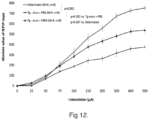
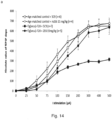
- the antibody after a single peripheral dose, can reverse impairments in neuronal firing in transgenic alpha-synuclein mice, and given chronically for several months, the antibody reduces the effect of alpha-synuclein overexpression on impaired vesicular release. This effect may translate to improved synaptic transmission in human PD patients treated with this antibody.
- the parent mouse antibody has been humanized and affinity matured to generate a therapeutic antibody for the treatment of alpha-synucleinopathies.
- the humanized antibody as well as affinity matured forms retains the same binding and cell based functions as the parent antibody.
- the present invention relates to a mouse antibody denoted m2E6, chimeric ch2E6, as well as to 3 humanized forms (2E6-HLD1, 2E6- HLD2 and 2E6-HLD3) and affinity matured forms of HLD1: 7A10, 5A1, 9D7, 9G11, 7C4, L3, 8D9, 9C12 or 6B6 to create higher affinity antibodies.
- alpha-synuclein is synonym with the alpha-synuclein protein and refers to any of the alpha-synuclein protein isoforms (identified in for example UniProt as P37840, 1-3).
- the amino acid numbering of alpha-synuclein is given with respect to SEQ ID NO: 1 as shown below, with methionine (M) being amino acid residue 1: SEQ ID NO:1:
- the present invention relates to antibodies and to fragments of antibodies that are capable of specifically binding to alpha-synuclein, and in particular to human alpha-synuclein.
- the antibodies and fragment thereof exhibit the ability to specifically bind to the 126-140 epitope of human alpha-synuclein, SEQ ID NO:2.
- antibody in the context of the present invention refers to an immunoglobulin molecule or according to some embodiments of the invention may be a fragment of an immunoglobulin molecule which has the ability to specifically bind to an epitope of a molecule ("antigen").
- Naturally occurring antibodies typically comprise a tetramer which is usually composed of at least two heavy (H) chains and at least two light (L) chains. Each heavy chain is comprised of a heavy chain variable region (abbreviated herein as VH) and a heavy chain constant region, usually comprised of three domains (CH1, CH2 and CH3).
- Heavy chains can be of any isotype, including IgG (lgG1, IgG2, IgG3 and IgG4 subtypes), IgA (lgA1 and IgA2 subtypes), IgM and IgE.
- Each light chain is comprised of a light chain variable region (abbreviated herein as VL) and a light chain constant region (CL).
- Light chains include kappa chains and lambda chains.
- the heavy and light chain variable region is typically responsible for antigen recognition, while the heavy and light chain constant region may mediate the binding of the immunoglobulin to host tissues or factors, including various cells of the immune system (e.g., effector cells) and the first component (C1q) of the classical complement system.
- VH and VL regions can be further subdivided into regions of hypervariability, termed “complementarity determining regions,” that are interspersed with regions of more conserved sequence, termed “framework regions” (FR).
- FR frame regions
- Each VH and VL is composed of three CDR (complimentarity determing region) Domains and four FR Domains arranged from amino-terminus to carboxy-terminus in the following order: FR1-CDR1-FR2-CDR2-FR3-CDR3-FR4.
- the variable regions of the heavy and light chains contain a binding domain that interacts with an antigen.
- antibodies and their antigen-binding fragments that have been "isolated” so as to exist in a physical milieu distinct from that in which it may occur in nature or that have been modified so as to differ from a naturally occurring antibody in amino acid sequence.
- an antigen-binding fragment of an antibody means a fragment of an antibody capable of specifically binding to an epitope.
- An antigen-binding fragment may contain 1, 2, 3, 4, 5 or all 6 of the CDR Domains of such antibody and, although capable of specifically binding to such epitope, may exhibit a specificity, affinity or selectivity toward such epitope that differs from that of such antibody.
- an antigen-binding fragment will contain all 6 of the CDR Domains of such antibody.
- An antigen-binding fragment of an antibody may be a single polypeptide chain (e.g., an scFv), or may comprise two or more polypeptide chains, each having an amino-terminus and a carboxyl terminus (e.g., a diabody, a Fab fragment, a Fab 2 fragment, etc. ) . Fragments of antibodies that exhibit antigen-binding ability can be obtained, for example, by protease cleavage of intact antibodies.
- the two domains of the Fv fragment, VL and VH are encoded by separate genes, such gene sequences or their encoding cDNA can be joined, using recombinant methods, by a flexible linker that enables them to be made as a single protein chain in which the VL and VH regions associate to form monovalent antigen-binding molecules (known as single-chain Fv (scFv); see e.g., Bird et al. , (1988) Science 242:423-426 ; and Huston et al. (1988) Proc. Natl. Acad. Sci. (U.S.A.) 85:5879-5883 ).
- scFv single-chain Fv
- the antigen-binding fragments encompassed within the present invention include (i) a Fab' or Fab fragment, a monovalent fragment consisting of the VL, VH, CL and CH1 domains, or a monovalent antibody as described in WO2007059782 ; (ii) F(ab')2 fragments, bivalent fragments comprising two Fab fragments linked by a disulfide bridge at the hinge region; (iii) an Fd fragment consisting essentially of the VH and CH1 domains; (i
- the two domains of the Fv fragment, VL and VH are coded for by separate genes, they may be joined, using recombinant methods, by a synthetic linker that enables them to be made as a single protein chain in which the VL and VH regions pair to form monovalent molecules (known as single chain antibodies or single chain Fv (scFv), see for instance Bird et al., Science 242, 423-426 (1988 ) and Huston et al., PNAS USA 85, 5879-5883
- antibody-like polypeptides such as chimeric antibodies and humanized antibodies, and antibody fragments retaining the ability to specifically bind to the antigen (antigen-binding fragments) provided by any known technique, such as enzymatic cleavage, peptide synthesis, and recombinant techniques.
- An antibody as generated can possess any isotype.
- isotype refers to the immunoglobulin class (for instance IgG1, IgG2, IgG3 or lgG4) that is encoded by heavy chain constant region genes.
- immunoglobulin class for instance IgG1, IgG2, IgG3 or lgG4
- bispecific antibody refers to an antibody containing two independent binding domains that each target independent targets. These targets can be different proteins or different epitopes on the same target. Bispecific antibody molecules can be made using compensatory amino acid changes in the constant regions of the HCs of the parent monospecific bivalent antibody molecules. The resulting heterodimeric anti-body contains one Fabs contributed from two different parent monospecific antibodies.
- Amino acid changes in the Fc domain leads to increased stability of the heterodimeric antibody with bispecificity that is stable over time ( Ridgway et al., Protein Engineering 9, 617-621 (1996 ), Gunasekaran et al., JBC 285, 19637-19641(2010 ), Moore et al., MAbs 3:6 546-557 (2011 ), Strop et al., JMB 420, 204-219 (2012 ), Metz et al., Protein Engineering 25:10 571-580 (2012 ), Labrijn etal., PNAS 110:113, 5145 -5150 (2013 ), Spreter Von Kreudenstein et al., MAbs 5:5 646-654 (2013 )).
- Bispecific antibodies can also include molecules that are generated using ScFv fusions. Two monospecific scfv are then independently joined to Fc domains able to form stable heterodimers to generate a single bispecific molecule ( Mabry et al., PEDS 23:3 115-127 (2010 ). Bispecific molecules have dual binding capabilities. For example, targeting both a therapeutic target and a transcytosing surface receptor for the purpose of delivering a therapeutic antibody across the blood brain barrier to treat a CNS disease.
- humanized antibody as used herein, is intended to refer to forms of non-human (e.g. murine) antibodies that are specifically chimeric immunoglobulins, immunoglobulin chains, or fragments thereof (such as Fv, Fab, Fab', F(ab')2 or other antigen binding subsequences of antibodies) that contain minimal sequence derived from non-human immuno-globulin.
- humanized antibodies are human immunoglobulins (recipient anti-body) in which residues from a CDR of the recipient are replaced by the residues from a CDR of a non-human species (donor antibody) such as mouse, rabbit, or rat having the desired specificity, affinity and capacity.
- Fv framework (FR) residues of the human immunoiglobulin are replaced by corresponding non-human residues.
- the humanized antibody will comprise residues that are found neither in the recipient nor in the imported CDR or framework sequences, but are in-cluded to further refine and optimize antibody performance.
- the humanized anti-body will comprise substantially all of at least one, and typically two, variable domains, in which substantially all of the FR regions are those of a human consensus sequence.
- the humanized antibody optimally also will comprise at least a portion of an immunoglobulin con-stant regionor domain (Fc), typically that of a human immunoglobulin.
- Antibodies may have modified Fc regions known to those skilled in the art.
- humanized antibodies have one or more CDRs (one, two, three four, five, six) which are altered with respect to the original antibodiy, which are also termed one or more CDRs "derived from" one or more CDRs from the original antibody.
- human antibody is intended to include antibodies having variable and constant regions derived from human germline immunoglobulin sequences.
- the human antibodies of the invention may include amino acid residues not encoded by human germline immunoglobulin sequences (e.g., mutations introduced by random or site- specific mutagenesis in vitro or during gene rearrangement or by somatic mutation in vivo).
- monoclonal antibody or “monoclonal antibody composition” as used herein refer to a preparation of antibody molecules of single molecular composition.
- a conventional monoclonal antibody composition displays a single binding specificity and affinity for a particular epitope.
- a monoclonal antibody can be composed of more than one Fab domain thereby increasing the specificity to more than one target.
- the antibody “mouse 2E6 or “m2E6” is intended to mean an antibody consisting of the Light Chain SEQ ID NO 19 and Heavy Chain SEQ ID NO 20.
- the antibody ""chimeric 2E6 or “ch2E6” is intended to mean an antibody consisting of the Light Chain SEQ ID NO 21 and Heavy Chain SEQ ID NO 22.
- the antibody "'2E6-HLD-1” or “h2E6-HLD-1” or “H2E6-HLD-1” or “2E6-HLD1” is intended to mean an antibody consisting of the Light Chain SEQ ID NO 23 and Heavy Chain SEQ ID NO 24.
- the antibody "'2E6-HLD-2” or “h2E6-HLD-2” or H2E6-HLD-2” or “2E6-HLD2” is intended to mean an antibody consisting of the Light Chain SEQ ID NO 25 and Heavy Chain SEQ ID NO 26.
- the antibody "'2E6-HLD-3" or “h2E6-HLD-3” or H2E6-HLD-3” or “2E6-HLD3” is intended to mean an antibody consisting of the Light Chain SEQ ID NO 27 and Heavy Chain SEQ ID NO 28.
- the antibody "'6B6” is intended to mean an antibody consisting of the Light Chain SEQ ID NO 45 and Heavy Chain SEQ ID NO 46.
- the antibody "5A1” is intended to mean an antibody consisting of the Light Chain SEQ ID NO 29 and Heavy Chain SEQ ID NO 30.
- the antibody "9D7” is intended to mean an antibody consisting of the Light Chain SEQ ID NO 31 and Heavy Chain SEQ ID NO 32.
- the antibody "9G11” is intended to mean an antibody consisting of the Light Chain SEQ ID NO 33 and Heavy Chain SEQ ID NO 34.
- the antibody “L3” or “L3-11” (used interchangeably herein) is intended to mean an antibody consisting of the Light Chain SEQ ID NO 37 and Heavy Chain SEQ ID NO 38.
- the antibody “7A10” is intended to mean an antibody consisting of the Light Chain SEQ ID NO 39 and Heavy Chain SEQ ID NO 40.
- the antibody “8D9” is intended to mean an antibody consisting of the Light Chain SEQ ID NO 41 and Heavy Chain SEQ ID NO 42.
- the antibody “9C12” is intended to mean an antibody consisting of the Light Chain SEQ ID NO 43 and Heavy Chain SEQ ID NO 44.
- the antibody "6B6” is intended to mean an antibody consisting of the Light Chain SEQ ID NO 45 and Heavy Chain SEQ ID NO 46.
- the antibody "7C4" is intended to mean an antibody consisting of the Light Chain SEQ ID NO 35 and Heavy Chain SEQ ID NO 36.
- EU numbering system also called the EU index, as described in Kabat et al., Sequences of Proteins of Immunological Interest, 5th Ed. Public Health Service, National Institutes of Health, Bethesda, MD, 1991 .
- an antibody or an antigen-binding fragment thereof is said to "specifically" bind a region of another molecule (i.e., an epitope) if it reacts or associates more frequently, more rapidly, with greater duration and/or with greater affinity or avidity with that epitope relative to alternative epitopes.
- the anti-body, or antigen-binding fragment thereof, of the invention binds at least 10-fold more strongly to its target (human alpha synuclein) than to another molecule; preferably at least 50-fold more strongly and more preferably at least 100-fold more strongly.
- the antibody, or antigen-binding fragment thereof binds under physiological conditions, for example, in vivo.
- binding in the context of the binding of an antibody to a predetermined antigen typically refers to binding with an affinity corresponding to a KD of about 10 -7 M or less, such as about 10 -8 M or less, such as about 10 -9 M or less when determined by for instance surface plasmon resonance (SPR) technology in either a BIAcore 3000 or T200instrument using the antigen as the ligand and the antibody as the analyte, and binds to the predetermined antigen with an affinity corresponding to a KD that is at least ten-fold lower, such as at least 100 fold lower, for instance at least 1,000 fold lower, such as at least 10,000 fold lower, for instance at least 100,000 fold lower than its affinity for binding to a non-specific antigen (e.g., BSA, casein) other than the predetermined antigen or a closely-related antigen.
- a non-specific antigen e.g., BSA, casein
- the amount with which the affinity is lower is dependent on the KD of the antibody, so that when the KD of the antibody is very low (that is, the antibody is highly specific), then the amount with which the affinity for the antigen is lower than the affinity for a non-specific antigen may be at least 10,000-fold.
- kd refers to the dissociation rate constant of a particular antibody-antigen interaction. Said value is also referred to as the koff value.
- ka (M-1 x sec-1 or 1/Msec), as used herein, refers to the association rate constant of a particular antibody-antigen interaction.
- KD (M) refers to the dissociation equilibrium constant of a particular antibody-antigen interaction and is obtained by dividing the kd by the ka.
- KA (M-1 or 1/M), as used herein, refers to the association equilibrium constant of a particular antibody-antigen interaction and is obtained by dividing the ka by the kd.
- a single amino acid alteration of a CDR residue can result in loss of functional binding ( Rudikoff, S. etc. (1982) "Single Amino Acid Substitution Altering Antigen-Binding Specificity," Proc. Natl. Acad. Sci. (USA) 79(6):1979-1983 ) provides a means for systematically identifying alternative functional CDR sequences.
- a polynucleotide encoding the CDR is mutagenized (for example via random mutagenesis or by a site-directed method (e.g., polymerase chain-mediated amplification with primers that encode the mutated locus)) to produce a CDR having a substituted amino acid residue.
- the BLOSUM62.iij substitution score for that substitution can be identified.
- the BLOSUM system provides a matrix of amino acid substitutions created by analyzing a database of sequences for trusted alignments ( Eddy, S.R. (2004) “Where Did The BLOSUM62 Alignment Score Matrix Come From?,” Nature Biotech. 22(8):1035-1036 ; Henikoff, J.G. (1992) "Amino acid substitution matrices from protein blocks," Proc. Natl. Acad. Sci. (USA) 89:10915-10919 ; Karlin, S. et al.
- an antigen-binding fragment comprising the resultant CDR fails to bind to alpha-synuclein, for example, then the BLOSUM62.iij substitution score is deemed to be insufficiently conservative, and a new candidate substitution is selected and produced having a higher substitution score.
- the BLOSUM62.iij substitution score will be 0, and more conservative changes (such as to aspartate, asparagine, glutamine, or lysine) are preferred.
- the invention thus contemplates the use of random mutagenesis to identify improved CDRs.
- conservative substitutions may be defined by substitutions within the classes of amino acids reflected in one or more of the following three tables:
- More conservative substitutions groupings include: valine-leucine-isoleucine, phenylalanine-tyrosine, lysine-arginine, alanine-valine, and asparagine-glutamine.
- Phage display technology can alternatively be used to increase (or decrease) CDR affinity.
- This technology referred to as affinity maturation, employs mutagenesis or "CDR walking" and re-selection uses the target antigen or an antigenic antigen-binding fragment thereof to identify antibodies having CDRs that bind with higher (or lower) affinity to the antigen when compared with the initial or parental antibody (See, e.g. Glaser et al. (1992) J. Immunology 149:3903 ). Mutagenizing entire codons rather than single nucleotides results in a semi-randomized repertoire of amino acid mutations.
- Libraries can be constructed consisting of a pool of variant clones each of which differs by a single amino acid alteration in a single CDR and which contain variants representing each possible amino acid substitution for each CDR residue.
- Mutants with increased (or decreased) binding affinity for the antigen can be screened by contacting the immobilized mutants with labeled antigen. Any screening method known in the art can be used to identify mutant antibodies with increased or decreased affinity to the antigen (e.g ., ELISA) (See Wu et al. 1998, Proc. Natl. Acad. Sci. (U.S.A.) 95:6037 ; Yelton et al., 1995, J. Immunology 155:1994 ). CDR walking which randomizes the Light Chain may be used possible (see, Schier et al., 1996, J. Mol. Bio. 263:551 ).
- epitope means an antigenic determinant capable of specific binding to an antibody.
- Epitopes usually consist of surface groupings of molecules such as amino acids or sugar side chains and usually have specific three dimensional structural characteristics, as well as specific charge characteristics. Conformational and nonconformational epitopes are distinguished in that the binding to the former, but not the latter, is lost in the presence of denaturing solvents.
- the epitope may comprise amino acid residues directly involved in the binding and other amino acid residues, which are not directly involved in the binding, such as amino acid residues which are effectively blocked by the specifically antigen binding peptide (in other words, the amino acid residue is within the footprint of the specifically antigen binding peptide).
- treatment means ameliorating, slowing or reversing the progress or severity of a disease or disorder, or ameliorating, slowing or reversing one or more symptoms or side effects of such disease or disorder.
- treatment further means an approach for obtaining beneficial or desired clinical results, where "beneficial or desired clinical results” include, without limitation, alleviation of a symptom, diminishment of the extent of a disorder or disease, stabilized (i.e., not worsening) disease or disorder state, delay or slowing of the progression a disease or disorder state, amelioration or palliation of a disease or disorder state, and remission of a disease or disorder, whether partial or total, detectable or undetectable.
- an “effective amount,” when applied to an antibody of the invention, refers to an amount sufficient, at dosages and for periods of time necessary, to achieve an intended biological effect or a desired therapeutic result including, without limitation, clinical results.
- the phrase "therapeutically effective amount” when applied to an antibody of the invention is intended to denote an amount of the antibody that is sufficient to ameliorate, palliate, stabilize, reverse, slow or delay the progression of a disorder or disease state, or of a symptom of the disorder or disease.
- the method of the present invention provides for administration of the antibody in combinations with other compounds. In such instances, the "effective amount" is the amount of the combination sufficient to cause the intended biological effect.
- a therapeutically effective amount of an anti-alpha-synuclein antibody may vary according to factors such as the disease state, age, sex, and weight of the individual, and the ability of the anti-alpha-synuclein antibody to elicit a desired response in the individual.
- a therapeutically effective amount is also one in which any toxic or detrimental effects of the antibody or antibody portion are outweighed by the therapeutically beneficial effects.
- the present invention provides a monoclonal antibody competing with the antibody denoted 2E6 herein for binding to an epitope on alpha-synuclein.
- the antibodies bind specifically to an epitope within amino acids 126-140 (SEQ ID No 2).
- the antibody may bind the epitope comprising or consisting of P138, E139 and A140.
- the antibodies are preferably a humanized antibody.
- the invention relates to a monoclonal antibody or antigen-binding fragment thereof comprising a light chain variable region comprising the following CDRs of:
- the monoclonal antibody or antigen-binding fragment thereof may comprise a heavy chain variable region comprising the following CDRs:
- the monoclonal antibody or antigen-binding fragment thereof may comprise a light chain variable region of the amino acid sequence of SEQ ID NO:19 and heavy a chain variable region of the amino acid sequence of SEQ ID NO:20.
- the monoclonal antibody or antigen-binding fragment thereof may comprise a light chain variable region the amino acid sequence of SEQ ID NO:21 and heavy a chain variable region of the amino acid sequence of SEQ ID NO:22.
- the monoclonal antibody or antigen-binding fragment thereof may comprise a light chain variable region of the amino acid sequence of SEQ ID NO:23 and heavy a chain variable region of the amino acid sequence of SEQ ID NO:24.
- the monoclonal antibody or antigen-binding fragment thereof may comprise of the amino acid sequence of SEQ ID NO:25 and heavy a chain variable region of the amino acid sequence of SEQ ID NO:26.
- the monoclonal antibody or antigen-binding fragment thereof may comprise a light chain variable region of the amino acid sequence of SEQ ID NO:27 and heavy a chain variable region of the amino acid sequence of SEQ ID NO:28.
- the monoclonal antibody or antigen-binding fragment thereof may comprise a light chain variable region of the amino acid sequence of SEQ ID NO:45 and heavy a chain variable region of the amino acid sequence of SEQ ID NO:46.
- the monoclonal antibody or antigen-binding fragment may comprise a heavy chain variable region comprising the following CDRs:
- the monoclonal antibody or antigen-binding fragment thereof may comprise a light chain variable region of the amino acid sequence of SEQ ID NO:35 and heavy a chain variable region of the amino acid sequence of SEQ ID NO:36.
- the monoclonal antibody or antigen-binding fragment thereof may comprise a heavy chain variable region comprising the following CDRs:
- the monoclonal antibody or antigen-binding fragment thereof may comprise a light chain variable region comprising or consisting of the amino acid sequence of SEQ ID NO:39 and heavy a chain variable region of the amino acid sequence of SEQ ID NO:40.
- the monoclonal antibody or antigen-binding fragment thereof may comprise a light chain variable region of the amino acid sequence of SEQ ID NO:41 and heavy a chain variable region of the amino acid sequence of SEQ ID NO:42.
- the monoclonal antibody or antigen-binding fragment thereof may comprise a heavy chain variable region comprising the following CDRs:
- the monoclonal antibody or antigen-binding fragment thereof may comprise a light chain variable region of the amino acid sequence of SEQ ID NO:37 and heavy a chain variable region of the amino acid sequence of SEQ ID NO:38.
- the monoclonal antibody or antigen-binding fragment thereof may comprise a heavy chain variable region comprising the following CDRs:
- the monoclonal antibody or antigen-binding fragment thereof may comprise a light chain variable region of the amino acid sequence
- the monoclonal antibody or antigen-binding fragment thereof may comprise a light chain variable region of the amino acid sequence of SEQ ID NO:29 and heavy a chain variable region of the amino acid sequence of SEQ ID NO:30.
- the monoclonal antibody or antigen-binding fragment thereof may comprise a heavy chain variable region comprising the following CDRs:
- the monoclonal antibody or antigen-binding fragment thereof may comprise a light chain variable region of the amino acid sequence of SEQ ID NO:33 and heavy a chain variable region of the amino acid sequence of SEQ ID NO:34.
- the monoclonal antibody or antigen-binding fragment thereof may comprise heavy chain variable region comprising the following CDRs:
- the monoclonal antibody or antigen-binding fragment thereof may comprise a light chain variable region of the amino acid sequence of SEQ ID NO:43 and heavy a chain variable region comprising or consisting of the amino acid sequence of SEQ ID NO:44.
- the monoclonal antibody or antigen-binding fragment thereof may comprise a light chain variable region of the amino acid sequence of SEQ ID NO:31 and heavy a chain variable region comprising or consisting of the amino acid sequence of SEQ ID NO:32
- the antibody may according to one embodiment be unable to elicit an immune response via known immunoglobulin receptors.
- the antibody can be altered as to limit or reduce its ability to interact with known immunoglobulin receptors.
- the antibody could be deglycosylated, contain amino acid changes in the heavy chain constant region or both.
- the present invention also provides a method of reducing alpha-synuclein aggregate formation in a patient, comprising administering to the patient in need of such treatment, a therapeutically effective amount of an antibody of the invention.
- the antibodies may be in a composition together with a pharmaceutically acceptable carrier, diluent and/or stabilizer.
- the antibodies of the invention may be used in therapy.
- the antibodies of the invention may be used in treating synucleinopathies such as Parkinson's disease (including idiopathic and inherited forms of Parkinson's disease), Gaucher's Disease, Diffuse Lewy Body Disease (DLBD), Lewy body variant of Alzheimer's disease (LBV), Combined Alzheimer's and Parkinson disease, pure autonomic failure and multiple system atrophy.
- the antibodies of the invention may also be able to treat people at risk of developing PD based on their genetic profile and/or non-PD core-symptoms that will make them likely to develop PD in the future.
- the treatment may be chronic and the patient may be treated at least 2 weeks, such as at least for 1 month, 6, months, 1 year or more.
- the antibodies of the present invention may for example be monoclonal antibodies produced by the hybridoma method first described by Kohler et al., Nature 256, 495 (1975 ), or may be produced by recombinant DNA methods. Monoclonal antibodies may also be isolated from phage antibody libraries using the techniques described in, for example, Clackson et al., Nature 352, 624-628 (1991 ) and Marks et al., J. Mol. Biol. 222, 581-597 (1991 ). Monoclonal antibodies may be obtained from any suitable source.
- monoclonal antibodies may be obtained from hybridomas prepared from murine splenic B lymphocyte cells obtained from mice immunized with an antigen of interest, for instance, in the form of cells expressing the antigen on the surface, or a nucleic acid encoding an antigen of interest.
- Monoclonal antibodies may also be obtained from hybridomas derived from antibody-expressing cells of immunized humans or from non-human mammals such as rats, rabbits, dogs, sheep, goats, primates, etc.
- the antibody of the invention is a human antibody.
- Human monoclonal antibodies directed against alpha-synuclein may be generated using transgenic or transchromosomal mice carrying parts of the human immune system and with a partially inactivated mouse repetoir.
- transgenic and transchromosomic mice include mice referred to herein as HuMAb mice and KM mice, respectively.
- the HuMAb mouse contains a human immunoglobulin gene minilocus that encodes unrearranged human heavy variable and constant ( ⁇ and Y) and light variable and constant ( ⁇ ) chain immunoglobulin sequences, together with targeted mutations that inactivate the endogenous ⁇ and ⁇ chain loci ( Lonberg, N. et al., Nature 368, 856-859 (1994 )). Accordingly, such mice exhibit reduced expression of mouse IgM or IgK and in response to immunization, the introduced human heavy and light chain transgenes, undergo class switching and somatic mutation to generate high affinity human IgG, ⁇ monoclonal antibodies (Lonberg, N. et al.
- HuMAb mice The preparation of HuMAb mice is described in detail in Taylor, L. et al., Nucleic Acids Research 20, 6287-6295 (1992 ), Chen, J. et al., International Immunology 5, 647-656 (1993 ), Tuaillon et al., J. Immunol. 152, 2912-2920 (1994 ), Taylor, L.
- mice have a JKD disruption in their endogenous light chain (kappa) genes (as described in Chen et al., EMBO J. 12, (1993 )), a CMD disruption in their endogenous heavy chain genes (as described in Example 1 of WO 01/14424 ), and a KCo5 human kappa light chain transgene (as described in Fishwild et al., Nature Biotechnology 14, 845-851 (1996 )).
- kappa endogenous light chain
- CMD disruption in their endogenous heavy chain genes as described in Example 1 of WO 01/14424
- KCo5 human kappa light chain transgene as described in Fishwild et al., Nature Biotechnology 14, 845-851 (1996 )
- the HCo7 mice have a HCo7 human heavy chain transgene (as described in US 5,770,429 ), the HCo12 mice have a HCo12 human heavy chain transgene (as described in Example 2 of WO 01/14424 ), the HCo17 mice have a HCo17 human heavy chain transgene (as described in Example 2 of WO 01/09187 ) and the HCo20 mice have a HCo20 human heavy chain transgene.
- the resulting mice express human immunoglobulin heavy and kappa light chain transgenes in a background homozygous for disruption of the endogenous mouse heavy and kappa light chain loci.
- the endogenous mouse kappa light chain gene has been homozygously disrupted as described in Chen et al., EMBO J. 12, 811-820 (1993 ) and the endogenous mouse heavy chain gene has been homozygously disrupted as described in Example 1 of WO 01/09187 .
- This mouse strain carries a human kappa light chain transgene, KCo5, as described in Fishwild et al., Nature Biotechnology 14, 845-851 (1996 ).
- This mouse strain also carries a human heavy chain transchromosome composed of chromosome 14 fragment hCF (SC20) as described in WO 02/43478 .
- HCo12-Balb/c, HCo17-Balb/c and HCo20-Balb/c mice can be generated by crossing HCo12, HCo17 and HCo20 to KCo5[J/K](Balb) as described in WO 09/097006 .
- Splenocytes from these transgenic mice may be used to generate hybridomas that secrete human monoclonal antibodies according to well-known techniques.
- Human monoclonal or polyclonal antibodies of the present invention, or antibodies of the present invention originating from other species may also be generated transgenically through the generation of another non-human mammal or plant that is transgenic for the immunoglobulin heavy and light chain sequences of interest and production of the antibody in a recoverable form therefrom.
- antibodies may be produced in, and recovered from, the milk of goats, cows, or other mammals. See for instance US 5,827,690 , US 5,756,687 , US 5,750,172 and US 5,741,957 .
- the antibody of the invention may be of any isotype.
- the choice of isotype typically will be guided by the desired effector functions, such as ADCC induction.
- Exemplary isotypes are IgG1, IgG2, IgG3, and IgG4. Either of the human light chain constant regions, kappa or lambda, may be used.
- the class of an anti-alpha-synuclein antibody of the present invention may be switched by known methods. For example, an antibody of the present invention that was originally IgM may be class switched to an IgG antibody of the present invention. Further, class switching techniques may be used to convert one IgG subclass to another, for instance from IgGI to IgG2.
- an antibody of the present invention is an IgG1 antibody, for instance an IgG1, ⁇ .
- the antibody of the invention is a full-length antibody, preferably an IgG antibody, in particular an IgG1, ⁇ antibody.
- the antibody of the invention is an antibody fragment or a single-chain antibody.
- a chimeric antibody is engineered to become a humanized antibody.
- a non- human antibody is humanized to reduce immunogenicity to humans, while retaining the specificity and affinity of the parental non-human antibody.
- a humanized antibody comprises one or more variable domains in which HVRs, e.g., CDRs, (or portions thereof) are derived from a non-human antibody, and FRs (or portions thereof) are derived from human antibody sequences.
- HVRs e.g., CDRs, (or portions thereof) are derived from a non-human antibody
- FRs or portions thereof
- a humanized antibody optionally will also comprise at least a portion of a human constant region.
- some FR residues in a humanized antibody are substituted with corresponding residues from a non-human antibody (e.g., the antibody from which the HVR residues are derived), e.g., to restore or improve antibody specificity or affinity.
- a non-human antibody e.g., the antibody from which the HVR residues are derived
- Antibodies fragments may e.g. be obtained by fragmentation using conventional techniques, and the fragments screened for utility in the same manner as described herein for whole antibodies.
- F(ab')2 fragments may be generated by treating antibody with pepsin.
- the resulting F(ab')2 fragment may be treated to reduce disulfide bridges to produce Fab' fragments.
- Fab fragments may be obtained by treating an IgG antibody with papain; Fab'-fragments may be obtained with pepsin digestion of IgG antibody.
- An F(ab')2 fragment may also be produced by binding Fab' described below via a thioether bond or a disulfide bond.
- a Fab'-fragment is an antibody fragment obtained by cutting a disulfide bond of the hinge region of the F(ab')2.
- a Fab'-fragment may be obtained by treating an F(ab')2 fragment with a reducing agent, such as dithiothreitol.
- Antibody fragment may also be generated by expression of nucleic acids encoding such fragments in recombinant cells (see for instance Evans et al., J. Immunol. Meth. 184, 123-38 (1995 )).
- a chimeric gene encoding a portion of an F(ab')2 fragment could include DNA sequences encoding the CH1 domain and hinge region of the H chain, followed by a translational stop codon to yield such a truncated antibody fragment molecule.
- the anti-alpha-synuclein antibody is a monovalent anti-body, preferably a monovalent antibody as described in WO2007059782 (which is incorporated herein by reference in its entirety) having a deletion of the hinge region.
- the antibody is a monovalent antibody
- said anti-alpha-synuclein antibody is constructed by a method comprising: i) providing a nucleic acid construct encoding the light chain of said monovalent antibody, said construct comprising a nucleotide sequence encoding the VL region of a selected antigen specific anti-alpha-synuclein antibody and a nucleotide sequence encoding the constant CL region of an Ig, wherein said nucleotide sequence encoding the VL region of a selected antigen specific antibody and said nucleotide sequence encoding the CL region of an Ig are operably linked together, and wherein, in case of an IgG1 subtype, the nucleotide sequence encoding the CL region has been modified such that the CL region does not contain any amino acids capable of forming disulfide bonds or covalent bonds with other peptides comprising an identical amino acid sequence of the CL region in the presence of polyclonal human IgG or
- the anti- alpha-synuclein antibody is a monovalent antibody, which comprises:
- the heavy chain of the monovalent anti-alpha-synuclein antibody has been modified such that the entire hinge has been deleted.
- sequence of said monovalent antibody has been modified so that it does not comprise any acceptor sites for N-linked glycosylation.
- the monovalent Fab of synuclein antibody is joined to an additional Fab or scfv that targets a different protein to generate a bispecific antibody.
- a bispecific antibody can have a dual function, for example a therapeutic function imparted by an anti-synuclein binding domain and a transport function that can bind to a receptor molecule to enhance transfer cross a biological barrier, such as the blood brain barrier.
- Anti-alpha-synuclein antibodies of the invention also include single chain antibodies.
- Single chain antibodies are peptides in which the heavy and light chain Fv regions are connected.
- the present invention provides a single-chain Fv (scFv) wherein the heavy and light chains in the Fv of an anti-alpha-synuclein anti-body of the present invention are joined with a flexible peptide linker (typically of about 10, 12, 15 or more amino acid residues) in a single peptide chain.
- scFv single-chain Fv
- Methods of producing such antibodies are described in for instance US 4,946,778 , Pluckthun in The Pharmacology of Monoclonal Antibodies, vol. 113, Rosenburg and Moore eds. Springer-Verlag, New York, pp.
- the single chain antibody may be monovalent, if only a single VH and VL are used, bivalent, if two VH and VL are used, or polyvalent, if more than two VH and VL are used.
- anti-alpha-synuclein antibodies described herein may be modified by inclusion of any suitable number of modified amino acids and/or associations with such conjugated substituents.
- Suitability in this context is generally determined by the ability to at least substantially retain alpha-synuclein selectivity and/or the anti-alpha-synuclein specificity associated with the non-derivatized parent anti-alpha-synuclein antibody.
- the inclusion of one or more modified amino acids may be advantageous in, for example, increasing polypeptide serum half-life, reducing polypeptide antigenicity, or increasing polypeptide storage stability.
- Amino acid(s) are modified, for example, co-translationally or post-translationally during recombinant production (e.g., N-linked glycosylation at N-X-S/T motifs during expression in mammalian cells) or modified by synthetic means.
- a modified amino acid include a glycosylated amino acid, a sulfated amino acid, a prenylated (e.
- the modified amino acid may, for instance, be selected from a glycosylated amino acid, a PEGylated amino acid, a farnesylated amino acid, an acetylated amino acid, a biotinylated amino acid, an amino acid conjugated to a lipid moiety, or an amino acid conjugated to an organic derivatizing agent.
- Anti-alpha-synuclein antibodies may also be chemically modified by covalent conjugation to a polymer to for instance increase their circulating half-life.
- Exemplary polymers, and methods to attach them to peptides are illustrated in for instance US 4,766,106 , US 4,179,337 , US 4,495,285 and US 4,609,546 .
- Additional illustrative polymers include polyoxyethylated polyols and polyethylene glycol (PEG) (e.g., a PEG with a molecular weight of between about 1,000 and about 40,000, such as between about 2,000 and about 20,000, e.g., about 3,000-12,000 g/mol).
- PEG polyethylene glycol
- the antibodies may further be used in a diagnostic method or as a diagnostic imagining ligand.
- anti-alpha-synuclein antibodies comprising one or more radiolabeled amino acids are provided.
- a radiolabeled anti-alpha-synuclein antibody may be used for both diagnostic and therapeutic purposes (conjugation to radiolabeled molecules is another possible feature).
- Non-limiting examples of such labels include, but are not limited to bismuth ( 213 Bi), carbon ( 11 C, 13 C, 14 C), chromium ( 51 Cr), cobalt ( 57 Co, 60 Co), copper ( 64 Cu), dysprosium ( 165 Dy), erbium ( 169 Er), fluorine ( 18 F), gadolinium ( 153 Gd, 159 Gd), gallium ( 68 Ga, 67 Ga), germanium ( 68 Ge), gold ( 198 Au), holmium ( 166 Ho), hydrogen ( 3 H), indium ( 111 In, 112 In 113 In, 115 In), iodine ( 121 I, 123 I, 125 I, 131 I), iridium ( 192 Ir), iron ( 59 Fe), krypton ( 81m Kr), lanthanium ( 140 La), lutelium ( 177 Lu), manganese ( 54 Mn), molybdenum ( 99 Mo), nitrogen ( 13 N, 15 N), oxygen ( 15 O), palladium (
- radiolabeled amino acids and related peptide derivatives are known in the art (see for instance Junghans et al., in Cancer Chemotherapy and Biotherapy 655-686 (2nd edition, Chafner and Longo, eds., Lippincott Raven (1996 )) and US 4,681,581 , US 4,735,210 , US 5,101,827 , US 5,102,990 ( US RE35,500 ), US 5,648,471 and US 5,697,902 .
- a radioisotope may be conjugated by a chloramine T method ( Lindegren, S. et al.
- the invention also provides anti-alpha-synuclein antibodies that are detectably labeled using a fluorescent label (such as a rare earth chelate (e.g., a europium chelate)), a fluorescein-type label (e.g., fluorescein, fluorescein isothiocyanate, 5-carbox-yfluorescein, 6-carboxy fluorescein, dichlorotriazinylamine fluorescein), a rhodamine-type label (e.g., ALEXA FLUORO 568 (Invitrogen), TAMRA ® or dansyl chloride), VIVOTAG 680 XL FLUOROCHROME TM (Perkin Elmer), phycoerythrin; umbelliferone, Lissamine; a cyanine; a phycoerythrin, Texas Red, BODIPY FL-SE ® (Invitrogen) or an analogue thereof, all of which are suitable for optical
- Chemoluminescent labels may be employed (e.g ., luminol, luciferase, luciferin, and aequorin). Such diagnosis and detection can also be accomplished by coupling the diagnostic molecule of the present invention to detectable substances including, but not limited to, various enzymes, enzymes including, but not limited to, horseradish peroxidase, alkaline phosphatase, beta-galactosidase, or acetylcholinesterase, or to prosthetic group complexes such as, but not limited to, streptavidin/biotin and avidin/biotin.
- Chemoluminescent labels may be employed (e.g ., luminol, luciferase, luciferin, and aequorin). Such diagnosis and detection can also be accomplished by coupling the diagnostic molecule of the present invention to detectable substances including, but not limited to, various enzymes, enzymes including, but not limited to, horseradish peroxidase, alkaline phosphatase, beta-galactosidase, or acetylcholinesterase, or to prosthetic group complexes such as, but not limited to, streptavidin/biotin and avidin/biotin.
- Paramagnetic labels can also be employed, and are preferably detected using Positron Emission Tomography (PET) or Single-Photon Emission Computed Tomography (SPECT).
- Such paramagnetic labels include, but are not limited to compounds containing paramagnetic ions of Aluminum (Al), Barium (Ba), Calcium (Ca), Cerium (Ce), Dysprosium (Dy), Erbium (Er), Europium (Eu), Gandolinium (Gd), Holmium (Ho), Iridium (Ir), Lithium (Li), Magnesium (Mg), Manganese (Mn), Molybdenum (M), Neodymium (Nd), Osmium (Os), Oxygen (O), Palladium (Pd), Platinum (Pt), Rhodium (Rh), Ruthenium (Ru), Samarium (Sm), Sodium (Na), Strontium (Sr), Terbium (Tb), Thulium (Tm), Tin (Sn), Titanium (Ti
- the anti-alpha-synuclein antibody of the invention may be labelled with a fluorescent label, a chemoluminescent label, a paramagnetic label, a radioisotopic label or an enzyme label.
- the labelled antibody may be used in detecting or measuring the presence or amount of said alpha-synuclein in the brain of a subject.
- This method may comprise the detection or measurement of in vivo imaging of anti-alpha-synuclein antibody bound to said alpha-synuclein and may comprises ex vivo imaging of said anti-alpha-synuclein antibody bound to said alpha-synuclein.
- the invention relates to an expression vector encoding one or more polypeptide chains of an antibody of the invention or an antigen-binding fragment thereof.
- Such expression vectors may be used for recombinant production of antibodies of the invention.
- An expression vector in the context of the present invention may be any suitable DNA or RNA vector, including chromosomal, non-chromosomal, and synthetic nucleic acid vectors (a nucleic acid sequence comprising a suitable set of expression control elements).
- suitable DNA or RNA vector including chromosomal, non-chromosomal, and synthetic nucleic acid vectors (a nucleic acid sequence comprising a suitable set of expression control elements).
- examples of such vectors include derivatives of SV40, bacterial plasmids, phage DNA, baculovirus, yeast plasmids, vectors derived from combinations of plasmids and phage DNA, and viral nucleic acid (RNA or DNA) vectors.
- an anti-alpha-synuclein antibody-encoding nucleic acid is comprised in a naked DNA or RNA vector, including, for example, a linear expression element (as described in, for instance, Sykes and Johnston, Nat Biotech 12, 355-59 (1997 )), a compacted nucleic acid vector (as described in for instance US 6,077,835 and/or WO 00/70087 ), a plasmid vector such as pBR322, pUC 19/18, or pUC 118/119, a "midge" minimally-sized nucleic acid vector (as described in, for instance, Schakowski et al., Mol Ther 3, 793-800 (2001 )), or as a precipitated nucleic acid vector construct, such as a CaPO 4 -precipitated construct (as described in, for instance, WO 00/46147 , Benvenisty and Reshef, PNAS USA 83, 9551-55 (1986 ), Wigler
- the vector is suitable for expression of an anti-alpha-synuclein antibody or an anti-alpha-synuclein binding antigen-binding fragment thereof in a bacterial cell.
- expression vectors such as BlueScript (Stratagene), pIN vectors ( Van Heeke & Schuster, J Biol Chem 264, 5503-5509 (1989 ), pET vectors (Novagen, Madison, Wl) and the like).
- An expression vector may also or alternatively be a vector suitable for expression in a yeast system. Any vector suitable for expression in a yeast system may be employed. Suitable vectors include, for example, vectors comprising constitutive or inducible promoters such as alpha factor, alcohol oxidase and PGH (reviewed in: F. Ausubel et al., ed. Current Protocols in Molecular Biology, Greene Publishing and Wiley InterScience New York (1987 ), and Grant et al., Methods in Enzymol 153, 516-544
- anti-alpha-synuclein antibody-encoding nucleic acids may comprise or be associated with any suitable promoter, enhancer, and other expression-facilitating elements.
- suitable promoter, enhancer, and other expression-facilitating elements include strong expression promoters (e.g., human CMV IE promoter/enhancer as well as RSV, SV40, SL3-3, MMTV, and HIV LTR promoters), effective poly (A) termination sequences, an origin of replication for plasmid product in E. coli, an antibiotic resistance gene as selectable marker, and/or a convenient cloning site (e.g., a polylinker).
- Nucleic acids may also comprise an inducible promoter as opposed to a constitutive promoter such as CMV IE (the skilled artisan will recognize that such terms are actually descriptors of a degree of gene expression under certain conditions).
- the invention relates to a recombinant eukaryotic or prokaryotic host cell, such as a transfectoma, which produces an antibody of the invention as defined herein or a bispecific molecule of the invention as defined herein.
- host cells include yeast, bacteria, and mammalian cells, such as CHO or HEK cells.
- the present invention provides a cell comprising a nucleic acid stably integrated into the cellular genome that comprises a sequence coding for expression of an anti-alpha-synuclein antibody of the present invention or an alpha-synuclein binding antigen-binding fragment thereof.
- the present invention provides a cell comprising a non-integrated nucleic acid, such as a plasmid, cosmid, phagemid, or linear expression element, which comprises a sequence coding for expression of an anti-alpha-synuclein antibody of the invention.
- a non-integrated nucleic acid such as a plasmid, cosmid, phagemid, or linear expression element, which comprises a sequence coding for expression of an anti-alpha-synuclein antibody of the invention.
- the invention relates to a method for producing an anti-alpha-synuclein antibody of the invention, said method comprising the steps of a) culturing a hybridoma or a host cell of the invention as described herein above, and b) purifying the antibody of the invention from the culture media.
- the invention relates to a pharmaceutical composition
- a pharmaceutical composition comprising:
- compositions may be formulated with pharmaceutically acceptable carriers or diluents as well as any other known adjuvants and excipients in accordance with conventional techniques such as those disclosed in Remington : The Science and Practice of Pharmacy, 22th Edition, Gennaro, Ed., Mack Publishing Co., Easton, PA, 2013 .
- a pharmaceutical composition of the present invention may also include diluents, fillers, salts, buffers, detergents (e.g., a nonionic detergent, such as Tween-20 or Tween- 80), stabilizers (e.g., sugars or protein-free amino acids), preservatives, tissue fixatives, solubilizers, and/or other materials suitable for inclusion in a pharmaceutical composition.
- the diluent is selected to not to affect the biological activity of the combination. Examples of such diluents are distilled water, physiological phosphate-buffered saline, Ringer's solutions, dextrose solution, and Hank's solution.
- compositions or formulation may also include other carriers, or non-toxic, nontherapeutic, non-immunogenic stabilizers and the like.
- the compositions may also include large, slowly metabolized macromolecules, such as proteins, polysaccharides like chitosan, polylactic acids, polyglycolic acids and copolymers (e.g., latex functionalized sepharose, agarose, cellulose, and the like), polymeric amino acids, amino acid copolymers, and lipid aggregates (e.g., oil droplets or liposomes).
- the actual dosage levels of the active ingredients in the pharmaceutical compositions of the present invention may be varied so as to obtain an amount of the active ingredient which is effective to achieve the desired therapeutic response for a particular patient, composition, and mode of administration.
- the selected dosage level will depend upon a variety of pharmacokinetic factors including the activity of the particular compositions of the present invention employed, or the amide thereof, the route of administration, the time of administration, the rate of excretion of the particular compound being employed, the duration of the treatment, other drugs, compounds and/or materials used in combination with the particular compositions employed, the age, sex, weight, condition, general health and prior medical history of the patient being treated, and like factors well known in the medical arts.
- the pharmaceutical composition may be administered by any suitable route and mode, including: parenteral, topical, oral or intranasal means for prophylactic and/or therapeutic treatment.
- a pharmaceutical composition of the present invention is administered parenterally.
- parenteral administration and “administered parenterally” as used herein means modes of administration other than enteral and topical administration, usually by injection, and include i.a. intravenous, intramuscular, intraarterial, intrathecal, intradermal, intraperitoneal, subcutaneous, subcuticular, intraarticular, subarachnoid, intraspinal injection and infusion.
- composition is administered by intravenous or subcutaneous injection or infusion.
- Pharmaceutically acceptable carriers include any and all suitable solvents, dispersion media, coatings, antibacterial and antifungal agents, isotonicity agents, antioxidants and absorption delaying agents, and the like that are physiologically compatible with a compound of the present invention.
- aqueous and nonaqueous carriers examples include water, saline, phosphate buffered saline, ethanol, dextrose, polyols (such as glycerol, propylene glycol, polyethylene glycol, and the like), and suitable mixtures thereof, vegetable oils, such as olive oil, corn oil, peanut oil, cottonseed oil, and sesame oil, carboxymethyl cellulose colloidal solutions, tragacanth gum and injectable organic esters, such as ethyl oleate, and/or various buffers.
- Other carriers are well known in the pharmaceutical arts.
- Pharmaceutically acceptable carriers include sterile aqueous solutions or dispersions and sterile powders for the extemporaneous preparation of sterile injectable solutions or dispersion.
- sterile aqueous solutions or dispersions and sterile powders for the extemporaneous preparation of sterile injectable solutions or dispersion.
- the use of such media and agents for pharmaceutically active substances is known in the art. Except insofar as any conventional media or agent is incompatible with the active compound, use thereof in the pharmaceutical compositions of the present invention is contemplated.
- compositions of the present invention may also comprise pharmaceutically acceptable antioxidants for instance (1) water soluble antioxidants, such as ascorbic acid, cysteine hydrochloride, sodium bisulfate, sodium metabisulfite, sodium sulfite and the like; (2) oil-soluble antioxidants, such as ascorbyl palmitate, butylated hydroxyanisole (BHA), butylated hydroxytoluene (BHT), lecithin, propyl gallate, alpha- tocopherol, and the like; and (3) metal chelating agents, such as citric acid, ethylenediamine tetraacetic acid (EDTA), sorbitol, tartaric acid, phosphoric acid, and the like.
- water soluble antioxidants such as ascorbic acid, cysteine hydrochloride, sodium bisulfate, sodium metabisulfite, sodium sulfite and the like
- oil-soluble antioxidants such as ascorbyl palmitate, butylated hydroxyanisole (BHA), butylated
- compositions of the present invention may also comprise isotonicity agents, such as sugars, polyalcohols, such as mannitol, sorbitol, glycerol or sodium chloride in the compositions.
- isotonicity agents such as sugars, polyalcohols, such as mannitol, sorbitol, glycerol or sodium chloride in the compositions.
- compositions of the present invention may also contain one or more adjuvants appropriate for the chosen route of administration such as preservatives, wetting agents, emulsifying agents, dispersing agents, preservatives or buffers, which may enhance the shelf life or effectiveness of the pharmaceutical composition.
- adjuvants appropriate for the chosen route of administration such as preservatives, wetting agents, emulsifying agents, dispersing agents, preservatives or buffers, which may enhance the shelf life or effectiveness of the pharmaceutical composition.
- the compounds of the present invention may be prepared with carriers that will protect the compound against rapid release, such as a controlled release formulation, including implants, transdermal patches, and microencapsulated delivery systems.
- Such carriers may include gelatin, glyceryl monostearate, glyceryl distearate, biodegradable, biocompatible polymers such as ethylene vinyl acetate, polyanhydrides, polyglycolic acid, collagen, polyorthoesters, and polylactic acid alone or with a wax, or other materials well known in the art. Methods for the preparation of such formulations are generally known to those skilled in the art. See, e.g., Sustained and Controlled Release Drug Delivery Systems, J. R. Robinson, ed., Marcel Dekker, Inc., New York, 1978 .
- the compounds of the present invention may be formulated to ensure proper distribution in vivo.
- Pharmaceutically acceptable carriers for parenteral administration include sterile aqueous solutions or dispersions and sterile powders for the extemporaneous preparation of sterile injectable solutions or dispersion.
- the use of such media and agents for pharmaceutically active substances is known in the art. Except insofar as any conventional media or agent is incompatible with the active compound, use thereof in the pharmaceutical compositions of the present invention is contemplated. Supplementary active compounds may also be incorporated into the compositions.
- compositions for injection must typically be sterile and stable under the conditions of manufacture and storage.
- the composition may be formulated as a solution, microemulsion, liposome, or other ordered structure suitable to high drug concentration.
- the carrier may be a aqueous or nonaqueous solvent or dispersion medium containing for instance water, ethanol, polyols (such as glycerol, propylene glycol, polyethylene glycol, and the like), and suitable mixtures thereof, vegetable oils, such as olive oil, and injectable organic esters, such as ethyl oleate.
- the proper fluidity may be maintained, for example, by the use of a coating such as lecithin, by the maintenance of the required particle size in the case of dispersion and by the use of surfactants.
- isotonic agents for example, sugars, polyalcohols such as glycerol, mannitol, sorbitol, or sodium chloride in the composition.
- Prolonged absorption of the injectable compositions may be brought about by including in the composition an agent that delays antibody absorption, for example, monostearate salts and gelatin.
- Sterile injectable solutions may be prepared by incorporating the active compound in the required amount in an appropriate solvent with one or a combination of ingredients e.g. as enumerated above, as required, followed by sterilization microfiltration.
- dispersions are prepared by incorporating the active compound into a sterile vehicle that contains a basic dispersion medium and the required other ingredients e.g.
- sterile powders for the preparation of sterile injectable solutions examples of methods of preparation are vacuum drying and freeze-drying (lyophilization) that yield a powder of the active ingredient plus any additional desired ingredient from a previously sterile-filtered solution thereof.
- Sterile injectable solutions may be prepared by incorporating the active compound in the required amount in an appropriate solvent with one or a combination of ingredients enumerated above, as required, followed by sterilization microfiltration.
- dispersions are prepared by incorporating the active compound into a sterile vehicle that contains a basic dispersion medium and the required other ingredients from those enumerated above.
- examples of methods of preparation are vacuum drying and freeze-drying (lyophilization) that yield a powder of the active ingredient plus any additional desired ingredient from a previously sterile-filtered solution thereof.
- Dosage regimens in the above methods of treatment and uses described herein are adjusted to provide the optimum desired response (e.g., a therapeutic response). For example, a single bolus may be administered, several divided doses may be administered over time or the dose may be proportionally reduced or increased as indicated by the exigencies of the therapeutic situation.
- Parenteral compositions may be formulated in dosage unit form for ease of administration and uniformity of dosage.
- Dosage unit form as used herein refers to physically discrete units suited as unitary dosages for the subjects to be treated; each unit contains a predetermined quantity of active compound calculated to produce the desired therapeutic effect in association with the required pharmaceutical carrier.
- the effective dosages and the dosage regimens for the anti alpha-synuclein antibodies depend on the disease or condition to be treated and may be determined by the persons skilled in the art. On any given day that a dosage is given, the dosage may range from about 0.01 to about 10 mg/kg, and more usually from about 0.01 to about 5 mg/kg, of the host body weight. For example, dosages can be 1 mg/kg body weight or 10 mg/kg body weight or within the range of 1-10 mg/kg body weight.
- Exemplary dosages thus include: from about 0.1 to about 10 mg/kg/body weight, from about 0.1 to about 5 mg/kg/body weight, from about 0.1 to about 2 mg/kg/body weight, from about 0.1 to about 1 mg/kg/body weight, for instance about 0.15 mg/kg/body weight, about 0.2 mg/kg/body weight, about 0.5 mg/kg/body weight, about 1 mg/kg/body weight, about 1.5 mg/kg/body weight, about 2 mg/kg/body weight, about 5 mg/kg/body weight, or about 10 mg/kg/body weight.
- a physician having ordinary skill in the art may readily determine and prescribe the effective amount of the pharmaceutical composition required.
- the physician could start doses of the anti-alpha-synuclein antibody employed in the pharmaceutical composition at levels lower than that required in order to achieve the desired therapeutic effect and gradually increase the dosage until the desired effect is achieved.
- a suitable daily dose of a composition of the present invention will be that amount of the compound which is the lowest dose effective to produce a therapeutic effect.
- Such an effective dose will generally depend upon the factors described above.
- Administration may e.g. be intravenous, intramuscular, intraperitoneal, or subcutaneous.
- the effective daily dose of a pharmaceutical composition may be administered as two, three, four, five, six or more sub-doses administered separately at appropriate intervals throughout the day, optionally, in unit dosage forms. While it is possible for a compound of the present invention to be administered alone, it is preferable to administer the compound as a pharmaceutical composition as described above. Labelled antibodies of the invention can be used for diagnostic purposes to detect, diagnose, or monitor diseases or disorders.
- the invention provides for the detection or diagnosis of a neurodegenerative or cognitive disease or disorder, including but not limited to Alzheimer's Disease, comprising: (a) assaying the existence of pyroglutamated A ⁇ fragments in cells or tissue samples of a subject using one or more antibodies that specifically bind to alpha-synuclein; and (b) comparing the level of the antigen with a control level, e.g. levels in normal tissue samples, whereby an increase in the assayed level of antigen compared to the control level of antigen is indicative of the disease or disorder, or indicative of the severity of the disease or disorder.
- a control level e.g. levels in normal tissue samples
- Antibodies of the invention can be used to assay alpha-synuclein monomer, oligomers, fibrillary forms or fragments of alpha-synuclein in a biological sample using immunohistochemical methods well-known in the art.
- Other antibody-based methods useful for detecting protein include immunoassays such as the enzyme linked immunoassay (ELISA), radioimmunoassay (RIA) and mesoscale discovery platform based assays (MSD).
- ELISA enzyme linked immunoassay
- RIA radioimmunoassay
- MSD mesoscale discovery platform based assays
- Suitable antibody labels may be used in such kits and methods, and labels known in the art include enzyme labels, such as alkaline phosphatase and glucose oxidase; radioisotope labels, such as iodine ( 125 I, 131 I), carbon ( 14 C), sulfur ( 35 S), tritium ( 3 H), indium ( 121 In), and technetium ( 99m Tc); and luminescent labels, such as luminol and luciferase; and fluorescent labels, such as fluorescein and rhodamine.
- enzyme labels such as alkaline phosphatase and glucose oxidase
- radioisotope labels such as iodine ( 125 I, 131 I), carbon ( 14 C), sulfur ( 35 S), tritium ( 3 H), indium ( 121 In), and technetium ( 99m Tc)
- luminescent labels such as luminol and luciferase
- fluorescent labels such as fluorescein and rhodamine.
- diagnosis comprises: a) administering to a subject an effective amount of such labeled molecule; b) waiting for a time interval following administration to allow the labeled molecule to concentrate at sites (if any) of A ⁇ deposition and to allow for unbound labeled molecule to be cleared to background level; c) determining a background level; and d) detecting the labeled molecule in the subject, such that detection of labeled molecule above the background level is indicative that the subject has the disease or disorder, or is indicative of the severity of the disease or disorder.
- the molecule is labeled with an imaging moiety suitable for detection using a particular imaging system known to those skilled in the art.
- Background levels may be determined by various methods known in the art, including comparing the amount of labeled antibody detected to a standard value previously determined for a particular imaging system.
- Methods and systems that may be used in the diagnostic methods of the invention include, but are not limited to, computed tomography (CT), whole body scan such as positron emission tomography (PET), magnetic resonance imaging (MRI), and sonography.
- CT computed tomography
- PET positron emission tomography
- MRI magnetic resonance imaging
- sonography sonography
- the invention relates to an antibody, or antigen-binding fragment thereof, of the invention, for use in medicine.
- the invention relates to an antibody, or antigen-binding fragment thereof, of the invention, for use in treating, diagnosing or imaging synucleinopathies
- the monoclonal antibody, or antigen-binding fragment thereof is for use in treating Parkinson's disease, idiopathic Parkinson's disease, Diffuse Lewy Body Disease (DLBD), Lewy body variant of Alzheimer's disease (LBV), Combined Alzheimer's and Parkinson's disease, pure autonomic failure or multiple system atrophy.
- Parkinson's disease idiopathic Parkinson's disease, Diffuse Lewy Body Disease (DLBD), Lewy body variant of Alzheimer's disease (LBV), Combined Alzheimer's and Parkinson's disease, pure autonomic failure or multiple system atrophy.
- DLBD Diffuse Lewy Body Disease
- LBV Lewy body variant of Alzheimer's disease
- Combined Alzheimer's and Parkinson's disease pure autonomic failure or multiple system atrophy.
- the invention relates to the use of the antibody, or antigen-binding fragment thereof, of the invention, in the manufacture of a medicament for treating, diagnosing or imaging synucleinopathies.
- the invention relates to a treating, diagnosing or imaging Parkinson's disease or other synucleinopathies, comprising administering an effective dosage of an antibody, or an antigen-binding fragment thereof, of the invention.
- the treatment is chronic, and is preferably for at least 2 weeks, such as at least for 1 month, 6, months, 1 year or more.
- the invention provides a kit comprising the antibody, or antigen-binding fragment thereof, of the invention.
- Monoclonal antibodies against alpha-synuclein were generated by immunizing mice with different synuclein aggregates cross linked with for example reactive aldehydes.
- the first antigen was made of recombinant lyophilized alpha-synuclein from Rpeptide (4241 Mars Hill Road, Bogart, GA 30622, USA). It was made by dissolving the protein in PBS to give a solution of 70 uM alpha-synuclein (1mg/ml). The solution was incubated 18 hours at 37 degrees C and frozen in 100 ul aliquots.
- Reactive aldehyde ONE (4-oxo-2-Nonenal, Cat # 10185 from Cayman Chemicals, Ann Arbor, MI) was added in a molar ratio of 20:1 to covalently cross link oligomers of alpha-synuclein. The solution was incubated for 18 hours at 37 C (without shaking).
- the unreacted ONE was removed by Vivaspin500 spin column (10 kDa MWCO) and the samples were dialyzed against 20 mM Tris, pH 7.4, 0.15 M NaCl, and frozen in aliquots.
- the third antigen was recombinant alpha-synuclein fragment amino acids 1-60 (Rpeptide) which was sent to as lyophilized powder (original material from Rpeptide). Briefly, three female mice (4-7 weeks old) were immunized and boosted up to three times. Tail-bleeds were taken and screened for anti-synuclein antibodies by enzyme-linked immunosorbent assay (ELISA) against the antigen.
- ELISA enzyme-linked immunosorbent assay
- Titer is defined by the serum dilutions to achieve OD reading of 3-times the base line in an ELISA. Mice showing a titer greater than 1:50,000 over control were selected for fusion. Harvested splenocytes were fused to SP2/0 mouse myeloma cells, diluted and plated from single cell fusions. Supernatants were harvested 14 days post-fusion and screened for antibody production. Using the synuclein ELISA 50 positive clones were recovered from ⁇ 1000 wells. A Clonotyping System/AP kit was used for immunoglobulin isotyping (Southern Biotechnology, Birmingham, AL).
- the 50 anti-alpha-synuclein supernatants were screened for reduction of accumulation of atto-labelled alpha-synuclein aggregates in the SKMEL5 cell assay as described in example 6 ( figure 7C ).
- the commercial antibody LB509 was included as positive control. It was found that out of the 50 antisera, only 4 antisera reduced the intracellular accumulation of alpha-synuclein and these antibodies were taken forward for cloning. These four antibodies were then tested in dose response in the assay. The antibody with largest effect, 2E6, was selected for further characterization in PD relevant models.
- Antibody-positive fusions were analysed for binding using an antigen-specific ELISA assay.
- Corning 96 well high binding plates were coated with 100 ng of aggregated synuclein. Wells were blocked using 5% milk in PBS for 1 hour (hr) at room temperature (RT). Plates were washed 3 times using PBS+1% Tween 20. One hundred microliters of hybridoma supernatant were added to each well and plates were incubated at RT. Subsequently, HRP-conjugated goat anti-mouse IgG (H&L chain-specific or ⁇ -chain specific) secondary was added to each well to detect the presence of bound anti-synuclein antibody. For quantification substrate, One component TMB, was added and plates were measured at OD620.
- Recombinant monoclonal antibodies were generated by gene synthesis of the heavy and light chain genes (Geneart A/G). Synthesized genes were subsequently cloned into standard expression vectors (e.g. pcDNA3.1) for expression in mammalian cell culture.
- standard expression vectors e.g. pcDNA3.1
- Humanization of m2E6 was carried out by structure based CDR grafting.
- the amino acid sequences of the 2E6 VL and VH domains were screened for homology against all human antibody VL and VH framework amino acid sequences found in the PDB and IMGT databases.
- Structural modeling was performed on the m2E6 Fv region using 20SL antibody from the PDB database.
- the 20SL amino acid sequences are 82.7% and 83.2% homologous to the 2E6 VH and VL domains, respectively.
- the structure for 20SL was determined at a resolution of 2.1 ⁇ .
- Structural alignment of the 2E6 humanized framework with 20SL enabled determination of important residues in the framework regions that could potentially influence folding or local structure via steric hindrance or steric force.
- Theoretical antibody structural modeling of the humanized antibody was employed to instruct on the potential importance of maintaining specific residues as the original mouse amino acid in the humanized version of 2E6 in order to maintain binding specificity and affinity.
- the structural modeling was employed to optimize the activity of humanized 2E6.
- Humanization of the 2E6 VH region was performed by grafting the VH CDRs onto the framework of the human germline gene, IGHV1-46*01 (69% homology). There are 23 amino acid differences between the mouse 2E6 and the selected human framework regions. Structural modeling identified 7 amino acid positions where the change to the human residue had the potential to negatively impact the activity of 2E6. These residues were back-mutated to the original mouse amino acids. Three different versions of the humanized heavy chain were produced.
- Humanized HLD-1 contains all 7 back mutations, M37V, I48M, A68V, L70M, V72R, K74T, A79V
- HLD-2 contains I48M, A68V, L70M, V72R, K74T, A79V
- HLD-3 contains M37V, I48M, L70M, V72R, K74T, A79V.
- HLD-1, HLD-2 and HLD-3 were expressed transiently in HEK293 cells.
- Antibodies were purified from cultured supernatants and subsequently analyzed for binding to synuclein by SPR (Biacore 3000) using the synuclein ligand format (Table 5).
- HLD1 Affinity maturation of HLD1 was done by randomized mutations in the light chain CDR3 by codon based degenerated PCR primers, and similarly randomized mutations in the heavy chain CDR3 by codon based degenerated PCR primers and using in vitro evolution with error-prone PCR.
- Antibodies were purified from cultured supernatants and subsequently analyzed for binding to synuclein by SPR (Biacore 3000) using IgGs captured using anti human IgG Ab immobilized on the CM5 chip (Table 6).
- B) incorporated light chain CDR1 mutation mutate SASSSVSYMH to SASSSVSYIH
- Epitope mapping of the antibodies to alpha-synuclein was done with arrays of overlapping linear peptides at Pepscan (Pepscan Zuidersluisweg 2 8243 RC Lelystad The Netherlands). The binding of antibody to each of the synthesized 20 mer peptides was tested in a Pepscan based ELISA. The linear peptide array covering the entire coding sequence of alpha-synuclein, as well as all peptides with oxidized methionines or nitrosylated tyrosines, were incubated with primary antibody solution (overnight at 4°C).
- the peptide arrays were incubated with a 1/1000 dilution of an antibody peroxidase conjugate (SBA,cat.nr.2010-05) for one hour at 25°C. After washing, the peroxidase substrate 2,2'-azino-di-3-ethylbenzthiazoline sulfonate (ABTS) and 2 ⁇ l/ml of 3 percent H 2 O 2 were added. After one hour, the color development was measured. The color development was quantified with a charge coupled device (CCD) - camera and an image processing system. For data processing the values were obtained from the CCD camera range from 0 to 3000 mAU, similar to a standard 96-well plate ELISA-reader. The results were quantified and stored into the Peplab database. Occasionally a well contains an air-bubble resulting in a false-positive value, the cards are manually inspected and any values caused by an air-bubble are scored as 0.
- SBA antibody peroxidase conjugate
- Example 4 Immunoprecipitation of alpha-synuclein from human brain homogenates of cingulate cortex from patients with dementia with Lewy bodies and healthy controls
- DLB Lewy body patients
- CTR age matched healthy controls
- Figure 3 shows the difference in the content of alpha-synuclein in the five brain homogenates from patients with dementia with Lewy body (DLB) and five age matched healthy controls (CTR).
- DLB dementia with Lewy body
- CTR healthy controls
- the level of soluble alpha-synuclein is similar in DLB and CTR ( Figure 3 , left panel, "alpha-syn” in S1 and S2) whereas there is increased amount of insoluble alpha-synuclein in DLB (P1 fraction) as detected with a mouse monoclonal anti human alpha-synuclein (4B12, Thermo Scientific).
- the level of insoluble alpha-synuclein phosphorylated on serine 129 ( Figure 3 , right panel "P-Alpha-syn(S129)" is increased in DLB (P1, P2 and P3 fraction) as detected with anti Ser-129-phosphorylated monoclonal antibody (ab51253, abcam)
- the ability of the antibodies to bind to and pull down alpha-synuclein from the fractions S1, P1 and P2 from the combined fractions of human brain cingulate cortex from all five DLB patients was analyzed by immunoprecipitation.
- immunoprecipitation 2 ⁇ g of antibody was immobilized on magnetic Dynabeads protein G followed by immunoprecipitation 90 min at room temperature. The yield of the immunoprecipitation was visualized by Western blotting with detection antibody, mouse monoclonal anti human alpha-synuclein, (4B12, Thermo Scientific).
- the amount of alpha-synuclein pulled down differs between the mouse m2E6, the humanized 2E6-HLD-1 and the 9E4 antibody (SEQ ID NO 47 and 48). Also, the patterns of bands representing different molecular weight forms of alpha-synuclein being pulled down differ between the 2E6 antibodies and the comparator antibody 9E4, figure 4 .
- Immunoprecipitation of alpha-synuclein from human brains demonstrates that m2E6 and the humanized variants 2E6-HLD1-3 are markedly different from 9E4. 2E6 and humanized variants are able to immunoprecipitate lower molecular weight, alternatively spliced or truncated versions of alpha-syn whereas 9E4 do not. Furthermore, 2E6 and the humanized variants recognize the pathological aggregated forms of alpha-synuclein in the P1 and P2 fractions whereas 9E4 does not ( Fig 4 ).
- Example 5 In-vitro inhibition of alpha-synuclein aggregation and dissociation of pre-formed alpha-synuclein fibrils
- ThT fluorescence was measured with excitation at 450 nm and emission at 485 nm. For agitated samples, ThT emission was measured at 10 min intervals in a 96 well plate. The buffer signal was subtracted from all data. The results showed that m2E6 inhibited fibrillation of alpha-synuclein almost completely at higher molar ratio (antibody:alpha-synuclein) ( Figure 5 ).
- Mo-PFFs Mouse-alpha-synuclein preformed fibrils
- the Mouse-alpha-synuclein preformed fibrils were generated from monomeric mouse alpha-synuclein using the Virginia Lee/Kelvin Luk protocol ( Luk et al, Science, 2012, 16;338(6109):949-53 ). These Mo-PFFs have been characterized for their physico-chemical properties (by Western Blot and Electron microscopy) and biological properties (by uptake and toxicity in cells).
- An important step in the preparation of the preformed fibrils (PFFs) is sonication shortly before injection or use in e.g. cells to dissociate larger aggregates of PFFs that cannot be taken up by the cells.
- 2E6 binds alpha-synuclein fibrils in media and inhibits their accumulation in human, neuroblastoma and melanoma, cell lines
- the alpha-synuclein was fluorescently labelled with Atto488 by using the Atto488 Protein Labeling Kit from Sigma (#38371).
- a mixture of 30 % Atto488-labelled and 70 % unlabeled alpha-synuclein was made and this mixture was then incubated at 37°C with agitation (300 rpm) for 2 days, then a pause for 3 days, then 1 day of agitation, then 1 day pause, then 4 days of agitation. After that the fibrils were harvested at kept at -20°C until use. When fibrils were used in cellular assays, they were always sonicated at 5 min, setting 5.50% cycle, with horn probe sonicator, immediately prior to addition.
- the ability of the antibodies to bind and pull down alpha-synuclein fibrils dissolved in DMEM media was analyzed by immunoprecipitaion. 2 ⁇ g of antibody was immobilized on magnetic Dynabeads protein G followed by immunoprecipitation at 90 min at room temperature. The yield of the immunoprecipitation was visualized by Western blotting with detection ab anti-human alpha-synuclein, Ab1904.
- SH-SY5Y (ATCC ® CRL-2266 TM ) was ordered from ATCC and cultured according with the ATCC-guidelines. The cells were plated on Collagen-coated plates at a density of 40.000 cells/well. After one day of attachment, the cells were treated with alpha-synuclein fibrils and antibodies (both at 10 ⁇ g/ml) added directly to the media. The cells were then left to incubate for 24 hours, after which they were washed and lysed. Western Blot was run on the cytoplasmic fraction with antibody 1904 from Abcam. This showed that 2E6-HLD1 reduced the amount of fibrils accumulated in the cells, whereas an antibody without affinity towards alpha-synuclein B12 did not, Fig. 7B .
- the human melanoma cell line SK-mel5 (ATCC, HTB-70) was grown in accordance with the ATCC-guidelines. Cells were plated at a density of 3000 cells per well in Falcon BD 96-well plates and left to adhere overnight. Atto488-labelled alpha-synuclein fibrils were added to the cells (0.01 mg/ml) together with m2E6 antibody (0.01 mg/ml) and alpha-synuclein peptides 113-125 or 126-140 (0.01 mg/ml). After 24 hours of incubation, the cells were washed twice in PBS and fixed by 4 % paraformaldehyde.
- the cells were then stained with Hoechst and read in Cellomics ArrayScan. Nuclei were detected in one channel and defined the number of valid objects. Atto488-labelled fibrils were detected in another channel in a pre-defined ring-formed area surrounding the nucleus, thus representing the cytoplasm of the cells. The percent of the cells containing alpha-synuclein spots was quantified. The result shows that in cells not given fibrils, there was only a very low background of spot-containing cells (background was probably due to autofluorescence) Fig 7C . In the cells given fibrils only, 75 % of the cells had accumulated intracellular spots. In the cells co-incubated with fibrils and m2E6 antibody, there were only around 30% spot-positive cells.
- m2E6 binds mammalian produced, oligomerized alpha-synuclein in media and inhibits it accumulation in primary cortical neurons
- the ability of the antibodies to bind and pull down alpha-synuclein oligomers dissolved in DMEM media was analyzed by immunoprecipitaion. 2 ⁇ g of antibody was immobilized on magnetic Dynabeads protein G followed by immunoprecipitation 90 min at room temperature. The yield of the immunoprecipitation was visualized by Western blotting with detection antibody, anti-human alpha Synuclein Antibody Monoclonal (4B12) (MA1-90346, Pierce). This showed that all of the 2E6-variants pulled down the alpha-synuclein oligomers from the media ( figure 8A ).
- comparator m9E4 and h9E4 did also pull down the oligomers, but the h9E4 seems to less efficient (much weaker band at 14 kDa).
- Another comparator alpha-synuclein antibody (12F4 from Biogen) gave only a weak band that was not much different from the control antibody B12 ( Figure 8A ).
- Mouse primary cortical neurons were prepared from E14 embryos by dissecting the cortical region and homogenizing these in a trypsin-solution. The cells were then washed and resuspended in DMEM-media, counted and plated at 60000 cells per well in 96-well plates pre-coated with Poly-lysine. After 4 hours, the media was changed to Neurobasal with B27 supplement. After 2 days of culturing, Cytoarabinoside was added to inhibit astrocyte growth.
- Detection of intracellular Syn-BAP PFF aggregates was done either by immunocytochemistry with 15G7-antibody (Enzo) and a secondary FITC-labelled anti-rat antibody on the cells after permeabilization and blocking with BSA (1%) or with Streptavidin-Atto488 (Sigma) added to permebilized cells (the Syn-BAP has a biotin-tag and can therefore be detected by the Streptavidin).
- Nuclei were detected by Hoechst-staining. Quantification of the staining was done by Cellomics ArrayScan. Nuclei were detected in one channel and defined the number of valid objects. Green spots were detected in another channel in a pre-defined ring-formed area surrounding the nucleus, thus representing the cytoplasm of the cells.
- the average number of spots per cell was calculated.
- An example of the cells is shown in Fig. 8B .
- There was some background staining with the Strepativin-Atto488-based detection of the Syn-BAP PFF aggregates (untreated cells showed to have on average one spot per cell), but there was still a significant difference to the cells treated with Syn-BAP PFFs alone (they had around 1.8 spots per cell), Fig. 8C .
- Co-incubation of the Syn-BAP PFFs with either non-reactive B12 or the 9E4 antibody did not change the accumulation of Syn-BAP PFFs in the cells, whereas treatment with m2E6 or 2E6-HLD1 reduced the level of accumulation to background level ( Figure 8C ).
- the human melanoma cell line SK-mel5 (ATCC, HTB-70) was grown in accordance with the ATCC-guidelines. Cells were plated at a density of 3000 cells per well in Falcon BD 96-well plates and left to adhere overnight. On one plate (named the 'Feeder plate'), cells were given sonicated Atto488-labelled alpha-synuclein fibrils at a final concentration of 0.01 mg/ml for 24 hours. The cells were then washed twice with fresh media and then antibodies were added to the cells in the media.
- the media from the individual wells were then transferred directly onto a new plate of SK-mel5 cells (the 'Recipient plate').
- the 'Feeder plate' was then fixed immediately by adding 4% paraformaldehyde, whereas the 'Recipient plate' was left another 24 hours before fixation (by addition of 8% paraformaldehyde directly into the media).
- Both plates were kept in the dark and stained with Hoechst and then read in Cellomics ArrayScan. Nuclei were detected in one channel and defined the number of valid objects. Atto488-labelled fibrils were detected in another channel in a pre-defined ring-formed area surrounding the nucleus, thus representing the cytoplasm of the cells.
- the percent of the cells containing alpha-synuclein aggregates (spots) in the ring-area defining the cells were quantified.
- the alpha-synuclein fibrils that are internalized by the cells on the 'feeder' plate to some degree is omitted again and thus transferred via the conditioned media to the cells on the 'recipient' plate.
- HEK293 cell based seeding assay was setup.
- HEK293 cells are transfected with control (pcDNA) or alpha-synuclein (WT, with HA tag) cDNA expressing plasmid and plated into 6 well plates.
- control pcDNA
- WT alpha-synuclein
- cDNA alpha-synuclein
- WT alpha-synuclein
- Cell lysates are ultracentrifuged and supernatant are saved as the Triton or soluble fraction.
- Pellets are resuspended in SDS buffer and ultracentrifuged and supernatant are labelled as SDS soluble or insoluble fraction. Both the fractions, soluble and insoluble fractions, are run on SDS gel and total alpha-synuclein and phosphorylated alpha synuclein (S129P) are detected by 4B12/1904 antibody (total human synuclein) and S129P-asyn antibody (abcam 51253), respectively.
- S129P total alpha-synuclein and phosphorylated alpha synuclein
- the ratio of phosphorylated alpha synuclein/beta actin in the SDS soluble fraction is used to calculate levels of insoluble aggregated alpha-synuclein that is formed in response to addition of seeds plus minus 2E6-HLD1.
- Transfection with alpha-synuclein plasmid followed by transfection of alpha-synuclein fibrils promotes aggregation and phosphorylation of alpha synuclein which is indicated by the presence of higher molecular weight alpha synuclein aggregates in the insoluble fraction on the western blot. Due to the presence of HA tag, transfected alpha synuclein runs higher and is differentiated from the endogenous alpha synuclein or the transfected fibrils that run at around 17kD.
- Example 7 Acute in vivo data in F28-snca transgenic mice
- F28-snca transgenic and age-matched control male mice (Taconic Europe A/S) aged 4 to 6 months were used in the present studies. Mice were single-housed in controlled temperature (22 ⁇ 1.5°C) and humidity conditions (55-65%) and kept in a 12:12 hour light/dark cycle (lights on at 06:00h). Food and water were available ad libitum.
- mice were anesthetized with an intraperitoneal (i.p.) injection of urethane (1.2 g/kg). Mice were then mounted in a stereotaxic frame, their temperature adjusted to 37.5°C via a heating pad, and the skull was exposed.
- i.p. intraperitoneal
- a platinum wire was placed in the frontal bone to act as a reference, and an additional hole was drilled for insertion of the recording and stimulating electrodes in the hippocampus, at the following coordinates according to the atlas of Paxinos and Franklin (Paxinos and Franklin, 2001): recording, 1.5-1.7 mm posterior to Bregma, 1.0-1.2 mm lateral to the midline, 1.4-1.7 mm below the surface of the brain; stimulation, 1.8-2.0 mm posterior to Bregma, 1.5-1.7 mm lateral to the midline, 1.5-1.7 mm below the surface of the brain. Animals were left in the stereotaxic frame through the whole duration of the recordings and their level of anesthesia was regularly checked.
- fEPSP Field potentials
- basal synaptic transmission was assessed by the relationship between stimulation intensity and slope of the evoked fEPSP (input-output relationship).
- the different intensities of stimulation were 0, 25, 50, 75, 100, 150, 200, 300, 400, and 500 ⁇ A, and were applied successively in increasing order, with 2 to 3 repeats for each intensity.
- Basal synaptic transmission was found to be significantly impaired in F28 snca transgenic compared to age-matched control mice (see figure 11a ).
- Paired-pulse facilitation a short-term synaptic plasticity believed to rely on presynaptic mechanisms, was further measured in F28snca transgenic and age-matched control mice. Briefly, a pair of stimuli with an interstimulus interval (ISI) varying from 25 to 1000 ms was applied to the Schaffer collateral, and the slope of the second fEPSP was compared to the slope of the first fEPSP. Facilitation was observed at all ISIs, with a maximum facilitation at ISIs of 50 and 75 ms. Interestingly, a significantly stronger PPF was observed in F28 snca transgenic mice at ISIs of 25, 50 and 75 ms when compared to age-matched control mice ( figure 11b ).
- ISI interstimulus interval
- Basal synaptic transmission in F28-snca transgenic mice treated with a control mouse IgG (5C9) was significantly lower than in age-matched mice treated with the control mouse IgG (5C9) (p ⁇ 0.001, figure 10 ).
- Basal synaptic transmission in m2E6-treated transgenic mice was not significantly different from basal synaptic transmission in control mlgG-treated age-matched mice, indicating a full reversal of the impairment. Treatment with m2E6 had no effect on basal synaptic transmission in non-transgenic age-matched mice.
- Example 8 Microdialysis to assess human alpha-synuclein in the brain of awake, freely moving animals
- Push-pull microdialysis was used to assess brain interstitial fluid (ISF) human ⁇ -synuclein from awake and freely moving F28snca transgenic mice. Mice were single-housed in controlled temperature (22 ⁇ 1.5°C) and humidity conditions (55-65%) and kept in a 12:12 hour light/dark cycle (lights on at 06:00h). Food and water were available ad libitum.
- ISF brain interstitial fluid
- mice were anaesthetized with isoflurane and an intracerebral guide cannula was stereotaxically implanted into the brain, positioning the microdialysis probe in the hippocampus (co-ordinates of probe tip: 3.1 mm posterior and 2.8 mm lateral from bregma, and 1.3 mm relative dura mater) according to the atlas of Paxinos and Franklin 2001.
- Anchor screws and acrylic cement were used for the fixation of the guide cannulas. After implantation of the cannula mice were allowed to recover from the surgery for 2-3 days before dialysis.
- a probe was connected to a microdialysis peristaltic pump with two channels (MAB20; Microbiotech), which was operated in a push-pull mode.
- the inlet tubing of the microdialysis probe was connected to a peristaltic pump perfusing the probe with artificial CSF.
- the peristaltic pump was also connected to the outlet tubing in order to prevent perfusion fluid loss from the probe, by pulling the fluid through the tubing.
- the actual flow rate of the pump was determined without having the probe connected.
- the sample tubes were weighed before and after sampling for a given time period and the flow rate was calculated. Slightly different methods were used to investigate the effect of mouse 2E6 and human 9E4 on extracellular human ⁇ -synuclein levels.
- m2E6 effects in a rat model of human ⁇ -synuclein overexpression targeted to dopaminergic neurons and in a transgenic mouse model of human ⁇ -synuclein overexpression.
- Targeted overexpression of human ⁇ -synuclein to dopaminergic neurons in the rat mid-brain can be achieved using a recombinant adeno-associated viral vector (rAAV) and is associated with a progressive loss of dopaminergic cells in the substantia nigra and motor impairments.
- rAAV adeno-associated viral vector
- basal ganglia neuronal firing activity was shown to be altered in a similar way to what has been described in Parkinson's disease patients, namely an increased firing irregularity in both the subthalamic nucleus and substantia nigra reticulata.
- STN subthalamic nucleus
- All recordings were done 2 to 4 days following the last antibody injection.
- a glass electrode was lowered into the STN (3.8 ⁇ 0.2 mm posterior and +2.4 ⁇ 0.2 mm lateral to Bregma) using a motorized micromanipulator.
- Extracellular action potentials were amplified, discriminated and monitored on an oscilloscope and an audiomonitor. Neurons were recorded and analyzed using Spike 2 software. In the STN, presumed glutamatergic neurons were found between 7.0 - 7.6 mm below the cortical surface.
- CV ISI interspike interval
- AAV- ⁇ -synuclein rats displayed an altered firing pattern of STN neurons compared to AAV-GFP rats, as indicated by a significant increase in the coefficient of variation of the interspike interval (CV ISI) ( Fig. 23 ) and the significant change in the proportion of cells firing in a regular, irregular and bursty pattern ( Fig.24 ).
- CV ISI interspike interval
- Fig. 24 the significant change in the proportion of cells firing in a regular, irregular and bursty pattern
- treatment with m2E6 induced a significant normalisation of the proportion of neurons exhibiting the 3 distinct firing patterns ( Fig. 24 ), as well as a non-significant trend for a decrease in their CV ISI ( Fig. 23 ).
- m2E6 effects after chronic treatment in a transgenic mouse model of human ⁇ -synuclein overexpression.
- the identified impairments in paired-pulse facilitation in F28 snca transgenic mice were further used as readout to test antibody efficacy after chronic treatment.
- Paired-pulse facilitation was not significantly different in 2E6-treated age-matched control mice compared to 5C9-treated mice.
- enhancement of PPF was observed in F28 snca Tg mice treated with 5C9 compared to age-matched control mice treated with 5C9.
- Paired-pulse facilitation is a short-term synaptic plasticity believed to rely on presynaptic mechanisms. Since Schaffer collaterals characteristically show facilitation due to residual Ca 2+ in the terminal, it has been suggested that manipulations that inhibit glutamate release may lead to an increased PPF. Therefore, our findings in F28 transgenic mice suggest that the impaired basal synaptic transmission is likely due to impaired vesicular release as a result of ⁇ -synuclein overexpression. Since only chronic treatment with antibody 2E6 is able to reverse the deficit in PPF, it suggests that long term antibody treatment can reduce the effect of alpha-synuclein overexpression on impaired vesicular release. This effect may translate to improved synaptic transmission in human PD patients treated with antibody therapy.
Landscapes
- Health & Medical Sciences (AREA)
- Chemical & Material Sciences (AREA)
- Organic Chemistry (AREA)
- Life Sciences & Earth Sciences (AREA)
- General Health & Medical Sciences (AREA)
- Neurosurgery (AREA)
- Neurology (AREA)
- Biomedical Technology (AREA)
- Engineering & Computer Science (AREA)
- Bioinformatics & Cheminformatics (AREA)
- Medicinal Chemistry (AREA)
- Immunology (AREA)
- Biochemistry (AREA)
- Pharmacology & Pharmacy (AREA)
- Chemical Kinetics & Catalysis (AREA)
- Animal Behavior & Ethology (AREA)
- Psychology (AREA)
- Public Health (AREA)
- Veterinary Medicine (AREA)
- General Chemical & Material Sciences (AREA)
- Biophysics (AREA)
- Nuclear Medicine, Radiotherapy & Molecular Imaging (AREA)
- Genetics & Genomics (AREA)
- Molecular Biology (AREA)
- Proteomics, Peptides & Aminoacids (AREA)
- Peptides Or Proteins (AREA)
- Medicines Containing Antibodies Or Antigens For Use As Internal Diagnostic Agents (AREA)
- Preparation Of Compounds By Using Micro-Organisms (AREA)
Applications Claiming Priority (2)
| Application Number | Priority Date | Filing Date | Title |
|---|---|---|---|
| DKPA201600769 | 2016-12-16 | ||
| PCT/EP2017/082749 WO2018109058A1 (en) | 2016-12-16 | 2017-12-14 | Agents, uses and methods |
Publications (3)
| Publication Number | Publication Date |
|---|---|
| EP3555127A1 EP3555127A1 (en) | 2019-10-23 |
| EP3555127C0 EP3555127C0 (en) | 2024-12-18 |
| EP3555127B1 true EP3555127B1 (en) | 2024-12-18 |
Family
ID=61027650
Family Applications (1)
| Application Number | Title | Priority Date | Filing Date |
|---|---|---|---|
| EP17835611.9A Active EP3555127B1 (en) | 2016-12-16 | 2017-12-14 | Agents, uses and methods |
Country Status (8)
| Country | Link |
|---|---|
| US (1) | US11325968B2 (enExample) |
| EP (1) | EP3555127B1 (enExample) |
| JP (1) | JP7144755B2 (enExample) |
| CN (1) | CN110072888B (enExample) |
| BR (1) | BR112018016717A2 (enExample) |
| ES (1) | ES3008133T3 (enExample) |
| MA (1) | MA47019A (enExample) |
| WO (1) | WO2018109058A1 (enExample) |
Families Citing this family (7)
| Publication number | Priority date | Publication date | Assignee | Title |
|---|---|---|---|---|
| JP7217229B2 (ja) | 2016-11-15 | 2023-02-02 | ハー・ルンドベック・アクチエゼルスカベット | シヌクレイノパチーの治療のための薬剤、使用および方法 |
| US11142570B2 (en) | 2017-02-17 | 2021-10-12 | Bristol-Myers Squibb Company | Antibodies to alpha-synuclein and uses thereof |
| GB201720970D0 (en) | 2017-12-15 | 2018-01-31 | Ucb Biopharma Sprl | Antibodies |
| GB201720975D0 (en) | 2017-12-15 | 2018-01-31 | Ucb Biopharma Sprl | Anti-alpha synuclein antibodies |
| CA3133909A1 (en) * | 2019-04-18 | 2020-10-22 | Elpida TSIKA | Novel molecules for therapy and diagnosis |
| IL306074A (en) * | 2021-03-24 | 2023-11-01 | Alkermes Inc | UPAR antibodies and fusion proteins with them |
| CN113248609B (zh) * | 2021-07-14 | 2021-09-10 | 深圳市盛波尔生命科学技术有限责任公司 | 针对再生胰岛衍生蛋白1α的抗体组合以及包含其的检测试剂盒 |
Citations (1)
| Publication number | Priority date | Publication date | Assignee | Title |
|---|---|---|---|---|
| US20150259404A1 (en) * | 2012-10-08 | 2015-09-17 | Prothena Biosciences Limited | Antibodies recognizing alpha-synuclein |
Family Cites Families (92)
| Publication number | Priority date | Publication date | Assignee | Title |
|---|---|---|---|---|
| US4179337A (en) | 1973-07-20 | 1979-12-18 | Davis Frank F | Non-immunogenic polypeptides |
| GB1512203A (en) | 1974-05-08 | 1978-05-24 | Aspin F | Rolls for use in profiling film |
| CA1186621A (en) | 1981-08-10 | 1985-05-07 | John L. Hendrix | Fluoro immuno assay system |
| JPS5896026A (ja) | 1981-10-30 | 1983-06-07 | Nippon Chemiphar Co Ltd | 新規ウロキナ−ゼ誘導体およびその製造法ならびにそれを含有する血栓溶解剤 |
| EP0098110B1 (en) | 1982-06-24 | 1989-10-18 | NIHON CHEMICAL RESEARCH KABUSHIKI KAISHA also known as JAPAN CHEMICAL RESEARCH CO., LTD | Long-acting composition |
| US4681581A (en) | 1983-12-05 | 1987-07-21 | Coates Fredrica V | Adjustable size diaper and folding method therefor |
| FR2570703B1 (fr) | 1984-09-26 | 1988-07-08 | Commissariat Energie Atomique | Complexes macropolycycliques de terres rares et application a titre de marqueurs fluorescents |
| US4766106A (en) | 1985-06-26 | 1988-08-23 | Cetus Corporation | Solubilization of proteins for pharmaceutical compositions using polymer conjugation |
| US5101827A (en) | 1985-07-05 | 1992-04-07 | Immunomedics, Inc. | Lymphographic and organ imaging method and kit |
| US5776093A (en) | 1985-07-05 | 1998-07-07 | Immunomedics, Inc. | Method for imaging and treating organs and tissues |
| US4735210A (en) | 1985-07-05 | 1988-04-05 | Immunomedics, Inc. | Lymphographic and organ imaging method and kit |
| US5225539A (en) | 1986-03-27 | 1993-07-06 | Medical Research Council | Recombinant altered antibodies and methods of making altered antibodies |
| US6548640B1 (en) | 1986-03-27 | 2003-04-15 | Btg International Limited | Altered antibodies |
| US4946778A (en) | 1987-09-21 | 1990-08-07 | Genex Corporation | Single polypeptide chain binding molecules |
| EP0335902B1 (en) | 1986-12-15 | 1993-12-01 | British Technology Group Usa Inc. | Monomeric phthalocyanine reagents |
| US5750172A (en) | 1987-06-23 | 1998-05-12 | Pharming B.V. | Transgenic non human mammal milk |
| US4876190A (en) | 1987-10-21 | 1989-10-24 | Becton Dickinson & Company | Peridinin-chlorophyll complex as fluorescent label |
| US5648471A (en) | 1987-12-03 | 1997-07-15 | Centocor, Inc. | One vial method for labeling antibodies with Technetium-99m |
| FR2624862B1 (fr) | 1987-12-18 | 1990-06-08 | Oris Ind | Cryptates de terres rares, procedes d'obtention, intermediaires de synthese et application a titre de marqueurs fluorescents |
| GB8823869D0 (en) | 1988-10-12 | 1988-11-16 | Medical Res Council | Production of antibodies |
| US5530101A (en) | 1988-12-28 | 1996-06-25 | Protein Design Labs, Inc. | Humanized immunoglobulins |
| US5703055A (en) | 1989-03-21 | 1997-12-30 | Wisconsin Alumni Research Foundation | Generation of antibodies through lipid mediated DNA delivery |
| JP3070763B2 (ja) | 1989-08-09 | 2000-07-31 | ロメッド インコーポレイティド | テクネチウムまたはレニウムでの抗体または他のタンパク質の直接放射能標識 |
| US5633076A (en) | 1989-12-01 | 1997-05-27 | Pharming Bv | Method of producing a transgenic bovine or transgenic bovine embryo |
| US5859205A (en) | 1989-12-21 | 1999-01-12 | Celltech Limited | Humanised antibodies |
| US5625126A (en) | 1990-08-29 | 1997-04-29 | Genpharm International, Inc. | Transgenic non-human animals for producing heterologous antibodies |
| US5789650A (en) | 1990-08-29 | 1998-08-04 | Genpharm International, Inc. | Transgenic non-human animals for producing heterologous antibodies |
| US5877397A (en) | 1990-08-29 | 1999-03-02 | Genpharm International Inc. | Transgenic non-human animals capable of producing heterologous antibodies of various isotypes |
| CA2089661C (en) | 1990-08-29 | 2007-04-03 | Nils Lonberg | Transgenic non-human animals capable of producing heterologous antibodies |
| US6300129B1 (en) | 1990-08-29 | 2001-10-09 | Genpharm International | Transgenic non-human animals for producing heterologous antibodies |
| US5770429A (en) | 1990-08-29 | 1998-06-23 | Genpharm International, Inc. | Transgenic non-human animals capable of producing heterologous antibodies |
| US5814318A (en) | 1990-08-29 | 1998-09-29 | Genpharm International Inc. | Transgenic non-human animals for producing heterologous antibodies |
| US5545806A (en) | 1990-08-29 | 1996-08-13 | Genpharm International, Inc. | Ransgenic non-human animals for producing heterologous antibodies |
| US5633425A (en) | 1990-08-29 | 1997-05-27 | Genpharm International, Inc. | Transgenic non-human animals capable of producing heterologous antibodies |
| US5661016A (en) | 1990-08-29 | 1997-08-26 | Genpharm International Inc. | Transgenic non-human animals capable of producing heterologous antibodies of various isotypes |
| US5874299A (en) | 1990-08-29 | 1999-02-23 | Genpharm International, Inc. | Transgenic non-human animals capable of producing heterologous antibodies |
| DE122004000008I1 (de) | 1991-06-14 | 2005-06-09 | Genentech Inc | Humanisierter Heregulin Antikörper. |
| WO1992022645A1 (en) | 1991-06-14 | 1992-12-23 | Genpharm International, Inc. | Transgenic immunodeficient non-human animals |
| JPH06508880A (ja) | 1991-07-08 | 1994-10-06 | ユニバーシティ オブ マサチューセッツ アット アムハースト | サーモトロピック液晶セグメント化ブロックコポリマー |
| EP0804070B1 (en) | 1993-03-09 | 2000-05-24 | Genzyme Corporation | Process of isolation of proteins from milk |
| AU6819494A (en) | 1993-04-26 | 1994-11-21 | Genpharm International, Inc. | Transgenic non-human animals capable of producing heterologous antibodies |
| US5827690A (en) | 1993-12-20 | 1998-10-27 | Genzyme Transgenics Corporatiion | Transgenic production of antibodies in milk |
| US6077835A (en) | 1994-03-23 | 2000-06-20 | Case Western Reserve University | Delivery of compacted nucleic acid to cells |
| KR970029803A (ko) | 1995-11-03 | 1997-06-26 | 김광호 | 반도체 메모리장치의 프리차지 회로 |
| ES2375931T3 (es) | 1997-12-05 | 2012-03-07 | The Scripps Research Institute | Humanización de anticuerpo murino. |
| PT1150918E (pt) | 1999-02-03 | 2005-01-31 | Biosante Pharmaceuticals Inc | Metodo de fabrico de particulas terapeuticas de fosfato de calcio |
| US6281005B1 (en) | 1999-05-14 | 2001-08-28 | Copernicus Therapeutics, Inc. | Automated nucleic acid compaction device |
| AU6375000A (en) | 1999-07-29 | 2001-02-19 | Medarex, Inc. | Human monoclonal antibodies to her2/neu |
| WO2001014424A2 (en) | 1999-08-24 | 2001-03-01 | Medarex, Inc. | Human ctla-4 antibodies and their uses |
| EP1299411A4 (en) | 2000-07-07 | 2006-02-15 | Panacea Pharm Llc | METHOD FOR PREVENTING INJURY OF NEURAL TISSUE AND TREATING ALPHA SYNUCLEINE-RELATED DISEASES |
| ES2405944T3 (es) | 2000-11-30 | 2013-06-04 | Medarex, Inc. | Ácidos nucleicos que codifican las secuencias de inmunoglobulina humana reorganizadas a partir de ratones transcromoscómicos transgénicos zadas |
| US20020197258A1 (en) | 2001-06-22 | 2002-12-26 | Ghanbari Hossein A. | Compositions and methods for preventing protein aggregation in neurodegenerative diseases |
| MXPA05000511A (es) | 2001-07-12 | 2005-09-30 | Jefferson Foote | Anticuepros super humanizados. |
| US8829198B2 (en) | 2007-10-31 | 2014-09-09 | Proteotech Inc | Compounds, compositions and methods for the treatment of beta-amyloid diseases and synucleinopathies |
| TW200509968A (en) | 2002-11-01 | 2005-03-16 | Elan Pharm Inc | Prevention and treatment of synucleinopathic disease |
| US20080014194A1 (en) | 2003-10-31 | 2008-01-17 | Elan Pharmaceuticals, Inc. | Prevention and Treatment of Synucleinopathic and Amyloidogenic Disease |
| US8506959B2 (en) | 2002-11-01 | 2013-08-13 | Neotope Biosciences Limited | Prevention and treatment of synucleinopathic and amyloidogenic disease |
| US9034337B2 (en) | 2003-10-31 | 2015-05-19 | Prothena Biosciences Limited | Treatment and delay of outset of synucleinopathic and amyloidogenic disease |
| HUE035044T2 (en) | 2003-05-19 | 2018-05-02 | Prothena Biosciences Ltd | Truncated fragments of alpha-synuclein in Lewy-body disease |
| US7358331B2 (en) | 2003-05-19 | 2008-04-15 | Elan Pharmaceuticals, Inc. | Truncated fragments of alpha-synuclein in Lewy body disease |
| US7674599B2 (en) | 2003-11-08 | 2010-03-09 | Elan Pharmaceuticals, Inc. | Methods of using antibodies to detect alpha-synuclein in fluid samples |
| KR101245983B1 (ko) | 2004-03-31 | 2013-06-28 | 제넨테크, 인크. | 인간화 항-tgf-베타 항체 |
| JP2006031250A (ja) | 2004-07-14 | 2006-02-02 | Fuji Xerox Co Ltd | 通信装置およびその制御方法 |
| EA013752B1 (ru) * | 2004-08-09 | 2010-06-30 | Элан Фармасьютикалз, Инк. | Предупреждение и лечение синуклеинопатических и амилоидогенных заболеваний |
| US20060205024A1 (en) | 2005-03-08 | 2006-09-14 | Sun Health Research Institute | Method to diagnose and evaluate progression of Alzheimer's disease |
| US20080300204A1 (en) | 2005-07-19 | 2008-12-04 | University Of Rochester | Alpha-Synuclein Antibodies and Methods Related Thereto |
| WO2007021255A1 (en) | 2005-08-09 | 2007-02-22 | Elan Pharmaceuticals, Inc. | Antibodies to alpha-synuclein |
| KR101866623B1 (ko) | 2005-11-28 | 2018-07-04 | 젠맵 에이/에스 | 재조합 1가 항체 및 그의 제조 방법 |
| LT3067066T (lt) | 2007-02-23 | 2019-06-25 | Prothena Biosciences Limited | Sinukleopatinių ir amiloidogeninių ligų prevencija ir gydymas |
| PL2583978T3 (pl) | 2007-02-23 | 2016-07-29 | Prothena Biosciences Ltd Co | Profilaktyka i leczenie chorób synukleinopatycznych i amyloidogennych |
| EP3255144A1 (en) | 2007-08-10 | 2017-12-13 | E. R. Squibb & Sons, L.L.C. | Recombineering construct for preparing transgenic mice capable of producing human immunoglobulin |
| LT2282758T (lt) | 2008-04-29 | 2019-03-12 | Bioarctic Ab | Antikūnai ir vakcinos, skirti su alfa sinukleinu susijusių sutrikimų gydymo ir diagnostiniams metodams |
| PT2370466E (pt) | 2008-12-19 | 2015-09-21 | Univ Zuerich | Autoanticorpos humanos anti-alfa-sinucleína |
| RU2555526C2 (ru) | 2010-02-26 | 2015-07-10 | Байоарктик Ньюросайенс Аб | Антитела, связывающиеся с протофибриллами, и их применение в методах терапии и диагностики болезни паркинсона, деменции, ассоциированной с образованием диффузных телец леви, и других альфа-синуклеинопатий |
| EP2366714A1 (en) | 2010-03-03 | 2011-09-21 | Dr. Rentschler Holding GmbH & Co. KG | Naturally occuring autoantibodies against alpha-synuclein that inhibit the aggregation and cytotoxicity of alpha-synuclein |
| GB201008682D0 (en) | 2010-05-25 | 2010-07-07 | Vib Vzw | Epitope tag for affinity based applications |
| JP2014502356A (ja) | 2010-11-24 | 2014-01-30 | エラン ファーマシューティカルズ,インコーポレイテッド | シヌクレイン病のマーカーとしての食作用活性 |
| KR101308898B1 (ko) | 2011-02-08 | 2013-09-23 | 건국대학교 산학협력단 | 신규 항-α-시누클레인 단일클론항체 및 이를 이용한 ELISA 시스템 |
| AU2012272790B2 (en) | 2011-06-23 | 2016-10-06 | Biogen International Neuroscience Gmbh | Anti-alpha synuclein binding molecules |
| JP2013059866A (ja) | 2011-09-12 | 2013-04-04 | Seiko Epson Corp | 液体噴射装置、液体噴射装置の制御方法および液体噴射装置の制御プログラム |
| EP3378535B1 (en) | 2011-10-28 | 2023-01-04 | Prothena Biosciences Limited | Humanized antibodies that recognize alpha-synuclein |
| MY171473A (en) | 2012-07-03 | 2019-10-15 | Univ Washington | Antibodies to tau |
| US9534044B2 (en) | 2013-02-28 | 2017-01-03 | United Arab Emirates University | Alpha-synuclein antibodies and uses thereof |
| US10513555B2 (en) | 2013-07-04 | 2019-12-24 | Prothena Biosciences Limited | Antibody formulations and methods |
| PL3071597T3 (pl) | 2013-11-21 | 2020-11-30 | F.Hoffmann-La Roche Ag | Przeciwciała przeciwko alfa-synukleinie i sposoby stosowania |
| JP2017536102A (ja) | 2014-10-16 | 2017-12-07 | ジェネンテック, インコーポレイテッド | 抗アルファ−シヌクレイン抗体及び使用方法 |
| GB201512203D0 (en) | 2015-07-13 | 2015-08-19 | Lundbeck & Co As H | Agents,uses and methods |
| CA2994518C (en) | 2015-08-25 | 2025-05-06 | Prothena Biosciences Limited | METHODS FOR DETECTING PHOSPHORYLATED ALPHA-SYNUCLEIN |
| EA038358B1 (ru) | 2016-06-02 | 2021-08-13 | Медиммун Лимитед | Антитела к альфа-синуклеину и их применение |
| JP7217229B2 (ja) | 2016-11-15 | 2023-02-02 | ハー・ルンドベック・アクチエゼルスカベット | シヌクレイノパチーの治療のための薬剤、使用および方法 |
| US10364286B2 (en) | 2016-12-22 | 2019-07-30 | H. Lundbeck A/S | Monoclonal anti-alpha-synuclein antibodies for preventing tau aggregation |
| CN111630382A (zh) | 2017-12-21 | 2020-09-04 | H.隆德贝克有限公司 | α-共核蛋白病的测定、方法和治疗 |
-
2017
- 2017-12-14 ES ES17835611T patent/ES3008133T3/es active Active
- 2017-12-14 WO PCT/EP2017/082749 patent/WO2018109058A1/en not_active Ceased
- 2017-12-14 US US16/469,482 patent/US11325968B2/en active Active
- 2017-12-14 CN CN201780077932.8A patent/CN110072888B/zh active Active
- 2017-12-14 JP JP2019531644A patent/JP7144755B2/ja active Active
- 2017-12-14 MA MA047019A patent/MA47019A/fr unknown
- 2017-12-14 BR BR112018016717A patent/BR112018016717A2/pt not_active Application Discontinuation
- 2017-12-14 EP EP17835611.9A patent/EP3555127B1/en active Active
Patent Citations (1)
| Publication number | Priority date | Publication date | Assignee | Title |
|---|---|---|---|---|
| US20150259404A1 (en) * | 2012-10-08 | 2015-09-17 | Prothena Biosciences Limited | Antibodies recognizing alpha-synuclein |
Also Published As
| Publication number | Publication date |
|---|---|
| CN110072888B (zh) | 2023-07-18 |
| CN110072888A (zh) | 2019-07-30 |
| JP2020504717A (ja) | 2020-02-13 |
| MA47019A (fr) | 2021-04-21 |
| EP3555127A1 (en) | 2019-10-23 |
| BR112018016717A2 (pt) | 2018-12-26 |
| ES3008133T3 (en) | 2025-03-21 |
| EP3555127C0 (en) | 2024-12-18 |
| US20200024337A1 (en) | 2020-01-23 |
| JP7144755B2 (ja) | 2022-09-30 |
| WO2018109058A9 (en) | 2019-11-14 |
| US11325968B2 (en) | 2022-05-10 |
| WO2018109058A1 (en) | 2018-06-21 |
Similar Documents
| Publication | Publication Date | Title |
|---|---|---|
| US11421024B2 (en) | Agents, uses and methods for the treatment of synucleinopathy | |
| EP3555127B1 (en) | Agents, uses and methods | |
| HK40013648A (en) | Agents, uses and methods | |
| HK40013648B (en) | Agents, uses and methods | |
| CA2989735C (en) | Antibodies binding alpha-synuclein and uses thereof for the treatment of synucleinopathy | |
| HK1254358B (en) | Agents, uses and methods for the treatment of synucleinopathy |
Legal Events
| Date | Code | Title | Description |
|---|---|---|---|
| STAA | Information on the status of an ep patent application or granted ep patent |
Free format text: STATUS: UNKNOWN |
|
| STAA | Information on the status of an ep patent application or granted ep patent |
Free format text: STATUS: THE INTERNATIONAL PUBLICATION HAS BEEN MADE |
|
| PUAI | Public reference made under article 153(3) epc to a published international application that has entered the european phase |
Free format text: ORIGINAL CODE: 0009012 |
|
| STAA | Information on the status of an ep patent application or granted ep patent |
Free format text: STATUS: REQUEST FOR EXAMINATION WAS MADE |
|
| 17P | Request for examination filed |
Effective date: 20190716 |
|
| AK | Designated contracting states |
Kind code of ref document: A1 Designated state(s): AL AT BE BG CH CY CZ DE DK EE ES FI FR GB GR HR HU IE IS IT LI LT LU LV MC MK MT NL NO PL PT RO RS SE SI SK SM TR |
|
| AX | Request for extension of the european patent |
Extension state: BA ME |
|
| RAV | Requested validation state of the european patent: fee paid |
Extension state: TN Effective date: 20190716 Extension state: MA Effective date: 20190716 |
|
| REG | Reference to a national code |
Ref country code: HK Ref legal event code: DE Ref document number: 40013648 Country of ref document: HK |
|
| STAA | Information on the status of an ep patent application or granted ep patent |
Free format text: STATUS: EXAMINATION IS IN PROGRESS |
|
| 17Q | First examination report despatched |
Effective date: 20210322 |
|
| RIN1 | Information on inventor provided before grant (corrected) |
Inventor name: STAVENHAGEN, JEFFREY B. Inventor name: FOG, KARINA Inventor name: KALLUNKI, PEKKA |
|
| GRAP | Despatch of communication of intention to grant a patent |
Free format text: ORIGINAL CODE: EPIDOSNIGR1 |
|
| STAA | Information on the status of an ep patent application or granted ep patent |
Free format text: STATUS: GRANT OF PATENT IS INTENDED |
|
| INTG | Intention to grant announced |
Effective date: 20240715 |
|
| GRAS | Grant fee paid |
Free format text: ORIGINAL CODE: EPIDOSNIGR3 |
|
| GRAA | (expected) grant |
Free format text: ORIGINAL CODE: 0009210 |
|
| STAA | Information on the status of an ep patent application or granted ep patent |
Free format text: STATUS: THE PATENT HAS BEEN GRANTED |
|
| AK | Designated contracting states |
Kind code of ref document: B1 Designated state(s): AL AT BE BG CH CY CZ DE DK EE ES FI FR GB GR HR HU IE IS IT LI LT LU LV MC MK MT NL NO PL PT RO RS SE SI SK SM TR |
|
| REG | Reference to a national code |
Ref country code: GB Ref legal event code: FG4D |
|
| REG | Reference to a national code |
Ref country code: CH Ref legal event code: EP |
|
| REG | Reference to a national code |
Ref country code: DE Ref legal event code: R096 Ref document number: 602017086857 Country of ref document: DE |
|
| REG | Reference to a national code |
Ref country code: IE Ref legal event code: FG4D |
|
| U01 | Request for unitary effect filed |
Effective date: 20250116 |
|
| U07 | Unitary effect registered |
Designated state(s): AT BE BG DE DK EE FI FR IT LT LU LV MT NL PT RO SE SI Effective date: 20250122 |
|
| REG | Reference to a national code |
Ref country code: ES Ref legal event code: FG2A Ref document number: 3008133 Country of ref document: ES Kind code of ref document: T3 Effective date: 20250321 |
|
| PG25 | Lapsed in a contracting state [announced via postgrant information from national office to epo] |
Ref country code: HR Free format text: LAPSE BECAUSE OF FAILURE TO SUBMIT A TRANSLATION OF THE DESCRIPTION OR TO PAY THE FEE WITHIN THE PRESCRIBED TIME-LIMIT Effective date: 20241218 |
|
| PG25 | Lapsed in a contracting state [announced via postgrant information from national office to epo] |
Ref country code: NO Free format text: LAPSE BECAUSE OF FAILURE TO SUBMIT A TRANSLATION OF THE DESCRIPTION OR TO PAY THE FEE WITHIN THE PRESCRIBED TIME-LIMIT Effective date: 20250318 |
|
| PG25 | Lapsed in a contracting state [announced via postgrant information from national office to epo] |
Ref country code: GR Free format text: LAPSE BECAUSE OF FAILURE TO SUBMIT A TRANSLATION OF THE DESCRIPTION OR TO PAY THE FEE WITHIN THE PRESCRIBED TIME-LIMIT Effective date: 20250319 |
|
| PG25 | Lapsed in a contracting state [announced via postgrant information from national office to epo] |
Ref country code: RS Free format text: LAPSE BECAUSE OF FAILURE TO SUBMIT A TRANSLATION OF THE DESCRIPTION OR TO PAY THE FEE WITHIN THE PRESCRIBED TIME-LIMIT Effective date: 20250318 |
|
| PG25 | Lapsed in a contracting state [announced via postgrant information from national office to epo] |
Ref country code: SM Free format text: LAPSE BECAUSE OF FAILURE TO SUBMIT A TRANSLATION OF THE DESCRIPTION OR TO PAY THE FEE WITHIN THE PRESCRIBED TIME-LIMIT Effective date: 20241218 |
|
| PG25 | Lapsed in a contracting state [announced via postgrant information from national office to epo] |
Ref country code: PL Free format text: LAPSE BECAUSE OF FAILURE TO SUBMIT A TRANSLATION OF THE DESCRIPTION OR TO PAY THE FEE WITHIN THE PRESCRIBED TIME-LIMIT Effective date: 20241218 |
|
| PG25 | Lapsed in a contracting state [announced via postgrant information from national office to epo] |
Ref country code: IS Free format text: LAPSE BECAUSE OF FAILURE TO SUBMIT A TRANSLATION OF THE DESCRIPTION OR TO PAY THE FEE WITHIN THE PRESCRIBED TIME-LIMIT Effective date: 20250418 |
|
| PG25 | Lapsed in a contracting state [announced via postgrant information from national office to epo] |
Ref country code: SK Free format text: LAPSE BECAUSE OF FAILURE TO SUBMIT A TRANSLATION OF THE DESCRIPTION OR TO PAY THE FEE WITHIN THE PRESCRIBED TIME-LIMIT Effective date: 20241218 |
|
| PG25 | Lapsed in a contracting state [announced via postgrant information from national office to epo] |
Ref country code: CZ Free format text: LAPSE BECAUSE OF FAILURE TO SUBMIT A TRANSLATION OF THE DESCRIPTION OR TO PAY THE FEE WITHIN THE PRESCRIBED TIME-LIMIT Effective date: 20241218 |
|
| PLBE | No opposition filed within time limit |
Free format text: ORIGINAL CODE: 0009261 |
|
| STAA | Information on the status of an ep patent application or granted ep patent |
Free format text: STATUS: NO OPPOSITION FILED WITHIN TIME LIMIT |
|
| 26N | No opposition filed |
Effective date: 20250919 |