EP3552632A1 - Medizinische zusammensetzung zur behandlung und prävention von chronischen erkrankungen - Google Patents
Medizinische zusammensetzung zur behandlung und prävention von chronischen erkrankungen Download PDFInfo
- Publication number
- EP3552632A1 EP3552632A1 EP17879130.7A EP17879130A EP3552632A1 EP 3552632 A1 EP3552632 A1 EP 3552632A1 EP 17879130 A EP17879130 A EP 17879130A EP 3552632 A1 EP3552632 A1 EP 3552632A1
- Authority
- EP
- European Patent Office
- Prior art keywords
- pharmaceutical composition
- sirna
- seq
- sequence represented
- disease
- Prior art date
- Legal status (The legal status is an assumption and is not a legal conclusion. Google has not performed a legal analysis and makes no representation as to the accuracy of the status listed.)
- Granted
Links
Images



Classifications
-
- A—HUMAN NECESSITIES
- A61—MEDICAL OR VETERINARY SCIENCE; HYGIENE
- A61K—PREPARATIONS FOR MEDICAL, DENTAL OR TOILETRY PURPOSES
- A61K31/00—Medicinal preparations containing organic active ingredients
- A61K31/70—Carbohydrates; Sugars; Derivatives thereof
- A61K31/7088—Compounds having three or more nucleosides or nucleotides
- A61K31/7105—Natural ribonucleic acids, i.e. containing only riboses attached to adenine, guanine, cytosine or uracil and having 3'-5' phosphodiester links
-
- A—HUMAN NECESSITIES
- A61—MEDICAL OR VETERINARY SCIENCE; HYGIENE
- A61K—PREPARATIONS FOR MEDICAL, DENTAL OR TOILETRY PURPOSES
- A61K31/00—Medicinal preparations containing organic active ingredients
- A61K31/70—Carbohydrates; Sugars; Derivatives thereof
- A61K31/7088—Compounds having three or more nucleosides or nucleotides
- A61K31/711—Natural deoxyribonucleic acids, i.e. containing only 2'-deoxyriboses attached to adenine, guanine, cytosine or thymine and having 3'-5' phosphodiester links
-
- A—HUMAN NECESSITIES
- A61—MEDICAL OR VETERINARY SCIENCE; HYGIENE
- A61K—PREPARATIONS FOR MEDICAL, DENTAL OR TOILETRY PURPOSES
- A61K31/00—Medicinal preparations containing organic active ingredients
- A61K31/70—Carbohydrates; Sugars; Derivatives thereof
- A61K31/7088—Compounds having three or more nucleosides or nucleotides
- A61K31/713—Double-stranded nucleic acids or oligonucleotides
-
- A—HUMAN NECESSITIES
- A61—MEDICAL OR VETERINARY SCIENCE; HYGIENE
- A61K—PREPARATIONS FOR MEDICAL, DENTAL OR TOILETRY PURPOSES
- A61K38/00—Medicinal preparations containing peptides
- A61K38/04—Peptides having up to 20 amino acids in a fully defined sequence; Derivatives thereof
- A61K38/12—Cyclic peptides, e.g. bacitracins; Polymyxins; Gramicidins S, C; Tyrocidins A, B or C
- A61K38/13—Cyclosporins
-
- A—HUMAN NECESSITIES
- A61—MEDICAL OR VETERINARY SCIENCE; HYGIENE
- A61P—SPECIFIC THERAPEUTIC ACTIVITY OF CHEMICAL COMPOUNDS OR MEDICINAL PREPARATIONS
- A61P1/00—Drugs for disorders of the alimentary tract or the digestive system
-
- A—HUMAN NECESSITIES
- A61—MEDICAL OR VETERINARY SCIENCE; HYGIENE
- A61P—SPECIFIC THERAPEUTIC ACTIVITY OF CHEMICAL COMPOUNDS OR MEDICINAL PREPARATIONS
- A61P1/00—Drugs for disorders of the alimentary tract or the digestive system
- A61P1/18—Drugs for disorders of the alimentary tract or the digestive system for pancreatic disorders, e.g. pancreatic enzymes
-
- A—HUMAN NECESSITIES
- A61—MEDICAL OR VETERINARY SCIENCE; HYGIENE
- A61P—SPECIFIC THERAPEUTIC ACTIVITY OF CHEMICAL COMPOUNDS OR MEDICINAL PREPARATIONS
- A61P11/00—Drugs for disorders of the respiratory system
- A61P11/06—Antiasthmatics
-
- A—HUMAN NECESSITIES
- A61—MEDICAL OR VETERINARY SCIENCE; HYGIENE
- A61P—SPECIFIC THERAPEUTIC ACTIVITY OF CHEMICAL COMPOUNDS OR MEDICINAL PREPARATIONS
- A61P29/00—Non-central analgesic, antipyretic or antiinflammatory agents, e.g. antirheumatic agents; Non-steroidal antiinflammatory drugs [NSAID]
-
- A—HUMAN NECESSITIES
- A61—MEDICAL OR VETERINARY SCIENCE; HYGIENE
- A61P—SPECIFIC THERAPEUTIC ACTIVITY OF CHEMICAL COMPOUNDS OR MEDICINAL PREPARATIONS
- A61P37/00—Drugs for immunological or allergic disorders
- A61P37/02—Immunomodulators
- A61P37/06—Immunosuppressants, e.g. drugs for graft rejection
-
- C—CHEMISTRY; METALLURGY
- C07—ORGANIC CHEMISTRY
- C07K—PEPTIDES
- C07K16/00—Immunoglobulins [IG], e.g. monoclonal or polyclonal antibodies
- C07K16/18—Immunoglobulins [IG], e.g. monoclonal or polyclonal antibodies against material from animals or humans
- C07K16/28—Immunoglobulins [IG], e.g. monoclonal or polyclonal antibodies against material from animals or humans against receptors, cell surface antigens or cell surface determinants
- C07K16/2839—Immunoglobulins [IG], e.g. monoclonal or polyclonal antibodies against material from animals or humans against receptors, cell surface antigens or cell surface determinants against the integrin superfamily
-
- C—CHEMISTRY; METALLURGY
- C12—BIOCHEMISTRY; BEER; SPIRITS; WINE; VINEGAR; MICROBIOLOGY; ENZYMOLOGY; MUTATION OR GENETIC ENGINEERING
- C12N—MICROORGANISMS OR ENZYMES; COMPOSITIONS THEREOF; PROPAGATING, PRESERVING, OR MAINTAINING MICROORGANISMS; MUTATION OR GENETIC ENGINEERING; CULTURE MEDIA
- C12N15/00—Mutation or genetic engineering; DNA or RNA concerning genetic engineering, vectors, e.g. plasmids, or their isolation, preparation or purification; Use of hosts therefor
- C12N15/09—Recombinant DNA-technology
- C12N15/11—DNA or RNA fragments; Modified forms thereof; Non-coding nucleic acids having a biological activity
- C12N15/113—Non-coding nucleic acids modulating the expression of genes, e.g. antisense oligonucleotides; Antisense DNA or RNA; Triplex- forming oligonucleotides; Catalytic nucleic acids, e.g. ribozymes; Nucleic acids used in co-suppression or gene silencing
-
- A—HUMAN NECESSITIES
- A61—MEDICAL OR VETERINARY SCIENCE; HYGIENE
- A61K—PREPARATIONS FOR MEDICAL, DENTAL OR TOILETRY PURPOSES
- A61K45/00—Medicinal preparations containing active ingredients not provided for in groups A61K31/00 - A61K41/00
- A61K45/06—Mixtures of active ingredients without chemical characterisation, e.g. antiphlogistics and cardiaca
-
- C—CHEMISTRY; METALLURGY
- C12—BIOCHEMISTRY; BEER; SPIRITS; WINE; VINEGAR; MICROBIOLOGY; ENZYMOLOGY; MUTATION OR GENETIC ENGINEERING
- C12N—MICROORGANISMS OR ENZYMES; COMPOSITIONS THEREOF; PROPAGATING, PRESERVING, OR MAINTAINING MICROORGANISMS; MUTATION OR GENETIC ENGINEERING; CULTURE MEDIA
- C12N15/00—Mutation or genetic engineering; DNA or RNA concerning genetic engineering, vectors, e.g. plasmids, or their isolation, preparation or purification; Use of hosts therefor
- C12N15/09—Recombinant DNA-technology
- C12N15/63—Introduction of foreign genetic material using vectors; Vectors; Use of hosts therefor; Regulation of expression
-
- C—CHEMISTRY; METALLURGY
- C12—BIOCHEMISTRY; BEER; SPIRITS; WINE; VINEGAR; MICROBIOLOGY; ENZYMOLOGY; MUTATION OR GENETIC ENGINEERING
- C12N—MICROORGANISMS OR ENZYMES; COMPOSITIONS THEREOF; PROPAGATING, PRESERVING, OR MAINTAINING MICROORGANISMS; MUTATION OR GENETIC ENGINEERING; CULTURE MEDIA
- C12N2310/00—Structure or type of the nucleic acid
- C12N2310/10—Type of nucleic acid
- C12N2310/14—Type of nucleic acid interfering nucleic acids [NA]
Definitions
- the present invention relates to a pharmaceutical composition comprising as active ingredients thereof siRNA and a DNA vector capable of expressing that siRNA, and more particularly, relates to inhibition of expression of human CHST15, a pharmaceutical composition comprising as active ingredients thereof siRNA and a DNA vector capable of expressing that siRNA, the use thereof, and an administration method.
- N-acetylglucosamine-6-sulfotransferase is known to be involved as the enzyme involved in inflammation site-specific synthesis of this 6-sulfosiallyl Lewis X-type sugar chain, and N-acetylglucosamine-6-sulfotransferase encoded by human CHST2 and CHST4 genes has conventionally been thought to be involved in invasion of inflammatory tissue by leukocytes circulating in the blood.
- CHST2 and CHST4 genes has conventionally been thought to be involved in invasion of inflammatory tissue by leukocytes circulating in the blood.
- based on research conducted on knockout mice although circulating leukocytes invade inflammatory tissue even in mice lacking both CHST2 and CHST4 genes, the reason for this has not been clearly determined (Non-Patent Document 1).
- the inventors of the present invention reported therapeutic effects, including inhibition of ulceration, inflammation and fibrosis, using siRNA expressing sulfotransferase CHST15 that is different from CHST2 and CHST4 (Patent Documents 1 to 3 and Non-Patent Documents 1 and 2).
- a phase IIa clinical trial was recently conducted on human Crohn's disease patients, and it was demonstrated that when the aforementioned siRNA was administered by submucosal administration into the large intestine of these patients, healing of the mucosa or healing of ulceration was able to be achieved endoscopically.
- siRNA therapy using CHST15 yields superior treatment results in comparison with conventional biological preparation therapy for Crohn's disease, it was found that siRNA of CHST15 inhibits the first stage of invasion of inflammatory tissue by circulating leukocytes, thereby leading to completion of the present invention.
- siRNA that inhibits expression of CHST15 inhibits expression of 6-sulfosiallyl Lewis X of the L-selectin ligand of vascular endothelial cells at an inflammation site
- a novel technology for chronic disease was developed using the aforementioned siRNA that can be used in combination with conventional therapy.
- the present invention provides a pharmaceutical composition for the treatment and/or prevention of an inflammatory chronic disease that is used in combination with a biological preparation inhibiting leukocyte tissue invasion and/or a biological preparation inhibiting inflammatory cytokines.
- the pharmaceutical composition of the present invention contains as active ingredients thereof:
- the siRNA of (i) may have a structure formed by the hybridization of RNA composed of the base sequence represented by SEQ ID NO: 1 with RNA composed of the base sequence represented by SEQ ID NO: 2 complementary thereto.
- the siRNA of (ii) may have a structure formed by the hybridization of RNA composed of the base sequence represented by SEQ ID NO: 3 with RNA composed of the base sequence represented by SEQ ID NO: 4 complementary thereto.
- the biological preparation inhibiting leukocyte tissue invasion may inhibit the function of at least one molecule selected from the group consisting of integrin and/or chemokine receptor on the surface of leukocytes circulating in the blood and adhesion molecules on the surface of vascular endothelial cells.
- the biological preparation inhibiting leukocyte tissue invasion may be at least one member selected from the group consisting of Etrolizumab, Vedolizumab, Natalizumab, PF-00547659 and Vercirnon.
- the biological preparation inhibiting inflammatory cytokines may inhibit the function of at least one molecule selected from the group consisting of TNF- ⁇ , IL-17 and IL-23.
- the pharmaceutical composition of the present invention may further use in combination at least one member selected from the group consisting of a 5-aminosalicyclic acid preparation, steroid preparation, thiopurine preparation, and immunosuppressants including tacrolimus and cyclosporine.
- the present invention provides a pharmaceutical composition for the treatment and/or prevention of chronic disease in which 6-sulfosiallyl Lewis X of L-selectin ligand is expressed on the surface of the vascular endothelial cells of a patient.
- the pharmaceutical composition of the present invention contains as active ingredients thereof:
- the siRNA of (i) may have a structure formed by the hybridization of RNA composed of the base sequence represented by SEQ ID NO: 1 with RNA composed of the base sequence represented by SEQ ID NO: 2 complementary thereto.
- the siRNA of (ii) may have a structure formed by the hybridization of RNA composed of the base sequence represented by SEQ ID NO: 3 with RNA composed of the base sequence represented by SEQ ID NO: 4 complementary thereto.
- the chronic disease may be an autoimmune disease.
- the autoimmune disease may be at least one disease selected from the group consisting of inflammatory colitis, Crohn's disease, ulcerative colitis, autoimmune pancreatitis, chronic rheumatoid arthritis, bronchial asthma, chronic interstitial pneumonia, Grave's disease, Hashimoto's thyroiditis, chronic thyroiditis and atopic dermatitis.
- composition of the present invention may be administered systemically or locally.
- the autoimmune disease may be selected from the group consisting of inflammatory colitis, Crohn's disease and ulcerative colitis, and the local administration may be submucosal administration into the intestine of a patient.
- the systemic administration may be oral administration and/or intravenous injection.
- a complex may be administered orally that contains N-acetylated chitosan and an active ingredient in the form of:
- the present invention provides a method for treating and/or preventing an inflammatory chronic disease that includes the combined use of the pharmaceutical composition of the present invention with a biological preparation inhibiting leukocyte tissue invasion and/or a biological preparation inhibiting inflammatory cytokines.
- the pharmaceutical composition of the present invention contains as active ingredients thereof:
- the siRNA of (i) may have a structure formed by the hybridization of RNA composed of the base sequence represented by SEQ ID NO: 1 with RNA composed of the base sequence represented by SEQ ID NO: 2 complementary thereto.
- the siRNA of (ii) may have a structure formed by the hybridization of RNA composed of the base sequence represented by SEQ ID NO: 3 with RNA composed of the base sequence represented by SEQ ID NO: 4 complementary thereto.
- the biological preparation inhibiting leukocyte tissue invasion may inhibit the function of at least one molecule selected from the group consisting of integrin and/or chemokine receptor on the surface of leukocytes circulating in the blood and adhesion molecules on the surface of vascular endothelial cells.
- the biological preparation inhibiting leukocyte tissue invasion may be at least one member selected from the group consisting of Etrolizumab, Vedolizumab, Natalizumab, PF-00547659 and Vercirnon.
- the biological preparation inhibiting inflammatory cytokines may inhibit the function of at least one molecule selected from the group consisting of TNF- ⁇ , IL-17 and IL-23.
- the method for treating and/or preventing an inflammatory chronic disease of the present invention may further use in combination at least one anti-inflammatory agent, immunomodulator or immunosuppressant selected from the group consisting of a 5-aminosalicyclic acid preparation, steroid preparation, thiopurine preparation and tacrolimus.
- an RNAi molecule is able to suppress expression of CHST15 gene.
- an "RNAi molecule” refers to an RNA molecule capable of inducing RNA interference (RNAi) in the body and suppressing (silencing) the expression of a target gene (CHST15 in the present invention) via, for example, degradation of the transcription product thereof ( Fire, A., et al., Nature 391, 806-811 (1998 )).
- RNAi molecules include siRNA and shRNA.
- siRNA refers to double-stranded RNA formed by the hybridization of an antisense strand containing a sequence complementary to a portion of the mRNA sequence of a target gene with a sense strand containing a sequence complementary to the antisense strand (sequence homologous to a portion of the sequence of a target gene).
- shRNA refers to single-stranded RNA in which the sense strand and antisense strand of the aforementioned siRNA are linked by a short spacer sequence having a suitable sequence.
- shRNA forms a stem-loop hairpin structure throughout the molecule by forming a stem structure as a result of the sense region and antisense region mutually undergoing base pairing within a single molecule to form a stem structure while the aforementioned spacer sequence simultaneously forms a loop structure.
- suppression of the expression of a target gene refers not only to suppressing by 100%, but also 75% or more, 50% or more or 20% or more relative to the case of not introducing an RNAi molecule or the case of having introduced an unrelated control RNAi molecule when evaluating the expression of the target gene by using the mRNA expression level or protein expression level of that gene as an indicator.
- mRNA expression level can be measured by, for example, northern hybridization or real-time PCR
- protein expression level can be suitably measured by a person with ordinary skill in the art by, for example, western blotting, ELISA or measurement of protein activity.
- a specific method for measuring gene expression levels is described in Green, M.R. and Sambrook, J. (2012), Molecular Cloning: A Laboratory Manual, Fourth Ed., Cold Spring Harbor Laboratory Press, Cold Spring Harbor, New York .
- complementary refers to a relationship that allows base pairing to occur between two bases (such as that of the Watson-Crick type), and for example, this refers to the relationship between adenine and thymine or uracil and the relationship between cytosine and guanine.
- being complementary preferably refers to being completely complementary, being completely complementary is not required, but rather an siRNA molecule may contain one or more (such as 1 to 5 or 1 to 3) mismatches provided it retains the ability to suppress expression of a target gene.
- a mismatch refers to a relationship other than that of adenine and thymine or uracil or that between cytosine and guanine.
- RNAi molecule such as siRNA is generally known to exhibit a high level of RNAi activity in the case of having a single-stranded portion (overhang) of several (such as 2 to 5) nucleotides on the end thereof. Consequently, the siRNA molecule used in the present invention preferably has an overhang of several deoxyribonucleotides or ribonucleotides on the end thereof.
- the siRNA molecule used in the present invention can have a 3'-overhang consisting of two nucleotides.
- the siRNA molecule used in the present invention may have a 3'-overhang consisting of two ribonucleotides (such as AU (adenine-uracil diribonucleotide) or AG (adenine-guanine diribonucleotide)).
- AU adenine-uracil diribonucleotide
- AG adenine-guanine diribonucleotide
- the sense strand and antisense strand composing the siRNA molecule used in the present invention may respectively have a base length of, for example, 20 bases to 50 bases, 20 bases to 40 bases or 20 bases to 30 bases, there are no particular limitations thereon and may have mutually the same lengths or different lengths.
- the siRNA molecule used in the present invention is preferably such that the sense strand and antisense strand respectively have base lengths of 25 bases to 29 bases, and for example, 27 bases.
- the antisense strand of the siRNA molecule used in the present invention is composed of the base sequence represented by SEQ ID NO: 3, and this is a sequence obtained by adding ribonucleotides AU ((adenine-uracil diribonucleotide) to the 3'-end of the base sequence represented by SEQ ID NO: 1.
- the sense strand of the siRNA molecule used in the present invention is composed of the base sequence represented by SEQ ID NO: 4, and this is a sequence obtained by adding ribonucleotides AG (adenine-guanine diribonucleotide) to the 3'-end of the base sequence represented by SEQ ID NO: 2.
- nucleotides of the siRNA molecule used in the present invention all being diribonucleotides, there are cases in which several of the nucleotides (such as 1 to 5 nucleotides, 1 to 3 nucleotides or 1 to 2 nucleotides) are deoxyribonucleotides.
- nucleotides of the siRNA molecule used in the present invention and naturally-occurring nucleotides, the nucleotides may also be modified nucleotides having a group such as a halogen (fluorine, chlorine, bromine or iodine), methyl, carboxymethyl or thio group in order to improve stability of the siRNA molecule.
- the sense strand and antisense strand that compose the siRNA molecule used in the present invention can be suitably produced using a commercially available nucleic acid synthesizer.
- the produced sense strand and antisense strand may be preferably mixed at an equimolar ratio and mutually hybridized to produce the siRNA molecule used in the present invention.
- the siRNA molecule can also be produced by using the commissioned production service of a manufacturer (such as BioSpring, Takara Bio or Sigma-Aldrich).
- the siRNA that suppresses expression of CHST15 gene contained in the pharmaceutical composition for the treatment and/or prevention of a chronic disease of the present invention contains a structure formed by the hybridization of an antisense RNA having the nucleotide sequence represented by SEQ ID NO: 1 with a sense RNA having the nucleotide sequence represented by SEQ ID NO: 2, or is composed of that structure.
- the nucleotide sequence represented by SEQ ID NO: 1 is complementary to the nucleotide sequence represented by SEQ ID NO: 2.
- the siRNA named STNM01 in the examples of the description of the present application is composed of a structure formed by the hybridization of an antisense RNA strand having the nucleotide sequence represented by SEQ ID NO: 3 with a sense RNA strand having the nucleotide sequence represented by SEQ ID NO: 4.
- the nucleotide sequence represented by SEQ ID NO: 3 is complementary to the nucleotide sequence represented by SEQ ID NO: 4.
- RNA having the nucleotide sequence represented by SEQ ID NO: 3 has the diribonucleotide AU bound to the 3'-end of a ribonucleotide having the nucleotide sequence represented by SEQ ID NO: 1.
- RNA having the nucleotide sequence represented by SEQ ID NO: 4 has the diribonucleotide AG bound to the 3'-end of a ribonucleotide having the nucleotide sequence represented by SEQ ID NO: 2.
- the nucleotide sequence represented by SEQ ID NO: 2 is a partial sequence of the cDNA sense strand deoxyribonucleotide sequence of human CHST15 represented by SEQ ID NO: 5.
- SEQ ID NO: 5 can be acquired as GenBank Accession No. NM_015892 (Version: NM_015892.4).
- the pharmaceutical composition for the treatment and/or prevention of a chronic disease of the present invention may contain any formulation auxiliary agent normally used in the field of pharmaceuticals.
- Various drug carriers or additives may be used as a formulation auxiliary agent, examples of which include pharmaceutically acceptable carriers (either solid or liquid carriers), vehicles, stabilizers, emulsifiers, surfactants, binders, disintegration agents, lubricants, smell correctives, solubilizing agents, suspensions, coating agents, coloring agents, flavor correctives, preservatives and buffers.
- formulation auxiliary agents include water, physiological saline, other aqueous solvents, pharmaceutically acceptable organic solvents, mannitol, microcrystalline cellulose, starch, glucose, calcium, polyvinyl alcohol, collagen, polyvinylpyrrolidone, carboxyvinyl polymer, sodium alginate, water-soluble dextran, water-soluble dextrin, sodium carboxymethyl starch, gum arabic, pectin, xanthan gum, casein, gelatin, agar, propylene glycol, glycerin, polyethylene glycol, Vaseline, paraffin, stearyl alcohol, stearic acid, sorbitol and lactose.
- the formulation auxiliary agent may be suitably selected or combined corresponding to the dosage form of the preparation.
- compositions for the treatment and/or prevention of a chronic disease of the present invention may be administered orally or parentally (such as by transrectal administration, transmucosal administration, intravenous administration, intraarterial administration or percutaneous administration), it may be particularly administered by oral administration or transrectal administration.
- dosage forms suitable for oral administration include solid preparations (such as tablets, pills, sublingual preparations, capsules, lozenges or drops), granules, powders and liquids.
- Solid preparations may be dosage forms provided with a coating known in the art, examples of which include sugar-coated tablets, gelatin-coated tablets, enteric-coated tables, film-coated tablets, double-layered tablets and multilayered tablets. These coatings may be provided for the purpose of causing the release of an active ingredient at a target location in the body or enhance absorption of an active ingredient.
- a dosage form suitable for each administration method can be suitably used in the case of parenteral administration, and examples of dosage forms suitable for parenteral administration include suppositories, injections, infusions, coating agents, eye drops, nasal drops, inhalants, suspensions, emulsions, creams, pastes, gels, ointments and plasters.
- the pharmaceutical composition for the treatment and/or prevention of a chronic disease of the present invention can be administered to a body in a pharmaceutically effective amount for treating or preventing a target disease.
- a pharmaceutically effective amount refers to the dose required for the siRNA contained in the pharmaceutical composition of the present invention to treat or prevent a target disease without having hardly any or no adverse side effects on the body receiving administration.
- the specific dose is determined at, for example, the discretion of a physician corresponding to the individual subject based on such factors as the progression or severity of the disease, general health, age, gender, body weight or tolerance to the treatment.
- the pharmaceutical composition may be administered based on the weight of the siRNA molecule that suppresses expression of CHST15 gene, and is normally administered in an amount at which the weight of the siRNA molecule is 0.001 to 1000 mg/kg of body weight per a day, and for example, 0.01 to 100 mg/kg of body weight per a day or 0.1 to 10 mg/kg of body weight per a day.
- the pharmaceutical composition of the present invention can be administered in a single administration based on a treatment plan determined by a physician, it can also be administered to a subject by dividing among several or several tens of administrations at a fixed time interval such as an interval of 1 day, 2 days, 3 days, 4 days, 5 days, 6 days, 1 week, 2 weeks, 3 weeks, 1 month, 2 months, 6 months or 1 year.
- treatment refers to the healing, alleviation or improvement of a disease or symptoms
- prevention refers to the inhibition, suppression or delay of a disease or symptoms
- the mechanism of action of the pharmaceutical composition for the treatment and/or prevention of a chronic disease of the present invention is inhibition of rolling, which is the first stage of hematogenous tissue invasion by leukocytes
- the combined use of the pharmaceutical composition for the treatment and/or prevention of a chronic disease of the present invention with a pharmaceutical effective against chronic disease by a mechanism of action that inhibits stages downstream from the first stage or a mechanism of action independent from hematogenous tissue invasion by leukocytes allows the obtaining of higher efficacy.
- a biological preparation that inhibits hematogenous tissue invasion by leukocytes and can be used in combination with the pharmaceutical composition for the treatment and/or prevention of a chronic disease of the present invention may be any biological preparation on the condition that it has for the mechanism of action thereof the inhibition of a stage downstream from the first stage of hematogenous tissue invasion by leukocytes.
- the aforementioned biological preparation may have as its mechanism of action thereof, for example, the inhibition of at least one stage among the second stage of leukocyte hematogenous tissue invasion in the form of chemokine stimulation, the third stage of strong adhesion by integrin and/or the fourth stage of extravascular migration.
- biological preparations that stimulate chemokines in the second stage of leukocyte hematogenous tissue invasion include, but are not limited to, CCR9. Hematogenous tissue invasion by leukocytes is reduced or suppressed by inhibiting the function of chemokine receptors.
- biological preparations that inhibit strong adhesion by integrin in the third stage of leukocyte hematogenous tissue invasion include, but are not limited to, the ⁇ 7 subunit of ⁇ 4 ⁇ 7 and ⁇ E ⁇ 7, ⁇ 4 ⁇ 7 integrin (LPAM-1) and/or the integrin ⁇ 4 subunit, and hematogenous tissue invasion by leukocytes is reduced or suppressed by inhibiting the function of integrin on the surface of lymphocytes in the circulating blood.
- biological preparations that inhibit extravascular migration of the fourth stage of leukocyte hematogenous tissue invasion include, but are not limited to, MAdCAM. Hematogenous tissue invasion by leukocytes is reduced or suppressed by inhibiting the function of adhesion molecules on the surface of vascular endothelial cells.
- a biological preparation that inhibits inflammatory cytokines and can be used in combination with the pharmaceutical composition for the treatment and/or prevention of a chronic disease of the present invention may inhibit the function of at least one inflammatory cytokine involved in a chronic disease.
- the aforementioned inflammatory cytokines include, but are not limited to, TNF- ⁇ , IL-1 ⁇ , 11-17, IL-18, IL-23 and GM-CSF.
- the aforementioned inflammatory cytokine may be at least one of TNF- ⁇ , IL-17 and IL-23.
- the aforementioned biological preparation that inhibits inflammatory cytokines may be an antibody that inhibits the aforementioned inflammatory cytokines, an antibody fragment, or a specific binding partner for the aforementioned inflammatory cytokines such as a single-domain antibody.
- WO 2017/078054 it is disclosed in WO 2017/078054 by the inventor of the present application that, when a complex containing N-acetylated chitosan and siRNA of the active ingredient of the pharmaceutical composition for the treatment and/or prevention of a chronic disease of the present invention is administered orally, the complex is efficiently delivered to the digestive tract and suppresses the expression of CHST15 gene, and demonstrates therapeutic efficacy against inflammation of the digestive tract, and particularly chronic inflammation.
- the method for preparing the aforementioned complex is also disclosed in WO 2017/078054 .
- chitosan is a high molecular weight polysaccharide having a structure consisting of a mixture of glucosamine and a small amount of N-acetylglucosamine.
- Chitosan can be obtained by deacetylating chitin, which can be obtained from crustaceans such as crab or shrimp, by heating with a concentrated alkaline solution.
- Chitosan is commercially available from such manufacturers as Carbosynth or Funakoshi in various degrees of acetylation and molecular weights.
- the degree of acetylation of chitosan in the present description can be normally 0% to 30%, and for example, 20% or less 10% or less or 5% or less.
- chitosan there are no particular limitations on the molecular weight of chitosan, and may be low molecular weight chitosan (such as that having a molecular weight of 2000 Da to 100 kDa), high molecular weight chitosan (such as that having a molecular weight of 100 kDa to 10,000 kDa) or chitosan consisting of a mixture of various molecular weights.
- N-acetylated chitosan is a high molecular weight polysaccharide obtained by acetylating all or a portion of the amino groups of the aforementioned chitosan.
- the degree of acetylation of N-acetylated chitosan is normally 70% to 100%, and for example, 80% or more, 90% or more, 95% or more, 98% or more or 99% or more.
- the degree of acetylation of chitosan and N-acetylated chitosan can be determined by such methods as colloid titration, infrared absorption spectroscopy, nuclear magnetic resonance (NMR) or elemental analysis.
- RNAi molecules are anionic polymers and N-acetylated chitosan is a cationic polymer, the two components are presumed to form a complex through electrostatic interaction.
- the ratio (molar ratio) of RNAi molecules to glucosamine units composing N-acetylated chitosan is 1:200 to 1:5, 1:100 to 1:5 or 1:50 to 1:10.
- the aforementioned complex is able to deliver the RNAi molecule to cells by a non-invasive administration method such as oral administration without requiring a special drug delivery system.
- administering in combination refers to the simultaneous administration of a biological preparation that inhibits hematogenous tissue invasion by leukocytes and/or a biological preparation that inhibits inflammatory cytokines, at least one member selected from the group consisting of anti-inflammatory agents, immunomodulators and immunosuppressants in the form of 5-aminosalicylic acid, steroid preparations, thiopurine preparations and immunosuppressants including tacrolimus and cyclosporine depending on the case, and the pharmaceutical composition of the present invention either continuously or after allowing a certain period of time after having administered one of the above.
- a biological preparation that inhibits hematogenous tissue invasion by leukocytes and/or a biological preparation that inhibits inflammatory cytokines at least one member selected from the group consisting of anti-inflammatory agents, immunomodulators and immunosuppressants in the form of 5-amino salicylic acid, steroid preparations, thiopurine preparations and immunosuppressants including tacrolimus and cyclosporine depending on the case, and the pharmaceutical composition of the present invention, overlapping of the administration period of the pharmaceutical composition of the present invention and the administration period of either of the aforementioned biological preparations, or administration of the pharmaceutical composition of the present invention within a period equal to at least 20% of the administration period of the biological preparation following completion of the administration period of the biological preparation, is included in "administration in combination".
- the dose of the pharmaceutical composition of the present invention can be suitably adjusted according to such factors as body weight, age and symptoms of the subject to receive administration, in the case, for example, the biological preparation is an antibody, the dose is, for example, 0.1 mg/kg/week to 100 mg/kg/week or a dose that yields a blood concentration equivalent thereto, preferably 1 mg/kg/week to 50 mg/kg/week or a dose that yields a blood concentration equivalent thereto, and more preferably 5 mg/kg/week to 10 mg/kg/week or a dose that yields a blood concentration equivalent thereto.
- the dose of, for example, the aforementioned anti-inflammatory agent, immunomodulator or immunosuppressant is, for example, 10 mg/m 2 /week to 10000 mg/m 2 /week or a dose that yields a blood concentration equivalent thereto, preferably 100 mg/m 2 /week to 5000 mg/m 2 /week or a dose that yields a blood concentration equivalent thereto, and more preferably 500 mg/m 2 /week to 1500 mg/m 2 /week or a dose that yields a blood concentration equivalent thereto.
- an administration method, administration interval and dose that yield a therapeutic effect similar to the effect of the present invention can be suitably selected for the aforementioned administration method, administration interval and dose.
- an administration method, administration interval and dose that yield an effect similar to that of the aforementioned preferable examples can be selected by measuring the blood concentrations of a biological preparation that inhibits hematogenous tissue invasion by leukocytes and/or a biological preparation that inhibits inflammatory cytokines, at least one member selected from the group consisting of anti-inflammatory agents, immunomodulators and immunosuppressants in the form of 5-aminosalicylic acid, steroid preparations, thiopurine preparations and immunosuppressants including tacrolimus and cyclosporine depending on the case, and the pharmaceutical composition of the present invention, and an administration method, administration interval and dose that achieve a blood concentration equivalent to that of the aforementioned examples are included in the present invention.
- examples of diseases used for treatment and/or prevention by the pharmaceutical composition of the present invention include, but are not limited to, Guillain-Barré syndrome, myasthenia gravis, chronic gastritis, chronic atrophic gastritis, autoimmune hepatitis, primary biliary cholangitis, inflammatory bowel disease, Crohn's disease, ulcerative colitis, autoimmune pancreatitis, Takayasu's arteritis, Goodpasture's syndrome, rapidly progressive glomerulonephritis, Grave's disease, Hashimoto's thyroiditis, primary hypothyroidism, idiopathic Addison's disease, type 1 diabetes, chronic discoid lupus erythematosus, localized scleroderma, pemphigus, pustular psoriasis, psoriasis vulgaris, acquired epidermolysis bullosa, autoimmune optic neuropathy, chronic rheumatoid
- Example 1 The following provides an explanation of the results of a phase IIa clinical trial described in Example 1 consisting of single-dose administration of the pharmaceutical composition of the present invention by submucosal injection into ulcerative colitis patients currently not taking biological preparations, and the results of an investigator initiated trial described in Example 2 consisting of multiple-dose administration of the pharmaceutical composition of the present invention by submucosal injection into ulcerative colitis patients currently taking biological preparations.
- This clinical trial is a randomized double-blind, placebo-controlled parallel-group trial of STNM01 by single-dose submucosal injection.
- Freeze-dried STNM01 will be diluted using physiological saline.
- the trial drug will be administered submucosally into the rectosigmoid colon using an endoscope.
- the patients will be randomized so as to receive STNM01 (a concentrations of 25 nM and 250 nM) or a placebo.
- the subjects will receive a single dose of the trial drug on day 1.
- the subjects will be discharged on day 2 after having been confirmed to be free of any safety concerns.
- the subjects will return to the trial facility for testing to observe progress 14 days and 28 days after administration.
- Table 1 shows the doses (concentrations), dosing schedule and numbers of subjects. [Table 1] Group 1 2 3 Trial drug STNM01 STNM01 placebo Concentration (nM) 25 250 -- No. of subjects 8 8 8 No.
- phase I clinical trial Local administration of STNM0 1 (including 25 nM and 250 nM) in a completely randomized, double-blind placebo-controlled phase I clinical trial generally indicated favorable tolerance. For this reason, there are no concerns over safety whatsoever that would impair implementation of parallel-group phase IIa clinical trial proposed at this time. Since the primary purpose of the phase I clinical trial was to evaluate safety, the mucosa healing effect observed in the phase I clinical trial was unexpected. Thus, the purpose of the scheduled phase IIa clinical trial is to confirm the effects observed in the phase I clinical trial, and obtain more information relating to efficacy parameters and the dose to be used in a subsequent larger controlled trial scheduled to be implemented. Although the design is a parallel-group comparative design, patient safety will be closely monitored and evaluated as a second evaluation parameter.
- the sponsor will temporarily discontinue the trial and examine continuation of the trial in consideration of the opinion of the trial director.
- Participation in the trial will be based on being qualified in accordance with the selection criteria and exclusion criteria, whether or not patients are patients of the participating facility will be verified with the participating facility and presented to the trial director, and participation will be recommended to all patients.
- Subjects must be advised to follow the instructions indicated below. Subjects will remain under the medical supervision of the trial supervisor while hospitalized.
- Subjects will fast starting after the evening meal on day 0 until 4 hours after administration of the trial drug on day 1. Subjects will also fast starting after the evening meal on the day before testing for observing progress to the day of their completion.
- Foods and beverages containing alcohol or caffeine will be prohibited during hospitalization. Following discharge, excessive consumption of water will be prohibited until completion of the final examination or observation. Alcoholic beverages will not be permitted starting on the day before examinations for monitoring progress until the day of their completion.
- Smoking will be prohibited during hospitalization. Smoking will not be permitted from going to bed on the day before monitoring of progress until the day of its completion.
- the management organization of the facility will contact subjects in a timely manner prior to scheduled visits to the facility with respect to the trial procedure that requires monitoring of progress (such as restrictions relating to excessive consumption of food and water after being discharged).
- the trial supervisor must immediately discontinue administration of the trial drug to subjects, provide appropriate treatment to the subjects, and implement as many of the examinations and observations scheduled at the time of discharge as possible. Subjects that have withdrawn from the trial at an intermediate time period may be replaced.
- the trial supervisor will record the date and reason for discontinuation, treatment administered after discontinuation and subsequent clinical progress in the case report (and this must be submitted to the sponsor without delay). In the case scheduled examinations and observations were unable to be performed at the time of discontinuation, that reason must be recorded in the case report.
- Subjects screened based on sections 8 and 9 of the phase IIa clinical trial protocol were given a single administration of STNM0 1 at 250 nM or 25 nM or a placebo by intestinal submucosal injection with an endoscopic puncture needle as shown in Table 1. Lesions were examined endoscopically at the time of administration and in weeks 2 and 4. The results of endoscopic examinations were evaluated according to the Mayo endoscopic sub-score ( Colombel, J.F., et al., Gastroenterology 2011; 141: 1194-1201 ). The number of subjects in each dose group was 8 for each group as shown in Table 1.
- biopsy tissue samples at the lesion site were harvested from the subjects immediately before administration and in week 4 of administration, hematoxylin-eosin-stained tissue specimens were prepared and histopathological examinations were performed. These results are shown in the endoscopic photographs and photomicrographs of the tissue specimens shown in FIG. 2 . Moreover, changes in the Mayo endoscopic sub-scores of the subjects in each group are represented with the graph shown on the right side of FIG. 2 .
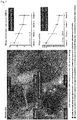
- the sections were subsequently incubated at 4°C with a 200-fold dilution of MECA-79 antibody (R&D Systems, USA). After incubating with secondary antibody (HRP-labeled anti-goat IgG), an enzymatic color reaction was performed using a solution of 3,3'-diaminobenzidine and H 2 O 2 . Quantitative analysis was carried out by photographing bright field images of the MECA-79 stained sections with a digital camera at a magnification factor of 200X. The area of the positive portions of four fields per section was measured using Image J Software (NIH, USA). The means and standard errors of the percentages of the area of the positive portions of intestinal biopsy tissue specimens of each dose group are shown in the graph on the right side of FIG. 3 .
- MECA-79-positive blood vessels were detected in the subject indicated in the photomicrographs following immunohistochemical staining with MECA-79 antibody shown on the left side of FIG. 3 during administration of STNM01 (week 0) despite having been administered a biological preparation.
- MECA-79-positive blood vessels were not detected in week 4 after administration of STNM01 .
- the 250 nM STNM01 dose group demonstrated a significant decrease in the percentage of the area of the positive portion in comparison with the placebo group. Based on the results of FIG. 3 , administration of STNM01 at 250 nM was verified to decrease sulfation of L-selectin ligand.
- intestinal biopsy tissue samples collected from all 8 subjects of each dose group were embedded in paraffin, sliced into thin sections and paraffin was removed from the resulting sections followed by staining with hematoxylin-eosin stain.
- Bright field images of the sections were photographed with a digital camera at a magnification factor of 200X in the same manner as the bright field images of the MECA-79 stained sections described in the previous section.
- the area of the positive portions of four fields per section was measured using Image J Software (NIH, USA). The means and standard errors of the number of basement membrane lymphocytes per 100 ⁇ m 2 are shown in the graph of FIG. 4 .
- the 250 nM STNM01 dose group demonstrated a significant decrease in the number of basement membrane lymphocytes as compared with the placebo dose group. Based on the results of FIG. 4 , administration of STNM01 at 250 nM was verified to decrease tissue invasion by lymphocytes.
- the mechanism of action of existing therapeutic drugs of chronic inflammatory diseases is broadly divided into inhibition of the progression of invasion of lymphocytes into tissue and inhibition of an inflammatory reaction induced by invasion of tissue by lymphocytes.
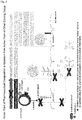
- the mechanism of action of first-generation therapeutic drugs for the treatment of chronic inflammatory diseases (Infliximab, Adalimunab, Certolizumab pegol, Golimumab, Usteknumab and MED 12070) consists of inhibition of TNF and cytokines involved in inflammatory reactions in tissue. In contrast, as shown in FIG.
- second-generation therapeutic drugs for the treatment of chronic inflammatory diseases (Vercirnon, Vedolizumab, Natalizumab, Etrolizumab and PF-00547659) inhibit lymphocyte activation, strong adhesion of activated lymphocytes to vascular endothelial cells, and invasion into tissue from between vascular endothelial cells in the process of invasion of lymphocyte into tissue.
- the pharmaceutical composition of the present invention was clearly determined to lower sulfation of L-selectin ligand and decrease the invasion of lymphocyte in the tissue. As shown in FIG.
- the pharmaceutical composition of the present invention inhibits rolling of lymphocytes within blood vessels by decreasing sulfation of L-selectin ligand during lymphocyte tissue invasion. This refers to the stage farthest upstream during the course of tissue invasion by lymphocytes.
- the point of action of the pharmaceutical composition of the present invention is farther upstream than the point of action of first-generation and second-generation therapeutic drugs for the treatment of chronic inflammatory diseases. Therefore, the pharmaceutical composition of the present invention was predicted to demonstrate a higher level of pharmacological efficacy than the concomitant use of first-generation and second-generation therapeutic drugs for the treatment of chronic inflammatory diseases.
- the present example provides an explanation of the results of a repeated-dose investigator initiated trial (IIT) in which biological preparation (Infliximab and/or Adalimunab)-resistant ulcerative colitis (UC) patients were administered the pharmaceutical composition of the present invention (STNM01).
- IIT investigator initiated trial
- biological preparation Infliximab and/or Adalimunab
- UC ulcerative colitis
- FIG. 7 is a schematic diagram of the trial design of the investigator initiated trial of the present example.
- a total of five subjects observed to be resistant to a biological preparation (Infliximab and/or Adalimunab) in screening were administered 250 nM STNM01 by submucosal injection using an endoscope for a total of three times consisting of baseline (week 0) and in week 2 and week 4.
- subjects administered a biological preparation were administered STNM01 following a washout period during which time the biological preparation was not administered for one month.
- STNM01 was administered while continuing administration of the biological preparation. Evaluation parameters are the same as in the trial of Example 1.
- FIG. 8 indicates highlights of results from the investigator initiated trial of the present example.
- the endoscopic photographs in the upper left corner of FIG. 8 indicate the affected area of the subject at baseline and in week 6 that had reached complete remission. Healing of the mucosa was observed in week 6.
- the endoscopic photographs in the lower left corner of FIG. 8 indicate the affected area of a seriously ill subject presenting with a large ulcer accompanied by bleeding at baseline and in week 6. Although this patient did not reach complete remission of the ulcer, surgery was able to be avoided according to comments made by the supervising physician.
- the upper right corner of FIG. 8 depicts a graph indicating time-based changes in Mayo endoscopic sub-scores (MES) of five subjects of the investigator initiated trial of the present example.
- MES Mayo endoscopic sub-scores
- the mucosal cure rate was 80%.
- the lower right corner of FIG. 8 depicts a graph indicating time-based changes in the Mayo scores of five subjects of the investigator initiated trial of the present example ( Colombel, J.F., et al., Gastroenterology 2011; 141: 1194-1201 ).
- FIG. 9 improvement of systemic and local symptoms was observed as a result of repeated-dose administration of STNM01 to serious ulcerative colitis resistant to biological preparations.
- the clinical response rate was 100% and the clinical remission rate was 40%.
- the pharmaceutical composition of the present invention was verified to demonstrate higher pharmacological efficacy than the concomitant use of biological preparations inhibiting invasion by leukocytes into tissue and/or biological preparations inhibiting inflammatory cytokines.
Landscapes
- Health & Medical Sciences (AREA)
- Life Sciences & Earth Sciences (AREA)
- Chemical & Material Sciences (AREA)
- General Health & Medical Sciences (AREA)
- Medicinal Chemistry (AREA)
- Pharmacology & Pharmacy (AREA)
- Animal Behavior & Ethology (AREA)
- Public Health (AREA)
- Veterinary Medicine (AREA)
- Engineering & Computer Science (AREA)
- Organic Chemistry (AREA)
- Bioinformatics & Cheminformatics (AREA)
- Molecular Biology (AREA)
- Immunology (AREA)
- Biochemistry (AREA)
- Epidemiology (AREA)
- Nuclear Medicine, Radiotherapy & Molecular Imaging (AREA)
- General Chemical & Material Sciences (AREA)
- Chemical Kinetics & Catalysis (AREA)
- Genetics & Genomics (AREA)
- Biomedical Technology (AREA)
- Proteomics, Peptides & Aminoacids (AREA)
- Biophysics (AREA)
- General Engineering & Computer Science (AREA)
- Zoology (AREA)
- Wood Science & Technology (AREA)
- Biotechnology (AREA)
- Pulmonology (AREA)
- Gastroenterology & Hepatology (AREA)
- Transplantation (AREA)
- Physics & Mathematics (AREA)
- Plant Pathology (AREA)
- Microbiology (AREA)
- Rheumatology (AREA)
- Pain & Pain Management (AREA)
- Pharmaceuticals Containing Other Organic And Inorganic Compounds (AREA)
- Medicinal Preparation (AREA)
- Medicines That Contain Protein Lipid Enzymes And Other Medicines (AREA)
- Medicines Containing Antibodies Or Antigens For Use As Internal Diagnostic Agents (AREA)
Applications Claiming Priority (2)
| Application Number | Priority Date | Filing Date | Title |
|---|---|---|---|
| US201662431014P | 2016-12-07 | 2016-12-07 | |
| PCT/JP2017/044090 WO2018105708A1 (ja) | 2016-12-07 | 2017-12-07 | 慢性疾患の治療及び予防用医薬組成物 |
Publications (3)
| Publication Number | Publication Date |
|---|---|
| EP3552632A1 true EP3552632A1 (de) | 2019-10-16 |
| EP3552632A4 EP3552632A4 (de) | 2020-07-22 |
| EP3552632B1 EP3552632B1 (de) | 2023-07-12 |
Family
ID=62491060
Family Applications (1)
| Application Number | Title | Priority Date | Filing Date |
|---|---|---|---|
| EP17879130.7A Active EP3552632B1 (de) | 2016-12-07 | 2017-12-07 | Medizinische zusammensetzung zur behandlung und prävention von chronisch-entzündlichen darmerkrankungen |
Country Status (4)
| Country | Link |
|---|---|
| US (2) | US20200093850A1 (de) |
| EP (1) | EP3552632B1 (de) |
| JP (1) | JP7129912B2 (de) |
| WO (1) | WO2018105708A1 (de) |
Families Citing this family (4)
| Publication number | Priority date | Publication date | Assignee | Title |
|---|---|---|---|---|
| CN113811313A (zh) | 2019-05-08 | 2021-12-17 | Tme治疗医学有限公司 | 食管狭窄抑制剂 |
| EP4720125A1 (de) | 2023-05-30 | 2026-04-08 | Paragon Therapeutics, Inc. | Alpha4beta7-integrin-antikörperzusammensetzungen und verfahren zur verwendung |
| EP4762093A1 (de) | 2023-08-14 | 2026-06-24 | Paragon Therapeutics, Inc. | Alpha-4-beta-7-integrinbindende proteine und verfahren zur verwendung |
| CN117106892A (zh) * | 2023-08-21 | 2023-11-24 | 中南大学湘雅二医院 | Txnrd1蛋白或其编码基因为靶点在银屑病预防和治疗中的应用 |
Family Cites Families (11)
| Publication number | Priority date | Publication date | Assignee | Title |
|---|---|---|---|---|
| EP2397123A1 (de) * | 2006-07-07 | 2011-12-21 | Aarhus Universitet | Nanopartikel zur Nukleinsäurelieferung |
| ES2685636T3 (es) | 2007-06-29 | 2018-10-10 | Stelic Institute Of Regenerative Medicine, Stelic Institute & Co. | Método de fijación y expresión de sustancia fisiológicamente activa |
| US20110027248A1 (en) | 2007-12-27 | 2011-02-03 | Hiroyuki Yoneyama | Sugar Chain-Related Gene and Use Thereof |
| NZ594514A (en) | 2009-03-05 | 2013-06-28 | Abbott Lab | Interleukin-17 BINDING PROTEINS |
| MX2013011130A (es) | 2011-03-31 | 2013-10-30 | Genentech Inc | Metodos de administracion de antagonistas de integrina beta7. |
| JP6219277B2 (ja) * | 2011-07-08 | 2017-10-25 | ディフェンシン セラピューティクス アンパルトセルスカブDefensin Therapeutics Aps | 炎症性腸疾患の経口治療 |
| US20150337313A1 (en) | 2012-07-17 | 2015-11-26 | Stelic Institute & Co. | Mucosal healing promoter |
| MA40592A (fr) * | 2014-10-06 | 2016-04-14 | Chemocentryx Inc | Compositions et méthodes pour le traitement d'une maladie inflammatoire de l'intestin à l'aide d'une polythérapie à base d'inhibiteurs à petites molécules de récepteur 9 de chimiokine c-c (ccr9) et d'anticorps bloquants anti-intégrine alpha4beta7 |
| EP3224280A1 (de) * | 2014-11-26 | 2017-10-04 | Millennium Pharmaceuticals, Inc. | Vedolizumab zur behandlung von fistelbildendem morbus crohn |
| WO2017078054A1 (ja) * | 2015-11-04 | 2017-05-11 | 株式会社ステリック再生医科学研究所 | RNAi分子とN-アセチル化キトサンとを含む複合体 |
| WO2018183934A1 (en) * | 2017-03-30 | 2018-10-04 | Progenity Inc. | Treatment of a disease of the gastrointestinal tract with a chst15 inhibitor |
-
2017
- 2017-12-07 JP JP2018555067A patent/JP7129912B2/ja active Active
- 2017-12-07 US US16/467,410 patent/US20200093850A1/en not_active Abandoned
- 2017-12-07 WO PCT/JP2017/044090 patent/WO2018105708A1/ja not_active Ceased
- 2017-12-07 EP EP17879130.7A patent/EP3552632B1/de active Active
-
2021
- 2021-10-20 US US17/506,012 patent/US11911409B2/en active Active
Also Published As
| Publication number | Publication date |
|---|---|
| JP7129912B2 (ja) | 2022-09-02 |
| JPWO2018105708A1 (ja) | 2019-10-24 |
| EP3552632B1 (de) | 2023-07-12 |
| WO2018105708A1 (ja) | 2018-06-14 |
| US20220323481A1 (en) | 2022-10-13 |
| US20200093850A1 (en) | 2020-03-26 |
| US11911409B2 (en) | 2024-02-27 |
| EP3552632A4 (de) | 2020-07-22 |
Similar Documents
| Publication | Publication Date | Title |
|---|---|---|
| US11911409B2 (en) | Pharmaceutical composition for treatment and prevention of chronic disease | |
| KR102552693B1 (ko) | 궤양성 결장염을 치료하는 방법 | |
| Vuijk et al. | Considerations in paediatric and adolescent inflammatory bowel disease | |
| US11173188B2 (en) | Orange peel ferments and preparations and applications thereof | |
| EP3372234B1 (de) | Komplex aus rnai-molekül und n-acetyliertem chitosan | |
| US20250332143A1 (en) | Composition comprising alox5 inhibitor for preventing or treating sarcopenia | |
| JP2020519619A (ja) | 炎症性腸疾患の治療における使用のためのコビトリモド | |
| US12453723B2 (en) | Use of chidamide in preparing drug for treating renal fibrosis | |
| WO2008132458A1 (en) | Compositions useful in the modulation of immune responses and the treatment or prevention of inflammatory responses and related methods | |
| JP2022545692A (ja) | オリゴヌクレオチドに基づく潰瘍性大腸炎療法 | |
| Xie et al. | Downregulation of miR-3680–3p inhibits the progression of osteoarthritis via targeting OGG1 | |
| KR20200110684A (ko) | 궤양성 대장염을 앓고 있는 환자를 치료하기 위한 조성물, 및 약물로서의 조성물의 용도 | |
| CN113913423B (zh) | 人cfap65基因的用途及相关产品 | |
| CN115998746A (zh) | 更昔洛韦在治疗溃疡性结肠炎方面的应用 | |
| US20220218736A1 (en) | New therapy | |
| CN112716968A (zh) | 地西他滨在制备治疗急性肾损伤药物中的应用 | |
| WO2024240177A1 (en) | Method of using neural stem cell-derived extracellular vesicles for treating alzheimer's disease | |
| CN117106781B (zh) | 修饰的核酸及其产品和应用 | |
| Leaupepe | Exploring gout in the Polynesian populations: Genetic associations and curcumin intervention | |
| HK40101440A (en) | Mirikizumab in the treatment of ulcerative colitis | |
| HK40036550B (en) | Mirikizumab in the treatment of ulcerative colitis | |
| CN117618571A (zh) | 整合素信号通路作为靶标在制备预防或治疗胰腺炎的药物中的应用 | |
| KR20240045092A (ko) | miR-191-5p 억제제를 유효성분으로 포함하는 장 누수 증후군 예방 또는 치료용 약학 조성물 | |
| AU2021386281A9 (en) | Cobitolimod dosage for self-administration | |
| CN120346218A (zh) | 老鼠簕酸具有修复肠道屏障的用途 |
Legal Events
| Date | Code | Title | Description |
|---|---|---|---|
| STAA | Information on the status of an ep patent application or granted ep patent |
Free format text: STATUS: THE INTERNATIONAL PUBLICATION HAS BEEN MADE |
|
| PUAI | Public reference made under article 153(3) epc to a published international application that has entered the european phase |
Free format text: ORIGINAL CODE: 0009012 |
|
| STAA | Information on the status of an ep patent application or granted ep patent |
Free format text: STATUS: REQUEST FOR EXAMINATION WAS MADE |
|
| 17P | Request for examination filed |
Effective date: 20190701 |
|
| AK | Designated contracting states |
Kind code of ref document: A1 Designated state(s): AL AT BE BG CH CY CZ DE DK EE ES FI FR GB GR HR HU IE IS IT LI LT LU LV MC MK MT NL NO PL PT RO RS SE SI SK SM TR |
|
| AX | Request for extension of the european patent |
Extension state: BA ME |
|
| RIN1 | Information on inventor provided before grant (corrected) |
Inventor name: YONEYAMA HIROYUKI |
|
| DAV | Request for validation of the european patent (deleted) | ||
| DAX | Request for extension of the european patent (deleted) | ||
| A4 | Supplementary search report drawn up and despatched |
Effective date: 20200618 |
|
| RIC1 | Information provided on ipc code assigned before grant |
Ipc: A61P 1/00 20060101ALI20200612BHEP Ipc: A61P 11/06 20060101ALI20200612BHEP Ipc: A61K 48/00 20060101AFI20200612BHEP Ipc: A61K 31/711 20060101ALI20200612BHEP Ipc: A61K 31/7105 20060101ALI20200612BHEP Ipc: A61P 1/18 20060101ALI20200612BHEP Ipc: A61K 31/713 20060101ALI20200612BHEP Ipc: A61P 29/00 20060101ALI20200612BHEP |
|
| STAA | Information on the status of an ep patent application or granted ep patent |
Free format text: STATUS: EXAMINATION IS IN PROGRESS |
|
| 17Q | First examination report despatched |
Effective date: 20210611 |
|
| GRAP | Despatch of communication of intention to grant a patent |
Free format text: ORIGINAL CODE: EPIDOSNIGR1 |
|
| STAA | Information on the status of an ep patent application or granted ep patent |
Free format text: STATUS: GRANT OF PATENT IS INTENDED |
|
| INTG | Intention to grant announced |
Effective date: 20230306 |
|
| GRAS | Grant fee paid |
Free format text: ORIGINAL CODE: EPIDOSNIGR3 |
|
| RAP3 | Party data changed (applicant data changed or rights of an application transferred) |
Owner name: STELIC INSTITUTE & CO., INC. |
|
| GRAA | (expected) grant |
Free format text: ORIGINAL CODE: 0009210 |
|
| STAA | Information on the status of an ep patent application or granted ep patent |
Free format text: STATUS: THE PATENT HAS BEEN GRANTED |
|
| P01 | Opt-out of the competence of the unified patent court (upc) registered |
Effective date: 20230520 |
|
| AK | Designated contracting states |
Kind code of ref document: B1 Designated state(s): AL AT BE BG CH CY CZ DE DK EE ES FI FR GB GR HR HU IE IS IT LI LT LU LV MC MK MT NL NO PL PT RO RS SE SI SK SM TR |
|
| REG | Reference to a national code |
Ref country code: CH Ref legal event code: EP |
|
| REG | Reference to a national code |
Ref country code: IE Ref legal event code: FG4D |
|
| REG | Reference to a national code |
Ref country code: DE Ref legal event code: R096 Ref document number: 602017071328 Country of ref document: DE |
|
| REG | Reference to a national code |
Ref country code: LT Ref legal event code: MG9D |
|
| REG | Reference to a national code |
Ref country code: NL Ref legal event code: MP Effective date: 20230712 |
|
| REG | Reference to a national code |
Ref country code: AT Ref legal event code: MK05 Ref document number: 1586397 Country of ref document: AT Kind code of ref document: T Effective date: 20230712 |
|
| PG25 | Lapsed in a contracting state [announced via postgrant information from national office to epo] |
Ref country code: NL Free format text: LAPSE BECAUSE OF FAILURE TO SUBMIT A TRANSLATION OF THE DESCRIPTION OR TO PAY THE FEE WITHIN THE PRESCRIBED TIME-LIMIT Effective date: 20230712 |
|
| PG25 | Lapsed in a contracting state [announced via postgrant information from national office to epo] |
Ref country code: GR Free format text: LAPSE BECAUSE OF FAILURE TO SUBMIT A TRANSLATION OF THE DESCRIPTION OR TO PAY THE FEE WITHIN THE PRESCRIBED TIME-LIMIT Effective date: 20231013 |
|
| PG25 | Lapsed in a contracting state [announced via postgrant information from national office to epo] |
Ref country code: ES Free format text: LAPSE BECAUSE OF FAILURE TO SUBMIT A TRANSLATION OF THE DESCRIPTION OR TO PAY THE FEE WITHIN THE PRESCRIBED TIME-LIMIT Effective date: 20230712 |
|
| PG25 | Lapsed in a contracting state [announced via postgrant information from national office to epo] |
Ref country code: IS Free format text: LAPSE BECAUSE OF FAILURE TO SUBMIT A TRANSLATION OF THE DESCRIPTION OR TO PAY THE FEE WITHIN THE PRESCRIBED TIME-LIMIT Effective date: 20231112 |
|
| PG25 | Lapsed in a contracting state [announced via postgrant information from national office to epo] |
Ref country code: SE Free format text: LAPSE BECAUSE OF FAILURE TO SUBMIT A TRANSLATION OF THE DESCRIPTION OR TO PAY THE FEE WITHIN THE PRESCRIBED TIME-LIMIT Effective date: 20230712 Ref country code: RS Free format text: LAPSE BECAUSE OF FAILURE TO SUBMIT A TRANSLATION OF THE DESCRIPTION OR TO PAY THE FEE WITHIN THE PRESCRIBED TIME-LIMIT Effective date: 20230712 Ref country code: PT Free format text: LAPSE BECAUSE OF FAILURE TO SUBMIT A TRANSLATION OF THE DESCRIPTION OR TO PAY THE FEE WITHIN THE PRESCRIBED TIME-LIMIT Effective date: 20231113 Ref country code: NO Free format text: LAPSE BECAUSE OF FAILURE TO SUBMIT A TRANSLATION OF THE DESCRIPTION OR TO PAY THE FEE WITHIN THE PRESCRIBED TIME-LIMIT Effective date: 20231012 Ref country code: LV Free format text: LAPSE BECAUSE OF FAILURE TO SUBMIT A TRANSLATION OF THE DESCRIPTION OR TO PAY THE FEE WITHIN THE PRESCRIBED TIME-LIMIT Effective date: 20230712 Ref country code: LT Free format text: LAPSE BECAUSE OF FAILURE TO SUBMIT A TRANSLATION OF THE DESCRIPTION OR TO PAY THE FEE WITHIN THE PRESCRIBED TIME-LIMIT Effective date: 20230712 Ref country code: IS Free format text: LAPSE BECAUSE OF FAILURE TO SUBMIT A TRANSLATION OF THE DESCRIPTION OR TO PAY THE FEE WITHIN THE PRESCRIBED TIME-LIMIT Effective date: 20231112 Ref country code: HR Free format text: LAPSE BECAUSE OF FAILURE TO SUBMIT A TRANSLATION OF THE DESCRIPTION OR TO PAY THE FEE WITHIN THE PRESCRIBED TIME-LIMIT Effective date: 20230712 Ref country code: GR Free format text: LAPSE BECAUSE OF FAILURE TO SUBMIT A TRANSLATION OF THE DESCRIPTION OR TO PAY THE FEE WITHIN THE PRESCRIBED TIME-LIMIT Effective date: 20231013 Ref country code: FI Free format text: LAPSE BECAUSE OF FAILURE TO SUBMIT A TRANSLATION OF THE DESCRIPTION OR TO PAY THE FEE WITHIN THE PRESCRIBED TIME-LIMIT Effective date: 20230712 Ref country code: ES Free format text: LAPSE BECAUSE OF FAILURE TO SUBMIT A TRANSLATION OF THE DESCRIPTION OR TO PAY THE FEE WITHIN THE PRESCRIBED TIME-LIMIT Effective date: 20230712 Ref country code: AT Free format text: LAPSE BECAUSE OF FAILURE TO SUBMIT A TRANSLATION OF THE DESCRIPTION OR TO PAY THE FEE WITHIN THE PRESCRIBED TIME-LIMIT Effective date: 20230712 |
|
| PG25 | Lapsed in a contracting state [announced via postgrant information from national office to epo] |
Ref country code: PL Free format text: LAPSE BECAUSE OF FAILURE TO SUBMIT A TRANSLATION OF THE DESCRIPTION OR TO PAY THE FEE WITHIN THE PRESCRIBED TIME-LIMIT Effective date: 20230712 |
|
| REG | Reference to a national code |
Ref country code: DE Ref legal event code: R097 Ref document number: 602017071328 Country of ref document: DE |
|
| PG25 | Lapsed in a contracting state [announced via postgrant information from national office to epo] |
Ref country code: SM Free format text: LAPSE BECAUSE OF FAILURE TO SUBMIT A TRANSLATION OF THE DESCRIPTION OR TO PAY THE FEE WITHIN THE PRESCRIBED TIME-LIMIT Effective date: 20230712 Ref country code: RO Free format text: LAPSE BECAUSE OF FAILURE TO SUBMIT A TRANSLATION OF THE DESCRIPTION OR TO PAY THE FEE WITHIN THE PRESCRIBED TIME-LIMIT Effective date: 20230712 Ref country code: EE Free format text: LAPSE BECAUSE OF FAILURE TO SUBMIT A TRANSLATION OF THE DESCRIPTION OR TO PAY THE FEE WITHIN THE PRESCRIBED TIME-LIMIT Effective date: 20230712 Ref country code: DK Free format text: LAPSE BECAUSE OF FAILURE TO SUBMIT A TRANSLATION OF THE DESCRIPTION OR TO PAY THE FEE WITHIN THE PRESCRIBED TIME-LIMIT Effective date: 20230712 Ref country code: CZ Free format text: LAPSE BECAUSE OF FAILURE TO SUBMIT A TRANSLATION OF THE DESCRIPTION OR TO PAY THE FEE WITHIN THE PRESCRIBED TIME-LIMIT Effective date: 20230712 Ref country code: SK Free format text: LAPSE BECAUSE OF FAILURE TO SUBMIT A TRANSLATION OF THE DESCRIPTION OR TO PAY THE FEE WITHIN THE PRESCRIBED TIME-LIMIT Effective date: 20230712 |
|
| PLBE | No opposition filed within time limit |
Free format text: ORIGINAL CODE: 0009261 |
|
| STAA | Information on the status of an ep patent application or granted ep patent |
Free format text: STATUS: NO OPPOSITION FILED WITHIN TIME LIMIT |
|
| PG25 | Lapsed in a contracting state [announced via postgrant information from national office to epo] |
Ref country code: IT Free format text: LAPSE BECAUSE OF FAILURE TO SUBMIT A TRANSLATION OF THE DESCRIPTION OR TO PAY THE FEE WITHIN THE PRESCRIBED TIME-LIMIT Effective date: 20230712 |
|
| 26N | No opposition filed |
Effective date: 20240415 |
|
| PG25 | Lapsed in a contracting state [announced via postgrant information from national office to epo] |
Ref country code: SI Free format text: LAPSE BECAUSE OF FAILURE TO SUBMIT A TRANSLATION OF THE DESCRIPTION OR TO PAY THE FEE WITHIN THE PRESCRIBED TIME-LIMIT Effective date: 20230712 |
|
| REG | Reference to a national code |
Ref country code: CH Ref legal event code: PL |
|
| PG25 | Lapsed in a contracting state [announced via postgrant information from national office to epo] |
Ref country code: LU Free format text: LAPSE BECAUSE OF NON-PAYMENT OF DUE FEES Effective date: 20231207 |
|
| PG25 | Lapsed in a contracting state [announced via postgrant information from national office to epo] |
Ref country code: MC Free format text: LAPSE BECAUSE OF FAILURE TO SUBMIT A TRANSLATION OF THE DESCRIPTION OR TO PAY THE FEE WITHIN THE PRESCRIBED TIME-LIMIT Effective date: 20230712 |
|
| REG | Reference to a national code |
Ref country code: BE Ref legal event code: MM Effective date: 20231231 |
|
| PG25 | Lapsed in a contracting state [announced via postgrant information from national office to epo] |
Ref country code: MC Free format text: LAPSE BECAUSE OF FAILURE TO SUBMIT A TRANSLATION OF THE DESCRIPTION OR TO PAY THE FEE WITHIN THE PRESCRIBED TIME-LIMIT Effective date: 20230712 Ref country code: LU Free format text: LAPSE BECAUSE OF NON-PAYMENT OF DUE FEES Effective date: 20231207 |
|
| REG | Reference to a national code |
Ref country code: IE Ref legal event code: MM4A |
|
| PG25 | Lapsed in a contracting state [announced via postgrant information from national office to epo] |
Ref country code: IE Free format text: LAPSE BECAUSE OF NON-PAYMENT OF DUE FEES Effective date: 20231207 |
|
| PG25 | Lapsed in a contracting state [announced via postgrant information from national office to epo] |
Ref country code: BE Free format text: LAPSE BECAUSE OF NON-PAYMENT OF DUE FEES Effective date: 20231231 |
|
| PG25 | Lapsed in a contracting state [announced via postgrant information from national office to epo] |
Ref country code: CH Free format text: LAPSE BECAUSE OF NON-PAYMENT OF DUE FEES Effective date: 20231231 |
|
| PG25 | Lapsed in a contracting state [announced via postgrant information from national office to epo] |
Ref country code: IE Free format text: LAPSE BECAUSE OF NON-PAYMENT OF DUE FEES Effective date: 20231207 Ref country code: CH Free format text: LAPSE BECAUSE OF NON-PAYMENT OF DUE FEES Effective date: 20231231 Ref country code: BE Free format text: LAPSE BECAUSE OF NON-PAYMENT OF DUE FEES Effective date: 20231231 |
|
| PG25 | Lapsed in a contracting state [announced via postgrant information from national office to epo] |
Ref country code: BG Free format text: LAPSE BECAUSE OF FAILURE TO SUBMIT A TRANSLATION OF THE DESCRIPTION OR TO PAY THE FEE WITHIN THE PRESCRIBED TIME-LIMIT Effective date: 20230712 |
|
| PG25 | Lapsed in a contracting state [announced via postgrant information from national office to epo] |
Ref country code: BG Free format text: LAPSE BECAUSE OF FAILURE TO SUBMIT A TRANSLATION OF THE DESCRIPTION OR TO PAY THE FEE WITHIN THE PRESCRIBED TIME-LIMIT Effective date: 20230712 |
|
| PG25 | Lapsed in a contracting state [announced via postgrant information from national office to epo] |
Ref country code: CY Free format text: LAPSE BECAUSE OF FAILURE TO SUBMIT A TRANSLATION OF THE DESCRIPTION OR TO PAY THE FEE WITHIN THE PRESCRIBED TIME-LIMIT; INVALID AB INITIO Effective date: 20171207 |
|
| PG25 | Lapsed in a contracting state [announced via postgrant information from national office to epo] |
Ref country code: HU Free format text: LAPSE BECAUSE OF FAILURE TO SUBMIT A TRANSLATION OF THE DESCRIPTION OR TO PAY THE FEE WITHIN THE PRESCRIBED TIME-LIMIT; INVALID AB INITIO Effective date: 20171207 |
|
| PG25 | Lapsed in a contracting state [announced via postgrant information from national office to epo] |
Ref country code: TR Free format text: LAPSE BECAUSE OF FAILURE TO SUBMIT A TRANSLATION OF THE DESCRIPTION OR TO PAY THE FEE WITHIN THE PRESCRIBED TIME-LIMIT Effective date: 20230712 |
|
| PGFP | Annual fee paid to national office [announced via postgrant information from national office to epo] |
Ref country code: GB Payment date: 20251229 Year of fee payment: 9 |
|
| PGFP | Annual fee paid to national office [announced via postgrant information from national office to epo] |
Ref country code: FR Payment date: 20251223 Year of fee payment: 9 |
|
| PGFP | Annual fee paid to national office [announced via postgrant information from national office to epo] |
Ref country code: DE Payment date: 20251223 Year of fee payment: 9 |