EP3545958B1 - Salze von kalium-atp-kanalöffnern und verwendungen davon - Google Patents
Salze von kalium-atp-kanalöffnern und verwendungen davon Download PDFInfo
- Publication number
- EP3545958B1 EP3545958B1 EP19154788.4A EP19154788A EP3545958B1 EP 3545958 B1 EP3545958 B1 EP 3545958B1 EP 19154788 A EP19154788 A EP 19154788A EP 3545958 B1 EP3545958 B1 EP 3545958B1
- Authority
- EP
- European Patent Office
- Prior art keywords
- diazoxide
- pharmaceutical formulation
- drug
- choline
- formulation
- Prior art date
- Legal status (The legal status is an assumption and is not a legal conclusion. Google has not performed a legal analysis and makes no representation as to the accuracy of the status listed.)
- Active
Links
Images















Classifications
-
- A—HUMAN NECESSITIES
- A61—MEDICAL OR VETERINARY SCIENCE; HYGIENE
- A61K—PREPARATIONS FOR MEDICAL, DENTAL OR TOILETRY PURPOSES
- A61K31/00—Medicinal preparations containing organic active ingredients
- A61K31/33—Heterocyclic compounds
- A61K31/395—Heterocyclic compounds having nitrogen as a ring hetero atom, e.g. guanethidine or rifamycins
- A61K31/54—Heterocyclic compounds having nitrogen as a ring hetero atom, e.g. guanethidine or rifamycins having six-membered rings with at least one nitrogen and one sulfur as the ring hetero atoms, e.g. sulthiame
- A61K31/549—Heterocyclic compounds having nitrogen as a ring hetero atom, e.g. guanethidine or rifamycins having six-membered rings with at least one nitrogen and one sulfur as the ring hetero atoms, e.g. sulthiame having two or more nitrogen atoms in the same ring, e.g. hydrochlorothiazide
-
- A—HUMAN NECESSITIES
- A61—MEDICAL OR VETERINARY SCIENCE; HYGIENE
- A61K—PREPARATIONS FOR MEDICAL, DENTAL OR TOILETRY PURPOSES
- A61K31/00—Medicinal preparations containing organic active ingredients
- A61K31/33—Heterocyclic compounds
- A61K31/395—Heterocyclic compounds having nitrogen as a ring hetero atom, e.g. guanethidine or rifamycins
- A61K31/54—Heterocyclic compounds having nitrogen as a ring hetero atom, e.g. guanethidine or rifamycins having six-membered rings with at least one nitrogen and one sulfur as the ring hetero atoms, e.g. sulthiame
-
- A—HUMAN NECESSITIES
- A61—MEDICAL OR VETERINARY SCIENCE; HYGIENE
- A61K—PREPARATIONS FOR MEDICAL, DENTAL OR TOILETRY PURPOSES
- A61K38/00—Medicinal preparations containing peptides
- A61K38/16—Peptides having more than 20 amino acids; Gastrins; Somatostatins; Melanotropins; Derivatives thereof
- A61K38/17—Peptides having more than 20 amino acids; Gastrins; Somatostatins; Melanotropins; Derivatives thereof from animals; from humans
- A61K38/22—Hormones
- A61K38/27—Growth hormone [GH], i.e. somatotropin
-
- A—HUMAN NECESSITIES
- A61—MEDICAL OR VETERINARY SCIENCE; HYGIENE
- A61K—PREPARATIONS FOR MEDICAL, DENTAL OR TOILETRY PURPOSES
- A61K45/00—Medicinal preparations containing active ingredients not provided for in groups A61K31/00 - A61K41/00
- A61K45/06—Mixtures of active ingredients without chemical characterisation, e.g. antiphlogistics and cardiaca
-
- A—HUMAN NECESSITIES
- A61—MEDICAL OR VETERINARY SCIENCE; HYGIENE
- A61K—PREPARATIONS FOR MEDICAL, DENTAL OR TOILETRY PURPOSES
- A61K9/00—Medicinal preparations characterised by special physical form
- A61K9/20—Pills, tablets, discs, rods
- A61K9/2072—Pills, tablets, discs, rods characterised by shape, structure or size; Tablets with holes, special break lines or identification marks; Partially coated tablets; Disintegrating flat shaped forms
- A61K9/2086—Layered tablets, e.g. bilayer tablets; Tablets of the type inert core-active coat
-
- A—HUMAN NECESSITIES
- A61—MEDICAL OR VETERINARY SCIENCE; HYGIENE
- A61P—SPECIFIC THERAPEUTIC ACTIVITY OF CHEMICAL COMPOUNDS OR MEDICINAL PREPARATIONS
- A61P25/00—Drugs for disorders of the nervous system
- A61P25/18—Antipsychotics, i.e. neuroleptics; Drugs for mania or schizophrenia
-
- A—HUMAN NECESSITIES
- A61—MEDICAL OR VETERINARY SCIENCE; HYGIENE
- A61P—SPECIFIC THERAPEUTIC ACTIVITY OF CHEMICAL COMPOUNDS OR MEDICINAL PREPARATIONS
- A61P25/00—Drugs for disorders of the nervous system
- A61P25/24—Antidepressants
-
- A—HUMAN NECESSITIES
- A61—MEDICAL OR VETERINARY SCIENCE; HYGIENE
- A61P—SPECIFIC THERAPEUTIC ACTIVITY OF CHEMICAL COMPOUNDS OR MEDICINAL PREPARATIONS
- A61P25/00—Drugs for disorders of the nervous system
- A61P25/28—Drugs for disorders of the nervous system for treating neurodegenerative disorders of the central nervous system, e.g. nootropic agents, cognition enhancers, drugs for treating Alzheimer's disease or other forms of dementia
-
- A—HUMAN NECESSITIES
- A61—MEDICAL OR VETERINARY SCIENCE; HYGIENE
- A61P—SPECIFIC THERAPEUTIC ACTIVITY OF CHEMICAL COMPOUNDS OR MEDICINAL PREPARATIONS
- A61P3/00—Drugs for disorders of the metabolism
-
- A—HUMAN NECESSITIES
- A61—MEDICAL OR VETERINARY SCIENCE; HYGIENE
- A61P—SPECIFIC THERAPEUTIC ACTIVITY OF CHEMICAL COMPOUNDS OR MEDICINAL PREPARATIONS
- A61P3/00—Drugs for disorders of the metabolism
- A61P3/04—Anorexiants; Antiobesity agents
-
- A—HUMAN NECESSITIES
- A61—MEDICAL OR VETERINARY SCIENCE; HYGIENE
- A61P—SPECIFIC THERAPEUTIC ACTIVITY OF CHEMICAL COMPOUNDS OR MEDICINAL PREPARATIONS
- A61P3/00—Drugs for disorders of the metabolism
- A61P3/08—Drugs for disorders of the metabolism for glucose homeostasis
-
- A—HUMAN NECESSITIES
- A61—MEDICAL OR VETERINARY SCIENCE; HYGIENE
- A61P—SPECIFIC THERAPEUTIC ACTIVITY OF CHEMICAL COMPOUNDS OR MEDICINAL PREPARATIONS
- A61P3/00—Drugs for disorders of the metabolism
- A61P3/08—Drugs for disorders of the metabolism for glucose homeostasis
- A61P3/10—Drugs for disorders of the metabolism for glucose homeostasis for hyperglycaemia, e.g. antidiabetics
-
- A—HUMAN NECESSITIES
- A61—MEDICAL OR VETERINARY SCIENCE; HYGIENE
- A61P—SPECIFIC THERAPEUTIC ACTIVITY OF CHEMICAL COMPOUNDS OR MEDICINAL PREPARATIONS
- A61P43/00—Drugs for specific purposes, not provided for in groups A61P1/00-A61P41/00
-
- A—HUMAN NECESSITIES
- A61—MEDICAL OR VETERINARY SCIENCE; HYGIENE
- A61P—SPECIFIC THERAPEUTIC ACTIVITY OF CHEMICAL COMPOUNDS OR MEDICINAL PREPARATIONS
- A61P5/00—Drugs for disorders of the endocrine system
- A61P5/48—Drugs for disorders of the endocrine system of the pancreatic hormones
- A61P5/50—Drugs for disorders of the endocrine system of the pancreatic hormones for increasing or potentiating the activity of insulin
-
- A—HUMAN NECESSITIES
- A61—MEDICAL OR VETERINARY SCIENCE; HYGIENE
- A61P—SPECIFIC THERAPEUTIC ACTIVITY OF CHEMICAL COMPOUNDS OR MEDICINAL PREPARATIONS
- A61P9/00—Drugs for disorders of the cardiovascular system
- A61P9/10—Drugs for disorders of the cardiovascular system for treating ischaemic or atherosclerotic diseases, e.g. antianginal drugs, coronary vasodilators, drugs for myocardial infarction, retinopathy, cerebrovascula insufficiency, renal arteriosclerosis
-
- A—HUMAN NECESSITIES
- A61—MEDICAL OR VETERINARY SCIENCE; HYGIENE
- A61P—SPECIFIC THERAPEUTIC ACTIVITY OF CHEMICAL COMPOUNDS OR MEDICINAL PREPARATIONS
- A61P9/00—Drugs for disorders of the cardiovascular system
- A61P9/12—Antihypertensives
-
- C—CHEMISTRY; METALLURGY
- C07—ORGANIC CHEMISTRY
- C07C—ACYCLIC OR CARBOCYCLIC COMPOUNDS
- C07C209/00—Preparation of compounds containing amino groups bound to a carbon skeleton
- C07C209/68—Preparation of compounds containing amino groups bound to a carbon skeleton from amines, by reactions not involving amino groups, e.g. reduction of unsaturated amines, aromatisation, or substitution of the carbon skeleton
-
- C—CHEMISTRY; METALLURGY
- C07—ORGANIC CHEMISTRY
- C07C—ACYCLIC OR CARBOCYCLIC COMPOUNDS
- C07C213/00—Preparation of compounds containing amino and hydroxy, amino and etherified hydroxy or amino and esterified hydroxy groups bound to the same carbon skeleton
- C07C213/08—Preparation of compounds containing amino and hydroxy, amino and etherified hydroxy or amino and esterified hydroxy groups bound to the same carbon skeleton by reactions not involving the formation of amino groups, hydroxy groups or etherified or esterified hydroxy groups
-
- C—CHEMISTRY; METALLURGY
- C07—ORGANIC CHEMISTRY
- C07D—HETEROCYCLIC COMPOUNDS
- C07D285/00—Heterocyclic compounds containing rings having nitrogen and sulfur atoms as the only ring hetero atoms, not provided for by groups C07D275/00 - C07D283/00
- C07D285/15—Six-membered rings
- C07D285/16—Thiadiazines; Hydrogenated thiadiazines
- C07D285/18—1,2,4-Thiadiazines; Hydrogenated 1,2,4-thiadiazines
- C07D285/20—1,2,4-Thiadiazines; Hydrogenated 1,2,4-thiadiazines condensed with carbocyclic rings or ring systems
- C07D285/22—1,2,4-Thiadiazines; Hydrogenated 1,2,4-thiadiazines condensed with carbocyclic rings or ring systems condensed with one six-membered ring
- C07D285/24—1,2,4-Thiadiazines; Hydrogenated 1,2,4-thiadiazines condensed with carbocyclic rings or ring systems condensed with one six-membered ring with oxygen atoms directly attached to the ring sulfur atom
Definitions
- the Kir6.x pore forming subunit is common for many types of K ATP channels, and has two putative transmembrane domains (identified as TM1 and TM2), which are linked by a pore loop (H5).
- the subunit that comprises the SUR receptor includes multiple membrane-spanning domains and two nucleotide-binding folds.
- Potassium channel openers are a structurally diverse group of compounds with no apparent common pharmacophore linking their ability to antagonize the inhibition of K ATP channels by intracellular nucleotides.
- Diazoxide is a PCO that stimulates K ATP I channels in pancreatic ⁇ -cells (see Trube et al., Pfluegers Arch Eur J Physiol, 407, 493-99 I (1986 )).
- Diazoxide which is a nondiuretic benzothiadiazine derivative having the formula 7-chloro-3-methyl-2H-1,2,4-benzothiadiazine 1.1-dioxide (empirical formula C 8 H 7 ClN 2 O 2 S), is commercialized in three distinct formulations to treat two different disease indications: (1) hypertensive emergencies and (2) hyperinsulinemic hypoglycemic conditions.
- Hypertensive emergencies are treated with Hyperstat IV, an aqueous formulation of diazoxide for intravenous use, adjusted to pH 11.6 with sodium hydroxide.
- Hyperstat IV is administered as a bolus dose into a peripheral vein to treat malignant hypertension or sulfonylurea overdose.
- diazoxide acts to open potassium channels in vascular smooth muscle, stabilizing the membrane potential at the resting level, resulting in vascular smooth muscle relaxation.
- WO 03/105896 relates to at least one modulator of CD3 and at least one beta cell resting compound for use in the prevention of and intervention of Type 1 diabetes and Latent Autoimmune Diabetes in the Adult.
- K ATP channel openers should be understood to refer to diazoxide choline.
- diazoxide choline can be formulated for controlled release following oral administration.
- Such formulations contain in a single administration dosage between 10 and 100 mg, between 25 and 100 mg, between 100 and 200 mg, between 200 and 300 mg, between 300 and 500 mg or between 500 and 2000 mg of the salt of the KATP channel opener.
- the dosage of the K ATP channel opener diazoxide choline contained in the pharmaceutical formulation may be determined based on the weight of the subject for which it is to be administered, i.e., the formulation may contain in a single administration dosage between 0.1-20 mg of the K ATP channel opener per kg of the subject's body weight, or between 0.1-0.5 mg of the K ATP channel opener per kg of the subject's body weight; or between 0.5-1 mg of the K ATP channel opener per kg of the subject's body weight; or between 1-2 mg of the K ATP channel opener per kg of the subject's body weight, or between 2-5 mg of the K ATP channel opener per kg of the subject's body weight, or between 5-10 mg of the K ATP channel opener per kg of the subject's body weight, or between 10-15 mg of the K ATP channel opener per kg of the subject's body weight, or between 15-20 mg of the K ATP channel opener per kg of the subject's body weight.
- controlled release pharmaceutical formulations comprising diazoxide choline for use in treating obesity, or preventing weight gain in an obesity prone subject, which include at least one component that substantially inhibits release of the K ATP channel activator from the formulation until after gastric transit.
- substantially inhibits means less than 15% release, more preferably at least less than 10% release, or even more preferably at least less than 5% release of the drug from the formulation during gastric transport. Release can be measured in a standard USP based in-vitro' gastric dissolution assay in a calibrated dissolution apparatus. See e.g., U.S. Pharmacppeia, Chapter 711 (2005).
- controlled release pharmaceutical formulations comprising diazoxide choline for use in treating obesity, or preventing weight gain in an obesity prone subject, wherein the formulation includes at least one component that contributes to sustained release of a K ATP channel opener over an extended period, e.g., over a period of 2-24 hours following administration, or over a period of 2-4 hours following administration, or over a period of 4-8 hours following administration, or over a period of more than 8-24 hours following administration.
- an erodable matrix is the core of a tablet formulation that, upon exposure to a suitable aqueous environment, begins a process of disintegration which facilitates the release of drug from the matrix.
- the rate of release of drug from the tablet is controlled both by the solubility of the drug and the rate of disintegration of the matrix.
- the above formulations may further comprise one or more additional pharmaceutically active agents (other than K ATP channel openers selected from the salts of the compounds of Formulae I - VIII) useful for the treatment of a condition selected from the group consisting of obesity, prediabetes, diabetes, hypertension, depression, elevated cholesterol, fluid retention, other obesity associated co-morbidities, ischemic and reperfusion injury, epilepsy, cognitive impairment, schizophrenia, mania, other psychotic diseases, and the like.
- additional pharmaceutically active agents other than K ATP channel openers selected from the salts of the compounds of Formulae I - VIII
- a controlled release pharmaceutical formulation comprising diazoxide choline for use in treating obesity, or preventing weight gain in an obesity prone subject, wherein administration to an obese, overweight or obesity prone subject results in at least one of the following: (a) inhibition of fasting insulin secretion, (b) inhibition of stimulated insulin secretion, (c) elevation of energy expenditure, (d) elevation of beta oxidation of fat, or (e) inhibition of hyperphagia for about 24 hours.
- a controlled release pharmaceutical formulation comprising diazoxide choline for use in treating obesity, or preventing weight gain in an obesity prone subject, wherein administration to an obese, overweight or obesity prone subject results in at least one of the following: (a) inhibition of fasting insulin secretion, (b) inhibition of glucose stimulated insulin secretion, (c) elevation of energy expenditure, (d) elevation of beta oxidation of fat, or (e) inhibition of hyperphagia for about 18 hours.
- a controlled release pharmaceutical formulation comprising diazoxide choline for use in treating obesity, or preventing weight gain in an obesity prone subject, which upon administration to an obese, overweight or obesity prone subject results in at least one of the following: (a) inhibition of fasting insulin secretion, (b) inhibition of glucose i stimulated insulin secretion, (c) elevation of energy expenditure, (d) elevation of beta oxidation of fat, or (e) inhibition of hyperphagia for about 24 hours.
- a controlled release pharmaceutical formulation comprising diazoxide choline for use in treating obesity, or preventing weight gain in an obesity prone subject that upon administration to an obese, overweight or obesity prone subject results in at least one of the following: (a) inhibition of fasting insulin secretion, (b) inhibition of glucose stimulated insulin secretion, (c) elevation of energy expenditure, (d) elevation of beta oxidation of fat, or (e) inhibition of hyperphagia for about 18 hours.
- the present invention relates to a pharmaceutical formulation comprising diazoxide choline for use in treating obesity, or preventing weight gain in an obesity prone subject, comprising administering to said subject a therapeutically effective amount of said pharmaceutical formulation.
- administration is no more than two times per 24 hours, or once per 24 hours.
- the present invention relates to a pharmaceutical formulation comprising diazoxide choline for use in treating obesity, or preventing weight gain in an obesity prone subject, comprising administering to said subject a therapeutically effective amount of said pharmaceutical formulation.
- administration is no more than two times per 24 hours, or once per 24 hours.
- the daily dosage administered is preferably between 50 and 180 mg.
- the obese subject has a body mass index greater than 30 kg/m 2 , or greater than 35 kg/m 2 , or greater than 40 kg/m 2 , or greater than 50 kg/m 2 , or greater than 60 kg/m 2 at the time the method commences.
- a pharmaceutical formulation comprising diazoxide choline for use in treating obesity, or preventing weight gain in an obesity prone subject by maintaining a weight loss in an obese overweight, or obesity prone subject, comprising administering a therapeutically effective amount of a solid oral dosage. It is preferable to maintain weight in an obese subject once some weight loss has occurred when the alternative is to regain weight. In a preferred embodiment, administration is no more than two times per 24 hours, or once per 24 hours.
- a pharmaceutical formulation comprising diazoxide choline for use in treating obesity, or preventing weight gain in an obesity prone subject by elevating beta oxidation of fat in an overweight, obese or obesity prone subject, comprising administering to said subject a therapeutically effective amount of said pharmaceutical formulation.
- administration is no more than two times per 24 hours, or once per 24 hours.
- the subject has a body mass index greater than 20 kg/m 2 , or greater than 25 kg/m 2 , or greater than 30 kg/m 2 , or greater than 35 kg/m 2 ,'or greater than 40 kg/m 2 , or greater than 50 kg/m 2 , or greater than 60 kg/m 2 at the time the method commences.
- a pharmaceutical formulation comprising diazoxide choline for use in treating obesity, or preventing weight gain in an obesity prone subject by reducing visceral fat in an overweight, obese or obesity prone subject, comprising administering to said subject a therapeutically effective amount of said pharmaceutical formulation.
- administration is no more than two times per 24 hours, or once per 24 hours.
- a pharmaceutical formulation comprising diazoxide choline for use in treating obesity, or preventing weight gain in an obesity prone subject by delaying or preventing the transition to diabetes of a prediabetic subject, comprising administering to said subject a therapeutically effective amount of said pharmaceutical formulation.
- administration is no more than two times per 24 hours, or once per 24 hours.
- a pharmaceutical formulation comprising diazoxide choline for use in treating obesity, or preventing weight gain in an obesity prone subject by restoring normal glucose tolerance in a prediabetic subject, comprising administering to said subject a therapeutically effective amount of said pharmaceutical formulation.
- administration is no more than two times per 24 hours, or once per 24 hours.
- a pharmaceutical formulation comprising diazoxide choline for use in treating obesity, or preventing weight gain in an obesity prone subject by restoring normal glucose tolerance in a diabetic subject, comprising administering to said subject a therapeutically effective amount of said pharmaceutical formulation.
- administration is no more than two times per 24 hours, or once per 24 hours.
- a pharmaceutical formulation comprising diazoxide choline for use in treating obesity, or preventing weight gain in an obesity prone subject by delaying or preventing progression of diabetes in a subject, comprising administering to said subject a therapeutically effective amount of said pharmaceutical formulation.
- administration is no more than two times per 24 hours, or once per 24 hours.
- a pharmaceutical formulation comprising diazoxide choline for use in treating obesity, or preventing weight gain in an obesity prone subject or preventing or treating dyslipidemia associated with the administration of anti-psychotics to a subject, comprising administering to said subject a therapeutically effective amount of said pharmaceutical formulation.
- administration is no more than two times per 24 hours, or once per 24 hours.
- a pharmaceutical formulation comprising diazoxide choline for use in treating obesity, or preventing weight gain in a Prader-Willi Syndrome patient, a Froelich's Syndrome patient, in a Cohen Syndrome patient, in a Summit Syndrome patient, in an Alstrom Syndrome patient, in a Borjeson Syndrome patient or in a' Bardet-Biedl Syndrome patient, comprising administering to said subject a therapeutically effective amount of said pharmaceutical formulation.
- administration is no more than two times per 24 hours, or once per 24 hours.
- a pharmaceutical formulation comprising diazoxide choline for use in treating obesity or elevated triglycerides in a patient suffering hyperlipoproteinemia type I, type II, type III or type IV, comprising administering to said subject a therapeutically effective amount of said pharmaceutical formulation.
- administration is no more than two times per 24 hours, or once per 24 hours.
- a pharmaceutical formulation comprising diazoxide choline for use in treating weight gain, dyslipidemia or impaired glucose tolerance in a subject treated with an anti-psychotic drug, comprising administering to said subject a therapeutically effective amount of said pharmaceutical formulation.
- a pharmaceutical formulation comprising a pharmaceutically active agent other than the K ATP channel opener and diazoxide choline for use in treating obesity, or preventing weight gain in an obesity prone subject, comprising administering to said subject a therapeutically effective amount of said pharmaceutical formulation.
- the other pharmaceutically active agent is an agent useful for the treatment of a condition selected from the group consisting of obesity, prediabetes, diabetes, hypertension, depression, elevated cholesterol, fluid retention, or other obesity associated co-morbidities, ischemic and reperfusion injury, epilepsy, cognitive impairment, schizophrenia, mania, and other psychotic condition.
- the formulations for use in treating obesity, or preventing weight gain in an obesity prone subject according to the present invention containing diazoxide choline described herein provide for improved compliance, efficacy and safety, and for co-formulations with other agents. Included are co- formulations of diazoxide choline with one or more additional pharmaceutically active agents that have complementary or similar activities or targets.
- Other pharmaceutically active agents that can be combined with diazoxide choline to treat obesity or to maintain weight loss in an obesity prone subject include, but are not limited to: sibutramine, orlistat, phentermine, rimonabant, a diuretic, an antiepileptic, or other pharmaceutical active whose therapeutic utility includes weight loss.
- Other pharmaceutically active agents that may be combined with diazoxide choline to treat type II diabetes, or prediabetes include acarbose, miglitol, metformin, repaglinide, nateglinide, rosiglitizone, proglitizone, ramipril, metaglidasen, or any other pharmaceutical active that improves insulin sensitivity or glucose utilization or glycemic control where the mode of action is not enhanced insulin secretion.
- Other pharmaceutical active agent that can be combined with diazoxide choline to treat obesity associated co-morbidities include a drug active used to lower cholesterol, a drug active used to lower blood pressure, an anti-inflammatory drug that is not a cox-2 inhibitor, a drug that is an antidepressant, a drug used to treat urinary incontinence, or other drug routinely used to treat disease conditions the incidence of which is elevated in overweight or obese patients as compared to normal weight subjects including, but not limited to, drugs to treat atherosclerosis, osteoarthritis, disc herniation, degeneration of knees and hips, breast, endometrium, cervical, colon, leukemia and prostate cancers, hyperlipidemia, asthma/reactive airway disease, gallstones, GERD, obstructive sleep apnea, obesity hypoventilation syndrome, recurrent ventral hernias, menstrual irregularity and infertility.
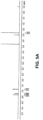
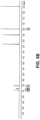
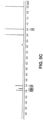
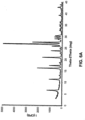
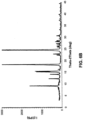
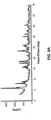
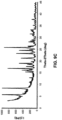
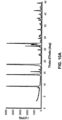
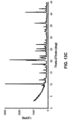
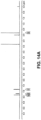
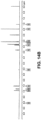
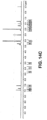
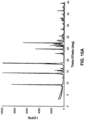
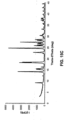
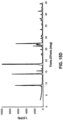
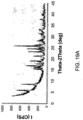
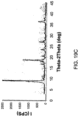
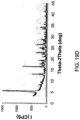
- polymorphic forms i.e., "polymorphs” of the compounds as exemplified by the X-ray Power Diffraction (XRPD) patterns shown in any of the figures.
- polymorphs of salts of diazoxide which include diazoxide and a cation selected from the group consisting of an alkali metal and a compound comprising a tertiary amine or quaternary ammonium group.
- the present invention relates to a pharmaceutical formulation comprising diazoxide choline for use in treating obesity, or preventing weight gain in an obesity prone subject, comprising administering to said subject a therapeutically effective amount of said pharmaceutical formulation.
- Also provided herein are methods for producing a diazoxide choline salt which includes suspending diazoxide in a solvent and mixing with a choline salt, adding a co-solvent to the suspension under conditions sufficient to cause formation and precipitation of the diazoxide choline salt, and harvesting the precipitate to provide the diazoxide choline salt.
- the hypoglycemia is selected from the group consisting of a) nighttime hypoglycemia, b) hypoglycemia attributable to a defect in insulin secretion, c) attributable to an insulin secreting tumor, and d) drug-induced hypoglycemia,
- the term "therapeutically effective” or “effective amount” indicates that the materials or amount of material is effective to prevent, alleviate, or ameliorate one or more symptoms of a disease or medical condition, and/or to prolong the survival of the subject being treated.
- pharmaceutically acceptable indicates that the identified material does not have properties that would cause a reasonably prudent medical practitioner to avoid administration of the material to a patient, taking into consideration the disease or conditions to be treated and the respective route of administration. For example, it is commonly required that such a material be essentially sterile, e.g., for injectibles.
- composition refers to a formulation suitable for administration to an intended animal subject for therapeutic purposes that contains at least one pharmaceutically active compound and at least one pharmaceutically acceptable carrier or excipient.
- pharmaceutically acceptable carrier or excipient include any suitable pharmaceutically acceptable carrier or excipient.
- Adipocyte An animal connective tissue cell specialized for the synthesis and storage of fat.
- Agonist A chemical compound that has affinity for and stimulates physiological activity at cell receptors normally stimulated by naturally occurring substances, triggering a biochemical response.
- An agonist of a receptor can also be considered an activator of the receptor.
- a dipose tissue Tissue comprised principally of adipocytes.
- Adolescent A person between 10 and 19 years of age.
- Adiponectin A protein hormone produced and secreted exclusively by adipocytes that regulates the metabolism of lipids and glucose. Adiponectin influences the body's response to insulin. Adiponectin also has anti-inflammatory effects on the cells lining the walls of blood vessels.
- Alkali metal refers to elements included in Group I of the periodic table, such as, lithium, sodium, potassium, rubidium, cesium and francium.
- Amelioration of the symptoms of a particular disorder by administration of a particular pharmaceutical composition refers to any lessening, whether permanent or temporary, lasting or transient that can be attributed to or associated with administration of the composition.
- Analog a compound that resembles another in structure but differs by at least one atom.
- Antagonist A substance that tends to nullify the action of another, as a drug that binds to a cell receptor without eliciting a biological response when confronted with an agonist for the receptor.
- Atherosclerotic Plaque A buildup of cholesterol and fatty material within a blood vessel due to the effects of atherosclerosis
- Bariatric Surgery A range of surgical procedures which are designed to aid in the management or treatment of obesity and allied diseases.
- Beta cell rest Temporarily placing beta cells in a condition in which there is reduced metabolic stress due to suppressed secretion of insulin.
- Bilaminate A component of a pharmaceutical dosage form that consists of the lamination of two distinct materials.
- Combination refers to any association between or among two or more items.
- the combination can be two or more separate items, such as two compositions or two I collections. It can be a mixture thereof, such as a single mixture of the two or more items, or any variation thereof.
- Hyperinsulinemia Excessively high blood insulin levels, which is differentiated from hyperinsulinism, excessive secretion of insulin by the pancreatic islets. Hyperinsulinemia may be the result of a variety of conditions, such as obesity and pregnancy.
- Hyperinsulinism Excessive secretion of insulin by the pancreatic islets.
- Hyperlipidemia A general term for elevated concentrations of any or all of the lipids in the plasma, such as cholesterol, triglycerides and lipoproteins.
- Pharmacokinetic Relating to the absorption, distribution, metabolism and elimination of the drug in the body.
- Quick dissolving formulation A pharmaceutical formulation which upon oral administration may release substantially all of the drug active from the formulation within 10 minutes.
- Tablet Pharmaceutical dosage form that is produced by forming a volume of a matrix containing pharmaceutical active and excipients into a size and shape suitable for oral administration.
- Threshold Concentration The minimum circulating concentration of a drug required to exert a specific metabolic, physiological or compositional change in the body of a treated human or animal.
- Diazoxide can form both anions and cations, and thus salts can be prepared using a variety of counter ions, including both anions and cations.
- Cations of diazoxide can be formed at an amino group, and anions of diazoxide can be formed at either an amino group or at the sulfonyl, group.
- the formation of salts based on diazoxide can be done in a variety of solvents, preferably organic solvents.
- Forms A-G seven polymorphic forms have been identified (i.e., Forms A-G).
- Diazoxide potassium salt Forms C, D, and F were observed be an acetone solvent, a hemihydrate, and a dioxane solvent, respectively.
- Forms A, B, E, and G were not commonly observed during screening, and elemental analysis suggests that Forms A, B, B and G may be mixtures, have residual solvent present, and/or not be a potassium salt, at least in part.
- slurry studies suggest that Form D is the thermodynamically most stable polymorph of the diazoxide potassium salt polymorphs.
- R 3 , R 6 and R 7 are: i) nC 7 H 15 , H, Cl a) H, H, CH 3 j) nC 3 H 7 , Cl, H b) H, H, Cl k) nC 4 H 9 , Cl, H c) CH 3 , Cl, H l) nC 5 H 11 , Cl, H d) CH 2 Cl, H, Cl m) nC 7 H 15 , Cl, H e) NH 2 , H, n) nC 3 H 7 , Cl, Cl f) CH 2 CH 2 Cl, H,Cl o) nC 4 H 9 , Cl, Cl p) nC 5 H 11 , Cl, Cl g) nC 4 H 9 , H
- a “substituted alkyl” is an alkyl group independently substituted with 1 or more, e.g., 1,; 2, or 3, groups or substituents such as halo, hydroxy, optionally substituted alkoxy, optionally substituted alkylthio, alkylsulfinyl, alkylsulfonyl, optionally substituted amino, optionally substituted amido, amidino, urea optionally substituted with alkyl, aminosulfonyl optionally N-mono- or N,N-di-substituted with alkyl, alkylsulfonylamino, carboxyl, heterocycle, substituted heterocycle, nitro, cyano, thiol, sulfonylamino or the like attached at any available point to produce a stable compound.
- substituents such as halo, hydroxy, optionally substituted alkoxy, optionally substituted alkylthio, alkylsulfinyl, alkyl
- fluoro substituted refers to substitution by 1 or more, e.g., 1, 2, or 3 fluorine atoms.
- Optionally fluoro substituted means that substitution, if present, is fluoro.
- the term “optionally substituted” as used herein means that substitution may, but need not, be present.
- “Lower alkyl” refers to an alkyl group having 1-6 carbon atoms.
- Cycloalkyl refers to saturated or unsaturated, non-aromatic monocyclic, bicyclic or tricyclic carbon ring systems of 3-8, more preferably 3-6, ring members per ring, such as cyclopropyl, cyclopentyl, cyclohexyl, adamantyl, and the like.
- Cycloalkylene is a divalent cycloalkyl.
- Substituted cycloalkyl refers to saturated or unsaturated, non-aromatic monocyclic, bicyclic or tricyclic carbon ring systems of 3-8, more preferably 3-6, ring members per ring, such as cyclopropyl, cyclopentyl, cyclohexyl, adamantyl, and the like independently substituted with 1 or more, e.g., 1, 2, or 3, groups or substituents such as halo, hydroxy, optionally substituted alkoxy, optionally substituted alkylthio, alkylsulfinyl, alkylsulfonyl, optionally substituted amino, optionally substituted amido, amidino, ureaoptionally substituted with alkyl, aminosulfonyl optionally N-mono- or N,N-di-substituted with alkyl, alkylsulfonylamino, carboxyl, heterocycle, substituted heterocycle, nitro, cyano,
- Aryl alone or in combination means phenyl or naphthyl optionally carbocyclic fused with a cycloalkyl of preferably 5-7, more preferably 5-6, ring members.
- Substituted aryl refers to an aryl group as defined above independently substituted with 1 or more, e.g., 1, 2, or 3, groups or substituents such as halo, hydroxy, optionally substituted alkoxy, optionally substituted alkylthio, alkylsulfinyl, alkylsulfonyl, optionally substituted amino, optionally substituted amido, amidino, urea optionally substituted with alkyl, aminosulfonyl optionally N-mono- or N,N-disubstituted with alkyl, alkylsulfonylamino, carboxyl, heterocycle, substituted heterocycle, nitro, cyano, thiol, sulfonylamino or the like attached at any available point to produce a stable compound.
- substituents such as halo, hydroxy, optionally substituted alkoxy, optionally substituted alkylthio, alkylsulfinyl, alkyl
- Alkoxy denotes the group -OR cc , where R cc is alkyl.
- Lower alkoxy denotes the group -OR ccc , where R ccc is lower alkyl
- Substituted alkoxy denotes the group -OR dd , where R dd is substituted alkyl.
- Substituted lower alkoxy denotes the group -OR ddd , where R ddd is substituted lower alkyl.
- Alkylthio or “thioalkoxy” refers to the group -S-R ee , where R ee is alkyl.
- Substituted alkylthio or “substituted thioalkoxy” refers to the group -S-R, where R is substituted alkyl.
- Substituted sulfonyl denotes the group -S(O) 2 R gg , where R gg is alkyl, substituted alkyl, cycloalkyl, substituted cycloalkyl, cycloalkylalkyl, substituted cycloalkylalkyl, heterocyclyl, substituted heterocyclyl, heterocyclylalkyl, substituted hetereocyclylalkyl, aryl, substituted aryl, heteroaryl, substituted heteroaryl, heteroaralkyl, substituted heteroaralkyl, aralkyl or substituted aralkyl.
- Amino or "amine” denotes the group -NH 2 .
- a “divalent amine” denotes the group -NH-.
- a “substituted divalent amine” denotes the group -NR kk - wherein R kk is r alkyl, substituted alkyl, aryl, substituted aryl, heteroaryl, substituted heteroaryl, acyl, substituted acyl, sulfonyl or substituted sulfonyl.
- Alkylsulfinyl denotes the group -S(O)R oo , wherein R oo is optionally substituted alkyl.
- Alkylsulfonyl denotes the group -S(O) 2 R pp , wherein R pp is optionally substituted alkyl.
- tertiary amino substituent denotes the group -NR ss R tt , wherein R ss and R tt are independently alkyl, substituted alkyl, aryl, substituted aryl, heteroaryl, substituted heteroaryl, acyl, substituted acyl, sulfonyl, substituted sulfonyl, or cycloalkyl.
- Heteroaryl means a monocyclic aromatic ring structure containing 5 or 6 ring atoms, or a bicyclic aromatic group having 8 to 10 atoms, containing one or more, preferably 1-4, more preferably 1-3, even more preferably 1-2, heteroatoms independently selected from the group consisting of O, S, and N. Heteroaryl is also intended to include oxidized S or N, such as sulfinyl, sulfonyl and N-oxide of a tertiary ring nitrogen. A carbon or nitrogen atom is the point of attachment of the heteroaryl ring structure such that a stable aromatic ring is retained.
- heterocycle or heterocyclyl groups are morpholino, tetrahydrofuranyl, dihydropyridinyl, piperidinyl, pyrrolidinyl, piperazinyl, dihydrobenzofuryl, dihydroindolyl, and the like.
- Heterocyclylalkyl refers to the group -R-Het where Het is a heterocycle group and R is an alkylene group.
- Aryloxy denotes the group -OAr, where Ar is an aryl, or substituted aryl, group.
- Heteroaryloxy denotes groups -OHet, wherein Het is an optionally substituted heteroaryl group.
- Alkylcarbonylamino denotes the group -NR q C(O)R p , wherein R p is optionally substituted alkyl, and R q is hydrogen or lower alkyl.
- Salts of diazoxide which include alkali metal cations can be prepared by reacting diazoxide with an alkali metal hydroxide or alkali metal alkoxide, such as for example, NaOH, KOH or NaOCH3, in a variety of solvents which may be selected from low molecular weight ketones (e.g., acetone, methyl ethyl ketone), tetrahydrofuran (THF), dimethylformamide (DMF), and n- methyl pyrrolidinone, and the like.
- solvents which may be selected from low molecular weight ketones (e.g., acetone, methyl ethyl ketone), tetrahydrofuran (THF), dimethylformamide (DMF), and n- methyl pyrrolidinone, and the like.
- Salts may include organic or inorganic counter ions, including but not limited to, acetate, acetonide, acetyl, adipate, aspartate, besylate, biacetate, bitartrate, bromide, butoxide, butyrate, calcium, camsylate, caproate, carbonate, citrate, cyprionate, decaroate, diacetate, dimegulumine, dinitrate, dipotassium, dipropionate, disodium, disulfide, edisylate, enanthate, estolate, etabonate, ethylsuccinate, fumarate, furoate, gluceptate, gluconate, hexacetonide, hippurate, hyclate, hydrobromide, hydrochloride, isethionate, lactobionate, malate, maleate, meglumine, methylbromide, methylsulfate, metrizoate, naf
- salts VIII include acid addition salts such as those containing sulfate, chloride, hydrochloride, fumarate, maleate, phosphate, sulfamate, acetate, citrate, lactate, tartrate, methanesulfonate, ethanesulfonate, benzenesulfonate, p-toluene sulfonate, cyclohexylsulfamate and quinate.
- acid addition salts such as those containing sulfate, chloride, hydrochloride, fumarate, maleate, phosphate, sulfamate, acetate, citrate, lactate, tartrate, methanesulfonate, ethanesulfonate, benzenesulfonate, p-toluene sulfonate, cyclohexylsulfamate and quinate.
- Salts can be prepared, for example, by dissolving the free-base form of a compound in a suitable solvent, such as an aqueous or aqueous-alcohol in solution containing the appropriate acid and then isolated by evaporating the solution.
- a salt is prepared by reacting the free base and acid in an organic solvent.
- Formulations according to the present invention exhibit at least one, or preferably some or even more preferably, all the following characteristics: (1) they are stable at ambient temperatures for a minimum of one year; (2) they provide for ease of oral administration; (3) they facilitate patient compliance with dosing; (4) upon administration, they consistently facilitate high levels of absorption of the pharmaceutical active; (5) upon once or twice daily oral administration they allow release of the K ATP channel opener over a sustained time frame such that the circulating concentration of the K ATP channel opener or its metabolically active metabolites does not fall below a therapeutically effective concentration; (6) they achieve these results independent of the pH of the gastrointestinal tract of treated subjects, and (7) they delay release until gastric transit is complete or nearly complete.
- the pharmaceutical formulations according to the present invention can be provided, for example, as capsules, tablets, or as quick dissolve tablets or films.
- Capsule or tablet formulations include a number of distinguishing components. One is a component to improve absorption of the K ATP channel opener. Another sustains release of the drug over more than 2 hours. A third delays substantial release of the drug until gastric transit is completed.
- Polymers that delay release can be applied to a tablet either by spray coating (as a thin film) or by compression coating. If a capsule is used, then the polymer(s) may be applied over the surface of the capsule or applied to microparticles of the drug, which may then be encapsulated such as in a capsule or gel. If the capsule is coated, then it will resist disintegration until after gastric transit. If microparticles are coated, then the capsule may disintegrate in the stomach but little to no drug will be released until after the free microparticles complete gastric transit. Finally, an osmotic pump system that uses e.g., a swellable hydrogel can be used to delay drug release in the stomach. The swellable hydrogel takes up moisture after administration.
- delay of release of formulations until after gastric transit is complete can be achieved by any of several mechanisms, including, but not limited to: (a) a pH sensitive polymer or co-polymer applied as a compression coating on a tablet; (b) a pH sensitive polymer or co-polymer applied as a thin film on a tablet; (c) a pH sensitive polymer or co-polymer applied as a thin film to an encapsulation system; (d) a pH sensitive polymer or co-polymer applied to encapsulated microparticles, (e) a non-aqueous-soluble polymer or copolymer applied as a compression coating on a tablet; (f) a non-aqueous-soluble polymer or co-polymer applied as a thin film on a tablet; (g) a non-aqueous soluble polymer applied as a thin film to an encapsulation system; (h) a non-aqueous soluble polymer applied to microparticles; (i) incorporation of
- Controlled Release Formulation Characteristics and Properties A. Unit Form: Tablet or Capsule B. Dosage/unit: 10-100 mg 100-200 mg 200-300 mg 300-500 mg 500-2000mg C. Dosing Once daily (24 hours) Twice daily (24 hours) D. Release time: 2-4 hrs 4-8 hrs 8-24 hours
- the gelling agent of the matrix also can be a heterodisperse gum comprising a heteropolysaccharide component and a homopolysaccharide component which produces a fast-forming and rigid gel as described in U.S. Pat. No. 5,399,359 .
- the matrix also can include a cross-linking agent such as a monovalent or multivalent metal cations to further add rigidity and decrease dissolution of the matrix, thus further slowing release of drug.
- the amount of crosslinking agent to add can be determined using methods routine to the ordinary skilled artisan.
- the controlled release composition also can be coated to retard access of liquids to the active compound and/or retard release of the active compound through the film-coating.
- the film-coating can provide characteristics of gastroresistance and enterosolubility by resisting rapid dissolution of the composition in the digestive tract.
- the film-coating generally represents about 5-15% by weight of the controlled release composition.
- the core by weight represents about 90% of the composition with the remaining 10% provided by the coating.
- Such coating can be a film-coating as is well known in the art and include gels, waxes, fats, emulsifiers, combination of fats and emulsifiers, polymers, starch, and the like.
- Solution coatings and dispersion coatings can be used to coat the active compound, either alone or combined with a matrix.
- the coating is preferably applied to the drug or drug and matrix combination as a solid core of material as is well known in the art.
- the pharmaceutical formulations according to the present invention may be formulated as a tablet or capsule for oral administration, or as an oral suspension or as an oral solution, or as an oral suspension or solution that is encapsulated.
- the pharmaceutical formulation comprising diazoxide choline according to the present invention is administered to an obesity prone subject as an oral, transdermal or intranasal formulation to reach and maintain the threshold concentration required to maintain weight for a prolonged period.
- the pharmaceutical formulation comprising diazoxide choline according to the present invention is administered over a prolonged basis to a subject in need thereof no more than once per 24 hours that results in circulating concentration of active drug sufficient to treat hypoglycemia on a continuous basis.
- the frequency of adverse effects caused by treatment with diazoxide choline is reduced using the pharmaceutical formulation comprising diazoxide choline according to the present invention that is administered to a subject in need thereof on a daily basis in which the maximum circulating concentration of active ingredient is lower than what would be realized by the administration of the same dose using an oral suspension or capsule formulation of Proglycem ® .
- the treatment of an obesity prone subject is optimized for weight maintenance by administration of the pharmaceutical formulation comprising diazoxide choline according to the present invention once per 24 hours in which the release of the active ingredient from the formulation has been modified to match the pattern of basal insulin secretion.
- the pharmaceutical formulation comprising diazoxide choline according to the present invention is co- administered with a drug that induces weight loss by a mechanism that is distinct from diazoxide to an overweight or obese subject to induce weight loss.
- the pharmaceutical formulation comprising diazoxide choline according to the present invention is co-administered with a drug that lowers blood pressure to an overweight, obesity prone or obese subject to induce weight loss.
- the pharmaceutical formulation comprising diazoxide choline according to the present invention is co-administered with a drug that lowers cholesterol to an overweight, obesity prone or obese subject to induce weight loss.
- the pharmaceutical formulation comprising diazoxide choline according to the present invention is co-administered with a drug that raises HDL associated cholesterol to an overweight, obesity prone or obese subject to induce weight loss.
- the pharmaceutical formulation comprising diazoxide choline according to the present invention is co-administered with an anti-inflammatory to an overweight, obesity prone or obese subject to induce weight loss.
- the pharmaceutical formulation comprising diazoxide choline according to the present invention is co-administered with a drug that lowers circulating triglycerides to an overweight, obesity prone or obese subject to induce weight loss.
- diazoxide choline is co-formulated with sibutramine in the pharmaceutical formulation comprising diazoxide choline according to the present invention that is administered to an overweight, obesity prone or obese subject to induce weight loss.
- diazoxide choline is co-formulated with orlistat or other active that suppresses the action of gastric lipases in the pharmaceutical formulation comprising diazoxide choline according to the present invention that is administered to an overweight, obesity prone or obese subject to induce weight loss.
- diazoxide choline is co-formulated with a non-thiazide diuretic in the pharmaceutical formulation comprising diazoxide choline according to the present invention that is administered to an overweight, obesity prone or obese subject to induce weight loss.
- diazoxide choline is co-formulated with an appetite suppressant in the pharmaceutical formulation comprising diazoxide choline according to the present invention that is administered to an overweight, obesity prone or obese subject to induce weight loss.
- diazoxide choline is co-formulated with a cannabinoid receptor antagonist in the pharmaceutical formulation comprising diazoxide choline according to the present invention that is administered to an overweight, obesity prone or obese subject to induce weight loss.
- diazoxide choline is co-formulated with an anti-cholesteremic active in the pharmaceutical formulation comprising diazoxide choline according to the present invention that is administered to an overweight, obesity prone or obese subject to induce weight loss.
- diazoxide choline is co-formulated with an antihypertensive active in the pharmaceutical formulation comprising diazoxide choline according to the present invention that is administered to an overweight, obesity prone or obese subject to induce weight loss.
- diazoxide choline is co-formulated with an insulin sensitizing active in the pharmaceutical formulation comprising diazoxide choline according to the present invention that is administered to an overweight, obesity prone or obese subject to induce weight loss.
- diazoxide choline is co-formulated with an anti-depressant active in the pharmaceutical formulation comprising diazoxide choline according to the present invention that is administered to an overweight, obesity prone or obese subject to induce weight loss.
- diazoxide choline is co-formulated with an anti-epileptic active in the pharmaceutical formulation comprising diazoxide choline according to the present invention that is administered to an overweight, obesity prone or obese subject to induce weight loss.
- diazoxide choline is co-formulated with an active that reduces the incidence of atherosclerotic plaque in the pharmaceutical formulation comprising diazoxide choline according to the present invention that is administered to an overweight, obesity prone or obese subject to induce weight loss.
- diazoxide choline is co-formulated with an active that lowers circulating concentrations of triglycerides in the pharmaceutical formulation comprising diazoxide choline according to the present invention that is administered to an overweight, obesity prone or obese subject to induce weight loss.
- the reduction of circulating triglycerides in an overweight, obese or obesity prone subject is achieved by the oral administration of an effective amount of the pharmaceutical formulation comprising diazoxide choline according to the present invention.
- diazoxide choline is co-formulated with a drug to treat obesity.
- Such co-formulations can be formulated for oral administration once per 24 hours, for delayed release of the active until gastric transit is complete, and for sustained release of the active over a period of 2 to 24 hours.
- Such obesity treatment drugs include, but are not limited to: sibutramine hydrochloride (5-30 mg), orlistat (50-360 mg), phentermine hydrochloride or resin complex (15 to 40 mg), zonisamide (100 to 600 mg), topiramate (64 to 400 mg), naltrexone hydrochloride (50 to 600 mg), or rimonabant (5 to 20 mg).
- a further embodiment of the co-formulation contains diazoxide choline and a drug to treat obesity.
- Such co-formulations can be formulated for oral administration twice per 24 hours, for delayed release of the active until gastric transit is complete, and for sustained release of the active over a period of 2 to 12 hours.
- Such obesity treatment drugs include, but are not limited to: sibutramine hydrochloride (2.5 to 15 mg), orlistat (25 to 180 mg), phentermine hydrochloride or resin complex (7.5 to 20 mg), zonisamide (50 to 300 mg), topiramate (32 to 200 mg), naltrexone hydrochloride (25 to 300 mg), or rimonabant (2.5 to 10 mg).
- diazoxide choline is co-formulated with a drug to treat obesity, diabetes, metabolic syndrome or an obesity related comorbidity.
- drugs to treat these conditions include drugs that: agonizes the ⁇ 1-noradrenergic receptor; agonizes the ⁇ 2 noradrenergic, receptor; stimulates noradrenalin release; blocks noradrenalin uptake; stimulates 5-HT release; blocks 5-HT uptake; is a serotonin (5-hydroxytryptamine) 2C receptor agonist; antagonizes acetyl-CoA carboxylase 2; agonizes the D1-receptor; antagonizes the H3-receptor; is a leptin analogue; agonizes the leptin receptor, sensitizes CNS tissue to the action of leptin; agonizes the MC4 receptor; agonizes NPY-Y1; agonizes NPY-Y2; agonizes NPY-
- drugs to treat obesity may include, but are not limited to those that antagonize or agonize the function or expression of 1 IB hydroxysteroid dehydrogenase type 1; acetyl-CoA carboxylase 1; ADAM 12, member 12 of a disintegrin and metalloprotease family or its shorter secreted form; agouti related protein; angiotensinogen; adipocyte lipid binding protein; adipocyte fatty acid binding protein; adrenergic receptors; acylation-stimulating protein; bombesin receptor subtype-3; C/EBP, CCAAT/enhancer binding protein; cocaine- and amphetamine-regulated transcript; cholecystokinin; cholecystokinin A receptor; CD36, fatty acid translocase; corticotropin-releasing hormone; diacylglycerol acyltransferases; E2F transcription factor; eukaryotic translation initiation factor 4e binding protein 1; estrogen receptor; fatty acid syntha
- the co-formulation can be formulated for oral administration twice per 24 hours, for delayed release of the active until gastric transit is complete, and for sustained release of the active over a period of 2 to 12 hours.
- drugs to treat diabetes include, but are not limited to: acarbose (25 to 150 mg), miglitol (12.5 to 150 nig), metformin hydrochloride (150 to 1000 mg), repaglinide (0.5 to 8 mg), nateglinide (1.00 to 200 mg), or rosiglitizone (2.5 to 25 mg).
- the co-formulation can be formulated for oral administration twice per 24 hours, for delayed release of the active until gastric transit is complete, and for sustained release of the active over a period of 2 to 12 hours.
- drugs to treat elevated cholesterol include, but are not limited to: pravastatin, simvastatin, atorvastatin, fluvastatin, rosuvastatin or lovastatin (5 to 40 mg).
- diazoxide choline is co-formulated with a drug to treat depression.
- Such co-formulations can be formulated for oral administration once per 24 hours, for delayed release of the active until gastric transit is complete, and for sustained release of the active over a period of 2 to 24 hours.
- the co-formulation can be formulated for oral administration twice per 24 hours, for delayed release of the active until gastric transit is complete, and for sustained release of the active for 2 to 12 hours.
- Such drugs to treat depression include, but are not limited to: citalopram hydrobromide (5 to 40 mg), escitalopram hydrobromide (2.5 to 20 mg), fluvoxamine maleate (12.5 to 150 mg), paroxetine hydrochloride (6.25 to 37.5 mg), fluoxetine hydrochloride (15 to 50 mg), setraline hydrochloride (12.5 to 100 mg), amitriptyline hydrochloride (5 to 100 mg), desipramine hydrochloride (5 to 150 mg), nortriptyline hydrochloride (5 to 75 mg), duloxetine hydrochloride (10 to 100 mg), venlafaxine hydrochloride (18 to 75 mg), phenelzine sulfate (5 to 15 mg), bupropion hydrochloride (100 to 200 mg), or mirtazapine (4 to 45 mg).
- diazoxide choline is co-formulated with a drug to treat hypertension.
- Such co-formulations can be formulated for oral administration once per 24 hours, for delayed release of the active until gastric transit is complete, and for sustained release of the active over a period of 2 to 24 hours.
- the co-formulation can be formulated for oral administration twice per 24 hours, for delayed release of the active until gastric transit is complete, and for sustained release of active over a period of 2 to 12 hours.
- Such drugs to treat hypertension include, but are not limited to: enalapril maleate (1.25 to 20 mg), captopril (2 to 75 mg), lisinopril (5 to 20 mg), benzaepril hydrochloride (5 to 40 mg), quinapril hydrochloride (5 to 40 mg), peridopril erbumine (2 to 4 mg), ramipril (1 to 10 mg), trandolapril (1 to 4 mg), fosinopril sodium (5 to 40 mg), moexipril hydrochloride (2.5 to 10 mg), losartan potassium (12.5 to 100 mg), irbesartan (37.5 to 300 mg), valsartan (20 to 300 mg), candesartan cilexetil (2 to 32 mg), olmesartan medoxamil (2.5 to 40 mg), telmisartan (10 to 80 mg), eprosartan mesylate (37.5 to 300 mg), atenolol (12.5 to 100 mg), propranolol hydroch
- Such diuretics can include, but are not limited to: amiloride hydrochloride (1 to 10 mg), spironolactone (10 to 100 mg), triamterene (25 to 200 mg), bumetanide (0.5 to 4 mg), furosemide (10 to 160 mg), ethacrynic acid or ethacrynate sodium (10 to 50 mg), tosemide (5 to 100 mg), chlorthalidone (10 to 200 mg), indapamide (1 to 5 mg), hydrochlorothiazide (10 to 100 mg), chlorothiazide (50 to 500 mg), bendroflumethiazide (5 to 25 mg), hydroflumethiazide (10 to 50 mg), mythyclothiazide (1 to 5 mg), and polythiazide (1 to 10 mg).
- the co-formulation can be formulated for oral administration twice per 24 hours, for delayed release of the active until gastric transit is complete, and for sustained release of the active over a period of 2 to 12 hours.
- Such diuretics include, but are not limited to: amiloride hydrochloride (0.5 to 5 mg), spironolactone (5 to 50 mg), triamterene (12 to 100 mg), bumetanide (0.2 to 2 mg), furosemide (5 to 80 mg), ethacrynic acid or ethacrynate sodium (5 to 25 mg), tosemide (2 to 50 mg), chlorthalidone (5 to 100 mg), indapamide (0.5 to 2.5 mg), hydrochlorothiazide (5 to 50 mg) chlorothiazide (25 to 250 mg), bendroflumethiazide (2 to 12.5 mg), hydroflumethiazide (5 to 25 mg), mythyclothiazide (0.5 to 2.5 mg), and polythiazide (0.5 to 5 mg).
- diazoxide choline is co-formulated with a drug to treat inflammation or pain.
- Such co-formulations can be formulated for oral administration once per 24 hours, for delayed release of the active until gastric transit is complete, and for sustained release of the active over a period of 2 to 24 hours.
- the pharmaceutical formulation comprising according to the present invention comprises a polymorph of diazoxide choline salt.
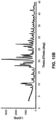
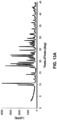
- the polymorph of diazoxide choline salt is of Form A having characteristic peaks in the XRPD pattern at values of two-theta (Cu K ⁇ , 40 kV, 40 mA) at approximately 9.8, 10.5, 14.9, 17.8, 17.9, 18.5, 19.5, 22.1, 22.6, 26.2, 29.6, and 31.2 degrees.
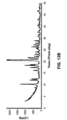
- the polymorph of diazoxide choline salt is of Form B having characteristic peaks in the XRPD pattern at values of two-theta (Cu K ⁇ , 40 kV, 40 mA) at approximately 8.9, 10.3, 12.0, 18.3, 20.6, 24.1, 24.5, 26.3, 27.1, and 28.9 degrees.
- the polymorph of diazoxide choline salt is of Form B having characteristic infrared absorbances at 3256, 2174, 2890, 1605, 1463, and 1235 cm -1 .
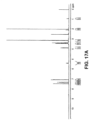
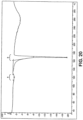
- the polymorph of diazoxide choline salt is of Form A having characteristic peaks in the XRPD pattern substantially as shown in FIG. 16(a) , and an NMR spectrum substantially as shown in FIG. 17(a).
- the solvent is tetrahydrofuran. In some aspects, the solvent is 2-methyltetrahydrofuran (2-MeTHF).
- the diazoxide and the solvent are present at a ratio of about 1 g diazoxide per 1 mL solvent to about 1 g diazoxide per 5 mL solvent. In some aspects, the diazoxide and the solvent are present at a ratio of about 1 g diazoxide per 3 mL solvent.
- the choline salt is a solution in MeOH.
- the choline salt is choline hydroxide in about a 45% solution (e.g., 40%, 41%, 42%, 43%, 44%, 45%, 46%,47%, 48%, 49%, 50%) in MeOH.
- the dissolution profile (i.e., % dissolved with time) of Proglycem ® capsules (100 mg) and controlled-release tablet formulations of diazoxide as provided herein is shown in Table 5.
- the 50 mg tablet entry of Table 5 refers to Formulation J (Table 2) wherein talc and cab-o-sil was present at 2% and 1%, respectively.
- the 200 mg tablet entry of Table 5 refers to Formulation K (Table 2) wherein talc and cab-o-sil are present at 2% and 1%, respectively
- the choline salt of diazoxide was prepared by dissolving 300 mg of diazoxide in approximately 45 mL methyl ethyl ketone (MEK).
- MEK methyl ethyl ketone
- the diazoxide/MEK solution was heated at 75°C on an orbital shaker to ensure dissolution.
- To the solution was added approximately 315 mg of 50 wt. % of choline hydroxide (1 molar equivalent) and the solution was returned to the orbital shaker and stirred at 75°C for approximately 30 minutes.
- the solvent was removed under reduced pressure, and the solid was dried in vacuo at 55°C and 30 in. Hg. Elemental analysis: Calculated, 46.77% C, 5.86% H, and 12.00% N; Found, 46.25% C, 6.04% H, and 12.59% N.
- XRPD samples were analyzed with a Shimadzu XRD-6000 system, using a Cu K ⁇ , 40 kV, 40 mA X-ray tube.
- the divergence and scatter slits were 1.00 deg, and the receiving slit was 0.30 mm.
- Samples were continuously scanned at a range of 3.0-45.0 deg, with a step size of 0.04 deg., at a scan rate of 2 deg/min.
- Attenuated Total Reflectance allows for the analysis of thin films, organic and inorganic, in areas as small as 10-15 microns.
- Nuclear Magnetic Resonance was performed with a 400 MHz Bruker Avance with a 4mm CP/MAS H-X probe. Acquisition of 1 H NMR spectra were performed by taking between 5-10 mg of the sample, dissolved in approximately 0.78 mL of DMSO-d 6 . Spectra were acquired with either 16 or 32 scans, using a pulse delay of 1.0 sec, with a 10 ⁇ sec (30°) pulse width.
- UV spectroscopy was performed with a Perkin-Elmer Lambda 25 spectrometer. Samples were dissolved in acetonitrile, water and a buffer system having a pH between 5.6 and 10. Spectra were acquired between 340 and 190 nm, using a 1 cm path length with background correction.
- Moisture Sorption Analysis was performed with a Hiden IGAsorp Moisture Sorption Instrument. Samples were first dried at 0% relative humidity at 25°C until an equilibrium weight was reached, or for a maximum of 4 hours. Samples were then subjected to an isothermal (25°C) scan from 10 - 90% relative humidity in steps of 10%.I The samples were allowed to equilibrate to an asymptotic weight at each point for a maximum of 4 hours. Following absorption, a desorption scan from 85% relative humidity (at 25°C) was run in steps of-10%, again allowing a maximum of 4 hours for the samples to equilibrate. The resulting samples after desorption were dried at 80°C for two hours and analyzed by XRPD.
- the free form of diazoxide was characterized by XRPD, differential scanning calorimetry (DSC), thermal gravimetric analysis (TGA), moisture sorption, 1 H NMR, FTIR and UV-vis spectroscopy to provide a baseline for comparison with the salts.
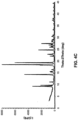
- Free form diazoxide is highly crystalline, as shown by the XRPD pattern. (See Figure 4(a) ).
- the DSC shows a large endothermic event at 330°C
- TGA shows that the free form of diazoxide is anhydrous, where diazoxide shows no weight loss below 200°C, and a weight loss of only 0.2% below 230°C.
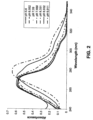
- UV-vis spectroscopy measurements taken of the free form diazoxide in neutral aqueous solution show a ⁇ max at approximately 268 nm. In acetonitrile, the ⁇ max was 264 nm, demonstrating a small solvatochromic shift. As shown in Figure 2 , as pH increased the ⁇ max also increased, from approximately 265 nm to approximately 280 nm, due to a change in the electronics of the molecule.
- the XRPD pattern of the sodium salt of diazoxide was analyzed, showing the material to be crystalline. (See Figure 4(d) ).
- the DSC analysis revealed a major exothermic event at 448°C. Small transitions below 400°C are likely due to sample imperfections TGA analysis showed weight loss of 0.2% and 0.03% below 120°C, which may be the result of bound solvent.
- Moisture absorption performed from 0 - 90% relative humidity at 25°C showed the material to be hygroscopic as the sample deliquesced at 90% relative humidity.
- the sample absorbed 1.2 wt% of water at 60% RH, and 6.6 wt% water at 80% RH.
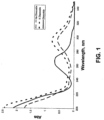
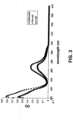
- UV-vis measurements in neutral aqueous solution show a ⁇ max of approximately 271 nm. (See Figure 1 ). This value is slightly higher than free form diazoxide (265 nm). In acetonitrile, the ⁇ max of the sodium salt exhibits a solvatochromic shift to approximately 296 nm. (See Figure 3 ). An increase in the pH of the solution is expected to produce a bathochromic shift from approximately 265 nm to approximately 280 nm.
- the XRPD pattern for the potassium salt of diazoxide was analyzed, showing the material to be crystalline. (See Figure 4(b) ).
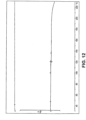
- the DSC analysis revealed two major exothermic events at 128 and 354°C. (See Figure 7 ). Small endotherms are likely due to sample impurities or the presence of solvent.
- TGA analysis showed weight loss of 7.7% below 220°C, which may be the result of moisture sorption. (See Figure 8 ).
- Theoretical weight loss for a monohydrate of the diazoxide salt is 6.6%.
- Moisture absorption performed from 0 - 90% relative humidity at 25°C showed the material to be hygroscopic as the sample deliquesced at 90% relative humidity, showing 38.3 wt% water.
- UV-vis measurements of the potassium diazoxide salt in neutral aqueous solution show a ⁇ max of approximately 265 run, which is equivalent to the diazoxide free form ⁇ max .
- the ⁇ max of the potassium salt exhibits a solvatochromic shift to approximately 296 nm.
- the potassium salt was used in a pH dependency study and showed that increasing the pH of the solution resulted in a bathochromic shift of the ⁇ max from approximately 265 nm to approximately 280 nm.
- UV-vis measurements of the choline diazoxide salt in neutral aqueous solution show a ⁇ max of approximately 268 nm, which is close to the ⁇ max for the diazoxide free form of 265 nm.
- the ⁇ max of the choline salt exhibits a solvatochromic shift to approximately 296 nm, which is consistent with the sodium and potassium diazoxide salts.
- the potassium salt was used in a pH dependency study and showed that increasing the pH of the solution resulted in a bathochromic shift of the ⁇ max from approximately 265 nm to approximately 280 nm.
- Solubility measurements performed at pH 2, 7, and 12 in 10 mM phosphate buffer at room temperature showed solubility of the sodium salt of diazoxide to be 28.2 mg/mL, 41.5 mg/mL and greater than 293 mg/mL, respectively.
- the choline salt displayed greater solubility than the free form diazoxide after being allowed to equilibrate for 12 hours.
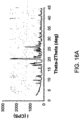
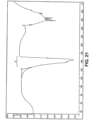
- the XRPD pattern of the HHDADH salt of diazoxide was analyzed, showing the material to be a crystalline solid. (See Figure 10(c) ). Integration of the 1 H NMR spectra was consistent with a 2:1 molar ratio of diazoxide to counter-ion (wherein the HHDADH counter-ion is divalent), and had the expected differences in the chemical shift of the aromatic and methyl resonances due to the change in the local environment of the aromatic system due to the presence of the choline counter-ion. (See Figure 14(c) ). The ⁇ max of the HHDADH diazoxide salt in acetonitrile measured by UV-vis is 296 nm, which is consistent with the sodium, potassium and choline diazoxide salts.
- Diazoxide, free from refers to the free base of diazoxide
- Diazoxide, choline salt is the choline salt of diazoxide as described herein
- Diazoxide, choline salt, milled refers to the choline salt of diazoxide which has been milled by methods described herein.
- Table 15 shows that in 100mM phosphate buffer, pH 7, and with titration with 0.1N phosphoric acid to a pH of about 6.8 to 8.8, solubility is notably suppressed compared to solubility at pH 10-11. Furthermore, the diazoxide choline salts were found to have increased solubility when compared to the parent free base.
- Weight loss by TGA is less than 1% and may be due to residual solvent.
- the temperature of weight loss is above 100 °C which suggests that solvent may have been bound (i.e., solvate material).
- Moisture-sorption analysis conducted at 25 °C from 0 to 80% RH (adsorption) and 75 to 0% RH (desorption) shows Form A to be a hygroscopic solid, showing 2.4 wt % water at 60% RH. The sample was found to have deliquesced above 75% RH.
- Form B is also hygroscopic and showed 7.4 wt % water at 60% RH and deliquesced at 80% RH.
- XRPD analysis following the moisture-sorption experiment affords a pattern consistent with Form A.
- Diazoxide choline prepared in MEK using choline hydroxide as 50 wt % solution in water (see above) displayed some solubility in the following solvents: acetonitrile, acetone, ethanol, IPA, MEK, DMF, and methanol. These solvents were chosen due to differences in functionality, polarity, and boiling points and their ability to dissolve diazoxide. Other solvents which showed poor ability to dissolve salts were used as antisolvents and in slurry experiments where some solubility was observed: dioxane, MTBE, EtOAc, IPAc, THF, water, cyclohexane, heptane, CH 2 Cl 2 , and toluene.
- the fast cooling procedure (supra) was used with the exception of using different primary solvents which were miscible with water: acetone, acetonitrile, DMF, IPA, i-BuOH, i-AmOH, and t-AmOH. Water was utilized in these crystallizations as a cosolvent. All solids obtained from the fast-cooling procedure with water as the cosolvent provided diazoxide freeform material by XRPD analysis.
- Diazoxide potassium Forms C, D, and F were observed to be an acetone solvate, a hemihydrate, and a dioxane solvate of diazoxide potassium, respectively.
- Form C is an acetone solvate that was generated predominantly when acetone was used in the crystallization.
- Form D a hemihydrate, was observed to be generated from most solvents used.
- Form F is a dioxane solvate generated when dioxane was used as an antisolvent.
- Forms A, B, E, and G were not commonly observed during the crystallization. Elemental analysis data indicated that the unique forms observed may be mixtures and/or have residual solveht(s) present.
- Form D was found to be the most thermodynamically stable form of those discovered in this study.
- Forms C and F readily converted to Form D in all slurry solvents utilized.
- the material may have converted to the hemihydrate, Form D, upon removal from the solvent.
- the polymorphic Form A of the potassium salt of diazoxide was prepared as described above.
- Diazoxide (2.95 g) was combined with 450 mL of methyl ethyl ketone and heated to approximately 77°C to dissolve the diazoxide.
- To the solution was added approximately 13 mL of 1M potassium hydroxide at a rate of approximately 20 mL/min, stirred and allowed to cool to room temperature. The solution was stirred at room temperature for ⁇ 16 h. The solvent was removed under reduced pressure, and the residual solids were dried in vacuo at 57 °C and 30 in. Hg to afford 3.7 g of the potassium salt.
- the 1 H NMR of the Form B polymorph of the potassium salt of diazoxide shows no change from the Form A polymorph.
- Formulations of salts prepared as described herein can be tested for efficacy in an animal model of obesity as described by Surwit et al. (Endocrinology 141:3630-3637 (2000 )). Briefly, 4-week-old B6 male mice are housed 5/cage in a temperature-controlled (22°C)'room with a 12-h light, 12-h dark cycle. The high fat (HF) and low fat (LF) experimental diets contain 58% and 11% of calories from fat, respectively. A group of mice are fed the HF diet for the first 4 weeks of the study; the remaining 15 mice are fed the LF diet. The mice assigned to the LF diet are maintained on this diet throughout the study as a reference group of lean control mice.
- HF high fat
- LF low fat
- hypocaloric diet Before initiation of the study, all subjects are placed on a hypocaloric diet for a lead-in period of 1 week. This is designed to exclude subjects who are unlikely to be compliant and to ensure stable body weight before treatment. Up to 50 subjects are tested at each dosage of drug. Daily dosage is set at 100, 200, and 300 mg/day. The daily dose is divided into 2 doses for administration. The dose is administered as either one, two or three 50 mg capsules or tablets at each time of administration. Subjects are dosed daily for up to 12 months. Subjects are reviewed weekly, weighed, and asked about any side effects or concurrent illnesses.
- Evaluation of a prolonged co-administration of solid oral dosage form thereof in combination with phentermine can be conducted in humans with moderate-to-morbid obesity and a body mass index (BMI) greater than or equal to 30 kg/m 2 .
- BMI body mass index
- Each subject undergoes a complete physical examination at the initial evaluation, body weight being measured on a standard electronic scale and body composition by DEXA.
- Diazoxide choline was selected as an alternative molecule for the oral administration of diazoxide because of significantly greater aqueous solubility over diazoxide free base, rapid conversion to diazoxide base on exposure to an aqueous environment, and incompatibility with incorporation into sustained release formulations.
- the fate of diazoxide choline in an aqueous medium in vitro has been extensively characterized. Without wishing to be bound by theory, once solubilized from the controlled-release tablet formulation, prior to absorption, the salt hydrolyzes to the free base of diazoxide and choline hydroxide. This was extensively characterized using UV/Vis absorbance, and occurred at all physiological relevant pH values from pH 2.0 to pH 8.5.
- Hematology included measurements of hemoglobin, hematocrit, white blood cell count with differential, red blood cell count and platelet count.
- Clinical serum chemistry included evaluation of sodium, potassium, BUN, creatinine, total bilirubin, total protein, albumin, alkaline phosphatase, AST, ALT, glucose, total cholesterol, HDL-cholesterol, and triglycerides.
- Urinalysis included pH, specific gravity, protein, glucose, ketones, bilirubin, blood, nitrites, urobilinogen, leukocytes, and microscopic urine analysis if sample was dipstick positive. All adverse events were recorded.
- Blood glucose, insulin and non-esterified fatty acids were measured prior to dosing and at 1, 3, 6, 9, 12, 24, and 48 hours post dosing. Blood glucose and insulin levels were also assessed at end of study. Data collected at times 1, 3, 24, and 48 hours after dose administration were obtained under fasting conditions. The remaining data points were post-prandial measures. Samples for pharmacokinetic analysis to evaluate bioavailability were collected prior to dosing and after dose administration at 1, 2, 4, 6, 8, 12, 16, 20, 24, 32, 40, 48, 72, 96, and 120 hours.
- the diazoxide choline controlled-release tablet had a 30% lower peak exposure (Cmax) and a 15% lower total exposure (AUC) when the formulations were administered orally as 200 mg equivalents of diazoxide ( Table 37 ).
- the timing of the peak plasma concentration (Tmax) occurred at a median time of 4 hr after administration of the oral suspension and 20 hr after administration of the diazoxide choline controlled-release tablet.
- the terminal half-life for diazoxide was similar with both formulations (29 hr for the oral suspension and 32 hr for the tablet). The two formulations had similar between-patient variability for Cmax and AUC.
- the diazoxide choline controlled-release tablet had a 30% lower peak exposure (Cmax) and a 15% lower total exposure (AUC) for the same 200 mg diazoxide equivalent dose.
- the timing of the peak plasma concentration (Tmax) occurred at a median time of 4 hr after administration of the oral suspension and 20 hr after administration of the diazoxide choline tablet.
- the terminal half-life for diazoxide is similar with both formulations (29 hr for the oral suspension and 32 hr for the tablet). The two formulations had similar between-patient variability for Cmax and AUC.
Landscapes
- Health & Medical Sciences (AREA)
- Chemical & Material Sciences (AREA)
- Organic Chemistry (AREA)
- Life Sciences & Earth Sciences (AREA)
- Pharmacology & Pharmacy (AREA)
- Veterinary Medicine (AREA)
- Public Health (AREA)
- General Health & Medical Sciences (AREA)
- Medicinal Chemistry (AREA)
- Animal Behavior & Ethology (AREA)
- Engineering & Computer Science (AREA)
- Bioinformatics & Cheminformatics (AREA)
- Chemical Kinetics & Catalysis (AREA)
- Nuclear Medicine, Radiotherapy & Molecular Imaging (AREA)
- General Chemical & Material Sciences (AREA)
- Epidemiology (AREA)
- Diabetes (AREA)
- Endocrinology (AREA)
- Hematology (AREA)
- Biomedical Technology (AREA)
- Obesity (AREA)
- Neurosurgery (AREA)
- Neurology (AREA)
- Psychiatry (AREA)
- Zoology (AREA)
- Gastroenterology & Hepatology (AREA)
- Proteomics, Peptides & Aminoacids (AREA)
- Immunology (AREA)
- Heart & Thoracic Surgery (AREA)
- Emergency Medicine (AREA)
- Cardiology (AREA)
- Urology & Nephrology (AREA)
- Child & Adolescent Psychology (AREA)
- Vascular Medicine (AREA)
- Hospice & Palliative Care (AREA)
- Pain & Pain Management (AREA)
- Pharmaceuticals Containing Other Organic And Inorganic Compounds (AREA)
- Medicines That Contain Protein Lipid Enzymes And Other Medicines (AREA)
- Acyclic And Carbocyclic Compounds In Medicinal Compositions (AREA)
- Nitrogen- Or Sulfur-Containing Heterocyclic Ring Compounds With Rings Of Six Or More Members (AREA)
Claims (11)
- Pharmazeutische Formulierung umfassend Diazoxidcholin zur Verwendung bei der Behandlung von Fettleibigkeit, oder zur Verhinderung von Gewichtszunahme bei einem zu Fettleibigkeit neigenden Subjekt, umfassend das Verabreichen einer therapeutisch wirksamen Menge der pharmazeutischen Formulierung an das Subjekt.
- Pharmazeutische Formulierung zur Verwendung gemäß Anspruch 1, ferner umfassend das Verabreichen eines pharmazeutischen Wirkstoffs oder mehrerer pharmazeutischer Wirkstoffe, der/die für die Behandlung von Fettleibigkeit geeignet ist/sind, an das Subjekt.
- Pharmazeutische Formulierung umfassend Diazoxidcholin zur Verwendung bei der Aufrechterhaltung der Gewichtsabnahme bei einem fettleibigen, übergewichtigen oder zu Fettleibigkeit neigenden Subjekt, umfassend das Verabreichen einer therapeutisch wirksamen Menge der pharmazeutischen Formulierung an das Subjekt und das Verabreichen eines pharmazeutischen Wirkstoffs oder mehrerer pharmazeutischer Wirkstoffe, der/die für die Behandlung von Fettleibigkeit geeignet ist/sind.
- Pharmazeutische Formulierung zur Verwendung gemäß einem der Ansprüche 2 oder 3, wobei die pharmazeutische Formulierung als Tabletten- oder Kapselformulierung verabreicht wird,wobei die Formulierung in einer einzigen Verabreichungsdosis zwischen 10 und 100 mg, zwischen 25 und 100 mg, zwischen 100 und 200 mg, zwischen 200 und 300 mg, zwischen 300 und 500 mg oder zwischen 500 und 2000 mg Diazoxidcholin enthalten,wobei die Formulierung einmal pro Tag oder zweimal pro Tag verabreicht wird,wobei die Formulierung mindestens einen Bestandteil enthält, der ausgewählt ist aus der Gruppe bestehend aus:(a) einer pH-empfindlichen polymeren Beschichtung,(b) einer Hydrogel-Beschichtung,(c) eine Filmbeschichtung, die die Diffusionsgeschwindigkeit des Arzneimittels aus einer beschichteten Matrix kontrolliert,(d) einer erodierbaren Matrix, die die Freisetzungsrate des Arzneimittels steuert,(e) polymerbeschichtete Pellets, Granulate oder Mikropartikel des Arzneimittels, die weiter eingekapselt oder zu einer Tablette gepresst werden können,(f) ein osmotisches Pumpensystem, das den Wirkstoff enthält,(g) eine komprimierte beschichtete Tablettenform des Arzneimittels oder(h) Kombinationen der unter (a) - (f) genannten Ansätze,die zu einer verzögerten Freisetzung über einen Zeitraum von 2 bis 4 Stunden nach dem Verabreichen oder über einen Zeitraum von 4 bis 8 Stunden nach dem Verabreichen oder über einen Zeitraum von mehr als 8 bis 24 Stunden nach dem Verabreichen beiträgt,wobei der eine oder die mehreren pharmazeutische/n Wirkstoff/e ausgewählt ist/sind aus der Gruppe bestehend ausi) Orlistat (50 bis 360 mg/Einheit), Phenterminhydrochlorid oder Phentermin-Harzkomplex (15 bis 40 mg/Einheit), Zonisamid (100 bis 600 mg/Einheit), Topiramat (64 bis 400 mg/Einheit), Naltrexonhydrochlorid (50 bis 600 mg/Einheit), und ADP356 (5 bis 25 mg/Einheit);
oderii) selektive Serotonin-2c-Rezeptor-Agonisten, Dopamin-Antagonisten, Cannabinoid-1-Rezeptor-Antagonisten, Leptin-Analoga, Leptin-Transport- und/oder Leptin-Rezeptor-Promotoren, Neuropeptid-Y- und Agouti-verwandte Peptid-Antagonisten, Proopiomelanocortin und kokain- und amphetaminregulierte Transkriptpromotoren, Melanozyten-stimulierende Hormonanaloga, Melanocortin-4-Rezeptor-Agonisten und Wirkstoffe, die den Insulinstoffwechsel/die Insulinaktivität beeinflussen, Wirkstoffe des gastrointestinalen Nervenwegs, Mittel, die den Ruhestoffwechsel erhöhen können, Melaninkonzentrierende Hormon-Antagonisten, Phytostanol-Analoga, Amylaseinhibitoren, Wachstumshormonfragmente, synthetische Analoga von Dehydroepiandrosteron-Sulfat, Antagonisten der adipozytären 11B-Hydroxysteroid-Dehydrogenase-Typ-1-Aktivität, Corticotropin-Releasing-Hormon-Agonisten, Inhibitoren der Fettsäuresynthese, Carboxypeptidase-Inhibitoren, Indanone/Indanole, Aminosterole und gastrointestinale Lipaseinhibitoren;
oderiii) Protein-Tyrosin-Phosphatase-1B-Inhibitoren, Peroxisom-Proliferator-aktivierte Rezeptor-Antagonisten, Somatostatin-Agonisten, Mittel, die die Cholecystokinin-Aktivität erhöhen, Mittel, die die Glucagon-like-Peptid-1-Aktivität erhöhen, Mittel, die die Protein-YY3-36-Aktivität erhöhen, Mittel, die die Ghrelin-Aktivität verringern, Amylin-Analoga, selektive β-3-Stimulatoren/Agonisten, Uncoupling Protein-Homologe und Schilddrüsenrezeptor-Agonisten;
oderiv) Bromocriptin, Octreotid, Adiponectin, Exendin 4, Liraglutid und Dipeptidylpeptidase-IV-Inhibitoren. - Pharmazeutische Formulierung zur Verwendung gemäß Anspruch 3, wobei die pharmazeutische Formulierung als Tabletten- oder Kapselformulierung verabreicht wird,wobei die Formulierungen in einer einzigen Verabreichungsdosis zwischen 10 und 100 mg, zwischen 25 und 100 mg, zwischen 100 und 200 mg, zwischen 200 und 300 mg, zwischen 300 und 500 mg oder zwischen 500 und 2000 mg Diazoxidcholin enthalten,wobei die Formulierung einmal pro Tag oder zweimal pro Tag verabreicht wird,wobei die Formulierung mindestens einen Bestandteil enthält, der ausgewählt ist aus der Gruppe bestehend aus:(a) einer pH-empfindlichen polymeren Beschichtung,(b) einer Hydrogel-Beschichtung,(c) eine Filmbeschichtung, die die Diffusionsgeschwindigkeit des Arzneimittels aus einer beschichteten Matrix kontrolliert,(d) einer erodierbaren Matrix, die die Freisetzungsrate des Arzneimittels steuert,(e) polymerbeschichtete Pellets, Granulate oder Mikropartikel des Arzneimittels, die weiter eingekapselt oder zu einer Tablette gepresst werden können,(f) ein osmotisches Pumpensystem, das den Wirkstoff enthält,(g) eine komprimierte beschichtete Tablettenform des Arzneimittels oder(h) Kombinationen der unter (a) - (f) genannten Ansätze,die zu einer verzögerten Freisetzung über einen Zeitraum von 2 bis 4 Stunden nach dem Verabreichen oder über einen Zeitraum von 4 bis 8 Stunden nach dem Verabreichen oder über einen Zeitraum von mehr als 8 bis 24 Stunden nach dem Verabreichen beiträgt,wobei der pharmazeutische Wirkstoff ein Melanocortin-4-Rezeptor-Agonist ist.
- Pharmazeutische Formulierung zur Verwendung gemäß einem der Ansprüche 1-5, wobei die pharmazeutische Formulierung zur oralen Verabreichung geeignet ist.
- Pharmazeutische Formulierung zur Verwendung gemäß einem der Ansprüche 1-6, wobei die pharmazeutische Formulierung mindestens eine Komponente umfasst, die die Freisetzung von Diazoxidcholin aus der Formulierung bis nach der Magentransitzeit im Wesentlichen hemmt.
- Pharmazeutische Formulierung zur Verwendung gemäß einem der Ansprüche 1-7, wobei das Diazoxidcholin das Polymorph B von Diazoxidcholin ist, wobeii) das Polymorph B von Diazoxidcholin charakteristische Peaks im XRPD-Muster bei Werten von Zwei-Theta (Cu Ka, 40 kV, 40 mA) bei etwa 8,9, 10,3, 12,0, 18,3, 20,6, 24,1, 24,5, 26,3, 27,1 und 28,9 Grad aufweist;
und/oderii) das Polymorph B von Diazoxidcholin charakteristische Infrarotextinktionen bei 3256, 2174, 2890, 1605, 1463 und 1235 cm-1 aufweist;
und/oderiii) das Polymorph B von Diazoxidcholin charakteristische Peaks im XRPD-Muster im Wesentlichen wie in FIG. 13(b) gezeigt und ein NMR-Spektrum im Wesentlichen wie in FIG. 17(b) gezeigt aufweist. - Pharmazeutische Formulierung zur Verwendung gemäß einem der Ansprüche 1-8, wobei,i) die pharmazeutische Formulierung zwischen 10 und 100 mg Diazoxidcholin oder Polymorph B von Diazoxidcholin pro Dosis umfasst;
oderii) die pharmazeutische Formulierung zwischen 100 und 200 mg Diazoxidcholin oder Polymorph B von Diazoxidcholin pro Dosis umfasst;
oderiii) die pharmazeutische Formulierung zwischen 200 und 300 mg Diazoxidcholin oder Polymorph B von Diazoxidcholin pro Dosis umfasst;
oderiv) die pharmazeutische Formulierung zwischen 300 und 500 mg Diazoxidcholin oder Polymorph B von Diazoxidcholin pro Dosis umfasst;
oderv) die pharmazeutische Formulierung zwischen 500 und 2000 mg Diazoxidcholin oder Polymorph B von Diazoxidcholin pro Dosis umfasst. - Pharmazeutische Formulierung zur Verwendung gemäß einem der Ansprüche 2 bis 4 oder 6 bis 9, wobei die therapeutisch wirksame Menge an Diazoxidcholin oder Polymorph B von Diazoxidcholin von einem oder mehreren pharmazeutischen Wirkstoff/en, der/die für die Behandlung von Fettleibigkeit geeignet ist/sind, getrennt ist.
- Pharmazeutische Formulierung zur Verwendung gemäß einem der Ansprüche 2 bis 4 oder 6 bis 9, wobei die pharmazeutische Formulierung ein Gemisch aus der therapeutisch wirksamen Menge an Diazoxidcholin oder Polymorph B von Diazoxidcholin und dem einen oder mehreren pharmazeutischen Wirkstoff/en, der/die zur Behandlung von Fettleibigkeit geeignet ist/sind, umfasst.
Applications Claiming Priority (5)
| Application Number | Priority Date | Filing Date | Title |
|---|---|---|---|
| US75694106P | 2006-01-05 | 2006-01-05 | |
| US85474006P | 2006-10-27 | 2006-10-27 | |
| EP11184345.4A EP2404604B1 (de) | 2006-01-05 | 2006-12-20 | Salze von Kalium-ATP-Kanalöffnern und deren Verwendungen |
| EP06847875A EP1968601B1 (de) | 2006-01-05 | 2006-12-20 | Salze von kalium-atp-kanal-öffnern und ihre verwendungen |
| PCT/US2006/048711 WO2007081521A2 (en) | 2006-01-05 | 2006-12-20 | Salts of potassium atp channel openers and uses thereof |
Related Parent Applications (2)
| Application Number | Title | Priority Date | Filing Date |
|---|---|---|---|
| EP06847875A Division EP1968601B1 (de) | 2006-01-05 | 2006-12-20 | Salze von kalium-atp-kanal-öffnern und ihre verwendungen |
| EP11184345.4A Division EP2404604B1 (de) | 2006-01-05 | 2006-12-20 | Salze von Kalium-ATP-Kanalöffnern und deren Verwendungen |
Publications (2)
| Publication Number | Publication Date |
|---|---|
| EP3545958A1 EP3545958A1 (de) | 2019-10-02 |
| EP3545958B1 true EP3545958B1 (de) | 2024-07-10 |
Family
ID=38256790
Family Applications (3)
| Application Number | Title | Priority Date | Filing Date |
|---|---|---|---|
| EP19154788.4A Active EP3545958B1 (de) | 2006-01-05 | 2006-12-20 | Salze von kalium-atp-kanalöffnern und verwendungen davon |
| EP06847875A Active EP1968601B1 (de) | 2006-01-05 | 2006-12-20 | Salze von kalium-atp-kanal-öffnern und ihre verwendungen |
| EP11184345.4A Active EP2404604B1 (de) | 2006-01-05 | 2006-12-20 | Salze von Kalium-ATP-Kanalöffnern und deren Verwendungen |
Family Applications After (2)
| Application Number | Title | Priority Date | Filing Date |
|---|---|---|---|
| EP06847875A Active EP1968601B1 (de) | 2006-01-05 | 2006-12-20 | Salze von kalium-atp-kanal-öffnern und ihre verwendungen |
| EP11184345.4A Active EP2404604B1 (de) | 2006-01-05 | 2006-12-20 | Salze von Kalium-ATP-Kanalöffnern und deren Verwendungen |
Country Status (12)
| Country | Link |
|---|---|
| US (11) | US7799777B2 (de) |
| EP (3) | EP3545958B1 (de) |
| JP (1) | JP5543110B2 (de) |
| CN (2) | CN103172592B (de) |
| AT (1) | ATE529113T1 (de) |
| AU (1) | AU2006335153B2 (de) |
| CA (1) | CA2636274C (de) |
| DK (1) | DK1968601T3 (de) |
| ES (2) | ES2374963T3 (de) |
| HR (1) | HRP20120005T1 (de) |
| PL (1) | PL1968601T3 (de) |
| WO (1) | WO2007081521A2 (de) |
Families Citing this family (40)
| Publication number | Priority date | Publication date | Assignee | Title |
|---|---|---|---|---|
| US8821915B2 (en) | 2002-08-09 | 2014-09-02 | Veroscience, Llc | Therapeutic process for the treatment of the metabolic syndrome and associated metabolic disorders |
| CA2578224A1 (en) * | 2004-08-25 | 2006-03-09 | Essentialis, Inc. | Pharmaceutical formulations of potassium atp channel openers and uses thereof |
| US9757384B2 (en) | 2005-04-06 | 2017-09-12 | Essentialis, Inc. | Methods for treating subjects with Prader-Willi syndrome or Smith-Magenis syndrome |
| EP3545958B1 (de) * | 2006-01-05 | 2024-07-10 | Essentialis, Inc. | Salze von kalium-atp-kanalöffnern und verwendungen davon |
| TWI629058B (zh) * | 2007-01-16 | 2018-07-11 | 陳建宏 | 醫藥組成物及其用途 |
| US20080228056A1 (en) | 2007-03-13 | 2008-09-18 | Michael Blomquist | Basal rate testing using frequent blood glucose input |
| US7751907B2 (en) | 2007-05-24 | 2010-07-06 | Smiths Medical Asd, Inc. | Expert system for insulin pump therapy |
| US8221345B2 (en) | 2007-05-30 | 2012-07-17 | Smiths Medical Asd, Inc. | Insulin pump based expert system |
| US20090062264A1 (en) * | 2007-07-02 | 2009-03-05 | Cowen Neil M | Salts of potassium atp channel openers and uses thereof |
| MX2010004072A (es) * | 2007-10-15 | 2010-09-14 | Inventis Dds Pvt Ltd | Composicion farmaceutica de orlistat. |
| US20090177142A1 (en) | 2008-01-09 | 2009-07-09 | Smiths Medical Md, Inc | Insulin pump with add-on modules |
| US8986253B2 (en) | 2008-01-25 | 2015-03-24 | Tandem Diabetes Care, Inc. | Two chamber pumps and related methods |
| CA2666036C (en) * | 2008-05-16 | 2017-09-12 | Chien-Hung Chen | Novel compositions and methods for treating hyperproliferative diseases |
| US20100323015A1 (en) * | 2008-07-18 | 2010-12-23 | Biljana Nadjsombati | Modified release formulation and methods of use |
| CN102170879B (zh) * | 2008-07-18 | 2014-03-05 | 威朗国际制药公司 | 调控释放制剂及其应用方法 |
| US20100323016A1 (en) * | 2008-07-18 | 2010-12-23 | Biljana Nadjsombati | Modified release formulation and methods of use |
| US8408421B2 (en) | 2008-09-16 | 2013-04-02 | Tandem Diabetes Care, Inc. | Flow regulating stopcocks and related methods |
| EP2334234A4 (de) | 2008-09-19 | 2013-03-20 | Tandem Diabetes Care Inc | Vorrichtung zur messung der konzentration eines gelösten stoffs und entsprechende verfahren |
| US20120053172A1 (en) * | 2009-02-12 | 2012-03-01 | Cooperatieve Mirzorg U.A. | Use of a combination of diazoxide and metformin for treating obesity or obesity related disorders |
| AU2010225923B2 (en) * | 2009-03-16 | 2016-10-27 | Ipintl, Llc | Treating Alzheimer's disease and osteoporosis and reducing aging |
| US9352025B2 (en) | 2009-06-05 | 2016-05-31 | Veroscience Llc | Combination of dopamine agonists plus first phase insulin secretagogues for the treatment of metabolic disorders |
| US20110152770A1 (en) | 2009-07-30 | 2011-06-23 | Tandem Diabetes Care, Inc. | Infusion pump system with disposable cartridge having pressure venting and pressure feedback |
| CA2839350A1 (en) | 2011-07-05 | 2013-01-10 | Contera Pharma Aps | The use of serotonin receptor agonists for treatment of movement disorders |
| US8431155B1 (en) | 2012-04-30 | 2013-04-30 | Veroscience Llc | Bromocriptine formulations |
| US9180242B2 (en) | 2012-05-17 | 2015-11-10 | Tandem Diabetes Care, Inc. | Methods and devices for multiple fluid transfer |
| US9555186B2 (en) | 2012-06-05 | 2017-01-31 | Tandem Diabetes Care, Inc. | Infusion pump system with disposable cartridge having pressure venting and pressure feedback |
| US10201656B2 (en) | 2013-03-13 | 2019-02-12 | Tandem Diabetes Care, Inc. | Simplified insulin pump for type II diabetics |
| US9173998B2 (en) | 2013-03-14 | 2015-11-03 | Tandem Diabetes Care, Inc. | System and method for detecting occlusions in an infusion pump |
| US9492608B2 (en) | 2013-03-15 | 2016-11-15 | Tandem Diabetes Care, Inc. | Method and device utilizing insulin delivery protocols |
| US20140364367A1 (en) * | 2013-06-08 | 2014-12-11 | Sedogen, Llc | Methods of treating prader willi syndrome and conditions associated with low basal metabolic rate or hyperphagia using a katp channel opener |
| KR102452254B1 (ko) * | 2014-11-14 | 2022-10-11 | 에센셜리스 인코포레이티드 | 스미스-마제니스 증후군을 가지는 대상체를 치료하는 방법 |
| US10492141B2 (en) | 2015-11-17 | 2019-11-26 | Tandem Diabetes Care, Inc. | Methods for reduction of battery usage in ambulatory infusion pumps |
| CN107638569A (zh) * | 2016-07-21 | 2018-01-30 | 上海聿健生物科技有限公司 | 增强褐色脂肪细胞产热效率的方法和应用 |
| US11382881B2 (en) | 2017-05-05 | 2022-07-12 | Nino Sorgente | Methods and compositions for diagnosing and treating glaucoma |
| WO2018204721A1 (en) | 2017-05-05 | 2018-11-08 | Nino Sorgente | Methods and compositions for improving eye health |
| CN111954966B (zh) | 2018-04-10 | 2025-09-30 | 坦德姆糖尿病护理股份有限公司 | 用于对医疗设备进行感应充电的系统和方法 |
| CA3100902A1 (en) * | 2018-05-25 | 2019-11-28 | The Children's Medical Center Corporation | Methods for treating spinal cord injury |
| CN111888330B (zh) * | 2020-09-18 | 2022-08-16 | 常州市第四制药厂有限公司 | 一种二氮嗪口服混悬溶液及制备方法 |
| CN113274538B (zh) * | 2021-05-28 | 2022-09-06 | 中国科学院过程工程研究所 | 一种具有创面主动修复功能的bFGF缓释纳米敷料及其制备方法和应用 |
| CN116236451B (zh) * | 2023-04-18 | 2024-04-19 | 淄博市中心医院 | 一种阿卡波糖片、制备方法及用途 |
Family Cites Families (95)
| Publication number | Priority date | Publication date | Assignee | Title |
|---|---|---|---|---|
| US3269906A (en) | 1966-08-30 | Imino-j,x-dihydro-l,z,x-benzothiadiazine- i,i-dioxides | ||
| US3112307A (en) * | 1963-11-26 | Derivatives of benzothiadiazine | ||
| US2678311A (en) | 1952-05-07 | 1954-05-11 | Delmar Chem | Theophylline salts |
| US3057862A (en) * | 1959-03-25 | 1962-10-09 | Olin Mathieson | Benzothiadiazine derivatives |
| US2956573A (en) * | 1959-06-01 | 1960-10-18 | Brown Rutherford | Automobile windshield cover |
| US2986573A (en) | 1961-01-18 | 1961-05-30 | Schering Corp | Method for the treatment of hypertension |
| GB982072A (en) | 1960-09-19 | 1965-02-03 | Scherico Ltd | Benzothiadiazine-1,1-dioxides and processes for their manufacture |
| US3287360A (en) * | 1960-12-27 | 1966-11-22 | Merck & Co Inc | 3-carboxy-benzothiadiazine derivatives |
| US3304228A (en) | 1961-06-26 | 1967-02-14 | Schering Corp | Derivatives of 1, 2, 4-benzothiadiazine-1, 1-dioxides |
| US3265573A (en) | 1962-07-27 | 1966-08-09 | Squibb & Sons Inc | Benzothiadiazinesulfonamide-1, 1-dioxide composition |
| US3345365A (en) | 1964-03-31 | 1967-10-03 | Schering Corp | Novel 1, 2, 4-benzothiadiazine-1, 1-dioxide derivatives |
| US3431138A (en) | 1967-07-14 | 1969-03-04 | American Cyanamid Co | Method for coating pharmaceutical forms with methyl cellulose |
| US4029780A (en) | 1974-10-29 | 1977-06-14 | Dainippon Pharmaceutical Co., Ltd. | 3-Piperazinyl 1,2,4-benzothiadiazine 1,1-dioxide derivatives their compositions and method of use |
| JPS5248889A (en) | 1975-10-16 | 1977-04-19 | Inoue Japax Res Inc | Electrolytic grinding grindstone |
| JPS5278889A (en) * | 1975-12-25 | 1977-07-02 | Dainippon Pharmaceut Co Ltd | Preparation of 3-(4-methyl-1-piperazinyl)-2h-benzothiadiazine-1,1-oxid e derivatives |
| US4184039A (en) | 1977-12-01 | 1980-01-15 | Paul Finkelstein | Benzothiadiazine 1, 1-dioxides |
| DE2757925A1 (de) | 1977-12-24 | 1979-06-28 | Bayer Ag | Diazacyclo-1.2.4-benzothiadizine, verfahren zu ihrer herstellung sowie ihre verwendung als arzneimittel |
| JPS5995212A (ja) | 1982-11-23 | 1984-06-01 | Nitto Electric Ind Co Ltd | 基剤組成物及び外用医薬組成物 |
| DE3530857A1 (de) | 1985-08-29 | 1987-03-05 | Hoechst Ag | Verfahren zur herstellung von niedrigviskosen celluloseethern |
| GB8601204D0 (en) | 1986-01-18 | 1986-02-19 | Boots Co Plc | Therapeutic agents |
| GB2186485B (en) | 1986-02-13 | 1988-09-07 | Ethical Pharma Ltd | Slow release formulation |
| DE68917946T2 (de) | 1988-01-29 | 1995-01-05 | Peter H Proctor | Haarwachstumanregung mit Nitroxyd und anderen Radikalen. |
| FI94339C (fi) * | 1989-07-21 | 1995-08-25 | Warner Lambert Co | Menetelmä farmaseuttisesti käyttökelpoisen /R-(R*,R*)/-2-(4-fluorifenyyli)- , -dihydroksi-5-(1-metyylietyyli)-3-fenyyli-4-/(fenyyliamino)karbonyyli/-1H-pyrroli-1-heptaanihapon ja sen farmaseuttisesti hyväksyttävien suolojen valmistamiseksi |
| US6361795B1 (en) | 1989-09-05 | 2002-03-26 | Alza Corporation | Method for lowering blood glucose |
| US5284845A (en) | 1991-03-14 | 1994-02-08 | Paulsen Elsa P | Use of oral diazoxide for the treatment of disorders in glucose metabolism |
| US5252338A (en) | 1991-06-27 | 1993-10-12 | Alza Corporation | Therapy delayed |
| US5378704A (en) | 1992-04-15 | 1995-01-03 | E. R. Squibb & Sons, Inc. | Non-peptidic angiotensin-II-receptor-antagonists |
| FR2690160A1 (fr) | 1992-04-15 | 1993-10-22 | Rhone Poulenc Rorer Sa | Application de dérivés d'acide 2H-1,2,4-benzothiadiazine-1,1-dioxyde-3-carboxylique à la préparation de médicaments, les produits nouveaux, leur préparation et les médicaments les contenant. |
| US5356775A (en) | 1992-07-29 | 1994-10-18 | Brigham & Women's Hospital | Primary structure for functional expression from complementary DNA of a mammalian ATP-sensitive potassium channel |
| US5629045A (en) | 1992-09-17 | 1997-05-13 | Richard L. Veech | Biodegradable nosiogenic agents for control of non-vertebrate pests |
| US5376384A (en) | 1992-12-23 | 1994-12-27 | Kinaform Technology, Inc. | Delayed, sustained-release pharmaceutical preparation |
| FR2703051B1 (fr) | 1993-03-26 | 1995-04-28 | Adir | Nouvelles pyridothiadiazines, leurs procédés de préparation, et les compositions pharmaceutiques qui les contiennent. |
| US5747278A (en) | 1993-05-21 | 1998-05-05 | California Institute Of Technology | DNA encoding inward rectifier, G-protein activated, mammalian, potassium KGA channel and uses thereof |
| US5965620A (en) | 1993-07-23 | 1999-10-12 | Vide Pharmaceuticals | Methods and compositions for ATP-sensitive K+ channel inhibition for lowering intraocular pressure |
| DE69430243T2 (de) | 1993-12-01 | 2002-10-17 | Bioartificial Gel Technologies Inc., Montreal | Hydrogel auf basis von albumin |
| AU1839695A (en) | 1994-02-08 | 1995-08-29 | State Of Oregon, Acting By And Through The Oregon State Board Of Higher Education On Behalf Of The Oregon Health Sciences University | Dna encoding atp-sensitive potassium channel proteins and uses thereof |
| US5399359A (en) | 1994-03-04 | 1995-03-21 | Edward Mendell Co., Inc. | Controlled release oxybutynin formulations |
| FR2725623A1 (fr) | 1994-10-18 | 1996-04-19 | Flamel Tech Sa | Microcapsules medicamenteuses et/ou nutritionnelles pour administration per os |
| ATE267587T1 (de) | 1995-06-09 | 2004-06-15 | Euro Celtique Sa | Formulierungen und verfahren für eine verlängerte lokalanästhesie |
| US6225310B1 (en) | 1996-01-17 | 2001-05-01 | Novo Nordisk A/S | Fused 1,2,4-thiadiazine derivatives, their preparation and use |
| US6309855B1 (en) | 1996-02-08 | 2001-10-30 | Centre National De La Recherche (Cnrs) | Family of mammalian potassium channels, their cloning and their use, especially for the screening of drugs |
| US7122515B2 (en) * | 1996-05-17 | 2006-10-17 | Pharmacia Ab | Methods for treating a patient having Metabolic Syndrome |
| WO1998010786A2 (en) | 1996-09-12 | 1998-03-19 | Yarom Cohen | Pharmaceutical composition for the treatment of syndrome x of reaven |
| AU733802B2 (en) | 1997-11-10 | 2001-05-24 | Hisamitsu Pharmaceutical Co., Inc. | Sustainedly releasing agents for medicines and sustainedly released medicinal compositions containing the same |
| WO2000004879A1 (en) | 1998-07-24 | 2000-02-03 | Andrix Pharmaceuticals, Inc. | Granule modulating hydrogel system |
| GT199900147A (es) | 1998-09-17 | 1999-09-06 | 1, 2, 3, 4- tetrahidroquinolinas 2-sustituidas 4-amino sustituidas. | |
| US6197976B1 (en) | 1998-12-14 | 2001-03-06 | Syntex (U.S.A.) Llc | Preparation of ketorolac |
| US6395736B1 (en) * | 1998-12-14 | 2002-05-28 | Cellegy Pharmaceuticals, Inc. | Compositions and methods for the treatment of anorectal disorders |
| US6329367B1 (en) * | 1998-12-18 | 2001-12-11 | Novo Nordisk A/S | Fused 1,2,4-thiadiazine derivatives, their preparation and use |
| EP1354604A1 (de) | 1998-12-23 | 2003-10-22 | G.D. Searle LLC. | Kombinationen für kardiovaskuläre Indikationen |
| US6197765B1 (en) | 1999-06-08 | 2001-03-06 | Pnina Vardi | Use of diazoxide for the treatment of metabolic syndrome and diabetes complications |
| AU1338801A (en) | 1999-10-22 | 2001-05-08 | Wake Forest University | Methods of protecting neuronal function |
| US20030180352A1 (en) | 1999-11-23 | 2003-09-25 | Patel Mahesh V. | Solid carriers for improved delivery of active ingredients in pharmaceutical compositions |
| FR2801587B1 (fr) | 1999-11-30 | 2002-01-11 | Adir | Nouveaux derives de benzothiadiazines, leur procede de preparation et les compositions pharmaceutiques qui les contiennent |
| DE10012199A1 (de) | 2000-03-13 | 2001-09-20 | Haarmann & Reimer Gmbh | Eingekapselte Substanzen mit kontrollierter Freisetzung |
| US6635277B2 (en) | 2000-04-12 | 2003-10-21 | Wockhardt Limited | Composition for pulsatile delivery of diltiazem and process of manufacture |
| AU2001265840A1 (en) | 2000-06-26 | 2002-01-08 | Novo-Nordisk A/S | Use of potassium channel agonists for reducing fat food comsumption |
| US6939576B2 (en) | 2000-06-30 | 2005-09-06 | Ngimat Co. | Polymer coatings |
| ATE342263T1 (de) | 2000-08-04 | 2006-11-15 | Takeda Pharmaceutical | Salze von benzimidazol-derivaten und deren verwendung |
| WO2002030411A2 (en) | 2000-10-13 | 2002-04-18 | Johns Hopkins University | Treatment of apoptotic cell death |
| GB0025473D0 (en) | 2000-10-17 | 2000-11-29 | Pfizer Ltd | Pharmaceutical combinations |
| US7091225B2 (en) | 2000-12-20 | 2006-08-15 | Smithkline Beecham Corporation | Substituted oxazoles and thiazoles as hPPAR alpha agonists |
| AU2002221577A1 (en) * | 2000-12-21 | 2002-07-01 | Novo-Nordisk A/S | A new process for preparing fused 1,2,4-thiadiazine derivatives |
| EP1386908B1 (de) * | 2001-01-19 | 2010-03-03 | Institute of Pharmacology and Toxicology Academy of Military Medical Sciences P.L.A. | Aminderivat mit kaliumkanalregulierender funktion, dessen herstelung und verwendung |
| TW478039B (en) | 2001-04-09 | 2002-03-01 | Promos Technologies Inc | Phase shift alignment system |
| AU2002338572A1 (en) | 2001-04-13 | 2002-11-11 | Millennium Pharmaceuticals, Inc. | 66784, a novel human potassium channel and uses therefor |
| DE10209979A1 (de) | 2002-03-07 | 2003-09-25 | Ratiopharm Gmbh | Arzneimittel mit Cholesterolspiegel-senkenden Wirkstoffen mit zeitverzögerter Wirkstofffreisetzung |
| WO2003099801A1 (en) | 2002-05-24 | 2003-12-04 | Smithkline Beecham Corporation | Novel anti-infectives |
| CA2487416A1 (en) | 2002-06-10 | 2003-12-18 | Metabolex, Inc. | Methods and compositions for treating and diagnosing diabetes |
| AU2003232171A1 (en) * | 2002-06-14 | 2003-12-31 | Novo Nordisk A/S | Combined use of a modulator of cd3 and a beta cell resting compound |
| US6972291B2 (en) * | 2002-07-02 | 2005-12-06 | Bernstein Richard K | Method for reducing food intake |
| US7902203B2 (en) | 2002-11-01 | 2011-03-08 | Abbott Laboratories, Inc. | Anti-infective agents |
| US20050075331A1 (en) | 2003-10-06 | 2005-04-07 | Pratt John K. | Anti-infective agents |
| US20040097492A1 (en) | 2002-11-01 | 2004-05-20 | Pratt John K | Anti-infective agents |
| US7311727B2 (en) | 2003-02-05 | 2007-12-25 | Board Of Trustees Of The University Of Arkansas | Encased stent |
| CL2004000366A1 (es) * | 2003-02-26 | 2005-01-07 | Pharmacia Corp Sa Organizada B | USO DE UNA COMBINACION DE UN COMPUESTO DERIVADO DE PIRAZOL INHIBIDOR DE QUINASA p38, Y UN INHIBIDOR DE ACE PARA TRATAR DISFUNCION RENAL, ENFERMEDAD CARDIOVASCULAR Y VASCULAR, RETINOPATIA, NEUROPATIA, EDEMA, DISFUNCION ENDOTELIAL O INSULINOPATIA. |
| WO2004078113A2 (en) | 2003-03-04 | 2004-09-16 | Pharmacia Corporation | Treatment and prevention of obesity with cox-2 inhibitors alone or in combination with weight-loss agents |
| WO2004093895A1 (en) | 2003-04-22 | 2004-11-04 | Pharmacia Corporation | Compositions of a cyclooxygenase-2 selective inhibitor and a potassium ion channel modulator for the treatment of pain, inflammation or inflammation mediated disorders |
| FR2854634B1 (fr) * | 2003-05-05 | 2005-07-08 | Servier Lab | Nouveaux derives de thiadiazine, leur procede de preparation et les compositions pharmaceutiques qui les contiennent |
| JP4220314B2 (ja) | 2003-06-12 | 2009-02-04 | 株式会社テクノ菱和 | 装着型軟x線検出器 |
| US7378414B2 (en) | 2003-08-25 | 2008-05-27 | Abbott Laboratories | Anti-infective agents |
| US20050089473A1 (en) | 2003-09-10 | 2005-04-28 | Cedars-Sinai Medical Center | Potassium channel mediated delivery of agents through the blood-brain barrier |
| AU2005256675A1 (en) | 2004-06-23 | 2006-01-05 | Neurotec Pharma, S.L. | Compounds for the treatment of inflammation of the central nervous system |
| CA2578224A1 (en) | 2004-08-25 | 2006-03-09 | Essentialis, Inc. | Pharmaceutical formulations of potassium atp channel openers and uses thereof |
| CN101043879A (zh) * | 2004-08-25 | 2007-09-26 | 伊森舍丽斯有限公司 | 钾atp通道开放剂的药物制剂及其应用 |
| WO2006045799A2 (en) | 2004-10-25 | 2006-05-04 | Solvay Pharmaceuticals Gmbh | Pharmaceutical compositions comprising cb1 cannabinoid receptor antagonists and potassium channel openers for the treatment of diabetes mellitus type i, obesity and related conditions |
| FR2877338B1 (fr) | 2004-11-03 | 2007-01-26 | Servier Lab | Nouveaux derives de benzothiadiazine, leur procede de preparation et les compositions pharmaceutiques qui les contiennent |
| US20060263805A1 (en) | 2005-03-16 | 2006-11-23 | Andre Terzic | Diagnosing and treating potassium channel defects |
| US9757384B2 (en) | 2005-04-06 | 2017-09-12 | Essentialis, Inc. | Methods for treating subjects with Prader-Willi syndrome or Smith-Magenis syndrome |
| EP3545958B1 (de) | 2006-01-05 | 2024-07-10 | Essentialis, Inc. | Salze von kalium-atp-kanalöffnern und verwendungen davon |
| US20070254863A1 (en) | 2006-04-27 | 2007-11-01 | Jochen Antel | Use of CBx cannabinoid receptor modulators as potassium channel modulators |
| WO2008114770A1 (ja) | 2007-03-22 | 2008-09-25 | The Nippon Synthetic Chemical Industry Co., Ltd. | 記録媒体用水性組成物及びこれを用いたインクジェット記録用媒体 |
| US20090062264A1 (en) * | 2007-07-02 | 2009-03-05 | Cowen Neil M | Salts of potassium atp channel openers and uses thereof |
| WO2013130411A1 (en) | 2012-02-27 | 2013-09-06 | Essentialis, Inc. | Salts of potassium atp channel openers and uses thereof |
| KR102452254B1 (ko) | 2014-11-14 | 2022-10-11 | 에센셜리스 인코포레이티드 | 스미스-마제니스 증후군을 가지는 대상체를 치료하는 방법 |
-
2006
- 2006-12-20 EP EP19154788.4A patent/EP3545958B1/de active Active
- 2006-12-20 AU AU2006335153A patent/AU2006335153B2/en active Active
- 2006-12-20 EP EP06847875A patent/EP1968601B1/de active Active
- 2006-12-20 EP EP11184345.4A patent/EP2404604B1/de active Active
- 2006-12-20 ES ES06847875T patent/ES2374963T3/es active Active
- 2006-12-20 CA CA2636274A patent/CA2636274C/en active Active
- 2006-12-20 DK DK06847875.9T patent/DK1968601T3/da active
- 2006-12-20 JP JP2008549491A patent/JP5543110B2/ja active Active
- 2006-12-20 CN CN201310041514.7A patent/CN103172592B/zh active Active
- 2006-12-20 US US11/614,044 patent/US7799777B2/en active Active
- 2006-12-20 HR HR20120005T patent/HRP20120005T1/hr unknown
- 2006-12-20 CN CN200680050425.7A patent/CN101868239B/zh active Active
- 2006-12-20 PL PL06847875T patent/PL1968601T3/pl unknown
- 2006-12-20 AT AT06847875T patent/ATE529113T1/de active
- 2006-12-20 ES ES19154788T patent/ES2984297T3/es active Active
- 2006-12-20 WO PCT/US2006/048711 patent/WO2007081521A2/en not_active Ceased
-
2009
- 2009-02-24 US US12/391,990 patent/US7572789B2/en active Active
- 2009-07-31 US US12/534,018 patent/US20100028429A1/en not_active Abandoned
-
2010
- 2010-06-18 US US12/819,155 patent/US20100256360A1/en not_active Abandoned
-
2012
- 2012-11-07 US US13/671,418 patent/US20130309301A1/en not_active Abandoned
-
2013
- 2013-03-18 US US13/846,542 patent/US9381202B2/en active Active
-
2016
- 2016-06-28 US US15/195,826 patent/US10085998B2/en active Active
-
2018
- 2018-08-23 US US16/110,621 patent/US20190117665A1/en not_active Abandoned
-
2019
- 2019-11-11 US US16/680,093 patent/US11045478B2/en active Active
-
2021
- 2021-05-27 US US17/332,878 patent/US11786536B2/en active Active
-
2023
- 2023-08-23 US US18/454,595 patent/US20240252507A1/en active Pending
Also Published As
Similar Documents
| Publication | Publication Date | Title |
|---|---|---|
| US11786536B2 (en) | Salts of potassium ATP channel openers and uses thereof | |
| EP2404605B1 (de) | Pharmazeutische Formulierungen von Kalium-ATP-Kanalöffnern und deren Verwendungen | |
| US20090062264A1 (en) | Salts of potassium atp channel openers and uses thereof | |
| US9765043B2 (en) | Salts of potassium ATP channel openers and uses thereof | |
| US20120238554A1 (en) | Salts of potassium atp channel openers and uses thereof | |
| AU2012203517B2 (en) | Salts of potassium ATP channel openers and uses thereof | |
| HK40013034B (en) | Salts of potassium atp channel openers and uses thereof | |
| HK40013034A (en) | Salts of potassium atp channel openers and uses thereof | |
| HK1161134A (en) | Salts of potassium atp channel openers and uses thereof | |
| HK1117078B (en) | Salts of potassium atp channel openers and uses thereof | |
| HK1161134B (en) | Salts of potassium atp channel openers and uses thereof |
Legal Events
| Date | Code | Title | Description |
|---|---|---|---|
| PUAI | Public reference made under article 153(3) epc to a published international application that has entered the european phase |
Free format text: ORIGINAL CODE: 0009012 |
|
| STAA | Information on the status of an ep patent application or granted ep patent |
Free format text: STATUS: THE APPLICATION HAS BEEN PUBLISHED |
|
| AC | Divisional application: reference to earlier application |
Ref document number: 2404604 Country of ref document: EP Kind code of ref document: P Ref document number: 1968601 Country of ref document: EP Kind code of ref document: P |
|
| AK | Designated contracting states |
Kind code of ref document: A1 Designated state(s): AT BE BG CH CY CZ DE DK EE ES FI FR GB GR HU IE IS IT LI LT LU LV MC NL PL PT RO SE SI SK TR |
|
| STAA | Information on the status of an ep patent application or granted ep patent |
Free format text: STATUS: REQUEST FOR EXAMINATION WAS MADE |
|
| 17P | Request for examination filed |
Effective date: 20200402 |
|
| RBV | Designated contracting states (corrected) |
Designated state(s): AT BE BG CH CY CZ DE DK EE ES FI FR GB GR HU IE IS IT LI LT LU LV MC NL PL PT RO SE SI SK TR |
|
| REG | Reference to a national code |
Ref country code: HK Ref legal event code: DE Ref document number: 40013034 Country of ref document: HK |
|
| STAA | Information on the status of an ep patent application or granted ep patent |
Free format text: STATUS: EXAMINATION IS IN PROGRESS |
|
| 17Q | First examination report despatched |
Effective date: 20201014 |
|
| RAP3 | Party data changed (applicant data changed or rights of an application transferred) |
Owner name: ESSENTIALIS, INC. |
|
| P01 | Opt-out of the competence of the unified patent court (upc) registered |
Effective date: 20230425 |
|
| GRAP | Despatch of communication of intention to grant a patent |
Free format text: ORIGINAL CODE: EPIDOSNIGR1 |
|
| STAA | Information on the status of an ep patent application or granted ep patent |
Free format text: STATUS: GRANT OF PATENT IS INTENDED |
|
| INTG | Intention to grant announced |
Effective date: 20240206 |
|
| GRAS | Grant fee paid |
Free format text: ORIGINAL CODE: EPIDOSNIGR3 |
|
| GRAA | (expected) grant |
Free format text: ORIGINAL CODE: 0009210 |
|
| STAA | Information on the status of an ep patent application or granted ep patent |
Free format text: STATUS: THE PATENT HAS BEEN GRANTED |
|
| AC | Divisional application: reference to earlier application |
Ref document number: 1968601 Country of ref document: EP Kind code of ref document: P Ref document number: 2404604 Country of ref document: EP Kind code of ref document: P |
|
| AK | Designated contracting states |
Kind code of ref document: B1 Designated state(s): AT BE BG CH CY CZ DE DK EE ES FI FR GB GR HU IE IS IT LI LT LU LV MC NL PL PT RO SE SI SK TR |
|
| REG | Reference to a national code |
Ref country code: CH Ref legal event code: EP |
|
| REG | Reference to a national code |
Ref country code: DE Ref legal event code: R096 Ref document number: 602006060587 Country of ref document: DE |
|
| REG | Reference to a national code |
Ref country code: ES Ref legal event code: FG2A Ref document number: 2984297 Country of ref document: ES Kind code of ref document: T3 Effective date: 20241029 |
|
| REG | Reference to a national code |
Ref country code: LT Ref legal event code: MG9D |
|
| REG | Reference to a national code |
Ref country code: NL Ref legal event code: MP Effective date: 20240710 |
|
| PG25 | Lapsed in a contracting state [announced via postgrant information from national office to epo] |
Ref country code: PT Free format text: LAPSE BECAUSE OF FAILURE TO SUBMIT A TRANSLATION OF THE DESCRIPTION OR TO PAY THE FEE WITHIN THE PRESCRIBED TIME-LIMIT Effective date: 20241111 |
|
| REG | Reference to a national code |
Ref country code: AT Ref legal event code: MK05 Ref document number: 1701454 Country of ref document: AT Kind code of ref document: T Effective date: 20240710 |
|
| PG25 | Lapsed in a contracting state [announced via postgrant information from national office to epo] |
Ref country code: NL Free format text: LAPSE BECAUSE OF FAILURE TO SUBMIT A TRANSLATION OF THE DESCRIPTION OR TO PAY THE FEE WITHIN THE PRESCRIBED TIME-LIMIT Effective date: 20240710 |
|
| PG25 | Lapsed in a contracting state [announced via postgrant information from national office to epo] |
Ref country code: PT Free format text: LAPSE BECAUSE OF FAILURE TO SUBMIT A TRANSLATION OF THE DESCRIPTION OR TO PAY THE FEE WITHIN THE PRESCRIBED TIME-LIMIT Effective date: 20241111 Ref country code: NL Free format text: LAPSE BECAUSE OF FAILURE TO SUBMIT A TRANSLATION OF THE DESCRIPTION OR TO PAY THE FEE WITHIN THE PRESCRIBED TIME-LIMIT Effective date: 20240710 |
|
| PG25 | Lapsed in a contracting state [announced via postgrant information from national office to epo] |
Ref country code: GR Free format text: LAPSE BECAUSE OF FAILURE TO SUBMIT A TRANSLATION OF THE DESCRIPTION OR TO PAY THE FEE WITHIN THE PRESCRIBED TIME-LIMIT Effective date: 20241011 Ref country code: FI Free format text: LAPSE BECAUSE OF FAILURE TO SUBMIT A TRANSLATION OF THE DESCRIPTION OR TO PAY THE FEE WITHIN THE PRESCRIBED TIME-LIMIT Effective date: 20240710 Ref country code: PL Free format text: LAPSE BECAUSE OF FAILURE TO SUBMIT A TRANSLATION OF THE DESCRIPTION OR TO PAY THE FEE WITHIN THE PRESCRIBED TIME-LIMIT Effective date: 20240710 |
|
| PG25 | Lapsed in a contracting state [announced via postgrant information from national office to epo] |
Ref country code: BG Free format text: LAPSE BECAUSE OF FAILURE TO SUBMIT A TRANSLATION OF THE DESCRIPTION OR TO PAY THE FEE WITHIN THE PRESCRIBED TIME-LIMIT Effective date: 20240710 |
|
| PG25 | Lapsed in a contracting state [announced via postgrant information from national office to epo] |
Ref country code: LV Free format text: LAPSE BECAUSE OF FAILURE TO SUBMIT A TRANSLATION OF THE DESCRIPTION OR TO PAY THE FEE WITHIN THE PRESCRIBED TIME-LIMIT Effective date: 20240710 |
|
| PG25 | Lapsed in a contracting state [announced via postgrant information from national office to epo] |
Ref country code: AT Free format text: LAPSE BECAUSE OF FAILURE TO SUBMIT A TRANSLATION OF THE DESCRIPTION OR TO PAY THE FEE WITHIN THE PRESCRIBED TIME-LIMIT Effective date: 20240710 Ref country code: IS Free format text: LAPSE BECAUSE OF FAILURE TO SUBMIT A TRANSLATION OF THE DESCRIPTION OR TO PAY THE FEE WITHIN THE PRESCRIBED TIME-LIMIT Effective date: 20241110 |
|
| PG25 | Lapsed in a contracting state [announced via postgrant information from national office to epo] |
Ref country code: PL Free format text: LAPSE BECAUSE OF FAILURE TO SUBMIT A TRANSLATION OF THE DESCRIPTION OR TO PAY THE FEE WITHIN THE PRESCRIBED TIME-LIMIT Effective date: 20240710 Ref country code: LV Free format text: LAPSE BECAUSE OF FAILURE TO SUBMIT A TRANSLATION OF THE DESCRIPTION OR TO PAY THE FEE WITHIN THE PRESCRIBED TIME-LIMIT Effective date: 20240710 Ref country code: IS Free format text: LAPSE BECAUSE OF FAILURE TO SUBMIT A TRANSLATION OF THE DESCRIPTION OR TO PAY THE FEE WITHIN THE PRESCRIBED TIME-LIMIT Effective date: 20241110 Ref country code: GR Free format text: LAPSE BECAUSE OF FAILURE TO SUBMIT A TRANSLATION OF THE DESCRIPTION OR TO PAY THE FEE WITHIN THE PRESCRIBED TIME-LIMIT Effective date: 20241011 Ref country code: FI Free format text: LAPSE BECAUSE OF FAILURE TO SUBMIT A TRANSLATION OF THE DESCRIPTION OR TO PAY THE FEE WITHIN THE PRESCRIBED TIME-LIMIT Effective date: 20240710 Ref country code: BG Free format text: LAPSE BECAUSE OF FAILURE TO SUBMIT A TRANSLATION OF THE DESCRIPTION OR TO PAY THE FEE WITHIN THE PRESCRIBED TIME-LIMIT Effective date: 20240710 Ref country code: AT Free format text: LAPSE BECAUSE OF FAILURE TO SUBMIT A TRANSLATION OF THE DESCRIPTION OR TO PAY THE FEE WITHIN THE PRESCRIBED TIME-LIMIT Effective date: 20240710 |
|
| REG | Reference to a national code |
Ref country code: DE Ref legal event code: R097 Ref document number: 602006060587 Country of ref document: DE |
|
| PG25 | Lapsed in a contracting state [announced via postgrant information from national office to epo] |
Ref country code: RO Free format text: LAPSE BECAUSE OF FAILURE TO SUBMIT A TRANSLATION OF THE DESCRIPTION OR TO PAY THE FEE WITHIN THE PRESCRIBED TIME-LIMIT Effective date: 20240710 Ref country code: DK Free format text: LAPSE BECAUSE OF FAILURE TO SUBMIT A TRANSLATION OF THE DESCRIPTION OR TO PAY THE FEE WITHIN THE PRESCRIBED TIME-LIMIT Effective date: 20240710 |
|
| PGFP | Annual fee paid to national office [announced via postgrant information from national office to epo] |
Ref country code: ES Payment date: 20250116 Year of fee payment: 19 |
|
| PG25 | Lapsed in a contracting state [announced via postgrant information from national office to epo] |
Ref country code: EE Free format text: LAPSE BECAUSE OF FAILURE TO SUBMIT A TRANSLATION OF THE DESCRIPTION OR TO PAY THE FEE WITHIN THE PRESCRIBED TIME-LIMIT Effective date: 20240710 |
|
| PGFP | Annual fee paid to national office [announced via postgrant information from national office to epo] |
Ref country code: CH Payment date: 20250101 Year of fee payment: 19 |
|
| PG25 | Lapsed in a contracting state [announced via postgrant information from national office to epo] |
Ref country code: CZ Free format text: LAPSE BECAUSE OF FAILURE TO SUBMIT A TRANSLATION OF THE DESCRIPTION OR TO PAY THE FEE WITHIN THE PRESCRIBED TIME-LIMIT Effective date: 20240710 |
|
| PG25 | Lapsed in a contracting state [announced via postgrant information from national office to epo] |
Ref country code: SK Free format text: LAPSE BECAUSE OF FAILURE TO SUBMIT A TRANSLATION OF THE DESCRIPTION OR TO PAY THE FEE WITHIN THE PRESCRIBED TIME-LIMIT Effective date: 20240710 |
|
| PLBE | No opposition filed within time limit |
Free format text: ORIGINAL CODE: 0009261 |
|
| STAA | Information on the status of an ep patent application or granted ep patent |
Free format text: STATUS: NO OPPOSITION FILED WITHIN TIME LIMIT |
|
| 26N | No opposition filed |
Effective date: 20250411 |
|
| PG25 | Lapsed in a contracting state [announced via postgrant information from national office to epo] |
Ref country code: MC Free format text: LAPSE BECAUSE OF FAILURE TO SUBMIT A TRANSLATION OF THE DESCRIPTION OR TO PAY THE FEE WITHIN THE PRESCRIBED TIME-LIMIT Effective date: 20240710 |
|
| PG25 | Lapsed in a contracting state [announced via postgrant information from national office to epo] |
Ref country code: LU Free format text: LAPSE BECAUSE OF NON-PAYMENT OF DUE FEES Effective date: 20241220 |
|
| PG25 | Lapsed in a contracting state [announced via postgrant information from national office to epo] |
Ref country code: SE Free format text: LAPSE BECAUSE OF FAILURE TO SUBMIT A TRANSLATION OF THE DESCRIPTION OR TO PAY THE FEE WITHIN THE PRESCRIBED TIME-LIMIT Effective date: 20240710 |
|
| REG | Reference to a national code |
Ref country code: CH Ref legal event code: U11 Free format text: ST27 STATUS EVENT CODE: U-0-0-U10-U11 (AS PROVIDED BY THE NATIONAL OFFICE) Effective date: 20260101 |
|
| PGFP | Annual fee paid to national office [announced via postgrant information from national office to epo] |
Ref country code: DE Payment date: 20250930 Year of fee payment: 20 |
|
| PGFP | Annual fee paid to national office [announced via postgrant information from national office to epo] |
Ref country code: GB Payment date: 20251001 Year of fee payment: 20 |
|
| PGFP | Annual fee paid to national office [announced via postgrant information from national office to epo] |
Ref country code: IT Payment date: 20251121 Year of fee payment: 20 |
|
| PGFP | Annual fee paid to national office [announced via postgrant information from national office to epo] |
Ref country code: FR Payment date: 20251008 Year of fee payment: 20 |
|
| PGFP | Annual fee paid to national office [announced via postgrant information from national office to epo] |
Ref country code: BE Payment date: 20251003 Year of fee payment: 20 |
|
| PGFP | Annual fee paid to national office [announced via postgrant information from national office to epo] |
Ref country code: IE Payment date: 20251001 Year of fee payment: 20 |