EP3541185B1 - Use of 2-hydroxybenzylamine in the treatment and prevention of pulmonary hypertension - Google Patents
Use of 2-hydroxybenzylamine in the treatment and prevention of pulmonary hypertension Download PDFInfo
- Publication number
- EP3541185B1 EP3541185B1 EP17871457.2A EP17871457A EP3541185B1 EP 3541185 B1 EP3541185 B1 EP 3541185B1 EP 17871457 A EP17871457 A EP 17871457A EP 3541185 B1 EP3541185 B1 EP 3541185B1
- Authority
- EP
- European Patent Office
- Prior art keywords
- glutamine
- bmpr2
- pulmonary
- mutant
- pah
- Prior art date
- Legal status (The legal status is an assumption and is not a legal conclusion. Google has not performed a legal analysis and makes no representation as to the accuracy of the status listed.)
- Active
Links
Images






Classifications
-
- A—HUMAN NECESSITIES
- A61—MEDICAL OR VETERINARY SCIENCE; HYGIENE
- A61K—PREPARATIONS FOR MEDICAL, DENTAL OR TOILETRY PURPOSES
- A61K31/00—Medicinal preparations containing organic active ingredients
- A61K31/13—Amines
- A61K31/135—Amines having aromatic rings, e.g. ketamine, nortriptyline
- A61K31/137—Arylalkylamines, e.g. amphetamine, epinephrine, salbutamol, ephedrine or methadone
-
- A—HUMAN NECESSITIES
- A61—MEDICAL OR VETERINARY SCIENCE; HYGIENE
- A61K—PREPARATIONS FOR MEDICAL, DENTAL OR TOILETRY PURPOSES
- A61K31/00—Medicinal preparations containing organic active ingredients
- A61K31/33—Heterocyclic compounds
- A61K31/395—Heterocyclic compounds having nitrogen as a ring hetero atom, e.g. guanethidine or rifamycins
- A61K31/435—Heterocyclic compounds having nitrogen as a ring hetero atom, e.g. guanethidine or rifamycins having six-membered rings with one nitrogen as the only ring hetero atom
- A61K31/44—Non condensed pyridines; Hydrogenated derivatives thereof
-
- A—HUMAN NECESSITIES
- A61—MEDICAL OR VETERINARY SCIENCE; HYGIENE
- A61K—PREPARATIONS FOR MEDICAL, DENTAL OR TOILETRY PURPOSES
- A61K31/00—Medicinal preparations containing organic active ingredients
- A61K31/185—Acids; Anhydrides, halides or salts thereof, e.g. sulfur acids, imidic, hydrazonic or hydroximic acids
- A61K31/19—Carboxylic acids, e.g. valproic acid
- A61K31/195—Carboxylic acids, e.g. valproic acid having an amino group
- A61K31/197—Carboxylic acids, e.g. valproic acid having an amino group the amino and the carboxyl groups being attached to the same acyclic carbon chain, e.g. gamma-aminobutyric acid [GABA], beta-alanine, epsilon-aminocaproic acid or pantothenic acid
-
- A—HUMAN NECESSITIES
- A61—MEDICAL OR VETERINARY SCIENCE; HYGIENE
- A61K—PREPARATIONS FOR MEDICAL, DENTAL OR TOILETRY PURPOSES
- A61K31/00—Medicinal preparations containing organic active ingredients
- A61K31/185—Acids; Anhydrides, halides or salts thereof, e.g. sulfur acids, imidic, hydrazonic or hydroximic acids
- A61K31/19—Carboxylic acids, e.g. valproic acid
- A61K31/195—Carboxylic acids, e.g. valproic acid having an amino group
- A61K31/197—Carboxylic acids, e.g. valproic acid having an amino group the amino and the carboxyl groups being attached to the same acyclic carbon chain, e.g. gamma-aminobutyric acid [GABA], beta-alanine, epsilon-aminocaproic acid or pantothenic acid
- A61K31/198—Alpha-amino acids, e.g. alanine or edetic acid [EDTA]
-
- A—HUMAN NECESSITIES
- A61—MEDICAL OR VETERINARY SCIENCE; HYGIENE
- A61K—PREPARATIONS FOR MEDICAL, DENTAL OR TOILETRY PURPOSES
- A61K45/00—Medicinal preparations containing active ingredients not provided for in groups A61K31/00 - A61K41/00
- A61K45/06—Mixtures of active ingredients without chemical characterisation, e.g. antiphlogistics and cardiaca
-
- A—HUMAN NECESSITIES
- A61—MEDICAL OR VETERINARY SCIENCE; HYGIENE
- A61P—SPECIFIC THERAPEUTIC ACTIVITY OF CHEMICAL COMPOUNDS OR MEDICINAL PREPARATIONS
- A61P11/00—Drugs for disorders of the respiratory system
-
- A—HUMAN NECESSITIES
- A61—MEDICAL OR VETERINARY SCIENCE; HYGIENE
- A61P—SPECIFIC THERAPEUTIC ACTIVITY OF CHEMICAL COMPOUNDS OR MEDICINAL PREPARATIONS
- A61P3/00—Drugs for disorders of the metabolism
-
- A—HUMAN NECESSITIES
- A61—MEDICAL OR VETERINARY SCIENCE; HYGIENE
- A61P—SPECIFIC THERAPEUTIC ACTIVITY OF CHEMICAL COMPOUNDS OR MEDICINAL PREPARATIONS
- A61P43/00—Drugs for specific purposes, not provided for in groups A61P1/00-A61P41/00
-
- A—HUMAN NECESSITIES
- A61—MEDICAL OR VETERINARY SCIENCE; HYGIENE
- A61P—SPECIFIC THERAPEUTIC ACTIVITY OF CHEMICAL COMPOUNDS OR MEDICINAL PREPARATIONS
- A61P9/00—Drugs for disorders of the cardiovascular system
- A61P9/12—Antihypertensives
Definitions
- Pulmonary arterial hypertension is increasingly recognized as a systemic disease driven by alteration in the normal functioning of multiple metabolic pathways affecting all of the major carbon substrates, including amino acids.
- the present inventors found that human pulmonary hypertension patients (WHO Group I, PAH) exhibit systemic and pulmonary-specific alterations in glutamine metabolism, with the diseased pulmonary vasculature taking up significantly more glutamine than that of controls.
- WHO Group I human pulmonary hypertension patients
- PAH pulmonary hypertension patients
- TCA tricarboxylic acid
- Compounds for use according to the present invention including 2-hydroxybenzylamine (alternatively named salicylamine, SAM, or 2HOBA), scavengers of reactive lipid peroxidation products, have an effect that SIRT3 function is preserved, glutamine metabolism is normalized, and the development of PAH in BMPR2 mutant mice is prevented.
- 2-hydroxybenzylamine alternatively named salicylamine, SAM, or 2HOBA
- scavengers of reactive lipid peroxidation products have an effect that SIRT3 function is preserved, glutamine metabolism is normalized, and the development of PAH in BMPR2 mutant mice is prevented.
- PAH targeting glutamine metabolism and the mechanisms that underlie glutamine-driven metabolic reprogramming represent a viable novel avenue for the development of PAH therapeutics.
- the present inventors examined glutamine metabolism in PAH in the specific context of dysfunctional signaling through bone morphogenic protein receptor type 2 (BMPR2), which showed that the pulmonary endothelium in PAH would exhibit an abnormal increase in glutamine metabolism as a primary carbon source, in a manner similar to what has been observed in cancer.
- BMPR2 bone morphogenic protein receptor type 2
- the present invention is directed to compounds, including salicylamine, for use in the prevention or treatment of cases of WHO Group I pulmonary vascular disease.
- WHO Group II pulmonary hypertension is the most common form of pulmonary hypertension overall. This type of PH has been linked to the metabolic syndrome and to oxidative stress. More recently, loss of function of SIRT3 has been implicated as a key molecular mechanism driving the development of WHO Group II PH. Given our finding that salicylamine works in multiple contexts by preserving the activity of sirtuin isoforms (and SIRT3 in particular), the present inventors presume that salicylamine would show efficacy in treating or preventing WHO Group II pulmonary hypertension.
- WHO Group III pulmonary vascular disease is linked to diseases of the lung that result in chronic or intermittent hypoxia. This is a stimulus known to drive overproduction of reactive oxygen species, activation of pathways that require loss of SIRT3 function, metabolic reprogramming, and structural remodeling of vessels including fibrosis. All of these pathogenic processes have been discovered to be at least partly ameliorated by compounds of the present invention, particularly salicylamine.
- CTEPH Chronic thromboembolic pulmonary hypertension
- WHO Group V This is a category of pulmonary vascular disease with no obvious unifying pathogenic mechanism.
- many of the constituent associated diseases in Group V such as sarcoidosis, chronic kidney disease, thyroid disease, systemic metabolic disorders, and autoimmune vasculitides, all have oxidative stress as a common pathogenic process.
- WO 2015/127163 A1 describes the use of pyridoxamine in the treatment of sickle cell disease, thalassemia and other blood diseases.
- US 2012/0157501 A1 describes the use of isoketal scavengers and the mitigation of disorders involving oxidative injury.
- Ranges can be expressed herein as from “about” one particular value, and/or to "about” another particular value. When such a range is expressed, a further aspect includes from the one particular value and/or to the other particular value. Similarly, when values are expressed as approximations, by use of the antecedent "about,” it will be understood that the particular value forms a further aspect. It will be further understood that the endpoints of each of the ranges are significant both in relation to the other endpoint, and independently of the other endpoint. It is also understood that there are a number of values disclosed herein, and that each value is also herein disclosed as "about” that particular value in addition to the value itself. For example, if the value “10” is disclosed, then “about 10" is also disclosed. It is also understood that each unit between two particular units are also disclosed. For example, if 10 and 15 are disclosed, then 11, 12, 13, and 14 are also disclosed.
- the terms "optional” or “optionally” means that the subsequently described event or circumstance can or can not occur, and that the description includes instances where said event or circumstance occurs and instances where it does not.
- the term "subject” refers to a target of administration.
- the subject of the herein disclosed methods can be a vertebrate, such as a mammal, a fish, a bird, a reptile, or an amphibian.
- the subject of the herein disclosed methods can be a human, non-human primate, horse, pig, rabbit, dog, sheep, goat, cow, cat, guinea pig or rodent.
- the term does not denote a particular age or sex. Thus, adult and newborn subjects, as well as fetuses, whether male or female, are intended to be covered.
- a patient refers to a subject afflicted with a disease or disorder.
- patient includes human and veterinary subjects.
- treatment refers to the medical management of a patient with the intent to cure, ameliorate, stabilize, or prevent a disease, pathological condition, or disorder.
- This term includes active treatment, that is, treatment directed specifically toward the improvement of a disease, pathological condition, or disorder, and also includes causal treatment, that is, treatment directed toward removal of the cause of the associated disease, pathological condition, or disorder.
- this term includes palliative treatment, that is, treatment designed for the relief of symptoms rather than the curing of the disease, pathological condition, or disorder; preventative treatment, that is, treatment directed to minimizing or partially or completely inhibiting the development of the associated disease, pathological condition, or disorder; and supportive treatment, that is, treatment employed to supplement another specific therapy directed toward the improvement of the associated disease, pathological condition, or disorder.
- prevent refers to precluding, averting, obviating, forestalling, stopping, or hindering something from happening, especially by advance action. It is understood that where reduce, inhibit or prevent are used herein, unless specifically indicated otherwise, the use of the other two words is also expressly disclosed. As can be seen herein, there is overlap in the definition of treating and preventing.
- the term "diagnosed” means having been subjected to a physical examination by a person of skill, for example, a physician, and found to have a condition that can be diagnosed or treated by the compounds, compositions, or methods disclosed herein.
- the phrase "identified to be in need of treatment for a disorder," or the like refers to selection of a subject based upon need for treatment of the disorder.
- a subject can be identified as having a need for treatment of a disorder (e.g., a disorder related to inflammation) based upon an earlier diagnosis by a person of skill and thereafter subjected to treatment for the disorder.
- the identification can, in one aspect, be performed by a person different from the person making the diagnosis.
- the administration can be performed by one who subsequently performed the administration.
- administering refers to any method of providing a pharmaceutical preparation to a subject. Such methods are well known to those skilled in the art and include, but are not limited to, oral administration, transdermal administration, administration by inhalation, nasal administration, topical administration, intravaginal administration, ophthalmic administration, intraaural administration, intracerebral administration, rectal administration, and parenteral administration, including injectable such as intravenous administration, intra-arterial administration, intramuscular administration, and subcutaneous administration. Administration can be continuous or intermittent.
- a preparation can be administered therapeutically; that is, administered to treat an existing disease or condition.
- a preparation can be administered prophylactically; that is, administered for prevention of a disease or condition.
- the term "effective amount” refers to an amount that is sufficient to achieve the desired result or to have an effect on an undesired condition.
- a “therapeutically effective amount” refers to an amount that is sufficient to achieve the desired therapeutic result or to have an effect on undesired symptoms, but is generally insufficient to cause adverse side effects.
- the specific therapeutically effective dose level for any particular patient will depend upon a variety of factors including the disorder being treated and the severity of the disorder; the specific composition employed; the age, body weight, general health, sex and diet of the patient; the time of administration; the route of administration; the rate of excretion of the specific compound employed; the duration of the treatment; drugs used in combination or coincidental with the specific compound employed and like factors well known in the medical arts.
- the effective daily dose can be divided into multiple doses for purposes of administration. Consequently, single dose compositions can contain such amounts or submultiples thereof to make up the daily dose.
- the dosage can be adjusted by the individual physician in the event of any contraindications. Dosage can vary, and can be administered in one or more dose administrations daily, for one or several days. Guidance can be found in the literature for appropriate dosages for given classes of pharmaceutical products.
- a preparation can be administered in a "prophylactically effective amount"; that is, an amount effective for prevention of a disease or condition.
- aqueous and nonaqueous carriers include water, ethanol, polyols (such as glycerol, propylene glycol, polyethylene glycol and the like), carboxymethylcellulose and suitable mixtures thereof, vegetable oils (such as olive oil) and injectable organic esters such as ethyl oleate.
- Proper fluidity can be maintained, for example, by the use of coating materials such as lecithin, by the maintenance of the required particle size in the case of dispersions and by the use of surfactants.
- These compositions can also contain adjuvants such as preservatives, wetting agents, emulsifying agents and dispersing agents.
- Prevention of the action of microorganisms can be ensured by the inclusion of various antibacterial and antifungal agents such as paraben, chlorobutanol, phenol, sorbic acid and the like. It can also be desirable to include isotonic agents such as sugars, sodium chloride and the like.
- Prolonged absorption of the injectable pharmaceutical form can be brought about by the inclusion of agents, such as aluminum monostearate and gelatin, which delay absorption.
- Injectable depot forms are made by forming microencapsule matrices of the drug in biodegradable polymers such as polylactide-polyglycolide, poly(orthoesters) and poly(anhydrides). Depending upon the ratio of drug to polymer and the nature of the particular polymer employed, the rate of drug release can be controlled. Depot injectable formulations are also prepared by entrapping the drug in liposomes or microemulsions which are compatible with body tissues.
- the injectable formulations can be sterilized, for example, by filtration through a bacterial-retaining filter or by incorporating sterilizing agents in the form of sterile solid compositions which can be dissolved or dispersed in sterile water or other sterile injectable media just prior to use.
- Suitable inert carriers can include sugars such as lactose. Desirably, at least 95% by weight of the particles of the active ingredient have an effective particle size in the range of 0.01 to 10 micrometers.
- the term “scavenger” or “scavenging” refers to a chemical substance that can be administered in order to remove or inactivate impurities or unwanted reaction products.
- the isoketals irreversibly adduct specifically to lysine residues on proteins.
- the isoketal scavengers of the present invention react with isoketals before they adduct to the lysine residues. Accordingly, the compounds of the present invention "scavenge” isoketals, thereby preventing them from adducting to proteins.
- ⁇ -KAs Compounds for use according to the present invention rapidly bind ⁇ -KAs to "scavenge" these injurious mediators to prevent oxidative protein modification, as an alternative approach to upstream therapy.
- One of the compounds of the present invention, salicylamine is a natural product with an excellent safety profile in pre-clinical animal studies. Moreover, salicylamine prevents the formation of both ⁇ -KAs and toxic protein oligomers with remarkable therapeutic benefit in animal models of Alzheimer's disease and hypertension.
- the present inventors have identified protein oligomers and oxidative stress/formation of ⁇ -KAs in cellular and in vivo models associated with PAH susceptibility.
- the present inventors have demonstrated a beneficial effect of scavenging ⁇ -KAs to modulate glutamine metabolism and increase the activity of SIRT3. Therefore, the compounds of the present invention, including salicylamine, represent a completely novel therapy to prevent and treat pulmonary hypertension.
- the compound for use is salicylamine (2-hydroxybenzylamine or 2-HOBA).
- the compound may be chosen from: or a pharmaceutically acceptable salt thereof.
- salts refers to salts prepared from pharmaceutically acceptable non-toxic bases or acids.
- the compound of the present invention is acidic, its corresponding salt can be conveniently prepared from pharmaceutically acceptable non-toxic bases, including inorganic bases and organic bases.
- Salts derived from such inorganic bases include aluminum, ammonium, calcium, copper (-ic and -ous), ferric, ferrous, lithium, magnesium, manganese (-ic and -ous), potassium, sodium, zinc and the like salts. Particularly preferred are the ammonium, calcium, magnesium, potassium and sodium salts.
- Salts derived from pharmaceutically acceptable organic non-toxic bases include salts of primary, secondary, and tertiary amines, as well as cyclic amines and substituted amines such as naturally occurring and synthesized substituted amines.
- Other pharmaceutically acceptable organic non-toxic bases from which salts can be formed include ion exchange resins such as, for example, arginine, betaine, caffeine, choline, N,N'-dibenzylethylenediamine, diethylamine, 2-diethylaminoethanol, 2-dimethylaminoethanol, ethanolamine, ethylenediamine, N-ethylmorpholine, N-ethylpiperidine, glucamine, glucosamine, histidine, hydrabamine, isopropylamine, lysine, methylglucamine, morpholine, piperazine, piperidine, polyamine resins, procaine, purines, theobromine, triethylamine, trimethylamine,
- compositions that may be used in connection with the methods disclosed herein. These compositions include at least one compound for use according to the present invention and a pharmaceutically acceptable carrier. That is, a pharmaceutical composition can be provided comprising a therapeutically effective amount of at least one disclosed compound or at least one product of a disclosed method and a pharmaceutically acceptable carrier.
- the disclosed pharmaceutical compositions comprise the disclosed compounds (including pharmaceutically acceptable salt(s) thereof) as an active ingredient, a pharmaceutically acceptable carrier, and, optionally, other therapeutic ingredients or adjuvants.
- the instant compositions include those suitable for oral, rectal, topical, and parenteral (including subcutaneous, intramuscular, and intravenous) administration, although the most suitable route in any given case will depend on the particular host, and nature and severity of the conditions for which the active ingredient is being administered.
- the pharmaceutical compositions can be conveniently presented in unit dosage form and prepared by any of the methods well known in the art of pharmacy.
- the compounds for use according to the invention, or pharmaceutically acceptable salts thereof, of this invention can be combined as the active ingredient in intimate admixture with a pharmaceutical carrier according to conventional pharmaceutical compounding techniques.
- the carrier can take a wide variety of forms depending on the form of preparation desired for administration, e.g., oral or parenteral (including intravenous).
- the pharmaceutical compositions can be presented as discrete units suitable for oral administration such as capsules, cachets or tablets each containing a predetermined amount of the active ingredient.
- compositions can be presented as a powder, as granules, as a solution, as a suspension in an aqueous liquid, as a non-aqueous liquid, as an oil-in-water emulsion or as a water-in-oil liquid emulsion.
- the compounds of the invention, and/or pharmaceutically acceptable salt(s) thereof can also be administered by controlled release means and/or delivery devices.
- the compositions can be prepared by any of the methods of pharmacy. In general, such methods include a step of bringing into association the active ingredient with the carrier that constitutes one or more necessary ingredients. In general, the compositions are prepared by uniformly and intimately admixing the active ingredient with liquid carriers or finely divided solid carriers or both. The product can then be conveniently shaped into the desired presentation.
- the pharmaceutical compositions can include a pharmaceutically acceptable carrier and a compound or a pharmaceutically acceptable salt of the compounds of the invention.
- the compounds for use according to the invention, or pharmaceutically acceptable salts thereof, can also be included in pharmaceutical compositions in combination with one or more other therapeutically active compounds.
- the pharmaceutical carrier employed can be, for example, a solid, liquid, or gas.
- solid carriers include lactose, terra alba, sucrose, talc, gelatin, agar, pectin, acacia, magnesium stearate, and stearic acid.
- liquid carriers are sugar syrup, peanut oil, olive oil, and water.
- gaseous carriers include carbon dioxide and nitrogen.
- any convenient pharmaceutical media can be employed.
- water, glycols, oils, alcohols, flavoring agents, preservatives, coloring agents and the like can be used to form oral liquid preparations such as suspensions, elixirs and solutions; while carriers such as starches, sugars, microcrystalline cellulose, diluents, granulating agents, lubricants, binders, disintegrating agents, and the like can be used to form oral solid preparations such as powders, capsules and tablets.
- carriers such as starches, sugars, microcrystalline cellulose, diluents, granulating agents, lubricants, binders, disintegrating agents, and the like
- oral solid preparations such as powders, capsules and tablets.
- tablets and capsules are the preferred oral dosage units whereby solid pharmaceutical carriers are employed.
- tablets can be coated by standard aqueous or nonaqueous techniques
- a tablet containing the composition of this invention can be prepared by compression or molding, optionally with one or more accessory ingredients or adjuvants.
- Compressed tablets can be prepared by compressing, in a suitable machine, the active ingredient in a free-flowing form such as powder or granules, optionally mixed with a binder, lubricant, inert diluent, surface active or dispersing agent. Molded tablets can be made by molding in a suitable machine, a mixture of the powdered compound moistened with an inert liquid diluent.
- compositions can comprise a compound of the invention (or pharmaceutically acceptable salts thereof) as an active ingredient, a pharmaceutically acceptable carrier, and optionally one or more additional therapeutic agents or adjuvants.
- the instant compositions include compositions suitable for oral, rectal, topical, and parenteral (including subcutaneous, intramuscular, and intravenous) administration, although the most suitable route in any given case will depend on the particular host, and nature and severity of the conditions for which the active ingredient is being administered.
- the pharmaceutical compositions can be conveniently presented in unit dosage form and prepared by any of the methods well known in the art of pharmacy.
- compositions suitable for parenteral administration can be prepared as solutions or suspensions of the active compounds in water.
- a suitable surfactant can be included such as, for example, hydroxypropylcellulose.
- Dispersions can also be prepared in glycerol, liquid polyethylene glycols, and mixtures thereof in oils. Further, a preservative can be included to prevent the detrimental growth of microorganisms.
- compositions suitable for injectable use include sterile aqueous solutions or dispersions. Furthermore, the compositions can be in the form of sterile powders for the extemporaneous preparation of such sterile injectable solutions or dispersions. In all cases, the final injectable form must be sterile and must be effectively fluid for easy syringability.
- the pharmaceutical compositions must be stable under the conditions of manufacture and storage; thus, preferably should be preserved against the contaminating action of microorganisms such as bacteria and fungi.
- the carrier can be a solvent or dispersion medium containing, for example, water, ethanol, polyol (e.g., glycerol, propylene glycol and liquid polyethylene glycol), vegetable oils, and suitable mixtures thereof.
- compositions can be in a form suitable for topical use such as, for example, an aerosol, cream, ointment, lotion, dusting powder, mouth washes, gargles, and the like. Further, the compositions can be in a form suitable for use in transdermal devices. These formulations can be prepared, utilizing a compound of the invention, or pharmaceutically acceptable salts thereof, via conventional processing methods. As an example, a cream or ointment is prepared by mixing hydrophilic material and water, together with about 5 wt% to about 10 wt% of the compound, to produce a cream or ointment having a desired consistency.
- compositions can be in a form suitable for rectal administration wherein the carrier is a solid. It is preferable that the mixture forms unit dose suppositories. Suitable carriers include cocoa butter and other materials commonly used in the art. The suppositories can be conveniently formed by first admixing the composition with the softened or melted carrier(s) followed by chilling and shaping in molds.
- the pharmaceutical formulations described above can include, as appropriate, one or more additional carrier ingredients such as diluents, buffers, flavoring agents, binders, surface-active agents, thickeners, lubricants, preservatives (including anti-oxidants) and the like.
- additional carrier ingredients such as diluents, buffers, flavoring agents, binders, surface-active agents, thickeners, lubricants, preservatives (including anti-oxidants) and the like.
- additional carrier ingredients such as diluents, buffers, flavoring agents, binders, surface-active agents, thickeners, lubricants, preservatives (including anti-oxidants) and the like.
- additional carrier ingredients such as diluents, buffers, flavoring agents, binders, surface-active agents, thickeners, lubricants, preservatives (including anti-oxidants) and the like.
- other adjuvants can be included to render the formulation isotonic with the blood of the intended recipient
- 13 C 5 -L-glutamine was purchased from Sigma-Aldrich (St. Louis, MO). Chetomin was purchased from Cayman Chemical (Ann Arbor, MI). 2-Hydroxybenzylamine (2HOBA) was synthesized at Vanderbilt as previously described. 19 Antibodies were purchased as follows: HIF1 ⁇ and glutamine synthetase, Novus Biologicals (Littleton, CO); Sirt3, Cell Signaling Technology (Danvers, MA); acetyl-lysine, EMD Millipore (Billerica, MA); Cox4, Abcam (Cambridge, MA). Recombinant human SIRT3 was purchased from R&D Systems (Minneapolis, MN). Sirt-Glo assay kit was purchased from Promega (Madison, WI) and used according to manufacturer's instructions.
- WT and BMPR2 mutant pulmonary microvascular endothelial cells isolated from conditionally immortalized murine lines generated on the ImmortoMouse background, 20 and WT and BMPR2 mutant PMVECs from a parent immortalized human line stably expressing either a WT or BMPR2 mutant construct transfected into the parent line and maintained under selection with G418S.
- Glucose and lactate levels were measured using the YSI 2300 Stat Glucose and Lactate Analyzer (Yellow Springs, OH). High performance liquid chromatography (HPLC) was used to quantify amino acid concentrations, with norvaline as an internal standard. Amino acid samples were then injected onto a Zorbax Eclipse Plus C18 column (Agilent) using a two phase chromatography method as previously described. 21 For isotope tracer studies, WT and BMPR2 mutant PMVEC were cultured in media containing 2 mM [U- 13 C 5 ]-glutamine in place of unlabeled glutamine for 24hrs.
- Cell Proliferation Assays Cells were seeded and grown under specified media conditions as outlined in Results. Cells were counted for total and live cells using Trypan blue exclusion, and automated counts were done using a Countess cell counter (Life Techologies, Grand Island, NY).
- Two-Photon Autofluorescence Measurement of Optical Redox Ratio Two-photon images were acquired and analyzed as described previously. 23 Briefly, cells were plated at a consistent density on glass-bottomed dishes and imaged 48 hours later. A two-photon microscope (Bruker) and 40x oil-immersion objective (1.3NA) were used to acquire NADH and FAD autofluorescence images for the same fields of view. Images were imported into MATLAB (Mathworks), and the NADH intensity was divided by the FAD intensity for each pixel to calculate a redox ratio image. The redox ratio was averaged across each image.
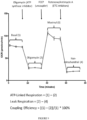
- Mitochondrial Functional Studies To assess mitochondrial respiration in cultured PMVECs, cells were seeded in growth media in a 96-well plate from Seahorse Biosciences (Bilerica, MA) at a seeding density of 50,000 live cells per well. The following day, cells were washed and placed in Seahorse Assay Media supplemented with specific substrates (1 gm/L glucose, 2 mM L-glutamine). After equilibration, oxygen consumption rates were measured on a Seahorse XFe96 analyzer using the Mito Stress Test protocol. For mitochondrial protein measurements, mitochondria were isolated from fresh murine liver tissue as previously described. 24
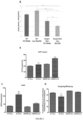
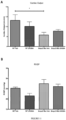
- Glutamine Metabolism is Abnormal in Human PAH Patients: To test the hypothesis that PAH involves alteration of glutamine metabolism, the present inventors quantified fasting serum glutamine levels in heritable PAH patients with known BMPR2 mutations, in unaffected mutation carriers (individuals with known BMPR2 mutations but no evidence of PAH), and in married-in controls from the same households as patients and carriers. The present inventors found that circulating glutamine levels were significantly elevated in both heritable PAH patients (451 +/- 68 umol/L) and in BMPR2 mutation carriers (450 +/- 50 umol/L) compared to controls (399 +/- 82 umol/L, p ⁇ 0.05, Figure 1A ).
- BMPR2 Mutant Endothelium Exhibits Abnormal Avidity for Glutamine Carbon The present inventors determined whether increased glutamine uptake by pulmonary endothelial cells with dysfunctional BMPR2 is an intrinsic property of those cells or merely due to the increased availability of glutamine. To assess this, wild-type (WT) and BMPR2 mutant pulmonary microvascular endothelial cells (PMVEC) were grown in culture and provided glutamine in significant excess (2 mM) of physiologic levels in the culture media. Under conditions of glutamine excess, BMPR2 mutant PMVEC took up glutamine at twice the rate of WT cells ( Figure 2A ), suggesting that increased glutamine uptake is intrinsic to PMVEC with dysfunctional BMPR2 signaling.
- WT wild-type
- PMVEC BMPR2 mutant pulmonary microvascular endothelial cells
- Glutamine can be used as a source of carbon input to the TCA cycle, but it is also an important source of nitrogen in the cell, supplying nitrogen-requiring processes such as nucleotide synthesis.
- the present inventors hypothesized that glutamine was being used as a carbon source, and that it was being preferentially shunted to the TCA cycle in BMPR2 mutant PMVEC compared to WT.
- WT and BMPR2 mutant PMVEC were cultured for 24 hours in the presence of 2 mM [U- 13 C 5 ]-L-glutamine, a stable isotope of glutamine in which all 5 carbon atoms are carbon-13, which is easily detectable by mass spectrometry (see schematic Figure 2B ).
- BMPR2 mutant PMVEC showed excess incorporation of glutamine-derived carbon in multiple intermediates of the TCA cycle ( Figure 2C ).
- specific TCA intermediates e.g., malate
- tandem mass spectrometry to determine how many glutamine-derived carbon atoms had been incorporated (0, 1, 2, 3, or 4 for malate)
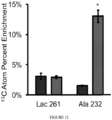
- the present inventors found that the majority of malate present (40%) contained 4 atoms of 13 C, indicating that the majority of the carbon in the TCA cycle was coming from glutamine, as this was the sole source of 13 C available ( Figure 2D ).
- Glutamine is a Required Carbon Source for BMPR2 Mutant PMVEC
- the present inventors next determined whether BMPR2 mutant PMVEC have an absolute requirement for glutamine, or whether this represented an "arrangement of convenience" as a result of the presence of excess glutamine.
- the present inventors cultured WT and BMPR2 mutant PMVEC in two concentrations of glutamine, 500 ⁇ M (mimicking serum concentrations in BMPR2 mutant patients) and 200 ⁇ M (representing the lowest levels that would be considered normal in humans).
- BMPR2 mutant PMVEC show a net proliferation that exceeds the rate of WT PMVEC at all timepoints out to 72 hours ( Figure 3A ).
- the net proliferative rate of WT PMVEC is essentially unchanged, but the BMPR2 mutant PMVEC are completely intolerant of glutamine-limited conditions and have all died by 72 hours ( Figure 3B ).
- the present inventors quantified total intracellular redox status of WT and BMPR2 mutant PMVEC using two-photon autofluorescence of endogenous NADH and FAD, the major electron carriers controlled by TCA cycle activity. Fluorescence from both species allows calculation of the optical redox ratio, with a higher ratio indicating more TCA cycle activity, a more reduced intracellular redox environment, and increased overall metabolic activity. Conversely, a reduction in the optical redox ratio indicates an overall decrease in metabolic activity, particularly via the TCA cycle.
- Two-photon autofluorescence has very high time resolution, allowing for rapid changes in the metabolic and redox status of the cell to be detected and quantified.
- the present inventors quantified the optical redox ratio in WT and BMPR2 mutant PMVEC under basal conditions and with acute withdrawal of glutamine and glucose.
- BMPR2 mutant PMVEC have a lower optical redox ratio than WT cells ( Figure 4A ), indicating a relatively impaired ability to maintain the intracellular redox environment and relatively impaired overall metabolic activity.
- WT PMVEC are able to rapidly adapt their metabolic behavior to maintain the optical redox ratio ( Figure 4A ), whereas BMPR2 mutant PMVEC show a significant further reduction in the optical redox ratio ( Figure 4A ), suggesting a significant loss of acute metabolic flexibility.
- HIF1 ⁇ hypoxia-inducible factor 1-alpha
- BMPR2 mutant PMVEC grown in culture exhibited significant normoxic stabilization of HIF1 ⁇ at the protein level compared to WT ( Figure 5A and 5B ), and that this was demonstrable for two different PAH-associated BMPR2 mutation types.
- WT and BMPR2 mutant PMVEC was treated with chetomin, a pharmacologic inhibitor of HIF, and assessed glucose and glutamine uptake by quantifying the extracellular flux ratio of glutamine to glucose.
- Treatment of WT cells had no effect on the glutamine to glucose flux ratio ( Figure 5C ).
- treating BMPR2 mutant PMVEC with the HIF inhibitor significantly reduced the glutamine to glucose flux ratio ( Figure 5C ), suggesting that HIF1 activity helps to drive the glutamine requirement in BMPR2 mutant endothelium.
- HIF1 ⁇ activation contributes to glutamine uptake and utilization in BMPR2 mutant cells
- the present inventors suspected that there were additional alterations in signaling pathways known to control metabolism. Activation of HIF1 ⁇ by itself has been shown to drive glutamine metabolism, but the glutamine is disproportionately used for biosynthesis. 39-41
- the present inventors hypothesized that a metabolic control pathway directly involved in both glutamine regulation and energy production was likely altered.
- Sirtuin-3 (SIRT3) a lysine deacetylase involved in mitochondrial energy production and redox homeostasis, emerged as a strong candidate. Loss of SIRT3 has been shown to lie upstream of HIF1 activation and has been associated with pulmonary hypertension. 15,42-44
- BMPR2-mediated PAH BMPR2-mediated PAH
- BMPR2 R899X wild-type and BMPR2 mutant mice fed a Western diet (60% calories from fat) for 8 weeks.
- the mitochondrial proteome was assessed for acetylation of lysine residues, with SIRT3 inactivation leading to lysine hyperacetylation.
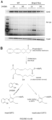
- BMPR2 R899X mitochondria had equivalent protein levels of SIRT3 but exhibited significant lysine hyperacetylation of multiple mitochondrial proteins ( Figure 6A , lanes 1-2 for WT and 5-6 for mutants, quantified in Figure 6D ), consistent with loss of SIRT3 activity in BMPR2 R899X mice.
- the present inventors demonstrated the biochemical plausibility of this hypothesis by incubating synthetically pure isoketal with recombinant human SIRT3 in vitro. Isoketal treatment inactivated SIRT3 in a concentration-dependent manner as measured by luminescence via the Sirt-Glo assay ( Figure 6C ). Then the hypothesis that scavenging isoketals would preserve SIRT3 function by treating WT and BMPR2 R899X mice with 1 g/L 2HOBA in their drinking water was tested.
- 2HOBA Normalizes Glutamine Metabolism and Prevents PAH
- impaired BMPR2 function is associated with loss of SIRT3 function, and that this can be prevented with 2HOBA treatment to scavenge damaging lipid peroxidation products
- the present inventors next wished to assess the in vivo metabolic dysfunction downstream from BMPR2 mutation, the relationship to PAH, and the effect of 2HOBA treatment.
- the present inventors hypothesized that 2HOBA would prevent the development of PAH in BMPR2 R899X mice and would have a beneficial modulatory effect on glutamine metabolism in vivo.
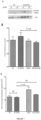
- BMPR2 R899X allele was sufficient to drive upregulation of glutamine synthetase in skeletal muscle ( Figure 10 ) and in liver mitochondria ( Figure 7A ) compared to WT.
- circulating glutamine concentrations were equivalent in vehicle-treated WT and BMPR2 R899X mice ( Figure 7B ), suggesting that increased glutamine synthesis was being matched by increased consumption in the BMPR2 mutants.
- BMPR2 R899X mice had reduced glutamine synthetase in liver mitochondria ( Figure 7A ) and significantly lower circulating glutamine compared to treated WT mice ( Figure 7B ), suggesting a favorable effect on glutamine balance in the mutants.
- 2HOBA treatment prevented the development of pulmonary hypertension as measured by total pulmonary resistance in the BMPR2 R899X mice compared to vehicle-treated mice ( Figure 7C ).
- Treatment with 2HOBA in the BMPR2 R899X mice modestly increased cardiac output ( Figure 11A ) and decreased RVSP ( Figure 11B ), the combined effect of which was to significantly reduce total pulmonary resistance.
- the present inventors used human and murine cell culture models, transgenic mice, and samples from living PAH patients to demonstrate a markedly altered metabolic program for glutamine due to dysfunctional BMPR2 signaling ( Figure 8 ).
- Loss of normal BMPR2 function leads to oxidant injury in the mitochondria and formation of reactive products of lipid peroxidation termed isoketals.
- Isoketals inactivate SIRT3 which, together with increased oxidant stress, results in stabilization of HIF1 ⁇ .
- SIRT3 and HIF1 ⁇ are two of the best established "master regulator" pathways for cellular metabolism generally and glutamine metabolism specifically.
- the present inventors show that this process can be interrupted in vivo by treating with an orally bioavailable scavenger of isoketals - 2-hydroxybenzylamine (2HOBA) - and that interruption of the molecular cascade leading to glutamine addiction prevents the development of PAH.
- an orally bioavailable scavenger of isoketals - 2-hydroxybenzylamine (2HOBA) - and that interruption of the molecular cascade leading to glutamine addiction prevents the development of PAH.
- 2-Hydroxybenzylamine has a very favorable long-term safety profile, with over 12 months of continuous dosing in mice producing no significant toxicity.
- 2-Hydroxybenzylamine is a naturally occurring product, allowing expedited proof-of-principle studies in humans, with subsequent studies focusing on related compounds with improved pharmacokinetics.
- 2HOBA's mechanism of action has been demonstrated in other disease models and across species. 19,51
Landscapes
- Health & Medical Sciences (AREA)
- General Health & Medical Sciences (AREA)
- Life Sciences & Earth Sciences (AREA)
- Chemical & Material Sciences (AREA)
- Public Health (AREA)
- Medicinal Chemistry (AREA)
- Animal Behavior & Ethology (AREA)
- Veterinary Medicine (AREA)
- Pharmacology & Pharmacy (AREA)
- Epidemiology (AREA)
- Engineering & Computer Science (AREA)
- General Chemical & Material Sciences (AREA)
- Nuclear Medicine, Radiotherapy & Molecular Imaging (AREA)
- Chemical Kinetics & Catalysis (AREA)
- Organic Chemistry (AREA)
- Bioinformatics & Cheminformatics (AREA)
- Heart & Thoracic Surgery (AREA)
- Cardiology (AREA)
- Emergency Medicine (AREA)
- Hematology (AREA)
- Obesity (AREA)
- Pulmonology (AREA)
- Diabetes (AREA)
- Acyclic And Carbocyclic Compounds In Medicinal Compositions (AREA)
- Pharmaceuticals Containing Other Organic And Inorganic Compounds (AREA)
Priority Applications (1)
| Application Number | Priority Date | Filing Date | Title |
|---|---|---|---|
| EP24171414.6A EP4385576A3 (en) | 2016-11-15 | 2017-11-15 | Use of 2-hydroxybenzylamine in the treatment and prevention of pulmonary hypertension |
Applications Claiming Priority (2)
| Application Number | Priority Date | Filing Date | Title |
|---|---|---|---|
| US201662422486P | 2016-11-15 | 2016-11-15 | |
| PCT/US2017/061854 WO2018093936A1 (en) | 2016-11-15 | 2017-11-15 | Use of 2-hydroxybenzylamine in the treatment and prevention of pulmonary hypertension |
Related Child Applications (1)
| Application Number | Title | Priority Date | Filing Date |
|---|---|---|---|
| EP24171414.6A Division EP4385576A3 (en) | 2016-11-15 | 2017-11-15 | Use of 2-hydroxybenzylamine in the treatment and prevention of pulmonary hypertension |
Publications (4)
| Publication Number | Publication Date |
|---|---|
| EP3541185A1 EP3541185A1 (en) | 2019-09-25 |
| EP3541185A4 EP3541185A4 (en) | 2020-06-24 |
| EP3541185B1 true EP3541185B1 (en) | 2024-04-24 |
| EP3541185C0 EP3541185C0 (en) | 2024-04-24 |
Family
ID=62145792
Family Applications (2)
| Application Number | Title | Priority Date | Filing Date |
|---|---|---|---|
| EP17871457.2A Active EP3541185B1 (en) | 2016-11-15 | 2017-11-15 | Use of 2-hydroxybenzylamine in the treatment and prevention of pulmonary hypertension |
| EP24171414.6A Pending EP4385576A3 (en) | 2016-11-15 | 2017-11-15 | Use of 2-hydroxybenzylamine in the treatment and prevention of pulmonary hypertension |
Family Applications After (1)
| Application Number | Title | Priority Date | Filing Date |
|---|---|---|---|
| EP24171414.6A Pending EP4385576A3 (en) | 2016-11-15 | 2017-11-15 | Use of 2-hydroxybenzylamine in the treatment and prevention of pulmonary hypertension |
Country Status (9)
| Country | Link |
|---|---|
| US (2) | US20190314302A1 (cg-RX-API-DMAC7.html) |
| EP (2) | EP3541185B1 (cg-RX-API-DMAC7.html) |
| JP (1) | JP7383285B2 (cg-RX-API-DMAC7.html) |
| CN (1) | CN110177463B (cg-RX-API-DMAC7.html) |
| AU (1) | AU2017362328B2 (cg-RX-API-DMAC7.html) |
| ES (1) | ES2981715T3 (cg-RX-API-DMAC7.html) |
| HU (1) | HUE067036T2 (cg-RX-API-DMAC7.html) |
| PL (1) | PL3541185T3 (cg-RX-API-DMAC7.html) |
| WO (1) | WO2018093936A1 (cg-RX-API-DMAC7.html) |
Families Citing this family (4)
| Publication number | Priority date | Publication date | Assignee | Title |
|---|---|---|---|---|
| US11400103B2 (en) * | 2015-12-21 | 2022-08-02 | Vanderbilt University | Methods of preventing platelet activation |
| BR112021014696A2 (pt) | 2019-01-25 | 2021-12-28 | Univ Vanderbilt | Sequestrantes isocetais/de isolevuglandina que têm mitocôndria como alvo |
| CA3169467A1 (en) * | 2020-01-27 | 2021-08-05 | Sergey I. Dikalov | Mitochondria-targeted isoketal/isolevuglandin scavengers and uses thereof |
| CN116568300A (zh) * | 2020-10-13 | 2023-08-08 | 范德比尔特大学 | 预防肾损伤破坏肠淋巴管的方法 |
Family Cites Families (9)
| Publication number | Priority date | Publication date | Assignee | Title |
|---|---|---|---|---|
| JP2006521349A (ja) * | 2003-03-27 | 2006-09-21 | メディキュア インコーポレーテッド | 狭心症を治療するための組成物 |
| US8822542B2 (en) * | 2004-10-20 | 2014-09-02 | Vanderbilt University | Isoketal scavengers and mitigation of disorders involving oxidative injury |
| JP5132109B2 (ja) * | 2006-09-01 | 2013-01-30 | 花王株式会社 | 一剤式染毛剤組成物 |
| EP2091530B1 (en) * | 2006-11-13 | 2016-09-21 | McCARTY, Mark Fredrick | Composition for inhibiting nadph oxidase activity |
| US8314015B2 (en) * | 2010-07-14 | 2012-11-20 | Sharp Laboratories Of America, Inc. | Silicon surface modification for the electrochemical synthesis of silicon particles in suspension |
| CA2844150C (en) * | 2011-07-12 | 2019-09-03 | Vanderbilt University | Methods for treating inflammation and hypertension with gamma-ketoaldehyde skavengers |
| US20150031068A1 (en) * | 2012-03-19 | 2015-01-29 | Lycera Corporation | Methods and compositions for detecting immune system activation |
| WO2015127163A1 (en) * | 2014-02-20 | 2015-08-27 | Phd Biosciences ( Formerly Nanometics Llc) | Pyridoxamine for the treatment of sickle cell disease, thalassemia and related blood diseases |
| US20160199463A1 (en) * | 2014-12-15 | 2016-07-14 | The Johns Hopkins University | Hdac2 defends vascular endothelium from injury |
-
2017
- 2017-11-15 WO PCT/US2017/061854 patent/WO2018093936A1/en not_active Ceased
- 2017-11-15 JP JP2019526008A patent/JP7383285B2/ja active Active
- 2017-11-15 PL PL17871457.2T patent/PL3541185T3/pl unknown
- 2017-11-15 EP EP17871457.2A patent/EP3541185B1/en active Active
- 2017-11-15 US US16/347,755 patent/US20190314302A1/en not_active Abandoned
- 2017-11-15 ES ES17871457T patent/ES2981715T3/es active Active
- 2017-11-15 HU HUE17871457A patent/HUE067036T2/hu unknown
- 2017-11-15 AU AU2017362328A patent/AU2017362328B2/en active Active
- 2017-11-15 EP EP24171414.6A patent/EP4385576A3/en active Pending
- 2017-11-15 CN CN201780083516.9A patent/CN110177463B/zh active Active
-
2025
- 2025-03-25 US US19/090,325 patent/US20250381155A1/en active Pending
Also Published As
| Publication number | Publication date |
|---|---|
| EP3541185A4 (en) | 2020-06-24 |
| WO2018093936A1 (en) | 2018-05-24 |
| JP7383285B2 (ja) | 2023-11-20 |
| CN110177463B (zh) | 2022-03-08 |
| US20190314302A1 (en) | 2019-10-17 |
| EP3541185A1 (en) | 2019-09-25 |
| ES2981715T3 (es) | 2024-10-10 |
| PL3541185T3 (pl) | 2024-08-12 |
| US20250381155A1 (en) | 2025-12-18 |
| CN110177463A (zh) | 2019-08-27 |
| EP4385576A3 (en) | 2024-09-04 |
| HUE067036T2 (hu) | 2024-09-28 |
| AU2017362328B2 (en) | 2022-03-31 |
| JP2019536778A (ja) | 2019-12-19 |
| EP4385576A2 (en) | 2024-06-19 |
| EP3541185C0 (en) | 2024-04-24 |
| AU2017362328A1 (en) | 2019-06-27 |
Similar Documents
| Publication | Publication Date | Title |
|---|---|---|
| US20250381155A1 (en) | Use of 2-hydroxybenzylamine in the treatment and prevention of pulmonary hypertension | |
| AU2013259526B2 (en) | New methods | |
| US20210283108A1 (en) | Method for treating neurodegenerative diseases | |
| US11707472B2 (en) | Compositions for the treatment of fibrosis | |
| US20200325148A1 (en) | Compositions and methods of treatment for neurological disorders comprising motor neuron diseases | |
| JP2021152032A (ja) | トレハロースの非経口投与によるタンパク質凝集ミオパシーおよび神経変性疾患の治療 | |
| US20210322407A1 (en) | Use of Trimetazidine in Preparation of Drugs for Preventing and Treating Liver Diseases | |
| KR20160070154A (ko) | 미토콘드리아병을 치료하기 위한 시스테아민 및 이의 유도체의 용도 | |
| BR112021006132A2 (pt) | compostos bifenil sulfonamida para o tratamento de doenças de colágeno tipo iv | |
| US20200289482A1 (en) | Cystic fibrosis transmembrane conductance regulator modulators for treating autosomal dominant polycystic kidney disease | |
| HK40107155A (en) | Use of 2-hydroxybenzylamine in the treatment and prevention of pulmonary hypertension | |
| WO2008109730A1 (en) | Copper lowering treatment of inflammatory and fibrotic diseases | |
| HK40006700B (en) | Use of 2-hydroxybenzylamine in the treatment and prevention of pulmonary hypertension | |
| HK40006700A (en) | Use of 2-hydroxybenzylamine in the treatment and prevention of pulmonary hypertension | |
| US20110065674A1 (en) | Methods and compositions for improving cognitive function | |
| TW201326147A (zh) | 含正-亞丁基苯酞之醫藥組成物用於治療肝損傷及改善肝功能 | |
| CN118892485A (zh) | 凡德他尼及其药学上可接受的盐与硝苯地平及其药学上可接受的盐联合制备治疗癌症和长q-t间期综合症的药物中的用途 | |
| Cairns et al. | Cystinosis and its treatment | |
| CN113677202B (zh) | 靶向线粒体的异缩酮/isolevuglandin清除剂 | |
| JP2019011320A (ja) | ペマフィブラートを含有する医薬 | |
| US10292949B2 (en) | Pharmaceutical composition comprising rimeporide for treating diseases associated with insulin resistance and β-cell dysfunction | |
| CN114712379B (zh) | 黄芪甲苷iv在制备预防和治疗腹膜透析肠道并发症药物中的应用 | |
| US20090221610A1 (en) | Compositions and Methods for Treating Cognitive Disorders | |
| US20220347163A1 (en) | Compositions and methods for providing cardioprotective effects | |
| JP6108569B2 (ja) | 虚血性疾患の治療又は予防のための薬剤及びその利用 |
Legal Events
| Date | Code | Title | Description |
|---|---|---|---|
| STAA | Information on the status of an ep patent application or granted ep patent |
Free format text: STATUS: THE INTERNATIONAL PUBLICATION HAS BEEN MADE |
|
| PUAI | Public reference made under article 153(3) epc to a published international application that has entered the european phase |
Free format text: ORIGINAL CODE: 0009012 |
|
| STAA | Information on the status of an ep patent application or granted ep patent |
Free format text: STATUS: REQUEST FOR EXAMINATION WAS MADE |
|
| 17P | Request for examination filed |
Effective date: 20190607 |
|
| AK | Designated contracting states |
Kind code of ref document: A1 Designated state(s): AL AT BE BG CH CY CZ DE DK EE ES FI FR GB GR HR HU IE IS IT LI LT LU LV MC MK MT NL NO PL PT RO RS SE SI SK SM TR |
|
| AX | Request for extension of the european patent |
Extension state: BA ME |
|
| DAV | Request for validation of the european patent (deleted) | ||
| DAX | Request for extension of the european patent (deleted) | ||
| REG | Reference to a national code |
Ref country code: DE Ref country code: DE Ref legal event code: R079 Ref document number: 602017081388 Country of ref document: DE Free format text: PREVIOUS MAIN CLASS: A01N0033020000 Ipc: A61K0031137000 |
|
| REG | Reference to a national code |
Ref country code: HK Ref legal event code: DE Ref document number: 40006700 Country of ref document: HK |
|
| A4 | Supplementary search report drawn up and despatched |
Effective date: 20200526 |
|
| RIC1 | Information provided on ipc code assigned before grant |
Ipc: A61P 3/00 20060101ALI20200518BHEP Ipc: A61K 45/06 20060101ALI20200518BHEP Ipc: A61K 31/137 20060101AFI20200518BHEP Ipc: A61P 11/00 20060101ALI20200518BHEP Ipc: A61K 31/197 20060101ALI20200518BHEP Ipc: A61P 43/00 20060101ALI20200518BHEP Ipc: A61K 31/198 20060101ALI20200518BHEP Ipc: A61P 9/12 20060101ALI20200518BHEP Ipc: A61K 31/44 20060101ALI20200518BHEP |
|
| STAA | Information on the status of an ep patent application or granted ep patent |
Free format text: STATUS: EXAMINATION IS IN PROGRESS |
|
| 17Q | First examination report despatched |
Effective date: 20220328 |
|
| GRAP | Despatch of communication of intention to grant a patent |
Free format text: ORIGINAL CODE: EPIDOSNIGR1 |
|
| STAA | Information on the status of an ep patent application or granted ep patent |
Free format text: STATUS: GRANT OF PATENT IS INTENDED |
|
| INTG | Intention to grant announced |
Effective date: 20230524 |
|
| GRAS | Grant fee paid |
Free format text: ORIGINAL CODE: EPIDOSNIGR3 |
|
| GRAA | (expected) grant |
Free format text: ORIGINAL CODE: 0009210 |
|
| STAA | Information on the status of an ep patent application or granted ep patent |
Free format text: STATUS: THE PATENT HAS BEEN GRANTED |
|
| AK | Designated contracting states |
Kind code of ref document: B1 Designated state(s): AL AT BE BG CH CY CZ DE DK EE ES FI FR GB GR HR HU IE IS IT LI LT LU LV MC MK MT NL NO PL PT RO RS SE SI SK SM TR |
|
| REG | Reference to a national code |
Ref country code: GB Ref legal event code: FG4D |
|
| REG | Reference to a national code |
Ref country code: CH Ref legal event code: EP |
|
| REG | Reference to a national code |
Ref country code: DE Ref legal event code: R096 Ref document number: 602017081388 Country of ref document: DE |
|
| REG | Reference to a national code |
Ref country code: IE Ref legal event code: FG4D |
|
| U01 | Request for unitary effect filed |
Effective date: 20240513 |
|
| U07 | Unitary effect registered |
Designated state(s): AT BE BG DE DK EE FI FR IT LT LU LV MT NL PT SE SI Effective date: 20240523 |
|
| REG | Reference to a national code |
Ref country code: HU Ref legal event code: AG4A Ref document number: E067036 Country of ref document: HU |
|
| PG25 | Lapsed in a contracting state [announced via postgrant information from national office to epo] |
Ref country code: IS Free format text: LAPSE BECAUSE OF FAILURE TO SUBMIT A TRANSLATION OF THE DESCRIPTION OR TO PAY THE FEE WITHIN THE PRESCRIBED TIME-LIMIT Effective date: 20240824 |
|
| PG25 | Lapsed in a contracting state [announced via postgrant information from national office to epo] |
Ref country code: HR Free format text: LAPSE BECAUSE OF FAILURE TO SUBMIT A TRANSLATION OF THE DESCRIPTION OR TO PAY THE FEE WITHIN THE PRESCRIBED TIME-LIMIT Effective date: 20240424 |
|
| REG | Reference to a national code |
Ref country code: ES Ref legal event code: FG2A Ref document number: 2981715 Country of ref document: ES Kind code of ref document: T3 Effective date: 20241010 |
|
| PG25 | Lapsed in a contracting state [announced via postgrant information from national office to epo] |
Ref country code: GR Free format text: LAPSE BECAUSE OF FAILURE TO SUBMIT A TRANSLATION OF THE DESCRIPTION OR TO PAY THE FEE WITHIN THE PRESCRIBED TIME-LIMIT Effective date: 20240725 |
|
| PG25 | Lapsed in a contracting state [announced via postgrant information from national office to epo] |
Ref country code: IS Free format text: LAPSE BECAUSE OF FAILURE TO SUBMIT A TRANSLATION OF THE DESCRIPTION OR TO PAY THE FEE WITHIN THE PRESCRIBED TIME-LIMIT Effective date: 20240824 Ref country code: HR Free format text: LAPSE BECAUSE OF FAILURE TO SUBMIT A TRANSLATION OF THE DESCRIPTION OR TO PAY THE FEE WITHIN THE PRESCRIBED TIME-LIMIT Effective date: 20240424 Ref country code: GR Free format text: LAPSE BECAUSE OF FAILURE TO SUBMIT A TRANSLATION OF THE DESCRIPTION OR TO PAY THE FEE WITHIN THE PRESCRIBED TIME-LIMIT Effective date: 20240725 Ref country code: RS Free format text: LAPSE BECAUSE OF FAILURE TO SUBMIT A TRANSLATION OF THE DESCRIPTION OR TO PAY THE FEE WITHIN THE PRESCRIBED TIME-LIMIT Effective date: 20240724 |
|
| U20 | Renewal fee for the european patent with unitary effect paid |
Year of fee payment: 8 Effective date: 20241127 |
|
| PGFP | Annual fee paid to national office [announced via postgrant information from national office to epo] |
Ref country code: NO Payment date: 20241129 Year of fee payment: 8 |
|
| PGFP | Annual fee paid to national office [announced via postgrant information from national office to epo] |
Ref country code: PL Payment date: 20241022 Year of fee payment: 8 |
|
| PGFP | Annual fee paid to national office [announced via postgrant information from national office to epo] |
Ref country code: GB Payment date: 20241127 Year of fee payment: 8 |
|
| PGFP | Annual fee paid to national office [announced via postgrant information from national office to epo] |
Ref country code: CZ Payment date: 20241023 Year of fee payment: 8 Ref country code: IE Payment date: 20241127 Year of fee payment: 8 |
|
| PG25 | Lapsed in a contracting state [announced via postgrant information from national office to epo] |
Ref country code: SK Free format text: LAPSE BECAUSE OF FAILURE TO SUBMIT A TRANSLATION OF THE DESCRIPTION OR TO PAY THE FEE WITHIN THE PRESCRIBED TIME-LIMIT Effective date: 20240424 Ref country code: RO Free format text: LAPSE BECAUSE OF FAILURE TO SUBMIT A TRANSLATION OF THE DESCRIPTION OR TO PAY THE FEE WITHIN THE PRESCRIBED TIME-LIMIT Effective date: 20240424 |
|
| REG | Reference to a national code |
Ref country code: DE Ref legal event code: R097 Ref document number: 602017081388 Country of ref document: DE |
|
| PG25 | Lapsed in a contracting state [announced via postgrant information from national office to epo] |
Ref country code: SM Free format text: LAPSE BECAUSE OF FAILURE TO SUBMIT A TRANSLATION OF THE DESCRIPTION OR TO PAY THE FEE WITHIN THE PRESCRIBED TIME-LIMIT Effective date: 20240424 |
|
| PGFP | Annual fee paid to national office [announced via postgrant information from national office to epo] |
Ref country code: ES Payment date: 20241202 Year of fee payment: 8 |
|
| PG25 | Lapsed in a contracting state [announced via postgrant information from national office to epo] |
Ref country code: SM Free format text: LAPSE BECAUSE OF FAILURE TO SUBMIT A TRANSLATION OF THE DESCRIPTION OR TO PAY THE FEE WITHIN THE PRESCRIBED TIME-LIMIT Effective date: 20240424 Ref country code: SK Free format text: LAPSE BECAUSE OF FAILURE TO SUBMIT A TRANSLATION OF THE DESCRIPTION OR TO PAY THE FEE WITHIN THE PRESCRIBED TIME-LIMIT Effective date: 20240424 Ref country code: RO Free format text: LAPSE BECAUSE OF FAILURE TO SUBMIT A TRANSLATION OF THE DESCRIPTION OR TO PAY THE FEE WITHIN THE PRESCRIBED TIME-LIMIT Effective date: 20240424 |
|
| PGFP | Annual fee paid to national office [announced via postgrant information from national office to epo] |
Ref country code: CH Payment date: 20241201 Year of fee payment: 8 |
|
| PLBE | No opposition filed within time limit |
Free format text: ORIGINAL CODE: 0009261 |
|
| STAA | Information on the status of an ep patent application or granted ep patent |
Free format text: STATUS: NO OPPOSITION FILED WITHIN TIME LIMIT |
|
| 26N | No opposition filed |
Effective date: 20250127 |
|
| PG25 | Lapsed in a contracting state [announced via postgrant information from national office to epo] |
Ref country code: MC Free format text: LAPSE BECAUSE OF FAILURE TO SUBMIT A TRANSLATION OF THE DESCRIPTION OR TO PAY THE FEE WITHIN THE PRESCRIBED TIME-LIMIT Effective date: 20240424 |
|
| REG | Reference to a national code |
Ref country code: CH Ref legal event code: U11 Free format text: ST27 STATUS EVENT CODE: U-0-0-U10-U11 (AS PROVIDED BY THE NATIONAL OFFICE) Effective date: 20251201 |
|
| PGFP | Annual fee paid to national office [announced via postgrant information from national office to epo] |
Ref country code: HU Payment date: 20251029 Year of fee payment: 9 |