EP3530278A2 - Zusammensetzung mit protein-phosphatase-1-hemmendem peptid zur behandlung von gefässerkrankungen - Google Patents
Zusammensetzung mit protein-phosphatase-1-hemmendem peptid zur behandlung von gefässerkrankungen Download PDFInfo
- Publication number
- EP3530278A2 EP3530278A2 EP17863591.8A EP17863591A EP3530278A2 EP 3530278 A2 EP3530278 A2 EP 3530278A2 EP 17863591 A EP17863591 A EP 17863591A EP 3530278 A2 EP3530278 A2 EP 3530278A2
- Authority
- EP
- European Patent Office
- Prior art keywords
- composition
- vascular
- ψplb
- peptide
- amino acid
- Prior art date
- Legal status (The legal status is an assumption and is not a legal conclusion. Google has not performed a legal analysis and makes no representation as to the accuracy of the status listed.)
- Withdrawn
Links
Images
















Classifications
-
- A—HUMAN NECESSITIES
- A61—MEDICAL OR VETERINARY SCIENCE; HYGIENE
- A61P—SPECIFIC THERAPEUTIC ACTIVITY OF CHEMICAL COMPOUNDS OR MEDICINAL PREPARATIONS
- A61P9/00—Drugs for disorders of the cardiovascular system
- A61P9/10—Drugs for disorders of the cardiovascular system for treating ischaemic or atherosclerotic diseases, e.g. antianginal drugs, coronary vasodilators, drugs for myocardial infarction, retinopathy, cerebrovascula insufficiency, renal arteriosclerosis
-
- A—HUMAN NECESSITIES
- A61—MEDICAL OR VETERINARY SCIENCE; HYGIENE
- A61K—PREPARATIONS FOR MEDICAL, DENTAL OR TOILETRY PURPOSES
- A61K38/00—Medicinal preparations containing peptides
- A61K38/04—Peptides having up to 20 amino acids in a fully defined sequence; Derivatives thereof
- A61K38/08—Peptides having 5 to 11 amino acids
-
- A—HUMAN NECESSITIES
- A23—FOODS OR FOODSTUFFS; TREATMENT THEREOF, NOT COVERED BY OTHER CLASSES
- A23L—FOODS, FOODSTUFFS OR NON-ALCOHOLIC BEVERAGES, NOT OTHERWISE PROVIDED FOR; PREPARATION OR TREATMENT THEREOF
- A23L33/00—Modifying nutritive qualities of foods; Dietetic products; Preparation or treatment thereof
- A23L33/10—Modifying nutritive qualities of foods; Dietetic products; Preparation or treatment thereof using additives
- A23L33/17—Amino acids, peptides or proteins
-
- A—HUMAN NECESSITIES
- A23—FOODS OR FOODSTUFFS; TREATMENT THEREOF, NOT COVERED BY OTHER CLASSES
- A23L—FOODS, FOODSTUFFS OR NON-ALCOHOLIC BEVERAGES, NOT OTHERWISE PROVIDED FOR; PREPARATION OR TREATMENT THEREOF
- A23L33/00—Modifying nutritive qualities of foods; Dietetic products; Preparation or treatment thereof
- A23L33/10—Modifying nutritive qualities of foods; Dietetic products; Preparation or treatment thereof using additives
- A23L33/17—Amino acids, peptides or proteins
- A23L33/18—Peptides; Protein hydrolysates
-
- A—HUMAN NECESSITIES
- A61—MEDICAL OR VETERINARY SCIENCE; HYGIENE
- A61K—PREPARATIONS FOR MEDICAL, DENTAL OR TOILETRY PURPOSES
- A61K38/00—Medicinal preparations containing peptides
- A61K38/16—Peptides having more than 20 amino acids; Gastrins; Somatostatins; Melanotropins; Derivatives thereof
- A61K38/17—Peptides having more than 20 amino acids; Gastrins; Somatostatins; Melanotropins; Derivatives thereof from animals; from humans
- A61K38/1703—Peptides having more than 20 amino acids; Gastrins; Somatostatins; Melanotropins; Derivatives thereof from animals; from humans from vertebrates
- A61K38/1709—Peptides having more than 20 amino acids; Gastrins; Somatostatins; Melanotropins; Derivatives thereof from animals; from humans from vertebrates from mammals
-
- A—HUMAN NECESSITIES
- A61—MEDICAL OR VETERINARY SCIENCE; HYGIENE
- A61K—PREPARATIONS FOR MEDICAL, DENTAL OR TOILETRY PURPOSES
- A61K47/00—Medicinal preparations characterised by the non-active ingredients used, e.g. carriers or inert additives; Targeting or modifying agents chemically bound to the active ingredient
- A61K47/50—Medicinal preparations characterised by the non-active ingredients used, e.g. carriers or inert additives; Targeting or modifying agents chemically bound to the active ingredient the non-active ingredient being chemically bound to the active ingredient, e.g. polymer-drug conjugates
- A61K47/51—Medicinal preparations characterised by the non-active ingredients used, e.g. carriers or inert additives; Targeting or modifying agents chemically bound to the active ingredient the non-active ingredient being chemically bound to the active ingredient, e.g. polymer-drug conjugates the non-active ingredient being a modifying agent
- A61K47/62—Medicinal preparations characterised by the non-active ingredients used, e.g. carriers or inert additives; Targeting or modifying agents chemically bound to the active ingredient the non-active ingredient being chemically bound to the active ingredient, e.g. polymer-drug conjugates the non-active ingredient being a modifying agent the modifying agent being a protein, peptide or polyamino acid
- A61K47/64—Drug-peptide, drug-protein or drug-polyamino acid conjugates, i.e. the modifying agent being a peptide, protein or polyamino acid which is covalently bonded or complexed to a therapeutically active agent
- A61K47/645—Polycationic or polyanionic oligopeptides, polypeptides or polyamino acids, e.g. polylysine, polyarginine, polyglutamic acid or peptide TAT
-
- A—HUMAN NECESSITIES
- A61—MEDICAL OR VETERINARY SCIENCE; HYGIENE
- A61P—SPECIFIC THERAPEUTIC ACTIVITY OF CHEMICAL COMPOUNDS OR MEDICINAL PREPARATIONS
- A61P9/00—Drugs for disorders of the cardiovascular system
-
- A—HUMAN NECESSITIES
- A61—MEDICAL OR VETERINARY SCIENCE; HYGIENE
- A61P—SPECIFIC THERAPEUTIC ACTIVITY OF CHEMICAL COMPOUNDS OR MEDICINAL PREPARATIONS
- A61P9/00—Drugs for disorders of the cardiovascular system
- A61P9/12—Antihypertensives
-
- C—CHEMISTRY; METALLURGY
- C07—ORGANIC CHEMISTRY
- C07K—PEPTIDES
- C07K14/00—Peptides having more than 20 amino acids; Gastrins; Somatostatins; Melanotropins; Derivatives thereof
- C07K14/435—Peptides having more than 20 amino acids; Gastrins; Somatostatins; Melanotropins; Derivatives thereof from animals; from humans
-
- C—CHEMISTRY; METALLURGY
- C12—BIOCHEMISTRY; BEER; SPIRITS; WINE; VINEGAR; MICROBIOLOGY; ENZYMOLOGY; MUTATION OR GENETIC ENGINEERING
- C12N—MICROORGANISMS OR ENZYMES; COMPOSITIONS THEREOF; PROPAGATING, PRESERVING, OR MAINTAINING MICROORGANISMS; MUTATION OR GENETIC ENGINEERING; CULTURE MEDIA
- C12N9/00—Enzymes; Proenzymes; Compositions thereof; Processes for preparing, activating, inhibiting, separating or purifying enzymes
- C12N9/14—Hydrolases (3)
- C12N9/16—Hydrolases (3) acting on ester bonds (3.1)
-
- A—HUMAN NECESSITIES
- A23—FOODS OR FOODSTUFFS; TREATMENT THEREOF, NOT COVERED BY OTHER CLASSES
- A23V—INDEXING SCHEME RELATING TO FOODS, FOODSTUFFS OR NON-ALCOHOLIC BEVERAGES AND LACTIC OR PROPIONIC ACID BACTERIA USED IN FOODSTUFFS OR FOOD PREPARATION
- A23V2002/00—Food compositions, function of food ingredients or processes for food or foodstuffs
-
- A—HUMAN NECESSITIES
- A23—FOODS OR FOODSTUFFS; TREATMENT THEREOF, NOT COVERED BY OTHER CLASSES
- A23V—INDEXING SCHEME RELATING TO FOODS, FOODSTUFFS OR NON-ALCOHOLIC BEVERAGES AND LACTIC OR PROPIONIC ACID BACTERIA USED IN FOODSTUFFS OR FOOD PREPARATION
- A23V2200/00—Function of food ingredients
- A23V2200/30—Foods, ingredients or supplements having a functional effect on health
- A23V2200/326—Foods, ingredients or supplements having a functional effect on health having effect on cardiovascular health
Definitions
- the present invention was made with the support of the Ministry of Science, ICT, and Future Planning of the Republic of Korea, under Project No. GF01330, which was conducted under the research subject named "Global Research Lab” within the research project entitled “Analysis of signal transduction of cardiac disorders and gene therapy” by Gwangju Institute of Science and Technology under the management of the National Research Foundation of Korea, from 1 April 2013 to 31 March 2014.
- the present invention relates to a composition containing a protein phosphatase 1 inhibitory peptide for treatment of vascular diseases.
- Vascular remodeling is a phenomenon induced by various diseases, such as pulmonary arterial hypertension and coronary artery restenosis arteriosclerosis, and proceeds by vascular injury or stimulation [ Pasterkamp G et al. (2000) Cardiovasc Res 45(4): 843-852 ]. Such a phenomenon causing vascular structural changes results from cell proliferation, death, dysfunction, and the like. Out of vascular constituents, vascular endothelial cells (VECs) and vascular smooth muscle cells (VSMCs) are decisive mediators responding to injury and stimulation and lead vascular remodeling [ Rabinovitch M et al. (2012) J Clin Invest 122(12): 4306-4313 ].
- VECs vascular endothelial cells
- VSMCs vascular smooth muscle cells
- vascular homeostasis such as vascular tension/relaxation.
- VECs vascular homeostasis
- extracellular matrix changes occurring by fibrosis cells existing on arterial adventitia in addition to an endothelial phenotype showing contractile characteristics due to abnormal proliferation accelerate vascular fibrosis, and as a result, arterial stiffness is further increased, leading to a phenotype of hypertension [ Harvey A et al. (2016) Can J Cardiol 32(5): 659-668 ; Michell GF (2014) Hypertension 64(1):13-18 ].
- VSMCs The abnormal proliferation of VSMCs is a fundamental cause of vascular proliferative diseases, such as the above-mentioned pulmonary arterial hypertension or aortic restenosis [ Dzau VJ et al. (2002) Nature med 8:1249-1256 ; Novak K et al. (1998) Nature Med 4: 989-990 ].
- the damage to arterial walls induces the migration of VSMCs to an intimal layer, thereby rapidly changing the phenotype from contraction and arrest, resulting in synthesis and proliferation.
- the abnormal proliferation of VSMCs having a synthetic phenotype causes an expansion of the artery intima, which is a phenomenon called neointimal growth [ Austin GE et al.
- a vasodilator substance such as nitric oxide (NO) or prostacyclin (PGI2)
- PAH pulmonary arterial hypertension
- a vasodilator substance such as nitric oxide (NO) or prostacyclin (PGI2)
- NO nitric oxide
- PKI2 prostacyclin
- a vasohypertonic substance such as endothelin-1 [ Hoeper MM et al. (2000) Engl J Med 342: 1866-1870 ; Giaid A et al. (1993) N Engl J Med 328: 1732-1739 ] . Therefore, the regulation of VMSC proliferation is an important factor in the treatment for vascular proliferative diseases.
- the proliferation of VSMCs is related with an chronic increase in the cytosolic Ca 2+ level, and this is caused by the loss of Ca 2+ handling proteins, such as ryanodine receptors and sarco/endoplasmic reticulum (SR) Ca 2+ -ATPase (SERCA2a) [ Vallot O et al. (2000) Aerterioscler Thromb Vasc Biol 20: 1225-1235 ].
- the gene transfer-mediated restoration of SERCA2a attenuates VSMC proliferation and neointimal formation [ Lipskaia L et al. (2005) Circ Res 97: 488-495 ; Lipskaia L et al. (2013) Gene Ther 20: 396-406 ]. Therefore, the maintenance of a low cytosolic Ca 2+ level by regulating SERCA2a activity may be a reasonable strategy to prevent and relieve VSMC proliferation.
- SERCA2a activity is inhibited by a direct interaction with phospholamban (PLB).
- the inhibitory activity thereof is enhanced by dephosphorylation at Ser16 or Thr17 by protein phosphatase 1 (PP1) [ Steenaart NA et al. (1992) Arch Biochem Biophys 293: 17-24 ; Mattiazzi A et al. (2005) Cardiovasc Res 68: 366-375 ; Schwinger RH et al. (1999) J Mol Cell Cardiol 31: 479-491 ; Sande JB et al. (2002) Cardiovasc Res 53: 382-391 ]. Therefore, the inhibition of the PP1-mediated dephosphorylation of PLB is a reasonable approach to upregulate SERCA2a activity in failing hearts.
- VECs are merely an anatomical barrier in vascular proliferation-related cardiovascular diseases.
- VECs correspond to an important organ that secretes substances for maintaining vascular homeostasis.
- the occurrence of various cardiovascular diseases and VEC functions are closely related, and VECs play an important role in the development and progression of arteriosclerosis causing, especially, hypertension.
- the endothelial dysfunction of VECs is known to be an important cause of pulmonary arterial hypertension, and actually, NO and prostacyclin among several substances secreted by VECs act as vascular relaxants, and suppress platelet aggregation and inhibit VSMC proliferation, which are important processes for inhibiting the progression of arteriosclerotic diseases, such as pulmonary arterial hypertension [ Giaid A et al. (1995) N Engl J Med 333: 214-221 ; Christman BW et al. (1992) N Engl J Med 327: 70-75 ].
- cGMP cyclic guanosine monophosphate
- GC guanylate cyclase
- PDE-5 phosphodiesterase-5
- the cGMP functions to inhibit vasodilation and cell proliferation, and PDE-5 activity reduce the duration of cGMP action.
- sildenafil, tadalafil, and the like, as PDE-5 inhibitors have now been developed.
- BMPR2 bone morphogenetic protein receptor 2
- GM-CSF granulocyte macrophage colony-stimulating factor
- IL-6 granulocyte macrophage colony-stimulating factor
- IL-8 granulocyte macrophage colony-stimulating factor
- CPP Cell permeable peptide
- TAT derived from HIV.
- Antennapedia derived from Drosophila, VP22 derived from HSV-1 virus, are pep-1 derived from SV40 large antigen T are first-generation CPPs, and peptides in which arginine and lysine are continuously linked, has been reported to also have cell penetration.
- these CPPs are not sequences derived from human proteins, and thus have a risk of cytotoxicity and immunogenicity.
- the present inventors have made research efforts to develop novel peptide medicines for vascular diseases, capable of regulating abnormal proliferation of vascular smooth muscle cells (VSMCs).
- ⁇ PLB-SE which is a peptide targeting protein phosphatase 1 (PP1), balloon-injured rat carotid arteries
- the present inventors have made research efforts to develop novel peptide medicines for vascular diseases, capable of regulating abnormal proliferation of vascular smooth muscle cells (VSMCs).
- ⁇ PLB-SE which is a peptide targeting protein phosphatase 1 (PP1), attenuated neointimal growth in balloon-injured rat carotid arteries, and also confirmed that ⁇ PLB-SE regulates the abnormal Ca 2+ level by activating SERCA2a, thereby protecting SERCA2a from calpain-dependent degradation in vascular smooth muscle cells (VSMCs). Furthermore, the present inventors found a novel mechanism in which the dysfunction of VECs is restored by increasing endothelial nitric oxide synthase (eNOS) activity of VECs, thereby mitigating pulmonary arterial hypertension. The present inventors confirmed from the above effects that ⁇ PLB-SE can form a basis of therapy strategy for vascular proliferative diseases, and thus completed the present invention.
- eNOS endothelial nitric oxide synthase
- an aspect of the present invention is to provide a pharmaceutical composition for treatment of vascular diseases.
- Another aspect of the present invention is to provide a food composition for mitigation or alleviation of vascular diseases.
- Still another aspect of the present invention is to provide a method for treatment of vascular diseases.
- Still another aspect of the present invention is to provide a pharmaceutical composition for use in the treatment of vascular diseases.
- a pharmaceutical composition for treatment of vascular diseases the composition containing: (a) a pharmaceutically effective amount of a protein phosphatase 1 inhibitory peptide; and (b) a pharmaceutically acceptable carrier.
- ⁇ PLB-SE which is a peptide targeting protein phosphatase 1 (PP1), attenuated neointimal growth in balloon-injured rat carotid arteries, and also confirmed that ⁇ PLB-SE regulates the abnormal Ca 2+ level by activating SERCA2a, thereby protecting SERCA2a from calpain-dependent degradation in vascular smooth muscle cells (VSMCs).
- the present inventors found a novel mechanism in which the dysfunction of VECs is restored by increasing endothelial nitric oxide synthase (eNOS) activity of VECs, thereby mitigating pulmonary arterial hypertension.
- eNOS endothelial nitric oxide synthase
- the protein phosphatase 1 inhibitory peptide of the present invention is a mimic peptide in which the phosphorylated serine 16th amino acid residue serine (Ser) is substituted with glutamic acid (Glu) or aspartic acid (Asp) in a phosphorylated form of phospholamban (amino acid sequence of SEQ ID NO: 1), and acts as a substrate mimetic inhibitor to protein phosphatase 1.
- a serine residue binds with a polar phosphate group to be negatively charged, and the present invention employed a phosphorylated serine substitution model by using characteristics in which such the phosphorylated serine has structural and electric similarity to negatively charged glutamic acid and aspartic acid among amino acids.
- the peptide of the present invention is not separated (irreversible) from an active site of the PP1 enzyme, and thus the peptide of the present invention is expected to show a strong inhibitory effect.
- the "protein phosphatase 1 inhibitory peptide” of the present invention is a peptide designed to include a peptide sequence that mimics a linkage loop of phosphorylated PLB, and can block PP1 action more strongly compared with a peptide including phosphorylated serine.
- the present invention shows that the protein phosphatase 1 inhibitory peptide " ⁇ PLB-SE” can inhibit neointimal growth in restenosis, which is a vascular proliferative disease, and can also mitigate symptoms of pulmonary arterial hypertension.
- the abnormal proliferation of VSMCs and the dysfunction of VECs, which have been reported as phenotypes of disease, are solved by ⁇ PLB-SE through respective characteristic mechanisms thereof.
- the first mechanism shows that ⁇ PLB-SE attenuates neointimal growth in rat carotid arteries by inhibiting the degradation of SERCA2a in VSMCs.
- the increased cytosolic Ca 2+ level induces the activation of calpain that is in turn responsible for the degradation of SERCA2a, which sequentially increases the cytosolic Ca 2+ level.
- ⁇ PLB-SE inhibits a vicious circle of Ca 2+ level increase and SERCA2a level decrease.
- vascular smooth muscle cells which associates with sarco/endoplasmic reticulum Ca 2+ -ATPase (SERCA2a) activity.
- SERCA2a sarco/endoplasmic reticulum Ca 2+ -ATPase
- the gene transfer-mediated restoration of the SERCA2a level attenuates neointimal growth and VSMC proliferation.
- the present inventors previously reported that a peptide targeted to protein phosphatase 1, that is, ⁇ PLB-SE, normalizes SERCA2a activity in cardiomyocytes.
- the present inventors found that ⁇ PLB-SE attenuated neointimal growth in balloon-injured rat carotid arteries, and also found the proliferation and migration of VSMCs cultured in high-serum media (synthetic conditions).
- ⁇ PLB-SE inhibited the degradation of SERCA2a in the injured carotid arteries and VSMCs under synthetic conditions.
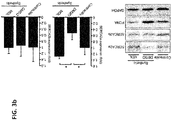
- the calpain inhibitor MDL28170 also attenuated SERCA2a degradation and VSMC proliferation under synthetic conditions, indicating that calpain degrades SERCA2a.
- the Ca 2+ ionophore A23187 induced SERCA2a degradation in VSMCs, which was blocked by either ⁇ PLB-SE or MDL28170.
- ⁇ PLB-SE normalized the cytosolic Ca 2+ level in VSMCs that was increased by either A23187 or synthetic stimulation.
- ⁇ PLB-SE regulates the abnormal Ca 2+ handling by activating SERCA2a, which further protects SERCA2a from calpain-dependent degradation in VSMCs.
- the abnormal proliferation of VSMCs in pulmonary arterial hypertension can also be corrected through the same mechanism, which was proved by verifying the phosphorylation of the 16th serine residue in phospholamban and measuring the activity of SERCA2a, and confirmed through expression and proliferation assay tests of cell proliferation representative proteins that the proliferation of pulmonary artery smooth muscle cells is actually inhibited.
- a novel mechanism shows that the dysfunction of VECs was restored by enhancing endothelial nitric oxide synthase (eNOS) activity of VECs, thereby mitigating pulmonary arterial hypertension.
- eNOS endothelial nitric oxide synthase
- MCT monocrotaline
- ⁇ PLB-SE restores not only the phosphorylation of eNOS, but also the expression of BMPR2 and the phosphorylation level of eIF2 ⁇ associated with a mechanism of inflammation in pulmonary tissue of pulmonary arterial hypertension animal models.
- the protein phosphatase 1 inhibitory peptide of the present invention may be a mimic peptide including a sequence of the 14th to 22nd amino acids in the amino acid sequence of SEQ ID NO: 1, and composed of an amino acid sequence in which the phosphorylated serine residue as the 16th amino acid residue is substituted with glutamic acid (Glu) or aspartic acid (Asp). More specifically, in the protein phosphatase 1 inhibitory peptide of the present invention, the 16th amino acid sequence is not serine or phosphorylated serine.
- the protein phosphatase 1 inhibitory peptide may be selected from the group consisting of amino acid sequences of SEQ ID NO: 2 to SEQ ID NO: 6.
- the protein phosphatase 1 inhibitory peptide may be composed of the amino acid sequence of SEQ ID NO: 1 or SEQ ID NO: 3.
- the protein phosphatase 1 inhibitory peptides of SEQ ID NO: 2 to SEQ ID NO: 6 are described in detail in Korean Patent No. 10-1516791 .
- a protein phosphatase 1 inhibitory peptide used in an embodiment of the present invention may be produced by substituting the phosphorylated serine residue with glutamic acid (Glu) or aspartic acid (Asp) in "Arg-Ala-Ser (P)-Glu-Ile-Glu-Met-Pro-Gln".
- SEQ ID NO: 2 to SEQ ID NO: 6 above are as follows.
- the underlined parts represent amino acid sites substituted with glutamic acid or aspartic acid.
- the protein phosphatase 1 inhibitory peptide may be composed of an amino acid sequence represented by General Formula I: X 1 -Ala-X 2 -X 3 -Ile-Glu-X 4 (I) wherein X 1 represents 0-20 amino acid residues; X 2 represents Glu or Asp; X 3 represents Thr, Glu, or Asp; and X 4 represents 0-30 amino acid residues.
- General Formula I X 1 -Ala-X 2 -X 3 -Ile-Glu-X 4 (I) wherein X 1 represents 0-20 amino acid residues; X 2 represents Glu or Asp; X 3 represents Thr, Glu, or Asp; and X 4 represents 0-30 amino acid residues.
- X 1 represents 0-20, 0-20, 0-3, or 0-1 amino acid residue.
- X 4 represents 0-30, 0-20, 0-10, or 0-3 amino acid residues.
- X 1 represents 0-20 amino acid residues
- X 4 represents 0-20 amino acid residues
- X 1 represents 0-1 amino acid residue; and X 4 represents 0-3 amino acid residues.
- X 1 is Arg.
- X 4 is Met, Met-Pro, or Met-Pro-Gln.
- the amino acid sequence represented by General Formula I may be selected from the group consisting of the amino acid sequences of SEQ ID NO: 2 to SEQ ID NO: 6.
- neither X 1 nor X 4 include an amino acid domain (e. g., a membrane-spanning domain and/or an organelle-targeting domain) capable of preventing the presence of the peptide of the present invention in the cytoplasm.
- an amino acid domain e. g., a membrane-spanning domain and/or an organelle-targeting domain
- the protein phosphatase 1 inhibitory peptide of the present invention may include a peptide containing at least one amino acid and having a side chain modification.
- the side chain modification include modifications of amino groups, such as, reductive alkylation; amidination with methylacetimidate; acylation with acetic anhydride; carbamolyation of amino groups with cyanate; trinitrobenzylation of amino acid with 2,4,6-trinitrobenzene sulfonic acid (TNBS); alkylation of amino groups with succinic anhydride; and pyridoxylation with pyridoxal-5-phosphate followed by reduction with NaBH 4 .
- the guanidine group of the arginine residue may be modified by the formation of a heterocyclic condensate using a reagent, such as 2,3-butanedione, phenylglyoxal, and glyoxal.
- a reagent such as 2,3-butanedione, phenylglyoxal, and glyoxal.
- the carboxyl group may be modified by carbodiimide activation via O-acylisourea formation, followed by derivatization, for example, to a corresponding amide.
- the sulfhydryl group may be modified by methods, such as carboxymethylation with iodoacetic acid or iodoacetamide; performic acid oxidation with cysteic acid; formation of mixed disulfides by other thiol compounds; a reaction by maleimide, maleic anhydride, or other substituted maleimide; formation of mercury derivatives using 4-chloromercuribenzoate, 4-chloromercuriphenylsulfonic acid, phenylmercury chloride, 2-chloromercuri-4-nitrophenol, and other mercurial agents; and carbamoylation with cyanate at alkaline pH.
- cysteine residue should not affect the formation of a disulfide bond, which is required by the peptide.
- the sulfhydryl group of cysteine may be substituted with a selenium equivalent, whereby a diselenium bond may be formed at at least one disulfide bonding site in the peptide.
- the tryptophan residue may be modified by, for example, oxidation with N-bromosuccinimide or alkylation of the indole ring by 2-hydroxy-5-nitrobenzyl bromide or sulfonyl halide.
- the tyrosine residue may be modified by nitration using tetranitromethane to form a 3-nitrotyrosine derivative.
- the modification of the imidazole ring of the histidine residue may be accomplished by alkylation with an iodoacetic acid derivative or N-carbethoxylation with diethylpyrocarbonate.
- the proline residue may be modified by, for example, hydroxylation at the 4-position.
- the protein phosphatase 1 inhibitory peptide of the present invention can have more improved stability by modifying an amino acid reside thereof.
- at least one amino acid in the protein phosphatase 1 inhibitory peptide of the present invention may include an acetyl group, a fluorenyl methoxy carbonyl group, a formyl group, a palmitoyl group, a myristyl group, a stearyl group, or polyethylene glycol (PEG).
- a protective group of the acetyl group may be bound to the protein phosphatase 1 inhibitory peptide of the present invention.
- the term "stability" refers to storage stability (e.g., room-temperature stability) as well as in vivo stability.
- the foregoing protective group protects the peptide of the present invention from the attack of protein cleavage enzymes in vivo.
- the amino acid sequence of the protein phosphatase 1 inhibitory peptide usable in the present invention is construed to include a peptide sequence having substantial identity to the sequence of the protein phosphatase 1 inhibitory peptide of the present invention.
- substantially identity means that two amino acid sequences, when optimally aligned and then analyzed by an algorithm ordinarily used in the art, such as BLAST, GAP, or BESTFIT, or by visual inspection, share at least about 60%, 70%, 80%, 85%, 90%, or 95% sequence homology. Methods of alignment for sequence comparison are known in the art. Various methods and algorithms for the alignment are disclosed in Smith and Waterman. (1981) Adv. Appl. Math.
- a cell penetrating peptide may be further bound to the protein phosphatase 1 inhibitory peptide.
- the cell penetrating peptide may be bound to the N-terminus and/or the C-terminus of the protein phosphatase 1 inhibitory peptide.
- the protein phosphatase 1 inhibitory peptide needs to include a cell penetrating peptide or a delivery means capable of performing a similar function to the cell penetrating peptide.
- a cell penetrating peptide refers to a peptide essential to deliver a particular peptide into cells, and the cell penetrate peptide may be composed of typically a sequence of 10-50 amino acids or more.
- the cell penetrating peptide has an amino acid sequence per se capable of penetrating the phospholipid bilayer of the cell membrane, and includes, for example, dNP2, a Tat-derived peptide, a signal peptide (e. g., a cell penetrating peptide), an arginine-rich peptide, a transportan, or an amphipathic peptide carrier, but is not limited thereto ( Morris, M. C. et al. (2001) Nature Biotechnol. 19:1173-1176 ; Dupont AJ. and Prochiantz A. (2002) CRC Handbook on Cell Penetrating Peptides, Langel, Editor, CRC Press ; Chaloin, L. et al.
- the protein phosphatase 1 inhibitory peptide of the present invention and the cell penetrating peptide may be connected via a linker peptide.
- the linker peptide may be composed of 1 to 50 amino acids, 4 to 20 amino acids, or 4 to 15 amino acids.
- the linker peptide may be composed of glycine (G), serine (S), alanine (A), or a combination thereof.
- the sequence of the linker peptide may be composed of an amino acid sequence of (G) n (provided that n is an integer of 1 to 20).
- the linker peptide may be composed of (G) 3 to (G) 10 amino acids.
- the linker peptide may be composed of (G) 3 to (G) 5 amino acids.
- the linker peptide may be composed of (G) 3 amino acids.
- vascular diseases includes cardiovascular diseases, pulmonary vascular diseases, cerebral vascular diseases, peripheral vascular diseases, arteriosclerosis, vascular stenosis, or hypertension, but is not limited thereto.
- the term "hypertension” refers to various forms, diagnoses, levels, or stages of hypertension.
- the hypertension is pulmonary hypertension.
- the pulmonary hypertension includes pulmonary arterial hypertension and pulmonary venous hypertension, but is not limited thereto.
- the hypertension is pulmonary arterial hypertension.
- the hypertension may include hypertensive vascular disease, hypertensive pulmonary disease, hypertensive encephalopathy, hypertensive heart disease, hypertensive nephrosclerosis, or hypertensive retinitis.
- the vascular stenosis includes cardiovascular stenosis, carotid artery stenosis, cerebral vascular stenosis, pulmonary stenosis, renal artery stenosis, femoral artery stenosis, lower limb artery stenosis, and vascular restenosis, but is not limited thereto.
- the vascular restenosis may be caused by vascular surgery or angioplasty.
- vascular proliferative diseases refers to diseases caused by abnormal growth of vascular smooth muscle cells (VSMCs).
- VSMCs vascular smooth muscle cells
- the abnormal growth of vascular smooth muscle cells (VSMCs) is a fundamental cause of several vascular proliferative diseases, such as atherosclerosis or aortic restenosis. Therefore, for a mechanism for inhibiting the proliferation of vascular smooth muscle cells, the present invention employed a method for upregulating SERCA2a activity by inhibiting SERCA2a degradation, and specifically, used a protein phosphatase 1 inhibitory peptide (PP1 inhibitory peptide).
- PP1 inhibitory peptide protein phosphatase 1 inhibitory peptide
- the protein phosphatase 1 inhibitory peptide strongly inhibits the protein phosphatase-1 (PP1)-mediated dephosphorylation of phospholamban (PLB).
- the vascular proliferative diseases are caused by abnormal proliferation of VSMCs having a synthetic phenotype.
- rat aortic smooth muscle cells (RASMCs) cultured in 10% FBS high-concentration serum medium (synthetic conditions) exhibits a synthetic phenotype.
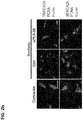
- the SERCA2a levels is decreased (obtaining a synthetic phenotype) under synthetic conditions in RASMCs, and such attenuation of SERCA2a is again completely inhibited by the protein dephosphorylation 1 inhibitory peptide of the present invention (e.g., ⁇ PLB-SE) ( FIG. 2b ).
- the pharmaceutical composition of the present invention can be administered orally or parenterally, and the parenteral administration can be made by intravenous injection, subcutaneous injection, intramuscular injection, intraperitoneal injection, transdermal administration, nasal administration/inhalation, or airway inhalation.
- the drug delivery via inhalation is one of the non-invasive methods, by which a drug is directly delivered to lung cells through mucous membranes of lungs through nasal cavities or airway.
- nucleic acid or peptide delivery through aerosol (or spray) delivery can be advantageously used in an extensive range of treatments of pulmonary disease. This is because the anatomical structure and location of lungs allows an immediate, non-invasive approach, without affecting the other organs, or can receive a topical application of a peptide delivery system.
- the delivery of (i) a nucleic acid delivery complex with a conjugated nucleic acid or (ii) a peptide-supported carrier or powder particles, which are associated with pulmonary diseases, especially, pulmonary vascular diseases, into the lungs in an aerosol manner can expect preventive or therapeutic effects on the above disease.
- the nucleic acid delivery complex or peptide delivery carrier can be prepared to have a nanoparticle size.
- a nucleic acid delivery complex may be prepared by (i) binding with a copolymer for stabilization of a structure of the nucleic acid, or (ii) inserting the nucleic acid sequence into a viral/non-viral vector.
- a peptide in order to prepare an aerosol-type pharmaceutical preparation for respiratory administration containing a peptide active ingredient, a peptide may be prepared by collecting the peptide active ingredient in a stable carrier or vehicle, followed by mixing with a pharmaceutically acceptable aqueous or non-aqueous liquid, such as a suspension, a solution, or a water in oil or oil in water emulsion.
- a pharmaceutically acceptable aqueous or non-aqueous liquid such as a suspension, a solution, or a water in oil or oil in water emulsion.
- the composition of the present invention may be prepared as a soil fine particle composition containing respirable dry particles of the peptide active ingredient.
- the solid fine particle composition containing the peptide active ingredient may optionally contain a dispersant, which is provided to promote aerosol formation.
- composition of the present invention when used as an aerosol- or spray-type pharmaceutical composition for nasal/respiratory administration, may be prepared as a kit including a respiratory or nasal inhalation/administration device.
- This kit may contain an aerosol or spray generator, and an inhaler.
- the inhaler may include a neubulizer or insufflator.
- the term "pharmaceutically effective amount” refers to an amount sufficient to the treatment of vascular disease, to be administered to a subject.
- the pharmaceutical composition of the present invention may contain a pharmaceutically acceptable carrier.
- the pharmaceutically acceptable carrier is normally used at the time of formulation, and examples thereof may include, but are not limited to, lactose, dextrose, sucrose, sorbitol, mannitol, starch, acacia gum, calcium phosphate, alginate, gelatin, calcium silicate, microcrystalline cellulose, polyvinylpyrrolidone, cellulose, water, syrup, methylcellulose, methyl hydroxybenzoate, propyl hydroxybenzoate, talc, magnesium stearate, and mineral oil.
- the pharmaceutical composition of the present invention may further contain, in addition to the above ingredients, a lubricant, a wetting agent, a sweetening agent, a flavoring agent, an emulsifier, a suspending agent, a preservative, and the like.
- a lubricant e.g., a talc, a kaolin, a kaolin, a kaolin, a kaolin, kaolin, kaolin, kaolin, sorbitol, sorbitol, sorbitol, sorbitol, sorbitol, sorbitol, sorbitol, sorbitol, sorbitol, sorbitol, sorbitol, sorbitol, sorbitol, mannitol, mannitol, mannitol, mannitol, mannitol, mannitol, mannitol, mannitol, mannitol
- the appropriate dose of the pharmaceutical composition of the present invention varies depending on factors, such as a formulating method, a manner of administration, patient's age, body weight, gender, and morbidity, food, a time of administration, a route of administration, an excretion rate, and response sensitivity.
- a formulating method a manner of administration, patient's age, body weight, gender, and morbidity, food, a time of administration, a route of administration, an excretion rate, and response sensitivity.
- An ordinarily skilled practitioner can easily determine and prescribe an effective dose for desired treatment or prevention.
- the daily dose of the pharmaceutical composition of the present invention is 0.001-10000 mg/kg.
- the pharmaceutical composition of the present invention may be formulated into a unit dosage form or may be prepared in a multi-dose container by using a pharmaceutically acceptable carrier and/or excipient according to a method that can be easily implemented by a person having an ordinary skill in the art to which the present invention pertains.
- the formulation may be a solution in an oily or aqueous medium, a suspension, an emulsion, an extract, a powder, granules, a tablet, or a capsule, and may further contain a dispersant or a stabilizer.
- the therapeutic composition of the present invention may be prepared as a formulation for inhalation administration (aerosol) so as to deliver a protein phosphatase 1 inhibitory peptide or a nucleic acid delivery complex expressing the peptide to a target site through aerosol delivery.
- aerosol inhalation administration
- a pharmaceutical composition for use in the treatment of vascular diseases the composition containing: (a) a pharmaceutically effective amount of a protein phosphatase 1 inhibitory peptide; and (b) a pharmaceutically acceptable carrier.
- a food composition containing a protein phosphatase 1 inhibitory peptide for mitigation or alleviation of vascular diseases.
- the food composition of the present invention employs the same active ingredient as the pharmaceutical composition for treatment of vascular diseases of the present invention, overlapping descriptions therebetween are omitted to avoid excessive complexity of the specification.
- a method for treatment of vascular diseases including administering a pharmaceutical composition to a subject, the composition containing: (a) a pharmaceutically effective amount of a protein phosphatase 1 inhibitory peptide; and (b) a pharmaceutically acceptable carrier.
- the term "administration" refers to the provision of a predetermined material for a patient by any appropriate method, and the pharmaceutical composition of the present invention may be administered orally or parenterally through all general routes as long as the pharmaceutical composition can arrive at target tissues.
- the composition of the present invention may be administered using any apparatus (e. g, a nanoparticle sprayer) that can deliver an active ingredient to target cells.
- the term "subject” refers to, for example, but is not particularly limited to, a human, monkey, cow, horse, sheep, pig, chicken, turkey, quail, cat, dog, mouse, rat, rabbit, or guinea pig, preferably a mammal, and more preferably a human.
- ⁇ PLB-SE (RAE16TIEMPQ; SEQ ID NO: 2) was derived from the PLB protein sequence surrounding the Ser16 phosphorylation site. To facilitate uptake into cells, the peptide was conjugated to the cell penetrating peptide dNP2 (KIKKVKKKGRKGSKIKKVKKKGRK; SEQ ID NO: 21) or TAT (YGRKKRRQRRR; SEQ ID NO: 22).
- the peptides used in the present invention were ⁇ PLB-SE (RAETIEMPQ; SEQ ID NO: 2) and control peptide (RASTIEMPQ; SEQ ID NO: 23).
- ⁇ PLB-SE and cell penetrating peptide were connected by a linker peptide (GGG; SEQ ID NO: 24)
- the peptides (purity of 95 % or higher, AnyGen, Gwangju, Korea) was resuspended in double-distilled water or physiological saline at a stock concentration of 3 mM (cells), 2.5mg/ml (rats), or 500 ⁇ g/ml (mice).
- the rats were treated with 1 mg/kg peptides and mice were treated with 2 mg/kg peptides.
- the rat aortic smooth muscle cells (RASMCs), human coronary smooth muscle cells (HCSMCs), pulmonary arterial endothelial cells (PAECs), and pulmonary arterial smooth muscle cells (PASMCs) were treated with the peptides at a final concentration of 3 ⁇ M for 1 hour.
- the monocrotaline powder (Sigma Aldrich, USA) was dissolved in a small amount of a 1 M hydrochloric acid solution (HCL), diluted with sterilized distilled water, and adjusted to pH 7.35 by addition of sodium hydroxide (NaOH).
- HCL hydrochloric acid solution
- NaOH sodium hydroxide
- the animals were bred and observed in the same conditions as in the control group during the experiment periods.
- the calcium ionophore A23187 and the calpain I and II inhibitors MDL28170 and cycloheximide were purchased from Sigma-Aldrich (St. Louis, MO, USA).
- the left common carotid artery was injured by an infiltration of 2F Fogarty balloon embolectomy catheter.
- the rats were anesthetized with isoflurane gas (70% N 2 O/30% O 2 ), the left external carotid artery was exposed, and branches thereof were electro-coagulated.
- a catheter was inserted approximately 1 cm into the external carotid artery via a transverse arteriotomy, and endothelial denudation was achieved by three passes of the catheter along the common carotid artery. After removal of the catheter, the penetrated area was clamped, and 5 ⁇ g of the peptides solubilized in 200 ⁇ L of phosphate-buffered saline (PBS) was injected.
- PBS phosphate-buffered saline
- the sealed carotid artery was re-opened to resume blood flow.
- the rats were allowed to recover for 10 days, unless otherwise stated.
- the rats were anesthetized, and the common carotid artery was excised after transcardiac perfusion with heparinized saline containing 3.7% (w/v) formaldehyde.
- the specimens were embedded in paraffin, and paraffin blocks were sectioned with the Leica RM2255 rotary microtome. Two serial tissue sections (thickness, 4 ⁇ m) were obtained from the centre of the common carotid artery and stained with haematoxylin and eosin.
- the lamina, internal elastic lamina, and external elastic lamina were measured with the National Institutes of Health ImageJ software (version 1.62).
- the intimal and medial areas were determined by subtracting the laminal area from the internal elastic laminal area and by subtracting the internal elastic laminal area from the external elastic laminal area, respectively.
- the values from two serial sections per rat were averaged for analysis.
- the carotid artery was fixed in 4% (w/v) paraformaldehyde for 48 hours at room temperature and then washed with PBS. After embedding the specimens in paraffin and sectioning the tissue blocks, the sections were treated with hydrogen peroxide to quench endogenous peroxidase activity, followed by boiling in antigen retrieval buffer. The specimens were immunostained with antibodies against ⁇ -SMA (Sigma-Aldrich), SERCA2a, SERCA2b (21st Century Biochemical), and PCNA (Abeam).
- ⁇ -SMA Sigma-Aldrich
- SERCA2a SERCA2b
- PCNA Abeam
- the rat aortic smooth muscle cells were isolated from the medial layer of the thoracic aorta derived from male Sprague-Dawley rats (body weight, 180-200 g) by an enzymatic reaction with collagenase (50 U/mL, Worthington) and pancreatic elastase (0.25 mg/mL, Sigma-Aldrich) for 4 hours at 37.
- the cells were collected and resuspended in DMEM containing 20% (v/v) fetal bovine serum.
- HCSMCs Human coronary smooth muscle cells
- PAECs pulmonary arterial endothelial cells
- PASMCs pulmonary arterial smooth muscle cells
- RASMCs and HCSMCs were, respectively, plated at the densities of 1 x 10 4 cells/cm 2 and 1 x 10 5 cells/cm 2 for immunostaining and western blotting experiments.
- RASMC and PASMC cell proliferation experiments these cells were cultured in fetal bovine serum-free media for 3 days, and then proliferation was induced by serum addition.
- Rat aortic smooth muscle cells were fixed in 4% (w/v) paraformaldehyde at room temperature for 10 min, washed with PBS, and then transmitted with 0.1% (v/v) Triton X-100 in PBS for 40 min. After washing and blocking with 3% (w/v) BSA in PBS, the cells were incubated overnight at room temperature with antibodies against SERCA2a (1:250), SERCA2b (1:250), and PCNA (1:50). On the following day, the cells were washed with PBS and incubated with anti-rabbit and anti-mouse IgG conjugated to Alexa Fluor 488 and 594, respectively, for 1 hour at room temperature. The cells were treated with FluoroGuard antifade reagent (Bio-Rad, Hercules, CA, USA), and the coverslips were examined under a fluorescent microscope.
- FluoroGuard antifade reagent Bio-Rad, Hercules, CA, USA
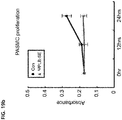
- the rat aortic smooth muscle cells (RASMCs) and pulmonary arterial smooth muscle cells (PASMCs) (1 x 10 4 cells/well) were seeded on a 96-well microplate and treated with peptides at a final concentration of 3 ⁇ M for 24 hours.
- Cell proliferation assays were performed using the EZ-CyTox cell viability assay Kit (Daeil Lab Services Co., Ltd.).
- a rat thoracic aorta was harvested and incubated in RPMI-1640 medium containing 20 mM HEPES, 2 mM L-glutamine, 100 IU/mL penicillin, and 100 ⁇ g/mL streptomycin.
- the adventitia was removed, and the aorta was cut longitudinally and fixed onto a resin.
- tissue fragments were cultured for 7-10 days in RPMI-1640 medium containing 20% (v/v) FCS. The medium was replaced every 48 hours.
- vascular smooth muscle cells were homogenized in a minimal volume of 50 mM Tris-HCl, pH 7.4, supplemented with a broad-spectrum protease inhibitor cocktail (Calbiochem). The proteins were separated by SDS-PAGE and then transferred to polyvinylidene fluoride membranes (Schleicher & Schuell).
- the membranes were incubated with antibodies against SERCA2a, SERCA2b(21st century biochemical), PCNA (abcam), GAPDH (Sigma-Aldrich), phospho-eNOS, eNOS, phospho-eIF2 ⁇ , eIF2 ⁇ (cell signaling), Vimentin, ⁇ -SMA, BMPR2 (Santa cruz), phospho-Akt, Akt (cell signaling), phospho-phospholamban (Merck), and Phospholamban (cell signaling).
- the membranes were then incubated with horseradish peroxidase-conjugated secondary antibodies (Jackson ImmunoResearch, West Grove, PA, USA) and developed using a chemiluminescent substrate (Dogen).
- the blots were scanned and quantified using LAS software.
- the intracellular Ca 2+ level was measured in VSMCs by loading cells with 0.5 ⁇ M Fura2-AM (Molecular Probes, Eugene OR, USA), a Ca 2+ -sensitive indicator, for 15 minutes at 37.
- the fluorescence was recorded using the IonOptix calcium imaging system.
- VSMCs were stimulated by the exposure to light emitted by a 75 W halogen lamp through either a 340 nm or 380 nm filter.
- the fluorescent emissions were detected between 480 nm and 520 nm by a photomultiplier tube after an initial illumination at 340 nm for 0.5 second and then at 380 nm during recording.
- the 340 nm excitation scan was repeated at the end of the protocol, and qualitative changes in the intracellular Ca 2+ level were inferred from the ratio of the Fura2 fluorescent intensity at both wavelengths.
- RASMCs isolated from the thoracic aorta were cultured in DMEM supplemented with 0.1% (v/v) FBS (Contractile) or in DMEM supplemented with 10% (v/v) FBS (Synthetic) in the presence of 3 ⁇ M of control peptide (Con; SEQ ID NO: 23) or ⁇ PLB-SE peptide (SEQ ID NO: 2) .
- RASMC cultured in DMEM supplemented with 0.1% (v/v) FBS were treated with 10 ng/ml of PDGF-BB (R&D Systems) (Synthetic) in the presence of 3 ⁇ M control or ⁇ PLB-SE peptide.
- a region of the RASMC layer was removed by scratching the plate with a sterile 200 ⁇ L pipette tip.
- the cells were incubated for 12 hours or 24 hours and then observed under an 1X80 microscope (Olympus). The distance travelled by the cells was measured using MetaMorph software.
- RASMCs were cultured in DMEM supplemented with 0.1% (v/v) FBS (Contractile) or in DMEM supplemented with 10% (v/v) FBS (Synthetic) in the presence of 3 ⁇ M control or ⁇ PLB-SE peptide. Cycloheximide (Sigma) was added to media to a final concentration of 5 ⁇ g/ml. Cells were harvested after 0, 3, and 5 days of incubation and their protein extracts were subjected to western blotting.
- mice fifteen C57BL/6 mice (Damool science, Korea) weighing 25-30 g were treated with 600 mg/kg MCT five times a week. Out of the mice, eight animals for a comparison group were administered with ⁇ PLB-SE peptide four times at intervals of one week from day 15 after the administration of MCT. Five animals for a control group were administered with a control peptide. The mice were sacrificed one week after last administration, and then histological analysis and molecular biological experiments were conducted.
- Pulmonary tissues were taken from animal models, fixed with 4% (w/v) paraformaldehyde for 5 days at room temperature, and then washed with PBS. After embedding the specimens in paraffin and sectioning the tissue blocks into a thickness of 7 ⁇ m, the sections were stained with haematoxylin and eosin (Sigma Aldrich) to investigate the vascular thickness and inflammation, and the sections were stained with Masson-trichrome (Sigma Aldrich) to investigate the extent of perivascular fibrosis, and then observed through an optical microscope.
- the pulmonary tissues were obtained from rats and mice, and the cytokine levels in the tissues were quantitatively analyzed using human proinflammatory 10plex Meso Scale Diagnostics plates (MSD; Rockville, MD) .
- Quantitative RT-PCR was performed using SYBR premix Ex TaqTM (Takara), though which the transcriptional levels of target genes were analyzed. RNA was isolated from pulmonary tissues using trizole (ambion), and synthesized into cDNA. Quantitative RT-PCR conditions were 40 cycles: 10 sec at 94°C, 30 sec at 59°C, and 10 sec at 72°C. The information of primers used in the experiment are shown in Table 1 below.
- Pulmonary arterial smooth muscle cells were homogenized in a solution of pH 7.0 containing 40 mM imidazole, 10 mM NaF, 1 mM EDTA, 300 mM sucrose, and 0.5 mM DTT, and 250 ⁇ g of the lysate was added to an uptake buffer of pH 7.0 containing 100 mM KCl, 5 mM MgCl 2 , 5 mM NaN 3 , 0.5 M EGTA, and 40 mM imidazole, and calcium uptake assay was performed with a calcium concentration of pCa 6, containing radioactive isotopes.
- the cells were treated with 1 ⁇ M ruthenium red (Sigma Aldrich), followed by waiting at 37°C for 3 min, and then treated with 5 mM K-oxalate and Mg-ATP (Sigma Aldrich).
- 500 ⁇ l of the reaction material was filtered out through a 0.45 ⁇ m filter (Millipore) from the start of a reaction to 4 minutes at intervals of 1 minute, and cpm (count per minute) was measured using a scintillation counter (Beckman).
- ⁇ PLB-SE inhibits the proliferation of VSMCs
- the present inventors invented a 9-mer peptide, ⁇ PEB-SE, that improves cardiomyocyte contractility by preserving SERCA2a activity during ischemia-reperfusion injury, in the previous studies [ Oh JG et al. (2013) J Mol Cell Cardiol 56: 63-71 ].
- experiments were carried out whether the peptide can also inhibit the proliferation of vascular smooth muscle cells (VSMCs) through a similar molecular mechanism.
- VSMCs vascular smooth muscle cells
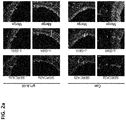
- the arteries were harvested 4 weeks after treatment, and tissue sections were subjected to haematoxylin and eosin staining and immunocytochemistry. Haematoxylin and eosin staining results showed that neointimal formation was inhibited in arteries treated with ⁇ PLB-SE compared with those treated with the control peptide.
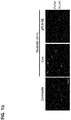
- the intimal layer affected by ⁇ PLB-SE was positively immunostained with antibodies against ⁇ -smooth muscle actin ( ⁇ -SMA) and proliferating cell nuclear antigen (PCNA). These results indicate that ⁇ PLB-SE inhibits neointimal growth and in vivo VSMC proliferation ( FIG. 1a ).
- the present inventors examined the effects of ⁇ PLB-SE on rat aortic smooth muscle cells (RASMCs).
- RASMCs exhibited a contractile phenotype when cultured in medium supplemented with a low concentration of serum (0.1% FBS), whereas the cells exhibited a synthetic phenotype in medium with a high concentration of serum (10% FBS).
- the present inventors therefore, defined high serum culture conditions.
- RASMCs showed active cell division under synthetic conditions, as shown by prominent PCNA expression, but this was completely blocked by ⁇ PLB-SE ( FIG. 1b ).
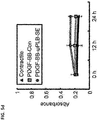
- Cell proliferation assays also showed that the increased proliferation of RASMCs under synthetic conditions was inhibited by ⁇ PLB-SE ( FIG. 1c ).
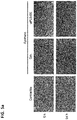
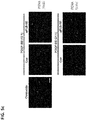
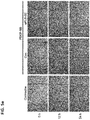
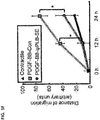
- FIGS. 5a-5f The increased migratory activity of RASMCs under synthetic conditions or upon the treatment with PDGF-BB was also inhibited by ⁇ PLB-SE ( FIGS. 5a-5f ). These data indicate that ⁇ PLB-SE markedly inhibits the proliferation of VSMCs under in vitro synthetic condition.
- SERCA2a is rapidly degraded in proliferative VSMCs, whereas SERCA2b is relatively stable.
- the restoration of the SERCA2a level by gene transfer inhibits the proliferation of VSMCs under synthetic conditions. Therefore, the present inventors reasoned that the antiproliferative effects of ⁇ PLB-SE may be associated with the maintenance of the SERCA2a level and activity under synthetic conditions.
- the carotid artery sections obtained from the experiment shown in Fig 1A were immuno-stained with antibodies against SERCA2a, SERCA2b, and ⁇ -SMA. While the SERCA2b protein level was not changed, the SERCA2a level was significantly reduced by balloon angioplasty-mediated injury, which was inhibited by ⁇ PLB-SE ( FIG. 2a ).
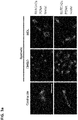
- the calpain inhibitor MDL28170 inhibited the degradation of SERCA2a in RASMCs under synthetic conditions ( FIG. 3a ).
- the protective effect of MDL28170 was further confirmed by western blotting ( FIG. 3b ). These data indicate that calpain mediates the degradation of SERCA2a in VSMCs under synthetic conditions.
- the PCNA level decreased by MDL28170 indicates that the sustained SERCA2a level inhibits the inhibition of VSMCs proliferation ( FIG. 3a ) .
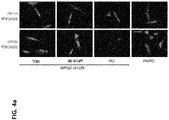
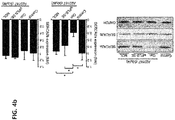
- the Ca 2+ ionophore A23187 evoked the degradation of SERCA2a, but not SERCA2b, in human coronary smooth muscle cells (HCSMCs), indicating that the increased cytosolic Ca 2+ level triggers the degradation of SERCA2a.
- the effect of A23187 was completely blocked by MDL28170, indicating that calpain is involved in the degradation of SERCA2a in VSMCs upon the increase of the cytosolic Ca 2+ level.
- the Ca 2+ -dependent degradation of SERCA2a was also completely inhibited by ⁇ PLB-SE ( FIGS. 4a-4b ).
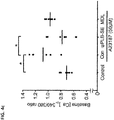
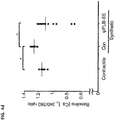
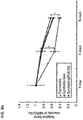
- the elevation of the cytosolic Ca 2+ level by A23187 was normalized by ⁇ PLB-SE, but not by the calpain inhibitor ( FIG. 4c ).
- the cytosolic Ca 2+ level elevated under synthetic conditions was also decreased by ⁇ PLB-SE ( FIG. 4d ).
- ⁇ PLB-SE inhibits the calpain-mediated degradation of SERCA2a by normalizing the elevated cytosolic Ca 2+ level in VSMCs under synthetic conditions.
- mice were injected with monocrotaline (MCT) to induce pulmonary arterial hypertension, and administered with ⁇ PLB-SE via respiratory inhalation once a week for a total of 4 weeks.
- MCT monocrotaline
- ⁇ PLB-SE via respiratory inhalation once a week for a total of 4 weeks.
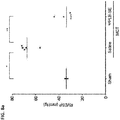
- the right ventricular end-systolic pressure was measured through right heart catheterization 4 weeks after the induction of pulmonary arterial hypertension.
- the characteristic phenotypes in pulmonary arterial hypertension include thickening of vascular walls due to abnormal proliferation of pulmonary artery endothelial cells and smooth muscle cells, increased fibrosis in vascular adventitia, inflammation occurring throughout pulmonary tissues and characterized by monocyte infiltration and increased cytokines, and the like [ Thompson AA et al.
- mice models The restoration effect of the peptide, confirmed in rats, was investigated in mice models as another type of animal models.
- Mice were injected with monocrotaline (MCT) to induce pulmonary arterial hypertension, and administered with ⁇ PLB-SE via respiratory inhalation from the second week once a week for a total of 4 weeks.
- MCT monocrotaline
- ⁇ PLB-SE via respiratory inhalation from the second week once a week for a total of 4 weeks.
- the same experiments excluding blood pressure measurement were carried out in mouse pulmonary tissues 4 weeks after the administration of ⁇ PLB-SE.
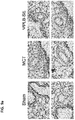
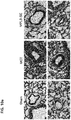
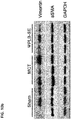
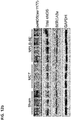
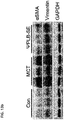
- the vascular thickening in the pulmonary tissues obtained from the mice was checked through hematoxylin and eosin staining. It was confirmed that the increase in vascular thickening, shown in the group with induced pulmonary arterial hypertension, was attenuated by the treatment with ⁇ PLB-SE ( FIG. 12a ).
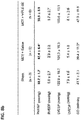
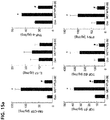
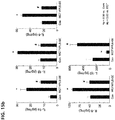
- FIGS. 15a-15b the levels of inflammation-related cytokines were measured in the pulmonary tissues in the same manner as in the rats, and as a result, it was confirmed that proinflammatory cytokines, such as GM-CSF, TNF- ⁇ , IL-17, IL-1 ⁇ , IL-6, and TGF- ⁇ , were increased in pulmonary arterial hypertension, and restored to nearly to the normal levels thereof by the treatment with ⁇ PLB-SE ( FIGS. 15a-15b ).
- proinflammatory cytokines such as GM-CSF, TNF- ⁇ , IL-17, IL-1 ⁇ , IL-6, and TGF- ⁇
- PAECs pulmonary arterial endothelial cells
- ⁇ PLB-SE is a substance invented as a PP1 inhibitor
- PAECs pulmonary arterial endothelial cells
- OA okadaic acid
- ⁇ PLB-SE a synergistic effect that the phosphorylation of Akt of eNOS was increased by OA treatment and the phosphorylation was further increased by peptide treatment was confirmed.
- ⁇ PLB-SE regulates SERCA2a activity through PP1 to inhibit cell proliferation in pulmonary arterial smooth muscle cells (PASMCs)
- pulmonary arterial smooth muscle cells due to the dysfunction of endothelial cells is a factor that plays a decisive role in increasing the pulmonary artery pressure in pulmonary arterial hypertension.
- the present inventors confirmed through the previous studies that ⁇ PLB-SE inhibited abnormal proliferation by regulating SERCA2a activity in vascular smooth muscle cells isolated from rats.
- a synthetic phenotype proliferated in a high concentration of serum (0.1% FBS) was induced compared with a contractile phenotype induced in a low concentration of serum (10% FBS).
- the cell penetrating peptide which is a kind of signal peptide, is an amino acid combined peptide used for the purpose of delivering a substance, such as a protein or DNA, into cells.
- the present inventors established the previous therapeutic effects using dNP2, a human-derived sequence CPP.
- the present inventors diversified the kind and form of CPP by peptide cyclization as well as TAT, and compared such peptides with an existing peptide based on dND2 in view of effects.
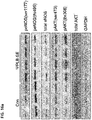
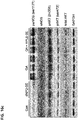
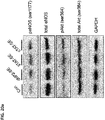
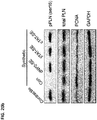
- ⁇ PLB-SE having sequences of linear TAT and cyclic TAT also increased the phosphorylation of eNOS and Akt in VECs ( FIG. 20a ), and increased the phosphorylation of PLB in VSMCs inducing a synthetic phenotype ( FIG. 20b ).
- pulmonary arterial hypertension PAH
- restenosis shown after coronary artery intervention among the cardiovascular diseases are due to physical and pathological damages of VECs, and are ultimately diseases shown by the abnormal proliferation of vascular smooth muscle cells (VSMCs).
- VSMCs vascular smooth muscle cells
- These phenomena correspond to a wide concept and thus may be included in hypertension.
- the pulmonary arterial hypertension has been regarded as having no special medicine even 10 years ago. Although the life quality and survival time of patients have been increased through the development of many medicines resulting from the accumulation of many study results for many years, the pulmonary arterial hypertension has higher morbidity and mortality than other cardiovascular diseases. Studies have also been conducted in the absence of definitive therapy guidelines for restenosis not fully resolved.
- SR sarco/endoplasmic reticulum
- SERCA2a The gene transfer-mediated restoration of the SERCA2a level in cardiomyocytes is cardioprotective in mouse and pig models of heart failure [ Miyamoto MI et al. (2000) Proc Natl Acad Sci USA 97: 793-798 ; Kawase Y et al (2008) J Am Coll Cardiol 51: 1112-1119 ; del Monte F et al. (2001) Circulation 104: 1424-1429 ].
- SERCA2a gene transfer inhibits VSMC proliferation and neointimal growth in balloon-induced injury models. Therefore, SERCA2a can intervene in the treatment of vascular proliferative diseases including arterial restenosis and PAH.
- I-1 inhibitor-1
- PP1 phospholamban
- PLB phospholamban
- I-1c continuously activated I-1
- I-1c gene transfer inhibits VSMC proliferation and neointimal formation by increasing SERCA2a activity.
- I-1c and SERCA2a gene transfer show a synergistic action [ Lipskaia L et al. (2014) Cirucation 129: 773-785 ].
- ⁇ PLB-SE a 9-mer peptide
- targets PP1 and inhibits PLB dephosphorylation leading to an increase in SERCA2a activity in cardiomyocytes.
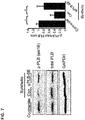
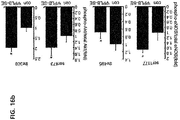
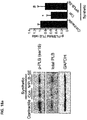
- ⁇ PLB-SE inhibited the dephosphorylation of PLB even in RASMCs and PASMCs (see FIGS. 7 , 18a , and 20b in the present specification).
- the present inventors showed that ⁇ PLB-SE inhibited VSMC proliferation and neointimal formation by elevating the SERCA2a level in VSMCs under synthetic conditions.
- SERCA gene transfer restored the SERCA2a level
- I-1c gene transfer restored SERCA2a activity. Therefore, it was surprising that the targeting of PP1 by ⁇ PLB-SE also restored the SERCA2a level.
- the present invention proposes a model in which the SERCA2a level and activity are closely interrelated to each other. Under synthetic conditions, the increased cytosolic Ca 2+ level may activate calpain to degrade the SERCA2a protein, and the decreased SERCA2a level may further increase the cytosolic Ca 2+ level.
- the data in the present invention show that the vicious cycle of cytosolic Ca 2+ increase and SERCA2a reduction can be interrupted by targeting PP1.
- the increased SERCA2a activity may further decrease the cytosolic Ca 2+ level, thus attenuate the calpain-mediated SERCA2a degradation, thereby increasing the SERCA2a level.
- the production of NO as a vascular relaxant has a proliferation inhibitory effect.
- the reduced NO production is due to the decreased activity of eNOS, and the activation of eNOS is not sufficient to explain only by the regulation of intracellular calcium concentration through SERCA2a.
- There are a calcium-dependent pathway and a calcium-independent pathway in the activation pathway of eNOS [ Zhao Y et al. (2015) J Pharmacol Sci 129(2): 83-94 ].
- the calcium-independent pathway is made by regulating the phosphorylation of eNOS through by transduction of higher-order signals, such as Akt, AMPK, CamKII, and PKA.
- the resultant NO may also affect VSMCs to increase the activity of cGMP-dependent protein kinase, thereby lowering intracellular calcium [ Blatter LA et al. (1994) Cell Calcium 15(2): 122-131 ].
- ⁇ PLB-SE can not only inhibit the proliferation of VSMCs but also restore the dysfunction of VECs in charge of all vascular functions. It was verified that ⁇ PLB-SE inhibits the interactions with PP1 and Akt to prevent Akt dephosphorylation, and thus regulates eNOS activity.
- the effect of inhibiting abnormal proliferation of VSMCs shown in the blood vessels of rat and mouse pulmonary arterial hypertension models and the effect of reducing vascular fibrosis, shown from Masson's trichrome staining results and the normalization of the expression levels of genes, such as Collagen I and TGF- ⁇ , show the possibility that ⁇ PLB-SE can potentially expect a therapeutic effect of hypertension.
- ⁇ PLB-SE can be a basis for a therapeutic strategy for vascular proliferative diseases and ⁇ PLB-SE, as a peptide, may also have other advantages over gene therapies.
Landscapes
- Health & Medical Sciences (AREA)
- Life Sciences & Earth Sciences (AREA)
- Chemical & Material Sciences (AREA)
- Engineering & Computer Science (AREA)
- Bioinformatics & Cheminformatics (AREA)
- Proteomics, Peptides & Aminoacids (AREA)
- Medicinal Chemistry (AREA)
- General Health & Medical Sciences (AREA)
- Pharmacology & Pharmacy (AREA)
- Public Health (AREA)
- Veterinary Medicine (AREA)
- Animal Behavior & Ethology (AREA)
- Organic Chemistry (AREA)
- Molecular Biology (AREA)
- Epidemiology (AREA)
- Gastroenterology & Hepatology (AREA)
- Zoology (AREA)
- Immunology (AREA)
- Mycology (AREA)
- Nutrition Science (AREA)
- Food Science & Technology (AREA)
- Polymers & Plastics (AREA)
- Cardiology (AREA)
- General Chemical & Material Sciences (AREA)
- Nuclear Medicine, Radiotherapy & Molecular Imaging (AREA)
- Chemical Kinetics & Catalysis (AREA)
- Heart & Thoracic Surgery (AREA)
- Genetics & Genomics (AREA)
- Marine Sciences & Fisheries (AREA)
- Biochemistry (AREA)
- Wood Science & Technology (AREA)
- Biomedical Technology (AREA)
- Biotechnology (AREA)
- Microbiology (AREA)
- Biophysics (AREA)
- General Engineering & Computer Science (AREA)
- Toxicology (AREA)
- Urology & Nephrology (AREA)
- Vascular Medicine (AREA)
- Medicines That Contain Protein Lipid Enzymes And Other Medicines (AREA)
Applications Claiming Priority (2)
| Application Number | Priority Date | Filing Date | Title |
|---|---|---|---|
| KR20160138612 | 2016-10-24 | ||
| PCT/KR2017/011796 WO2018080146A2 (ko) | 2016-10-24 | 2017-10-24 | 단백질 탈 인산화 효소 1 억제 펩타이드를 포함하는 혈관 질환 치료용 조성물 |
Publications (2)
| Publication Number | Publication Date |
|---|---|
| EP3530278A2 true EP3530278A2 (de) | 2019-08-28 |
| EP3530278A4 EP3530278A4 (de) | 2019-10-30 |
Family
ID=62023742
Family Applications (1)
| Application Number | Title | Priority Date | Filing Date |
|---|---|---|---|
| EP17863591.8A Withdrawn EP3530278A4 (de) | 2016-10-24 | 2017-10-24 | Zusammensetzung mit protein-phosphatase-1-hemmendem peptid zur behandlung von gefässerkrankungen |
Country Status (6)
| Country | Link |
|---|---|
| US (1) | US11426441B2 (de) |
| EP (1) | EP3530278A4 (de) |
| JP (1) | JP6910700B2 (de) |
| KR (1) | KR102077333B1 (de) |
| CN (1) | CN109890400B (de) |
| WO (1) | WO2018080146A2 (de) |
Families Citing this family (4)
| Publication number | Priority date | Publication date | Assignee | Title |
|---|---|---|---|---|
| CN109824758B (zh) * | 2019-02-27 | 2022-04-22 | 中山大学 | 抑制一氧化氮合酶降解和高血压的多肽及其应用 |
| CN111154742B (zh) * | 2020-02-07 | 2021-05-25 | 青岛农业大学 | 一种受丹参调节的血管壁修复相关的蛋白肽 |
| JP7490286B2 (ja) * | 2021-02-25 | 2024-05-27 | ルーマス リミテッド | 矩形導波路を有する光学アパーチャ増倍器 |
| EP4722234A1 (de) * | 2023-06-05 | 2026-04-08 | BethphaGen Inc. | Genkonstrukt mit nukleotiden zur codierung von decoypeptiden zur hemmung der proteinphosphatase-1-vermittelten dephosphorylierung von phospholamban und ccn5-protein oder fragmenten davon |
Family Cites Families (7)
| Publication number | Priority date | Publication date | Assignee | Title |
|---|---|---|---|---|
| AU1711100A (en) * | 1998-11-02 | 2000-05-22 | Regents Of The University Of California, The | A method for inhibition of phospholamban activity for the treatment of cardiac disease and heart failure |
| US20040214760A1 (en) | 2001-01-15 | 2004-10-28 | Ramesh Gupta | Inhibition pf protein-phosphatases for the treatment of heart failure |
| WO2003004692A2 (en) | 2001-07-03 | 2003-01-16 | Xenon Genetics, Inc. | Screening processes for agents modulating cholesterol levels |
| US20180099029A9 (en) * | 2010-04-15 | 2018-04-12 | Mount Sinai School Of Medicine | Serca2 therapeutic compositions and methods of use |
| US10208085B2 (en) | 2012-07-05 | 2019-02-19 | Gwangju Institute Of Science And Technology | Decoy peptides inhibiting protein phosphatase 1-mediated dephosphorylation of phospholamban |
| BR112015030355A8 (pt) * | 2013-06-07 | 2019-12-24 | Univ California | uso de uma proteína ou um polipeptídeo de adenilil ciclase tipo 6 (ac6) incompetente com a adenosina monofosfato cíclico (incompetente com camp) ou um gene ou ácido nucléico que codifica ac6mut, e, formulação |
| KR101751329B1 (ko) | 2015-05-26 | 2017-06-27 | 주식회사 인세라 | 세라믹 구형 비드의 제조방법 |
-
2017
- 2017-10-24 EP EP17863591.8A patent/EP3530278A4/de not_active Withdrawn
- 2017-10-24 US US16/344,467 patent/US11426441B2/en active Active
- 2017-10-24 KR KR1020170138581A patent/KR102077333B1/ko active Active
- 2017-10-24 CN CN201780066053.5A patent/CN109890400B/zh active Active
- 2017-10-24 WO PCT/KR2017/011796 patent/WO2018080146A2/ko not_active Ceased
- 2017-10-24 JP JP2019521663A patent/JP6910700B2/ja active Active
Also Published As
| Publication number | Publication date |
|---|---|
| US20190328823A1 (en) | 2019-10-31 |
| WO2018080146A2 (ko) | 2018-05-03 |
| KR102077333B1 (ko) | 2020-02-13 |
| CN109890400B (zh) | 2022-12-20 |
| JP2020500166A (ja) | 2020-01-09 |
| EP3530278A4 (de) | 2019-10-30 |
| WO2018080146A3 (ko) | 2018-08-09 |
| JP6910700B2 (ja) | 2021-07-28 |
| US11426441B2 (en) | 2022-08-30 |
| KR20180044829A (ko) | 2018-05-03 |
| CN109890400A (zh) | 2019-06-14 |
Similar Documents
| Publication | Publication Date | Title |
|---|---|---|
| JP7378833B2 (ja) | ヌトリン3aおよびペプチドを用いた肺線維症の阻害 | |
| Chichiarelli et al. | ERp57/PDIA3: new insight | |
| ES2637687T3 (es) | Péptido BAD de dominio BH3 para usar en el tratamiento o retardo de la aparición de la diabetes | |
| US9730922B2 (en) | Combined therapy for cystic fibrosis | |
| US11426441B2 (en) | Composition comprising protein phosphatase 1 inhibitory peptide for treating vascular diseases | |
| CN105307670A (zh) | Jnk信号转导途径的细胞渗透肽抑制剂用于治疗多种疾病的新用途 | |
| US20230190861A1 (en) | Peptide therapeutics for acute and chronic airway and alveolar diseases | |
| US11890283B2 (en) | Compounds, compositions and methods of treating or preventing acute lung injury | |
| US11931402B2 (en) | Compositions for treating heart disease by inhibiting the action of mAKAP-β | |
| US20240082342A1 (en) | Peptide therapeutics for increasing lung cell viability | |
| US9447157B2 (en) | Nitration shielding peptides and methods of use thereof | |
| CN115414485A (zh) | uN2CpolyG蛋白抑制剂的用途 | |
| US20250127852A1 (en) | Polypeptides for treatment of cancer | |
| TW200305447A (en) | Methods and compositions for treating respiratory pathologies | |
| US20240342244A1 (en) | Isthmin Protein Therapeutics for the Treatment of Non-Alcoholic Fatty Liver Disease | |
| Tan et al. | Klotho-derived peptide 1 ameliorates hepatic fibrosis induced by αKlotho deficiency and liver injury | |
| US20250281572A1 (en) | Compositions and methods for treating and preventing metabolic disorders | |
| Chen et al. | Targeting neuronal HK2 alleviates glutamate neurotoxicity and MCAO-induced ischemic brain injury | |
| Mingjie et al. | Ghrelin/Ghrs-1a Promotes Angiogenesis after Myocardial Infarction Through the Glycolytic Process | |
| Bruce | CHARACTERIZATION OF CYB5D2 AND ITS HEME BINDING ASSOCIATED FUNCTIONS | |
| BR112015023287B1 (pt) | Uso de uma composição na fabricação de um medicamento para o tratamento de fibrose |
Legal Events
| Date | Code | Title | Description |
|---|---|---|---|
| STAA | Information on the status of an ep patent application or granted ep patent |
Free format text: STATUS: THE INTERNATIONAL PUBLICATION HAS BEEN MADE |
|
| PUAI | Public reference made under article 153(3) epc to a published international application that has entered the european phase |
Free format text: ORIGINAL CODE: 0009012 |
|
| STAA | Information on the status of an ep patent application or granted ep patent |
Free format text: STATUS: REQUEST FOR EXAMINATION WAS MADE |
|
| 17P | Request for examination filed |
Effective date: 20190513 |
|
| AK | Designated contracting states |
Kind code of ref document: A2 Designated state(s): AL AT BE BG CH CY CZ DE DK EE ES FI FR GB GR HR HU IE IS IT LI LT LU LV MC MK MT NL NO PL PT RO RS SE SI SK SM TR |
|
| AX | Request for extension of the european patent |
Extension state: BA ME |
|
| A4 | Supplementary search report drawn up and despatched |
Effective date: 20191002 |
|
| RIC1 | Information provided on ipc code assigned before grant |
Ipc: A23L 33/18 20160101ALI20190926BHEP Ipc: A61K 38/08 20190101AFI20190926BHEP |
|
| DAV | Request for validation of the european patent (deleted) | ||
| DAX | Request for extension of the european patent (deleted) | ||
| RAP1 | Party data changed (applicant data changed or rights of an application transferred) |
Owner name: BETHPHAGEN INC. |
|
| 111L | Licence recorded |
Designated state(s): AL AT BE BG CH CY CZ DE DK EE ES FI FR GB GR HR HU IE IS IT LT LU LV MC MK MT NL NO PL PT RO RS SE SI SK SM TR Free format text: EXCLUSIVE LICENSE Name of requester: NADIANBIO LTD., KR Effective date: 20200515 |
|
| STAA | Information on the status of an ep patent application or granted ep patent |
Free format text: STATUS: EXAMINATION IS IN PROGRESS |
|
| 17Q | First examination report despatched |
Effective date: 20240125 |
|
| GRAP | Despatch of communication of intention to grant a patent |
Free format text: ORIGINAL CODE: EPIDOSNIGR1 |
|
| STAA | Information on the status of an ep patent application or granted ep patent |
Free format text: STATUS: GRANT OF PATENT IS INTENDED |
|
| INTG | Intention to grant announced |
Effective date: 20240710 |
|
| STAA | Information on the status of an ep patent application or granted ep patent |
Free format text: STATUS: THE APPLICATION IS DEEMED TO BE WITHDRAWN |
|
| 18D | Application deemed to be withdrawn |
Effective date: 20241112 |