EP3528814B1 - Pyrimido-diazepinone kinase scaffold compounds and methods of treating dclk1/2-mediated disorders - Google Patents
Pyrimido-diazepinone kinase scaffold compounds and methods of treating dclk1/2-mediated disorders Download PDFInfo
- Publication number
- EP3528814B1 EP3528814B1 EP17862888.9A EP17862888A EP3528814B1 EP 3528814 B1 EP3528814 B1 EP 3528814B1 EP 17862888 A EP17862888 A EP 17862888A EP 3528814 B1 EP3528814 B1 EP 3528814B1
- Authority
- EP
- European Patent Office
- Prior art keywords
- nhc
- alkenyl
- alkyl
- aryl
- heteroaryl
- Prior art date
- Legal status (The legal status is an assumption and is not a legal conclusion. Google has not performed a legal analysis and makes no representation as to the accuracy of the status listed.)
- Active
Links
Images

Classifications
-
- C—CHEMISTRY; METALLURGY
- C07—ORGANIC CHEMISTRY
- C07D—HETEROCYCLIC COMPOUNDS
- C07D487/00—Heterocyclic compounds containing nitrogen atoms as the only ring hetero atoms in the condensed system, not provided for by groups C07D451/00 - C07D477/00
- C07D487/02—Heterocyclic compounds containing nitrogen atoms as the only ring hetero atoms in the condensed system, not provided for by groups C07D451/00 - C07D477/00 in which the condensed system contains two hetero rings
- C07D487/04—Ortho-condensed systems
-
- A—HUMAN NECESSITIES
- A61—MEDICAL OR VETERINARY SCIENCE; HYGIENE
- A61K—PREPARATIONS FOR MEDICAL, DENTAL OR TOILETRY PURPOSES
- A61K31/00—Medicinal preparations containing organic active ingredients
- A61K31/33—Heterocyclic compounds
- A61K31/395—Heterocyclic compounds having nitrogen as a ring hetero atom, e.g. guanethidine or rifamycins
- A61K31/55—Heterocyclic compounds having nitrogen as a ring hetero atom, e.g. guanethidine or rifamycins having seven-membered rings, e.g. azelastine, pentylenetetrazole
- A61K31/551—Heterocyclic compounds having nitrogen as a ring hetero atom, e.g. guanethidine or rifamycins having seven-membered rings, e.g. azelastine, pentylenetetrazole having two nitrogen atoms, e.g. dilazep
-
- A—HUMAN NECESSITIES
- A61—MEDICAL OR VETERINARY SCIENCE; HYGIENE
- A61K—PREPARATIONS FOR MEDICAL, DENTAL OR TOILETRY PURPOSES
- A61K45/00—Medicinal preparations containing active ingredients not provided for in groups A61K31/00 - A61K41/00
- A61K45/06—Mixtures of active ingredients without chemical characterisation, e.g. antiphlogistics and cardiaca
-
- A—HUMAN NECESSITIES
- A61—MEDICAL OR VETERINARY SCIENCE; HYGIENE
- A61P—SPECIFIC THERAPEUTIC ACTIVITY OF CHEMICAL COMPOUNDS OR MEDICINAL PREPARATIONS
- A61P1/00—Drugs for disorders of the alimentary tract or the digestive system
- A61P1/16—Drugs for disorders of the alimentary tract or the digestive system for liver or gallbladder disorders, e.g. hepatoprotective agents, cholagogues, litholytics
-
- A—HUMAN NECESSITIES
- A61—MEDICAL OR VETERINARY SCIENCE; HYGIENE
- A61P—SPECIFIC THERAPEUTIC ACTIVITY OF CHEMICAL COMPOUNDS OR MEDICINAL PREPARATIONS
- A61P29/00—Non-central analgesic, antipyretic or antiinflammatory agents, e.g. antirheumatic agents; Non-steroidal antiinflammatory drugs [NSAID]
-
- A—HUMAN NECESSITIES
- A61—MEDICAL OR VETERINARY SCIENCE; HYGIENE
- A61P—SPECIFIC THERAPEUTIC ACTIVITY OF CHEMICAL COMPOUNDS OR MEDICINAL PREPARATIONS
- A61P3/00—Drugs for disorders of the metabolism
- A61P3/04—Anorexiants; Antiobesity agents
-
- A—HUMAN NECESSITIES
- A61—MEDICAL OR VETERINARY SCIENCE; HYGIENE
- A61P—SPECIFIC THERAPEUTIC ACTIVITY OF CHEMICAL COMPOUNDS OR MEDICINAL PREPARATIONS
- A61P3/00—Drugs for disorders of the metabolism
- A61P3/06—Antihyperlipidemics
-
- A—HUMAN NECESSITIES
- A61—MEDICAL OR VETERINARY SCIENCE; HYGIENE
- A61P—SPECIFIC THERAPEUTIC ACTIVITY OF CHEMICAL COMPOUNDS OR MEDICINAL PREPARATIONS
- A61P3/00—Drugs for disorders of the metabolism
- A61P3/08—Drugs for disorders of the metabolism for glucose homeostasis
- A61P3/10—Drugs for disorders of the metabolism for glucose homeostasis for hyperglycaemia, e.g. antidiabetics
-
- A—HUMAN NECESSITIES
- A61—MEDICAL OR VETERINARY SCIENCE; HYGIENE
- A61P—SPECIFIC THERAPEUTIC ACTIVITY OF CHEMICAL COMPOUNDS OR MEDICINAL PREPARATIONS
- A61P35/00—Antineoplastic agents
-
- A—HUMAN NECESSITIES
- A61—MEDICAL OR VETERINARY SCIENCE; HYGIENE
- A61P—SPECIFIC THERAPEUTIC ACTIVITY OF CHEMICAL COMPOUNDS OR MEDICINAL PREPARATIONS
- A61P43/00—Drugs for specific purposes, not provided for in groups A61P1/00-A61P41/00
Definitions
- the present invention relates to pyrimido-diazepinone compounds which are able to modulate protein kinases such as doublecortin-like kinase 1 (DCLK1) and doublecortin-like kinase 2 (DCLK2), which are members of serine/threonine-protein kinase family and Ca 2+ /calmodulin-dependent protein kinase class of enzymes, and such compounds for use in the treatment of various diseases, disorders or conditions.
- DCLK1 doublecortin-like kinase 1
- DCLK2 doublecortin-like kinase 2
- Ca 2+ /calmodulin-dependent protein kinase class of enzymes and such compounds for use in the treatment of various diseases, disorders or conditions.
- Protein kinases represent a large family of proteins, which play a central role in the regulation of a wide variety of cellular processes and maintaining control over cellular function. Protein kinases constitute a large family of structurally related enzymes that are responsible for the control of a variety of signal transduction processes within the cell (see Hardie, G and Hanks, S. The Protein Kinase Facts Book, I and II, Academic Press, San Diego, CA: 1995 ). Protein kinases are thought to have evolved from a common ancestral gene due to the conservation of their structure and catalytic function. Almost all kinases contain a similar 250-300 amino acid catalytic domain. The kinases may be categorized into families by the substrates they phosphorylate (e.g., protein-tyrosine, protein-serine/ threonine, lipids etc).
- phosphorylate e.g., protein-tyrosine, protein-serine/ threonine, lipids etc.
- protein kinases mediate intracellular signaling by catalyzing a phosphoryl transfer from a nucleoside triphosphate to a protein acceptor that is involved in a signaling pathway. These phosphorylation events act as molecular on/off switches that can modulate or regulate the target protein biological function. These phosphorylation events are ultimately triggered in response to a variety of extracellular and other stimuli.
- Examples of such stimuli include environmental and chemical stress signals (e.g., shock, heat shock, ultraviolet radiation, bacterial endotoxin, and H2O2), cytokines (e.g., interleukin-1 (IL-I) and tumor necrosis factor alpha (TNF-a), and growth factors (e.g., granulocyte macrophage-colony stimulating factor (GM-CSF), and fibroblast growth factor (FGF)).
- IL-I interleukin-1
- TNF-a tumor necrosis factor alpha
- growth factors e.g., granulocyte macrophage-colony stimulating factor (GM-CSF), and fibroblast growth factor (FGF)
- An extracellular stimulus may affect one or more cellular responses related to cell growth, migration, differentiation, secretion of hormones, activation of transcription factors, muscle contraction, glucose metabolism, control of protein synthesis, survival and regulation of the cell cycle.
- US 2016/0024115 discloses pyrimido-diazepinone compounds, methods of modulating protein kinases and uses of the compounds in the treatment of various diseases.
- US 2012/0040961 discloses pyrimido-diazepinone kinase scaffold compounds and methods of treating disorders.
- Described herein are compounds that inhibit the activity of one or more isoforms of the protein kinase DCLK1/2 and are, therefore, expected to be useful in the treatment of kinase-associated diseases.
- alkyl refers to saturated, straight- or branched-chain hydrocarbon radicals containing, in certain embodiments, between one and six, or one and eight carbon atoms, respectively.
- Examples of C 1 -C 6 alkyl radicals include, but are not limited to, methyl, ethyl, propyl, isopropyl, n -butyl, tert -butyl, neopentyl, n-hexyl radicals; and examples of C 1 -C 8 alkyl radicals include, but are not limited to, methyl, ethyl, propyl, isopropyl, n -butyl, tert -butyl, neopentyl, n-hexyl, heptyl, octyl radicals.
- alkenyl denotes a monovalent group derived from a hydrocarbon moiety containing, in certain embodiments, from two to six, or two to eight carbon atoms having at least one carbon-carbon double bond. The double bond may or may not be the point of attachment to another group.
- Alkenyl groups include, but are not limited to, for example, ethenyl, propenyl, butenyl, 1-methyl-2-buten-1-yl, heptenyl, octenyl and the like.
- alkynyl denotes a monovalent group derived from a hydrocarbon moiety containing, in certain embodiments, from two to six, or two to eight carbon atoms having at least one carbon-carbon triple bond.
- the alkynyl group may or may not be the point of attachment to another group.
- Representative alkynyl groups include, but are not limited to, for example, ethynyl, 1-propynyl, 1-butynyl, heptynyl, octynyl and the like.
- alkoxy refers to an -O-alkyl radical.
- aryl refers to a mono- or poly-cyclic carbocyclic ring system having one or more aromatic rings, fused or non-fused, including, but not limited to, phenyl, naphthyl, tetrahydronaphthyl, indanyl, idenyl and the like.
- aralkyl refers to an alkyl residue attached to an aryl ring. Examples include, but are not limited to, benzyl, phenethyl and the like.
- cycloalkyl denotes a monovalent group derived from a monocyclic or polycyclic saturated or partially unsatured carbocyclic ring compound.
- Examples of C 3 -C 8 -cycloalkyl include, but not limited to, cyclopropyl, cyclobutyl, cyclopentyl, cyclohexyl, cyclopentyl and cyclooctyl; and examples of C 3 -C 12 -cycloalkyl include, but not limited to, cyclopropyl, cyclobutyl, cyclopentyl, cyclohexyl, bicyclo [2.2.1] heptyl, and bicyclo [2.2.2] octyl.
- a monovalent group derived from a monocyclic or polycyclic carbocyclic ring compound having at least one carbon-carbon double bond by the removal of a single hydrogen atom examples include, but are not limited to, cyclopropenyl, cyclobutenyl, cyclopentenyl, cyclohexenyl, cycloheptenyl, cyclooctenyl, and the like.
- heteroaryl refers to a mono- or poly-cyclic (e.g., bi-, or tri-cyclic or more) fused or non-fused, radical or ring system having at least one aromatic ring, having from five to ten ring atoms of which one ring atoms is selected from S, O and N; zero, one or two ring atoms are additional heteroatoms independently selected from S, O and N; and the remaining ring atoms are carbon.
- mono- or poly-cyclic e.g., bi-, or tri-cyclic or more fused or non-fused, radical or ring system having at least one aromatic ring, having from five to ten ring atoms of which one ring atoms is selected from S, O and N; zero, one or two ring atoms are additional heteroatoms independently selected from S, O and N; and the remaining ring atoms are carbon.
- Heteroaryl includes, but is not limited to, pyridinyl, pyrazinyl, pyrimidinyl, pyrrolyl, pyrazolyl, imidazolyl, thiazolyl, oxazolyl, isooxazolyl, thiadiazolyl, oxadiazolyl, thiophenyl, furanyl, quinolinyl, isoquinolinyl, benzimidazolyl, benzooxazolyl, quinoxalinyl, and the like.
- heteroarylkyl refers to an alkyl residue attached to a heteroaryl ring. Examples include, but are not limited to, pyridinylmethyl, pyrimidinylethyl and the like.
- heterocycloalkyl refers to a non-aromatic 3-, 4-, 5-, 6- or 7-membered ring or a bi- or tri-cyclic group fused of non-fused system, where (i) each ring contains between one and three heteroatoms independently selected from oxygen, sulfur and nitrogen, (ii) each 5-membered ring has 0 to 1 double bonds and each 6-membered ring has 0 to 2 double bonds, (iii) the nitrogen and sulfur heteroatoms may optionally be oxidized, (iv) the nitrogen heteroatom may optionally be quaternized, and (iv) any of the above rings may be fused to a benzene ring.
- heterocycloalkyl groups include, but are not limited to, [1,3]dioxolane, pyrrolidinyl, pyrazolinyl, pyrazolidinyl, imidazolinyl, imidazolidinyl, piperidinyl, piperazinyl, oxazolidinyl, isoxazolidinyl, morpholinyl, thiazolidinyl, isothiazolidinyl, and tetrahydrofuryl.
- alkylamino refers to a group having the structure --NH(C 1 -C 12 alkyl) where C 1 -C 12 alkyl is as previously defined.
- acyl includes residues derived from acids, including but not limited to carboxylic acids, carbamic acids, carbonic acids, sulfonic acids, and phosphorous acids. Examples include aliphatic carbonyls, aromatic carbonyls, aliphatic sulfonyls, aromatic sulfinyls, aliphatic sulfinyls, aromatic phosphates and aliphatic phosphates. Examples of aliphatic carbonyls include, but are not limited to, acetyl, propionyl, 2-fluoroacetyl, butyryl, 2-hydroxy acetyl, and the like.
- any of the aryls, substituted aryls, heteroaryls and substituted heteroaryls described herein, can be any aromatic group.
- Aromatic groups can be substituted or unsubstituted.
- halo and halogen, as used herein, refer to an atom selected from fluorine, chlorine, bromine and iodine.
- compounds of the invention may optionally be substituted with one or more substituents, such as are illustrated generally above, or as exemplified by particular classes, subclasses, and species of the invention. It will be appreciated that the phrase “optionally substituted” is used interchangeably with the phrase “substituted or unsubstituted. " In general, the term “substituted”, whether preceded by the term “optionally” or not, refers to the replacement of hydrogen radicals in a given structure with the radical of a specified substituent.
- an optionally substituted group may have a substituent at each substitutable position of the group, and when more than one position in any given structure may be substituted with more than one substituent selected from a specified group, the substituent may be either the same or different at every position.
- optionally substituted refers to groups that are substituted or unsubstituted by independent replacement of one, two, or three or more of the hydrogen atoms thereon with substituents including, but not limited to:
- aryls, heteroaryls, alkyls, and the like can be further substituted.
- cancer includes, but is not limited to, the following cancers: epidermoid Oral : buccal cavity, lip, tongue, mouth, pharynx; Cardiac : sarcoma (angiosarcoma, fibrosarcoma, rhabdomyosarcoma, liposarcoma), myxoma, rhabdomyoma, fibroma, lipoma and teratoma; Lung: bronchogenic carcinoma (squamous cell or epidermoid, undifferentiated small cell, undifferentiated large cell, adenocarcinoma), alveolar (bronchiolar) carcinoma, bronchial adenoma, sarcoma, lymphoma, chondromatous hamartoma, mesothelioma; Gastrointestinal : esophagus (squamous cell carcinoma, larynx, adenocarcinoma, leiomyosarcoma, lymph
- cancerous cell includes a cell afflicted by any one of the above-identified conditions.
- liver disease is damage to or disease of the liver that can lead to failure of liver functions.
- liver disease includes, but is not limited to, the following diseases: hepatitis, alcoholic liver disease, hereditary diseases such as hemochromatosis and Wilson's disease, a fatty liver disease, non-alcoholic fatty liver disease (NAFLD), non-alcoholic steatohepatitis (NASH), cirrhosis, primary biliary cirrhosis, primary sclerosing cholangitis, Budd-Chiari syndrome, fatty liver disease resulting from hepatitis, fatty liver disease resulting from obesity, fatty liver disease resulting from diabetes, fatty liver disease resulting from insulin resistance, fatty liver disease resulting from hypertriglyceridemia, Abetalipoproteinemia, glycogen storage diseases, Wolmans disease, acute fatty liver of pregnancy, Weber-Christian disease, Gilber's syndrome, Wolmans disease, acute fatty liver of pregnancy, or lipodyst
- the disease is a neurodegenerative disease.
- the disease is Alzheimer's disease (AD), Parkinson's disease (PD), Huntington's (HD) diseases, amyotrophic lateral sclerosis (ALS), spinal muscular atrophy (SMA), schizophrenia, attention-deficit/hyperactivity disorder (ADHD), fetal alcohol syndrome and diabetic encephalopathy.
- AD Alzheimer's disease
- PD Parkinson's disease
- HD Huntington's
- ALS amyotrophic lateral sclerosis
- SMA spinal muscular atrophy
- schizophrenia attention-deficit/hyperactivity disorder
- ADHD attention-deficit/hyperactivity disorder
- fetal alcohol syndrome fetal alcohol syndrome
- diabetic encephalopathy fetal alcohol syndrome
- Kinase Panel is a list of kinases including, but not limited to, MPS1 (TTK), ERKS (BMK1, MAPK7), polo kinase 1,2,3, or 4, Ack1, Ack2, Abl, DCAMKL1, ABL1, Abl mutants, DCAMKL2, ARKS, BRK, MKNK2, FGFR4, TNK1, PLK1, ULK2, PLK4, PRKD1, PRKD2, PRKD3, ROS1, RPS6KA6, TAOK1, TAOK3, TNK2, Bcr-Abl, GAK, cSrc, TPR-Met, Tie2, MET, FGFR3, Aurora, Axl, Bmx, BTK, c-kit, CHK2, Flt3, MST2, p70S6K, PDGFR, PKB, PKC, Raf, ROCK-H, Rsk1, SGK, TrkA, TrkB, TrkC, AAK1, ABL1, ABL1(TTK),
- Mutant forms of a kinase means single or multiple amino acid changes from the wild-type sequence.
- subject refers to a mammal.
- a subject therefore refers to, for example, dogs, cats, horses, cows, pigs, guinea pigs, and the like.
- the subject is a human.
- the subject may be referred to herein as a patient.
- Treating refers to a method of alleviating or abating a disease and/or its attendant symptoms.
- the term "pharmaceutically acceptable salt” refers to those salts of the compounds formed by the process of the present invention which are, within the scope of sound medical judgment, suitable for use in contact with the tissues of humans and lower animals without undue toxicity, irritation, allergic response and the like, and are commensurate with a reasonable benefit/risk ratio.
- Pharmaceutically acceptable salts are well known in the art. For example, S. M. Berge, et al. describes pharmaceutically acceptable salts in detail in J. Pharmaceutical Sciences, 66: 1-19 (1977 ).
- the salts can be prepared in situ during the final isolation and purification of the compounds of the invention, or separately by reacting the free base function with a suitable organic acid.
- nontoxic acid addition salts are salts of an amino group formed with inorganic acids such as hydrochloric acid, hydrobromic acid, phosphoric acid, sulfuric acid and perchloric acid or with organic acids such as acetic acid, maleic acid, tartaric acid, citric acid, succinic acid or malonic acid or by using other methods used in the art such as ion exchange.
- salts include, but are not limited to, adipate, alginate, ascorbate, aspartate, benzenesulfonate, benzoate, bisulfate, borate, butyrate, camphorate, camphorsulfonate, citrate, cyclopentanepropionate, digluconate, dodecylsulfate, ethanesulfonate, formate, fumarate, glucoheptonate, glycerophosphate, gluconate, hemisulfate, heptanoate, hexanoate, hydroiodide, 2-hydroxy-ethanesulfonate, lactobionate, lactate, laurate, lauryl sulfate, malate, maleate, malonate, methanesulfonate, 2-naphthalenesulfonate, nicotinate, nitrate, oleate, oxalate, palmitate, pamo
- alkali or alkaline earth metal salts include sodium, lithium, potassium, calcium, magnesium, and the like.
- Further pharmaceutically acceptable salts include, when appropriate, nontoxic ammonium, quaternary ammonium, and amine cations formed using counterions such as halide, hydroxide, carboxylate, sulfate, phosphate, nitrate, alkyl having from 1 to 6 carbon atoms, sulfonate and aryl sulfonate.
- ester refers to esters of the compounds formed by the process of the present invention which hydrolyze in vivo and include those that break down readily in the human body to leave the parent compound or a salt thereof.
- Suitable ester groups include, for example, those derived from pharmaceutically acceptable aliphatic carboxylic acids, particularly alkanoic, alkenoic, cycloalkanoic and alkanedioic acids, in which each alkyl or alkenyl moiety advantageously has not more than 6 carbon atoms.
- esters include, but are not limited to, formates, acetates, propionates, butyrates, acrylates and ethylsuccinates.
- prodrugs refers to those prodrugs of the compounds formed by the process of the present invention which are, within the scope of sound medical judgment, suitable for use in contact with the tissues of humans and lower animals with undue toxicity, irritation, allergic response, and the like, commensurate with a reasonable benefit/risk ratio, and effective for their intended use, as well as the zwitterionic forms, where possible, of the compounds of the present invention.
- Prodrug as used herein means a compound which is convertible in vivo by metabolic means (e.g. by hydrolysis) to afford any compound delineated by the formulae of the instant invention.
- prodrugs are known in the art, for example, as discussed in Bundgaard, (ed.), Design of Prodrugs, Elsevier (1985 ); Widder, et al. (ed.), Methods in Enzymology, vol. 4, Academic Press (1985 ); Krogsgaard-Larsen, et al., (ed). "Design and Application of Prodrugs, Textbook of Drug Design and Development, Chapter 5, 113-191 (1991 ); Bundgaard, et al., Journal of Drug Deliver Reviews, 8:1-38(1992 ); Bundgaard, J. of Pharmaceutical Sciences, 77:285 et seq.
- compositions containing pharmaceutically acceptable prodrugs of compounds of the invention are also described but not claimed.
- compounds of the invention having free amino, amido, hydroxy or carboxylic groups can be converted into prodrugs.
- the amino acid residues include but are not limited to the 20 naturally occurring amino acids commonly designated by three letter symbols and also includes 4-hydroxyproline, hydroxyysine, demosine, isodemosine, 3-methylhistidine, norvalin, beta-alanine, gamma-aminobutyric acid, citrulline, homocysteine, homoserine, ornithine and methionine sulfone. Additional types of prodrugs are also encompassed.
- free carboxyl groups can be derivatized as amides or alkyl esters.
- Free hydroxy groups may be derivatized using groups including but not limited to hemisuccinates, phosphate esters, dimethylaminoacetates, and phosphoryloxymethyloxy carbonyls, as outlined in Advanced Drug Delivery Reviews, 1996, 19, 1 15 .
- Carbamate prodrugs of hydroxy and amino groups are also included, as are carbonate prodrugs, sulfonate esters and sulfate esters of hydroxy groups.
- stable refers to compounds which possess stability sufficient to allow manufacture and which maintains the integrity of the compound for a sufficient period of time to be useful for the purposes detailed herein (e.g., therapeutic or prophylactic administration to a subject).
- DCLK doublecortin-like kinases
- DCLK1 and/or DCLK2 are members of serine/threonine-protein kinase family and Ca 2+ /calmodulin-dependent protein kinase class of enzymes.
- DCLK doublecortin-like kinases
- DCLK1 Human serine/threonine-protein kinase doublecortin-like kinase 1 (DCLK1) refers to the protein products of the human gene DCLK1. This includes any serine/threonine-protein kinases (EC:2.7.11.1) referred to as, for example, doublecortin and CaM kinase-like 1(DCAMKL1), doublecortin domain-containing protein 3A(DCDC3A), CPG16 (candidate plasticity gene 16), CaMK-like CREB regulatory kinase 1 (CL1, CLICK-I, CLICK1, or CLIK1) and/or KIAA0369, proteins listed under UNIPROT ID: Q5VZY9 or uniprot ID: 015075, or homologous proteins or isoforms thereof, including but not limited to isoforms 1-4 (alternate nomenclature DCLK1-long, DCLK1-short).
- DCAMKL1 doublecortin domain-containing protein 3
- human serine/threonine-protein kinase doublecortin-like kinase 2 refers to the protein products of the human gene DCLK2.
- Isoforms include but are not limited to isoforms 1-3 listed in
- DCLK1 is a microtubule-associated protein that plays a key role in neuronal migration, retrograde transport, neuronal apoptosis, neurogenesis and synapse maturation by regulation of mitotic spindle formation, which can be independent from its protein kinase activity ( Reiner, O. et al, BMC Genomics 2006, 7 (1), 1-16 ).
- DCLK1 is frequently mutated across many cancer types.
- DCLK1 can be a driver gene for gastic cancer and is listed among the top 15 presumed driver genes ( The Cancer Genome Atlas Research, Nature 2014, 513 (7517), 202-209 ).
- Expression of DCLK1 is also associated with poor prognosis in gastric cancer patients (Gy rffy, B. et al., PLoS ONE 2013 , 8 (12)).
- DCLK1 can be a marker of quiescent stem-cells in the stomach, intestine and pancreas, and those cells have been shown to function as the cancer stem cells which initiate and support cancers in the intestine and pancreas, alone, or when harboring oncogenic mutations, or upon loss of tumour suppressor genes. For instance, ablation of these cells induces rapid regression of tumors in murine models of intestinal cancer ( Ito, H. et al., PLoS ONE 2016, 11 (1 ); Nakanishi, Y.et al., Nature genetics 2013, 45 (1), 98-103 ; Westphalen, C. B., et. al, The Journal of clinical investigation 2014, 124 (3), 1283-95 ; Westphalen, C. B.et al., Cell Stem Cell 18 (4), 441-455 ).
- DCLK1/2 positive cells and DCLK1/2 functions can be targeted as promising therapeutic strategies in cancer treatments (e.g . treatments for gastric, pancreatic and intestinal cancers).
- DCL K1/2 kinase inhibitors are highly multi-targeted and have been shown to inhibit a number of other kinases and bromodomains.
- Such compounds can be potent and selective inhibitors of DCLK1 or DCLK2, or alternatively, selective dual inhibitors of DCLK1 and DCLK2, thereby providing a composition for use in the treatment of a disease mediated by DCLK1 and/or DCLK2.
- DCLK inhibitors of kinases
- DCLK1/2 inhibitor compounds are referred to herein as “DCLK1/2 inhibitor compounds.”
- the invention provides a compound of formula F-1: or a pharmaceutically acceptable salt thereof, wherein,
- the compound is of formula F-1-a: or a pharmaceutically acceptable salt thereof,
- R 2 is -CH 2 -CH 2 F, -CH 2 -CHF 2 , or -CH 2 -CF 3 .
- R 1 is selected from the group consisting of and thereof.
- the compound has a structure selected from the group consisting of: , or a pharmaceutically acceptable salt thereof.
- the compound has a structure according to formula A-1: or a pharmaceutically acceptable salt thereof, wherein,
- the method can include the use of one or more intermediates or chemical reagents delineated herein.
- a compound of the invention can be prepared as a pharmaceutically acceptable acid addition salt by reacting the free base form of the compound with a pharmaceutically acceptable inorganic or organic acid.
- a pharmaceutically acceptable base addition salt of a compound of the invention can be prepared by reacting the free acid form of the compound with a pharmaceutically acceptable inorganic or organic base.
- salt forms of the compounds of the invention can be prepared using salts of the starting materials or intermediates.
- the free acid or free base forms of the compounds of the invention can be prepared from the corresponding base addition salt or acid addition salt from, respectively.
- a compound of the invention in an acid addition salt form can be converted to the corresponding free base by treating with a suitable base (e.g., ammonium hydroxide solution, sodium hydroxide, and the like).
- a suitable base e.g., ammonium hydroxide solution, sodium hydroxide, and the like.
- a compound of the invention in a base addition salt form can be converted to the corresponding free acid by treating with a suitable acid (e.g., hydrochloric acid, etc.).
- Protected derivatives of the compounds of the invention can be made by means known to those of ordinary skill in the art. A detailed description of techniques applicable to the creation of protecting groups and their removal can be found in T. W. Greene, "Protecting Groups in Organic Chemistry", 3rd edition, John Wiley and Sons, Inc., 1999 .
- Hydrates of compounds of the present invention can be conveniently prepared, or formed during the process as described herein, as solvates (e.g., hydrates). Hydrates of compounds of the present invention can be conveniently prepared by recrystallization from an aqueous/organic solvent mixture, using organic solvents such as dioxin, tetrahydrofuran or methanol.
- Acids and bases useful in the methods herein are known in the art.
- Acid catalysts are any acidic chemical, which can be inorganic (e.g., hydrochloric, sulfuric, nitric acids, aluminum trichloride) or organic (e.g., camphorsulfonic acid, p-toluenesulfonic acid, acetic acid, ytterbium triflate) in nature. Acids are useful in either catalytic or stoichiometric amounts to facilitate chemical reactions.
- Bases are any basic chemical, which can be inorganic (e.g., sodium bicarbonate, potassium hydroxide) or organic (e.g., triethylamine, pyridine) in nature. Bases are useful in either catalytic or stoichiometric amounts to facilitate chemical reactions.
- some of the compounds of this invention have one or more double bonds, or one or more asymmetric centers.
- Such compounds can occur as racemates, racemic mixtures, single enantiomers, individual diastereomers, diastereomeric mixtures, and cis- or trans- or E - or Z - double isomeric forms, and other stereoisomeric forms that may be defined, in terms of absolute stereochemistry, as (R)- or (S)-, or as (D)- or (L)- for amino acids. All such isomeric forms of these compounds are expressly included in the present invention.
- Optical isomers may be prepared from their respective optically active precursors by the procedures described above, or by resolving the racemic mixtures.
- the resolution can be carried out in the presence of a resolving agent, by chromatography or by repeated crystallization or by some combination of these techniques which are known to those skilled in the art. Further details regarding resolutions can be found in Jacques, et al., Enantiomers, Racemates, and Resolutions (John Wiley & Sons, 1981 ).
- the compounds of this invention may also be represented in multiple tautomeric forms, in such instances, the invention expressly includes all tautomeric forms of the compounds described herein (e.g., alkylation of a ring system may result in alkylation at multiple sites, the invention expressly includes all such reaction products).
- the synthesized compounds can be separated from a reaction mixture and further purified by a method such as column chromatography, high pressure liquid chromatography, or recrystallization.
- a method such as column chromatography, high pressure liquid chromatography, or recrystallization.
- further methods of synthesizing the compounds of the formulae herein will be evident to those of ordinary skill in the art.
- the various synthetic steps may be performed in an alternate sequence or order to give the desired compounds.
- the solvents, temperatures, reaction durations, etc. delineated herein are for purposes of illustration only and one of ordinary skill in the art will recognize that variation of the reaction conditions can produce the desired bridged macrocyclic products of the present invention.
- Synthetic chemistry transformations and protecting group methodologies useful in synthesizing the compounds described herein are known in the art and include, for example, those such as described in R. Larock, Comprehensive Organic Transformations, VCH Publishers (1989 ); T.W. Greene and P.G.M. Wuts, Protective Groups in Organic Synthesis, 2d. Ed., John Wiley and Sons (1991 ); L. Fieser and M. Fieser, Fieser and Fieser's Reagents for Organic Synthesis, John Wiley and Sons (1994 ); and L. Paquette, ed., Encyclopedia of Reagents for Organic Synthesis, John Wiley and Sons (1995 ), and subsequent editions thereof.
- the compounds of this invention may be modified by appending various functionalities via any synthetic means delineated herein to enhance selective biological properties.
- modifications are known in the art and include those which increase biological penetration into a given biological system (e.g., blood, lymphatic system, central nervous system), increase oral availability, increase solubility to allow administration by injection, alter metabolism and alter rate of excretion.
- the compounds of the invention are defined herein by their chemical structures and/or chemical names. Where a compound is referred to by both a chemical structure and a chemical name, and the chemical structure and chemical name conflict, the chemical structure is determinative of the compound's identity.
- the invention provides a pharmaceutical composition as defined herein for use in treating a disease in a subject mediated by a kinase that is doublecortin-like kinase (DCLK1/2) comprising administering to the subject a DCLK inhibitor compound (e.g. compound of formula F-1, F-1-a, ) as described herein, or a pharmaceutically acceptable salt thereof.
- DCLK1/2 doublecortin-like kinase
- the DCLK inhibitor compound may selectively inhibit DCLK1 and/or DCLK2, with inhibition constant (Ki) for inhibiting DCLK1 and/or DCLK2 less than about 1 ⁇ M, less than about 500 nM, less than about 100 nM, less than about 50 nM, less than about 40 nM, less than about 30 nM, less than about 20 nM, or preferably, less than about 15 nM.
- Ki inhibition constant
- the invention provides a pharmaceutical composition for use in treating a disease, wherein the disease is mediated by DCLK1. In one embodiment, the invention provides a pharmaceutical composition for use in treating a disease, wherein the disease is mediated by DCLK2. In one embodiment, the invention provides a pharmaceutical composition for use in inhibiting a disease, wherein the disease is mediated by DCLK1 and DCLK2.
- the invention provides a pharmaceutical composition for use in inhibiting a disease, wherein the disease is cancer or a proliferation disease.
- the cancer is lung cancer, colon cancer, breast cancer, prostate cancer, liver cancer, brain cancer, kidney cancer, ovarian cancer, stomach cancer, skin cancer, bone cancer, gastric cancer, pancreatic cancer, glioma, hepatocellular carcinoma, papillary renal carcinoma, head and neck squamous cell carcinoma, leukemia, lymphoma, myeloma, or a solid tumor.
- the cancer is a blood-borne cancer (e.g., chronic lymphocytic leukemia (CLL), follicular lymphoma (FL) or indolent non-Hodgkin's lymphoma (iNHL)).
- CLL chronic lymphocytic leukemia
- FL follicular lymphoma
- iNHL indolent non-Hodgkin's lymphoma
- CLL chronic lymphocytic leukemia
- FL follicular lymphoma
- iNHL indolent non-Hodgkin's lymphoma
- the cancer is pertinent to gastic organs, gastrointestinal tract, or digestive organs including stomach, small intestine, large intestine, tongue, salivary glands, pancreas, liver, and gallbladder.
- the disease is Barretts' esophagus, esophageal cancer, salivary gland malignancies, colon and colorectal cancer, intestinal cancer, gastric cancer, pancreatic cancer, skin cancer or neuroblastoma.
- the disease is a liver disease.
- the disease is a fatty liver disease, non-alcoholic fatty liver disease (NAFLD), non-alcoholic steatohepatitis (NASH), cirrhosis, fatty liver disease resulting from hepatitis, fatty liver disease resulting from obesity, fatty liver disease resulting from diabetes, fatty liver disease resulting from insulin resistance, fatty liver disease resulting from hypertriglyceridemia, Abetalipoproteinemia, glycogen storage diseases, Wolmans disease, or acute fatty liver of pregnancy.
- NAFLD non-alcoholic fatty liver disease
- NASH non-alcoholic steatohepatitis
- cirrhosis fatty liver disease resulting from hepatitis
- fatty liver disease resulting from obesity fatty liver disease resulting from diabetes
- fatty liver disease resulting from insulin resistance fatty liver disease resulting from hypertriglyceridemia
- Abetalipoproteinemia glycogen storage diseases
- Wolmans disease or acute fatty liver of pregnancy.
- an additional therapeutic agent is an anti-inflammatory agent.
- an additional therapeutic agent is a chemotherapy agent.
- an additional therapeutic agent is a monoclonal antibody.
- an additional therapeutic agent is a therapeutic agent for liver disease.
- an additional therapeutic agent is a therapeutic agent for neurodegenerative disease.
- the compound and the additional therapeutic agent are administered simultaneously or sequentially.
- the invention provides a pharmaceutical composition for use in treatment of a disease as described herein above, wherein the subject is a human.
- the invention describes a method of synthesizing a kinase inhibitor compound as described herein.
- the compounds e.g. compounds of formulae F-1, F-1-a
- the compounds can be synthesized as described herein (e.g., Schemes 1-4 in Examples).
- Another aspect of this invention provides compounds or compositions that are inhibitors of protein kinases DCLK1 and/or DCLK2, and thus are useful for the treatment of the diseases, disorders, and conditions, along with other uses described herein as mentioned in the appended claims.
- the compounds and compositions of this invention are particularly useful for treating the severity of a disease, condition, or disorder where a protein kinase is implicated in the disease, condition, or disorder.
- cancer includes, but is not limited to, the following cancers: breast; ovary; cervix; prostate; testis, genitourinary tract; esophagus; larynx, glioblastoma; neuroblastoma; stomach; skin, keratoacanthoma; lung, epidermoid carcinoma, large cell carcinoma, small cell carcinoma, lung adenocarcinoma; bone; colon; colorectal; adenoma; pancreas, adenocarcinoma; thyroid, follicular carcinoma, undifferentiated carcinoma, papillary carcinoma; seminoma; melanoma; sarcoma; bladder carcinoma; liver carcinoma and biliary passages; kidney carcinoma; myeloid disorders; lymphoid disorders, Hodgkin's, hairy cells; buccal cavity and pharynx (oral), lip, tongue, mouth, pharynx; small intestine; colon-rectum, large intestine, rectum, brain
- the compounds of this invention are useful for treating cancer, such as colorectal, thyroid, breast, and lung cancer; and myeloproliferative disorders, such as polycythemia vera, thrombocythemia, myeloid metaplasia with myelofibrosis, chronic myelogenous leukemia, chronic myelomonocytic leukemia, hypereosinophilic syndrome, juvenile myelomonocytic leukemia, and systemic mast cell disease.
- cancer such as colorectal, thyroid, breast, and lung cancer
- myeloproliferative disorders such as polycythemia vera, thrombocythemia, myeloid metaplasia with myelofibrosis, chronic myelogenous leukemia, chronic myelomonocytic leukemia, hypereosinophilic syndrome, juvenile myelomonocytic leukemia, and systemic mast cell disease.
- the compounds of this invention are useful for treating hematopoietic disorders, in particular, acute-myelogenous leukemia (AMLi), chronic-myelogenous leukemia (CML), acute-promyelocytic leukemia, and acute lymphocytic leukemia (ALL).
- AMLi acute-myelogenous leukemia
- CML chronic-myelogenous leukemia
- ALL acute lymphocytic leukemia
- the compounds of this invention are useful for treating a cancer or proliferative disease pertinent to gastic organs, gastrointestinal tract, and digestive organs including the stomach, small intestine, large intestine, tongue, salivary glands, pancreas, liver, and gallbladder.
- the compounds of this invention are useful for treating Barretts' esophagus, esophageal cancer, salivary gland malignancies, colon and colorectal cancer, intestinal cancer, gastric cancer, pancreatic cancer, skin cancer and neuroblastoma.
- One aspect of this invention provides compounds that are useful for the treatment of diseases, disorders, and damages in liver.
- the compounds of this invention are useful for treating a fatty liver disease, non-alcoholic fatty acid liver disease (NAFLD), non-alcoholic steatohepatitis (NASH), fatty liver disease resulting from hepatitis, fatty liver disease resulting from obesity, fatty liver disease resulting from diabetes, fatty liver disease resulting from insulin resistance, fatty liver disease resulting from hypertriglyceridemia, Abetalipoproteinemia, glycogen storage diseases, Weber-Christian disease, Wolmans disease, acute fatty liver of pregnancy, or lipodystrophy.
- NAFLD non-alcoholic fatty acid liver disease
- NASH non-alcoholic steatohepatitis
- biological sample means an in vitro or an ex vivo sample, including, without limitation, cell cultures or extracts thereof; biopsied material obtained from a mammal or extracts thereof; and blood, saliva, urine, feces, semen, tears, or other body fluids or extracts thereof.
- Inhibition of protein kinase activity in a biological sample is useful for a variety of purposes that are known to one of skill in the art. Examples of such purposes include, but are not limited to, blood transfusion, organ- transplantation, and biological specimen storage.
- the activity of the compounds as protein kinase inhibitors may be assayed in vitro, in vivo or in a cell line.
- In vitro assays include assays that determine inhibition of either the kinase activity or ATPase activity of the activated kinase. Alternate in vitro assays quantitate the ability of the inhibitor to bind to the protein kinase and may be measured either by radiolabelling the inhibitor prior to binding, isolating the inhibitor/kinase complex and determining the amount of radiolabel bound, or by running a competition experiment where new inhibitors are incubated with the kinase bound to known radioligands.
- in vitro assays quantitate the ability of the inhibitor to bind to the protein kinase and may be measured either by probing the inhibitor with fluorescent molecules prior to binding, isolating the inhibitor/kinase complex and determining the amount of the bound probes, utilization of a mobility shift assay with substrates treated or non-treated with protein kinase, for example, in the presence of ATP plus inhibitor or DMSO control, or by running a competition experiment where new inhibitors are incubated with the kinase bound to known fluorescent probes.
- the required dosage will vary depending on the mode of administration, the particular condition to be treated and the effect desired.
- the invention provides a pharmaceutical composition
- a kinase inhibitor compound e.g. DCLK1/2
- a pharmaceutically acceptable carrier e.g., a kinase inhibitor compound (e.g. DCLK1/2) as described herein, or a pharmaceutically acceptable salt thereof, together with a pharmaceutically acceptable carrier.
- a kinase inhibitor compound e.g. DCLK1/2
- Compounds of the invention can be administered as pharmaceutical compositions by any conventional route, in particular enterally, e.g., orally, e.g., in the form of tablets or capsules, or parenterally, e.g., in the form of injectable solutions or suspensions, topically, e.g., in the form of lotions, gels, ointments or creams, or in a nasal or suppository form.
- Pharmaceutical compositions comprising a compound of the present invention in free form or in a pharmaceutically acceptable salt form in association with at least one pharmaceutically acceptable carrier or diluent can be manufactured in a conventional manner by mixing, granulating or coating methods.
- oral compositions can be tablets or gelatin capsules comprising the active ingredient together with a) diluents, e.g., lactose, dextrose, sucrose, mannitol, sorbitol, cellulose and/or glycine; b) lubricants, e.g., silica, talcum, stearic acid, its magnesium or calcium salt and/or polyethyleneglycol; for tablets also c) binders, e.g., magnesium aluminum silicate, starch paste, gelatin, tragacanth, methylcellulose, sodium carboxymethylcellulose and or polyvinylpyrrolidone; if desired d) disintegrants, e.g., starches, agar, alginic acid or its sodium salt, or effervescent mixtures; and/or e) absorbents, colorants, flavors and sweeteners.
- diluents e.g., lactose, dextrose, sucrose,
- compositions can be aqueous isotonic solutions or suspensions, and suppositories can be prepared from fatty emulsions or suspensions.
- the compositions may be sterilized and/or contain adjuvants, such as preserving, stabilizing, wetting or emulsifying agents, solution promoters, salts for regulating the osmotic pressure and/or buffers. In addition, they may also contain other therapeutically valuable substances.
- Suitable formulations for transdermal applications include an effective amount of a compound of the present invention with a carrier.
- a carrier can include absorbable pharmacologically acceptable solvents to assist passage through the skin of the host.
- transdermal devices are in the form of a bandage comprising a backing member, a reservoir containing the compound optionally with carriers, optionally a rate controlling barrier to deliver the compound to the skin of the host at a controlled and predetermined rate over a prolonged period of time, and means to secure the device to the skin.
- Matrix transdermal formulations may also be used.
- Suitable formulations for topical application, e.g., to the skin and eyes, are preferably aqueous solutions, ointments, creams or gels well-known in the art. Such may contain solubilizers, stabilizers, tonicity enhancing agents, buffers and preservatives.
- Compounds of the invention can be administered in therapeutically effective amounts in combination with one or more therapeutic agents (pharmaceutical combinations).
- therapeutic agents for example, synergistic effects can occur with other immunomodulatory or anti-inflammatory substances, for example when used in combination with cyclosporin, rapamycin, or ascomycin, or immunosuppressant analogues thereof, for example cyclosporin A (CsA), cyclosporin G, FK-506, rapamycin, or comparable compounds, corticosteroids, cyclophosphamide, azathioprine, methotrexate, brequinar, leflunomide, mizoribine, mycophenolic acid, mycophenolate mofetil, 15-deoxyspergualin, immunosuppressant antibodies, especially monoclonal antibodies for leukocyte receptors, for example MHC, CD2, CD3, CD4, CD7, CD25, CD28, B7, CD45, CD58 or their ligands, or other immunomodulatory compounds, such as CT
- compositions of the present invention comprise a therapeutically effective amount of a compound of the present invention formulated together with one or more pharmaceutically acceptable carriers.
- pharmaceutically acceptable carrier means a non-toxic, inert solid, semi-solid or liquid filler, diluent, encapsulating material or formulation auxiliary of any type.
- the pharmaceutical compositions of this invention can be administered to humans and other animals orally, rectally, parenterally, intracisternally, intravaginally, intraperitoneally, topically (as by powders, ointments, or drops), buccally, or as an oral or nasal spray.
- Liquid dosage forms for oral administration include pharmaceutically acceptable emulsions, microemulsions, solutions, suspensions, syrups and elixirs.
- the liquid dosage forms may contain inert diluents commonly used in the art such as, for example, water or other solvents, solubilizing agents and emulsifiers such as ethyl alcohol, isopropyl alcohol, ethyl carbonate, ethyl acetate, benzyl alcohol, benzyl benzoate, propylene glycol, 1,3-butylene glycol, dimethylformamide, oils (in particular, cottonseed, groundnut, corn, germ, olive, castor, and sesame oils), glycerol, tetrahydrofurfuryl alcohol, polyethylene glycols and fatty acid esters of sorbitan, and mixtures thereof.
- the oral compositions can also include adjuvants such as wetting agents, e
- sterile injectable aqueous or oleaginous suspensions may be formulated according to the known art using suitable dispersing or wetting agents and suspending agents.
- the sterile injectable preparation may also be a sterile injectable solution, suspension or emulsion in a nontoxic parenterally acceptable diluent or solvent, for example, as a solution in 1,3-butanediol.
- acceptable vehicles and solvents that may be employed are water, Ringer's solution, U.S.P. and isotonic sodium chloride solution.
- sterile, fixed oils are conventionally employed as a solvent or suspending medium.
- any bland fixed oil can be employed including synthetic mono- or diglycerides.
- fatty acids such as oleic acid are used in the preparation of inj ectables.
- compositions for rectal or vaginal administration are preferably suppositories which can be prepared by mixing the compounds of this invention with suitable nonirritating excipients or carriers such as cocoa butter, polyethylene glycol or a suppository wax which are solid at ambient temperature but liquid at body temperature and therefore melt in the rectum or vaginal cavity and release the active compound.
- suitable nonirritating excipients or carriers such as cocoa butter, polyethylene glycol or a suppository wax which are solid at ambient temperature but liquid at body temperature and therefore melt in the rectum or vaginal cavity and release the active compound.
- compositions of a similar type may also be employed as fillers in soft and hard-filled gelatin capsules using such excipients as lactose or milk sugar as well as high molecular weight polyethylene glycols and the like.
- the active compounds can also be in micro-encapsulated form with one or more excipients as noted above.
- the solid dosage forms of tablets, dragees, capsules, pills, and granules can be prepared with coatings and shells such as enteric coatings, release controlling coatings and other coatings well known in the pharmaceutical formulating art.
- the active compound may be admixed with at least one inert diluent such as sucrose, lactose or starch.
- Such dosage forms may also comprise, as is normal practice, additional substances other than inert diluents, e.g., tableting lubricants and other tableting aids such a magnesium stearate and microcrystalline cellulose.
- the dosage forms may also comprise buffering agents.
- Dosage forms for topical or transdermal administration of a compound of this invention include ointments, pastes, creams, lotions, gels, powders, solutions, sprays, inhalants or patches.
- the active component is admixed under sterile conditions with a pharmaceutically acceptable carrier and any needed preservatives or buffers as may be required.
- Ophthalmic formulation, ear drops, eye ointments, powders and solutions are also contemplated as being within the scope of this invention.
- the ointments, pastes, creams and gels may contain, in addition to an active compound of this invention, excipients such as animal and vegetable fats, oils, waxes, paraffins, starch, tragacanth, cellulose derivatives, polyethylene glycols, silicones, bentonites, silicic acid, talc and zinc oxide, or mixtures thereof.
- excipients such as animal and vegetable fats, oils, waxes, paraffins, starch, tragacanth, cellulose derivatives, polyethylene glycols, silicones, bentonites, silicic acid, talc and zinc oxide, or mixtures thereof.
- Powders and sprays can contain, in addition to the compounds of this invention, excipients such as lactose, talc, silicic acid, aluminum hydroxide, calcium silicates and polyamide powder, or mixtures of these substances.
- Sprays can additionally contain customary propellants such as chlorofluorohydrocarbons.
- Transdermal patches have the added advantage of providing controlled delivery of a compound to the body.
- dosage forms can be made by dissolving or dispensing the compound in the proper medium.
- Absorption enhancers can also be used to increase the flux of the compound across the skin.
- the rate can be controlled by either providing a rate controlling membrane or by dispersing the compound in a polymer matrix or gel.
- disorders are treated or prevented in a subject, such as a human or other animal, by administering to the subject a therapeutically effective amount of a compound of the invention, in such amounts and for such time as is necessary to achieve the desired result.
- a therapeutically effective amount of a compound of the invention means a sufficient amount of the compound so as to decrease the symptoms of a disorder in a subject.
- a therapeutically effective amount of a compound of this invention will be at a reasonable benefit/risk ratio applicable to any medical treatment.
- compounds of the invention will be administered in therapeutically effective amounts via any of the usual and acceptable modes known in the art, either singly or in combination with one or more therapeutic agents.
- a therapeutically effective amount may vary widely depending on the severity of the disease, the age and relative health of the subject, the potency of the compound used and other factors. In general, satisfactory results are indicated to be obtained systemically at daily dosages of from about 0.03 to 2.5 mg/kg per body weight.
- An indicated daily dosage in the larger mammal, e.g. humans is in the range from about 0.5 mg to about 100 mg, conveniently administered, e.g. in divided doses up to four times a day or in retard form.
- Suitable unit dosage forms for oral administration comprise from ca. 1 to 50 mg active ingredient.
- a therapeutic amount or dose of the compounds of the present invention may range from about 0.1 mg/Kg to about 500 mg/Kg, alternatively from about 1 to about 50 mg/Kg.
- treatment regimens according to the present invention comprise administration to a patient in need of such treatment from about 10 mg to about 1000 mg of the compound(s) of this invention per day in single or multiple doses.
- Therapeutic amounts or doses will also vary depending on route of administration, as well as the possibility of co-usage with other agents.
- a maintenance dose of a compound, composition or combination of this invention may be administered, if necessary. Subsequently, the dosage or frequency of administration, or both, may be reduced, as a function of the symptoms, to a level at which the improved condition is retained when the symptoms have been alleviated to the desired level, treatment should cease.
- the subject may, however, require intermittent treatment on a long-term basis upon any recurrence of disease symptoms.
- the total daily usage of the compounds and compositions of the present invention will be decided by the attending physician within the scope of sound medical judgment.
- the specific inhibitory dose for any particular patient will depend upon a variety of factors including the disorder being treated and the severity of the disorder; the activity of the specific compound employed; the specific composition employed; the age, body weight, general health, sex and diet of the patient; the time of administration, route of administration, and rate of excretion of the specific compound employed; the duration of the treatment; drugs used in combination or coincidental with the specific compound employed; and like factors well known in the medical arts.
- co-administration or “combined administration” or the like as utilized herein are meant to encompass administration of the selected therapeutic agents to a single patient, and are intended to include treatment regimens in which the agents are not necessarily administered by the same route of administration or at the same time.
- pharmaceutical combination means a product that results from the mixing or combining of more than one active ingredient and includes both fixed and non-fixed combinations of the active ingredients.
- fixed combination means that the active ingredients, e.g. a compound of the invention and a co-agent, are both administered to a patient simultaneously in the form of a single entity or dosage.
- non-fixed combination means that the active ingredients, e.g. a compound of the invention and a co-agent, are both administered to a patient as separate entities either simultaneously, concurrently or sequentially with no specific time limits, wherein such administration provides therapeutically effective levels of the two compounds in the body of the patient.
- cocktail therapy e.g. the administration of three or more active ingredients.
- compositions optionally further comprise one or more additional therapeutic agents.
- chemotherapeutic agents or other antiproliferative agents may be combined with the compounds of this invention to treat proliferative diseases and cancer.
- chemotherapeutic agents include, but are not limited to, Gleevec TM , adriamycin, dexamethasone, vincristine, cyclophosphamide, fluorouracil, topotecan, taxol, interferons, and platinum derivatives.
- agents the compounds of this invention may also be combined with include, without limitation: treatments for Alzheimer's Disease such as Aricept18 and Excelon(R); treatments for Parkinson's Disease such as L-DOPA/carbidopa, entacapone, ropinrole, pramipexole, bromocriptine, pergolide, trihexephendyl, and amantadine; agents for treating Multiple Sclerosis (MS) such as beta interferon (e.g., Avonex(R) and Rebif(R)), Copaxone(R), and mitoxantrone; treatments for asthma such as albuterol and Singulair(R); agents for treating schizophrenia such as zyprexa, risperdal, seroquel, and haloperidol; anti-inflammatory agents such as corticosteroids, TNF blockers, IL-I RA, azathioprine, cyclophosphamide, and sulfasalazine; immunomodulatory and immunosuppressive agents
- materials which can serve as pharmaceutically acceptable carriers include, but are not limited to, ion exchangers, alumina, aluminum stearate, lecithin, serum proteins, such as human serum albumin, buffer substances such as phosphates, glycine, sorbic acid, or potassium sorbate, partial glyceride mixtures of saturated vegetable fatty acids, water, salts or electrolytes, such as protamine sulfate, disodium hydrogen phosphate, potassium hydrogen phosphate, sodium chloride, zinc salts, colloidal silica, magnesium trisilicate, polyvinyl pyrrolidone, polyacrylates, waxes, polyethylene-polyoxypropylene-block polymers, wool fat, sugars such as lactose, glucose and sucrose; starches such as corn starch and potato starch; cellulose and its derivatives such as sodium carboxymethyl cellulose, ethyl cellulose and cellulose acetate; powdered tragacanth; malt; gelatin; talc
- the protein kinase inhibitors or pharmaceutical salts thereof may be formulated into pharmaceutical compositions for administration to animals or humans .
- These pharmaceutical compositions which comprise an amount of the protein inhibitor effective to treat or prevent a protein kinase-mediated condition and a pharmaceutically acceptable carrier, are another embodiment of the present invention.
- Preparative HPLC was performed on a Waters Sunfire C18 column (19 mm ⁇ 50 mm, 5 ⁇ M) using a gradient of 15-95% methanol in water containing 0.05% trifluoroacetic acid (TFA) over 22 min (28 min run time) at a flow rate of 20 mL/min. Assayed compounds were isolated and tested as TFA salts. Purities of assayed compounds were in all cases greater than 95%, as determined by reverse-phase HPLC analysis.
- TFA trifluoroacetic acid
- Compound 1 can be synthesized using the following scheme 1.
- ethyl 2-((2-chloro-5-nitropyrimidin-4-yl)(methyl)amino)benzoate (2) can be synthesized as follows: A mixture of ethyl 2-(methylamino)benzoate (1.44 g, 8.0 mmol), diisopropylethylamine (DIEA) (2.8 mL, 16.0 mmol) and 2,4-dichloro-5-nitropyrimidine (2.30g, 12.0 mmol) in dioxane (40 mL) was heated at 50°C for 6 hours.
- DIEA diisopropylethylamine
- 2,4-dichloro-5-nitropyrimidine 2.30g, 12.0 mmol
- 2-chloro-11-methyl-5-(2,2,2-trifluoroethyl)-5,11-dihydro-6 H- benzo[e]pyrimido[5,4- b ][1,4]diazepin-6-one (5) can be synthesized as follows: 1, 2-chloro-11-methyl-5,11-dihydro-6 H -benzo[ e ]pyrimido[5,4- b ][1,4]diazepin-6-one (3) (500mg, 1.9 mmol), Cs 2 CO 3 (1.3 g, 4.0 mmol) and trifluoroethyl iodide ( 250 ⁇ L, 2.6 mmol) were dissolved in DMA (5 mL) and heated to 70 °C for 2 h.
- 2-chloro-5-ethyl-11-methyl-5,11-dihydro-6 H- benzo[e]pyrimido[5,4- b ][1,4]diazepin-6-one (6) can be synthesized as follows: 1, 2-chloro-11-methyl-5,11-dihydro-6 H -benzo[ e ]pyrimido[5,4- b ][1,4]diazepin-6-one (3) (500mg, 1.9 mmol), Cs 2 CO 3 (1.3 g, 4.0 mmol) and ethyl iodide ( 210 ⁇ L, 2.6 mmol) were dissolved in DMA (5 mL) and heated to 70 °C for 2 h.
- 2-chloro-5-isopropyl-11-methyl-5,11-dihydro-6 H- benzo[e]pyrimido[5,4- b ][1,4]diazepin-6-one (7) can be synthesized as follows: 1, 2-chloro-11-methyl-5,11-dihydro-6 H -benzo[ e ]pyrimido[5,4- b ][1,4]diazepin-6-one (3) (500mg, 1.9 mmol), Cs 2 CO 3 (1.3 g, 4.0 mmol) and isopropyl iodide (250 ⁇ L, 2.2 mmol) were dissolved in DMA (5 mL) and heated to 70 °C for 2 h.
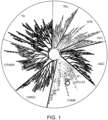
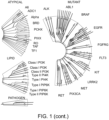
- FIG. 1 illustrates the selectivity of Compound 2 (FMF-03-146-1) at a concentration of 1 ⁇ M against a panel of 468 human kinases and human mutant kinases.
- These selectivity data were generated using KINOMEscan ® platform and these images were generated using TREEspot TM Software Tool and reprinted with permission from KINOMEscan ® , a division of DiscoveRx Corporation, ⁇ DISCOVERX CORPORATION 2010.
- prepared plasmid was co-transformed with lambda phosphatase under chloramphenicol selection into BL21(DE3) E.coli cells.
- Protein expression was induced from the DCLK1 plasmid with 0.6 mM IPTG and expression was allowed to continue for about 10 hours at a temperature of 18 °C.
- Cells was harvested by centrifugation and resuspended in Lysis buffer with protease inhibitors (1 mM Benzamidine and 1 mM PMSF). Lysis was performed by passing 3 times through a homogenizer. Lysate was centrifuged at 20K for 1 hour at a temperature of 4 °C and the supernatant was filtered through a 0.2 micron membrane. Protein was loaded on nickel (Ni)-NTA resin, washed with Wash buffers, and eluted with 300mM imidazole buffer. Eluate was concentrated to 2 mL and passed over a Superdex S200 column.
- DCLK1 kinase activity was measured in vitro using an electrophoretic mobility shift assay.
- the reaction was assembled in a 384-well plate in a total volume of 20 ⁇ l.
- the reaction contained 30 nM recombinant DCLK1, one DCLK1 inhibitor or DMSO, 100 ⁇ M ATP and 1 ⁇ M FAM-labeled peptide substrate in a buffer ( 100 mM HEPES pH 7.5, 0.003% Brij-35, 0.004% Tween-20, 10 mM MgCl 2 , and 2 mM DTT).
- DCLK1 inhibitors were dispensed using a Labcyte Echo liquid handler.
- reaction was incubated at room temperature for two hours and quenched by addition of 40 ⁇ L of termination buffer (100 mM HEPES pH 7.3, 0.015% Brij-35, 0.1% CR-3, 1 x CR-8, and 40 mM EDTA).
- termination buffer 100 mM HEPES pH 7.3, 0.015% Brij-35, 0.1% CR-3, 1 x CR-8, and 40 mM EDTA.
- Substrate and product peptides present in each sample were electrophoretically separated and detected using 12-channel LabChip3000 microfluidic capillary electrophoresis instrument (Caliper Life Sciences, Waltham MA, USA). The change in the relative fluorescence intensities of substrate and product peaks (reflecting enzyme activity) was measured. Capillary electrophoregrams were analyzed using HTS Well Analyzer software (Caliper Life Sciences, Waltham MA, USA).
- the kinase activity in each sample was determined as the product-to-sum ratio (PSR): P / ( S + P ) , where P is the peak height of the product peptide and S is the peak height of the substrate peptide.
- PSR product-to-sum ratio
- Negative control samples (DMSO in the absence of inhibitor) and positive control samples (100% inhibition, a tested DCLK1 inhibitor) were assembled in replicates and were used to calculate percent inhibition values for each compound at each concentration.
- the DCLK1 candidate inhibitors were tested in 8-point dose-response format on each assay plate.
- the IC 50 values were determined by fitting the inhibition curves by an eight dose-response model using GraphPad Prism 7 software.
- FIG. 2 shows the thus obtained IC 50 values of Compound 7, Compound 15, Compound 11, Compound 8, Compound 16 and Compound 12.
- the IC 50 values of Compound 7 and Compound 11 were substantatially decreased from the IC 50 value of the positive control.
Landscapes
- Health & Medical Sciences (AREA)
- Chemical & Material Sciences (AREA)
- Organic Chemistry (AREA)
- General Health & Medical Sciences (AREA)
- Veterinary Medicine (AREA)
- Public Health (AREA)
- Medicinal Chemistry (AREA)
- Animal Behavior & Ethology (AREA)
- Life Sciences & Earth Sciences (AREA)
- Pharmacology & Pharmacy (AREA)
- Nuclear Medicine, Radiotherapy & Molecular Imaging (AREA)
- General Chemical & Material Sciences (AREA)
- Chemical Kinetics & Catalysis (AREA)
- Engineering & Computer Science (AREA)
- Diabetes (AREA)
- Bioinformatics & Cheminformatics (AREA)
- Hematology (AREA)
- Obesity (AREA)
- Epidemiology (AREA)
- Emergency Medicine (AREA)
- Pain & Pain Management (AREA)
- Rheumatology (AREA)
- Child & Adolescent Psychology (AREA)
- Gastroenterology & Hepatology (AREA)
- Endocrinology (AREA)
- Pharmaceuticals Containing Other Organic And Inorganic Compounds (AREA)
- Medicines That Contain Protein Lipid Enzymes And Other Medicines (AREA)
Applications Claiming Priority (2)
| Application Number | Priority Date | Filing Date | Title |
|---|---|---|---|
| US201662409457P | 2016-10-18 | 2016-10-18 | |
| PCT/US2017/057126 WO2018075608A1 (en) | 2016-10-18 | 2017-10-18 | Pyrimido-diazepinone kinase scaffold compounds and methods of treating dclk1/2-mediated disorders |
Publications (3)
| Publication Number | Publication Date |
|---|---|
| EP3528814A1 EP3528814A1 (en) | 2019-08-28 |
| EP3528814A4 EP3528814A4 (en) | 2020-07-29 |
| EP3528814B1 true EP3528814B1 (en) | 2024-08-14 |
Family
ID=62018969
Family Applications (1)
| Application Number | Title | Priority Date | Filing Date |
|---|---|---|---|
| EP17862888.9A Active EP3528814B1 (en) | 2016-10-18 | 2017-10-18 | Pyrimido-diazepinone kinase scaffold compounds and methods of treating dclk1/2-mediated disorders |
Country Status (6)
| Country | Link |
|---|---|
| US (1) | US11028089B2 (enExample) |
| EP (1) | EP3528814B1 (enExample) |
| JP (1) | JP7086948B2 (enExample) |
| AU (1) | AU2017346845B2 (enExample) |
| CA (1) | CA3040173A1 (enExample) |
| WO (1) | WO2018075608A1 (enExample) |
Families Citing this family (13)
| Publication number | Priority date | Publication date | Assignee | Title |
|---|---|---|---|---|
| AU2017248186B2 (en) * | 2016-04-07 | 2021-10-21 | Dana-Farber Cancer Institute, Inc. | Pyrimido-diazepinone kinase scaffold compounds and methods of treating PI3K-mediated disorders |
| AU2018392805A1 (en) | 2017-12-22 | 2020-05-07 | Dana-Farber Cancer Institute, Inc. | NEK inhibitors and methods of use |
| WO2020206608A1 (en) | 2019-04-09 | 2020-10-15 | Ranok Therapeutics (Hangzhou) Co., Ltd. | Methods and compositions for targeted protein degradation |
| US20220280530A1 (en) * | 2019-08-08 | 2022-09-08 | Anhui Newstar Pharmaceutical Development Co., Ltd. | Prevention or treatment of diseases and disorders associated with tissue damage |
| US12594277B2 (en) | 2020-02-14 | 2026-04-07 | Salk Institute For Biological Studies | Macrocyclic ULK1/2 inhibitors |
| CA3171187A1 (en) * | 2020-02-14 | 2021-08-19 | Salk Institute For Biological Studies | Inhibitors of ulk1/2 and methods of using same |
| EP4229061A4 (en) * | 2020-10-14 | 2024-09-25 | Ranok Therapeutics (Hangzhou) Co. Ltd. | METHODS AND COMPOSITIONS FOR TARGETED PROTEIN DEGRADATION |
| JP2024509864A (ja) * | 2021-03-09 | 2024-03-05 | ヤンセン ファーマシューティカ エヌ.ベー. | サイクリン依存性キナーゼ7(cdk7)阻害剤としての三環式ピリジン |
| CN115707469B (zh) * | 2021-08-19 | 2024-07-02 | 首都医科大学附属北京朝阳医院 | Dclk1抑制剂和tki在制备肺腺癌药物中的应用 |
| CN114478539B (zh) * | 2022-02-09 | 2024-02-02 | 中国人民解放军海军军医大学 | 一种新型dclk1抑制剂及其制备方法和应用 |
| CN115969978A (zh) * | 2022-10-27 | 2023-04-18 | 首都医科大学附属北京朝阳医院 | Dclk1及il6/stat3通路抑制剂在治疗三阴性乳腺癌中的应用 |
| CN115814094B (zh) * | 2023-01-04 | 2024-04-02 | 暨南大学附属第一医院(广州华侨医院) | Dclk抑制剂在制备治疗脊髓损伤的药物中的应用 |
| CN116375713B (zh) * | 2023-03-07 | 2024-11-19 | 中国人民解放军海军军医大学 | 一种dclk1蛋白降解靶向嵌合体及其应用 |
Family Cites Families (10)
| Publication number | Priority date | Publication date | Assignee | Title |
|---|---|---|---|---|
| EP2379559B1 (en) * | 2009-01-06 | 2017-10-25 | Dana-Farber Cancer Institute, Inc. | Pyrimido-diazepinone kinase scaffold compounds and methods of treating disorders |
| ES2693152T3 (es) * | 2011-05-10 | 2018-12-07 | Kyowa Hakko Kirin Co., Ltd. | Compuesto de pirimido-diazepinona |
| WO2014160430A1 (en) * | 2013-03-13 | 2014-10-02 | Georgetown University | Small molecule lrrk2 and erk5 inhibitors |
| EP2970317A4 (en) * | 2013-03-15 | 2016-11-02 | Dana Farber Cancer Inst Inc | PYRIMIDODIAZEPINONE COMPOUNDS AND METHOD FOR THE TREATMENT OF DISEASES |
| EP3099693A4 (en) * | 2014-01-31 | 2017-08-16 | Dana-Farber Cancer Institute, Inc. | Uses of diazepane derivatives |
| WO2015117083A1 (en) | 2014-01-31 | 2015-08-06 | Dana-Farber Cancer Institute, Inc. | Diazepane derivatives and uses thereof |
| RU2017104897A (ru) * | 2014-08-08 | 2018-09-10 | Дана-Фарбер Кэнсер Инститьют, Инк. | Производные диазепана и их применения |
| US9694084B2 (en) | 2014-12-23 | 2017-07-04 | Dana-Farber Cancer Institute, Inc. | Methods to induce targeted protein degradation through bifunctional molecules |
| JP6815318B2 (ja) * | 2014-12-23 | 2021-01-20 | ダナ−ファーバー キャンサー インスティテュート,インコーポレイテッド | 二官能性分子によって標的化タンパク質分解を誘導する方法 |
| JP2019512459A (ja) * | 2016-03-04 | 2019-05-16 | アンホイ ニュー スター ファーマシューティカル デベロップメント カンパニー,リミテッド | 7員環化合物、その調製方法、その医薬組成物、およびその使用 |
-
2017
- 2017-10-18 CA CA3040173A patent/CA3040173A1/en active Pending
- 2017-10-18 EP EP17862888.9A patent/EP3528814B1/en active Active
- 2017-10-18 US US16/343,102 patent/US11028089B2/en active Active
- 2017-10-18 JP JP2019520406A patent/JP7086948B2/ja active Active
- 2017-10-18 AU AU2017346845A patent/AU2017346845B2/en active Active
- 2017-10-18 WO PCT/US2017/057126 patent/WO2018075608A1/en not_active Ceased
Also Published As
| Publication number | Publication date |
|---|---|
| CA3040173A1 (en) | 2018-04-26 |
| US20190315753A1 (en) | 2019-10-17 |
| JP2019530724A (ja) | 2019-10-24 |
| EP3528814A4 (en) | 2020-07-29 |
| EP3528814A1 (en) | 2019-08-28 |
| US11028089B2 (en) | 2021-06-08 |
| AU2017346845B2 (en) | 2021-12-02 |
| AU2017346845A1 (en) | 2019-04-04 |
| JP7086948B2 (ja) | 2022-06-20 |
| WO2018075608A1 (en) | 2018-04-26 |
Similar Documents
| Publication | Publication Date | Title |
|---|---|---|
| AU2017346845B2 (en) | Pyrimido-diazepinone kinase scaffold compounds and methods of treating DCLK1/2-mediated disorders | |
| EP3255047B1 (en) | Pyrimido-diazepinone kinase scaffold compounds and uses in treating disorders | |
| EP3388436B1 (en) | Pyrimido-diazepinone compounds and methods of treating disorders | |
| EP3440084B1 (en) | Pyrimido-diazepinone kinase scaffold compounds and methods of treating pi3k-mediated disorders | |
| CA3020172C (en) | Pyrimido-diazepinone kinase scaffold compounds and methods of treating pi3k-mediated disorders | |
| HK1259894A1 (en) | Pyrimido-diazepinone compounds and methods of treating disorders | |
| HK1247928B (en) | Pyrimido-diazepinone kinase scaffold compounds and uses in treating disorders | |
| HK1247928A1 (en) | Pyrimido-diazepinone kinase scaffold compounds and methods of treating disorders |
Legal Events
| Date | Code | Title | Description |
|---|---|---|---|
| STAA | Information on the status of an ep patent application or granted ep patent |
Free format text: STATUS: THE INTERNATIONAL PUBLICATION HAS BEEN MADE |
|
| PUAI | Public reference made under article 153(3) epc to a published international application that has entered the european phase |
Free format text: ORIGINAL CODE: 0009012 |
|
| STAA | Information on the status of an ep patent application or granted ep patent |
Free format text: STATUS: REQUEST FOR EXAMINATION WAS MADE |
|
| 17P | Request for examination filed |
Effective date: 20190509 |
|
| AK | Designated contracting states |
Kind code of ref document: A1 Designated state(s): AL AT BE BG CH CY CZ DE DK EE ES FI FR GB GR HR HU IE IS IT LI LT LU LV MC MK MT NL NO PL PT RO RS SE SI SK SM TR |
|
| AX | Request for extension of the european patent |
Extension state: BA ME |
|
| DAV | Request for validation of the european patent (deleted) | ||
| DAX | Request for extension of the european patent (deleted) | ||
| RIC1 | Information provided on ipc code assigned before grant |
Ipc: C07D 487/14 20060101ALI20200212BHEP Ipc: A61K 31/5513 20060101ALI20200212BHEP Ipc: C07D 223/18 20060101ALI20200212BHEP Ipc: A61K 31/551 20060101ALI20200212BHEP Ipc: C07D 487/02 20060101ALI20200212BHEP Ipc: A61K 31/519 20060101AFI20200212BHEP |
|
| A4 | Supplementary search report drawn up and despatched |
Effective date: 20200625 |
|
| RIC1 | Information provided on ipc code assigned before grant |
Ipc: C07D 487/14 20060101ALI20200619BHEP Ipc: A61K 31/519 20060101AFI20200619BHEP Ipc: C07D 223/18 20060101ALI20200619BHEP Ipc: A61K 31/551 20060101ALI20200619BHEP Ipc: C07D 487/02 20060101ALI20200619BHEP Ipc: A61K 31/5513 20060101ALI20200619BHEP |
|
| STAA | Information on the status of an ep patent application or granted ep patent |
Free format text: STATUS: EXAMINATION IS IN PROGRESS |
|
| 17Q | First examination report despatched |
Effective date: 20210514 |
|
| P01 | Opt-out of the competence of the unified patent court (upc) registered |
Effective date: 20230521 |
|
| RAP3 | Party data changed (applicant data changed or rights of an application transferred) |
Owner name: DANA-FARBER CANCER INSTITUTE, INC. |
|
| GRAP | Despatch of communication of intention to grant a patent |
Free format text: ORIGINAL CODE: EPIDOSNIGR1 |
|
| RIC1 | Information provided on ipc code assigned before grant |
Ipc: A61P 43/00 20060101ALI20240201BHEP Ipc: A61P 35/00 20060101ALI20240201BHEP Ipc: A61P 29/00 20060101ALI20240201BHEP Ipc: A61P 3/10 20060101ALI20240201BHEP Ipc: A61P 3/06 20060101ALI20240201BHEP Ipc: A61P 3/04 20060101ALI20240201BHEP Ipc: A61P 1/16 20060101ALI20240201BHEP Ipc: C07D 487/04 20060101ALI20240201BHEP Ipc: A61K 45/06 20060101ALI20240201BHEP Ipc: C07D 223/18 20060101ALI20240201BHEP Ipc: C07D 487/14 20060101ALI20240201BHEP Ipc: C07D 487/02 20060101ALI20240201BHEP Ipc: A61K 31/5513 20060101ALI20240201BHEP Ipc: A61K 31/551 20060101ALI20240201BHEP Ipc: A61K 31/519 20060101AFI20240201BHEP |
|
| STAA | Information on the status of an ep patent application or granted ep patent |
Free format text: STATUS: GRANT OF PATENT IS INTENDED |
|
| INTG | Intention to grant announced |
Effective date: 20240307 |
|
| GRAS | Grant fee paid |
Free format text: ORIGINAL CODE: EPIDOSNIGR3 |
|
| GRAA | (expected) grant |
Free format text: ORIGINAL CODE: 0009210 |
|
| STAA | Information on the status of an ep patent application or granted ep patent |
Free format text: STATUS: THE PATENT HAS BEEN GRANTED |
|
| AK | Designated contracting states |
Kind code of ref document: B1 Designated state(s): AL AT BE BG CH CY CZ DE DK EE ES FI FR GB GR HR HU IE IS IT LI LT LU LV MC MK MT NL NO PL PT RO RS SE SI SK SM TR |
|
| REG | Reference to a national code |
Ref country code: GB Ref legal event code: FG4D |
|
| REG | Reference to a national code |
Ref country code: CH Ref legal event code: EP |
|
| REG | Reference to a national code |
Ref country code: DE Ref legal event code: R096 Ref document number: 602017084141 Country of ref document: DE |
|
| REG | Reference to a national code |
Ref country code: IE Ref legal event code: FG4D |
|
| REG | Reference to a national code |
Ref country code: LT Ref legal event code: MG9D |
|
| REG | Reference to a national code |
Ref country code: NL Ref legal event code: MP Effective date: 20240814 |
|
| PG25 | Lapsed in a contracting state [announced via postgrant information from national office to epo] |
Ref country code: NO Free format text: LAPSE BECAUSE OF FAILURE TO SUBMIT A TRANSLATION OF THE DESCRIPTION OR TO PAY THE FEE WITHIN THE PRESCRIBED TIME-LIMIT Effective date: 20241114 |
|
| REG | Reference to a national code |
Ref country code: AT Ref legal event code: MK05 Ref document number: 1712650 Country of ref document: AT Kind code of ref document: T Effective date: 20240814 |
|
| PG25 | Lapsed in a contracting state [announced via postgrant information from national office to epo] |
Ref country code: GR Free format text: LAPSE BECAUSE OF FAILURE TO SUBMIT A TRANSLATION OF THE DESCRIPTION OR TO PAY THE FEE WITHIN THE PRESCRIBED TIME-LIMIT Effective date: 20241115 Ref country code: NL Free format text: LAPSE BECAUSE OF FAILURE TO SUBMIT A TRANSLATION OF THE DESCRIPTION OR TO PAY THE FEE WITHIN THE PRESCRIBED TIME-LIMIT Effective date: 20240814 Ref country code: PT Free format text: LAPSE BECAUSE OF FAILURE TO SUBMIT A TRANSLATION OF THE DESCRIPTION OR TO PAY THE FEE WITHIN THE PRESCRIBED TIME-LIMIT Effective date: 20241216 Ref country code: PL Free format text: LAPSE BECAUSE OF FAILURE TO SUBMIT A TRANSLATION OF THE DESCRIPTION OR TO PAY THE FEE WITHIN THE PRESCRIBED TIME-LIMIT Effective date: 20240814 Ref country code: FI Free format text: LAPSE BECAUSE OF FAILURE TO SUBMIT A TRANSLATION OF THE DESCRIPTION OR TO PAY THE FEE WITHIN THE PRESCRIBED TIME-LIMIT Effective date: 20240814 |
|
| PG25 | Lapsed in a contracting state [announced via postgrant information from national office to epo] |
Ref country code: BG Free format text: LAPSE BECAUSE OF FAILURE TO SUBMIT A TRANSLATION OF THE DESCRIPTION OR TO PAY THE FEE WITHIN THE PRESCRIBED TIME-LIMIT Effective date: 20240814 |
|
| PG25 | Lapsed in a contracting state [announced via postgrant information from national office to epo] |
Ref country code: LV Free format text: LAPSE BECAUSE OF FAILURE TO SUBMIT A TRANSLATION OF THE DESCRIPTION OR TO PAY THE FEE WITHIN THE PRESCRIBED TIME-LIMIT Effective date: 20240814 |
|
| PG25 | Lapsed in a contracting state [announced via postgrant information from national office to epo] |
Ref country code: AT Free format text: LAPSE BECAUSE OF FAILURE TO SUBMIT A TRANSLATION OF THE DESCRIPTION OR TO PAY THE FEE WITHIN THE PRESCRIBED TIME-LIMIT Effective date: 20240814 Ref country code: IS Free format text: LAPSE BECAUSE OF FAILURE TO SUBMIT A TRANSLATION OF THE DESCRIPTION OR TO PAY THE FEE WITHIN THE PRESCRIBED TIME-LIMIT Effective date: 20241214 |
|
| PG25 | Lapsed in a contracting state [announced via postgrant information from national office to epo] |
Ref country code: HR Free format text: LAPSE BECAUSE OF FAILURE TO SUBMIT A TRANSLATION OF THE DESCRIPTION OR TO PAY THE FEE WITHIN THE PRESCRIBED TIME-LIMIT Effective date: 20240814 |
|
| PG25 | Lapsed in a contracting state [announced via postgrant information from national office to epo] |
Ref country code: RS Free format text: LAPSE BECAUSE OF FAILURE TO SUBMIT A TRANSLATION OF THE DESCRIPTION OR TO PAY THE FEE WITHIN THE PRESCRIBED TIME-LIMIT Effective date: 20241114 Ref country code: ES Free format text: LAPSE BECAUSE OF FAILURE TO SUBMIT A TRANSLATION OF THE DESCRIPTION OR TO PAY THE FEE WITHIN THE PRESCRIBED TIME-LIMIT Effective date: 20240814 |
|
| PG25 | Lapsed in a contracting state [announced via postgrant information from national office to epo] |
Ref country code: RS Free format text: LAPSE BECAUSE OF FAILURE TO SUBMIT A TRANSLATION OF THE DESCRIPTION OR TO PAY THE FEE WITHIN THE PRESCRIBED TIME-LIMIT Effective date: 20241114 Ref country code: PT Free format text: LAPSE BECAUSE OF FAILURE TO SUBMIT A TRANSLATION OF THE DESCRIPTION OR TO PAY THE FEE WITHIN THE PRESCRIBED TIME-LIMIT Effective date: 20241216 Ref country code: PL Free format text: LAPSE BECAUSE OF FAILURE TO SUBMIT A TRANSLATION OF THE DESCRIPTION OR TO PAY THE FEE WITHIN THE PRESCRIBED TIME-LIMIT Effective date: 20240814 Ref country code: NO Free format text: LAPSE BECAUSE OF FAILURE TO SUBMIT A TRANSLATION OF THE DESCRIPTION OR TO PAY THE FEE WITHIN THE PRESCRIBED TIME-LIMIT Effective date: 20241114 Ref country code: NL Free format text: LAPSE BECAUSE OF FAILURE TO SUBMIT A TRANSLATION OF THE DESCRIPTION OR TO PAY THE FEE WITHIN THE PRESCRIBED TIME-LIMIT Effective date: 20240814 Ref country code: LV Free format text: LAPSE BECAUSE OF FAILURE TO SUBMIT A TRANSLATION OF THE DESCRIPTION OR TO PAY THE FEE WITHIN THE PRESCRIBED TIME-LIMIT Effective date: 20240814 Ref country code: IS Free format text: LAPSE BECAUSE OF FAILURE TO SUBMIT A TRANSLATION OF THE DESCRIPTION OR TO PAY THE FEE WITHIN THE PRESCRIBED TIME-LIMIT Effective date: 20241214 Ref country code: HR Free format text: LAPSE BECAUSE OF FAILURE TO SUBMIT A TRANSLATION OF THE DESCRIPTION OR TO PAY THE FEE WITHIN THE PRESCRIBED TIME-LIMIT Effective date: 20240814 Ref country code: GR Free format text: LAPSE BECAUSE OF FAILURE TO SUBMIT A TRANSLATION OF THE DESCRIPTION OR TO PAY THE FEE WITHIN THE PRESCRIBED TIME-LIMIT Effective date: 20241115 Ref country code: FI Free format text: LAPSE BECAUSE OF FAILURE TO SUBMIT A TRANSLATION OF THE DESCRIPTION OR TO PAY THE FEE WITHIN THE PRESCRIBED TIME-LIMIT Effective date: 20240814 Ref country code: ES Free format text: LAPSE BECAUSE OF FAILURE TO SUBMIT A TRANSLATION OF THE DESCRIPTION OR TO PAY THE FEE WITHIN THE PRESCRIBED TIME-LIMIT Effective date: 20240814 Ref country code: BG Free format text: LAPSE BECAUSE OF FAILURE TO SUBMIT A TRANSLATION OF THE DESCRIPTION OR TO PAY THE FEE WITHIN THE PRESCRIBED TIME-LIMIT Effective date: 20240814 Ref country code: AT Free format text: LAPSE BECAUSE OF FAILURE TO SUBMIT A TRANSLATION OF THE DESCRIPTION OR TO PAY THE FEE WITHIN THE PRESCRIBED TIME-LIMIT Effective date: 20240814 |
|
| PG25 | Lapsed in a contracting state [announced via postgrant information from national office to epo] |
Ref country code: SM Free format text: LAPSE BECAUSE OF FAILURE TO SUBMIT A TRANSLATION OF THE DESCRIPTION OR TO PAY THE FEE WITHIN THE PRESCRIBED TIME-LIMIT Effective date: 20240814 Ref country code: RO Free format text: LAPSE BECAUSE OF FAILURE TO SUBMIT A TRANSLATION OF THE DESCRIPTION OR TO PAY THE FEE WITHIN THE PRESCRIBED TIME-LIMIT Effective date: 20240814 Ref country code: DK Free format text: LAPSE BECAUSE OF FAILURE TO SUBMIT A TRANSLATION OF THE DESCRIPTION OR TO PAY THE FEE WITHIN THE PRESCRIBED TIME-LIMIT Effective date: 20240814 |
|
| PG25 | Lapsed in a contracting state [announced via postgrant information from national office to epo] |
Ref country code: EE Free format text: LAPSE BECAUSE OF FAILURE TO SUBMIT A TRANSLATION OF THE DESCRIPTION OR TO PAY THE FEE WITHIN THE PRESCRIBED TIME-LIMIT Effective date: 20240814 |
|
| PG25 | Lapsed in a contracting state [announced via postgrant information from national office to epo] |
Ref country code: CZ Free format text: LAPSE BECAUSE OF FAILURE TO SUBMIT A TRANSLATION OF THE DESCRIPTION OR TO PAY THE FEE WITHIN THE PRESCRIBED TIME-LIMIT Effective date: 20240814 |
|
| PG25 | Lapsed in a contracting state [announced via postgrant information from national office to epo] |
Ref country code: IT Free format text: LAPSE BECAUSE OF FAILURE TO SUBMIT A TRANSLATION OF THE DESCRIPTION OR TO PAY THE FEE WITHIN THE PRESCRIBED TIME-LIMIT Effective date: 20240814 Ref country code: SK Free format text: LAPSE BECAUSE OF FAILURE TO SUBMIT A TRANSLATION OF THE DESCRIPTION OR TO PAY THE FEE WITHIN THE PRESCRIBED TIME-LIMIT Effective date: 20240814 |
|
| REG | Reference to a national code |
Ref country code: DE Ref legal event code: R097 Ref document number: 602017084141 Country of ref document: DE |
|
| PLBE | No opposition filed within time limit |
Free format text: ORIGINAL CODE: 0009261 |
|
| STAA | Information on the status of an ep patent application or granted ep patent |
Free format text: STATUS: NO OPPOSITION FILED WITHIN TIME LIMIT |
|
| PG25 | Lapsed in a contracting state [announced via postgrant information from national office to epo] |
Ref country code: MC Free format text: LAPSE BECAUSE OF FAILURE TO SUBMIT A TRANSLATION OF THE DESCRIPTION OR TO PAY THE FEE WITHIN THE PRESCRIBED TIME-LIMIT Effective date: 20240814 |
|
| PG25 | Lapsed in a contracting state [announced via postgrant information from national office to epo] |
Ref country code: LU Free format text: LAPSE BECAUSE OF NON-PAYMENT OF DUE FEES Effective date: 20241018 Ref country code: BE Free format text: LAPSE BECAUSE OF NON-PAYMENT OF DUE FEES Effective date: 20241031 |
|
| 26N | No opposition filed |
Effective date: 20250515 |
|
| REG | Reference to a national code |
Ref country code: BE Ref legal event code: MM Effective date: 20241031 |
|
| PG25 | Lapsed in a contracting state [announced via postgrant information from national office to epo] |
Ref country code: SE Free format text: LAPSE BECAUSE OF FAILURE TO SUBMIT A TRANSLATION OF THE DESCRIPTION OR TO PAY THE FEE WITHIN THE PRESCRIBED TIME-LIMIT Effective date: 20240814 |
|
| PG25 | Lapsed in a contracting state [announced via postgrant information from national office to epo] |
Ref country code: IE Free format text: LAPSE BECAUSE OF NON-PAYMENT OF DUE FEES Effective date: 20241018 |
|
| REG | Reference to a national code |
Ref country code: CH Ref legal event code: U11 Free format text: ST27 STATUS EVENT CODE: U-0-0-U10-U11 (AS PROVIDED BY THE NATIONAL OFFICE) Effective date: 20251101 |
|
| PGFP | Annual fee paid to national office [announced via postgrant information from national office to epo] |
Ref country code: DE Payment date: 20251029 Year of fee payment: 9 |
|
| PGFP | Annual fee paid to national office [announced via postgrant information from national office to epo] |
Ref country code: GB Payment date: 20251027 Year of fee payment: 9 |
|
| PGFP | Annual fee paid to national office [announced via postgrant information from national office to epo] |
Ref country code: FR Payment date: 20251027 Year of fee payment: 9 |
|
| PGFP | Annual fee paid to national office [announced via postgrant information from national office to epo] |
Ref country code: CH Payment date: 20251101 Year of fee payment: 9 |
|
| PG25 | Lapsed in a contracting state [announced via postgrant information from national office to epo] |
Ref country code: CY Free format text: LAPSE BECAUSE OF FAILURE TO SUBMIT A TRANSLATION OF THE DESCRIPTION OR TO PAY THE FEE WITHIN THE PRESCRIBED TIME-LIMIT; INVALID AB INITIO Effective date: 20171018 |
|
| PG25 | Lapsed in a contracting state [announced via postgrant information from national office to epo] |
Ref country code: HU Free format text: LAPSE BECAUSE OF FAILURE TO SUBMIT A TRANSLATION OF THE DESCRIPTION OR TO PAY THE FEE WITHIN THE PRESCRIBED TIME-LIMIT; INVALID AB INITIO Effective date: 20171018 |
|
| PG25 | Lapsed in a contracting state [announced via postgrant information from national office to epo] |
Ref country code: TR Free format text: LAPSE BECAUSE OF FAILURE TO SUBMIT A TRANSLATION OF THE DESCRIPTION OR TO PAY THE FEE WITHIN THE PRESCRIBED TIME-LIMIT Effective date: 20240814 |
|
| PG25 | Lapsed in a contracting state [announced via postgrant information from national office to epo] |
Ref country code: SI Free format text: LAPSE BECAUSE OF FAILURE TO SUBMIT A TRANSLATION OF THE DESCRIPTION OR TO PAY THE FEE WITHIN THE PRESCRIBED TIME-LIMIT Effective date: 20240814 |
|
| PG25 | Lapsed in a contracting state [announced via postgrant information from national office to epo] |
Ref country code: LT Free format text: LAPSE BECAUSE OF FAILURE TO SUBMIT A TRANSLATION OF THE DESCRIPTION OR TO PAY THE FEE WITHIN THE PRESCRIBED TIME-LIMIT Effective date: 20240814 |