EP3494979B1 - Linderung und behandlung von ischämischen reperfusionsinduzierten lungenläsionen unter verwendung von pluripotenten stammzellen - Google Patents
Linderung und behandlung von ischämischen reperfusionsinduzierten lungenläsionen unter verwendung von pluripotenten stammzellen Download PDFInfo
- Publication number
- EP3494979B1 EP3494979B1 EP17837077.1A EP17837077A EP3494979B1 EP 3494979 B1 EP3494979 B1 EP 3494979B1 EP 17837077 A EP17837077 A EP 17837077A EP 3494979 B1 EP3494979 B1 EP 3494979B1
- Authority
- EP
- European Patent Office
- Prior art keywords
- cells
- negative
- pluripotent stem
- stem cells
- muse
- Prior art date
- Legal status (The legal status is an assumption and is not a legal conclusion. Google has not performed a legal analysis and makes no representation as to the accuracy of the status listed.)
- Active
Links
Images





Classifications
-
- A—HUMAN NECESSITIES
- A61—MEDICAL OR VETERINARY SCIENCE; HYGIENE
- A61K—PREPARATIONS FOR MEDICAL, DENTAL OR TOILETRY PURPOSES
- A61K35/00—Medicinal preparations containing materials or reaction products thereof with undetermined constitution
- A61K35/12—Materials from mammals; Compositions comprising non-specified tissues or cells; Compositions comprising non-embryonic stem cells; Genetically modified cells
- A61K35/48—Reproductive organs
- A61K35/54—Ovaries; Ova; Ovules; Embryos; Foetal cells; Germ cells
- A61K35/545—Embryonic stem cells; Pluripotent stem cells; Induced pluripotent stem cells; Uncharacterised stem cells
-
- A—HUMAN NECESSITIES
- A61—MEDICAL OR VETERINARY SCIENCE; HYGIENE
- A61K—PREPARATIONS FOR MEDICAL, DENTAL OR TOILETRY PURPOSES
- A61K35/00—Medicinal preparations containing materials or reaction products thereof with undetermined constitution
- A61K35/12—Materials from mammals; Compositions comprising non-specified tissues or cells; Compositions comprising non-embryonic stem cells; Genetically modified cells
- A61K35/28—Bone marrow; Haematopoietic stem cells; Mesenchymal stem cells of any origin, e.g. adipose-derived stem cells
-
- A—HUMAN NECESSITIES
- A61—MEDICAL OR VETERINARY SCIENCE; HYGIENE
- A61L—METHODS OR APPARATUS FOR STERILISING MATERIALS OR OBJECTS IN GENERAL; DISINFECTION, STERILISATION OR DEODORISATION OF AIR; CHEMICAL ASPECTS OF BANDAGES, DRESSINGS, ABSORBENT PADS OR SURGICAL ARTICLES; MATERIALS FOR BANDAGES, DRESSINGS, ABSORBENT PADS OR SURGICAL ARTICLES
- A61L27/00—Materials for grafts or prostheses or for coating grafts or prostheses
- A61L27/36—Materials for grafts or prostheses or for coating grafts or prostheses containing ingredients of undetermined constitution or reaction products thereof, e.g. transplant tissue, natural bone, extracellular matrix
- A61L27/38—Materials for grafts or prostheses or for coating grafts or prostheses containing ingredients of undetermined constitution or reaction products thereof, e.g. transplant tissue, natural bone, extracellular matrix containing added animal cells
- A61L27/3804—Materials for grafts or prostheses or for coating grafts or prostheses containing ingredients of undetermined constitution or reaction products thereof, e.g. transplant tissue, natural bone, extracellular matrix containing added animal cells characterised by specific cells or progenitors thereof, e.g. fibroblasts, connective tissue cells, kidney cells
- A61L27/3834—Cells able to produce different cell types, e.g. hematopoietic stem cells, mesenchymal stem cells, marrow stromal cells, embryonic stem cells
-
- A—HUMAN NECESSITIES
- A61—MEDICAL OR VETERINARY SCIENCE; HYGIENE
- A61P—SPECIFIC THERAPEUTIC ACTIVITY OF CHEMICAL COMPOUNDS OR MEDICINAL PREPARATIONS
- A61P11/00—Drugs for disorders of the respiratory system
-
- A—HUMAN NECESSITIES
- A61—MEDICAL OR VETERINARY SCIENCE; HYGIENE
- A61P—SPECIFIC THERAPEUTIC ACTIVITY OF CHEMICAL COMPOUNDS OR MEDICINAL PREPARATIONS
- A61P9/00—Drugs for disorders of the cardiovascular system
-
- A—HUMAN NECESSITIES
- A61—MEDICAL OR VETERINARY SCIENCE; HYGIENE
- A61P—SPECIFIC THERAPEUTIC ACTIVITY OF CHEMICAL COMPOUNDS OR MEDICINAL PREPARATIONS
- A61P9/00—Drugs for disorders of the cardiovascular system
- A61P9/10—Drugs for disorders of the cardiovascular system for treating ischaemic or atherosclerotic diseases, e.g. antianginal drugs, coronary vasodilators, drugs for myocardial infarction, retinopathy, cerebrovascula insufficiency, renal arteriosclerosis
-
- C—CHEMISTRY; METALLURGY
- C12—BIOCHEMISTRY; BEER; SPIRITS; WINE; VINEGAR; MICROBIOLOGY; ENZYMOLOGY; MUTATION OR GENETIC ENGINEERING
- C12N—MICROORGANISMS OR ENZYMES; COMPOSITIONS THEREOF; PROPAGATING, PRESERVING, OR MAINTAINING MICROORGANISMS; MUTATION OR GENETIC ENGINEERING; CULTURE MEDIA
- C12N5/00—Undifferentiated human, animal or plant cells, e.g. cell lines; Tissues; Cultivation or maintenance thereof; Culture media therefor
- C12N5/06—Animal cells or tissues; Human cells or tissues
- C12N5/0602—Vertebrate cells
- C12N5/0652—Cells of skeletal and connective tissues; Mesenchyme
- C12N5/0662—Stem cells
- C12N5/0663—Bone marrow mesenchymal stem cells (BM-MSC)
-
- A—HUMAN NECESSITIES
- A61—MEDICAL OR VETERINARY SCIENCE; HYGIENE
- A61L—METHODS OR APPARATUS FOR STERILISING MATERIALS OR OBJECTS IN GENERAL; DISINFECTION, STERILISATION OR DEODORISATION OF AIR; CHEMICAL ASPECTS OF BANDAGES, DRESSINGS, ABSORBENT PADS OR SURGICAL ARTICLES; MATERIALS FOR BANDAGES, DRESSINGS, ABSORBENT PADS OR SURGICAL ARTICLES
- A61L2430/00—Materials or treatment for tissue regeneration
- A61L2430/22—Materials or treatment for tissue regeneration for reconstruction of hollow organs, e.g. bladder, esophagus, urether, uterus
-
- A—HUMAN NECESSITIES
- A61—MEDICAL OR VETERINARY SCIENCE; HYGIENE
- A61L—METHODS OR APPARATUS FOR STERILISING MATERIALS OR OBJECTS IN GENERAL; DISINFECTION, STERILISATION OR DEODORISATION OF AIR; CHEMICAL ASPECTS OF BANDAGES, DRESSINGS, ABSORBENT PADS OR SURGICAL ARTICLES; MATERIALS FOR BANDAGES, DRESSINGS, ABSORBENT PADS OR SURGICAL ARTICLES
- A61L2430/00—Materials or treatment for tissue regeneration
- A61L2430/40—Preparation and treatment of biological tissue for implantation, e.g. decellularisation, cross-linking
Definitions
- the present invention relates to pluripotent stem cells in regenerative medicine. More specifically, it relates to pluripotent stem cells for use in alleviation and/or treatment of ischemia reperfusion-induced lung injury.
- tissue ischemia is caused by oxygen deficiency in tissue and induction of inflammation-inducing cytokines, in particular, TNF- ⁇ , IL-1 ⁇ , IL-6 and IL-10, and it yields several kinds of chemical events which have a potential of causing cell dysfunction and necrosis.
- Ischemia reperfusion-induced injury in lung may possibly occur whenever there is stoppage of blood flow followed by subsequent recovery.
- ischemia reperfusion-induced lung injury occurs, reinitiation of blood flow after having organ transplantation, after having artificial cardiopulmonary circulation during heart surgery, after having thoracic surgery of lung cancer or the like accompanying forming of blood vessels or blocking of blood flow, after dissolving blood clots or removing blood clots in pulmonary thromboembolism, or the like, can be mentioned.
- adrenocortical steroids or prostacyclin administration of adrenocortical steroids or prostacyclin, inhalation of nitrogen monoxide (NO2), improvement of lung preservation solution, and the like are carried out.
- NO2 nitrogen monoxide
- ischemia reperfusion-induced lung injury occurs in 15 to 30% or so of lung transplantation and is related with a rejection in acute phase after lung transplantation and subsequent death (Non Patent Literatures 1 and 2).
- MSC bone marrow mesenchymal cellular fraction
- iPS cells as pluripotent stem cells derived from an adult have been reported (Patent Literature 1), since iPS cells have a high tumor forming ability in addition to that very complex operations like introducing a specific gene to dermal fibroblast cells as mesenchymal cells or a specific compound to somatic cells is required for establishment of iPS cells, a very high hurdle is present in terms of the clinical application.
- EP 2886123A1 discloses a medical application for use in regenerative medicine that uses pluripotent stem cells (Muse cells).
- a cell preparation for treating myocardial infarction, and particularly serious massive myocardial infarction and heart failure associated therewith, is disclosed; the cell preparation contains pluripotent stem cells positive for SSEA-3 isolated from biological mesenchymal tissue or cultured mesenchymal cells.
- WO 2008/036374A2 discloses methods, cells, and compositions of matter for performing stem cell transplants in patients that have not been previously immunosuppressed, specifically methods of matching, methods of treating the stem cell graft, and use of engraftment-assisting cells and agents.
- EP 2683389B1 discloses compositions comprising mesenchymal stem cell (MSC) derived exosomes, and methods of their use in subjects having certain lung diseases including inflammatory lung disease.
- pluripotent stem cells Multilineage-differentiating Stress Enduring cells, or Muse cells
- SSEA-3 Serial-Specific Embryonic Antigen-3
- Muse cells can be enriched by treating the mesenchymal cells fraction with one or more of different types of stress treatments (Patent Literature 2; Non Patent Literature 5).
- Patent Literature 2 Non Patent Literature 5
- the expected therapeutic effect can be obtained using Muse cells for amelioration and/or treatment of ischemia reperfusion-induced lung injury.
- It is an object of the present invention is to provide a novel medical use for pluripotent stem cells (i.e., Muse cells) in regenerative medicine. More specifically, it is an object of the present invention to provide pluripotent stem cells positive for SSEA-3 isolated from mesenchymal tissue of a body or from cultured mesenchymal cells for use in alleviation and/or treatment of ischemia reperfusion-induced lung injury.
- pluripotent stem cells i.e., Muse cells
- the present inventors have found that preparing a rat model of ischemia reperfusion-induced lung injury, and administering Muse cells by pulmonary artery injection, alleviates ischemia reperfusion-induced lung injury, and the present invention has been completed.
- the present invention provides as follows.
- Muse cells are selectively integrated in the disease part of lung tissues and cytokines or tissue protecting factors, or the like are continuously secreted in the tissues by Muse cells, and thus normal lung tissues can be constructed.
- the present invention relates to pluripotent stem cells positive for SSEA-3 isolated from mesenchymal tissue of a body or from cultured mesenchymal cells for use in alleviation and/or treatment of ischemia reperfusion-induced lung injury.
- SSEA-3 pluripotent stem cells positive for SSEA-3 isolated from mesenchymal tissue of a body or from cultured mesenchymal cells for use in alleviation and/or treatment of ischemia reperfusion-induced lung injury.
- the present invention is directed toward alleviation and treatment of ischemia reperfusion-induced lung injury using a pluripotent stem cells positive for SSEA-3 isolated from mesenchymal tissue of a body or from cultured mesenchymal cells. It is considered that the "ischemia reperfusion-induced lung injury” is a main cause of having functional failure of transplanted lung after lung transplantation, and it is ischemia reperfusion-induced injury occurring in lung after ischemia reperfusion which is also related with chronic rejection happening 3 months after the lung transplantation.
- an injury caused by generation of active oxygen such as super oxide (O 2 - ) or hydroxyl radial (HO ⁇ ) or free radicals such as nitrogen monoxide (NO)
- an injury caused by generation of various chemical mediators such as various cytokines, endothelin, or arachidonic acid
- an injury based on interaction between activated neutrophils and vascular endothelial cells are considered.
- the injury is caused not only topically but also, secondarily, in major organs of a whole body (remote organ injury). In particular, multiple organ failure is caused by having brain, lung, liver, kidney, or the like as a target organ.
- the injury is frequently observed after reperfusion therapy for myocardial infarction, brain infarction, mesenteric vascular occlusion, or the like, or after organ transplantation.
- the applicable disease to which the pluripotent stem cells of the present invention can be applied is ischemia reperfusion-induced injury, and examples of the disease include, a lung injury occurring at reinitiation of blood flow after having lung transplantation, after having artificial cardiopulmonary circulation during heart surgery, after having thoracic surgery of lung cancer or the like accompanying forming of blood vessels or blocking of blood flow, or after dissolving blood clots or removing blood clots in pulmonary thromboembolism.
- the pluripotent stem cells to be used according to the present invention are typically cells whose existence in the human body was discovered by Prof. Dezawa, one of the present inventors, and which are named "Muse (Multilineage-differentiating Stress Enduring) cells".
- Muse cells can be obtained from bone marrow fluid and adipose tissue ( Ogura, F., et al., Stem Cells Dev., Nov 20, 2013 (Epub) (published on Jan 17, 2014 )) or from skin tissue such as dermal connective tissue, and they are widely dispersed throughout the connective tissue of various organs.
- the cells have the properties of both pluripotent stem cells and mesenchymal stem cells, and are identified as being double-positive for the cell surface markers "SSEA-3 (Stage-specific embryonic antigen-3)" and "CD105". Therefore, Muse cells or cell populations containing Muse cells, for example, can be isolated from body tissue using these antigen markers. Muse cells are also stress-tolerant, and can be concentrated from mesenchymal tissue or cultured mesenchymal cells by different types of stress treatments. A cell fraction with Muse cells enriched by stress treatment may be used as the cell preparation of the present invention. The methods of separation and identification of Muse cells, and their features, are disclosed in detail in International Patent Publication No. WO2011/007900. Also, as reported by Wakao et al.
- Muse cells when mesenchymal cells are cultured from the bone marrow or skin and used as a parent population of Muse cells, all of the SSEA-3 positive cells are also CD105-positive. Consequently, when Muse cells are isolated from mesenchymal tissue of a body or cultured mesenchymal stem cells for the cell preparation and pharmaceutical composition of the present invention, the Muse cells may be used after purification with SSEA-3 alone as the antigen marker.
- pluripotent stem cells or a cell population containing Muse cells, isolated from mesenchymal tissue of a body or cultured mesenchymal tissue using SSEA-3 as the antigen marker, and which can be used in a cell preparation and pharmaceutical composition for amelioration and/or treatment of perinatal brain damage, may be referred to simply as "SSEA-3 positive cells”.
- SSEA-3 positive cells pluripotent stem cells
- non-Muse cells refers to cells that are present in mesenchymal tissue of a body or cultured mesenchymal tissue, and are the remainder of "SSEA-3 positive cells”.
- Muse cells or a cell population containing Muse cells can be isolated from body tissue (for example, mesenchymal tissue) using only antibody for the cell surface marker SSEA-3, or using antibodies for both SSEA-3 and CD105.
- body here means "mammalian body”. According to the present invention, the "body” does not include a fertilized ovum or an embryo at a developmental stage before the blastocyst stage, but it does include an embryo at the developmental stage from the blastocyst stage onward, including the fetus or blastocyst.
- the mammal may be a primate such as human or monkey, a rodent such as a mouse, rat, rabbit or guinea pig, or a cat, dog, sheep, pig, cow, horse, donkey, goat or ferret.
- the Muse cells to be used in the cell preparation and pharmaceutical composition of the present invention are clearly distinguished from embryonic stem cells (ES cells) or iPS cells based on separation from body tissue using a direct marker.
- ES cells embryonic stem cells
- iPS cells based on separation from body tissue using a direct marker.
- the term "mesenchymal tissue” refers to tissue from the bone, synovial membrane, fat, blood, bone marrow, skeletal muscle, dermis, ligament, tendon, dental pulp, umbilical cord or umbilical cord blood, or tissues present in various organs.
- the Muse cells may be obtained from the bone marrow or skin or adipose tissue.
- mesenchymal tissue of a body is harvested and the Muse cells are isolated from the tissue and used.
- the separating means mentioned above may be used to separate Muse cells from cultured mesenchymal cells such as fibroblasts or bone marrow-derived MSCs.
- the Muse cells to be used for the cell preparation and pharmaceutical composition of the present invention may be either autologous or allogenic with respect to the recipient.
- Muse cells or a cell population containing Muse cells can be isolated from body tissue using SSEA-3 positivity, or double positivity for SSEA-3 and CD105, as indicators, but human adult skin is known to include various types of stem cells and progenitor cells. However, Muse cells are not identical to these cells.
- Such stem cells and progenitor cells include skin-derived precursors (SKP), neural crest stem cells (NCSC), melanoblasts (MB), perivascular cells (PC), endothelial precursor cells (EP) and adipose-derived stem cells (ADSC). Muse cells can be separated out as being "non-expressing" for the markers unique to these cells.
- Muse cells can be separated by using non-expression for at least one, and for example, 2, 3, 4, 5, 6, 7, 8, 9, 10 or 11 among 11 markers selected from the group consisting of CD34 (EP and ADSC marker), CD117 (c-kit) (MB marker), CD146 (PC and ADSC marker), CD271 (NGFR) (NCSC marker), NG2 (PC marker), vWF factor (von Willebrand factor) (EP marker), Sox10 (NCSC marker), Snai1 (SKP marker), Slug (SKP marker), Tyrp1 (MB marker) and Dct (MB marker).
- CD34 EP and ADSC marker
- CD117 c-kit
- MB marker CD146
- CD271 (NGFR) NCSC marker
- NG2 PC marker
- vWF factor von Willebrand factor
- EP marker Sox10
- Snai1 SKP marker
- Slug SKP marker
- Tyrp1 MB marker
- Dct MB marker
- non-expression of CD117 and CD146 may be used as the indicator for separation
- non-expression of CD117, CD146, NG2, CD34, vWF and CD271 may be used as the indicator
- non-expression of all of the aforementioned 11 markers may be used as the indicator for separation.
- the pluripotent stem cells having the aforementioned features to be used for the present invention have all the following properties:
- the external stress may be any one or a combination of: protease treatment, culturing in a low oxygen concentration, culturing under low-phosphate conditions, culturing with low serum concentration, culturing under low nutritive conditions, culturing under exposure to heat shock, culturing at low temperature, freezing treatment, culturing in the presence of a hazardous substance, culturing in the presence of active oxygen, culturing under mechanical stimulation, culturing with agitating treatment, culturing with pressure treatment, or physical impact.
- the treatment time with a protease is preferably a total of 0.5 to 36 hours to apply external stress to the cells.
- the protease concentration may be the concentration used when the cells adhering to a culture vessel are detached, when the cell mass is dispersed into individual cells, or when individual cells are recovered from tissue.
- the protease is preferably a serine protease, aspartic acid protease, cysteine protease, metalloprotease, glutamic acid protease or N-terminal threonine protease.
- the protease is also preferably trypsin, collagenase or dispase.
- pluripotent stem cells having the above characteristics can engraft in lung tissues having ischemia reperfusion-induced lung injury after being administered to a living body by intravascular injection or the like, and thereafter, as the pluripotent stem cells exhibit an anti-inflammatory activity or a tissue protecting activity and differentiate at the same time to cells constituting the corresponding tissues, ischemia reperfusion-induced lung injury is alleviated and/or treated by them.
- a cell preparation and pharmaceutical composition comprising the pluripotent stem cells of the present invention may be obtained by suspending the Muse cells or a cell population containing Muse cells obtained by (1) above, in physiological saline or an appropriate buffer (for example, phosphate-buffered physiological saline, HBSS).
- physiological saline or an appropriate buffer for example, phosphate-buffered physiological saline, HBSS.
- the cells may be cultured before administration for growth until the prescribed cell density is obtained.
- Muse cells do not undergo neoplastic transformation, and therefore even if the cells recovered from body tissue are in undifferentiated form, they have low tumorigenicity and are safe.
- culturing of the recovered Muse cells there are no particular restrictions on culturing of the recovered Muse cells, and it may be carried out in ordinary growth medium (for example, ⁇ -Minimal Essential Medium ( ⁇ -MEM) containing 10% newborn calf serum). More specifically, referring to International Patent Publication No. WO2011/007900 , suitable medium and additives (for example, antibiotics and serum) may be selected for culturing and growth of the Muse cells, and a solution containing the prescribed density of Muse cells may be prepared.
- ⁇ -MEM ⁇ -Minimal Essential Medium
- the pluripotent stem cells are preferably administered immediately after receiving the injury, but, even at later time after receiving the injury, e.g., 1 hour, 1 day, 1 week, 1 month, 3 months, or 6 months after receiving the injury, it is expected to have the effect of the pluripotent stem cells of the present invention.
- Muse cells to be used do not cause an immune response even in a case in which they have a heterologous origin, Muse cells can be suitably administered till to have the effect that is desired for alleviation and treatment of ischemia reperfusion-induced lung injury.
- lung functional evaluation of lung can be carried out by a general means accepted by a person who is skilled in the pertinent art, and it can be carried out by measuring P/F ratio, A-aDO 2 (alveolo-arterial difference of oxygen partial pressure), and lung compliance, for example.
- A-aDO 2 Alveolo-arterial difference of oxygen partial pressure
- A-aDO 2 means a difference between alveolar oxygen partial pressure (PAO 2 ) and arterial oxygen partial pressure (PaO 2 ), and, by obtaining A-aDO2, it can be determined whether or not normal gas exchange occurs within alveoli.
- lung compliance is represented by a reciprocal of a shrinking property (elasticity) of lung.
- ⁇ P pressure for stretching lung
- ⁇ V volume change of lung
- ⁇ V/ ⁇ P slope of the curve
- dynamic lung compliance obtained as a tidal volume (ml)/respiratory pressure (cm H2O) is used.
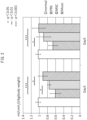
- the rats used for the study are on their growth process and have growing lung, to calibrate the size among individual animals, comparison was made for the value which is obtained by dividing the dynamic lung compliance by bodyweight of an animal (kg) (value in ml/cm H2O/Kg).
- the lung compliance is high, it can be said that the lung is in easily stretchable state.
- the lung compliance is low, it can be said that the lung is in hard state.
- the lung compliance is 1 or so for a normal rat, and it is 0.6 for a rat model of ischemia reperfusion-induced lung injury. According to administration of Muse cells, lung compliance can be recovered close to the normal value.
- the normal value is 200 ml/cm H 2 O in human.
- hematoxylin ⁇ eosin staining is frequently used, and it is well known to a person who is skilled in the pertinent art.
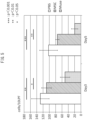
- lung tissues are collected, and after the staining, 5-level grading of 0 to 4+ of acute lung injury is carried out based on the level of four pathological items (edema in alveolar cavity, bleeding in alveolar cavity, blood congestion in alveoli ⁇ alveolar septum, and infiltration of inflammatory cells) followed by comparison in each animal test group to perform the evaluation.
- apoptosis in a lung with injury can be evaluated by using TUNEL (TdT-mediated dUTP nick end labeling) method.
- TUNEL TdT-mediated dUTP nick end labeling
- It is a method in which fragmented DNA in tissue slices, which occurs during the process of apoptosis, is labeled with biotin-labeled nucleotide, and then reacted with HRP-labeled streptavidin for staining.
- HRP-labeled streptavidin As a reagent for detection, any of FITC, DAB, and Blue Label can be used. After the staining, by counting the number of TUNEL positive cells under a microscope, comparison can be made for each test group.
- Example 6 when the number of TUNEL positive cells in 10 viewing areas is compared under a microscope, the number of TUNEL positive cells caused by apoptosis can be dramatically reduced in the treatment group using Muse cells compared to a control administered with PBS.
- Human MSCs were cultured and passaged, and cells at the 7 th to 8 th passage were used.
- 5 ml of 5% bovine serum albumin (Sigma-Aidrich, St.Louis, U.S.A.) and 1 ml of 100 mM EDTA were added to 44 ml of FluoroBrite DMEM (Life Technologies, Carlsbad, U.S.A.) to prepare a buffer.
- SSEA-3 antibody Stage-Specific Embryonic Antigen-3
- SSEA-3-positive cells were isolated as Muse cells by using MACS (magnetic-activated cell sorting). After separating the cells, part of the cells isolated by MACS were analyzed by using BD FACS Aria (BD Biosciences, Franklin Lakes, U.S.A.) and ratio of the number of SSEA-3-positive cells contained in the isolated cell group was determined. For the experiment, cells showing SSEA-3-positive ratio of 70% or higher according to the analysis by FACS were used. The "Muse cells" that are used for the experiments described below indicate the cells which contain SSEA-3-positive cells at 70% or higher and have been isolated by MACS.
- Example 2 Preparation of rat model of ischemia reperfusion-induced lung injury and administration of various cells
- the right hilar was blocked with mosquito pean forceps.
- a cardiopulmonary block was collected and injected with 4% paraformaldehyde at pressure of 10 cm H 2 O from bronchi.
- the left lung was fixed for 24 hours in 4% paraformaldehyde.
- the lung tissues were dissected and half of them was embedded in paraffin while the other half was embedded in O.C.T compound, thus preparing each of the paraffin section and frozen section. Thinly sliced sections were prepared such that the paraffin section is 3 ⁇ m and the frozen section is 8 ⁇ m, respectively.
- Example 6 Evaluation of number of human cells in injured lung of rat
- Example 7 Evaluation of protein expressed in injured lung of rat
- proteins were extracted from injured lung and subjected to Western blot.
- left lung tissues were collected from the PBS group, the MSC group, and the Muse group, and, after homogenization using a biomasher, reacted in Lysis Buffer (20 mM Tris-HCl,150 mM NaCl, 1% Triton X-100) added with a protease inhibitor cocktail (Roche, Mannheim, Germany) for 15 minutes on ice. Amount of the extracted protein was quantified by Bradford method.
- x2 Sample Buffer (30% glycerol, 4% sodium dodecyl sulfate, 125 mM Tris-HCl (pH 6.8), 100 mM dithiothreitol, 10 mM EDTA, 10% ⁇ -mercaptomethanol, and 0.1% bromophenol blue) in the same volume as Lysis Buffer was added thereto followed by incubation for 10 minutes at 100°C.
- Each sample was electrophoresed, in an amount of 50 ⁇ g, by using 10%, 15% SuperSep Ace (Wako, Osaka, Japan), and then transferred onto an Immobilon-P transfer membrane (Merck Millipore, Billerica, U.S.A.).
- Muse cells By administering Muse cells to a rat model of ischemia reperfusion-induced lung injury, more excellent function-improving effect was obtained than administration of MSC.
- KGF, PGE2, IL-10, SDF-1, IL-6, MMP-2, IGF-1, ENaC, Bcl-2, and Akt are expressed at high level while IL-1 ⁇ is expressed at low level in the Muse group.
- ENaC plays an important role in fluid clearance in alveolar cavity based on absorption of sodium ions, and it is also involved with an occurrence of pulmonary edema in acute lung injury including ischemia reperfusion-induced lung injury.
- KGF induces the expression of ENaC to augment alveolar fluid clearance. It is considered that, as the expression of ENaC is promoted, alveolar fluid clearance is augmented to contribute to the amelioration of alveolar edema in pathological tissues, and thus being involved with an improvement of the pulmonary function.
- IL-6, IGF-1, and SDF-1 achieve tissue restoration by promoting cell proliferation.
- the number of the cells all in division period is higher in significant sense in the evaluation of proliferation property of type I alveolar epithelial cells and type II alveolar epithelial cells using PCNA.
- apoptosis is largely involved with an occurrence of pulmonary dysfunction in ischemia reperfusion-induced lung injury, and Bcl-2 and Akt are the proteins which have an activity of suppressing apoptosis during apoptosis pathway.
- the increase in the number of the type I and type II alveolar epithelial cells in injured lung means an increase in ENaC which is expressed in alveolar epithelial cells, and it is considered that this increase also contributes to the improvement of edema in alveoli.
- PGE2 has an anti-inflammatory activity through IL-10.
- IL-10 having a potent anti-inflammatory activity and immunosuppressive activity is also expressed at high level, and it is considered that, in the Muse group, it is involved with a decrease in IL-1b as an inflammatory cytokine and a decrease in infiltration of neutrophils in pathological tissues, and thus contributing to the improvement of pulmonary function.
- Example 8 Evaluation of alveolar epithelium proliferation property in injured lung of rat
Landscapes
- Health & Medical Sciences (AREA)
- Life Sciences & Earth Sciences (AREA)
- Engineering & Computer Science (AREA)
- Chemical & Material Sciences (AREA)
- Cell Biology (AREA)
- Developmental Biology & Embryology (AREA)
- General Health & Medical Sciences (AREA)
- Medicinal Chemistry (AREA)
- Veterinary Medicine (AREA)
- Public Health (AREA)
- Animal Behavior & Ethology (AREA)
- Biomedical Technology (AREA)
- Pharmacology & Pharmacy (AREA)
- Bioinformatics & Cheminformatics (AREA)
- Organic Chemistry (AREA)
- Zoology (AREA)
- Chemical Kinetics & Catalysis (AREA)
- Reproductive Health (AREA)
- Biotechnology (AREA)
- Nuclear Medicine, Radiotherapy & Molecular Imaging (AREA)
- General Chemical & Material Sciences (AREA)
- Immunology (AREA)
- Epidemiology (AREA)
- Virology (AREA)
- Pulmonology (AREA)
- Gynecology & Obstetrics (AREA)
- Hematology (AREA)
- Heart & Thoracic Surgery (AREA)
- Cardiology (AREA)
- Urology & Nephrology (AREA)
- Genetics & Genomics (AREA)
- Wood Science & Technology (AREA)
- Vascular Medicine (AREA)
- Oral & Maxillofacial Surgery (AREA)
- Dermatology (AREA)
- Botany (AREA)
- Rheumatology (AREA)
- Transplantation (AREA)
- Microbiology (AREA)
- Biochemistry (AREA)
Claims (7)
- SSEA-3-positive pluripotente Stammzellen, die aus mesenchymalem Gewebe eines Körpers oder aus kultivierten mesenchymalen Zellen isoliert sind, zur Verwendung bei der Linderung und/oder Behandlung von ischämischen reperfusionsinduzierten Lungenläsionen, wobei die pluripotenten Stammzellen alle der folgenden Eigenschaften aufweisen:(i) CD105-positiv(ii) niedrige oder nicht vorhandene Telomerase-Aktivität;(iii) die Fähigkeit zur Differenzierung zu einem der drei Keimblätter;(iv) keine neoplastische Proliferation; und(v) Selbsterneuerungsfähigkeit.
- Pluripotente Stammzellen zur Verwendung nach Anspruch 1, wobei die SSEA-3-positiven pluripotenten Stammzellen durch externe Stressbehandlung konzentriert worden sind.
- Pluripotente Stammzellen zur Verwendung nach einem der Ansprüche 1 bis 2, wobei die pluripotenten Stammzellen CD117-negativ und CD146-negativ sind.
- Pluripotente Stammzellen zur Verwendung nach einem der Ansprüche 1 bis 3, wobei die pluripotenten Stammzellen CD117-negativ, CD146-negativ, NG2-negativ, CD34-negativ, vWF-negativ und CD271-negativ sind.
- Pluripotente Stammzellen zur Verwendung nach einem der Ansprüche 1 bis 4, wobei die pluripotenten Stammzellen CD34-negativ, CD117-negativ, CD146-negativ, CD271-negativ, NG2-negativ, vWF-negativ, Sox10-negativ, Snail1-negativ, Slug-negativ, Tyrp1-negativ und Dct-negativ sind.
- Pluripotente Stammzellen zur Verwendung nach einem der vorhergehenden Ansprüche 1 bis 5, wobei es sich bei den ischämischen reperfusionsinduzierten Lungenläsionen um Lungenläsionen handelt, die bei der Reinitiierung der Durchblutung nach Durchführung einer Organtransplantation, nach Durchführung einer künstlichen kardiopulmonalen Zirkulation während einer Herzoperation, nach Durchführung einer Thoraxoperation bei Lungenkrebs oder dergleichen mit begleitender Bildung von Blutgefäßen oder Blockierung der Durchblutung und/oder nach dem Auflösen von Blutgerinnseln oder Entfernen von Blutgerinnseln bei pulmonaler Thromboembolie stattfinden.
- Pluripotente Stammzellen zur Verwendung nach einem der Ansprüche 1 bis 6, wobei die pluripotenten Stammzellen die Fähigkeit haben, sich in Lungengewebe einzupflanzen.
Applications Claiming Priority (2)
| Application Number | Priority Date | Filing Date | Title |
|---|---|---|---|
| JP2016153264 | 2016-08-03 | ||
| PCT/JP2017/028328 WO2018025976A1 (ja) | 2016-08-03 | 2017-08-03 | 多能性幹細胞による虚血再灌流肺障害の軽減及び治療 |
Publications (4)
| Publication Number | Publication Date |
|---|---|
| EP3494979A1 EP3494979A1 (de) | 2019-06-12 |
| EP3494979A4 EP3494979A4 (de) | 2020-03-04 |
| EP3494979C0 EP3494979C0 (de) | 2025-07-09 |
| EP3494979B1 true EP3494979B1 (de) | 2025-07-09 |
Family
ID=61073590
Family Applications (1)
| Application Number | Title | Priority Date | Filing Date |
|---|---|---|---|
| EP17837077.1A Active EP3494979B1 (de) | 2016-08-03 | 2017-08-03 | Linderung und behandlung von ischämischen reperfusionsinduzierten lungenläsionen unter verwendung von pluripotenten stammzellen |
Country Status (9)
| Country | Link |
|---|---|
| US (1) | US20190201456A1 (de) |
| EP (1) | EP3494979B1 (de) |
| JP (1) | JP7045670B2 (de) |
| KR (1) | KR102464099B1 (de) |
| CN (1) | CN109689074A (de) |
| AU (1) | AU2017305067B2 (de) |
| CA (1) | CA3032925A1 (de) |
| SG (2) | SG10202101160RA (de) |
| WO (1) | WO2018025976A1 (de) |
Families Citing this family (4)
| Publication number | Priority date | Publication date | Assignee | Title |
|---|---|---|---|---|
| CN110772535A (zh) * | 2018-07-12 | 2020-02-11 | 南通大学 | 多系分化持续应激细胞在制备镇痛药物中的应用 |
| CN110772534A (zh) * | 2018-07-12 | 2020-02-11 | 南通大学 | 多系分化持续应激细胞在制备抗炎药物中的应用 |
| CN110585242A (zh) * | 2019-10-15 | 2019-12-20 | 南通大学 | 多系分化持续应激细胞的应用、治疗糖尿病的药物及其制备方法 |
| CN112471140A (zh) * | 2020-12-22 | 2021-03-12 | 华中科技大学 | 一种细胞株冻存复苏的保护液及制备方法 |
Family Cites Families (8)
| Publication number | Priority date | Publication date | Assignee | Title |
|---|---|---|---|---|
| JP5098028B2 (ja) | 2005-12-13 | 2012-12-12 | 国立大学法人京都大学 | 核初期化因子 |
| WO2008036374A2 (en) * | 2006-09-21 | 2008-03-27 | Medistem Laboratories, Inc. | Allogeneic stem cell transplants in non-conditioned recipients |
| US9550975B2 (en) | 2009-07-15 | 2017-01-24 | Mari Dezawa | SSEA-3 pluripotent stem cell isolated from body tissue |
| JP2014133703A (ja) * | 2011-03-30 | 2014-07-24 | Clio Inc | 生体組織から単離できるssea−3陽性の多能性幹細胞を含む他家移植用細胞治療用組成物 |
| ES2629502T3 (es) * | 2011-03-11 | 2017-08-10 | Children's Medical Center Corporation | Métodos y composiciones relacionados con exosomas de células madre mesenquimales |
| WO2014027474A1 (ja) * | 2012-08-17 | 2014-02-20 | 株式会社Clio | 心筋梗塞の修復再生を誘導する多能性幹細胞 |
| US20150329827A1 (en) * | 2012-12-21 | 2015-11-19 | Rutgers , The State University Of New Jersey | Muse cells isolation and expansion |
| JP6519038B2 (ja) * | 2014-02-26 | 2019-05-29 | 株式会社生命科学インスティテュート | 脳梗塞治療のための多能性幹細胞 |
-
2017
- 2017-08-03 EP EP17837077.1A patent/EP3494979B1/de active Active
- 2017-08-03 SG SG10202101160RA patent/SG10202101160RA/en unknown
- 2017-08-03 AU AU2017305067A patent/AU2017305067B2/en not_active Ceased
- 2017-08-03 CA CA3032925A patent/CA3032925A1/en active Pending
- 2017-08-03 SG SG11201900986YA patent/SG11201900986YA/en unknown
- 2017-08-03 WO PCT/JP2017/028328 patent/WO2018025976A1/ja not_active Ceased
- 2017-08-03 CN CN201780048511.2A patent/CN109689074A/zh active Pending
- 2017-08-03 US US16/322,725 patent/US20190201456A1/en active Pending
- 2017-08-03 JP JP2018531992A patent/JP7045670B2/ja active Active
- 2017-08-03 KR KR1020197003314A patent/KR102464099B1/ko active Active
Also Published As
| Publication number | Publication date |
|---|---|
| US20190201456A1 (en) | 2019-07-04 |
| CA3032925A1 (en) | 2018-02-08 |
| EP3494979A4 (de) | 2020-03-04 |
| AU2017305067A1 (en) | 2019-02-28 |
| SG11201900986YA (en) | 2019-02-27 |
| WO2018025976A1 (ja) | 2018-02-08 |
| EP3494979C0 (de) | 2025-07-09 |
| CN109689074A (zh) | 2019-04-26 |
| AU2017305067B2 (en) | 2022-11-03 |
| KR102464099B1 (ko) | 2022-11-08 |
| KR20190039700A (ko) | 2019-04-15 |
| EP3494979A1 (de) | 2019-06-12 |
| JPWO2018025976A1 (ja) | 2019-06-06 |
| SG10202101160RA (en) | 2021-03-30 |
| JP7045670B2 (ja) | 2022-04-01 |
Similar Documents
| Publication | Publication Date | Title |
|---|---|---|
| CN104582711B (zh) | 诱导心肌梗塞的修复再生的多能性干细胞 | |
| Bao et al. | C-Kit Positive cardiac stem cells and bone marrow–derived mesenchymal stem cells synergistically enhance angiogenesis and improve cardiac function after myocardial infarction in a paracrine manner | |
| KR100837167B1 (ko) | 제대혈로부터 분리 또는 증식된 세포를 포함하는 발달성,만성 폐질환 치료용 조성물 | |
| EP3494979B1 (de) | Linderung und behandlung von ischämischen reperfusionsinduzierten lungenläsionen unter verwendung von pluripotenten stammzellen | |
| Xiang et al. | Direct in vivo application of induced pluripotent stem cells is feasible and can be safe | |
| JP2017520583A (ja) | 全身性炎症反応症候群の治療のための間葉系間質細胞 | |
| EP4098267A1 (de) | Medizinische zusammensetzung mit zellen aus zahnmark | |
| US9539285B2 (en) | Composition for treating intraventricular hemorrhage in preterm infants comprising mesenchymal stem cells | |
| KR101261884B1 (ko) | 제대혈 또는 지방조직유래 성체줄기세포를 함유한 항암용 조성물 | |
| EP3492091A1 (de) | Prophylaktisches oder therapeutisches mittel für gefässerkrankungen | |
| AU2017305064B2 (en) | Amelioration and treatment of chronic lung disease using pluripotent stem cells | |
| WO2018003997A1 (ja) | 臓器線維症の予防または治療剤 | |
| Garrido Pascual | Elucidation of the molecular and bionergetic mechanisms underlying the resistance to oxidatives stress and the pro-recovery effect of H2O2-preconditioned adipose-derived stem cells | |
| KR20230137808A (ko) | 지방 조직 유래 중간엽 줄기세포 및 인간 기질 혈관 분획을 포함하는 혈관신생 촉진용 조성물 | |
| WO2023182609A1 (ko) | 지방 조직 유래 중간엽 줄기세포 및 인간 기질 혈관 분획을 포함하는 혈관신생 촉진용 조성물 | |
| WO2025170054A1 (ja) | 脊髄梗塞治療のための多能性幹細胞 | |
| BR112018005014B1 (pt) | Uso de uma composição que compreende células-tronco da placenta cd10+, cd34, cd105+, cd200+ no tratamento de neuropatia periférica diabética | |
| WO2020111249A1 (ja) | 末梢血流障害の治療剤 | |
| WO2007089102A1 (en) | Composition for treating developmental and/or chronic lung diseases comprising cells separated or proliferated from umbilical cord blood | |
| Haaften | Mesenchymal stem cells protect the lung from oxygen-induced experimental bronchopulmonary dysplasia | |
| KR20120041706A (ko) | 제대혈 또는 지방조직유래 성체줄기세포를 함유한 항암용 조성물 |
Legal Events
| Date | Code | Title | Description |
|---|---|---|---|
| STAA | Information on the status of an ep patent application or granted ep patent |
Free format text: STATUS: THE INTERNATIONAL PUBLICATION HAS BEEN MADE |
|
| PUAI | Public reference made under article 153(3) epc to a published international application that has entered the european phase |
Free format text: ORIGINAL CODE: 0009012 |
|
| STAA | Information on the status of an ep patent application or granted ep patent |
Free format text: STATUS: REQUEST FOR EXAMINATION WAS MADE |
|
| 17P | Request for examination filed |
Effective date: 20190213 |
|
| AK | Designated contracting states |
Kind code of ref document: A1 Designated state(s): AL AT BE BG CH CY CZ DE DK EE ES FI FR GB GR HR HU IE IS IT LI LT LU LV MC MK MT NL NO PL PT RO RS SE SI SK SM TR |
|
| AX | Request for extension of the european patent |
Extension state: BA ME |
|
| DAV | Request for validation of the european patent (deleted) | ||
| DAX | Request for extension of the european patent (deleted) | ||
| A4 | Supplementary search report drawn up and despatched |
Effective date: 20200130 |
|
| RIC1 | Information provided on ipc code assigned before grant |
Ipc: A61K 35/545 20150101AFI20200124BHEP Ipc: A61P 11/00 20060101ALI20200124BHEP Ipc: A61P 9/00 20060101ALI20200124BHEP |
|
| RAP1 | Party data changed (applicant data changed or rights of an application transferred) |
Owner name: YABUKI, HIROSHI Owner name: OKADA, YOSHINORI Owner name: DEZAWA, MARI |
|
| RIN1 | Information on inventor provided before grant (corrected) |
Inventor name: YABUKI, HIROSHI Inventor name: OKADA, YOSHINORI Inventor name: DEZAWA, MARI |
|
| STAA | Information on the status of an ep patent application or granted ep patent |
Free format text: STATUS: EXAMINATION IS IN PROGRESS |
|
| 17Q | First examination report despatched |
Effective date: 20230411 |
|
| REG | Reference to a national code |
Ref legal event code: R079 Free format text: PREVIOUS MAIN CLASS: A61K0035545000 Ipc: A61K0035280000 Ref country code: DE Ref legal event code: R079 Ref document number: 602017090498 Country of ref document: DE Free format text: PREVIOUS MAIN CLASS: A61K0035545000 Ipc: A61K0035280000 |
|
| GRAP | Despatch of communication of intention to grant a patent |
Free format text: ORIGINAL CODE: EPIDOSNIGR1 |
|
| STAA | Information on the status of an ep patent application or granted ep patent |
Free format text: STATUS: GRANT OF PATENT IS INTENDED |
|
| RIC1 | Information provided on ipc code assigned before grant |
Ipc: A61P 9/00 20060101ALI20250114BHEP Ipc: A61P 11/00 20060101ALI20250114BHEP Ipc: A61K 35/545 20150101ALI20250114BHEP Ipc: A61K 35/28 20150101AFI20250114BHEP |
|
| INTG | Intention to grant announced |
Effective date: 20250129 |
|
| GRAS | Grant fee paid |
Free format text: ORIGINAL CODE: EPIDOSNIGR3 |
|
| GRAA | (expected) grant |
Free format text: ORIGINAL CODE: 0009210 |
|
| STAA | Information on the status of an ep patent application or granted ep patent |
Free format text: STATUS: THE PATENT HAS BEEN GRANTED |
|
| AK | Designated contracting states |
Kind code of ref document: B1 Designated state(s): AL AT BE BG CH CY CZ DE DK EE ES FI FR GB GR HR HU IE IS IT LI LT LU LV MC MK MT NL NO PL PT RO RS SE SI SK SM TR |
|
| REG | Reference to a national code |
Ref country code: GB Ref legal event code: FG4D |
|
| REG | Reference to a national code |
Ref country code: CH Ref legal event code: EP |
|
| REG | Reference to a national code |
Ref country code: IE Ref legal event code: FG4D |
|
| REG | Reference to a national code |
Ref country code: DE Ref legal event code: R096 Ref document number: 602017090498 Country of ref document: DE |
|
| U01 | Request for unitary effect filed |
Effective date: 20250728 |
|
| U07 | Unitary effect registered |
Designated state(s): AT BE BG DE DK EE FI FR IT LT LU LV MT NL PT RO SE SI Effective date: 20250801 |
|
| U20 | Renewal fee for the european patent with unitary effect paid |
Year of fee payment: 9 Effective date: 20250815 |
|
| PGFP | Annual fee paid to national office [announced via postgrant information from national office to epo] |
Ref country code: GB Payment date: 20250710 Year of fee payment: 9 |
|
| PGFP | Annual fee paid to national office [announced via postgrant information from national office to epo] |
Ref country code: CH Payment date: 20250901 Year of fee payment: 9 |
|
| PG25 | Lapsed in a contracting state [announced via postgrant information from national office to epo] |
Ref country code: IS Free format text: LAPSE BECAUSE OF FAILURE TO SUBMIT A TRANSLATION OF THE DESCRIPTION OR TO PAY THE FEE WITHIN THE PRESCRIBED TIME-LIMIT Effective date: 20251109 |
|
| PG25 | Lapsed in a contracting state [announced via postgrant information from national office to epo] |
Ref country code: NO Free format text: LAPSE BECAUSE OF FAILURE TO SUBMIT A TRANSLATION OF THE DESCRIPTION OR TO PAY THE FEE WITHIN THE PRESCRIBED TIME-LIMIT Effective date: 20251009 |
|
| PG25 | Lapsed in a contracting state [announced via postgrant information from national office to epo] |
Ref country code: HR Free format text: LAPSE BECAUSE OF FAILURE TO SUBMIT A TRANSLATION OF THE DESCRIPTION OR TO PAY THE FEE WITHIN THE PRESCRIBED TIME-LIMIT Effective date: 20250709 |
|
| PG25 | Lapsed in a contracting state [announced via postgrant information from national office to epo] |
Ref country code: GR Free format text: LAPSE BECAUSE OF FAILURE TO SUBMIT A TRANSLATION OF THE DESCRIPTION OR TO PAY THE FEE WITHIN THE PRESCRIBED TIME-LIMIT Effective date: 20251010 |
|
| PG25 | Lapsed in a contracting state [announced via postgrant information from national office to epo] |
Ref country code: PL Free format text: LAPSE BECAUSE OF FAILURE TO SUBMIT A TRANSLATION OF THE DESCRIPTION OR TO PAY THE FEE WITHIN THE PRESCRIBED TIME-LIMIT Effective date: 20250709 |
|
| PG25 | Lapsed in a contracting state [announced via postgrant information from national office to epo] |
Ref country code: RS Free format text: LAPSE BECAUSE OF FAILURE TO SUBMIT A TRANSLATION OF THE DESCRIPTION OR TO PAY THE FEE WITHIN THE PRESCRIBED TIME-LIMIT Effective date: 20251009 |
|
| PG25 | Lapsed in a contracting state [announced via postgrant information from national office to epo] |
Ref country code: ES Free format text: LAPSE BECAUSE OF FAILURE TO SUBMIT A TRANSLATION OF THE DESCRIPTION OR TO PAY THE FEE WITHIN THE PRESCRIBED TIME-LIMIT Effective date: 20250709 |