EP3473709A1 - Für butyrylcholinesterase codierende gene, dna-vektoren zur herstellung rekombinanter, biologisch aktiver pferdebutyrylcholinesterase oder -acetylcholinesterase und derivaten davon sowie verfahren zur herstellung biologisch aktiver butyrylcholinesterase oder cholinesterasen - Google Patents
Für butyrylcholinesterase codierende gene, dna-vektoren zur herstellung rekombinanter, biologisch aktiver pferdebutyrylcholinesterase oder -acetylcholinesterase und derivaten davon sowie verfahren zur herstellung biologisch aktiver butyrylcholinesterase oder cholinesterasen Download PDFInfo
- Publication number
- EP3473709A1 EP3473709A1 EP18199472.4A EP18199472A EP3473709A1 EP 3473709 A1 EP3473709 A1 EP 3473709A1 EP 18199472 A EP18199472 A EP 18199472A EP 3473709 A1 EP3473709 A1 EP 3473709A1
- Authority
- EP
- European Patent Office
- Prior art keywords
- seq
- bche
- gene
- vector
- amino acid
- Prior art date
- Legal status (The legal status is an assumption and is not a legal conclusion. Google has not performed a legal analysis and makes no representation as to the accuracy of the status listed.)
- Granted
Links
Images





Classifications
-
- C—CHEMISTRY; METALLURGY
- C12—BIOCHEMISTRY; BEER; SPIRITS; WINE; VINEGAR; MICROBIOLOGY; ENZYMOLOGY; MUTATION OR GENETIC ENGINEERING
- C12N—MICROORGANISMS OR ENZYMES; COMPOSITIONS THEREOF; PROPAGATING, PRESERVING, OR MAINTAINING MICROORGANISMS; MUTATION OR GENETIC ENGINEERING; CULTURE MEDIA
- C12N9/00—Enzymes; Proenzymes; Compositions thereof; Processes for preparing, activating, inhibiting, separating or purifying enzymes
- C12N9/14—Hydrolases (3)
- C12N9/16—Hydrolases (3) acting on ester bonds (3.1)
- C12N9/18—Carboxylic ester hydrolases (3.1.1)
-
- C—CHEMISTRY; METALLURGY
- C12—BIOCHEMISTRY; BEER; SPIRITS; WINE; VINEGAR; MICROBIOLOGY; ENZYMOLOGY; MUTATION OR GENETIC ENGINEERING
- C12Y—ENZYMES
- C12Y301/00—Hydrolases acting on ester bonds (3.1)
- C12Y301/01—Carboxylic ester hydrolases (3.1.1)
- C12Y301/01007—Acetylcholinesterase (3.1.1.7)
-
- C—CHEMISTRY; METALLURGY
- C12—BIOCHEMISTRY; BEER; SPIRITS; WINE; VINEGAR; MICROBIOLOGY; ENZYMOLOGY; MUTATION OR GENETIC ENGINEERING
- C12Y—ENZYMES
- C12Y301/00—Hydrolases acting on ester bonds (3.1)
- C12Y301/01—Carboxylic ester hydrolases (3.1.1)
- C12Y301/01008—Cholinesterase (3.1.1.8), i.e. butyrylcholine-esterase
-
- C—CHEMISTRY; METALLURGY
- C07—ORGANIC CHEMISTRY
- C07K—PEPTIDES
- C07K2319/00—Fusion polypeptide
- C07K2319/01—Fusion polypeptide containing a localisation/targetting motif
- C07K2319/02—Fusion polypeptide containing a localisation/targetting motif containing a signal sequence
-
- C—CHEMISTRY; METALLURGY
- C07—ORGANIC CHEMISTRY
- C07K—PEPTIDES
- C07K2319/00—Fusion polypeptide
- C07K2319/20—Fusion polypeptide containing a tag with affinity for a non-protein ligand
- C07K2319/21—Fusion polypeptide containing a tag with affinity for a non-protein ligand containing a His-tag
-
- C—CHEMISTRY; METALLURGY
- C12—BIOCHEMISTRY; BEER; SPIRITS; WINE; VINEGAR; MICROBIOLOGY; ENZYMOLOGY; MUTATION OR GENETIC ENGINEERING
- C12N—MICROORGANISMS OR ENZYMES; COMPOSITIONS THEREOF; PROPAGATING, PRESERVING, OR MAINTAINING MICROORGANISMS; MUTATION OR GENETIC ENGINEERING; CULTURE MEDIA
- C12N15/00—Mutation or genetic engineering; DNA or RNA concerning genetic engineering, vectors, e.g. plasmids, or their isolation, preparation or purification; Use of hosts therefor
- C12N15/09—Recombinant DNA-technology
- C12N15/87—Introduction of foreign genetic material using processes not otherwise provided for, e.g. co-transformation
- C12N15/90—Stable introduction of foreign DNA into chromosome
Definitions
- the subject of the invention is a gene encoding butyrylcholinesterase in two forms.
- the invention also includes DNA vectors for obtaining butyrylcholinesterase.
- the invention also relates to a method for obtaining a biologically active recombinant enzyme of the equine butyrylcholinesterase or acetylcholinesterase as well as fragments thereof - derivatives using molecular cloning methods, genetic expression and biochemical isolation.
- the invention relates to a method for obtaining biologically active enzymes - cholinesterases and butyrylcholinestarases and their derivatives in the Leishmania tarentolae microorganism using molecular cloning methods, genetic expression and biochemical isolation.
- ChE enzymes acetylcholinesterase (AChE) and butyrylcholinesterase - BChE (EC 3.1.1.8) that play a biological role in neural signalling (AChE) and natural detoxification of the body (BChE), are characterized by the ability to break down a broad spectrum of compounds with ester bonds and bonds and inactivation of organophosphorus compounds - "OP". Therefore, they found a number of civil and military applications, including in: detoxification after exposure to organophosphorus pesticides, after bites of snakes, insects, drug overdose, treatment of neurodegenerative diseases - among others dementia, alcoholism, drug addiction, Alzheimer's disease, traumatic nervous system damage.
- the equine BChE enzyme is a proven key element in the detection of CWAs and pesticides from the OP group. It is a serine hydrolase present in the tissues of animals. This enzyme can contain larger substrates or inhibitors in its active centre than AChE, an enzyme responsible for the hydrolysis of acetylcholine in the central nervous system and neuromuscular connections. AChE, because it is a key enzyme for the transmission of nerve impulses, is a specific target for OP pesticides and CWAs.
- Wierdl et al., Biochem Pharmacol. 59: 773-781 discloses that modifications of human BChE potentially affecting the enzymatic activity, based on the use of glycosidase to remove post-translational modifications of glycosylation from a protein already formed in vivo, showed that BChE does not require further glycosylation for enzymatic activity.
- Kronman et al. Gene 121: 295-304 (1992 ) disclose the cloning in mammalian cell lines, expression under the control of viral promoters of cytomegalovirus, Rous sarcoma virus, and SV40, and secretion outside the cell of recombinant human BChE.
- the protein obtained in the form of a mixture of dimers, tetramers and variants of post-translational modifications showed enzymatic activity.
- recombinant mammalian cell culture is expensive, long-lasting and susceptible to microbial infections, making it impractical for industrial applications.
- EP 0388906 B and US 5,595,903 a sequence of human AChE has been disclosed, as determined by cloning and sequencing of cDNA.
- the coding of the biologically active AChE protein has been verified by cloning the cDNA into the pGEM vector containing the SP 6 promoter, performing in vitro SP 6 RNA transcription by polymerase, micro injection into Xenopus oocytes, and conducting enzymatic tests for the presence of AChE activity.
- the methodology used allowed to demonstrate only on an analytical scale obtaining an actively biological cDNA clone of human AChE.
- Mor et al. Biotechnol. Bioeng. 75: 259-266 disclose the construction of a transgenic plant comprising cloned and expressed in potatoes, a gene coding for the biologically active isoform of human AChE, exhibiting stability and retaining kinetic parameters corresponding to the human enzyme.
- the method has a number of advantages compared to recombinant tissue cultures or methods of separation of plasma, e.g. no epidemiological limitations and susceptibility to infection.
- the disadvantage is the slow growth rate of recombinant plants.
- Lockridge et al. J. Med. Chem. Biol. Radiol. Def. 3: nihms5095 (2005 ) discloses a method for isolating natural human BChE on a preparative scale from 100 L of plasma.
- the method includes the steps of ion-exchange chromatography onto Q-Sepharose at low pH (4), affinity chromatography on procainamide-Sepharose, DEAE 8HR-HPLC, allowing a highly purified enzyme to be obtained with a low endotoxin content that meets the OP protection test criteria when tested on monkeys.
- a serious disadvantage of the method is: very limited availability of the amount of human plasma necessary to carry out the industrial process and epidemiological considerations.
- Evron et al. FASEB J. 21: 2961-2969 disclose the cloning of human AChE in Nicotiana benthamiana, a tobacco-related plant.
- the isolated recombinant enzyme was biochemically indistinguishable from the enzyme obtained from mammalian cell cultures. Used in even molar doses, it eliminated completely short-lived symptoms of OP poisoning in mice.
- the limitation of the method is the slow growth rate of plants.
- Morel and Massoulie Biochem. J. 328: 121-129 (1997 ) disclose the cloning and expression of AChE and its deletion derivatives of a rat and a snake in yeast Pichia pastoris, producing recombinant monomeric and dimeric forms, showing biological activity.
- the production level of recombinant AChEs was not more than 1 mg of protein from 1 L of culture.
- the obtained genetic structure leads to the expression of AChE at a very low level, since typically Pichia pastoris allows production of even more than 300 mg from 1 L of culture, thus the genetic constructs described are not suitable for industrial scaling.
- the object of the invention is to provide recombinant BChE genes as well as to develop DNA vectors that are capable of transformation and integration with the Leishmania tarentolae chromosome and a method allowing to easily obtain recombinant, biologically active equine BChE protein, and its derivatives in microorganisms.
- the essence of the invention is the development of genes encoding BChE and vectors for obtaining BChE as well as methods of molecular cloning, genetic expression and isolation in the biologically active form of ChE and BChE enzymes in the Leishmania tarentolae microorganism on the example of equine BChE.
- the invention relates to the design of a synthetic gene of equine BChE, molecular cloning method, gene expression in the Leishmania tarentolae microorganism, a biologically active recombinant BChE enzyme fragment, devoid of the C-terminal tetramerization domain, affixing the BChE fragment with a 6x His-tag for efficient isolation by metal-affinity chromatography.
- the essence of the invention is a synthetic gene of equine BChE holoenzyme, reproduction by known techniques, including PCR, of a natural gene of equine BChE holoenzyme, a method of their molecular cloning, 6x His-tagging residues, genetic expression in the Leishmania tarentolae microorganism in the form of a biologically active enzyme.
- the invention relates to a synthetic BChE butyrylcholinesterase encoding gene or a fragment thereof, wherein the gene sequences are shown in Seq.3 or Seq.7 or Seq.8.
- the invention relates to a native BChE butyrylcholinesterase-encoding gene with the sequence shown in Seq.6 or a fragment thereof.
- the invention relates to a DNA vector capable of transforming and integrating into a Leishmania tarentolae chromosome comprising a gene coding for a truncated version of equine BChE shown in Seq.3 or Seq.7 or Seq.8, devoid of a tetrameric domain, directing the biosynthesis of a recombinant protein from the Open Readinging Frame contained in the gene.
- a DNA vector indicated on Seq.9, able to transform and integrate into the Leishmania tarentolae chromosome, containing the gene encoding the truncated version of equine BChE, indicated on Seq.3, devoid of the tetrameric domain, directing the biosynthesis of the Open Reading Frame contained therein.
- the Open Reading Frame encodes a total of 564 amino acid residues, indicated in Seq.1, additionally, at the N-terminus bearing a Leishmania secretion sequence (23 amino acid residues) and additional 2 Gly-Ala amino acid residues, and at the C-terminus bearing additional 4 Leu-Lys-Gly-Thr amino acid residues and a 6 residue His-tag.
- DNA vectors capable of transformation and integration with the Leishmania tarentolae chromosome, contain the natural gene derived from the cDNA gene encoding the equine BChE holoenzyme, shown in Fig.3 and Seq.6, directing the biosynthesis of the protein encoded by the Open Reading Frame, containing a total of 614 amino acid residues, indicated on Seq.4, including an additional two amino acid residues Met-Ala at the N-terminus, and at the C-terminus bearing additional 4 amino acid residues Leu-Lys-Gly-Thr and a 6-residue His-tag.
- the present invention relates to DNA vectors capable of transformation and integration with a Leishmania tarentolae chromosome comprising a synthetic gene, shown in Fig. 5 , designed based on the sequence of the cDNA gene, encoding the holoenzyme of equine BChE, directing the biosynthesis of the protein from the Open Reading Frame contained therein, containing a total of 614 amino acid residues, indicated on Seq.4, including an additional two amino acid residues Met-Ala at the N-terminus, and at the C-terminus bearing additional 4 amino acid residues Leu-Lys-Gly-Thr and a 6-residue His-tag.
- DNA vectors are vectors for protein cloning and expression, they additionally contain a minimum of two origins of replication, preferably for Escherichia coli and Leishmania tarentolae.
- DNA vectors encode a secretion signal, preferably derived from Leishmania, antibiotic resistance genes, preferably bleomycin and ampicillin, a transcriptional promoter, preferably a T7 bacteriophage, a transcriptional repressor gene, preferably tetracycline-regulated, an operator gene, preferably regulated by a tetracycline repressor, a translational initiation signal, optionally an encoding sequence of 6-residue His, and a coding sequence for the translation stop signal.
- a secretion signal preferably derived from Leishmania, antibiotic resistance genes, preferably bleomycin and ampicillin
- a transcriptional promoter preferably a T7 bacteriophage
- a transcriptional repressor gene preferably tetracycline-regulated
- an operator gene preferably regulated by a tetracycline repressor
- a translational initiation signal optionally an encoding sequence of 6-residue His
- the present invention relates to a method of molecular cloning, expression and production of recombinant BChE and CHE, based on synthetic or natural genes of the invention.
- the method consists in:
- the coding gene is a synthetic gene encoding equine BChE indicated in Seq.3 and Seq.7 and / or a natural cDNA nucleotide sequence encoding equine BChE.
- gene cloning in the Leishmania tarentolae expression system is carried out using the following primers:
- the production and isolation of the protein - a truncated derivative of recombinant BChE and full-length recombinant BChEs is that cloned and expressed in the microorganism Leishmania tarantolae genes encoding equine BChE protein variants, indicated in Seq.1 or Seq.2 or Seq.4 or Seq.5, bear outside the cell secretion signals and the 6 histidine residues tag used for isolation enzyme by metal affinity chromatography. This method is adequate for use in the production and isolation of BChE and ChE other than equine.
- Example 1 Scheme of implementing the method according to the invention.
- the present invention is versatile for use in molecular cloning, expression and production of full-length BChE or ChE recombinant protein, and deletion and / or mutagenized variants of BChE or CHE, originating from non-horse organisms in the microorganism Leishmania tarantolae.
- Protozoan Leishmania tarentolae originally isolated from the intestins of the gecko Tarentola mauritanica is non-pathogenic for humans (Biosafety level 1), allowing for safe breeding in laboratory conditions.
- Biosafety level 1 Based on the genetically modified Leishmania tarentolae protozoan, a commercial kit was developed for cloning and protein expression - LEXSY, by company: Jena Bioscience GmbH (Germany) and that is what has been used in the present invention.
- a commercial kit was developed for cloning and protein expression - LEXSY, by company: Jena Bioscience GmbH (Germany) and that is what has been used in the present invention.
- Important, from the point of view of the use for cloning and expression of eukaryotic proteins, is the property of having complicated mechanisms of folding and post-translational modification of proteins, similar to those existing in mammalian cells.
- the level of glycosylation and the branching process of multi-sugar chains differs from the bacterial (essentially - lack), the yeast (frequent hyperglycosylation) or the baculovirus systems (often incomplete glycosylation), but is similar to the mammalian type.
- the presence of glycosylation and its appropriate method are necessary for the proper folding of proteins and their enzymatic activities.
- Leishmania tarentolae is characterized by a much longer period of the experimental cycle than cloning and protein expression experiments in bacteria and yeast, due to much longer than the bacteria duration of one generation - about 4 hours, this disadvantage is compensated by a high level of protein expression, according to literature data exceeding 300 g / L culture, the ease of its secretion into the medium solution, and thus a perfectly convenient procedure for isolating recombinant protein and its proper folding into the biologically active form and high solubility.
- the invention uses an inducible version of the LEXSinduce3 system, the Leishmania tarentolae strain (LEXSY host T7-TR) which is characterized by an inducible system of overproduction of the cloned protein based on the T7 bacteriophage hybrid promoter and the operator coupled to it, derived from the regulatory region of the gene encoding the repressor, which controls tetracycline resistance.
- the level of biosynthesis of recombinant protein cloned in the above-mentioned system is strictly controlled by selecting the appropriate concentration of tetracycline. Such a precise possibility of matching the level of protein overproduction is particularly important when expressing proteins toxic to the recombinant host.
- Leishmania tarentolae T7-TR has a chromosome modification consisting in the integration of T7 RNA polymerase encoding genes, specific for the T7 promoter and the gene encoding the tetracycline repressor of transcription in the region of the ssu gene encoding the smaller subunit of ribosomal RNA.
- constitutive expression of both genes takes place, mediated by RNA polymerase of I Leishmania tarentolae.
- the stability of genetic modification is maintained by incorporating a hygromycin and nourseotricin antibiotic resistance cartridge in the similar chromosomal location of Leishmania tarentolae T7-TR.
- the pLEXSY-blecherry 3 shuttle vector which is part of the above-mentioned set, capable of multiplying in Escherichia coli bacteria, was used for cloning and expression, thus offering the possibility of convenient preparation of the genetic construct and capable of chromosomal integration into Leishmania tarentolae T7-TR.
- the cloned BChE coding gene in the correct orientation and bearing translation start signals, there was a gene derived from the vector used, encoding a blecherry reporter protein, the expression of which can be accurately monitored spectrophotometrically.
- the level of biosynthesis of the blecherry protein in this system correlates with the biosynthesis level of the cloned and expressed BChE protein gene, indicated in Seq.1 or Seq.2 or Seq.4 or Seq.5 in Leishmania tarentolae T7-TR.
- the expressive genetic construct was made in Escherichia coli.
- the vector was linearized with a double cleavage of the Swal restriction enzyme and then introduced into Leishmania tarentolae T7-TR cells, where it was subjected to chromosomal integration in the region close to the ssu gene. Chromosomal integration is stable, additionally selectable by the gene coding for antibiotic-bleomycin resistance, located in an integrated vector.
- Example 2 Design of a synthetic gene encoding a short version of equine BChE devoid of the tetramerization domain.
- the universal scheme presented above has been used for molecular cloning and genetic expression of BChE gene variants: version of full-length BChE recombinant protein and a truncated variant in which parts of the sequence, not relevant for enzymatic activity, have been removed.
- it is a version in which the biosynthesis, secretion and solubility of the recombinant protein were improved.
- the N-terminal amino acid signal sequence for extracellular secretion was removed, which is less efficient in directing extracellular secretion in Leishmania tarentolae and the C-terminal tetrameric domain relevant for in vivo functions in horse, but negligible for enzymatic protein activity for applications in biotechnology.
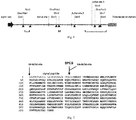
- Fig. 1 shows a map of a full-length synthetic gene of 1806 base pairs encoding recombinant equine BChE with an amino acid sequence of 602 amino acid residues that make up the 68.83 kDa protein corresponding to the sequence encoded by the horse cDNA, with marked functional elements: equine signal sequence ( signal peptide ), glycosylation points (Glic1-8), the area of disulphide bridges ( Disulfide1-3 ) , amino acid residues of the active centre ( Active site 1-3 ), tetramerization domain ( Tetramerization domain ).
- equine signal sequence signal peptide
- glycosylation points Glic1-8
- Disulfide1-3 the area of disulphide bridges
- Active site 1-3 amino acid residues of the active centre
- Tetramerization domain Tetramerization domain
- the amino acid sequence of the recombinant bioactive BChE gene fragment is shown, wherein the equine secretory signal sequence has been replaced with the amino acid sequence of secretion signal (SP) of Leishmania (23 amino acid residues, encoded by 69 base pairs), additional 2 Gly-Ala amino acid residues, encoded by 6 base pairs, the addition of which results from the construction of the pLEXSY-blecherry 3 vector, amino acid sequence encoded by Open Frame Reading of the BChE fragment, devoid of the C-terminal 45 amino acid tetramerization domain (529 amino acid residues, encoded by 1587 base pairs), additional 4 Leu-Lys-Gly-Thr amino acid residues, encoded by 12 base pairs, the addition of which results from construction of the pLEXSY-blecherry 3 vector, 6-residue His-tag to isolate the recombinant protein by metal affinity chromatography, encoded by 18 pair of bases.
- SP secretion signal
- the constructed fusion Open Reading Frame encodes 564 amino acid residues that form the SP-BChE-His fusion protein with a 63.66 kDa molecular mass, as indicated in Seq.1.
- the signal amino acid sequence for extracellular secretion is cut off, as a result of which a truncated GA-BChE-His fusion protein of 541 amino acid residues and 61.39 kDa molecular mass is formed, indicated in Seq.2.
- the nucleotide sequence of the Open Reading Frame of the BChE fragment devoid of the DNA section encoding the N-terminal horse secretory sequence and the C-terminal 45-amino acid tetramerization domain of 1587 base pairs, in single-stranded form, is shown in Seq.3.
- Example 3 Design of a natural and synthetic gene encoding the BChE holoenzyme containing the tetramerization domain.
- the amino acid sequence of the recombinant bioactive holoenzyme BChE protein is shown, where the equine secretion signal sequence (28 amino acid residues, encoded by 84 base pairs) is retained, preceded by additional 2 amino acid residues Met-Ala, encoded by 6 base pairs, the addition of which results from the construction of the pLEXSY-blecherry 3 vector, nucleotide sequence forming the Open Reading Frame, coding mature BChE holoenzyme (574 amino acid residues, encoded by 1722 base pairs), additional 4 Leu-Lys-Gly-Thr amino acid residues, encoded by 12 base pairs, the addition of which results from the construction of the pLEXSY-blecherry 3 vector, the 6-residue His-tag to isolate the recombinant protein by metal affinity chromatography, encoded by 18 base pairs.
- the equine secretion signal sequence 28 amino acid residues, encoded by 84 base pairs
- Met-Ala encoded by
- Concisely designed fusion Open Reading Frames consist of 1842 base pairs encoding 614 amino acid residues that form SP-BChE-HorseHis fusion proteins (obtained on the basis of cDNA) and SP-BChE-synt-His (on the basis of a synthetic gene) with molecular weight 70.66 kDa, indicated in Seq.1.
- the signal amino acid sequence is cut off, as a result of which shortened BChE-HorseHis and BChE-synt-His fusion proteins with lengths of 584 amino acid residues and molecular weight of 67.15 kDa are formed.
- the amino acid sequence forming the SP-BChE-HorseHis and SP-BChE-syntHis proteins is shown in Seq.4; the amino acid sequence forming the mature BChE-HorseHis and BChE-syntHis proteins is shown in Seq.5; he nucleotide sequence of the PCR product, in the single-stranded form encoding the SP-BChE-HorseHis protein (without sequence elements derived from the pLEXSY I-blecherry3 vector), is shown in Seq.6; the nucleotide sequence of the PCR product, in the single-stranded form encoding the SP-BChE-syntHis protein (without sequence elements derived from the pLEXSY I-blecherry3 vector), is shown in Seq.7.
- Example 4 Molecular construction and cloning of a shortened version of recombinant equine BChE protein.
- nucleotide sequences (underlined), cleaved by SalI and MspCI restriction endonucleases, were inserted.
- the resulting PCR product 1614 base pairs in length (shown in single-stranded form as Seq.8) contains the truncated BChE gene, which after cloning into the pLEXSY I-blecherry3 vector, encodes a fusion gene, ending with a 5 'nucleotide sequence encoding the Leishmania secretion signal - Met-Ala-Ser-Arg-Leu-Val-Arg-Val-Leu-Ala-Ala-Ala-Met-Leu-Val-Ala-Ala-Ala-Val-Ser-Val-Asp-Ala and two additional amino acid residues Gly-Ala, and at the 3' end it bears sequences encoding the 4 additional Lue-Lys-Gly-Thr amino acid residues and the 6-re
- Concisely designed Open Reading Frame encodes 564 amino acid residues, indicated in Seq.1.
- the obtained PCR amplification product was isolated using a set of mini silica columns for DNA purification after enzymatic reactions (Roche, Switzerland) and subjected to digestion with restriction endonucleases SalI and MspCI.
- the vector pLEXSY I-blecherry3 was also subjected to digestion with SalI and MspCI.
- the obtained digestion products were subjected to electrophoretic separation in a 1% agarose gel, from which the linear fragment of the pLEXSY I-blecherry3 vector was excised, containing the expression cassette and the digested PCR product.
- the DNA fragments were purified using a DNA isolation kit from an agarose gel (Roche, Switzerland). After purification, the linear vector pLEXSY I-blecherry3 and the digested PCR product were ligated using T4 bacteriophage DNA ligase (New England Biolabs, USA), maintaining continuity of the Open Reading Frame with the 6-residue Histidine-tag incorporated at the C-terminus of the polypeptide.
- T4 bacteriophage DNA ligase New England Biolabs, USA
- T7 bacteriophage promoter controlling BChE biosynthesis (broken arrow / T7 promoter), the nucleotide sequences recognized by the selected restriction endonucleases (SalI, AflII, SwaI), shortened gene encoding BChE fragment (BChE with SP (lexsy) -tetra), 6-residue His-tag (His tag), a blecherry reporter gene (blecherry), nucleotide sequences of the region of the ssu gene, encoding a smaller subunit of ribosomal RNA (5 'seq and 3 ' seq), ampicillin resistance gene (Amp R).
- the vector obtained from the ligation was subjected to restriction analysis, and the cloned fragment of the BChE gene was sequenced to confirm obtaining the designed vector construct.
- the nucleotide sequence of the plasmid pLEX-BCHE-ST in a single-stranded form, with a length of 8807 base pairs, is shown in Seq.9.
- Example 5 Construction and molecular cloning of a holoenzyme of a natural and synthetic gene encoding equine BChE holoenzyme containing a tetrameric domain.
- the DNA replication reaction was performed using the PCR technique of full-length genes encoding BChE - natural and synthetic one, shown in Figures 1 , 3 and 5 .
- the synthetic gene was amplified using primers:
- the gene obtained on the basis of cDNA was amplified using primers:
- nucleotide sequences (underlined), cleaved by NcoI and MspCI restriction endonucleases, were inserted.
- the resulting PCR products with a length of 1826 base pairs (on the cDNA template) and 1827 base pairs (on the template of the synthetic BChE gene) contain a complete Open Reading Frame of the full-length BChE gene, which after cloning into the pLEXSY I-blecherry3 vector, encodes a fusion gene bearing the the 5 'end of the nucleotide sequence encoding the Leishmania secretion signal - Met-Ala-Ser-Arg-Leu-Val-Arg-Val-Leu-Ala-Ala-Ala-Met-Leu-Val-Ala-Ala-Ala-Val-Ser-Val-Asp-Ala and two additional Gly-Ala amino acid residues, and at the 3' end, bearing sequences encoding 4 additional Leu-Ly
- the obtained PCR amplification products were isolated using a set of mini silica columns for DNA purification after enzymatic reactions (Roche, Switzerland) and subjected to digestion with restriction endonucleases SalI and MspCI.
- the vector pLEXSY I-blecherry3 was also subjected to digestion with SalI and MspCI.
- the obtained digestion products were subjected to electrophoretic separation in a 1% agarose gel, from which the linear fragment of the pLEXSY I-blecherry3 vector was excised, containing the expression cassette and the digested PCR product.
- the DNA fragments were purified using a DNA isolation kit from an agarose gel (Roche, Switzerland).
- the linear vector pLEXSY I-blecherry3 and the digested PCR product were subjected to ligation using T4 bacteriophage DNA ligase (New England Biolabs USA).
- the resulting construct retains the continuity of the BChE Open ReadingFrame with the 6-residue His-tag incorporated at the C-terminus of the polypeptide.
- the resulting plasmids pLEX-BChEHor (obtained on the basis of cDNA) and pLEX-BChEEco (on the basis of a synthetic gene) containing two variants of full-length genes encoding BChE holoenzymes are illustrated in Fig.
- T7 bacteriophage promoter controlling BChE holoenzymes SP-BCHE horseHis, or SP-BCHE-syntHis, indicated in Seq.4
- 6-residue His-tag His tag
- a blecherry reporter gene blecherry
- nucleotide sequences of the region of the ssu gene encoding a smaller subunit of ribosomal RNA (5 'seq and 3 ' seq)
- ampicillin resistance gene Amp R.
- the vector obtained from the ligation was subjected to restriction analysis, and the cloned BChE genes were sequenced to confirm obtaining the designed vector constructs.
- the nucleotide sequence of the pLEXSY-BChEHor plasmid, with a length of 8957 base pairs, in a single-stranded form, is shown in Seq.10; the nucleotide sequence of the pUCXEE-BChEEco plasmid with a length of 8,957 base pairs, in a single-stranded form, is shown in Seq.1 1.
- Example 6 Transformation of Leishmania tarentolae T7-TR with the constructed vectors carrying expression constructs encoding holoenzymes and a shortened BChE gene variant.
- constructed vectors carrying the truncated BChE variant and the BChE holoenzymes indicated in the exemplary embodiment in Examples 1,2,3,4,5 were subjected to transformation by the electroporation method.
- the indicated DNA vectors were cut with SwaI restriction endonuclease to obtain linear forms.
- the digestion products were subjected to electrophoresis in a 1% agarose gel, and then fragments containing the BChE genes' expression modules and the nucleotide sequences of the ssu gene region were isolated from the gel.
- Example 7 Overproduction of recombinant BChE in Leishmania tarentolae cells.
- the resulting culture was used to inoculate 2 cultures: 100 ml expressing in BHI medium, supplemented with bleomycin and tetracycline (100 ⁇ g / ml) and 10 ml control culture in BHI medium, supplemented with bleomycin, followed by shaking (140 rpm) for 72 hours at 26°C.
- 100 ⁇ l samples were taken of each culture, applied to a 96-well plate by measuring OD optical density in a TECAN Infinity M200Pro plate reader at 600 nm wavelength and blecherry protein fluorescence at an excitation wavelength of 590 nm and an emission wavelength of 620 nm.
- the increase in the expression level of the blecherry was correlated with the OD growth of the culture. Above the 48-hour cultivation time, the OD600 level and blecherry expression did not increase significantly, hence the cultures were stopped after 72 hours and Leishmania tarentolae T7-TR recombinant cells were centrifuged at 4,000 g for 20 min. The expressed BChE as proteins secreted outside the cell remained in the medium. Centrifuged cells contained a blecherry reporter protein due to its cytoplasmic location, thus the expressed blecherry and BChE proteins were separated.
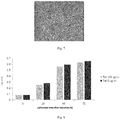
- Figure 8 shows the dependence of OD 600 from the time of cultivation after induction
- Figure 9 shows the dependence of blecherry fluorescence from the time of cultivation after induction
- Figure 10 shows the centrifuged cells after 72 hours of culture after induction, where the tetracycline-induced culture shows a distinct pink colour (on the right-hand side of the photograph) compared to a control, uninduced (on the left-hand side of the photograph).
- Example 8 Isolation of recombinant BChE proteins.
- the proteins dissolved in buffer were applied to a 4 ml bed containing chelated nickel (II) ions (Sigma, USA).
- the column mounted in a Hitachi-Merck chromatography system, was washed with 20 ml of buffer A, then washed with 20 ml of buffer B for metal affinity chromatography (50 mM NaH 2 PO 4 , 300 mM NaCl, 20 mM imidazole, pH 8.0.), containing an increased concentration of the eluent - imidazole, to elute weakly bound contaminating proteins not bearing the 6-residue His-tag.
- metal affinity chromatography 50 mM NaH 2 PO 4 , 300 mM NaCl, 20 mM imidazole, pH 8.0.
- the level of contamination rinsing and subsequent BChE elution were monitored by an on-line UV monitor installed in the on-line chromatographic system at a wavelength of 280 nm. After reaching a low and stable absorbance at 280 nm, the recombinant BChE bound to the chromatographic bed was eluted with buffer C: 50 mM NaH 2 PO 4 , 300 mM NaCl, 500 mM imidazole, pH 8.0. 1 ml fractions were collected and analysed by SDS-PAGE denaturing electrophoresis in an 8% polyacrylamide gel.
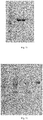
- nitrocellulose membrane was then incubated with commercial rabbit polyclonal antibodies (Santa Cruz Technology, USA) using a 1:500 dilution for 1 hour and washed three times in TBS buffer. Immunodetection of the bound primary antibodies was done using 1-hour incubation with the secondary anti-rabbit antibodies (1: 2000 dilution) coupled to the alkaline phosphatase, followed by colour reaction with the substrate solution of: nitro-blue tetrazolium salt (NBT) and 5-bromo 4- chloro-3-indyl phosphate (BCIP), giving a deep blue colour at the binding site of conjugated antibodies.
- NBT nitro-blue tetrazolium salt
- BCIP 5-bromo 4- chloro-3-indyl phosphate
- a specific immunodetection signal is seen in the expected migration position of the recombinant band, of fusion protein GA-BChE-His (marked with an arrow) in an 8% SDS-PAGE gel.
- Example 9 Functional enzyme tests of recombinant BChEs.
- a recombinant GA-BChE-His enzyme obtained in the exemplified embodiment shown in Figures 2 , 4 , 6 , 7 , 8 , 9 , 10 , 11 , 12 , 13 and indicated in Examples 2, 4, 6, 7 and 8, and on Seq.2 were subjected to functional enzymatic tests.
- Functional enzyme tests of the recombinant BChE indicated in Examples 1,2,3,4,6,7,8 are shown.
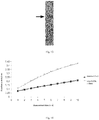
- the obtained preparation of the recombinant shortened version of BChE at the concentration of 5 mg / ml was subjected to the analysis of enzymatic activity using the Ellman's method.
- the method is based on the measurement of a coloured reaction product that results from the hydrolysis of S-butyrylthiocholine iodide by BChE to the thiocholine, which in turn reacts with DTNB (5,5'-dithiobis-2-nitrobenzoic acid), producing a coloured product.
- Maximum absorbance is at a wavelength of 412 nm.
- concentration of which is equal to the concentration of the substrate decomposed by BChE, the enzymatic activity of BChE can be quantified.
- BChE activity measurements were performed in the presence of different concentrations of methylene blue.
- the reaction catalysed by BChE is inhibited as the concentration of methylene blue increases.
- 10 ng of purified protein and methylene blue in the following concentrations were used: 25 um, 12,5 mM, 6,25 mM, 2,5 mM, 0 mM.
- the results obtained confirmed the inhibitory effect of methylene blue, thereby additionally confirming that the cloned and expressed in Leishmania tarentolae T7-TR protein is actually a functional GA-BChE-His enzyme, indicated on Seq.2, exhibiting activity described in the BChE literature.
- ChE and BChE enzymes, cloned and expressed in the microorganism Leishmania tarantolae can find a number of current and future applications: as an antidote, for example, but not exclusively, to exposure to chemical warfare agents, pesticides, other poisons, venoms of snake, fish, other vertebrates, insects, other invertebrates, drugs, medicines; as medicines or substances for drug testing (e.g., BChE and CHE inhibitors) intended for the treatment of neurodegenerative diseases, for example, but not exclusively Alzheimer's disease, dementia, alcoholism, drug addiction, traumatic injury of the nervous system; as components of biosensors detecting, for example, but not limited to, CWAs, pesticides, industrial poisons, drugs.
Landscapes
- Chemical & Material Sciences (AREA)
- Organic Chemistry (AREA)
- Life Sciences & Earth Sciences (AREA)
- Health & Medical Sciences (AREA)
- Engineering & Computer Science (AREA)
- Bioinformatics & Cheminformatics (AREA)
- Zoology (AREA)
- Wood Science & Technology (AREA)
- Genetics & Genomics (AREA)
- Biochemistry (AREA)
- General Health & Medical Sciences (AREA)
- General Engineering & Computer Science (AREA)
- Medicinal Chemistry (AREA)
- Molecular Biology (AREA)
- Biomedical Technology (AREA)
- Biotechnology (AREA)
- Microbiology (AREA)
- Enzymes And Modification Thereof (AREA)
- Micro-Organisms Or Cultivation Processes Thereof (AREA)
Applications Claiming Priority (1)
| Application Number | Priority Date | Filing Date | Title |
|---|---|---|---|
| PL423116A PL240561B1 (pl) | 2017-10-09 | 2017-10-09 | Wektory DNA zdolne do transformacji i integracji z chromosomem Leishmania tarentolae zawierające gen kodujący butyrylocholinoesterazę BChE |
Publications (2)
| Publication Number | Publication Date |
|---|---|
| EP3473709A1 true EP3473709A1 (de) | 2019-04-24 |
| EP3473709B1 EP3473709B1 (de) | 2021-12-08 |
Family
ID=64308453
Family Applications (1)
| Application Number | Title | Priority Date | Filing Date |
|---|---|---|---|
| EP18199472.4A Active EP3473709B1 (de) | 2017-10-09 | 2018-10-09 | Dna-vektor enthaltend ein gen, das für eine equine butyrylcholinesterase kodiert, zur transformation und integration in das chromosom von leishmania tarentolae. |
Country Status (2)
| Country | Link |
|---|---|
| EP (1) | EP3473709B1 (de) |
| PL (1) | PL240561B1 (de) |
Cited By (1)
| Publication number | Priority date | Publication date | Assignee | Title |
|---|---|---|---|---|
| CN117305432A (zh) * | 2023-07-20 | 2023-12-29 | 中国农业科学院北京畜牧兽医研究所 | 与中国家马丁酰胆碱酯酶活性相关的snp标记及其检测引物与应用 |
Citations (3)
| Publication number | Priority date | Publication date | Assignee | Title |
|---|---|---|---|---|
| EP0388906B1 (de) | 1989-03-21 | 1995-06-14 | Yissum Research Development Company Of The Hebrew University Of Jerusalem | Gentechnologische menschliche Cholinesterasen |
| US6987211B1 (en) | 1994-02-28 | 2006-01-17 | Yissum Research Development Company Of The Hebrew University Of Jerusalem | Transgenic non-human mammals producing a cholinesterase in their milk |
| EP1242602B1 (de) * | 1999-11-05 | 2008-02-13 | Jena Bioscience GmbH | Nicht-pathogenes kinetoplastid protein-expressionssystem |
-
2017
- 2017-10-09 PL PL423116A patent/PL240561B1/pl unknown
-
2018
- 2018-10-09 EP EP18199472.4A patent/EP3473709B1/de active Active
Patent Citations (4)
| Publication number | Priority date | Publication date | Assignee | Title |
|---|---|---|---|---|
| EP0388906B1 (de) | 1989-03-21 | 1995-06-14 | Yissum Research Development Company Of The Hebrew University Of Jerusalem | Gentechnologische menschliche Cholinesterasen |
| US5595903A (en) | 1989-03-21 | 1997-01-21 | Yissum Research Development Co. Of The Hebrew University Of Jerusalem | Genetically engineered human acetylcholinesterase |
| US6987211B1 (en) | 1994-02-28 | 2006-01-17 | Yissum Research Development Company Of The Hebrew University Of Jerusalem | Transgenic non-human mammals producing a cholinesterase in their milk |
| EP1242602B1 (de) * | 1999-11-05 | 2008-02-13 | Jena Bioscience GmbH | Nicht-pathogenes kinetoplastid protein-expressionssystem |
Non-Patent Citations (18)
| Title |
|---|
| ANVARSADAT KIANMEHR ET AL: "Cloning and expression of codon-optimized recombinant darbepoetin alfa in Leishmania tarentolae T7-TR", PROTEIN EXPRESSION AND PURIFICATION., vol. 118, 3 November 2015 (2015-11-03), SAN DIEGO, CA., pages 120 - 125, XP055567715, ISSN: 1046-5928, DOI: 10.1016/j.pep.2015.10.013 * |
| BLONG ET AL., BIOCHEM. J., vol. 327, 1997, pages 747 - 757 |
| CERASOLI ET AL., CHEM. BIOL. INTERACT., vol. 157-158, 2005, pages 363 - 365 |
| EDDLESTON ET AL., LANCET, vol. 371, 2008, pages 597 - 607 |
| ERIK C RALPH ET AL: "His-tag truncated butyrylcholinesterase as a useful construct for in vitro characterization of wild-type and variant butyrylcholinesterases", PROTEIN EXPRESSION AND PURIFICATION, vol. 80, no. 1, 23 July 2011 (2011-07-23), pages 22 - 27, XP028299286, ISSN: 1046-5928, [retrieved on 20110723], DOI: 10.1016/J.PEP.2011.07.005 * |
| EVRON ET AL., FASEB J., vol. 21, 2007, pages 2961 - 2969 |
| GIANCARLO BASILE ET AL: "Recombinant Protein Expression in Leishmania tarentolae", MOLECULAR BIOTECHNOLOGY, vol. 43, no. 3, 1 November 2009 (2009-11-01), pages 273 - 278, XP055059760, ISSN: 1073-6085, DOI: 10.1007/s12033-009-9213-5 * |
| KRONMAN ET AL., GENE, vol. 121, 1992, pages 295 - 304 |
| LI ET AL., CHEM. BIOL. INTERACT., vol. 187, 2010, pages 101 - 105 |
| LOCKRIDGE ET AL., J. MED. CHEM. BIOL. RADIOL. DEF., vol. 3, 2005 |
| MAIN ET AL., BIOCHEM J., vol. 143, 1974, pages 733 - 744 |
| MONIKA WIERDL ET AL: "Isolation and characterization of a cDNA encoding a horse liver butyrylcholinesterase: Evidence for CPT-11 drug activation", BIOCHEMICAL PHARMACOLOGY, 1 January 2000 (2000-01-01), England, pages 773 - 781, XP055567825, Retrieved from the Internet <URL:https://ac.els-cdn.com/S0006295299003895/1-s2.0-S0006295299003895-main.pdf?_tid=20daab38-9523-4291-8603-945a0f221237&acdnat=1552393569_e5bba8d9000f21fe407e7f2369bf1839> DOI: 10.1016/S0006-2952(99)00389-5 * |
| MOR ET AL., BIOTECHNOL. BIOENG., vol. 75, 2001, pages 259 - 266 |
| MOREL; MASSOULIE, BIOCHEM. J., vol. 328, 1997, pages 121 - 129 |
| SAXENA ET AL., J. MOL. NEUROSCI., vol. 30, 2006, pages 145 - 148 |
| STEPHAN KLATT ET AL: "Generation and Characterization of a Leishmania tarentolae Strain for Site-Directed in Vivo Biotinylation of Recombinant Proteins", JOURNAL OF PROTEOME RESEARCH, vol. 12, no. 12, 23 October 2013 (2013-10-23), pages 5512 - 5519, XP055567345, ISSN: 1535-3893, DOI: 10.1021/pr400406c * |
| WEI ET AL., BIOCHEM. PHARMACOL., vol. 60, 2000, pages 121 - 126 |
| WIERDL ET AL., BIOCHEM PHARMACOL., vol. 59, 2000, pages 773 - 781 |
Cited By (1)
| Publication number | Priority date | Publication date | Assignee | Title |
|---|---|---|---|---|
| CN117305432A (zh) * | 2023-07-20 | 2023-12-29 | 中国农业科学院北京畜牧兽医研究所 | 与中国家马丁酰胆碱酯酶活性相关的snp标记及其检测引物与应用 |
Also Published As
| Publication number | Publication date |
|---|---|
| EP3473709B1 (de) | 2021-12-08 |
| PL240561B1 (pl) | 2022-05-02 |
| PL423116A1 (pl) | 2019-04-23 |
Similar Documents
| Publication | Publication Date | Title |
|---|---|---|
| Doi et al. | MSG5, a novel protein phosphatase promotes adaptation to pheromone response in S. cerevisiae. | |
| Hartleib et al. | High-yield expression, purification, and characterization of the recombinant diisopropylfluorophosphatase from Loligo vulgaris | |
| EP3845651B1 (de) | Neuartige nukleasedomäne und ihre verwendungen | |
| Amon et al. | The sex-inducing pheromone and wounding trigger the same set of genes in the multicellular green alga Volvox | |
| EP2638152B1 (de) | Variante und rekombinante beta-glucocerebrosidase-proteine mit erhöhter stabilität und erhöhter zurückgehaltener katalytischer aktivität | |
| KR20150076160A (ko) | 발현 서열 | |
| KR20170120126A (ko) | 숙주 세포 단백질 변형 | |
| JPH03505527A (ja) | 精製されたユビキチン・ヒドロラーゼ、それをコードするdna配列、およびポリペプチド回収の際のその使用 | |
| US8952143B2 (en) | Recombinant butyrylcholinesterases and truncates thereof | |
| EP3473709B1 (de) | Dna-vektor enthaltend ein gen, das für eine equine butyrylcholinesterase kodiert, zur transformation und integration in das chromosom von leishmania tarentolae. | |
| EP3289088B1 (de) | Entkopplung von wachstum und proteinherstellung | |
| Okabe et al. | An S-like ribonuclease gene is used to generate a trap-leaf enzyme in the carnivorous plant Drosera adelae | |
| Lamego et al. | Carboxylesterase 2 production and characterization in human cells: new insights into enzyme oligomerization and activity | |
| CN112662643A (zh) | 一种有机磷酸酐酶及其编码基因和在有机磷农药降解方面的应用 | |
| Gibson et al. | Expression of dopamine beta-hydroxylase in Drosophila Schneider 2 cells. Evidence for a mechanism of membrane binding other than uncleaved signal peptide | |
| WO2003056004A1 (en) | Improvements in enzyme thermolability | |
| RU2728240C1 (ru) | Способ получения секретируемой полностью функциональной фосфолипазы А2 в дрожжах Saccharomyces cerevisiae, белок-предшественник для осуществления этого способа (варианты) | |
| NZ278553A (en) | E3 esterase from organophosphate resistant <ital>lucilia cuprina</ital> and its use | |
| CN116179523A (zh) | 一种赭曲霉毒素降解酶及其应用 | |
| KR101285631B1 (ko) | AtPP5 변이 유전자 컨스트럭트를 지닌 열 완충성이 증진된 형질전환 아라비돕시스 식물체 | |
| KR20180110032A (ko) | 베타-락타마제 변이체 | |
| EP3882262A1 (de) | Modifiziertes activin a | |
| CN113444705A (zh) | 一种高纯度高活性的Ces1C蛋白及其表达载体与应用 | |
| RU2732795C1 (ru) | Рекомбинантный слитый белок | |
| KR100572722B1 (ko) | 신규 에스터라제 |
Legal Events
| Date | Code | Title | Description |
|---|---|---|---|
| PUAI | Public reference made under article 153(3) epc to a published international application that has entered the european phase |
Free format text: ORIGINAL CODE: 0009012 |
|
| STAA | Information on the status of an ep patent application or granted ep patent |
Free format text: STATUS: REQUEST FOR EXAMINATION WAS MADE |
|
| 17P | Request for examination filed |
Effective date: 20181018 |
|
| AK | Designated contracting states |
Kind code of ref document: A1 Designated state(s): AL AT BE BG CH CY CZ DE DK EE ES FI FR GB GR HR HU IE IS IT LI LT LU LV MC MK MT NL NO PL PT RO RS SE SI SK SM TR |
|
| AX | Request for extension of the european patent |
Extension state: BA ME |
|
| STAA | Information on the status of an ep patent application or granted ep patent |
Free format text: STATUS: EXAMINATION IS IN PROGRESS |
|
| 17Q | First examination report despatched |
Effective date: 20200309 |
|
| GRAP | Despatch of communication of intention to grant a patent |
Free format text: ORIGINAL CODE: EPIDOSNIGR1 |
|
| STAA | Information on the status of an ep patent application or granted ep patent |
Free format text: STATUS: GRANT OF PATENT IS INTENDED |
|
| GRAS | Grant fee paid |
Free format text: ORIGINAL CODE: EPIDOSNIGR3 |
|
| INTG | Intention to grant announced |
Effective date: 20210709 |
|
| GRAA | (expected) grant |
Free format text: ORIGINAL CODE: 0009210 |
|
| STAA | Information on the status of an ep patent application or granted ep patent |
Free format text: STATUS: THE PATENT HAS BEEN GRANTED |
|
| AK | Designated contracting states |
Kind code of ref document: B1 Designated state(s): AL AT BE BG CH CY CZ DE DK EE ES FI FR GB GR HR HU IE IS IT LI LT LU LV MC MK MT NL NO PL PT RO RS SE SI SK SM TR |
|
| REG | Reference to a national code |
Ref country code: GB Ref legal event code: FG4D |
|
| REG | Reference to a national code |
Ref country code: AT Ref legal event code: REF Ref document number: 1453792 Country of ref document: AT Kind code of ref document: T Effective date: 20211215 Ref country code: CH Ref legal event code: EP |
|
| REG | Reference to a national code |
Ref country code: DE Ref legal event code: R096 Ref document number: 602018027807 Country of ref document: DE |
|
| REG | Reference to a national code |
Ref country code: IE Ref legal event code: FG4D |
|
| REG | Reference to a national code |
Ref country code: LT Ref legal event code: MG9D |
|
| REG | Reference to a national code |
Ref country code: NL Ref legal event code: MP Effective date: 20211208 |
|
| PG25 | Lapsed in a contracting state [announced via postgrant information from national office to epo] |
Ref country code: RS Free format text: LAPSE BECAUSE OF FAILURE TO SUBMIT A TRANSLATION OF THE DESCRIPTION OR TO PAY THE FEE WITHIN THE PRESCRIBED TIME-LIMIT Effective date: 20211208 Ref country code: LT Free format text: LAPSE BECAUSE OF FAILURE TO SUBMIT A TRANSLATION OF THE DESCRIPTION OR TO PAY THE FEE WITHIN THE PRESCRIBED TIME-LIMIT Effective date: 20211208 Ref country code: FI Free format text: LAPSE BECAUSE OF FAILURE TO SUBMIT A TRANSLATION OF THE DESCRIPTION OR TO PAY THE FEE WITHIN THE PRESCRIBED TIME-LIMIT Effective date: 20211208 Ref country code: BG Free format text: LAPSE BECAUSE OF FAILURE TO SUBMIT A TRANSLATION OF THE DESCRIPTION OR TO PAY THE FEE WITHIN THE PRESCRIBED TIME-LIMIT Effective date: 20220308 |
|
| REG | Reference to a national code |
Ref country code: AT Ref legal event code: MK05 Ref document number: 1453792 Country of ref document: AT Kind code of ref document: T Effective date: 20211208 |
|
| PG25 | Lapsed in a contracting state [announced via postgrant information from national office to epo] |
Ref country code: SE Free format text: LAPSE BECAUSE OF FAILURE TO SUBMIT A TRANSLATION OF THE DESCRIPTION OR TO PAY THE FEE WITHIN THE PRESCRIBED TIME-LIMIT Effective date: 20211208 Ref country code: NO Free format text: LAPSE BECAUSE OF FAILURE TO SUBMIT A TRANSLATION OF THE DESCRIPTION OR TO PAY THE FEE WITHIN THE PRESCRIBED TIME-LIMIT Effective date: 20220308 Ref country code: LV Free format text: LAPSE BECAUSE OF FAILURE TO SUBMIT A TRANSLATION OF THE DESCRIPTION OR TO PAY THE FEE WITHIN THE PRESCRIBED TIME-LIMIT Effective date: 20211208 Ref country code: HR Free format text: LAPSE BECAUSE OF FAILURE TO SUBMIT A TRANSLATION OF THE DESCRIPTION OR TO PAY THE FEE WITHIN THE PRESCRIBED TIME-LIMIT Effective date: 20211208 Ref country code: GR Free format text: LAPSE BECAUSE OF FAILURE TO SUBMIT A TRANSLATION OF THE DESCRIPTION OR TO PAY THE FEE WITHIN THE PRESCRIBED TIME-LIMIT Effective date: 20220309 Ref country code: ES Free format text: LAPSE BECAUSE OF FAILURE TO SUBMIT A TRANSLATION OF THE DESCRIPTION OR TO PAY THE FEE WITHIN THE PRESCRIBED TIME-LIMIT Effective date: 20211208 |
|
| PG25 | Lapsed in a contracting state [announced via postgrant information from national office to epo] |
Ref country code: NL Free format text: LAPSE BECAUSE OF FAILURE TO SUBMIT A TRANSLATION OF THE DESCRIPTION OR TO PAY THE FEE WITHIN THE PRESCRIBED TIME-LIMIT Effective date: 20211208 |
|
| PG25 | Lapsed in a contracting state [announced via postgrant information from national office to epo] |
Ref country code: SM Free format text: LAPSE BECAUSE OF FAILURE TO SUBMIT A TRANSLATION OF THE DESCRIPTION OR TO PAY THE FEE WITHIN THE PRESCRIBED TIME-LIMIT Effective date: 20211208 Ref country code: SK Free format text: LAPSE BECAUSE OF FAILURE TO SUBMIT A TRANSLATION OF THE DESCRIPTION OR TO PAY THE FEE WITHIN THE PRESCRIBED TIME-LIMIT Effective date: 20211208 Ref country code: RO Free format text: LAPSE BECAUSE OF FAILURE TO SUBMIT A TRANSLATION OF THE DESCRIPTION OR TO PAY THE FEE WITHIN THE PRESCRIBED TIME-LIMIT Effective date: 20211208 Ref country code: PT Free format text: LAPSE BECAUSE OF FAILURE TO SUBMIT A TRANSLATION OF THE DESCRIPTION OR TO PAY THE FEE WITHIN THE PRESCRIBED TIME-LIMIT Effective date: 20220408 Ref country code: EE Free format text: LAPSE BECAUSE OF FAILURE TO SUBMIT A TRANSLATION OF THE DESCRIPTION OR TO PAY THE FEE WITHIN THE PRESCRIBED TIME-LIMIT Effective date: 20211208 Ref country code: CZ Free format text: LAPSE BECAUSE OF FAILURE TO SUBMIT A TRANSLATION OF THE DESCRIPTION OR TO PAY THE FEE WITHIN THE PRESCRIBED TIME-LIMIT Effective date: 20211208 |
|
| PG25 | Lapsed in a contracting state [announced via postgrant information from national office to epo] |
Ref country code: PL Free format text: LAPSE BECAUSE OF FAILURE TO SUBMIT A TRANSLATION OF THE DESCRIPTION OR TO PAY THE FEE WITHIN THE PRESCRIBED TIME-LIMIT Effective date: 20211208 Ref country code: AT Free format text: LAPSE BECAUSE OF FAILURE TO SUBMIT A TRANSLATION OF THE DESCRIPTION OR TO PAY THE FEE WITHIN THE PRESCRIBED TIME-LIMIT Effective date: 20211208 |
|
| REG | Reference to a national code |
Ref country code: DE Ref legal event code: R097 Ref document number: 602018027807 Country of ref document: DE |
|
| PG25 | Lapsed in a contracting state [announced via postgrant information from national office to epo] |
Ref country code: IS Free format text: LAPSE BECAUSE OF FAILURE TO SUBMIT A TRANSLATION OF THE DESCRIPTION OR TO PAY THE FEE WITHIN THE PRESCRIBED TIME-LIMIT Effective date: 20220408 |
|
| PLBE | No opposition filed within time limit |
Free format text: ORIGINAL CODE: 0009261 |
|
| STAA | Information on the status of an ep patent application or granted ep patent |
Free format text: STATUS: NO OPPOSITION FILED WITHIN TIME LIMIT |
|
| PG25 | Lapsed in a contracting state [announced via postgrant information from national office to epo] |
Ref country code: DK Free format text: LAPSE BECAUSE OF FAILURE TO SUBMIT A TRANSLATION OF THE DESCRIPTION OR TO PAY THE FEE WITHIN THE PRESCRIBED TIME-LIMIT Effective date: 20211208 Ref country code: AL Free format text: LAPSE BECAUSE OF FAILURE TO SUBMIT A TRANSLATION OF THE DESCRIPTION OR TO PAY THE FEE WITHIN THE PRESCRIBED TIME-LIMIT Effective date: 20211208 |
|
| 26N | No opposition filed |
Effective date: 20220909 |
|
| PG25 | Lapsed in a contracting state [announced via postgrant information from national office to epo] |
Ref country code: SI Free format text: LAPSE BECAUSE OF FAILURE TO SUBMIT A TRANSLATION OF THE DESCRIPTION OR TO PAY THE FEE WITHIN THE PRESCRIBED TIME-LIMIT Effective date: 20211208 |
|
| PG25 | Lapsed in a contracting state [announced via postgrant information from national office to epo] |
Ref country code: MC Free format text: LAPSE BECAUSE OF FAILURE TO SUBMIT A TRANSLATION OF THE DESCRIPTION OR TO PAY THE FEE WITHIN THE PRESCRIBED TIME-LIMIT Effective date: 20211208 Ref country code: IT Free format text: LAPSE BECAUSE OF FAILURE TO SUBMIT A TRANSLATION OF THE DESCRIPTION OR TO PAY THE FEE WITHIN THE PRESCRIBED TIME-LIMIT Effective date: 20211208 |
|
| REG | Reference to a national code |
Ref country code: CH Ref legal event code: PL |
|
| REG | Reference to a national code |
Ref country code: BE Ref legal event code: MM Effective date: 20221031 |
|
| PG25 | Lapsed in a contracting state [announced via postgrant information from national office to epo] |
Ref country code: LU Free format text: LAPSE BECAUSE OF NON-PAYMENT OF DUE FEES Effective date: 20221009 |
|
| PG25 | Lapsed in a contracting state [announced via postgrant information from national office to epo] |
Ref country code: LI Free format text: LAPSE BECAUSE OF NON-PAYMENT OF DUE FEES Effective date: 20221031 Ref country code: CH Free format text: LAPSE BECAUSE OF NON-PAYMENT OF DUE FEES Effective date: 20221031 |
|
| PG25 | Lapsed in a contracting state [announced via postgrant information from national office to epo] |
Ref country code: BE Free format text: LAPSE BECAUSE OF NON-PAYMENT OF DUE FEES Effective date: 20221031 |
|
| PG25 | Lapsed in a contracting state [announced via postgrant information from national office to epo] |
Ref country code: IE Free format text: LAPSE BECAUSE OF NON-PAYMENT OF DUE FEES Effective date: 20221009 |
|
| PG25 | Lapsed in a contracting state [announced via postgrant information from national office to epo] |
Ref country code: HU Free format text: LAPSE BECAUSE OF FAILURE TO SUBMIT A TRANSLATION OF THE DESCRIPTION OR TO PAY THE FEE WITHIN THE PRESCRIBED TIME-LIMIT; INVALID AB INITIO Effective date: 20181009 |
|
| PG25 | Lapsed in a contracting state [announced via postgrant information from national office to epo] |
Ref country code: CY Free format text: LAPSE BECAUSE OF FAILURE TO SUBMIT A TRANSLATION OF THE DESCRIPTION OR TO PAY THE FEE WITHIN THE PRESCRIBED TIME-LIMIT Effective date: 20211208 |
|
| PG25 | Lapsed in a contracting state [announced via postgrant information from national office to epo] |
Ref country code: MK Free format text: LAPSE BECAUSE OF FAILURE TO SUBMIT A TRANSLATION OF THE DESCRIPTION OR TO PAY THE FEE WITHIN THE PRESCRIBED TIME-LIMIT Effective date: 20211208 |
|
| PG25 | Lapsed in a contracting state [announced via postgrant information from national office to epo] |
Ref country code: TR Free format text: LAPSE BECAUSE OF FAILURE TO SUBMIT A TRANSLATION OF THE DESCRIPTION OR TO PAY THE FEE WITHIN THE PRESCRIBED TIME-LIMIT Effective date: 20211208 |
|
| PG25 | Lapsed in a contracting state [announced via postgrant information from national office to epo] |
Ref country code: MT Free format text: LAPSE BECAUSE OF FAILURE TO SUBMIT A TRANSLATION OF THE DESCRIPTION OR TO PAY THE FEE WITHIN THE PRESCRIBED TIME-LIMIT Effective date: 20211208 |
|
| PGFP | Annual fee paid to national office [announced via postgrant information from national office to epo] |
Ref country code: GB Payment date: 20240905 Year of fee payment: 7 |
|
| PGFP | Annual fee paid to national office [announced via postgrant information from national office to epo] |
Ref country code: FR Payment date: 20240906 Year of fee payment: 7 |
|
| PGFP | Annual fee paid to national office [announced via postgrant information from national office to epo] |
Ref country code: DE Payment date: 20240909 Year of fee payment: 7 |