EP3388527A1 - Anti-psgl-1 antibodies and methods of identification and use - Google Patents
Anti-psgl-1 antibodies and methods of identification and use Download PDFInfo
- Publication number
- EP3388527A1 EP3388527A1 EP18154983.3A EP18154983A EP3388527A1 EP 3388527 A1 EP3388527 A1 EP 3388527A1 EP 18154983 A EP18154983 A EP 18154983A EP 3388527 A1 EP3388527 A1 EP 3388527A1
- Authority
- EP
- European Patent Office
- Prior art keywords
- psgl
- selectin
- antibody
- binding
- human
- Prior art date
- Legal status (The legal status is an assumption and is not a legal conclusion. Google has not performed a legal analysis and makes no representation as to the accuracy of the status listed.)
- Pending
Links
Images



Classifications
-
- C—CHEMISTRY; METALLURGY
- C07—ORGANIC CHEMISTRY
- C07K—PEPTIDES
- C07K16/00—Immunoglobulins [IG], e.g. monoclonal or polyclonal antibodies
- C07K16/18—Immunoglobulins [IG], e.g. monoclonal or polyclonal antibodies against material from animals or humans
- C07K16/28—Immunoglobulins [IG], e.g. monoclonal or polyclonal antibodies against material from animals or humans against receptors, cell surface antigens or cell surface determinants
- C07K16/2896—Immunoglobulins [IG], e.g. monoclonal or polyclonal antibodies against material from animals or humans against receptors, cell surface antigens or cell surface determinants against molecules with a "CD"-designation, not provided for elsewhere
-
- A—HUMAN NECESSITIES
- A61—MEDICAL OR VETERINARY SCIENCE; HYGIENE
- A61P—SPECIFIC THERAPEUTIC ACTIVITY OF CHEMICAL COMPOUNDS OR MEDICINAL PREPARATIONS
- A61P1/00—Drugs for disorders of the alimentary tract or the digestive system
- A61P1/04—Drugs for disorders of the alimentary tract or the digestive system for ulcers, gastritis or reflux esophagitis, e.g. antacids, inhibitors of acid secretion, mucosal protectants
-
- A—HUMAN NECESSITIES
- A61—MEDICAL OR VETERINARY SCIENCE; HYGIENE
- A61P—SPECIFIC THERAPEUTIC ACTIVITY OF CHEMICAL COMPOUNDS OR MEDICINAL PREPARATIONS
- A61P11/00—Drugs for disorders of the respiratory system
-
- A—HUMAN NECESSITIES
- A61—MEDICAL OR VETERINARY SCIENCE; HYGIENE
- A61P—SPECIFIC THERAPEUTIC ACTIVITY OF CHEMICAL COMPOUNDS OR MEDICINAL PREPARATIONS
- A61P11/00—Drugs for disorders of the respiratory system
- A61P11/02—Nasal agents, e.g. decongestants
-
- A—HUMAN NECESSITIES
- A61—MEDICAL OR VETERINARY SCIENCE; HYGIENE
- A61P—SPECIFIC THERAPEUTIC ACTIVITY OF CHEMICAL COMPOUNDS OR MEDICINAL PREPARATIONS
- A61P11/00—Drugs for disorders of the respiratory system
- A61P11/06—Antiasthmatics
-
- A—HUMAN NECESSITIES
- A61—MEDICAL OR VETERINARY SCIENCE; HYGIENE
- A61P—SPECIFIC THERAPEUTIC ACTIVITY OF CHEMICAL COMPOUNDS OR MEDICINAL PREPARATIONS
- A61P13/00—Drugs for disorders of the urinary system
- A61P13/12—Drugs for disorders of the urinary system of the kidneys
-
- A—HUMAN NECESSITIES
- A61—MEDICAL OR VETERINARY SCIENCE; HYGIENE
- A61P—SPECIFIC THERAPEUTIC ACTIVITY OF CHEMICAL COMPOUNDS OR MEDICINAL PREPARATIONS
- A61P17/00—Drugs for dermatological disorders
-
- A—HUMAN NECESSITIES
- A61—MEDICAL OR VETERINARY SCIENCE; HYGIENE
- A61P—SPECIFIC THERAPEUTIC ACTIVITY OF CHEMICAL COMPOUNDS OR MEDICINAL PREPARATIONS
- A61P17/00—Drugs for dermatological disorders
- A61P17/06—Antipsoriatics
-
- A—HUMAN NECESSITIES
- A61—MEDICAL OR VETERINARY SCIENCE; HYGIENE
- A61P—SPECIFIC THERAPEUTIC ACTIVITY OF CHEMICAL COMPOUNDS OR MEDICINAL PREPARATIONS
- A61P25/00—Drugs for disorders of the nervous system
-
- A—HUMAN NECESSITIES
- A61—MEDICAL OR VETERINARY SCIENCE; HYGIENE
- A61P—SPECIFIC THERAPEUTIC ACTIVITY OF CHEMICAL COMPOUNDS OR MEDICINAL PREPARATIONS
- A61P29/00—Non-central analgesic, antipyretic or antiinflammatory agents, e.g. antirheumatic agents; Non-steroidal antiinflammatory drugs [NSAID]
-
- A—HUMAN NECESSITIES
- A61—MEDICAL OR VETERINARY SCIENCE; HYGIENE
- A61P—SPECIFIC THERAPEUTIC ACTIVITY OF CHEMICAL COMPOUNDS OR MEDICINAL PREPARATIONS
- A61P3/00—Drugs for disorders of the metabolism
- A61P3/08—Drugs for disorders of the metabolism for glucose homeostasis
- A61P3/10—Drugs for disorders of the metabolism for glucose homeostasis for hyperglycaemia, e.g. antidiabetics
-
- A—HUMAN NECESSITIES
- A61—MEDICAL OR VETERINARY SCIENCE; HYGIENE
- A61P—SPECIFIC THERAPEUTIC ACTIVITY OF CHEMICAL COMPOUNDS OR MEDICINAL PREPARATIONS
- A61P37/00—Drugs for immunological or allergic disorders
- A61P37/02—Immunomodulators
- A61P37/06—Immunosuppressants, e.g. drugs for graft rejection
-
- A—HUMAN NECESSITIES
- A61—MEDICAL OR VETERINARY SCIENCE; HYGIENE
- A61P—SPECIFIC THERAPEUTIC ACTIVITY OF CHEMICAL COMPOUNDS OR MEDICINAL PREPARATIONS
- A61P37/00—Drugs for immunological or allergic disorders
- A61P37/08—Antiallergic agents
-
- A—HUMAN NECESSITIES
- A61—MEDICAL OR VETERINARY SCIENCE; HYGIENE
- A61P—SPECIFIC THERAPEUTIC ACTIVITY OF CHEMICAL COMPOUNDS OR MEDICINAL PREPARATIONS
- A61P5/00—Drugs for disorders of the endocrine system
- A61P5/14—Drugs for disorders of the endocrine system of the thyroid hormones, e.g. T3, T4
-
- A—HUMAN NECESSITIES
- A61—MEDICAL OR VETERINARY SCIENCE; HYGIENE
- A61P—SPECIFIC THERAPEUTIC ACTIVITY OF CHEMICAL COMPOUNDS OR MEDICINAL PREPARATIONS
- A61P7/00—Drugs for disorders of the blood or the extracellular fluid
- A61P7/02—Antithrombotic agents; Anticoagulants; Platelet aggregation inhibitors
-
- A—HUMAN NECESSITIES
- A61—MEDICAL OR VETERINARY SCIENCE; HYGIENE
- A61P—SPECIFIC THERAPEUTIC ACTIVITY OF CHEMICAL COMPOUNDS OR MEDICINAL PREPARATIONS
- A61P9/00—Drugs for disorders of the cardiovascular system
- A61P9/10—Drugs for disorders of the cardiovascular system for treating ischaemic or atherosclerotic diseases, e.g. antianginal drugs, coronary vasodilators, drugs for myocardial infarction, retinopathy, cerebrovascula insufficiency, renal arteriosclerosis
-
- C—CHEMISTRY; METALLURGY
- C07—ORGANIC CHEMISTRY
- C07K—PEPTIDES
- C07K2317/00—Immunoglobulins specific features
- C07K2317/20—Immunoglobulins specific features characterized by taxonomic origin
- C07K2317/21—Immunoglobulins specific features characterized by taxonomic origin from primates, e.g. man
-
- C—CHEMISTRY; METALLURGY
- C07—ORGANIC CHEMISTRY
- C07K—PEPTIDES
- C07K2317/00—Immunoglobulins specific features
- C07K2317/30—Immunoglobulins specific features characterized by aspects of specificity or valency
- C07K2317/34—Identification of a linear epitope shorter than 20 amino acid residues or of a conformational epitope defined by amino acid residues
-
- C—CHEMISTRY; METALLURGY
- C07—ORGANIC CHEMISTRY
- C07K—PEPTIDES
- C07K2317/00—Immunoglobulins specific features
- C07K2317/70—Immunoglobulins specific features characterized by effect upon binding to a cell or to an antigen
- C07K2317/76—Antagonist effect on antigen, e.g. neutralization or inhibition of binding
-
- G—PHYSICS
- G01—MEASURING; TESTING
- G01N—INVESTIGATING OR ANALYSING MATERIALS BY DETERMINING THEIR CHEMICAL OR PHYSICAL PROPERTIES
- G01N2500/00—Screening for compounds of potential therapeutic value
- G01N2500/02—Screening involving studying the effect of compounds C on the interaction between interacting molecules A and B (e.g. A = enzyme and B = substrate for A, or A = receptor and B = ligand for the receptor)
Definitions
- This invention relates to antibodies and antigen binding fragments thereof which bind to PSGL-1, methods of their use in treating inflammatory and thrombotic conditions, and methods of screening for PSGL-1 inhibitory substances.
- circulating leukocytes must first adhere to the vascular wall under the shear forces of flow.
- the selectins mediate this first adhesive step which is characterized by tethering and rolling of leukocytes on endothelial cells, platelets, or other leukocytes [4, 5].
- P-selectin is expressed on activated platelets and endothelial cells and binds to ligands on most leukocytes.
- L-selectin is expressed on most leukocytes and binds to ligands on some endothelial cells and on other leukocytes.
- E-selectin is expressed on cytokine-activated endothelial cells and also binds to ligands on most leukocytes.
- the expression of the selectins and their ligands is tightly regulated to initiate and terminate the inflammatory response. Inappropriate expression of these molecules contributes to leukocyte-mediated tissue damage in many inflammatory and thrombotic disorders [6].
- All three selectins are type 1 membrane glycoproteins with an NH 2 -terminal C-type lectin domain, an EGF-like domain, a varying series of short consensus repeats, a transmembrane domain, and a short cytoplasmic tail. Selectins mediate cell-cell adhesion through interactions of the lectin domains with specific glycoconjugate ligands.
- the selectins bind with low affinity to the tetrasaccharide sialyl Lewis x (sLe x , NeuAc ⁇ 2,3Gal ⁇ 1,4[Fuc ⁇ 1,3]GlcNAc) and its isomer sialyl Lewis a (sLe a ; NeuAc ⁇ 2,3Gal ⁇ 1,3[Fuc ⁇ 1,4]GlcNAc).
- P- and L-selectins, but not E-selectin, also bind to particular sulfated carbohydrates that lack sialic acid and fucose, such as heparan sulfate [4, 5, 7]. Selectins bind with higher affinity or avidity to only a few glycoproteins.
- mucins which are glycoproteins with multiple Ser/Thr-linked oligosaccharides (O-glycans) and repeating peptide motifs [4, 5]. Crystal structures of sLe x bound to the lectin domains of P- and E-selectin showed a network of interactions between fucose, a single Ca 2+ ion and several amino acids including those that coordinate the Ca 2+ [8]. The sialic acid and galactose also interact with the lectin domain.
- PSGL-1 is the specific glycoprotein ligand for P-selectin on leukocytes.
- PSGL-1 (CD162) has been shown to be the specific ligand for P-selectin.
- P-selectin glycoprotein ligand-1 (now known as P-selectin glycoprotein ligand-1, or PSGL-1)
- PSGL-1 P-selectin glycoprotein ligand-1
- PSGL-1 was shown to be a disulfide-bonded homodimer with two 120-kD subunits by SDS-PAGE under reducing and nonreducing conditions. Digestion with peptide N -glycosidase F demonstrated that PSGL-1 has at most two or three N-glycans that are not required for binding to P-selectin [11].
- PSGL-1 is the dominant ligand for P- and L-selectins on leukocytes.
- a cDNA encoding PSGL-1 was isolated from a human HL-60 cell library by expression cloning using COS cells that were panned on immobilized P-selectin [16]. Functional expression of PSGL-1 in COS cells required cotransfection with an a1,3 fucosyltransferase, and confirmed earlier observations that both a1,3 fucosylation and a2,3 sialylation of surface glycoproteins are required for binding to P-selectin [17].
- the deduced amino acid sequence of PSGL-1 (SEQ ID NO:1) reveals a type 1 membrane protein of 402 amino acids. It has an NH 2 -terminal signal peptide, a propeptide that is cleaved by paired basic amino acid converting enzymes.
- the extracellular domain of the mature protein begins at residue 42 and has the hallmarks of a mucin. It is rich in serines, threonines, and prolines, and includes 15 decameric repeats. Three NH 2 -terminal tyrosines at residues 46, 48, and 51 are located in an anionic consensus sequence that favors tyrosine sulfation. There is a single extracellular cysteine located at the junction of the transmembrane domain, which is followed by a cytoplasmic domain of 69 residues. The cDNA for murine PSGL-1 reveals a protein of similar size to the human protein.
- Murine PSGL-1 also has a signal peptide, a propeptide, and a single cysteine near the transmembrane domain [18]. Furthermore, murine PSGL-1 has an anionic NH 2 -terminal sequence with two rather than three tyrosines. The sequences of the murine and human transmembrane and cytoplasmic domains are highly conserved, implying important functions. The murine extracellular domain, although rich in serines, threonines, and prolines, has only 10 decameric repeats, and shares little sequence similarity with the human protein. A single exon encodes the open reading frame in both the human and murine PSGL-1 genes [18, 19].
- PSGL-1 in most human leukocytes has an additional decameric repeat not found in the protein from HL-60 cells and other cell lines [19, 20].
- Human PSGL-1 is sulfated [21-23], but the sulfate is present exclusively on tyrosine residues rather than on O-glycans [24, 21]. Sulfation occurs on one or more of the three clustered tyrosines at residues 46, 48, and 51 of SEQ ID NO:1 [22, 23].
- Enzymatic removal of sulfate [21], blockade of sulfate synthesis [22, 23], proteolytic removal of an NH2-terminal fragment containing the three clustered tyrosines [25], or replacement of the tyrosines with phenylalanines [22, 23, 26] eliminates binding of PSGL-1 to P-selectin.
- Other structural features of PSGL-1 may also be important for optimal binding to P-selectin.
- the acidic residues surrounding the tyrosines may favor binding, although they are not sufficient in the absence of tyrosine sulfate.
- PSGL-1 has also been shown to bind to both L-selectin [27-29] and E-selectin [16, 30-32]. Binding of PSGL-1 to L-selectin is blocked by the mAb PL1 [27-29, 33], by enzymatic removal of the NH 2 -terminal clustered tyrosines [29], or by the prevention of sulfate synthesis [29].
- L-selectin binds to a group of mucins expressed on lymph node high endothelial venules (HEVs) and on some activated endothelial cells. These mucins include CD34, GlycCAM-1 and podocalyxin. PSGL-1 binds much differently to E-selectin than to P- or L-selectin. Core-2, sialylated and fucosylated O-glycans are required for binding to E-selectin [34], but tyrosine sulfation is not required [22, 23, 34].
- E-selectin also binds to the NH 2 -terminal region of PSGL-1 [30, 35], although with lower affinity than does P-selectin [30].
- the anti-PSGL-1 mAb PL1 has little or no effect on binding of PSGL-1 to E-selectin. This and other data indicate that E-selectin also binds to one or more still uncharacterized sites on PSGL-1 [35, 36]. Genetic deletion of PSGL-1 in mice impairs leukocyte tethering to E-selectin in vitro and in vivo [37]. Combined with the data on P- and L-selectin, this establishes that PSGL-1 is a physiologically relevant glycoprotein ligand for all three selectins.
- PSGL-1 binds to PSGL-1 on only a subset of T cells [20, 39]; most of these are memory cells [40] and they may be predominantly ⁇ / ⁇ cells [41].
- PSGL-1 is expressed on circulating dendritic cells, on tissue monocyte derived dendritic cells, and on some dendritic cells in lymphoid organs; the function of the protein in these cells is unknown.
- PSGL-1 is also expressed on some CD34 + stem cells [38], where it may bind P-selectin [42].
- the PSGL-1 protein is also expressed on epithelial cells lining the fallopian tube and in some endothelial cells at sites of chronic inflammation [38] and in epithelial cells and lamina limbal intestinal mucosal lining [126].
- P-selectin is present on the surface of porcine sperm, where it binds to a P-selectin ligand which may be related to PSGL-1, on the zona pellucida of porcine oocytes [43].
- PSGL-1-selectin interactions mediate tethering and rolling of leukocytes under hydrodynamic flow.
- PSGL-1 interactions with the selectins have been identified. Under hydrodynamic flow, selectin-ligand interactions must form rapidly to facilitate tethering, and then dissociate rapidly to facilitate rolling. Selectin-ligand bonds must have mechanical strength so that shear forces do not significantly accelerate the rate of dissociation [1].
- PSGL-1 There are relatively few copies of PSGL-1 on leukocytes [13. 20], and PSGL-1 displays only a small fraction of the total sLe x -containing glycans on the cell surface [12].
- PSGL-1 is the only high affinity ligand for P-selectin on intact leukocytes [20]
- PSGL-1 is the essential ligand for mediating adhesion of leukocytes to P-selectin.
- the anti-PSGL-1 mAb PL1 blocks tethering and rolling of human neutrophils, eosinophils, and mononuclear cells on P-selectin under flow [20, 44]. PL1 also abrogates adhesion of neutrophils and monocytes to P-selectin under static conditions [20, 45, 46].
- the PL1 mAb to an NH 2 -terminal epitope of murine PSGL-1 has been shown to block tethering and rolling of murine myeloid cells on P-selectin under flow [47].
- interactions of PSGL-1 with P-selectin mediate adhesion of leukocytes to both activated endothelial cells and platelets under shear stress.
- PSGL-1 The requirement for PSGL-1 to mediate leukocyte adhesion to P-selectin probably reflects, in part, its superior binding affinity relative to other ligands.
- PSGL-1 When expressed on transfected CHO cells, shortened P-selectin constructs with fewer short consensus repeats are much less effective than wild-type P-selectin in mediating tethering and rolling of neutrophils under flow [36].
- PSGL-1 is also concentrated on microvillous tips [20, 48]. Thus, both the lengths and surface distributions of PSGL-1 and P-selectin may enhance rapid and specific interactions, yet minimize nonspecific repulsion between apposing cell surfaces.
- PSGL-1 Upon neutrophil activation, PSGL-1 undergoes a cytoskeletal-dependent redistribution to the uropods of polarized cells [48-50].
- L-selectin is also concentrated on the tips of microvilli [51].
- Leukocytes use L-selectin to roll on adherent leukocytes [52] or to initiate leukocyte aggregation [53].
- Leukocyte-leukocyte interactions lead to secondary tethering of leukocytes to a P- or E-selectin surface, a potential mechanism for amplifying leukocyte recruitment to the vessel wall under shear forces [27, 54].
- PSGL-1 may be one of only a few glycoproteins in human leukocyte lysates that binds well to E-selectin [31, 56]. Microspheres coated with recombinant PSGL-1 also roll on immobilized E-selectin under shear forces [35]. However, it is not clear whether PSGL-1 has any significant function for adhesion of leukocytes to E-selectin and this remains to be demonstrated. PL1 partially reduces accumulation of rolling neutrophils on E-selectin under flow [36]. But this effect occurs indirectly through inhibition of L-selectin-PSGL-1 interactions between neutrophils, thus reducing secondary tethering of neutrophils to E-selectin [36].
- PL1 blocks primary tethering of flowing leukocytes to P-selectin but not to E-selectin [36, 54].
- Human K562 cells transfected with FTVII roll on E-selectin in the absence of PSGL-1 [57].
- eosinophils which express PSGL-1 but express relatively little total sLe x , tether and roll much less efficiently on E-selectin than on P-selectin [44, 58].
- E-selectin must bind to ligands other than PSGL-1 to mediate leukocyte attachment under flow.
- monocytes mobilize the transcription factor NF ⁇ B and synthesize the cytokines TNF ⁇ and monocyte chemotactic protein-1 (MCP-1) when the cells adhere to immobilized P-selectin and platelet-activating factor, but not to either molecule alone [45].
- Monocytes secrete a different profile of cytokines when they are exposed to P-selectin and the platelet derived chemokine, RANTES, but not to either protein alone [46]. Under some conditions, cooperative signaling through PSGL-1 and receptors for conventional activators may also generate other leukocyte responses [3, 59].
- PSGL-1 is a physiologically important selectin ligand.
- Anti-PSGL-1 mAbs inhibit rolling of both human and murine leukocytes on P-selectin expressed in postcapillary venules in vivo [47-69].
- Polyclonal antibodies directed to the NH 2 -terminal segment of murine PSGL-1 specifically inhibit the recruitment of T helper 1 lymphocytes in a delayed-type hypersensitivity model [47].
- a mAb to the NH 2 -terminal region of murine PSGL-1 also inhibits accumulation of neutrophils into chemically inflamed peritoneum [47]. The degree of inhibition is comparable to that observed with a mAb to P-selectin.
- PSGL-1 More complete inhibition is observed with the combined use of mAbs to both PSGL-1 and P-selectin, suggesting that PSGL-1 interacts with at least one other molecule.
- An obvious candidate is L-selectin, given the in vitro evidence that binding of L-selectin to PSGL-1 mediates leukocyte-leukocyte interactions. Since PSGL-1 promotes adhesive interactions through both P- and L-selectins, it is almost certain to contribute to pathological leukocyte recruitment in a variety of inflammatory and thrombotic disorders in which P- and L-selectins have been implicated previously [6]. This suggests that mAbs to PSGL-1, soluble forms of PSGL-1, and other inhibitors of PSGL-1 function are potentially useful anti-inflammatory drugs in such conditions.
- soluble PSGL-1 In support of this concept, infusion of recombinant soluble PSGL-1 potently inhibits leukocyte infiltration and parenchymal damage in rat kidneys subjected to ischemia and reperfusion. Proteolytic removal of the NH 2 -terminal region of PSGL-1 abrogates its protective effects [70]. This implies that soluble PSGL-1 blocks adhesion of leukocytes to P-selectin and perhaps to L-selectin in this model. In other pathological states, soluble PSGL-1 may also be an effective E-selectin inhibitor even if PSGL-1 on leukocyte surfaces is not a dominant ligand for E-selectin. Use of a mAb blocking P- and E-selectin may not be supported by data in double P/E -/- knock out mice that showed increased susceptibility to infection an altered hematopoiesis [71].
- a mouse monoclonal antibody named PL1 was developed using standard hybridoma technology by immunization of mice with PSGL-1 from human neutrophils [34].
- PL1 was shown to bind a 14 amino acid epitope encompassing residues 49-62 of the native human protein (SEQ ID NO:1) using linear epitope mapping with overlapping octamer peptides spanning residues 19-77 of PSGL-1.
- SEQ ID NO:1 native human protein
- PL1 was shown to block leukocyte adhesion to P-selectin in static adhesion assays and under flow [20].
- KPL-1 Another anti-human-PSGL-1 antibody named KPL-1 was developed by immunization of mice with a recombinant form of PSGL-1. KPL1 inhibited interactions between P-selectin and purified CD4 T cells and neutrophils in flow assays, between lymphoid cells transfected with L-selectin and COS cells expressing PSGL-1, but did not block interactions of P-selectin or neutrophils on E-selectin [72]. KPL1 was subsequently shown to bind to a 17mer synthetic peptide encompassed by the binding domain of PL1 [73].
- RR2r3s4-1 Another antibody, termed RR2r3s4-1, was engineered as a fully human antibody from a single chain Fv which had been isolated from a pool of PSGL-1 binders identified from a yeast surface display non-immune library [74, 125]. RR2r3s4-1 blocked neutrophil adhesion under flow and was shown to be specific for human, but not murine, PSGL-1.
- PSGL-1 plays a dual function role in that along with its binding of selectins, PSGL-1 also interacts with chemokines to facilitate homing of T cells to secondary lymphoid organs [75-76].
- Chemokines are highly basic proteins consisting of 70-125 amino acids with molecular masses ranging from 6-14 kD [77, 78]. To date over 50 chemokines have been identified. The superfamily of chemokines is subclassified on the basis of the arrangement of cysteine residues located in the N-terminal region, as designated C, CC, CXC, and CX3C members, in which C represents the number of cysteine residues in the N-terminal region and X denotes the number of intervening amino acids in between the first two cysteines [77, 79, 80].
- the CXC subfamily is sometimes further classified into ELR+ and ELR types based on the presence or absence of a triplet amino acid motif (Glu-Leu-Arg) that precedes the first cysteine residue in the primary amino acid sequences of these chemokines.
- the presence of this motif imparts an angiogenic function to this subset of CXC chemokines, while the ELR- chemokines have angiostatic properties [81], with the exception of SDF-1 which is angiogenic [82].
- chemokines attract distinct classes of leukocytes: CC chemokines attract one or more classes of mononuclear cells, eosinophils and basophils; ELR+CXC chemokines attract neutrophils; ELR-CXC chemokines attract lymphocytes; C chemokine (lymphotactin) attracts T cells and CX3C chemokine (fractalkine) acts on T cells, natural killer cells and monocytes [83].
- Chemokines are produced by a variety of cell types either constitutively or in response to inflammatory stimuli. Chemokines can be broadly divided into homeostatic and inflammatory categories based on their expression pattern and function in the immune system [78, 80].
- the homeostatic chemokines are generally those that are "constitutively" expressed. They are involved in homeostatic lymphocyte and dendritic cell (DC) trafficking and lymphoid tissue organogenesis.
- the "inflammatory" chemokines are upregulated by proinflammatory stimuli and help orchestrate innate and adaptive immune responses. Although most chemokines are present in soluble forms and some may be associated with glucosaminoglycan moieties on the cell surface, two of the chemokines namely CX3CL1 (fractalkine) and CXCL16, have a natural mucin stalk that adheres onto the membrane of the cells that produce them [84, 85].
- chemokine domain is located at the N-terminus of the mucin stalk and can be released by metalloproteinase cleavage. While the soluble, released chemokine domain of CX3CL1 and CXCL16 functions similarly to other secreted chemokines, their membrane bound forms play an important role in mediating leukocyte-endothelial cell adhesion and extravasation. Chemokines exert their biological effects by binding to G protein-coupled cell surface receptors. Nineteen chemokine receptors have been cloned so far [80, 86], including six CXC receptors (CXCR1-6), eleven CC receptors (CCR1-11), one CX3C (CX3CR1) and one C receptor (XCR1).
- Chemokine and receptor interactions vary widely in terms of selectivity. Some chemokines bind only one receptor and vice versa, such as the interactions of CXCR4 with CXCL12 (SDF-1), CXCR5 with CXCL13 (BCA-1), CXCR6 with CXCL16, CCR6 with CCL20 (LARC), and CCR9 with CCL25 (TECK). However, there is also redundancy in chemokine and receptor interactions since some chemokines bind more than one receptor and many receptors recognize more than one chemokine.
- chemokine CCL5 has been shown to bind at least CCR1, CCR3 and CCR5, while CCR3 also binds CXCL11 (eotaxin), CCL24 (eotaxin-2), CCL26 (eotaxin-3), CCL8 (MCP-2), CCL7 (MCP-3), and CCL13 (MCP-4).
- CXCL11 eotaxin
- CCL24 eotaxin-2
- CCL26 eotaxin-3
- CCL8 MCP-2
- CCL7 MCP-3
- CCL13 MCP-4
- DARC Duffy antigen receptor for chemokines
- DARC Duffy antigen receptor for chemokines
- DARC Duffy antigen receptor for chemokines
- DARC Duffy antigen receptor for chemokines
- DARC Duffy antigen receptor for chemokines
- DARC Duffy antigen receptor for chemokines
- DARC Duffy antigen receptor for chemokines
- DARC Duffy antigen receptor for
- Chemokines control lymphocyte recirculation in immune system homeostasis, as well as in the activation dependent and tissue-selective trafficking of effector and memory lymphocytes. Lymphocyte homing to lymphoid and nonlymphoid tissues and recirculation between secondary lymphoid organs critically depend on the chemokines present in different sites. CCL19 and CCL21 (which bind to CCR7), and CXCL13 (which binds to CXCR5), are expressed in the lymphatic vessels, high endothelial venules (HEVs) and secondary lymphoid organs, and promote the entry of antigen-presenting cells (APCs), T cells and B cells into these organs [90].
- HEVs high endothelial venules
- APCs antigen-presenting cells
- B cells and na ⁇ ve T cells enter lymph nodes through HEVs.
- the CCR7 ligands CCL19 and CCL21 produced by the endothelial cells of HEVs are transcytosed to the luminal surface and induce lymphocyte extravasation to the T-cell zones of the lymph nodes [91].
- CCL19 produced by mature, inter-digitating DCs facilitates the "scanning" of DCs by naive T cells in the lymphoid organs in search of their cognate antigens.
- B cells express CXCR5 and the ligand CXCL13 is produced by follicular stromal cells in lymph nodes.
- B cells activated by T cells proliferate in the follicles, giving rise to germinal centers (GC). Activated T cells expressing CXCR5 may also enter the follicles to participate in the T-B interaction.
- CCL19 and CCL21 are responsible for the proper positioning of lymphocytes within distinct microenvironments of lymphoid organs.
- CCL19 and CCL21 expressed by DCs and stromal cells retain T cells within the T-cell zones of secondary lymphoid organs.
- CXCL13 expressed by follicular DCs and stromal cells in follicles attracts B cells and some of the T cell subsets into the B-cell areas.
- the capacity of B cells to respond to CCR7 as well as CXCR5 ligands controls the position of B cells at the boundary of the follicles and T-cell zones in the spleen, where na ⁇ ve, mature B cells interact with T cells that are newly activated in the adjacent zones [92, 93].
- Non-activated B cells and T cells then leave the secondary lymphoid organs via the efferent lymphatics.
- a central feature of inflammatory diseases is the migration of leukocytes from the circulation, across the endothelium and the basement membrane, and into the affected tissue.
- the mechanism of extravasation is induced by chemokines (chemoattractant cytokines), which as noted above are a family of proinflammatory mediators produced at the inflammatory site.
- chemokines chemoattractant cytokines
- circulating leukocytes must first adhere to the luminal surface of the endothelium. According to the current paradigm, this interaction involves the sequential engagement of leukocyte and endothelial adhesion molecules. First, selectins and their glycoprotein and carbohydrate counterligands mediate leukocyte tethering and rolling.
- leukocyte integrins and their ligands mediate firm leukocyte adhesion.
- Chemokines play a role in firm adhesion by activating integrins on the leukocyte cell surface.
- the leukocytes are directed by chemoattractant gradients to migrate across the endothelium, and through the extracellular matrix into the tissue.
- the events that lead to an inflammatory response are characterized by recognition of the site of injury by inflammatory cells, recruitment of specific leukocyte subpopulations, removal of offending microbial invaders, "debridement" of injured cells/tissues, and wound repair.
- Chemokines have been shown to participate in and control the process of a number of acute and chronic inflammatory conditions by promoting the infiltration and activation of inflammatory cells into injured or infected tissues [94].
- CCL3 MIP-1 ⁇
- CCL5 RANTES
- CXC chemokines are implicated in the pathogenesis of systemic inflammatory response [97, 98].
- CXC chemokine-mediated elicitation of neutrophils is beneficial and necessary for clearance of invading microorganisms [98].
- GRO- ⁇ murine homologue of human CXCL1
- COPD chronic obstructive pulmonary disease
- CXCL8 and CXCL10 are increased and correlate with the degree of infiltration by neutrophils and CD8+ T cells that produce IFN- ⁇ .
- the lung-infiltrating T cells express CXCR3, the receptor for CXCL10 [102], suggesting that CXCR3 may mediate the recruitment of pathogenic Th1 cells into chronically inflamed lungs.
- Neutralization of CXCL10 also appears to inhibit allergic airway inflammation [103].
- CXCR3 and its ligands participate in lung inflammation that is not necessarily dominated by Th1 response.
- Atherosclerosis is widely accepted as an inflammatory disease [104], in which chemokines play a central role in leukocyte recruitment, angiogenesis, and more interestingly in the proliferation of vascular smooth muscle cells and their migration into plaques [105].
- Atherosclerotic lesions express a number of chemokines including CCL2, CCL3, CCL4, CCL5, CCL11 and CXCL8.
- the cellular sources of chemokines within atherosclerotic lesion are multiple and include endothelial cells, smooth muscle cells and infiltrating leukocytes. There is overwhelming evidence to support the involvement of CCL2/CCR2 chemokine-receptor pair in atherosclerosis.
- CCL2 is essential for monocyte recruitment, has angiogenic activity and also causes smooth muscle cell proliferation and migration.
- Many factors known to promote atherosclerosis such as plasma cholesterol, hypertension and diabetes, stimulate chemokine release by atheromatous lesions.
- Adhesion of leukocytes to endothelial cells also augments chemokine release in the pathogenic process of atherosclerosis. Therefore, chemokines and receptors become important molecular targets for circumventing the formation and development of atherosclerotic lesions.
- CX3CR1 gene polymorphism in the coding region confers individuals with protection against atherosclerosis [106, 107].
- RA Rheumatoid arthritis
- Th1 cells Th1-type inflammatory cell infiltration
- Chemokines produced in the inflamed joints attract leukocytes across the endothelial barrier to initiate and maintain active RA [110, 111].
- CXC chemokines high concentrations of CXCL8, CXCL5, CXCL1 are detected in the sera, synovial fluids, and synovial tissues of RA patients [109, 110]. These chemokines attract neutrophils and promote angiogenesis [109, 110].
- CXCL12 expressed in the rheumatoid synovium, recruits CD4 memory T cells, which express increased levels of CXCR4, at the RA site [111].
- CXCL12 also blocks T cells from undergoing activation-induced apoptosis, thus further increasing the accumulation of T cells in the rheumatoid synovium.
- CXCL12 may induce the migration of DCs from blood stream into the rheumatoid area, implying its potential role in amplifying a detrimental autoimmune response.
- MS Multiple sclerosis
- CNS central nervous system
- chemokines are detected in active lesions in the CNS of MS patients and the cerebrospinal fluids of relapsing patients contain elevated levels of CCL3 [113, 114].
- infiltrating macrophages express CCR2 and CCR5, while T cells and reactive astrocytes in active lesions express CXCR3 and CCR5 [115, 116].
- EAE experimental autoimmune encephalomyelitis
- CCL2, CCL3, CCL4, CCL5 and CXCL10 correlates with the severity of the disease ([117]).
- Neutralizing antibodies to selected chemokines either inhibit the onset or reduce the severity of the EAE [118, 119].
- a more definitive correlation between chemokines and EAE was established by experiments with CCR1- and CCR2-deficient mice, in which a reduction in disease incidence and severity were clearly documented [120, 121].
- a link between chemokines and Crohn's Disease has also been established.
- chemokines CCL-19 and CCL-21 have been shown to be upregulated in the colon tissue, secondary lymphoid tissue and mesenteric lymph nodes derived from patients with Crohns disease [122, 123]. Further, the CCR7 receptor is also upregulated on dendritic cells in the colonic tissue of these patients which interact with T cells resulting in activation and proliferation. This increased expression of chemokines and chemokine receptors leads to increased retention of dendritic cells in colon tissue resulting in the formation of tertiary lymphoid tissue formation in the bowel wall which maintains the autoimmune inflammation in Crohn's disease [122, 123].
- the present invention is directed to purified antibodies (including chimeric, human, or humanized antibodies) and antigen binding fragments thereof, which recognize (i.e., bind to) P-selectin glycoprotein ligand-1 (PSGL-1) and which block binding of both P- and L-selectin and chemokines thereto, and to methods for screening for such antibodies and antigen binding fragments thereof, and to methods of therapeutic use thereof.
- PSGL-1 P-selectin glycoprotein ligand-1
- the antibodies or antibody fragments of the present invention may comprise immunoglobulin of the class IgG 1 , IgG 2 , IgG 3 , IgG 4 or is an IgG 2 /G 4 chimera, preferably binds to PSGL-1 with a high affinity (wherein the K d is ⁇ 100nM) and preferably comprises a human constant region, and preferably competitively inhibits binding of P-selectin and/or L-selectin to PSGL-1 and competitively inhibits binding of a chemokine to PSGL-1.
- the anti-PSGL-1 antibody or antigen binding fragment thereof preferably does not activate complement via the classical pathway by interacting with C1Q, and preferably does not bind Fc receptors.
- the present invention in particular is directed to using such anti-PSGL-1 antibodies or antibody fragments as described and identified herein in treatments for inflammatory conditions wherein the inflammation is associated with a condition such as, but not limited to, at least one of: inflammatory bowel disease (e.g., Crohn's disease, ulcerative colitis, enteritis), arthritis (e.g., rheumatoid arthritis, osteoarthritis, psoriatic arthritis), graft rejection, graft versus host disease, asthma, chronic obstructive pulmonary disease, psoriasis, dermatitis, nephritis, lupus erythematosis, scleroderma, rhinitis, anaphylaxis, diabetes, multiple sclerosis, atherosclerosis, thrombosis, allergic reactions, and thyroiditis.
- inflammatory bowel disease e.g., Crohn's disease, ulcerative colitis, enteritis
- arthritis e.g., rheum
- the present invention is directed to purified antibodies (including chimeric, human, or humanized antibodies) and antigen binding fragments thereof, which recognize (i.e., bind to) P-selectin glycoprotein ligand-1 (PSGL-1) and which block binding of both P-selectin and L-selectin and chemokines thereto, and to methods for screening for such antibodies and antigen binding fragments thereof, and to methods of therapeutic use thereof.
- PSGL-1 P-selectin glycoprotein ligand-1
- the invention is directed to purified antibodies (or fragments thereof), against PSGL-1, host cells that produce such anti-PSGL-1 antibodies (or fragments thereof), screening assays to identify anti-PSGL-1 antibodies (or fragments thereof) which have a dual function in blocking leukocytes, lymphocyte and endothelial cell selectin-mediated adhesion and chemokine-mediated chemotaxis and therapeutic methods using such antibodies (or antigen binding fragments thereof).
- the present disclosure provides novel antibodies against primate (including human) PSGL-1 and antigen-binding fragments thereof, particularly including SelK1 antibody.
- Preferred antibodies of the invention are capable of specifically binding primate (particularly human) PSGL-1, and inhibiting one or more PSGL-1 activities in vitro and/or in vivo.
- Antibody molecules belong to a family of plasma proteins called immunoglobulins, whose basic building block, the immunoglobulin fold or domain, is used in various forms in many molecules of the immune system and other biological recognition systems.
- a typical immunoglobulin has four polypeptide chains, containing an antigen binding region known as a variable region and a non-varying region known as the constant region.
- Native antibodies and immunoglobulins are usually heterotetrameric glycoproteins of about 150,000 daltons, composed of two identical light (L) chains and two identical heavy (H) chains. Each light chain is linked to a heavy chain by one covalent disulfide bond, while the number of disulfide linkages varies between the heavy chains of different immunoglobulin isotypes. Each heavy and light chain also has regularly spaced intrachain disulfide bridges. Each heavy chain has at one end a variable domain (VH) followed by a number of constant domains. Each light chain has a variable domain at one end (VL) and a constant domain at its other end. The constant domain of the light chain is aligned with the first constant domain of the heavy chain, and the light chain variable domain is aligned with the variable domain of the heavy chain.
- VH variable domain
- VL variable domain at one end
- immunoglobulins can be assigned to different classes. There are at least five major classes of immunoglobulins: IgA, IgD, IgE, IgG and IgM, and several of these may be further divided into subclasses (isotypes), e.g. IgG 1 , IgG 2 , IgG 3 and IgG 4 and IgA 1 and IgA 2 .
- the constant domains of the heavy chains that correspond to the different classes of immunoglobulins are called alpha ( ⁇ ), delta ( ⁇ ), epsilon ( ⁇ ), gamma ( ⁇ ) and mu ( ⁇ ), respectively.
- the light chains of antibodies can be assigned to one of two clearly distinct types, called kappa ( ⁇ ) and lambda ( ⁇ ), based on the amino sequences of their constant domain.
- ⁇ kappa
- ⁇ lambda
- the subunit structures and three-dimensional configurations of different classes of immunoglobulins are well known.
- variable in the context of variable domain of antibodies, refers to the fact that certain portions of the variable domains differ extensively in sequence among antibodies.
- the variable domains are for binding and determine the specificity of each particular antibody for its particular antigen.
- CDRs complementarity determining regions
- an antibody of the present invention the three CDRs of the variable heavy chain (CDRH1, CDRH2, and CDRH3) are SEQ ID NO:6-8, respectively.
- the three CDRs of the variable light chain (CDRL1, CDRL2, and CDRL3) are SEQ ID NO:9-11, respectively.
- variable domains The more highly conserved portions of variable domains are called the framework (FR).
- the variable domains of native heavy and light chains each comprise four FR regions, largely adopting a ⁇ -sheet configuration, connected by three CDRs, which form loops connecting, and in some cases forming part of, the ⁇ -sheet structure.
- the CDRs in each light and heavy chain are held together in close proximity by the FR regions and contribute to the formation of the antigen-binding site of the antibody.
- the constant domains are not involved directly in binding an antibody to an antigen, but exhibit various effector functions, such as participation of the antibody in antibody-dependent cellular toxicity.
- an antibody that is contemplated for use in the present invention thus can be in any of a variety of forms, including a whole immunoglobulin, an antibody fragment such as Fv, Fab, and similar fragments, a single chain antibody which includes the variable domain complementarity determining regions (CDRs), and the like forms, all of which fall under the broad term "antibody”, as used herein.
- an antibody or fragment thereof is used that is immuno-specific for an antigen or epitope of the invention as contemplated herein.
- antibody fragment refers to a portion of a full-length antibody, generally the antigen binding or variable region.
- antibody fragments include Fab, Fab', F(ab') 2 and Fv fragments.
- Papain digestion of antibodies produces two identical antigen binding fragments, called the Fab fragment, each with a single antigen binding site, and a residual "Fc" fragment, so-called for its ability to crystallize readily.
- Pepsin treatment yields an F(ab') 2 fragment that has two antigen binding fragments that are capable of cross-linking antigen, and a residual other fragment (which is termed pFc').
- Additional fragments can include diabodies, linear antibodies, single-chain antibody molecules, and multispecific antibodies formed from anti-body fragments.
- “functional fragment” with respect to antibodies refers to Fv, F(ab) and F(ab') 2 fragments.
- Antibody fragments may be as small as about 4, 5, 6, 7, 8, 9, 10, 11, 12, 13, 14, 15, 16, 17, 18, 19, 20, 21, 22, 23, 24, 25, 26, 27, 28, 29, or 30, 35, 40, 45 or 50 or more amino acids.
- an antibody fragment of the invention can have any upper size limit so long as it is has similar or immunological properties relative to antibody that binds with specificity to an epitope located within amino acids 42 or 62 of SEQ ID NO:1 and which blocks binding of P- and/or L-selectins and at least one chemokine thereto.
- antibody fragments contemplated herein retain some ability to selectively bind to all of or a portion of the PSGL-1 amino acid binding epitope described herein.
- an antibody or antigen binding fragment of an antibody of the present invention is capable of binding to an epitope comprising one or more amino acid residues of a sequence comprising amino acid residues 42 to 62 of the sequence set forth in SEQ ID NO:1.
- Fab is the fragment that contains a monovalent antigen-binding fragment of an antibody molecule.
- a Fab fragment can be produced by digestion of whole antibody with the enzyme papain to yield an intact light chain and a portion of one heavy chain.
- Fab' is the fragment of an antibody molecule can be obtained by treating whole antibody with pepsin, followed by reduction, to yield an intact light chain and a portion of the heavy chain. Two Fab' fragments are obtained per antibody molecule.
- Fab' fragments differ from Fab fragments by the addition of a few residues at the carboxyl terminus of the heavy chain CH1 domain including one or more cysteines from the antibody hinge region.
- (Fab') 2 is the fragment of an antibody that can be obtained by treating whole antibody with the enzyme pepsin without subsequent reduction.
- F(ab') 2 is a dimer of two Fab' fragments held together by two disulfide bonds.
- Fv is the minimum antibody fragment that contains a complete antigen recognition and binding site. This region consists of a dimer of one heavy and one light chain variable domain in a tight, non-covalent association (VH-VL dimer). It is in this configuration that the three CDRs of each variable domain interact to define an antigen binding site on the surface of the VH-VL dimer. Collectively, the six CDRs confer antigen binding specificity to the antibody. However, even a single variable domain (or half of an Fv comprising only three CDRs specific for an antigen) has the ability to recognize and bind antigen, although at a lower affinity than the entire binding site.
- a single chain antibody is defined herein as a genetically engineered molecule containing the variable region of the light chain, the variable region of the heavy chain, linked by a suitable polypeptide linker as a genetically fused single chain molecule.
- Such single chain antibodies are also referred to as "single-chain Fv” or “sFv” antibody fragments.
- the Fv polypeptide further comprises a polypeptide linker between the VH and VL domains that enables the sFv to form the desired structure for antigen binding.
- the antibodies or antibody fragments of the present invention may comprise immunoglobulin of the class IgG 1 , IgG 2 , IgG 3 , IgG 4 or IgG 2 /G 4 chimeras, preferably binds to PSGL-1 with a high affinity (for example wherein the K d is ⁇ 100nM) and preferably comprises a human constant region, and preferably competitively inhibits binding of P-selectin and/or L-selectin to PSGL-1 and competitively inhibits binding of a chemokine to PSGL-1.
- a high affinity for example wherein the K d is ⁇ 100nM
- the anti-PSGL-1 antibody or antigen binding fragment thereof preferably does not activate complement via the classical pathway by interacting with C1Q, and preferably does not express effector function, and preferably does not bind Fc receptors.
- the present invention in particular is directed to using such anti-PSGL-1 antibodies or antibody fragments as described and identified herein in treatments for inflammatory conditions wherein the inflammation is associated with (but not limited to) at least one of inflammatory bowel disease (e.g., Crohn's disease, ulcerative colitis, enteritis), arthritis (e.g., rheumatoid arthritis, osteoarthritis, psoriatic arthritis), graft rejection, graft versus host disease, asthma, chronic obstructive pulmonary disease, psoriasis, dermatitis, nephritis, lupus erythematosis, scleroderma, rhinitis, anaphylaxis, diabetes, multiple sclerosis, atherosclerosis, thrombosis
- PSGL-1 plays a central role in recruitment of leukocytes and lymphocytes to inflammatory and thrombotic sites by binding to structurally related selectin receptors identified as P-, L- and E-selectin.
- PSGL-1 is constitutively expressed on leukocytes, including neutrophils and monocytes, and on some endothelial cells.
- Chemokines as noted above, are responsible for homing and firm adhesion of leukocytes and lymphocytes through activation of integrins. In addition to its role in leukocyte adhesion, recent studies (discussed above) have shown that PSGL-1 interacts with chemokines through tyrosine sulfate motifs on its N-terminal domain.
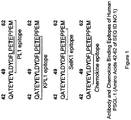
- the binding of the known antibodies PL1 and KPL1 to PSGL-1 is independent of sulfation of the tyrosines of the N-terminal domain of PSGL-1 and have been characterized and shown to overlap the region distal to the propeptide at residues 42-62 of PSGL-1 ( Fig. 1 ). These residues also encompass a chemokine-binding epitope at residues 46-53 which contains three sulfated tyrosine residues which are essential for the chemokine binding thereto.
- RR2r3s4-1 an anti-human PSGL-1 antibody which was previously derived from a fully human IgG1 antibody to human PSGL-1 that was developed from a single-chain Fvs antibody isolated from a yeast display library [74, 124, 125].
- the RR antibody was shown by tryptophan fluorescence quenching titration to have a K d of 1nM.
- In vitro assays demonstrated that RR binds human neutrophils and in rolling assays RR was shown to inhibit human neutrophils rolling on P-selectin at a concentration of 3.3nM.
- competition assays RR was shown to be specific for human PSGL-1 and does not bind murine PSGL-1.
- portions of the light and heavy variable regions of RR were re-engineered by linking them to the hinge region of a consensus human IgG 2 constant domain and incorporated single amino acid substitutions to inactivate complement binding.
- the resulting anti-human PSGL-1 antibody is referred to herein as SelK1.
- GSP-6 a glycosylated, sulfated 18 amino acid peptide mimetic of amino acids 42-60 of SEQ ID NO:1 (the exposed N-terminus of PSGL-1) [14] using surface plasmon resonance (BIACORE).
- GSP-6 and its derivatives GSP-1 and GP-1 are shown in Fig. 1A-1B and Fig. 3A (GSP-1) of U.S. Patent 7,223,845 . Its kinetics were compared to another anti-PSGL-1 antibody called PL1 [20].
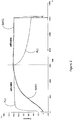
- SelK1 antibody bound to GSP-6 with a much slower on-rate than PL1 and almost no detectable off-rate ( Fig. 2 ). These characteristics are consistent with chronic administration for therapeutic use of this antibody to treat Crohn's Disease and other inflammatory-related diseases as described elsewhere herein.
- SelK1 antibody was then tested for its ability to block neutrophil rolling on P-selectin in an in vitro rolling assay.
- this assay fixed human neutrophils roll and tether to P-selectin coated on a plate to a density similar to that found on activated endothelial cells under flow simulating sheer stress in blood vessels [20].
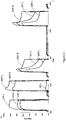
- SelK1 was introduced into the flow at concentrations ranging from 40nM to 2nM, neutrophil rolling and tethering was completely blocked ( Fig. 3 ).
- SelK1 was also compared to the mouse monoclonal anti-PSGL-1 antibodies PL1 and KPL1, and to a humanized PL1 termed hPL1-Agg. The results show that SelK1 was the most effective anti-PSGL-1 antibody of those tested in blocking neutrophil adhesion in this assay.
- SelK1 antibody was tested for its ability to bind with specificity to GSP-6 and to modified forms of GSP-6 by measuring binding to sulfated (GSP-1) and non-sulfated (GP-1) forms of the N-terminal peptide fragment of PSGL-1 and was compared against two mouse monoclonal antibodies to PSGL-1, KPL1 and PL1. The binding of SelK1 and the mouse monoclonal antibodies was measured in BIACORE analysis. SelK1 bound to GSP-6 and GSP-1, but did not bind GP-1, indicating that the antibody requires sulfation of the N-terminal peptide for binding activity.
- the KPL1 antibody bound GSP-6, GSP-1 and GP-1 indicating it does not require sulfation of the peptide for binding.
- the binding of PL1 and hPL1 was more complex in that it does not appear to require sulfate, but may require a larger oligosaccharide than the single ⁇ -GalNAc on GP-1 and GSP-1 which it bound weakly ( Fig. 4 ).
- chemokine binding without wishing to be bound by theory, as discussed above, it is believed that chemokine binding to PSGL-1 plays a major role in lymphocyte homing that precipitates the inflammatory response in Crohn's Disease and other inflammatory diseases.
- SelK1 antibody was tested for its ability to block chemokine binding to the previously-mentioned peptide fragments of PSGL-1 using a BIACORE assay.
- chemokines CCL27, CCL28, CCL19 and CCL21
- GSP-6, GSP-1 and GP-1 Fig. 5
- GSP-6, GSP-1 and GP-1 bound to all the chemokines tested, though GP1 bound with less affinity to CCL27 than the other chemokines tested.
- the present invention is thus directed to antibodies and antigen binding fragments thereof that selectively bind to an N-terminal epitope of PSGL-1 (located within amino acids 42-62 of SEQ ID NO:1) with high specificity and affinity and which have a dual function in substantially blocking the binding both of selectins (particularly P-selectin and L-selectin) and chemokines (e.g., chemokines CCL19, CCL21, CCL27 and CCL28) to PSGL-1 and therefore which represent novel therapeutics for treating inflammatory and thrombotic disorders.
- selectins particularly P-selectin and L-selectin
- chemokines e.g., chemokines CCL19, CCL21, CCL27 and CCL28
- the term “substantially blocking” means that the selectins and chemokines bind to PSGL-1 at least 75% below the level observed in controls when the epitope binding antibodies or fragments are not used.
- the invention is further directed to treatment methods using these dual function antibodies and to pharmaceutical and therapeutic compositions comprising these antibodies for these uses.
- Fig. 8 A, B
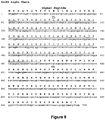
- Fig. 9 The complete amino acid sequence for the SelK1 antibody (and signal peptide sequences), and a DNA sequence which encodes the amino acid sequence of SelK1 is shown in Fig. 8 (A, B) and Fig. 9 .
- Fig. 8A and 8B are shown the amino acid sequence and nucleic acid sequence (SEQ ID NO:2 and SEQ ID NO:3, respectively) for the variable component of the heavy chain (VH), the hinge portion, and the three constant units of the heavy chain (CH1, CH2, and CH3) of SelK1.
- Fig. 9 are shown the amino acid sequence and nucleic acid sequence (SEQ ID NO:4 and SEQ ID NO:5, respectively) for the variable component of the light chain (VL) and the constant unit of the light chain (CL) of SelK1.
- each antibody has three CDRs (complementarity determining regions) in each of the heavy and light variable claims.
- the CDRH1 comprises SEQ ID NO:6
- the CDRH2 comprises SEQ ID NO:7
- the CDRH3 comprises SEQ ID NO:8
- the CDRL1 comprises SEQ ID NO:9
- the CDRL2 comprises SEQ ID NO:10
- the CDRL3 comprises SEQ ID NO:11.
- substitutions may include 1 or 2 substitutions, additions, or deletions for every approximately 5 amino acids in the sequence of a CDR (H1, H2, H3, L1, L2, or L3).
- a sequence is "substantially identical” if it has no more than 1 nucleic acid codon or amino acid residue substituted, deleted, or added for every 10-20 residues in the sequence.
- the present invention further comprises antibodies which comprise 1, 2, 3, 4, 5, 6, 7, or 8 to 10 amino acid substitutions in the 6 CDRs as compared to the 6 CDRs of the SelK1 antibody.
- the substitutions are preferably conservative substitutions but may be any of the other 20 naturally-occurring amino acids which still results in an antibody which binds with a K d ⁇ 100nM to PSGL-1.
- the invention further comprises nucleic acids which encode such antibody variants of SelK1 and vectors and hosts comprising such nucleic acids.
- SEQ ID NO:12 shows a DNA sequence which encodes the complete heavy chain sequence (SEQ ID NO:3) with the flanking vector sequence therefor.
- SEQ ID NO:13 shows a DNA sequence which encodes the complete light chain nucleic acid encoding sequence (SEQ ID NO:5) with the flanking vector sequence therefor.
- the present invention in one embodiment contemplates antibodies that specifically bind to human PSGL-1.
- CDRs in such antibodies are not limited to the specific sequences of VH and VL shown herein and may include variants of these sequences that retain the ability to block P-selectin and chemokine binding to PSGL-1.
- Such variants may be produced by a skilled artisan using techniques well known in the art. For example, amino acid substitutions, deletions, or additions, can be made in the FRs and/or in the CDRs as described elsewhere herein. While changes in the FRs are usually designed to improve stability and immunogenicity of the antibody, changes in the CDRs are typically designed to increase affinity of the antibody for its target. Variants of FRs also include naturally occurring immunoglobulin allotypes. Such affinity-increasing changes may be determined empirically by routine techniques that involve altering the CDR and testing the affinity antibody for its target.
- conservative amino acid substitutions can be made within any one of the disclosed CDRs.
- Various alterations can be made according to the methods described in Antibody Engineering, 2nd ed., Borrebaeck, Ed., Oxford University Press (1995 ). These include but are not limited to nucleotide sequences that are altered by the substitution of different codons that encode an identical or a functionally equivalent amino acid residue ("conservative substitutions") within the sequence, thus producing a "silent" change.
- the nonpolar amino acids which may be conservatively substituted include alanine, leucine, isoleucine, valine, proline, phenylalanine, tryptophan, and methionine.
- the polar neutral amino acids which may be substituted conservatively include glycine, serine, threonine, cysteine, tyrosine, asparagine, and glutamine.
- the positively charged (basic) amino acids which may be conservatively substituted include arginine, lysine, and histidine.
- the negatively charged (acidic) amino acids which may be conservatively substituted include aspartic acid and glutamic acid. Substitutes for an amino acid within the sequence may also be selected from other members of the class to which the amino acid belongs.
- Derivatives and analogs of antibodies of the invention can be produced by various techniques well known in the art, including recombinant and synthetic methods ( Sambrook et al., Molecular Cloning: A Laboratory Manual, 2nd ed., Cold Spring Harbor Laboratory Press (1989 ), and Bodansky et al., The Practice of Peptide Synthesis, 2nd ed., Spring Verlag, Berlin, Germany (1995 )).
- Antibodies in which CDR sequences differ only insubstantially from those of the variable regions of SelK1 are also encompassed within the scope of this invention.
- an amino acid is substituted by a related amino acid having similar charge, hydrophobic, or stereochemical characteristics.
- Such substitutions would be within the ordinary skills of an artisan.
- a skilled artisan would appreciate that changes can be made in FRs without adversely affecting the binding properties of an antibody. Changes to FRs include, but are not limited to, humanizing a non-human derived or engineering certain framework residues that are important for antigen contact or for stabilizing the binding site, e.g., changing the class or subclass of the constant region, changing specific amino acid residues which might alter the effector function such as Fc receptor binding
- the antibodies of the present invention also block chemokine binding to PSGL-1.
- chemokines contemplated herein as blocked by the antibodies of the present invention include, but are not limited to: CCL1, CCL2, CCL3, CCL4, CCL5, CCL6, CCL7, CCL8, CCL9, CCL10, CCL11, CCL12, CCL13, CCL14, CCL15, CCL16, CCL17, CCL18, CCL19, CCL20, CCL21, CCL22, CCL23, CCL24, CCL25, CCL26, CCL27, CCL28, CXCL1, CXCL2, CXCL3, CXCL4, CXCL5, CXCL6, CXCL7, CXCL8, CXCL9, CXCL10, CXCL11, CXCL12, CXCL13, CXCL14, CXCL15, CXCL16, XCL1, XCL2, and CX3CL1.
- the dual function anti-PSGL-1 antibodies contemplated herein can be used in the treatment of a number of inflammatory and thrombotic disorders in primates (including humans) which involve leukocyte, lymphocyte or endothelial cell adhesion, including, but not limited to, inflammatory bowel diseases (e.g., Crohn's disease, ulcerative colitis, enteritis), arthritis (e.g., rheumatoid arthritis, osteoarthritis, psoriatic arthritis), graft rejection, graft vs.
- inflammatory bowel diseases e.g., Crohn's disease, ulcerative colitis, enteritis
- arthritis e.g., rheumatoid arthritis, osteoarthritis, psoriatic arthritis
- graft rejection graft vs.
- nephritis lupus erythematosis
- scleroderma rhinitis
- anaphylaxis diabetes, multiple sclerosis, atherosclerosis, thrombosis, allergic reactions, thyroiditis and tumor metastasis.
- primaryate refers to humans, monkeys, and apes such as chimpanzees, gorillas, and orangutans.
- an antibody of the present invention preferably has an affinity represented by a K d ⁇ 100nM, or ⁇ 50nM, or more preferably by a K d ⁇ 25nM, and still more preferably by a K d ⁇ 10nM, and even more preferably by a K d ⁇ 5nM.
- an antibody or antibody fragment "homolog,” as used herein, means that a relevant amino acid sequence of a protein or a peptide is at least 70%, 75%, 80%, 85%, 90%, 95%, 96%, 97%, 98%, 99%, 99.5%, or 100% identical to a given sequence.
- sequences may be variants derived from various species, or the homologous sequence may be recombinantly produced.
- the sequence may be derived from the given sequence by truncation, deletion, amino acid substitution, or addition. Percent identity between two amino acid sequences is determined by standard alignment algorithms such as, for example, Basic Local Alignment Tool (BLAST) described in Altschul et al., J. Mol. Biol.
- BLAST Basic Local Alignment Tool
- isolated refers to a molecule that is substantially free of its natural environment.
- an isolated protein is substantially free of cellular material or other proteins from the cell or tissue source from which it was derived.
- the term also refers to preparations where the isolated protein is at least 70-80% (w/w) pure; or at least 80-90% (w/w) pure; or at least 90-95% pure; or at least 80%, 85%, 90%, 95%, 96%, 97%, 98%, 99%, or 100% (w/w) pure.
- the isolated molecule is sufficiently pure for pharmaceutical compositions.
- Inhibitory activity refers to a reduction in an activity of PSGL-1 by a PSGL-1 inhibitor, relative to the activity of PSGL-1 in the absence of the same inhibitor.
- a neutralizing antibody may reduce one or more PSGL-1 activities.
- the reduction in activity e.g., leukocyte adhesion and chemotaxis
- the reduction in activity is preferably at least about 10%, 20%, 30%, 40%, 50%, 60%, 70%, 75%, 80%, 85%, 90%, 95%, or higher.
- PSGL-1 inhibitor includes any agent, such as, e.g., a neutralizing antibody, capable of inhibiting activity, expression, processing, or cell surface localization of PSGL-1. Such inhibitors are said to “inhibit,” “neutralize,” or “reduce” the biological activity of PSGL-1.
- Monoclonal antibodies can be isolated and purified from hybridoma cultures by a variety of well-established techniques. Such isolation techniques include affinity chromatography with Protein-A Sepharose, size-exclusion chromatography, and ion-exchange chromatography.
- monoclonal antibodies to be used in accordance with the present invention may be made by the hybridoma method first described by Kohler and Milstein, (Nature 256, 495: 1975 ), or may be made by recombinant methods, e.g., as described in U.S. Pat. No. 4,816,567 , for example.
- Another method involves humanizing a monoclonal antibody by recombinant means to generate antibodies containing, for example, human or primate specific and recognizable sequences.
- the constant region has been modified to modulate (i.e. reduce or enhance) effector function as noted elsewhere as compared to the effector function of a wild-type immunoglobulin heavy chain Fc region.
- the IgG constant region has reduced effector function, or alternatively it has increased effector function, for example.
- Fc effector function includes, for example, antibody-dependent cellular cytotoxicity (ADCC), phagocytosis, complement-dependent cytotoxicity, and half-life or clearance rate function.
- ADCC antibody-dependent cellular cytotoxicity
- phagocytosis phagocytosis
- complement-dependent cytotoxicity a half-life or clearance rate function.
- the IgG amino acid sequence of the Fc domain can be altered to affect binding to Fc gamma receptors (and thus ADCC or phagocytosis functions), or to alter interaction with the complement system (complement-dependent cytotoxicity function).
- the antibody comprises a constant region or Fc portion that has low or no affinity for at least one Fc receptor.
- the second polypeptide has low or no affinity for complement protein C1Q.
- an effector function of an antibody can be altered by altering the affinity of the antibody for an effector molecule such as an Fc receptor. Binding affinity will generally be varied by modifying the effector molecule binding site. Disclosure of IgG modifications that alter interaction with effector molecules such as Fc receptors can be found for example in U.S. Pat. Nos. 5,624,821 and 5,648,260
- Antibody proteins of the invention can be produced using techniques well known in the art.
- the antibody proteins of the invention can be produced recombinantly in cells (see, e.g., Sambrook et al., Molecular Cloning: A Laboratory Manual, Cold Spring Harbor Laboratory, N.Y., 1989 , and Ausubel et al., Current Protocols in Molecular Biology, Greene Publishing Associates and Wiley Interscience, N.Y., 1989 ).
- a polynucleotide sequence encoding the antibody protein is inserted into an appropriate expression vehicle, such as a vector which contains the necessary elements for the transcription and translation of the inserted coding sequence.
- the expression vehicle is then transfected into a suitable target cell which will express the peptide.
- Transfection techniques known in the art include, but are not limited to, calcium phosphate precipitation ( Wigler et al., Cell 14:725 (1978 )) and electroporation ( Neumann et al., EMBO J. 1:841 (1982 )).
- a variety of host-expression vector systems may be utilized to express the antibody proteins described herein preferably including eukaryotic cells.
- the present disclosure further provides isolated nucleic acids encoding the disclosed antibodies.
- the nucleic acids may comprise DNA or RNA and may be wholly or partially synthetic or recombinant.
- Reference to a nucleotide sequence as set out herein encompasses a DNA molecule with the specified sequence, and encompasses a RNA molecule with the specified sequence in which U is substituted for T, unless context requires otherwise.
- nucleic acid molecules of the invention also comprise nucleotide sequences that are at least 80% identical to the sequences disclosed herein. Also contemplated are embodiments in which a sequence is at least 85%, 90%, 95%, 96%, 97%, 98%, 99%, or 99.5% identical to a sequence disclosed herein and/or which hybridize to a sequence of the present invention under conditions of high or moderate stringency. The percent identity may be determined by visual inspection and mathematical calculation.
- Stringency includes conditions readily determined by the skilled artisan based on, for example, the length of the DNA. Generally, such conditions are defined as hybridization conditions of 50% formamide, 6xSSC at 42°C. (or other similar hybridization solution, such as, e.g., Stark's solution, in 50% formamide at 42°C.), and with washing at approximately 68°C., 0.2xSSC, 0.1% SDS. The skilled artisan will recognize that the temperature and wash solution salt concentration can be adjusted as necessary according to factors such as the length of the probe.
- Mode stringency includes conditions that can be readily determined by those having ordinary skill in the art based on, for example, the length of the DNA.
- the basic conditions are set forth by Sambrook et al., Molecular Cloning: A Laboratory Manual, 2d ed., 1:1.101-104, Cold Spring Harbor Laboratory Press (1989 ), and include use of a prewashing solution for the nitrocellulose filters 5xSSC, 0.5% SDS, 1.0 mM EDTA (pH 8.0), hybridization conditions of 50% formamide, 6xSSC at 42°C. (or other similar hybridization solution, such as Stark's solution, in 50% formamide at 42°C.), and washing conditions of 60°C., 0.5xSSC, 0.1% SDS.
- the term "monoclonal antibody” as used herein refers to an antibody obtained from a population of substantially homogeneous antibodies, i.e., the individual antibodies comprising the population are identical except for possible naturally occurring mutations that may be present in minor amounts. Monoclonal antibodies are highly specific, being directed against a single epitopic site. Furthermore, in contrast to conventional polyclonal antibody preparations that typically include different antibodies directed against different determinants (epitopes), each monoclonal antibody is directed against a single determinant. In addition to their specificity, the monoclonal antibodies are advantageous in that they are synthesized by the hybridoma culture, uncontaminated by other immunoglobulins.
- the modifier "monoclonal" indicates the character of the antibody as being obtained from a substantially homogeneous population of antibodies, and is not to be construed as requiring production of the antibody by any particular method.
- the monoclonal antibodies herein specifically include "chimeric" antibodies (immunoglobulins) in which a portion of the heavy and/or light chain is identical with or homologous to corresponding sequences in antibodies derived from a particular species or belonging to a particular antibody class or subclass, while the remainder of the chain(s) is identical with or homologous to corresponding sequences in antibodies derived from another species or belonging to another antibody class or subclass, as well as fragments of such antibodies, so long as they exhibit the desired biological activity ( U.S. Pat. No. 4,816,567 ).
- chimeric antibodies immunoglobulins in which a portion of the heavy and/or light chain is identical with or homologous to corresponding sequences in antibodies derived from a particular species or belonging to a particular antibody class or subclass, while the remainder of the chain(s) is identical with or homologous to corresponding sequences in antibodies derived from another species or belonging to another antibody class or subclass, as well as fragments of such antibodies, so long as they exhibit the desired
- Antibody fragments of the present invention can be prepared by proteolytic hydrolysis of the antibody or by expression in E. coli of DNA encoding the fragment.
- Antibody fragments as noted above, can be obtained by pepsin or papain digestion of whole antibodies conventional methods.
- antibody fragments can be produced by enzymatic cleavage of antibodies with pepsin to provide a 5S fragment denoted F(ab') 2 .
- This fragment can be further cleaved using a thiol reducing agent, and optionally a blocking group for the sulfhydryl groups resulting from cleavage of disulfide linkages, to produce 3.5S Fab' monovalent fragments.
- a thiol reducing agent optionally a blocking group for the sulfhydryl groups resulting from cleavage of disulfide linkages
- an enzymatic cleavage using pepsin produces two monovalent Fab' fragments and an Fc fragment directly.
- Fv fragments comprise an association of VH and VL chains. This association may be noncovalent or the variable chains can be linked by an intermolecular disulfide bond or cross-linked by chemicals such as glutaraldehyde.
- the Fv fragments comprise VH and VL chains connected by a peptide linker.
- These single-chain antigen binding proteins are prepared by constructing a structural gene comprising DNA sequences encoding the VH and VL domains connected by an oligonucleotide.
- the structural gene is inserted into an expression vector, which is subsequently introduced into a host cell such as E. coli.
- the recombinant host cells synthesize a single polypeptide chain with a linker peptide bridging the two V domains.
- Another form of an antibody fragment is a peptide coding for a single CDR.
- CDR peptides (“minimal recognition units") are often involved in antigen recognition and binding.
- CDR peptides can be obtained by cloning or constructing genes encoding the CDR of an antibody of interest. Such genes are prepared, for example, by using the polymerase chain reaction to synthesize the variable region from RNA of antibody-producing cells.
- the invention contemplates engineered antibodies including fully human and humanized forms of non-human (e.g., primate or murine) antibodies.
- humanized antibodies are chimeric immunoglobulins, immunoglobulin chains or fragments thereof (such as Fv, Fab, Fab', F(ab') 2 or other antigen-binding subsequences of antibodies) that contain minimal sequences derived from non-human immunoglobulin.
- humanized antibodies are human immunoglobulins in which residues from a CDR of the recipient are replaced by residues from a CDR of a nonhuman species such as mouse, rat or rabbit having the desired specificity, affinity and capacity.
- a DNA sequence encoding an antibody molecule of the invention is prepared synthetically by established standard methods. For example, according to the phosphoamidine method, oligonucleotides are synthesized, e.g. in an automatic DNA synthesizer, purified, annealed, ligated and cloned in suitable vectors.
- the DNA sequence may then be inserted into a recombinant expression vector, which may be any vector, which may conveniently be subjected to recombinant DNA procedures.
- a recombinant expression vector which may be any vector, which may conveniently be subjected to recombinant DNA procedures.
- the choice of vector will often depend on the host cell into which it is to be introduced.
- the vector may be an autonomously replicating vector, i.e., a vector that exists as an extrachromosomal entity, the replication of which is independent of chromosomal replication, e.g., a plasmid.
- the vector may be one which, when introduced into a host cell, is integrated into the host cell genome and replicated together with the chromosome(s) into which it has been integrated.
- the DNA sequence encoding the protein should be operably connected to a suitable promoter sequence.
- the promoter may be any DNA sequence, which shows transcriptional activity in the host cell of choice and may be derived from genes encoding proteins either homologous or heterologous to the host cell.
- suitable promoters for directing the transcription of the coding DNA sequence in mammalian cells are the SV 40 promoter, the MT-1 (metallothionein gene) promoter or the adenovirus 2 major late promoter.
- a suitable promoter for use in insect cells is the polyhedrin promoter.
- Suitable promoters for use in yeast host cells include promoters from yeast glycolytic genes or alcohol dehydrogenase genes or the TPI1 or ADH2-4c promoters.
- Suitable promoters for use in filamentous fungus host cells are, for instance, the ADH3 promoter or the tpiA promoter.
- the DNA coding sequence may also be operably connected to a suitable terminator, such as the human growth hormone terminator or (for fungal hosts) the TPI1 or ADH3 promoters.
- the vector may further comprise elements such as polyadenylation signals (e.g. from SV 40 or title adenovirus 5 Elb region), transcriptional enhancer sequences (e.g. the SV 40 enhancer) and translational enhancer sequences (e.g., ones encoding adenovirus VA RNAs).
- the recombinant expression vector may further comprise a DNA sequence enabling the vector to replicate in the host cell in question.
- a DNA sequence enabling the vector to replicate in the host cell in question.
- An example of such a sequence is the SV 40 origin of replication.
- the vector may also comprise a selectable marker, e.g. a gene the product of which complements a defect in the host cell, such as the gene coding for dihydrofolate reductase (DHFR) or one which confers resistance to a drug, e.g. neomycin, hydromycin or methotrexate.
- DHFR dihydrofolate reductase
- the coding DNA sequences may be usefully fused with a second peptide coding sequence and a protease cleavage site coding sequence, giving a DNA construct encoding the fusion protein, wherein the protease cleavage site coding sequence positioned between the HBP fragment and second peptide coding DNA, inserted into a recombinant expression vector, and expressed in recombinant host cells.
- said second peptide selected from, but not limited by the group comprising glutathion-S-reductase, calf thymosin, bacterial thioredoxin or human ubiquitin natural or synthetic variants, or peptides thereof.
- a peptide sequence comprising a protease cleavage site may be the Factor Xa, with the amino acid sequence IEGR, enterokinase, with the amino acid sequence DDDDK, thrombin, with the amino acid sequence LVPR/GS, or Acharombacter lyticus, with the amino acid sequence XKX, cleavage site.
- the host cell into which the expression vector is introduced may be any cell which is capable of expression of the peptides or full-length proteins, and is preferably a eukaryotic cell, such as invertebrate (insect) cells or vertebrate cells, e.g. Xenopus laevis oocytes or mammalian cells, in particular insect and mammalian cells.
- suitable mammalian cell lines include, but are not limited to, the HEk293 (ATCC CRL-1573), COS (ATCC CRL-1650), BHK (ATCC CRL-1632, ATCC CCL-10) or CHO (ATCC CCL-61) cell lines. Methods of transfecting mammalian cells and expressing DNA sequences introduced in the cells are well known in the art.
- fungal cells may be used as host cells.
- suitable yeast cells include cells of Saccharomyces spp. or Schizosaccharomyces spp., in particular strains of Saccharomyces cerevisiae.
- Other fungal cells are cells of filamentous fungi, e.g. Aspergillus spp. or Neurospora spp., in particular strains of Aspergillus oryzae or Aspergillus niger.
- Aspergillus spp. for the expression of proteins is described in, e.g., EP 238 023 .
- the medium used to culture the cells may be any conventional medium suitable for growing mammalian cells, such as a serum-containing or serum-free medium containing appropriate supplements, or a suitable medium for growing insect, yeast or fungal cells. Suitable media are available from commercial suppliers or may be prepared according to published recipes.
- the proteins recombinantly produced by the cells may then be recovered from the culture medium by conventional procedures including separating the host cells from the medium by centrifugation or filtration, precipitating the proteinaceous components of the supernatant or filtrate by means of a salt, e.g. ammonium sulphate, purification by a variety of chromatographic procedures, e.g. HPLC, ion exchange chromatography, affinity chromatography, or the like.
- a salt e.g. ammonium sulphate
- the antibodies of the present invention preferably include one or more modifications which inactivate complement.
- complement activity broadly encompasses the biochemical and physiological activities associated with activation of the complement system, individual complement pathway associated molecules, as well as genes encoding these molecules. Therefore, complement activities include, e.g., structure and expression of a gene encoding a complement pathway molecule, biochemical activity (e.g., enzymatic or regulatory) of a complement pathway molecule, cellular activities that initiate or result from activation of the complement system, and presence of serum autoantibodies against complement pathway molecules.
- the preferred modification to inactivate complement is a replacement of Lys with Ala at position 341 (of SEQ ID NO:2) in the heavy chain constant region CH2.
- Lys at the same position may include for example any of gly, leu, trp, tyr, pro, thr, ser, met, asp, asn, glu, gin, phe, ile, val, thr, and cys and which are effective in inactivating complement.
- complement pathway associated molecules refers to the various molecules that play a role in complement activation and the downstream cellular activities mediated by, responsive to, or triggered by the activated complement system.
- complement pathways i.e., molecules that directly or indirectly triggers the activation of complement system
- molecules that are produced or play a role during complement activation e.g., complement proteins/enzymes such as C3, C5, C5b-9, Factor B, MASP-1, and MASP-2
- complement receptors or inhibitors e.g., clusterin, vitronectin, CR1, or CD59
- molecules regulated or triggered by the activated complement system e.g., membrane attack complex-inhibitory factor, MACIF.
- complement pathway associated molecules also include, e.g., C3/C5 convertase regulators (RCA) such as complement receptor type 1 (also termed CR1 or CD35), complement receptor type 2 (also termed CR2 or CD21), membrane cofactor protein (MCP or CD46), and C4bBP; MAC regulators such as vitronectin, clusterin (also termed “SP40,40"), CRP, CD59, and homologous restriction factor (HRF); immunoglobulin chains such as Ig kappa, Ig lambda, or Ig gamma; C1 inhibitor; and other proteins such as CR3, CR4 (CD11b/18), and DAF (CD 55).
- C3/C5 convertase regulators such as complement receptor type 1 (also termed CR1 or CD35), complement receptor type 2 (also termed CR2 or CD21), membrane cofactor protein (MCP or CD46), and C4bBP
- MAC regulators such as vitronectin, clusterin (also termed “SP40,
- Antibodies of the present invention provided by any of the above described methods are preferably used in the manufacture of a medicament or composition for the treatment of a pathological condition, wherein inhibiting a inflammatory response is required such as is contemplated herein.
- the invention relates to the manufacture of a therapeutic medicament or composition which is capable of being used for prevention and/or treatment of an inflammatory bowel disease such as Crohn's disease or ulcerative colitis.
- inflammatory responses which may be harmful for an individual and therefore are advantageously being suppressed include but are not limited by conditions associated with extensive trauma, or chronic inflammation, such as for example type IV delayed hypersensitivity, associated for example with infection by Tubercle bacilli, or systematic inflammatory response syndrome, or multiple organ failure, or rheumatoid arthritis or other conditions described herein.
- the SAMP-1/Yit mouse model of spontaneous iletis closely resembles human Crohn's Disease.
- Therapeutic inhibition of PSGL-1 uniquely ameliorates ileitis in this model whereas blockade of individual selectins does not.
- Inhibition of TNF in this model does reduce the severity of ileitis in a manner similar to anti-PSGL-1 although the therapeutic effect does not appear to be as potent as anti-GSGL-1 [127].
- the SAMP-1 model appears to closely mirror human Crohn's Disease not only in its pathophysiology but also in its response to therapeutic intervention. This evidence supports the conclusion that therapeutic substances which inhibit PSGL-1 binding activity in humans (and other primates) would also be effective as treatments of Crohn's diseases, as well as other inflammatory diseases as discussed elsewhere herein.
- the antibodies may be formulated by any of the established methods of formulating pharmaceutical compositions, e.g. as described in the latest edition of Remington's Pharmaceutical Sciences.
- the composition may typically be in a form suited for local or systemic injection or infusion and may, as such, be formulated with sterile water or an isotonic saline or glucose solution.
- the compositions may be sterilized by conventional sterilization techniques, which are well known in the art.
- the resulting aqueous solutions may be packaged for use or filtered under aseptic conditions and lyophilised, the lyophilised preparation being combined with the sterile aqueous solution prior to administration.
- the composition may contain pharmaceutically acceptable auxiliary substances as required to approximate physiological conditions, such as buffering agents, tonicity adjusting agents and the like, for instance sodium acetate, sodium lactate, sodium chloride, potassium chloride, calcium chloride, etc.
- concentration of proteins may vary widely, for example, from less than about .01% to as much as 15-20% or more by weight.
- a unit dosage of the composition may contain for example from about 1 ⁇ g to about 1000 mg of an antibody or antibody fragment.
- the antibodies or antibody fragments may be administered topically or by injection. Dosages will be prescribed by the physician according to the particular condition and the particular individual to be treated. Dosages and frequency is carefully adapted and adjusted according to parameters determined by the physician in charge. Preferred administration routes may be subcutaneous, intravenous, intramuscular, intratracheal, intravesical, intratracheal or intraperitoneal injections and may be given per 24 to 48 hours, or per week, every 14 days, every 4 weeks for example in the range of from 0.1-1000 mg, especially 1 mg to 100 mg, in particular 1-10 mg per kg body weight. The dose may be administered continuously through a catheter or in individual boluses.
- the antibody of the invention may be administered in an efficacious quantity between 1 ⁇ g/kg to 10 ⁇ g/kg, 10 ⁇ g/kg to 100 ⁇ g/kg, 100 ⁇ g/kg to 1 mg/kg, 1 mg/kg to 10 mg/kg, and 10 mg/kg to 50 mg/kg or 10 mg/kg to 100 mg/kg body weight.
- compositions of a medicament used in the present invention comprising antibodies described herein may additionally be supplemented by other therapeutic compounds which are routinely prescribed by the physician according to the particular condition and the particular individual to be treated such as an anti-inflammatory drug, wherein said drugs are prescribed by the physician according to the particular condition and the particular individual to be treated.
- PSGL-1 has functional importance in leukocyte platelet, and/or microvesicle adhesion, rolling, recruitment, aggregation; leukocyte secretion of cytokines; promotion of coagulation; and other aspects of inflammation, thrombosis, coagulation, immune response, and signal transduction.
- PSGL-1 is also involved in tumor metastasis.
- a neutralizing antibody described herein will inhibit one or more of these PSGL-1 activities, in vivo or in vitro, for example.
- the inhibition of PSGL-1 with a neutralizing antibody described herein is useful in the treatment of various disorders associated with inflammation, thrombosis, coagulation, T cell response, as well as in the treatment of immune and cardiovascular disorders, for example.
- the antibodies of fragments thereof of the present invention are used in the treatment of inflammatory bowel diseases, including Crohn's disease and ulcerative colitis.
- Inflammatory Bowel Disease (“IBD”) is the collective term used to describe two chronic, idiopathic inflammatory diseases of the gastrointestinal tract: ulcerative colitis (“UC”) and Crohn's disease (“CD”).
- UC and CD are considered together because of their overlapping clinical, etiologic, and pathogenetic features. From a therapeutic and prognostic standpoint, however, it is useful to distinguish them.
- IBD occurs world-wide and is reported to afflict as many as two million people. Onset has been documented at all ages; however, IBD predominately begins in young adulthood. The three most common presenting symptoms of IBD are diarrhea, abdominal pain, and fever. The diarrhea may range from mild to severe and is often accompanied by urgency and frequency. In UC, the diarrhea is usually bloody and may contain mucus and purulent matter as well. Anemia and weight loss are additional common signs of IBD. Reports of an increasing occurrence of psychological problems, including anxiety and depression, are perhaps not surprising secondary effects of what is often a debilitating disease that occurs in people in the prime of life.
- UC and CD chronic recurrent diarrhea, bloody diarrhea, recurrent abdominal pain, nausea, weight loss general evidence of inflammation without any obvious explanation (fever, raised ESR, leucocytosis, thrombocytosis and dysproteinenemia or anemia).
- diarrhea and anemia are more characteristic of UC while pain and weight loss and marked evidence of inflammation are more common in CD.
- the history and physical examination of a patient can help, the final confirmation of the diagnosis has traditionally been made endoscopically, histologically and, in relation to the small intestine, radiologically as well.
- the PSGL-1 specific antibodies described herein can be linked to another molecule.
- antibodies may be linked to another peptide or protein, toxin, radioisotope, cytotoxic or cytostatic agents.
- the antibodies can be linked covalently by chemical cross-linking or by recombinant methods.
- the antibodies may also be linked to one of a variety of nonproteinaceous polymers, e.g., polyethylene glycol, polypropylene glycol, or polyoxyalkylenes, in the manner set forth in U.S. Pat. Nos. 4,640,835 ; 4,496,689 ; 4,301,144 ; 4,670,417 ; 4,791,192 ; or 4,179,337 .
- the antibodies can be chemically modified by covalent conjugation to a polymer, for example, to increase their stability or half-life.
- exemplary polymers and methods to attach them are also shown in U.S. Pat. Nos. 4,766,106 ; 4,179,337 ; 4,495,285 ; and 4,609,546 .
- the antibodies may also be tagged with a detectable label.
- a detectable label is a molecule which, by its chemical nature, provides an analytically identifiable signal which allows the detection of a molecular interaction.
- a protein, including an antibody has a detectable label if it is covalently or non-covalently bound to a molecule that can be detected directly (e.g., by means of a chromophore, fluorophore, or radioisotope) or indirectly (e.g., by means of catalyzing a reaction producing a colored, luminescent, or fluorescent product).
- Detectable labels include a radiolabel such as 131 I or 99 Tc, a heavy metal, or a fluorescent substrate, such as Europium, for example, which may also be attached to antibodies using conventional chemistry. Detectable labels also include enzyme labels such as horseradish peroxidase or alkaline phosphatase. Detectable labels further include chemical moieties such as biotin, which may be detected via binding to a specific cognate detectable moiety, e.g., labeled avidin.
- the present invention is also directed to methods of screening for substances such as, but not limited to, anti-PSGL-1 antibodies and binding fragments thereof which block both selectin binding and chemokine binding to PSGL-1, particularly to a portion of the epitope of amino acids 42-62 thereof.
- the present invention is directed to antibodies against PSGL-1, host cells that produce such anti-PSGL-1 antibodies, vectors that contain DNA which encode such anti-PSGL-1 antibody production and methods to identify dual function anti-PSGL-1 antibodies which block both selectin-mediated adhesion of leukocytes and chemokine-mediated chemotaxis of leukocytes.
- the invention is directed to methods of identifying antibodies that specifically bind to at least a portion of a polypeptide comprising amino acids 42-62 of human PSGL-1 (SEQ ID NO:1) and which block at least one of P- or L-selectin from binding thereto, and block at least one chemokine (including, but not limited to, CCL19, CCL21, CCL27, and CCL28) from binding thereto, thus exhibiting a dual function in blocking selectin-mediated adhesion and chemokine-mediated chemotaxis of leukocytes.
- SEQ ID NO:1 human PSGL-1
- chemokine including, but not limited to, CCL19, CCL21, CCL27, and CCL28
- the screening method in a preferred embodiment comprises in vitro assays that can be used to measure binding of selectins and chemokines to PSGL-1 and to identify blocking anti-PSGL-1 antibodies that abolish leukocyte or lymphocyte adherence and chemotaxis mediated by chemokine binding to PSGL-1.
- Test anti-PSGL-1 antibodies can be screened for dual function capability with a series of assays such as, but not limited to, those described herein which will identify those antibodies that bind to PSGL-1 and block the binding epitope thereon for P- and L- selectin and chemokines which is encompassed by residues 42-62 of the PSGL-1 native protein.
- Non-blocking mouse monoclonal antibodies to epitopes outside the 42-62 domain of PSGL-1 for example PL2 which binds to residues 188-258 of the native protein, can be used as controls in such assays.
- test antibodies to PSGL-1 that have been shown to block binding of PSGL-1 to selectins and block binding of neutrophils to selectins or activated endothelial cells, are identified. These test antibodies are further screened to determine their ability to block binding of one or more chemokines, for example CCL19, CCL21, CCL27, and CCL28, to PSGL-1 and to block chemotaxis of neutrophils or lymphocytes mediated by such chemokines.
- Test antibodies identified as having dual function of blocking both selectin and chemokine targets and function comprise the antibodies of the present invention or those used in the methods of the present invention.
- antibodies which block binding of PSGL-1 to P- and L-selectins are first identified.
- an ELISA is performed using synthetic, recombinant or soluble forms of P-, E- or L-selectin, or portions of each encompassing the lectin domain, may be immobilized at increasing site densities in microtiter wells.
- Recombinant or soluble PSGL-1, or fusion proteins or fragments thereof containing residues 42-62 of PSGL-1 may be labeled with a suitable reporter, for example FITC, and added to such wells, incubated, washed and the binding of PSGL-1 to the selectin measured.
- test antibody is added to the assay prior to addition of PSGL-1 (or combined with PSGL-1 prior to its addition to the wells) and the signal from wells that contain known non-blocking control antibodies, no antibody, or microtiter wells coated with a non-selectin protein is compared to the signal measured from wells having the PSGL-1 test antibody mixture.
- a test antibody should preferably effectively block 75-100% of PSGL-1 binding to be advanced to the next step.
- human neutrophils or promyelocytic HL-60 cells which express PSGL-1 on their cell surfaces, can be incubated in such wells and their adhesion to P-, E- or L-selectin measured, for example using the method described below.
- Human neutrophils may be isolated from heparinized whole blood by density gradient centrifugation.
- Human HL-60 cells derived from peripheral blood leukocytes expressing human PSGL-1 may be obtained from the ATCC (e.g., ATCC CCL 240). Such cells may be added to the microtiter wells and incubated in the presence or absence of the candidate antibody for a sufficient time (e.g.
- myeloperoxidase assay washed and then quantitated with a myeloperoxidase assay.
- Myeloperoxidase is measured using the tetramethylbenszidine (TMB) technique (e.g., see Suzuki et al., Anal Biochem 1983 ).
- TMB tetramethylbenszidine
- Neutrophils are solubilized by addition of 0.5% hexadecyltrimethylammonium bromide in 0.05 mol/L potassium phosphate buffer, pH 6.0. Samples of the extract are then added to microtiter wells containing 0.08 mol/L potassium phosphate buffer, pH 5.4, 0.5 mol/L hydrogen peroxide, and 0.16 mmol/L TMB. The samples are incubated at 37°C with shaking for 20 min.
- the absorbance is measured at 650nm.
- the number of cells bound is derived from a standard curve of myeloperoxidase activity versus numbers of cells.
- An antibody which significantly blocks neutrophil adhesion to P- or L-selectin when compared to a non-blocking antibody to PSGL-1 is advanced to the next testing step.
- Chinese hamster ovary (CHO) or COS-7 cells may be transfected with P-, L- or E-selectin DNA so as to express such selectins on their cell surfaces.
- Such cells are plated as monolayers on microtiter plates in a suitable media to which neutrophils or HL-60 cells can be added.
- Neutrophils or HL-60 cells may be preincubated with candidate antibodies and added to the microtiter wells.
- a test antibody which significantly blocks adhesion of neutrophils or HL-60 cells as measured by the myeloperoxidase assay when compared to non-blocking antibody controls will be advanced to the next step.
- test antibodies can be screened for their ability to bind PSGL-1 and block P-selectin function under flow conditions that simulate physiological blood flow, for example in a method shown below.
- Physiological flow conditions are produced in vitro using a flow chamber with parallel-plate geometry (e.g., Lawrence et al; 1987 Blood ).
- Human umbilical vein endothelial cells are cultured in dishes which can be place into the flow chamber.
- Isolated neutrophils are diluted in a buffered saline solution with calcium and magnesium and perfused through the chamber at a rate that produces the desired wall shear stress.
- Stimuli such as histamine or thrombin may be added directly to this feed solution so that endothelial cells are stimulated for the duration of the experiment. Interactions between neutrophils and the endothelial monolayer are observed by phase-contrast video microscopy and quantified with a digital image processing system. Rolling and firmly adherent neutrophils are counted using methods that are know to those skilled in the art for each of three fields and averaged to give the values at that time point. To screen for anti-PSGL-1 antibodies that block adherence under flow, anti-PSGL-1 mAbs, and non-blocking control anti-PSGL-1 antibodies, may be added to the neutrophil suspension and perfused over the endothelial cell layer at various concentrations. Test antibodies to PSGL-1 that significantly block neutrophil adhesion under flow are advanced to the next step of the screening method.
- Test antibodies which are identified as effective in blocking a selectin from binding to the PSGL-1 epitope encompassed by a portion of residues 42-62, will be further screened for their ability to block binding of chemokines or chemotaxis to PSGL-1.
- Chemokines used in the assays in particular CCL19, CCL21 CCL27, and CCL28, may be obtained commercially, or chemically synthesized with tBoc (tertiary butyloxycarbonyl) solid-phase chemistry, purified by high-performance liquid chromatography and their mass confirmed by electrospray mass spectrometry. Synthetic chemokines prepared in this way can be used for assays.
- Chemokines may also be biotinylated by coupling of biotinamidohexanoic acid N -hydroxysuccinimide ester to the N-terminus of the chemokine before deprotection and refolding of the chemokine.
- the biotinylated-chemokine can be labeled by addition of streptavidin conjugated to fluorescence reporters, for example FITC, or other flurophores suitable for fluorescence detection.
- fluorescence reporters for example FITC
- biotinylated-chemokines can be mixed in a suitable buffer with fluoroscein isothiocyante (FITC)-streptavidin and preincubated for 30 min. prior to a chemotaxis assay.
- FITC fluoroscein isothiocyante
- test antibodies can be screened for the ability to block chemokine binding to PSGL-1 by using a dot-blot assay.
- the chemokines for example CCL19, CCL21, CCL27, and/or CCL28, are dot-blotted onto nitrocellulose membranes in replicate dots at 25-400ng per dot.
- Recombinant human PSGL-Ig may be obtained commercially or can be prepared from a cell expression system transfected with a vector encoding a recombinant form of PSGL-1 and human IgG [20].
- Such vector may contain native PSGL-1 or fragments thereof fused to human IgG, but must at least contain the N-terminal domain containing the functional epitope for selectins and chemokines encompassed by residues 42-62 of the SEQ ID NO:1.
- the membranes are blocked for 2 hours with 5% BSA in Tris-buffered saline and then incubated for 2 hours with 50ug/ml of PSGL-1-IgG in the presence or absence of the test antibody, or with a non-function-blocking control anti-PSGL-1 antibody, for example PL2.
- the membranes are washed and binding is detected by addition of an anti-human IgG labeled with a fluorophore, for example FITC, or chromogenic agent, for example horseradish peroxidase, for detection and analysis.
- a test antibody which significantly blocks binding of the PSGL-1-IgG to the presented chemokines when compared to control non-blocking antibodies is considered to be a successful dual-function-blocking antibody as contemplated in the present invention.
- an additional step to determine if chemokine blocking antibodies to PSGL-1 can block chemokine mediated chemotaxis, cell binding and chemotaxis assays may be performed with leukocytes or lymphocytes.
- Human neutrophils are isolated from heparinized blood by dextran sedimentation, hypotonic lysis and Ficoll-Paque density gradient centrifugation [20].
- Lymphocytes may be isolated as single-cell suspensions derived from superficial cervical, brachial, inguinal, mesenteric and axillary lymph nodes. Cells may then be dissociated by passing through a stainless steel sieve in a suitable medium, for example RPMI medium (75).
- Cells may be labeled with cell specific antibodies labeled with a suitable fluorophore, for example neutrophils may be labeled with anti-CD43-FITC, or lymphocytes may be labeled anti-CD4-FITC or anti-CD8-FITC.
- Cell binding assays may be performed using FACs analysis.
- labeled neutrophils or lymphocytes are mixed with one or more chemokines, including for example CCL19, CCL21, CCL27 and CCL28, which are suitably labeled for FACs analysis, for example with phycoerythrin, and mixed with antibodies to PSGL-1 or non-blocking control antibodies to PSGL-1.
- a test antibody which significantly blocks binding of the neutrophils or lymphocytes to the presented chemokines when compared to control non-blocking antibodies is considered to be a successful dual-function-blocking antibody as contemplated by the present invention.
- a chemotaxis buffer containing a chemokine for example CCL19, CCL21, CCL27 and CCL28, may be added to the lower chamber of a transwell plate.
- Cells of interest typically suitably labeled neutrophils or lymphocytes, are resuspended at a density of 10x10 6 viable cells per milliliter (100 ⁇ l) in chemotaxis buffer prewarmed to 37° C and added to the upper transwell chamber, followed by incubation for 2-3 hours at 37° C.
- 50 ⁇ l of anti-PSGL-1 antibody, or a control non-blocking antibody to PSGL-1 may be added to the upper transwell chamber first, followed by 50 ⁇ l of cells at a density of 20x10 6 viable cells per milliliter. Cells that migrate to the lower chamber are quantified by flow cytometry.
- a test antibody to PSGL-1 which significantly blocks leukocyte or lymphocyte migration when compared to controls is considered to be a successful dual-function-blocking antibody as contemplated by the present invention. Examples of individual components of the methods used herein are shown for example in Moore et al [20, 30], and Veerman et al [75].
- Such antibodies identified by the method will have demonstrated a dual function in blocking both selectin and chemokine binding to PSGL-1, and a functional blocking of cell adhesion and homing mediated by PSGL-1 binding to selectins and chemokines, thus identifying antibodies which can be used in accordance with the present invention for therapeutic treatments as contemplated herein or any other use or treatment in which the properties of such antibodies have utility.
- an ELISA is performed using recombinant PSGL-1, or PSGL-1 purified from human epitope membranes using methods known to those of ordinary skill in the art, or Ig fusion proteins containing the residue 42-62 epitope of PSGL-1, or COS cells transfected with cDNA encoding and expressing PSGL-1.
- PSGL-1 or PSGL-1-containing fragments may be immobilized at increasing site densities in microtiter wells and probed with suitably labeled selectins and chemokines.
- Selectins may be expressed as recombinant forms of a fusion protein which includes the lectin and EGF domains of P- or L-selectin fused to an immunoglobulin (Ig fusion protein) to produce a bivalent form of the selectin.
- Such selectins may be labeled with a suitable reporter, for example FITC.
- the microtiter wells may be incubated in the presence or absence of a candidate (test) anti-PSGL-1 antibody, or a non-blocking (control) antibody. After incubation, the wells may be washed and the binding of PSGL-1 to the selectin measured as relative fluorescence units.
- Test antibodies are compared to control antibodies and should effectively block 75-100% of PSGL-1 binding to P- and L-selectin. Antibodies which bind to PSGL-1 and block P- or L- selectin binding thereto may be further tested for effectiveness in blocking binding of chemokines to PSGL-1.
- An alternate embodiment of the screening method of the present invention contemplates simultaneously screening for antibodies that block binding of selectins and chemokines to PSGL-1 epitope comprising residues 42-62 of SEQ ID NO:1.
- an ELISA is performed using recombinant PSGL-1, or PSGL-1 purified from human neutrophil membranes by those skilled in the art, or fusion proteins containing residues 42-62 of PSGL-1.
- PSGL-1 or PSGL-1 epitope may be immobilized at increasing site densities in microtiter wells and probed with suitably labeled selectins and chemokines.
- Selectins may be expressed as recombinant forms of a fusion protein which includes the lectin and EGF domains of P- or L-selectin fused to an immunoglobulin (Ig fusion protein) to produce a bivalent form of the selectin.
- Such selectins may be labeled with a suitable reporter, for example FITC.
- chemokines for example CCL19, CCL21, CCL27 and CCL28, may be synthesized by those skilled in the art and coupled at their N-terminus to biotin.
- the biotinylated-chemokine may be labeled by addition of streptavidin conjugated to a suitable fluorescent reporter whose emission spectra is shifted from FITC, such as DAPI, or Cy3, or Cy5 or other such dyes.
- a suitable fluorescent reporter whose emission spectra is shifted from FITC, such as DAPI, or Cy3, or Cy5 or other such dyes.
- the microtiter wells may be incubated in the presence or absence of a candidate anti-PSGL-1 antibody, or a non-blocking antibody (control).
- Suitably labeled selectins and chemokines are added simultaneously to the microtiter wells and incubated. After incubation, the wells may be washed and the binding of PSGL-1 to the selectin and chemokine measured as relative fluorescence units (RFU).
- Test antibodies are compared to control antibodies and those that block 75-100% of PSGL-1 binding to the selectin and chemokine are designated as dual function PSGL-1
Landscapes
- Health & Medical Sciences (AREA)
- Chemical & Material Sciences (AREA)
- Organic Chemistry (AREA)
- General Health & Medical Sciences (AREA)
- Life Sciences & Earth Sciences (AREA)
- Medicinal Chemistry (AREA)
- Engineering & Computer Science (AREA)
- Bioinformatics & Cheminformatics (AREA)
- Chemical Kinetics & Catalysis (AREA)
- General Chemical & Material Sciences (AREA)
- Public Health (AREA)
- Nuclear Medicine, Radiotherapy & Molecular Imaging (AREA)
- Veterinary Medicine (AREA)
- Pharmacology & Pharmacy (AREA)
- Animal Behavior & Ethology (AREA)
- Immunology (AREA)
- Diabetes (AREA)
- Pulmonology (AREA)
- Genetics & Genomics (AREA)
- Molecular Biology (AREA)
- Proteomics, Peptides & Aminoacids (AREA)
- Dermatology (AREA)
- Urology & Nephrology (AREA)
- Endocrinology (AREA)
- Hematology (AREA)
- Biophysics (AREA)
- Biochemistry (AREA)
- Emergency Medicine (AREA)
- Transplantation (AREA)
- Neurosurgery (AREA)
- Cardiology (AREA)
- Rheumatology (AREA)
- Biomedical Technology (AREA)
- Obesity (AREA)
- Pain & Pain Management (AREA)
- Heart & Thoracic Surgery (AREA)
- Neurology (AREA)
- Vascular Medicine (AREA)
- Otolaryngology (AREA)
- Medicines Containing Antibodies Or Antigens For Use As Internal Diagnostic Agents (AREA)
Applications Claiming Priority (3)
| Application Number | Priority Date | Filing Date | Title |
|---|---|---|---|
| US12779108P | 2008-05-15 | 2008-05-15 | |
| EP09747704A EP2291536A4 (en) | 2008-05-15 | 2009-05-15 | ANTI-PSGL-1 ANTIBODIES AND METHODS OF IDENTIFICATION AND USE THEREOF |
| PCT/US2009/044188 WO2009140623A2 (en) | 2008-05-15 | 2009-05-15 | Anti-psgl-1 antibodies and methods of identification and use |
Related Parent Applications (1)
| Application Number | Title | Priority Date | Filing Date |
|---|---|---|---|
| EP09747704A Division EP2291536A4 (en) | 2008-05-15 | 2009-05-15 | ANTI-PSGL-1 ANTIBODIES AND METHODS OF IDENTIFICATION AND USE THEREOF |
Publications (1)
| Publication Number | Publication Date |
|---|---|
| EP3388527A1 true EP3388527A1 (en) | 2018-10-17 |
Family
ID=41316376
Family Applications (2)
| Application Number | Title | Priority Date | Filing Date |
|---|---|---|---|
| EP18154983.3A Pending EP3388527A1 (en) | 2008-05-15 | 2009-05-15 | Anti-psgl-1 antibodies and methods of identification and use |
| EP09747704A Ceased EP2291536A4 (en) | 2008-05-15 | 2009-05-15 | ANTI-PSGL-1 ANTIBODIES AND METHODS OF IDENTIFICATION AND USE THEREOF |
Family Applications After (1)
| Application Number | Title | Priority Date | Filing Date |
|---|---|---|---|
| EP09747704A Ceased EP2291536A4 (en) | 2008-05-15 | 2009-05-15 | ANTI-PSGL-1 ANTIBODIES AND METHODS OF IDENTIFICATION AND USE THEREOF |
Country Status (6)
| Country | Link |
|---|---|
| US (2) | US7833530B2 (enExample) |
| EP (2) | EP3388527A1 (enExample) |
| JP (1) | JP2011524858A (enExample) |
| AU (1) | AU2009246166B2 (enExample) |
| CA (1) | CA2724415C (enExample) |
| WO (1) | WO2009140623A2 (enExample) |
Cited By (1)
| Publication number | Priority date | Publication date | Assignee | Title |
|---|---|---|---|---|
| CN113322223A (zh) * | 2021-06-03 | 2021-08-31 | 重庆市畜牧科学院 | 富硒酵母基因工程菌及其表面展示系统及其构建方法 |
Families Citing this family (17)
| Publication number | Priority date | Publication date | Assignee | Title |
|---|---|---|---|---|
| PL2662091T3 (pl) | 2006-12-01 | 2019-05-31 | Novartis Ag | Przeciwciała skierowane przeciwko selektynie P i sposoby ich zastosowania do leczenia chorób zapalnych |
| US8945565B2 (en) | 2006-12-01 | 2015-02-03 | Selexys Pharmaceuticals Corporation | Methods of treating inflammatory or thrombotic conditions with anti-P-selectin antibodies |
| EP3222635A1 (en) * | 2010-12-21 | 2017-09-27 | Selexys Pharmaceuticals Corporation | Anti-p-selectin antibodies and methods of their use and identification |
| EP2718325A4 (en) * | 2011-06-13 | 2015-03-11 | ABGENOMICS COöPERATIEF U A | ANTI-PSGL-1 ANTIBODIES AND USES THEREOF |
| JP6236255B2 (ja) * | 2012-08-31 | 2017-11-22 | 旭化成メディカル株式会社 | 基材及びデバイス |
| KR20250159733A (ko) | 2017-01-11 | 2025-11-11 | 브리스톨-마이어스 스큅 컴퍼니 | Psgl-1 길항제 및 그의 용도 |
| PE20250933A1 (es) | 2017-03-14 | 2025-04-02 | Five Prime Therapeutics Inc | Anticuerpos de union a vista a ph acido |
| US20210139932A1 (en) * | 2017-05-03 | 2021-05-13 | Biomarin Pharmaceutical Inc. | Improved lentiviruses for transduction of hematopoietic stem cells |
| SG11202008593PA (en) | 2018-03-21 | 2020-10-29 | Five Prime Therapeutics Inc | ANTIBODIES BINDING TO VISTA AT ACIDIC pH |
| WO2020006385A2 (en) * | 2018-06-29 | 2020-01-02 | Verseau Therapeutics, Inc. | Compositions and methods for modulating monocyte and macrophage inflammatory phenotypes and immunotherapy uses thereof |
| AU2019301120A1 (en) | 2018-07-11 | 2021-02-25 | Bristol-Myers Squibb Company | Antibodies binding to VISTA at acidic pH |
| KR20250024129A (ko) | 2018-07-20 | 2025-02-18 | 피에르 파브르 메디카먼트 | Vista의 수용체 |
| KR20220042055A (ko) * | 2019-06-04 | 2022-04-04 | 베르조 테라퓨틱스, 아이엔씨. | 골수성 세포 염증성 표현형을 조절하기 위한 항-psgl-1 조성물 및 방법, 그리고 이의 용도 |
| KR102242285B1 (ko) * | 2019-10-02 | 2021-04-20 | 코아스템(주) | 중간엽줄기세포의 전신홍반루푸스 치료효과 예측용 바이오마커 조성물 |
| CN113667015B (zh) * | 2021-08-20 | 2022-10-11 | 北京康特泊瑞生物医药科技股份公司 | 靶向psgl-1蛋白的抗体及其用途 |
| JP2025531889A (ja) * | 2022-09-13 | 2025-09-25 | テザレックス ファーマシューティカルズ コーポレーション | 抗体、組成物及び治療方法 |
| WO2025191538A1 (en) * | 2024-03-14 | 2025-09-18 | Tetherex Pharmaceuticals Corporation | Pharmaceutical compositions and methods of treatment |
Citations (15)
| Publication number | Priority date | Publication date | Assignee | Title |
|---|---|---|---|---|
| US4036945A (en) | 1976-05-03 | 1977-07-19 | The Massachusetts General Hospital | Composition and method for determining the size and location of myocardial infarcts |
| US4179337A (en) | 1973-07-20 | 1979-12-18 | Davis Frank F | Non-immunogenic polypeptides |
| US4301144A (en) | 1979-07-11 | 1981-11-17 | Ajinomoto Company, Incorporated | Blood substitute containing modified hemoglobin |
| US4331647A (en) | 1980-03-03 | 1982-05-25 | Goldenberg Milton David | Tumor localization and therapy with labeled antibody fragments specific to tumor-associated markers |
| US4495285A (en) | 1981-10-30 | 1985-01-22 | Kimihiro Shimizu | Plasminogen activator derivatives |
| US4496689A (en) | 1983-12-27 | 1985-01-29 | Miles Laboratories, Inc. | Covalently attached complex of alpha-1-proteinase inhibitor with a water soluble polymer |
| US4640835A (en) | 1981-10-30 | 1987-02-03 | Nippon Chemiphar Company, Ltd. | Plasminogen activator derivatives |
| US4670417A (en) | 1985-06-19 | 1987-06-02 | Ajinomoto Co., Inc. | Hemoglobin combined with a poly(alkylene oxide) |
| EP0238023A2 (en) | 1986-03-17 | 1987-09-23 | Novo Nordisk A/S | Process for the production of protein products in Aspergillus oryzae and a promoter for use in Aspergillus |
| US4766106A (en) | 1985-06-26 | 1988-08-23 | Cetus Corporation | Solubilization of proteins for pharmaceutical compositions using polymer conjugation |
| US4791192A (en) | 1986-06-26 | 1988-12-13 | Takeda Chemical Industries, Ltd. | Chemically modified protein with polyethyleneglycol |
| US4816567A (en) | 1983-04-08 | 1989-03-28 | Genentech, Inc. | Recombinant immunoglobin preparations |
| US5624821A (en) | 1987-03-18 | 1997-04-29 | Scotgen Biopharmaceuticals Incorporated | Antibodies with altered effector functions |
| US7223845B2 (en) | 1998-06-16 | 2007-05-29 | The Board Of Regents Of The University Of Oklahoma | Synthetic glycosulfopeptides and methods of synthesis thereof |
| US20070160601A1 (en) * | 2005-12-09 | 2007-07-12 | Angela Widom | Neutralizing antibodies against primate psgl-1 and uses therefor |
Family Cites Families (16)
| Publication number | Priority date | Publication date | Assignee | Title |
|---|---|---|---|---|
| US7016A (en) * | 1850-01-15 | Mill for grinding | ||
| US5667988A (en) * | 1992-01-27 | 1997-09-16 | The Scripps Research Institute | Methods for producing antibody libraries using universal or randomized immunoglobulin light chains |
| US6277975B1 (en) * | 1992-10-23 | 2001-08-21 | Genetics Institute, Inc. | Fusions of P-selectin ligand protein and polynucleotides encoding same |
| US6551795B1 (en) * | 1998-02-18 | 2003-04-22 | Genome Therapeutics Corporation | Nucleic acid and amino acid sequences relating to pseudomonas aeruginosa for diagnostics and therapeutics |
| US20090087878A9 (en) * | 1999-05-06 | 2009-04-02 | La Rosa Thomas J | Nucleic acid molecules associated with plants |
| US7605238B2 (en) * | 1999-08-24 | 2009-10-20 | Medarex, Inc. | Human CTLA-4 antibodies and their uses |
| EP1289552B1 (en) * | 2000-05-19 | 2006-03-29 | The Center for Blood Research, INC. | Methods for treating hemostatic disorders by soluble p-selectin |
| US20040002450A1 (en) * | 2000-12-29 | 2004-01-01 | Janette Lazarovits | Y17 - isolated molecules comprising epitopes containing sulfated moieties, antibodies to such epitopes, and uses thereof |
| US20040001839A1 (en) * | 2000-12-29 | 2004-01-01 | Avigdor Levanon | Multimers - isolated molecules comprising epitopes containing sulfated moieties, antibodies to such epitopes, and uses thereof |
| US7744888B2 (en) * | 2001-08-03 | 2010-06-29 | Abgenomics Cooperatief U.A. | Methods of modulating T cell or natural killer cell activity with anti-P-selectin glycoprotein ligand 1 antibodies |
| AU2003230985A1 (en) * | 2002-04-18 | 2003-11-03 | Stephen H. Embury | Method and composition for preventing pain in sickle cell patients |
| JP2007501021A (ja) * | 2003-05-30 | 2007-01-25 | アレクシオン ファーマシューティカルズ, インコーポレイテッド | 遺伝子操作された定常領域を含む、抗体および融合タンパク質 |
| US20050069955A1 (en) * | 2003-06-30 | 2005-03-31 | Daniel Plaksin | Antibodies and uses thereof |
| WO2006124269A2 (en) * | 2005-05-16 | 2006-11-23 | Amgen Fremont Inc. | Human monoclonal antibodies that bind to very late antigen-1 for the treatment of inflammation and other disorders |
| US20070298034A9 (en) * | 2005-12-09 | 2007-12-27 | Angela Widom | Sulfotyrosine specific antibodies and uses therefor |
| WO2007143711A2 (en) * | 2006-06-07 | 2007-12-13 | Wisconsin Alumni Research Foundation | Blood-brain barrier targeting antibodies |
-
2009
- 2009-05-15 AU AU2009246166A patent/AU2009246166B2/en active Active
- 2009-05-15 JP JP2011509761A patent/JP2011524858A/ja active Pending
- 2009-05-15 CA CA2724415A patent/CA2724415C/en active Active
- 2009-05-15 EP EP18154983.3A patent/EP3388527A1/en active Pending
- 2009-05-15 US US12/467,060 patent/US7833530B2/en active Active
- 2009-05-15 EP EP09747704A patent/EP2291536A4/en not_active Ceased
- 2009-05-15 WO PCT/US2009/044188 patent/WO2009140623A2/en not_active Ceased
-
2010
- 2010-11-15 US US12/946,372 patent/US20110081666A1/en not_active Abandoned
Patent Citations (17)
| Publication number | Priority date | Publication date | Assignee | Title |
|---|---|---|---|---|
| US4179337A (en) | 1973-07-20 | 1979-12-18 | Davis Frank F | Non-immunogenic polypeptides |
| US4036945A (en) | 1976-05-03 | 1977-07-19 | The Massachusetts General Hospital | Composition and method for determining the size and location of myocardial infarcts |
| US4301144A (en) | 1979-07-11 | 1981-11-17 | Ajinomoto Company, Incorporated | Blood substitute containing modified hemoglobin |
| US4331647A (en) | 1980-03-03 | 1982-05-25 | Goldenberg Milton David | Tumor localization and therapy with labeled antibody fragments specific to tumor-associated markers |
| US4640835A (en) | 1981-10-30 | 1987-02-03 | Nippon Chemiphar Company, Ltd. | Plasminogen activator derivatives |
| US4495285A (en) | 1981-10-30 | 1985-01-22 | Kimihiro Shimizu | Plasminogen activator derivatives |
| US4495285B1 (enExample) | 1981-10-30 | 1986-09-23 | Nippon Chemiphar Co | |
| US4816567A (en) | 1983-04-08 | 1989-03-28 | Genentech, Inc. | Recombinant immunoglobin preparations |
| US4496689A (en) | 1983-12-27 | 1985-01-29 | Miles Laboratories, Inc. | Covalently attached complex of alpha-1-proteinase inhibitor with a water soluble polymer |
| US4670417A (en) | 1985-06-19 | 1987-06-02 | Ajinomoto Co., Inc. | Hemoglobin combined with a poly(alkylene oxide) |
| US4766106A (en) | 1985-06-26 | 1988-08-23 | Cetus Corporation | Solubilization of proteins for pharmaceutical compositions using polymer conjugation |
| EP0238023A2 (en) | 1986-03-17 | 1987-09-23 | Novo Nordisk A/S | Process for the production of protein products in Aspergillus oryzae and a promoter for use in Aspergillus |
| US4791192A (en) | 1986-06-26 | 1988-12-13 | Takeda Chemical Industries, Ltd. | Chemically modified protein with polyethyleneglycol |
| US5624821A (en) | 1987-03-18 | 1997-04-29 | Scotgen Biopharmaceuticals Incorporated | Antibodies with altered effector functions |
| US5648260A (en) | 1987-03-18 | 1997-07-15 | Scotgen Biopharmaceuticals Incorporated | DNA encoding antibodies with altered effector functions |
| US7223845B2 (en) | 1998-06-16 | 2007-05-29 | The Board Of Regents Of The University Of Oklahoma | Synthetic glycosulfopeptides and methods of synthesis thereof |
| US20070160601A1 (en) * | 2005-12-09 | 2007-07-12 | Angela Widom | Neutralizing antibodies against primate psgl-1 and uses therefor |
Non-Patent Citations (145)
Cited By (2)
| Publication number | Priority date | Publication date | Assignee | Title |
|---|---|---|---|---|
| CN113322223A (zh) * | 2021-06-03 | 2021-08-31 | 重庆市畜牧科学院 | 富硒酵母基因工程菌及其表面展示系统及其构建方法 |
| CN113322223B (zh) * | 2021-06-03 | 2023-09-12 | 重庆市畜牧科学院 | 富硒酵母基因工程菌及其表面展示系统及其构建方法 |
Also Published As
| Publication number | Publication date |
|---|---|
| WO2009140623A2 (en) | 2009-11-19 |
| US20110081666A1 (en) | 2011-04-07 |
| US20090285812A1 (en) | 2009-11-19 |
| EP2291536A2 (en) | 2011-03-09 |
| JP2011524858A (ja) | 2011-09-08 |
| WO2009140623A3 (en) | 2010-01-28 |
| AU2009246166B2 (en) | 2014-09-18 |
| AU2009246166A1 (en) | 2009-11-19 |
| CA2724415A1 (en) | 2009-11-19 |
| EP2291536A4 (en) | 2013-02-27 |
| CA2724415C (en) | 2016-09-13 |
| US7833530B2 (en) | 2010-11-16 |
Similar Documents
| Publication | Publication Date | Title |
|---|---|---|
| CA2724415C (en) | Anti-psgl-1 antibodies and methods of identification and use | |
| Borges et al. | The P-selectin glycoprotein ligand-1 is important for recruitment of neutrophils into inflamed mouse peritoneum | |
| AU2009200269B2 (en) | Modulation of NKG2D | |
| US6245332B1 (en) | Modulation of systemic memory T cell trafficking | |
| KR100959248B1 (ko) | 사람형 cdr-이식 항체 및 이의 항체 단편 | |
| KR20150047593A (ko) | 집락 자극 인자 1 수용체(csf1r)에 결합하는 항체로 질환을 치료하는 방법 | |
| JPH03201995A (ja) | 活性内皮細胞に対するモノクローナル抗体、該モノクローナル抗体およびそれらの抗原を用いた医薬品および治療法ならびに該モノクローナル抗体を用いた診断法 | |
| AU2023303517A1 (en) | Methods of treating disease using anti-il1rap antibodies and antibody drug conjugates | |
| US20020055456A1 (en) | Therapeutic methods that target fractalkine or CX3CR1 | |
| WO2022057862A1 (zh) | 抗整联蛋白抗体或抗原结合片段及其应用 | |
| JP2008502368A (ja) | Siglec−6関連疾患の診断および処置 | |
| US8530628B2 (en) | Diagnosis and treatment of diseased and damaged tissue | |
| EP1620070A2 (en) | Toll-like receptor 9 effector agents and uses thereof | |
| CN103025354A (zh) | 自身免疫疾病和变应性疾病的治疗药 | |
| JP5413915B2 (ja) | 糖鎖認識受容体の新規用途 | |
| WO2022075337A1 (ja) | 新規抗糖鎖抗体及びその用途 | |
| CA2678194A1 (en) | Anti-human brak (cxcl14) monoclonal antibody and use thereof |
Legal Events
| Date | Code | Title | Description |
|---|---|---|---|
| PUAI | Public reference made under article 153(3) epc to a published international application that has entered the european phase |
Free format text: ORIGINAL CODE: 0009012 |
|
| STAA | Information on the status of an ep patent application or granted ep patent |
Free format text: STATUS: THE APPLICATION HAS BEEN PUBLISHED |
|
| AC | Divisional application: reference to earlier application |
Ref document number: 2291536 Country of ref document: EP Kind code of ref document: P |
|
| AK | Designated contracting states |
Kind code of ref document: A1 Designated state(s): AT BE BG CH CY CZ DE DK EE ES FI FR GB GR HR HU IE IS IT LI LT LU LV MC MK MT NL NO PL PT RO SE SI SK TR |
|
| STAA | Information on the status of an ep patent application or granted ep patent |
Free format text: STATUS: REQUEST FOR EXAMINATION WAS MADE |
|
| 17P | Request for examination filed |
Effective date: 20190717 |
|
| RBV | Designated contracting states (corrected) |
Designated state(s): AT BE BG CH CY CZ DE DK EE ES FI FR GB GR HR HU IE IS IT LI LT LU LV MC MK MT NL NO PL PT RO SE SI SK TR |
|
| STAA | Information on the status of an ep patent application or granted ep patent |
Free format text: STATUS: EXAMINATION IS IN PROGRESS |
|
| 17Q | First examination report despatched |
Effective date: 20210216 |