EP3384912B1 - Method for combined conditioning and chemoselection in a single cycle - Google Patents
Method for combined conditioning and chemoselection in a single cycle Download PDFInfo
- Publication number
- EP3384912B1 EP3384912B1 EP18159906.9A EP18159906A EP3384912B1 EP 3384912 B1 EP3384912 B1 EP 3384912B1 EP 18159906 A EP18159906 A EP 18159906A EP 3384912 B1 EP3384912 B1 EP 3384912B1
- Authority
- EP
- European Patent Office
- Prior art keywords
- hprt
- purine base
- base analog
- subject
- deficient
- Prior art date
- Legal status (The legal status is an assumption and is not a legal conclusion. Google has not performed a legal analysis and makes no representation as to the accuracy of the status listed.)
- Not-in-force
Links
Images

Classifications
-
- A—HUMAN NECESSITIES
- A61—MEDICAL OR VETERINARY SCIENCE; HYGIENE
- A61K—PREPARATIONS FOR MEDICAL, DENTAL OR TOILETRY PURPOSES
- A61K31/00—Medicinal preparations containing organic active ingredients
- A61K31/33—Heterocyclic compounds
- A61K31/395—Heterocyclic compounds having nitrogen as a ring hetero atom, e.g. guanethidine or rifamycins
- A61K31/495—Heterocyclic compounds having nitrogen as a ring hetero atom, e.g. guanethidine or rifamycins having six-membered rings with two or more nitrogen atoms as the only ring heteroatoms, e.g. piperazine or tetrazines
- A61K31/505—Pyrimidines; Hydrogenated pyrimidines, e.g. trimethoprim
- A61K31/519—Pyrimidines; Hydrogenated pyrimidines, e.g. trimethoprim ortho- or peri-condensed with heterocyclic rings
- A61K31/52—Purines, e.g. adenine
-
- A—HUMAN NECESSITIES
- A61—MEDICAL OR VETERINARY SCIENCE; HYGIENE
- A61K—PREPARATIONS FOR MEDICAL, DENTAL OR TOILETRY PURPOSES
- A61K35/00—Medicinal preparations containing materials or reaction products thereof with undetermined constitution
- A61K35/12—Materials from mammals; Compositions comprising non-specified tissues or cells; Compositions comprising non-embryonic stem cells; Genetically modified cells
- A61K35/14—Blood; Artificial blood
-
- A—HUMAN NECESSITIES
- A61—MEDICAL OR VETERINARY SCIENCE; HYGIENE
- A61K—PREPARATIONS FOR MEDICAL, DENTAL OR TOILETRY PURPOSES
- A61K35/00—Medicinal preparations containing materials or reaction products thereof with undetermined constitution
- A61K35/12—Materials from mammals; Compositions comprising non-specified tissues or cells; Compositions comprising non-embryonic stem cells; Genetically modified cells
- A61K35/28—Bone marrow; Haematopoietic stem cells; Mesenchymal stem cells of any origin, e.g. adipose-derived stem cells
-
- A—HUMAN NECESSITIES
- A61—MEDICAL OR VETERINARY SCIENCE; HYGIENE
- A61P—SPECIFIC THERAPEUTIC ACTIVITY OF CHEMICAL COMPOUNDS OR MEDICINAL PREPARATIONS
- A61P37/00—Drugs for immunological or allergic disorders
- A61P37/02—Immunomodulators
- A61P37/06—Immunosuppressants, e.g. drugs for graft rejection
Definitions
- HSC Hematopoietic stem cell transplantation
- hematopoietic stem cells in general represent an important target for ex vivo gene therapy.
- Gene transfer into HSC provides a potential strategy for both correcting monogenic defects and altering drug sensitivity of normal BM to cytotoxic drugs. These applications have significant therapeutic potential but have been limited by low gene transfer into HSC.
- Recent advances, such as improved cytokines for minimizing commitment during ex vivo manipulation, fibronectin-assisted gene transfer and enrichment of HSC prior gene transfer have improved the efficiency of gene transfer into human cells and enhanced human gene therapy trials (2).
- the efficiency of gene transfer into HSC and the engraftment of large numbers of transduced cells remains a major challenge to broaden the application of this technology for the successful treatment of cancer and monogenetic diseases.
- DHFR dihydrofolate reductase
- MDR1 multiple drug-resistance gene 1
- mutant forms of O6-methylguanine-DNA-methyltransferase are being tested for their ability to confer chemoprotection against BCNU or temozolomide in combination with O6-benzylguanine (2,7, US1997/004917 ), but these agents pose a considerable risk of toxicity, and recent observations suggest that mutant MGMT may confer a selective disadvantage when expressed at high levels (8).
- US2003032003AA a selection strategy has been described for selecting HPRT-deficient cells in vivo by 6TG.
- either irradiation is still used for preconditioning prior in vivo selection or in vivo selection is performed in cycles with recovery periods in between 6TG administration.
- the suggested 6TG dose is high and administrated over a long time period (200 mg/kg total dose over 55 days).
- an approach to inactivate HPRT expression in BM and subsequently select the donor cells with 6TG in vivo has been reported by Porter and DiGregori as "interfering RNA mediated purine analog resistance" ('iPAR').
- This report demonstrated the feasibility of HPRT inactivation in HSC with a lentiviral vector expressing shRNA targeting Hprt and enrichment for these altered hematopoietic cells with 6TG in mice in vivo.
- pre-conditioning was still performed by total body irradiation, and in vivo chemoselection was not initiated until at least 4 weeks post-transplant.
- 6TG was administered either as a short pulse or at dosages chosen to be only moderately myelosuppressive, and it is not clear whether adequate levels of HSC transduction were achieved by the second-generation lentiviral vectors employed in their study. Overall, the engraftment levels reported were variable and relatively modest.
- the invention provides a purine base analog for use in a method of radiation-free hematopoietic stem cell (HSC) transplantation.
- the method comprises administering to a mammalian subject one or two doses of 2 to 10 mg/kg body weight of a purine base analog as a pre-conditioning step.
- the method further comprises engrafting into the subject hypoxanthine-guanine phosphoribosyltransferase (HPRT)-deficient donor HSCs within 48 to 72 hours of the pre-conditioning step; and administering to the subject about 1 to 5 mg/kg of the purine base analog every two to four days for two to eight weeks following the engrafting step.
- the method is performed in the absence of pre-conditioning via radiation.
- the subject is therefore not treated with myeloablative radiation in preparation for transplantation, and thus the subject is free of myeloablative radiation-induced toxicity.
- the purine base analog is 6-thioguanine (6TG).
- the total 6TG dosage administered to the subject does not exceed 105 mg/kg; typically, the total 6TG dosage administered to the subject does not exceed 75 mg/kg.
- the administering of purine base analog is performed every 3 days and for not more than four weeks following the engrafting step.
- Subjects treated in accordance with the method will exhibit over 75% genetically modified hematopoietic cells. In some embodiments, the subject exhibits over 95% genetically modified hematopoietic cells.
- the HPRT-deficient HSCs to be transplanted can be rendered HPRT-deficient using conventional methods known to those skilled in the art. Representative methods include, but are not limited to, introduction of sequences encoding zinc finger nucleases (ZFNs), transcriptional activator-like effector nucleases (TALENs), small fragment homologous recombination (SFHR) template strands, inhibitory RNAs (siRNAs) or microRNAs (miRNAs), antisense RNAs, trans-splicing RNAs, ribozymes, intracellular antibodies, or dominant-negative or competitive inhibitor proteins.
- ZFNs zinc finger nucleases
- TALENs transcriptional activator-like effector nucleases
- SFHR small fragment homologous recombination
- shRNAs inhibitory RNAs
- miRNAs microRNAs
- antisense RNAs antisense RNAs
- trans-splicing RNAs trans-splicing RNAs
- ribozymes
- the HPRT-deficient HSCs to be transplanted have been genetically modified.
- the subject has a hereditary or genetic disorder, an acquired disease affecting lymphohematopoietic cells, such as human immunodeficiency virus (HIV) infection or acquired immune deficiency syndrome (AIDS), or a lymphohematopoietic malignancy.
- HIV human immunodeficiency virus
- AIDS acquired immune deficiency syndrome
- the genetic modification of the donor HSCs can extend beyond rendering the cells HPRT-deficient, and also serve to treat or correct a condition.
- the invention provides a novel in vivo chemoselection strategy that exploits the essential role of hypoxanthine-guanine phosphoribosyltransferase (HPRT)-mediated conversion of 6-thioguanine (6TG) to thioguanine nucleotide in 6TG myelotoxicity. Because HPRT-deficiency per se does not impair hematopoietic cell development or function, it can be removed from hematopoietic cells to be used for transplantation.
- HPRT hypoxanthine-guanine phosphoribosyltransferase
- the in vivo chemoselection strategy involves HSCT performed with HPRT-deficient donor HSCs using 6TG both for myeloablative conditioning of HPRT-wild type recipients and for a single cycle in vivo chemoselection process of donor cells.
- the invention is based on the development and discovery of a dosing schedule at which 6TG induces selective myeloablation without any adverse effects on extra-hematopoietic tissues, while engrafted HSC deficient in HPRT activity are highly resistant to the cytotoxic effects of 6TG.
- 6TG conditioning and chemoselection efficient and high engraftment of HPRT-deficient donor HSC with low overall toxicity can be achieved.
- 6TG in vivo chemoselection allows long-term reconstitution of immunophenotypically normal bone marrow (BM) by amplifying the self-renewing, pluripotent HSC population from HPRT-deficient donor (or engrafted) BM.
- BM immunophenotypically normal bone marrow
- the method described herein for highly efficient and overall non-toxic conditioning and single cycle in vivo chemoselection is generally applicable as a strategy to improve HSCT engraftment efficiency and transplantation outcome, and to confer a selective advantage to genetically modified cells after ex vivo gene therapy.
- the in vivo chemoselection strategy exclusively employs 6TG, or other purine base analog, for both pre-conditioning and single cycle chemoselection of HPRT-deficient donor HSC, and is capable of achieving highly efficient engraftment and long-term reconstitution, with replacement of >95% of the recipient BM.
- This strategy is applicable for improving the engraftment of large numbers of ex vivo manipulated HSC to broaden the application of gene therapy in general.
- radiation-free hematopoietic stem cell (HSC) transplantation means that the recipient is not subjected to myeloablative conditioning via radiation. Instead, conditioning is achieved through administration of 6TG, typically administered during the 48 hours prior to (and including the day of) engraftment with donor HSCs.
- HPRT-deficient includes both cells that are naturally HPRT-deficient, and those rendered HPRT-deficient through genetic modification.
- donor HSCs or “donor cells” refers to the cells to be engrafted, regardless of whether the HSCs are derived from the recipient of the transplant or another subject. Thus, cells harvested from a subject can be modified and engrafted back into the same subject, becoming “donor cells”. These may be referred to herein as “donor cells”, “engrafted cells” or “transplanted cells”.
- the invention provides 6TG for use in a method of radiation-free hematopoietic stem cell (HSC) transplantation.
- the method comprises administering to a mammalian subject one or two doses of 2 to 10 mg/kg body weight of the purine base analog as a pre-conditioning step.
- the method further comprises engrafting into the subject hypoxanthine-guanine phosphoribosyltransferase (HPRT)-deficient donor HSCs within 48 to 72 hours of the pre-conditioning step; and administering to the subject about 1 to 5 mg/kg of the purine base analog every two to four days for two to eight weeks following the engrafting step.
- HPRT hypoxanthine-guanine phosphoribosyltransferase
- the method is performed in the absence of pre-conditioning via radiation.
- the subject is therefore not treated with myeloablative radiation in preparation for transplantation, and thus the subject is free of myeloablative radiation-induced toxicity.
- the method is contemplated for use with a variety of subjects, including subjects who have never received radiation treatment of any kind, subjects who have never received myeloablative radiation treatment, and subjects who have received myeloablative treatment in the past, but not within a time frame and/or at a dose that would be pre-conditioning for the method described herein.
- the subject typically would not have received myeloablative radiation within 2 weeks, or even within 8 weeks, of the combined conditioning and chemoselection method described herein.
- the total 6TG dosage administered to the subject does not exceed 105 mg/kg; typically, the total 6TG dosage administered to the subject does not exceed 75 mg/kg.
- the administering of purine base analog is performed every 3 days and for not more than four weeks following the engrafting step.
- the usual oral dose for 6TG single-agent chemotherapy in pediatric patients and adults is 2 mg/kg of body weight per day; if no treatment response is observed after 4 weeks, the dose can be increased to 3 mg/kg. As much as 35 mg/kg has been given in a single oral dose with reversible myelosuppression observed.
- the HPRT-deficient donor HSCs can be naturally HPRT-deficient, or rendered HPRT-deficient through genetic modification.
- donor HSCs refers to the cells to be engrafted, regardless of whether the HSCs are derived from the recipient of the transplant or another subject.
- the transplanted HSCs can be autologous, syngeneic, or allogeneic.
- the genetic modification can be achieved using any of a variety of means known to those skilled in the art.
- suitable means of genetic modification include, but are not limited to, introduction of sequences encoding zinc finger nucleases (ZFNs), transcriptional activator-like effector nucleases (TALENs), small fragment homologous recombination (SFHR) template strands, inhibitory RNAs (siRNAs) or microRNAs (miRNAs), antisense RNAs, trans-splicing RNAs, ribozymes, intracellular antibodies, or dominant-negative or competitive inhibitor proteins.
- ZFNs zinc finger nucleases
- TALENs transcriptional activator-like effector nucleases
- SFHR small fragment homologous recombination
- siRNAs inhibitory RNAs
- miRNAs microRNAs
- antisense RNAs antisense RNAs
- trans-splicing RNAs trans-splicing RNAs
- ribozymes intracellular antibodies, or dominant
- hematopoietic progenitor cells or hematopoietic stem cells directly, as well as other types of adult or embryonic stem cells or induced pluripotent stem cells that can be differentiated or trans-differentiated into hematopoietic progenitor or hematopoietic stem cells.
- the HPRT-deficient HSCs to be transplanted have been genetically modified to suit a particular therapeutic objective.
- the donor HSCs can be modified to correct a hereditary genetic defect, to alter drug sensitivity of normal bone marrow to cytotoxic drugs, to confer resistance to infectious microorganisms that affect lymphohematopoietic cells, to replace or re-set the endogenous immune system, or to combat lymphohematopoietic malignancies through replacement of endogenous bone marrow and induction of a graft-vs.-leukemia/lymphoma effect.
- hereditary genetic defects can include, but are not limited to, disorders of hematopoiesis including hemoglobinopathies such as sickle cell anemia, thalassemia, hereditary spherocytosis, G6PD deficiency, etc., disorders of immunologic or antimicrobial function such as severe combined immunodeficiency (SCID), chronic granulomatous disease (CGD), disorders of thrombopoiesis leading to coagulation defects such as Wiscott-Aldrich syndrome (WAS), as well as other genetic structural or metabolic disorders which can be ameliorated by genetic engineering of hematopoietic cells that travel to sites of tissue damage, such as various forms of epidermolysis bullosa (EB), and mucopolysaccharidosis.
- disorders of hematopoiesis including hemoglobinopathies such as sickle cell anemia, thalassemia, hereditary spherocytosis, G6PD deficiency, etc.
- Diseases in which modification of the drug sensitivity of bone marrow to chemotoxic drugs would be advantageous include, but are not limited to, malignant diseases that are treated by chemotherapy agents whose maximum tolerated dosage is limited by myelotoxicity. These include lung cancer, colorectal cancer, breast cancer, prostate cancer, pancreatic cancer, gastric cancer, liver cancer, head and neck cancer, renal cell carcinoma, bladder cancer, cervical cancer, ovarian cancer, skin cancer, sarcomas, and glioma.
- Bone marrow or hematopoietic stem cell transplantation is used to replace or reset the endogenous immune system
- diseases in which bone marrow or hematopoietic stem cell transplantation is used to replace or reset the endogenous immune system include, but are not limited to, inflammatory bowel disease, scleroderma, and lupus erythematosis.
- Diseases in which conferring resistance to infectious microorganisms would be advantageous include, but are not limited to, HIV infection and AIDS, HTLV infection, and parvovirus B19 infection.
- Malignant or pre-malignant diseases of lymphohematopoiesis that are treated by bone marrow or hematopoietic stem cell transplantation include, but are not limited to, acute myelogenous leukemia, acute lymphocytic leukemia, lymphoma, and myelodysplastic syndromes.
- Another example of the therapeutic application of this technology would be to improve the outcome of bone marrow or hematopoietic stem cell transplantation after acquired injury to endogenous lymphohematopoiesis caused by radiation injury, and chemotoxins.
- a non-therapeutic but commercially useful application of this technology would be its use to generate humanized animal models, in which their endogenous lymphohematopoiesis is almost entirely replaced by cells from a human donor. Once generated, such animals could be used, for example, to test the myelotoxicity of new drugs being considered for application to human disease. This is advantageous because the sensitivity of hematopoiesis to various drugs can be different depending on the species of animal, therefore it is most desirable to test such drugs in a humanized animal model.
- the subject is a mammal.
- the mammalian subject can be murine, canine, feline, bovine, equine, ovine, primate or human. In one embodiment, the subject is human.
- compositions are administered in any suitable manner, often with pharmaceutically acceptable carriers. Suitable methods of administering treatment in the context of the present invention to a subject are available, and, although more than one route can be used to administer a particular composition, a particular route can often provide a more immediate and more effective reaction than another route.
- the dose administered to a patient should be sufficient to effect a beneficial therapeutic response in the patient over time, or to inhibit disease progression.
- the composition is administered to a subject in an amount sufficient to elicit an effective response and/or to alleviate, reduce, cure or at least partially arrest symptoms and/or complications from the disease.
- An amount adequate to accomplish this is defined as a "therapeutically effective dose.”
- compositions disclosed herein, as well as dosage will vary from individual to individual as well as with the selected drug, and may be readily established using standard techniques.
- the pharmaceutical compositions may be administered, by injection (e.g., intracutaneous, intratumoral, intramuscular, intravenous or subcutaneous), intranasally (e.g., by aspiration) or orally. Alternate protocols may be appropriate for individual patients.
- doses can be converted from mg/kg body weight to mg/body surface area, the latter being suitable for use with larger mammalian subjects, including humans.
- Calculators for allometric scaling are known in the art and readily obtained online. Generally, allometric scaling uses an exponent of 0.75-0.80. For more information, see West & Brown, J Exp Bio 208, 1575-1592, 2005 .
- the United States Food and Drug Administration publishes "Guidance for Industry: Estimating the Maximum Safe Starting Dose in Initial Clinical Trials for Therapeutics in Adult Healthy Volunteers," which is available from: Office of Training and Communications Division of Drug Information, HFD-240 Center for Drug Evaluation and Research Food and Drug Administration 5600 Fishers Lane Rockville, MD 20857.
- 5 mg/kg 6TG corresponds to a dose of 15.08 mg/m2 for a 20 g mouse. This equals 0.4 mg/kg for a 65 kg human. Absorption after oral 6TG administration is estimated to be 30%, therefore this i.p. dose in mice corresponds to an absorbed dose after oral administration of about 1.3 mg/kg in humans.
- the conventional oral dose for 6TG single-agent chemotherapy in pediatric patients and adults is 2 mg/kg of body weight per day; if no treatment response is observed after 4 weeks, the dose can be increased to 3 mg/kg.
- the method of the invention provides the unexpected advantage of avoiding toxicity subsequent to either excessive irradiation of the subject or excessive 6TG dosage.
- effective conditioning and reconstitution of bone marrow can be achieved using less than 105 mg/kg total 6TG dosage over the course of treatment, and over a time course of two to eight weeks.
- Effective engraftment has been observed with total 6TG dosages of less than 65 mg/kg and in as few as two weeks.
- the claimed method allows for the option of monitoring toxicity in an individual subject and adjusting the dosing to optimize effective engraftment with minimal toxicity for each subject.
- the subject is administered 1 or 2.5 mg/kg body weight 6TG during the post-engraftment treatments.
- Subjects treated in accordance with the method will exhibit over 75% genetically modified hematopoietic cells. In some embodiments, the subject exhibits over 95% genetically modified hematopoietic cells.
- Successful engraftment can be confirmed in a subject by sampling of the peripheral blood or bone marrow at various intervals after transplantation and chemoselection.
- peripheral blood mononuclear cells can be examined by monitoring the levels of HPRT gene disruption, knockdown, or reduction in functional activity, using various standard techniques that are generally familiar to one of ordinary skill in the art, including but not limited to polymerase chain reaction (PCR), quantitative real-time PCR (Q-PCR), surveyor nuclease assay (also referred to as 'Cel-l assay'), Southern blot analysis, Western blot / immunoblot analysis, immunohistochemistry or immunocytochemistry, flow cytometric analysis with intracellular staining, HPRT enzymatic activity analysis, HPLC, mass spectrometry, and the like.
- PCR polymerase chain reaction
- Q-PCR quantitative real-time PCR
- surveyor nuclease assay also referred to as 'Cel-l assay'
- Southern blot analysis Western blot / immunoblot analysis, immunohistochemistry or immunocytochemistry, flow cytometric analysis with intracellular staining, HPRT enzymatic activity analysis, HPLC,
- Example 1 Combined preconditioning and in vivo chemoselection with 6-thioquanine alone achieves highly efficient reconstitution of normal hematopoiesis with HPRT-deficient bone marrow
- Dosage and schedule parameters were optimized to employ 6TG for myelo-suppressive conditioning, immediately followed by in vivo chemoselection of HPRT-deficient transgenic donor bone marrow (BM) transplanted into syngeneic HPRT-wild type recipients.
- BM transgenic donor bone marrow
- mutant forms of O 6 -methylguanine-DNA-methyltransferase are being tested for their ability to confer chemoprotection against BCNU or temozolomide in combination with O 6 -benzylguanine [8, 9], but these agents also pose a considerable risk of toxicity, and recent observations suggest that mutant MGMT may confer a selective disadvantage when expressed at high levels [10].
- the first step of the metabolic conversion of 6TG is catalyzed by HPRT [12], which mediates the addition of ribose 5-phosphate to generate thioguanosine monophosphate (TGMP).
- HPRT ribose 5-phosphate
- TGMP thioguanosine monophosphate
- the endogenous drug-activating enzyme should normally be highly expressed in hematopoietic progenitors, yet non-essential for normal hematopoiesis.
- hematopoietic progenitors normally express high levels of HPRT [13-16], which makes them extremely sensitive to 6TG.
- purine analogs such as 6-mercaptopurine (6MP), azathiopurine (Aza), and 6TG have been used clinically for the treatment of leukemia, particularly in pediatric patients, for half a century [17], as well as for immunosuppression in organ transplant patients, and more recently for autoimmune diseases.
- BM bone marrow
- BM bone marrow
- HPRT-deficient hematopoietic progenitor cells which are 6TG-resistant but otherwise normal, should have a selective advantage when transplanted into HPRT-wild type recipients undergoing 6TG treatment, and that this strategy can be used to improve the outcome of ex vivo gene therapy.
- Porter and DeGregori [22] previously demonstrated the feasibility of transducing HSC with a lentiviral vector expressing Hprt-targeted shRNA and enriching these engineered hematopoietic cells in vivo by 6TG chemoselection in mice.
- Hprt -deficient B6.129P2- Hprt1 b-m3 /J (CD45.2) mice, Hprt -wild type (wt) C57BL/6J, and B6.SJL- Pfprc a Pepc b /BoyJ (CD45.1) mice were originally obtained from the Jackson Laboratory (Bar Harbor, ME).
- B6.129P2- Hprt1 b-m3 /J mice carry a 55 kb deletion spanning the promoter and the first 2 exons of the Hprt -gene [23]. Mice were bred and maintained in the institutional specific-pathogen-free animal facility under standard conditions according to institutional guidelines.
- mice C57BL/6J and B6.129P2- Hprt1 b-m3 /J mice were injected intraperitoneally (i.p.) with 200 ⁇ l of varying doses of 6TG (Sigma-Aldrich, Saint Louis, MO) at different time points as described in the figure legends.
- Control animals were i.p. injected with 200 ⁇ l of sterile H 2 O.
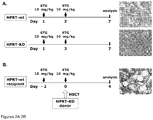
- mice Female recipient C57BL/6J (HPRT-wt) or B6.SJL- Pfprc a Pepc b /BoyJ (HPRT-wt, CD45.1) mice were treated with 10 mg/kg 6TG by i.p. injection 48 hrs before HSCT.
- HSCT 0.8-1 x 10 7 nucleated BM cells isolated from B6.129P2- Hprt1 b-m3 /J male mice (CD45.2 ) were intravenously injected into HPRT-wt recipients.
- 6TG (10 mg/kg) was again administered by i.p. injection 2 hrs later, and every 3 days thereafter, at 5 mg/kg for 4 weeks.
- Serial transplantation into secondary recipient mice was performed using the same cell dose and 6TG preconditioning / chemoselection regimen as above, but using BM from primary recipient mice that had undergone transplantation with 6TG in vivo chemoselection 6 months previously.
- FISH was performed on BM and PBL cells using the mouse-specific Whole Chromosome-Y paint probe/ RAB9 (XqF1) DNA probes mix (Kreatech, Amsterdam, Netherlands) according to the manufacturer's protocol.
- XqF1 Whole Chromosome-Y paint probe/ RAB9
- BM, PBL, thymus, or spleen cells were stained with FITC-, PE-, PerCP- or APC-conjugated rat anti-mouse antibodies against CD45, CD45.2, CD4, CD8, Mac1/Gr1, B220, Sca-1, c-kit, and lineage antibody cocktail.
- Antibodies were received from Biolegend (San Diego, CA) or BD Biosciences.
- Flow cytometric data were acquired on a BD LSRII running BD FACSDiva (BD Biosciences) and analyzed using FlowJo software (TreeStar, Ashland, OR) (Supplementary Figure S2).
- mice used in this study and histological examination of all thoracic and abdominal organs and bone marrow was performed by the UCLA Division of Laboratory Animal Medicine Diagnostic Service Laboratory. Tissues were routinely processed or decalcified if necessary, and paraffin sections were cut and stained with hematoxylin and eosin (H&E).
- H&E hematoxylin and eosin
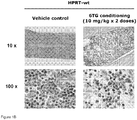
- HPRT-wt mice The high levels of HPRT expression in hematopoietic progenitors are predicted to mediate a selective myelotoxic effect of 6TG and enable its use as a conditioning regimen. Accordingly, we examined the short-term effects on BM after bolus injections of 6TG at various dosages in HPRT-wt mice. Intraperitoneal injection of a single dose of 2.5 mg/kg, 5.0 mg/kg, or 10 mg/kg 6TG was performed on Day 1, or injection of two doses at 10 mg/kg on Days 1 and 3, and BM histology was examined on Day 4. Increasing myelotoxicity was observed as the total 6TG dosage was increased ( Fig. 1A ).
- vascular endothelium mesenchymal cells, some mature granulocytes and macrophages, and occasional hematopoietic progenitor cells remained at the highest 6TG dose tested ( Fig. 1B ).
- the relative percentage of mature CD8+ and CD4+ T cells progressively increased over time after 6TG administration, reaching up to 7-fold compared to the controls by Day 7 (p ⁇ 0.001), likely due to the massively dilated blood vessels and influx of peripheral blood/hemorrhage, as can be also seen in the BM histology.
- the relative percentage of B220+ cells showed no significant change by Day 4, but had doubled compared to controls by Day 7 after 6TG administration.
- Table 1 Immunophenotypic analysis of BM hematopoietic cells after 6TG conditioning regimen.
- BM cells were stained with the following rat anti-mouse antibodies: CD45-FITC, CD4-PE, CD8-APC, B220-PerCP, Mac1/Gr1-PE, Sca-1-PE, and c-kit-FITC, and examined by flow cytometry. Treatment and analysis schedules are indicated by small roman numerals, and are the same as in Figure 1 .
- (ii) Single dose of 10 mg/kg 6TG on Day 1, analysis on Day 4.
- iii) Two doses of 10 mg/kg 6TG on Days 1 and 3, analysis on Day 4.
- liver enzymes were not elevated following this conditioning regimen in HPRT-wt mice, indicating the selectivity of 6TG cytotoxicity for hematopoietic progenitors at this dosage, and suggesting its potential for use as a myelosuppressive conditioning regimen.
- Flow cytometric analyses of BM showed that at day 4 only 17.8% ⁇ 4.4% of the total cell population was derived from donor HPRT-deficient CD45.2+ hematopoietic cells.
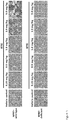
- the vehicle control group as well as the 0.25 mg/kg and 0.5 mg/kg 6TG groups showed 100% survival over a period of 60 days, and histological examination of BM in the 0.25 mg/kg and 0.5 mg/kg 6TG groups showed normal cellularity on Day 60 ( Fig. 3 ).
- HPRT-wt mice receiving repeated injections of 2.5 mg/kg or 5 mg/kg 6TG consistently showed progressive clinical signs of distress (inactivity, hunched posture, lack of grooming, anorexia), anemia (pallor of extremities) and >10% weight loss, necessitating sacrifice per institutional guidelines on Day 28 (2.5 mg/kg 6TG group; 22.5 mg/kg total dosage) and Day 22 (5.0 mg/kg 6TG group; 35 mg/kg total dosage), respectively.
- HPRT-deficient mice In contrast to the HPRT-wt mice, all HPRT-deficient mice survived for the duration of the experiment (60 days), independent of the injected 6TG dosage (up to 105 mg/kg maximum total dose, administered according to the same dosing schedules as above) (Table S1). No significant BM pathology was observed in any HPRT-deficient mice, regardless of 6TG dosage, at the terminal time point of the experiment on Day 60 ( Fig. 3 ). No significant treatment-related abnormalities were observed in any other tissues examined, including heart, lung, liver, pancreas, kidney, and spleen. Thus, HPRT-deficient mice showed no toxic effects of chronic 6TG treatment at the 1.0 mg/kg, 2.5 mg/kg, and 5.0 mg/kg doses that caused lethal myelotoxicity in HPRT-wt mice.
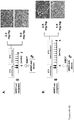
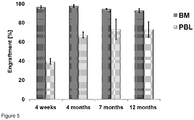
- HPRT-wt female recipients were then transplanted with HPRT-deficient male BM, and based on the chronic myelotoxicity results above, the recipients were further treated with repeated doses of 2.5 mg/kg 6TG every 3 days for 2 weeks (30 mg/kg total dosage) or 4 weeks (42.5 mg/kg), or repeated doses of 5.0 mg/kg 6TG every 3 days for 2 weeks (40 mg/kg total dosage) or 4 weeks (65 mg/kg total dosage). Analysis was performed immediately after the in vivo chemoselection period at 2 weeks or 4 weeks, respectively ( Fig. 4 ).
- Chromosome XY-FISH [25, 26] showed that in the groups receiving 2 weeks of 6TG chemoselection, the BM at that time point was already highly reconstituted with donor-derived marrow at levels of 89.3% ⁇ 1.7 (2.5 mg/kg group) and 95.5% ⁇ 1.2 (5 mg/kg group).
- the percentages of donor-derived peripheral blood leukocytes (PBL) at 2 weeks were 13.0% ⁇ 4.6 (2.5 mg/kg group) and 12.7% ⁇ 2.9 (5.0 mg/kg group), respectively (Table 4).
- the percentage of donor-derived BM cells was again found to be extremely high in both the 2.5 mg/kg group (95.3% ⁇ 0.9) and the 5.0 mg/kg group (96.7% ⁇ 1.2).
- the percentage of donor-derived PBL was significantly higher in the 5.0 mg/kg group (39.7% ⁇ 3) in comparison to the 2.5 mg/kg group (29.9% ⁇ 1.9) at 4 weeks (p ⁇ 0.005), as well as significantly higher (p ⁇ 0.0002) than in the groups receiving 2 weeks of chemoselection at either dose (Table 4).
- Engraftment of HPRT-deficient male hematopoietic cells in HPRT-wt female recipient BM and PBL was determined by chromosome XY-FISH (mean% ⁇ SD).
- Multi-lineage reconstitution of lymphohematopoiesis by donor-derived progenitor cells was evaluated 4 months after HSCT with combined 6TG preconditioning and in vivo chemoselection, i.e., 3 months after the end of the 4-week chemoselection period.
- Immunophenotyping of the donor-derived CD45.2+ population showed that the relative percentages of T cells (CD4/CD8), B220+ cells, and macrophages/granulocytes (Mac-1/Gr1) were comparable to those of the treatment-na ⁇ ve controls (Tables 2 and 3). Table 5. Immunophenotypic analysis of hematopoietic tissues 4 months post-transplantation using 6TG conditioning and in vivo chemoselection regimen in a congeneic CD45.1/CD45.2 transplant model. 6TG conditioning and in vivo chemoselection was performed as described in text.
- Engraftment levels were also evaluated by chromosome XY-FISH at the post-transplant 4-month, 7-month, and 12-month time points. Stable long-term reconstitution by donor-derived BM at high levels was observed at all time points, with engraftment levels of 97.7% ⁇ 0.5% (4 months), 94.7% ⁇ 1.9% (7 months), and 93.0% ⁇ 0.8% (12 months), respectively, after transplantation ( Fig. 5 ).
- HPRT-deficient donor-derived marrow was able to achieve long-term reconstitution of normal hematopoiesis for at least 12 months post-transplantation.
- Table 6 Immunophenotypic analysis of BM at 4 months, 7 months, and 12 months post-transplantation with HPRT-deficient BM using 6TG conditioning and in vivo chemoselection regimen.
- recipient BM cells were stained with the following rat anti-mouse antibodies: CD45-FITC, CD4-PE, CD8-APC, Mac1/Gr1-PE, B220-PerCP, Sca-1-PE, and c-kit-FITC, and examined by flow cytometry.
- Percentages of the indicated hematopoietic cell subpopulations are expressed as mean % ⁇ SD of total CD45+ cells.
- Cell population 4 months BM (%) 7 months BM (%) 12 months BM (%) CD45 + 91.6 ⁇ 1.9 94.3 ⁇ 2.1 82.5 ⁇ 4.9 CD4 + 2.5 ⁇ 0.6 3.8 ⁇ 0.2 2.8 ⁇ 2.7 CD8 + 1.9 ⁇ 0.1 2.2 ⁇ 0.4 1.8 ⁇ 0.6
- Immunophenotypic analysis revealed that the percentages of all cell populations examined in BM and PBL of secondary recipients (Table 7) were again comparable to those of treatment-na ⁇ ve controls (Tables 2 and 3). Table 7.
- Residual recipient cells in PBL likely reflect a lower turnover of non-dividing mature cells in PBL.
- Stable long-term reconstitution of the BM was achieved in both primary and secondary recipients.
- Immunophenotyping analysis of BM, PBL, spleen, and thymus showed that, after long-term reconstitution, hematopoietic differentiation was unaffected by 6TG in vivo chemoselection.
- This example is directed at translational application to ex vivo gene therapy in the autologous setting, employing both third-generation lentiviral vectors expressing different HPRT-targeted shRNA candidate sequences, as well as nucleofection of zinc finger nucleases (ZFN) targeting HPRT.
- ZFN zinc finger nucleases
- the latter approach is advantageous as only transient expression of the ZFN construct is needed to achieve permanent knockout of the target gene, thereby mitigating the potential for insertional mutagenesis as a result of the genetic engineering procedure.
- this strategy is unique in imparting a selective advantage to transplanted cells through an enzyme deficiency, rather than inserting a new transgene to achieve chemoresistance.
- HPRT-targeted shRNA was successful in down-regulating HPRT to undetectable levels.
- HPRT has been successfully knocked out using ZFN.
Landscapes
- Health & Medical Sciences (AREA)
- Life Sciences & Earth Sciences (AREA)
- Immunology (AREA)
- Animal Behavior & Ethology (AREA)
- Pharmacology & Pharmacy (AREA)
- Cell Biology (AREA)
- General Health & Medical Sciences (AREA)
- Public Health (AREA)
- Veterinary Medicine (AREA)
- Medicinal Chemistry (AREA)
- Chemical & Material Sciences (AREA)
- Developmental Biology & Embryology (AREA)
- Epidemiology (AREA)
- Engineering & Computer Science (AREA)
- Biomedical Technology (AREA)
- Hematology (AREA)
- Zoology (AREA)
- Virology (AREA)
- Biotechnology (AREA)
- Bioinformatics & Cheminformatics (AREA)
- Transplantation (AREA)
- General Chemical & Material Sciences (AREA)
- Chemical Kinetics & Catalysis (AREA)
- Organic Chemistry (AREA)
- Nuclear Medicine, Radiotherapy & Molecular Imaging (AREA)
- Medicines Containing Material From Animals Or Micro-Organisms (AREA)
- Pharmaceuticals Containing Other Organic And Inorganic Compounds (AREA)
- Medicines That Contain Protein Lipid Enzymes And Other Medicines (AREA)
Priority Applications (1)
| Application Number | Priority Date | Filing Date | Title |
|---|---|---|---|
| EP20190457.0A EP3799876A1 (en) | 2011-04-20 | 2012-04-20 | Method for combined conditioning and chemoselection in a single cycle |
Applications Claiming Priority (3)
| Application Number | Priority Date | Filing Date | Title |
|---|---|---|---|
| US201161477440P | 2011-04-20 | 2011-04-20 | |
| EP12774246.8A EP2699247B1 (en) | 2011-04-20 | 2012-04-20 | Method for combined conditioning and chemoselection in a single cycle |
| PCT/US2012/034586 WO2012145723A1 (en) | 2011-04-20 | 2012-04-20 | Method for combined conditioning and chemoselection in a single cycle |
Related Parent Applications (1)
| Application Number | Title | Priority Date | Filing Date |
|---|---|---|---|
| EP12774246.8A Division EP2699247B1 (en) | 2011-04-20 | 2012-04-20 | Method for combined conditioning and chemoselection in a single cycle |
Related Child Applications (2)
| Application Number | Title | Priority Date | Filing Date |
|---|---|---|---|
| EP20190457.0A Division EP3799876A1 (en) | 2011-04-20 | 2012-04-20 | Method for combined conditioning and chemoselection in a single cycle |
| EP20190457.0A Division-Into EP3799876A1 (en) | 2011-04-20 | 2012-04-20 | Method for combined conditioning and chemoselection in a single cycle |
Publications (2)
| Publication Number | Publication Date |
|---|---|
| EP3384912A1 EP3384912A1 (en) | 2018-10-10 |
| EP3384912B1 true EP3384912B1 (en) | 2020-11-11 |
Family
ID=47041955
Family Applications (3)
| Application Number | Title | Priority Date | Filing Date |
|---|---|---|---|
| EP18159906.9A Not-in-force EP3384912B1 (en) | 2011-04-20 | 2012-04-20 | Method for combined conditioning and chemoselection in a single cycle |
| EP12774246.8A Active EP2699247B1 (en) | 2011-04-20 | 2012-04-20 | Method for combined conditioning and chemoselection in a single cycle |
| EP20190457.0A Withdrawn EP3799876A1 (en) | 2011-04-20 | 2012-04-20 | Method for combined conditioning and chemoselection in a single cycle |
Family Applications After (2)
| Application Number | Title | Priority Date | Filing Date |
|---|---|---|---|
| EP12774246.8A Active EP2699247B1 (en) | 2011-04-20 | 2012-04-20 | Method for combined conditioning and chemoselection in a single cycle |
| EP20190457.0A Withdrawn EP3799876A1 (en) | 2011-04-20 | 2012-04-20 | Method for combined conditioning and chemoselection in a single cycle |
Country Status (11)
| Country | Link |
|---|---|
| US (1) | US9439928B2 (enExample) |
| EP (3) | EP3384912B1 (enExample) |
| JP (4) | JP5997257B2 (enExample) |
| AU (3) | AU2012245269B2 (enExample) |
| CA (1) | CA2861440C (enExample) |
| DK (1) | DK2699247T3 (enExample) |
| ES (1) | ES2672693T3 (enExample) |
| PL (1) | PL2699247T3 (enExample) |
| RU (2) | RU2728867C2 (enExample) |
| TR (1) | TR201808037T4 (enExample) |
| WO (1) | WO2012145723A1 (enExample) |
Families Citing this family (10)
| Publication number | Priority date | Publication date | Assignee | Title |
|---|---|---|---|---|
| US9682106B2 (en) * | 2011-04-20 | 2017-06-20 | The Regents Of The University Of California | Method for combined conditioning and chemoselection in a single cycle |
| RU2728867C2 (ru) * | 2011-04-20 | 2020-07-31 | Де Реджентс Оф Де Юниверсити Оф Калифорния | Способ совместного кондиционирования и хемоселекции за один цикл |
| US20170209447A1 (en) * | 2014-08-07 | 2017-07-27 | Nitor Therapeutics | Use of PNP Inhibitor to Treat Relapse of Malignancy after Hematopoietic Stem Cell Transplant |
| US20180140606A1 (en) * | 2016-11-18 | 2018-05-24 | Calimmune, Inc. | In Vivo Chemoselection with Low Dose Thioguanine |
| JP6783674B2 (ja) | 2017-01-20 | 2020-11-11 | 株式会社日立ハイテク | 自動分析装置、自動分析装置における廃液方法、及び、三方電磁弁 |
| EP4190339B1 (en) | 2017-07-18 | 2025-07-02 | CSL Behring Gene Therapy, Inc. | A modulatable switch for selection of donor modified cells |
| BR112020001059A2 (pt) * | 2017-07-18 | 2020-07-14 | Calimmune, Inc. | composições e métodos para o tratamento de beta-hemoglobinopatias |
| JP2020536554A (ja) * | 2017-10-09 | 2020-12-17 | ストワーズ インスティテュート フォー メディカル リサーチ | 細胞集団を増大させるための方法および組成物 |
| JP2022514954A (ja) * | 2018-12-23 | 2022-02-16 | シーエスエル・ベーリング・エルエルシー | キルスイッチを有するドナーt細胞 |
| EP3897745A1 (en) * | 2018-12-23 | 2021-10-27 | CSL Behring LLC | Haematopoietic stem cell-gene therapy for wiskott-aldrich syndrome |
Family Cites Families (10)
| Publication number | Priority date | Publication date | Assignee | Title |
|---|---|---|---|---|
| US5965126A (en) | 1996-03-25 | 1999-10-12 | The Penn State Research Foundation | use of mutant alkyltransferases for gene therapy to protect from toxicity of therapeutic alkylating agents |
| WO1997043900A1 (en) | 1996-05-24 | 1997-11-27 | The President And Fellows Of Harvard College | In vivo selection |
| AU7605796A (en) | 1996-11-04 | 1998-05-29 | Saint Jude Children's Research Hospital | (in vivo) selection of primitive hematopoietic cells |
| ATE439137T1 (de) * | 1997-11-14 | 2009-08-15 | Gen Hospital Corp | Behandlung von hämatologischen störungen |
| GB9904281D0 (en) * | 1999-02-24 | 1999-04-21 | Reneuron Ltd | Transplantation |
| US7094885B2 (en) * | 1999-07-11 | 2006-08-22 | Neorx Corporation | Skeletal-targeted radiation to treat bone-associated pathologies |
| US20030032003A1 (en) | 2000-02-02 | 2003-02-13 | Schiestl Robert H. | In vivo selection |
| CA2428721A1 (en) * | 2000-11-14 | 2002-05-23 | The General Hospital Corporation | Blockade of t cell migration into epithelial gvhd target tissues |
| US7037900B2 (en) * | 2001-10-12 | 2006-05-02 | Supergen, Inc. | Composition and method for treating graft-versus-host disease |
| RU2728867C2 (ru) * | 2011-04-20 | 2020-07-31 | Де Реджентс Оф Де Юниверсити Оф Калифорния | Способ совместного кондиционирования и хемоселекции за один цикл |
-
2012
- 2012-04-20 RU RU2017104621A patent/RU2728867C2/ru active
- 2012-04-20 RU RU2013151632A patent/RU2611396C2/ru active
- 2012-04-20 AU AU2012245269A patent/AU2012245269B2/en not_active Ceased
- 2012-04-20 ES ES12774246.8T patent/ES2672693T3/es active Active
- 2012-04-20 EP EP18159906.9A patent/EP3384912B1/en not_active Not-in-force
- 2012-04-20 EP EP12774246.8A patent/EP2699247B1/en active Active
- 2012-04-20 TR TR2018/08037T patent/TR201808037T4/tr unknown
- 2012-04-20 JP JP2014506605A patent/JP5997257B2/ja not_active Expired - Fee Related
- 2012-04-20 US US14/112,878 patent/US9439928B2/en not_active Expired - Fee Related
- 2012-04-20 WO PCT/US2012/034586 patent/WO2012145723A1/en not_active Ceased
- 2012-04-20 EP EP20190457.0A patent/EP3799876A1/en not_active Withdrawn
- 2012-04-20 DK DK12774246.8T patent/DK2699247T3/en active
- 2012-04-20 CA CA2861440A patent/CA2861440C/en active Active
- 2012-04-20 PL PL12774246T patent/PL2699247T3/pl unknown
-
2016
- 2016-08-25 JP JP2016164295A patent/JP6266716B2/ja not_active Expired - Fee Related
- 2016-11-17 AU AU2016259368A patent/AU2016259368B2/en not_active Ceased
-
2017
- 2017-12-20 JP JP2017243476A patent/JP6560332B2/ja not_active Expired - Fee Related
-
2018
- 2018-02-09 AU AU2018200967A patent/AU2018200967B2/en not_active Ceased
-
2019
- 2019-07-18 JP JP2019132856A patent/JP6799117B2/ja not_active Expired - Fee Related
Non-Patent Citations (1)
| Title |
|---|
| None * |
Also Published As
Similar Documents
| Publication | Publication Date | Title |
|---|---|---|
| AU2018200967B2 (en) | Method for combined conditioning and chemoselection in a single cycle | |
| EP4190339B1 (en) | A modulatable switch for selection of donor modified cells | |
| KR20060036490A (ko) | 아데노신 수용체 아고니스트 또는 길항제를 포함하는 제약조성물 | |
| EP3318276A1 (en) | Combinations of a telomerase inhibitor and a bcl-2 inhibitor for the treatment of hematological cancers | |
| US11607427B2 (en) | Method for chemoselection | |
| Chu et al. | Basic and clinical pharmacology | |
| Hacke et al. | Combined preconditioning and in vivo chemoselection with 6-thioguanine alone achieves highly efficient reconstitution of normal hematopoiesis with HPRT-deficient bone marrow | |
| HK1256048B (en) | Method for combined conditioning and chemoselection in a single cycle | |
| CA2672716C (fr) | Nouvelle utilisation therapeutique pour le traitement des leucemies | |
| Sweeney et al. | Methotrexate exacerbates tumor progression in a murine model of chronic myeloid leukemia | |
| Chalmers et al. | The immunosuppressive activity of 9-butylazathioprine, used alone and with azathioprine | |
| WO2007036036A1 (en) | Method and composition for increasing the engraftment efficiency of stem cells | |
| HK40002948A (en) | Combinations of imetelstat and venetoclax for the treatment of acute myeloid leukaemia |
Legal Events
| Date | Code | Title | Description |
|---|---|---|---|
| PUAI | Public reference made under article 153(3) epc to a published international application that has entered the european phase |
Free format text: ORIGINAL CODE: 0009012 |
|
| STAA | Information on the status of an ep patent application or granted ep patent |
Free format text: STATUS: THE APPLICATION HAS BEEN PUBLISHED |
|
| AC | Divisional application: reference to earlier application |
Ref document number: 2699247 Country of ref document: EP Kind code of ref document: P |
|
| AK | Designated contracting states |
Kind code of ref document: A1 Designated state(s): AL AT BE BG CH CY CZ DE DK EE ES FI FR GB GR HR HU IE IS IT LI LT LU LV MC MK MT NL NO PL PT RO RS SE SI SK SM TR |
|
| STAA | Information on the status of an ep patent application or granted ep patent |
Free format text: STATUS: REQUEST FOR EXAMINATION WAS MADE |
|
| 17P | Request for examination filed |
Effective date: 20190408 |
|
| RBV | Designated contracting states (corrected) |
Designated state(s): AL AT BE BG CH CY CZ DE DK EE ES FI FR GB GR HR HU IE IS IT LI LT LU LV MC MK MT NL NO PL PT RO RS SE SI SK SM TR |
|
| REG | Reference to a national code |
Ref country code: HK Ref legal event code: DE Ref document number: 1256048 Country of ref document: HK |
|
| GRAP | Despatch of communication of intention to grant a patent |
Free format text: ORIGINAL CODE: EPIDOSNIGR1 |
|
| STAA | Information on the status of an ep patent application or granted ep patent |
Free format text: STATUS: GRANT OF PATENT IS INTENDED |
|
| RIC1 | Information provided on ipc code assigned before grant |
Ipc: A61P 37/06 20060101ALI20200124BHEP Ipc: A61K 35/28 20150101ALI20200124BHEP Ipc: A61K 31/52 20060101AFI20200124BHEP |
|
| INTG | Intention to grant announced |
Effective date: 20200304 |
|
| RAP1 | Party data changed (applicant data changed or rights of an application transferred) |
Owner name: THE REGENTS OF THE UNIVERSITY OF CALIFORNIA |
|
| GRAS | Grant fee paid |
Free format text: ORIGINAL CODE: EPIDOSNIGR3 |
|
| GRAA | (expected) grant |
Free format text: ORIGINAL CODE: 0009210 |
|
| STAA | Information on the status of an ep patent application or granted ep patent |
Free format text: STATUS: THE PATENT HAS BEEN GRANTED |
|
| AC | Divisional application: reference to earlier application |
Ref document number: 2699247 Country of ref document: EP Kind code of ref document: P |
|
| AK | Designated contracting states |
Kind code of ref document: B1 Designated state(s): AL AT BE BG CH CY CZ DE DK EE ES FI FR GB GR HR HU IE IS IT LI LT LU LV MC MK MT NL NO PL PT RO RS SE SI SK SM TR |
|
| REG | Reference to a national code |
Ref country code: CH Ref legal event code: EP |
|
| APBM | Appeal reference recorded |
Free format text: ORIGINAL CODE: EPIDOSNREFNO |
|
| REG | Reference to a national code |
Ref country code: IE Ref legal event code: FG4D |
|
| REG | Reference to a national code |
Ref country code: DE Ref legal event code: R096 Ref document number: 602012071809 Country of ref document: DE |
|
| REG | Reference to a national code |
Ref country code: AT Ref legal event code: REF Ref document number: 1300850 Country of ref document: AT Kind code of ref document: T Effective date: 20200915 |
|
| PUAC | Information related to the publication of a b1 document modified or deleted |
Free format text: ORIGINAL CODE: 0009299EPPU |
|
| STAA | Information on the status of an ep patent application or granted ep patent |
Free format text: STATUS: GRANT OF PATENT IS INTENDED |
|
| APBV | Interlocutory revision of appeal recorded |
Free format text: ORIGINAL CODE: EPIDOSNIRAPE |
|
| GRAJ | Information related to disapproval of communication of intention to grant by the applicant or resumption of examination proceedings by the epo deleted |
Free format text: ORIGINAL CODE: EPIDOSDIGR1 |
|
| GRAL | Information related to payment of fee for publishing/printing deleted |
Free format text: ORIGINAL CODE: EPIDOSDIGR3 |
|
| STAA | Information on the status of an ep patent application or granted ep patent |
Free format text: STATUS: REQUEST FOR EXAMINATION WAS MADE |
|
| REG | Reference to a national code |
Ref country code: CH Ref legal event code: PK Free format text: DIE ERTEILUNG WURDE VOM EPA WIDERRUFEN. |
|
| GRAR | Information related to intention to grant a patent recorded |
Free format text: ORIGINAL CODE: EPIDOSNIGR71 |
|
| STAA | Information on the status of an ep patent application or granted ep patent |
Free format text: STATUS: GRANT OF PATENT IS INTENDED |
|
| GRAA | (expected) grant |
Free format text: ORIGINAL CODE: 0009210 |
|
| STAA | Information on the status of an ep patent application or granted ep patent |
Free format text: STATUS: THE PATENT HAS BEEN GRANTED |
|
| DB1 | Publication of patent cancelled |
Effective date: 20200918 |
|
| INTC | Intention to grant announced (deleted) | ||
| REG | Reference to a national code |
Ref country code: LU Ref legal event code: HK Effective date: 20201014 |
|
| AC | Divisional application: reference to earlier application |
Ref document number: 2699247 Country of ref document: EP Kind code of ref document: P |
|
| AK | Designated contracting states |
Kind code of ref document: B1 Designated state(s): AL AT BE BG CH CY CZ DE DK EE ES FI FR GB GR HR HU IE IS IT LI LT LU LV MC MK MT NL NO PL PT RO RS SE SI SK SM TR |
|
| INTG | Intention to grant announced |
Effective date: 20201005 |
|
| REG | Reference to a national code |
Ref country code: DE Ref legal event code: R107 Ref document number: 602012071809 Country of ref document: DE |
|
| REG | Reference to a national code |
Ref country code: CH Ref legal event code: PK Free format text: DIE ERTEILUNG VOM 12.08.2020 WURDE VOM EPA WIDERRUFEN. Ref country code: CH Ref legal event code: EP |
|
| REG | Reference to a national code |
Ref country code: DE Ref legal event code: R096 Ref document number: 602012071809 Country of ref document: DE |
|
| REG | Reference to a national code |
Ref country code: AT Ref legal event code: REF Ref document number: 1300850 Country of ref document: AT Kind code of ref document: T Effective date: 20210115 |
|
| PG25 | Lapsed in a contracting state [announced via postgrant information from national office to epo] |
Ref country code: NO Free format text: LAPSE BECAUSE OF FAILURE TO SUBMIT A TRANSLATION OF THE DESCRIPTION OR TO PAY THE FEE WITHIN THE PRESCRIBED TIME-LIMIT Effective date: 20201112 Ref country code: GR Free format text: LAPSE BECAUSE OF FAILURE TO SUBMIT A TRANSLATION OF THE DESCRIPTION OR TO PAY THE FEE WITHIN THE PRESCRIBED TIME-LIMIT Effective date: 20201113 |
|
| PG25 | Lapsed in a contracting state [announced via postgrant information from national office to epo] |
Ref country code: IS Free format text: LAPSE BECAUSE OF FAILURE TO SUBMIT A TRANSLATION OF THE DESCRIPTION OR TO PAY THE FEE WITHIN THE PRESCRIBED TIME-LIMIT Effective date: 20201212 |
|
| REG | Reference to a national code |
Ref country code: NL Ref legal event code: MP Effective date: 20201111 |
|
| REG | Reference to a national code |
Ref country code: AT Ref legal event code: MK05 Ref document number: 1300850 Country of ref document: AT Kind code of ref document: T Effective date: 20201111 |
|
| PG25 | Lapsed in a contracting state [announced via postgrant information from national office to epo] |
Ref country code: NO Free format text: LAPSE BECAUSE OF FAILURE TO SUBMIT A TRANSLATION OF THE DESCRIPTION OR TO PAY THE FEE WITHIN THE PRESCRIBED TIME-LIMIT Effective date: 20210211 Ref country code: FI Free format text: LAPSE BECAUSE OF FAILURE TO SUBMIT A TRANSLATION OF THE DESCRIPTION OR TO PAY THE FEE WITHIN THE PRESCRIBED TIME-LIMIT Effective date: 20201111 Ref country code: PT Free format text: LAPSE BECAUSE OF FAILURE TO SUBMIT A TRANSLATION OF THE DESCRIPTION OR TO PAY THE FEE WITHIN THE PRESCRIBED TIME-LIMIT Effective date: 20210311 |
|
| PG25 | Lapsed in a contracting state [announced via postgrant information from national office to epo] |
Ref country code: AT Free format text: LAPSE BECAUSE OF FAILURE TO SUBMIT A TRANSLATION OF THE DESCRIPTION OR TO PAY THE FEE WITHIN THE PRESCRIBED TIME-LIMIT Effective date: 20201111 Ref country code: BG Free format text: LAPSE BECAUSE OF FAILURE TO SUBMIT A TRANSLATION OF THE DESCRIPTION OR TO PAY THE FEE WITHIN THE PRESCRIBED TIME-LIMIT Effective date: 20210211 Ref country code: LV Free format text: LAPSE BECAUSE OF FAILURE TO SUBMIT A TRANSLATION OF THE DESCRIPTION OR TO PAY THE FEE WITHIN THE PRESCRIBED TIME-LIMIT Effective date: 20201111 |
|
| REG | Reference to a national code |
Ref country code: LT Ref legal event code: MG9D |
|
| PG25 | Lapsed in a contracting state [announced via postgrant information from national office to epo] |
Ref country code: HR Free format text: LAPSE BECAUSE OF FAILURE TO SUBMIT A TRANSLATION OF THE DESCRIPTION OR TO PAY THE FEE WITHIN THE PRESCRIBED TIME-LIMIT Effective date: 20201111 |
|
| PG25 | Lapsed in a contracting state [announced via postgrant information from national office to epo] |
Ref country code: SM Free format text: LAPSE BECAUSE OF FAILURE TO SUBMIT A TRANSLATION OF THE DESCRIPTION OR TO PAY THE FEE WITHIN THE PRESCRIBED TIME-LIMIT Effective date: 20201111 Ref country code: LT Free format text: LAPSE BECAUSE OF FAILURE TO SUBMIT A TRANSLATION OF THE DESCRIPTION OR TO PAY THE FEE WITHIN THE PRESCRIBED TIME-LIMIT Effective date: 20201111 Ref country code: CZ Free format text: LAPSE BECAUSE OF FAILURE TO SUBMIT A TRANSLATION OF THE DESCRIPTION OR TO PAY THE FEE WITHIN THE PRESCRIBED TIME-LIMIT Effective date: 20201111 Ref country code: EE Free format text: LAPSE BECAUSE OF FAILURE TO SUBMIT A TRANSLATION OF THE DESCRIPTION OR TO PAY THE FEE WITHIN THE PRESCRIBED TIME-LIMIT Effective date: 20201111 Ref country code: SK Free format text: LAPSE BECAUSE OF FAILURE TO SUBMIT A TRANSLATION OF THE DESCRIPTION OR TO PAY THE FEE WITHIN THE PRESCRIBED TIME-LIMIT Effective date: 20201111 Ref country code: RO Free format text: LAPSE BECAUSE OF FAILURE TO SUBMIT A TRANSLATION OF THE DESCRIPTION OR TO PAY THE FEE WITHIN THE PRESCRIBED TIME-LIMIT Effective date: 20201111 |
|
| PGFP | Annual fee paid to national office [announced via postgrant information from national office to epo] |
Ref country code: FR Payment date: 20210426 Year of fee payment: 10 Ref country code: DE Payment date: 20210428 Year of fee payment: 10 |
|
| REG | Reference to a national code |
Ref country code: DE Ref legal event code: R097 Ref document number: 602012071809 Country of ref document: DE |
|
| PG25 | Lapsed in a contracting state [announced via postgrant information from national office to epo] |
Ref country code: DK Free format text: LAPSE BECAUSE OF FAILURE TO SUBMIT A TRANSLATION OF THE DESCRIPTION OR TO PAY THE FEE WITHIN THE PRESCRIBED TIME-LIMIT Effective date: 20201111 |
|
| PGFP | Annual fee paid to national office [announced via postgrant information from national office to epo] |
Ref country code: CH Payment date: 20210505 Year of fee payment: 10 Ref country code: ES Payment date: 20210504 Year of fee payment: 10 Ref country code: GB Payment date: 20210427 Year of fee payment: 10 Ref country code: IE Payment date: 20210427 Year of fee payment: 10 |
|
| PLBE | No opposition filed within time limit |
Free format text: ORIGINAL CODE: 0009261 |
|
| STAA | Information on the status of an ep patent application or granted ep patent |
Free format text: STATUS: NO OPPOSITION FILED WITHIN TIME LIMIT |
|
| 26N | No opposition filed |
Effective date: 20210812 |
|
| PG25 | Lapsed in a contracting state [announced via postgrant information from national office to epo] |
Ref country code: NL Free format text: LAPSE BECAUSE OF FAILURE TO SUBMIT A TRANSLATION OF THE DESCRIPTION OR TO PAY THE FEE WITHIN THE PRESCRIBED TIME-LIMIT Effective date: 20201111 Ref country code: AL Free format text: LAPSE BECAUSE OF FAILURE TO SUBMIT A TRANSLATION OF THE DESCRIPTION OR TO PAY THE FEE WITHIN THE PRESCRIBED TIME-LIMIT Effective date: 20201111 Ref country code: IT Free format text: LAPSE BECAUSE OF FAILURE TO SUBMIT A TRANSLATION OF THE DESCRIPTION OR TO PAY THE FEE WITHIN THE PRESCRIBED TIME-LIMIT Effective date: 20201111 |
|
| PG25 | Lapsed in a contracting state [announced via postgrant information from national office to epo] |
Ref country code: SI Free format text: LAPSE BECAUSE OF FAILURE TO SUBMIT A TRANSLATION OF THE DESCRIPTION OR TO PAY THE FEE WITHIN THE PRESCRIBED TIME-LIMIT Effective date: 20201111 Ref country code: MC Free format text: LAPSE BECAUSE OF FAILURE TO SUBMIT A TRANSLATION OF THE DESCRIPTION OR TO PAY THE FEE WITHIN THE PRESCRIBED TIME-LIMIT Effective date: 20201111 |
|
| PG25 | Lapsed in a contracting state [announced via postgrant information from national office to epo] |
Ref country code: LU Free format text: LAPSE BECAUSE OF NON-PAYMENT OF DUE FEES Effective date: 20210420 |
|
| REG | Reference to a national code |
Ref country code: BE Ref legal event code: MM Effective date: 20210430 |
|
| PG25 | Lapsed in a contracting state [announced via postgrant information from national office to epo] |
Ref country code: ES Free format text: LAPSE BECAUSE OF FAILURE TO SUBMIT A TRANSLATION OF THE DESCRIPTION OR TO PAY THE FEE WITHIN THE PRESCRIBED TIME-LIMIT Effective date: 20201111 |
|
| PG25 | Lapsed in a contracting state [announced via postgrant information from national office to epo] |
Ref country code: IS Free format text: LAPSE BECAUSE OF FAILURE TO SUBMIT A TRANSLATION OF THE DESCRIPTION OR TO PAY THE FEE WITHIN THE PRESCRIBED TIME-LIMIT Effective date: 20201212 |
|
| PG25 | Lapsed in a contracting state [announced via postgrant information from national office to epo] |
Ref country code: BE Free format text: LAPSE BECAUSE OF NON-PAYMENT OF DUE FEES Effective date: 20210430 |
|
| REG | Reference to a national code |
Ref country code: DE Ref legal event code: R119 Ref document number: 602012071809 Country of ref document: DE |
|
| REG | Reference to a national code |
Ref country code: CH Ref legal event code: PL |
|
| GBPC | Gb: european patent ceased through non-payment of renewal fee |
Effective date: 20220420 |
|
| PG25 | Lapsed in a contracting state [announced via postgrant information from national office to epo] |
Ref country code: LI Free format text: LAPSE BECAUSE OF NON-PAYMENT OF DUE FEES Effective date: 20220430 Ref country code: GB Free format text: LAPSE BECAUSE OF NON-PAYMENT OF DUE FEES Effective date: 20220420 Ref country code: FR Free format text: LAPSE BECAUSE OF NON-PAYMENT OF DUE FEES Effective date: 20220430 Ref country code: DE Free format text: LAPSE BECAUSE OF NON-PAYMENT OF DUE FEES Effective date: 20221103 Ref country code: CH Free format text: LAPSE BECAUSE OF NON-PAYMENT OF DUE FEES Effective date: 20220430 |
|
| PG25 | Lapsed in a contracting state [announced via postgrant information from national office to epo] |
Ref country code: IE Free format text: LAPSE BECAUSE OF NON-PAYMENT OF DUE FEES Effective date: 20220420 |
|
| PG25 | Lapsed in a contracting state [announced via postgrant information from national office to epo] |
Ref country code: RS Free format text: LAPSE BECAUSE OF FAILURE TO SUBMIT A TRANSLATION OF THE DESCRIPTION OR TO PAY THE FEE WITHIN THE PRESCRIBED TIME-LIMIT Effective date: 20201111 Ref country code: CY Free format text: LAPSE BECAUSE OF FAILURE TO SUBMIT A TRANSLATION OF THE DESCRIPTION OR TO PAY THE FEE WITHIN THE PRESCRIBED TIME-LIMIT Effective date: 20201111 |
|
| PG25 | Lapsed in a contracting state [announced via postgrant information from national office to epo] |
Ref country code: SE Free format text: LAPSE BECAUSE OF NON-PAYMENT OF DUE FEES Effective date: 20201111 |
|
| PG25 | Lapsed in a contracting state [announced via postgrant information from national office to epo] |
Ref country code: HU Free format text: LAPSE BECAUSE OF FAILURE TO SUBMIT A TRANSLATION OF THE DESCRIPTION OR TO PAY THE FEE WITHIN THE PRESCRIBED TIME-LIMIT; INVALID AB INITIO Effective date: 20120420 |
|
| PG25 | Lapsed in a contracting state [announced via postgrant information from national office to epo] |
Ref country code: PL Free format text: LAPSE BECAUSE OF FAILURE TO SUBMIT A TRANSLATION OF THE DESCRIPTION OR TO PAY THE FEE WITHIN THE PRESCRIBED TIME-LIMIT Effective date: 20201111 |
|
| PG25 | Lapsed in a contracting state [announced via postgrant information from national office to epo] |
Ref country code: MK Free format text: LAPSE BECAUSE OF FAILURE TO SUBMIT A TRANSLATION OF THE DESCRIPTION OR TO PAY THE FEE WITHIN THE PRESCRIBED TIME-LIMIT Effective date: 20201111 |
|
| PG25 | Lapsed in a contracting state [announced via postgrant information from national office to epo] |
Ref country code: MT Free format text: LAPSE BECAUSE OF FAILURE TO SUBMIT A TRANSLATION OF THE DESCRIPTION OR TO PAY THE FEE WITHIN THE PRESCRIBED TIME-LIMIT Effective date: 20201111 |
|
| PG25 | Lapsed in a contracting state [announced via postgrant information from national office to epo] |
Ref country code: TR Free format text: LAPSE BECAUSE OF FAILURE TO SUBMIT A TRANSLATION OF THE DESCRIPTION OR TO PAY THE FEE WITHIN THE PRESCRIBED TIME-LIMIT Effective date: 20201111 |