EP3364960B1 - Mittel zur unterstützenden immunmodulation enthaltend propionsäure und einen fumarsäureester - Google Patents
Mittel zur unterstützenden immunmodulation enthaltend propionsäure und einen fumarsäureester Download PDFInfo
- Publication number
- EP3364960B1 EP3364960B1 EP16747738.9A EP16747738A EP3364960B1 EP 3364960 B1 EP3364960 B1 EP 3364960B1 EP 16747738 A EP16747738 A EP 16747738A EP 3364960 B1 EP3364960 B1 EP 3364960B1
- Authority
- EP
- European Patent Office
- Prior art keywords
- salts
- fumaric acid
- propionic acid
- combination
- der
- Prior art date
- Legal status (The legal status is an assumption and is not a legal conclusion. Google has not performed a legal analysis and makes no representation as to the accuracy of the status listed.)
- Active
Links
Images


Classifications
-
- A—HUMAN NECESSITIES
- A61—MEDICAL OR VETERINARY SCIENCE; HYGIENE
- A61K—PREPARATIONS FOR MEDICAL, DENTAL OR TOILETRY PURPOSES
- A61K31/00—Medicinal preparations containing organic active ingredients
- A61K31/185—Acids; Anhydrides, halides or salts thereof, e.g. sulfur acids, imidic, hydrazonic or hydroximic acids
- A61K31/19—Carboxylic acids, e.g. valproic acid
-
- A—HUMAN NECESSITIES
- A61—MEDICAL OR VETERINARY SCIENCE; HYGIENE
- A61K—PREPARATIONS FOR MEDICAL, DENTAL OR TOILETRY PURPOSES
- A61K31/00—Medicinal preparations containing organic active ingredients
- A61K31/21—Esters, e.g. nitroglycerine, selenocyanates
- A61K31/215—Esters, e.g. nitroglycerine, selenocyanates of carboxylic acids
-
- A—HUMAN NECESSITIES
- A61—MEDICAL OR VETERINARY SCIENCE; HYGIENE
- A61K—PREPARATIONS FOR MEDICAL, DENTAL OR TOILETRY PURPOSES
- A61K31/00—Medicinal preparations containing organic active ingredients
- A61K31/21—Esters, e.g. nitroglycerine, selenocyanates
- A61K31/215—Esters, e.g. nitroglycerine, selenocyanates of carboxylic acids
- A61K31/25—Esters, e.g. nitroglycerine, selenocyanates of carboxylic acids with polyoxyalkylated alcohols, e.g. esters of polyethylene glycol
-
- A—HUMAN NECESSITIES
- A61—MEDICAL OR VETERINARY SCIENCE; HYGIENE
- A61K—PREPARATIONS FOR MEDICAL, DENTAL OR TOILETRY PURPOSES
- A61K31/00—Medicinal preparations containing organic active ingredients
- A61K31/70—Carbohydrates; Sugars; Derivatives thereof
- A61K31/7135—Compounds containing heavy metals
- A61K31/714—Cobalamins, e.g. cyanocobalamin, i.e. vitamin B12
-
- A—HUMAN NECESSITIES
- A61—MEDICAL OR VETERINARY SCIENCE; HYGIENE
- A61P—SPECIFIC THERAPEUTIC ACTIVITY OF CHEMICAL COMPOUNDS OR MEDICINAL PREPARATIONS
- A61P17/00—Drugs for dermatological disorders
- A61P17/06—Antipsoriatics
-
- A—HUMAN NECESSITIES
- A61—MEDICAL OR VETERINARY SCIENCE; HYGIENE
- A61P—SPECIFIC THERAPEUTIC ACTIVITY OF CHEMICAL COMPOUNDS OR MEDICINAL PREPARATIONS
- A61P37/00—Drugs for immunological or allergic disorders
- A61P37/02—Immunomodulators
-
- A—HUMAN NECESSITIES
- A61—MEDICAL OR VETERINARY SCIENCE; HYGIENE
- A61K—PREPARATIONS FOR MEDICAL, DENTAL OR TOILETRY PURPOSES
- A61K2300/00—Mixtures or combinations of active ingredients, wherein at least one active ingredient is fully defined in groups A61K31/00 - A61K41/00
-
- A—HUMAN NECESSITIES
- A61—MEDICAL OR VETERINARY SCIENCE; HYGIENE
- A61K—PREPARATIONS FOR MEDICAL, DENTAL OR TOILETRY PURPOSES
- A61K31/00—Medicinal preparations containing organic active ingredients
- A61K31/21—Esters, e.g. nitroglycerine, selenocyanates
- A61K31/215—Esters, e.g. nitroglycerine, selenocyanates of carboxylic acids
- A61K31/22—Esters, e.g. nitroglycerine, selenocyanates of carboxylic acids of acyclic acids, e.g. pravastatin
- A61K31/225—Polycarboxylic acids
-
- A—HUMAN NECESSITIES
- A61—MEDICAL OR VETERINARY SCIENCE; HYGIENE
- A61K—PREPARATIONS FOR MEDICAL, DENTAL OR TOILETRY PURPOSES
- A61K9/00—Medicinal preparations characterised by special physical form
- A61K9/20—Pills, tablets, discs, rods
-
- A—HUMAN NECESSITIES
- A61—MEDICAL OR VETERINARY SCIENCE; HYGIENE
- A61K—PREPARATIONS FOR MEDICAL, DENTAL OR TOILETRY PURPOSES
- A61K9/00—Medicinal preparations characterised by special physical form
- A61K9/48—Preparations in capsules, e.g. of gelatin, of chocolate
Definitions
- the invention relates to a combination for use in the treatment of multiple sclerosis, psoriasis and rheumatoid arthritis, containing propionic acid, its physiologically tolerated salts and/or methyl or ethyl esters on the one hand and one or more fumaric acid esters and/or their physiologically tolerated salts on the other hand.
- the intestinal microbiome can be influenced by the type of food and is able to adapt to the requirements of the respective food. This means that intestinal flora that is unfavorable for a patient's immune status can be changed through dietary measures so that the patient's immune status improves.
- MS multiple sclerosis
- a connection with neurodegenerative diseases (Parkinson's, Alzheimer's) is now also assumed.
- Treg Regulatory T cells
- Treg cells also known as suppressor T cells, control the activity of the immune system.
- a deficiency of Treg cells is associated with numerous autoimmune diseases.
- Fatty acids have a particular influence on the microbiome in the intestine and the regulatory T cells.
- Long-chain fatty acids have been found to have an opposite pro-inflammatory effect. What is surprising is that short-chain fatty acids have a positive effect on the proliferation and thus the number of regulatory T cells. This applies in particular to propionic acid, butyric acid and their physiologically acceptable salts and esters. It has also been shown that the targeted administration of short-chain fatty acids with three to six carbon atoms has a positive influence on the development and progression of neuroimmunological diseases with neurodegenerative aspects, such as MS.
- fumaric acid esters and salts especially dimethyl fumarate and salts of monomethyl fumaric acid
- MS and psoriasis has been known for years.
- the drugs are very effective, but taking them at the threshold of effectiveness is sometimes associated with unpleasant side effects, such as gastrointestinal problems and reddening of the skin.
- the gastrointestinal problems appear to be related to irritation of the stomach lining.
- the use of fumarates has been associated with leukopenia.
- Fumarates are administered - mostly as dimethyl fumarate - in daily doses of usually 2x 120 mg (initial) or 2x 240 mg (long-term medication). In individual cases a higher dose may be required. The patients are usually adjusted individually. In MS therapy, dimethyl fumarate is usually administered, and in psoriasis therapy, fumarate is administered as a combination preparation in daily doses of 100 mg to 1.2 g.
- the invention is based on the finding that short-chain fatty acids are suitable for significantly increasing the number of Treg cells in the short term when they are administered in conjunction with fumarates.
- the increase is at Fumarates are much more significant than other drugs approved for the treatment of MS.
- the invention relates to a combination for use in the treatment of multiple sclerosis, psoriasis and rheumatoid arthritis, containing propionic acid, its physiologically tolerated salts and/or methyl or ethyl esters on the one hand and one or more fumaric acid esters and/or their physiologically tolerated salts on the other hand.
- the effect according to the invention is limited to propionic acid, its physiologically tolerated salts and/or methyl or ethyl esters. With longer chain carboxylic acids the effect is the opposite; Carboxylic acids with twelve or more carbon atoms usually have a negative influence on the development and progression of the disease.
- physiologically compatible salts are alkali and alkaline earth metal salts, as well as salts of physiologically harmless or essential heavy metals, such as zinc or iron.
- Sodium and potassium are particularly preferred for the alkali metals and magnesium and calcium for the alkaline earth metal salts.
- Esters that can be used according to the invention are the methyl and ethyl esters.
- the propionic acid or its methyl and/or ethyl esters and salts are combined with fumaric acid esters and their salts. It goes without saying that the active ingredients can be administered as a combination preparation, but also separately.
- Dimethyl fumarate is particularly suitable as a fumaric acid ester, although other fumarate esters with C 1-6 alcohols can also be used.
- the diesters are preferred, but salts of the monoester can also be used, in particular the alkali metal and alkaline earth metal salts as well as zinc and iron salts.
- the alkali metal and alkaline earth metal salts as well as zinc and iron salts.
- calcium, magnesium and zinc salts are particularly preferred.
- a mixture of diethyl fumarate and the calcium, magnesium and zinc salts of ethyl fumarate is particularly suitable as the fumaric acid component.
- Such a mixture has become known in dermatology for the treatment of psoriasis.
- a maximum daily dose is up to 10 g, preferably up to 5 g.
- amounts of 0.5 g to 1.5 g per day are sufficient, for example in the form of two administrations of 0.5 g in the morning and evening.
- one capsule or tablet may contain 0.5 g of sodium propionate or calcium propionate.
- the usual daily dose is usually 2x 120 mg or 2x 240 mg in tablet or capsule form.
- the maximum daily dose can be reduced to approximately half of the values given above. This reduces the side effects.
- the combination according to the invention can be combined with vitamins, in particular with vitamin A, B12 and/or D.
- vitamin B12 is understood to mean all compounds of the vitamin B12 group, i.e. cobalamins and in particular cyanolcobalamin and storage forms of vitamin B12 and coenzyme B12.
- Vitamin B12 has been shown to be effective in a number of diseases associated with immune system disorders, such as MS, psoriasis and neurodermatitis. It is involved in overall fat metabolism. Improper colonization of the intestine can lead to a vitamin B12 deficiency.
- Vitamin B12 particularly promotes the absorption of short-fat fatty acids, such as propionic acid and sodium propionate.
- the vitamin B12 content is based on the recommended daily doses and is usually a maximum of 5 ⁇ g per day.
- the combination preparation according to the invention can in principle be in any marketable form. Capsules and tablets are preferred.
- the short-chain fatty acids in solid salt form, such as sodium or calcium propionate, can be pressed into tablets using standard tabletting aids.
- the individual active ingredients of the combination preparation according to the invention can be present together, i.e. in a capsule or tablet, or separately encapsulated or tableted.
- a suitable form for daily administration is, for example, the introduction of the daily dose of the active ingredients, separately encapsulated, in a blister pack, for example with two capsules of sodium or calcium propionate of 0.5 g each and one capsule or tablet of dimethyl fumarate of 120 mg or 240 mg .
- any vitamin additives, especially vitamin B are mixed into the fatty acid salt.
- Propionic acid has effects on intestinal physiology and the local microbiome. In this way, it influences the composition of the microbiome.
- the number of propionate-degrading bacteria increases significantly; The influence on the normal intestinal flora, however, remains small.
- long-chain carboxylic acids lauric acid significantly reduce the number of Provotellaceae and some families of Bacteroidetes phylum in mice.
- Metabolic syndrome is usually associated with a disorder of the intestinal microbiome. Propionate is suitable for counteracting such disorders and eliminating undesirable developments.
- mice treated with propionic acid As the flora changes, the number of regulatory T cells also increases (CD4+ CD25+ Foxp3+ Treg).
- Gene expression analyzes of signature cytokines show increased levels of TGF ⁇ 1, IL-10 - generally anti-inflammatory messengers - and Foxp3 in propionic acid-fed mice with experimental autoimmune encephalomyelitis (EAE).
- mice fed a diet enriched in lauric acid showed a significant reduction in TH1 and TH17 cells in the small intestine and at the same time an accumulation of Th1/Th17 in the central nervous system, which suggests that the control of inflammatory cells from the intestine into the intestine Brain/spinal cord is promoted.
- Propionic acid led to a significant increase in TGF ⁇ 1, IL-10 and Foxp3 under otherwise identical conditions.
- MS and psoriasis show broad parallels.
- mice maintained under standardized conditions were fed normally, with a diet enriched in long-chain fatty acids (30.9% lauric acid) and 200 ⁇ l of propionate administered orally daily.
- the propionate was administered either at the time of disease induction (DI) or at disease onset (OD).
Landscapes
- Health & Medical Sciences (AREA)
- Life Sciences & Earth Sciences (AREA)
- Animal Behavior & Ethology (AREA)
- Veterinary Medicine (AREA)
- Public Health (AREA)
- General Health & Medical Sciences (AREA)
- Pharmacology & Pharmacy (AREA)
- Medicinal Chemistry (AREA)
- Chemical & Material Sciences (AREA)
- Epidemiology (AREA)
- General Chemical & Material Sciences (AREA)
- Immunology (AREA)
- Engineering & Computer Science (AREA)
- Bioinformatics & Cheminformatics (AREA)
- Chemical Kinetics & Catalysis (AREA)
- Nuclear Medicine, Radiotherapy & Molecular Imaging (AREA)
- Organic Chemistry (AREA)
- Emergency Medicine (AREA)
- Dermatology (AREA)
- Molecular Biology (AREA)
- Acyclic And Carbocyclic Compounds In Medicinal Compositions (AREA)
Description
- Die Erfindung betrifft eine Kombination zur Anwendung bei der Behandlung von Multipler Sklerose, Psoriasis und rheumatoider Arthritis, enthaltend Propionsäure, ihre physiologisch verträglichen Salze und/oder Methyl- oder Ethylester einerseits und eine oder mehrere Fumarsäureester und/oder deren physiologisch verträgliche Salze andererseits..
- Nachstehend werden die Wirkung von Propionaten bzw. Fumaraten auf immunmediierten Entzündungserkrankungen für sich erläutert. Die Erfindung selbst richtet sich auf die oben beschriebene Kombination der Wirkstoffe.
- Während bei Autoimmunerkrankungen körpereigene Strukturen Ziel einer fehlgesteuerten Immunantwort sind, beispielsweise bei Multipler Sklerose (MS), kommt es bei immunmediierten chronischen Entzündungserkrankungen zu Entzündungen verschiedener Gewebe, wie etwa am Darm (Morbus Crohn, Colitis ulcerosa), der Haut (Schuppenflechte) oder den Gelenken (rheumatischer Formenkreis). Allen genannten Krankheitszuständen ist gemeinsam, dass in der Folge der Entzündungen weitere Erkrankungen überdurchschnittlich häufig auftreten können, wie Übergewicht, Bluthochdruck, Arteriosklerose, Herzinfarkt und Schlaganfall.
- Jüngste Erkenntnisse auf dem Gebiet der Mikrobiome haben gezeigt, dass Ernährung, das intestinale Mikrobiom und die lokale zelluläre Immunantwort miteinander verknüpft sind. Dies legt nahe, dass mit diätetischen Maßnahmen Einfluss auf die zelluläre Immunantwort und damit auf den Verlauf von Autoimmunerkrankungen sowie immunmediierten chronischen Entzündungserkrankungen genommen werden kann
- Eine wesentliche Rolle spielt dabei die Diversität des Mikrobioms des Darms. Trotz vieler offener Fragen, insbesondere welche Komponenten des Mikrobioms tatsächlich für eine differenzierte adaptive Immunantwort im Darm verantwortlich sind, ergeben sich zunehmend empirische Hinweise darauf, dass einzelne Bakterienarten und ihre bakteriellen Metabolite einen starken Einfluss auf die systemische Immunantwort Zusammenhang mit Erkrankungen und Autoimmunität und immunmediierten chronischen Entzündungserkrankungen haben, beispielsweise für den Diabetes Typ 1und den Morbus Crohn.
- Es hat sich ferner gezeigt, dass das Mikrobiom des Darms durch die Art der Nahrung beeinflusst werden kann und in der Lage ist, sich an die Anforderungen der jeweiligen Nahrung anzupassen. Dies bedeutet, dass eine für den Immunstatus eines Patienten ungünstige Darmflora durch diätetische Maßnahmen dahingehend geändert werden kann, dass sich der Immunstatus des Patienten verbessert.
- Das Mikrobiom des Darms wie auch Ernährungsgewohnheiten, etwa hohe Salzaufnahme, wurden kürzlich als Umwelteinflüsse auf die Pathogenese von Multipler Sklerose (MS) als Prototyp einer von T-Zellen vermittelten Autoimmunerkrankung des zentralen Nervensystems identifiziert. Der Einfluss des Darm-Mikrobioms auf chronisch entzündliche Darmerkrankungen und Diabetes Typ 1 wurde bereits erwähnt. Auch bei Patienten, die an Diabetes Typ 2 leiden, wurden Besonderheiten in der Darmflora festgestellt. Inzwischen wird auch ein Zusammenhang mit neurodegenerativen Erkrankungen (Parkinson, Alzheimer) angenommen. In jüngster Zeit wurde ferner der Nachweis geführt, dass das Darm-Mikrobiom bei Niereninsuffizienz hochgradig verändert ist.
- Eine zentrale Rolle spielen dabei regulatorische T-Zellen (Treg). Treg-Zellen, auch als Suppressor-T-Zellen bekannt, steuern die Aktivität des Immunsystems. Ein Mangel an Treg-Zellen wird mit zahlreichen Autoimmunerkrankungen in Verbindung gebracht.
- Einen besonderen Einfluss auf das Mikrobiom im Darm und die regulatorischen T-Zellen haben Fettsäuren. Es wurde gefunden, dass langkettige Fettsäuren einen gegenläufigen pro-inflammatorischen Effekt bewirken. Überraschend ist, dass kurzkettige Fettsäuren eine positive Wirkung auf die Vermehrung und damit die Zahl der regulatorischen T-Zellen haben. Dies gilt insbesondere für Propionsäure, Buttersäure und deren physiologisch vertretbaren Salze und Ester. Es wurde ferner gezeigt, dass die gezielte Verabreichung kurzkettiger Fettsäuren mit drei bis sechs Kohlenstoffatomen einen positiven Einfluss auf das Entstehen und den Verlauf von neuroimmunologischen Erkrankungen mit neurodegenerativen Aspekten haben, wie beispielsweise MS.
- Die Verwendung von Fumarsäureestern und -salzen, insbesondere von Dimethylfumarat und Salzen der Monomethylfumarsäure, zur Behandlung von MS und Schuppenflechte ist seit Jahren bekannt. Die Mittel sind gut wirksam, jedoch ist ihre Einnahme an der Wirkungsschwelle mit teilweise unangenehmen Nebenwirkungen verbunden, beispielsweise gastrointestinalen Problemen und einer Hautrötung. Die gastrointestinalen Probleme scheinen mit einer Reizung der Magenschleimhaut in Verbindung zu stehen. Zudem wurde die Einnahme von Fumaraten mit Leukopenien in Verbindung gebracht.
- Fumarate werden - zumeist als Dimethylfumarat - in Tagesdosen von zumeist 2x 120 mg (initial) bzw. 2x 240 mg (Dauermedikation) verabreicht. In Einzelfällen kann eine höhere Dosis erforderlich sein. Die Patienten werden zumeist individuell eingestellt. Dabei wird in der MS-Therapie in der Regel Dimethylfumarat verabreicht, in der Psoriasistherapie Fumarate als Kombinationspräparat in Tagesdosen von 100 mg bis 1,2 g.
- Aus A. Duscha et al., J. of Neuroimmunology, 3d. 275, 15.10.2014, S. 59 ist bekannt, dass Propionsäure bei der prophylaktischen Verabreichung an Mäuse den Verlauf einer experimentiellen Autoimmun-Encephalomyelitis abmildern kann.
- Der Erfindung liegt die Erkenntnis zu Grunde, dass kurzkettige Fettsäuren geeignet sind, die Zahl der Treg-Zellen kurzfristig deutlich zu erhöhen, wenn sie in Verbindung mit Fumaraten verabreicht werden. Die Erhöhung ist bei Fumaraten sehr viel signifikanter als bei anderen für die Therapie von MS zugelassenen Medikamenten.
- Entsprechend betrifft die Erfindung eine Kombination zur Anwendung bei der Behandlung vonMultipler Sklerose, Psoriasis und rheumatoider Arthtritis, enthaltend Propionsäure, , ihre physiologisch verträglichen Salze und/oder Methyl- oder Ethylester einerseits und einen oder mehrere Fumarsäureester und/oder deren physiologisch verträgliche Salze andererseits.
- Der erfindungsgemäße Effekt ist auf Propionsäure, ihre physiologisch verträglichen Salze und/Oder Methyl- oder Ethylester beschränkt. Bei längerkettigen Carbonsäuren schlägt der Effekt ins Gegenteil um; Carbonsäuren mit zwölf oder mehr Kohlenstoffatomen zeigen in der Regel einen negativen Einfluss auf die Entwicklung und den Verlauf der Erkrankung.
- Als physiologisch verträgliche Salze kommen in erster Linie die Alkali- und Erdalkalisalze in Frage, dazu Salze von physiologisch unbedenklichen oder essentiellen Schwermetallen, etwa Zink oder Eisen. Besonders bevorzugt sind bei den Alkalimetallen Natrium und Kalium und bei den Erdalkalisalzen Magnesium und Calcium.
- Erfindungsgemäß anwendbare Ester sind die Methyl- und Ethylester.
- Die Propionsäure beziehungsweise ihre Methyl- und/oder Ethylesterund Salze werden erfindungsgemäß mit Fumarsäureestern und deren Salzen kombiniert. Es versteht sich, dass die Wirkstoffe als Kombinationspräparat, aber auch getrennt verabreicht werden können.
- Als Fumarsäureester kommt insbesondere Dimethylfumarat infrage, wobei aber auch andere Fumaratester mit C1-6-Alkoholen eingesetzt werden können. Bevorzugt sind die Diester, jedoch können auch Salze des Monoesters eingesetzt werden, insbesondere die Alkali- und Erdalkalisalze sowie Zink- und Eisensalze. Neben den Natrium- und Kaliumsalzen sind insbesondere das Kalzium-, Magnesium- und Zinksalz bevorzugt.
- Als Fumarsäurekomponente ist insbesondere auch eine Mischung aus Diemthylfumarat und den Kalzium-, Magnesium- und Zinksalzen von Ethylfumarat geeignet. Eine solche Mischung ist in der Dermatologie zur Behandlung von Schuppenflechte bekannt geworden.
- Bei Propionsäure und ihren Salzen oder Estern beträgt eine maximale Tagesdosis bis zu 10 g vorzugsweise bis zu 5 g. In der Regel reichen Mengen von 0,5 g bis 1,5 g pro Tag aus, beispielsweise in Form von zwei Verabreichungen von 0,5 g morgens und abends. Eine Kapsel oder Tablette kann beispielsweise 0,5 g Natriumpropionat oder Kalziumpropionat enthalten.
- Bei den Fumaraten beträgt die übliche Tagesdosis in der Regel 2x 120 mg oder 2x 240 mg in Tabletten- oder Kapselform. Bei der erfindungsgemäßen Kombinationen mit Fumaraten kann allerdings die maximale Tagesdosis gesenkt werden, etwa auf die Hälfte der oben angegebenen Werte. Dies vermindert die Nebenwirkungen.
- Die erfindungsgemäße Kombination kann mit Vitaminen kombiniert werden, insbesondere mit Vitamin A, B12 und/oder D.
- Unter Vitamin B12 werden erfindungsgemäß alle Verbindungen der Vitamin-B12-Gruppe verstanden, also Cobalamine und insbesondere Cyanolcobalamin und Speicherformen von Vitamin B12 sowie Coenzym B12.
- Vitamin B12 hat sich als wirksam bei einer Reihe von Erkrankungen erwiesen, die mit Störungen des Immunsystems verbunden sind, etwa MS, Psoriasis und Neurodermitis. Es ist am Gesamtfettstoffwechsel beteiligt. Eine Fehlbesiedlung des Darms kann zu einem Vitamin B12-Mangel führen.
- Eine Kombination der erfindungsgemäßen Kombination mit Vitamin B12 und vorzugsweise auch Vitamin D hat sich als vorteilhaft erwiesen. Vitamin B12 fördert insbesondere auch die Resorption von kurzfettigen Fettsäuren, etwa von Propionsäure, auch von Natriumpropionat.
- Der Gehalt an Vitamin B12 orientiert sich an den empfohlenen Tagesdosen und liegt in der Regel bei maximal 5 µg pro Tag.
- Das erfindungsgemäße Kombinationspräparat kann grundsätzlich in jeder marktfähigen Form vorliegen. Bevorzugt sind Kapseln und Tabletten. Die kurzkettigen Fettsäuren in fester Salzform, etwa als Natrium- oder Kalziumpropionat, können mit üblichen Tablettierungshilfsmitteln zu Tabletten gepresst werden.
- Die einzelnen Wirkstoffe des erfindungsgemäßen Kombinationspräparats können gemeinsam, d.h. in einer Kapsel oder Tablette vorliegen, oder aber separat verkapselt oder tablettiert. Eine geeignete Form für die tägliche Verabreichung ist beispielsweise das Einbringen der Tagesdosis der Wirkstoffe, separat verkapselt, in einer Blisterpackung, etwa mit zwei Kapseln von Natrium- oder Kalziumpropionat à 0,5 g und einer Kapsel oder Tablette an Dimethylfumarat à 120 mg oder 240 mg. Etwaige Vitaminzusätze, insbesondere Vitamin B, werden in diesem Fall dem Fettsäuresalz zugemischt.
- In Versuchen mit MS-Patienten konnte gezeigt werden, dass die kombinierte Verabreichung von Fumaraten (2x 120 oder 240 mg pro Tag) und Natriumpropionat (2x 0,5 g pro Tag) zu einer signifikanten Erhöhung der Treg-Zellen um den Faktor 1,6 führte. Im Vergleich dazu ergab sich bei anderen üblichen Mitteln zur Behandlung von MS zusammen mit Natriumpropionat nur eine Zunahme um den Faktor 1,1. Die überproportionale Steigerung der Treg-Zellenzahl steht für eine entsprechende Minderung der Autoimmunreaktion, siehe
Fig. 6 . Fumarate und Propionate wirken somit synergistisch zusammen. Das erfindungsgemäße Kombinationspräperat kann auch als Nahrungsergänzungsmittel eingesetzt werden. - Propionsäure hat Auswirkungen auf die Darmphysiologie und das dortige Mikrobiom. So nimmt sie Einfluss auf die Zusammensetzung des Mikrobioms. Die Anzahl an Propionat abbauenden Bakterien erhöht sich signifikant; der Einfluss auf die normale Darmflora bleibt dagegen gering. Dem gegenüber vermindern langkettige Carbonsäuren (Laurinsäure) die Zahl der Provotellaceae und einiger Familien von Bacteroidetes phylum bei Mäusen signifikant.
- In der Fachwelt wird die Verbindung des metabolischen Syndroms mit entzündlichen Erkrankungen und insbesondere auch MS und Psoriasis diskutiert. Das metabolische Syndrom geht in der Regel einher mit einer Störung des intestinalen Mikrobioms. Propionat ist geeignet, derartigen Störungen entgegen zu wirken und Fehlentwicklungen zu beheben.
- In mit Propionsäure behandelten Mäusen nimmt mit der Veränderung der Flora auch die Zahl der regulatorischen T-Zellen zu (CD4+ CD25+ Foxp3+ Treg). Genexpressionsanalysen von Signaturzytokinen zeigen erhöhte Werte für TGFβ1, IL-10 - im Allgemeinen anti-entzündliche Botenstoffe - und Foxp3 bei mit Propionsäure gefütterten Mäusen mit experimenteller autoimmuner Enzephalomyelitis (EAE).
- Die aliphatische Kettenlänge der Carbonsäuren hat ferner eine Auswirkung auf die Th1/Th7-vermittelte Autoimmunität und die regulatorische Antwort der Treg im Mausmodell in vivo. Mäuse mit einer an Laurinsäure angereicherten Diät zeigten in EAE-Modell eine signifikante Reduktion der TH1- und TH17-Zellen im Dünndarm und gleichzeitig eine Ansammlung von Th1/Th17 im zentralen Nervensystem, was dafür spricht, dass die Steuerung der entzündlichen Zellen aus dem Darm ins Gehirn/Rückenmark gefördert wird. Propionsäure führte dagegen unter ansonsten gleichen Bedingungen zu einer deutlichen Zunahme von TGFβ1, IL-10 und Foxp3. Insgesamt ergab sich im Modell der MS bei Mäusen, die einer Diät mit langkettigen Fettsäuren unterworfen wurden, gegenüber einer Kontrollgruppe eine Verschlechterung des Zustands nach Einsetzen der induzierten Erkrankung, bei Mäusen die Propionsäure erhielten, bei prophylaktischer Anwendung, eine deutliche Verbesserung. MS und Psoriasis zeigen weithin Parallelen.
- Im Ergebnis scheint Propionsäure in der Lage zu sein, ein gestörtes Gleichgewicht von Treg und Effektor-T-Zellen (Th1/Th17) zu ändern beziehungsweise zu normalisieren. Gerade Psoriasis-Patienten weisen ein solch gestörtes Gleichgewicht auf.
- Unter standardisierten Bedingungen gehaltene Mäuse wurden normal, mit einer an langkettigen Fettsäuren (30,9%. Laurinsäure) angereicherten Diät und 200 µl täglich oral verabreichten Propionat ernährt. Das Propionat wurde entweder zum Zeitpunkt der Induktion der Erkrankung (DI) oder bei Eintritt der Erkrankung (OD) verabreicht.
- Zur Induktion der EAE wurden die Mäuse anästhetisiert und mit insgesamt 200 µg MOG35-55 und 200 µg Freund Adjuvans (CFA) mit 4 mg/ml M. Tuberkulosis in zwei Subkutaninjektionen von 50 µl Emulsion links und rechts der Schwanzbasis behandelt. Pertussistoxin (200 mg/Maus) wurde intraperitoneal an den Tagen 0 und 2 nach der Induktion verabreicht. Die klinische Bewertung wurde täglich nach einer 5 Punkte-Skala (SEM) vorgenommen. Die Bewertung war wie folgt:
- 0 = normal
- 1 = Schwanzlähmung, beeinträchtigt das Aufrichten
- 2 = Gangataxie
- 3 = Paraparese der Hinterbeine
- 4 = Tetraparese
- 5 = Tod
- Mäuse mit einem SEM von 4 oder 5 wurden ausgeschlossen.
- Die Ergebnisse sind in den Abbildungen 1 bis 5 dargestellt. Sie erläutern die Erfindung, sind aber nicht Teil der Erfindung.
-
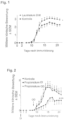
Fig. 1 zeigt eine Auflistung der Mäusepopulation, die mit einer an Laurinsäure reichen Diät gefüttert wurden gegenüber einer Kontrollgruppe. Die Erkrankung setzte nach etwa zehn Tagen ein und erreichte nach siebzehn Tagen ihren Höhepunkt. Die Kontrollgruppe schnitt hinsichtlich der SEM-Werte besser ab als die Gruppe mit der an Laurinsäure reichen Diät. -
Fig. 2 zeigt ein Diagramm, in dem die mit Propionsäure gefütterte Mäusepopulation einer Kontrollgruppe gegenüber gestellt wurde. Dabei wurde die Propionsäure entweder am Tag der Immunisierung (DI) oder am Tag des Auftretens der Symptome (OD) verabreicht. Es zeigte sich, dass die Gruppe, der die Propionsäure am Tage der Erkrankung verabreicht wurde, einen signifikanten günstigeren Verlauf der Erkrankung aufwies, als die Kontrollgruppe. -
Fig. 3 zeigt den Einfluss von Propionsäure auf die relative axionale Dichte, die Demyelination der weißen Substanz und die Zahl der CD3+-Zellen. In jedem Fall ergibt sich durch die Verabreichung von Propionsäure eine deutliche Verbesserung des Zustands gegenüber der Kontrollgruppe für Propionsäure. -
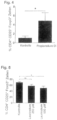
Fig. 4 zeigt den Einfluss der Verabreichung von Propionsäure auf die CD4+-CD25+ Foxp3-Zellen mit einer signifikanten Erhöhung gegenüber der Kontrollgruppe. -
Fig. 5 zeigt den Einfluss der an Laurinsäure reichen Diät auf die CD4+ CD25+ Foxp3-Zellen im Vergleich zu einer Kontrollgruppe. Die Verabreichung der langkettigen Fettsäure führt gegenüber dem Vergleichswert zu einer Verminderung der T-Zellen. Die Verminderung ist abhängig von der Konzentration der langkettigen Fettsäure. -
Fig. 6 zeigt eine Gegenüberstellung des Verhältnisses der Treg-Zellen nach Verabreichung von 2x 0,5 g Natriumpropionat zusammen mit einem eingeführten Mittel zur Behandlung von MS in der üblichen Dosis vor und nach 14-tägiger Behandlung. - Für die erfindungsgemäße Kombination von Natriumpropionat und Dimethylfumarat (2x 120 oder 240 mg täglich) ergab sich eine Steigerung der Zahl der Treg-Zellen um den Faktor 1,6. In einer Vergleichsgruppe, die mit der patientenspezifischen Dosis Interferon beta (Betaferon, Rebif 22), Glatirameracetat, Teriflunomid oder Fingolimod zusammen mit der oben angegebenen Menge Natriumpropionat behandelt wurde, stieg die Zahl der Treg-Zellen noch um das 1,1-fache.
Claims (7)
- Kombination zur Anwendung bei der Behandlung von multipler Sklerose, Psoriasis und rheumatoider Arthritis, enthaltend Propionsäure, ihre physiologisch verträglichen Salze und/oder Methyl- oder Ethylester einerseits und einen oder mehrere Fumarsäureester und/oder deren physiologisch verträgliche Salze andererseits.
- Kombination zur Anwendung nach Anspruch 1, dadurch gekennzeichnet, dass die Fumarsäureester Fumarsäuredimethylester und/oder die Salze von Fumarsäuremonomethylester sind.
- Kombination zur Anwendung nach einem der Ansprüche 1 und 2, dadurch gekennzeichnet, dass sie eine Mischung aus Fumarsäuredimethylester und Salzen von Fumarsäuremonomethylester enthält.
- Kombination zur Anwendung nach einem der vorstehenden Ansprüche, dadurch gekennzeichnet, dass die physiologisch vertretbaren Salze Natrium-, Kalium-, Magnesium-, Calcium-, Zink- und/oder Eisensalze sind.
- Kombination zur Anwendung nach einem der vorstehenden Ansprüche, dadurch gekennzeichnet, dass sie Calcium- oder Natriumpropionat enthält.
- Kombination zur Anwendung nach einem der vorstehenden Ansprüche, dadurch gekennzeichnet, dass sie zusätzlich Vitamin B12 enthält.
- Kombination zur Anwendung nach einem der Ansprüche 1 bis 6, enthaltend die Wirkstoffe in einer Kapsel.
Applications Claiming Priority (3)
| Application Number | Priority Date | Filing Date | Title |
|---|---|---|---|
| PCT/EP2015/074179 WO2016059254A1 (de) | 2014-10-17 | 2015-10-19 | Mittel zur unterstützenden immunmodulation |
| DE102016103242.5A DE102016103242A1 (de) | 2016-02-24 | 2016-02-24 | Mittel zur unterstützenden Immunmodulation |
| PCT/EP2016/066350 WO2017067681A1 (de) | 2015-10-19 | 2016-07-08 | Mittel zur unterstützenden immunmodulation |
Publications (3)
| Publication Number | Publication Date |
|---|---|
| EP3364960A1 EP3364960A1 (de) | 2018-08-29 |
| EP3364960B1 true EP3364960B1 (de) | 2024-03-20 |
| EP3364960C0 EP3364960C0 (de) | 2024-03-20 |
Family
ID=58556710
Family Applications (1)
| Application Number | Title | Priority Date | Filing Date |
|---|---|---|---|
| EP16747738.9A Active EP3364960B1 (de) | 2015-10-19 | 2016-07-08 | Mittel zur unterstützenden immunmodulation enthaltend propionsäure und einen fumarsäureester |
Country Status (5)
| Country | Link |
|---|---|
| US (2) | US10695305B2 (de) |
| EP (1) | EP3364960B1 (de) |
| DE (1) | DE102016103242A1 (de) |
| ES (1) | ES2982123T3 (de) |
| WO (1) | WO2017067681A1 (de) |
Families Citing this family (8)
| Publication number | Priority date | Publication date | Assignee | Title |
|---|---|---|---|---|
| DE102014015314A1 (de) | 2014-10-17 | 2016-04-21 | Ppm-Medical Holding Gmbh | Mittel zur unterstützenden Immunmodulation |
| DE102016103242A1 (de) | 2016-02-24 | 2017-08-24 | Flexopharm Brain Gmbh & Co. Kg | Mittel zur unterstützenden Immunmodulation |
| DE102017105036A1 (de) | 2017-03-09 | 2018-09-13 | Flexopharm Brain Gmbh & Co. Kg | Mittel zur Anwendung bei der Behandlung der Dyslipidämie |
| DE102017115773A1 (de) * | 2017-07-13 | 2019-01-17 | Horst Przuntek | Kombination zur Anwendung bei der Behandlung von Multipler Sklerose |
| DE102017115819A1 (de) * | 2017-07-13 | 2019-01-17 | Aiden Haghikia | Mittel zur prophylaktischen und/oder unterstützenden therapeutischen Behandlung von Morbus Parkinson |
| WO2019234221A1 (en) * | 2018-06-08 | 2019-12-12 | INSERM (Institut National de la Santé et de la Recherche Médicale) | Methods for stratification and treatment of a patient suffering from chronic lymphocytic leukemia |
| EP3838283A1 (de) * | 2019-12-18 | 2021-06-23 | Mundus Sanus GmbH & Co. KG | Zusammensetzung zur verwendung bei der behandlung von provokativen erkrankungen |
| US11334352B1 (en) | 2020-12-29 | 2022-05-17 | Kpn Innovations, Llc. | Systems and methods for generating an immune protocol for identifying and reversing immune disease |
Family Cites Families (11)
| Publication number | Priority date | Publication date | Assignee | Title |
|---|---|---|---|---|
| US4959389A (en) * | 1987-10-19 | 1990-09-25 | Speiser Peter P | Pharmaceutical preparation for the treatment of psoriatic arthritis |
| DE19503598A1 (de) | 1995-02-03 | 1996-08-08 | Zuzana Dr Cully | Verfahren zur fermentativen Herstellung von Propionsäure oder Buttersäure bzw. deren Salze |
| NL1009990C2 (nl) | 1998-09-02 | 2000-03-15 | Sibeco Chemicals | Voedingssupplement en werkwijze voor het vervaardigen van zulk voedingssupplement. |
| DE19853487A1 (de) * | 1998-11-19 | 2000-05-25 | Fumapharm Ag Muri | Verwendung von Dialkylfumaraten |
| WO2009102443A2 (en) | 2008-02-15 | 2009-08-20 | The Government Of The Usa, As Represented By The Secretary Of The Dept. Of Health & Human Services; | Octanoic acid formulations and methods of treatment using the same |
| WO2010105112A1 (en) * | 2009-03-11 | 2010-09-16 | Hemaquest Pharmaceuticals, Inc. | Detection of short-chain fatty acids in biological samples |
| US10226443B2 (en) | 2014-10-16 | 2019-03-12 | New York University | Methods for treating psoriatic arthritis |
| DE102014015314A1 (de) | 2014-10-17 | 2016-04-21 | Ppm-Medical Holding Gmbh | Mittel zur unterstützenden Immunmodulation |
| DE102016103242A1 (de) | 2016-02-24 | 2017-08-24 | Flexopharm Brain Gmbh & Co. Kg | Mittel zur unterstützenden Immunmodulation |
| US11065217B2 (en) | 2017-01-27 | 2021-07-20 | Temple University—Of the Commonwealth System of Higher Education | Use of short chain fatty acids for the treatment and prevention of diseases and disorders |
| DE102017105036A1 (de) | 2017-03-09 | 2018-09-13 | Flexopharm Brain Gmbh & Co. Kg | Mittel zur Anwendung bei der Behandlung der Dyslipidämie |
-
2016
- 2016-02-24 DE DE102016103242.5A patent/DE102016103242A1/de not_active Withdrawn
- 2016-07-08 EP EP16747738.9A patent/EP3364960B1/de active Active
- 2016-07-08 WO PCT/EP2016/066350 patent/WO2017067681A1/de not_active Ceased
- 2016-07-08 ES ES16747738T patent/ES2982123T3/es active Active
- 2016-07-08 US US15/769,282 patent/US10695305B2/en active Active
-
2020
- 2020-06-29 US US16/915,628 patent/US11471432B2/en active Active
Non-Patent Citations (2)
| Title |
|---|
| DUSCHA ALEXANDER ET AL: "Propionic Acid Shapes the Multiple Sclerosis Disease Course by an Immunomodulatory Mechanism", CELL, ELSEVIER, AMSTERDAM, NL, vol. 180, no. 6, 10 March 2020 (2020-03-10), pages 1067, XP086100512, ISSN: 0092-8674, [retrieved on 20200310], DOI: 10.1016/J.CELL.2020.02.035 * |
| ERIN E LONGBRAKE ET AL: "Conclusions:", MULTIPLE SCLEROSIS JOURNAL (MSJ), vol. 22, no. 8, 12 October 2015 (2015-10-12), BASINGSTOKE, GB, pages 1061 - 1070, XP055685066, ISSN: 1352-4585, DOI: 10.1177/1352458515608961 * |
Also Published As
| Publication number | Publication date |
|---|---|
| WO2017067681A1 (de) | 2017-04-27 |
| EP3364960A1 (de) | 2018-08-29 |
| ES2982123T3 (es) | 2024-10-14 |
| US20200323802A1 (en) | 2020-10-15 |
| US11471432B2 (en) | 2022-10-18 |
| DE102016103242A1 (de) | 2017-08-24 |
| EP3364960C0 (de) | 2024-03-20 |
| US20180303778A1 (en) | 2018-10-25 |
| US10695305B2 (en) | 2020-06-30 |
Similar Documents
| Publication | Publication Date | Title |
|---|---|---|
| WO2017067681A1 (de) | Mittel zur unterstützenden immunmodulation | |
| DE60000133T2 (de) | Essentielle fettsäuren zur vorbeugung von kardiovaskulären anfällen | |
| DE68905096T2 (de) | Niacin und guar-mehl enthaltende zusammensetzung. | |
| DE60130023T2 (de) | Behandlung der nebenwirkungen von statinen | |
| DE69301693T2 (de) | Verwendung eines Futterzusatzes zur Vermeidung des durch Immunstimulation verursachten Gewichtsverlustes und Anorexia | |
| DE69122099T2 (de) | Zusammensetzung und verfahren zur prävention und behandlung von hypercholesterinämie und zellproliferationsstorungen | |
| EP3206676B1 (de) | Mittel zur unterstützenden immunmodulation bei multipler sklerose und psoriasis enthaltend propionsäure | |
| CN104010634B (zh) | 用于治疗神经系统病症的组合物 | |
| EP1135146A1 (de) | Pharmazeutische zusammensetzung enthaltend fischöl, vitamin e und c und acetylsalicylsaüre gegen arteriosklerose | |
| DE60207442T2 (de) | VERWENDUNG EINER KOMBINATIONSZUSAMMENSETZUNG BESTEHEND AUS PROPIONYL L-CARNITIN UND WEITEREn WIRKSTOFFEn ZUR BEHANDLUNG DER EREKTILEN DYSFUNKTION | |
| WO2019012108A1 (de) | Propion- und/oder buttersäure zur verwendung zur prophylaktischen und/oder unterstützenden therapeutischen behandlung von morbus parkinson | |
| DE3739700A1 (de) | Alpha-linolensaeure (18:3,omega 3) und/oder deren derivate enthaltende formulierungen, sowie verfahren zu ihrer herstellung und anwendung in ernaehrung und medizin | |
| DE60124516T3 (de) | Kombination des lezithins mit ascorbinsäure | |
| DE60213237T2 (de) | Verwendung von l-acetylcarnitin in kombination mit biotin zur behandlung von patienten mit insulinresistentem diabetes mellitus typ ii | |
| DE69821970T2 (de) | Verwendung von CITICOLINE ZUR BEHANDLUNG VON MULTIPLER SKLEROSE | |
| EP0018550B1 (de) | Mittel zur Behandlung von Muskelerkrankungen | |
| DE102017115773A1 (de) | Kombination zur Anwendung bei der Behandlung von Multipler Sklerose | |
| DE2352618A1 (de) | Arzneimittel zur behandlung des parkinsonismus | |
| EP4248956A2 (de) | Pharmazeutische zusammensetzung mit cannabidiol | |
| AT17839U1 (de) | Zusammensetzung gegen Eisenmangel | |
| DE102019128877A1 (de) | Mittel zur Verwendung bei neurodegenerativen Erkrankungen | |
| WO2020058424A1 (de) | Mittel zur verwendung bei der behandlung von patienten mit systemischen entzündungserscheinungen und oxidativem stress bei terminaler niereninsuffizienz | |
| DE102004057758A1 (de) | Synergistische Arginin-Kombination | |
| DE102012014042A1 (de) | Nahrungsergänzungsmittel und dessen Verwendung | |
| DE202006010771U1 (de) | Mikronährstoffpräparat, insbesondere geeignet für die nutritive Ergänzung zur Migräne-Prophylaxe |
Legal Events
| Date | Code | Title | Description |
|---|---|---|---|
| STAA | Information on the status of an ep patent application or granted ep patent |
Free format text: STATUS: THE INTERNATIONAL PUBLICATION HAS BEEN MADE |
|
| PUAI | Public reference made under article 153(3) epc to a published international application that has entered the european phase |
Free format text: ORIGINAL CODE: 0009012 |
|
| STAA | Information on the status of an ep patent application or granted ep patent |
Free format text: STATUS: REQUEST FOR EXAMINATION WAS MADE |
|
| 17P | Request for examination filed |
Effective date: 20180522 |
|
| AK | Designated contracting states |
Kind code of ref document: A1 Designated state(s): AL AT BE BG CH CY CZ DE DK EE ES FI FR GB GR HR HU IE IS IT LI LT LU LV MC MK MT NL NO PL PT RO RS SE SI SK SM TR |
|
| AX | Request for extension of the european patent |
Extension state: BA ME |
|
| DAV | Request for validation of the european patent (deleted) | ||
| DAX | Request for extension of the european patent (deleted) | ||
| STAA | Information on the status of an ep patent application or granted ep patent |
Free format text: STATUS: EXAMINATION IS IN PROGRESS |
|
| 17Q | First examination report despatched |
Effective date: 20190702 |
|
| GRAP | Despatch of communication of intention to grant a patent |
Free format text: ORIGINAL CODE: EPIDOSNIGR1 |
|
| STAA | Information on the status of an ep patent application or granted ep patent |
Free format text: STATUS: GRANT OF PATENT IS INTENDED |
|
| INTG | Intention to grant announced |
Effective date: 20231004 |
|
| GRAS | Grant fee paid |
Free format text: ORIGINAL CODE: EPIDOSNIGR3 |
|
| GRAA | (expected) grant |
Free format text: ORIGINAL CODE: 0009210 |
|
| STAA | Information on the status of an ep patent application or granted ep patent |
Free format text: STATUS: THE PATENT HAS BEEN GRANTED |
|
| AK | Designated contracting states |
Kind code of ref document: B1 Designated state(s): AL AT BE BG CH CY CZ DE DK EE ES FI FR GB GR HR HU IE IS IT LI LT LU LV MC MK MT NL NO PL PT RO RS SE SI SK SM TR |
|
| REG | Reference to a national code |
Ref country code: GB Ref legal event code: FG4D Free format text: NOT ENGLISH |
|
| REG | Reference to a national code |
Ref country code: CH Ref legal event code: EP |
|
| REG | Reference to a national code |
Ref country code: DE Ref legal event code: R096 Ref document number: 502016016428 Country of ref document: DE |
|
| REG | Reference to a national code |
Ref country code: IE Ref legal event code: FG4D Free format text: LANGUAGE OF EP DOCUMENT: GERMAN |
|
| U01 | Request for unitary effect filed |
Effective date: 20240405 |
|
| U07 | Unitary effect registered |
Designated state(s): AT BE BG DE DK EE FI FR IT LT LU LV MT NL PT SE SI Effective date: 20240412 |
|
| PG25 | Lapsed in a contracting state [announced via postgrant information from national office to epo] |
Ref country code: GR Free format text: LAPSE BECAUSE OF FAILURE TO SUBMIT A TRANSLATION OF THE DESCRIPTION OR TO PAY THE FEE WITHIN THE PRESCRIBED TIME-LIMIT Effective date: 20240621 |
|
| PG25 | Lapsed in a contracting state [announced via postgrant information from national office to epo] |
Ref country code: RS Free format text: LAPSE BECAUSE OF FAILURE TO SUBMIT A TRANSLATION OF THE DESCRIPTION OR TO PAY THE FEE WITHIN THE PRESCRIBED TIME-LIMIT Effective date: 20240620 Ref country code: HR Free format text: LAPSE BECAUSE OF FAILURE TO SUBMIT A TRANSLATION OF THE DESCRIPTION OR TO PAY THE FEE WITHIN THE PRESCRIBED TIME-LIMIT Effective date: 20240320 |
|
| U1N | Appointed representative for the unitary patent procedure changed after the registration of the unitary effect |
Representative=s name: SCHNEIDERS & BEHRENDT BOCHUM; DE |
|
| PG25 | Lapsed in a contracting state [announced via postgrant information from national office to epo] |
Ref country code: RS Free format text: LAPSE BECAUSE OF FAILURE TO SUBMIT A TRANSLATION OF THE DESCRIPTION OR TO PAY THE FEE WITHIN THE PRESCRIBED TIME-LIMIT Effective date: 20240620 Ref country code: NO Free format text: LAPSE BECAUSE OF FAILURE TO SUBMIT A TRANSLATION OF THE DESCRIPTION OR TO PAY THE FEE WITHIN THE PRESCRIBED TIME-LIMIT Effective date: 20240620 Ref country code: HR Free format text: LAPSE BECAUSE OF FAILURE TO SUBMIT A TRANSLATION OF THE DESCRIPTION OR TO PAY THE FEE WITHIN THE PRESCRIBED TIME-LIMIT Effective date: 20240320 Ref country code: GR Free format text: LAPSE BECAUSE OF FAILURE TO SUBMIT A TRANSLATION OF THE DESCRIPTION OR TO PAY THE FEE WITHIN THE PRESCRIBED TIME-LIMIT Effective date: 20240621 |
|
| U20 | Renewal fee for the european patent with unitary effect paid |
Year of fee payment: 9 Effective date: 20240724 |
|
| PG25 | Lapsed in a contracting state [announced via postgrant information from national office to epo] |
Ref country code: IS Free format text: LAPSE BECAUSE OF FAILURE TO SUBMIT A TRANSLATION OF THE DESCRIPTION OR TO PAY THE FEE WITHIN THE PRESCRIBED TIME-LIMIT Effective date: 20240720 |
|
| PG25 | Lapsed in a contracting state [announced via postgrant information from national office to epo] |
Ref country code: SM Free format text: LAPSE BECAUSE OF FAILURE TO SUBMIT A TRANSLATION OF THE DESCRIPTION OR TO PAY THE FEE WITHIN THE PRESCRIBED TIME-LIMIT Effective date: 20240320 |
|
| REG | Reference to a national code |
Ref country code: ES Ref legal event code: FG2A Ref document number: 2982123 Country of ref document: ES Kind code of ref document: T3 Effective date: 20241014 |
|
| PG25 | Lapsed in a contracting state [announced via postgrant information from national office to epo] |
Ref country code: CZ Free format text: LAPSE BECAUSE OF FAILURE TO SUBMIT A TRANSLATION OF THE DESCRIPTION OR TO PAY THE FEE WITHIN THE PRESCRIBED TIME-LIMIT Effective date: 20240320 |
|
| PG25 | Lapsed in a contracting state [announced via postgrant information from national office to epo] |
Ref country code: PL Free format text: LAPSE BECAUSE OF FAILURE TO SUBMIT A TRANSLATION OF THE DESCRIPTION OR TO PAY THE FEE WITHIN THE PRESCRIBED TIME-LIMIT Effective date: 20240320 |
|
| PG25 | Lapsed in a contracting state [announced via postgrant information from national office to epo] |
Ref country code: SK Free format text: LAPSE BECAUSE OF FAILURE TO SUBMIT A TRANSLATION OF THE DESCRIPTION OR TO PAY THE FEE WITHIN THE PRESCRIBED TIME-LIMIT Effective date: 20240320 |
|
| PG25 | Lapsed in a contracting state [announced via postgrant information from national office to epo] |
Ref country code: SM Free format text: LAPSE BECAUSE OF FAILURE TO SUBMIT A TRANSLATION OF THE DESCRIPTION OR TO PAY THE FEE WITHIN THE PRESCRIBED TIME-LIMIT Effective date: 20240320 Ref country code: SK Free format text: LAPSE BECAUSE OF FAILURE TO SUBMIT A TRANSLATION OF THE DESCRIPTION OR TO PAY THE FEE WITHIN THE PRESCRIBED TIME-LIMIT Effective date: 20240320 Ref country code: RO Free format text: LAPSE BECAUSE OF FAILURE TO SUBMIT A TRANSLATION OF THE DESCRIPTION OR TO PAY THE FEE WITHIN THE PRESCRIBED TIME-LIMIT Effective date: 20240320 Ref country code: PL Free format text: LAPSE BECAUSE OF FAILURE TO SUBMIT A TRANSLATION OF THE DESCRIPTION OR TO PAY THE FEE WITHIN THE PRESCRIBED TIME-LIMIT Effective date: 20240320 Ref country code: IS Free format text: LAPSE BECAUSE OF FAILURE TO SUBMIT A TRANSLATION OF THE DESCRIPTION OR TO PAY THE FEE WITHIN THE PRESCRIBED TIME-LIMIT Effective date: 20240720 Ref country code: CZ Free format text: LAPSE BECAUSE OF FAILURE TO SUBMIT A TRANSLATION OF THE DESCRIPTION OR TO PAY THE FEE WITHIN THE PRESCRIBED TIME-LIMIT Effective date: 20240320 |
|
| REG | Reference to a national code |
Ref country code: DE Ref legal event code: R097 Ref document number: 502016016428 Country of ref document: DE |
|
| PLBE | No opposition filed within time limit |
Free format text: ORIGINAL CODE: 0009261 |
|
| STAA | Information on the status of an ep patent application or granted ep patent |
Free format text: STATUS: NO OPPOSITION FILED WITHIN TIME LIMIT |
|
| PG25 | Lapsed in a contracting state [announced via postgrant information from national office to epo] |
Ref country code: MC Free format text: LAPSE BECAUSE OF FAILURE TO SUBMIT A TRANSLATION OF THE DESCRIPTION OR TO PAY THE FEE WITHIN THE PRESCRIBED TIME-LIMIT Effective date: 20240320 |
|
| 26N | No opposition filed |
Effective date: 20241223 |
|
| PG25 | Lapsed in a contracting state [announced via postgrant information from national office to epo] |
Ref country code: IE Free format text: LAPSE BECAUSE OF NON-PAYMENT OF DUE FEES Effective date: 20240708 |
|
| U20 | Renewal fee for the european patent with unitary effect paid |
Year of fee payment: 10 Effective date: 20250728 |
|
| PGFP | Annual fee paid to national office [announced via postgrant information from national office to epo] |
Ref country code: ES Payment date: 20250826 Year of fee payment: 10 |
|
| PGFP | Annual fee paid to national office [announced via postgrant information from national office to epo] |
Ref country code: GB Payment date: 20250722 Year of fee payment: 10 |
|
| PGFP | Annual fee paid to national office [announced via postgrant information from national office to epo] |
Ref country code: CH Payment date: 20250801 Year of fee payment: 10 |
|
| PG25 | Lapsed in a contracting state [announced via postgrant information from national office to epo] |
Ref country code: CY Free format text: LAPSE BECAUSE OF FAILURE TO SUBMIT A TRANSLATION OF THE DESCRIPTION OR TO PAY THE FEE WITHIN THE PRESCRIBED TIME-LIMIT; INVALID AB INITIO Effective date: 20160708 |
|
| PG25 | Lapsed in a contracting state [announced via postgrant information from national office to epo] |
Ref country code: HU Free format text: LAPSE BECAUSE OF FAILURE TO SUBMIT A TRANSLATION OF THE DESCRIPTION OR TO PAY THE FEE WITHIN THE PRESCRIBED TIME-LIMIT; INVALID AB INITIO Effective date: 20160708 |