EP3330285B1 - Tumour inhibitory peptide - Google Patents
Tumour inhibitory peptide Download PDFInfo
- Publication number
- EP3330285B1 EP3330285B1 EP16829796.8A EP16829796A EP3330285B1 EP 3330285 B1 EP3330285 B1 EP 3330285B1 EP 16829796 A EP16829796 A EP 16829796A EP 3330285 B1 EP3330285 B1 EP 3330285B1
- Authority
- EP
- European Patent Office
- Prior art keywords
- amino acid
- seq
- polypeptide
- acid residue
- terminus
- Prior art date
- Legal status (The legal status is an assumption and is not a legal conclusion. Google has not performed a legal analysis and makes no representation as to the accuracy of the status listed.)
- Active
Links
Images





Classifications
-
- C—CHEMISTRY; METALLURGY
- C07—ORGANIC CHEMISTRY
- C07K—PEPTIDES
- C07K14/00—Peptides having more than 20 amino acids; Gastrins; Somatostatins; Melanotropins; Derivatives thereof
- C07K14/435—Peptides having more than 20 amino acids; Gastrins; Somatostatins; Melanotropins; Derivatives thereof from animals; from humans
- C07K14/575—Hormones
-
- A—HUMAN NECESSITIES
- A61—MEDICAL OR VETERINARY SCIENCE; HYGIENE
- A61K—PREPARATIONS FOR MEDICAL, DENTAL OR TOILETRY PURPOSES
- A61K33/00—Medicinal preparations containing inorganic active ingredients
- A61K33/24—Heavy metals; Compounds thereof
- A61K33/243—Platinum; Compounds thereof
-
- A—HUMAN NECESSITIES
- A61—MEDICAL OR VETERINARY SCIENCE; HYGIENE
- A61K—PREPARATIONS FOR MEDICAL, DENTAL OR TOILETRY PURPOSES
- A61K38/00—Medicinal preparations containing peptides
- A61K38/16—Peptides having more than 20 amino acids; Gastrins; Somatostatins; Melanotropins; Derivatives thereof
- A61K38/17—Peptides having more than 20 amino acids; Gastrins; Somatostatins; Melanotropins; Derivatives thereof from animals; from humans
- A61K38/39—Connective tissue peptides, e.g. collagen, elastin, laminin, fibronectin, vitronectin, cold insoluble globulin [CIG]
-
- A—HUMAN NECESSITIES
- A61—MEDICAL OR VETERINARY SCIENCE; HYGIENE
- A61P—SPECIFIC THERAPEUTIC ACTIVITY OF CHEMICAL COMPOUNDS OR MEDICINAL PREPARATIONS
- A61P35/00—Antineoplastic agents
-
- C—CHEMISTRY; METALLURGY
- C07—ORGANIC CHEMISTRY
- C07K—PEPTIDES
- C07K14/00—Peptides having more than 20 amino acids; Gastrins; Somatostatins; Melanotropins; Derivatives thereof
- C07K14/435—Peptides having more than 20 amino acids; Gastrins; Somatostatins; Melanotropins; Derivatives thereof from animals; from humans
- C07K14/78—Connective tissue peptides, e.g. collagen, elastin, laminin, fibronectin, vitronectin or cold insoluble globulin [CIG]
-
- C—CHEMISTRY; METALLURGY
- C12—BIOCHEMISTRY; BEER; SPIRITS; WINE; VINEGAR; MICROBIOLOGY; ENZYMOLOGY; MUTATION OR GENETIC ENGINEERING
- C12N—MICROORGANISMS OR ENZYMES; COMPOSITIONS THEREOF; PROPAGATING, PRESERVING, OR MAINTAINING MICROORGANISMS; MUTATION OR GENETIC ENGINEERING; CULTURE MEDIA
- C12N15/00—Mutation or genetic engineering; DNA or RNA concerning genetic engineering, vectors, e.g. plasmids, or their isolation, preparation or purification; Use of hosts therefor
- C12N15/09—Recombinant DNA-technology
- C12N15/63—Introduction of foreign genetic material using vectors; Vectors; Use of hosts therefor; Regulation of expression
-
- A—HUMAN NECESSITIES
- A61—MEDICAL OR VETERINARY SCIENCE; HYGIENE
- A61K—PREPARATIONS FOR MEDICAL, DENTAL OR TOILETRY PURPOSES
- A61K2300/00—Mixtures or combinations of active ingredients, wherein at least one active ingredient is fully defined in groups A61K31/00 - A61K41/00
-
- A—HUMAN NECESSITIES
- A61—MEDICAL OR VETERINARY SCIENCE; HYGIENE
- A61K—PREPARATIONS FOR MEDICAL, DENTAL OR TOILETRY PURPOSES
- A61K31/00—Medicinal preparations containing organic active ingredients
- A61K31/33—Heterocyclic compounds
- A61K31/555—Heterocyclic compounds containing heavy metals, e.g. hemin, hematin, melarsoprol
-
- A—HUMAN NECESSITIES
- A61—MEDICAL OR VETERINARY SCIENCE; HYGIENE
- A61K—PREPARATIONS FOR MEDICAL, DENTAL OR TOILETRY PURPOSES
- A61K33/00—Medicinal preparations containing inorganic active ingredients
- A61K33/24—Heavy metals; Compounds thereof
-
- A—HUMAN NECESSITIES
- A61—MEDICAL OR VETERINARY SCIENCE; HYGIENE
- A61K—PREPARATIONS FOR MEDICAL, DENTAL OR TOILETRY PURPOSES
- A61K38/00—Medicinal preparations containing peptides
-
- A—HUMAN NECESSITIES
- A61—MEDICAL OR VETERINARY SCIENCE; HYGIENE
- A61K—PREPARATIONS FOR MEDICAL, DENTAL OR TOILETRY PURPOSES
- A61K38/00—Medicinal preparations containing peptides
- A61K38/04—Peptides having up to 20 amino acids in a fully defined sequence; Derivatives thereof
-
- A—HUMAN NECESSITIES
- A61—MEDICAL OR VETERINARY SCIENCE; HYGIENE
- A61K—PREPARATIONS FOR MEDICAL, DENTAL OR TOILETRY PURPOSES
- A61K38/00—Medicinal preparations containing peptides
- A61K38/16—Peptides having more than 20 amino acids; Gastrins; Somatostatins; Melanotropins; Derivatives thereof
Definitions
- the present invention belongs to the field of tumor treatment, specifically relating to polypeptides used for inhibiting or treating tumor, the amino acid sequences of which are fragments of 45 or less amino acid residues from the first amino acid residue of the N terminus of endostatin.
- Endostatin is an endogenous angiogenesis inhibitor isolated and purified from supernate of cultured mouse endothelioma (EOMA) by O'Reilly et al., in 1997. It is derived from the hydrolysate of type XVIII collagen, with a molecular weight of 20kD. As demonstrated by experiments, endostatin inhibits blood vessel endothelium and tumor cells. Because of the difficulties such as renaturation of the recombinant endostatin, EntreMed Inc. (USA) gave up clinical research for the recombinant endostatin. And currently it is unable to prepare endostatin having a relatively high in vitro activity in large quantities.
- endostatin In endostatin, the three histidines at positions 1, 3 and 11 at the N terminus and the Asp residue at position 76 together form a zinc ion binding site. Binding to zinc ion is crucial for the activity of endostatin. It is reported that the polypeptide from the N terminus of endostatin exhibits a certain activity in inhibiting vascular endothelial cell and tumor cell ( Cancer Res. 2005; 65(9):3656-63 ; US 7524811 B2 ). However, the experiments also show that the polypeptide containing amino acid residues 1-25 of the N terminus of the human endostatin could not significantly inhibit growth of tumor from human source implanted in mouse model. Activity of the endostatin-derived polypeptides is still needed to be improved.
- a polypeptide selected from the group consisting of: (1) a fragment of the N terminus of human endostatin, wherein the amino acid sequence of the human endostatin is set forth in SEQ ID NO: 1, having 45 or less amino acid residues, and containing at least amino acid residues 1 to 20 of the N terminus, and wherein amino acid residue at positions 2 and 18 of the N terminus of human endostatin are respectively selected from the combinations as shown below: Amino acid residue at position 2 Amino acid residue at position 18 A M R I N K D E, M, T or Y Q A or H E S or V H A or S L R, E or S K V M L or W F T P C or V T N, G, K, M, F, S or T w C, E, I, K, S or Y Y R, H, W or V V D or S and (2) a fragment of the N terminus of human endostatin, wherein the amino acid sequence of the human endostatin, wherein the amino acid sequence of the human end
- the polypeptide contains at least amino acid residues 1-22 of SEQ ID NO: 38 and amino acid residues at positions 2 and 18 are defined as mentioned above.
- polypeptide contains at least amino acid residues 1-25 of SEQ ID NO: 38 and amino acid residues at positions 2 and 18 are defined as mentioned above.
- the polypeptide contains at least amino acid residues 1-22, preferably amino acid residues 1-25, of SEQ ID NO: 38, and amino acid residue at position 2 is T, amino acid residue at position 18 is N, G, K, M, F, S or T, and amino acid residues at positions 17, 20, 21 and 22 are defined as mentioned above.
- the polypeptide contains at least amino acid residues 1-22, preferably amino acid residues 1-25, of SEQ ID NO: 38, and amino acid residue at position 18 is N, amino acid residue at position 2 is T, and amino acid residues at positions 17, 20, 21 and 22 are defined as mentioned above.
- the polypeptide contains at least amino acid residues 1-22, preferably amino acid residues 1-25, of SEQ ID NO: 38, and amino acid residue at position 18 is S, amino acid residue at position 2 is E, H, L, T, W or V, and amino acid residues at positions 17, 20, 21 and 22 are defined as mentioned above.
- amino acid sequence of the polypeptide is set forth in any of SEQ ID NO: 4, 5, 6, 7, 27-30, 39 and 41.
- polypeptide consists of SEQ ID NO: 38, wherein amino acid residue at position 2 is T, amino acid residue at position 18 is N or S, and amino acid residues at positions 17, 20, 21 and 22 are defined as mentioned above.
- polypeptide is selected from amino acid sequences consisting of amino acid residue 1 to residue 39, 38, 37, 36, 34, 33, 32, 31, 29, 28, 27 or 26 of SEQ ID NO: 4, and amino acid sequences consisting of amino acid residue 1 to amino acid residue 39, 38, 37, 36, 35, 34, 33, 32, 31, 29, 28, 27, 26 or 25 of SEQ ID NO: 39.
- the first amino acid residue in the N terminus of the polypeptide is histidine, which is modified by formylation, acetylation, propionylation or butyrylation, and the first amino acid in the C terminus may be modified by PEG, cholesterol or amidation.
- polypeptide is selected from the group consisting of:
- a polynucleotide sequence is provided, which is selected from the group consisting of:
- the polynucleotide is selected from the group consisting of SEQ ID NO: 32, 33, 34, 35, 37 and 40.
- the polynucleotide is selected from polynucleotides consisting of base 1 to base 117, 114, 111, 108, 102, 99, 96, 93, 87, 84, 81 or 78 of SEQ ID NO: 32.
- the polynucleotide is selected from polynucleotides consisting of base 1 to base 117, 114, 111, 108, 105, 102, 99, 96, 93, 87, 84, 81, 78 or 75 of SEQ ID NO: 40.
- an expression vector is provided in the present disclosure, which contains the polynucleotide of the second embodiment.
- a pharmaceutical composition which comprises the polypeptide of the first embodiment and a pharmaceutically acceptable carrier.
- the polypeptide or the pharmaceutical composition of the first or fourth embodiment for prevention or treatment of tumor is provided.
- the tumor is selected from the group consisting of lung carcinoma, lung squamous cell carcinoma, liver cancer, color cancer, pancreatic cancer, rhabdomyosarcoma, retinoblastoma, Ewing sarcoma, neuroblastoma and osteosarcoma.
- the polypeptide or the pharmaceutical composition of the first or fourth embodiment for use in the preparation of a medicament for improving the efficacy of a chemotherapy agent is provided.
- the chemotherapy agent is cisplatin, carboplatin or oxaliplatin.
- a method for preparing the amino acid sequence of the present disclosure comprises synthesizing the amino acid sequence by Fmoc solid phase synthesis.
- polypeptide of the first embodiment of the instant invention is a polypeptide, selected from the group consisting of:
- Endostatin is human endostatin According to SEQ ID NO: 1 which shows an example of the recombinant human vascular endostatin.
- the amino acid sequences of the present invention contain at least amino acid residues 1-20 of the N terminus of the endostatin set forth in SEQ ID NO: 1 and the amino acid residues at positions 2 and 18 are defined as mentioned above.
- the residue of the polypeptide corresponding to the amino acid at position 2 of the N terminus of endostatin is D, L, T, W or Y.
- the residue of the polypeptide corresponding to the amino acid at position 18 of the N terminus of endostatin is N, E, K, M, S, T or V. More preferably, the residue of the polypeptide corresponding to the amino acid at position 2 of the N terminus of endostatin is D, T, W or Y. More preferably, the residue of the polypeptide corresponding to the amino acid at position 18 of the N terminus of endostatin is N, S or V. It should be understood that "fragment” refers to a portion of continuous sequence from a full-length sequence.
- the polypeptide of the present invention preferably is a sequence consisted of amino acid residue 1 to amino acid residue at position 20, 21, 22, 23, 24, 25, 26, 27, 28, 29, 30, 31, 32, 33, 34, 35, 36, 37, 38, 39, 40, 41, 42, 43, 44 or 45 of the N terminus of endostatin and having the indicated amino acid residues at positions 2 and 18 as disclosed herein.
- the polypeptide of the first embodiment of the present invention contains 20-45 amino acid residues, counted from the first amino acid residue of the N terminus of endostatin. More preferably, the length of the polypeptide of the present invention is 25-40 amino acid residues, counted from the first amino acid residue of the N terminus of endostatin.
- the fragment in addition to the amino acid residues at positions 2 and 18, the fragment may optionally contain the following amino acid residue(s) at any one, two, three or all four of positions 17, 20, 21 and 22:
- the polypeptide of the present invention as a fragment of 45 or less amino acid residues of the N terminus of endostatin, contains at least amino acid residues 1-22, preferably amino acid residues 1-25, of SEQ ID NO: 38, and amino acid residues at positions 2 and 18 are those as defined herein, and amino acid residues at any one, two, three or all four of positions 17 and 20-22 are those as defined above. More specifically, such polypeptides consist of 25-40 amino acid residues.
- the polypeptide of the present invention as a fragment of 45 or less amino acid residues of the N terminus of endostatin, contains at least amino acid residues 1-22, preferably amino acid residues 1-25, of SEQ ID NO: 38, and the amino acid residue at position 2 is T, the amino acid residue at position 18 is N, G, K, M, F, S or T, preferably N or S, and optionally, the amino acid residues at positions 17 and 20-22 are those as defined above. More specifically, such polypeptides consist of 25-40 amino acid residues.
- the polypeptide of the present invention as a fragment of 45 or less amino acid residues of the N terminus of endostatin, contains at least amino acid residues 1-22, preferably amino acid residues 1-25, of SEQ ID NO: 38, and the amino acid residue at position 18 is N, the amino acid residue at position 2 is T, and optionally, the amino acid residues at positions 17 and 20-22 are those as defined above. More specifically, such polypeptides consist of 25-40 amino acid residues.
- the polypeptide of the present invention as a fragment of 45 or less amino acid residues of the N terminus of endostatin, contains at least amino acid residues 1-22, preferably amino acid residues 1-25, of SEQ ID NO: 38, and the amino acid residue at position 18 is S, the amino acid residue at position 2 is E, H, L, T, W or V, and optionally, the amino acid residues at positions 17 and 20-22 are those as defined above. More specifically, such polypeptides consist of 25-40 amino acid residues.
- amino acid sequences of the preferred polypeptide of the present invention are set forth in SEQ ID NO: 4, 5, 6, 7, 27-30, 39 and 41.
- the polypeptides of the present invention also include the amino acid sequences consisting of amino acid residue 1 to residue 39, 38, 37, 36, 34, 33, 32, 31, 29, 28, 27 or 26 of SEQ ID NO: 4, and amino acid sequences consisting of amino acid residue 1 to amino acid residue 39, 38, 37, 36, 35, 34, 33, 32, 31, 29, 28, 27, 26 or 25 of SEQ ID NO: 39.
- the first amino acid residue at the N terminus of the present polypeptide is histidine, which can be modified by formylation, acetylation, propionylation or butyrylation, and the first amino acid in the C terminus may be modified by PEG, cholesterol or amidation.
- the first amino acid residue at the N terminus of the present polypeptide, histidine is modified by acetylation, and the first amino acid in the C terminus is modified by amidation.
- Suitable restriction sites need to be designed often during gene cloning, with which one or more irrelevant residues will necessarily be introduced to the end of the expressed amino acid sequence. However, such introduction will not affect the activity of the target sequence.
- a fusion protein to facilitate expression of a recombination protein, to obtain a recombinant protein which voluntarily secretes outside the host cell or to facilitate the purification of a recombinant protein, generally some amino acids, such as but is not limited to a suitable linker, a signal peptide, a leader peptide, a terminal extension, etc., need to be added to the N terminus, C terminus or the other suitable portion of the recombination protein.
- the amino terminus or the carboxyl terminus of the present amino acid sequences could further comprise one or more polypeptide fragments, as a protein tag.
- Any suitable tag can be used in the present disclosure.
- Such tag may be, such as FLAG, HA, HA1, c-Myc, Poly -His, Poly-Arg, Strep-TagII, AU1, EE, T7, 4A6, ⁇ , B, gE and Ty1.
- Such tags can be used in protein purification.
- Poly-Arg such as RRRRR (SEQ ID NO: 42); Poly-His 2-10 (generally 6), such as HHHHHH (SEQ ID NO: 43); FLAG, i.e., DYKDDDDK (SEQ ID NO: 44); Strep-TagII, i.e., WSHPQFEK (SEQ ID NO: 45); and C-myc, i.e., WQKLISEEDL (SEQ ID NO: 46).
- Poly-Arg such as RRRRR (SEQ ID NO: 42
- Poly-His 2-10 generally 6
- FLAG i.e., DYKDDDDK (SEQ ID NO: 44)
- Strep-TagII i.e., WSHPQFEK
- C-myc i.e., WQKLISEEDL
- the present disclosure also comprises the polypeptides comprising the tag sequence or the polypeptides consisting of the tag sequence and the above-mentioned fragment.
- the amino acid sequence of the present invention may be a chemically synthesized product or a recombinant polypeptide produced by recombinant technique from prokaryotic host cell or eukaryotic host cell, such as bacterium, yeast, filamentous fungi or cells from higher plant, insect or mammal. According to the cells used in the recombinant protocol, the polypeptide of the present disclosure may be glycosylated or non-glycosylated.
- the amino acid sequence of the present disclosure may be synthesized by the peptide chemical synthesis method known in the art.
- the peptide chemical synthesis comprises solid phase synthesis and liquid phase synthesis, with the solid phase synthesis being commonly used.
- the solid phase synthesis includes but is not limited to two commonly used methods, Fmoc and tBoc.
- resin is used as an insoluble solid support and amino acid is conjugated to the peptide chain from the C terminus (carboxyl terminus) to the N terminus (amino terminus) one by one.
- Each cycle for amino acid connection consists of the following three steps: 1) de-protection, in which the protective group of the amino on the protected amino acid must be removed by a de-protective solvent; 2) activation, in which the carboxyl group of the amino acid to be conjugated is activated by an activator; and 3) conjugation, in which the activated carboxyl group reacts with the exposed amino group of the previous amino acid to form a peptide bond.
- the cycle is repeated until the peptide extends to the desired length.
- Cleaving solution is used to cleave the linkage between the peptide chain and the solid support, thus obtaining the desired amino acid sequence.
- the chemical synthesis can be carried out in a program-controlled, automatic peptide synthesizer, which includes but is not limited to Tribute dual channel peptide synthesizer from Protein Technologies, UV Online Monitor system from C S Bio, and Focus XC three channel synthesizer from Aapptec, etc.
- a program-controlled, automatic peptide synthesizer which includes but is not limited to Tribute dual channel peptide synthesizer from Protein Technologies, UV Online Monitor system from C S Bio, and Focus XC three channel synthesizer from Aapptec, etc.
- SEQ ID NO: 30 shows a coding sequence for SEQ ID NO: 1;
- SEQ ID NO: 31 shows a coding sequence for SEQ ID NO: 3;
- SEQ ID NO: 32 shows a coding sequence for SEQ ID NO: 4;
- SEQ ID NO: 33 shows a coding sequence for SEQ ID NO: 5;
- SEQ ID NO: 34 shows a coding sequence for SEQ ID NO: 6;
- SEQ ID NO: 35 shows a coding sequence for SEQ ID NO: 7;
- SEQ ID NO: 36 shows a coding sequence for SEQ ID NO: 8;
- SEQ ID NO: 37 shows a coding sequence for SEQ ID NO: 9;
- SEQ ID NO: 40 shows a coding sequence for SEQ ID NO: 39.
- the polynucleotide of the present invention may be in a form of DNA or RNA.
- DNA includes cDNA, genomic DNA or synthesized DNA.
- DNA may be a single-stranded or a double-stranded DNA.
- DNA may be a coding strand or a non-coding strand.
- Coding sequence encoding a mature polypeptide may be identical to the above-mentioned DNA sequence or may be a degenerated variant.
- “Degenerated variant”, as used herein, refers to a nucleic acid encoding the amino acid sequence of the present disclosure but has a different nucleotide sequence from those such as SEQ ID NO: 31, etc.
- polynucleotide encoding polypeptide may include the polynucleotide encoding the polypeptide, or polynucleotide further containing additional coding and/or non-coding sequence.
- polypeptide and polynucleotide of the present disclosure may be provided in an isolated form. Preferably they are purified to homogeneous substance.
- the polynucleotide of the present invention is obtained by PCR amplification, recombination or artificial synthesis.
- primers could be designed according to the nucleotide, especially the sequence of the open reading frame, disclosed in the present disclosure.
- the cDNA library commercially available or the cDNA library prepared by the skilled artisan according to the conventional method could be used as template to amplify the related sequence.
- two or more PCR amplifications are carried out for the long sequence and then the fragments obtained from each amplification are ligated together in a proper order.
- sequence of interest Once a sequence of interest is obtained, it could be produced in large quantity through a recombinant method. Generally, the sequence is cloned into a vector, which is then transfected into cells. And the related sequence is isolated from the proliferative host cell via conventional method.
- sequence may be synthesized by an artificial synthesis, especially when the fragment is short. Generally, several small fragments are firstly synthesized and then they are ligated together to form a long fragment.
- the DNA sequence encoding the amino acid sequence of the present invention may be obtained by chemical synthesis. Then the DNA sequence may be introduced to various existing DNA molecules, such as vector, and cells known in the art.
- the present invention is also directed to the vector comprising the polynucleotide of the present invention, whereas the further instant disclosure (which is not part of the claimed invention) concerns the host cell produced from the vector of the present invention via genetic engineering, and the method for producing the polypeptide of the present invention via a recombinant technique.
- the vector of the present invention is an expression vector.
- the polypeptide of the present invention may be expressed or produced from the polynucleotide of the present invention via a conventional recombinant DNA technique, which generally comprises the following steps:
- the polynucleotide sequence of the present invention may be inserted into a recombinant expression vector.
- recombinant expression vector refers to the well-known bacterial plasmid, bacteriophage, yeast plasmid, viruses of plant cell or mammal cell, such as adenovirus and retrovirus, or other vectors. Any plasmid and vector can be used as long as it can replicate and is stable in the host.
- One important feature for the expression vector is that it generally contains a replication origin, a promoter, a marker gene and an element for controlling translation.
- An expression vector may further comprise ribosome binding site for initiating translation and transcription terminator.
- Methods known in the art may be used to construct an expression vector comprising the nucleic acid sequence of the present invention and suitable transcription/translation control signal. These methods include in vitro recombinant DNA technique, DNA synthesis, and in vivo recombinant technique, etc.
- the nucleic acid sequence may be effectively linked to a suitable promoter in the expression vector to direct synthesis of mRNA. Examples of such promoter include E.
- coli lac or trp promoter ⁇ phage PL promoter
- eukaryotic promoter such as CMV immediate early promoter, HSV thymidine kinase promoter, early or late SV40 promoter, retrovirus LTR and other promoters known capable of controlling gene expression in prokaryotic cell, eukaryotic cell or virus.
- the expression vector preferably comprises one or more selection marker genes to provide the phenotypic character for selecting the transformed host cell, which may include dihydrofolate reductase, neomycin resistance and green fluorescent protein for culture of eukaryotic cell, or tetracycline or ampicillin resistance for E. coli.
- selection marker genes to provide the phenotypic character for selecting the transformed host cell, which may include dihydrofolate reductase, neomycin resistance and green fluorescent protein for culture of eukaryotic cell, or tetracycline or ampicillin resistance for E. coli.
- Vector comprising the above suitable DNA sequence and suitable promoter or control sequence may be used to transform a suitable host cell to make it to express a protein.
- Host cell may be a prokaryotic cell, such as bacterial cell; or a lower eukaryotic cell, such as yeast cell, filamentous fungal cell; or advanced eukaryotic cell, such as mammal cell.
- a prokaryotic cell such as bacterial cell
- a lower eukaryotic cell such as yeast cell, filamentous fungal cell
- advanced eukaryotic cell such as mammal cell.
- Representative examples include E. coli, Streptomyces, Salmonella typhimurium; fungi, such as yeast, filamentous fungi; plant cell; insect cell, such as drosophila S2 or Sf9 cell; animal cell, such as CHO, COS, 293 or Bowes melanoma cell, etc.
- an enhancer sequence may be inserted into the vector to enhance the transcription.
- the enhancer may be a cis-acting element of DNA, generally comprising about 10 to 300 bp and being used as a promoter to enhance the transcription of the gene.
- Transformation of host cell by a recombinant DNA could be carried out by a conventional technique known to the skilled artisan.
- the host is a prokaryotic organism, such as E. coli
- competent cells which can adsorb DNA are harvested after their exponential growth phase and treated by a CaCl 2 method. The steps used are well known in the art. Another method is to use MgCl 2 .
- transformation can also be carried out by electroporation.
- the following DNA transfection methods could be used: calcium phosphate co-precipitation or conventional mechanical methods such as microinjection, electroporation and liposome packaging, etc.
- the resultant transformant could be cultured by a conventional method to express the polypeptide encoded by the gene of the present disclosure.
- the culture medium may be various conventional culture mediums. Cells were culture under conditions suitable for growth of the host cell. When the host cells grow to a suitable cell density, the selected promoter is induced by a suitable method, such as change of temperature or chemical induction, and the cells are further cultured for a period of time.
- the recombinant polypeptide of the above-mentioned method could be expressed within the cell or on the cell membrane, or secreted outside the cell. If necessary, the recombinant protein could be isolated and purified by utilizing its physical, chemical or other properties through various isolation methods. All these methods are well known by the skilled artisan. Examples of these methods include but are not limited to a conventional renaturation treatment, treatment by protein precipitant (salt out method), centrifugation, osmosis method for breaking cell, ultrasonic processing, ultracentrifugation, sieve chromatography (gel filtration), adsorption chromatography, ion exchange chromatography, high performance liquid chromatography (HPLC) or other various liquid chromatography techniques, and combination thereof. Methods for preparing a polypeptide via a recombinant technique are known in the art.
- the present invention also provides a pharmaceutical composition, comprising the polypeptide of the first embodiment of the present invention and a pharmaceutically acceptable carrier.
- the pharmaceutical composition comprises the polypeptide of the present disclosure in a therapeutically or prophylactically effective amount.
- effective amount refers to the quantity of a component which is sufficient to produce a desired response.
- the specific effective amount will vary with such factors as the particular disease to the treated, the physical condition of the subject, such as weight, age and gender, the duration of the treatment, the nature of concurrent therapy (if any) and the specific formulations employed.
- the "effective amount” is also one in which any toxic or detrimental effects of the compound or composition are outweighed by the therapeutically beneficial effects.
- the pharmaceutically acceptable carrier is generally safe, non-toxic, and in a broad sense, may also include any known substance in the pharmaceutical industry useful for preparing pharmaceutical compositions, such as fillers, diluents, aggluatinants, binders, lubricating agents, glidants, stabilizers, colorants, wetting agents, disintegrants, and etc.
- the choice of an excipient used for delivering a synthetic peptide is basically determined by the way the pharmaceutical composition is to be administered, and this is well known by the skilled artisan.
- the amount of the polypeptide in the pharmaceutical composition of the present invention may be about 0.01-1000 ⁇ M.
- the pharmaceutical composition is prepared in accordance with acceptable pharmaceutical procedures, such as described in Remington's Pharmaceutical Science, 17th edition, ed. Alfonoso R. Gennaro, Mack Publishing Company, Easton, Pa (1985 ).
- composition of the present invention may be formulated into various suitable dosage forms, including but is not limited to tablet, capsule and injection, etc.
- the pharmaceutical composition of the present invention may contain the other known chemotherapeutic agent, especially those used for treating or preventing tumor, including but is not limited to cisplatin, carboplatin or oxaliplatin.
- the polypeptide and pharmaceutical composition of the present invention are provided for use to treat or prevent various diseases that were known to be treated or prevented by endostatin, to alleviate or relieve various symptoms that are known to be alleviated or relieved by endostatin.
- polypeptide and pharmaceutical composition of the present invention is provided for use to be administered to the subject in need thereof for treating or preventing tumor.
- the subject may be a mammal, especially human being.
- Tumor includes angioneoplasm and solid tumors.
- the solid tumors include but are not limited to rhabdomyosarcoma, retinoblastoma, Ewing sarcoma, neuroblastoma, osteosarcoma, lung carcinoma, lung squamous cell carcinoma, liver cancer, color cancer, and pancreatic cancer.
- the present invention also provides the polypeptide and the pharmaceutical composition of the present disclosureinvention for use in a method for enhancing the efficacy of a chemotherapeutic agent, comprising administering a subject in need thereof the polypeptide or pharmaceutical composition of the present invention before, at the same time of, or after administering the chemotherapeutic agent.
- Afurther aspect of the instant disclosure is the polypeptide described in various aspects or various embodiments of the present disclosure for use as a medicament.
- the polypeptide described in various aspects or various embodiments of the present invention is provided for use in treating or preventing tumor as described in the present disclosure or in enhancing the efficacy of a chemotherapeutic agent.
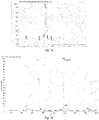
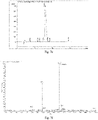
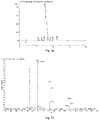
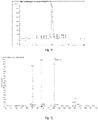
- Polypeptides having the amino acid sequences shown in the Table below were synthesized according to the standard Fmoc protocol for polypeptide synthesis by extending individual residues from the carboxyl terminus to the amino terminus, starting from a 0.25mM resin. The N terminus was modified finally. After completion of peptide synthesis, the polypeptides were cleaved from the resin by a cleavage solution and the resin was removed by filtering with G6 sand-core funnel. The filtrate was dried under vacuum and the C terminus of the polypeptides could further be amidated. The polypeptide product was dissolved in deionized water, and purified in ⁇ KTA explorer 100 type medium pressure liquid chromatograph equipped with C18 column. The main peaks were recovered stepwise.
- the samples collected from the target peak were analyzed by Agilent 1100 type reversed phase high pressure liquid chromatography equipped with Phenomenex C18 column for their purities and identified by LCQ Advantage type mass spectrograph for their molecular weights.
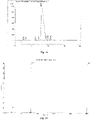
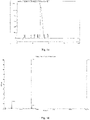
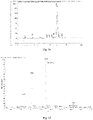
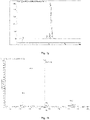
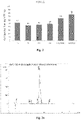
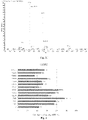
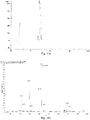
- the collecting solutions purified by medium pressure liquid chromatography was freeze dried and dissolved in PBS to form a polypeptide stock, which was then filtered through a 0.20 ⁇ M membrane and stored at -80°C. Purities identified by HPLC and molecular weights identified by MASS spectrometry were shown in Fig. 1 . No. of Polypeptide No.
- Example 3 Inhibition of Polypeptides on Human Umbilical Vein Endothelial Cell (HUVEC) and Tumor Cell
- MTT MTT
- succinate dehydrogenase in the mitochondria of the live cells could reduce the exogenous MTT (3-(4,5-dimethyl-2-thiazolyl)-2,5-diphenyl-tetrazolium bromide) to a water-soluble Formazan which is a blue-violet crystal, and precipitates in the cells, while the death cells could not reduce MTT.
- DMSO could dissolve Formazan in the cells.
- Absorbance value of the solution was determined at 490/570nm by microplate reader, which could indirectly indicate the amount of the live cells.
- the amount of the crystal from MTT is proportional to the amount of the cells within a certain range of cell number.
- the supernate from the HUVEC or tumor cells in exponential phase was removed and the cells were washed by PBS once. 1ml 0.25% trypsin (4°C) was added for digestion at 37°C for 2min. Then the supernate was added for neutralization and the cells were dispersed to form a suspension and the suspension was centrifuged at 1000rpm for 3 min. The supernate was removed and 5ml culture mediums were added for resuspension. Cells were inoculated in a 48-well plate by 500ul/well at the concentration of 3 ⁇ 10 4 /ml and then incubated under 5%CO 2 , 37°C for 24 hours.
- the supernate was removed and a culture medium containing polypeptide (Zn 2+ in the culture medium was present at the concentration of 17.39 ⁇ mol /L) was added for further incubation for 48 hours.
- Supernate in each well was carefully removed.
- the well was gently washed by PBS once in an amount of 450 ⁇ l/well.
- 450 ⁇ l MTT culture mediums were added into each well for further cultivation for 4 hours.
- the supernate was carefully discarded.
- DMSO was added in an amount of 450 ⁇ l/well and then the plate was placed in a shaking bed for oscillation for 10 min in dark.
- 150 ⁇ l supernates were transferred to a 96-well ELISA plate and absorbance value of each well was detected at 490nm and 570nm by the microplate reader.
- Polypeptides the amino acid sequence of which is set forth in the following Table (SEQ ID NO: 2), were synthesized by the methods disclosed in Example 1, which may have or have no modification at N and/or C terminus.
- Ac indicates acetylation modification
- NH 2 indicates amidation modification.
- Purities of these polypeptides were identified by HPLC and their molecular weights were identified by MASS spectrometry. No.
- Recombinant human endostatins could be commercially available, for example, from Genetex (Article No. GTX 65524), BioVision (Article No. 4799-1000), Shanghai Biosun Sci&Tech Co., Ltd. (Article No. E2296-05), and Wuhan Boster Bio-engineering Co., Ltd. (Article No. BP4153).
- the marketed recombinant human endostatin drug, endostar (SEQ ID NO: 10) was purchased from a medical institution.
- Polypeptides shown in the Table below were synthesized according to the method described in Example 1. Their purities were identified by HPLC and their molecular weights were identified by MASS spectrometry. Biological activities of these polypeptides in inhibiting HUVEC at a concentration of 1 mg/ml were tested according to the method described in Example 3. Results are shown in Fig. 4 . No. of Polypeptide No.
- the above polypeptides were subjected to homology modeling via software INSIGHT II based on the structure of endoestatin disclosed in EMBO J. 1998 Mar 16; 17(6): 1656-1664 (Structural No. in PDB database is 1BNL) to obtain the preferred conformation of the P2 polypeptides.
- Highest occupied molecular orbital (HOMO) energy and lowest virtual orbital (LUMO) energy of the P2 polypeptides were calculated via complete active space self-consistent field (CASSCF).
- Peptide library for P2 polypeptides having different amino acid residues at positions 2 and 18 was constructed.
- Polypeptides as shown in the following Table were synthesized via Apex396 automated high throughput peptide syntheiszer from AAPPTEC.
- X 1 and X 3 are any naturally occurring amino acid
- X 2 and X 4 are S and X 5 and X 6 are G.
- No. of Polypeptide Sequence (from N to C terminus) P2X2X18 Ac-HX 1 HRDFQPVLHLVALNX 2 X 3 LX 4 X 5 X 6 MRGIRGAD-NH 2 (SEQ ID NO:38)
- small letters a, b, c, d, e, f, g, h, i and j indicate, respectively: a: the cell activity is 0-10%; b: the cell activity is 11-20%; c: the cell activity is 21-30%; d: the cell activity is 31-40%; e: the cell activity is 41-50%; f: the cell activity is 51-60%; g: the cell activity is 61-70 %; h: the cell activity is 71-80 %; i: the cell activity is 81-90 %; j: the cell activity is 91-100%.
- Polypeptides shown in the Table below were synthesized according to the method described in Example 1. Their purities were identified by HPLC and their molecular weights were identified by MASS spectrometry.
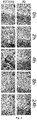
- Polypeptides were tested for their effect in inducing cell death of lung cancer cell line SPC-A-1 at a polypeptide concentration of 2.5mg/ml according to the method described in Example 3. Cells were observed under an optical microscope over 24 hours and photos were taken. Results are shown in Fig. 6 .
- P2 exerts its function 4 hours after being added into the culture medium. Cells shrinked and basically died at 24 hours. The manner of P2 induced cell death is similar to apoptosis. P2T2S18 exhibits violent effect on the cells only 2 hours after added into the culture medium. However, cells did not shrink. On the contrary, they extremely swelled. 4 hours later cells further swelled and began to disintegrate at 8 hours.
- Polypeptides shown in the Table below were synthesized according to the method described in Example 1. Purities were identified by HPLC and molecular weights were identified by MASS spectrometry. Results are shown in Fig. 1 and 7a-7j . No. of Polypeptide No.
- P2 SEQ ID NO:2
- P2T2S18 SEQ ID NO:6
- SPC-A-1 SPC-A-1
- A549 LS174T
- BEL7402 CK-MES-1
- BxPC-3 polypeptide concentration of 1mg/ml according to the method described in Example 3.
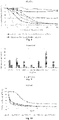
- Results are shown in Fig. 9 and the following Table. From the results, it can conclude that P2T1S18 exhibit obviously higher inhibition activity on various tumors as compared to P2. All IC 50 concentrations for P2T2S18 are less than 1/10 IC 50 concentration of P2.
- P2 showed no inhibition and cell survival could reach 95% when the drug concentration is 1mg/ml.
- P2T2S18 obviously inhibited the cells and almost killed all the tumor cells at the same polypeptide concentration, with only 1% cell survival rate.
- Polypeptides shown in the Table below were synthesized according to the method described in Example 1. Purities were identified by HPLC and molecular weights were identified by MASS spectrometry. Results are shown in Fig. 1 and 3a-3f . Inhibition of HUVEC by polypeptides was tested according to the method described in Example 3. Results are shown in Fig. 10 . No. of Polypeptide No.
- In vitro cultured tumor cells in exponential phase and in good state were formulated to a 100 ⁇ l cell suspension containing 5 ⁇ 10 6 tumor cells.
- the suspension was subcutaneously inoculated to nude mice.
- Well-grown solid tumors were obtained 15 days later and cut into uniform pieces of about 3mm under sterile condition.
- Each nude mouse was inoculated by one piece through a trocar.
- Mice were re-grouped according the tumor size 10-14 days after inoculation and animals having too large and too small tumor were excluded from the test.
- the average tumor volume for each group was basically identical.
- Test drugs were administered to each group according to the experimental protocol.
- the major axis (a) and minor axis (b) of the tumor were measured twice a week. Animals were sacrificed at the end of the test.
- Tumor inhibition rate (%) (1-T/C) ⁇ 100%, wherein T is the average tumor volume of the treatment group and C is the average tumor volume of the negative control group.
- Polypeptides shown in the Table below were synthesized according to the method described in Example 1. Purities were identified by HPLC and molecular weights were identified by MASS spectrometry. Results are shown in Fig. 1 . No. of Polypeptide No. of Sequence Sequence (from N terminus to C terminus) P2 SEQ ID NO: 2 Ac- HSHRDFQPVLHLVALNSPLSGGMRGIRGAD-NH 2 P2T2S18 SEQ ID NO: 6 Ac- HTHRDFQPVLHLVALNSSLSGGMRGIRGAD-NH 2
- endostatin The amino acid sequence of recombination endostatin ("endostatin") was set forth in SEQ ID NO: 1, and the amino acid sequence of the marketed drug Endostar (“endostar”) was set forth in SEQ ID NO: 10.
- Endostar The amino acid sequence of the marketed drug Endostar
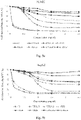
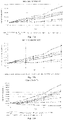
- Human liver cancer BEL7404 tumor model was constructed according to the method described in Example 10. The test contained 6 groups, with 6 animals in each group, except for the negative control group which contained 9 animals. The molar dose of the polypeptides was basically equal to the molar dose of endostatin. The results are shown in Fig. 11a and 11b and the following Table.
- Example 14 Inhibition on in vivo growth of tumor cells by polypeptide in combination with a chemotherapeutic agent
- Polypeptides shown in the Table below were synthesized according to the method described in Example 1. Purities were identified by HPLC and molecular weights were identified by MASS spectrometry. Results are shown in Fig. 1 . No. of Polypeptide No. of Sequence Sequence (from N terminus to C terminus) P2 SEQ ID NO: 2 Ac- HSHRDFQPVLHLVALNSPLSGGMRGIRGAD-NH 2 P2T2S18 SEQ ID NO: 6 Ac- HTHRDFQPVLHLVALNSSLSGGMRGIRGAD-NH 2
- endostatin The amino acid sequence of recombination endostatin ("endostatin") was set forth in SEQ ID NO: 1, and the amino acid sequence of the marketed drug Endostar (“endostar”) was set forth in SEQ ID NO: 10.
- Endostatin The amino acid sequence of recombination endostatin
- endostar the amino acid sequence of the marketed drug Endostar
- Human lung cancer A549 tumor model was constructed according to the method described in Example 10. The test contained 7 groups, with 6 animals in each group.
- the molar dose of the polypeptides was basically equal to the molar dose of endostatin.
- Example 15 Inhibition on in vitro growth of tumor cells and HUVEC by polypeptides
- Polypeptides shown in the Table below were synthesized according to the method described in Example 1. Inhibition of HUVEC by polypeptides at a polypeptide concentration of 0.1mg/ml was tested according to the method described in Example 3. Results are shown in Fig. 13 . No. of Polypeptide No.
- Example 16 Inhibition on in vitro growth of tumor cells and HUVEC by polypeptides
- Polypeptides shown in the Table below were synthesized according to the method described in Example 1. Purities were identified by HPLC and molecular weights were identified by MASS spectrometry. Results are shown in Figures 14a and 14b . Inhibition of HUVECand tumore cell HepG2 by polypeptides was tested according to the method described in Example 3. Results are shown in Figures 15 and 16 . Results show that P2T2S18 and P2T2S 19-29 exhibit a similar biological activity. Both are siginficalty higher than P2. No. of Polypeptide No. of Sequence Sequence (from N terminus to C terminus) P2T2S18-29 SEQ ID NO:41 Ac-HTHRDFQPVLHLVALNSSLSGGMRGIRGA-NH 2
Landscapes
- Health & Medical Sciences (AREA)
- Life Sciences & Earth Sciences (AREA)
- Chemical & Material Sciences (AREA)
- Organic Chemistry (AREA)
- General Health & Medical Sciences (AREA)
- Genetics & Genomics (AREA)
- Zoology (AREA)
- Medicinal Chemistry (AREA)
- Engineering & Computer Science (AREA)
- Biophysics (AREA)
- Biochemistry (AREA)
- Gastroenterology & Hepatology (AREA)
- Molecular Biology (AREA)
- Proteomics, Peptides & Aminoacids (AREA)
- Public Health (AREA)
- Pharmacology & Pharmacy (AREA)
- Animal Behavior & Ethology (AREA)
- Veterinary Medicine (AREA)
- Biomedical Technology (AREA)
- Bioinformatics & Cheminformatics (AREA)
- Toxicology (AREA)
- Wood Science & Technology (AREA)
- General Engineering & Computer Science (AREA)
- Biotechnology (AREA)
- Epidemiology (AREA)
- Nuclear Medicine, Radiotherapy & Molecular Imaging (AREA)
- Chemical Kinetics & Catalysis (AREA)
- General Chemical & Material Sciences (AREA)
- Physics & Mathematics (AREA)
- Microbiology (AREA)
- Plant Pathology (AREA)
- Immunology (AREA)
- Inorganic Chemistry (AREA)
- Endocrinology (AREA)
- Peptides Or Proteins (AREA)
- Medicines That Contain Protein Lipid Enzymes And Other Medicines (AREA)
- Pharmaceuticals Containing Other Organic And Inorganic Compounds (AREA)
- Acyclic And Carbocyclic Compounds In Medicinal Compositions (AREA)
Applications Claiming Priority (2)
| Application Number | Priority Date | Filing Date | Title |
|---|---|---|---|
| CN201510446747 | 2015-07-27 | ||
| PCT/CN2016/090800 WO2017016430A1 (zh) | 2015-07-27 | 2016-07-21 | 一种肿瘤抑制肽 |
Publications (3)
| Publication Number | Publication Date |
|---|---|
| EP3330285A1 EP3330285A1 (en) | 2018-06-06 |
| EP3330285A4 EP3330285A4 (en) | 2019-01-09 |
| EP3330285B1 true EP3330285B1 (en) | 2022-08-31 |
Family
ID=57883958
Family Applications (1)
| Application Number | Title | Priority Date | Filing Date |
|---|---|---|---|
| EP16829796.8A Active EP3330285B1 (en) | 2015-07-27 | 2016-07-21 | Tumour inhibitory peptide |
Country Status (5)
| Country | Link |
|---|---|
| US (1) | US10351613B2 (enExample) |
| EP (1) | EP3330285B1 (enExample) |
| JP (1) | JP6903633B2 (enExample) |
| CN (17) | CN115433268B (enExample) |
| WO (1) | WO2017016430A1 (enExample) |
Families Citing this family (4)
| Publication number | Priority date | Publication date | Assignee | Title |
|---|---|---|---|---|
| CN115433268B (zh) * | 2015-07-27 | 2025-10-03 | 上海贺普药业股份有限公司 | 一种肿瘤抑制肽 |
| CN113244370A (zh) * | 2020-02-13 | 2021-08-13 | 珠海市藤栢医药有限公司 | 一种预防和/或治疗神经母细胞瘤的多肽药物及其用途 |
| CN115991739B (zh) * | 2021-12-20 | 2023-10-20 | 珠海市藤栢医药有限公司 | 一种抗肿瘤的多肽及其制备方法和应用 |
| CN117801060A (zh) * | 2022-09-26 | 2024-04-02 | 深圳碳云智肽药物科技有限公司 | 一种抗肿瘤多肽及应用 |
Family Cites Families (20)
| Publication number | Priority date | Publication date | Assignee | Title |
|---|---|---|---|---|
| EP0857210B1 (en) * | 1995-10-23 | 2003-09-03 | The Children's Medical Center Corporation | Therapeutic antiangiogenic compositions and methods |
| US5854205A (en) * | 1995-10-23 | 1998-12-29 | The Children's Medical Center Corporation | Therapeutic antiangiogenic compositions and methods |
| US6174861B1 (en) * | 1996-10-22 | 2001-01-16 | The Children's Medical Center Corporation | Methods of inhibiting angiogenesis via increasing in vivo concentrations of endostatin protein |
| US6825167B1 (en) * | 2000-04-03 | 2004-11-30 | Regents Of The University Of Minnesota | Genetic modification of endostatin |
| CN1239516C (zh) * | 2002-02-08 | 2006-02-01 | 中国医学科学院基础医学研究所 | 肿瘤坏死因子相关细胞凋亡诱导配体胞外区突变多肽及其制法与用途 |
| US7771727B2 (en) * | 2002-03-01 | 2010-08-10 | The Administrators Of The Tulane Educational Fund | Conjugates of therapeutic or cytotoxic agents and biologically active peptides |
| US20040091465A1 (en) * | 2002-06-26 | 2004-05-13 | Zachary Yim | Therapeutic antiangiogenic compositions and methods |
| US7078485B2 (en) * | 2002-12-05 | 2006-07-18 | Yantai Medgenn Ltd. | N-terminal modified recombinant human endostatin and its production |
| US7524811B2 (en) * | 2003-08-29 | 2009-04-28 | Children's Medical Center Corporation | Anti-angiogenic peptides from the N-terminus of endostatin |
| CN1875104A (zh) * | 2003-08-29 | 2006-12-06 | 儿童医学中心公司 | 来自内皮抑素n-末端的抗血管生成肽 |
| JP2007525972A (ja) * | 2003-08-29 | 2007-09-13 | チルドレンズ メディカル センター コーポレーション | エンドスタチンのn末端からの抗血管新生性ペプチド |
| ES2325344B1 (es) * | 2004-11-02 | 2010-06-09 | Univ Madrid Autonoma | Inhibidores de angiogenesis multifuncionales y multivalentes. |
| CN101062954A (zh) * | 2006-05-16 | 2007-10-31 | 中国人民解放军军事医学科学院野战输血研究所 | 具有抗血管生成作用的融合蛋白及其编码基因与应用 |
| CN100586961C (zh) * | 2006-05-16 | 2010-02-03 | 中国人民解放军军事医学科学院野战输血研究所 | 对肿瘤细胞具有抑制作用的融合蛋白及其编码基因与应用 |
| ES2385115T3 (es) * | 2007-04-11 | 2012-07-18 | Gene Signal International Sa | Fármaco, medicamento, composición antitumorales y su uso |
| CN101096671A (zh) * | 2007-06-01 | 2008-01-02 | 徐寒梅 | 血管生成抑制剂hm-x及其制备方法和应用 |
| WO2009003145A1 (en) * | 2007-06-26 | 2008-12-31 | University Of Miami | Antibody-endostatin fusion protein and its variants |
| CN102924578A (zh) * | 2011-08-09 | 2013-02-13 | 哈药集团技术中心 | 抗肿瘤多肽及其制备方法和抗肿瘤应用 |
| EP2561888A1 (en) * | 2011-08-23 | 2013-02-27 | Deutsches Krebsforschungszentrum | Protein comprising NC-1 for treating angiogenesis-related diseases |
| CN115433268B (zh) * | 2015-07-27 | 2025-10-03 | 上海贺普药业股份有限公司 | 一种肿瘤抑制肽 |
-
2016
- 2016-07-21 CN CN202111153273.6A patent/CN115433268B/zh active Active
- 2016-07-21 CN CN201680044076.1A patent/CN107922475B/zh active Active
- 2016-07-21 CN CN202111153334.9A patent/CN115433270B/zh active Active
- 2016-07-21 EP EP16829796.8A patent/EP3330285B1/en active Active
- 2016-07-21 CN CN202111152259.4A patent/CN113717276B/zh active Active
- 2016-07-21 CN CN202111155210.4A patent/CN113943364B/zh active Active
- 2016-07-21 CN CN202111151032.8A patent/CN113717274B/zh active Active
- 2016-07-21 CN CN202111155244.3A patent/CN114031683B/zh active Active
- 2016-07-21 US US15/746,978 patent/US10351613B2/en active Active
- 2016-07-21 CN CN202111155546.0A patent/CN113980120B/zh active Active
- 2016-07-21 CN CN202111152268.3A patent/CN113717277B/zh active Active
- 2016-07-21 WO PCT/CN2016/090800 patent/WO2017016430A1/zh not_active Ceased
- 2016-07-21 CN CN202111153255.8A patent/CN115433267B/zh active Active
- 2016-07-21 CN CN202111155262.1A patent/CN113943365B/zh active Active
- 2016-07-21 JP JP2018504942A patent/JP6903633B2/ja active Active
- 2016-07-21 CN CN202111152378.XA patent/CN113912705B/zh active Active
- 2016-07-21 CN CN202111155175.6A patent/CN113943363B/zh active Active
- 2016-07-21 CN CN202111152258.XA patent/CN113717275B/zh active Active
- 2016-07-21 CN CN202111153309.0A patent/CN115433269B/zh active Active
- 2016-07-21 CN CN202111152272.XA patent/CN113717278B/zh active Active
- 2016-07-21 CN CN202111155543.7A patent/CN113980119B/zh active Active
Also Published As
Similar Documents
| Publication | Publication Date | Title |
|---|---|---|
| CN111132999A (zh) | 支架蛋白 | |
| US10351613B2 (en) | Polypeptide for inhibition of tumor | |
| KR20140053911A (ko) | 세타-디펜신들로 염증성 프로테아제들의 차단 | |
| CN111378049B (zh) | 抗肿瘤靶向融合蛋白、其偶联物及用途 | |
| EP2797617B1 (en) | Anti-tumor adjuvant therapy | |
| CN108295244B (zh) | 用于治疗乳腺肿瘤的多肽 | |
| EP1489093A1 (en) | Peptides, medicinal compositions containing the peptide and medicinal compositions for treating cancer | |
| CN108299556B (zh) | 一种治疗血液肿瘤的多肽 | |
| WO2007140667A1 (en) | A ptd-vp3 fusion protein as anti-tumor medecine and preparing process | |
| CN101144081A (zh) | 核苷酸分子trail及其在制备治疗肿瘤药物中的应用 |
Legal Events
| Date | Code | Title | Description |
|---|---|---|---|
| STAA | Information on the status of an ep patent application or granted ep patent |
Free format text: STATUS: THE INTERNATIONAL PUBLICATION HAS BEEN MADE |
|
| PUAI | Public reference made under article 153(3) epc to a published international application that has entered the european phase |
Free format text: ORIGINAL CODE: 0009012 |
|
| STAA | Information on the status of an ep patent application or granted ep patent |
Free format text: STATUS: REQUEST FOR EXAMINATION WAS MADE |
|
| 17P | Request for examination filed |
Effective date: 20180216 |
|
| AK | Designated contracting states |
Kind code of ref document: A1 Designated state(s): AL AT BE BG CH CY CZ DE DK EE ES FI FR GB GR HR HU IE IS IT LI LT LU LV MC MK MT NL NO PL PT RO RS SE SI SK SM TR |
|
| AX | Request for extension of the european patent |
Extension state: BA ME |
|
| DAV | Request for validation of the european patent (deleted) | ||
| DAX | Request for extension of the european patent (deleted) | ||
| A4 | Supplementary search report drawn up and despatched |
Effective date: 20181211 |
|
| RIC1 | Information provided on ipc code assigned before grant |
Ipc: A61K 38/39 20060101ALI20181205BHEP Ipc: C07K 14/78 20060101AFI20181205BHEP Ipc: C12N 15/12 20060101ALI20181205BHEP Ipc: C12N 15/63 20060101ALI20181205BHEP Ipc: A61P 35/00 20060101ALI20181205BHEP |
|
| STAA | Information on the status of an ep patent application or granted ep patent |
Free format text: STATUS: EXAMINATION IS IN PROGRESS |
|
| 17Q | First examination report despatched |
Effective date: 20201019 |
|
| REG | Reference to a national code |
Ref country code: DE Ref legal event code: R079 Ref document number: 602016074710 Country of ref document: DE Free format text: PREVIOUS MAIN CLASS: C07K0014780000 Ipc: A61K0031555000 |
|
| GRAP | Despatch of communication of intention to grant a patent |
Free format text: ORIGINAL CODE: EPIDOSNIGR1 |
|
| STAA | Information on the status of an ep patent application or granted ep patent |
Free format text: STATUS: GRANT OF PATENT IS INTENDED |
|
| RIC1 | Information provided on ipc code assigned before grant |
Ipc: C12N 15/63 20060101ALI20220223BHEP Ipc: C07K 14/78 20060101ALI20220223BHEP Ipc: A61P 35/00 20060101ALI20220223BHEP Ipc: A61K 38/39 20060101ALI20220223BHEP Ipc: A61K 38/16 20060101ALI20220223BHEP Ipc: A61K 38/04 20060101ALI20220223BHEP Ipc: A61K 33/243 20190101ALI20220223BHEP Ipc: A61K 33/24 20060101ALI20220223BHEP Ipc: A61K 31/555 20060101AFI20220223BHEP |
|
| INTG | Intention to grant announced |
Effective date: 20220330 |
|
| GRAS | Grant fee paid |
Free format text: ORIGINAL CODE: EPIDOSNIGR3 |
|
| GRAA | (expected) grant |
Free format text: ORIGINAL CODE: 0009210 |
|
| STAA | Information on the status of an ep patent application or granted ep patent |
Free format text: STATUS: THE PATENT HAS BEEN GRANTED |
|
| AK | Designated contracting states |
Kind code of ref document: B1 Designated state(s): AL AT BE BG CH CY CZ DE DK EE ES FI FR GB GR HR HU IE IS IT LI LT LU LV MC MK MT NL NO PL PT RO RS SE SI SK SM TR |
|
| REG | Reference to a national code |
Ref country code: CH Ref legal event code: EP Ref country code: GB Ref legal event code: FG4D |
|
| REG | Reference to a national code |
Ref country code: AT Ref legal event code: REF Ref document number: 1514804 Country of ref document: AT Kind code of ref document: T Effective date: 20220915 Ref country code: DE Ref legal event code: R096 Ref document number: 602016074710 Country of ref document: DE |
|
| REG | Reference to a national code |
Ref country code: IE Ref legal event code: FG4D |
|
| REG | Reference to a national code |
Ref country code: SE Ref legal event code: TRGR |
|
| REG | Reference to a national code |
Ref country code: LT Ref legal event code: MG9D |
|
| REG | Reference to a national code |
Ref country code: NL Ref legal event code: MP Effective date: 20220831 |
|
| PG25 | Lapsed in a contracting state [announced via postgrant information from national office to epo] |
Ref country code: RS Free format text: LAPSE BECAUSE OF FAILURE TO SUBMIT A TRANSLATION OF THE DESCRIPTION OR TO PAY THE FEE WITHIN THE PRESCRIBED TIME-LIMIT Effective date: 20220831 Ref country code: NO Free format text: LAPSE BECAUSE OF FAILURE TO SUBMIT A TRANSLATION OF THE DESCRIPTION OR TO PAY THE FEE WITHIN THE PRESCRIBED TIME-LIMIT Effective date: 20221130 Ref country code: LV Free format text: LAPSE BECAUSE OF FAILURE TO SUBMIT A TRANSLATION OF THE DESCRIPTION OR TO PAY THE FEE WITHIN THE PRESCRIBED TIME-LIMIT Effective date: 20220831 Ref country code: LT Free format text: LAPSE BECAUSE OF FAILURE TO SUBMIT A TRANSLATION OF THE DESCRIPTION OR TO PAY THE FEE WITHIN THE PRESCRIBED TIME-LIMIT Effective date: 20220831 Ref country code: FI Free format text: LAPSE BECAUSE OF FAILURE TO SUBMIT A TRANSLATION OF THE DESCRIPTION OR TO PAY THE FEE WITHIN THE PRESCRIBED TIME-LIMIT Effective date: 20220831 |
|
| REG | Reference to a national code |
Ref country code: AT Ref legal event code: MK05 Ref document number: 1514804 Country of ref document: AT Kind code of ref document: T Effective date: 20220831 |
|
| PG25 | Lapsed in a contracting state [announced via postgrant information from national office to epo] |
Ref country code: PL Free format text: LAPSE BECAUSE OF FAILURE TO SUBMIT A TRANSLATION OF THE DESCRIPTION OR TO PAY THE FEE WITHIN THE PRESCRIBED TIME-LIMIT Effective date: 20220831 Ref country code: IS Free format text: LAPSE BECAUSE OF FAILURE TO SUBMIT A TRANSLATION OF THE DESCRIPTION OR TO PAY THE FEE WITHIN THE PRESCRIBED TIME-LIMIT Effective date: 20221231 Ref country code: HR Free format text: LAPSE BECAUSE OF FAILURE TO SUBMIT A TRANSLATION OF THE DESCRIPTION OR TO PAY THE FEE WITHIN THE PRESCRIBED TIME-LIMIT Effective date: 20220831 Ref country code: GR Free format text: LAPSE BECAUSE OF FAILURE TO SUBMIT A TRANSLATION OF THE DESCRIPTION OR TO PAY THE FEE WITHIN THE PRESCRIBED TIME-LIMIT Effective date: 20221201 |
|
| PG25 | Lapsed in a contracting state [announced via postgrant information from national office to epo] |
Ref country code: SM Free format text: LAPSE BECAUSE OF FAILURE TO SUBMIT A TRANSLATION OF THE DESCRIPTION OR TO PAY THE FEE WITHIN THE PRESCRIBED TIME-LIMIT Effective date: 20220831 Ref country code: RO Free format text: LAPSE BECAUSE OF FAILURE TO SUBMIT A TRANSLATION OF THE DESCRIPTION OR TO PAY THE FEE WITHIN THE PRESCRIBED TIME-LIMIT Effective date: 20220831 Ref country code: PT Free format text: LAPSE BECAUSE OF FAILURE TO SUBMIT A TRANSLATION OF THE DESCRIPTION OR TO PAY THE FEE WITHIN THE PRESCRIBED TIME-LIMIT Effective date: 20230102 Ref country code: ES Free format text: LAPSE BECAUSE OF FAILURE TO SUBMIT A TRANSLATION OF THE DESCRIPTION OR TO PAY THE FEE WITHIN THE PRESCRIBED TIME-LIMIT Effective date: 20220831 Ref country code: DK Free format text: LAPSE BECAUSE OF FAILURE TO SUBMIT A TRANSLATION OF THE DESCRIPTION OR TO PAY THE FEE WITHIN THE PRESCRIBED TIME-LIMIT Effective date: 20220831 Ref country code: CZ Free format text: LAPSE BECAUSE OF FAILURE TO SUBMIT A TRANSLATION OF THE DESCRIPTION OR TO PAY THE FEE WITHIN THE PRESCRIBED TIME-LIMIT Effective date: 20220831 Ref country code: AT Free format text: LAPSE BECAUSE OF FAILURE TO SUBMIT A TRANSLATION OF THE DESCRIPTION OR TO PAY THE FEE WITHIN THE PRESCRIBED TIME-LIMIT Effective date: 20220831 |
|
| PG25 | Lapsed in a contracting state [announced via postgrant information from national office to epo] |
Ref country code: SK Free format text: LAPSE BECAUSE OF FAILURE TO SUBMIT A TRANSLATION OF THE DESCRIPTION OR TO PAY THE FEE WITHIN THE PRESCRIBED TIME-LIMIT Effective date: 20220831 Ref country code: EE Free format text: LAPSE BECAUSE OF FAILURE TO SUBMIT A TRANSLATION OF THE DESCRIPTION OR TO PAY THE FEE WITHIN THE PRESCRIBED TIME-LIMIT Effective date: 20220831 |
|
| REG | Reference to a national code |
Ref country code: DE Ref legal event code: R097 Ref document number: 602016074710 Country of ref document: DE |
|
| PG25 | Lapsed in a contracting state [announced via postgrant information from national office to epo] |
Ref country code: NL Free format text: LAPSE BECAUSE OF FAILURE TO SUBMIT A TRANSLATION OF THE DESCRIPTION OR TO PAY THE FEE WITHIN THE PRESCRIBED TIME-LIMIT Effective date: 20220831 Ref country code: AL Free format text: LAPSE BECAUSE OF FAILURE TO SUBMIT A TRANSLATION OF THE DESCRIPTION OR TO PAY THE FEE WITHIN THE PRESCRIBED TIME-LIMIT Effective date: 20220831 |
|
| PLBE | No opposition filed within time limit |
Free format text: ORIGINAL CODE: 0009261 |
|
| STAA | Information on the status of an ep patent application or granted ep patent |
Free format text: STATUS: NO OPPOSITION FILED WITHIN TIME LIMIT |
|
| 26N | No opposition filed |
Effective date: 20230601 |
|
| PG25 | Lapsed in a contracting state [announced via postgrant information from national office to epo] |
Ref country code: SI Free format text: LAPSE BECAUSE OF FAILURE TO SUBMIT A TRANSLATION OF THE DESCRIPTION OR TO PAY THE FEE WITHIN THE PRESCRIBED TIME-LIMIT Effective date: 20220831 |
|
| PG25 | Lapsed in a contracting state [announced via postgrant information from national office to epo] |
Ref country code: MC Free format text: LAPSE BECAUSE OF FAILURE TO SUBMIT A TRANSLATION OF THE DESCRIPTION OR TO PAY THE FEE WITHIN THE PRESCRIBED TIME-LIMIT Effective date: 20220831 |
|
| PG25 | Lapsed in a contracting state [announced via postgrant information from national office to epo] |
Ref country code: MC Free format text: LAPSE BECAUSE OF FAILURE TO SUBMIT A TRANSLATION OF THE DESCRIPTION OR TO PAY THE FEE WITHIN THE PRESCRIBED TIME-LIMIT Effective date: 20220831 |
|
| REG | Reference to a national code |
Ref country code: BE Ref legal event code: MM Effective date: 20230731 |
|
| PG25 | Lapsed in a contracting state [announced via postgrant information from national office to epo] |
Ref country code: LU Free format text: LAPSE BECAUSE OF NON-PAYMENT OF DUE FEES Effective date: 20230721 |
|
| PG25 | Lapsed in a contracting state [announced via postgrant information from national office to epo] |
Ref country code: LU Free format text: LAPSE BECAUSE OF NON-PAYMENT OF DUE FEES Effective date: 20230721 |
|
| REG | Reference to a national code |
Ref country code: IE Ref legal event code: MM4A |
|
| PG25 | Lapsed in a contracting state [announced via postgrant information from national office to epo] |
Ref country code: IT Free format text: LAPSE BECAUSE OF FAILURE TO SUBMIT A TRANSLATION OF THE DESCRIPTION OR TO PAY THE FEE WITHIN THE PRESCRIBED TIME-LIMIT Effective date: 20220831 Ref country code: BE Free format text: LAPSE BECAUSE OF NON-PAYMENT OF DUE FEES Effective date: 20230731 |
|
| PG25 | Lapsed in a contracting state [announced via postgrant information from national office to epo] |
Ref country code: IE Free format text: LAPSE BECAUSE OF NON-PAYMENT OF DUE FEES Effective date: 20230721 |
|
| PG25 | Lapsed in a contracting state [announced via postgrant information from national office to epo] |
Ref country code: IE Free format text: LAPSE BECAUSE OF NON-PAYMENT OF DUE FEES Effective date: 20230721 |
|
| PG25 | Lapsed in a contracting state [announced via postgrant information from national office to epo] |
Ref country code: BG Free format text: LAPSE BECAUSE OF FAILURE TO SUBMIT A TRANSLATION OF THE DESCRIPTION OR TO PAY THE FEE WITHIN THE PRESCRIBED TIME-LIMIT Effective date: 20220831 |
|
| PG25 | Lapsed in a contracting state [announced via postgrant information from national office to epo] |
Ref country code: BG Free format text: LAPSE BECAUSE OF FAILURE TO SUBMIT A TRANSLATION OF THE DESCRIPTION OR TO PAY THE FEE WITHIN THE PRESCRIBED TIME-LIMIT Effective date: 20220831 |
|
| PG25 | Lapsed in a contracting state [announced via postgrant information from national office to epo] |
Ref country code: CY Free format text: LAPSE BECAUSE OF FAILURE TO SUBMIT A TRANSLATION OF THE DESCRIPTION OR TO PAY THE FEE WITHIN THE PRESCRIBED TIME-LIMIT; INVALID AB INITIO Effective date: 20160721 |
|
| PG25 | Lapsed in a contracting state [announced via postgrant information from national office to epo] |
Ref country code: HU Free format text: LAPSE BECAUSE OF FAILURE TO SUBMIT A TRANSLATION OF THE DESCRIPTION OR TO PAY THE FEE WITHIN THE PRESCRIBED TIME-LIMIT; INVALID AB INITIO Effective date: 20160721 |
|
| PGFP | Annual fee paid to national office [announced via postgrant information from national office to epo] |
Ref country code: DE Payment date: 20250708 Year of fee payment: 10 |
|
| PGFP | Annual fee paid to national office [announced via postgrant information from national office to epo] |
Ref country code: GB Payment date: 20250710 Year of fee payment: 10 |
|
| PGFP | Annual fee paid to national office [announced via postgrant information from national office to epo] |
Ref country code: FR Payment date: 20250708 Year of fee payment: 10 |
|
| PGFP | Annual fee paid to national office [announced via postgrant information from national office to epo] |
Ref country code: CH Payment date: 20250801 Year of fee payment: 10 Ref country code: SE Payment date: 20250710 Year of fee payment: 10 |
|
| PG25 | Lapsed in a contracting state [announced via postgrant information from national office to epo] |
Ref country code: TR Free format text: LAPSE BECAUSE OF FAILURE TO SUBMIT A TRANSLATION OF THE DESCRIPTION OR TO PAY THE FEE WITHIN THE PRESCRIBED TIME-LIMIT Effective date: 20220831 |
|
| REG | Reference to a national code |
Ref country code: CH Ref legal event code: U11 Free format text: ST27 STATUS EVENT CODE: U-0-0-U10-U11 (AS PROVIDED BY THE NATIONAL OFFICE) Effective date: 20260801 |