EP3313865B1 - Synthetic peptide compounds and methods of use - Google Patents
Synthetic peptide compounds and methods of use Download PDFInfo
- Publication number
- EP3313865B1 EP3313865B1 EP16815455.7A EP16815455A EP3313865B1 EP 3313865 B1 EP3313865 B1 EP 3313865B1 EP 16815455 A EP16815455 A EP 16815455A EP 3313865 B1 EP3313865 B1 EP 3313865B1
- Authority
- EP
- European Patent Office
- Prior art keywords
- seq
- complement
- peptide
- dpeg24
- subject
- Prior art date
- Legal status (The legal status is an assumption and is not a legal conclusion. Google has not performed a legal analysis and makes no representation as to the accuracy of the status listed.)
- Active
Links
- IEEYTAJCEQUTEF-UHFFFAOYSA-N CC(C)C1=NC1C Chemical compound CC(C)C1=NC1C IEEYTAJCEQUTEF-UHFFFAOYSA-N 0.000 description 1
Images





















Classifications
-
- C—CHEMISTRY; METALLURGY
- C07—ORGANIC CHEMISTRY
- C07K—PEPTIDES
- C07K14/00—Peptides having more than 20 amino acids; Gastrins; Somatostatins; Melanotropins; Derivatives thereof
- C07K14/005—Peptides having more than 20 amino acids; Gastrins; Somatostatins; Melanotropins; Derivatives thereof from viruses
-
- A—HUMAN NECESSITIES
- A61—MEDICAL OR VETERINARY SCIENCE; HYGIENE
- A61K—PREPARATIONS FOR MEDICAL, DENTAL OR TOILETRY PURPOSES
- A61K38/00—Medicinal preparations containing peptides
- A61K38/04—Peptides having up to 20 amino acids in a fully defined sequence; Derivatives thereof
- A61K38/10—Peptides having 12 to 20 amino acids
-
- A—HUMAN NECESSITIES
- A61—MEDICAL OR VETERINARY SCIENCE; HYGIENE
- A61K—PREPARATIONS FOR MEDICAL, DENTAL OR TOILETRY PURPOSES
- A61K38/00—Medicinal preparations containing peptides
- A61K38/16—Peptides having more than 20 amino acids; Gastrins; Somatostatins; Melanotropins; Derivatives thereof
- A61K38/162—Peptides having more than 20 amino acids; Gastrins; Somatostatins; Melanotropins; Derivatives thereof from virus
-
- A—HUMAN NECESSITIES
- A61—MEDICAL OR VETERINARY SCIENCE; HYGIENE
- A61P—SPECIFIC THERAPEUTIC ACTIVITY OF CHEMICAL COMPOUNDS OR MEDICINAL PREPARATIONS
- A61P1/00—Drugs for disorders of the alimentary tract or the digestive system
- A61P1/14—Prodigestives, e.g. acids, enzymes, appetite stimulants, antidyspeptics, tonics, antiflatulents
-
- A—HUMAN NECESSITIES
- A61—MEDICAL OR VETERINARY SCIENCE; HYGIENE
- A61P—SPECIFIC THERAPEUTIC ACTIVITY OF CHEMICAL COMPOUNDS OR MEDICINAL PREPARATIONS
- A61P11/00—Drugs for disorders of the respiratory system
-
- A—HUMAN NECESSITIES
- A61—MEDICAL OR VETERINARY SCIENCE; HYGIENE
- A61P—SPECIFIC THERAPEUTIC ACTIVITY OF CHEMICAL COMPOUNDS OR MEDICINAL PREPARATIONS
- A61P13/00—Drugs for disorders of the urinary system
- A61P13/12—Drugs for disorders of the urinary system of the kidneys
-
- A—HUMAN NECESSITIES
- A61—MEDICAL OR VETERINARY SCIENCE; HYGIENE
- A61P—SPECIFIC THERAPEUTIC ACTIVITY OF CHEMICAL COMPOUNDS OR MEDICINAL PREPARATIONS
- A61P25/00—Drugs for disorders of the nervous system
-
- A—HUMAN NECESSITIES
- A61—MEDICAL OR VETERINARY SCIENCE; HYGIENE
- A61P—SPECIFIC THERAPEUTIC ACTIVITY OF CHEMICAL COMPOUNDS OR MEDICINAL PREPARATIONS
- A61P31/00—Antiinfectives, i.e. antibiotics, antiseptics, chemotherapeutics
- A61P31/04—Antibacterial agents
-
- A—HUMAN NECESSITIES
- A61—MEDICAL OR VETERINARY SCIENCE; HYGIENE
- A61P—SPECIFIC THERAPEUTIC ACTIVITY OF CHEMICAL COMPOUNDS OR MEDICINAL PREPARATIONS
- A61P31/00—Antiinfectives, i.e. antibiotics, antiseptics, chemotherapeutics
- A61P31/12—Antivirals
-
- A—HUMAN NECESSITIES
- A61—MEDICAL OR VETERINARY SCIENCE; HYGIENE
- A61P—SPECIFIC THERAPEUTIC ACTIVITY OF CHEMICAL COMPOUNDS OR MEDICINAL PREPARATIONS
- A61P37/00—Drugs for immunological or allergic disorders
-
- A—HUMAN NECESSITIES
- A61—MEDICAL OR VETERINARY SCIENCE; HYGIENE
- A61P—SPECIFIC THERAPEUTIC ACTIVITY OF CHEMICAL COMPOUNDS OR MEDICINAL PREPARATIONS
- A61P7/00—Drugs for disorders of the blood or the extracellular fluid
-
- A—HUMAN NECESSITIES
- A61—MEDICAL OR VETERINARY SCIENCE; HYGIENE
- A61P—SPECIFIC THERAPEUTIC ACTIVITY OF CHEMICAL COMPOUNDS OR MEDICINAL PREPARATIONS
- A61P7/00—Drugs for disorders of the blood or the extracellular fluid
- A61P7/06—Antianaemics
-
- A—HUMAN NECESSITIES
- A61—MEDICAL OR VETERINARY SCIENCE; HYGIENE
- A61K—PREPARATIONS FOR MEDICAL, DENTAL OR TOILETRY PURPOSES
- A61K38/00—Medicinal preparations containing peptides
-
- C—CHEMISTRY; METALLURGY
- C12—BIOCHEMISTRY; BEER; SPIRITS; WINE; VINEGAR; MICROBIOLOGY; ENZYMOLOGY; MUTATION OR GENETIC ENGINEERING
- C12N—MICROORGANISMS OR ENZYMES; COMPOSITIONS THEREOF; PROPAGATING, PRESERVING, OR MAINTAINING MICROORGANISMS; MUTATION OR GENETIC ENGINEERING; CULTURE MEDIA
- C12N2710/00—MICROORGANISMS OR ENZYMES; COMPOSITIONS THEREOF; PROPAGATING, PRESERVING, OR MAINTAINING MICROORGANISMS; MUTATION OR GENETIC ENGINEERING; CULTURE MEDIA dsDNA viruses
- C12N2710/00011—Details
- C12N2710/16011—Herpesviridae
- C12N2710/16611—Simplexvirus, e.g. human herpesvirus 1, 2
-
- C—CHEMISTRY; METALLURGY
- C12—BIOCHEMISTRY; BEER; SPIRITS; WINE; VINEGAR; MICROBIOLOGY; ENZYMOLOGY; MUTATION OR GENETIC ENGINEERING
- C12N—MICROORGANISMS OR ENZYMES; COMPOSITIONS THEREOF; PROPAGATING, PRESERVING, OR MAINTAINING MICROORGANISMS; MUTATION OR GENETIC ENGINEERING; CULTURE MEDIA
- C12N2770/00—MICROORGANISMS OR ENZYMES; COMPOSITIONS THEREOF; PROPAGATING, PRESERVING, OR MAINTAINING MICROORGANISMS; MUTATION OR GENETIC ENGINEERING; CULTURE MEDIA ssRNA viruses positive-sense
- C12N2770/00011—Details
- C12N2770/12011—Astroviridae
- C12N2770/12022—New viral proteins or individual genes, new structural or functional aspects of known viral proteins or genes
Definitions
- the invention relates to synthetic peptide compounds and uses thereof for therapy, including for complement-mediated diseases, such as inflammatory diseases, autoimmune diseases, and microbial and bacterial infections; and non-complement-mediated diseases, such cystic fibrosis and various acute diseases.
- complement-mediated diseases such as inflammatory diseases, autoimmune diseases, and microbial and bacterial infections
- non-complement-mediated diseases such cystic fibrosis and various acute diseases.
- the complement system an essential component of the innate immune system, plays a critical role as a defense mechanism against invading pathogens, primes adaptive immune responses, and helps remove immune complexes and apoptotic cells.
- Three different pathways comprise the complement system: the classical pathway, the lectin pathway and alternative pathway.
- C1q and mannose-binding lectin (MBL) are the structurally related recognition molecules of the classical and lectin pathways, respectively. Whereas IgM or clustered IgG serve as the principal ligands for C1q, MBL recognizes polysaccharides such as mannan. Ligand binding by C1q and MBL results in the sequential activation of C4 and C2 to form the classical and lectin pathway C3-convertase.
- alternative pathway activation does not require a recognition molecule, but can amplify C3 activation initiated by the classical or lectin pathways. Activation of any of these three pathways results in the formation of inflammatory mediators (C3a and C5a) and the membrane attack complex (MAC), which causes cellular lysis.
- C3a and C5a inflammatory mediators
- MAC membrane attack complex
- complement regulators A need exists for complement regulators.
- the complement system is a vital host defense against pathogenic organisms.
- its unchecked activation can cause devastating host cell damage.
- autoimmune diseases such as systemic lupus erythematosus, myasthenia gravis, and multiple sclerosis
- only two anti-complement therapies have recently been approved for use in humans: 1) purified, human C1-Inhibitor licensed for use in patients suffering from hereditary angioedema (HAE) and 2) eculizumab (SolirisTM), a humanized, long-acting monoclonal antibody against C5 used in the treatment of paroxysmal nocturnal hemoglobinuria (PNH).
- HAE hereditary angioedema
- SolirisTM eculizumab
- Acute disease indications include, amongst others, acute intravascular hemolytic transfusion reaction (AIHTR), birth asphyxia, hypoxic ischemic encephalopathy, ischemia-reperfusion injury (IRI) in myocardial infarct, coronary artery bypass surgery and stroke, and solid organ transplantation rejection.
- AIHTR acute intravascular hemolytic transfusion reaction
- IRI ischemia-reperfusion injury
- the Astroviridae constitute a family of non-enveloped, icosahedral viruses with a single-stranded, messenger-sense RNA genome. These viruses are a significant cause of gastroenteritis in humans as well as other diseases in other animal species. It is estimated that they cause an estimated 2-17% of children's diarrheal illness worldwide.
- the Astrovirus coat protein reduces the activity of the complement system, suggesting that the 'active' portion of the protein may have clinical utility in decreasing tissue damage from complement-mediated diseases.
- WT CP wild type coat protein purified from human astrovirus type 1
- HstV-1 human astrovirus type 1
- HNP-1 human neutrophil peptide-1
- the HAstV-1 coat protein is a 787 amino acid molecule that has been expressed from a recombinant baculovirus construct and then purified ( Bonaparte et al., 2008. J. Virol. 82, 817-827 ).
- Developing peptide compounds to inhibit classical, lectin and alternative pathways of the complement system is needed, as each of these three pathways have been demonstrated to contribute to numerous autoimmune and inflammatory disease processes.
- Specific blockade of classical and lectin pathways is particularly needed, as both of these pathways have been implicated in ischemia reperfusion-induced injury in many animal models. Humans with alternative pathway deficiencies suffer severe bacterial infections.
- a functional alternative pathway is essential for immune surveillance against invading pathogens.
- Gardnerella is a Gram variable, anaerobic coccobacillus that is a common cause of bacterial vaginosis. Gardnerella also causes complement activation and inflammation, which causes the symptoms of bacterial vaginosis and increases the risk of HIV transmission by disrupting normal barrier defenses in the vagina. There is a need for treatments for bacterial vaginosis that kill the causative organism and block inflammation. There is also a need for novel antimicrobial compounds given the increasing resistance to conventional antibiotics.
- Herpes simplex virus 1 HSV-1
- HSV-2 herpes simplex virus 2
- AAD American Academy of Dermatology
- HSV-2 infections are spread by coming into contact with a herpes sore, the AAD reports that most people get HSV-1 from an infected person who is asymptomatic, or does not have sores.
- Current treatments like acyclovir for HSV-1 or HSV-2 may not be fully efficacious.
- anti-viral treatments for HSV-1 and HSV-2 that are more effective against viruses.
- Lactobacillus is a genus of bacteria that contains over 180 species. Multiple Lactobacillus species are often administered together as a single probiotic agent. In combination, various Lactobacillus species have been known to help individuals with irritable bowel syndrome, prevent necrotizing enterocolitis, and other neonatal infections. Because of its many health benefits, there is a need for compounds that can stimulate growth of Lactobacillus species.
- Cystic fibrosis is a genetic disease caused by mutations in the cystic fibrosis transmembrane conductance regulator (CFTR) gene. Patients with CF produce unusually thick, sticky mucus that clogs the lungs and leads to life-threatening lung infections, and obstructs the pancreas and stops natural enzymes from helping the body break down food and absorb vital nutrients.
- CF is characterized by a cycle of small airway obstruction, infection with bacterial pathogens, e.g., P.aeruginosa, Staphylococcus aureus (including methicillin-resistant S. aureus (MRSA), Burkholderia cepacia, and inflammatory lung damage.
- MRSA methicillin-resistant S. aureus
- Complement-mediated inflammation may be a major contributor to inflammatory lung damage in CF.
- Treatment of CF includes a regular treatment routine to maintain lung health and good nutrition.
- Other treatments for CF include airway clearance every day to help loosen and clear thick mucus that can build up in the lungs, inhaled medicines, including antibiotics, to help keep the airways clear, and pancreatic enzyme supplements to improve absorption of vital nutrients.
- AIHTR acute intravascular hemolytic transfusion reactions
- AIHTR occurs when host antibodies bind to the transfused erythrocytes, initiating classical complement pathway activation, which leads to the generation of the inflammatory mediators C3a and C5a, as well as C3b opsonization and hemolysis of the transfused cells via the membrane attack complex (MAC).
- MAC membrane attack complex
- HIE Hypoxic ischemic encephalopathy
- Reperfusion injury is the tissue damage caused when blood supply returns to a tissue after a period of ischemia or lack of oxygen. The absence of oxygen and nutrients from blood during the ischemic period creates a condition in which the restoration of circulation results in inflammation and oxidative damage through the induction of oxidative stress rather than restoration of normal function. Complement activation is instrumental in the development of ischemia-reperfusion injuries such as neonatal HIE.
- HT Therapeutic hypothermia
- AIHA Autoimmune hemolytic anemia
- peptide compounds that can regulate complement activation and can be used therapeutically to prevent and treat complement-mediated diseases, such as inflammatory and autoimmune diseases. It would also be desirable to develop peptide compounds that treat acute diseases and conditions such as acute intravascular hemolytic transfusion reaction (AIHTR), birth asphyxia, autoimmune hemolytic anemia, viral infections, and bacterial infections, amongst others. It would also be desirable to develop peptide compounds that treat cystic fibrosis.
- AIHTR acute intravascular hemolytic transfusion reaction
- birth asphyxia autoimmune hemolytic anemia
- viral infections bacterial infections
- the present invention provides synthetic peptide compounds that regulate the complement system and methods of using these compounds.
- the synthetic peptide compounds can bind, regulate and inactivate C1 and MBL, and therefore can efficiently inhibit classical and lectin pathway activation at its earliest point while leaving the alternative pathway intact.
- These peptide compounds are of therapeutic value for selectively regulating and inhibiting C1 and MBL activation without affecting the alterative pathway and can be used for treating diseases mediated by dysregulated activation of the classical and lectin pathways.
- the peptide compounds regulate classical pathway activation but not lectin pathway activation. The peptide compounds are useful for various therapeutic indications - even for indications that are unrelated to complement regulation.
- these peptide compounds are of therapeutic value for treating acute diseases and conditions such as acute intravascular hemolytic transfusion reaction (AIHTR), birth asphyxia, as well as bacterial, viral, and antimicrobial infections, amongst others.
- AIHTR acute intravascular hemolytic transfusion reaction
- birth asphyxia birth asphyxia
- bacterial, viral, and antimicrobial infections amongst others.
- cystic fibrosis are also of therapeutic value for treating cystic fibrosis.
- the invention is based on the identification and modification of peptides of 15 amino acids from Polar Assortant (PA) peptide (SEQ ID NO: 3), derivatives of the peptides, and methods of their use.
- PA Polar Assortant
- SEQ ID NO: 3 a scrambled peptide derived from human astrovirus protein, called CP1 (SEQ ID NO: 1).
- the PA peptide is also known as PIC1 (Peptide Inhibitors of Complement C1), AstroFend, AF, or SEQ ID NO: 3.
- PIC1 Peptide Inhibitors of Complement C1
- AstroFend AstroFend
- AF or SEQ ID NO: 3.
- the term "PIC1 peptides" include SEQ ID NO:3 as well as other amino acid sequences that are the same as SEQ ID NO:3 but with PEGylation modifications.
- the PIC1 peptide was originally named as such because it was found to be associated with diseases mediated by the complement system.
- the disclosure is also related to use of the PA peptide and derivatives for treating diseases and conditions that are not associated with the complement system, such as, but not limited to, cystic fibrosis and chronic obstructive pulmonary disease (COPD).
- COPD chronic obstructive pulmonary disease
- the disclosure is based on the PIC1 peptide and modifications thereof, having the amino acid sequences and modifications as set forth in SEQ ID NOs: 3-47.
- peptides can be used to regulate complement activation, including complement inhibition; treat and/or prevent hemolytic reactions; treat hypoxic ischemic encephalopathy; treat cystic fibrosis; for anti-microbial use; and to treat and/or prevent other diseases and conditions disclosed herein.
- the invention provides a synthetic peptide comprising an amino acid sequence and modifications selected from the group consisting of SEQ ID Nos: 10, 12, 21, 35, 36, 37, 39, 43, 45 and 47.
- Certain peptide compounds disclosed herein are peptide mimetics, peptide analogs and/or synthetic derivatives of PA having, for example, internal peptide deletions and substitutions, deletions and substitutions at the N terminus and C terminus, and that are able to regulate the classical and lectin pathway activation by binding to C1q and MBL.
- Certain peptide compounds disclosed herein are modified through sarcosine substitution, alanine substitution, and/or PEGylation of the N terminus, C terminus, or N terminus and C terminus.
- the invention provides a synthetic peptide comprising the amino acid sequence and PEGylation modifications of SEQ ID NO: 21.
- the invention provides a pharmaceutical composition comprising a therapeutically effective amount of the synthetic peptides of the first or second aspect and at least one pharmaceutically acceptable carrier, diluent, or excipient.
- the invention provides the synthetic peptide or pharmaceutical composition of the first, second or third aspect for use in a method of treating and/or preventing a hemolytic reaction in a subject in need thereof comprising: administering to the subject in need thereof a composition comprising a therapeutically effective amount of the synthetic peptide.
- the hemolytic reaction is selected from the group consisting of acute intravascular hemolytic transfusion reaction (AIHTR), transfusion related acute lung injury (TRALI), and platelet transfusion refractoriness.
- the composition is administered before the subject is administered a blood transfusion, after the subject is administered the blood transfusion, and/or during the blood transfusion.
- the invention provides the synthetic peptide or pharmaceutical composition of the first, second or third aspect for use in a method of treating hypoxic ischemic encephalopathy in a subject in need thereof comprising: administering to the subject in need thereof a composition comprising a therapeutically effective amount of the synthetic peptide.
- the invention provides the synthetic peptide or pharmaceutical composition of the first, second or third aspect for use in a method of treating cystic fibrosis in a subject in need thereof comprising: administering to the subject in need thereof a composition comprising a therapeutically effective amount of the synthetic peptide.
- the invention provides the synthetic peptide or pharmaceutical composition of the first, second or third aspect for use in a method of treating a bacterial infection in a subject in need thereof comprising: administering to the subject in need thereof a composition comprising a therapeutically effective amount of the synthetic peptide47.
- the bacterial infection is caused by Gram-positive or Gram-negative bacteria.
- the bacterial infection is caused by bacteria selected from the group consisting of Staphylococcus aureus, Klebsiella pneumonia, Pseudomonas aeruginosa, Neisseria gonorrhoeae, Chlamydia trachomatis, and Gardnerella sp.
- the bacterial infection is caused by Gram-positive or Gram-negative bacteria.
- the invention provides a synthetic peptide comprising an amino acid sequence selected from the group consisting of SEQ ID NOs: 10, 12, 21, 35, 36, 37, 39, 43, 45 and 47 for use in a method of enhancing Lactobacillus growth in a subject.
- the invention provides the synthetic peptide or pharmaceutical composition of the first, second or third aspect for use in a method of treating a viral infection in a subject in need thereof comprising: administering to the subject in need thereof a composition comprising a therapeutically effective amount of the synthetic peptide.
- the viral infection is caused by herpes simplex virus 1 (HSV-1) or herpes simplex virus 2 (HSV-2).
- the invention provides the synthetic peptide or pharmaceutical composition of the first, second or third aspect for use in a method of treating autoimmune hemolytic anemia in a subject in need thereof comprising: administering to the subject in need thereof a composition comprising a therapeutically effective amount of the synthetic peptide.
- the autoimmune hemolytic anemia may be characterized by one or more of elevated serum bilirubin, excess urinary urobilinogen, reduced plasma haptoglobin, raised serum lactic dehydrogenase (LDH), hemosiderinuria, methemalbuminemia, spherocytosis, reticulocytosis, and/or erythroid hyperplasia of the bone marrow.
- the invention provides the synthetic peptide or pharmaceutical composition of the first, second or third aspect for use in a method of treating birth asphyxia in a subject in need thereof comprising: administering to the subject in need thereof a composition comprising a therapeutically effective amount of the synthetic peptide.
- presence of birth asphyxia is characterized by an Apgar score of 3 or under that lasts five minutes or more.
- the invention provides the synthetic peptide or pharmaceutical composition of the first, second or third aspect for use in a method of treating acute kidney injury in a subject in need thereof comprising: administering to the subject in need thereof a composition comprising a therapeutically effective amount of the synthetic peptide.
- Synthetic peptides disclosed herein include synthetic peptides comprising the amino acid sequence and modifications of SEQ ID NO: 4-18 and 30-47 and SEQ ID NO: 3 and 19-29.
- the invention is a synthetic peptide comprising the amino acid sequence and PEGylation modifications of SEQ ID NO: 21.
- Pharmaceutical compositions of the invention comprise a therapeutically effective amount of the synthetic peptide and at least one pharmaceutically acceptable carrier, diluent, or excipient.
- the disclosure is directed to a PIC1 peptide, wherein the peptide is modified through PEGylation of the N terminus, the C terminus, or both the N terminus and C terminus.
- the disclosure is directed to a PIC1 peptide, wherein the peptide has been modified by sarcosine and/or alanine substitutions.
- the peptide is modified through PEGylation and sarcosine and/or alanine substitutions.
- the peptides are isolated and/or purified.
- Disclosed herein is a method of selecting at least one peptide for treating a subject having cystic fibrosis comprising: (a) testing peptides selected from the group consisting of SEQ ID NOs: 3-47 for activity on cystic fibrosis; and (b) selecting from the group consisting of SEQ ID NOs: 3-47 at least one synthetic peptide having activity on cystic fibrosis.
- a method of selecting at least one peptide for treating a subject having a hemolytic reaction comprising: (a) testing peptides selected from the group consisting of SEQ ID NOs: 3-47 for activity on the hemolytic reaction; and (b) selecting from the group consisting of SEQ ID NOs: 3-47 at least one synthetic peptide having activity on the hemolytic reaction.
- the hemolytic reaction is selected from the group consisting of AIHTR, transfusion related acute lung injury (TRALI), and platelet transfusion refractoriness.
- a method of selecting at least one peptide for treating a subject having a bacterial infection comprising: (a) testing peptides selected from the group consisting of SEQ ID NOs: 3-47 for activity on the bacterial infection; and (b) selecting from the group consisting of SEQ ID NOs: 3-47 at least one synthetic peptide having activity on the bacterial infection.
- the bacterial infection is caused by bacteria selected from the group consisting of Staphylococcus aureus, Klebsiella pneumonia, Pseudomonas aeruginosa, Neisseria gonorrhoeae, Chlamydia trachomatis, and Gardnerella sp.
- the bacterial infection is caused by Gram-positive or Gram-negative bacteria.
- Disclosed herein is a method of selecting at least one peptide for enhancing growth of Lactobacillus comprising (a) testing peptides selected from the group consisting of SEQ ID NOs: 3-47 for activity enhancing growth of Lactobacillus species; and (b) selecting from the group consisting of SEQ ID NOs: 3-47 at least one synthetic peptide having activity enhancing growth of Lactobacillus species.
- a method of selecting at least one peptide for treating and/or preventing a viral infection comprising (a) testing peptides selected from the group consisting of SEQ ID NOs: 3-47 for activity that treats or prevents the viral infection; and (b) selecting from the group consisting of SEQ ID NOs: 3-47 at least one synthetic peptide having activity that treats or prevents the viral infection.
- the viral infection is caused by HSV-1 or HSV-2.
- Disclosed herein is a method of selecting at least one peptide for treating and/or preventing autoimmune hemolytic anemia comprising (a) testing peptides selected from the group consisting of SEQ ID NOs: 3-47 for activity on autoimmune hemolytic anemia; and (b) selecting from the group consisting of SEQ ID NOs: 3-47 at least one synthetic peptide having activity on autoimmune hemolytic anemia.
- a method or selecting at least one peptide for treating birth asphyxia comprising (a) testing peptides selected from the group consisting of SEQ ID NOs: 3-47 for activity on birth asphyxia; and (b) selecting from the group consisting of SEQ ID NOs: 3-47 at least one synthetic peptide having activity on birth asphyxia.
- a method of selecting at least one peptide for treating hypoxic ischemic encephalopathy comprising: (a) testing peptides selected from the group consisting of SEQ ID NOs: 3-47 for activity on hypoxic ischemic encephalopathy; and (b) selecting from the group consisting of SEQ ID NOs: 3-47 at least one synthetic peptide having activity on hypoxic ischemic encephalopathy.
- the invention provides the synthetic peptides and pharmaceutical compostions for use in a method of treating a disease by administering the compositions described herein, wherein the disease that is at least partially complement mediated includes but is not limited to: hemolytic transfusion reactions, cold-agglutinin disease, immune-complex diseases, thalassemia, sickle cell disease, ABO incompatibility, acute/hyperacute solid organ transplantation rejection, instant blood-mediated inflammatory reaction (IBMIR), solid organ transplantation warm/cold ischemia, systemic lupus erythematosus (SLE), rheumatoid arthritis, ischemia-reperfusion injury, myocardial infarct, stroke, hypoxic ischemic encephalopathy, traumatic brain injury, coronary artery bypass surgery, wound healing, cancer, Alzheimer's disease, Parkinson's disease, paroxysmal nocturnal hemoglobinuria (PNH), atypical hemolytic uremic syndrome (aHUS), asthma, Crohn's disease,
- Disclosed herein is a method of treating a disease by administering the compositions described herein, wherein the disease is not complement-mediated, which includes but is not limited to cystic fibrosis and chronic obstructive pulmonary disease (COPD).
- the disease is not complement-mediated, which includes but is not limited to cystic fibrosis and chronic obstructive pulmonary disease (COPD).
- COPD chronic obstructive pulmonary disease
- Disclosed herein is a method of treating a disease associated with complement-mediated tissue damage, further comprising administering to a subject at least one other active ingredient effective in treating the disease, wherein at least one other active ingredient includes a non-steroidal anti-inflammatory agent, a corticosteroid, a disease modifying anti-rheumatic drug, C1-inhibitor, and eculizumab.
- at least one other active ingredient includes a non-steroidal anti-inflammatory agent, a corticosteroid, a disease modifying anti-rheumatic drug, C1-inhibitor, and eculizumab.
- the present invention provides synthetic peptide compounds based on the modification of isolated, purified peptides of 15 amino acids from Polar Assortant (PA) peptide (SEQ ID NO: 3), derivatives of the peptides, and methods of their use.
- the PA peptide is a scrambled, shortened peptide derived from human astrovirus protein, called CP1 (SEQ ID NO: 1).
- the invention is based on modification of an isolated, purified peptide of CP1, and the peptide derivatives have the amino acid sequences set forth in SEQ ID NOs: 10, 12, 21, 35, 36, 37, 39, 43, 45 and 47.
- SEQ ID NOs: 4-47 are derivatives of PA (SEQ ID NO: 3) having, for example, sarcosine substitutions and/or modifications at the N terminus and C terminus, including PEGylation. These peptides can be used to regulate complement activation, including complement inhibition; treat and/or prevent hemolytic reactions; treat hypoxic ischemic encephalopathy; treat cystic fibrosis; for anti-microbial use; and treat and/or prevent other diseases and conditions disclosed herein.
- these peptide compounds are of therapeutic value for the treatment of diseases and conditions mediated by dysregulated activation of the classical and lectin pathways.
- Disclosed are methods for selecting peptides that have anti-microbial activity can be used to treat cystic fibrosis, and/or can be used to treat various acute diseases.
- the PA peptide (SEQ ID NO: 3) has low solubility in aqueous solutions.
- the peptides of SEQ ID NO: 21 and other PEGylated and sarcosine substitutions e.g., SEQ ID NOs: 5-8, 10-12, 21-25, 27-29, 30-40, 43, 45, and 47), have increased solubility in aqueous solutions, which may increase their efficacy as therapeutic compounds.
- the invention is based on the identification and modification of an isolated, purified peptide of 30 amino acids derived from human astrovirus coat protein, termed CP1, and having a sequence (SEQ ID NO:1) that is able to regulate the classical and lectin pathway activation by binding to C1q and MBL.
- the peptide compounds regulate the classical pathway activation but not the lectin pathway activation.
- peptide compound(s), refers to amino acid sequences, which may be naturally occurring, or peptide mimetics, peptide analogs and/or synthetic derivatives of about 15 amino acids based on SEQ ID NO: 3.
- the peptide compound may be less than about 15 amino acid residues, such as between about 10 and about 15 amino acid residues and such as peptide compounds between about 5 to about 10 amino acid residues.
- Peptide residues of, for example, 5, 6, 7, 8, 9, 10, 11, 12, 13, 14, and 15 amino acids are equally likely to be peptide compounds within the context of the present invention.
- Peptide compounds can also be more than 15 amino acids, such as, for example, 16, 17, 18, 19, and 20, or more amino acids.
- the disclosed peptide compounds are generally constrained (that is, have some element of structure as, for example, the presence of amino acids that initiate a ⁇ turn or ⁇ pleated sheet, or, for example, are cyclized by the presence of disulfide bonded Cys residues) or unconstrained (that is, linear) amino acid sequences of about 15 amino acid residues, or less than about 15 amino acid residues.
- Substitutes for an amino acid within the peptide sequence may be selected from other members of the class to which the amino acid belongs.
- the nonpolar (hydrophobic) amino acids include alanine, leucine, isoleucine, valine, proline, phenylalanine, tryptophan, and methionine.
- Amino acids containing aromatic ring structures include phenylalanine, tryptophan, and tyrosine.
- the polar neutral amino acids include glycine, serine, threonine, cysteine, tyrosine, asparagine, and glutamine.
- the positively charged (basic) amino acids include arginine and lysine.
- the negatively charged (acidic) amino acids include aspartic acid and glutamic acid.
- one or more amino acid residues within the sequence can be substituted by another amino acid of a similar polarity, which acts as a functional equivalent, resulting in a silent alteration.
- the peptide of the present disclosure comprises one or more of the following conservative amino acid substitutions: replacement of an aliphatic amino acid, such as alanine, valine, leucine, and isoleucine, with another aliphatic amino acid; replacement of a serine with a threonine; replacement of a threonine with a serine; replacement of an acidic residue, such as aspartic acid and glutamic acid, with another acidic residue; replacement of a residue bearing an amide group, such as asparagine and glutamine, with another residue bearing an amide group; exchange of a basic residue, such as lysine and arginine, with another basic residue; and replacement of an aromatic residue, such as phenylalanine and tyrosine, with another aromatic residue.
- conservative amino acid substitutions replacement of an aliphatic amino acid, such as alanine, valine, leucine, and isoleucine, with another aliphatic amino acid
- amino acid substitutions include:
- Substitutes for an amino acid within the peptide sequence may be selected from any amino acids, including, but not limited to alanine, arginine, asparagine, aspartic acid, cysteine, glutamic acid, glutamine, glycine, histidine, isoleucine, leucine, lysine, methionine, phenylalanine, proline, pyrrolysine, selenocysteine, serine, threonine, tryptophan, tyrosine, valine, N-formyl-L-methionine, sarcosine, or other N-methylated amino acids.
- sarcosine substitutes for an amino acid within the peptide sequence.
- the invention discloses synthetic peptides derived from human astrovirus coat protein, the peptides comprising the amino acid sequences and modifications of SEQ ID NOs: 10, 12, 21, 35, 36, 37, 39, 43, 45 and 47.
- synthetic peptides derived from human astrovirus coat protein the peptides comprising the amino acid sequences and modifications of SEQ ID NOs: 3 and 19-29.
- synthetic peptides derived from human astrovirus coat protein the peptides comprising the amino acid sequences and modifications of SEQ ID NOs: 4-18 and 30-47.
- a synthetic peptide comprising the amino acid sequence of SEQ ID NO: 3, with one or more amino acid substitutions, modifications, insertions, or deletions, wherein the peptide regulates complement activation and/or has anti-microbial activity, amongst other therapeutic activities described herein.
- a synthetic peptide comprising the amino acid sequence of SEQ ID NO: 3, with one or more sarcosine substitutions, wherein the peptide regulates complement activation and/or has anti-microbial activity amongst other therapeutic activities described herein.
- a synthetic peptide comprising the amino acid sequence of SEQ ID NO: 3, with one or more alanine substitutions, wherein the peptide regulates complement activation and/or has anti-microbial activity amongst other therapeutic activities described herein.
- a synthetic peptide comprising the PEGylated amino acid sequence of SEQ ID NO: 3, wherein the peptide regulates complement activation and/or has anti-microbial activity amongst other therapeutic activities described herein.
- the peptide compounds may have internal peptide deletions and substitutions as well as deletions and substitutions at the N-terminus and C-terminus based on SEQ ID NO: 3.
- the peptide has about 1, 2, 3, 4, 5, 6, 7, 8, 9, 10 or more amino acid substitutions, modifications, insertions, or deletions.
- Peptide sequences disclosed herein may have at least about 80%, at least about 85%, at least about 90%, at least about 91%, at least about 92%, at least about 93%, at least about 94%, at least about 95%, at least about 96%, at least about 97%, at least about 98%, or at least about 99% sequence identity to SEQ ID NO: 3.
- the present invention relates to therapeutically active peptides having the effects of treating or preventing organ dysfunction induced by ischemia, inflammation and/or toxic effects of poising or drug treatment. In other embodiments, the present invention also relates to therapeutically active peptides having anti-microbial effects. In other embodiments, the present invention relates to therapeutically active peptides having the effect of treating cystic fibrosis. In other embodiments, the present invention relates to therapeutically active peptides having the effect of treating or preventing acute intravascular hemolytic transfusion reactions (AIHTRs). In other embodiments, the present invention relates to therapeutically active peptides having the effect of treating birth asphyxia. The present invention also relates to therapeutically active peptides having the effect of treating acute complement-mediated diseases.
- AIHTRs acute intravascular hemolytic transfusion reactions
- a peptide sequence is "therapeutically active” if it can be used for the treatment, remission, or attenuation of a disease state, physiological condition, symptoms or etiological indication(s) or evaluation or diagnosis thereof.
- a peptide sequence is "prophylactically active” if it can be used to prevent a disease state, physiological condition, symptoms or etiological indications.
- a subject means any subject for whom diagnosis, prognosis, or therapy is desired.
- a subject can be a mammal, e.g., a human or non-human primate (such as an ape, monkey, orangutan, or chimpanzee), a dog, cat, guinea pig, rabbit, rat, mouse, horse, cattle, or cow.
- a human or non-human primate such as an ape, monkey, orangutan, or chimpanzee
- a dog cat, guinea pig, rabbit, rat, mouse, horse, cattle, or cow.
- treat refers to administering a therapy in an amount, manner (e.g., schedule of administration), and/or mode (e.g., route of administration), effective to improve a disorder (e.g., a disorder described herein) or a symptom thereof, or to prevent or slow the progression of a disorder (e.g., a disorder described herein) or a symptom thereof.
- a disorder e.g., a disorder described herein
- mode e.g., route of administration
- An effective amount, manner, or mode can vary depending on the subject and may be tailored to the subject.
- CP1 is a peptide derived from human astrovirus coat protein, the peptide comprising an amino acid sequence of SEQ ID NO: 1.
- PIC1 protein-binding to glutathione
- SEQ ID NO: 3 amino acid sequence set forth in SEQ ID NO: 3
- PA peptide was active in all functional assays tested.
- a series of other peptide deletions, substitutions, and modifications of CP1 are described in US Patent No. 8,906,845 .
- peptide substitutions, and modifications of PA are disclosed, as shown in TABLES 1, 2, 3, and 4 below.
- This application discloses synthetic peptides comprising any one of the amino acid sequences of SEQ ID NOs: 1-47, as shown in TABLES 1-4.
- the route of administration for the peptide compounds may be, for example, topical, enteral, inhaled, parenteral (i.e. intramuscular, subcutaneous, intravenous), or administered through a nebulizer, as well as any other routes of administration known in the art.
- Sarcosine is a natural amino acid, also known as N-methylglycine. Sarcosine is an intermediate in the metabolism of choline to glycine. Sarcosine substitution was used to substitute each residue of PA sequentially (TABLE 2). Sarcosine substitution can be used to identify a peptide that retains complement inhibiting activity and is soluble in water.
- peptide compounds substituted with sarcosine at certain positions.
- Table 2 discloses synthetic peptides comprising the sequence of SEQ ID NO: 3, wherein one or more of the amino acids are substituted with sarcosine, and wherein the peptides regulate complement activation and/or have anti-microbial activity.
- the amino acids substituted with sarcosine are at positions 7, or 9.
- two or more of the amino acids are substituted with sarcosine.
- PA IALILEPICCQERAA SEQ ID NO:3
- PA-I1Sar (Sar)ALILEPICCQERAA SEQ ID NO: 4
- PA-A2Sar I Sar
- LILEPICCQERAA SEQ ID NO: 5
- PA-L3Sar IA SEQ ID NO: 6
- PA-I4Sar IAL Sar
- LEPICCQERAA SEQ ID NO: 7
- PA-L5Sar IALI Sar
- EPICCQERAA SEQ ID NO: 8
- PA-I8Sar IALILEP Sar
- CCQERAA SEQ ID NO:11
- PA-C9Sar IALILEPI(Sar)CQERAA SEQ ID NO:12
- Polyethylene glycol is an oligomer or polymer of ethylene oxide.
- peptide compounds that are PEGylated (i.e. have one or more PEG moieties attached). PEGylation can be used to identify a modified peptide that retains complement inhibiting activity and is soluble in water.
- PEG moieties can be attached to the N terminus of the peptide, the C terminus of the peptide, or to both the N and C terminus of the peptide.
- the PEGylated peptide compound includes any of the peptides described herein (Tables 1-4) wherein the peptide is modified through PEGylation of the N terminus, the C terminus, or both the N terminus and C terminus.
- PEGylation was used to attach one or more PEG moieties to the N terminus, the C terminus, or both the N terminus and C terminus of PA (TABLE 3).
- 24 PEG moieties are attached to the N terminus of PA.
- 24 PEG moieties are attached to the C terminus of PA.
- 24 PEG moieties are attached to the N terminus of PA and to the C terminus of PA.
- 2, 3, 4, 5, 6, 7, 8, 9, 10, 11, 12, 13, 14, 15, 16, 17, 18, 19, 20, 21, 22, 23, 24, or more PEG moieties are attached to the N terminus of PA.
- 2, 3, 4, 5, 6, 7, 8, 9, 10, 11, 12, 13, 14, 15, 16, 17, 18, 19, 20, 21, 22, 23, or 24 PEG moieties were attached to the C terminus of PA. In one or more embodiments, 2, 3, 4, 5, 6, 7, 8, 9, 10, 11, 12, 13, 14, 15, 16, 17, 18, 19, 20, 21, 22, 23, 24, or more PEG moieties are attached to both the N terminus and the C terminus of PA.
- PEGylated peptide compounds Disclosed herein are PEGylated peptide compounds.
- This application discloses synthetic peptides comprising the sequence of SEQ ID NO: 3 (PIC1), wherein one or more PEG moieties are attached, and wherein the peptides regulate complement activation and/or have anti-microbial activity.
- This application discloses PA/PIC1 that has been modified by a combination of sarcosine substitutions and/or alanine substitutions and/or PEGylation.
- a series of peptide substitutions and modifications of PA are disclosed, as shown in TABLE 4 below.
- the modified and substituted peptides can be used to identify a peptide that retains complement inhibiting activity and is soluble in water.
- This application discloses a synthetic peptide comprising the sequence of SEQ ID NO: 3, wherein one or more of the amino acids are substituted with sarcosine or alanine, wherein the peptides regulate complement activation and/or has anti-microbial activity.
- This application also discloses a synthetic peptide comprising the sequence of SEQ ID NO: 3, wherein one or more of the amino acids are substituted with sarcosine or alanine and one or more PEG moieties is attached to the N terminus of the peptides, the C terminus of the peptides, or to both the N and C terminus of the peptides, wherein the peptides regulate complement activation and/or have anti-microbial activity.
- two or more of the amino acids are substituted with sarcosine. In one or more embodiments, two or more of the amino acids are substituted with alanine. In one or more embodiments, one or more of the amino acids are substituted with sarcosine and one or more of the amino acids are substituted with alanine.
- the substituted peptides can further be modified by PEGylation as described above.
- the CP1 peptide was initially identified by its weak homology to the human neutrophil defensing peptide 1 (HNP-1). In addition to inhibiting complement activation, HNP-1 has the ability to inhibit bacterial growth.
- HNP-1 has the ability to inhibit bacterial growth.
- the PIC1peptides described herein, including SEQ ID NOs: 3-47, are very different in amino acid sequence to HNP-1 and have no known homologs in nature. Surprisingly, in some aspects, the PIC1 peptides have antibacterial activity.
- the disclosed peptide compounds have a direct antimicrobial effect and are, thus, ideal for inhibiting the growth of bacterial diseases.
- the disclosed peptide compounds can be used to prevent and treat diseases mediated by bacteria.
- the disclosed peptide compounds can be used to prevent and treat Gram positive and Gram negative bacterial infections.
- the disclosed peptide compounds can be used to prevent and treat, for example, Pseudomonas aeruginosa, MRSA, and carbapenemase-resistant enterobacteriacea (CREs) (e.g. resistant Klebsiella pneumonia).
- CREs carbapenemase-resistant enterobacteriacea
- the disclosed peptide compounds can be used to prevent and treat bacterial vaginosis and vaginitis.
- the disclosed peptide compounds kill the causative organism of bacterial vaginosis and also blocks the inflammation, which disrupts barrier defenses increasing risk of HIV transmission.
- the PIC1 peptides have no homology with known proteins or peptides, this has the potential to decrease the likelihood of emergence of resistance.
- the disclosed peptide compounds can also enhance growth of Lactobacillus.
- L. acidophilus and L. leichmannii are enhanced by the disclosed peptide compounds.
- the invention provides a synthetic peptide comprising an amino acid sequence selected from the group consisting of SEQ ID NOs: 10, 12, 21, 35, 36, 37, 39, 43, 45 and 47 for use in enhancing Lactobacillus growth in a subject.
- Bacterial vaginosis and vaginitis are currently treated with systemic antibiotics.
- the disclosed peptide compounds can be used to prevent and treat bacterial vaginosis and vaginitis by local administration (e.g ., topical administration) or by systemic administration (e.g ., intravenous administration).
- the invention provides the synthetic peptide or pharmaceutical composition of the first, second or third aspect for use in a method of treating a bacterial infection comprising administering to a subject a composition comprising a therapeutically effective amount of the synthetic peptide.
- the bacteria are Staphylococcus aureus, Klebsiella pneumonia, Pseudomonas aeruginosa, Neisseria gonorrhoeae, Chlamydia trachomatis, or Gardnerella sp.
- the subject has cystic fibrosis, and the peptide compounds treat cystic fibrosis.
- the subject has gonorrhea or chlamydia, and the peptide compounds treat gonorrhea or chlamydia. In one or more embodiments, the subject has pneumonia, and the peptide compounds treat pneumonia.
- the invention provides a synthetic peptide or pharmaceutical composition of the first, second or third aspect for use in a method of treating bacterial vaginitis comprising administering to a subject a pharmaceutical composition comprising a therapeutically effective amount of a synthetic peptide comprising the amino acid sequence and modifications selected from SEQ ID NOs: 10, 12, 21, 35, 36, 37, 39, 43, 45 and 47.
- complement is a vital host defense against microorganisms such as bacteria and some enveloped viruses, its unchecked activation can cause devastating host cell damage.
- Host tissue damage mediated by complement has been implicated in a wide variety of diseases, including autoimmune pathologies such as: rheumatoid arthritis, systemic lupus erythematosus, multiple sclerosis, myasthenia gravis, autoimmune hemolytic anemia, membranoproliferative glomerulonephritis, and serum sickness.
- ARDS Adult Respiratory Distress Syndrome
- ischemia-reperfusion injuries including stroke and myocardial infarction
- allo- and xeno- transplantation complications including hyperacute rejection and graft versus host disease (GVHD)
- GVHD hyperacute rejection and graft versus host disease
- Alzheimer's disease burn injuries, hemodialysis damage, cardiopulmonary bypass damage, and paroxysmal nocturnal hemoglobinuria (PNH).
- PNH paroxysmal nocturnal hemoglobinuria
- Hereditary angioedema is a rare genetic disorder caused by reduced levels of or non-functional C1-inhibitor; symptoms of HAE include acute edema.
- C1-inhibitor naturally regulates C1 activation, and treatment of acute edema requires substantial infusion of C1-inhibitor or plasma transfusion.
- astrovirus CP functionally blocks C1 activation
- using the disclosed peptide compounds to treat HAE fulfills a therapeutic need because C1-inhibitor has to be purified from human sera from multiple subjects and, therefore, could be contaminated with human blood-borne pathogens.
- Therapeutic administration of the disclosed peptide compounds regulates C1 either in adjunct therapy with C1-inhibitor or as a stand-alone therapeutic treatment.
- the disclosed peptide compounds can selectively regulate C1q and MBL activation without affecting alternative pathway activity and are, thus, ideal for preventing and treating diseases mediated by the dysregulated activation of the classical and lectin pathways.
- Specific blockade of classical and lectin pathways are particularly needed, as both of these pathways have been implicated in ischemia-reperfusion induced injury in many animal models.
- Castellano et al. "Therapeutic targeting of classical and lectin pathways of complement protects from ischemia-reperfusion-induced renal damage.” Am J Pathol. 2010; 176(4):1648-59 ; Lee et al., "Early complement factors in the local tissue immunocomplex generated during intestinal ischemia/reperfusion injury.” Mol. Immunol.
- the term "regulate,” as used herein, refers to i) controlling, reducing, inhibiting or regulating the biological function of an enzyme, protein, peptide, factor, byproduct, or derivative thereof, either individually or in complexes; ii) reducing the quantity of a biological protein, peptide, or derivative thereof, either in vivo or in vitro; or iii) interrupting a biological chain of events, cascade, or pathway known to comprise a related series of biological or chemical reactions.
- the term “regulate” may thus be used, for example, to describe reducing the quantity of a single component of the complement cascade compared to a control sample, reducing the rate or total amount of formation of a component or complex of components, or reducing the overall activity of a complex process or series of biological reactions, leading to such outcomes as cell lysis, formation of convertase enzymes, formation of complement-derived membrane attack complexes, inflammation, or inflammatory disease.
- the term “regulate” may refer to the measurable change or reduction of some biological or chemical event, but the person of ordinary skill in the art will appreciate that the measurable change or reduction need not be total to be “regulatory.”
- the disclosed peptide compounds can be used to treat an inflammatory disease. In one or more embodiments, the disclosed peptide compounds can be used to treat an autoimmune disease. In one or more embodiments, the disclosed peptide compounds can be used to treat hemolytic transfusion reactions, cold-agglutinin disease, immune-complex diseases (e.g. serum sickness), thalassemia, sickle cell disease, ABO incompatibility (e.g.
- IBMIR instant blood-mediated inflammatory reaction
- SLE systemic lupus erythematosus
- rheumatoid arthritis ischemia-reperfusion injury
- myocardial infarct stroke, hypoxic ischemic encephalopathy (e.g.
- glomerulonephritis e.g. lupus nephritis, anti-glomerular basement membrane disease, anti-neutrophil cytoplasmic autoantibody-induced, membranoproliferative glomerulonephritis (e.g. dense deposit disease), membranous nephropathy), IgA nephropathy, or C3 glomerulopathy.
- AIHTR Complement-Mediated Acute Intravascular Hemolytic Transfusion Reaction
- ATR Acute intravascular hemolytic transfusion reaction
- AHTR AHTR
- AIHTR Acute intravascular hemolytic transfusion reaction
- AHTR AHTR
- AIHTR can result in complement mediated lysis and rapid destruction of donor red blood cells.
- AIHTRs have a broad clinical presentation from mild and transitory signs and symptoms to serious cases of shock, disseminated intravascular coagulation, renal failure and death.
- AIHTR is estimated to occur in one-fifth of total transfusions ( Refaai MA, Blumberg N. "The transfusion dilemma--weighing the known and newly proposed risks of blood transfusions against the uncertain benefits.” Best practice & research Clinical anaesthesiology. 2013;27(1): 17-35 ). Individuals receiving frequent blood transfusions will develop alloantibodies and autoantibodies to red blood cell (RBC) antigens over time making cross-matching increasingly difficult and thus increasing the risk of AIHTR ( Aygun B, Padmanabhan S, Paley C, Chandrasekaran V. "Clinical significance of RBC alloantibodies and autoantibodies in sickle cell patients who received transfusions.” Transfusion.
- RBC red blood cell
- the classical pathway of complement acts as an amplification cascade after initial activation of complement complex C1 by antibodies ( Frank MM AJ ed Complement system. In: Austen KF, Atkinson JP, Cantor HI ed. Samter's Immunologic Disease. New York: Lippincott Williams and Wilkins; 2001 ].
- the C1 complex consists of the pattern recognition molecule C1q and the serine protease tetramer C1r-C1s-C1s-C1r. Upon binding of C1q to IgM or clustered IgG antibodies, C1q undergoes a conformational change to activate C1r-C1s-C1s-C1r and initiate classical pathway-mediated complement activation.
- the Peptide Inhibitor of Complement C1 (PIC1) described herein is a peptide inhibitor of the classical pathway of complement ( Mauriello CT, Pallera HK, Sharp JA, et al. "A novel peptide inhibitor of classical and lectin complement activation including ABO incompatibility.” Mol Immunol. 2013;53(1-2):132-139 ; Sharp JA, Whitley PH, Cunnion KM, Krishna NK. "Peptide inhibitor of complement C1, a novel suppressor of classical pathway activation: mechanistic studies and clinical potential.” FrontImmunol. 2014;5:406 ; Gronemus JQ, Hair PS, Crawford KB, Nyalwidhe JO, Cunnion KM, Krishna NK.
- PIC1 inhibits antibody-initiated activation of C1 by binding C1q and preventing activation of C1r-C1s-C1s-C1r12.
- PIC1 also has also been shown to inhibit classical complement pathway-mediated ABO incompatible hemolysis of human erythrocytes in vitro ( Mauriello CT, Pallera HK, Sharp JA, et al. "A novel peptide inhibitor of classical and lectin complement activation including ABO incompatibility.” Mol Immunol.
- aqueous polyethylene glycol (PEG)-conjugated version of the PIC1, PA-dPEG24 (SEQ ID NO: 21), described herein is administered intravascularly into rats, it can achieve greater than 90% systemic inhibition of the animal's serum complement levels within 30 seconds ( Sharp JA, Whitley PH, Cunnion KM, Krishna NK. "Peptide inhibitor of complement C1, a novel suppressor of classical pathway activation: mechanistic studies and clinical potential.” Front Immunol. 2014;5:406 ].
- the ability of PIC 1 to inhibit complement activation makes it an ideal molecule to block the rapid complement-mediated hemolysis that typifies AIHTR.
- a rat AIHTR disease model based on xenotransfusion of human RBCs was established ( Shah TA, Mauriello CT, Hair PS, et al. "Complement inhibition significantly decreases red blood cell lysis in a rat model of acute intravascular hemolysis.” Transfusion. 2014 ].
- Wistar rats have natural hemagglutinins in their serum that will bind to human AB erythrocytes (Shah et al; Aptekman PM, Bogden AE. "Characterization of the natural hemagglutinins in normal rat serum associated with a negative phase following tumor implantation.” Cancer Research. 1956;16(3):216-221 ).
- PIC1 peptides including PA (SEQ ID NO: 3) and PA-dPEG24 (SEQ ID NO: 21), can block complement-mediated lysis of AB human red blood cells (RBC) by O serum in vitro. This assay mimics ABO incompatibility.
- PA-dPEG24 has efficacy in a rodent model of AIHTR demonstrating inhibition of human RBC lysis in a prevention and rescue scenario.
- PIC1 peptides can be used in the treatment of transfusion reactions in humans for which no current therapy exists.
- the disclosed peptide compounds can be used as a diagnostic tool.
- the disclosed peptide compounds can also be used as a prophylactic treatment to prevent AIHTR or as a rescue treatment during an AIHTR has significant clinical implications.
- the disclosed peptide compounds can prevent the high concentrations of free hemoglobin that cause acute kidney injury in AIHTR. There are currently no therapies for ATRs other than supportive care.
- the disclosed peptide compounds can be used to detect complement-mediated lysis of RBCs and are thus ideal for discriminating if an erythrocyte transfusion may cause AIHTR.
- the disclosed peptide compounds can be used to predict AIHTR.
- a method of treating acute transfusion reaction comprising administering to a subject a pharmaceutical composition comprising a therapeutically effective amount of a synthetic peptide comprising the amino acid sequence and modifications selected from SEQ ID NOs: 3-47.
- the pharmaceutical composition is administered before the subject is administered a blood transfusion.
- the pharmaceutical composition is administered after the subject is administered a blood transfusion.
- the pharmaceutical composition is administered before and after the subject is administered a blood transfusion.
- cystic fibrosis CF
- lung damage is believed to be mediated by a cycle of obstruction, infection, and inflammation. It has been determined that complement effectors are elevated in the lung fluids of CF patients compared to normal controls.
- Cystic fibrosis afflicts 30,000 individuals in the United States ( Boyle MP "Adult cystic fibrosis.” JAMA 2007; 298(15):1787-93 ) with respiratory failure causing the majority of deaths. Progressive destruction of lung parenchyma is mediated by a cycle of obstruction, infection with bacterial pathogens, and inflammation ( Rowe SM, Miller S, Sorscher EJ, "Cystic fibrosis.” N Engl J Med 2005; 352(19):1992-2001 ). As the cycle repeats there is progression from lung damage to lung scarring and finally pulmonary failure ( Gibson RL, Burns JL, Ramsey BW. "Pathophysiology and management of pulmonary infections in cystic fibrosis.” Am JRespir Crit Care Med 2003; 168(8):918-51 ].
- complement The most destructive inflammatory cascade in the human body is the complement system, which contributes to host tissue damage in numerous inflammatory disease processes ( Ricklin D, Lambris JD. "Complement-targeted therapeutics.” Nat Biotechnol 2007; 25(11):1265-75 ).
- C3 and C4 account for two of the four most prevalent proteins ( Gharib SA, Vaisar T, Aitken ML, et al. "Mapping the lung proteome in cystic fibrosis.” J Proteome Res 2009;8(6):3020-8 ). This suggests that complement may play a much larger role in CF lung inflammation than what has been previously suspected.
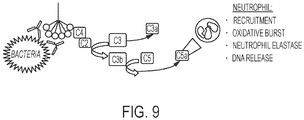
- Antibody binding to bacteria can activate the classical complement pathway via the initiating component C1 ( FIG. 9 ).
- C4 is a cascade component for the classical (i.e. antibody initiated) pathway leading to formation of the opsonin C4b and downstream activation of C3 ( Lambris JD, Sahu A, Wetsel RA. "The chemistry and biology of C3, C4, and C5.” In: Volanakis JE, Frank MM, (eds). The human complement system in health and disease. New York: Marcel Dekker; 1998, 83 -118 .).
- C3 is the central complement component, which upon activation generates the complement effector C3a and covalently binds cells with the opsonic fragments C3b and iC3b.
- C3b then initiates activation of C5, generating the extremely potent anaphylatoxin C5a.
- C5a is among the most powerful stimulants for neutrophil migration and activation, leading to oxidative burst and degranulation ( Lambris JD, Sahu A, Wetsel RA. "The chemistry and biology of C3, C4, and C5.” In: Volanakis JE, Frank MM, (eds). The human complement system in health and disease. New York: Marcel Dekker; 1998, 83 -118 ; Tralau T, Meyer-Hoffert U, Schroder JM, et al.
- C5a Additional properties of C5a that may also contribute to CF lung disease are stimulation of histamine release, enhancement of vascular permeability, and inducement of smooth muscle contraction ( Lambris JD, Sahu A, Wetsel RA. "The chemistry and biology of C3, C4, and C5.” In: Volanakis JE, Frank MM, (eds). The human complement system in health and disease. New York: Marcel Dekker; 1998, 83 -11 ].
- the known inflammatory properties of C5a are consistent with the increasing evidence of the role of C5a in inflammatory lung diseases ( Schmudde I, Strover HA, Vollbrandt T, et al.
- the CF BAL fluids were chemotactic for neutrophils, which appeared to correlate with C5a concentrations.
- the BAL fluids showed evidence of prior complement activation by the presence of C3c, assayed by crossed-immunoelectrophoresis.
- Two CF patients with the lowest C5a measurements were noted to have normal FEV 1 and FVC measurements, suggesting a potential association with lung damage.
- no further studies were then performed to test whether C5a concentrations in CF lung fluid correlate with either acute lung exacerbations or chronic lung disease progression in CF.
- the disclosed peptide compounds can selectively regulate C1q and MBL activation without affecting alternative pathway activity and are, thus, ideal for treating cystic fibrosis.
- the disclosed peptide compounds can be used to treat cystic fibrosis.
- the disclosed peptide compounds can be used as anti-inflammatory and anti-microbial agents.
- the disclosed peptide compounds can be used to treat cystic fibrosis by administrating the peptide(s) via nebulization directly into the lung.
- administration of the disclosed peptide compound(s) via nebulization mitigates lung destruction caused by cystic fibrosis.
- the disclosed peptide compounds have clinical benefit for CF patients by slowing the progression of lung damage leading to increased life span and quality of life.
- the invention provides the synthetic peptide or pharmaceutical compositions of the first, second or third aspect of the invention for use in a method of treating cystic fibrosis in a subject comprising administering to the subject a composition comprising a therapeutically effective amount of the synthetic peptide.
- C1q interactions with C1q receptors appear to play important roles in homeostatic functions such as scavenging of apoptotic cellular debris and immune complexes as well as T cell signaling through antigen presenting cells (macrophage and dendritic cells).
- scavenging of apoptotic cellular debris and immune complexes as well as T cell signaling through antigen presenting cells (macrophage and dendritic cells).
- T cell signaling through antigen presenting cells macrophage and dendritic cells.
- no clinical pharmacological agents modulate the interaction of C1q with C1q receptors.
- the disclosed peptide compounds can be used to block C1q binding to C1q receptors, including calreticulin/cC1qR.
- the ability of the disclosed peptide compounds to block binding of C1q to cellular receptors may have an important role in modulating intracellular signaling processes mediated by C1q binding to C1q receptors.
- the disclosed peptide compounds can be used to regulate the complement response in disease processes such as systemic lupus erythematosus and cancer.
- Complement activation is instrumental in the development of ischemia-reperfusion injuries such as neonatal hypoxic ischemic encephalopathy (HIE).
- HIE neonatal hypoxic ischemic encephalopathy
- Therapeutic hypothermia (HT) offers only an 11% reduction in death or disability. Published in vitro data has shown that HT paradoxically increase pro-inflammatory complement activation potentially limiting its benefit.
- PIC1 peptides can reduce brain infarct volumes without prolonged systemic complement depletion. PIC1 peptides can be a useful adjunct to HT to improve neurological outcomes in HIE.
- the disclosed peptide compounds can be used to prevent brain damage from birth asphyxia.
- the disclosed peptide compounds can also be used to prevent ischemia-reperfusion injury (IRI) in diseases such as myocardial infarct, coronary artery bypass surgery, stroke, etc.
- IRI ischemia-reperfusion injury
- the disclosed peptide compounds can also be used to prevent hyperacute and acute solid organ transplantation rejection, which are classical complement pathway mediated events.
- the invention provides the synthetic peptide or pharmaceutical composition of the first, second or third aspect of the invention for use in a method of treating birth asphyxia in a subject comprising administering to the subject a pharmaceutical composition comprising a therapeutically effective amount of the synthetic peptide.
- the subject is further treated by therapeutic hypothermia.
- the invention provides the synthetic peptide or pharmaceutical composition of the first, second or third aspect of the invention for use in a method of treating hypoxic ischemic encephalopathy in a subject comprising administering to the subject a pharmaceutical composition comprising a therapeutically effective amount of a synthetic peptide.
- the subject is further treated by therapeutic hypothermia.
- MPO Myeloperoxidase
- MPO Myeloperoxidase
- CF Cystic Fibrosis
- HIE Hypoxic Ischemic Encephalopathy
- PIC1 blocked the enzymatic activity of MPO in the sputum of cystic fibrosis patients. In some embodiments, PIC1 blocked enzymatic activity in brain tissue from HIE patents. In some embodiments, MPO activity present in the lysates of purified human neutrophils can be directly inhibited by PIC1. In some embodiments, the invention demonstrates that PIC1 has anti-inflammatory activity against cystic fibrosis and HIE.
- Autoimmune hemolytic anemia is a group of disorders characterized by a malfunction of the immune system that produces autoantibodies, which attack red blood cells as if they were substances foreign to the body.
- Autoimmune hemolytic anemia may be characterized by one or more of elevated serum bilirubin, excess urinary urobilinogen, reduced plasma haptoglobin, raised serum lactic dehydrogenase (LDH), hemosiderinuria, methemalbuminemia, spherocytosis, reticulocytosis, and/or erythroid hyperplasia of the bone marrow.
- LDH serum lactic dehydrogenase
- the invention provides a synthetic peptide or pharmaceutical composition of the first, second or third aspect of the invention for use in a method of treating autoimmune hemolytic anemia in a subject comprising administering to the subject a composition comprising a therapeutically effective amount of the synthetic peptide.
- compositions capable of regulating the complement system comprising at least one peptide compound, as discussed above, and at least one pharmaceutically acceptable carrier, diluent, stabilizer, or excipient.
- Pharmaceutically acceptable carriers, excipients, or stabilizers are nontoxic to recipients at the dosages and concentrations employed. They can be solid, semi-solid, or liquid.
- the pharmaceutical compositions of the present invention can be in the form of tablets, pills, powders, lozenges, sachets, cachets, elixirs, suspensions, emulsions, solutions, or syrups.
- compositions of the present invention can be formulated using procedures known in the art to provide quick, normal, or sustained or delayed release of the active ingredient.
- the disclosure relates to a method of regulating the complement system in a subject comprising administering to a subject the compositions described above.
- the pharmaceutical compositions of the present invention are prepared by mixing the peptide compound having the appropriate degree of purity with pharmaceutically acceptable carriers, diluents, or excipients. Examples of formulations and methods for preparing such formulations are well known in the art.
- the pharmaceutical compositions of the present invention are useful as a prophylactic and therapeutic agent for various disorders and diseases, as set forth above.
- the composition comprises a therapeutically effective amount of the peptide compound.
- the composition comprises at least one other active ingredient effective in treating at least one disease associated with complement-mediated tissue damage.
- therapeutically effective amount refers to the total amount of each active component that is sufficient to show a benefit to the subject.
- the therapeutically effective amount of the peptide compound varies depending on several factors, such as the condition being treated, the severity of the condition, the time of administration, the route of administration, the rate of excretion of the compound employed, the duration of treatment, the co-therapy involved, and the age, gender, weight, and condition of the subject, etc.
- One of ordinary skill in the art can determine the therapeutically effective amount. Accordingly, one of ordinary skill in the art may need to titer the dosage and modify the route of administration to obtain the maximal therapeutic effect.
- the effective daily dose generally is within the range of from about 0.001 to about 200 milligrams per kilogram (mg/kg) of body weight, preferably about 80 to about 160 mg/kg, more preferably about 0.1 to about 20 mg/kg.
- This dose can be achieved through a 1-6 time(s) daily dosing regimen.
- optimal treatment can be achieved through a sustained release formulation with a less frequent dosing regimen.
- compositions may be adapted for administration by any appropriate route, for example, by the oral, nasal, topical (including buccal, sublingual, or transdermal), or parenteral (including subcutaneous, intracutaneous, intramuscular, intraarticular, intraperitoneal, intrasynovial, intrasternal, intrathecal, intralesional, intravenous, or intradermal injections or infusions) route.
- parenteral including subcutaneous, intracutaneous, intramuscular, intraarticular, intraperitoneal, intrasynovial, intrasternal, intrathecal, intralesional, intravenous, or intradermal injections or infusions
- FDA Food and Drug Administration
- Disclosed herein is a method of preventing or treating a disease associated with complement-mediated tissue damage, comprising administering to a subject a pharmaceutical composition disclosed herein.
- the pharmaceutical compositions of the present invention can be administered as the sole active pharmaceutical agent, they can also be used in combination with one or more therapeutic or prophylactic agent(s) that is(are) effective for preventing or treating the disease.
- the method comprises administrating a pharmaceutical composition before, concurrently, and/or after one or more additional therapeutic or prophylactic agents effective in treating at least one disease associated with complement-mediated tissue damage.
- compositions of the present invention can be used to treat brain asphyxia or hypoxic ischemic encephalopathy, either alone or in combination with therapeutic hypothermia.
- compositions of the present invention can be used to treat rheumatoid arthritis, either alone or in combination with a non-steroidal anti-inflammatory agent (NSAID), a corticosteroid, or a disease modifying anti-rheumatic drug (DMARD).
- NSAID non-steroidal anti-inflammatory agent
- corticosteroid corticosteroid
- DMARD disease modifying anti-rheumatic drug
- NSAIDs include: salicylates (such as aspirin, amoxiprin, benorilate, choline magnesium salicylate, diflunisal, dispatchlamine, methyl salicylate, magnesium salicylate, and salicyl salicylate (salsalate)), arylalkanoic acids (such as diclofenac, aceclofenac, acemetacin, bromfenac, etodolac, indometacin, ketorolac, nabumetone, sulindac, and tolmeti), 2-arylpropionic acids (such as ibuprofen, carprofen, fenbufen, fenoprofen, flurbiprofen, ketoprofen, loxoprofen, naproxen, tiaprofenic acid, and suprofen), N-arylanthranilic acids (such as mefenamic acid and meclofenamic acid), pyrazolidine derivatives
- corticosteroids examples include: triamcinolone (Aristocort®), cortisone (Cortone® Acetate Tablets), dexamethasone (Decadron® Elixir), prednisone (Deltasone®), and methylprednisolone (Medrol®).
- DMARDs examples include: methotrexate (Rheumatrex®), leflunomide (Arava®), etanercept (Enbrel®), infliximab (Remicade®), adalimumab (Humira®), anakinra (Kineret®), sulfasalazine (Azulfidine EN-Tabs®), antimalarials, gold salts, d-penicillamine, cyclosporin A, cyclophosphamide and azathioprine.
- SolirisTM (eculizumab) is a humanized anti-C5 monoclonal antibody. It has been approved by the FDA for the treatment of the rare form of hemolytic anemia, paroxysmal nocturnal hemoglobinuria.
- the pharmaceutical compositions of the present invention can be used in combination with SolirisTM in treating paroxysmal nocturnal hemoglobinuria, atypical hemolytic uremic syndrome, heart disease, pulmonary diseases, autoimmune diseases, asthma, as well as the ancillary care of transplants.
- compositions of the present invention can be administered with additional agent(s) in combination therapy, either jointly or separately, or by combining the pharmaceutical compositions and the additional agent(s) into one composition.
- the dosage is administered and adjusted to achieve maximal management of the conditions.
- both the pharmaceutical compositions and the additional agent(s) are usually present at dosage levels of between about 10% and about 150%, more preferably, between about 10% and about 80%, of the dosage normally administered in a mono-therapy regimen.
- Peptides were diluted to 0.77 mM in factor B-depleted human sera (Complement Technologies, Inc.) and incubated for 1 hour at 37 °C. These peptides were then diluted with GVBS ++ to equal 2.5% serum, of which 0.25 ml was combined with 0.4 ml of GVBS ++ and 0.1 ml of sensitized sheep red blood cells (RBCs) and again incubated for 1 hour at 37 °C. The procedure was stopped by the addition of 4.0 ml of GVBS - - , centrifuged for 5 minutes at 1,620 x g, and the absorbance of the supernatants was read at 412 nm in a spectrophotometer. The percent lysis of each sample was standardized to that of the serum only control.
- TABLE 5 shows the solubility and hemolytic assay in factor B depleted serum of sarcosine (Sar) substitution peptides.
- the final concentration of peptide in factor B-depleted serum was 0.77 mM.
- Each peptide was evaluated in triplicate and the mean values are reported.
- Peptides not soluble in water were re-suspended in DMSO.
- soluble peptides are standardized to water and insoluble peptides standardized to DMSO.
- PA-P7Sar SEQ ID NO: 10
- PA-C9Sar SEQ ID NO: 12
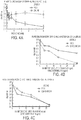
- FIG. 1 A dose-dependent inhibition of complement activity by both PAP7Sar and PA-C9Sar in a hemolytic assays is shown in FIG. 1 .
- Example 2 Solubility and hemolytic assay of PEGylated PA peptides.
- Polar Assortant peptides were serially diluted in undiluted factor B-depleted human sera (Complement Technologies, Inc.) and incubated for 1 hour at 37 °C. Water, GVBS ++ and DMSO were included as controls. These peptides were then diluted with GVBS ++ to equal 2.5% serum, of which 0.25 ml was combined with 0.4 ml of GVBS ++ and 0.1 ml of sensitized sheep red blood cells (RBCs) and again incubated for 1 hour at 37 °C.
- RBCs sensitized sheep red blood cells
- the procedure was stopped by the addition of 4.0 ml of GVBS - - , centrifuged for 5 minutes at 1,620 x g, and the absorbance of the supernatants was read at 412 nm in a spectrophotometer. The percent lysis of each sample was standardized to that of the serum only control.
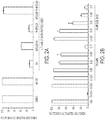
- PA was PEGylated with 24 PEG moieties on the N terminus (dPEG24-PA, SEQ ID NO: 20), on the C terminus (PA-dPEG24, SEQ ID NO: 21), or on both the N terminus and C terminus (dPEG24-PA-dPEG24, SEQ ID NO: 19). All three PEGylated peptides were soluble in water and showed varying degrees of complement inhibition with PA-dPEG24 (SEQ ID NO: 21) inhibiting complement activation to the same degree as PA ( FIG. 2A ).
- PA-dPEG24 (SEQ ID NO: 21) inhibited complement activation to the same degree as PA and displayed a broader dose-response most likely due to its increased solubility in aqueous solution.
- the structure of PA-dPEG24 (SEQ ID NO: 21) is shown in FIG. 3 .
- PEGylated PIC1 derivatives were designed with decreasing numbers of PEG moieties on the C terminus. As shown in TABLE 6 below, most of these peptides retained solubility and complement inhibitory activity, with PA-dPEG24 (SEQ ID NO: 21) demonstrating the best inhibitory activity.
- TABLE 6 shows the solubility and hemolytic assay in factor B depleted serum of PEGylated PA peptides.
- the final concentration of peptide in factor B-depleted serum was 0.77 mM.
- Peptides not soluble in water were re-suspended in DMSO.
- soluble peptides were standardized to water and insoluble peptides standardized to DMSO.
- PA-dPEG24 (SEQ ID NO: 21) inhibits complement activation (as measured by red blood cell lysis in a hemolytic assay) by up to 90% within 30 seconds upon injection into rats with inhibitory activity still observed up to 4 hours ( FIG. 20 ).
- the two doses were given intravenously (IV). This was compared to the vehicle control (normal saline) which shows maximal hemolysis at all time points.
- PA-dPEG24 (SEQ ID NO: 21) was effective in vivo in 0.9% NaCl + 10mM NaHPO 4 , but also works in saline and likely other common aqueous solutions (eg., Ringer's lactate, D5W, etc.) for IV infusion in humans.
- Example 3 Solubility and hemolytic assay of PEGylated and sarcosine (SAR) and / or alanine substitution peptides.
- Table 7 shows the solubility and hemolytic assay in factor B depleted serum of PEGylated and sarcosine (SAR) substitution peptides.
- the final concentration of peptide in factor B-depleted serum was 0.77 mM.
- Peptides not soluble in water were re-suspended in DMSO.
- soluble peptides are standardized to water and insoluble peptides standardized to DMSO.
- PA-dPEG24 SEQ ID NO: 21
- PA-R13Sar-dPEG24 SEQ ID NO:35
- PA-A14Sar-dPEG24 SEQ ID NO: 36
- E6SarP7Sar SEQ ID NO: 37
- Q11SarP7Sar SEQ ID NO: 39
- A14SarP7Sar SEQ ID NO: 43
- E6AE12A-dPEG24 SEQ ID NO: 45
- E6AE12AP7Sar SEQ ID NO: 47
- a microdilution minimum inhibitory concentration (MIC) assay was performed where increasing amounts of PA-dPEG24 (SEQ ID NO :21) or sarcosine-derivatives (SEQ ID NO: 4-18, 30-47) was added to various bacteria growing in broth culture in a microtiter plate. The plates were then incubated at 37°C overnight and then the plates were read on a spectrophotometer at an absorbance of OD600 nm to determine the turbidity of the solution. Decreased turbidity is indicative of inhibition of bacterial growth.
- MIC microdilution minimum inhibitory concentration
- PA-dPEG24 (SEQ ID NO: 21) was able to dose-dependently inhibit Staphylococcus aureus growth compared to a saline control ( FIG. 4A ) above 1 mM concentration and inhibited the same pathogen in a similar manner to the antibiotic vancomycin ( FIG. 4B ).
- PA-dPEG24 (SEQ ID NO: 21) was able to inhibit Klebsiella pneumonia at > 3 mg/ml similar to gentamycin ( FIG. 4C ) and also inhibit Pseudomonas aeruginosa ( FIG. 4D ) at ⁇ 13 mg/ml.
- PA-dPEG24 SEQ ID NO: 21
- PA L3Sar SEQ ID NO: 6
- PA I4Sar SEQ ID NO: 7
- PA L5Sar SEQ ID NO: 8
- PA-dPEG24 (SEQ ID NO: 21), PA L3Sar (SEQ ID NO: 6), PA I4Sar (SEQ ID NO: 7) and PA L5Sar (SEQ ID NO: 8) could inhibit the growth of Gardnerella, a Gram variable, anaerobic coccobacillus that is a common cause of bacterial vaginosis. All 4 peptides inhibited the growth of Gardnerella ( FIG. 5 ). It was also assayed whether PA-dPEG24 (SEQ ID NO: 21) could inhibit Gardnerella -mediated complement activation.
- Example 5 Assay to Detect Complement-Mediated Hemolysis Can Discriminate Erythrocyte Transfusions Likely to Cause Acute Transfusion Reactions (ATR)
- pRBCs O+ packed red blood cells
- ATR acute transfusion reaction
- Plasma from both donors were diluted with GVBS++ (veronal buffered saline with 0.1% gelatin, 0.15mM CaCl 2 and 1mM MgCl 2 ) and incubated with purified erythrocytes from a B+ donor at 37°C for 1 hour. Free hemoglobin was measured by spectrophotometer at 412 nm.
- Classical complement activation was further evaluated by adding the classical complement pathway inhibitor PA-dPEG24 (SEQ ID NO: 21) to the hemolytic plasma sample prior to incubation with erythrocytes.
- Complement mediated hemolysis was >100-fold different between the two plasma samples from the different donors (TABLE 8).
- TABLE 8 shows plasma anti-B titers and complement hemolysis for two O+ donors.
- Classical complement activation was confirmed by blocking hemolysis with the classical complement pathway inhibitor, PA-dPEG24 (SEQ ID NO: 21).
- TABLE 8 Anti-B titer (plasma) Complement hemolysis (Abs 412nm) Hemolysis in presence of PA-dPEG24 RT 37°C IgG Donor O+ #1 128 64 256 0.747 0.008 Donor O+ #2 128 16 256 0.007
- Past methodologies have not been able to adequately predict the likelihood of complement-mediated ATR.
- two units of type-O RBCs were given to a type-B recipient who then suffered ATR.
- the antibodies in the plasma of the RBC transfusions likely initiated classical pathway complement-mediated ATR.
- the IgG titers for the plasma from donor of each RBC transfusion were both high, and thus non-predictive of this platelet transfusion caused the AHTR.
- a CH50-type complement hemolytic assay was able to readily identify which type-O plasma causes massive hemolysis of type-B erythrocytes (>100-fold increase). Therefore, a hemolytic complement assay performed before platelet transfusion would have identified that one of the units of platelets was likely to cause AHTR and could have prevented this serious adverse event.
- PIC1 peptides (SEQ ID NOS: 3-47) can be used to discriminate risk of complement-mediated ATR before a blood transfusion. This data also supports the use of PIC1 peptides (SEQ ID NOS: 3-47) as a treatment for ATRs in various clinical scenarios.
- Example 6 Enhances Survival of Human Erythrocytes in an Animal Model of Acute Intravascular Hemolytic Transfusion Reaction
- Adolescent male Wistar rats 200-250g with indwelling jugular catheters were purchased from Harlan laboratories and used under the Eastern Virginia Medical School (EVMS) IACUC (Institutional Animal Care and Use Committee) approved protocols 12-003 and 15-003. Central line maintenance was followed as recommended by the animal vendor, with approval from the EVMS IACUC.
- EVMS Eastern Virginia Medical School
- RBCs red blood cells
- the AIHTR Wistar rat model was previously established in which cobra venom factor (CVF) was demonstrated to inhibit complement-mediated lysis of huRBCs, whereas animals receiving normal saline (NS) demonstrated classical pathway, complement-mediated hemolysis.
- CVF cobra venom factor
- NS normal saline
- Cre TA Mauriello CT, Hair PS, et al. "Complement inhibition significantly decreases red blood cell lysis in a rat model of acute intravascular hemolysis.” Transfusion. 2014 ).
- Dosing of the PEGylated derivative, PA-dPEG24 (SEQ ID NO: 21) was established in Wistar rats.
- FIG. 21A shows the sequence of events in a dosing experiment using a low (20mg) and high dose (40mg) of PA-dPEG24 (SEQ ID NO: 21) in the AIHTR animal model.
- FIG. 1 shows the sequence of events in a dosing experiment using a low (20mg) and high dose (40mg) of PA-dPEG24 (SEQ ID NO: 21) in the AIHTR animal model.
- animals allotted to the saline control group received NS prior to huRBC transfusion
- the CVF group received 130 ⁇ g CVF (Complement Technologies, Inc.) intra-peritoneum (I.P.) 24 hours prior to the huRBC transfusion.
- mice were sedated throughout the course of the experiment with periodic monitoring of vital signs. Blood samples were collected into EDTA microtainer tubes (BD) from the animals prior to the huRBC transfusion and then at 30 seconds, 5 minutes, 20 minutes, 60 minutes and 120 minutes after the huRBC transfusion. In the group of animals receiving IVIG vs. PA-dPEG24 (SEQ ID NO: 21), blood samples were drawn prior to the huRBC transfusion and then 30 seconds, 5 minutes , 20 minutes, 60 minutes ,120 minutes, 180 minutes, 240 minutes, 300 minutes and 360 minutes after the huRBC transfusion.
- BD EDTA microtainer tubes
- Flow cytometry was performed on the collected RBCs using a FACS Calibur flow cytometer (Becton Dickinson, Franklin Lakes, NJ) with DXP 8 Color 488/637/407 Upgrade (Cytek Development, Fremont, CA). Samples were stained with either FITC and/or APC labeled antibodies. The data was acquired using Cytek FlowJo CE version 7.5.110.6. Approximately 1x10 5 and 5x10 5 events per sample were gathered for single and double labeled flow, respectively. Data was analyzed using FlowJo X version 10.0.7r2 (FlowJo LLC, Ashland, OR). Although FITC and APC are not expected to cause much spillover, digital compensation was used in the analysis.
- Dual labeled flow The RBC pellet generated above was washed and double stained with APC-conjugated mouse anti-human CD235a (glycophorin A, BD Bioscience, San Jose, CA) at 1:50 and FITC-conjugated goat-anti-rat C3 (MP Biomedical, Santa Ana, CA) at 1:200 in GVBS - - for 20min at room temperature.
- APC-conjugated mouse anti-human CD235a glycophorin A, BD Bioscience, San Jose, CA
- FITC-conjugated goat-anti-rat C3 MP Biomedical, Santa Ana, CA
- Plasma generated from the above experiments was analyzed for the free hemoglobin using spectrophotometry, as described previously ( Shah et al. "Clinical hypothermia temperatures increase complement activation and cell destruction via the classical pathway.” J Transl Med 2014; 12:181 .).
- PA-dPEG24 (SEQ ID NO: 21) blocked AIHTR in rats when given prophylactically before the transfusion, as well as when PA-dPEG24 (SEQ ID NO: 21) was administered as rescue treatment after transfusion.
- PA-dPEG24 (SEQ ID NO: 21) was compared in a dose comparable fashion against intravenous immunoglobulin (IVIG) in the AIHTR disease animal model.
- IVIG is being used in clinical practice in conjunction with phototherapy to reduce the need for exchange transfusion in neonates with hyperbilirubinemia due to ABO incompatibility related hemolytic disease [ Schwartz HP, Haberman BE, Ruddy RM. "Hyperbilirubinemia: current guidelines and emerging therapies.” Pediatric emergency care.
- Example 7 - PIC1 Enhances Survival of Human Erythrocytes in an Animal Model of Acute Intravascular Hemolytic Transfusion Reaction - Prophylactic administration of SEQ ID NO: 21 reduces hemolysis of huRBCs in the AIHTR model
- Plasma isolated from NS-treated animals demonstrated a spike of hemolysis as assayed by released free hemoglobin ( FIG. 22A ).
- animals pre-treated with CVF had low levels of free hemoglobin as previously reported ( FIG. 22A )
- Shah et al. “Complement inhibition significantly decreases red blood cell lysis in a rat model of acute intravascular hemolysis.” Transfusion. 2014 Nov;54(11):2892-900 .].
- Example 8 - PIC1 ( SEQ ID NO: 21 ) Enhanced Survival of Human Erythrocytes in an Animal Model of Acute Intravascular Hemolytic Transfusion Reaction - Administration of SEQ ID NO: 21 after HuRBC transfusion protects the transfused cells from complement-mediated hemolysis
- PA-dPEG24 (SEQ ID NO: 21) was able to show protection of the HuRBC when administered to rats prior to xenotransfusion, It was also discovered that PA-dPEG24 (SEQ ID NO: 21) given immediately after xenotransfusion could protect the HuRBCs from complement-mediated attack. Rats received a 40mg dose of PA-dPEG24 (SEQ ID NO: 21) either 30 seconds before (prophylaxis arm) or 30 seconds after xenotransfusion of HuRBCs (treatment /rescue arm). A separate group of animals also received NS vehicle control or were pre-treated with CVF ( FIG. 21B ).
- Example 9 Peptide Inhibitor of Complement C1 ( SEQ ID NO: 21 ) Enhances Survival of Human Erythrocytes in an Animal Model of Acute Intravascular Hemolytic Transfusion Reaction - Assessment of complement deposition on transfused HuRBCs
- RBCs isolated from the blood of animals that received either CVF, NS or PA-dPEG24 (SEQ ID NO: 21) prior to xenotransfusion or post-xenotransfusion were subject to two color flow cytometry for both human glycophorin A expression and rat C3. Representative flow cytometry plots of RBCs at 30 seconds, 5 minutes and 20 minutes post-transfusion are shown for NS ( FIG. 25A-C ) and PA-dPEG24 (SEQ ID NO: 21) treated ( FIG. 25D-F ) animals.
- NS-treated animals exhibited an increased number of double-positive cells over time compared to PA-dPEG24 (SEQ ID NO: 21)-treated animals.
- PA-dPEG24 (SEQ ID NO: 21)-treated animals had more glycophorin A positive cells consistent with increased RBC survival as assessed by single label flow cytometry and free hemoglobin measurements ( FIGS. 22A-B & 23A-C ). To more precisely quantify these results, the numbers of events captured by flow cytometry were analyzed and graphed ( FIG. 26A ).
- Clinical Data were obtained from data entered into Port CF for the clinic visit at which the sputum sample was collected and from review of the medical record.
- the FEV1% predicted value was obtained from pulmonary function testing performed at the clinic visit when the sputum sample was collected.
- CFRD Cystic fibrosis related diabetes
- the C5a concentration in sputum sol was quantitated using a C5a ELISA kit (R&D Systems).
- C3a and C4a from sputum sol were both measured using their respective ELISA kits (BD Biosciences). Bound C3-fragments were determined using a total C3 ELISA. Briefly, a goat anti-human C3 antibody (Complement Technology) was used to coat flat-bottom Immulon-2 plates the night before. The plates were then washed with PBST (PBS with 0.1% TWEEN), blocked for two hours with 3% BSA/PBS, washed again, and followed by the addition of samples and a pure C3 standard (Complement Technology) for 1 hour in block buffer.
- PBST PBS with 0.1% TWEEN
- Bound C4-fragments were evaluated with the same ELISA method as for C3, except using a goat anti-human C4 antibody to coat the plates, a pure C4 as the standard (both Complement Technologies), and a chicken anti-human C4 antibody (Abcam) as the primary antibody.
- C5a fragments were analyzed by Western Blot using a mouse anti-human C5a antibody (R&D Systems) to probe followed by a goat anti-mouse HRP antibody (Sigma) and detected with ECL.
- R&D Systems mouse anti-human C5a antibody
- HRP antibody goat anti-mouse HRP antibody
- CF sols from the sputum of CF patients were assayed for each complement anaphylatoxin and compared with sputum sols from healthy human controls.
- the most inflammatory complement anaphylatoxin was C5a, which was assayed by ELISA and Western blot.
- Qualitative analysis by Western blot probing for C5a confirmed that large amounts of C5a were present in CF sols compared with controls ( FIG. 10B ).
- C3a is a complement effector that is generated during activation of the central complement component C3.
- C4a is the least potent of complement anaphylatoxins and is generated during classical or lectin pathway complement activation.
- Staphlycoccus aureus strain Reynolds was grown in 2% NaCl Columbia broth at 37°C to log phase, washed twice with GVBS ++ (vernal buffered saline with 0.1% gelatin, 0.15 mM CaCl 2 , and 1.0 mM MgCl 2 ), and resuspended to 1 ⁇ 10 9 cells/ml.
- An equal volume of bacteria and CF or control sol were incubated for one hour at 37°C.
- the bacteria were washed twice with GVBS -- (VBS with 0.1% gelatin and 0.01 M EDTA), and then stripped of bound complement fragments using methylamine, as previously described [ Cunnion KM, Lee JC, Frank MM. "Capsule production and growth phase influence binding of complement to Staphylococcus aureus.” Infect Immun 2001;69(11):6796-803 ].
- CF sol opsonization of Staphylococcus aureus was evaluated. Given the large amounts of complement activation that had already occurred in the CF lung fluids, it was important to determine whether there was residual complement-mediated host defense. Staphylococcus aureus were incubated with CF or control sols, washed and stripped of bound C3-fragments and bound C4-fragments. Staphylococcus aureus was robustly opsonized in CF sol yielding a nearly identical mean level of bound C3-fragments compared with normal controls ( FIG. 11A ).
- Pseudomonas aeruginosa was acquired as a discarded de-identified clinical isolate. It was grown in Mueller Hinton broth to log phase and washed and re-suspended as was done with the Staphylococcus aureus. Both bacteria were gently heat killed by incubating in a 70°C water bath for 15 minutes. Samples were plated to confirm that the bacteria were dead. CF or control sols were incubated with either live or dead Pseudomonas aeruginosa or Staphylococcus aureus at equal volumes for one hour at 37°C. Afterward, the samples were spun at 14,000 ⁇ g for 5 minutes and the supernatant was collected and analyzed for C5a.
- Equal volume of CF sol and PA-dPEG24 (SEQ ID NO: 21) [ Shah et al. "Clinical hypothermia temperatures increase complement activation and cell destruction via the classical pathway.” J Transl Med 2014; 12:181 ; Mauriello CT, Pallera HK, Sharp JA, et al. "A novel peptide inhibitor of classical and lectin complement activation including ABO incompatibility.” Mol Immunol 2012;53(1-2): 132-9 ], at 50 mg/ml, or saline for controls, were combined and pre-incubated for 30 minutes at room temperature.
- FIG. 12C shows that Pseudomonas aeruginosa and Staphylococcus aureus both provoke robust generation of the highly inflammatory C5a anaphylatoxin in CF lung fluid, suggesting that the presence of these bacteria in the CF lung may be enhancing inflammation and subsequent host tissue damage. Pseudomonas aeruginosa may have some ability to moderate C5a generation in CF lung fluid compared to dead Pseudomonas aeruginosa.
- Peptide inhibitors of complement C1 are small peptide inhibitors of the classical and lectin pathways of complement activation CF sols were incubated in buffer alone, with dead Pseudomonas aeruginosa, or with PA-dPEG24 (SEQ ID NO: 21) and dead Pseudomonas aeruginosa ( FIG. 12D ). Dead Pseudomonas aeruginosa increased C5a concentration by 1.6-fold compared to incubation of the CF sol in buffer alone.
- the data were analyzed using SAS 9.4 (SAS Institute, Cary, NC) and SPSS 19 (SPSS Inc., Chicago, IL) software. The level of significance was set at 0.05. Pearson and Spearman correlation coefficients were reported, where appropriate, for C5a level, C3a level, and the clinical measures. Descriptive statistics were reported for C5a and C3a level stratified by clinical measures. Simple linear regression and Mann-Whitney U tests were used, where appropriate, to determine associations between C5a level, C3a level, and the clinical measures. A multivariable linear regression model for FEV1% was used to determine associations with C5a level and C3a level.
- measures i.e. corticosteroids, azithromycin, and antibiotics.
- labeled C1q was added to Raji cells.
- 1.4125 x 10 6 cells/ml were fixed with 4% paraformaldehyde for 5 min and stored over-night at 4°C.
- PA-dPEG24 (SEQ ID NO: 21) was pre-incubated with C1q at two different concentrations before adding to Raji cells. 1.4125 x 10 6 cells/ml were fixed with 4% paraformaldehyde for 5 minutes and stored over-night at 4°C. 1 x 10 5 cells stained with: 1:40 C1q 488 plus 1.45 mg/ml PA-dPEG24 (SEQ ID NO: 21) (1:20 of 29 mg/ml) or 2.9 mg/ml PA-dPEG24 (SEQ ID NO: 21) (1:10 of 29 mg/ml) for 20 minutes, washed twice, stained with DAPI mounting medium, and stored overnight 4°C.
- PA-dPEG24 (SEQ ID NO: 21) blocked C1q binding to a specific C1q cell receptor (calreticulin/cC1qR) in an in vitro assay and also blocked binding of C1q to Raji cells (an immortalized B lymphocyte cell line that is used for evaluating C1q interactions with C1q receptors).
- P10 Wistar rat pups were subjected to unilateral right carotid ligation (Vannucci model) followed by 8% hypoxia.
- Experimental animals were injected with 150mg/kg PA-dPEG24 (SEQ ID NO: 21) intraperitoneally.
- Controls included 1) cobra venom factor (CVF) injection to deplete complement 2) therapeutic hypothermia for 6 hours.
- Animals were harvested at 4, 8, 16 and 48 hours after intervention.
- CH50 assay was performed on rat plasma to measure systemic complement activity. Cerebral infarct volumes were measured by staining harvested brain tissue with 2 % TTC using image J software.
- SEQ ID NO: 21 may mimic the neuroprotective effect of therapeutic hypothermia by decreasing C1q deposition in the brain up to 48 hours. There was significantly less C1q deposition in the SEQ ID NO: 21 treated group (Normothermia +PIC1 (SEQ ID NO: 21) - triangle) when compared to untreated HIE controls (Normothermia - diamond) at 4, 12, 24 hours after brain injury ( FIG. 32A ).
- SEQ ID NO: 21 also showed histological evidence of neuroprotection after HIE. Brain histology five days after HIE showed the neuro-preservatory action of SEQ ID NO: 21 similar to therapeutic hypothermia. Neuronal destruction was reduced in those treated with SEQ ID NO: 21, and the treatment also increased viable cells in the brain ( FIG. 32B ). For instance, in FIG 32B , Panels A-D show cresyl violet staining. Cresyl violet stains Nissl substance in neurons.
- the HIE group shows a significant decrease in cresyl violet staining compared to the SEQ ID NO: 21 group (Panel D), indicating the neuro-preservatory action of SEQ ID NO: 21 similar to therapeutic hypothermia (Panel C).
- Panels E-H show hematoxylin and eosin staining. Hematoxylin and Eosin staining demonstrated a greater degree of neuronal destruction (necrosis, pyknosis and karyorrhexis) in the HIE brain (Panels E, F, and G) when compared to those treated with SEQ ID NO: 21 (Panel H).
- Panels I-L show acridine orange staining.
- Acridine orange stains viable parts of the brain a bright green.
- HIE significantly decreases acridine orange staining in the brain (Panel J).
- SEQ ID NO: 21 treatment restores acridine orange staining, indicating the presence of more viable cells in the brain (Panel L).
- SEQ ID NO: 21 can reduce brain infarct volumes without prolonged systemic complement depletion, and improved functional outcomes after HIE. Although not bound by any theory, SEQ ID NO: 21 may have decreased C1q deposition in the brain. In some embodiments, SEQ ID NO: 21 is a useful adjunct therapy to HT to improve neurological outcomes in HIE.
- CV-1 cells were infected with HSV-1-GFP for 16 hours. Post-infection, CV-1 cells were detected by flow cytometry ( FIG. 33 ). Uninfected cells (negative control, GFP-) result in a left peak, while the peak in infected cells (GFP+) will shift to the right.
- GFP- negative control
- PA-PEG24 SEQ ID NO: 21
- Acyclovir was also added as a control at the same molar ratio. While Acyclovir was able to inhibit HSV-1 replication significantly, it was never able to completely inhibit replication as indicated by the small GFP+ population of cells.
- PA-PEG24 SEQ ID NO: 21
- PA-PEG24 (SEQ ID NO: 21) and Acyclovir showed minimal toxicity in CV-1 cells, which indicated that inhibition of viral replication was not due to cell death ( FIG. 33 ).
- PA-PEG24 (SEQ ID NO: 21) also inhibited replication of HSV-2 in a dose dependent manner ( FIG. 34 ).
- Example 17 - Peptide compounds promoted growth of L. acidophilus and L. leichmannii.
- FIG. 35 shows that PA-PEG24 (SEQ ID NO: 21) can promote growth of Lactobacillus in a dose dependent manner.
- Example 18 - PIC1 had anti-microbial activity.
- PIC1 peptides were anti-bacterial across a broad range of bacterial pathogens.
- PA-dPEG24 also known as AF1, SEQ ID NO: 21
- AF1 SEQ ID NO: 21
- Pseudomonas aeruginosa growth FIG. 36B
- PIC1's (SEQ ID NO: 21) anti-bacterial activity was further confirmed by confocal microscopy, which showed PIC1 peptides bound to the outer surface of Staph aureus bacteria ( FIG. 36C ).
- the peptide compounds inhibited Neisseria gonorrhoeae growth in liquid culture.
- PA-PEG24 (SEQ ID NO: 21) reduced Neisseria gonorrhoeae growth at 20 mg ( FIG. 37A ) or 30 mg ( FIG. 37B ) of PA-PEG24 (SEQ ID NO: 21) and demonstrated dose-dependent inhibition from 0-30 mg/ml PA-PEG24 (SEQ ID NO: 21) ( FIG. 37C ).
- Example 19 PIC1 inhibited myeloperoxidase (MPO) activity of neutrophils.
- Myeloperoxidase is an enzyme from neutrophils that creates hypochlorite (bleach) in acute inflammation that damages invading microbes and host cells alike. This enzyme is known to be destructive to host tissues in Cystic Fibrosis (CF) and Hypoxic Ischemic Encephalopathy (HIE).
- PIC1(SEQ ID NO: 21) was found to inhibit MPO activity in sputum samples (sol) isolated from cystic fibrosis (CF) patients. CF sol samples were incubated in the presence or absence of 20 mg/ml PIC1 (SEQ ID NO: 21) for 30 minutes followed by addition of TMB for 30 minutes at room temperature (as shown in FIG. 38 ).
- MPO activity was then measured by detection of TMB color change in a spectrophotometer at 450 nm. MPO activity was found to be reduced in CF sol samples treated with PIC1. Preexisting MPO in the sputum of CF patients could have its enzymatic activity blocked with the peptide compounds ( FIGS. 39 in a dose-dependent manner ( FIG. 39 ). Additionally, PA-PEG24 (SEQ ID NO: 21) was able to block MPO enzymatic activity in a lysate of brain or brain membrane preparations of rats subject to hypoxic ischemic encephalopathy (as shown in FIGS. 40-42 ).
- MPO activity present in the lysates of purified human neutrophils can also be directly inhibited by PA-PEG24 (SEQ ID NO: 21) (as shown in FIG. 42).
- FIG. 42 shows that PA-PEG24 (SEQ ID NO: 21) dose-dependently inhibits MPO activity in lysates of purified human neutrophils (PMN). PMN lysates were incubated in the presence of increasing amounts of PA-PEG24 (SEQ ID NO: 21). MPO activity was then measured by detection of TMB color change in a spectrophotometer at 450 nm.
- Example 20 Acute Kidney Injury and Rhabdomyolysis: Peptide compounds inhibited hemoglobin production of free radical activity:
- Hg hemoglobin
- MPO myeloperoxidase
- TMB chromogen tetramethylbenzidine
- PA-PEG24 SEQ ID NO: 21
- PA-PEG24 SEQ ID NO: 21
- RBC lysates yielding free Hg were incubated with TMB in absence or presence of PA-PEG24 (SEQ ID NO: 21).
- FIG. 44 increasing amounts of RBC lysates gave an increase in absorbance demonstrating increased oxidized TMB substrate.
- PA-PEG24 SEQ ID NO: 21
- FIG. 46 shows a titration of oxidized TMB with increasing amounts of RBC lysate.
- PA-PEG24 SEQ ID NO: 21
- oxidized TMB signal decreases dose dependently.
- Hemolysis leading to the presence of free Hg in human circulation is toxic to the kidneys, resulting in acute kidney toxicity and renal failure.
- PA-PEG24 SEQ ID NO: 21
- PA-PEG24 can prevent acute kidney injury by reducing hemolysis and pseudo-peroxidase activity caused by the release of free hemoglobin.
- the peptides can prevent acute kidney injury, as well as treat or prevent hemolytic conditions such as, e.g., sickle cell disease, hemolytic transfusion reaction, autoimmune hemolysis, etc.
- FIG. 27A-C Representative flow cytometry plots of RBCs at 0.5, 5, and 20 minutes post-transfusion are shown for IVIG ( FIG. 27A-C ) and PIC1 ( FIG. 27D-F ) animals.
- FIG. 28A shows hemolysis measured as free Hb for animals receiving IVIG or PIC1 prophylactically compared to saline control.
- PIC1-treated animals demonstrated increased numbers of C3-negative human RBCs (p 5 0.05) and a 3.6-fold (p 5 0.04) decrease in C3-opsonized human RBCs compared with IVIG treated animals ( FIG. 28B ).
- PIC1-treated animals showed a trend toward decreased C3 opsonization of nonhuman (glycophorin A-negative) RBCs (p 5 0.08) compared with IVIG animals ( FIG. 28C ).
- Total surviving human RBCs at 20 minutes was increased 1.6-fold (p 5 0.03) for PIC1-treated compared with IVIG treated animals ( FIG. 28D ).
- the saline group On measuring the weight of the kidneys individually, the saline group exhibited a significant increase in weight compared to animals receiving PIC1 (p 5 0.0001) whereas the IVIG group also demonstrated a significant increase in weight compared to animals receiving PIC1 (p 5 0.005), consistent with edematous kidneys ( FIG. 29A ). Histopathology sections revealed that the saline and IVIG-treated animals had early acute tubular necrosis, as noted by the disappearing nucleus and nuclear material and tubular edema (saline, FIG. 29C , i-ii; IVIG prophylaxis, FIG.
- Rhabdomyolysis is a serious syndrome caused by direct or indirect muscle injury resulting from crush injuries, certain infections, use of certain medications, seizures and other events.
- the resulting injury to tissues causes release of myoglobin, the oxygen-binding protein found in muscle tissue, into the bloodstream.
- Myoglobin is harmful to kidneys and there is currently no treatment for Rhabdomyolysis.
- PA-PEG24 SEQ ID NO: 21
- PA-PEG24's (SEQ ID NO: 21) ability to inhibit hemoglobin suggests its efficacy in inhibiting the peroxidase activity of myoglobin.
Landscapes
- Health & Medical Sciences (AREA)
- Life Sciences & Earth Sciences (AREA)
- Chemical & Material Sciences (AREA)
- General Health & Medical Sciences (AREA)
- Medicinal Chemistry (AREA)
- Veterinary Medicine (AREA)
- Public Health (AREA)
- Animal Behavior & Ethology (AREA)
- Pharmacology & Pharmacy (AREA)
- Organic Chemistry (AREA)
- General Chemical & Material Sciences (AREA)
- Nuclear Medicine, Radiotherapy & Molecular Imaging (AREA)
- Chemical Kinetics & Catalysis (AREA)
- Engineering & Computer Science (AREA)
- Bioinformatics & Cheminformatics (AREA)
- Immunology (AREA)
- Virology (AREA)
- Proteomics, Peptides & Aminoacids (AREA)
- Gastroenterology & Hepatology (AREA)
- Oncology (AREA)
- Communicable Diseases (AREA)
- Epidemiology (AREA)
- Hematology (AREA)
- Pulmonology (AREA)
- Diabetes (AREA)
- Neurology (AREA)
- Biochemistry (AREA)
- Nutrition Science (AREA)
- Biomedical Technology (AREA)
- Biophysics (AREA)
- Neurosurgery (AREA)
- Molecular Biology (AREA)
- Urology & Nephrology (AREA)
- Genetics & Genomics (AREA)
- Medicines That Contain Protein Lipid Enzymes And Other Medicines (AREA)
- Peptides Or Proteins (AREA)
- Medicinal Preparation (AREA)
Priority Applications (1)
| Application Number | Priority Date | Filing Date | Title |
|---|---|---|---|
| PL16815455T PL3313865T3 (pl) | 2015-06-26 | 2016-06-24 | Syntetyczne związki peptydowe i sposoby zastosowania |
Applications Claiming Priority (2)
| Application Number | Priority Date | Filing Date | Title |
|---|---|---|---|
| US201562185202P | 2015-06-26 | 2015-06-26 | |
| PCT/US2016/039421 WO2016210370A2 (en) | 2015-06-26 | 2016-06-24 | Synthetic peptide compounds and methods of use |
Publications (3)
| Publication Number | Publication Date |
|---|---|
| EP3313865A2 EP3313865A2 (en) | 2018-05-02 |
| EP3313865A4 EP3313865A4 (en) | 2019-05-15 |
| EP3313865B1 true EP3313865B1 (en) | 2021-04-07 |
Family
ID=57586008
Family Applications (1)
| Application Number | Title | Priority Date | Filing Date |
|---|---|---|---|
| EP16815455.7A Active EP3313865B1 (en) | 2015-06-26 | 2016-06-24 | Synthetic peptide compounds and methods of use |
Country Status (6)
| Country | Link |
|---|---|
| US (1) | US10933116B2 (pl) |
| EP (1) | EP3313865B1 (pl) |
| JP (2) | JP6820917B2 (pl) |
| ES (1) | ES2875498T3 (pl) |
| PL (1) | PL3313865T3 (pl) |
| WO (1) | WO2016210370A2 (pl) |
Families Citing this family (9)
| Publication number | Priority date | Publication date | Assignee | Title |
|---|---|---|---|---|
| US10947279B2 (en) | 2015-06-26 | 2021-03-16 | Realta Holdings, Llc | Synthetic peptide compounds and methods of use |
| ES2996888T3 (en) * | 2018-01-09 | 2025-02-13 | Realta Holdings Llc | Pic1 inhibition of myeloperoxidase oxidative activity in an animal model |
| WO2020168036A1 (en) * | 2019-02-15 | 2020-08-20 | Eastern Virginia Medical School | Pic1 variants with improved solubility and methods of using the same |
| EP4222168A4 (en) * | 2020-09-30 | 2024-09-04 | Realta Life Sciences, Inc. | PEPTIDES AND METHODS OF USE |
| CA3194446A1 (en) * | 2020-11-02 | 2022-05-05 | Neel K. Krishna | Peptides and methods of use |
| KR20230093330A (ko) * | 2020-11-02 | 2023-06-27 | 리얼타 라이프 사이언시즈, 인크. | 펩티드 및 사용 방법 |
| EP4240392A4 (en) * | 2020-11-09 | 2024-10-09 | Realta Life Sciences, Inc. | PEPTIDE FORMULATIONS AND METHODS OF USE |
| WO2022191193A1 (ja) * | 2021-03-12 | 2022-09-15 | 国立大学法人 新潟大学 | 溶血反応により誘発される腎障害の抑制 |
| US20230404958A1 (en) * | 2021-03-12 | 2023-12-21 | Niigata University | Agent for inhibiting renal damage induced by rhabdomyolysis |
Family Cites Families (18)
| Publication number | Priority date | Publication date | Assignee | Title |
|---|---|---|---|---|
| US5625049A (en) | 1993-05-12 | 1997-04-29 | Us Health | Nucleic acids encoding human astrovirus serotype 2 |
| US6126939A (en) | 1996-09-03 | 2000-10-03 | Yeda Research And Development Co. Ltd. | Anti-inflammatory dipeptide and pharmaceutical composition thereof |
| WO1999044625A1 (en) | 1998-03-03 | 1999-09-10 | John Hopkins University | Smallpox inhibitor of complement enzymes (spice) protein and methods of inhibiting complement activation |
| WO2000043027A1 (en) | 1999-01-19 | 2000-07-27 | University Of Louisville Research Foundation, Inc. | Application of a viral complement inhibitory protein in the treatment and diagnosis of alzheimer's disease |
| US6696562B1 (en) | 2000-07-10 | 2004-02-24 | The United States Of America As Represented By The Secretary Of Agriculture | Avian astrovirus |
| US7638481B2 (en) | 2003-09-05 | 2009-12-29 | University Of Louisville Research Foundation, Inc. | Treatment of spinal cord injury |
| US20070116672A1 (en) | 2003-09-05 | 2007-05-24 | Kotwal Girish J | Treatment of rheumatic diseases |
| US20070012617A1 (en) | 2003-09-05 | 2007-01-18 | Sadakatsu Suzuki | Method for producing micro-porous film of thermoplastic resin |
| US8501705B2 (en) | 2003-09-11 | 2013-08-06 | The Board Of Regents Of The University Of Texas System | Methods and materials for treating autoimmune and/or complement mediated diseases and conditions |
| US7381524B2 (en) | 2003-10-10 | 2008-06-03 | Wisconsin Alumni Research Foundation | Method to detect antibodies specific for type-2 turkey astrovirus |
| US8840893B2 (en) * | 2004-06-10 | 2014-09-23 | Omeros Corporation | Methods for treating conditions associated with MASP-2 dependent complement activation |
| US8241843B2 (en) | 2006-06-15 | 2012-08-14 | Eastern Virginia Medical School | Methods for regulating complement cascade proteins using astrovirus coat protein and derivatives thereof |
| AU2008239595A1 (en) | 2007-04-11 | 2008-10-23 | Pestka Biomedical Laboratories, Inc. | Interferons of Rhesus and Cynomolgus origin and uses thereof |
| US10172950B2 (en) * | 2009-06-09 | 2019-01-08 | Prolong Pharmaceuticals, LLC | Hemoglobin compositions |
| US20130183662A1 (en) | 2010-04-22 | 2013-07-18 | Max-Planck-Gesellschaft Zur Forderung Der Wissenschaften E.V. | Means and methods for identifying an increased risk of systemic lupus erythematosus (sle) patients for developing renal manifestations |
| EP2606058B1 (en) | 2010-07-21 | 2017-03-08 | Eastern Virginia Medical School | Peptide compounds to regulate the complement system |
| US10005818B2 (en) | 2010-07-21 | 2018-06-26 | Realta Holdings, Llc | Derivative peptide compounds and methods of use |
| WO2013138730A1 (en) | 2012-03-16 | 2013-09-19 | Enzon Pharmaceuticals, Inc. | Polymeric conjugates of c1-inhibitors |
-
2016
- 2016-06-24 ES ES16815455T patent/ES2875498T3/es active Active
- 2016-06-24 JP JP2018519267A patent/JP6820917B2/ja active Active
- 2016-06-24 US US15/738,786 patent/US10933116B2/en active Active
- 2016-06-24 WO PCT/US2016/039421 patent/WO2016210370A2/en not_active Ceased
- 2016-06-24 PL PL16815455T patent/PL3313865T3/pl unknown
- 2016-06-24 EP EP16815455.7A patent/EP3313865B1/en active Active
-
2021
- 2021-01-05 JP JP2021000312A patent/JP6992201B2/ja active Active
Non-Patent Citations (1)
| Title |
|---|
| None * |
Also Published As
| Publication number | Publication date |
|---|---|
| JP6820917B2 (ja) | 2021-01-27 |
| US10933116B2 (en) | 2021-03-02 |
| JP6992201B2 (ja) | 2022-02-03 |
| US20200254053A1 (en) | 2020-08-13 |
| EP3313865A4 (en) | 2019-05-15 |
| CA2987141A1 (en) | 2016-12-29 |
| JP2021063106A (ja) | 2021-04-22 |
| WO2016210370A3 (en) | 2017-02-23 |
| JP2018524402A (ja) | 2018-08-30 |
| ES2875498T3 (es) | 2021-11-10 |
| EP3313865A2 (en) | 2018-05-02 |
| PL3313865T3 (pl) | 2021-10-25 |
| WO2016210370A2 (en) | 2016-12-29 |
Similar Documents
| Publication | Publication Date | Title |
|---|---|---|
| EP3313865B1 (en) | Synthetic peptide compounds and methods of use | |
| US10005818B2 (en) | Derivative peptide compounds and methods of use | |
| AU2020203748B2 (en) | Methods for treating conditions associated with MASP-2 dependent complement activation | |
| AU2018318982B2 (en) | Methods for treating and/or preventing graft-versus-host disease and/or diffuse alveolar hemorrhage and/or veno-occlusive disease associated with hematopoietic stem cell transplant | |
| JP2024099699A (ja) | 様々な疾患および障害の治療のためにmasp-1および/またはmasp-2および/またはmasp-3を阻害する組成物および方法 | |
| KR102277166B1 (ko) | Masp-2 의존성 보체 활성화와 관련된 질병의 치료 방법 | |
| Sharp et al. | Peptide inhibitor of complement c1, a novel suppressor of classical pathway activation: mechanistic studies and clinical potential | |
| CN112512548A (zh) | Pic1在动物模型中对髓过氧化物酶氧化活性的抑制 | |
| US12297235B2 (en) | Synthetic peptide compounds and methods of use | |
| CA2987141C (en) | Synthetic peptide compounds and methods of use | |
| US20260035417A1 (en) | Use of an annelid molecule for treating and/or preventing at least one complement-activation associated disease | |
| EA046178B1 (ru) | Способы лечения и/или предотвращения реакции трансплантат против хозяина и/или диффузного альвеолярного кровотечения, и/или веноокклюзионной болезни, связанных с трансплантатом гемопоэтических стволовых клеток |
Legal Events
| Date | Code | Title | Description |
|---|---|---|---|
| STAA | Information on the status of an ep patent application or granted ep patent |
Free format text: STATUS: THE INTERNATIONAL PUBLICATION HAS BEEN MADE |
|
| PUAI | Public reference made under article 153(3) epc to a published international application that has entered the european phase |
Free format text: ORIGINAL CODE: 0009012 |
|
| STAA | Information on the status of an ep patent application or granted ep patent |
Free format text: STATUS: REQUEST FOR EXAMINATION WAS MADE |
|
| 17P | Request for examination filed |
Effective date: 20171219 |
|
| AK | Designated contracting states |
Kind code of ref document: A2 Designated state(s): AL AT BE BG CH CY CZ DE DK EE ES FI FR GB GR HR HU IE IS IT LI LT LU LV MC MK MT NL NO PL PT RO RS SE SI SK SM TR |
|
| AX | Request for extension of the european patent |
Extension state: BA ME |
|
| DAV | Request for validation of the european patent (deleted) | ||
| DAX | Request for extension of the european patent (deleted) | ||
| RIC1 | Information provided on ipc code assigned before grant |
Ipc: C07K 14/005 20060101ALI20190108BHEP Ipc: A61K 38/00 20060101ALI20190108BHEP Ipc: A61K 38/16 20060101ALI20190108BHEP Ipc: C07K 14/08 20060101AFI20190108BHEP Ipc: A61K 45/06 20060101ALI20190108BHEP |
|
| A4 | Supplementary search report drawn up and despatched |
Effective date: 20190417 |
|
| RIC1 | Information provided on ipc code assigned before grant |
Ipc: A61K 45/06 20060101ALI20190411BHEP Ipc: C07K 14/08 20060101AFI20190411BHEP Ipc: A61K 38/16 20060101ALI20190411BHEP Ipc: C07K 14/005 20060101ALI20190411BHEP Ipc: A61K 38/00 20060101ALI20190411BHEP |
|
| STAA | Information on the status of an ep patent application or granted ep patent |
Free format text: STATUS: EXAMINATION IS IN PROGRESS |
|
| 17Q | First examination report despatched |
Effective date: 20200417 |
|
| REG | Reference to a national code |
Ref country code: DE Ref legal event code: R079 Ref document number: 602016055758 Country of ref document: DE Free format text: PREVIOUS MAIN CLASS: C07K0014080000 Ipc: A61P0001140000 |
|
| GRAP | Despatch of communication of intention to grant a patent |
Free format text: ORIGINAL CODE: EPIDOSNIGR1 |
|
| STAA | Information on the status of an ep patent application or granted ep patent |
Free format text: STATUS: GRANT OF PATENT IS INTENDED |
|
| RIC1 | Information provided on ipc code assigned before grant |
Ipc: C07K 14/005 20060101ALI20200921BHEP Ipc: A61P 37/00 20060101ALI20200921BHEP Ipc: A61P 7/06 20060101ALI20200921BHEP Ipc: A61P 25/00 20060101ALI20200921BHEP Ipc: A61P 31/12 20060101ALI20200921BHEP Ipc: A61P 13/12 20060101ALI20200921BHEP Ipc: A61K 38/00 20060101ALI20200921BHEP Ipc: A61P 1/14 20060101AFI20200921BHEP Ipc: A61P 31/04 20060101ALI20200921BHEP Ipc: A61P 11/00 20060101ALI20200921BHEP |
|
| INTG | Intention to grant announced |
Effective date: 20201014 |
|
| GRAS | Grant fee paid |
Free format text: ORIGINAL CODE: EPIDOSNIGR3 |
|
| GRAA | (expected) grant |
Free format text: ORIGINAL CODE: 0009210 |
|
| STAA | Information on the status of an ep patent application or granted ep patent |
Free format text: STATUS: THE PATENT HAS BEEN GRANTED |
|
| RAP1 | Party data changed (applicant data changed or rights of an application transferred) |
Owner name: REALTA HOLDINGS, LLC |
|
| AK | Designated contracting states |
Kind code of ref document: B1 Designated state(s): AL AT BE BG CH CY CZ DE DK EE ES FI FR GB GR HR HU IE IS IT LI LT LU LV MC MK MT NL NO PL PT RO RS SE SI SK SM TR |
|
| REG | Reference to a national code |
Ref country code: GB Ref legal event code: FG4D |
|
| REG | Reference to a national code |
Ref country code: AT Ref legal event code: REF Ref document number: 1378898 Country of ref document: AT Kind code of ref document: T Effective date: 20210415 Ref country code: CH Ref legal event code: EP |
|
| REG | Reference to a national code |
Ref country code: DE Ref legal event code: R096 Ref document number: 602016055758 Country of ref document: DE |
|
| REG | Reference to a national code |
Ref country code: IE Ref legal event code: FG4D |
|
| REG | Reference to a national code |
Ref country code: SE Ref legal event code: TRGR |
|
| REG | Reference to a national code |
Ref country code: NL Ref legal event code: FP |
|
| REG | Reference to a national code |
Ref country code: LT Ref legal event code: MG9D |
|
| REG | Reference to a national code |
Ref country code: AT Ref legal event code: MK05 Ref document number: 1378898 Country of ref document: AT Kind code of ref document: T Effective date: 20210407 |
|
| RAP4 | Party data changed (patent owner data changed or rights of a patent transferred) |
Owner name: REALTA HOLDINGS, LLC |
|
| PG25 | Lapsed in a contracting state [announced via postgrant information from national office to epo] |
Ref country code: FI Free format text: LAPSE BECAUSE OF FAILURE TO SUBMIT A TRANSLATION OF THE DESCRIPTION OR TO PAY THE FEE WITHIN THE PRESCRIBED TIME-LIMIT Effective date: 20210407 Ref country code: LT Free format text: LAPSE BECAUSE OF FAILURE TO SUBMIT A TRANSLATION OF THE DESCRIPTION OR TO PAY THE FEE WITHIN THE PRESCRIBED TIME-LIMIT Effective date: 20210407 Ref country code: HR Free format text: LAPSE BECAUSE OF FAILURE TO SUBMIT A TRANSLATION OF THE DESCRIPTION OR TO PAY THE FEE WITHIN THE PRESCRIBED TIME-LIMIT Effective date: 20210407 Ref country code: AT Free format text: LAPSE BECAUSE OF FAILURE TO SUBMIT A TRANSLATION OF THE DESCRIPTION OR TO PAY THE FEE WITHIN THE PRESCRIBED TIME-LIMIT Effective date: 20210407 Ref country code: BG Free format text: LAPSE BECAUSE OF FAILURE TO SUBMIT A TRANSLATION OF THE DESCRIPTION OR TO PAY THE FEE WITHIN THE PRESCRIBED TIME-LIMIT Effective date: 20210707 |
|
| REG | Reference to a national code |
Ref country code: ES Ref legal event code: FG2A Ref document number: 2875498 Country of ref document: ES Kind code of ref document: T3 Effective date: 20211110 |
|
| PG25 | Lapsed in a contracting state [announced via postgrant information from national office to epo] |
Ref country code: IS Free format text: LAPSE BECAUSE OF FAILURE TO SUBMIT A TRANSLATION OF THE DESCRIPTION OR TO PAY THE FEE WITHIN THE PRESCRIBED TIME-LIMIT Effective date: 20210807 Ref country code: LV Free format text: LAPSE BECAUSE OF FAILURE TO SUBMIT A TRANSLATION OF THE DESCRIPTION OR TO PAY THE FEE WITHIN THE PRESCRIBED TIME-LIMIT Effective date: 20210407 Ref country code: GR Free format text: LAPSE BECAUSE OF FAILURE TO SUBMIT A TRANSLATION OF THE DESCRIPTION OR TO PAY THE FEE WITHIN THE PRESCRIBED TIME-LIMIT Effective date: 20210708 Ref country code: PT Free format text: LAPSE BECAUSE OF FAILURE TO SUBMIT A TRANSLATION OF THE DESCRIPTION OR TO PAY THE FEE WITHIN THE PRESCRIBED TIME-LIMIT Effective date: 20210809 Ref country code: NO Free format text: LAPSE BECAUSE OF FAILURE TO SUBMIT A TRANSLATION OF THE DESCRIPTION OR TO PAY THE FEE WITHIN THE PRESCRIBED TIME-LIMIT Effective date: 20210707 Ref country code: RS Free format text: LAPSE BECAUSE OF FAILURE TO SUBMIT A TRANSLATION OF THE DESCRIPTION OR TO PAY THE FEE WITHIN THE PRESCRIBED TIME-LIMIT Effective date: 20210407 |
|
| REG | Reference to a national code |
Ref country code: DE Ref legal event code: R097 Ref document number: 602016055758 Country of ref document: DE |
|
| PG25 | Lapsed in a contracting state [announced via postgrant information from national office to epo] |
Ref country code: MC Free format text: LAPSE BECAUSE OF FAILURE TO SUBMIT A TRANSLATION OF THE DESCRIPTION OR TO PAY THE FEE WITHIN THE PRESCRIBED TIME-LIMIT Effective date: 20210407 Ref country code: CZ Free format text: LAPSE BECAUSE OF FAILURE TO SUBMIT A TRANSLATION OF THE DESCRIPTION OR TO PAY THE FEE WITHIN THE PRESCRIBED TIME-LIMIT Effective date: 20210407 Ref country code: DK Free format text: LAPSE BECAUSE OF FAILURE TO SUBMIT A TRANSLATION OF THE DESCRIPTION OR TO PAY THE FEE WITHIN THE PRESCRIBED TIME-LIMIT Effective date: 20210407 Ref country code: EE Free format text: LAPSE BECAUSE OF FAILURE TO SUBMIT A TRANSLATION OF THE DESCRIPTION OR TO PAY THE FEE WITHIN THE PRESCRIBED TIME-LIMIT Effective date: 20210407 Ref country code: RO Free format text: LAPSE BECAUSE OF FAILURE TO SUBMIT A TRANSLATION OF THE DESCRIPTION OR TO PAY THE FEE WITHIN THE PRESCRIBED TIME-LIMIT Effective date: 20210407 Ref country code: SM Free format text: LAPSE BECAUSE OF FAILURE TO SUBMIT A TRANSLATION OF THE DESCRIPTION OR TO PAY THE FEE WITHIN THE PRESCRIBED TIME-LIMIT Effective date: 20210407 Ref country code: SK Free format text: LAPSE BECAUSE OF FAILURE TO SUBMIT A TRANSLATION OF THE DESCRIPTION OR TO PAY THE FEE WITHIN THE PRESCRIBED TIME-LIMIT Effective date: 20210407 |
|
| PLBE | No opposition filed within time limit |
Free format text: ORIGINAL CODE: 0009261 |
|
| STAA | Information on the status of an ep patent application or granted ep patent |
Free format text: STATUS: NO OPPOSITION FILED WITHIN TIME LIMIT |
|
| 26N | No opposition filed |
Effective date: 20220110 |
|
| PG25 | Lapsed in a contracting state [announced via postgrant information from national office to epo] |
Ref country code: LU Free format text: LAPSE BECAUSE OF NON-PAYMENT OF DUE FEES Effective date: 20210624 |
|
| PG25 | Lapsed in a contracting state [announced via postgrant information from national office to epo] |
Ref country code: IS Free format text: LAPSE BECAUSE OF FAILURE TO SUBMIT A TRANSLATION OF THE DESCRIPTION OR TO PAY THE FEE WITHIN THE PRESCRIBED TIME-LIMIT Effective date: 20210807 Ref country code: AL Free format text: LAPSE BECAUSE OF FAILURE TO SUBMIT A TRANSLATION OF THE DESCRIPTION OR TO PAY THE FEE WITHIN THE PRESCRIBED TIME-LIMIT Effective date: 20210407 |
|
| P01 | Opt-out of the competence of the unified patent court (upc) registered |
Effective date: 20230413 |
|
| PG25 | Lapsed in a contracting state [announced via postgrant information from national office to epo] |
Ref country code: CY Free format text: LAPSE BECAUSE OF FAILURE TO SUBMIT A TRANSLATION OF THE DESCRIPTION OR TO PAY THE FEE WITHIN THE PRESCRIBED TIME-LIMIT Effective date: 20210407 |
|
| PG25 | Lapsed in a contracting state [announced via postgrant information from national office to epo] |
Ref country code: HU Free format text: LAPSE BECAUSE OF FAILURE TO SUBMIT A TRANSLATION OF THE DESCRIPTION OR TO PAY THE FEE WITHIN THE PRESCRIBED TIME-LIMIT; INVALID AB INITIO Effective date: 20160624 |
|
| PG25 | Lapsed in a contracting state [announced via postgrant information from national office to epo] |
Ref country code: MK Free format text: LAPSE BECAUSE OF FAILURE TO SUBMIT A TRANSLATION OF THE DESCRIPTION OR TO PAY THE FEE WITHIN THE PRESCRIBED TIME-LIMIT Effective date: 20210407 |
|
| PG25 | Lapsed in a contracting state [announced via postgrant information from national office to epo] |
Ref country code: MT Free format text: LAPSE BECAUSE OF FAILURE TO SUBMIT A TRANSLATION OF THE DESCRIPTION OR TO PAY THE FEE WITHIN THE PRESCRIBED TIME-LIMIT Effective date: 20210407 |
|
| PGFP | Annual fee paid to national office [announced via postgrant information from national office to epo] |
Ref country code: PL Payment date: 20250603 Year of fee payment: 10 Ref country code: DE Payment date: 20250627 Year of fee payment: 10 |
|
| PGFP | Annual fee paid to national office [announced via postgrant information from national office to epo] |
Ref country code: GB Payment date: 20250627 Year of fee payment: 10 |
|
| PGFP | Annual fee paid to national office [announced via postgrant information from national office to epo] |
Ref country code: NL Payment date: 20250626 Year of fee payment: 10 Ref country code: BE Payment date: 20250627 Year of fee payment: 10 |
|
| PGFP | Annual fee paid to national office [announced via postgrant information from national office to epo] |
Ref country code: FR Payment date: 20250625 Year of fee payment: 10 |
|
| PGFP | Annual fee paid to national office [announced via postgrant information from national office to epo] |
Ref country code: IE Payment date: 20250627 Year of fee payment: 10 |
|
| PGFP | Annual fee paid to national office [announced via postgrant information from national office to epo] |
Ref country code: SE Payment date: 20250627 Year of fee payment: 10 |
|
| PGFP | Annual fee paid to national office [announced via postgrant information from national office to epo] |
Ref country code: ES Payment date: 20250701 Year of fee payment: 10 |
|
| PGFP | Annual fee paid to national office [announced via postgrant information from national office to epo] |
Ref country code: IT Payment date: 20250619 Year of fee payment: 10 |
|
| PGFP | Annual fee paid to national office [announced via postgrant information from national office to epo] |
Ref country code: CH Payment date: 20250701 Year of fee payment: 10 |
|
| PG25 | Lapsed in a contracting state [announced via postgrant information from national office to epo] |
Ref country code: TR Free format text: LAPSE BECAUSE OF FAILURE TO SUBMIT A TRANSLATION OF THE DESCRIPTION OR TO PAY THE FEE WITHIN THE PRESCRIBED TIME-LIMIT Effective date: 20210407 |