EP3296109B1 - Farbtrennungverarbeitungsverfahren, druckverfahren und farbtrennungverarbeitungsvorrichtung - Google Patents
Farbtrennungverarbeitungsverfahren, druckverfahren und farbtrennungverarbeitungsvorrichtung Download PDFInfo
- Publication number
- EP3296109B1 EP3296109B1 EP17190583.9A EP17190583A EP3296109B1 EP 3296109 B1 EP3296109 B1 EP 3296109B1 EP 17190583 A EP17190583 A EP 17190583A EP 3296109 B1 EP3296109 B1 EP 3296109B1
- Authority
- EP
- European Patent Office
- Prior art keywords
- color
- colors
- ink
- printing
- specified
- Prior art date
- Legal status (The legal status is an assumption and is not a legal conclusion. Google has not performed a legal analysis and makes no representation as to the accuracy of the status listed.)
- Active
Links
Images



Classifications
-
- H—ELECTRICITY
- H04—ELECTRIC COMMUNICATION TECHNIQUE
- H04N—PICTORIAL COMMUNICATION, e.g. TELEVISION
- H04N1/00—Scanning, transmission or reproduction of documents or the like, e.g. facsimile transmission; Details thereof
- H04N1/46—Colour picture communication systems
- H04N1/56—Processing of colour picture signals
- H04N1/60—Colour correction or control
- H04N1/603—Colour correction or control controlled by characteristics of the picture signal generator or the picture reproducer
- H04N1/6052—Matching two or more picture signal generators or two or more picture reproducers
- H04N1/6055—Matching two or more picture signal generators or two or more picture reproducers using test pattern analysis
-
- B—PERFORMING OPERATIONS; TRANSPORTING
- B41—PRINTING; LINING MACHINES; TYPEWRITERS; STAMPS
- B41F—PRINTING MACHINES OR PRESSES
- B41F33/00—Indicating, counting, warning, control or safety devices
-
- H—ELECTRICITY
- H04—ELECTRIC COMMUNICATION TECHNIQUE
- H04N—PICTORIAL COMMUNICATION, e.g. TELEVISION
- H04N1/00—Scanning, transmission or reproduction of documents or the like, e.g. facsimile transmission; Details thereof
- H04N1/40—Picture signal circuits
- H04N1/405—Halftoning, i.e. converting the picture signal of a continuous-tone original into a corresponding signal showing only two levels
-
- H—ELECTRICITY
- H04—ELECTRIC COMMUNICATION TECHNIQUE
- H04N—PICTORIAL COMMUNICATION, e.g. TELEVISION
- H04N1/00—Scanning, transmission or reproduction of documents or the like, e.g. facsimile transmission; Details thereof
- H04N1/46—Colour picture communication systems
- H04N1/54—Conversion of colour picture signals to a plurality of signals some of which represent particular mixed colours, e.g. for textile printing
-
- H—ELECTRICITY
- H04—ELECTRIC COMMUNICATION TECHNIQUE
- H04N—PICTORIAL COMMUNICATION, e.g. TELEVISION
- H04N1/00—Scanning, transmission or reproduction of documents or the like, e.g. facsimile transmission; Details thereof
- H04N1/46—Colour picture communication systems
- H04N1/56—Processing of colour picture signals
- H04N1/58—Edge or detail enhancement; Noise or error suppression, e.g. colour misregistration correction
-
- H—ELECTRICITY
- H04—ELECTRIC COMMUNICATION TECHNIQUE
- H04N—PICTORIAL COMMUNICATION, e.g. TELEVISION
- H04N1/00—Scanning, transmission or reproduction of documents or the like, e.g. facsimile transmission; Details thereof
- H04N1/46—Colour picture communication systems
- H04N1/56—Processing of colour picture signals
- H04N1/60—Colour correction or control
- H04N1/6016—Conversion to subtractive colour signals
-
- H—ELECTRICITY
- H04—ELECTRIC COMMUNICATION TECHNIQUE
- H04N—PICTORIAL COMMUNICATION, e.g. TELEVISION
- H04N1/00—Scanning, transmission or reproduction of documents or the like, e.g. facsimile transmission; Details thereof
- H04N1/46—Colour picture communication systems
- H04N1/56—Processing of colour picture signals
- H04N1/60—Colour correction or control
- H04N1/603—Colour correction or control controlled by characteristics of the picture signal generator or the picture reproducer
-
- H—ELECTRICITY
- H04—ELECTRIC COMMUNICATION TECHNIQUE
- H04N—PICTORIAL COMMUNICATION, e.g. TELEVISION
- H04N1/00—Scanning, transmission or reproduction of documents or the like, e.g. facsimile transmission; Details thereof
- H04N1/46—Colour picture communication systems
- H04N1/56—Processing of colour picture signals
- H04N1/60—Colour correction or control
- H04N1/6058—Reduction of colour to a range of reproducible colours, e.g. to ink- reproducible colour gamut
-
- B—PERFORMING OPERATIONS; TRANSPORTING
- B41—PRINTING; LINING MACHINES; TYPEWRITERS; STAMPS
- B41M—PRINTING, DUPLICATING, MARKING, OR COPYING PROCESSES; COLOUR PRINTING
- B41M1/00—Inking and printing with a printer's forme
- B41M1/10—Intaglio printing ; Gravure printing
-
- B—PERFORMING OPERATIONS; TRANSPORTING
- B41—PRINTING; LINING MACHINES; TYPEWRITERS; STAMPS
- B41P—INDEXING SCHEME RELATING TO PRINTING, LINING MACHINES, TYPEWRITERS, AND TO STAMPS
- B41P2233/00—Arrangements for the operation of printing presses
Definitions
- the present disclosure relates to a color separation processing method, a printing method and a color separation processing apparatus.
- Method A A spot color corresponding to a specified color is reproduced by toning an ink of a color prepared by a maker (hereinafter, referred to as "standard color").
- Method B Equivalent printed matter is obtained by using only an ink of a process color without using an ink of a spot color (for example, see JP-A-07-81205 ).
- US 2007/0002343 A1 discloses systems and methods for adjusting spot color inks according to the preamble of claims 1 and 11.
- US 201 4/0 168712 A1 discloses a method and system of editing multiple spot color tables associated with a printing system.
- a printing shift cannot be allowed in some cases depending on a combination of process color inks to be mixed with each other.
- an object of the present disclosure is to reduce a defective product caused by a printing shift while reducing an excessive residual ink in a case where a spot color corresponding to a specified color is reproduced in a printing technique using "cylinders".
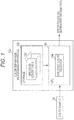
- Fig. 1 shows a color separation processing apparatus according to an embodiment.
- a color separation processing apparatus 100 outputs a spot color used to reproduce a color sample indicated by a client (orderer of printing), a process color to be mixed with the spot color and a color separation value of the process color.
- the process color means four colors such as cyan (C), magenta (M), yellow (Y) and key (K) which are used in color printing.
- the process color may further include lightcyan and lightmagenta in addition to those four colors.
- the process color may be four or more colors.
- the spot color means a color blended in advance in order to express a color that is difficult to reproduce by using the process colors in printing.
- the color separation processing apparatus 100 includes a central processing unit (CPU) 106 and a storage 108.
- the storage 108 stores a program (color separation processing program) for causing the CPU 106 to function as the color separation processing apparatus 100 and a specified color table 102 described below.
- the CPU 106 carries out color separation with respect to a color sample indicated by an orderer of printing by executing the program stored on the storage 108. With this color separation, the CPU 106 obtains information on a spot color and a process color to be mixed with the spot color.
- the specified color table 102 is a table showing a versatile spot color (hereinafter, referred to as "common color") used in a case where a specific specified color configured in advance is reproduced and specified colors obtained by mixing a process color with the common color.
- One or a plurality of specified color tables 102 is prepared in accordance with the number of common colors.
- the common color is deep blue. Deep blue is obtained as follows. Two or more process colors are selected from among four or more process colors such as cyan, magenta, yellow and key. The common color (deep blue) is obtained by toning the selected two or more process colors. Note that the common color may be obtained by toning at least one or more standard colors.
- the standard color may be one or a plurality of colors among all colors prepared by an ink maker.
- the spot color is all colors other than the process colors among the standard colors.
- the common color (first color) may be obtained by toning inks of two or more colors.
- the color separation processing apparatus 100 functions as a specified color selector 104 by causing the CPU 106 to execute the program stored on the storage 108.
- the specified color selector 104 selects a specified color corresponding to the color sample from among the specified colors included in the specified color table 102. Then, the specified color selector 104 outputs a common color constituting the selected specified color (included in the selected specified color), a color separation value of the common color, a process color to be mixed with the common color and a color separation value of the process color.
- a common color constituting the selected specified color included in the specified color
- a color separation value of the common color a process color to be mixed with the common color
- a color separation value of the process color will be referred to as "specified color separation information”.
- Fig. 2 shows an example of the specified color table 102.
- the specified color table 102 includes a first area 202 in which a common color is shown and a second area 204 in which one or a plurality of specified colors is shown.
- deep blue (hereinafter, referred to as “first deep blue”) is prepared as the common color.
- deep blue (hereinafter, referred to as “second deep blue”) is prepared by mixing the first deep blue with both or one of cyan and magenta.
- the process colors to be mixed with the common color are not limited to cyan and magenta and may be other process colors.
- a standard color may be mixed with the common color, instead of or in addition to the process colors.
- the first deep blue is an example of the first color.
- the process color and/or standard color to be mixed with the common color (first color) are examples of an added color.
- the second deep blue is an example of a second color.
- the second color may be a color obtained by mixing an ink of the common color (first color) with an ink of the process color and/or standard color (added color).
- the common color is indicated by using a CIELAB (CIE1976L ⁇ a ⁇ b ⁇ display) space defined by Commission Internationale de l'Eclairage (CIE). Therefore, a measurement value obtained by measuring a color of the common color can be indicated as (L*, a*, b*).
- CIELAB CIE1976L ⁇ a ⁇ b ⁇ display
- a measurement value obtained by measuring a color of the common color can be indicated as (L*, a*, b*).
- the second area 204 is prepared by showing the second deep blue in one or both of a lateral direction and a longitudinal direction with respect to the first area 202.
- a plurality of second deep blue colors is shown in both the lateral direction and the longitudinal direction with respect to the first area 202.
- the second deep blue colors shown in the second area 204 prepared in the lateral direction with respect to the first area 202 are prepared by mixing the first deep blue with a predetermined dot percent (for example, 10% to 100%, at intervals of 10%) of cyan.
- the second deep blue colors shown in the second area 204 prepared in the longitudinal direction with respect to the first area 202 are prepared by mixing a predetermined dot percent (for example, 10% to 100%, at intervals of 10%) of magenta with the first deep blue shown in the first area or with the second deep blue colors shown in the second area prepared in the lateral direction with respect to the first area.
- a predetermined dot percent for example, 10% to 100%, at intervals of 10%
- processing for preparing the specified color table 102 and processing for selecting a specified color from the specified color table will be separately described.
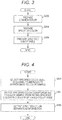
- Fig. 3 is a flowchart showing processing for preparing a specified color table.
- a user prepares a common color.
- the user selects two or more process colors from among four or more process colors.
- the user prepares a common color by blending the selected two or more process colors.
- the user prepares first deep blue by blending the two or more process colors selected from among the four or more process colors.
- the user may prepare a plurality of first deep blue colors.
- step S304 the user prepares a specified color.
- the user prepares the specified color by mixing one or more process colors with the common color. For example, the user prepares second deep blue by mixing both or one of cyan and magenta with the first deep blue.
- step S306 the user prepares the specified color table 102.
- the user prepares the specified color table 102 including the first area 202 in which the common color is shown and the second area 204 in which one or a plurality of specified colors is shown.
- a plurality of specified color tables is prepared for each common color.
- each of the deep blue colors (specified colors) indicated by the plurality of orderers can be reproduced by blending two or more standard colors.
- an ink of a specified color is toned in accordance with the color sample of deep blue indicated by each orderer, it is difficult to divert an excessive residual ink after printing as an ink for deep blue other than the deep blue indicated by each orderer. Therefore, various spot color inks occupy a stock space, regardless of whether the inks are discarded or stocked. Therefore, efficiency of stock management is reduced.
- a common color that is mixed with different process colors to constitute deep blue colors (specified colors) indicated by a plurality of orderers. Even in a case where attributes of the deep blue colors of color samples from respective orderers are different from each other, it is possible to reproduce the deep blue colors (specified colors) of the color samples indicated by the respective orderers by preparing a common color and mixing a process color with an ink of the common color. The ink of the common color can be diverted into reproduction of the deep blue colors (specified colors) indicated by the plurality of orderers and therefore the ink is not easily wasted.
- Fig. 4 shows processing for selecting a specified color from the specified color table 102.
- the specified color selector 104 selects a specified color table including a common color approximate to the color sample 50 (common color (first color) in accordance with the color sample 50) based on common colors included in a respective plurality of specified color tables.
- the specified color selector 104 may select a plurality of specified color tables including a common color (first color) closest to the color sample from among a plurality of specified color tables 102.
- the specified color selector 104 may select a specified color table by using the CIELAB space.
- the specified color selector 104 calculates a color difference ⁇ E based on a measurement value (L1, a1, b1) obtained by measuring a color of the common color included in each of the plurality of specified color tables and a measurement value (L2, a2, b2) obtained by measuring a color of the color sample 50. Then, the specified color selector 104 selects a specified color table including a common color that minimizes the color difference ⁇ E.
- the color difference ⁇ E is calculated as follows, for example.
- the specified color selector 104 may acquire a specified color table including a common color approximate to the selected color sample 50 based on the common colors included in the respective plurality of specified color tables in response to an instruction from the user (who may be an orderer) who has visually recognized the color sample and the plurality of specified color tables.
- the specified color selector 104 selects a specified color corresponding to the color sample from among specified colors included in the specified color table selected in step S402.
- the specified color selector 104 selects a specified color (second color) corresponding to the color sample from the selected specified color table.
- the specified color selector 104 may select a specified color (second color) closest to the color sample from the selected specified color table.
- the specified color selector 104 may select a specified color by using the CIELAB space.
- the specified color selector 104 calculates a color difference ⁇ E based on a measurement value (L3, a3, b3) obtained by measuring a color of a specified color included in the selected specified color table and the measurement value (L2, a2, b2) obtained by measuring the color of the color sample 50. Then, the specified color selector 104 selects a specified color that minimizes the color difference ⁇ E.
- the color difference ⁇ E is calculated as follows, for example.
- the specified color selector 104 may acquire, from the user who has visually recognized the color sample and the plurality of specified colors, information for selecting a specified color corresponding to the color sample 50 from among the specified colors included in the specified color table selected in step S402.
- the specified color selector 104 outputs specified color separation information of the specified color selected in step S404.
- the specified color selector 104 outputs information indicating the common color constituting the specified color and a color separation value of the common color such as dot percent and information indicating a process color to be mixed with the common color and a color separation value of the process color such as dot percent.
- the specified color selector 104 obtains color separation values of the common color (first color) and the process color (added color) constituting the selected specified color (second color).
- the specified color selector 104 obtains dot percents of the common color (first color) and the process color (added color) constituting the selected specified color (second color).
- the CPU 106 can carry out color separation with respect to the color sample indicated by the orderer of printing and can obtain information on a common color (and a color separation value thereof) and a process color (and a color separation value thereof).
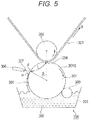
- Fig. 5 shows a printing apparatus according to an embodiment of the present disclosure.
- a case of gravure printing will be described as an example.
- a technique of this embodiment is not limited to gravure printing and can be applied to an arbitrary printing technique using "cylinders".
- a printing apparatus 300 includes a plate cylinder 301, an impression cylinder 302, a doctor device 306, a doctor blade 307, an ink pan 308, and a furnisher roller 309.
- the plate cylinder 301 and the impression cylinder 302 are arranged to face each other.
- a printing base material 303 such as a plastic film, paper and aluminum foil, is inserted between contact surfaces of both cylinders. Printing is carried out by a method of transferring an ink in a cell on a cylinder surface 301S of the plate cylinder 301 to the printing base material 303 with pressure (printing pressure) between the plate cylinder 301 and the impression cylinder 302.
- the printing base material 303 moves in a direction of an arrow X.
- the ink pan 308 is filled with a fluid printing ink 305.
- the plate cylinder 301 is rotated so that a part of a lower surface thereof is soaked with the printing ink 305.
- the furnisher roller 309 is used for the purpose of favorably causing the printing ink 305 to adhere to the plate cylinder 301.
- an ink circulation stirring device may be coupled to the ink pan 308. With this configuration, it is possible to uniformly maintain an ink viscosity and an ink amount.
- the printing ink 305 is printing inks of a common color and a process color constituting a specified color selected to reproduce the color sample 50.
- the printing apparatus (printing unit) 300 is prepared for each color. Then, overprinting is carried out by printing the common color and the process color in this order.
- a circumference is 450 mm to 900 mm, and a printing width is about 500 mm to 1500 mm.
- the printing ink 305 rises together with the cylinder surface 301S of the plate cylinder 301 in accordance with rotation of the plate cylinder 301.
- a surplus ink is scraped off the cylinder surface 301S by the doctor blade 307 of the doctor device 306 and necessary ink remains in the cell.
- the ink in the cell is transferred to the printing base material 303 between the plate cylinder 301 and the impression cylinder 302.
- the printing base material 303 passes through the inside of a drying machine. As a result, a solvent component in the ink other than a pigment component and a resin composition component is volatilized. Then, the printing base material 303 moves to the next unit and subsequent printing (printing using an ink of another color) is carried out.
- the solvent component is volatilized not only in the drying machine but also while the ink is adhering to the cylinder surface 301s, that is, after the cylinder surface 301S passes through the doctor blade 307 but before the cylinder surface 301s reaches the printing base material 303.
- a printing plate (cylinder surface 301S) fabricated by a corrosion technique, which is used in gravure printing
- intensity of printing is expressed by cells having a substantially constant opening area and different depths.
- cells having different opening areas and depths are formed in a printing plate (engraving plate) engraved by an electronic engraving machine. Not only in a case where the engraving plate is used but also in a case of a halftone gravure, both an opening area and a depth of a cell are changed for each cell.
- the opening area of the cell is changed in accordance with the number of lines (per inch). For example, in packaging material printing, the number of lines to be used is about 150 lines to 250 lines.
- the impression cylinder 302 is a roller including an iron core and rubber wound around the iron core. A surface of the impression cylinder 302 is smoothly polished.
- the impression cylinder 302 is configured so that pressure (printing pressure) on the plate cylinder 301 can be adjusted by a hydraulic cylinder. Constant printing pressure is applied to the plate cylinder 301 during printing. Hardness and material of the rubber of the impression cylinder 302 are appropriately selected in accordance with a printing material.
- the doctor device 306 is a mechanism for supporting the doctor blade 307 so that the doctor blade 307 can be replaced.
- the doctor device 306 is configured so that a contact angle (doctor angle) ⁇ between the doctor blade 307 and the cylinder surface and contact pressure (doctor pressure) on the cylinder surface can be adjusted.
- the doctor device 306 has a structure in which the doctor device 306 itself moves in accordance with printing and the doctor blade 307 moves from side to side on the cylinder surface in parallel within a constant range.
- an ink of a common color and an ink of a process color are mixed, and therefore it is possible to carry out, with respect to the printing base material 303, printing using deep blue of a color sample indicated by a person who orders printing.
- a printing shift can be made inconspicuous by mixing a common color with a process color.
- misregister occurs in some cases due to a structure of a machine or an influence of, for example, expansion and contraction of a printing base material. Furthermore, a part in which misregister is conspicuous is removed as a defective product.
- the "trapping processing” is processing in which a pattern of one of two colors (two or more colors in some cases) to be mixed is reduced to be slightly smaller than a pattern of another color in advance. A difference in the size between both the patterns is referred to as "trapping". With this processing, even in a case where a printing shift occurs, a protruding part is reduced, and the printing shift is made inconspicuous.
- a size of the "trapping” is arbitrarily changed in accordance with, for example, a combination of a size and color of a figure (pattern).
- misregister inconspicuous only by performing the "trapping processing" depending on a combination of colors.
- a color having a high depth such as a "deep blue” group or a “brown” group
- desired "deep blue” is reproduced by mixing "cyan” with "magenta”.
- depths of both "cyan” and “magenta” are increased. Therefore, when misregister occurs, the misregister is conspicuous, regardless of which color protrudes from the other color.
- cyan and magenta are blue and red, so to speak.
- a combination thereof is a combination of colors (opposite colors) which positions opposite each other in a color circle. Therefore, misregister is easily conspicuous, unlike a case where cyan and yellow are mixed and a case where magenta and yellow are mixed. In particular, in a case where a shift is large, a pattern such as a double line of blue and red is seen. In some cases, it is possible to further increase "trapping" in order to make the misregister inconspicuous. However, in a case where "trapping" is large, a contour itself of a single color formed in a printed pattern is conspicuous. Further, in a case where a pattern to be reproduced is a small letter or figure, a size of the "trapping" is also naturally limited.
- a "deep blue” color which is a versatile color among "deep blue” colors that are frequently used, is set as a "common color”.
- a color difference between the common color and "deep blue” that is a specified color of each commodity is adjusted by appropriately mixing the "common color” and one or both of a process color and a standard color.
- the "common color” having a high depth is used as a base. As a result, it is possible to reduce a depth of the process color and/or standard color to be mixed. Therefore, even if "trapping" is not provided, misregister is inconspicuous.
- a pattern of a printing plate used when an ink of the process color is transferred to a printing base material is reduced to be smaller than a pattern of a printing plate used when an ink of the common color is transferred to the printing base material. It is thus possible to further make a printing shift inconspicuous.
- Figs. 6A and 6B show examples of a printing result of deep blue prepared by mixing process colors in accordance with a conventional printing method.
- Fig. 6C shows an example of a printing result of deep blue prepared in accordance with this embodiment.
- a "color a" is cyan and a "color b" is magenta.
- the "color a” is set to be “deep blue” serving as a common color and the “color b” is set to be “cyan", "magenta” or both thereof.
- both the "deep blue” serving as the common color and the specified color have high depths and have close hues. Therefore, it is possible to reduce a depth of the "color b" to be mixed.
- the "color b” protrudes from the "color a” due to a printing shift, the "color b” is hardly conspicuous.
- an area of the "color a” having a high depth is large, and therefore "trapping" itself is inconspicuous.
- inks of two or more process colors are selected from among inks of four or more process colors and the inks of the two or more process colors are toned.
- preparation of the ink of the common color is not limited to this example.
- the ink of the common color may be prepared by toning an ink of one or more standard colors.
- the ink of the common color may be prepared by toning an ink of a spot color and an ink of a process color.
- the ink of the common color may be prepared by toning inks of a plurality of spot colors.
- the ink of the common color may be prepared by using a spot ink toned by a maker in advance only for a specific user.
- the spot ink is included in a category of spot colors.
- the common color (first color) may be obtained from an ink of one or a plurality of process colors, an ink of one or a plurality of standard colors, an ink of one or a plurality of spot colors, one or a plurality of spot inks or combinations thereof.
- two or more process colors are selected from among process colors.
- An ink of the first deep blue is prepared by toning inks of the selected two or more process colors.
- One or a plurality of second deep blue colors is reproduced by mixing the first deep blue (common color) with one or more process colors.
- the second deep blue corresponding to the color sample is selected from among the plurality of second deep blue colors; a common color, a color separation value of the common color, a process color and a color separation value of the process color for reproducing the second deep blue are obtained; and printing is carried out based on the common color, the color separation value of the common color, the process color and the color separation value of the process color.
- an ink of the second deep blue is reproduced by toning inks of two or more process colors, an excessive residual ink that is difficult to divert into reproduction of color other than the ink of the second deep blue may be generated.
- the ink of the common color can also be diverted into reproduction of color other than the ink of the second deep blue. Therefore, it is possible to reduce an excessive residual ink that is difficult to divert into reproduction of color other than the ink of the second deep blue.
- deep blue is a color that is frequently used.
- a printing shift is made conspicuous, as compared to other colors.
- the ink of the first deep blue (common color) is prepared by selecting two or more process colors from among process colors and toning inks of the selected two or more process colors. Furthermore, one or a plurality of second deep blue colors is reproduced by mixing the first deep blue with one or more process colors.
- a method of preparing the first deep blue and reproducing the second deep blue is not limited to this example. For example, the following method can also be employed. Inks of two or more standard colors are selected from among inks of standard colors. The ink of the first deep blue (common color) is prepared by toning the inks of the selected two or more standard colors.
- One or a plurality of second deep blue colors is reproduced by mixing the first deep blue with one or more standard colors.
- the second deep blue corresponding to the color sample is selected from among the plurality of second deep blue colors; a common color, a color separation value of the common color, a standard color and a color separation value of the standard color for reproducing the second deep blue are obtained; and printing is carried out based on the common color, the color separation value of the common color, the standard color and the color separation value of the standard color.
- a case of deep blue has been described as an example of color of a color sample.
- a case of brown will be described as another example of color indicated by a color sample.
- brown is applied as an example of a common color.
- brown obtained by mixing the common color with both or one of cyan and yellow among process colors is applied.
- brown hereinafter, referred to as "first brown”
- Brown hereinafter, referred to as "second brown”
- the process colors to be mixed with the common color are not limited to cyan and yellow and may be other process colors.
- a standard color may be mixed with the common color, instead of or in addition to the process colors.
- the first brown is an example of a first color.
- the process color and/or standard color to be mixed with the common color (first color) are examples of an added color.
- the second brown is an example of a second color.
- the second color may be a color obtained by mixing an ink of the common color (first color) with an ink of the process color and/or standard color (added color).
- Figs. 3 and 4 can be applied.
- the printing apparatus 300 that has been described with reference to Fig. 5 can be applied.
- an ink of a common color and an ink of a process color are mixed, and therefore printing using brown of a color sample indicated by a person who orders printing can be carried out with respect to a printing base material.
- “brown” which is a versatile color among “brown” colors that are frequently used, is set as a “common color”.
- a color difference between the common color and “brown” that is a specified color of each commodity is adjusted by appropriately mixing the "common color” and one or both of a process color and a standard color.
- the "common color” having a high depth is used as a base.
- a pattern of a printing plate used when an ink of the process color is transferred to a printing base material is reduced to be smaller than a pattern of a printing plate used when an ink of the common color is transferred to the printing base material. It is thus possible to further make a printing shift inconspicuous.
- Figs. 7A and 7B show examples of a printing result of brown prepared by mixing process colors in accordance with a conventional printing method.
- Fig. 7C shows an example of a printing result of brown prepared in accordance with this modified example.
- brown is prepared by mixing cyan, magenta and yellow in many cases.
- a printing shift between yellow that is a process color and other colors is almost inconspicuous because a depth of color of yellow is low.
- a plate is designed without providing trapping in particular in many cases because an influence on appearance can be small. Note that it is exceedingly difficult to express a printing shift among three colors of cyan, magenta and yellow by using a drawing. Therefore, in Figs. 7A and 7B , yellow that has a small influence on a printing shift is omitted for convenience of explanation. In other words, hereinafter, there will be described a case where two colors of cyan and magenta are mixed.
- a "color c" is magenta and a "color d” is cyan.
- a part in which the "color c" and the "color d” are overlapped looks purple (actually looks brown because yellow is mixed). Meanwhile, a part of only the "color c” looks blurred pink. Furthermore, a part of only the "color d” looks blurred blue.
- the "color c" is set to be “brown” serving as a common color and the "color d” is set to be a process color.
- both the "brown” serving as the common color and the specified color have high depths and have close hues. Therefore, it is possible to reduce a depth of the "color d" to be mixed.
- the "color d" protrudes from the "color c” due to a printing shift, the "color d” is hardly conspicuous. Further, an area of the "color c” having a high depth is large, and therefore "trapping" is inconspicuous.
- inks of two or more process colors are selected from among inks of four or more process colors and the inks of the two or more process colors are toned.
- preparation of the ink of the common color is not limited to this example.
- the ink of the common color may be prepared by toning an ink of one or more standard colors.
- the ink of the common color may be prepared by toning an ink of a spot color and an ink of a process color.
- the ink of the common color may be prepared by toning inks of a plurality of spot colors.
- the ink of the common color may be prepared by using a spot ink.
- two or more process colors are selected from among process colors.
- An ink of the first brown is prepared by toning inks of the selected two or more process colors.
- One or a plurality of second brown colors is reproduced by mixing the first brown (common color) with one or more process colors.
- the second brown corresponding to the color sample is selected from among the plurality of second brown colors; a common color, a color separation value of the common color, a process color and a color separation value of the process color for reproducing the second brown are obtained; and printing is carried out based on the common color, the color separation value of the common color, the process color and the color separation value of the process color.
- an ink of the second brown is reproduced by toning inks of two or more process colors, an excessive residual ink that is difficult to divert into reproduction of color other than the ink of the second brown may be generated.
- the ink of the common color can also be diverted into reproduction of color other than the ink of the second brown. Therefore, it is possible to reduce an excessive residual ink that is difficult to divert into reproduction of color other than the ink of the second brown.
- brown is color that is frequently used.
- brown is reproduced by mixing two or more process colors, a printing shift is made conspicuous, as compared to other colors.
- a printing shift occurring when the second brown is reproduced can be made inconspicuous.
- the ink of the first brown is prepared by selecting two or more process colors from among process colors and toning inks of the selected two or more process colors. Furthermore, one or a plurality of second brown colors is reproduced by mixing the first brown with one or more process colors.
- a method of preparing the first brown and reproducing the second brown is not limited to this example. For example, the following method can also be employed. Inks of two or more standard colors are selected from among inks of standard colors. The ink of the first brown (common color) is prepared by toning the inks of the selected two or more standard colors.
- One or a plurality of second brown colors is reproduced by mixing the first brown with one or more standard colors.
- the second brown corresponding to the color sample is selected from among the plurality of second brown colors; a common color, a color separation value of the common color, a standard color and a color separation value of the standard color for reproducing the second brown are obtained; and printing is carried out based on the common color, the color separation value of the common color, the standard color and the color separation value of the standard color.
- the specified color table is an example of a table.
- deep blue first deep blue, second deep blue
- brown first brown, second brown
- the common color and the specified color are not limited to deep blue and brown and may be arbitrary colors.
- the color separation processing method and the printing method according to the embodiment of the present disclosure may be the following first to eighth color separation processing methods and the following first and second printing methods.
- the first color separation processing method is a color separation processing method executed by a color separation processing apparatus and includes: a step of preparing a table including first deep blue obtained by toning two or more inks and one or a plurality of second deep blue colors obtained by mixing an ink of the first deep blue with one or more inks; a step of selecting first deep blue and second deep blue corresponding to a specified color sample from the table; a step of obtaining one or more standard colors and a color separation value of the one or more standard colors based on the selected first deep blue; and a step of obtaining one or more standard colors to be mixed with the first deep blue and a color separation value of the one or more standard colors based on the selected second deep blue.
- the second color separation processing method is a color separation processing method executed by a color separation processing apparatus and includes: a step of preparing a table including first deep blue obtained by using at least one or more standard colors and one or a plurality of second deep blue colors obtained by mixing an ink of the first deep blue with an ink of one or more process colors; a step of selecting first deep blue and second deep blue corresponding to a specified color sample from the table; a step of obtaining the one or more standard colors and a color separation value of the one or more standard colors based on the selected first deep blue; and a step of obtaining the one or more process colors to be mixed with the first deep blue and a color separation value of the one or more process colors based on the selected second deep blue.
- the third color separation processing method is the second color separation processing method, in which the first deep blue is obtained by using a plurality of inks of process colors, a plurality of spot color inks, a spot ink or an ink of a process color and a spot color ink.
- the fourth color separation processing method is the second or third color separation processing method, in which the second deep blue color is obtained by mixing a predetermined dot percent of the ink of the one or more process colors with the ink of the first deep blue and, in the steps of obtaining the color separation values, dot percents of the first deep blue and the one or more process colors to be mixed with the first deep blue are obtained based on the selected first deep blue and the selected second deep blue.
- the ink of the first deep blue and the ink of the one or more process colors are mixed based on the first deep blue, the one or more process colors to be mixed with the first deep blue and the color separation value of the one or more process colors obtained by any one of the second to fourth color separation processing methods.
- the fifth color separation processing method is a color separation processing method executed by a color separation processing apparatus and includes: a step of preparing a table including first brown obtained by toning two or more inks and one or a plurality of second brown colors obtained by mixing an ink of the first brown with one or more inks; a step of selecting first brown and second brown corresponding to a specified color sample from the table; a step of obtaining one or more standard colors and a color separation value of the one or more standard colors based on the selected first brown; and a step of obtaining one or more standard colors to be mixed with the first brown and a color separation value of the one or more standard colors based on the selected second brown.
- the sixth color separation processing method is a color separation processing method executed by a color separation processing apparatus and includes: a step of preparing a table including first brown obtained by using at least one or more standard colors and one or a plurality of second brown colors obtained by mixing an ink of the first brown with an ink of one or more process colors; a step of selecting first brown and second brown corresponding to a specified color sample from the table; a step of obtaining the one or more standard colors and a color separation value of the one or more standard colors based on the selected first brown; and a step of obtaining the one or more process colors to be mixed with the first brown and a color separation value of the one or more process colors based on the selected second brown.
- the seventh color separation processing method is the sixth color separation processing method, in which the first brown is obtained by using a plurality of inks of process colors, a plurality of spot color inks, a spot ink or an ink of a process color and a spot color ink.
- the eighth color separation processing method is the sixth or seventh color separation processing method, in which the second brown color is obtained by mixing a predetermined dot percent of the ink of the one or more process colors with the ink of the first brown, and, in the steps of obtaining the color separation values, the first brown, the one or more process colors to be mixed with the first brown and the dot percent of the one or more process colors are obtained based on the selected first brown and the selected second brown.
- the ink of the first brown and the ink of the one or more process colors are mixed based on the first brown, the one or more process colors to be mixed with the first brown and the color separation value of the one or more process colors obtained by any one of the sixth to eighth color separation processing methods.
Landscapes
- Engineering & Computer Science (AREA)
- Multimedia (AREA)
- Signal Processing (AREA)
- Textile Engineering (AREA)
- Facsimile Image Signal Circuits (AREA)
- Color Image Communication Systems (AREA)
- Inking, Control Or Cleaning Of Printing Machines (AREA)
- Color, Gradation (AREA)
- Printing Methods (AREA)
Claims (11)
- Ein Farbtrennprozessverfahren, das folgende Schritte aufweist:Vorbereiten einer oder einer Mehrzahl von Tabellen (102), die eine erste Farbe und eine oder eine Mehrzahl von zweiten Farben umfasst, die durch Mischen eines vorbestimmten Punktprozentsatzes der ersten Farbe mit einem vorbestimmten Punktprozentsatz einer oder einer Mehrzahl von hinzugefügten Farben erhalten werden;Auswählen der Tabelle, die die erste Farbe umfasst, gemäß einem Farbmuster (50) und Auswählen der zweiten Farbe, die dem Farbmuster (50) entspricht, aus der ausgewählten Tabelle; undgekennzeichnet durchErhalten von bestimmten Farbtrenninformationen, die Folgendes umfassen: Informationen, die die erste Farbe, die die ausgewählte zweite Farbe bildet, und den vorbestimmten Punktprozentsatz der ersten Farbe angeben; und Informationen, die die hinzugefügte Farbe, die mit der ersten Farbe gemischt wird, um die ausgewählte zweite Farbe zu bilden, und den vorbestimmten Punktprozentsatz der hinzugefügten Farbe angeben.
- Das Farbtrennprozessverfahren gemäß Anspruch 1, bei dem die erste Farbe eine Farbe ist, die durch Abtönen von Druckfarben von zwei oder mehr Farben erhalten wird.
- Das Farbtrennprozessverfahren gemäß Anspruch 1, bei dem die zweite Farbe eine Farbe ist, die durch Mischen einer Druckfarbe der ersten Farbe mit einer Druckfarbe der hinzugefügten Farbe erhalten wird.
- Das Farbtrennprozessverfahren gemäß Anspruch 1, bei dem:die erste Farbe ein erstes Tiefblau ist unddie zweite Farbe ein zweites Tiefblau ist, das durch Mischen des ersten Tiefblaus mit der hinzugefügten Farbe erhalten wird.
- Das Farbtrennprozessverfahren gemäß Anspruch 4, bei dem:das erste Tiefblau eine Farbe ist, die durch Abtönen von zumindest einer oder mehreren Standardfarben erhalten wird; unddie hinzugefügte Farbe eine oder mehrere Prozessfarben umfasst.
- Das Farbtrennprozessverfahren gemäß Anspruch 4, bei dem das erste Tiefblau von einer oder einer Mehrzahl von Druckfarben von Prozessfarben, einer oder einer Mehrzahl von Druckfarben von Standardfarben, einer oder einer Mehrzahl von Spot-Farbdruckfarben, einer oder einer Mehrzahl von Spot-Druckfarben oder Kombinationen dieser Druckfarben erhalten wird.
- Das Farbtrennprozessverfahren gemäß Anspruch 1, bei dem:die erste Farbe ein erstes Braun ist unddie zweite Farbe ein zweites Braun ist, das durch Mischen des ersten Brauns mit der hinzugefügten Farbe erhalten wird.
- Das Farbtrennprozessverfahren gemäß Anspruch 7, bei dem:das erste Braun eine Farbe ist, die durch Abtönen von zumindest einer oder mehreren Standardfarben erhalten wird; unddie hinzugefügte Farbe eine oder mehrere Prozessfarben umfasst.
- Das Farbtrennprozessverfahren gemäß Anspruch 7, bei dem:
das erste Braun von einer oder einer Mehrzahl von Tinten von Prozessfarben, einer oder einer Mehrzahl von Tinten von Standardfarben, einer oder einer Mehrzahl von Spot-Farbdruckfarben, einer oder einer Mehrzahl von Spot-Druckfarben oder Kombinationen dieser Druckfarben erhalten wird. - Ein Druckverfahren, das folgende Merkmale aufweist:Erhalten der bestimmten Farbtrenninformationen durch das Farbtrennprozessverfahren gemäß einem der Ansprüche 1 bis 9 undMischen einer Druckfarbe der ersten Farbe mit einer Druckfarbe der hinzugefügten Farbe auf Basis der bestimmten Farbtrenninformationen.
- Ein Farbtrennprozessapparat (100), der folgende Merkmale aufweist:einen Speicher (108), der dazu konfiguriert ist, eine Tabelle (102) zu speichern, die eine erste Farbe und eine oder eine Mehrzahl von zweiten Farben umfasst, die durch Mischen eines vorbestimmten Punktprozentsatzes der ersten Farbe mit einem vorbestimmten Punktprozentsatz einer oder einer Mehrzahl von hinzugefügten Farben erhalten wird; undeinen bestimmten Farbselektor (104), der konfiguriert ist zum Auswählen der Tabelle, die die erste Farbe umfasst, gemäß einem Farbmuster (50), zum Auswählen der zweiten Farbe, die dem Farbmuster (50) entspricht, aus der ausgewählten Tabelle, unddadurch gekennzeichnet, dass derselbe dazu konfiguriert ist,eine bestimmte Farbtrennung zu erhalten, die Folgendes umfasst: Informationen, die die erste Farbe, die die ausgewählte zweite Farbe bildet, und den vorbestimmten Punktprozentsatz der ersten Farbe angeben; und Informationen, die die hinzugefügte Farbe, die mit der ersten Farbe gemischt wird, um die ausgewählte zweite Farbe zu bilden, und den vorbestimmten Punktprozentsatz der hinzugefügten Farbe angeben.
Applications Claiming Priority (1)
| Application Number | Priority Date | Filing Date | Title |
|---|---|---|---|
| JP2016181605A JP6857987B2 (ja) | 2016-09-16 | 2016-09-16 | 色分解処理方法、及び印刷物の製造方法 |
Publications (2)
| Publication Number | Publication Date |
|---|---|
| EP3296109A1 EP3296109A1 (de) | 2018-03-21 |
| EP3296109B1 true EP3296109B1 (de) | 2019-05-22 |
Family
ID=59968918
Family Applications (1)
| Application Number | Title | Priority Date | Filing Date |
|---|---|---|---|
| EP17190583.9A Active EP3296109B1 (de) | 2016-09-16 | 2017-09-12 | Farbtrennungverarbeitungsverfahren, druckverfahren und farbtrennungverarbeitungsvorrichtung |
Country Status (3)
| Country | Link |
|---|---|
| US (1) | US10791248B2 (de) |
| EP (1) | EP3296109B1 (de) |
| JP (1) | JP6857987B2 (de) |
Family Cites Families (14)
| Publication number | Priority date | Publication date | Assignee | Title |
|---|---|---|---|---|
| GB8622564D0 (en) * | 1986-09-19 | 1986-10-22 | Crosfield Electronics Ltd | Reproduction of coloured images |
| JP3378997B2 (ja) | 1993-09-10 | 2003-02-17 | 大日本印刷株式会社 | 地図製版方法 |
| US6924908B1 (en) * | 2000-05-31 | 2005-08-02 | Brown University Research Foundation | Color management systems and methods with improved color matching techniques |
| US7259890B2 (en) * | 2002-06-21 | 2007-08-21 | Hewlett-Packard Development Company, L.P. | Printing with custom colorant materials |
| KR100987154B1 (ko) * | 2003-10-18 | 2010-10-11 | 삼성전자주식회사 | 화상형성장치를 위한 색처리방법 및 그 장치 |
| US7692831B2 (en) | 2004-12-13 | 2010-04-06 | Canon Kabushiki Kaisha | Image processing apparatus and method thereof |
| JP2006173800A (ja) * | 2004-12-13 | 2006-06-29 | Canon Inc | 画像処理装置およびその方法 |
| US7639393B2 (en) * | 2005-06-29 | 2009-12-29 | Xerox Corporation | Systems and methods for adjusting spot color inks |
| JP2012162002A (ja) * | 2011-02-07 | 2012-08-30 | Seiko Epson Corp | インクジェット記録方法及びこれに用いられるインク |
| CN103873736B (zh) * | 2012-12-17 | 2017-03-22 | 北大方正集团有限公司 | 一种基于多维表的颜色闭环修正方法和系统 |
| US9106874B2 (en) * | 2012-12-18 | 2015-08-11 | Xerox Corporation | Method and system of editing multiple spot color tables associated with a printing system |
| JP6380059B2 (ja) * | 2014-12-01 | 2018-08-29 | セイコーエプソン株式会社 | 色調整装置、色調整方法、および印刷システム |
| JP6540240B2 (ja) * | 2015-06-03 | 2019-07-10 | 凸版印刷株式会社 | 色推定システム、製版データ作成システム、色推定方法および製版データ作成方法 |
| JP6717058B2 (ja) * | 2016-06-01 | 2020-07-01 | 凸版印刷株式会社 | 再現色プロファイル補正システム、再現色プロファイル補正方法及びプログラム |
-
2016
- 2016-09-16 JP JP2016181605A patent/JP6857987B2/ja active Active
-
2017
- 2017-09-12 EP EP17190583.9A patent/EP3296109B1/de active Active
- 2017-09-14 US US15/704,678 patent/US10791248B2/en active Active
Non-Patent Citations (1)
| Title |
|---|
| None * |
Also Published As
| Publication number | Publication date |
|---|---|
| US10791248B2 (en) | 2020-09-29 |
| JP6857987B2 (ja) | 2021-04-14 |
| US20180084154A1 (en) | 2018-03-22 |
| EP3296109A1 (de) | 2018-03-21 |
| JP2018043477A (ja) | 2018-03-22 |
Similar Documents
| Publication | Publication Date | Title |
|---|---|---|
| DE102004001937B4 (de) | Verfahren zur Reproduktion von Sonderfarben mit Primärdruckfarben und Sekundärdruckfarben | |
| RU2552503C2 (ru) | Способ контроля качества многоцветной печати первичными цветами | |
| US20210206190A1 (en) | Photosensitive printing form for a flexographic printing method comprising visible and non-printable information, and method for preparing such a printing form | |
| CN101730626B (zh) | 中性灰色平衡质控方法 | |
| CN114502377A (zh) | 制版方法、制版系统及罐体 | |
| CN104977802A (zh) | 一种改进型凹版印刷装饰版的专色分色方法 | |
| DE102004003300A1 (de) | Verfahren zur Herstellung eines Prüfdrucks für einen Druckprozess mit mehr als vier Druckfarben | |
| CN112073594B (zh) | 灰平衡调节方法、装置及计算机可读存储介质 | |
| EP3296109B1 (de) | Farbtrennungverarbeitungsverfahren, druckverfahren und farbtrennungverarbeitungsvorrichtung | |
| US8088207B2 (en) | Eleven-color printing ink set and method of use | |
| US6262808B1 (en) | Multicolor printing process, especially a multicolor grid screen printing process for textile substrates | |
| CN106379049A (zh) | 一种凹版印刷图像质量控制方法 | |
| WO2010031141A1 (en) | A method of printing | |
| WO2007091278A1 (en) | Method and system for colour printing | |
| US8681403B1 (en) | Articles and methods to provide color consistency of printed products | |
| CN103770489A (zh) | 一种用于防伪的彩色图像的印刷方法 | |
| CN107415508A (zh) | 一种七色花纸印刷工艺 | |
| Lawler | Official Adobe Print Publishing Guide: The Essential Resource for Design, Production, and Prepress, The | |
| PT1517797E (pt) | Melhorias em processos de impressão utilizando tintas metálicas. | |
| KR20130043584A (ko) | 한지 인쇄 방법 | |
| Lemieux et al. | Digital image resolution: what it means and how it can work for you | |
| JP2004255626A (ja) | グラビア印刷方法及びグラビア印刷制御装置並びにグラビア印刷機 | |
| Chung et al. | Test Targets 4.0: A Collaborative effort exploring the use of scientific methods for color imaging and process control | |
| WO2024035433A1 (en) | Patterning printed material | |
| CN105435667A (zh) | 一种丝印墨混调方法 |
Legal Events
| Date | Code | Title | Description |
|---|---|---|---|
| PUAI | Public reference made under article 153(3) epc to a published international application that has entered the european phase |
Free format text: ORIGINAL CODE: 0009012 |
|
| STAA | Information on the status of an ep patent application or granted ep patent |
Free format text: STATUS: THE APPLICATION HAS BEEN PUBLISHED |
|
| AK | Designated contracting states |
Kind code of ref document: A1 Designated state(s): AL AT BE BG CH CY CZ DE DK EE ES FI FR GB GR HR HU IE IS IT LI LT LU LV MC MK MT NL NO PL PT RO RS SE SI SK SM TR |
|
| AX | Request for extension of the european patent |
Extension state: BA ME |
|
| STAA | Information on the status of an ep patent application or granted ep patent |
Free format text: STATUS: REQUEST FOR EXAMINATION WAS MADE |
|
| 17P | Request for examination filed |
Effective date: 20180920 |
|
| RBV | Designated contracting states (corrected) |
Designated state(s): AL AT BE BG CH CY CZ DE DK EE ES FI FR GB GR HR HU IE IS IT LI LT LU LV MC MK MT NL NO PL PT RO RS SE SI SK SM TR |
|
| GRAP | Despatch of communication of intention to grant a patent |
Free format text: ORIGINAL CODE: EPIDOSNIGR1 |
|
| STAA | Information on the status of an ep patent application or granted ep patent |
Free format text: STATUS: GRANT OF PATENT IS INTENDED |
|
| INTG | Intention to grant announced |
Effective date: 20181213 |
|
| GRAS | Grant fee paid |
Free format text: ORIGINAL CODE: EPIDOSNIGR3 |
|
| GRAA | (expected) grant |
Free format text: ORIGINAL CODE: 0009210 |
|
| STAA | Information on the status of an ep patent application or granted ep patent |
Free format text: STATUS: THE PATENT HAS BEEN GRANTED |
|
| AK | Designated contracting states |
Kind code of ref document: B1 Designated state(s): AL AT BE BG CH CY CZ DE DK EE ES FI FR GB GR HR HU IE IS IT LI LT LU LV MC MK MT NL NO PL PT RO RS SE SI SK SM TR |
|
| REG | Reference to a national code |
Ref country code: GB Ref legal event code: FG4D |
|
| REG | Reference to a national code |
Ref country code: CH Ref legal event code: EP |
|
| REG | Reference to a national code |
Ref country code: IE Ref legal event code: FG4D |
|
| REG | Reference to a national code |
Ref country code: DE Ref legal event code: R096 Ref document number: 602017004104 Country of ref document: DE |
|
| REG | Reference to a national code |
Ref country code: AT Ref legal event code: REF Ref document number: 1135606 Country of ref document: AT Kind code of ref document: T Effective date: 20190615 |
|
| REG | Reference to a national code |
Ref country code: NL Ref legal event code: MP Effective date: 20190522 |
|
| REG | Reference to a national code |
Ref country code: LT Ref legal event code: MG4D |
|
| PG25 | Lapsed in a contracting state [announced via postgrant information from national office to epo] |
Ref country code: NO Free format text: LAPSE BECAUSE OF FAILURE TO SUBMIT A TRANSLATION OF THE DESCRIPTION OR TO PAY THE FEE WITHIN THE PRESCRIBED TIME-LIMIT Effective date: 20190822 Ref country code: FI Free format text: LAPSE BECAUSE OF FAILURE TO SUBMIT A TRANSLATION OF THE DESCRIPTION OR TO PAY THE FEE WITHIN THE PRESCRIBED TIME-LIMIT Effective date: 20190522 Ref country code: HR Free format text: LAPSE BECAUSE OF FAILURE TO SUBMIT A TRANSLATION OF THE DESCRIPTION OR TO PAY THE FEE WITHIN THE PRESCRIBED TIME-LIMIT Effective date: 20190522 Ref country code: NL Free format text: LAPSE BECAUSE OF FAILURE TO SUBMIT A TRANSLATION OF THE DESCRIPTION OR TO PAY THE FEE WITHIN THE PRESCRIBED TIME-LIMIT Effective date: 20190522 Ref country code: LT Free format text: LAPSE BECAUSE OF FAILURE TO SUBMIT A TRANSLATION OF THE DESCRIPTION OR TO PAY THE FEE WITHIN THE PRESCRIBED TIME-LIMIT Effective date: 20190522 Ref country code: PT Free format text: LAPSE BECAUSE OF FAILURE TO SUBMIT A TRANSLATION OF THE DESCRIPTION OR TO PAY THE FEE WITHIN THE PRESCRIBED TIME-LIMIT Effective date: 20190922 Ref country code: ES Free format text: LAPSE BECAUSE OF FAILURE TO SUBMIT A TRANSLATION OF THE DESCRIPTION OR TO PAY THE FEE WITHIN THE PRESCRIBED TIME-LIMIT Effective date: 20190522 Ref country code: AL Free format text: LAPSE BECAUSE OF FAILURE TO SUBMIT A TRANSLATION OF THE DESCRIPTION OR TO PAY THE FEE WITHIN THE PRESCRIBED TIME-LIMIT Effective date: 20190522 Ref country code: SE Free format text: LAPSE BECAUSE OF FAILURE TO SUBMIT A TRANSLATION OF THE DESCRIPTION OR TO PAY THE FEE WITHIN THE PRESCRIBED TIME-LIMIT Effective date: 20190522 |
|
| PG25 | Lapsed in a contracting state [announced via postgrant information from national office to epo] |
Ref country code: BG Free format text: LAPSE BECAUSE OF FAILURE TO SUBMIT A TRANSLATION OF THE DESCRIPTION OR TO PAY THE FEE WITHIN THE PRESCRIBED TIME-LIMIT Effective date: 20190822 Ref country code: GR Free format text: LAPSE BECAUSE OF FAILURE TO SUBMIT A TRANSLATION OF THE DESCRIPTION OR TO PAY THE FEE WITHIN THE PRESCRIBED TIME-LIMIT Effective date: 20190823 Ref country code: LV Free format text: LAPSE BECAUSE OF FAILURE TO SUBMIT A TRANSLATION OF THE DESCRIPTION OR TO PAY THE FEE WITHIN THE PRESCRIBED TIME-LIMIT Effective date: 20190522 Ref country code: RS Free format text: LAPSE BECAUSE OF FAILURE TO SUBMIT A TRANSLATION OF THE DESCRIPTION OR TO PAY THE FEE WITHIN THE PRESCRIBED TIME-LIMIT Effective date: 20190522 |
|
| REG | Reference to a national code |
Ref country code: AT Ref legal event code: MK05 Ref document number: 1135606 Country of ref document: AT Kind code of ref document: T Effective date: 20190522 |
|
| PG25 | Lapsed in a contracting state [announced via postgrant information from national office to epo] |
Ref country code: SK Free format text: LAPSE BECAUSE OF FAILURE TO SUBMIT A TRANSLATION OF THE DESCRIPTION OR TO PAY THE FEE WITHIN THE PRESCRIBED TIME-LIMIT Effective date: 20190522 Ref country code: RO Free format text: LAPSE BECAUSE OF FAILURE TO SUBMIT A TRANSLATION OF THE DESCRIPTION OR TO PAY THE FEE WITHIN THE PRESCRIBED TIME-LIMIT Effective date: 20190522 Ref country code: CZ Free format text: LAPSE BECAUSE OF FAILURE TO SUBMIT A TRANSLATION OF THE DESCRIPTION OR TO PAY THE FEE WITHIN THE PRESCRIBED TIME-LIMIT Effective date: 20190522 Ref country code: DK Free format text: LAPSE BECAUSE OF FAILURE TO SUBMIT A TRANSLATION OF THE DESCRIPTION OR TO PAY THE FEE WITHIN THE PRESCRIBED TIME-LIMIT Effective date: 20190522 Ref country code: EE Free format text: LAPSE BECAUSE OF FAILURE TO SUBMIT A TRANSLATION OF THE DESCRIPTION OR TO PAY THE FEE WITHIN THE PRESCRIBED TIME-LIMIT Effective date: 20190522 Ref country code: AT Free format text: LAPSE BECAUSE OF FAILURE TO SUBMIT A TRANSLATION OF THE DESCRIPTION OR TO PAY THE FEE WITHIN THE PRESCRIBED TIME-LIMIT Effective date: 20190522 |
|
| REG | Reference to a national code |
Ref country code: DE Ref legal event code: R097 Ref document number: 602017004104 Country of ref document: DE |
|
| PG25 | Lapsed in a contracting state [announced via postgrant information from national office to epo] |
Ref country code: SM Free format text: LAPSE BECAUSE OF FAILURE TO SUBMIT A TRANSLATION OF THE DESCRIPTION OR TO PAY THE FEE WITHIN THE PRESCRIBED TIME-LIMIT Effective date: 20190522 |
|
| PLBE | No opposition filed within time limit |
Free format text: ORIGINAL CODE: 0009261 |
|
| STAA | Information on the status of an ep patent application or granted ep patent |
Free format text: STATUS: NO OPPOSITION FILED WITHIN TIME LIMIT |
|
| PG25 | Lapsed in a contracting state [announced via postgrant information from national office to epo] |
Ref country code: TR Free format text: LAPSE BECAUSE OF FAILURE TO SUBMIT A TRANSLATION OF THE DESCRIPTION OR TO PAY THE FEE WITHIN THE PRESCRIBED TIME-LIMIT Effective date: 20190522 |
|
| 26N | No opposition filed |
Effective date: 20200225 |
|
| PG25 | Lapsed in a contracting state [announced via postgrant information from national office to epo] |
Ref country code: PL Free format text: LAPSE BECAUSE OF FAILURE TO SUBMIT A TRANSLATION OF THE DESCRIPTION OR TO PAY THE FEE WITHIN THE PRESCRIBED TIME-LIMIT Effective date: 20190522 |
|
| PG25 | Lapsed in a contracting state [announced via postgrant information from national office to epo] |
Ref country code: MC Free format text: LAPSE BECAUSE OF FAILURE TO SUBMIT A TRANSLATION OF THE DESCRIPTION OR TO PAY THE FEE WITHIN THE PRESCRIBED TIME-LIMIT Effective date: 20190522 Ref country code: SI Free format text: LAPSE BECAUSE OF FAILURE TO SUBMIT A TRANSLATION OF THE DESCRIPTION OR TO PAY THE FEE WITHIN THE PRESCRIBED TIME-LIMIT Effective date: 20190522 |
|
| PG25 | Lapsed in a contracting state [announced via postgrant information from national office to epo] |
Ref country code: LU Free format text: LAPSE BECAUSE OF NON-PAYMENT OF DUE FEES Effective date: 20190912 Ref country code: IE Free format text: LAPSE BECAUSE OF NON-PAYMENT OF DUE FEES Effective date: 20190912 |
|
| REG | Reference to a national code |
Ref country code: BE Ref legal event code: MM Effective date: 20190930 |
|
| PG25 | Lapsed in a contracting state [announced via postgrant information from national office to epo] |
Ref country code: BE Free format text: LAPSE BECAUSE OF NON-PAYMENT OF DUE FEES Effective date: 20190930 |
|
| REG | Reference to a national code |
Ref country code: CH Ref legal event code: PL |
|
| PG25 | Lapsed in a contracting state [announced via postgrant information from national office to epo] |
Ref country code: CY Free format text: LAPSE BECAUSE OF FAILURE TO SUBMIT A TRANSLATION OF THE DESCRIPTION OR TO PAY THE FEE WITHIN THE PRESCRIBED TIME-LIMIT Effective date: 20190522 |
|
| PG25 | Lapsed in a contracting state [announced via postgrant information from national office to epo] |
Ref country code: IS Free format text: LAPSE BECAUSE OF FAILURE TO SUBMIT A TRANSLATION OF THE DESCRIPTION OR TO PAY THE FEE WITHIN THE PRESCRIBED TIME-LIMIT Effective date: 20190922 |
|
| PG25 | Lapsed in a contracting state [announced via postgrant information from national office to epo] |
Ref country code: MT Free format text: LAPSE BECAUSE OF FAILURE TO SUBMIT A TRANSLATION OF THE DESCRIPTION OR TO PAY THE FEE WITHIN THE PRESCRIBED TIME-LIMIT Effective date: 20190522 Ref country code: HU Free format text: LAPSE BECAUSE OF FAILURE TO SUBMIT A TRANSLATION OF THE DESCRIPTION OR TO PAY THE FEE WITHIN THE PRESCRIBED TIME-LIMIT; INVALID AB INITIO Effective date: 20170912 |
|
| PG25 | Lapsed in a contracting state [announced via postgrant information from national office to epo] |
Ref country code: CH Free format text: LAPSE BECAUSE OF NON-PAYMENT OF DUE FEES Effective date: 20200930 Ref country code: LI Free format text: LAPSE BECAUSE OF NON-PAYMENT OF DUE FEES Effective date: 20200930 |
|
| GBPC | Gb: european patent ceased through non-payment of renewal fee |
Effective date: 20210912 |
|
| PG25 | Lapsed in a contracting state [announced via postgrant information from national office to epo] |
Ref country code: MK Free format text: LAPSE BECAUSE OF FAILURE TO SUBMIT A TRANSLATION OF THE DESCRIPTION OR TO PAY THE FEE WITHIN THE PRESCRIBED TIME-LIMIT Effective date: 20190522 |
|
| PG25 | Lapsed in a contracting state [announced via postgrant information from national office to epo] |
Ref country code: GB Free format text: LAPSE BECAUSE OF NON-PAYMENT OF DUE FEES Effective date: 20210912 |
|
| PGFP | Annual fee paid to national office [announced via postgrant information from national office to epo] |
Ref country code: DE Payment date: 20250730 Year of fee payment: 9 |
|
| PGFP | Annual fee paid to national office [announced via postgrant information from national office to epo] |
Ref country code: IT Payment date: 20250825 Year of fee payment: 9 |
|
| PGFP | Annual fee paid to national office [announced via postgrant information from national office to epo] |
Ref country code: FR Payment date: 20250808 Year of fee payment: 9 |