EP3290517B1 - Procédé pour prévoir l'effet thérapeutique d'un inhibiteur de pd-1/pd-l1 en utilisant une anomalie dans pd-l1(cd274) comme indice - Google Patents
Procédé pour prévoir l'effet thérapeutique d'un inhibiteur de pd-1/pd-l1 en utilisant une anomalie dans pd-l1(cd274) comme indice Download PDFInfo
- Publication number
- EP3290517B1 EP3290517B1 EP16786551.8A EP16786551A EP3290517B1 EP 3290517 B1 EP3290517 B1 EP 3290517B1 EP 16786551 A EP16786551 A EP 16786551A EP 3290517 B1 EP3290517 B1 EP 3290517B1
- Authority
- EP
- European Patent Office
- Prior art keywords
- abnormality
- gene
- expression
- utr
- cancer
- Prior art date
- Legal status (The legal status is an assumption and is not a legal conclusion. Google has not performed a legal analysis and makes no representation as to the accuracy of the status listed.)
- Active
Links
Images








Classifications
-
- G—PHYSICS
- G01—MEASURING; TESTING
- G01N—INVESTIGATING OR ANALYSING MATERIALS BY DETERMINING THEIR CHEMICAL OR PHYSICAL PROPERTIES
- G01N33/00—Investigating or analysing materials by specific methods not covered by groups G01N1/00 - G01N31/00
- G01N33/48—Biological material, e.g. blood, urine; Haemocytometers
- G01N33/50—Chemical analysis of biological material, e.g. blood, urine; Testing involving biospecific ligand binding methods; Immunological testing
- G01N33/53—Immunoassay; Biospecific binding assay; Materials therefor
- G01N33/575—Immunoassay; Biospecific binding assay; Materials therefor for cancer
- G01N33/57557—Immunoassay; Biospecific binding assay; Materials therefor for cancer of other specific parts of the body, e.g. brain
-
- C—CHEMISTRY; METALLURGY
- C12—BIOCHEMISTRY; BEER; SPIRITS; WINE; VINEGAR; MICROBIOLOGY; ENZYMOLOGY; MUTATION OR GENETIC ENGINEERING
- C12Q—MEASURING OR TESTING PROCESSES INVOLVING ENZYMES, NUCLEIC ACIDS OR MICROORGANISMS; COMPOSITIONS OR TEST PAPERS THEREFOR; PROCESSES OF PREPARING SUCH COMPOSITIONS; CONDITION-RESPONSIVE CONTROL IN MICROBIOLOGICAL OR ENZYMOLOGICAL PROCESSES
- C12Q1/00—Measuring or testing processes involving enzymes, nucleic acids or microorganisms; Compositions therefor; Processes of preparing such compositions
- C12Q1/68—Measuring or testing processes involving enzymes, nucleic acids or microorganisms; Compositions therefor; Processes of preparing such compositions involving nucleic acids
- C12Q1/6876—Nucleic acid products used in the analysis of nucleic acids, e.g. primers or probes
- C12Q1/6883—Nucleic acid products used in the analysis of nucleic acids, e.g. primers or probes for diseases caused by alterations of genetic material
- C12Q1/6886—Nucleic acid products used in the analysis of nucleic acids, e.g. primers or probes for diseases caused by alterations of genetic material for cancer
-
- A—HUMAN NECESSITIES
- A61—MEDICAL OR VETERINARY SCIENCE; HYGIENE
- A61K—PREPARATIONS FOR MEDICAL, DENTAL OR TOILETRY PURPOSES
- A61K39/00—Medicinal preparations containing antigens or antibodies
- A61K39/395—Antibodies; Immunoglobulins; Immune serum, e.g. antilymphocytic serum
-
- A—HUMAN NECESSITIES
- A61—MEDICAL OR VETERINARY SCIENCE; HYGIENE
- A61K—PREPARATIONS FOR MEDICAL, DENTAL OR TOILETRY PURPOSES
- A61K45/00—Medicinal preparations containing active ingredients not provided for in groups A61K31/00 - A61K41/00
-
- C—CHEMISTRY; METALLURGY
- C07—ORGANIC CHEMISTRY
- C07K—PEPTIDES
- C07K16/00—Immunoglobulins [IG], e.g. monoclonal or polyclonal antibodies
- C07K16/18—Immunoglobulins [IG], e.g. monoclonal or polyclonal antibodies against material from animals or humans
- C07K16/28—Immunoglobulins [IG], e.g. monoclonal or polyclonal antibodies against material from animals or humans against receptors, cell surface antigens or cell surface determinants
- C07K16/2803—Immunoglobulins [IG], e.g. monoclonal or polyclonal antibodies against material from animals or humans against receptors, cell surface antigens or cell surface determinants against the immunoglobulin superfamily
- C07K16/2827—Immunoglobulins [IG], e.g. monoclonal or polyclonal antibodies against material from animals or humans against receptors, cell surface antigens or cell surface determinants against the immunoglobulin superfamily against B7 molecules, e.g. CD80, CD86
-
- C—CHEMISTRY; METALLURGY
- C12—BIOCHEMISTRY; BEER; SPIRITS; WINE; VINEGAR; MICROBIOLOGY; ENZYMOLOGY; MUTATION OR GENETIC ENGINEERING
- C12N—MICROORGANISMS OR ENZYMES; COMPOSITIONS THEREOF; PROPAGATING, PRESERVING, OR MAINTAINING MICROORGANISMS; MUTATION OR GENETIC ENGINEERING; CULTURE MEDIA
- C12N15/00—Mutation or genetic engineering; DNA or RNA concerning genetic engineering, vectors, e.g. plasmids, or their isolation, preparation or purification; Use of hosts therefor
- C12N15/09—Recombinant DNA-technology
-
- C—CHEMISTRY; METALLURGY
- C12—BIOCHEMISTRY; BEER; SPIRITS; WINE; VINEGAR; MICROBIOLOGY; ENZYMOLOGY; MUTATION OR GENETIC ENGINEERING
- C12Q—MEASURING OR TESTING PROCESSES INVOLVING ENZYMES, NUCLEIC ACIDS OR MICROORGANISMS; COMPOSITIONS OR TEST PAPERS THEREFOR; PROCESSES OF PREPARING SUCH COMPOSITIONS; CONDITION-RESPONSIVE CONTROL IN MICROBIOLOGICAL OR ENZYMOLOGICAL PROCESSES
- C12Q1/00—Measuring or testing processes involving enzymes, nucleic acids or microorganisms; Compositions therefor; Processes of preparing such compositions
- C12Q1/68—Measuring or testing processes involving enzymes, nucleic acids or microorganisms; Compositions therefor; Processes of preparing such compositions involving nucleic acids
-
- G—PHYSICS
- G01—MEASURING; TESTING
- G01N—INVESTIGATING OR ANALYSING MATERIALS BY DETERMINING THEIR CHEMICAL OR PHYSICAL PROPERTIES
- G01N33/00—Investigating or analysing materials by specific methods not covered by groups G01N1/00 - G01N31/00
- G01N33/48—Biological material, e.g. blood, urine; Haemocytometers
- G01N33/50—Chemical analysis of biological material, e.g. blood, urine; Testing involving biospecific ligand binding methods; Immunological testing
- G01N33/53—Immunoassay; Biospecific binding assay; Materials therefor
- G01N33/575—Immunoassay; Biospecific binding assay; Materials therefor for cancer
-
- G—PHYSICS
- G01—MEASURING; TESTING
- G01N—INVESTIGATING OR ANALYSING MATERIALS BY DETERMINING THEIR CHEMICAL OR PHYSICAL PROPERTIES
- G01N33/00—Investigating or analysing materials by specific methods not covered by groups G01N1/00 - G01N31/00
- G01N33/48—Biological material, e.g. blood, urine; Haemocytometers
- G01N33/50—Chemical analysis of biological material, e.g. blood, urine; Testing involving biospecific ligand binding methods; Immunological testing
- G01N33/53—Immunoassay; Biospecific binding assay; Materials therefor
- G01N33/575—Immunoassay; Biospecific binding assay; Materials therefor for cancer
- G01N33/57505—Immunoassay; Biospecific binding assay; Materials therefor for cancer of the blood, e.g. leukaemia
-
- G—PHYSICS
- G01—MEASURING; TESTING
- G01N—INVESTIGATING OR ANALYSING MATERIALS BY DETERMINING THEIR CHEMICAL OR PHYSICAL PROPERTIES
- G01N33/00—Investigating or analysing materials by specific methods not covered by groups G01N1/00 - G01N31/00
- G01N33/48—Biological material, e.g. blood, urine; Haemocytometers
- G01N33/50—Chemical analysis of biological material, e.g. blood, urine; Testing involving biospecific ligand binding methods; Immunological testing
- G01N33/53—Immunoassay; Biospecific binding assay; Materials therefor
- G01N33/575—Immunoassay; Biospecific binding assay; Materials therefor for cancer
- G01N33/5751—Immunoassay; Biospecific binding assay; Materials therefor for cancer of the skin, e.g. melanoma
-
- G—PHYSICS
- G01—MEASURING; TESTING
- G01N—INVESTIGATING OR ANALYSING MATERIALS BY DETERMINING THEIR CHEMICAL OR PHYSICAL PROPERTIES
- G01N33/00—Investigating or analysing materials by specific methods not covered by groups G01N1/00 - G01N31/00
- G01N33/48—Biological material, e.g. blood, urine; Haemocytometers
- G01N33/50—Chemical analysis of biological material, e.g. blood, urine; Testing involving biospecific ligand binding methods; Immunological testing
- G01N33/53—Immunoassay; Biospecific binding assay; Materials therefor
- G01N33/575—Immunoassay; Biospecific binding assay; Materials therefor for cancer
- G01N33/5752—Immunoassay; Biospecific binding assay; Materials therefor for cancer of the lungs
-
- G—PHYSICS
- G01—MEASURING; TESTING
- G01N—INVESTIGATING OR ANALYSING MATERIALS BY DETERMINING THEIR CHEMICAL OR PHYSICAL PROPERTIES
- G01N33/00—Investigating or analysing materials by specific methods not covered by groups G01N1/00 - G01N31/00
- G01N33/48—Biological material, e.g. blood, urine; Haemocytometers
- G01N33/50—Chemical analysis of biological material, e.g. blood, urine; Testing involving biospecific ligand binding methods; Immunological testing
- G01N33/53—Immunoassay; Biospecific binding assay; Materials therefor
- G01N33/575—Immunoassay; Biospecific binding assay; Materials therefor for cancer
- G01N33/5753—Immunoassay; Biospecific binding assay; Materials therefor for cancer of the stomach or small intestine
-
- G—PHYSICS
- G01—MEASURING; TESTING
- G01N—INVESTIGATING OR ANALYSING MATERIALS BY DETERMINING THEIR CHEMICAL OR PHYSICAL PROPERTIES
- G01N33/00—Investigating or analysing materials by specific methods not covered by groups G01N1/00 - G01N31/00
- G01N33/48—Biological material, e.g. blood, urine; Haemocytometers
- G01N33/50—Chemical analysis of biological material, e.g. blood, urine; Testing involving biospecific ligand binding methods; Immunological testing
- G01N33/53—Immunoassay; Biospecific binding assay; Materials therefor
- G01N33/575—Immunoassay; Biospecific binding assay; Materials therefor for cancer
- G01N33/5755—Immunoassay; Biospecific binding assay; Materials therefor for cancer of the uterine cervix, uterine corpus or endometrium
-
- A—HUMAN NECESSITIES
- A61—MEDICAL OR VETERINARY SCIENCE; HYGIENE
- A61K—PREPARATIONS FOR MEDICAL, DENTAL OR TOILETRY PURPOSES
- A61K39/00—Medicinal preparations containing antigens or antibodies
- A61K2039/505—Medicinal preparations containing antigens or antibodies comprising antibodies
-
- C—CHEMISTRY; METALLURGY
- C07—ORGANIC CHEMISTRY
- C07K—PEPTIDES
- C07K16/00—Immunoglobulins [IG], e.g. monoclonal or polyclonal antibodies
- C07K16/18—Immunoglobulins [IG], e.g. monoclonal or polyclonal antibodies against material from animals or humans
-
- C—CHEMISTRY; METALLURGY
- C12—BIOCHEMISTRY; BEER; SPIRITS; WINE; VINEGAR; MICROBIOLOGY; ENZYMOLOGY; MUTATION OR GENETIC ENGINEERING
- C12Q—MEASURING OR TESTING PROCESSES INVOLVING ENZYMES, NUCLEIC ACIDS OR MICROORGANISMS; COMPOSITIONS OR TEST PAPERS THEREFOR; PROCESSES OF PREPARING SUCH COMPOSITIONS; CONDITION-RESPONSIVE CONTROL IN MICROBIOLOGICAL OR ENZYMOLOGICAL PROCESSES
- C12Q2600/00—Oligonucleotides characterized by their use
- C12Q2600/106—Pharmacogenomics, i.e. genetic variability in individual responses to drugs and drug metabolism
-
- C—CHEMISTRY; METALLURGY
- C12—BIOCHEMISTRY; BEER; SPIRITS; WINE; VINEGAR; MICROBIOLOGY; ENZYMOLOGY; MUTATION OR GENETIC ENGINEERING
- C12Q—MEASURING OR TESTING PROCESSES INVOLVING ENZYMES, NUCLEIC ACIDS OR MICROORGANISMS; COMPOSITIONS OR TEST PAPERS THEREFOR; PROCESSES OF PREPARING SUCH COMPOSITIONS; CONDITION-RESPONSIVE CONTROL IN MICROBIOLOGICAL OR ENZYMOLOGICAL PROCESSES
- C12Q2600/00—Oligonucleotides characterized by their use
- C12Q2600/158—Expression markers
-
- G—PHYSICS
- G01—MEASURING; TESTING
- G01N—INVESTIGATING OR ANALYSING MATERIALS BY DETERMINING THEIR CHEMICAL OR PHYSICAL PROPERTIES
- G01N2333/00—Assays involving biological materials from specific organisms or of a specific nature
- G01N2333/435—Assays involving biological materials from specific organisms or of a specific nature from animals; from humans
- G01N2333/705—Assays involving receptors, cell surface antigens or cell surface determinants
- G01N2333/70503—Immunoglobulin superfamily, e.g. VCAMs, PECAM, LFA-3
- G01N2333/70521—CD28, CD152
-
- G—PHYSICS
- G01—MEASURING; TESTING
- G01N—INVESTIGATING OR ANALYSING MATERIALS BY DETERMINING THEIR CHEMICAL OR PHYSICAL PROPERTIES
- G01N2333/00—Assays involving biological materials from specific organisms or of a specific nature
- G01N2333/435—Assays involving biological materials from specific organisms or of a specific nature from animals; from humans
- G01N2333/705—Assays involving receptors, cell surface antigens or cell surface determinants
- G01N2333/70503—Immunoglobulin superfamily, e.g. VCAMs, PECAM, LFA-3
- G01N2333/70532—B7 molecules, e.g. CD80, CD86
-
- G—PHYSICS
- G01—MEASURING; TESTING
- G01N—INVESTIGATING OR ANALYSING MATERIALS BY DETERMINING THEIR CHEMICAL OR PHYSICAL PROPERTIES
- G01N2800/00—Detection or diagnosis of diseases
- G01N2800/52—Predicting or monitoring the response to treatment, e.g. for selection of therapy based on assay results in personalised medicine; Prognosis
Definitions
- the present invention relates to a method of predicting an effect of treatment by a PD-1/PD-L1 blockade such as anti PD-1 antibody by examining the presence or absence of an abnormality of PD-L1 gene in a tumor cell.
- a PD-1/PD-L1 blockade is effective for various types of malignant tumors including metastatic malignant melanoma, renal cancer, lung cancer and Hodgkin's disease.
- an anti PD-1 monoclonal antibody i.e., Nivolumab
- searching a biomarker for predicting an effect of treatment by this blockade is an urgent issue. It has been found that the efficacy rate is high when "PD-L1 positive” is found by immunostaining in tumor cells and peripheral immune cells. However, evaluation of PD-L1 positive rate by immunostaining is not sufficient in view of sensitivity/specificity. It is desired that prediction on efficacy of therapy is further improved.
- a PD-1/PD-L1 blockade is effective in many malignant tumors. Of them, malignant tumors on which the blockade less effectively works are included. However, even in such tumors, a case having a structural abnormality of PD-L1 accompanied by high expression thereof is likely to be present. However, a useful method for sorting out a case where a PD-1/PD-L1 blockade possibly works has not yet been established.
- Patent Literature 1 JP Patent Publication (Kokai) No. 2006-340714
- An object of the present invention is to provide an effective method for predicting an effect of treatment by a PD-1/PD-L1 blockade. Another object is to develop a platform for sorting out a case on which these blockades effectively work with a high probability even in tumors to which a PD-1/PD-L1 blockade has not yet been applied.
- the present inventors conducted comprehensive gene analysis (RNA sequencing: 57 cases, whole genome sequencing: 11 cases) of adult T cell leukemia/lymphoma (ATL). Based on the gene analysis, they clarified that a structural abnormality of PD-L1 (CD274) is present in about 20% of ATL cases. Examples of the structural abnormality include all structural abnormalities such as deletion, tandem duplication, inversion and translocation. These structural abnormalities commonly have a deletion of 3'UTR. Furthermore in all cases having a structural abnormality, a remarkable increase of PD-L1 mRNA level was observed and an increase of PD-L1 protein expression on the cell surface was confirmed by flow cytometry. Moreover, studies were conducted on the presence of the same abnormality in other cancers based on TCGA data.
- the present inventors found that the effect of a PD-1/PD-L1 blockade can be determined and evaluated based on a deletion of 3'UTR in PD-L1 gene as an index and accomplished the present invention.
- the scope of the invention is defined by the appended claims.
- PD-L1 is highly expressed due to a structural abnormality of PD-L1 gene. More specifically, a structural abnormality of PD-L1 (mainly serving as an immune checkpoint) and the resulting fusion gene with a non-coding region were identified as a gene abnormality in various types of malignant tumors beyond ordinal expectation.
- an anti PD-1/PD-L1 blockade is overwhelmingly effective (efficacy rate: about 90%) in a preclinical study (mouse model) of this research and in Hodgkin's disease, which is known as only one case where PD-L1 is constantly activated by a genomic abnormality, it is expected that an anti PD-1/PD-L1 blockade is extremely effective for patients having a PD-L1 structural abnormality and becomes a prospective biomarker. Accordingly, the genetic abnormality directly relating to an effective treatment is an extremely prospective target for clinical examination.
- an effect of treatment by the PD-1/PD-L1 blockade can be successfully predicted based on detection of a PD-L1 structural abnormality. Also, even in the cases of tumors to which a PD-1/PD-L1 blockade has not yet been applied, if an abnormality of PD-L1 gene is present therein, the PD-1/PD-L1 blockade is likely to be effective. If such a case is sorted out, a novel therapy can be possibly established. In addition, if a clinical trial is carried out based on a structural abnormality of PD-L1 as an index, the number of diseases for which it is indicated can be effectively increased. This means that the range of the indication is not limited to malignant tumors, for which the indication has been approved or under consideration, and can be enlarged to malignant tumors, for which effectiveness of the blockage is in general regarded as being insufficient.
- the present invention relates to a method of evaluating and determining the effectiveness of a PD-1/PD-L1 blockade in a patient with a malignant tumor, based on a genomic abnormality relating to effectiveness of the PD-1/PD-L1 blockade in the patient as an index, or a method of obtaining supportive data for evaluating and determining the effectiveness of a PD-1/PD-L1 blockade in the patient.
- evaluation/determination is also referred to as prediction.
- PD-L1 is also referred to as CD274 or B7-H1.
- the genomic abnormality relating to effectiveness of a PD-1/PD-L1 blockade refers to an abnormality, which is found in the genome of a patient with a malignant tumor and on which a PD-1/PD-L1 blockade has a high effect.
- an abnormality include an abnormality of chromosome 9p24.1, on which PD-L1 gene is present, and an abnormality of PD-L1 gene.
- Such an abnormality is referred to also as a structural variation (SV) of PD-L1 gene.
- genomic abnormality relating to effectiveness of a PD-1/PD-L1 blockade examples include structural abnormalities such as tandem duplication, deletion, inversion and translocation of a gene; abnormalities in number of copies such as an increase or decrease in number and uniparental disomy; and qualitative (deletion of 3'UTR) and quantitative abnormalities of an expression product and a transcript product.
- the PD-L1 abnormal expression in tumor cells refers to acceleration of PD-L1 gene expression compared to that in cells of a healthy person or that in tumor cells having a normal PD-L1 gene; more specifically, to the case where the expression of PD-L1 at an mRNA or protein level is 5 times or more, preferably 10 times or more, further preferably 20 times or more, and further preferably 50 times or more as high as normal cases. If abnormal expression of PD-L1 is detected, it is possible to predict that genomic abnormality relating to effectiveness of a PD-1/PD-L1 blockade is present.
- T cells In a living body, T cells have an immune function against a tumor (i.e., T cells attack tumor cells).
- T cells i.e., T cells attack tumor cells.
- PD-L1 ligand expressed by a tumor cell binds to PD-1 (Programmed cell death 1) expressed by a T cell
- cell death of the T cell is induced, with the result that the immune function against a tumor is suppressed.
- a PD-1/PD-L1 blockade blocks binding of PD-L1 of a tumor cell and PD-1 of a T cell, thereby suppressing the immune function of the T cell against a tumor.
- the PD-1/PD-L1 blockade include anti PD-1 antibody and anti PD-L1 antibody.
- Examples of the anti PD-1/PD-L1 antibody used as a cancer drug include Nivolumab, MPDL3280A, pembrolizumab (MK-3475), MEDI4736, MSB0010718C, Pidilizumab and MEDI0680.
- a PD-1/PD-L1 blockade highly effectively works in the case of a patient where PD-L1 is highly expressed in tumor cells and peripheral immune cells. Accordingly, if the expression level of PD-L1 is measured, the effectiveness of a PD-1/PD-L1 blockade can be determined. For example, expression of PD-L1 in a tumor cell can be checked by immunostaining; however, evaluation of a PD-L1 positive rate by immunostaining is not sufficient in view of sensitivity and specificity.
- genomic abnormality in a patient with a malignant tumor relates to the effectiveness of a PD-1/PD-L1 blockade in tumor cells can be found just by investigating whether genomic abnormality relates to acceleration of PD-L1 gene expression; more specifically, can be determined by comprehensively analyzing structural abnormalities of the whole genome in the tumor cell, at the same time, determining PD-L1 gene expression in the tumor cell at an mRNA level or protein level and associating a genomic (structural) abnormality with acceleration of the PD-L1 gene expression.
- DNA is isolated from a tumor cell and the whole genome is sequenced and analyzed for genomic structural abnormalities such as tandem duplication, inversion, translocation and deletion; at the same time, the total RNA of the tumor cell is sequenced and PD-L1 gene expression is determined; and then, association of a genomic abnormality with the PD-L1 gene expression may be analyzed. For example, in a number of tumor cells having a certain genomic abnormality, if acceleration of PD-L1 gene expression is found, it can be determined that the abnormality is associated with acceleration of the PD-L1 gene expression and relates to the effectiveness of a PD-1/PD-L1 blockade.
- genomic structural abnormalities such as tandem duplication, inversion, translocation and deletion
- the type of tumor to which the method of the present invention of evaluating and determining the effectiveness of a PD-L1/PD-1 blockade can be applied, is not limited. At least, adult T cell leukemia/lymphoma, stomach cancer, large intestine cancer, bladder cancer, cervical cancer, renal cancer, lung adenocarcinoma, skin malignant melanoma, B cell lymphoma, esophageal cancer, head and neck cancer and uterine body cancer, are mentioned.
- the large intestinal cancer includes colon cancer and rectal cancer.
- a tumor specimen is taken from a subject suffering from a malignant tumor and tumor cells of the specimen may be subjected to genomic abnormality analysis.
- PD-L1 gene is present in 9p24.1 region.
- the structural abnormality of the gene include tandem duplication, inversion, translocation and deletion.
- 3'UTR has a deletion due to structural abnormality of PD-L1 gene
- PD-L1 is highly expressed. This is because 3'UTR is a region that plays an important role in keeping stability and regulating translation of mRNA, and if this region is deleted, the gene loses these functions.
- the deletion of 3'UTR in PD-L1 gene includes a complete deletion and a partial deletion.
- the abnormality in number of copies (CNV) of 9p24.1 region including PD-L1 gene include an increase and decrease in copy number and uniparental disomy. The abnormality in number of copies occurs in association with structural abnormality. When a deletion in the 3'UTR occurs, PD-L1 is highly expressed.
- the PD-L1 gene having 3'UTR deleted is partly truncated in the middle of an exon region, with the result that a different protein from a wild-type PD-L1 is produced.
- PD-L1 protein
- PD-L1 has a function suppressing antitumor immunity. Accordingly, regardless of whether the PD-L1 protein is truncated or not, a tumor cell highly expressing PD-L1 protein due to genomic abnormality of PD-L1 gene is blocked in the function of suppressing tumor immunity by a PD-1/PD-L1 blockade. Accordingly, blocking of the PD-1/PD-L1 is effective for treating a malignant tumor having a genomic abnormality of PD-L1 gene.
- the nucleotide sequence of PD-L1 gene is registered under NM_014143.
- the nucleotide sequence of 3'UTR of PD-L1 gene is represented by SEQ ID No: 2.
- a truncation on or downstream of exon 5 or 6 may sometimes be present.
- a truncation of exon a truncation of a whole region of exon 6 and exon 7, a truncation of the whole exon 7 and a truncation in the middle of exon 7.
- such a truncation of exon refers to a truncation of exon 6 or a whole or partial truncation of exon 7.
- a truncation on and downstream of exon 4 more specifically, a truncation of the whole region of exon 5, exon 6 and exon 7 may occur.
- abnormality of PD-L1 protein high expression is mentioned.
- the high expression of PD-L1 protein occurs independent of an increase of PD-L1 gene in number of copies and relates to structural abnormality of PD-L1 gene. Since exon 5 or 6 constitutes the cytoplasmic domain of PD-L1 protein, if a deletion on and downstream exon 4 is present, the abnormality of PD-L1 protein includes a partial deletion of the cytoplasmic domain.
- a carcinogenic virus such as HPV (e.g., Human papilloma virus (HPV) 16) and EBV (Epstein-barr virus), if it is introduced into PD-L1 gene region, sometimes induces a structural abnormality.
- HPV Human papilloma virus
- EBV Epstein-Barr virus
- Genomic abnormality relating to effectiveness of a PD-1/PD-L1 blockade can be analyzed in accordance with a general method for analyzing genomic structural abnormality and gene abnormality using tumor cells taken from a patient with a malignant tumor.
- the analysis method include an analysis method based on sequence analysis by extracting DNA or RNA from tumor cells and directly determining the sequence thereof by a method known in the art such as the PCR/Sanger sequence method, dideoxy method and Maxam-Gilbert method; an analysis method for global gene including a whole genome sequencing, whole exon sequencing and a target sequencing by a next generation sequencer; a FISH (fluorescence in situ hybridization) method; a hybridization method using a specific probe to a region having a gene abnormality or a microarray (DNA chip) having a specific probe immobilized therein, such as a copy number analysis method using e.g., an SNP array and a CGH array; and methods using a specific primer to a region having a gene abnormality.
- Examples of the method using a primer include PCR method, NASBA method, LCR method, SDA method, LAMP method, a method using restriction fragment length polymorphism (RFLP) and a primer extension method (TaqMan (registered trade mark) method).
- PCR method e.g., Genome Sequencer FLX (GD FLX) (Roche) and Illumina HiSeq/MiSeq (Illumina) can be used.
- a deletion in 3'UTR of PD-L1 gene can be detected by a method using a probe and/or a primer as well as by RNA sequencing and a FISH method.
- a deletion of 3'UTR in mRNA can be detected by calculating the ratio of transcript amount of exons (exon 1 to 5) of PD-L1 gene having no deletion and the transcript amount of 3'UTR. More specifically, mRNA of any one of exons 1 to 5 of PD-L1 gene, for example, exon 3 or exon 4 and mRNA of 3'UTR region are quantified by RNA sequencing and quantitative PCR and the ratio of expression of exon 3 or exon 4/3'UTR expression is calculated. In this manner, the presence or absence of 3'UTR expression, more specifically, the presence or absence of 3'UTR deletion, can be determined. If the ratio is high, it can be determined that 3'UTR is deleted.
- the case where the ratio of exon 3 expression/3'UTR expression is large refers to the case where exon 3 expression/3'UTR expression is large relative to exon 3 expression/3'UTR expression in a tumor cell having no abnormality of PD-L1 gene; for example, refers to the case where the ratio of the exon 3 expression/3'UTR expression is a predetermined value or more, more specifically, double or more, preferably 3 times or more, further preferably 5 times or more.
- the case where the ratio of exon 4 expression/3'UTR expression is large refers to the case where exon 4 expression/3'UTR expression is larger relative to exon 4 expression/3'UTR expression in a tumor cell having no abnormality of PD-L1 gene, for example, refers to the case where the ratio of exon 4 expression/3'UTR expression is a predetermined value or more, more specifically, double or more, preferably 3 times or more, further preferably 5 times or more.
- the abnormal PD-L1 gene expression can be detected by measuring PD-L1 mRNA in a tumor cell by use of a (semi) quantitative PCR, such as RQ-PCR and RT-PCR.
- RQ-PCR is a method of continuously detecting accumulation of a PCR product during a PCR process, thereby enabling easy and accurate quantification in the exponential phase in the beginning of PCR.
- the probe or primer to be used in the above methods consists of a nucleotide fragment (preferably a DNA fragment) consisting of a nucleotide sequence containing a genomic abnormality site relating to acceleration of PD-L1 gene expression; a nucleotide sequence complementary to the nucleotide sequence or a sequence capable of hybridizing with either one of these sequences under stringent conditions.
- the number of bases is 5 to 50, preferably 10 to 30 and further preferably 10 to 25.
- the abnormal protein expressed reacts with an antibody against the C terminal region of PD-L1 protein (antibody against the C terminal of PD-L1) and does not react with an antibody against the N terminal region of PD-L1 protein (antibody against the N terminal of PD-L1).
- the structural abnormality of PD-L1 gene can be identified. More specifically, for example, PD-L1 protein in a tumor cell is stained with an antibody against the C terminal of PD-L1 and an antibody against the N terminal of PD-L1, which are stained with e.g., a fluorescence dye, to visualize the PD-L1 protein. If the protein is stained with the anti N terminal antibody but not stained with the anti C terminal antibody, it can be determined that the PD-L1 gene has a structural abnormality.
- a PD-1/PD-L1 blockade When presence of an abnormality of PD-L1 gene relating to acceleration of PD-L1 gene expression in a tumor cell taken from a subject is found by the method of the present invention, it is possible to evaluate and determine that a PD-1/PD-L1 blockade has an effect on a malignant tumor of a subject with a high probability. Also, in a tumor cell of a malignant tumor, if the presence of abnormality of PD-L1 gene relating to acceleration of PD-L1 gene expression is found, it is possible to evaluate and determine that a PD-1/PD-L1 blockade has an effect on the malignant tumor with a high probability.
- the percentage of patients to which a PD-1/PD-L1 blockade effectively works varies depending upon the type of malignant tumor. For example, in adult T cell leukemia/lymphoma, stomach cancer, large intestinal cancer, bladder cancer, cervical cancer, renal cancer, lung cancer, skin malignant melanoma, B cell lymphoma, esophageal cancer, head and neck cancer and uterine body cancer, if a transcript has a 3'UTR abnormality, expression of PD-L1 is known to be accelerated. With respect to patients suffering from these malignant cancers, whether a PD-1/PD-L1 blockade is effective or not can be evaluated by the method of the present invention. Furthermore, with respect to patients suffering from the other malignant tumors, whether a PD-1/PD-L1 blockade is effective or not can be evaluated by the method of the present invention.
- the ratio of the patients on which a PD-1/PD-L1 blockade effectively works is high but it is possible that the ratio is low in e. g., malignant melanoma, lung cancer and renal cancer.
- the method of the present invention not only enables to evaluate and determine the effectiveness of a PD-1/PD-L1 blockade on the patients suffering from a malignant tumor (the ratio of patients effectively treated with a PD-1/PD-L1 blockade is high) but also enables to evaluate and determine the effectiveness of a PD-1/PD-L1 blockade on the patients suffering from a malignant tumor (the ratio of patients effectively treated with a PD-1/PD-L1 blockade is low and a PD-1/PD-L1 is not conventionally applied).
- the present invention relates to a method of predicting whether or not a PD-1/PD-L1 blockade is effective for treating a subject suffering from a malignant tumor, and includes a method comprising detecting genomic abnormality relating to effectiveness of a PD-1/PD-L1 blockade in a tumor cell taken from a subject suffering from a malignant tumor on which a PD-1/PD-L1 blockade have a low effect and evaluating that the PD-1/PD-L1 blockade is effective for treating the subject when an abnormality is present, thereby expanding the range of the indication for the PD-1/PD-L1 blockade to the tumor on which the PD-1/PD-L1 blockade has a low effect.
- the method of the present invention enables to evaluate and determine whether a PD-1/PD-L1 blockade is effective or not for various types of malignant tumors or patients suffering from various types of malignant tumors and enables to select an appropriate treatment method for a patient.
- an immune checkpoint blockade such as a PD-1/PD-L1 blockade containing an anti PD-1 monoclonal antibody or an anti PD-L1 monoclonal antibody may be administered to the subject.
- the dosage varies depending on e.g., the age, body weight and symptom.
- the dosage of 0.001 mg to 100 mg per dose may be administered by parenteral administration such as intravenous injection, intraperitoneal injection, subcutaneous injection and intramuscular injection or oral administration at intervals of several days, several weeks or several months.
- the blockade to be administered may contain a pharmacologically acceptable carrier, diluent or excipient.
- the dosage form of the blockade is not limited, a dosage form for oral administration such as a tablet, a capsule, a granule, a powder and a syrup, or a dosage form for parenteral administration such as an injection, a drip, a suppository and a spray may be mentioned.
- RNA sequencing of 57 tumor specimens of ATL adult T cell leukemia
- total genome sequencing of tumor-normal (buccal mucosa) pairs of ATL 11 cases were performed.
- RNA of tumor specimens was extracted by the RNeasy Mini kit (QIAGEN) and RINe was measured by the Agilent RNA ScreenTape System (Agilent).
- RNA sequencing was constructed by using RNA (200 to 500 ng) having RINe of 7 or more by the NEBNext Ultra RNA Library Prep Kit (New England Biolabs) and the nucleotide sequence was determined by HiSeq2000/2500.
- the data were analyzed by use of the algorithm called as Genomon Fusion (http: //genomon.hgc.jp/rna/) publicly disclosed by the human genome analysis center of the Institute of Medical Science, the University of Tokyo. In this manner, fusion genes were identified and expression of the genes was analyzed.
- a library of the whole genome sequence was constructed by using WGS using NEBNext DNA Library Prep Reagent (New England Biolabs) and nucleotide sequences were determined by HiSeq2000/2500.
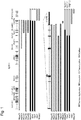
- tandem duplication (bold diagonal line from the upper right to the lower left): three cases; inversion (thin diagonal line from the upper left to the lower right): three cases; translocation (open): three cases; and deletion (thin-line from the upper right to the lower left): two cases.
- CD274 was intact up to exon 5 in all cases; however, a part of the region on and downstream exon 5 was truncated in some cases.
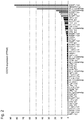
- FPKM Frragments Per Kilobase of transcript per Million fragments sequenced
- CD274 is remarkably and highly expressed in almost all cases having a structural abnormality (+), compared to the cases (solid) having no structural abnormality.
- RNA sequencing data of ATL (57 cases) in Example 2
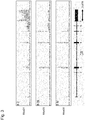
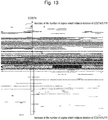
- the sequence reads were displayed at individual exons of CD274 (NM_014143) by IGV (integrative genome viewer) (provided by Broad Institute).
- CD274 consists of 7 exons and exon 7 is mostly occupied by 3'UTR.
- transcripts were truncated at exon 5 or exon 6. In these cases, the sequences of the transcripts were confirmed by RNA sequencing to identify the sequences.
- the results are shown in Figure 5 .
- the nucleotide sequence in the lower part of Figure 5 is the sequence of a transcript of a case having a structural abnormality (+) (Miya26).
- a wild type CD274 was transcribed up to the 3' end of exon 6.
- the transcript was followed by an intron region of CBLB gene on chromosome 3 (area in the framed).
- the intron region contains a termination codon (represented by italic TGA), a polyA signal sequence (AATAAA underlined: the sequence required for binding of polyA) and a polyA sequence (double underlined).
- This result shows that an alternative transcript formed by CD274 structural abnormality functions as a suitable transcript.
- the whole sequence shown in Figure 5 is represented by SEQ ID No: 1; whereas the sequence of 3'UTR is represented by SEQ ID No: 2.
- NP_054862 was used as a reference sequence. Based on the sequence of the transcript of Example 5, the amino acid sequence of a case where CD274 was truncated in the middle was identified in silico.
- CD274 consists of an Extracellular domain, a Transmembrane domain and a Cytoplasmic domain. The first two domains are considered as important for immune escape of tumor cells due to PD1/PD-L1 mechanism.
- CD274 In the truncated CD274 (Miya15, Miya24, Miya26, Miya30, Sas8, Kyo4), the first two domains are maintained intact, suggesting that the alterative transcripts can function as CD274 with a high probability.
- CD274 expression on the cell surface was evaluated by flow cytometry using tumor cells in the case where a CD274 structural abnormality was identified by RNA sequencing. Tumor cells were stained with PE/Cy7 anti-human CD274 (B7-H1, PD-L1) Antibody (clone: 29E.2A3, BioLegend) and analyzed by LSR2 Fortessa (BD Biosciences).
- CD274 is highly expressed at a protein level in the cases having a structural abnormality (+).
- RNA sequencing data stored in the U.S. database of next generation sequence data of various types of malignant tumors TCGA (https: //tcga-data.nci.nih.gov/tcga/), CD274 structural abnormalities in various types of malignant tumors and expression were analyzed.
- ACC adenoid cystic carcinoma
- BLCA bladder carcinoma
- CESC cervical squamous cell carcinoma
- COAD colon adenocarcinoma
- DLBC diffuse large B-cell lymphoma
- ESCA esophageal carcinoma
- GBM glioblastoma
- HNSC head-neck squamous cell carcinoma
- KICH kidney chromophobe carcinoma
- KIRC stomach clear cell carcinoma
- LAML acute myelogenous leukemia
- LGG low grade glioma
- LIHC liver hepatocellular carcinoma
- LUAD lung adenocarcinoma
- LUSC lung squamous cellular carcinoma
- MESO malignant mesothelioma
- OV ovarian cancer
- PAAD pancreas adenocarcinoma
- PCPG pancreas adenocarcinoma
- PCPG pancreas adenocarcinoma
- PCPG pancre
- the numbers in the figure represent the number of specimens of individual tumors subjected to RNA sequencing. In total, 10,000 cases or more were analyzed.
- TCGA publicly discloses expression data (RSEM values are employed and RPKM values are employed only in stomach cancer) calculated based on RNA sequencing data.
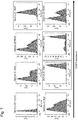
- CD274 expression levels (after logarithmic transformation) of individual cancer cases obtained based on the data were displayed as a histogram.
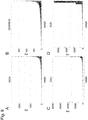
- Figure 9 shows the results of four types of cancers. High expression of CD274 was observed in some cases of various cancers. Thus, a cutoff value was determined based on expression values and more specific analysis was performed. As the cutoff value, a logarithmically transformed RSEM values were used in the cases except stomach cancer; whereas a logarithmically transformed RPKM value was used in the case of stomach cancer; more specifically, 8 was used in cancer cases except stomach cancer and 11 was used in the case of stomach cancer (the cutoff values are appropriately set for evaluation).
- SKCM represents skin cutaneous melanoma ( Figure 9A ), COADREAD colorectal adenocarcinoma, ( Figure 9B ), STAD stomach adenocarcinoma ( Figure 9C ) and DLBC diffuse large B-cell lymphoma ( Figure 9D ).
- bladder carcinoma single case
- cervical squamous cell carcinoma CEC
- KIRC kidney renal clear cell carcinoma
- COAD colon adenocarcinoma
- RTD cutaneous malignant melanoma
- SKCM single case
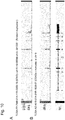
- stomach adenocarcinoma STAD: three cases (4 cases in total) were the cases where the same expression pattern as ATL (high CD274 expression and no 3'UTR expression) was found.
- FIG 11 two cases of diffuse large B-cell lymphoma (DLBC) were similarly shown as an example ( Figures 11A and B ).
- DLBC diffuse large B-cell lymphoma
- CD274 was highly expressed in 2 cases out of 48 cases having RNA sequencing data and the same structural abnormality was found in both of the two cases.
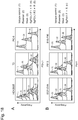
- Numbers 1 to 7 in the lower parts of Figures 10 and 11 represent exon numbers.
- Copy number analysis was performed by SNP array (method: GISTIC) in ATL 426 cases.
- tumor specimens were taken in accordance with the protocol approved by the ethical committee of Kyoto University and subjected to global genetic mutation analysis.
- the sequence of the forward primer was GGCATCCAAGATACAAACTCAA (SEQ ID NO: 10) and the sequence of the reverse primer was CAGAAGTTCCAATGCTGGATTA (SEQ ID NO: 11).
- a holding step was carried out at 95°C 10 sec, and a cycling step (95°C 5 sec, 60°C 30 sec, 72°C 30 sec) was repeated 50 times.
- Detection was carried out by LightCycler (registered trade mark) 480 System (Roche Applied Science). As the internal control, 18S was used and the ratio to CD274 was shown.
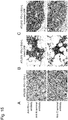
- PD-L1 was immuno-stained with an anti N terminal antibody (E1J2J, Cell Signaling Technology) and an anti C terminal antibody (SP142, Spring Bioscience).
- E1J2J Cell Signaling Technology
- SP142 Spring Bioscience
- Figure 15A shows the results of ATL059 having no PD-L1 SV (ATL059: PD-L1 SV (-)).
- Figure 15B shows the results of ATL075 of PD-L1 SV (+) having an intact ORF (ATL075: PD-L1 SV (+), intact ORF).
- Figure 15C shows the results of ATL012 of SV (+) having a truncated ORF (ATL012: PD-L1 SV (+), truncated ORF).
- the results of immunostaining with the anti N terminal antibody are shown.
- the results of immunostaining with the anti C terminal antibody are shown.
- FIG 15A shows the results of ATL059 having no PD-L1 SV, tumor cells were not stained (in Figure 15A , cells sporadically stained (looks in grey in a monochrome photography) are macrophages).
- ATL012 of SV (+) having a truncated ORF was intensively stained with the anti N terminal antibody and not stained with the anti C terminal antibody.
- results show that if PD-L1 SV is present, expression of PD-L1 (at a protein level) is strong and increases.
- the fact that ATL012 is not stained with the anti C terminal antibody is consistent with the fact that ORF is truncated. Further, the results show that PD-L1 SV can be identified by double staining with the anti N terminal antibody and anti C terminal antibody.
- results show that the same results are obtained also in western blot by antibodies against PD-L1, i.e., an anti N terminal antibody and an anti C terminal antibody.
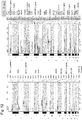
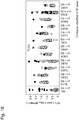
- Cases (lowest 30 cases) corresponding to top 10% were selected based on 33 types of carcinomas (solid cancer) publicly disclosed from TCGA and expression data (RSEM values) calculated based on RNA sequencing data of 10210 cases. RNA sequencing data were downloaded, and cases of CD274 fusion gene (+) and/or a virus insert (+) in the CD274 region and/or a relative high CD274 exon 4/3'UTR ratio were selected. As to DLBC and STAD, since a frequency was high, all cases were used as subjects.
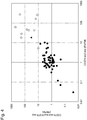
- RNA sequencing data of total 1691 cases were downloaded and analyzed. Based on the data, expression of CD274 (after RPKM value of exon 4 was logarithmically transformed) of individual cases of each carcinoma was displayed.
- Solid circles represent cases of CD274 fusion gene (+) and/or a relative high CD274 exon 4/3'UTR ratio.
- Double circles represent cases having a virus insert (+) in the CD274 region.
- CD274 fusion gene (+) and/or a virus insert (+) in the CD274 region and/or a relatively high CD274 exon 4/3'UTR ratio were observed. From the results, it was found that an abnormality of truncated 3'UTR in CD274 was observed in various types of cancers. Further, these cases mostly occur where CD274 is most highly expressed in carcinomas, suggesting that 3'UTR is extremely important for regulating CD274 expression.
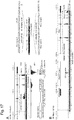
- Figure 17 shows the verification results of a VS-A9U7-01 case (CESC) ( Figure 17A ) and a FP-7998-01 case (STAD) ( Figure 17B ).
- CESC VS-A9U7-01 case
- STAD FP-7998-01 case
- CD274 expression is remarkably increased by introducing a deletion or an inversion in CD274 3'UTR by CRISPR/Cas9 system.
- a human (upper panel) or mouse (lower panel) cell line was transfected with sgRNA and Cas9 (targeting two sites: 5' end and 3' end of CD274 3'UTR).
- sgRNA and Cas9 targeting two sites: 5' end and 3' end of CD274 3'UTR.
- CRISPR clustered regularly interspaced short palindoromic repeats
- Cas9 Cas9
- human cell lines i.e., HEK293T (fetal kidney), T2 (hybrid of T cell and B cell), PC-9 (lung cancer) and mouse cell lines, i.e., EG7-OVA (T cell lymphoma, expressing Ovalbumin), P815 (mastocytoma) and B16-F10 (malignant melanoma) were selected.
- HEK293T fetal kidney
- T2 hybrid of T cell and B cell
- PC-9 lung cancer
- mouse cell lines i.e., EG7-OVA (T cell lymphoma, expressing Ovalbumin), P815 (mastocytoma) and B16-F10 (malignant melanoma
- the cell lines (SgPD-L1 F ⁇ R) having a deletion or an inversion introduced in the 3'UTR exhibited a remarkable increase in CD274 expression, compared to parental cell lines and mock introduced cell lines.
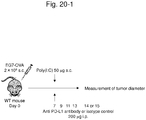
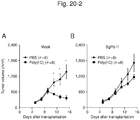
- EG7-OVAcell line (SgPd-L1) in which high expression of CD274 in association with CD274 3'UTR abnormality was induced by the CRISPR-Cas9 system and a control cell line (Mock) were subcutaneously transplanted to the isogenic mice.
- An immunostimulating agent, poly (I: C) or PBS as a control was administered from 7th day after the transplantation and a tumor diameter was periodically measured. In this experiment, it is considered that poly (I: C) induces an immunity against a tumor (in particular ovalbumin).
- Figure 20-1 shows the protocol of the experiment.
- Figure 20-2 shows changes in tumor diameter; more specifically, a change in tumor diameter of Mock is shown in Figure 20-2A and a change in tumor diameter of EG7-OVA cell line (SgPD-L1), in which high expression of CD274 was induced, is shown in Figure 20-2B .
- SgPD-L1 EG7-OVA cell line
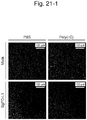
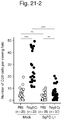
- Figure 21-1 shows stained images.
- Figure 21-2 shows CD8 positive T cells within the tumor.
- the number of CD8 positive T cells stained green increases.
- PD-1/PD-L1 block can suppress promotion of tumor formation and immunosuppressive effect by high expression of CD274 in association with CD274 3'UTR abnormality.
- an EG7-OVA cell line in which high expression of CD274 in association with CD274 3'UTR abnormality was induced by CRISPR-Cas9 system, was subcutaneously transplanted to the isogenic mice.
- an immunostimulating agent poly (I: C)
- an anti PD-L1 antibody or an isotype control was intraperitoneally injected and the effect on the EG7-OVA tumor was evaluated.
- the diameter of a tumor was periodically measured. Fourteenth or fifteenth day after the transplantation, immunostaining with CD8 and DAPI were carried out to evaluate the extent of infiltration of CD8 positive T cells into the tumor.
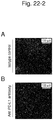
- Figure 22-1 is a graph showing a change of tumor diameter with time.
- Figure 22-2 shows immunostained images with CD8 and DAPI.
- Figure 22-3 shows CD8 positive T cells in a tumor.
- the number of CD8 positive T cells stained green is larger in a mouse to which an anti PD-L1 antibody was administered ( Figure 22-3B ) than in the mouse ( Figure 22-3A ) to which an isotype control was administered.
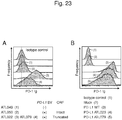
- ATL patient's specimens (5 specimens of ATL049, ATL050, ATL022 and ATL079) or a PC-9 cell line, to which CD274 wild type (WT) or a truncation mutant was introduced by a retrovirus
- WT CD274 wild type
- a truncation mutant was introduced by a retrovirus
- the binding ability to PD-1 Ig was evaluated by flow cytometry.
- ATL050 had intact ORF (Intact) without truncation
- ATL022 and ATL079 had a truncated ORF (Truncated).
- the mutant introduced into PC-9 was derived from ATL020 (defective Ex7) or ATL079 (defective Ex6 and 7).
- Figure 23 shows the results.
- Figure 23A shows the evaluation results of ATL patient's specimens and
- Figure 23B shows the results of the PC-9 cell line.
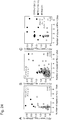
- CD274 SV relates to CD274 overexpression independently of the number of copies in the CD274 region
- Figure 24 shows the results.
- Figure 24A shows the results of DLBC (B cellular lymphoma).
- Figure 24B shows the results of STAD (stomach adenocarcinoma).
- Figure 24C shows the results of ATL (adult T cell leukemia).
- solid circles represent the cases of CD274 fusion gene (+) and/or a relatively high CD274 exon 4/3'UTR ratio and double circles represent the cases of a virus insert (+) in the CD274 region.
- CD274 SV significantly independently related to high expression of CD274.
- CD274 SV relates to CD274 expression independently of the number of CD274 copies.
- the present invention enables to determine the effectiveness of a PD-1/PD-L1 blockade in various types of cancers, and further determine the effectiveness of a PD-1/PD-L1 blockade per patient with a malignant tumor. As a result, the possibility of a PD-1/PD-L1 blockade in treatment of malignant tumors can be increased.
Landscapes
- Health & Medical Sciences (AREA)
- Life Sciences & Earth Sciences (AREA)
- Chemical & Material Sciences (AREA)
- Immunology (AREA)
- Engineering & Computer Science (AREA)
- Molecular Biology (AREA)
- Biomedical Technology (AREA)
- Hematology (AREA)
- Urology & Nephrology (AREA)
- General Health & Medical Sciences (AREA)
- Medicinal Chemistry (AREA)
- Biochemistry (AREA)
- Microbiology (AREA)
- Biotechnology (AREA)
- Physics & Mathematics (AREA)
- Analytical Chemistry (AREA)
- Organic Chemistry (AREA)
- Pathology (AREA)
- Food Science & Technology (AREA)
- General Physics & Mathematics (AREA)
- Cell Biology (AREA)
- Genetics & Genomics (AREA)
- Zoology (AREA)
- Proteomics, Peptides & Aminoacids (AREA)
- Wood Science & Technology (AREA)
- Bioinformatics & Cheminformatics (AREA)
- Biophysics (AREA)
- General Engineering & Computer Science (AREA)
- Veterinary Medicine (AREA)
- Pharmacology & Pharmacy (AREA)
- Epidemiology (AREA)
- Animal Behavior & Ethology (AREA)
- Public Health (AREA)
- Oncology (AREA)
- Plant Pathology (AREA)
- Mycology (AREA)
- Hospice & Palliative Care (AREA)
- Measuring Or Testing Involving Enzymes Or Micro-Organisms (AREA)
- Investigating Or Analysing Biological Materials (AREA)
- Peptides Or Proteins (AREA)
Claims (9)
- Procédé in vitro de prédiction de si un blocage de PD-1/PD-L1 est efficace ou non pour le traitement d'un sujet souffrant d'une tumeur maligne, qui comprend les étapes consistant à détecter une délétion totale ou partielle dans une région 3'UTR d'un gène de PD-L1 dans une cellule tumorale qui a été prélevée sur le sujet et à évaluer le blocage de PD-1/PD-L1 comme étant utile pour le traitement du sujet quand la délétion totale ou partielle dans une région 3'UTR d'un gène de PD-L1 est présente.
- Procédé selon la revendication 1, dans lequel la délétion dans une région 3'UTR d'un gène de PD-L1 est induite par un changement du nombre de copies du gène de PD-L1.
- Procédé selon la revendication 1 ou la revendication 2, qui comprend les étapes consistant à quantifier un transcrit de l'un quelconque des exons 1 à 5 du gène de PD-L1 et un transcrit d'une région 3'UTR d'un gène de PD-L1 ainsi qu'à calculer le rapport entre la quantité du transcrit de l'exon et la quantité du transcrit de la région 3'UTR et à évaluer le blocage de PD-1/PD-L1 comme étant utile pour le traitement d'un cancer quand le rapport n'est pas inférieur à une valeur prédéterminée.
- Procédé selon la revendication 1, qui comprend les étapes consistant à colorer une protéine PD-L1 dans une cellule tumorale prélevée sur le sujet par coloration immuno-histochimique, en utilisant un anticorps dirigé contre une région C-terminale d'une PD-L1 et un anticorps dirigé contre une région N-terminale d'une PD-L1, et à évaluer le blocage de PD-1/PD-L1 comme étant utile pour le traitement du sujet quand la cellule tumorale se colore avec l'anticorps dirigé contre une région N-terminale d'une PD-L1 mais la cellule tumorale ne se colore pas avec l'anticorps dirigé contre une région C-terminale d'une PD-L1.
- Procédé selon l'une quelconque des revendications 1 à 3, dans lequel la tumeur maligne est choisie dans le groupe constitué par une leucémie à lymphocytes T de l'adulte/un lymphome-leucémie à lymphocytes T de l'adulte, un cancer de l'estomac, un cancer du gros intestin, un cancer de la vessie, un cancer du col de l'utérus, un cancer du rein, un adénocarcinome pulmonaire, un mélanome cutané malin et un lymphome à lymphocytes B.
- Procédé selon l'une quelconque des revendications 1 à 3, dans lequel la tumeur maligne est choisie dans le groupe constitué par un cancer de l'œsophage, un cancer de la tête et du cou, un cancer du rectum et un cancer du corps utérin.
- Procédé selon l'une quelconque des revendications 1 à 3, dans lequel le blocage de PD-1/PD-L1 est un anticorps anti-PD-1 ou un anticorps anti-PD-Ll.
- Procédé selon la revendication 1, comprenant en outre une détection d'une anomalie structurelle d'une duplication, inversion, translocation ou délétion en tandem dans la région 9p24.1 en association avec la délétion totale ou partielle dans une région 3'UTR d'un gène de PD-L1.
- Procédé selon la revendication 5, dans lequel la tumeur maligne est une leucémie à lymphocytes T de l'adulte/un lymphome-leucémie à lymphocytes T de l'adulte.
Applications Claiming Priority (2)
| Application Number | Priority Date | Filing Date | Title |
|---|---|---|---|
| JP2015093599 | 2015-04-30 | ||
| PCT/JP2016/063326 WO2016175275A1 (fr) | 2015-04-30 | 2016-04-28 | Procédé pour prévoir l'effet thérapeutique d'un inhibiteur de pd-1/pd-l1 en utilisant une anomalie dans pd-l1(cd274) comme indice |
Publications (3)
| Publication Number | Publication Date |
|---|---|
| EP3290517A1 EP3290517A1 (fr) | 2018-03-07 |
| EP3290517A4 EP3290517A4 (fr) | 2018-09-26 |
| EP3290517B1 true EP3290517B1 (fr) | 2020-01-01 |
Family
ID=57199792
Family Applications (1)
| Application Number | Title | Priority Date | Filing Date |
|---|---|---|---|
| EP16786551.8A Active EP3290517B1 (fr) | 2015-04-30 | 2016-04-28 | Procédé pour prévoir l'effet thérapeutique d'un inhibiteur de pd-1/pd-l1 en utilisant une anomalie dans pd-l1(cd274) comme indice |
Country Status (5)
| Country | Link |
|---|---|
| US (1) | US10585100B2 (fr) |
| EP (1) | EP3290517B1 (fr) |
| JP (1) | JP6810396B2 (fr) |
| ES (1) | ES2767730T3 (fr) |
| WO (1) | WO2016175275A1 (fr) |
Families Citing this family (14)
| Publication number | Priority date | Publication date | Assignee | Title |
|---|---|---|---|---|
| MA42971A (fr) | 2015-03-13 | 2018-08-15 | Cytomx Therapeutics Inc | Anticorps anti-pdl1, anticorps anti-pld1 activables, et leurs procédés d'utilisation |
| MX383464B (es) | 2015-07-13 | 2025-03-14 | Cytomx Therapeutics Inc | Anticuerpos anti-pd-1, anticuerpos anti-pd-1 activables, y métodos de uso de los mismos. |
| JP6781252B2 (ja) * | 2016-06-10 | 2020-11-04 | 公益財団法人がん研究会 | 多重染色法、及び染色キット |
| US20190376146A1 (en) * | 2016-11-24 | 2019-12-12 | Daiichi Sankyo Company, Limited | Method for predicting sensitivity of cancer to treatment with pd-1 immune checkpoint inhibitor |
| CN110914302A (zh) | 2017-06-01 | 2020-03-24 | 赛托姆克斯治疗学股份有限公司 | 可活化抗pdl1抗体及其使用方法 |
| CN111479932A (zh) * | 2017-10-06 | 2020-07-31 | 新加坡保健服务集团有限公司 | 治疗淋巴瘤的方法 |
| US20200339691A1 (en) * | 2018-01-15 | 2020-10-29 | Epiaxis Therapeutics Pty Ltd | Proteinaceous molecules and uses therefor |
| WO2019159825A1 (fr) * | 2018-02-14 | 2019-08-22 | 国立大学法人名古屋大学 | Biomarqueur pour prédire les effets d'une thérapie par anticorps anti-pd -1/anticorps anti-pd-l1 |
| WO2020063433A1 (fr) * | 2018-09-29 | 2020-04-02 | 四川科伦博泰生物医药股份有限公司 | Utilisation anti-tumorale d'un anticorps anti-ligand de mort programmée 1 (pd-l1) |
| KR20210148077A (ko) | 2018-12-21 | 2021-12-07 | 에이전시 포 사이언스, 테크놀로지 앤드 리서치 | 면역 체크포인트 억제 요법으로부터의 수혜를 예측하는 방법 |
| WO2022059785A1 (fr) * | 2020-09-18 | 2022-03-24 | 小野薬品工業株式会社 | Procédé pour prédire la réponse à un inhibiteur de point de contrôle immunitaire |
| KR20230146025A (ko) * | 2021-01-19 | 2023-10-18 | 더 카운실 오브 더 퀸즐랜드 인스티튜트 오브 메디컬 리서치 | 신규 바이사이클릭 펩티드 |
| JP2024540987A (ja) * | 2021-10-21 | 2024-11-06 | バーテックス ファーマシューティカルズ インコーポレイテッド | 低免疫細胞 |
| KR102971716B1 (ko) * | 2022-02-21 | 2026-06-01 | 사회복지법인 삼성생명공익재단 | 암 환자에 대한 면역관문억제제의 반응성 예측용 조성물 |
Family Cites Families (8)
| Publication number | Priority date | Publication date | Assignee | Title |
|---|---|---|---|---|
| EP3530736A3 (fr) | 2005-05-09 | 2019-11-06 | ONO Pharmaceutical Co., Ltd. | Anticorps monoclonaux humains pour mort programmée 1 (pd-1) et procédés de traitement du cancer à l'aide d'anticorps anti-pd-1 seuls ou combinés à d'autres formulations immunothérapeutiques |
| WO2008041594A1 (fr) * | 2006-09-26 | 2008-04-10 | Olympus Corporation | procÉdÉ d'analyse de la sensibilitÉ À un mÉdicament À base d'anticorps |
| JP2012529895A (ja) | 2009-06-19 | 2012-11-29 | メルク パテント ゲゼルシャフト ミット ベシュレンクテル ハフツング | 抗egfr抗体の癌療法における有効性を決定するためのバイオマーカーおよび方法 |
| JP5682976B2 (ja) * | 2010-09-17 | 2015-03-11 | 国立大学法人東北大学 | 抗体を成分として含む医薬品の有効性の判定方法 |
| WO2012133047A1 (fr) * | 2011-03-25 | 2012-10-04 | コニカミノルタエムジー株式会社 | Procédé de coloration immunohistologique pour déterminer l'efficacité d'une préparation d'anticorps l'utilisant |
| RU2692773C2 (ru) * | 2012-11-30 | 2019-06-27 | Ф.Хоффманн-Ля Рош Аг | Идентификация пациентов, нуждающихся в совместной терапии с использованием ингибитора pd-l1 |
| US20150071910A1 (en) * | 2013-03-15 | 2015-03-12 | Genentech, Inc. | Biomarkers and methods of treating pd-1 and pd-l1 related conditions |
| JP6667790B2 (ja) | 2014-09-19 | 2020-03-18 | 国立大学法人京都大学 | T細胞リンパ腫の検査方法 |
-
2016
- 2016-04-28 ES ES16786551T patent/ES2767730T3/es active Active
- 2016-04-28 US US15/569,898 patent/US10585100B2/en active Active
- 2016-04-28 JP JP2017515602A patent/JP6810396B2/ja active Active
- 2016-04-28 EP EP16786551.8A patent/EP3290517B1/fr active Active
- 2016-04-28 WO PCT/JP2016/063326 patent/WO2016175275A1/fr not_active Ceased
Non-Patent Citations (1)
| Title |
|---|
| None * |
Also Published As
| Publication number | Publication date |
|---|---|
| US20180113131A1 (en) | 2018-04-26 |
| WO2016175275A1 (fr) | 2016-11-03 |
| US10585100B2 (en) | 2020-03-10 |
| EP3290517A1 (fr) | 2018-03-07 |
| EP3290517A4 (fr) | 2018-09-26 |
| JP6810396B2 (ja) | 2021-01-06 |
| JPWO2016175275A1 (ja) | 2018-03-15 |
| ES2767730T3 (es) | 2020-06-18 |
Similar Documents
| Publication | Publication Date | Title |
|---|---|---|
| US10585100B2 (en) | Method of predicting effect of treatment by PD-1/PD-L1 blockade using abnormality of PD-L1 (CD274) as index | |
| Wang et al. | Identifies microtubule-binding protein CSPP1 as a novel cancer biomarker associated with ferroptosis and tumor microenvironment | |
| Philpott et al. | The NF1 somatic mutational landscape in sporadic human cancers | |
| Verma et al. | Next generation sequencing-based emerging trends in molecular biology of gastric cancer | |
| JP5955557B2 (ja) | 膵臓腫瘍形成の根底にある経路および遺伝性の膵癌遺伝子 | |
| Skeldon et al. | Patients with Lynch syndrome mismatch repair gene mutations are at higher risk for not only upper tract urothelial cancer but also bladder cancer | |
| JP6704861B2 (ja) | 癌処置のための個別化三剤治療を選択するための方法 | |
| US9982304B2 (en) | ARID1A and PPP2R1A mutations in cancer | |
| WO2016060278A1 (fr) | Procédé d'estimation de sensibilité à une pharmacothérapie contre le cancer colorectal | |
| Malgulwar et al. | Epithelial-to-mesenchymal transition–related transcription factors are up-regulated in ependymomas and correlate with a poor prognosis | |
| US20250003008A1 (en) | Methods for treatment of cancer | |
| Delhorme et al. | CDX2 controls genes involved in the metabolism of 5-fluorouracil and is associated with reduced efficacy of chemotherapy in colorectal cancer | |
| Barajas et al. | UBTF tandem duplications in pediatric myelodysplastic syndrome and acute myeloid leukemia: implications for clinical screening and diagnosis | |
| Martinez-Castillo et al. | Genetic alterations in the BCR-ABL1 fusion gene related to imatinib resistance in chronic myeloid leukemia | |
| EP2780473B1 (fr) | Identification différentielle de kystes pancréatiques | |
| WO2012131092A2 (fr) | Procédé et kits de prédiction d'une réponse/absence de réponse au traitement, au moyen d'un anticorps anti-egfr chez des patients atteints d'un cancer colorectal à tous les stades de l'uicc | |
| US20200263254A1 (en) | Method for determining the response of a malignant disease to an immunotherapy | |
| Deng et al. | DNA methylation-mediated silencing of Neuronatin promotes hepatocellular carcinoma proliferation through the PI3K-Akt signaling pathway | |
| WO2013071142A1 (fr) | Biomarqueurs de la sensibilité à des inhibiteurs du protéasome | |
| TWI651414B (zh) | 用於偵測生物樣本的生物標記、探針、套組及其用於非侵入式定性判斷子宮內膜異位症惡化程度的方法 | |
| CN116457473A (zh) | 用于监测乳腺癌的内分泌疗法中的er调节基因组套 | |
| Vrathasha et al. | Variant-to-gene mapping identifies ARHGEF12 as a primary open-angle glaucoma effector gene operating within retinal ganglion cells | |
| Cleary | Analysis of clonal mutations in cancer as a means of studying variation in somatic mutation processes | |
| Petrovics et al. | A Review of LSAMP in Tumorigenesis | |
| Wang et al. | ERBB2 mutations promote recurrence and metastasis in non-muscle-invasive bladder cancer via HIF-1 phosphorylation: Insights from whole exome sequencing |
Legal Events
| Date | Code | Title | Description |
|---|---|---|---|
| STAA | Information on the status of an ep patent application or granted ep patent |
Free format text: STATUS: THE INTERNATIONAL PUBLICATION HAS BEEN MADE |
|
| PUAI | Public reference made under article 153(3) epc to a published international application that has entered the european phase |
Free format text: ORIGINAL CODE: 0009012 |
|
| STAA | Information on the status of an ep patent application or granted ep patent |
Free format text: STATUS: REQUEST FOR EXAMINATION WAS MADE |
|
| 17P | Request for examination filed |
Effective date: 20171130 |
|
| AK | Designated contracting states |
Kind code of ref document: A1 Designated state(s): AL AT BE BG CH CY CZ DE DK EE ES FI FR GB GR HR HU IE IS IT LI LT LU LV MC MK MT NL NO PL PT RO RS SE SI SK SM TR |
|
| AX | Request for extension of the european patent |
Extension state: BA ME |
|
| DAV | Request for validation of the european patent (deleted) | ||
| DAX | Request for extension of the european patent (deleted) | ||
| REG | Reference to a national code |
Ref country code: DE Ref legal event code: R079 Ref document number: 602016027420 Country of ref document: DE Free format text: PREVIOUS MAIN CLASS: C12N0015090000 Ipc: G01N0033574000 |
|
| RIC1 | Information provided on ipc code assigned before grant |
Ipc: A61P 35/02 20060101ALI20180816BHEP Ipc: C12N 15/09 20060101ALI20180816BHEP Ipc: G01N 33/53 20060101ALI20180816BHEP Ipc: A61K 45/00 20060101ALI20180816BHEP Ipc: C07K 16/18 20060101ALI20180816BHEP Ipc: A61P 35/00 20060101ALI20180816BHEP Ipc: C12Q 1/68 20180101ALI20180816BHEP Ipc: A61K 39/395 20060101ALI20180816BHEP Ipc: G01N 33/574 20060101AFI20180816BHEP |
|
| A4 | Supplementary search report drawn up and despatched |
Effective date: 20180824 |
|
| GRAP | Despatch of communication of intention to grant a patent |
Free format text: ORIGINAL CODE: EPIDOSNIGR1 |
|
| STAA | Information on the status of an ep patent application or granted ep patent |
Free format text: STATUS: GRANT OF PATENT IS INTENDED |
|
| INTG | Intention to grant announced |
Effective date: 20190723 |
|
| GRAS | Grant fee paid |
Free format text: ORIGINAL CODE: EPIDOSNIGR3 |
|
| GRAA | (expected) grant |
Free format text: ORIGINAL CODE: 0009210 |
|
| STAA | Information on the status of an ep patent application or granted ep patent |
Free format text: STATUS: THE PATENT HAS BEEN GRANTED |
|
| AK | Designated contracting states |
Kind code of ref document: B1 Designated state(s): AL AT BE BG CH CY CZ DE DK EE ES FI FR GB GR HR HU IE IS IT LI LT LU LV MC MK MT NL NO PL PT RO RS SE SI SK SM TR |
|
| REG | Reference to a national code |
Ref country code: GB Ref legal event code: FG4D |
|
| REG | Reference to a national code |
Ref country code: CH Ref legal event code: EP Ref country code: AT Ref legal event code: REF Ref document number: 1220423 Country of ref document: AT Kind code of ref document: T Effective date: 20200115 |
|
| REG | Reference to a national code |
Ref country code: DE Ref legal event code: R096 Ref document number: 602016027420 Country of ref document: DE |
|
| REG | Reference to a national code |
Ref country code: IE Ref legal event code: FG4D |
|
| REG | Reference to a national code |
Ref country code: NL Ref legal event code: MP Effective date: 20200101 |
|
| REG | Reference to a national code |
Ref country code: ES Ref legal event code: FG2A Ref document number: 2767730 Country of ref document: ES Kind code of ref document: T3 Effective date: 20200618 |
|
| REG | Reference to a national code |
Ref country code: LT Ref legal event code: MG4D |
|
| PG25 | Lapsed in a contracting state [announced via postgrant information from national office to epo] |
Ref country code: NL Free format text: LAPSE BECAUSE OF FAILURE TO SUBMIT A TRANSLATION OF THE DESCRIPTION OR TO PAY THE FEE WITHIN THE PRESCRIBED TIME-LIMIT Effective date: 20200101 Ref country code: PT Free format text: LAPSE BECAUSE OF FAILURE TO SUBMIT A TRANSLATION OF THE DESCRIPTION OR TO PAY THE FEE WITHIN THE PRESCRIBED TIME-LIMIT Effective date: 20200527 Ref country code: CZ Free format text: LAPSE BECAUSE OF FAILURE TO SUBMIT A TRANSLATION OF THE DESCRIPTION OR TO PAY THE FEE WITHIN THE PRESCRIBED TIME-LIMIT Effective date: 20200101 Ref country code: LT Free format text: LAPSE BECAUSE OF FAILURE TO SUBMIT A TRANSLATION OF THE DESCRIPTION OR TO PAY THE FEE WITHIN THE PRESCRIBED TIME-LIMIT Effective date: 20200101 Ref country code: NO Free format text: LAPSE BECAUSE OF FAILURE TO SUBMIT A TRANSLATION OF THE DESCRIPTION OR TO PAY THE FEE WITHIN THE PRESCRIBED TIME-LIMIT Effective date: 20200401 Ref country code: RS Free format text: LAPSE BECAUSE OF FAILURE TO SUBMIT A TRANSLATION OF THE DESCRIPTION OR TO PAY THE FEE WITHIN THE PRESCRIBED TIME-LIMIT Effective date: 20200101 Ref country code: FI Free format text: LAPSE BECAUSE OF FAILURE TO SUBMIT A TRANSLATION OF THE DESCRIPTION OR TO PAY THE FEE WITHIN THE PRESCRIBED TIME-LIMIT Effective date: 20200101 |
|
| PG25 | Lapsed in a contracting state [announced via postgrant information from national office to epo] |
Ref country code: IS Free format text: LAPSE BECAUSE OF FAILURE TO SUBMIT A TRANSLATION OF THE DESCRIPTION OR TO PAY THE FEE WITHIN THE PRESCRIBED TIME-LIMIT Effective date: 20200501 Ref country code: HR Free format text: LAPSE BECAUSE OF FAILURE TO SUBMIT A TRANSLATION OF THE DESCRIPTION OR TO PAY THE FEE WITHIN THE PRESCRIBED TIME-LIMIT Effective date: 20200101 Ref country code: GR Free format text: LAPSE BECAUSE OF FAILURE TO SUBMIT A TRANSLATION OF THE DESCRIPTION OR TO PAY THE FEE WITHIN THE PRESCRIBED TIME-LIMIT Effective date: 20200402 Ref country code: LV Free format text: LAPSE BECAUSE OF FAILURE TO SUBMIT A TRANSLATION OF THE DESCRIPTION OR TO PAY THE FEE WITHIN THE PRESCRIBED TIME-LIMIT Effective date: 20200101 Ref country code: SE Free format text: LAPSE BECAUSE OF FAILURE TO SUBMIT A TRANSLATION OF THE DESCRIPTION OR TO PAY THE FEE WITHIN THE PRESCRIBED TIME-LIMIT Effective date: 20200101 Ref country code: BG Free format text: LAPSE BECAUSE OF FAILURE TO SUBMIT A TRANSLATION OF THE DESCRIPTION OR TO PAY THE FEE WITHIN THE PRESCRIBED TIME-LIMIT Effective date: 20200401 |
|
| REG | Reference to a national code |
Ref country code: DE Ref legal event code: R097 Ref document number: 602016027420 Country of ref document: DE |
|
| PG25 | Lapsed in a contracting state [announced via postgrant information from national office to epo] |
Ref country code: EE Free format text: LAPSE BECAUSE OF FAILURE TO SUBMIT A TRANSLATION OF THE DESCRIPTION OR TO PAY THE FEE WITHIN THE PRESCRIBED TIME-LIMIT Effective date: 20200101 Ref country code: SM Free format text: LAPSE BECAUSE OF FAILURE TO SUBMIT A TRANSLATION OF THE DESCRIPTION OR TO PAY THE FEE WITHIN THE PRESCRIBED TIME-LIMIT Effective date: 20200101 Ref country code: DK Free format text: LAPSE BECAUSE OF FAILURE TO SUBMIT A TRANSLATION OF THE DESCRIPTION OR TO PAY THE FEE WITHIN THE PRESCRIBED TIME-LIMIT Effective date: 20200101 Ref country code: RO Free format text: LAPSE BECAUSE OF FAILURE TO SUBMIT A TRANSLATION OF THE DESCRIPTION OR TO PAY THE FEE WITHIN THE PRESCRIBED TIME-LIMIT Effective date: 20200101 Ref country code: SK Free format text: LAPSE BECAUSE OF FAILURE TO SUBMIT A TRANSLATION OF THE DESCRIPTION OR TO PAY THE FEE WITHIN THE PRESCRIBED TIME-LIMIT Effective date: 20200101 |
|
| PLBE | No opposition filed within time limit |
Free format text: ORIGINAL CODE: 0009261 |
|
| STAA | Information on the status of an ep patent application or granted ep patent |
Free format text: STATUS: NO OPPOSITION FILED WITHIN TIME LIMIT |
|
| REG | Reference to a national code |
Ref country code: AT Ref legal event code: MK05 Ref document number: 1220423 Country of ref document: AT Kind code of ref document: T Effective date: 20200101 |
|
| PG25 | Lapsed in a contracting state [announced via postgrant information from national office to epo] |
Ref country code: MC Free format text: LAPSE BECAUSE OF FAILURE TO SUBMIT A TRANSLATION OF THE DESCRIPTION OR TO PAY THE FEE WITHIN THE PRESCRIBED TIME-LIMIT Effective date: 20200101 |
|
| REG | Reference to a national code |
Ref country code: CH Ref legal event code: PL |
|
| 26N | No opposition filed |
Effective date: 20201002 |
|
| PG25 | Lapsed in a contracting state [announced via postgrant information from national office to epo] |
Ref country code: CH Free format text: LAPSE BECAUSE OF NON-PAYMENT OF DUE FEES Effective date: 20200430 Ref country code: LU Free format text: LAPSE BECAUSE OF NON-PAYMENT OF DUE FEES Effective date: 20200428 Ref country code: AT Free format text: LAPSE BECAUSE OF FAILURE TO SUBMIT A TRANSLATION OF THE DESCRIPTION OR TO PAY THE FEE WITHIN THE PRESCRIBED TIME-LIMIT Effective date: 20200101 Ref country code: LI Free format text: LAPSE BECAUSE OF NON-PAYMENT OF DUE FEES Effective date: 20200430 |
|
| REG | Reference to a national code |
Ref country code: BE Ref legal event code: MM Effective date: 20200430 |
|
| PG25 | Lapsed in a contracting state [announced via postgrant information from national office to epo] |
Ref country code: BE Free format text: LAPSE BECAUSE OF NON-PAYMENT OF DUE FEES Effective date: 20200430 Ref country code: PL Free format text: LAPSE BECAUSE OF FAILURE TO SUBMIT A TRANSLATION OF THE DESCRIPTION OR TO PAY THE FEE WITHIN THE PRESCRIBED TIME-LIMIT Effective date: 20200101 Ref country code: SI Free format text: LAPSE BECAUSE OF FAILURE TO SUBMIT A TRANSLATION OF THE DESCRIPTION OR TO PAY THE FEE WITHIN THE PRESCRIBED TIME-LIMIT Effective date: 20200101 |
|
| PG25 | Lapsed in a contracting state [announced via postgrant information from national office to epo] |
Ref country code: IE Free format text: LAPSE BECAUSE OF NON-PAYMENT OF DUE FEES Effective date: 20200428 |
|
| PG25 | Lapsed in a contracting state [announced via postgrant information from national office to epo] |
Ref country code: TR Free format text: LAPSE BECAUSE OF FAILURE TO SUBMIT A TRANSLATION OF THE DESCRIPTION OR TO PAY THE FEE WITHIN THE PRESCRIBED TIME-LIMIT Effective date: 20200101 Ref country code: MT Free format text: LAPSE BECAUSE OF FAILURE TO SUBMIT A TRANSLATION OF THE DESCRIPTION OR TO PAY THE FEE WITHIN THE PRESCRIBED TIME-LIMIT Effective date: 20200101 Ref country code: CY Free format text: LAPSE BECAUSE OF FAILURE TO SUBMIT A TRANSLATION OF THE DESCRIPTION OR TO PAY THE FEE WITHIN THE PRESCRIBED TIME-LIMIT Effective date: 20200101 |
|
| PG25 | Lapsed in a contracting state [announced via postgrant information from national office to epo] |
Ref country code: MK Free format text: LAPSE BECAUSE OF FAILURE TO SUBMIT A TRANSLATION OF THE DESCRIPTION OR TO PAY THE FEE WITHIN THE PRESCRIBED TIME-LIMIT Effective date: 20200101 Ref country code: AL Free format text: LAPSE BECAUSE OF FAILURE TO SUBMIT A TRANSLATION OF THE DESCRIPTION OR TO PAY THE FEE WITHIN THE PRESCRIBED TIME-LIMIT Effective date: 20200101 |
|
| PGFP | Annual fee paid to national office [announced via postgrant information from national office to epo] |
Ref country code: DE Payment date: 20250422 Year of fee payment: 10 |
|
| PGFP | Annual fee paid to national office [announced via postgrant information from national office to epo] |
Ref country code: GB Payment date: 20250423 Year of fee payment: 10 Ref country code: ES Payment date: 20250530 Year of fee payment: 10 |
|
| PGFP | Annual fee paid to national office [announced via postgrant information from national office to epo] |
Ref country code: IT Payment date: 20250424 Year of fee payment: 10 |
|
| PGFP | Annual fee paid to national office [announced via postgrant information from national office to epo] |
Ref country code: FR Payment date: 20250425 Year of fee payment: 10 |
|
| REG | Reference to a national code |
Ref country code: DE Ref legal event code: R079 Ref document number: 602016027420 Country of ref document: DE Free format text: PREVIOUS MAIN CLASS: G01N0033574000 Ipc: G01N0033575000 |