EP3286223B1 - Récepteurs d'antigènes chimériques à antigène du myélome kappa et utilisations associées - Google Patents
Récepteurs d'antigènes chimériques à antigène du myélome kappa et utilisations associées Download PDFInfo
- Publication number
- EP3286223B1 EP3286223B1 EP16784085.9A EP16784085A EP3286223B1 EP 3286223 B1 EP3286223 B1 EP 3286223B1 EP 16784085 A EP16784085 A EP 16784085A EP 3286223 B1 EP3286223 B1 EP 3286223B1
- Authority
- EP
- European Patent Office
- Prior art keywords
- car
- domain
- cells
- cell
- scfv
- Prior art date
- Legal status (The legal status is an assumption and is not a legal conclusion. Google has not performed a legal analysis and makes no representation as to the accuracy of the status listed.)
- Active
Links
Images







Classifications
-
- C—CHEMISTRY; METALLURGY
- C07—ORGANIC CHEMISTRY
- C07K—PEPTIDES
- C07K16/00—Immunoglobulins [IG], e.g. monoclonal or polyclonal antibodies
- C07K16/18—Immunoglobulins [IG], e.g. monoclonal or polyclonal antibodies against material from animals or humans
- C07K16/28—Immunoglobulins [IG], e.g. monoclonal or polyclonal antibodies against material from animals or humans against receptors, cell surface antigens or cell surface determinants
- C07K16/30—Immunoglobulins [IG], e.g. monoclonal or polyclonal antibodies against material from animals or humans against receptors, cell surface antigens or cell surface determinants from tumour cells
-
- C—CHEMISTRY; METALLURGY
- C07—ORGANIC CHEMISTRY
- C07K—PEPTIDES
- C07K14/00—Peptides having more than 20 amino acids; Gastrins; Somatostatins; Melanotropins; Derivatives thereof
- C07K14/435—Peptides having more than 20 amino acids; Gastrins; Somatostatins; Melanotropins; Derivatives thereof from animals; from humans
- C07K14/705—Receptors; Cell surface antigens; Cell surface determinants
- C07K14/70503—Immunoglobulin superfamily
- C07K14/7051—T-cell receptor (TcR)-CD3 complex
-
- A—HUMAN NECESSITIES
- A61—MEDICAL OR VETERINARY SCIENCE; HYGIENE
- A61K—PREPARATIONS FOR MEDICAL, DENTAL OR TOILETRY PURPOSES
- A61K39/00—Medicinal preparations containing antigens or antibodies
- A61K39/395—Antibodies; Immunoglobulins; Immune serum, e.g. antilymphocytic serum
-
- A—HUMAN NECESSITIES
- A61—MEDICAL OR VETERINARY SCIENCE; HYGIENE
- A61K—PREPARATIONS FOR MEDICAL, DENTAL OR TOILETRY PURPOSES
- A61K38/00—Medicinal preparations containing peptides
- A61K38/16—Peptides having more than 20 amino acids; Gastrins; Somatostatins; Melanotropins; Derivatives thereof
- A61K38/17—Peptides having more than 20 amino acids; Gastrins; Somatostatins; Melanotropins; Derivatives thereof from animals; from humans
- A61K38/19—Cytokines; Lymphokines; Interferons
- A61K38/20—Interleukins [IL]
- A61K38/204—IL-6
-
- A—HUMAN NECESSITIES
- A61—MEDICAL OR VETERINARY SCIENCE; HYGIENE
- A61K—PREPARATIONS FOR MEDICAL, DENTAL OR TOILETRY PURPOSES
- A61K40/00—Cellular immunotherapy
- A61K40/10—Cellular immunotherapy characterised by the cell type used
- A61K40/11—T-cells, e.g. tumour infiltrating lymphocytes [TIL] or regulatory T [Treg] cells; Lymphokine-activated killer [LAK] cells
-
- A—HUMAN NECESSITIES
- A61—MEDICAL OR VETERINARY SCIENCE; HYGIENE
- A61K—PREPARATIONS FOR MEDICAL, DENTAL OR TOILETRY PURPOSES
- A61K40/00—Cellular immunotherapy
- A61K40/30—Cellular immunotherapy characterised by the recombinant expression of specific molecules in the cells of the immune system
- A61K40/31—Chimeric antigen receptors [CAR]
-
- A—HUMAN NECESSITIES
- A61—MEDICAL OR VETERINARY SCIENCE; HYGIENE
- A61K—PREPARATIONS FOR MEDICAL, DENTAL OR TOILETRY PURPOSES
- A61K40/00—Cellular immunotherapy
- A61K40/40—Cellular immunotherapy characterised by antigens that are targeted or presented by cells of the immune system
- A61K40/41—Vertebrate antigens
- A61K40/42—Cancer antigens
-
- A—HUMAN NECESSITIES
- A61—MEDICAL OR VETERINARY SCIENCE; HYGIENE
- A61P—SPECIFIC THERAPEUTIC ACTIVITY OF CHEMICAL COMPOUNDS OR MEDICINAL PREPARATIONS
- A61P35/00—Antineoplastic agents
-
- A—HUMAN NECESSITIES
- A61—MEDICAL OR VETERINARY SCIENCE; HYGIENE
- A61P—SPECIFIC THERAPEUTIC ACTIVITY OF CHEMICAL COMPOUNDS OR MEDICINAL PREPARATIONS
- A61P43/00—Drugs for specific purposes, not provided for in groups A61P1/00-A61P41/00
-
- C—CHEMISTRY; METALLURGY
- C07—ORGANIC CHEMISTRY
- C07K—PEPTIDES
- C07K14/00—Peptides having more than 20 amino acids; Gastrins; Somatostatins; Melanotropins; Derivatives thereof
- C07K14/435—Peptides having more than 20 amino acids; Gastrins; Somatostatins; Melanotropins; Derivatives thereof from animals; from humans
- C07K14/52—Cytokines; Lymphokines; Interferons
- C07K14/54—Interleukins [IL]
- C07K14/5412—IL-6
-
- C—CHEMISTRY; METALLURGY
- C07—ORGANIC CHEMISTRY
- C07K—PEPTIDES
- C07K14/00—Peptides having more than 20 amino acids; Gastrins; Somatostatins; Melanotropins; Derivatives thereof
- C07K14/435—Peptides having more than 20 amino acids; Gastrins; Somatostatins; Melanotropins; Derivatives thereof from animals; from humans
- C07K14/52—Cytokines; Lymphokines; Interferons
- C07K14/54—Interleukins [IL]
- C07K14/5434—IL-12
-
- C—CHEMISTRY; METALLURGY
- C07—ORGANIC CHEMISTRY
- C07K—PEPTIDES
- C07K14/00—Peptides having more than 20 amino acids; Gastrins; Somatostatins; Melanotropins; Derivatives thereof
- C07K14/435—Peptides having more than 20 amino acids; Gastrins; Somatostatins; Melanotropins; Derivatives thereof from animals; from humans
- C07K14/705—Receptors; Cell surface antigens; Cell surface determinants
- C07K14/70503—Immunoglobulin superfamily
- C07K14/70521—CD28, CD152
-
- C—CHEMISTRY; METALLURGY
- C07—ORGANIC CHEMISTRY
- C07K—PEPTIDES
- C07K16/00—Immunoglobulins [IG], e.g. monoclonal or polyclonal antibodies
- C07K16/18—Immunoglobulins [IG], e.g. monoclonal or polyclonal antibodies against material from animals or humans
- C07K16/28—Immunoglobulins [IG], e.g. monoclonal or polyclonal antibodies against material from animals or humans against receptors, cell surface antigens or cell surface determinants
- C07K16/2887—Immunoglobulins [IG], e.g. monoclonal or polyclonal antibodies against material from animals or humans against receptors, cell surface antigens or cell surface determinants against CD20
-
- C—CHEMISTRY; METALLURGY
- C07—ORGANIC CHEMISTRY
- C07K—PEPTIDES
- C07K16/00—Immunoglobulins [IG], e.g. monoclonal or polyclonal antibodies
- C07K16/18—Immunoglobulins [IG], e.g. monoclonal or polyclonal antibodies against material from animals or humans
- C07K16/28—Immunoglobulins [IG], e.g. monoclonal or polyclonal antibodies against material from animals or humans against receptors, cell surface antigens or cell surface determinants
- C07K16/2896—Immunoglobulins [IG], e.g. monoclonal or polyclonal antibodies against material from animals or humans against receptors, cell surface antigens or cell surface determinants against molecules with a "CD"-designation, not provided for elsewhere
-
- C—CHEMISTRY; METALLURGY
- C12—BIOCHEMISTRY; BEER; SPIRITS; WINE; VINEGAR; MICROBIOLOGY; ENZYMOLOGY; MUTATION OR GENETIC ENGINEERING
- C12N—MICROORGANISMS OR ENZYMES; COMPOSITIONS THEREOF; PROPAGATING, PRESERVING, OR MAINTAINING MICROORGANISMS; MUTATION OR GENETIC ENGINEERING; CULTURE MEDIA
- C12N5/00—Undifferentiated human, animal or plant cells, e.g. cell lines; Tissues; Cultivation or maintenance thereof; Culture media therefor
- C12N5/06—Animal cells or tissues; Human cells or tissues
- C12N5/0602—Vertebrate cells
- C12N5/0634—Cells from the blood or the immune system
- C12N5/0636—T lymphocytes
-
- A—HUMAN NECESSITIES
- A61—MEDICAL OR VETERINARY SCIENCE; HYGIENE
- A61K—PREPARATIONS FOR MEDICAL, DENTAL OR TOILETRY PURPOSES
- A61K39/00—Medicinal preparations containing antigens or antibodies
- A61K2039/505—Medicinal preparations containing antigens or antibodies comprising antibodies
-
- A—HUMAN NECESSITIES
- A61—MEDICAL OR VETERINARY SCIENCE; HYGIENE
- A61K—PREPARATIONS FOR MEDICAL, DENTAL OR TOILETRY PURPOSES
- A61K2239/00—Indexing codes associated with cellular immunotherapy of group A61K40/00
- A61K2239/31—Indexing codes associated with cellular immunotherapy of group A61K40/00 characterized by the route of administration
-
- A—HUMAN NECESSITIES
- A61—MEDICAL OR VETERINARY SCIENCE; HYGIENE
- A61K—PREPARATIONS FOR MEDICAL, DENTAL OR TOILETRY PURPOSES
- A61K2239/00—Indexing codes associated with cellular immunotherapy of group A61K40/00
- A61K2239/38—Indexing codes associated with cellular immunotherapy of group A61K40/00 characterised by the dose, timing or administration schedule
-
- A—HUMAN NECESSITIES
- A61—MEDICAL OR VETERINARY SCIENCE; HYGIENE
- A61K—PREPARATIONS FOR MEDICAL, DENTAL OR TOILETRY PURPOSES
- A61K2239/00—Indexing codes associated with cellular immunotherapy of group A61K40/00
- A61K2239/46—Indexing codes associated with cellular immunotherapy of group A61K40/00 characterised by the cancer treated
-
- C—CHEMISTRY; METALLURGY
- C07—ORGANIC CHEMISTRY
- C07K—PEPTIDES
- C07K2317/00—Immunoglobulins specific features
- C07K2317/50—Immunoglobulins specific features characterized by immunoglobulin fragments
- C07K2317/52—Constant or Fc region; Isotype
- C07K2317/526—CH3 domain
-
- C—CHEMISTRY; METALLURGY
- C07—ORGANIC CHEMISTRY
- C07K—PEPTIDES
- C07K2317/00—Immunoglobulins specific features
- C07K2317/50—Immunoglobulins specific features characterized by immunoglobulin fragments
- C07K2317/52—Constant or Fc region; Isotype
- C07K2317/53—Hinge
-
- C—CHEMISTRY; METALLURGY
- C07—ORGANIC CHEMISTRY
- C07K—PEPTIDES
- C07K2317/00—Immunoglobulins specific features
- C07K2317/50—Immunoglobulins specific features characterized by immunoglobulin fragments
- C07K2317/56—Immunoglobulins specific features characterized by immunoglobulin fragments variable (Fv) region, i.e. VH and/or VL
-
- C—CHEMISTRY; METALLURGY
- C07—ORGANIC CHEMISTRY
- C07K—PEPTIDES
- C07K2319/00—Fusion polypeptide
- C07K2319/01—Fusion polypeptide containing a localisation/targetting motif
- C07K2319/03—Fusion polypeptide containing a localisation/targetting motif containing a transmembrane segment
-
- C—CHEMISTRY; METALLURGY
- C07—ORGANIC CHEMISTRY
- C07K—PEPTIDES
- C07K2319/00—Fusion polypeptide
- C07K2319/01—Fusion polypeptide containing a localisation/targetting motif
- C07K2319/035—Fusion polypeptide containing a localisation/targetting motif containing a signal for targeting to the external surface of a cell, e.g. to the outer membrane of Gram negative bacteria, GPI- anchored eukaryote proteins
-
- C—CHEMISTRY; METALLURGY
- C12—BIOCHEMISTRY; BEER; SPIRITS; WINE; VINEGAR; MICROBIOLOGY; ENZYMOLOGY; MUTATION OR GENETIC ENGINEERING
- C12N—MICROORGANISMS OR ENZYMES; COMPOSITIONS THEREOF; PROPAGATING, PRESERVING, OR MAINTAINING MICROORGANISMS; MUTATION OR GENETIC ENGINEERING; CULTURE MEDIA
- C12N2510/00—Genetically modified cells
Definitions
- MM Multiple myeloma
- Multiple myeloma is characterized by malignant plasma cells which secrete either a kappa or lambda light chain restricted monoclonal paraprotein.
- Kappa restriction occurs in 60% of myeloma patients and the expression of kappa myeloma antigen (KMA) is highly restricted to multiple myeloma and B-cell malignancies.
- KMA kappa myeloma antigen
- KappaMab is a KMA-specific monoclonal antibody which has demonstrated safety and efficacy in phase I and II clinical trials.
- CAR T-cells Chimeric Antigen Receptor bearing T cells (CAR T-cells) represent a possible solution to this problem.
- CAR T-cells incorporate the antigen binding domain of monoclonal antibodies with one or more intracellular signaling domain(s) of T cells to produce a localized, tumor specific immune response.
- CAR T-cells have several advantages over monoclonal antibodies: they actively migrate into the tumor, proliferate in response to antigen bearing tumor cells, secrete factors that recruit other arms of the immune response and can survive long term to provide ongoing protection from relapse. Another benefit of a CAR-T cell over an antibody therapeutic targeting the same antigen is that the CAR T-cell may also be further modified to enhance safety and function.
- a T cell can be modified to include expression of a homing receptor which enhances T cell specificity and the ability of the T cell(s) to infiltrate cancer cells or tumors or they may include an "off switch" that can function to eliminate cells when toxicity occurs.
- the T cell may be modified to express additional biologically active or pharmaceutically active molecules that may enhance the anti-tumor response, such as, for example, tumor suppressive cytokines.
- the current inventors have designed novel CAR constructs which are able to specifically bind to a particular conformational KMA epitope expressed only on MM cells and have engineered CAR T-cells to express an extracellular antigen binding domain specific for this epitope and an intracellular T cell signaling domain alone or in combination with the expression of other anti-tumoral immune mediators.
- Vera et al. (2016; BLOOD, vol. 108, no. 12 ) describes that T lymphocytes redirected against the ⁇ light chain of human immunoglobulin efficiently kill mature B lymphocytederived malignant cells.
- the present invention provides a chimeric antigen receptor (CAR) comprising one or more intracellular signaling domains and an extracellular antigen binding domain, wherein the extracellular antigen binding domain comprises a single chain variable fragment (scFv) that specifically binds kappa myeloma antigen (KMA), wherein the scFv comprises complementarity determining regions (CDRs) derived from a Kappa monoclonal antibody (KappaMab), wherein the KappaMAb CDRs comprise SEQ ID NOS: 3-8.
- the invention also provides genetically modified T cells engineered to express these CARs.
- the present invention also provides genetically modified T cells engineered to express chimeric antigen receptors (CARs), wherein each CAR comprises one or more intracellular signaling domain and an extracellular antigen binding domain, wherein the extracellular antigen binding domain comprises a single chain variable fragment (scFv) that specifically binds KMA, wherein the scFv comprises complementarity determining regions (CDRs) derived from a Kappa monoclonal antibody (KappaMab), wherein the KappaMAb CDRs comprise SEQ ID NOS: 3-8, for use in a method of treating a KMA-expressing malignancy in a subject.
- CARs chimeric antigen receptors
- each CAR comprises one or more intracellular signaling domain and an extracellular antigen binding domain
- the extracellular antigen binding domain comprises a single chain variable fragment (scFv) that specifically binds KMA
- the scFv comprises complementarity determining regions (CDRs) derived from a Kappa
- the chimeric antigen receptors (CARs) of the present invention comprise one or more intracellular signaling domains and an extracellular antigen binding domain, wherein the extracellular antigen binding domain comprises a single chain variable fragment (scFv) that specifically binds kappa myeloma antigen (KMA), wherein the scFv comprises complementarity determining regions (CDRs) derived from a Kappa monoclonal antibody (KappaMab), wherein the KappaMAb CDRs comprise SEQ ID NOS: 3-8.
- the intracellular signaling domain is one or more co-stimulatory endodomains.
- the one or more co-stimulatory domain is one or more of a CD28 domain, a CD3 ⁇ domain, a 4-1BB domain, or an OX-40 domain or combinations thereof.
- the one or more co-stimulatory endodomains of the CAR comprises a CD3 ⁇ domain and a CD28 domain.
- the one or more co-stimulatory endodomains of the CAR comprises a CD3 ⁇ domain, and an OX-40 domain.
- the one or more co-stimulatory endodomains of the CAR comprises a CD3 ⁇ domain, a CD28 domain and an OX-40 domain.
- the one or more co-stimulatory endodomains of the CAR comprises a CD3 ⁇ domain and a 4-1BB domain. In still another embodiment, the one or more co-stimulatory endodomains of the CAR comprises a CD3 ⁇ domain, a CD28 domain and a 4-1BB domain. In still another embodiment, the one or more co-stimulatory endodomains of the CAR comprises a CD3 ⁇ domain, a 4-1BB domain and an OX-40 domain.
- the extracellular binding domain comprises a single chain variable fragment (scFv) that specifically binds KMA, wherein the scFv comprises complementarity determining regions (CDRs) derived from a Kappa monoclonal antibody (KappaMab), wherein the KappaMAb CDRs comprise SEQ ID NOS: 3-8.
- the scFv comprises the VL CDRs of SEQ ID NOs: 6-8.
- the scFV comprises the VL region of SEQ ID NO: 21.
- the scFv comprises the VH CDRs of SEQ ID NOs: 3-5.
- the scFV comprises the VH region of SEQ ID NO: 22.
- the scFv comprises the VL CDRs of SEQ ID NOs: 6-8 and the VH CDRs of SEQ ID NOs: 3-5.
- the scFv comprises the VL region of SEQ ID NO: 21 and the VH region of SEQ ID NO: 22.
- the VL chain of SEQ ID NO: 2 and VH chain of SEQ ID NO: 1 are attached via a glycine-serine linker.
- the VL region of SEQ ID NO: 21 and VH region of SEQ ID NO: 22 are attached via a glycine-serine linker.
- the linker is a (Gly 4 Ser) x where X is 1-5.
- the glycine-serine linker is a 15-20 amino acid linker.
- the linker is a 15 amino acid glycine serine linker and comprises (Gly 4 Ser) 3 .
- the (Gly 4 Ser) 3 linker is SEQ ID NO: 23.
- the scFv is attached to the one or more intracellular signaling domains with a spacer.
- scFv is attached to the one or more intracellular domains by a spacer that comprises an immunoglobulin constant region.
- the immunoglobulin constant region comprises one or more of an IgG hinge, an IgG CH2 and an IgG CH3 domain.
- the immunoglobulin constant region comprises an immunoglobulin hinge domain.
- the immunoglobulin constant region comprises an immunoglobulin CH3 domain.
- the immunoglobulin constant region comprises an IgG CH2 domain.
- the scFv is attached to the one or more intracellular domains by a spacer that comprises a CD8 ⁇ domain.
- the spacer is attached to the scFV via a glycine-serine linker.
- the linker is a (Gly 4 Ser) x where X is 1-5.
- the glycine-serine linker is a 15-20 amino acid linker.
- the linker is a 15 amino acid glycine serine linker and comprises (Gly 4 Ser) 3 .
- the (Gly 4 Ser) 3 linker is SEQ ID NO: 23.
- the invention provides genetically modified T cells engineered to express chimeric antigen receptors (CAR T-cells) of the invention.
- the CAR T-cells comprise CARs comprising one or more intracellular signaling domains and an extracellular binding domain.
- the extracellular binding domain comprises a single chain variable fragment (scFv) that specifically binds a kappa myeloma antigen, wherein the scFv comprises complementarity determining regions (CDRs) derived from a Kappa monoclonal antibody (KappaMab), wherein the KappaMAb CDRs comprise SEQ ID NOS: 3-8.
- the CAR T-cells are further engineered to express one or more additional biological molecules.
- the additional one or more molecules comprise IL-12 and/or SANT7 and/or Galectin -3C (GAL3C).
- the CAR T-cells express a single chain polypeptide comprising one IL-12 p35 subunit and one IL-12 p40 subunit joined by a flexible linker.
- the IL-12 p35 and IL-12 p40 are joined by a (G 4 S) 3 linker.
- the single chain IL-12 polypeptide forms a bioactive IL-12 p70 heterodimer.
- the CAR T- cell expresses IL-12 and a selectable marker.
- the one or more biological molecules is SANT7.
- the CAR T-cell expresses GAL3C. In one embodiment, the CAR T-cell expresses GAL3C and a selectable marker. In one embodiment, the CAR T-cell expresses SANT7 and GAL3C. In one embodiment, the CAR T-cell expresses SANT7, GAL3C and a selectable marker. In one embodiment, the CAR T-cell expresses IL-12 and GAL3C. In one embodiment, the CAR T-cell expresses IL-12, GAL3C and a selectable marker. In one embodiment, the CAR T-cell expresses SANT7 and a selectable marker. In one embodiment, the CAR T-cell expresses IL-12, and SANT7.
- the CAR T-cell expresses IL-12, SANT7 and a selectable marker. In one embodiment, the CAR T-cell expresses IL-12, SANT7 and GAL3C. In one embodiment, the CAR T-cell expresses IL-12, SANT7, GAL3C and a selectable marker.
- the CAR T-cells of the current invention also express a hepatocyte growth factor (HGF) binding protein that is capable of inhibiting HGF signaling and effector function.
- HGF binding protein is an antibody or fragment thereof.
- the KMA-expressing malignancy is a B cell malignancy.
- the B-cell malignancy is multiple myeloma, Waldenstroms macroglobulinemia, diffuse large B cell lymphoma (DLBCL), or amyloidosis.
- the method includes administering to a subject with multiple myeloma, Waldenstroms macroglobulinemia, diffuse large B cell lymphoma (DLBCL), amyloidosis or another B cell malignancy expressing KMA genetically modified T cells engineered to express chimeric antigen receptors (CARs), wherein each CAR comprises one or more intracellular signaling domain and an extracellular antigen binding domain, wherein the extracellular antigen binding domain comprises a single chain variable fragment (scFv) that specifically binds KMA, wherein the scFv comprises complementarity determining regions (CDRs) derived from a Kappa monoclonal antibody (KappaMab), wherein the KappaMAb CDRs comprise SEQ ID NOS: 3-8.
- CARs chimeric antigen receptor
- the one or more intracellular signaling domains in the CAR is one or more co-stimulatory endodomains.
- the one or more co-stimulatory domain is one or more of a CD28 domain, a CD3 ⁇ domain, a 4-1BB domain, or an OX-40 domain or combinations thereof.
- the one or more co-stimulatory endodomains of the CAR comprises a CD3 ⁇ domain and a CD28 domain.
- the one or more co-stimulatory endodomains of the CAR comprises a CD3 ⁇ domain, and an OX-40 domain.
- the one or more co-stimulatory endodomains of the CAR comprises a CD3 ⁇ domain, a CD28 domain and an OX-40 domain. In still another embodiment, the one or more co-stimulatory endodomains of the CAR comprises a CD3 ⁇ domain and a 4-1BB domain. In still another embodiment, the one or more co-stimulatory endodomains of the CAR comprises a CD3 ⁇ domain, a CD28 domain and a 4-1BB domain. In still another embodiment, the one or more co-stimulatory endodomains of the CAR comprises a CD3 ⁇ domain, a 4-1BB domain and an OX-40 domain.
- the extracellular binding domain comprises a single chain variable fragment (scFv) that specifically recognizes KMA.
- the scFv comprises the complemetarity determining regions (CDRs) derived from KappaMab.
- the scFv comprises the VL CDRs of SEQ ID NOs: 6-8.
- the scFV comprises the VL region of SEQ ID NO: 21.
- the scFv comprises the VH CDRs of SEQ ID NOs: 3-5.
- the scFV comprises the VH region of SEQ ID NO: 22.
- the scFv comprises the VL CDRs of SEQ ID NOs: 6-8 and the VH CDRs of SEQ ID NOs: 3-5.
- the scFv comprises the VL region of SEQ ID NO: 21 and the VH region of SEQ ID NO: 22.
- the VL chain of SEQ ID NO: 2 and VH chain of SEQ ID NO: 1 are attached via a glycine-serine linker.
- the VL region of SEQ ID NO: 21 and VH region of SEQ ID NO: 22 are attached via a glycine-serine linker.
- the linker is a (Gly 4 Ser) x where X is 1-5.
- the glycine-serine linker is a 15-20 amino acid linker.
- the linker is a 15 amino acid glycine serine linker and comprises (Gly 4 Ser) 3 .
- the (Gly 4 Ser) 3 linker is SEQ ID NO: 23.
- the scFv is attached to the one or more intracellular signaling domains with a spacer.
- scFv is attached to the one or more intracellular domains by a spacer that comprises an immunoglobulin constant region.
- the immunoglobulin constant region comprises one or more of an IgG hinge, an IgG CH2 and an IgG CH3 domain.
- the immunoglobulin constant region comprises an immunoglobulin hinge domain.
- the immunoglobulin constant region comprises an immunoglobulin CH3 domain.
- the immunoglobulin constant region comprises an IgG CH2 domain.
- the scFv is attached to the one or more intracellular domains by a spacer that comprises a CD8 ⁇ domain.
- the spacer is attached to the scFV via a glycine-serine linker.
- the linker is a (Gly 4 Ser) x where X is 1-5.
- the glycine-serine linker is a 15-20 amino acid linker.
- the linker is a 15 amino acid glycine serine linker and comprises (Gly 4 Ser) 3 .
- the (Gly 4 Ser) 3 linker is SEQ ID NO: 23.
- the genetically modified T cells are further engineered to express one or more additional biological molecules.
- the additional one or more molecules comprise IL-12 and/or SANT7 and or GAL3C.
- the CAR T-cells express a single chain polypeptide comprising one IL-12 p35 subunit and one IL-12 p40 subunit joined by a flexible linker. In one embodiment the IL-12 p35 and IL-12 p40 are joined by a (G 4 S) 3 linker. In one embodiment the single chain IL-12 polypeptide forms a bioactive IL-12 p70 heterodimer. In one embodiment, the CAR T-cell expresses IL-12 and a selectable marker. In one embodiment, the one or more biological molecules is SANT7. In one embodiment, the CAR T-cell expresses SANT7 and a selectable marker. In one embodiment the selectable marker is GAL3C.
- the CAR T-cell expresses GAL3C and a selectable marker. In one embodiment, the CAR T-cell expresses IL-12, SANT7 and a selectable marker. In one embodiment, the CAR T-cell expresses IL-12, GAL3C and a selectable marker. In one embodiment, the CAR T-cell expresses SANT7, GAL3C and a selectable marker. In one embodiment, the CAR T-cell expresses IL-12, SANT7, GAL3C and a selectable marker.
- the use of the genetically modified T cells of the invention includes further administering to a patient with multiple myeloma, Waldenstroms macroglobulinemia, diffuse large B cell lymphoma (DLBCL), amyloidosis or another B cell malignancy expressing KMA an HGF binding protein.
- the HGF binding protein is an antibody or fragment thereof.
- the use of the genetically modified T cells of the invention includes administering one or more additional biologically or pharmaceutically active agents.
- the one or more additional pharmaceutically active agent is a chemotherapeutic agent.
- the one or more pharmaceutically active agent is an immunomodulatory drug.
- the immunomodulatory drug is thalidomide or an analog thereof.
- the thalidomide analog is actimid, lenalidomide, or pomalidomide.
- the additional pharmaceutically active agent is a histone deacetylase inhibitor.
- the histone deacetylase inhibitor is panobinostat, vorinostat, trichostatin A, depsipeptides, phenylbutyrate, valproic acid, belinostat, LAQ824, entinostat, CI944, or mocetinostat.
- the one or more additional biological or pharmaceutically active agents is administered before, during or after treatment with said genetically modified T cells.
- the genetically modified T cells are administered intravenously.
- the generically modified T cells are derived from said patient.
- the genetically modified T cells are not derived from said patient.
- the use of the genetically modified T cells of the invention includes administration of the CAR T-cells before, during or after an allogenic stem cell transplant.
- expression vector refers to a vector comprising a recombinant nucleic acid sequence comprising at least one expression control sequence operatively linked to the nucleic acid sequence to be expressed.
- An expression vector comprises all necessary cis acting elements required for expression.
- Examples of expression vectors include, but are not limited to, plasmids, cosmids, and viruses that encode the recombinant polynucleotide to be expressed.
- the expression vector may comprise transposable elements that are capable of integrating into the genome, for example, the PiggyBac expression system.
- the expression vector may be a viral vector that allows for integration of the expression vector contents into the host genome, for example retroviral and lentiviral vectors.
- chimeric antigen receptor or “CAR” is meant an engineered receptor that includes an extracellular antigen binding domain and an intracellular signaling domain.
- the most common type of CAR comprises a single-chain variable fragment (scFv) derived from a monoclonal antibody fused to a transmembrane and intracellular domain of a T cell co-receptor, such as the CD3 ⁇ chain.
- scFv single-chain variable fragment
- chimeric antigen receptor or “CAR” refers to any receptor engineered to express and extracellular antigen binding domain fused or linked to any intracellular signaling molecule.
- CAR-T cell refers to a T lymphocyte that has been genetically engineered to express a CAR.
- the definition of CAR T-cells encompasses all classes and subclasses of T-lymphocytes including CD4 + , CD8 + T cells as well as effector T cells, memory T cells, regulatory T cells, and the like.
- the T lymphocytes that are genetically modified may be "derived” or “obtained” from the subject who will receive the treatment using the generically modified T cells or they may "derived” or “obtained” from a different subject.
- intracellular signaling domain is meant the portion of the CAR that is found or is engineered to be found inside the T cell.
- the “intracellular signaling domain” may or may not also contain a “transmembrane domain” which anchors the CAR in the plasma membrane of a T cell.
- the "transmembrane domain” and the “intracellular signaling domain” are derived from the same protein (e.g. CD3 ⁇ ) in other embodiments; the intracellular signaling domain and the transmembrane domain are derived from different proteins (e.g. the transmembrane domain of a CD3 ⁇ and intracellular signaling domain of a CD28 molecule, or vice versa).
- co-stimulatory endodomain an intracellular signaling domain or fragment thereof that is derived from a T cell costimulatory molecule.
- T cell costimulatory molecules include CD3, CD28, OX-40, 4-1BB, CD27, CD270, CD30 and ICOS.
- the co-stimulatory endodomain may or may not include a transmembrane domain from the same or different co-stimulatory endodomain.
- extracellular antigen binding domain is meant the portion of the CAR that specifically recognizes and binds to the antigen of interest.
- the "extracellular binding domain” is derived from a monoclonal antibody.
- the “extracellular binding domain” includes the complementarity determining regions derived from a Kappa monoclonal antibody (KappaMab), wherein the KappaMAb CDRs comprise SEQ ID NOS: 3-8.
- the "extracellular binding domain” is a single-chain variable fragment (scFv).
- single-chain variable fragment or “scFv” is meant a fusion protein of the variable heavy (VH) and variable light (VL) chains of an antibody with a peptide linker between the VL and VH.
- the linker length and composition vary depending on the antibody portions used, but generally are between about 10 and about 25 amino acids in length.
- the peptide linker is a glycine rich to provide for flexibility.
- the linker also includes serine and/or threonine which may, without being bound by theory, aid in solubility.
- the linker is an amino acid with SEQ ID NO: 23.
- ScFvs are designed to retain the antigen binding specificity of the parent antibody from which their variable chains were derived despite lacking the immunoglobulin heavy chain.
- CDRs complementary determining regions
- antibody refers to an immunoglobulin molecule which specifically binds to an antigen.
- Antibodies can be intact immunoglobulins derived from natural sources or from recombinant sources and can be immunoreactive portions of intact immunoglobulins.
- the antibodies in the present invention may exist in a variety of forms including, for example, polyclonal antibodies, monoclonal antibodies, Fv, Fab and F(ab) 2 , as well as single chain antibodies and humanized antibodies ( Harlow et al., 1999, In: Using Antibodies: A Laboratory Manual, Cold Spring Harbor Laboratory Press, NY ; Harlow et al., 1989, In: Antibodies: A Laboratory Manual, Cold Spring Harbor, N.Y .; Houston et al., 1988, Proc. Natl. Acad. Sci. USA 85:5879-5883 ; Bird et al., 1988, Science 242:423-426 ).
- antibody also encompasses antibody fragments.
- antibody fragment refers to a portion of an intact antibody and refers to the antigenic determining variable regions of an intact antibody.
- antibody fragments include, but are not limited to, Fab, Fab', F(ab')2, and Fv fragments, linear antibodies, scFv antibodies, and multispecific antibodies formed from antibody fragments.
- antibody heavy chain refers to the larger of the two types of polypeptide chains present in all antibody molecules in their naturally occurring conformations.
- antibody light chain refers to the smaller of the two types of polypeptide chains present in all antibody molecules in their naturally occurring conformations.
- ⁇ and ⁇ light chains refer to the two major antibody light chain isotypes.
- CDR complementarity determining region
- KappaMab is meant the monoclonal antibody previously termed IST-1097 or MDX-1097.
- KappaMab may refer to the full antibody sequence of the KappaMab antibody ( See e.g. U.S. Patent Nos. 7,344,715 and 7,556,803 )
- the term “KappaMab” as used herein is used to encompass any polypeptide containing the CDR sequences of SEQ ID NOs: 3-8 and/or the VL sequence of SEQ ID NO: 2 and the VH sequence of SEQ ID NO: 1.
- KappaMab can encompass any polypeptide containing the VL sequence of SEQ ID NO: 21 and the VH sequence of SEQ ID NO: 22.
- KappaMab may include the full monoclonal antibody or any antigen binding fragment thereof including Fab and scFv.
- an antigen is defined as a molecule that is recognized by an immune cell receptor (e.g. a T cell receptor, B cell receptor/Immunogloblulin).
- an antigen is a molecule that elicits an immune response. This immune response may involve either antibody production, or the activation of specific immunologically-competent cells, release of cytotoxic mediators or immunostimulatory or regulatory cytokines.
- any macromolecule including virtually all proteins or peptides, can serve as an antigen.
- the term “specifically binds” or “specifically recognizes” as used in connections with an antibody, antibody fragment or CAR refers to a an antibody, antibody fragment or CAR which recognizes a specific antigen but does not substantially recognize or bind other molecules in a sample.
- ribosomal skip is meant an alternative mechanism of translation in which a specific peptide prevents the ribosome of a cell from covalently linking a new inserted amino acid and instead allows it to continue translation thus resulting in a co-translational cleavage of the polyprotein.
- This process is induced by a "2A ribosomal skip” element or cis-acting hydrolase element (e.g. CHYSEL sequence).
- the ribosomal skip element is a 2A ribosomal skip element.
- the 2A ribosomal skip element can be a 5' T2A ribosomal skip element.
- immunomodulatory drug or "IMiD” is a class of drugs that constitute thalidomide and its analogs. Thalidomide analogs include lenalidomide, pomalidomide and apremilast.
- histone deacetyalse inhibitor or “HDAC inhibitor” or “HDI” refers to a class of compounds that interferes with the function of histone deacetylase.
- HDIs include, but are not limited to, hyroxamic acids including, for example, trichostatin A, vorinostat (SAHA), belinostat (PXD101), LAQ824, panobinostat (LBH589); cyclic tripeptides, including for example, depsipeptides and tapoxin B; benzamides, including for example, entinostat (MS-275), CI994 and mocetinostat (MGCD0103); electrophilic ketones; and aliphatic compounds, such as for example, phenylbutyrate and valproic acid.
- Kappa myeloma antigen or KMA is a cell membrane antigen that is found on the surface of myeloma cells. Specifically, KMA consists of free kappa light chains expressed in non-covalent association with actin on the cell membrane ( Goodnow et al. (1985) J. Immunol. 135:1276 ). The KappaMab monoclonal antibody is used as a basis for the extracellular antigen binding domain of the CARs of the current invention.
- the monoclonal antibody designated KappaMab (formally designated IST-1097, also known as MDX-1097) binds to a conformational epitope in the switch region of human kappa free light chain that is only available when the kappa chain is not associated with a heavy chain and therefore does not bind to intact kappa-chain containing IgG, IgM, IgE or IgA ( Hutchinson et al. (2011) Mol. Immunol. ).
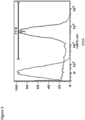
- Typical expression of KMA on primary myeloma cells derived from patient bone marrow biopsies is shown by KappaMab binding in Figure 3 .
- the KappaMab antibody can comprise the VH chain of SEQ ID NO: 1 and the VL chain of SEQ ID NO: 2. More specifically the KappaMab VH chain can comprise the CDRs of SEQ ID NO: 3-5 and the VL CDRs of SEQ ID NO: 6-8. Additionally, the KappaMab can comprise VH region of SEQ ID NO: 22 and a VL region of SEQ ID NO: 21.
- Chimeric antigen receptors are artificial receptors consisting of the tumor antigen binding regions of monoclonal antibodies and the intracellular activating portion of the T cell receptor complex in a single polypeptide chain held together by a series of linker(s) and spacer(s) ( Figures 1A-1B ). Most commonly, CARs are fusion proteins of single-chain variable fragments (ScFv) fused to the CD3 ⁇ transmembrane domain. However, other intracellular signaling domains such as CD28, 41-BB and Ox40 may be used in various combinations to give the desired intracellular signal.
- the CARs provided herein comprise an Ig Heavy Chain Leader peptide.
- the leader peptide can be SEQ ID NO: 20.
- the CAR of the current invention comprises an extracellular antigen binding domain from a monoclonal antibody that is specific for one or more KMA epitopes expressed on MM cells.
- the CAR of the current invention comprises an extracellular antigen binding domain derived from KappaMab.
- the extracellular binding domain comprises the VL CDRs of SEQ ID NOs: 6-8 and VH CDRs of SEQ ID NOs: 3-5.
- the extracellular binding domain is a scFv comprising the VL (SEQ ID NO: 2) and VH (SEQ ID NO: 1) domains of KappaMab.
- the extracellular binding domain is a scFv comprising the VL (SEQ ID NO: 21) and VH (SEQ ID NO: 22) domains of KappaMab.
- the KappaMab VL is linked to the KappaMab VH via a flexible linker.
- the flexible linker is a glycine/serine linker of about 10-30 amino acids (for example 30, 25, 20, 19, 18, 17, 16, 15, 14, 13, 12, 11, 10, 9, 8, 7, 6, or 5 amino acids) and comprises the structure (Gly 4 Ser) 3 .
- the linker is 15 amino acids in length. Linker length is an important determinant of a CAR. Without being bound by theory, shorter linkers may enhance affinity but can also lead to intracellular multimer formation thus impairing expression of the CAR whereas longer linkers tend to decrease antigen affinity by moving the VL and VH CDRs further apart in space.
- the extracellular antigen binding domain (e.g. KappaMab scFv) is linked to the intracellular signaling domain by the use of a "spacer".
- the spacer is designed to be flexible enough to allow for orientation of the antigen binding domain in such a way as facilitates antigen recognition and binding.
- the spacer may derive from immunoglobulins themselves and can include the IgG1 hinge region or the CH2 and/or CH3 region of an IgG. Alternatively, the hinge may comprise all or part of a CD8 ⁇ chain.
- the length and flexibility of the spacer(s) is dependent on both the antigen recognition domain as well as the intracellular binding regions and what may be functional and/or optimal for one CAR construct may not be for another CAR.
- the spacer may be designated herein as "opti" ( See Figures 6A-6C ) to signify that optimal spacer identity and length varies depending on the extracellular binding portion used and the intracellular signaling domains selected.
- an IgG hinge alone is used.
- the IgG hinge is used together with all or part of IgG CH2 domain.
- the IgG hinge is used together with all or part of an IgG CH3 domain.
- the IgG hinge is used together with all or part of both an IgG CH2 and CH3 domain.
- all or part of an IgG CH2 domain is used.
- all or part of an IgG CH3 domain is used.
- the hinge, CH2 and CH3 domains used in any of the constructs provided herein comprises a C to P mutation in the hinge region at amino acid position 103 of Uniprot P01857).
- the hinge, CH2 and CH3 domains used in any of the constructs provided herein is SEQ ID NO: 24.
- the hinge is used together with all or part of both an IgG CH2 and CH3 domain, wherein mutations are introduced at amino acids important for CH2 interaction with Fc-receptors. These mutations may mediate improved survival post infusion by decreasing Fc interaction with CAR T-cells provided herein.
- the spacer e.g., derived from immunoglobulin domains as described herein
- the flexible linker is a glycine/serine linker of about 10-30 amino acids (for example 30, 25, 20, 19, 18, 17, 16, 15, 14, 13, 12, 11, 10, 9, 8, 7, 6, or 5 amino acids) and comprises the structure (Gly 4 Ser) x , wherein X is 1-5.
- the glycine/serine linker comprises (Gly 4 Ser) 3 .
- the intracellular signaling domain comprises all or part of the CD3 ⁇ chain.
- CD3 ⁇ also known as CD247, together with either the CD4 or CD8 T cell co-receptor is responsible for coupling extracellular antigen recognition to intracellular signaling cascades.
- the CD3 ⁇ used in any of the constructs provided herein is SEQ ID NO: 26.
- CD28, 4-1BB, ICOS, CD27, CD270, CD30 and OX-40 have been investigated.
- the CAR of the current invention in addition to including the KappaMab scFv, flexible linker, optimal hinge and CD3 ⁇ chain also include one or more additional costimulatory domains from CD28, 4-1BB, ICOS, CD27, CD270, CD30 and/or OX-40, for example. These co-stimulatory domains are selected based on the desired functionality of the resulting CAR T-cell.
- CD28 domains e.g. CD28, OX-40, 4-1BB
- CD28 domain used in any of the constructs provided herein is SEQ ID NO: 25.
- the CAR T-cells of the current invention have the added benefit, when compared to the use of the KappaMAb alone to be further modifiable to contain additional biologically active molecules to enhance the anti-tumor function and/or safety of the compositions.
- the CAR T-cells may be further genetically modified to produce antitumor cytokines which allow for focused delivery to the tumor microenvironment/cancer cells, while avoiding systemic toxicity.
- CAR T-cells of the current invention examples include, without limitation, IL-12, the carbohydrate binding protein Galectin-3 (GAL3) or it's truncated form, GAL3C, and the cytokine receptor super antagonist SANT7.
- CAR T-cells of the current invention may also be co-transduced with a plasmid that expresses a hepatocyte growth factor (HGF) binding protein.
- HGF hepatocyte growth factor
- the hepatocyte growth factor protein is an antibody or fragment thereof that is able to bind to and inhibit the function of HGF.
- IL-12 is a potent tumor suppressor cytokine, decreasing tumor growth and angiogenesis and enhancing the tumor specific immune response.
- Multiple myeloma cells retain expression of the IL-12 receptor and administration of IL-12 to myeloma bearing mice decreases tumor progression as a single agent and acts synergistically with the proteasome inhibitor bortezomib ( Airoldi, et al. (2008) Blood, 112(3):750-759 ; Wang, et al. (2014) Anticancer Drugs, 25(3): 282-288 ).
- SANT7 is a cytokine receptor super-antagonist. It is an analogue of IL-6 that has been genetically modified to enhance its binding to the IL-6 receptor ⁇ -subunit 70-fold, with virtually no interaction with the gp130 signaling subunit. SANT7 induces apoptosis in IL-6 dependent myeloma cell lines in-vitro, overcomes stroma mediated resistance to dexamethasone in in-vitro and murine model and combined with NFKB inhibitors, completely overcomes resistance to apoptosis. IL-6 is a cytokine which plays a role in the growth and survival of a variety of tumors including multiple myeloma, lung cancer, colorectal cancer, breast cancer and others.
- IL-6 Binding of IL-6 to its receptor activates the JAK-STAT pathway, with subsequent phosphorylation of STAT3 which modulates expression of apoptosis related genes such as BCL-XL and p53, causing resistance to apoptosis.
- IL-6 also promotes down-regulation of the IL-12 receptor on myeloma cells, decreasing IL-12's tumor suppressive properties.
- Airoldi, et al. (2008) Blood, 112(3):750-759 The IL-6 receptor is upregulated in myeloma and elevated systemic levels of IL-6 correlate with a poor prognosis.
- Galectin-3 is a carbohydrate binding protein which may play a role in tumour adhesion and invasion.
- a truncated form of Galectin-3, Gal3C acts as a dominant negative form and can inhibit myeloma cell growth and invasion.
- a Gal3C construct for activation inducible secretion was designed based on John et al (2003) Clin Cancer Res., 9(6):2374-83 and Mirandola et al. (2011) PLoS One, 6(7):e21811 . This consists of the 143 amino acid carboxy terminal which retains its carbohydrate binding properties, but lacks the N-terminal amino acids required for ligand crosslinking.
- the construct also contains the CD8-alpha leader peptide to direct secretion and a 6xHis tag for detection.
- T cells may befurther modified with one or more expression vectors comprising IL-12, SANT7 and/or GAL3C.
- expression constructs expressing a single chain IL-12 comprising the IL-12 p35 subunit linked to the IL-12 p40 subunit are particularly useful in that the resulting protein is a fully bioactive IL-12 p70 heterodimer, however, expressed as a single polypeptide.
- the single chain IL-12 construct termed Flexi-12, is described, for example in Anderson, et al. (1997) Hum. Gene Ther. 8(9):1125-35 is used.
- the IL-12 single chain construct may be expressed in the same expression vector as the CAR construct or it may expressed in a separate expression vector and co-transduced into the T cell.
- T cells transduced with the CAR construct described above may be co-transduced with an additional expression vector comprising SANT7 and/or GAL3C, alternatively, one expression vector may be used to transduce T cells with both of SANT7 and GAL3C either alone or in combination and the CAR construct described above.
- three expression vectors may be used, one expressing the CAR construct, one expressing the single chain IL-12 construct and one expressing the SANT7 construct.
- a similar strategy may be used to co-express GAL3C with IL-12 and/or SANT7.
- the IL-12, GAL3C and/or SANT7 construct may be expressed via a single expression vector while the CAR construct is expressed by its own expression vector.
- the CAR construct is expressed by its own expression vector.
- Hepatocyte growth factor (HGF) and its receptor, MET have been implicated in cancer development and progression, in particular in tumor invasion and progression to metastatic disease.
- Multiple myeloma cells express both HGF and MET, thus creating both an autocrine and paracrine loop whereas normal plasma cells do not express HGF (Zhan et al. (2002); Borset, et al. (1996).
- HGF concentrations are significantly increased in the blood and bone marrow of plasma patients with multiple myeloma and high serum HGF levels correlate with advanced stage disease and extensive bone lesions (Seidel et al. (1998); Wader, et al. (2008); Alexandrakis, et al. (2003).
- an HGF binding protein will be expressed in the CAR T-cells of the current invention.
- the HGF binding protein expressed is an antibody or fragment thereof.
- the anti-HGF binding protein is an antibody, a diabody, a scFv or an Fab.
- the HGF binding protein is expressed in the same expression vector as the CAR construct.
- the HGF binding protein is expressed in a separate expression vector but is co-transduced with the CAR construct.
- the CAR-T cell expresses the CAR, an HGF binding protein and IL-12. In still a further embodiment, the CAR-T cell expresses the CAR, an HGF binding protein and SANT7. In still a further embodiment, the CAR-T cell expresses the CAR, an HGF binding protein and GAL3C. In still a further embodiment, the CAR-T cell expresses the CAR, an HGF binding protein and IL-12 and GAL3C. In still a further embodiment, the CAR-T cell expresses the CAR, an HGF binding protein and SANT7 and GAL3C.
- the CAR-T cell expresses the CAR, an anti-HGF binding protein, IL-12 and SANT7. In still a further embodiment, the CAR-T cell expresses the CAR, an HGF binding protein, IL-12, SANT7 and GAL3C.
- Methods are provided (but not specifically claimed) for generating CAR T-cells expressing the CAR(s) described herein and optionally one or more anti-tumoral cytokine (e.g. IL-12 and/or SANT7) and/or one or more HGF binding protein.
- anti-tumoral cytokine e.g. IL-12 and/or SANT7
- HGF binding protein e.g. IL-12 and/or SANT7
- T cells are obtainable from the blood of a subject by venous puncture, aspiration of bone marrow, steady state leukapheresis or cytokine primed leukapheresis and subsequent isolation of peripheral blood mononuclear cells including T cells using density gradient separation.
- T cells after lysing red blood cells, T cells are sorted by flow cytometry or purified using antibodies to antigens expressed on T cells and magnetic beads to obtain a population of pure T cells.
- T cells are sorted based on their expression of CD3 to obtain a whole T cell fraction.
- T cells are sorted based on their expression of CD4 or CD8 to obtain a population of either CD4 + T cells or CD8 + T cells.
- T cells are obtainable from the subject in need of CAR T-cell therapy.
- T cells are obtainable from a donor subject who is not the intended recipient of CAR T-cell therapy.
- separated T cells are cultured in vivo under conditions suitable for their survival and are transduced with expression vectors containing the sequences necessary for expression of the CARs described herein and/or IL-12, SANT7, GAL3C and/or an HGF binding protein.
- the expression vector is a transposable vector expression system.
- the expression vector is a PiggyBac transposon expression plasmid or a viral vector (e.g. retroviral vector or lentiviral vector).
- the PiggyBac transposon expression plasmid is inducible such as, for example, the PiggyBac transposon plasmid described in the Examples provided herein.
- the PiggyBac transposon expression plasmid comprises a constitutively active promoter and/or an activation inducible promoter.
- the constitutively active promoter can be an elongation factor 1 alpha (EF1alpha) promoter.
- the activation inducible promoter can be a (NFAT pro) promoter.
- a PiggyBac expression plasmid is used and produces permanent integration of the CAR by cutting and pasting the CAR, IL-12, SANT-7, GAL3C and/or HGF binding protein coding sequences into the T cell's genome.
- the expression vectors further comprise a detectable marker which allows for identification of T cells that have been successfully transduced with the one or more expression vectors.
- the detectable marker is chosen from the group consisting of a cell surface marker such as CD34 or CD20 or another surface protein, a fluorophore such as fluorescein isothiocyanate or any other fluorescent dye that emits light when excited to a higher energy state including by a laser, and an antibiotic resistance cassette such as kanamycin resistance, ampicillin resistance or any other cassette that confers resistance to an antibiotic substance contained in medium in which transduced T cells are to be cultured.
- the detectable marker is a green fluorescence protein (GFP).
- the GFP can be an enhanced GFP, such as, for example, the constructs shown in the Examples provided herein.
- each expression vector used e.g.
- one expression vector comprising a CAR, and one comprising an IL-12, GAL3C and/or SANT-7 and one comprising an HGF binding protein) comprises a unique detectable marker.
- the expression vectors are transduced into the T cell by a method suitable for the expression vector(s) selected.
- the PiggyBac expression vector is transduced into T cells by electroporation.
- T cells may be cultured and expanded in vitro by co-culture with autologous peripheral blood mononuclear cells (PBMCs) and the appropriate growth factors and further screened for the presence of the one or more detectable markers. T cells expressing the appropriate detectable markers for the expression vectors chosen may then be sorted and purified.
- PBMCs peripheral blood mononuclear cells
- the invention provides genetically modified T cells engineered to express chimeric antigen receptors (CARs), wherein each CAR comprises one or more intracellular signaling domain and an extracellular antigen binding domain, wherein the extracellular antigen binding domain comprises a single chain variable fragment (scFv) that specifically binds KMA, wherein the scFv comprises complementarity determining regions (CDRs) derived from a Kappa monoclonal antibody (KappaMab), wherein the KappaMAb CDRs comprise SEQ ID NOS: 3-8, for use in a method of treating a KMA-expressing malignancy in a subject.
- CARs chimeric antigen receptors
- each CAR comprises one or more intracellular signaling domain and an extracellular antigen binding domain
- the extracellular antigen binding domain comprises a single chain variable fragment (scFv) that specifically binds KMA
- the scFv comprises complementarity determining regions (CDRs) derived from a Kappa monoclo
- the subject in need thereof is a human subject who has been diagnosed with or is suspected of having a malignancy that expresses KMA, for example a B cell malignancy expressing KMA.
- a patient has or is suspected of having multiple myeloma (MM), Waldenstroms macroglobulinemia, diffuse large B cell lymphoma (DLBCL), or amyloidosis.
- MM myeloma
- DLBCL diffuse large B cell lymphoma
- amyloidosis are known in the art, and as such are not described in detail herein.
- the CAR T-cells may be used alone or in combination with other therapeutically effective agents for the treatment of multiple myeloma (MM) Waldenstroms macroglobulinemia, diffuse large B cell lymphoma (DLBCL), amyloidosis or another B cell malignancy expressing KMA.
- MM multiple myeloma
- DLBCL diffuse large B cell lymphoma
- amyloidosis or another B cell malignancy expressing KMA.
- the CAR T-cells of the current invention are administeredin a pharmaceutical formulation suitable for intravenous delivery.
- the CAR T-cells of the current invention are administered before, during or after one or more immunomodulatory drugs.
- the one or more immunomodulatory drugs is thalidomide or a thalidomide analog such as, for example, lenolidomide or pomalidomide.
- the CAR T-cells of the current invention act synergistically when administered with one or more immunomodulatory drugs.
- the CAR T-cells of the current invention are administered before, during or after treatment with one or more histone deacetylase inhibitors such as panobinostat, vorinostat, trichostatin A, depsipeptides, phenylbutyrate, valproic acid, belinostat, LAQ824, entinostat, CI944 or mocetinostat.
- histone deacetylase inhibitors such as panobinostat, vorinostat, trichostatin A, depsipeptides, phenylbutyrate, valproic acid, belinostat, LAQ824, entinostat, CI944 or mocetinostat.
- the CAR T-cells of the current invention act synergistically when administered in combination with one or more histone deacetylase inhibitors.
- the CAR T-cells of the current invention act synergistically when administered in combination with intermediate or high dose chemotherapy and following administration of autologous or allogenic human blood stem cells.
- the CAR T-cells of the current invention are administered before, during or after an allogenic stem cell transplant. In still another embodiment, the CAR T-cells of the current invention are administered before during or after an allogenic stem cell transplant.
- the CAR T-cells of the present invention when administered in combination with an autologous or allogeneic stem cell transplant prevent the appearance of minimal residual disease that may occur by incomplete ablation of the bone marrow prior to stem cell transplant or by reemergence of malignant B cell clones expressing KMA.
- a scFv was designed and cloned into a CAR construct containing an immunoglobulin heavy chain hinge, a CD28 co-stimulatory domain and the CD3-zeta endodomain ( Figure 6A ).
- the construct was designed in Clone Manage 9 (Sci-Ed Software) using the genetic sequence of the antibody variable regions provided byHaemalogix Pty Ltd.
- the amino acid sequence from 5' to 3' of portions of this construct(i.e., KM.CAR-hCH2CH3-28z; Figure 6A ) are as follows:
- the Ig heavy chain leader peptide (Uniprot P01764) is MEFGLSWLFLVAILKGVQCSR (SEQ ID NO: 20).
- the KappaMab antibody light chain variable region is a
- the heavy chain variable region is N-(2-aminoethyl)-2-aminoethyl-N-(2-aminoethyl)-2-aminoethyl-N-(2-aminoethyl)-2-aminoethyl-N-(2-aminoethyl)-2-aminoethyl-N-(2-aminoethyl)-2-aminoe
- the (G4S) 3 flexible linker is GGGGSGGGGSGGGGS (SEQ ID NO: 23).
- This amino acid sequence (SEQ ID NO: 27) is encoded by the following DNA sequence:
- the PiggyBac transposon/transposase system produces permanent integration of the CAR by cutting and pasting the gene of interest into the target cell genome.
- the PiggyBac expression system was chosen because it is capable of producing high levels of permanent genetic modification at a fraction of the cost of retroviral vectors.
- retroviral vectors could also be used.
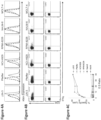
- the KM.CAR-hCH2CH3-28z expressing T-cells were expanded according to our optimised protocols by co-culturing with autologous peripheral blood mononuclear (PBMC) feeder cells supplemented with interleukin-15 (IL-15) 10ng/ml. After culturing for 3 weeks with replacement of PBMCs on a weekly basis and replenishment of IL-15 two to three times per week, T-cells were harvested and assessed for phenotype and CAR expression by flow cytometry, KMA-specific function by interferon gamma intracellular cytokine flow cytometry on stimulation with KMA+ and KMA- cell lines ( Figure 4A ) and cytotoxicity of the same cell lines in a chromium release assay.
- PBMC peripheral blood mononuclear
- IL-15 interleukin-15
- the cultures were predominantly CAR expressing CD3 + T-cells (55% and 70% of live cells), expressed interferon-gamma in response to KMA + myeloma and B-cell lines ( Figure 4B ) and demonstrated KMA-specific cytotoxicity ( Figure 4C ).
- Example 2 Establishing a human myeloma xenograft murine model.
- a human myeloma to mouse xenotransplant model of multiple myeloma was established.
- RPMI8226 or alternative myeloma cell lines were inoculated i.v. into Rag2-/- ⁇ c-/- (BALB/c) mice to form the Rag MM model ( Figure 5A-5D ).
- the Rag2-/-yc-/- (BALB/c) mice lack mouse lymphocytes (T, B and NK cells) and are receptive hosts for human xenograft studies.
- This model has been used successfully to test novel therapeutics such as bortezomib in combination with a novel antibody ( Figure 5E ).
- the first construct of this group was the KM.CAR_hCH3_28z construct, which contains only the hinge and CH3 domains of IgG1 heavy chain constant region as the spacer and whose nucleic acid sequence is as follows:
- this construct (SEQ ID NO: 29) has a leader peptide, a KappaMab light chain variable region, a (G4S) 3 linker , a KappaMab heavy chain variable region, a second (G4S) 3 linker, an IgG1 hinge & CH3 constant region domains , a CD28 transmembrane and intracellular domains, and a CD3 zeta intracellular domain .
- a diagram of this construct is shown in Figure 6B .
- the second construct of this group is the KM.CAR_h_28z construct, which contains only the hinge domain of IgG1 heavy chain constant region as the spacer, and whose nucleic acid sequence is as follows:
- this construct (SEQ ID NO: 30) has a leader peptide, a KappaMab light chain variable region, a (G4S) 3 linker, a KappaMab heavy chain variable region, a second (G4S) 3 linker, an IgG1 hinge constant region domain , a CD28 transmembrane and intracellular domains , and a CD3 zeta intracellular domain .
- a diagram of this construct is shown in Figure 6B .
- the third construct of this group was the KM.CAR_CD8a_28z construct, which contains a CD8 alpha stalk (Uniprot P01732, amino acids 138-182) as the spacer, and whose nucleic sequence is as follows:
- this construct (SEQ ID NO: 31) has a leader peptide, a KappaMab light chain variable region, a (G4S) 3 linker , a KappaMab heavy chain variable region, a CDS alpha stalk , a CD28 transmembrane and intracellular domains, and a CD3
- the remaining 3 constructs of the 6 KM.CAR constructs described in this example contained a 4-1BB (CD137) Costimulatory Endodomain and were as follows:
- the first construct of this group is KM.CAR_h_28TM_41BBz, which contains only the hinge domain of IgG1 heavy chain constant region as the spacer and replaces the intracellular domain of CD28 with the intracellular domain of the 4-1BB co-stimulatory molecule, and whose nucleic acid sequence is as follows:
- this construct (SEQ ID NO: 32) has a leader peptide, a KappaMab light chain variable region, a (G4S) 3 linker , a KappaMab heavy chain variable region, a second (G4S) 3 linker , an IgG hinge constant region domain , a CD28 transmembrane domain, a 4-1BB intracellular domain, and a CD3 zeta intracellular
- the second construct of this group was KM.CAR_8a_28TM_41BBz, which contains the CD8 alpha stalk (Uniprot P01732, amino acids 138-182) as the spacer and replaces the intracellular domain of CD28 with the intracellular domain of the 4-1BB costimulatory molecule, and whose nucleic sequence is as follows:
- this construct (SEQ ID NO: 33) has a leader peptide, a KappaMab light chain variable region, a (G4S) 3 linker , a KappaMab heavy chain variable region, a CDS alpha stalk , a CD28 transmembrane domain, a 4-1BB intracellular domain, and a CD3 zeta intracellular domain .
- the third construct of this group is KM.CAR_hCH2CH3mut_28TM_41BBz, which contains the hinge, CH2 and CH3 domains of IgG1 heavy chain constant region as the spacer, with mutations introduced at amino acids important for CH2 interaction with Fc-receptors (3-6) which may mediate reduced CAR T-cell survival in-vivo (3, 6, 7) by clearance of CAR T-cells in the reticuloendothelial system.
- the nucleic acid sequence is as follows:
- this construct (SEQ ID NO: 34) has a leader peptide, a KappaMab light chain variable region, a (G4S) 3 linker , a KappaMab heavy chain variable region, a second (G4S) 3 linker, a mutated IgG1 hinge, CH2 and CH3 constant region domains , a CD28 transmembrane domain, a 4-1BB intracellular domain, and a CD3 zeta intracellular domain .
- the mutated IgG1 hinge domain has, from 5' to 3', E233P, L234V, L235A, G236-, S254A, D265N, and N297A mutations highlighted within the shaded boxes of this construct (SEQ ID NO: 34). Mutations at these sites (E233P, L234V, L235A, G236-, S254A, D265N, N297A) may decrease Fc interaction with CAR T-cells, allowing improved survival post-infusion.
- an eGFP with a 5' T2A ribosomal skip element with overlapping sequences was synthesized with the CAR- CD3 zeta endodomain and the plasmid backbone. This was then cloned by restriction enzyme digestion and ligation into the CAR containing pVAX1 PB transposon plasmids to create the following-
- KM.CAR T-cells were generated by electroporation using the PiggyBac system as previously described herein and in the art (2).
- PBMCs peripheral blood mononuclear cells
- Electroporated PBMCs were rested overnight in AIMV with 10% Fetal calf serum (AIM-V CM), harvested, washed and resuspended in AIM-V CM at 1 ⁇ 10 6 /ml.
- CAR-PBMCs were cocultured with autologous irradiated PBMC feeder cells with or without irradiated KMA expressing JJN3 cells at a CAR-PBMC:JJN3 ratio of 5:1.
- Interleukin-15 IL-15 was added at 10ng/ml every 3 days. Cells were enumerated by trypan blue exclusion and fresh irradiated stimulator/feeder cells were added every 7 days.
- KM.CAR expression was assessed by flow cytometry at initiation of culture (Day 1), Day 15 and Day 21 ( Figures 8A-8B ). KM.CAR T-cell cultures were surface stained with anti-human-CD3 antibody and CAR expression assessed by GFP expression.
- KM.CAR T-cells require kappa myeloma antigen to persist in-vitro
- KM.CAR_hCH2CH3mut_28TM_41BBz expressing T-cells showed only low level CAR expression (6%) and expansion (6-fold) with PBMC alone compared to co-culture with JJN3 (26% CAR expression and 17-fold expansion).
- the KM.CAR T-cells containing the IgG1 hinge only spacer had similar expansion (5-fold with JJN3, 6 fold without JJN3) but increased CAR expression (17% with JJN3, 9% without).
- KMA-specific interferon-gamma production and cytotoxicity of KM.CAR T-cells were assessed by intracellular cytokine flow cytometry and standard chromium release assay with KMA+ and KMA- cell lines using protocols previously described (2).
- KMA positive cell lines used included JJN3, Pfeiffer, NCI-H929.
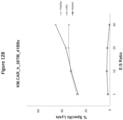
- KMA negative cell lines included Nalm-6 and Molt ( Figure 12A-12B ).
- CAR T-cells For cytokine flow cytometry, 2 ⁇ 10 5 KM.CAR T-cells were stimulated with target cells at a ratio of 1:1 for 5 hours. Monensin (2 ⁇ M) (BD Biosciences) and Brefeldin A (1 ⁇ g/mL) (BD Biosciences) were added after 1 hour. CAR T-cells activated non-specifically with 50ng/ml phorbol myristate acetate (PMA: Sigma-Aldrich) and 1ug/ml ionomycin (Sigma-Aldrich) and unstimulated cells were used as positive and negative controls. CAR T-cells were then harvested, washed, surface stained for CD3, CD4 and CD8.
- PMA phorbol myristate acetate
- ionomycin Sigma-Aldrich
- CAR T-cells were fixed and permeabilised with cytofix and perm/wash buffer (BD Biosciences) and stained with anti-interferon gamma antibody (BD Biosciences) followed by further washing with perm/wash buffer. Stained cells were analysed using a FACSCanto TM II flow cytometer with acquisition of at least 30,000 events.
- KMA-specific cytotoxicity was assessed using a standard chromium ( 51 Cr) release assay.
- Target cells were labelled with Sodium chromate (Na 2 51 CrO 4 ) (Perkin-Elmer, Waltham, MA, USA).
- KM.CAR T-cells were preincubated with the K562 cell line at a 1:1 ratio to absorb NK cell activity.
- Chromium labelled target cells were added to the KM.CAR T-cells in triplicate at effector:target ratios ranging from 40:1 to 1.25:1 and incubated at 37°C, 5% CO 2 for 4 hours.
- Triplicate targets were lysed with 10% sodium dodecyl sulphate to determine maximal release and triplicate targets with no effectors were used to assess spontaneous release.
- a single transposon cassette containing a constitutively active promoter (EF1alpha) and an activation inducible promoter (NFATpro) was designed and cloned.
- the activation inducible gene expression cassette was produced by designing the NFATpro using Clone Manage 9 (Sci-Ed Software), based on Fiering et al(8).
- the enhanced green fluorescent protein (eGFP) DNA sequence followed by the bovine growth hormone (BGH) polyadenylation signal (9-11) was placed 3' of the NFATpro.
- the DNA sequence of this gene cassette is as follows-
- this constructs contains the NFAT-RE, the IL-2 Minimal Promoter, the eGFP, and the BGH polyadenylation signal.
- This cassette was synthesised commercially by Genscript and cloned into the pVAX1PB transposon plasmid between the 5' cHS4 Insulator (GenBank: U78775.2)(12) and the human elongation factor 1 promoter.
- Genscript cloned into the pVAX1PB transposon plasmid between the 5' cHS4 Insulator (GenBank: U78775.2)(12) and the human elongation factor 1 promoter.
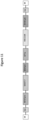
- the chimeric RQR8 marker consisting of the epitope of CD34 recognised by the QBEnd10 monoclonal antibody and mimotopes of the CD20-specific monoclonal antibody Rituximab(13) was cloned into the transposon multicloning site to produce the transposon gene insert shown in Figure 9 (pVAX1PB NFATGFP-RQR8 plasmid).
- PBMCs were electroporated in the presence of 5ug each of the transposon and transposase plasmids. Electroporated cells were rested for 24 hours and then stimulated non-specifically over-night with 50ng/ml phorbol myristate acetate (PMA: Sigma-Aldrich) and 1ug/ml ionomycin (Sigma-Aldrich) and compared to unstimulated controls. Transduced cells were identified by QBEnd10 staining for RQR8 marker expression and activation induced gene expression (eGFP) was assessed at 19 hours. At that time point, 50% of transduced cells were seen to express eGFP ( Figure 10 ).
- PMA phorbol myristate acetate
- eGFP activation induced gene expression
- Example 5 Design of KM.CAR controlled biological therapies
- Expression plasmids containing IL-12 and/or the interleukin-6 receptor antagonist SANT7and also containing the optimized chimeric antigen receptor with the expression of IL-12 and/or SANT7 under control of an activation inducible promoter were also constructed.
- the SANT-7 sequence was provided by Prof Rocco Savino and was based on mutating the wildtype IL-6 gene sequence (NCBI Reference Sequence: NM_000600.4) provided as per Savino et al 1994 and Sporeno et al 1996(14-17). The sequence was imported into Clone Manage 9 (Sci-Ed Software) and a 6xHis tag added for detection in supernatants by ELISA.
- SANT-7 The nucleotide sequence of SANT-7 is provided with amino acid substitutions highlighted and listed below: MNSFSTSAFGPVAFSLGLLLVLPAAFPAPVPPGEDSKDVAAPHRQPLTS SERIDKQIR D ILD F ISALRKETCNKSNMCESSKEA D A FW NLNLPKMAEKDGCF YK GF NEETCLVKIITGLLEFEVYLEYLQNRFESSEEQARAVQM R TK D LIQFLQKKAKNLDAI TTPDPTTNASLLTKLQAQNQWLQDMTTHLILRSFKEFLIRSLR A LRAMHHHHHH (SEQ ID NO: 38).
- nucleotide substitutions correspond to Y31D, G35F, L57D, E59F, N60W, Q75Y, S76K, S118R, V121D.
- sequence provided also contained a Q211A substitution not listed in the published sequence.
- SEQ ID NO: 38 The DNA sequence corresponding to this amino acid sequence (i.e., SEQ ID NO: 38) is as follows:
- a single chain interleukin-12 (Flexi-IL-12) construct was designed by joining the IL-12 p40 and p35 subunits (Uniprot P29459 and P29460) with a flexible (G 4 S) 3 linker similar to Zhang et al and Chinnasamy et al (18, 19), which allows both subunits to be expressed as a single peptide chain that readily forms the bioactive p70 heterodimer was used.
- the Flexi-IL-12 construct was synthesized and constructs containing IL-12 and SANT7 were cloned into the activation inducible transposon cassette described herein and shown in Figure 11 .
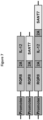
- Flexi-IL-12 construct could be synthesized and constructs containing IL-12 and SANT7 separated by 2A ribosomal skip elements could be cloned into the PiggyBac plasmid described herein and shown in Figure 7 .
- the amino acid sequence of Flexi-IL-12 is as follows:
- the Flexi-IL-12 construct contains a leader peptide, the IL-12 p40 subunit, the (G4S) 3 Linker , and the IL-12 p35 subunit.
- SEQ ID NO: 40 The DNA sequence corresponding to the amino acid sequence above (i.e., SEQ ID NO: 40) is as follows:
- GAL3C expression plasmids containing the truncated dominant negative form of Galectin-3, GAL3C is also constructed.
- the construct contains a CD8-alpha leader peptide to direct secretion as well as a 6xHis tag for detection.
- the amino acid sequence of GAL3C is listed here:
- the CAR and 'biologicals' transposon plasmids will be nucleofected to generate CAR T-cells expressing either IL-12 alone, SANT7 alone, GAL3C alone or both IL-12 and SANT7 or both of IL12 and GAL3C or both of SANT7 and GAL3C or all three of IL-12.
- SANT7 and GAL3C Cells successfully transduced with 'biologicals' constructs may be identified by selectable marker expression for example by flow cytometry. Levels of IL-12, SANT7.
- GAL3C will be measured intracellularly by cytokine flow cytometry and in supernatants of CAR T-cell cultures by ELISA using commercial kits and reagents and compared to control T-cells expressing CAR alone.
- CAR T-cells will be assessed for function by cytokine flow cytometry and cytotoxicity assays as above as well as co-culture assays with myeloma cell lines to assess inhibition of tumour growth. Experiments will be performed in triplicate and the 2 optimal CAR constructs identified will be chosen to be assessed in a murine model with and without IL-12, GAL3C and/or SANT7 expression.
- RPMI-Rag-Luc (KMA-) and JJN3-Rag-Luc (KMA+) models will be developed to assess the function of our CAR T-cells in-vivo.
- JJN3 and RPMI8226 cells will be transfected with Luc-1 and then inoculated i.v. into Rag2-/-yc-/- (BALB/c) mice to form the JJN3- Rag-Luc and RPMI-Rag-Luc MM models.
- Engraftment and disease levels will be monitored by optical imaging following IP injection with luciferin and correlated with levels of levels of serum human kappa (JJN3) and lambda (RPMI) light chain.
- Optimal time for inoculation with candidate CAR T-cells will be established using Optical Imaging prior to the development of hind limb paralysis, usually from weeks 5-8.
- Cohorts of 6 JJN3-Rag-Luc and RPMI-Rag-Luc mice will be inoculated IV with increasing doses of CAR T-Cells (with and without IL-12/SANT7 expression) to establish the therapeutic dose starting at 1 ⁇ 10 6 total cells.
- mice will be imaged on day 0, +1, +3, +8 and weekly thereafter until the development disease progression as determined by the development of hind limb paralysis, increasing serum free light chains (SFLC) or other institutional guidelines. Marrow and extramedullary tumors will be collected and examined histologically for distribution of MM cells and CAR T-cells. Efficacy will be determined by imaging response and survival compared with controls.
- SFLC serum free light chains
Landscapes
- Health & Medical Sciences (AREA)
- Chemical & Material Sciences (AREA)
- Life Sciences & Earth Sciences (AREA)
- Organic Chemistry (AREA)
- Immunology (AREA)
- General Health & Medical Sciences (AREA)
- Medicinal Chemistry (AREA)
- Genetics & Genomics (AREA)
- Biochemistry (AREA)
- Proteomics, Peptides & Aminoacids (AREA)
- Zoology (AREA)
- Biophysics (AREA)
- Molecular Biology (AREA)
- Engineering & Computer Science (AREA)
- Public Health (AREA)
- Veterinary Medicine (AREA)
- Animal Behavior & Ethology (AREA)
- Epidemiology (AREA)
- Gastroenterology & Hepatology (AREA)
- Cell Biology (AREA)
- Bioinformatics & Cheminformatics (AREA)
- Toxicology (AREA)
- Biomedical Technology (AREA)
- Biotechnology (AREA)
- Wood Science & Technology (AREA)
- Pharmacology & Pharmacy (AREA)
- Microbiology (AREA)
- Hematology (AREA)
- General Engineering & Computer Science (AREA)
- Mycology (AREA)
- Chemical Kinetics & Catalysis (AREA)
- General Chemical & Material Sciences (AREA)
- Nuclear Medicine, Radiotherapy & Molecular Imaging (AREA)
- Peptides Or Proteins (AREA)
- Micro-Organisms Or Cultivation Processes Thereof (AREA)
- Medicines Containing Material From Animals Or Micro-Organisms (AREA)
- Medicines Containing Antibodies Or Antigens For Use As Internal Diagnostic Agents (AREA)
- Developmental Biology & Embryology (AREA)
- Virology (AREA)
- Medicines That Contain Protein Lipid Enzymes And Other Medicines (AREA)
Claims (15)
- Récepteur antigénique chimérique (CAR) comprenant un ou plusieurs domaines de signalisation intracellulaires et un domaine de liaison à l'antigène extracellulaire, où le domaine de liaison à l'antigène extracellulaire comprend un fragment variable à chaîne unique (scFv) qui se lie spécifiquement à l'antigène du myélome kappa (KMA), où le scFv comprend des régions déterminant la complémentarité (CDR) dérivées d'un anticorps monoclonal Kappa (KappaMab), où les CDR de KappaMAb comprennent SEQ ID NO : 3-8.
- CAR de la revendication 1, dans lequel le ou les plusieurs domaines de signalisation intracellulaires comprennent un ou plusieurs endodomaines co-stimulateurs.
- CAR de la revendication 2, dans lequel le ou les plusieurs endodomaines co-stimulateurs représentent un ou plusieurs parmi un domaine CD28, un domaine CD3ζ, un domaine 4-1BB, un domaine OX-40 ou des combinaisons de ceux-ci.
- CAR de l'une quelconque des revendications 1 à 3, dans lequel le scFv comprend une chaîne VL et une chaîne VH d'un KappaMab, où la chaîne VL comprend SEQ ID NO : 21 et la chaîne VH comprend SEQ ID NO : 22.
- CAR de la revendication 4, dans lequel la chaîne VL et la chaîne VH du KappaMab sont attachées par un lieur glycine-sérine, où le lieur glycine-sérine est un lieur de 15 acides aminés comprenant (Gly4Ser)3.
- CAR de l'une quelconque des revendications 1 à 5, dans lequel le scFv est attaché au ou aux plusieurs domaines de signalisation intracellulaires par un espaceur, où l'espaceur est une région constante d'immunoglobuline ou une chaîne CD8α.
- CAR de la revendication 6, dans lequel la région constante d'immunoglobuline comprend un ou plusieurs parmi un domaine charnière d'IgG, un domaine CH2 d'IgG et un domaine CH3 d'IgG.
- CAR de l'une quelconque des revendications 6 et 7, dans lequel l'espaceur est attaché au scFV par un lieur glycine-sérine, où le lieur glycine-sérine est un lieur de 15 acides aminés comprenant (Gly4Ser)3.
- Cellule T génétiquement modifiée qui est modifiée pour exprimer le CAR de l'une quelconque des revendications 1 à 8.
- Cellule T génétiquement modifiée de la revendication 9, modifiée en outre pour exprimer une ou plusieurs molécules biologiques supplémentaires, où la ou les plusieurs molécules biologiques supplémentaires comprennent une ou plusieurs parmi IL-12, la galectine-3C (GAL3C) ou SANT7.
- Cellule T génétiquement modifiée de la revendication 9 ou 10, modifiée en outre pour exprimer une protéine de liaison au facteur de croissance des hépatocytes (HGF).
- Cellules T génétiquement modifiées qui sont modifiées pour exprimer des récepteurs antigéniques chimériques (CAR), où chaque CAR comprend un ou plusieurs domaines de signalisation intracellulaires et un domaine de liaison à l'antigène extracellulaire, où le domaine de liaison à l'antigène extracellulaire comprend un fragment variable à chaîne unique (scFv) qui se lie spécifiquement au KMA, où le scFv comprend des régions déterminant la complémentarité (CDR) dérivées d'un anticorps monoclonal Kappa (KappaMab), où les CDR de KappaMAb comprennent SEQ ID NO : 3-8, destinées à être utilisées dans un procédé de traitement d'une malignité exprimant KMA chez un sujet.
- Cellule T génétiquement modifiée destinée à être utilisée selon la revendication 12, dans laquelle le procédé comprend en outre l'étape consistant à administrer un ou plusieurs agents pharmaceutiquement actifs, où le ou les plusieurs agents pharmaceutiquement actifs comprennent un ou plusieurs agents chimiothérapeutiques, un médicament immunomodulateur ou un inhibiteur d'histone désacétylase.
- Cellule T génétiquement modifiée destinée à être utilisée selon la revendication 12 ou 13, dans laquelle la cellule T génétiquement modifiée est dérivée du sujet.
- Cellule T génétiquement modifiée de la revendication 10, modifiée en outre pour exprimer un marqueur sélectionnable.
Priority Applications (2)
| Application Number | Priority Date | Filing Date | Title |
|---|---|---|---|
| EP24151551.9A EP4368641A3 (fr) | 2015-04-23 | 2016-04-25 | Récepteurs antigéniques chimériques d'antigène de myélome kappa et leurs utilisations |
| HRP20240415TT HRP20240415T1 (hr) | 2015-04-23 | 2016-04-25 | Kimerni antigenski receptori antigena kapa mijeloma i njihova upotreba |
Applications Claiming Priority (3)
| Application Number | Priority Date | Filing Date | Title |
|---|---|---|---|
| US201562151968P | 2015-04-23 | 2015-04-23 | |
| US201562158407P | 2015-05-07 | 2015-05-07 | |
| PCT/US2016/029203 WO2016172703A2 (fr) | 2015-04-23 | 2016-04-25 | Récepteurs d'antigènes chimériques à antigène du myélome kappa et utilisations associées |
Related Child Applications (2)
| Application Number | Title | Priority Date | Filing Date |
|---|---|---|---|
| EP24151551.9A Division-Into EP4368641A3 (fr) | 2015-04-23 | 2016-04-25 | Récepteurs antigéniques chimériques d'antigène de myélome kappa et leurs utilisations |
| EP24151551.9A Division EP4368641A3 (fr) | 2015-04-23 | 2016-04-25 | Récepteurs antigéniques chimériques d'antigène de myélome kappa et leurs utilisations |
Publications (4)
| Publication Number | Publication Date |
|---|---|
| EP3286223A2 EP3286223A2 (fr) | 2018-02-28 |
| EP3286223A4 EP3286223A4 (fr) | 2018-12-05 |
| EP3286223B1 true EP3286223B1 (fr) | 2024-02-28 |
| EP3286223B8 EP3286223B8 (fr) | 2024-04-03 |
Family
ID=57143653
Family Applications (2)
| Application Number | Title | Priority Date | Filing Date |
|---|---|---|---|
| EP24151551.9A Pending EP4368641A3 (fr) | 2015-04-23 | 2016-04-25 | Récepteurs antigéniques chimériques d'antigène de myélome kappa et leurs utilisations |
| EP16784085.9A Active EP3286223B8 (fr) | 2015-04-23 | 2016-04-25 | Récepteurs d'antigènes chimériques à antigène du myélome kappa et utilisations associées |
Family Applications Before (1)
| Application Number | Title | Priority Date | Filing Date |
|---|---|---|---|
| EP24151551.9A Pending EP4368641A3 (fr) | 2015-04-23 | 2016-04-25 | Récepteurs antigéniques chimériques d'antigène de myélome kappa et leurs utilisations |
Country Status (17)
| Country | Link |
|---|---|
| US (2) | US11305011B2 (fr) |
| EP (2) | EP4368641A3 (fr) |
| JP (3) | JP7229768B2 (fr) |
| KR (1) | KR102623427B1 (fr) |
| CN (1) | CN107922489B (fr) |
| AU (1) | AU2016253126B2 (fr) |
| CA (1) | CA2978964A1 (fr) |
| DK (1) | DK3286223T5 (fr) |
| ES (1) | ES2976236T3 (fr) |
| FI (1) | FI3286223T3 (fr) |
| HK (1) | HK1252854A1 (fr) |
| HR (1) | HRP20240415T1 (fr) |
| HU (1) | HUE065799T2 (fr) |
| IL (1) | IL255207B2 (fr) |
| PT (1) | PT3286223T (fr) |
| RU (1) | RU2743188C2 (fr) |
| WO (1) | WO2016172703A2 (fr) |
Families Citing this family (22)
| Publication number | Priority date | Publication date | Assignee | Title |
|---|---|---|---|---|
| RU2743188C2 (ru) | 2015-04-23 | 2021-02-16 | Хемалоджикс Пти. Лтд. | Химерные антигенные рецепторы к каппа-антигену миеломы и варианты их применения |
| CN107529550A (zh) * | 2017-08-28 | 2018-01-02 | 马晓冬 | 一种基于PiggyBac载体的CD‑19‑CAR‑T系统构建方法 |
| US20200261502A1 (en) * | 2017-09-08 | 2020-08-20 | Carsgen Therapeutics Co., Ltd. | Genetically engineered t cell and application thereof |
| WO2019108932A1 (fr) * | 2017-11-30 | 2019-06-06 | Haemalogix Pty. Ltd. | Méthodes d'expansion de cellules exprimant des récepteurs d'antigène chimériques d'antigène de myélome kappa |
| EP3781590A1 (fr) * | 2018-04-20 | 2021-02-24 | Medizinische Hochschule Hannover | Récepteur antigénique chimérique et lymphocytes t-car se liant à l'antigène du virus de l'herpès |
| WO2020004337A1 (fr) * | 2018-06-27 | 2020-01-02 | 国立大学法人名古屋大学 | Récepteur antigénique chimérique spécifique à cd37 |
| US20220177573A1 (en) | 2018-07-09 | 2022-06-09 | Oslo Universitetssykehus Hf | Two chimeric antigen receptors specifically binding cd19 and igkappa |
| CN110832071A (zh) * | 2018-09-14 | 2020-02-21 | 上海原能细胞医学技术有限公司 | 表面包含免疫调节剂的细胞及其用途 |
| EP3890780A4 (fr) * | 2018-12-03 | 2022-08-17 | HaemaLogiX Pty Ltd. | Procédé de traitement |
| WO2020181221A1 (fr) * | 2019-03-07 | 2020-09-10 | Children's Medical Center Corporation | Administration ciblée de vhh immunomodulateur et de protéine de fusion vhh |
| AU2020283811A1 (en) * | 2019-05-24 | 2021-12-16 | Forty Seven, Inc. | Regimes for co-administration of immunotherapeutic agents against c-kit and CD47 |
| CN110305906B (zh) * | 2019-07-18 | 2021-11-12 | 山东大学第二医院 | 一种靶向pdl1的car嵌合受体的慢病毒载体及pdl1-car-t细胞 |
| CN115551887A (zh) * | 2019-12-05 | 2022-12-30 | 维萨列克斯股份有限公司 | 通用细胞疗法的免疫逃逸机制的调节剂 |
| US20240262928A1 (en) * | 2020-03-27 | 2024-08-08 | Haemalogix Pty Ltd | Composition and Method |
| CN115698268A (zh) | 2020-05-04 | 2023-02-03 | 萨利欧基因治疗公司 | 基于转座的疗法 |
| WO2021232200A1 (fr) * | 2020-05-18 | 2021-11-25 | Guangdong Tcrcure Biopharma Technology Co., Ltd. | Thérapie par cellules immunitaires armées à il-12 et leurs utilisations |
| JP2024500847A (ja) | 2020-12-18 | 2024-01-10 | センチュリー セラピューティクス,インコーポレイテッド | 適合可能な受容体特異性を有するキメラ抗原受容体システム |
| WO2022268196A1 (fr) * | 2021-06-25 | 2022-12-29 | 天辰生物医药(苏州)有限公司 | Protéine de liaison à un antigène ciblant gpc3 |
| WO2023010118A1 (fr) * | 2021-07-29 | 2023-02-02 | Vor Biopharma Inc. | Systèmes rapporteurs sensibles à nfat pour évaluer l'activation d'un récepteur antigénique chimérique et méthodes de fabrication et d'utilisation de ceux-ci |
| KR102789265B1 (ko) * | 2022-04-14 | 2025-04-02 | 주식회사 셀랩메드 | 키메릭 항원 수용체 및 hgf 결합 억제 물질의 조합 요법 |
| JP2026510945A (ja) * | 2023-03-17 | 2026-04-10 | カーティザン セラピューティクス,インコーポレーテッド | キメラ抗原受容体の長期発現に適応した細胞内シグナル伝達および共刺激ドメイン |
| WO2025136986A2 (fr) | 2023-12-18 | 2025-06-26 | Genzyme Corporation | Mutéines de dépotentialisation d'il-12 |
Family Cites Families (13)
| Publication number | Priority date | Publication date | Assignee | Title |
|---|---|---|---|---|
| AUPR617901A0 (en) | 2001-07-06 | 2001-08-02 | Pacmab Pty Ltd | Method for treating multiple myeloma |
| CA2507080C (fr) * | 2002-11-27 | 2015-01-06 | Biogen Idec Ma Inc. | Anticorps humanises diriges contre des proteines chimiotactiques de monocytes |
| EP1909836A4 (fr) * | 2005-08-04 | 2009-10-14 | Univ California | Méthodes permettant de traiter et de détecter une maladie associée aux cellules beta |
| SG10201401310VA (en) | 2009-04-07 | 2014-06-27 | Immune System Therapeutics Ltd | Method for treating immune disorders |
| US20100330046A1 (en) * | 2009-05-21 | 2010-12-30 | Stratatech Corporation | Human skin substitutes expressing il-12 |
| EP2614077B1 (fr) | 2010-09-08 | 2016-08-17 | Chemotherapeutisches Forschungsinstitut Georg-Speyer-Haus | Récepteurs d'antigènes chimériques comprenant une région charnière optimisée |
| US20140322216A1 (en) * | 2011-11-08 | 2014-10-30 | The Trustees Of The University Of Pennsylvania | Glypican-3-specific antibody and uses thereof |
| CA2896076C (fr) | 2012-12-21 | 2022-12-06 | Aveo Pharmaceuticals, Inc. | Anticorps anti-gdf15 |
| WO2014190273A1 (fr) * | 2013-05-24 | 2014-11-27 | Board Of Regents, The University Of Texas System | Anticorps monoclonaux ciblant un récepteur d'antigène chimérique |
| CN104177499B (zh) * | 2013-05-27 | 2019-01-08 | 上海雅科生物科技有限公司 | 一种嵌合抗原受体、编码基因、表达载体及其应用 |
| US10208125B2 (en) | 2013-07-15 | 2019-02-19 | University of Pittsburgh—of the Commonwealth System of Higher Education | Anti-mucin 1 binding agents and uses thereof |
| EP3134434A4 (fr) | 2014-04-25 | 2017-10-25 | Bluebird Bio, Inc. | Récepteurs d'antigènes chimères kappa/lambda |
| RU2743188C2 (ru) | 2015-04-23 | 2021-02-16 | Хемалоджикс Пти. Лтд. | Химерные антигенные рецепторы к каппа-антигену миеломы и варианты их применения |
-
2016
- 2016-04-25 RU RU2017138528A patent/RU2743188C2/ru active
- 2016-04-25 DK DK16784085.9T patent/DK3286223T5/da active
- 2016-04-25 HK HK18112185.0A patent/HK1252854A1/zh unknown
- 2016-04-25 HU HUE16784085A patent/HUE065799T2/hu unknown
- 2016-04-25 HR HRP20240415TT patent/HRP20240415T1/hr unknown
- 2016-04-25 IL IL255207A patent/IL255207B2/en unknown
- 2016-04-25 WO PCT/US2016/029203 patent/WO2016172703A2/fr not_active Ceased
- 2016-04-25 AU AU2016253126A patent/AU2016253126B2/en active Active
- 2016-04-25 ES ES16784085T patent/ES2976236T3/es active Active
- 2016-04-25 CA CA2978964A patent/CA2978964A1/fr active Pending
- 2016-04-25 FI FIEP16784085.9T patent/FI3286223T3/fi active
- 2016-04-25 JP JP2018506815A patent/JP7229768B2/ja active Active
- 2016-04-25 US US15/568,271 patent/US11305011B2/en active Active
- 2016-04-25 EP EP24151551.9A patent/EP4368641A3/fr active Pending
- 2016-04-25 KR KR1020177032005A patent/KR102623427B1/ko active Active
- 2016-04-25 CN CN201680031653.3A patent/CN107922489B/zh active Active
- 2016-04-25 EP EP16784085.9A patent/EP3286223B8/fr active Active
- 2016-04-25 PT PT167840859T patent/PT3286223T/pt unknown
-
2021
- 2021-02-12 JP JP2021020594A patent/JP2021073312A/ja active Pending
-
2022
- 2022-02-28 US US17/682,276 patent/US20220193232A1/en active Pending
- 2022-12-27 JP JP2022209702A patent/JP2023024793A/ja not_active Withdrawn
Non-Patent Citations (7)
| Title |
|---|
| ADRIENNE H LONG ET AL: "4-1BB costimulation ameliorates T cell exhaustion induced by tonic signaling of chimeric antigen receptors", NATURE MEDICINE, vol. 21, no. 6, 4 May 2015 (2015-05-04), New York, pages 581 - 590, XP055278553, ISSN: 1078-8956, DOI: 10.1038/nm.3838 * |
| ANDREW T. HUTCHINSON ET AL: "Free Ig Light Chains Interact with Sphingomyelin and Are Found on the Surface of Myeloma Plasma Cells in an Aggregated Form", THE JOURNAL OF IMMUNOLOGY, vol. 185, no. 7, 3 September 2010 (2010-09-03), pages 4179 - 4188, XP055616142, ISSN: 0022-1767, DOI: 10.4049/jimmunol.1001956 * |
| ATCC: "HP6053 (ATCC CRL-1758)", Retrieved from the Internet <URL:https://www.lgcstandards-atcc.org/Products/All/CRL-1758.aspx?geo_country=nl> [retrieved on 20200123] * |
| BOUX H A ET AL: "A TUMOR-ASSOCIATED ANTIGEN SPECIFIC FOR HUMAN KAPPA MYELOMA CELLS", JOURNAL OF EXPERIMENTAL MEDICINE, ROCKEFELLER UNIVERSITY PRESS, US, vol. 158, no. 5, 1 November 1983 (1983-11-01), pages 1769 - 1774, XP001191239, ISSN: 0022-1007, DOI: 10.1084/JEM.158.5.1769 * |
| CARLOS A. RAMOS ET AL: "Clinical responses with T lymphocytes targeting malignancy-associated [kappa] light chains", THE JOURNAL OF CLINICAL INVESTIGATION, vol. 126, no. 7, 1 July 2016 (2016-07-01), GB, pages 2588 - 2596, XP055627282, ISSN: 0021-9738, DOI: 10.1172/JCI86000 * |
| PARISA ASVADI ET AL: "MDX-1097 induces antibody-dependent cellular cytotoxicity against kappa multiple myeloma cells and its activity is augmented by lenalidomide", BRITISH JOURNAL OF HAEMATOLOGY, vol. 169, no. 3, 3 February 2015 (2015-02-03), GB, pages 333 - 343, XP055660579, ISSN: 0007-1048, DOI: 10.1111/bjh.13298 * |
| SINA FELLERMEIER-KOPF ET AL: "Duokines: a novel class of dual-acting co-stimulatory molecules acting in cis or trans", ONCOIMMUNOLOGY, vol. 7, no. 9, 1 August 2018 (2018-08-01), pages e1471442, XP055517180, DOI: 10.1080/2162402X.2018.1471442 * |
Also Published As
Similar Documents
| Publication | Publication Date | Title |
|---|---|---|
| US20220193232A1 (en) | Kappa myeloma antigen chimeric antigen receptors and uses thereof | |
| US20230340113A1 (en) | CHIMERIC ANTIGEN RECEPTORS (CARs), COMPOSITIONS AND METHODS THEREOF | |
| CN105636982B (zh) | 用于治疗hbv感染和相关病症的结合免疫效应细胞表面抗原和hbv抗原的双或多特异性多肽 | |
| EP3641768A1 (fr) | Récepteurs d'antigènes chimériques (car), compositions et méthodes associées | |
| US20250257110A1 (en) | Membrane-bound il-12 for cellular immunotherapy | |
| US20230218669A1 (en) | Augmenting antigen-negative cell death in antigen-targeted immunotherapies | |
| CN116600819A (zh) | 靶向epcam和icam-1的双嵌合抗原受体 | |
| WO2019108932A1 (fr) | Méthodes d'expansion de cellules exprimant des récepteurs d'antigène chimériques d'antigène de myélome kappa | |
| HK40112160A (en) | Kappa myeloma antigen chimeric antigen receptors and uses thereof | |
| HK1251586B (en) | Kappa myeloma antigen chimeric antigen receptors and uses thereof | |
| WO2026069426A1 (fr) | Récepteur antigénique chimérique | |
| BR112017022838B1 (pt) | Receptor de antígeno quimérico (car) de antígeno do mieloma kappa (kma), método para produzir uma célula t geneticamente modificada e uso de células t geneticamente modificadas para tratar uma malignidade que expressa kma | |
| CN121586582A (zh) | 嵌合抗原受体 |
Legal Events
| Date | Code | Title | Description |
|---|---|---|---|
| REG | Reference to a national code |
Ref country code: HR Ref legal event code: TUEP Ref document number: P20240415T Country of ref document: HR |
|
| STAA | Information on the status of an ep patent application or granted ep patent |
Free format text: STATUS: THE INTERNATIONAL PUBLICATION HAS BEEN MADE |
|
| PUAI | Public reference made under article 153(3) epc to a published international application that has entered the european phase |
Free format text: ORIGINAL CODE: 0009012 |
|
| STAA | Information on the status of an ep patent application or granted ep patent |
Free format text: STATUS: REQUEST FOR EXAMINATION WAS MADE |
|
| 17P | Request for examination filed |
Effective date: 20170929 |
|
| AK | Designated contracting states |
Kind code of ref document: A2 Designated state(s): AL AT BE BG CH CY CZ DE DK EE ES FI FR GB GR HR HU IE IS IT LI LT LU LV MC MK MT NL NO PL PT RO RS SE SI SK SM TR |
|
| AX | Request for extension of the european patent |
Extension state: BA ME |
|
| DAV | Request for validation of the european patent (deleted) | ||
| DAX | Request for extension of the european patent (deleted) | ||
| A4 | Supplementary search report drawn up and despatched |
Effective date: 20181030 |
|
| RIC1 | Information provided on ipc code assigned before grant |
Ipc: A61K 35/17 20150101ALI20181024BHEP Ipc: C07K 14/725 20060101ALI20181024BHEP Ipc: C07K 16/28 20060101AFI20181024BHEP Ipc: C07K 14/705 20060101ALI20181024BHEP Ipc: A61K 38/20 20060101ALI20181024BHEP Ipc: C07K 14/54 20060101ALI20181024BHEP Ipc: C07K 16/30 20060101ALI20181024BHEP Ipc: A61K 39/395 20060101ALI20181024BHEP Ipc: C12N 5/0783 20100101ALI20181024BHEP Ipc: A61K 39/00 20060101ALI20181024BHEP |
|
| REG | Reference to a national code |
Ref country code: HK Ref legal event code: DE Ref document number: 1251586 Country of ref document: HK |
|
| STAA | Information on the status of an ep patent application or granted ep patent |
Free format text: STATUS: EXAMINATION IS IN PROGRESS |
|
| 17Q | First examination report despatched |
Effective date: 20200203 |
|
| REG | Reference to a national code |
Ref country code: DE Ref legal event code: R079 Free format text: PREVIOUS MAIN CLASS: C07K0016280000 Ipc: A61P0035000000 Ref document number: 602016086030 Country of ref document: DE |
|
| GRAP | Despatch of communication of intention to grant a patent |
Free format text: ORIGINAL CODE: EPIDOSNIGR1 |
|
| STAA | Information on the status of an ep patent application or granted ep patent |
Free format text: STATUS: GRANT OF PATENT IS INTENDED |
|
| RIC1 | Information provided on ipc code assigned before grant |
Ipc: C07K 16/30 20060101ALI20230310BHEP Ipc: C07K 14/705 20060101ALI20230310BHEP Ipc: C07K 14/725 20060101ALI20230310BHEP Ipc: A61K 39/00 20060101ALI20230310BHEP Ipc: C12N 5/0783 20100101ALI20230310BHEP Ipc: C07K 16/28 20060101ALI20230310BHEP Ipc: C07K 14/54 20060101ALI20230310BHEP Ipc: A61K 35/17 20150101ALI20230310BHEP Ipc: A61K 39/395 20060101ALI20230310BHEP Ipc: A61K 38/20 20060101ALI20230310BHEP Ipc: A61P 43/00 20060101ALI20230310BHEP Ipc: A61P 35/00 20060101AFI20230310BHEP |
|
| INTG | Intention to grant announced |
Effective date: 20230404 |
|
| GRAJ | Information related to disapproval of communication of intention to grant by the applicant or resumption of examination proceedings by the epo deleted |
Free format text: ORIGINAL CODE: EPIDOSDIGR1 |
|
| STAA | Information on the status of an ep patent application or granted ep patent |
Free format text: STATUS: EXAMINATION IS IN PROGRESS |
|
| P01 | Opt-out of the competence of the unified patent court (upc) registered |
Effective date: 20230728 |
|
| RAP3 | Party data changed (applicant data changed or rights of an application transferred) |
Owner name: HAEMALOGIX LTD. |
|
| INTC | Intention to grant announced (deleted) | ||
| GRAP | Despatch of communication of intention to grant a patent |
Free format text: ORIGINAL CODE: EPIDOSNIGR1 |
|
| STAA | Information on the status of an ep patent application or granted ep patent |
Free format text: STATUS: GRANT OF PATENT IS INTENDED |
|
| INTG | Intention to grant announced |
Effective date: 20231005 |
|
| GRAS | Grant fee paid |
Free format text: ORIGINAL CODE: EPIDOSNIGR3 |
|
| GRAA | (expected) grant |
Free format text: ORIGINAL CODE: 0009210 |
|
| STAA | Information on the status of an ep patent application or granted ep patent |
Free format text: STATUS: THE PATENT HAS BEEN GRANTED |
|
| AK | Designated contracting states |
Kind code of ref document: B1 Designated state(s): AL AT BE BG CH CY CZ DE DK EE ES FI FR GB GR HR HU IE IS IT LI LT LU LV MC MK MT NL NO PL PT RO RS SE SI SK SM TR |
|
| REG | Reference to a national code |
Ref country code: GB Ref legal event code: FG4D |
|
| REG | Reference to a national code |
Ref country code: CH Ref legal event code: EP |
|
| REG | Reference to a national code |
Ref country code: DE Ref legal event code: R081 Ref document number: 602016086030 Country of ref document: DE Owner name: HAEMALOGIX LTD, WOOLLOOMOOLOO, AU Free format text: FORMER OWNER: HAEMALOGIX LTD., WOOLLOOMOOLOO, NSW, AU |
|
| REG | Reference to a national code |
Ref country code: DE Ref legal event code: R096 Ref document number: 602016086030 Country of ref document: DE |
|
| REG | Reference to a national code |
Ref country code: CH Ref legal event code: PK Free format text: BERICHTIGUNG B8 |
|
| REG | Reference to a national code |
Ref country code: NL Ref legal event code: FP |
|
| REG | Reference to a national code |
Ref country code: PT Ref legal event code: SC4A Ref document number: 3286223 Country of ref document: PT Date of ref document: 20240322 Kind code of ref document: T Free format text: AVAILABILITY OF NATIONAL TRANSLATION Effective date: 20240318 |
|
| REG | Reference to a national code |
Ref country code: FI Ref legal event code: FGE |
|
| REG | Reference to a national code |
Ref country code: IE Ref legal event code: FG4D |
|
| REG | Reference to a national code |
Ref country code: DK Ref legal event code: T3 Effective date: 20240325 |
|
| RAP4 | Party data changed (patent owner data changed or rights of a patent transferred) |
Owner name: HAEMALOGIX LTD |
|
| REG | Reference to a national code |
Ref country code: SE Ref legal event code: TRGR |
|
| REG | Reference to a national code |
Ref country code: GR Ref legal event code: EP Ref document number: 20240400703 Country of ref document: GR Effective date: 20240410 |
|
| REG | Reference to a national code |
Ref country code: NL Ref legal event code: HC Owner name: HAEMALOGIX LTD; AU Free format text: DETAILS ASSIGNMENT: CHANGE OF OWNER(S), CHANGE OF OWNER(S) NAME; FORMER OWNER NAME: HAEMALOGIX LTD. Effective date: 20240408 |
|
| REG | Reference to a national code |
Ref country code: BE Ref legal event code: PD |
|
| REG | Reference to a national code |
Ref country code: LT Ref legal event code: MG9D |
|
| REG | Reference to a national code |
Ref country code: HU Ref legal event code: AG4A Ref document number: E065799 Country of ref document: HU |
|
| PG25 | Lapsed in a contracting state [announced via postgrant information from national office to epo] |
Ref country code: IS Free format text: LAPSE BECAUSE OF FAILURE TO SUBMIT A TRANSLATION OF THE DESCRIPTION OR TO PAY THE FEE WITHIN THE PRESCRIBED TIME-LIMIT Effective date: 20240628 |
|
| PG25 | Lapsed in a contracting state [announced via postgrant information from national office to epo] |
Ref country code: LT Free format text: LAPSE BECAUSE OF FAILURE TO SUBMIT A TRANSLATION OF THE DESCRIPTION OR TO PAY THE FEE WITHIN THE PRESCRIBED TIME-LIMIT Effective date: 20240228 |
|
| PG25 | Lapsed in a contracting state [announced via postgrant information from national office to epo] |
Ref country code: RS Free format text: LAPSE BECAUSE OF FAILURE TO SUBMIT A TRANSLATION OF THE DESCRIPTION OR TO PAY THE FEE WITHIN THE PRESCRIBED TIME-LIMIT Effective date: 20240528 |
|
| REG | Reference to a national code |
Ref country code: HR Ref legal event code: ODRP Ref document number: P20240415T Country of ref document: HR Payment date: 20240606 Year of fee payment: 9 |
|
| REG | Reference to a national code |
Ref country code: ES Ref legal event code: FG2A Ref document number: 2976236 Country of ref document: ES Kind code of ref document: T3 Effective date: 20240729 |
|
| PG25 | Lapsed in a contracting state [announced via postgrant information from national office to epo] |
Ref country code: RS Free format text: LAPSE BECAUSE OF FAILURE TO SUBMIT A TRANSLATION OF THE DESCRIPTION OR TO PAY THE FEE WITHIN THE PRESCRIBED TIME-LIMIT Effective date: 20240528 Ref country code: LT Free format text: LAPSE BECAUSE OF FAILURE TO SUBMIT A TRANSLATION OF THE DESCRIPTION OR TO PAY THE FEE WITHIN THE PRESCRIBED TIME-LIMIT Effective date: 20240228 Ref country code: IS Free format text: LAPSE BECAUSE OF FAILURE TO SUBMIT A TRANSLATION OF THE DESCRIPTION OR TO PAY THE FEE WITHIN THE PRESCRIBED TIME-LIMIT Effective date: 20240628 Ref country code: BG Free format text: LAPSE BECAUSE OF FAILURE TO SUBMIT A TRANSLATION OF THE DESCRIPTION OR TO PAY THE FEE WITHIN THE PRESCRIBED TIME-LIMIT Effective date: 20240228 |
|
| PG25 | Lapsed in a contracting state [announced via postgrant information from national office to epo] |
Ref country code: PL Free format text: LAPSE BECAUSE OF FAILURE TO SUBMIT A TRANSLATION OF THE DESCRIPTION OR TO PAY THE FEE WITHIN THE PRESCRIBED TIME-LIMIT Effective date: 20240228 |
|
| PG25 | Lapsed in a contracting state [announced via postgrant information from national office to epo] |
Ref country code: PL Free format text: LAPSE BECAUSE OF FAILURE TO SUBMIT A TRANSLATION OF THE DESCRIPTION OR TO PAY THE FEE WITHIN THE PRESCRIBED TIME-LIMIT Effective date: 20240228 Ref country code: LV Free format text: LAPSE BECAUSE OF FAILURE TO SUBMIT A TRANSLATION OF THE DESCRIPTION OR TO PAY THE FEE WITHIN THE PRESCRIBED TIME-LIMIT Effective date: 20240228 |
|
| REG | Reference to a national code |
Ref country code: DK Ref legal event code: T5 Effective date: 20241002 |
|
| PG25 | Lapsed in a contracting state [announced via postgrant information from national office to epo] |
Ref country code: SM Free format text: LAPSE BECAUSE OF FAILURE TO SUBMIT A TRANSLATION OF THE DESCRIPTION OR TO PAY THE FEE WITHIN THE PRESCRIBED TIME-LIMIT Effective date: 20240228 |
|
| PG25 | Lapsed in a contracting state [announced via postgrant information from national office to epo] |
Ref country code: EE Free format text: LAPSE BECAUSE OF FAILURE TO SUBMIT A TRANSLATION OF THE DESCRIPTION OR TO PAY THE FEE WITHIN THE PRESCRIBED TIME-LIMIT Effective date: 20240228 |
|
| PG25 | Lapsed in a contracting state [announced via postgrant information from national office to epo] |
Ref country code: SK Free format text: LAPSE BECAUSE OF FAILURE TO SUBMIT A TRANSLATION OF THE DESCRIPTION OR TO PAY THE FEE WITHIN THE PRESCRIBED TIME-LIMIT Effective date: 20240228 |
|
| PG25 | Lapsed in a contracting state [announced via postgrant information from national office to epo] |
Ref country code: SM Free format text: LAPSE BECAUSE OF FAILURE TO SUBMIT A TRANSLATION OF THE DESCRIPTION OR TO PAY THE FEE WITHIN THE PRESCRIBED TIME-LIMIT Effective date: 20240228 Ref country code: SK Free format text: LAPSE BECAUSE OF FAILURE TO SUBMIT A TRANSLATION OF THE DESCRIPTION OR TO PAY THE FEE WITHIN THE PRESCRIBED TIME-LIMIT Effective date: 20240228 Ref country code: RO Free format text: LAPSE BECAUSE OF FAILURE TO SUBMIT A TRANSLATION OF THE DESCRIPTION OR TO PAY THE FEE WITHIN THE PRESCRIBED TIME-LIMIT Effective date: 20240228 Ref country code: EE Free format text: LAPSE BECAUSE OF FAILURE TO SUBMIT A TRANSLATION OF THE DESCRIPTION OR TO PAY THE FEE WITHIN THE PRESCRIBED TIME-LIMIT Effective date: 20240228 |
|
| PG25 | Lapsed in a contracting state [announced via postgrant information from national office to epo] |
Ref country code: MC Free format text: LAPSE BECAUSE OF FAILURE TO SUBMIT A TRANSLATION OF THE DESCRIPTION OR TO PAY THE FEE WITHIN THE PRESCRIBED TIME-LIMIT Effective date: 20240228 |
|
| PG25 | Lapsed in a contracting state [announced via postgrant information from national office to epo] |
Ref country code: MC Free format text: LAPSE BECAUSE OF FAILURE TO SUBMIT A TRANSLATION OF THE DESCRIPTION OR TO PAY THE FEE WITHIN THE PRESCRIBED TIME-LIMIT Effective date: 20240228 |
|
| REG | Reference to a national code |
Ref country code: DE Ref legal event code: R097 Ref document number: 602016086030 Country of ref document: DE |
|
| PLBE | No opposition filed within time limit |
Free format text: ORIGINAL CODE: 0009261 |
|
| STAA | Information on the status of an ep patent application or granted ep patent |
Free format text: STATUS: NO OPPOSITION FILED WITHIN TIME LIMIT |
|
| 26N | No opposition filed |
Effective date: 20241129 |
|
| PG25 | Lapsed in a contracting state [announced via postgrant information from national office to epo] |
Ref country code: SI Free format text: LAPSE BECAUSE OF FAILURE TO SUBMIT A TRANSLATION OF THE DESCRIPTION OR TO PAY THE FEE WITHIN THE PRESCRIBED TIME-LIMIT Effective date: 20240228 |
|
| PGFP | Annual fee paid to national office [announced via postgrant information from national office to epo] |
Ref country code: GB Payment date: 20250327 Year of fee payment: 10 |
|
| REG | Reference to a national code |
Ref country code: HR Ref legal event code: ODRP Ref document number: P20240415T Country of ref document: HR Payment date: 20250411 Year of fee payment: 10 |
|
| PGFP | Annual fee paid to national office [announced via postgrant information from national office to epo] |
Ref country code: NL Payment date: 20250409 Year of fee payment: 10 |
|
| PGFP | Annual fee paid to national office [announced via postgrant information from national office to epo] |
Ref country code: LU Payment date: 20250416 Year of fee payment: 10 |
|
| REG | Reference to a national code |
Ref country code: HR Ref legal event code: T1PR Ref document number: P20240415 Country of ref document: HR |
|
| PGFP | Annual fee paid to national office [announced via postgrant information from national office to epo] |
Ref country code: FI Payment date: 20250421 Year of fee payment: 10 |
|
| PGFP | Annual fee paid to national office [announced via postgrant information from national office to epo] |
Ref country code: DE Payment date: 20250402 Year of fee payment: 10 |
|
| PGFP | Annual fee paid to national office [announced via postgrant information from national office to epo] |
Ref country code: ES Payment date: 20250509 Year of fee payment: 10 Ref country code: DK Payment date: 20250411 Year of fee payment: 10 |
|
| PGFP | Annual fee paid to national office [announced via postgrant information from national office to epo] |
Ref country code: HU Payment date: 20250429 Year of fee payment: 10 Ref country code: NO Payment date: 20250409 Year of fee payment: 10 |
|
| PGFP | Annual fee paid to national office [announced via postgrant information from national office to epo] |
Ref country code: BE Payment date: 20250410 Year of fee payment: 10 Ref country code: IT Payment date: 20250422 Year of fee payment: 10 |
|
| PGFP | Annual fee paid to national office [announced via postgrant information from national office to epo] |
Ref country code: HR Payment date: 20250411 Year of fee payment: 10 |
|
| PGFP | Annual fee paid to national office [announced via postgrant information from national office to epo] |
Ref country code: PT Payment date: 20250417 Year of fee payment: 10 |
|
| PGFP | Annual fee paid to national office [announced via postgrant information from national office to epo] |
Ref country code: FR Payment date: 20250401 Year of fee payment: 10 |
|
| PGFP | Annual fee paid to national office [announced via postgrant information from national office to epo] |
Ref country code: GR Payment date: 20250416 Year of fee payment: 10 |
|
| PGFP | Annual fee paid to national office [announced via postgrant information from national office to epo] |
Ref country code: CH Payment date: 20250501 Year of fee payment: 10 |
|
| PGFP | Annual fee paid to national office [announced via postgrant information from national office to epo] |
Ref country code: AT Payment date: 20250409 Year of fee payment: 10 |
|
| PGFP | Annual fee paid to national office [announced via postgrant information from national office to epo] |
Ref country code: TR Payment date: 20250417 Year of fee payment: 10 |
|
| PGFP | Annual fee paid to national office [announced via postgrant information from national office to epo] |
Ref country code: CZ Payment date: 20250422 Year of fee payment: 10 |
|
| PGFP | Annual fee paid to national office [announced via postgrant information from national office to epo] |
Ref country code: IE Payment date: 20250402 Year of fee payment: 10 |
|
| PGFP | Annual fee paid to national office [announced via postgrant information from national office to epo] |
Ref country code: SE Payment date: 20250411 Year of fee payment: 10 |
|
| PG25 | Lapsed in a contracting state [announced via postgrant information from national office to epo] |
Ref country code: CY Free format text: LAPSE BECAUSE OF FAILURE TO SUBMIT A TRANSLATION OF THE DESCRIPTION OR TO PAY THE FEE WITHIN THE PRESCRIBED TIME-LIMIT; INVALID AB INITIO Effective date: 20160425 |
|
| REG | Reference to a national code |
Ref country code: HR Ref legal event code: PNAN Ref document number: P20240415 Country of ref document: HR Owner name: HAEMALOGIX LTD, AU |
|
| REG | Reference to a national code |
Ref country code: AT Ref legal event code: UEP Ref document number: 1660700 Country of ref document: AT Kind code of ref document: T Effective date: 20240228 |
|
| REG | Reference to a national code |
Ref country code: CH Ref legal event code: U11 Free format text: ST27 STATUS EVENT CODE: U-0-0-U10-U11 (AS PROVIDED BY THE NATIONAL OFFICE) Effective date: 20260501 |
|
| REG | Reference to a national code |
Ref country code: HR Ref legal event code: ODRP Ref document number: P20240415 Country of ref document: HR Payment date: 20260417 Year of fee payment: 11 |