EP3229840B1 - 3,5-dihydroxy-4-isopropyl-trans-stilbene for use in the topical treatment of acne - Google Patents
3,5-dihydroxy-4-isopropyl-trans-stilbene for use in the topical treatment of acne Download PDFInfo
- Publication number
- EP3229840B1 EP3229840B1 EP15816887.2A EP15816887A EP3229840B1 EP 3229840 B1 EP3229840 B1 EP 3229840B1 EP 15816887 A EP15816887 A EP 15816887A EP 3229840 B1 EP3229840 B1 EP 3229840B1
- Authority
- EP
- European Patent Office
- Prior art keywords
- compound
- stilbene
- dihydroxy
- trans
- isopropyl
- Prior art date
- Legal status (The legal status is an assumption and is not a legal conclusion. Google has not performed a legal analysis and makes no representation as to the accuracy of the status listed.)
- Active
Links
Images



Classifications
-
- A—HUMAN NECESSITIES
- A61—MEDICAL OR VETERINARY SCIENCE; HYGIENE
- A61K—PREPARATIONS FOR MEDICAL, DENTAL OR TOILETRY PURPOSES
- A61K31/00—Medicinal preparations containing organic active ingredients
- A61K31/045—Hydroxy compounds, e.g. alcohols; Salts thereof, e.g. alcoholates
- A61K31/05—Phenols
-
- A—HUMAN NECESSITIES
- A61—MEDICAL OR VETERINARY SCIENCE; HYGIENE
- A61K—PREPARATIONS FOR MEDICAL, DENTAL OR TOILETRY PURPOSES
- A61K45/00—Medicinal preparations containing active ingredients not provided for in groups A61K31/00 - A61K41/00
- A61K45/06—Mixtures of active ingredients without chemical characterisation, e.g. antiphlogistics and cardiaca
-
- A—HUMAN NECESSITIES
- A61—MEDICAL OR VETERINARY SCIENCE; HYGIENE
- A61K—PREPARATIONS FOR MEDICAL, DENTAL OR TOILETRY PURPOSES
- A61K9/00—Medicinal preparations characterised by special physical form
- A61K9/0012—Galenical forms characterised by the site of application
- A61K9/0014—Skin, i.e. galenical aspects of topical compositions
-
- A—HUMAN NECESSITIES
- A61—MEDICAL OR VETERINARY SCIENCE; HYGIENE
- A61P—SPECIFIC THERAPEUTIC ACTIVITY OF CHEMICAL COMPOUNDS OR MEDICINAL PREPARATIONS
- A61P17/00—Drugs for dermatological disorders
-
- A—HUMAN NECESSITIES
- A61—MEDICAL OR VETERINARY SCIENCE; HYGIENE
- A61P—SPECIFIC THERAPEUTIC ACTIVITY OF CHEMICAL COMPOUNDS OR MEDICINAL PREPARATIONS
- A61P17/00—Drugs for dermatological disorders
- A61P17/10—Anti-acne agents
-
- A—HUMAN NECESSITIES
- A61—MEDICAL OR VETERINARY SCIENCE; HYGIENE
- A61P—SPECIFIC THERAPEUTIC ACTIVITY OF CHEMICAL COMPOUNDS OR MEDICINAL PREPARATIONS
- A61P29/00—Non-central analgesic, antipyretic or antiinflammatory agents, e.g. antirheumatic agents; Non-steroidal antiinflammatory drugs [NSAID]
-
- A—HUMAN NECESSITIES
- A61—MEDICAL OR VETERINARY SCIENCE; HYGIENE
- A61P—SPECIFIC THERAPEUTIC ACTIVITY OF CHEMICAL COMPOUNDS OR MEDICINAL PREPARATIONS
- A61P37/00—Drugs for immunological or allergic disorders
- A61P37/02—Immunomodulators
-
- A—HUMAN NECESSITIES
- A61—MEDICAL OR VETERINARY SCIENCE; HYGIENE
- A61P—SPECIFIC THERAPEUTIC ACTIVITY OF CHEMICAL COMPOUNDS OR MEDICINAL PREPARATIONS
- A61P43/00—Drugs for specific purposes, not provided for in groups A61P1/00-A61P41/00
-
- A—HUMAN NECESSITIES
- A61—MEDICAL OR VETERINARY SCIENCE; HYGIENE
- A61K—PREPARATIONS FOR MEDICAL, DENTAL OR TOILETRY PURPOSES
- A61K2300/00—Mixtures or combinations of active ingredients, wherein at least one active ingredient is fully defined in groups A61K31/00 - A61K41/00
Definitions
- the present invention relates to the novel use of a stilbene derivative for the treatment of acne vulgaris.
- Acne vulgaris (or simply acne) is a common skin condition affecting an estimated 650 million people, or 9.4% of the population, worldwide.( Vos et al. Lancet, 380(9859):2163-2196, 2012 ) The condition, characterized by areas of skin with seborrhea, comedones, papules, nodules, pimples, and possible scarring, often occurs in adolescences, but may persists much further into adulthood ( James. N Engl J Med, 352(14): 1463-1472, 2005 ).
- Adolescence is a period of high social insecurity, and the appearance of and potential scarring from acne often result in psychological issues such as reduced self-esteem, depression, or, in extreme cases, suicide ( Goodman. Aust Fam Physician, 35(7):503-504, 2006 ; Purvis et al. J Paediatr Child Health, 42(12):793-796, 2006 ).
- TLR Toll-like receptor
- acnes may trigger the immune system in early and late acne lesions through the activation of TLR2 by the pathogen associated molecular patterns (PAMPs) such as peptidoglycan (PGN) and Lipoteichoic acid (LTA).
- PAMPs pathogen associated molecular patterns
- PGN peptidoglycan
- LTA Lipoteichoic acid
- IL-1a is released by keratinocytes in response to TLR2 activation.
- PGN and LTA cause keratinocyte hypercornification, which is characteristic of acne lesions.
- P. acnes induces the secretion of Th1 and proinflammatory cytokines (IPN ⁇ , IL-12, IL-18, IL-8, and IL-1b) in human monocytes, suggesting that P.
- Th1 and proinflammatory cytokines IPN ⁇ , IL-12, IL-18, IL-8, and IL-1b
- acnes may activate tissue macrophages that surround pilosebaceous follicles ( Sugisaki, H. et al. J. Dermatol. Sci. 55(1):47-52, 2009 ; Kim, J. Dermatology. 211(3): 193-198, 2005 ).
- P. acnes stimulated the expression of Th17-related genes, including IL-17A, ROR ⁇ , RORy, IL-17RA and triggered the secretion of IL-17 from CD4 T cells ( Agak et al. J Invest Dermatol, Feb 2014 134(2): 366-73 ). Therefore, because inflammation is present in both early and late acne lesions, anti-inflammatory therapies are proposed as able to clear acne lesions regardless which etiologic factor is involved in the initiation or maintenance of acne lesions.
- anti-inflammatory compounds The usefulness of commercially available purely anti-inflammatory compounds is limited due to safety concerns with respect to the prolonged use of corticosteroids, and retinoids and vitamin D analogs. Additionally anti-inflammatory treatments can have other effects on sebum production, bacterial populations, and skin turnover.
- a treatment which is safe, efficacious, and anti-inflammatory by a novel pathway that does not have the same safety concerns as current anti-inflammatory treatments would be an inventive addition to acne treatment regimens.
- Disclosed herein is a method for the treatment of acne using the anti-inflammatory compound 3,5-Dihydroxy-4-isopropyl- trans -stilbene ( 1 ) or a pharmaceutically acceptable salt thereof.
- the invention provides the compound 3,5-Dihydroxy-4-isopropyl- trans -stilbene, or a pharmaceutically acceptable salt thereof, for use in the topical treatment of acne.
- the compound 3,5-Dihydroxy-4-isopropyl- trans -stilbene, or a pharmaceutically acceptable salt thereof is also known as 5-[(E)-2-phenylethenyl]-2-(propan-2-yl)benzene-1,3-diol, or 2-(1-Methyethyl)-5-[(1E)-2-phenylethenyl]-1,3-benzenediol, and also referred to herein as compound 1, has the following structure:
- the fungicidal activity was also identified in a PCT application filed by Agro Biotech, in WO 1995/003695 .
- the compound was further described in WO 2001/042231 , Welichem Biotech as a protein kinase inhibitor.
- the compound has been in development by Welichem Biotech as WBI-1001 for the treatment of psoriasis and atopic dermatitis.
- Th17 cells a distinct Th lineage originally from the differentiation of naive CD4+ T cells, are potent inducers of tissue inflammation, and the hyperactivity of Th17 cells has been implicated in a variety of inflammatory and autoimmune disorders, such as psoriasis, rheumatoid arthritis and multiple sclerosis ( Peck et al. Infect Immun, 78(1):32-38, 2010 ).
- Th17 cells are characterized by the production of a distinct profile of effector cytokines including IL-17A and IL-17F.
- cytokines activate different types of cells, such as keratinocytes, leading to their hyperproliferation and further production of proinflammatory cytokines, chemokines and antimicrobial peptides, which in turn recruit and activate other immune cells in the inflamed skin, leading to amplification of the inflammatory response.
- Vitamin D and Vitamin A analogs both used in the treatment of acne, have been shown to down regulate the expression of IL-17A and IL-17F in human PBMC cells in response to P. acnes, (See Agak et al., Supra. )
- topical and systemic drugs that inhibit the production of Th17 derived pro-inflammatory cytokines in the skin represent possible therapies against acne.
- 3,5-Dihydroxy-4-isopropyl-trans-stilbene has not been fully elucidated to date.
- the anti-inflammatory activity of 3,5-Dihydroxy-4-isopropyl-trans-stilbene has been demonstrated both in a mouse ear edema model, with a dose dependent reduction in both skin redness and thickness, and in human trials for psoriasis and atopic dermatitis (See Bissonnette et al., Arch Dermatol, 146(4):446-449, 2010 ; Bissonette et al., Br. J.
- an effective amount of the compound 3,5-Dihydroxy-4-isopropyl- trans -stilbene, or a pharmaceutically acceptable salt thereof for the treatment of acne.
- a method of treating acne with an effective amount of the compound 3,5-Dihydroxy-4-isopropyl- trans -stilbene, or a pharmaceutically acceptable salt thereof is also disclosed.
- the invention provides the compound 3,5-Dihydroxy-4-isopropyl- trans -stilbene, or a pharmaceutically acceptable salt thereof, for use in the treatment of acne.
- a pharmaceutical composition comprising 3,5-Dihydroxy-4-isopropyl- trans -stilbene, or a pharmaceutically acceptable salt thereof, and a pharmaceutically acceptable carrier or diluent, in the treatment of acne.
- a method of treating acne with an effective amount of a pharmaceutical composition of 3,5-Dihydroxy-4-isopropyl- trans -stilbene, or a pharmaceutically acceptable salt thereof, and a pharmaceutically acceptable carrier or diluent.
- a further aspect of the invention provides a pharmaceutical composition comprising 3,5-Dihydroxy-4-isopropyl- trans -stilbene, or a pharmaceutically acceptable salt thereof, and a pharmaceutically acceptable carrier, for use in the treatment of acne.
- Keratinocyte death would reduce keratinocyte hyperproliferation and comedome formation, thereby reducing follicle blockage and subsequent sebum retention in a blocked pore.
- 3,5-Dihydroxy-4-isopropyl- trans -stilbene, or a pharmaceutically acceptable salt thereof, may be applied topically in a concentration ranging from about 0.5% to about 5% w/w.
- 3,5-Dihydroxy-4-isopropyl- trans -stilbene, or a pharmaceutically acceptable salt thereof, may be applied topically in a concentration of about 0.5% to about 2% w/w.
- 3,5-Dihydroxy-4-isopropyl- trans -stilbene, or a pharmaceutically acceptable salt thereof may be applied topically in a concentration of about 0.5%, 1%, or 2% w/w.
- 3,5-Dihydroxy-4-isopropyl- trans -stilbene, or a pharmaceutically acceptable salt thereof, may be applied topically in a concentration of about 0.5% w/w.
- 3,5-Dihydroxy-4-isopropyl- trans -stilbene, or a pharmaceutically acceptable salt thereof, may be applied topically in a concentration of about 1.0% w/w.
- 3,5-Dihydroxy-4-isopropyl- trans -stilbene, or a pharmaceutically acceptable salt thereof, may be applied topically in a concentration of about 2.0% w/w.
- 3,5-Dihydroxy-4-isopropyl- trans -stilbene, or a pharmaceutically acceptable salt thereof may be applied topically once or twice daily to the affected areas of a patient in need thereof.
- 3,5-Dihydroxy-4-isopropyl- trans -stilbene, or a pharmaceutically acceptable salt thereof may be applied topically once daily to the affected areas of a patient in need thereof.
- 3,5-Dihydroxy-4-isopropyl- trans -stilbene, or a pharmaceutically acceptable salt thereof may be applied topically twice daily to the affected areas of a patient in need thereof.
- 3,5-Dihydroxy-4-isopropyl- trans -stilbene, or a pharmaceutically acceptable salt thereof may be applied topically in an amount from about 0.5% to about 5% w/w once or twice daily to the affected areas of a patient in need thereof.
- the dosing frequency to the affected area(s) may be now be dosed less frequently than previously envisioned.
- Application of the 3,5-Dihydroxy-4-isopropyl- trans -stilbene, or a pharmaceutically acceptable salt thereof may be applied to affected areas twice daily, once daily, once every other day; twice weekly; three times weekly, or once weekly, with the dose represented by any of the disclosures herein.
- the treatment may be administered in two phases, an initial dosage frequency such as once or twice daily, followed by a maintenance phase, such as every other day; twice weekly; three times weekly, or once weekly.
- the combination of 3,5-Dihydroxy-4-isopropyl- trans- stilbene, or a pharmaceutically acceptable salt thereof, administered with at least one additional therapeutic agent would provide two or more drivers with different modes of action, such as antibacterial, against the acne disease.
- 3,5-Dihydroxy-4-isopropyl- trans -stilbene, or a pharmaceutically acceptable salt thereof is topically applied in combination with one or more secondary agents.
- Various routes of administering the at least one or more therapeutic compounds to a subject are well known in the art, including but not limited to topical, oral, intradermal, intramuscular, intraperitoneal, intravenous, subcutaneous, intranasal, rectal, otic and ocular routes.
- the administration of the second agent is topical or oral.
- the administration of the second agent is topical. It is expected that the second therapeutic agent would be also applied to the same local lesions over the body of the patient as the 3,5-Dihydroxy-4-isopropyl- trans -stilbene compound.
- the secondary agent is administered in a pharmaceutically or dermatologically acceptable composition.
- suitable agents include, but not limited to, benzoyl peroxide, azelaic acid, dapsone, salicylic acid, tretinoin, adapalene, and other retinoic acid derivatives.
- combination treatment with topical antibiotics such as clindamycin phosphate, clinamycin, lincomycin, rumblemullin, mupirocin, fusidic acid, tetracycline and its derivatives (e.g.
- Second therapeutic agents for use as an oral product to be used herein include but are not limited to isotretinoin, and the orally available antibiotics such as tetracycline and its derivatives (e.g. Doxycycline, Minocycline, and Tetracycline), including extended release versions thereof, penicillin and its derivatives, and quinolone and all of its derivatives, including the fluoroquinolones class of compound. All of the various permutations of their route of adminsiteration are intended to be covered herein.
- the two or more medications may be administered together (depending upon the second therapeutic agent), sequentially, co-temperaneously or at alternative times, such as morning or night.
- the incorporation of a second therapeutic active into the same formulation, while contemplated, may be subject to the usual issues of stability and incompatibilities.
- 3,5-Dihydroxy-4-isopropyl- trans -stilbene, or a pharmaceutically acceptable salt may be used either together at the same time while in different formulations, or used sequentially or used co-temperaneously or even administered at completely alternative times, e.g. one in the morning and one at night with the usual agents available for acne treatment.
- modulate or “modulates” refer to an increase or decrease in the amount, quality or effect of a particular activity.
- 'biological agents means complex biological molecules such as antibodies, monoclonal antibodies, proteins, polypeptides and nucleotides.
- 'acne' includes truncal acne, facial acne, scalp acne, back acne, brachial acne, antebrachial acne, or leg acne.
- a 'treatment' for, or a 'method of treating', a medical condition refers to a method of reducing, ameliorating or delaying the signs, symptoms, or progression of that medical condition.
- 'treatment' does not imply a cure.
- a treatment need not be effective in every member of a population, e.g., a population of patients with acne, to have clinical utility, as is recognized in the medical and pharmaceutical arts.
- treat means: (1) to ameliorate or prevent the condition or one or more of the biological manifestations of the condition, (2) to interfere with (a) one or more points in the biological cascade that leads to or is responsible for the condition or (b) one or more of the biological manifestations of the condition, (3) to alleviate one or more of the symptoms or effects associated with the condition, or (4) to slow the progression of the condition or one or more of the biological manifestations of the condition.
- prevention is not an absolute term. In medicine, “prevention” is understood to refer to the prophylactic administration of a drug to substantially diminish the likelihood or severity of a condition or biological manifestation thereof, or to delay the onset of such condition or biological manifestation thereof.
- pharmaceutically acceptable excipient means a pharmaceutically acceptable material, composition or vehicle involved in giving form or consistency to the pharmaceutical composition.
- Each excipient must be compatible with the other ingredients of the pharmaceutical composition when commingled such that interactions which would substantially reduce the efficacy of the compound of the invention when administered to an individual and interactions which would result in pharmaceutical compositions that are not pharmaceutically acceptable are avoided.
- each excipient must of course be of sufficiently high purity to render it pharmaceutically-acceptable.
- Th17 activating conditions refer to tissue culture conditions which result in the differentiation of T cells resident in the tissue into effector Th17 helper cells.
- 'Th17 activation' is used interchangeably with the term 'Th17 stimulation'.
- 'subjects' and/or 'patients' includes human subjects and patients, including adult, teens and pediatric patients.
- topical application consists of or comprises application to the cutis or external integument of a subject, such as application to the epidermis of skin, including application to acne lesions.
- Appropriate vehicles and pharmaceutical carriers for use in topical application are known in the art.
- the term "pharmaceutically acceptable” means approvable by a regulatory agency of the Federal or a state government or listed in the U.S. Pharmacopeia or other generally recognized pharmacopeia for use in animals, and more particularly in humans.
- carrier refers to a diluent, adjuvant, excipient, or vehicle with which the therapeutic agent is administered.
- An 'effective amount' of the compound or agent for treatment of a disease or condition can be determined by standard clinical techniques.
- mammal includes, but is not limited to, humans, including pediatric, adult and geriatric patients.
- Stimulation of skin-resident immune cells in ex vivo human skin explants leads to the production of pro-inflammatory cytokines, including but not limited to IL-17A, IL-17F, and IL-22, thereby providing a novel model system with which to evaluate immunomodulatory therapeutics targeting skin inflammatory processes.
- pro-inflammatory cytokines including but not limited to IL-17A, IL-17F, and IL-22, thereby providing a novel model system with which to evaluate immunomodulatory therapeutics targeting skin inflammatory processes.
- test compounds were assessed using the skin-Resident Immune Cell Activation method.
- Ex vivo human skin obtained from abdominoplasty surgery was processed to remove fat and the tissue dermatomed to ⁇ 750 microns. Dermatomed skin was then cleaned in two serial rinses of 5-10 minutes each in room temperature PBS containing an antibiotic/antimycotic solution containing 1% Fungizone (Invitrogen), 50 ⁇ g/ml gentamicin (Invitrogen), and 0.5% PSG, for final concentrations of 100 U/ml Penicillin, 100 ⁇ g/ml streptomycin and 2 mM L-glutamine (Gibco).
- the section was cut with disposable single-use biopsy punches to 10 mm diameter round sections, which were then placed in the upper chamber of a 0.4 um PCF membrane transwell (Millicell #PIHP01250) containing 30 ⁇ 1 of a 64% bovine collagen solution (Organogenesis, #200-055). The skin samples were allowed to set on the collagen solution for 30 min at 37°C. Then, skin samples on transwells were transferred to 6-well plates (1 sample per well), and the lower chamber filled with 1 mL complete media (Cornification Media) and treated with or without 3,5-Dihydroxy-4-isopropyl-trans-stilbene.
- Skin-Resident Immune Cells were activated in situ under Th17-polarizing conditions, similar to conditions used in the literature for PBMCs. Specifically, human skin explants (triplicate samples per donor per condition) were stimulated with CD3 (2 ⁇ g/ml; clone UCHT1; BD Pharmingen) and CD28 (1 ⁇ g/ml; clone #37407; R&D Systems) antibodies in the culture medium to engage the T cell antigen receptor and provide co-stimulatory signals in the presence of Th17-polarizing conditions, which includes neutralizing antibodies directed against IPN ⁇ (2 ⁇ g/ml; clone #25723; R&D Systems) and IL-4 (2 ⁇ g/ml; clone #3007; R&D Systems), recombinant human (rh) cytokines from R&D Systems, including rh IL-6 (10 ng/ml), rh IL-1b (10 ng/ml), and TGF ⁇ (1 ng/ml), as
- RNA-to-CT 1 Step kit (AB Catalog # 4392938) as well as the specific TaqMan probe for each gene to be quantified.
- Applied Biosciences' Master Mix has a ROX dye internal control.
- OneStepPlus PCR machine was used for both the RT step and the 40 amplification cycles. Each gene was run in triplicate and the average Ct value used for calculating relative gene expression.
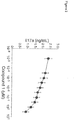
- IL-17A protein secretion was examined in peripheral blood CD4+ T cells following 5 days of culture under Th17 polarizing conditions in the presence or absence of titrating doses of Compound 1 ( Figure 2 ). Supernatants were harvested at the end of the culture period and secreted protein was analyzed by Magpix (magnetic-based Luminex technology). In this experiment, IL-17A protein levels were suppressed by compound 1 in a dose-dependent manner.
- Figure 2 shows the dose dependent effects by compound 1 on IL-17A protein levels from Th17-polarized peripheral blood T cells.
- compound 1 to suppress IL-17A in challenged ex vivo skin and peripheral blood CD4+ T cells supports the claim that compound 1 would be efficacious in the treatment of inflammatory skin conditions that require IL-17A secretion such as acne.
- the compound reduced IL-17 levels by 80 - 95% relative to stimulus alone.
- Resveratrol exerted a biphasic effect on IL-17 with partial inhibition only at 30 ⁇ M and enhancement at lower concentrations.
- CD4+ T cells were purchased from AllCells LLC as frozen vials.
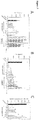
- Figure 3 shows 3,5-Dihydroxy-4-isopropyl- trans -stilbene suppresses cytokine secretion by differentiated Th17 cells and potently inhibits the Th17 polarization of CD4+ T cells.
- Figure 3 (A) Differentiated Th17 cells were treated with compound 1 or resveratrol (0.01 - 30 ⁇ M) and stimulated with anti-CD3/CD28 beads. After 24 hours the concentration of IL-17 secreted into conditioned medium was determined.
- CD4+ T cells were differentiated to the Th17 subtype by culturing for 5 days in vessels coated with anti-CD3 antibody (2 ⁇ g/mL) in Iscove's modified Dulbecco's medium (IMDM) containing 10% HI-FBS, 55 ⁇ M ⁇ -ME, soluble anti-CD28 (3 ⁇ g/mL) and a Th17 cytokine/anti-cytokine antibody cocktail of IL-1 ⁇ (10 ng/mL), IL-6 (30 ng/mL), TGF ⁇ (0.5 ng/mL), IL-21 (10 ng/mL), IL-23 (10 ng/mL), anti-IFN ⁇ (10 ⁇ g/mL) and anti-IL-4 (10 ⁇ g/mL), essentially as described by Yang et al.
- IMDM Iscove's modified Dulbecco's medium
- Sebocyte Labeling Medium containing 1 ⁇ M T0901317 and original treatments or vehicle plus 1 ⁇ M insulin.
- 2 ul of 14C-acetate was added per well and the plate incubated for 4 hours.
- 10ul of CTB reagent was added per well for normalization. Incubation was continued for the remaining 2 hours and plates were read at Ex. 560 Em.590 for CTB signal.
- Cells were then washed, trypsinized and transferred to glass vials for lipid extraction. The results are expressed as % lipid production relative to control (LXR+Insulin group).
- the data represent % inhibition relative to control (LXR+Insulin group). Data are represented as Mean ⁇ SEM. Data are from 3 replicates.
- Compound 1 was found to be not active in the sebocyte lipogenesis assay. There were trends towards increased lipogenesis compound 1 in the sebocyte model relative to the control group (LXR + Insulin).
- keratinocytes Primary human keratinocytes were cultured in EpiLife medium containing HKGS growth supplement and seeded in tissue culture plates at 250,000 cells per plate. On the next day, the culture medium was removed and keratinocytes were then treated with culture medium containing vehicle control(DMSO) or increasing concentrations of Compound 1 (1, 10, 30 uM). After 48 hours of culture, keratinocytes were removed from tissue culture plates and cell viability was assessed by staining for apoptotic markers (annexin V and propidium iodide) using flow cytometry. The percentage of viable keratinocytes was quantitated as cells that did not stain for both apoptotic markers.
- apoptotic markers annexin V and propidium iodide
- Bacterial strains utilized to evaluate this concept of antibacterial synergy were the clinical isolates P. acnes 6601, 6602, AN24, 100372, and reference strain ATCC6919. These were received from the internal culture GSK collection held by the Infectious Disease CEDD at the Upper Buffalo site. Bacteria inocula were prepared, and the determination of the minimal inhibitory concentration (MIC) were conducted on supplemented Brucella blood agar as described for the CLSI guideline method ( Bhate, K. et al. Brit. J. Derm. 168:474-485, 2013 ). Briefly, diluted antibacterials were added to tempered molten agar and aseptically poured into petri dishes and allowed to solidify.
- MIC minimal inhibitory concentration
- bacterial colonies were suspended and adjusted for turbidity equivalent to a 0.5 MacFarland standard.
- turbidity equivalent to a 0.5 MacFarland standard One-two microliters of inoculums were placed on each antibiotic containing agar plate and allowed to absorb for 30 min. Plates were then inverted and incubated anaerobically for 48-72 hours before observation for growth. The lowest drug concentration which inhibited bacterial growth was designated as the MIC.
- compound 1 would not be considered to be active as an antibacterial agent against P. acnes in contrast to true antibiotics like clindamycin with MICs ⁇ 0.5 ⁇ g/ml against this bacterial species.
- Example 6 Biological profile of 3,5-Dihydroxy-4-isopropyl- trans -stilbene differs from that of corticosteroids, calcineurin inhibitors, vitamin D analogs, and a retinoic acid receptor antagonist
- compound 1 and other active agents that have been used in dermatological conditions such as dexamethasone (low potency corticosteroid), fluticasone propionate (mid potency corticosteroid), clobetasol propionate (high potency corticosteroid), calcitriol (active form of vitamin D), tacrolimus (immunosuppressive drug), and a retinoic acid receptor antagonist (LE 135) were comparatively investigated in vitro across primary human cell types used in the Diversity Panel BioMAP system ( Berg et al. Journal of Pharmacological and Toxicological Methods, 53(1):67-74, 2006 ).
- the BioMAPTM Diversity Plus System employed included 12 assay systems which utilize specific combinations of human cells (endothelial cells, peripheral blood mononuclear cells, B cells, epithelial cells, T cells, macrophages, fibroblasts, keratinocytes and smooth muscle cells) stimulated with selected agents to mimic different disease states which activate multiple disease-relevant signaling pathways.
- a total of 148 phenotypic readouts (assays) were measured during this study.
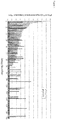
- Compound 1 demonstrated its ability to modulate more than 25 biomarkers responsible for inflammatory, immune function, tissue remodeling and anti-proliferative activities, at one or more test concentration employed in this study.
- Measurement values for each parameter in a treated sample were divided by the mean value from eight DMSO control samples (from the same plate) to generate a ratio. All ratios were then log10 transformed. Significance prediction envelopes were calculated for historical controls (99% and 95%).
- BioMAPTM profiles of 7 benchmark compounds Dexamethasone, Clobetasol propionate, Fluticasone propionate, Calcitriol, Tacrolymus (FK-506), SR-2111 (RORy inverse agonist) and LE-135 (RAR antagonist) were compared against compound 1, and similar profiles were identified as those having Pearson correlations above a selected threshold > 0.7.
Landscapes
- Health & Medical Sciences (AREA)
- Chemical & Material Sciences (AREA)
- Medicinal Chemistry (AREA)
- Pharmacology & Pharmacy (AREA)
- Life Sciences & Earth Sciences (AREA)
- Animal Behavior & Ethology (AREA)
- General Health & Medical Sciences (AREA)
- Public Health (AREA)
- Veterinary Medicine (AREA)
- Epidemiology (AREA)
- Nuclear Medicine, Radiotherapy & Molecular Imaging (AREA)
- Chemical Kinetics & Catalysis (AREA)
- General Chemical & Material Sciences (AREA)
- Organic Chemistry (AREA)
- Dermatology (AREA)
- Engineering & Computer Science (AREA)
- Bioinformatics & Cheminformatics (AREA)
- Immunology (AREA)
- Pain & Pain Management (AREA)
- Rheumatology (AREA)
- Acyclic And Carbocyclic Compounds In Medicinal Compositions (AREA)
- Medicines That Contain Protein Lipid Enzymes And Other Medicines (AREA)
Applications Claiming Priority (2)
| Application Number | Priority Date | Filing Date | Title |
|---|---|---|---|
| US201462090908P | 2014-12-12 | 2014-12-12 | |
| PCT/IB2015/059490 WO2016092493A1 (en) | 2014-12-12 | 2015-12-09 | Novel method of use |
Publications (2)
| Publication Number | Publication Date |
|---|---|
| EP3229840A1 EP3229840A1 (en) | 2017-10-18 |
| EP3229840B1 true EP3229840B1 (en) | 2020-09-09 |
Family
ID=55025296
Family Applications (1)
| Application Number | Title | Priority Date | Filing Date |
|---|---|---|---|
| EP15816887.2A Active EP3229840B1 (en) | 2014-12-12 | 2015-12-09 | 3,5-dihydroxy-4-isopropyl-trans-stilbene for use in the topical treatment of acne |
Country Status (11)
| Country | Link |
|---|---|
| US (1) | US10376475B2 (enExample) |
| EP (1) | EP3229840B1 (enExample) |
| JP (3) | JP7313117B2 (enExample) |
| KR (1) | KR102607222B1 (enExample) |
| AR (1) | AR102973A1 (enExample) |
| AU (1) | AU2015358910B2 (enExample) |
| CA (1) | CA2970739C (enExample) |
| DK (1) | DK3229840T5 (enExample) |
| ES (1) | ES2829637T3 (enExample) |
| TW (1) | TWI692357B (enExample) |
| WO (1) | WO2016092493A1 (enExample) |
Families Citing this family (14)
| Publication number | Priority date | Publication date | Assignee | Title |
|---|---|---|---|---|
| US11617724B2 (en) | 2015-05-21 | 2023-04-04 | Dermavant Sciences GmbH | Topical pharmaceutical compositions |
| IL316851A (en) | 2015-05-21 | 2025-01-01 | Dermavant Sciences GmbH | Preparations that are pharmaceutical emulsions for topical use containing 5,3-dihydroxy-4-isopropyl-trans-stilbene and their use for the treatment or prevention of dermatological conditions or disorders |
| US20170231922A1 (en) * | 2016-02-16 | 2017-08-17 | Horizon GenoMed Therapeutics, Inc | 3, 5-dihydroxy-4-isopropylstilbene (dhis) as miticidal agent and its therapeutic uses |
| CA3082115A1 (en) | 2017-11-10 | 2019-05-16 | Dermavant Sciences GmbH | Process for preparing tapinarof |
| US10967197B2 (en) | 2018-08-29 | 2021-04-06 | Azulite, Inc. | Phototherapy devices and methods for treating truncal acne and scars |
| US11497718B2 (en) | 2018-11-13 | 2022-11-15 | Dermavant Sciences GmbH | Use of tapinarof for the treatment of atopic dermatitis |
| WO2020174467A1 (en) * | 2019-02-25 | 2020-09-03 | Sol-Gel Technologies Ltd. | Treatment of psoriasis with topical tapinarof- tazarotene combination compositions |
| US20220202737A1 (en) * | 2019-03-26 | 2022-06-30 | Sol-Gel Technologies Ltd. | Treatment of hidradenitis suppurativa with tapinarof compositions |
| WO2021014453A1 (en) * | 2019-07-24 | 2021-01-28 | Sol-Gel Technologies Ltd. | Topical jak inhibitor combination compositions for treatment of inflammatory skin conditions |
| WO2021059281A1 (en) * | 2019-09-26 | 2021-04-01 | Sol-Gel Technologies Ltd. | Treatment of skin disorders with topical combination compositions comprising tapinarof and an additional ahr activator |
| EP4061332A4 (en) * | 2019-11-24 | 2023-11-29 | Sol-Gel Technologies Ltd. | TREATMENT OF SKIN DISEASES USING TOPICAL COMPOSITIONS CONTAINING TAPINAROF AND A PDE4 INHIBITOR |
| WO2023109859A1 (zh) * | 2021-12-15 | 2023-06-22 | 上海泽德曼医药科技有限公司 | 二苯乙烯类化合物及其在用于预防和/或治疗中枢神经系统相关疾病中的应用 |
| CN116265421B (zh) * | 2021-12-17 | 2024-01-02 | 上海泽德曼医药科技有限公司 | 用于预防或治疗中枢神经系统相关疾病的化合物 |
| JP2025529076A (ja) * | 2022-08-30 | 2025-09-04 | ダーマヴァント サイエンシーズ ゲーエムベーハー | AhR媒介疾患の治療に使用するタピナロおよびそのアナログ製剤 |
Family Cites Families (14)
| Publication number | Priority date | Publication date | Assignee | Title |
|---|---|---|---|---|
| AU7513994A (en) | 1993-07-27 | 1995-02-28 | Agro-Biotech Corporation | Novel fungicidal properties of metabolites, culture broth, stilbene derivatives and indole derivatives produced by the bacteria (xenorhabdus) and (photorhabdus) spp. |
| US5747482A (en) * | 1996-07-30 | 1998-05-05 | Bernstein; Lawrence R. | Methods and compositions to inhibit keratinocyte proliferation |
| ATE444960T1 (de) | 1999-12-06 | 2009-10-15 | Welichem Biotech Inc | Polyhydroxystilbene und -stilbenoxide als antipsoriasismittel und proteinkinasehemmer |
| US7321050B2 (en) * | 1999-12-06 | 2008-01-22 | Welichem Biotech Inc. | Anti-inflammatory and psoriasis treatment and protein kinase inhibition by hydroxy stilbenes and novel stilbene derivatives and analogues |
| AU2003271470B2 (en) * | 2002-10-01 | 2010-03-18 | Welichem Biotech Inc. | Novel bioactive diphenyl ethene compounds and their therapeutic applications |
| FR2917427B1 (fr) * | 2007-06-18 | 2009-08-21 | Galderma Res & Dev | Inhibiteurs de tace dans le traitement de l'acne |
| WO2009108762A2 (en) * | 2008-02-26 | 2009-09-03 | The Penn State Research Foundation | Methods and compositions for treatment of retinoid-responsive conditions |
| US20100003315A1 (en) * | 2008-07-02 | 2010-01-07 | Willeford Kenneth L | Method and Composition for the Treatment of Skin Conditions |
| CN101531571B (zh) | 2009-04-17 | 2013-03-20 | 河北科技大学 | 六次甲基四胺氧化合成二苯乙烯类化合物的方法 |
| CN101633606B (zh) | 2009-08-13 | 2014-08-27 | 河北科技大学 | 盐酸非均相氯代合成茋类化合物的方法 |
| CN101648851B (zh) | 2009-09-03 | 2012-10-10 | 河北科技大学 | (e)-3,5-二羟基-4-异丙基二苯乙烯的清洁制备方法 |
| CN101830764A (zh) | 2010-05-05 | 2010-09-15 | 河北科技大学 | 利用Pfitzner-moffatt氧化反应合成茋类化合物的方法 |
| CN101838173A (zh) | 2010-05-07 | 2010-09-22 | 河北科技大学 | 利用Kornblum氧化反应合成茋类化合物的方法 |
| BR112013033617B1 (pt) * | 2011-06-27 | 2021-10-26 | Galderma Research & Development | Uso de mrna, método para o diagnóstico de acne, métodos para o monitoramento da progressão ou variação de acne e da eficácia de um tratamento para tratar acne, e de triagem in vitro para a identificação de inibidores de diferenciação de células th17 |
-
2015
- 2015-12-09 KR KR1020177018865A patent/KR102607222B1/ko active Active
- 2015-12-09 WO PCT/IB2015/059490 patent/WO2016092493A1/en not_active Ceased
- 2015-12-09 CA CA2970739A patent/CA2970739C/en active Active
- 2015-12-09 JP JP2017531367A patent/JP7313117B2/ja active Active
- 2015-12-09 AU AU2015358910A patent/AU2015358910B2/en active Active
- 2015-12-09 DK DK15816887.2T patent/DK3229840T5/da active
- 2015-12-09 EP EP15816887.2A patent/EP3229840B1/en active Active
- 2015-12-09 US US15/529,671 patent/US10376475B2/en active Active
- 2015-12-09 ES ES15816887T patent/ES2829637T3/es active Active
- 2015-12-10 TW TW104141446A patent/TWI692357B/zh active
- 2015-12-11 AR ARP150104041A patent/AR102973A1/es not_active Application Discontinuation
-
2021
- 2021-05-21 JP JP2021086297A patent/JP2021152018A/ja active Pending
-
2023
- 2023-06-08 JP JP2023095048A patent/JP2023123554A/ja not_active Ceased
Non-Patent Citations (1)
| Title |
|---|
| None * |
Also Published As
| Publication number | Publication date |
|---|---|
| JP7313117B2 (ja) | 2023-07-24 |
| DK3229840T5 (da) | 2020-11-16 |
| TWI692357B (zh) | 2020-05-01 |
| JP2023123554A (ja) | 2023-09-05 |
| JP2021152018A (ja) | 2021-09-30 |
| TW201639548A (zh) | 2016-11-16 |
| ES2829637T3 (es) | 2021-06-01 |
| KR20170095928A (ko) | 2017-08-23 |
| KR102607222B1 (ko) | 2023-11-29 |
| US10376475B2 (en) | 2019-08-13 |
| AU2015358910A1 (en) | 2017-06-29 |
| AU2015358910B2 (en) | 2019-01-24 |
| WO2016092493A1 (en) | 2016-06-16 |
| US20170360719A1 (en) | 2017-12-21 |
| DK3229840T3 (da) | 2020-11-09 |
| EP3229840A1 (en) | 2017-10-18 |
| CA2970739A1 (en) | 2016-06-16 |
| AR102973A1 (es) | 2017-04-05 |
| JP2017537936A (ja) | 2017-12-21 |
| CA2970739C (en) | 2023-10-03 |
Similar Documents
| Publication | Publication Date | Title |
|---|---|---|
| US10376475B2 (en) | Method of use | |
| Zhang et al. | Exosomes from adipose derived mesenchymal stem cells alleviate diabetic osteoporosis in rats through suppressing NLRP3 inflammasome activation in osteoclasts | |
| Han et al. | The antimicrobial effect of CEN1HC-Br against Propionibacterium acnes and its therapeutic and anti-inflammatory effects on acne vulgaris | |
| US20220273595A1 (en) | Compositions and methods for treating eczema | |
| Lee et al. | Protease-activated receptor-2 mediates the expression of inflammatory cytokines, antimicrobial peptides, and matrix metalloproteinases in keratinocytes in response to Propionibacterium acnes | |
| Zhang et al. | Puerarin prevents LPS-induced osteoclast formation and bone loss via inhibition of Akt activation | |
| US20150017227A1 (en) | Methods and Compositions for Treating Skin Diseases and Conditions | |
| Wang et al. | Thymol activates TRPM8-mediated Ca2+ influx for its antipruritic effects and alleviates inflammatory response in Imiquimod-induced mice | |
| GB2542797A (en) | Use of cannabinoids in the treatment of inflammatory skin diseases | |
| Téllez-Pérez et al. | Cholecalciferol (vitamin D) differentially regulates antimicrobial peptide expression in bovine mammary epithelial cells: implications during Staphylococcus aureus internalization | |
| Grange et al. | Nicotinamide inhibits Propionibacterium acnes-induced IL-8 production in keratinocytes through the NF-κB and MAPK pathways | |
| EP1909834A2 (en) | Use of hmgb1 antagonists for the treatment of inflammatory skin conditions | |
| EP2379085A1 (en) | Pharmaceutical preparation comprising supernatant of blood mononuclear cell culture | |
| JP2019513769A (ja) | アトピー性皮膚炎を処置するためのグラム陰性種の使用 | |
| JP2012531448A (ja) | 酒さまたは赤面に関連する皮膚疾患を治療するための、ベルベリンまたはその類似体を含有する組成物 | |
| AU2022200210A1 (en) | Therapeutic method | |
| JP2015500820A (ja) | Egfr阻害の有害反応を予防または処置するための組成物 | |
| Brito et al. | Cytotoxicity and potential anti-inflammatory activity of velutin on RAW 264.7 cell line differentiation: Implications in periodontal bone loss | |
| WO2025111413A1 (en) | Treatment for skin disorders | |
| CN109963594A (zh) | 治疗皮肤病症的包含噻唑和开环甾类化合物的组合疗法 | |
| TW201711696A (zh) | 用於促進傷口癒合的吳郭魚抗菌胜肽 | |
| Tran | Effect of Oxyresveratrol on Inflammatory Skin Diseases|| | |
| Hong | Pharmacological inhibition of porcupine as monotherapy or in combination with ruxolitinib, ibrutinib or belumosudil in experimental sclerodermatous chronic graft-versus-host disease | |
| Travieso et al. | Effects of the Topical OLEOZON®, Ketoconazole and Terbinafine on Skin Lesions and Dermatophytes in Patients with Epidermophitosis | |
| Friedrich | HIF-1α drives fungal immunity in human macrophages |
Legal Events
| Date | Code | Title | Description |
|---|---|---|---|
| STAA | Information on the status of an ep patent application or granted ep patent |
Free format text: STATUS: THE INTERNATIONAL PUBLICATION HAS BEEN MADE |
|
| PUAI | Public reference made under article 153(3) epc to a published international application that has entered the european phase |
Free format text: ORIGINAL CODE: 0009012 |
|
| STAA | Information on the status of an ep patent application or granted ep patent |
Free format text: STATUS: REQUEST FOR EXAMINATION WAS MADE |
|
| 17P | Request for examination filed |
Effective date: 20170710 |
|
| AK | Designated contracting states |
Kind code of ref document: A1 Designated state(s): AL AT BE BG CH CY CZ DE DK EE ES FI FR GB GR HR HU IE IS IT LI LT LU LV MC MK MT NL NO PL PT RO RS SE SI SK SM TR |
|
| AX | Request for extension of the european patent |
Extension state: BA ME |
|
| DAV | Request for validation of the european patent (deleted) | ||
| STAA | Information on the status of an ep patent application or granted ep patent |
Free format text: STATUS: EXAMINATION IS IN PROGRESS |
|
| 17Q | First examination report despatched |
Effective date: 20180424 |
|
| RAP1 | Party data changed (applicant data changed or rights of an application transferred) |
Owner name: DERMAVENT SCIENCES GMBH |
|
| REG | Reference to a national code |
Ref country code: DE Ref legal event code: R079 Ref document number: 602015058896 Country of ref document: DE Free format text: PREVIOUS MAIN CLASS: A61K0045060000 Ipc: A61K0031050000 |
|
| GRAP | Despatch of communication of intention to grant a patent |
Free format text: ORIGINAL CODE: EPIDOSNIGR1 |
|
| STAA | Information on the status of an ep patent application or granted ep patent |
Free format text: STATUS: GRANT OF PATENT IS INTENDED |
|
| RIC1 | Information provided on ipc code assigned before grant |
Ipc: A61P 17/00 20060101ALI20200326BHEP Ipc: A61P 29/00 20060101ALI20200326BHEP Ipc: A61K 31/05 20060101AFI20200326BHEP Ipc: A61P 17/10 20060101ALI20200326BHEP Ipc: A61K 45/06 20060101ALI20200326BHEP |
|
| INTG | Intention to grant announced |
Effective date: 20200414 |
|
| GRAS | Grant fee paid |
Free format text: ORIGINAL CODE: EPIDOSNIGR3 |
|
| GRAA | (expected) grant |
Free format text: ORIGINAL CODE: 0009210 |
|
| STAA | Information on the status of an ep patent application or granted ep patent |
Free format text: STATUS: THE PATENT HAS BEEN GRANTED |
|
| AK | Designated contracting states |
Kind code of ref document: B1 Designated state(s): AL AT BE BG CH CY CZ DE DK EE ES FI FR GB GR HR HU IE IS IT LI LT LU LV MC MK MT NL NO PL PT RO RS SE SI SK SM TR |
|
| AX | Request for extension of the european patent |
Extension state: BA ME |
|
| REG | Reference to a national code |
Ref country code: GB Ref legal event code: FG4D |
|
| REG | Reference to a national code |
Ref country code: AT Ref legal event code: REF Ref document number: 1310686 Country of ref document: AT Kind code of ref document: T Effective date: 20200915 Ref country code: CH Ref legal event code: EP |
|
| REG | Reference to a national code |
Ref country code: DE Ref legal event code: R096 Ref document number: 602015058896 Country of ref document: DE |
|
| REG | Reference to a national code |
Ref country code: IE Ref legal event code: FG4D |
|
| REG | Reference to a national code |
Ref country code: FI Ref legal event code: FGE |
|
| REG | Reference to a national code |
Ref country code: DK Ref legal event code: T3 Effective date: 20201104 |
|
| REG | Reference to a national code |
Ref country code: CH Ref legal event code: NV Representative=s name: MICHELI AND CIE SA, CH |
|
| REG | Reference to a national code |
Ref country code: DK Ref legal event code: T5 Effective date: 20201113 |
|
| REG | Reference to a national code |
Ref country code: SE Ref legal event code: TRGR |
|
| REG | Reference to a national code |
Ref country code: NL Ref legal event code: FP |
|
| REG | Reference to a national code |
Ref country code: LT Ref legal event code: MG4D Ref country code: NO Ref legal event code: T2 Effective date: 20200909 |
|
| PG25 | Lapsed in a contracting state [announced via postgrant information from national office to epo] |
Ref country code: HR Free format text: LAPSE BECAUSE OF FAILURE TO SUBMIT A TRANSLATION OF THE DESCRIPTION OR TO PAY THE FEE WITHIN THE PRESCRIBED TIME-LIMIT Effective date: 20200909 Ref country code: BG Free format text: LAPSE BECAUSE OF FAILURE TO SUBMIT A TRANSLATION OF THE DESCRIPTION OR TO PAY THE FEE WITHIN THE PRESCRIBED TIME-LIMIT Effective date: 20201209 Ref country code: LT Free format text: LAPSE BECAUSE OF FAILURE TO SUBMIT A TRANSLATION OF THE DESCRIPTION OR TO PAY THE FEE WITHIN THE PRESCRIBED TIME-LIMIT Effective date: 20200909 Ref country code: GR Free format text: LAPSE BECAUSE OF FAILURE TO SUBMIT A TRANSLATION OF THE DESCRIPTION OR TO PAY THE FEE WITHIN THE PRESCRIBED TIME-LIMIT Effective date: 20201210 |
|
| PG25 | Lapsed in a contracting state [announced via postgrant information from national office to epo] |
Ref country code: PL Free format text: LAPSE BECAUSE OF FAILURE TO SUBMIT A TRANSLATION OF THE DESCRIPTION OR TO PAY THE FEE WITHIN THE PRESCRIBED TIME-LIMIT Effective date: 20200909 Ref country code: RS Free format text: LAPSE BECAUSE OF FAILURE TO SUBMIT A TRANSLATION OF THE DESCRIPTION OR TO PAY THE FEE WITHIN THE PRESCRIBED TIME-LIMIT Effective date: 20200909 Ref country code: LV Free format text: LAPSE BECAUSE OF FAILURE TO SUBMIT A TRANSLATION OF THE DESCRIPTION OR TO PAY THE FEE WITHIN THE PRESCRIBED TIME-LIMIT Effective date: 20200909 |
|
| PG25 | Lapsed in a contracting state [announced via postgrant information from national office to epo] |
Ref country code: CZ Free format text: LAPSE BECAUSE OF FAILURE TO SUBMIT A TRANSLATION OF THE DESCRIPTION OR TO PAY THE FEE WITHIN THE PRESCRIBED TIME-LIMIT Effective date: 20200909 Ref country code: EE Free format text: LAPSE BECAUSE OF FAILURE TO SUBMIT A TRANSLATION OF THE DESCRIPTION OR TO PAY THE FEE WITHIN THE PRESCRIBED TIME-LIMIT Effective date: 20200909 Ref country code: RO Free format text: LAPSE BECAUSE OF FAILURE TO SUBMIT A TRANSLATION OF THE DESCRIPTION OR TO PAY THE FEE WITHIN THE PRESCRIBED TIME-LIMIT Effective date: 20200909 Ref country code: SM Free format text: LAPSE BECAUSE OF FAILURE TO SUBMIT A TRANSLATION OF THE DESCRIPTION OR TO PAY THE FEE WITHIN THE PRESCRIBED TIME-LIMIT Effective date: 20200909 Ref country code: PT Free format text: LAPSE BECAUSE OF FAILURE TO SUBMIT A TRANSLATION OF THE DESCRIPTION OR TO PAY THE FEE WITHIN THE PRESCRIBED TIME-LIMIT Effective date: 20210111 |
|
| PG25 | Lapsed in a contracting state [announced via postgrant information from national office to epo] |
Ref country code: AL Free format text: LAPSE BECAUSE OF FAILURE TO SUBMIT A TRANSLATION OF THE DESCRIPTION OR TO PAY THE FEE WITHIN THE PRESCRIBED TIME-LIMIT Effective date: 20200909 Ref country code: IS Free format text: LAPSE BECAUSE OF FAILURE TO SUBMIT A TRANSLATION OF THE DESCRIPTION OR TO PAY THE FEE WITHIN THE PRESCRIBED TIME-LIMIT Effective date: 20210219 |
|
| REG | Reference to a national code |
Ref country code: ES Ref legal event code: FG2A Ref document number: 2829637 Country of ref document: ES Kind code of ref document: T3 Effective date: 20210601 |
|
| REG | Reference to a national code |
Ref country code: DE Ref legal event code: R097 Ref document number: 602015058896 Country of ref document: DE |
|
| PG25 | Lapsed in a contracting state [announced via postgrant information from national office to epo] |
Ref country code: SK Free format text: LAPSE BECAUSE OF FAILURE TO SUBMIT A TRANSLATION OF THE DESCRIPTION OR TO PAY THE FEE WITHIN THE PRESCRIBED TIME-LIMIT Effective date: 20200909 |
|
| PLBE | No opposition filed within time limit |
Free format text: ORIGINAL CODE: 0009261 |
|
| STAA | Information on the status of an ep patent application or granted ep patent |
Free format text: STATUS: NO OPPOSITION FILED WITHIN TIME LIMIT |
|
| 26N | No opposition filed |
Effective date: 20210610 |
|
| PG25 | Lapsed in a contracting state [announced via postgrant information from national office to epo] |
Ref country code: MC Free format text: LAPSE BECAUSE OF FAILURE TO SUBMIT A TRANSLATION OF THE DESCRIPTION OR TO PAY THE FEE WITHIN THE PRESCRIBED TIME-LIMIT Effective date: 20200909 Ref country code: SI Free format text: LAPSE BECAUSE OF FAILURE TO SUBMIT A TRANSLATION OF THE DESCRIPTION OR TO PAY THE FEE WITHIN THE PRESCRIBED TIME-LIMIT Effective date: 20200909 |
|
| PG25 | Lapsed in a contracting state [announced via postgrant information from national office to epo] |
Ref country code: LU Free format text: LAPSE BECAUSE OF NON-PAYMENT OF DUE FEES Effective date: 20201209 |
|
| PG25 | Lapsed in a contracting state [announced via postgrant information from national office to epo] |
Ref country code: TR Free format text: LAPSE BECAUSE OF FAILURE TO SUBMIT A TRANSLATION OF THE DESCRIPTION OR TO PAY THE FEE WITHIN THE PRESCRIBED TIME-LIMIT Effective date: 20200909 Ref country code: MT Free format text: LAPSE BECAUSE OF FAILURE TO SUBMIT A TRANSLATION OF THE DESCRIPTION OR TO PAY THE FEE WITHIN THE PRESCRIBED TIME-LIMIT Effective date: 20200909 Ref country code: CY Free format text: LAPSE BECAUSE OF FAILURE TO SUBMIT A TRANSLATION OF THE DESCRIPTION OR TO PAY THE FEE WITHIN THE PRESCRIBED TIME-LIMIT Effective date: 20200909 |
|
| PG25 | Lapsed in a contracting state [announced via postgrant information from national office to epo] |
Ref country code: MK Free format text: LAPSE BECAUSE OF FAILURE TO SUBMIT A TRANSLATION OF THE DESCRIPTION OR TO PAY THE FEE WITHIN THE PRESCRIBED TIME-LIMIT Effective date: 20200909 |
|
| REG | Reference to a national code |
Ref country code: AT Ref legal event code: UEP Ref document number: 1310686 Country of ref document: AT Kind code of ref document: T Effective date: 20200909 |
|
| P01 | Opt-out of the competence of the unified patent court (upc) registered |
Free format text: CASE NUMBER: UPC_APP_119482/2023 Effective date: 20230510 |
|
| PGFP | Annual fee paid to national office [announced via postgrant information from national office to epo] |
Ref country code: NL Payment date: 20251119 Year of fee payment: 11 |
|
| REG | Reference to a national code |
Ref country code: CH Ref legal event code: U11 Free format text: ST27 STATUS EVENT CODE: U-0-0-U10-U11 (AS PROVIDED BY THE NATIONAL OFFICE) Effective date: 20260101 |
|
| PGFP | Annual fee paid to national office [announced via postgrant information from national office to epo] |
Ref country code: DE Payment date: 20251126 Year of fee payment: 11 Ref country code: IS Payment date: 20251209 Year of fee payment: 11 |
|
| PGFP | Annual fee paid to national office [announced via postgrant information from national office to epo] |
Ref country code: GB Payment date: 20251120 Year of fee payment: 11 |
|
| PGFP | Annual fee paid to national office [announced via postgrant information from national office to epo] |
Ref country code: NO Payment date: 20251121 Year of fee payment: 11 |
|
| PGFP | Annual fee paid to national office [announced via postgrant information from national office to epo] |
Ref country code: AT Payment date: 20251121 Year of fee payment: 11 |
|
| PGFP | Annual fee paid to national office [announced via postgrant information from national office to epo] |
Ref country code: IT Payment date: 20251119 Year of fee payment: 11 Ref country code: FI Payment date: 20251119 Year of fee payment: 11 Ref country code: DK Payment date: 20251119 Year of fee payment: 11 |
|
| PGFP | Annual fee paid to national office [announced via postgrant information from national office to epo] |
Ref country code: FR Payment date: 20251120 Year of fee payment: 11 |
|
| PGFP | Annual fee paid to national office [announced via postgrant information from national office to epo] |
Ref country code: BE Payment date: 20251119 Year of fee payment: 11 |
|
| PGFP | Annual fee paid to national office [announced via postgrant information from national office to epo] |
Ref country code: SE Payment date: 20251119 Year of fee payment: 11 |
|
| PGFP | Annual fee paid to national office [announced via postgrant information from national office to epo] |
Ref country code: IE Payment date: 20251121 Year of fee payment: 11 |
|
| PGFP | Annual fee paid to national office [announced via postgrant information from national office to epo] |
Ref country code: ES Payment date: 20260102 Year of fee payment: 11 |
|
| PGFP | Annual fee paid to national office [announced via postgrant information from national office to epo] |
Ref country code: CH Payment date: 20260101 Year of fee payment: 11 |