EP3204352B1 - Inhibitors of lysine gingipain - Google Patents
Inhibitors of lysine gingipain Download PDFInfo
- Publication number
- EP3204352B1 EP3204352B1 EP15849799.0A EP15849799A EP3204352B1 EP 3204352 B1 EP3204352 B1 EP 3204352B1 EP 15849799 A EP15849799 A EP 15849799A EP 3204352 B1 EP3204352 B1 EP 3204352B1
- Authority
- EP
- European Patent Office
- Prior art keywords
- group
- compound
- amino
- carbonyl
- carbamate
- Prior art date
- Legal status (The legal status is an assumption and is not a legal conclusion. Google has not performed a legal analysis and makes no representation as to the accuracy of the status listed.)
- Active
Links
- 0 C*(C)c1ncc[s]1 Chemical compound C*(C)c1ncc[s]1 0.000 description 8
- FJJMCDRBSNZGMD-UHFFFAOYSA-N C=[O]C(C1CCCC1)=O Chemical compound C=[O]C(C1CCCC1)=O FJJMCDRBSNZGMD-UHFFFAOYSA-N 0.000 description 1
- VVAWWRPTZNFUTF-AWEZNQCLSA-N NCCCC[C@@H](C(c1nc(cccc2)c2[s]1)=O)NC(C1=[O]CCCC1)=O Chemical compound NCCCC[C@@H](C(c1nc(cccc2)c2[s]1)=O)NC(C1=[O]CCCC1)=O VVAWWRPTZNFUTF-AWEZNQCLSA-N 0.000 description 1
- KGUOXLJPOKKTQM-IJHRGXPZSA-N NCCCC[C@@H](C(c1nc2ccccc2[s]1)=O)NC(C1c2ccccc2CCC1)=O Chemical compound NCCCC[C@@H](C(c1nc2ccccc2[s]1)=O)NC(C1c2ccccc2CCC1)=O KGUOXLJPOKKTQM-IJHRGXPZSA-N 0.000 description 1
- JKHJVSWHUGHWQK-INIZCTEOSA-N NCCCC[C@@H](C(c1nc2ccccc2[s]1)=O)NC(c1ccccc1C(F)(F)F)=O Chemical compound NCCCC[C@@H](C(c1nc2ccccc2[s]1)=O)NC(c1ccccc1C(F)(F)F)=O JKHJVSWHUGHWQK-INIZCTEOSA-N 0.000 description 1
Images



Classifications
-
- C—CHEMISTRY; METALLURGY
- C07—ORGANIC CHEMISTRY
- C07D—HETEROCYCLIC COMPOUNDS
- C07D417/00—Heterocyclic compounds containing two or more hetero rings, at least one ring having nitrogen and sulfur atoms as the only ring hetero atoms, not provided for by group C07D415/00
- C07D417/02—Heterocyclic compounds containing two or more hetero rings, at least one ring having nitrogen and sulfur atoms as the only ring hetero atoms, not provided for by group C07D415/00 containing two hetero rings
- C07D417/12—Heterocyclic compounds containing two or more hetero rings, at least one ring having nitrogen and sulfur atoms as the only ring hetero atoms, not provided for by group C07D415/00 containing two hetero rings linked by a chain containing hetero atoms as chain links
-
- A—HUMAN NECESSITIES
- A61—MEDICAL OR VETERINARY SCIENCE; HYGIENE
- A61K—PREPARATIONS FOR MEDICAL, DENTAL OR TOILETRY PURPOSES
- A61K31/00—Medicinal preparations containing organic active ingredients
- A61K31/16—Amides, e.g. hydroxamic acids
- A61K31/164—Amides, e.g. hydroxamic acids of a carboxylic acid with an aminoalcohol, e.g. ceramides
-
- A—HUMAN NECESSITIES
- A61—MEDICAL OR VETERINARY SCIENCE; HYGIENE
- A61K—PREPARATIONS FOR MEDICAL, DENTAL OR TOILETRY PURPOSES
- A61K31/00—Medicinal preparations containing organic active ingredients
- A61K31/33—Heterocyclic compounds
- A61K31/395—Heterocyclic compounds having nitrogen as a ring hetero atom, e.g. guanethidine or rifamycins
- A61K31/41—Heterocyclic compounds having nitrogen as a ring hetero atom, e.g. guanethidine or rifamycins having five-membered rings with two or more ring hetero atoms, at least one of which being nitrogen, e.g. tetrazole
- A61K31/425—Thiazoles
- A61K31/426—1,3-Thiazoles
-
- A—HUMAN NECESSITIES
- A61—MEDICAL OR VETERINARY SCIENCE; HYGIENE
- A61K—PREPARATIONS FOR MEDICAL, DENTAL OR TOILETRY PURPOSES
- A61K31/00—Medicinal preparations containing organic active ingredients
- A61K31/33—Heterocyclic compounds
- A61K31/395—Heterocyclic compounds having nitrogen as a ring hetero atom, e.g. guanethidine or rifamycins
- A61K31/41—Heterocyclic compounds having nitrogen as a ring hetero atom, e.g. guanethidine or rifamycins having five-membered rings with two or more ring hetero atoms, at least one of which being nitrogen, e.g. tetrazole
- A61K31/425—Thiazoles
- A61K31/428—Thiazoles condensed with carbocyclic rings
-
- A—HUMAN NECESSITIES
- A61—MEDICAL OR VETERINARY SCIENCE; HYGIENE
- A61K—PREPARATIONS FOR MEDICAL, DENTAL OR TOILETRY PURPOSES
- A61K31/00—Medicinal preparations containing organic active ingredients
- A61K31/33—Heterocyclic compounds
- A61K31/395—Heterocyclic compounds having nitrogen as a ring hetero atom, e.g. guanethidine or rifamycins
- A61K31/435—Heterocyclic compounds having nitrogen as a ring hetero atom, e.g. guanethidine or rifamycins having six-membered rings with one nitrogen as the only ring hetero atom
- A61K31/44—Non condensed pyridines; Hydrogenated derivatives thereof
- A61K31/4402—Non condensed pyridines; Hydrogenated derivatives thereof only substituted in position 2, e.g. pheniramine, bisacodyl
-
- A—HUMAN NECESSITIES
- A61—MEDICAL OR VETERINARY SCIENCE; HYGIENE
- A61P—SPECIFIC THERAPEUTIC ACTIVITY OF CHEMICAL COMPOUNDS OR MEDICINAL PREPARATIONS
- A61P1/00—Drugs for disorders of the alimentary tract or the digestive system
- A61P1/02—Stomatological preparations, e.g. drugs for caries, aphtae, periodontitis
-
- A—HUMAN NECESSITIES
- A61—MEDICAL OR VETERINARY SCIENCE; HYGIENE
- A61P—SPECIFIC THERAPEUTIC ACTIVITY OF CHEMICAL COMPOUNDS OR MEDICINAL PREPARATIONS
- A61P1/00—Drugs for disorders of the alimentary tract or the digestive system
- A61P1/16—Drugs for disorders of the alimentary tract or the digestive system for liver or gallbladder disorders, e.g. hepatoprotective agents, cholagogues, litholytics
-
- A—HUMAN NECESSITIES
- A61—MEDICAL OR VETERINARY SCIENCE; HYGIENE
- A61P—SPECIFIC THERAPEUTIC ACTIVITY OF CHEMICAL COMPOUNDS OR MEDICINAL PREPARATIONS
- A61P11/00—Drugs for disorders of the respiratory system
-
- A—HUMAN NECESSITIES
- A61—MEDICAL OR VETERINARY SCIENCE; HYGIENE
- A61P—SPECIFIC THERAPEUTIC ACTIVITY OF CHEMICAL COMPOUNDS OR MEDICINAL PREPARATIONS
- A61P13/00—Drugs for disorders of the urinary system
- A61P13/12—Drugs for disorders of the urinary system of the kidneys
-
- A—HUMAN NECESSITIES
- A61—MEDICAL OR VETERINARY SCIENCE; HYGIENE
- A61P—SPECIFIC THERAPEUTIC ACTIVITY OF CHEMICAL COMPOUNDS OR MEDICINAL PREPARATIONS
- A61P15/00—Drugs for genital or sexual disorders; Contraceptives
- A61P15/06—Antiabortive agents; Labour repressants
-
- A—HUMAN NECESSITIES
- A61—MEDICAL OR VETERINARY SCIENCE; HYGIENE
- A61P—SPECIFIC THERAPEUTIC ACTIVITY OF CHEMICAL COMPOUNDS OR MEDICINAL PREPARATIONS
- A61P19/00—Drugs for skeletal disorders
- A61P19/02—Drugs for skeletal disorders for joint disorders, e.g. arthritis, arthrosis
-
- A—HUMAN NECESSITIES
- A61—MEDICAL OR VETERINARY SCIENCE; HYGIENE
- A61P—SPECIFIC THERAPEUTIC ACTIVITY OF CHEMICAL COMPOUNDS OR MEDICINAL PREPARATIONS
- A61P21/00—Drugs for disorders of the muscular or neuromuscular system
- A61P21/04—Drugs for disorders of the muscular or neuromuscular system for myasthenia gravis
-
- A—HUMAN NECESSITIES
- A61—MEDICAL OR VETERINARY SCIENCE; HYGIENE
- A61P—SPECIFIC THERAPEUTIC ACTIVITY OF CHEMICAL COMPOUNDS OR MEDICINAL PREPARATIONS
- A61P25/00—Drugs for disorders of the nervous system
-
- A—HUMAN NECESSITIES
- A61—MEDICAL OR VETERINARY SCIENCE; HYGIENE
- A61P—SPECIFIC THERAPEUTIC ACTIVITY OF CHEMICAL COMPOUNDS OR MEDICINAL PREPARATIONS
- A61P25/00—Drugs for disorders of the nervous system
- A61P25/08—Antiepileptics; Anticonvulsants
-
- A—HUMAN NECESSITIES
- A61—MEDICAL OR VETERINARY SCIENCE; HYGIENE
- A61P—SPECIFIC THERAPEUTIC ACTIVITY OF CHEMICAL COMPOUNDS OR MEDICINAL PREPARATIONS
- A61P25/00—Drugs for disorders of the nervous system
- A61P25/14—Drugs for disorders of the nervous system for treating abnormal movements, e.g. chorea, dyskinesia
-
- A—HUMAN NECESSITIES
- A61—MEDICAL OR VETERINARY SCIENCE; HYGIENE
- A61P—SPECIFIC THERAPEUTIC ACTIVITY OF CHEMICAL COMPOUNDS OR MEDICINAL PREPARATIONS
- A61P25/00—Drugs for disorders of the nervous system
- A61P25/14—Drugs for disorders of the nervous system for treating abnormal movements, e.g. chorea, dyskinesia
- A61P25/16—Anti-Parkinson drugs
-
- A—HUMAN NECESSITIES
- A61—MEDICAL OR VETERINARY SCIENCE; HYGIENE
- A61P—SPECIFIC THERAPEUTIC ACTIVITY OF CHEMICAL COMPOUNDS OR MEDICINAL PREPARATIONS
- A61P25/00—Drugs for disorders of the nervous system
- A61P25/18—Antipsychotics, i.e. neuroleptics; Drugs for mania or schizophrenia
-
- A—HUMAN NECESSITIES
- A61—MEDICAL OR VETERINARY SCIENCE; HYGIENE
- A61P—SPECIFIC THERAPEUTIC ACTIVITY OF CHEMICAL COMPOUNDS OR MEDICINAL PREPARATIONS
- A61P25/00—Drugs for disorders of the nervous system
- A61P25/24—Antidepressants
-
- A—HUMAN NECESSITIES
- A61—MEDICAL OR VETERINARY SCIENCE; HYGIENE
- A61P—SPECIFIC THERAPEUTIC ACTIVITY OF CHEMICAL COMPOUNDS OR MEDICINAL PREPARATIONS
- A61P25/00—Drugs for disorders of the nervous system
- A61P25/28—Drugs for disorders of the nervous system for treating neurodegenerative disorders of the central nervous system, e.g. nootropic agents, cognition enhancers, drugs for treating Alzheimer's disease or other forms of dementia
-
- A—HUMAN NECESSITIES
- A61—MEDICAL OR VETERINARY SCIENCE; HYGIENE
- A61P—SPECIFIC THERAPEUTIC ACTIVITY OF CHEMICAL COMPOUNDS OR MEDICINAL PREPARATIONS
- A61P27/00—Drugs for disorders of the senses
- A61P27/02—Ophthalmic agents
-
- A—HUMAN NECESSITIES
- A61—MEDICAL OR VETERINARY SCIENCE; HYGIENE
- A61P—SPECIFIC THERAPEUTIC ACTIVITY OF CHEMICAL COMPOUNDS OR MEDICINAL PREPARATIONS
- A61P27/00—Drugs for disorders of the senses
- A61P27/02—Ophthalmic agents
- A61P27/06—Antiglaucoma agents or miotics
-
- A—HUMAN NECESSITIES
- A61—MEDICAL OR VETERINARY SCIENCE; HYGIENE
- A61P—SPECIFIC THERAPEUTIC ACTIVITY OF CHEMICAL COMPOUNDS OR MEDICINAL PREPARATIONS
- A61P29/00—Non-central analgesic, antipyretic or antiinflammatory agents, e.g. antirheumatic agents; Non-steroidal antiinflammatory drugs [NSAID]
-
- A—HUMAN NECESSITIES
- A61—MEDICAL OR VETERINARY SCIENCE; HYGIENE
- A61P—SPECIFIC THERAPEUTIC ACTIVITY OF CHEMICAL COMPOUNDS OR MEDICINAL PREPARATIONS
- A61P3/00—Drugs for disorders of the metabolism
- A61P3/08—Drugs for disorders of the metabolism for glucose homeostasis
- A61P3/10—Drugs for disorders of the metabolism for glucose homeostasis for hyperglycaemia, e.g. antidiabetics
-
- A—HUMAN NECESSITIES
- A61—MEDICAL OR VETERINARY SCIENCE; HYGIENE
- A61P—SPECIFIC THERAPEUTIC ACTIVITY OF CHEMICAL COMPOUNDS OR MEDICINAL PREPARATIONS
- A61P31/00—Antiinfectives, i.e. antibiotics, antiseptics, chemotherapeutics
- A61P31/04—Antibacterial agents
-
- A—HUMAN NECESSITIES
- A61—MEDICAL OR VETERINARY SCIENCE; HYGIENE
- A61P—SPECIFIC THERAPEUTIC ACTIVITY OF CHEMICAL COMPOUNDS OR MEDICINAL PREPARATIONS
- A61P35/00—Antineoplastic agents
-
- A—HUMAN NECESSITIES
- A61—MEDICAL OR VETERINARY SCIENCE; HYGIENE
- A61P—SPECIFIC THERAPEUTIC ACTIVITY OF CHEMICAL COMPOUNDS OR MEDICINAL PREPARATIONS
- A61P43/00—Drugs for specific purposes, not provided for in groups A61P1/00-A61P41/00
-
- A—HUMAN NECESSITIES
- A61—MEDICAL OR VETERINARY SCIENCE; HYGIENE
- A61P—SPECIFIC THERAPEUTIC ACTIVITY OF CHEMICAL COMPOUNDS OR MEDICINAL PREPARATIONS
- A61P9/00—Drugs for disorders of the cardiovascular system
-
- C—CHEMISTRY; METALLURGY
- C07—ORGANIC CHEMISTRY
- C07C—ACYCLIC OR CARBOCYCLIC COMPOUNDS
- C07C233/00—Carboxylic acid amides
- C07C233/57—Carboxylic acid amides having carbon atoms of carboxamide groups bound to carbon atoms of rings other than six-membered aromatic rings
- C07C233/62—Carboxylic acid amides having carbon atoms of carboxamide groups bound to carbon atoms of rings other than six-membered aromatic rings having the nitrogen atom of at least one of the carboxamide groups bound to a carbon atom of a hydrocarbon radical substituted by amino groups
-
- C—CHEMISTRY; METALLURGY
- C07—ORGANIC CHEMISTRY
- C07C—ACYCLIC OR CARBOCYCLIC COMPOUNDS
- C07C233/00—Carboxylic acid amides
- C07C233/64—Carboxylic acid amides having carbon atoms of carboxamide groups bound to carbon atoms of six-membered aromatic rings
- C07C233/77—Carboxylic acid amides having carbon atoms of carboxamide groups bound to carbon atoms of six-membered aromatic rings having the nitrogen atom of at least one of the carboxamide groups bound to a carbon atom of a hydrocarbon radical substituted by amino groups
- C07C233/78—Carboxylic acid amides having carbon atoms of carboxamide groups bound to carbon atoms of six-membered aromatic rings having the nitrogen atom of at least one of the carboxamide groups bound to a carbon atom of a hydrocarbon radical substituted by amino groups with the substituted hydrocarbon radical bound to the nitrogen atom of the carboxamide group by an acyclic carbon atom
-
- C—CHEMISTRY; METALLURGY
- C07—ORGANIC CHEMISTRY
- C07C—ACYCLIC OR CARBOCYCLIC COMPOUNDS
- C07C247/00—Compounds containing azido groups
- C07C247/16—Compounds containing azido groups with azido groups bound to carbon atoms of six-membered aromatic rings of a carbon skeleton
-
- C—CHEMISTRY; METALLURGY
- C07—ORGANIC CHEMISTRY
- C07C—ACYCLIC OR CARBOCYCLIC COMPOUNDS
- C07C247/00—Compounds containing azido groups
- C07C247/16—Compounds containing azido groups with azido groups bound to carbon atoms of six-membered aromatic rings of a carbon skeleton
- C07C247/18—Compounds containing azido groups with azido groups bound to carbon atoms of six-membered aromatic rings of a carbon skeleton being further substituted by carboxyl groups
-
- C—CHEMISTRY; METALLURGY
- C07—ORGANIC CHEMISTRY
- C07D—HETEROCYCLIC COMPOUNDS
- C07D213/00—Heterocyclic compounds containing six-membered rings, not condensed with other rings, with one nitrogen atom as the only ring hetero atom and three or more double bonds between ring members or between ring members and non-ring members
- C07D213/02—Heterocyclic compounds containing six-membered rings, not condensed with other rings, with one nitrogen atom as the only ring hetero atom and three or more double bonds between ring members or between ring members and non-ring members having three double bonds between ring members or between ring members and non-ring members
- C07D213/04—Heterocyclic compounds containing six-membered rings, not condensed with other rings, with one nitrogen atom as the only ring hetero atom and three or more double bonds between ring members or between ring members and non-ring members having three double bonds between ring members or between ring members and non-ring members having no bond between the ring nitrogen atom and a non-ring member or having only hydrogen or carbon atoms directly attached to the ring nitrogen atom
- C07D213/24—Heterocyclic compounds containing six-membered rings, not condensed with other rings, with one nitrogen atom as the only ring hetero atom and three or more double bonds between ring members or between ring members and non-ring members having three double bonds between ring members or between ring members and non-ring members having no bond between the ring nitrogen atom and a non-ring member or having only hydrogen or carbon atoms directly attached to the ring nitrogen atom with substituted hydrocarbon radicals attached to ring carbon atoms
- C07D213/44—Radicals substituted by doubly-bound oxygen, sulfur, or nitrogen atoms, or by two such atoms singly-bound to the same carbon atom
- C07D213/46—Oxygen atoms
- C07D213/50—Ketonic radicals
-
- C—CHEMISTRY; METALLURGY
- C07—ORGANIC CHEMISTRY
- C07D—HETEROCYCLIC COMPOUNDS
- C07D213/00—Heterocyclic compounds containing six-membered rings, not condensed with other rings, with one nitrogen atom as the only ring hetero atom and three or more double bonds between ring members or between ring members and non-ring members
- C07D213/02—Heterocyclic compounds containing six-membered rings, not condensed with other rings, with one nitrogen atom as the only ring hetero atom and three or more double bonds between ring members or between ring members and non-ring members having three double bonds between ring members or between ring members and non-ring members
- C07D213/04—Heterocyclic compounds containing six-membered rings, not condensed with other rings, with one nitrogen atom as the only ring hetero atom and three or more double bonds between ring members or between ring members and non-ring members having three double bonds between ring members or between ring members and non-ring members having no bond between the ring nitrogen atom and a non-ring member or having only hydrogen or carbon atoms directly attached to the ring nitrogen atom
- C07D213/24—Heterocyclic compounds containing six-membered rings, not condensed with other rings, with one nitrogen atom as the only ring hetero atom and three or more double bonds between ring members or between ring members and non-ring members having three double bonds between ring members or between ring members and non-ring members having no bond between the ring nitrogen atom and a non-ring member or having only hydrogen or carbon atoms directly attached to the ring nitrogen atom with substituted hydrocarbon radicals attached to ring carbon atoms
- C07D213/44—Radicals substituted by doubly-bound oxygen, sulfur, or nitrogen atoms, or by two such atoms singly-bound to the same carbon atom
- C07D213/53—Nitrogen atoms
-
- C—CHEMISTRY; METALLURGY
- C07—ORGANIC CHEMISTRY
- C07D—HETEROCYCLIC COMPOUNDS
- C07D277/00—Heterocyclic compounds containing 1,3-thiazole or hydrogenated 1,3-thiazole rings
- C07D277/02—Heterocyclic compounds containing 1,3-thiazole or hydrogenated 1,3-thiazole rings not condensed with other rings
- C07D277/20—Heterocyclic compounds containing 1,3-thiazole or hydrogenated 1,3-thiazole rings not condensed with other rings having two or three double bonds between ring members or between ring members and non-ring members
- C07D277/22—Heterocyclic compounds containing 1,3-thiazole or hydrogenated 1,3-thiazole rings not condensed with other rings having two or three double bonds between ring members or between ring members and non-ring members with only hydrogen atoms, hydrocarbon or substituted hydrocarbon radicals, directly attached to ring carbon atoms
- C07D277/24—Radicals substituted by oxygen atoms
-
- C—CHEMISTRY; METALLURGY
- C07—ORGANIC CHEMISTRY
- C07D—HETEROCYCLIC COMPOUNDS
- C07D277/00—Heterocyclic compounds containing 1,3-thiazole or hydrogenated 1,3-thiazole rings
- C07D277/02—Heterocyclic compounds containing 1,3-thiazole or hydrogenated 1,3-thiazole rings not condensed with other rings
- C07D277/20—Heterocyclic compounds containing 1,3-thiazole or hydrogenated 1,3-thiazole rings not condensed with other rings having two or three double bonds between ring members or between ring members and non-ring members
- C07D277/22—Heterocyclic compounds containing 1,3-thiazole or hydrogenated 1,3-thiazole rings not condensed with other rings having two or three double bonds between ring members or between ring members and non-ring members with only hydrogen atoms, hydrocarbon or substituted hydrocarbon radicals, directly attached to ring carbon atoms
- C07D277/28—Radicals substituted by nitrogen atoms
-
- C—CHEMISTRY; METALLURGY
- C07—ORGANIC CHEMISTRY
- C07D—HETEROCYCLIC COMPOUNDS
- C07D277/00—Heterocyclic compounds containing 1,3-thiazole or hydrogenated 1,3-thiazole rings
- C07D277/60—Heterocyclic compounds containing 1,3-thiazole or hydrogenated 1,3-thiazole rings condensed with carbocyclic rings or ring systems
- C07D277/62—Benzothiazoles
- C07D277/64—Benzothiazoles with only hydrocarbon or substituted hydrocarbon radicals attached in position 2
-
- C—CHEMISTRY; METALLURGY
- C07—ORGANIC CHEMISTRY
- C07D—HETEROCYCLIC COMPOUNDS
- C07D409/00—Heterocyclic compounds containing two or more hetero rings, at least one ring having sulfur atoms as the only ring hetero atoms
- C07D409/02—Heterocyclic compounds containing two or more hetero rings, at least one ring having sulfur atoms as the only ring hetero atoms containing two hetero rings
- C07D409/12—Heterocyclic compounds containing two or more hetero rings, at least one ring having sulfur atoms as the only ring hetero atoms containing two hetero rings linked by a chain containing hetero atoms as chain links
-
- C—CHEMISTRY; METALLURGY
- C07—ORGANIC CHEMISTRY
- C07B—GENERAL METHODS OF ORGANIC CHEMISTRY; APPARATUS THEREFOR
- C07B2200/00—Indexing scheme relating to specific properties of organic compounds
- C07B2200/07—Optical isomers
-
- C—CHEMISTRY; METALLURGY
- C07—ORGANIC CHEMISTRY
- C07C—ACYCLIC OR CARBOCYCLIC COMPOUNDS
- C07C2601/00—Systems containing only non-condensed rings
- C07C2601/06—Systems containing only non-condensed rings with a five-membered ring
- C07C2601/08—Systems containing only non-condensed rings with a five-membered ring the ring being saturated
Definitions
- gingivalis is an anaerobic asaccharolytic gram-negative rod bacterium that is known to infect the oral cavity and translocate systemically into coronary arteries, aorta, placental tissue, the brain, the kidneys, and the liver.
- the bacterium has also been identified in cancerous tissues and a mechanism has been proposed by which gingipains can trigger immortalization and metastasis. See : Vogelmadhi, et al. Journal of Indian Society of Periodontology.
- P. gingivalis produces extracellular proteases called gingipains, including Arginine Gingipain A (RgpA), Arginine Gingipain B (RgpB) and Lysine Gingipain (Kgp).
- Gingipains contribute to many functions of the organism including its survival and virulence. Gingipains can be secreted, transported to outer membrane surfaces of P. gingivalis, or released in outer membrane vesicles by the bacterium. Gingipains degrade a broad range of proteins (e.g ., immunoglobulins, proteinase inhibitors, actin, and collagen) which can lead to cytoskeleton collapse and apoptosis in many types of cells.
- proteins e.g ., immunoglobulins, proteinase inhibitors, actin, and collagen
- the present invention provides a compound according to Formula I: or a pharmaceutically acceptable salt thereof, wherein
- the present invention also provides a compound having a structure according to Formula Ib: or a pharmaceutically acceptable salt thereof, wherein
- the disease or condition associated with P. gingivalis infection is a brain disorder selected from Alzheimer's disease, Down's syndrome, epilepsy, autism, Parkinson's disease, essential tremor, fronto-temporal dementia, progressive supranuclear palsy, amyotrophic lateral sclerosis, Huntington's disease, multiple sclerosis, mild cognitive impairment, age associated memory impairment, chronic traumatic encephalopathy, stroke, Lewy Body disease, multiple system atrophy, schizophrenia, and depression.
- the disease or condition associated with P. gingivalis infection is Alzheimer's disease.
- Kgp inhibitors of the invention can prevent cell death caused by gingipains or P. gingivalis in an SH-SY5Y cell model.
- the compounds can be used to prevent cell death, inflammation, and other pathology in a variety of diseases associated with P. gingivalis infection, including aging-related conditions such as Alzheimer's disease.
- alkyl refers to a straight or branched, saturated, aliphatic radical having the number of carbon atoms indicated.
- Alkyl can include any number of carbons, such as C 1-2 , C 1-3 , C 1-4 , C 1-5 , C 1-6 , C 1-7 , C 1-8 , C 1-9 , C 1-10 , C 2-3 , C 2-4 , C 2-5 , C 2-6 , C 3-4 , C 3-5 , C 3-6 , C 4-5 , C 4-6 and C 5-6 .
- C 1-6 alkyl includes, but is not limited to, methyl, ethyl, propyl, isopropyl, butyl, isobutyl, sec-butyl, tert-butyl, pentyl, isopentyl, hexyl, etc.
- Alkyl can also refer to alkyl groups having up to 20 carbons atoms, such as, but not limited to heptyl, octyl, nonyl, decyl, etc. Alkyl groups can be substituted or unsubstituted. "Substituted alkyl" groups can be substituted with one or more groups selected from halo, hydroxy, amino, alkylamino, amido, acyl, nitro, cyano, and alkoxy.
- alkoxy by itself or as part of another substituent, refers to a group having the formula -OR, wherein R is alkyl.
- lower alkoxyl refers to an alkoxy radical having from one to seven carbons, e.g ., methoxyl, ethoxyl, propoxyl, butoxyl, pentoxyl, hexoxyl, or heptoxyl radical.
- cycloalkyl by itself or as part of another substituent, refers to a saturated or partially unsaturated, monocyclic, fused bicyclic or bridged polycyclic ring assembly containing from 3 to 12 ring atoms, or the number of atoms indicated. Cycloalkyl can include any number of carbons, such as C 3-6 , C 4-6 , C 5-6 , C 3-8 , C 4-8 , C 5-8 , C 6-8 , C 3-9 , C 3-10 , C 3-11 , and C 3-12 .
- Saturated monocyclic cycloalkyl rings include, for example, cyclopropyl, cyclobutyl, cyclopentyl, cyclohexyl, and cyclooctyl.
- Saturated bicyclic and polycyclic cycloalkyl rings include, for example, norbornane, [2.2.2] bicyclooctane, decahydronaphthalene and adamantane. Cycloalkyl groups can also be partially unsaturated, having one or more double or triple bonds in the ring.
- Representative cycloalkyl groups that are partially unsaturated include, but are not limited to, cyclobutene, cyclopentene, cyclohexene, cyclohexadiene (1,3- and 1,4-isomers), cycloheptene, cycloheptadiene, cyclooctene, cyclooctadiene (1,3-, 1,4- and 1,5-isomers), norbornene, and norbornadiene.
- exemplary groups include, but are not limited to cyclopropyl, cyclobutyl, cyclopentyl, cyclohexyl, cycloheptyl and cyclooctyl.
- exemplary groups include, but are not limited to cyclopropyl, cyclobutyl, cyclopentyl, and cyclohexyl. Cycloalkyl groups can be substituted or unsubstituted.
- Substituted cycloalkyl groups can be substituted with one or more groups selected from halo, hydroxy, amino, alkylamino, amido, acyl, nitro, cyano, and alkoxy.
- lower cycloalkyl refers to a cycloalkyl radical having from three to seven carbons including, for example, cyclopropyl, cyclobutyl, cyclopentyl, cyclohexyl, and cycloheptyl.
- alkylene refers to an alkyl group, as defined above, linking at least two other groups (i.e ., a divalent alkyl radical).
- the two moieties linked to the alkylene group can be linked to the same carbon atom or different carbon atoms of the alkylene group.
- heteroalkyl refers to an alkyl group of any suitable length and having from 1 to 3 heteroatoms such as N, O and S.
- heteroalkyl can include ethers, thioethers and alkyl-amines. Additional heteroatoms can also be useful, including, but not limited to, B, Al, Si and P.
- the heteroatoms can be oxidized to form moieties such as, but not limited to, -S(O)- and -S(O) 2 -.
- the heteroatom portion of the heteroalkyl can replace a hydrogen of the alkyl group to form a hydroxy, thio or amino group.
- the heteroartom portion can be the connecting atom, or be inserted between two carbon atoms.
- heteroalkylene refers to a heteroalkyl group, as defined above, linking at least two other groups (i.e. , a divalent heteroalkyl radical).
- the two moieties linked to the heteroalkylene group can be linked to the same atom or different atoms of the heteroalkylene group.
- halo and halogen, by themselves or as part of another substituent, refer to a fluorine, chlorine, bromine, or iodine atom.
- haloalkyl refers to an alkyl group where some or all of the hydrogen atoms are replaced with halogen atoms.
- alkyl groups can have any suitable number of carbon atoms, such as C 1-6 .
- haloalkyl includes trifluoromethyl, fluoromethyl, etc.
- perfluoro can be used to define a compound or radical where all the hydrogens are replaced with fluorine.
- perfluoromethyl refers to 1,1,1-trifluoromethyl.
- haloalkoxy by itself or as part of another substituent, refers to an alkoxy group where some or all of the hydrogen atoms are replaced with halogen atoms.
- halocycloalkyl by itself or as part of another substituent, refers to a cycloalkyl group where some or all of the hydrogen atoms are replaced with halogen atoms.
- aryl by itself or as part of another substituent, refers to an aromatic ring system having any suitable number of ring atoms and any suitable number of rings.
- Aryl groups can include any suitable number of ring atoms, such as 6, 7, 8, 9, 10, 11, 12, 13, 14, 15 or 16 ring atoms, as well as from 6 to 10, 6 to 12, or 6 to 14 ring members.
- Aryl groups can be monocyclic, fused to form bicyclic ( e.g. , benzocyclohexyl) or tricyclic groups, or linked by a bond to form a biaryl group.
- Representative aryl groups include phenyl, naphthyl and biphenyl.
- aryl groups include benzyl, having a methylene linking group. Some aryl groups have from 6 to 12 ring members, such as phenyl, naphthyl or biphenyl. Other aryl groups have from 6 to 10 ring members, such as phenyl or naphthyl. Some other aryl groups have 6 ring members, such as phenyl.
- Aryl groups can be substituted or unsubstituted. "Substituted aryl" groups can be substituted with one or more groups selected from halo, hydroxy, amino, alkylamino, amido, acyl, nitro, cyano, and alkoxy.
- heteroaryl by itself or as part of another substituent, refers to a monocyclic or fused bicyclic or tricyclic aromatic ring assembly containing 5 to 16 ring atoms, where from 1 to 5 of the ring atoms are a heteroatom such as N, O or S. Additional heteroatoms can also be useful, including, but not limited to, B, Al, Si and P. The heteroatoms can be oxidized to form moieties such as, but not limited to, -S(O)- and -S(O) 2 -.
- Heteroaryl groups can include any number of ring atoms, such as 3 to 6, 4 to 6, 5 to 6, 3 to 8, 4 to 8, 5 to 8, 6 to 8, 3 to 9, 3 to 10, 3 to 11, or 3 to 12 ring members. Any suitable number of heteroatoms can be included in the heteroaryl groups, such as 1, 2, 3, 4, or 5, or 1 to 2, 1 to 3, 1 to 4, 1 to 5, 2 to 3, 2 to 4, 2 to 5, 3 to 4, or 3 to 5. Heteroaryl groups can have from 5 to 8 ring members and from 1 to 4 heteroatoms, or from 5 to 8 ring members and from 1 to 3 heteroatoms, or from 5 to 6 ring members and from 1 to 4 heteroatoms, or from 5 to 6 ring members and from 1 to 3 heteroatoms.
- the heteroaryl group can include groups such as pyrrole, pyridine, imidazole, pyrazole, triazole, tetrazole, pyrazine, pyrimidine, pyridazine, triazine (1,2,3-, 1,2,4- and 1,3,5-isomers), thiophene, furan, thiazole, isothiazole, oxazole, and isoxazole.
- heteroaryl groups can also be fused to aromatic ring systems, such as a phenyl ring, to form members including, but not limited to, benzopyrroles such as indole and isoindole, benzopyridines such as quinoline and isoquinoline, benzopyrazine (quinoxaline), benzopyrimidine (quinazoline), benzopyridazines such as phthalazine and cinnoline, benzothiophene, and benzofuran.
- Other heteroaryl groups include heteroaryl rings linked by a bond, such as bipyridine.
- Heteroaryl groups can be substituted or unsubstituted. "Substituted heteroaryl" groups can be substituted with one or more groups selected from halo, hydroxy, amino, alkylamino, amido, acyl, nitro, cyano, and alkoxy.
- the heteroaryl groups can be linked via any position on the ring.
- pyrrole includes 1-, 2- and 3-pyrrole
- pyridine includes 2-, 3- and 4-pyridine
- imidazole includes 1-, 2-, 4- and 5-imidazole
- pyrazole includes 1-, 3-, 4- and 5-pyrazole
- triazole includes 1-, 4- and 5-triazole
- tetrazole includes 1- and 5-tetrazole
- pyrimidine includes 2-, 4-, 5- and 6- pyrimidine
- pyridazine includes 3- and 4-pyridazine
- 1,2,3-triazine includes 4- and 5-triazine
- 1,2,4-triazine includes 3-, 5- and 6-triazine
- 1,3,5-triazine includes 2-triazine
- thiophene includes 2- and 3-thiophene
- furan includes 2- and 3-furan
- thiazole includes 2-, 4- and 5-thiazole
- isothiazole includes 3-, 4- and 5-
- heteroaryl groups include those having from 5 to 10 ring members and from 1 to 3 ring atoms including N, O or S, such as pyrrole, pyridine, imidazole, pyrazole, triazole, pyrazine, pyrimidine, pyridazine, triazine (1,2,3-, 1,2,4- and 1,3,5-isomers), thiophene, furan, thiazole, isothiazole, oxazole, isoxazole, indole, isoindole, quinoline, isoquinoline, quinoxaline, quinazoline, phthalazine, cinnoline, benzothiophene, and benzofuran.
- N, O or S such as pyrrole, pyridine, imidazole, pyrazole, triazole, pyrazine, pyrimidine, pyridazine, triazine (1,2,3-, 1,2,4- and 1,
- heteroaryl groups include those having from 5 to 8 ring members and from 1 to 3 heteroatoms, such as pyrrole, pyridine, imidazole, pyrazole, triazole, pyrazine, pyrimidine, pyridazine, triazine (1,2,3-, 1,2,4- and 1,3,5-isomers), thiophene, furan, thiazole, isothiazole, oxazole, and isoxazole.
- heteroatoms such as pyrrole, pyridine, imidazole, pyrazole, triazole, pyrazine, pyrimidine, pyridazine, triazine (1,2,3-, 1,2,4- and 1,3,5-isomers), thiophene, furan, thiazole, isothiazole, oxazole, and isoxazole.
- heteroaryl groups include those having from 9 to 12 ring members and from 1 to 3 heteroatoms, such as indole, isoindole, quinoline, isoquinoline, quinoxaline, quinazoline, phthalazine, cinnoline, benzothiophene, benzofuran and bipyridine.
- heteroaryl groups include those having from 5 to 6 ring members and from 1 to 2 ring atoms including N, O or S, such as pyrrole, pyridine, imidazole, pyrazole, pyrazine, pyrimidine, pyridazine, thiophene, furan, thiazole, isothiazole, oxazole, and isoxazole.
- heteroaryl groups include from 5 to 10 ring members and only nitrogen heteroatoms, such as pyrrole, pyridine, imidazole, pyrazole, triazole, pyrazine, pyrimidine, pyridazine, triazine (1,2,3-, 1,2,4- and 1,3,5-isomers), indole, isoindole, quinoline, isoquinoline, quinoxaline, quinazoline, phthalazine, and cinnoline.
- Other heteroaryl groups include from 5 to 10 ring members and only oxygen heteroatoms, such as furan and benzofuran.
- heteroaryl groups include from 5 to 10 ring members and only sulfur heteroatoms, such as thiophene and benzothiophene. Still other heteroaryl groups include from 5 to 10 ring members and at least two heteroatoms, such as imidazole, pyrazole, triazole, pyrazine, pyrimidine, pyridazine, triazine (1,2,3-, 1,2,4- and 1,3,5-isomers), thiazole, isothiazole, oxazole, isoxazole, quinoxaline, quinazoline, phthalazine, and cinnoline.
- heterocyclyl refers to a saturated ring system having from 3 to 12 ring members and from 1 to 4 heteroatoms of N, O and S. Additional heteroatoms can also be useful, including, but not limited to, B, Al, Si and P. The heteroatoms can be oxidized to form moieties such as, but not limited to, -S(O)- and -S(O) 2 -. Heterocyclyl groups can include any number of ring atoms, such as, 3 to 6, 4 to 6, 5 to 6, 3 to 8, 4 to 8, 5 to 8, 6 to 8, 3 to 9, 3 to 10, 3 to 11, or 3 to 12 ring members.
- heterocyclyl groups can include groups such as aziridine, azetidine, pyrrolidine, piperidine, azepane, azocane, quinuclidine, pyrazolidine, imidazolidine, piperazine (1,2-, 1,3- and 1,4-isomers), oxirane, oxetane, tetrahydrofuran, oxane (tetrahydropyran), oxepane, thiirane, thietane, thiolane (tetrahydrothiophene), thiane (tetrahydrothiopyran), oxazolidine, isoxazolidine, thiazolidine, isothiazolidine, dioxolane, dithiolane, morpholine, thio
- heterocyclyl groups can also be fused to aromatic or non-aromatic ring systems to form members including, but not limited to, indoline.
- Heterocyclyl groups can be unsubstituted or substituted.
- the heterocyclyl groups can be linked via any position on the ring.
- aziridine can be 1- or 2-aziridine
- azetidine can be 1- or 2- azetidine
- pyrrolidine can be 1-, 2- or 3-pyrrolidine
- piperidine can be 1-, 2-, 3- or 4-piperidine
- pyrazolidine can be 1-, 2-, 3-, or 4-pyrazolidine
- imidazolidine can be 1-, 2-, 3- or 4-imidazolidine
- piperazine can be 1-, 2-, 3- or 4-piperazine
- tetrahydrofuran can be 1- or 2-tetrahydrofuran
- oxazolidine can be 2-, 3-, 4- or 5-oxazolidine
- isoxazolidine can be 2-, 3-, 4- or 5-isoxazolidine
- thiazolidine can be 2-, 3-, 4- or 5-thiazolidine
- isothiazolidine can be 2-, 3-, 4- or 5- isothiazolidine
- heterocyclyl includes 3 to 8 ring members and 1 to 3 heteroatoms
- representative members include, but are not limited to, pyrrolidine, piperidine, tetrahydrofuran, oxane, tetrahydrothiophene, thiane, pyrazolidine, imidazolidine, piperazine, oxazolidine, isoxzoalidine, thiazolidine, isothiazolidine, morpholine, thiomorpholine, dioxane and dithiane.
- Heterocyclyl can also form a ring having 5 to 6 ring members and 1 to 2 heteroatoms, with representative members including, but not limited to, pyrrolidine, piperidine, tetrahydrofuran, tetrahydrothiophene, pyrazolidine, imidazolidine, piperazine, oxazolidine, isoxazolidine, thiazolidine, isothiazolidine, and morpholine.
- amine protecting group refers to a chemical moiety that renders an amino group unreactive, but is also removable so as to restore the amino group, and is selected from the group consisting of benzyloxycarbonyl, 9-fluorenylmethyloxycarbonyl (Fmoc), tert -butyloxycarbonyl (Boc), allyloxycarbonyl (Alloc), acetamido, phthalimido.
- Other amine protecting groups are known to those of skill in the art including, for example, those described by Green and Wuts (Protective Groups in Organic Synthesis, 4th Ed. 2007, Wiley-Interscience, New York ).
- carbonyl by itself or as part of another substituent, refers to -C(O)-, i.e. , a carbon atom double-bonded to oxygen and bound to two other groups in the moiety having the carbonyl.
- amino refers to a moiety -NR 3 , wherein each R group is H or alkyl. An amino moiety can be ionized to form the corresponding ammonium cation.
- hydroxy refers to the moiety -OH.
- carboxy refers to the moiety -C(O)OH.
- a carboxy moiety can be ionized to form the corresponding carboxylate anion.
- amido refers to a moiety -NRC(O)R or -C(O)NR 2 , wherein each R group is H or alkyl.
- nitro refers to the moiety -NO 2 .
- the term "pharmaceutically acceptable excipient” refers to a substance that aids the administration of an active agent to a subject.
- pharmaceutically acceptable it is meant that the excipient is compatible with the other ingredients of the formulation and is not deleterious to the recipient thereof.
- Pharmaceutical excipients useful in the present invention include, but are not limited to, binders, fillers, disintegrants, lubricants, glidants, coatings, sweeteners, flavors and colors.
- salt refers to acid or base salts of the compounds of the invention.
- pharmaceutically acceptable salts are mineral acid (hydrochloric acid, hydrobromic acid, phosphoric acid, and the like) salts, organic acid (acetic acid, propionic acid, glutamic acid, citric acid and the like) salts, quaternary ammonium (methyl iodide, ethyl iodide, and the like) salts. It is understood that the pharmaceutically acceptable salts are non-toxic.
- salts of the acidic compounds of the present invention are salts formed with bases, namely cationic salts such as alkali and alkaline earth metal salts, such as sodium, lithium, potassium, calcium, magnesium, as well as ammonium salts, such as ammonium, trimethyl-ammonium, diethylammonium, and tris-(hydroxymethyl)-methylammonium salts.
- bases namely cationic salts such as alkali and alkaline earth metal salts, such as sodium, lithium, potassium, calcium, magnesium, as well as ammonium salts, such as ammonium, trimethyl-ammonium, diethylammonium, and tris-(hydroxymethyl)-methylammonium salts.
- acid addition salts such as of mineral acids, organic carboxylic and organic sulfonic acids, e.g ., hydrochloric acid, methanesulfonic acid, maleic acid, are also possible provided a basic group, such as pyridyl, constitutes part of the structure.
- the neutral forms of the compounds can be regenerated by contacting the salt with a base or acid and isolating the parent compound in the conventional manner.
- the parent form of the compound differs from the various salt forms in certain physical properties, such as solubility in polar solvents, but otherwise the salts are equivalent to the parent form of the compound for the purposes of the present invention.
- Porphyromonas gingivalis and P. gingivalis refer to the gram-negative asaccharolytic bacterium that is recognized as a key causative microbe in the pathogenesis of periodontitis and related conditions.
- P. gingivalis infection refers to to the invasion and colonization of P. gingivalis in a bodily tissue such as the gums or the brain. P. gingivalis infection is frequently characterized by subsequent tissue injury and disease.
- gingipain refers to cysteine proteases expressed by P. gingivalis having trypsin-like specificity (i.e ., Lys-Xaa and Arg-Xaa). Gingipains are recognized as the major virulence factors of the P. gingivalis and contribute to bacterial attachment and colonization, nutrient acquisition, evasion of host defenses, and tissue invasion.
- lysine gingipain and Kgp are used interchangeably to refer to the P . gingivalis lysine-specific gingipain known by EC number EC 3.4.22.47.
- the terms “treat,” “treatment,” and “treating” refer to any indicia of success in the treatment or amelioration of an injury, pathology, condition, or symptom (e.g ., cognitive impairment), including any objective or subjective parameter such as abatement; remission; diminishing of symptoms or making the symptom, injury, pathology or condition more tolerable to the patient; decreasing the frequency or duration of the symptom or condition; or, in some situations, preventing the onset of the symptom.
- the treatment or amelioration of symptoms can be based on any objective or subjective parameter; including, e.g., the result of a physical examination.
- the terms "effective amount” and “therapeutically effective amount” refer to a dose of a compound such as a Kgp inhibitor that produces therapeutic effects for which it is administered.
- the exact dose will depend on the purpose of the treatment, and will be ascertainable by one skilled in the art using known techniques (see, e.g. , Lieberman, Pharmaceutical Dosage Forms (vols.
- Alzheimer's disease refers to a progressive disease of the central nervous system in humans and other mammals. It is manifested by dementia (especially in the elderly); disorientation; loss of memory; difficulty with language, calculation, or visual-spatial skills; and psychiatric manifestations. Alzheimer's disease is associated with progressive neurodegeneration and characteristic pathology, namely beta amyloid plaques and tau tangles.
- subject refers to animals such as mammals, including, but not limited to, primates (e.g ., humans), cows, sheep, goats, horses, dogs, cats, rabbits, rats, mice and the like.
- the compound of Formula I has a structure according to Formula Ia:
- the compound of Formula I has a structure according to Formula Ib: or a pharmaceutically acceptable salt thereof, wherein B and D are independently selected from hydrogen, halogen, halomethyl, and halomethoxy.
- the invention provides compounds of Formula I or Formula Ia as described above, and pharmaceutically acceptable salts thereof, wherein R 3 is selected from C 6-10 aryl, 5-to-12 membered heteroaryl, C 3-8 cycloalkyl, 5-to-12 membered saturated heterocyclyl, and -L-R 5 .
- R 1 and R 2 are H; B and D are indepedently selected from hydrogen and fluoro; A is -CH 2 -; and R 4 is selected from hydrogen and C 1-4 alkyl.
- the invention provides compounds of Formula Ib as described above, and pharmaceutically acceptable salts thereof, wherein R 3 is selected from C 6-10 aryl, 5-to-12 membered heteroaryl, C 3-8 cycloalkyl, 5-to-12 membered saturated heterocyclyl, and -L-R 5 .
- R 1 and R 2 are H; B and D are indepedently selected from hydrogen and fluoro; and A is -CH 2 -.
- the invention provides compounds of Formula I or Formula Ia as described above, and pharmaceutically acceptable salts thereof, wherein R 3 is selected from C 6-10 aryl, 5-to-12 membered heteroaryl, C 3-8 cycloalkyl, 5-to-12 membered saturated heterocyclyl, and -L-R 5 .
- R 1 and R 2 are H; B and D are indepedently selected from hydrogen and fluoro; and A is -CH 2 -.
- R 4 is selected from hydrogen and methyl.
- the invention provides compounds of Formula I or Formula Ia as described above, and pharmaceutically acceptable salts thereof, wherein:
- the invention provides compounds of Formula Ib as described above, and pharmaceutically acceptable salts thereof, wherein:
- the invention provides compounds of Formula I or Formula Ia as described above, and pharmaceutically acceptable salts thereof, wherein:
- the invention provides compounds of Formula Ib as described above, and pharmaceutically acceptable salts thereof, wherein:
- the invention provides compounds of Formula I or Formula Ia as described above, and pharmaceutically acceptable salts thereof, wherein:
- the invention provides compounds of Formula Ib as described above, and pharmaceutically acceptable salts thereof, wherein:
- the invention provides compounds of Formula I, Formula Ia, or Formula Ib wherein B is halo; D is halo; or B and D are halo.
- the invention provides compounds according to Formula B1, Formula B2, and Formula B6:
- the invention provides a compound having a structure according to Formula Id: or a pharmaceutically acceptable salt thereof,
- the invention provides a compound of Formula Id, or a pharmaceutically acceptable salt thereof, wherein R 3 is selected from cyclohexyl, cyclopentyl, morpholino, phenyl, piperidinyl, pyridinyl, tetrahydrofuranyl, tetrahydropyranyl, 1,2,3,4-tetrahydronaphthyl, and thiazolyl, each of which is optionally substituted with 1-3 members selected from methyl, methoxy, trifluoromethyl, acetyl, and -N 3 .
- R 3 is cyclopentyl.
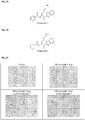
- the compound of the invention is selected from: and pharmaceutically acceptable salts thereof.
- the compound of the invention is selected from: and pharmaceutically acceptable salts thereof.
- the compound of the invention is selected from: and pharmaceutically acceptable salts thereof.
- the compound of Formula I, Formula Ia, or Formula Ib is selected from and pharmaceutically acceptable salts thereof.
- the invention provides compounds selected from: and pharmaceutically acceptable salts thereof.
- the invention provides compounds of Formula I or Formula Ia, wherein R 4 is selected from C 1-4 alkyl and C 1-4 haloalkyl.
- R 4 is selected from C 1-4 alkyl and C 1-4 haloalkyl.
- the compound is: or a pharmaceutically acceptable salt thereof.
- the invention provides a compound of Formula I, Formula Ia, Formula Ib, or Formula Id, or a pharmaceutically acceptable salt thereof, wherein R 3 is selected from cyclohexyl; 1-methylcyclohexyl; 1-methoxycyclohexyl; cyclopentyl; morpholin-2-yl; 4-acetylmorpholin-2-yl; phenyl; 2-trifluoromethylphenyl; 3-azidophenyl; piperidine-3-yl; 1-acetyl-piperidine-3-yl; pyridin-2-yl; pyridin-3-yl; pyridin-4-yl; 6-oxo-1,6-dihydropyridin-2-yl; tetrahydrofuran-2-yl; tetrahydro-2 H -pyran-2-yl; tetrahydro-2 H -pyran-3-yl; tetrahydro-2 H -pyran-4-yl
- the invention provides a compound of Formula I, Formula Ia, Formula Ib, or Formula Id, or a pharmaceutically acceptable salt thereof, wherein R 3 is selected from cyclohexyl; 1-methylcyclohexyl; 1-methoxycyclohexyl; cyclopentyl; 1,2,3,4-tetrahydronaphth-1-yl; and 1,2,3,4-tetrahydronaphth-2-yl; which radicals are shown below. In some such embodiments, R 3 is cyclopentyl.
- the invention provides a compound of Formula I, Formula Ia, Formula Ib, or Formula Id, or a pharmaceutically acceptable salt thereof, wherein R 3 is selected from morpholin-2-yl; 4-acetylmorpholin-2-yl; piperidine-3-yl; 1-acetyl-piperidine-3-yl; tetrahydrofuran-2-yl; tetrahydro-2 H -pyran-2-yl; tetrahydro-2 H -pyran-3-yl; and tetrahydro-2 H -pyran-4-yl; which radicals are shown below.
- the invention provides a compound of Formula I, Formula Ia, Formula Ib, or Formula Id, or a pharmaceutically acceptable salt thereof, wherein R 3 is selected from phenyl; 2-trifluoromethylphenyl; 3-azidophenyl; pyridin-2-yl; pyridin-3-yl; pyridin-4-yl; 6-oxo-1,6-dihydropyridin-2-yl; thiazol-5-yl; and thiazol-2-yl; which radicals are shown below.
- the compounds described herein and methods of using them encompass the preparation and use of therapeutically active enantiomers or diastereoisomers of the described compounds. All such enantiomers and diastereoisomers of these compounds are included in the scope of the invention. Such compounds can be used as mixtures ( e.g ., racemic mixtures) or as isolated enantiomers or diastereoisomers.
- Compounds of the invention can be prepared so as to include radionuclides for use in diagnostic imaging application such as positron emission tomography (PET) and single-photon emission computed tomography (SPECT).
- PET positron emission tomography
- SPECT single-photon emission computed tomography
- Kgp inhibitors as described herein can be prepared so as to include one or more radionuclides selected from oxygen-15 ( 15 O), nitrogen-13 ( 13 N), carbon-11 ( 11 C), iodine-131 ( 131 I), and fluorine-18 ( 18 F).
- radiolabeled compounds can be used for PET imagining.
- Compounds of the invention can also be prepared in deuterated form (i.e.
- the compounds of the invention are highly active Kgp inhibitors, typically exhibiting Kgp Ki values and Kgp IC 50 values well below 1 ⁇ M.
- Ki refers to inhibition constant.
- the Ki value for a particular test compound can be measured as follows. Fifty microliters ( ⁇ l) of an enzyme such as Kgp (1 nM in 50 mM bis-Tris propane [pH 8.0] containing 1% [vol/vol] Triton X-100 and 5 mM 2-mercaptoethanol) is added to columns 1 to 11 of a 96-well plate, and 100 ⁇ l is added to column 12. Two ⁇ l of the test compound (100 ⁇ l in 100% DMSO) is added to column 12, and the sample is mixed three times by pipetting. Then, a doubling dilution is prepared across the plate by serial transfer into adjacent wells.
- an enzyme such as Kgp (1 nM in 50 mM bis-Tris propane [pH 8.0] containing 1% [vol/vol] Triton X-100 and 5 mM 2-mercaptoethanol
- AMC succinyl-Ala-Phe-Lys-(7-amido-4-methylcoumarin
- the method can be used to assay enzymes including Kgp, RgpB, RgpA, trypsin, and cathepsin B.
- the substrate can be Z-Arg-AMC.
- the buffer can contain 10 mM Tris and10 mM CaCl 2 (pH 8.0), and the substrate can be Z-Gly-Gly-Arg-AMC.
- the buffer can contain 50 mM sodium phosphate, 1 mM EDTA, and 10 mM 2-mercaptoethanol (pH 6.25), and the substrate can be Z-Arg-Arg-AMC.
- IC 50 indicates how much of a compound is needed to inhibit a given biological process (or component of a process, e.g. , an enzyme, cell, cell receptor, or microorganism) by one half (50%).
- the IC 50 of a compound can be determined by constructing a dose-response curve and examining the effect of different concentrations of the compound on reversing the activity of the enzyme. From the dose-response curve, IC 50 values can be calculated for a given compound by determining the concentration needed to inhibit half of the maximum biological response of the enzyme.
- the Kgp Ki value for compounds of the invention ranges from about 0.001 nM to about 500 nM.
- the Kgp Ki value for a compound of the invention can range, for example, from about 1 nM to about 20 nM, or from about 20 nM to about 40 nM, or from about 40 nM to about 60 nM, or from about 60 nM to about 80 nM, or from about 80 nM to about 100 nM, or from about 100 nM to about 150 nM, or from about 150 nM to about 200 nM, or from about 200 nM to about 250 nM, or from about 250 nM to about 300 nM, or from about 300 nM to about 350 nM, or from about 350 nM to about 400 nM, or from about 400 nM to about 450 nM, or from about 450 nM to about 500 nM.
- the Kgp Ki value for a compound of the invention can range from about 0.001 nM to about 0.025 nM, or from about 0.025 nM to about 0.050 nM, or from about 0.050 nM to about 0.075 nM, or from about 0.075 nM to about 0.100 nM, or from about 0.100 nM to about 0.250 nM, or from about 0.250 nM to about 0.500 nM, or from about 0.500 nM to about 0.750 nM, or from about 0.750 nM to about 1 nM.
- the Kgp IC 50 value for compounds of the invention ranges from about 0.001 nM to about 500 nM.
- the Kgp IC50 value for a compound of the invention can range, for example, from about 1 nM to about 20 nM, or from about 20 nM to about 40 nM, or from about 40 nM to about 60 nM, or from about 60 nM to about 80 nM, or from about 80 nM to about 100 nM, or from about 100 nM to about 150 nM, or from about 150 nM to about 200 nM, or from about 200 nM to about 250 nM, or from about 250 nM to about 300 nM, or from about 300 nM to about 350 nM, or from about 350 nM to about 400 nM, or from about 400 nM to about 450 nM, or from about 450 nM to about 500 nM.
- the Kgp IC50 value for a compound of the invention can range from about 0.001 nM to about 0.025 nM, or from about 0.025 nM to about 0.050 nM, or from about 0.050 nM to about 0.075 nM, or from about 0.075 nM to about 0.100 nM, or from about 0.100 nM to about 0.250 nM, or from about 0.250 nM to about 0.500 nM, or from about 0.500 nM to about 0.750 nM, or from about 0.750 nM to about 1 nM.
- a Kgp inhibitor according to the invention has a Kgp Ki of 100 nM or less. In some embodiments, the Kgp inhibitor has a Kgp Ki of 50 nM or less.
- a Kgp inhibitor according to the invention has a Kgp IC 50 of 50 nM or less. In some embodiments, the Kgp inhibitor has a Kgp IC 50 of 15 nM or less.
- Kgp Ki values of 15 nM or less can be particularly useful for systemic administration.
- such compounds can have Kgp Ki values ranging from about 1 picomolar (pM) to about 15 nanomolar (nM), from about 10 pM to about 12 nM, from about 100 pM to about 11 nM, or from about 100 pM to about 10 nM.
- Such compounds can have Kgp Ki values of less than 10 nanomolar (nM), less than 8 nM, less than 6 nM, or less than 4 nM.
- Kgp Ki values of 45 nM or less can be particularly useful for topical administration.
- such compounds can have Kgp Ki values ranging from about 1 picomolar (pM) to about 40 nanomolar (nM), from about 10 pM to about 35 nM, from about 100 pM to about 30 nM, or from about 100 pM to about 25 nM.
- Kgp inhibitors according to the invention are selective for Kgp.
- a "selective" Kgp inhibitor is a compound that does not substantially affect the activity of proteases other than Kgp, RgpA, and RgpB when administered at a therapeutically effective dose for treating a disease or condition associated with P. gingivalis infection.
- a protease that is not substantially affected by a particular compound exhibits at least 90% of its normal enzymatic activity in the presence of the compound under physiological conditions.
- Selective Kgp inhibitors include those compounds that do not affect the activity of proteases other than Kgp when administered at a therapeutically effective dose for treating a brain disorder, periodontal disease, diabetes, a cardiovascular disease, arthritis, preterm birth, pneumonia, cancer, a kidney disease, a liver disease, a retinal disorder, or glaucoma associated with P. gingivalis infection.
- selective Kgp inhibitors do not adversely affect the coagulation cascade when administered at therapeutically effective levels.
- the invention provides a Kgp inhibitor having a Kgp Ki of less than 50 nM.
- the trypsin Ki is greater than 60 nM.
- the Kgp inhibitor has a Ki for Kgp of less than 15 nM, and a (trypsin Ki)/(Kgp Ki) ratio of greater than 100.
- the invention provides compounds that are at least 30 times more selective for Kgp than for trypsin or cathepsin B.
- the Kgp Ki is 0.9 nM, and the trypsin Ki and/or the cathepsin B Ki are 30 nM or more.
- the Kgp Ki is 0.9 nM, and the trypsin Ki and/or the cathepsin B Ki are 115 ⁇ M or more.
- the Kgp IC 50 is 50 nM or less and the trypsin IC 50 trypsin is 100 nM or more.
- the Kgp IC 50 is 15 nM or less and the trypsin IC 50 trypsin is 1 ⁇ M or more.
- Certain examples of compounds of Formula (I) and (Ib) can be prepared starting with certain lysine derivatives D1 and D6, which are described below and are commercially available or can be prepared following published procedures.
- R 7 and R 8 each can be removed by chemical conditions that do not remove the other.
- R 7 benzyl can be removed by hydrogen and a palladium-carbon catalyst, but R 7 is not affected by trifluoroacetic acid
- R 8 t-butyl can be removed by trifluoroacetic acid, but R 8 is not affected by hydrogen and a palladium-carbon catalyst.
- Other appropriate, complimentary combinations of R 7 and R 8 have been published.
- D6 complimentary, removable R 8 and R 9 are preferred, and several appropriate combinations have been published.
- Certain D5 can be prepared by a sequence of transformations D1 to D2 to D3 to D4 to D5. See, Scheme 1.
- D1 can be converted to E1 by treatment with N-methyl-O-methylhydroxylamine hydrochloride, an organic base (for example Et 3 N), a racemization inhibitor (for example HOBt), and a dehydrating agent (for example EDAC), in an organic solvent (for example DMF). See , Scheme 2, step (a).
- an organic base for example Et 3 N
- a racemization inhibitor for example HOBt
- EDAC dehydrating agent
- E1 can be converted to D2.5 by treatment with a lithiated heterocycle (for example 2-lithiobenzothiazole, 2-lithiothiazole, or 2-lithiopyridine), in an organic solvent (for example THF), to install the corresponding R 10 (2-benzothiazolyl, 2-thiazolyl, or 2-pyridyl).
- a lithiated heterocycle for example 2-lithiobenzothiazole, 2-lithiothiazole, or 2-lithiopyridine
- organic solvent for example THF
- D1 can be converted to E2 by treatment with ammonium hydrochloride, an organic base (for example Et 3 N), a racemization inhibitor (for example HOBt), and a dehydrating agent (for example EDAC), in an organic solvent (for example DMF).
- an organic base for example Et 3 N
- a racemization inhibitor for example HOBt
- a dehydrating agent for example EDAC
- organic solvent for example DMF
- step (c) E2
- D2-6 by treatment with an organic base (for example Et 3 N), and a strong dehydrating agent (for example pyridine-sulfur trioxide complex), in an organic solvent (for example CH 2 Cl 2 ). See , Scheme 2, step (d).
- D1 can be converted to D2-8 by treatment with fluoroacetic anhydride, and Et3N, and DMAP, in an organic solvent (for example DMF). See , Scheme 2, step (e).
- D1 can be converted to E3 by treatment with borane-dimethylsulfide complex, in an organic solvent (for example THF). See , Scheme 3, step (a).
- E3 can be converted to E7 by treatment with an organic base (for example Et 3 N), a strong dehydrating agent (for example oxalyl chloride), and dimethylsulfoxide, in an organic solvent (for example CH 2 Cl 2 ).
- organic base for example Et 3 N
- a strong dehydrating agent for example oxalyl chloride
- dimethylsulfoxide in an organic solvent (for example CH 2 Cl 2 ).
- step (b) E7 can be converted to D2-10 by treatment with trimethyl diazo phosphonacetate and K 2 CO 3 , in an alcohol solvent (for example methanol). See , Scheme 3, step (c).
- D1 can be converted to E4 by treatment with an organic base (for example Et 3 N), a chloroformate (for example EtO 2 CCl), and diazomethane, in an organic solvent (for example diethyl ether).
- organic base for example Et 3 N
- chloroformate for example EtO 2 CCl
- diazomethane in an organic solvent
- organic solvent for example diethyl ether
- step (a) E4 can be converted to E11 by treatment with HBr, and acetic acid, in an organic solvent (for example THF).
- step (b) E11 can be converted to D2-9 by treatment with an alcohol HOR 11 (for example 2,3,5,6-tetrafluorophenol), and KF, in an organic solvent (for example DMF), to install the corresponding -OR 11 (for example 2,3,5,6-tetrafluorophenoxy).
- step (c) C12
- R 7 can be removed by appropriate chemical conditions, generating D3 after spontaneous decarboxylation.
- D3 or a salt of D3 e.g. , the hydrochloride salt of D3 can be used in further synthetic steps.
- D3 can be treated with a carboxylic acid R 3 CO2H, and a racemization inhibitor (for example HOBt), and a dehydrating agent (for example EDAC), in an organic solvent (for example DMF), generating D4.
- D3 can be treated with R 3 COX, wherein X is a leaving group (for example chloride), and an organic base (for example Et 3 N), in an organic solvent (for example CH 2 Cl 2 ), generating D4.
- X is a leaving group (for example chloride), and an organic base (for example Et 3 N), in an organic solvent (for example CH 2 Cl 2 ), generating D4.
- D3 can be treated with an isocyanate in organic solvent (for example CH 2 Cl 2 ), generating D4.
- R 3 CO2H, R 3 COX, and isocyanates are commercially available, or can be prepared by published procedures.
- R 8 can be removed by an appropriate chemical conditions, generating D5 after spontaneous decarboxylation.
- D5 can be prepared by a sequence of transformations D6 to D7 to D8 to D4 to D5. See, Scheme 5.
- D6 can be treated with a carboxylic acid R 3 CO2H, and a racemization inhibitor (for example HOBt), and a dehydrating agent (for example EDAC), in an organic solvent (for example DMF), generating D7.
- a racemization inhibitor for example HOBt
- EDAC dehydrating agent
- D6 can be treated with R 3 COX, wherein X is a leaving group (for example chloride), and an organic base (for example Et 3 N), in an organic solvent (for example CH 2 Cl 2 ), generating D7.
- D3 as shown in Scheme 1 can be treated with an isocyanate in organic solvent (for example CH 2 Cl 2 ), generating D7.
- R 3 CO 2 H, R 3 COX, and isocyanates are commercially available, or can be prepared by published procedures.
- R 9 can be removed by appropriate chemical conditions generating D8. See , Scheme 5, step (b).
- D8 can be transformed to D4 by sequences of reactions similar to those described for transformation of D1 to D2. See , Scheme 5, step (c). In some embodiments, D8 is transformed to D4-9 as shown in Scheme 6, steps (a)-(c). In some embodiments, -OR 11 in D4-9 is 2,3,5,6-tetrafluorophenoxy.
- a natural side-chain (R) is modified to form an unnatural side-chain (R').
- the natural amino acids serine, glutamic acid, and methionine would be especially for preparation of certain examples of Formula (I).
- a metalated glycine derivative is treated with an alkylating agent (R'X) to install the unnatural side-chain (R').
- the metalated glycine derivative is generated by treating a glycine derivative with a strongly basic metalating agent (for example lithium diisopropylamide or potassium t-butoxide).
- the starting glycine derivative is sufficiently acidic that a much less basic metalating agent (for example potassium carbonate) is satisfactory.
- the metalated glycine derivative may exist as a dissociated ion pair, rather than as the covalently bonded species illustrated in F2.
- a metalated alanine derivative is treated with an alkylating agent (R'X) to install the unnatural side-chain (R').
- R'X alkylating agent
- the metalated alanine derivative is generated by treating a halogenated alanine derivative with a low valent metal (for example zinc dust).
- a soluble palladium catalyst is utilized to facilitate F3.
- an aldehyde (R'CHO) is reacted with a source of ammonia and a source of cyanide, to generate an amino-nitrile, which is subsequently hydrolyzed to generate an amino-acid featuring an unnatural sidechain (R').
- R'CHO aldehyde
- Such methods can be used to prepared intermediates C1, C2, C3, and C4 set forth above.
- the invention provides a pharmaceutical composition comprising a compound of the invention and a pharmaceutically acceptable excipient.
- compositions can be prepared by any of the methods well known in the art of pharmacy and drug delivery.
- methods of preparing the compositions include the step of bringing the active ingredient into association with a carrier containing one or more accessory ingredients.
- the pharmaceutical compositions are typically prepared by uniformly and intimately bringing the active ingredient into association with a liquid carrier or a finely divided solid carrier or both, and then, if necessary, shaping the product into the desired formulation.
- the compositions can be conveniently prepared and/or packaged in unit dosage form.
- compositions containing compounds of the the invention can be formulated for oral use.
- suitable compositions for oral administration include, but are not limited to, tablets, troches, lozenges, aqueous or oily suspensions, dispersible powders or granules, emulsions, hard or soft capsules, syrups, elixirs, solutions, buccal patches, oral gels, chewing gums, chewable tablets, effervescent powders, and effervescent tablets.
- Compositions for oral administration can be formulated according to any method known to those of skill in the art. Such compositions can contain one or more agents selected from sweetening agents, flavoring agents, coloring agents, antioxidants, and preserving agents in order to provide pharmaceutically elegant and palatable preparations.
- Tablets generally contain the active ingredient in admixture with non-toxic pharmaceutically acceptable excipients, including: inert diluents, such as cellulose, silicon dioxide, aluminum oxide, calcium carbonate, sodium carbonate, glucose, mannitol, sorbitol, lactose, calcium phosphate, and sodium phosphate; granulating and disintegrating agents, such as corn starch and alginic acid; binding agents, such as polyvinylpyrrolidone (PVP), cellulose, polyethylene glycol (PEG), starch, gelatin, and acacia; and lubricating agents such as magnesium stearate, stearic acid, and talc.
- inert diluents such as cellulose, silicon dioxide, aluminum oxide, calcium carbonate, sodium carbonate, glucose, mannitol, sorbitol, lactose, calcium phosphate, and sodium phosphate
- granulating and disintegrating agents such as corn starch and alginic acid
- the tablets can be uncoated or coated, enterically or otherwise, by known techniques to delay disintegration and absorption in the gastrointestinal tract and thereby provide a sustained action over a longer period.
- a time delay material such as glyceryl monostearate or glyceryl distearate can be employed.
- Tablets can also be coated with a semi-permeable membrane and optional polymeric osmogents according to known techniques to form osmotic pump compositions for controlled release.
- compositions for oral administration can be formulated as hard gelatin capsules wherein the active ingredient is mixed with an inert solid diluent (such as calcium carbonate, calcium phosphate, or kaolin), or as soft gelatin capsules wherein the active ingredient is mixed with water or an oil medium (such as peanut oil, liquid paraffin, or olive oil).
- an inert solid diluent such as calcium carbonate, calcium phosphate, or kaolin
- an oil medium such as peanut oil, liquid paraffin, or olive oil
- Kgp inhibitors can also be administered topically as a solution, ointment, cream, gel, or suspension, as well as in mouth washes, eye-drops, and the like. Still further, transdermal delivery of Kgp inhibitors can be accomplished by means of iontophoretic patches and the like.
- Pharmaeutical compositions containing Kgp inhibitors can also be in the form of a sterile injectable aqueous or oleaginous solutions and suspensions.
- Sterile injectable preparations can be formulated using non-toxic parenterally-acceptable vehicles including water, Ringer's solution, and isotonic sodium chloride solution, and acceptable solvents such as 1,3-butane diol.
- sterile, fixed oils can be used as a solvent or suspending medium.
- any bland fixed oil can be employed including synthetic monoglycerides, diglycerides, or triglycerides.
- Aqueous suspensions can contain one or more Kgp inhibitors in admixture with excipients including, but not limited to: suspending agents such as sodium carboxymethylcellulose, methylcellulose, oleagino-propylmethylcellulose, sodium alginate, polyvinyl-pyrrolidone, gum tragacanth and gum acacia; dispersing or wetting agents such as lecithin, polyoxyethylene stearate, and polyethylene sorbitan monooleate; and preservatives such as ethyl, n -propyl, and p -hydroxybenzoate.
- suspending agents such as sodium carboxymethylcellulose, methylcellulose, oleagino-propylmethylcellulose, sodium alginate, polyvinyl-pyrrolidone, gum tragacanth and gum acacia
- dispersing or wetting agents such as lecithin, polyoxyethylene stearate, and polyethylene sorbitan monooleate
- preservatives such
- Dispersible powders and granules can contain one or more Kbp inhibitors in admixture with a dispersing agent, wetting agent, suspending agent, or combinations thereof.
- Oily suspensions can be formulated by suspending a Kgp inhibitor in a vegetable oil (e.g., arachis oil, olive oil, sesame oil or coconut oil), or in a mineral oil (e.g., liquid paraffin).
- Oily suspensions can contain one or more thickening agents, for example beeswax, hard paraffin, or cetyl alcohol. These compositions can be preserved by the addition of an anti-oxidant such as ascorbic acid.
- the pharmaceutical compositions of the invention can also be in the form of oil-in-water emulsions.
- the oily phase can be a vegetable oil, for example olive oil or arachis oil, or a mineral oil, for example liquid paraffin or mixtures of these.
- Suitable emulsifying agents can be naturally-occurring gums, such as gum acacia or gum tragacanth; naturally-occurring phospholipids, such as soy lecithin; esters or partial esters derived from fatty acids and hexitol anhydrides, such as sorbitan monooleate; and condensation products of said partial esters with ethylene oxide, such as polyoxyethylene sorbitan monooleate.
- the present invention encompasses various administration modes by which the compounds can be delivered to increase bioavailability or blood brain barrier penetration, including but not limited to, intravenous, intranasal, intrathecal, subcutaneous, intracranial and oral.
- Time release technology can be used to increase bioavailability including formulations for sustained-release (SR), sustained-action (SA), extended-release (ER, XR, XL) timed-release (TR), controlled-release (CR), modified release (MR), continuous-release, osmotic release and slow release implants.
- SR sustained-release
- SA sustained-action
- ER extended-release
- TR timed-release
- CR controlled-release
- MR modified release
- continuous-release osmotic release and slow release implants.
- hybrid molecules to promote active transport or nanoparticles can be used in certain embodiments to increase blood brain barrier transport.
- liposomes, proteins, engineered peptide compounds or antibodies that bind to the receptors that transport proteins across the blood brain barrier including LPR-1 receptor, transferrin receptor, EGF-like growth factor or glutathione transporter can be used to increase penetration into the brain.
- Physical techniques including osmotic opening, ultrasound, lasers, sphenopalantine ganglion stimulation, direct intracranial, intrathecal, or intraventricular delivery via a pump can be used.
- Pharamceutical compositions according to the invention can also incude one or more additional active agents useful in the treatment of conditions associated with P . gingivalis infection.
- the invention provides a pharmaceutical composition comprising one or more Kgp inhibitors as described herein in combination with one or more additional active agents for treatment of Alzheimer's disease.
- Therapeutics are in development and in clinical use for treatment of Alzheimer's disease. Therapeutic strategies include lowering circulating levels of ⁇ -amyloid and tau (as described in more detail below), stabilizing microtubules, removing atherosclerotic plaques, modulating autophagy, modulating neurotransmitter levels, and inhibiting GABA(A) ⁇ 5 receptors.
- Such therapeutics can maintain and/or restore cognitive function in subjects with Alzheimer's disease; slow the decline of cognitive function; and promote neuroplasticity and recovery of the brain.
- Active agents that can be combined with Kgp inhibitors in pharmaceutical compositions include, but are not limited to, antibiotics (i.e ., bacteriocidal compounds and bacteriostatic compounds), cholinesterase inhibitors, alpha-7 nicotinic receptor modulators, serotonin modulators, NMDA modulators, A ⁇ -targeted therapies, ApoE-targeted therapies, microglia-targeted therapies, blood/brain barrier-targeted therapies, tau-targeted therapies, complement-targeted therapies, and anti-inflammatories.
- antibiotics i.e ., bacteriocidal compounds and bacteriostatic compounds
- cholinesterase inhibitors i.e ., alpha-7 nicotinic receptor modulators, serotonin modulators, NMDA modulators
- a ⁇ -targeted therapies ApoE-targeted therapies
- microglia-targeted therapies microglia-targeted therapies
- blood/brain barrier-targeted therapies tau-targete
- the invention provides a pharmaceutical composition containing one more Kgp inhibitors and an antibiotic having a P. gingivalis MIC 50 of less than 25 ⁇ g/ml.
- the P. gingivalis MIC 50 of the antibiotic can be less than 20 ⁇ g/ml, less than 15 ⁇ g/ml, less than 10 ⁇ g/ml, less than 8 ⁇ g/ml, less than 6 ⁇ g/ml, or less than 5 ⁇ g/ml.
- the P. gingivalis MIC 50 of the antibiotic is less than 1 ⁇ g/ml. In some embodiments, the P. gingivalis MIC 50 of the antibiotic is less than 0.2 ⁇ g/ml.
- bacteriocidal and bacteriostatic compounds include, but are not limited to: quinolones (e.g. , moxifloxacin, gemifloxacin, ciprofloxacin, oflaxacin, trovafloxacin, sitafloxacin, and the like), ⁇ -lactams (e.g.
- penicillins such as amoxicillin, amoxacilin-clavulanate, piperacillin-tazobactam, penicillin G, and the like; and cephalosporins such as ceftriaxone and the like
- macrolides e.g ., erythromycin, azithromycin, clarithromycin, and the like
- carbapenems e.g ., doripenem, imipenem, meropinem, ertapenem, and the like
- thiazolides e.g , tizoxanidine, nitazoxanidine, RM 4807, RM 4809, and the like
- tetracyclines e.g ., tetracycline, minocycline, doxycycline, eravacycline, and the like
- clindamycin metronidazole, and satranidazole.
- Bacteriocidal and bacteriostatic compounds also include agents that inhibit or otherwise interfere with formation of biofilms by anaerobic, gram-negative bacteria; such agents include oxantel, morantel, thiabendazole, and the like.
- Compositions of the invention can contain one or more Kgp inhibitors with one or more (e.g., two, three, four, five, six, or more) bacteriocidal/bacteriostatic compounds.
- Compositions containing bacteriocidal/bacteriostatic compounds can further contain a chlorhexidine (e.g ., chlorhexidine digluconate) alone or in combination with a zinc compound (e.g ., zinc acetate), can also be used in combination with the administered antibiotics.
- a combination of a penicillin (e.g ., amoxicillin) and metronidazole or a combination of penicillin (e.g ., amoxicillin), metronidazole and a tetracycline is used.
- the antibiotic is selected from minocycline, doxycycline, metronidazole, amoxicillin, clindamycin, augmentin, satranidazole, and combinations thereof.
- Suitable cholinesterase inhibitors include, but are not limited to, donepezil, donepezil/memantine, galantamine, rivastigmine, and tacrine, as well as pharmaceutically acceptable salts thereof.
- suitable serotonin modulators include, but are not limited to, idalopirdine, RVT-101, citalopram, escitalopram, fluoxetine, fluvoxamine, paroxetine, and sertraline, as well as pharmaceutically acceptable salts thereof.
- suitable alpha-7 nicotinic receptor modulators include, but are not limited to, alpha-7 agonists such as encenicline and APN1125.
- Suitable NMDA modulators include, but are not limited to, NMDA receptor antagonists such as memantine and derivatives thereof.
- compositions of the invention can also contain active agents that are directed to biomolecular targets associated with neurological diseases.
- targets include beta amyloid peptides (also referred to as beta amyloid, abeta, or A ⁇ ), apolipoprotein E (also referred to as ApoE), and microtubule-associated tau (also referred to as tau proteins, or simply as tau).
- a ⁇ -targeted therapies include inhibitors of A ⁇ production (such as beta-secretase inhibitors, gamma-secretase inhibitors, alpha-secretase activators), inhibitors of A ⁇ aggregation, inhibitors of A ⁇ oligomerization, and upregulators of A ⁇ clearance, among others ( see, e.g ., Jia, et al. BioMed Research International, 2014. Article ID 837157, doi:10.1155/2014/837157 ).
- Examples of A ⁇ -targeted therapies include but are not limited to, antibodies, pioglitazone, begacestat, atorvastatin, simvastatin, etazolate, and tramiprosate, as well as pharmaceutically acceptable salts thereof.
- ApoE-targeted therapies include, but are not limited to retinoid X receptor agonists ( see, Cramer, et al., Science 2012. 335(6075): 1503-1506 ) and others described by Liu et al. (Nat Rev Neurol. 2013. 9(2): 106-118 ).
- Tau-targeted therapies include, but are not limited to, methylthioninium, leuco-methylthioninium, antibodies and those described by Lee, et al. (Cold Spring Harb Perspect Med 2011; 1 :a006437 ).
- compositions of the invention can also contain complement-targeted therapies.
- Such therapies target components of the complement system involved in the innate immune response.
- Complement targeted therapies include, but are not limited to, those described by Ricklin and Lambris (Nat. Biotechnology 2007. 25(11): 1265-1275 ).
- Suitable anti-inflammatories include, but are not limited to, NSAIDs such as apazone, diclofenac, ibuprofen, indomethacin, ketoprofen, nabumetone, naproxen, piroxicam, and sulindac, as well as pharmaceutically acceptable salts thereof.
- NSAIDs such as apazone, diclofenac, ibuprofen, indomethacin, ketoprofen, nabumetone, naproxen, piroxicam, and sulindac, as well as pharmaceutically acceptable salts thereof.
- Kgp inhibitors can therefore be used to diseases and conditions, such as brain disorders, caused by or otherwise affected by P. gingivalis.
- a method of treating a disease or condition associated with P. gingivalis infection is described herein.
- the present invention provides a compound of the invention for use in treating a P. gingivalis infection.
- the treatment includes administering to a subject an effective amount of a compound of the invention.
- the compound for use of the present invention is one or more compounds from Table 1 that are not marked by ' ⁇ '. Table 1. Compounds for use in the treatment of conditions associated with P. Gingivalis infection. Reference compounds are demarked by ' ⁇ '. Compound No.
- the invention provides a compound for use as described above, wherein the subject is a human or a canine.
- A71561 is a mixture of two diastereomers: 2-(N-[N-(3-phenylpropanoyl)-(S)-nipecotinyl]-(S)-lysinyl)-benzothiazole and 2-(N-[N-(3-phenylpropanoyl)-(R)-nipecotinyl]-(S)-lysinyl)-benzothiazole.
- brain disorders e.g ., Alzheimer's disease
- diabetes e.g ., diabetes, cardiovascular disease, arthritis or retinal disorders.
- the disease or condition associated with P. gingivalis described herein includes a brain disorder, periodontal disease, diabetes, a cardiovascular disease, arthritis, preterm birth, pneumonia, cancer, a kidney disease, a liver disease, a retinal disorder, and glaucoma.
- the present invention provides a compound of the invention for use in treating a brain disorder associated with a P. gingivalis infection.
- the brain disorder is selected from Alzheimer's disease, Down's syndrome, epilepsy, autism, Parkinson's disease, essential tremor, fronto-temporal dementia, progressive supranuclear palsy, amyotrophic lateral sclerosis, Huntington's disease, multiple sclerosis, mild cognitive impairment, age associated memory impairment, chronic traumatic encephalopathy, stroke, Lewy Body disease, multiple system atrophy, schizophrenia, and depression.
- the brain disorder is Alzheimer's disease.
- the compound for use is for use in a treatment which further includes administering to the subject one or more active agents selected from a cholinesterase inhibitor, a serotonin modulator, an NMDA modulator, an A ⁇ targeted therapy, an ApoE targeted therapy, a microglia targeted therapy, a blood brain barrier targeted therapy, a tau targeted therapy, a complement targeted therapy, and an anti-inflammatory.
- active agents selected from a cholinesterase inhibitor, a serotonin modulator, an NMDA modulator, an A ⁇ targeted therapy, an ApoE targeted therapy, a microglia targeted therapy, a blood brain barrier targeted therapy, a tau targeted therapy, a complement targeted therapy, and an anti-inflammatory.
- the disease or condition is periodontal disease. In some embodiments, the disease or condition is a liver disease. In some embodiments, the liver disease is non-alcoholic steatohepatitis. In some embodiments, the disease or condition is a retinal disorder. In some embodiments, the retinal disorder is age-related macular degeneration.
- the disease or condition is cancer.
- the cancer is breast cancer, oral cancer, pancreatic cancer, or glioblastoma multiforme.
- compounds of the invention inhibit active Kgp in the brain of a mammal, e.g., a human or an animal (e.g., a dog), and are cytoprotective or neuroprotective.
- cytoprotective it is meant that the compounds prevent aberrant changes to neurons or death of neurons.
- a brain disorder e.g., a neurodegenerative disease (e.g., Alzheimer's disease, Down's syndrome, epilepsy, autism, Parkinson's disease, essential tremor, fronto-temporal dementia, progressive supranuclear palsy, amyotrophic lateral sclerosis, Huntington's disease, multiple sclerosis, mild cognitive impairment, age associated memory impairment, chronic traumatic encephalopathy, stroke, Lewy Body disease, multiple system atrophy, schizophrenia and depression, etc.), diabetes, cardiovascular disease, arthritis, retinal disorders (e.g ., age related macular degeneration) and glaucoma.
- a neurodegenerative disease e.g., Alzheimer's disease, Down's syndrome, epilepsy, autism, Parkinson's disease, essential tremor, fronto-temporal dementia, progressive supranuclear palsy, amyotrophic lateral sclerosis, Huntington's disease, multiple sclerosis, mild cognitive impairment, age associated memory impairment, chronic traumatic encephalopathy, stroke, Le
- Kgp inhibitors as described herein can be administered at any suitable dose in the methods of the invention.
- a Kgp inhibitor is administered at a dose ranging from about 0.1 milligrams to about 1000 milligrams per kilogram of a subject's body weight (i.e ., about 0.1-1000 mg/kg).
- the dose of Kgp inhibitor can be, for example, about 0.1-1000 mg/kg, or about 1-500 mg/kg, or about 25-250 mg/kg, or about 50-100 mg/kg.
- the dose of Kgp inhibitor can be about 1, 2, 3, 4, 5, 10, 15, 20, 25, 30, 35, 40, 45, 50, 55, 60, 65, 70, 75, 85, 90, 95, 100, 150, 200, 250, 300, 350, 400, 450, 500, 550, 600, 650, 700, 750, 800, 850, 900, 950 or 1000 mg/kg.
- the dosages can be varied depending upon the requirements of the patient, the severity of the disorder being treated, and the particular formulation being administered.
- the dose administered to a patient should be sufficient to result in a beneficial therapeutic response in the patient.
- the size of the dose will also be determined by the existence, nature, and extent of any adverse side-effects that accompany the administration of the drug in a particular patient. Determination of the proper dosage for a particular situation is within the skill of the typical practitioner.
- the total dosage can be divided and administered in portions over a period of time suitable to treat to the seizure disorder.
- Kgp inhibitors can be administered for periods of time which will vary depending upon the nature of the particular disorder, its severity, and the overall condition of the subject to whom the Kgp inhibitor is administered. Administration can be conducted, for example, hourly, every 2 hours, three hours, four hours, six hours, eight hours, or twice daily including every 12 hours, or any intervening interval thereof. Administration can be conducted once daily, or once every 36 hours or 48 hours, or once every month or several months. Following treatment, a subject can be monitored for changes in his or her condition and for alleviation of the symptoms of the disorder.
- the dosage of the Kgp inhibitor can either be increased in the event the subject does not respond significantly to a particular dosage level, or the dose can be decreased if an alleviation of the symptoms of the disorder is observed, or if the disorder has been remedied, or if unacceptable side effects are seen with a particular dosage.
- a therapeutically effective amount of a Kgp inhibitor can be administered to the subject in a treatment regimen comprising intervals of at least 1 hour, or 6 hours, or 12 hours, or 24 hours, or 36 hours, or 48 hours between dosages. Administration can be conducted at intervals of at least 72, 96, 120, 144, 168, 192, 216, or 240 hours ( i.e. , 3, 4, 5, 6, 7, 8, 9, or 10 days). In certain embodiments, administration of one or more Kgp inhibitors is conducted in a chronic fashion over periods ranging from several months to several years. Accordingly, some embodiments of the invention provide a method of treating a disease or condition associated with P. gingivalis infection as described above, wherein the compound is administered to the subject for at least one year. In some embodiments, the compound is administered to the subject for at least 10 years. In some embodiments, the compound is administered to the subject for at least 60 years.
- Administration of Kgp inhibitors according to the methods of the invention typically results in the reduction of circulating levels of active Kgp in a subject and/or the reduction of active Kgp in the brain.
- administration of a Kgp inhibitor according to the methods of the invention results in at least a 20% reduction of circulating levels of active Kgp and/or at least a 20% reduction of active Kgp in the brain.
- the circulating levels of Kgp and/or the levels of Kgp in the brain are preferably reduced by from about 25% to about 95%, or from about 35% to about 95%, or from about 40% to about 85%, or from about 40% to about 80% as compared to the corresponding levels of Kgp 24 hours prior to the first administration of the Kgp inhibitor.
- Kgp inhibitors can be administered alone or in combination with one or more additional therapeutically active agents, as described above.
- the one or more additional therapeutically effective agents include, e.g., : (i) a pharmaceutically acceptable agent which inhibits Arginine Gingipain A (RgpA) and/or Arginine Gingipain B (RgpB) production, translocation of RgpB and/or Kgp into systemic circulation or brain and/or pathological ( e.g ., neurotoxic effects) of RgpA, RgpB and or Kgp in a mammal; (ii) an antibacterial agent which is bacteriostatic or bacteriocidal with respect to P.
- gingivalis one or more antibodies which bind to RgpA, RgpB and/or Kgp (e.g., 18E6, which binds to the first half of the immunoglobulin domain of RgpB; Kgp-specific monoclonal antibody, 7B9, which recognizes an epitope within the Kgp catalytic domain; the RgpA antibody 61Bg 1.3, humanized versions of any of the foregoing, etc.); (iv) epitopes of antibodies which bind to RgpA, RgpB and/or Kgp or other proteins expressed by P. gingivalis ; and (v) combinations of any of the foregoing.
- RgpA, RgpB and/or Kgp e.g., 18E6, which binds to the first half of the immunoglobulin domain of RgpB; Kgp-specific monoclonal antibody, 7B9, which recognizes an epitope within the Kgp catalytic domain; the Rgp
- the additional therapeutically active agents also include A ⁇ peptides level reducers, pathogenic level tau reducers, microtubule stabilizers, agents capable or removing atherosclerotic plaques, agents that lower circulating levels of ⁇ -amyloid and tau, modulators of autophagy, neurotransmitter level regulators, GABA(A) ⁇ 5 receptors inhibitors, and additional agents that help maintain and/or restore cognitive function and functional deficits of Alzheimer's disease, and/or slow down decline in cognitive functions and functional deficits in Alzheimer's disease.
- compositions of the invention can contain one or more Kgp inhibitors as described herein in combination with ritonavir (RTV), which can increase bioavailability and increase blood brain barrier penetration.
- RTV ritonavir
- ritonavir is commonly combined with oral peptidic HIV protease inhibitors to increase plasma levels by inhibiting the P450 3A4 enzyme and thus decreasing first-pass metabolism ( see, Walmsley, et al., N Engl J Med, 2002. 346(26): 2039-46 ).
- RTV binds to P-glycoprotein, a transmembrane efflux pump that is found in many tissues, including the blood brain barrier, allowing co-administered compounds better access to the brain ( see , Marzolini, et al., Mol Pharm, 2013. 10(6): 2340-9 ). Therefore, a combination of RTV and Kgp inhibitors can be used to increase plasma concentrations and brain levels of the gingipain inhibitors. It is shown herein that oral administration of RTV 15 minutes prior to the Kgp inhibitor, Kyt-36 increases the half life ( Figure 9 ) therefore it is expected that RTV will also increase the half life of other Kgp inhibitors.
- compounds of the invention can be administered with natural gingipain inhibitors including melabaricone C, isolated from nutmeg or polyphenolic compounds derived from plants, such as cranberry, green tea, apple, and hops can be administered in conjunction for treatment or prevention of brain disorders.
- Naturally and unnaturally occurring antimicrobial peptides including: ⁇ -casein peptide (109-137) 34, histatin 5, and CL(14-25), CL(K25A) and CL(R24A, K25A), can also be administered in conjunction with the Kgp inhibitors of the invention. ( see , e.g ., Taniguchi et al., Biopolymers, 2014. 102(5): 379-89 ).
- Kgp inhibitors as described herein can be administered with antibodies targeting gingipains or other P. gingivalis proteins.
- Antibodies may rely on damage to the blood brain barrier for access to the brain or peripheral interference with gingpains and P. gingivalis propagation. Antibodies can also help to stimulate the efficacy of the immune system in clearing the bacteria.
- New or existing antibodies to RgpA, RgpB, or Kgp can be utilized including 18E6 and 7B9.
- An RgpA antibody 61BG 1.3 has previously demonstrated efficacy topically in prevention of recolonization by P. gingivalis after periodontal treatment. See, Booth et al., Infect Immun, 1996. 64(2): 422-7 .
- Antibodies would preferably be humanized for use in humans. Methods known to those in the field for delivery of biologics to improve half- life and brain penetration can be used including, but not limited to, intravenous delivery, subcutaneous delivery, intranasal delivery, intrathecal delivery, vector transport
- the compounds of the invention are also for use in a method which encompasses administration of Kgp inhibitors as described herein with one or more of the following additional therapeutically active agents or pharmaceutically acceptable salts thereof: an arginine derivative; histatin 5; baculovirus p35; a single point mutant of cowpox viral cytokine-response modifier (CrmA (Asp > Lys)); phenylalanyl-ureido-citrullinyl-valyl-cycloarginal (FA-70C1); (acycloxy)methyl ketone (Cbz-Phe-Lys-CH 2 OCO-2,4,6-Me 3 Ph); peptidyl chloro-methyl ketones (e.g.
- chloromethyl ketone derivaties of arginine, chloromethyl ketone derivatives of lysine, and the like); fluoro-methyl ketones; bromomethyl ketones; ketopeptides; 1-(3-phenylpropionyl)piperidine-3(R,S)-carboxylic acid [4-amino-1(S)-(benzothiazole-2-carbonyl)butyl]amide (A71561); azapeptide fumaramide; azapeptide Michael acceptors; benzamidine compounds; acyclomethylketone; activated factor X inhibitors (e.g.
- Zn can enhance potency and selectivity of the compounds (e.g ., chlorhexidine, benzamidine, etc.) used in the methods of the invention.
- Benzamidine compounds include, e.g., the following compounds and derivatives thereof: or
- a lysine gingipain inhibitor of the invention can be administered in the same composition as an additional therapeutically active agent.
- the additional therapeutically active agent can be administered separately before, concurrently with, or after administration of the lysine gingipain inhibitor.
- gingivalis infection and gingipains in their brain and circulatory system may experience periodontal disease, mild cognitive impairment, age associated memory impairments, damage or generalized accelerated aging due to gingipain induced cell death, which could be treated or prevented with compositions of Formula I.
- Also described herein is a diagnostic test for gingipains or P. gingivalis in the brain or patient samples in order to diagnose or predict brain disorders, or to determine who would be the best candidates for treatment with compounds described herein.
- Prior art has noted changes in serum profiles based on infection with P. gingivalis.
- a novel assay to diagnose or predict risk of development of brain disorders is to conduct an ELISA on saliva, cerebral spinal fluid or blood, for example, to detect one or both gingipains. Saliva, blood and CSF levels of gingipain or other P. ginigivalis markers would be expected to be higher in at risk patients and patients who are good candidates for treatment.
- ELISA ELISA-Linked Immunosorbent Assays, Development of an ELISA is a fairly simple process known to those skilled in the art utilizing one antibody against the target to capture the target and a second labeled antibody against a different epitope on the target to obtain a quantitative readout.
- Commercially available or newly generated antibodies could be used for this purpose.
- Immobilized or labeled compounds described herein (for example with biotin or HRP) could be utilized to substitute for one or both antibodies.
- Click chemistry compounds such as those depicted in Figure 10 could be utilized for this purpose.
- the diagnostic could include detection of one or more gingipains. Biotinylation of the detection antibody can be used to increase sensitivity.
- an assay for their activity in saliva CSF or blood could be used. This would provide the benefit of providing a readout on the most biologically relevant factor (e.g ., activity) in the presence or absence of treatment, for example.
- Methods for developing enzyme assays are known to those skilled in the art.
- a salivary test known as the BANA Test is commercially available for dental applications to test for proteases from P gingivalis and 2 other oral bacteria.
- the BANA test is a small plastic card to which is attached two separate reagent matrices, seen as strips on the card.
- the lower white reagent matrix is impregnated with N-benzoyl-DL-arginine-B-naphthylamide (BANA).
- BANA N-benzoyl-DL-arginine-B-naphthylamide
- Subgingival plaque samples are applied to the lower matrix, and then distilled water is applied to the upper matrix. Then the lower matrix is folded back to make contact with the upper matrix.
- the upper buff reagent matrix contains a chromogenic diazo reagent which reacts with one of the hydrolytic products of the enzyme reaction forming a blue color. The reaction occurs when the plastic strip is inserted into an incubator set at 35 degrees C for 5 minutes.
- the BANA substrate detects at least 3 different oral bacteria however and is not specific to P. gingivalis.
- the BANA test could be used to identify people at risk for brain disorders or eligible for treatment.
- the BANA substrate can be substituted in similar formats or in a liquid assay with an RgpA, RgpB
- Reagents that bind to active gingipains can be used to precipitate only active gingipains followed by detection with a monoclonal for example.
- an antibody or other high affinity binding agent could be used to precipitate the gingipain from the CSF followed by a protease assay with a labeled substrate, which allows for increased fluorescence or colorometric readout as the labeled substrate is digested.
- Also described herein is a diagnostic based on imaging P. gingivalis or its gingpains in the human brain. Any agent that binds to gingipains, including but not limited to compounds of the present invention and other compounds described elsewhere, can be labeled with F18 or other radiographic markers and visualized using PET or SPECT scanning. A positive signal would indicate treatment with compounds described herein.
- compound 45 as described herein is modified via "click chemistry" to install a radiolabel that can be imaged with PET or SPECT ( Figure 10 ).
- SH-SY5Y neuroblastoma cells were cultured and differentiated in the presence of 5 uM retinoic acid based on established methods [ Saberi S., et al. Cell Mol Neurobiol 2013. 33: 747-751 ]. Differentiation into neuronal cells was verified by observation of neurite outgrowth. The differentiated cells were exposed to 100 nM Kgp and/or RgpB for 24 hours, in the presence or absence of Kgp inhibitors. Results were recorded using a digital microscope camera ( Fig. 1C , Fig. 2C ). Gingipains are toxic to cells while COR compounds prevent the cytotoxicity.
- mice Female Balb/c mice were obtained from Harlan Laboratories (USA) and allowed to acclimate. 8 week old mice were challenged orally with 10 9 CFU W83 P. gingivalis in 2% Na-CMC, 2 times per week for 6 weeks. Control mice received mock challenge with 2% Na-CMC only. 6 weeks after initial infection, mice were sacrificed, perfused and brains dissected. Brains were embedded and sectioned. 18E6 immunohistochemistry for RgpB showed brain infiltration in 3/6 mice. De Olmos silver stain for neurodegeneration showed staining in 2 of the 3 mice with infiltration ( Fig. 5 ).
- mice Female Balb/cJ mice were obtained from Taconic and allowed to acclimate. 8 week old mice were challenged orally with 10 9 CFU W83 P. gingivalis every 3 rd day for 4 administrations.
- Novel object recognition test for cognitive function was initiated 6 weeks after the initial infection. Mice were familiarized with the test cage for 2 min the day prior to object familiarization. On the day of familiarization, mice were presented with two wooden blue rectangles for 5 minutes. 24h later mice were presented with one blue rectangle (right side) and one pink heart (left side, both objects made of wood) for the duration of 3 min. The time during which the mouse directed its nose within 2 cm of an object was recorded. Mock infected mice on average spent more time exploring the novel object compared to infected mice who on average spent equal time on both objects indicating cognitive dysfunction ( Fig. 6 ).
- mice Female Balb/cJ mice were obtained from Taconic and allowed to acclimate. 43-44 week old mice were challenged orally with 10 9 CFU W83 P. gingivalis or a P. gingivalis strain lacking expression of Kgp every other day for 42 days. Compound 2 or vehicle (2% DMSO) was given subcutaneously three times per day on days 21-42. On day 42 mice were sacrificed and the brain removed and frozen. A sample including hippocampal tissue was lysed in RIPA buffer with protease inhibitors and analyzed for Abeta42 expression with the Amyloid beta 42 ELISA Kit, Mouse (Life Technologies). Infected mice showed an increase in abeta42 that was not apparently in Kgp knock out mice or mice treated with compound 2 ( Fig. 7 ).
- (2S)-6-(benzyloxycarbonylamino)-2-(tert-butoxycarbonylamino)hexanoic acid (ii).
- NaHCO 3 (102.33 g, 1.22 mol, 3.00 eq) in THF (1000 mL) and H 2 O (1000 mL) was added CbzOSu (101.19 g, 406.01 mmol, 1.00 eq ) at 0 °C. Then the mixture was stirred at 30 °C for 16 hr.
- the reaction mixture was stirred at 32 °C for 30 min. LC-MS indicated the desired product was detected.
- the mixture was diluted with H 2 O (100 mL) and MeOH (20 mL), washed with MTBE (50 mL x 2).
- the reaction mixture was stirred at 32 °C for 30 min. LC-MS indicated the desired product was detected.
- the mixture was diluted with H 2 O (100 mL) and MeOH (20 mL), washed with MTBE (50 mL x 2).
- the reaction mixture was stirred at 28 °C for 1 hr. LC-MS indicated the desired product was detected.
- the mixture was diluted with H 2 O (10 mL) and MeOH (2 mL), washed with MTBE (10 mL x 2).
- reaction mixture was acidified with 1M HCl solution, and the aqueous phase was extracted with EA (400 mL x 2).
- EA 400 mL x 2
- Benzyl-N-[(5S)-5-amino-6-oxo-6-thiazol-2-yl-hexyl]carbamate (42a).
- benzyl- N -[( 5S )-5-amino-6-oxo-6-thiazol-2-yl-hexyl]carbamate hydrochloride 300 mg, 781.47 ⁇ mol, 1.00 eq, HCl
- TEA 240 mg, 2.37 mmol, 3.04 eq
- cyclopentanecarbonyl chloride 130 mg, 980.47 ⁇ mol, 1.25 eq ).
- (2S)-6-(tert-butoxycarbonylamino)-2-(cyclopentanecarbonylamino)hexanoic acid 43d.
- (2S)-2-amino-6-(tert-butoxycarbonylamino)hexanoic acid 5.00 g, 20.30 mmol, 1.00 eq
- H 2 O 40 mL
- NaOH 820 mg, 20.50 mmol, 1.01 eq
- Na 2 CO 3 (2.58 g, 24.36 mmol, 1.20 eq ) .
- the reaction mixture was stirred at 10 °C for 3 hr.
- LC-MS indicated the starting material was consumed and the major was the desired product.
- the solution was washed with H 2 O (15 mL x 2).
- the aqueous layer was extracted with DCM (20 mL x 2).
- the organic layers were combined, washed with sat.
- the reaction mixture was stirred at 15 °C for another 1 hr. LC-MS indicated the starting material was still remained and the desired product was detected.
- the mixture was diluted with deionized water (20 mL) and MeOH (2 mL), washed with MTBE (20 mL x 2).
- the resulting solution was diluted with deionized water (80 mL) and then lyophilized again to give a residue.
- (2S)-2-[(3-azidobenzoyl)amino]-6-(tertbutoxycarbonylamino)hexanoic acid 45d.
- (2S)-2-amino-6-(tert-butoxycarbonylamino)hexanoic acid 10.00 g, 40.60 mmol, 1.00 eq
- EA/H 2 O 1/1, 200 mL
- NaOH 1.62 g, 40.60 mmol, 1.00 eq
- Na 2 CO 3 (4.30 g, 40.60 mmol, 1.00 eq
- 3-azidobenzoyl chloride 7.37 g, 40.60 mmol, 1.00 eq ).
- Example 37 Inhibition of Lysine Gingipain by Compounds of the Invention.
- Each compound 10 concentrations, starting at either 100 uM or 100 nM, with lower concentrations generated by serial 3-fold dilutions. By testing a range of concentrations for each compound, the concentration required to inhibit the activity of lysine gingipain by 50% (the "IC 50 ") was determined. Under the described assay conditions, signal-to-noise was excellent, and Z factor was greater than 0.6.
- Kgp IC 50 values for various compounds are set forth in Table 2.
- Compound 43 exhibited an RgpB IC 50 value above 475 nM, and the remaining compounds in Table 2 exhibited RgpB IC 50 values above 2.5 ⁇ M. All of the compounds in Table 2 exhibited trypsin IC 50 values above 1 ⁇ M. Table 2. Lysine gingipain inhibitory activity. Reference compounds are demarked by " ⁇ ".
- Compound Kgp IC 50 average Compound No.
- Kgp IC 50 average 1 ⁇ +++ 23 ⁇ ++ 1 ⁇ * 24 ⁇ *** 2 ⁇ ** 25 ⁇ * 2 ⁇ *** 26 ⁇ * 3 ⁇ ** 29 ⁇ ** 4 ⁇ *** 30 ⁇ * 7 ⁇ * 31 ⁇ ** 8 ⁇ ** 32 ⁇ *** 9 ⁇ *** 33 ⁇ *** 10 ⁇ ** 34 ⁇ *** 11 ⁇ *** 35 ⁇ *** 12 ⁇ +++ 38 ⁇ ** 13 ⁇ * 39 ⁇ +++ 14 ⁇ *** 40 ⁇ * 15 ⁇ *** 41 ⁇ ** 18 ⁇ ** 42 +++ 19 ⁇ ** 43 **** 22 ⁇ ** 44 + **** IC 50 ⁇ 1 nM *** 1 nM ⁇ IC 50 ⁇ 10 nM ** 10 nM ⁇ IC 50 ⁇ 25 nM * 25 nM ⁇ IC 50 ⁇ 50 nM +++ 50 nM ⁇ IC 50 ⁇ 100 nM ++ 100 nM ⁇ IC 50 ⁇ 250
Landscapes
- Chemical & Material Sciences (AREA)
- Organic Chemistry (AREA)
- Health & Medical Sciences (AREA)
- Animal Behavior & Ethology (AREA)
- Veterinary Medicine (AREA)
- Public Health (AREA)
- General Health & Medical Sciences (AREA)
- Pharmacology & Pharmacy (AREA)
- Life Sciences & Earth Sciences (AREA)
- Medicinal Chemistry (AREA)
- Chemical Kinetics & Catalysis (AREA)
- General Chemical & Material Sciences (AREA)
- Nuclear Medicine, Radiotherapy & Molecular Imaging (AREA)
- Bioinformatics & Cheminformatics (AREA)
- Engineering & Computer Science (AREA)
- Neurology (AREA)
- Neurosurgery (AREA)
- Biomedical Technology (AREA)
- Epidemiology (AREA)
- Diabetes (AREA)
- Ophthalmology & Optometry (AREA)
- Pain & Pain Management (AREA)
- Psychiatry (AREA)
- Endocrinology (AREA)
- Emergency Medicine (AREA)
- Obesity (AREA)
- Hematology (AREA)
- Oncology (AREA)
- Gastroenterology & Hepatology (AREA)
- Cardiology (AREA)
- Heart & Thoracic Surgery (AREA)
- Psychology (AREA)
- Rheumatology (AREA)
- Urology & Nephrology (AREA)
- Communicable Diseases (AREA)
- Orthopedic Medicine & Surgery (AREA)
- Physical Education & Sports Medicine (AREA)
- Immunology (AREA)
- Gynecology & Obstetrics (AREA)
- Pregnancy & Childbirth (AREA)
Priority Applications (2)
| Application Number | Priority Date | Filing Date | Title |
|---|---|---|---|
| HRP20201473TT HRP20201473T1 (hr) | 2014-10-06 | 2015-10-05 | Inhibitori lizin gingipaina |
| PL15849799T PL3204352T3 (pl) | 2014-10-06 | 2015-10-05 | Inhibitory gingipainy lizynowej |
Applications Claiming Priority (2)
| Application Number | Priority Date | Filing Date | Title |
|---|---|---|---|
| US201462060483P | 2014-10-06 | 2014-10-06 | |
| PCT/US2015/054050 WO2016057413A2 (en) | 2014-10-06 | 2015-10-05 | Inhibitors of lysine gingipain |
Publications (3)
| Publication Number | Publication Date |
|---|---|
| EP3204352A2 EP3204352A2 (en) | 2017-08-16 |
| EP3204352A4 EP3204352A4 (en) | 2018-03-28 |
| EP3204352B1 true EP3204352B1 (en) | 2020-07-01 |
Family
ID=55632328
Family Applications (1)
| Application Number | Title | Priority Date | Filing Date |
|---|---|---|---|
| EP15849799.0A Active EP3204352B1 (en) | 2014-10-06 | 2015-10-05 | Inhibitors of lysine gingipain |
Country Status (24)
| Country | Link |
|---|---|
| US (5) | US9758473B2 (OSRAM) |
| EP (1) | EP3204352B1 (OSRAM) |
| JP (1) | JP6642948B2 (OSRAM) |
| KR (1) | KR20170068521A (OSRAM) |
| CN (2) | CN111349053A (OSRAM) |
| AU (1) | AU2015328385B2 (OSRAM) |
| BR (1) | BR112017006920A8 (OSRAM) |
| CA (1) | CA2963305A1 (OSRAM) |
| CL (1) | CL2017000845A1 (OSRAM) |
| CO (1) | CO2017003321A2 (OSRAM) |
| CY (1) | CY1123532T1 (OSRAM) |
| DK (1) | DK3204352T3 (OSRAM) |
| ES (1) | ES2819218T3 (OSRAM) |
| HR (1) | HRP20201473T1 (OSRAM) |
| HU (1) | HUE050876T2 (OSRAM) |
| IL (2) | IL251501B (OSRAM) |
| MX (1) | MX378266B (OSRAM) |
| PE (1) | PE20171335A1 (OSRAM) |
| PH (1) | PH12017500637A1 (OSRAM) |
| PL (1) | PL3204352T3 (OSRAM) |
| PT (1) | PT3204352T (OSRAM) |
| RU (1) | RU2728785C2 (OSRAM) |
| SG (1) | SG11201702797RA (OSRAM) |
| WO (1) | WO2016057413A2 (OSRAM) |
Families Citing this family (9)
| Publication number | Priority date | Publication date | Assignee | Title |
|---|---|---|---|---|
| PT3204352T (pt) | 2014-10-06 | 2020-09-23 | Cortexyme Inc | Inibidores de lisina-gingipaína |
| CA3004095A1 (en) | 2015-11-09 | 2017-05-18 | Cortexyme, Inc. | Inhibitors of arginine gingipain |
| WO2017201322A1 (en) * | 2016-05-19 | 2017-11-23 | Cortexyme, Inc. | Treatment of osteoarthritis with gingipain blocking agents |
| ES2992410T3 (es) * | 2016-09-16 | 2024-12-12 | Lighthouse Pharmaceuticals Inc | Inhibidores cetónicos de la lisina gingipaína |
| CN110944637A (zh) * | 2017-05-10 | 2020-03-31 | 库特克希米公司 | 氨基吡啶化合物及其制备方法和使用方法 |
| US20210355527A1 (en) * | 2018-09-27 | 2021-11-18 | Cortexyme, Inc. | Methods for detection of microbial nucleic acids in body fluids |
| US20240400654A1 (en) * | 2020-11-03 | 2024-12-05 | Keystone Bio, Inc. | Antigen-binding molecules that bind to porphyromonas gingivalis |
| KR102779135B1 (ko) * | 2023-06-19 | 2025-03-12 | 한국과학기술연구원 | 신규한 형광 화합물 및 이를 이용한 진지페인 검출용 조성물, 포르피로모나스 진지발리스 감염 진단용 조성물 또는 포르피로모나스 진지발리스에 대한 항균용 조성물 |
| CN119912460A (zh) * | 2025-03-31 | 2025-05-02 | 上海光声制药有限公司 | 卟啉衍生物、其制备方法及其用于抑菌的用途 |
Family Cites Families (33)
| Publication number | Priority date | Publication date | Assignee | Title |
|---|---|---|---|---|
| CA1341029C (en) | 1985-02-04 | 2000-06-20 | Michael Kolb | Peptidase inhibitors |
| US5055451A (en) | 1986-12-22 | 1991-10-08 | Syntex Inc. | Aryloxy and arylacyloxy methyl ketones as thiol protease inhibitors |
| JPH01163162A (ja) * | 1987-12-18 | 1989-06-27 | Showa Denko Kk | アミノ酸誘導体および酵素阻害剤 |
| US5451410A (en) * | 1993-04-22 | 1995-09-19 | Emisphere Technologies, Inc. | Modified amino acids for encapsulating active agents |
| GB9019558D0 (en) | 1990-09-07 | 1990-10-24 | Szelke Michael | Enzyme inhibitors |
| AU2299592A (en) | 1991-07-02 | 1993-02-11 | Children's Medical Center Corporation | Treatment of periodontal disease with protease inhibitors |
| SE9102462D0 (sv) | 1991-08-28 | 1991-08-28 | Astra Ab | New isosteric peptides |
| US5374623A (en) | 1992-08-20 | 1994-12-20 | Prototek, Inc. | Cysteine protease inhibitors effective for in vivo use |
| WO1996019483A1 (en) | 1994-12-22 | 1996-06-27 | Biochem Pharma Inc. | Low molecular weight bicyclic thrombin inhibitors |
| WO1996030396A1 (en) | 1995-03-24 | 1996-10-03 | Molecumetics Ltd. | β-SHEET MIMETICS AND USE THEREOF AS PROTEASE INHIBITORS |
| EP0815123B1 (en) | 1995-03-24 | 2001-10-04 | Molecumetics, Ltd. | Beta-sheet mimetics and use thereof as protease inhibitors |
| GB9510264D0 (en) | 1995-05-22 | 1995-07-19 | Iaf Biochem Int | Low molecular weight bicyclic-urea type thrombin inhibitors |
| US5827860A (en) | 1995-06-07 | 1998-10-27 | Ortho Pharmaceutical Corporation | Peptidyl heterocycles useful in the treatment of thrombin related disorders |
| US5827866A (en) | 1995-06-07 | 1998-10-27 | Ortho Pharmaceutical Corporation | Peptidyl heterocycles useful in the treatment of thrombin related disorders |
| US5523308A (en) | 1995-06-07 | 1996-06-04 | Costanzo; Michael J. | Peptidyl heterocycles useful in the treatment of thrombin related disorders |
| IL119466A (en) * | 1995-11-03 | 2001-08-26 | Akzo Nobel Nv | Thrombin inhibitors, their preparation and pharmaceutical compositions containing them |
| CA2262900A1 (en) | 1996-08-05 | 1998-02-12 | Molecumetics Ltd. | Use of beta-sheet mimetics as protease and kinase inhibitors and as inhibitors of transcription factors |
| AU4172397A (en) | 1996-09-06 | 1998-03-26 | Biochem Pharma Inc. | Lactam inhibitors of thrombin |
| WO1999026925A1 (en) | 1997-11-26 | 1999-06-03 | Yoshitomi Pharmaceutical Industries, Ltd. | Tryptase inhibitors comprising heterocyclic amide compounds |
| AU748887B2 (en) | 1998-02-12 | 2002-06-13 | Myriad Genetics, Inc. | Beta-sheet mimetics and methods relating to the use thereof |
| US6323219B1 (en) | 1998-04-02 | 2001-11-27 | Ortho-Mcneil Pharmaceutical, Inc. | Methods for treating immunomediated inflammatory disorders |
| US7053056B2 (en) | 1998-07-02 | 2006-05-30 | Idun Pharmaceuticals, Inc. | C-terminal modified oxamyl dipeptides as inhibitors of the ICE/ced-3 family of cysteine proteases |
| AU2847200A (en) * | 1999-01-27 | 2000-08-18 | G.D. Searle & Co. | Novel hydroxyamidino carboxylate derivatives useful as nitric oxide synthase inhibitors |
| TR200102766T2 (tr) * | 1999-01-27 | 2001-12-21 | Ortho-Mcneil Pharmaceutical, Inc. | Triptaz inhibitörü olarak kullanılan peptidil heterosiklik ketonlar |
| HK1039110A1 (zh) | 1999-03-15 | 2002-04-12 | Axys Pharmaceuticals, Inc. | 以新颖的合成物及组分作为蛋白酶抑制剂 |
| US6790989B2 (en) | 2000-01-13 | 2004-09-14 | Idun Pharmaceuticals, Inc. | Inhibitors of the ICE/ced-3 family of cysteine proteases |
| US7205384B2 (en) | 2003-08-05 | 2007-04-17 | Ortho-Mcneil Pharmaceutical Inc. | Process for preparing peptidyl heterocyclic ketone derivatives |
| AU2005334458B9 (en) | 2004-07-23 | 2012-06-07 | Smith, Judith | Furin inhibitors |
| CA2651762A1 (en) * | 2006-05-23 | 2007-11-29 | Irm Llc | Compounds and compositions as channel activating protease inhibitors |
| WO2009103432A2 (en) * | 2008-02-21 | 2009-08-27 | Sanofi-Aventis | Covalently binding imaging probes |
| EA201590197A1 (ru) * | 2012-08-23 | 2015-07-30 | Алиос Биофарма, Инк. | Соединения для лечения парамиксовирусных вирусных инфекций |
| EP4218829A3 (en) | 2013-03-15 | 2023-08-16 | The Board of Trustees of the Leland Stanford Junior University | Activity-based probe compounds, compositions, and methods of use |
| PT3204352T (pt) | 2014-10-06 | 2020-09-23 | Cortexyme Inc | Inibidores de lisina-gingipaína |
-
2015
- 2015-10-05 PT PT158497990T patent/PT3204352T/pt unknown
- 2015-10-05 AU AU2015328385A patent/AU2015328385B2/en not_active Ceased
- 2015-10-05 KR KR1020177012278A patent/KR20170068521A/ko not_active Ceased
- 2015-10-05 CN CN201911258644.XA patent/CN111349053A/zh active Pending
- 2015-10-05 CA CA2963305A patent/CA2963305A1/en not_active Abandoned
- 2015-10-05 HU HUE15849799A patent/HUE050876T2/hu unknown
- 2015-10-05 MX MX2017004569A patent/MX378266B/es unknown
- 2015-10-05 HR HRP20201473TT patent/HRP20201473T1/hr unknown
- 2015-10-05 CN CN201580062146.1A patent/CN107108468B/zh not_active Expired - Fee Related
- 2015-10-05 EP EP15849799.0A patent/EP3204352B1/en active Active
- 2015-10-05 JP JP2017538176A patent/JP6642948B2/ja not_active Expired - Fee Related
- 2015-10-05 SG SG11201702797RA patent/SG11201702797RA/en unknown
- 2015-10-05 RU RU2017115726A patent/RU2728785C2/ru active
- 2015-10-05 PE PE2017000557A patent/PE20171335A1/es unknown
- 2015-10-05 US US14/875,416 patent/US9758473B2/en active Active
- 2015-10-05 DK DK15849799.0T patent/DK3204352T3/da active
- 2015-10-05 BR BR112017006920A patent/BR112017006920A8/pt not_active Application Discontinuation
- 2015-10-05 PL PL15849799T patent/PL3204352T3/pl unknown
- 2015-10-05 WO PCT/US2015/054050 patent/WO2016057413A2/en not_active Ceased
- 2015-10-05 ES ES15849799T patent/ES2819218T3/es active Active
-
2017
- 2017-04-02 IL IL251501A patent/IL251501B/en unknown
- 2017-04-05 CO CONC2017/0003321A patent/CO2017003321A2/es unknown
- 2017-04-06 PH PH12017500637A patent/PH12017500637A1/en unknown
- 2017-04-06 CL CL2017000845A patent/CL2017000845A1/es unknown
- 2017-08-22 US US15/683,348 patent/US9988375B2/en active Active
-
2018
- 2018-06-04 US US15/996,660 patent/US10301301B2/en active Active
-
2019
- 2019-04-30 US US16/399,821 patent/US10676470B2/en not_active Expired - Fee Related
-
2020
- 2020-05-04 US US16/866,022 patent/US11332464B2/en active Active
- 2020-09-29 CY CY20201100918T patent/CY1123532T1/el unknown
-
2021
- 2021-06-20 IL IL284242A patent/IL284242A/en unknown
Non-Patent Citations (1)
| Title |
|---|
| None * |
Also Published As
Similar Documents
| Publication | Publication Date | Title |
|---|---|---|
| US11332464B2 (en) | Inhibitors of lysine gingipain | |
| US10906881B2 (en) | Inhibitors of arginine gingipain | |
| AU2018265397A1 (en) | Aminopyridine compounds and methods for the preparation and use thereof | |
| US12110263B2 (en) | Ketone inhibitors of lysine gingipain | |
| WO2020191348A1 (en) | Arginine gingipain inhibitors |
Legal Events
| Date | Code | Title | Description |
|---|---|---|---|
| STAA | Information on the status of an ep patent application or granted ep patent |
Free format text: STATUS: THE INTERNATIONAL PUBLICATION HAS BEEN MADE |
|
| PUAI | Public reference made under article 153(3) epc to a published international application that has entered the european phase |
Free format text: ORIGINAL CODE: 0009012 |
|
| STAA | Information on the status of an ep patent application or granted ep patent |
Free format text: STATUS: REQUEST FOR EXAMINATION WAS MADE |
|
| 17P | Request for examination filed |
Effective date: 20170419 |
|
| AK | Designated contracting states |
Kind code of ref document: A2 Designated state(s): AL AT BE BG CH CY CZ DE DK EE ES FI FR GB GR HR HU IE IS IT LI LT LU LV MC MK MT NL NO PL PT RO RS SE SI SK SM TR |
|
| AX | Request for extension of the european patent |
Extension state: BA ME |
|
| DAV | Request for validation of the european patent (deleted) | ||
| DAX | Request for extension of the european patent (deleted) | ||
| REG | Reference to a national code |
Ref country code: HK Ref legal event code: DE Ref document number: 1234745 Country of ref document: HK |
|
| A4 | Supplementary search report drawn up and despatched |
Effective date: 20180223 |
|
| RIC1 | Information provided on ipc code assigned before grant |
Ipc: A61K 31/4402 20060101ALI20180217BHEP Ipc: C07D 417/12 20060101ALI20180217BHEP Ipc: C07D 277/64 20060101ALI20180217BHEP Ipc: C07D 277/24 20060101ALI20180217BHEP Ipc: C07D 213/53 20060101ALI20180217BHEP Ipc: A61K 31/428 20060101ALI20180217BHEP Ipc: C07D 409/12 20060101ALI20180217BHEP Ipc: A61P 31/04 20060101ALI20180217BHEP Ipc: C07C 233/62 20060101AFI20180217BHEP Ipc: C07D 213/50 20060101ALI20180217BHEP Ipc: A61K 31/426 20060101ALI20180217BHEP Ipc: C07D 277/28 20060101ALI20180217BHEP |
|
| STAA | Information on the status of an ep patent application or granted ep patent |
Free format text: STATUS: EXAMINATION IS IN PROGRESS |
|
| 17Q | First examination report despatched |
Effective date: 20181109 |
|
| GRAP | Despatch of communication of intention to grant a patent |
Free format text: ORIGINAL CODE: EPIDOSNIGR1 |
|
| STAA | Information on the status of an ep patent application or granted ep patent |
Free format text: STATUS: GRANT OF PATENT IS INTENDED |
|
| INTG | Intention to grant announced |
Effective date: 20200130 |
|
| GRAS | Grant fee paid |
Free format text: ORIGINAL CODE: EPIDOSNIGR3 |
|
| GRAA | (expected) grant |
Free format text: ORIGINAL CODE: 0009210 |
|
| STAA | Information on the status of an ep patent application or granted ep patent |
Free format text: STATUS: THE PATENT HAS BEEN GRANTED |
|
| AK | Designated contracting states |
Kind code of ref document: B1 Designated state(s): AL AT BE BG CH CY CZ DE DK EE ES FI FR GB GR HR HU IE IS IT LI LT LU LV MC MK MT NL NO PL PT RO RS SE SI SK SM TR |
|
| REG | Reference to a national code |
Ref country code: CH Ref legal event code: EP Ref country code: AT Ref legal event code: REF Ref document number: 1286072 Country of ref document: AT Kind code of ref document: T Effective date: 20200715 |
|
| REG | Reference to a national code |
Ref country code: IE Ref legal event code: FG4D |
|
| REG | Reference to a national code |
Ref country code: DE Ref legal event code: R096 Ref document number: 602015055215 Country of ref document: DE |
|
| REG | Reference to a national code |
Ref country code: HR Ref legal event code: TUEP Ref document number: P20201473 Country of ref document: HR |
|
| REG | Reference to a national code |
Ref country code: FI Ref legal event code: FGE |
|
| REG | Reference to a national code |
Ref country code: PT Ref legal event code: SC4A Ref document number: 3204352 Country of ref document: PT Date of ref document: 20200923 Kind code of ref document: T Free format text: AVAILABILITY OF NATIONAL TRANSLATION Effective date: 20200916 |
|
| REG | Reference to a national code |
Ref country code: DK Ref legal event code: T3 Effective date: 20200921 |
|
| REG | Reference to a national code |
Ref country code: NL Ref legal event code: FP |
|
| REG | Reference to a national code |
Ref country code: SE Ref legal event code: TRGR |
|
| REG | Reference to a national code |
Ref country code: CH Ref legal event code: NV Representative=s name: VENI GMBH, CH |
|
| REG | Reference to a national code |
Ref country code: NO Ref legal event code: T2 Effective date: 20200701 |
|
| REG | Reference to a national code |
Ref country code: LT Ref legal event code: MG4D |
|
| REG | Reference to a national code |
Ref country code: HR Ref legal event code: ODRP Ref document number: P20201473 Country of ref document: HR Payment date: 20201012 Year of fee payment: 6 |
|
| PG25 | Lapsed in a contracting state [announced via postgrant information from national office to epo] |
Ref country code: BG Free format text: LAPSE BECAUSE OF FAILURE TO SUBMIT A TRANSLATION OF THE DESCRIPTION OR TO PAY THE FEE WITHIN THE PRESCRIBED TIME-LIMIT Effective date: 20201001 |
|
| REG | Reference to a national code |
Ref country code: HR Ref legal event code: T1PR Ref document number: P20201473 Country of ref document: HR |
|
| REG | Reference to a national code |
Ref country code: GR Ref legal event code: EP Ref document number: 20200402699 Country of ref document: GR Effective date: 20201116 |
|
| REG | Reference to a national code |
Ref country code: HU Ref legal event code: AG4A Ref document number: E050876 Country of ref document: HU |
|
| PG25 | Lapsed in a contracting state [announced via postgrant information from national office to epo] |
Ref country code: LT Free format text: LAPSE BECAUSE OF FAILURE TO SUBMIT A TRANSLATION OF THE DESCRIPTION OR TO PAY THE FEE WITHIN THE PRESCRIBED TIME-LIMIT Effective date: 20200701 |
|
| PG25 | Lapsed in a contracting state [announced via postgrant information from national office to epo] |
Ref country code: LV Free format text: LAPSE BECAUSE OF FAILURE TO SUBMIT A TRANSLATION OF THE DESCRIPTION OR TO PAY THE FEE WITHIN THE PRESCRIBED TIME-LIMIT Effective date: 20200701 Ref country code: RS Free format text: LAPSE BECAUSE OF FAILURE TO SUBMIT A TRANSLATION OF THE DESCRIPTION OR TO PAY THE FEE WITHIN THE PRESCRIBED TIME-LIMIT Effective date: 20200701 Ref country code: IS Free format text: LAPSE BECAUSE OF FAILURE TO SUBMIT A TRANSLATION OF THE DESCRIPTION OR TO PAY THE FEE WITHIN THE PRESCRIBED TIME-LIMIT Effective date: 20201101 |
|
| REG | Reference to a national code |
Ref country code: DE Ref legal event code: R097 Ref document number: 602015055215 Country of ref document: DE |
|
| REG | Reference to a national code |
Ref country code: ES Ref legal event code: FG2A Ref document number: 2819218 Country of ref document: ES Kind code of ref document: T3 Effective date: 20210415 |
|
| PG25 | Lapsed in a contracting state [announced via postgrant information from national office to epo] |
Ref country code: SM Free format text: LAPSE BECAUSE OF FAILURE TO SUBMIT A TRANSLATION OF THE DESCRIPTION OR TO PAY THE FEE WITHIN THE PRESCRIBED TIME-LIMIT Effective date: 20200701 Ref country code: EE Free format text: LAPSE BECAUSE OF FAILURE TO SUBMIT A TRANSLATION OF THE DESCRIPTION OR TO PAY THE FEE WITHIN THE PRESCRIBED TIME-LIMIT Effective date: 20200701 |
|
| PLBE | No opposition filed within time limit |
Free format text: ORIGINAL CODE: 0009261 |
|
| STAA | Information on the status of an ep patent application or granted ep patent |
Free format text: STATUS: NO OPPOSITION FILED WITHIN TIME LIMIT |
|
| PG25 | Lapsed in a contracting state [announced via postgrant information from national office to epo] |
Ref country code: AL Free format text: LAPSE BECAUSE OF FAILURE TO SUBMIT A TRANSLATION OF THE DESCRIPTION OR TO PAY THE FEE WITHIN THE PRESCRIBED TIME-LIMIT Effective date: 20200701 |
|
| 26N | No opposition filed |
Effective date: 20210406 |
|
| REG | Reference to a national code |
Ref country code: AT Ref legal event code: UEP Ref document number: 1286072 Country of ref document: AT Kind code of ref document: T Effective date: 20200701 |
|
| PG25 | Lapsed in a contracting state [announced via postgrant information from national office to epo] |
Ref country code: SK Free format text: LAPSE BECAUSE OF FAILURE TO SUBMIT A TRANSLATION OF THE DESCRIPTION OR TO PAY THE FEE WITHIN THE PRESCRIBED TIME-LIMIT Effective date: 20200701 Ref country code: MC Free format text: LAPSE BECAUSE OF FAILURE TO SUBMIT A TRANSLATION OF THE DESCRIPTION OR TO PAY THE FEE WITHIN THE PRESCRIBED TIME-LIMIT Effective date: 20200701 |
|
| PG25 | Lapsed in a contracting state [announced via postgrant information from national office to epo] |
Ref country code: SI Free format text: LAPSE BECAUSE OF FAILURE TO SUBMIT A TRANSLATION OF THE DESCRIPTION OR TO PAY THE FEE WITHIN THE PRESCRIBED TIME-LIMIT Effective date: 20200701 |
|
| PGFP | Annual fee paid to national office [announced via postgrant information from national office to epo] |
Ref country code: LU Payment date: 20210924 Year of fee payment: 7 |
|
| REG | Reference to a national code |
Ref country code: HR Ref legal event code: ODRP Ref document number: P20201473 Country of ref document: HR Payment date: 20211001 Year of fee payment: 7 |
|
| PG25 | Lapsed in a contracting state [announced via postgrant information from national office to epo] |
Ref country code: MT Free format text: LAPSE BECAUSE OF FAILURE TO SUBMIT A TRANSLATION OF THE DESCRIPTION OR TO PAY THE FEE WITHIN THE PRESCRIBED TIME-LIMIT Effective date: 20200701 |
|
| PG25 | Lapsed in a contracting state [announced via postgrant information from national office to epo] |
Ref country code: MK Free format text: LAPSE BECAUSE OF FAILURE TO SUBMIT A TRANSLATION OF THE DESCRIPTION OR TO PAY THE FEE WITHIN THE PRESCRIBED TIME-LIMIT Effective date: 20200701 |
|
| PGFP | Annual fee paid to national office [announced via postgrant information from national office to epo] |
Ref country code: NL Payment date: 20220826 Year of fee payment: 8 |
|
| REG | Reference to a national code |
Ref country code: HR Ref legal event code: ODRP Ref document number: P20201473 Country of ref document: HR Payment date: 20221004 Year of fee payment: 8 |
|
| PGFP | Annual fee paid to national office [announced via postgrant information from national office to epo] |
Ref country code: SE Payment date: 20220826 Year of fee payment: 8 Ref country code: RO Payment date: 20220908 Year of fee payment: 8 Ref country code: IE Payment date: 20220824 Year of fee payment: 8 Ref country code: GB Payment date: 20220818 Year of fee payment: 8 Ref country code: CZ Payment date: 20220916 Year of fee payment: 8 |
|
| REG | Reference to a national code |
Ref country code: NL Ref legal event code: HC Owner name: QUINCE THERAPEUTICS, INC.; US Free format text: DETAILS ASSIGNMENT: CHANGE OF OWNER(S), CHANGE OF OWNER(S) NAME; FORMER OWNER NAME: CORTEXYME, INC. Effective date: 20221107 |
|
| PGFP | Annual fee paid to national office [announced via postgrant information from national office to epo] |
Ref country code: PL Payment date: 20220830 Year of fee payment: 8 Ref country code: IS Payment date: 20220907 Year of fee payment: 8 Ref country code: GR Payment date: 20220914 Year of fee payment: 8 Ref country code: FR Payment date: 20220822 Year of fee payment: 8 Ref country code: BE Payment date: 20220916 Year of fee payment: 8 |
|
| PGFP | Annual fee paid to national office [announced via postgrant information from national office to epo] |
Ref country code: TR Payment date: 20221004 Year of fee payment: 8 Ref country code: PT Payment date: 20221004 Year of fee payment: 8 Ref country code: NO Payment date: 20221011 Year of fee payment: 8 Ref country code: IT Payment date: 20220913 Year of fee payment: 8 Ref country code: FI Payment date: 20221011 Year of fee payment: 8 Ref country code: ES Payment date: 20221109 Year of fee payment: 8 Ref country code: DK Payment date: 20221011 Year of fee payment: 8 Ref country code: DE Payment date: 20220816 Year of fee payment: 8 Ref country code: CY Payment date: 20220927 Year of fee payment: 8 Ref country code: AT Payment date: 20220926 Year of fee payment: 8 |
|
| PGFP | Annual fee paid to national office [announced via postgrant information from national office to epo] |
Ref country code: HU Payment date: 20220830 Year of fee payment: 8 Ref country code: HR Payment date: 20221004 Year of fee payment: 8 Ref country code: CH Payment date: 20221101 Year of fee payment: 8 |
|
| REG | Reference to a national code |
Ref country code: DE Ref legal event code: R081 Ref document number: 602015055215 Country of ref document: DE Owner name: QUINCE THERAPEUTICS, INC. (N.D.GES.D. STAATES , US Free format text: FORMER OWNER: CORTEXYME, INC., SOUTH SAN FRANCISCO, CA, US |
|
| REG | Reference to a national code |
Ref country code: NO Ref legal event code: CHAD Owner name: QUINCE THERAPEUTICS, US |
|
| REG | Reference to a national code |
Ref country code: HR Ref legal event code: PNAN Ref document number: P20201473 Country of ref document: HR Owner name: QUINCE THERAPEUTICS, INC., US |
|
| REG | Reference to a national code |
Ref country code: BE Ref legal event code: PD Owner name: QUINCE THERAPEUTICS, INC.; US Free format text: DETAILS ASSIGNMENT: CHANGE OF OWNER(S), OTHER; FORMER OWNER NAME: QUINCE THERAPEUTICS, INC. Effective date: 20230418 Ref country code: BE Ref legal event code: HC Owner name: QUINCE THERAPEUTICS, INC.; US Free format text: DETAILS ASSIGNMENT: CHANGE OF OWNER(S), CHANGE OF OWNER(S) NAME; FORMER OWNER NAME: CORTEXYME, INC. Effective date: 20230418 |
|
| REG | Reference to a national code |
Ref country code: HU Ref legal event code: HC9C Owner name: QUINCE THERAPEUTICS, INC., US Free format text: FORMER OWNER(S): CORTEXYME, INC., US |
|
| P01 | Opt-out of the competence of the unified patent court (upc) registered |
Effective date: 20230425 |
|
| REG | Reference to a national code |
Ref country code: ES Ref legal event code: PC2A Owner name: QUINCE THERAPEUTICS, INC Effective date: 20230614 |
|
| PG25 | Lapsed in a contracting state [announced via postgrant information from national office to epo] |
Ref country code: LU Free format text: LAPSE BECAUSE OF NON-PAYMENT OF DUE FEES Effective date: 20221005 |
|
| REG | Reference to a national code |
Ref country code: AT Ref legal event code: HC Ref document number: 1286072 Country of ref document: AT Kind code of ref document: T Owner name: QUINCE THERAPEUTICS, INC., US Effective date: 20230627 |
|
| REG | Reference to a national code |
Ref country code: HR Ref legal event code: PBON Ref document number: P20201473 Country of ref document: HR Effective date: 20231005 |
|
| PG25 | Lapsed in a contracting state [announced via postgrant information from national office to epo] |
Ref country code: CZ Free format text: LAPSE BECAUSE OF NON-PAYMENT OF DUE FEES Effective date: 20231005 |
|
| REG | Reference to a national code |
Ref country code: DE Ref legal event code: R119 Ref document number: 602015055215 Country of ref document: DE |
|
| REG | Reference to a national code |
Ref country code: SE Ref legal event code: EUG |
|
| REG | Reference to a national code |
Ref country code: CH Ref legal event code: PL |
|
| REG | Reference to a national code |
Ref country code: DK Ref legal event code: EBP Effective date: 20231031 |
|
| REG | Reference to a national code |
Ref country code: NL Ref legal event code: MM Effective date: 20231101 |
|
| REG | Reference to a national code |
Ref country code: AT Ref legal event code: MM01 Ref document number: 1286072 Country of ref document: AT Kind code of ref document: T Effective date: 20231005 |
|
| REG | Reference to a national code |
Ref country code: BE Ref legal event code: MM Effective date: 20231031 |
|
| GBPC | Gb: european patent ceased through non-payment of renewal fee |
Effective date: 20231005 |
|
| PG25 | Lapsed in a contracting state [announced via postgrant information from national office to epo] |
Ref country code: GB Free format text: LAPSE BECAUSE OF NON-PAYMENT OF DUE FEES Effective date: 20231005 |
|
| PG25 | Lapsed in a contracting state [announced via postgrant information from national office to epo] |
Ref country code: GR Free format text: LAPSE BECAUSE OF NON-PAYMENT OF DUE FEES Effective date: 20240515 |
|
| PG25 | Lapsed in a contracting state [announced via postgrant information from national office to epo] |
Ref country code: NL Free format text: LAPSE BECAUSE OF NON-PAYMENT OF DUE FEES Effective date: 20231101 Ref country code: HR Free format text: LAPSE BECAUSE OF NON-PAYMENT OF DUE FEES Effective date: 20231005 Ref country code: CH Free format text: LAPSE BECAUSE OF NON-PAYMENT OF DUE FEES Effective date: 20231031 |
|
| PG25 | Lapsed in a contracting state [announced via postgrant information from national office to epo] |
Ref country code: AT Free format text: LAPSE BECAUSE OF NON-PAYMENT OF DUE FEES Effective date: 20231005 |
|
| PG25 | Lapsed in a contracting state [announced via postgrant information from national office to epo] |
Ref country code: NO Free format text: LAPSE BECAUSE OF NON-PAYMENT OF DUE FEES Effective date: 20231031 Ref country code: NL Free format text: LAPSE BECAUSE OF NON-PAYMENT OF DUE FEES Effective date: 20231101 Ref country code: HR Free format text: LAPSE BECAUSE OF NON-PAYMENT OF DUE FEES Effective date: 20231005 Ref country code: GR Free format text: LAPSE BECAUSE OF NON-PAYMENT OF DUE FEES Effective date: 20240515 Ref country code: GB Free format text: LAPSE BECAUSE OF NON-PAYMENT OF DUE FEES Effective date: 20231005 Ref country code: FR Free format text: LAPSE BECAUSE OF NON-PAYMENT OF DUE FEES Effective date: 20231031 Ref country code: FI Free format text: LAPSE BECAUSE OF NON-PAYMENT OF DUE FEES Effective date: 20231005 Ref country code: DE Free format text: LAPSE BECAUSE OF NON-PAYMENT OF DUE FEES Effective date: 20240501 Ref country code: CY Free format text: LAPSE BECAUSE OF NON-PAYMENT OF DUE FEES Effective date: 20231005 Ref country code: CH Free format text: LAPSE BECAUSE OF NON-PAYMENT OF DUE FEES Effective date: 20231031 Ref country code: AT Free format text: LAPSE BECAUSE OF NON-PAYMENT OF DUE FEES Effective date: 20231005 |
|
| PG25 | Lapsed in a contracting state [announced via postgrant information from national office to epo] |
Ref country code: PT Free format text: LAPSE BECAUSE OF NON-PAYMENT OF DUE FEES Effective date: 20240405 |
|
| PG25 | Lapsed in a contracting state [announced via postgrant information from national office to epo] |
Ref country code: SE Free format text: LAPSE BECAUSE OF NON-PAYMENT OF DUE FEES Effective date: 20231006 Ref country code: PT Free format text: LAPSE BECAUSE OF NON-PAYMENT OF DUE FEES Effective date: 20240405 Ref country code: HU Free format text: LAPSE BECAUSE OF NON-PAYMENT OF DUE FEES Effective date: 20231006 Ref country code: BE Free format text: LAPSE BECAUSE OF NON-PAYMENT OF DUE FEES Effective date: 20231031 |
|
| PG25 | Lapsed in a contracting state [announced via postgrant information from national office to epo] |
Ref country code: IE Free format text: LAPSE BECAUSE OF NON-PAYMENT OF DUE FEES Effective date: 20231005 |
|
| PG25 | Lapsed in a contracting state [announced via postgrant information from national office to epo] |
Ref country code: DK Free format text: LAPSE BECAUSE OF NON-PAYMENT OF DUE FEES Effective date: 20231031 |
|
| PG25 | Lapsed in a contracting state [announced via postgrant information from national office to epo] |
Ref country code: RO Free format text: LAPSE BECAUSE OF NON-PAYMENT OF DUE FEES Effective date: 20231005 Ref country code: IE Free format text: LAPSE BECAUSE OF NON-PAYMENT OF DUE FEES Effective date: 20231005 Ref country code: DK Free format text: LAPSE BECAUSE OF NON-PAYMENT OF DUE FEES Effective date: 20231031 |
|
| REG | Reference to a national code |
Ref country code: ES Ref legal event code: FD2A Effective date: 20241127 |
|
| PG25 | Lapsed in a contracting state [announced via postgrant information from national office to epo] |
Ref country code: IT Free format text: LAPSE BECAUSE OF NON-PAYMENT OF DUE FEES Effective date: 20231005 |
|
| PG25 | Lapsed in a contracting state [announced via postgrant information from national office to epo] |
Ref country code: IT Free format text: LAPSE BECAUSE OF NON-PAYMENT OF DUE FEES Effective date: 20231005 |
|
| PG25 | Lapsed in a contracting state [announced via postgrant information from national office to epo] |
Ref country code: ES Free format text: LAPSE BECAUSE OF NON-PAYMENT OF DUE FEES Effective date: 20231006 |
|
| PG25 | Lapsed in a contracting state [announced via postgrant information from national office to epo] |
Ref country code: ES Free format text: LAPSE BECAUSE OF NON-PAYMENT OF DUE FEES Effective date: 20231006 |
|
| PG25 | Lapsed in a contracting state [announced via postgrant information from national office to epo] |
Ref country code: PL Free format text: LAPSE BECAUSE OF NON-PAYMENT OF DUE FEES Effective date: 20231005 |
|
| PG25 | Lapsed in a contracting state [announced via postgrant information from national office to epo] |
Ref country code: IS Free format text: LAPSE BECAUSE OF NON-PAYMENT OF DUE FEES Effective date: 20240506 |