EP3137449B1 - Verfahren zur herstellung substituierter cycloserine - Google Patents
Verfahren zur herstellung substituierter cycloserine Download PDFInfo
- Publication number
- EP3137449B1 EP3137449B1 EP15722685.3A EP15722685A EP3137449B1 EP 3137449 B1 EP3137449 B1 EP 3137449B1 EP 15722685 A EP15722685 A EP 15722685A EP 3137449 B1 EP3137449 B1 EP 3137449B1
- Authority
- EP
- European Patent Office
- Prior art keywords
- ch2cf3
- ch2ch3
- formula
- aryl
- compound
- Prior art date
- Legal status (The legal status is an assumption and is not a legal conclusion. Google has not performed a legal analysis and makes no representation as to the accuracy of the status listed.)
- Active
Links
- 0 *CC(C(O1)=O)NC1=O Chemical compound *CC(C(O1)=O)NC1=O 0.000 description 5
- NZUGGTIAEZIRAB-GSVOUGTGSA-N N[C@H](CON1CC(F)(F)F)C1=O Chemical compound N[C@H](CON1CC(F)(F)F)C1=O NZUGGTIAEZIRAB-GSVOUGTGSA-N 0.000 description 1
Classifications
-
- C—CHEMISTRY; METALLURGY
- C07—ORGANIC CHEMISTRY
- C07D—HETEROCYCLIC COMPOUNDS
- C07D261/00—Heterocyclic compounds containing 1,2-oxazole or hydrogenated 1,2-oxazole rings
- C07D261/02—Heterocyclic compounds containing 1,2-oxazole or hydrogenated 1,2-oxazole rings not condensed with other rings
- C07D261/04—Heterocyclic compounds containing 1,2-oxazole or hydrogenated 1,2-oxazole rings not condensed with other rings having one double bond between ring members or between a ring member and a non-ring member
-
- C—CHEMISTRY; METALLURGY
- C07—ORGANIC CHEMISTRY
- C07C—ACYCLIC OR CARBOCYCLIC COMPOUNDS
- C07C259/00—Compounds containing carboxyl groups, an oxygen atom of a carboxyl group being replaced by a nitrogen atom, this nitrogen atom being further bound to an oxygen atom and not being part of nitro or nitroso groups
- C07C259/04—Compounds containing carboxyl groups, an oxygen atom of a carboxyl group being replaced by a nitrogen atom, this nitrogen atom being further bound to an oxygen atom and not being part of nitro or nitroso groups without replacement of the other oxygen atom of the carboxyl group, e.g. hydroxamic acids
- C07C259/06—Compounds containing carboxyl groups, an oxygen atom of a carboxyl group being replaced by a nitrogen atom, this nitrogen atom being further bound to an oxygen atom and not being part of nitro or nitroso groups without replacement of the other oxygen atom of the carboxyl group, e.g. hydroxamic acids having carbon atoms of hydroxamic groups bound to hydrogen atoms or to acyclic carbon atoms
-
- C—CHEMISTRY; METALLURGY
- C07—ORGANIC CHEMISTRY
- C07D—HETEROCYCLIC COMPOUNDS
- C07D261/00—Heterocyclic compounds containing 1,2-oxazole or hydrogenated 1,2-oxazole rings
- C07D261/02—Heterocyclic compounds containing 1,2-oxazole or hydrogenated 1,2-oxazole rings not condensed with other rings
- C07D261/06—Heterocyclic compounds containing 1,2-oxazole or hydrogenated 1,2-oxazole rings not condensed with other rings having two or more double bonds between ring members or between ring members and non-ring members
- C07D261/10—Heterocyclic compounds containing 1,2-oxazole or hydrogenated 1,2-oxazole rings not condensed with other rings having two or more double bonds between ring members or between ring members and non-ring members with hetero atoms or with carbon atoms having three bonds to hetero atoms with at the most one bond to halogen, e.g. ester or nitrile radicals, directly attached to ring carbon atoms
- C07D261/12—Oxygen atoms
-
- C—CHEMISTRY; METALLURGY
- C07—ORGANIC CHEMISTRY
- C07D—HETEROCYCLIC COMPOUNDS
- C07D263/00—Heterocyclic compounds containing 1,3-oxazole or hydrogenated 1,3-oxazole rings
- C07D263/02—Heterocyclic compounds containing 1,3-oxazole or hydrogenated 1,3-oxazole rings not condensed with other rings
- C07D263/08—Heterocyclic compounds containing 1,3-oxazole or hydrogenated 1,3-oxazole rings not condensed with other rings having one double bond between ring members or between a ring member and a non-ring member
- C07D263/16—Heterocyclic compounds containing 1,3-oxazole or hydrogenated 1,3-oxazole rings not condensed with other rings having one double bond between ring members or between a ring member and a non-ring member with hetero atoms or with carbon atoms having three bonds to hetero atoms with at the most one bond to halogen, e.g. ester or nitrile radicals, directly attached to ring carbon atoms
- C07D263/18—Oxygen atoms
- C07D263/20—Oxygen atoms attached in position 2
- C07D263/24—Oxygen atoms attached in position 2 with hydrocarbon radicals, substituted by oxygen atoms, attached to other ring carbon atoms
Definitions
- the present invention relates to novel methods of producing 2-substituted cycloserines (4-amino-isoxazolidin-3-one) and intermediates useful in the preparation of 2-substituted cycloserines.
- 2-substituted cycloserines are useful intermediates in the preparation of certain insecticidally active compounds, for example those described in WO2011/067272 and WO2012/163959 . Some cycloserines are also used as broad spectrum antibiotics.
- 2-substituted cycloserines are prepared in WO2011/067272 according to the method described in Chem. Pharm. Bull. 2002, 50(4) 554-557 , which involves alkylation of the parent cycloserine or cycloserine derivative such as a tert -butyloxycarbonyl. Similar procedures are described in Tet. Lett. 2012, 2564-2567 .
- the main drawbacks of the known methods of alkylating cycloserines include the formation of isomeric by-products arising from O-alkylation instead of the desired N-alkylation, and possible epimerisation of the cycloserine stereo-centre, particularly when strongly basic conditions are employed. There are also limitations imposed by the low reactivity and accessibility of the corresponding alkylation reagents.
- the invention provides a process for the preparation of a compound of formula (I) wherein
- the invention provides a process for the preparation of a compound of formula (I) wherein
- Examples of suitable acids used in the step a-1 and preferred acids used in the step a-1 are given below.
- Examples of suitable bases used in the step a-2 and preferred bases used in the step a-2 are given below.
- the invention provides a process for the preparation of a compound of formula (IV) comprising performing step a-1 as defined above.
- the invention provides a process for the preparation of a compound of formula (I) wherein
- the invention provides a process for the preparation of a compound of formula (I) comprising performing step a-2. as defined above.
- the invention provides a process for the preparation of a compound of formula (IV) wherein R 1 and R 2 are as defined for the compound of formula (I) and formula (III) comprising reacting according to the step a-1. the compound of formula (II) with the compound of formula (III) to produce the compound of formula (IV)
- the present invention relates to a process for the preparation of a compound of formula (I) wherein
- the present invention relates to a process for the preparation of a compound of formula (I) wherein
- the present invention relates to a process for the preparation of a compound of formula (IV) comprising a-1. reacting the compound of formula (II) with the compound of formula (III) in the presence of a suitable acid wherein
- the present invention relates to a process for the preparation of a compound of formula (I) comprising the step a-2 a-2. converting the compound of formula (IV) to the compound of formula (I) in the presence of a suitable base wherein
- the present invention relates to a compound of formula (IV) wherein
- the present invention relates to a compound of formula (I) wherein R 1 is aryl or aryl substituted by one to five R 11 ; each R 11 is independently C 1 -C 4 alkyl, C 1 -C 4 haloalkyl, C 1 -C 4 alkoxy, C 1 -C 4 haloalkoxy, cyano or halogen
- the compounds of formula (I), (III) and (IV) are preferably compounds of formula (I*), (III*) and (IV*) or enriched mixtures thereof wherein R 1 is as defined for the compound of formula (I) and R 2 is a leaving group, or a salt or N-oxide thereof.
- the invention provides a compound of formula (IV) wherein R 1 is as defined for the compound of formula (I) and R 2 is a leaving group as defined below, or a salt or N-oxide thereof.
- the compound of formula (IV) is a compound of formula (IV*).
- the invention provides a compound of formula (I) wherein R 1 is aryl or aryl substituted by one to five R 11 .
- each R 11 is independently C 1 -C 4 alkyl, C 1 -C 4 haloalkyl, C 1 -C 4 alkoxy, C 1 -C 4 haloalkoxy, cyano or halogen
- the compounds of the invention may exist in different geometric or optical isomers or tautomeric forms.
- the compounds of the invention may contain one or more asymmetric carbon atoms and may exist as enantiomers (or as pairs of diastereoisomers) or as mixtures of such.
- This invention covers all such isomers and tautomers and mixtures thereof in all proportions as well as isotopic forms such as deuterated compounds.
- the compounds and processes of the invention include N-oxides and salts where possible.
- Alkyl groups can be in the form of a straight or branched chain and are, for example, methyl, ethyl, propyl, prop-2-yl, butyl, but-2-yl, 2-methyl-prop-1-yl or 2-methyl-prop-2-yl.
- the alkyl groups are preferably C 1 -C 6 , more preferably C 1 -C 4 , most preferably C 1 -C 3 alkyl groups. Where an alkyl moiety is said to be substituted, the alkyl moiety is preferably substituted by one to four substituents, most preferably by one to three substituents.
- Alkylene groups can be in the form of a straight or branched chain and are, for example, -CH 2 -, -CH 2 -CH 2 -, -CH(CH 3 )-, -CH 2 -CH 2 -CH 2 -, -CH(CH 3 )-CH 2 -, or -CH(CH 2 CH 3 )-.
- the alkylene groups are preferably C 1 -C 3 , more preferably C 1 -C 2 , most preferably C 1 alkylene groups.
- the alkyl moiety is preferably substituted by one to four substituents, most preferably by one to three substituents.
- Alkenyl groups can be in the form of straight or branched chains, and can be, where appropriate, of either the ( E )- or ( Z )-configuration. Examples are vinyl and allyl.
- the alkenyl groups are preferably C 2 -C 6 , more preferably C 2 -C 4 , most preferably C 2 -C 3 alkenyl groups. Where an alkenyl moiety is said to be substituted, the alkyl moiety is preferably substituted by one to four substituents, most preferably by one to three substituents.
- Alkynyl groups can be in the form of straight or branched chains. Examples are ethynyl and propargyl.
- the alkynyl groups are preferably C 2 -C 6 , more preferably C 2 -C 4 , most preferably C 2 -C 3 alkynyl groups. Where an alkynyl moiety is said to be substituted, the alkyl moiety is preferably substituted by one to four substituents, most preferably by one to three substituents.
- Halogen is fluorine, chlorine, bromine or iodine.
- Haloalkyl groups are alkyl groups which are substituted by one or more of the same or different halogen atoms and are, for example, difluoromethyl, trifluoromethyl, chlorodifluoromethyl or 2,2,2-trifluoro-ethyl.
- Haloalkenyl groups are alkenyl groups which are substituted by one or more of the same or different halogen atoms and are, for example, 2,2-difluoro-vinyl or 1,2-dichloro-2-fluoro-vinyl.
- Haloalkynyl groups are alkynyl groups which are substituted by one or more of the same or different halogen atoms and are, for example, 1-chloro-prop-2-ynyl.
- Cycloalkyl groups or carbocyclic rings can be in mono- or bi-cyclic form and are, for example, cyclopropyl, cyclobutyl, cyclohexyl and bicyclo[2.2.1]heptan-2-yl.
- the cycloalkyl groups are preferably C 3 -C 8 , more preferably C 3 -C 6 cycloalkyl groups.
- the cycloalkyl moiety is preferably substituted by one to four substituents, most preferably by one to three substituents.
- Aryl groups are aromatic ring systems which can be in mono-, bi- or tricyclic form. Examples of such rings include phenyl, naphthyl, anthracenyl, indenyl or phenanthrenyl. Preferred aryl groups are phenyl and naphthyl, phenyl being most preferred. Where an aryl moiety is said to be substituted, the aryl moiety is preferably substituted by one to four substituents, most preferably by one to three substituents.
- Heteroaryl groups are aromatic ring systems containing at least one heteroatom and consisting either of a single ring or of two or more fused rings.
- single rings will contain up to three heteroatoms and bicyclic systems up to four heteroatoms which will preferably be chosen from nitrogen, oxygen and sulfur.
- monocyclic groups include pyridyl, pyridazinyl, pyrimidinyl, pyrazinyl, pyrrolyl, pyrazolyl, imidazolyl, triazolyl (e.g.
- bicyclic groups include purinyl, quinolinyl, cinnolinyl, quinoxalinyl, indolyl, indazolyl, benzimidazolyl, benzothiophenyl and benzothiazolyl.
- Monocyclic heteroaryl groups are preferred, pyridyl being most preferred. Where a heteroaryl moiety is said to be substituted, the heteroaryl moiety is preferably substituted by one to four substituents, most preferably by one to three substituents.
- Heterocyclyl groups or heterocyclic rings are defined to include heteroaryl groups and in addition their unsaturated or partially unsaturated analogues.
- monocyclic groups include isoxazolyl, thietanyl, pyrrolidinyl, dihydrofuranyl, tetrahydrofuranyl, dihydropyranyl, tetrahydropyranyl, dihydrothiophene, [1,3]dioxolanyl, piperidinyl, piperazinyl, [1,4]dioxanyl, morpholinyl, thiophene, oxetanyl, tetrahydropyranyl, 3-oxo-isoxazolidinyl-, 2,5-dioxo-1-pyrrolidinyl-, 2-oxo-1-pyrrolidinyl-, 4-oxo-1,3-o
- bicyclic groups examples include 2,3-dihydro-benzofuranyl, benzo[1,4]dioxolanyl, benzo[1,3]dioxolanyl, chromenyl, and 2,3-dihydro-benzo[1,4]dioxinyl.
- a heterocyclyl moiety is said to be substituted, the heterocyclyl moiety is preferably substituted by one to four substituents, most preferably by one to three substituents.
- Heterocyclyl groups (and heteroaryl groups) according to the present invention do not contain adjacent oxygen atoms, adjacent sulphur atoms, or adjacent sulphur and oxygen atoms.
- Preferred heterocyclyl groups are thiophene, thiophene 1-oxide, thiophene 1,1-dioxide, dihydrothiophene, dihydrothiophene 1-oxide, dihydrothiophene 1,1-dioxide, pyridyl, pyrazinyl, pyrimidinyl, pyrrolyl, imidazolyl, pyrazolyl, triazolyl, and tetrazoyl, Leaving groups according to the invention include halogen, C 1 -C 8 alkylsulfonyloxy, C 1 -Cshaloalkylsulfonyloxy, C 1 -C 8 arylsulfonyloxy or C 1 -C 8 arylsulfonyloxy substituted by one to five R 11 , wherein each R 11 is independently C 1 -C 4 alkyl, C 1 -C 4 haloalkyl, C 1 -C 4 alkoxy
- a 1 is C-R 5 .
- a 2 , A 3 , A 4 are each CH.
- R 1 is C 1 -C 8 alkyl, C 1 -C 8 haloalkyl, more preferably ethyl or trifluoroethyl, even more preferably ethyl or 2,2,2-trifluoroethyl.
- R 2 is chloro or bromo, more preferably chloro.
- R 3 is trifluoromethyl, difluoromethyl or chlorodifluoromethyl, most preferably trifluoromethyl.
- R 4 is group (B) wherein X 2 is C-X 4 or nitrogen (preferably C-X 4 ); X 1 , X 3 and X 4 are independently hydrogen, halogen or trihalomethyl, e.g. wherein at least two of X 1 , X 3 and X 4 are not hydrogen.
- R 4 is 3,5-dichlorophenyl, 3-chloro-4-fluorophenyl, 3-fluoro-4-chlorophenyl, 3,4-dichlorophenyl, 3-chloro-4-bromophenyl, 3,5-dichloro-4-fluorophenyl, 3,4,5-trichlorophenyl, 3,5-dichloro-4-iodophenyl, 3,4,5-trifluorophenyl, 3-chloro-5-bromophenyl, 3-chloro-5-fluorophenyl, 3-chloro-5-(trifluoromethyl)phenyl, 3-bromo-5-(trifluoromethyl)phenyl,3,4-dichloro-5-(trifluoromethyl)phenyl, 3,5-bis(trifluoromethyl)phenyl, 4-chloro-3,5-bis(trifluoromethyl)phenyl, 3-(trifluoromethyl)phenyl, 2,6-dichloro-4-pyr
- R 4 is 3,5-dichloro-phenyl. In one group of compounds R 4 is 3,5-dichloro-4-fluorophenyl-. In one group of compounds R 4 is 3,4,5-trichlorophenyl-. In one group of compounds R 4 is 3,5-bis(trifluoromethyl)phenyl.
- each R 5 is independently halogen, cyano, methyl, halomethyl, methoxy or halomethoxy, more preferably chloro, fluoro, cyano or methyl.
- each R 6 is independently halogen, C 1 -C 8 alkyl, C 1 -C 8 haloalkyl, C 1 -C 8 alkoxy, C 1 -Cshaloalkoxy, C 1 -C 8 alkylthio, or C 1 -C 8 haloalkylthio, more preferably bromo, chloro, fluoro, trifluoromethyl, methoxy, or methylthio, most preferably trifluoromethyl, fluoro or chloro.
- R 8 is hydroxy, chloro or bromo, more preferably chloro.
- R 9 is hydrogen or C 1 -C 6 alkyl, more preferably methyl.
- the compounds of formula (I), (II) and (III) and (IV) are compounds wherein R 1 is ethyl or trifluoroethyl (preferably 2,2,2-trifluoroethyl) and R 2 is chloro or bromo, preferably chloro.
- the compound of formula (IV) is a compound wherein R 1 is ethyl or trifluoroethyl (preferably 2,2,2-trifluoroethyl) and R 2 is chloro or bromo, preferably chloro.
- the molar proportion of the compound of formula (I*), (III*) and/or (IV*), in the mixture is for example greater than 50%, e.g. at least 60, 70, 80, 90 or at least 95% of the total molar amount of the pair of enantiomers.
- Compounds of formula (I) can be prepared by reacting a compound of formula (III) with a compound of formula (II) or salt thereof.
- Suitable salts of compounds of formula (II) include, but are not limited to halides, organic acids, and sulphur based salts, e.g. chloride, oxalate, sulfate, trifluoroacetate, mesylate and bromide.
- Suitable bases include, but are not limited to nitrogen-based organic bases such as amines, pyridines and derivatives thereof, e.g. triethylamine, tri-n-propylamine, pyridine and diisopropylethylamine.
- Suitable solvents include, but are not limited to organic solvents, e.g. halogenated organic solvents or alcohols such as chloroform, dichloromethane, dichloroethane, monochlorobenzene, dichlorobenzene, trichlorobenzene, 4-fluorotoluene, methanol, ethanol, isopropanol, t-butanol, cyclohexanol, heptanol, octanol, or longer chain alcohols, and diethyleneglycol, preferably chloroform, dichloromethane, isopropyl alcohol and ethanol. It is also possible to conduct the reaction in a mixture of an organic solvent and water.
- the reaction can be carried out at a temperature from -20°C to 100°C, preferably from 0°C to 30°C (e.g. no lower than -20°C, preferably no lower than 0°C, e.g. no more than 100°C, preferably no more than 30°C).
- Suitable catalysts include, but are not limited to nucleophilic catalysts capable of promoting acyl transfer reactions such as 4-dialkylaminopyridines, N-alkylimidazoles, phosphines, imidazolylidene carbenes, 1,2-diamines, bicyclic amidines, isothioureas and guanidines, triazoles, suitable alcohols, iodide and cyanide salts, preferably 4-dimethylaminopyridine.
- nucleophilic catalysts capable of promoting acyl transfer reactions such as 4-dialkylaminopyridines, N-alkylimidazoles, phosphines, imidazolylidene carbenes, 1,2-diamines, bicyclic amidines, isothioureas and guanidines, triazoles, suitable alcohols, iodide and cyanide salts, preferably 4-dimethylaminopyridine.
- Compounds of formula (IV) can be prepared by reacting a compound of formula (III) with a compound of formula (II) or salt thereof as described under step a.
- the reaction is preferably carried out in the presence of a solvent.
- Suitable solvents include, but are not limited to polar organic solvents, e.g. acetic acid, propanoic acid or longer chain carboxylic acids, trifluoroacetic acid, methanol, ethanol, isopropanol, t-butanol, cyclohenxanol, heptanol, octanol, or longer chain alcohols, trifluoroethanol, ethyleneglycol, acetonitrile and propionitrile, preferably acetic acid. It is also possible to conduct the reaction in a mixture of organic solvents or in a mixture of organic solvents and water.
- the reaction is preferably carried out in the presence of a suitable acid.
- suitable acids include, but are not limited to organic acids, e.g acetic acid, propanoic acid or longer chain carboxylic acids, trifluoroacetic acid.
- a preferred acid is acetic acid.
- the reaction can be carried out at a temperature from -20°C to 100°C, preferably from 0°C to 30°C (e.g. no lower than -20°C, preferably no lower than 0°C, e.g. no more than 100°C, preferably no more than 30°C).
- the salt may be formed with an acid already present in the reaction mixture or formed by adding an additional acid to the reaction mixture.
- Suitable acids include mineral acids and organic acids such as HCl, HBr, H 2 SO 4 , acetic acid and trifluoroacetic acid.
- Suitable bases include carbonates, hydroxides, nitrogen-based organic bases such as amines, pyridines and derivatives thereof, e.g. Na 2 CO 3 , K 2 CO 3 , NaHCO 3 , NaOH, triethylamine, pyridine and diisopropylethylamine.
- Suitable solvents include, but are not limited to organic solvents such as diethylether, 1,2-dimethoxyethane, diethoxymethane, diglyme, t-butyl methyl ether, THF, 2-methyl-THF, dioxane; halogenated solvents such as chloroform, dichloromethane, dichloroethane, monochlorobenzene, dichlorobenzene, trichlorobenzene, 4-fluorotoluene; esters and ketones such as ethyl acetate, acetone 2-butanone, methylisobutylketone; ethers such as anisole, polar aprotic solvents such as acetonitrile, dimethylsulfoxide, dimethylformamide, N-methylpyrrolidone, dimethylacetamide; and alcohols, such as methanol, ethanol, isopropanol, t-BuOH,
- the reaction can be carried out at a temperature from -20°C to 100°C, preferably from 0°C to 30°C.
- Compounds of formula (I) can be isolated in a free form or as salts formed by adding an acid to compounds of formula (I) in a free base form.
- Suitable acids include mineral acids and organic acids such as HCl, HBr, H 2 SO 4 , acetic acid and trifluoroacetic acid.
- Steps a and 1-1, 1-2 and 1-3 can be conducted in the same reaction vessel (one-pot reaction) without isolation of the compound of formula (I), e.g. when the solvent is chloroform.
- compounds of formula (VIII), (IX) and (X) can be prepared from the compound of formula (III) without isolation of the compound of formula (I) or (IV).
- steps a-2 and 1-1, 1-2 and 1-3 can be conducted in the same reaction vessel (one-pot reaction) without isolation of the compound of formula (I).
- Suitable bases include carbonates, hydroxides, nitrogen-based organic bases such as amines, pyridines and derivatives thereof, e.g. Na 2 CO 3 , K 2 CO 3 , NaHCO 3 , NaOH, triethylamine, pyridine, N-methyl morpholine and diisopropylethylamine.
- Suitable solvents include, but are not limited to polar organic solvents, e.g. halogenated organic solvents or ethers such as chloroform, dichloromethane, dichloroethane, monochlorobenzene, dichlorobenzene, trichlorobenzene, 4-fluorotoluene, THF, 2-methyl THF, dioxane, dimethoxyethane, toluene, acetonitrile and xylenes preferably chloroform, dichloromethane or THF.
- polar organic solvents e.g. halogenated organic solvents or ethers
- halogenated organic solvents or ethers such as chloroform, dichloromethane, dichloroethane, monochlorobenzene, dichlorobenzene, trichlorobenzene, 4-fluorotoluene, THF, 2-methyl THF, dioxane, dimethoxyethane, tol
- R 8 is chloro such reactions are usually carried out in the presence of a base, and optionally in the presence of a nucleophilic catalyst such as 4-dimethylamino pyridine ("DMAP").
- a nucleophilic catalyst such as 4-dimethylamino pyridine (“DMAP").
- Suitable bases include carbonates, hydroxides, nitrogen-based organic bases such as amines, pyridines and derivatives thereof, e.g. Na 2 CO 3 , K 2 CO 3 , NaHCO 3 , NaOH, triethylamine, pyridine, N-methyl morpholine and diisopropylethylamine.
- solvents include ethers, such as diethylether, 1,2-dimethoxyethane, diethoxymethane, diglyme, t-butyl methyl ether, THF, 2-methyl-THF, dioxane; halogenated solvents such as chloroform, dichloromethane, dichloroethane, monochlorobenzene, dichlorobenzene, trichlorobenzene, 4-fluorotoluene; esters and ketones such as ethyl acetate, acetone 2-butanone, methylisobutylketone; anisole, polar aprotic solvents such as acetonitrile, dimethylsulfoxide, dimethylformamide, N-methylpyrrolidone and dimethylacetamide, aromatic hydrocarbons such as toluene and xylenes both as pure isomers and as a mixture of isomers.
- Preferred solvents are dichloromethane, dichloroethane
- a biphasic system comprising an organic solvent, preferably ethyl acetate, toluene, xylenes as single isomers or as a mixture of isomers or dichloromethane, and an aqueous solvent, preferably a solution of sodium hydrogen carbonate or sodium carbonate or an organic amine such as triethylamine or diisopropylethyl amine.
- the reaction can be carried out at a temperature from 0°C to 100°C, preferably from 15°C to 30°C, in particular at ambient temperature (e.g. no lower than 0°C, preferably no lower than 15°C, e.g. no more than 100°C, preferably no more than 30°C).
- Compounds of formula X can be prepared by reacting compounds of formula (I) with a compound according to formula (XIVa) or (XIVb).
- bases include carbonates, hydroxides, nitrogen-based organic bases such as amines, pyridines and derivatives thereof, e.g. Na 2 CO 3 , K 2 CO 3 , NaHCO 3 , NaOH, triethylamine, pyridine, N-methyl morpholine and diisopropylethylamine.
- solvents include ethers, such as diethylether, 1,2-dimethoxyethane, diethoxymethane, diglyme, t-butyl methyl ether, THF, 2-methyl-THF, dioxane; halogenated solvents such as chloroform, dichloromethane, dichloroethane, monochlorobenzene, dichlorobenzene, trichlorobenzene, 4-fluorotoluene; esters and ketones such as ethyl acetate, acetone 2-butanone, methylisobutylketone; anisole, polar aprotic solvents such as acetonitrile, dimethylsulfoxide, dimethylformamide, N-methylpyrrolidone, dimethylacetamide; and alcohols, such as methanol, ethanol, isopropanol, t-BuOH, cyclohenxanol, heptanol, octanol, or
- reaction in a biphasic system comprising an organic solvent as described above under 1-3, preferably ethyl acetate, toluene, xylene or dichloromethane, and an aqueous base, preferably a solution of sodium hydrogen carbonate or sodium carbonate.
- organic solvent as described above under 1-3, preferably ethyl acetate, toluene, xylene or dichloromethane, and an aqueous base, preferably a solution of sodium hydrogen carbonate or sodium carbonate.
- the reaction can be carried out at a temperature from -20 °C to 100°C, preferably from 0°C to 40°C, in particular at ambient temperature (e.g. no lower than -20°C, preferably no lower than 0°C, e.g. no more than 100°C, preferably no more than 40°C).
- Scheme 3 illustrates how compounds of formula (VIII) may be reacted to produce insecticidally active compounds as described in WO2011/067272 and WO2013/069731 , with reaction conditions described therein.
- Other methods of arriving at compounds of formula (VIIIc) using the present invention will be apparent to the person skilled in the art, and are also described in WO2011/067272 .
- the pressure is preferably atmospheric pressure unless stated otherwise.
Landscapes
- Chemical & Material Sciences (AREA)
- Organic Chemistry (AREA)
- Organic Low-Molecular-Weight Compounds And Preparation Thereof (AREA)
- Heterocyclic Carbon Compounds Containing A Hetero Ring Having Nitrogen And Oxygen As The Only Ring Hetero Atoms (AREA)
- Low-Molecular Organic Synthesis Reactions Using Catalysts (AREA)
- Saccharide Compounds (AREA)
Claims (7)
- Verfahren zur Herstellung einer Verbindung der Formel (I)
 R1 für C1-C8-Alkyl, C1-C8-Halogenalkyl, Aryl oder Aryl, das durch eins bis fünf R11 substituiert ist, oder Aryl-C1-C4-alkylen oder Aryl-C1-C4-alkylen, das durch eins bis fünf R11 substituiert ist, steht; undR11 jeweils unabhängig für C1-C4-Alkyl, C1-C4-Halogenalkyl, C1-C4-Alkoxy, C1-C4-Halogenalkoxy, Cyano oder Halogen steht;bei dem man
eine Verbindung der Formel (II) oder ein Salz davon
mit einer Verbindung der Formel (III)
wobei
R2 für eine Abgangsgruppe steht, die aus Halogen, C1-C8-Alkylsulfonyloxy, C1-C8-Halogenalkylsulfonyloxy, C1-C8-Arylsulfonyloxy oder C1-C8-Arylsulfonyloxy, das durch eins bis fünf R11 substituiert ist, oder einem Phosphonatester ausgewählt ist; und R11 jeweils unabhängig für C1C4-Alkyl, C1C4-Halogenalkyl, C1-C4-Alkoxy, C1-C4-Halogenalkoxy, Cyano oder Halogen steht. - Verfahren zur Herstellung einer Verbindung der Formel (I)
 R1 für C1-C8-Alkyl, C1-C8-Halogenalkyl, Aryl oder Aryl, das durch eins bis fünf R11 substituiert ist, oder Aryl-C1-C4-alkylen oder Aryl-C1-C4-alkylen, das durch eins bis fünf R11 substituiert ist, steht; undR11 jeweils unabhängig für C1-C4-Alkyl, C1-C4-Halogenalkyl, C1-C4-Alkoxy, C1-C4-Halogenalkoxy, Cyano oder Halogen steht;bei dem mana-1. die Verbindung der Formel (II)

wobei
R2 für eine Abgangsgruppe steht, die aus Halogen, C1-C8-Alkylsulfonyloxy, C1-C8-Halogenalkylsulfonyloxy, C1-C8-Arylsulfonyloxy oder C1-C8-Arylsulfonyloxy, das durch eins bis fünf R11 substituiert ist, oder einem Phosphonatester ausgewählt ist; und R11 jeweils unabhängig für C1-C4-Alkyl, C1-C4-Halogenalkyl, C1-C4-Alkoxy, C1-C4-Halogenalkoxy, Cyano oder Halogen steht; was die Verbindung der Formel (IV) oder ein Salz davon ergibt:
unda-2. die Verbindung der Formel (IV) in Gegenwart einer geeigneten Base in die Verbindung der Formel (I) umwandelt. - Verfahren zur Herstellung einer Verbindung der Formel (IV)
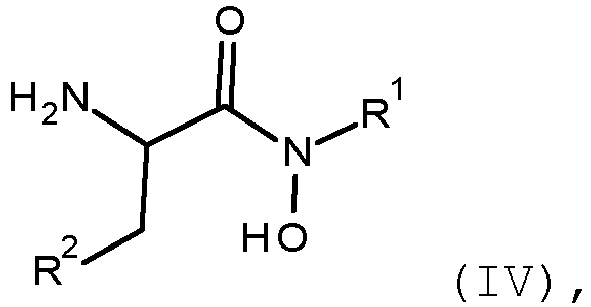
a-1. die Verbindung der Formel (II)

wobei
R1 für C1-C8-Alkyl, C1-C8-Halogenalkyl, Aryl oder Aryl, das durch eins bis fünf R11 substituiert ist, oder Aryl-C1-C4-alkylen oder Aryl-C1-C4-alkylen, das durch eins bis fünf R11 substituiert ist, steht;
R2 für eine Abgangsgruppe steht, die aus Halogen, C1-C8-Alkylsulfonyloxy, C1-C8-Halogenalkylsulfonyloxy, C1-C8-Arylsulfonyloxy oder C1-C8-Arylsulfonyloxy, das durch eins bis fünf R11 substituiert ist, oder einem Phosphonatester ausgewählt ist;
R11 jeweils unabhängig für C1-C4-Alkyl, C1-C4-Halogenalkyl, C1-C4-Alkoxy, C1-C4-Halogenalkoxy, Cyano oder Halogen steht. - Verfahren zur Herstellung einer Verbindung der Formel (I)

a-2. Umwandeln der Verbindung der Formel (IV)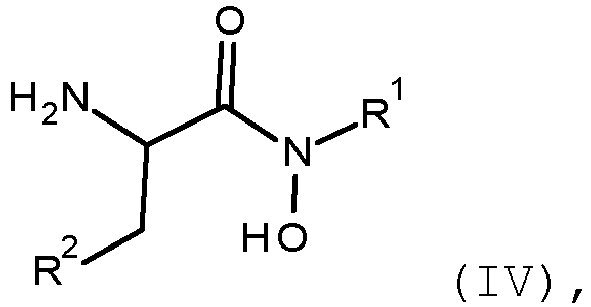
wobei
R1 für C1-C8-Alkyl, C1-C8-Halogenalkyl, Aryl oder Aryl, das durch eins bis fünf R11 substituiert ist, oder Aryl-C1-C4-alkylen oder Aryl-C1-C4-alkylen, das durch eins bis fünf R11 substituiert ist, steht; und
R2 für C1-C8-Alkylsulfonyloxy, C1-C8-Halogenalkylsulfonyloxy, C1-C8-Arylsulfonyloxy oder C1-C8Arylsulfonyloxy, das durch eins bis fünf R11 substituiert ist, oder einen Phosphonatester steht; und R11 jeweils unabhängig für C1-C4-Alkyl, C1-C4-Halogenalkyl, C1-C4-Alkoxy, C1-C4-Halogenalkoxy, Cyano oder Halogen steht. - Verbindung der Formel (IV)

R1 für C1-C8-Alkyl, C1-C8-Halogenalkyl, Aryl oder Aryl, das durch eins bis fünf R11 substituiert ist, oder Aryl-C1-C4-alkylen oder Aryl-C1-C4-alkylen, das durch eins bis fünf R11 substituiert ist, steht;
R2 für C1-C8-Alkylsulfonyloxy, C1-C8-Halogenalkylsulfonyloxy, C1-C8-Arylsulfonyloxy oder C1-C8Arylsulfonyloxy, das durch eins bis fünf R11 substituiert ist, oder einen Phosphonatester steht; und R11 jeweils unabhängig für C1-C4-Alkyl, C1-C4-Halogenalkyl, C1-C4-Alkoxy, C1-C4-Halogenalkoxy, Cyano oder Halogen steht;
oder ein Salz oder N-Oxid davon. - Verbindung der Formel (I)

R11 jeweils unabhängig für C1-C4-Alkyl, C1-C4-Halogenalkyl, C1-C4-Alkoxy, C1-C4-Halogenalkoxy, Cyano oder Halogen steht. - Verfahren zur Herstellung einer Verbindung der Formel (VIII) oder eines Salzes oder N-Oxids davon


X für eine Abgangsgruppe, die aus Halogen, C1-C8-Alkylsulfonyloxy, C1-C8-Halogenalkylsulfonyloxy, C1-C8-Arylsulfonyloxy oder C1-C8-Arylsulfonyloxy, das durch eins bis fünf R11 substituiert ist, oder einem Phosphonatester ausgewählt ist, Cyano, Formyl, Acetyl, C(O)CH=C(R3)R4, C(O)CH2C(OH)(R3)R4 oder Gruppe A
A1, A2, A3 und A4 unabhängig voneinander für C-H, C-R5 oder Stickstoff stehen;
R3 für C1-C8-Halogenalkyl steht;
R4 für Aryl oder durch einen bis drei R6 substituiertes Aryl steht oder R4 für Heterocyclyl oder durch einen bis drei R6 substituiertes Heterocyclyl steht;
R5 jeweils unabhängig für Halogen, Cyano, Nitro, C1-C8-Alkyl, C3-C8-Cycloalkyl, C1-C8-Halogenalkyl, C2-C8-Alkenyl, C2-C8-Halogenalkenyl, C2-C8-Alkinyl, C2-C8-Halogenalkinyl, C1-C8-Alkoxy, C1-C8-Halogenalkoxy, C1-C8-Alkoxycarbonyl- steht oder zwei R5 an benachbarten Kohlenstoffatomen zusammen eine -CH=CH-CH=CH-Brücke oder eine -N=CH-CH=CH-Brücke bilden;
R6 jeweils unabhängig für Halogen, Cyano, Nitro, C1-C8-Alkyl, C1-C8-Halogenalkyl, C1-C8-Alkoxy oder C1-C8-Halogenalkoxy steht;
R8 für Hydroxy, C1-C6-Alkoxy, Chlor, Fluor, Brom oder SRx steht, wobei Rx für H, C1-C6-Alkyl, Imidazol oder Pyrrol steht;
R1 für C1-C8-Alkyl, C1-C8-Halogenalkyl, Aryl oder Aryl, das durch eins bis fünf R11 substituiert ist, oder Aryl-C1-C4-alkylen oder Aryl-C1-C4-alkylen, das durch eins bis fünf R11 substituiert ist, steht; und
R11 jeweils unabhängig für C1-C4-Alkyl, C1-C4-Halogenalkyl, C1-C4-Alkoxy, C1-C4-Halogenalkoxy, Cyano oder Halogen steht.
Priority Applications (2)
| Application Number | Priority Date | Filing Date | Title |
|---|---|---|---|
| PL15722685T PL3137449T3 (pl) | 2014-04-30 | 2015-04-30 | Sposób wytwarzania podstawionych cykloseryn |
| SI201531115T SI3137449T1 (sl) | 2014-04-30 | 2015-04-30 | Postopek za pripravo substituiranih cikloserinov |
Applications Claiming Priority (2)
| Application Number | Priority Date | Filing Date | Title |
|---|---|---|---|
| EP14166654 | 2014-04-30 | ||
| PCT/EP2015/059612 WO2015166094A1 (en) | 2014-04-30 | 2015-04-30 | Process for the preparation of substituted cycloserines |
Publications (2)
| Publication Number | Publication Date |
|---|---|
| EP3137449A1 EP3137449A1 (de) | 2017-03-08 |
| EP3137449B1 true EP3137449B1 (de) | 2019-12-18 |
Family
ID=50693448
Family Applications (1)
| Application Number | Title | Priority Date | Filing Date |
|---|---|---|---|
| EP15722685.3A Active EP3137449B1 (de) | 2014-04-30 | 2015-04-30 | Verfahren zur herstellung substituierter cycloserine |
Country Status (13)
| Country | Link |
|---|---|
| US (2) | US9643938B2 (de) |
| EP (1) | EP3137449B1 (de) |
| JP (1) | JP6523334B2 (de) |
| CN (3) | CN106255681B (de) |
| BR (2) | BR112016025076B1 (de) |
| DK (1) | DK3137449T3 (de) |
| ES (1) | ES2774363T3 (de) |
| HU (1) | HUE049170T2 (de) |
| IL (1) | IL248267B (de) |
| MX (2) | MX388328B (de) |
| PL (1) | PL3137449T3 (de) |
| SI (1) | SI3137449T1 (de) |
| WO (1) | WO2015166094A1 (de) |
Families Citing this family (7)
| Publication number | Priority date | Publication date | Assignee | Title |
|---|---|---|---|---|
| EP3137449B1 (de) * | 2014-04-30 | 2019-12-18 | Syngenta Participations AG | Verfahren zur herstellung substituierter cycloserine |
| CN114014776B (zh) * | 2021-12-09 | 2024-03-12 | 西安鸿钧睿泽新材料科技有限公司 | 一种具有低全球变暖潜值的化合物、制备方法及其应用 |
| WO2023232560A1 (en) | 2022-05-30 | 2023-12-07 | Syngenta Crop Protection Ag | Process for the preparation of 4-substituted 2-oxazolidinones |
| WO2024033374A1 (en) | 2022-08-11 | 2024-02-15 | Syngenta Crop Protection Ag | Novel arylcarboxamide or arylthioamide compounds |
| WO2024089216A1 (en) | 2022-10-27 | 2024-05-02 | Syngenta Crop Protection Ag | Novel sulfur-containing heteroaryl carboxamide compounds |
| CN120476107A (zh) | 2022-12-15 | 2025-08-12 | 先正达农作物保护股份公司 | 可用作杀有害生物剂的新型的二环-甲酰胺化合物 |
| WO2024175572A1 (en) | 2023-02-24 | 2024-08-29 | Syngenta Crop Protection Ag | Process for the preparation of isoxazoline derivatives |
Family Cites Families (10)
| Publication number | Priority date | Publication date | Assignee | Title |
|---|---|---|---|---|
| GB799066A (en) * | 1955-11-17 | 1958-07-30 | Hoffmann La Roche | Process for the manufacture of isoxazolidone compounds |
| CH488719A (de) * | 1967-06-26 | 1970-04-15 | Eprova Ag | Verfahren zur Herstellung von Cycloserin (D-4-Amino-3-isoxazolidinon) |
| JPS5714337B2 (de) | 1973-02-23 | 1982-03-24 | ||
| AU5002196A (en) | 1995-03-28 | 1996-10-16 | Novo Nordisk A/S | Immunosuppressive agents |
| JP2010529129A (ja) * | 2007-06-06 | 2010-08-26 | タイロジェネックス,インコーポレイテッド | キナーゼ阻害剤化合物 |
| US8952175B2 (en) * | 2007-06-27 | 2015-02-10 | Nissan Chemical Industries, Ltd. | Method for production of 3-hydroxypropan-1-one compound, method for production of 2-propen-1-one compound and method for production of isoxazoline compound |
| TWI487486B (zh) * | 2009-12-01 | 2015-06-11 | Syngenta Participations Ag | 以異唑啉衍生物為主之殺蟲化合物 |
| KR20120131646A (ko) | 2011-05-26 | 2012-12-05 | 주식회사 참조아 | 이속사졸리디논 유도체인 d-시클로세린의 제조방법 |
| UY34104A (es) * | 2011-05-31 | 2013-01-03 | Syngenta Participations Ag | ?compuestos derivados benzamídicos heterocíclicos, procesos e intermedios para su preparación, composiciones y métodos para su uso?. |
| EP3137449B1 (de) * | 2014-04-30 | 2019-12-18 | Syngenta Participations AG | Verfahren zur herstellung substituierter cycloserine |
-
2015
- 2015-04-30 EP EP15722685.3A patent/EP3137449B1/de active Active
- 2015-04-30 US US15/307,386 patent/US9643938B2/en active Active
- 2015-04-30 CN CN201580022794.4A patent/CN106255681B/zh active Active
- 2015-04-30 SI SI201531115T patent/SI3137449T1/sl unknown
- 2015-04-30 PL PL15722685T patent/PL3137449T3/pl unknown
- 2015-04-30 DK DK15722685.3T patent/DK3137449T3/da active
- 2015-04-30 CN CN202111372808.9A patent/CN114031572B/zh active Active
- 2015-04-30 BR BR112016025076-1A patent/BR112016025076B1/pt active IP Right Grant
- 2015-04-30 MX MX2016014119A patent/MX388328B/es unknown
- 2015-04-30 ES ES15722685T patent/ES2774363T3/es active Active
- 2015-04-30 CN CN201810808594.7A patent/CN108822053A/zh active Pending
- 2015-04-30 JP JP2016565167A patent/JP6523334B2/ja active Active
- 2015-04-30 BR BR122021004312-4A patent/BR122021004312B1/pt active IP Right Grant
- 2015-04-30 HU HUE15722685A patent/HUE049170T2/hu unknown
- 2015-04-30 WO PCT/EP2015/059612 patent/WO2015166094A1/en not_active Ceased
-
2016
- 2016-10-09 IL IL248267A patent/IL248267B/en active IP Right Grant
- 2016-10-27 MX MX2021011971A patent/MX2021011971A/es unknown
-
2017
- 2017-04-03 US US15/477,159 patent/US9815803B2/en active Active
Non-Patent Citations (1)
| Title |
|---|
| None * |
Also Published As
| Publication number | Publication date |
|---|---|
| MX2021011971A (es) | 2021-11-03 |
| JP6523334B2 (ja) | 2019-05-29 |
| US9815803B2 (en) | 2017-11-14 |
| MX2016014119A (es) | 2017-02-09 |
| JP2017518272A (ja) | 2017-07-06 |
| HUE049170T2 (hu) | 2020-09-28 |
| BR112016025076B1 (pt) | 2022-03-03 |
| US9643938B2 (en) | 2017-05-09 |
| ES2774363T3 (es) | 2020-07-20 |
| CN114031572B (zh) | 2025-07-08 |
| CN106255681A (zh) | 2016-12-21 |
| BR112016025076A2 (pt) | 2018-07-10 |
| WO2015166094A1 (en) | 2015-11-05 |
| SI3137449T1 (sl) | 2020-04-30 |
| PL3137449T3 (pl) | 2020-07-27 |
| CN106255681B (zh) | 2019-11-22 |
| US20170204072A1 (en) | 2017-07-20 |
| CN108822053A (zh) | 2018-11-16 |
| BR122021004312B1 (pt) | 2022-02-08 |
| IL248267B (en) | 2019-07-31 |
| IL248267A0 (en) | 2016-11-30 |
| DK3137449T3 (da) | 2020-03-02 |
| US20170044116A1 (en) | 2017-02-16 |
| EP3137449A1 (de) | 2017-03-08 |
| MX388328B (es) | 2025-03-19 |
| CN114031572A (zh) | 2022-02-11 |
Similar Documents
| Publication | Publication Date | Title |
|---|---|---|
| EP3137449B1 (de) | Verfahren zur herstellung substituierter cycloserine | |
| RU2647851C2 (ru) | Способы получения некоторых 2-(пиридин-3-ил)тиазолов | |
| EP2297112B1 (de) | Pyrazolverbindungen als ccr1-antagonisten | |
| TW202317520A (zh) | 經取代之吡唑醯胺 | |
| KR20180032645A (ko) | Ror 감마 조절제로서의 신규한 화합물 | |
| TW200825065A (en) | Pyrazine-2-carboxamide derivatives | |
| EP2981519B1 (de) | Verfahren zur herstellung von gehinderten anilinen mit perhaloalkylgruppe | |
| JP5787727B2 (ja) | ピラジノ〔2,3−d〕イソオキサゾール誘導体 | |
| Edwards et al. | Efficient one-pot synthesis of 1-arylcycloprop-2-ene-1-carboxamides | |
| KR20200074128A (ko) | 벤조티오펜-2-일 보로네이트의 제조 방법 | |
| JP2006525320A (ja) | Cox阻害剤 | |
| AU2012334068A1 (en) | Substituted pyrazolyl-based carboxamide and urea derivatives bearing a phenyl moiety substituted with an S02-containing group as vanilloid receptor ligands | |
| JP7279134B2 (ja) | プロリンアミド化合物の製造方法 | |
| JP6705111B2 (ja) | トリアジノン化合物 | |
| Voss et al. | Efficient synthesis of enantiomerically pure (S)-δ-azaproline starting from (R)-α-hydroxy-γ-butyrolactone via the Mitsunobu reaction | |
| JP2021516665A (ja) | 2−クロロ−4−ニトロイミダゾール誘導体の製法 | |
| WO2010116121A1 (en) | Processes for making isoxazoline derivatives | |
| JP2023100917A (ja) | プロリンアミド化合物の製造方法 | |
| CA3214107A1 (en) | New process for the synthesis of 5-{5-chloro-2-[(3s)-3- [(morpholin-4-yl)methyl]-3,4-dihydroisoquinoline-2(1h)- carbonyl]phenyl}-1,2-dimethyl-1h-pyrrole-3-carboxylic acid derivatives and its application for the production of pharmaceutical compounds | |
| HK40075698A (en) | 1,3,4 oxadiazole derivative compounds as histone deacetylase 6 inhibitor, and the pharmaceutical composition comprising the same | |
| EP3584241A1 (de) | Verfahren zur herstellung einer indazolverbindung und indazolverbindung | |
| JP2017105778A (ja) | 5−ピリジルオキシメチル−1,2−オキサゾール−3−イルピロリジン誘導体の製造方法 |
Legal Events
| Date | Code | Title | Description |
|---|---|---|---|
| STAA | Information on the status of an ep patent application or granted ep patent |
Free format text: STATUS: THE INTERNATIONAL PUBLICATION HAS BEEN MADE |
|
| PUAI | Public reference made under article 153(3) epc to a published international application that has entered the european phase |
Free format text: ORIGINAL CODE: 0009012 |
|
| STAA | Information on the status of an ep patent application or granted ep patent |
Free format text: STATUS: REQUEST FOR EXAMINATION WAS MADE |
|
| 17P | Request for examination filed |
Effective date: 20161130 |
|
| AK | Designated contracting states |
Kind code of ref document: A1 Designated state(s): AL AT BE BG CH CY CZ DE DK EE ES FI FR GB GR HR HU IE IS IT LI LT LU LV MC MK MT NL NO PL PT RO RS SE SI SK SM TR |
|
| AX | Request for extension of the european patent |
Extension state: BA ME |
|
| DAV | Request for validation of the european patent (deleted) | ||
| DAX | Request for extension of the european patent (deleted) | ||
| STAA | Information on the status of an ep patent application or granted ep patent |
Free format text: STATUS: EXAMINATION IS IN PROGRESS |
|
| 17Q | First examination report despatched |
Effective date: 20181120 |
|
| GRAP | Despatch of communication of intention to grant a patent |
Free format text: ORIGINAL CODE: EPIDOSNIGR1 |
|
| STAA | Information on the status of an ep patent application or granted ep patent |
Free format text: STATUS: GRANT OF PATENT IS INTENDED |
|
| INTG | Intention to grant announced |
Effective date: 20190724 |
|
| RIN1 | Information on inventor provided before grant (corrected) |
Inventor name: SMITS, HELMARS Inventor name: LOTHSCHUETZ, CHRISTIAN Inventor name: TERINEK, MIROSLAV Inventor name: SMEJKAL, TOMAS |
|
| RAP1 | Party data changed (applicant data changed or rights of an application transferred) |
Owner name: SYNGENTA PARTICIPATIONS AG |
|
| GRAS | Grant fee paid |
Free format text: ORIGINAL CODE: EPIDOSNIGR3 |
|
| GRAA | (expected) grant |
Free format text: ORIGINAL CODE: 0009210 |
|
| STAA | Information on the status of an ep patent application or granted ep patent |
Free format text: STATUS: THE PATENT HAS BEEN GRANTED |
|
| AK | Designated contracting states |
Kind code of ref document: B1 Designated state(s): AL AT BE BG CH CY CZ DE DK EE ES FI FR GB GR HR HU IE IS IT LI LT LU LV MC MK MT NL NO PL PT RO RS SE SI SK SM TR |
|
| REG | Reference to a national code |
Ref country code: CH Ref legal event code: EP |
|
| REG | Reference to a national code |
Ref country code: IE Ref legal event code: FG4D |
|
| REG | Reference to a national code |
Ref country code: DE Ref legal event code: R096 Ref document number: 602015043838 Country of ref document: DE |
|
| REG | Reference to a national code |
Ref country code: AT Ref legal event code: REF Ref document number: 1214470 Country of ref document: AT Kind code of ref document: T Effective date: 20200115 |
|
| REG | Reference to a national code |
Ref country code: DK Ref legal event code: T3 Effective date: 20200228 Ref country code: FI Ref legal event code: FGE |
|
| REG | Reference to a national code |
Ref country code: SE Ref legal event code: TRGR |
|
| REG | Reference to a national code |
Ref country code: GB Ref legal event code: 732E Free format text: REGISTERED BETWEEN 20200220 AND 20200226 |
|
| REG | Reference to a national code |
Ref country code: NL Ref legal event code: FP |
|
| PG25 | Lapsed in a contracting state [announced via postgrant information from national office to epo] |
Ref country code: LV Free format text: LAPSE BECAUSE OF FAILURE TO SUBMIT A TRANSLATION OF THE DESCRIPTION OR TO PAY THE FEE WITHIN THE PRESCRIBED TIME-LIMIT Effective date: 20191218 Ref country code: BG Free format text: LAPSE BECAUSE OF FAILURE TO SUBMIT A TRANSLATION OF THE DESCRIPTION OR TO PAY THE FEE WITHIN THE PRESCRIBED TIME-LIMIT Effective date: 20200318 Ref country code: GR Free format text: LAPSE BECAUSE OF FAILURE TO SUBMIT A TRANSLATION OF THE DESCRIPTION OR TO PAY THE FEE WITHIN THE PRESCRIBED TIME-LIMIT Effective date: 20200319 Ref country code: NO Free format text: LAPSE BECAUSE OF FAILURE TO SUBMIT A TRANSLATION OF THE DESCRIPTION OR TO PAY THE FEE WITHIN THE PRESCRIBED TIME-LIMIT Effective date: 20200318 Ref country code: LT Free format text: LAPSE BECAUSE OF FAILURE TO SUBMIT A TRANSLATION OF THE DESCRIPTION OR TO PAY THE FEE WITHIN THE PRESCRIBED TIME-LIMIT Effective date: 20191218 |
|
| REG | Reference to a national code |
Ref country code: LT Ref legal event code: MG4D |
|
| REG | Reference to a national code |
Ref country code: EE Ref legal event code: FG4A Ref document number: E018775 Country of ref document: EE Effective date: 20200226 |
|
| PG25 | Lapsed in a contracting state [announced via postgrant information from national office to epo] |
Ref country code: RS Free format text: LAPSE BECAUSE OF FAILURE TO SUBMIT A TRANSLATION OF THE DESCRIPTION OR TO PAY THE FEE WITHIN THE PRESCRIBED TIME-LIMIT Effective date: 20191218 Ref country code: HR Free format text: LAPSE BECAUSE OF FAILURE TO SUBMIT A TRANSLATION OF THE DESCRIPTION OR TO PAY THE FEE WITHIN THE PRESCRIBED TIME-LIMIT Effective date: 20191218 |
|
| REG | Reference to a national code |
Ref country code: SK Ref legal event code: T3 Ref document number: E 33655 Country of ref document: SK |
|
| PG25 | Lapsed in a contracting state [announced via postgrant information from national office to epo] |
Ref country code: AL Free format text: LAPSE BECAUSE OF FAILURE TO SUBMIT A TRANSLATION OF THE DESCRIPTION OR TO PAY THE FEE WITHIN THE PRESCRIBED TIME-LIMIT Effective date: 20191218 |
|
| REG | Reference to a national code |
Ref country code: ES Ref legal event code: FG2A Ref document number: 2774363 Country of ref document: ES Kind code of ref document: T3 Effective date: 20200720 |
|
| PG25 | Lapsed in a contracting state [announced via postgrant information from national office to epo] |
Ref country code: PT Free format text: LAPSE BECAUSE OF FAILURE TO SUBMIT A TRANSLATION OF THE DESCRIPTION OR TO PAY THE FEE WITHIN THE PRESCRIBED TIME-LIMIT Effective date: 20200513 Ref country code: RO Free format text: LAPSE BECAUSE OF FAILURE TO SUBMIT A TRANSLATION OF THE DESCRIPTION OR TO PAY THE FEE WITHIN THE PRESCRIBED TIME-LIMIT Effective date: 20191218 |
|
| REG | Reference to a national code |
Ref country code: AT Ref legal event code: UEP Ref document number: 1214470 Country of ref document: AT Kind code of ref document: T Effective date: 20191218 |
|
| PG25 | Lapsed in a contracting state [announced via postgrant information from national office to epo] |
Ref country code: IS Free format text: LAPSE BECAUSE OF FAILURE TO SUBMIT A TRANSLATION OF THE DESCRIPTION OR TO PAY THE FEE WITHIN THE PRESCRIBED TIME-LIMIT Effective date: 20200418 Ref country code: SM Free format text: LAPSE BECAUSE OF FAILURE TO SUBMIT A TRANSLATION OF THE DESCRIPTION OR TO PAY THE FEE WITHIN THE PRESCRIBED TIME-LIMIT Effective date: 20191218 |
|
| REG | Reference to a national code |
Ref country code: DE Ref legal event code: R097 Ref document number: 602015043838 Country of ref document: DE |
|
| REG | Reference to a national code |
Ref country code: HU Ref legal event code: AG4A Ref document number: E049170 Country of ref document: HU |
|
| PLBE | No opposition filed within time limit |
Free format text: ORIGINAL CODE: 0009261 |
|
| STAA | Information on the status of an ep patent application or granted ep patent |
Free format text: STATUS: NO OPPOSITION FILED WITHIN TIME LIMIT |
|
| 26N | No opposition filed |
Effective date: 20200921 |
|
| PG25 | Lapsed in a contracting state [announced via postgrant information from national office to epo] |
Ref country code: MC Free format text: LAPSE BECAUSE OF FAILURE TO SUBMIT A TRANSLATION OF THE DESCRIPTION OR TO PAY THE FEE WITHIN THE PRESCRIBED TIME-LIMIT Effective date: 20191218 |
|
| PG25 | Lapsed in a contracting state [announced via postgrant information from national office to epo] |
Ref country code: LU Free format text: LAPSE BECAUSE OF NON-PAYMENT OF DUE FEES Effective date: 20200430 |
|
| REG | Reference to a national code |
Ref country code: BE Ref legal event code: MM Effective date: 20200430 |
|
| PG25 | Lapsed in a contracting state [announced via postgrant information from national office to epo] |
Ref country code: BE Free format text: LAPSE BECAUSE OF NON-PAYMENT OF DUE FEES Effective date: 20200430 |
|
| PG25 | Lapsed in a contracting state [announced via postgrant information from national office to epo] |
Ref country code: IE Free format text: LAPSE BECAUSE OF NON-PAYMENT OF DUE FEES Effective date: 20200430 |
|
| PG25 | Lapsed in a contracting state [announced via postgrant information from national office to epo] |
Ref country code: TR Free format text: LAPSE BECAUSE OF FAILURE TO SUBMIT A TRANSLATION OF THE DESCRIPTION OR TO PAY THE FEE WITHIN THE PRESCRIBED TIME-LIMIT Effective date: 20191218 Ref country code: MT Free format text: LAPSE BECAUSE OF FAILURE TO SUBMIT A TRANSLATION OF THE DESCRIPTION OR TO PAY THE FEE WITHIN THE PRESCRIBED TIME-LIMIT Effective date: 20191218 Ref country code: CY Free format text: LAPSE BECAUSE OF FAILURE TO SUBMIT A TRANSLATION OF THE DESCRIPTION OR TO PAY THE FEE WITHIN THE PRESCRIBED TIME-LIMIT Effective date: 20191218 |
|
| PG25 | Lapsed in a contracting state [announced via postgrant information from national office to epo] |
Ref country code: MK Free format text: LAPSE BECAUSE OF FAILURE TO SUBMIT A TRANSLATION OF THE DESCRIPTION OR TO PAY THE FEE WITHIN THE PRESCRIBED TIME-LIMIT Effective date: 20191218 |
|
| PGFP | Annual fee paid to national office [announced via postgrant information from national office to epo] |
Ref country code: SI Payment date: 20250414 Year of fee payment: 11 |
|
| PGFP | Annual fee paid to national office [announced via postgrant information from national office to epo] |
Ref country code: NL Payment date: 20250424 Year of fee payment: 11 |
|
| PGFP | Annual fee paid to national office [announced via postgrant information from national office to epo] |
Ref country code: FI Payment date: 20250424 Year of fee payment: 11 |
|
| PGFP | Annual fee paid to national office [announced via postgrant information from national office to epo] |
Ref country code: PL Payment date: 20250417 Year of fee payment: 11 Ref country code: DE Payment date: 20250428 Year of fee payment: 11 |
|
| PGFP | Annual fee paid to national office [announced via postgrant information from national office to epo] |
Ref country code: DK Payment date: 20250424 Year of fee payment: 11 Ref country code: ES Payment date: 20250513 Year of fee payment: 11 Ref country code: GB Payment date: 20250422 Year of fee payment: 11 |
|
| PGFP | Annual fee paid to national office [announced via postgrant information from national office to epo] |
Ref country code: HU Payment date: 20250424 Year of fee payment: 11 |
|
| PGFP | Annual fee paid to national office [announced via postgrant information from national office to epo] |
Ref country code: IT Payment date: 20250422 Year of fee payment: 11 |
|
| PGFP | Annual fee paid to national office [announced via postgrant information from national office to epo] |
Ref country code: FR Payment date: 20250424 Year of fee payment: 11 Ref country code: EE Payment date: 20250429 Year of fee payment: 11 |
|
| PGFP | Annual fee paid to national office [announced via postgrant information from national office to epo] |
Ref country code: CH Payment date: 20250501 Year of fee payment: 11 |
|
| PGFP | Annual fee paid to national office [announced via postgrant information from national office to epo] |
Ref country code: AT Payment date: 20250417 Year of fee payment: 11 |
|
| PGFP | Annual fee paid to national office [announced via postgrant information from national office to epo] |
Ref country code: SK Payment date: 20250414 Year of fee payment: 11 |
|
| PGFP | Annual fee paid to national office [announced via postgrant information from national office to epo] |
Ref country code: CZ Payment date: 20250414 Year of fee payment: 11 |
|
| PGFP | Annual fee paid to national office [announced via postgrant information from national office to epo] |
Ref country code: SE Payment date: 20250424 Year of fee payment: 11 |
|
| REG | Reference to a national code |
Ref country code: SK Ref legal event code: PC4A Ref document number: E 33655 Country of ref document: SK Owner name: SYNGENTA CROP PROTECTION AG, BASEL, CH Free format text: FORMER OWNER: SYNGENTA PARTICIPATIONS AG, BASEL, CH Effective date: 20251031 |