EP3133471B1 - Spielesteuerungsverfahren, vorrichtung, endgerät und aufzeichnungsmedium - Google Patents
Spielesteuerungsverfahren, vorrichtung, endgerät und aufzeichnungsmedium Download PDFInfo
- Publication number
- EP3133471B1 EP3133471B1 EP16184571.4A EP16184571A EP3133471B1 EP 3133471 B1 EP3133471 B1 EP 3133471B1 EP 16184571 A EP16184571 A EP 16184571A EP 3133471 B1 EP3133471 B1 EP 3133471B1
- Authority
- EP
- European Patent Office
- Prior art keywords
- brainwave
- target user
- unit
- information
- wave
- Prior art date
- Legal status (The legal status is an assumption and is not a legal conclusion. Google has not performed a legal analysis and makes no representation as to the accuracy of the status listed.)
- Active
Links
Images



Classifications
-
- H—ELECTRICITY
- H04—ELECTRIC COMMUNICATION TECHNIQUE
- H04N—PICTORIAL COMMUNICATION, e.g. TELEVISION
- H04N21/00—Selective content distribution, e.g. interactive television or video on demand [VOD]
- H04N21/40—Client devices specifically adapted for the reception of or interaction with content, e.g. set-top-box [STB]; Operations thereof
- H04N21/43—Processing of content or additional data, e.g. demultiplexing additional data from a digital video stream; Elementary client operations, e.g. monitoring of home network or synchronising decoder's clock; Client middleware
- H04N21/442—Monitoring of processes or resources, e.g. detecting the failure of a recording device, monitoring the downstream bandwidth, the number of times a movie has been viewed, the storage space available from the internal hard disk
- H04N21/44213—Monitoring of end-user related data
- H04N21/44218—Detecting physical presence or behaviour of the user, e.g. using sensors to detect if the user is leaving the room or changes his face expression during a TV programme
-
- H—ELECTRICITY
- H04—ELECTRIC COMMUNICATION TECHNIQUE
- H04N—PICTORIAL COMMUNICATION, e.g. TELEVISION
- H04N21/00—Selective content distribution, e.g. interactive television or video on demand [VOD]
- H04N21/40—Client devices specifically adapted for the reception of or interaction with content, e.g. set-top-box [STB]; Operations thereof
- H04N21/41—Structure of client; Structure of client peripherals
- H04N21/422—Input-only peripherals, i.e. input devices connected to specially adapted client devices, e.g. global positioning system [GPS]
- H04N21/42201—Input-only peripherals, i.e. input devices connected to specially adapted client devices, e.g. global positioning system [GPS] biosensors, e.g. heat sensor for presence detection, EEG sensors or any limb activity sensors worn by the user
-
- G—PHYSICS
- G06—COMPUTING OR CALCULATING; COUNTING
- G06F—ELECTRIC DIGITAL DATA PROCESSING
- G06F3/00—Input arrangements for transferring data to be processed into a form capable of being handled by the computer; Output arrangements for transferring data from processing unit to output unit, e.g. interface arrangements
- G06F3/01—Input arrangements or combined input and output arrangements for interaction between user and computer
- G06F3/011—Arrangements for interaction with the human body, e.g. for user immersion in virtual reality
- G06F3/015—Input arrangements based on nervous system activity detection, e.g. brain waves [EEG] detection, electromyograms [EMG] detection, electrodermal response detection
-
- A—HUMAN NECESSITIES
- A61—MEDICAL OR VETERINARY SCIENCE; HYGIENE
- A61B—DIAGNOSIS; SURGERY; IDENTIFICATION
- A61B5/00—Measuring for diagnostic purposes; Identification of persons
- A61B5/0002—Remote monitoring of patients using telemetry, e.g. transmission of vital signals via a communication network
- A61B5/0004—Remote monitoring of patients using telemetry, e.g. transmission of vital signals via a communication network characterised by the type of physiological signal transmitted
- A61B5/0006—ECG or EEG signals
-
- A—HUMAN NECESSITIES
- A61—MEDICAL OR VETERINARY SCIENCE; HYGIENE
- A61B—DIAGNOSIS; SURGERY; IDENTIFICATION
- A61B5/00—Measuring for diagnostic purposes; Identification of persons
- A61B5/24—Detecting, measuring or recording bioelectric or biomagnetic signals of the body or parts thereof
- A61B5/316—Modalities, i.e. specific diagnostic methods
- A61B5/369—Electroencephalography [EEG]
- A61B5/372—Analysis of electroencephalograms
-
- G—PHYSICS
- G05—CONTROLLING; REGULATING
- G05B—CONTROL OR REGULATING SYSTEMS IN GENERAL; FUNCTIONAL ELEMENTS OF SUCH SYSTEMS; MONITORING OR TESTING ARRANGEMENTS FOR SUCH SYSTEMS OR ELEMENTS
- G05B15/00—Systems controlled by a computer
- G05B15/02—Systems controlled by a computer electric
-
- G—PHYSICS
- G06—COMPUTING OR CALCULATING; COUNTING
- G06F—ELECTRIC DIGITAL DATA PROCESSING
- G06F3/00—Input arrangements for transferring data to be processed into a form capable of being handled by the computer; Output arrangements for transferring data from processing unit to output unit, e.g. interface arrangements
- G06F3/16—Sound input; Sound output
- G06F3/165—Management of the audio stream, e.g. setting of volume, audio stream path
-
- H—ELECTRICITY
- H04—ELECTRIC COMMUNICATION TECHNIQUE
- H04N—PICTORIAL COMMUNICATION, e.g. TELEVISION
- H04N21/00—Selective content distribution, e.g. interactive television or video on demand [VOD]
- H04N21/40—Client devices specifically adapted for the reception of or interaction with content, e.g. set-top-box [STB]; Operations thereof
- H04N21/41—Structure of client; Structure of client peripherals
- H04N21/422—Input-only peripherals, i.e. input devices connected to specially adapted client devices, e.g. global positioning system [GPS]
- H04N21/42204—User interfaces specially adapted for controlling a client device through a remote control device; Remote control devices therefor
-
- G—PHYSICS
- G06—COMPUTING OR CALCULATING; COUNTING
- G06F—ELECTRIC DIGITAL DATA PROCESSING
- G06F2203/00—Indexing scheme relating to G06F3/00 - G06F3/048
- G06F2203/01—Indexing scheme relating to G06F3/01
- G06F2203/011—Emotion or mood input determined on the basis of sensed human body parameters such as pulse, heart rate or beat, temperature of skin, facial expressions, iris, voice pitch, brain activity patterns
-
- H—ELECTRICITY
- H04—ELECTRIC COMMUNICATION TECHNIQUE
- H04N—PICTORIAL COMMUNICATION, e.g. TELEVISION
- H04N21/00—Selective content distribution, e.g. interactive television or video on demand [VOD]
- H04N21/40—Client devices specifically adapted for the reception of or interaction with content, e.g. set-top-box [STB]; Operations thereof
- H04N21/41—Structure of client; Structure of client peripherals
- H04N21/422—Input-only peripherals, i.e. input devices connected to specially adapted client devices, e.g. global positioning system [GPS]
- H04N21/42204—User interfaces specially adapted for controlling a client device through a remote control device; Remote control devices therefor
- H04N21/42206—User interfaces specially adapted for controlling a client device through a remote control device; Remote control devices therefor characterized by hardware details
- H04N21/42222—Additional components integrated in the remote control device, e.g. timer, speaker, sensors for detecting position, direction or movement of the remote control, microphone or battery charging device
Definitions
- the present invention is related to the field of communication technology, and more particularly, to a play control method, apparatus, and a recording medium.
- Document WO 2009/037654 relates to a feedback apparatus for a game that provides an electro-stimulation to a user.
- Document US 2009/0292657 discloses a method including acquiring data indicative of an inferred mental state of an authoring user and associating the data indicated of the inferred mental state of the authoring user with an electronic message.
- Document US 5 813 993 relates to systems for determining a subject's state of alertness and drowsiness, and more particularly to apparatus and methods for analyzing EEG signals acquired from a subject to determine alertness, drowsiness or his or her sleep stage.
- Document KR 101 498 812 relates to insomnia inspection using brainwaves and indicators derivation using EEG.
- the present invention provides a play control method, apparatus, and a recording medium to solve the problem that when users do not perform triggering operations, it is hard for play devices such as TVs to effectively respond to user's play needs, in the related arts.
- the technical solution of the invention has the following advantageous effects:
- the embodiments of this invention are applied, by acquiring brainwave information of a target user and executing play control corresponding with the brainwave information, the state of the target user can be reflected through the brainwave information; accordingly, effective control of the user's needs can be realized through the brainwave information without any triggering operation by the user, thereby enhancing the user experience and improving the intelligence level of play devices.
- this invention can prevent from acquiring information of an invalid object, thereby increasing the play control efficiency.
- the object By determining the object in contact with the target device and the contact parameters representing the contact of the object and the target device, the object can be determined as the target user quickly, so this invention can increase the play control efficiency.
- this invention can increase the play control efficiency.
- the brainwave information of the target user can be acquired accurately and quickly, so this invention can increase the play control accuracy and effectiveness.
- the brainwave information of the target user can be acquired accurately using an in-built brainwave sensor close to the contact position, so this invention can increase the play control accuracy and effectiveness.
- the terminal of this invention By receiving the brainwave information of the target user transmitted by a brainwave detector at a terminal, the terminal of this invention does not need to directly detect the brainwave information of the target user, so that the terminal can receive the brainwave information of different target users, allowing the terminal to execute display control to different target users.
- the brainwave information of the target user can be identified quickly and accurately, so this invention can increase the play control efficiency.
- the brainwave information of the target user can be identified quickly and accurately, so this invention can increase the play control efficiency.
- this invention can improve the flexibility of play control.
- this invention can execute play control for different play devices.
- first, second, and third are used to describe various information, such information shall not be limited to these terms. These terms are only used to distinguish information of the same type. For example, when not departing from the scope of this invention, first information may also be named as second information, and vice versa. Depending on the context, the word “if” used herein may be interpreted as “when” or “determining that ... in response to”.
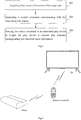
- Fig. 1 is a flow chart showing a play control method according to an exemplary embodiment of this invention.
- the method may be used in an electronic device such as a terminal and comprises steps 101-102 as below:
- this embodiment of this invention when this embodiment of this invention is applied, by acquiring brainwave information of a target user and executing play control corresponding with the brainwave information, the state of the target user can be reflected through the brainwave information; accordingly, effective control of the user's needs can be realized through the brainwave information without any triggering operation by the user, thereby enhancing the user experience and improving the intelligence level of play devices.
- the embodiments of this invention may be executed by an electronic device such as a play device used for playing at least one type of information including characters, graphics, images, audio, video, animation and the like.
- the play device includes computers, tablet computers, televisions, mobile phones, personal stereos, hand-held readers and the like.
- the embodiments of this invention may be executed by a control device that executes play control to the play device.
- the play device may have a play control function or both a play control function and a brainwave information detection function.
- the control device may have a brainwave information detection function.
- the brainwave information may include at least one brainwave parameter among a frequency, an amplitude and a waveform of the brainwave, or may include a type identification of various brainwave types, determined based on the parameters, such as the frequency, the amplitude and the waveform of the brainwave.
- the target user associated with an electronic device may be a person in contact with a play device, a control device or a brainwave detection device.
- the target user may be other objects having brainwaves and in contact with a play device, a control device or a brainwave collection device, or may be other objects having brainwaves and spaced from the play device, the control device or the brainwave collection device a preset distance.
- acquiring the brainwave information of the target user may comprise detecting the brainwave information of the target user using an in-built brainwave sensor.
- the brainwave sensor is built in the executing device of the embodiments of this invention.
- the detected brainwave information may be brainwave parameters such as the frequency, the amplitude and the waveform of the brainwave, or the type identification of various brainwave types determined based on the brainwave information parameters, such as the frequency, the amplitude and the waveform of the brainwave.
- acquiring the brainwave information of the target user may comprise receiving the brainwave information of the target user transmitted by a brainwave detector.
- the brainwave detector and the executing device are separately provided in the embodiments of this invention.
- the transmitted brainwave information may be brainwave parameters such as the frequency, the amplitude and the waveform of the brainwave, or the type identification of various brainwave types determined based on the brainwave information parameters, such as the frequency, the amplitude and the waveform of the brainwave.
- the target device may be the play device or the control device that executes the embodiments of this invention, a sleep device for playing sleep music, a remote control pillow or mattress or hat having a control function.
- the target device may be separately provided from the play device or the control device that executes the embodiments of this invention, and may be a preset device touched by the user (or in contact with the user), such as a mattress, a pillow, a headrest or a hat.
- the target device may be the brainwave detector separately provided from the executing device of the embodiments of this invention.
- detecting whether the object in contact with a target device is the target user comprises: determining if at least one parameter of the contact parameters representing the contact of the object and the target device meets a corresponding preset condition; and determining that the object in contact with the target device is the target user if at least one parameter of the contact parameters meets the corresponding preset condition.
- Determining whether at least one parameter of the contact parameters representing the contact of the object and the target device meets the corresponding preset condition comprises one or more the following modes:
- the temperature sensor may be built in the play device or the control device that executes the embodiments of this invention, or in a target device independent from the play device or the control device, or in other preset device.
- the temperature sensor may be built in a mattress.
- the target device may be a pillow. If the temperature acquired by the temperature sensor falls into the scope of a human's body temperature, it is determined that the detected temperature meets the corresponding preset condition, and that the object in contact with the target device is a human.
- Mode 3 if the contact parameter comprises a pressure and an area, and a ratio of the pressure of the object detected by an in-built pressure sensor to the area of the object detected by an in-built area sensor matches with a preset density, determining that the detected pressure and area meet the corresponding preset condition.
- the area sensor and the pressure sensor may be built in the play device or the control device that executes the embodiments of this invention, or in a target device independent from the play device or the control device, or in other preset device.
- Detecting the brainwave information of the target user using an in-built brainwave sensor may comprise: determining a contact position where the target user is in contact with (touches) the target device; and detecting the brainwave information of the target user using an in-built brainwave sensor close to the contact position.
- the contact position can be determined by a pressure-sensitive sensor built in the target device. Brainwave information can be detected more accurately by the brainwave sensor which is close to the contact position, so that the accuracy and effectiveness of play control can be improved.
- corresponding relations between various brainwave information and various play control can be preset, and play control corresponding with the brainwave information can be performed based on the preset corresponding relations.
- the play control may include ordinary control of characters, graphics, images, audio, video, animation and the like played by a play device, such as continuing, switching, pausing, reducing the sound volume and the like.
- the corresponding relations between various brainwave information and various play control may include corresponding relations between at least one brainwave parameter among a frequency, an amplitude, a waveform, a type identification and the like and various play control.
- Brainwaves may be divided into four types: a ⁇ wave, a ⁇ wave, an ⁇ wave and a ⁇ wave.
- the corresponding brainwave information may include at least one of a type identification of a ⁇ wave, a type identification of a ⁇ wave, a type identification of an ⁇ wave and a type identification of a ⁇ wave.
- An ⁇ wave may appear when a healthy adult is calm or feels happy. Its frequency range is 8-13 Hz and its amplitude range is 20-100 ⁇ V. It is mainly distributed in the parietal occipital region, and has usually the shape of a sine wave. It also changes depending on the brain development level or the age. The number of ⁇ waves of children gradually increases as their brains mature, and the frequency of the ⁇ wave also increases until it becomes steady in the adulthood. The frequency of the ⁇ wave slows down in old age.
- a ⁇ wave may appear when a nervous or exciting feeling appears. Its frequency range is 14-30 Hz and its amplitude range is 5-20 ⁇ V. It may be distributed across the whole brain, and is mainly distributed in the anterior hemisphere and the temporal region. It is related with gender, psychological state, personal character and age. A ⁇ wave appears more often in women than men, and more often in old people than adults. When humans have unstable mood, are applied with tranquilizers or hypnotics, ⁇ waves will increase and their amplitude will also increase.
- a ⁇ wave appears more often when a human is tired or has fallen asleep. Its frequency range is 4-7 Hz and its amplitude range is 100-150 ⁇ V. It is a main component of an electroencephalogram of young people aged between 10 and 17. It is mainly distributed in the upper apex and the temporal region. Its number gradually decreases, its frequency gradually increases and its amplitude gradually decreases from children to adults. Few ⁇ waves will appear in the electroencephalogram of an adult. When an adult feels depressed, disappointed or frustrated, about 20 seconds of ⁇ waves may appear. A ⁇ wave is common for old people and sick people.
- a ⁇ wave may appear when an adult is totally exhausted or sleepy or has severe encephalosis or when a child is immature in intelligence. Its frequency range is 1-3 Hz and its amplitude range is 20-200 ⁇ V.
- a ⁇ wave may appear in the brain record of an animal that has gone through a subcortical transection surgery. A ⁇ wave can only appear in the cortex, and is not controlled by the nerves of lower parts of the brain.
- normal brainwaves having special waveforms, such as hump waves, ⁇ rhythm waves, ⁇ waves, k-complex waves, ⁇ rhythm waves and the like.
- a ⁇ rhythm wave is a comb rhythm having a frequency of 8-12Hz. It may be distributed in the central region. When ⁇ rhythm waves appear in the central regions of the both sides, they may be asynchronous and asymmetrical. When eyes are open, ⁇ rhythm waves do not disappear. When a fist is made at the opposite side or metal activities are suppressed due to stimulus of feelings, ⁇ rhythm waves may disappear temporarily; this case may occur to a healthy human, a human having a nerve illness or brain trauma etc., but the implications are unclear.
- a vertex sharp transient wave or a hump wave is a negative vertex sharp wave simultaneously appearing in the apex and central regions in a preliminary stage of light sleep, with the apex region more prominent. Its frequency range is 3-5 Hz and its amplitude range is 100-300 ⁇ V. When a pair of hump waves appear, they are also called "Double Hump Waves".
- a sleep spindle wave is also called a ⁇ rhythm wave.
- the frequency range of a ⁇ rhythm wave of an adult may be 12-14Hz, and the frequency range of a ⁇ rhythm wave of a child may be 10-12Hz. It is mainly distributed in the apex/central region.
- ⁇ rhythm waves may be asynchronous for the left and right sides.
- ⁇ rhythm waves remarkably reduce or disappear.
- a ⁇ rhythm wave is a main indicator of brainwave in the light sleep period.
- a K-complex wave is a complex wave composed of a vertex sharp transient wave and a ⁇ rhythm wave. It may appear automatically in the light sleep period or due to triggering of external feeling stimulus, in particular sound stimulus. Usually, it appears symmetrically on both sides.
- a ⁇ rhythm wave is an awakening reaction in normal sleep.
- acquiring the brainwave information of the target user may comprise: acquiring at least one brainwave parameter among a frequency, an amplitude and a waveform from the target user; and determining the brainwave type corresponding with the acquired brainwave parameter as the brainwave information of the target user.
- the brainwave information of the target user can be acquired quickly and accurately through the parameters such as a frequency, an amplitude and a waveform, thereby improving the play control efficiency.
- Determining the brainwave type corresponding with the acquired brainwave parameter as the brainwave information of the target user may comprise: retrieving the brainwave type corresponding with the acquired brainwave parameter from a first preset relationship table which records corresponding relationships between different brainwave parameters and brainwave types.
- acquiring the brainwave information of the target user may comprise: acquiring at least one brainwave parameter of (among) a frequency, a amplitude and a waveform from the target user; acquiring at least one physiological parameter of (among) an age, a gender and an health state from the target user; and determining the brainwave type corresponding with the acquired brainwave parameter and the acquired physiological parameter as the brainwave information of the target user.
- the brainwave information of the target user can be acquired quickly and accurately through the parameters such as a frequency, an amplitude, a waveform, an age, gender and health state, thereby improving the play control efficiency.
- Determining a brainwave type corresponding with an acquired brainwave parameter and an acquired physiological parameter as the brainwave information of the target user may comprise: retrieving a brainwave type corresponding with the acquired brainwave parameter and the acquired physiological parameter from a second preset relationship table which records corresponding relationships among different brainwave parameters, physiological parameters and brainwave types.
- image information of the target user may be acquired by a camera.
- Gender and age of the target user may be acquired by processing the acquired image information.
- Medical record corresponding with the image information of the target user may be acquired from a medical record server.
- the health state of the target user may be acquired by performing information extraction to the medical record.
- the play control corresponding with the brainwave information executed in the embodiments of this invention is directed to the brain activities of the user, and can effectively reflect the implementation needs of the user. Effective control of the user's needs can be realized through the brainwave information without any triggering operation by the user, thereby enhancing the user experience and improving the intelligence level of play devices.
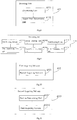
- Fig. 2 is a flow chart showing a play control method according to another exemplary embodiment of this invention. The method comprises steps 201-205:
- this invention by executing different play control for different types of brainwaves, this invention can improve the flexibility of play control.
- the preset data may be at least one of characters, graphics, images, audio, video, animation and the like.
- the preset data may be audio and video data corresponding with movie and TV programs.
- the type identification may be a frequency range, an amplitude range, a waveform name or a wave name of various brainwaves.
- outputting prompt information for changing the preset data may be performed by the following one or more modes:
- play control different from that of the embodiments of this invention may be performed according to different types of brainwaves.
- a clock alarm may be played to prompt the user;
- the brainwave is any of a ⁇ wave, a hump wave, a K-complex wave and a sleep spindle wave, play of the preset data is stopped and sleep music is played.
- Fig. 3 is a flow chart showing a play control method according to another exemplary embodiment of this invention. The method comprises steps 301-303:
- this invention by generating a control command corresponding with the brainwave information and sending the control command to an associated play device to trigger the play device to execute play response corresponding with the brainwave information, this invention can execute play control for different play devices.
- the associated play device may be a preset device to be controlled, or for example, a play device within a preset distance relative to the target user or the control device of the embodiments of this invention.
- the control command is configured to stop playing preset data.
- the control command is configured to output prompt information for changing the preset data
- the control command is configured to reduce the play sound volume of the preset data.
- control commands corresponding with the brainwave information and different from that in the embodiments of this invention may be generated.
- the control command is configured to play a clock alarm; if the brainwave information includes a type identification of any of a ⁇ wave, a hump wave, a K-complex wave and a sleep spindle wave, the control command is configured to stop playing the preset data and play sleep music.
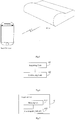
- Fig. 4 is a schematic application scene of a play control method according to an exemplary embodiment of this invention.
- the scene shown in Fig. 4 includes a pillow as a brainwave detector, a remote controller as a control device and a TV as a play device.
- the pillow and the remote controller are wirelessly connected, and can transmit and exchange information there between on the basis of wireless connection.
- the remote controller and the TV are wirelessly connected, and can transmit and exchange information there between on the basis of wireless connection.
- the brainwave detector is only embodied as a pillow in the embodiments of this invention;
- the control device is only embodied as a remote controller in the embodiments of this invention; and the play device is only embodied as a TV in the embodiments of this invention.
- the brainwave detector in the present embodiment may be a headrest, a hat or other articles;
- the play device may be a personal computer PC, a DVD or other digital broadcast terminals; and the control device may be a smart cell phone or other smart terminals.
- the pillow shown in Fig. 4 detects the brainwave information of the target user in contact with the pillow, and sends the detected brainwave information to the remote controller shown in Fig. 4 .
- the remote controller generates a control command corresponding with the brainwave information, and sends the same to the TV shown in Fig. 4 , which executes play response corresponding with the brainwave information.
- the remote controller can identify the type of the brainwave on the basis of the frequency thereof, generates a control command corresponding with the type identification and sends the same to the TV shown in Fig. 4 , taking the control command as the control command corresponding with the frequency of the brainwave.
- Fig. 5 is a schematic application scene of a play control method according to an exemplary embodiment of this invention.
- the scene shown in Fig. 5 includes a pillow as a brainwave detector and a smart cellphone as a play device.
- the pillow and the smart cellphone are wirelessly connected, and can transmit and exchange information there between on the basis of wireless connection.
- the brainwave detector is only embodied as a pillow in the embodiments of this invention; and the play device is only embodied as a smart cellphone in the embodiments of this invention.
- the brainwave detector in the present embodiment may be a headrest, a hat or other articles; and the play device may be a tablet computer or other smart terminals.
- the pillow shown in Fig. 5 detects the brainwave information of the target user in contact with the pillow, and sends the detected brainwave information to the smart cellphone shown in Fig. 5 .
- the smart cellphone executes play control corresponding with the brainwave information based on the same.
- the smart cellphone can identify a type identification of the brainwave on the basis of the frequency thereof, taking the play control corresponding with the type identification as the play control corresponding with the frequency of the brainwave.
- the pillow shown in Fig. 5 detects the brainwave information of the target user in contact with the pillow, may generate a control command corresponding with the brainwave information of the same basis, and may sends the control command to the play device.
- the play device performs the control command corresponding with the brainwave information in response to the control command.
- the pillow can identify the type identification of the brainwave on the basis of the frequency thereof, generates a control command corresponding with the type identification and sends the same to the play device, taking the generated control command as the control command corresponding with the frequency of the brainwave.
- this invention also provides embodiments of a play control apparatus and a corresponding terminal.
- Fig. 6 is a block diagram showing a play control apparatus according to an exemplary embodiment of this invention.
- the play control apparatus comprises an acquiring unit 61 and a controlling unit 62.
- the acquiring unit 61 is configured to acquire brainwave information of a target user who is associated with an electronic device.
- the controlling unit 62 is configured to execute play control of the electronic device corresponding with the brainwave information.
- this embodiment of this invention when this embodiment of this invention is applied, by acquiring brainwave information of a target user and executing play control corresponding with the brainwave information, the state of the target user can be reflected through the brainwave information; accordingly, effective control of the user's needs can be realized through the brainwave information without any triggering operation by the user, thereby enhancing the user experience and improving the intelligence level of play devices.
- Fig. 7 is a block diagram showing a play control apparatus according to another exemplary embodiment of this invention.
- the acquiring unit 61 may include a detecting unit 611 and a first acquiring sub-unit 612 based on the embodiment shown in Fig. 6 .
- the detecting unit 611 is configured to detect if an object in contact with a target device is the target user.
- the first acquiring sub-unit 612 is configured to acquire the brainwave information of the target user if the object is the target user.
- this embodiment of this invention when this embodiment of this invention is applied, by detecting whether the object in contact with a target device is the target user and acquiring the brainwave information of the target user, this invention can prevent from acquiring information of an invalid object, thereby increasing the play control efficiency.
- Fig. 8 is a block diagram showing a play control apparatus according to another exemplary embodiment of this invention.
- the detecting unit 611 may include a determining unit 6111 and a target user determining unit 6112 based on the embodiment shown in Fig. 7 .
- the determining unit 6111 is configured to determine if at least one parameter of the contact parameters representing the contact of the object and the target device meets a corresponding preset condition.
- the target user determining unit 6112 is configured to determine that the object in contact with the target device is the target user if at least one parameter of the contact parameters meets the corresponding preset condition.
- this embodiment of this invention when this embodiment of this invention is applied, by determining the object in contact with the target device and the contact parameters representing the contact of the object and the target device, the object can be determined as the target user quickly, so this invention can increase the play control efficiency.
- Fig. 9 is a block diagram showing a play control apparatus according to another exemplary embodiment of this invention.
- the determining unit 6111 may include at least one pair of a detecting sub-unit and a determining sub-unit selected from a first detecting sub-unit 61111, a first determining sub-unit 61112, a second detecting sub-unit 61113, a second determining sub-unit 61114, a third detecting sub-unit 61115 and a third determining sub-unit 61116 based on the embodiment shown in Fig. 8 .
- the above six sub-units are shown in Fig. 9 .
- the first detecting sub-unit 61111 is configured to acquire the shape of the object using an in-built area sensor if the contact parameter comprises the shape.
- the first determining sub-unit 61112 is configured to determine that the detected shape meets the corresponding preset condition if the shape matches with a preset shape.
- the second detecting sub-unit 61113 is configured to acquire the temperature of the object using an in-built temperature sensor if the contact parameter comprises the temperature.
- the second determining sub-unit 61114 is configured to determine that the detected temperature meets the corresponding preset condition if the temperature matches with preset temperature information.
- the third detecting sub-unit 61115 is configured to acquire the area and the pressure of the object using an in-built area sensor and an in-built pressure sensor if the contact parameter comprises the pressure and area.
- the third determining sub-unit 61116 is configured to determine that the detected area and pressure meet the corresponding preset condition if a ratio of the pressure to the area matches with a preset density.
- this invention when this embodiment of this invention is applied, by determining the object in contact with the target device as the target user more accurately and quickly through an in-built area sensor, an in-built pressure or temperature sensor, this invention can increase the play control efficiency.
- Fig. 10 is a block diagram showing a play control apparatus according to another exemplary embodiment of this invention.
- the first acquiring sub-unit 612 may include a second acquiring sub-unit 6121 based on the embodiment shown in Fig. 7 .
- the second acquiring sub-unit 6121 is configured to detect the brainwave information of the target user using an in-built brainwave sensor.
- this embodiment of this invention when this embodiment of this invention is applied, by detecting the brainwave information of the target user using an in-built brainwave sensor, the brainwave information of the target user can be acquired accurately and quickly, so this invention can increase the play control accuracy and effectiveness.
- Fig. 11 is a block diagram showing a play control apparatus according to another exemplary embodiment of this invention.
- the second acquiring sub-unit 6121 may include a position determining unit 61211 and a third acquiring sub-unit 61212 based on the embodiment shown in Fig. 10 .
- the position determining unit 61211 is configured to determine a contact position where the target user is in contact with the target device.
- the third acquiring sub-unit 61212 is configured to detect the brainwave information of the target user using an in-built brainwave sensor located or positioned close to the contact position.
- the brainwave information of the target user can be acquired accurately using an in-built brainwave sensor close to the contact position, so this invention can increase the play control accuracy and effectiveness.
- Fig. 12 is a block diagram showing a play control apparatus according to another exemplary embodiment of this invention.
- the acquiring unit 61 may include an information receiving unit 613 based on the embodiment shown in Fig. 6 .
- the information receiving unit 613 is configured to receive the acquiring brainwave information of the target user transmitted by a brainwave detector.
- the terminal of this invention when this embodiment of this invention is applied, by receiving the brainwave information of the target user transmitted by a brainwave detector at a terminal, the terminal of this invention does not need to directly detect the brainwave information of the target user, so that the terminal can receive the brainwave information of different target users, allowing the terminal to execute display control to different target users.
- Fig. 13 is a block diagram showing a play control apparatus according to another exemplary embodiment of this invention.
- the acquiring unit 61 may include a first parameter acquiring sub-unit 614 and a first determining sub-unit 615 based on the embodiment shown in Fig. 6 .
- the first parameter acquiring sub-unit 614 is configured to acquire at least one brainwave parameter of the frequency, the amplitude and the waveform from the target user.
- the first determining sub-unit 615 is configured to determine the brainwave type corresponding with the acquired brainwave parameter as the brainwave information of the target user.
- this embodiment of this invention when this embodiment of this invention is applied, by acquiring at least one brainwave parameter among a frequency, an amplitude and a waveform from the target user, and determining the brainwave type corresponding with the acquired brainwave parameter as the brainwave information of the target user, the brainwave information of the target user can be identified quickly and accurately, so this invention can increase the play control efficiency.
- Fig. 14 is a block diagram showing a play control apparatus according to another exemplary embodiment of this invention.
- the first determining sub-unit 615 may include a first retrieving sub-unit 6151 based on the embodiment shown in Fig. 13 .
- the first retrieving sub-unit 6151 is configured to retrieve the brainwave type corresponding with the acquired brainwave parameter from a first preset relationship table which records corresponding relationships between different brainwave parameters and brainwave types.
- the type of the brainwave can be determined quickly through a first preset relationship table which records corresponding relationships between different brainwave parameters and brainwave types, so this invention can increase the play control efficiency.
- Fig. 15 is a block diagram showing a play control apparatus according to another exemplary embodiment of this invention.
- the acquiring unit 61 may include a second parameter acquiring sub-unit 616, a third parameter acquiring sub-unit 617 and a second determining sub-unit 618 based on the embodiment shown in Fig. 6 .
- the second parameter acquiring sub-unit 616 is configured to acquire at least one brainwave parameter of (among) a frequency, an amplitude and a waveform from the target user.
- the third parameter acquiring sub-unit 617 is configured to acquire at least one physiological parameter of (among) an age, a gender and an health state from the target user.
- the second determining sub-unit 618 is configured to determine the brainwave type corresponding with the acquired brainwave parameter and the acquired physiological parameter as the brainwave information of the target user.
- this embodiment of this invention when this embodiment of this invention is applied, by acquiring at least one brainwave parameter of a frequency, an amplitude and a waveform from the target user, acquiring at least one physiological parameter of an age, a gender and an health state from the target user, and determining the brainwave type corresponding with the acquired brainwave parameter and t acquired physiological parameter as the brainwave information of the target user, the brainwave information of the target user can be identified quickly and accurately, so this invention can increase the play control efficiency.
- Fig. 16 is a block diagram showing a play control apparatus according to another exemplary embodiment of this invention.
- the second determining sub-unit 618 may include a second retrieving sub-unit 6181 based on the embodiment shown in Fig. 15 .
- the second retrieving sub-unit 6181 is configured to retrieve a brainwave type corresponding with the acquired brainwave parameter and the acquired physiological parameter from a second preset relationship table which records corresponding relationships among different brainwave parameters, physiological parameters and brainwave types.
- the type of the brainwave can be determined quickly through a relationship table which records corresponding relationships among different brainwave parameters, physiological parameters and brainwave types, so this invention can increase the play control efficiency.
- Fig. 17 is a block diagram showing a play control apparatus according to another exemplary embodiment of this invention.
- the controlling unit 63 may include a play-continuing sub-unit 631, a play-stopping sub-unit 632, a prompt outputting sub-unit 633 and a sound volume reducing sub-unit 634 based on the embodiment shown in Fig. 6 .
- the play-continuing sub-unit 631 is configured to continue playing preset data, if the brainwave information includes a type identification of a ⁇ wave or an ⁇ wave.
- the play-stopping sub-unit 632 is configured to stop playing the preset data, if the brainwave information is the type identification of a ⁇ wave
- the prompt outputting sub-unit 633 is configured to output prompt information for changing the preset data, if the brainwave information includes a type identification of any of a ⁇ wave, a hump wave, a K-complex wave and a sleep spindle wave.
- the sound volume reducing sub-unit 634 is configured to reduce a play sound volume of the preset data, if the brainwave information includes a type identification of any of a ⁇ wave, a hump wave, a K-complex wave and a sleep spindle wave.
- this invention can improve the flexibility of play control.
- Fig. 18 is a block diagram showing a play control apparatus according to another exemplary embodiment of this invention.
- the controlling unit 63 may include a command generating sub-unit 635 and a command sending sub-unit 636 based on the embodiment shown in Fig. 6 .
- the command generating sub-unit 635 is configured to generate a control command corresponding with the brainwave information.
- the command sending sub-unit 636 is configured to send the control command to an associated play device to trigger the play device to execute play response corresponding with the brainwave information.
- the control command is configured to stop playing preset data.
- the control command is configured to output prompt information for changing the preset data; or if the brainwave information is the type identification of any of a ⁇ wave, a hump, a K-complex wave and a sleep spindle wave, the control command is configured to reduce the play sound volume of the preset data.
- this invention can execute play control for different play devices.
- the apparatus embodiments substantially correspond to the method embodiments, similar parts of the method embodiments may be referred to for the apparatus embodiments.
- the above apparatus embodiments are illustrative only.
- the units described as separate members may be or may not be physically separated.
- the members described as units may be or may not be physical units, may be located at the same place or may be distributed in multiple network units.
- the objectives of the solutions of this invention may be realized by selecting some or all of the modules according to the actual needs. The above can be understood and implemented by those skilled in the art without any inventive work.
- this invention also provides a terminal, comprising: a processor; and a memory storing instructions executable by the processor, wherein the processor is configured to: acquire brainwave information of a target user; and execute play control corresponding with the brainwave information.
- FIG. 19 is a schematic diagram of a play control apparatus 1900 according to an exemplary embodiment.
- the apparatus 1900 may be a mobile phone, a computer, a digital broadcast terminal, a messaging device, a gaming console, a tablet, a medical device, exercise equipment, a personal digital assistant or the like.
- the apparatus 1900 may include one or more of the following components: a processing component 1902, a memory 1904, a power component 1906, a multimedia component 1908, an audio component 1910, an input/output (I/O) interface 1912, a sensor component 1914, and a communication component 1916.
- the processing component 1902 typically controls overall operations of the apparatus 1900, such as the operations associated with display, telephone calls, data communications, camera operations, and recording operations.
- the processing component 1902 may include one or more processors 1920 to execute instructions to perform all or part of the steps in the above described methods.
- the processing component 1902 may include one or more modules which facilitate the interaction between the processing component 1902 and other components.
- the processing component 1902 may include a multimedia module to facilitate the interaction between the multimedia component 1808 and the processing component 1902.
- the memory 1904 is configured to store various types of data to support the operation of the apparatus 1900. Examples of such data include instructions for any applications or methods operated on the apparatus 1900, contact data, phonebook data, messages, pictures, video, etc.
- the memory 1804 may be implemented using any type of volatile or non-volatile memory devices, or a combination thereof, such as a static random access memory (SRAM), an electrically erasable programmable read-only memory (EEPROM), an erasable programmable read-only memory (EPROM), a programmable read-only memory (PROM), a read-only memory (ROM), a magnetic memory, a flash memory, a magnetic or optical disk.
- SRAM static random access memory
- EEPROM electrically erasable programmable read-only memory
- EPROM erasable programmable read-only memory
- PROM programmable read-only memory
- ROM read-only memory
- magnetic memory a magnetic memory
- flash memory a flash memory
- magnetic or optical disk a magnetic or optical
- the power component 1906 provides power to various components of the apparatus 1900.
- the power component 1906 may include a power management system, one or more power sources, and any other components associated with the generation, management, and distribution of power in the apparatus 1900.
- the multimedia component 1908 includes a screen providing an output interface between the apparatus 1900 and the user.
- the screen may include a liquid crystal display (LCD) and a touch panel (TP). If the screen includes the touch panel, the screen may be implemented as a touch screen to receive input signals from the user.
- the touch panel includes one or more touch sensors to sense touches, swipes, and gestures on the touch panel. The touch sensors may not only sense a boundary of a touch or swipe action, but also sense a period of time and a pressure associated with the touch or swipe action.
- the multimedia component 1908 includes a front camera and/or a rear camera. The front camera and the rear camera may receive an external multimedia datum while the apparatus 1900 is in an operation mode, such as a photographing mode or a video mode. Each of the front camera and the rear camera may be a fixed optical lens system or have focus and optical zoom capability.
- the audio component 1910 is configured to output and/or input audio signals.
- the audio component 1910 includes a microphone ("MIC") configured to receive an external audio signal when the apparatus 1900 is in an operation mode, such as a call mode, a recording mode, and a voice recognition mode.
- the received audio signal may be further stored in the memory 1904 or transmitted via the communication component 1916.
- the audio component 1910 further includes a speaker to output audio signals.
- the I/O interface 1912 provides an interface between the processing component 1902 and peripheral interface modules, such as a keyboard, a click wheel, buttons, and the like.
- the buttons may include, but are not limited to, a home button, a volume button, a starting button, and a locking button.
- the sensor component 1914 includes one or more sensors to provide status assessments of various aspects of the apparatus 1900.
- the sensor component 1814 may detect an open/closed status of the apparatus 1900, relative positioning of components, e.g., the display and the keypad, of the apparatus 1900, a change in position of the apparatus 1900 or a component of the apparatus 1900, a presence or absence of user contact with the apparatus 1900, an orientation or an acceleration/deceleration of the apparatus 1900, and a change in temperature of the apparatus 1900.
- the sensor component 1914 may include a proximity sensor configured to detect the presence of nearby objects without any physical contact.
- the sensor component 1914 may also include a light sensor, such as a CMOS or CCD image sensor, for use in imaging applications.
- the sensor component 1914 may also include an accelerometer sensor, a gyroscope sensor, a magnetic sensor, a pressure sensor, or a temperature sensor.
- the communication component 1916 is configured to facilitate communication, wired or wirelessly, between the apparatus 1900 and other devices.
- the apparatus 1900 can access a wireless network based on a communication standard, such as WiFi, 2G, or 3G, or a combination thereof.
- the communication component 1916 receives a broadcast signal or broadcast associated information from an external broadcast management system via a broadcast channel.
- the communication component 1916 further includes a near field communication (NFC) module to facilitate short-range communications.
- the NFC module may be implemented based on a radio frequency identification (RFID) technology, an infrared data association (IrDA) technology, an ultra-wideband (UWB) technology, a Bluetooth (BT) technology, and other technologies.
- RFID radio frequency identification
- IrDA infrared data association
- UWB ultra-wideband
- BT Bluetooth
- the apparatus 1900 may be implemented with one or more application specific integrated circuits (ASICs), digital signal processors (DSPs), digital signal processing devices (DSPDs), programmable logic devices (PLDs), field programmable gate arrays (FPGAs), controllers, micro-controllers, microprocessors, or other electronic components, for performing the above described methods.
- ASICs application specific integrated circuits
- DSPs digital signal processors
- DSPDs digital signal processing devices
- PLDs programmable logic devices
- FPGAs field programmable gate arrays
- controllers micro-controllers, microprocessors, or other electronic components, for performing the above described methods.
- non-transitory computer-readable storage medium including instructions, such as included in the memory 1804, executable by the processor 1920 in the apparatus 1900, for performing the above-described methods.
- the non-transitory computer-readable storage medium may be a ROM, a RAM, a CD-ROM, a magnetic tape, a floppy disc, an optical data storage device, and the like.
Landscapes
- Engineering & Computer Science (AREA)
- Health & Medical Sciences (AREA)
- Life Sciences & Earth Sciences (AREA)
- General Health & Medical Sciences (AREA)
- Physics & Mathematics (AREA)
- Biomedical Technology (AREA)
- Biophysics (AREA)
- General Engineering & Computer Science (AREA)
- Theoretical Computer Science (AREA)
- Medical Informatics (AREA)
- Heart & Thoracic Surgery (AREA)
- Molecular Biology (AREA)
- Surgery (AREA)
- Animal Behavior & Ethology (AREA)
- Pathology (AREA)
- Public Health (AREA)
- Veterinary Medicine (AREA)
- Human Computer Interaction (AREA)
- General Physics & Mathematics (AREA)
- Multimedia (AREA)
- Computer Networks & Wireless Communication (AREA)
- Neurosurgery (AREA)
- Signal Processing (AREA)
- Psychology (AREA)
- Physiology (AREA)
- Psychiatry (AREA)
- Neurology (AREA)
- Dermatology (AREA)
- Social Psychology (AREA)
- Audiology, Speech & Language Pathology (AREA)
- Analytical Chemistry (AREA)
- Chemical & Material Sciences (AREA)
- Automation & Control Theory (AREA)
- Databases & Information Systems (AREA)
- User Interface Of Digital Computer (AREA)
- Measurement And Recording Of Electrical Phenomena And Electrical Characteristics Of The Living Body (AREA)
- Two-Way Televisions, Distribution Of Moving Picture Or The Like (AREA)
- Measurement Of The Respiration, Hearing Ability, Form, And Blood Characteristics Of Living Organisms (AREA)
Claims (12)
- Spielsteuerverfahren, umfassend:Erfassen (101, 201, 301) von Gehirnwelleninformationen eines Zielnutzers, der mit einer elektronischen Vorrichtung verbunden ist, undAusführen (102, 302, 303) einer Spielsteuerung der elektronischen Vorrichtung entsprechend den Gehirnwelleninformationen,wobei das Erfassen der Gehirnwelleninformationen des Zielnutzers umfasst:Feststellen, ob ein Objekt, das mit einer Zielvorrichtung in Kontakt steht, der Zielnutzer ist, undErfassen der Gehirnwelleninformationen des Zielnutzers, wenn das Objekt der Zielnutzer ist, undwobei das Feststellen, ob das Objekt, das mit einer Zielvorrichtung in Kontakt steht, der Zielnutzer ist, umfasst:Bestimmen, ob mindestens ein Parameter von Kontaktparametern, die den Kontakt des Objekts und der Zielvorrichtung darstellen, eine entsprechende vorab festgelegte Bedingung erfüllt, undBestimmen, dass das Objekt, das mit der Zielvorrichtung in Kontakt steht, der Zielnutzer ist, wenn mindestens ein Parameter der Kontaktparameter die entsprechende vorab festgelegte Bedingung erfüllt, undwobei das Bestimmen, ob mindestens ein Parameter von Kontaktparametern, die den Kontakt des Objekts und der Zielvorrichtung darstellen, die entsprechende vorab festgelegte Bedingung erfüllt, mindestens eines umfasst von:wenn der Kontaktparameter eine Form umfasst und die Form des Objekts, die von einem eingebauten Bereichssensor festgestellt wird, mit einer vorab festgelegten Form übereinstimmt, Bestimmen, dass die festgestellte Form die entsprechende vorab festgelegte Bedingung erfüllt,wenn der Kontaktparameter eine Temperatur umfasst und die Temperatur des Objekts, die von einem eingebauten Temperatursensor festgestellt wird, mit einer vorab festgelegten Temperatur übereinstimmt, Bestimmen, dass die festgestellte Temperatur die entsprechende vorab festgelegte Bedingung erfüllt, undwenn der Kontaktparameter einen Druck und einen Bereich umfasst und ein Verhältnis des Drucks des Objekts, der von einem eingebauten Drucksensor festgestellt wird, zu dem Bereich des Objekts, der von einem eingebauten Bereichssensor festgestellt wird, mit einer vorab festgelegten Dichte übereinstimmt, Bestimmen, dass der festgestellte Druck und Bereich die entsprechende vorab festgelegte Bedingung erfüllen.
- Verfahren nach Anspruch 1, wobei das Erfassen der Gehirnwelleninformationen des Zielnutzers umfasst: Feststellen der Gehirnwelleninformationen des Zielnutzers unter Verwendung eines eingebauten Gehirnwellensensors.
- Verfahren nach Anspruch 2, wobei das Feststellen der Gehirnwelleninformationen des Zielnutzers unter Verwendung eines eingebauten Gehirnwellensensors umfasst:Bestimmen einer Kontaktposition, wo der Zielnutzer in Kontakt mit der Zielvorrichtung steht,Feststellen der Gehirnwelleninformationen des Zielnutzers unter Verwendung eines eingebauten Gehirnwellensensors in der Nähe der Kontaktposition.
- Verfahren nach einem der Ansprüche 1 - 3, wobei das Erfassen der Gehirnwelleninformationen des Zielnutzers umfasst: Erhalten der erfassten Gehirnwelleninformationen des Zielnutzers, die von einem Gehirnwellendetektor übertragen werden.
- Verfahren nach einem der Ansprüche 1 - 3, wobei das Erfassen der Gehirnwelleninformationen des Zielnutzers umfasst:Erfassen mindestens eines Gehirnwellenparameters unter einer Frequenz, einer Amplitude und einer Wellenform von dem Zielnutzer, undBestimmen der Gehirnwellenart entsprechend dem erfassten Gehirnwellenparameter als die Gehirnwelleninformationen des Zielnutzers.
- Verfahren nach Anspruch 5, wobei das Bestimmen der Gehirnwellenart entsprechend dem erfassten Gehirnwellenparameter als die Gehirnwelleninformationen des Zielnutzers umfasst: Abrufen der Gehirnwellenart entsprechend dem erfassten Gehirnwellenparameter aus einer ersten vorab festgelegten Beziehungstabelle, welche entsprechende Beziehungen zwischen verschiedenen Gehirnwellenparametern und Gehirnwellenarten aufzeichnet.
- Verfahren nach einem der Ansprüche 1 - 3, wobei das Erfassen der Gehirnwelleninformationen des Zielnutzers umfasst:Erfassen mindestens eines Gehirnwellenparameters unter einer Frequenz, einer Amplitude und einer Wellenform von dem Zielnutzer,Erfassen mindestens eines physiologischen Parameters unter einem Alter, einem Geschlecht und einem Gesundheitszustand von dem Zielnutzer, undBestimmen einer Gehirnwellenart entsprechend dem erfassten Gehirnwellenparameter und dem erfassten physiologischen Parameter als die Gehirnwelleninformationen des Zielnutzers.
- Verfahren nach Anspruch 7, wobei das Bestimmen der Gehirnwellenart entsprechend dem erfassten Gehirnwellenparameter und dem erfassten physiologischen Parameter als die Gehirnwelleninformationen des Zielnutzers umfasst: Abrufen der Gehirnwellenart entsprechend dem erfassten Gehirnwellenparameter und dem erfassten physiologischen Parameter von einer zweiten vorab festgelegten Beziehungstabelle, welche entsprechende Beziehungen zwischen verschiedenen Gehirnwellenparametern, physiologischen Parametern und Gehirnwellenarten aufzeichnet.
- Verfahren nach einem der Ansprüche 1 - 8, wobei das Ausführen der Spielsteuerung entsprechend den Gehirnwelleninformationen umfasst:wenn die Gehirnwelleninformationen eine Artkennzeichnung einer β-Welle oder einer α-Welle beinhalten, Fortführen der Wiedergabe von vorab festgelegten Daten,wenn die Gehirnwelleninformationen eine Artkennzeichnung einer δ-Welle beinhalten, Anhalten der Wiedergabe der vorab festgelegten Daten,wenn die Gehirnwelleninformationen eine Artkennzeichnung einer beliebigen einer θ-Welle, einer Buckelwelle, einer K-Komplex-Welle und einer Schlafspindelwelle beinhalten, Ausgeben von Aufforderungsinformationen, um die vorab festgelegten Daten zu ändern, oderwenn die Gehirnwelleninformationen eine Artkennzeichnung einer beliebigen einer θ-Welle, einer Buckelwelle, einer K-Komplex-Welle und einer Schlafspindelwelle beinhalten, Verringern der Wiedergabelautstärke der vorab festgelegten Daten.
- Verfahren nach einem der Ansprüche 1-8, wobei das Ausführen der Spielsteuerung entsprechend den Gehirnwelleninformationen umfasst:Erzeugen (302) eines Steuerbefehls entsprechend den Gehirnwelleninformationen undSenden (303) des Steuerbefehls zu einer zugehörigen Spielvorrichtung, um zu veranlassen, dass die Spielvorrichtung eine Spielantwort entsprechend den Gehirnwelleninformationen ausführt,wobei, wenn die Gehirnwelleninformationen eine Artkennzeichnung einer δ-Welle beinhalten, der Steuerbefehl konfiguriert ist, um die Wiedergabe von vorab festgelegten Daten anzuhalten,wenn die Gehirnwelleninformationen eine Artkennzeichnung einer beliebigen einer θ-Welle, einer Buckelwelle, einer K-Komplex-Welle und einer Schlafspindelwelle beinhalten, der Steuerbefehl konfiguriert ist, um Aufforderungsinformationen zum Ändern der vorab festgelegten Daten auszugeben, oderwenn die Gehirnwelleninformationen eine Artkennzeichnung einer beliebigen einer θ-Welle, einer Buckelwelle, einer K-Komplex-Welle und einer Schlafspindelwelle beinhalten, der Steuerbefehl konfiguriert ist, um die Wiedergabelautstärke der vorab festgelegten Daten zu verringern.
- Spielsteuervorrichtung umfassend:eine Erfassungseinheit (61), die konfiguriert ist, um Gehirnwelleninformationen eines Zielnutzers zu erfassen, der mit einer elektronischen Vorrichtung verbunden ist, undeine Steuereinheit (62), die konfiguriert ist, um eine Spielsteuerung der elektronischen Vorrichtung entsprechend den Gehirnwelleninformationen auszuführen,wobei die Erfassungseinheit (61) eine Feststelleinheit (611) und eine erste Erfassungsuntereinheit (612) beinhaltet, die Feststelleinheit (611) konfiguriert ist, um festzustellen, ob ein Objekt, das in Kontakt mit einer Zielvorrichtung steht, der Zielnutzer ist, und die erste Erfassungsuntereinheit (612) konfiguriert ist, um die Gehirnwelleninformationen des Zielnutzers zu erfassen, wenn das Objekt der Zielnutzer ist,wobei die Feststelleinheit (611) eine Bestimmungseinheit (6111) und eine Zielnutzerbestimmungseinheit (6112) beinhaltet, die Bestimmungseinheit (6111) konfiguriert ist, um zu bestimmen, ob mindestens ein Parameter der Kontaktparameter, die den Kontakt des Objekts und der Zielvorrichtung darstellen, eine entsprechende vorab festgelegte Bedingung erfüllt, und die Zielnutzerbestimmungseinheit (6112) konfiguriert ist, um zu bestimmen, dass das Objekt, das in Kontakt mit der Zielvorrichtung steht, der Zielnutzer ist, wenn mindestens ein Parameter der Kontaktparameter die entsprechende vorab festgelegte Bedingung erfüllt,wobei die Bestimmungseinheit (6111) mindestens ein Paar einer Feststelluntereinheit und einer Bestimmungsuntereinheit, die aus einer ersten Feststelluntereinheit (61111), einer ersten Bestimmungsuntereinheit (61112), einer zweiten Feststelluntereinheit (61113), einer zweiten Bestimmungsuntereinheit (61114), einer dritten Feststelluntereinheit (61115) und einer dritten Bestimmungsuntereinheit (61116) ausgewählt sind, beinhaltet, wobei die erste Feststelluntereinheit (61111) konfiguriert ist, um die Form des Objekts unter Verwendung eines eingebauten Bereichssensors zu erfassen, wenn der Kontaktparameter die Form umfasst, die erste Bestimmungsuntereinheit (61112) konfiguriert ist, um zu bestimmen, dass die festgestellte Form die entsprechende vorab festgelegte Bedingung erfüllt, wenn die Form mit einer vorab festgelegten Form übereinstimmt, die zweite Feststelluntereinheit (61113) konfiguriert ist, um die Temperatur des Objekts unter Verwendung eines eingebauten Temperatursensors zu erfassen, wenn der Kontaktparameter die Temperatur umfasst, die zweite Bestimmungsuntereinheit (61114) konfiguriert ist, um zu bestimmen, dass die festgestellte Temperatur die entsprechende vorab festgelegte Bedingung erfüllt, wenn die Temperatur mit vorab festgelegten Temperaturinformationen übereinstimmt, die dritte Feststelluntereinheit (61115) konfiguriert ist, um den Bereich und den Druck des Objekts unter Verwendung eines eingebauten Bereichssensors und eines eingebauten Drucksensors zu erfassen, wenn der Kontaktparameter den Druck und Bereich umfasst, und die dritte Bestimmungsuntereinheit (61116) konfiguriert ist, um zu bestimmen, dass der festgestellte Bereich und Druck die entsprechende vorab festgelegte Bedingung erfüllen, wenn ein Verhältnis des Drucks zu dem Bereich mit einer vorab festgelegten Dichte übereinstimmt.
- Aufzeichnungsmedium, das von einem Computer gelesen werden kann und auf dem ein Computerprogramm gespeichert ist, das Anweisungen zum Ausführen der Schritte eines Spielsteuerverfahrens nach einem der Ansprüche 1 bis 10 beinhaltet.
Applications Claiming Priority (1)
| Application Number | Priority Date | Filing Date | Title |
|---|---|---|---|
| CN201510518405.9A CN105163180A (zh) | 2015-08-21 | 2015-08-21 | 播放控制方法、装置及终端 |
Publications (2)
| Publication Number | Publication Date |
|---|---|
| EP3133471A1 EP3133471A1 (de) | 2017-02-22 |
| EP3133471B1 true EP3133471B1 (de) | 2018-11-21 |
Family
ID=54803920
Family Applications (1)
| Application Number | Title | Priority Date | Filing Date |
|---|---|---|---|
| EP16184571.4A Active EP3133471B1 (de) | 2015-08-21 | 2016-08-17 | Spielesteuerungsverfahren, vorrichtung, endgerät und aufzeichnungsmedium |
Country Status (8)
| Country | Link |
|---|---|
| US (1) | US9848796B2 (de) |
| EP (1) | EP3133471B1 (de) |
| JP (1) | JP6311018B2 (de) |
| KR (1) | KR101888771B1 (de) |
| CN (1) | CN105163180A (de) |
| MX (1) | MX359409B (de) |
| RU (1) | RU2016134775A (de) |
| WO (1) | WO2017031891A1 (de) |
Families Citing this family (15)
| Publication number | Priority date | Publication date | Assignee | Title |
|---|---|---|---|---|
| CN105163180A (zh) | 2015-08-21 | 2015-12-16 | 小米科技有限责任公司 | 播放控制方法、装置及终端 |
| CN105630173B (zh) * | 2016-01-04 | 2018-08-24 | 广东小天才科技有限公司 | 一种帮助恢复记忆的视频播放方法及系统 |
| CN110520041B (zh) * | 2017-04-28 | 2022-07-05 | 麦克赛尔株式会社 | 脑波数据分析系统、信息处理终端、电子设备以及用于认知症检查的信息的呈现方法 |
| CN107048661B (zh) * | 2017-05-04 | 2021-01-29 | 京东方科技集团股份有限公司 | 加热设备及其控制方法 |
| CN108334200B (zh) * | 2018-02-11 | 2020-07-14 | Oppo广东移动通信有限公司 | 电子设备控制方法及相关产品 |
| CN108304076B (zh) * | 2018-02-24 | 2020-01-14 | Oppo广东移动通信有限公司 | 电子装置、视频播放应用的管理方法及相关产品 |
| CN108494955B (zh) * | 2018-03-13 | 2021-04-16 | Oppo广东移动通信有限公司 | 网络连接控制方法及相关产品 |
| CN108495186B (zh) * | 2018-03-21 | 2020-12-15 | Oppo广东移动通信有限公司 | 视频标记方法、装置、电子设备及计算机可读存储介质 |
| CN108509804B (zh) * | 2018-03-21 | 2020-04-21 | Oppo广东移动通信有限公司 | 设备控制方法及相关产品 |
| CN111954290B (zh) * | 2018-03-30 | 2023-04-18 | Oppo广东移动通信有限公司 | 电子装置、功率调整方法及相关产品 |
| CN109151530A (zh) * | 2018-06-29 | 2019-01-04 | 合肥互意智能技术有限公司 | 一种基于脑电波和语音识别的视频控制装置及其控制方法 |
| CN112272317B (zh) * | 2020-10-19 | 2023-02-17 | Oppo广东移动通信有限公司 | 播放参数确定方法、装置、电子设备及存储介质 |
| CN114594852B (zh) * | 2020-12-07 | 2025-04-29 | 北京小米移动软件有限公司 | 电子设备的控制方法及装置、电子设备及存储介质 |
| CN114594854B (zh) * | 2020-12-07 | 2024-07-02 | 北京小米移动软件有限公司 | 电子设备的控制方法及装置、电子设备及存储介质 |
| CN115500844B (zh) * | 2022-10-31 | 2024-12-17 | 阿波罗智联(北京)科技有限公司 | 脑波信号的分析方法、装置、存储介质及电子设备 |
Family Cites Families (38)
| Publication number | Priority date | Publication date | Assignee | Title |
|---|---|---|---|---|
| US4013068A (en) * | 1974-10-15 | 1977-03-22 | Settle Wayne L | Electroencephalographic activated control system |
| JPH03155832A (ja) * | 1989-11-15 | 1991-07-03 | Hitachi Ltd | 電気機器の制御装置 |
| US5813993A (en) | 1996-04-05 | 1998-09-29 | Consolidated Research Of Richmond, Inc. | Alertness and drowsiness detection and tracking system |
| JPH10262943A (ja) * | 1997-01-24 | 1998-10-06 | Yamaha Corp | 脳波計測方法およびその装置並びに該計測方法を用いた意思伝達方法およびその装置 |
| US20080177197A1 (en) * | 2007-01-22 | 2008-07-24 | Lee Koohyoung | Method and apparatus for quantitatively evaluating mental states based on brain wave signal processing system |
| JP2005347990A (ja) * | 2004-06-02 | 2005-12-15 | Funai Electric Co Ltd | Tv放送受信装置 |
| KR20080046644A (ko) | 2005-08-09 | 2008-05-27 | 아이캡 테크놀로지스 인코포레이티드 | 사람의 감정 상태에 관한 장치 및 방법 |
| CN101506757B (zh) * | 2006-11-06 | 2011-08-10 | 松下电器产业株式会社 | 脑波识别方法调整装置及方法 |
| WO2008137346A2 (en) | 2007-05-02 | 2008-11-13 | University Of Florida Research Foundation, Inc. | System and method for brain machine interface (bmi) control using reinforcement learning |
| US20080281221A1 (en) | 2007-05-10 | 2008-11-13 | Devon Greco | Method and Apparatus for Encouraging Physiological Change Through Physiological Control of Video Devices |
| GB0710132D0 (en) * | 2007-05-26 | 2007-07-04 | Eastman Kodak Co | Inter-active Systems |
| WO2008152799A1 (ja) * | 2007-06-12 | 2008-12-18 | Panasonic Corporation | 脳波インタフェースシステムおよび起動装置 |
| JP4506795B2 (ja) * | 2007-08-06 | 2010-07-21 | ソニー株式会社 | 生体運動情報表示処理装置、生体運動情報処理システム |
| JP2010540015A (ja) * | 2007-09-20 | 2010-12-24 | コーニンクレッカ フィリップス エレクトロニクス エヌ ヴィ | ゲーム用フィードバック装置 |
| US8055591B2 (en) * | 2008-05-23 | 2011-11-08 | The Invention Science Fund I, Llc | Acquisition and association of data indicative of an inferred mental state of an authoring user |
| WO2010004698A1 (ja) * | 2008-07-11 | 2010-01-14 | パナソニック株式会社 | 脳波を用いた機器の制御方法および脳波インタフェースシステム |
| JP2010183500A (ja) * | 2009-02-09 | 2010-08-19 | Sony Corp | 情報処理装置および方法、並びにプログラム |
| WO2010106435A1 (en) | 2009-03-20 | 2010-09-23 | Pub Company S.R.L. | Video game hardware systems and software methods using electroencephalography |
| EP2236078A1 (de) * | 2009-04-02 | 2010-10-06 | Koninklijke Philips Electronics N.V. | Verarbeitung eines biologisch/physiologischen Signals |
| RU2406554C1 (ru) | 2009-07-14 | 2010-12-20 | Александр Яковлевич Каплан | Игра и способ ее ведения |
| JP5677002B2 (ja) | 2010-09-28 | 2015-02-25 | キヤノン株式会社 | 映像制御装置、及び映像制御方法 |
| JP5426521B2 (ja) * | 2010-11-25 | 2014-02-26 | 日本光電工業株式会社 | センサ装着時間報知方法および装置 |
| KR101238780B1 (ko) * | 2011-03-03 | 2013-03-04 | 서울대학교산학협력단 | 준비전위기반 뇌-컴퓨터 인터페이스 장치 및 방법 |
| TW201238562A (en) | 2011-03-25 | 2012-10-01 | Univ Southern Taiwan | Brain wave control system and method |
| CN102737677A (zh) * | 2012-06-18 | 2012-10-17 | 哈尔滨工业大学深圳研究生院 | 基于脑电波信号的多媒体反馈控制系统 |
| RU122516U1 (ru) | 2012-06-22 | 2012-11-27 | Игорь Владиславович Журавлёв | Система обучения |
| US9557914B2 (en) * | 2012-11-22 | 2017-01-31 | Nec Corporation | Electronic device, unlocking method, and non-transitory storage medium |
| WO2014102722A1 (en) | 2012-12-26 | 2014-07-03 | Sia Technology Ltd. | Device, system, and method of controlling electronic devices via thought |
| US9539118B2 (en) * | 2013-03-15 | 2017-01-10 | Neurolutions, Inc. | Brain-controlled body movement assistance devices and methods |
| CN103414908B (zh) * | 2013-08-05 | 2016-06-22 | 深圳Tcl新技术有限公司 | 3d眼镜、3d电视及其图像景深控制的方法 |
| KR101498812B1 (ko) * | 2013-09-06 | 2015-03-05 | 세종대학교산학협력단 | 뇌파를 이용한 불면증 검사와 지표 도출 |
| US9405366B2 (en) * | 2013-10-02 | 2016-08-02 | David Lee SEGAL | Systems and methods for using imagined directions to define an action, function or execution for non-tactile devices |
| CN104759017A (zh) * | 2014-01-02 | 2015-07-08 | 瑞轩科技股份有限公司 | 睡眠辅助系统及其作业方法 |
| US9005101B1 (en) | 2014-01-04 | 2015-04-14 | Julian Van Erlach | Smart surface biological sensor and therapy administration |
| US9354011B2 (en) * | 2014-06-25 | 2016-05-31 | Anfcs, Llc | Magazine based, firearm safety apparatus for modifying existing firearms employing a digital, close proximity communications system and a low power electro-permanent magnet interlock system |
| CN104240740A (zh) * | 2014-09-05 | 2014-12-24 | 上海斐讯数据通信技术有限公司 | 一种助眠系统 |
| CN104376855A (zh) | 2014-10-16 | 2015-02-25 | 上海天奕达电子科技有限公司 | 一种智能信息处理方法、系统及智能耳机 |
| CN105163180A (zh) * | 2015-08-21 | 2015-12-16 | 小米科技有限责任公司 | 播放控制方法、装置及终端 |
-
2015
- 2015-08-21 CN CN201510518405.9A patent/CN105163180A/zh active Pending
- 2015-12-25 MX MX2016004433A patent/MX359409B/es active IP Right Grant
- 2015-12-25 WO PCT/CN2015/099052 patent/WO2017031891A1/zh not_active Ceased
- 2015-12-25 JP JP2016523316A patent/JP6311018B2/ja active Active
- 2015-12-25 KR KR1020167007272A patent/KR101888771B1/ko active Active
- 2015-12-25 RU RU2016134775A patent/RU2016134775A/ru unknown
-
2016
- 2016-04-21 US US15/135,245 patent/US9848796B2/en active Active
- 2016-08-17 EP EP16184571.4A patent/EP3133471B1/de active Active
Non-Patent Citations (1)
| Title |
|---|
| None * |
Also Published As
| Publication number | Publication date |
|---|---|
| KR101888771B1 (ko) | 2018-08-14 |
| KR20170033804A (ko) | 2017-03-27 |
| JP6311018B2 (ja) | 2018-04-11 |
| MX359409B (es) | 2018-09-27 |
| US9848796B2 (en) | 2017-12-26 |
| EP3133471A1 (de) | 2017-02-22 |
| MX2016004433A (es) | 2017-05-15 |
| RU2016134775A3 (de) | 2018-03-01 |
| RU2016134775A (ru) | 2018-03-01 |
| US20170049350A1 (en) | 2017-02-23 |
| CN105163180A (zh) | 2015-12-16 |
| WO2017031891A1 (zh) | 2017-03-02 |
| JP2017531841A (ja) | 2017-10-26 |
Similar Documents
| Publication | Publication Date | Title |
|---|---|---|
| EP3133471B1 (de) | Spielesteuerungsverfahren, vorrichtung, endgerät und aufzeichnungsmedium | |
| JP6953503B2 (ja) | 呼吸シーケンスユーザインターフェース | |
| US11561616B2 (en) | Nonverbal multi-input and feedback devices for user intended computer control and communication of text, graphics and audio | |
| CN110874129B (zh) | 显示系统 | |
| US10366778B2 (en) | Method and device for processing content based on bio-signals | |
| US10390748B2 (en) | Monitoring a driver of a vehicle | |
| KR102017700B1 (ko) | 단말기 및 그 제어 방법 | |
| CN109976517B (zh) | 向电子设备的用户提供预激提示 | |
| US20210272672A1 (en) | Personalized pain management method, device and computer program | |
| RU2577179C2 (ru) | Использование биосигналов для управления оповещением пользователя | |
| JPWO2018034113A1 (ja) | コンテンツ提供システム、コンテンツ提供方法、及びコンテンツ提供システム用のプログラム | |
| CN114432565A (zh) | 空想意识信息恢复系统 | |
| CN115430003A (zh) | 睡眠辅助方法、装置、智能床垫及存储介质 | |
| WO2022161067A1 (zh) | 一种睡前状态检测方法及设备 | |
| JP7851593B2 (ja) | プログラム及び情報処理装置 | |
| CN108837271B (zh) | 电子装置、提示信息的输出方法及相关产品 | |
| US10771881B2 (en) | Earpiece with audio 3D menu | |
| WO2023037691A1 (en) | A method, system, device and computer program | |
| US20260083370A1 (en) | Monitoring, tracking, and reporting user emotional states from a managed device | |
| JP6963669B1 (ja) | ソリューション提供システム及び携帯端末 | |
| CN118057480A (zh) | 信息处理方法、装置及存储介质 | |
| CN108339267A (zh) | 基于脑电波的游戏菜单控制方法及相关产品 | |
| KR20250132882A (ko) | 생성형 ai를 이용한 사용자 심리 치료 방법 및 장치 | |
| JP2022065576A (ja) | プログラム、方法、情報処理装置、及びシステム | |
| Montanini | Smartphone Applications for AAL and Well-being in the Home Environment |
Legal Events
| Date | Code | Title | Description |
|---|---|---|---|
| PUAI | Public reference made under article 153(3) epc to a published international application that has entered the european phase |
Free format text: ORIGINAL CODE: 0009012 |
|
| STAA | Information on the status of an ep patent application or granted ep patent |
Free format text: STATUS: THE APPLICATION HAS BEEN PUBLISHED |
|
| AK | Designated contracting states |
Kind code of ref document: A1 Designated state(s): AL AT BE BG CH CY CZ DE DK EE ES FI FR GB GR HR HU IE IS IT LI LT LU LV MC MK MT NL NO PL PT RO RS SE SI SK SM TR |
|
| AX | Request for extension of the european patent |
Extension state: BA ME |
|
| STAA | Information on the status of an ep patent application or granted ep patent |
Free format text: STATUS: REQUEST FOR EXAMINATION WAS MADE |
|
| 17P | Request for examination filed |
Effective date: 20170808 |
|
| RBV | Designated contracting states (corrected) |
Designated state(s): AL AT BE BG CH CY CZ DE DK EE ES FI FR GB GR HR HU IE IS IT LI LT LU LV MC MK MT NL NO PL PT RO RS SE SI SK SM TR |
|
| GRAP | Despatch of communication of intention to grant a patent |
Free format text: ORIGINAL CODE: EPIDOSNIGR1 |
|
| STAA | Information on the status of an ep patent application or granted ep patent |
Free format text: STATUS: GRANT OF PATENT IS INTENDED |
|
| INTG | Intention to grant announced |
Effective date: 20180530 |
|
| GRAS | Grant fee paid |
Free format text: ORIGINAL CODE: EPIDOSNIGR3 |
|
| GRAA | (expected) grant |
Free format text: ORIGINAL CODE: 0009210 |
|
| STAA | Information on the status of an ep patent application or granted ep patent |
Free format text: STATUS: THE PATENT HAS BEEN GRANTED |
|
| AK | Designated contracting states |
Kind code of ref document: B1 Designated state(s): AL AT BE BG CH CY CZ DE DK EE ES FI FR GB GR HR HU IE IS IT LI LT LU LV MC MK MT NL NO PL PT RO RS SE SI SK SM TR |
|
| REG | Reference to a national code |
Ref country code: CH Ref legal event code: EP |
|
| REG | Reference to a national code |
Ref country code: IE Ref legal event code: FG4D |
|
| REG | Reference to a national code |
Ref country code: DE Ref legal event code: R096 Ref document number: 602016007338 Country of ref document: DE |
|
| REG | Reference to a national code |
Ref country code: AT Ref legal event code: REF Ref document number: 1068300 Country of ref document: AT Kind code of ref document: T Effective date: 20181215 |
|
| REG | Reference to a national code |
Ref country code: NL Ref legal event code: MP Effective date: 20181121 |
|
| REG | Reference to a national code |
Ref country code: AT Ref legal event code: MK05 Ref document number: 1068300 Country of ref document: AT Kind code of ref document: T Effective date: 20181121 |
|
| PG25 | Lapsed in a contracting state [announced via postgrant information from national office to epo] |
Ref country code: ES Free format text: LAPSE BECAUSE OF FAILURE TO SUBMIT A TRANSLATION OF THE DESCRIPTION OR TO PAY THE FEE WITHIN THE PRESCRIBED TIME-LIMIT Effective date: 20181121 Ref country code: LV Free format text: LAPSE BECAUSE OF FAILURE TO SUBMIT A TRANSLATION OF THE DESCRIPTION OR TO PAY THE FEE WITHIN THE PRESCRIBED TIME-LIMIT Effective date: 20181121 Ref country code: HR Free format text: LAPSE BECAUSE OF FAILURE TO SUBMIT A TRANSLATION OF THE DESCRIPTION OR TO PAY THE FEE WITHIN THE PRESCRIBED TIME-LIMIT Effective date: 20181121 Ref country code: BG Free format text: LAPSE BECAUSE OF FAILURE TO SUBMIT A TRANSLATION OF THE DESCRIPTION OR TO PAY THE FEE WITHIN THE PRESCRIBED TIME-LIMIT Effective date: 20190221 Ref country code: NO Free format text: LAPSE BECAUSE OF FAILURE TO SUBMIT A TRANSLATION OF THE DESCRIPTION OR TO PAY THE FEE WITHIN THE PRESCRIBED TIME-LIMIT Effective date: 20190221 Ref country code: FI Free format text: LAPSE BECAUSE OF FAILURE TO SUBMIT A TRANSLATION OF THE DESCRIPTION OR TO PAY THE FEE WITHIN THE PRESCRIBED TIME-LIMIT Effective date: 20181121 Ref country code: LT Free format text: LAPSE BECAUSE OF FAILURE TO SUBMIT A TRANSLATION OF THE DESCRIPTION OR TO PAY THE FEE WITHIN THE PRESCRIBED TIME-LIMIT Effective date: 20181121 Ref country code: AT Free format text: LAPSE BECAUSE OF FAILURE TO SUBMIT A TRANSLATION OF THE DESCRIPTION OR TO PAY THE FEE WITHIN THE PRESCRIBED TIME-LIMIT Effective date: 20181121 Ref country code: IS Free format text: LAPSE BECAUSE OF FAILURE TO SUBMIT A TRANSLATION OF THE DESCRIPTION OR TO PAY THE FEE WITHIN THE PRESCRIBED TIME-LIMIT Effective date: 20190321 |
|
| PG25 | Lapsed in a contracting state [announced via postgrant information from national office to epo] |
Ref country code: SE Free format text: LAPSE BECAUSE OF FAILURE TO SUBMIT A TRANSLATION OF THE DESCRIPTION OR TO PAY THE FEE WITHIN THE PRESCRIBED TIME-LIMIT Effective date: 20181121 Ref country code: NL Free format text: LAPSE BECAUSE OF FAILURE TO SUBMIT A TRANSLATION OF THE DESCRIPTION OR TO PAY THE FEE WITHIN THE PRESCRIBED TIME-LIMIT Effective date: 20181121 Ref country code: RS Free format text: LAPSE BECAUSE OF FAILURE TO SUBMIT A TRANSLATION OF THE DESCRIPTION OR TO PAY THE FEE WITHIN THE PRESCRIBED TIME-LIMIT Effective date: 20181121 Ref country code: PT Free format text: LAPSE BECAUSE OF FAILURE TO SUBMIT A TRANSLATION OF THE DESCRIPTION OR TO PAY THE FEE WITHIN THE PRESCRIBED TIME-LIMIT Effective date: 20190321 Ref country code: GR Free format text: LAPSE BECAUSE OF FAILURE TO SUBMIT A TRANSLATION OF THE DESCRIPTION OR TO PAY THE FEE WITHIN THE PRESCRIBED TIME-LIMIT Effective date: 20190222 Ref country code: AL Free format text: LAPSE BECAUSE OF FAILURE TO SUBMIT A TRANSLATION OF THE DESCRIPTION OR TO PAY THE FEE WITHIN THE PRESCRIBED TIME-LIMIT Effective date: 20181121 |
|
| PG25 | Lapsed in a contracting state [announced via postgrant information from national office to epo] |
Ref country code: DK Free format text: LAPSE BECAUSE OF FAILURE TO SUBMIT A TRANSLATION OF THE DESCRIPTION OR TO PAY THE FEE WITHIN THE PRESCRIBED TIME-LIMIT Effective date: 20181121 Ref country code: CZ Free format text: LAPSE BECAUSE OF FAILURE TO SUBMIT A TRANSLATION OF THE DESCRIPTION OR TO PAY THE FEE WITHIN THE PRESCRIBED TIME-LIMIT Effective date: 20181121 Ref country code: IT Free format text: LAPSE BECAUSE OF FAILURE TO SUBMIT A TRANSLATION OF THE DESCRIPTION OR TO PAY THE FEE WITHIN THE PRESCRIBED TIME-LIMIT Effective date: 20181121 Ref country code: PL Free format text: LAPSE BECAUSE OF FAILURE TO SUBMIT A TRANSLATION OF THE DESCRIPTION OR TO PAY THE FEE WITHIN THE PRESCRIBED TIME-LIMIT Effective date: 20181121 |
|
| REG | Reference to a national code |
Ref country code: DE Ref legal event code: R097 Ref document number: 602016007338 Country of ref document: DE |
|
| PG25 | Lapsed in a contracting state [announced via postgrant information from national office to epo] |
Ref country code: SM Free format text: LAPSE BECAUSE OF FAILURE TO SUBMIT A TRANSLATION OF THE DESCRIPTION OR TO PAY THE FEE WITHIN THE PRESCRIBED TIME-LIMIT Effective date: 20181121 Ref country code: SK Free format text: LAPSE BECAUSE OF FAILURE TO SUBMIT A TRANSLATION OF THE DESCRIPTION OR TO PAY THE FEE WITHIN THE PRESCRIBED TIME-LIMIT Effective date: 20181121 Ref country code: EE Free format text: LAPSE BECAUSE OF FAILURE TO SUBMIT A TRANSLATION OF THE DESCRIPTION OR TO PAY THE FEE WITHIN THE PRESCRIBED TIME-LIMIT Effective date: 20181121 Ref country code: RO Free format text: LAPSE BECAUSE OF FAILURE TO SUBMIT A TRANSLATION OF THE DESCRIPTION OR TO PAY THE FEE WITHIN THE PRESCRIBED TIME-LIMIT Effective date: 20181121 |
|
| PLBE | No opposition filed within time limit |
Free format text: ORIGINAL CODE: 0009261 |
|
| STAA | Information on the status of an ep patent application or granted ep patent |
Free format text: STATUS: NO OPPOSITION FILED WITHIN TIME LIMIT |
|
| 26N | No opposition filed |
Effective date: 20190822 |
|
| PG25 | Lapsed in a contracting state [announced via postgrant information from national office to epo] |
Ref country code: SI Free format text: LAPSE BECAUSE OF FAILURE TO SUBMIT A TRANSLATION OF THE DESCRIPTION OR TO PAY THE FEE WITHIN THE PRESCRIBED TIME-LIMIT Effective date: 20181121 |
|
| PG25 | Lapsed in a contracting state [announced via postgrant information from national office to epo] |
Ref country code: TR Free format text: LAPSE BECAUSE OF FAILURE TO SUBMIT A TRANSLATION OF THE DESCRIPTION OR TO PAY THE FEE WITHIN THE PRESCRIBED TIME-LIMIT Effective date: 20181121 |
|
| PG25 | Lapsed in a contracting state [announced via postgrant information from national office to epo] |
Ref country code: MC Free format text: LAPSE BECAUSE OF FAILURE TO SUBMIT A TRANSLATION OF THE DESCRIPTION OR TO PAY THE FEE WITHIN THE PRESCRIBED TIME-LIMIT Effective date: 20181121 Ref country code: LU Free format text: LAPSE BECAUSE OF NON-PAYMENT OF DUE FEES Effective date: 20190817 Ref country code: LI Free format text: LAPSE BECAUSE OF NON-PAYMENT OF DUE FEES Effective date: 20190831 Ref country code: CH Free format text: LAPSE BECAUSE OF NON-PAYMENT OF DUE FEES Effective date: 20190831 |
|
| REG | Reference to a national code |
Ref country code: BE Ref legal event code: MM Effective date: 20190831 |
|
| PG25 | Lapsed in a contracting state [announced via postgrant information from national office to epo] |
Ref country code: IE Free format text: LAPSE BECAUSE OF NON-PAYMENT OF DUE FEES Effective date: 20190817 |
|
| PG25 | Lapsed in a contracting state [announced via postgrant information from national office to epo] |
Ref country code: BE Free format text: LAPSE BECAUSE OF NON-PAYMENT OF DUE FEES Effective date: 20190831 |
|
| PG25 | Lapsed in a contracting state [announced via postgrant information from national office to epo] |
Ref country code: CY Free format text: LAPSE BECAUSE OF FAILURE TO SUBMIT A TRANSLATION OF THE DESCRIPTION OR TO PAY THE FEE WITHIN THE PRESCRIBED TIME-LIMIT Effective date: 20181121 |
|
| PG25 | Lapsed in a contracting state [announced via postgrant information from national office to epo] |
Ref country code: HU Free format text: LAPSE BECAUSE OF FAILURE TO SUBMIT A TRANSLATION OF THE DESCRIPTION OR TO PAY THE FEE WITHIN THE PRESCRIBED TIME-LIMIT; INVALID AB INITIO Effective date: 20160817 Ref country code: MT Free format text: LAPSE BECAUSE OF FAILURE TO SUBMIT A TRANSLATION OF THE DESCRIPTION OR TO PAY THE FEE WITHIN THE PRESCRIBED TIME-LIMIT Effective date: 20181121 |
|
| PG25 | Lapsed in a contracting state [announced via postgrant information from national office to epo] |
Ref country code: MK Free format text: LAPSE BECAUSE OF FAILURE TO SUBMIT A TRANSLATION OF THE DESCRIPTION OR TO PAY THE FEE WITHIN THE PRESCRIBED TIME-LIMIT Effective date: 20181121 |
|
| REG | Reference to a national code |
Ref country code: DE Ref legal event code: R082 Ref document number: 602016007338 Country of ref document: DE Representative=s name: CBDL PATENTANWAELTE GBR, DE Ref country code: DE Ref legal event code: R082 Ref document number: 602016007338 Country of ref document: DE Representative=s name: CBDL PATENTANWAELTE EGBR, DE |
|
| P01 | Opt-out of the competence of the unified patent court (upc) registered |
Effective date: 20230523 |
|
| PGFP | Annual fee paid to national office [announced via postgrant information from national office to epo] |
Ref country code: DE Payment date: 20250820 Year of fee payment: 10 |
|
| PGFP | Annual fee paid to national office [announced via postgrant information from national office to epo] |
Ref country code: GB Payment date: 20250820 Year of fee payment: 10 |
|
| PGFP | Annual fee paid to national office [announced via postgrant information from national office to epo] |
Ref country code: FR Payment date: 20250829 Year of fee payment: 10 |