EP3079714B1 - Long lasting effect of new botulinum toxin formulations - Google Patents
Long lasting effect of new botulinum toxin formulations Download PDFInfo
- Publication number
- EP3079714B1 EP3079714B1 EP14815207.7A EP14815207A EP3079714B1 EP 3079714 B1 EP3079714 B1 EP 3079714B1 EP 14815207 A EP14815207 A EP 14815207A EP 3079714 B1 EP3079714 B1 EP 3079714B1
- Authority
- EP
- European Patent Office
- Prior art keywords
- botulinum toxin
- animal
- protein
- group
- responders
- Prior art date
- Legal status (The legal status is an assumption and is not a legal conclusion. Google has not performed a legal analysis and makes no representation as to the accuracy of the status listed.)
- Revoked
Links
Images



Classifications
-
- A—HUMAN NECESSITIES
- A61—MEDICAL OR VETERINARY SCIENCE; HYGIENE
- A61K—PREPARATIONS FOR MEDICAL, DENTAL OR TOILETRY PURPOSES
- A61K9/00—Medicinal preparations characterised by special physical form
- A61K9/08—Solutions
-
- A—HUMAN NECESSITIES
- A61—MEDICAL OR VETERINARY SCIENCE; HYGIENE
- A61K—PREPARATIONS FOR MEDICAL, DENTAL OR TOILETRY PURPOSES
- A61K38/00—Medicinal preparations containing peptides
- A61K38/16—Peptides having more than 20 amino acids; Gastrins; Somatostatins; Melanotropins; Derivatives thereof
- A61K38/43—Enzymes; Proenzymes; Derivatives thereof
- A61K38/46—Hydrolases (3)
- A61K38/48—Hydrolases (3) acting on peptide bonds (3.4)
- A61K38/4886—Metalloendopeptidases (3.4.24), e.g. collagenase
- A61K38/4893—Botulinum neurotoxin (3.4.24.69)
-
- A—HUMAN NECESSITIES
- A61—MEDICAL OR VETERINARY SCIENCE; HYGIENE
- A61K—PREPARATIONS FOR MEDICAL, DENTAL OR TOILETRY PURPOSES
- A61K47/00—Medicinal preparations characterised by the non-active ingredients used, e.g. carriers or inert additives; Targeting or modifying agents chemically bound to the active ingredient
- A61K47/06—Organic compounds, e.g. natural or synthetic hydrocarbons, polyolefins, mineral oil, petrolatum or ozokerite
- A61K47/20—Organic compounds, e.g. natural or synthetic hydrocarbons, polyolefins, mineral oil, petrolatum or ozokerite containing sulfur, e.g. dimethyl sulfoxide [DMSO], docusate, sodium lauryl sulfate or aminosulfonic acids
-
- A—HUMAN NECESSITIES
- A61—MEDICAL OR VETERINARY SCIENCE; HYGIENE
- A61K—PREPARATIONS FOR MEDICAL, DENTAL OR TOILETRY PURPOSES
- A61K47/00—Medicinal preparations characterised by the non-active ingredients used, e.g. carriers or inert additives; Targeting or modifying agents chemically bound to the active ingredient
- A61K47/06—Organic compounds, e.g. natural or synthetic hydrocarbons, polyolefins, mineral oil, petrolatum or ozokerite
- A61K47/26—Carbohydrates, e.g. sugar alcohols, amino sugars, nucleic acids, mono-, di- or oligo-saccharides; Derivatives thereof, e.g. polysorbates, sorbitan fatty acid esters or glycyrrhizin
-
- A—HUMAN NECESSITIES
- A61—MEDICAL OR VETERINARY SCIENCE; HYGIENE
- A61K—PREPARATIONS FOR MEDICAL, DENTAL OR TOILETRY PURPOSES
- A61K8/00—Cosmetics or similar toiletry preparations
- A61K8/18—Cosmetics or similar toiletry preparations characterised by the composition
- A61K8/30—Cosmetics or similar toiletry preparations characterised by the composition containing organic compounds
- A61K8/64—Proteins; Peptides; Derivatives or degradation products thereof
-
- A—HUMAN NECESSITIES
- A61—MEDICAL OR VETERINARY SCIENCE; HYGIENE
- A61K—PREPARATIONS FOR MEDICAL, DENTAL OR TOILETRY PURPOSES
- A61K8/00—Cosmetics or similar toiletry preparations
- A61K8/18—Cosmetics or similar toiletry preparations characterised by the composition
- A61K8/30—Cosmetics or similar toiletry preparations characterised by the composition containing organic compounds
- A61K8/64—Proteins; Peptides; Derivatives or degradation products thereof
- A61K8/66—Enzymes
-
- A—HUMAN NECESSITIES
- A61—MEDICAL OR VETERINARY SCIENCE; HYGIENE
- A61K—PREPARATIONS FOR MEDICAL, DENTAL OR TOILETRY PURPOSES
- A61K9/00—Medicinal preparations characterised by special physical form
- A61K9/0012—Galenical forms characterised by the site of application
- A61K9/0019—Injectable compositions; Intramuscular, intravenous, arterial, subcutaneous administration; Compositions to be administered through the skin in an invasive manner
-
- A—HUMAN NECESSITIES
- A61—MEDICAL OR VETERINARY SCIENCE; HYGIENE
- A61K—PREPARATIONS FOR MEDICAL, DENTAL OR TOILETRY PURPOSES
- A61K9/00—Medicinal preparations characterised by special physical form
- A61K9/14—Particulate form, e.g. powders, Processes for size reducing of pure drugs or the resulting products, Pure drug nanoparticles
- A61K9/19—Particulate form, e.g. powders, Processes for size reducing of pure drugs or the resulting products, Pure drug nanoparticles lyophilised, i.e. freeze-dried, solutions or dispersions
-
- A—HUMAN NECESSITIES
- A61—MEDICAL OR VETERINARY SCIENCE; HYGIENE
- A61P—SPECIFIC THERAPEUTIC ACTIVITY OF CHEMICAL COMPOUNDS OR MEDICINAL PREPARATIONS
- A61P17/00—Drugs for dermatological disorders
-
- A—HUMAN NECESSITIES
- A61—MEDICAL OR VETERINARY SCIENCE; HYGIENE
- A61P—SPECIFIC THERAPEUTIC ACTIVITY OF CHEMICAL COMPOUNDS OR MEDICINAL PREPARATIONS
- A61P21/00—Drugs for disorders of the muscular or neuromuscular system
- A61P21/02—Muscle relaxants, e.g. for tetanus or cramps
-
- A—HUMAN NECESSITIES
- A61—MEDICAL OR VETERINARY SCIENCE; HYGIENE
- A61P—SPECIFIC THERAPEUTIC ACTIVITY OF CHEMICAL COMPOUNDS OR MEDICINAL PREPARATIONS
- A61P25/00—Drugs for disorders of the nervous system
- A61P25/06—Antimigraine agents
-
- A—HUMAN NECESSITIES
- A61—MEDICAL OR VETERINARY SCIENCE; HYGIENE
- A61P—SPECIFIC THERAPEUTIC ACTIVITY OF CHEMICAL COMPOUNDS OR MEDICINAL PREPARATIONS
- A61P25/00—Drugs for disorders of the nervous system
- A61P25/24—Antidepressants
-
- A—HUMAN NECESSITIES
- A61—MEDICAL OR VETERINARY SCIENCE; HYGIENE
- A61Q—SPECIFIC USE OF COSMETICS OR SIMILAR TOILETRY PREPARATIONS
- A61Q19/00—Preparations for care of the skin
- A61Q19/08—Anti-ageing preparations
-
- C—CHEMISTRY; METALLURGY
- C12—BIOCHEMISTRY; BEER; SPIRITS; WINE; VINEGAR; MICROBIOLOGY; ENZYMOLOGY; MUTATION OR GENETIC ENGINEERING
- C12Y—ENZYMES
- C12Y304/00—Hydrolases acting on peptide bonds, i.e. peptidases (3.4)
- C12Y304/24—Metalloendopeptidases (3.4.24)
- C12Y304/24069—Bontoxilysin (3.4.24.69), i.e. botulinum neurotoxin
-
- A—HUMAN NECESSITIES
- A61—MEDICAL OR VETERINARY SCIENCE; HYGIENE
- A61K—PREPARATIONS FOR MEDICAL, DENTAL OR TOILETRY PURPOSES
- A61K2800/00—Properties of cosmetic compositions or active ingredients thereof or formulation aids used therein and process related aspects
- A61K2800/80—Process related aspects concerning the preparation of the cosmetic composition or the storage or application thereof
- A61K2800/91—Injection
Definitions
- BoNT/A botulinum toxin A
- BoNT/A has been used widely in a variety of manners to temporarily treat glabellar lines and other hyperfunctional facial lines, including horizontal forehead lines ('thinker's wrinkles') and lateral orbital lines ('crow's feet').
- BoNT/A all contain animal proteins such as albumin.
- BoNT/A compositions such as BOTOX® have a duration of effect of approximately 3 months for treating conditions such as crow's feet lines or glabellar lines.
- BoNT composition that is effective and safe with a duration effect longer than commercially available BoNT compositions (e.g. BOTOX®, DYSPORT®, or XEOMIN®).
- BoNT compositions e.g. BOTOX®, DYSPORT®, or XEOMIN®.
- the invention relates to the cosmetic use of an animal-protein-free botulinum toxin composition to alleviate a condition in a patient in need thereof as defined in the claims, whereby the animal-protein-free botulinum toxin composition exhibits a longer lasting effect in the patient compared to an animal-protein-containing botulinum toxin composition.
- the animal-protein-free botulinum toxin composition is formulated in a lyophilized form.
- the lyophilized preparation of an animal-protein-free botulinum toxin composition is the formulation disclosed in PCT/KR2012/002418.
- the lyophilized formulation of an animal-protein-free botulinum toxin composition allows for maintaining botulinum toxin activity and achieving remarkably superior long-term stability even under high-temperature conditions which might occur during storage, transportation, or use of botulinum toxin.
- the efficacy of the animal-protein-free botulinum toxin composition persists longer in the patient compared to an animal-protein-containing botulinum toxin composition.
- the administration of the animal-protein-free botulinum toxin composition in a lyophilized form allows for larger interval time between administrations of the botulinum toxin composition compared to the interval time when using an animal-protein-containing botulinum toxin administered at the same or comparable dose and at the same or comparable sites.
- the invention provides a cosmetic method that includes using an animal-protein-free botulinum toxin composition wherein the botulinum toxin composition is administered to a patient in need thereof at a lower dose compared to the dose used with an animal-protein-containing botulinum toxin composition.
- the invention provides a cosmetic method that includes using an animal-protein-free botulinum toxin composition wherein the botulinum toxin composition is administered to a patient in need thereof at a greater time interval between administrations compared to the time interval used with an animal-protein-containing botulinum toxin composition (e.g. commercially available botulinum toxin type A includes BOTOX®, DYSPORT®, and XEOMIN®; commercially available botulinum toxin type B includes MyoBloc®).
- an animal-protein-free botulinum toxin composition wherein the botulinum toxin composition is administered to a patient in need thereof at a greater time interval between administrations compared to the time interval used with an animal-protein-containing botulinum toxin composition
- commercially available botulinum toxin type A includes BOTOX®, DYSPORT®, and XEOMIN®
- commercially available botulinum toxin type B includes MyoBloc®
- an element means one element or more than one element.
- “About,” as used herein when referring to a measurable value such as an amount, a temporal duration, and the like, is meant to encompass variations of ⁇ 20%, ⁇ 10%, ⁇ 5%, ⁇ 1 %, or ⁇ 0.1% from the specified value, as such variations are appropriate to perform the disclosed methods.
- a disease or disorder is "alleviated” if the severity of a symptom of the disease or disorder, the frequency with which such a symptom is experienced by a patient, or both, is reduced.
- animal-protein-free botulinum toxin composition refers to a botulinum toxin composition that does not contain blood derived, blood pooled or other animal derived products (e.g. does not contain albumin).
- the animal-protein-free botulinum toxin composition is free of human serum albumin or recombinant human albumin.
- animal-protein-containing botulinum toxin composition refers to a botulinum toxin composition that contains a blood derived, blood pooled or other animal derived product (e.g. contains albumin).
- animal-protein-containing botulinum toxin composition contains human serum albumin or recombinant human albumin.
- Botulinum toxin means a botulinum neurotoxin as either pure toxin or complex, native, recombinant, or modified, and includes botulinum toxin type A, type B, type C 1 , type D, type E, type F, and type G. As used herein, this term excludes non-neurotoxins, such as the cytotoxic botulinum toxins C 2 and C 3 .
- patient refers to any animal, or cells thereof whether in vitro or in situ , amenable to the methods described herein.
- the patient, subject or individual is a human.
- composition refers to a mixture of at least one compound of the invention with other chemical components, such as carriers, stabilizers, diluents, dispersing agents, suspending agents, thickening agents, and/or excipients.
- the pharmaceutical composition facilitates administration of the compound to an organism.
- the terms "effective amount,” “pharmaceutically effective amount” and “therapeutically effective amount” refer to a nontoxic but sufficient amount of an agent to provide the desired biological result. That result may be reduction and/or alleviation of the signs, symptoms, or causes of a disease, or any other desired alteration of a biological system. An appropriate therapeutic amount in any individual case may be determined by one of ordinary skill in the art using routine experimentation.
- the term “efficacy” refers to the maximal effect (E max ) achieved within an assay.
- “Local administration” means administration of a pharmaceutical agent to or to the vicinity of a muscle or a subdermal location in a patient by a non-systemic route. Thus, local administration excludes systemic routes of administration, such as intravenous or oral administration.
- “Long lasting” or “longer lasting” or “greater duration” refers to the longer duration of efficacy of an animal-protein-free botulinum toxin composition when compared to an animal-protein-containing botulinum toxin composition that is dosed at the same or comparable amount and administered in the same manner (e.g. by injection) to the same or comparable location(s).
- Peripheral administration means administration to a location away from a symptomatic location, as opposed to a local administration.
- “Pharmaceutically acceptable” refers to those properties and/or substances which are acceptable to the patient from a pharmacological/toxicological point of view and to the manufacturing pharmaceutical chemist from a physical/chemical point of view regarding composition, formulation, stability, patient acceptance and bioavailability.
- “Pharmaceutically acceptable carrier” refers to a medium that does not interfere with the effectiveness of the biological activity of the active ingredient(s) and is not toxic to the host to which it is administered.
- a “therapeutic” treatment is a treatment administered to a subject who exhibits signs or symptoms of pathology, for the purpose of diminishing or eliminating those signs or symptoms.
- treatment is defined as the application or administration of a therapeutic agent, i.e., a compound (alone or in combination with another pharmaceutical agent), to a patient, or application or administration of a therapeutic agent to an isolated tissue or cell line from a patient (e.g., for diagnosis or ex vivo applications), who has a condition contemplated herein, a symptom of a condition contemplated herein or the potential to develop a condition contemplated herein, with the purpose to cure, heal, alleviate, relieve, alter, remedy, ameliorate, improve or affect a condition contemplated herein, the symptoms of a condition contemplated herein or the potential to develop a condition contemplated herein.
- Such treatments may be specifically tailored or modified, based on knowledge obtained from the field of pharmacogenomics.
- ranges throughout this disclosure, various aspects of the invention can be presented in a range format. It should be understood that the description in range format is merely for convenience and brevity and should not be construed as an inflexible limitation on the scope of the invention. Accordingly, the description of a range should be considered to have specifically disclosed all the possible subranges as well as individual numerical values within that range. For example, description of a range such as from 1 to 6 should be considered to have specifically disclosed subranges such as from 1 to 3, from 1 to 4, from 1 to 5, from 2 to 4, from 2 to 6, from 3 to 6 etc., as well as individual numbers within that range, for example, 1, 2, 2.7, 3, 4, 5, 5.3, and 6. This applies regardless of the breadth of the range.
- the present invention as defined in the claims is based on the discovery that an animal-protein-free botulinum toxin composition exhibited an improved outcome in a recipient patient compared to an otherwise identical patient receiving an animal-protein-containing botulinum toxin composition when the patient was evaluated 16 weeks after the administration of the botulinum toxin composition. That is, the animal-protein-free botulinum toxin composition exhibits a longer lasting effectiveness compared to an animal-protein-containing botulinum toxin composition.
- compositions according to the invention include an animal-protein-free botulinum toxin composition which is a lyophilized preparation of botulinum toxin.
- the lyophilized preparation of botulinum toxin composition according to the invention does not contain a protein stabilizer derived from an animal.
- the present invention provides a lyophilized preparation of a botulinum toxin composition
- a botulinum toxin composition comprising: 1) botulinum toxin; 2) polysorbate; 3) methionine; and 4) one or more components selected from a group consisting of sugar, sugar alcohol, an ionic compound, and a combination thereof.
- the component(s) play(s) a role in maintaining the activity of the botulinum toxin composition while facilitating stabilization at temperatures greater than room temperature.
- preparations containing 1) botulinum toxin; 2) polysorbate; and 3) methionine exhibit reduced stability, and when they are formulated as a liquid preparation they experience reduced stability at temperatures greater than room temperature; however, the lyophilized preparation of botulinum toxin composition used in the present invention not only maintains the activity of the botulinum toxin composition at temperatures greater than room temperature, but also is excellent relative to storage stability over long periods.
- the botulinum toxin may be derived from Clostridium botulinum.
- the botulinum toxin may be separated and refined from these strains by known methods, or else a commercially available product may be used.
- the botulinum toxin may be randomly selected from a group consisting of botulinum Serotypes A, B, C, D, E F and G.
- the botulinum toxin present in the lyophilized preparation may be in forms containing and not containing proteins in complexes.
- the activity of the botulinum toxin is unaffected whether or not the protein is in a complex.
- polysorbate which is one of the stabilizers of the botulinum toxin, is a non-ionic surfactant, and is primarily used as an emulsifier in the pharmaceutical or food industries.
- polysorbate types there are polysorbate 20, 40, 60, 80 or 100, based on the total number of oxyethylene groups.
- the polysorbate may be present at an amount of about 0.01 to about 2 mg per 100 units of the botulinum toxin. If polysorbate is present within this range, then the activity of the botulinum toxin can be maintained even at temperatures greater than room temperature, and long-term storage stability can be maintained.
- methionine which is one of the stabilizers, may also be used as a substitute for animal proteins such as albumin or gelatin, as the stabilizer for the botulinum toxin.
- the methionine may be present at an amount of about 0.01 to 10 mg per 100 units of the botulinum toxin. If methionine is comprised within this range, then the activity of the botulinum toxin composition can be maintained even at temperatures greater than room temperature, and long-term storage stability can be maintained.
- the lyophilized preparation of botulinum toxin composition used in the present invention further comprises at least one from among sugar, sugar alcohol or an ionic compound, as an additional component aside from methionine and polysorbate.
- Sugar is known to protect the denaturation of the macromolecule.
- trehalose, sucrose, maltose, fructose, lapinose, lactose or glucose may be used; however, the use thereof is not limited to these types.
- the sugar may be at an amount of about 0.1 to 50 mg per 100 units of the botulinum toxin. If sugar is present within this range, then the activity of the botulinum toxin composition can be maintained even at temperatures greater than room temperature, and long-term storage stability can be maintained.
- Sugar alcohol is known to stabilize the macromolecule under lyophilization conditions, and to usefully prevent denaturation.
- a sugar alcohol that may be used in the lyophilized preparation used in certain embodiments of the present invention, cylodextrin, mannitol, sorbitol, glycerol, xylitol or inositol, etc. may be used.
- the sugar alcohol may be at an amount of about 0.1 to 50 mg per 100 units of the botulinum toxin. If sugar alcohol is present within this range, then the activity of the botulinum toxin composition can be maintained even at temperatures greater than room temperature, and long-term storage stability can be maintained.
- ionic compound refers to a salt, buffer, etc.
- the ionic compound works with the macromolecule through specific or non-specific binding. Salt can increase thermal stability, increase solubility and decrease the degree of aggregation. However, caution is required with high concentrations of salt due to the observed tendency for protein denaturation.
- sodium chloride, sodium phosphate, ammonium phosphate, magnesium sulfate, sodium acetate, sodium lactate, sodium succinate, sodium propionate or potassium phosphate may be used; however, the use thereof is not limited to these types.
- the ionic compound may be present at an amount of about 0.1 to 10 mg per 100 units of the botulinum toxin. If the ionic compound is present within this range, then the activity of the botulinum toxin composition can be maintained even at temperatures greater than room temperature, and long-term storage stability can be maintained.
- the lyophilized preparation of botulinum toxin composition used in the present invention is manufactured from the culture of Clostridium botulinum that has been cultured in a specific medium, although this is not limited.
- the botulinum toxin complex is purified through a series of acid precipitations as a crystalline complex composed of active high molecular weight toxin protein and related Hemagglutinin protein.
- the crystalline complex is dissolved in a solution containing salt and stabilizer, and the lyophilized preparation of botulinum toxin composition is produced by undergoing a freeze drying process.
- the invention relates to the cosmetic use of an animal-protein-free botulinum toxin composition to alleviate a condition in a patient in need thereof as defined in the claims, whereby the animal-protein-free botulinum toxin composition exhibits a longer lasting effect in the patient compared to an animal-protein-containing botulinum toxin composition.
- an animal-protein-free botulinum toxin composition exhibited a greater improvement on the therapeutic outcome in a patient compared to the outcome of the patient receiving an animal-protein-containing botulinum toxin composition.
- the efficacy of the animal-protein-free botulinum toxin composition persists longer in the patient compared to an animal-protein-containing botulinum toxin composition.
- the administration of the animal-protein-free botulinum toxin composition in a lyophilized form allows for larger interval time between administrations of the botulinum toxin composition compared to the interval time when using an animal-protein-containing botulinum toxin administered at the same or comparable dose and at the same or comparable sites.
- the invention provides acosmetic method that includes using an animal-protein-free botulinum toxin composition wherein the botulinum toxin composition is administered to a patient in need thereof at a lower dose compared to the dose used with an animal-protein-containing botulinum toxin composition.
- the invention provides a cosmetic method for treating a condition in a patient in need thereof, the method comprising the step of locally administering a therapeutically effective amount of an animal-protein-free botulinum toxin composition, whereby at least one symptom of the condition is thereby effectively alleviated for a period of time longer than that of an animal-protein-containing botulinum toxin composition.
- the invention provides a cosmetic method that includes using an animal-protein-free botulinum toxin composition wherein the botulinum toxin composition is administered to a patient in need thereof at a greater time interval between administrations compared to the time interval used with an animal-protein-containing botulinum toxin composition.
- the invention provides a cosmetic method for treating a condition in a patient in need thereof, the method comprising the step of locally administering a therapeutically effective amount of an animal-protein-free botulinum toxin composition, wherein the composition is administered at an interval of time between a first treatment and a second treatment effective to maintain alleviation of at least one symptom of the condition, that is greater than the interval of time for an animal-protein-containing botulinum toxin composition dosed at the same or comparable amount and administered in the same manner (e.g. by injection) to the same locations as that of the animal-protein-free composition.
- the time between the first treatment and second treatment of a condition in a human patient using an animal-protein-free botulinum toxin composition is at least one month, at least 2 months, at least 12 weeks, at least 13 weeks, at least 14 weeks, at least 15 weeks, at least 16 weeks, at least 17 weeks, at least 18 weeks, at least 19 weeks, at least 20 weeks, at least 21 weeks, at least 22 weeks, at least 23 weeks, at least 24 weeks, at least 25 weeks, at least 26 weeks, at least 27 weeks, at least 28 weeks, at least 29 weeks, at least 30 weeks, at least 31 weeks, at least 32 weeks, at least 33 weeks, at least 34 weeks, at least 35 weeks, at least 36 weeks, at least 37 weeks, at least 38 weeks, at least 39 weeks, at least 40 weeks, at least 41 weeks, at least 42 weeks, at least 43 weeks, at least 44 weeks, at least 45 weeks, at least 46 weeks, at least 47 weeks, at least 48 weeks, at least 49 weeks, at least 50 weeks, at least 51 weeks, at least 52 weeks or more
- the time between the first treatment and second treatment using an animal-protein-free botulinum toxin composition is greater than 3 months for the effective alleviation of at least one symptom of a condition in a patient. In certain embodiments, the time between the first treatment and second treatment using an animal-protein-free botulinum toxin composition of the present invention is greater than 16 weeks for the effective alleviation of at least one symptom of a condition in a patient.
- the animal-protein-free botulinum toxin composition of the present invention can be used for cosmetic purposes such as to treat skin contour deficiencies, including wrinkles, of an individual.
- the animal-protein-free botulinum toxin composition of the present invention can be used to treat glabellar lines.
- the animal-protein-free botulinum toxin composition of the present invention can be used to treat lateral canthal lines.
- the cosmetic method of the invention comprises local administration of the animal-protein-free botulinum toxin composition as defined in the claims.
- the treatment regimen of the invention is beneficial due to the longer lasting effect and improved outcomes associated with using animal-protein-free botulinum toxin compositions when compared to using animal-protein-containing botulinum toxin compositions.
- the long lasting effect of the animal-protein-free botulinum toxin composition allows for a longer interval time between treatments with the animal-protein-free botulinum toxin composition compared to the interval time when using an animal-protein-containing botulinum toxin composition.
- the treatment regimen allows for a reduction in the frequency of treatment. Therefore, the invention provides the potential for enhanced patient convenience.
- the increased interval time between treatment and lower frequency of treatment also has the potential to provide reduced side effects.
- the cosmetic method of the invention is beneficial due to the long lasting effect and improved outcomes associated with using the lyophilized animal-protein-free botulinum composition as defined in the claims.
- a therapeutically effective level botulinum toxin is present in the recipient patient for an extended period of time of at least 16 weeks, at least 18 weeks, at least 20 weeks, at least 22 weeks, at least 24 weeks, at least 26 weeks, at least 28 weeks, at least 30 weeks, at least 32 weeks, at least 34 weeks, at least 36 weeks, at least 38 weeks, at least 40 weeks, at least 42 weeks, at least 44 weeks, at least 46 weeks, at least 48 weeks, at least 50 weeks, or more.
- BoNT/A Botulinum toxin A
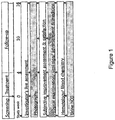
- glabellar lines Male and female volunteers aged 20-65 years with glabellar lines were screened by investigators. According to Facial Wrinkle Scale (FWS), subjects with moderate to severe (severity score 2 to 3) glabellar frown lines were enrolled in this study (Table 1). Exclusion criteria included any medical condition (e.g. myasthenia gravis, Lambert-Eaton syndrome, amyotrophic lateral sclerosis) that may place the patient at risk with botulinum toxin, prior use of medications that may affect the neuromuscular junction (e.g., muscle relaxants, spectinomycin HCl, aminoglycosides, polypeptide antibiotics, anticholinergics, benzodiazepines) or any allergies or hypersensitivity to the investigational drugs or their components.
- FWS Facial Wrinkle Scale
- the bottoms of the deepest lines are 2 Moderate; lines appear clearly formed.
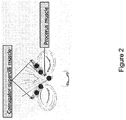
- the 0.5 mL total injection volume was divided into five injections: 0.1 mL (4 U) in the procerus muscle, 0.1mL (4 U) in each medial corrugator supercilli muscles, and 0.1mL (4 U) in the middle of each corrugator supercilli muscles ( Fig. 2 ).
- MT10109L (0.625 ml/vial (4U/0.1ml)) and 50U ona-BoNT/A was used.
- MT10109L did not require additional dilution for its liquid nature, but ona-BoNT/A was dissolved in 1.25 ml of 0.9% NaCl 1.25ml to make it 4 U per 0.1ml.
- the primary efficacy end point was the percentage of responders at maximum frown at week 4 based on the investigator's live assessment (face-to-face observation). Secondary efficacy end point included: 1) percentage of responders at maximum frown at weeks 16; 2) percentage of responders of glabellar lines at rest based on investigator's live assessment at weeks 4 and 16; and 3) percentage of responders at maximum frown and at rest based on photographic assessment at weeks 4.
- responders were defined as those who have post-treatment FWS scores of 0 or 1 with pretreatment FWS scores of 2 or 3. This means an improvement of at least 1 point for the subjects with moderate wrinkles and at least 2 points for the subjects with severe wrinkles.
- the glabellar line improvement rates determined by the subject's own assessment and satisfaction rates at weeks 4, 10 and 16 as secondary efficacy end point were also included.
- the per protocol (PP) set was the subset of subjects of the FAS who did not commit any major protocol violation.
- PP per protocol
- the lower limit of 97.5% one-sided confidential interval (CI) for the difference in responder rates between two groups was calculated. The interpretation of the CI was based on the null hypothesis that the expected difference in responder rates between the treatment groups was lower than the non-inferiority margin of -15%. If the lower bound of the estimated CI exceeded the limit of -15%, one could conclude that the MT10109L was not inferior to ona-BoNT/A. This confirmatory analysis was based on the PP analysis. For secondary efficacy end point, paired t- test, Peason's chi-square test, or Fisher's exact test were performed.
- Fisher's exact test was performed to test for between-group differences in adverse events. For laboratory variables, blood pressure, and heart rate, the Wilcoxon signed-rank test was performed for within-group analyses, and the Wilcoxon rank-sum test was used for between group analyses of data at exit.
- 159 subjects completed the study and therefore constituted the PP set: 78 subjects in MT10109L group and 81 subjects in ona-BoNT/A group.
- the enrolled subject's age was from 20 to 65, and the mean age was 48.94 year old in MT10109L group and 49.86 year old in ona-BoNT/A group, respectively. All subjects were Koreans. Demographics of the two groups were comparable, and two groups did not differ in their pretreatment line severity either at rest or maximum frown before treatment.
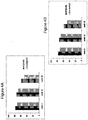
- the percentage of responders at maximum frown by live assessment at weeks 16 was significantly lower in ona-BoNT/A group than MT10109L group.
- the percentage of responders in FAS set was 60.71% in MT10109L group and 41.67% in ona-BoNT/A group (Table 3, Figure 3B ). Both PP set and FAS set showed significant difference in two groups and superiority of MT10109L.
- the percentage of responders at rest was assessed at week 4 and 16, and no significant difference was noted between the MT10109L group and ona-BoNT/A group at week 4 in both PP set and FAS set.
- the percentage of responders did not show significant difference between the MT10109L group (50.00%) and the ona-BoNT/A group (33.33%). (p value: 0.0641) (Table 3). Table 3.
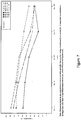
- Peak improvement rate defined as the proportion of subjects who scored more than +2 points (moderately improved) were assessed at week 4, 10, and 16. In both PP set and FAS set, the peak improvement rate at week 4, 10, and 16 did not show significant difference between MT10109L and ona-BoNT/A groups. Subjective-assessment improvement rate was shown 89.74% and 92.59% at week4, 81.82% and 91.14% at week10, 70.13% and 68.35% at weekl6, respectively in MT10109L and ona-BoNT/A group of PP set.
- Satisfaction rate defined as patient showing "very satisfied” or “satisfied” was assessed at week 4, 10, 16, and this also did not show significant difference in PP set and FAS set between MT10109L and ona-BoNT/A groups. Satisfaction rate was 78.21% and 71.60% at week4, 74.03% and 68.35% at week10, 58.44% and 48.10% at weekl6, respectively in MT10109L and ona-BoNT/A group of PP set. The results of PP set are shown in Figure 4 .
- MT10109L is safe and effective for the treatment of glabellar lines.
- MT10109L treatment resulted in significant improvement of glabella frown line severity at both maximal contraction and rest by live assessment at week 4 and week 16.
- the results of photographic assessment by blinded raters and subject's assessment in this study indicate that ona-BoNT/A and MT10109L did not differ significantly in any variable at any point.
- the result also showed that MT10109L may provide greater improvement than ona-BoNT/A at week 16.
- the results presented here also suggest that efficacy of MT10109L persisted longer than ona-BoNT/A.
- BoNT/A BoNT/A preparations were very diverse and had different efficacies and safety because of their unique biologic nature ( Klein AW, et al., Plast Reconstr Surg., 2008; 121(6):413e-422e ). Of these, ona-BoNT/A is the best known type which dominates the botulinum toxin market since it was first approved and marketed in the United States in 1989 ( Yang GH, et al., Dermatologic Surgery, 2013; 39(lpt2):165-170 ).
- BoNT/A All of the currently used BoNT/A products recommend that reconstitution be performed using variable substances before injection since the products are provided as freeze dried powder formulation. These products also have discommodity on supply, dilution and storage. For example, Ona-BoNT/A should be stored between 2°C and 8°C after reconstitution, and is to be used within 24 hours of reconstitution ( Huang W, et al., J Am Acad Dermatol 2000; 43:249-59 ).
- rimabotulinumtoxin b (Myobloc®, Solstice Neurosciences, Louisville, KY) has been used as liquid injection form of botulinum toxin B, it is not widely used as much as BoNT/A and the equivalent dosage of rimabotulinumtoxin b with BoNT/A has not been fully studied ( Trindade De Almeida AR, et al., Dermatologic Surgery, 2011; 37(11):1553-1565 ).
- MT10109L is the first liquid injection form of BoNT/A.
- MT10109L contains BoNT/A type macromolecular protein complexes with molecular weights of 900 kD, which is similar to ona-BoNT/A (Table 6).
- MT10109L exhibits a similar diffusion capacity to that of ona-BoNT/A.
- MT10109L is provided as a ready-to-use sterile liquid; no reconstitution is required and is more convenient to store and reuse compared to most of BoNT/A.
- the shelf life of MT10109L is currently estimated at around 22 months from the date of manufacture, however, without wishing to be bound by any particular theory, it is expected to be prolonged through extended stability test.
- MT10109L can be reused at anytime without time limit, whereas ona-BoNT/A is recommended to be used within 4 hours to 6 weeks after reconstitution ( Carruthers J, et al., Plast Reconstr Surg., 2004; (Suppl); 11(6)4:2S and Hexsel DM, et al., Dermatol Surg., 2003; 29:523-9 ). Because longer stability of MT10109L is validated as mentioned elsewhere herein, MT10109L has an advantage over reconstituted ona-BoNT/A in reusing. Moreover, MT10109L is currently available as small package unit (25 U/vial), which is suitable for treatment of glabellar lines (Table 6).
- Botulinum Toxin Type A Botulinum Toxin Type A Complex molecular weight 900 kDa 900 kDa U/vial 25 50 Stabilizer/vial methionine (0.125 mg) polysorbate 20 (0.094 mg) Human serum albumin (0.5 mg) Excipients/vial sodium chloride (5.625 mg) sodium chloride (0.45 mg) Formulation liquid vacuum-dried powder Dilution, mL No reconstitution required 1.0-2.5 Storage 2-8°C 2-8°C or ⁇ -5°C Storage after dilution temperature without limitation/2-8°C 24 hours/2-8°C
- BoNT/A contain albumin or gelatin for stabilization
- MT10109L eliminated albumin but also animal derived materials in component of the entire manufacturing process. Therefore, MT10109L minimized risk of infectious diseases which included transmissible spongiform encephalopathy. No severe adverse drug reactions with either toxin were observed in the present study. Therefore, MT10109L is as safe as ona-BoNT/A.
- MT10109L is not inferior to ona-BoNT/A in the improvement of glabellar lines and is relatively similar in safety, which therefore can be judged to be used in the treatment of the relevant symptom.
- MT10109L is a desirable substitute for the conventional powder formulation of BoNT/A.
- the experiments described herein compared dosing of MT10109 at 10U, 20U and 30U to BOTOX® dosed at 20U.
- the efficacy of MT10109 was primarily assessed at Day 30 (Visit 4; ⁇ 7 days) and the comparison of interest was the comparison between the responder rates for MT10109 20 U and BOTOX® 20 U.
- a responder was defined as a glabellar line severity rating of none (0) or mild (1) at maximum frown or at rest at Day 30, depending on the analysis.
- Time points of Day 14 (Visit 3), Day 30 (Visit 4), Day 60 (Visit 5), Day 90 (Visit 6) and Day 120 (Visit 7) were allowed 7 days either side of the visit day and so Day 30, for example, may not be exactly 30 days after study treatment administration. As presented herein, time points have been labelled by day rather than visit. All analyses of efficacy were performed using the Full Analysis Set (FAS) and were repeated using the Per-protocol (PP) Set as a supportive analysis.
- FAS Full Analysis Set
- PP Per-protocol
- Subjects included in the analysis had to have a baseline glabellar line severity rating at maximum frown of moderate (2) or severe (3).
- a responder was defined as having a severity rating of none (0) or mild (1) at the corresponding post-baseline visit. Percentages are based on the number of subjects with an assessment at the relevant visit.
- the proportion of responders in the MT10109 20 U group was 69.2% (18 of 26 subjects) and in the BOTOX® 20 U group was 73.1% (19 of 26 subjects).
- the proportion of responders in the MT10109 10 U group was smaller compared with the BOTOX® 20 U group and the proportion of responders in the MT10109 30 U group was greater compared with BOTOX® 20 U (Table 7).
- the proportion of responders in the MT10109 10 U group was 60.0% (18 of 30 subjects) and in the MT10109 30 U group was 88.0% (22 of 25 subjects) and in the BOTOX® 20 U group was 73.1% (19 of 26 subjects).
- Subjects included in the analysis had to have a baseline glabellar line severity rating of moderate (2) or severe (3).
- a responder was defined as having a severity rating of none (0) or mild (1) at the corresponding post-baseline visit. Percentages are based on the number of subjects with an assessment at the relevant visit.
- the proportion of responders in the MT10109 20 U group was 69.2% (18 of 26 subjects) and in the BOTOX® 20 U group was 73.1% (19 of 26 subjects) (Table 8).
- the proportion of responders in the PP Set in the MT10109 10 U group was smaller compared with the BOTOX® 20 U group and the proportion of responders in the MT10109 30 U group was greater compared with BOTOX® 20 U:
- the proportion of responders in the MT10109 10 U group was 60.0% (18 of 30 subjects) and in the MT10109 30 U group was 87.0% (20 of 23 subjects) and in the BOTOX® 20 U group was 73.1% (19 of 26 subjects) (Table 8).
- Subjects included in the analysis had to have a baseline glabellar line severity rating of moderate (2) or severe (3).
- a responder was defined as having a severity rating of none (0) or mild (1) at the corresponding post-baseline visit. Percentages are based on the number of eligible subjects with an assessment at the relevant visit.
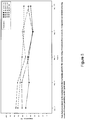
- the proportion of responders at maximum frown decreased in all treatment groups from Day 14 to Day 120 (based on the investigator's live assessment).
- the proportions at Day 120 were greater in the MT10109 20 U group compared with BOTOX® 20 U and the other MT10109 groups ( Figure 6 ).
- the proportion of responders at maximum frown in the MT10109 20 U group at Day 60, and at Day 120 was 65.2% (15 of 23 subjects) and 52.2% (12 of 23 subjects), respectively, and in the BOTOX® 20 U group was 68.0% (17 of 25 subjects) and 23.1% (6 of 26 subjects), respectively (Table 9).
- the difference between the proportion of responders in the MT10109 20 U and BOTOX® 20 U groups at maximum frown at Day 60 was -4.3 (95% CI: -30.7 to 22.1; p-value 0.714) and at Day 120 was 24.0 (-0.7 to 48.7; p-value 0.058).
- the proportions of responders at maximum frown at Day 60 were smaller in the MT10109 10 U group (50.0%; 15 of 30 subjects) and similar in the MT10109 30 U group (68.0%; 17 of 25 subjects) compared with the BOTOX® 20 U group (68.0%; 17 of 25 subjects).
- proportions were greater in the MT10109 10 U (32.1%; 9 of 28 subjects) and MT10109 30 U (28.0%; 7 of 25 subjects) groups than in the BOTOX® 20 U group (23.1%;6 of 26 subjects) (Table 9).
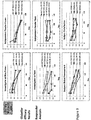
- the proportion of responders at rest decreased in all treatment groups from Day 14 to Day 120 (based on the investigator's live assessment) ( Figure 9 center left).
- the proportions were smaller in the MT10109 20 U group compared with the BOTOX® 20 U group at every time point.
- the proportion of responders at rest in the MT10109 20 U group at Day 14 and at Day 120 was 25.0% (3 of 12 subjects) and 10.0% (1 of 10 subjects), respectively, and in the BOTOX® 20 U group was 63.6% (7 of 11 subjects) and 30.0% (3 of 10 subjects), respectively (Table 9).
- Proportions of responders at rest at Day 120 were smaller in the MT10109 10 U (10.0%; 1 of 10 subjects) and greater in the MT10109 30 U (38.5%; 5 of 13 subjects) groups than in the BOTOX® 20 U group (30.0%; 3 of 10 subjects) (Table 9).
- the subject's self-assessment of glabellar line improvement is summarized in Table 10 and in diagram form in Figure 7 .
- the subject's self-assessment of satisfaction with the effect of treatment is summarized in Table 11 and in diagram form in Figure 8 .
- a Mantel-Haenszel chi square test was used to compare treatment.
- Subjects included in the analysis had to have a baseline glabellar line severity rating of moderate (2) or severe (3).
- a responder was defined as having a score of at least +2 (moderate improvement, about 50%) on the 9-point scale. Percentages are based on the number of subjects with an assessment at the relevant visit.
- the proportions of responders (a score of at least +2 [moderate improvement, about 50%] on the 9-point scale) at Day 30 were similar across the MT10109 20 U and BOTOX® 20 U groups (FAS), which reflected the live assessment ratings.
- the proportions were also similar across the MT10109 30 U and BOTOX® 20 U groups.
- the proportions were greater in the MT10109 20 U and MT10109 30 U groups than the BOTOX® 20 U group and at Day 120, the proportions remained greater in the MT10109 20 U group compared with the other treatment groups ( Figure 7 ).
- the proportion of responders in the MT10109 20 U group at Day 30, Day 60 and Day 120 was 73.1% (19 of 26 subjects), 65.2% (15 of 23 subjects) and 43.5% (10 of 23 subjects), respectively, and in the BOTOX® 20 U group was 69.2% (18 of 26 subjects), 52.0% (13 of 25 subjects) and 30.8% (8 of 26 subjects), respectively (Table 10). There was no statistically significant difference between the proportion of responders in the MT10109 20 U and BOTOX® 20 U groups at any time point.
- Subjects included in the analysis had to have a baseline glabellar line severity rating of moderate (2) or severe (3).
- a responder was defined as having a score of at least 6 (satisfied) on the 7-point scale. Percentages are based on the number of subjects with an assessment at the relevant visit.
- a responder was defined as having a score of at least 6 (satisfied) on the 7-point scale.
- the proportion of responders in the assessment of satisfaction at Day 30 were similar in both the MT10109 20 U and BOTOX® 20 U groups, which reflected the live assessment ratings.
- the responder rate was greater in the MT10109 20 U group than any other treatment group ( Figure 8 ). Satisfaction appeared consistent in the MT10109 20 U group but a pattern was hard to discern in the BOTOX® 20 U and other MT10109 groups.
- the proportion of responders in the MT10109 20 U group at Day 30, Day 60 and Day 120 was 65.4% (17 of 26 subjects), 60.9% (14 of 23 subjects) and 56.5% (13 of 23 subjects), respectively, and in the BOTOX® 20 U group was 61.5% (16 of 26 subjects), 44.0% (11 of 25 subjects) and 46.2% (12 of 26 subjects), respectively (Table 11). There was no statistically significant difference in the proportion of responders between the MT10109 20 U and BOTOX® 20 U groups at any time point.
- MT10109 at a single dose of 20 U demonstrated a similar effect to that of BOTOX® 20 U in reducing subjects' glabellar lines.
- the response at maximum frown was sustained in the MT10109 20 U group to Day 120.
- the proportion of responders at Day 120 was 52.2% in the MT10109 20 U group compared with 23.1% in the BOTOX® 20 U group.
- proportions of responders at maximum frown were greater in the MT10109 30 U group and smaller in the MT10109 10 U group compared with the BOTOX® 20 U group.
- the dose-response curve showed no relationship between dose and response.
- Figure 9 presents a series of graphs depicting investigator assessment at maximum frown and at rest, independent reader assessment at maximum frown and at rest, and the subjects' assessment and satisfaction.
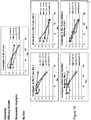
- Figure 10 illustrates the data as generated collectively, and broken into the two different treatment sites.
- lyophilized MT10109 dosed at 20U demonstrates similarity to BOTOX® at early time points (e.g. day 30). Further, it is demonstrated that MT10109 dosed at 20U displays an increased sustained effect compared to BOTOX®, as the response of treatment was seen to be increased in the MT10109 20U group compared to BOTOX® 20U group at 120 days post treatment.
Landscapes
- Health & Medical Sciences (AREA)
- Life Sciences & Earth Sciences (AREA)
- General Health & Medical Sciences (AREA)
- Animal Behavior & Ethology (AREA)
- Veterinary Medicine (AREA)
- Public Health (AREA)
- Chemical & Material Sciences (AREA)
- Pharmacology & Pharmacy (AREA)
- Medicinal Chemistry (AREA)
- Epidemiology (AREA)
- Engineering & Computer Science (AREA)
- Bioinformatics & Cheminformatics (AREA)
- Organic Chemistry (AREA)
- Dermatology (AREA)
- General Chemical & Material Sciences (AREA)
- Chemical Kinetics & Catalysis (AREA)
- Nuclear Medicine, Radiotherapy & Molecular Imaging (AREA)
- Birds (AREA)
- Proteomics, Peptides & Aminoacids (AREA)
- Immunology (AREA)
- Gastroenterology & Hepatology (AREA)
- Gerontology & Geriatric Medicine (AREA)
- Biochemistry (AREA)
- Neurology (AREA)
- Pain & Pain Management (AREA)
- Wood Science & Technology (AREA)
- General Engineering & Computer Science (AREA)
- Zoology (AREA)
- Toxicology (AREA)
- Genetics & Genomics (AREA)
- Oil, Petroleum & Natural Gas (AREA)
- Neurosurgery (AREA)
- Biomedical Technology (AREA)
- Molecular Biology (AREA)
- Physical Education & Sports Medicine (AREA)
- Psychiatry (AREA)
- Orthopedic Medicine & Surgery (AREA)
- Medicines That Contain Protein Lipid Enzymes And Other Medicines (AREA)
- Medicinal Preparation (AREA)
- Medicines Containing Material From Animals Or Micro-Organisms (AREA)
Priority Applications (1)
| Application Number | Priority Date | Filing Date | Title |
|---|---|---|---|
| EP20209237.5A EP3845241A1 (en) | 2013-12-12 | 2014-12-12 | Long lasting effect of new botulinum toxin formulations |
Applications Claiming Priority (2)
| Application Number | Priority Date | Filing Date | Title |
|---|---|---|---|
| US201361915476P | 2013-12-12 | 2013-12-12 | |
| PCT/US2014/070113 WO2015089452A1 (en) | 2013-12-12 | 2014-12-12 | Long lasting effect of new botulinum toxin formulations |
Related Child Applications (1)
| Application Number | Title | Priority Date | Filing Date |
|---|---|---|---|
| EP20209237.5A Division EP3845241A1 (en) | 2013-12-12 | 2014-12-12 | Long lasting effect of new botulinum toxin formulations |
Publications (2)
| Publication Number | Publication Date |
|---|---|
| EP3079714A1 EP3079714A1 (en) | 2016-10-19 |
| EP3079714B1 true EP3079714B1 (en) | 2020-11-25 |
Family
ID=52118051
Family Applications (2)
| Application Number | Title | Priority Date | Filing Date |
|---|---|---|---|
| EP14815207.7A Revoked EP3079714B1 (en) | 2013-12-12 | 2014-12-12 | Long lasting effect of new botulinum toxin formulations |
| EP20209237.5A Pending EP3845241A1 (en) | 2013-12-12 | 2014-12-12 | Long lasting effect of new botulinum toxin formulations |
Family Applications After (1)
| Application Number | Title | Priority Date | Filing Date |
|---|---|---|---|
| EP20209237.5A Pending EP3845241A1 (en) | 2013-12-12 | 2014-12-12 | Long lasting effect of new botulinum toxin formulations |
Country Status (9)
| Country | Link |
|---|---|
| US (7) | US9480731B2 (enExample) |
| EP (2) | EP3079714B1 (enExample) |
| JP (4) | JP6895751B2 (enExample) |
| KR (4) | KR102809206B1 (enExample) |
| CN (2) | CN116570567A (enExample) |
| AU (3) | AU2014361859A1 (enExample) |
| CA (1) | CA2933363C (enExample) |
| ES (1) | ES2861509T3 (enExample) |
| WO (1) | WO2015089452A1 (enExample) |
Families Citing this family (25)
| Publication number | Priority date | Publication date | Assignee | Title |
|---|---|---|---|---|
| US7758872B1 (en) * | 2003-02-07 | 2010-07-20 | Eric Finzi | Method of treating depression |
| US8617568B2 (en) * | 2007-07-10 | 2013-12-31 | Medy-Tox, Inc. | Pharmaceutical liquid composition of botulinum toxin with improved stability |
| US9480731B2 (en) | 2013-12-12 | 2016-11-01 | Medy-Tox, Inc. | Long lasting effect of new botulinum toxin formulations |
| TW201718627A (zh) * | 2015-06-11 | 2017-06-01 | 梅茲製藥有限兩合公司 | 重組梭菌神經毒素及其使用與形成方法、包括其之醫藥組合物及對應其之前驅物、編碼前驅物之核酸序列及其獲得方法與前驅物之形成方法、載體與包括核酸序列之重組宿主細胞 |
| EP3386538A4 (en) * | 2015-12-11 | 2019-07-17 | Revance Therapeutics, Inc. | BOTULINUM TOXIN FOR PRIMARY ACHIEVEMENTS AND AFFECTS WITH NEUROTRANSMITTERS |
| IL265109B2 (en) * | 2016-09-13 | 2024-05-01 | Allergan Inc | Stabilized non-protein clostridial toxin compositions |
| KR101744900B1 (ko) | 2017-01-20 | 2017-06-08 | 주식회사 대웅 | 보툴리눔 독소를 포함하는 안정한 액상 조성물 |
| IL268688B2 (en) * | 2017-03-24 | 2024-01-01 | Merz Pharma Gmbh & Co Kgaa | Improved use of botulinum neurotoxin in the treatment of sialorrhea |
| US11400136B2 (en) | 2017-06-19 | 2022-08-02 | President And Fellows Of Harvard College | Methods and compositions for treating a microbial infection |
| KR102531760B1 (ko) * | 2017-11-13 | 2023-05-10 | 한동희 | 다기능성 생체적합실 |
| KR20200105829A (ko) * | 2017-12-04 | 2020-09-09 | 레반스 테라퓨틱스, 아이엔씨. | 주사 가능한 보툴리눔 독소 제제 및 높은 반응 속도 및 긴 효과 지속을 갖는 이의 사용 방법 |
| WO2019113044A1 (en) * | 2017-12-07 | 2019-06-13 | Ps Therapies Ltd | Topical compositions and methods of use thereof |
| MX2021002992A (es) * | 2018-09-13 | 2021-11-12 | Allergan Inc | Composiciones de toxina clostridial y acido hialuronico. |
| CA3112227A1 (en) | 2018-09-13 | 2020-03-19 | Allergan, Inc. | Methods for treatment of masseter muscle hypertrophy |
| MX2021014233A (es) | 2019-05-23 | 2022-01-06 | Bolt Threads Inc | Un material compuesto y metodos para produccion del mismo. |
| TW202112348A (zh) * | 2019-06-07 | 2021-04-01 | 英商益普生生物製藥有限公司 | 中度至極重度眉間紋及眼角外紋之治療 |
| EP4122448A4 (en) * | 2020-04-08 | 2024-05-22 | Medytox Inc. | PREFILLED INJECTABLE BOTULINUM TOXIN FORMULATION WITH SIMPLIFIED RATE CONTROL AND STABILITY |
| KR102404217B1 (ko) * | 2020-04-08 | 2022-06-02 | (주)메디톡스 | 토출 속도 조절이 용이하고 안정한 보툴리눔 독소 사전충전된 주사기 제형 |
| KR20230020961A (ko) * | 2020-06-05 | 2023-02-13 | 메르츠 파마 게엠베하 운트 코. 카가아 | 안면 주름의 고용량 및 저용적 보툴리눔 독소 치료 |
| JP7450239B2 (ja) * | 2020-08-05 | 2024-03-15 | パナソニックIpマネジメント株式会社 | 脳卒中検査システム、脳卒中検査方法、及び、プログラム |
| JP2024543080A (ja) * | 2021-11-15 | 2024-11-19 | メディトックス インク. | ボツリヌス毒素組成物 |
| CN116440281A (zh) * | 2022-01-07 | 2023-07-18 | 重庆誉颜制药有限公司 | 一种肉毒毒素蛋白组合物 |
| JP2025500698A (ja) * | 2022-01-14 | 2025-01-09 | ガルデルマ・ホールディング・エスアー | 中等度から最重度の眉間皺及び外眼角皺の治療 |
| CN119789848A (zh) | 2022-09-02 | 2025-04-08 | 玫帝托克斯股份有限公司 | 耐性表达降低的肉毒杆菌毒素制剂及其相关方法 |
| DE102025101336A1 (de) * | 2024-01-19 | 2025-07-24 | Abbvie Inc. | Zusammensetzungen von clostridium botulinum neurotoxin serotyp a und verbesserte trocknungsprozesse |
Citations (1)
| Publication number | Priority date | Publication date | Assignee | Title |
|---|---|---|---|---|
| WO2012134240A2 (ko) | 2011-03-31 | 2012-10-04 | (주)메디톡스 | 보툴리눔 독소의 동결건조제제 |
Family Cites Families (78)
| Publication number | Priority date | Publication date | Assignee | Title |
|---|---|---|---|---|
| US5437291A (en) | 1993-08-26 | 1995-08-01 | Univ Johns Hopkins | Method for treating gastrointestinal muscle disorders and other smooth muscle dysfunction |
| US6974578B1 (en) | 1993-12-28 | 2005-12-13 | Allergan, Inc. | Method for treating secretions and glands using botulinum toxin |
| US5766605A (en) | 1994-04-15 | 1998-06-16 | Mount Sinai School Of Medicine Of The City University Of New York | Treatment of autonomic nerve dysfunction with botulinum toxin |
| US5670484A (en) | 1994-05-09 | 1997-09-23 | Binder; William J. | Method for treatment of skin lesions associated with cutaneous cell-proliferative disorders |
| EP1086702B1 (en) * | 1994-05-09 | 2005-04-13 | BINDER, William J. | Presynaptic neurotoxins for treatment of migraine headache |
| US6063768A (en) | 1997-09-04 | 2000-05-16 | First; Eric R. | Application of botulinum toxin to the management of neurogenic inflammatory disorders |
| US6265379B1 (en) | 1999-10-13 | 2001-07-24 | Allergan Sales, Inc. | Method for treating otic disorders |
| US6139845A (en) | 1999-12-07 | 2000-10-31 | Allergan Sales, Inc. | Method for treating cancer with a neurotoxin |
| US7780967B2 (en) * | 2000-02-08 | 2010-08-24 | Allergan, Inc. | Reduced toxicity Clostridial toxin pharmaceutical compositions |
| US20060269575A1 (en) * | 2000-02-08 | 2006-11-30 | Allergan, Inc. | Botulinum toxin pharmaceutical compositions formulated with recombinant albumin |
| US20030118598A1 (en) * | 2000-02-08 | 2003-06-26 | Allergan, Inc. | Clostridial toxin pharmaceutical compositions |
| US8632785B2 (en) * | 2000-02-08 | 2014-01-21 | Allergan, Inc. | Clostridial toxin pharmaceutical composition containing a gelatin fragment |
| US6464986B1 (en) | 2000-04-14 | 2002-10-15 | Allegan Sales, Inc. | Method for treating pain by peripheral administration of a neurotoxin |
| US6299893B1 (en) | 2000-04-17 | 2001-10-09 | Marvin Schwartz | Method to reduce hair loss and stimulate hair regrowth |
| US20040033241A1 (en) * | 2000-06-02 | 2004-02-19 | Allergan, Inc. | Controlled release botulinum toxin system |
| US6423319B1 (en) | 2000-10-04 | 2002-07-23 | Allergan Sales, Inc. | Methods for treating muscle injuries |
| WO2003011333A1 (en) | 2001-07-27 | 2003-02-13 | Board Of Supervisors Of Louisiana State University And Agricultural And Mechanical College | Botulinum toxin in the treatment or prevention of acne |
| MXPA01011542A (es) * | 2001-11-13 | 2003-05-22 | Alcon Inc | Regeneracion del cartilago articular da°ado por la osteoartritis de grado i y ii, mediante la aplicacion intra-articular de una mezcla de hialuronato de sodio y de condroitin sulfato en un vehiculo de gel. |
| US7459164B2 (en) | 2002-05-28 | 2008-12-02 | Botulinum Toxin Research Associates, Inc. | Composition for therapeutic and cosmetic botulinum toxin |
| US7691394B2 (en) * | 2002-05-28 | 2010-04-06 | Botulinum Toxin Research Associates, Inc. | High-potency botulinum toxin formulations |
| WO2003101483A1 (en) | 2002-05-31 | 2003-12-11 | Solux Corporation | Pharmaceutical preparation of botulinum neurotoxin, methods of synthesis and methods of clinical use |
| ATE426408T1 (de) * | 2002-12-20 | 2009-04-15 | Botulinum Toxin Res Ass Inc | Pharmazeutische zusammensetzungen enthaltend botulinumtoxin und humanes serum-albumin |
| US7396535B2 (en) * | 2003-04-25 | 2008-07-08 | Ackerman Alan H | Therapy for obsessive compulsive head banging |
| DE10333317A1 (de) * | 2003-07-22 | 2005-02-17 | Biotecon Therapeutics Gmbh | Formulierung für Proteinarzneimittel ohne Zusatz von humanem Serumalbumin (HSA) |
| US7160699B2 (en) * | 2003-09-25 | 2007-01-09 | Allergan, Inc. | Media for clostridium bacterium and processes for obtaining a clostridial toxin |
| US7354740B2 (en) * | 2003-09-25 | 2008-04-08 | Allergan, Inc. | Animal product free system and process for purifying a botulinum toxin |
| US20050191321A1 (en) * | 2004-02-26 | 2005-09-01 | Allergan, Inc. | Methods for treating headache |
| US20100266638A1 (en) * | 2004-02-26 | 2010-10-21 | Allergan, Inc. | Headache treatment method |
| US9078892B2 (en) * | 2004-02-26 | 2015-07-14 | Allergan, Inc. | Methods for treating pain and for treating a medication overuse disorder |
| GB2416122A (en) | 2004-07-12 | 2006-01-18 | Ipsen Ltd | Botulinum neurotoxin composition |
| KR100852824B1 (ko) * | 2004-07-26 | 2008-08-18 | 메르츠 파마 게엠베하 운트 코. 카가아 | 보툴리눔 신경독소를 포함하는 치료 조성물 |
| ES2526912T3 (es) * | 2004-08-04 | 2015-01-16 | Ipsen Biopharm Limited | Composición farmacéutica que contiene neurotoxina botulínica A2 |
| US20060073208A1 (en) * | 2004-10-01 | 2006-04-06 | Allergan, Inc. | Cosmetic neurotoxin compositions and methods |
| US20090214466A1 (en) * | 2005-05-09 | 2009-08-27 | Levin Bruce H | Methods of Alleviating Disorders and Their Associated Pain |
| US8926991B2 (en) * | 2005-06-14 | 2015-01-06 | Botulinum Toxin Research Associates, Inc. | Botulinum toxin and the treatment of primary disorders of mood and affect |
| US8323666B2 (en) * | 2005-08-01 | 2012-12-04 | Allergan, Inc. | Botulinum toxin compositions |
| US7744904B1 (en) * | 2005-09-26 | 2010-06-29 | B.B. Scientific L.L.C. | Stabilization of Clostridium botulinum neurotoxin complex |
| US8168206B1 (en) * | 2005-10-06 | 2012-05-01 | Allergan, Inc. | Animal protein-free pharmaceutical compositions |
| US8137677B2 (en) * | 2005-10-06 | 2012-03-20 | Allergan, Inc. | Non-protein stabilized clostridial toxin pharmaceutical compositions |
| US20090324647A1 (en) * | 2005-10-11 | 2009-12-31 | Borodic Gary E | Albumin-Free Botulinum Toxin Based Pharmaceutical Compositions Containing a Hyaluronidase and Methods of Use |
| US9061025B2 (en) * | 2006-08-31 | 2015-06-23 | Allergan, Inc. | Methods for selecting headache patients responsive to botulinum toxin therapy |
| FR2910327B1 (fr) | 2006-12-22 | 2013-04-26 | Scras | Utilisation d'au moins une neurotoxine botulique pour traiter la douleur induite par les traitements therapeutiques du virus du sida. |
| US8617568B2 (en) * | 2007-07-10 | 2013-12-31 | Medy-Tox, Inc. | Pharmaceutical liquid composition of botulinum toxin with improved stability |
| US9044477B2 (en) * | 2007-12-12 | 2015-06-02 | Allergan, Inc. | Botulinum toxin formulation |
| US9161970B2 (en) * | 2007-12-12 | 2015-10-20 | Allergan, Inc. | Dermal filler |
| EP2072039A1 (en) * | 2007-12-21 | 2009-06-24 | Merz Pharma GmbH & Co.KGaA | Use of a neurotoxic component of Clostridium botulinum toxin complex to reduce or prevent side effects |
| US9107815B2 (en) * | 2008-02-22 | 2015-08-18 | Allergan, Inc. | Sustained release poloxamer containing pharmaceutical compositions |
| US8617571B2 (en) * | 2008-04-03 | 2013-12-31 | Allergan, Inc. | Suture line administration technique using botulinum toxin |
| KR20090120222A (ko) * | 2008-05-19 | 2009-11-24 | (주)메디톡스 | 식물 유래 성분 함유 배지 및 가요성 폐쇄 용기를 이용하여클로스트리디움 보툴리눔 독소를 생산하는 방법 |
| US8535276B2 (en) * | 2008-06-26 | 2013-09-17 | Bellanovus Development Company Llc | Syringe-attached topical anesthetic dispenser |
| EP2364168A1 (en) * | 2008-12-04 | 2011-09-14 | Botulinum Toxin Research Associates, Inc. | Extended length botulinum toxin formulation for human or mammalian use |
| RU2535003C2 (ru) | 2008-12-10 | 2014-12-10 | Аллерган, Инк. | Фармацевтические композиции токсина клостридий |
| ES2669020T3 (es) * | 2008-12-31 | 2018-05-23 | Revance Therapeutics, Inc. | Formulaciones inyectables de toxina botulínica |
| AU2010204445B2 (en) | 2009-01-07 | 2015-09-03 | 2405871 Ontario Inc. | Treatment of soft tissue injury using hyaluronic acid and botulinum toxin |
| EP2248518B1 (en) * | 2009-04-17 | 2013-01-16 | Merz Pharma GmbH & Co. KGaA | Formulation for stabilizing proteins, peptides or mixtures thereof. |
| US9050246B2 (en) | 2009-05-29 | 2015-06-09 | Galderma Research & Development | Injectable combination of adrenergic receptor agonists with fillers, for decreasing skin reactions due to injection |
| JP6043627B2 (ja) | 2009-06-25 | 2016-12-14 | ルバンス セラピュティックス インク.Revance Therapeutics,Inc. | アルブミン非含有ボツリヌス毒素製剤 |
| WO2011002179A2 (ko) * | 2009-06-30 | 2011-01-06 | (주)아모레퍼시픽 | 복분자 추출물을 함유하는 피부 주름 개선용 화장료 조성물 |
| US8129139B2 (en) * | 2009-07-13 | 2012-03-06 | Allergan, Inc. | Process for obtaining botulinum neurotoxin |
| EP2490986B2 (en) | 2009-10-21 | 2024-04-24 | Revance Therapeutics, Inc. | Methods and systems for purifying non-complexed botulinum neurotoxin |
| BR112012010058A2 (pt) * | 2009-10-30 | 2016-05-31 | Duoject Inc | aplicador tópico para um agente paralítico e método para aplicação do agente |
| CN102933200B (zh) * | 2009-12-18 | 2015-11-25 | 莱迪杜德制药公司 | 包含磷脂的单相凝胶组合物 |
| US8940308B2 (en) * | 2010-03-30 | 2015-01-27 | Allergan, Inc. | Methods for treating depression |
| AU2011316111B2 (en) * | 2010-10-12 | 2015-05-28 | Merz Pharma Gmbh & Co. Kgaa | Formulation suitable for stabilizing proteins, which is free of mammalian excipients |
| KR20130022923A (ko) * | 2011-08-26 | 2013-03-07 | 삼성전자주식회사 | 가상 시점 합성 예측을 이용한 부호화/복호화 장치 및 부호화/복호화 방법 |
| WO2013102144A2 (en) * | 2011-12-30 | 2013-07-04 | Halozyme, Inc. | Ph20 polypeptede variants, formulations and uses thereof |
| WO2013151663A1 (en) * | 2012-04-02 | 2013-10-10 | modeRNA Therapeutics | Modified polynucleotides for the production of membrane proteins |
| US9480731B2 (en) | 2013-12-12 | 2016-11-01 | Medy-Tox, Inc. | Long lasting effect of new botulinum toxin formulations |
| WO2015140943A1 (ja) | 2014-03-18 | 2015-09-24 | 日立金属株式会社 | 導電性樹脂組成物及び感圧センサ |
| US9579502B2 (en) * | 2014-04-19 | 2017-02-28 | Medtronic, Inc. | Implantable medical leads, systems, and related methods for creating a high impedance within a conduction path in the presence of a magnetic field of a given strength |
| US11167040B2 (en) * | 2015-11-25 | 2021-11-09 | Legochem Biosciences, Inc. | Conjugates comprising peptide groups and methods related thereto |
| IL285190B (en) | 2016-05-27 | 2022-07-01 | Galderma Holding SA | A liquid neurotoxin preparation stabilized by tryptophan or tyrosine |
| WO2018038301A1 (en) | 2016-08-26 | 2018-03-01 | Hugel Inc. | Stabilized liquid formulation of botulinum toxin and preparation method thereof |
| KR102463881B1 (ko) * | 2016-10-04 | 2022-11-07 | (주)메디톡스 | 보툴리눔 독소 함유 용액으로부터 보툴리눔 독소를 분리하는 방법 |
| KR102088104B1 (ko) * | 2018-06-29 | 2020-03-11 | 호서대학교 산학협력단 | 개망초 꽃 에센셜 오일을 포함하는 신경 근육 관련 질환 예방 및 치료용 조성물 |
| MX2021002992A (es) * | 2018-09-13 | 2021-11-12 | Allergan Inc | Composiciones de toxina clostridial y acido hialuronico. |
| KR101968873B1 (ko) * | 2018-09-21 | 2019-04-29 | 아이큐어 주식회사 | 세포 침투 효과가 우수한 보툴리늄 유래 펩타이드를 포함하는 화장료 조성물 |
| TW202112348A (zh) | 2019-06-07 | 2021-04-01 | 英商益普生生物製藥有限公司 | 中度至極重度眉間紋及眼角外紋之治療 |
-
2014
- 2014-12-11 US US14/567,289 patent/US9480731B2/en active Active
- 2014-12-12 CN CN202310408563.3A patent/CN116570567A/zh active Pending
- 2014-12-12 KR KR1020237044432A patent/KR102809206B1/ko active Active
- 2014-12-12 AU AU2014361859A patent/AU2014361859A1/en not_active Abandoned
- 2014-12-12 CN CN201480073545.3A patent/CN106163545A/zh active Pending
- 2014-12-12 KR KR1020257015709A patent/KR20250074679A/ko active Pending
- 2014-12-12 WO PCT/US2014/070113 patent/WO2015089452A1/en not_active Ceased
- 2014-12-12 EP EP14815207.7A patent/EP3079714B1/en not_active Revoked
- 2014-12-12 KR KR1020227016920A patent/KR20220071292A/ko not_active Ceased
- 2014-12-12 EP EP20209237.5A patent/EP3845241A1/en active Pending
- 2014-12-12 CA CA2933363A patent/CA2933363C/en active Active
- 2014-12-12 ES ES14815207T patent/ES2861509T3/es active Active
- 2014-12-12 KR KR1020167018758A patent/KR102404218B1/ko active Active
- 2014-12-12 JP JP2016538656A patent/JP6895751B2/ja active Active
-
2016
- 2016-10-27 US US15/336,119 patent/US10143728B2/en active Active
-
2018
- 2018-12-03 US US16/207,387 patent/US11590212B2/en active Active
-
2019
- 2019-12-02 JP JP2019217930A patent/JP7121458B2/ja active Active
-
2020
- 2020-05-22 AU AU2020203349A patent/AU2020203349B2/en active Active
- 2020-09-03 US US17/011,824 patent/US11596673B2/en active Active
-
2022
- 2022-08-03 JP JP2022123668A patent/JP7439187B2/ja active Active
- 2022-09-14 AU AU2022231718A patent/AU2022231718A1/en not_active Abandoned
-
2023
- 2023-01-17 US US18/155,301 patent/US11957741B2/en active Active
-
2024
- 2024-02-15 JP JP2024021300A patent/JP2024059717A/ja active Pending
- 2024-04-12 US US18/633,691 patent/US12377137B2/en active Active
-
2025
- 2025-08-04 US US19/289,336 patent/US20250387460A1/en active Pending
Patent Citations (1)
| Publication number | Priority date | Publication date | Assignee | Title |
|---|---|---|---|---|
| WO2012134240A2 (ko) | 2011-03-31 | 2012-10-04 | (주)메디톡스 | 보툴리눔 독소의 동결건조제제 |
Non-Patent Citations (6)
| Title |
|---|
| ASCHER, B. ET AL.: "International consensus recommendations on the aesthetic usage of botulinum toxin type A (Speywood Unit)-part I: upper facial wrinkles", JOURNAL OF THE EUROPEAN ACADEMY OF DERMATOLOGY AND VENEREOLOGY, vol. 24, no. 11, 2010, pages 1278 - 1284, XP055562997, DOI: 10.1111/j.1468-3083.2010.03631.x |
| ASCHER, B. ET AL.: "International consensus recommendations on the aesthetic usage of botulinum toxin type A (Speywood Unit)-Part II: Wrinkles on the middle and lower face, neck and chest", JOURNAL OF THE EUROPEAN ACADEMY OF DERMATOLOGY AND VENEREOLOGY, vol. 24, no. 11, 2010, pages 1285 - 1295, XP055563004, DOI: 10.1111/j.1468-3083.2010.03728.x |
| FIELD MALGORZATA, ET AL: "AbobotulinumtoxinA (Dysport®), OnabotulinumtoxinA (Botox®), and IncobotulinumtoxinA (Xeomin®) Neurotoxin content and potential implications for duration of response in patients", TOXINS, vol. 10, no. 535, 13 December 2018 (2018-12-13), pages 1 - 14, XP055864107 |
| MATARASSO ALAN, ET AL: "Effective use of Botox for lateral canthal rhytids", AESTHETIC JOURNAL, vol. 21, no. 1, 1 January 2001 (2001-01-01), pages 61 - 63, XP055864116 |
| TRINDADE DE ALMEIDA ADA R, ET AL: "Glabellar contraction patterns: a tool to optimize botulinum toxin treatment", DERMATOLOGIC SURGERY, vol. 38, no. 9, 1 January 2012 (2012-01-01), pages 1 - 10, XP055864110 |
| YAMAUCHI PAUL S: "Selection and preference for botulinum toxins in the management of photoaging and facial lines: patient and physician considerations", PATIENT PREFERENCE AND ADHERENCE, 1 January 2010 (2010-01-01), pages 345 - 354, XP055864119 |
Also Published As
Similar Documents
| Publication | Publication Date | Title |
|---|---|---|
| US12377137B2 (en) | Long lasting effect of new botulinum toxin formulations | |
| RU2482874C2 (ru) | Фармацевтические композиции с замедленным высвобождением, содержащие полоксамер | |
| HK1228255A1 (en) | Long lasting effect of new botulinum toxin formulations | |
| HK1228255B (en) | Long lasting effect of new botulinum toxin formulations | |
| TWI739368B (zh) | A型肉毒桿菌毒素複合物、其配製劑和使用方法 | |
| HK40027838A (en) | Sustained release pharmaceutical composition comprising botulinum toxin and poloxamer |
Legal Events
| Date | Code | Title | Description |
|---|---|---|---|
| PUAI | Public reference made under article 153(3) epc to a published international application that has entered the european phase |
Free format text: ORIGINAL CODE: 0009012 |
|
| 17P | Request for examination filed |
Effective date: 20160628 |
|
| AK | Designated contracting states |
Kind code of ref document: A1 Designated state(s): AL AT BE BG CH CY CZ DE DK EE ES FI FR GB GR HR HU IE IS IT LI LT LU LV MC MK MT NL NO PL PT RO RS SE SI SK SM TR |
|
| AX | Request for extension of the european patent |
Extension state: BA ME |
|
| DAX | Request for extension of the european patent (deleted) | ||
| REG | Reference to a national code |
Ref country code: HK Ref legal event code: DE Ref document number: 1228255 Country of ref document: HK |
|
| STAA | Information on the status of an ep patent application or granted ep patent |
Free format text: STATUS: EXAMINATION IS IN PROGRESS |
|
| 17Q | First examination report despatched |
Effective date: 20180531 |
|
| RIC1 | Information provided on ipc code assigned before grant |
Ipc: A61K 9/19 20060101ALI20200123BHEP Ipc: A61Q 19/08 20060101ALI20200123BHEP Ipc: A61K 8/64 20060101ALI20200123BHEP Ipc: A61K 38/48 20060101AFI20200123BHEP |
|
| GRAP | Despatch of communication of intention to grant a patent |
Free format text: ORIGINAL CODE: EPIDOSNIGR1 |
|
| STAA | Information on the status of an ep patent application or granted ep patent |
Free format text: STATUS: GRANT OF PATENT IS INTENDED |
|
| INTG | Intention to grant announced |
Effective date: 20200316 |
|
| GRAS | Grant fee paid |
Free format text: ORIGINAL CODE: EPIDOSNIGR3 |
|
| GRAA | (expected) grant |
Free format text: ORIGINAL CODE: 0009210 |
|
| STAA | Information on the status of an ep patent application or granted ep patent |
Free format text: STATUS: THE PATENT HAS BEEN GRANTED |
|
| AK | Designated contracting states |
Kind code of ref document: B1 Designated state(s): AL AT BE BG CH CY CZ DE DK EE ES FI FR GB GR HR HU IE IS IT LI LT LU LV MC MK MT NL NO PL PT RO RS SE SI SK SM TR |
|
| REG | Reference to a national code |
Ref country code: GB Ref legal event code: FG4D |
|
| REG | Reference to a national code |
Ref country code: CH Ref legal event code: EP |
|
| REG | Reference to a national code |
Ref country code: AT Ref legal event code: REF Ref document number: 1337518 Country of ref document: AT Kind code of ref document: T Effective date: 20201215 |
|
| REG | Reference to a national code |
Ref country code: DE Ref legal event code: R096 Ref document number: 602014072739 Country of ref document: DE |
|
| REG | Reference to a national code |
Ref country code: IE Ref legal event code: FG4D |
|
| REG | Reference to a national code |
Ref country code: CH Ref legal event code: NV Representative=s name: VALIPAT S.A. C/O BOVARD SA NEUCHATEL, CH |
|
| REG | Reference to a national code |
Ref country code: NL Ref legal event code: FP |
|
| REG | Reference to a national code |
Ref country code: AT Ref legal event code: MK05 Ref document number: 1337518 Country of ref document: AT Kind code of ref document: T Effective date: 20201125 |
|
| PG25 | Lapsed in a contracting state [announced via postgrant information from national office to epo] |
Ref country code: FI Free format text: LAPSE BECAUSE OF FAILURE TO SUBMIT A TRANSLATION OF THE DESCRIPTION OR TO PAY THE FEE WITHIN THE PRESCRIBED TIME-LIMIT Effective date: 20201125 Ref country code: RS Free format text: LAPSE BECAUSE OF FAILURE TO SUBMIT A TRANSLATION OF THE DESCRIPTION OR TO PAY THE FEE WITHIN THE PRESCRIBED TIME-LIMIT Effective date: 20201125 Ref country code: PT Free format text: LAPSE BECAUSE OF FAILURE TO SUBMIT A TRANSLATION OF THE DESCRIPTION OR TO PAY THE FEE WITHIN THE PRESCRIBED TIME-LIMIT Effective date: 20210325 Ref country code: NO Free format text: LAPSE BECAUSE OF FAILURE TO SUBMIT A TRANSLATION OF THE DESCRIPTION OR TO PAY THE FEE WITHIN THE PRESCRIBED TIME-LIMIT Effective date: 20210225 Ref country code: GR Free format text: LAPSE BECAUSE OF FAILURE TO SUBMIT A TRANSLATION OF THE DESCRIPTION OR TO PAY THE FEE WITHIN THE PRESCRIBED TIME-LIMIT Effective date: 20210226 |
|
| PG25 | Lapsed in a contracting state [announced via postgrant information from national office to epo] |
Ref country code: LV Free format text: LAPSE BECAUSE OF FAILURE TO SUBMIT A TRANSLATION OF THE DESCRIPTION OR TO PAY THE FEE WITHIN THE PRESCRIBED TIME-LIMIT Effective date: 20201125 Ref country code: SE Free format text: LAPSE BECAUSE OF FAILURE TO SUBMIT A TRANSLATION OF THE DESCRIPTION OR TO PAY THE FEE WITHIN THE PRESCRIBED TIME-LIMIT Effective date: 20201125 Ref country code: IS Free format text: LAPSE BECAUSE OF FAILURE TO SUBMIT A TRANSLATION OF THE DESCRIPTION OR TO PAY THE FEE WITHIN THE PRESCRIBED TIME-LIMIT Effective date: 20210325 Ref country code: PL Free format text: LAPSE BECAUSE OF FAILURE TO SUBMIT A TRANSLATION OF THE DESCRIPTION OR TO PAY THE FEE WITHIN THE PRESCRIBED TIME-LIMIT Effective date: 20201125 Ref country code: BG Free format text: LAPSE BECAUSE OF FAILURE TO SUBMIT A TRANSLATION OF THE DESCRIPTION OR TO PAY THE FEE WITHIN THE PRESCRIBED TIME-LIMIT Effective date: 20210225 Ref country code: AT Free format text: LAPSE BECAUSE OF FAILURE TO SUBMIT A TRANSLATION OF THE DESCRIPTION OR TO PAY THE FEE WITHIN THE PRESCRIBED TIME-LIMIT Effective date: 20201125 |
|
| REG | Reference to a national code |
Ref country code: LT Ref legal event code: MG9D |
|
| PG25 | Lapsed in a contracting state [announced via postgrant information from national office to epo] |
Ref country code: HR Free format text: LAPSE BECAUSE OF FAILURE TO SUBMIT A TRANSLATION OF THE DESCRIPTION OR TO PAY THE FEE WITHIN THE PRESCRIBED TIME-LIMIT Effective date: 20201125 |
|
| PG25 | Lapsed in a contracting state [announced via postgrant information from national office to epo] |
Ref country code: SK Free format text: LAPSE BECAUSE OF FAILURE TO SUBMIT A TRANSLATION OF THE DESCRIPTION OR TO PAY THE FEE WITHIN THE PRESCRIBED TIME-LIMIT Effective date: 20201125 Ref country code: RO Free format text: LAPSE BECAUSE OF FAILURE TO SUBMIT A TRANSLATION OF THE DESCRIPTION OR TO PAY THE FEE WITHIN THE PRESCRIBED TIME-LIMIT Effective date: 20201125 Ref country code: LT Free format text: LAPSE BECAUSE OF FAILURE TO SUBMIT A TRANSLATION OF THE DESCRIPTION OR TO PAY THE FEE WITHIN THE PRESCRIBED TIME-LIMIT Effective date: 20201125 Ref country code: SM Free format text: LAPSE BECAUSE OF FAILURE TO SUBMIT A TRANSLATION OF THE DESCRIPTION OR TO PAY THE FEE WITHIN THE PRESCRIBED TIME-LIMIT Effective date: 20201125 Ref country code: CZ Free format text: LAPSE BECAUSE OF FAILURE TO SUBMIT A TRANSLATION OF THE DESCRIPTION OR TO PAY THE FEE WITHIN THE PRESCRIBED TIME-LIMIT Effective date: 20201125 Ref country code: EE Free format text: LAPSE BECAUSE OF FAILURE TO SUBMIT A TRANSLATION OF THE DESCRIPTION OR TO PAY THE FEE WITHIN THE PRESCRIBED TIME-LIMIT Effective date: 20201125 |
|
| REG | Reference to a national code |
Ref country code: DE Ref legal event code: R026 Ref document number: 602014072739 Country of ref document: DE |
|
| PLBI | Opposition filed |
Free format text: ORIGINAL CODE: 0009260 |
|
| PG25 | Lapsed in a contracting state [announced via postgrant information from national office to epo] |
Ref country code: DK Free format text: LAPSE BECAUSE OF FAILURE TO SUBMIT A TRANSLATION OF THE DESCRIPTION OR TO PAY THE FEE WITHIN THE PRESCRIBED TIME-LIMIT Effective date: 20201125 Ref country code: MC Free format text: LAPSE BECAUSE OF FAILURE TO SUBMIT A TRANSLATION OF THE DESCRIPTION OR TO PAY THE FEE WITHIN THE PRESCRIBED TIME-LIMIT Effective date: 20201125 |
|
| REG | Reference to a national code |
Ref country code: BE Ref legal event code: MM Effective date: 20201231 |
|
| PLAX | Notice of opposition and request to file observation + time limit sent |
Free format text: ORIGINAL CODE: EPIDOSNOBS2 |
|
| 26 | Opposition filed |
Opponent name: GALDERMA HOLDING SA Effective date: 20210824 |
|
| REG | Reference to a national code |
Ref country code: ES Ref legal event code: FG2A Ref document number: 2861509 Country of ref document: ES Kind code of ref document: T3 Effective date: 20211006 |
|
| PG25 | Lapsed in a contracting state [announced via postgrant information from national office to epo] |
Ref country code: AL Free format text: LAPSE BECAUSE OF FAILURE TO SUBMIT A TRANSLATION OF THE DESCRIPTION OR TO PAY THE FEE WITHIN THE PRESCRIBED TIME-LIMIT Effective date: 20201125 Ref country code: LU Free format text: LAPSE BECAUSE OF NON-PAYMENT OF DUE FEES Effective date: 20201212 |
|
| PG25 | Lapsed in a contracting state [announced via postgrant information from national office to epo] |
Ref country code: SI Free format text: LAPSE BECAUSE OF FAILURE TO SUBMIT A TRANSLATION OF THE DESCRIPTION OR TO PAY THE FEE WITHIN THE PRESCRIBED TIME-LIMIT Effective date: 20201125 |
|
| PLBB | Reply of patent proprietor to notice(s) of opposition received |
Free format text: ORIGINAL CODE: EPIDOSNOBS3 |
|
| PGFP | Annual fee paid to national office [announced via postgrant information from national office to epo] |
Ref country code: DE Payment date: 20211110 Year of fee payment: 8 |
|
| PGFP | Annual fee paid to national office [announced via postgrant information from national office to epo] |
Ref country code: CH Payment date: 20211110 Year of fee payment: 8 |
|
| PG25 | Lapsed in a contracting state [announced via postgrant information from national office to epo] |
Ref country code: IS Free format text: LAPSE BECAUSE OF FAILURE TO SUBMIT A TRANSLATION OF THE DESCRIPTION OR TO PAY THE FEE WITHIN THE PRESCRIBED TIME-LIMIT Effective date: 20210325 Ref country code: TR Free format text: LAPSE BECAUSE OF FAILURE TO SUBMIT A TRANSLATION OF THE DESCRIPTION OR TO PAY THE FEE WITHIN THE PRESCRIBED TIME-LIMIT Effective date: 20201125 Ref country code: MT Free format text: LAPSE BECAUSE OF FAILURE TO SUBMIT A TRANSLATION OF THE DESCRIPTION OR TO PAY THE FEE WITHIN THE PRESCRIBED TIME-LIMIT Effective date: 20201125 Ref country code: CY Free format text: LAPSE BECAUSE OF FAILURE TO SUBMIT A TRANSLATION OF THE DESCRIPTION OR TO PAY THE FEE WITHIN THE PRESCRIBED TIME-LIMIT Effective date: 20201125 |
|
| PGFP | Annual fee paid to national office [announced via postgrant information from national office to epo] |
Ref country code: ES Payment date: 20220106 Year of fee payment: 8 |
|
| PG25 | Lapsed in a contracting state [announced via postgrant information from national office to epo] |
Ref country code: MK Free format text: LAPSE BECAUSE OF FAILURE TO SUBMIT A TRANSLATION OF THE DESCRIPTION OR TO PAY THE FEE WITHIN THE PRESCRIBED TIME-LIMIT Effective date: 20201125 |
|
| PG25 | Lapsed in a contracting state [announced via postgrant information from national office to epo] |
Ref country code: BE Free format text: LAPSE BECAUSE OF NON-PAYMENT OF DUE FEES Effective date: 20201231 |
|
| RDAF | Communication despatched that patent is revoked |
Free format text: ORIGINAL CODE: EPIDOSNREV1 |
|
| REG | Reference to a national code |
Ref country code: DE Ref legal event code: R103 Ref document number: 602014072739 Country of ref document: DE Ref country code: DE Ref legal event code: R064 Ref document number: 602014072739 Country of ref document: DE |
|
| PGFP | Annual fee paid to national office [announced via postgrant information from national office to epo] |
Ref country code: NL Payment date: 20220921 Year of fee payment: 9 Ref country code: IE Payment date: 20220926 Year of fee payment: 9 |
|
| RDAG | Patent revoked |
Free format text: ORIGINAL CODE: 0009271 |
|
| STAA | Information on the status of an ep patent application or granted ep patent |
Free format text: STATUS: PATENT REVOKED |
|
| PGFP | Annual fee paid to national office [announced via postgrant information from national office to epo] |
Ref country code: FR Payment date: 20220920 Year of fee payment: 9 |
|
| REG | Reference to a national code |
Ref country code: CH Ref legal event code: PL |
|
| 27W | Patent revoked |
Effective date: 20220822 |
|
| GBPR | Gb: patent revoked under art. 102 of the ep convention designating the uk as contracting state |
Effective date: 20220822 |
|
| PGFP | Annual fee paid to national office [announced via postgrant information from national office to epo] |
Ref country code: IT Payment date: 20220921 Year of fee payment: 9 Ref country code: GB Payment date: 20221005 Year of fee payment: 9 |