EP3047025B1 - Procede de production de virus enveloppes - Google Patents
Procede de production de virus enveloppes Download PDFInfo
- Publication number
- EP3047025B1 EP3047025B1 EP14796166.8A EP14796166A EP3047025B1 EP 3047025 B1 EP3047025 B1 EP 3047025B1 EP 14796166 A EP14796166 A EP 14796166A EP 3047025 B1 EP3047025 B1 EP 3047025B1
- Authority
- EP
- European Patent Office
- Prior art keywords
- virus
- lentivirus
- cells
- pseudotyped
- lentiviral
- Prior art date
- Legal status (The legal status is an assumption and is not a legal conclusion. Google has not performed a legal analysis and makes no representation as to the accuracy of the status listed.)
- Revoked
Links
- 241000700605 Viruses Species 0.000 title claims description 66
- 238000004519 manufacturing process Methods 0.000 title claims description 53
- 210000004027 cell Anatomy 0.000 claims description 57
- 230000002378 acidificating effect Effects 0.000 claims description 38
- 239000002609 medium Substances 0.000 claims description 36
- 239000013612 plasmid Substances 0.000 claims description 34
- 230000014509 gene expression Effects 0.000 claims description 32
- 241000713666 Lentivirus Species 0.000 claims description 30
- 238000000034 method Methods 0.000 claims description 29
- 101710121417 Envelope glycoprotein Proteins 0.000 claims description 25
- 239000001963 growth medium Substances 0.000 claims description 21
- 230000008569 process Effects 0.000 claims description 15
- 108700019146 Transgenes Proteins 0.000 claims description 14
- 101710091045 Envelope protein Proteins 0.000 claims description 8
- 101710188315 Protein X Proteins 0.000 claims description 8
- 241000713826 Avian leukosis virus Species 0.000 claims description 6
- 238000012546 transfer Methods 0.000 claims description 6
- 241001529936 Murinae Species 0.000 claims description 5
- 241000710961 Semliki Forest virus Species 0.000 claims description 5
- 241000711975 Vesicular stomatitis virus Species 0.000 claims description 5
- 241000598436 Human T-cell lymphotropic virus Species 0.000 claims description 4
- 241000714474 Rous sarcoma virus Species 0.000 claims description 4
- 101150047047 gag-pol gene Proteins 0.000 claims description 4
- 208000032839 leukemia Diseases 0.000 claims description 4
- 241000711573 Coronaviridae Species 0.000 claims description 3
- 241000711950 Filoviridae Species 0.000 claims description 3
- 241000713675 Spumavirus Species 0.000 claims description 3
- 239000012228 culture supernatant Substances 0.000 claims description 3
- 238000012258 culturing Methods 0.000 claims description 3
- 108700004030 rev Genes Proteins 0.000 claims description 3
- 101150098213 rev gene Proteins 0.000 claims description 3
- 241000712892 Arenaviridae Species 0.000 claims description 2
- 241001203868 Autographa californica Species 0.000 claims description 2
- 241000701412 Baculoviridae Species 0.000 claims description 2
- 241001115402 Ebolavirus Species 0.000 claims description 2
- 206010066919 Epidemic polyarthritis Diseases 0.000 claims description 2
- 208000000832 Equine Encephalomyelitis Diseases 0.000 claims description 2
- 241000712003 Human respirovirus 3 Species 0.000 claims description 2
- 241000712902 Lassa mammarenavirus Species 0.000 claims description 2
- 241000712079 Measles morbillivirus Species 0.000 claims description 2
- 241000725171 Mokola lyssavirus Species 0.000 claims description 2
- 241000711408 Murine respirovirus Species 0.000 claims description 2
- 241000526636 Nipah henipavirus Species 0.000 claims description 2
- 241000712464 Orthomyxoviridae Species 0.000 claims description 2
- 241001504519 Papio ursinus Species 0.000 claims description 2
- 241000711504 Paramyxoviridae Species 0.000 claims description 2
- 241000711798 Rabies lyssavirus Species 0.000 claims description 2
- 241000712907 Retroviridae Species 0.000 claims description 2
- 241000711931 Rhabdoviridae Species 0.000 claims description 2
- 241000710942 Ross River virus Species 0.000 claims description 2
- 241000710960 Sindbis virus Species 0.000 claims description 2
- 241000710924 Togaviridae Species 0.000 claims description 2
- 241000710959 Venezuelan equine encephalitis virus Species 0.000 claims description 2
- 241000713325 Visna/maedi virus Species 0.000 claims description 2
- 238000003146 transient transfection Methods 0.000 claims description 2
- 241000712461 unidentified influenza virus Species 0.000 claims description 2
- 241000701366 unidentified nuclear polyhedrosis viruses Species 0.000 claims description 2
- 102100021696 Syncytin-1 Human genes 0.000 claims 7
- 241000711549 Hepacivirus C Species 0.000 claims 2
- 241000710781 Flaviviridae Species 0.000 claims 1
- 241000282620 Hylobates sp. Species 0.000 claims 1
- 241000713326 Jaagsiekte sheep retrovirus Species 0.000 claims 1
- 238000003306 harvesting Methods 0.000 claims 1
- 210000004698 lymphocyte Anatomy 0.000 claims 1
- 239000013598 vector Substances 0.000 description 62
- 102100038132 Endogenous retrovirus group K member 6 Pro protein Human genes 0.000 description 26
- 239000002245 particle Substances 0.000 description 24
- 208000015181 infectious disease Diseases 0.000 description 21
- 230000002458 infectious effect Effects 0.000 description 20
- 108090000623 proteins and genes Proteins 0.000 description 16
- 238000001890 transfection Methods 0.000 description 15
- 239000006144 Dulbecco’s modified Eagle's medium Substances 0.000 description 14
- 102000004169 proteins and genes Human genes 0.000 description 14
- 239000006228 supernatant Substances 0.000 description 14
- 230000001177 retroviral effect Effects 0.000 description 11
- 230000000694 effects Effects 0.000 description 10
- 230000008014 freezing Effects 0.000 description 10
- 238000007710 freezing Methods 0.000 description 10
- 239000013603 viral vector Substances 0.000 description 10
- 241000713813 Gibbon ape leukemia virus Species 0.000 description 9
- 241000713772 Human immunodeficiency virus 1 Species 0.000 description 9
- HEMHJVSKTPXQMS-UHFFFAOYSA-M Sodium hydroxide Chemical compound [OH-].[Na+] HEMHJVSKTPXQMS-UHFFFAOYSA-M 0.000 description 9
- 239000000243 solution Substances 0.000 description 9
- 238000010257 thawing Methods 0.000 description 9
- 241000714177 Murine leukemia virus Species 0.000 description 8
- 238000004113 cell culture Methods 0.000 description 8
- 101710205625 Capsid protein p24 Proteins 0.000 description 7
- 101710177166 Phosphoprotein Proteins 0.000 description 7
- 101710149279 Small delta antigen Proteins 0.000 description 7
- 102100022563 Tubulin polymerization-promoting protein Human genes 0.000 description 7
- 230000007935 neutral effect Effects 0.000 description 7
- VEXZGXHMUGYJMC-UHFFFAOYSA-N Hydrochloric acid Chemical compound Cl VEXZGXHMUGYJMC-UHFFFAOYSA-N 0.000 description 6
- 238000002474 experimental method Methods 0.000 description 6
- 241000725303 Human immunodeficiency virus Species 0.000 description 5
- 201000005505 Measles Diseases 0.000 description 5
- 230000007423 decrease Effects 0.000 description 5
- 230000003834 intracellular effect Effects 0.000 description 5
- 210000004962 mammalian cell Anatomy 0.000 description 5
- 108091003079 Bovine Serum Albumin Proteins 0.000 description 4
- 108700022150 Designed Ankyrin Repeat Proteins Proteins 0.000 description 4
- 101000852024 Gibbon ape leukemia virus Envelope glycoprotein Proteins 0.000 description 4
- 108090000288 Glycoproteins Proteins 0.000 description 4
- 102000003886 Glycoproteins Human genes 0.000 description 4
- 239000003795 chemical substances by application Substances 0.000 description 4
- 239000012894 fetal calf serum Substances 0.000 description 4
- 238000010361 transduction Methods 0.000 description 4
- 230000026683 transduction Effects 0.000 description 4
- 241001430294 unidentified retrovirus Species 0.000 description 4
- 230000003612 virological effect Effects 0.000 description 4
- 108091032973 (ribonucleotides)n+m Proteins 0.000 description 3
- 238000008157 ELISA kit Methods 0.000 description 3
- 241000713800 Feline immunodeficiency virus Species 0.000 description 3
- 241001663880 Gammaretrovirus Species 0.000 description 3
- PEDCQBHIVMGVHV-UHFFFAOYSA-N Glycerine Chemical compound OCC(O)CO PEDCQBHIVMGVHV-UHFFFAOYSA-N 0.000 description 3
- 239000002253 acid Substances 0.000 description 3
- 210000000234 capsid Anatomy 0.000 description 3
- 239000006143 cell culture medium Substances 0.000 description 3
- 230000002950 deficient Effects 0.000 description 3
- 230000002939 deleterious effect Effects 0.000 description 3
- 238000009826 distribution Methods 0.000 description 3
- 238000005516 engineering process Methods 0.000 description 3
- 239000012634 fragment Substances 0.000 description 3
- 238000001415 gene therapy Methods 0.000 description 3
- 238000005259 measurement Methods 0.000 description 3
- 238000001262 western blot Methods 0.000 description 3
- 102000007469 Actins Human genes 0.000 description 2
- 108010085238 Actins Proteins 0.000 description 2
- 241001231757 Betaretrovirus Species 0.000 description 2
- 241000283707 Capra Species 0.000 description 2
- 241000713756 Caprine arthritis encephalitis virus Species 0.000 description 2
- 241001663879 Deltaretrovirus Species 0.000 description 2
- 241000283074 Equus asinus Species 0.000 description 2
- 241000713673 Human foamy virus Species 0.000 description 2
- 241000712899 Lymphocytic choriomeningitis mammarenavirus Species 0.000 description 2
- 241000713333 Mouse mammary tumor virus Species 0.000 description 2
- 241000713311 Simian immunodeficiency virus Species 0.000 description 2
- FAPWRFPIFSIZLT-UHFFFAOYSA-M Sodium chloride Chemical compound [Na+].[Cl-] FAPWRFPIFSIZLT-UHFFFAOYSA-M 0.000 description 2
- 108010003533 Viral Envelope Proteins Proteins 0.000 description 2
- 208000010094 Visna Diseases 0.000 description 2
- 238000013459 approach Methods 0.000 description 2
- 239000001506 calcium phosphate Substances 0.000 description 2
- 229910000389 calcium phosphate Inorganic materials 0.000 description 2
- 235000011010 calcium phosphates Nutrition 0.000 description 2
- 230000001413 cellular effect Effects 0.000 description 2
- HVYWMOMLDIMFJA-DPAQBDIFSA-N cholesterol Chemical compound C1C=C2C[C@@H](O)CC[C@]2(C)[C@@H]2[C@@H]1[C@@H]1CC[C@H]([C@H](C)CCCC(C)C)[C@@]1(C)CC2 HVYWMOMLDIMFJA-DPAQBDIFSA-N 0.000 description 2
- 238000000684 flow cytometry Methods 0.000 description 2
- 108010027225 gag-pol Fusion Proteins Proteins 0.000 description 2
- 238000011194 good manufacturing practice Methods 0.000 description 2
- 210000005260 human cell Anatomy 0.000 description 2
- 238000003119 immunoblot Methods 0.000 description 2
- 230000006872 improvement Effects 0.000 description 2
- 238000011031 large-scale manufacturing process Methods 0.000 description 2
- 239000000463 material Substances 0.000 description 2
- 238000005457 optimization Methods 0.000 description 2
- 230000002018 overexpression Effects 0.000 description 2
- 238000004806 packaging method and process Methods 0.000 description 2
- 239000000137 peptide hydrolase inhibitor Substances 0.000 description 2
- YBYRMVIVWMBXKQ-UHFFFAOYSA-N phenylmethanesulfonyl fluoride Chemical compound FS(=O)(=O)CC1=CC=CC=C1 YBYRMVIVWMBXKQ-UHFFFAOYSA-N 0.000 description 2
- 238000011160 research Methods 0.000 description 2
- 210000002966 serum Anatomy 0.000 description 2
- 230000008685 targeting Effects 0.000 description 2
- 238000012360 testing method Methods 0.000 description 2
- 238000004448 titration Methods 0.000 description 2
- 230000001052 transient effect Effects 0.000 description 2
- QORWJWZARLRLPR-UHFFFAOYSA-H tricalcium bis(phosphate) Chemical compound [Ca+2].[Ca+2].[Ca+2].[O-]P([O-])([O-])=O.[O-]P([O-])([O-])=O QORWJWZARLRLPR-UHFFFAOYSA-H 0.000 description 2
- WHTVZRBIWZFKQO-AWEZNQCLSA-N (S)-chloroquine Chemical compound ClC1=CC=C2C(N[C@@H](C)CCCN(CC)CC)=CC=NC2=C1 WHTVZRBIWZFKQO-AWEZNQCLSA-N 0.000 description 1
- QKNYBSVHEMOAJP-UHFFFAOYSA-N 2-amino-2-(hydroxymethyl)propane-1,3-diol;hydron;chloride Chemical compound Cl.OCC(N)(CO)CO QKNYBSVHEMOAJP-UHFFFAOYSA-N 0.000 description 1
- HJCMDXDYPOUFDY-WHFBIAKZSA-N Ala-Gln Chemical compound C[C@H](N)C(=O)N[C@H](C(O)=O)CCC(N)=O HJCMDXDYPOUFDY-WHFBIAKZSA-N 0.000 description 1
- 241001664176 Alpharetrovirus Species 0.000 description 1
- 241000710929 Alphavirus Species 0.000 description 1
- 102000008102 Ankyrins Human genes 0.000 description 1
- 108010049777 Ankyrins Proteins 0.000 description 1
- 108020005544 Antisense RNA Proteins 0.000 description 1
- 241000282465 Canis Species 0.000 description 1
- 101710132601 Capsid protein Proteins 0.000 description 1
- 101710094648 Coat protein Proteins 0.000 description 1
- 206010009944 Colon cancer Diseases 0.000 description 1
- 208000001333 Colorectal Neoplasms Diseases 0.000 description 1
- 238000011238 DNA vaccination Methods 0.000 description 1
- 241000537219 Deltabaculovirus Species 0.000 description 1
- KCXVZYZYPLLWCC-UHFFFAOYSA-N EDTA Chemical compound OC(=O)CN(CC(O)=O)CCN(CC(O)=O)CC(O)=O KCXVZYZYPLLWCC-UHFFFAOYSA-N 0.000 description 1
- 241000713730 Equine infectious anemia virus Species 0.000 description 1
- 102100021181 Golgi phosphoprotein 3 Human genes 0.000 description 1
- 108010043121 Green Fluorescent Proteins Proteins 0.000 description 1
- 241000035314 Henipavirus Species 0.000 description 1
- 241000711557 Hepacivirus Species 0.000 description 1
- 241000714260 Human T-lymphotropic virus 1 Species 0.000 description 1
- DGAQECJNVWCQMB-PUAWFVPOSA-M Ilexoside XXIX Chemical compound C[C@@H]1CC[C@@]2(CC[C@@]3(C(=CC[C@H]4[C@]3(CC[C@@H]5[C@@]4(CC[C@@H](C5(C)C)OS(=O)(=O)[O-])C)C)[C@@H]2[C@]1(C)O)C)C(=O)O[C@H]6[C@@H]([C@H]([C@@H]([C@H](O6)CO)O)O)O.[Na+] DGAQECJNVWCQMB-PUAWFVPOSA-M 0.000 description 1
- 108060003951 Immunoglobulin Proteins 0.000 description 1
- 102000008394 Immunoglobulin Fragments Human genes 0.000 description 1
- 108010021625 Immunoglobulin Fragments Proteins 0.000 description 1
- 241001500351 Influenzavirus A Species 0.000 description 1
- 241000711828 Lyssavirus Species 0.000 description 1
- 101710125418 Major capsid protein Proteins 0.000 description 1
- 101710141347 Major envelope glycoprotein Proteins 0.000 description 1
- 241000712045 Morbillivirus Species 0.000 description 1
- 239000000020 Nitrocellulose Substances 0.000 description 1
- 101710141454 Nucleoprotein Proteins 0.000 description 1
- 241001494479 Pecora Species 0.000 description 1
- BELBBZDIHDAJOR-UHFFFAOYSA-N Phenolsulfonephthalein Chemical compound C1=CC(O)=CC=C1C1(C=2C=CC(O)=CC=2)C2=CC=CC=C2S(=O)(=O)O1 BELBBZDIHDAJOR-UHFFFAOYSA-N 0.000 description 1
- 229920002873 Polyethylenimine Polymers 0.000 description 1
- 241000288906 Primates Species 0.000 description 1
- 101710083689 Probable capsid protein Proteins 0.000 description 1
- 229940124158 Protease/peptidase inhibitor Drugs 0.000 description 1
- 239000012980 RPMI-1640 medium Substances 0.000 description 1
- 241001113283 Respirovirus Species 0.000 description 1
- 241000713656 Simian foamy virus Species 0.000 description 1
- 229920004890 Triton X-100 Polymers 0.000 description 1
- 239000013504 Triton X-100 Substances 0.000 description 1
- 241000711970 Vesiculovirus Species 0.000 description 1
- 241001533396 Walleye dermal sarcoma virus Species 0.000 description 1
- 239000000654 additive Substances 0.000 description 1
- 239000003242 anti bacterial agent Substances 0.000 description 1
- 229940088710 antibiotic agent Drugs 0.000 description 1
- 239000000427 antigen Substances 0.000 description 1
- 108091007433 antigens Proteins 0.000 description 1
- 102000036639 antigens Human genes 0.000 description 1
- 239000007864 aqueous solution Substances 0.000 description 1
- 206010003246 arthritis Diseases 0.000 description 1
- 230000002238 attenuated effect Effects 0.000 description 1
- 239000000872 buffer Substances 0.000 description 1
- 230000003139 buffering effect Effects 0.000 description 1
- 229960003677 chloroquine Drugs 0.000 description 1
- WHTVZRBIWZFKQO-UHFFFAOYSA-N chloroquine Natural products ClC1=CC=C2C(NC(C)CCCN(CC)CC)=CC=NC2=C1 WHTVZRBIWZFKQO-UHFFFAOYSA-N 0.000 description 1
- 235000012000 cholesterol Nutrition 0.000 description 1
- 201000010989 colorectal carcinoma Diseases 0.000 description 1
- 230000000295 complement effect Effects 0.000 description 1
- 239000003184 complementary RNA Substances 0.000 description 1
- 229940009976 deoxycholate Drugs 0.000 description 1
- KXGVEGMKQFWNSR-LLQZFEROSA-N deoxycholic acid Chemical compound C([C@H]1CC2)[C@H](O)CC[C@]1(C)[C@@H]1[C@@H]2[C@@H]2CC[C@H]([C@@H](CCC(O)=O)C)[C@@]2(C)[C@@H](O)C1 KXGVEGMKQFWNSR-LLQZFEROSA-N 0.000 description 1
- 230000001419 dependent effect Effects 0.000 description 1
- 229940042399 direct acting antivirals protease inhibitors Drugs 0.000 description 1
- 238000001962 electrophoresis Methods 0.000 description 1
- 206010014599 encephalitis Diseases 0.000 description 1
- 230000002255 enzymatic effect Effects 0.000 description 1
- 239000013613 expression plasmid Substances 0.000 description 1
- 230000002349 favourable effect Effects 0.000 description 1
- 210000002950 fibroblast Anatomy 0.000 description 1
- -1 for example Substances 0.000 description 1
- 108020001507 fusion proteins Proteins 0.000 description 1
- 102000037865 fusion proteins Human genes 0.000 description 1
- 238000010353 genetic engineering Methods 0.000 description 1
- 210000003958 hematopoietic stem cell Anatomy 0.000 description 1
- 208000006454 hepatitis Diseases 0.000 description 1
- 231100000283 hepatitis Toxicity 0.000 description 1
- 102000018358 immunoglobulin Human genes 0.000 description 1
- 230000001771 impaired effect Effects 0.000 description 1
- 238000000338 in vitro Methods 0.000 description 1
- 238000001727 in vivo Methods 0.000 description 1
- 230000002779 inactivation Effects 0.000 description 1
- 238000010348 incorporation Methods 0.000 description 1
- 238000003780 insertion Methods 0.000 description 1
- 230000037431 insertion Effects 0.000 description 1
- 210000003734 kidney Anatomy 0.000 description 1
- 150000002632 lipids Chemical class 0.000 description 1
- 230000007774 longterm Effects 0.000 description 1
- 239000006166 lysate Substances 0.000 description 1
- 239000012528 membrane Substances 0.000 description 1
- 230000037353 metabolic pathway Effects 0.000 description 1
- 239000000203 mixture Substances 0.000 description 1
- 238000012986 modification Methods 0.000 description 1
- 230000004048 modification Effects 0.000 description 1
- 229920001220 nitrocellulos Polymers 0.000 description 1
- 230000036542 oxidative stress Effects 0.000 description 1
- 230000007918 pathogenicity Effects 0.000 description 1
- 230000007170 pathology Effects 0.000 description 1
- 239000007793 ph indicator Substances 0.000 description 1
- 229960003531 phenolsulfonphthalein Drugs 0.000 description 1
- 239000008363 phosphate buffer Substances 0.000 description 1
- 229920002401 polyacrylamide Polymers 0.000 description 1
- 239000002243 precursor Substances 0.000 description 1
- 239000000047 product Substances 0.000 description 1
- 238000002731 protein assay Methods 0.000 description 1
- 238000000746 purification Methods 0.000 description 1
- 238000011002 quantification Methods 0.000 description 1
- 230000010076 replication Effects 0.000 description 1
- 239000012679 serum free medium Substances 0.000 description 1
- 239000011734 sodium Substances 0.000 description 1
- 229910052708 sodium Inorganic materials 0.000 description 1
- MFBOGIVSZKQAPD-UHFFFAOYSA-M sodium butyrate Chemical compound [Na+].CCCC([O-])=O MFBOGIVSZKQAPD-UHFFFAOYSA-M 0.000 description 1
- 239000011780 sodium chloride Substances 0.000 description 1
- 230000002269 spontaneous effect Effects 0.000 description 1
- 230000001225 therapeutic effect Effects 0.000 description 1
- 241000701447 unidentified baculovirus Species 0.000 description 1
- 238000002255 vaccination Methods 0.000 description 1
- 230000029812 viral genome replication Effects 0.000 description 1
- 210000000605 viral structure Anatomy 0.000 description 1
- 210000002845 virion Anatomy 0.000 description 1
Images


Classifications
-
- C—CHEMISTRY; METALLURGY
- C12—BIOCHEMISTRY; BEER; SPIRITS; WINE; VINEGAR; MICROBIOLOGY; ENZYMOLOGY; MUTATION OR GENETIC ENGINEERING
- C12N—MICROORGANISMS OR ENZYMES; COMPOSITIONS THEREOF; PROPAGATING, PRESERVING, OR MAINTAINING MICROORGANISMS; MUTATION OR GENETIC ENGINEERING; CULTURE MEDIA
- C12N7/00—Viruses; Bacteriophages; Compositions thereof; Preparation or purification thereof
-
- C—CHEMISTRY; METALLURGY
- C07—ORGANIC CHEMISTRY
- C07K—PEPTIDES
- C07K14/00—Peptides having more than 20 amino acids; Gastrins; Somatostatins; Melanotropins; Derivatives thereof
- C07K14/005—Peptides having more than 20 amino acids; Gastrins; Somatostatins; Melanotropins; Derivatives thereof from viruses
-
- C—CHEMISTRY; METALLURGY
- C12—BIOCHEMISTRY; BEER; SPIRITS; WINE; VINEGAR; MICROBIOLOGY; ENZYMOLOGY; MUTATION OR GENETIC ENGINEERING
- C12N—MICROORGANISMS OR ENZYMES; COMPOSITIONS THEREOF; PROPAGATING, PRESERVING, OR MAINTAINING MICROORGANISMS; MUTATION OR GENETIC ENGINEERING; CULTURE MEDIA
- C12N15/00—Mutation or genetic engineering; DNA or RNA concerning genetic engineering, vectors, e.g. plasmids, or their isolation, preparation or purification; Use of hosts therefor
- C12N15/09—Recombinant DNA-technology
- C12N15/63—Introduction of foreign genetic material using vectors; Vectors; Use of hosts therefor; Regulation of expression
- C12N15/79—Vectors or expression systems specially adapted for eukaryotic hosts
- C12N15/85—Vectors or expression systems specially adapted for eukaryotic hosts for animal cells
- C12N15/86—Viral vectors
-
- C—CHEMISTRY; METALLURGY
- C12—BIOCHEMISTRY; BEER; SPIRITS; WINE; VINEGAR; MICROBIOLOGY; ENZYMOLOGY; MUTATION OR GENETIC ENGINEERING
- C12N—MICROORGANISMS OR ENZYMES; COMPOSITIONS THEREOF; PROPAGATING, PRESERVING, OR MAINTAINING MICROORGANISMS; MUTATION OR GENETIC ENGINEERING; CULTURE MEDIA
- C12N2740/00—Reverse transcribing RNA viruses
- C12N2740/00011—Details
- C12N2740/10011—Retroviridae
- C12N2740/13011—Gammaretrovirus, e.g. murine leukeamia virus
- C12N2740/13022—New viral proteins or individual genes, new structural or functional aspects of known viral proteins or genes
-
- C—CHEMISTRY; METALLURGY
- C12—BIOCHEMISTRY; BEER; SPIRITS; WINE; VINEGAR; MICROBIOLOGY; ENZYMOLOGY; MUTATION OR GENETIC ENGINEERING
- C12N—MICROORGANISMS OR ENZYMES; COMPOSITIONS THEREOF; PROPAGATING, PRESERVING, OR MAINTAINING MICROORGANISMS; MUTATION OR GENETIC ENGINEERING; CULTURE MEDIA
- C12N2740/00—Reverse transcribing RNA viruses
- C12N2740/00011—Details
- C12N2740/10011—Retroviridae
- C12N2740/15011—Lentivirus, not HIV, e.g. FIV, SIV
- C12N2740/15041—Use of virus, viral particle or viral elements as a vector
- C12N2740/15043—Use of virus, viral particle or viral elements as a vector viral genome or elements thereof as genetic vector
-
- C—CHEMISTRY; METALLURGY
- C12—BIOCHEMISTRY; BEER; SPIRITS; WINE; VINEGAR; MICROBIOLOGY; ENZYMOLOGY; MUTATION OR GENETIC ENGINEERING
- C12N—MICROORGANISMS OR ENZYMES; COMPOSITIONS THEREOF; PROPAGATING, PRESERVING, OR MAINTAINING MICROORGANISMS; MUTATION OR GENETIC ENGINEERING; CULTURE MEDIA
- C12N2740/00—Reverse transcribing RNA viruses
- C12N2740/00011—Details
- C12N2740/10011—Retroviridae
- C12N2740/15011—Lentivirus, not HIV, e.g. FIV, SIV
- C12N2740/15041—Use of virus, viral particle or viral elements as a vector
- C12N2740/15045—Special targeting system for viral vectors
-
- C—CHEMISTRY; METALLURGY
- C12—BIOCHEMISTRY; BEER; SPIRITS; WINE; VINEGAR; MICROBIOLOGY; ENZYMOLOGY; MUTATION OR GENETIC ENGINEERING
- C12N—MICROORGANISMS OR ENZYMES; COMPOSITIONS THEREOF; PROPAGATING, PRESERVING, OR MAINTAINING MICROORGANISMS; MUTATION OR GENETIC ENGINEERING; CULTURE MEDIA
- C12N2740/00—Reverse transcribing RNA viruses
- C12N2740/00011—Details
- C12N2740/10011—Retroviridae
- C12N2740/15011—Lentivirus, not HIV, e.g. FIV, SIV
- C12N2740/15051—Methods of production or purification of viral material
-
- C—CHEMISTRY; METALLURGY
- C12—BIOCHEMISTRY; BEER; SPIRITS; WINE; VINEGAR; MICROBIOLOGY; ENZYMOLOGY; MUTATION OR GENETIC ENGINEERING
- C12N—MICROORGANISMS OR ENZYMES; COMPOSITIONS THEREOF; PROPAGATING, PRESERVING, OR MAINTAINING MICROORGANISMS; MUTATION OR GENETIC ENGINEERING; CULTURE MEDIA
- C12N2740/00—Reverse transcribing RNA viruses
- C12N2740/00011—Details
- C12N2740/10011—Retroviridae
- C12N2740/15011—Lentivirus, not HIV, e.g. FIV, SIV
- C12N2740/15051—Methods of production or purification of viral material
- C12N2740/15052—Methods of production or purification of viral material relating to complementing cells and packaging systems for producing virus or viral particles
-
- C—CHEMISTRY; METALLURGY
- C12—BIOCHEMISTRY; BEER; SPIRITS; WINE; VINEGAR; MICROBIOLOGY; ENZYMOLOGY; MUTATION OR GENETIC ENGINEERING
- C12N—MICROORGANISMS OR ENZYMES; COMPOSITIONS THEREOF; PROPAGATING, PRESERVING, OR MAINTAINING MICROORGANISMS; MUTATION OR GENETIC ENGINEERING; CULTURE MEDIA
- C12N2740/00—Reverse transcribing RNA viruses
- C12N2740/00011—Details
- C12N2740/10011—Retroviridae
- C12N2740/16011—Human Immunodeficiency Virus, HIV
- C12N2740/16021—Viruses as such, e.g. new isolates, mutants or their genomic sequences
-
- C—CHEMISTRY; METALLURGY
- C12—BIOCHEMISTRY; BEER; SPIRITS; WINE; VINEGAR; MICROBIOLOGY; ENZYMOLOGY; MUTATION OR GENETIC ENGINEERING
- C12N—MICROORGANISMS OR ENZYMES; COMPOSITIONS THEREOF; PROPAGATING, PRESERVING, OR MAINTAINING MICROORGANISMS; MUTATION OR GENETIC ENGINEERING; CULTURE MEDIA
- C12N2740/00—Reverse transcribing RNA viruses
- C12N2740/00011—Details
- C12N2740/10011—Retroviridae
- C12N2740/16011—Human Immunodeficiency Virus, HIV
- C12N2740/16041—Use of virus, viral particle or viral elements as a vector
- C12N2740/16043—Use of virus, viral particle or viral elements as a vector viral genome or elements thereof as genetic vector
-
- C—CHEMISTRY; METALLURGY
- C12—BIOCHEMISTRY; BEER; SPIRITS; WINE; VINEGAR; MICROBIOLOGY; ENZYMOLOGY; MUTATION OR GENETIC ENGINEERING
- C12N—MICROORGANISMS OR ENZYMES; COMPOSITIONS THEREOF; PROPAGATING, PRESERVING, OR MAINTAINING MICROORGANISMS; MUTATION OR GENETIC ENGINEERING; CULTURE MEDIA
- C12N2740/00—Reverse transcribing RNA viruses
- C12N2740/00011—Details
- C12N2740/10011—Retroviridae
- C12N2740/16011—Human Immunodeficiency Virus, HIV
- C12N2740/16051—Methods of production or purification of viral material
-
- C—CHEMISTRY; METALLURGY
- C12—BIOCHEMISTRY; BEER; SPIRITS; WINE; VINEGAR; MICROBIOLOGY; ENZYMOLOGY; MUTATION OR GENETIC ENGINEERING
- C12N—MICROORGANISMS OR ENZYMES; COMPOSITIONS THEREOF; PROPAGATING, PRESERVING, OR MAINTAINING MICROORGANISMS; MUTATION OR GENETIC ENGINEERING; CULTURE MEDIA
- C12N2760/00—MICROORGANISMS OR ENZYMES; COMPOSITIONS THEREOF; PROPAGATING, PRESERVING, OR MAINTAINING MICROORGANISMS; MUTATION OR GENETIC ENGINEERING; CULTURE MEDIA ssRNA viruses negative-sense
- C12N2760/00011—Details
- C12N2760/20011—Rhabdoviridae
- C12N2760/20211—Vesiculovirus, e.g. vesicular stomatitis Indiana virus
- C12N2760/20222—New viral proteins or individual genes, new structural or functional aspects of known viral proteins or genes
Definitions
- the invention relates to a method for producing enveloped viruses produced by cell culture in moderately acidic medium.
- the methods of the invention are useful for the production of these particles for applications in biomedical or biotechnological research in order to facilitate production yields, especially when it is carried out on a large scale and under conditions that respect good manufacturing practices (GMP ).
- the enveloped viral vectors and in particular the lentiviral vectors such as those derived from the human immunodeficiency virus-1 (HIV-1), are promising tools in the context of gene therapy approaches.
- clinical grade mass production of such vectors remains a challenge at present.
- Several approaches have been proposed to improve their production: optimization of the transfection of the plasmids necessary for the production of the vector in the host cells (eg optimization of the transfection agent, of the cell density, of the ratio of plasmids, etc.) or cell culture conditions focused on particular cellular metabolic pathways (eg addition of lipids, cholesterol, chloroquine, sodium butyrate, etc.) (Ansorge et al 2010, Schweizer and Merten 2010).
- McTaggard et al., Biotechnology Progress, Vol. 16, no. 5, September 2000, p. 859-865 describes a study of the effects of culture parameters on the production of retroviral vectors by human packaging cells.
- Morizono et al., Virology, vol. 355, no. November 1, 2006 describes the increased infection of pseudotyped lentiviral vectors using a Sindbis targeting envelope during transient low pH treatment.
- the inventors had the idea of expanding this field and optimizing physicochemical parameters, and were particularly interested in pH conditions.
- Neutral pH of the medium is considered a critical parameter for mammalian cell culture.
- VSV-G vesicular stomatitis virus envelope glycoproteins are unstable at pH 6 in phosphate buffer (Higashikawa and Chang 2001).
- VSV-G vesicular stomatitis virus
- the present invention results from the observation of the improvement of the production of enveloped viruses when the cells producing said viruses are cultured in moderately acidic medium.
- said moderately acidic conditions allowed the production of lentiviruses with infectious titres two to three times higher than those obtained in a neutral medium conventionally used.
- the subject of the invention is therefore the use of moderately acidic conditions for the production of a lentivirus. More particularly, the invention relates to a process for producing an enveloped lentiviral vector, characterized in that the culture medium used for the culture of the host cells producing said vector is a moderately acidic medium having a pH of between 5.8 and 6. , 2, the pH being more particularly 6.
- the invention therefore relates to a method for the production of a lentivirus characterized in that said vectors are produced in a moderately acidic condition.
- the term "mildly acidic condition" refers to the pH of an aqueous solution of 5.8 to 6.2.
- the pH will be in particular equal to 5.8, 5.9, 6, 6.1 or 6.2. According to a mode In particular embodiment, the pH is about 6.
- the pH chosen will also depend on the buffering capacity of the medium used, which the skilled person can easily determine given his general knowledge.
- a solution of a cell culture medium in particular introduce into said solution a solution of an acid, especially a strong acid such as hydrochloric acid.
- a solution of a base especially a strong base such as sodium hydroxide, can be used to readjust the pH upwards to reach the desired value.
- the lentivirus production method employed employs methods and materials well known in the art. Those skilled in the art can refer to their general knowledge in the production of enveloped viruses, in particular represented by (Ansorge et al., 2010, Schweizer and Merten 2010, Rodrigues et al., 2011).
- virus designates both a natural virus, as found in nature, a modified virus, whose genome has changes from that of the parental virus from which it originated . It may be an attenuated virus, which has lost all or part of its pathogenicity compared to the natural virus from which it derives. Its genome is modified in vivo during successive passages in cell culture or in a living organism.
- virus may also refer to a recombinant virus, the genome of which is modified in vitro by genetic engineering techniques.
- the modification may, for example, make it possible to inactivate at least one gene essential for viral replication (making the virus defective for replication) and / or to insert a DNA fragment encoding a heterologous protein or RNA (normally not encoded by the natural virus).
- a viral vector The insertion takes place in an appropriate region of the viral genome, so as to allow the expression of the heterologous DNA fragment in a target cell.
- virus also refers to the pseudo-viral particles, that is to say viral particles either without envelope glycoprotein on their surface, or without a genome and obtained by the spontaneous assembly of structural and / or enzymatic proteins. of the virus.
- the enveloped virus is a viral vector.
- the viral vector is in particular derived from a retrovirus, in particular a lentivirus.
- the vectors retrovirals produced according to the present disclosure include derivatives of alparetrovirus (such as VLA or ALV in English for avian leukosis virus), betaretrovirus (such as VTMM or MMTV in English for mouse mammary tumor virus), gammaretrovirus (such as the different types of VLM or MLV in English for murine leukemia virus), deltaretrovirus (such as the different types of VLTH or HTLV in English for human T-lymphotropic virus), epsilonetrovirus (such as VSDW or WDSV in English for Walleye dermal sarcoma virus), spumavirus (such as VFH or HFV for human foamy virus and VFS or SFV in English for simian foamy virus), primate lentiviruses such as the different types of human immunodeficiency virus (HIV or HIV
- the retroviral vector in particular lentiviral, is pseudotyped, that is to say it comprises an envelope glycoprotein derived from a virus different from the virus from which the retroviral particle is derived, a modified envelope glycoprotein or chimeric envelope glycoprotein.
- the retroviral vector is pseudotyped with an envelope glycoprotein derived from vesicular stomatitis virus (VSV-G) or from gibbon leukemia virus (GALV), although one skilled in the art may consider the use of other viral envelope glycoproteins (Frecha et al., 2008).
- the retroviral vector is pseudotyped with a modified envelope glycoprotein such as GALVTR (GALV envelope glycoprotein whose C-terminus intravirion has been replaced by the C-terminus -terminal of the envelope glycoprotein of amphotropic human leukemia virus A-MLV, thus allowing incorporation of the highly efficient envelope glycoprotein into the lentiviral particle) (Christodoulopoulos and Cannon 2001).
- GALVTR GALV envelope glycoprotein whose C-terminus intravirion has been replaced by the C-terminus -terminal of the envelope glycoprotein of amphotropic human leukemia virus A-MLV
- the retroviral vector is pseudotyped with a chimeric envelope glycoprotein such as the envelope glycoprotein of the virus of the measles in which has been inserted a fusion protein encoding the variable region of heavy and light chains of an immunoglobulin (scFv in English for single chain variable fragment) or a protein with repeated ankyrin domains (DARPins in English for designed ankyrin repeat proteins) to allow the specific targeting of a given receptor on the surface of target cells (Anliker et al., 2010, Munch et al., 2011).
- a chimeric envelope glycoprotein such as the envelope glycoprotein of the virus of the measles in which has been inserted a fusion protein encoding the variable region of heavy and light chains of an immunoglobulin (scFv in English for single chain variable fragment) or a protein with repeated ankyrin domains (DARPins in English for designed ankyrin repeat proteins)
- the viral envelope glycoprotein used to pseudotype the retroviral vector is derived from an envelope glycoprotein of a virus belonging to the family Rhabdoviridae, including the genus vesiculovirus (eg VSV-G) or Lyssavirus genus (eg rabies virus, Mokola virus); to the family Arenaviridae (eg the lymphocytic choriomeningitis virus (LCMV)); to the family of togaviridae, more particularly to the alphavirus genus (eg Ross River virus (RRV), Sindbis virus, Semliki forest virus (SFV), Venezuelan equine encephalitis virus, equine encephalitis virus).
- a virus belonging to the family Rhabdoviridae including the genus vesiculovirus (eg VSV-G) or Lyssavirus genus (eg rabies virus, Mokola virus); to the family Arenaviridae (eg the lymphocytic chori
- the filoviridae family more particularly to the filovirus genus (eg Ebola virus, Lassa virus); to the family of retroviridae, more particularly to the genus alpharetrovirus (eg avian leukosis virus (ALV), Rous sarcoma virus (RSV)), genus betaretrovirus (eg Jaavesiekte sheep retrovirus), genus gammaretrovirus (eg different viruses murine leukemia (MLV), wild-type baboon wild-type virus (BAEV) or modified (BAEVTR), wild-type Gibbon leukemia virus (GALV) or modified (GALVTR), to the genus deltaretrovirus (eg human T-lymphotrophic virus (HTLV-1), genus spumavirus (eg human foamy virus), genus lentivirus (eg maedi-visna virus (MMV)), family coronaviridae, more particularly genus coronavirus (eg SaRS-
- AMV
- the envelope glycoprotein used for pseudotyping is more particularly a modified envelope glycoprotein, for example an envelope protein fused to a ScFV variable single chain antibody fragment, such as a measles-ScFV envelope glycoprotein. , Tupaia-ScFV, Sindbis-ScFV; an envelope protein fused to repeated Ankirine domains such as an envelope protein measles / DARPins (Measles / DARPins); or a defective VSV-G + nanobody display envelope protein (binding-defective).
- a modified envelope glycoprotein for example an envelope protein fused to a ScFV variable single chain antibody fragment, such as a measles-ScFV envelope glycoprotein. , Tupaia-ScFV, Sindbis-ScFV; an envelope protein fused to repeated Ankirine domains such as an envelope protein measles / DARPins (Measles / DARPins); or a defective VSV-G + nanobody
- the retrovirus more particularly the lentivirus, produced is pseudotyped with a VSV-G, measles, GALV or BAEV glycoprotein (if the virus is a retrovirus), GALVTR or BAEVTR (if the virus is a lentivirus). or gp64 baculovirus.
- the enveloped virus may further contain a transgene of interest introduced into its genome.
- the transgene of interest will depend on the specific use for which the enveloped viral vector is intended.
- a transgene of interest encoding a therapeutic RNA (eg a transgene of interest encoding an antisense RNA complementary to an RNA or DNA target sequence)
- a gene therapy transgene encoding a protein deficient or absent in a subject has a pathology
- a transgene used for a DNA vaccination that is to say a transgene encoding a protein whose expression will induce vaccination of the recipient organism against said protein.
- the method according to the invention therefore makes it possible to produce an enveloped viral vector that can be used in gene therapy.
- the method according to the invention is advantageously compatible with good laboratory practices and makes it possible to envisage a large-scale production of enveloped viral vectors, in particular lentiviral vectors, in particular pseudotyped lentiviral vectors (in particular with envelope proteins). VSV-G or GALVTR).
- the following four elements are introduced into the host cell: an expression cassette comprising a lentiviral gagpol gene, an expression cassette comprising a lentiviral rev gene, a cassette expressing a transgene of interest, between a 5'-LTR and a lentiviral LTR-3 ', and an envelope glycoprotein expression cassette (s).
- the enveloped virus in particular a retroviral vector, more particularly a lentiviral vector
- a retroviral vector is produced from a stable line expressing one or more elements necessary for the production of an enveloped virus (Miller 2001; Rodrigues et al., 2011), such as, for example, the human producing line GPRG-EF1 ⁇ -h ⁇ c OPT which constitutively produces a lentiviral vector derived from HIV-1 pseudotyped with the VSV-G envelope glycoprotein (Greene et al., 2012), or for example the lineage PG13-MFG-GFP murine producer that constitutively produces the MLV gammaretraviral vector pseudotyped with the GALV envelope glycoprotein (Merten 2004).
- the human producing line GPRG-EF1 ⁇ -h ⁇ c OPT which constitutively produces a lentiviral vector derived from HIV-1 pseudotyped with the VSV-G envelope glycoprotein
- the lineage PG13-MFG-GFP murine producer constitutively produces the
- the enveloped virus is produced from a mammalian host cell transiently transfected with one or more plasmids encoding the elements necessary for the production of the virus.
- said elements are introduced into the cell by means of 4 plasmids: a plasmid carrying an expression cassette comprising a lentiviral gagpol gene, a plasmid carrying an expression cassette comprising a gene reventiviral, a transfer plasmid comprising an expression cassette of a transgene of interest, between a 5'-LTR and a lentiviral LTR-3 'and a plasmid carrying a glycoprotein (s) expression cassette. 'envelope.
- the culture in a moderately acidic medium is carried out according to the invention as soon as the virus is put into production. That is, the producer cell is cultured in a medium whose pH is moderately acidic before contact with the producer cells. According to one particular embodiment, the cell is cultured in a moderately acidic medium 5 to 24 hours after transfection, more particularly 10 to 20 hours post-transfection, still more particularly 16 to 20 hours post-transfection.
- the host cell may be selected from any cell allowing the production of an enveloped virus.
- said cell is chosen from a human cell (HEK293, HEK293T, HEK293FT, Te671, HT1080, CEM), a murine cell (NIH-3T3), a mustelide cell (Mpf), a cell of canine (D17) (Miller 2001, Miller and Chen 1996, Merten 2004, Rodrigues et al 2011, Stacey and Merten 2011).
- the cells are cultured in a medium suitable for culturing mammalian cells and producing an enveloped virus.
- the medium may also be supplemented with additives well known in the art such as antibiotics, serum (including fetal calf serum, etc.) added in appropriate concentrations.
- the medium used may in particular comprise serum or be devoid of it.
- Mammalian cell culture media are well known in the art.
- DMEM Dulbecco's Modified Eagle's medium
- RPMI1640 or a mixture of different culture media, including, for example, DMEM / F12, or a serum-free medium such as optiMEM®, optiPRO®, optiPRO-SFM®, CD293®, Freestyle F17® (Life Technologies) or Ex-Cell® 293 (Sigma-Aldrich).
- any agent for transfection of plasmids can be used. It may be especially used calcium phosphate or polyethyleneimine, although other agents may be considered by the skilled person (Ansorge et al., 2010).
- the conditions in particular amount of plasmid (s), ratio between the plasmids, ratio between the plasmid (s) and the transfection agent, the type of medium, etc.
- the transfection time may be adapted by those skilled in the art depending on the characteristics of the product virus and / or the transgene introduced into the transfer plasmid.
- the enveloped virus is then harvested from the culture supernatant according to methods well known in the art.
- viruses or viral vectors produced can then be purified according to methods well known to those skilled in the art (Segura et al., 2011).
- the culture medium is at a pH of between 5.5 and 6.6, more particularly between 5.8 and 6.2. More particularly, the pH of the culture medium is about 6.
- the culture medium is moderately acidic DMEM, in particular of pH as defined above.
- the culture medium is a DMEM medium having a pH of between 5.8 and 6.2, in particular a DMEM medium of pH 6. It is understood that the culture medium is characterized by a moderately acidic pH before being used. cell culture.
- the kit of the invention is intended for the production of a lentivirus according to the invention.
- it may further comprise instructions for using the various components of the kit making it possible to produce a lentivirus according to the invention.
- these instructions may indicate how the cells intended for production should be transfected with the appropriate plasmids and grown in the culture medium.
- the instructions indicate that the lentivirus producing cells must be cultured in a moderately acidic pH culture medium as detailed above.
- the present application also relates to a kit for carrying out the method according to production of enveloped viruses as detailed above, comprising a culture medium accompanied by one or more solution (s) useful for bringing the pH of said medium to a moderately acidic value.
- HCT116 cells derived from human colorectal carcinoma (CCL-247, ATCC, Manassas, VA), human embryonic kidney HEK293T cells (Merten et al., 2011), and GALV-MLV gammaretrovirus producing cells (PG13- MFG-GFP) (Fenard et al., 2013) were cultured at 37 ° C, 5% CO 2 in Dulbecco's modified medium medium medium (DMEM + Glutamax) supplemented with 2-10% fetal calf serum (FCS) inactivated by heat (Life Technologies, St-Aubin, France).
- DMEM + Glutamax Dulbecco's modified medium medium medium
- FCS 2-10% fetal calf serum
- the DMEM / SVF medium was buffered to the indicated pH values using hydrochloric acid or sodium hydroxide and then sterilized on a filter (0.22 ⁇ ).
- Lentiviral vectors derived from HIV-1 were generated by transient calcium phosphate transfection of 4 plasmids in HEK293T cells (Fenard et al., 2013): the expression plasmids of gagpol (pKLgagpol) and rev (pBArev), the transfer plasmid encoding the green fluorescent GFP protein (pCCL-eGFP) and the plasmid encoding the GALVTR (pBA.GALV / Ampho-Kana) or VSV-G (pMDG) envelope glycoprotein. 16 to 20 h post-transfection, the HEK293T cells were washed and incubated in DMEM / SVF medium buffered at the indicated pH value, between 6 and 8.
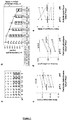
- the first and second freeze / thaw cycles were performed in parallel with two different samples from the same production of GALVTR-LV. This procedure made it possible to simultaneously evaluate all infectious GALVTR-LV titres in order to avoid any inter-experimental variability.
- the producer cells were washed and lysed in a buffer containing 50 mM Tris-HCl pH 7.5, 200 mM NaCl, 1% Triton X-100, 0.1% SDS, 0.5% deoxycholate. sodium, 10% glycerol, 1 mM EDTA, 1mM PMSF supplemented with a cocktail of protease inhibitors (complete protease inhibitor cocktail, Roche Diagnostics, Meylan, France). Protein concentrations were determined using the Bio-Rad DC Protein Assay kit I (Bio-Rad, Marnes-la-Coquette, France).
- Proteins (30 ⁇ g / lane) were separated on 10% SDS-polyacrylamide electrophoresis gel (PAGE), transferred to Hybond ECL nitrocellulose membrane (GE Healthcare Life Sciences, Velizy-Villacoublay, France) and an immunoblot was performed. by combining a goat anti-p24 antibody (Abd Serotec, Oxford, UK) and a mouse anti-actin antibody (AC-15 clone) (Sigma-Aldrich, St-Quentin-Fallavier, France). An anti-goat donkey antibody coupled to IRDye 800 and an anti-mouse donkey antibody coupled to IRDye 680 were used as secondary antibodies (Eurobio, Courtaboeuf, France). The immunoreactive bands were detected with the Odyssey infrared scanner and quantified with Odyssey 3.0 analysis software (LI-COR Biosciences, Lincoln, NE).
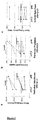
- the encouraging results obtained with the vector GALVTR-LV prompted us to test these same conditions for the production of a lentiviral vector pseudotyped with an envelope glycoprotein, used very widely in the field, the VSV-G protein (VSV-V vectors). G-LV).
- the figure 3 shows that a medium at pH 6 allows a significant increase in the production of infectious VSV-G-LV particles ( figure 2a ) and physical figure 2b ), on average by a factor of 1.5, with a stable specific activity ( Figure 2c ).
- VSV-G-LV particles produced directly in a pH 6 supplemented with FCS media, are not only stable but also, unexpectedly, produced at a higher level than when produced at from a culture medium at pH 7.2, classically recognized as optimal for this type of production.
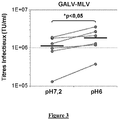
- the effect of the moderately acidic pH was evaluated on the PG13-MFG-GFP cell line, producing of GALV-MLV (MLV gammaretrovirus pseudotyped with GALV envelope glycoprotein) (Merten 2004).
- the original PG13 cell line is a murine fibroblast cell line (NIH-3T3) stably transfected with MLV virus packaging system (pLGPS) and a construct encoding GALV envelope glycoprotein (pMOV-GALV) (Miller et al. 1991).
- the transfer plasmid encoding the GFP protein under the control of the MLV LTR promoter (pMFG-GFP) was stably introduced into the PG13 line.
- PG13-MFG-GFP cells were incubated in buffered DMEM at pH 7.2 or pH 6 and 24 to 48 hours later the infectious particle content in the harvested supernatants was evaluated.
- the figure 3 shows that GALV-MLV particle production is significantly increased at moderately acidic pH.
- the target cells which in our case are mammalian cells, are cultured at a temperature of 37 ° C.
- the freezing tubes containing supernatant GALVTR-LV vectors produced at pH 7.2 or pH 6 were incubated for 0 to 4 days at 37 ° C and the kinetics of decrease in infectivity was followed.
Landscapes
- Health & Medical Sciences (AREA)
- Life Sciences & Earth Sciences (AREA)
- Genetics & Genomics (AREA)
- Chemical & Material Sciences (AREA)
- Organic Chemistry (AREA)
- Engineering & Computer Science (AREA)
- Bioinformatics & Cheminformatics (AREA)
- Wood Science & Technology (AREA)
- Zoology (AREA)
- Biomedical Technology (AREA)
- General Engineering & Computer Science (AREA)
- Biotechnology (AREA)
- General Health & Medical Sciences (AREA)
- Biochemistry (AREA)
- Virology (AREA)
- Biophysics (AREA)
- Microbiology (AREA)
- Molecular Biology (AREA)
- Medicinal Chemistry (AREA)
- Plant Pathology (AREA)
- Physics & Mathematics (AREA)
- Gastroenterology & Hepatology (AREA)
- Proteomics, Peptides & Aminoacids (AREA)
- Immunology (AREA)
- Micro-Organisms Or Cultivation Processes Thereof (AREA)
- Medicines Containing Material From Animals Or Micro-Organisms (AREA)
- Preparation Of Compounds By Using Micro-Organisms (AREA)
- Medicines That Contain Protein Lipid Enzymes And Other Medicines (AREA)
Applications Claiming Priority (2)
| Application Number | Priority Date | Filing Date | Title |
|---|---|---|---|
| FR1358909A FR3010720B1 (fr) | 2013-09-16 | 2013-09-16 | Procede de production de virus enveloppes |
| PCT/FR2014/052279 WO2015036713A1 (fr) | 2013-09-16 | 2014-09-12 | Procede de production de virus enveloppes |
Publications (2)
| Publication Number | Publication Date |
|---|---|
| EP3047025A1 EP3047025A1 (fr) | 2016-07-27 |
| EP3047025B1 true EP3047025B1 (fr) | 2019-04-03 |
Family
ID=50424334
Family Applications (1)
| Application Number | Title | Priority Date | Filing Date |
|---|---|---|---|
| EP14796166.8A Revoked EP3047025B1 (fr) | 2013-09-16 | 2014-09-12 | Procede de production de virus enveloppes |
Country Status (11)
| Country | Link |
|---|---|
| US (1) | US10125352B2 (enExample) |
| EP (1) | EP3047025B1 (enExample) |
| JP (1) | JP6629210B2 (enExample) |
| CN (1) | CN105722984B (enExample) |
| CA (1) | CA2923554C (enExample) |
| DK (1) | DK3047025T3 (enExample) |
| ES (1) | ES2732154T3 (enExample) |
| FR (1) | FR3010720B1 (enExample) |
| RU (1) | RU2016114541A (enExample) |
| SG (1) | SG11201602017YA (enExample) |
| WO (1) | WO2015036713A1 (enExample) |
Families Citing this family (5)
| Publication number | Priority date | Publication date | Assignee | Title |
|---|---|---|---|---|
| FR3014901B1 (fr) | 2013-12-17 | 2017-06-09 | Genethon | Procede de purification de virus ou vecteurs viraux enveloppes |
| RU2761555C2 (ru) | 2015-10-22 | 2021-12-09 | Джуно Терапьютикс Гмбх | Способы, наборы, средства и устройства для трансдукции |
| KR20220047635A (ko) | 2019-08-23 | 2022-04-18 | 론자 워커스빌 아이엔씨. | 렌티바이러스 벡터의 생산을 위한 방법 및 작제물 |
| US12365873B2 (en) | 2021-01-28 | 2025-07-22 | Allogene Therapeutics, Inc. | Methods for transducing immune cells |
| WO2023114949A1 (en) * | 2021-12-16 | 2023-06-22 | Sana Biotechnology, Inc. | Methods and systems of particle production |
Citations (1)
| Publication number | Priority date | Publication date | Assignee | Title |
|---|---|---|---|---|
| WO2013076309A1 (en) | 2011-11-24 | 2013-05-30 | Genethon | Scalable lentiviral vector production system compatible with industrial pharmaceutical applications |
Family Cites Families (5)
| Publication number | Priority date | Publication date | Assignee | Title |
|---|---|---|---|---|
| AU2005304866B2 (en) | 2004-11-05 | 2010-04-01 | Wellstat Biologics Corporation | Stable and filterable enveloped virus formulations |
| PL2007883T3 (pl) | 2006-04-20 | 2012-07-31 | Wyeth Llc | Sposób oczyszczania do izolacji oczyszczonego wirusa pęcherzykowatego zapalenia jamy ustnej z hodowli komórkowej |
| WO2009153563A1 (en) | 2008-06-18 | 2009-12-23 | Oxford Biomedica (Uk) Limited | Virus purification |
| US10596264B2 (en) * | 2011-06-30 | 2020-03-24 | Genethon | Peptides with viral infection enhancing properties and their use |
| FR3014901B1 (fr) | 2013-12-17 | 2017-06-09 | Genethon | Procede de purification de virus ou vecteurs viraux enveloppes |
-
2013
- 2013-09-16 FR FR1358909A patent/FR3010720B1/fr not_active Expired - Fee Related
-
2014
- 2014-09-12 EP EP14796166.8A patent/EP3047025B1/fr not_active Revoked
- 2014-09-12 US US15/022,049 patent/US10125352B2/en not_active Expired - Fee Related
- 2014-09-12 SG SG11201602017YA patent/SG11201602017YA/en unknown
- 2014-09-12 RU RU2016114541A patent/RU2016114541A/ru not_active Application Discontinuation
- 2014-09-12 CN CN201480050980.4A patent/CN105722984B/zh not_active Expired - Fee Related
- 2014-09-12 WO PCT/FR2014/052279 patent/WO2015036713A1/fr not_active Ceased
- 2014-09-12 CA CA2923554A patent/CA2923554C/fr not_active Expired - Fee Related
- 2014-09-12 JP JP2016542356A patent/JP6629210B2/ja not_active Ceased
- 2014-09-12 ES ES14796166T patent/ES2732154T3/es active Active
- 2014-09-12 DK DK14796166.8T patent/DK3047025T3/da active
Patent Citations (1)
| Publication number | Priority date | Publication date | Assignee | Title |
|---|---|---|---|---|
| WO2013076309A1 (en) | 2011-11-24 | 2013-05-30 | Genethon | Scalable lentiviral vector production system compatible with industrial pharmaceutical applications |
Non-Patent Citations (12)
| Title |
|---|
| "Gene Therapy for Cancer", 2007, article STRIPECKE ET AL.: "Chapter 3; Lentiviral and Retroviral Vector Systems", pages: 39 - 71, XP05567829 |
| FACKLER ET AL.: "Endocytic entry of HIV-1", CURRENT BIOLOGY, vol. 10, 2000, pages 1005 - 1008, XP055678285 |
| HIGASHIKAWA ET AL.: "Kinetic Analyses of Stability of Simple and Complex Retroviral Vectors", VIROLOGY, vol. 280, 2001, pages 124 - 131, XP055127252 |
| HOLIC ET AL.: "Clinical Development", HUMAN GENE THERAPY, vol. 25, no. 3, 25 September 2014 (2014-09-25), pages 178 - 185, XP055157649 |
| MCTAGGART ET AL.: "Effects of culture parameters on the production of retroviral vectors by a human packaging cell line", BIOTECHNOL. PROG, 2000, pages 859 - 865, XP002333787 |
| MORITA ET AL.: "Clastogenicity of low pH to various cultured mammalian cells", MUTATION RESEARCH, vol. 268, 1992, pages 297 - 305, XP023580880 |
| MORITA T ET AL: "Clastogenicity of low pH to various cultured mammalian cells", MUTATION RESEARCH, ELSEVIER, AMSTERDAM, NL, vol. 268, no. 2, 1 August 1992 (1992-08-01), pages 297 - 305, XP025206882, ISSN: 0027-5107, [retrieved on 19920801], DOI: 10.1016/0027-5107(92)90235-T * |
| MORIZONO K ET AL.: "Transient low pH treatment enhances infection of lentiviral vector pseudotypes with a targeting Sindbis envelope", VIROLOGY, 10 November 2006 (2006-11-10), pages 71 - 81, XP024896557 |
| PROTOCOL: LENTI-VIRAL TRANSFECTION, 7 July 2014 (2014-07-07), pages 1 - 2 |
| TONINI ET AL.: "Transient production of retroviral- and lentiviral-based vectors for the transduction of Mammalian cells", METHODS MOL BIOL, vol. 285, 2004, pages 141 - 148, XP055525255 |
| WITTING ET AL.: "Efficient Large Volume Lentiviral Vector Production Using Flow Electroporation", HUMAN GENE THERAPY, vol. 23, 2012, pages 243 - 249, XP055143670 |
| ZUFFEREY, R: "Production of lentiviral vectors", CURRENT TOPICS IN MICROBIOLOGY AND IMMUNOLOGY, 2002, pages 107 - 121, XP055678511 |
Also Published As
| Publication number | Publication date |
|---|---|
| DK3047025T3 (da) | 2019-06-24 |
| RU2016114541A (ru) | 2017-10-23 |
| JP2016530890A (ja) | 2016-10-06 |
| ES2732154T3 (es) | 2019-11-20 |
| FR3010720A1 (fr) | 2015-03-20 |
| CA2923554C (fr) | 2019-10-29 |
| SG11201602017YA (en) | 2016-04-28 |
| US10125352B2 (en) | 2018-11-13 |
| CN105722984B (zh) | 2021-08-13 |
| EP3047025A1 (fr) | 2016-07-27 |
| CN105722984A (zh) | 2016-06-29 |
| JP6629210B2 (ja) | 2020-01-15 |
| FR3010720B1 (fr) | 2017-08-11 |
| WO2015036713A1 (fr) | 2015-03-19 |
| CA2923554A1 (fr) | 2015-03-19 |
| US20160230147A1 (en) | 2016-08-11 |
Similar Documents
| Publication | Publication Date | Title |
|---|---|---|
| EP3083970B1 (fr) | Procédé de purification de virus ou vecteurs viraux enveloppes | |
| EP3455239B1 (fr) | Particule pour l'encapsidation d'un système d'ingénierie du génome | |
| CN100531802C (zh) | 含有血凝素活性膜蛋白质的假型逆转录病毒载体 | |
| CA2923554C (fr) | Procede de production de virus enveloppes | |
| CA2986051C (fr) | Particule retrovirale comportant au moins deux arn non viraux encapsides | |
| FR3044016A1 (fr) | Lignees cellulaires stables pour la production retrovirale | |
| FR3044017A1 (fr) | Procede de transfection transitoire pour la production retrovirale | |
| FR2777909A1 (fr) | Utilisation de sequences d'adn de structure triplex pour le tranfert de sequences de nucleotides dans des cellules, vecteurs recombinants contenant ces sequences triplex | |
| Liu et al. | HIV-1-based lentiviral vectors | |
| CN113166782A (zh) | 增强慢病毒载体产生的方法 | |
| CA2848484C (fr) | Genomes lentiviraux chimeriques non integratifs comme vaccins innovants contre le hiv-1 | |
| CA2448947C (fr) | Pseudotypage des vecteurs vih-1 par des enveloppes de rhabdovirus | |
| Schüle et al. | Restriction of HIV-1 replication in monocytes is abolished by Vpx of SIVsmmPBj | |
| FR3036118B1 (fr) | Particule retrovirale comportant au moins deux arn non viraux encapsides. | |
| Lourenço et al. | A cell-based bicistronic lentiviral reporter system for identification of inhibitors of the hepatitis C virus internal ribosome entry site | |
| Urbinati et al. | 467. Lentiviral Vector (LV) Non-Coding Elements That Impart High Titers and Expression to [beta]-Globin (h [beta]) Cassettes | |
| Naumann et al. | 468. Evaluation of Factors Influencing the Production Titers of SIV-Derived Lentiviral Vectors | |
| FR3051196A1 (fr) | Particule pour l'encapsidation d'un systeme d'ingenierie du genome | |
| WO2003085117A1 (fr) | Vecteurs retroviraux comprenant une sequence d'epissage alternatif de mlv |
Legal Events
| Date | Code | Title | Description |
|---|---|---|---|
| PUAI | Public reference made under article 153(3) epc to a published international application that has entered the european phase |
Free format text: ORIGINAL CODE: 0009012 |
|
| 17P | Request for examination filed |
Effective date: 20160303 |
|
| AK | Designated contracting states |
Kind code of ref document: A1 Designated state(s): AL AT BE BG CH CY CZ DE DK EE ES FI FR GB GR HR HU IE IS IT LI LT LU LV MC MK MT NL NO PL PT RO RS SE SI SK SM TR |
|
| AX | Request for extension of the european patent |
Extension state: BA ME |
|
| DAX | Request for extension of the european patent (deleted) | ||
| STAA | Information on the status of an ep patent application or granted ep patent |
Free format text: STATUS: REQUEST FOR EXAMINATION WAS MADE |
|
| STAA | Information on the status of an ep patent application or granted ep patent |
Free format text: STATUS: EXAMINATION IS IN PROGRESS |
|
| 17Q | First examination report despatched |
Effective date: 20170602 |
|
| GRAP | Despatch of communication of intention to grant a patent |
Free format text: ORIGINAL CODE: EPIDOSNIGR1 |
|
| STAA | Information on the status of an ep patent application or granted ep patent |
Free format text: STATUS: GRANT OF PATENT IS INTENDED |
|
| INTG | Intention to grant announced |
Effective date: 20181017 |
|
| GRAS | Grant fee paid |
Free format text: ORIGINAL CODE: EPIDOSNIGR3 |
|
| GRAA | (expected) grant |
Free format text: ORIGINAL CODE: 0009210 |
|
| STAA | Information on the status of an ep patent application or granted ep patent |
Free format text: STATUS: THE PATENT HAS BEEN GRANTED |
|
| AK | Designated contracting states |
Kind code of ref document: B1 Designated state(s): AL AT BE BG CH CY CZ DE DK EE ES FI FR GB GR HR HU IE IS IT LI LT LU LV MC MK MT NL NO PL PT RO RS SE SI SK SM TR |
|
| REG | Reference to a national code |
Ref country code: GB Ref legal event code: FG4D Free format text: NOT ENGLISH |
|
| REG | Reference to a national code |
Ref country code: CH Ref legal event code: EP Ref country code: AT Ref legal event code: REF Ref document number: 1115772 Country of ref document: AT Kind code of ref document: T Effective date: 20190415 |
|
| REG | Reference to a national code |
Ref country code: DE Ref legal event code: R096 Ref document number: 602014044093 Country of ref document: DE |
|
| REG | Reference to a national code |
Ref country code: IE Ref legal event code: FG4D Free format text: LANGUAGE OF EP DOCUMENT: FRENCH |
|
| REG | Reference to a national code |
Ref country code: DK Ref legal event code: T3 Effective date: 20190619 |
|
| REG | Reference to a national code |
Ref country code: CH Ref legal event code: NV Representative=s name: VALIPAT S.A. C/O BOVARD SA NEUCHATEL, CH |
|
| REG | Reference to a national code |
Ref country code: NL Ref legal event code: FP |
|
| REG | Reference to a national code |
Ref country code: LT Ref legal event code: MG4D |
|
| PG25 | Lapsed in a contracting state [announced via postgrant information from national office to epo] |
Ref country code: PT Free format text: LAPSE BECAUSE OF FAILURE TO SUBMIT A TRANSLATION OF THE DESCRIPTION OR TO PAY THE FEE WITHIN THE PRESCRIBED TIME-LIMIT Effective date: 20190803 Ref country code: SE Free format text: LAPSE BECAUSE OF FAILURE TO SUBMIT A TRANSLATION OF THE DESCRIPTION OR TO PAY THE FEE WITHIN THE PRESCRIBED TIME-LIMIT Effective date: 20190403 Ref country code: AL Free format text: LAPSE BECAUSE OF FAILURE TO SUBMIT A TRANSLATION OF THE DESCRIPTION OR TO PAY THE FEE WITHIN THE PRESCRIBED TIME-LIMIT Effective date: 20190403 Ref country code: FI Free format text: LAPSE BECAUSE OF FAILURE TO SUBMIT A TRANSLATION OF THE DESCRIPTION OR TO PAY THE FEE WITHIN THE PRESCRIBED TIME-LIMIT Effective date: 20190403 Ref country code: NO Free format text: LAPSE BECAUSE OF FAILURE TO SUBMIT A TRANSLATION OF THE DESCRIPTION OR TO PAY THE FEE WITHIN THE PRESCRIBED TIME-LIMIT Effective date: 20190703 Ref country code: CZ Free format text: LAPSE BECAUSE OF FAILURE TO SUBMIT A TRANSLATION OF THE DESCRIPTION OR TO PAY THE FEE WITHIN THE PRESCRIBED TIME-LIMIT Effective date: 20190403 Ref country code: HR Free format text: LAPSE BECAUSE OF FAILURE TO SUBMIT A TRANSLATION OF THE DESCRIPTION OR TO PAY THE FEE WITHIN THE PRESCRIBED TIME-LIMIT Effective date: 20190403 Ref country code: LT Free format text: LAPSE BECAUSE OF FAILURE TO SUBMIT A TRANSLATION OF THE DESCRIPTION OR TO PAY THE FEE WITHIN THE PRESCRIBED TIME-LIMIT Effective date: 20190403 |
|
| REG | Reference to a national code |
Ref country code: ES Ref legal event code: FG2A Ref document number: 2732154 Country of ref document: ES Kind code of ref document: T3 Effective date: 20191120 |
|
| PG25 | Lapsed in a contracting state [announced via postgrant information from national office to epo] |
Ref country code: PL Free format text: LAPSE BECAUSE OF FAILURE TO SUBMIT A TRANSLATION OF THE DESCRIPTION OR TO PAY THE FEE WITHIN THE PRESCRIBED TIME-LIMIT Effective date: 20190403 Ref country code: RS Free format text: LAPSE BECAUSE OF FAILURE TO SUBMIT A TRANSLATION OF THE DESCRIPTION OR TO PAY THE FEE WITHIN THE PRESCRIBED TIME-LIMIT Effective date: 20190403 Ref country code: GR Free format text: LAPSE BECAUSE OF FAILURE TO SUBMIT A TRANSLATION OF THE DESCRIPTION OR TO PAY THE FEE WITHIN THE PRESCRIBED TIME-LIMIT Effective date: 20190704 Ref country code: LV Free format text: LAPSE BECAUSE OF FAILURE TO SUBMIT A TRANSLATION OF THE DESCRIPTION OR TO PAY THE FEE WITHIN THE PRESCRIBED TIME-LIMIT Effective date: 20190403 Ref country code: BG Free format text: LAPSE BECAUSE OF FAILURE TO SUBMIT A TRANSLATION OF THE DESCRIPTION OR TO PAY THE FEE WITHIN THE PRESCRIBED TIME-LIMIT Effective date: 20190703 |
|
| REG | Reference to a national code |
Ref country code: DE Ref legal event code: R026 Ref document number: 602014044093 Country of ref document: DE |
|
| PLBI | Opposition filed |
Free format text: ORIGINAL CODE: 0009260 |
|
| PG25 | Lapsed in a contracting state [announced via postgrant information from national office to epo] |
Ref country code: IS Free format text: LAPSE BECAUSE OF FAILURE TO SUBMIT A TRANSLATION OF THE DESCRIPTION OR TO PAY THE FEE WITHIN THE PRESCRIBED TIME-LIMIT Effective date: 20190803 |
|
| PLAX | Notice of opposition and request to file observation + time limit sent |
Free format text: ORIGINAL CODE: EPIDOSNOBS2 |
|
| 26 | Opposition filed |
Opponent name: STRAWMAN LIMITED Effective date: 20191218 |
|
| PG25 | Lapsed in a contracting state [announced via postgrant information from national office to epo] |
Ref country code: EE Free format text: LAPSE BECAUSE OF FAILURE TO SUBMIT A TRANSLATION OF THE DESCRIPTION OR TO PAY THE FEE WITHIN THE PRESCRIBED TIME-LIMIT Effective date: 20190403 Ref country code: RO Free format text: LAPSE BECAUSE OF FAILURE TO SUBMIT A TRANSLATION OF THE DESCRIPTION OR TO PAY THE FEE WITHIN THE PRESCRIBED TIME-LIMIT Effective date: 20190403 Ref country code: SK Free format text: LAPSE BECAUSE OF FAILURE TO SUBMIT A TRANSLATION OF THE DESCRIPTION OR TO PAY THE FEE WITHIN THE PRESCRIBED TIME-LIMIT Effective date: 20190403 |
|
| PG25 | Lapsed in a contracting state [announced via postgrant information from national office to epo] |
Ref country code: SM Free format text: LAPSE BECAUSE OF FAILURE TO SUBMIT A TRANSLATION OF THE DESCRIPTION OR TO PAY THE FEE WITHIN THE PRESCRIBED TIME-LIMIT Effective date: 20190403 |
|
| PG25 | Lapsed in a contracting state [announced via postgrant information from national office to epo] |
Ref country code: TR Free format text: LAPSE BECAUSE OF FAILURE TO SUBMIT A TRANSLATION OF THE DESCRIPTION OR TO PAY THE FEE WITHIN THE PRESCRIBED TIME-LIMIT Effective date: 20190403 |
|
| PG25 | Lapsed in a contracting state [announced via postgrant information from national office to epo] |
Ref country code: MC Free format text: LAPSE BECAUSE OF FAILURE TO SUBMIT A TRANSLATION OF THE DESCRIPTION OR TO PAY THE FEE WITHIN THE PRESCRIBED TIME-LIMIT Effective date: 20190403 Ref country code: SI Free format text: LAPSE BECAUSE OF FAILURE TO SUBMIT A TRANSLATION OF THE DESCRIPTION OR TO PAY THE FEE WITHIN THE PRESCRIBED TIME-LIMIT Effective date: 20190403 |
|
| PLBB | Reply of patent proprietor to notice(s) of opposition received |
Free format text: ORIGINAL CODE: EPIDOSNOBS3 |
|
| PG25 | Lapsed in a contracting state [announced via postgrant information from national office to epo] |
Ref country code: IE Free format text: LAPSE BECAUSE OF NON-PAYMENT OF DUE FEES Effective date: 20190912 Ref country code: LU Free format text: LAPSE BECAUSE OF NON-PAYMENT OF DUE FEES Effective date: 20190912 |
|
| PG25 | Lapsed in a contracting state [announced via postgrant information from national office to epo] |
Ref country code: CY Free format text: LAPSE BECAUSE OF FAILURE TO SUBMIT A TRANSLATION OF THE DESCRIPTION OR TO PAY THE FEE WITHIN THE PRESCRIBED TIME-LIMIT Effective date: 20190403 |
|
| PG25 | Lapsed in a contracting state [announced via postgrant information from national office to epo] |
Ref country code: HU Free format text: LAPSE BECAUSE OF FAILURE TO SUBMIT A TRANSLATION OF THE DESCRIPTION OR TO PAY THE FEE WITHIN THE PRESCRIBED TIME-LIMIT; INVALID AB INITIO Effective date: 20140912 Ref country code: MT Free format text: LAPSE BECAUSE OF FAILURE TO SUBMIT A TRANSLATION OF THE DESCRIPTION OR TO PAY THE FEE WITHIN THE PRESCRIBED TIME-LIMIT Effective date: 20190403 |
|
| RDAF | Communication despatched that patent is revoked |
Free format text: ORIGINAL CODE: EPIDOSNREV1 |
|
| REG | Reference to a national code |
Ref country code: AT Ref legal event code: UEP Ref document number: 1115772 Country of ref document: AT Kind code of ref document: T Effective date: 20190403 |
|
| REG | Reference to a national code |
Ref country code: DE Ref legal event code: R103 Ref document number: 602014044093 Country of ref document: DE Ref country code: DE Ref legal event code: R064 Ref document number: 602014044093 Country of ref document: DE |
|
| PGFP | Annual fee paid to national office [announced via postgrant information from national office to epo] |
Ref country code: IT Payment date: 20210922 Year of fee payment: 8 Ref country code: NL Payment date: 20210920 Year of fee payment: 8 Ref country code: CH Payment date: 20210920 Year of fee payment: 8 Ref country code: AT Payment date: 20210921 Year of fee payment: 8 Ref country code: FR Payment date: 20210922 Year of fee payment: 8 |
|
| PGFP | Annual fee paid to national office [announced via postgrant information from national office to epo] |
Ref country code: GB Payment date: 20210920 Year of fee payment: 8 Ref country code: BE Payment date: 20210920 Year of fee payment: 8 Ref country code: DK Payment date: 20210920 Year of fee payment: 8 Ref country code: DE Payment date: 20210920 Year of fee payment: 8 |
|
| RDAG | Patent revoked |
Free format text: ORIGINAL CODE: 0009271 |
|
| STAA | Information on the status of an ep patent application or granted ep patent |
Free format text: STATUS: PATENT REVOKED |
|
| REG | Reference to a national code |
Ref country code: CH Ref legal event code: PL |
|
| PGFP | Annual fee paid to national office [announced via postgrant information from national office to epo] |
Ref country code: ES Payment date: 20211125 Year of fee payment: 8 |
|
| REG | Reference to a national code |
Ref country code: FI Ref legal event code: MGE |
|
| 27W | Patent revoked |
Effective date: 20210924 |
|
| GBPR | Gb: patent revoked under art. 102 of the ep convention designating the uk as contracting state |
Effective date: 20210924 |
|
| REG | Reference to a national code |
Ref country code: AT Ref legal event code: MA03 Ref document number: 1115772 Country of ref document: AT Kind code of ref document: T Effective date: 20210924 |
|
| PG25 | Lapsed in a contracting state [announced via postgrant information from national office to epo] |
Ref country code: MK Free format text: LAPSE BECAUSE OF FAILURE TO SUBMIT A TRANSLATION OF THE DESCRIPTION OR TO PAY THE FEE WITHIN THE PRESCRIBED TIME-LIMIT Effective date: 20190403 |
|
| PG25 | Lapsed in a contracting state [announced via postgrant information from national office to epo] |
Ref country code: AT Free format text: LAPSE BECAUSE OF THE APPLICANT RENOUNCES Effective date: 20210924 |
|
| PG25 | Lapsed in a contracting state [announced via postgrant information from national office to epo] |
Ref country code: AT Free format text: LAPSE BECAUSE OF THE APPLICANT RENOUNCES Effective date: 20210924 |